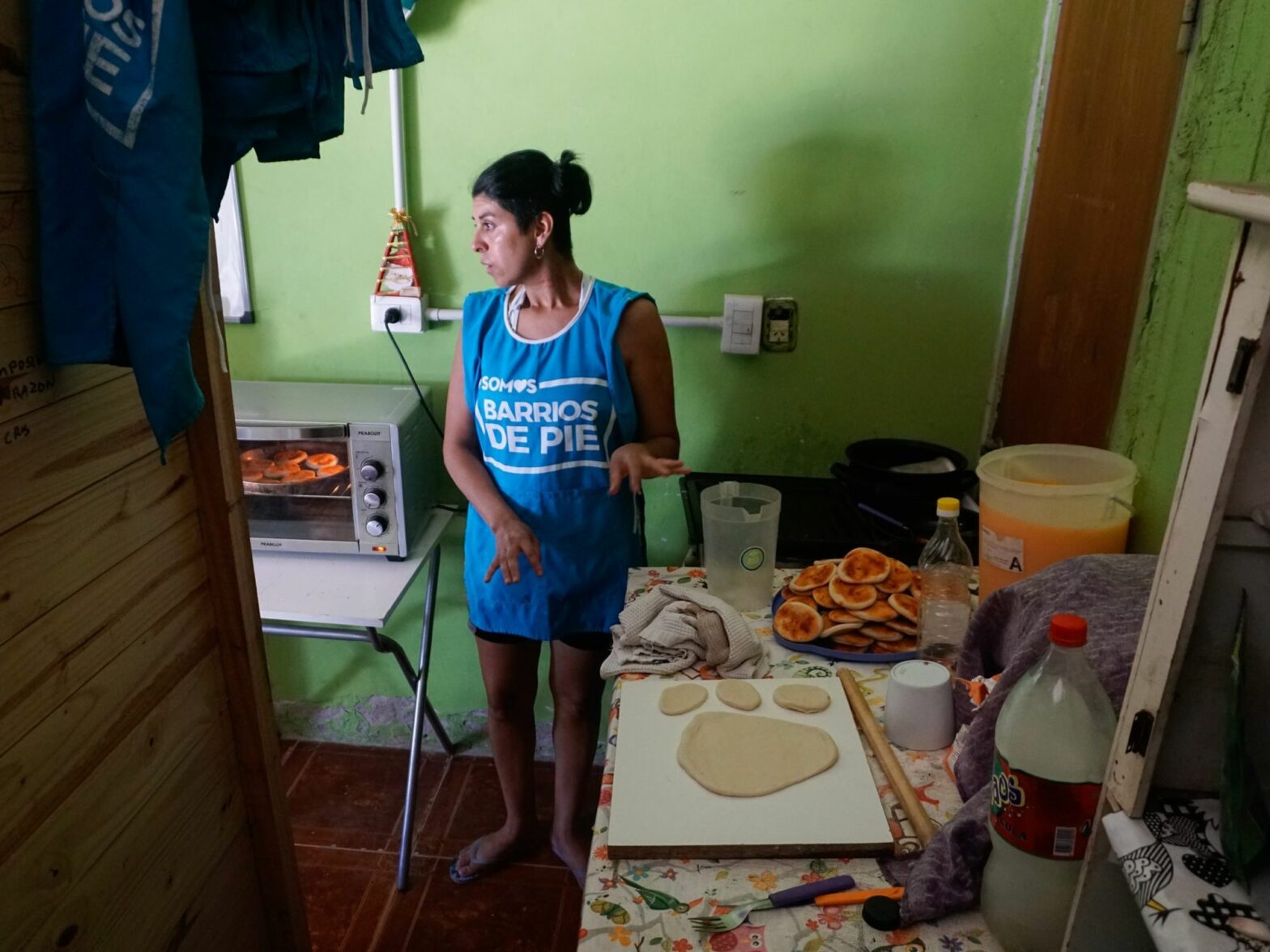
A year ago, Javier Milei’s government lifted price controls. Since then, food costs have spiked by more than 90%.
 Worldcrunch
A year ago, Javier Milei’s government lifted price controls. Since then, food costs have spiked by more than 90%.
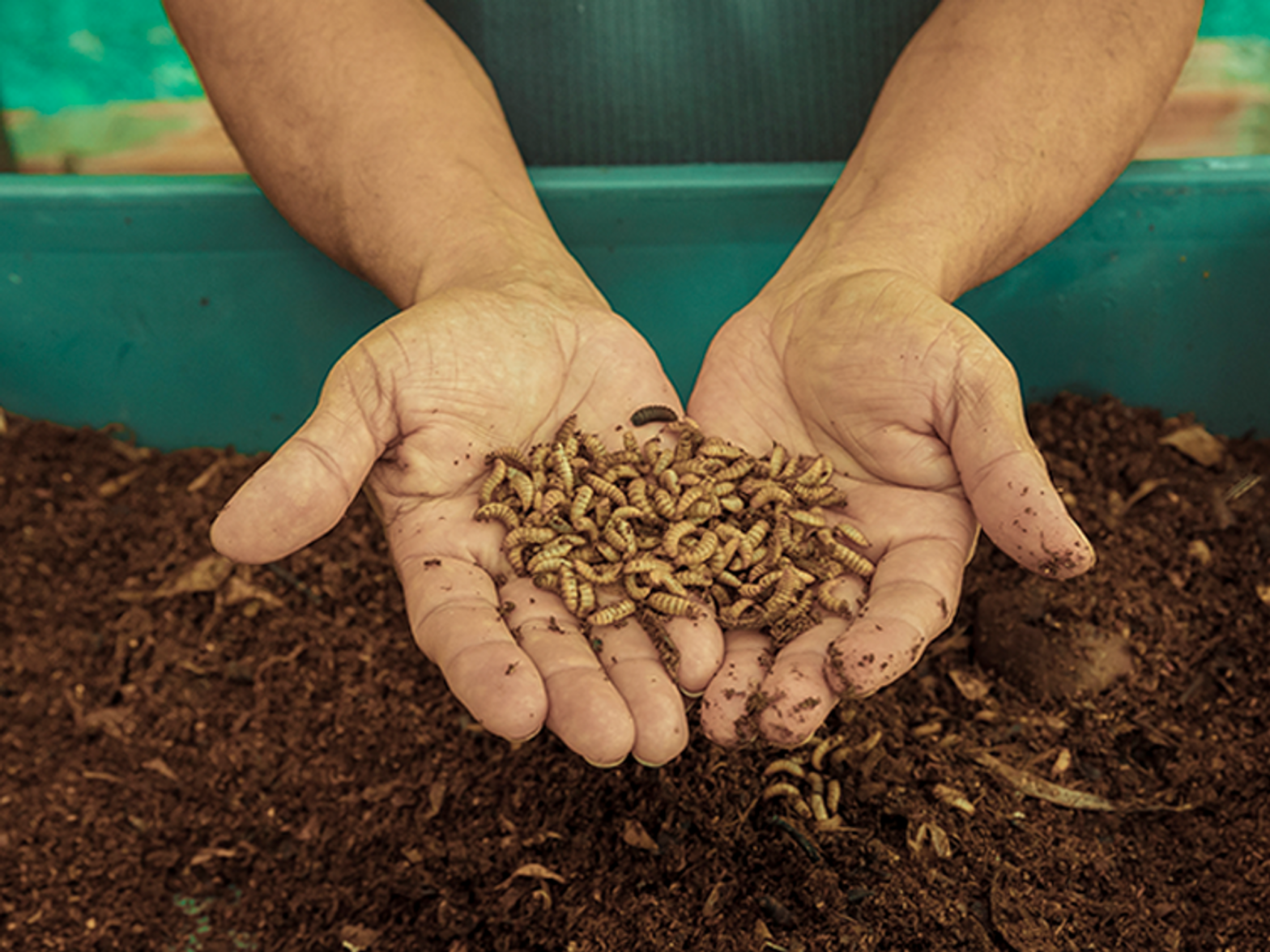
In Colombia, the possibility of integrating insects to our diets is gaining traction, with a little help from former FARC members. Some of the critters have a higher protein percentage than beef and cost less to produce. Not to mention that their consumption could help mitigate the environmental impact of eating conventional animal protein.
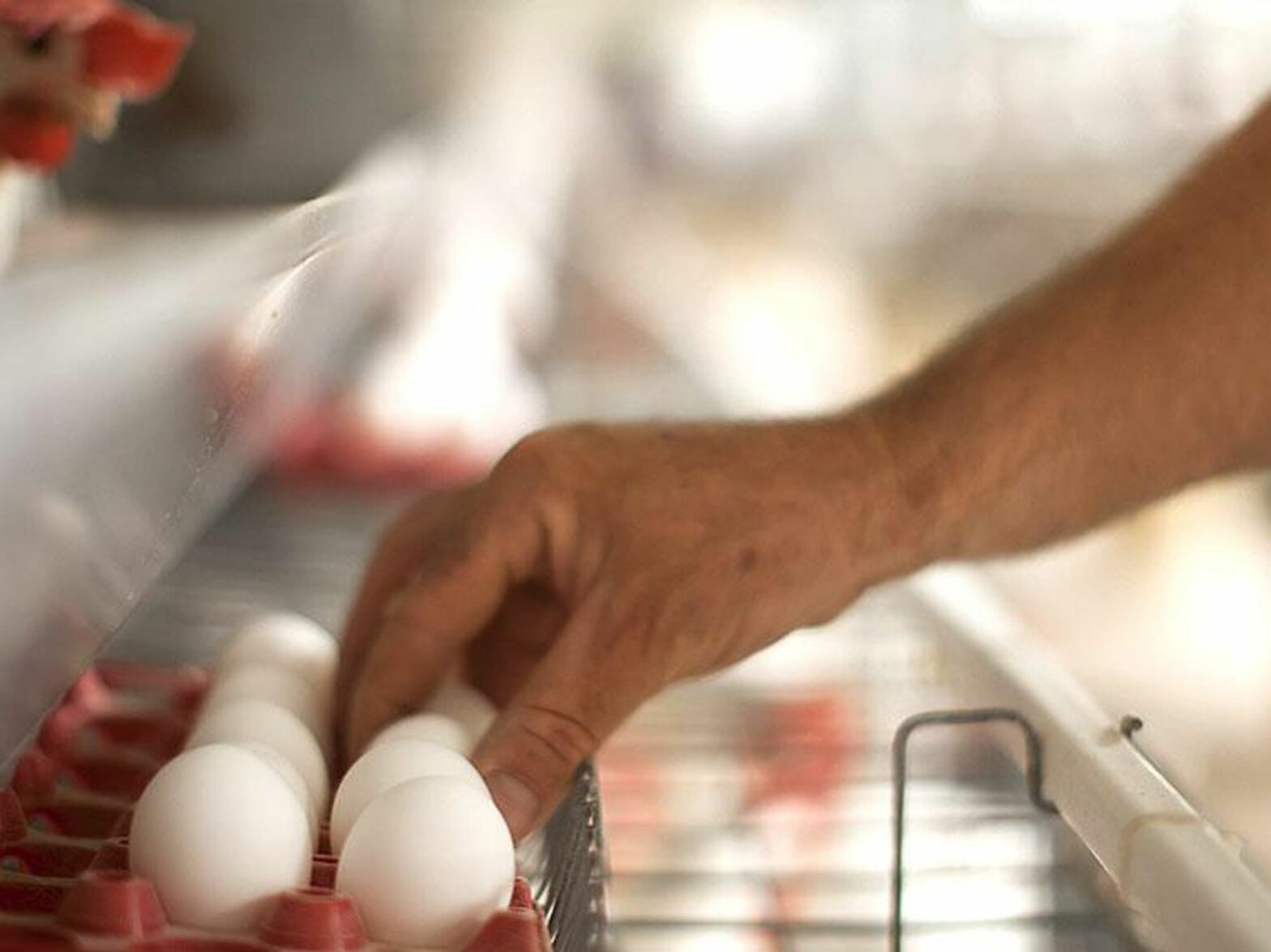
With the price of meat on the rise, Brazilians have turned to eggs. The country is now producing 55 billion eggs a year, presenting challenges for farmers and raising questions of animal welfare. And in Brazil’s “Egg Capital”, the climate crisis is complicating matters further.
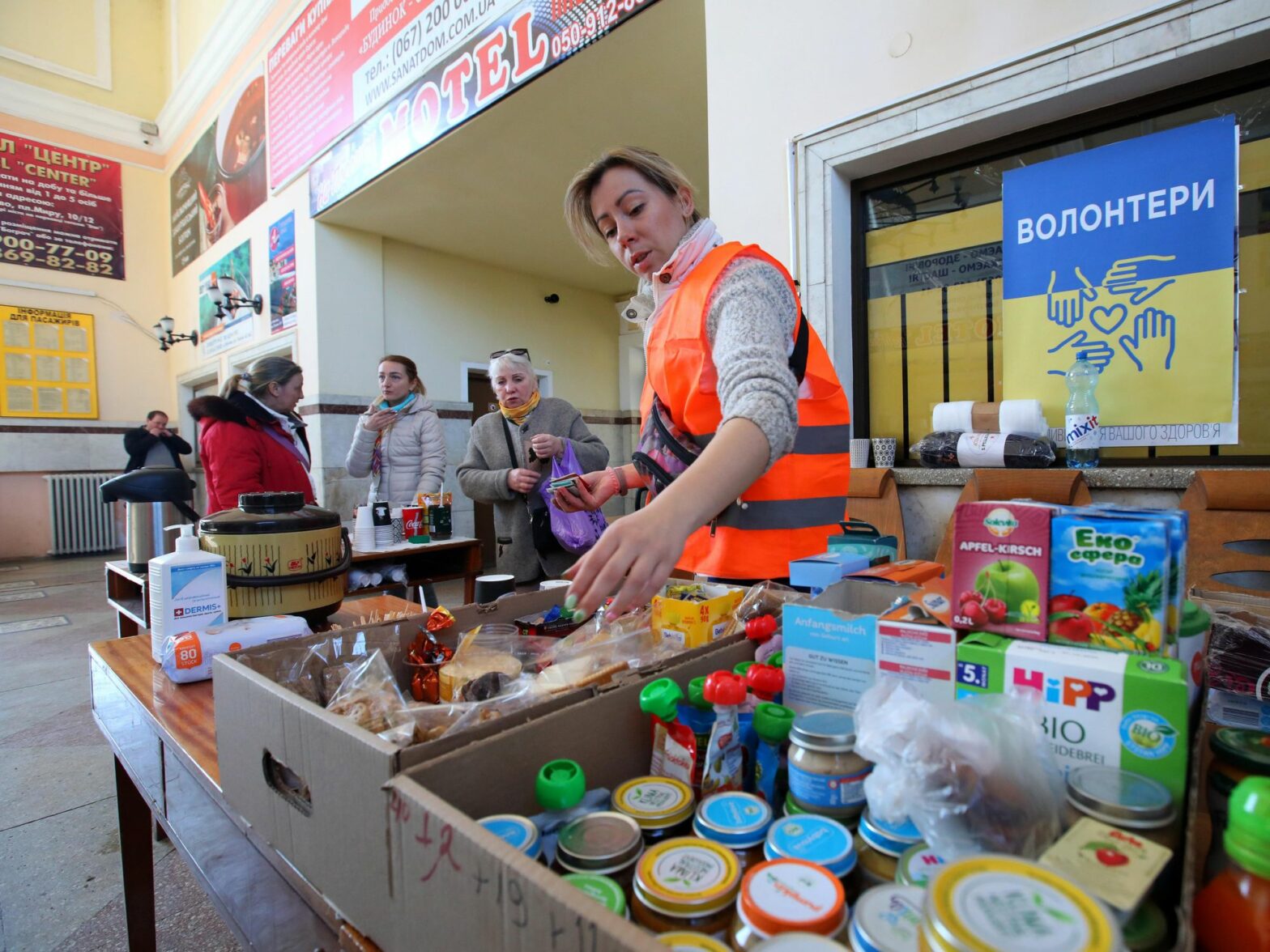
In an interconnected world, we are faced again with the negative implications of the so-called “butterfly effect” when a localized conflict can have far-reaching consequences and trigger lasting crises. For our world’s broken food systems, the war in Ukraine should be a wake-up call.
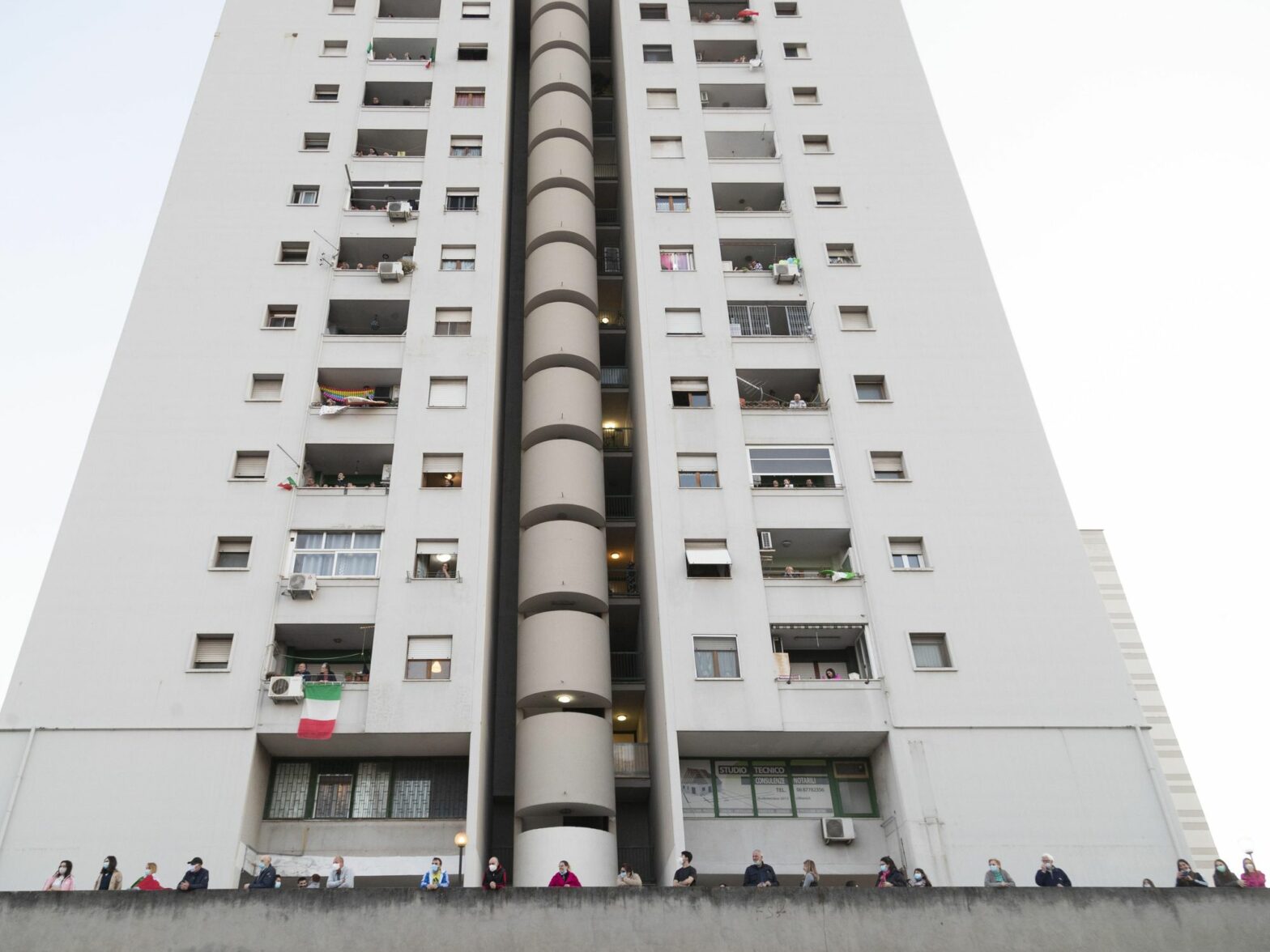
The pandemic has exposed longstanding inequalities and brought more people into a cycle of hunger and precariousness,
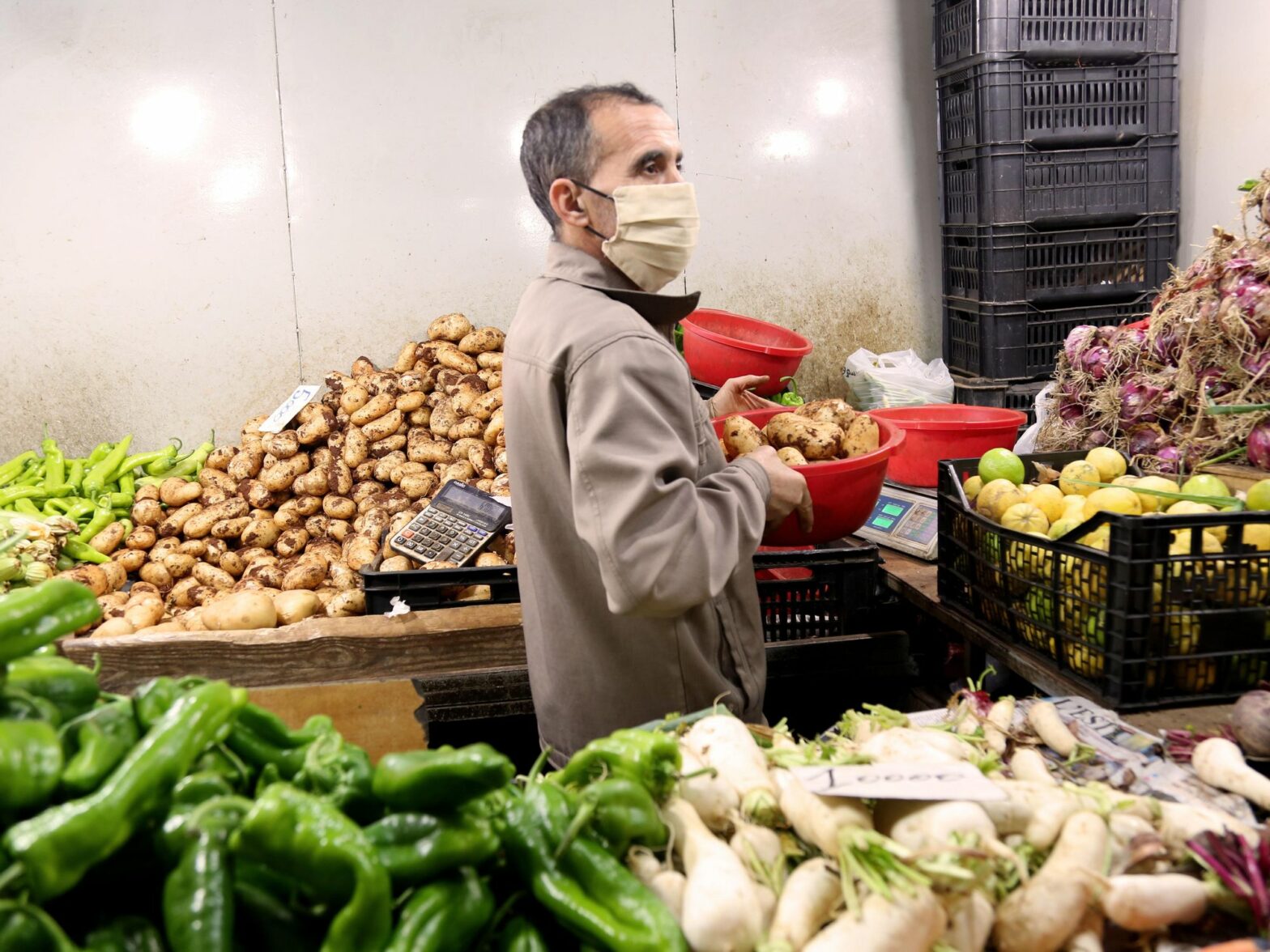
Prices have tripled on the staple product, as farmers and the government blame each other while ordinary Algerians struggle to put food on the table. It’s yet another crisis between economics and politics in the troubled North African nation.
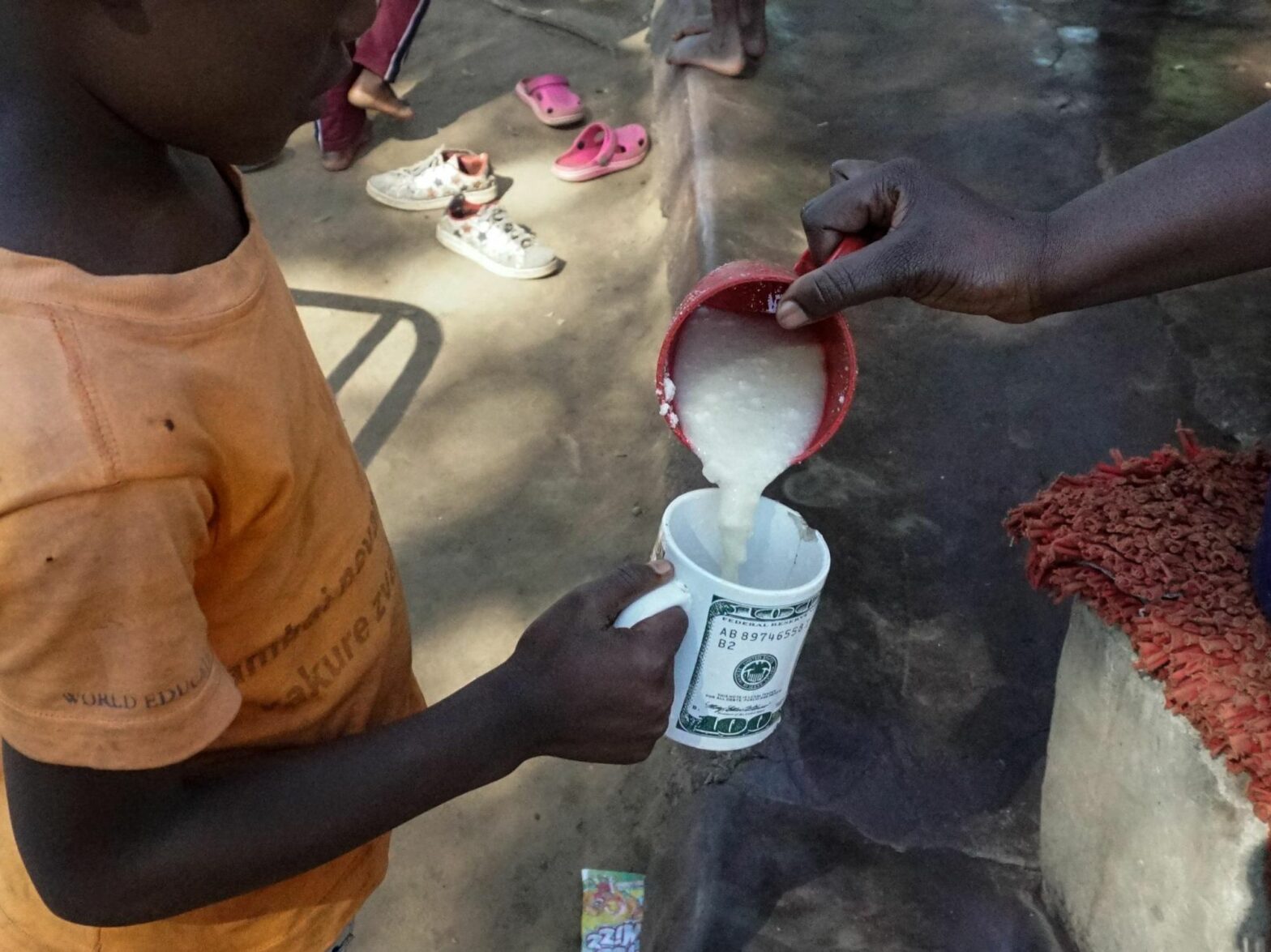
Feeding vulnerable children was already a challenge in Zimbabwe. Since COVID-19 swept the globe, it’s only gotten harder.

-Analysis- In the financial press, Africa is now hailed as the “go-to” continent. It seems to be at the cusp of a golden age: its growth and direct foreign investment rates recall those of China at the beginning of the 2000s; South Africa has become one of the booming BRICS (Brazil-Russia-India-China-South Africa). The continent also […]