Fixing food loss is key to ending hunger, protecting resources, and ensuring sustainability in India.
 Worldcrunch
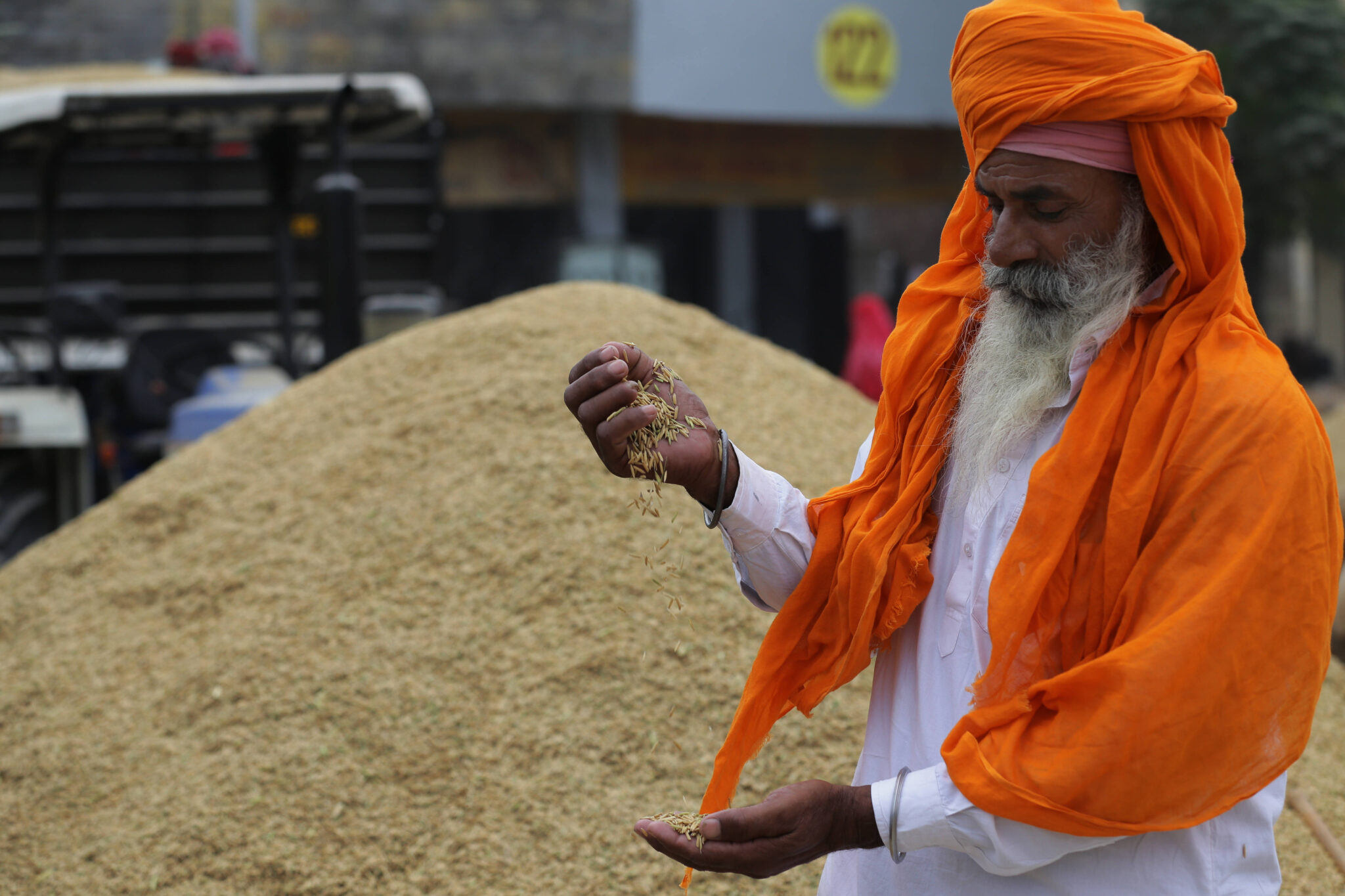
Fixing food loss is key to ending hunger, protecting resources, and ensuring sustainability in India.
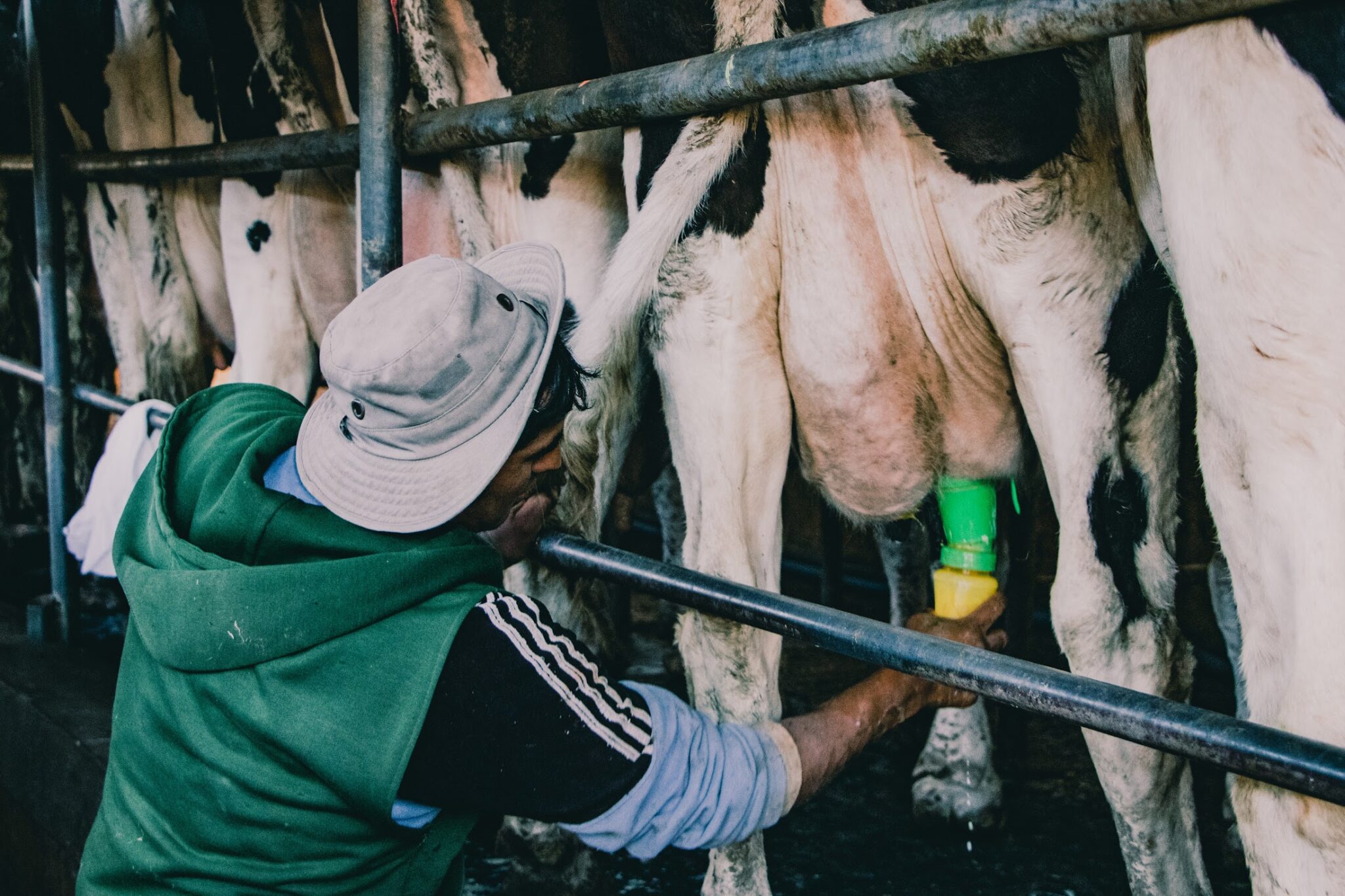
Argentine family farms are turning to robotic milking to modernize operations, ease the daily grind, and secure their future for the next generation.
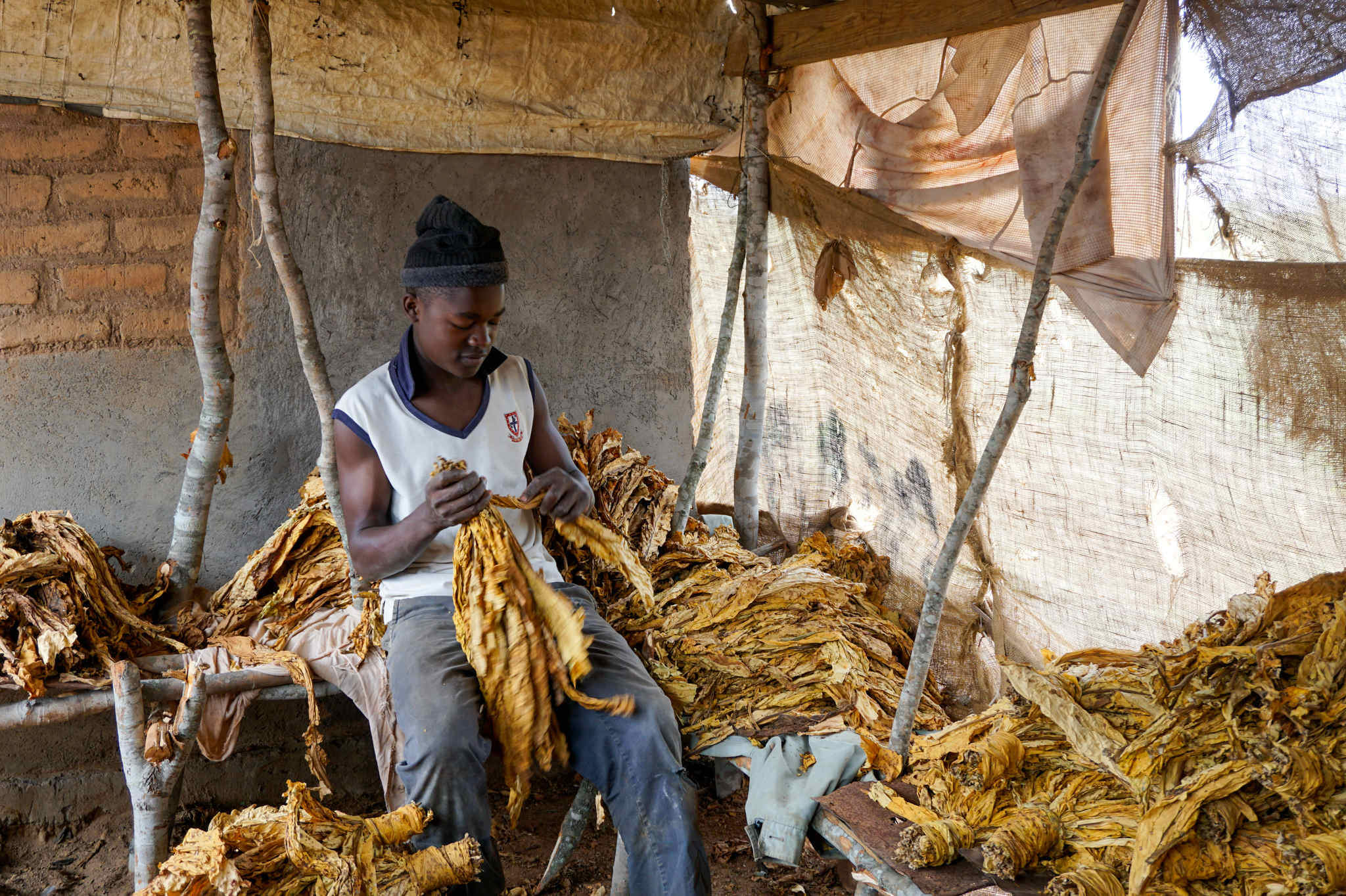
Land reforms gave Zimbabweans farms — but contract tobacco deals have handed power to private companies.
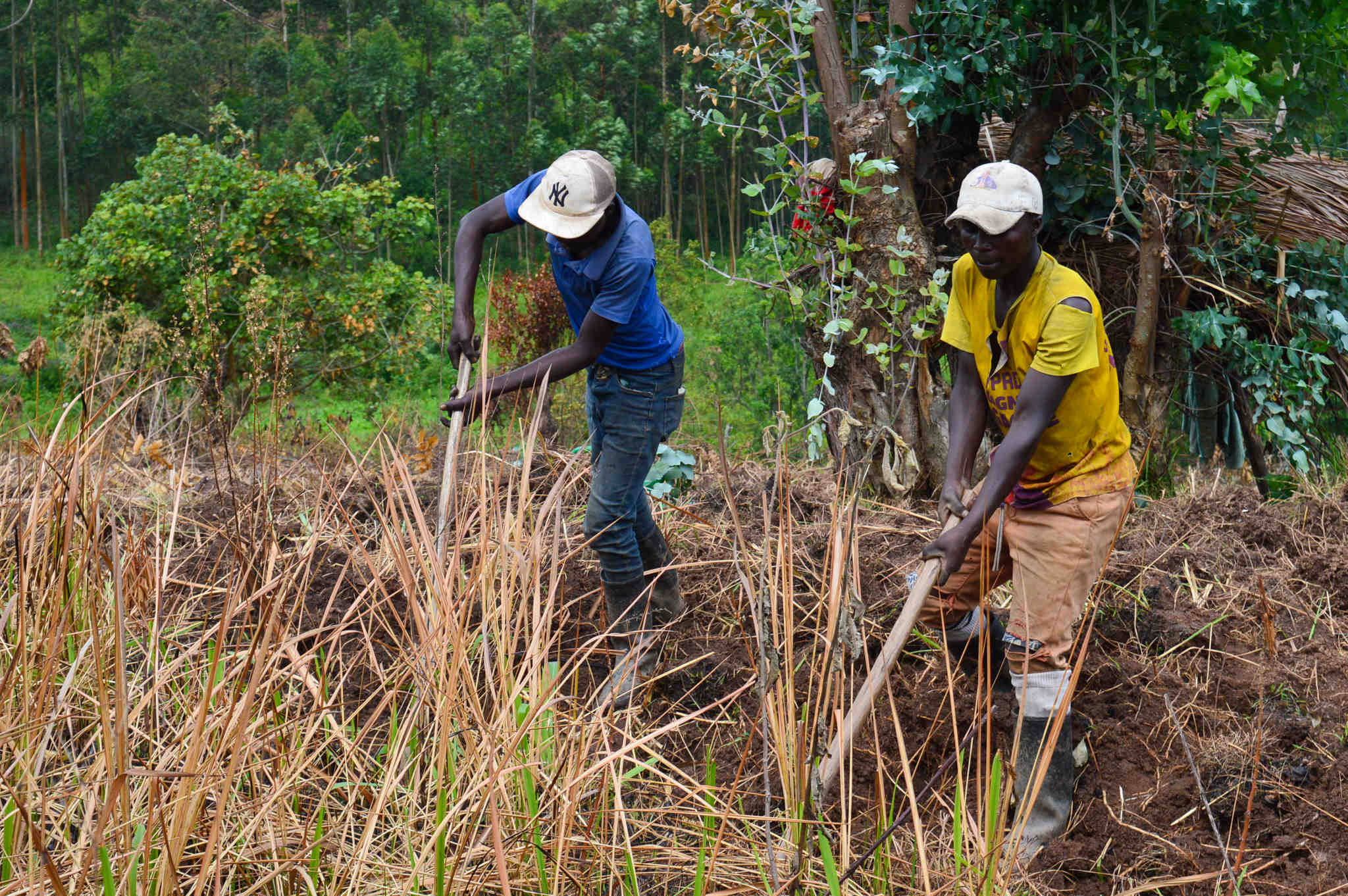
In February, Stino Muhindo Sivyaghendera lit a match and held it to the grass in the field of eucalyptus trees he’d planted three years earlier. In the months before, the army had set up a position there, and left deadly ordnance behind. He’d heard about two young men who were killed by an explosion in the area, and he didn’t want anyone to come to harm in his field.

In Dronero, the overwhelming majority of students enrolled in primary schools are of foreign descent, while the children of Italian parents go to school in neighboring villages. Some point to racism to explain the phenomenon, but the reality is a different one.

Impoverished by decades of intensive farming, soils are losing their capacity to store carbon and retain water. Today, alternative farming methods try to offer a solution to the problem, but the results are far from ideal.

The UK government wants its farming sector to transition to a more sustainable model. But farmers fear the complex post-Brexit agricultural policy and lack of EU subsidies are threatening their livelihood.

Armed conflicts, droughts, floods, poverty… Many factors are pushing some young people from Burkina Faso, Mali and Niger to take uncertain and dangerous migration routes. In the region of Africa just south of the Sahara, unregulated migration is increasing.

For the past 30 years, the number of wolves has steadily increased in France — great news for biodiversity but not for farmers, who are accusing the predator of attacking and killing their livestock. The topic, which has become explosive, is symbolic of a very contemporary divide in the country.
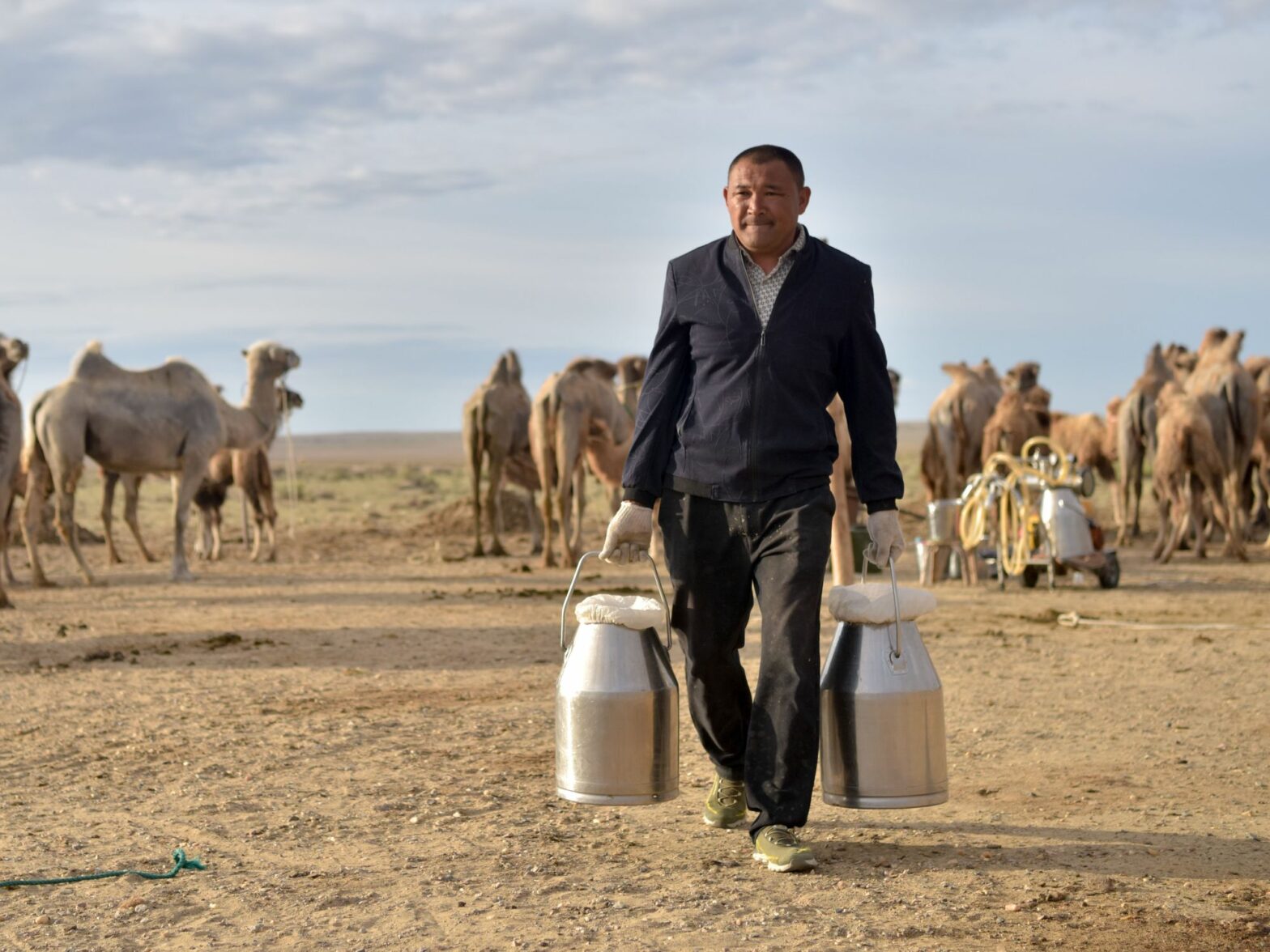
Camels’ resilience to climate change and increasingly sought-after milk make them more and more attractive for intensive farming in the Middle East. But this shift could prove detrimental to both the environment and the region’s traditional camel herding.

Milk shortages are not new in Cuba, where the state pays producers less for their milk than what they can make by selling it on the black market.
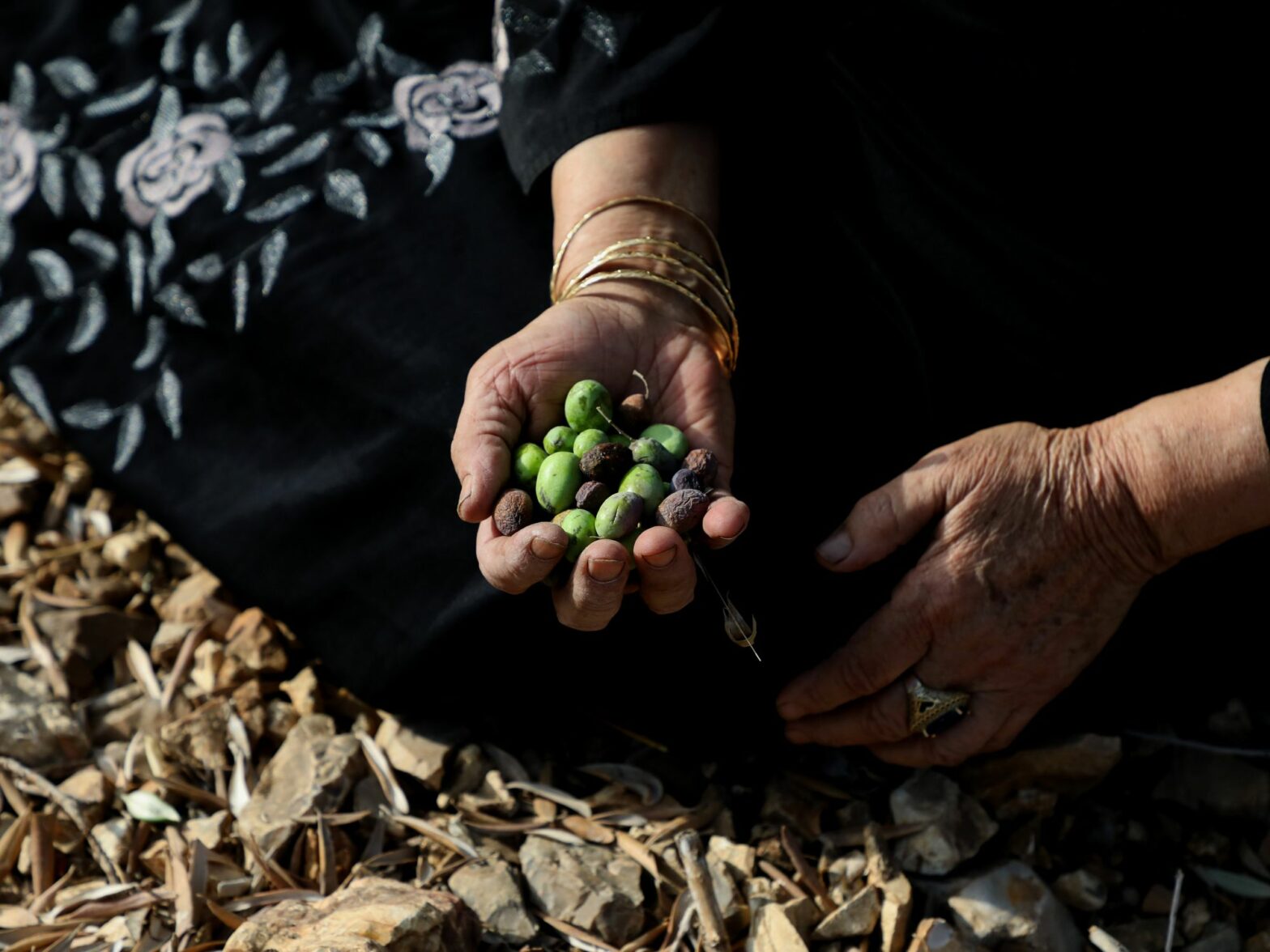
In the West Bank, a quieter form of oppression has been plaguing Palestinians for a long time. Their olive groves are surrounded by soldiers, and it’s forbidden to harvest the olives – this economic and social violence has gotten far worse since Oct. 7.
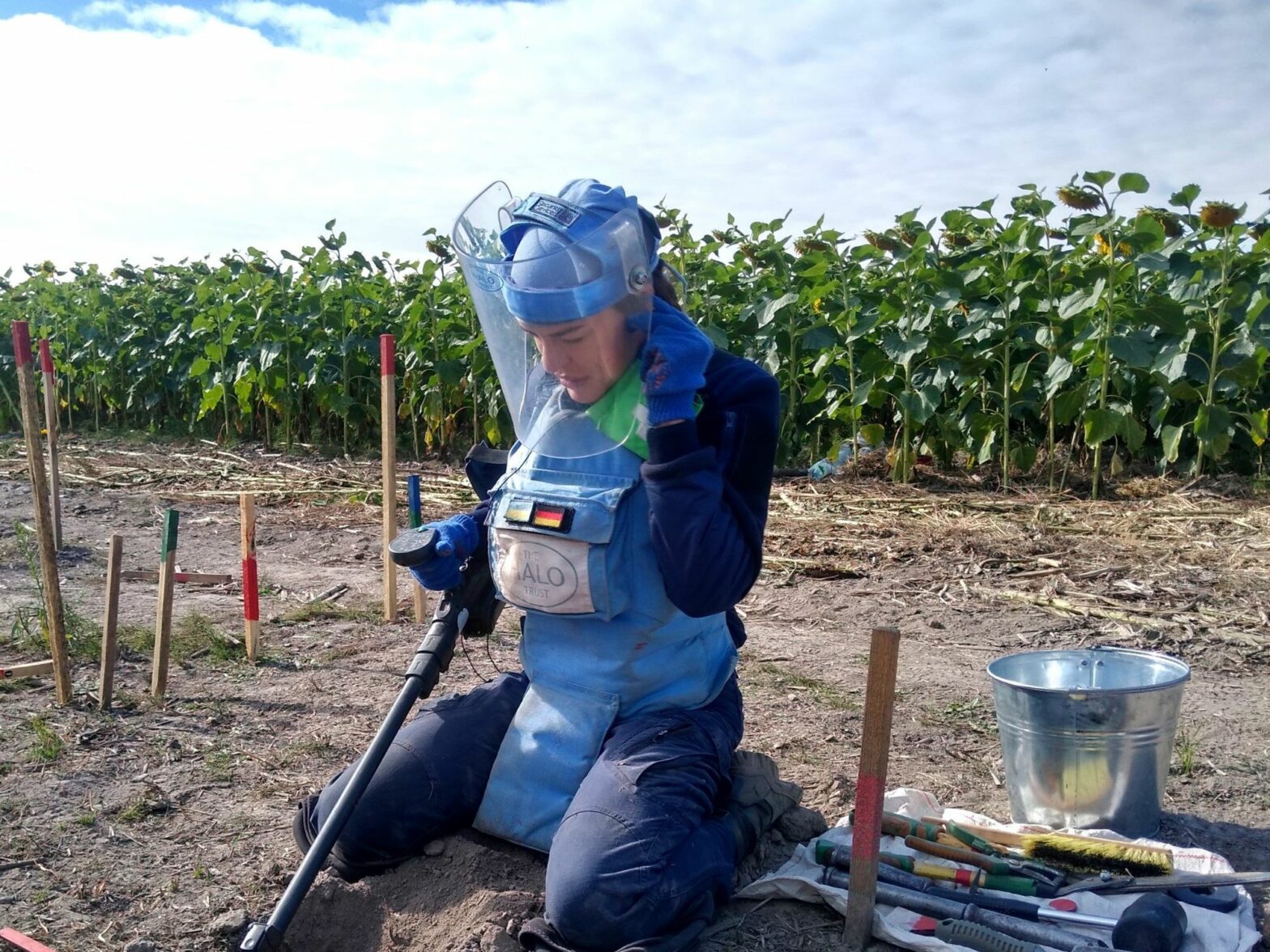
Leading Austrian daily Der Standard has been following Ukrainian teams braving constant danger to clear the largest minefield in the world.

Climate change has prompted some French champagne houses to take up planting in the southern English countryside.

Follow a coffee enthusiast and professor of marketing who studies justice in capitalist systems through the aisles of all the java claiming to be doing the right thing. Not all so-called *ethical coffee merits the label.
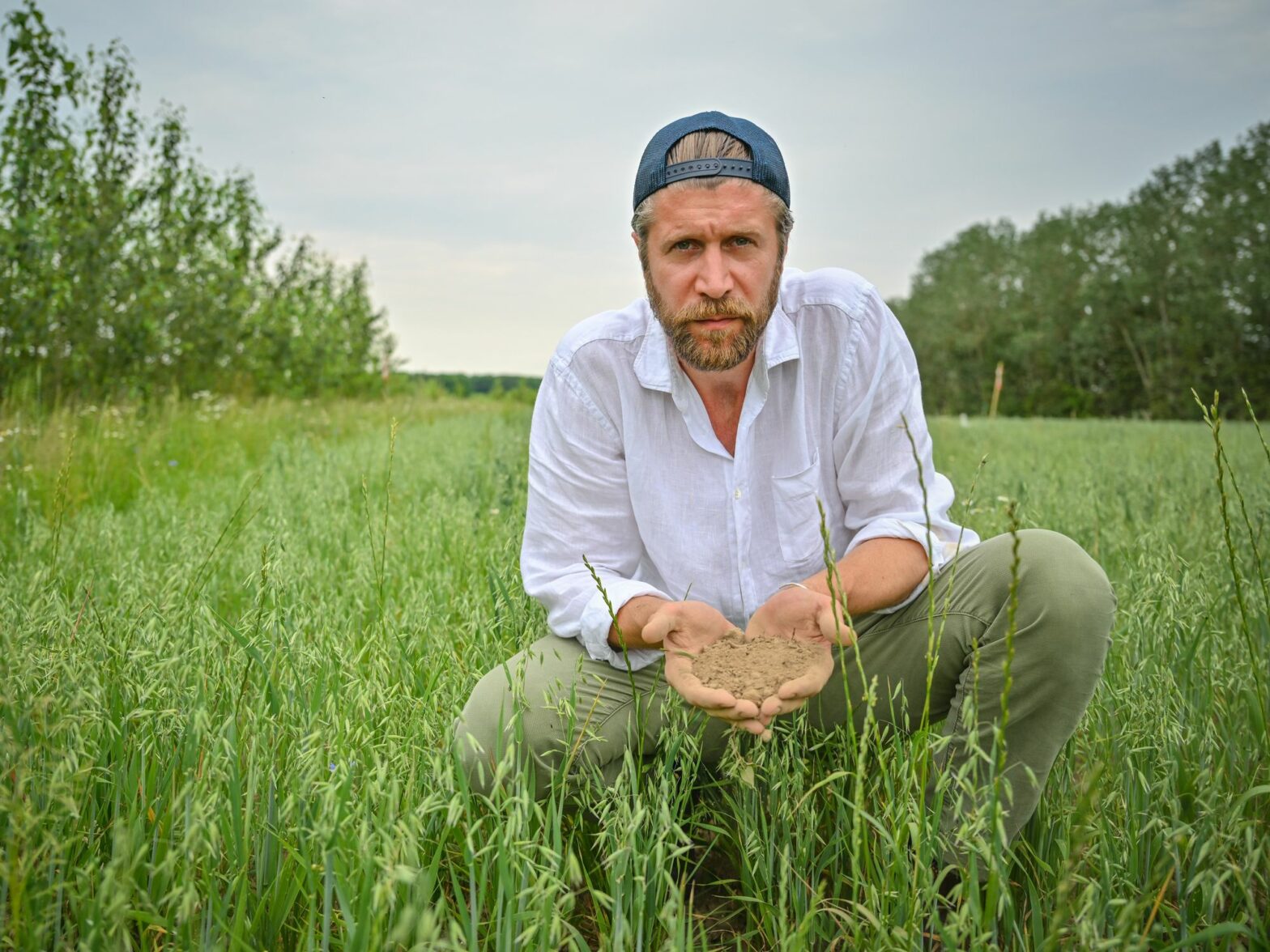
Dry soil, hardly any rain — this summer’s drought is making life difficult for farmers. In one of the driest regions in Germany, environmentally friendly farmer Benedikt Bösel is turning his fields into a laboratory, experimenting with an exciting new approach.
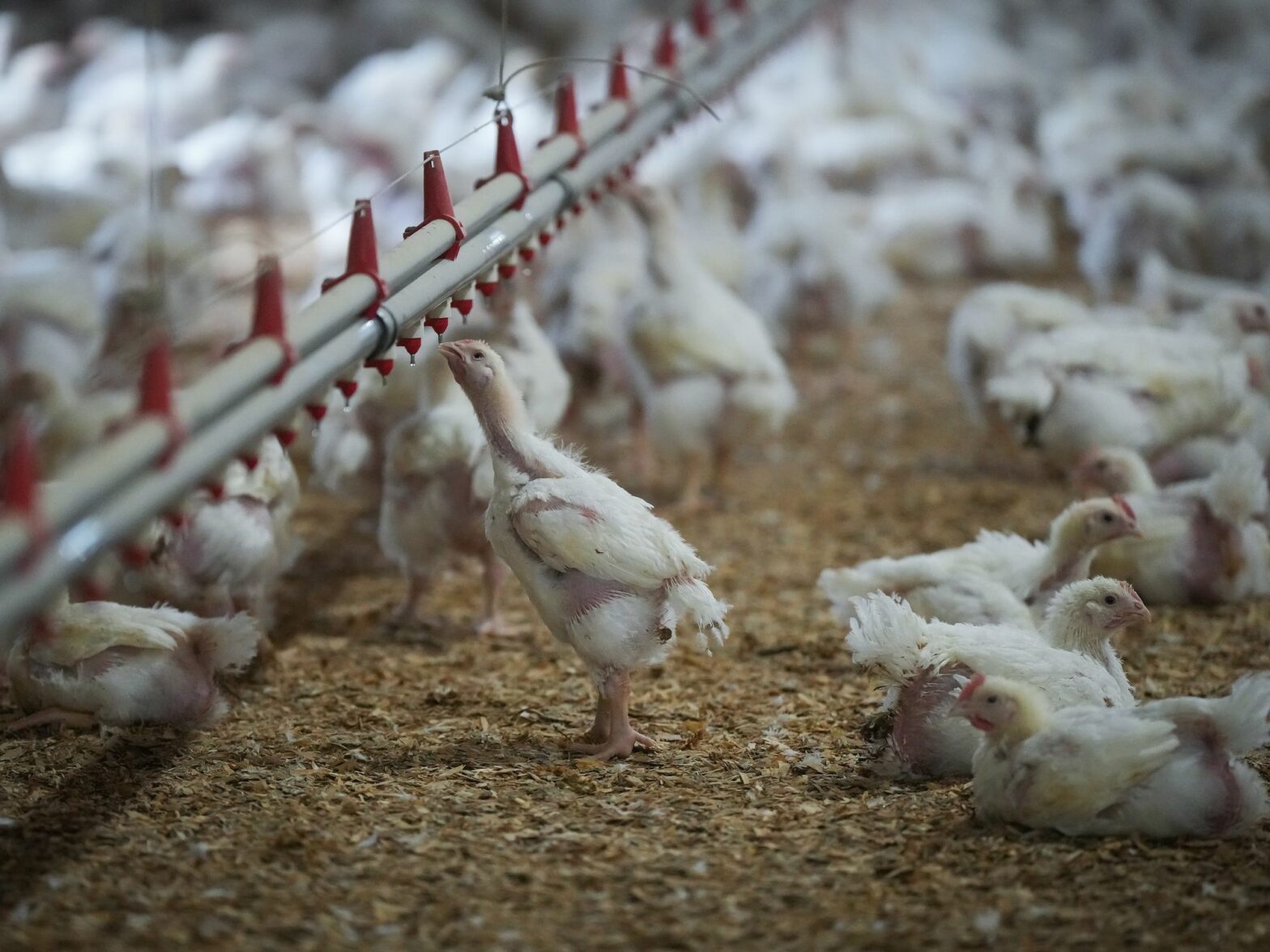
Industrial-style farming should certainly be reimagined, but not with a guilt-ridden assault on the livelihoods of millions of farmers, herders and fishermen.
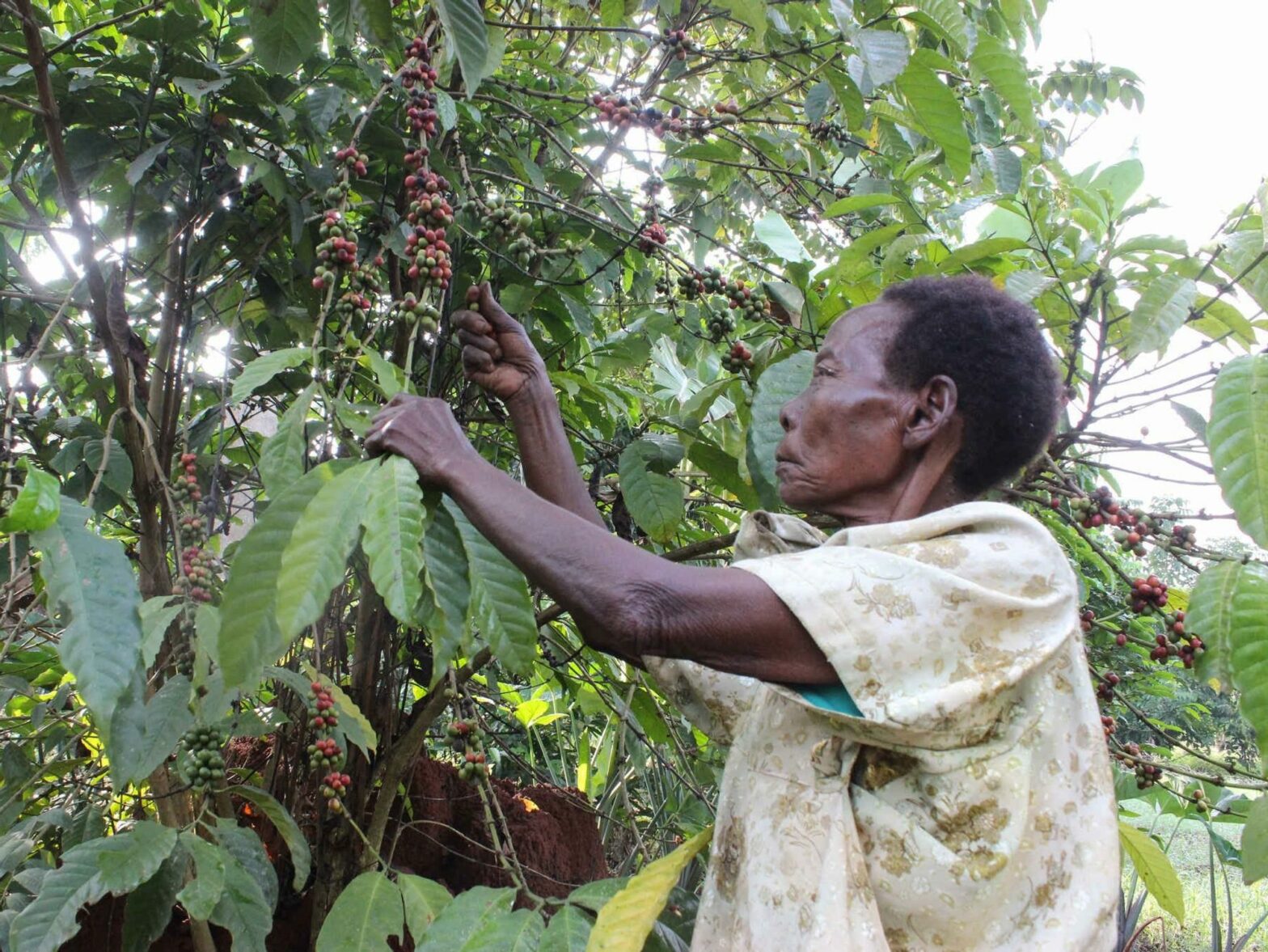
East African concerns about food security are accompanied by farmers’ concerns that they will not have sovereignty over their own crops in the wake of a push toward GMOs.
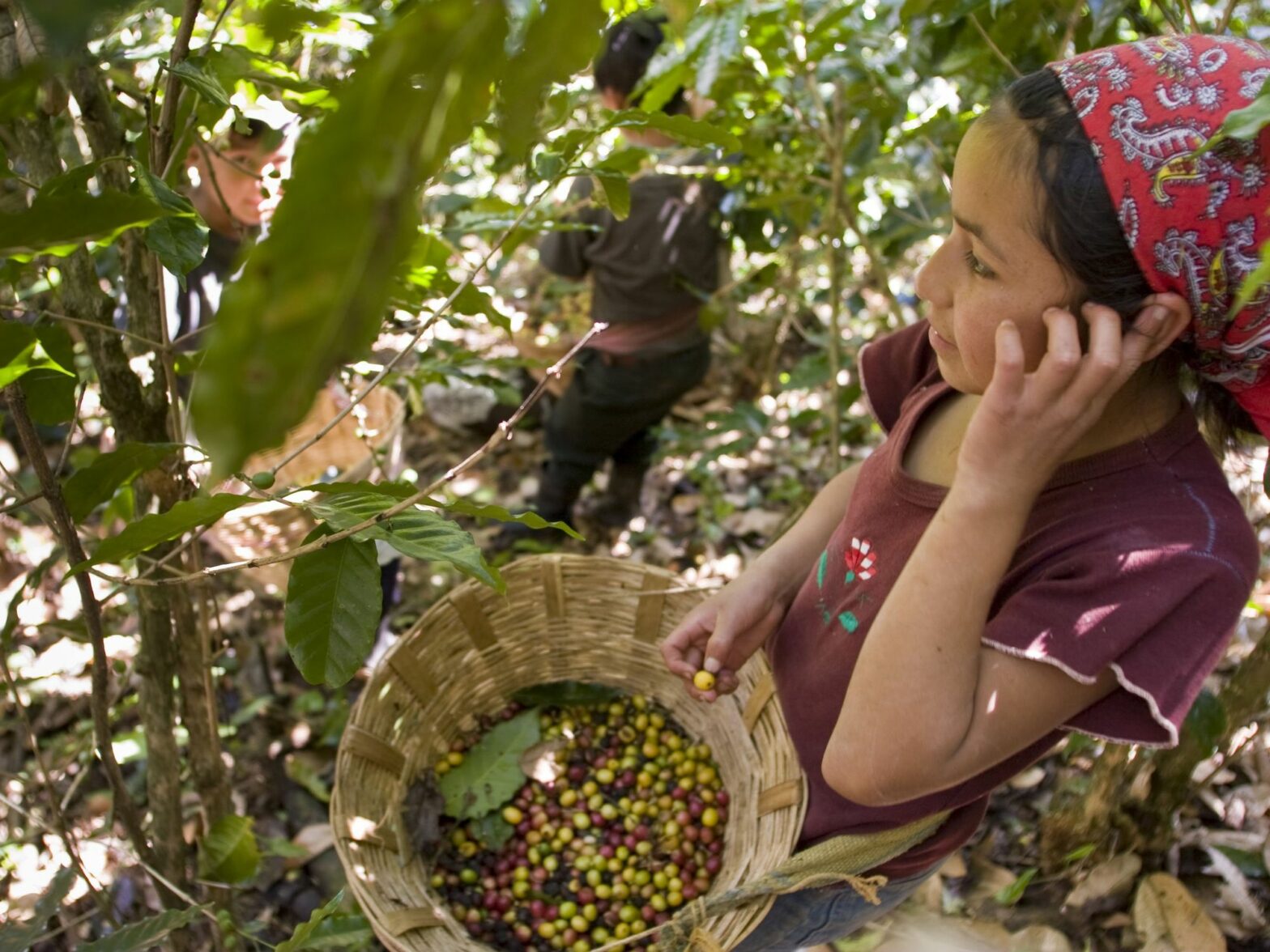
Coffee producers in Oaxaca, Mexico, are adapting to climate change by restoring their coffee plantations in agroforestry systems. While the costs of their work are increasing, the price of coffee is not.
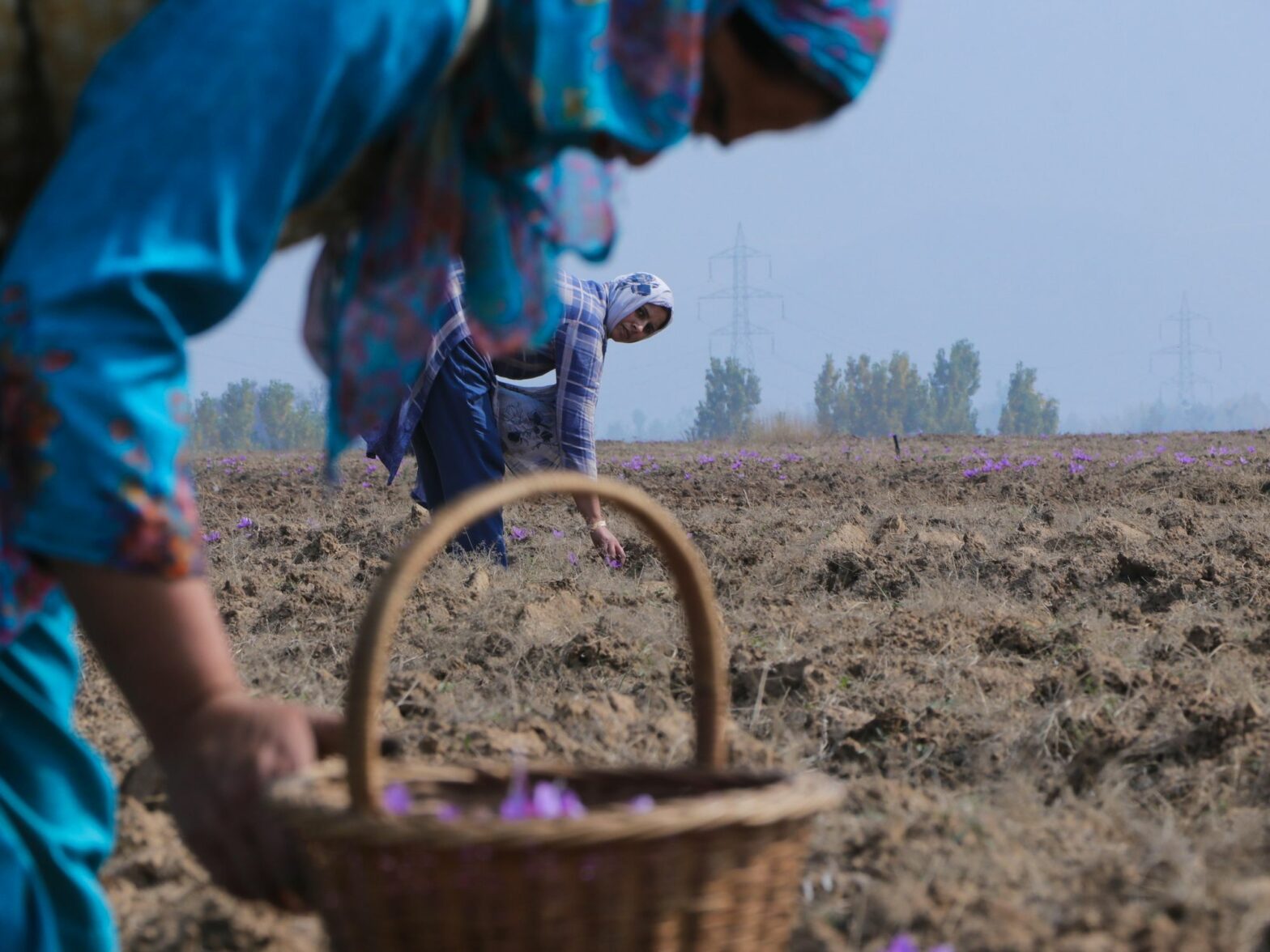
Saffron is well-known for its flavor and its expense. But in Kashmir, one of the flew places it grows, cultivation has fallen dramatically thanks for climate change, industry, and farming methods.

The West is insisting on reviving a nuclear pact with Iran. However, this will only postpone the inevitable moment when the regime declares it has a nuclear bomb. The only solution is regime change.
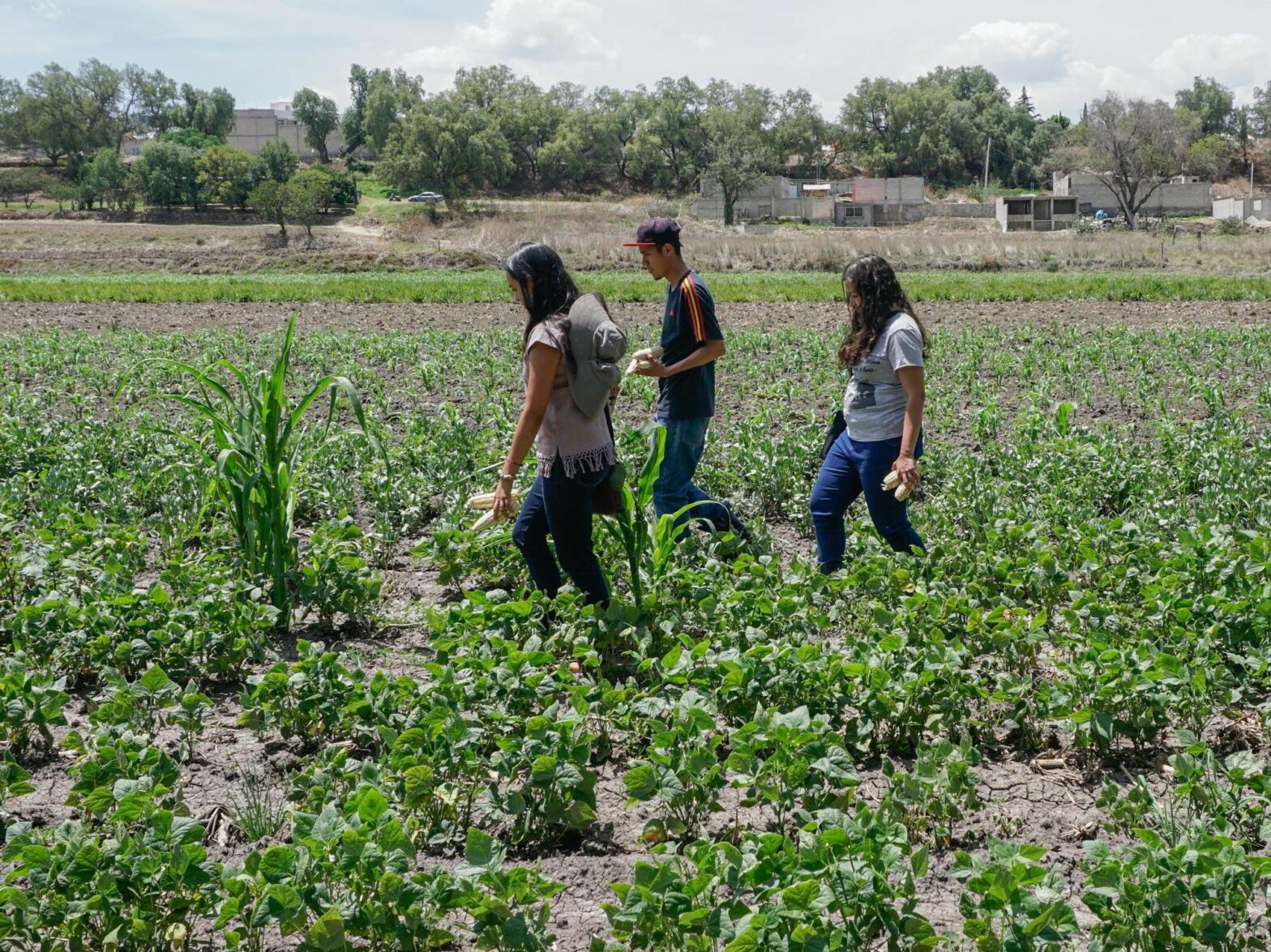
When the pandemic disrupted livelihoods and supply chains, young urban Mexicans decided to learn to grow food themselves.
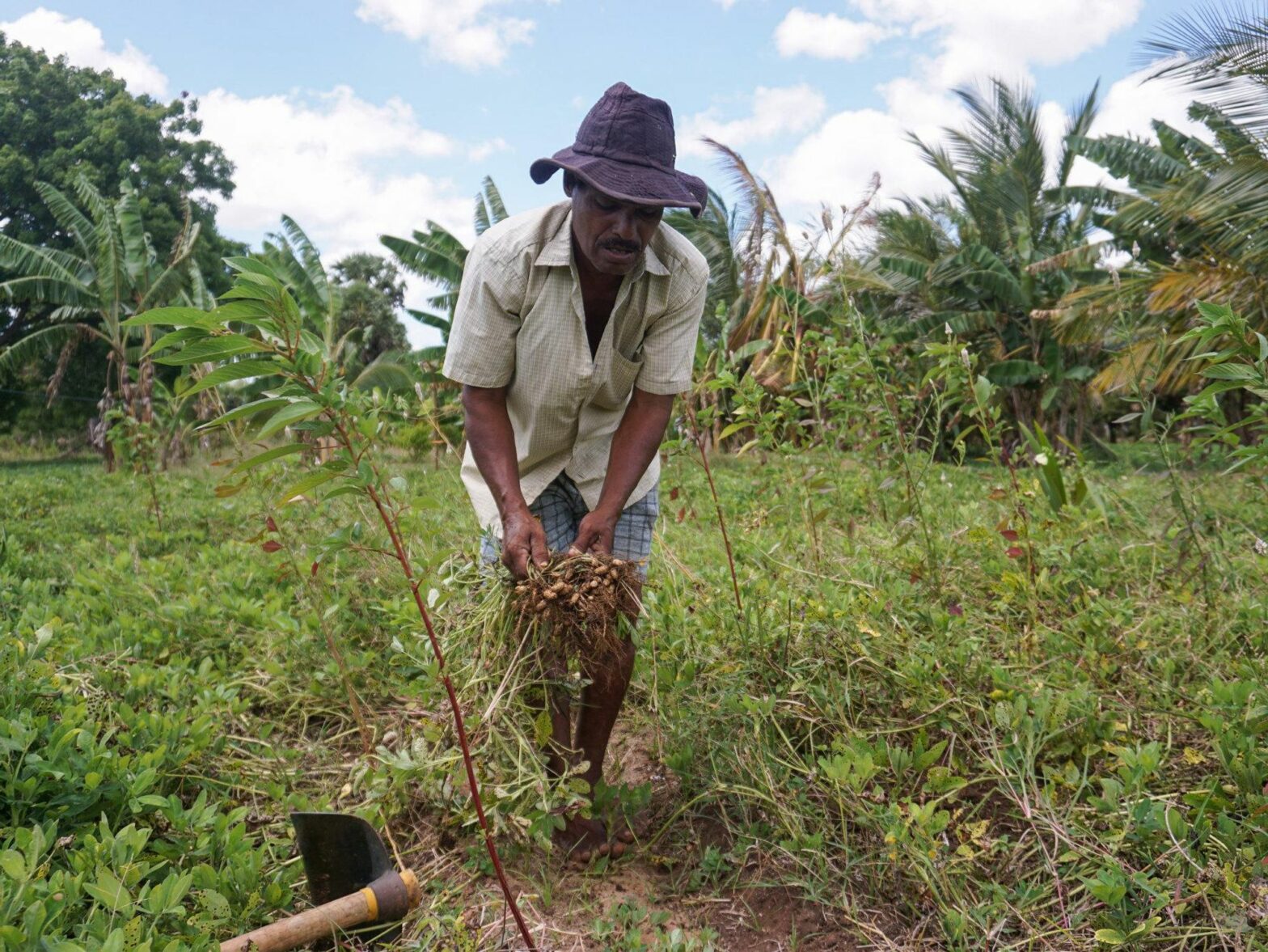
When Sri Lanka banned agrochemicals last year, the law’s impact on the island’s ability to feed itself was immediately evident. As political upheaval continues in the capital, here’s a related back story in the countryside with global implications.

The year-long national movement of farmers challenged the government of Narendra Modi against all odds, and ultimately prevailed by focusing on unity across India’s diverse ethnic, religious and geographic landscape.

? Dia dhuit!* Welcome to Friday, where Indian farmers win a major victory against the Modi government after a year of protests, Austria announces a full lockdown and mandatory vaccines and the world is treated to the longest lunar eclipse in nearly 600 years. We also have a feature story from Jeune Afrique magazine that […]

Driven by the desire to offer an experience rooted in their terroir, more and more star chefs are turning into farmers. They have the same goal: to keep up with the times by offering local and sustainable produce.
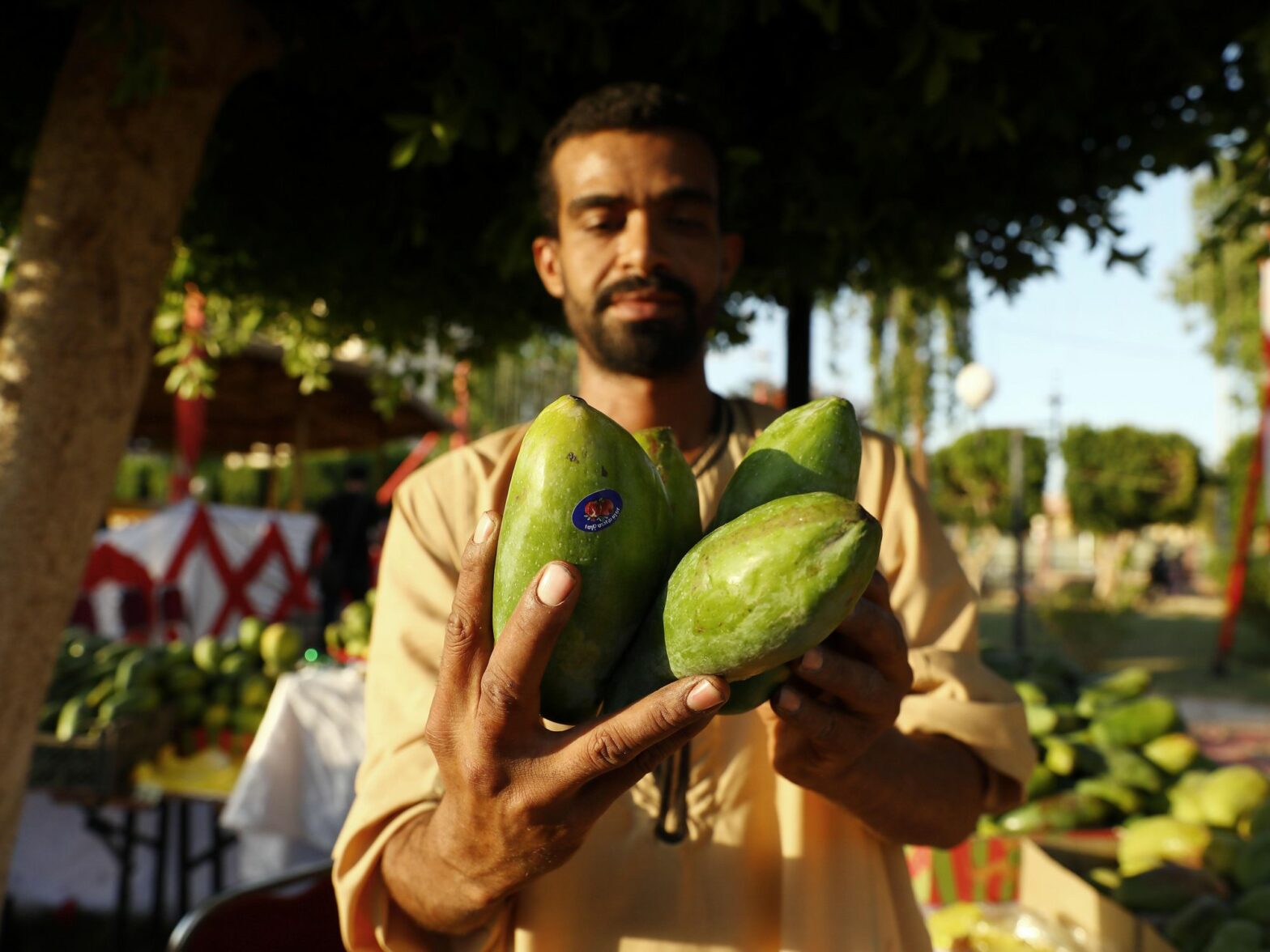
ISMAILIA – Every year during the month of July, crowds gather in the mango farms of Ismailia, in northeastern Egypt, to pick the delectable summer fruit during its relatively short harvest season. But this year, as a result of erratic weather patterns throughout March and April, the usual bountiful mango harvest was severely affected with […]

While drilling deep for water last week in his field near Ouled Rahmoune, in northeastern Algeria, a farmer was surprised to see a liquid pouring from the pipes of a very different consistency, smell, color — and worth! Oil. What makes the discovery all the more unusual is that Algeria’s most important known deposits of […]
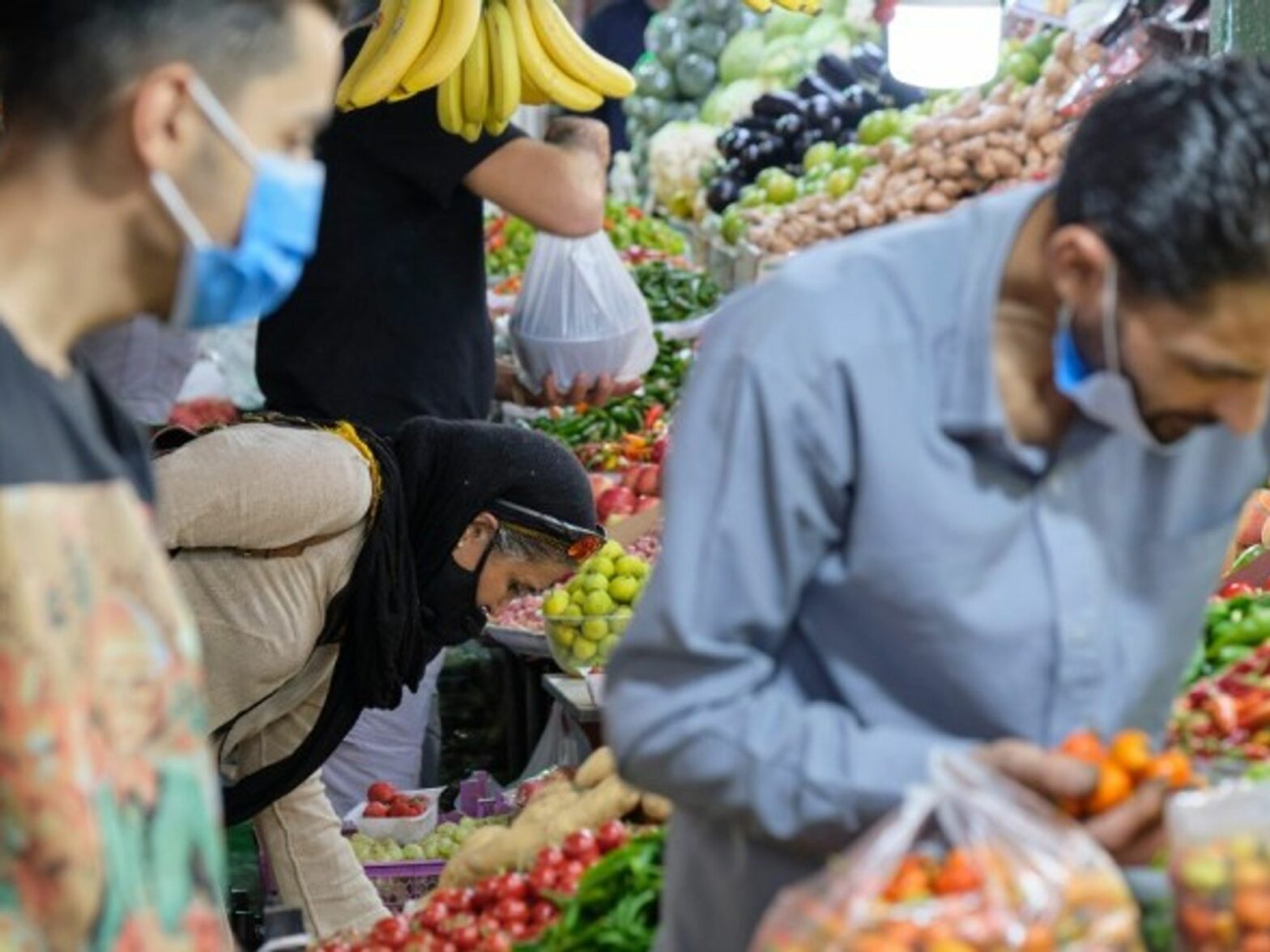
The decline of agriculture in Iran after the 1979 revolution and absence of proper farming policies are exacerbating the pandemic’s effects to threaten its food security.
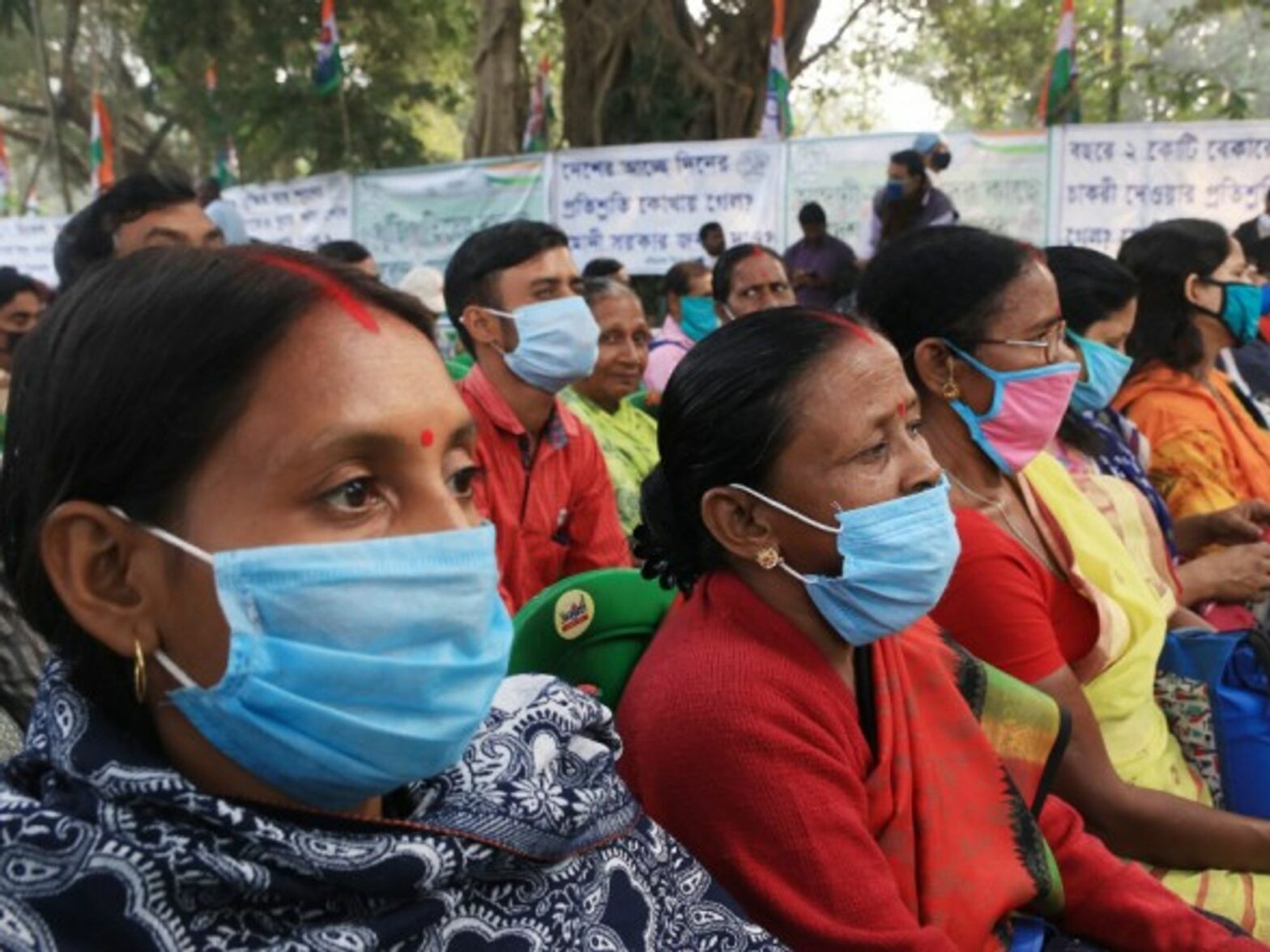
A growing number of women — farmers, students, ASHA workers and others — have joined the demonstrations. Others support the effort by staying home to tend family farms.
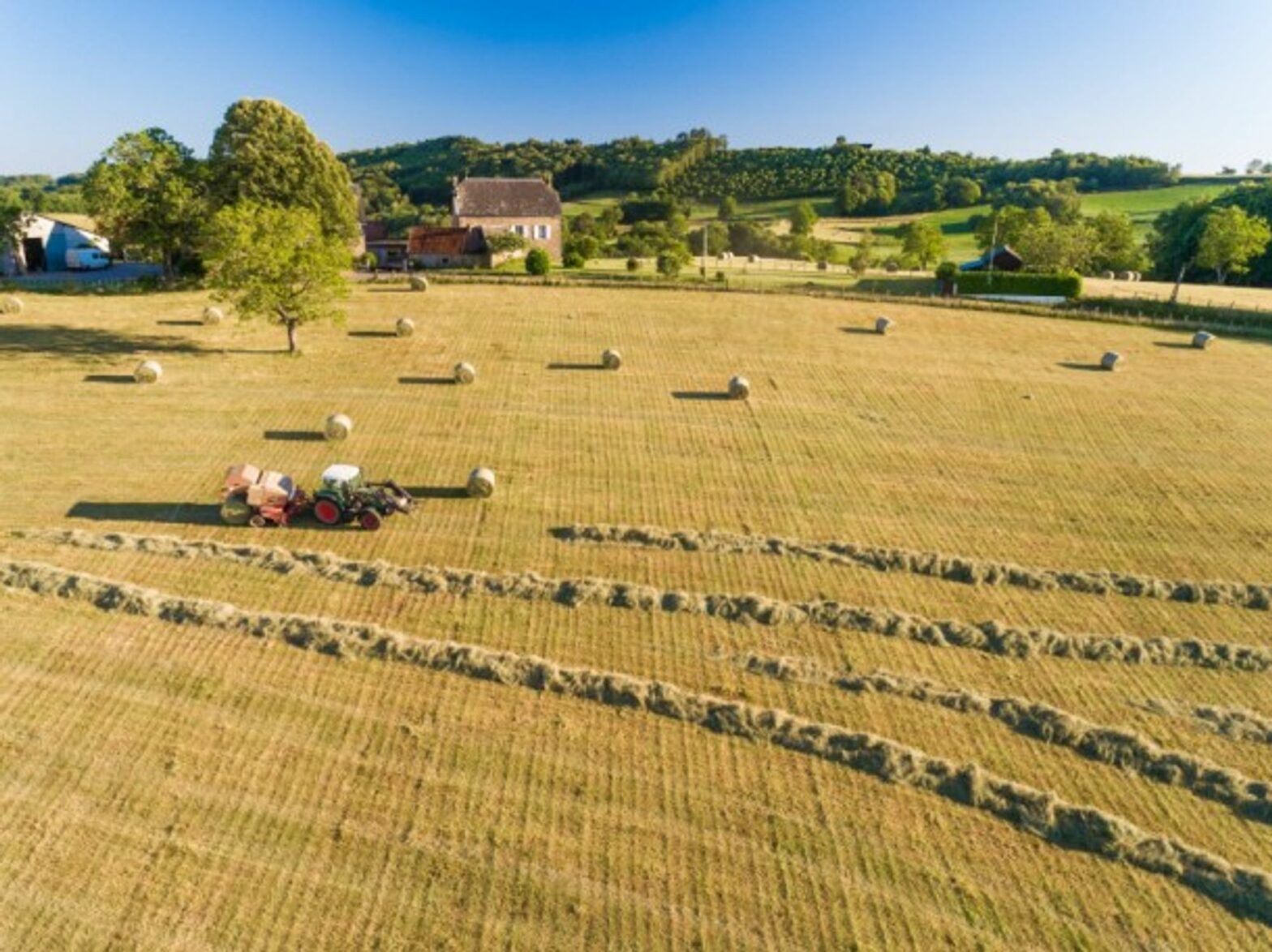
With July recorded as the driest month since 1959 in France, farmers — who make up half of water consumption in the country — face a problematic water shortage. The agricultural world is now working on solutions to better manage this precious resource.
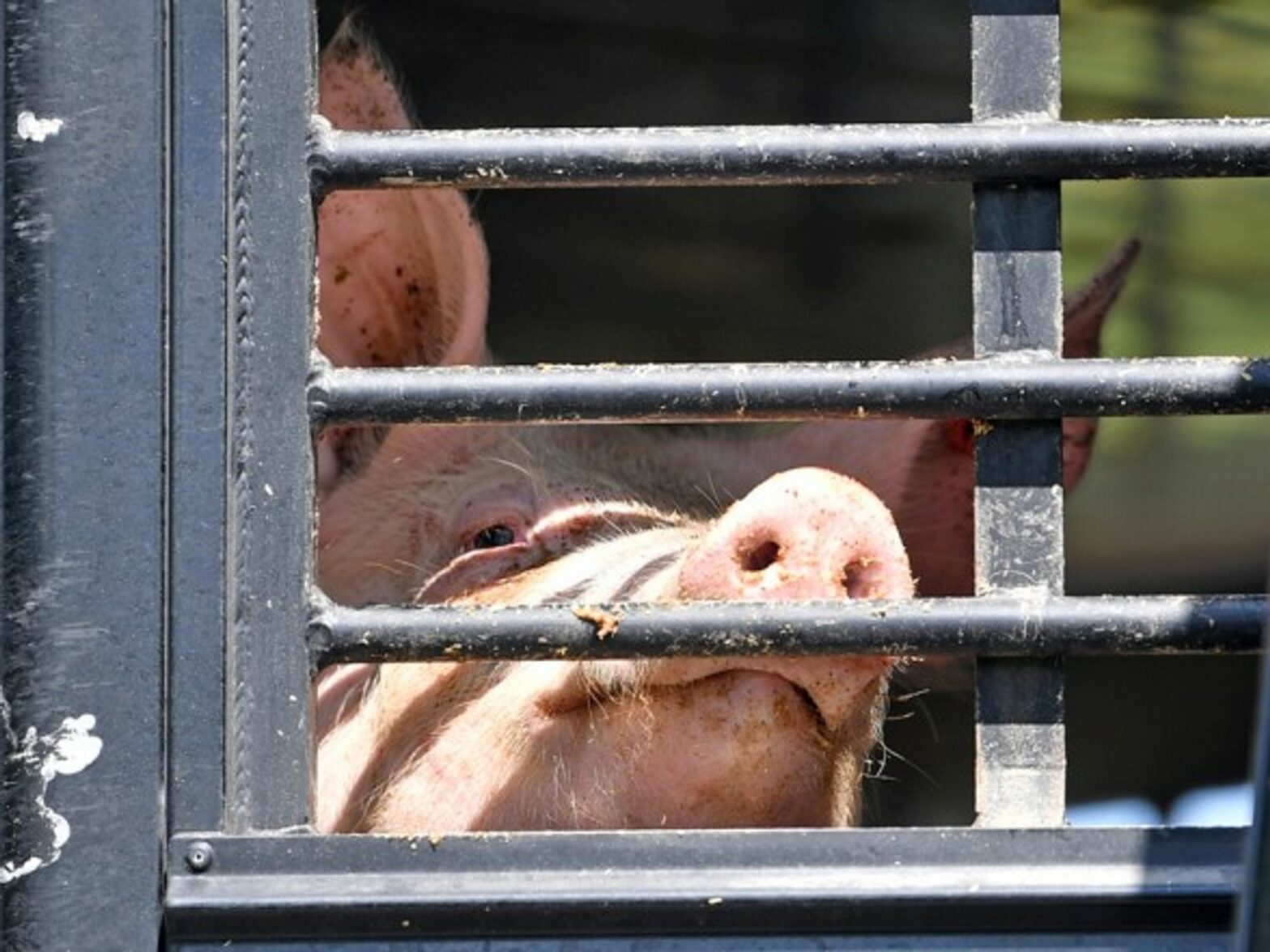
Synthetic meat is on the rise— and this shouldn’t just be big news for vegans. Philosophers and activists agree that closing slaughterhouses is vital for our animals, our planet and ourselves.
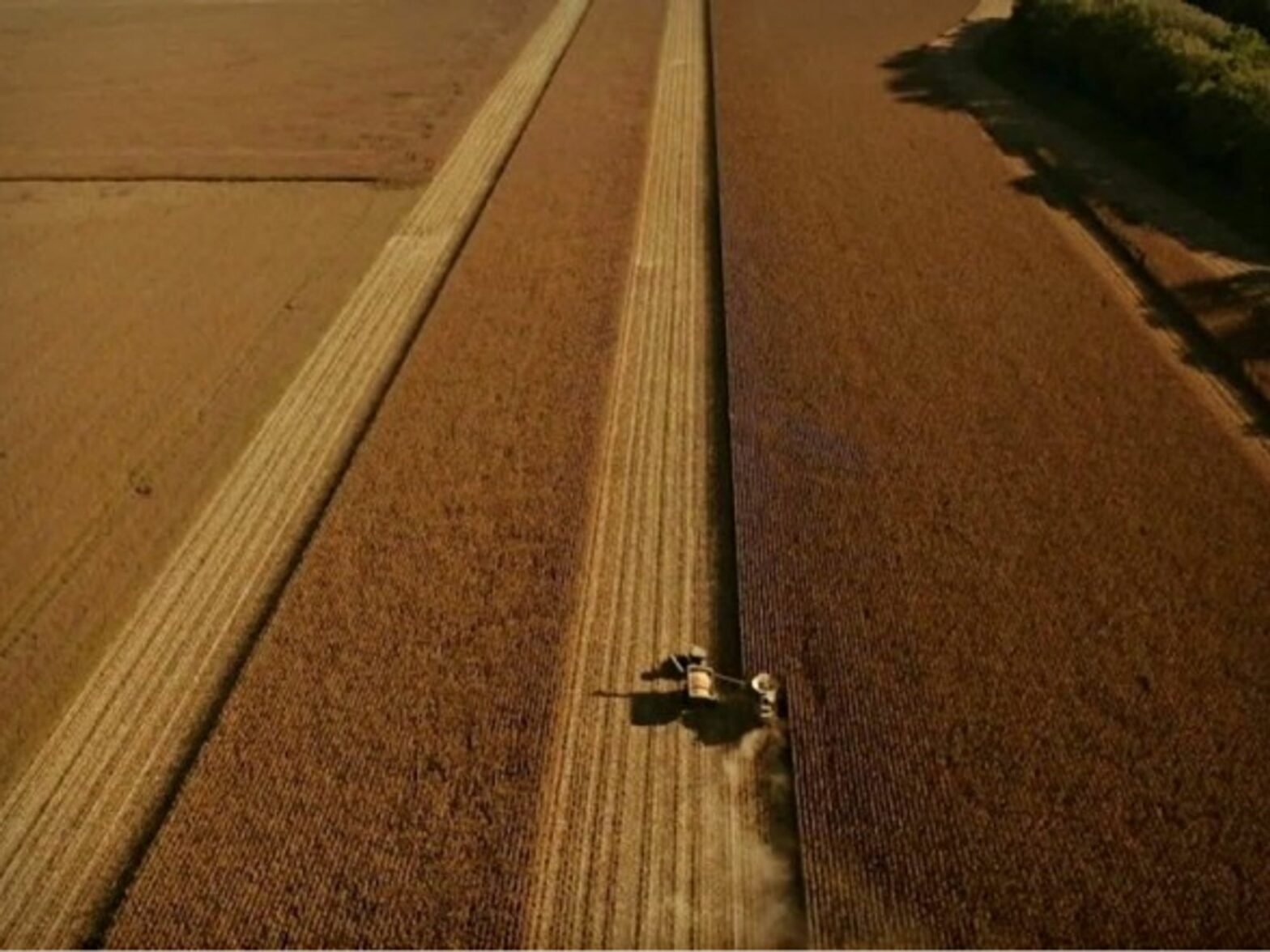
AI, Big Data and blockchain are some of the expensive tools that are necessary for precision farming, but their contribution to cost-effective and greener agriculture is making them essential to any farmer wanting to produce food for world markets.
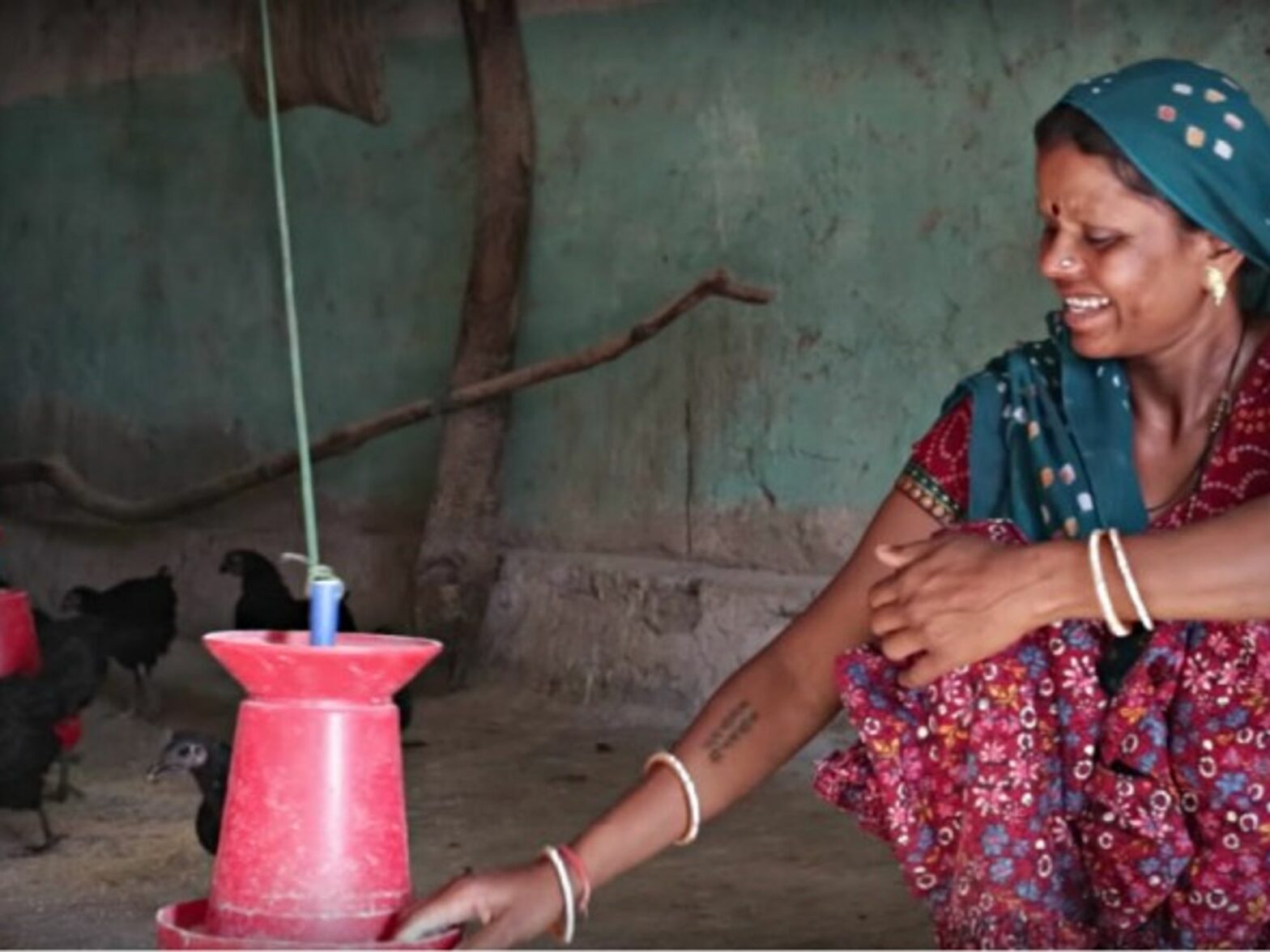
DANTEWADA — Three times a day, Bharthi fetches grain and water in clean aluminum buckets to feed her black chickens. She unlocks the grilled doors of the rectangular cage, which at around 20ft (6m) long is occupied by 260 noisy young birds. After filling a dozen bowls scattered across the cage floor or placed on the waist-high cement pillars that double as perching spots, she checks the chicks, counting them and gauging their well-being. She pays special attention to the ones whose behavior has been out of character in the previous few weeks. Together with 10 other local women, Bharthi […]
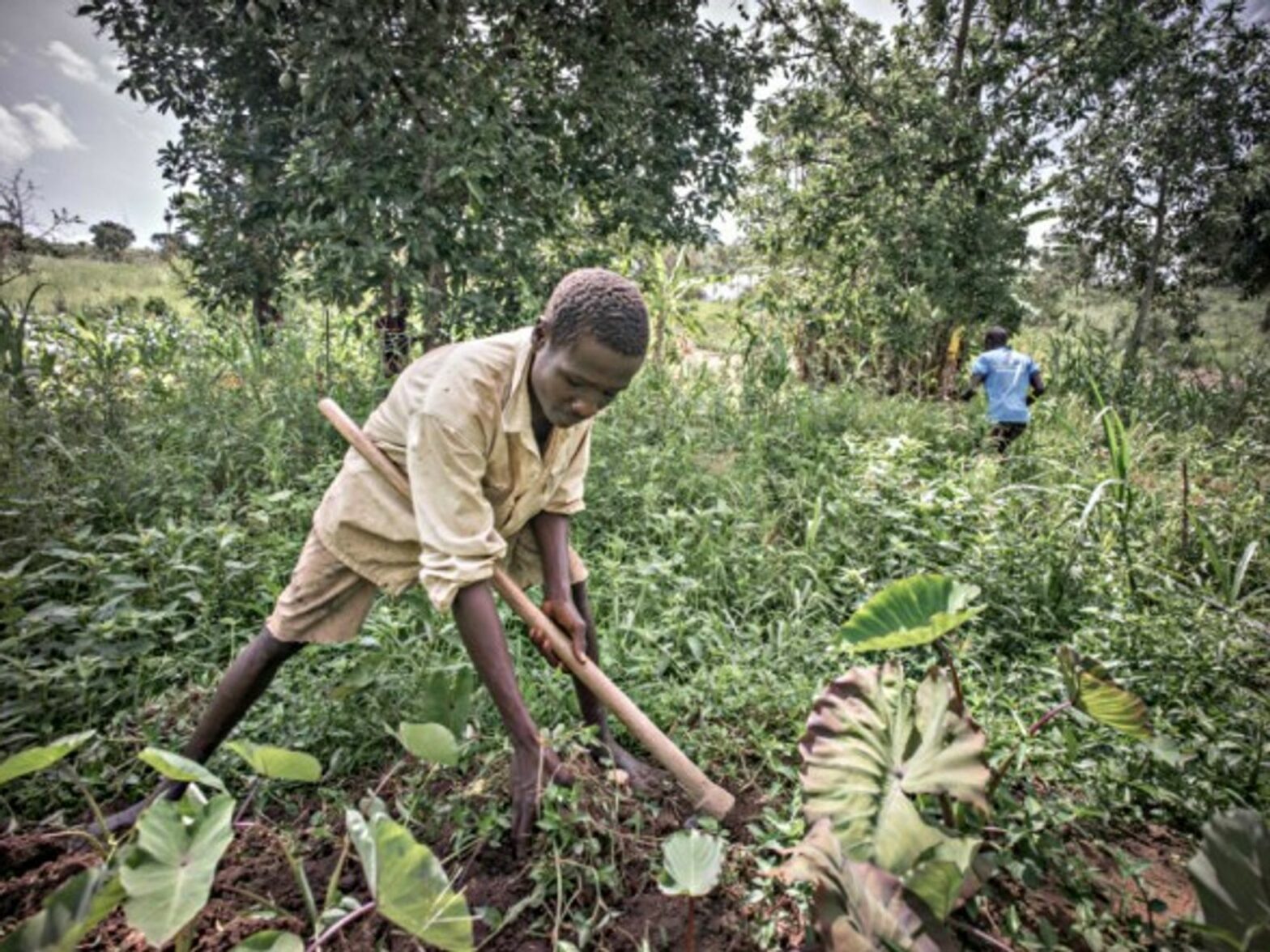
A pair of agro-engineers from Argentina are helping a U.S. company boost crop yields in Uganda, and help local, small-scale farmers in the process.
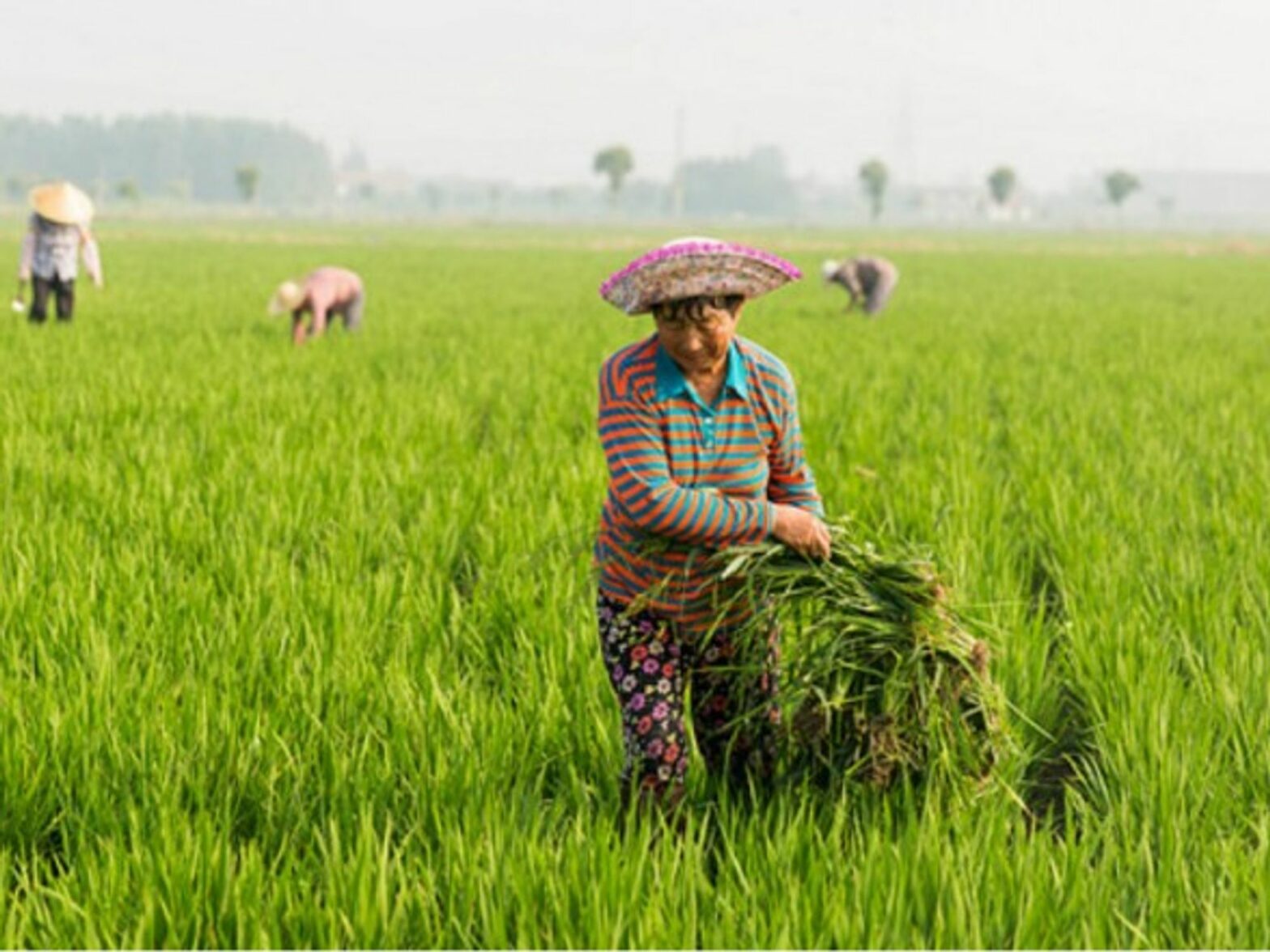
Ancestral agricultural practices can provide a sustainable and creative way to boost rural economies in Latin America. And China could help.
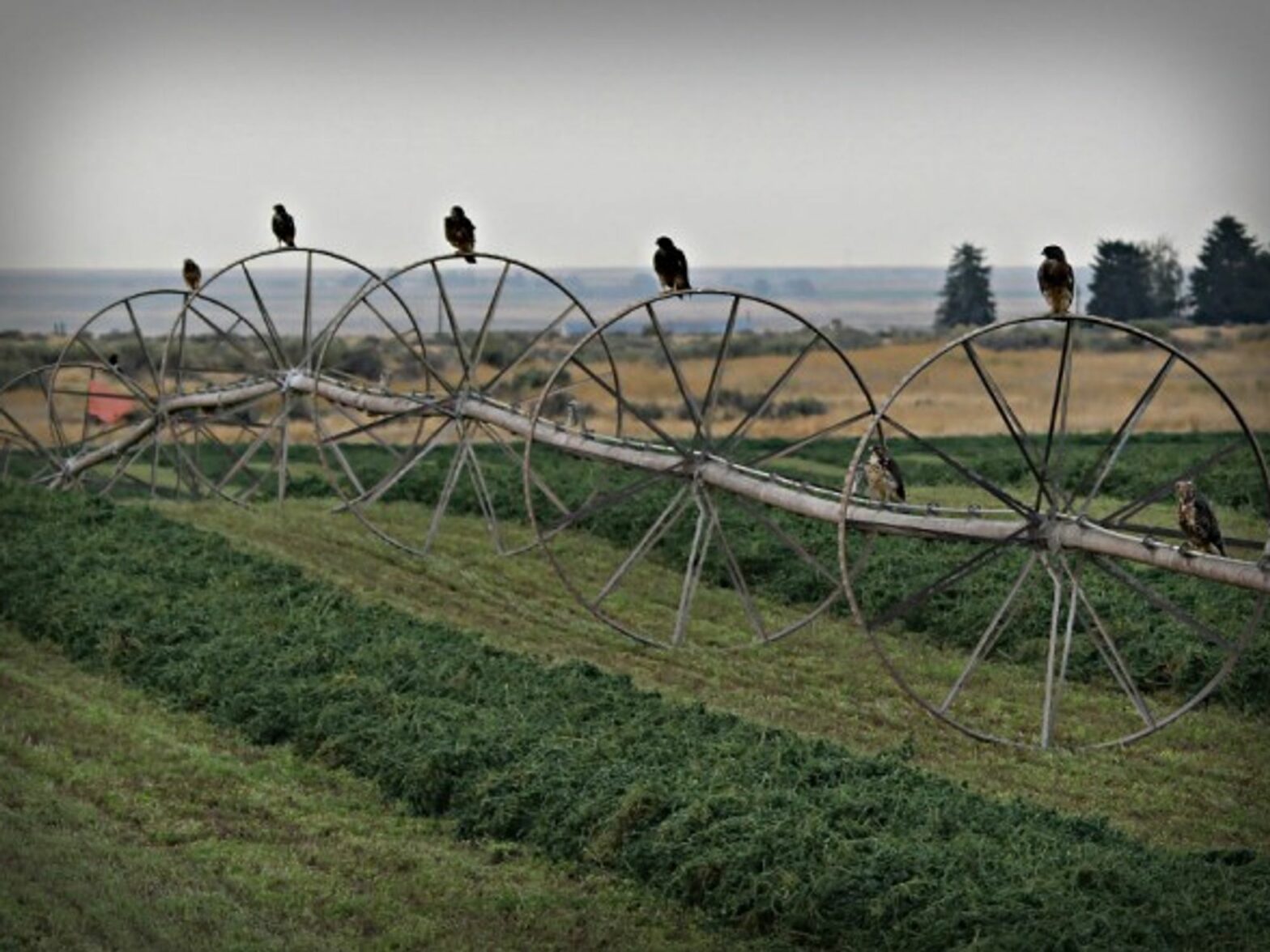
The information storage technology can safeguard entire transaction histories and allow firms and consumers to see where food ingredients came from — and fast.
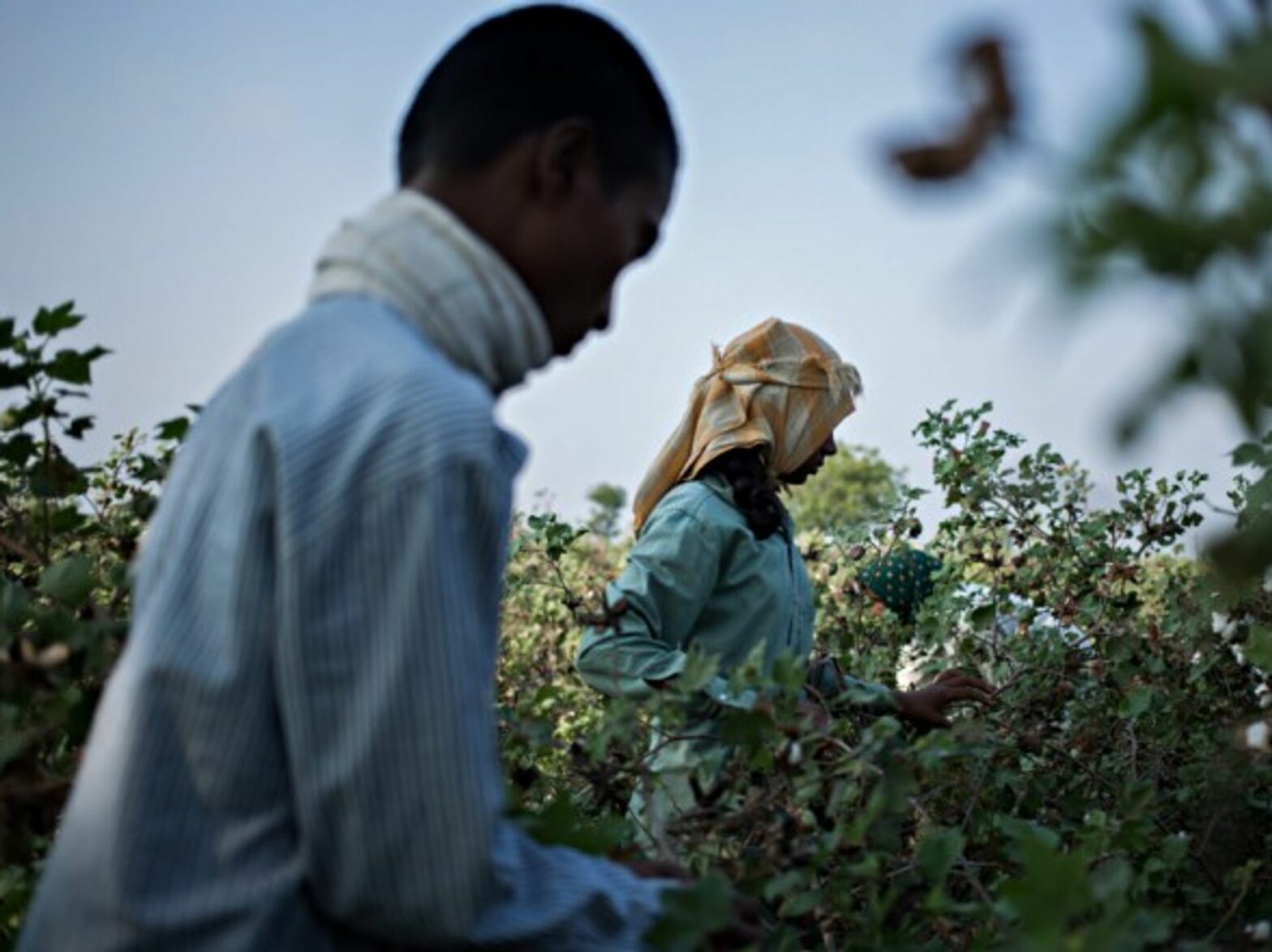
NEW DELHI — The ban on highly hazardous pesticides (HHPs) currently being debated in India will not only protect the environment and improve the public health but will also achieve another rarely acknowledged goal: a rapid and major reduction in the number of Indians dying from suicide. The Supreme Court, which is currently deliberating the case challenging the government’s delay in banning HHPs identified by the Anupam Verma Committee, has a major role to play. The case emerged following a public interest litigation by Kavitha Kuruganti and others filed in 2017. Statistics on suicide are notoriously unreliable due to stigma […]
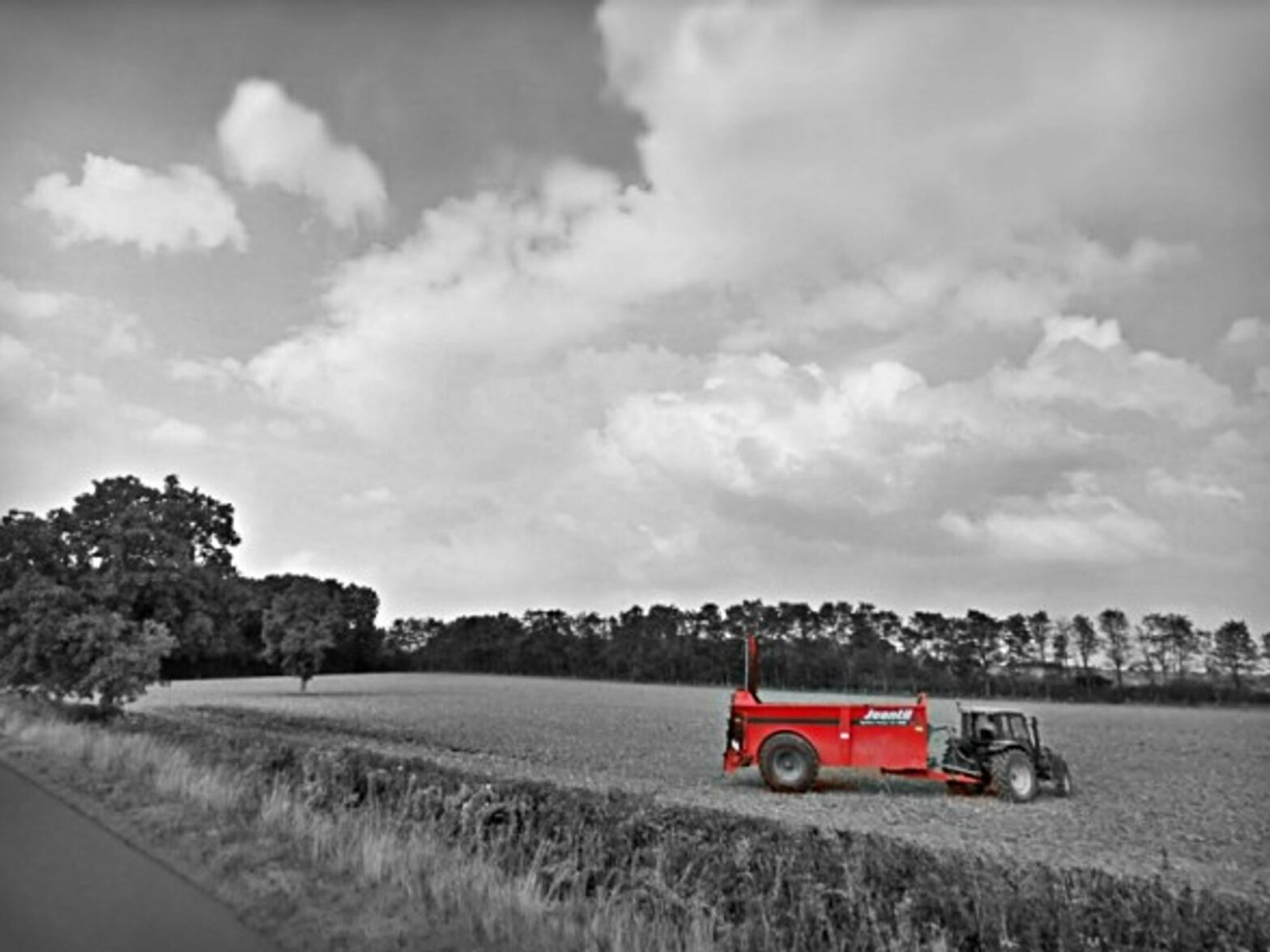
A Chinese company recently bought nearly 1,000 hectares of French farmland. Pourquoi? ‘To put French cereals on Chinese tables,’ its owner says.
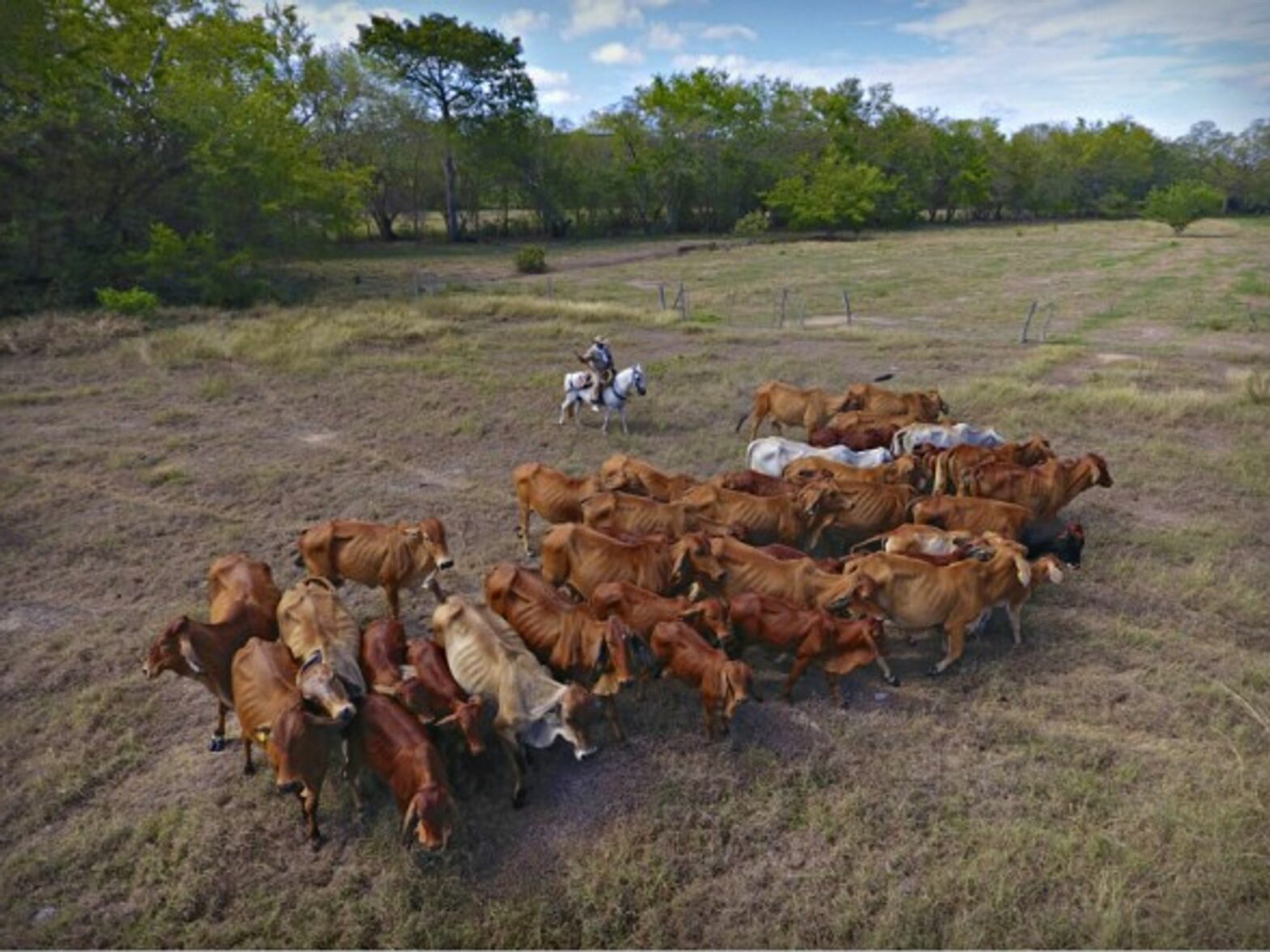
Colombia’s biggest project to make livestock farming sustainable is showing that farmers can raise cattle and even boost dairy production without destroying the forest.