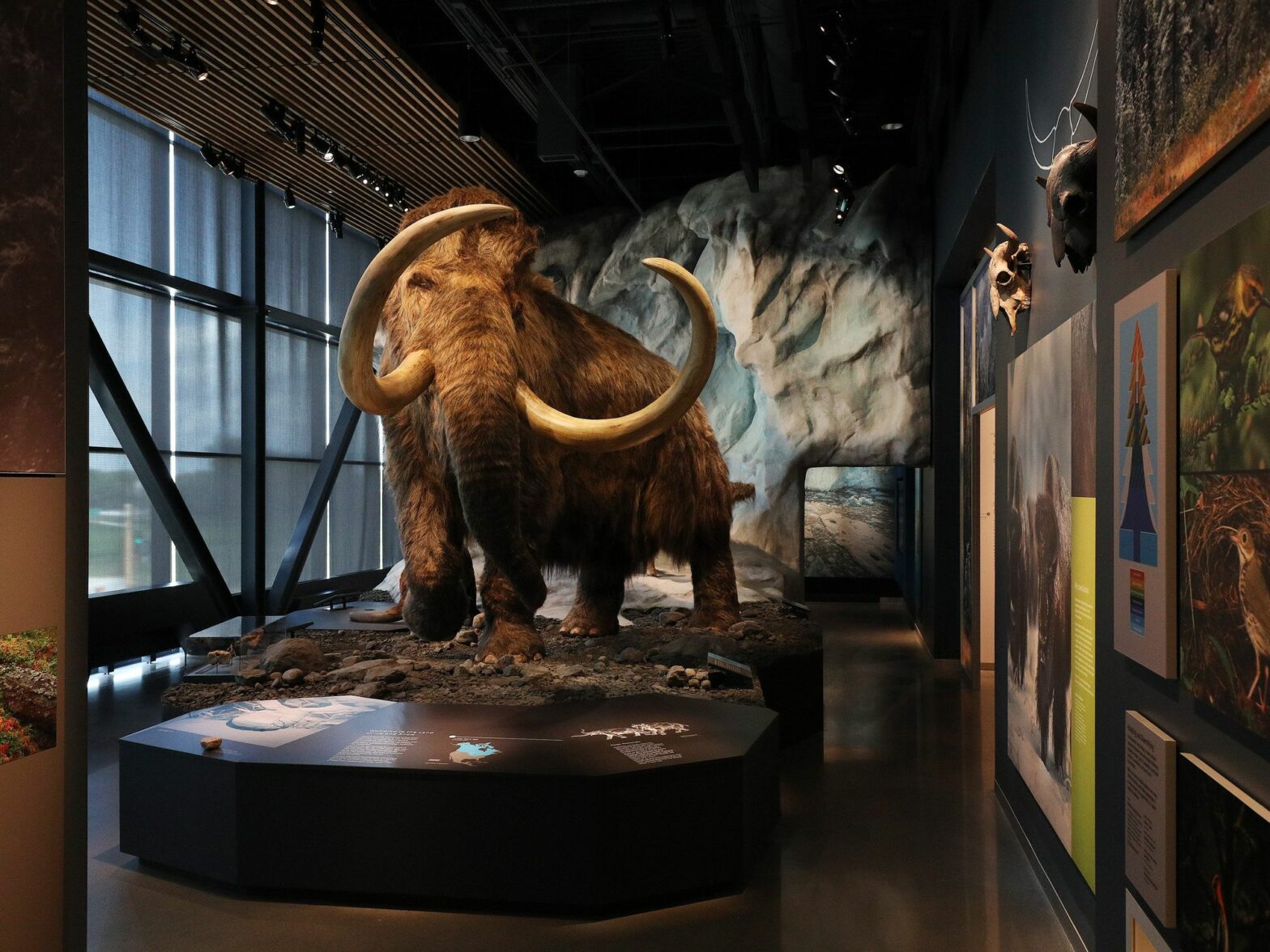
Thanks to advances in science, the reintroduction of extinct animal species is now feasible — even inevitable. But beyond possible benefits for biodiversity, these projects raise numerous environmental and ethical dilemmas.
 Worldcrunch
Thanks to advances in science, the reintroduction of extinct animal species is now feasible — even inevitable. But beyond possible benefits for biodiversity, these projects raise numerous environmental and ethical dilemmas.
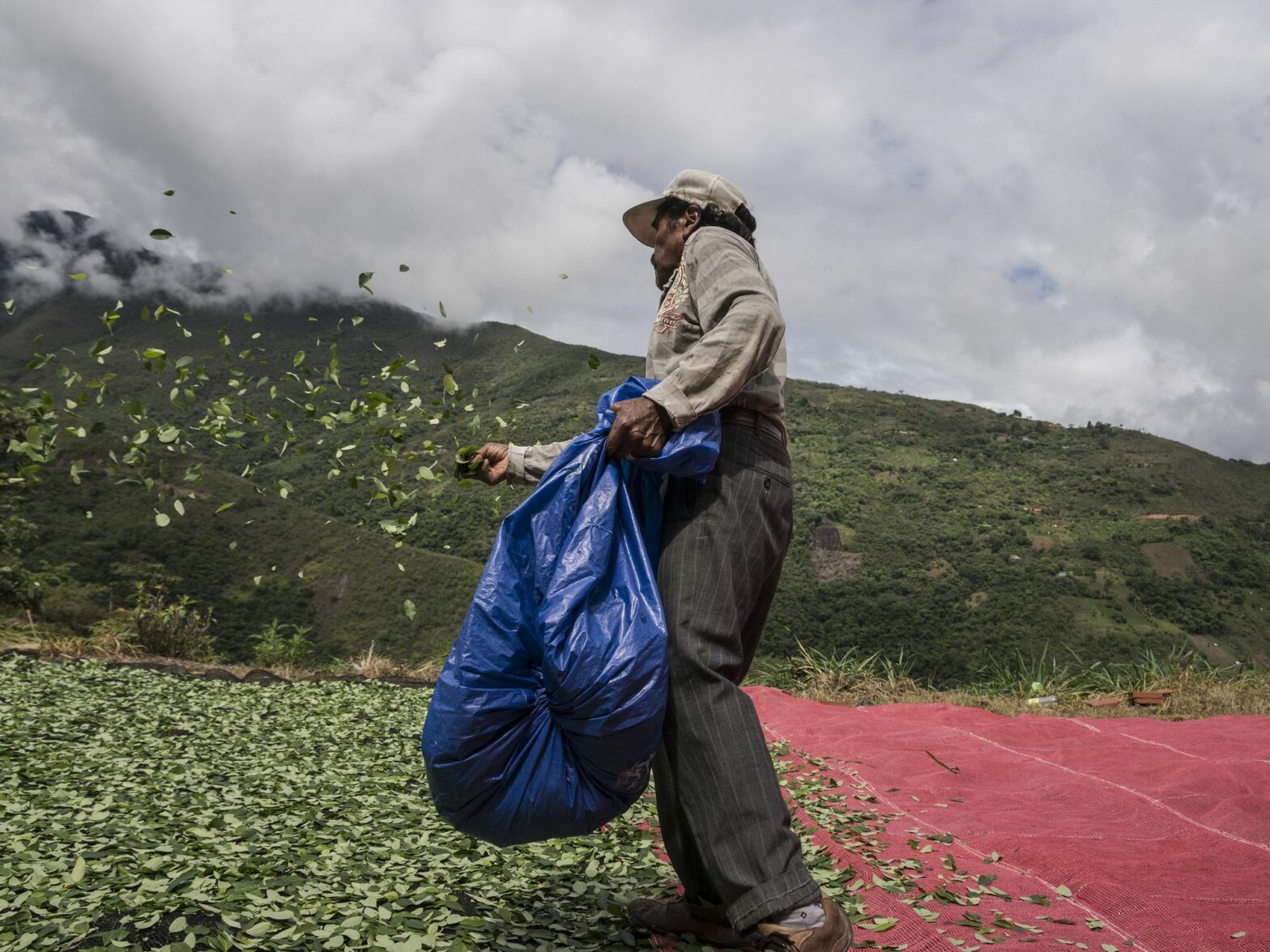
Convincing coca farmers to plant legal crops is better than spraying poisonous pesticides to wipe out the plants. And yet it turns out these crop substitution programs are problematic, disrupting livelihoods and unintentionally causing violence and deforestation.
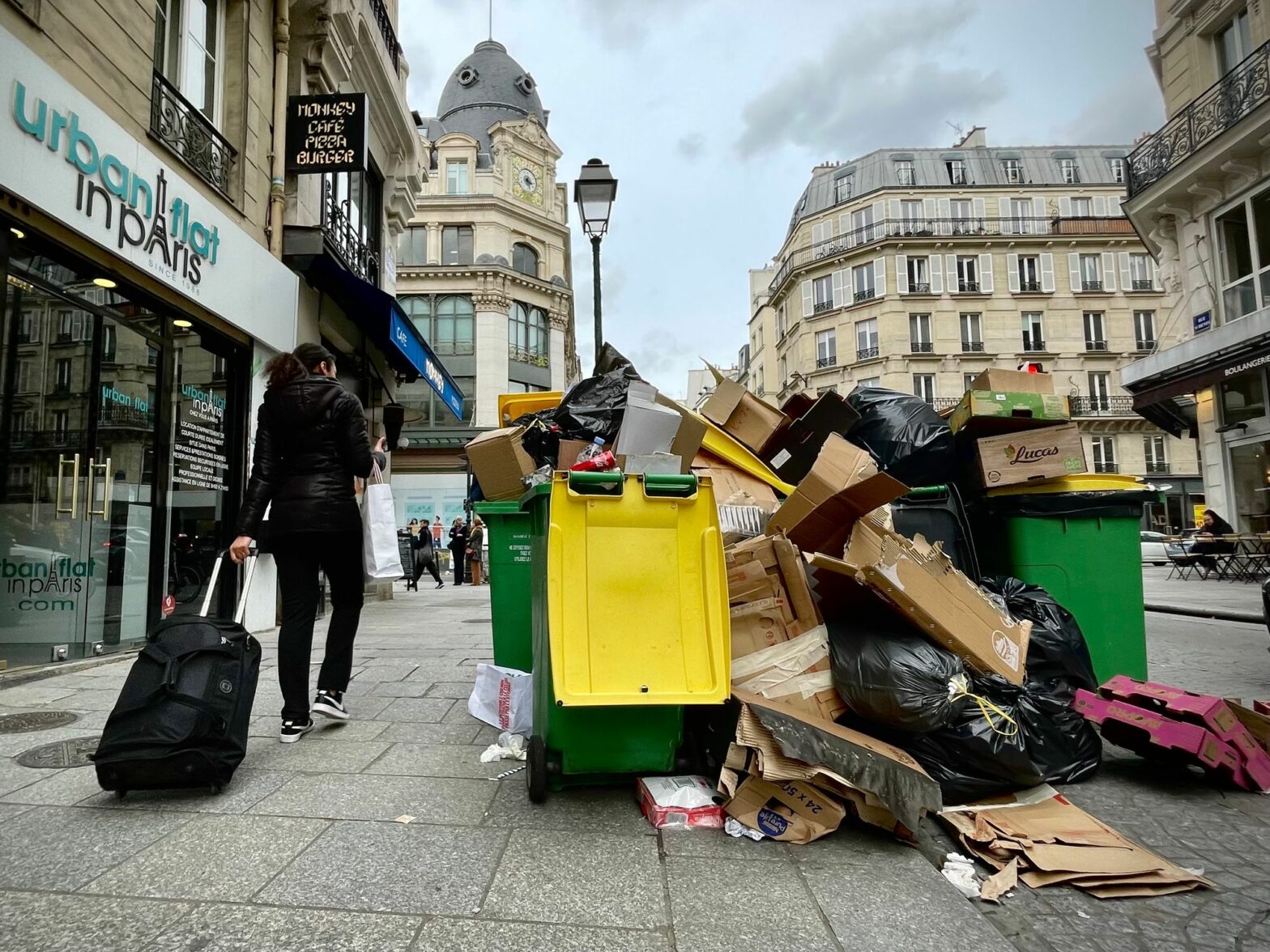
The ongoing strike of garbage collectors in France shows us why we try so hard to hide how much garbage we throw out. As trash piles up in the streets, philosopher Gaspard Koenig reminds us that it wouldn’t be so hard to recycle and compost more of it.
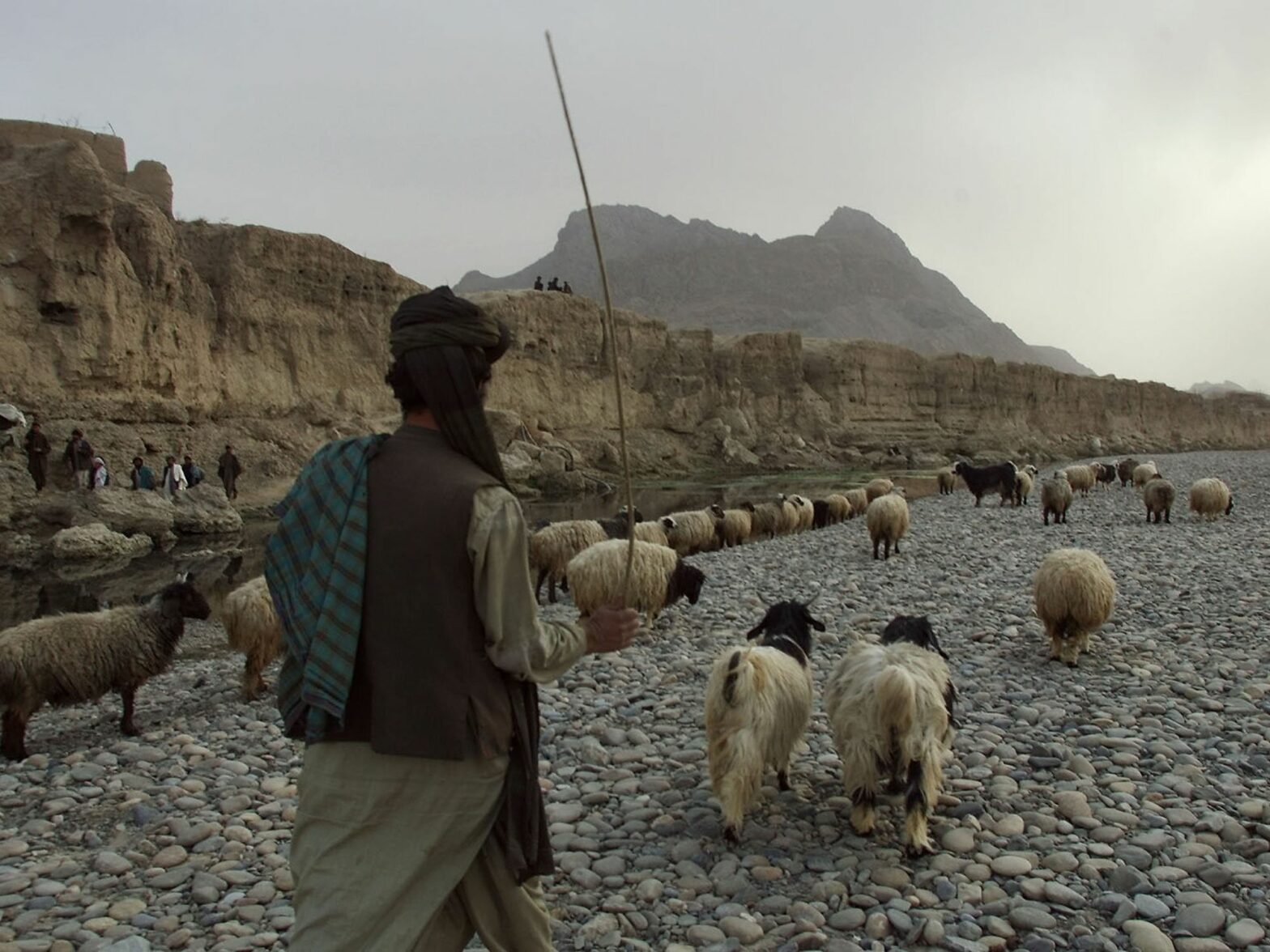
Amid a severe drought, Afghan scientists are asking the international community to engage with the brutal regime.
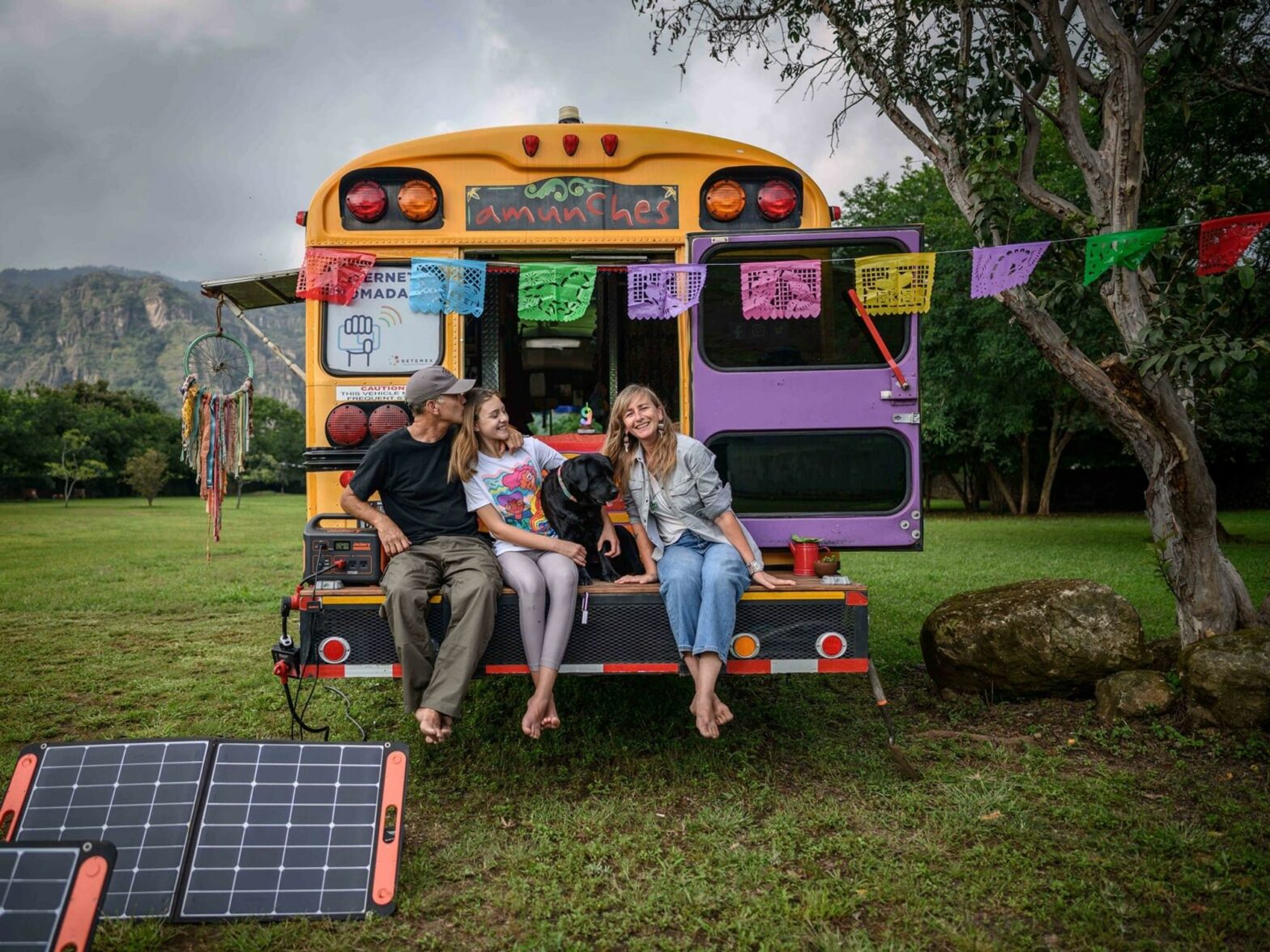
After years of exploring the continent in a van, a couple from Buenos Aires asks: Should they ever go back to “normal” life?
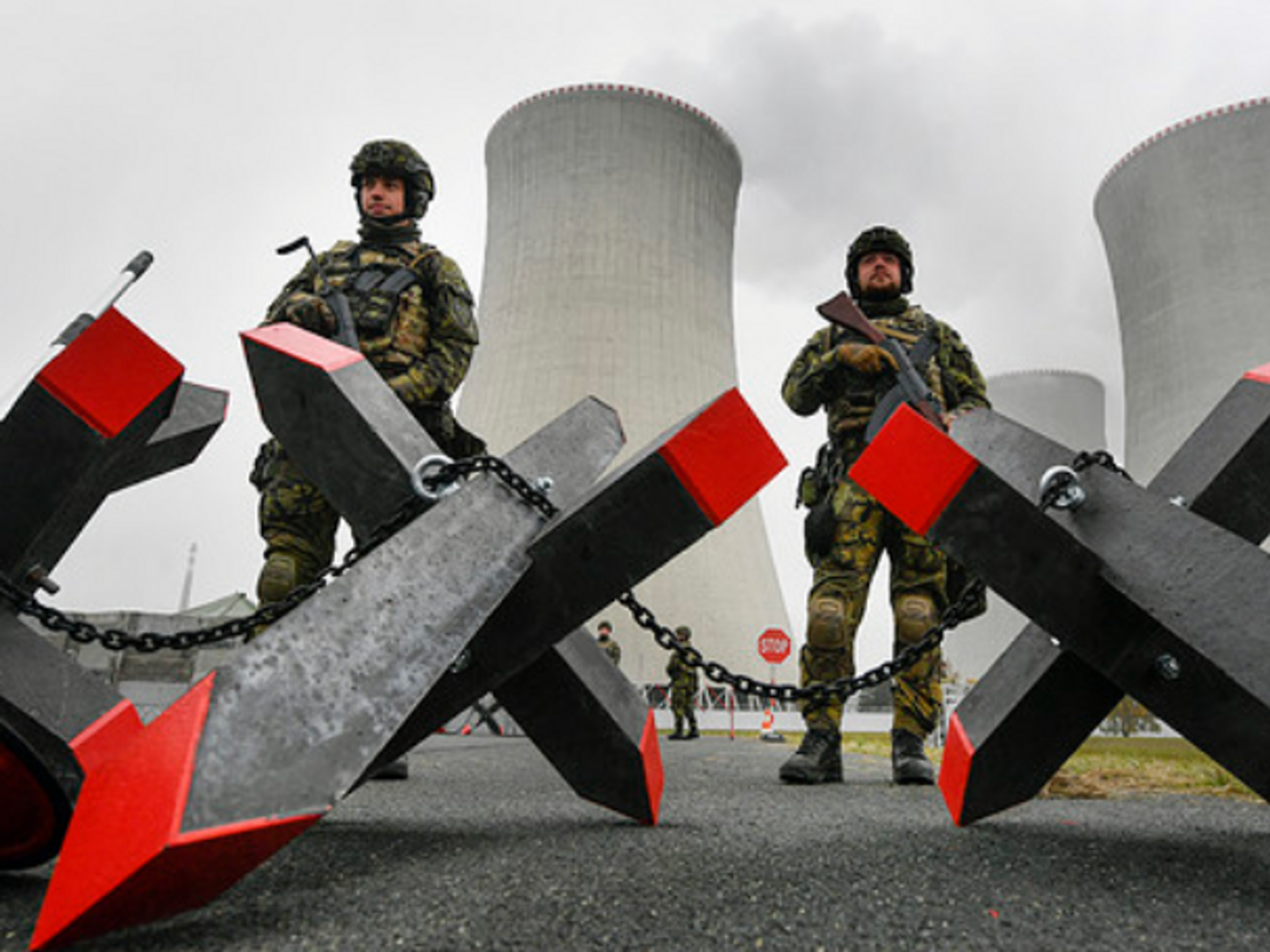
Greener than renewables, safer than oil and gas, nuclear power is deeply misunderstood — to the detriment to humans and our planet.
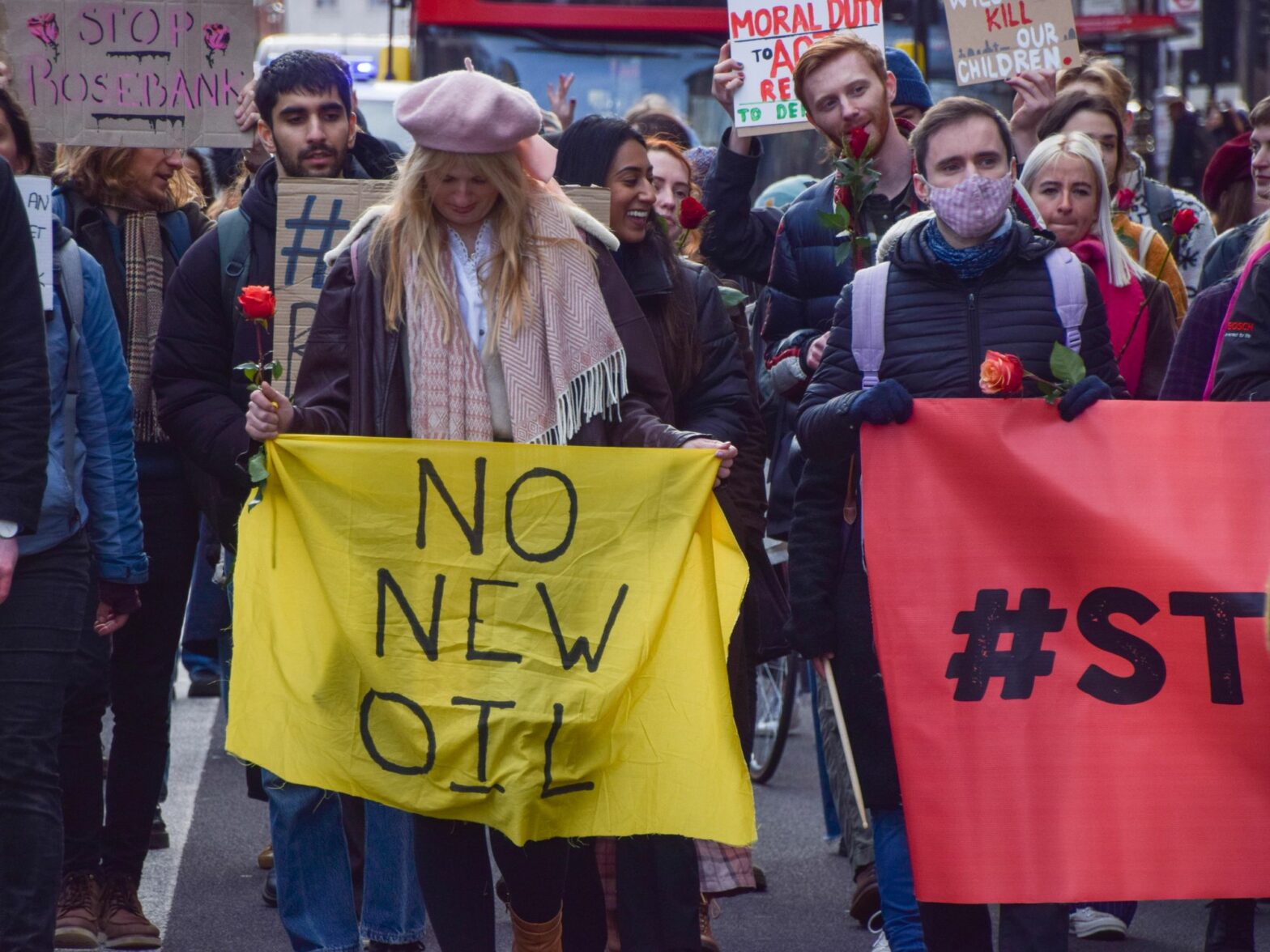
The oil and gas sector is counting its billions, and preaching renewables. The math doesn’t compute.
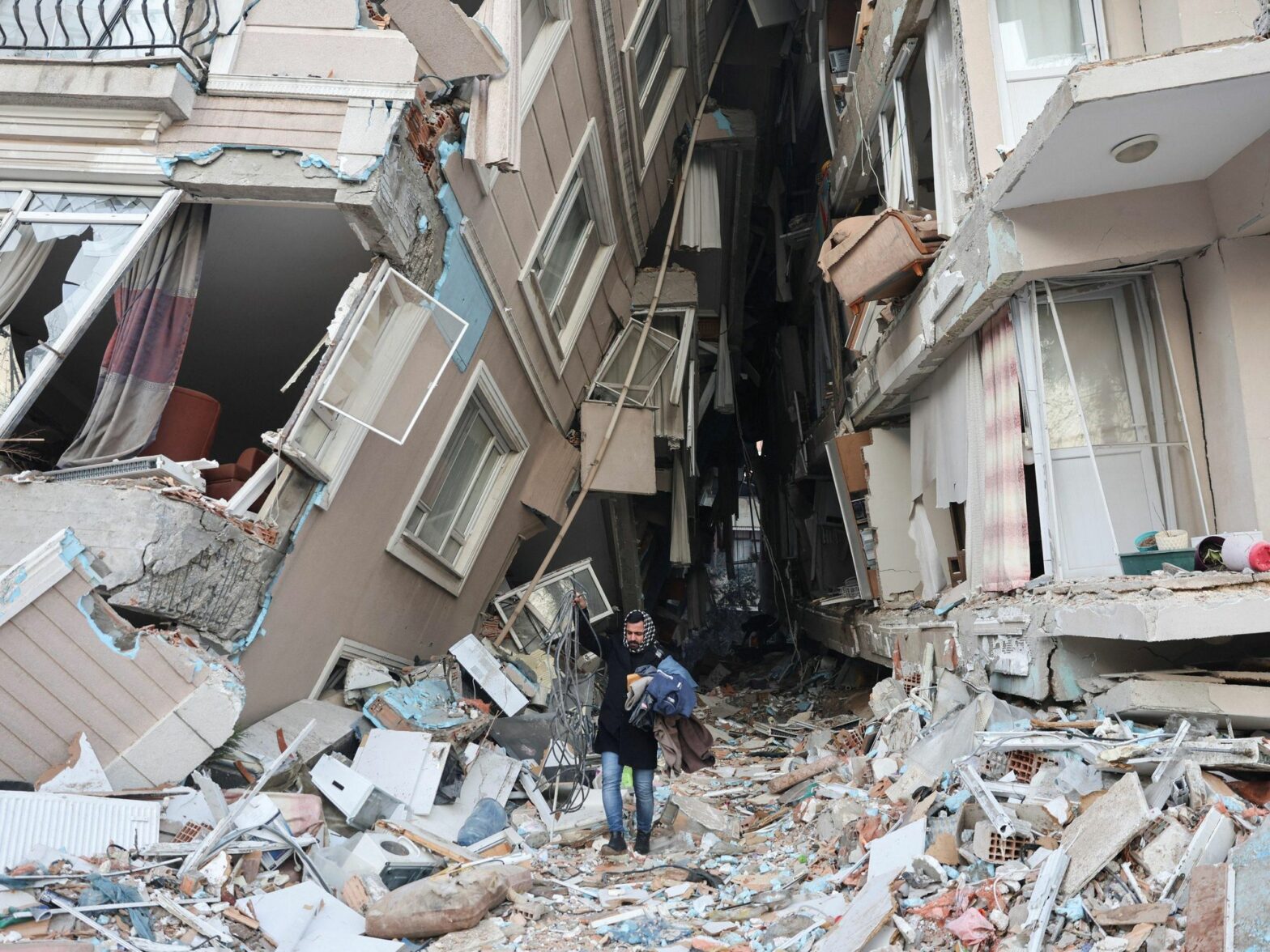
A reflection of what the Feb. 6 earthquake exposes deep problems in Turkish public life over the past two decades, and what we can expect in the coming months and years.

Colombia’s reformist president has promised to tackle endemic violence, economic exclusion, pollution and corruption in the country. So what’s new with a politician’s promises?
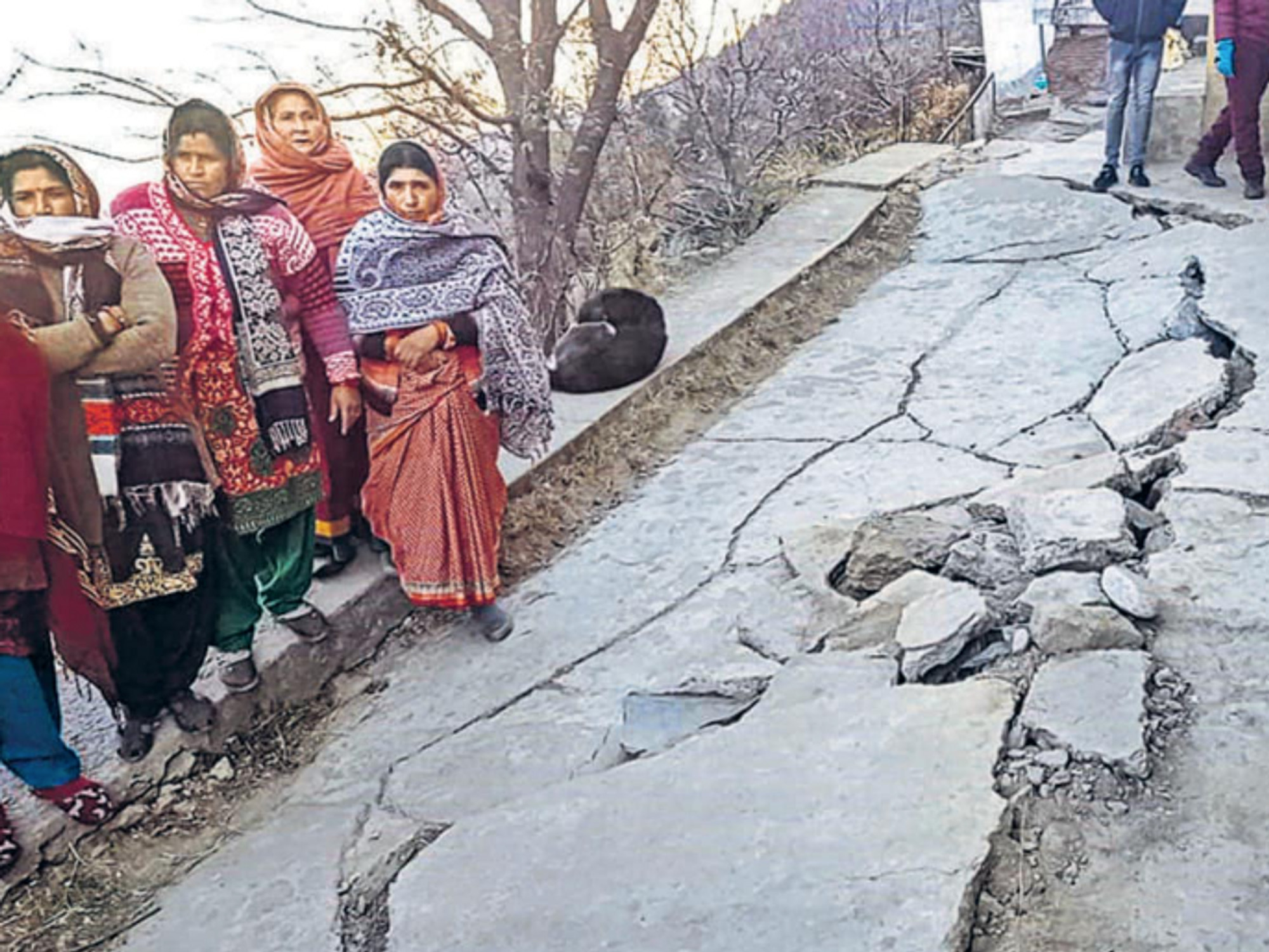
The Indian authorities’ decision to hide factual reports on the land subsidence in Joshimath only furthers a sense of paranoia.
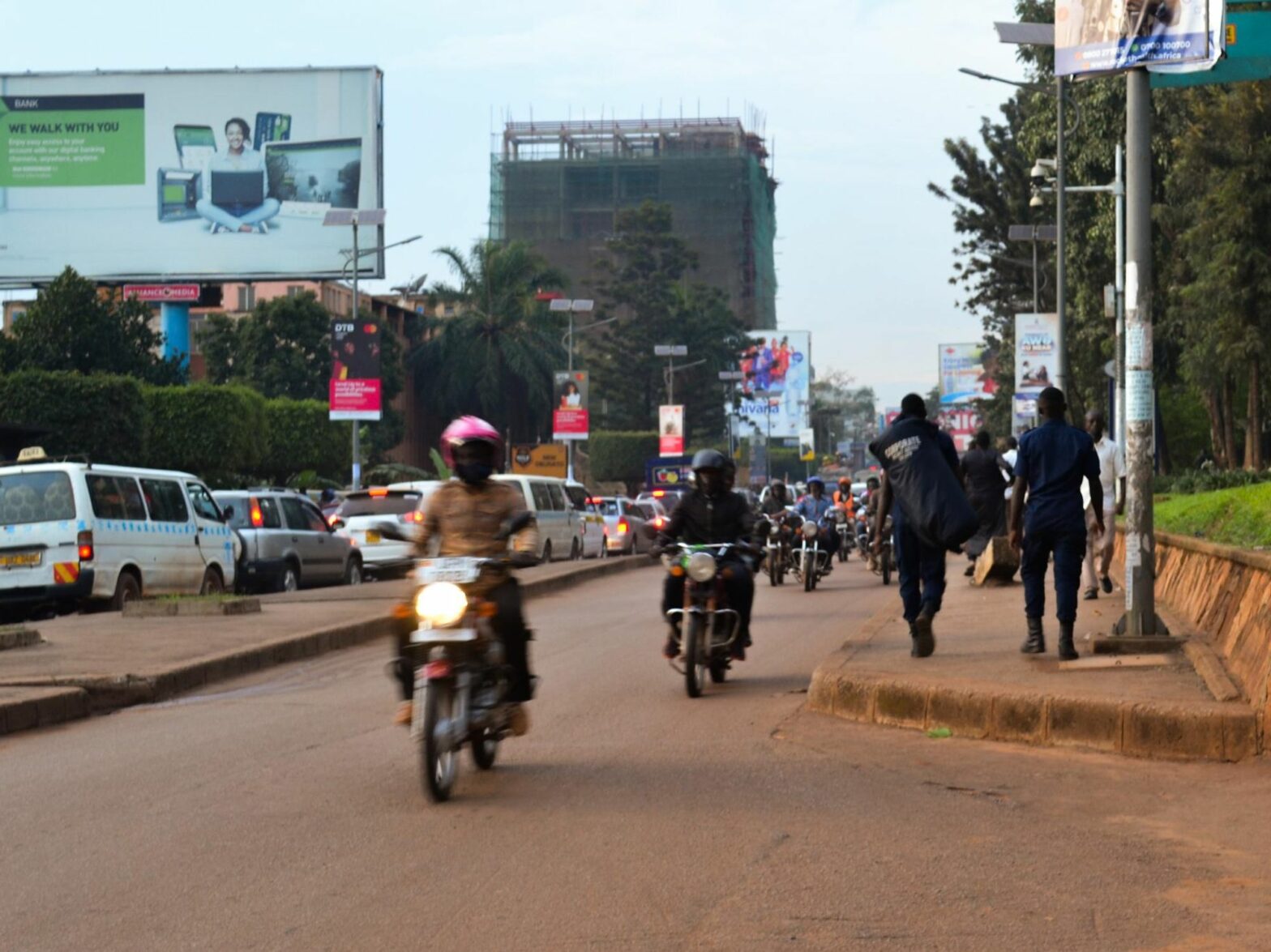
Kampala’s air quality is much worse than globally accepted standards, but several interventions are being instituted to avert its effects.

-Analysis- Some 100 of the most important political eyes in Africa aren’t turned towards the U.S. this week — they’re in the U.S. For the first time in eight years, the White House is hosting 49 African heads of state and leaders of government (and the Senegalese head of the African Union) for a U.S.-Africa […]
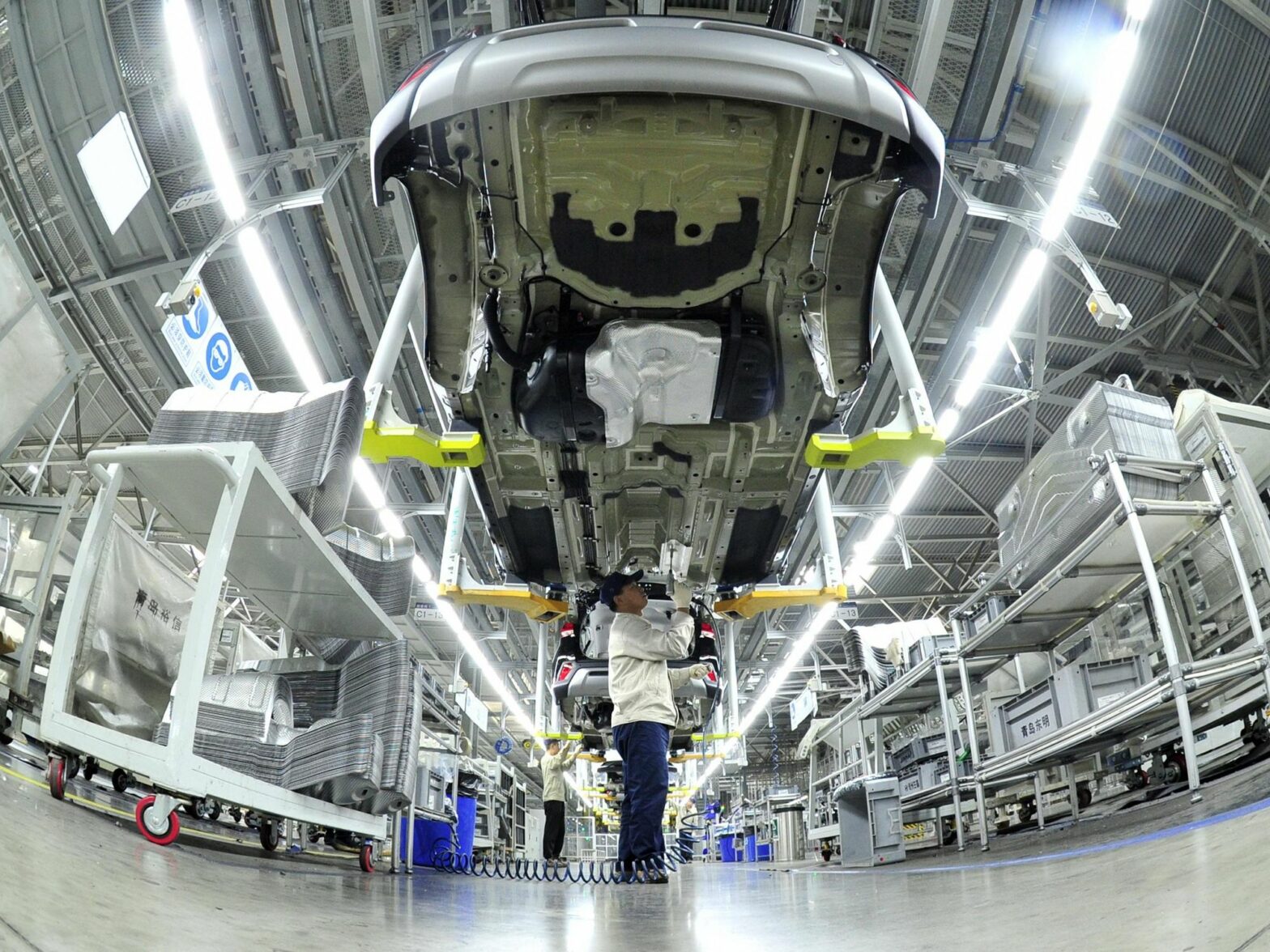
-Analysis- When the U.S. Congress passed the Biden administration’s landmark “green” spending bill in August, environmentalists around the world saw it as a very strong — and long overdue — step in the right direction on climate change. For years, the European Union’s far more stringent environmental regulations have produced a more carbon-efficient economy and […]

The week-long climate summit in Egypt managed to a backsliding that looked possible at some point, it still failed to deliver on significant change to reverse the effects of global warming.

Opioid and oil companies alike have a history of obfuscating science as a litigation tactic. How does this harm victims?
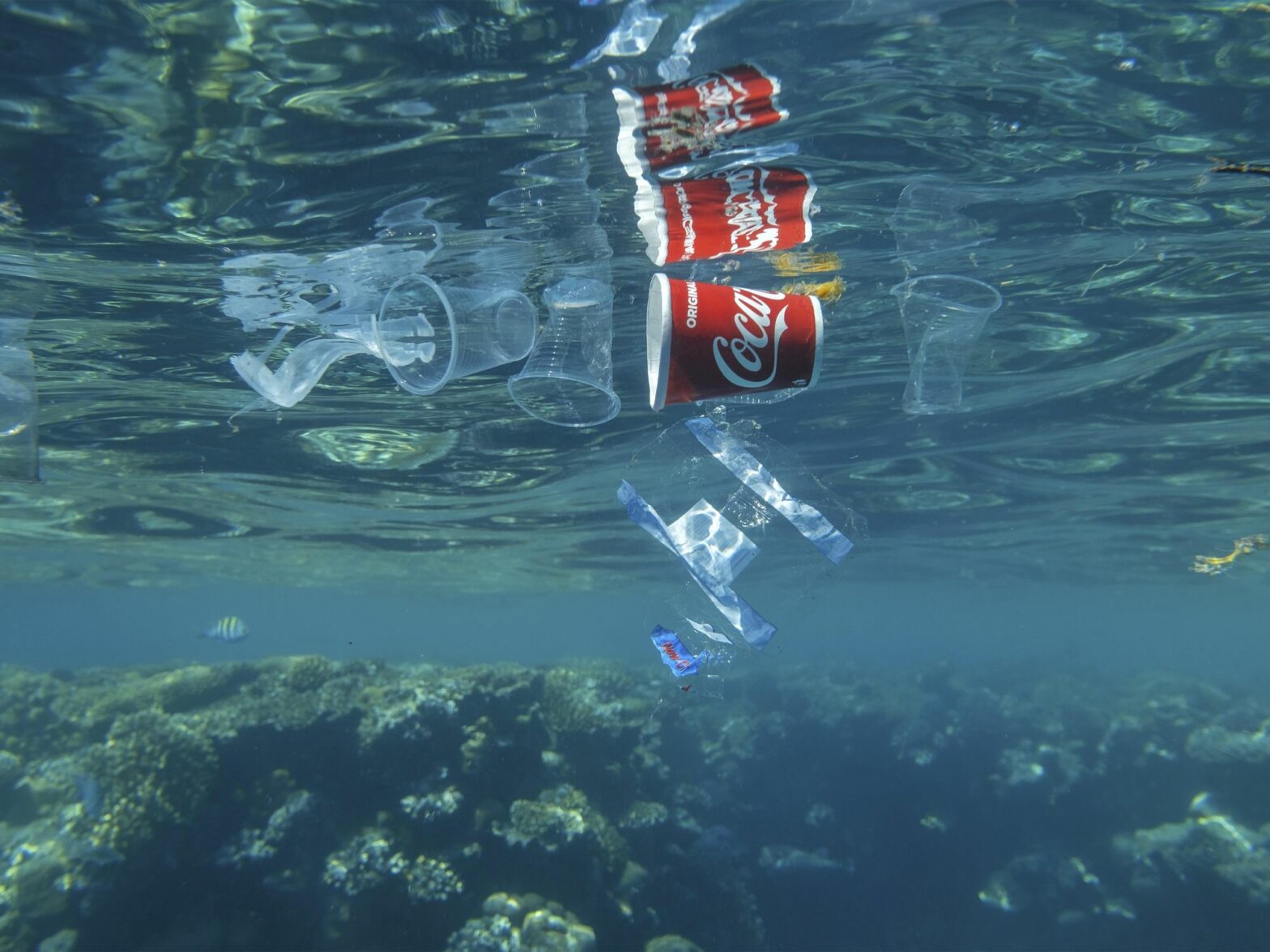
The Egyptian coastal resort has been reinvented (again) to host world leaders for the COP27, as it aims to cast a climate-financing-hungry Egypt in a favorable light. But the cosmetic changes hide years of harm to the region’s ecosystem.
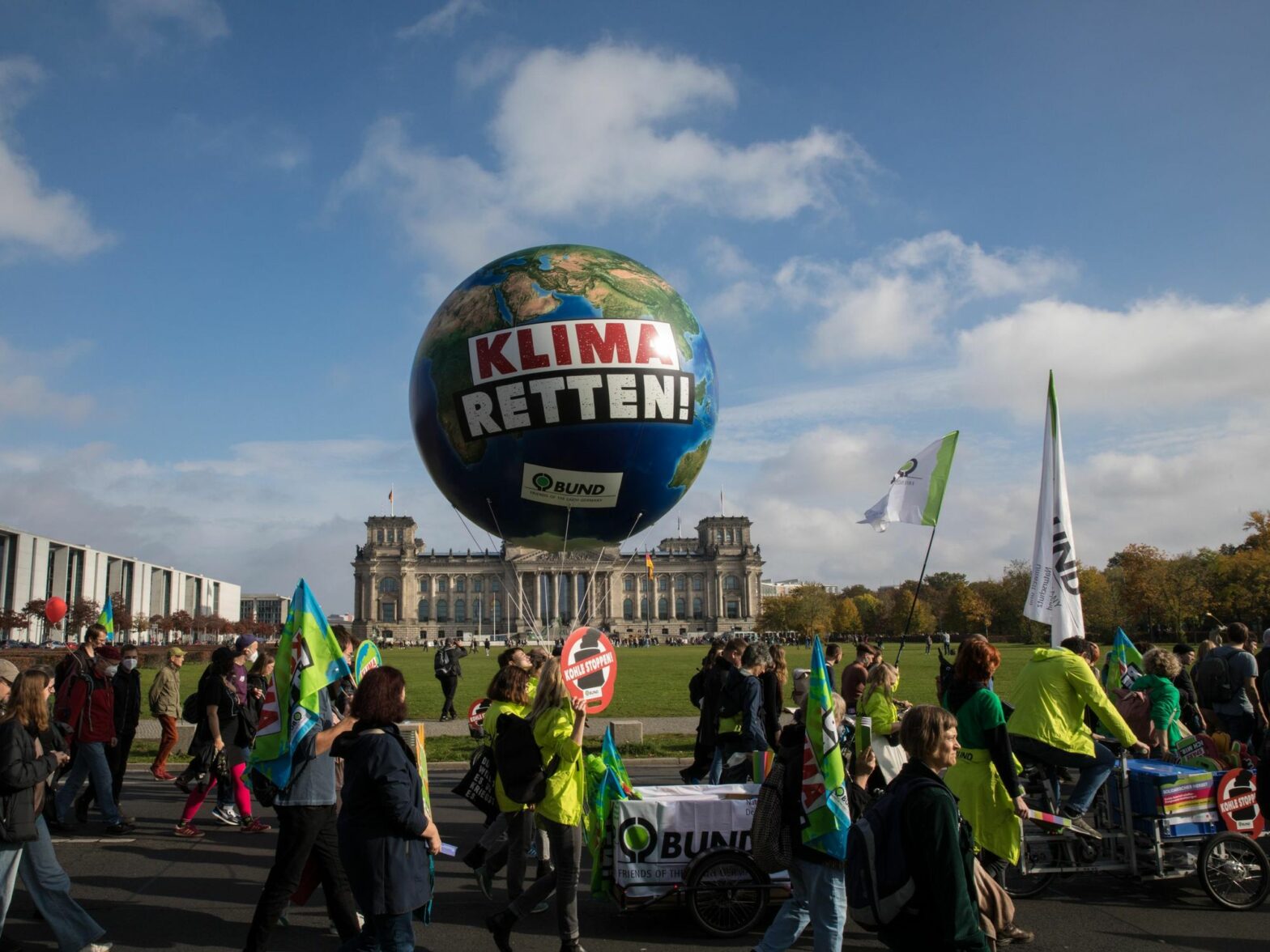
Germany was once a leading light in the green energy transition, but no longer. The country arrives at the COP27 climate conference empty-handed and lacking in moral authority.

Keeping the lights out at night may be a good measure both for the environment and in the context of an energy crisis – but it may have repercussions on people’s sense of security, in particular for women.
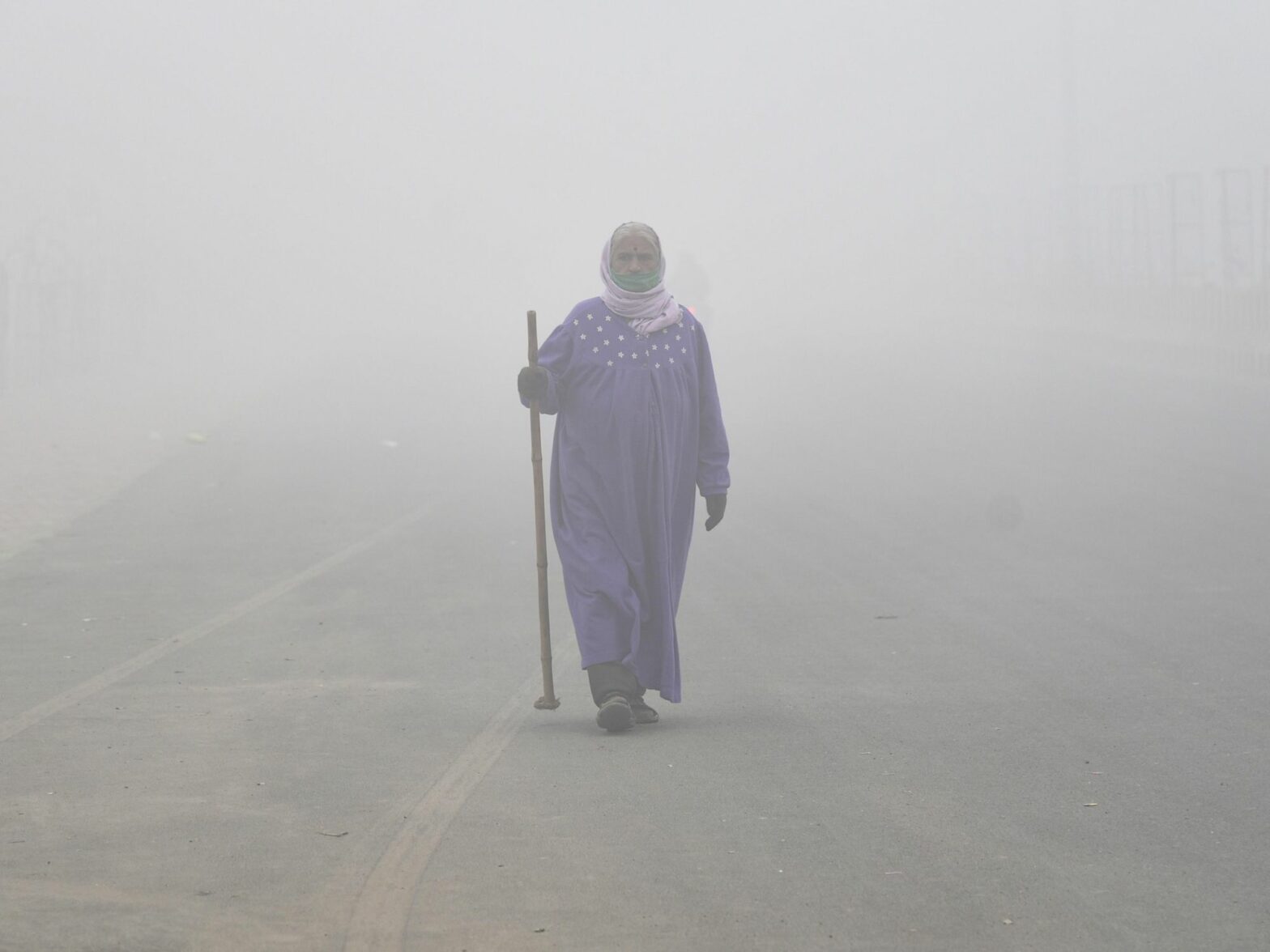
India is one of the world’s worst countries for air pollution, with women more likely to be affected by the problem than men. Now, experts and activists are fighting to reframe pollution as a gendered health crisis.
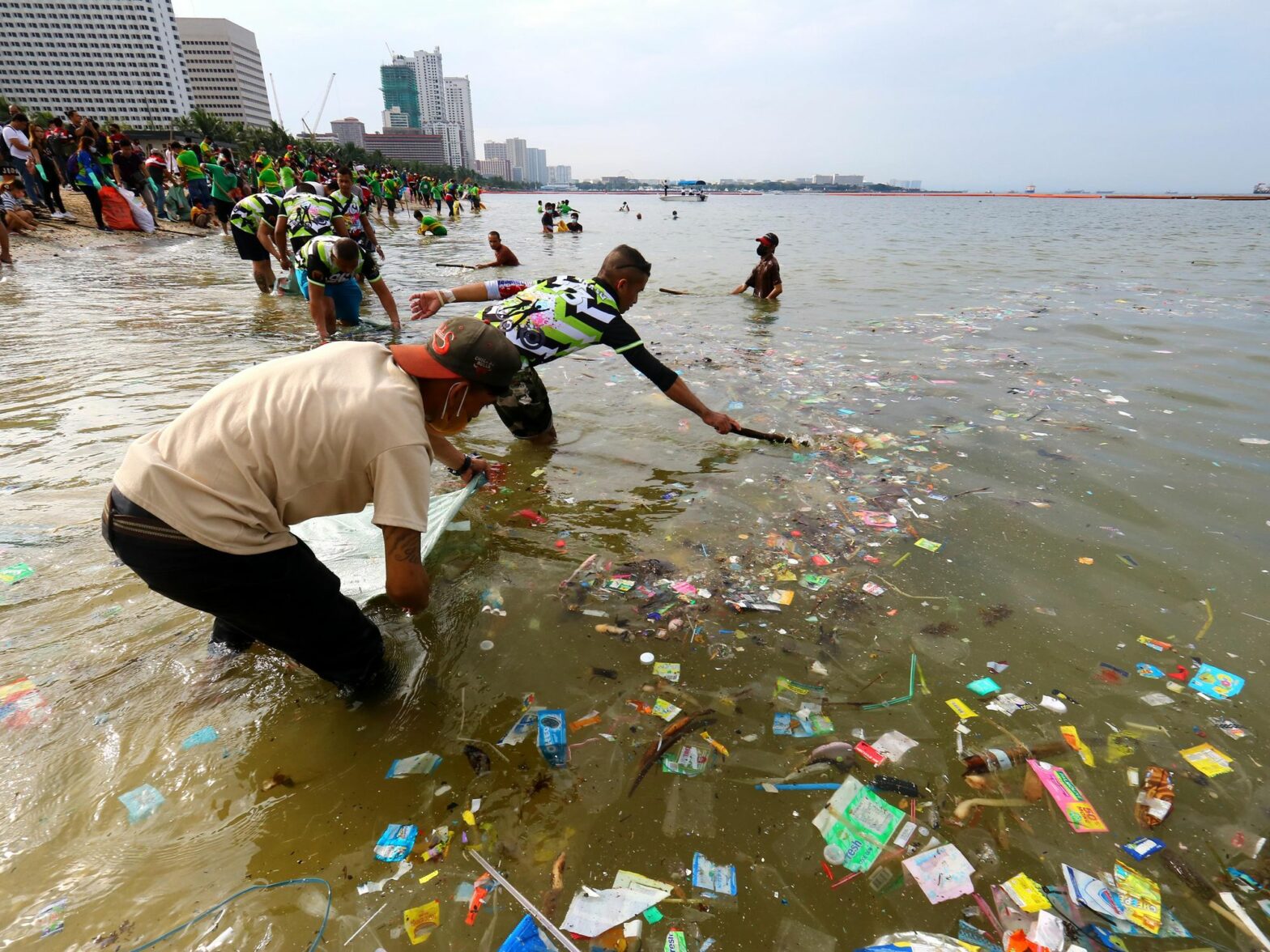
States and technology have failed to stop the destruction of the natural world, but a deceptively simple rethinking of our habits could turn the tide.
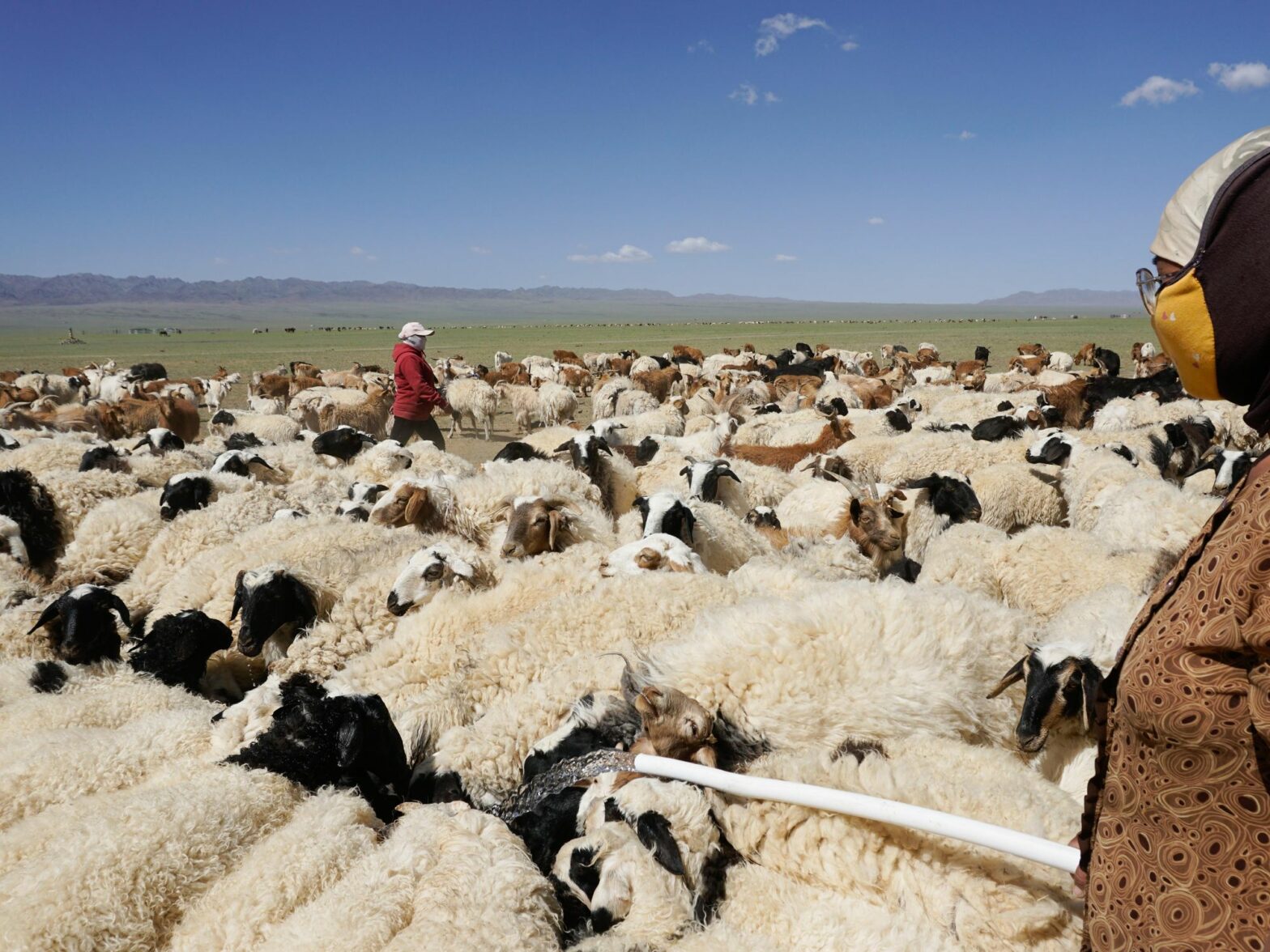
There are too many animals for the available water supply in the Gobi desert region. The situation worsens each year.

It’s passed down by bloodline, and Charles has publicly vowed to a life of service. But is a rather un-beloved old white man with a complicated past the right royal for this moment? Even if a monarchy is undemocratic by design, popular opinion matters today more than ever. Just look at the Spanish monarchy.
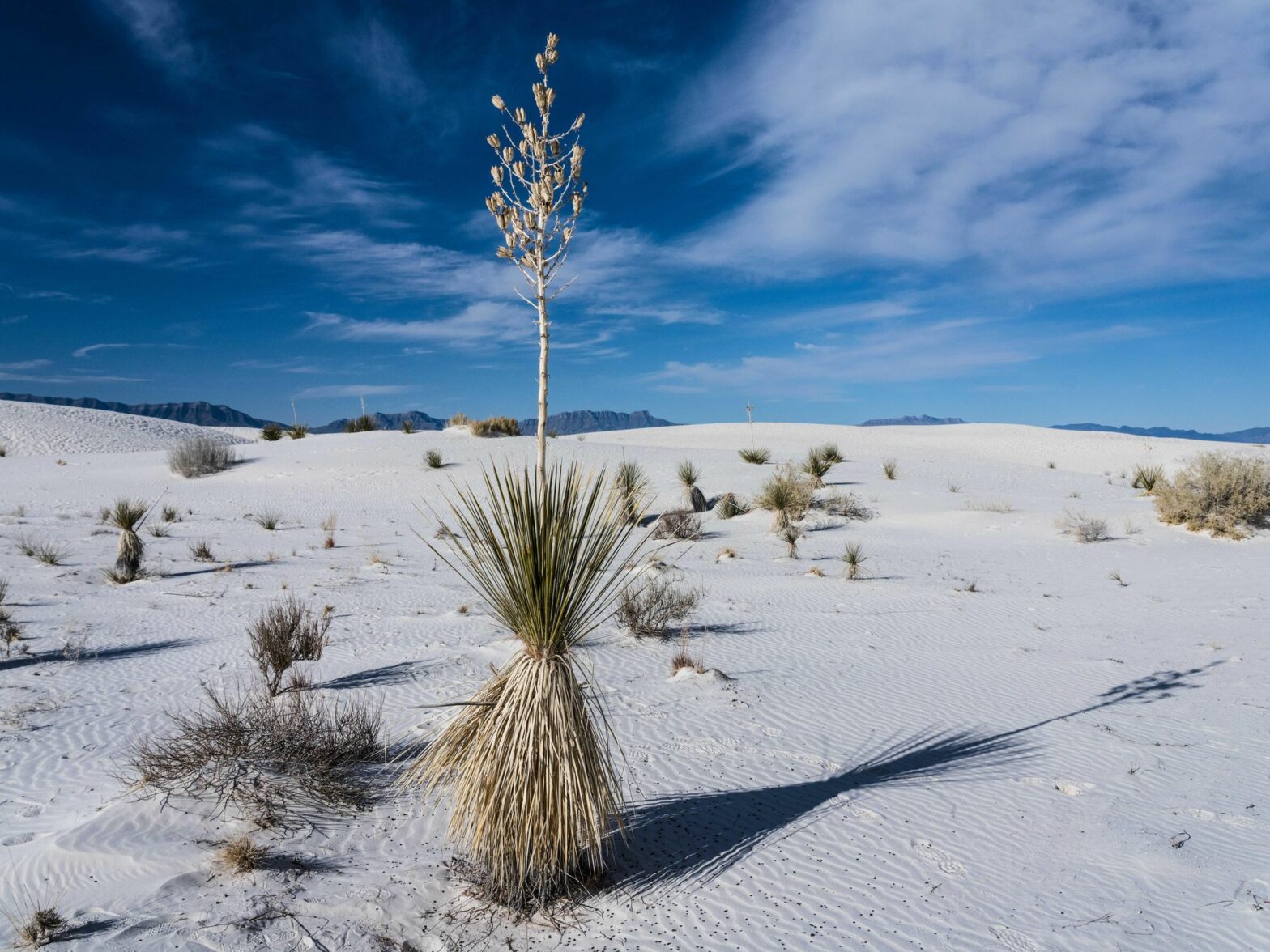
Giving nature rights, as South American nations are keen to do these days, is well-intentioned, but far too limited in scope to make sense.
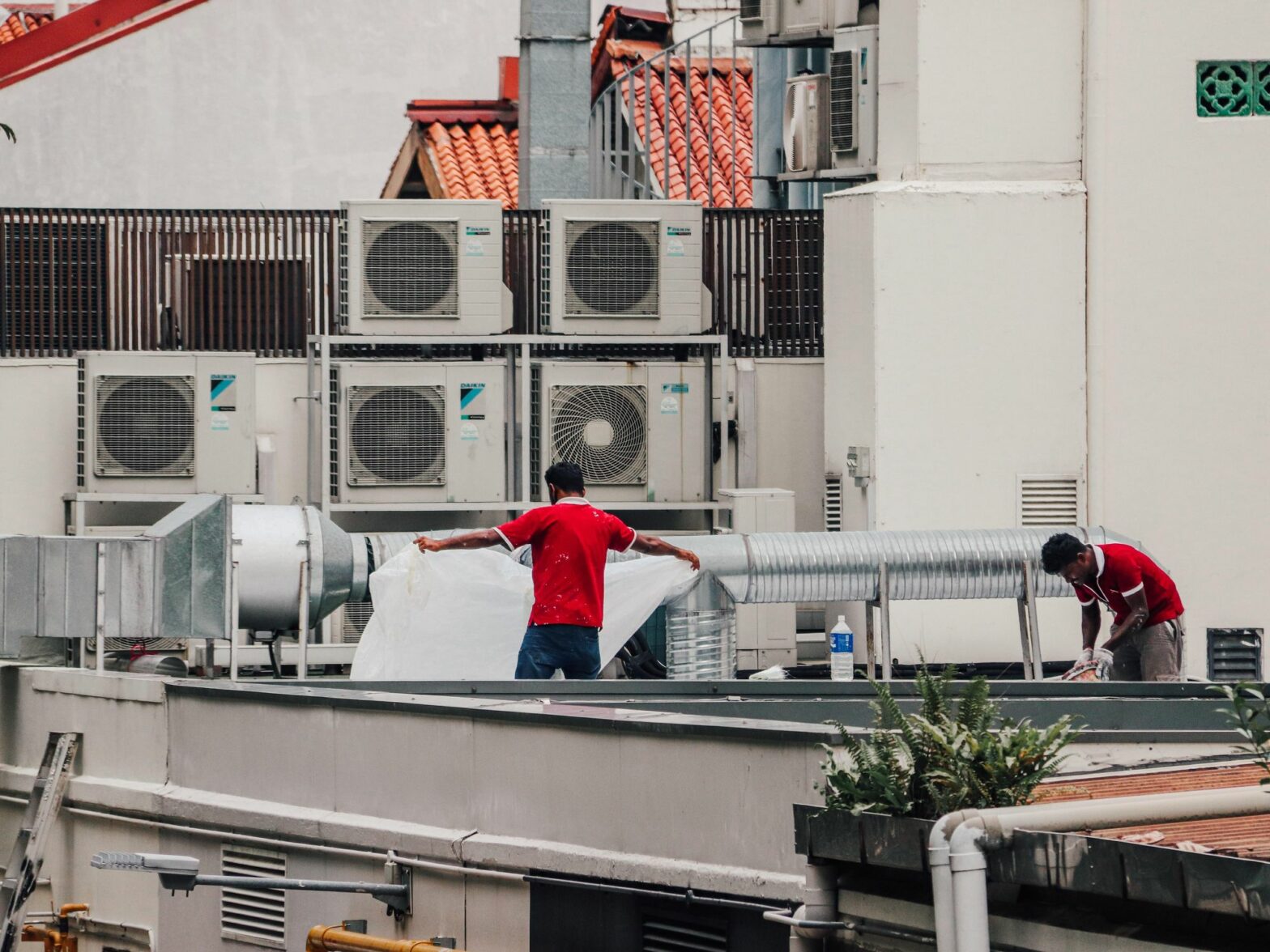
Misguided arguments about air conditioning’s environmental impact are stopping people from installing systems in homes and offices. But in the age of solar power, there’s no need to stew in your own sweat “for the sake of the planet.”

In the bohemian Australian seaside town of Byron Bay, rents are now higher than Sydney or Melbourne. And as Airbnb takes its toll, this small town has almost as many homeless people as Sydney.
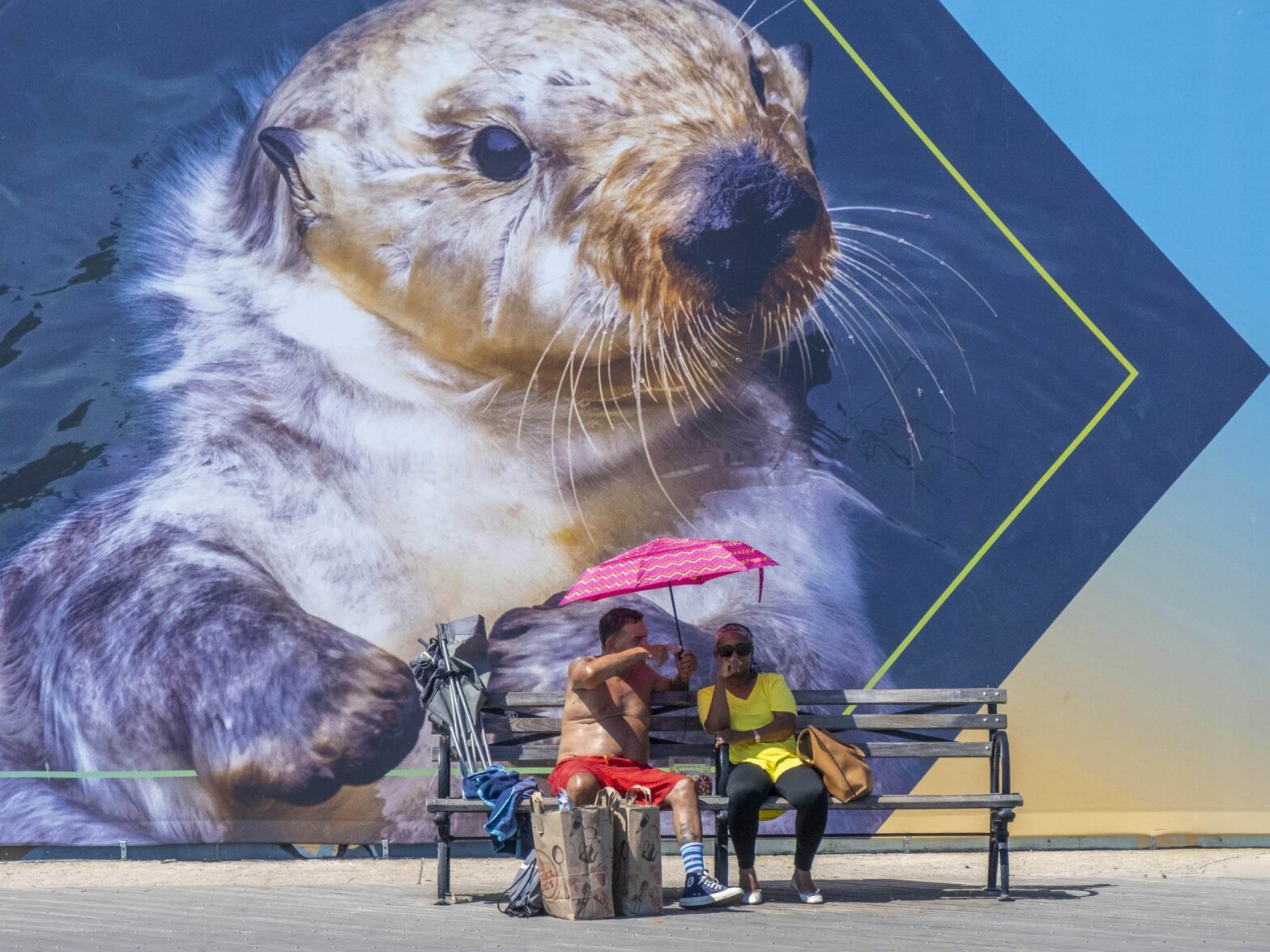
As measures to curb climate change move slowly in the face of deadly new weather patterns, we must immediately mitigate the havoc it has begun to cause around the world.

In the northern Italian region of Veneto, drought has forced half the municipalities to ration water resources. In contrast, the region’s Coca-Cola plant has upped production, using even more water that it gets for a cheap price.
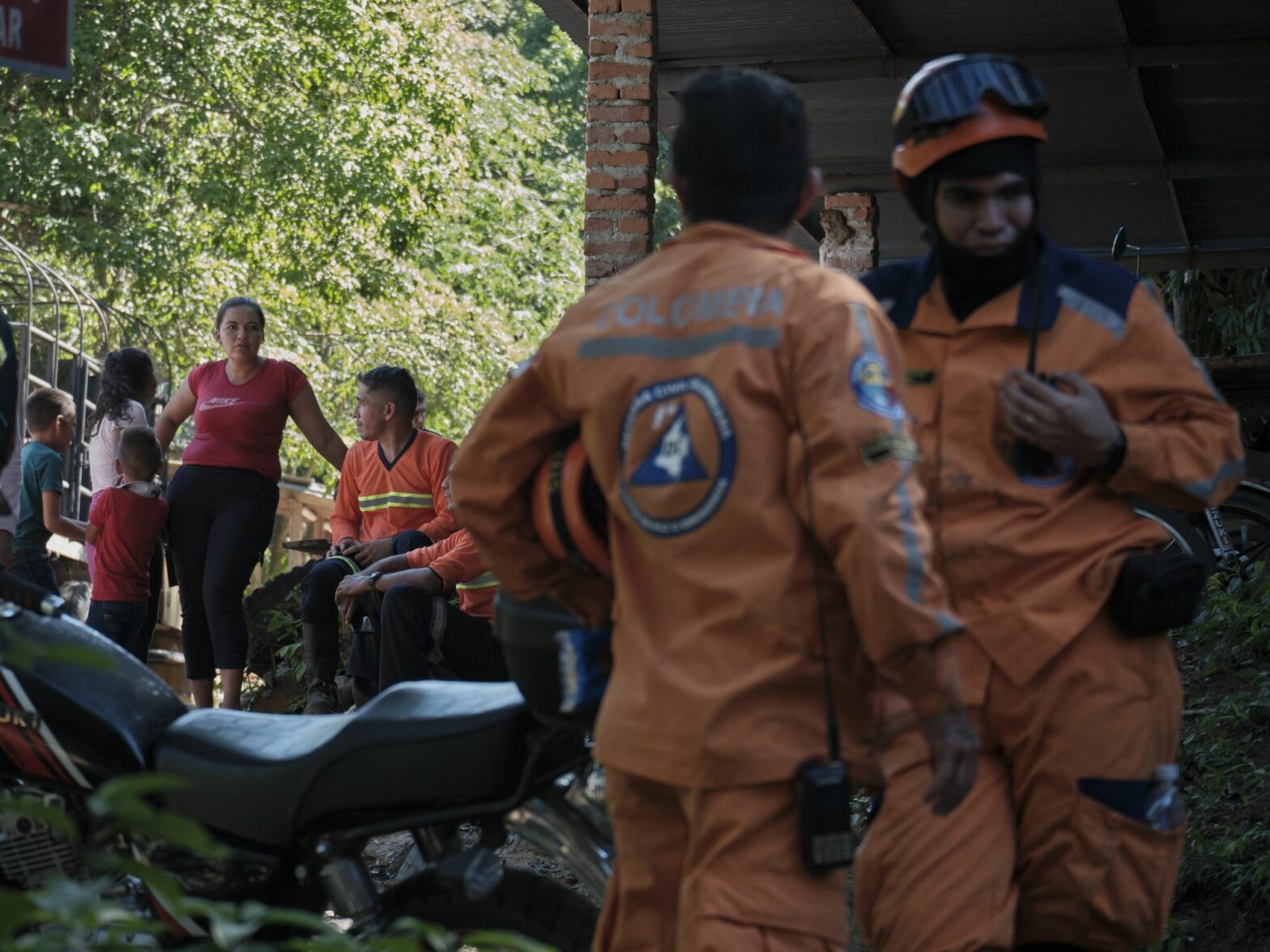
Green technologies are crucial to reducing carbon emissions, but they require ramping up the need for mining of minerals. And since mineral extraction can cause grave natural destruction, how can we ensure renewables are truly good for the environment?
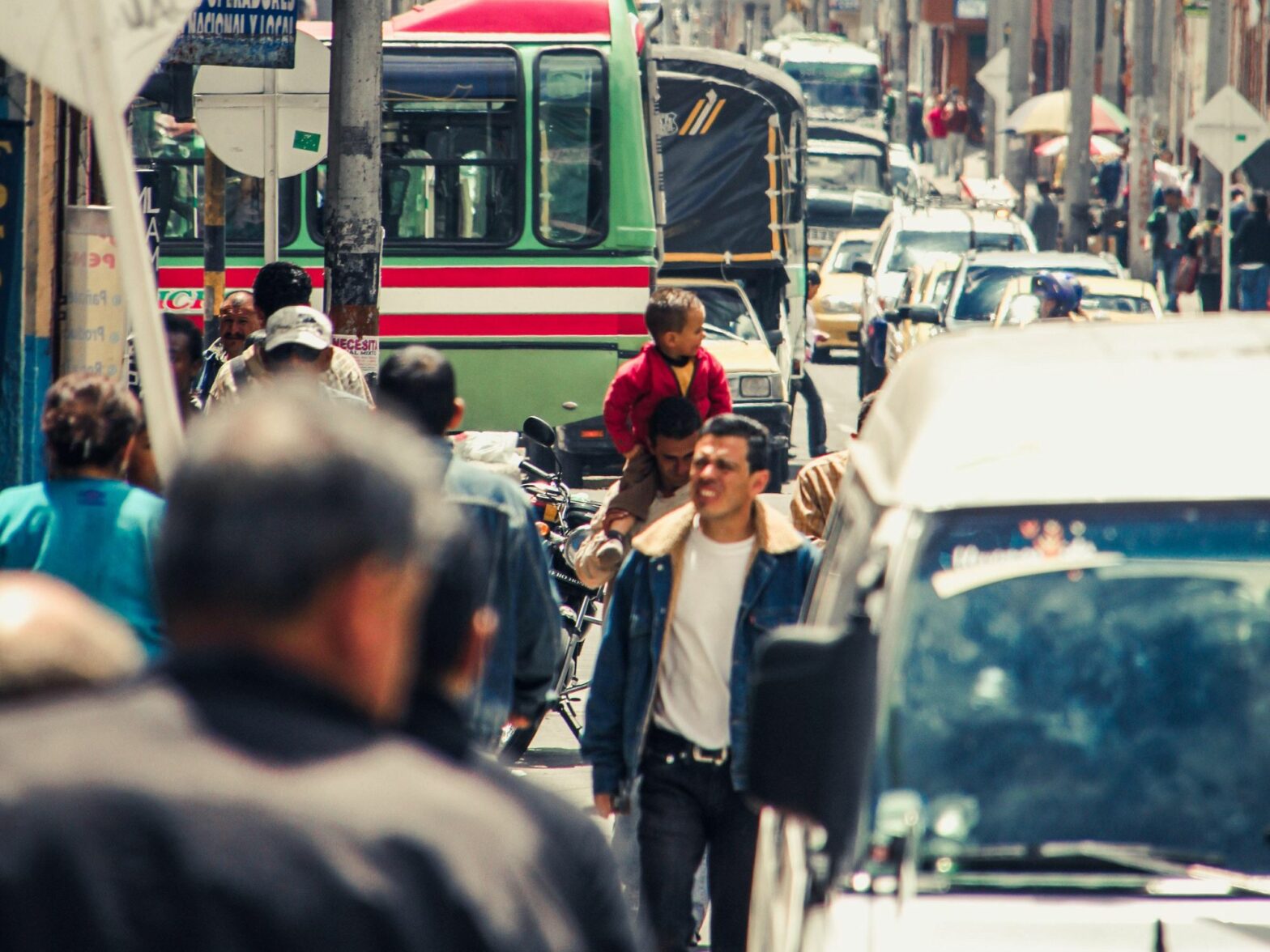
The Colombian president recently said that the country had exported one million barrels of carbon-neutral or offset oil. But in an unregulated carbon market, such a claim is pure greenwashing.
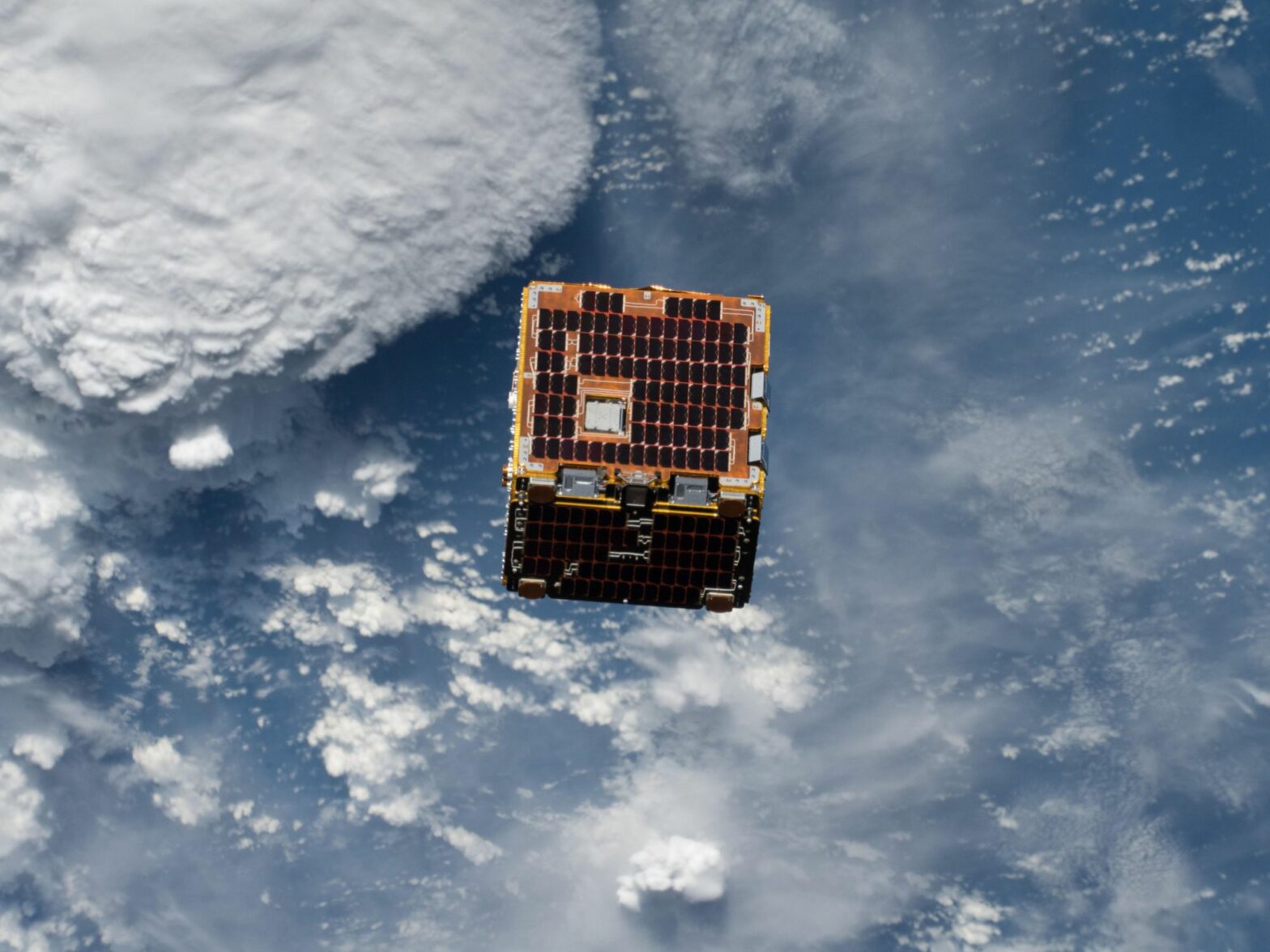
Exploiting space resources and littering it with satellite and other anthropogenic objects is endangering the ecosystem of space, which also damages the earth and its creatures below.
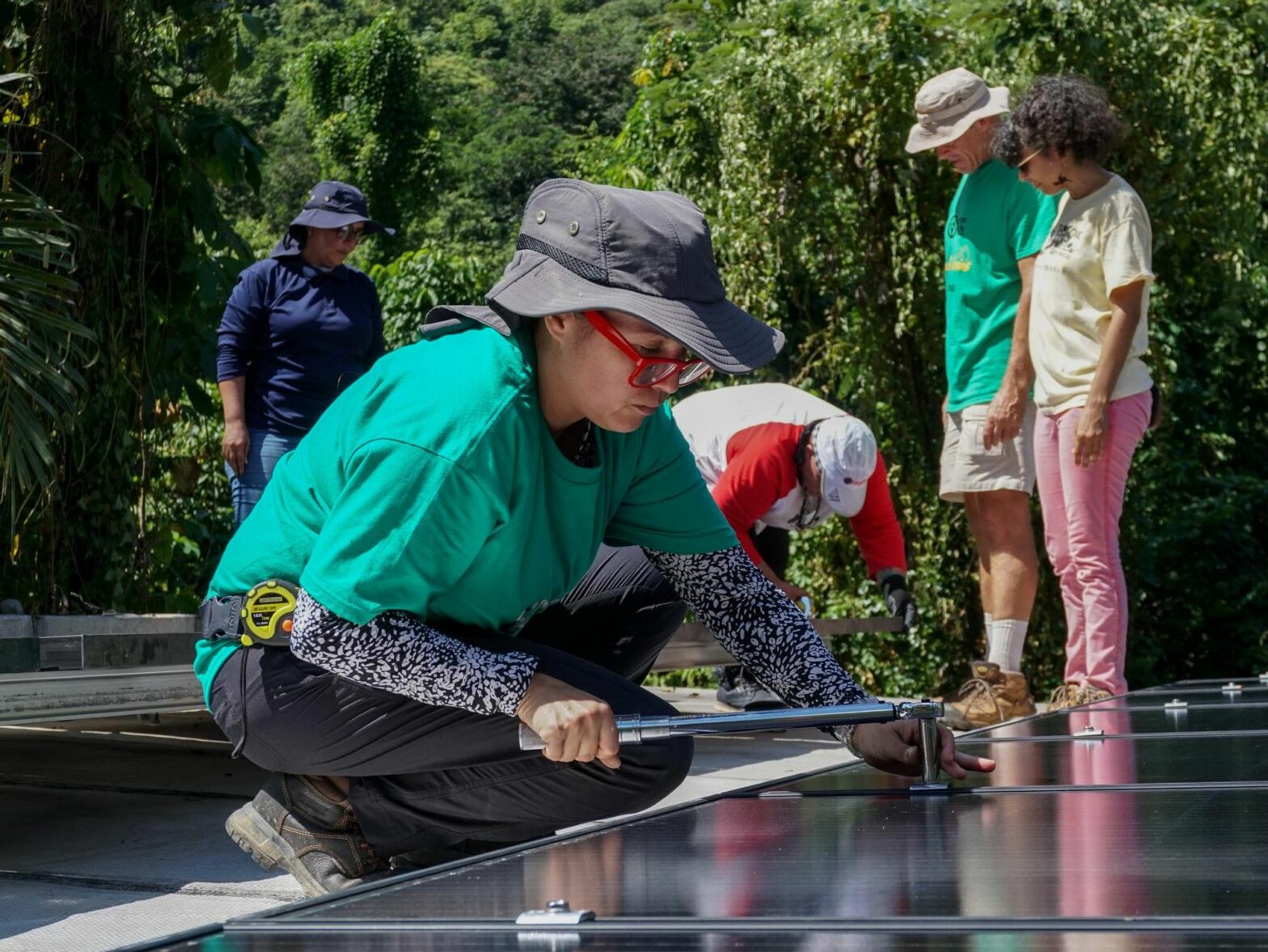
Can Puerto Rico’s abundant sunshine and ambitious women unlock its renewable energy potential?
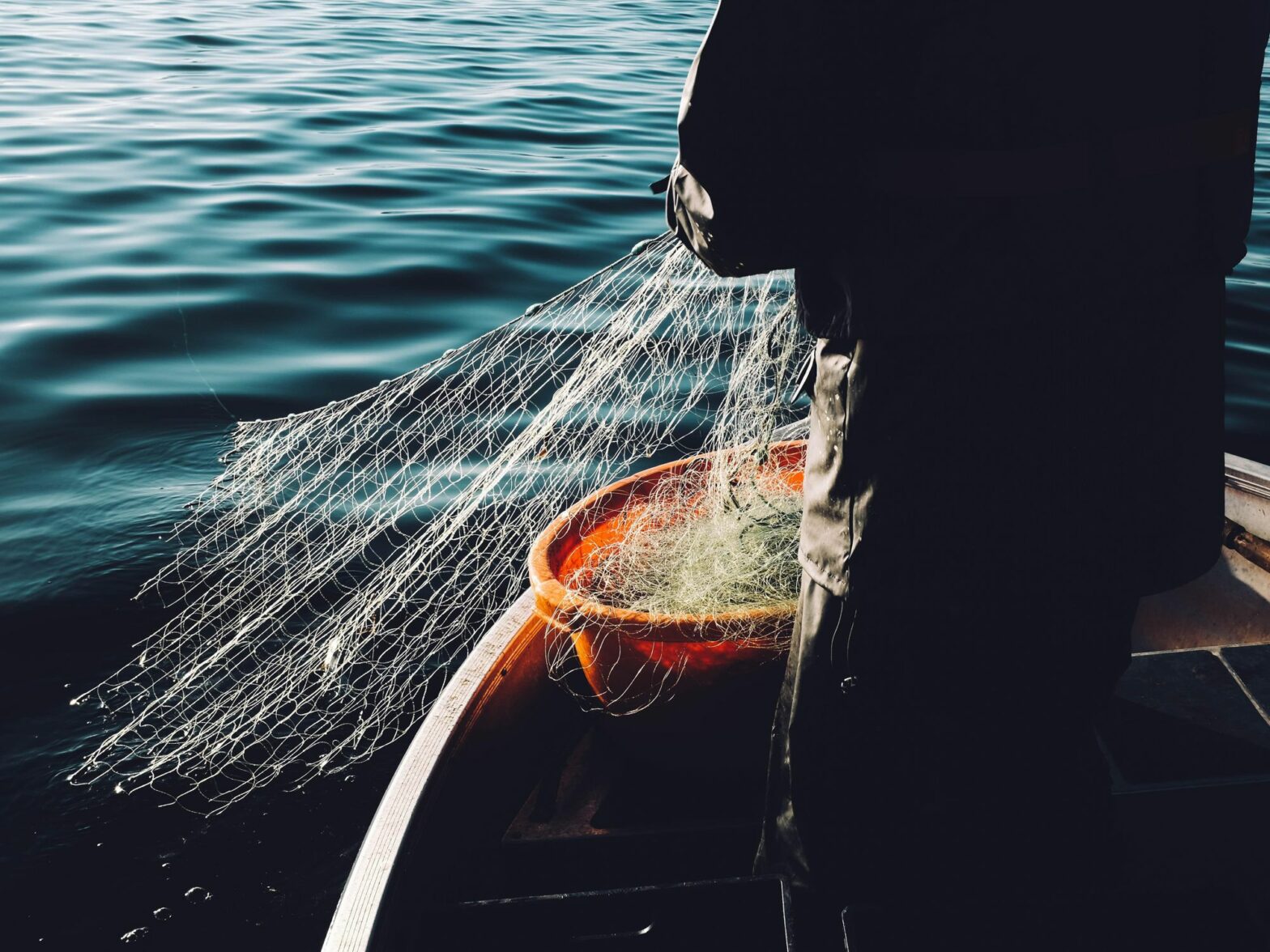
The Danish government has banned further growth in sea-based fish farming, claiming the country had reached the limit without endangering the environment. A marine biologist says it is a misguided policy for both economic and ecological reasons.
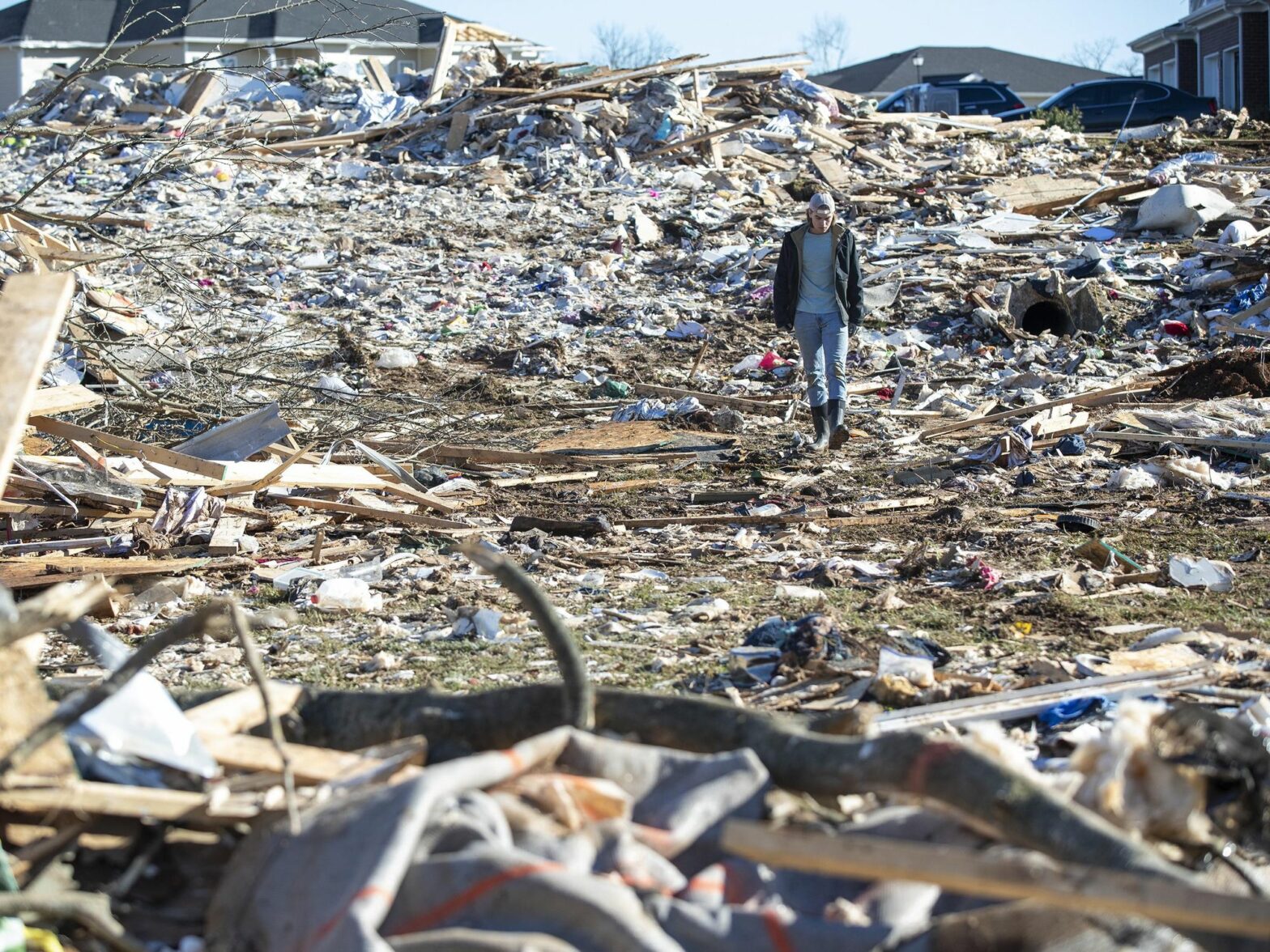
? ສະບາຍດີ* Welcome to Monday, where the first ever meeting took place between leaders of Israel and the United Arab Emirates, BoJo declares an “Omicron emergency” and Vladimir Putin shares a side hustle from his past. And for the insomniac and the lonely, we tune in to Taiwan’s new app that connects you to a […]
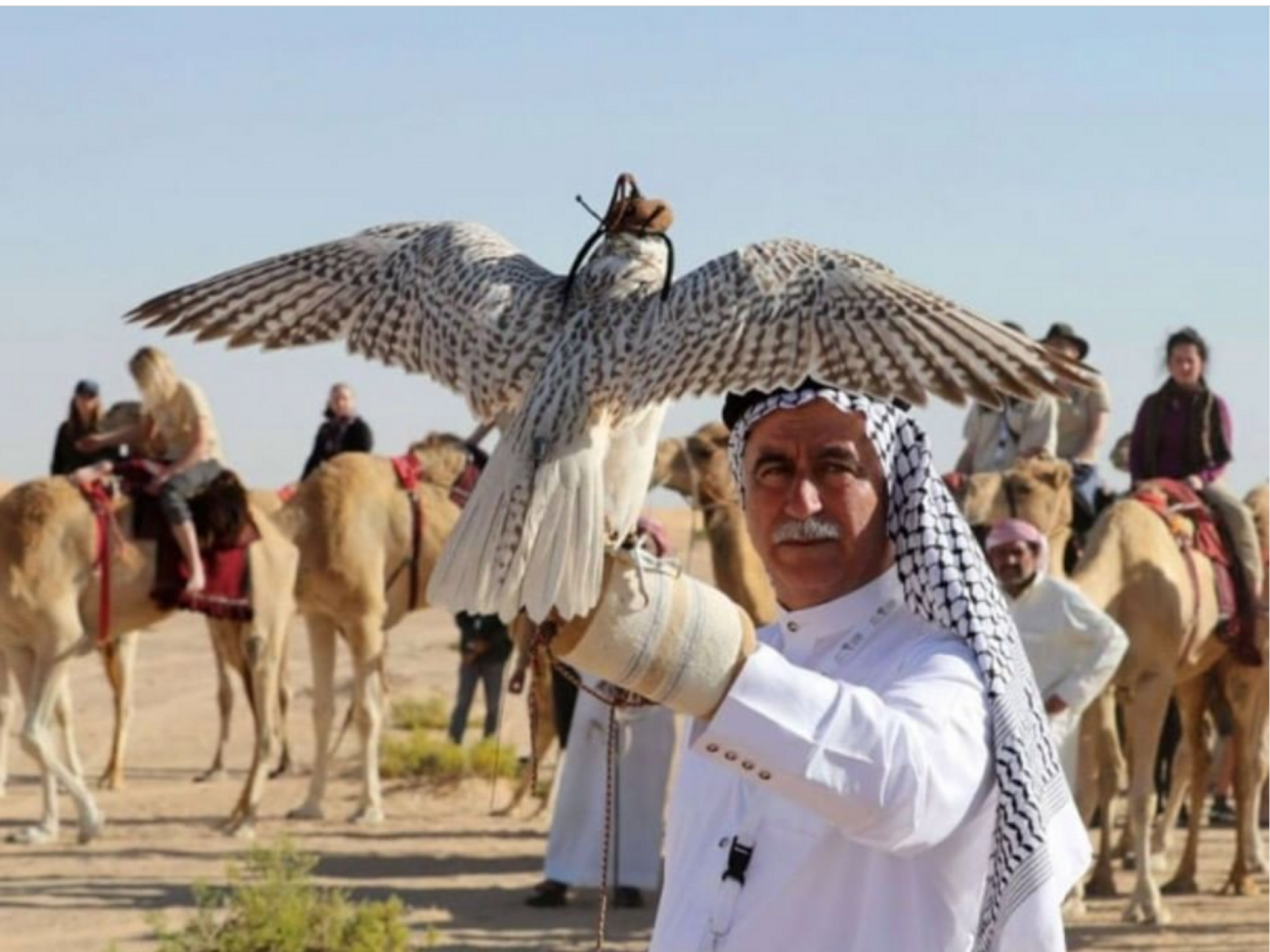
Facing biodiversity loss, hunting can be seen as not only cruel but also damaging to natural ecosystems. Yet hunters argue that their activity is a natural way to “replace” animal predators and a tradition that should be preserved. Can there be a happy hunting medium?
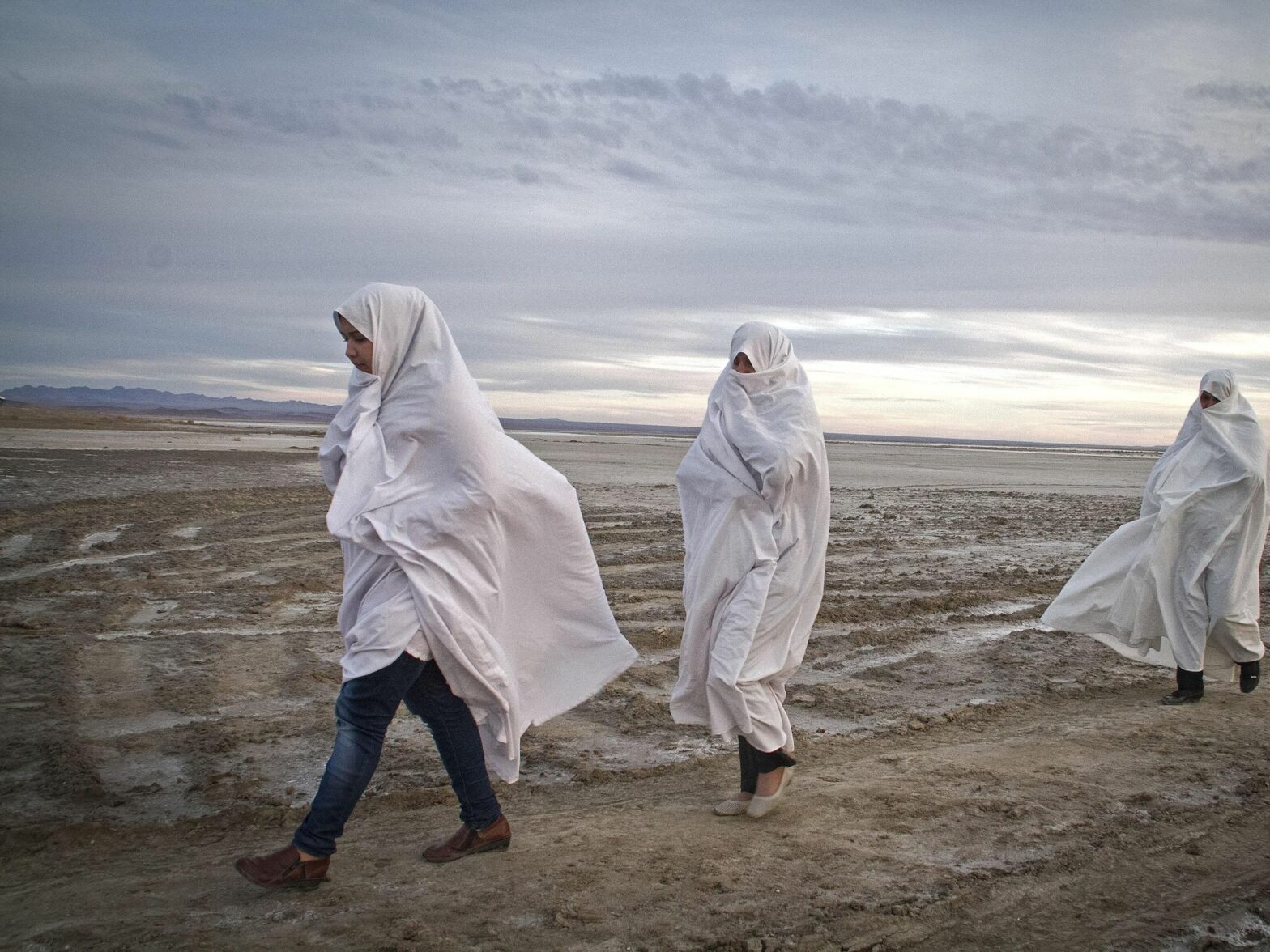
The growing environmental movement in the West, wittingly or not, has given no attention to mass protests in Iran against the clerical regime, most recently focused on the drought conditions and other ecological risks. Had ecologists been hoping to sign a green pact with Tehran?
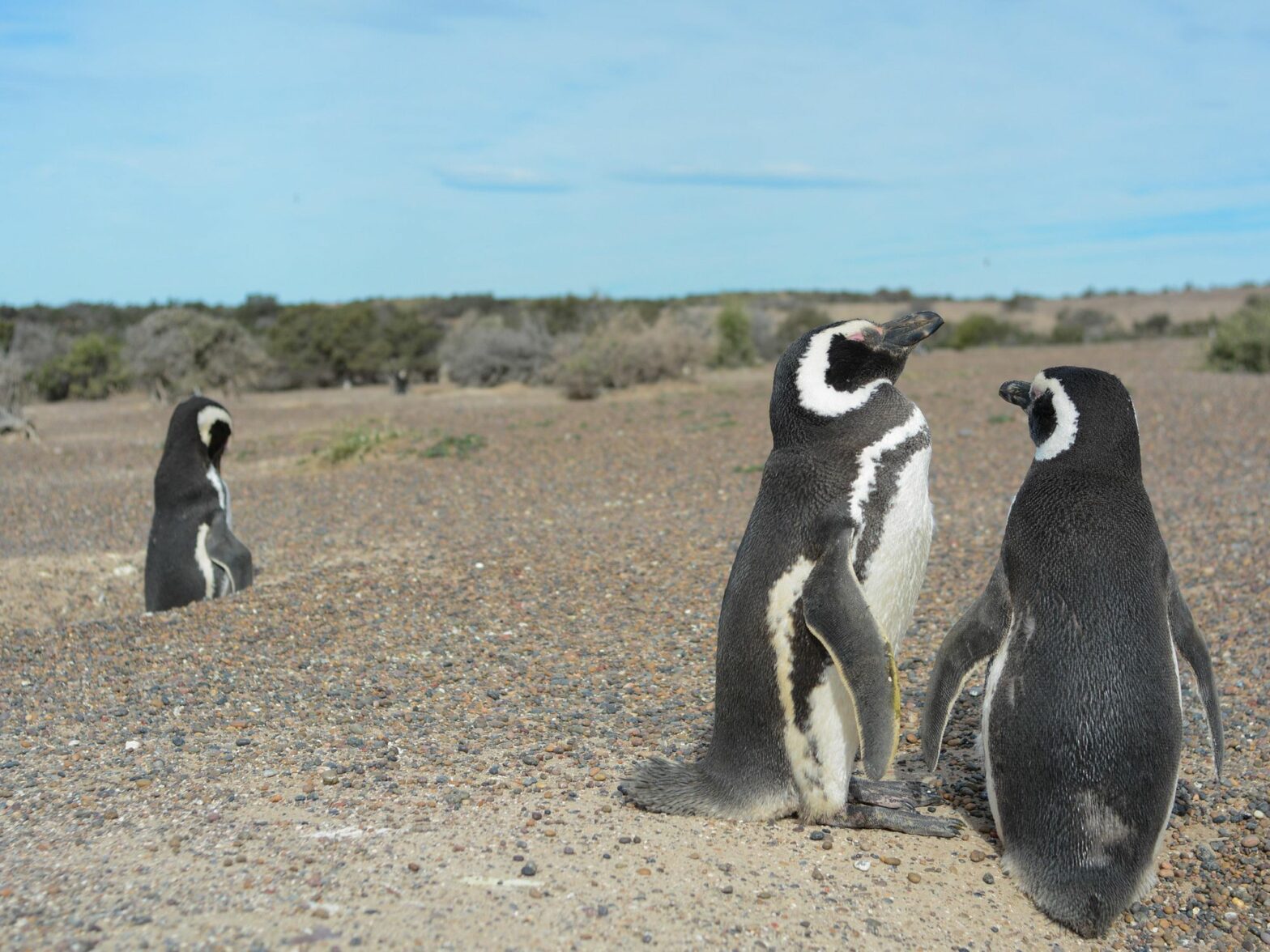
Between 300 and 500 birds (not to mention eggs and chicks) are thought to have died near a natural reserve, potentially all because of a land dispute.
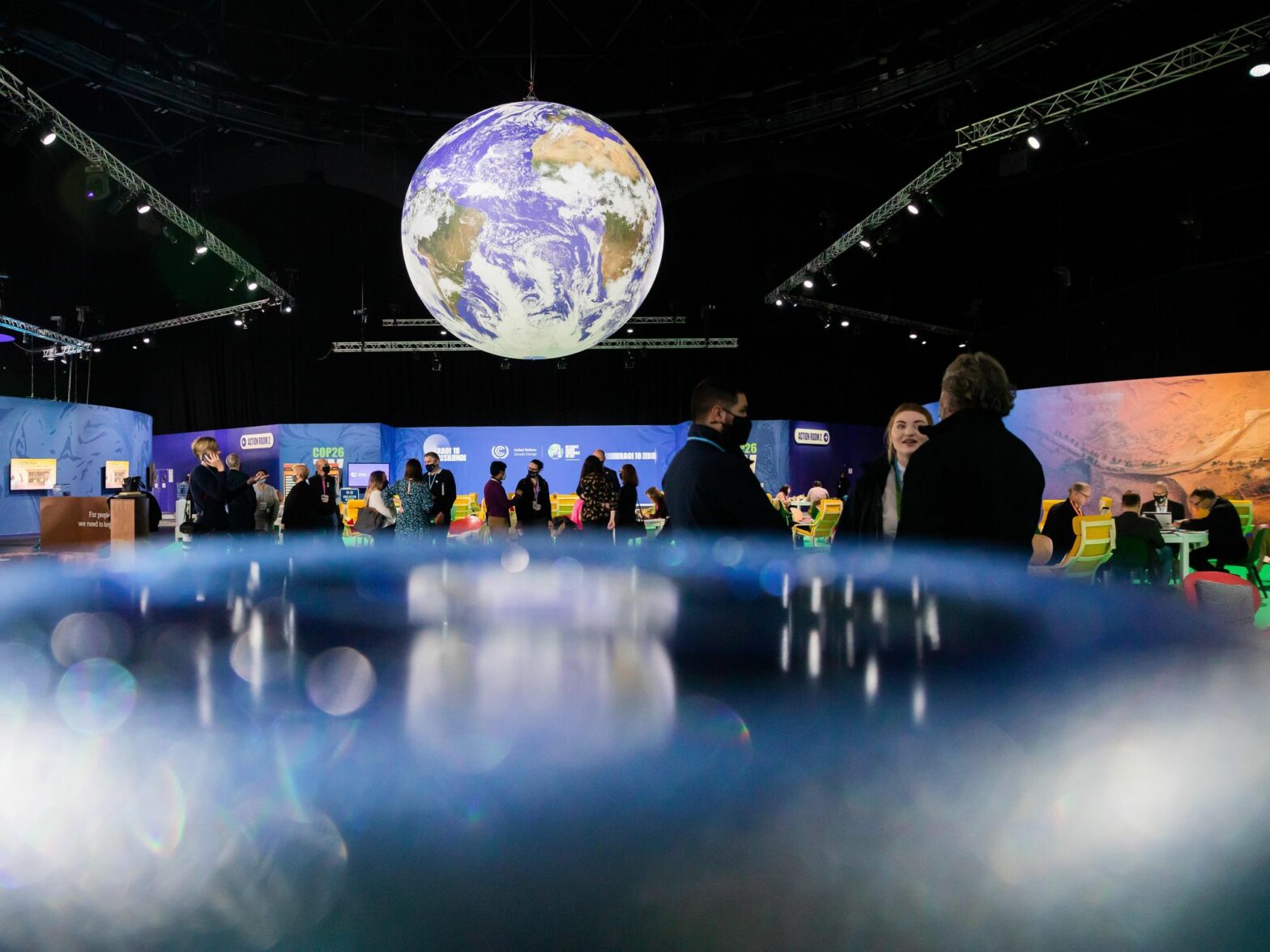
The final deal at COP26 falls well short of what’s needed to confront global warming. Still, the Glasgow summit has provided a new blueprint for how we measure progress — and shown how pressure can be applied to world leaders.
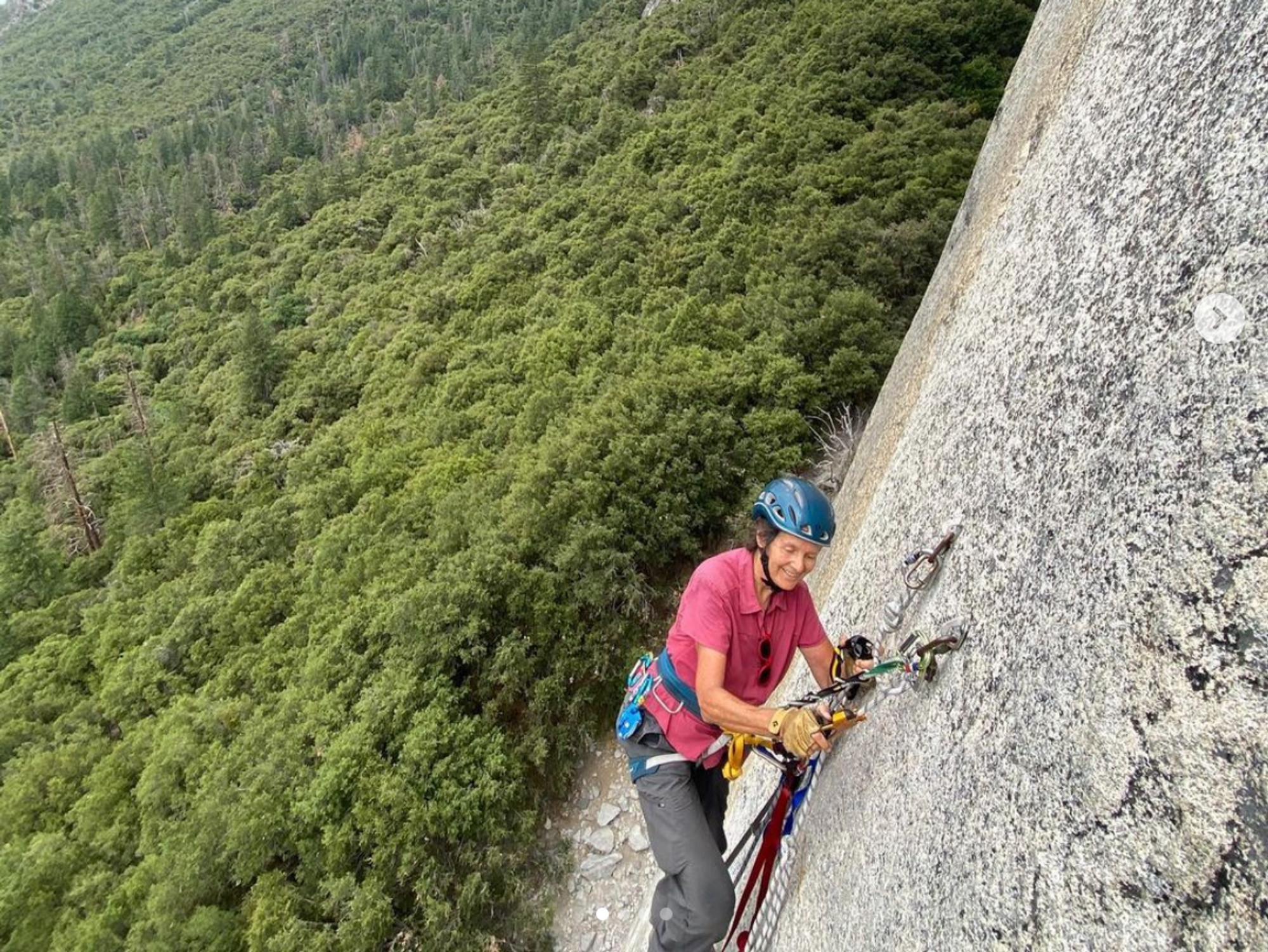
M.J. “Sunny” Eberhart just became the oldest person to complete the Appalachian Trail…at the ripe young age of 83. He is just one of many of the graying outdoor pioneers to set mind-boggling records that redefine staying power.
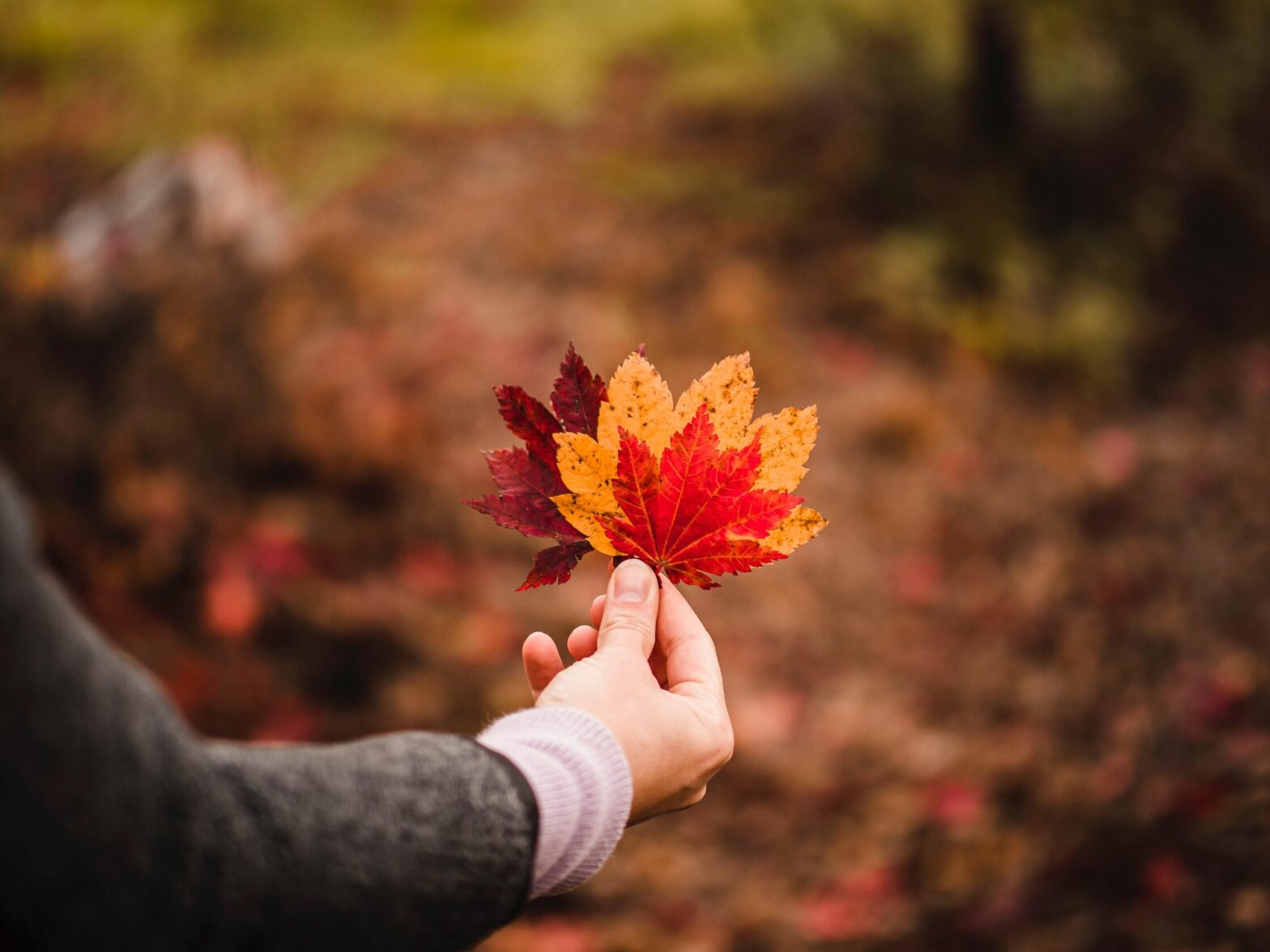
Climate change is visible in many ways across the world. In the U.S., tree species are migrating north and changing colors of their leaves as temperatures warm each year.
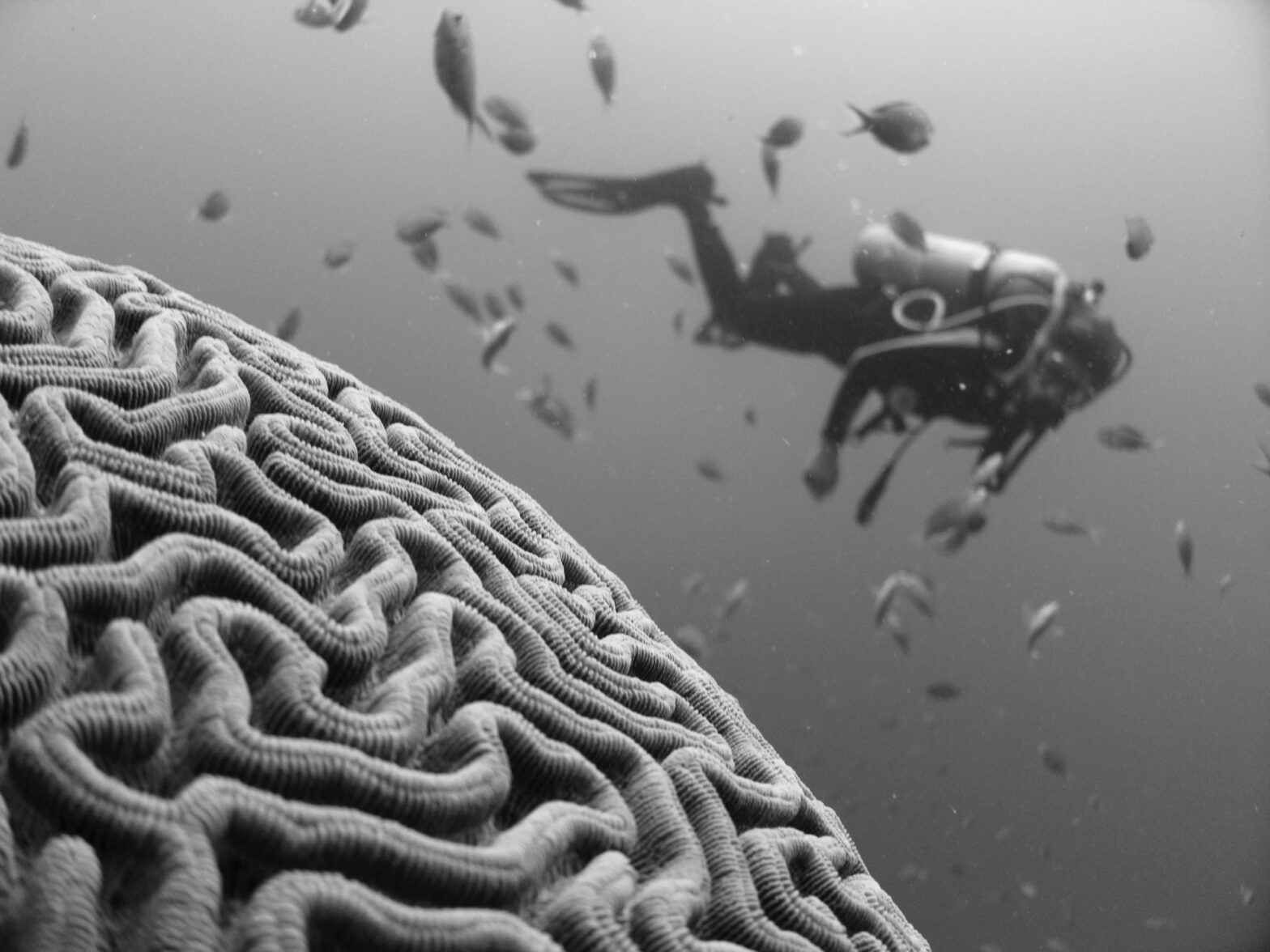
Our carelessness toward the environment could be due, in part, to the functioning of a very primitive area of our brain: the striatum.