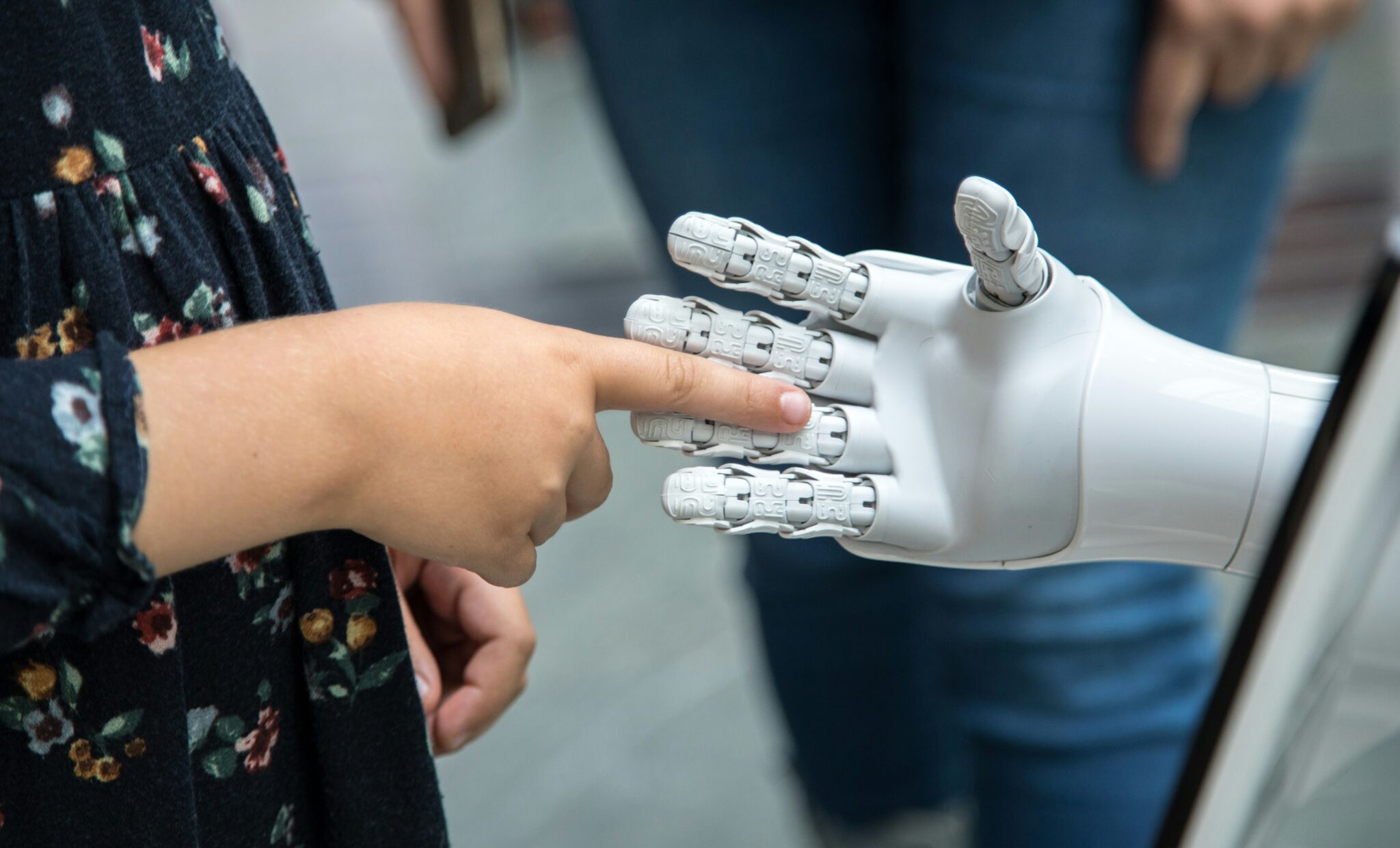
Why do some people love using artificial intelligence tools while others feel anxious or suspicious of them? The answer isn’t just about how AI works. It’s about how we work.
 Worldcrunch
Why do some people love using artificial intelligence tools while others feel anxious or suspicious of them? The answer isn’t just about how AI works. It’s about how we work.

Is it possible to think about hatred in terms that do not reject it outright? Are there groups in society who are allowed to hate and others who are not? These are questions fundamental to today’s politics of resistance.
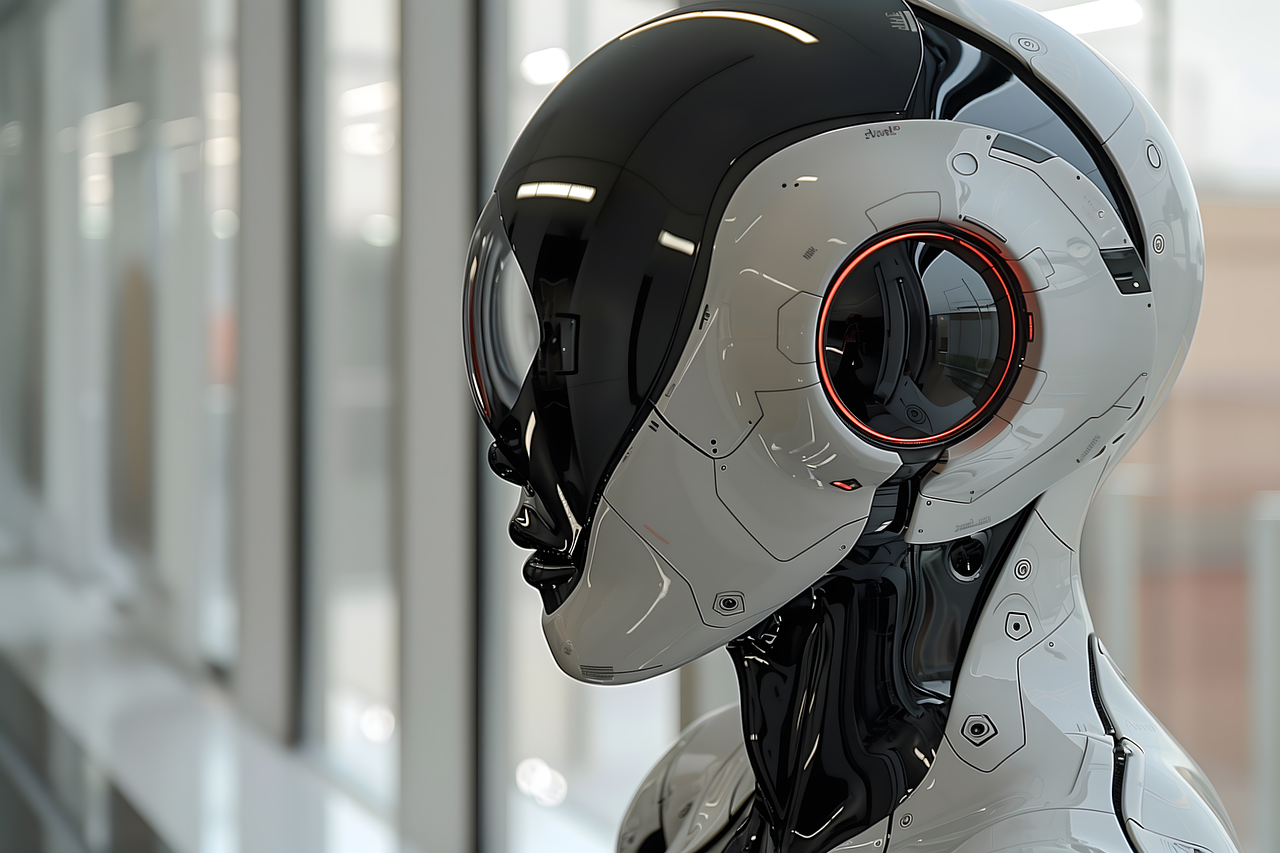
As artificial intelligence begins to mimic pain and emotion, a new moral frontier is emerging — and society is poised to fracture along deep ideological lines over whether machines deserve rights, empathy, or even love.
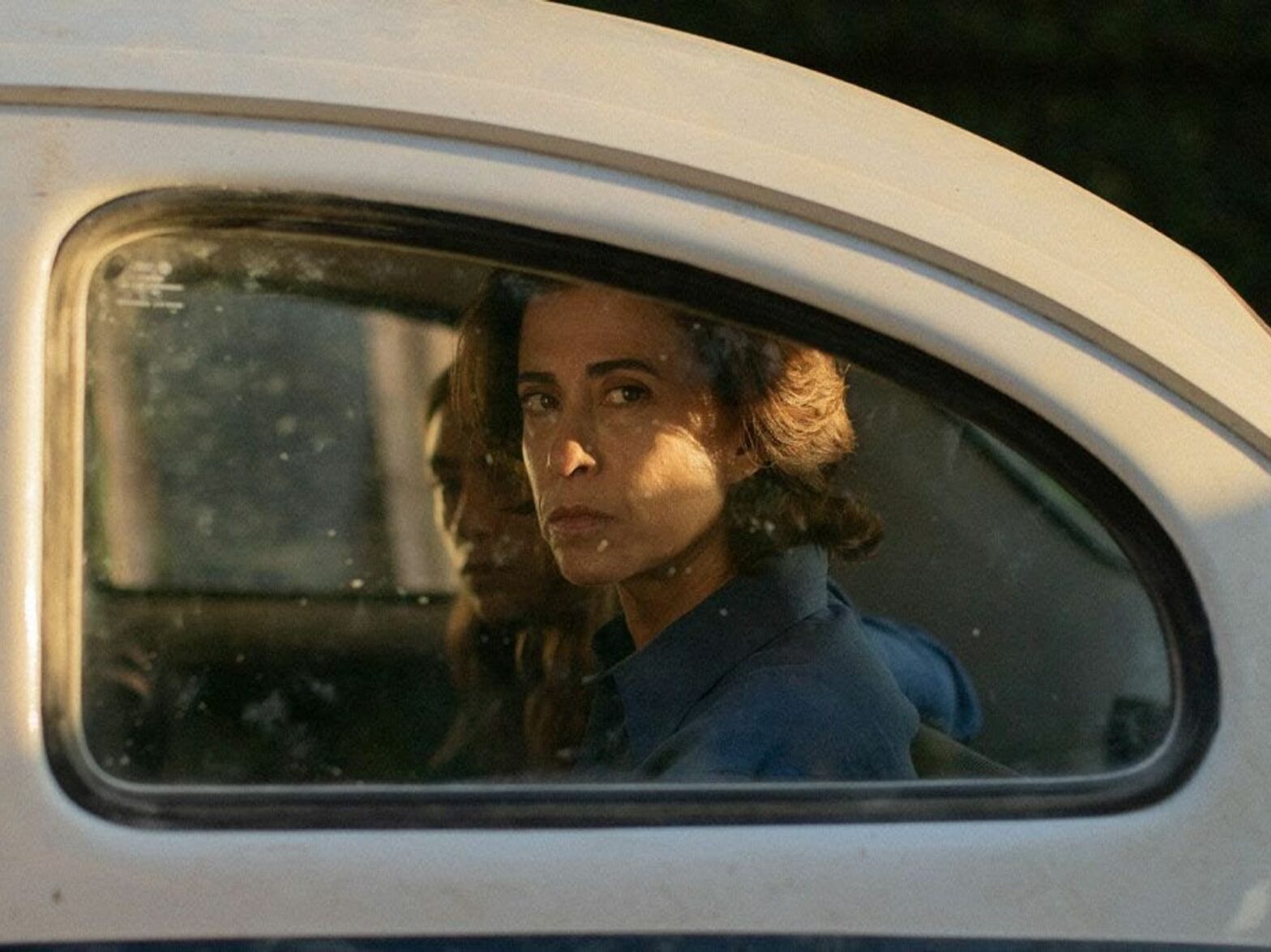
A personal journey through memory, loss, and resilience — reflecting on Eunice Facciolla Paiva’s quiet strength, Marcelo Paiva’s storytelling, and the haunting echoes of dictatorship in today’s world. It’s a rare Oscars Best Picture nominee from Brazil.
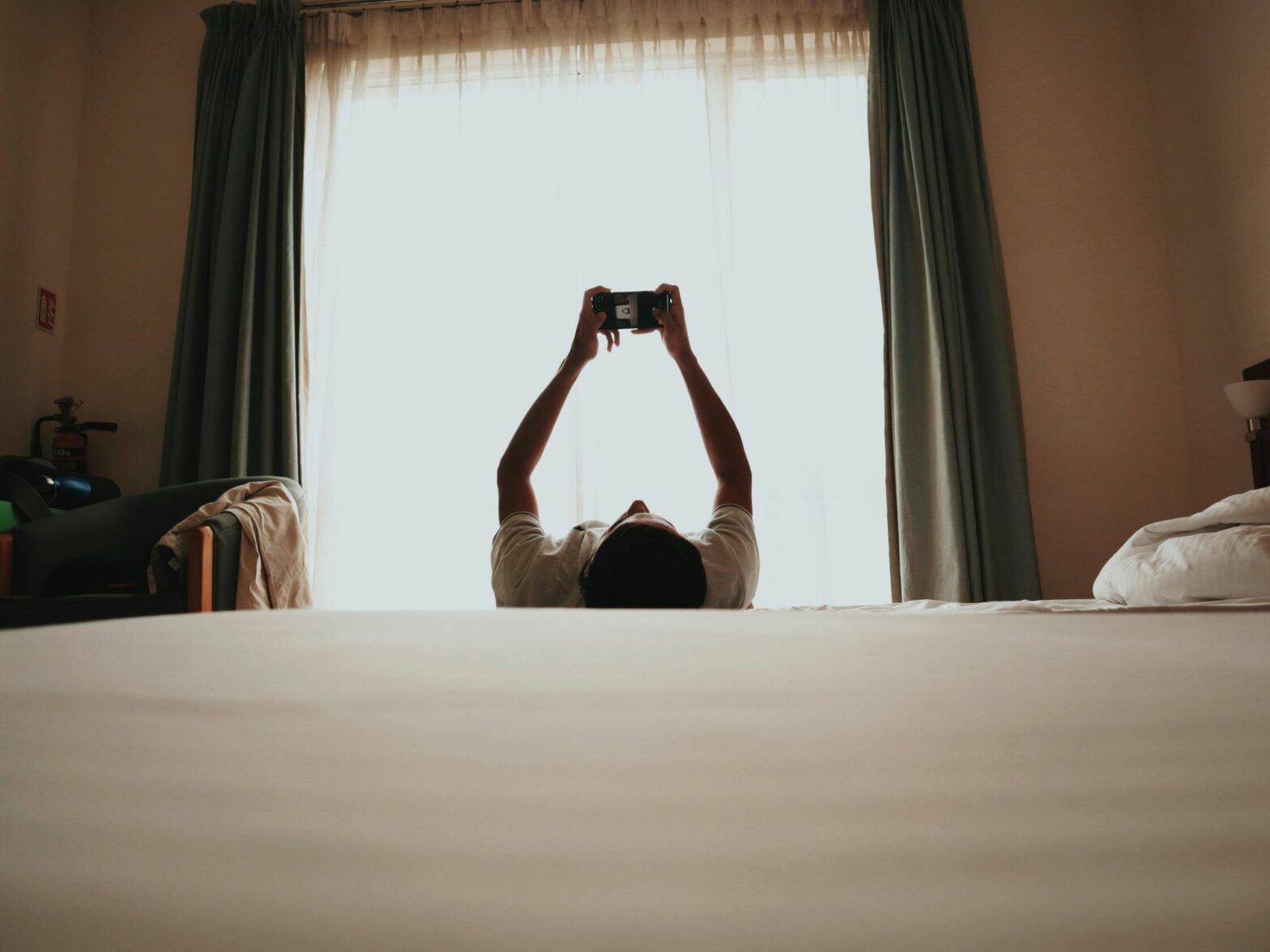
Despite hours of scrolling, smartphones hardly play a role in our dreams. Yet their absence may actually demonstrate our dependence on them.

Being aware of our own vulnerabilities is not a sign of weakness — it’s what makes us human. But as Ignacio Pereyra writes, reflecting on his own experience as a man and a father, there’s still a fairly long way to go before the “club of men” understands the value of opening up about their fears.

The picture of the two tennis stars holding hands and crying has already become iconic. Is there a risk that we are glorifying the gesture of two privileged, heterosexual, white men? Or can it also show a way forward for men to show vulnerability?

Billie Eilish and Demi Lovato represent a new kind of performance artist for our confessional times.

Terrorism and social networks contribute to the exacerbation of a general feeling of fear, as recent incidents in New York and the South of France have shown.
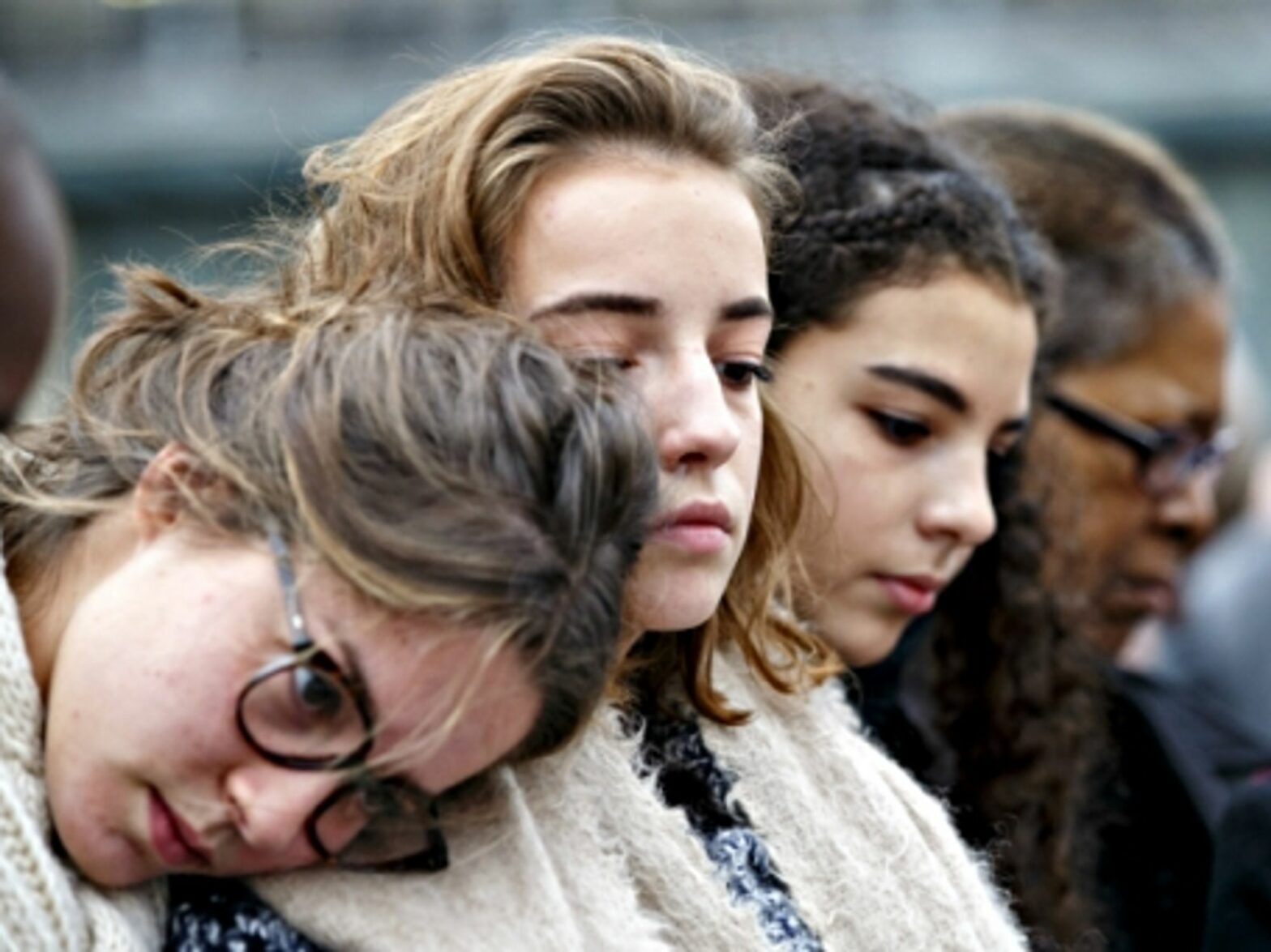
In the wake of wanton terror, psychology replaces practically everything, from social life to and information. Emotion is now political — and strategic.
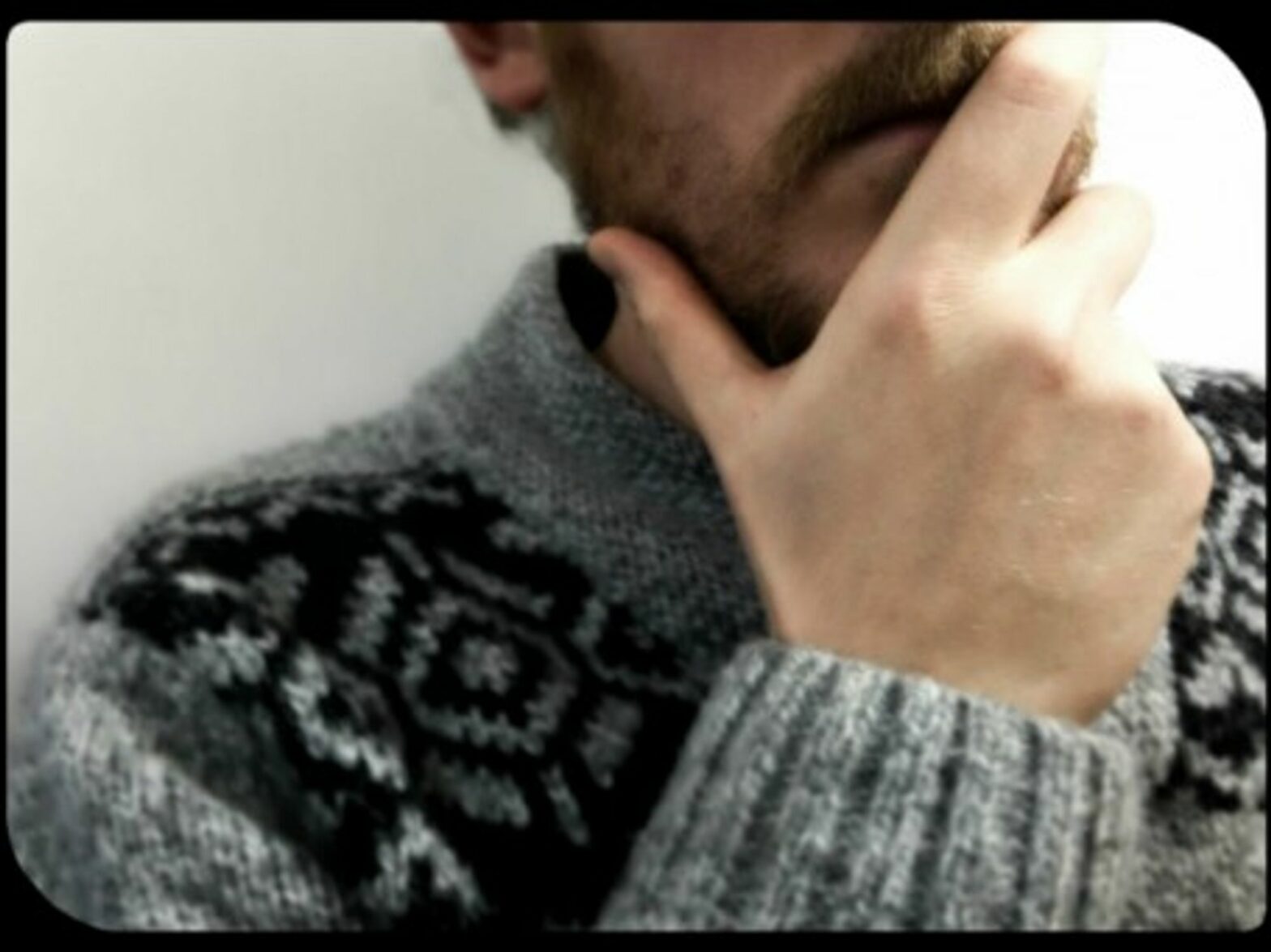
Why do our hands wander toward our faces: stroking chins, scratching eyebrows, rubbing noses? German researchers have discovered the neurology and psychology at play.