Regulations make it hard to introduce organisms that quash invasive species. Some experts see missed opportunities.
 Worldcrunch
Regulations make it hard to introduce organisms that quash invasive species. Some experts see missed opportunities.
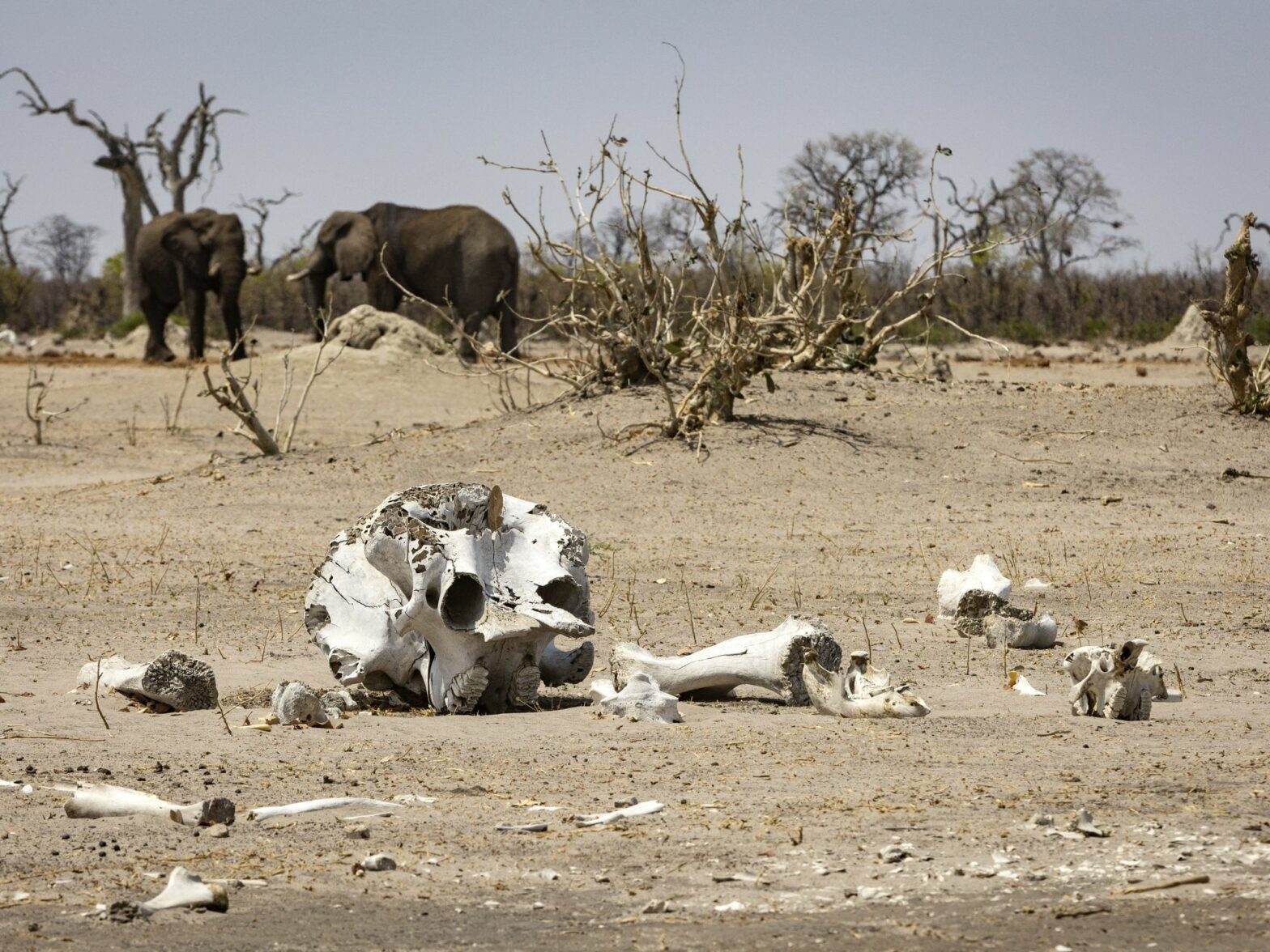
In Botswana’s Okavango Delta — declared a UNESCO World Heritage Site in 2014 — warming trends over the past two decades are approximately twice the global average.
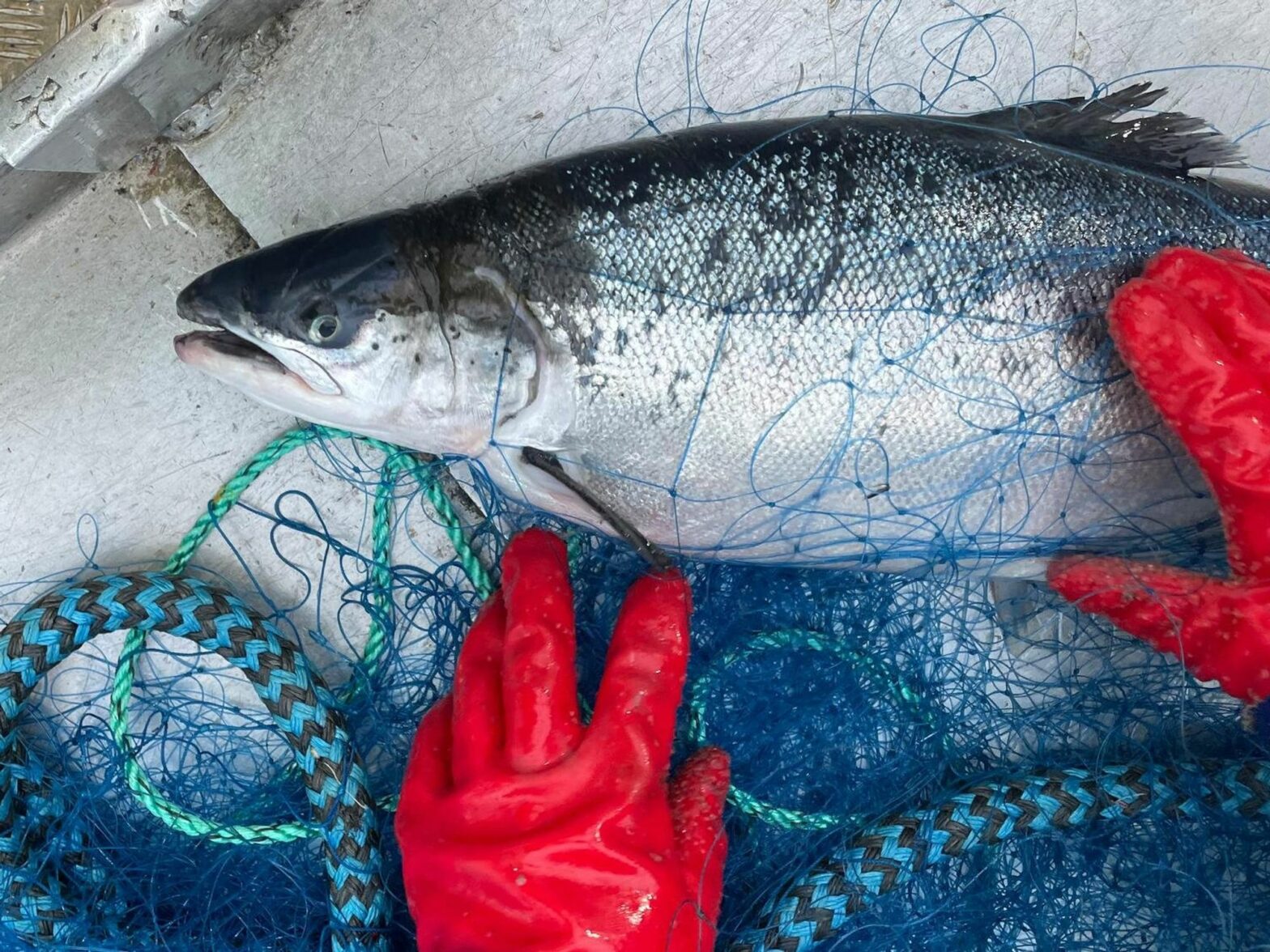
When 27,000 farmed salmon escape from a Norwegian aquaculture facility, it sets off a high-stakes chase that could determine the fate of wild salmon populations. With a bounty on each fish, local fishermen set out to recapture them — both for profit and to protect the fragile ecosystem.

The Indian river risks not being able to heal or nourish anyone for very long after the Kumbh Mela festival in Prayagraj.
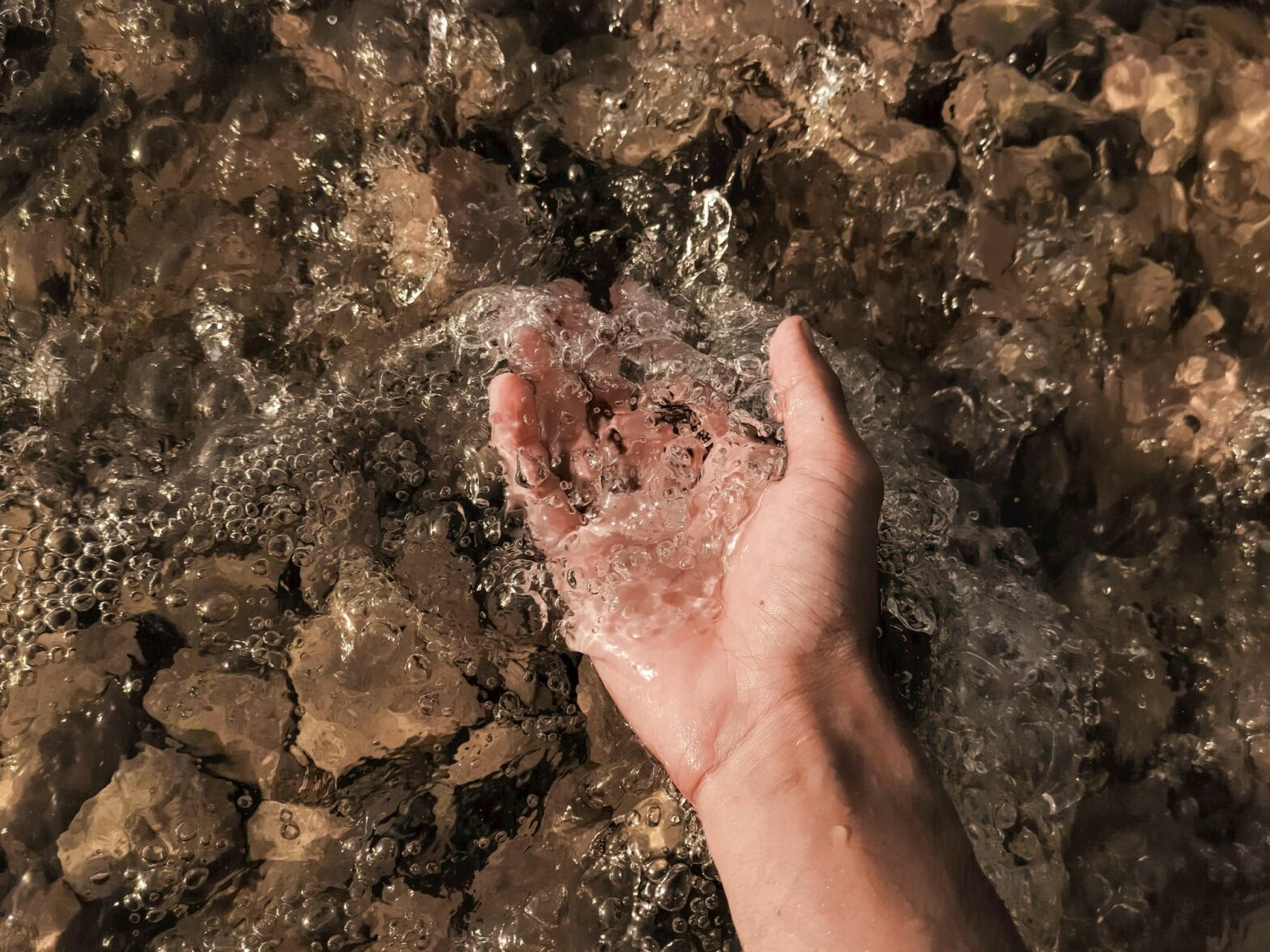
The Vilcabamba, the Atrato or the Whanganui have achieved recognition as living entities with rights. More and more rivers are achieving this type of legal protection (and respect). In Spain, the Tins was the first river to have its rights recognized.
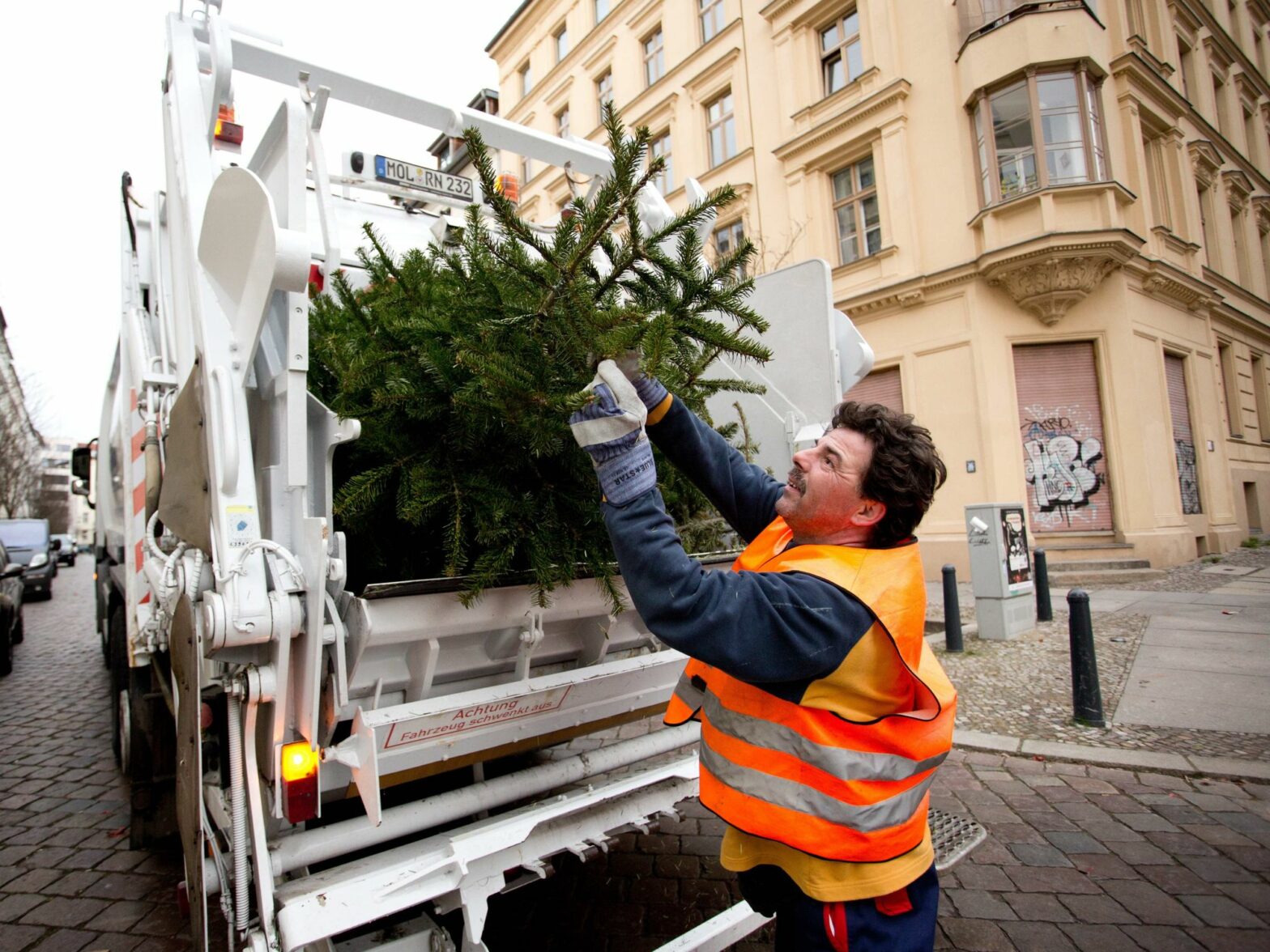
Each year, millions of trees are sacrificed for the sake of Christmas — an ecological disaster and a denial of what trees represent for humanity. There are, however, some green alternatives to buying (and killing) your own private tree each year.
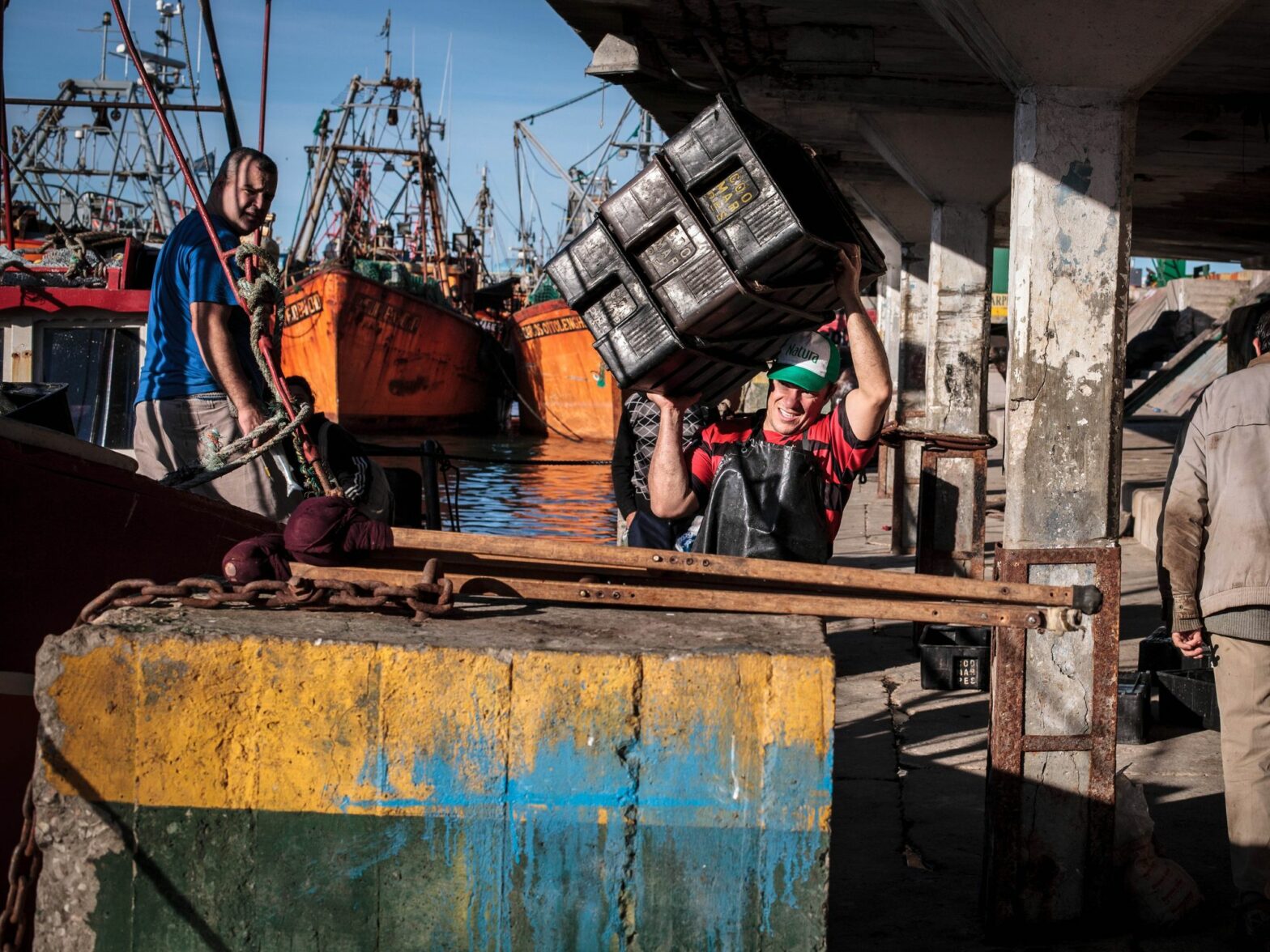
Trawling in Argentine waters is wiping out marine life in the southern Atlantic. Whatever the money stakes, Argentina must expand those territorial waters where all fishing is banned.
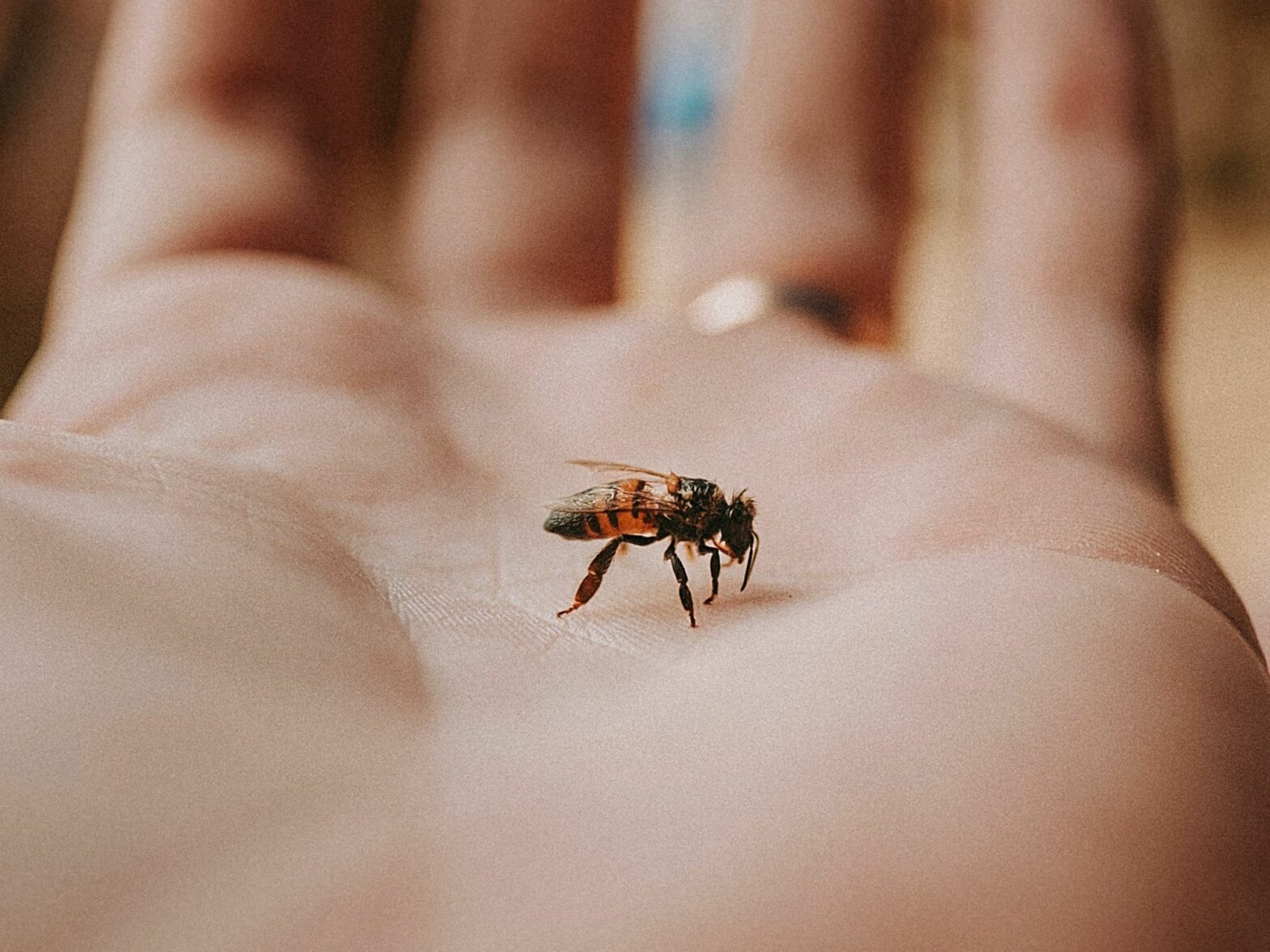
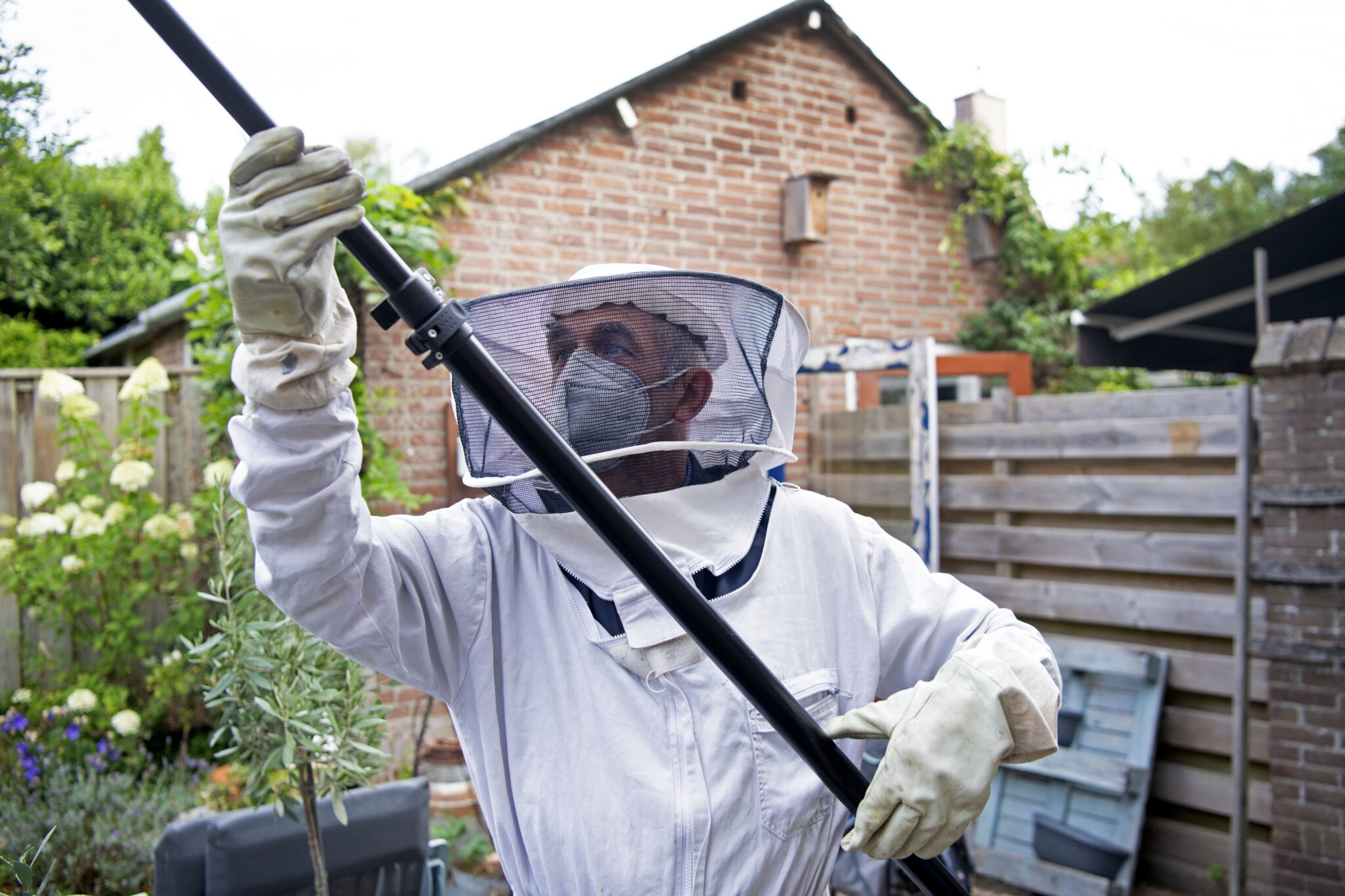
The Smart Green Bees project aims to tackle the bee crisis by repopulating Spain with a symbolic 47 million native bees, one per every Spaniard. The challenge will be ensuring the project is done responsibly.
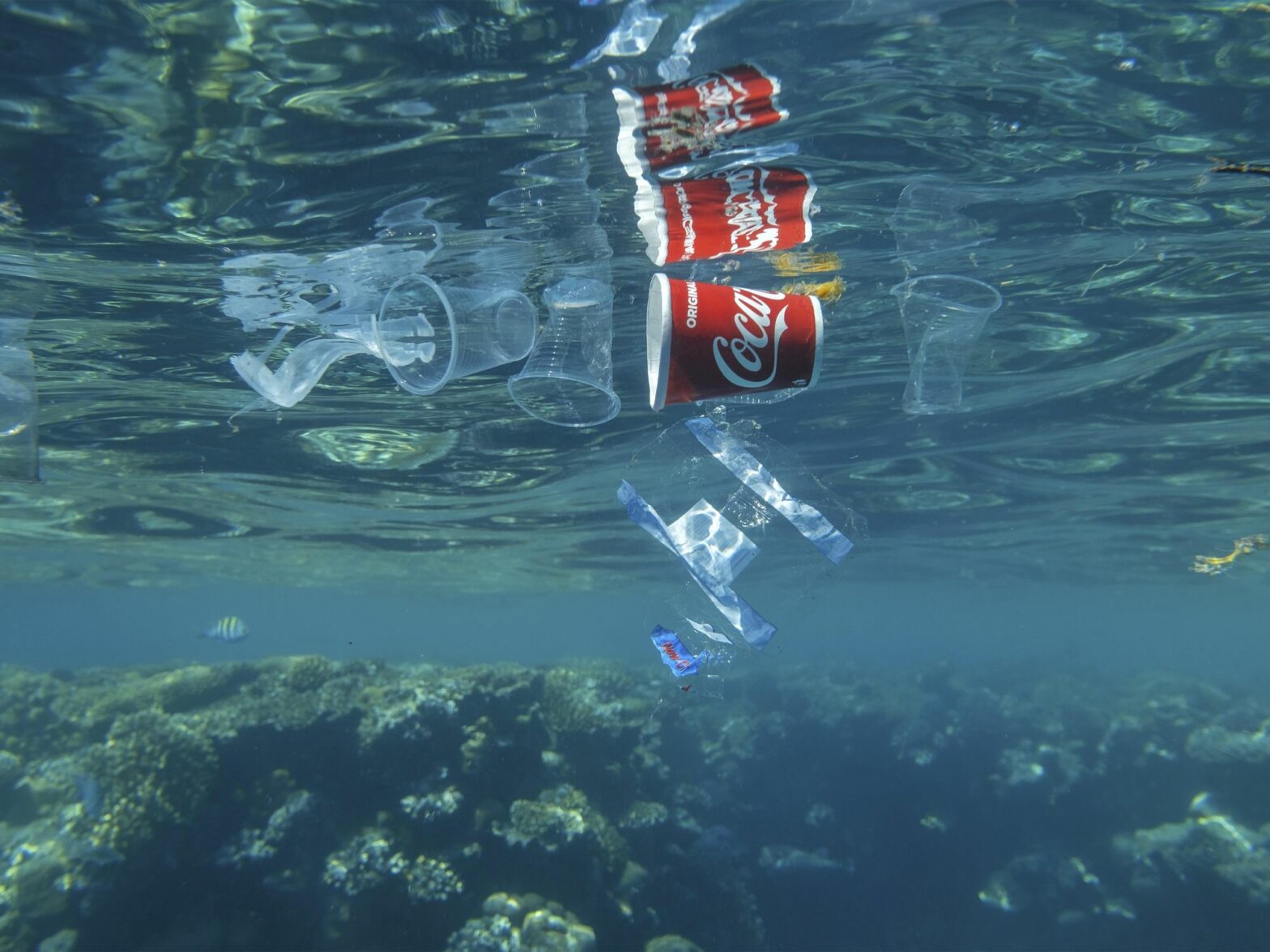
The Egyptian coastal resort has been reinvented (again) to host world leaders for the COP27, as it aims to cast a climate-financing-hungry Egypt in a favorable light. But the cosmetic changes hide years of harm to the region’s ecosystem.
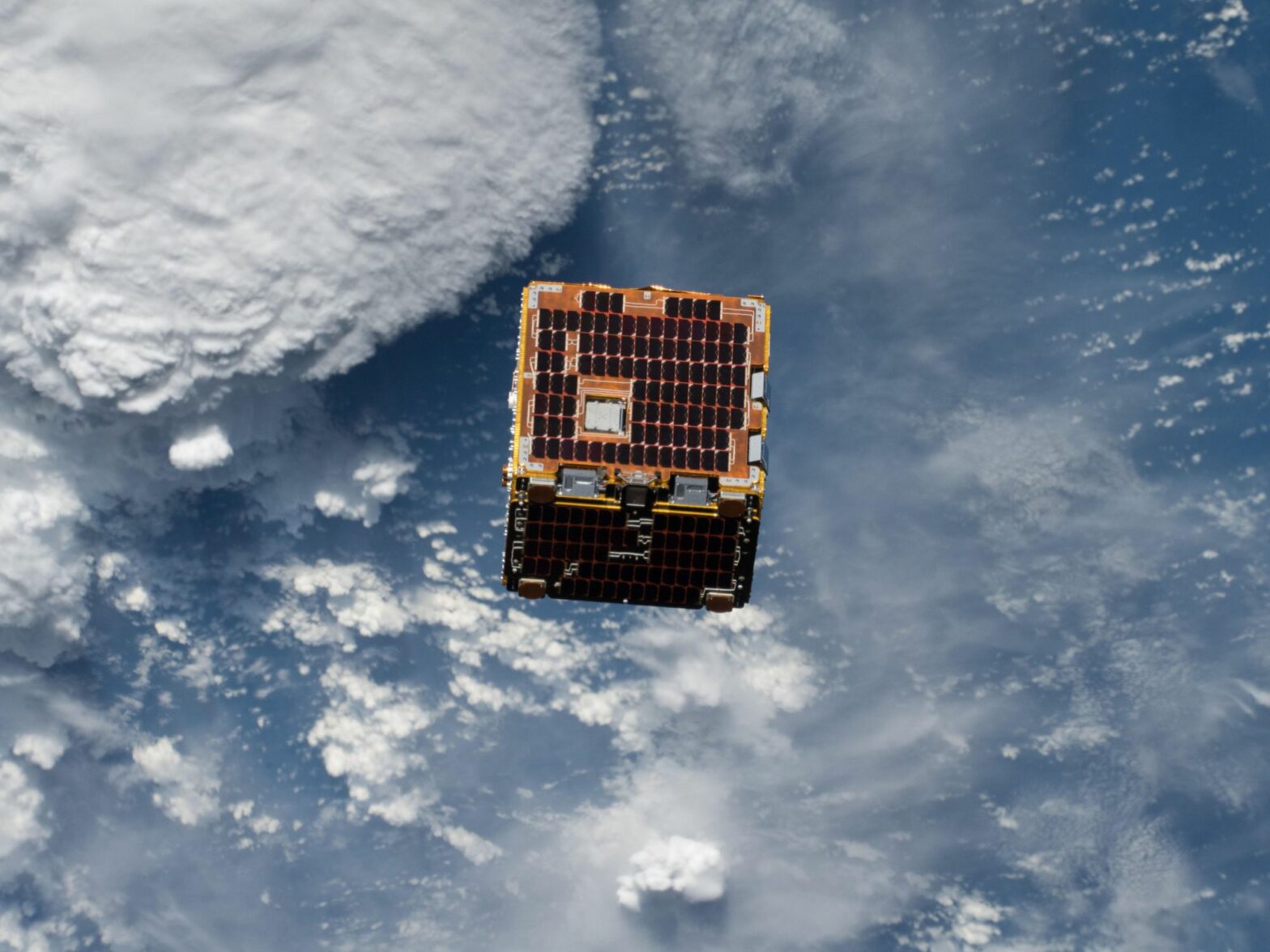
Exploiting space resources and littering it with satellite and other anthropogenic objects is endangering the ecosystem of space, which also damages the earth and its creatures below.

When humans care about the natural world, it means revising our place in it and acting accordingly, not giving nature “rights and concessions” that are figments of our self-serving imagination.
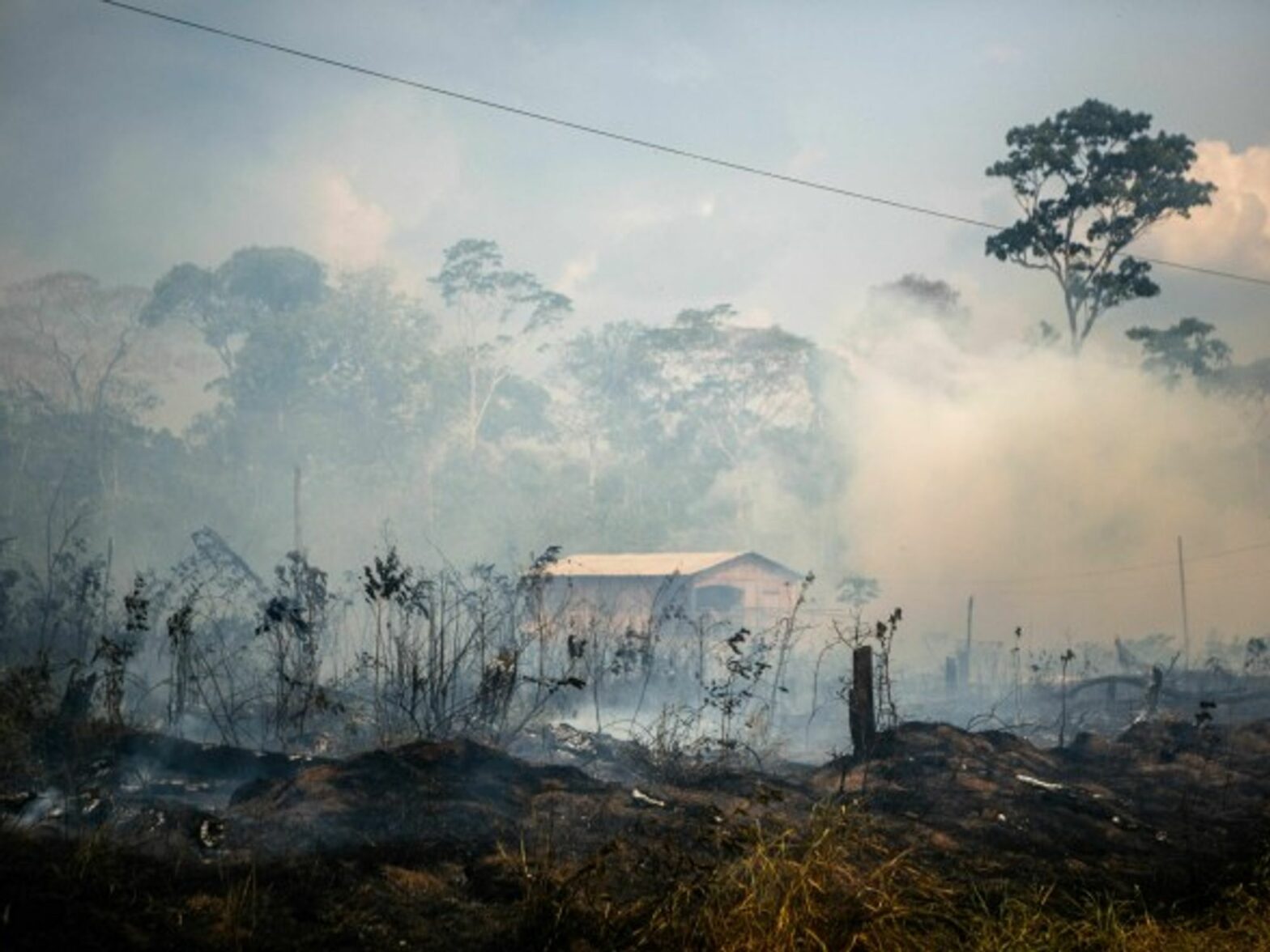
The Amazon jungle provides benefits that extend well beyond the river basin itself. It stands to reason, therefore, that countries like Colombia be paid to protect it.

The collaborative approach to trade, production and services could help countries like Colombia end their dependence on raw materials.
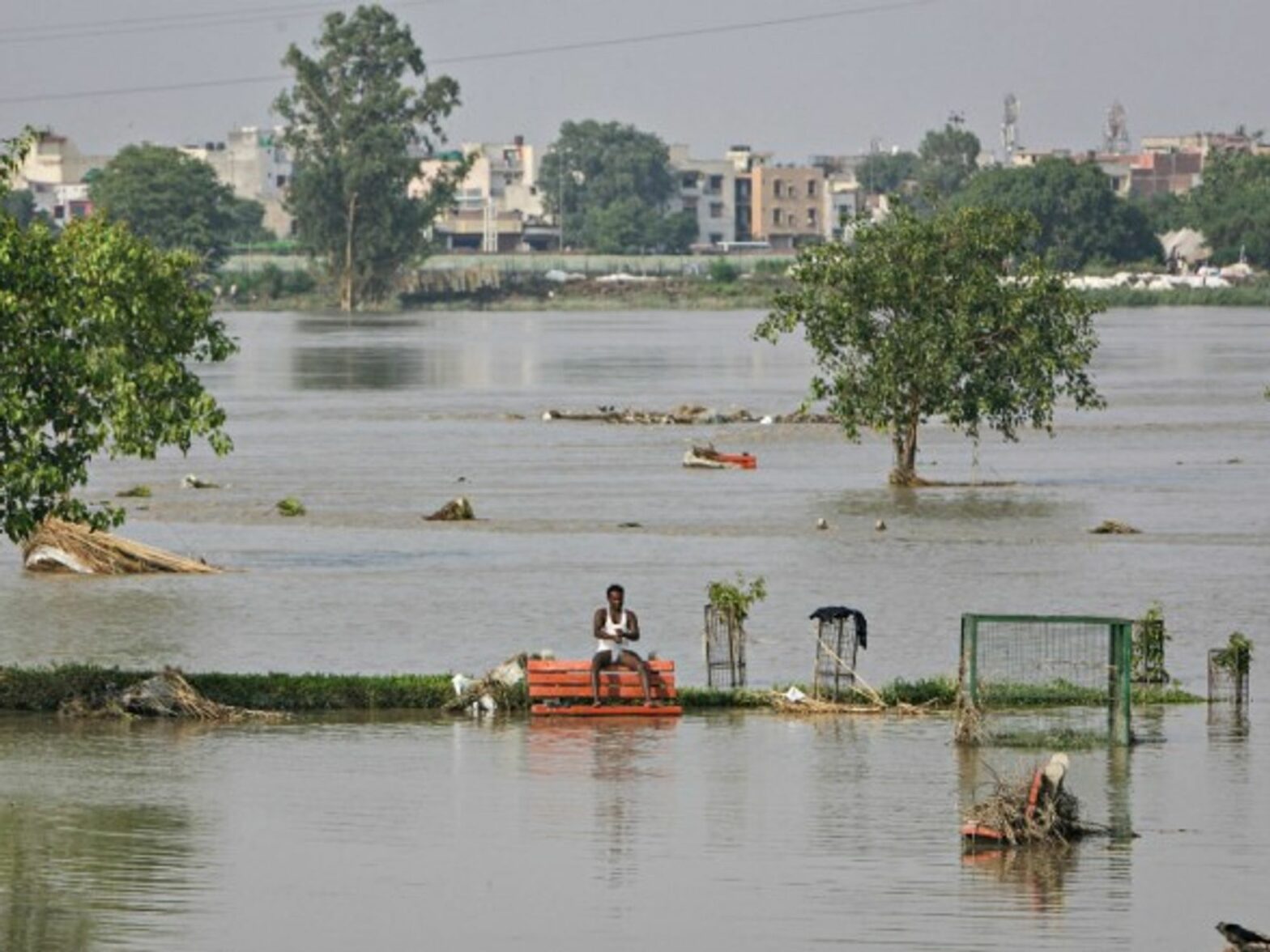
The Uttarakhand floods reflected the damage we had dealt to the fragile Himalayan ecosystem. Five years later, we may are even closer to an irreversible catastrophe.
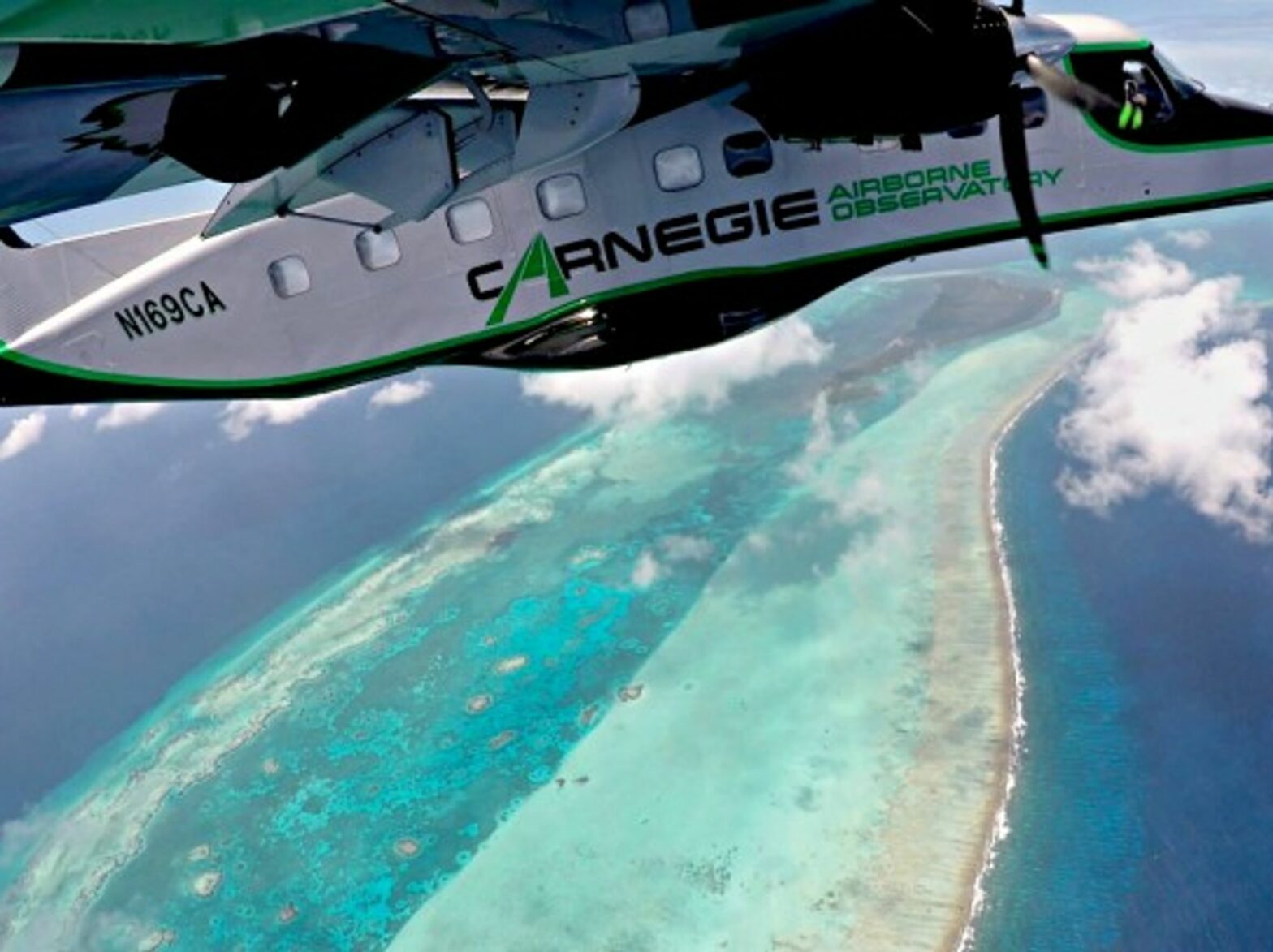
Carnegie Airborne Observatory researchers map coral reefs in Caribbean to aid with post-hurricane reconstruction.
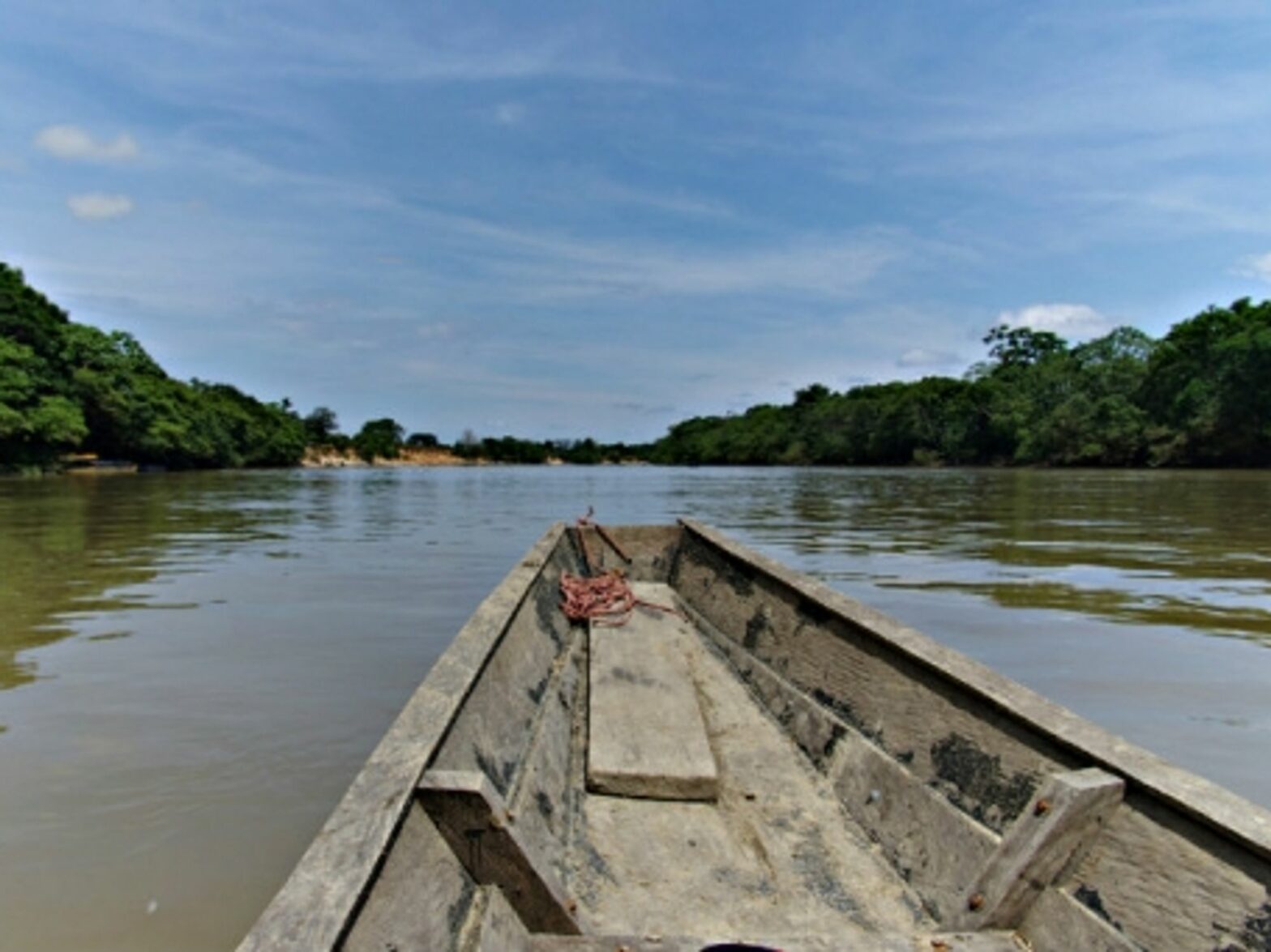
A new surge in deforestation can be traced to an unauthorized road connecting La Macarena to San Jose del Guaviare. What is the origin? What will be done?
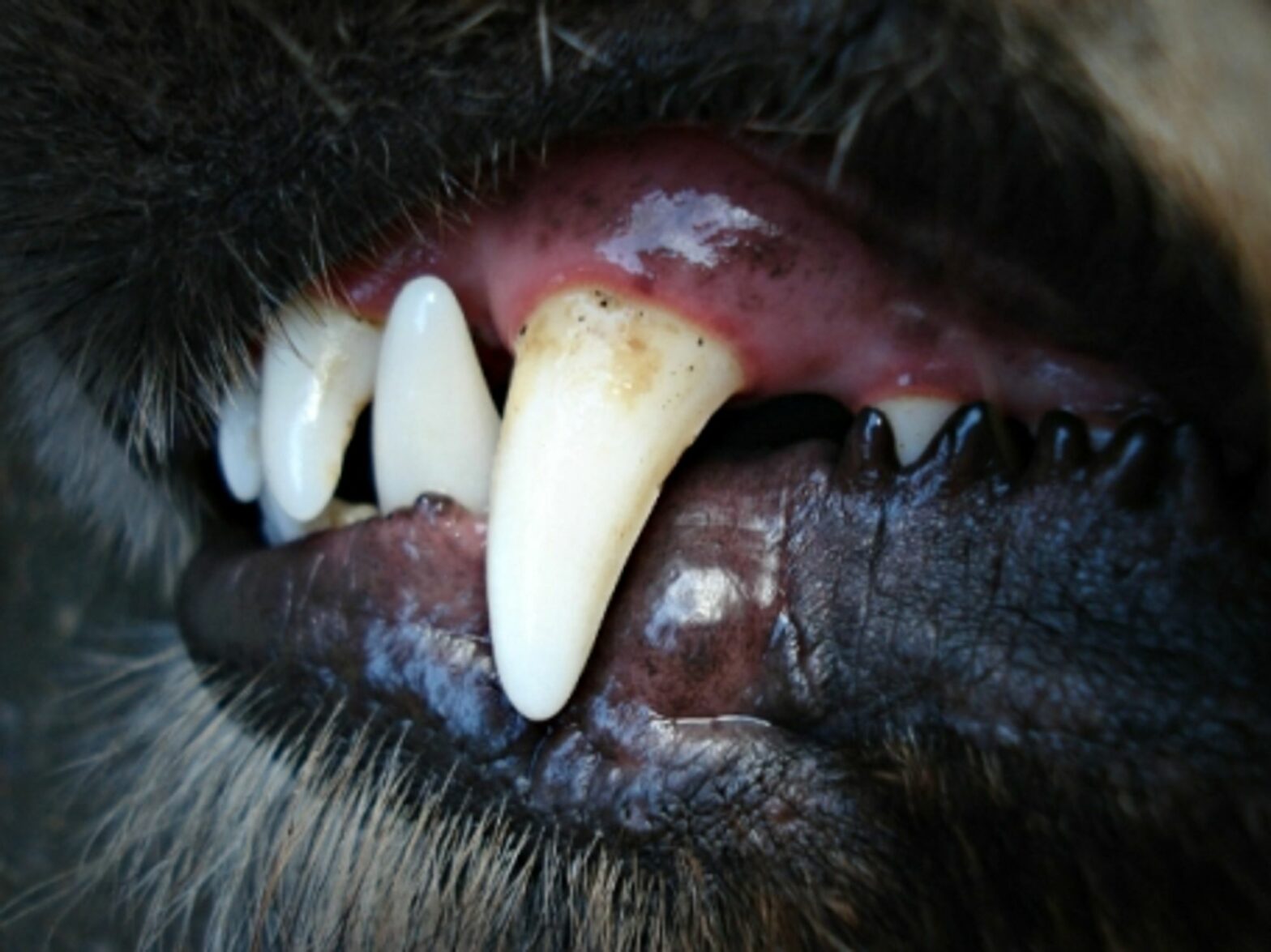
BOGOTÁ — In a kind of eerie, Darwinian evolution, abandoned pets in parts of Colombia have become feral beasts and predators that are proving more fearsome than wild animals. Once again, wildlife is proving defenseless in the face of yet another man-made threat, produced in this case by former owners of an unwanted dog or […]
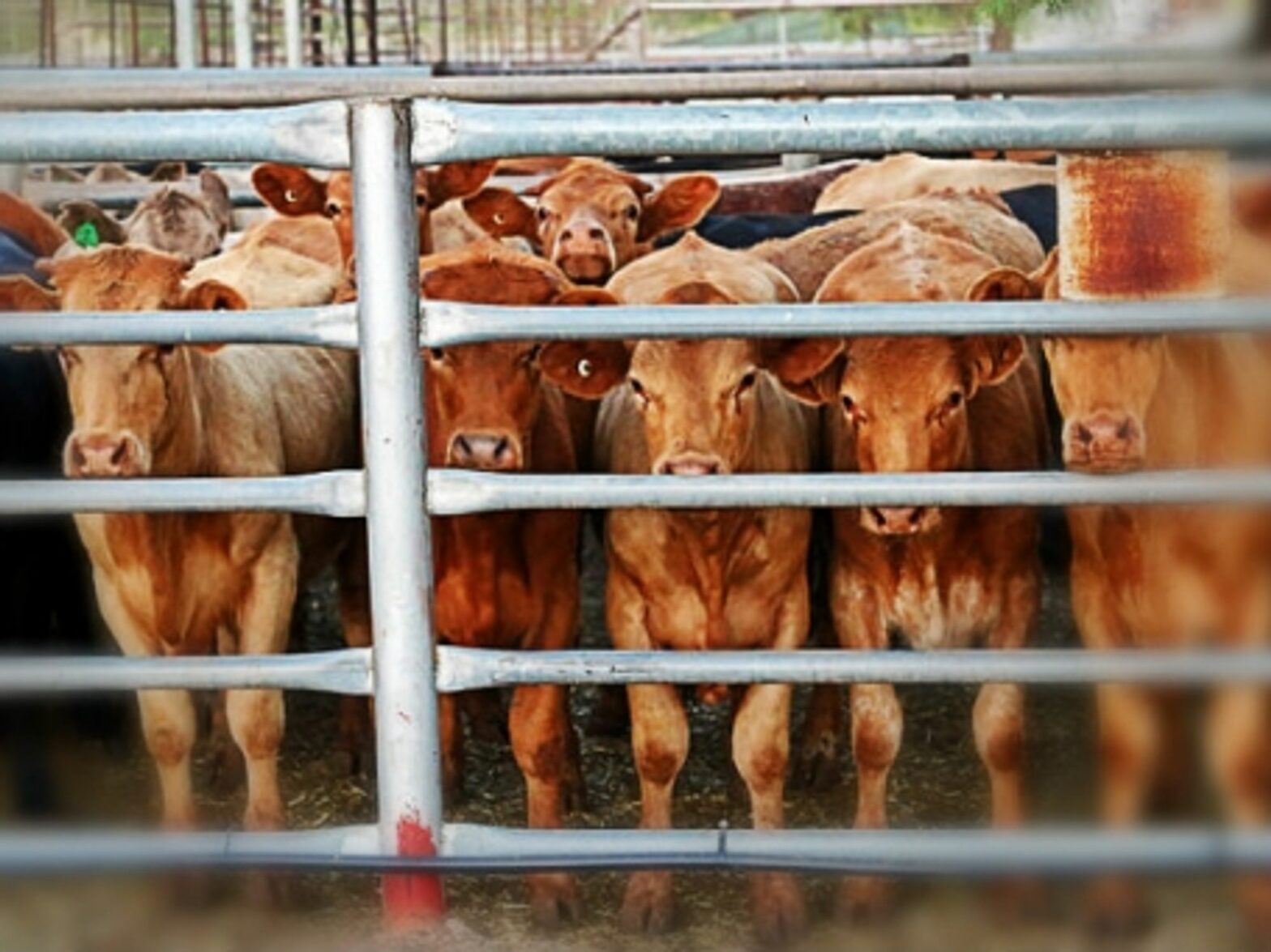
Pope Francis’ recent encyclical on the climate had a major blind spot: cattle farming and meat consumption. Nowhere is the damage more evident than his native Latin America.