Airline operators and manufacturers are taking one on the nose and scrambling to contain the fallout from a crisis that appeared out of the blue.

 Worldcrunch
Airline operators and manufacturers are taking one on the nose and scrambling to contain the fallout from a crisis that appeared out of the blue.
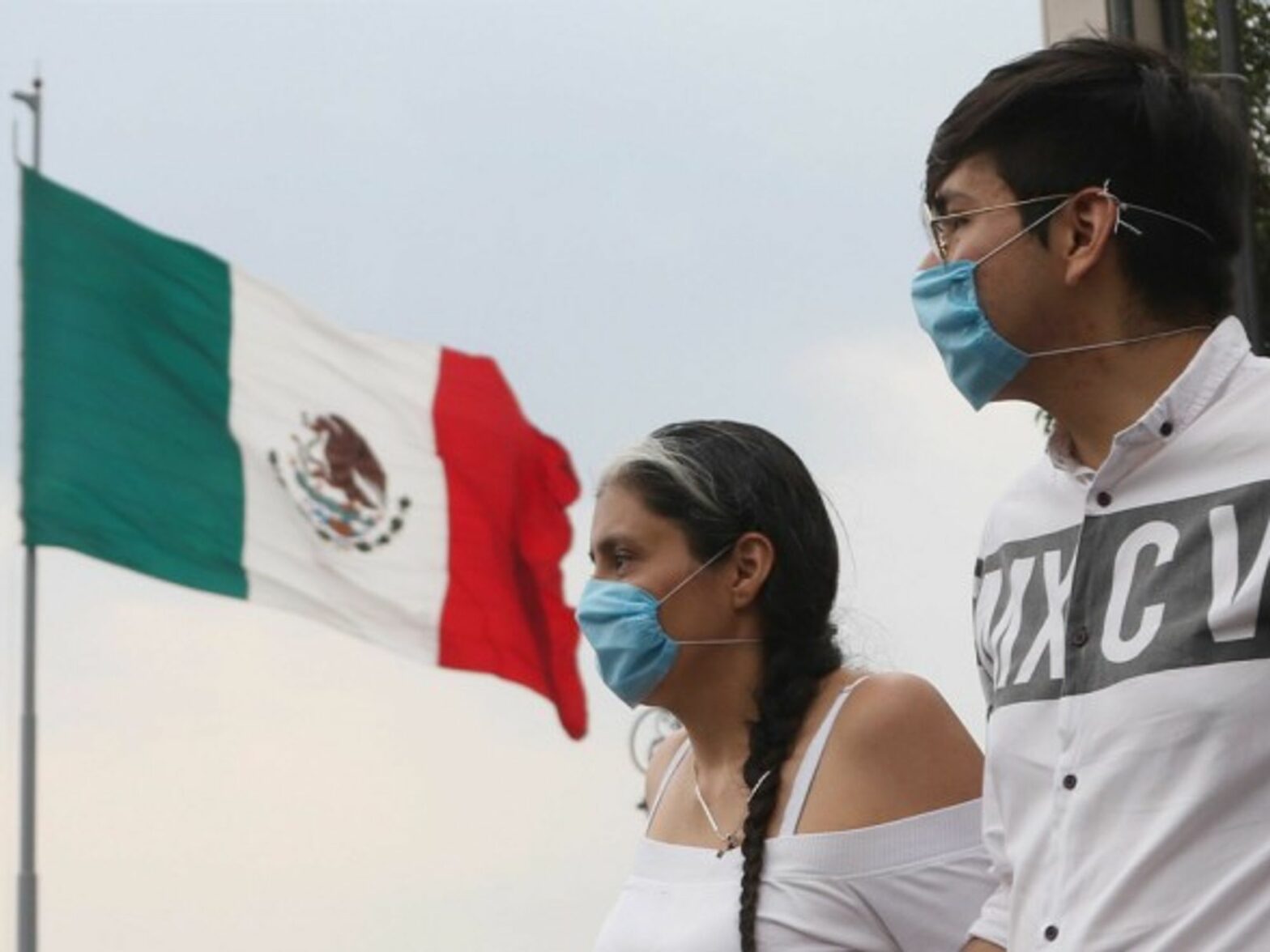
Given its reliance on both oil and tourism, the Mexican economy is in major trouble. So far, though, President López Obrador has refused to have the state take on new debt.

The health crisis is real. But so too are the economic costs of an extended lockdown, which will soon become unmanageable on all sides.
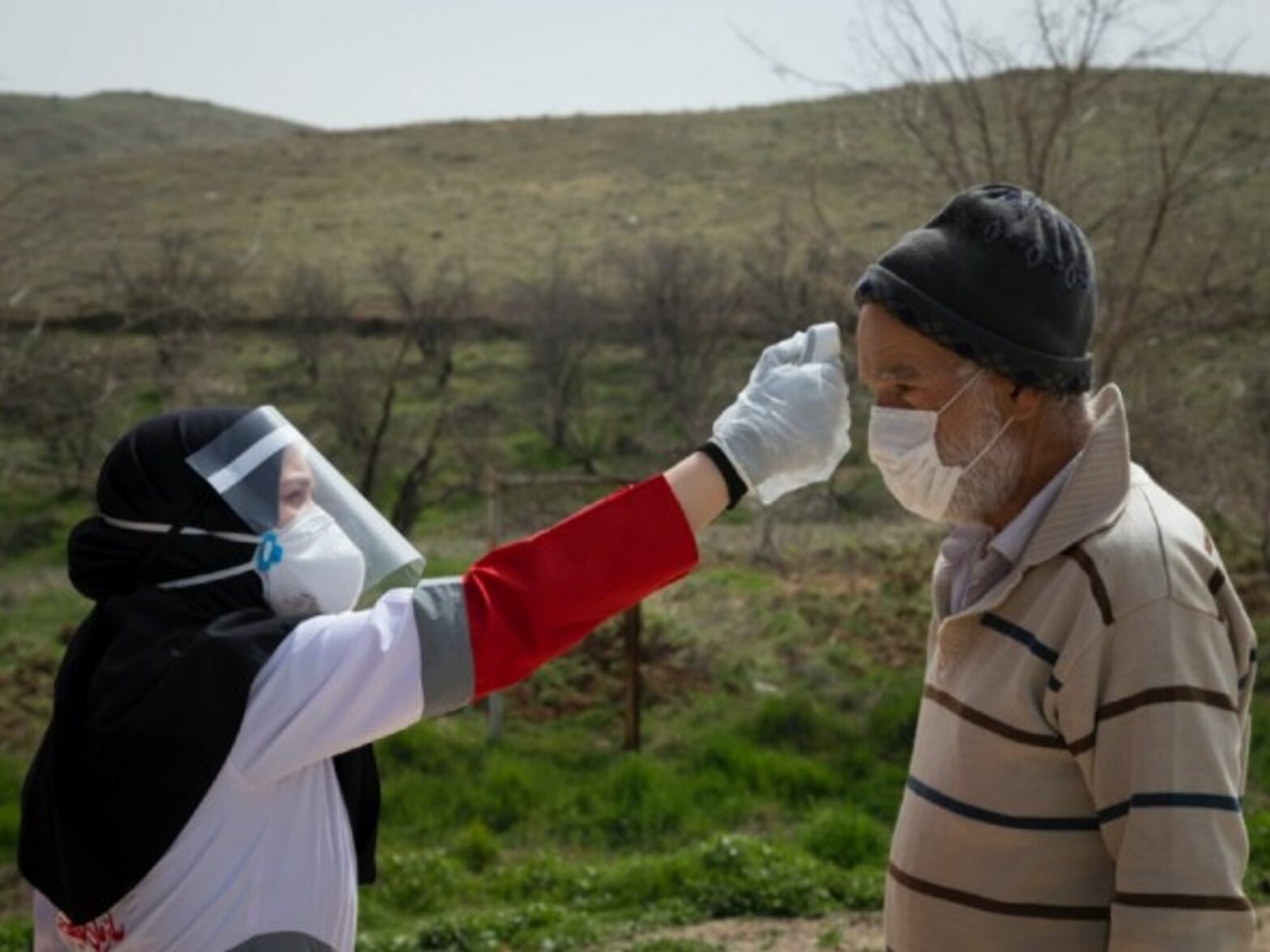
President Rouhani wants some activities to reopen, in open conflict with recommendations of national coronavirus task force.

With its oil-dependent economy and mostly privatized healthcare system, Colombia is particularly ill prepared for the pandemic.

The epidemic, and the weapons being used to fight it, are having devastating effects on the economy.
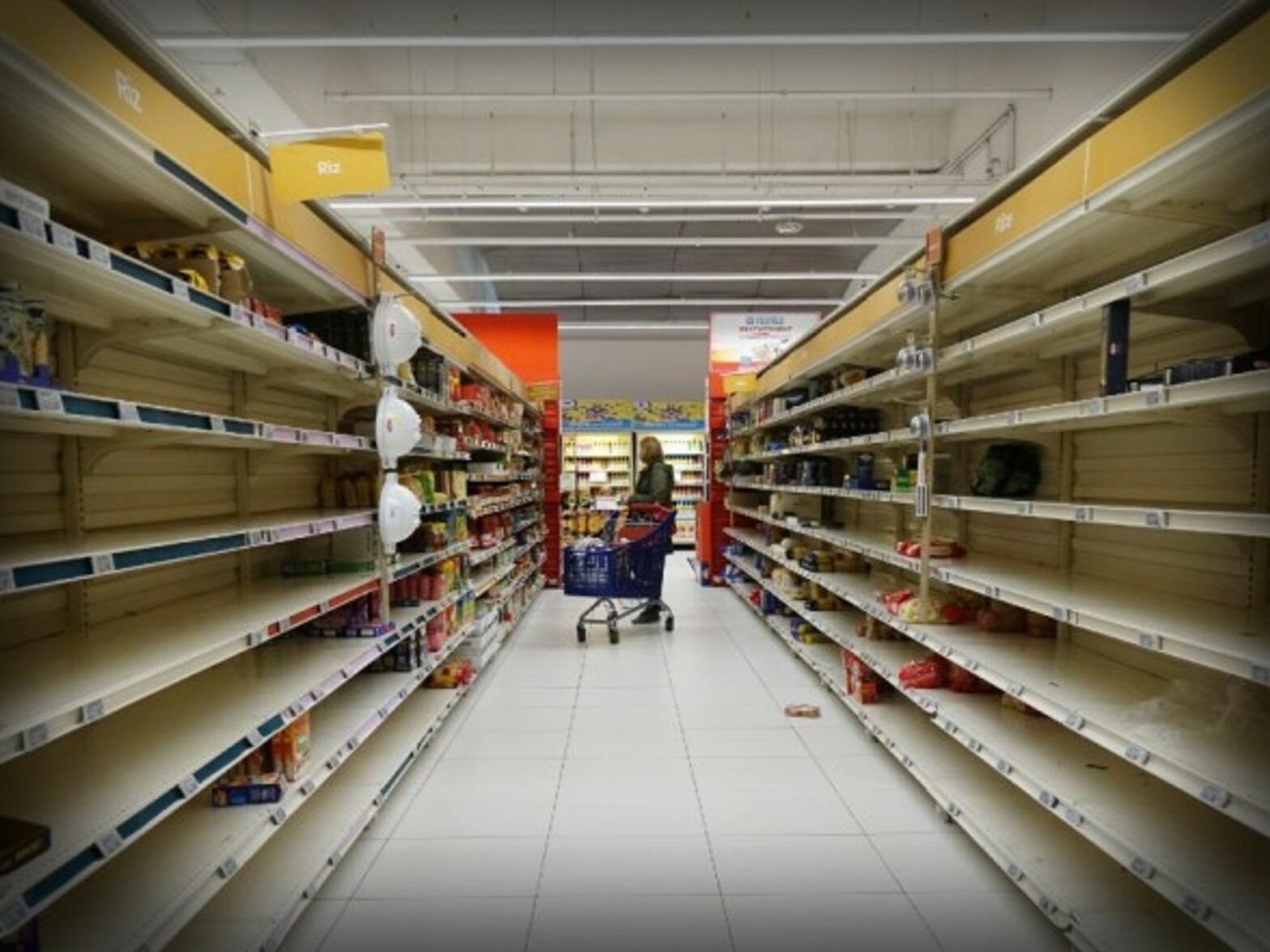
French officials seem to want to avoid Italy’s example of shutting down large parts of the country — and economy. But at what risk?

The provincial leadership structures in the two countries operate in very different ways, particularly when it comes to incentives.
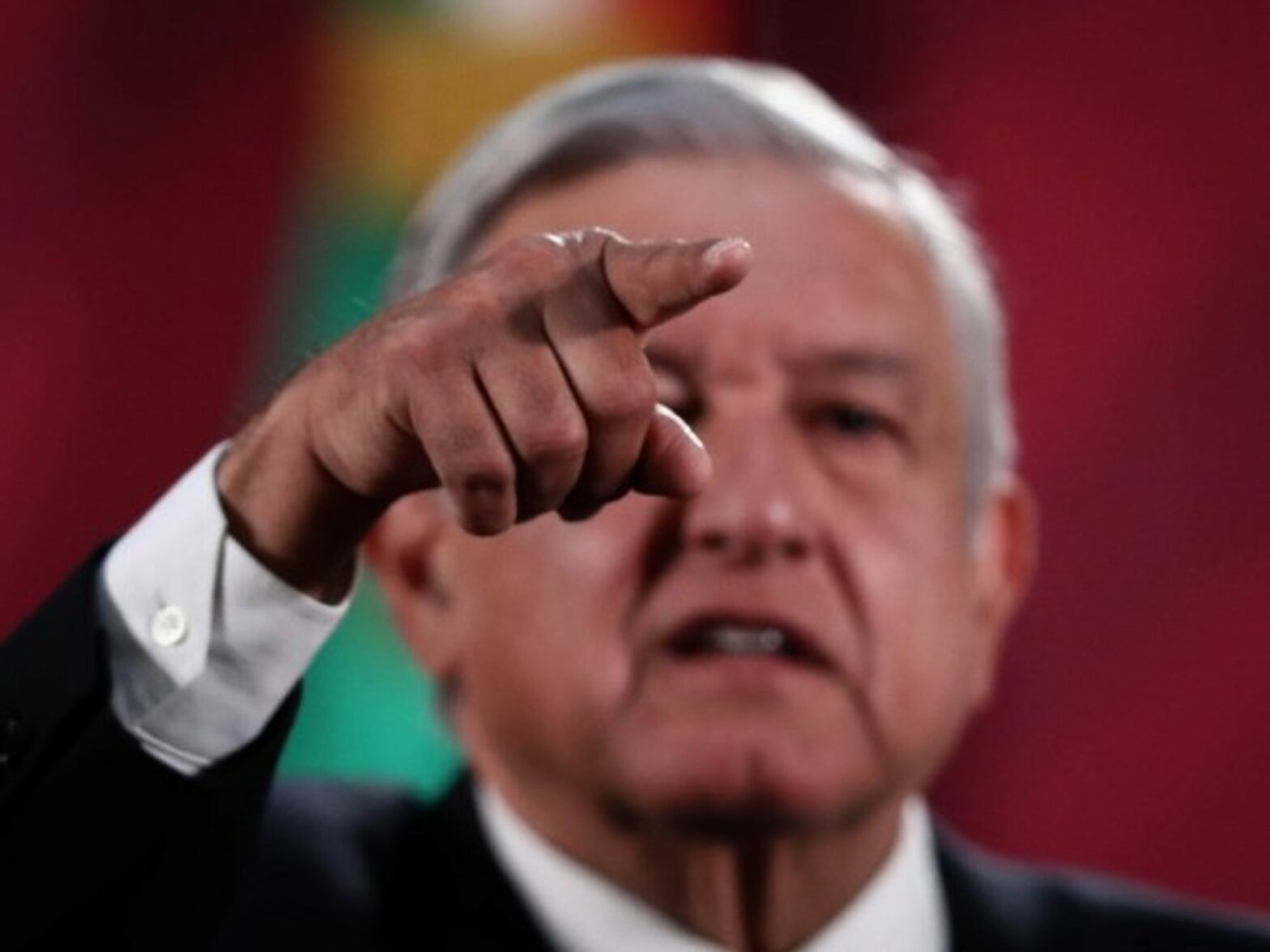
Mexico’s socialist president is deluded if he thinks he can turn the clock back and restore his vision of the welfare state.

A new Vienna-Brussels line has just opened, while in France only two night lines still exist, compared to a dozen ten years ago.

Expect use of blockchain, the digital record-keeping system, to become generalized this year in banks and elsewhere.
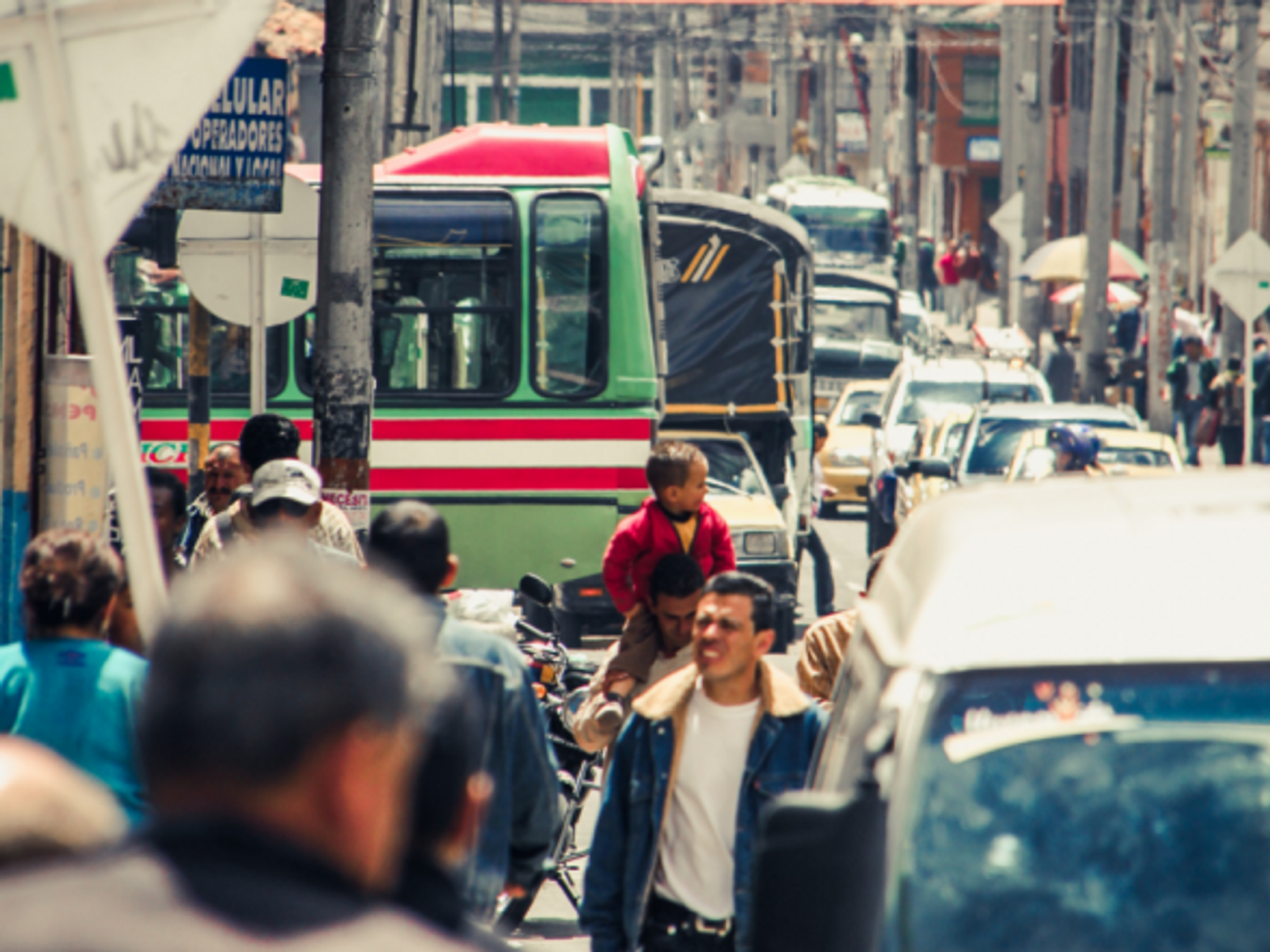
It may seem like a pipe dream. And it would certainly cost a lot, especially in a large capital city like Bogotá. But providing fare-free public transport could also be transformative.

Cash use is declining, but don’t expect it to disappear. Still, there is another popular payment method that could in fact go the way of the dodo, a Deutsche Bank strategist argues.
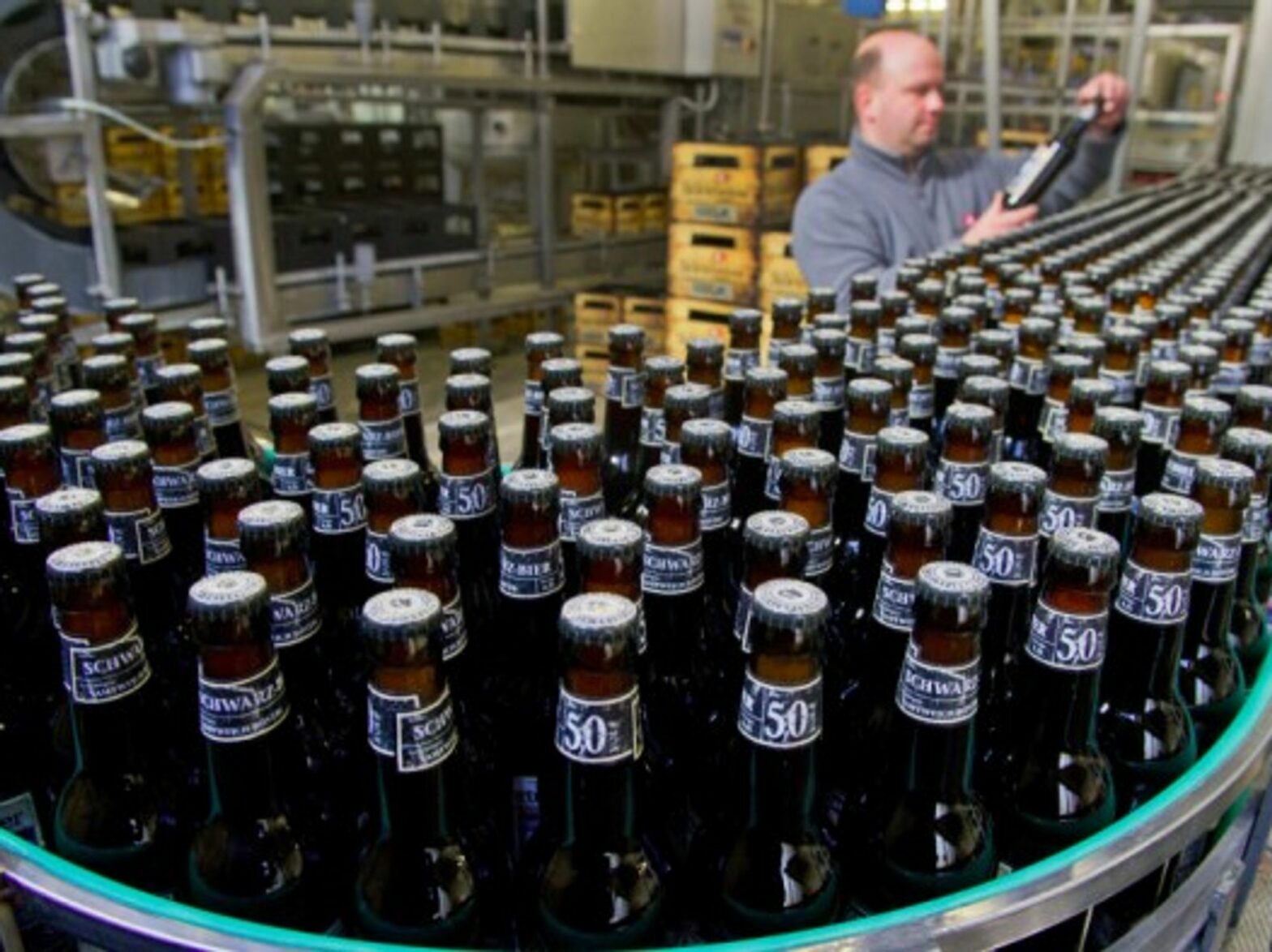
Environmentalists and beer companies have common cause to oppose new tax rules that may reduce the level of recycling.

Welcome to Thursday, where Israel announces a 3rd national lockdown, a Brexit deal looks imminent, and we’ve got the price for zooming with Santa in Lapland. We also look at the effects the pandemic is having on the gig economy. SPOTLIGHT: JOE BIDEN’S REAL CHALLENGE: MOVING BEYOND ANTI-TRUMPISM President-elect Joe Biden’s ample support base is […]

Corporations usually try to stay clear of controversy. But there may be benefits, in some cases, to taking sides.

Chileans are fairly well off, but only in comparison to their Latin American neighbors. The country’s success has also bred greater expectations.

The collaborative approach to trade, production and services could help countries like Colombia end their dependence on raw materials.
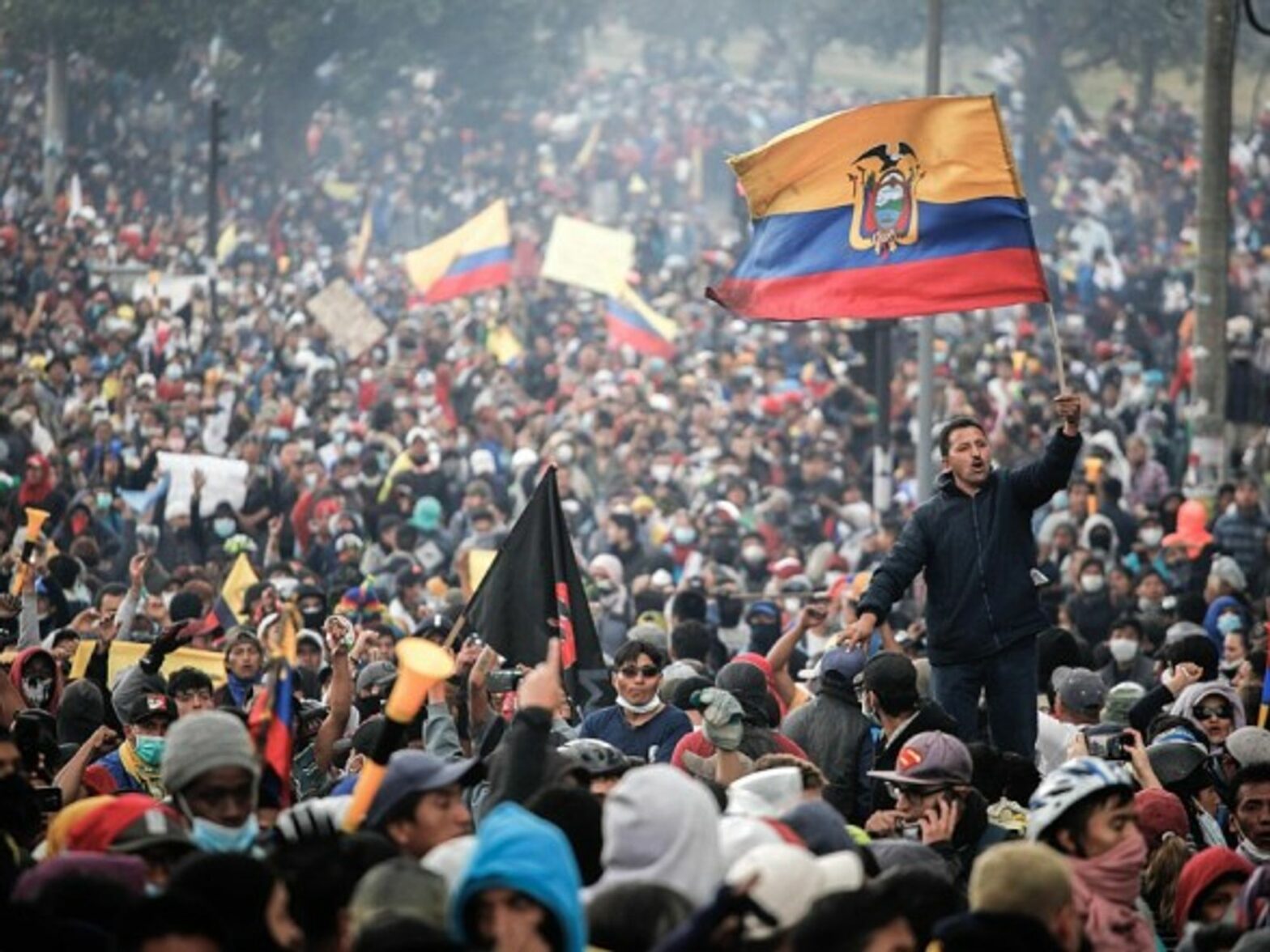
South American states like Chile and Ecuador suspect Venezuela’s socialist regime of fanning rioting in their countries.
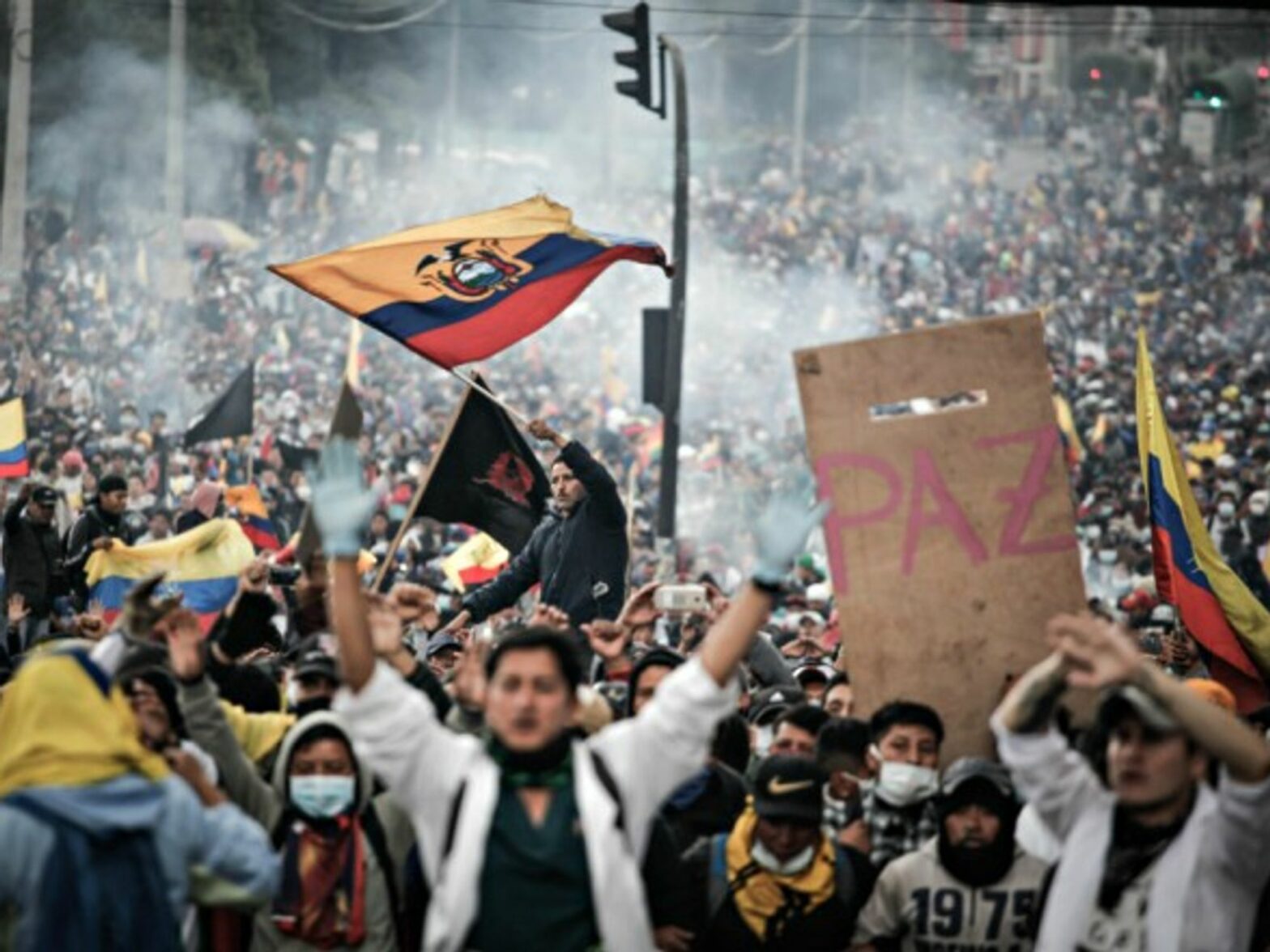
Moreno is now reversing course on austerity measures that provoked nearly two weeks of mass protests. But it may be too little too late to salvage his reputation.
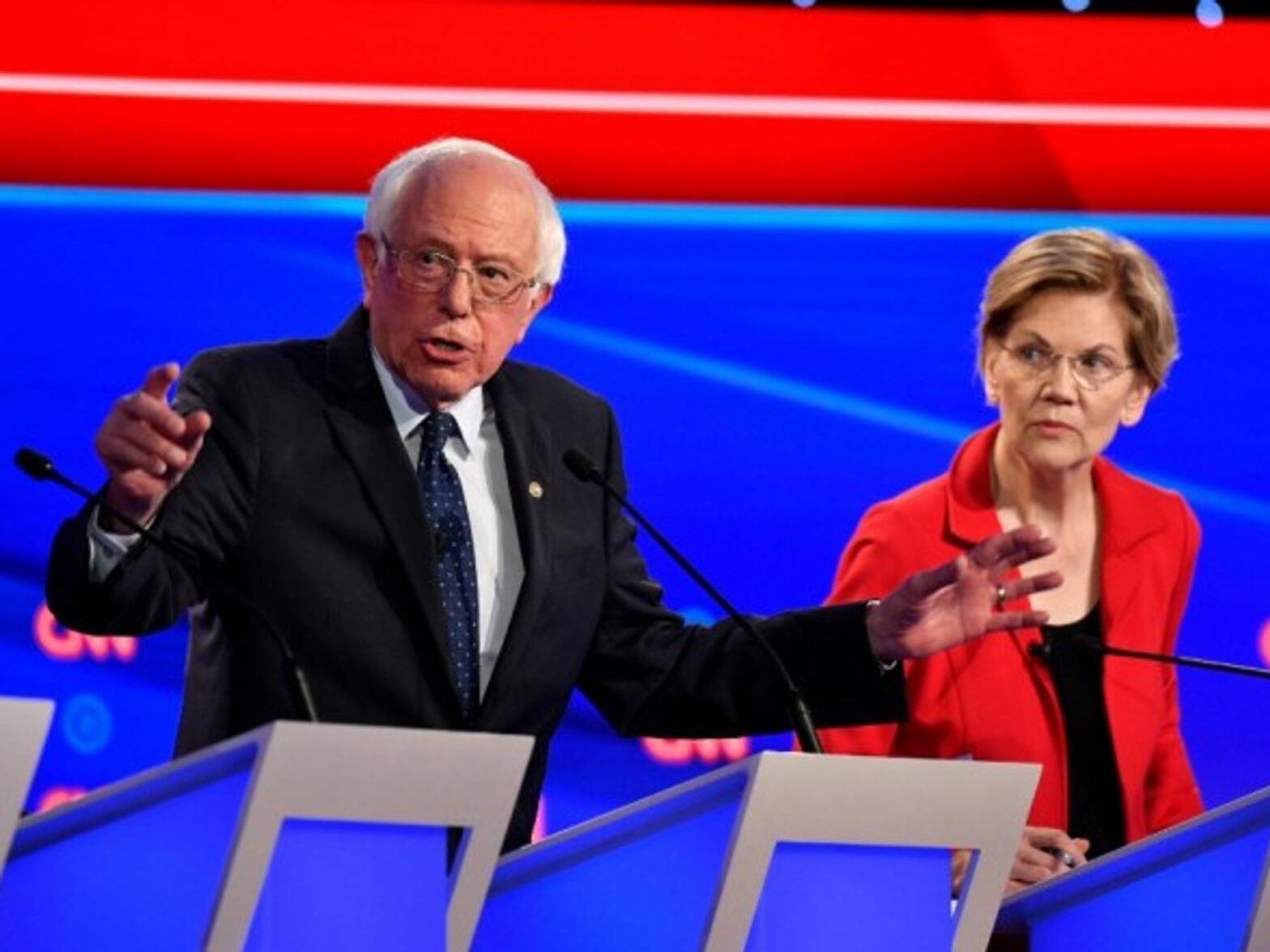
Democratic candidates Elizabeth Warren and Bernie Sanders have both taken ideas straight from US-based French professors Gabriel Zucman and Emmanuel Saez.

Partisans of political moderation are mistaken if they are looking for the ideals of the European liberal tradition in today’s neoliberalism.

How economic actors, communities and developing countries fare in the digital economy will depend in large part on how much control they have over the data they produce.

The airline industry certainly has room for improvement, but dreaming of a rail-only future ignores some practical and even environmental realities.
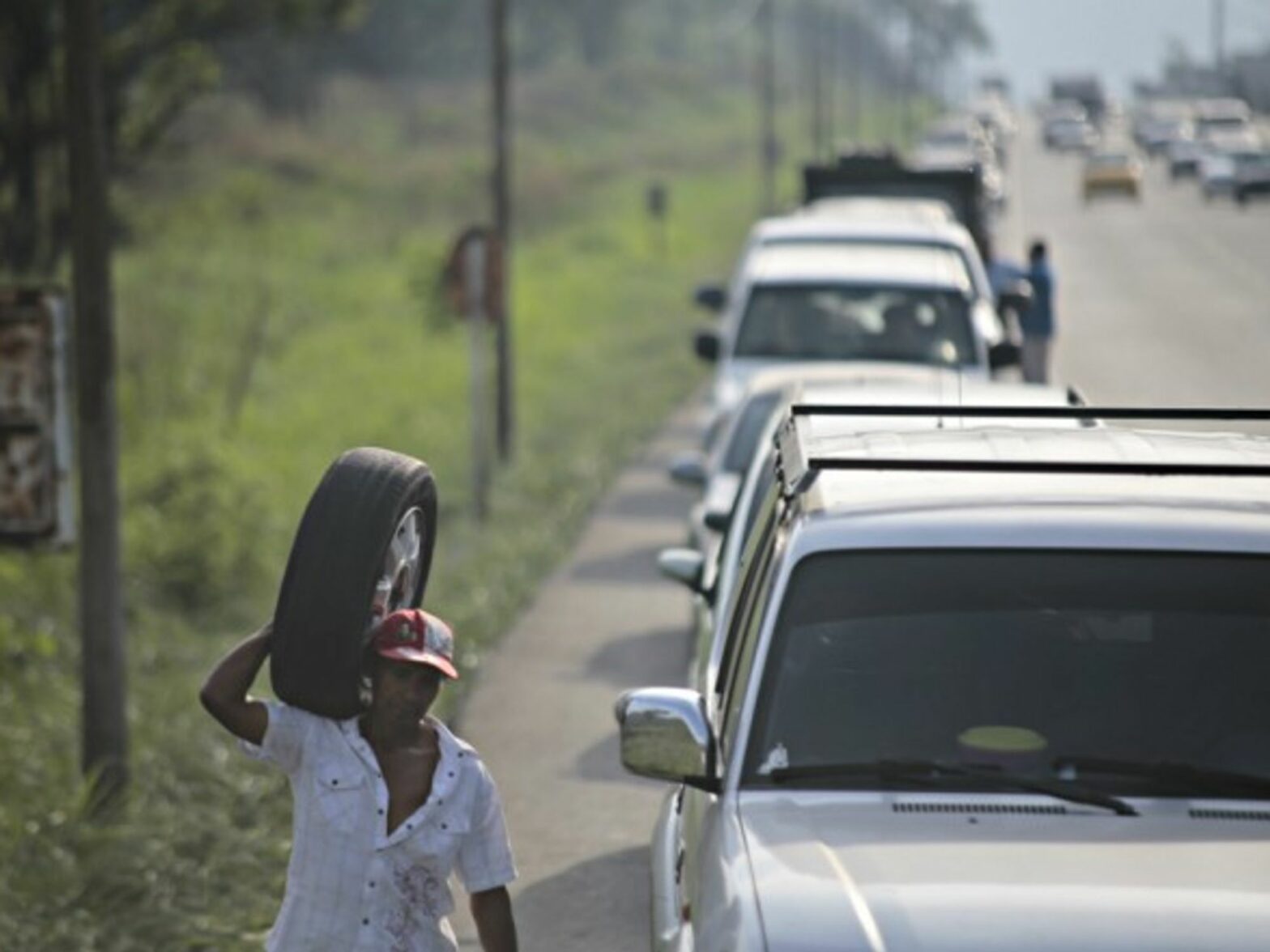
Economists say it’s worse than the Great Depression. Money is worthless in the ruined South American country, and too many are going hungry.
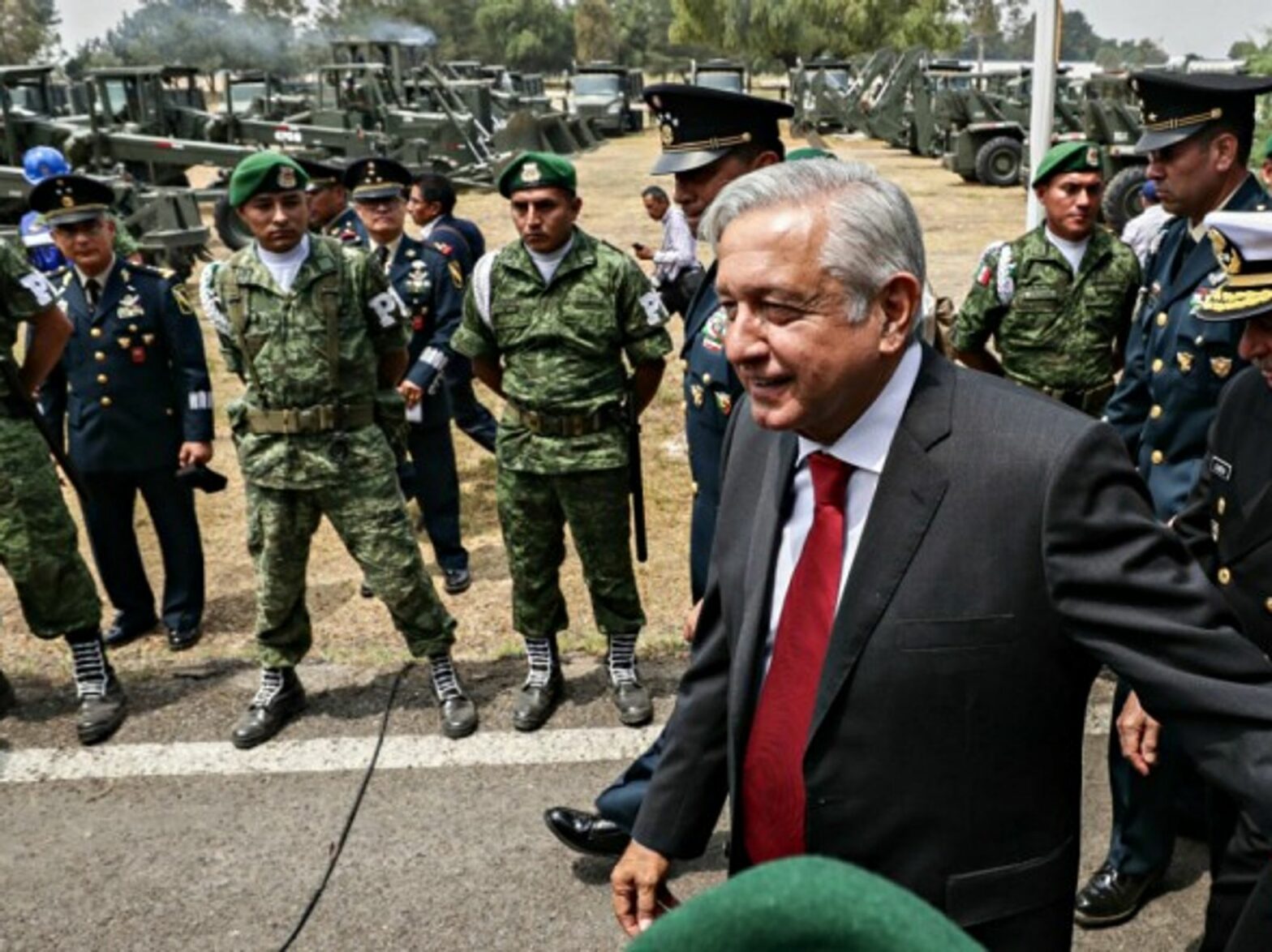
The Mexican president’s overhaul of public life is riding roughshod over interests, including those of the poor, his own voters, and a ‘defenseless’ middle class.

With its abundant raw materials and growing digital economy, Latin America has real potential for national investment funds.

Business models are changing, but Chinese presence in Italy’s business world remains high.

Inflation and recession are doing little to bridge the South American nation’s deep political divide.
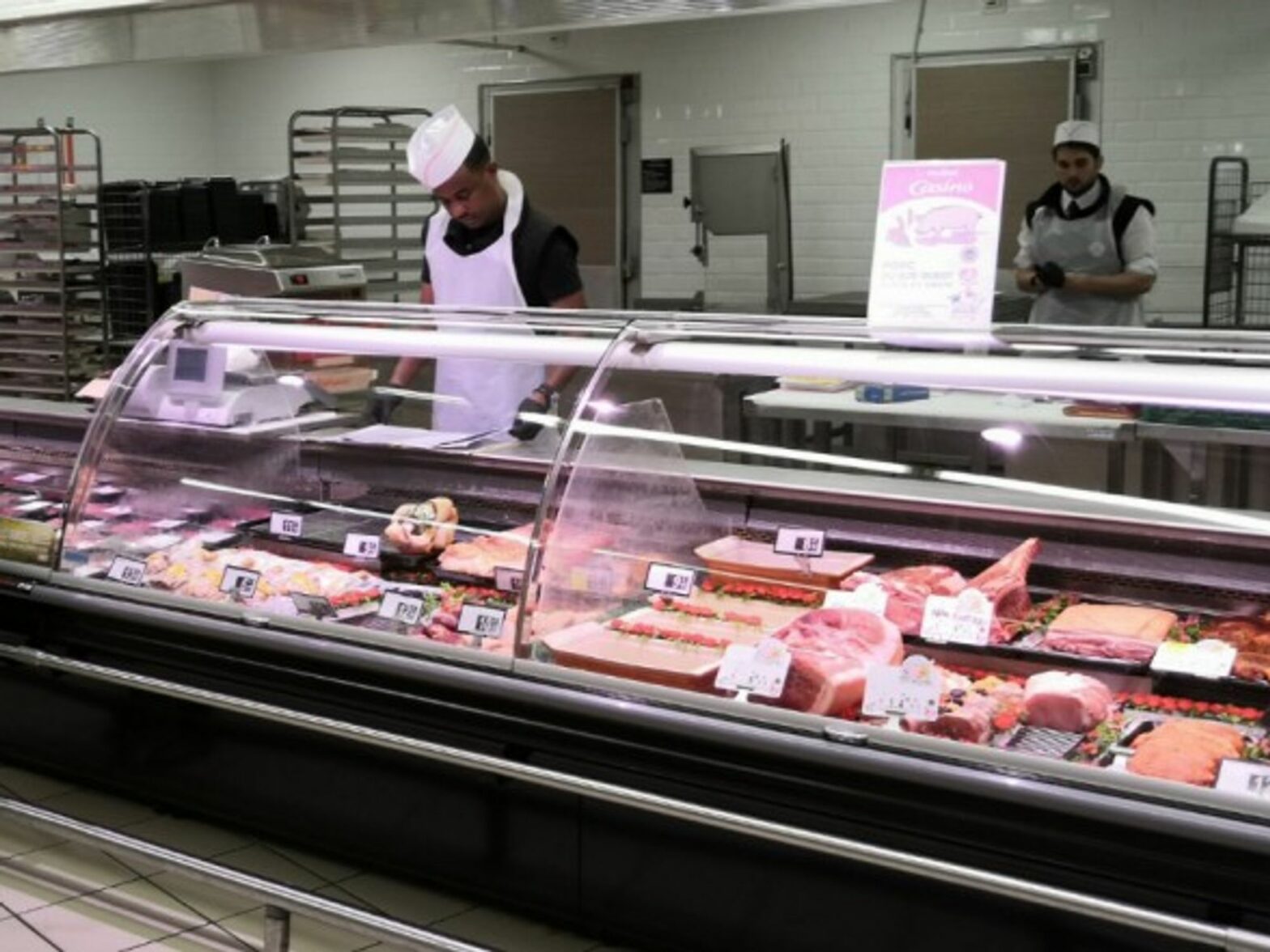
French companies in need of workers are focusing on integration through employment.

The new president is uniquely positioned to fix the country’s long-ignored economic shortcomings. But he should work with the system, not brush it aside, writes economist Luis Rubio.

The center-right populist Italian government has recently bowed to Chinese flattery, announcing it was ready to sign a Memorandum of Understanding that will connect Rome and Beijing on a modern Silk Road. At the end of a long, slow path of decline and political confusion, Rome is in bad need of fresh investment to boost […]
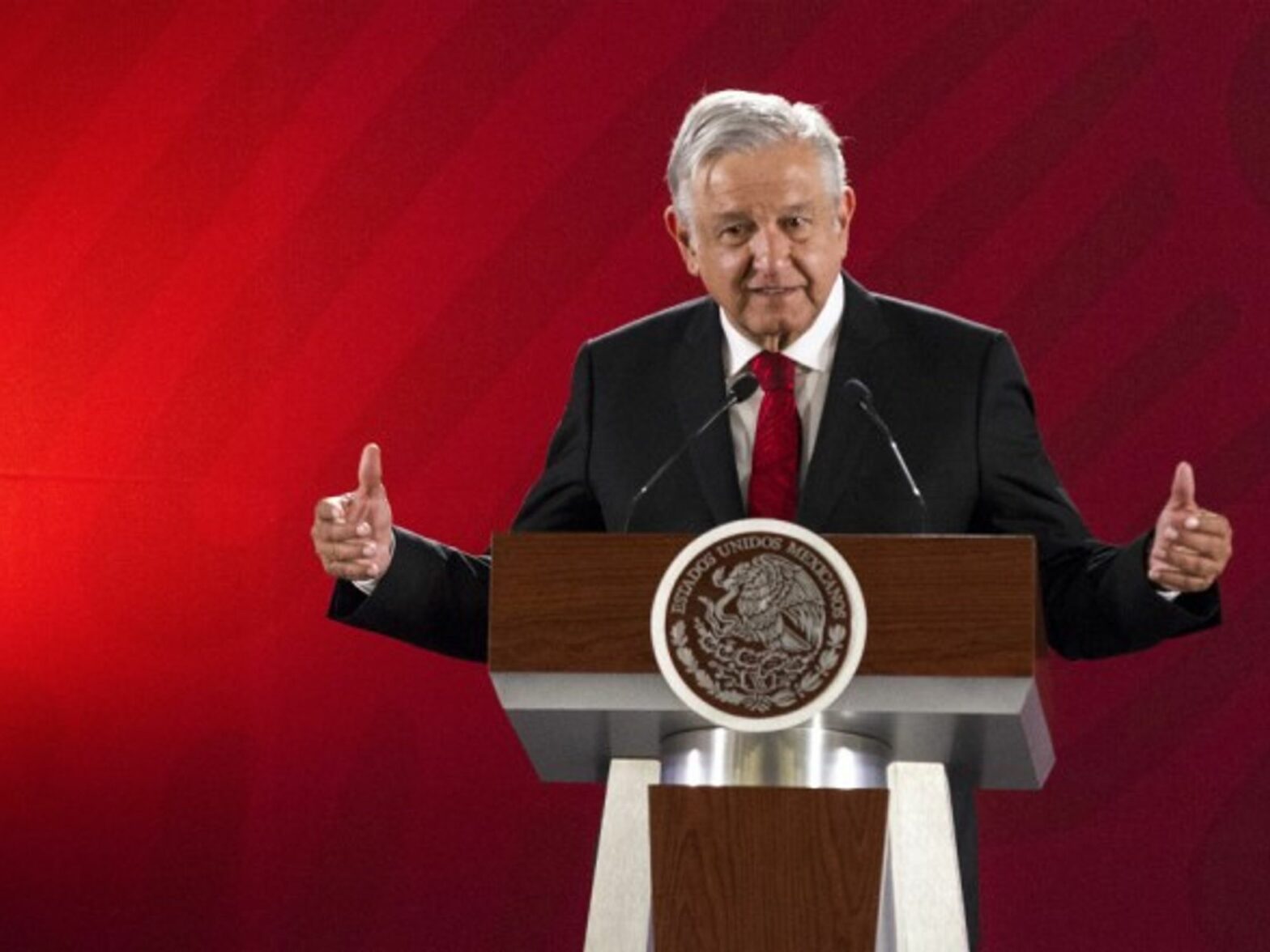
Fears of an economic meltdown in Mexico provoked by the new socialist president have not materialized, even if the economy has slowed and must remains to be seen.

HOLZKIRCHEN — Holzkirchen-Süd rest stop at 1 p.m., when many drivers stop for lunch. Lawyer Nadia Kluge very slowly approaches a truck, keeps a little distance, and starts a conversation. She explains that she is from the German Trade Union Confederation, works for the “Fair Mobility” counseling center in Munich, and is looking to see […]
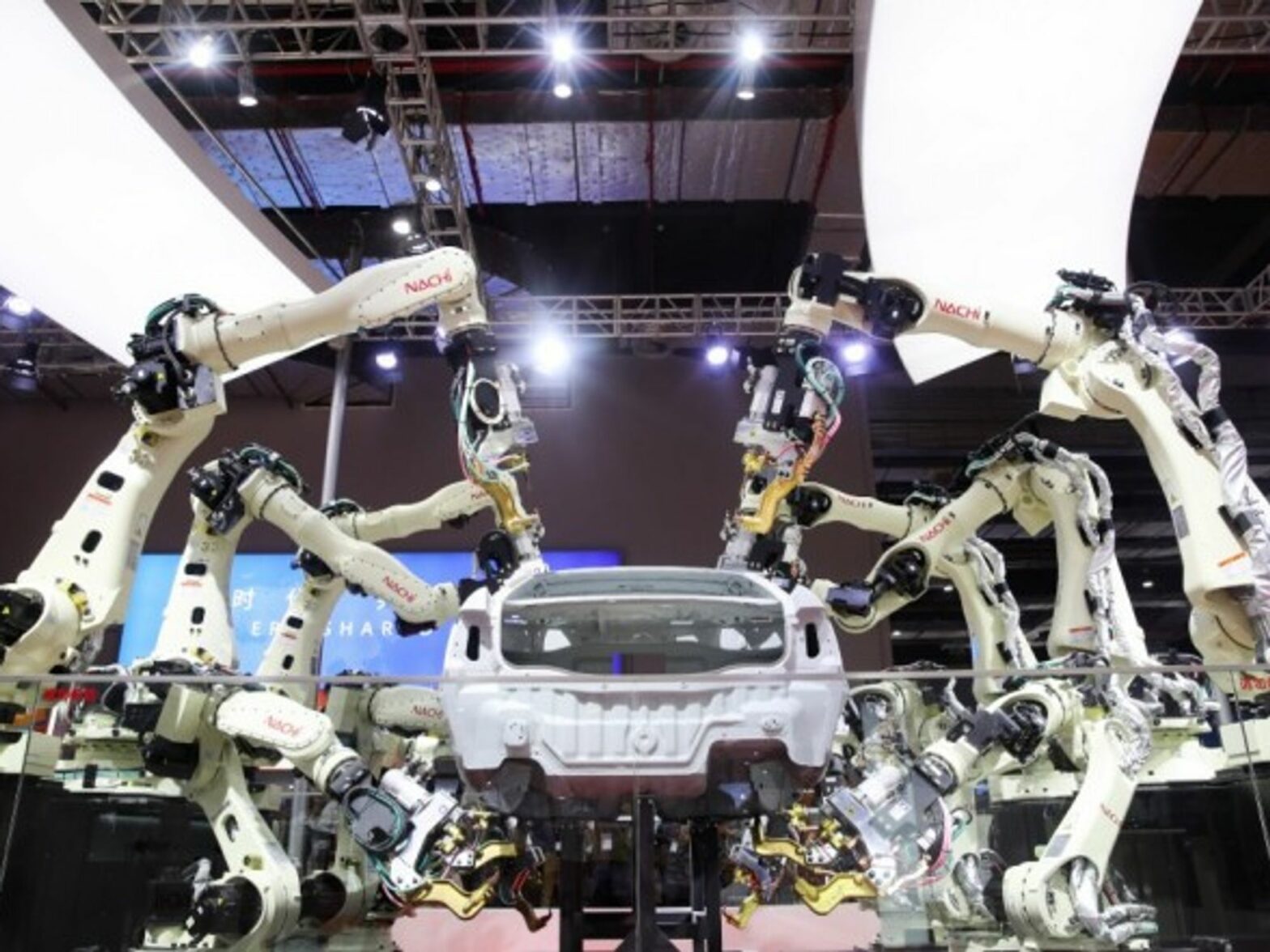
MUNICH — Do machines replace humans? Since the beginning of industrialization 200 years ago, we earthlings have been plagued by this fear. From the early uprisings of the weavers to the 1970s “job killer computer” slogan, and up until the 2013 thesis of researchers Michael Osborne and Carl B. Frey, according to whom machines could […]

From Madrid to Cork to Shanghai, some of the most revered old bookshops are closing doors as they face pressure from big chains and e-readers. But our bookworm writer found some small signs of hope.
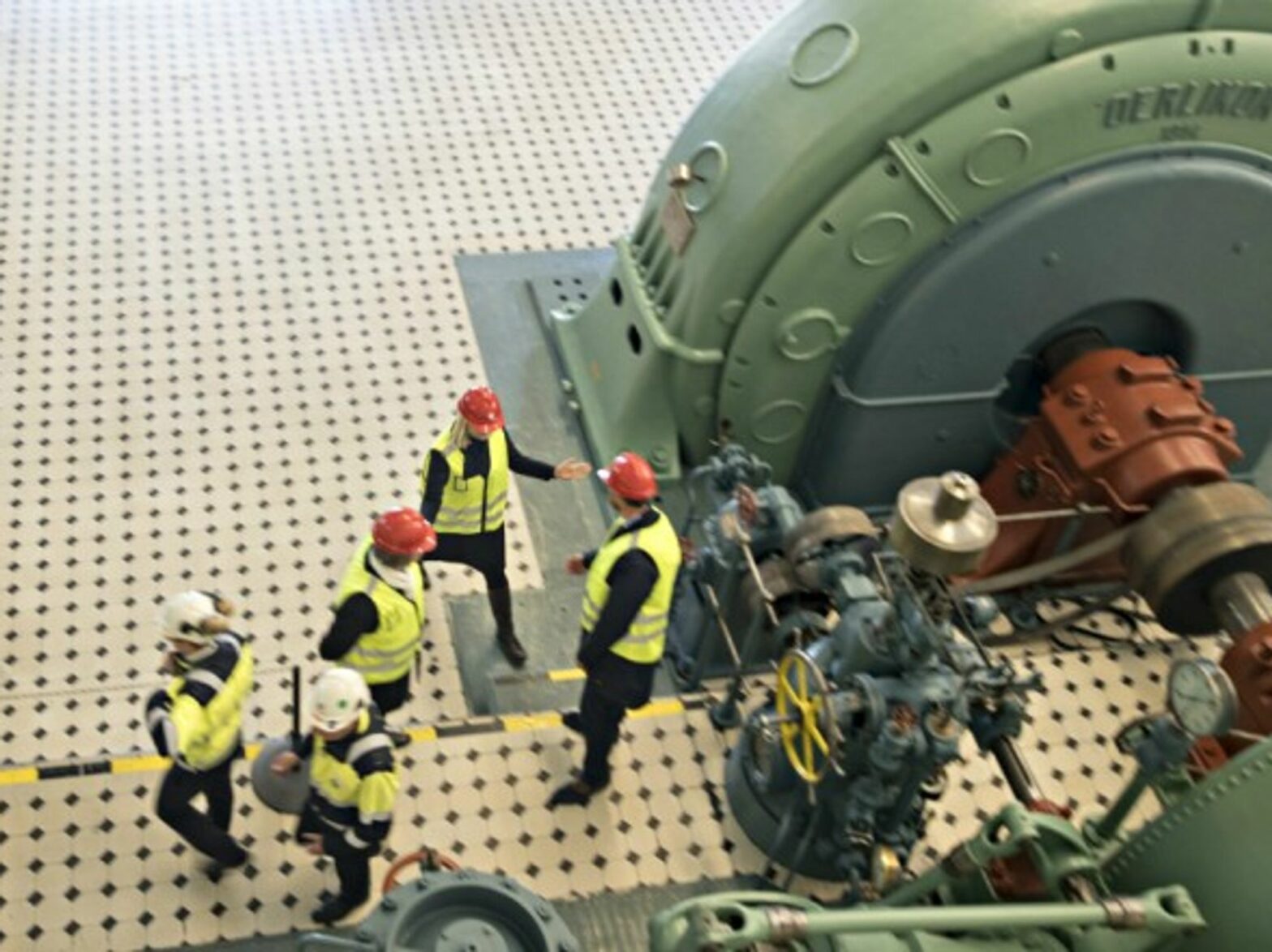
It’s high-time for an economic model that curbs waste while boosting productivity. But don’t expect market forces alone to bring about the necessary shift.
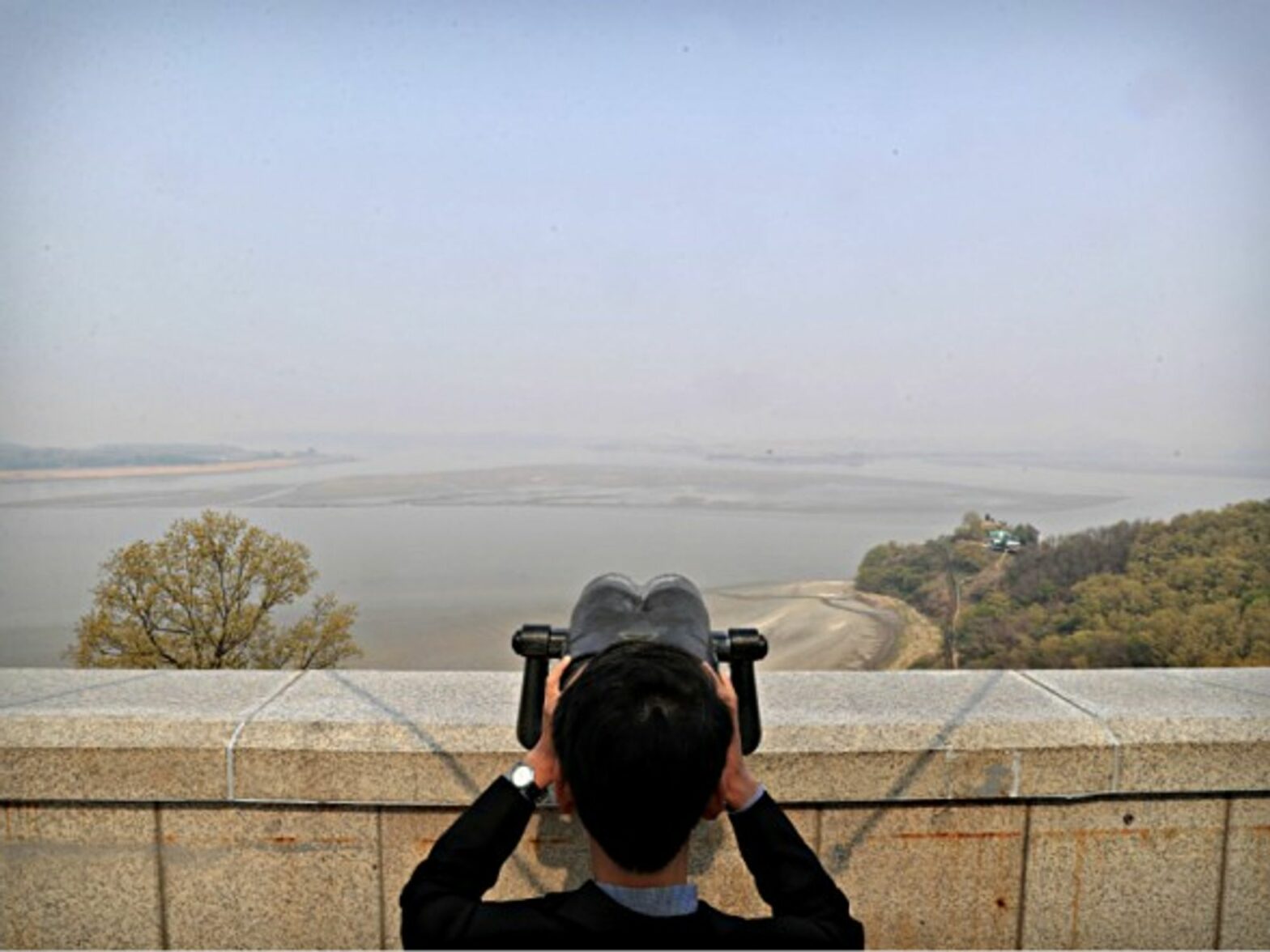
-Analysis- NEW YORK — As 2018 comes to a close, attention is turning to what is likely to happen in 2019. I have no idea. But if you follow these questions, you will have your finger on the pulse of the world to come: What will happen with Chinese civil society? Five to 10 years ago, China had a proliferating and diverse group of non-profit groups, think tanks and cooperative civil society institutions, such as charities and clubs. They never stood on a firm legal foundation, but in the last few years they have been subject to a severe crackdown, […]

If Brazil’s new government liberalizes its economy as vowed, it may also seek new and more dynamic trading partners like Chile and the Pacific Alliance.
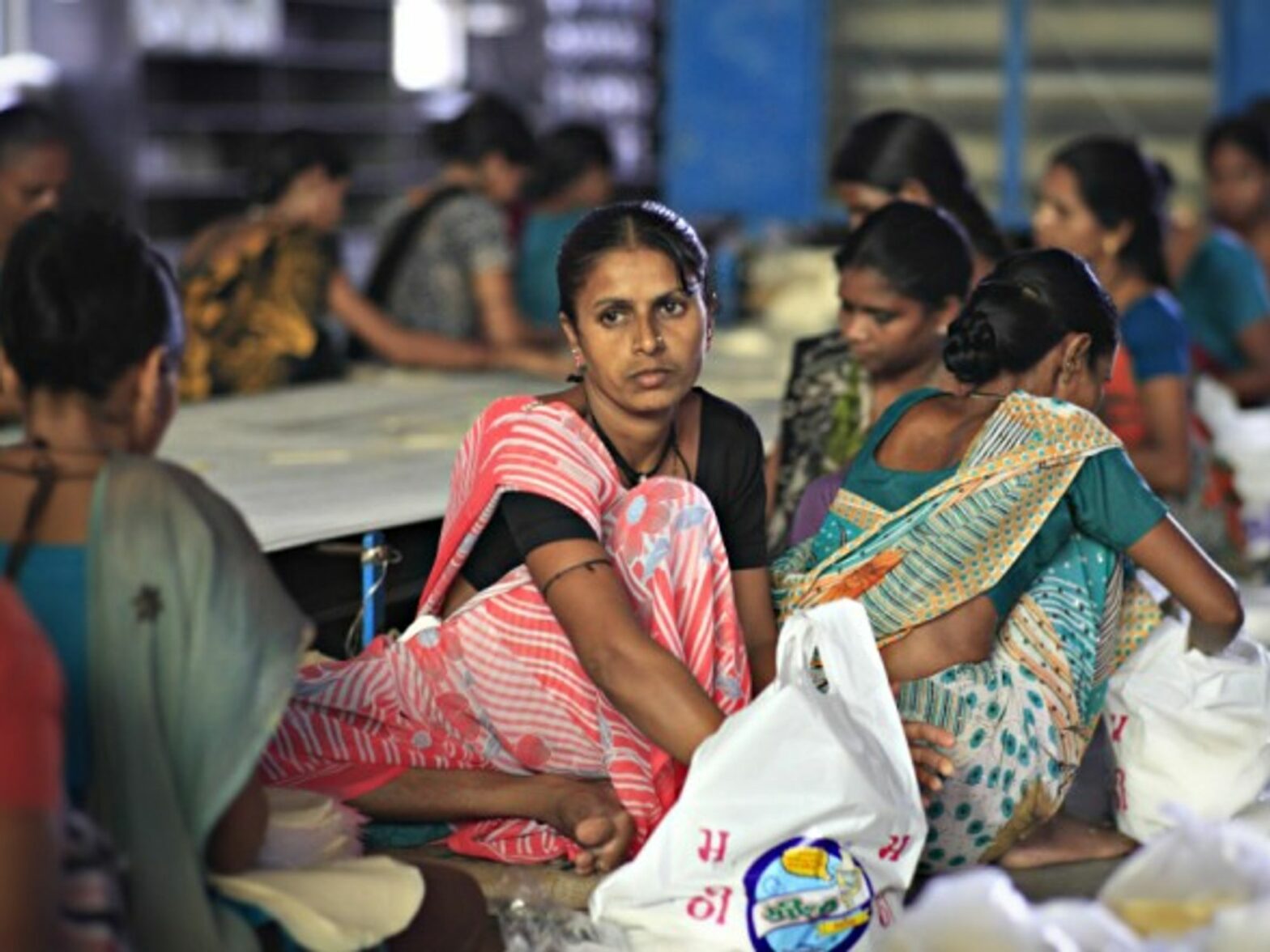
The normalization of sexual harassment and inequality in the workplace is keeping women from going to work, and holding back the rise of India’s economy.