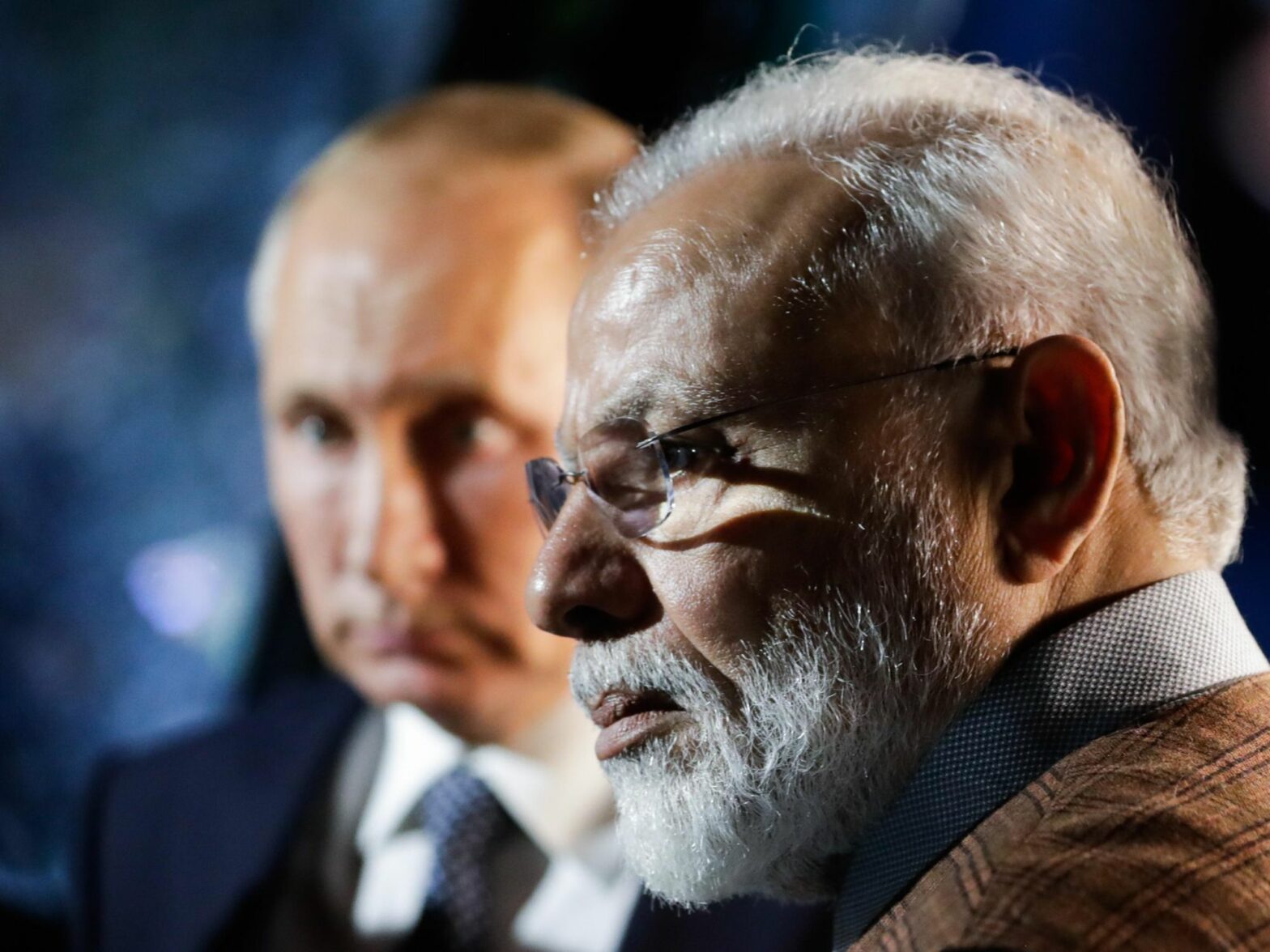
By shrugging aside Russia’s aggression, India has shown indifference to fears that China could follow Russia’s example.
 Worldcrunch
By shrugging aside Russia’s aggression, India has shown indifference to fears that China could follow Russia’s example.
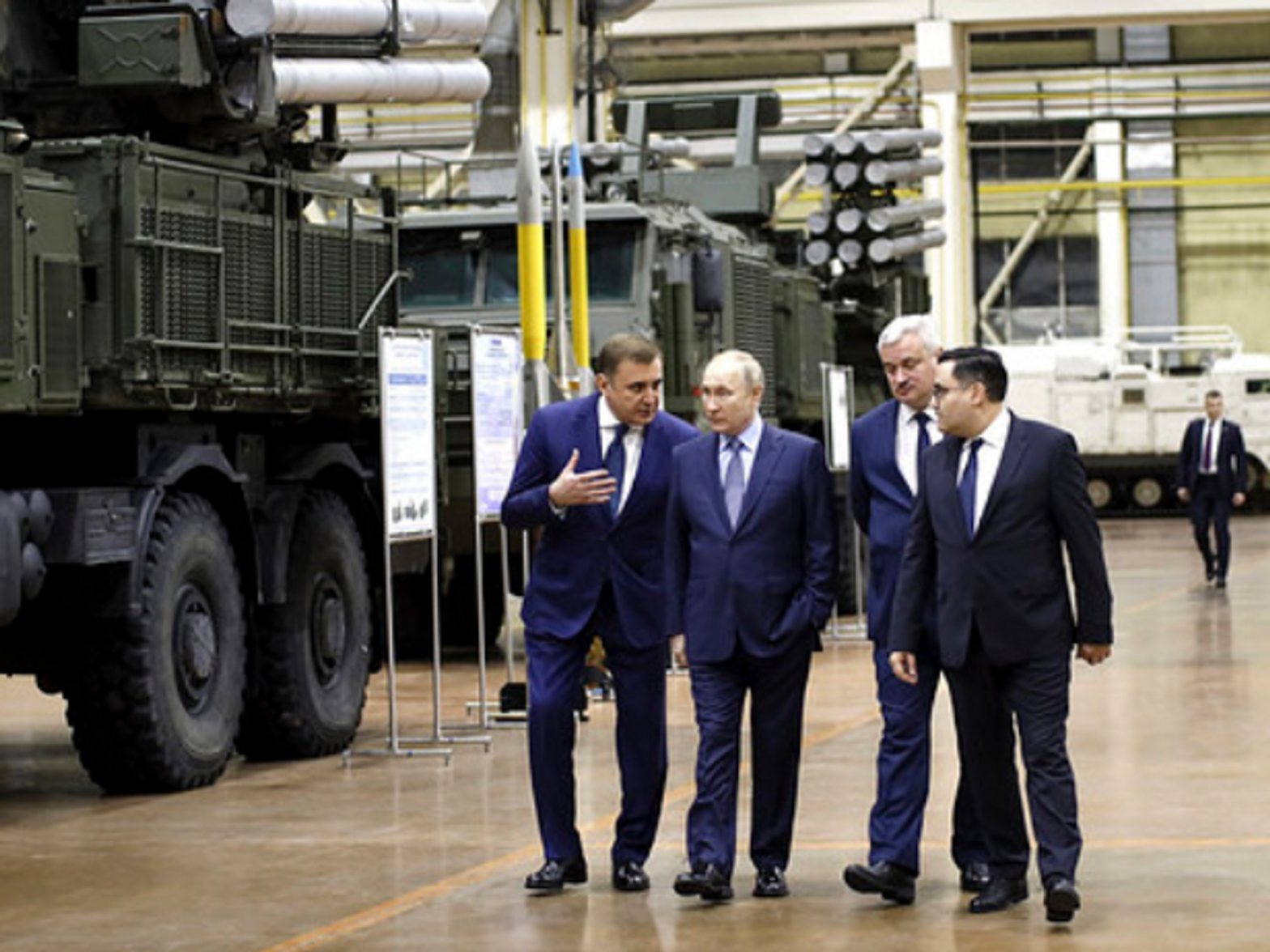
By putting the economy on a war footing, Putin risks returning Russia to the days of Stalinist totalitarianism, where there will be no oligarchs or businesses left, only loyal administrators.
As an Italian bestseller explores why people are fleeing the Golden State, the international press also takes stock of unprecedented Silicon Valley layoffs. It may be a warning for the rest of the world.
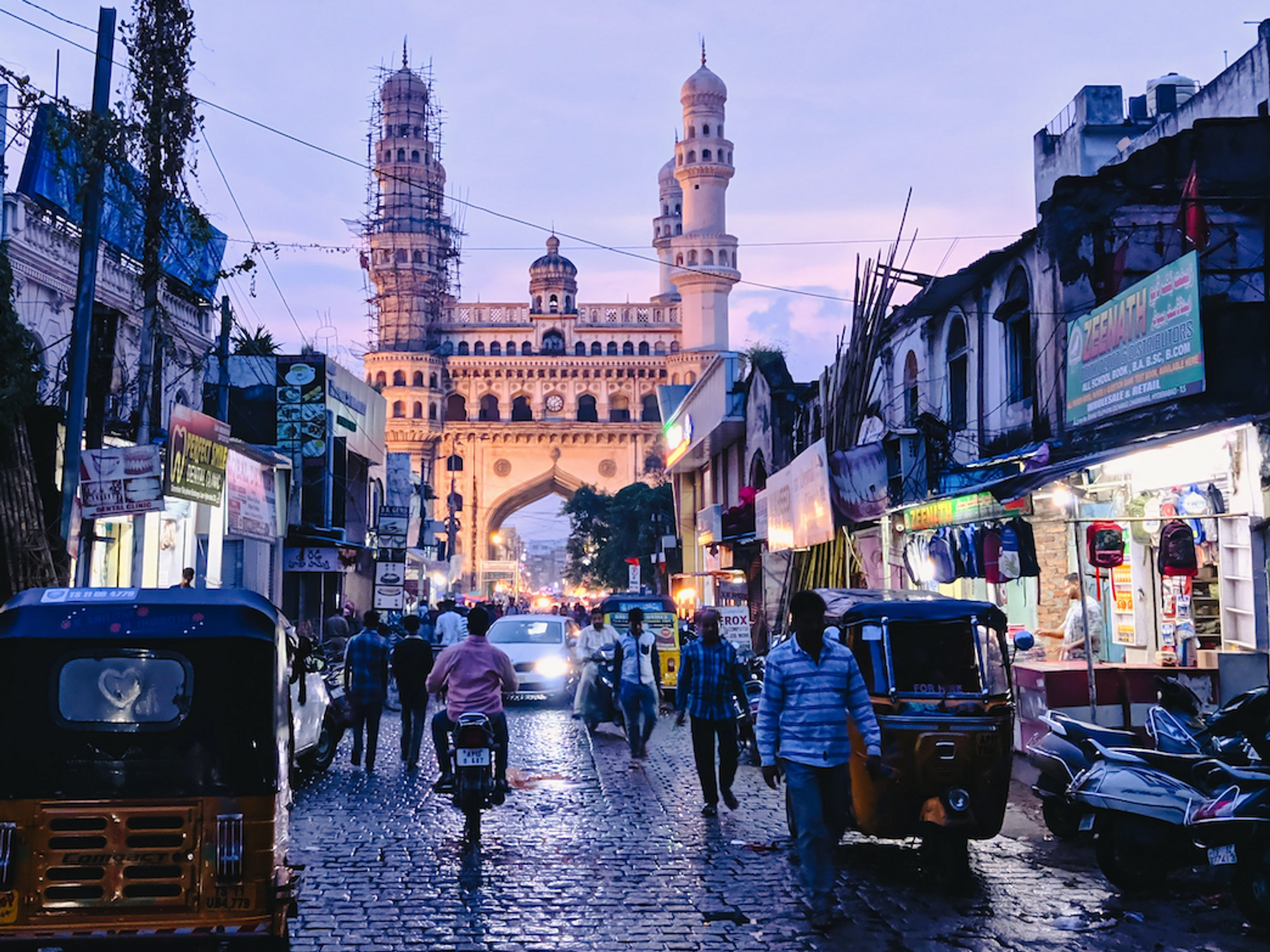
The news that China’s population has shrunk for the first time in 60 years, comes as India appears to be outperforming its giant neighbor on a number of fronts. But this reversal of fortune still has too many variables to predict the demise of one or the rise of the other.
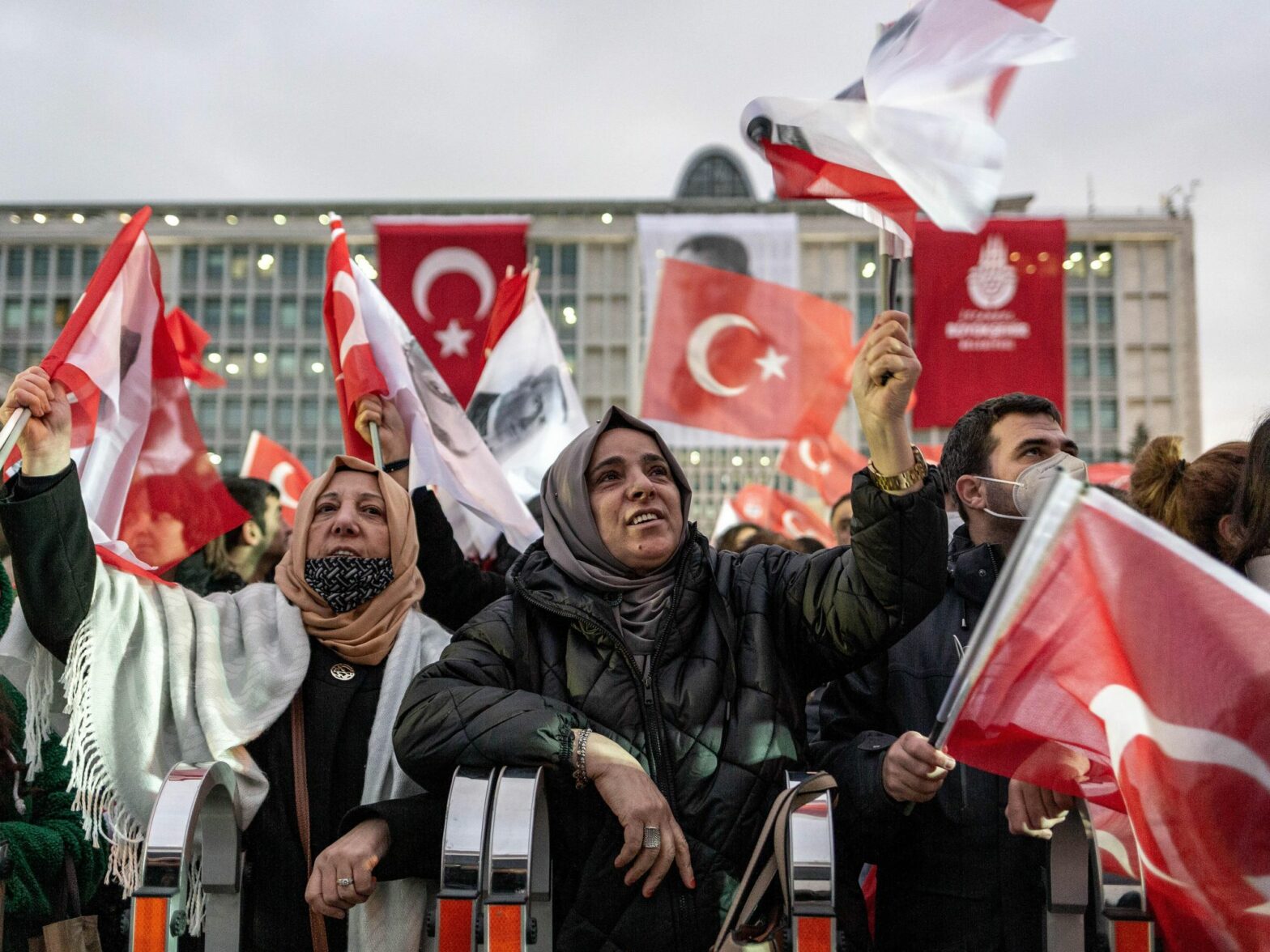
Turkey heads to the polls in June in elections that decide the country’s future direction. It is a referendum on President Erdoğan, but also a challenge for the divided opposition. Much is at stake in a country roiled by multiple crises and declining trust in its leaders.
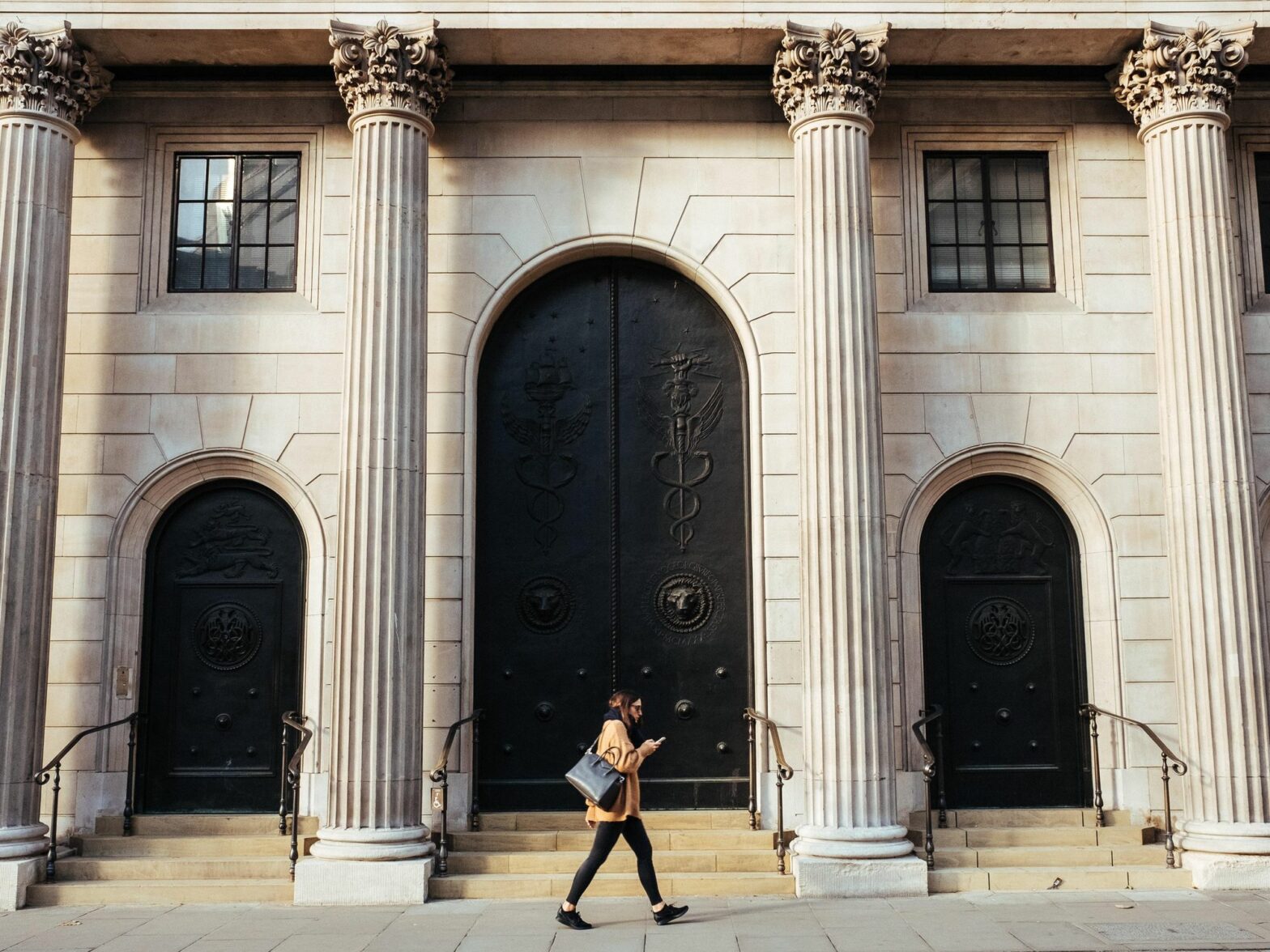
As recession predictions abound, stakes are higher than ever for the number crunchers at the world’s top central banks, who must also contend with the whims of the political class.
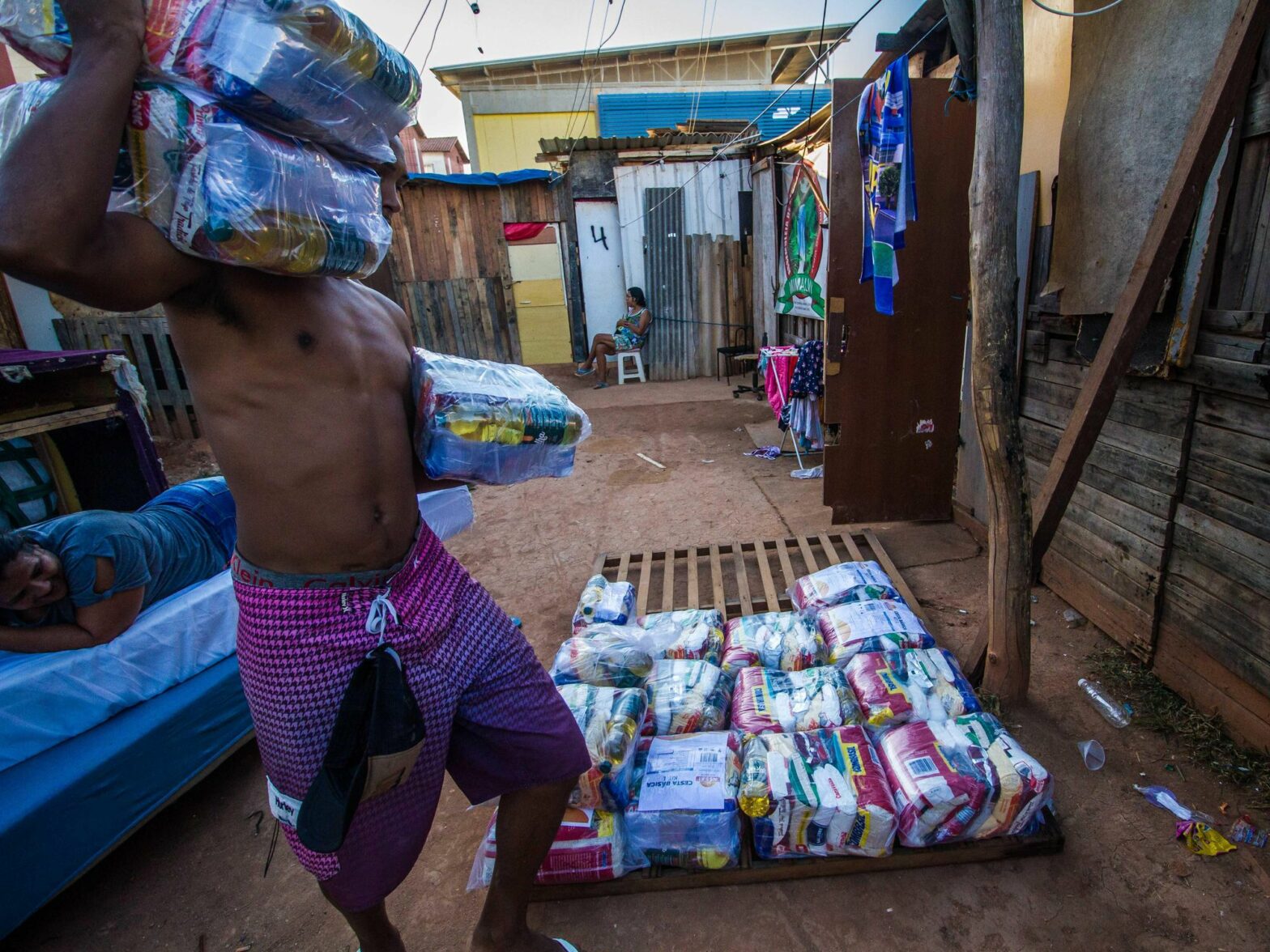
The fight against hunger should be a top priority in Brazil — provided it’s addressed as a whole. And to do that, the country needs to face its structural racism issues, an issue newly-reelected President Lula da Silva vowed to tackle.
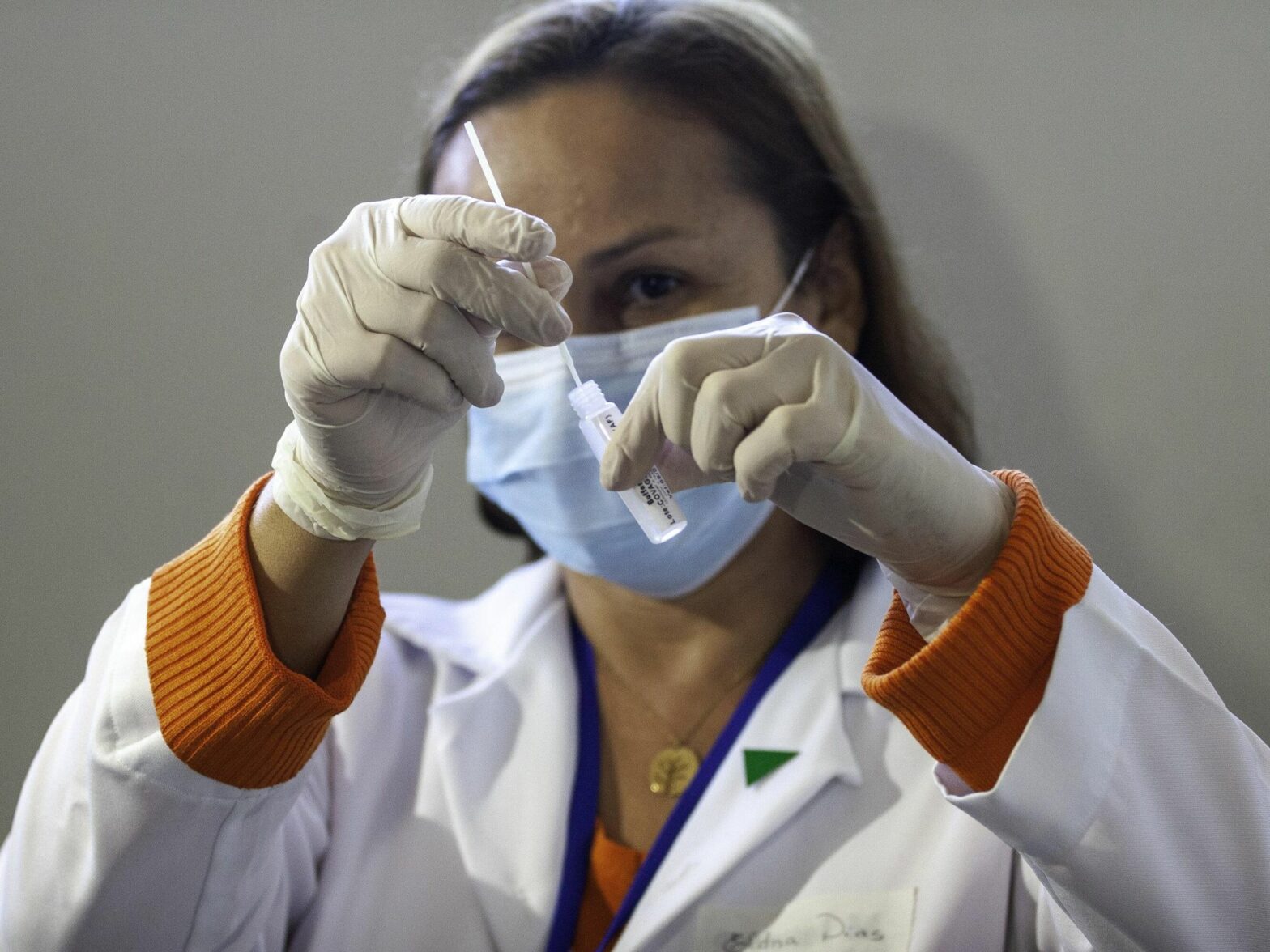
More than a decade ago, with the economy growing and political capital committed to public research and development, Brazil was the poster child for investing in the future. It was all bound to drop out quickly once the winds changed.
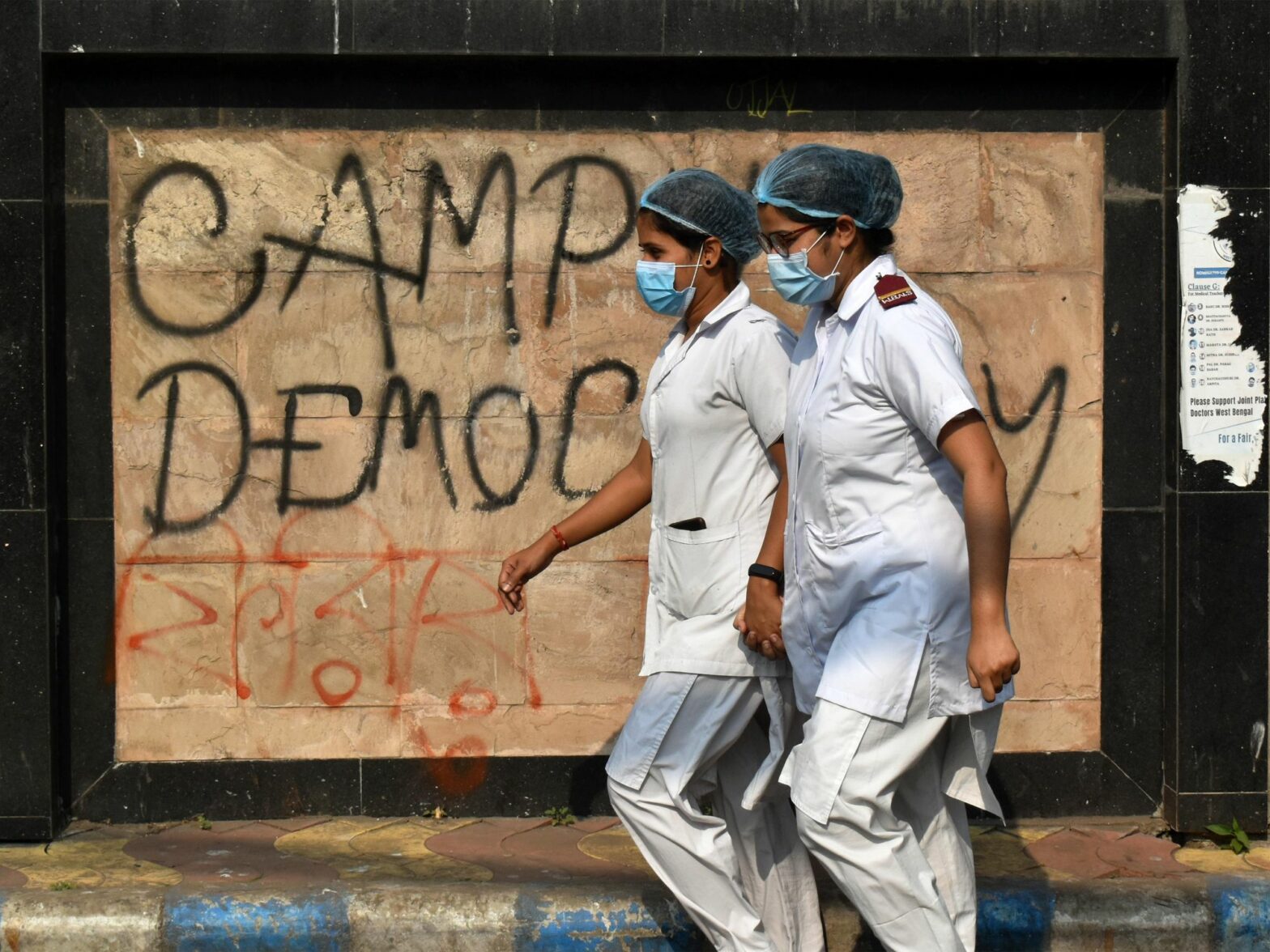
The public sector has seen a revival in response to COVID-19. This can be a good thing, but must be checked carefully because history tells us of the risks of too much control in the government’s hands.
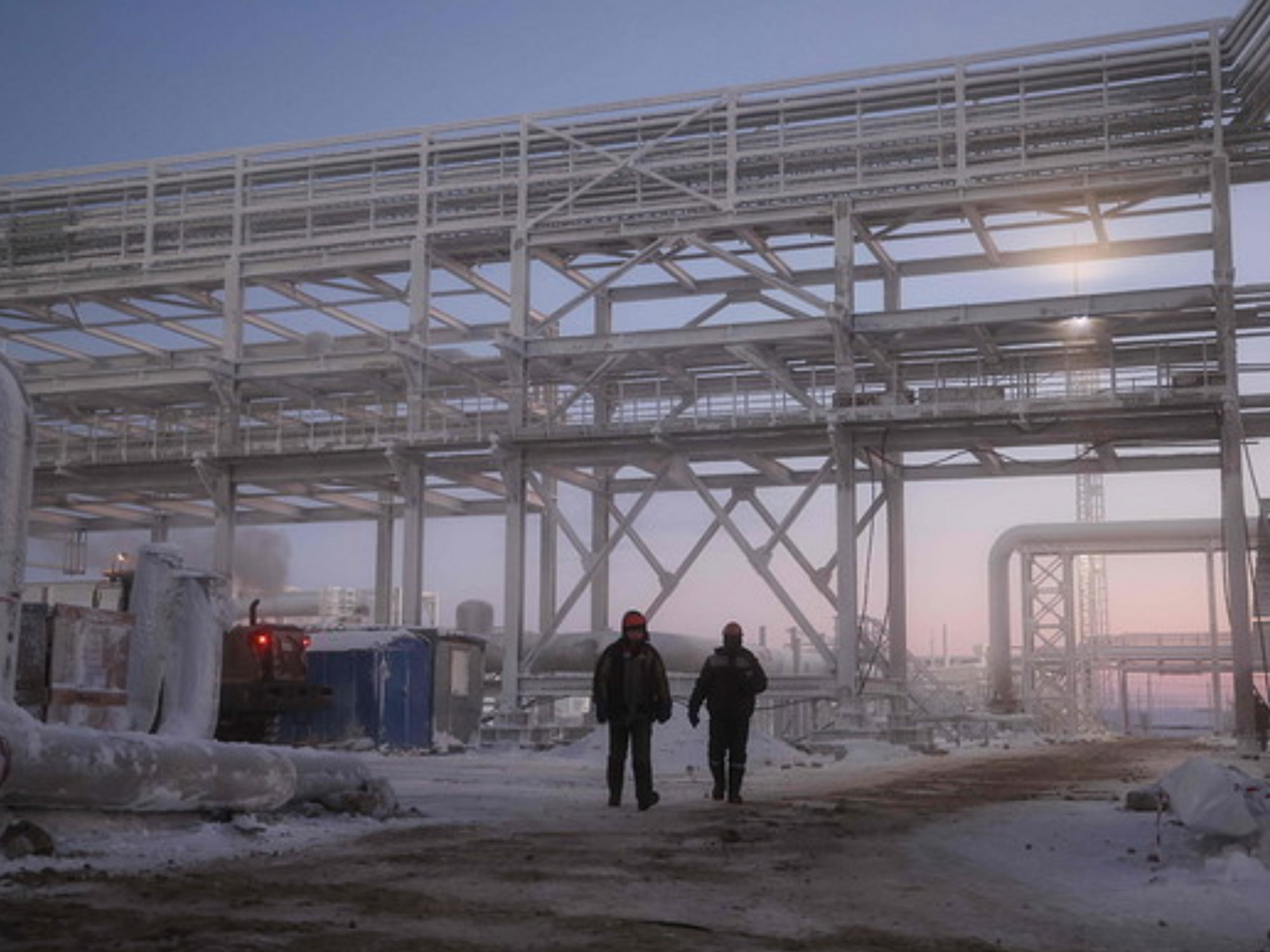
Russia owns 60% of Arctic coastline and half of the region’s population. In recent history, NATO has not been overly concerned with the defense of the Arctic region because the U.S. military has been focused on the Middle East. This is all changing since Russia’s invasion of Ukraine.
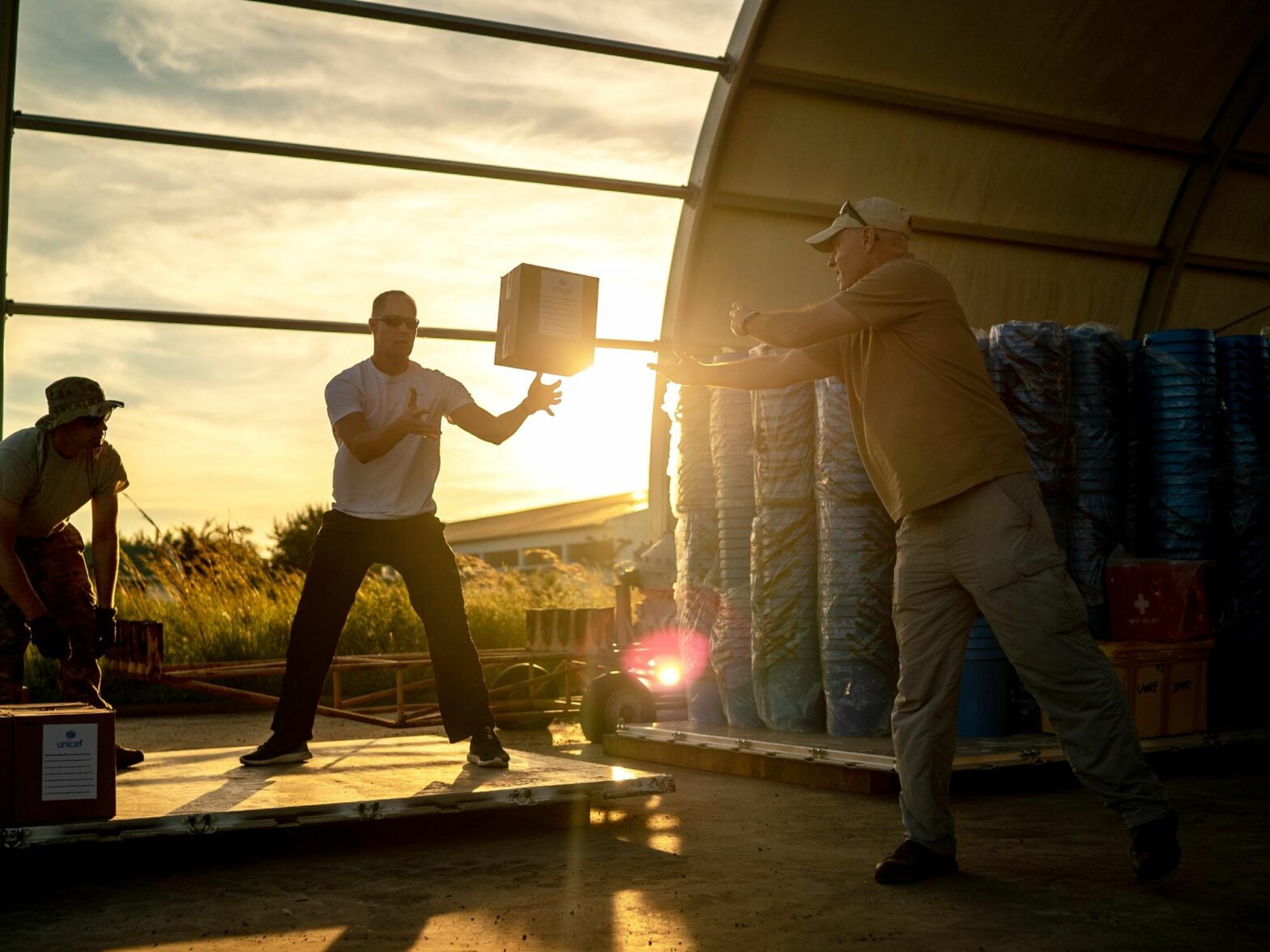
Aid in its current form is expensive and inefficient. And it isn’t needed — Africa is now a dynamic and confident continent. Europe needs a change of perspective to understand that it needs Africa as much as Africa needs Europe.
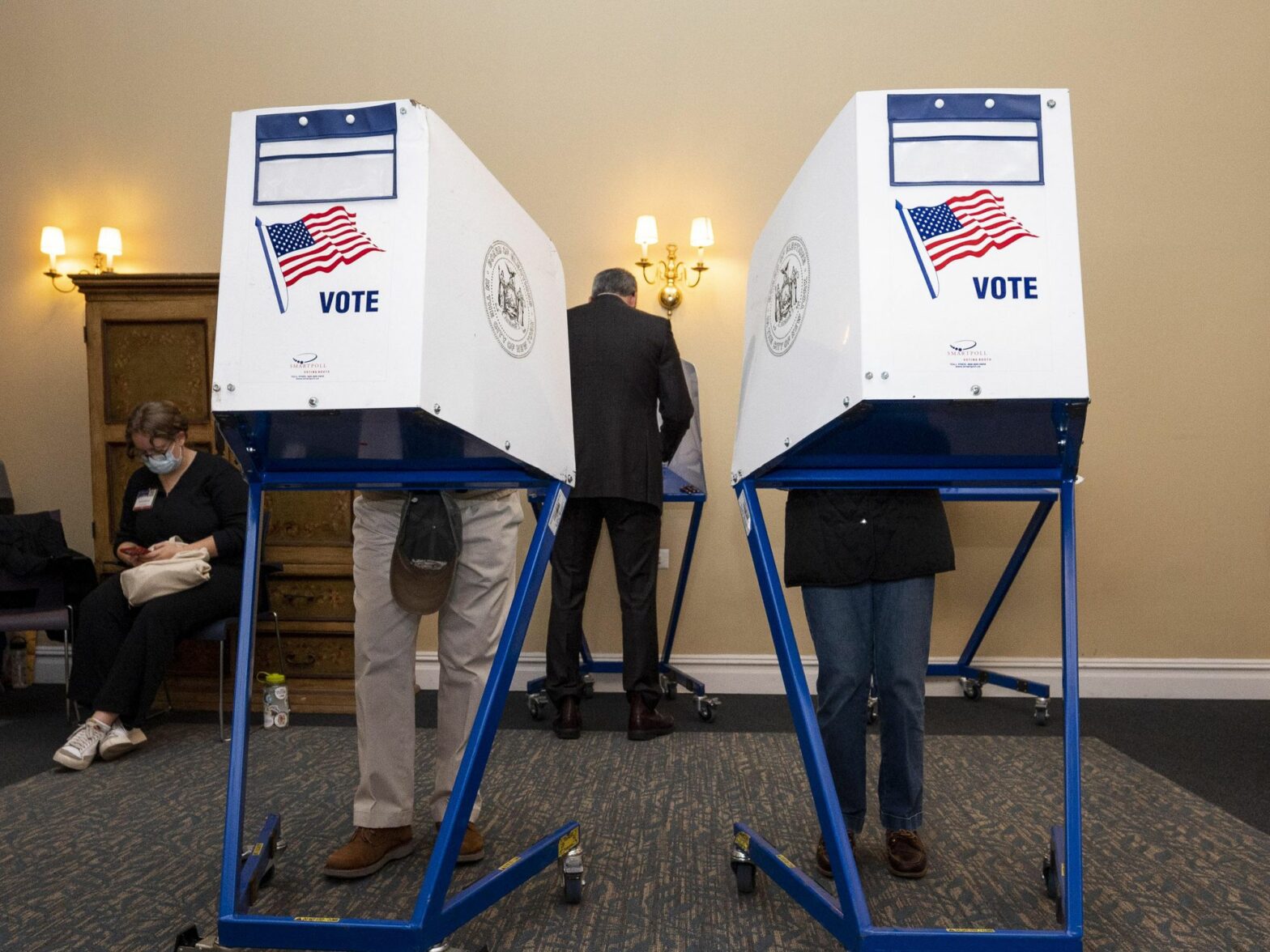
After the Brazilian presidential election and the American midterms, checking the temperature on the state of democracy in a world that has been heading in the opposite direction for too long.

Hard questions amid the increasing use of software algorithms to take on managerial functions, such as hiring, firing and evaluating employees.
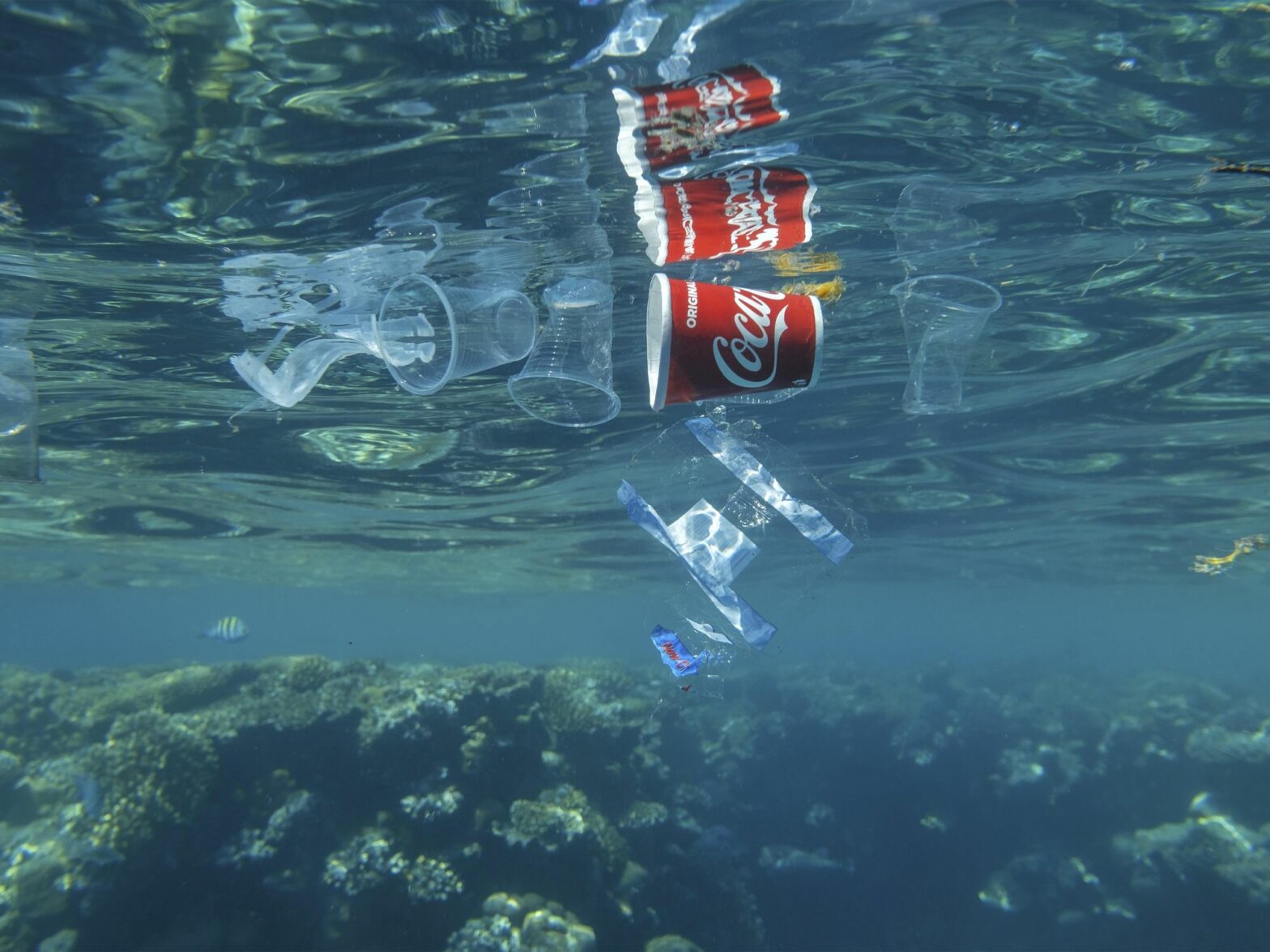
The Egyptian coastal resort has been reinvented (again) to host world leaders for the COP27, as it aims to cast a climate-financing-hungry Egypt in a favorable light. But the cosmetic changes hide years of harm to the region’s ecosystem.
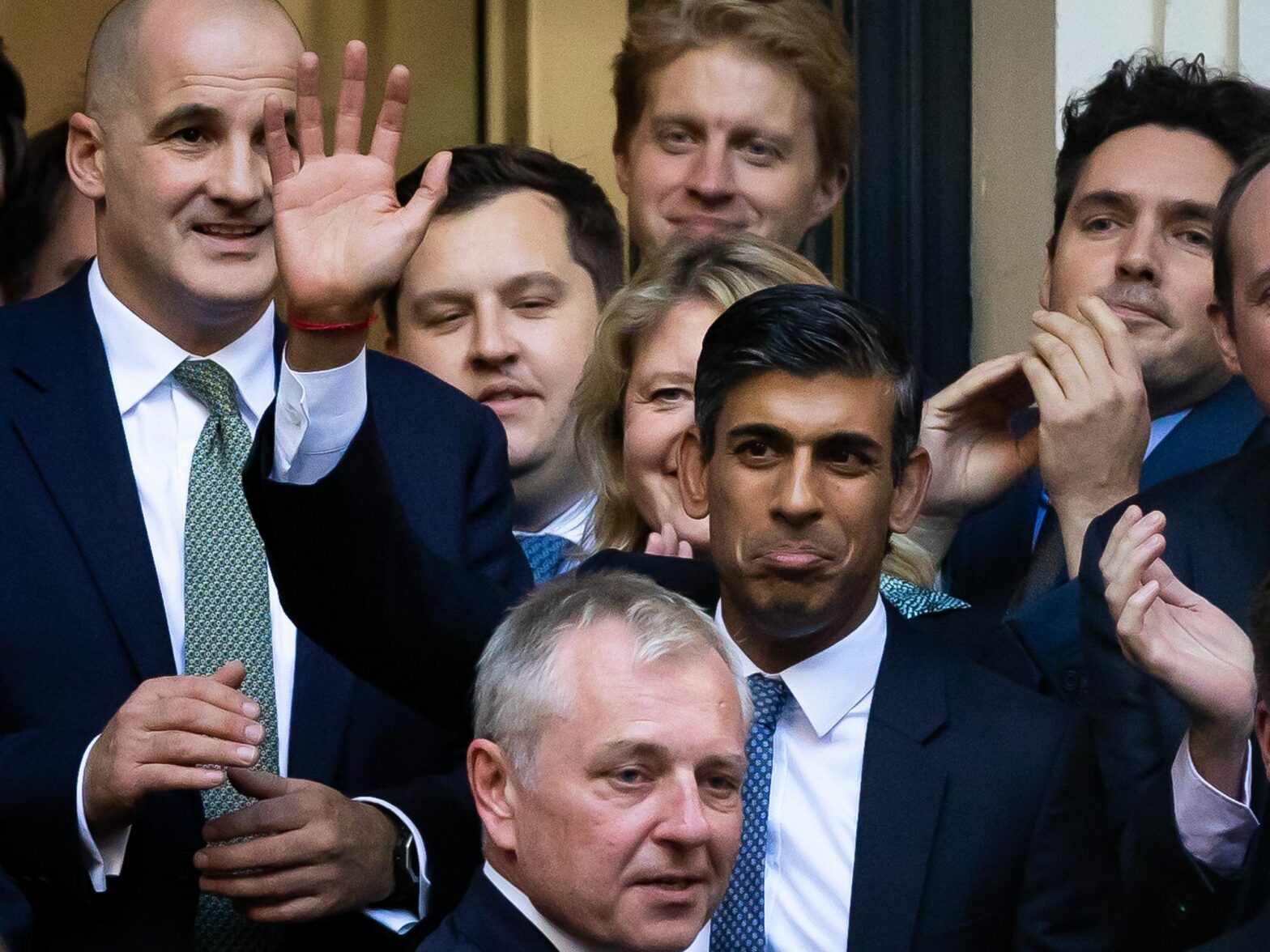
Nobody questions the new British Prime Minister’s intelligence, or even his performance as Chancellor of the Exchequer. But the economic conditions after the debacle of his predecessor Liz Truss leaves little margin for error for Rishi Sunak.
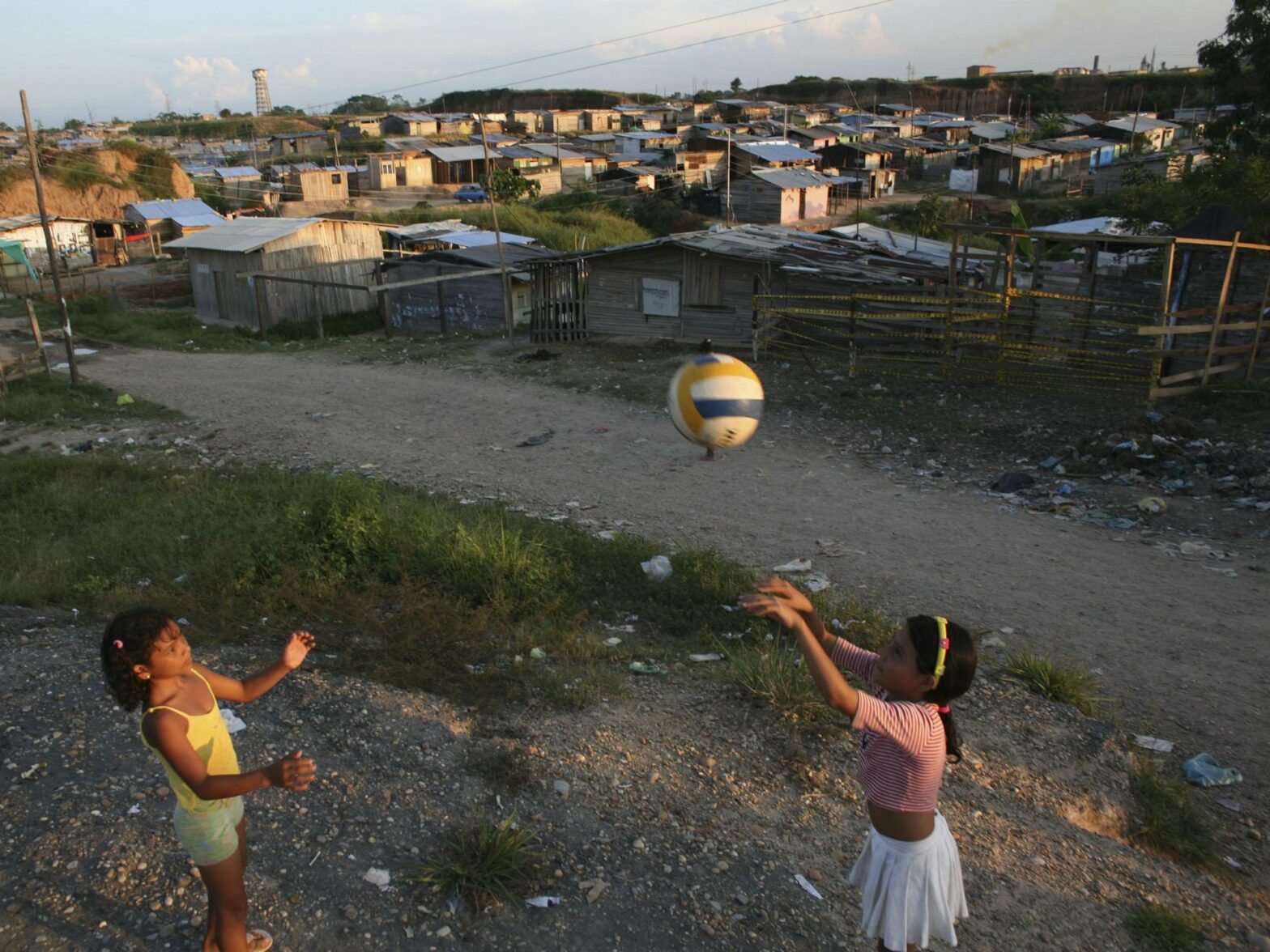
Those touting degrowth for the sake of the planet should remember that the majority of the earth’s population has yet to taste a fraction of the material prosperity now blamed for destroying the natural world.
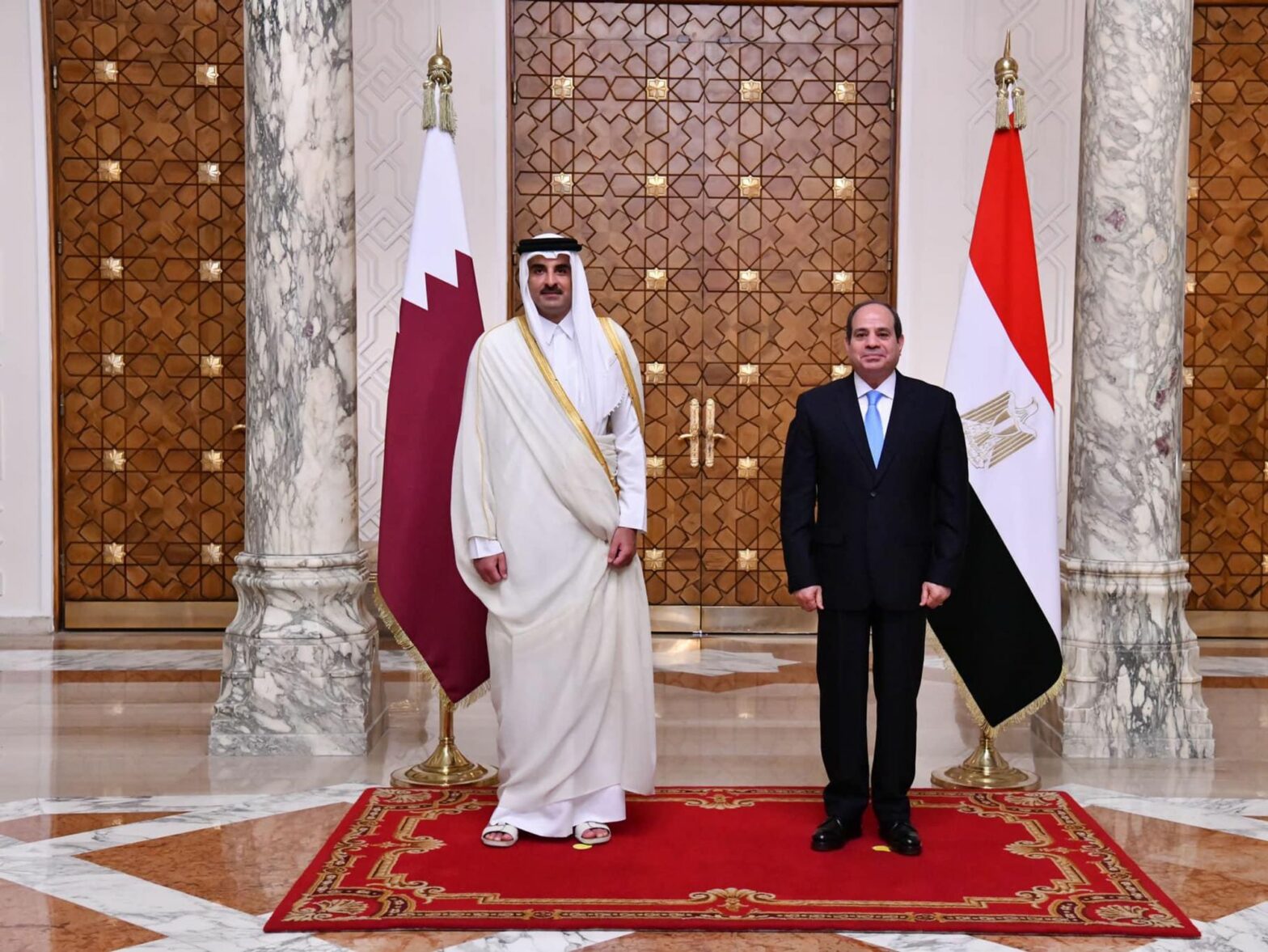
For Cairo, Qatar had been part of an “axis of evil,” with anger directed at Al Jazeera, the main Qatari outlet, and others critical of Egypt after the Muslim Brotherhood ouster. But the vitriol is now gone, with the first ever visit by Egyptian President al-Sisi to Doha.
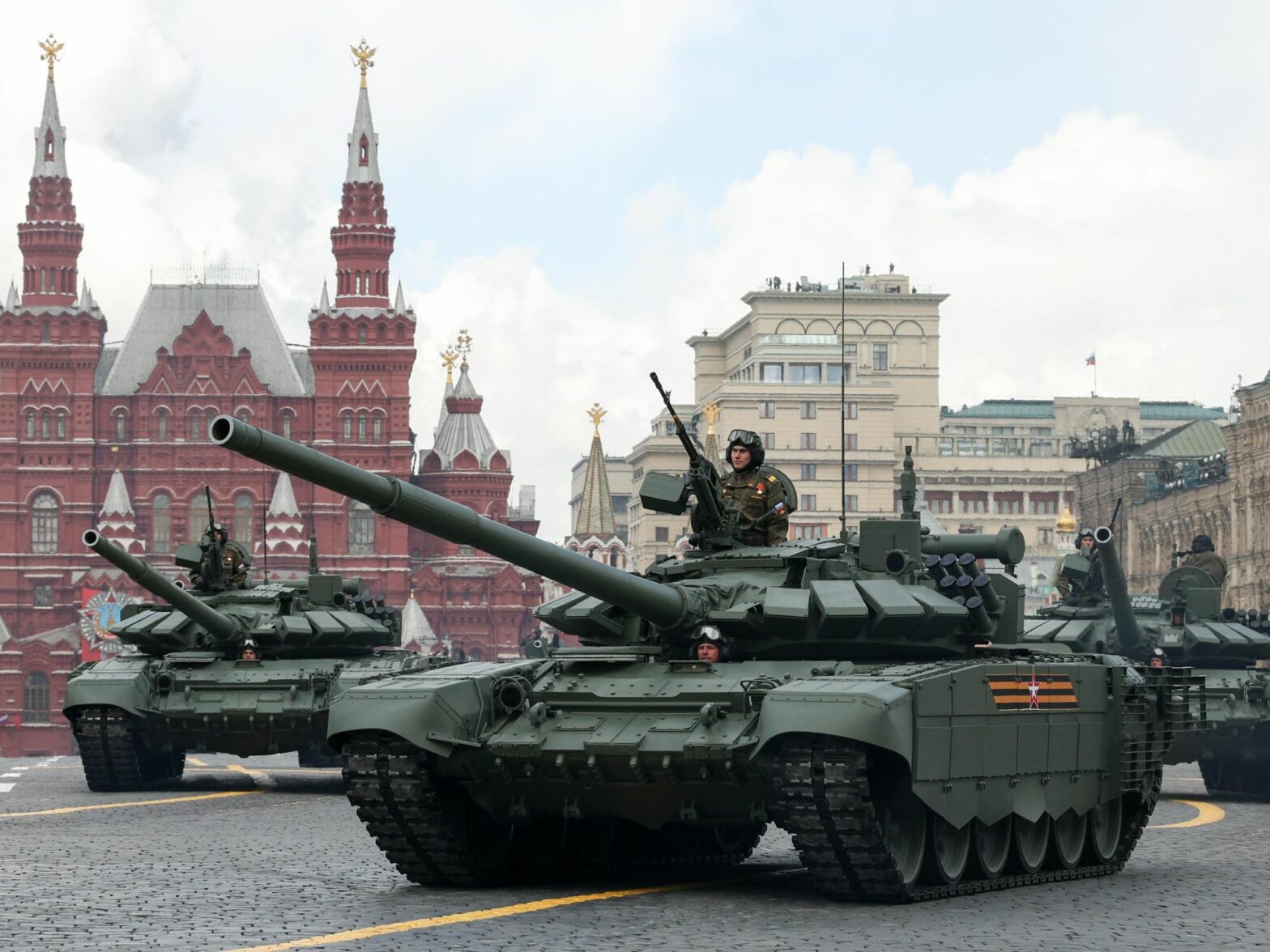
Despite what the Kremlin claims, Western sanctions against Russia are working. Perhaps most important is the embargo on electronic component exports, which prevents the Russian army from rebuilding tanks and missiles severely depleted in the war.
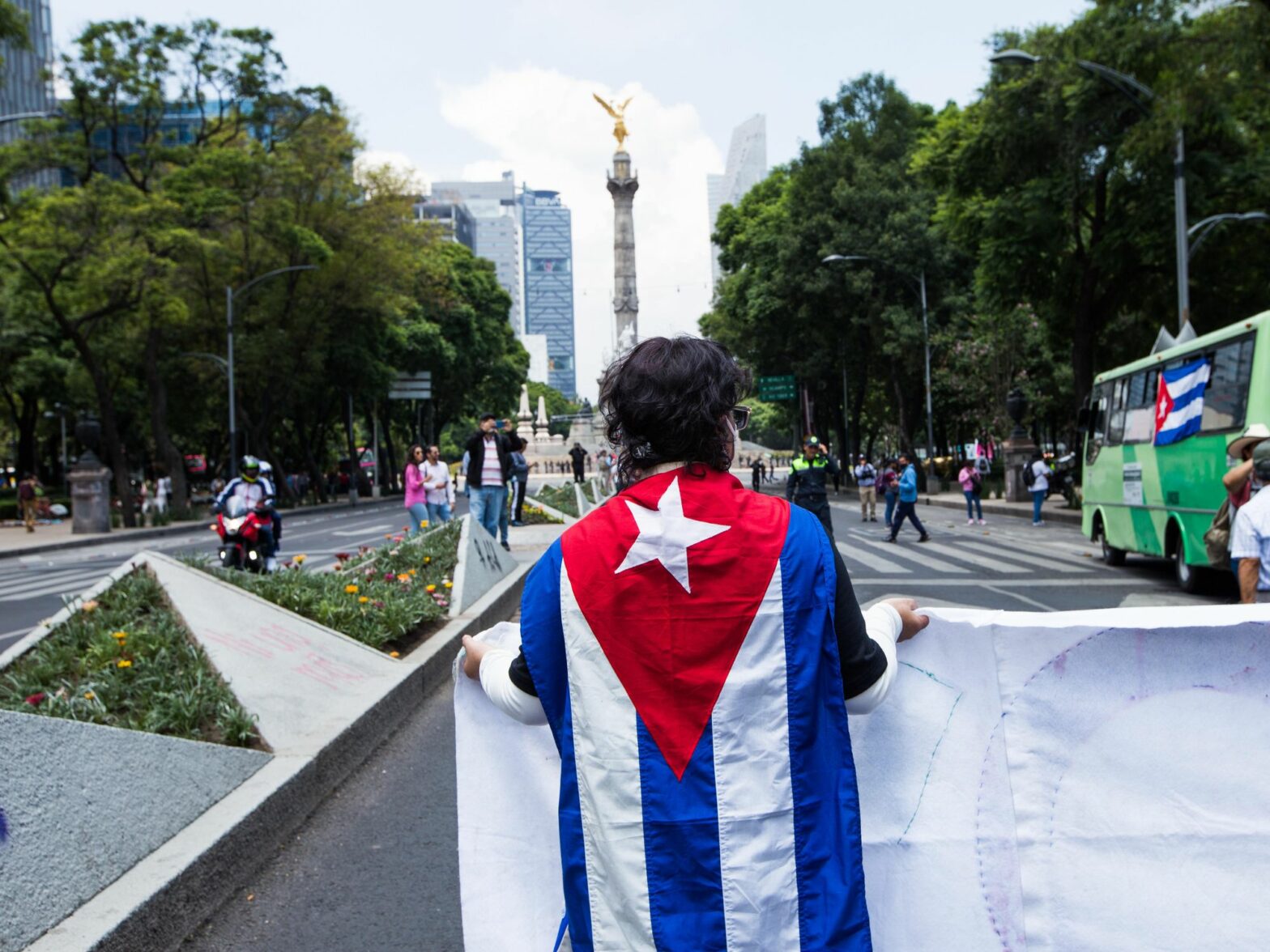
Since Cuba reopened its borders last December after COVID closures, the number of people leaving the island has gone up significantly. Migration has been a constant in Cuban life since the 1950s. But this article in Cuba’s independent news outlet El Toque shows just how important migration is to understand the ordeals of everyday life on the island.
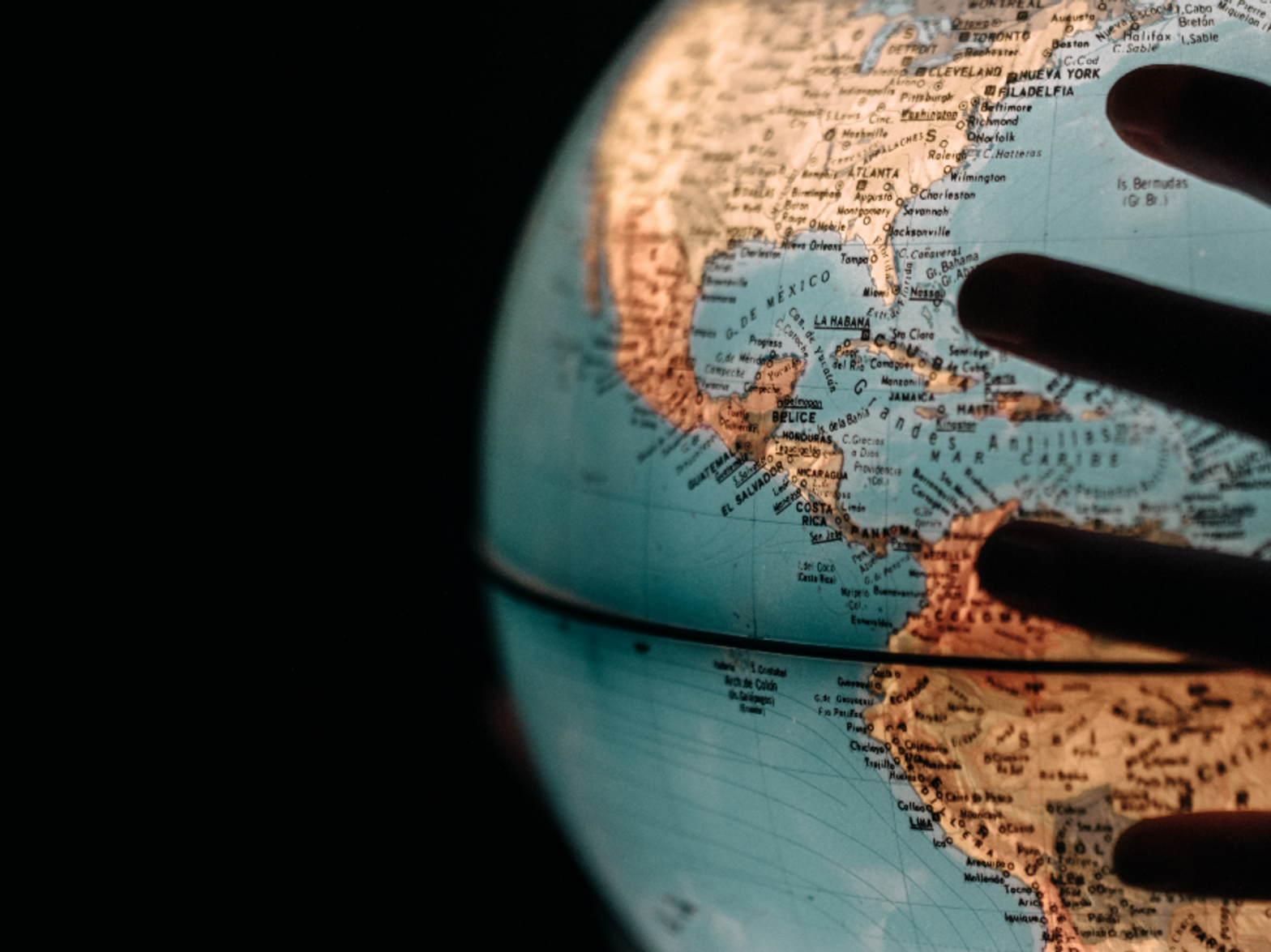
A relative loss of power by sovereign states to non-state actors, as well as China’s ascent, are part of a wider reshaping of power structures that is tense, “anarchic” and far from complete.
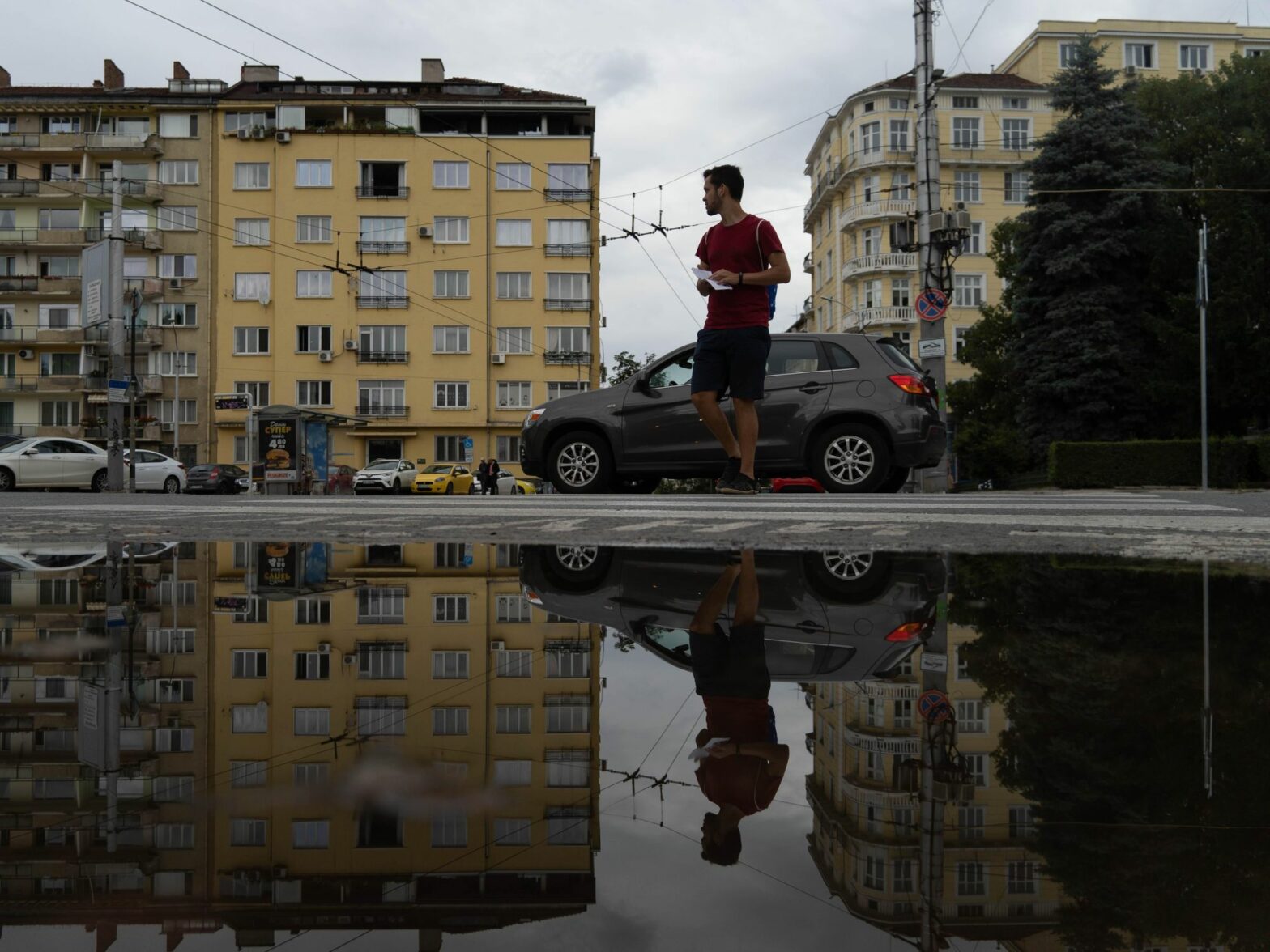
Bulgaria had sworn off Russian gas imports, but then its government collapsed. Now pro-Russian politicians are in power, which for the European Union means there is much more at stake than just energy supply.
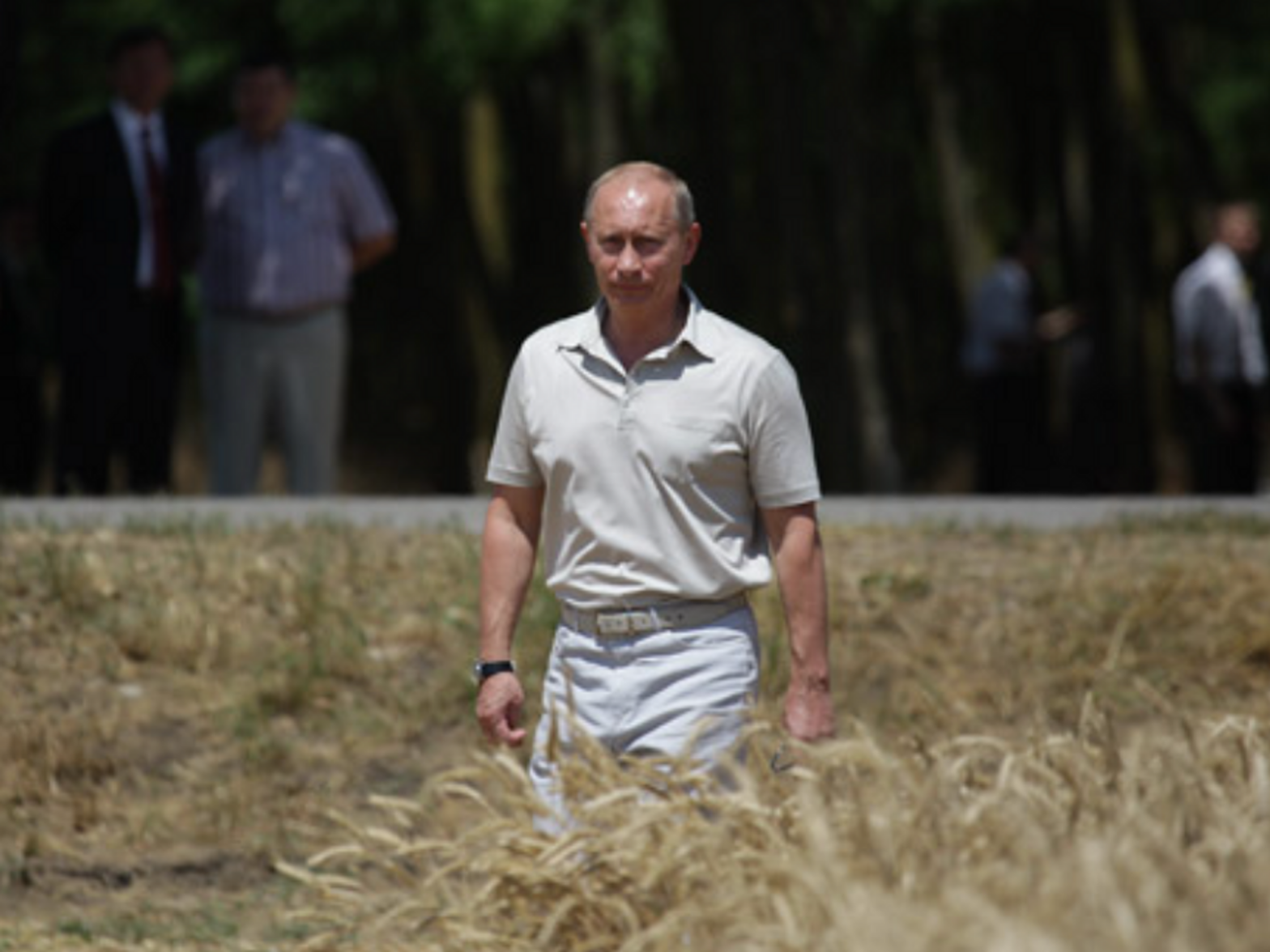
Moscow and Kyiv reached a much hailed accord in July to allow transport of Ukrainian agricultural output from ports along the Black Sea. However, analysis from Germany’s Die Welt and Ukraine’s Livy Bereg shows that it has done little so far to solve the food crisis, and is instead being used by Putin to advance his own ambitions.
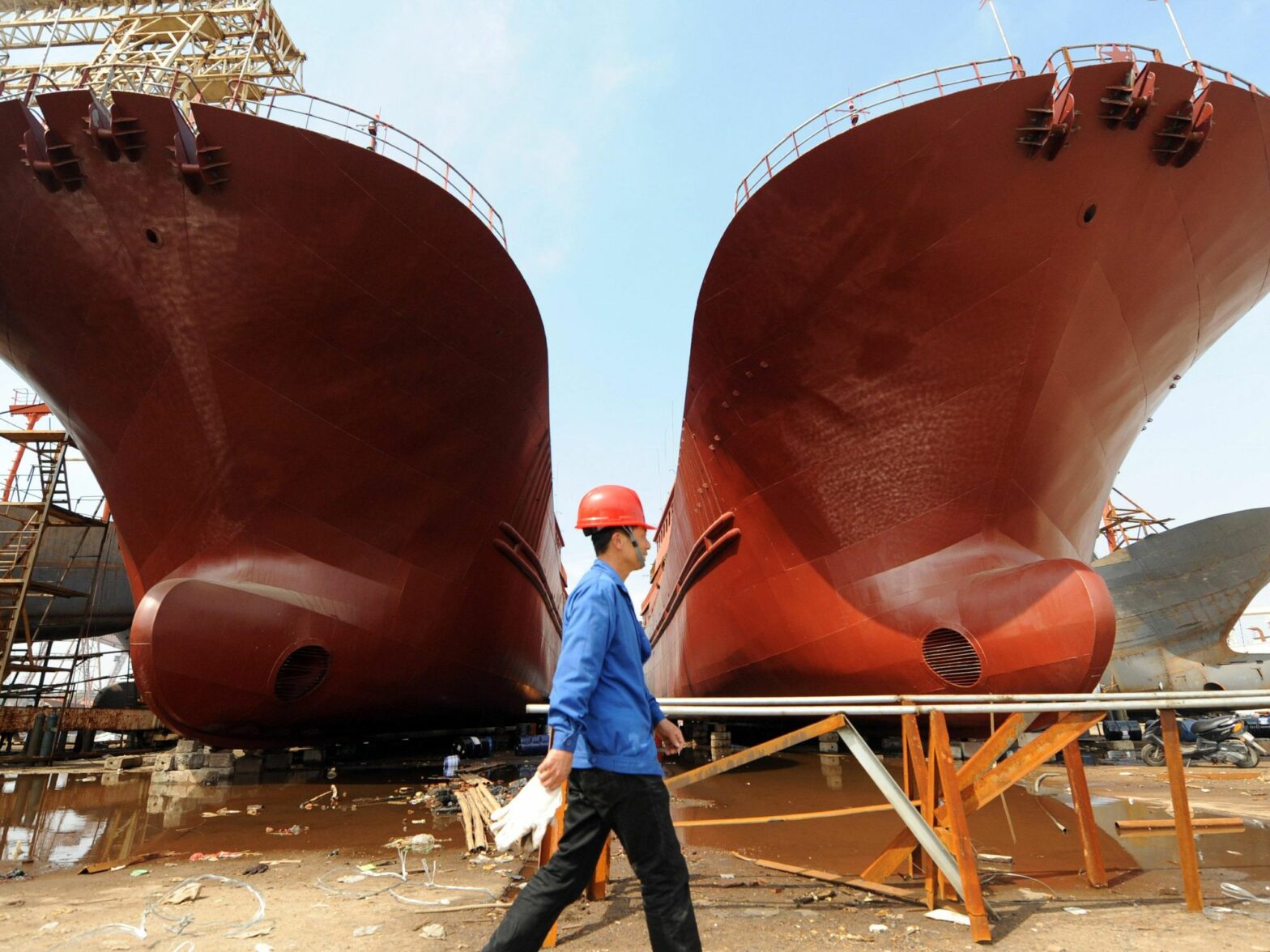
Following the escalation of the Chinese-U.S. trade war in 2018, the “Made in China” label is not as ubiquitous as it once was. Southeast Asian economies are on the rise — but their growth doesn’t necessarily threaten Chinese dominance.
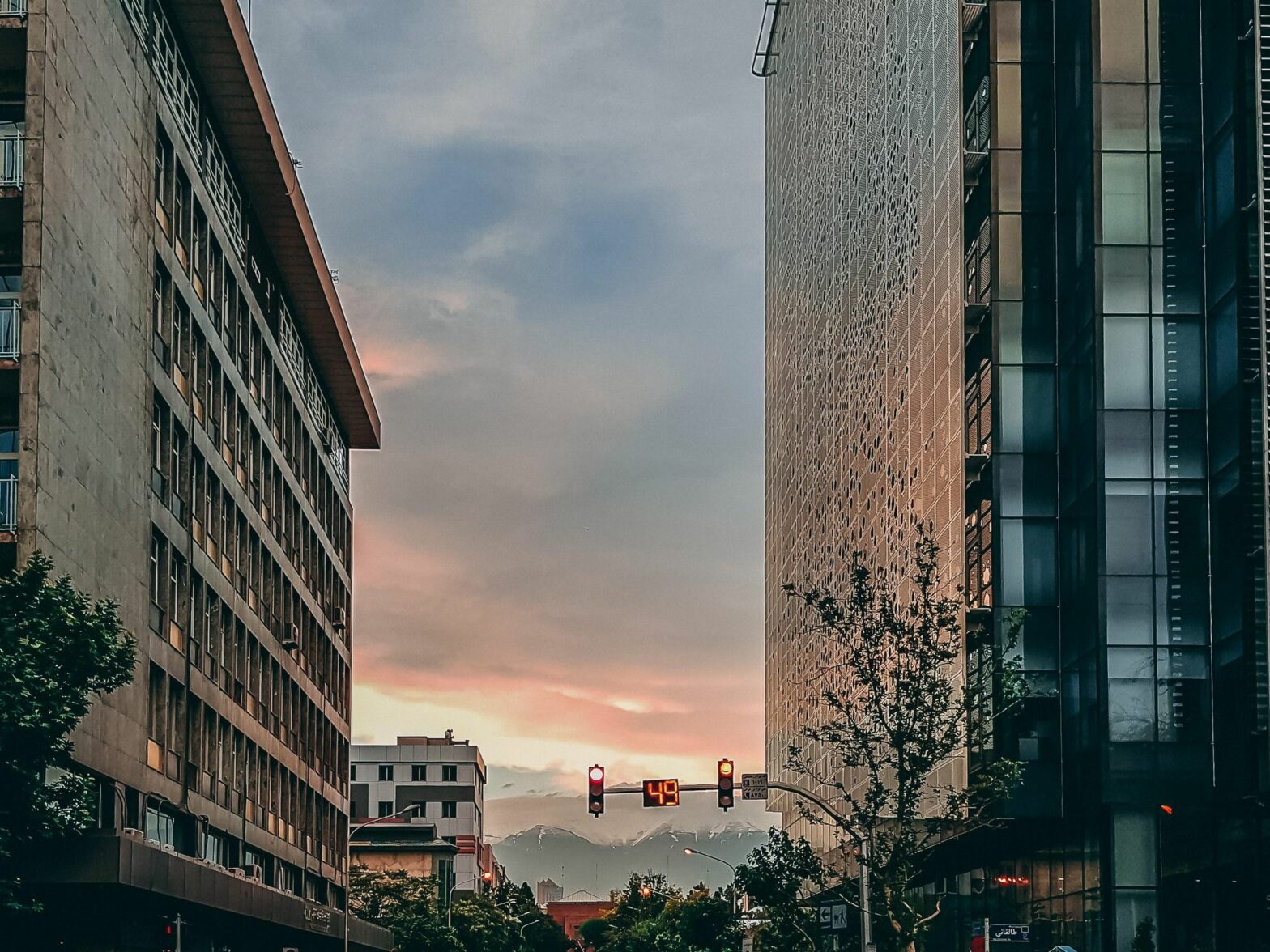
Ordinary Iranians are hoping for a speck of economic relief and nothing more, if Tehran can sign a nuclear deal with world powers that could alleviate longstanding sanctions.
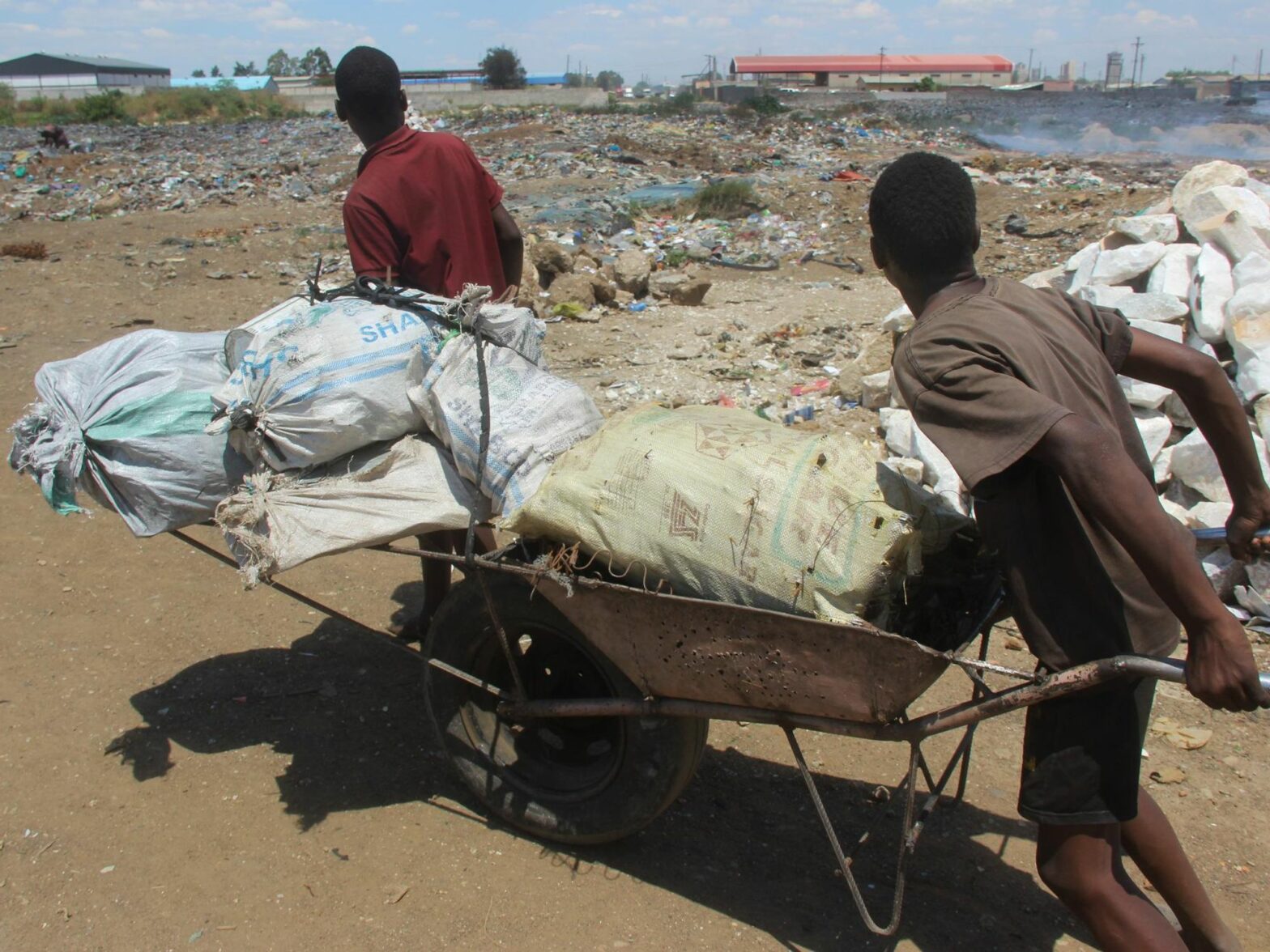
The pandemic has scuttled Zambia’s efforts to combat child labor and keep kids in school. The result is a generational cycle of poverty.
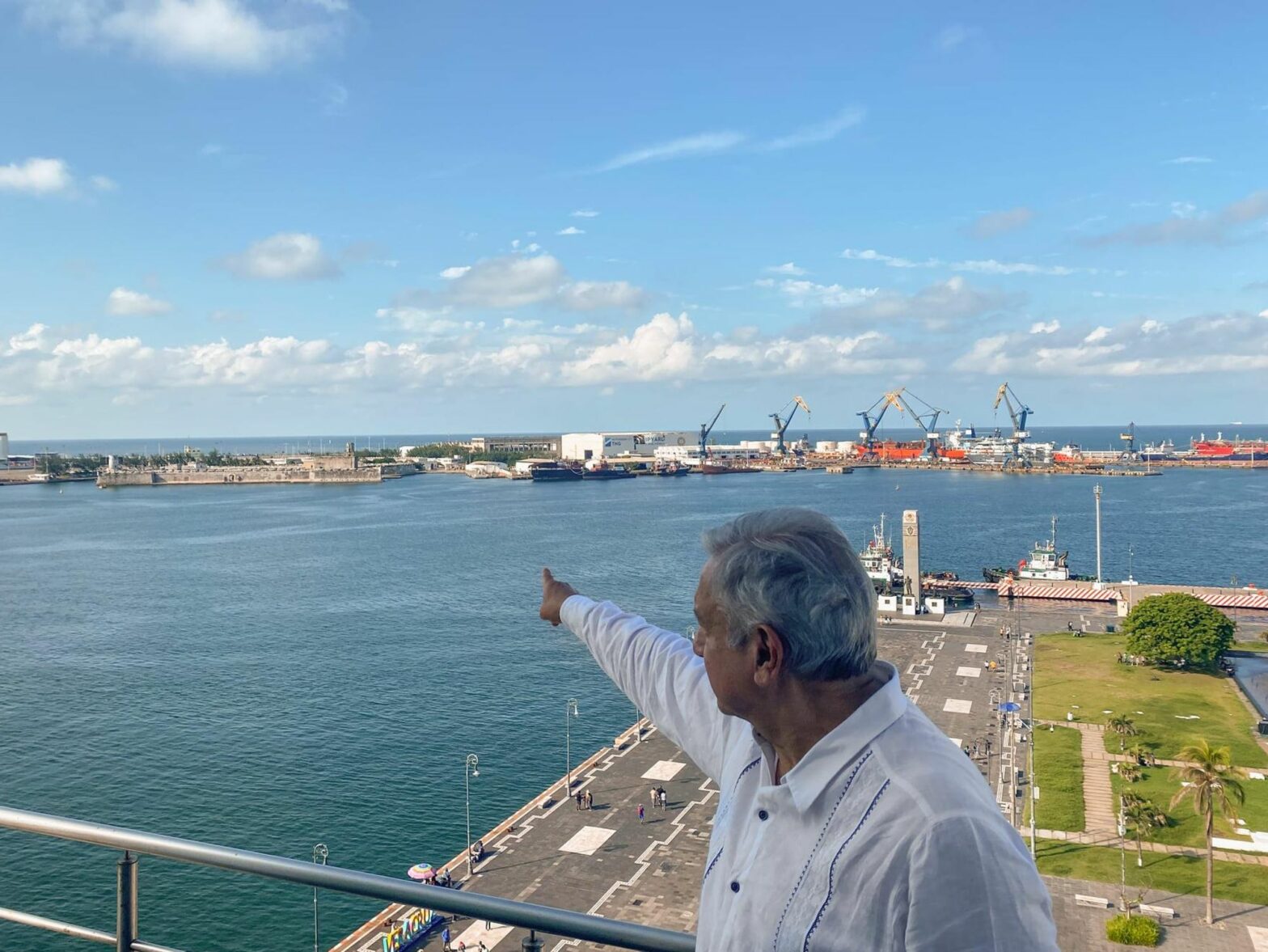
In irking Mexico’s chief trading partners with decisions affecting energy firms, the country’s leftist President Andrés Manuel López Obrador is tinkering with the free-trade pact that is the very engine and ballast of Mexico’s vast, and vulnerable, economy.
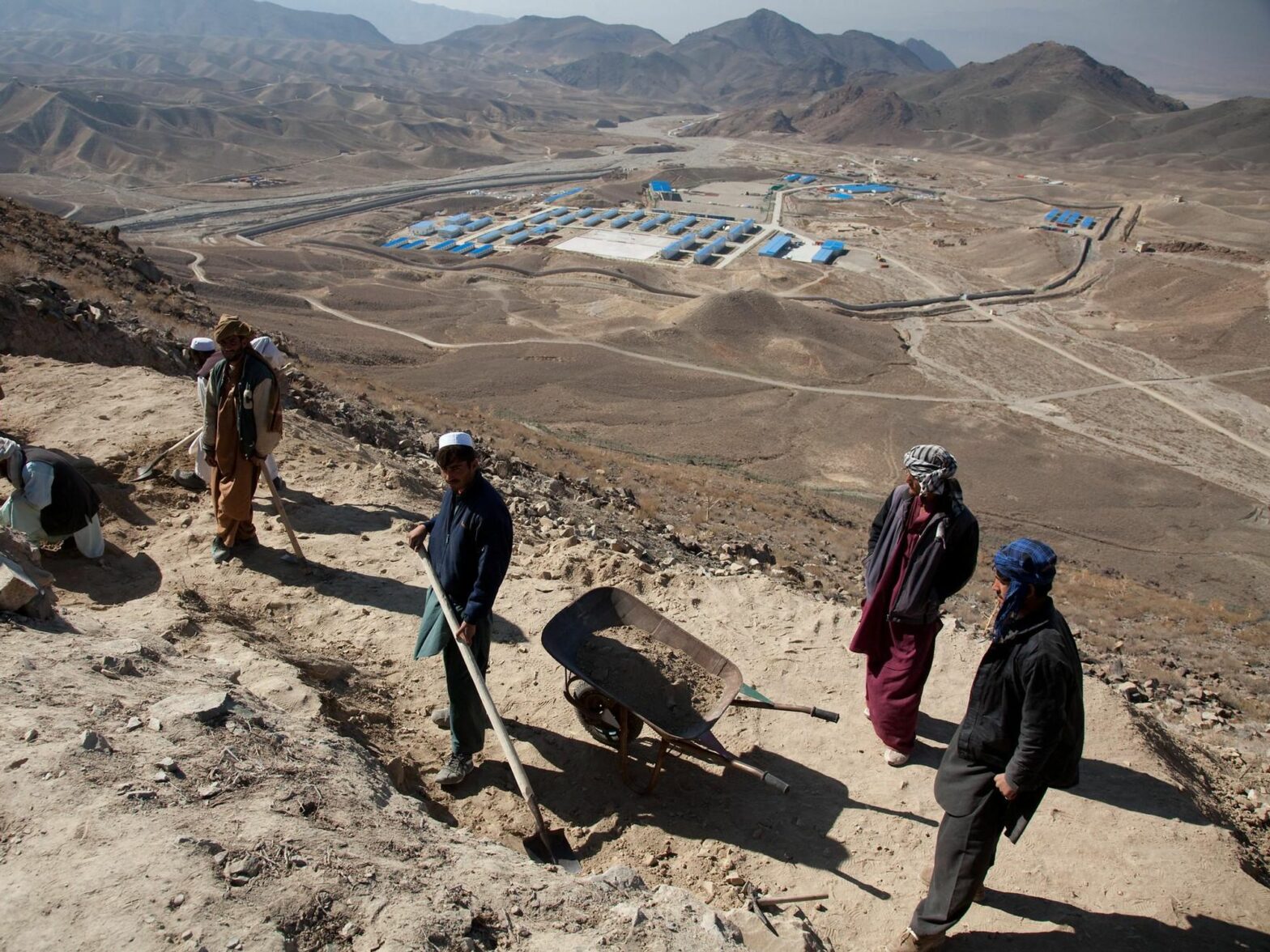
After withdrawing from Afghanistan, the U.S. left a power vacuum. The Taliban regime is officially isolated internationally, but the country has vast mineral resources — on which Beijing is keeping a close eye.
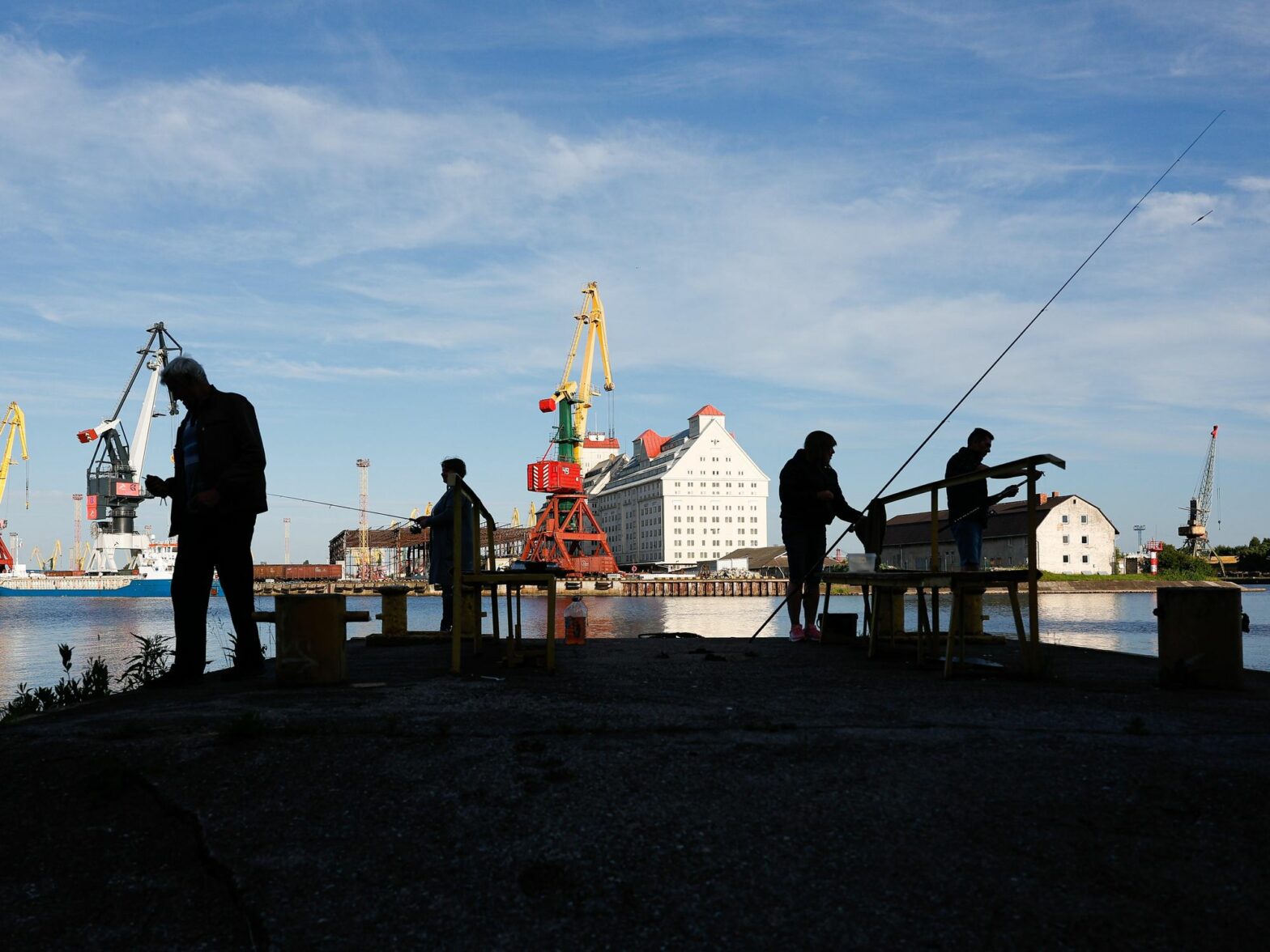
Vilnius is reportedly working out new rules with Brussels on allowing the transit of sanctioned Russian goods through Lithuania to the Kaliningrad enclave. But in the meantime, restrictions remain — and so does defiance vis-à-vis Moscow.
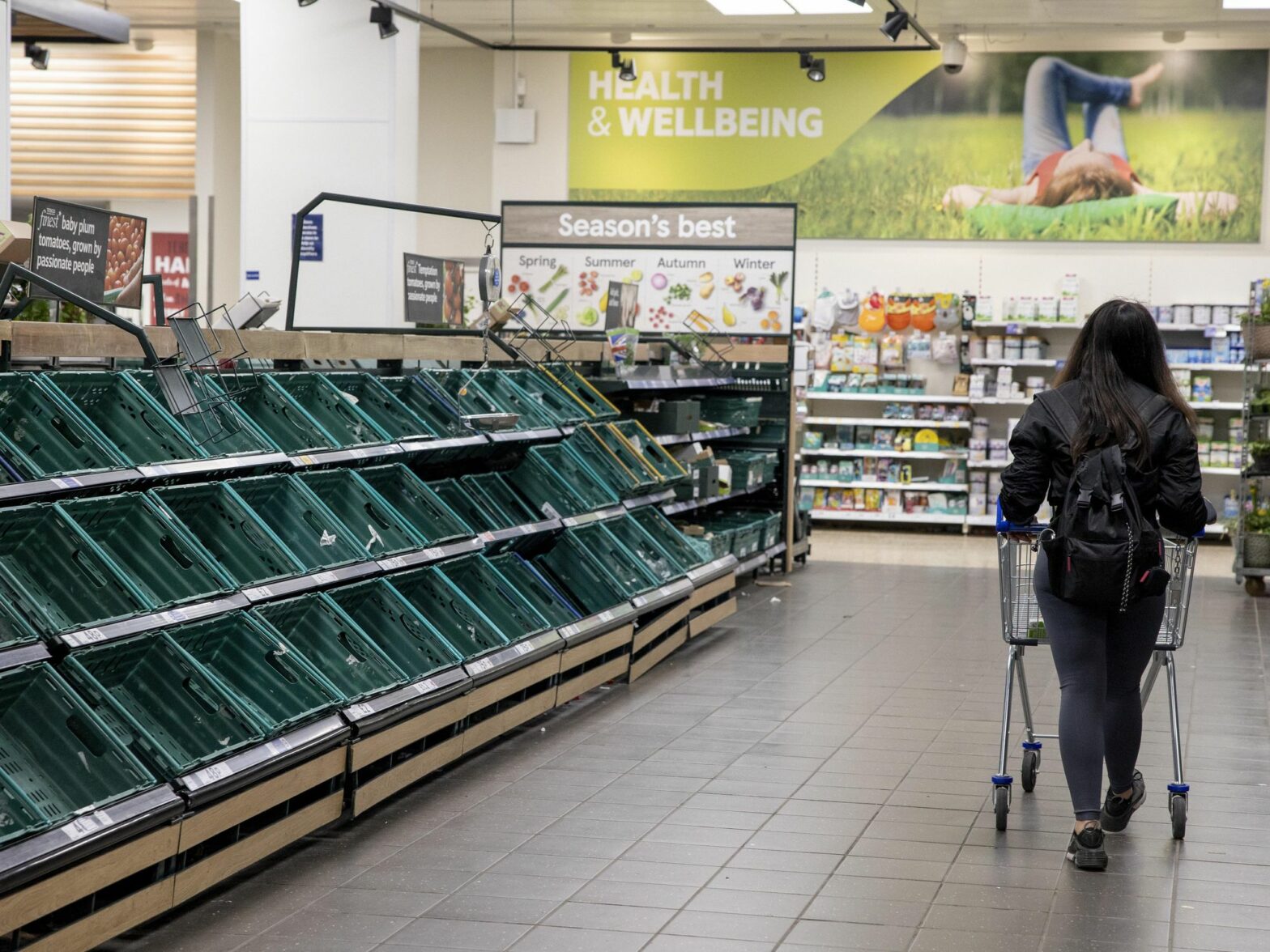
The war in Ukraine and the climate crisis have been devastating for food production. Here’s a look at some of the traditional foods from around the world that might be hard to find on supermarket shelves.
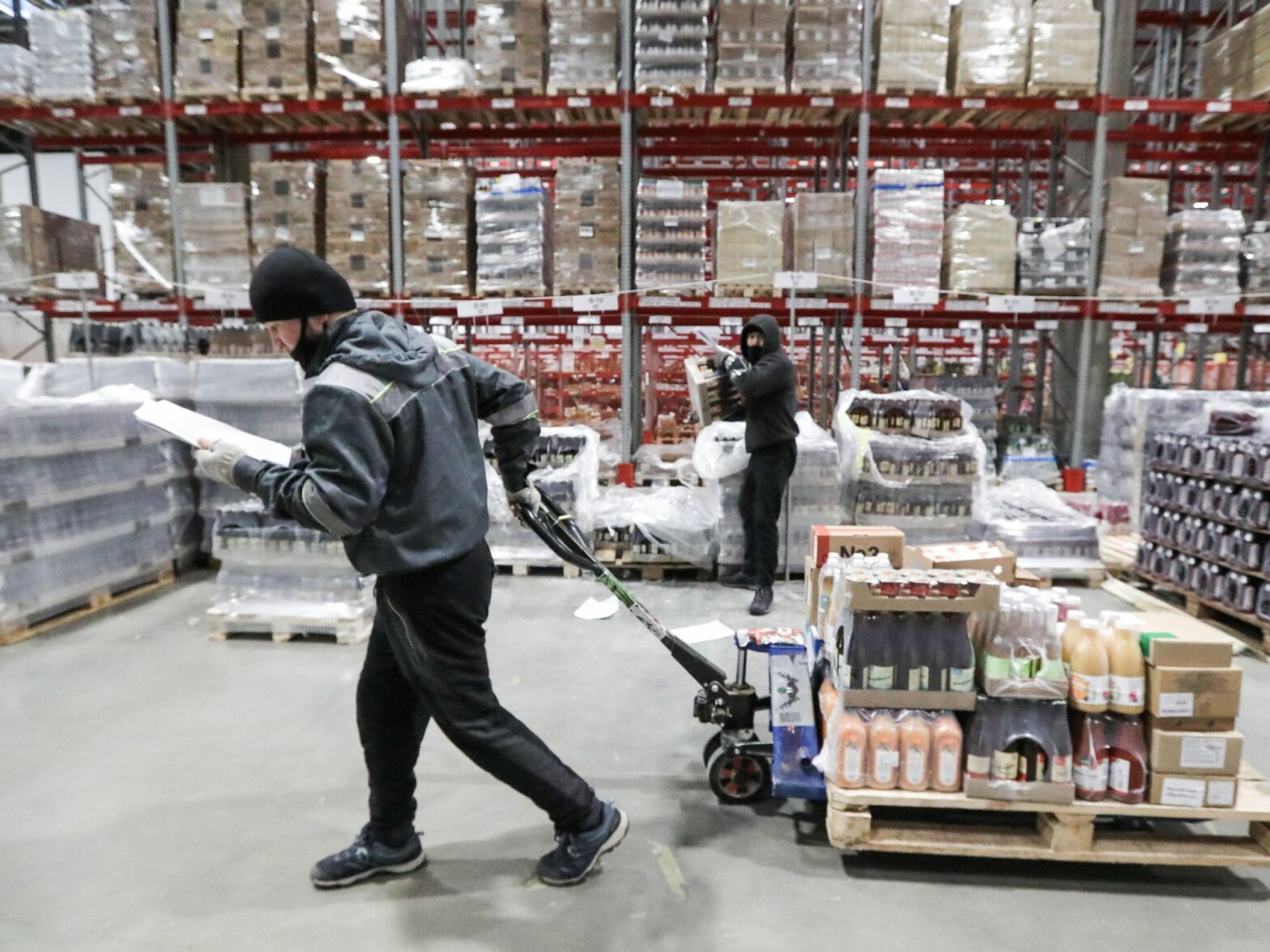
The head of the Kremlin boasted at the recent forum in St. Petersburg International Economic Forum about Russia’s economic resilience against Western sanctions. But behind the scenes, Russian business leaders tell a different story.
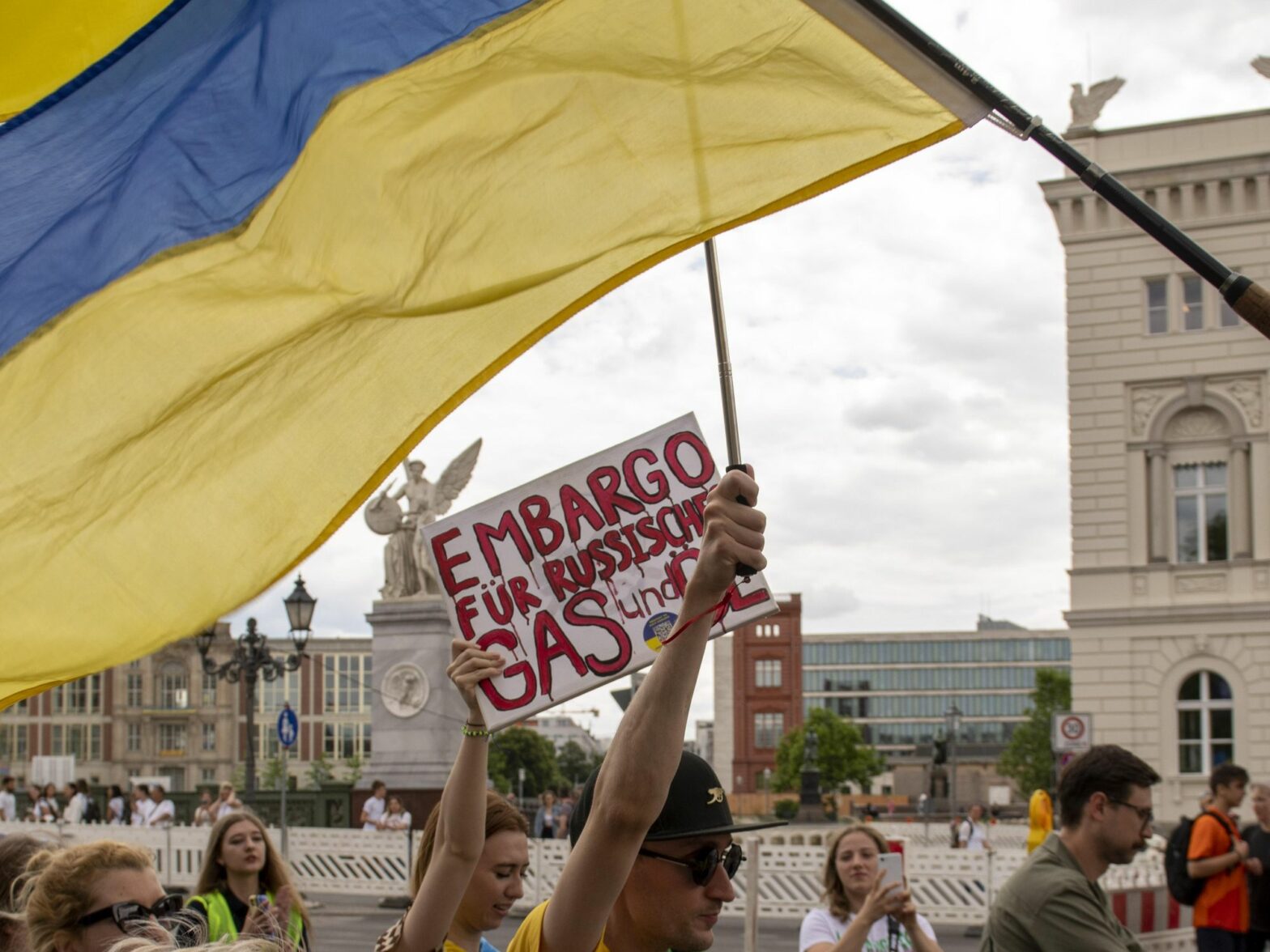
Kyiv wants the West to hit at the heart of the Russian economy, especially its energy exports, as the best weapon Ukraine and its allies may have. But with the EU preparing its 7th package of sanctions, it must strike a delicate balance as the global economy is on the brink of a major crisis.
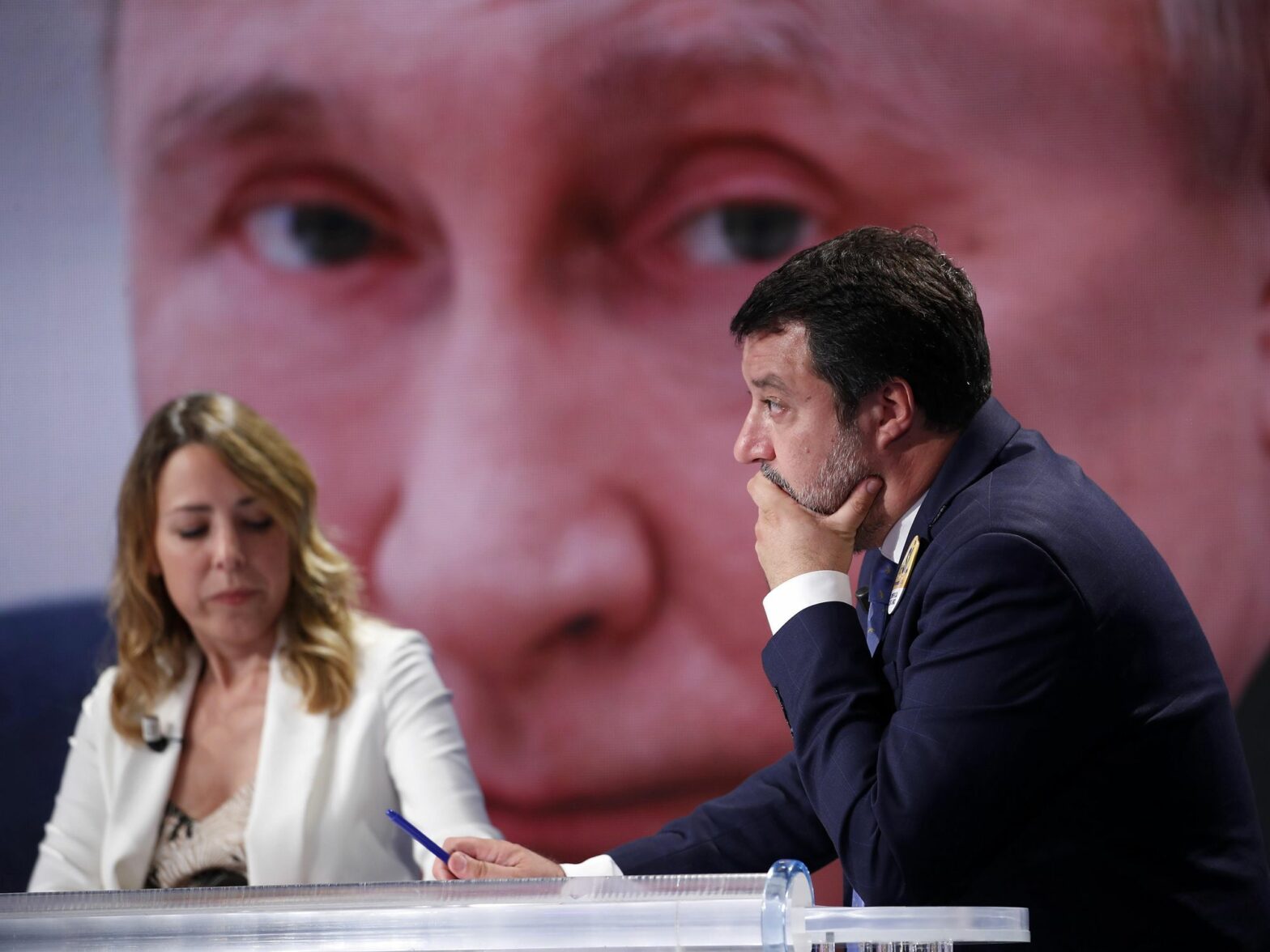
While there are Moscow backers across Europe and even in the U.S., they mostly remain on the margins. In Italy, however, support for the Kremlin runs surprisingly wide, and deep.
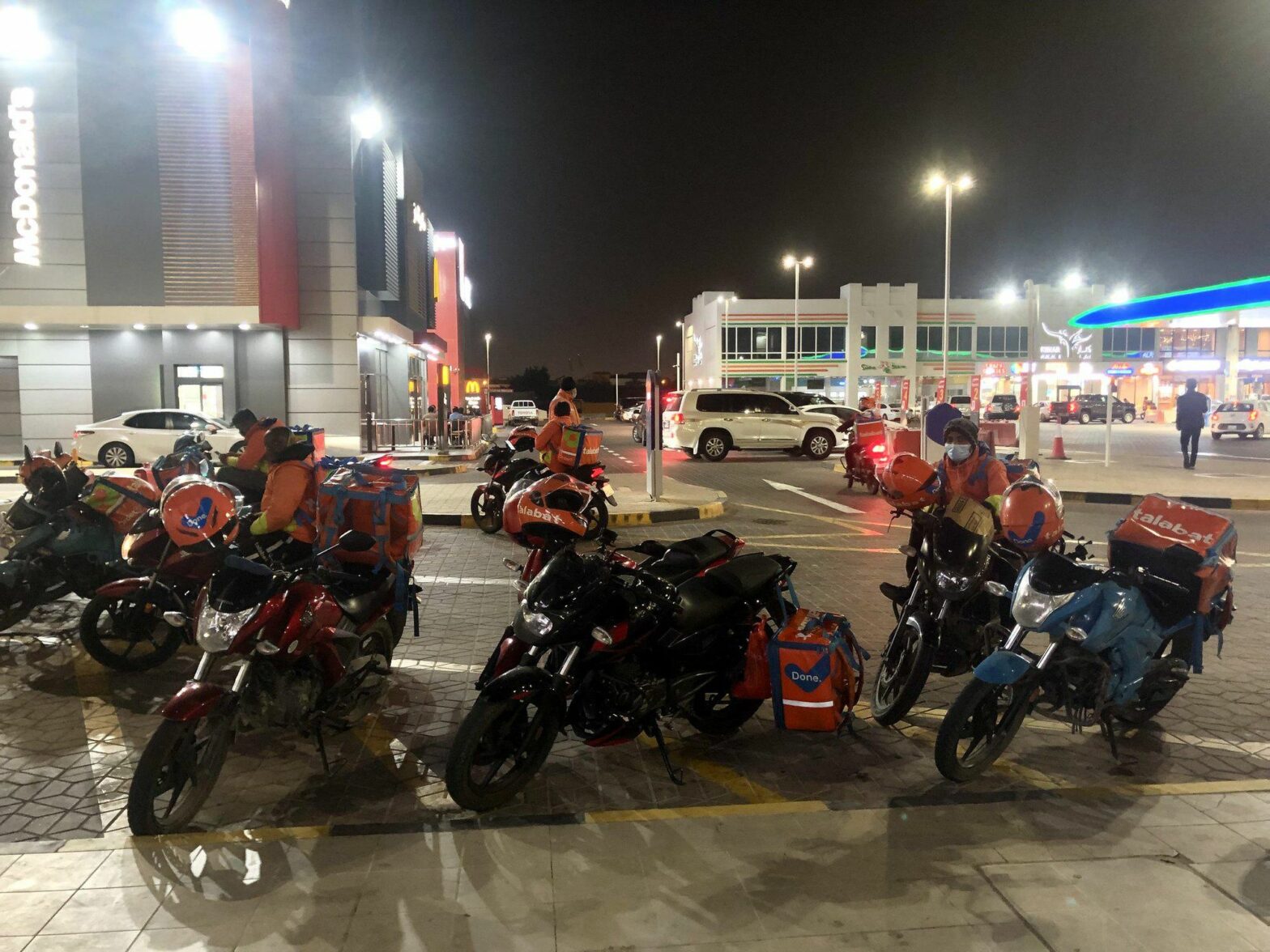
Labor strikes are forbidden in the Emirates, but two consecutive work stoppages by food delivery drivers have made news lately. Could it be a sign of challenges to the UAE’s unequal and authoritarian economic model?
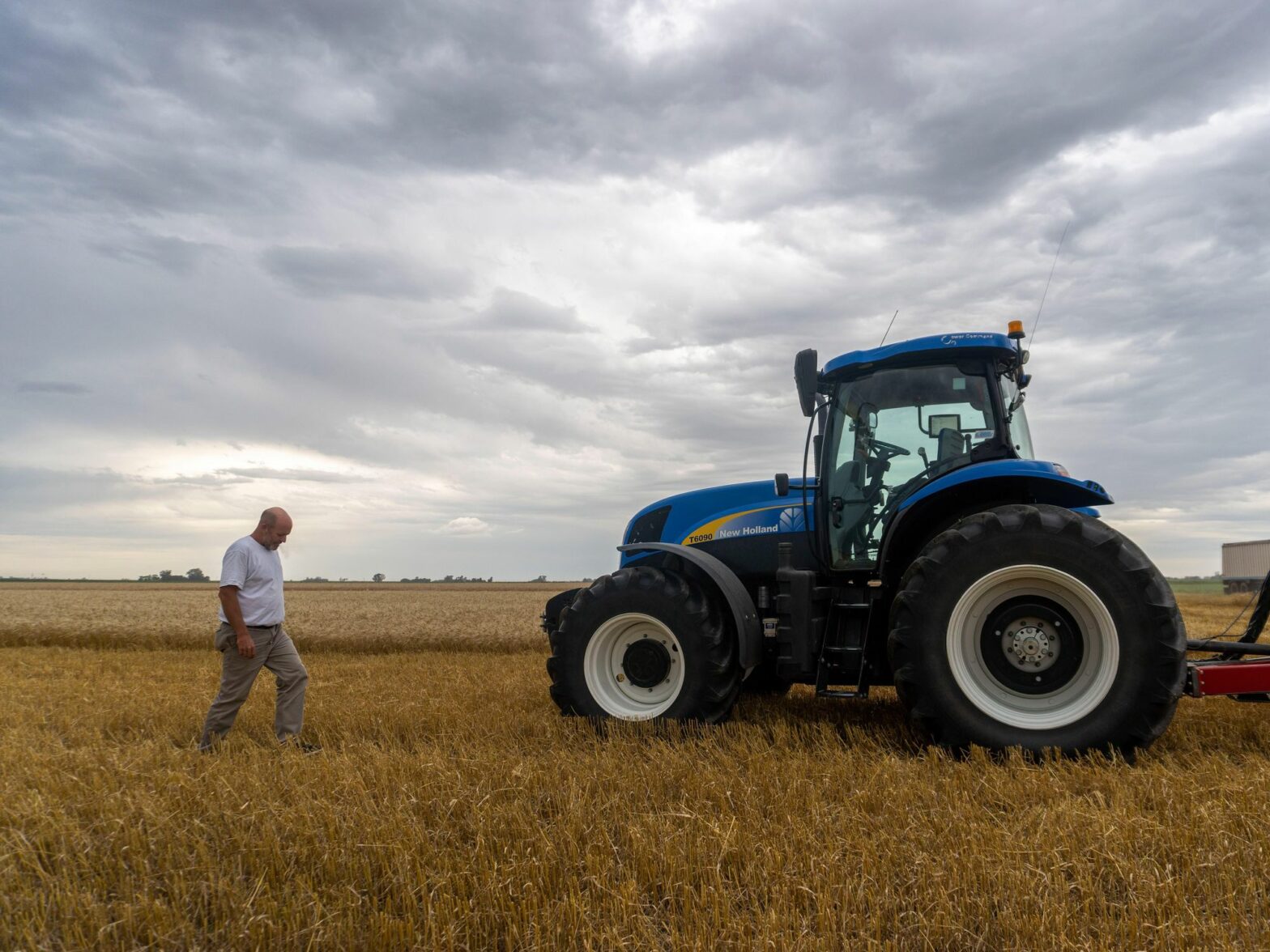
Digital currencies may be volatile, but one company in Argentina has found a way to allow farmers to purchase goods and services online using surplus grain.
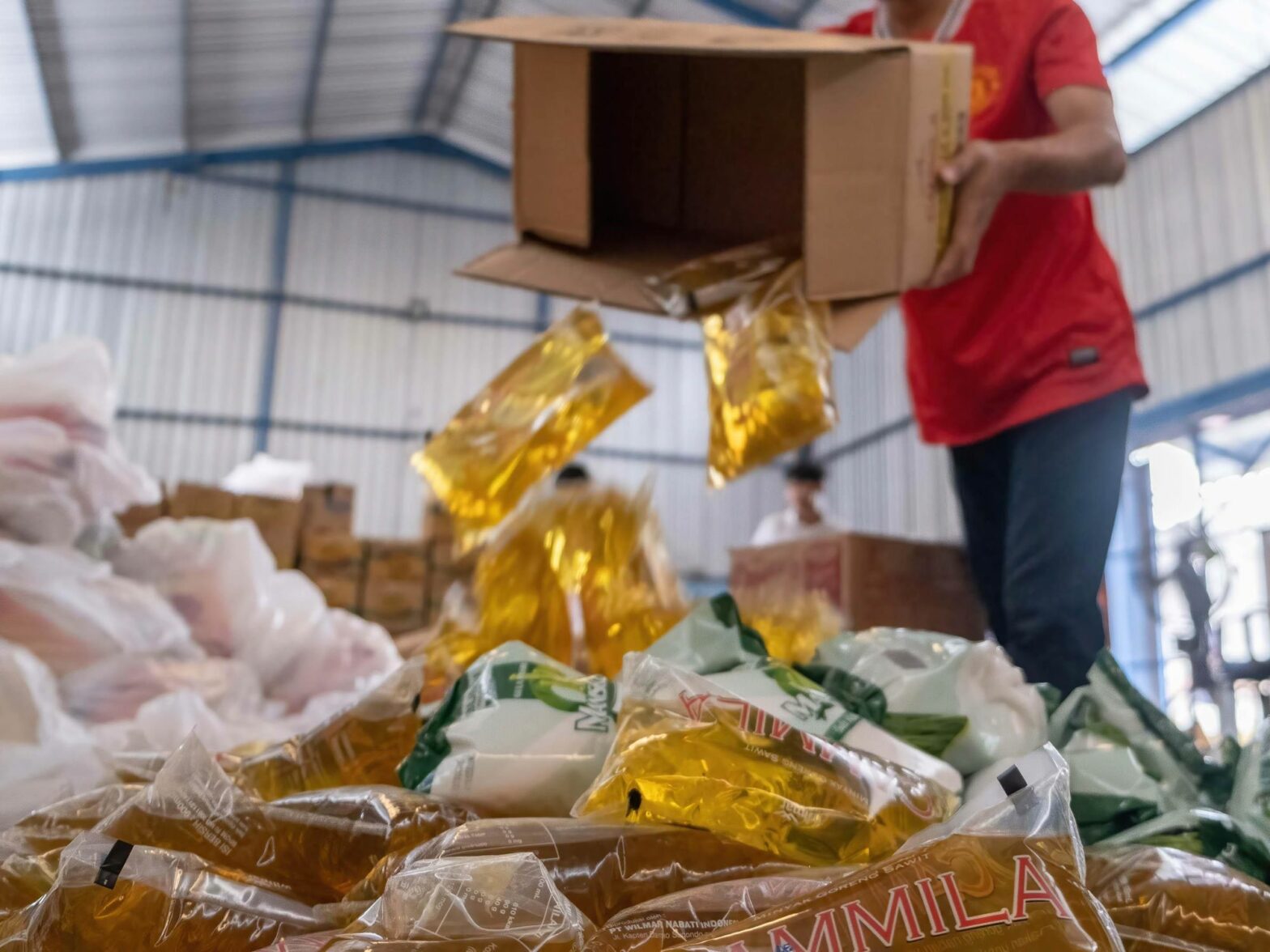
The price of cooking oils and fats has gone up dramatically. Indonesia has even banned exports of palm oil. Suddenly, what type of oil and how we use it to fry foods, dress salads and process products has become an ever more important question.
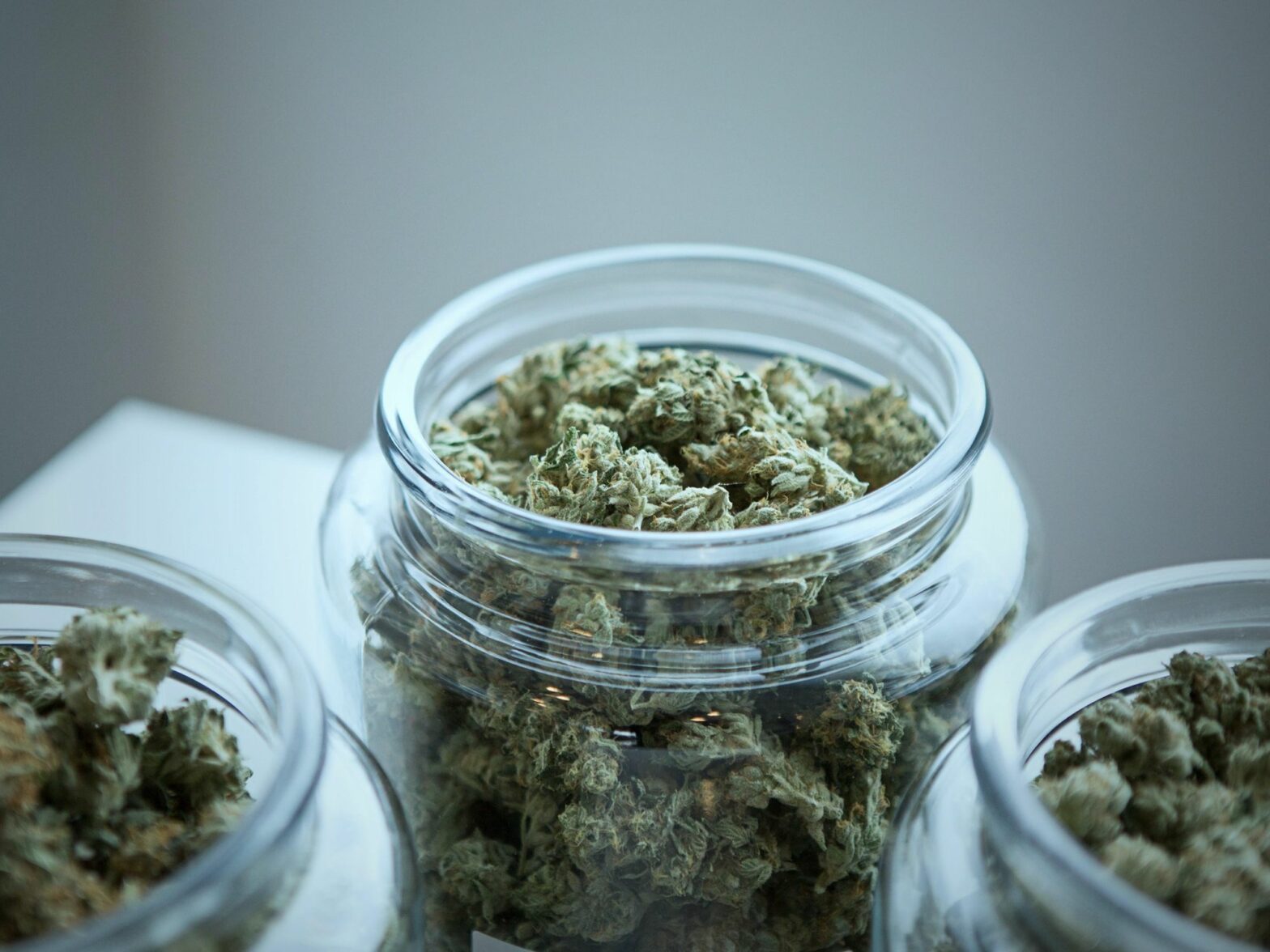
As cannabis is legalized in more places, investors are taking note. One Luxembourg-based, Uruguayan-led fund has found an innovative way to bypass banking obstacles and raise capital.
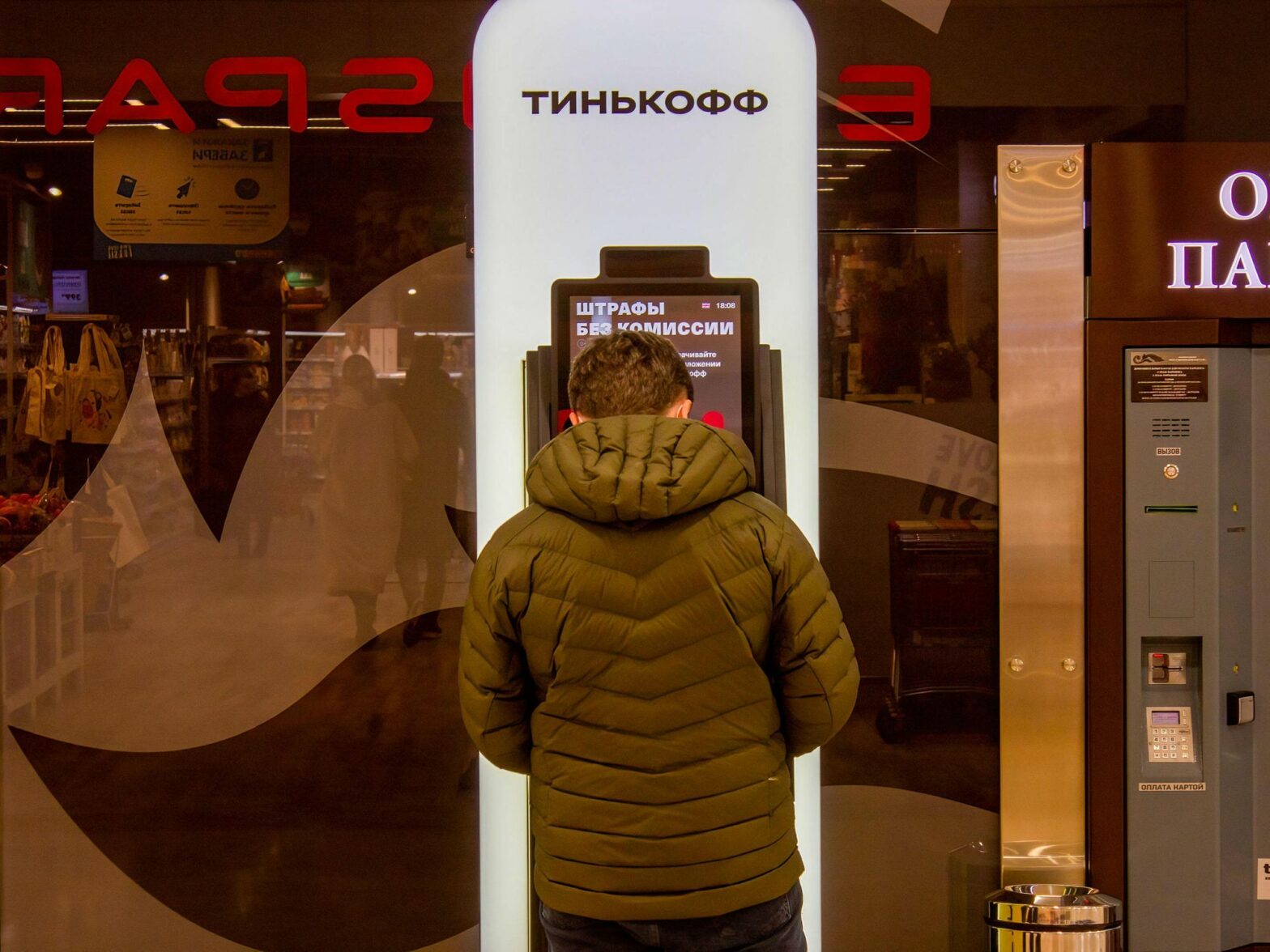
The European Union has prepared the sixth package of sanctions against Russia, which includes restrictions on Russian oil imports, as well as disconnecting more Russian banks from the SWIFT bank circuit. The effectiveness of these measures are not always visible, but they are real … and potentially fatal .. for the Russian economy.
“Who am I to be horrified by poverty while I have no means to offer relief, no alternative to show these people?”
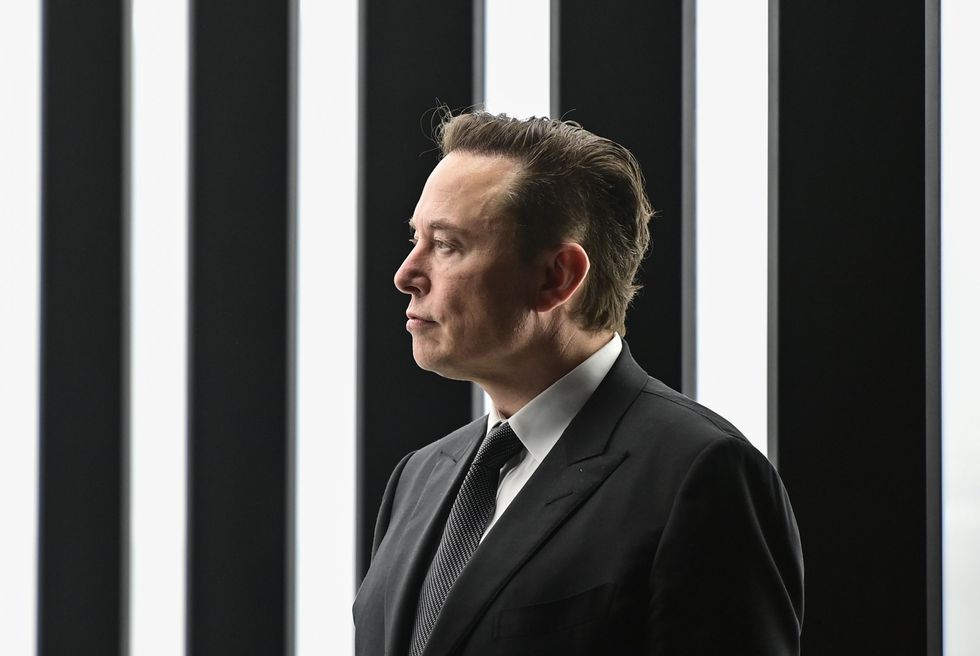
Oligarchs of the ‘Second Gilded Age’ in the like of Elon Musk are already able to influence the public’s minds through media ownership. But getting a hand on Twitter means having access to its users’ data and exploiting it for financial purposes.
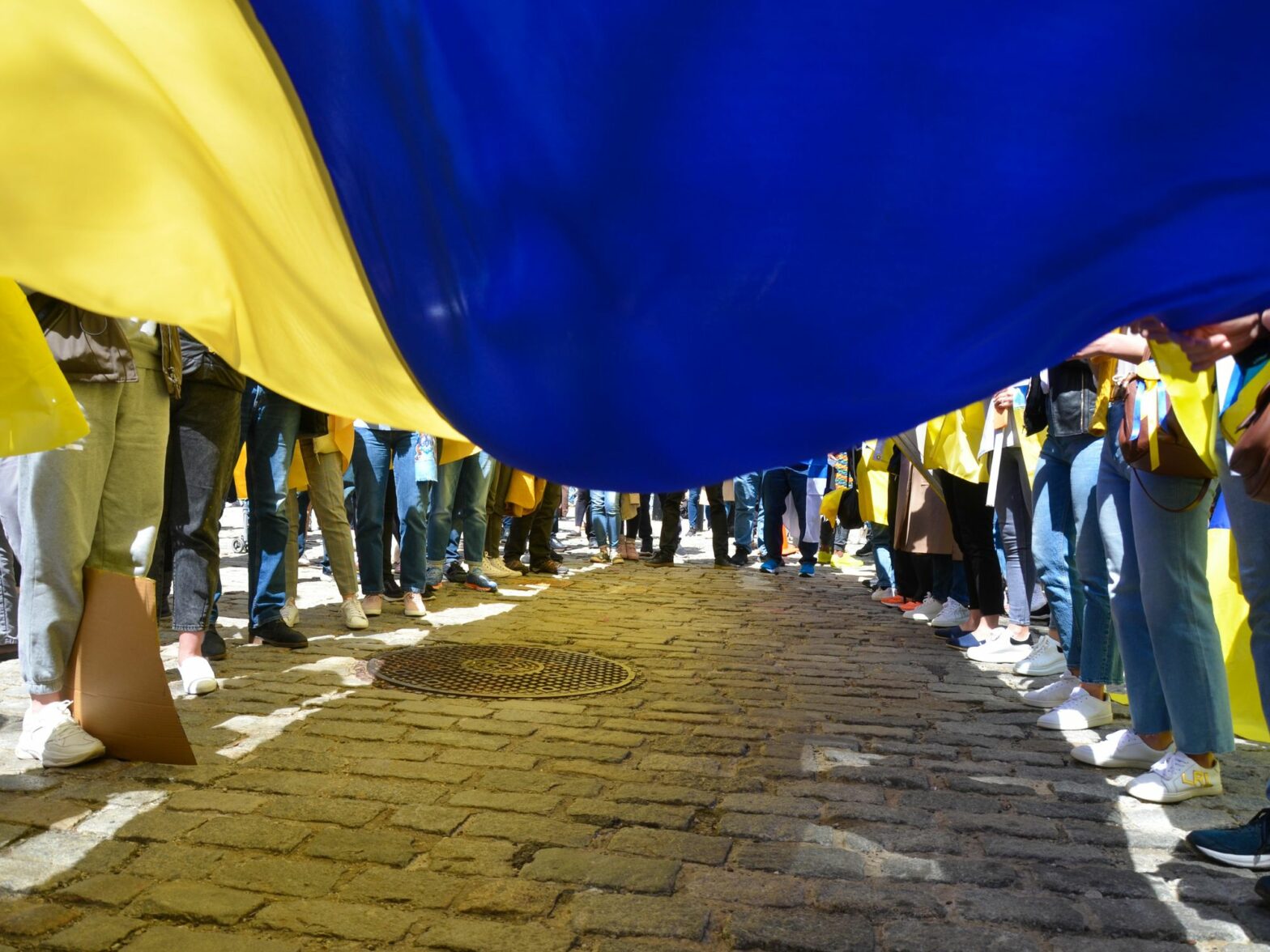
From India to Brazil to South Africa, countries in the so-called “Global South” are leading a renewed movement of not picking sides in order to protect national interests that may make the new Cold War even more perilous than the last one.