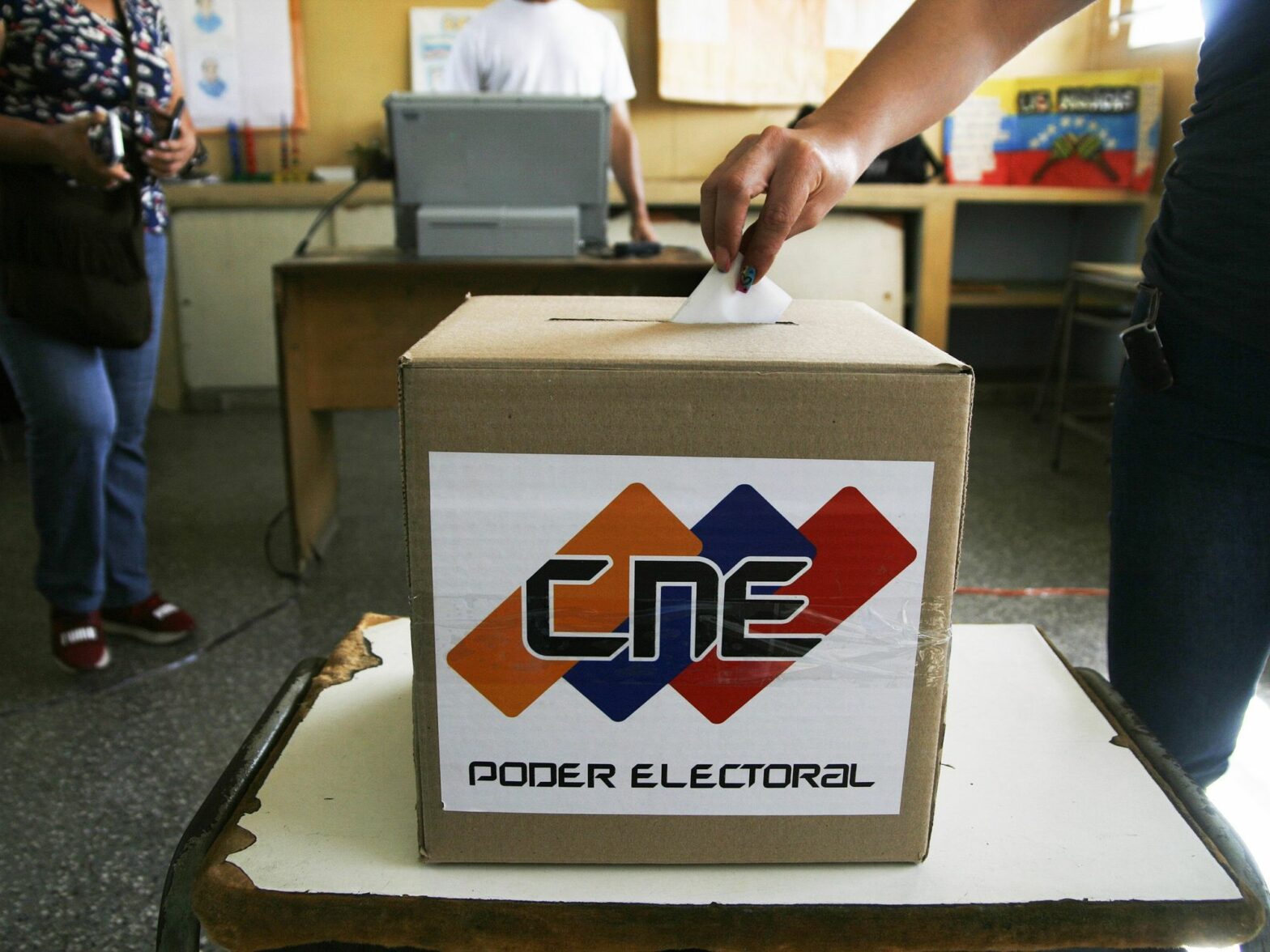
A democracy is not just the vague and dangerously malleable promise of popular rule. It is instead an institutional regime or “republic” that defines and protects the rights of the people, and of individuals.
 Worldcrunch
A democracy is not just the vague and dangerously malleable promise of popular rule. It is instead an institutional regime or “republic” that defines and protects the rights of the people, and of individuals.
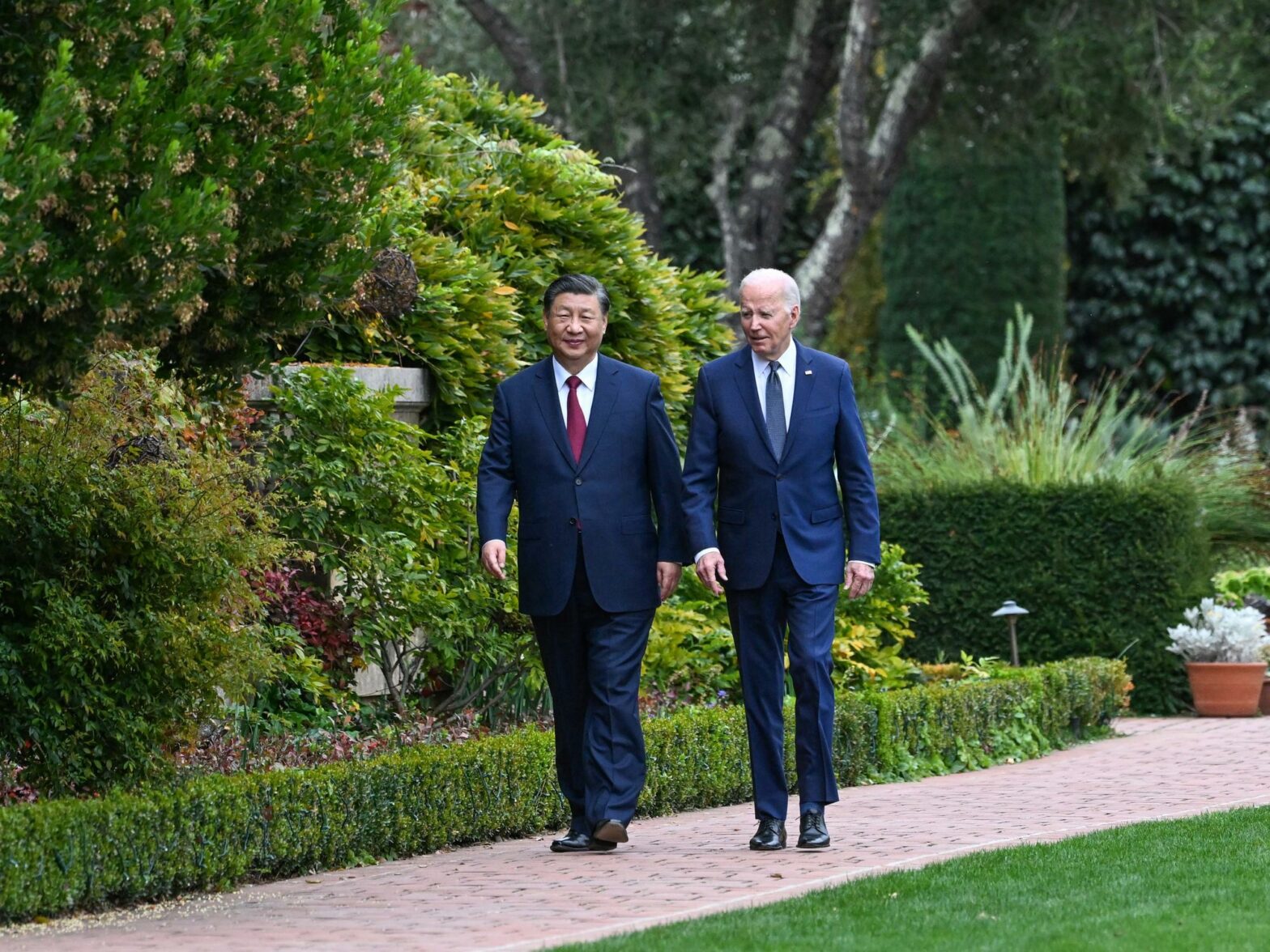
Twenty years of costly interventions and China’s economic ascent have robbed the United States of its global supremacy. It is time for the two biggest powers to work together, to help the world.
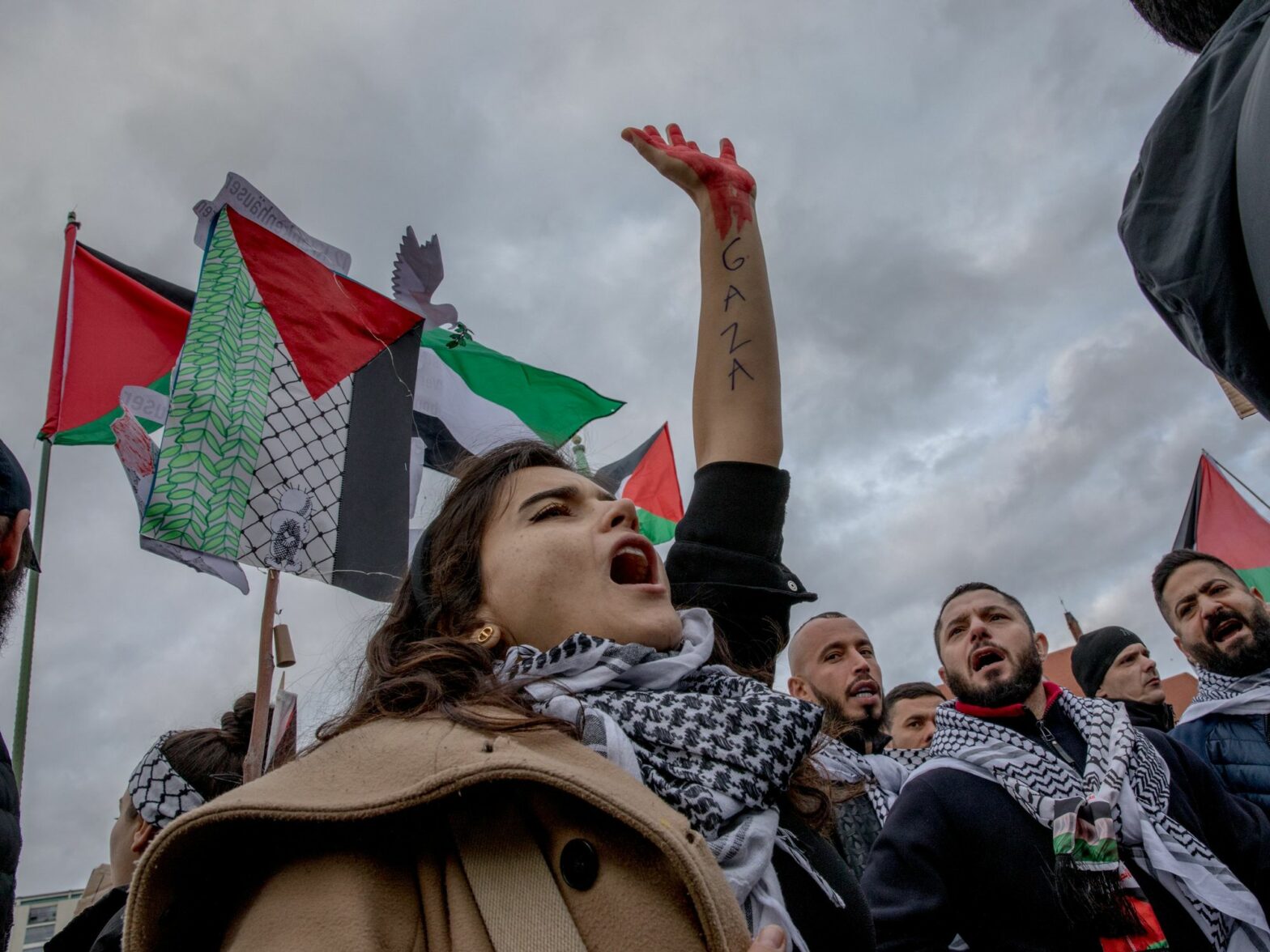
There are certain watershed moments where the world comes together in defense of an idea or a people, or maybe both. A call from afar to stand up in the name of the Palestinian people.
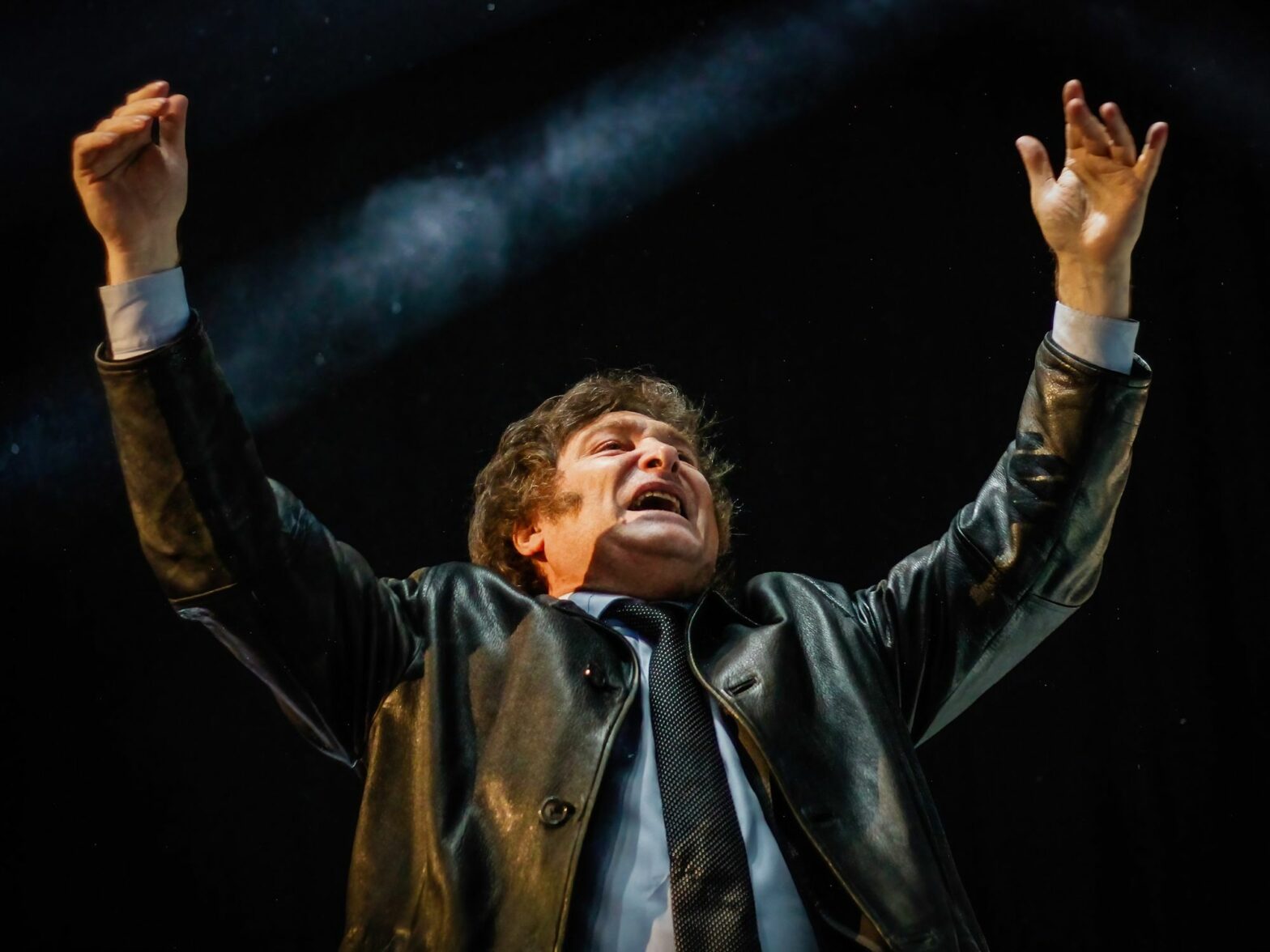
Trashing politics and politicians is a classic tool of populists to seduce angry voters, and take countries into quagmires far worse than the worst years of democracy. It’s a dynamic Argentina appears particularly vulnerable to.
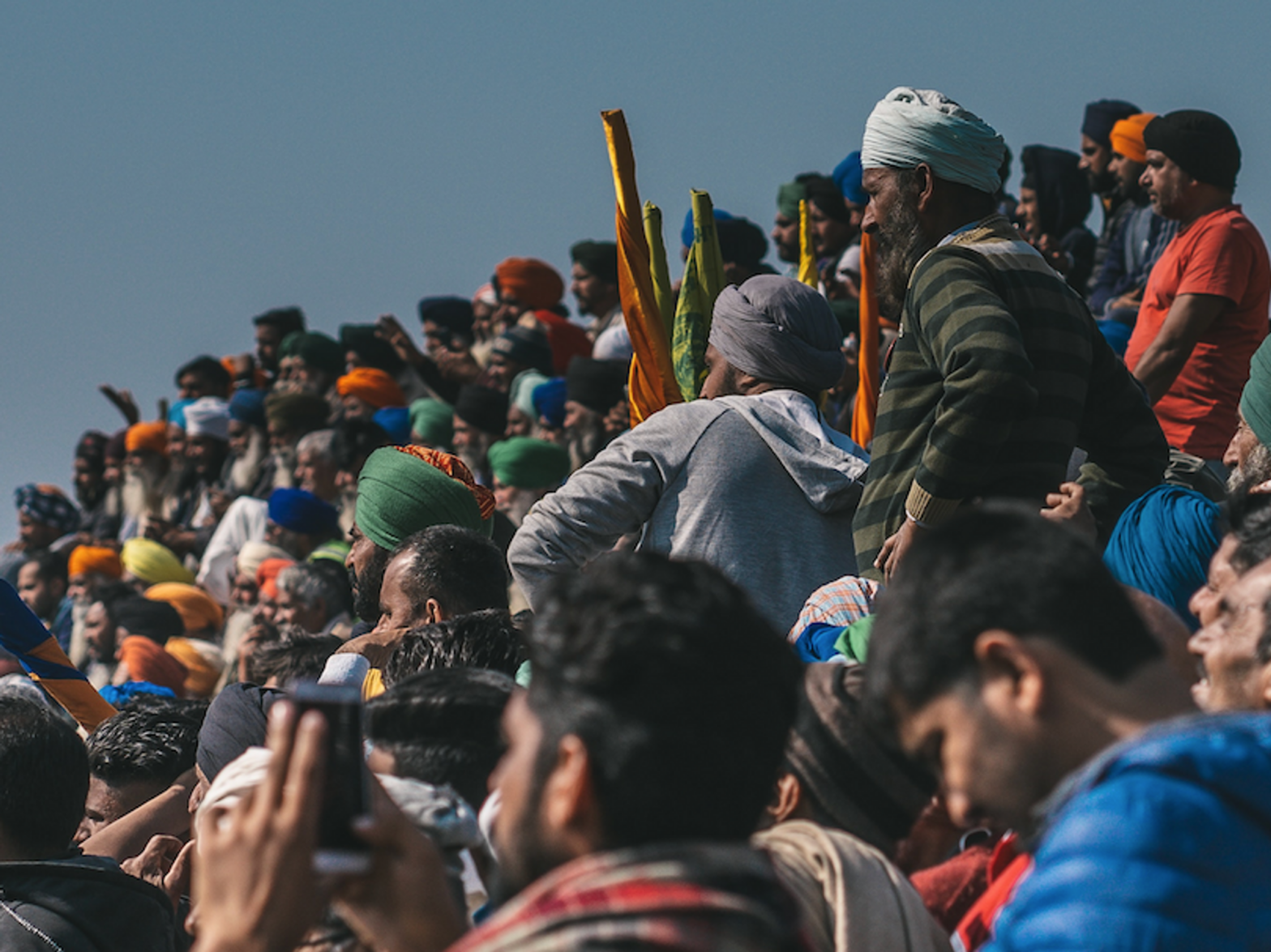
At the moment, a two-state solution to end the conflict between Israel and Palestine seems impossible. But should a miracle occur, there is one example that, although not perfect, could serve as a model to build a multi-ethnic, multi-religious and multi-cultural federation: the ethno-federal democracy of India.
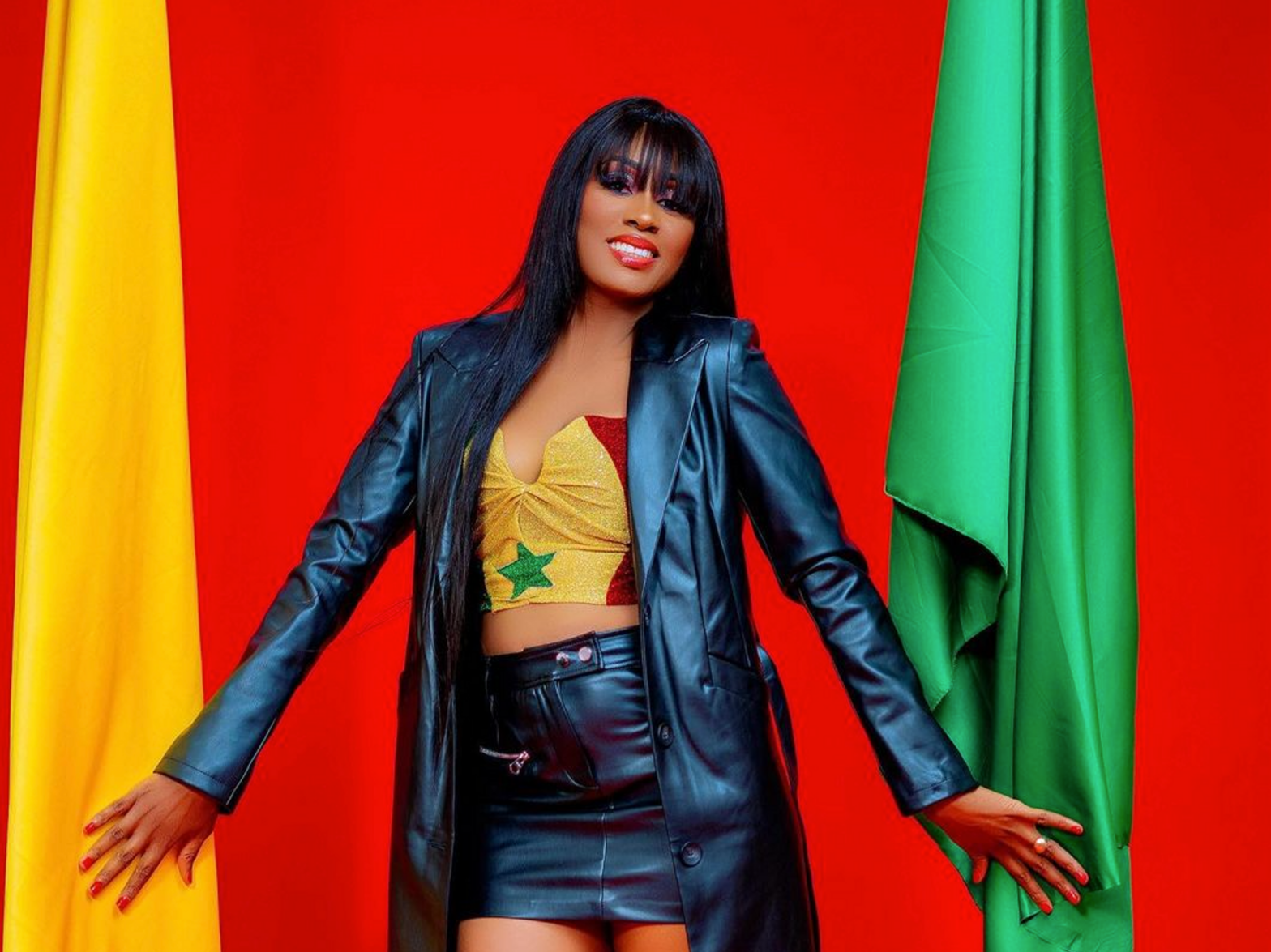
Nearly 200 people are running to be the president of Senegal in the 2024 elections. What does this say about the state of Senegalese democracy? Financial Afrik takes a closer look.
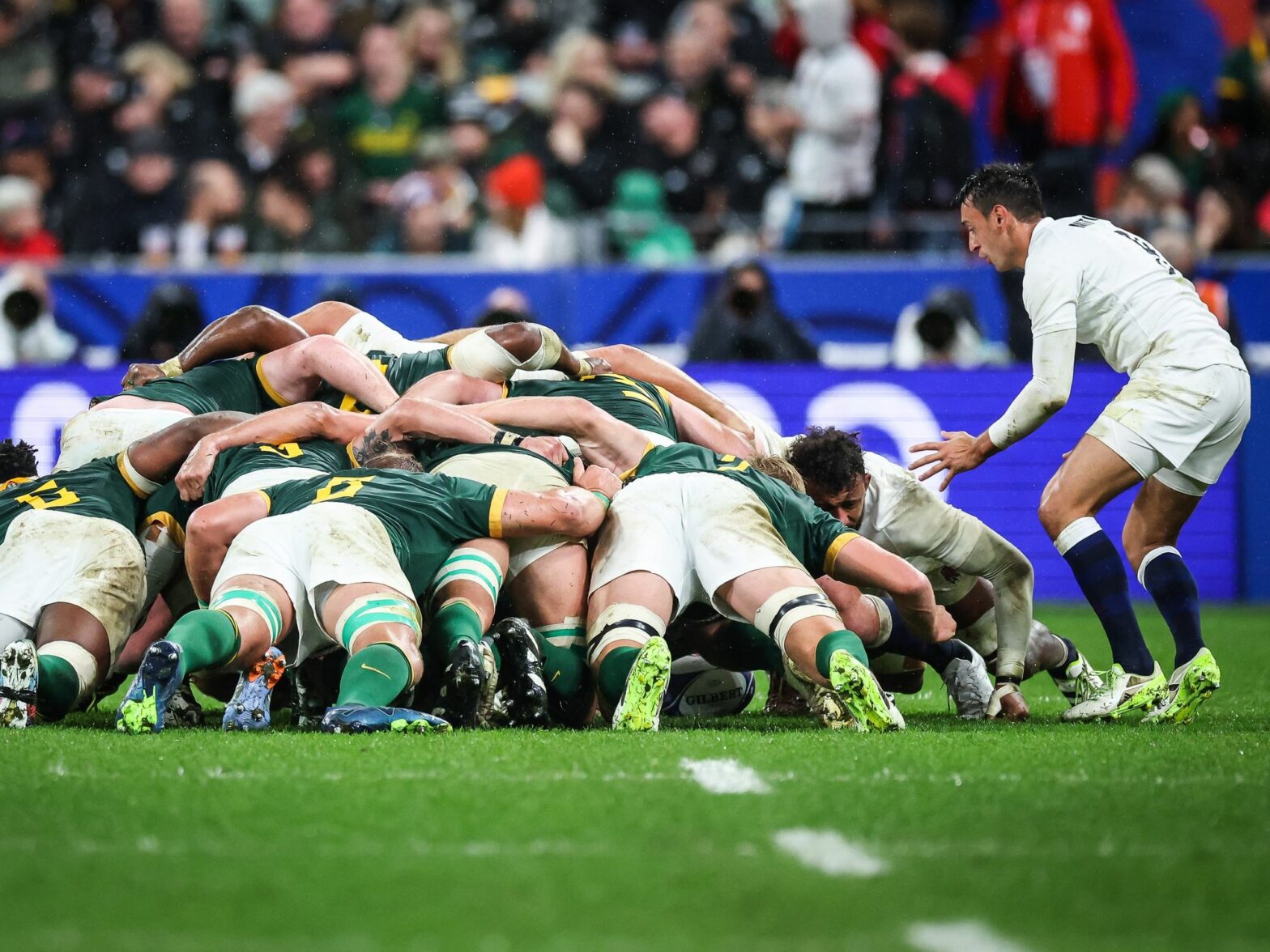
As the Rugby World Cup final approaches, French writer Yves Bourdillon notes that the sport is popular almost exclusively in democratic countries. The reason? Its Anglo-Saxon origins, the complexity of its rules and its values, a miracle of balance between individualism and collective spirit.
In its latest parliamentary elections, Poland opted to oust the ruling party, PiS, from power. Now will Viktor Orbán’s Hungary, a victim of democratic backsliding, be able to do the same. Political scientist and economist Bálint Madlovics and sociologist and former Hungarian Parliamentarian Bálint Magyar investigate.
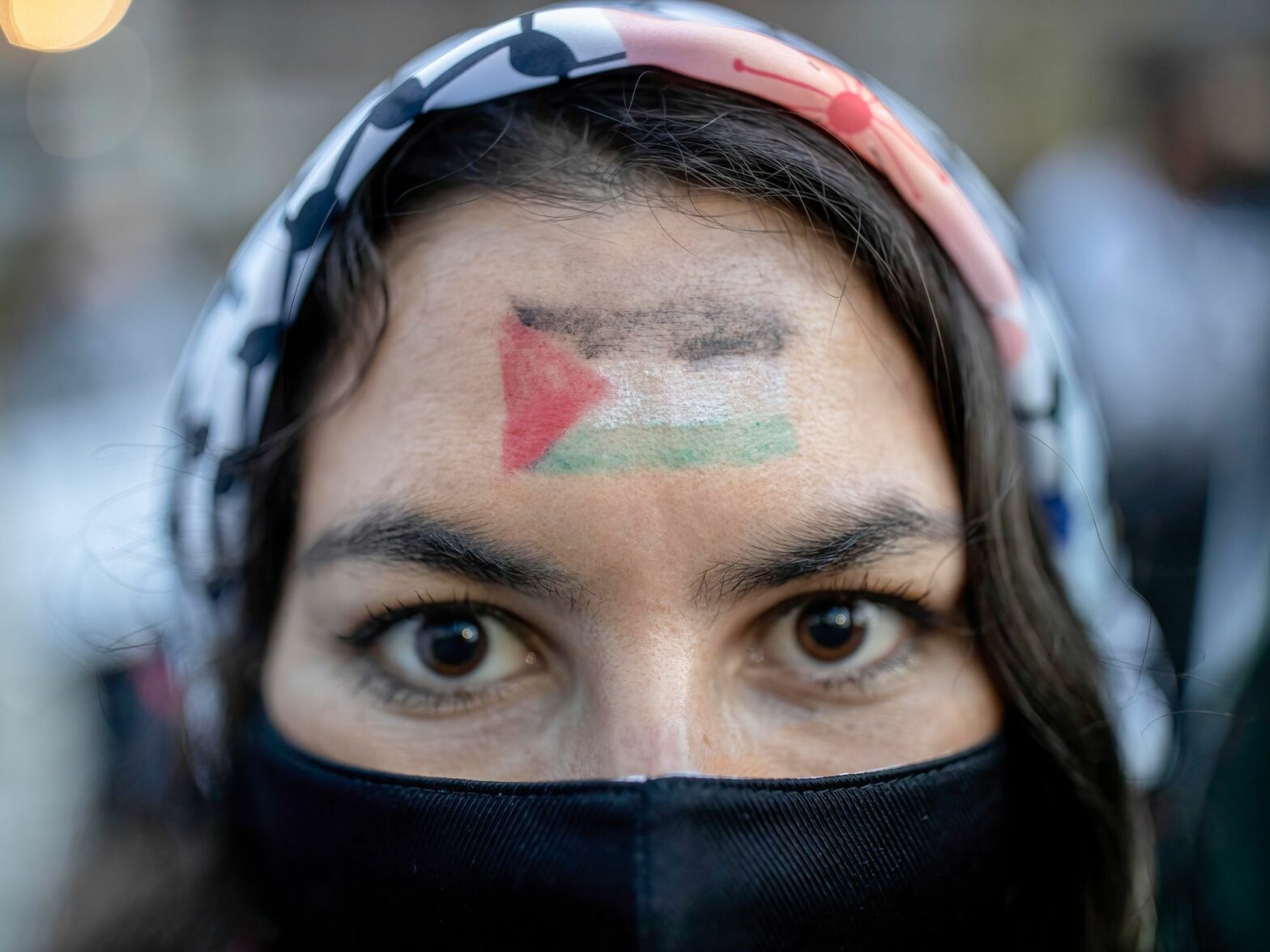
The lack of credible Palestinian leadership could plague the region once the war is over, leaving it without any legitimate political representation.
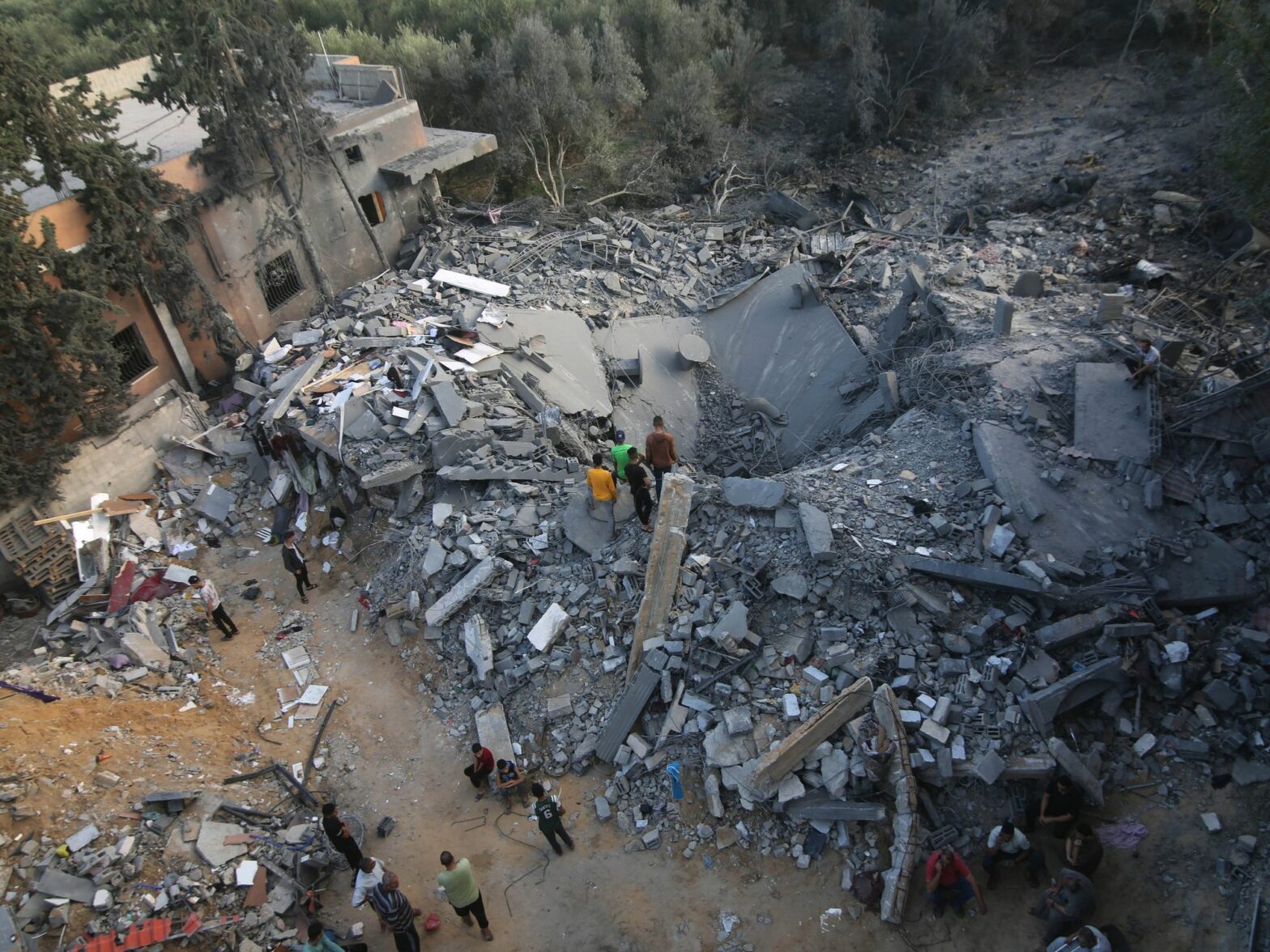
The ongoing conflict between Israel and Hamas has raised numerous issues under international law, including Israel’s unlawful siege of Gaza and Hamas being a non-state actor.
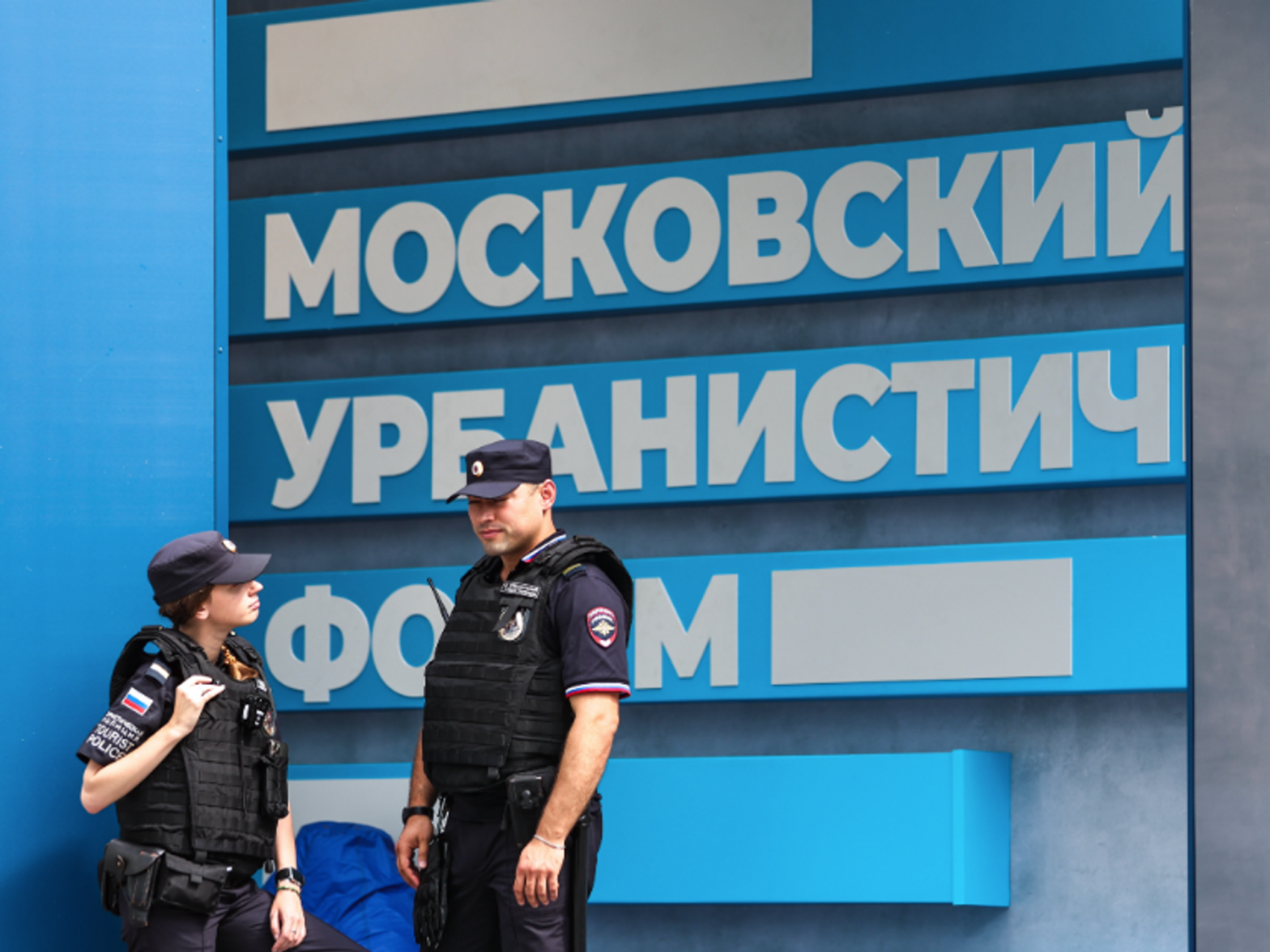
Western leaders must take a more resolute stance in addressing terrorism and its hybrid forms, and see the connection with the tactics and strategy of Putin’s Russia.

The referendum in Chile took place on this day in 1988, when citizens voted against extending General Augusto Pinochet’s regime. Who was General Augosto Pinochet, and what was his regime like? General Augusto Pinochet was a military officer who came to power in Chile through a coup in 1973, overthrowing the democratically elected government of […]
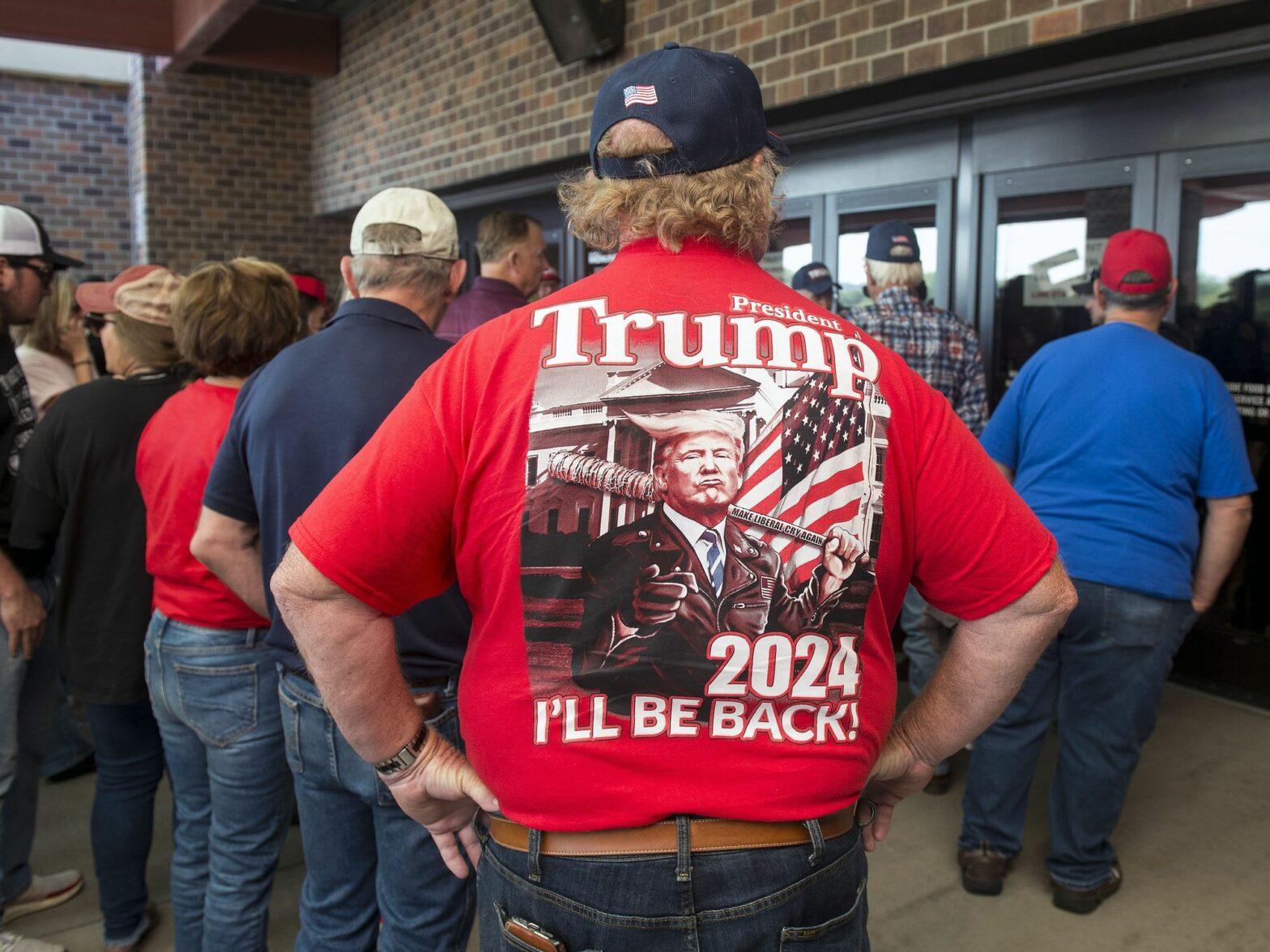
Despite facing a growing number of charges, Donald Trump continues to rise in the 2024 presidential election polls. His most likely opponent, current President Joe Biden, is raising fears of a worst-case scenario due to his deteriorating health and old age, despite his solid economic record. A French political analyst weighs in from abroad, and from experience….
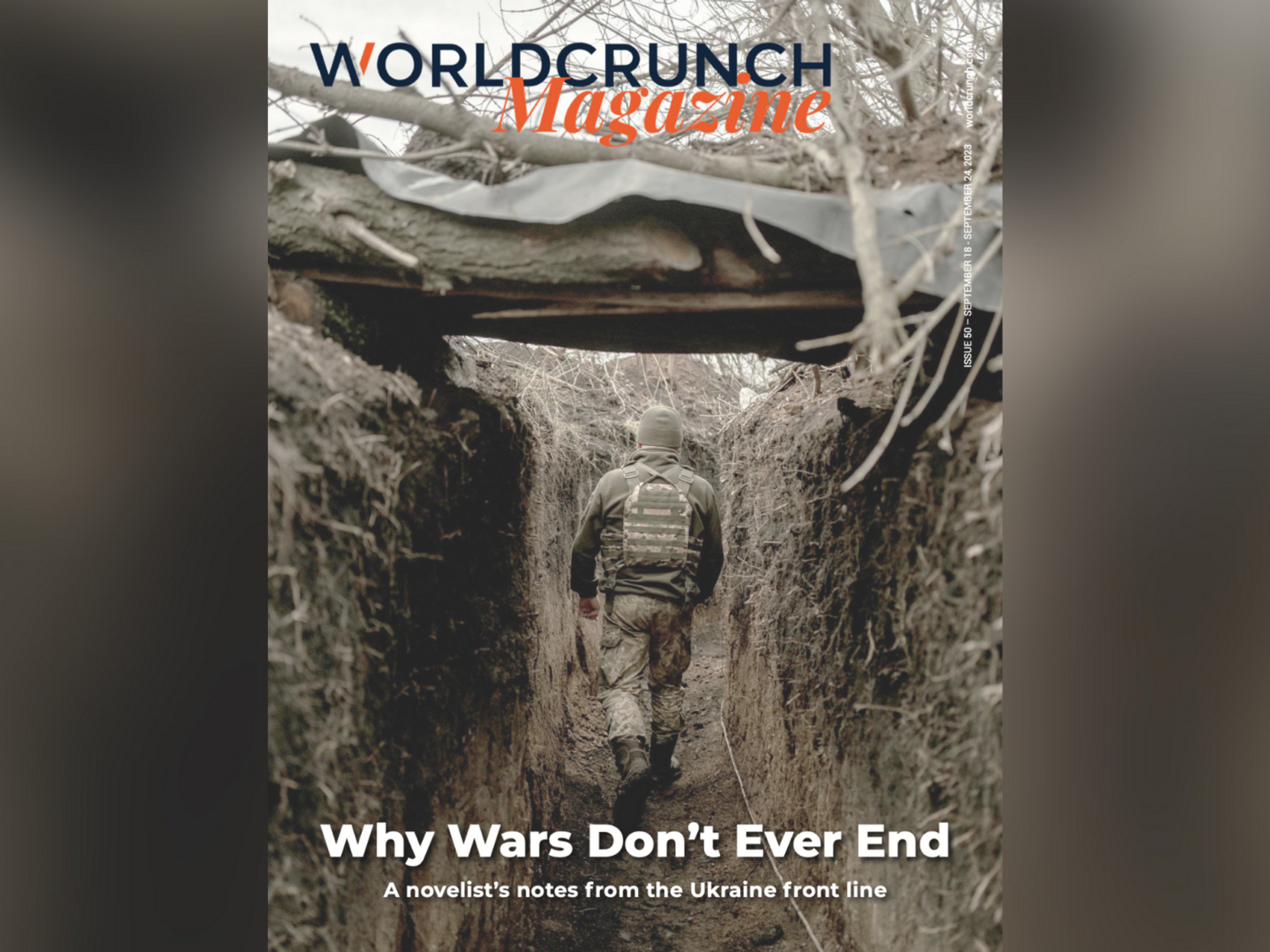
September 18 – September 24, 2023
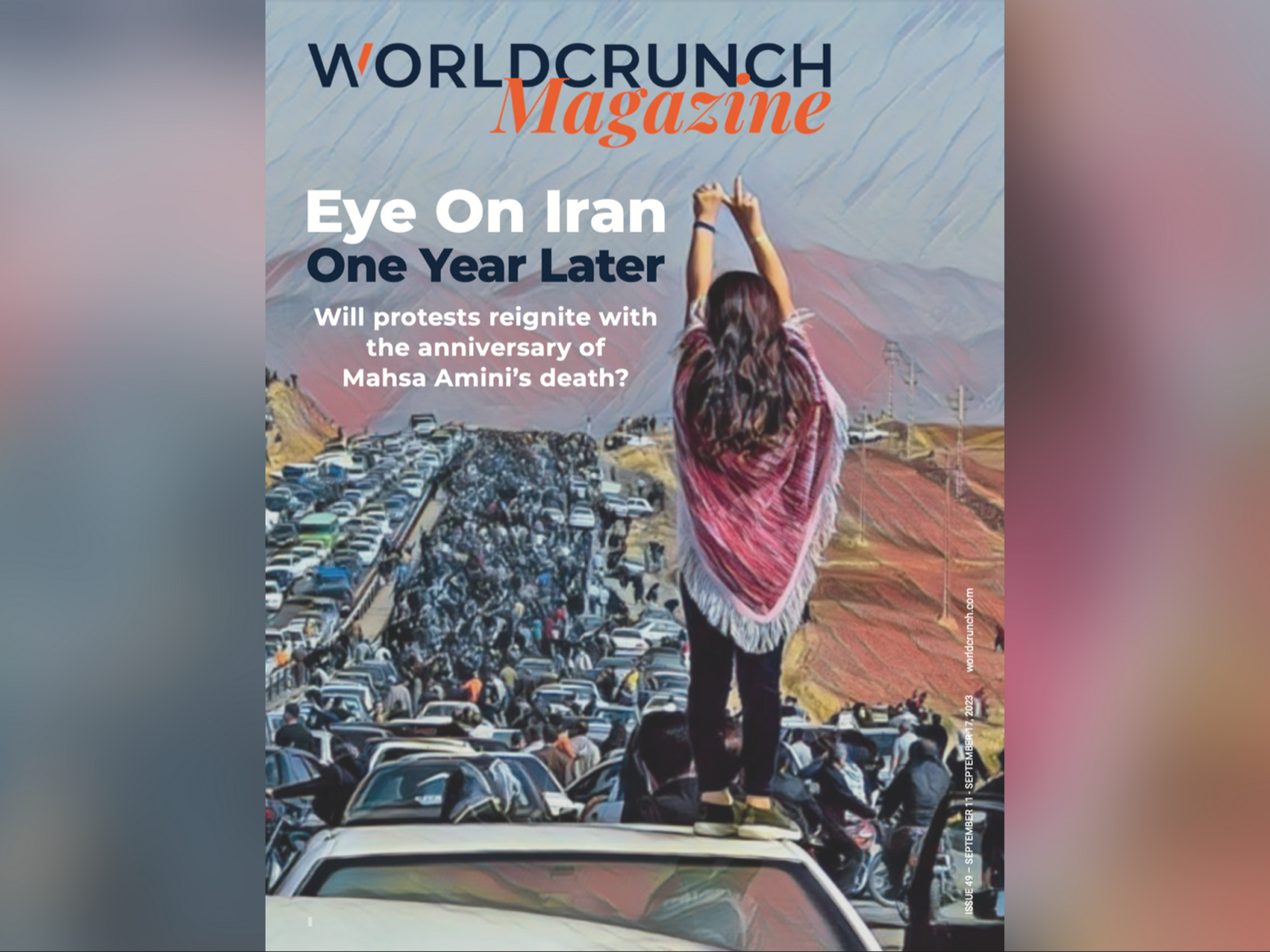
September 11 – September 17, 2023
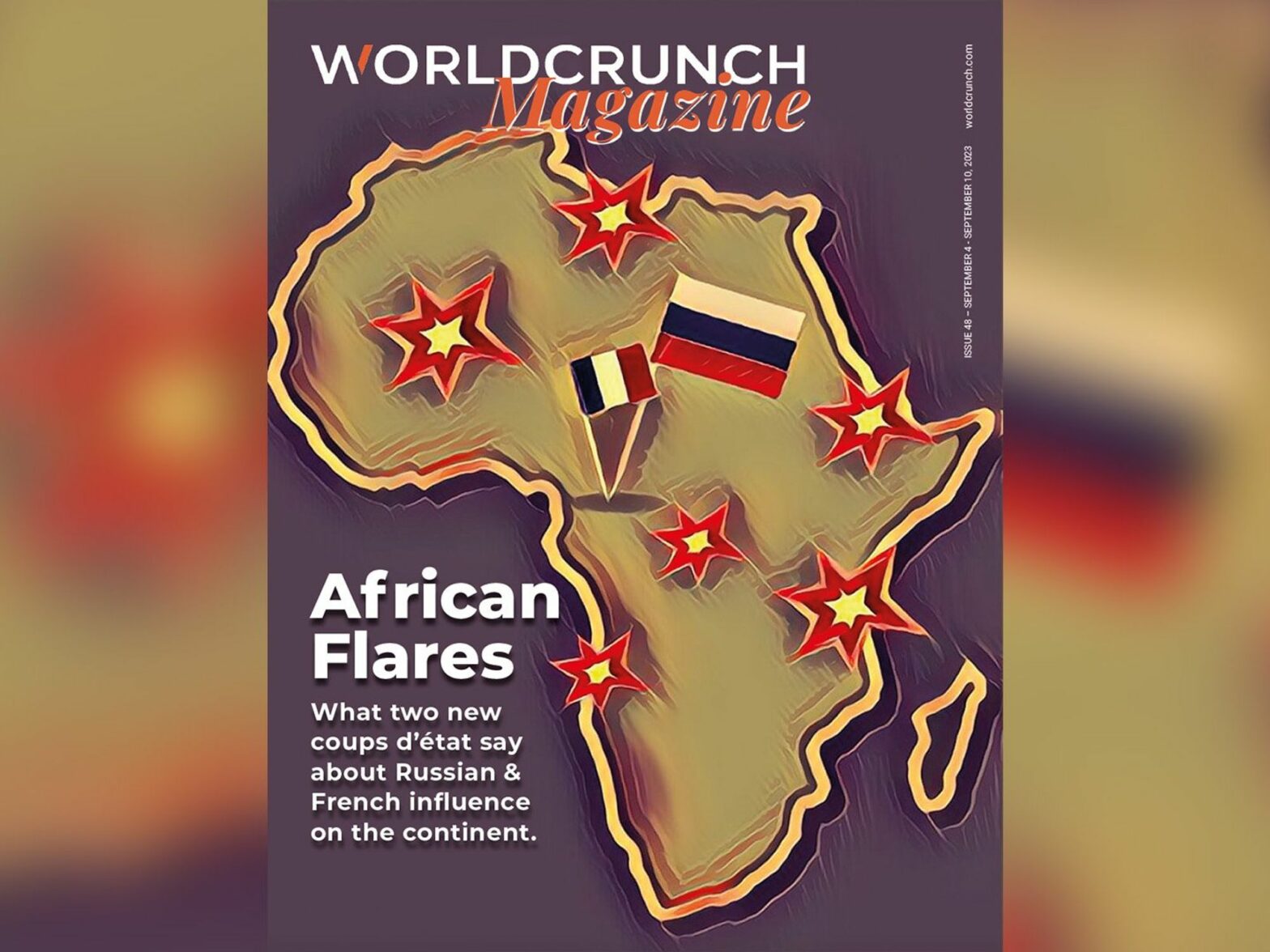
August 28 – September 3, 2023
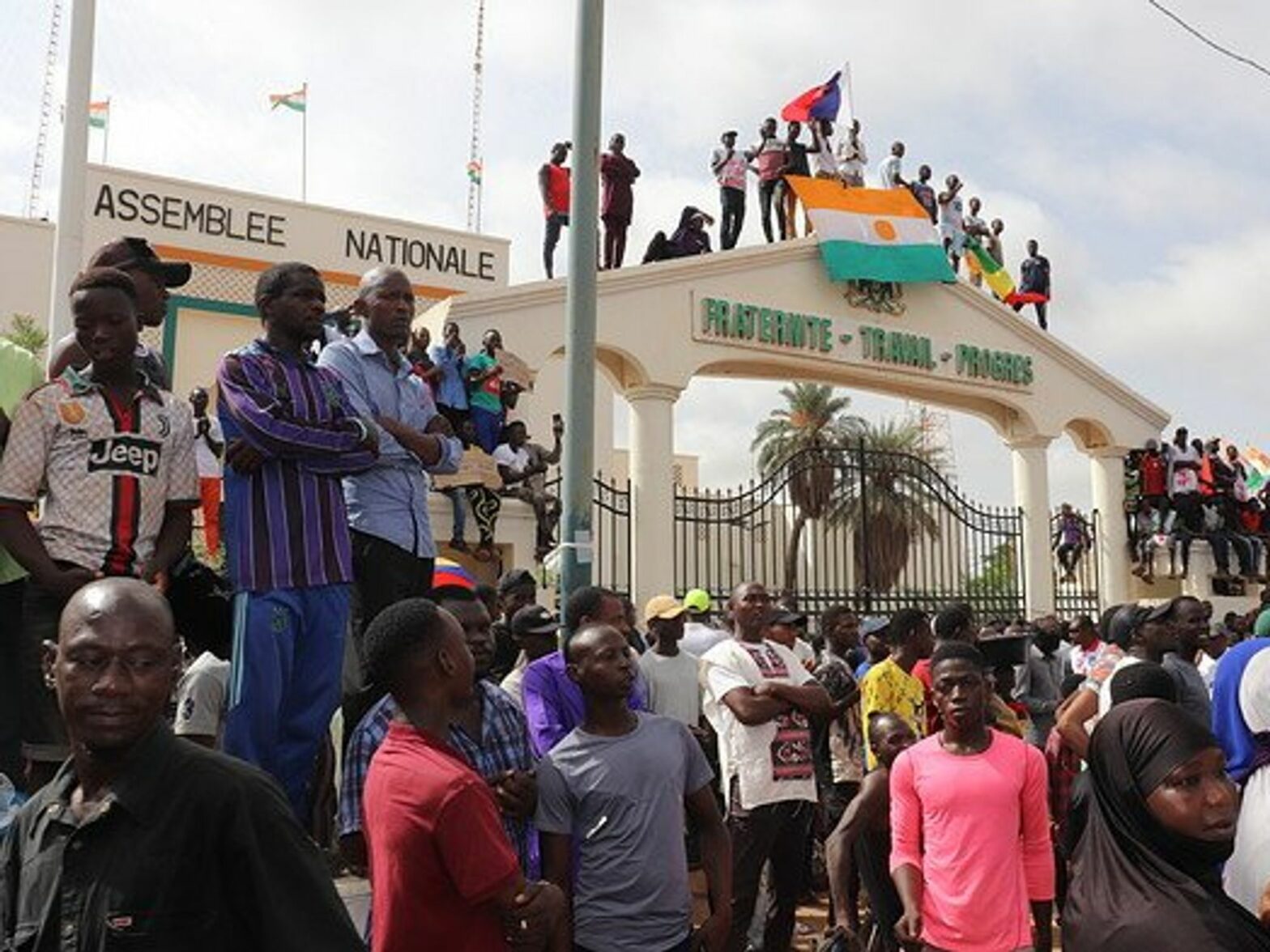
Is it a Russian conspiracy or anti-Paris bias? Or a sign that democracy has never really taken root in post-colonial realities?
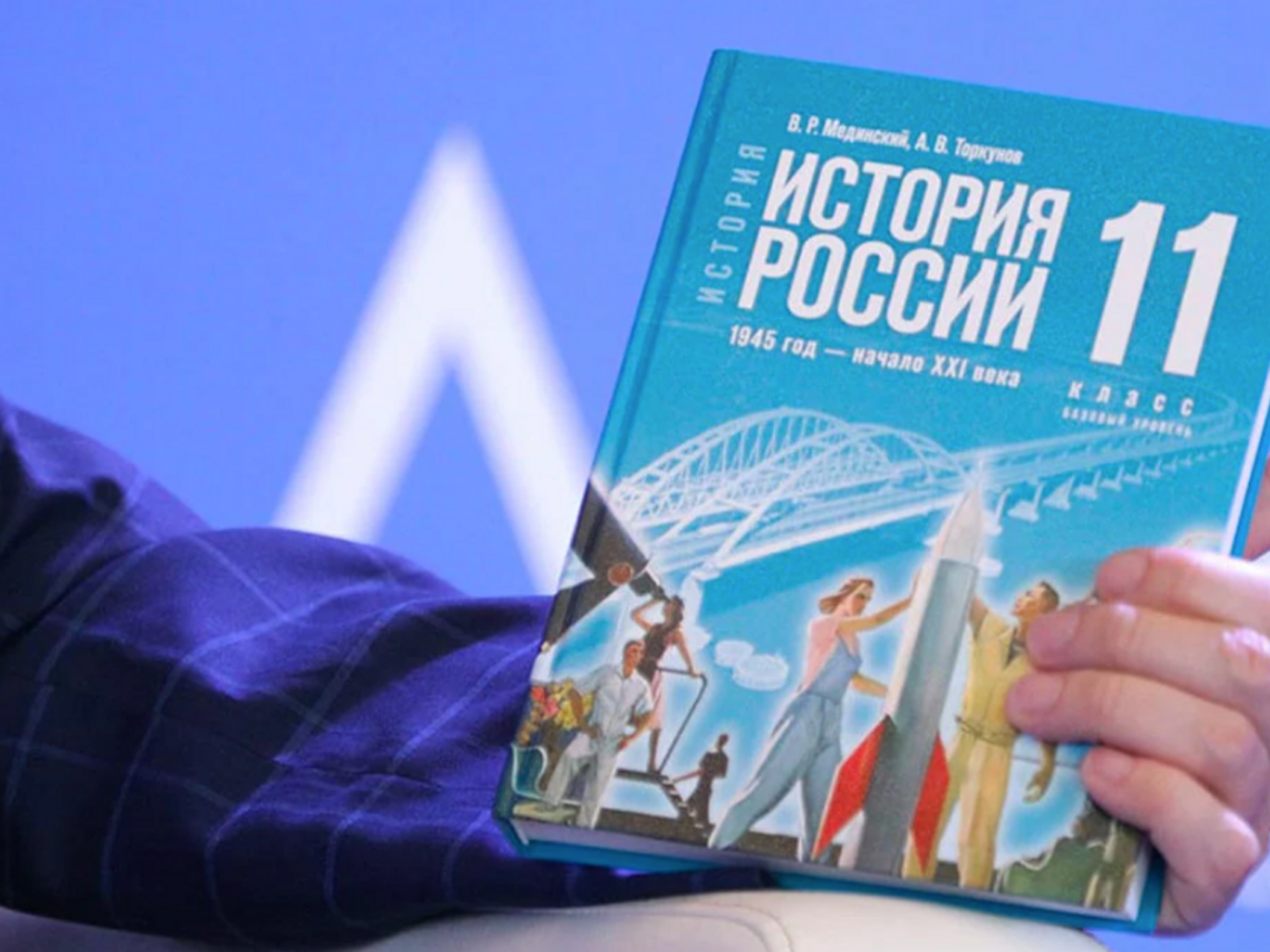
High school students will now need to know details of the Russian annexation of territories in eastern Ukraine and “reunification” of Crimea with Russia. Regular topics in the past, such as democracy and human rights, will no longer be part of the high school exam.
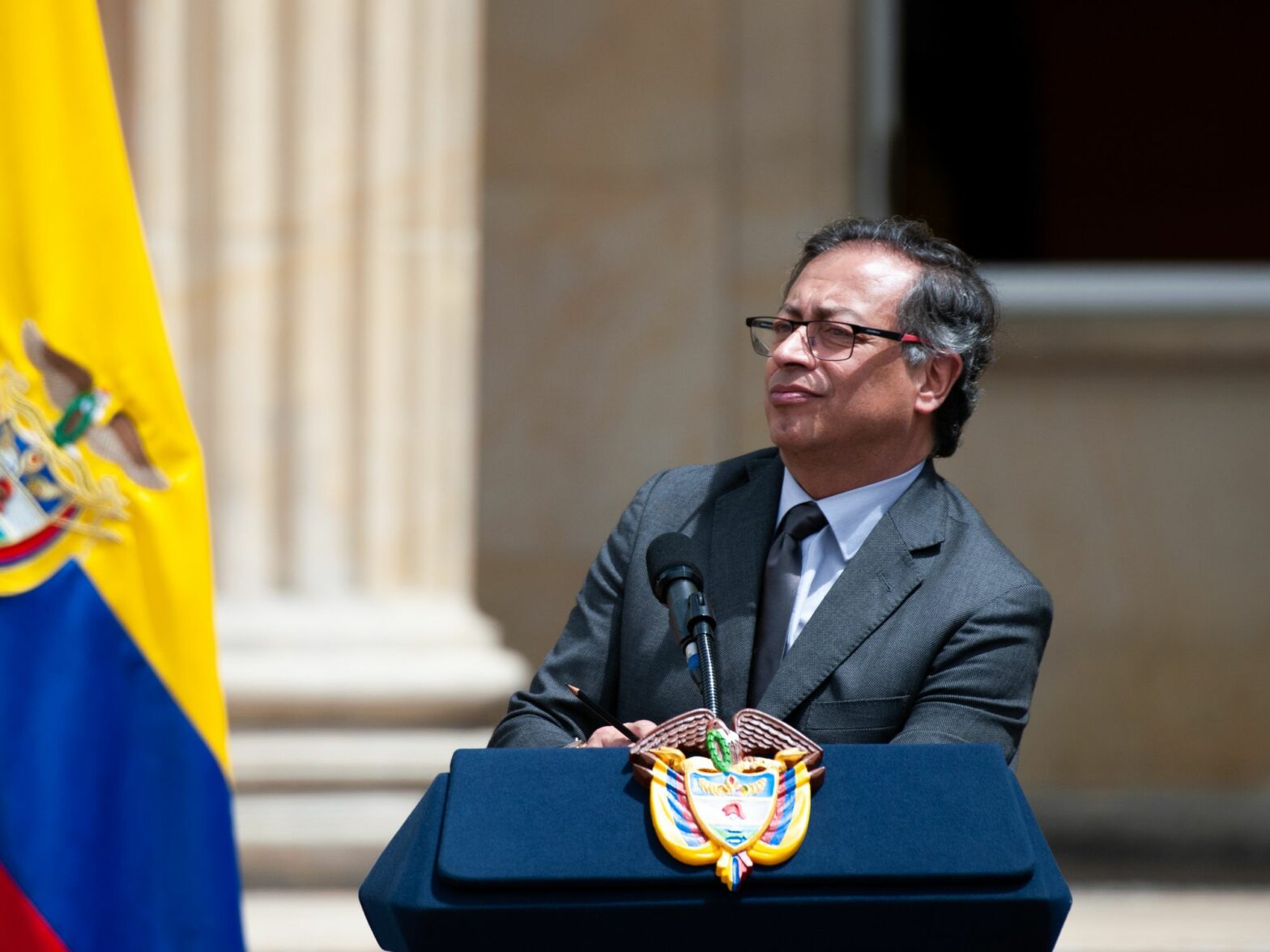
Colombia’s leftist president claims Russia and the United States act in “much the same” way in the world, disregarding the fact that only one of those states poisons or throws critics out the window.
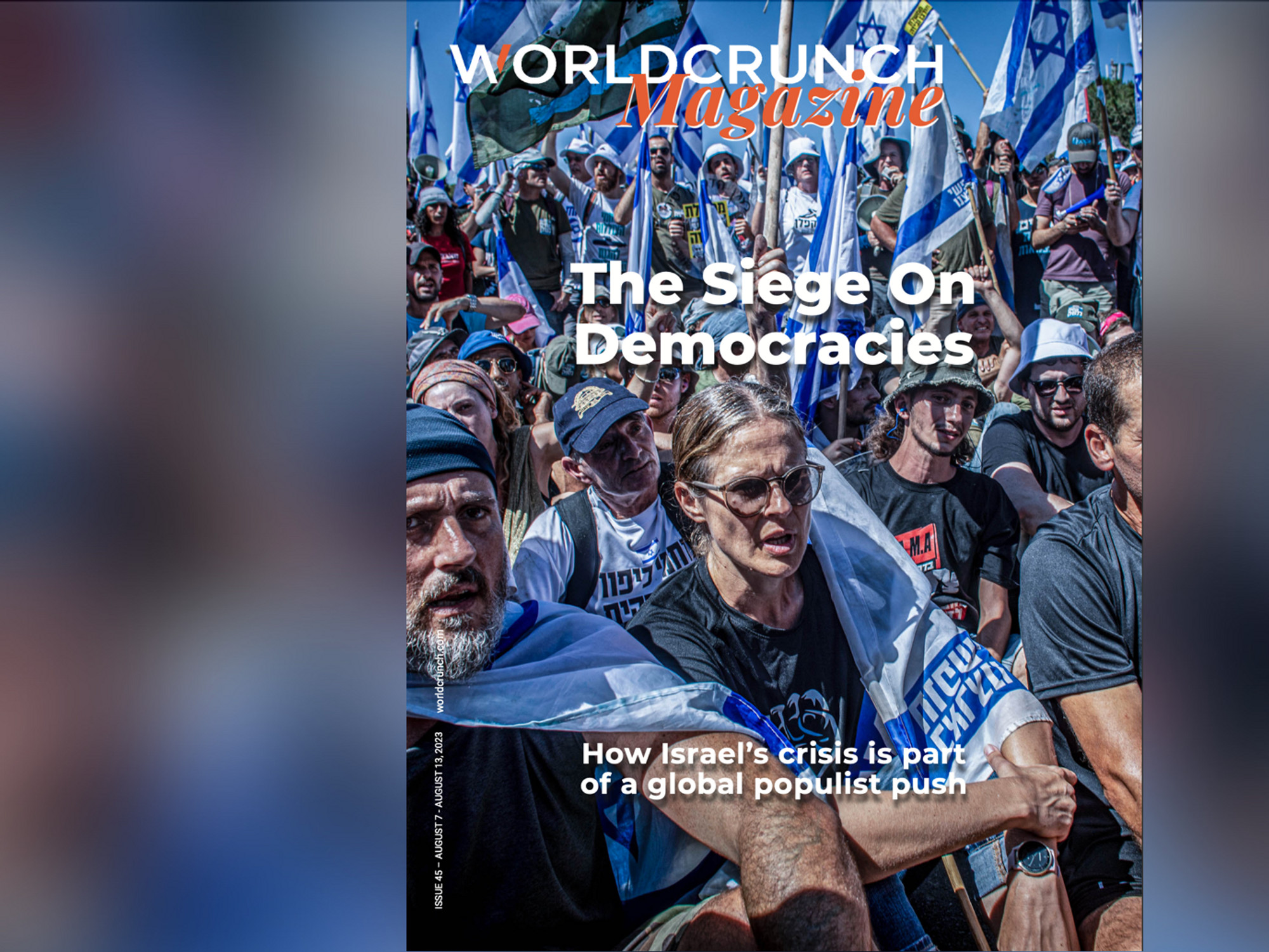
August 7 – August 13, 2023
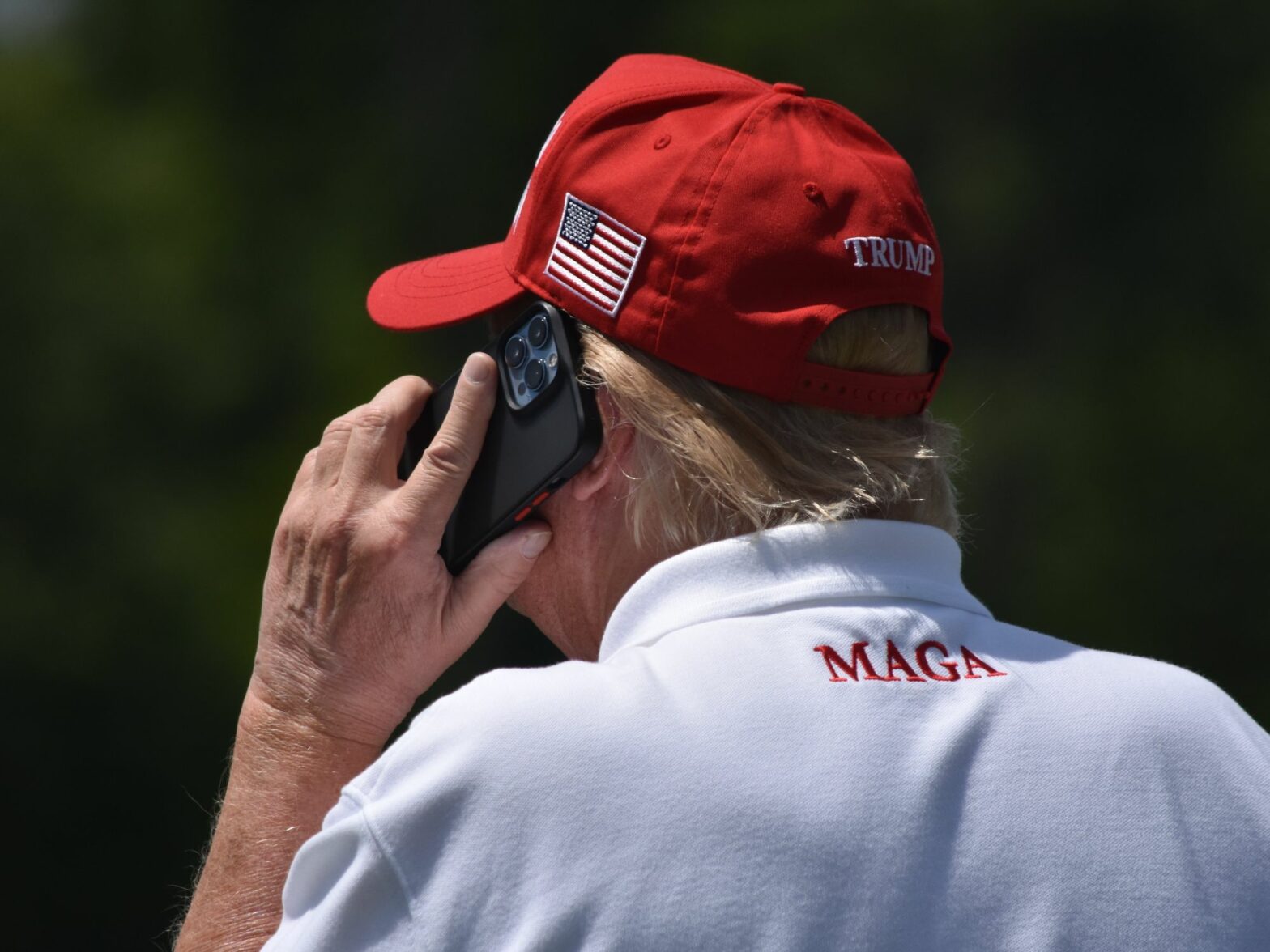
Former U.S. President Donald Trump has just pleaded “not guilty” criminal charges linked to his push to overturn 2020 election results. Indicted for the third time in four months, he is still somehow able to use the situation to fuel his campaign for re-election in 2024. The future election, American-Canadian scholar and cultural critic Henry Giroux writes, is a choice between democracy and the further criminalization of U.S. politics.
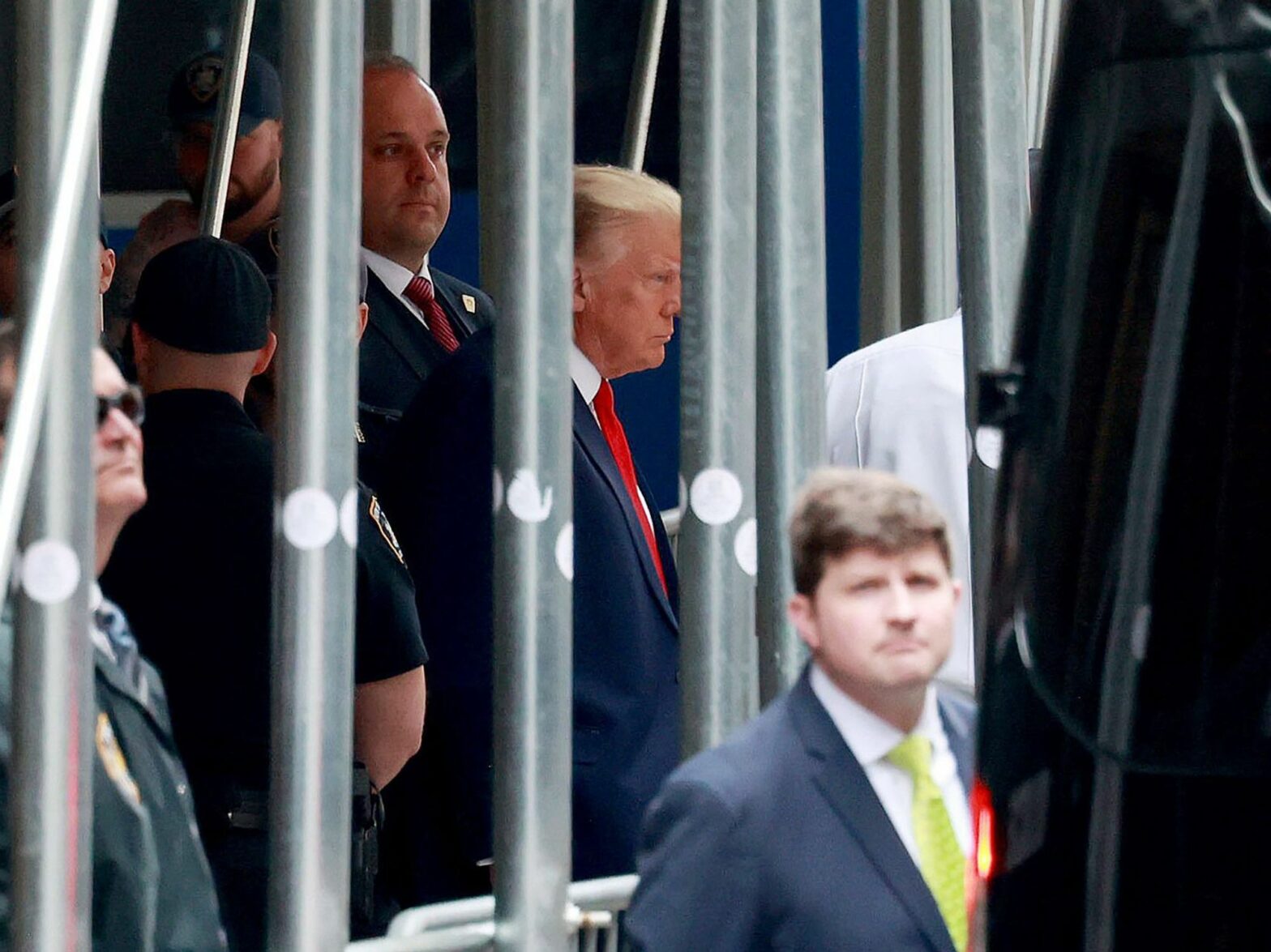
The third indictment against Donald Trump raises the legal dispute between the United States and its former president to a new level. While Trump cries foul play, drawing shameful comparisons with Nazi persecution 1930s Germany, the consequences of the trial can’t be predicted.
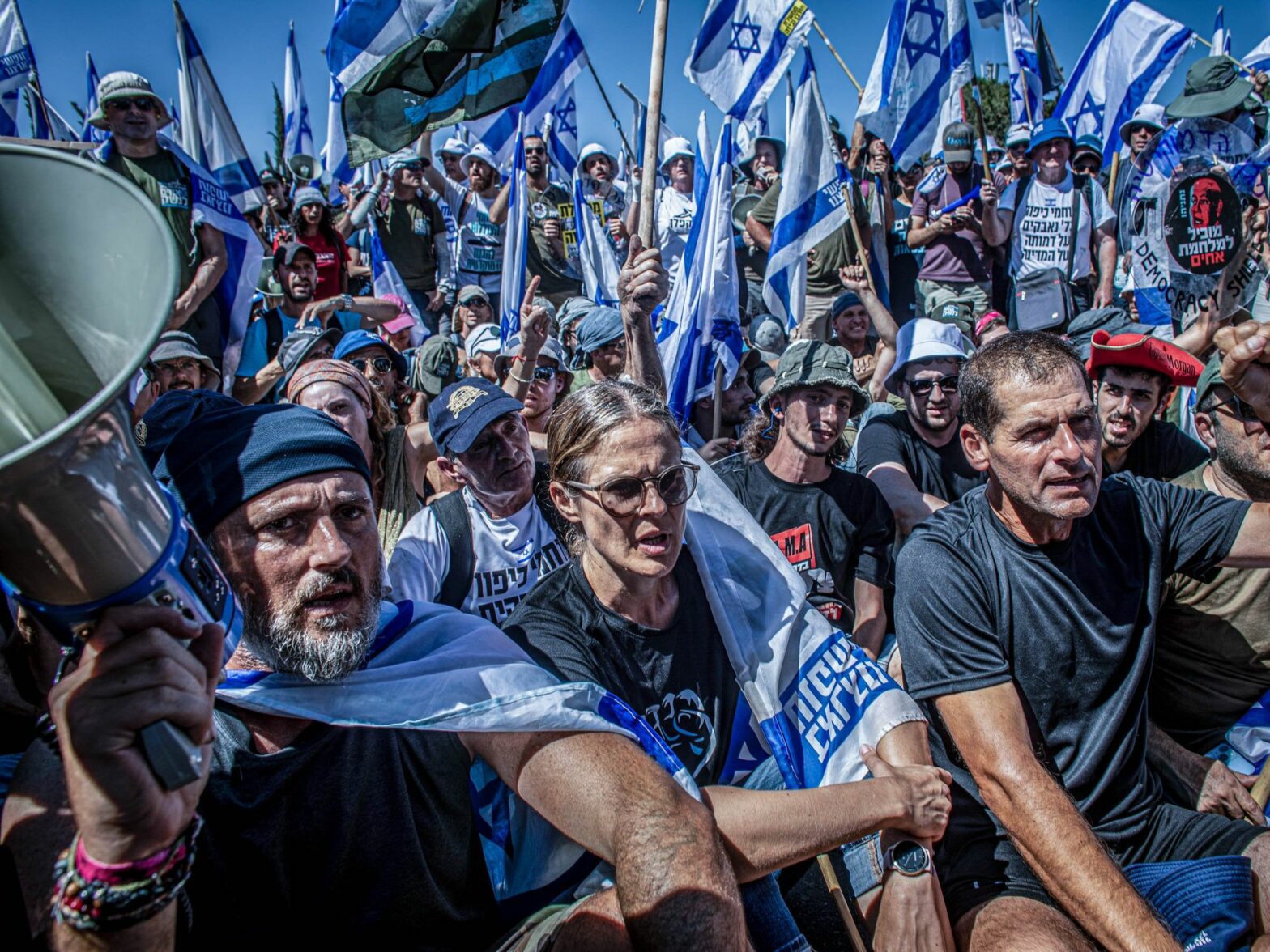
The Israeli government’s aggressive bid to curb judicial powers fits into a bigger picture of the degradation of liberal democracy worldwide.
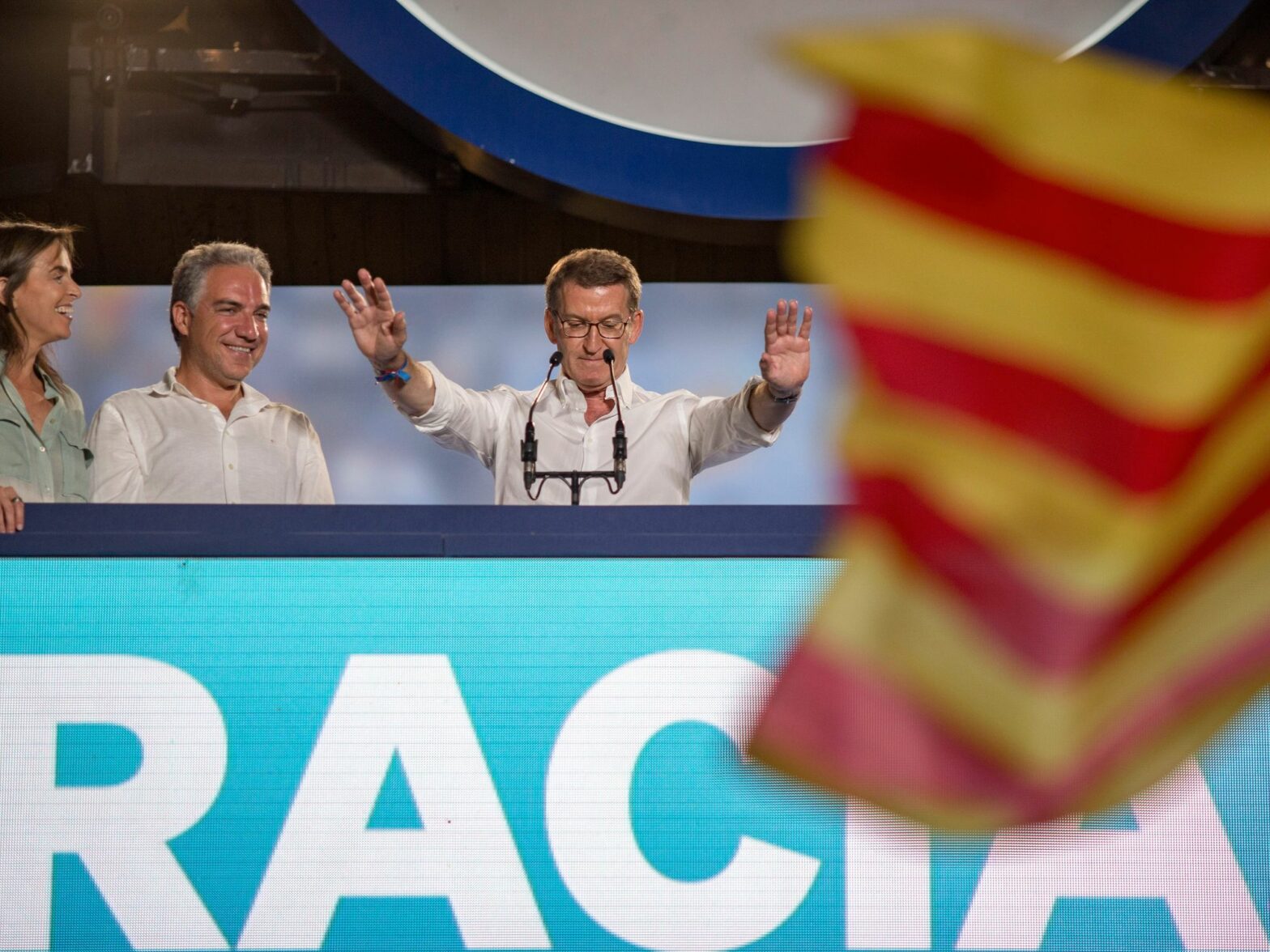
The country finds itself without a clear majority following yesterday’s parliamentary elections. Amid such inconclusive results, what are the country’s best options to avoid prolonged political limbo?
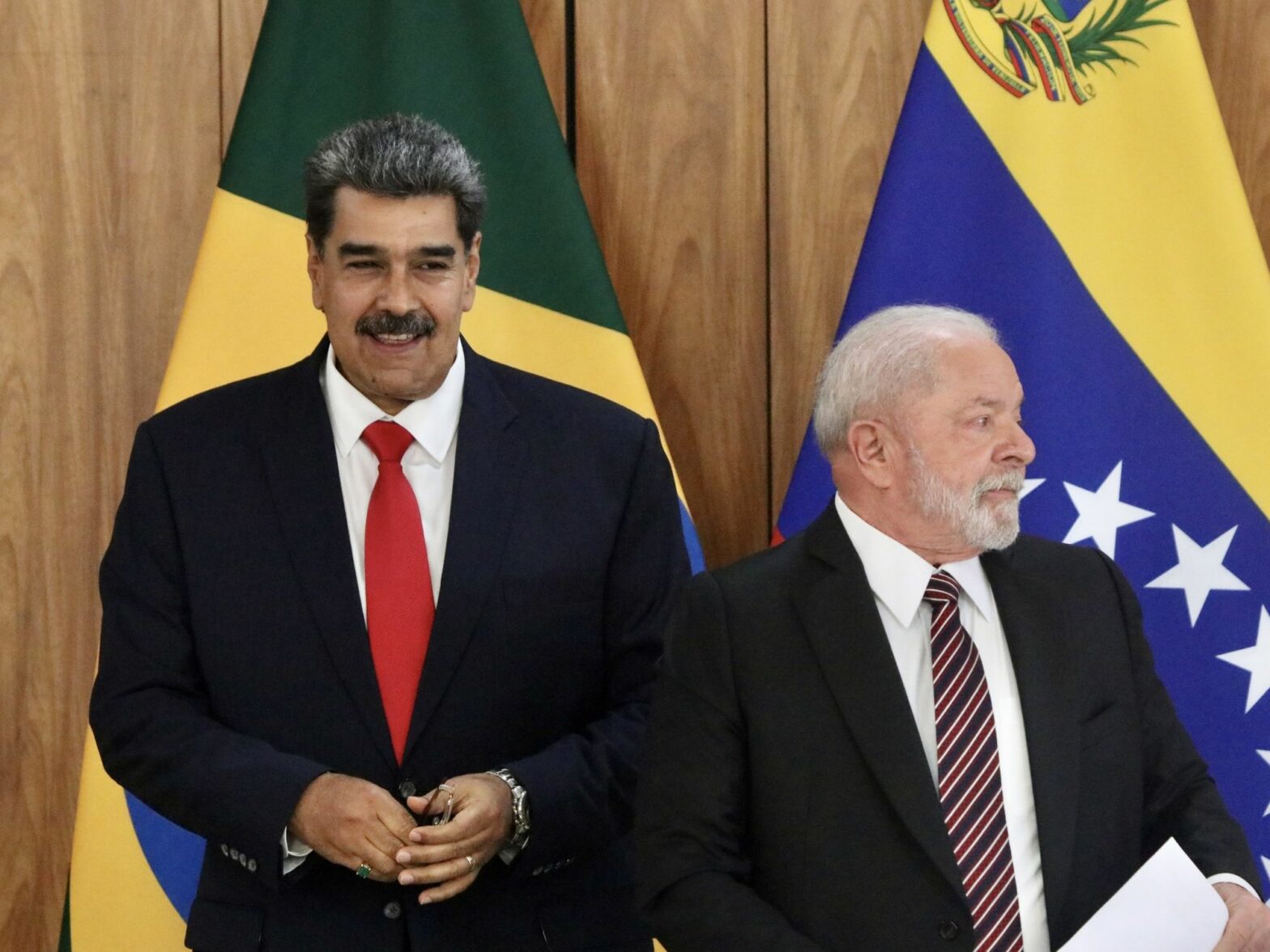
Brazilian President Lula da Silva’s goodwill toward the Venezuela’s President Maduro, in spite of the signs Maduro might hijack the 2024 general elections, suggests Lula has a problem with Western-style liberal democracy, even after he has criticized his predecessor for the same thing.
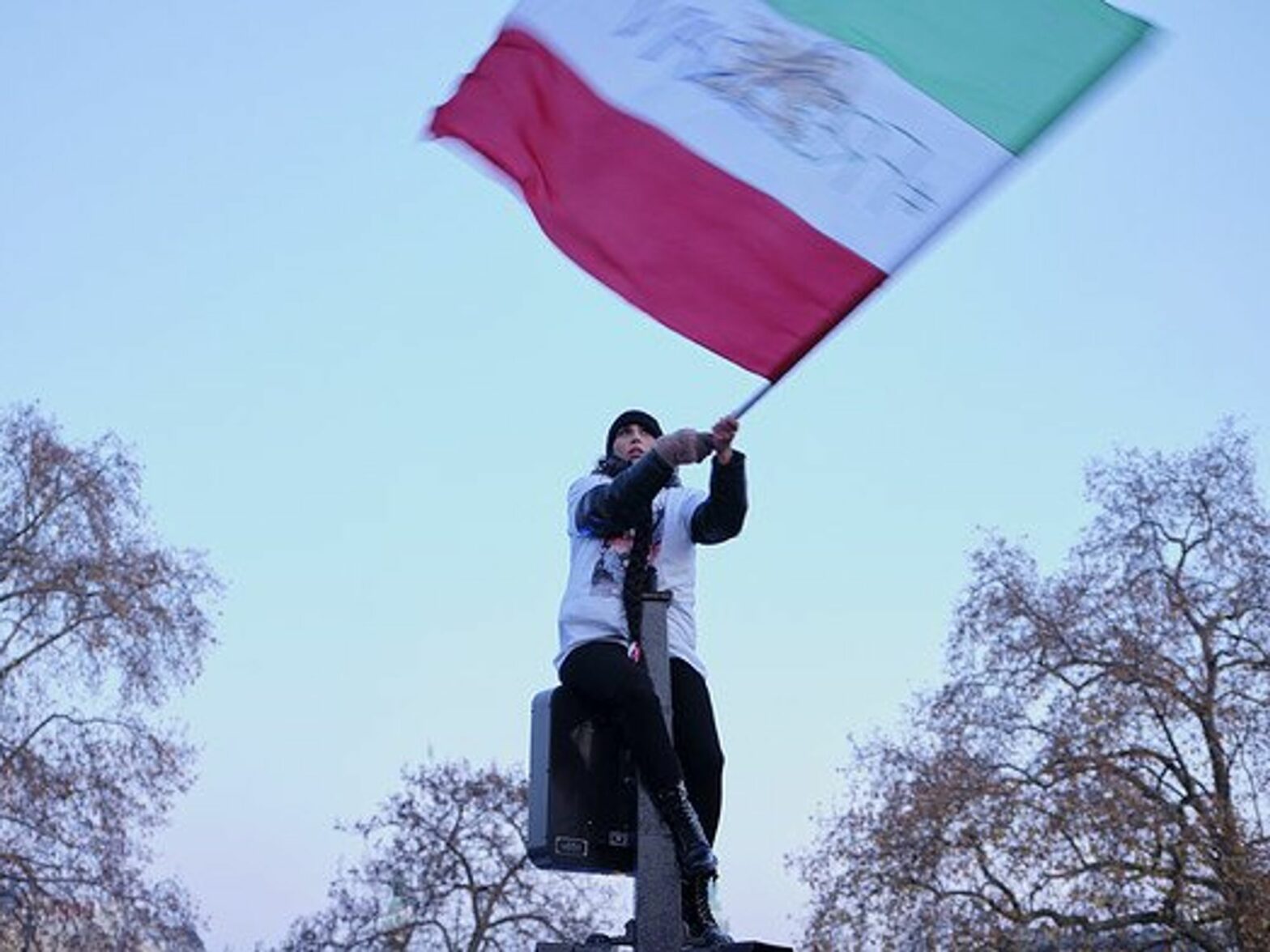
Mass protests which lasted for months in Iran last year galvanized Iranians at home and abroad, in a way not seen since the 1979 revolution. That unity must be maintained as political capital for the next time Iranians challenge the Islamic Republic.
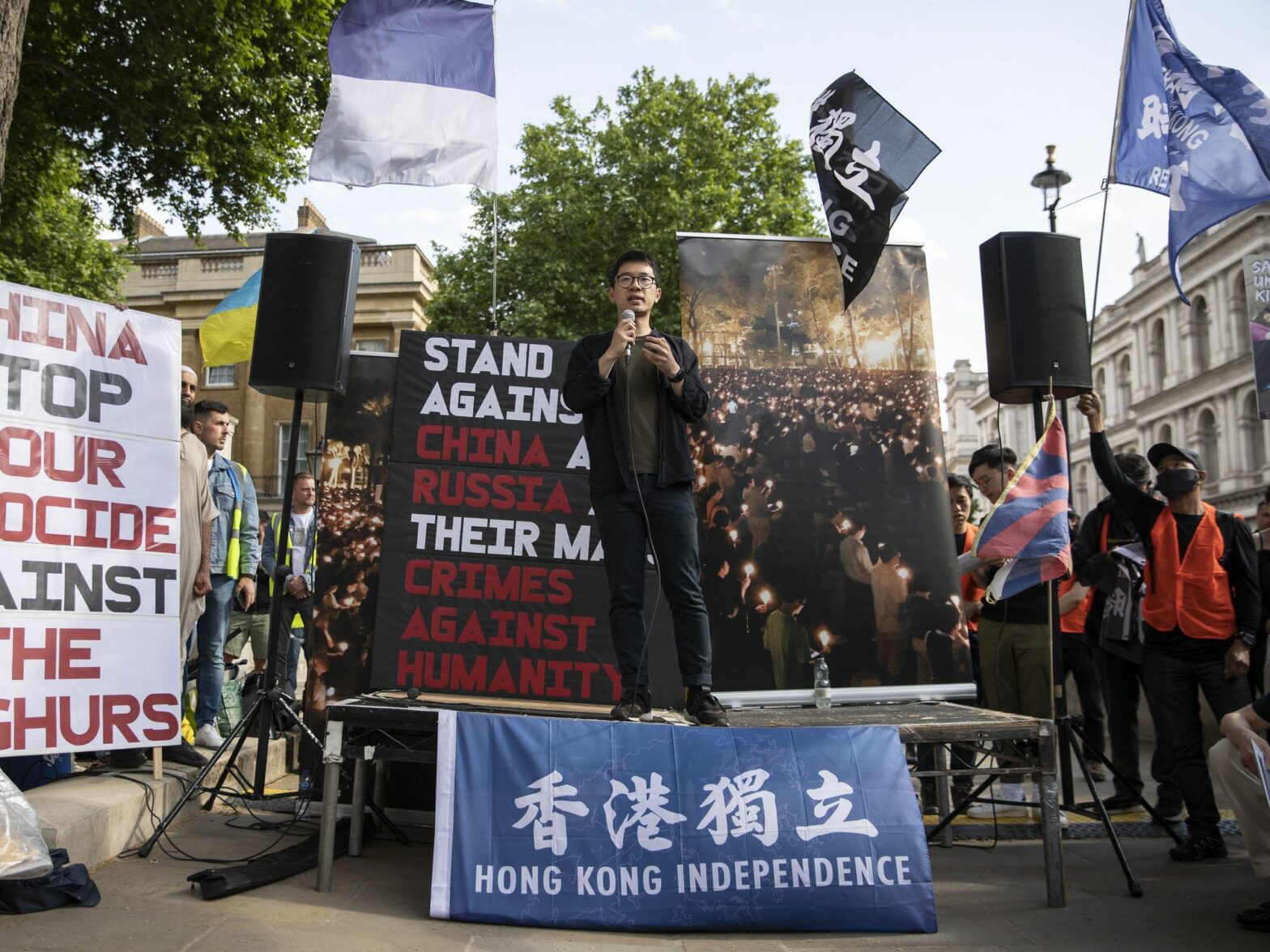
Hong Kong police have arrested five people accused of supporting eight pro-democracy activists living abroad, two days after the government put up bounties on them. As part of the sweeping national security law imposed by Beijing, the move is yet another attempt by China to stifle oversea dissidence.
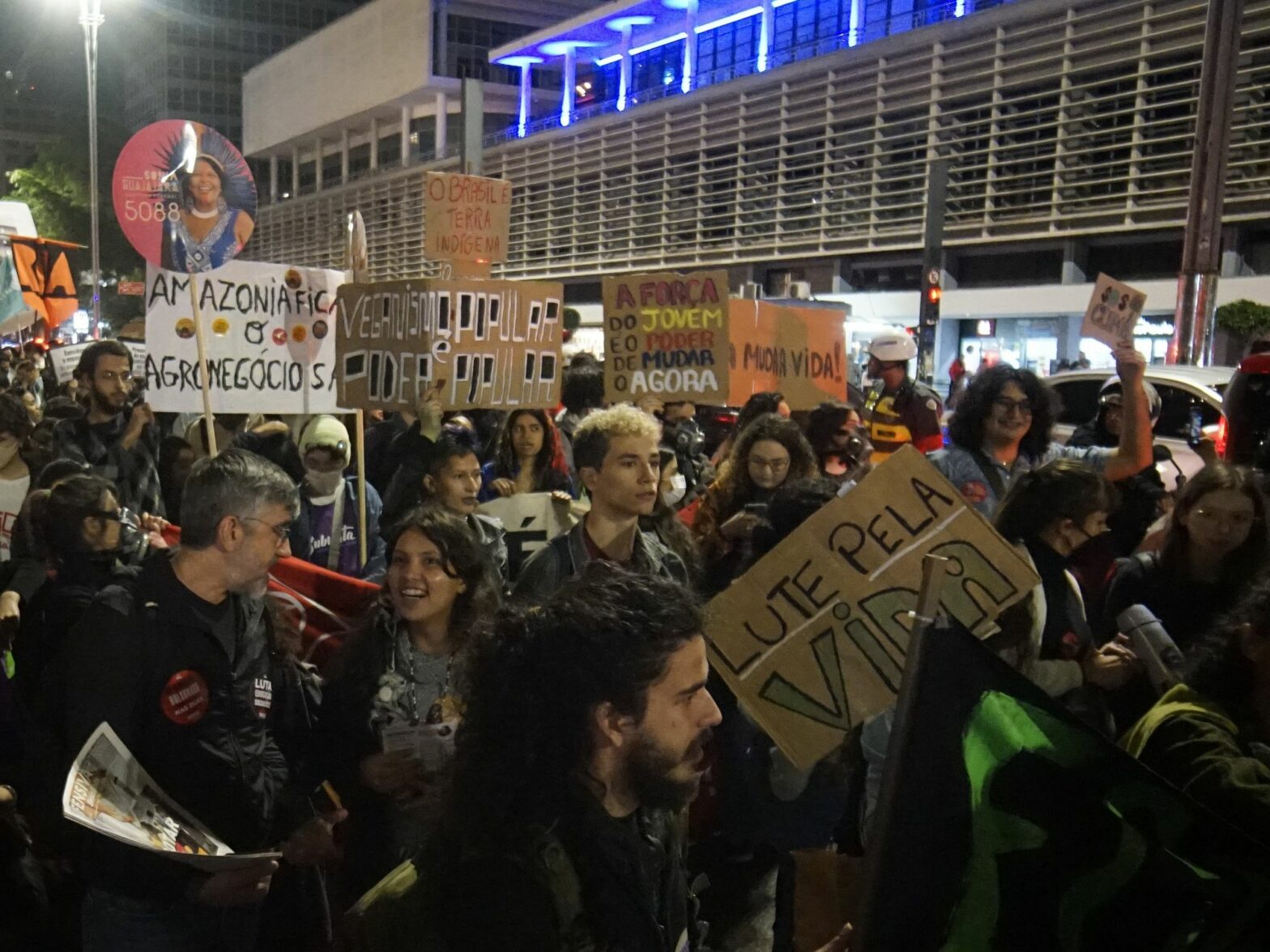
As Brazil’s President Lula da Silva wields limited power over parliament and his multi-party cabinet, he may be unable to fulfil many of this campaign promises, including protecting the environment.
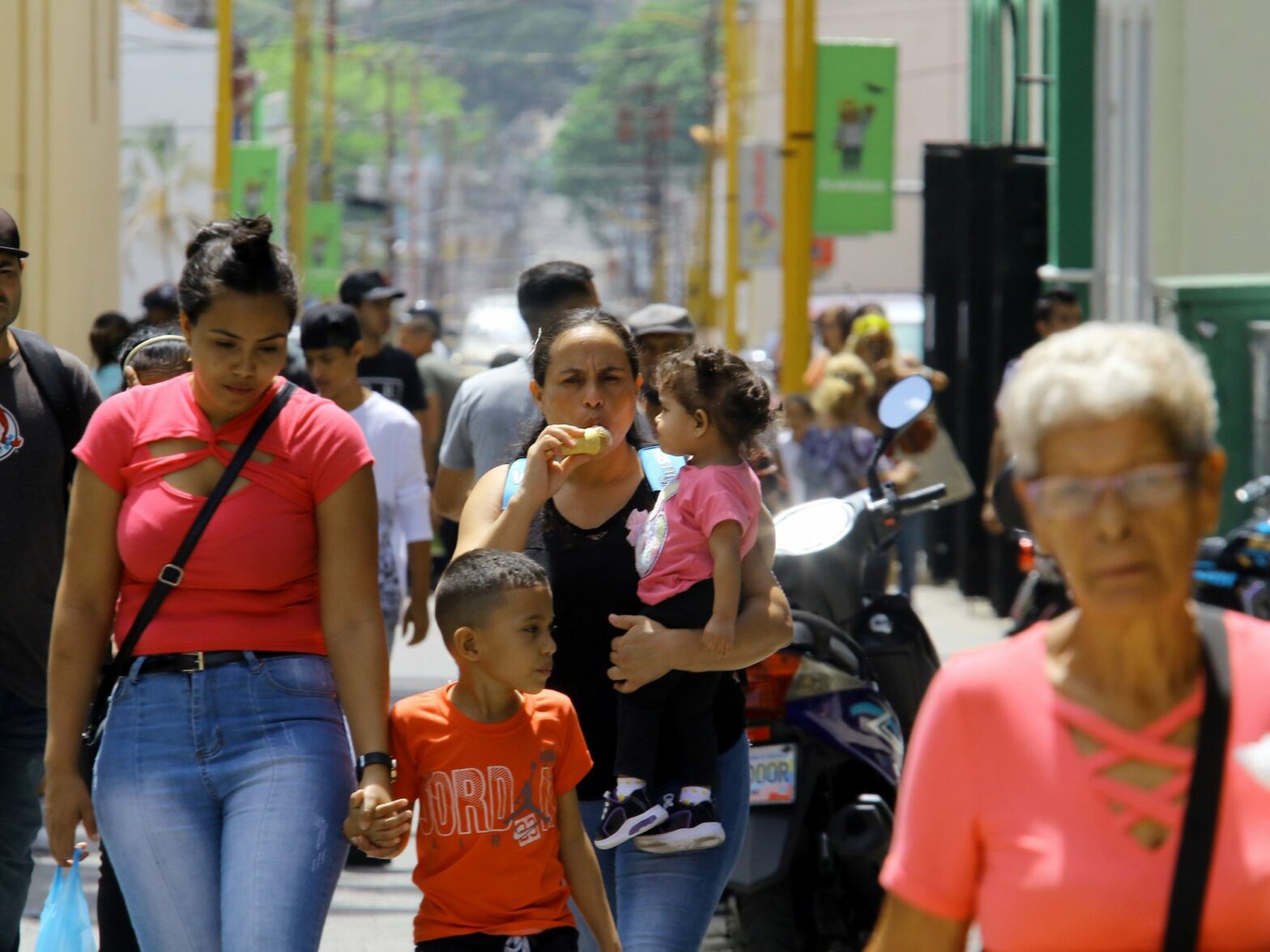
The absence of accurate official statistics in Venezuela is no accident. Rather it is a symptom of the breakdown of the rule of law and hides the regime’s criminal failures.
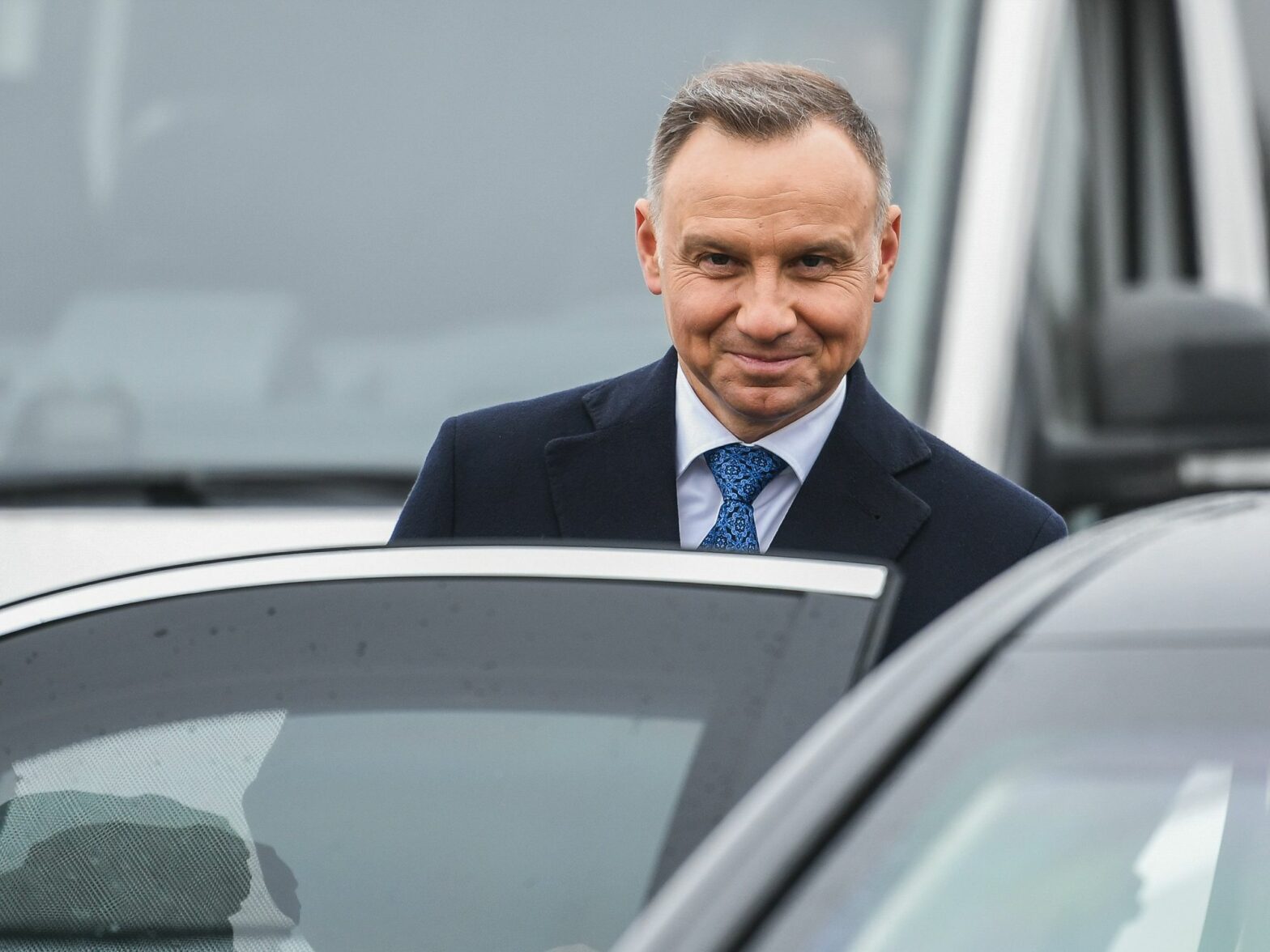
Since creating a controversial commission against “Russian influence”, Polish President Andrzej Duda has faced criticism from the United States and the European Union. Duda has since offered to make several changes to the law, but several experts in Brussels remain unconvinced that the law will not become a witch hunt ahead of the upcoming elections.
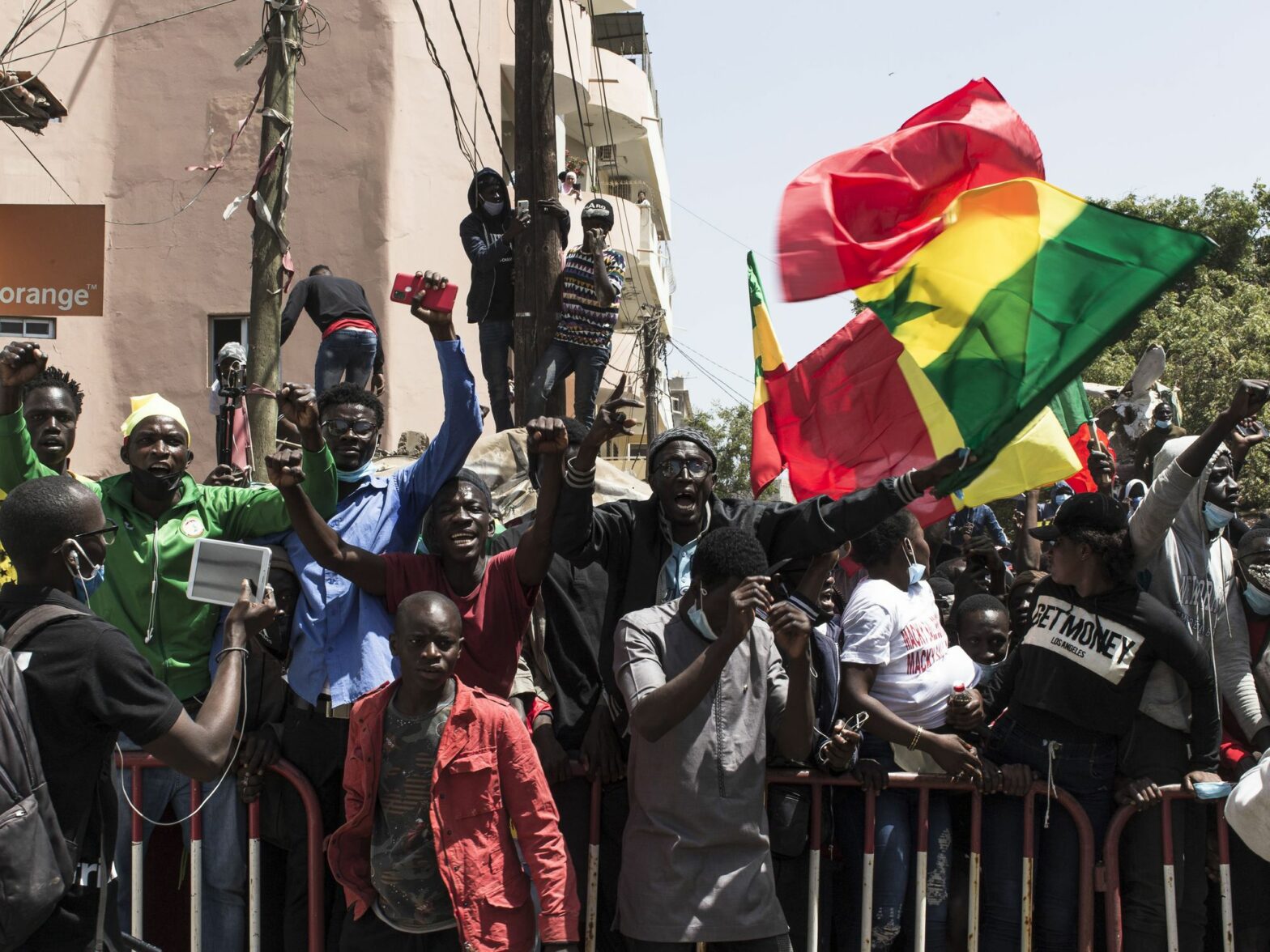
The violence that erupted following the sentencing of opposition politician Ousmane Sonko to two years in prison left 16 people dead and 500 arrested. This reveals deep fractures in Senegalese democracy that has traces to France’s colonial past.
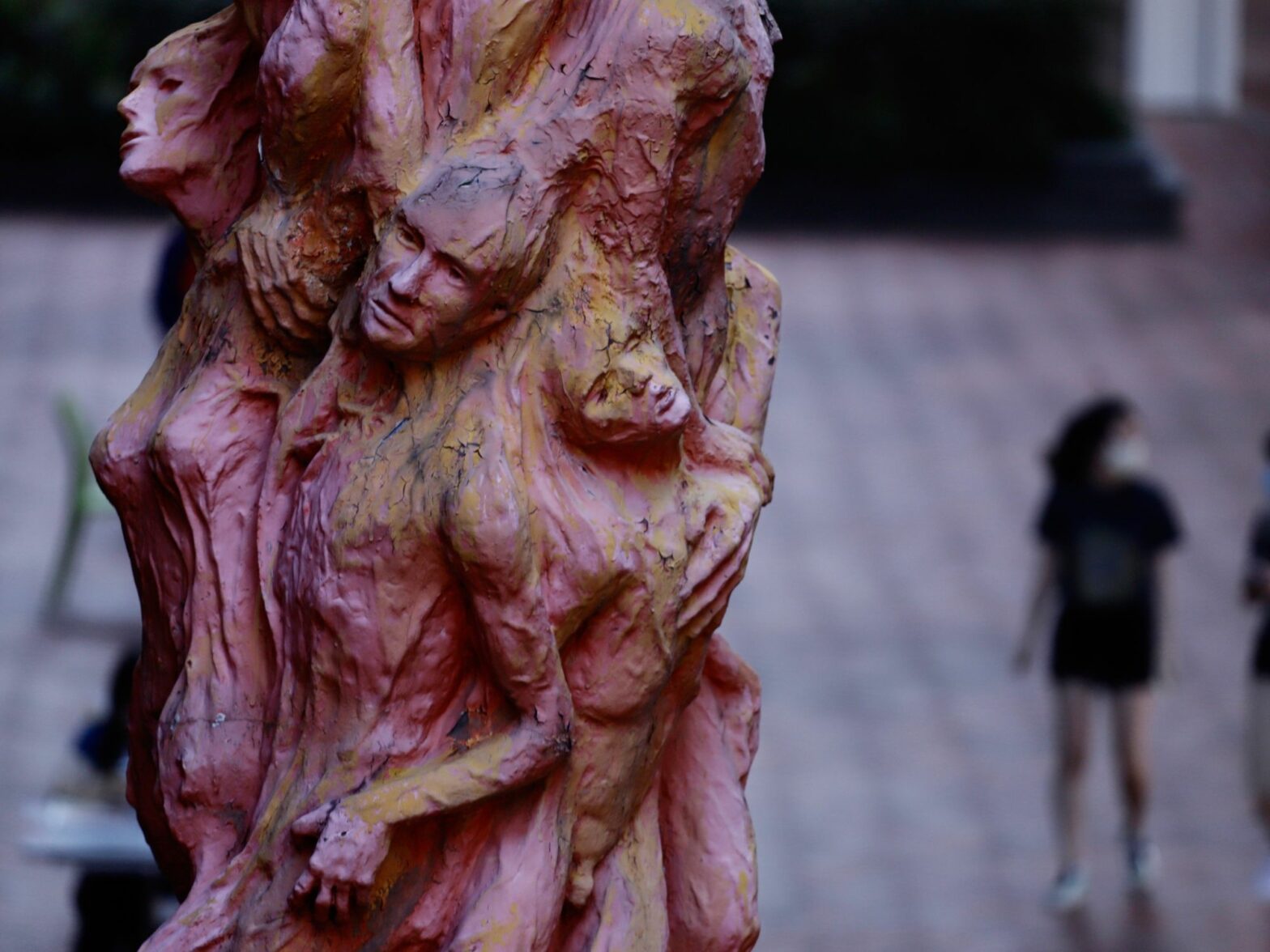
The “Pillar of Shame” in Hong Kong, a memorial to the victims of the Tiananmen Square massacre, was a symbol of freedom and democracy. Beijing has taken it down, but a replica is being built in Berlin. Activist Samuel Chu explains why that means so much to him.
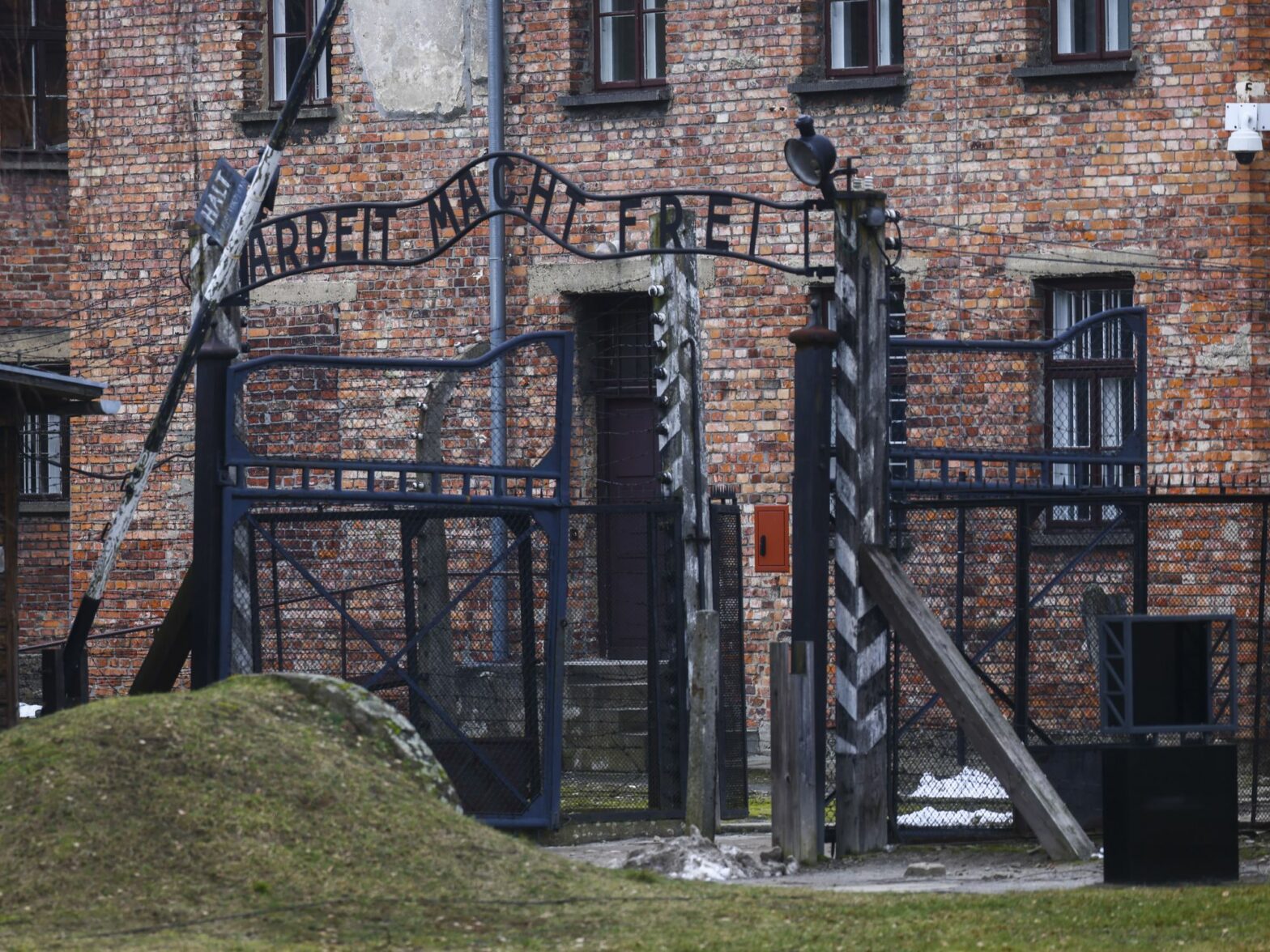
Poland’s ruling party has used the Nazi concentration camp, which was located in a Polish town, in one of its political campaigns to sully its opponents. It’s the latest step that the ruling government is taking to attack an opposition march planned for this Sunday against a law that some say threatens democracy.
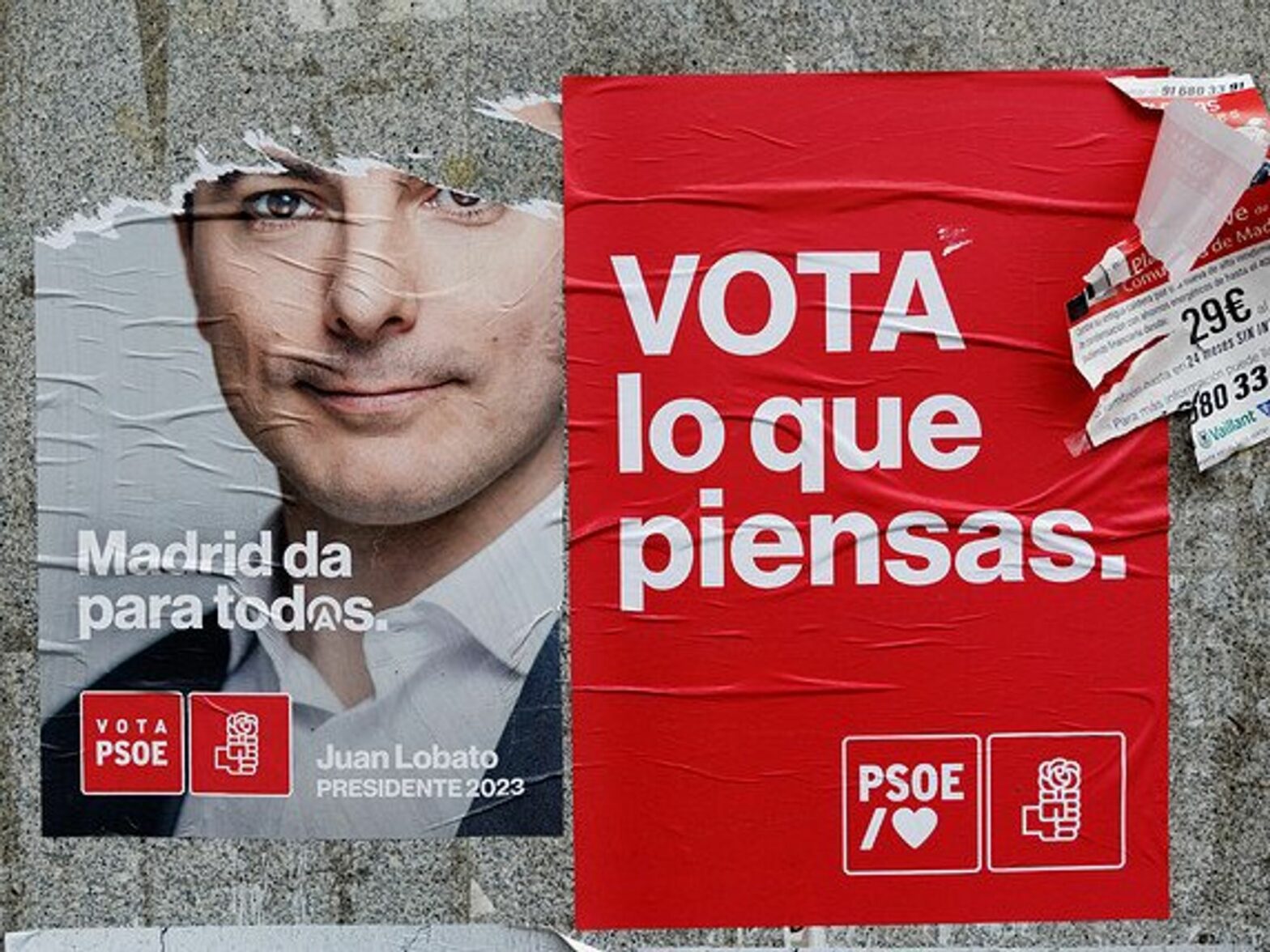
If the Left is increasingly fighting to preserve hard-won social victories, and the Right wants change, what does the traditional Left-Right division mean anymore?
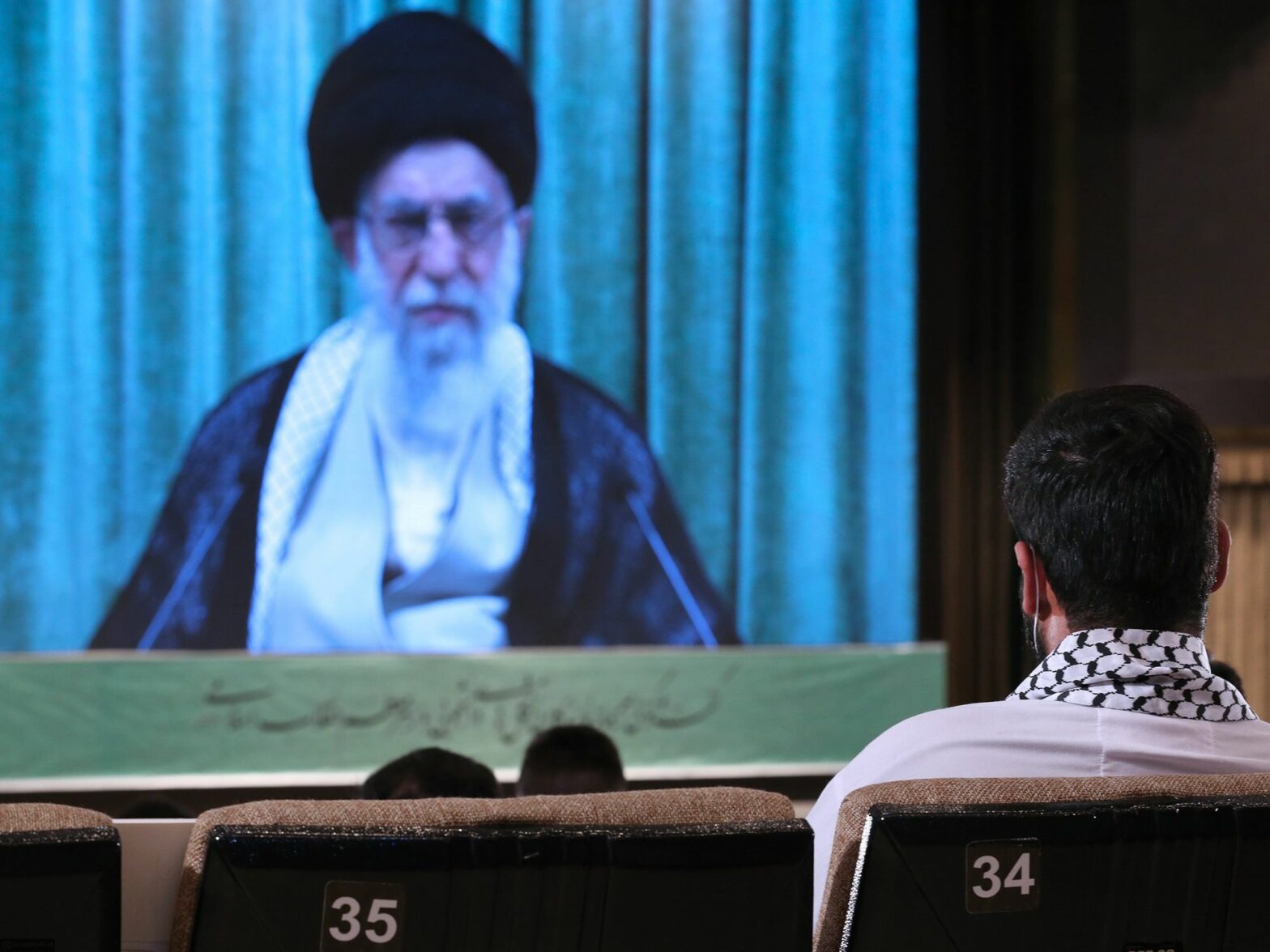
Finding themselves amid a range of strategic, economic and regional interests, Iranians in a post-regime future will have to deftly maneuver their country toward a peaceful, constitutional state. Bahram Farrokhi writes about the good, the bad and the worst-case scenarios.
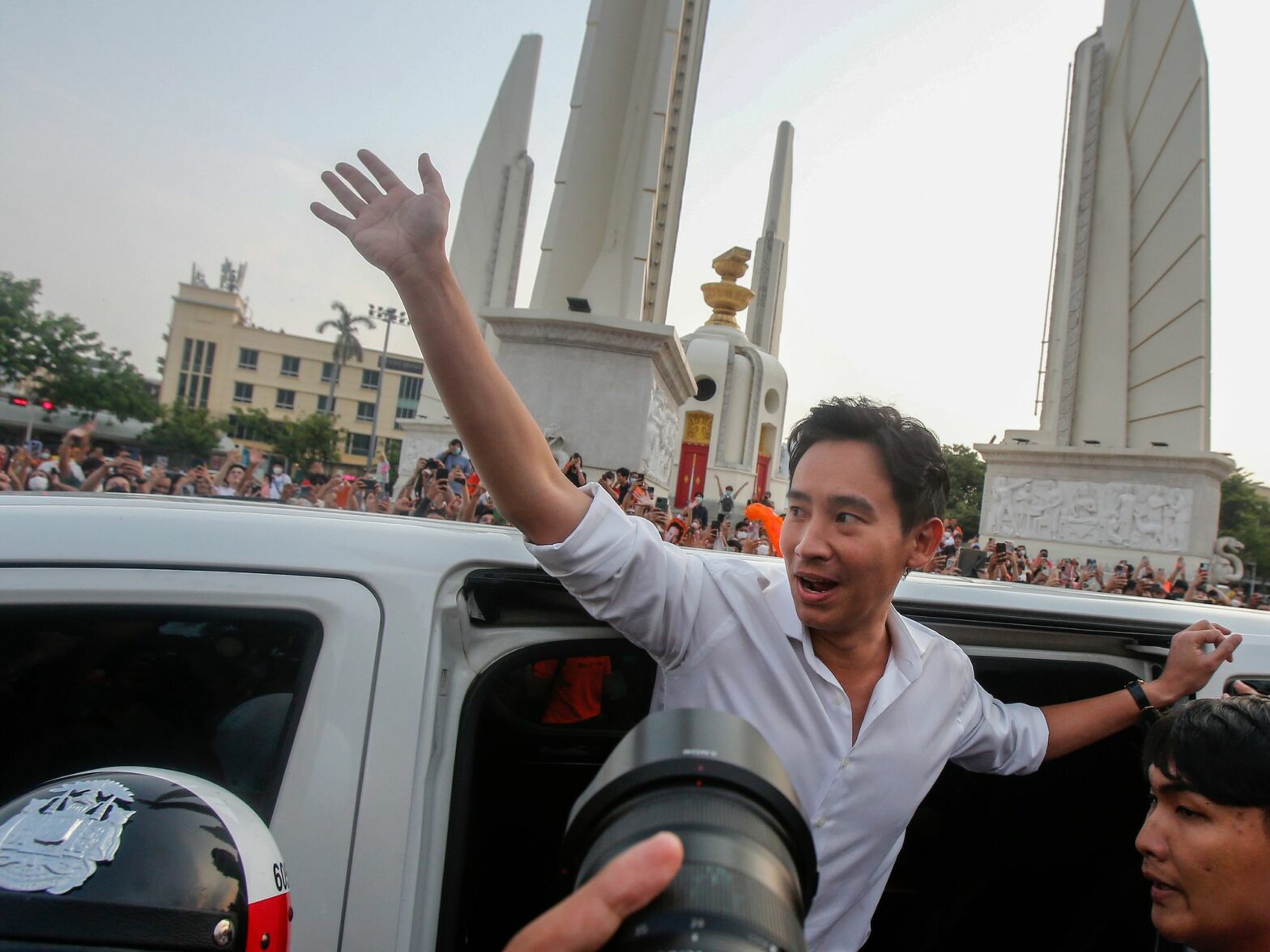
Thai voters spoke in favor of Pita Limjaroenrat’s Move Forward party, bringing hopes of in-depth reform of the country’s institutions. But that doesn’t guarantee Thailand’s opposition forces will be able to form a government, or that the military will ultimately give way.
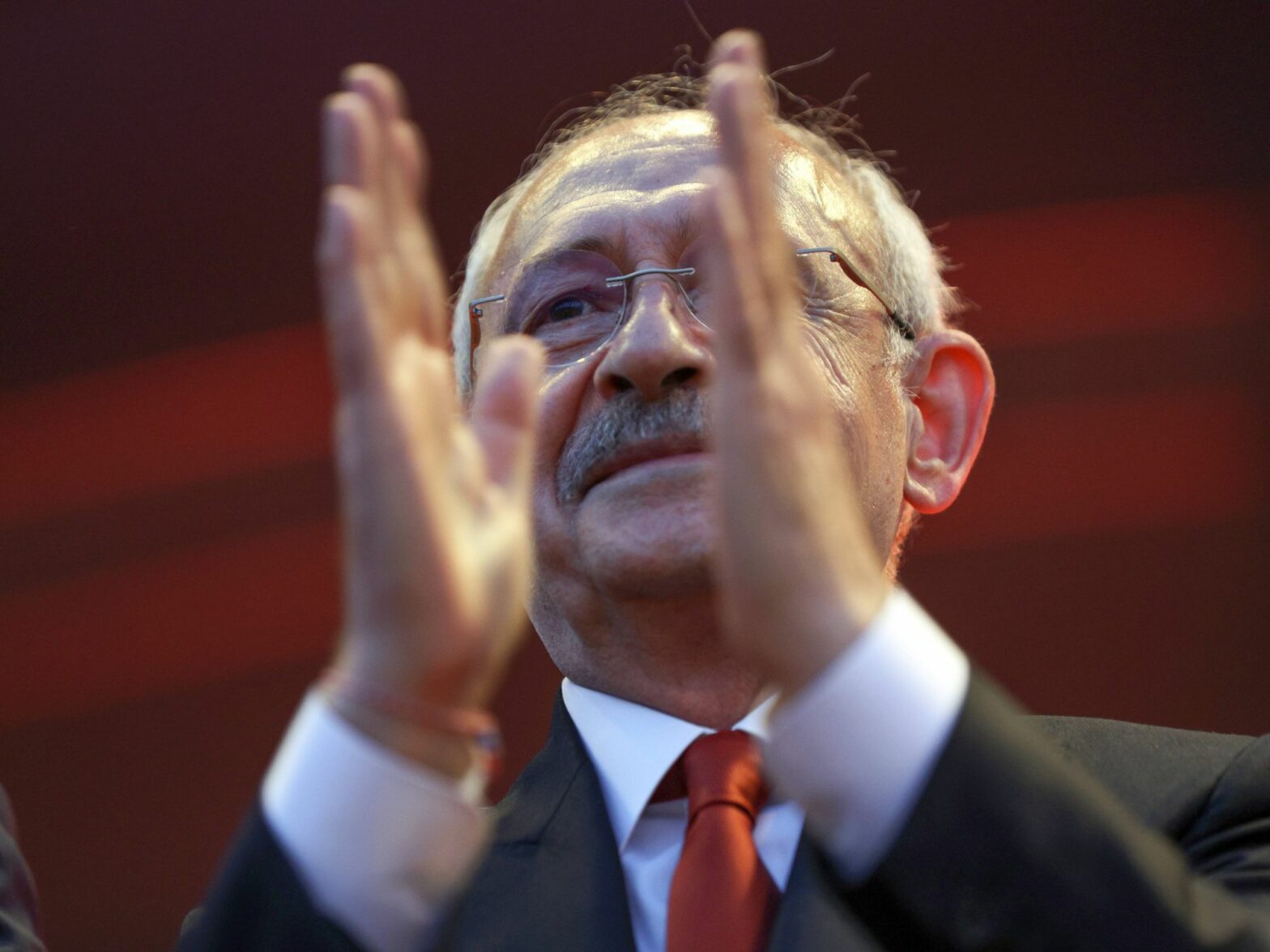
The 74-year-old veteran politician has a solid chance of unseating Erdogan from power after 20 years. Kilicdaroglu has displayed the kind of calm and open attitude to save Turkish democracy.
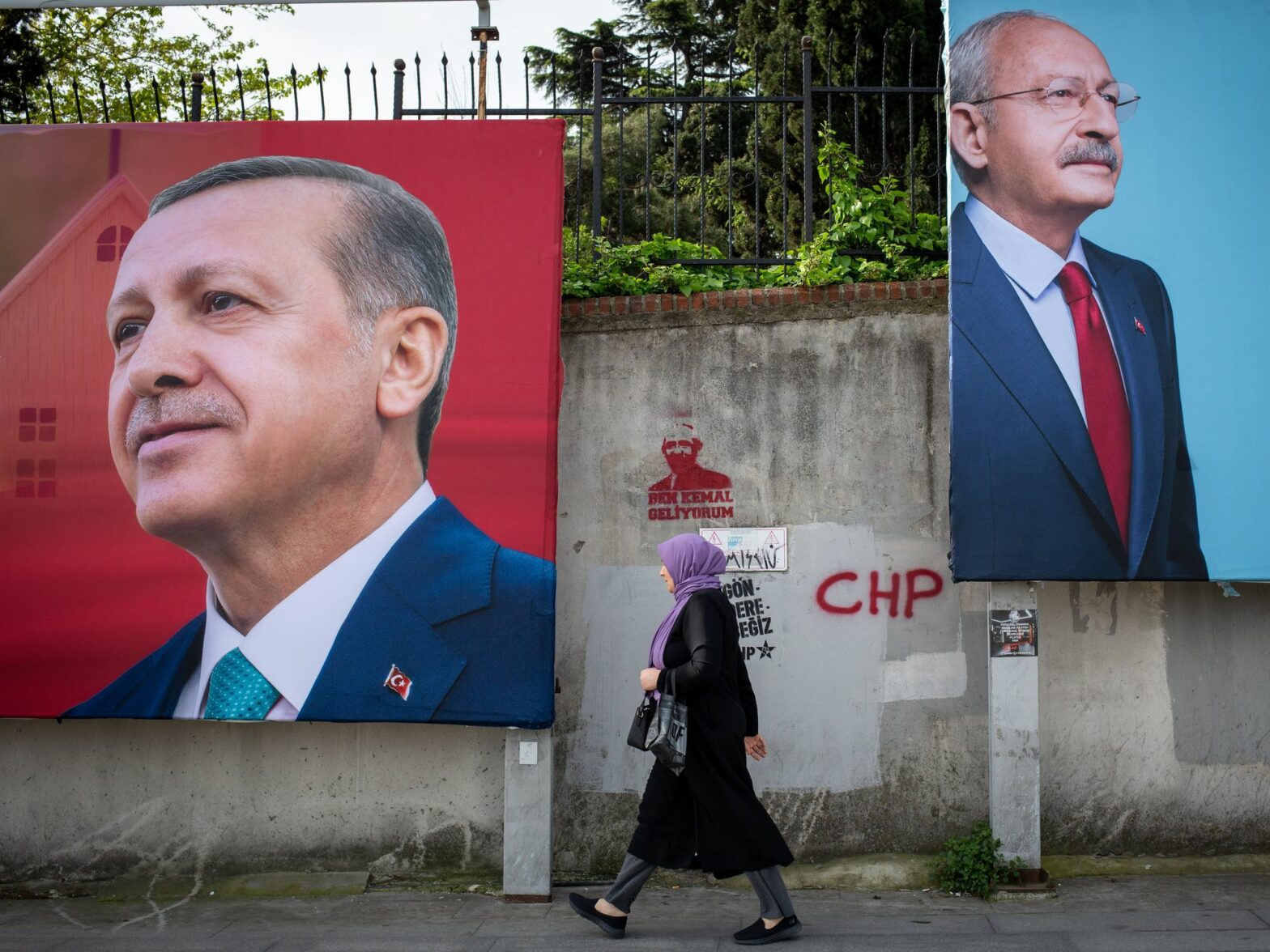
President Erdogan and his allies have spent the final weeks of the campaign questioning the political legitimacy of their opponents’ eventual victory ahead of the May 14 election. When the vote does come, the risk of setting off a veritable civil war is real.
Amid the summit hosted at the White House, and warning from AI experts, the world can’t simply leave the machines to their own devices.
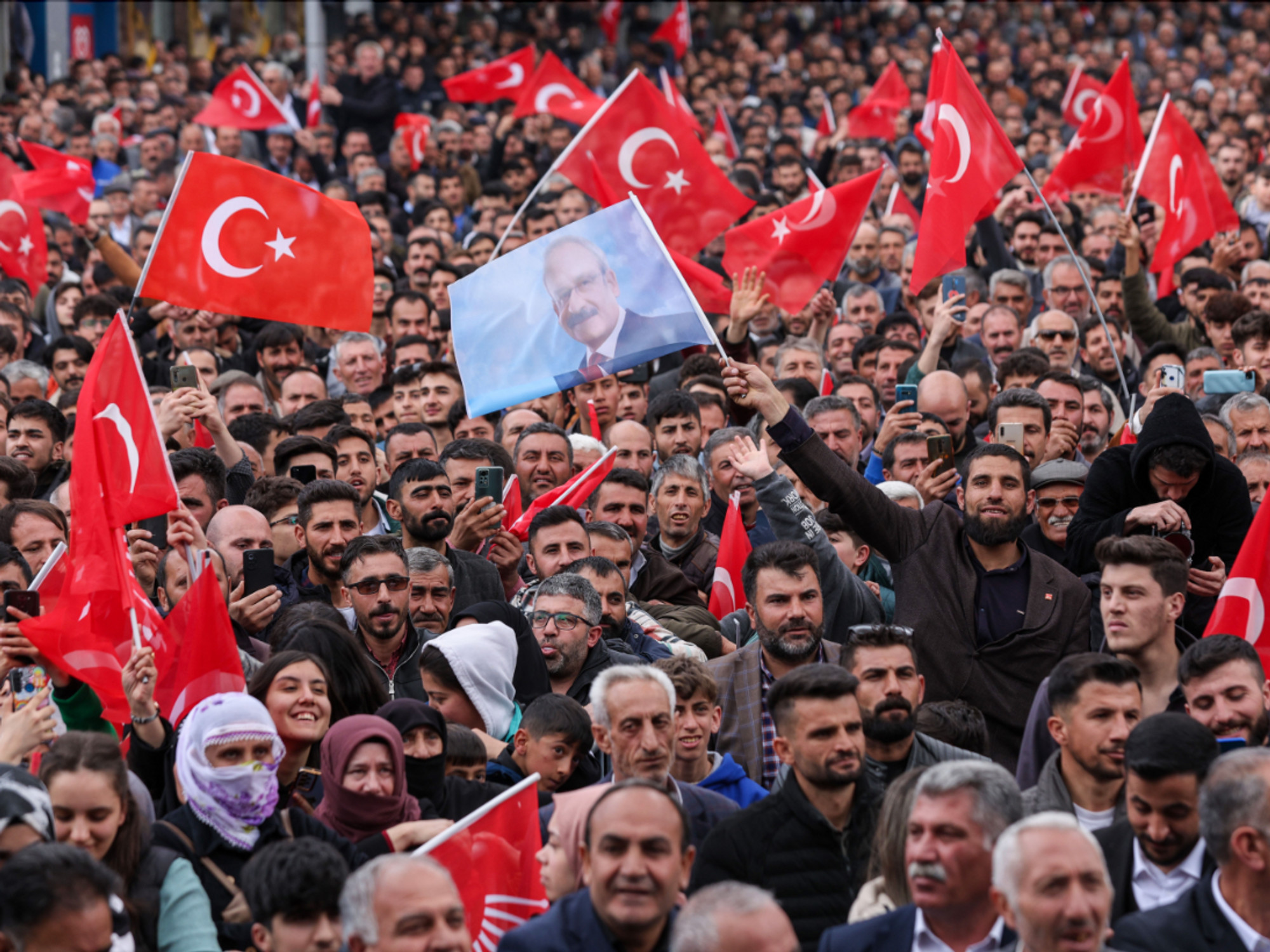
The result of Turkey’s May 14 election is still very uncertain, but President Recep Tayyip Erdogan’s significant failures put his leadership under threat for the first time in 20 years.