As ChatGPT learns your habits and starts spending on your behalf, the future of online shopping may belong to the bots.

 Worldcrunch
As ChatGPT learns your habits and starts spending on your behalf, the future of online shopping may belong to the bots.

Even those on the French left who resist the country’s color-blindness were dismayed when an optional question on parental origin was added to the census. Although the issue may seem benign in countries where race is routinely asked about, in France the question acted as a lighting rod for debates over how to address discrimination considering the country’s dark past and the current rise of the far right.
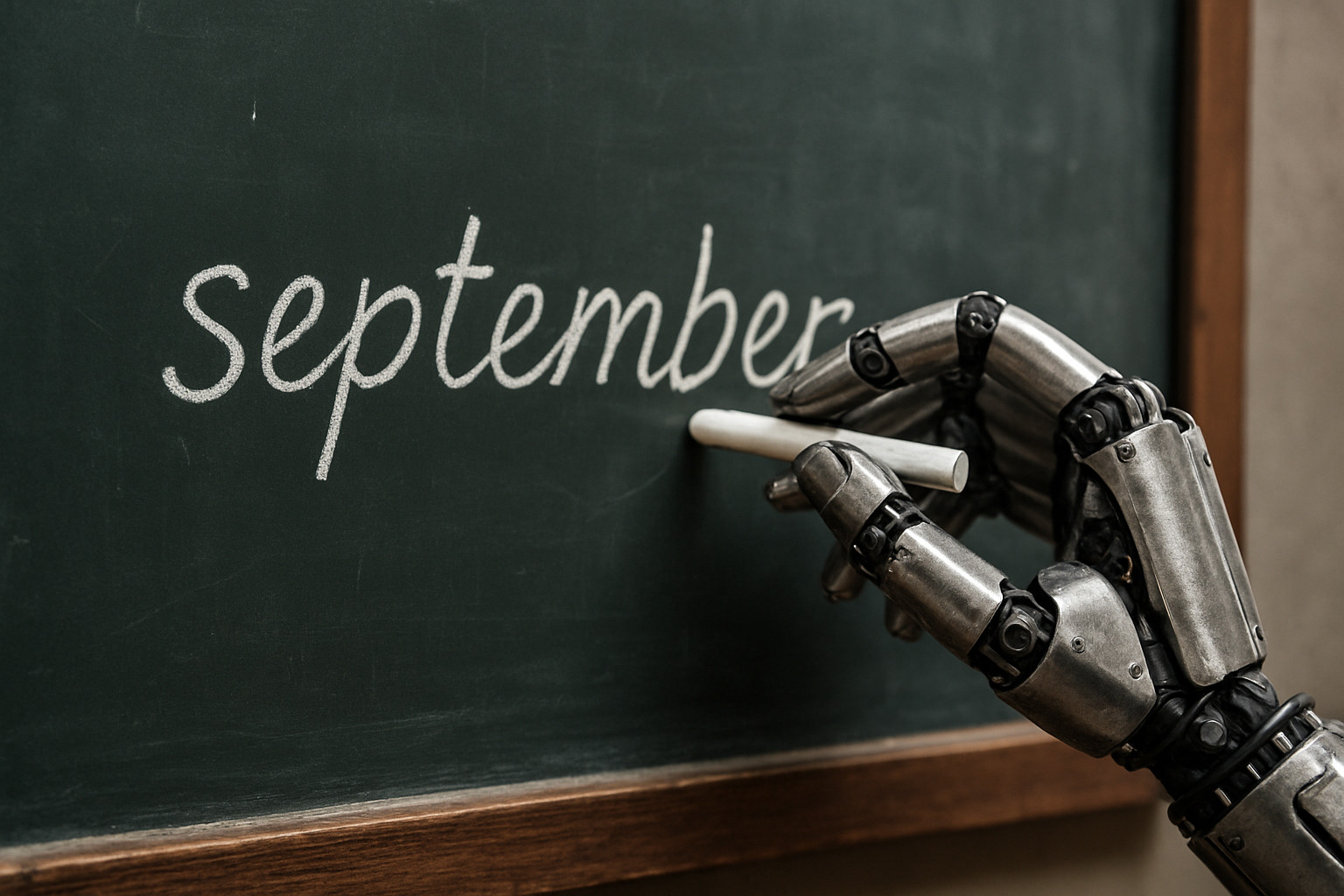
Competition from artificial intelligence is a technical challenge and an existential question for historians. But what if it is also an opportunity to reclaim the profession’s humanity?

The Kremlin is shutting off access to crucial data on its population and economy. What did those figures reveal — and why is the government afraid of them?

From cloud dependence to AI policy retreat, the European continent faces a stark choice: play by America’s rules or build a radically different model of technological sovereignty. How it plays out is likely to shape how the digital economy and society looks for the whole world.

We need awareness of how AI systems work, of how to be critical and how to be able to leverage AI.

As scientists struggle to connect with the public, they must consider new models for making research more accessible.

We are drowning in digital hyper-production, or the vast torrent of pictures and data coming out of our screens. There is no room for mystery or creativity. The art of delay, essential for contemplative thought, is definitively lost in the culture of digital immediacy. So what can we do about this?

Forget about the satellites: 99% of global data traffic runs over fiber optic cables on the seabed. Now, climate change and political sabotage might put the infrastructure at risk.

If artificial intelligence-created content floods the internet, who decides what online information is worth archiving?

More and more teachers are finding a successful side career on social media as influencers. But commenting on exam results, dancing with students and even sharing personal stories about pupils raises ethical and legal questions.

Many of life’s biggest questions can’t be answered by an algorithm. We must learn to embrace uncertainty instead.

On the road to the 2024 Olympic Games, the global leader of sport has launched a major offensive to regain ground lost in recent years in the athletic gear market, and is preparing a flurry of innovations to rekindle the flame of fuel-starved global sales.

Discreet about its strategy, the Chinese company Temu is proving a fierce competitor to incumbent e-commerce brands, notably Amazon, by operating at a major loss. Some are worried whether its aim is to collect something more valuable: data on the habits of Westerners.

In the Canadian Arctic, two ambitious research initiatives try to strengthen climate data through community engagement.

The IBM RAMAC 305, introduced on this day in 1956, was the world’s first computer to use a magnetic hard disk drive for data storage. It stood for “Random Access Method of Accounting and Control” and was designed primarily for business data processing. What was the significance of the RAMAC 305 The RAMAC 305 marked […]


It’s impossible to travel incognito on a train, and it’s also difficult to walk down the street without running into surveillance cameras. Even when hiking, apps are multiplying. We can’t just wander around in anonymity anymore.

Bot did you get it?

Lower-caste cleaners must wear GPS-enabled smartwatches, raising questions about their privacy and data protection.

With 43 campuses in 27 countries, Le Wagon has become the world’s leading network for intensive coding education, revolutionizing how coding is taught.

We knew the name: Operation Gallant Phoenix. But now Le Monde has exclusive access to details of the U.S.-led, Jordan-based effort to use digital tools to track, capture and convict some of the most dangerous perpetrators of Islamist terror around the wor

Decoded data from messaging services have given the authorities in Germany a new weapon in the fight against gang crime, as shown in the latest raid in Berlin. Criminal families are feeling increasingly uneasy.

Registering facial recognition data with a biometric authentication application is all the rage in China, but it comes with major privacy concerns.

In Latin America, where half of all jobs are off the books, businesses can’t tap into the vast and potentially valuable resource of data to usher in digital transformation.

New tech may soon be able to predict future political problems and independently develop solutions before issues even arise. But what does that mean for democracy?

China’s ‘social scoring’ system, with punishments for nonconformist actions and rewards for good behavior, changes human interaction. Germans know a thing or two about the high stakes of privacy protection.

How economic actors, communities and developing countries fare in the digital economy will depend in large part on how much control they have over the data they produce.
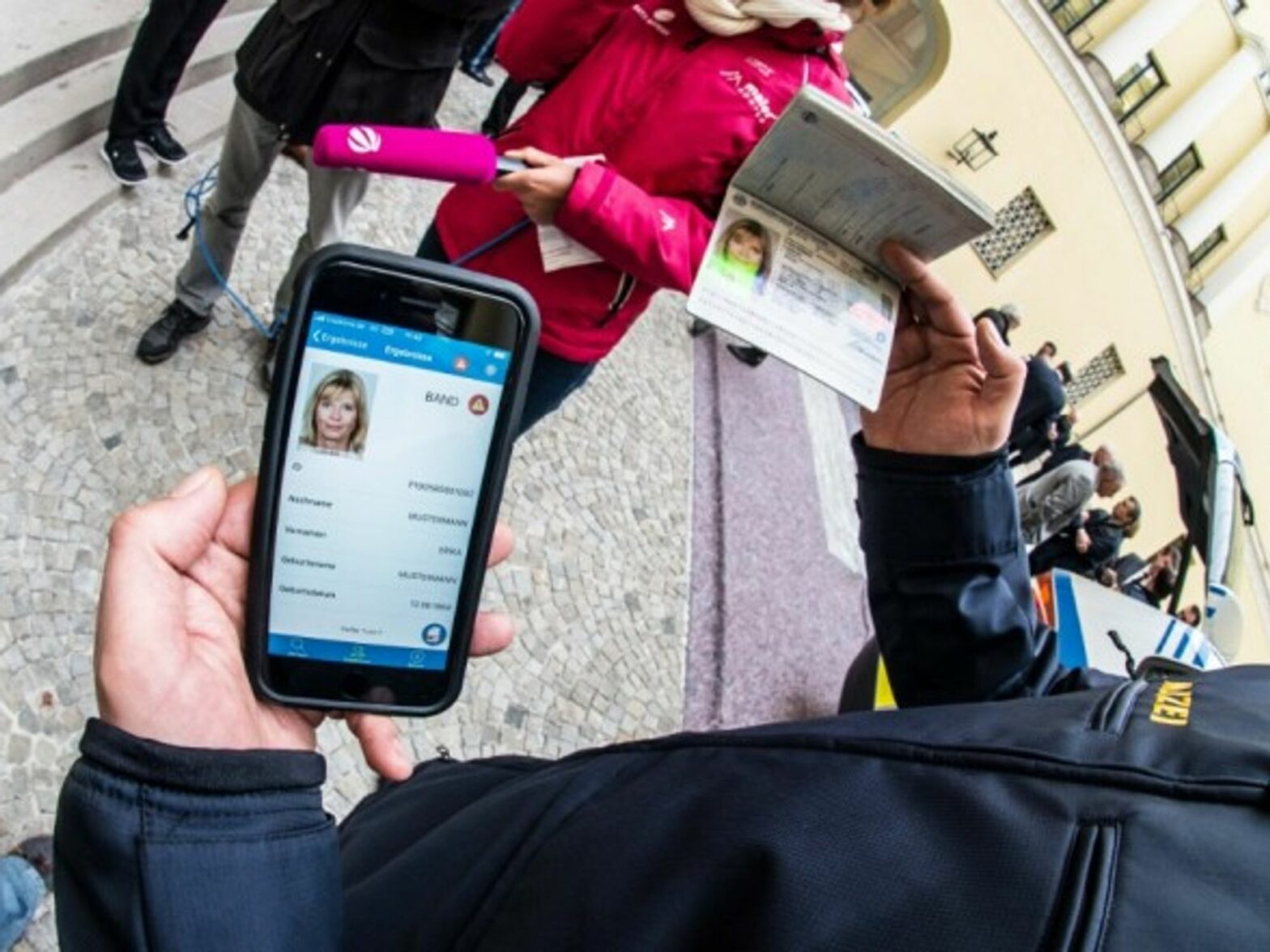
Blockchain may be the technical solution, as companies, international institutions and NGOs long for a global system that authenticate anyone’s identity, no matter where they are.

PARIS — What if the GAFA quartet (Google, Amazon, Facebook, Apple) also became giants in the healthcare sector? Google first tried to put on the white coat more than a decade ago. After “Google Health,” its online medical record project abandoned in 2012, the company made a strong comeback with its subsidiary DeepMind Health, doing […]

BEIJING — The exhibition was called “Secret,” and opened in the Wuhan Art Museum in April. And what was in the show? The personal information of the 346,000 citizens of the central Chinese city of Wuhan that the artist Deng Yufeng had bought on the black market. Previously treated with a special chemical, certain parts […]

Internet giants have now started flirting with decentralization, to try and replace the so-far failed hopes of Bitcoin and blockchain technology.

Upstarts no longer, the so-called BAT companies — Baidu, Alibaba and Tencent — are a force to be reckoned with.

Information gleaned from digital sources must be used in strict accordance with the law. But it’s too useful to simply vilify and disregard.

-OpEd- MUNICH — In the aftermath of the Facebook data scandal, some users have been deleting their accounts. It’s an understandable gut reaction, but it’s also a declaration of surrender because it’s not up to the individual to oppose the superiority of Internet companies. That’s the job of the politicians. Digital abstinence cannot be the […]

-OpEd- MUNICH — We are making the world a better place: That has been a central promise that helped Silicon Valley’s Internet giants seduce the public, on their way to gaining unprecedented power over our lives. That vow remains at the heart of the message of Mark Zuckerberg and his company Facebook. The goal, as […]

There’s simply no way for Mark Zuckerberg to fix the fake news and data abuse problems without destroying his social network’s business model.
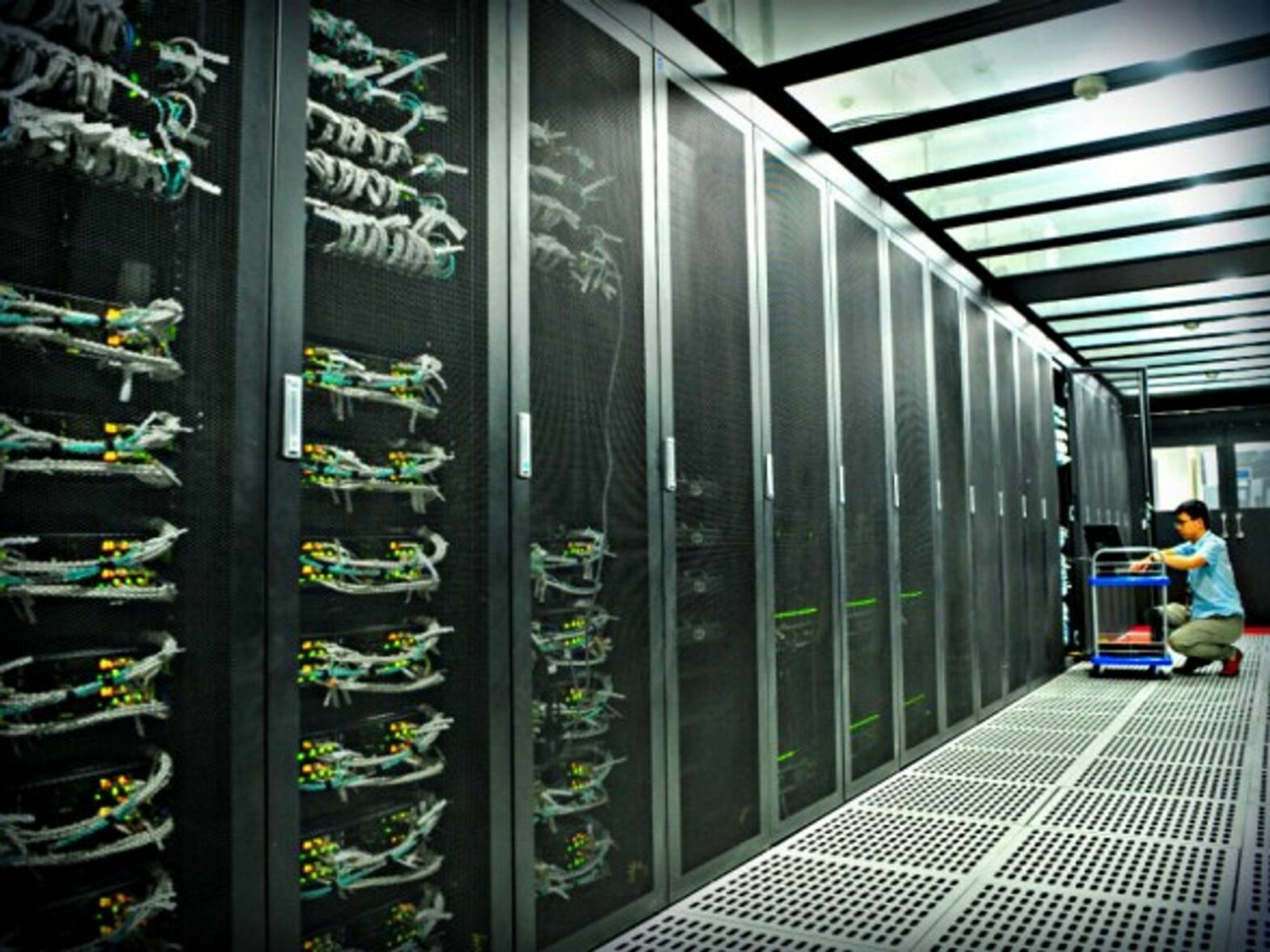
In places like Venezuela, electronic interactions may be a more reliable source of information than the government.

With Britain missing its turn for the European Union presidency in light of Brexit, the rotating six-month duty has fallen into Estonia’s lap earlier than planned. Until the end of the year, the northernmost Baltic country will lead the EU through a complicated period: On top of difficult divorce negotiations between Britain and the 27-nation […]

NEW YORK CITY — The 19th-century French sociologist Gabriel Tarde defined the marketplace as a war between buyers and sellers. He called price “a truce” obtained by haggling. It was because of that “war” mentality, he explained in his Selected Papers, that authorities in Europe began fixing prices on goods and services. The goal was […]