Thanks to advances in science, the reintroduction of extinct animal species is now feasible — even inevitable. But beyond possible benefits for biodiversity, these projects raise numerous environmental and ethical dilemmas.

 Worldcrunch
Thanks to advances in science, the reintroduction of extinct animal species is now feasible — even inevitable. But beyond possible benefits for biodiversity, these projects raise numerous environmental and ethical dilemmas.
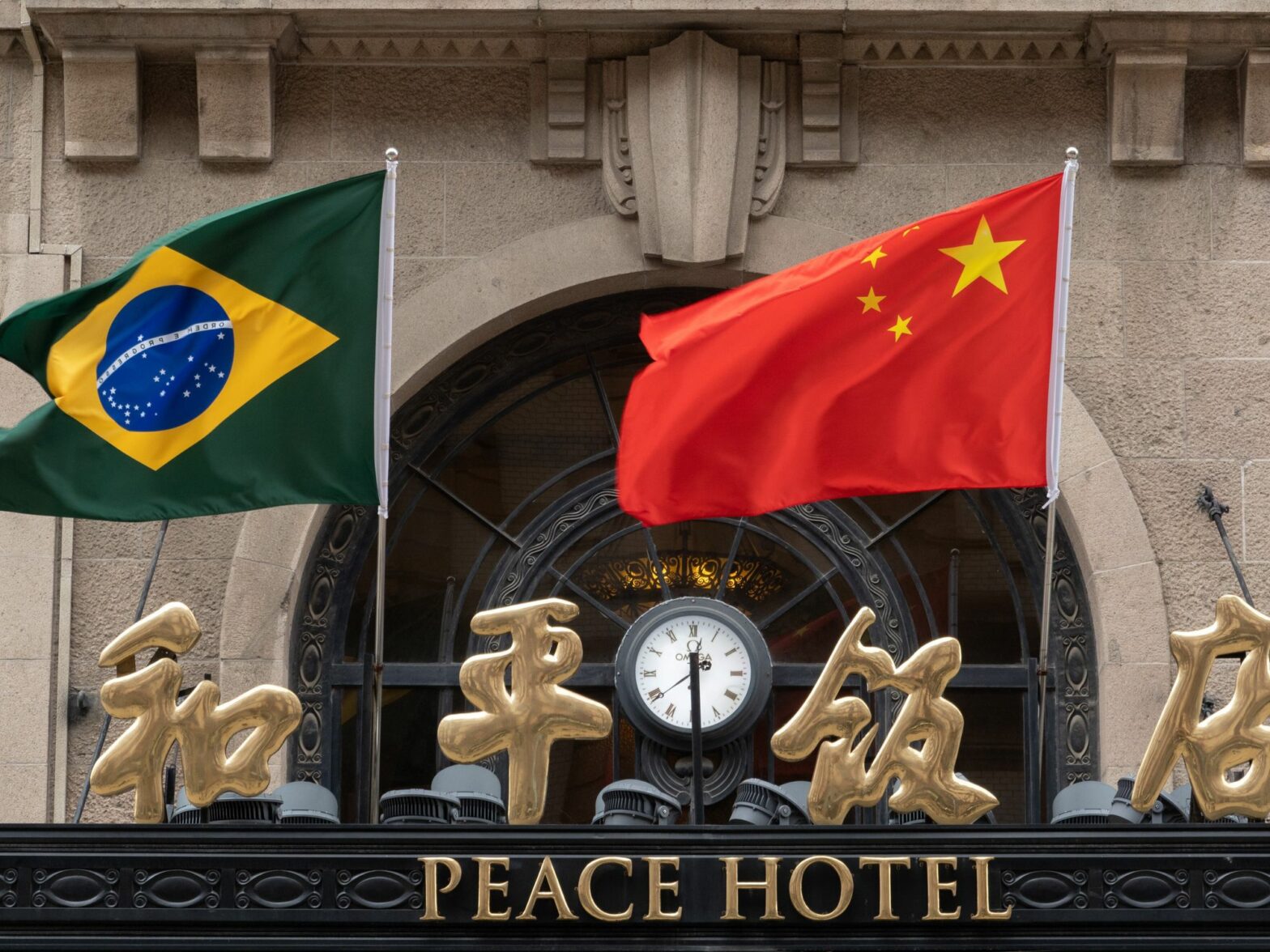
Brazilian President Lula da Silva is sticking to Brazil’s favored policy of diplomatic non-alignment while visiting China, hoping to win his country all the business and export deals he can sign.
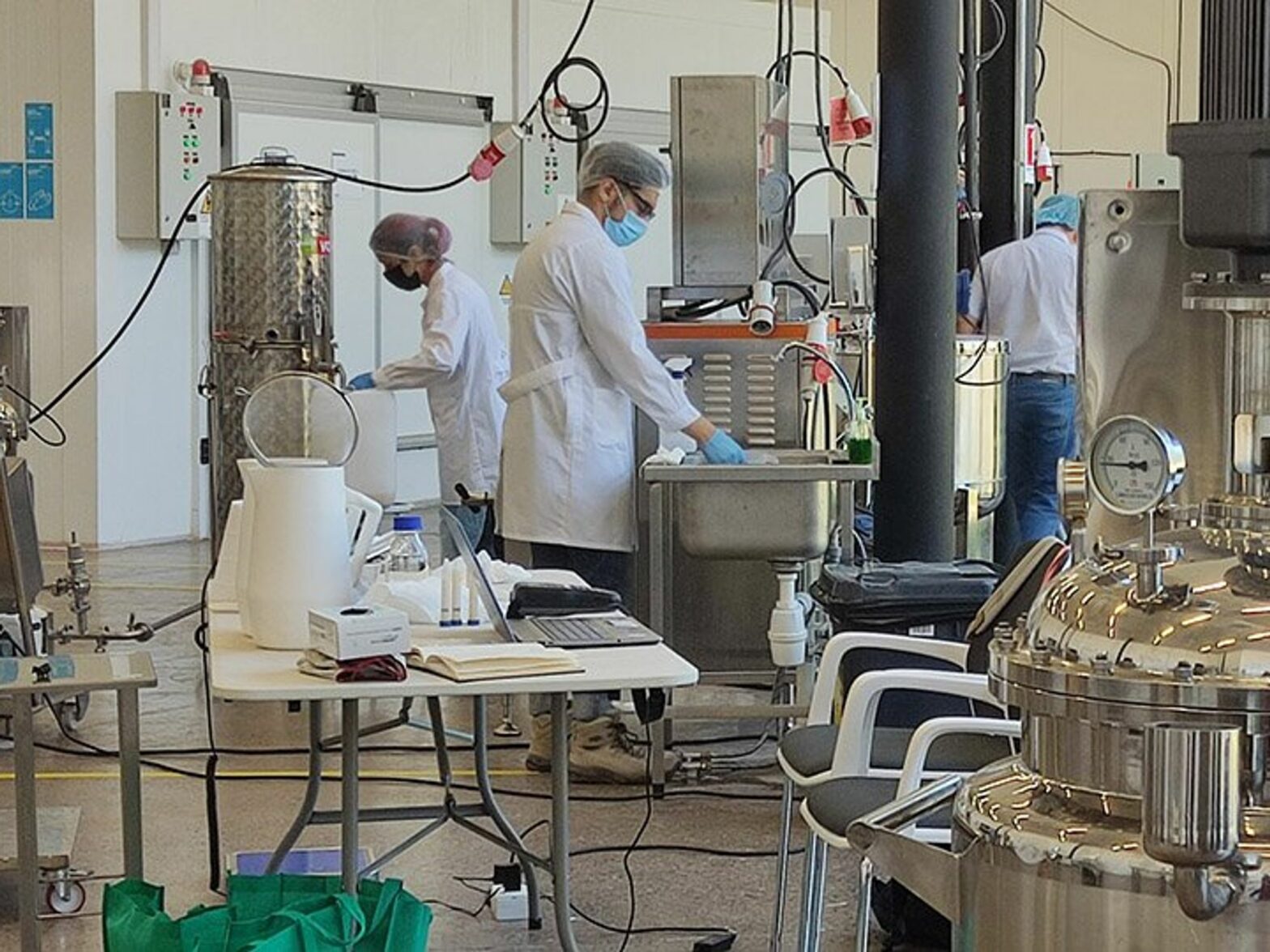
Chile’s CeTA agency tests innovative food prototypes for startups and firms, helping to curb production costs and pushing for evolution in the context of climate change.

The continuous increase of public debt and a tone-deaf president in France, the rise of authoritarian regimes elsewhere in the world, the blindness to global warming: realities that we do not want to see and that will end up destroying us if we do not act.
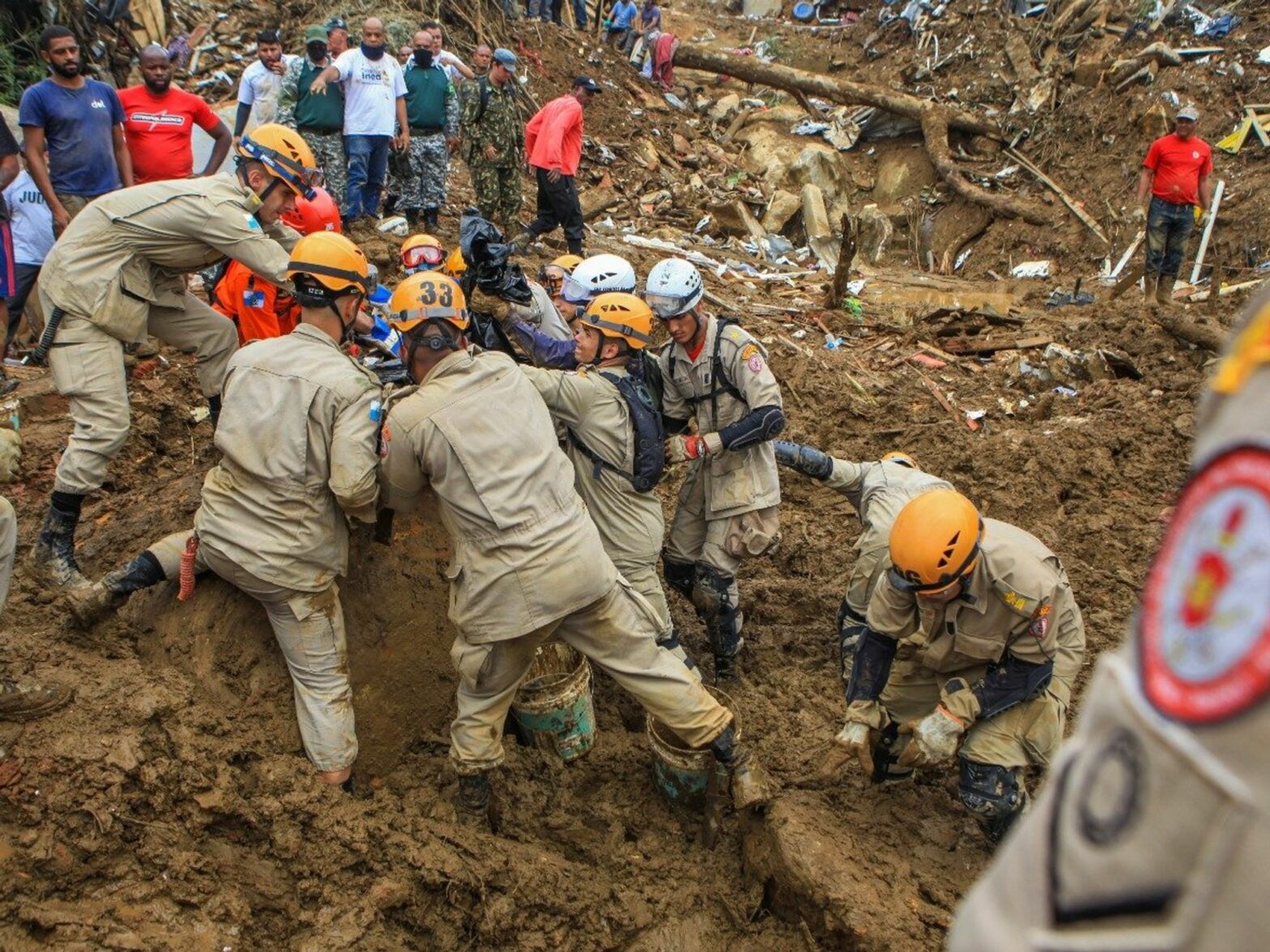
Rain often brings deadly flooding and property damage to neighborhoods around Brazil, where people are organizing to address the worsening problem.

Humans and animals have strategies to deal with their surroundings, including the impacts of climate change. But what about trees? Researchers in Spain have identified mechanisms in plant life to learn over time from unfavorable environmental situations.
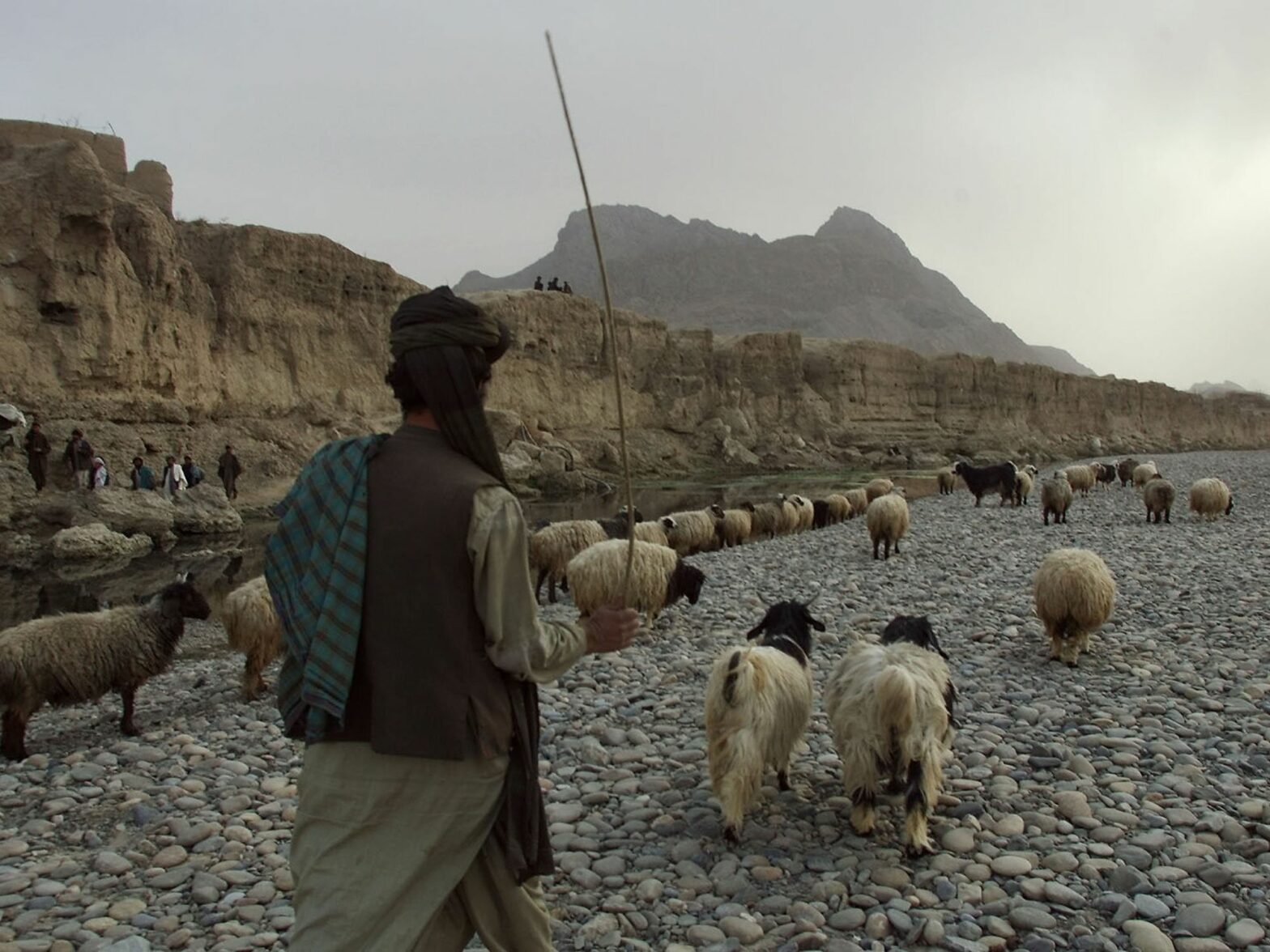
Amid a severe drought, Afghan scientists are asking the international community to engage with the brutal regime.

The TV series “The Last of Us,” where a fungal infection creates a pandemic that turns people into violent zombies offers hints of what could become more possible as global warming creates the conditions for the spreading of killer fungi.
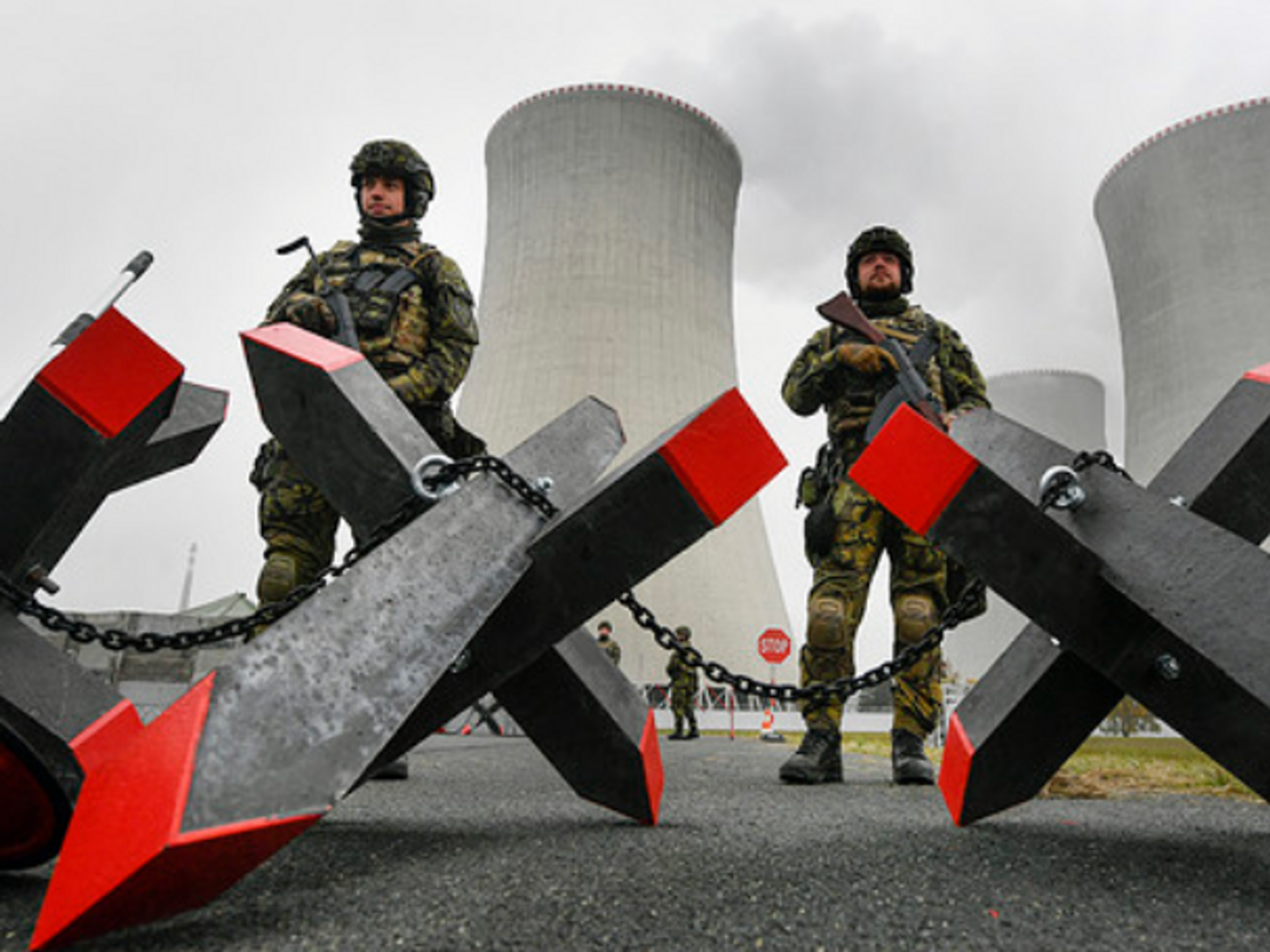
Greener than renewables, safer than oil and gas, nuclear power is deeply misunderstood — to the detriment to humans and our planet.
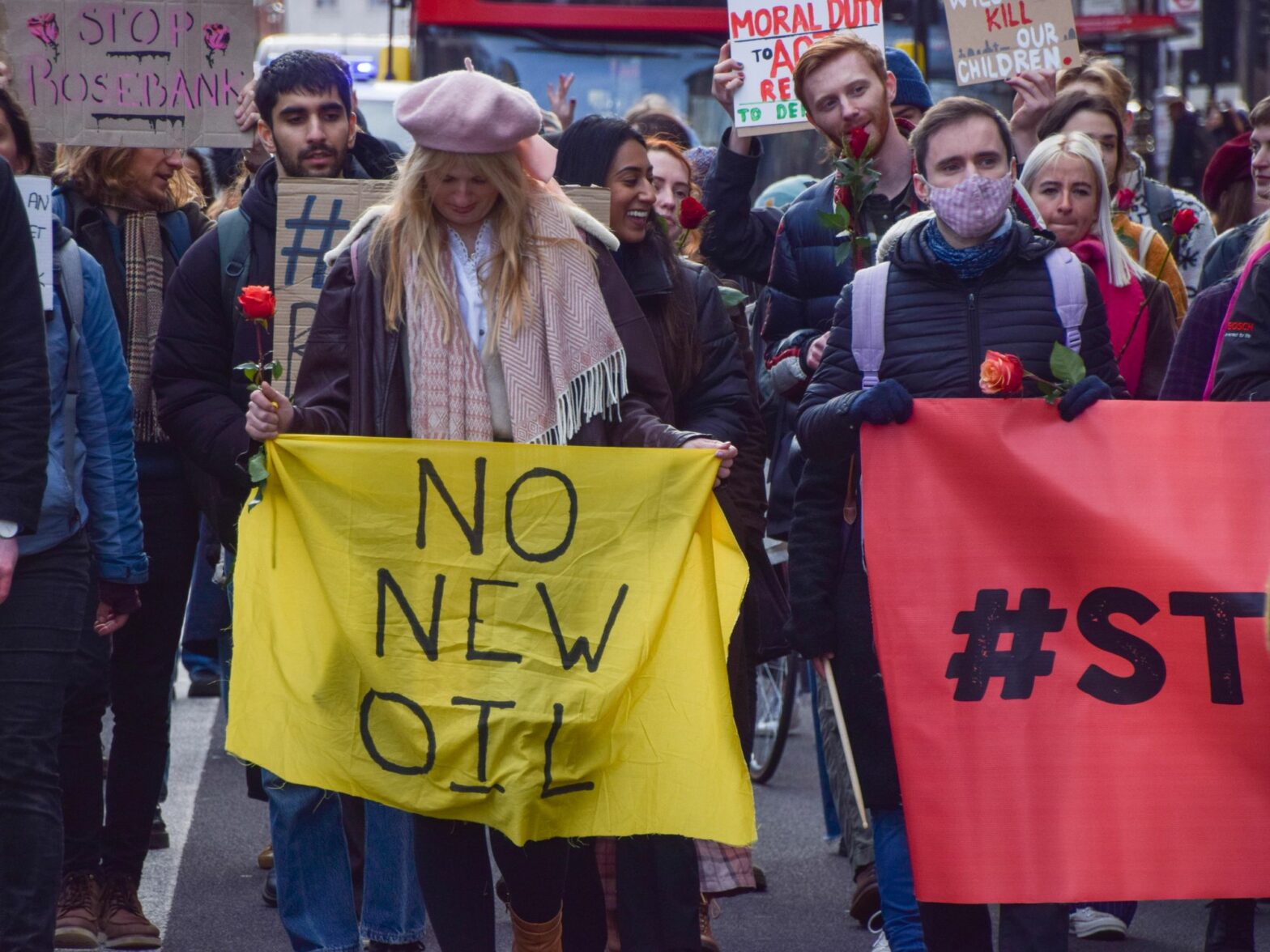
The oil and gas sector is counting its billions, and preaching renewables. The math doesn’t compute.
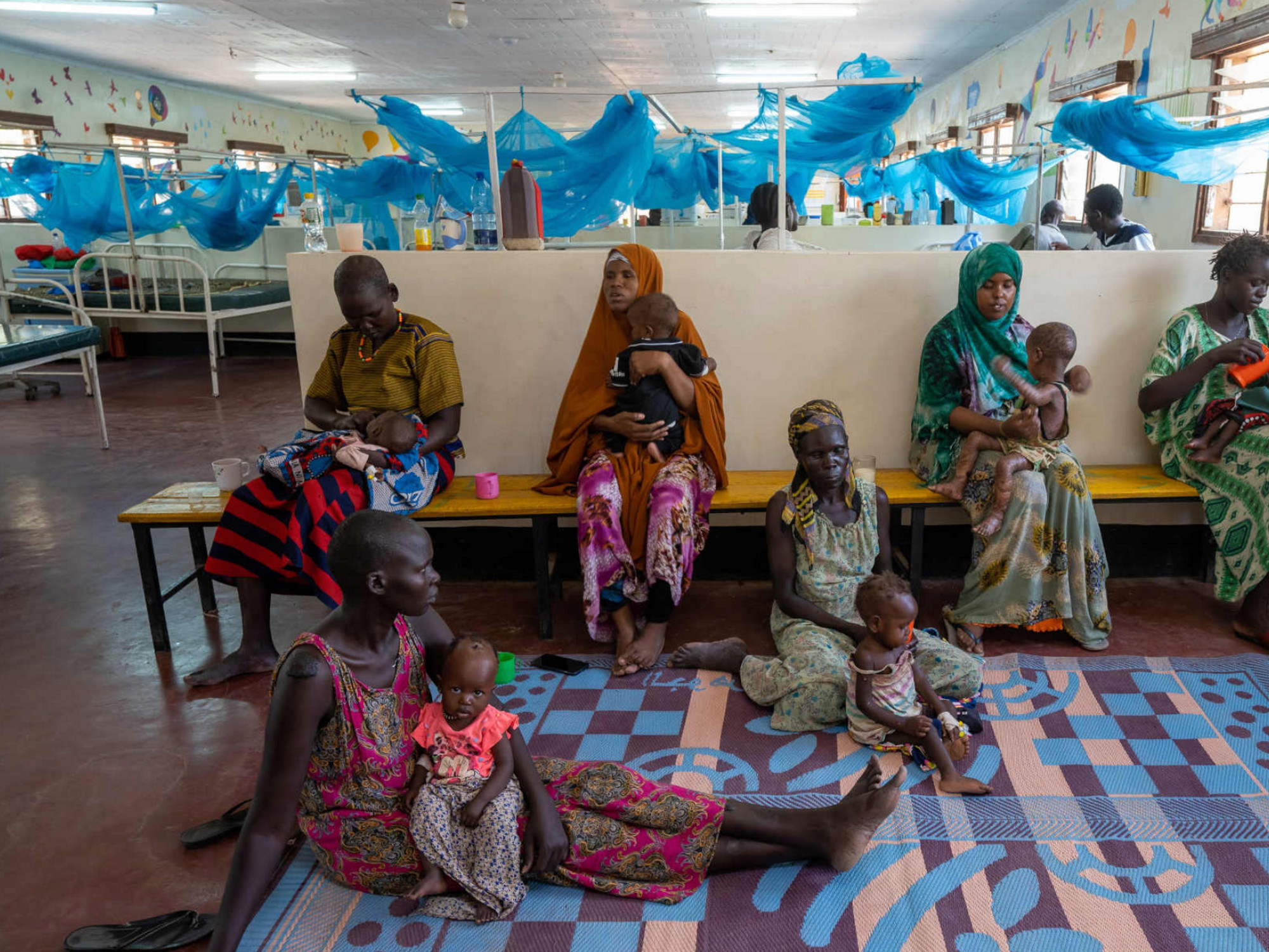
The worst drought in 40 years, which has deepened from the effects of climate change, is hitting the young the hardest around the Horn of Africa. A close-up look at the victims, and attempts to save lives and limit lasting effects on an already fragile region in Kenya.

Crises worldwide mean we need less nationalism and more cooperation, but the U.S., a weakened superpower, won’t accept its diminished status.

The Davos Forum was once a true shaper of our collective future in a globalized world. Today it is beyond its expiry date, even if global solutions to global problems are needed more than ever.

Scientists need to learn more about climate change’s negative impact on the nervous system in order to mitigate it.

With the price of meat on the rise, Brazilians have turned to eggs. The country is now producing 55 billion eggs a year, presenting challenges for farmers and raising questions of animal welfare. And in Brazil’s “Egg Capital”, the climate crisis is complicating matters further.

-Analysis- Some 100 of the most important political eyes in Africa aren’t turned towards the U.S. this week — they’re in the U.S. For the first time in eight years, the White House is hosting 49 African heads of state and leaders of government (and the Senegalese head of the African Union) for a U.S.-Africa […]
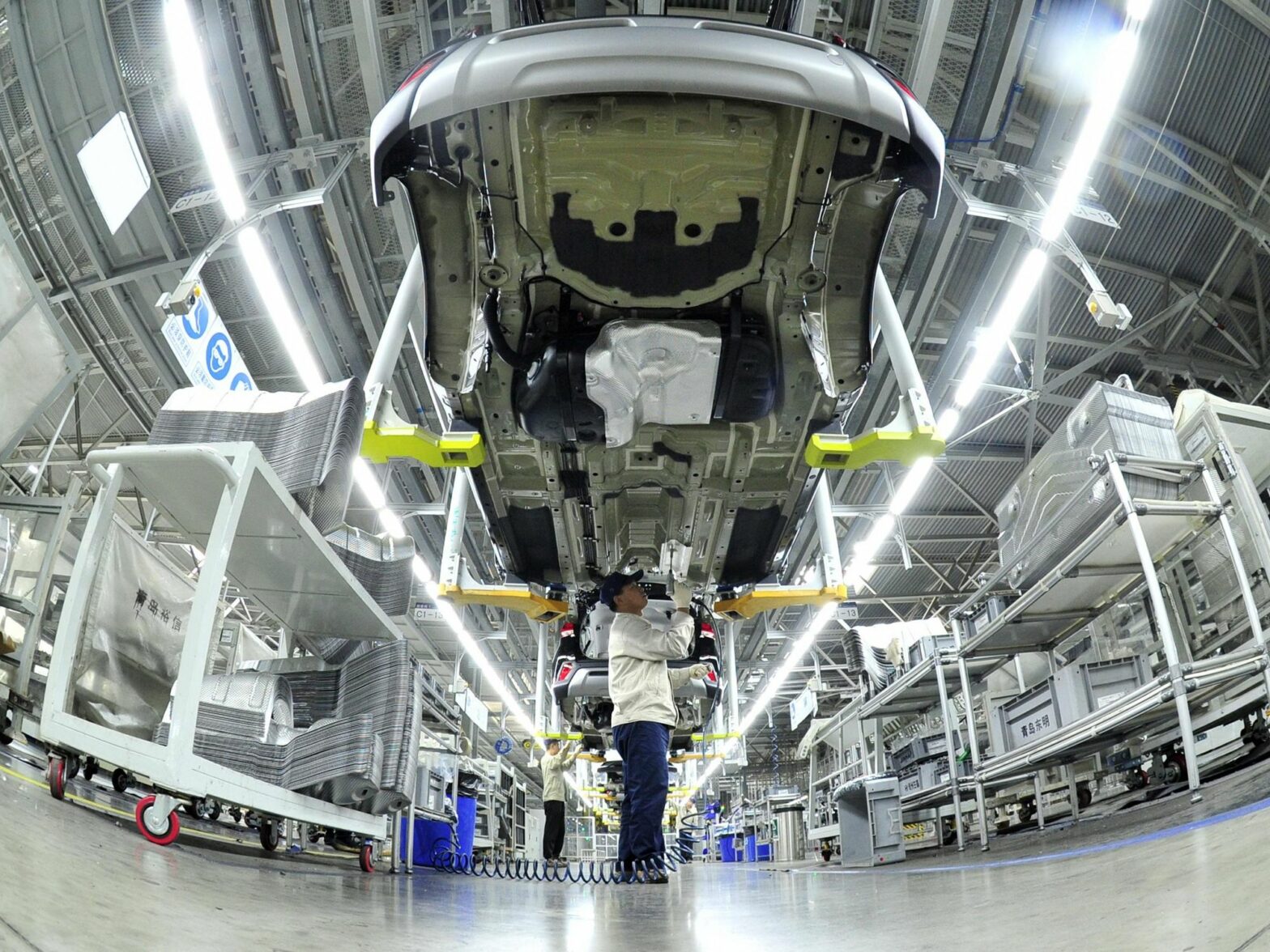
-Analysis- When the U.S. Congress passed the Biden administration’s landmark “green” spending bill in August, environmentalists around the world saw it as a very strong — and long overdue — step in the right direction on climate change. For years, the European Union’s far more stringent environmental regulations have produced a more carbon-efficient economy and […]
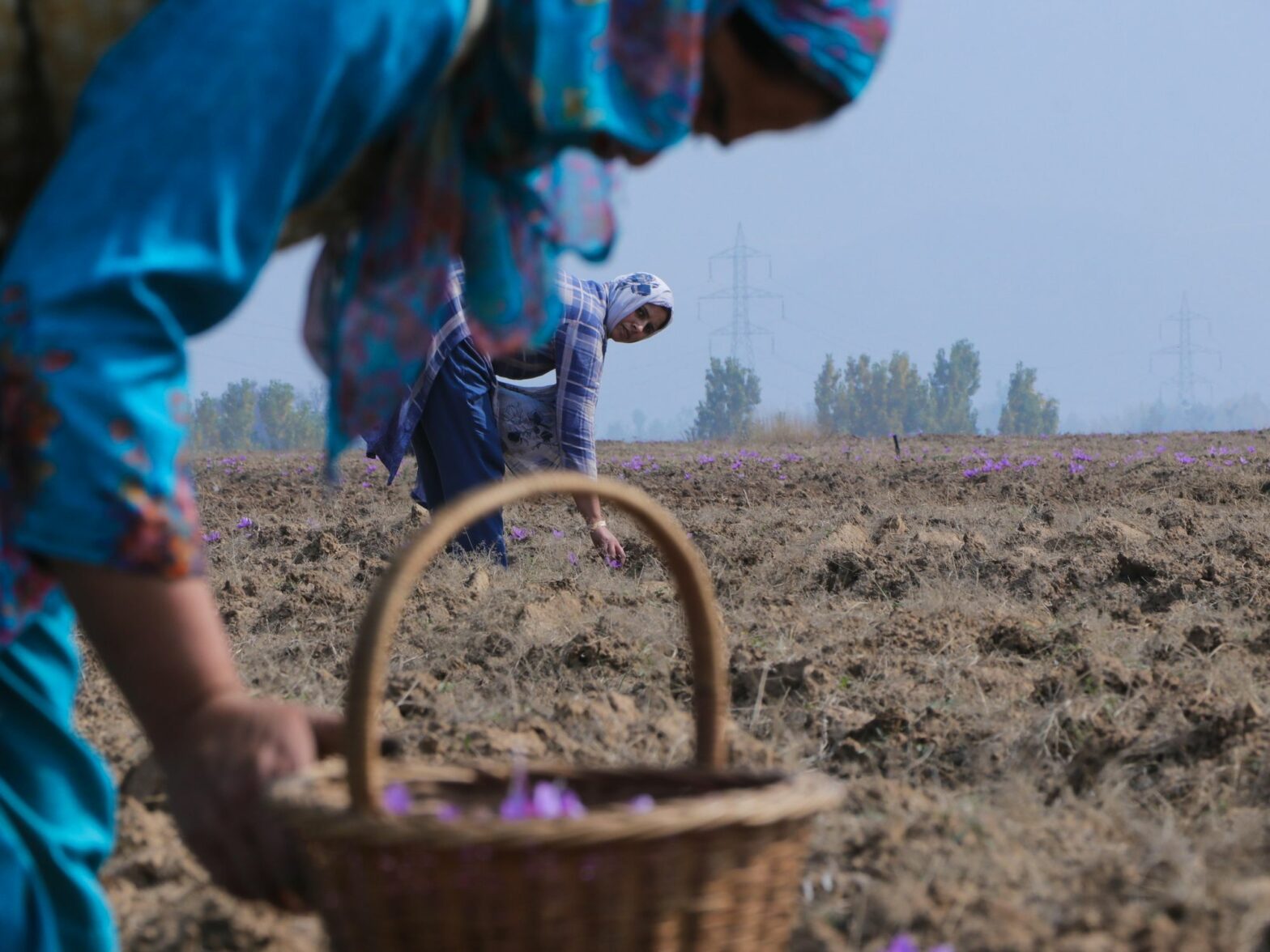
Saffron is well-known for its flavor and its expense. But in Kashmir, one of the flew places it grows, cultivation has fallen dramatically thanks for climate change, industry, and farming methods.

The week-long climate summit in Egypt managed to a backsliding that looked possible at some point, it still failed to deliver on significant change to reverse the effects of global warming.

Opioid and oil companies alike have a history of obfuscating science as a litigation tactic. How does this harm victims?
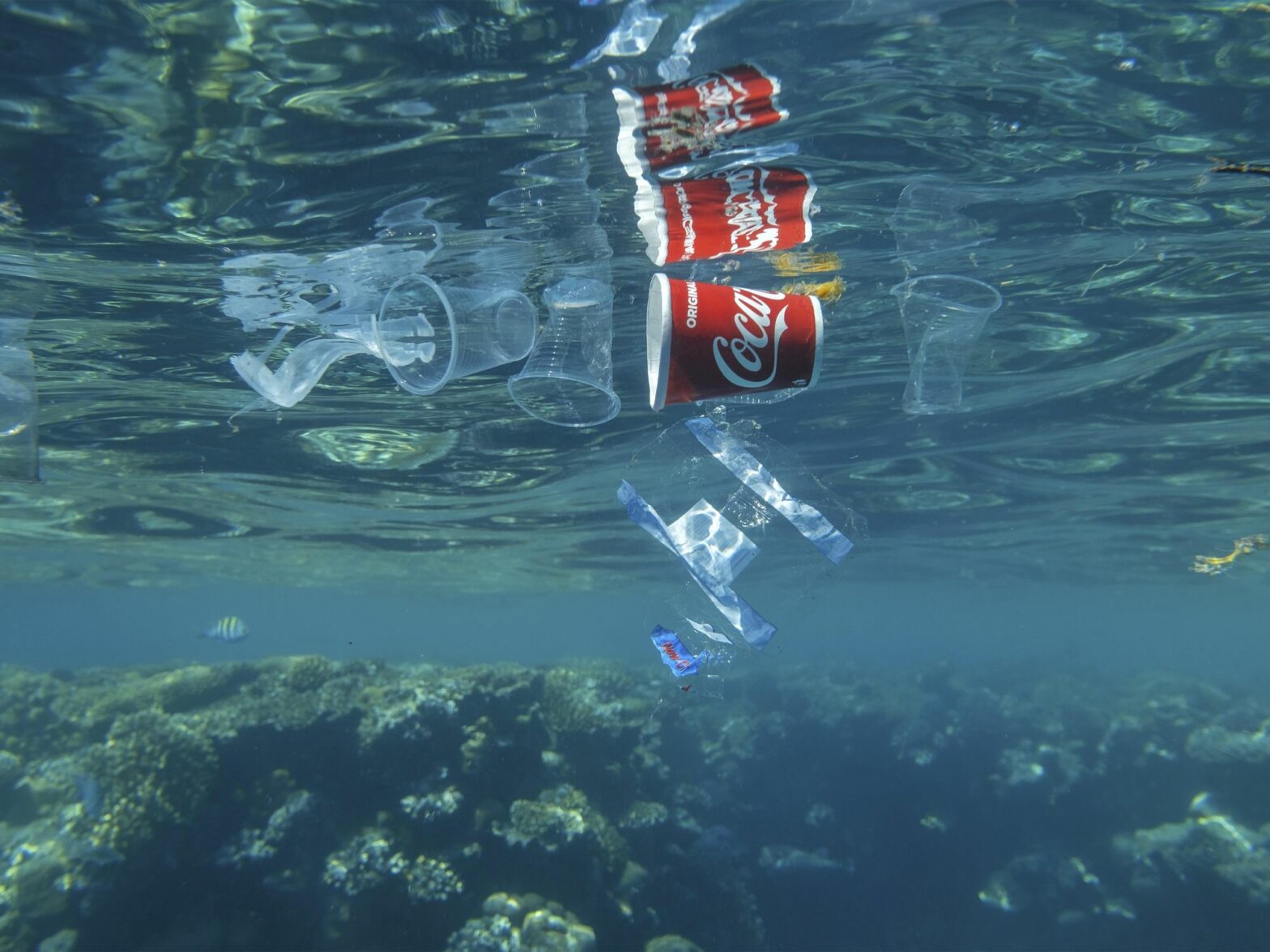
The Egyptian coastal resort has been reinvented (again) to host world leaders for the COP27, as it aims to cast a climate-financing-hungry Egypt in a favorable light. But the cosmetic changes hide years of harm to the region’s ecosystem.
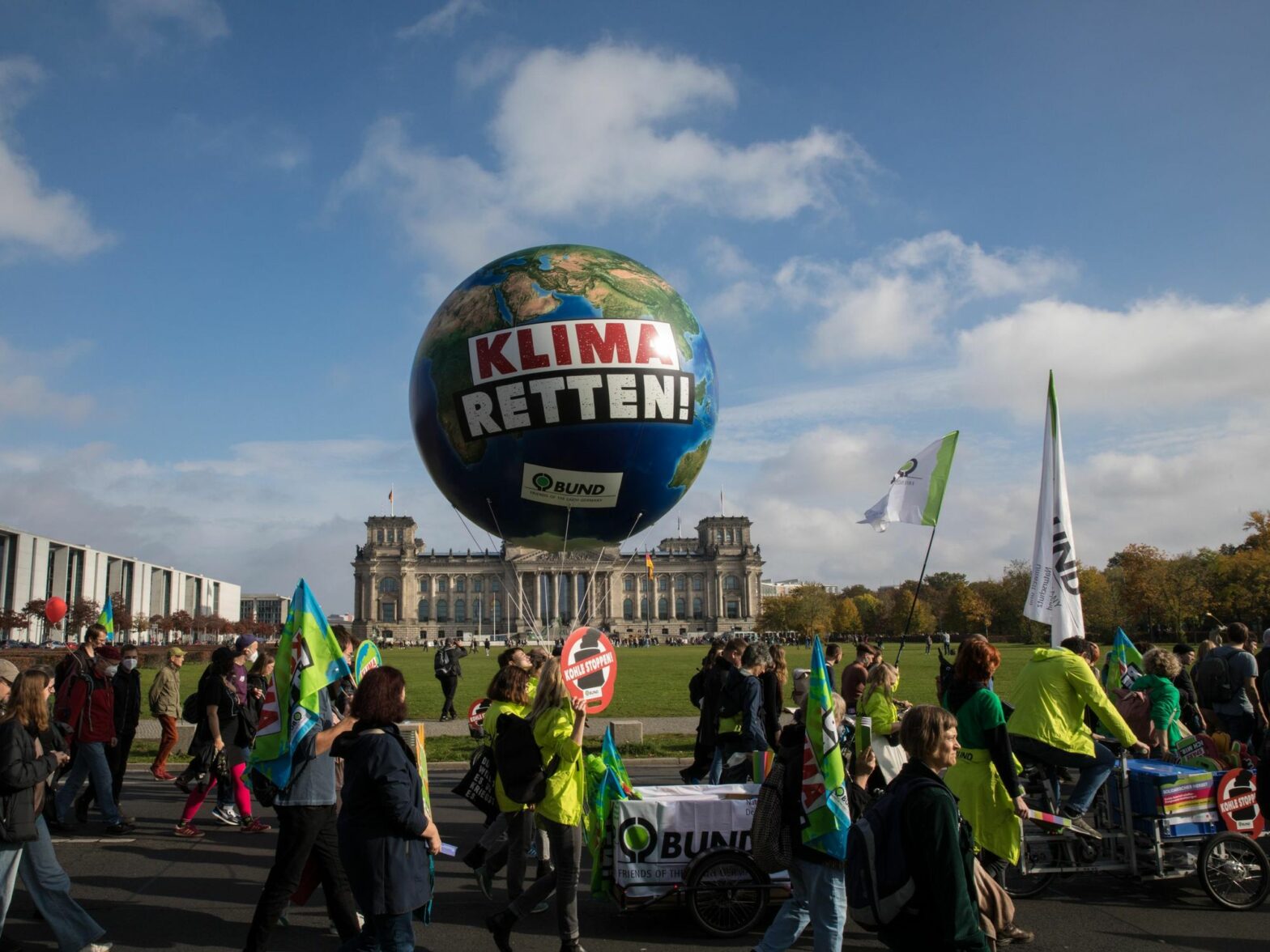
Germany was once a leading light in the green energy transition, but no longer. The country arrives at the COP27 climate conference empty-handed and lacking in moral authority.

In the last few weeks, the Just Stop Oil protests have been catapulted to global attention by soiling art masterpieces in the name of environmental protection. But their choice of target says just as much about their view of art as their view of oil.

As the Mediterranean region awakens to the potential of green hydrogen as a clean alternative, Egypt is still hesitant to invest heavily in the sector. For good reason?
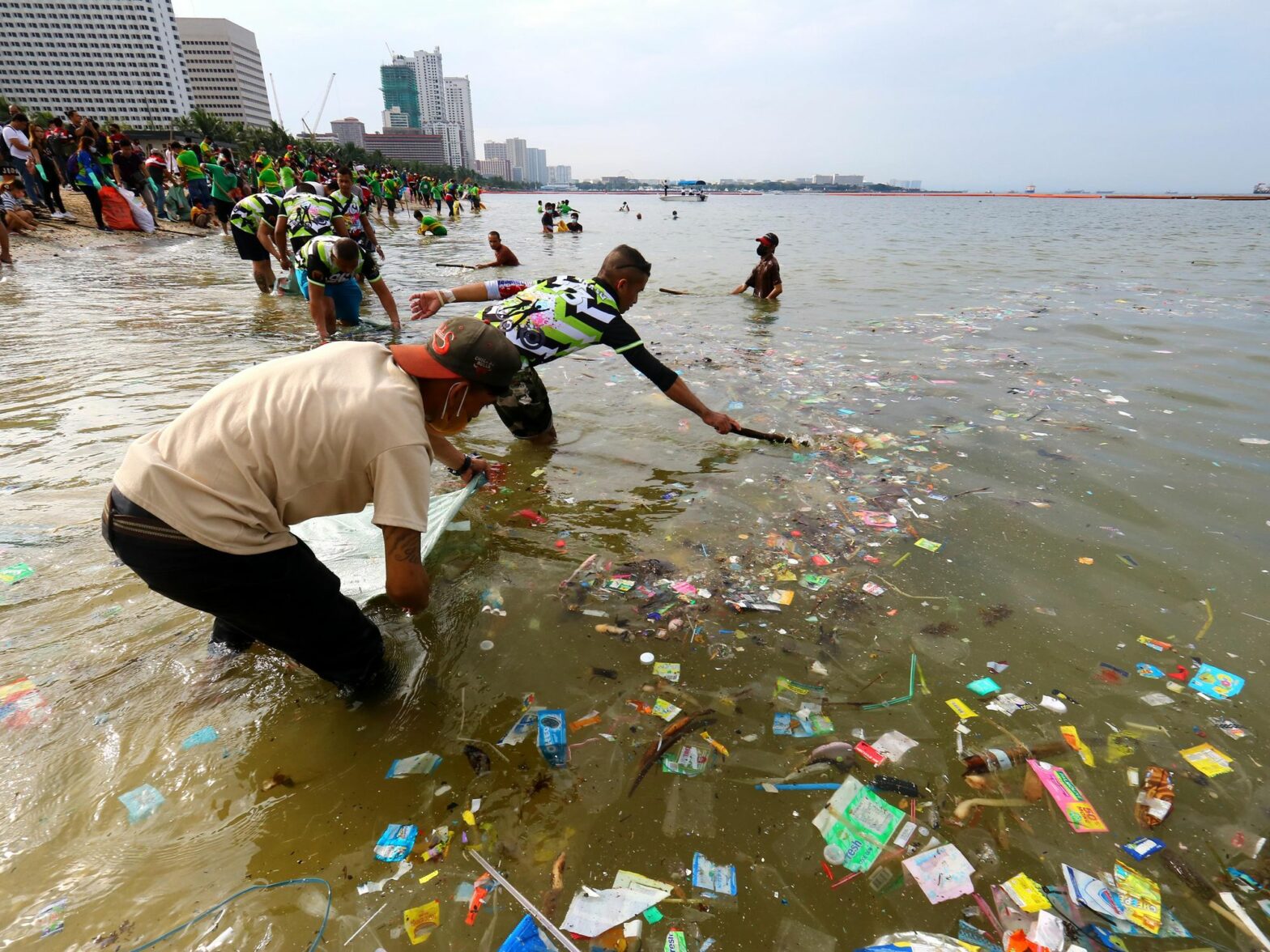
States and technology have failed to stop the destruction of the natural world, but a deceptively simple rethinking of our habits could turn the tide.

In the mid-17th century, the weather in China got colder. The frequency of droughts and floods increased while some regions were wiped out by tragic famines. And the once-unstoppable Ming dynasty began to lose power.
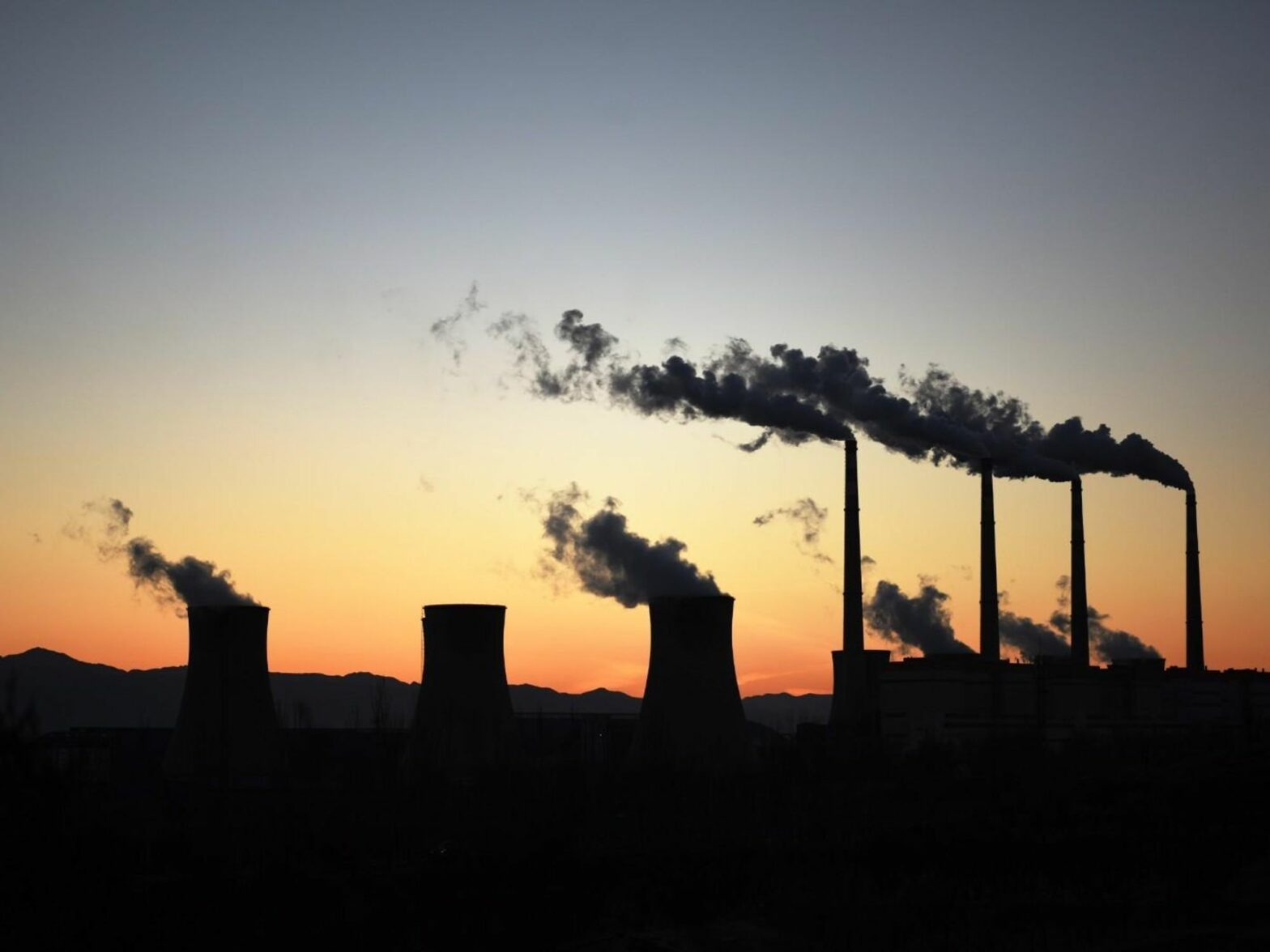
China has endured two months of scorching heatwaves and drought that have affected power supply in the country. Spooked by future energy security, Beijing is reinvesting heavily in coal with disastrous implications for climate change.
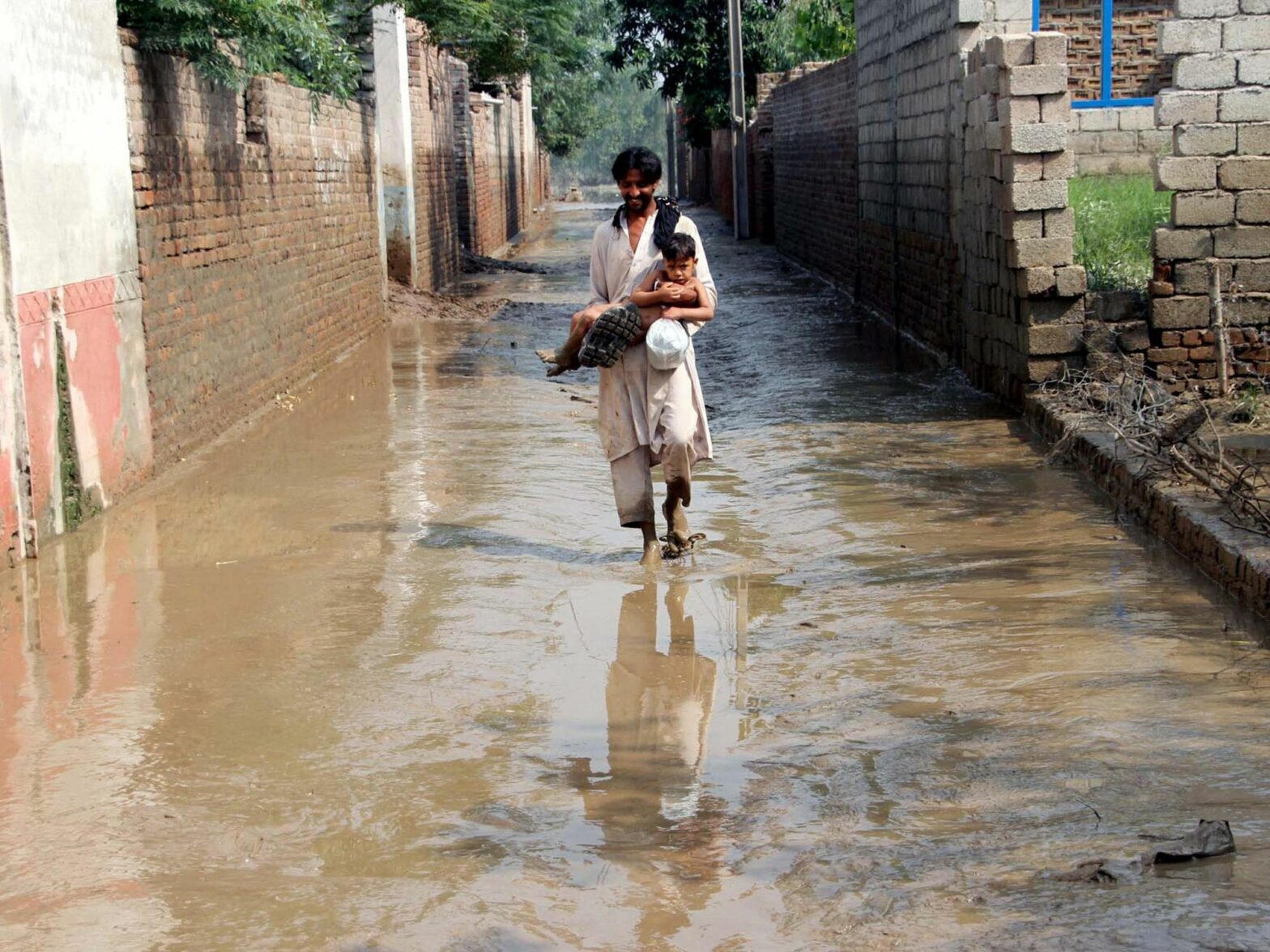
Caught between a natural disaster, an economic crisis and poor governance, flood-affected Pakistanis contemplate a future in ruins.

As measures to curb climate change move slowly in the face of deadly new weather patterns, we must immediately mitigate the havoc it has begun to cause around the world.
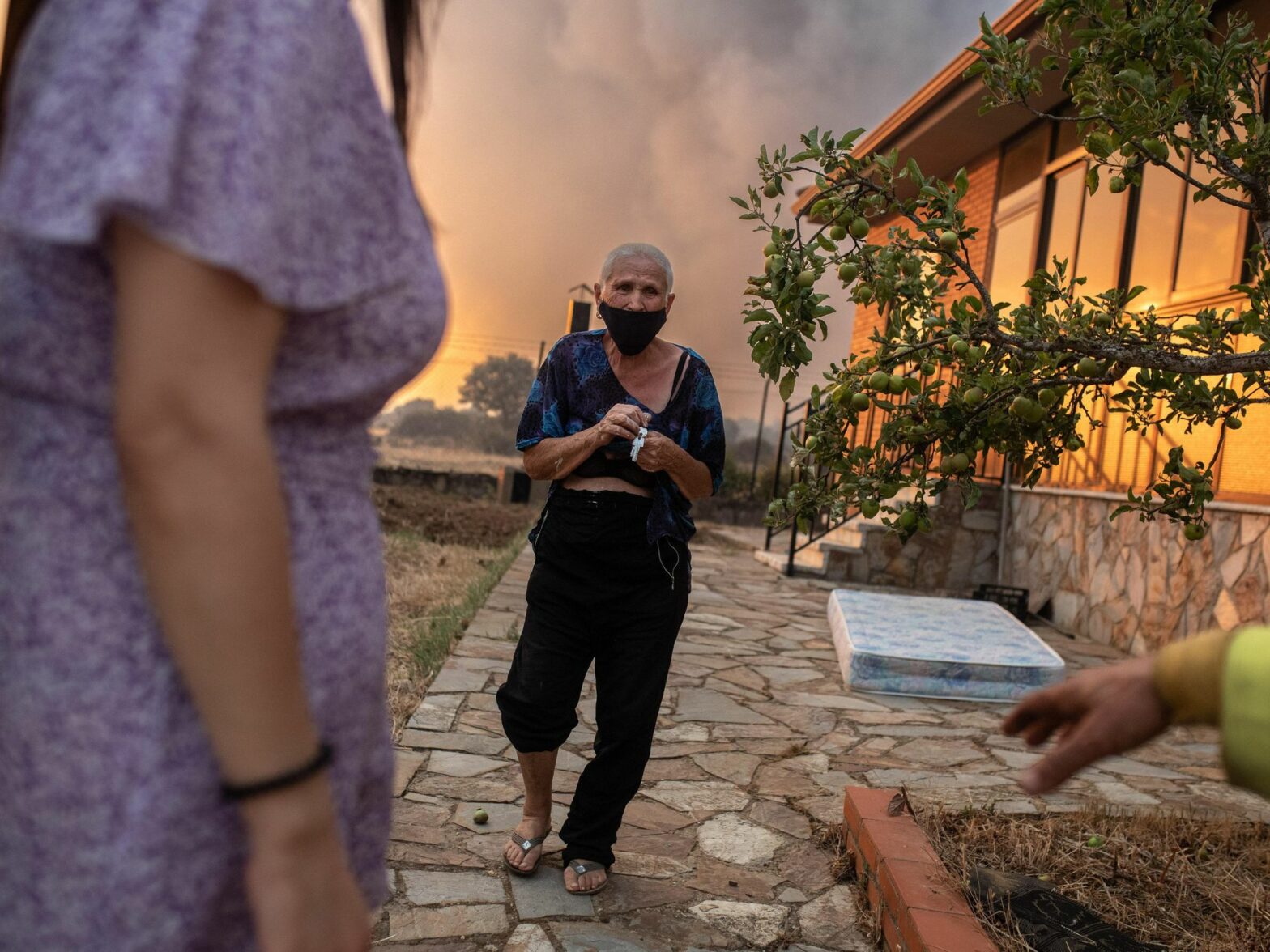
The droughts and extreme temperatures due to climate change, together with the abandonment of the countryside, have caused fierce fires in Spain that have devastate the livelihoods of the few people who still live there.
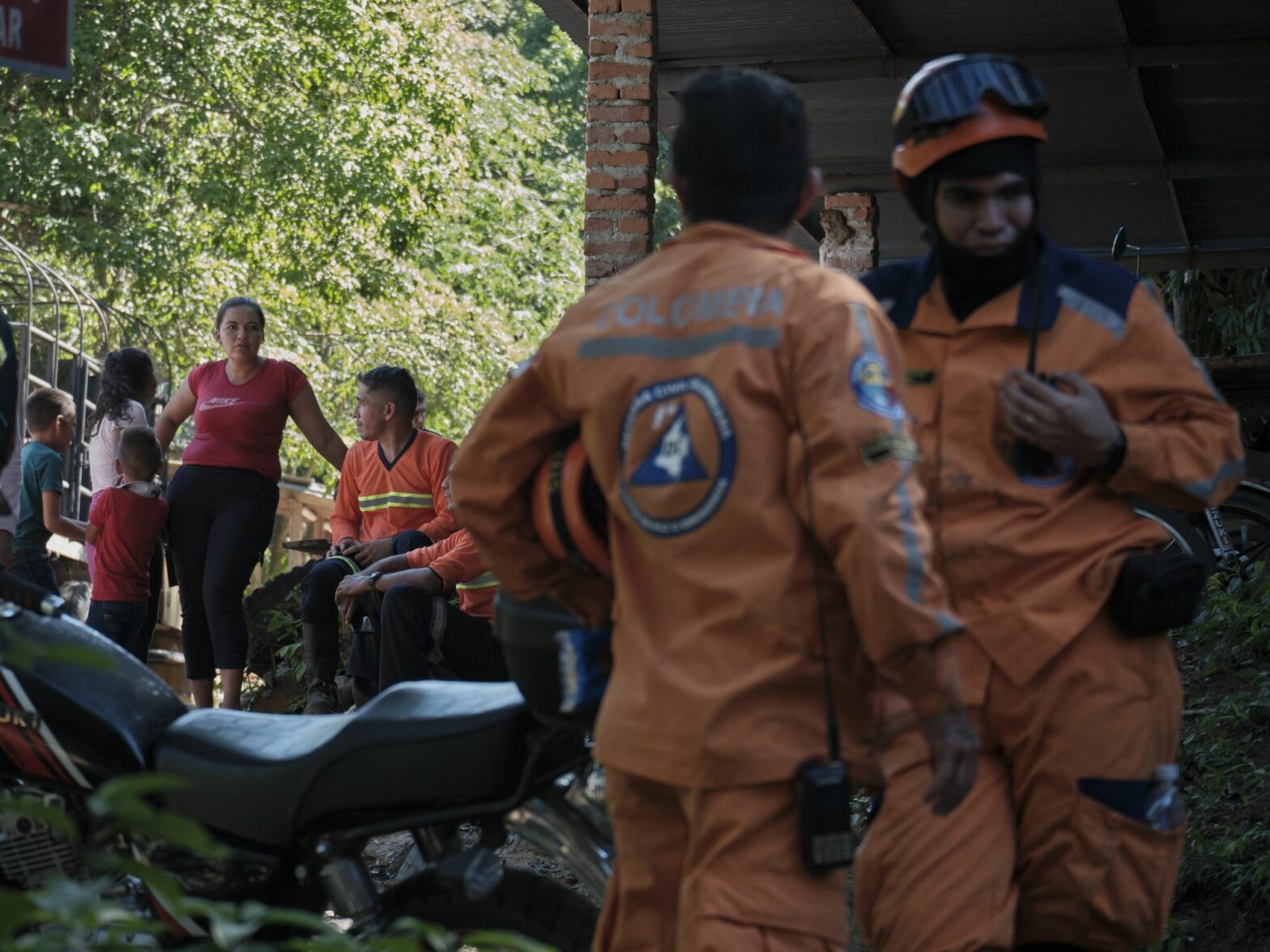
Green technologies are crucial to reducing carbon emissions, but they require ramping up the need for mining of minerals. And since mineral extraction can cause grave natural destruction, how can we ensure renewables are truly good for the environment?

Many of us have become accustomed to cheap flights, but as prices spiral, it’s time to ask about their true cost. And politicians’ plan to bring in cheap labor to keep down prices is doomed to fail.
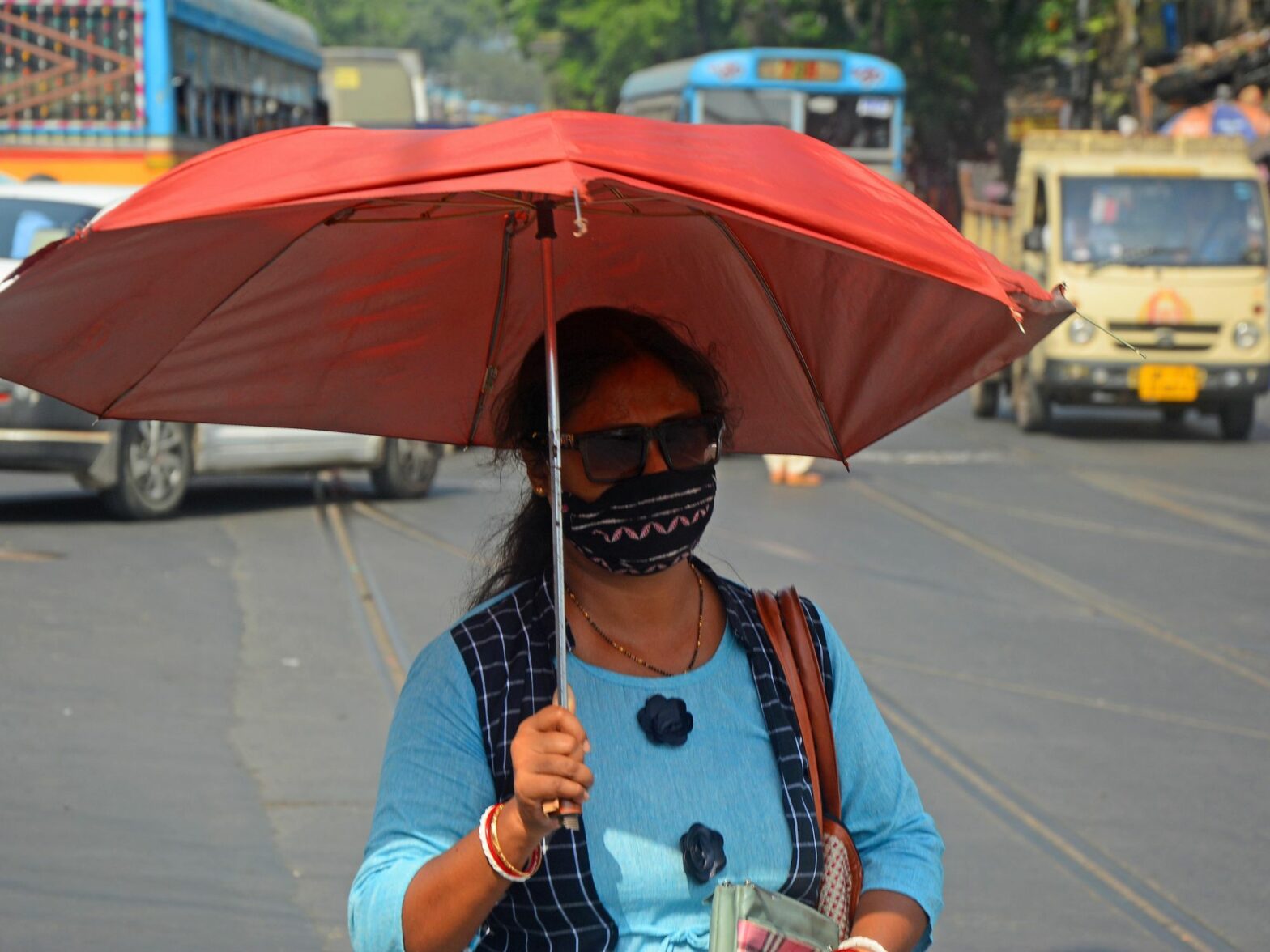
Because of climate change induced heat waves, India is increasingly — and alarmingly — resembling Kim Stanley Robinson’s climate-fiction book The Ministry of the Future, but nothing seems to be done to change its dramatic ending.
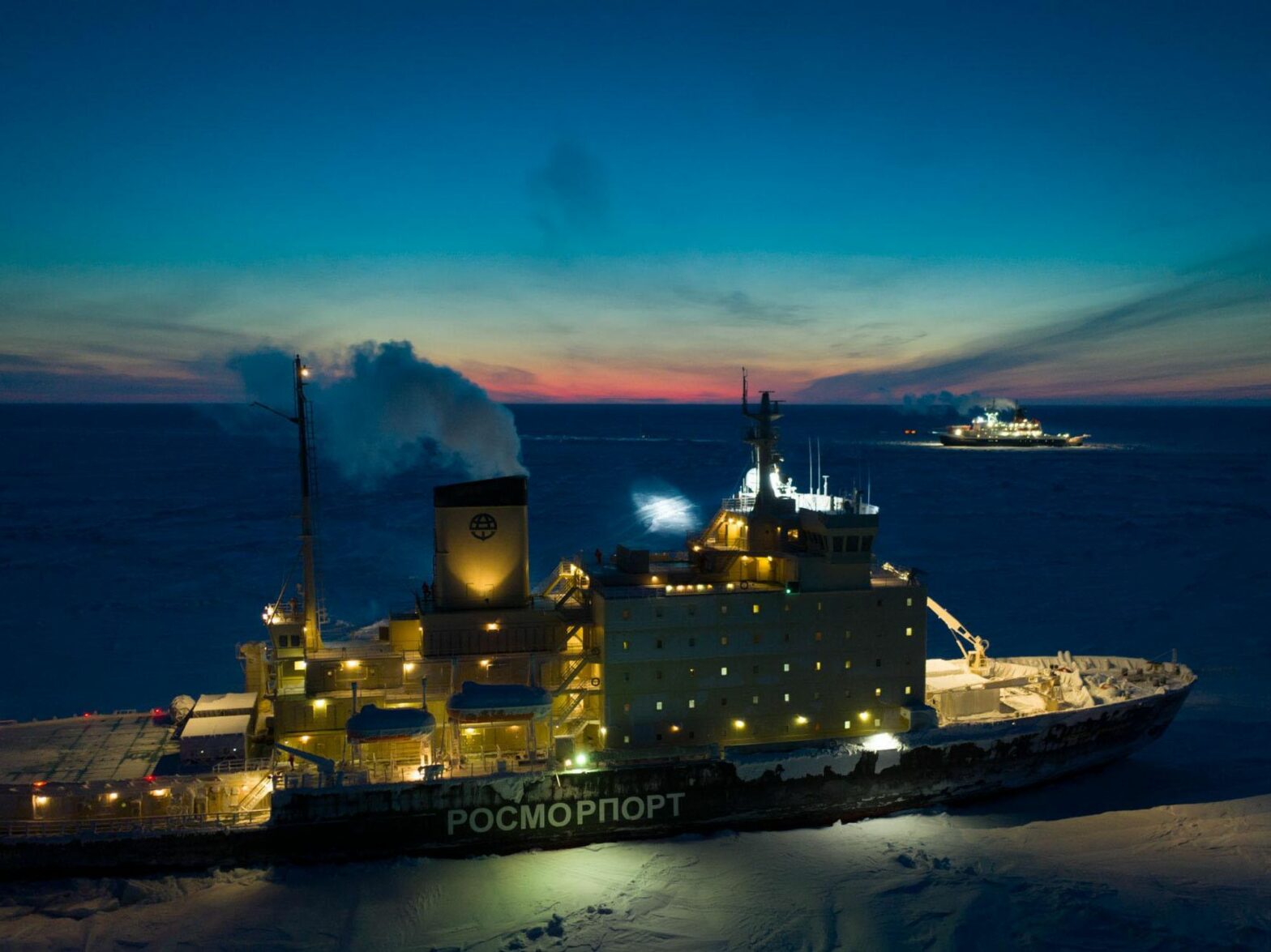
With its vast untapped resources up for grabs, the Arctic region is where the climate crisis is now inextricably linked to a new global arms race. Now Moscow finds itself shut out in the cold after invading Ukraine.
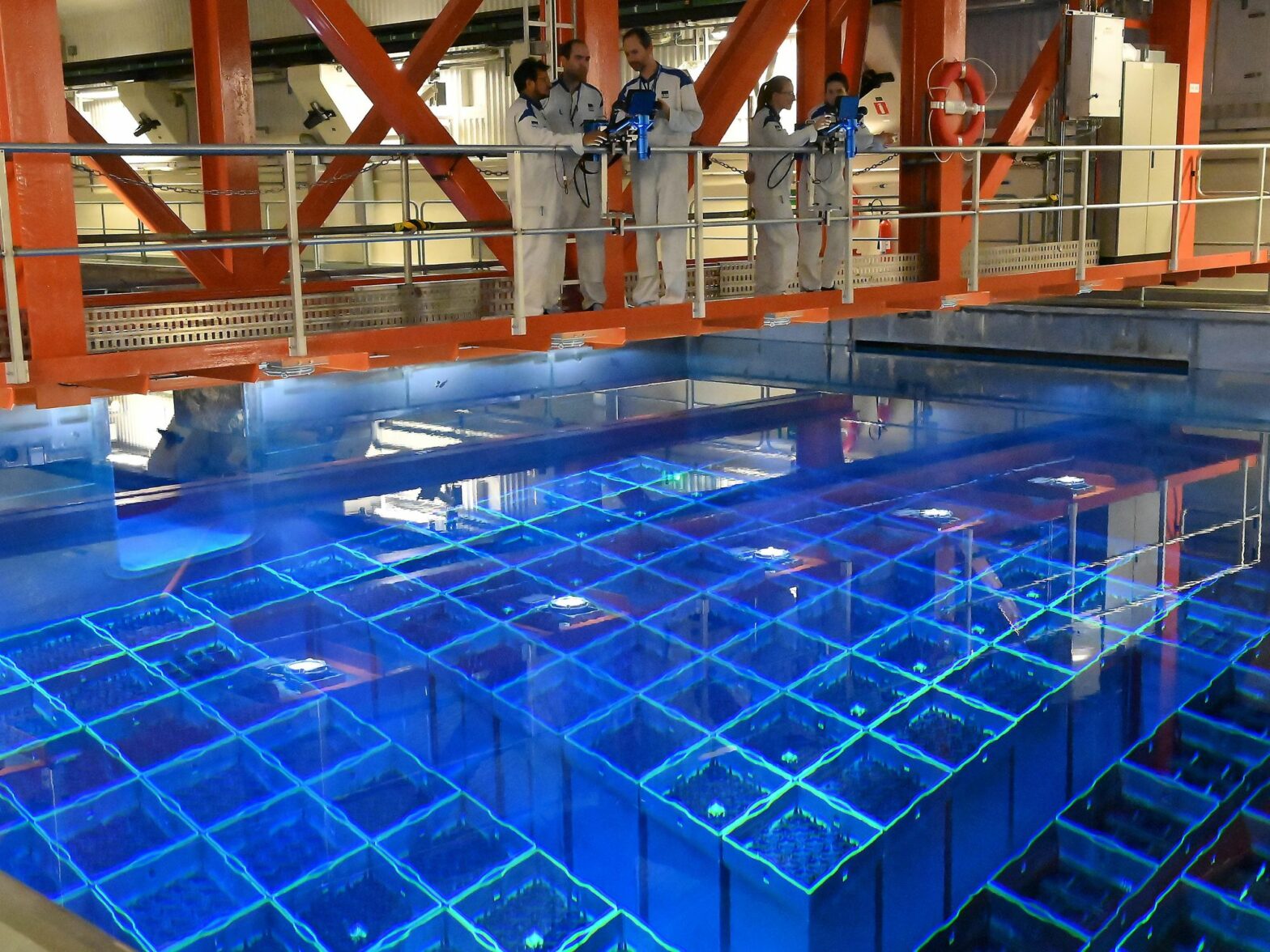
As experts debate whether nuclear power can become another leading renewable energy source, Sweden has adopted a first-of-its-kind underground depository for nuclear waste — and many countries are following their lead.

How do you rebuild a country decimated by four decades of war and embargoes? Following the withdrawal of the U.S. military, Iraq faces many challenges, from oil revenues captured by the militias and endemic corruption to religious segregation. However, there are glimmers of hope for the country’s future.
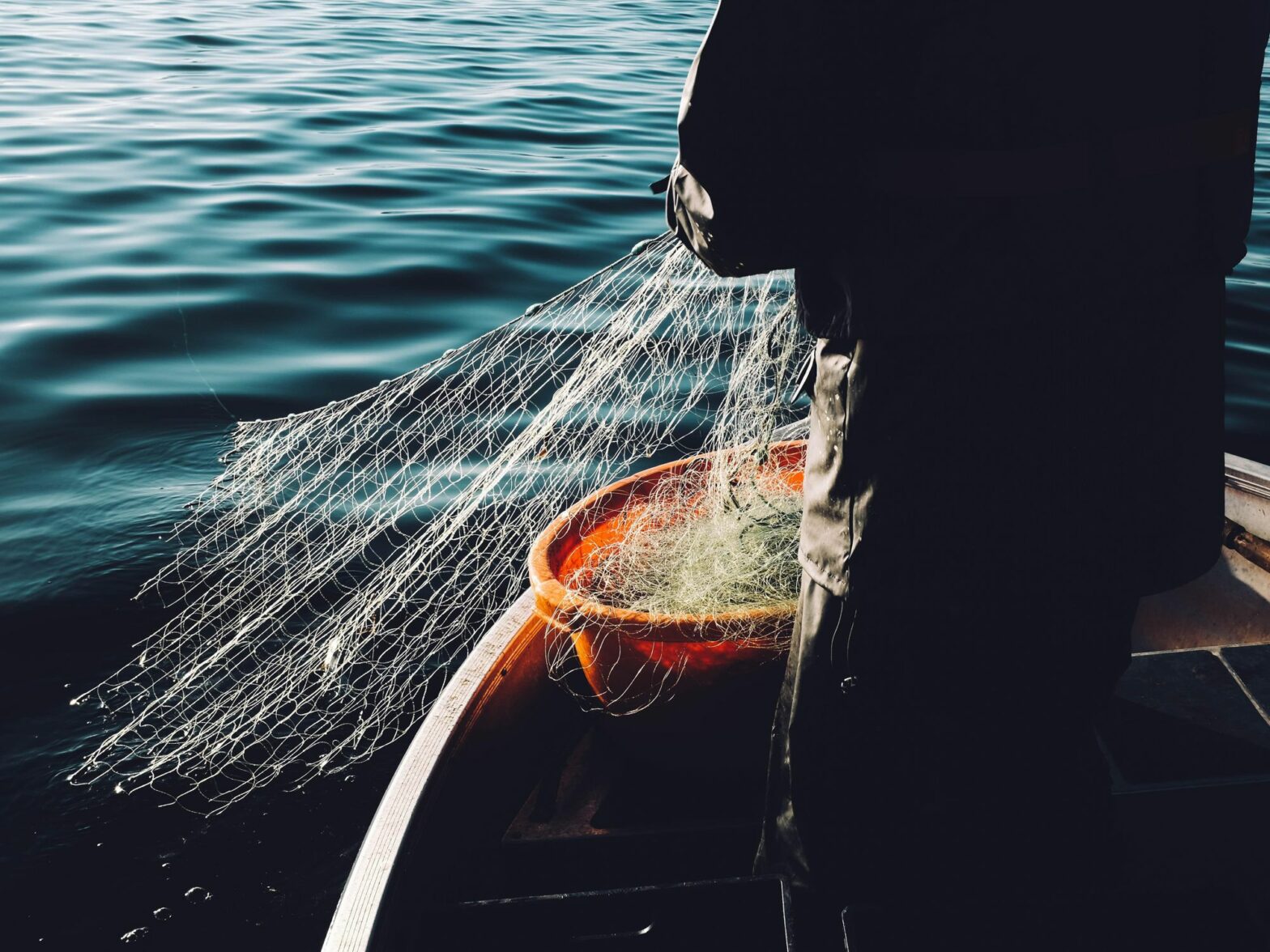
The Danish government has banned further growth in sea-based fish farming, claiming the country had reached the limit without endangering the environment. A marine biologist says it is a misguided policy for both economic and ecological reasons.

? Hallo!* Welcome to Thursday, where Kazakhstan police kill dozens of protesters, Australia revokes No-Vax Djokovic’s visa and an Argentine judge gets caught on camera kissing an inmate. We also look at the measures countries around the world are implementing to force the hands of unvaccinated citizens to get the jabs. [*Flemish] SIGN UP This […]
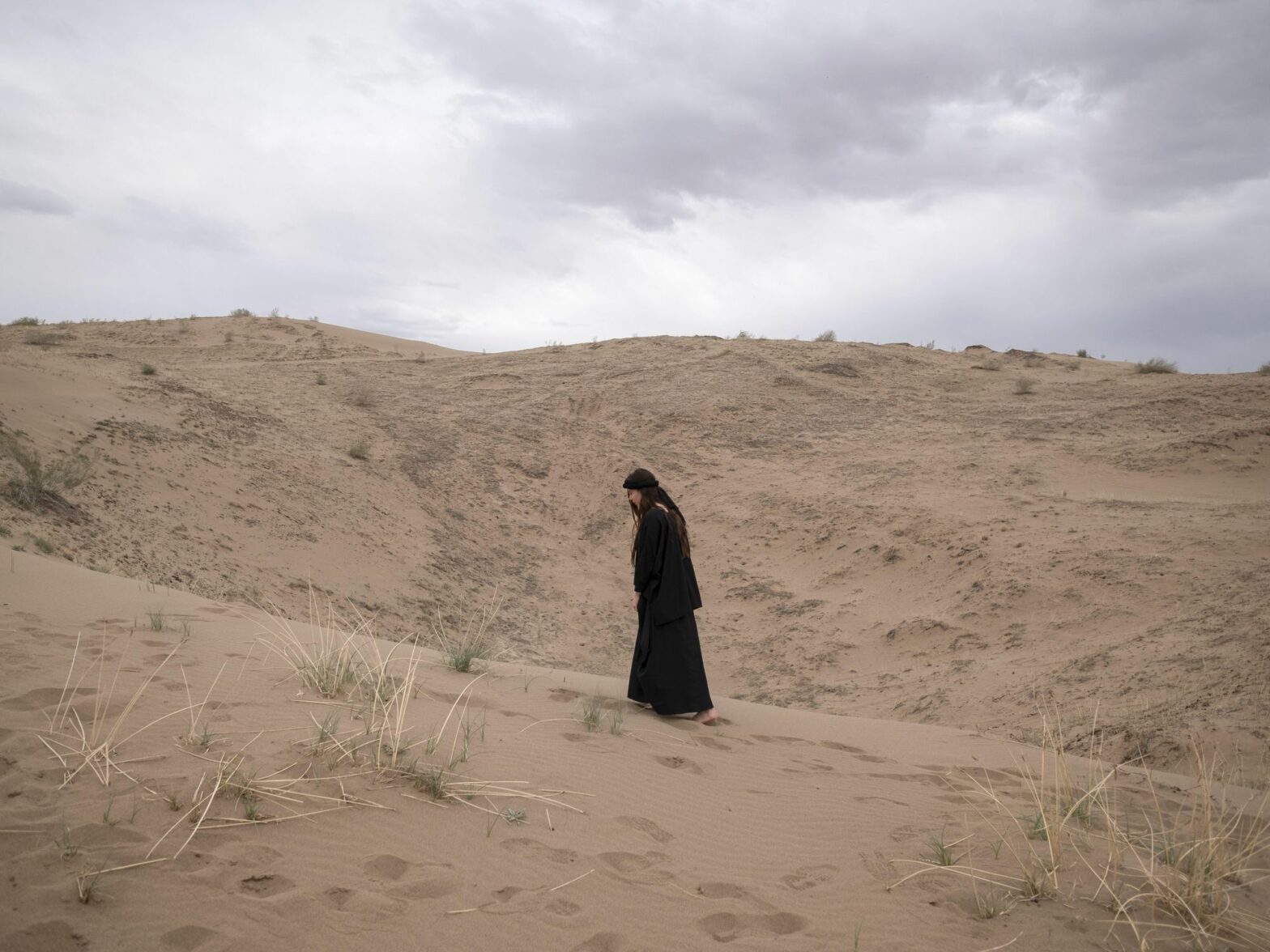
The Iranian government is responding to peaceful protests with batons and bullets. Their brutality and criminal incompetence are galvanizing protestor solidarity and resistance, which might finally prove fatal to the ruling elite.
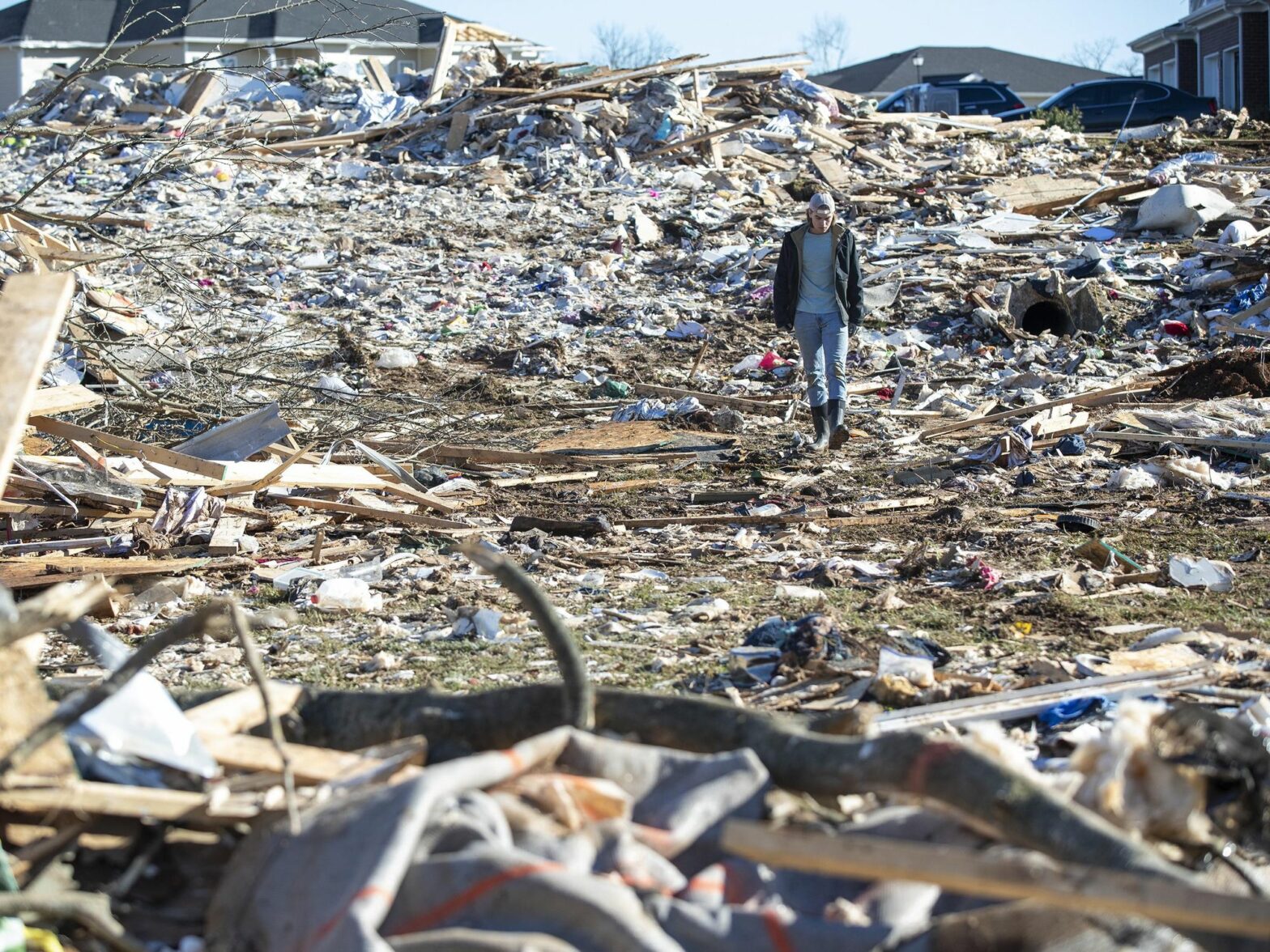
? ສະບາຍດີ* Welcome to Monday, where the first ever meeting took place between leaders of Israel and the United Arab Emirates, BoJo declares an “Omicron emergency” and Vladimir Putin shares a side hustle from his past. And for the insomniac and the lonely, we tune in to Taiwan’s new app that connects you to a […]