Threatened with extinction by rising sea levels, the archipelago is building the world’s first floating city to house its population — with a little help from Dutch experts.

 Worldcrunch
Threatened with extinction by rising sea levels, the archipelago is building the world’s first floating city to house its population — with a little help from Dutch experts.
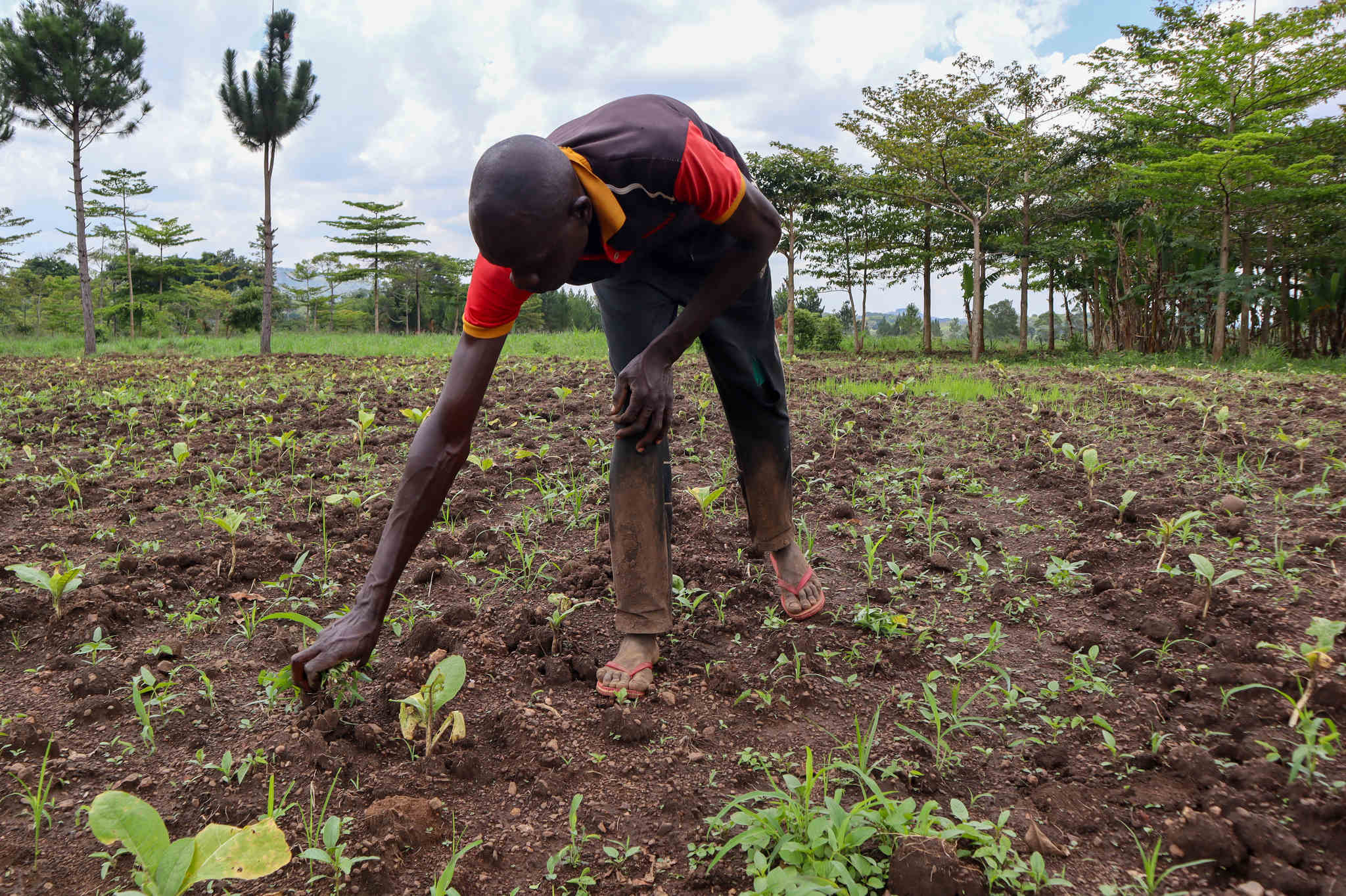
Tobacco farming in Uganda has resulted in the loss of trees key to the diets of chimpanzees and baboons, increasing human-primate interactions — and the risk for disease spillover.
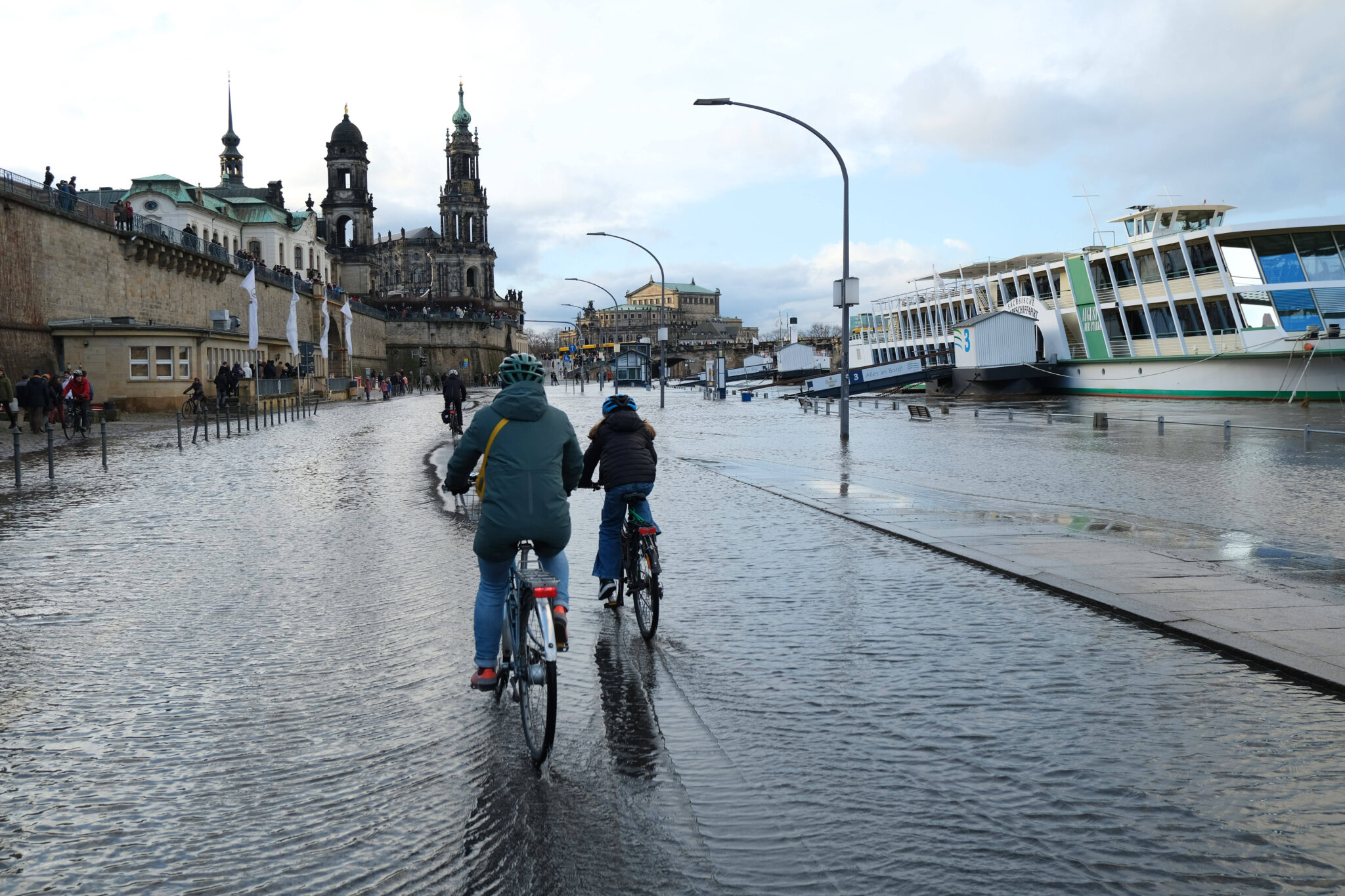
German scientists warn global warming is accelerating faster than expected, raising the risk of a 3 °C rise by 2050 and forcing Europe to confront unthinkable adaptation plans.
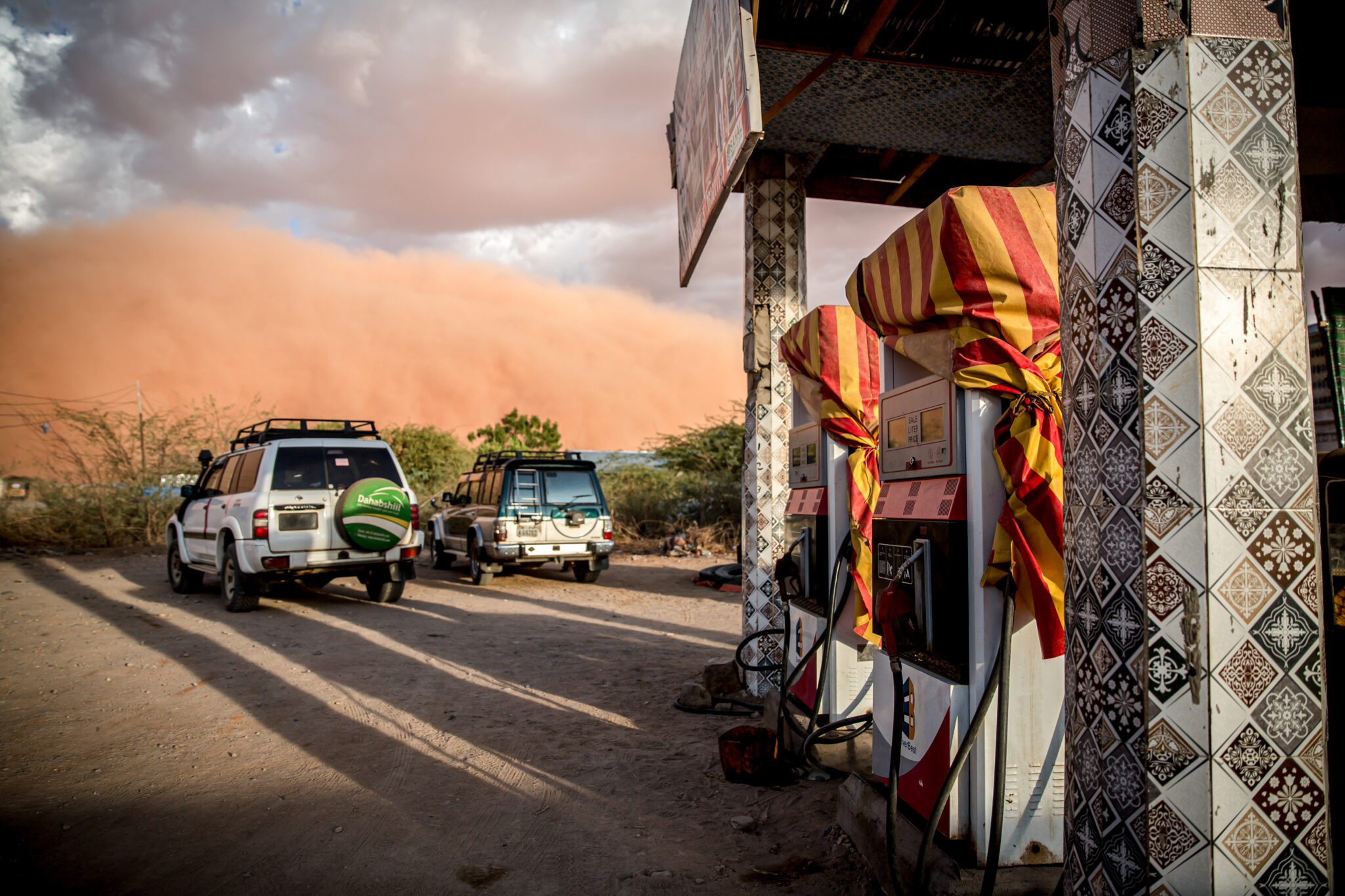
China is positioning itself as the world’s champion for renewable energy and has been heavily investing in the sector for the last 20 years. In order to support its renewables sector and consolidate the supply chain, it has also been financing mega-projects that exploit natural resources such as coal and oil — particularly in Africa.
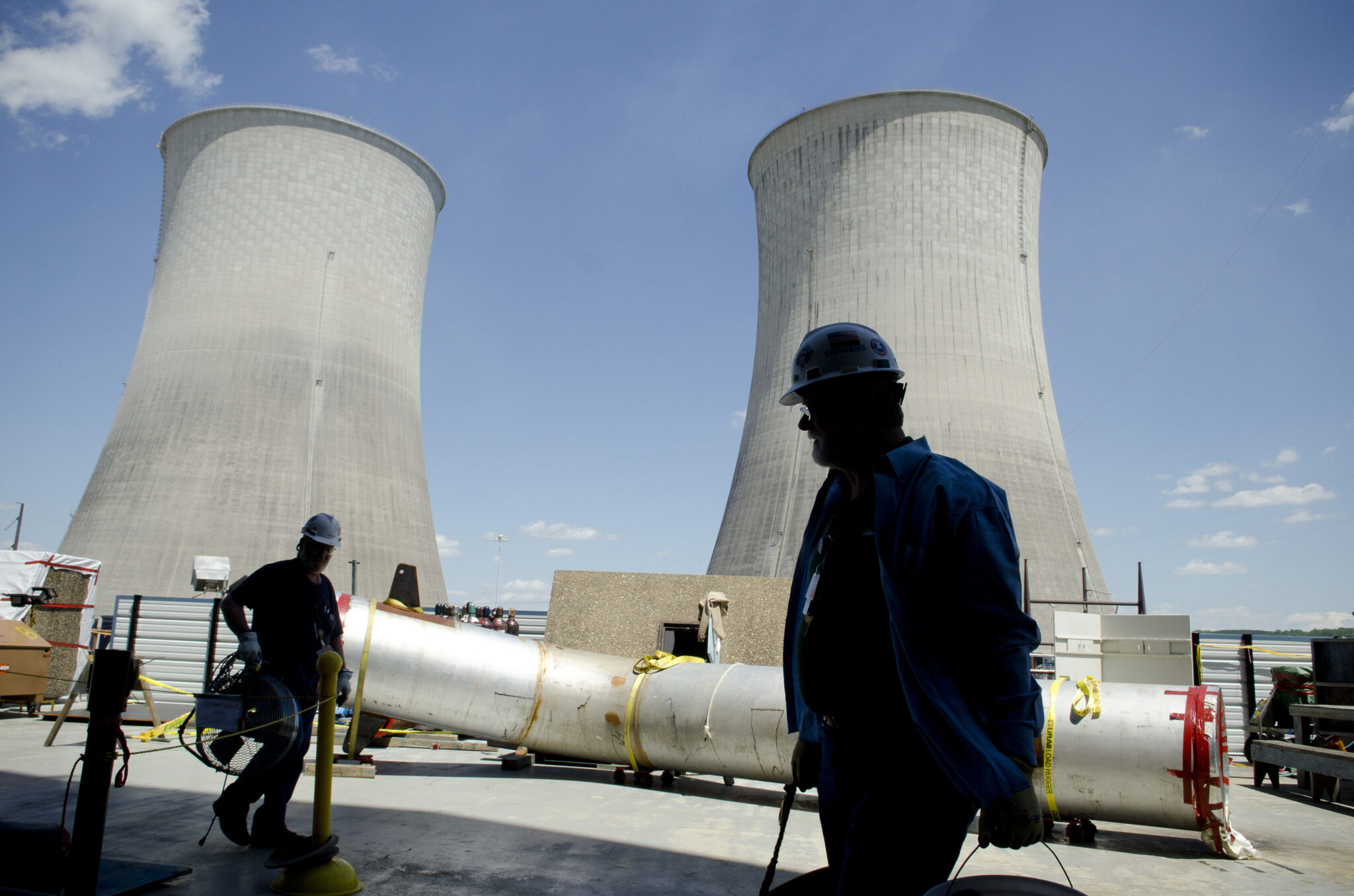
President Trump’s push to revive nuclear energy relies on deregulation, but experts say that strategy is misplaced.
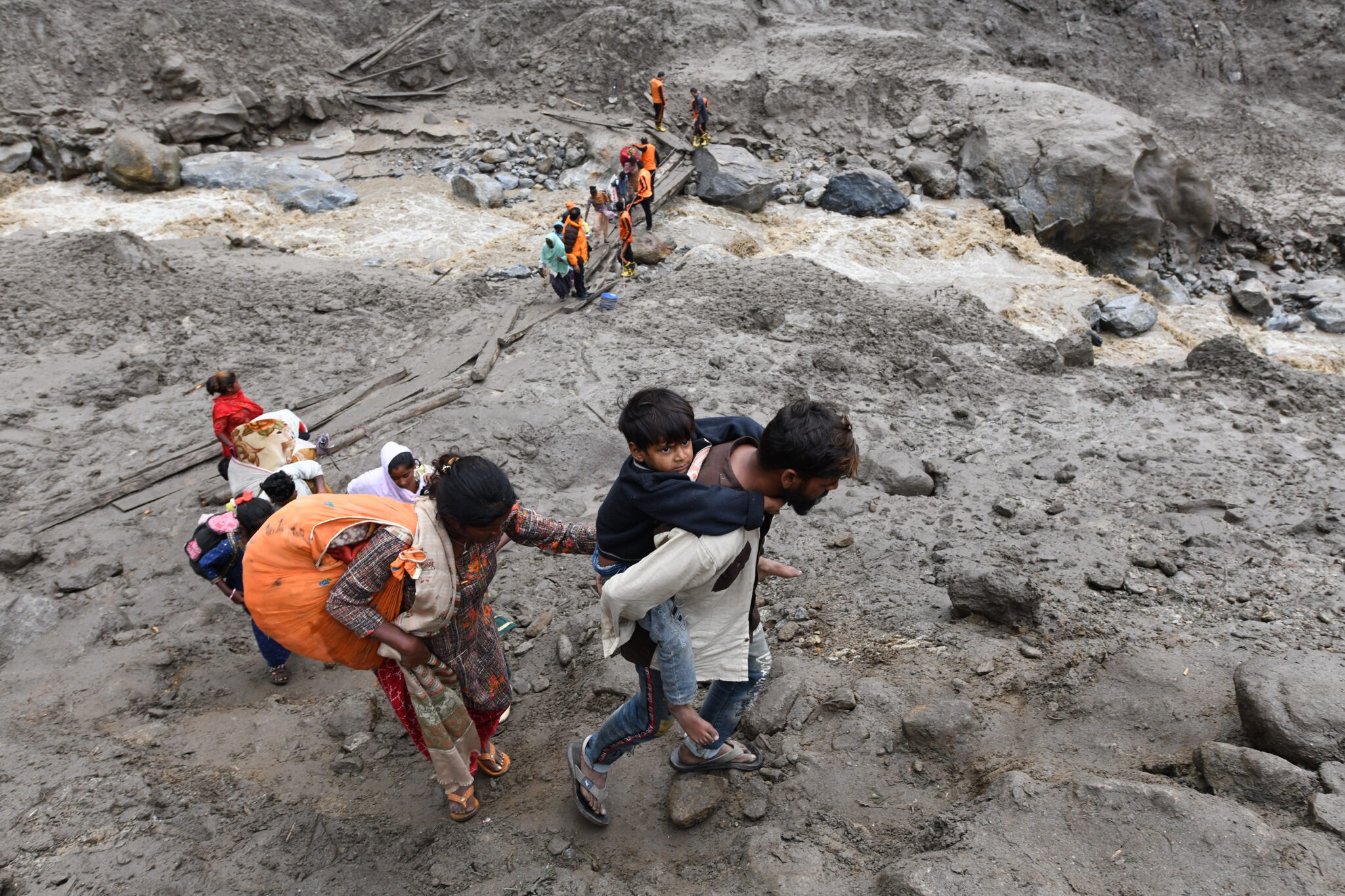
The Himalayas, once celebrated as a sacred and resilient landscape, are now collapsing under the weight of reckless development, corporate exploitation, and political neglect. What we call “natural disasters” in Himachal Pradesh and Uttarakhand are, in truth, human-made tragedies — preventable catastrophes born of greed, denial, and the systematic erasure of ecological wisdom.
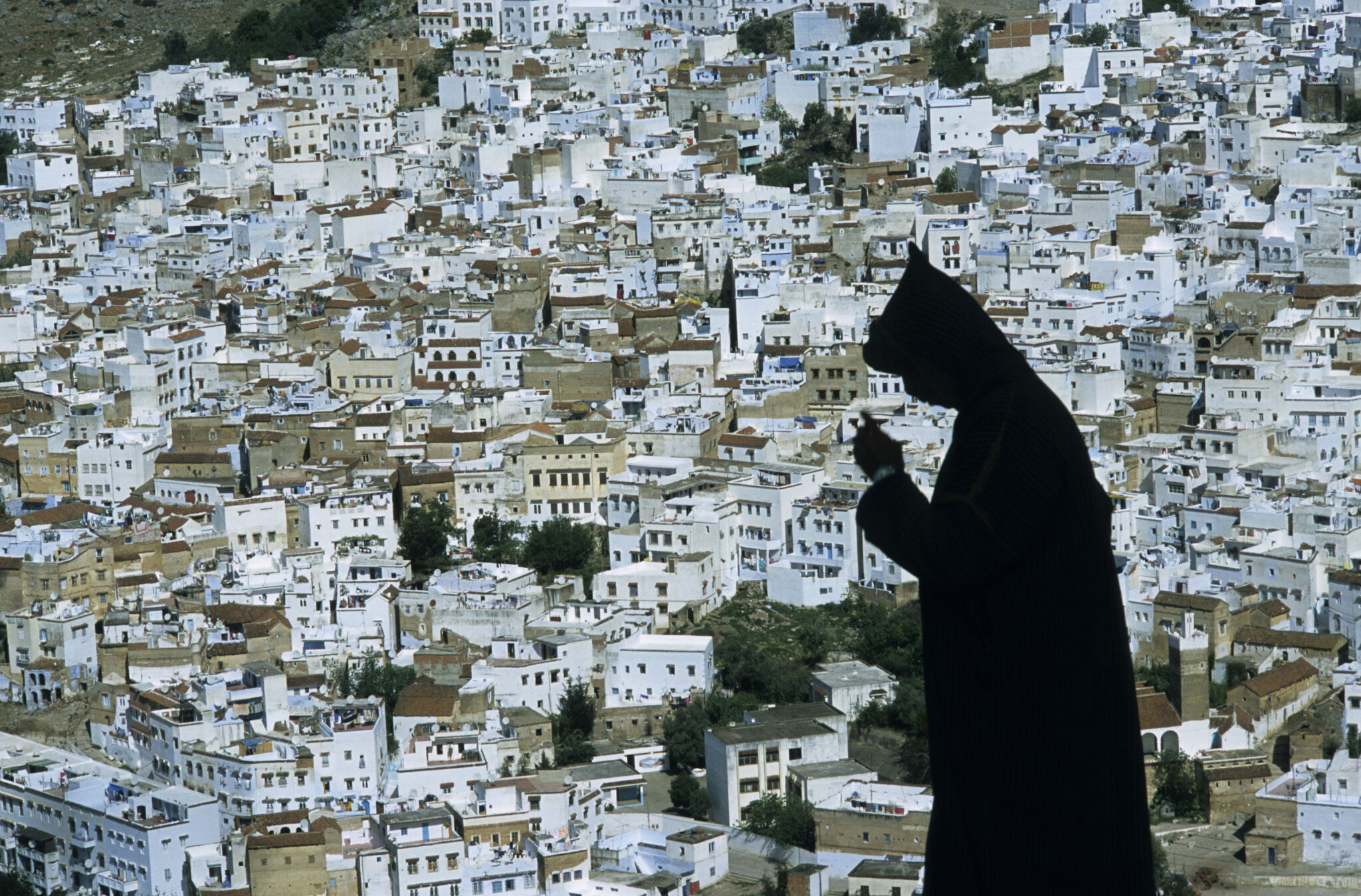
Years of drought followed by sudden floods have unsettled Morocco’s mountainous regions where rainfall has long been seen as a divine blessing. What is at play may be bigger than the heavens.
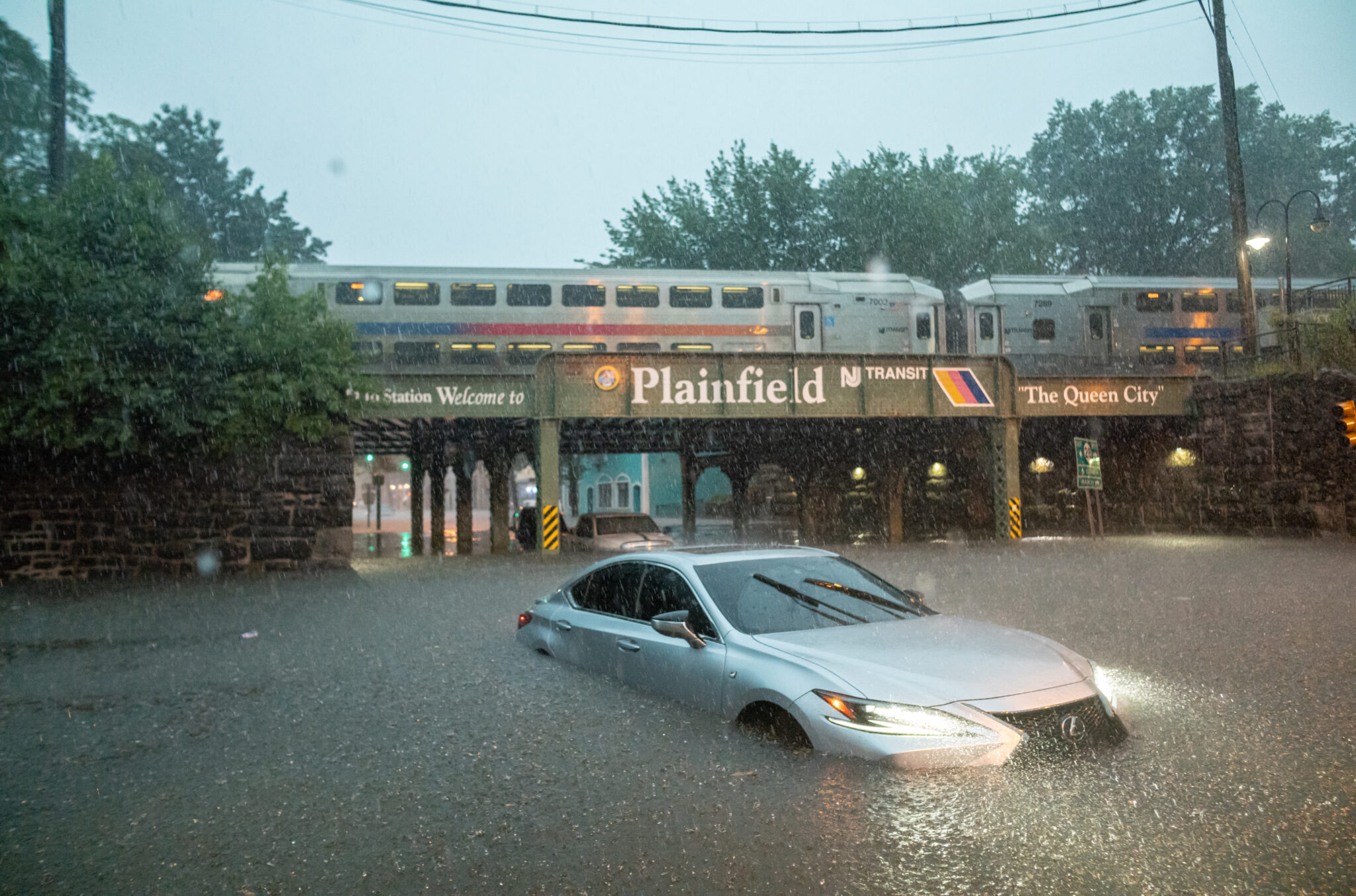
As climate threats increase, thousands of communities become at risk of floods and other natural disasters. Americans have witnessed deadly flooding this month in Texas, New Jersey and New York. Here, we look at those communities around the world that have been relocated after a disaster, or are thinking of changing location to avoid further risks.
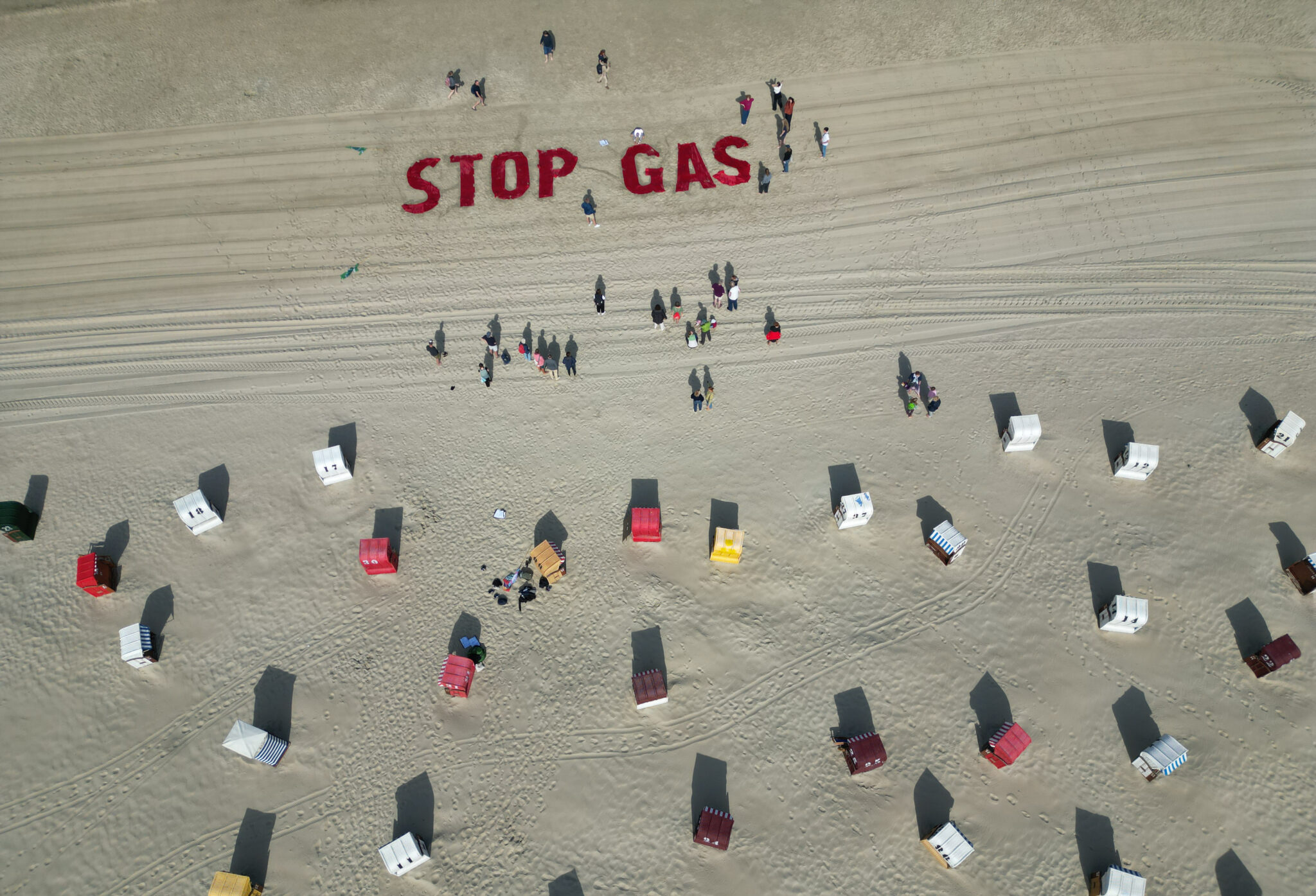
👋 Aссалом* Welcome to Tuesday, where Trump threatens Russia with steep tariffs if a peace deal is not reached within 50 days, Netanyahu’s coalition is under pressure after an ultra-Orthodox party quits and our daily quiz question is about the hacking of a famous puppet’s X account. Meanwhile, Johanna Jürgens for German weekly Die Zeit […]

The devastating effects of rising temperatures include denying to people across the world their favorite staple sweet. While 2050 is the date cited for the risk of chocolate disappearing, there are efforts to reverse the effects of climate change on the production of cocoa.
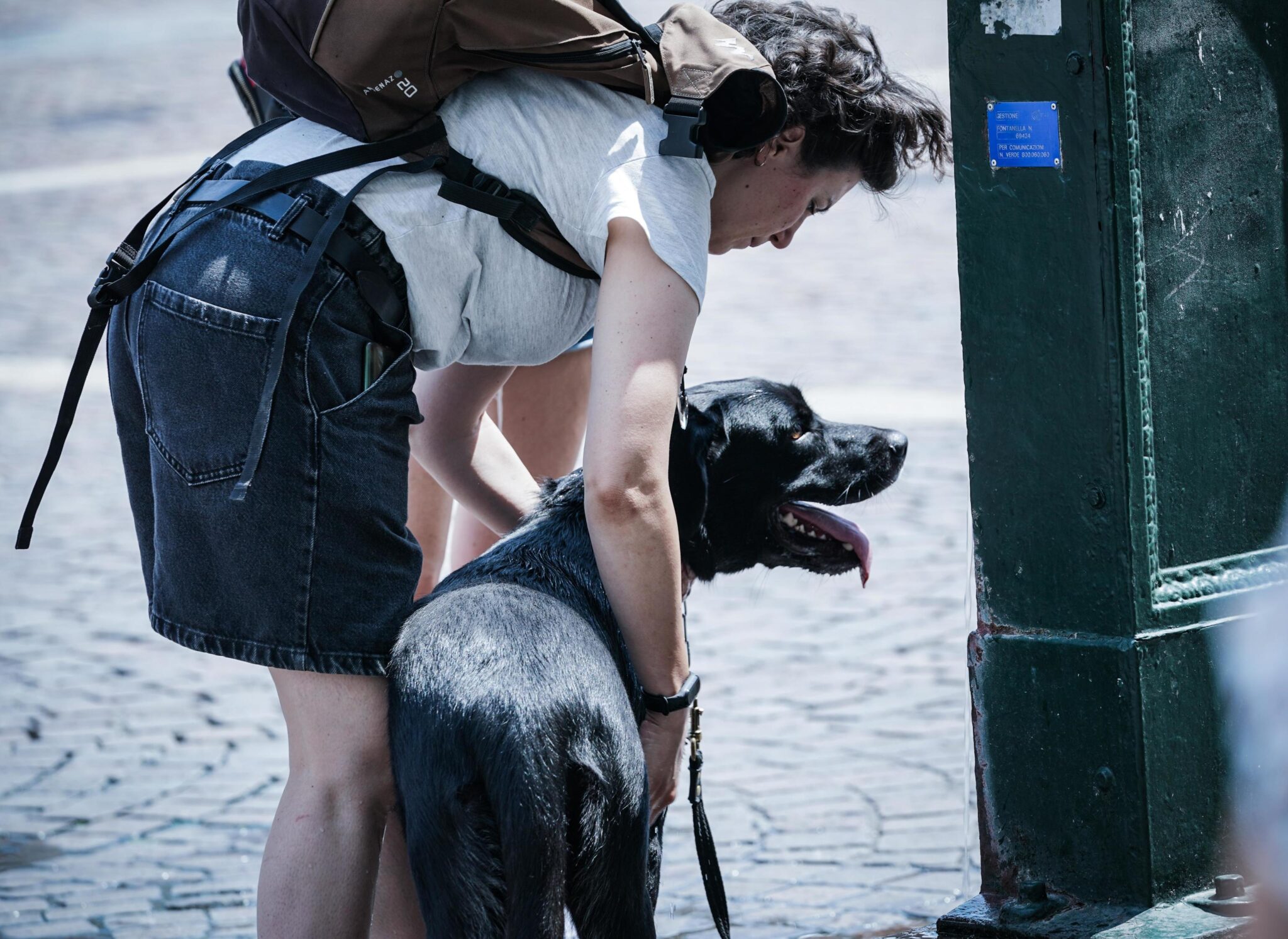
As Europe baked in extreme heat, even a rescue mutt knows how to adapt and avoid danger. So why are humans still arguing over what’s staring us in the face?
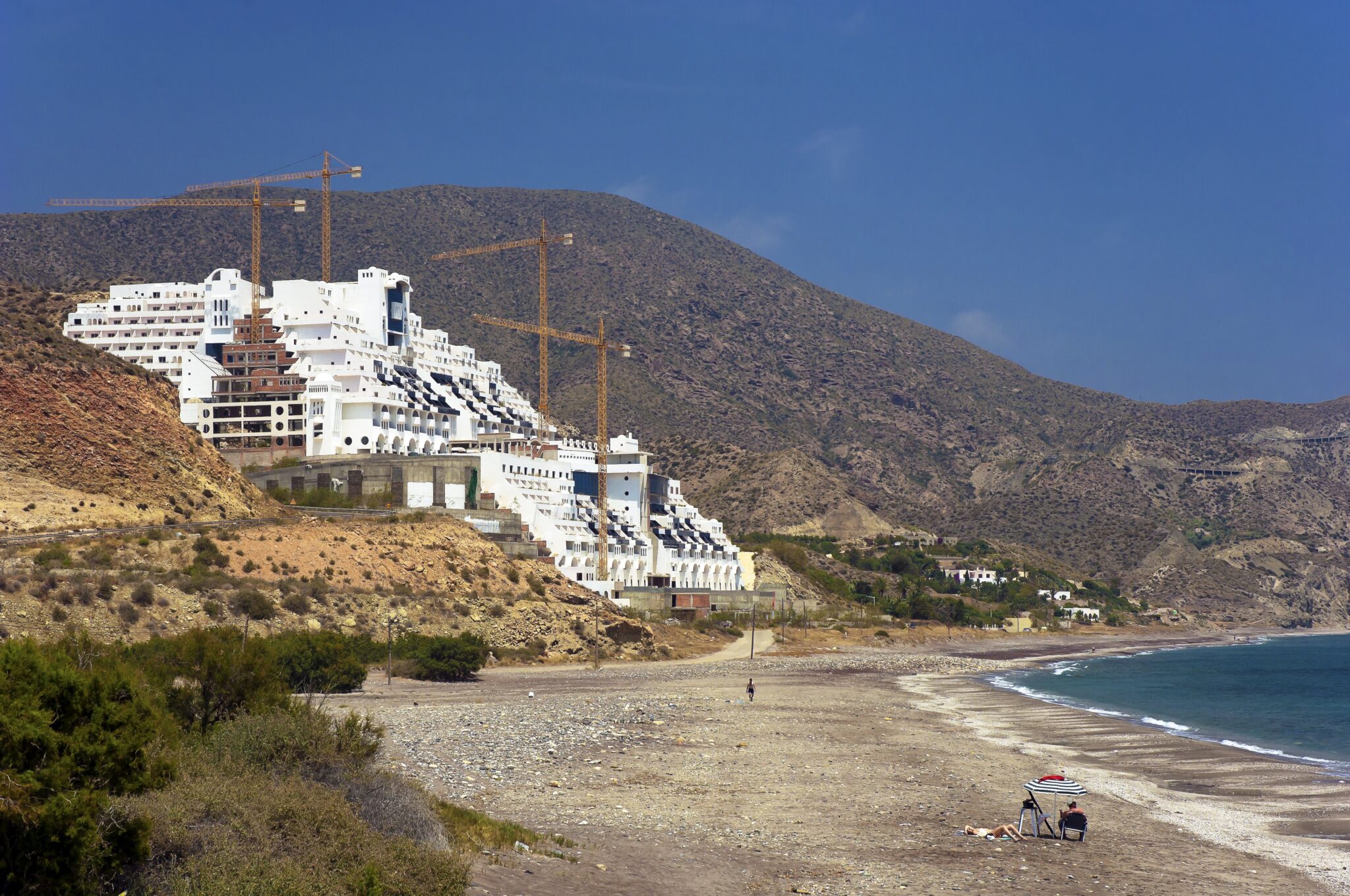
Spain’s coastline is shrinking, caught in a relentless battle between rising seas, legal disputes and private interests. Thousands of homes now stand precariously close to the waves, some awaiting demolition, others clinging to legal loopholes. As nature advances, the struggle for land — and survival — intensifies.
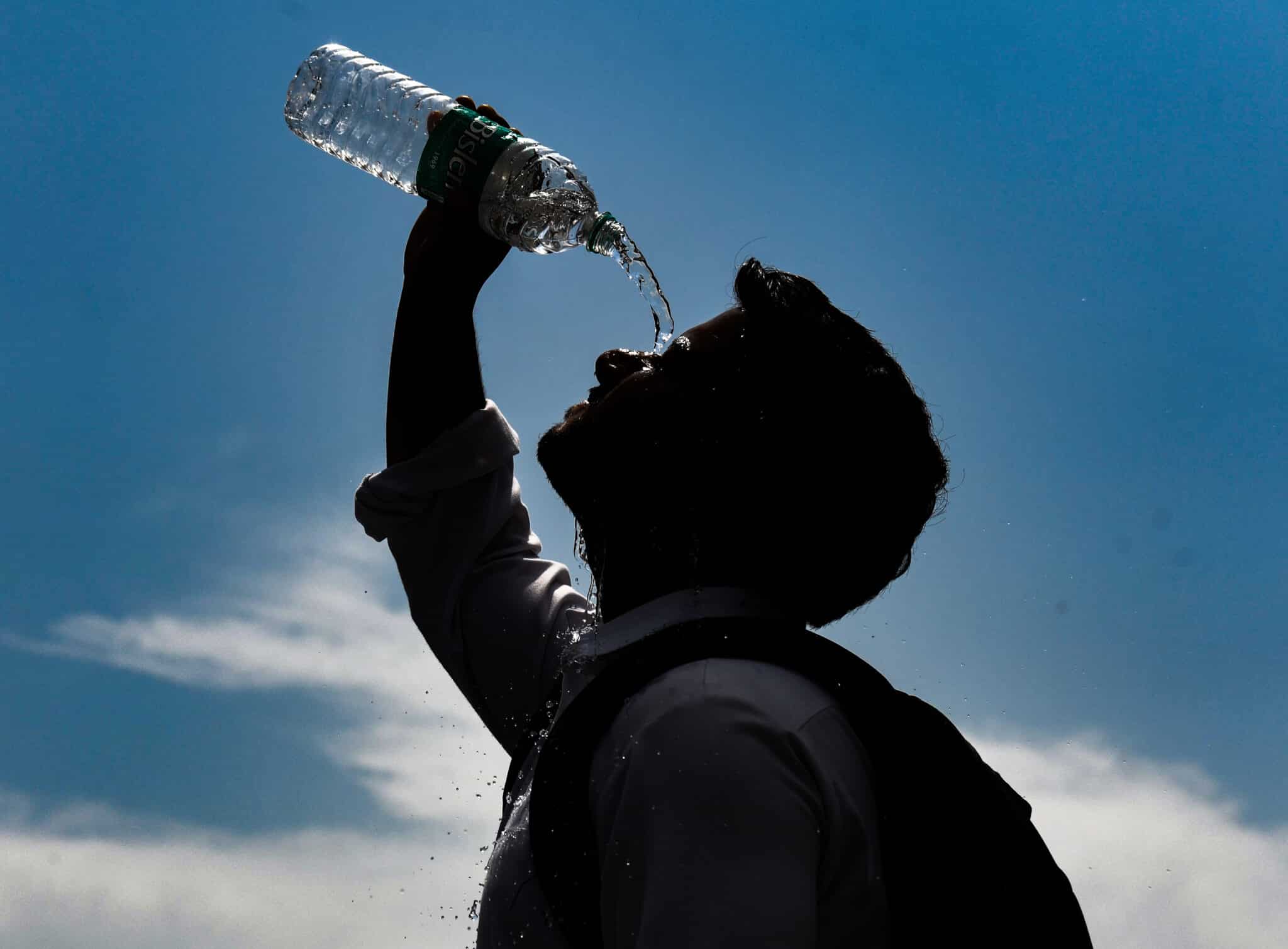
A new study shows that working-age men, particularly from lower castes, are most vulnerable to fatal heatstroke in India. Experts warn how gender, caste, and occupation intersect in deadly ways amid rising temperatures.
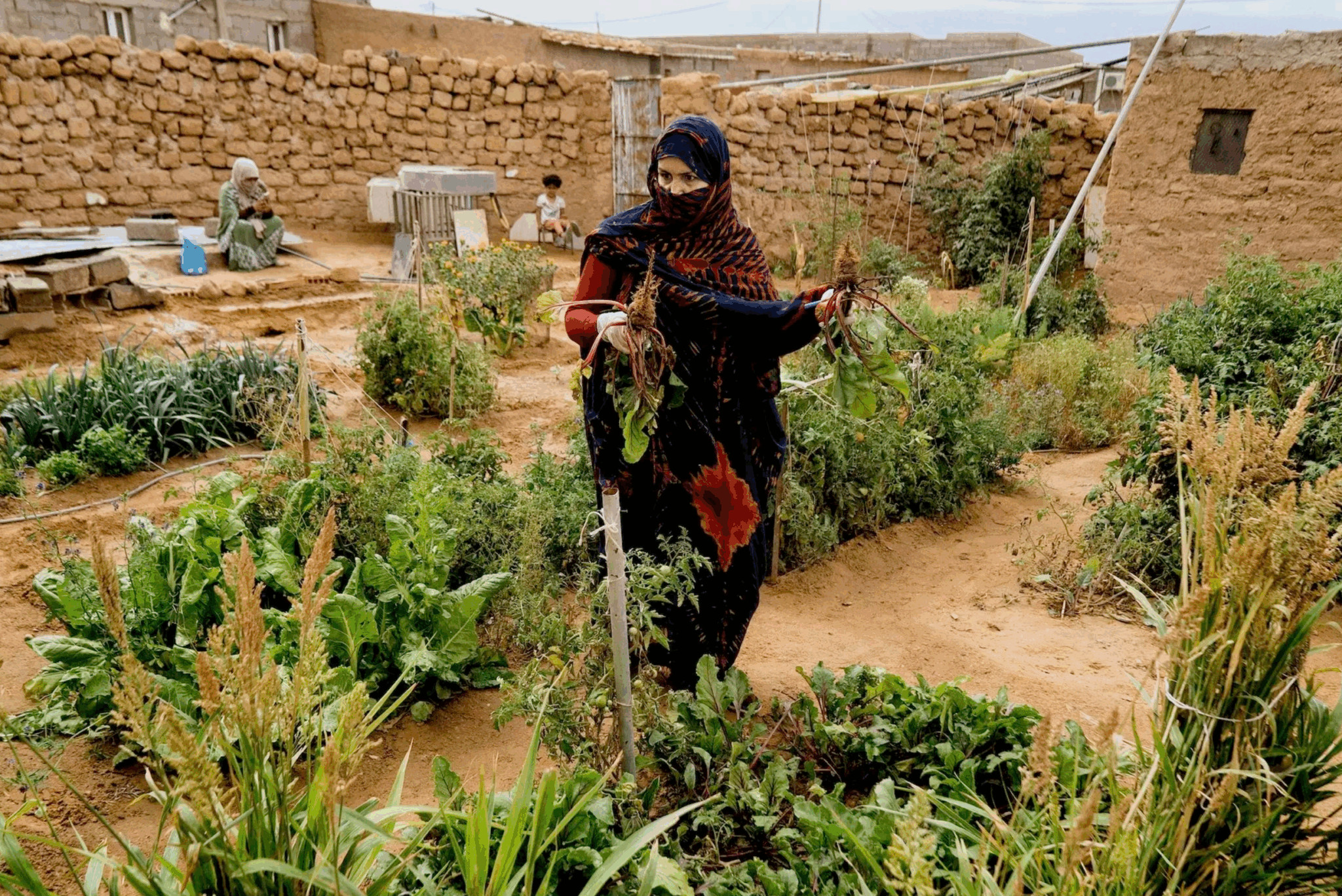
In Western Sahara, a small green revolution is being led by women in the harshest of conditions. Their goal: to build a network of gardens in the desert.

Every day, thousands of liters of water that would have gone down the drain are now being reused to clean streets and water gardens in Loures. Fighting climate change — one drop at a time.
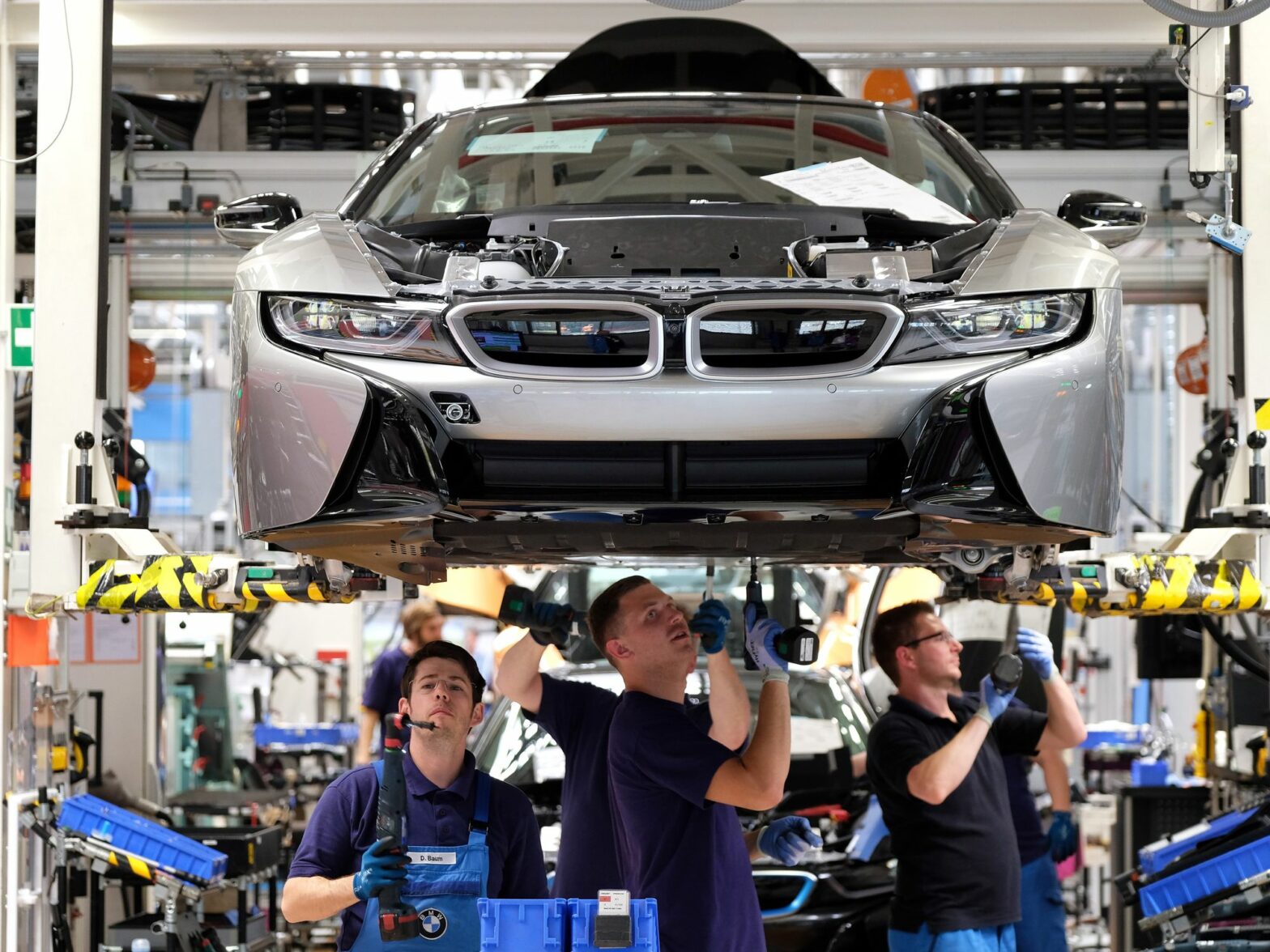
The EU should resist the temptation to retaliate against U.S tariffs on European cars. If we look closer at the recent past and the uncertain future, Trump’s bad intentions produce some good.
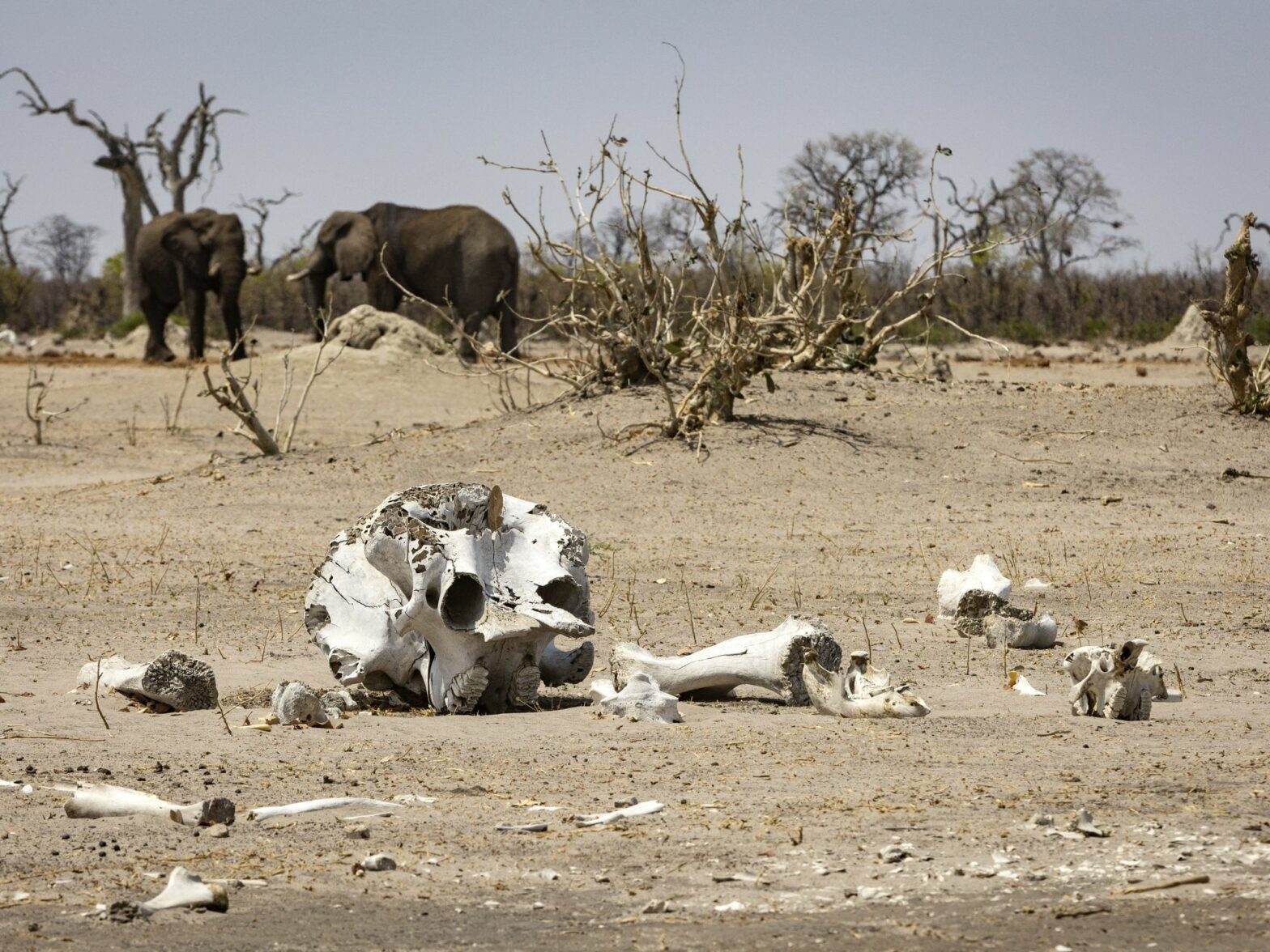
In Botswana’s Okavango Delta — declared a UNESCO World Heritage Site in 2014 — warming trends over the past two decades are approximately twice the global average.
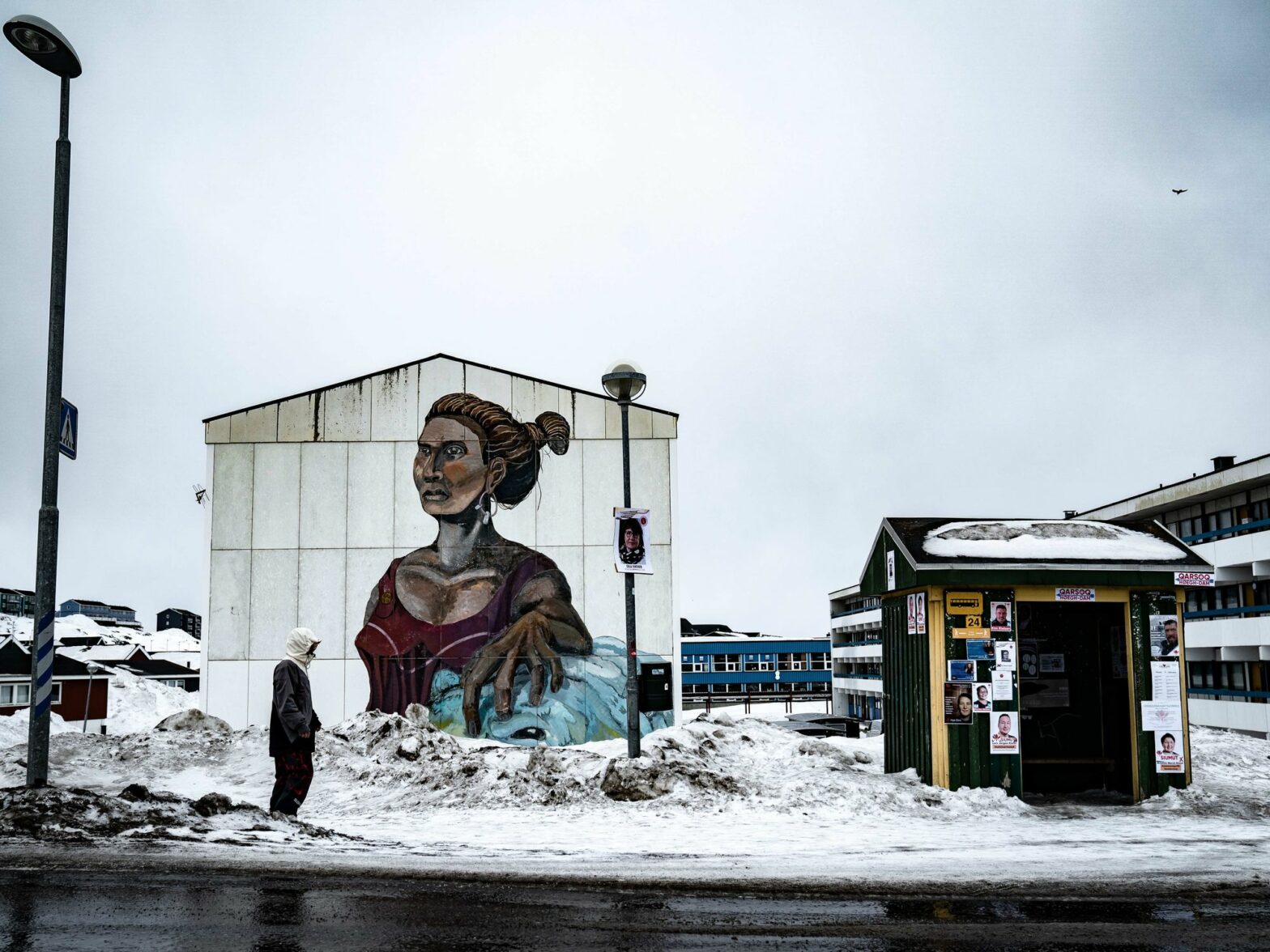
Greenland’s soil is packed with valuable resources, yet many of its people struggle to make ends meet. The world’s highest suicide rates, school dropouts and alcohol abuse are also part of Greenland’s reality. These issues are central to the March 11 general election.
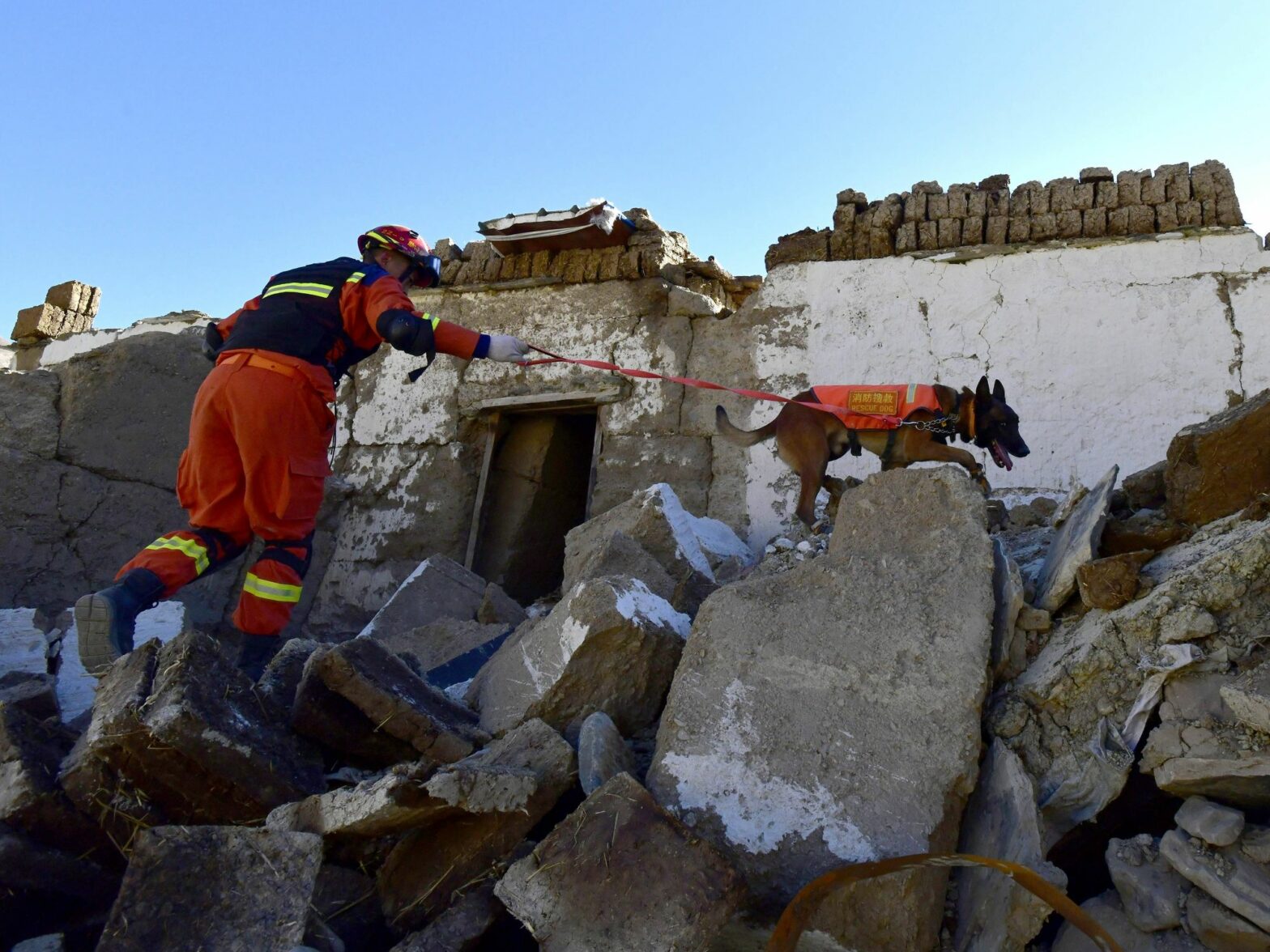
Researchers have identified a possible link between climate change and the frequency of earthquakes — and the quakes may also start a vicious circle of accelerating climate change.
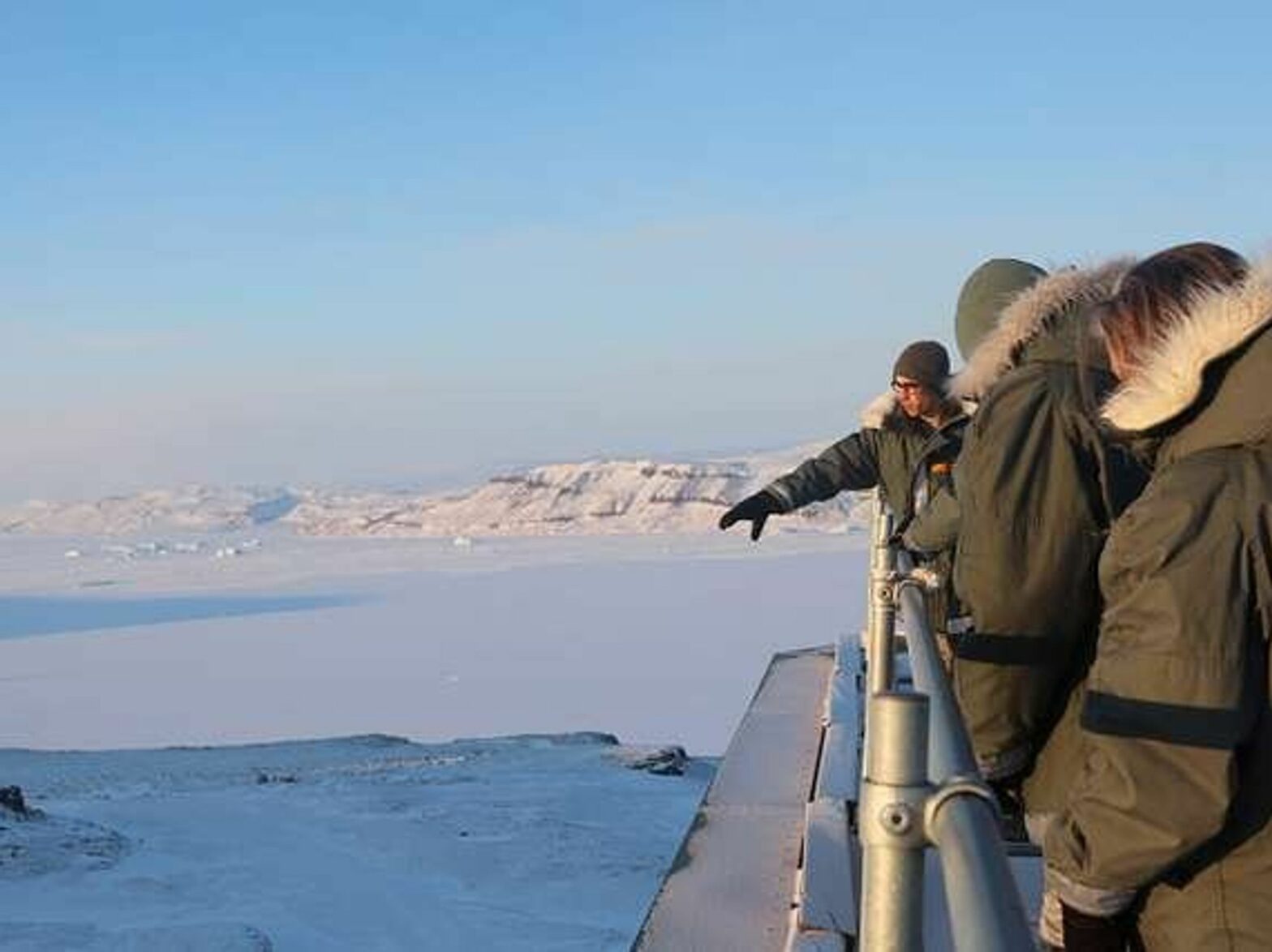
The newly inaugurated U.S. president is missing the real strategic and economic value of the island, which is ultimately linked to world’s ability to reduce global warming.
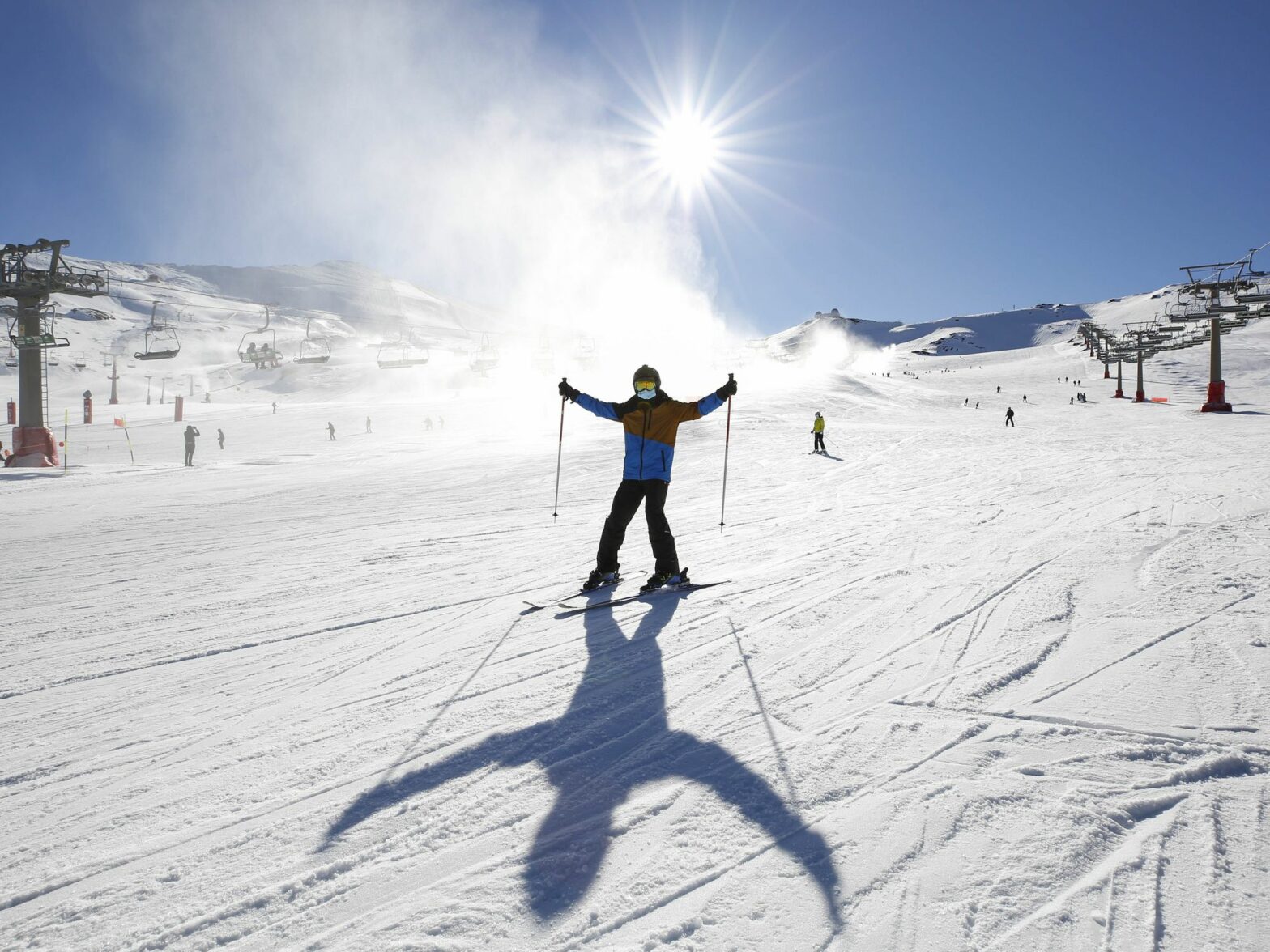
As ski seasons grow increasingly shorter and irregular, the Cetursa company and Andalusia Regional Government are asking to extract twice as much water from the Monachil River to produce more artificial snow for the Sierra Nevada resort. The official argument is that this will have no environmental impact. Experts disagree.

A new French research laboratory was recently opened on the University of Rennes campus. The experimental facility, equipped with boreholes that reach 300 feet deep, focuses on studying soils and the microbiology of the underground.
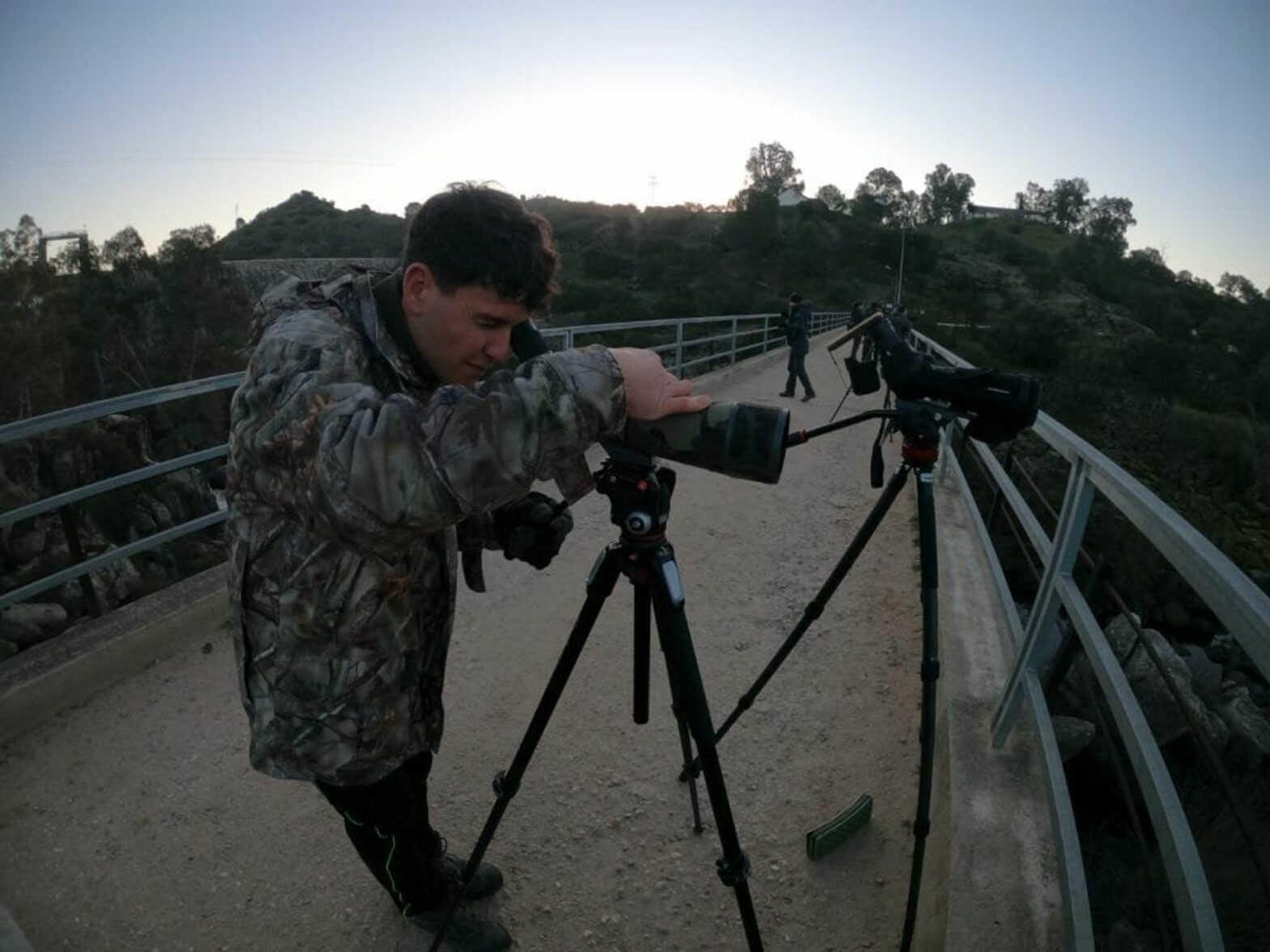
Thanks to the many citizen science projects that exist today, all of us who make up the social fabric can actively contribute to scientific knowledge and sustainable development.
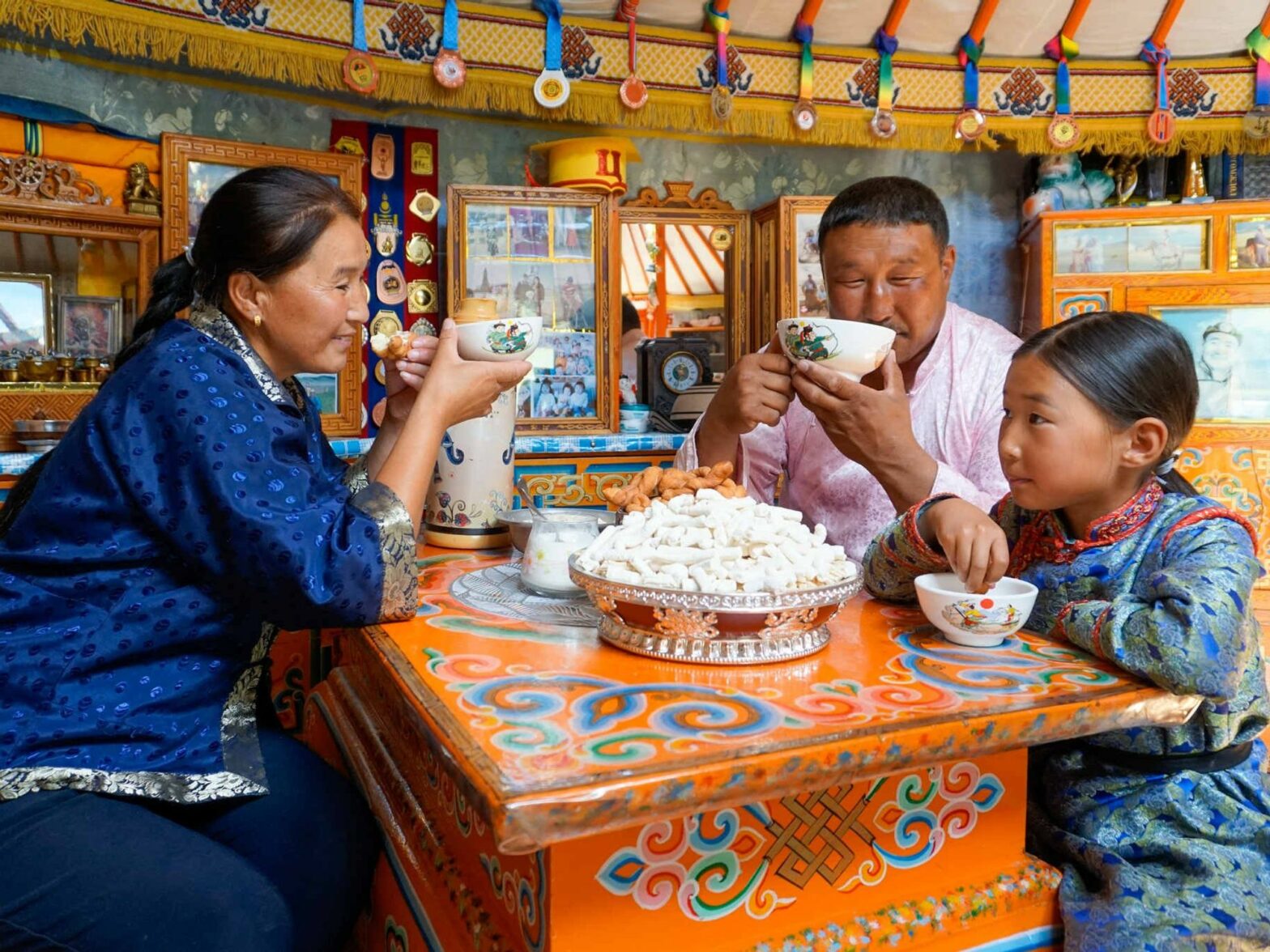
In an effort to boost tourism following the pandemic, the government supports herders who host visitors looking for authentic local experiences.
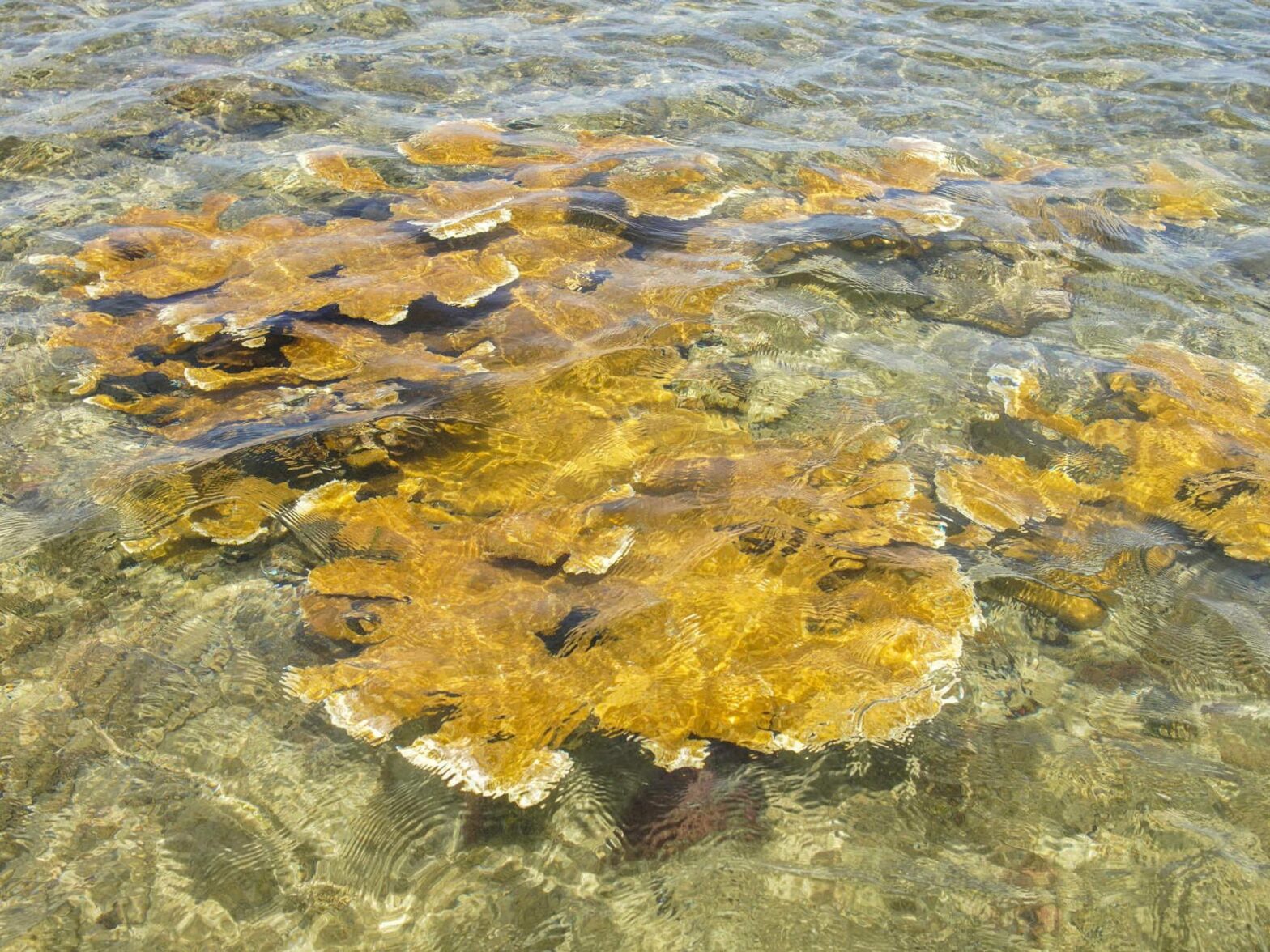
At El Eco reef, scientists are gathering clues about elkhorn coral’s resistance to rising temperatures.
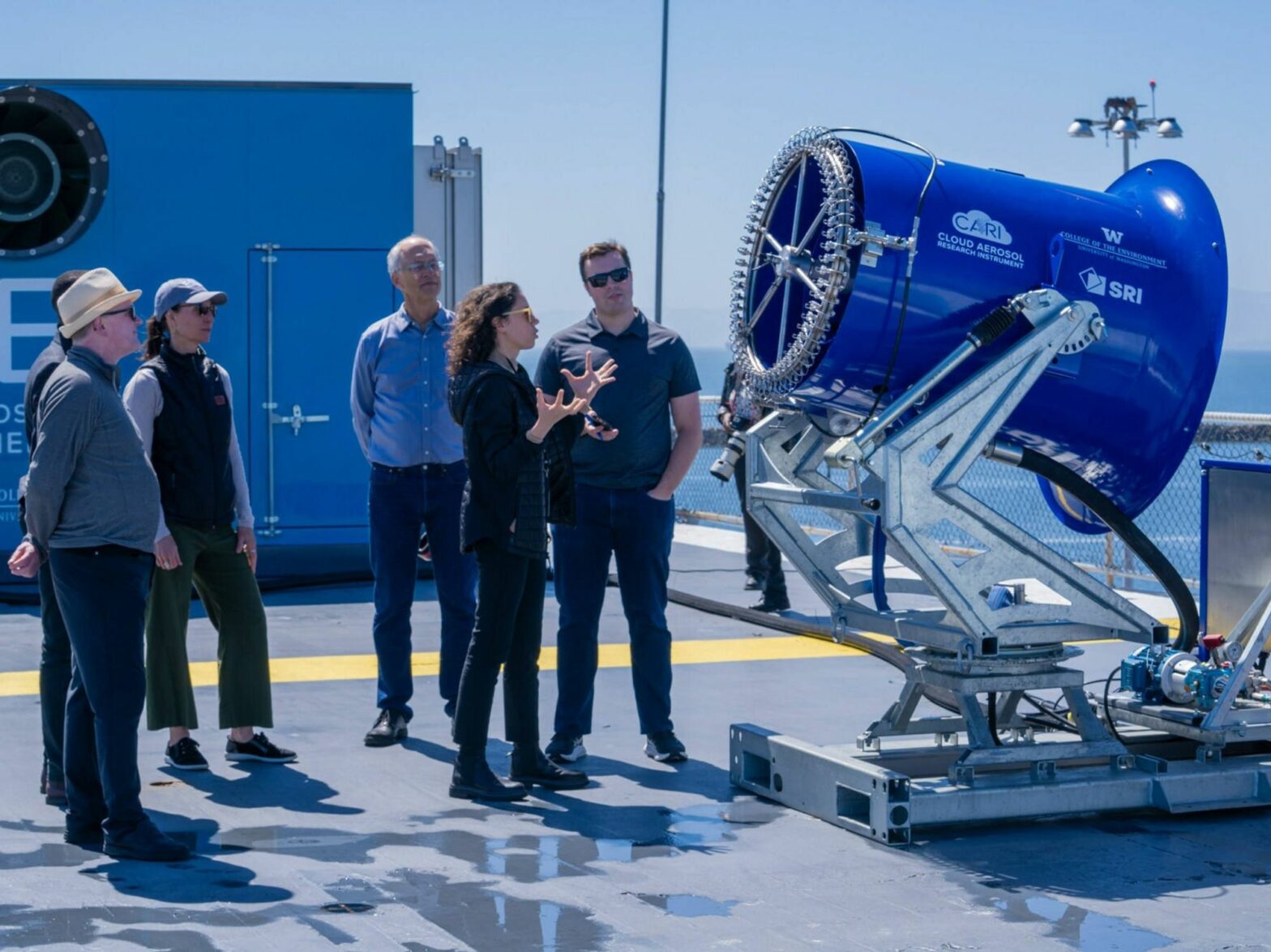
Scientists and companies increasingly support blocking some sunlight to avoid the worst impacts of global warming.
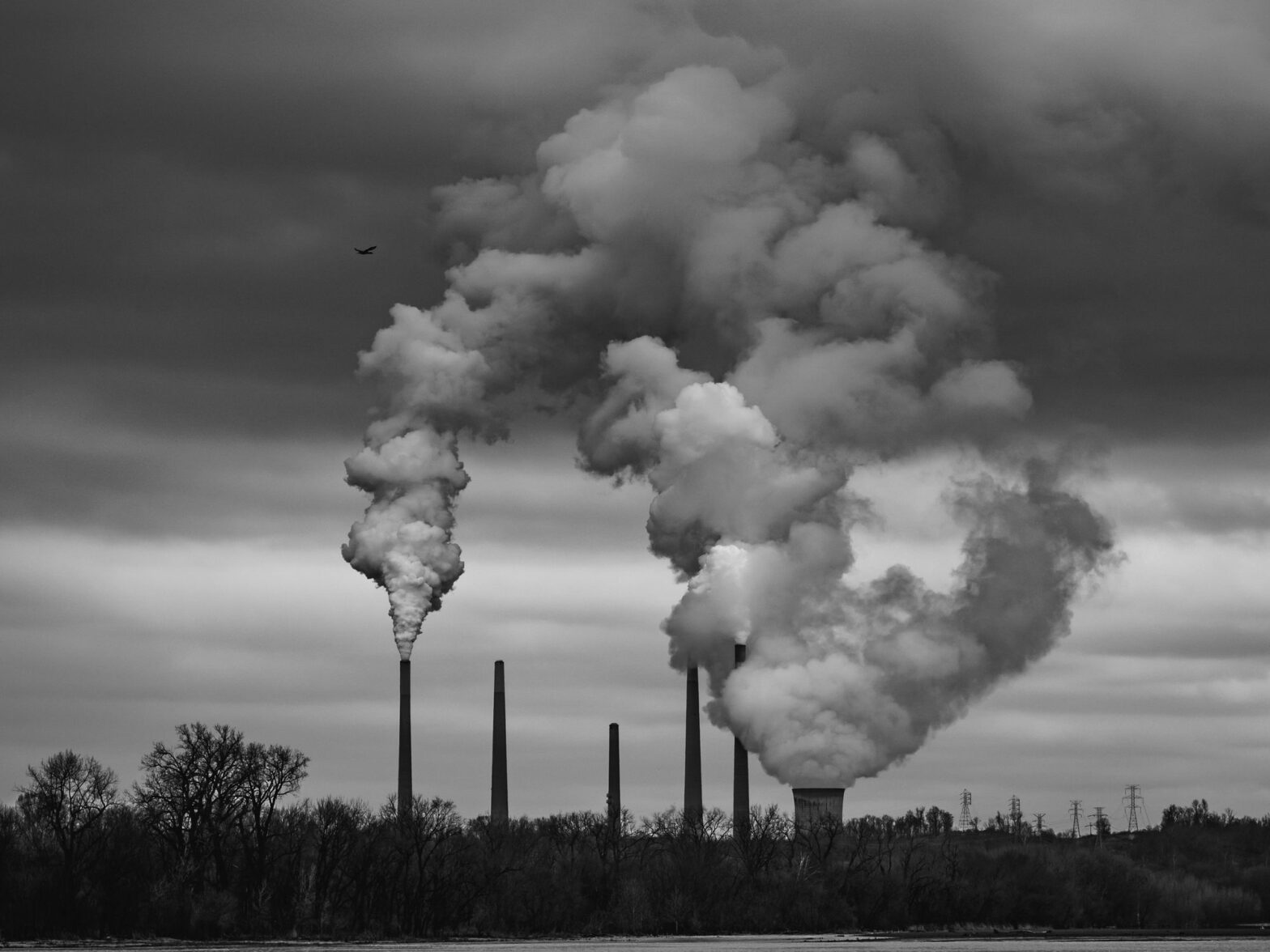
On paper, carbon trading should help finance environmental projects and fight climate change, but years of debate and blurry standards have turned the initiative into a pollution enabler for the richest countries.
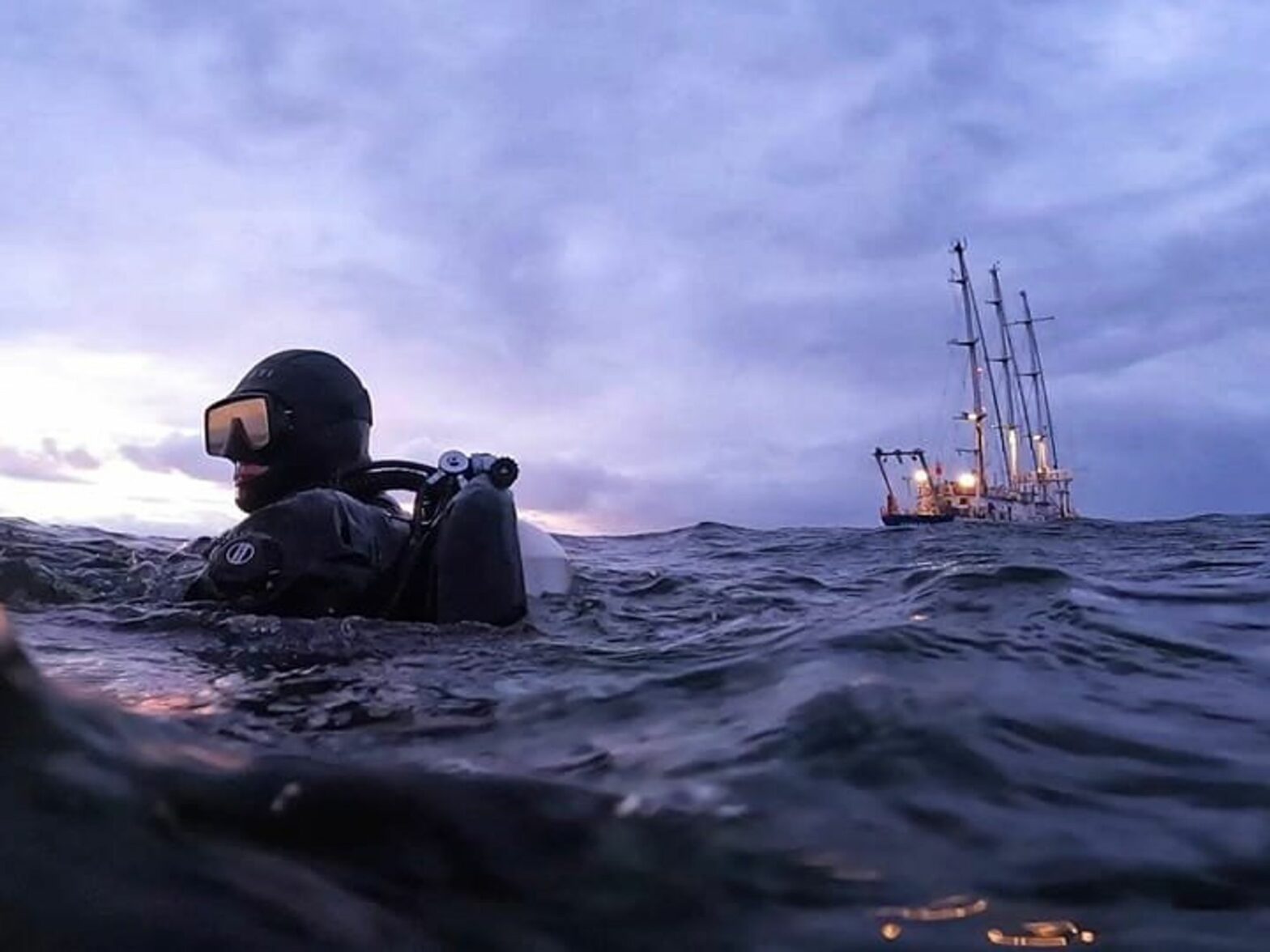
Russia’s invasion of Ukraine and fears of westward escalation have already led many European countries to up their own defense strategies. But instead of the latest technologies, rockets, and fighter jets, the true key to fighting back may lie in studying the polar region, critical for world stability.
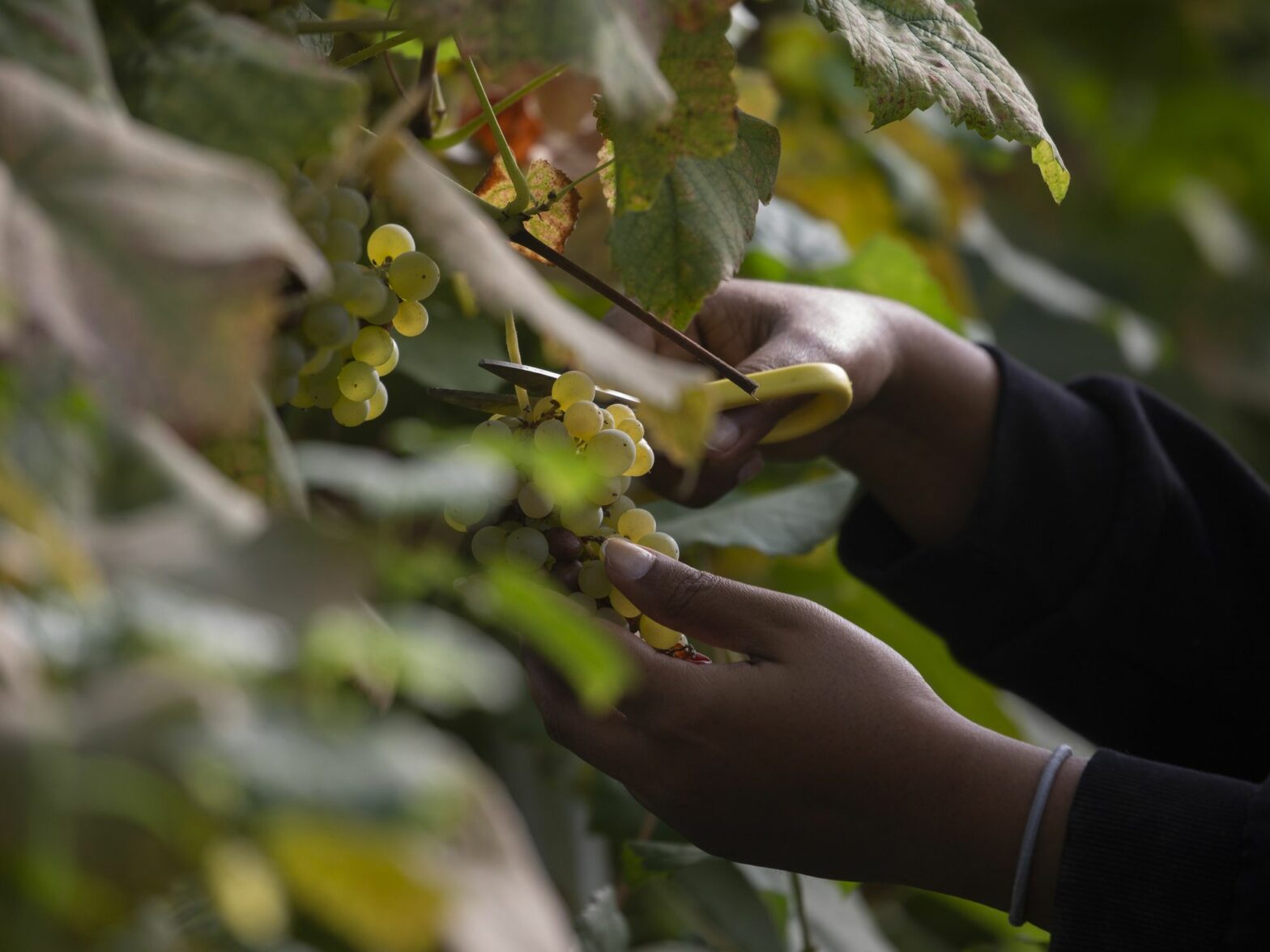
Over the past two decades, global warming has allowed the wine industry to grow in unexpected latitudes. In Sweden, some winemakers are experimenting with hybrid grapes, while others are giving a chance to traditional grapes, and taking advantage of a more stable climate.
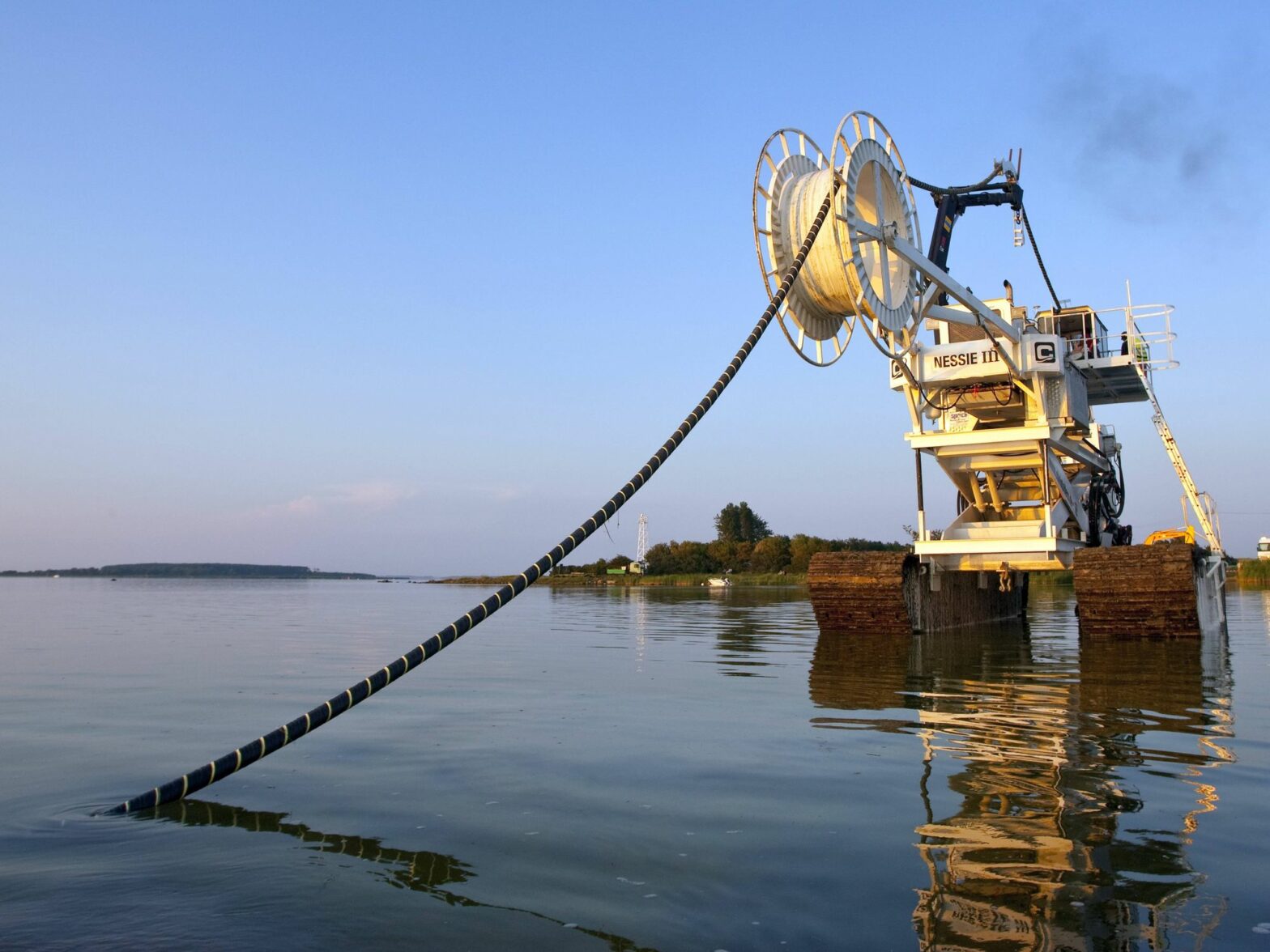
Forget about the satellites: 99% of global data traffic runs over fiber optic cables on the seabed. Now, climate change and political sabotage might put the infrastructure at risk.
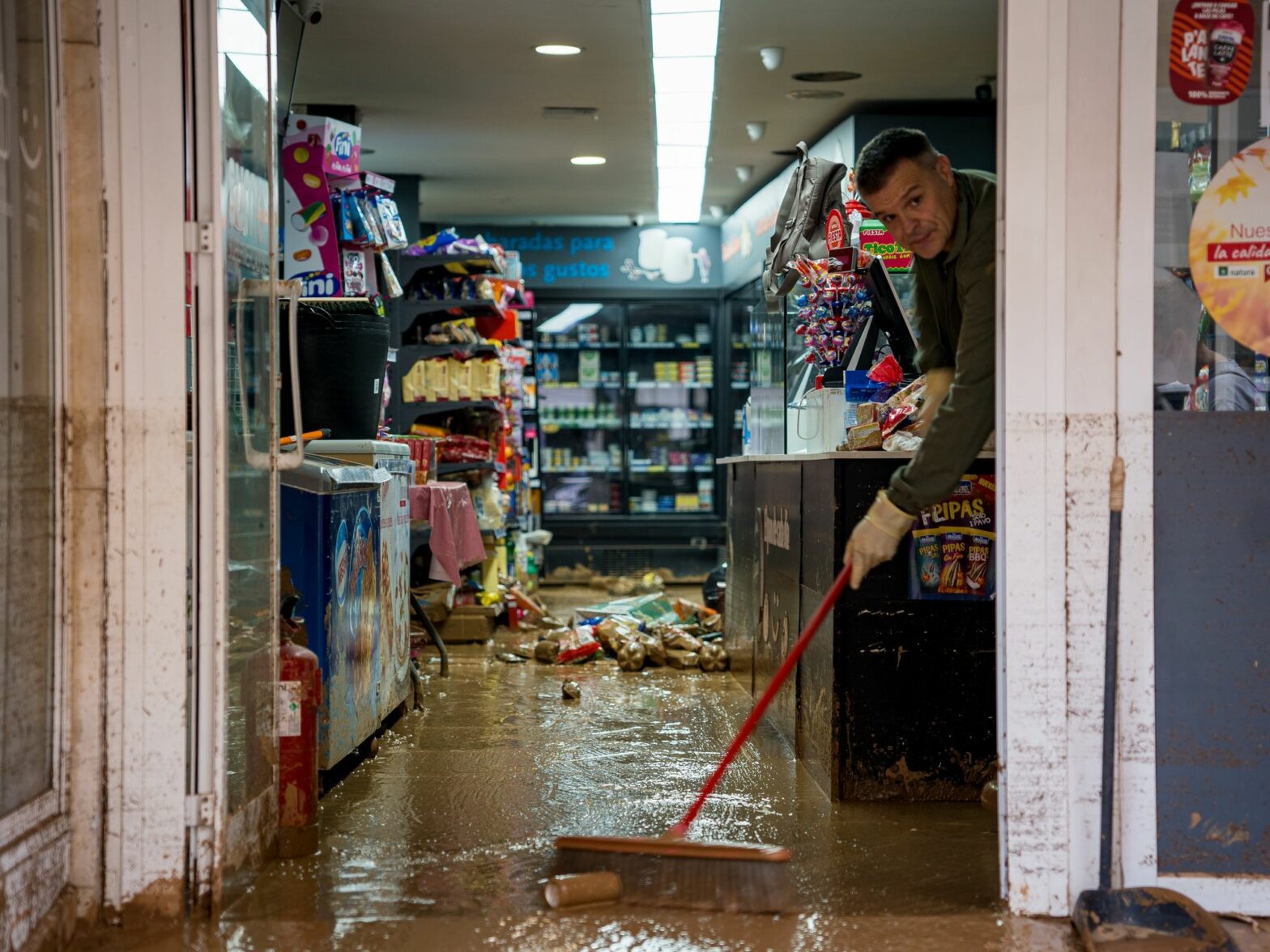
The city of Valencia has not been affected by the natural disaster that caused more than 200 deaths in eastern Spain, but the region’s capital city is not the same. And the population is struggling to find a new balance.

The International Festival of Performing Arts Temporada Alta is hosting the Spanish premiere of this European project that explores our links with nature and the landscape.
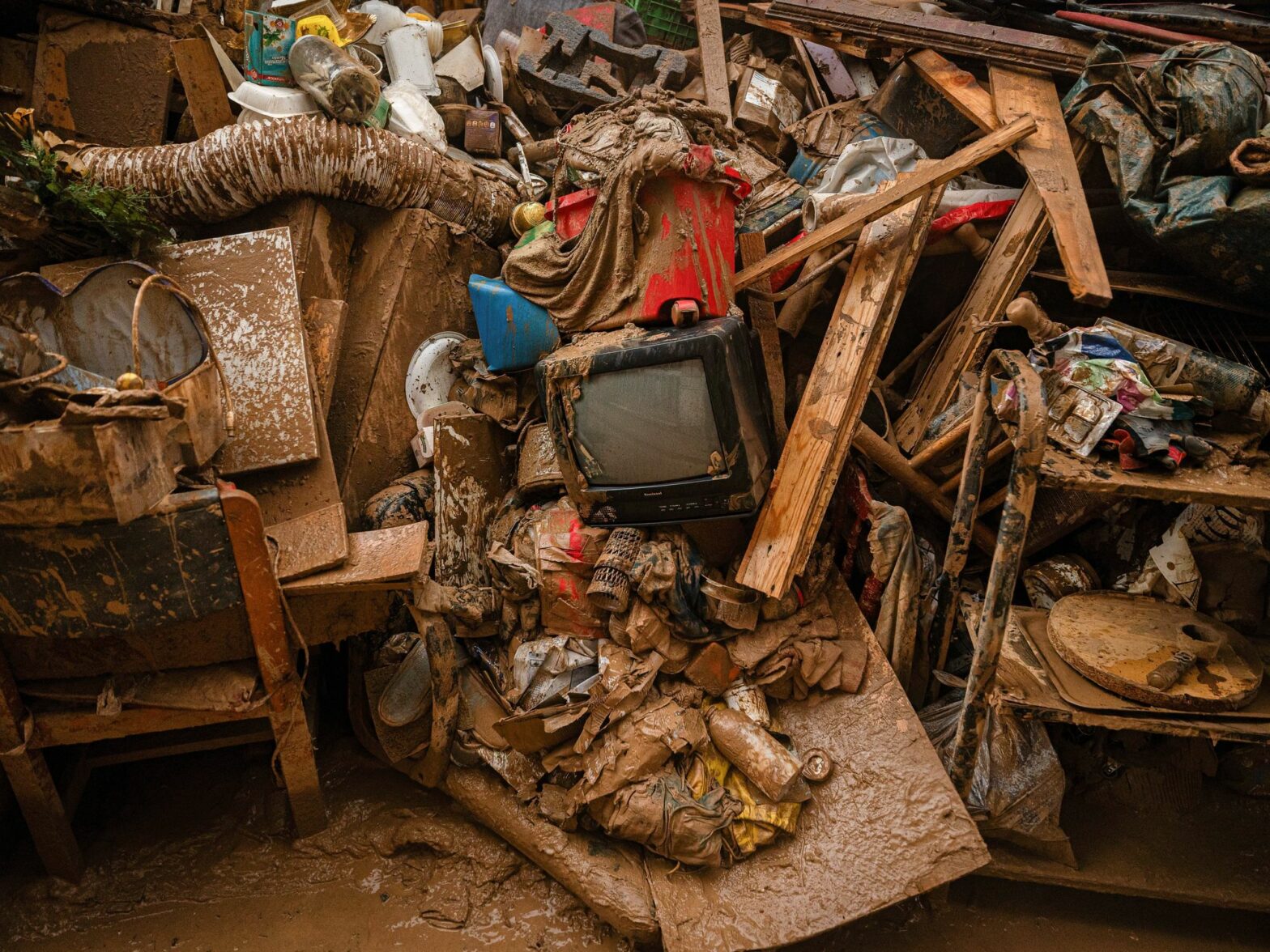
The natural disaster in Valencia is the reflection of a great societal failure, the result of the lack of public policies in organizing a sustainable and balanced model of life.
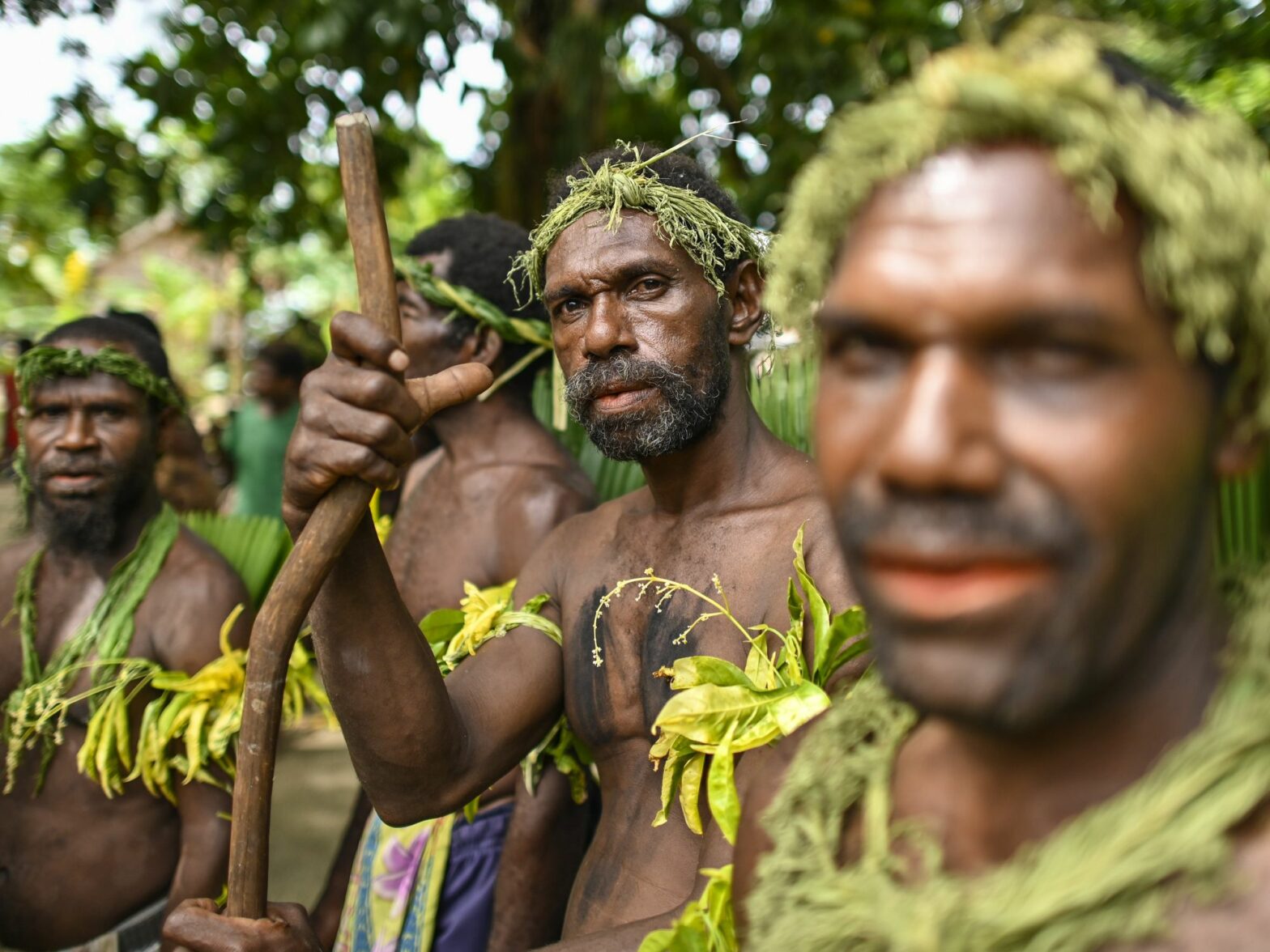
From combating invasive species in New Zealand to dealing with melting ice in Alaska, Indigenous peoples are on the front lines of climate change adaptation — yet often overlooked in international initiatives.
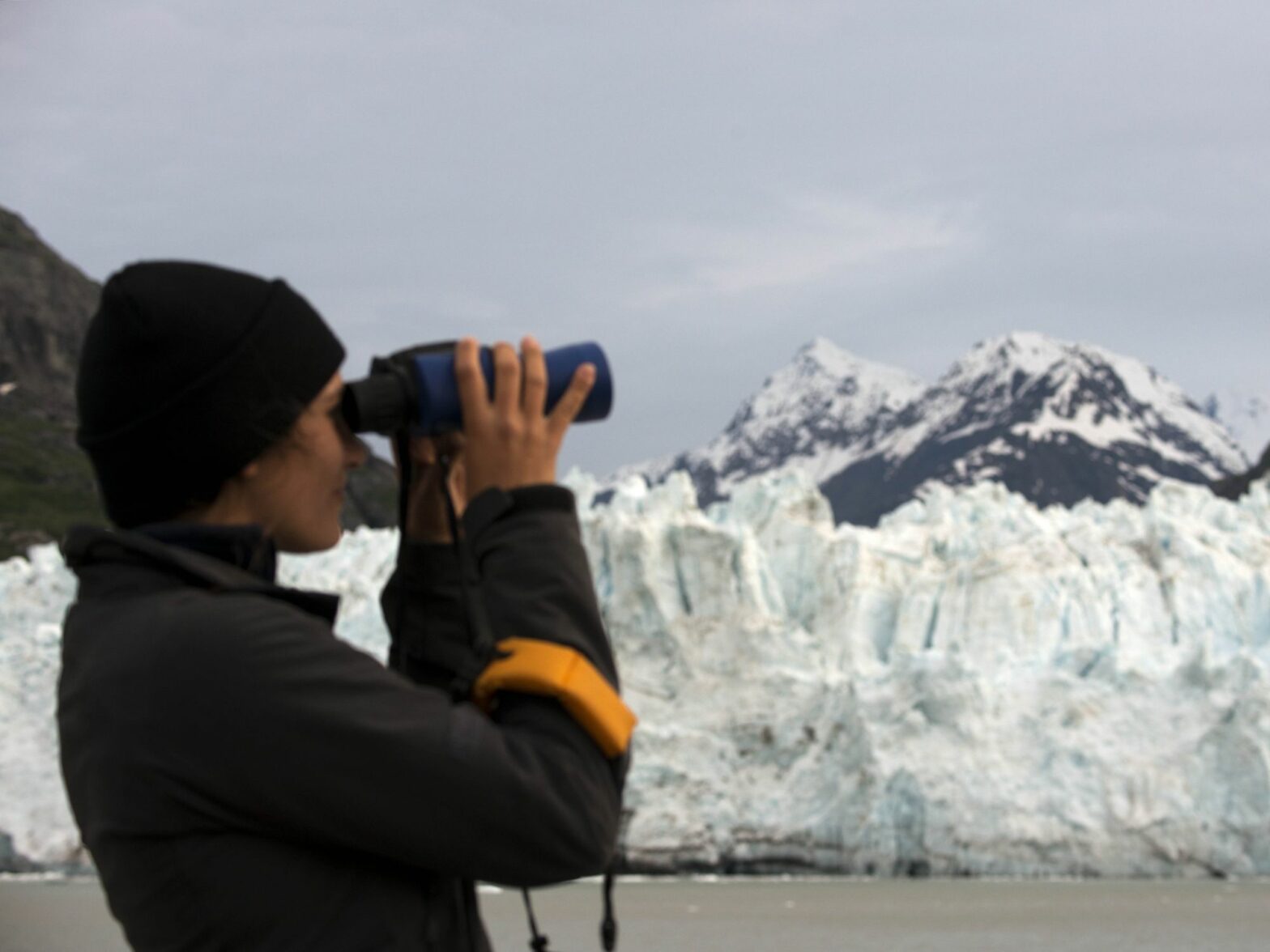
A research project is collecting ice cores from glaciers and icefields before they melt way. The aim is to study both the past and possible future of humanity’s impact on the world’s climate.
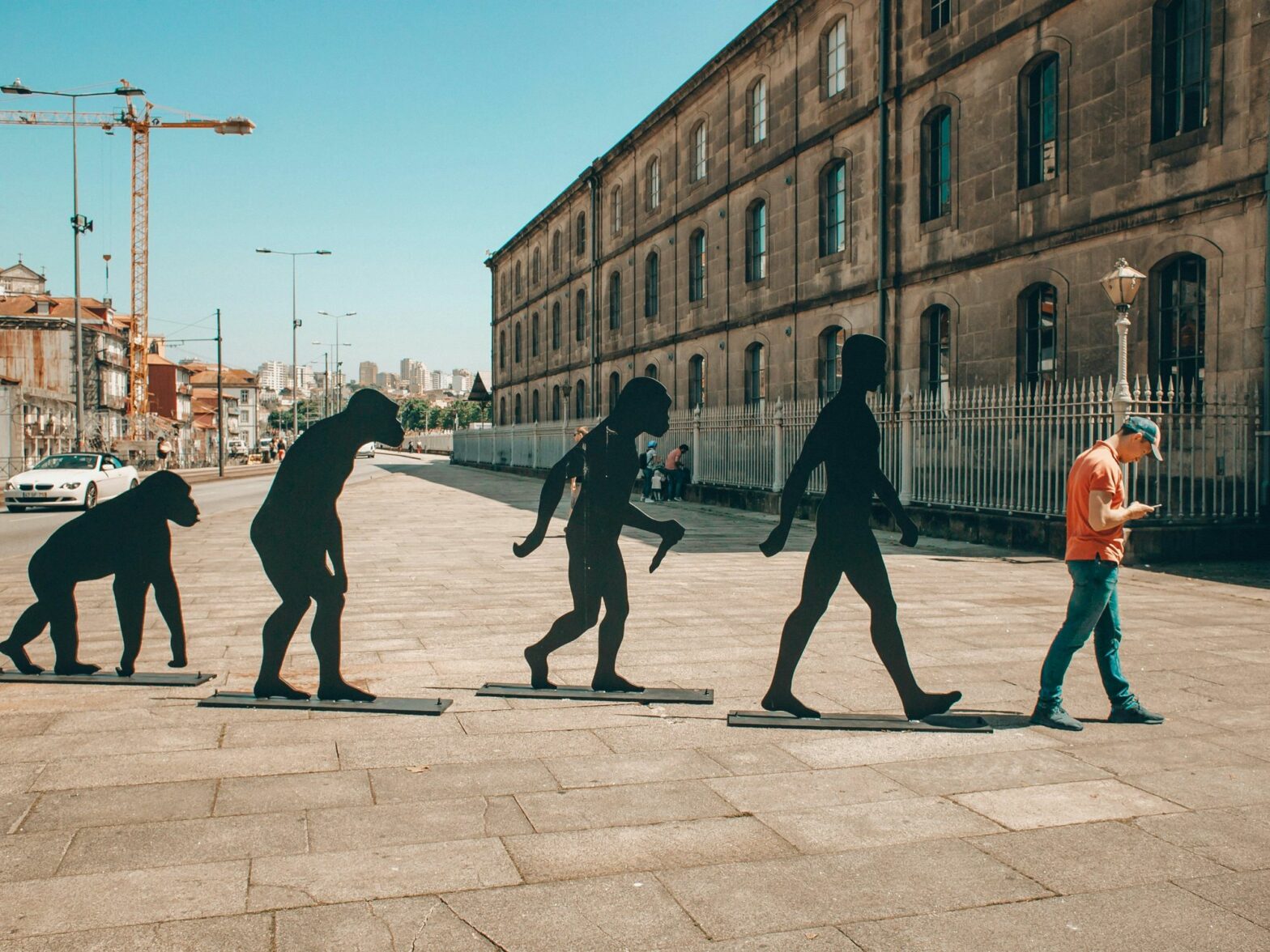
The cognitive skills that helped us live on the savannah still exist in our brain’s survival kit, and it may be the reason we fail to tackle climate change.

Eco-disaster fiction has changed since Soylent Green, one of Hollywood’s first eco-disaster films, came out in 1973; there has been an evolution from catastrophic fatalism to a certain optimism, with TV series like The Last Of Us.
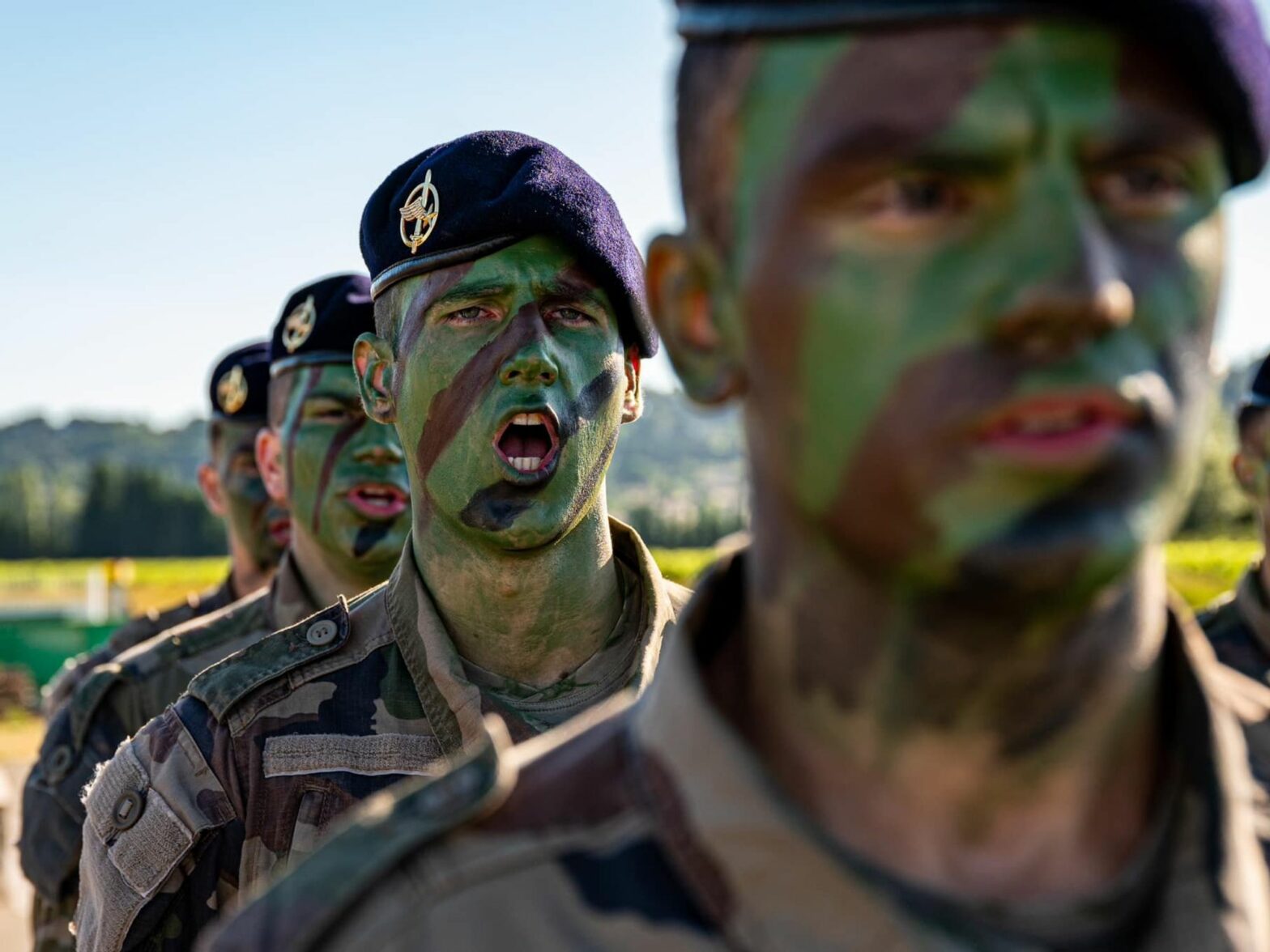
Climate change, accelerating conflicts and altering operational conditions, will not spare the armed forces. These factors combined will alter the conditions under which armies around the world have to operate. Paris-based daily Les Echos looks at how France’s armed forces are working to adapt as well as reduce their carbon footprint.
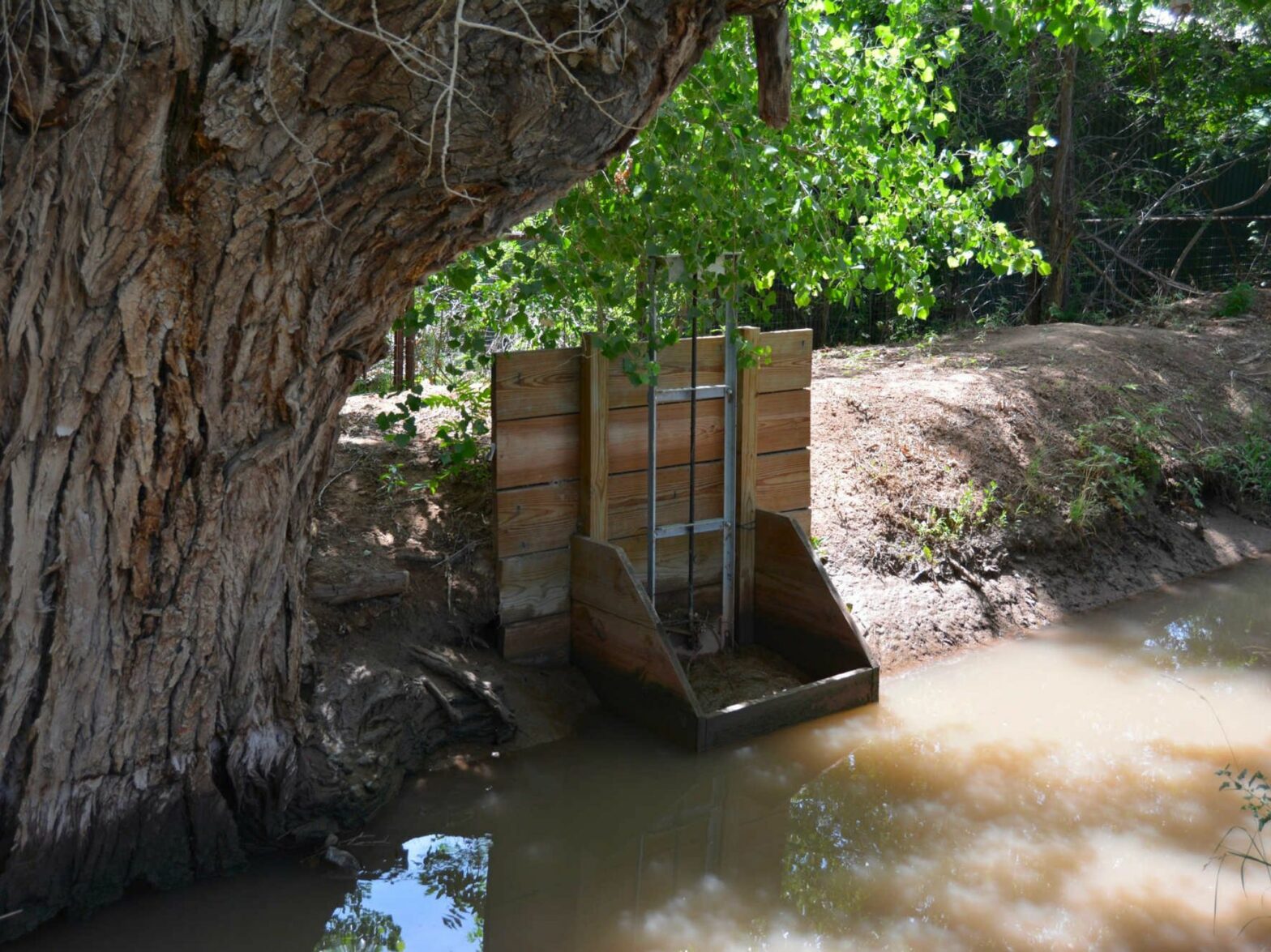
Traditional irrigation canals could help balance the water supply during droughts — but only if they are protected.

In a race against time, scientists are exploring new ways to restore natural systems. Alongside traditional methods such as planting trees, reducing pollution and reintroducing native species, a surprising new tool is emerging: sound. Ecologists can harness sound to bring life back to degraded ecosystems.