A terrorist attack, a global health crisis, and a natural disaster.

 Worldcrunch
A terrorist attack, a global health crisis, and a natural disaster.

Updated April 26, 2024 at 11:00 a.m. The Chernobyl nuclear disaster was a catastrophic nuclear accident that occurred on this day in 1986, on Ukrainian territory of the Soviet Union. It was the worst nuclear disaster in history, both in terms of the human and environmental impact. How did the Chernobyl nuclear disaster happen? The […]
Updated March 28, 2024 at 12:40 p.m. On this day in 1979, a nuclear reactor at the Three Mile Island power plant in Pennsylvania experienced a partial meltdown due to a combination of equipment malfunctions, operator errors, and design flaws. As a result, radioactive gas was released into the environment, and the plant had to […]
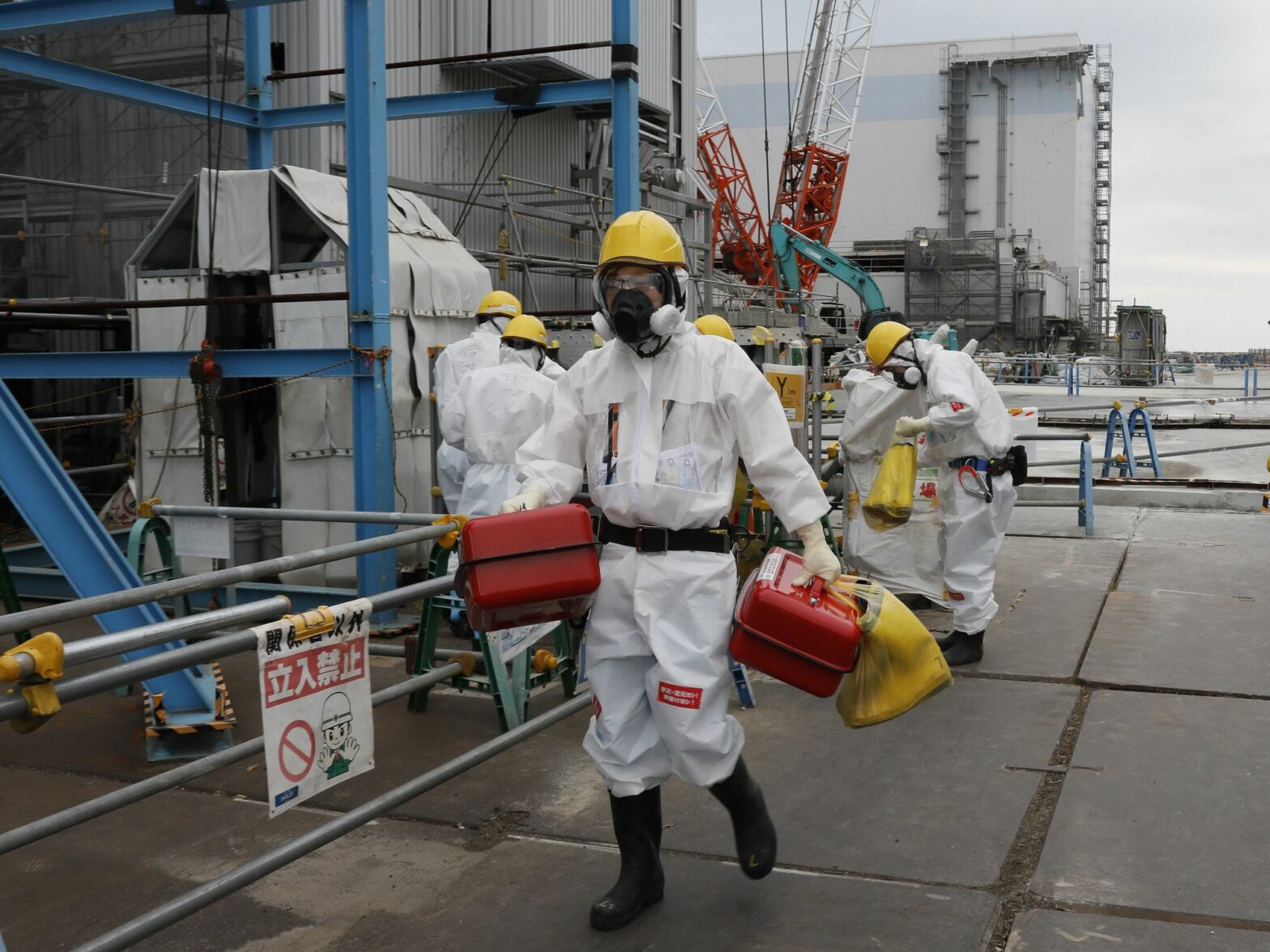
A recent study shows the tens of billions of dollars spent to decontaminate land following the areas affected by the 2011 Fukushima nuclear accident may not have been worthwhile and have encouraged only a minority of residents to come back. A better option could be to declare the zone a natural reserve. (new subheadline)
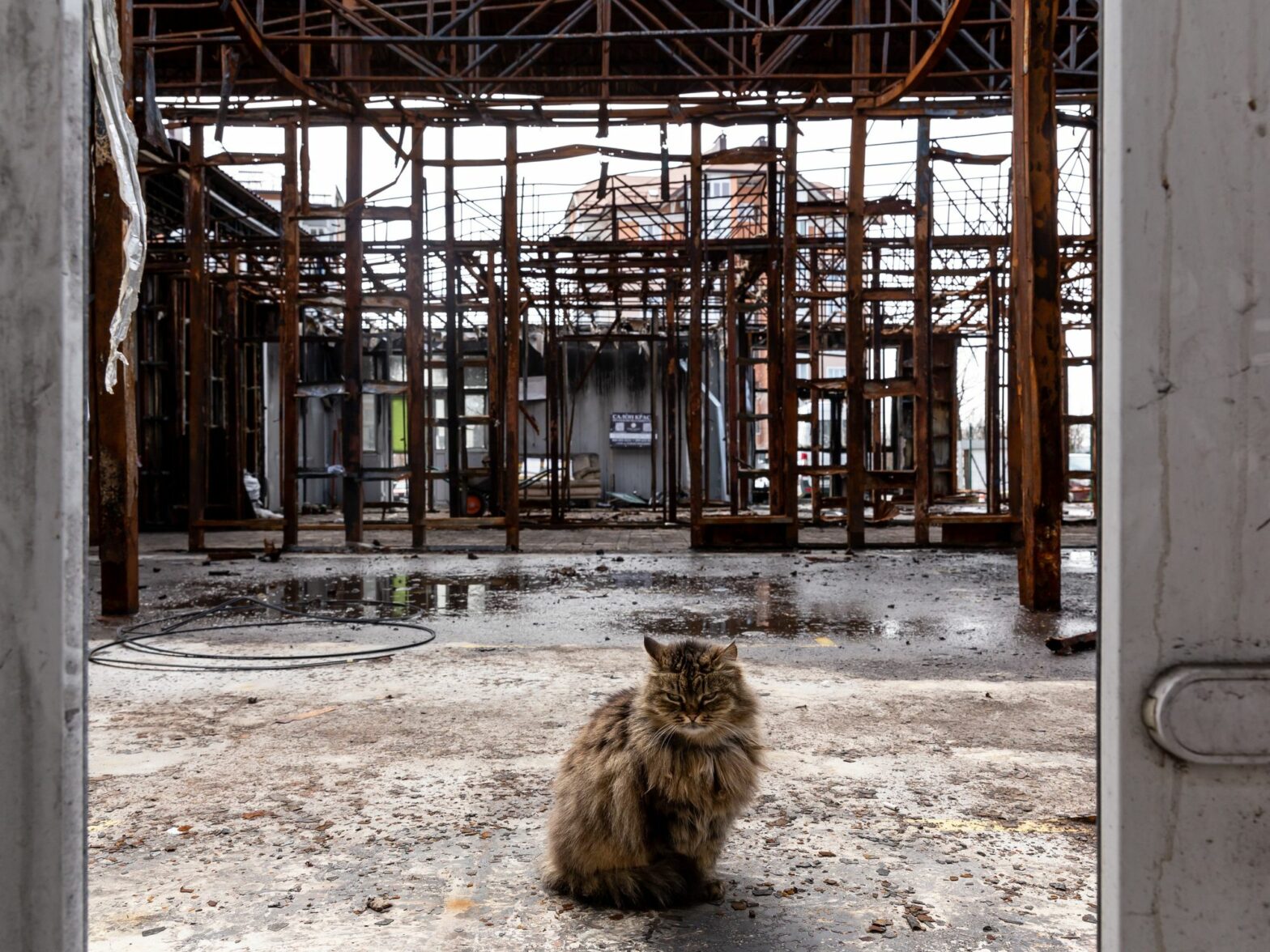
It took decades to transform Hiroshima and Auschwitz into authorized destinations that welcomed visitors to explain the sites of unspeakable horrors. Ukraine is encouraging people to see such places as Bucha and Irpin, where Russia is accused of war crimes. Exploring the line between the morbidity of dark tourism and the value of historical memory.
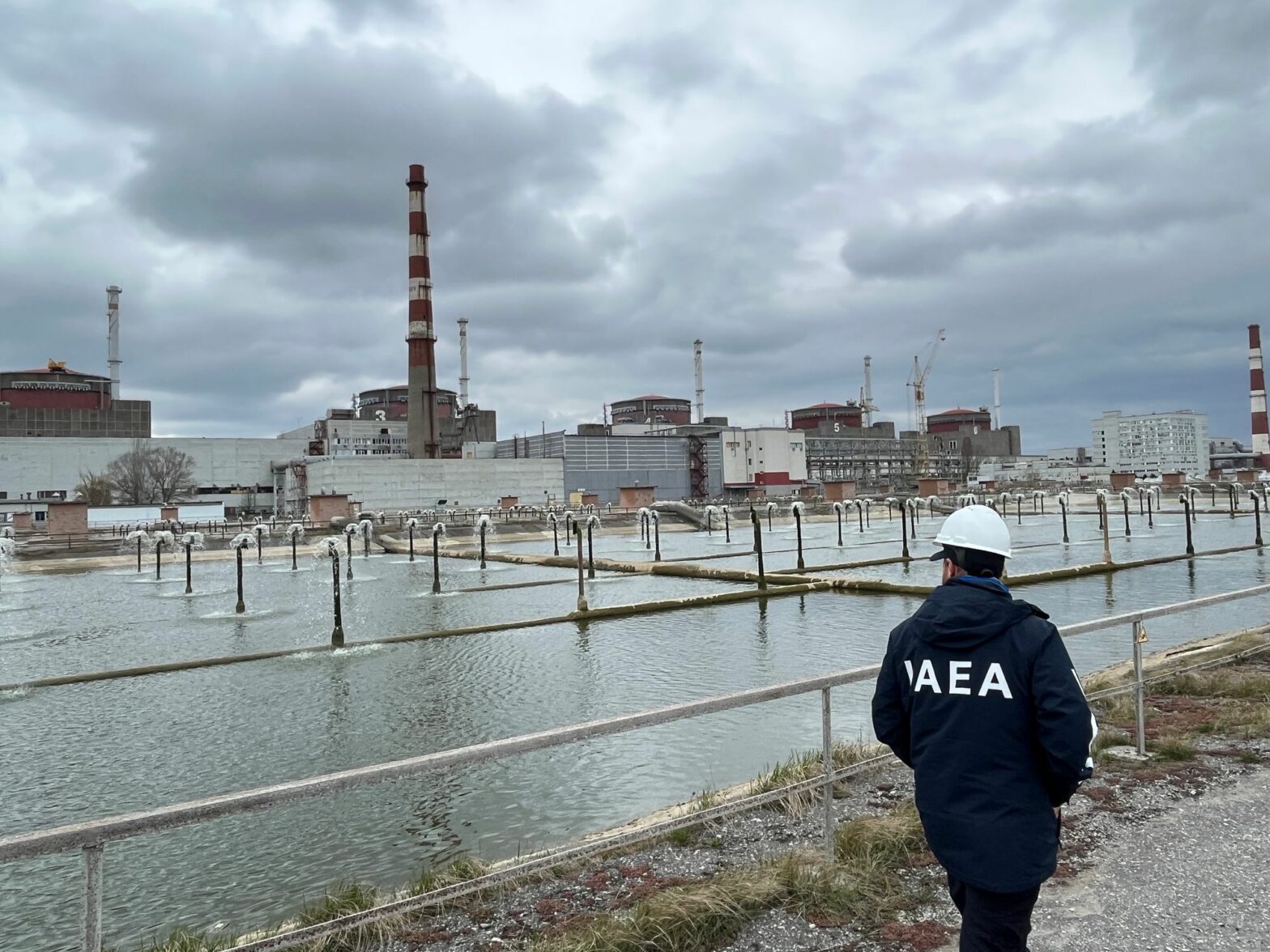
Ukraine is warning about a possible terrorist attack on the Zaporizhzhya nuclear power plant, which Moscow’s military has occupied since the early days of the invasion. The U.S. Senate warns that, in that case, NATO is ready to enter the war.

As the youngest generations worry about the effects of climate change on their lives, some are turning to nuclear power as a “cleaner” source of energy — marking a significant shift from the previous generation of anti-nuclear environmentalists.
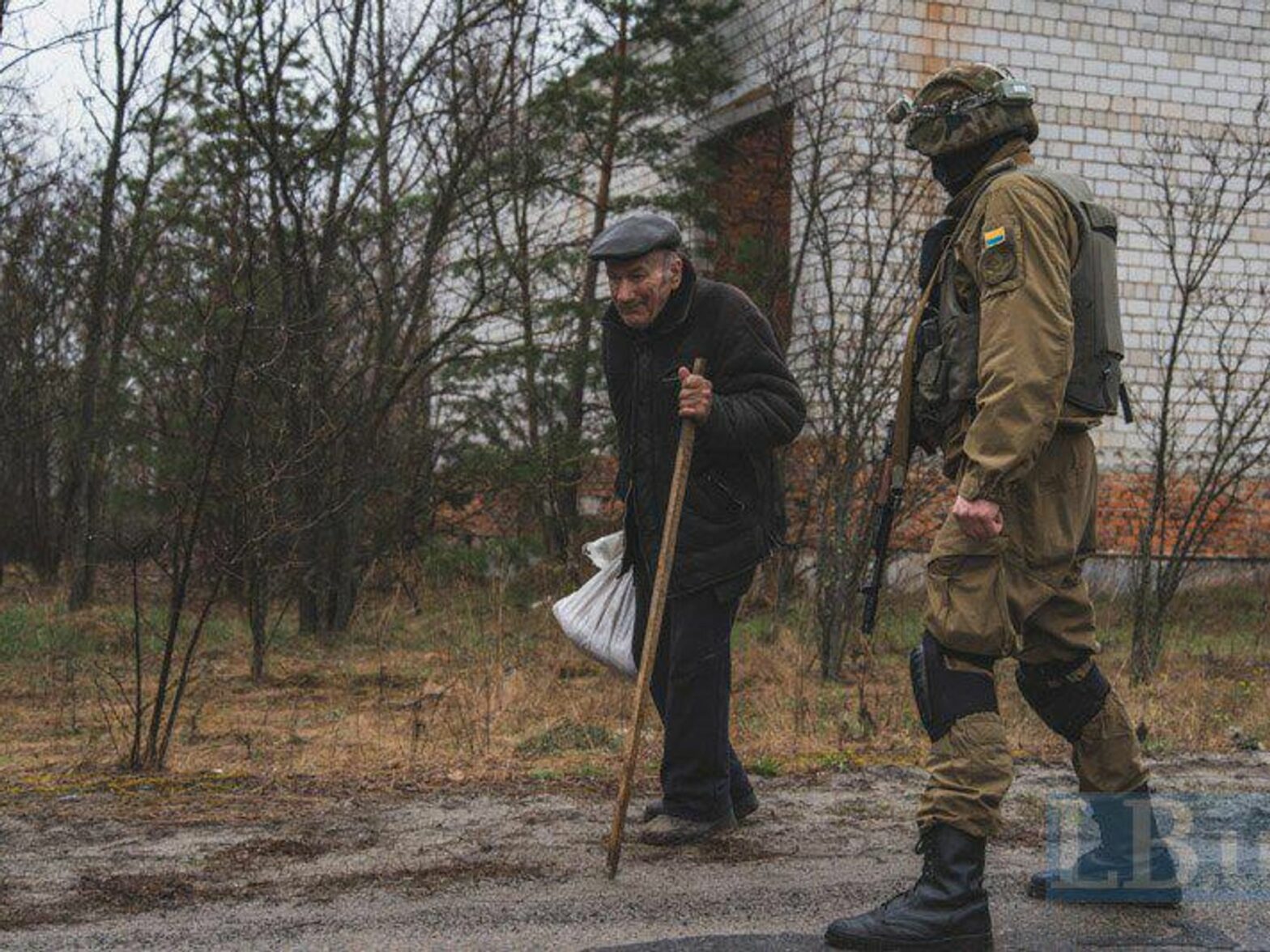
Humanitarians and the Ukrainian army are offering assistance to the inhabitants of Ivankiv and its surroundings after they suffered bombings and occupation from the Russian troops in the early stages of the invasion.
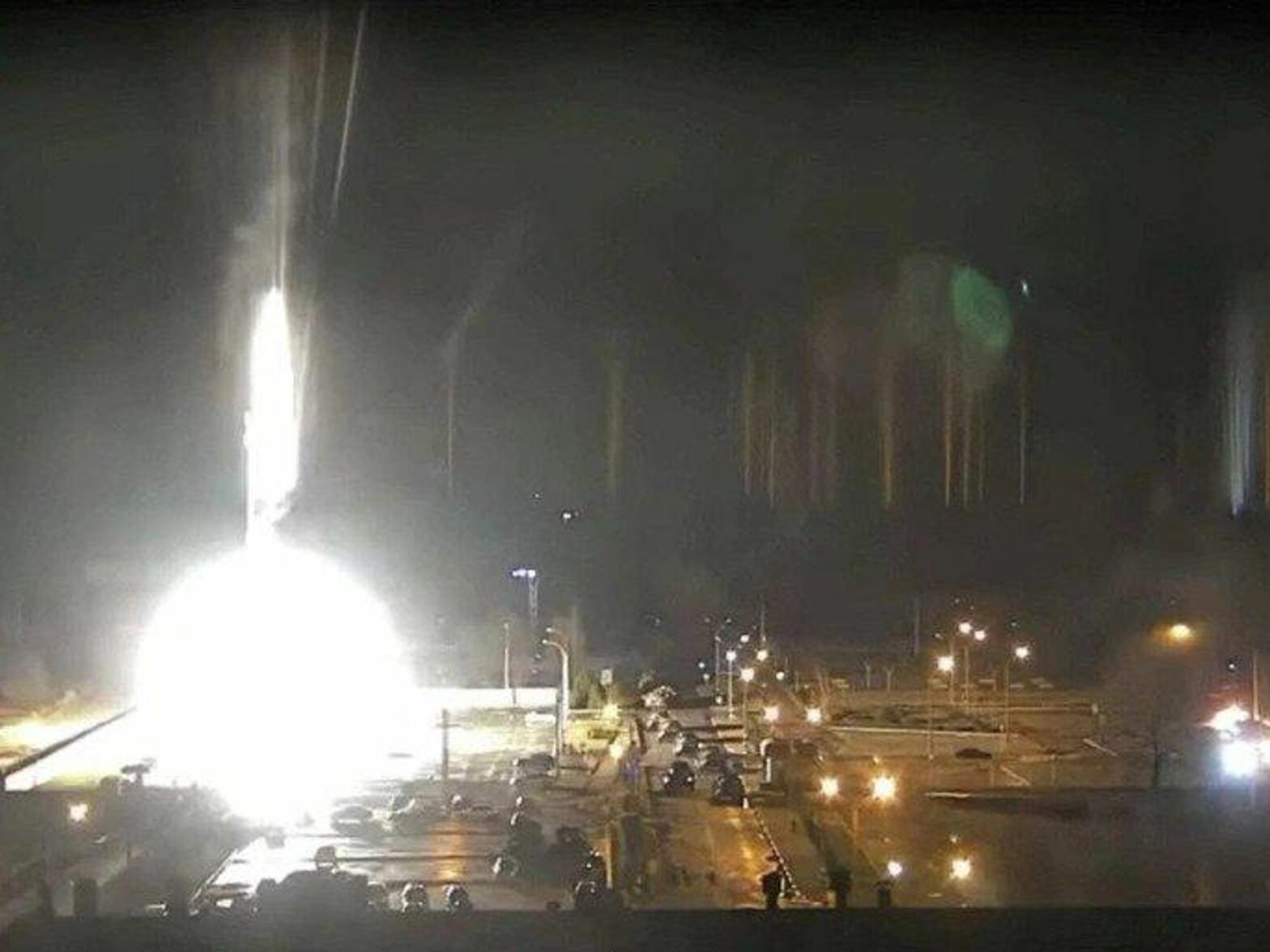
The shelling near the Zaporizhzhia nuclear power plant has raised concerns, even if there are no initial signs of radiation from this incident. But what about the other plants that are located in the immediate vicinity of the Russian attack path?
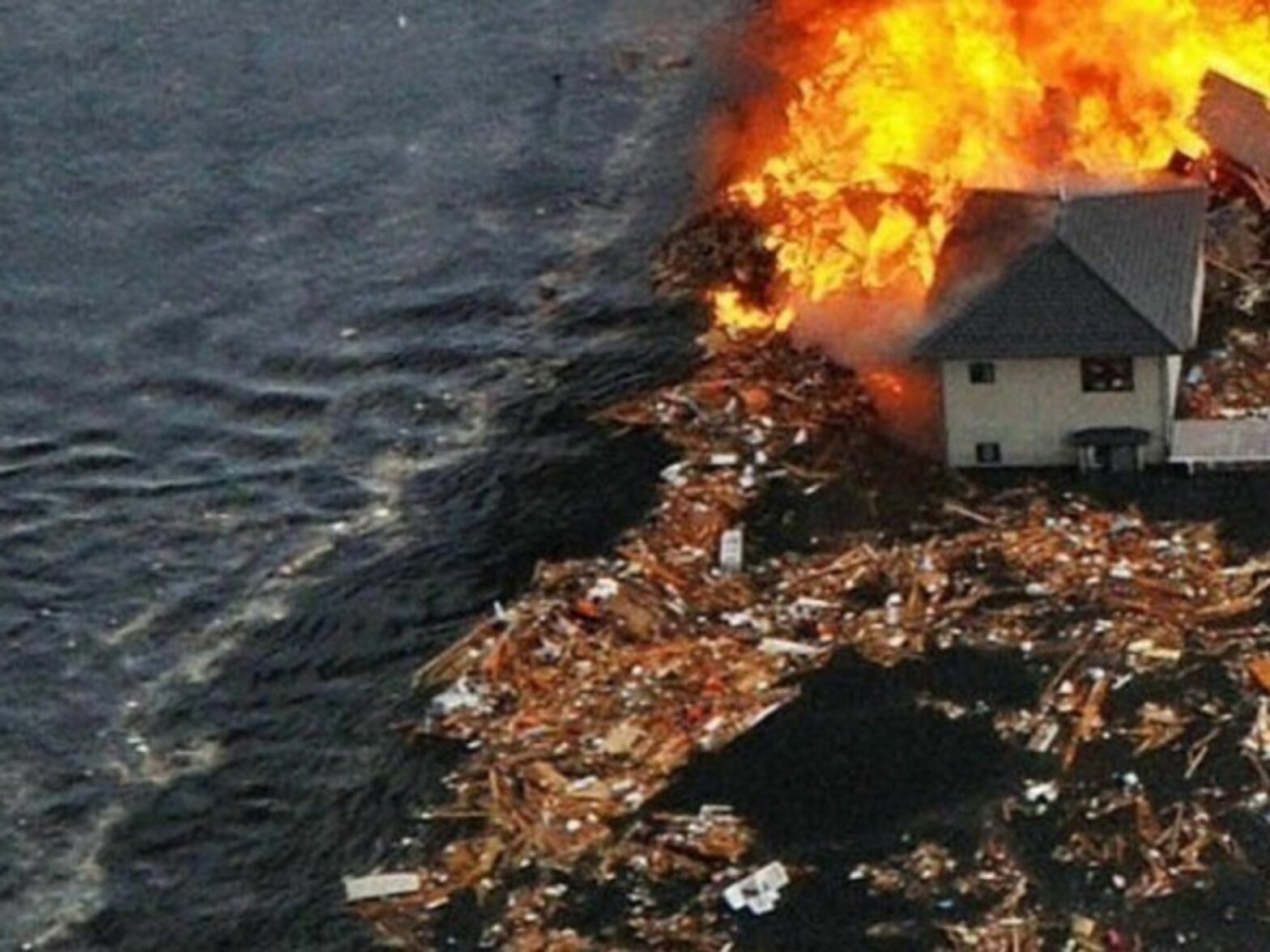
One of the most striking photographs of the destruction caused by the tsunami that struck Japan and set off the worst nuclear accident since Chernobyl.
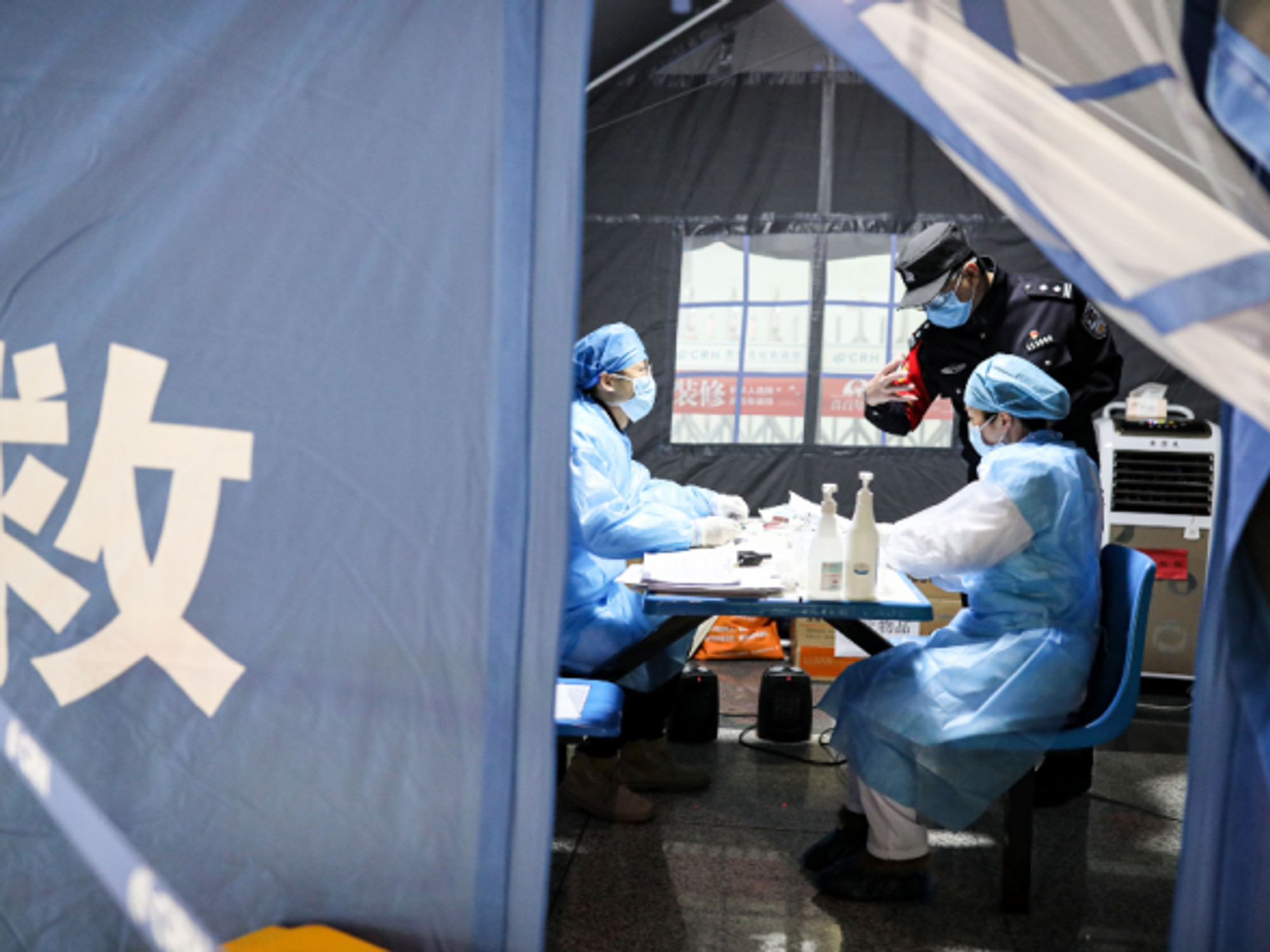
-Analysis- PARIS — In his most recent book, Chine, le Grand Paradoxe (China, the Great Paradox), Jean-Pierre Raffarin reminds us that, “the key to diplomacy is reciprocal respect.” Prime minister at the height of the SARS crisis, in 2003, Raffarin was one of the rare foreign leaders to proceed with a scheduled trip to China. […]
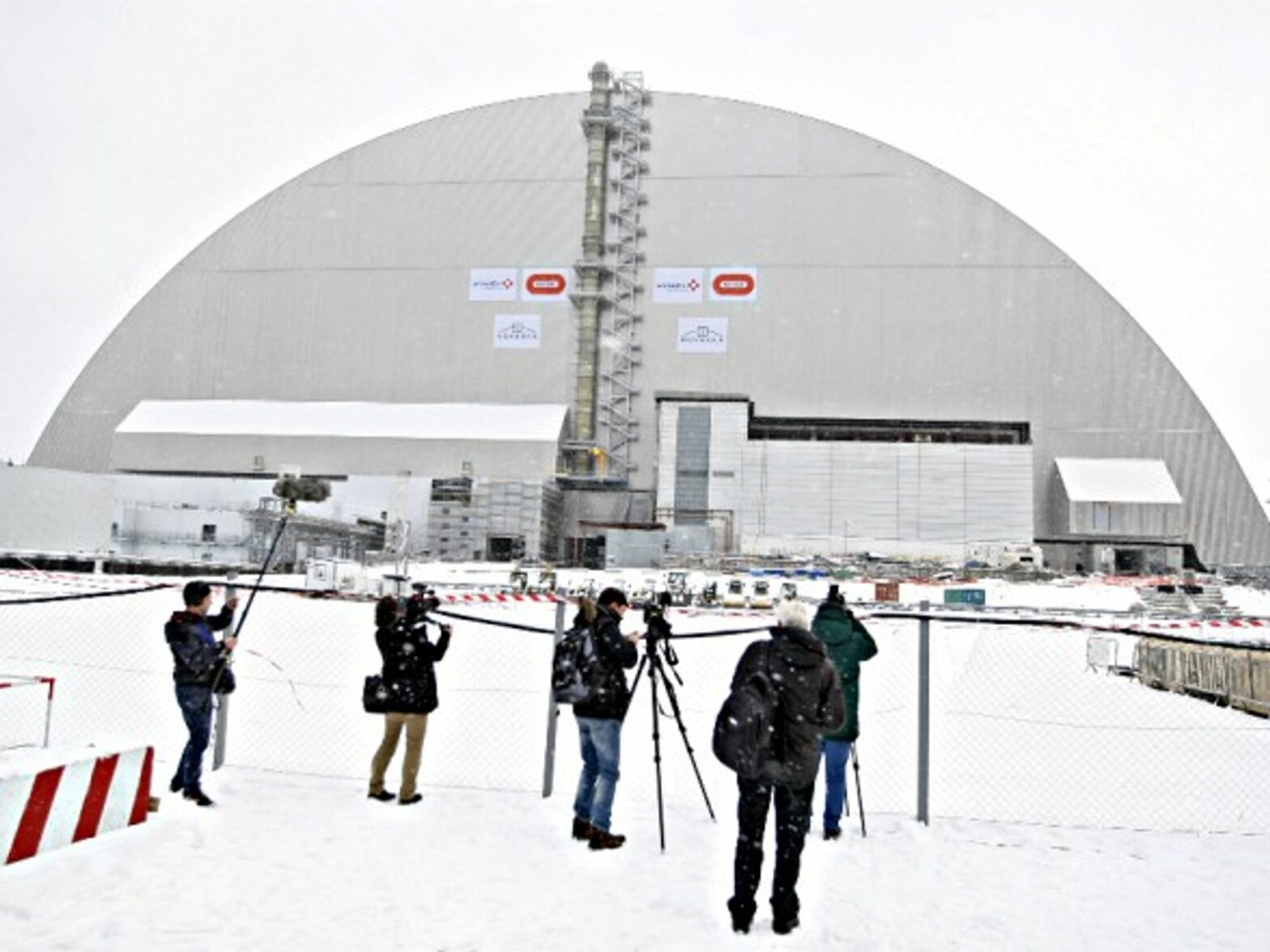
It was the worst nuclear plant accident in history, measured in both casualties and cost. And though the death count paled in comparison to the more than 100,000 killed by the atomic bomb in Hiroshima, the amount of radioactive material released in Chernobyl was 400 times higher. Six months after the 1986 disaster, the Soviet […]
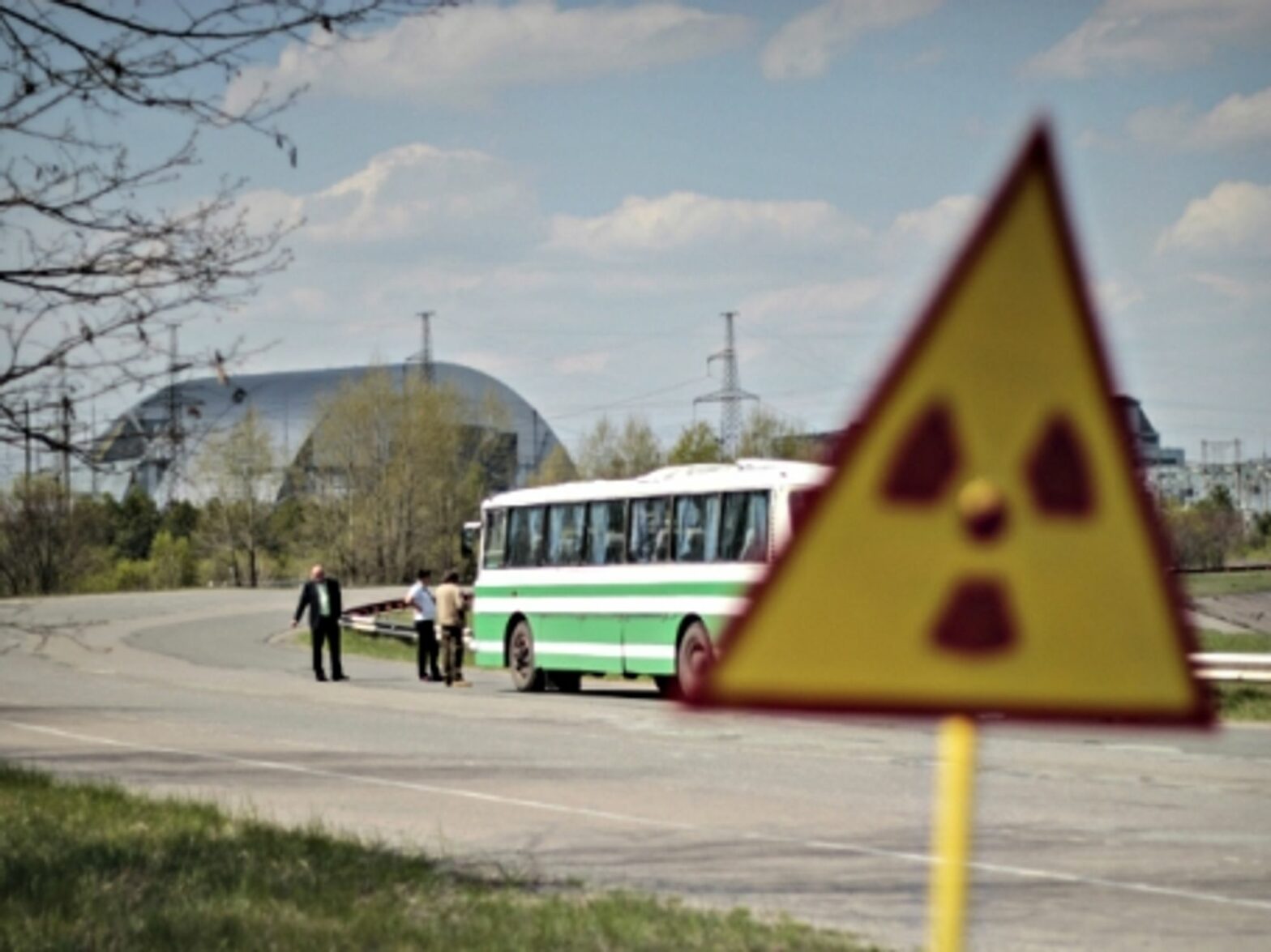
As plants and wildlife struggle to survive in the area contaminated by the April 26, 1986 nuclear disaster, some elderly villagers have returned.
Thirty years after the Chernobyl catastrophe and five years after Fukushima, scientists have had a chance to quantify their impact.
In Russia’s capital, environmental protection is victim of manufacturers who don’t want to reform and a government that won’t challenge them. The result is there for all to see…and smell.
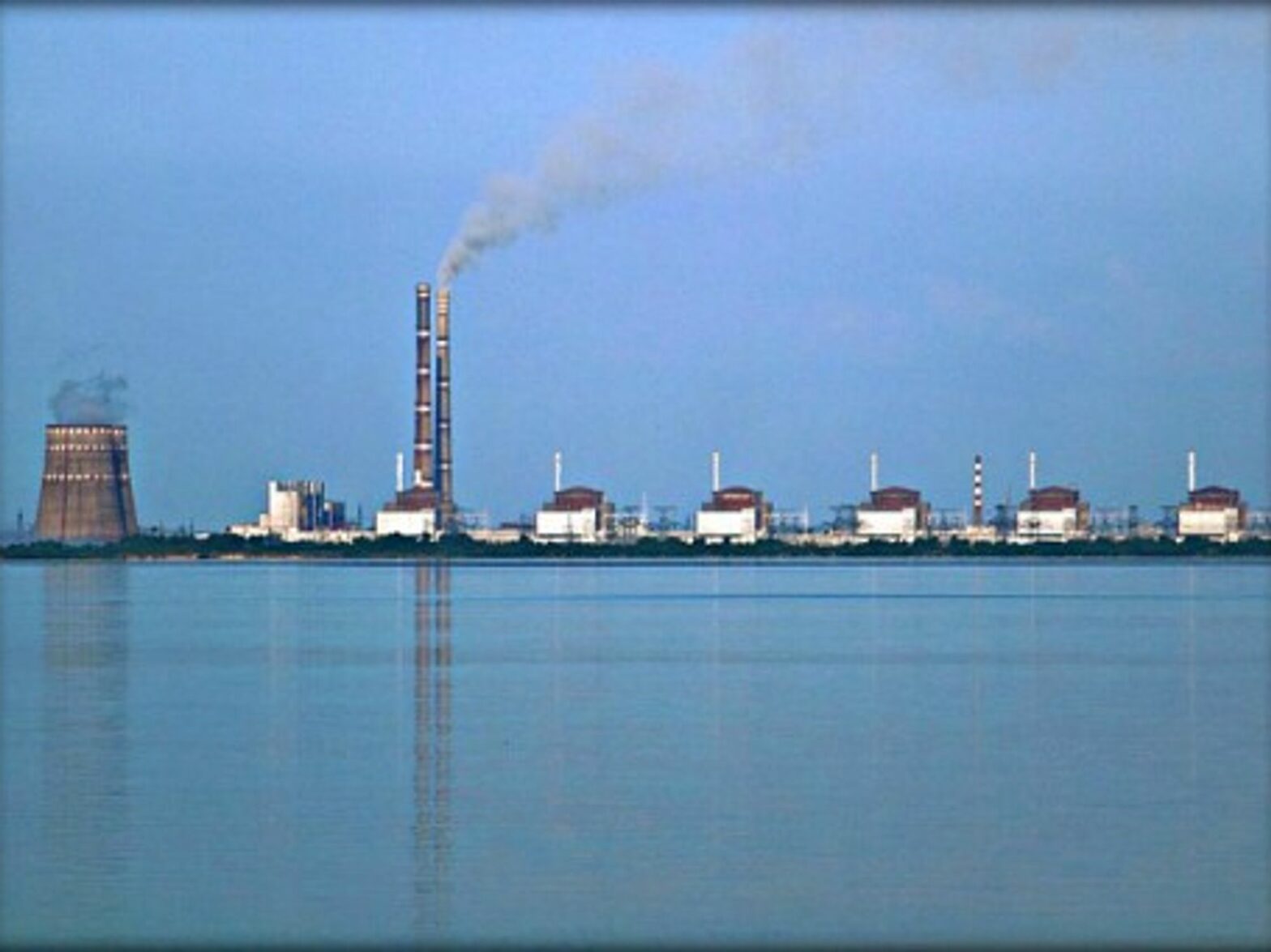
BERLIN — For many in Ukraine the city of Enerhodar is known simply as “Atomic City.” It was founded a couple of decades ago to accommodate a power station, and the city with its 50,000 inhabitants in southeastern Ukraine is known today as one of the country’s main energy suppliers. The six reactor blocks of […]
LE TEMPS (Switzerland) Worldcrunch BASEL – The nuclear accident of Fukushima is already leading to a surge in the number of cases of thyroid cancer, according to research being presented this week in Switzerland by Japanese scientist Toshihide Tsuda. The Swiss daily Le Temps reports that Tsuda, professor of environmental epidemiology at the University of […]
CORRIERE DELLA SERA, LA STAMPA (Italy) Worldcrunch VERCELLI – This northern Italian city is more than 2,000 kilometers away from Chernobyl, so it’s almost impossible to imagine how the very same radioactive particles ended up here — or in the innards of 27 wild boars. Caesium-137 is a radioactive isotope, formed by nuclear fission on […]