Was it a pogrom? Could it happen again? Vazhnyye Istorii looks at the recent history, ethnic makeup and politics of the Russian Republic.
 Worldcrunch
Was it a pogrom? Could it happen again? Vazhnyye Istorii looks at the recent history, ethnic makeup and politics of the Russian Republic.
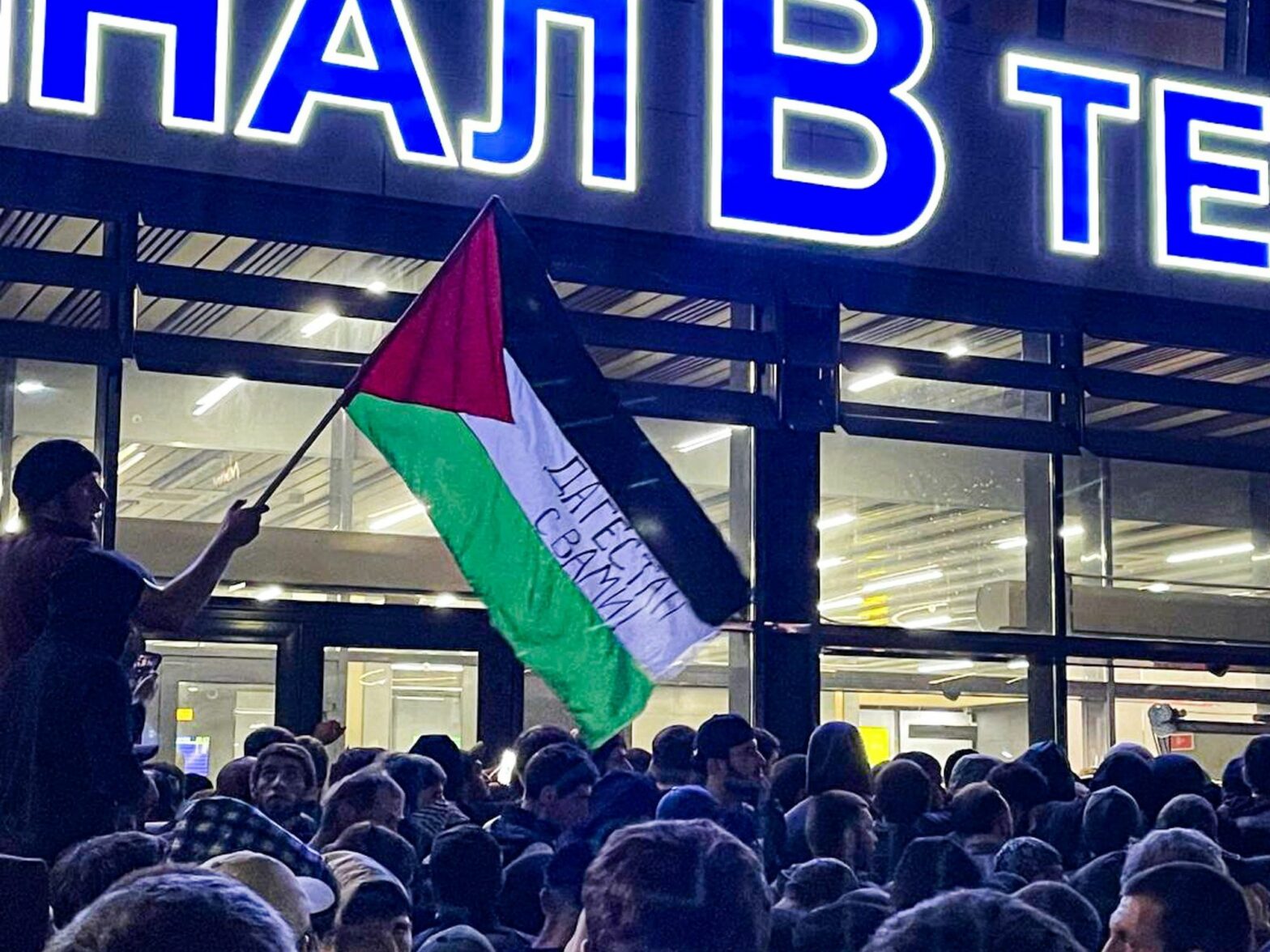
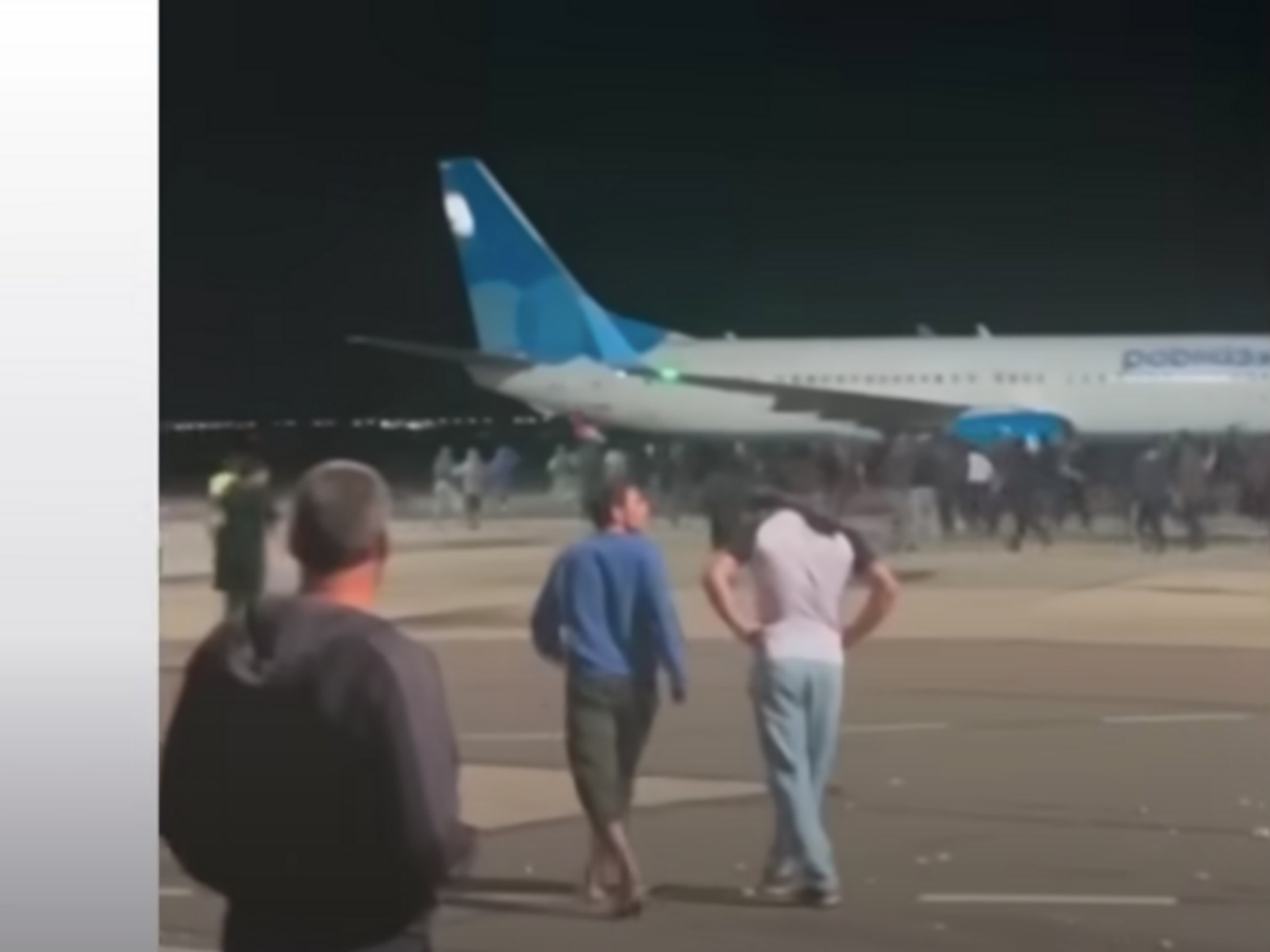
Evoking the anti-Semitic mobs of the 19th century around Russia and Eastern Europe, several hundred young men descended on an airplane on the tarmac of an airport in the Russian republic of Dagestan. It is part of a series of anti-Jewish and anti-Israeli attacks in the Muslim-majority region since the war in Gaza began.
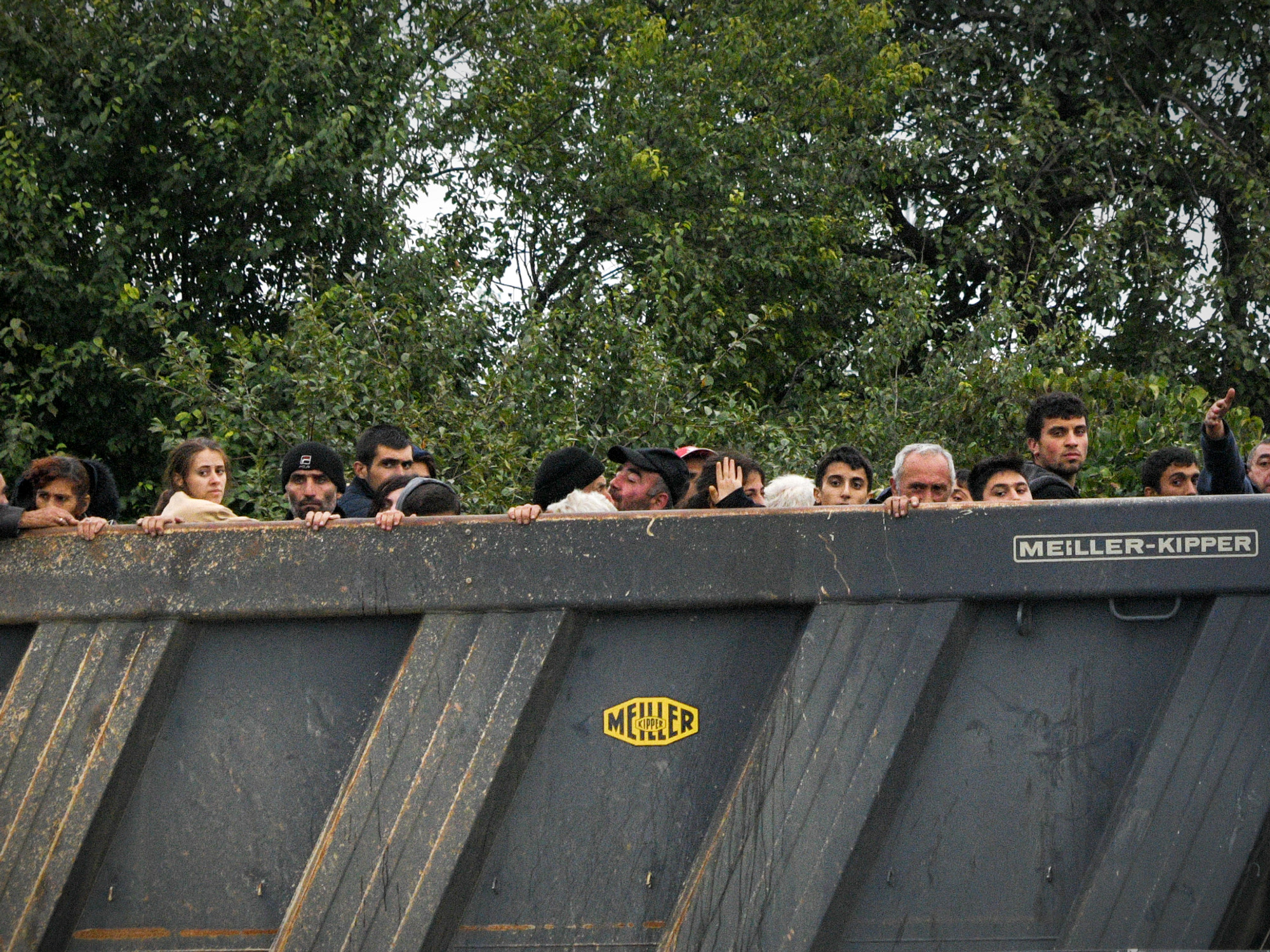
In a few days’ time, there will probably be no Armenians left in Nagorno-Karabakh, part of a long history of ethnic cleansing. The self-proclaimed Republic, defeated by Azerbaijan, has announced its dissolution, signaling its historic failure. But it also has much wider geopolitical implications.
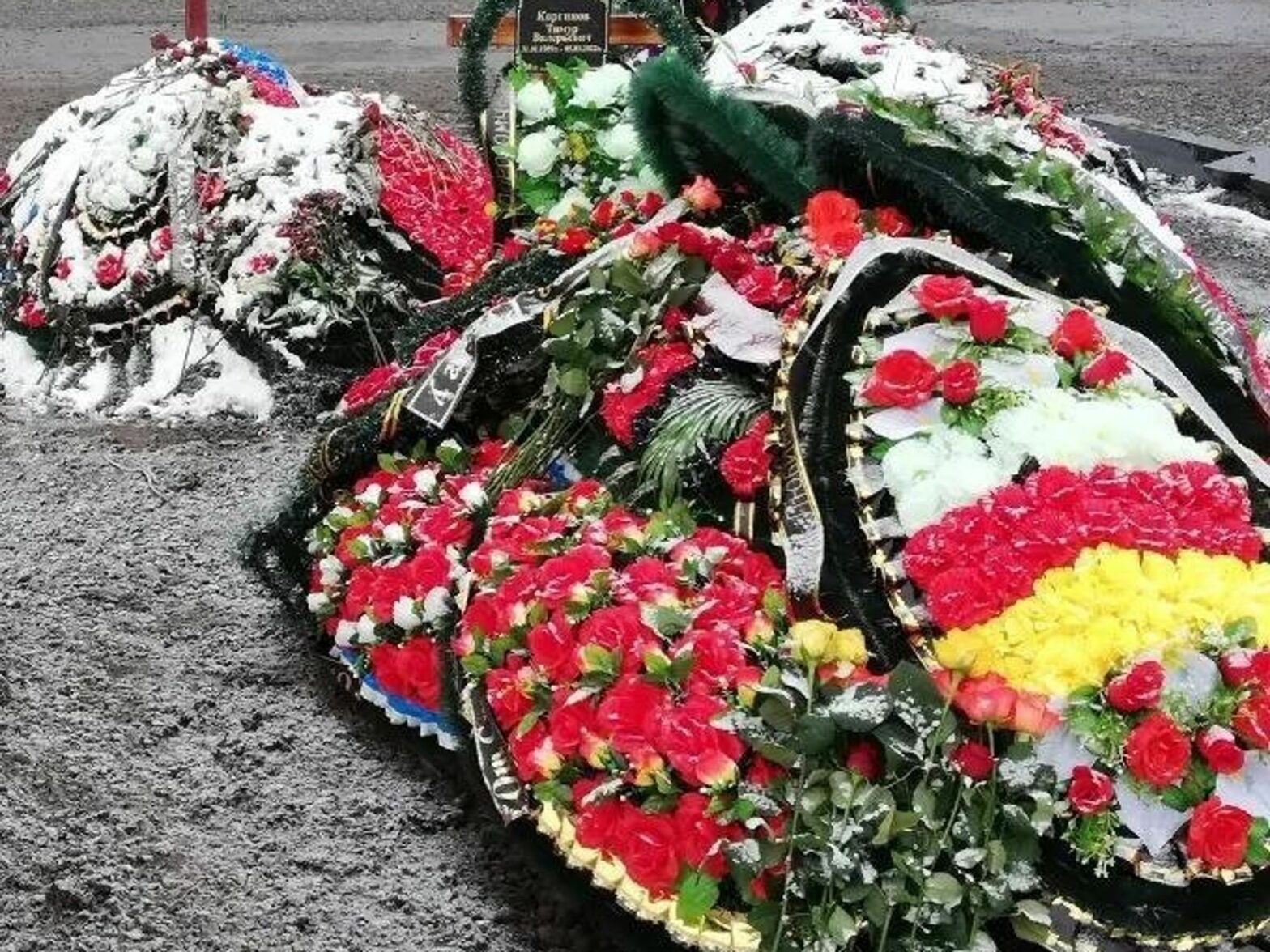
This is the other side of the Kremlin’s “special operation” in Ukraine. The human cost of the Russian side remains unclear. The reportage takes place in the capital of one of the poorest regions of Russia, in the heart of the Caucasus, where a growing number of soldiers are buried.
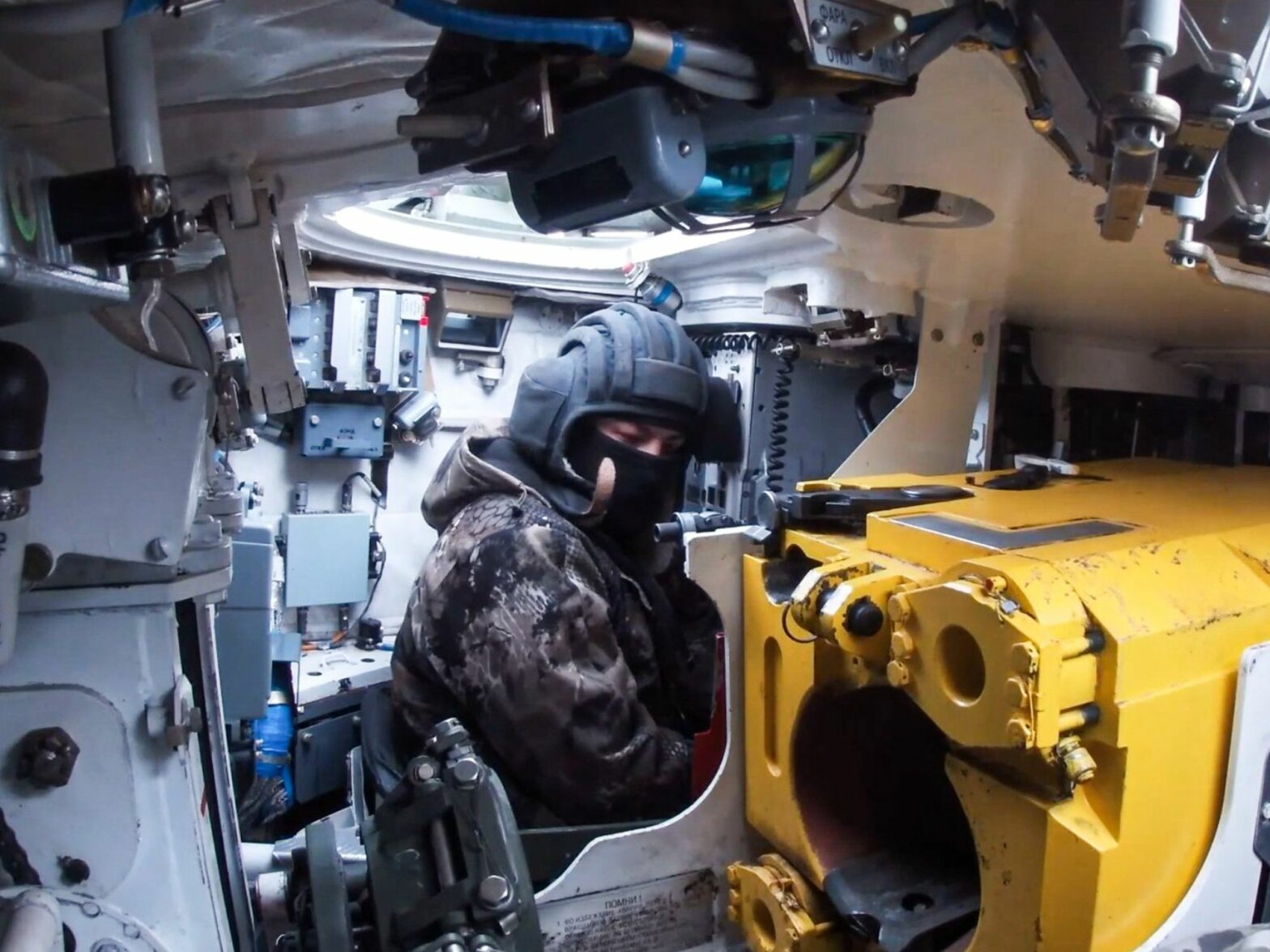
Russia is losing in Ukraine not just because of Putin’s madness and the heroism of Ukrainians, but also because Russia’s army is built for rapid invasion and occupation, not for the type of grinding war it is now fighting in Ukraine.
Russians fled the war to neighboring countries, bringing with them billions of dollars worth of wealth. The influx of money is both a windfall and a problem.
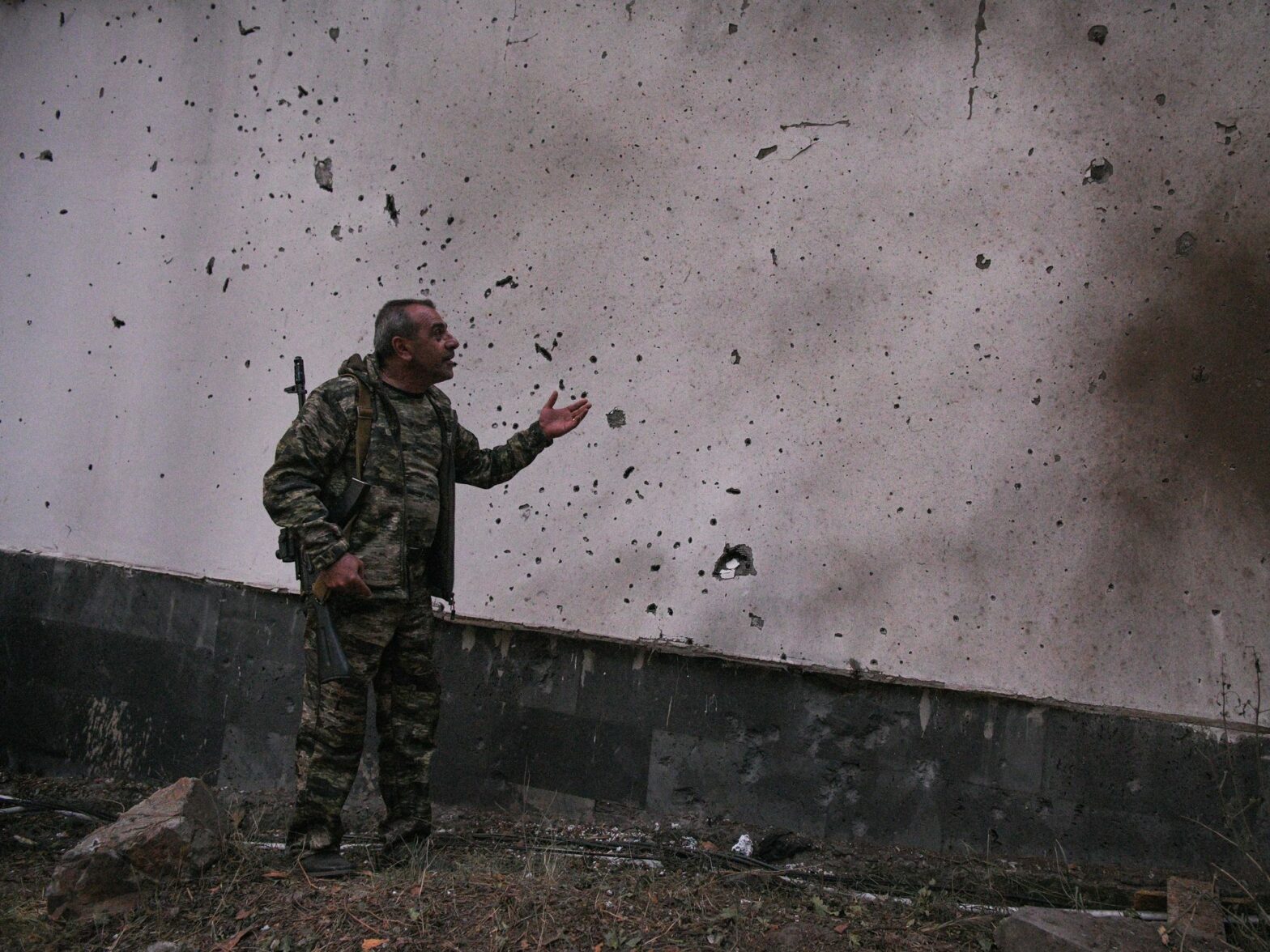
Azerbaijan’s recent shelling of Armenia is the worst hostilities since the war in 2020 over the Nagorno-Karabakh dispute. While in the past, Russia, a historic ally of Armenia, sought to restore peace, the Kremlin may make a different calculus this time.
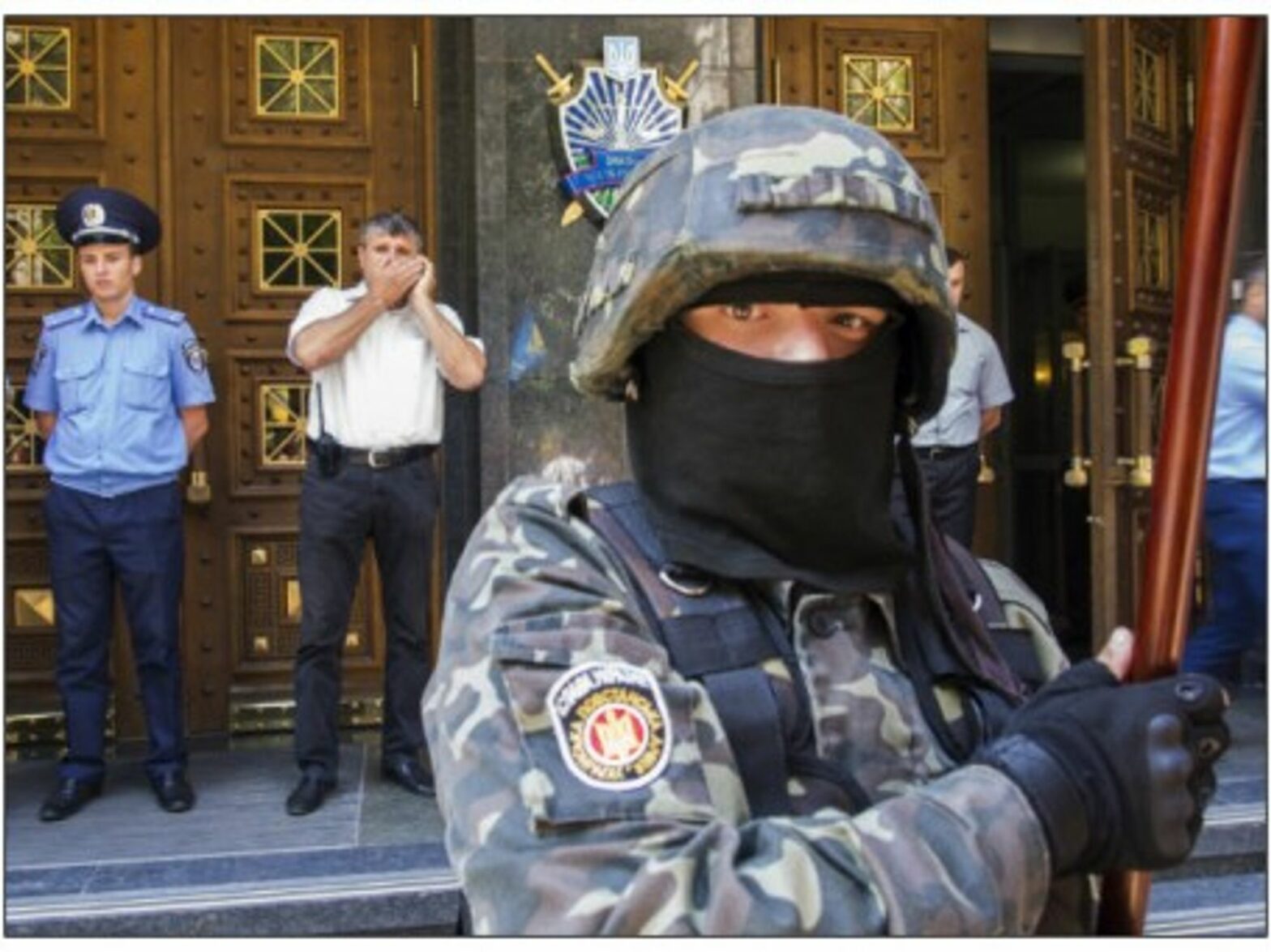
Troops fighting around the world are often chasing enemies from somewhere else. A global tour of how the shards of ‘broken nations’ are fed into the conflicts of others.