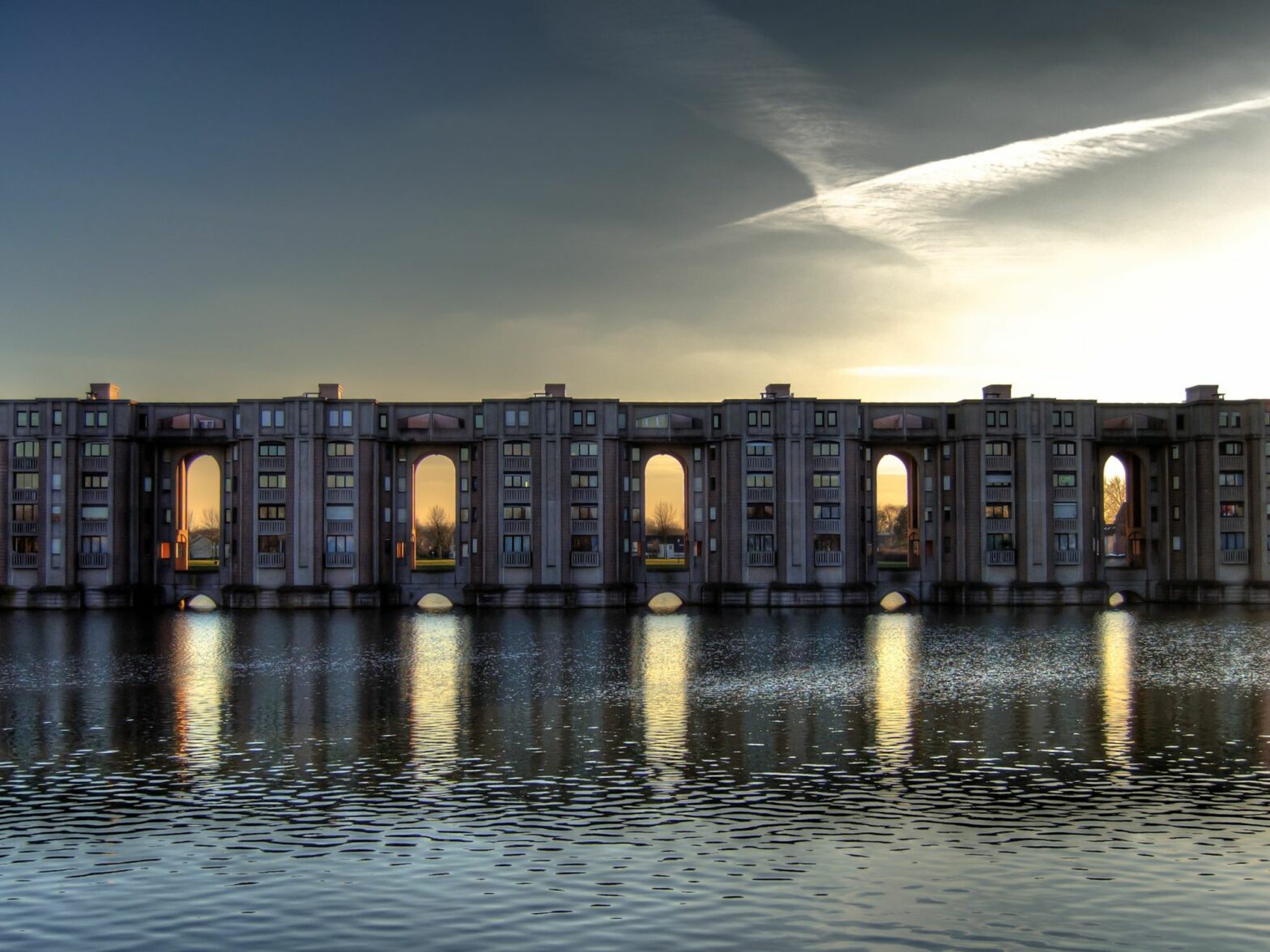
The Brady Corbet movie featuring Adrian Brody is inspired by the post-War architectural style called Brutalism, which found its way from New Delhi to L.A. to Buenos Aires, with concrete stops around the world.
 Worldcrunch
The Brady Corbet movie featuring Adrian Brody is inspired by the post-War architectural style called Brutalism, which found its way from New Delhi to L.A. to Buenos Aires, with concrete stops around the world.
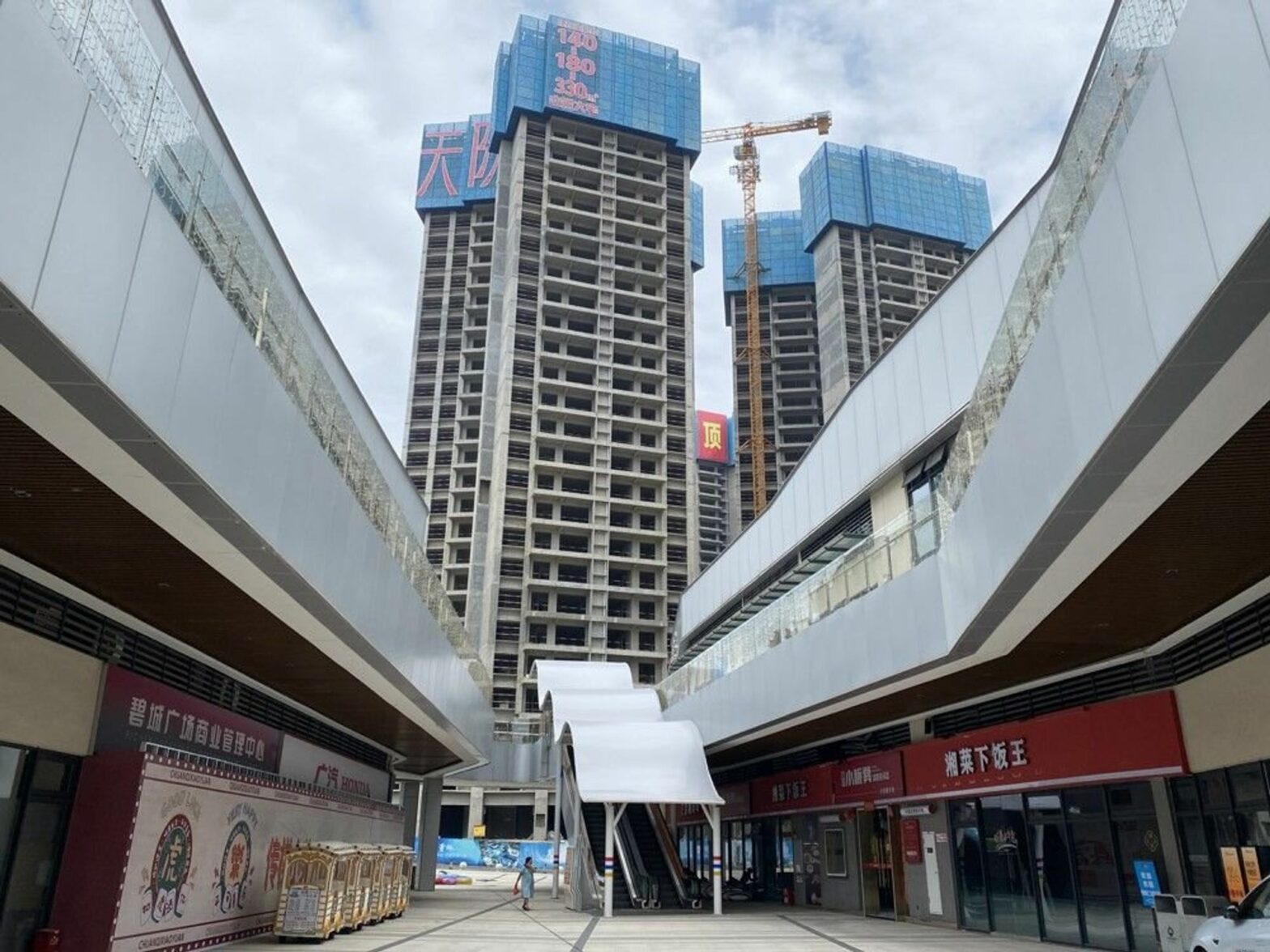
China’s real estate crisis is hitting small, unattractive cities like Shaoguan hard. This city of 3.3 million residents in the far south of the country has a stock of empty apartments that could take 10 years to sell.
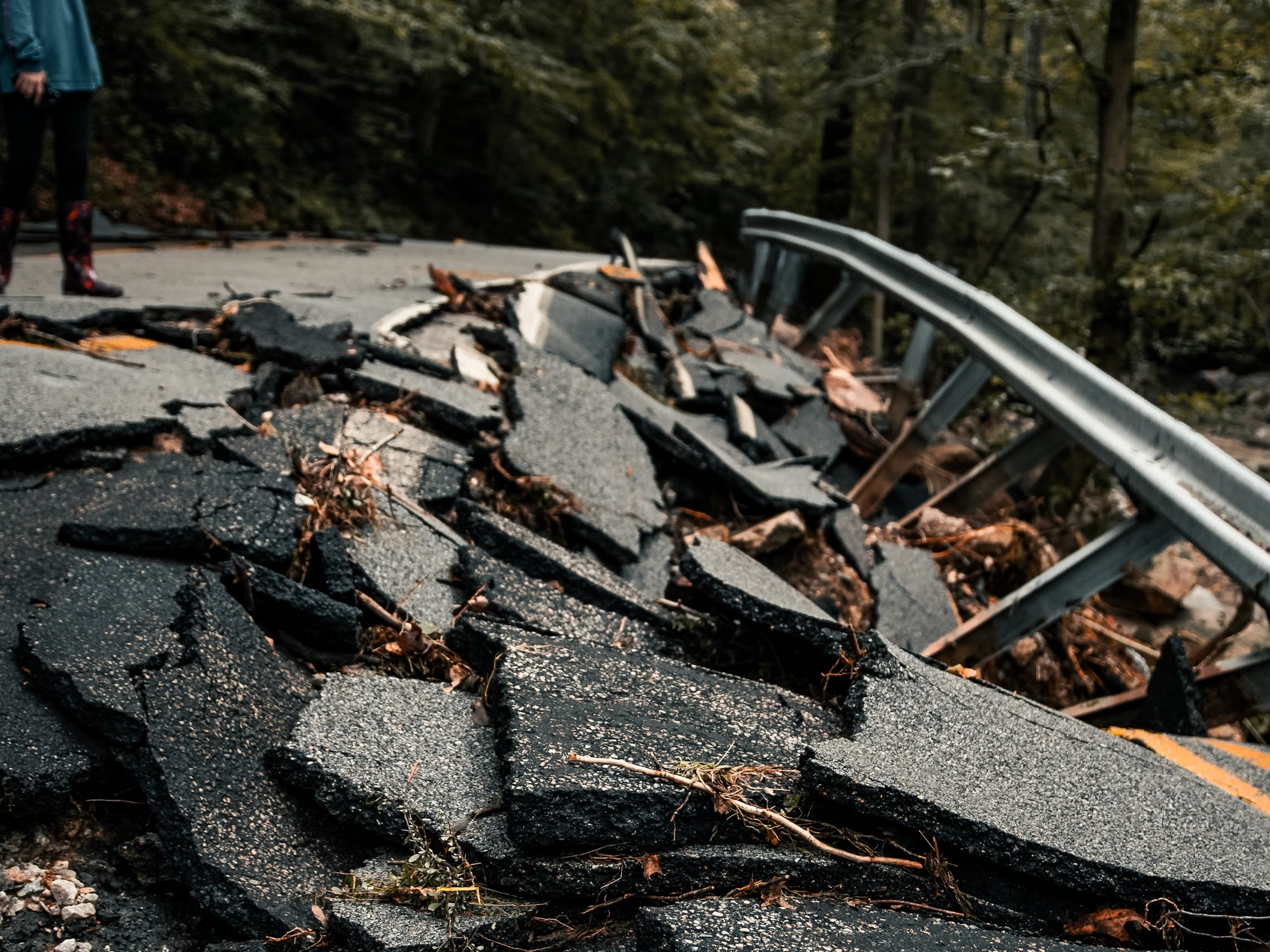
The Central U.S. is at risk for major disaster. But scientists don’t know why — or when — the next big one will strike.
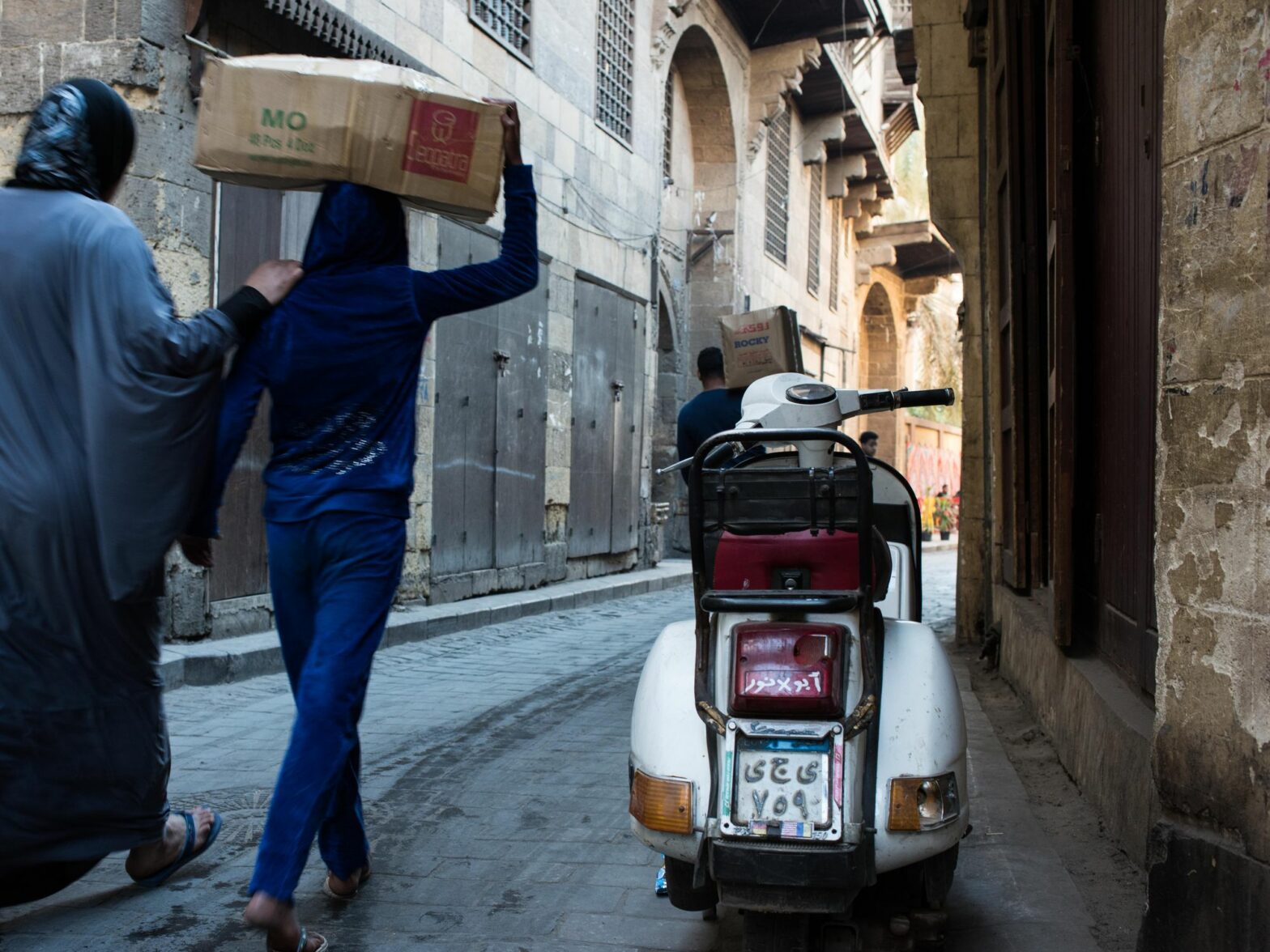
An anthropologist who has focused on urban geography and violence, Omnia Khalil reflects on how her daily movement was shaped by architectural design in Egypt, a country where sexual harassment is a widespread and serious problem.
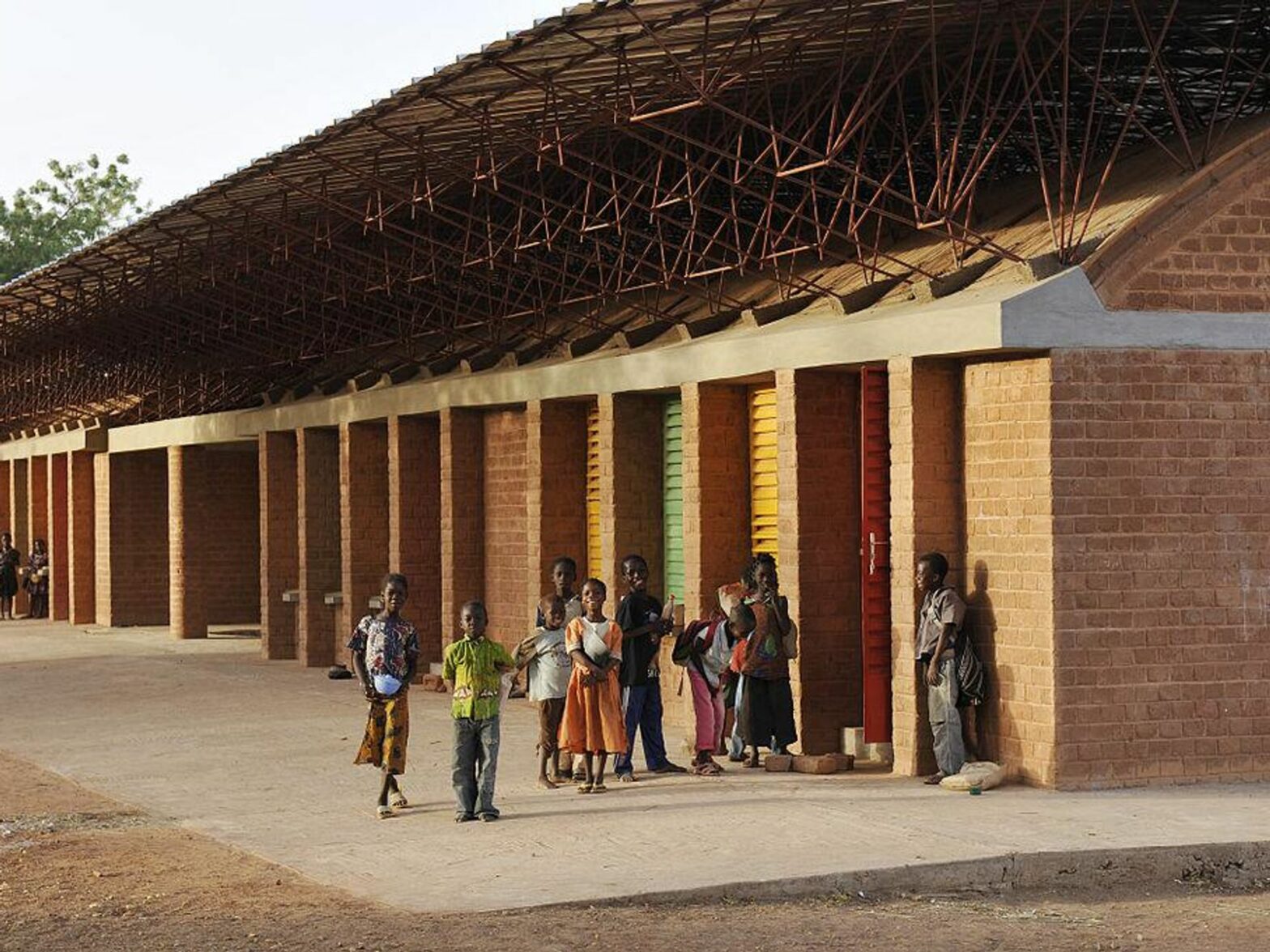
Concrete and glass are often thought of as the only building materials of modern architecture. But Francis Diébédo Kéré, the first African winner of a prestigious Pritzker architecture prize, works with clay, whose sustainability is not the only benefit.
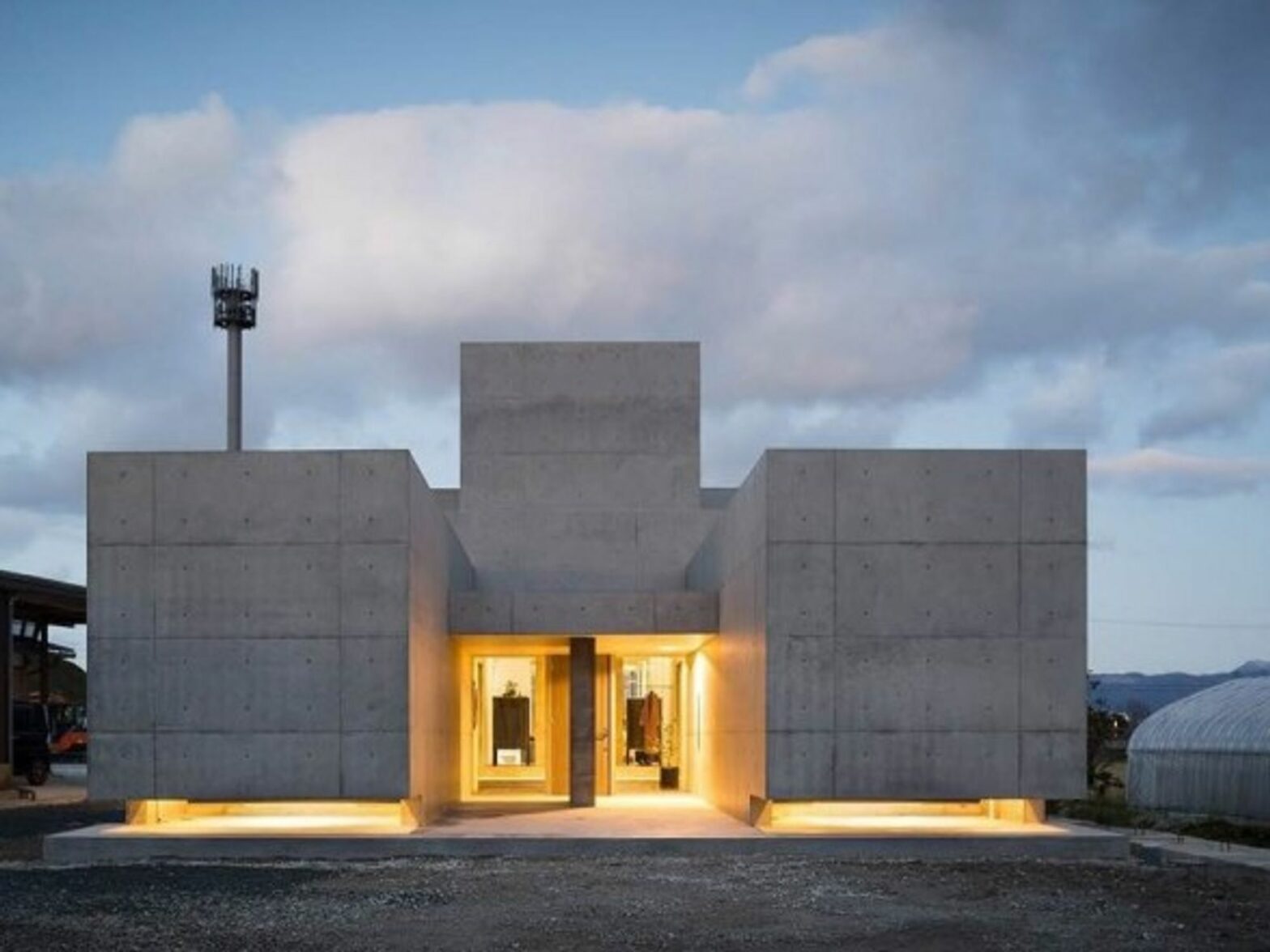
Truth be told, the post-World World II frenzy for straight lines and exposed concrete never really left. But it has evolved, as demonstrated by Kouichi Kimura’s ‘Tranquil House’ in Japan.
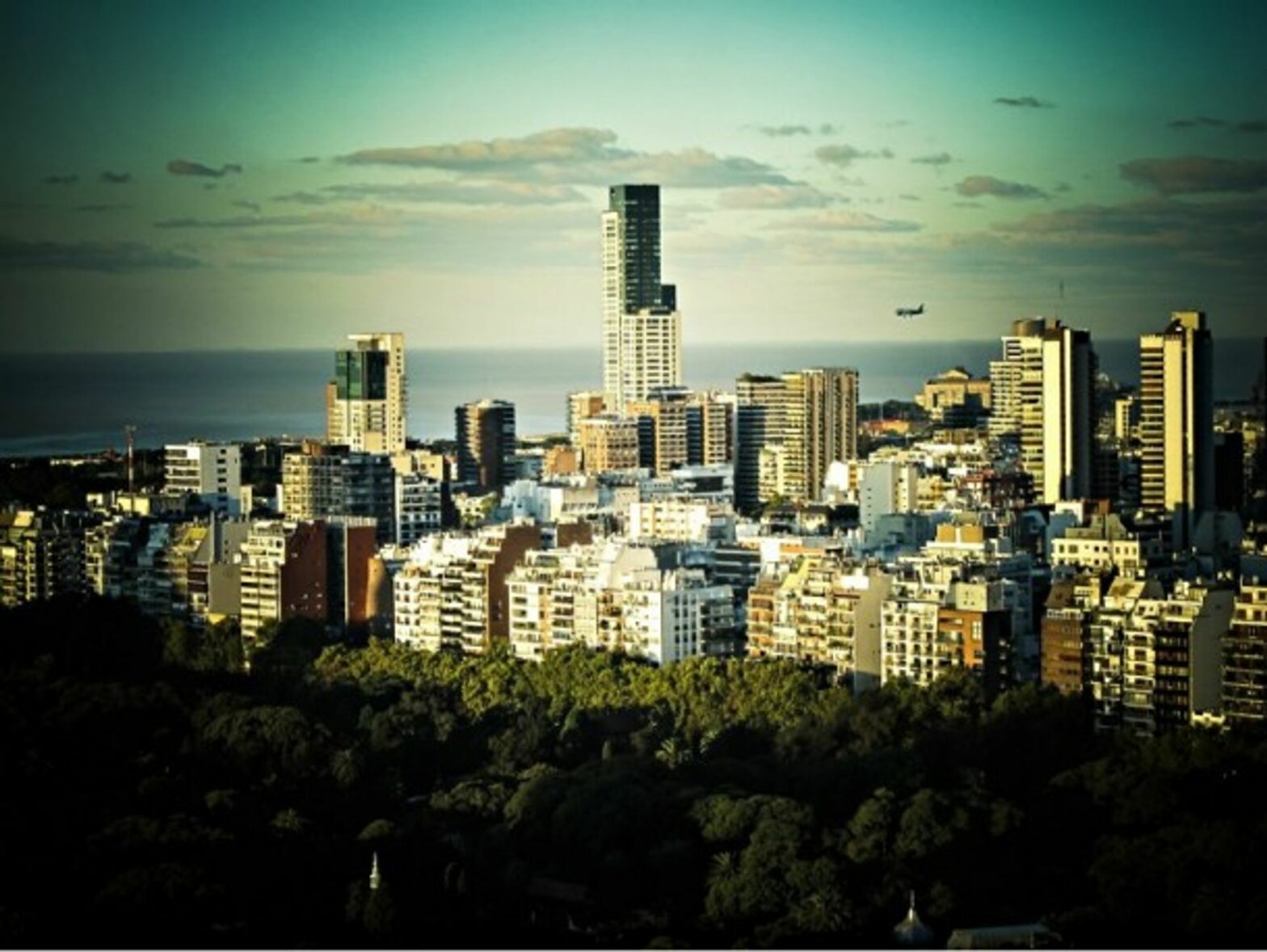
César Pelli has designed some of the world’s best known skyscrapers. But he writes that the wonder of a beautiful city is collaboration over generations of many talented architects who care about the way people live.
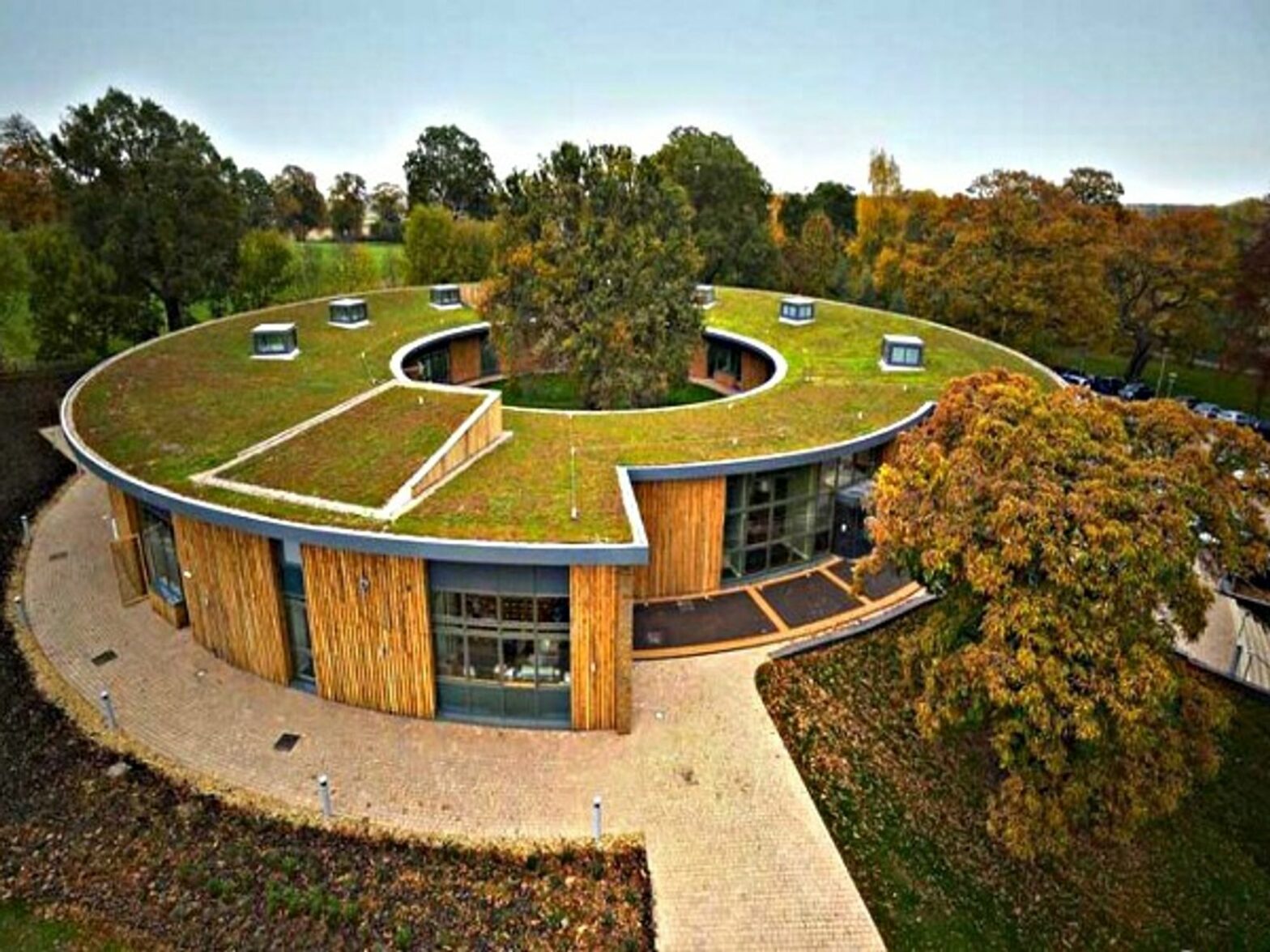
For anyone truly concerned with climate change, trends like rooftop gardens and sustainable badges for office buildings are a distraction, at best.
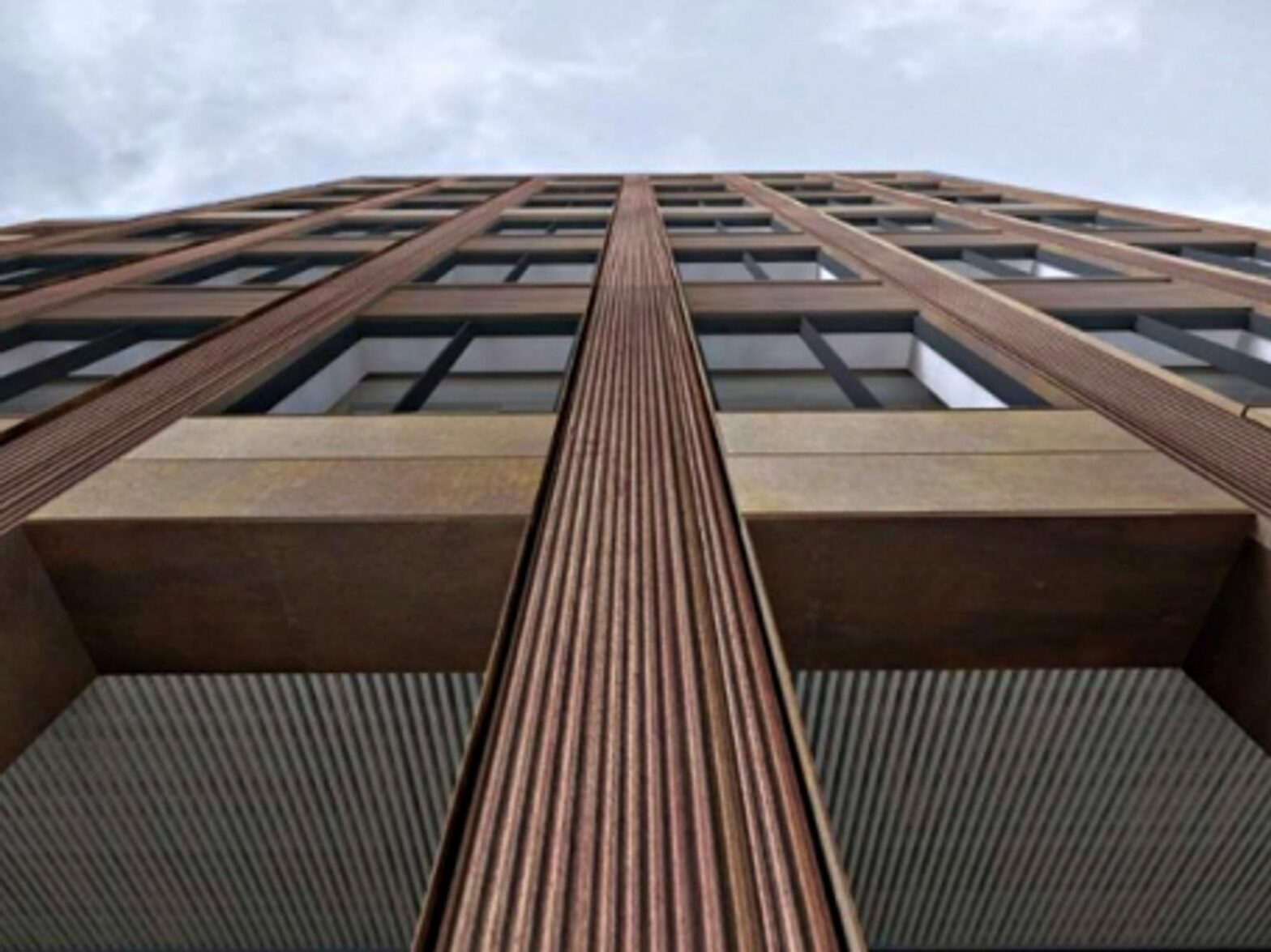
France has long been an innovator in building materials, from the steel splendor of the Eiffel Tower to concrete to surprisingly resistant wood. Environmental factors hold sway.
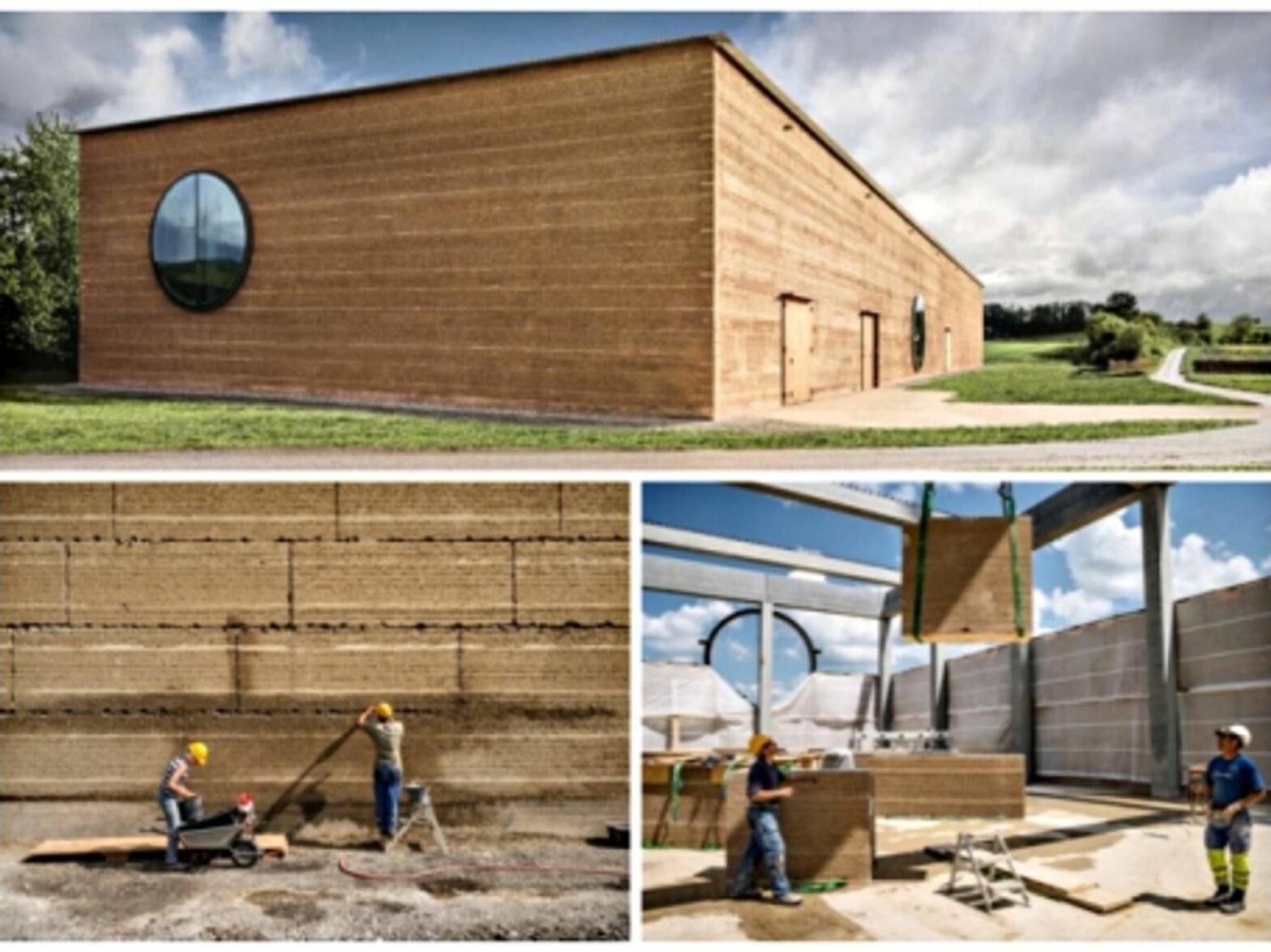
Ignored during the 20th century, mudbrick is reappearing in modern Swiss construction. Not only is it environmentally friendly, it takes less energy to produce and saves on heating and cooling costs.
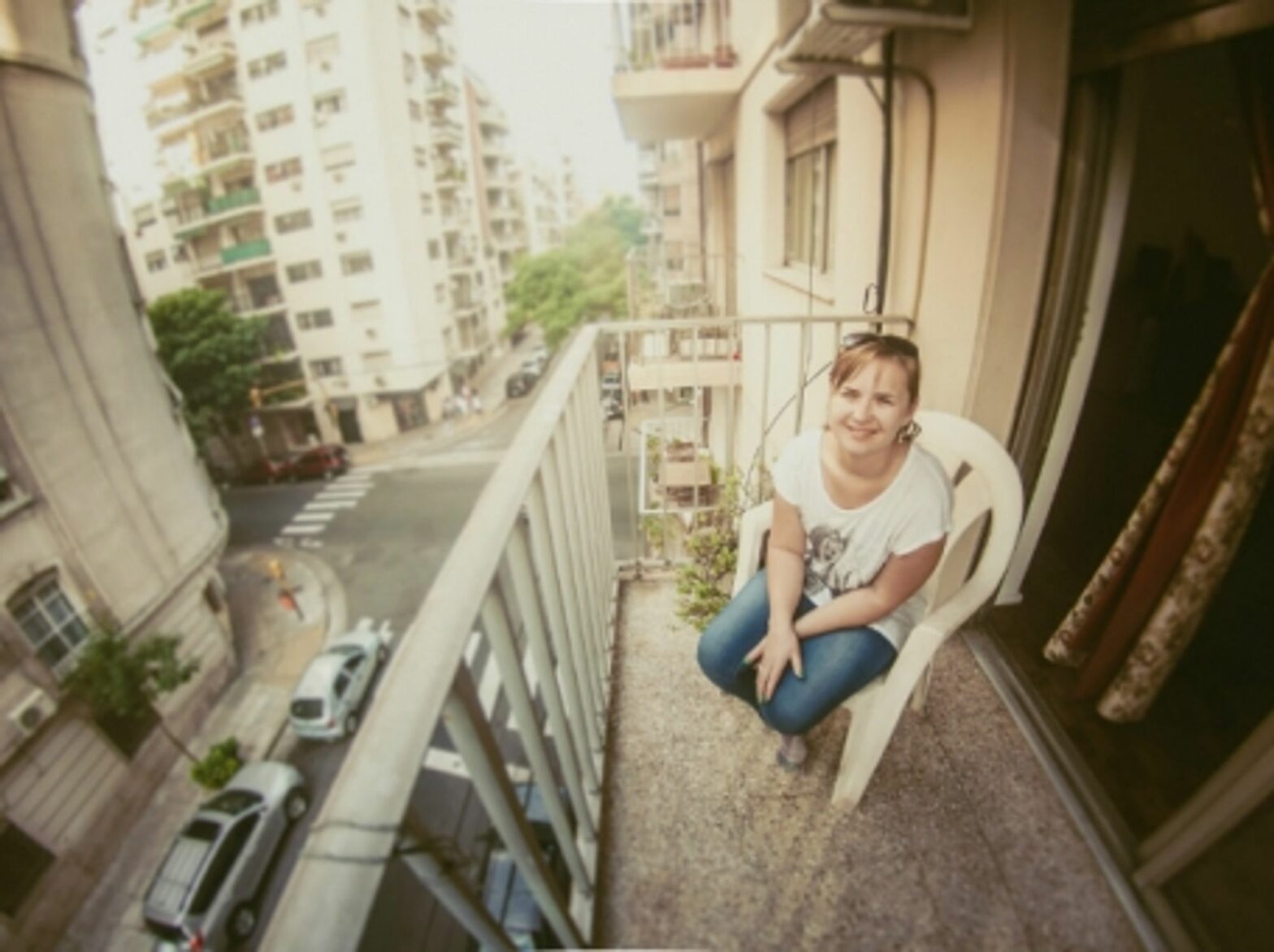
From New York to Buenos Aires, more and more single people choose to live in tiny spaces. It’s the marriage of economic forces and modern lifestyle.
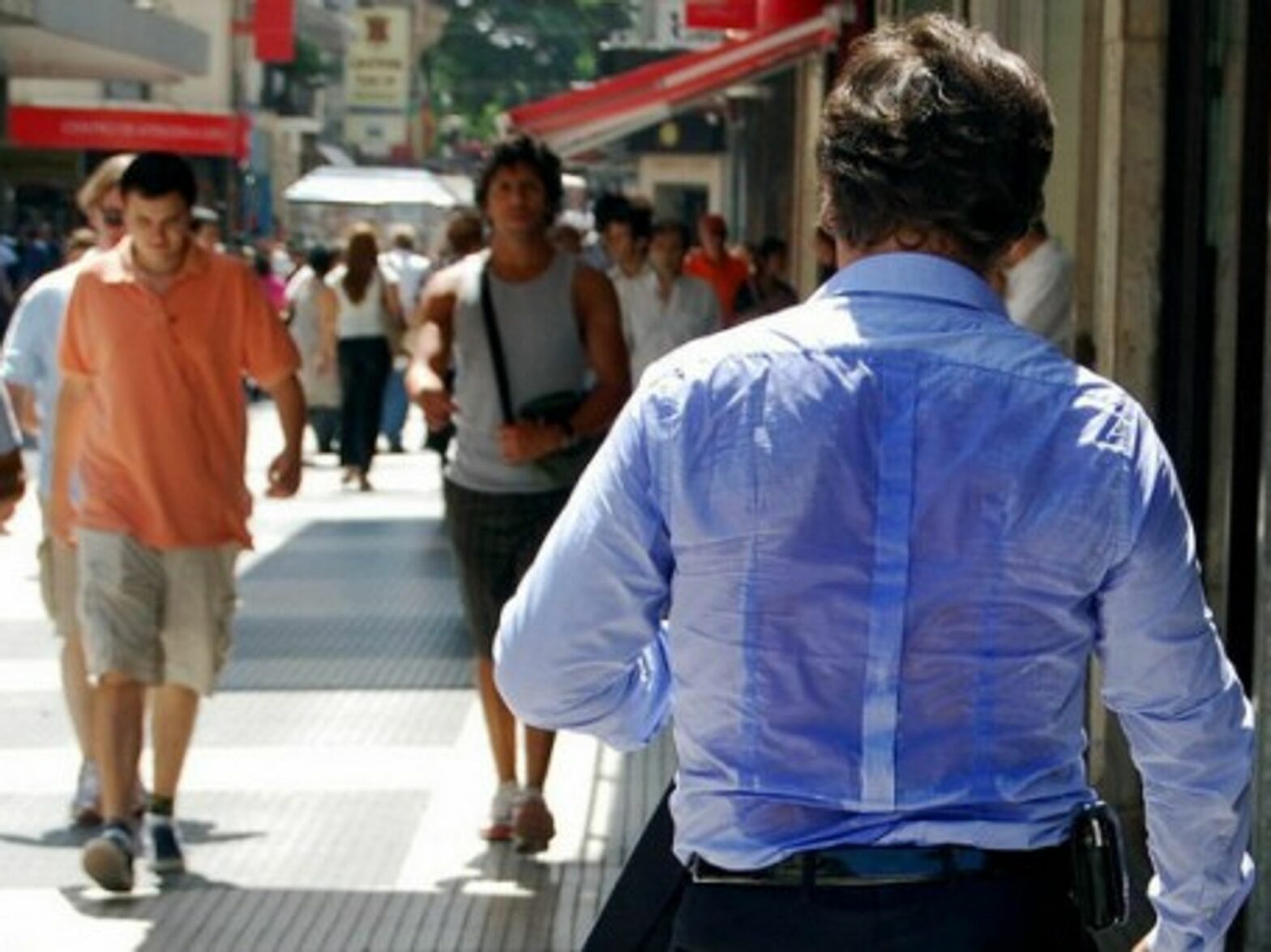
Buildings, tarmac and air conditioning are turning some cities into fetid, airless saunas. Experts urge more trees and grass to mitigate the heat of increasingly hot cement jungles.
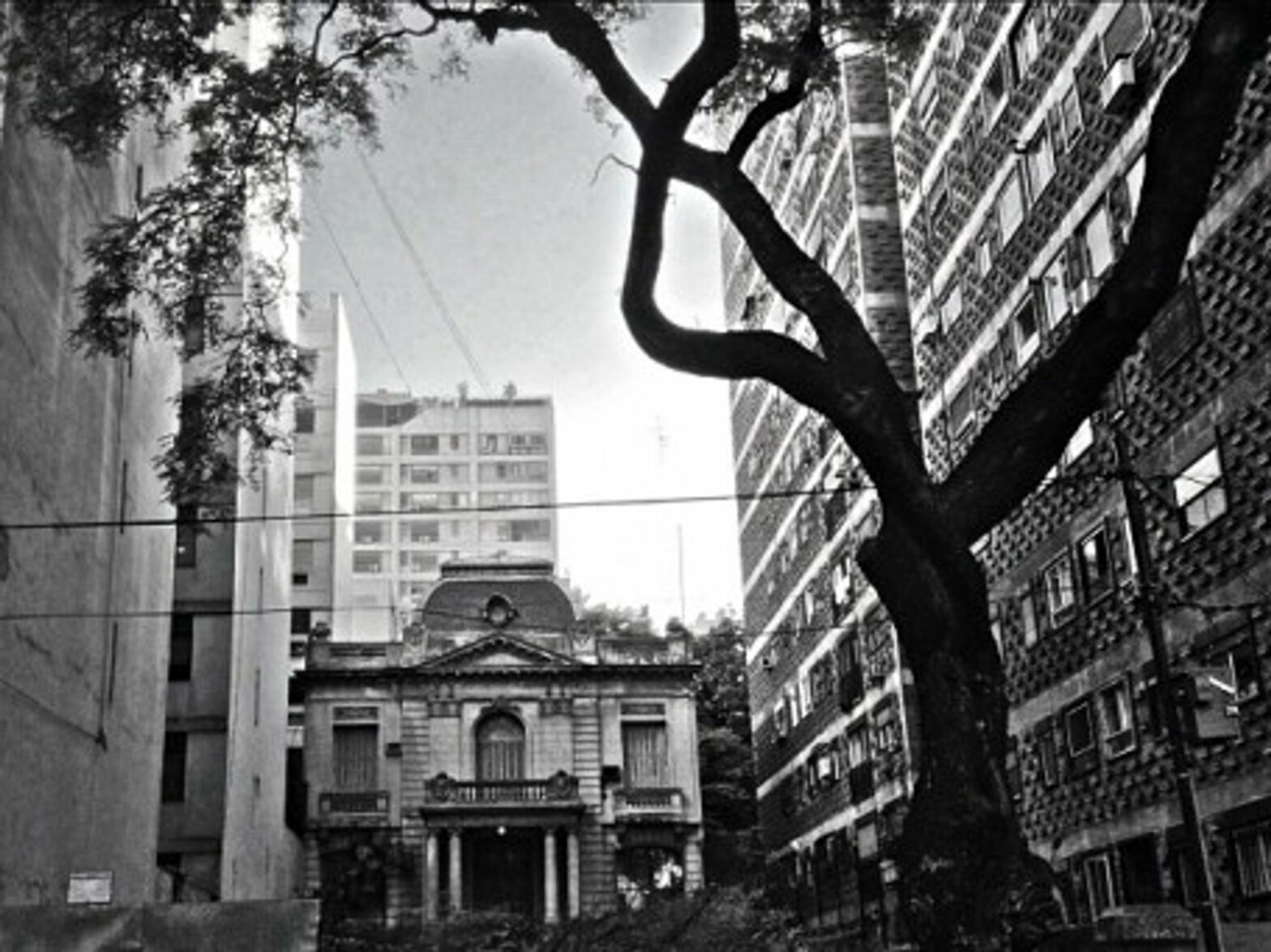
Modern Buenos Aires can overwhelm much of its vintage architecture, but like tough old weeds, certain significant buildings have been able to survive or find new life.

From Twitter to Dropbox to Airbnb, where office life is the good life.