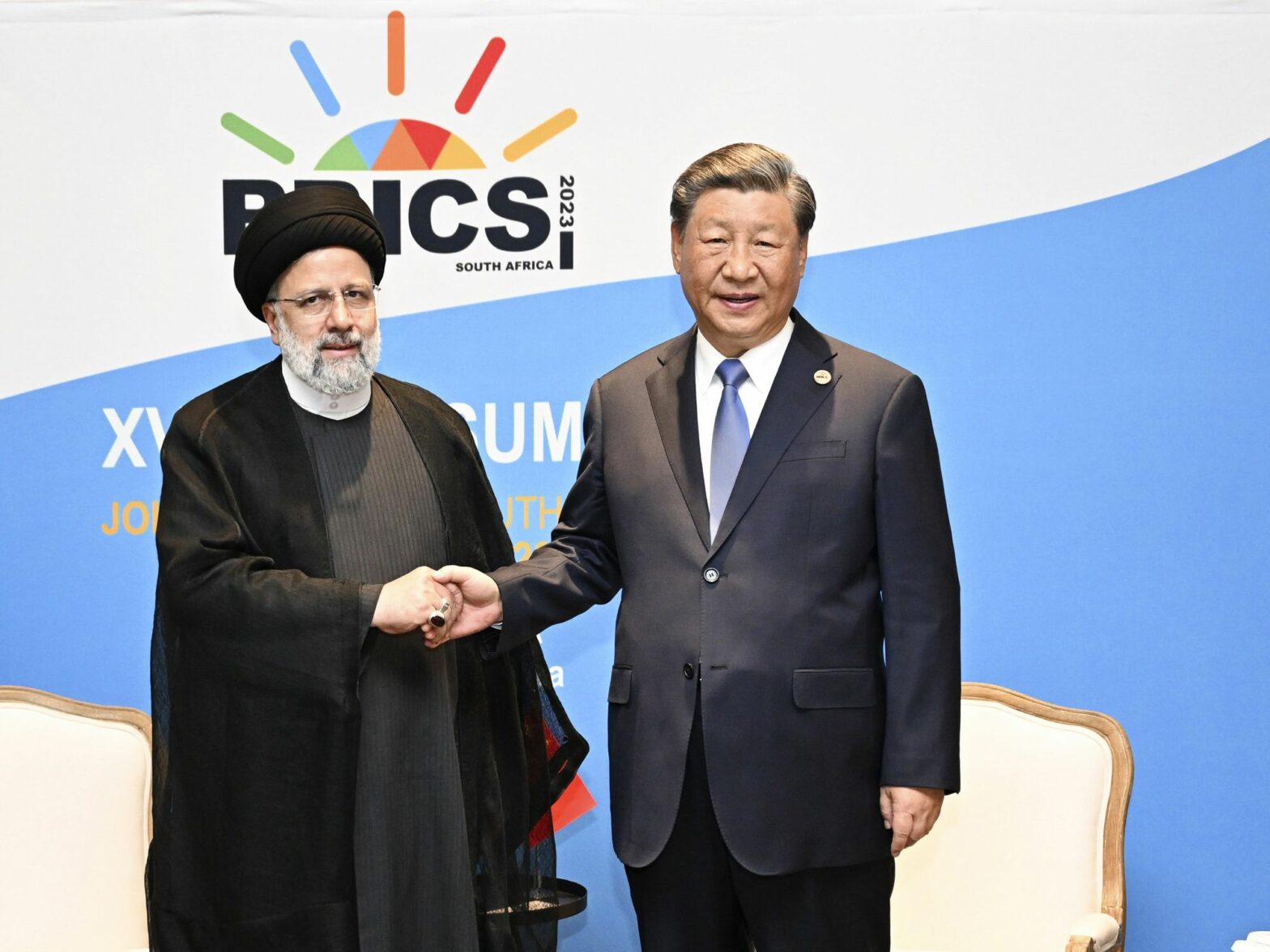
The BRICS economies’ inclusion of new members like Iran may not make business sense, but it fits with the Sino-Russian strategy of drawing states of the Global South into their orbit in open confrontation with the U.S. and the rest of the West.
 Worldcrunch
The BRICS economies’ inclusion of new members like Iran may not make business sense, but it fits with the Sino-Russian strategy of drawing states of the Global South into their orbit in open confrontation with the U.S. and the rest of the West.

The war in Ukraine has become globalized, with its effects being felt from Africa to China. The only hope of de-escalation is in a potential diplomatic summit between the U.S. and China this autumn.

For the new generation of tarot readers in Brazil, the art of reading the cards aims not to guess the future, but to promote a deep search for self-knowledge.
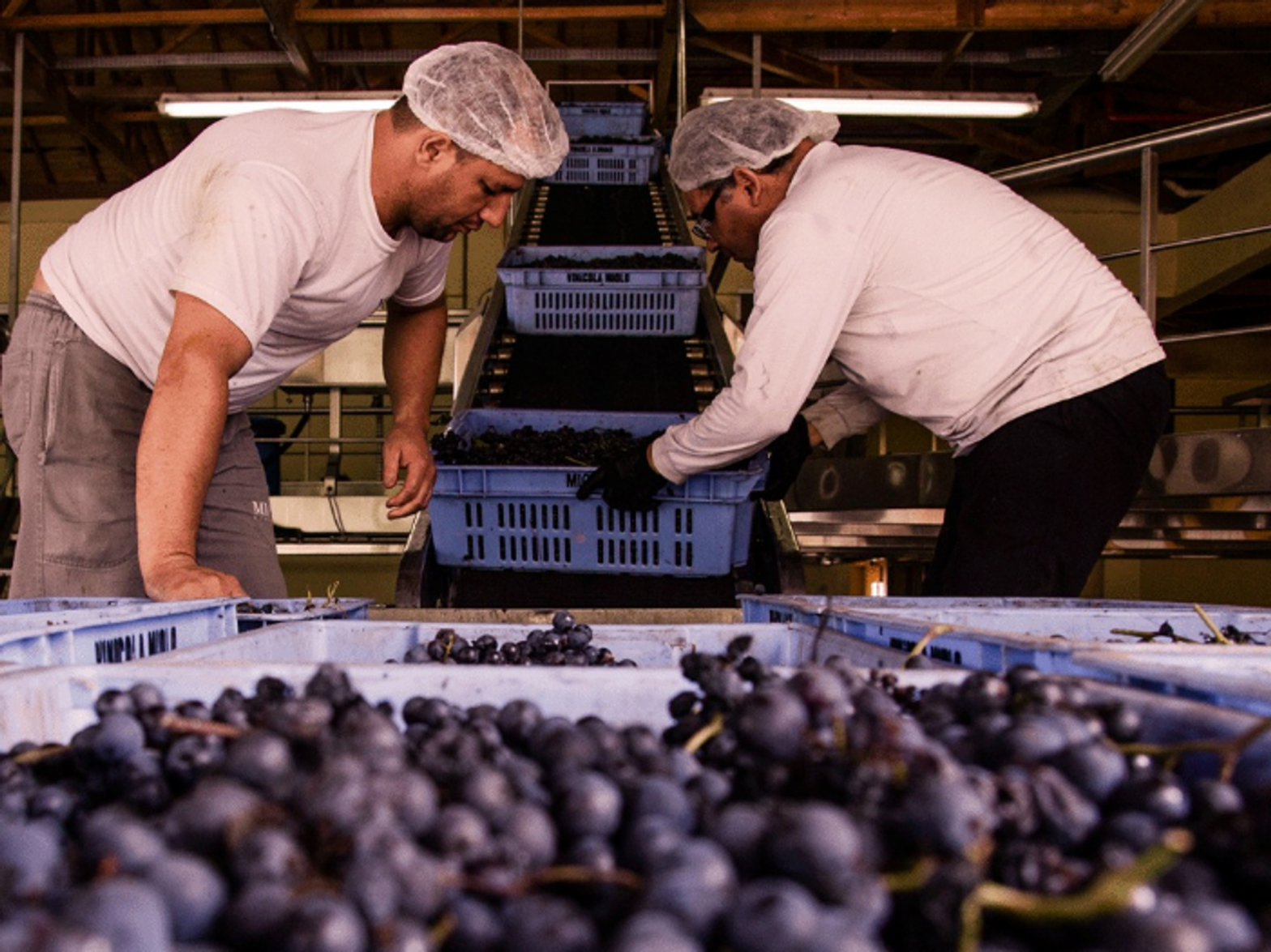
Surprising as it may seem, Brazil is also seeking a future in wine. Driven by legendary families and ambitious new winemakers as ambassadors, the country is eager to play in the same league as its famous South American neighbors.

Funk is a music genre that originated in Rio and is inspired by social consciousness. Women have been overlooked in the genre, but a new generation of women funk artists are changing that.
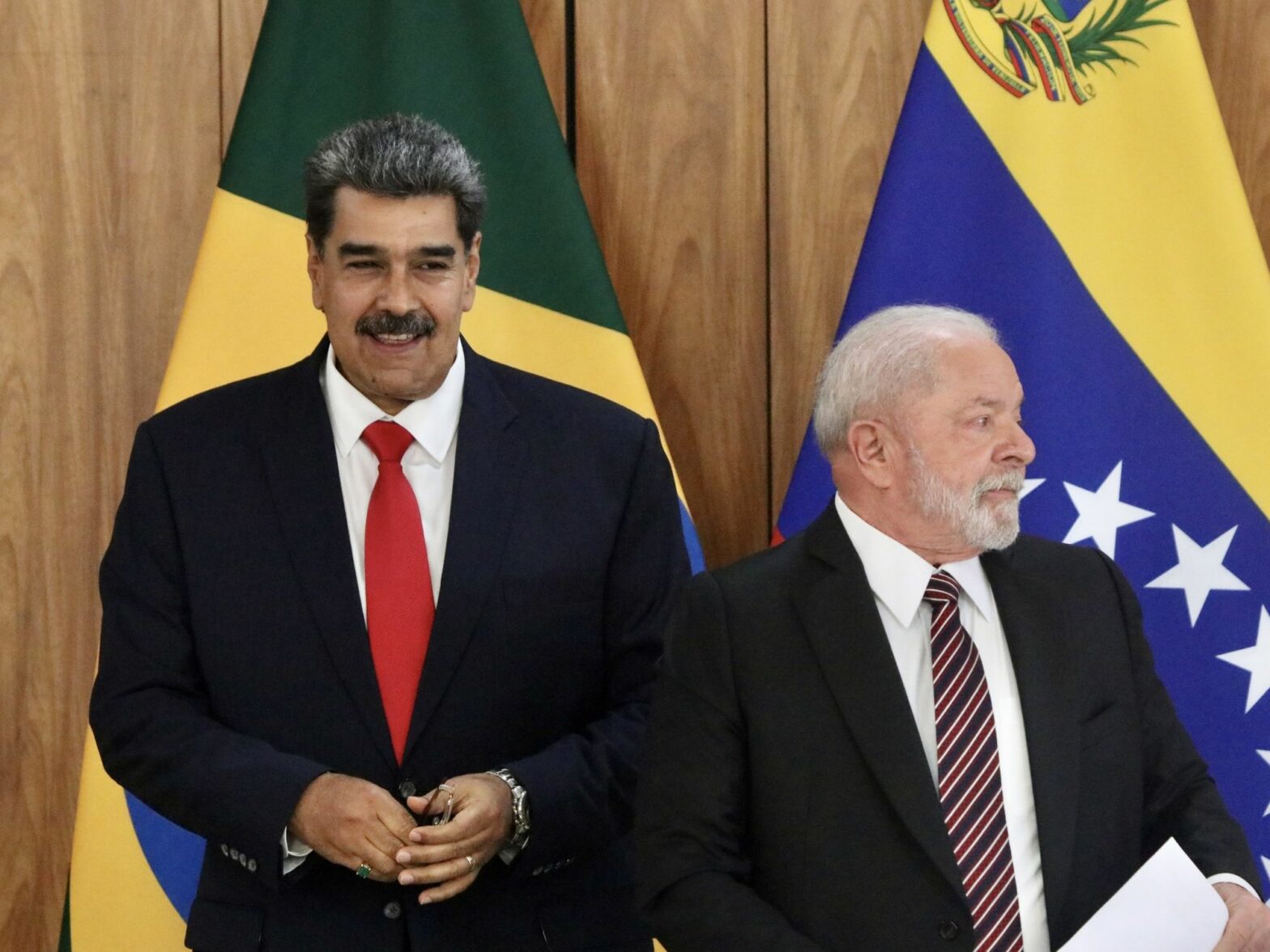
Brazilian President Lula da Silva’s goodwill toward the Venezuela’s President Maduro, in spite of the signs Maduro might hijack the 2024 general elections, suggests Lula has a problem with Western-style liberal democracy, even after he has criticized his predecessor for the same thing.
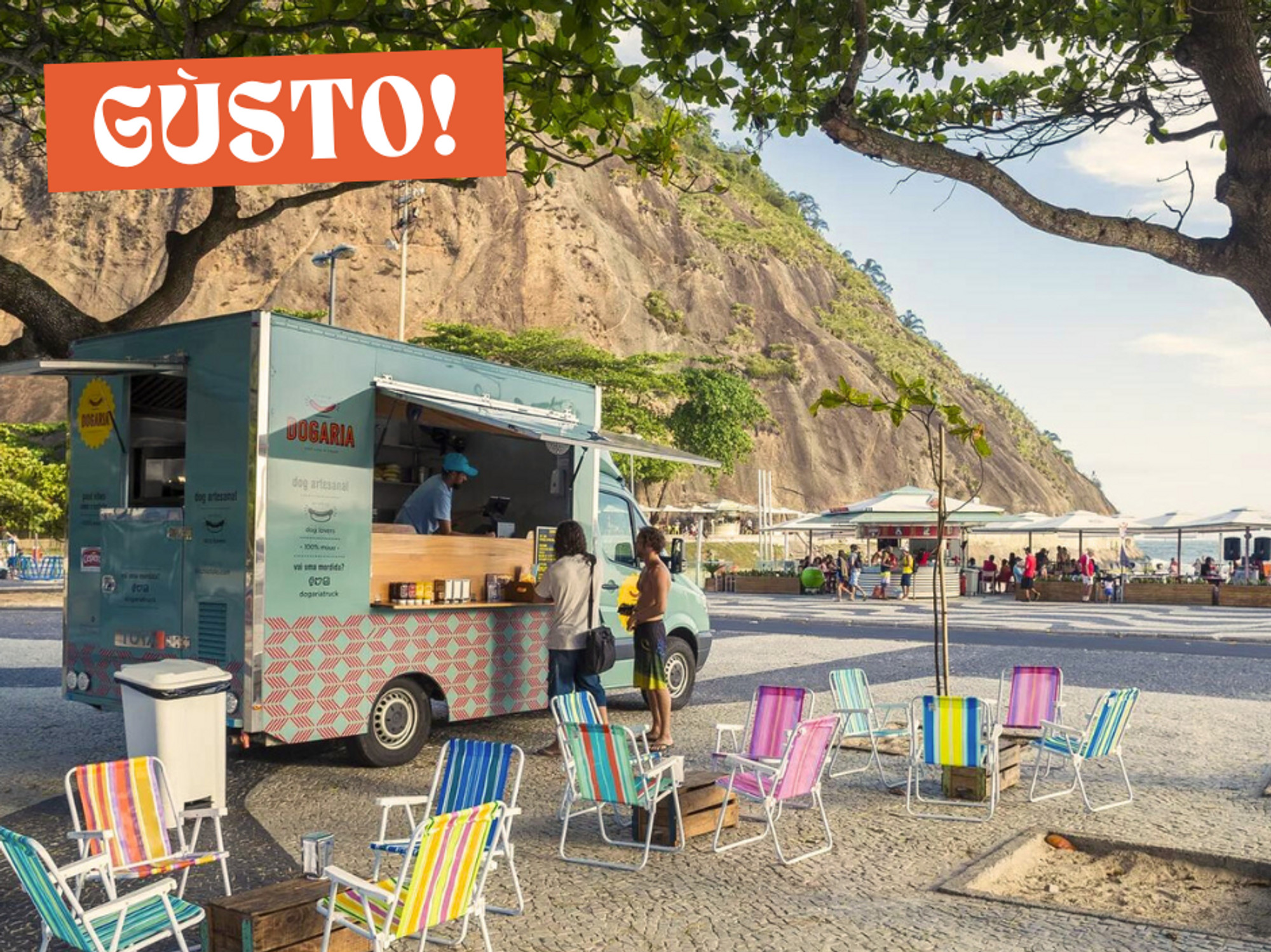
Rio de Janeiro is a city known for many things, but food is usually not one of them. Nonetheless, Rio’s food scene is not to be ignored. From açaí to steak, Rio has it all.

São Paulo is 400 years old, but the outlaying areas beyond the historic center are relatively new. They were born out of poverty and have given rise to resistance and culture, especially through music.
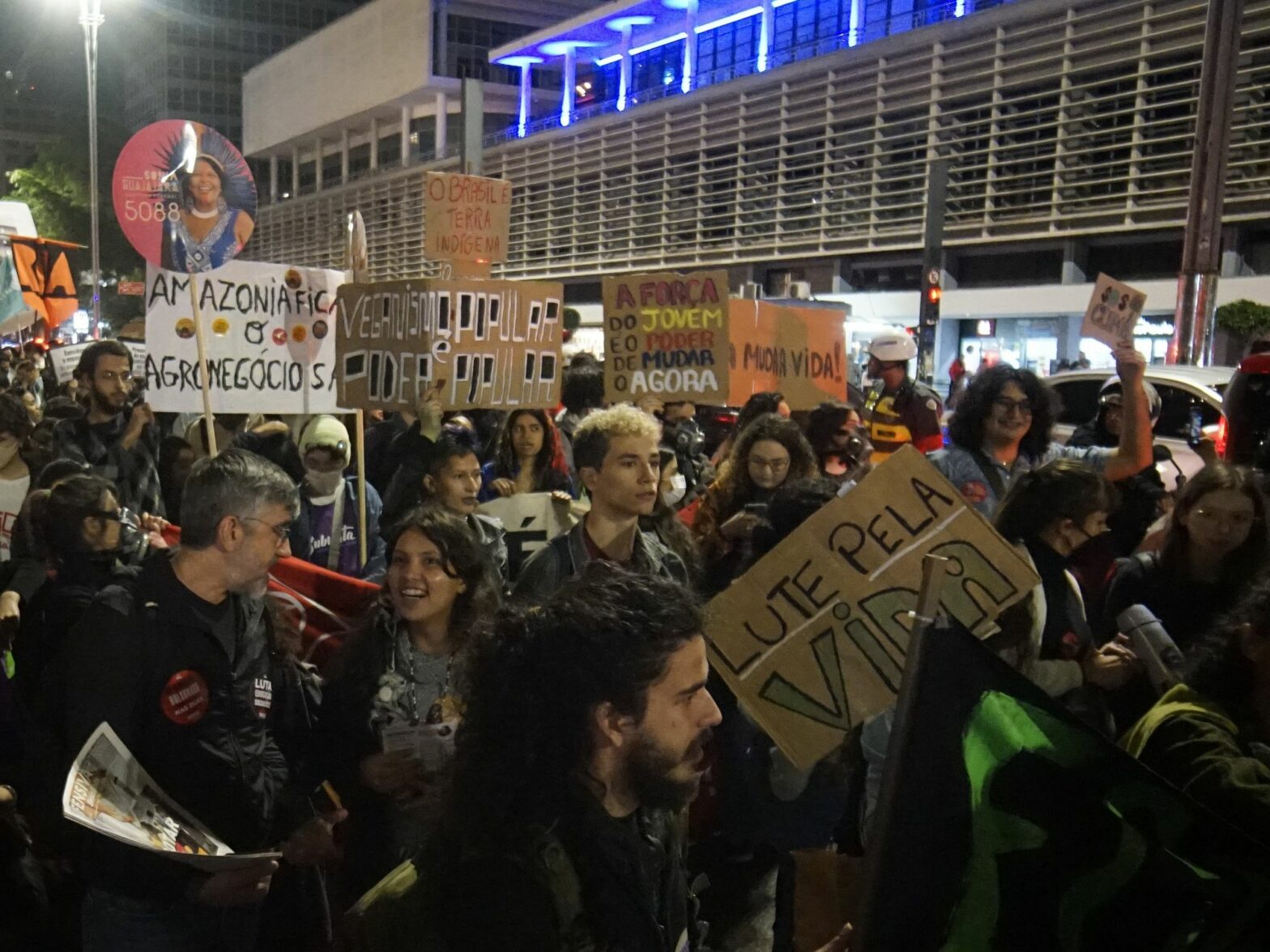
As Brazil’s President Lula da Silva wields limited power over parliament and his multi-party cabinet, he may be unable to fulfil many of this campaign promises, including protecting the environment.

Identical twins Mayla and Sofia were 19 when they became the first twins to transition together. Now, two years later, and living separately, the two Brazilian trans women talk with Argentine daily Clarín about how family support and their love for each other have helped them through hard times.

The Brazilian singer Nega Jaci has performed a new version of the well-known samba “Mulheres,” by Martinho da Vila, adapted by two Brazilian women to remove the sexist tone of the original lyrics.
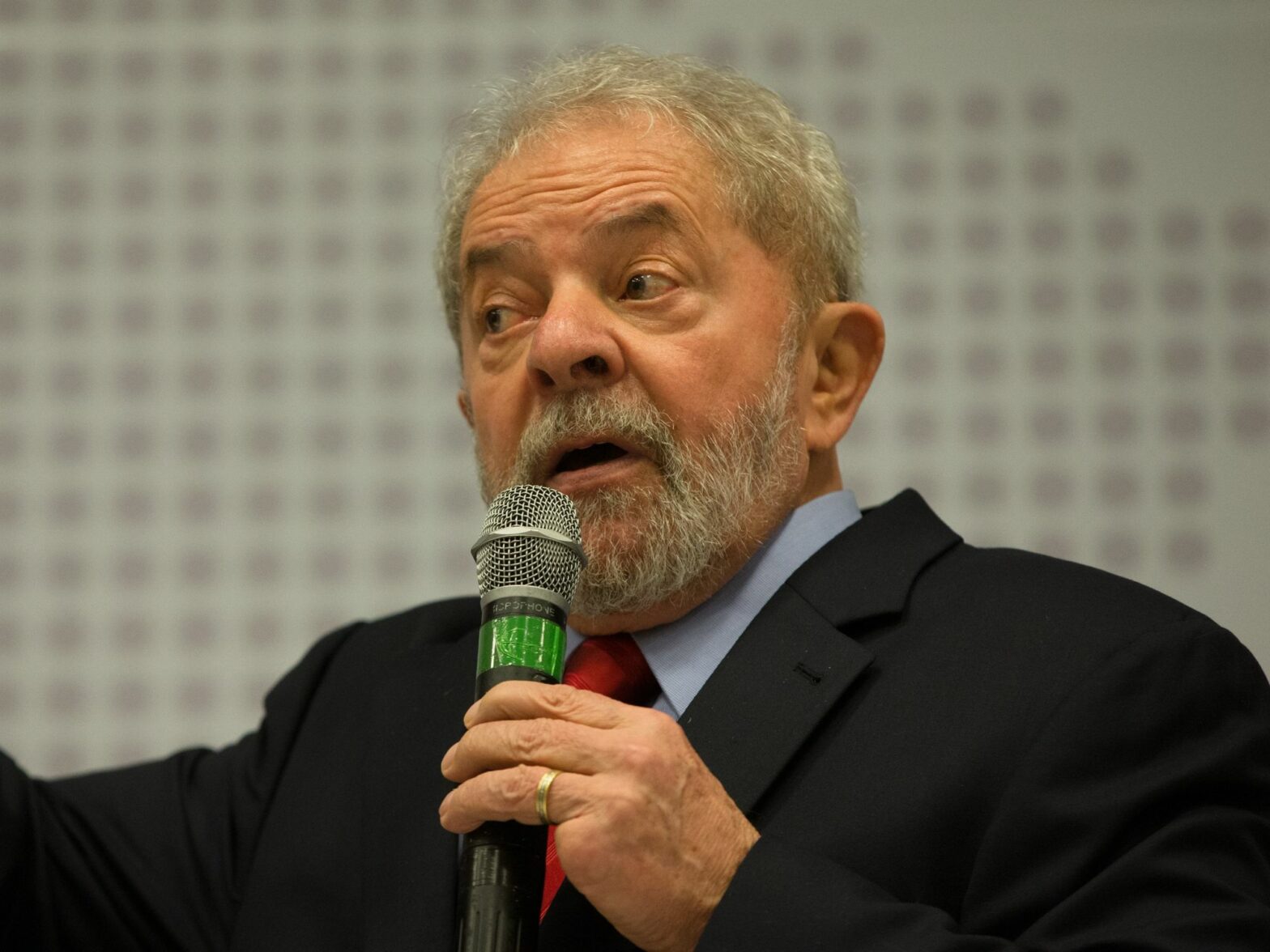
Though he campaigned for his return to the Brazilian presidency as a pro-Western reformer, since coming into office Lula da Silva has reverted to the classic positioning of a 20th century Latin American leftist.
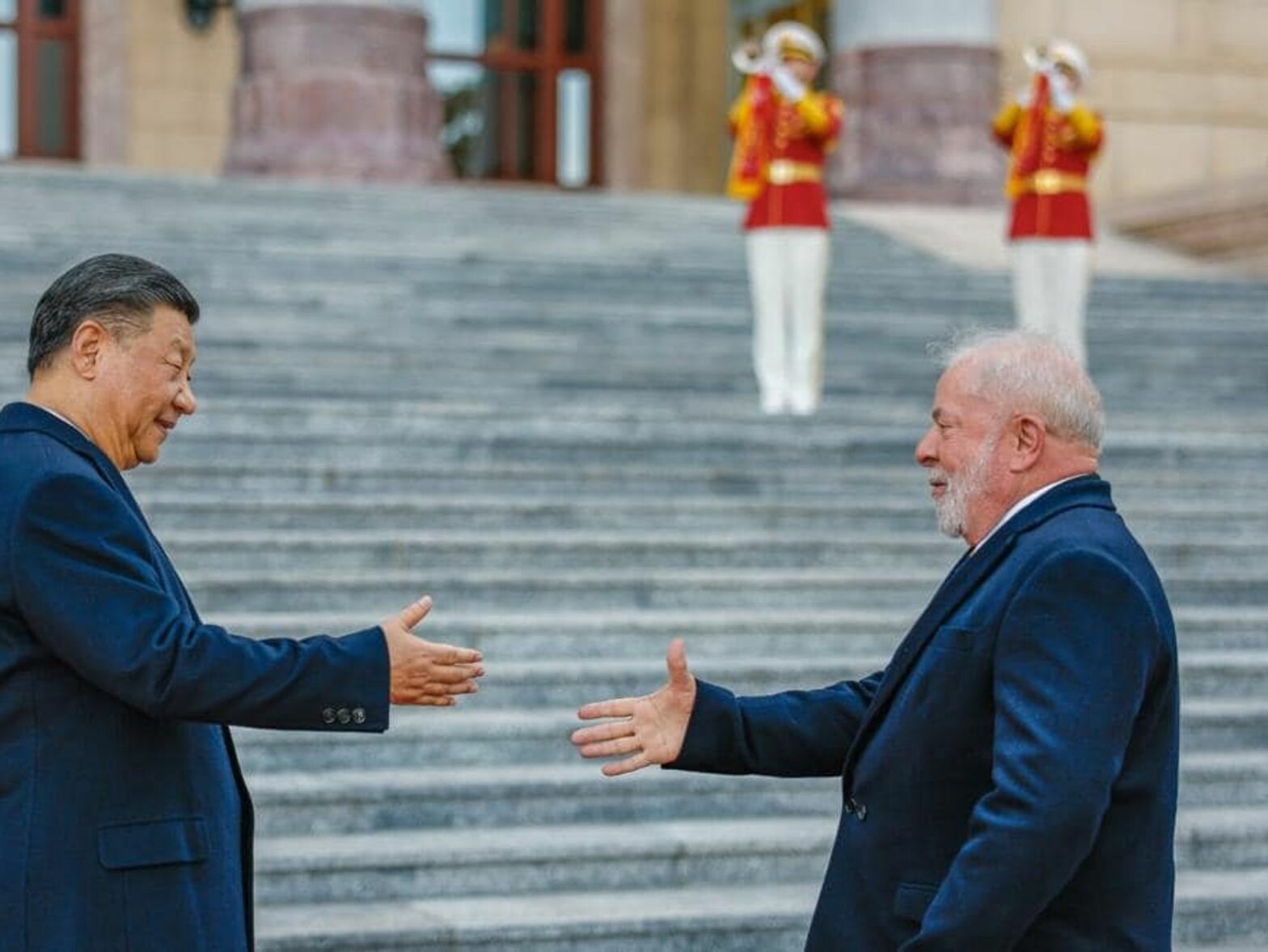
The Brazilian president, back in power after more than a decade later, has not lost his vision of a post-Western world in which the BRICS would occupy a central place. Lula’s visit to Beijing puts such a vision front and center on the global agenda.
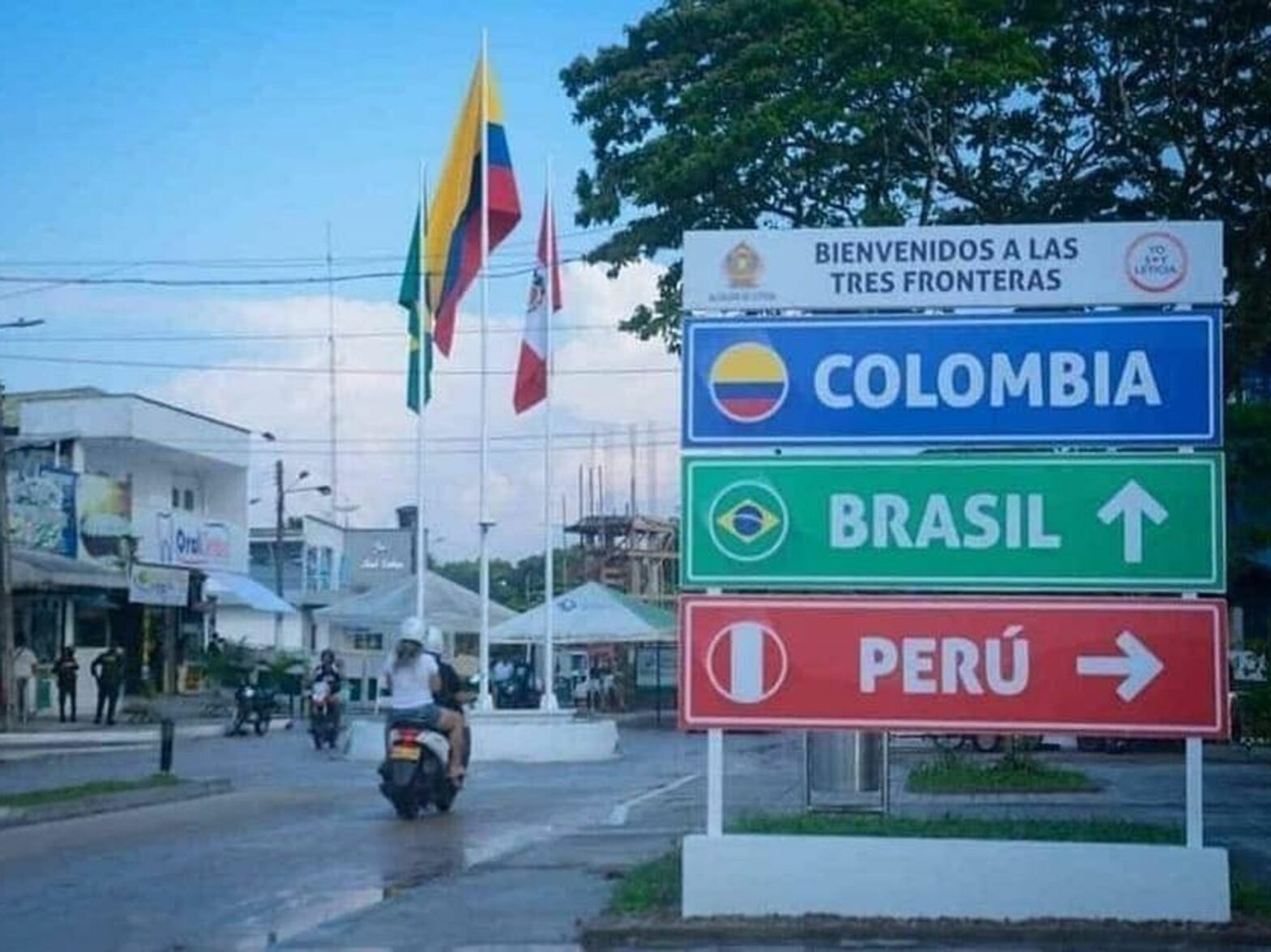
Portunhol is a hybrid language spoken on the borders of Portuguese-speaking Brazil and its Spanish-speaking neighbors. The author’s time learning it was a reminder that language is so much more than just a means of communicating.
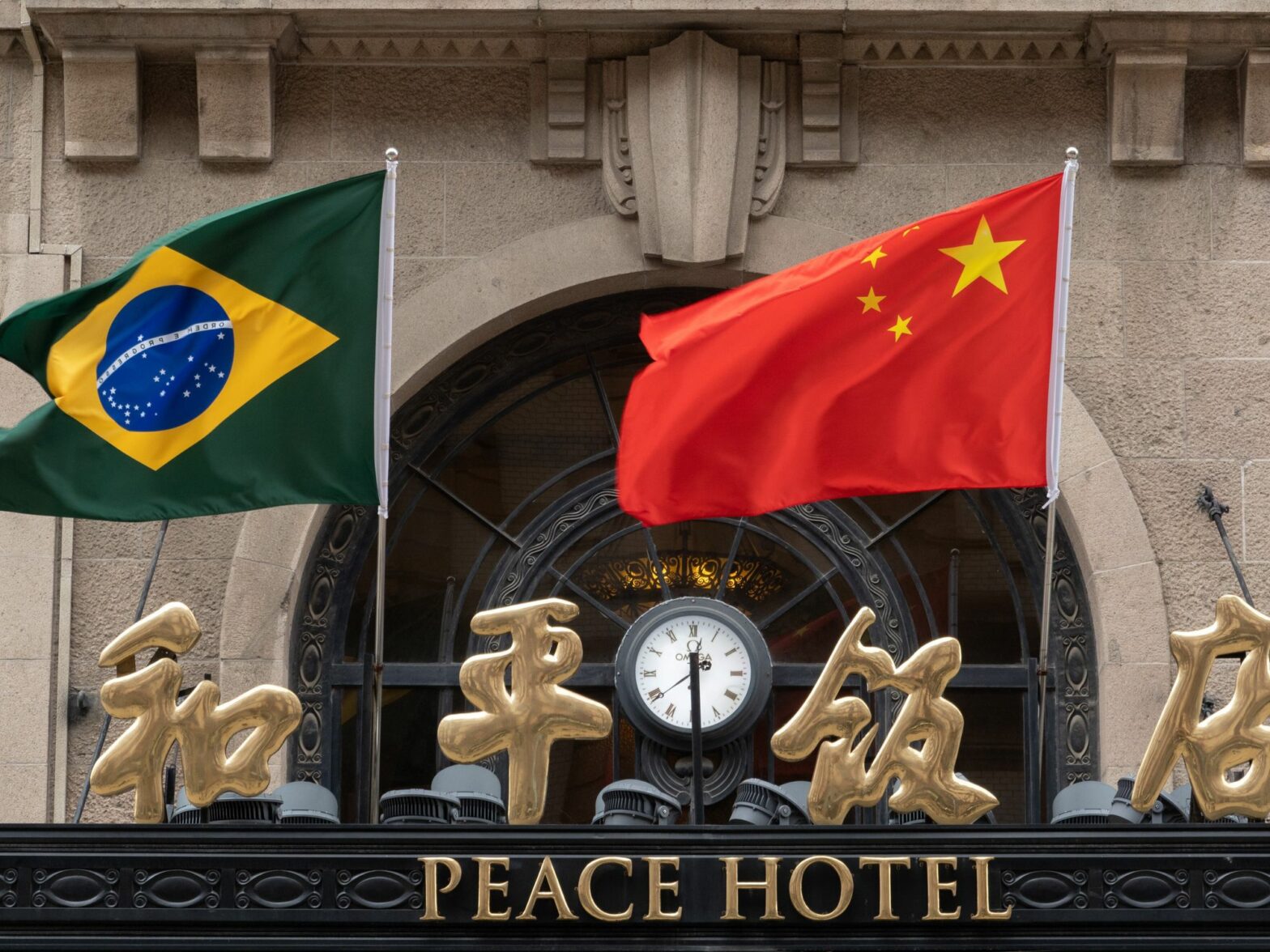
Brazilian President Lula da Silva is sticking to Brazil’s favored policy of diplomatic non-alignment while visiting China, hoping to win his country all the business and export deals he can sign.
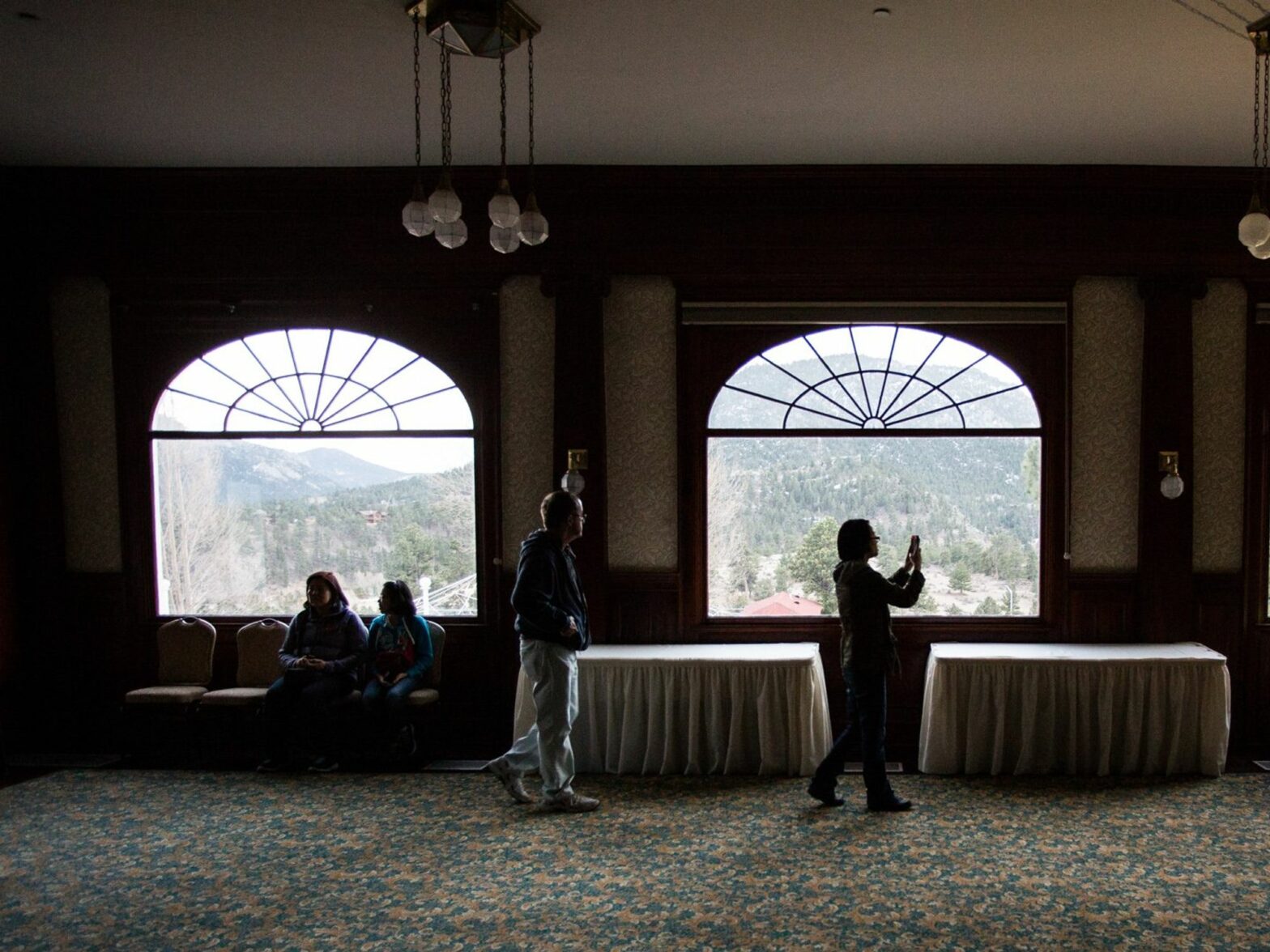
The rise in popular culture of ghost hunting has had a big but strange effect in Brazil. YouTubers and bloggers aim to create a bridge between Brazilian popular spiritism and American ghost-hunting.
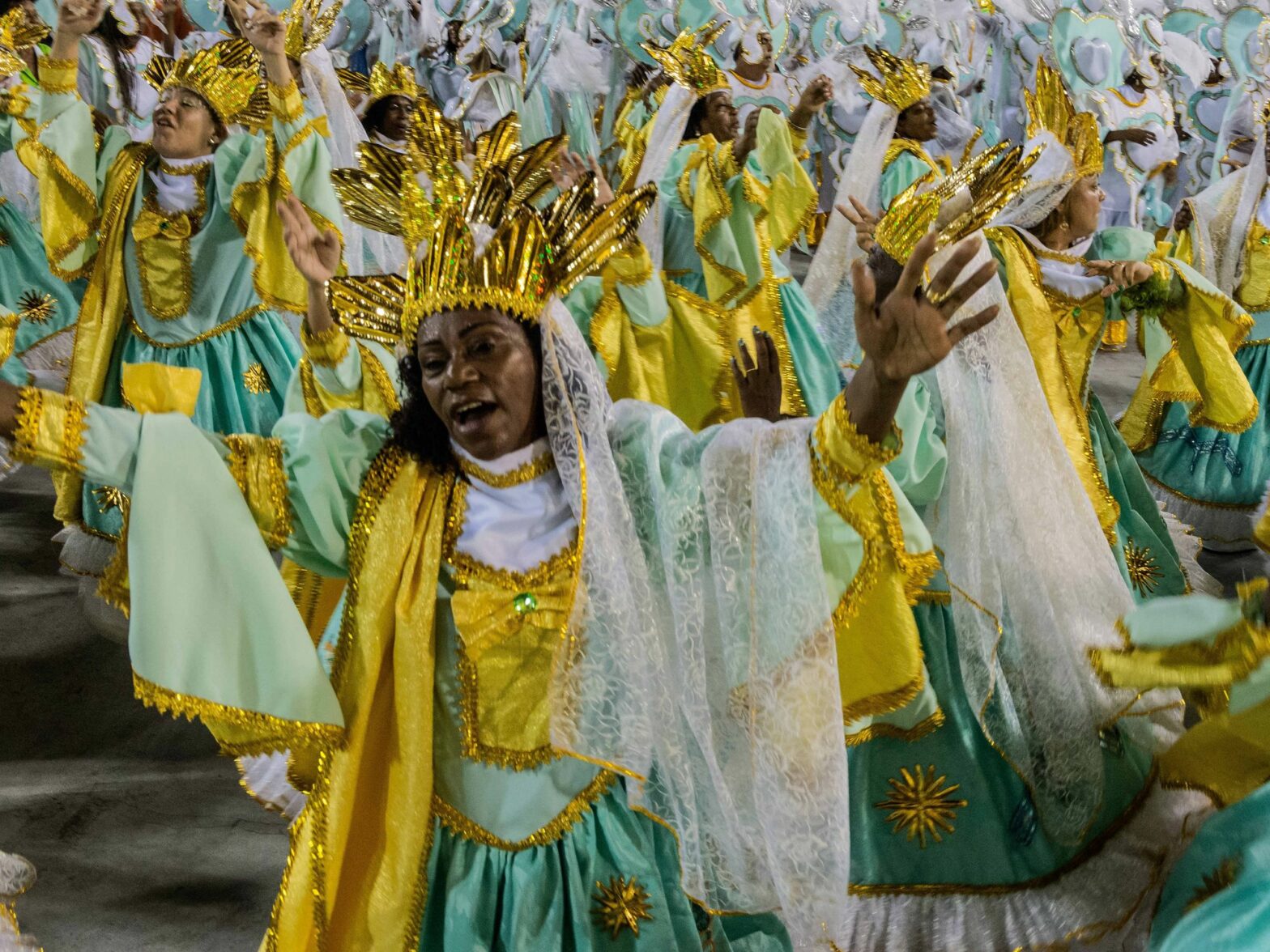
An evangelic group has threatened to take legal action against a samba school because of its mix of religious iconography at the 2023 Carnival festivities. A Brazilian secular institute has a response.
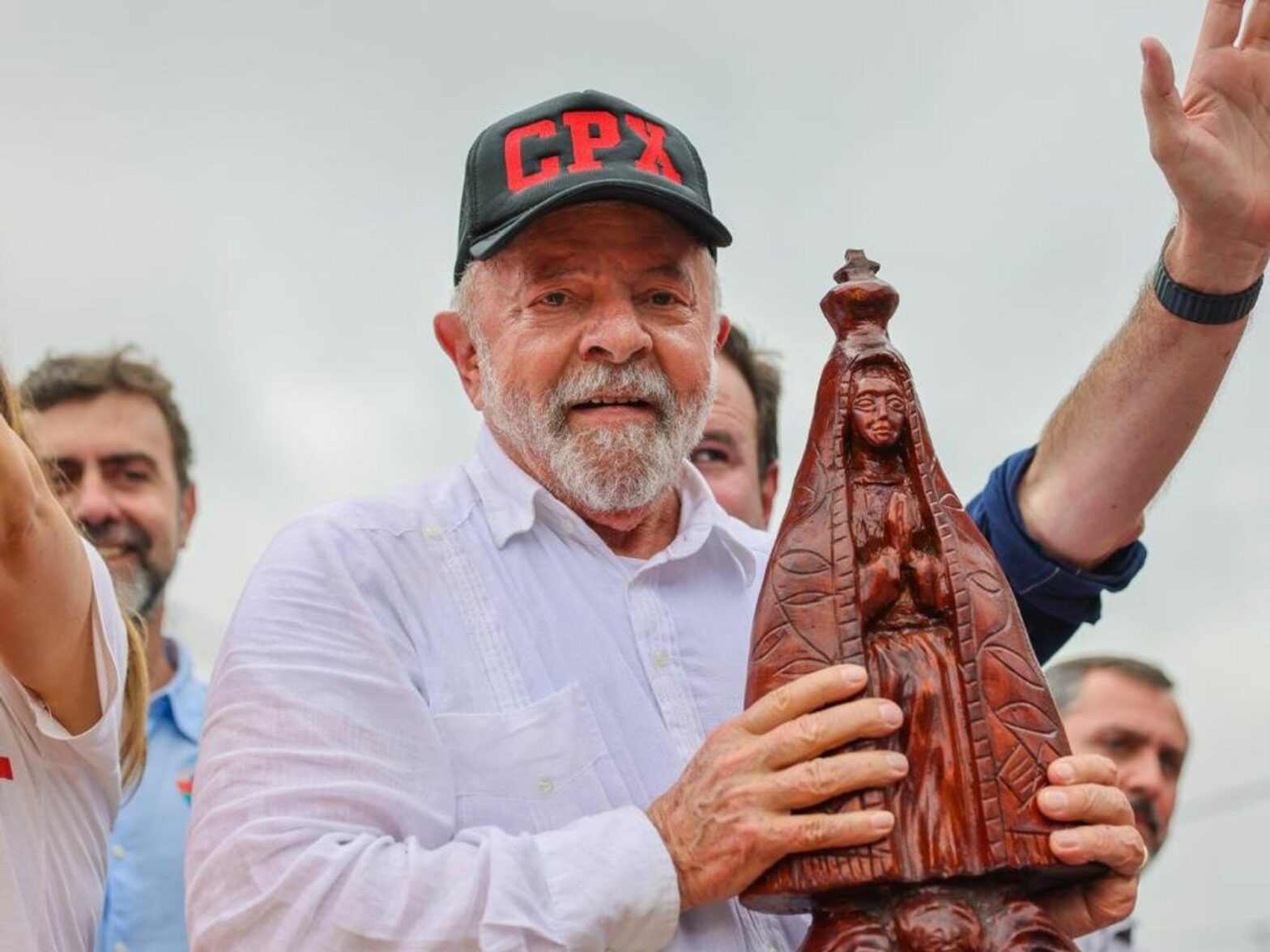
Before Lula’s re-election in Brazil, fake news spread widely online about “gay kits” in schools and Marxism in schools. Here’s how Brazilians can use the moment to convince moderate voters of the dangers of disinformation.
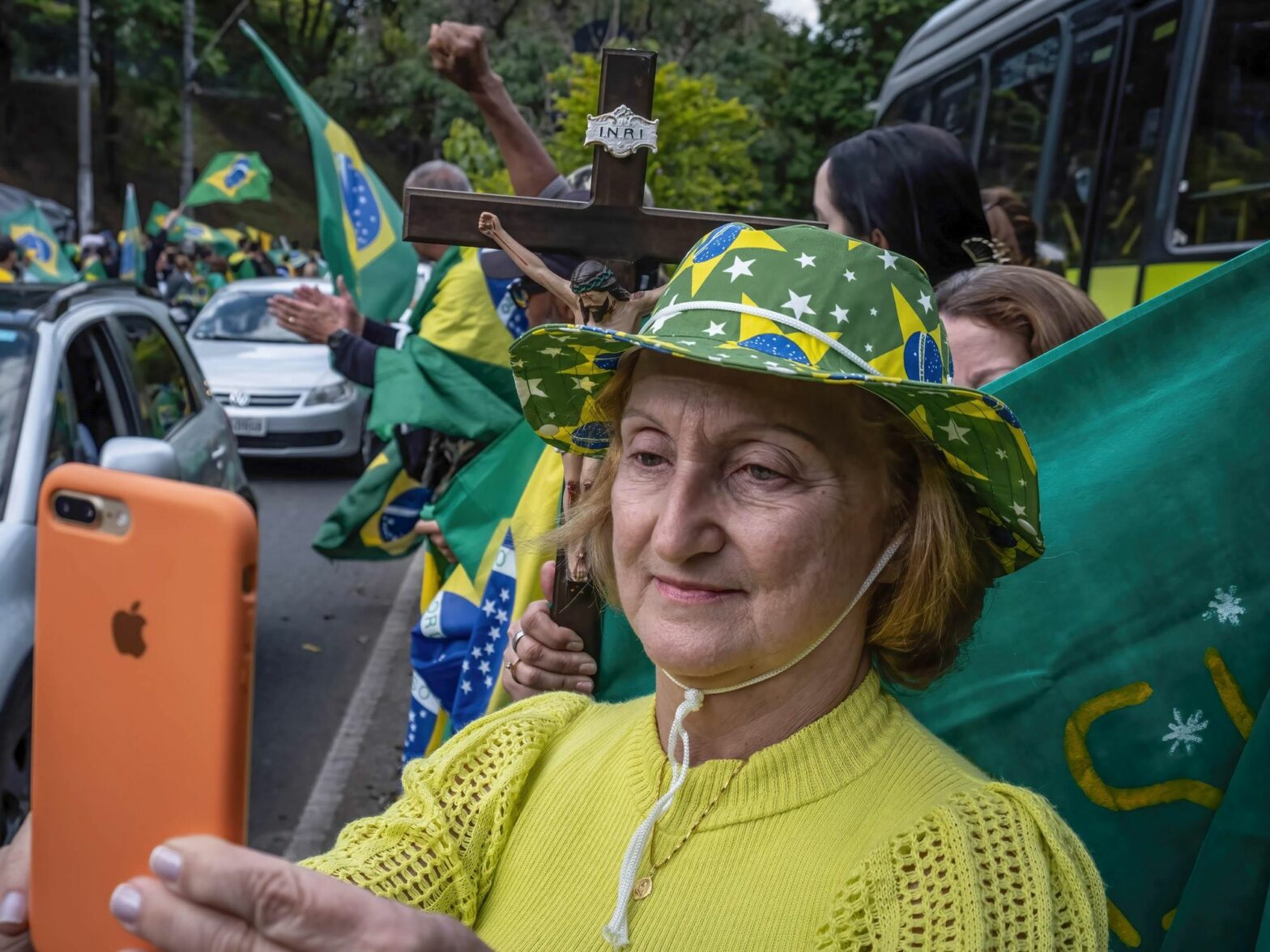
Older demographics are particularly vulnerable (and regularly targeted) on the WhatsApp messaging platform. We’ve seen it before and after the presidential election.
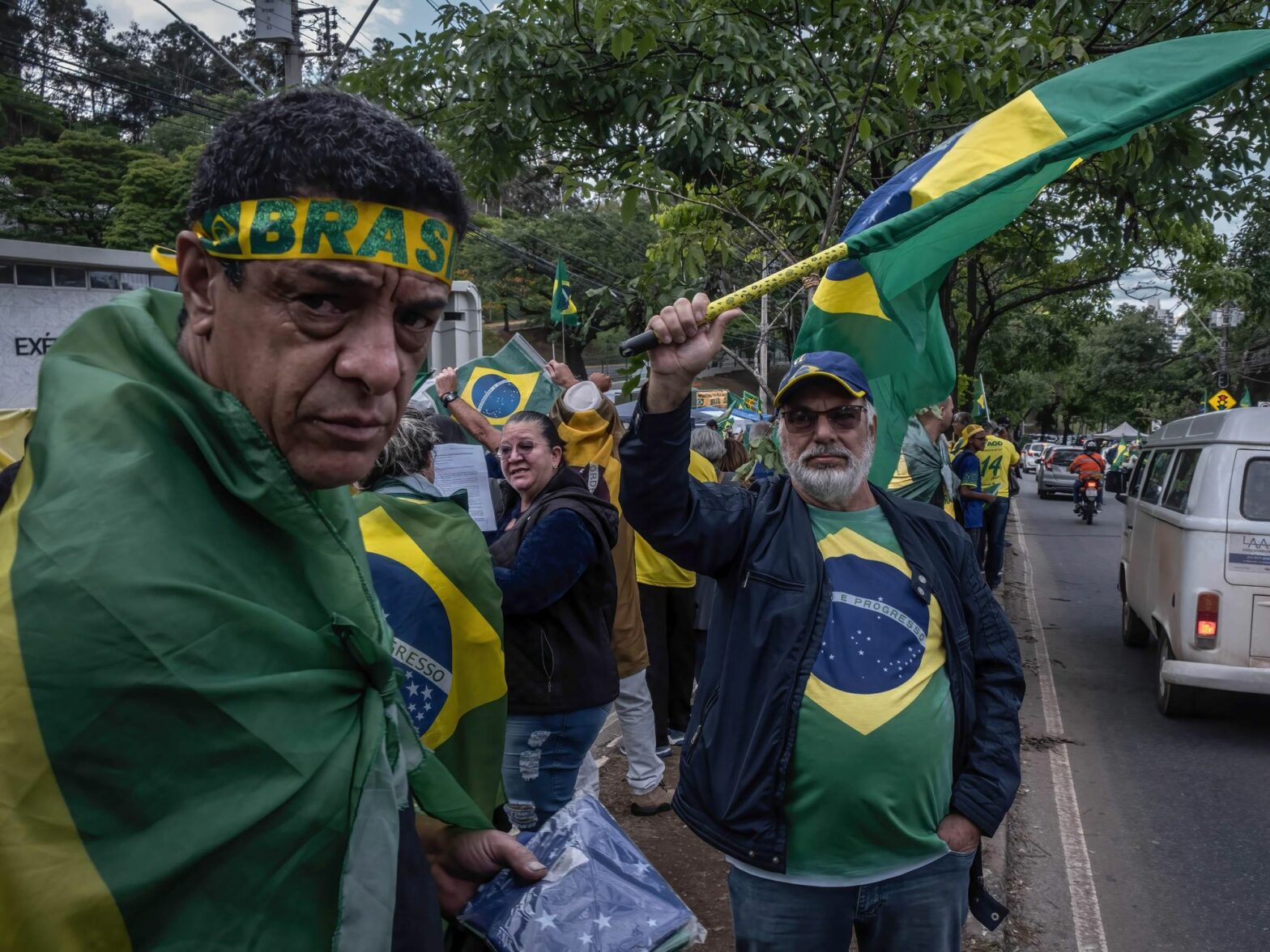
Taking inspiration from events in the United States over the past four years, rejection of election results and established state institutions is on the rise in Latin America.

With risks of arrest rising after the violence in Brasilia, many wonder if the former Brazilian president and his family will seek refuge in Italy, where they would qualify for citizenship and a friendly government is in charge.
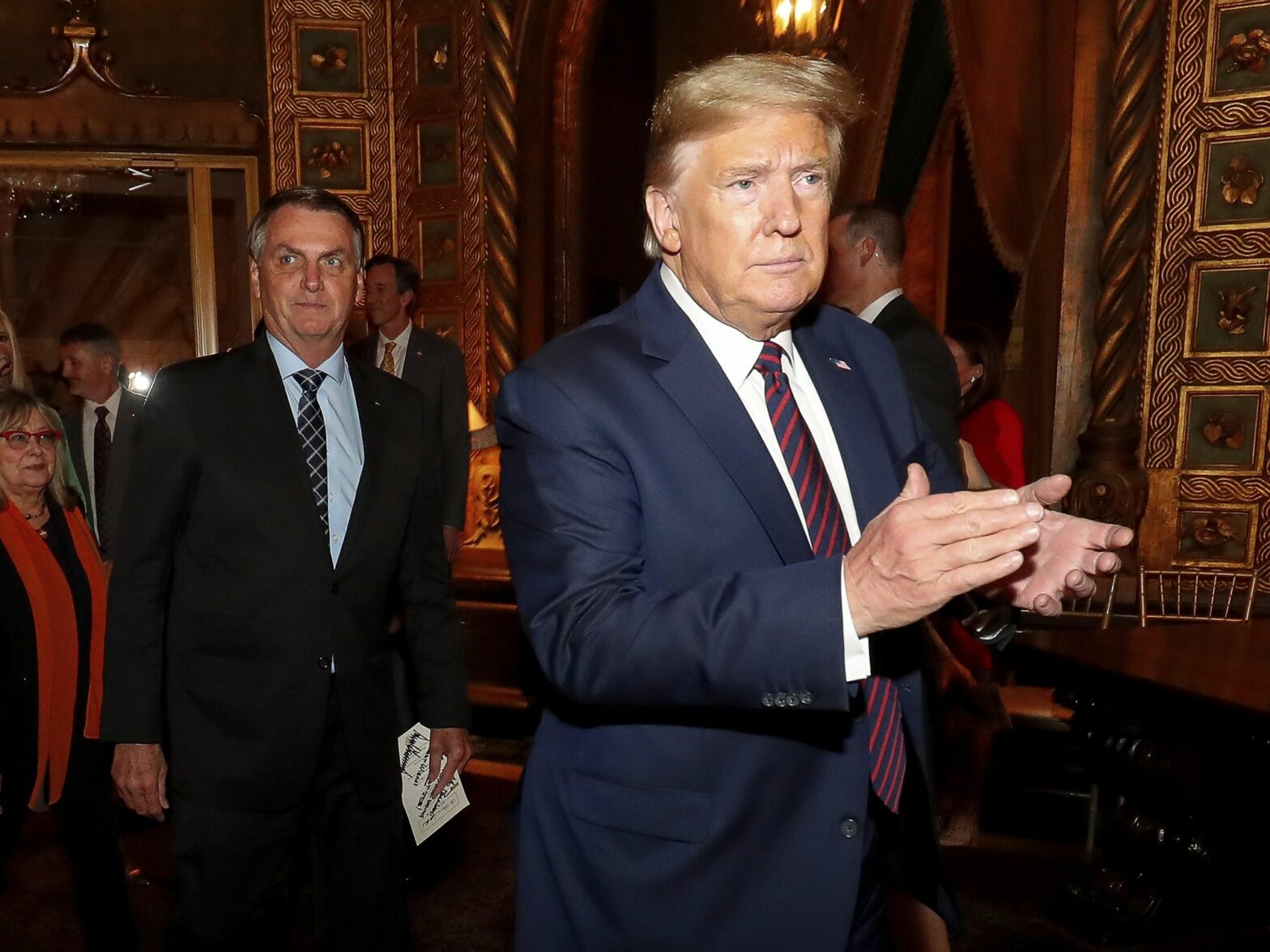
Emulating the Trump-inspired attack on the U.S. Capitol, the assault of a right-wing mob on government buildings in Brasilia took its cue from former president Bolsonaro’s longstanding contempt for democratic institutions.
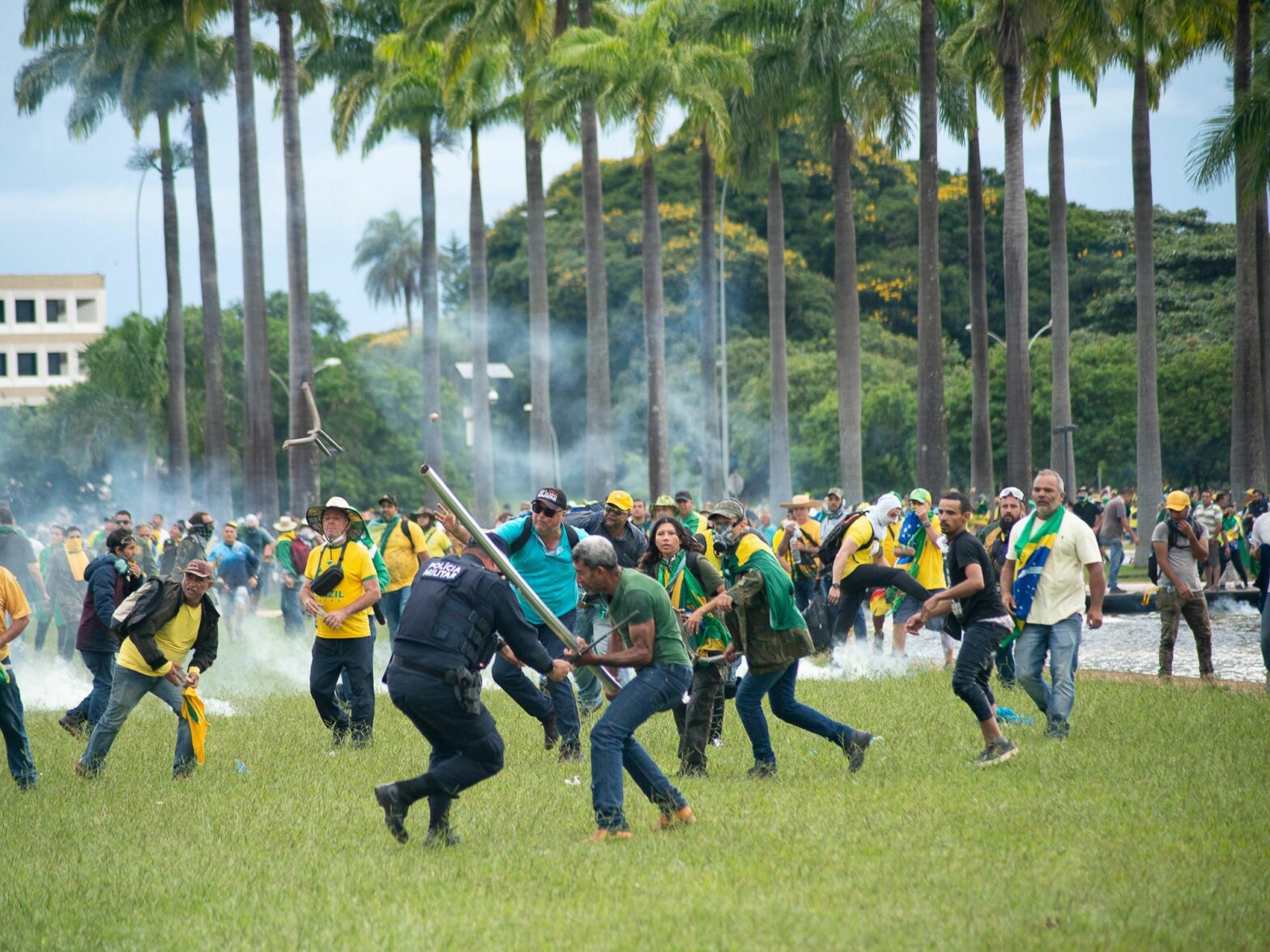
What do we make of the echos from the U.S. Capitol assault on Jan. 6? Will Lula be able to heal Brazil’s democratic institutions?
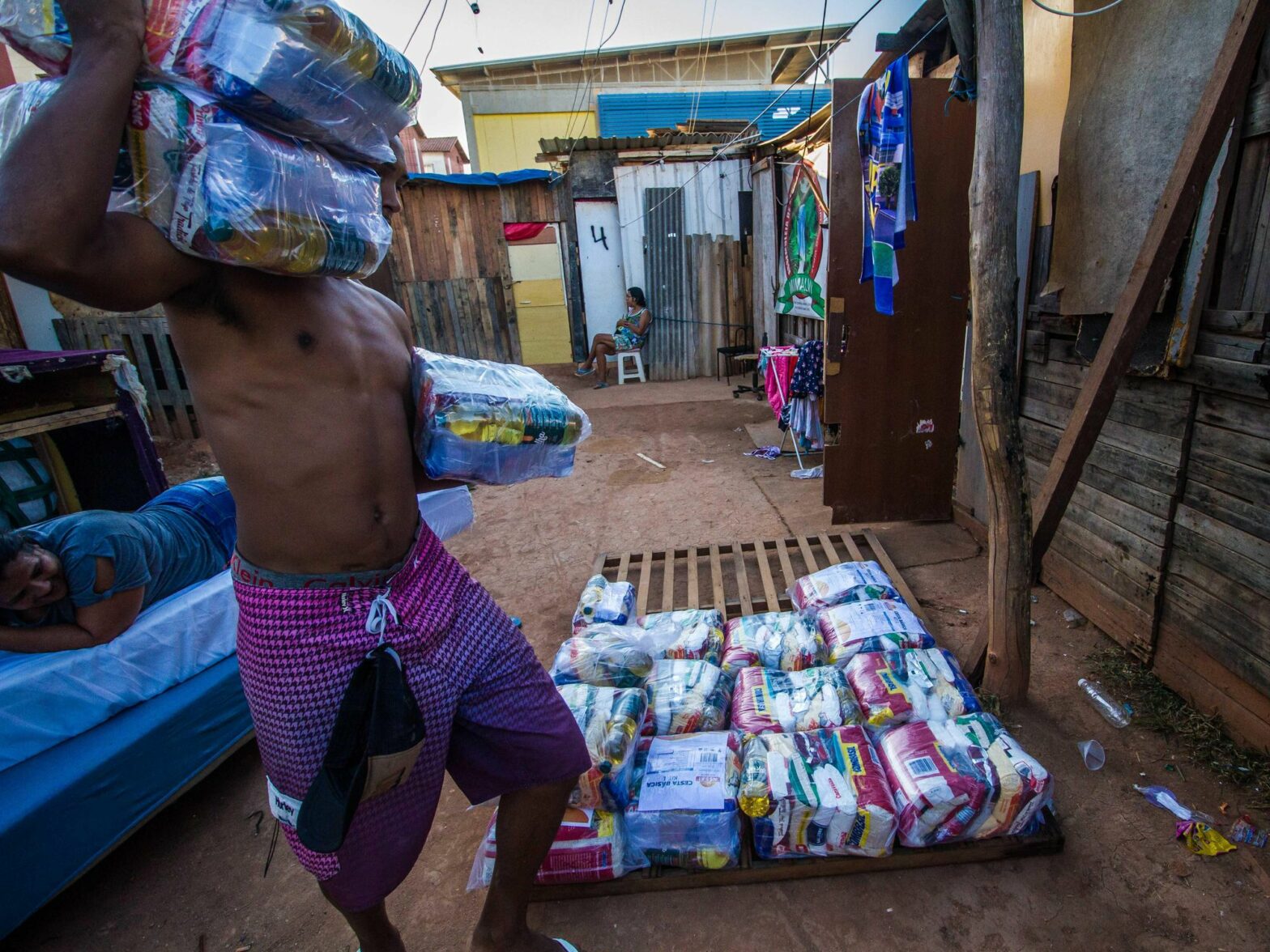
The fight against hunger should be a top priority in Brazil — provided it’s addressed as a whole. And to do that, the country needs to face its structural racism issues, an issue newly-reelected President Lula da Silva vowed to tackle.
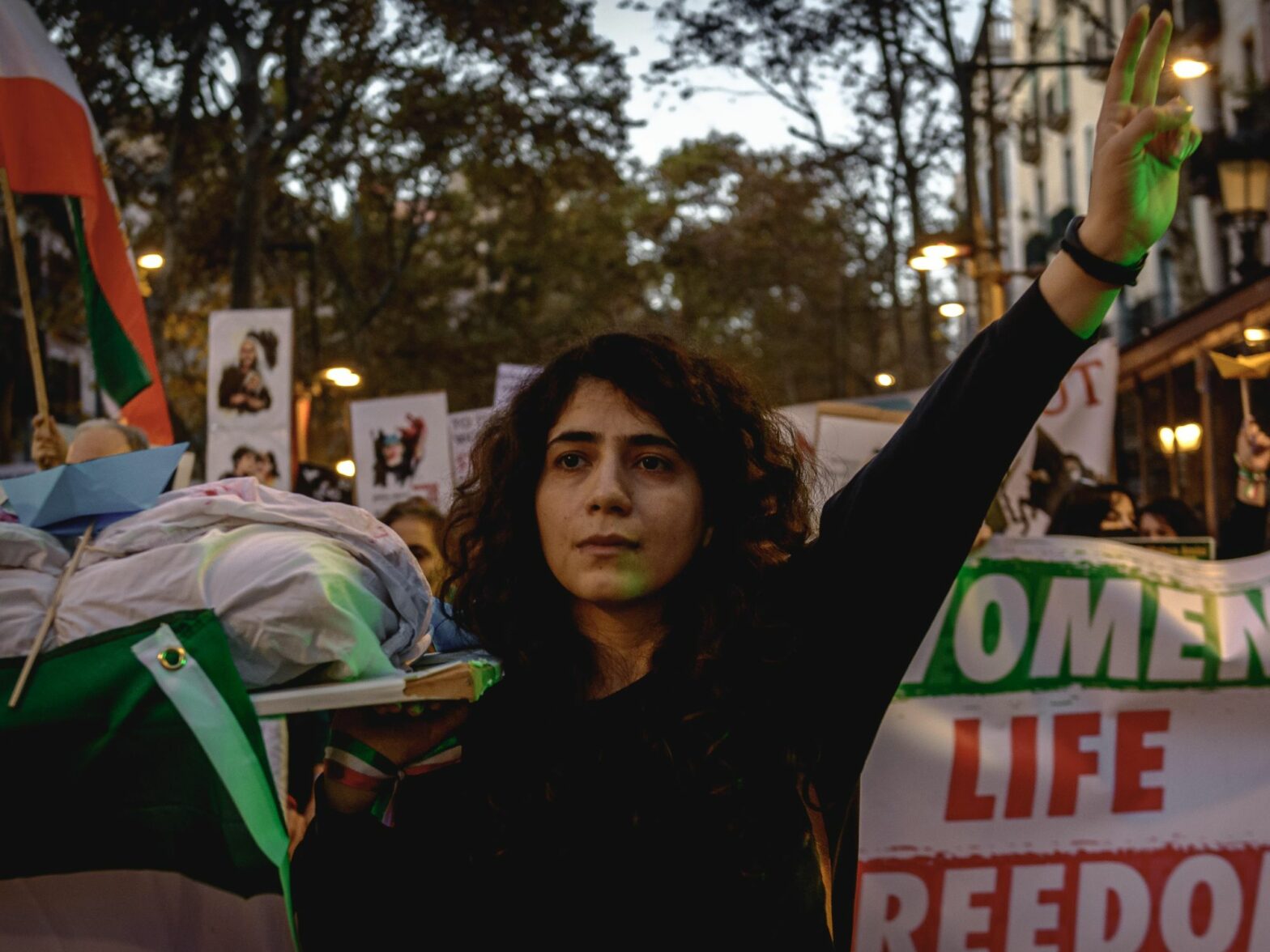
Many lives have been lost, rights trampled and dreams crushed. But through the haze, the world took the right turn on many fronts this past year, from Ukraine to Iran to China. Trying to take stock amid the suffering.

With the price of meat on the rise, Brazilians have turned to eggs. The country is now producing 55 billion eggs a year, presenting challenges for farmers and raising questions of animal welfare. And in Brazil’s “Egg Capital”, the climate crisis is complicating matters further.
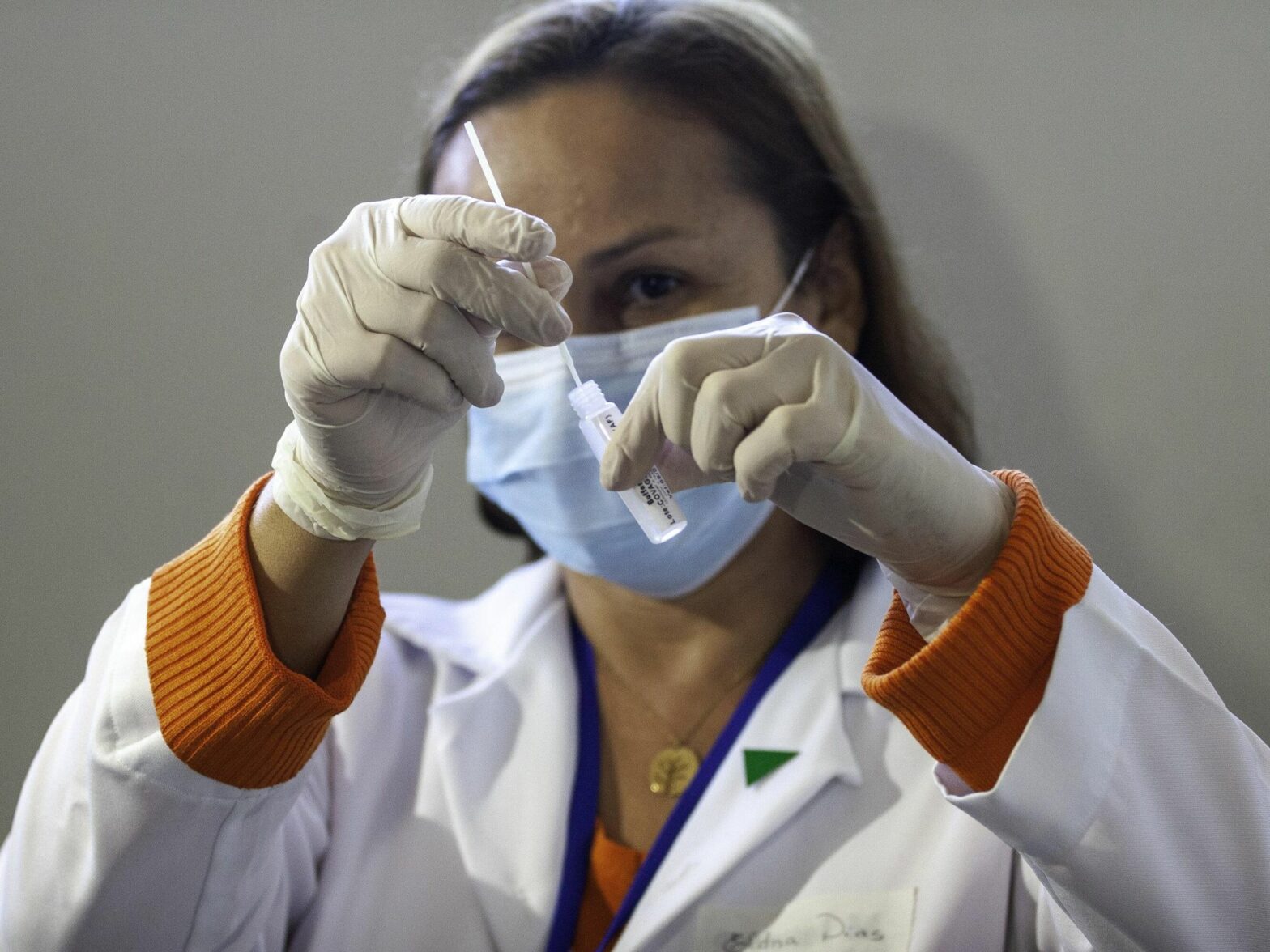
More than a decade ago, with the economy growing and political capital committed to public research and development, Brazil was the poster child for investing in the future. It was all bound to drop out quickly once the winds changed.
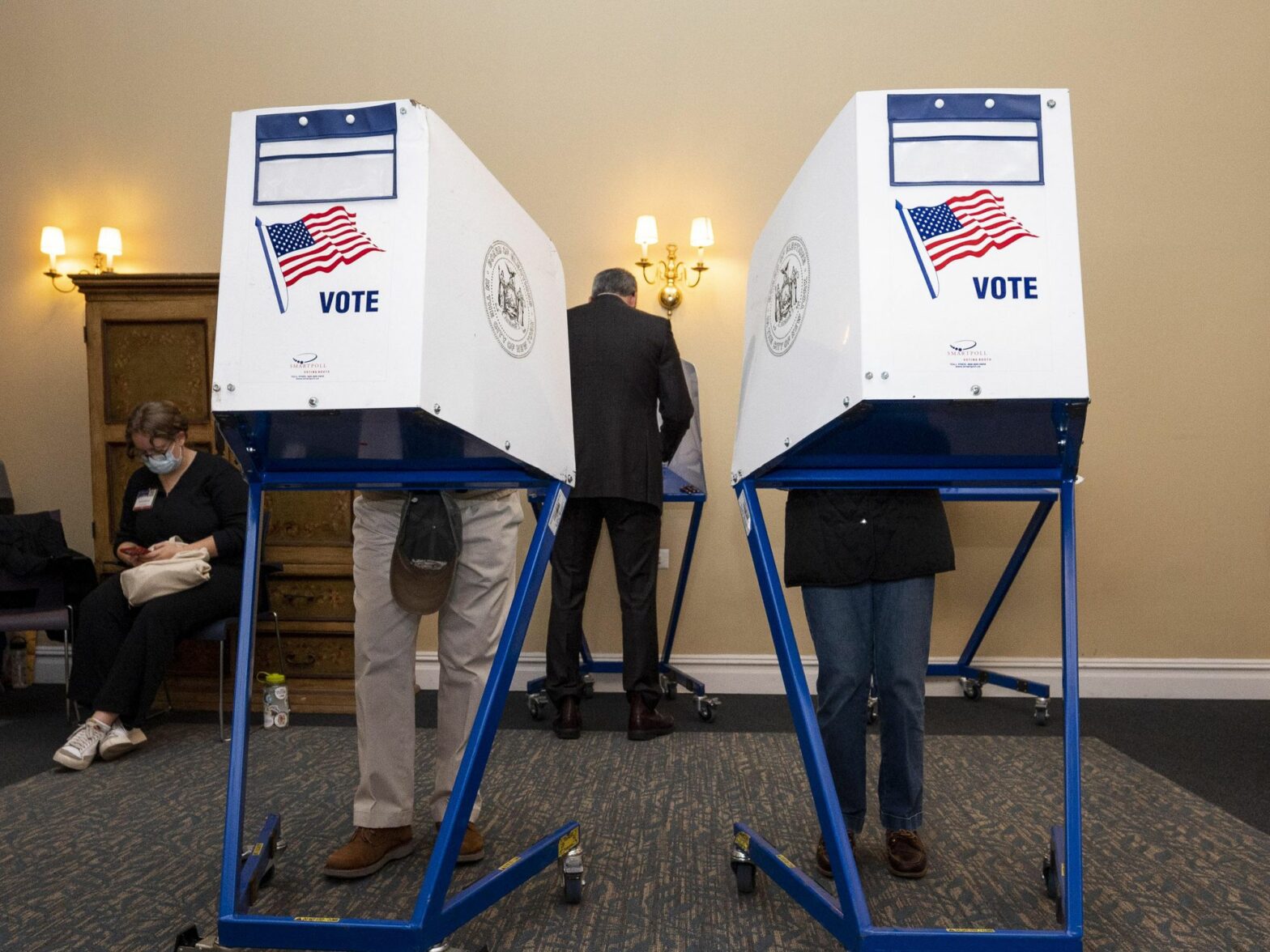
After the Brazilian presidential election and the American midterms, checking the temperature on the state of democracy in a world that has been heading in the opposite direction for too long.
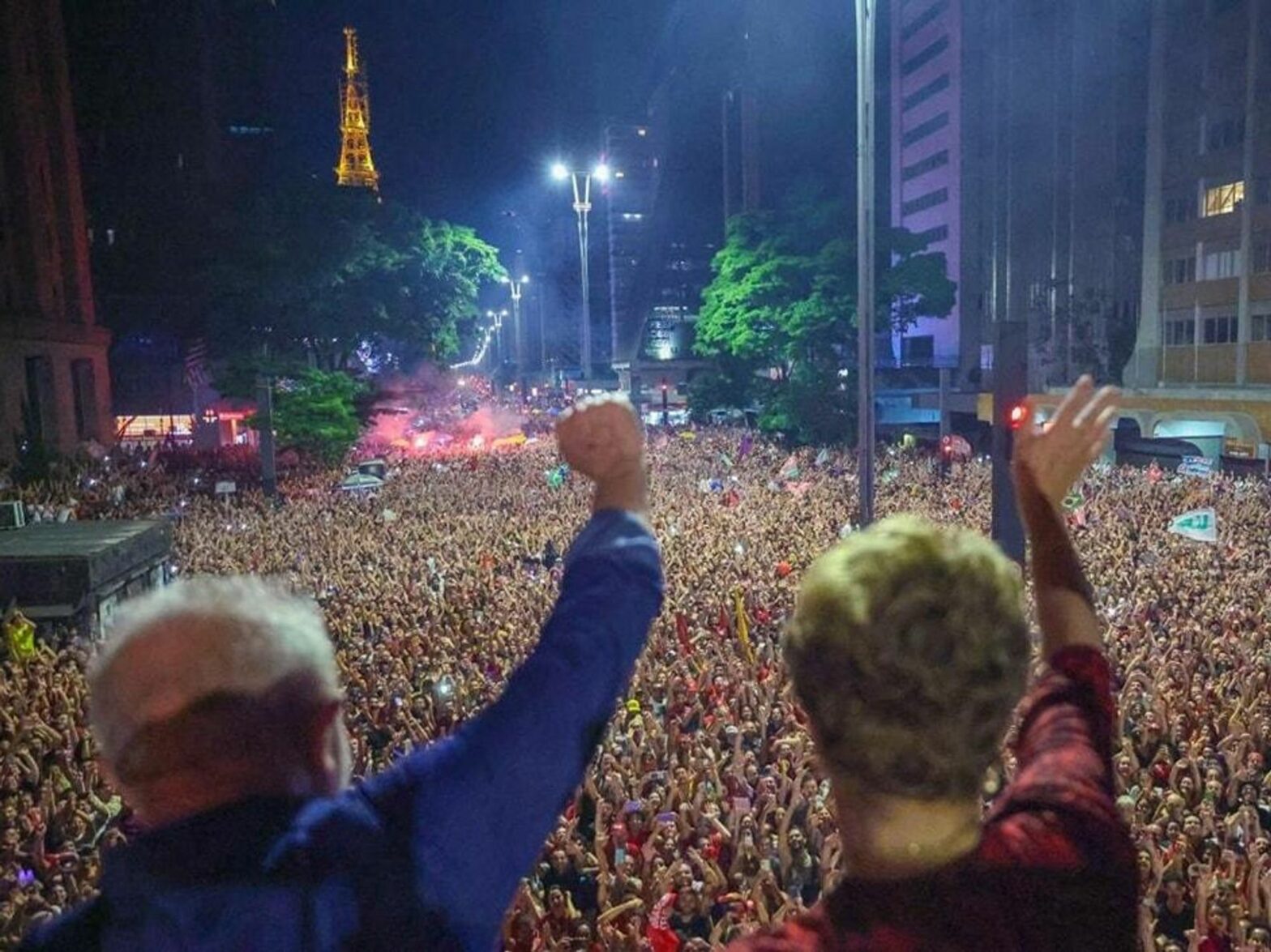
Brazil’s incoming president, Lula da Silva, is unlikely to govern the same way he did 20 years ago. Socio-economic conditions will likely push him toward moderation, which will benefit Brazil and the region.
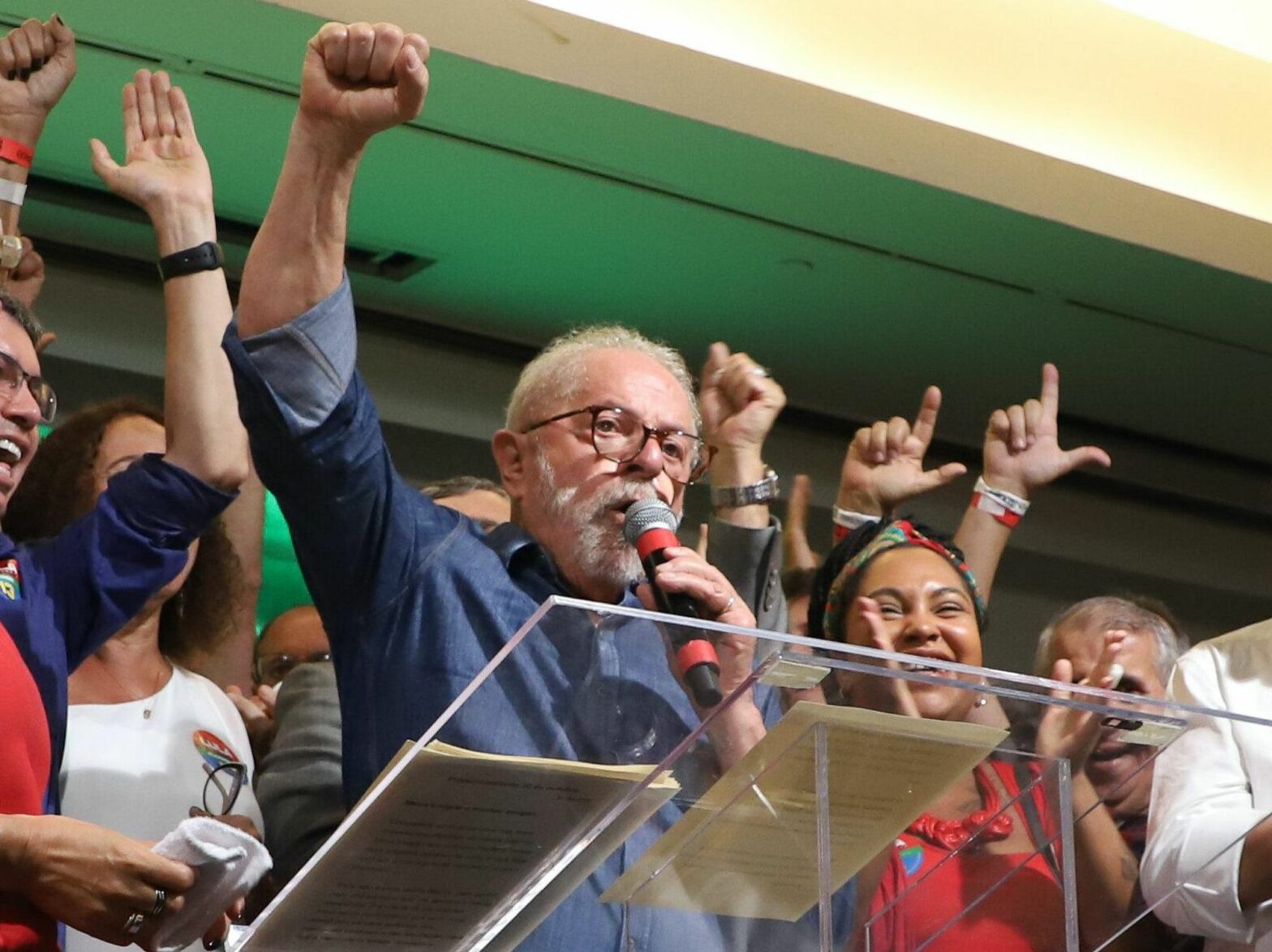
In Brazil, the leftist Lula da Silva’s narrow victory margin in the presidential elections must be seen for what it is: a measured rejection, in hard times, of the outgoing Jair Bolsonaro’s right-wing excesses, in favor of competent moderation. But it bodes for very uncertain times ahead
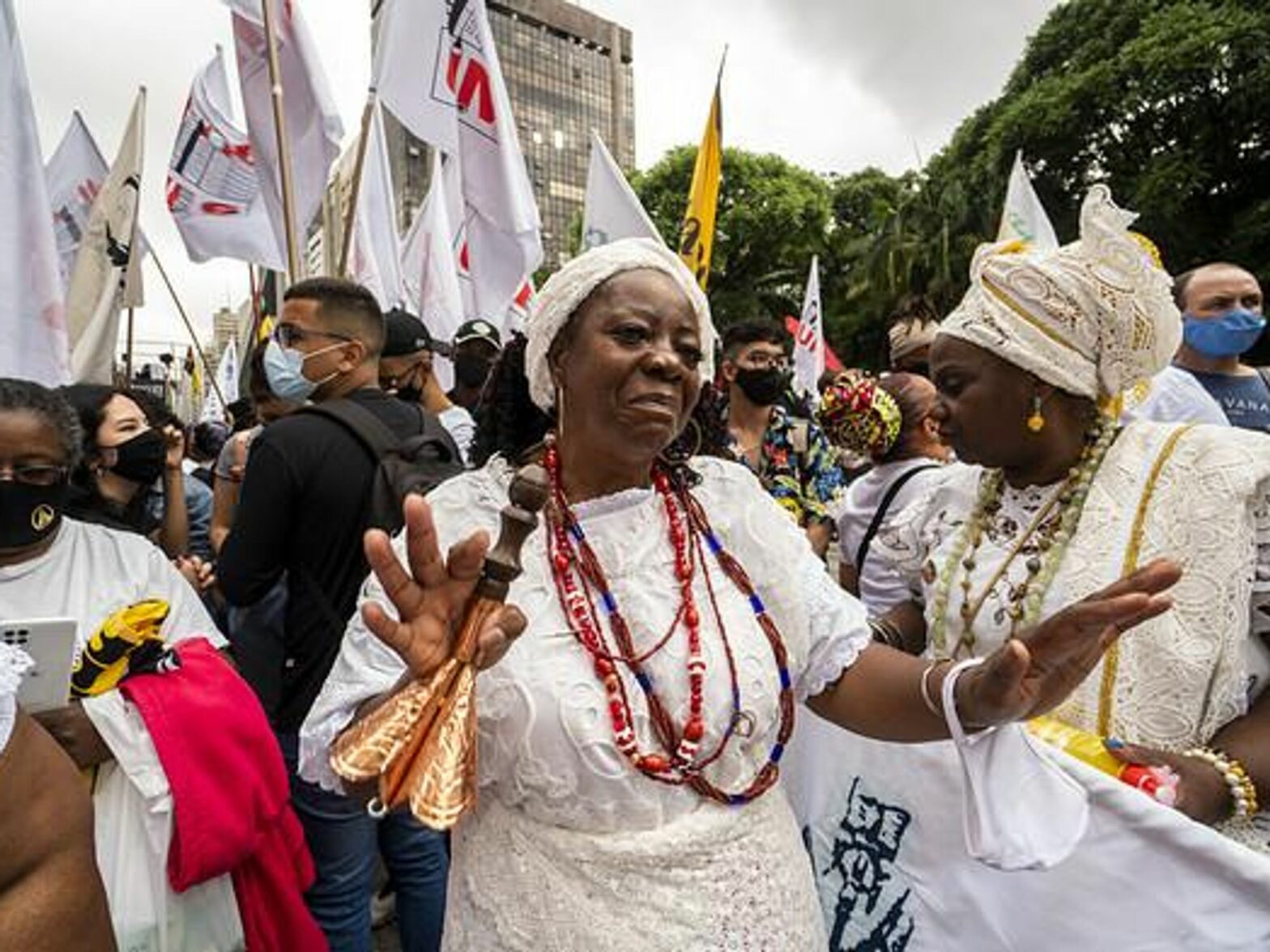
Brazil is the country outside Africa with the largest black population. However, blacks have been shut out of Brazilian politics for generations. This month’s Congressional elections showed some signs of getting better, but it could also get much worse with another Bolsonaro victory.
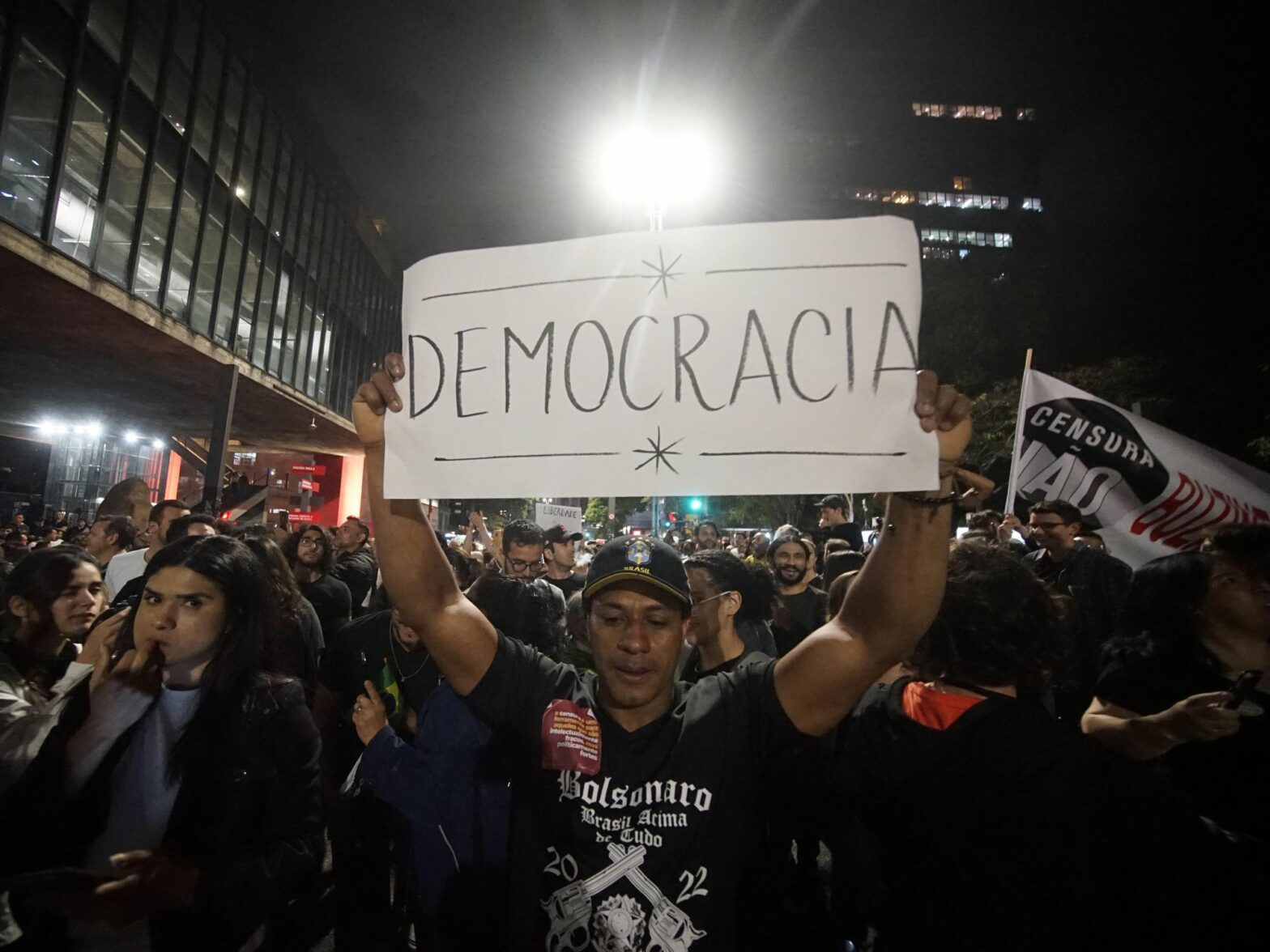
Brazilians head to the polls this week in a runoff between leftist Lula and the far-right Bolsonaro. The elections will have far-reaching consequences for Latin America, and perhaps even the Western world.
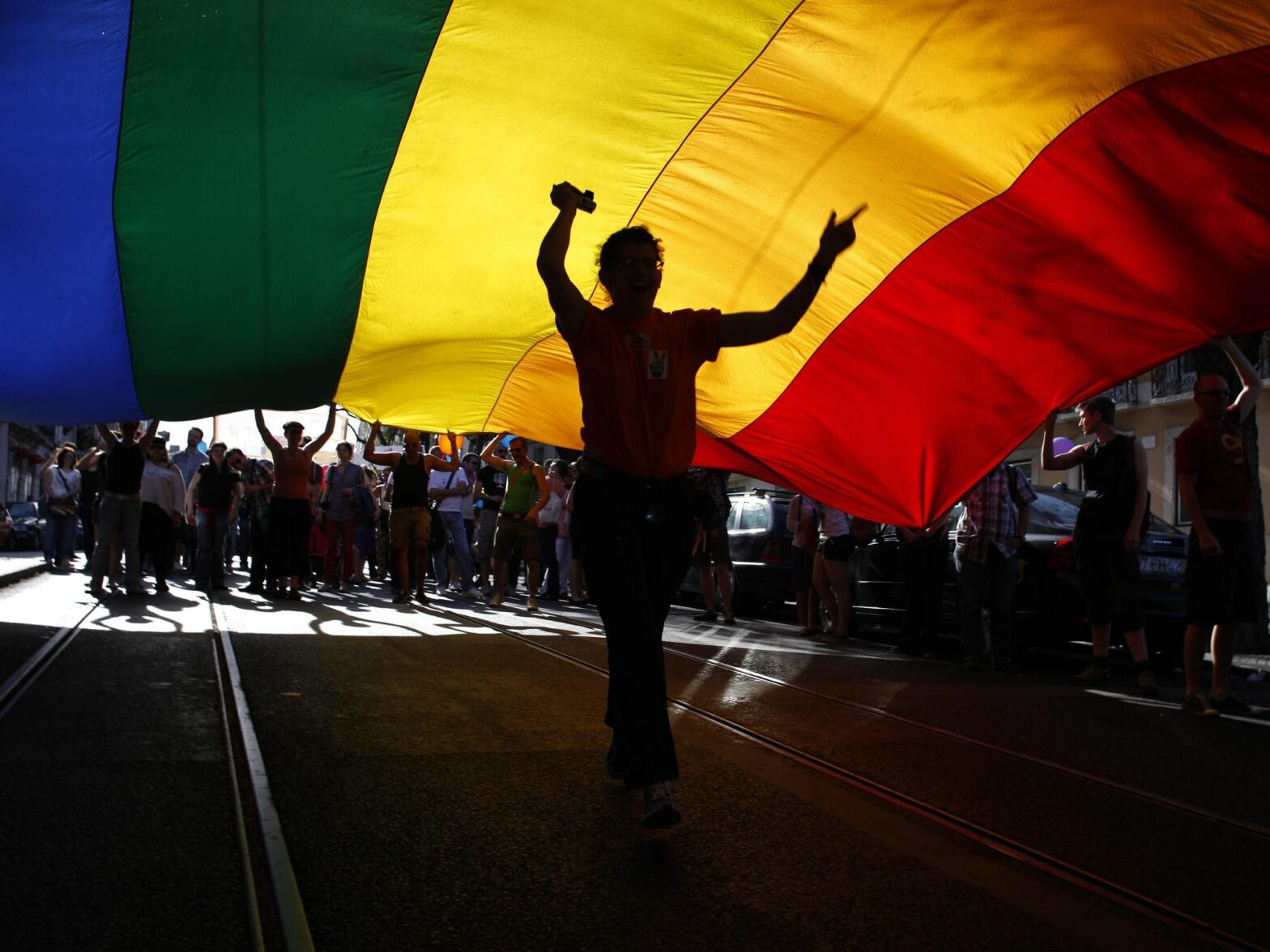
Portugal became a refuge for the Brazilian LGBTQ+ community who faced real danger following Jair Bolsonaro’s victory four years ago. Some of those who left say that if Lula beats the right-wing incumbent in Sunday’s presidential election, they would move back home.
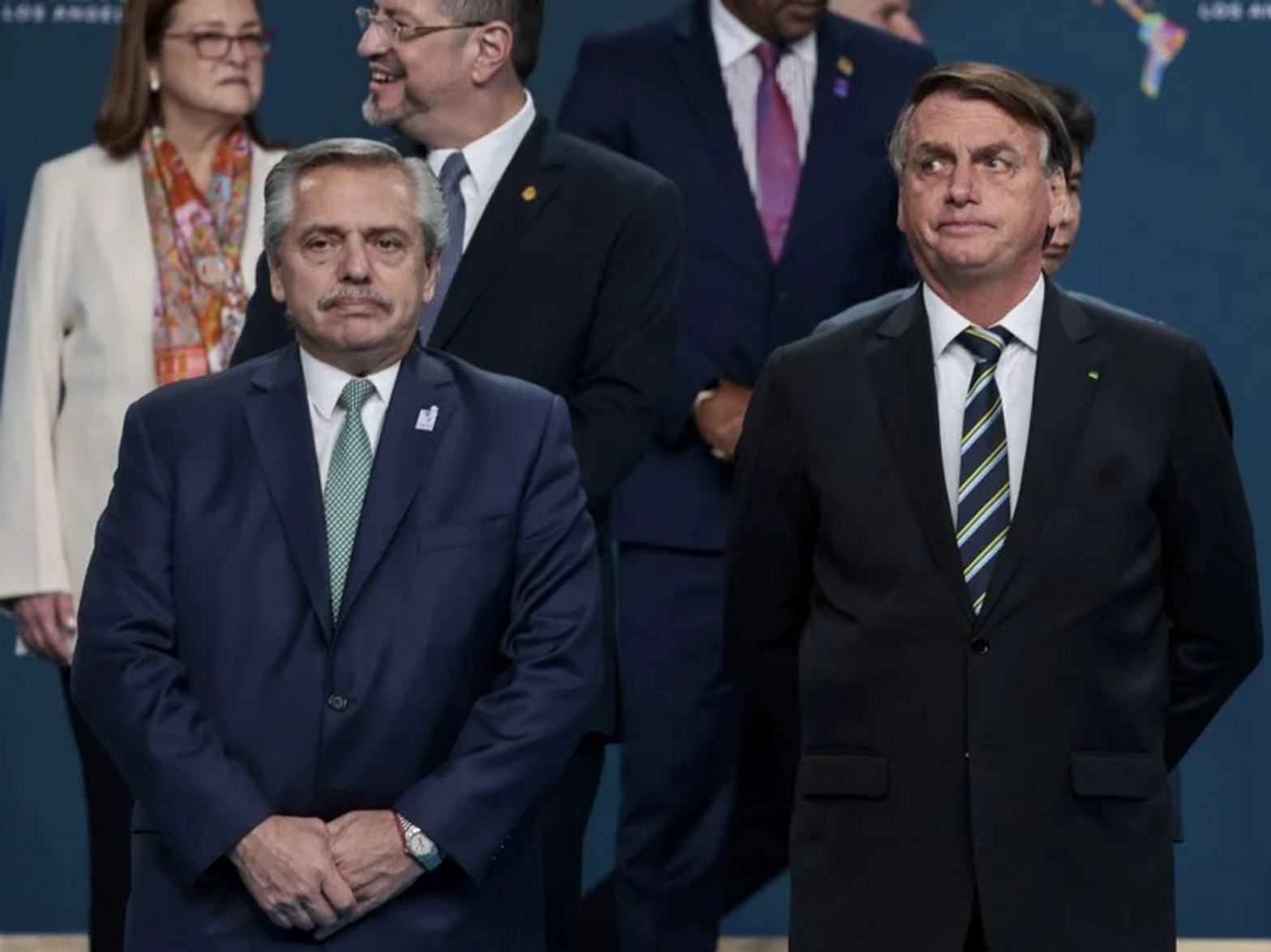
Amid rising global tensions, Brazil and Argentina must form a strategic economic alliance that will help them interact with the world’s chief powers.
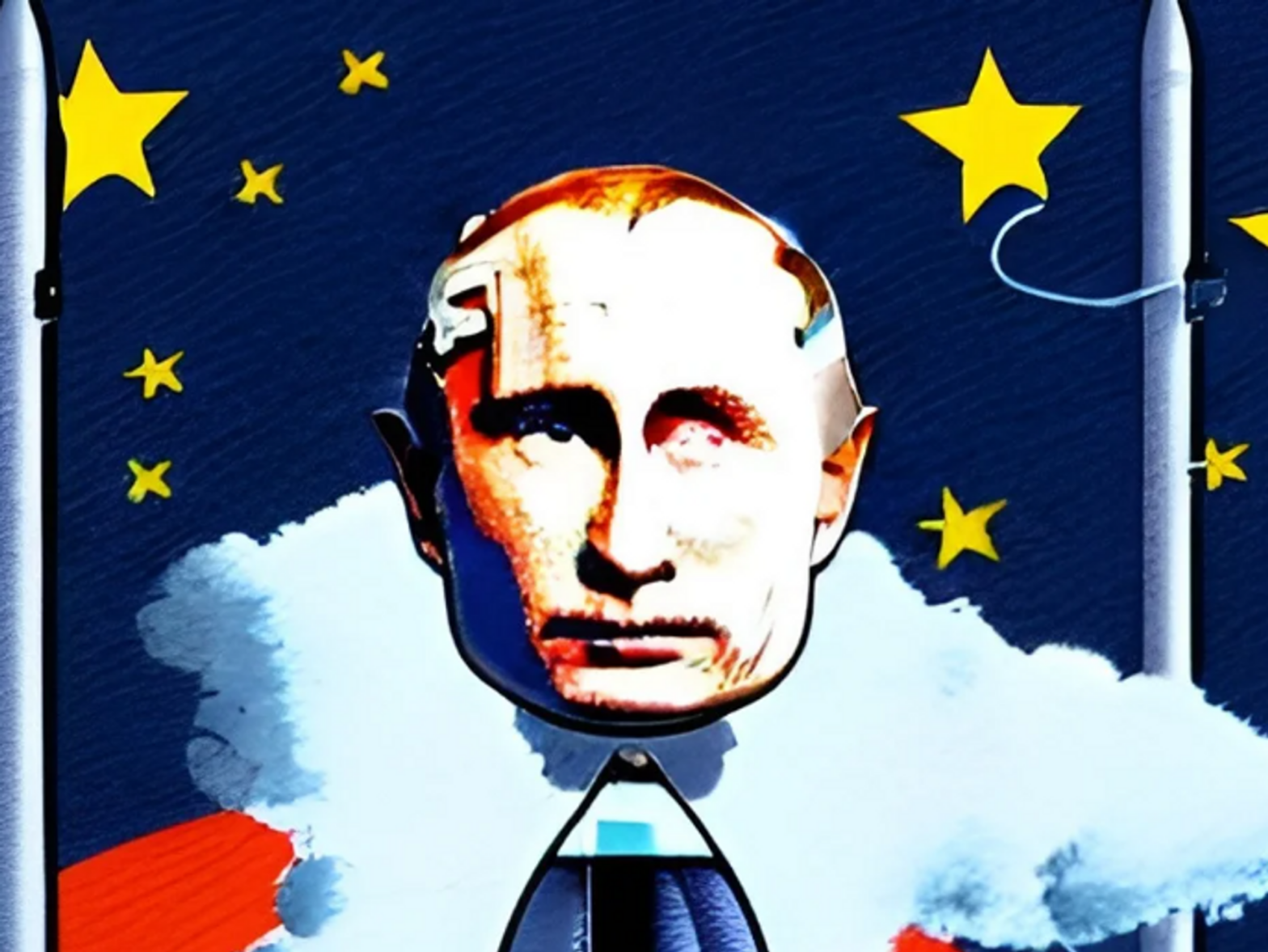
Beyond the already existing nuclear powers, at least eight countries could be poised to discard non-proliferation status quo and arm themselves with nuclear arsenals.
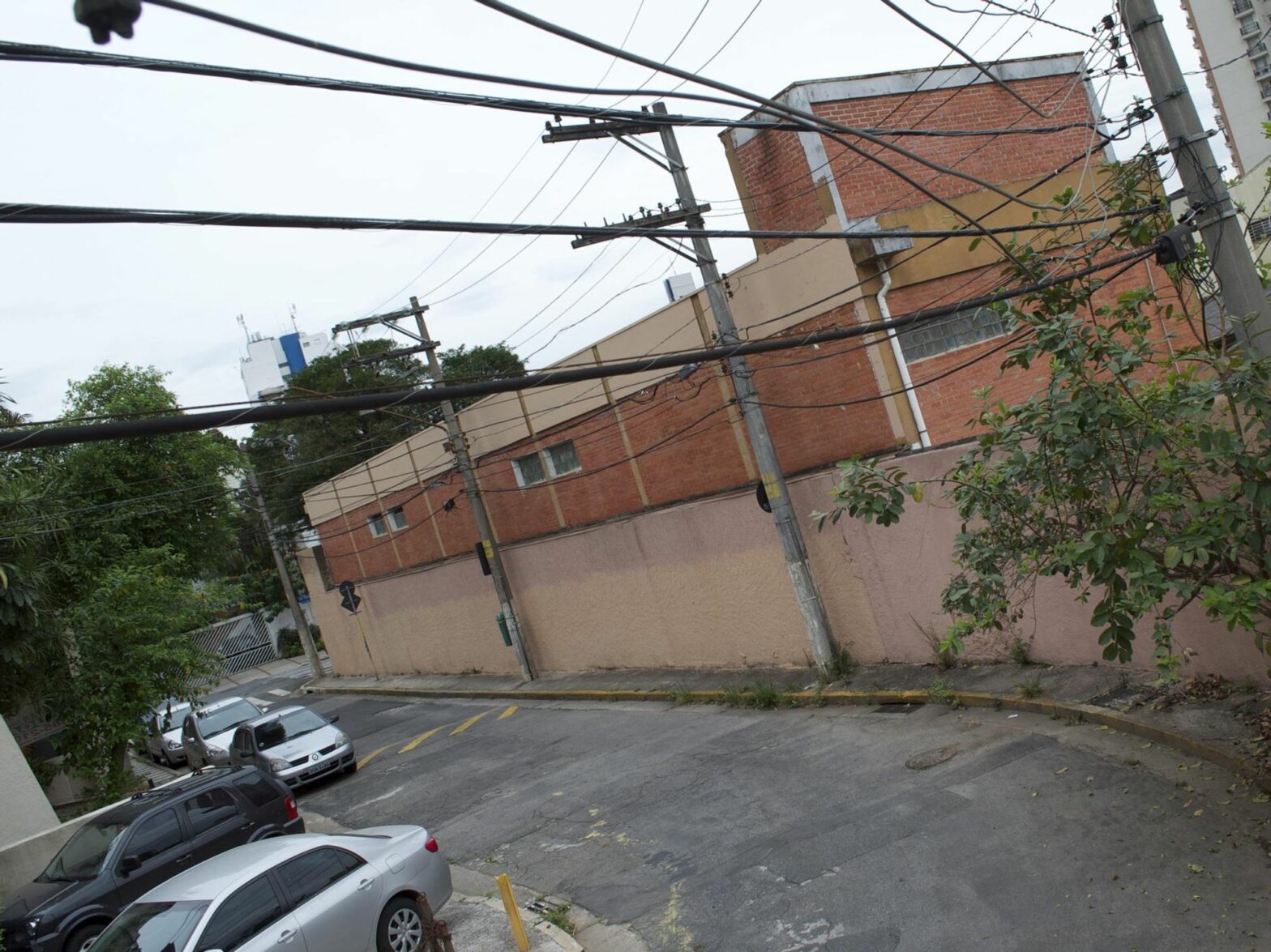
As the country gears up for a politically-charged run-off election, a team of archaeologists, historians and forensics experts are set to excavate the grounds and buildings of one of the worst torture centers in São Paulo, trying to recover the country’s painful history of torture during the military regime.
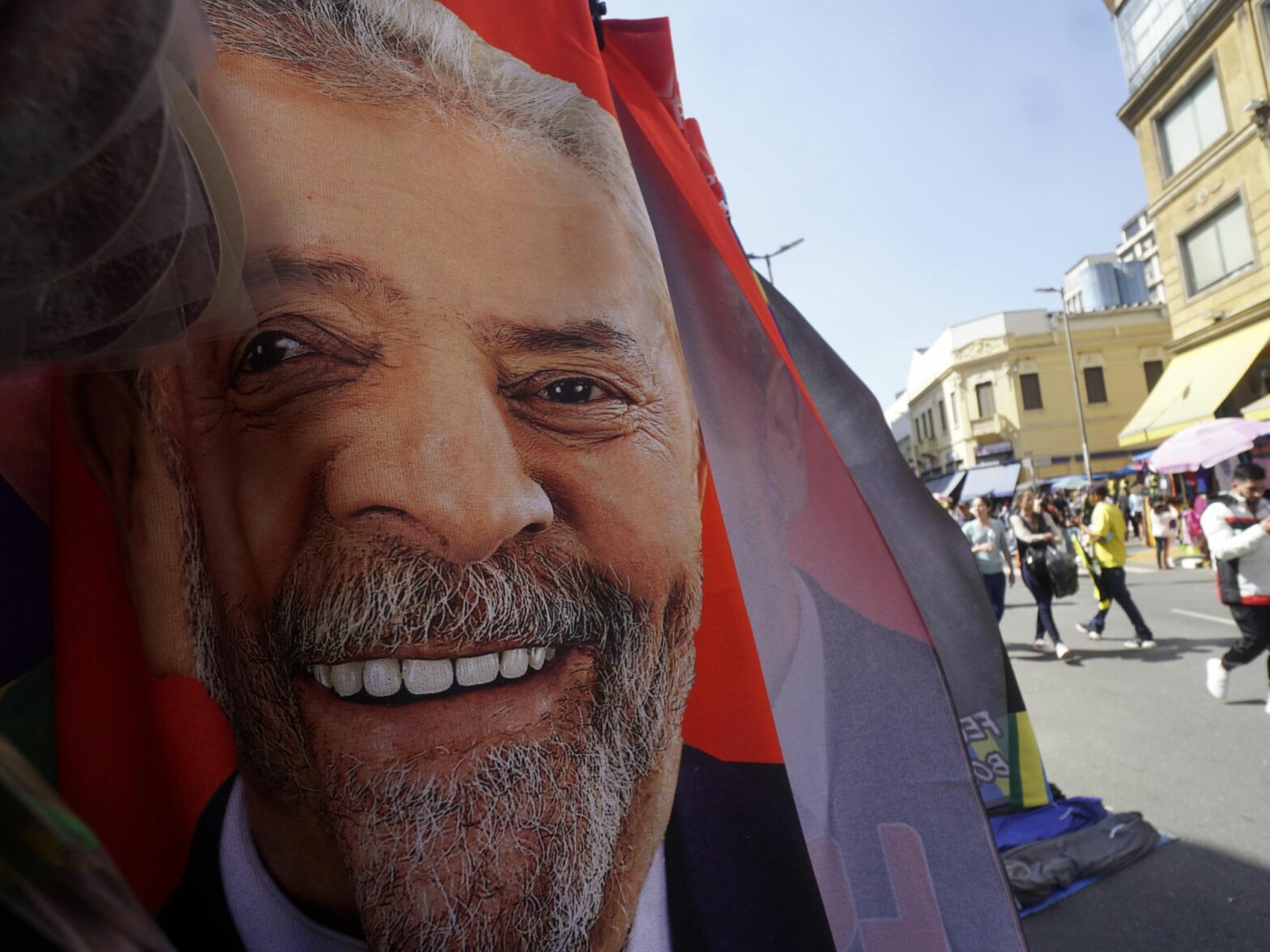
Despite the leftist candidate’s first-place finish, the voter mood in Brazil’s presidential campaign is clearly conservative. So Lula will have to move clearly to the political center to vanquish the divisive but still popular Jair Bolsonaro. He also needs to send a message of contrition to skeptical voters about past mistakes.
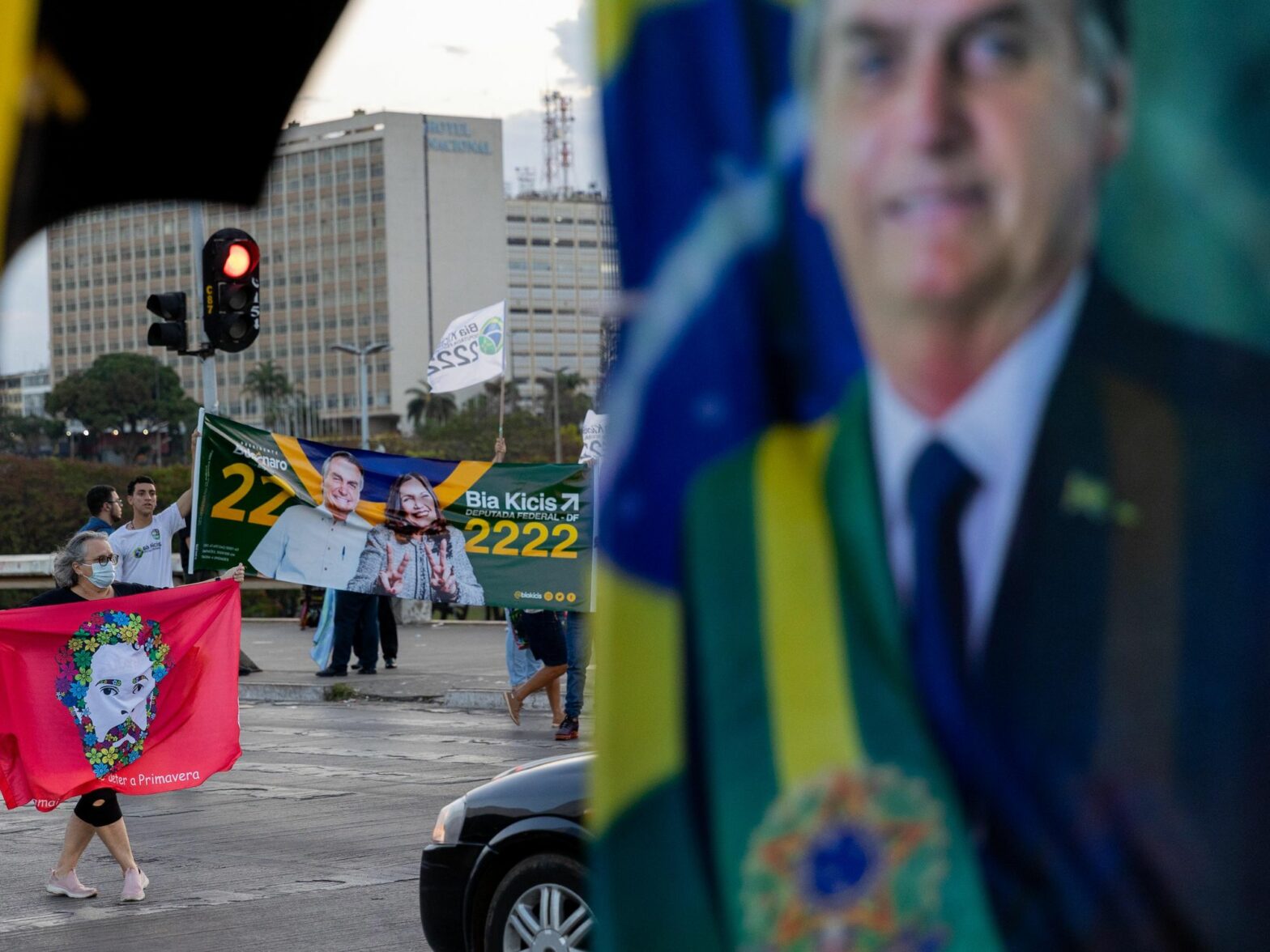
Brazilian politics has a long history tainted with violence. As President Jair Bolsonaro threatens to not accept the results if he loses his reelection bid Sunday, the country could explode in ways similar to, or even worse, than the Jan. 6 assault on the U.S. Capitol after Donald Trump refused to accept his defeat.
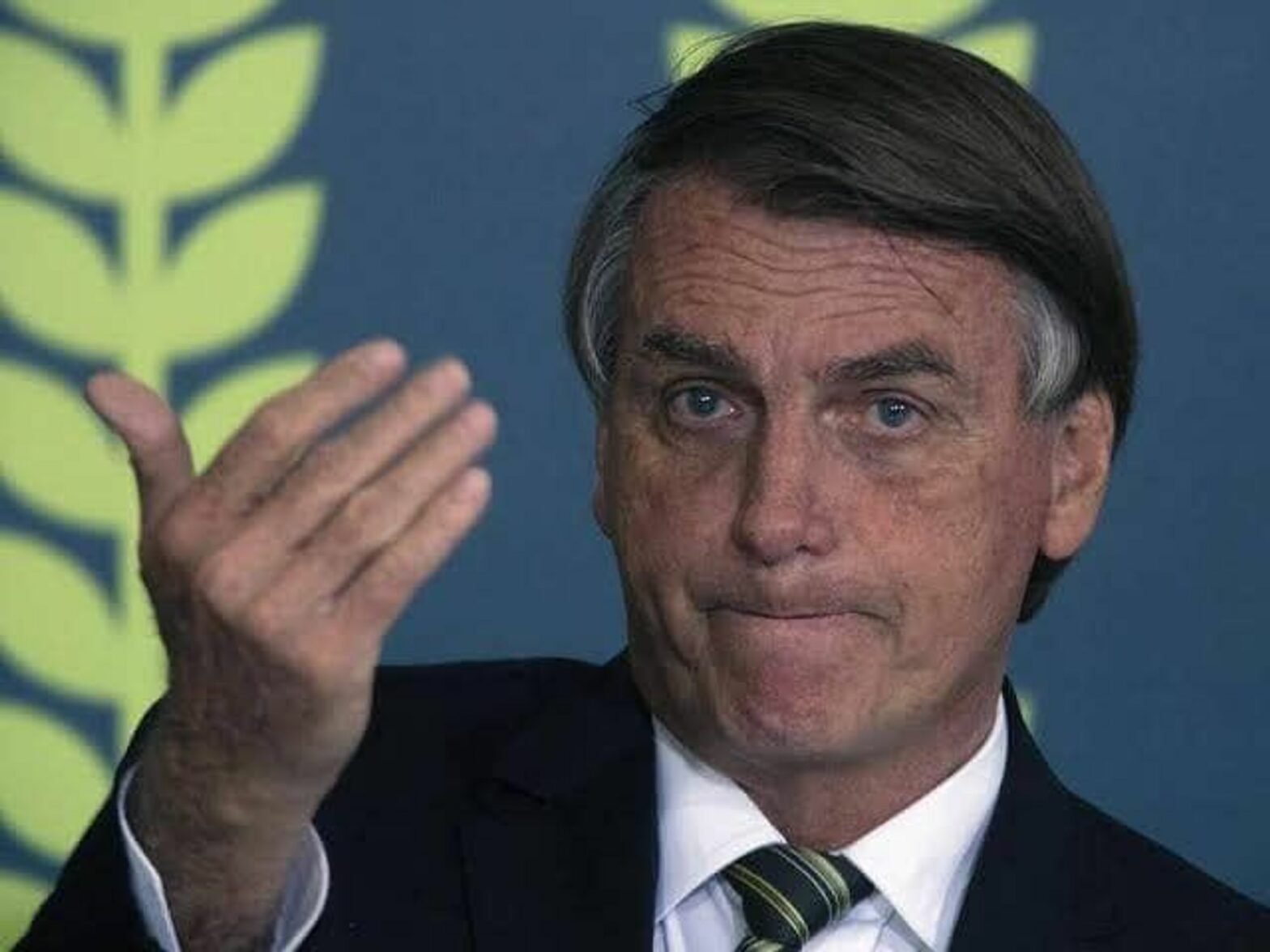
Vladimir Putin, Xi Jinping and Jair Bolsonaro all share what seems a natural antipathy toward women — yet it is ultimately because they fear them. And with good reason: When women participate in political movements, they are more likely to succeed — which is bad news for authoritarianism.
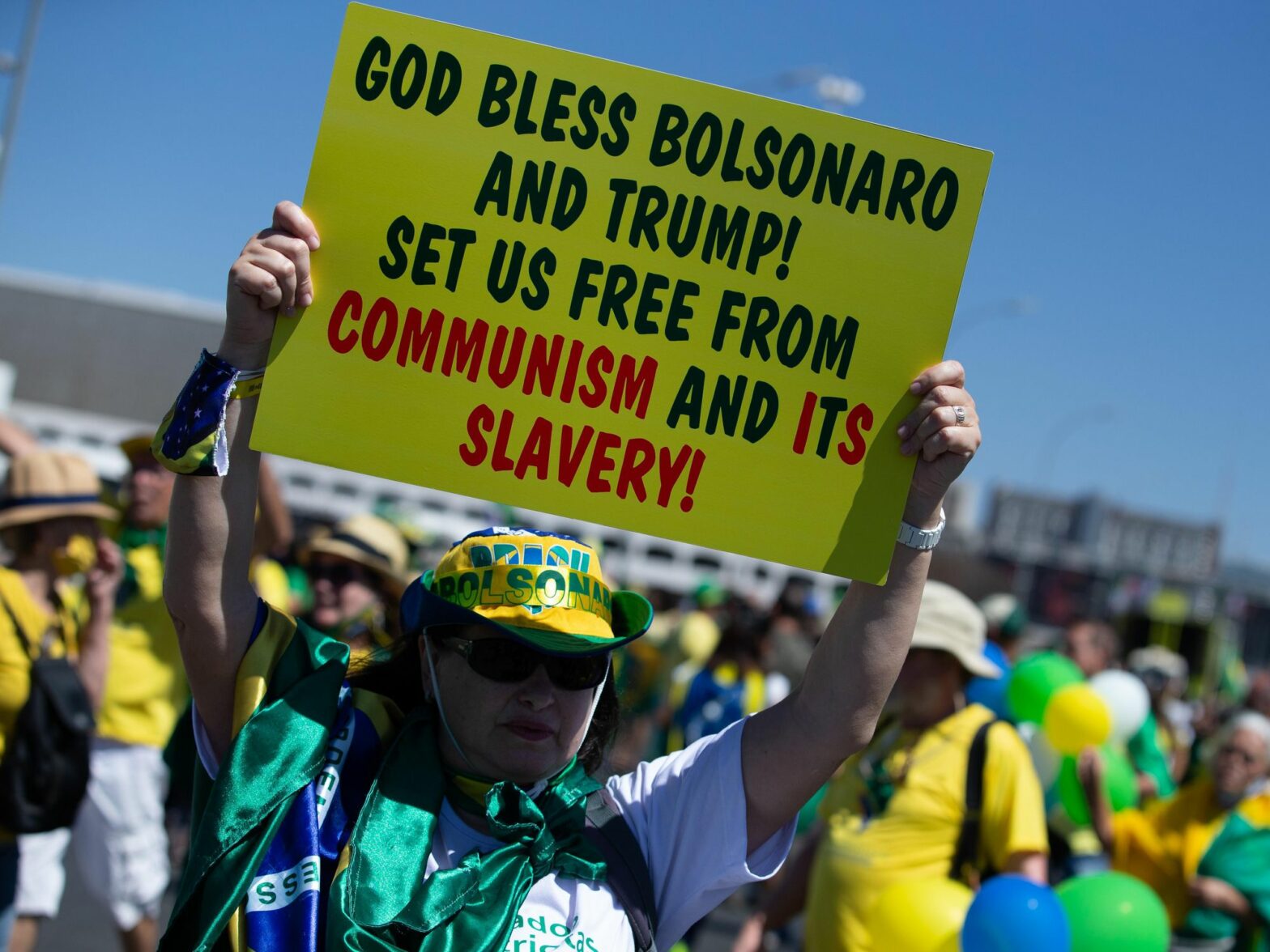
Brazil’s Agência Pública reveals that Gettr, the social network run by Donald Trump’s former adviser Jason Miller, has sponsored conservative conferences in Brazil ahead of October’s presidential elections, which Steve Bannon has called the most important in South American history.