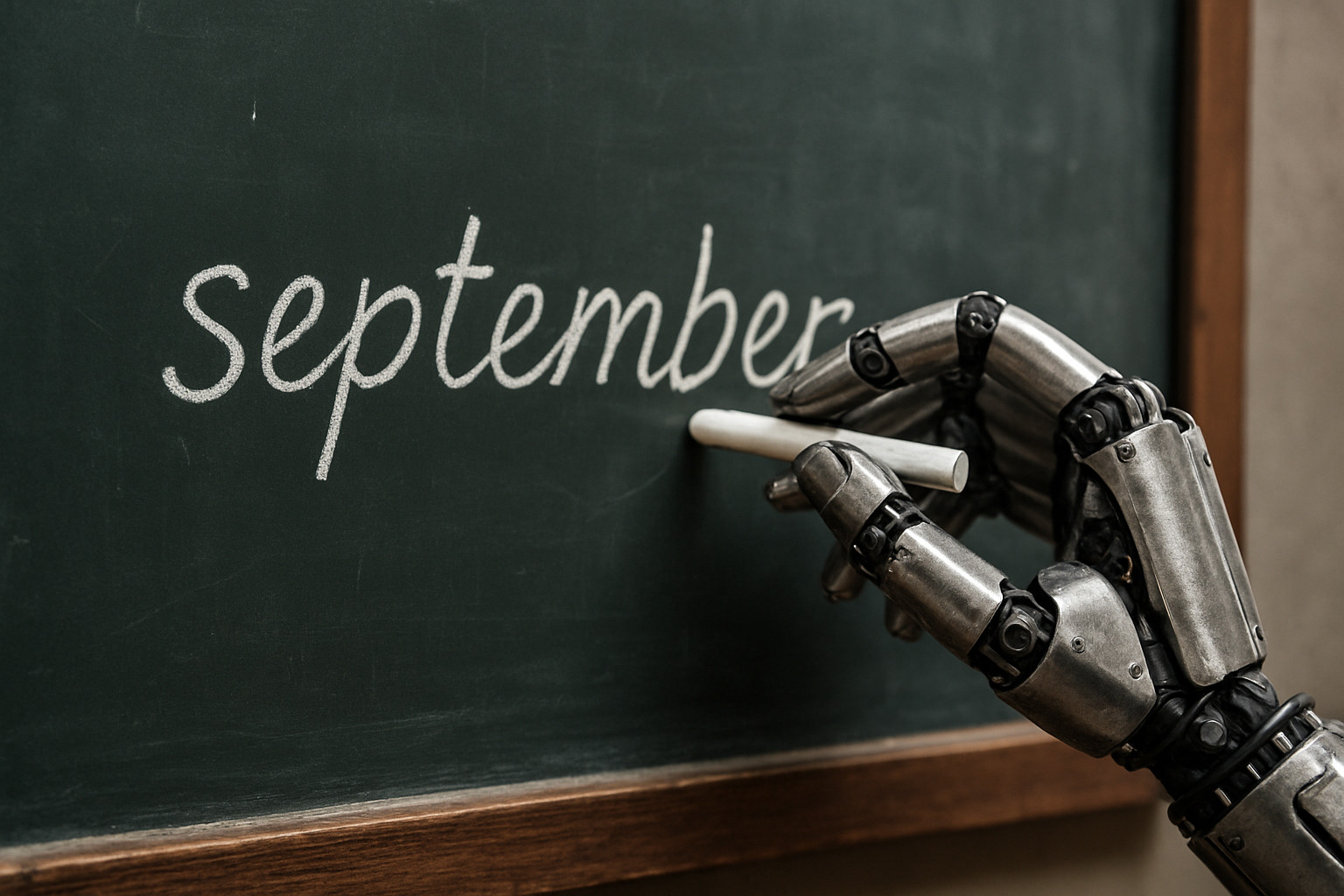
Competition from artificial intelligence is a technical challenge and an existential question for historians. But what if it is also an opportunity to reclaim the profession’s humanity?
 Worldcrunch
Competition from artificial intelligence is a technical challenge and an existential question for historians. But what if it is also an opportunity to reclaim the profession’s humanity?
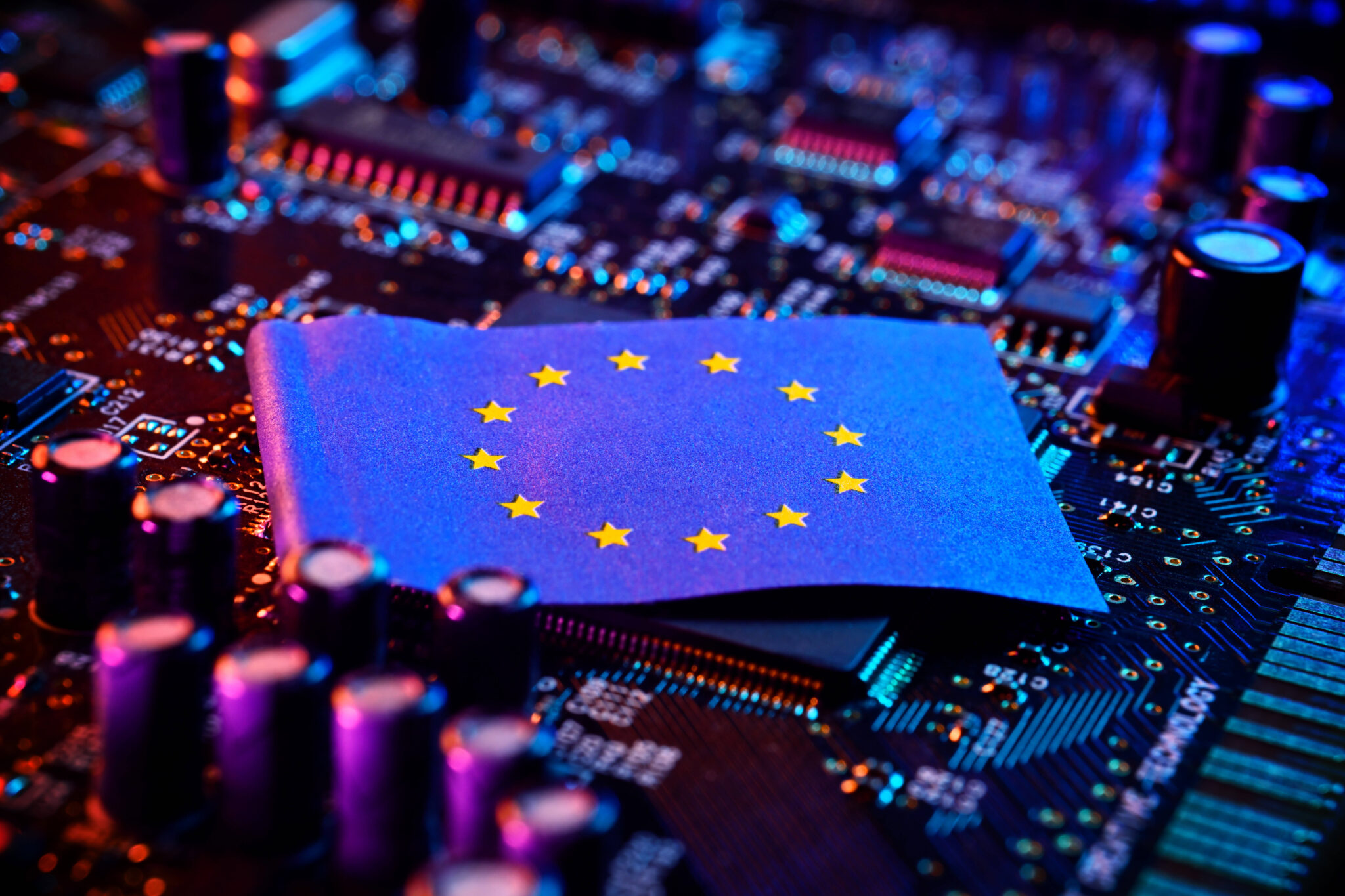
ASML, the Dutch heavyweight in European technology, is investing 1.3 billion euros in French artificial intelligence start-up Mistral, making it the continent’s leading AI company and saving it from being taken over by an American investor.
A small but worrying development could be making artificial intelligence less reliable. It’s all down to an internal mechanism that could eventually make it less effective and less dependable.
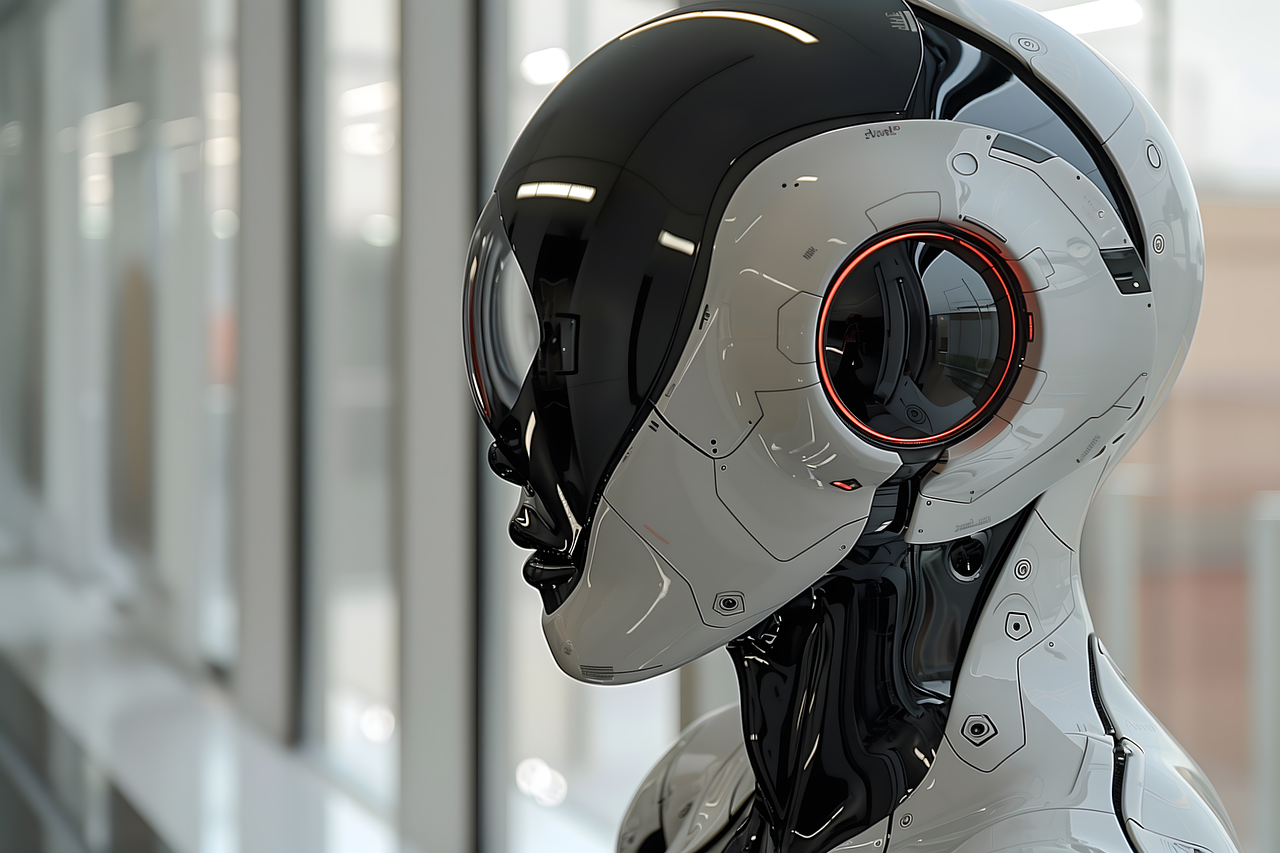
As artificial intelligence begins to mimic pain and emotion, a new moral frontier is emerging — and society is poised to fracture along deep ideological lines over whether machines deserve rights, empathy, or even love.
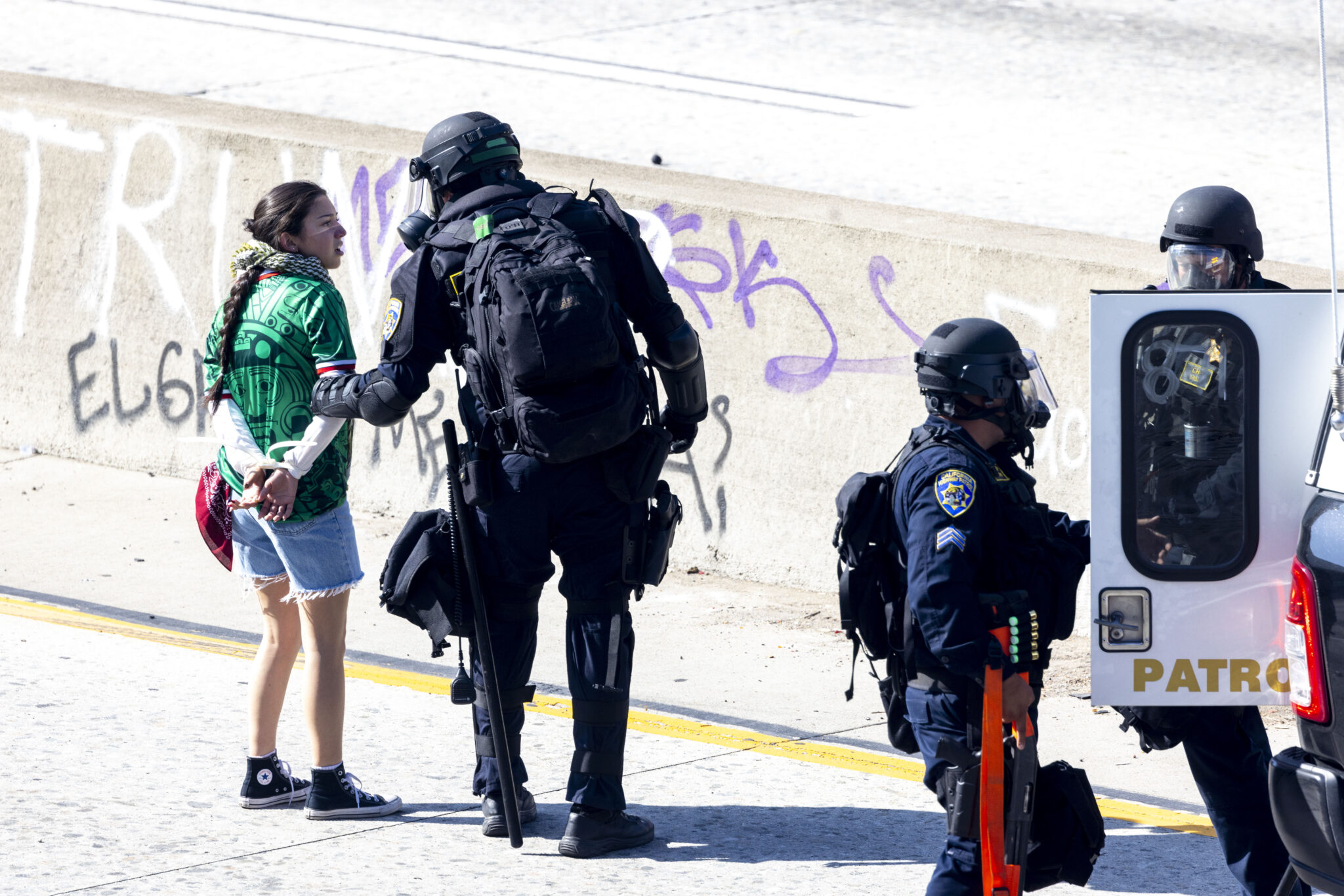
The military deployment to Los Angeles has escalated into a showdown between Donald Trump and California’s Democratic governor, Gavin Newsom. All of this is unfolding against the backdrop of a narrative war, amplified by AI and fake news.
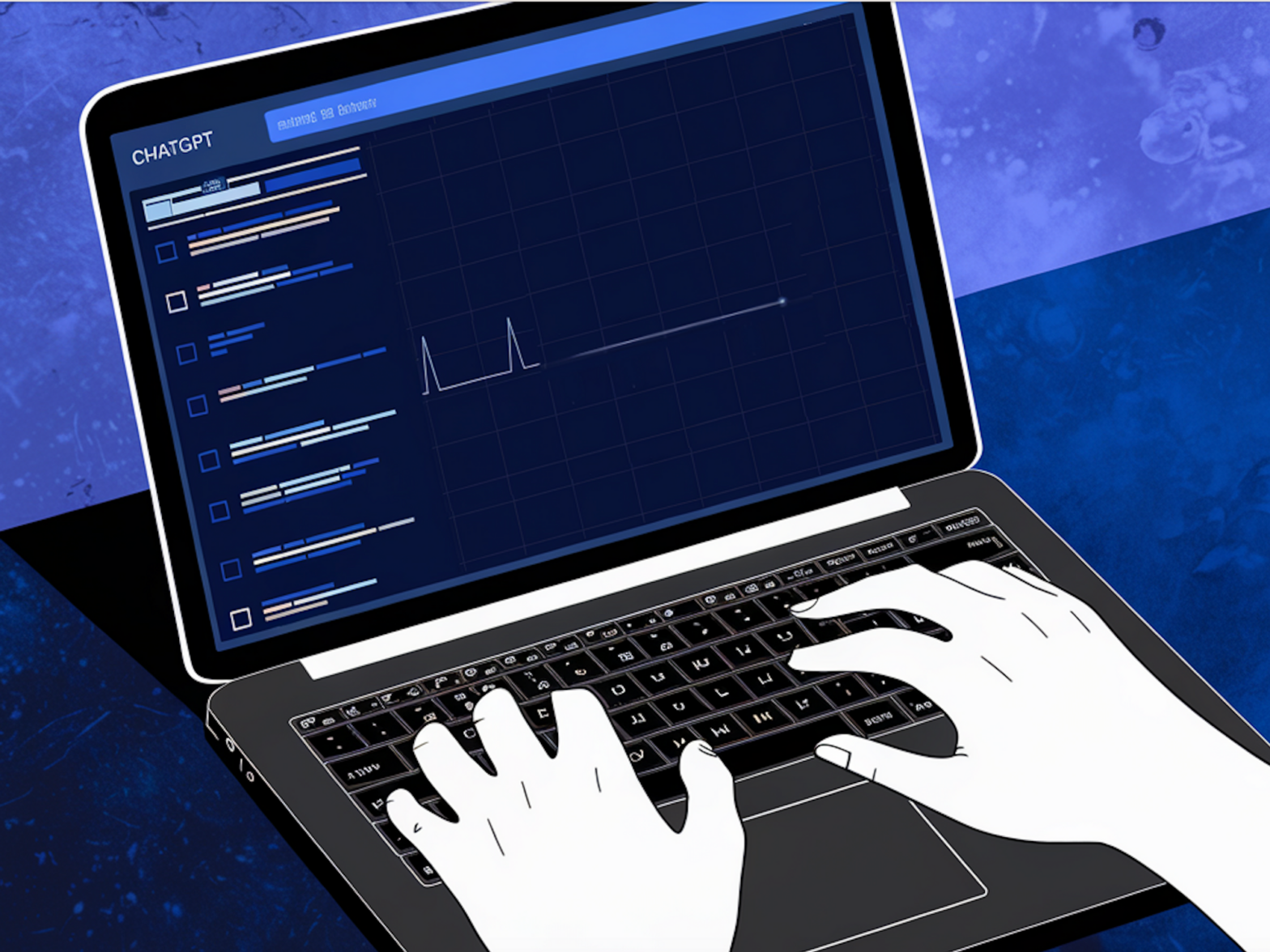
Many of life’s biggest questions can’t be answered by an algorithm. We must learn to embrace uncertainty instead.
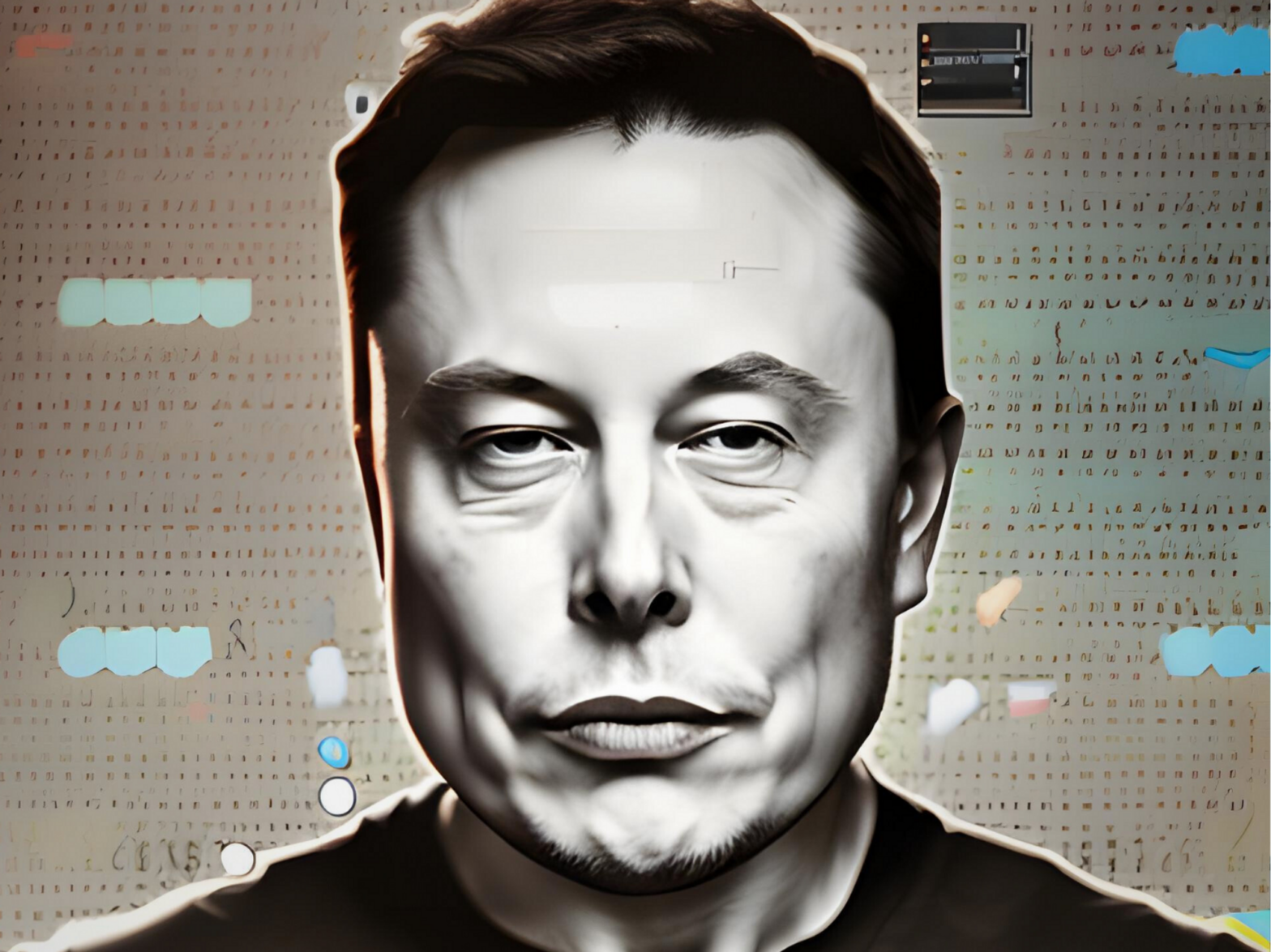
A new biography of the Tesla, X (formerly Twitter) and Space X boss reveals that Elon Musk prevented the Ukrainian army from attacking the Russian fleet in Crimea last year, by limiting the beam of his Starlink satellites. Unchecked power is a problem.