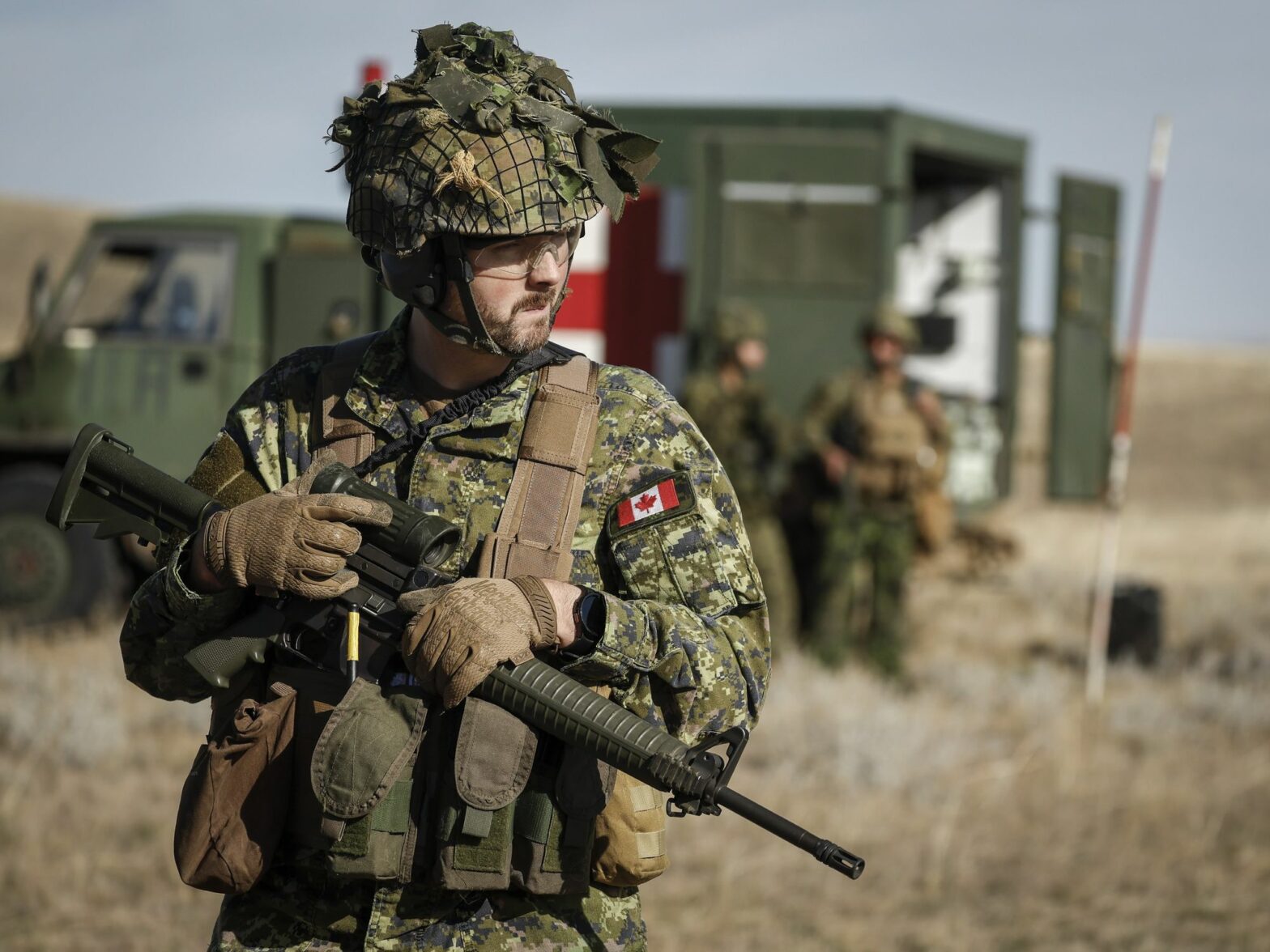
The fundamental premise of NATO is that an attack against one of its members is considered an attack on them all. These words of solidarity were written when they saw Russia as the threat. But what happens if one of its own members turns rogue?
 Worldcrunch
The fundamental premise of NATO is that an attack against one of its members is considered an attack on them all. These words of solidarity were written when they saw Russia as the threat. But what happens if one of its own members turns rogue?

The fundamental premise of NATO is that an attack against one of its members is considered an attack on them all. These words of solidarity were written when they saw Russia as the threat. But what happens if one of its own members turns rogue?
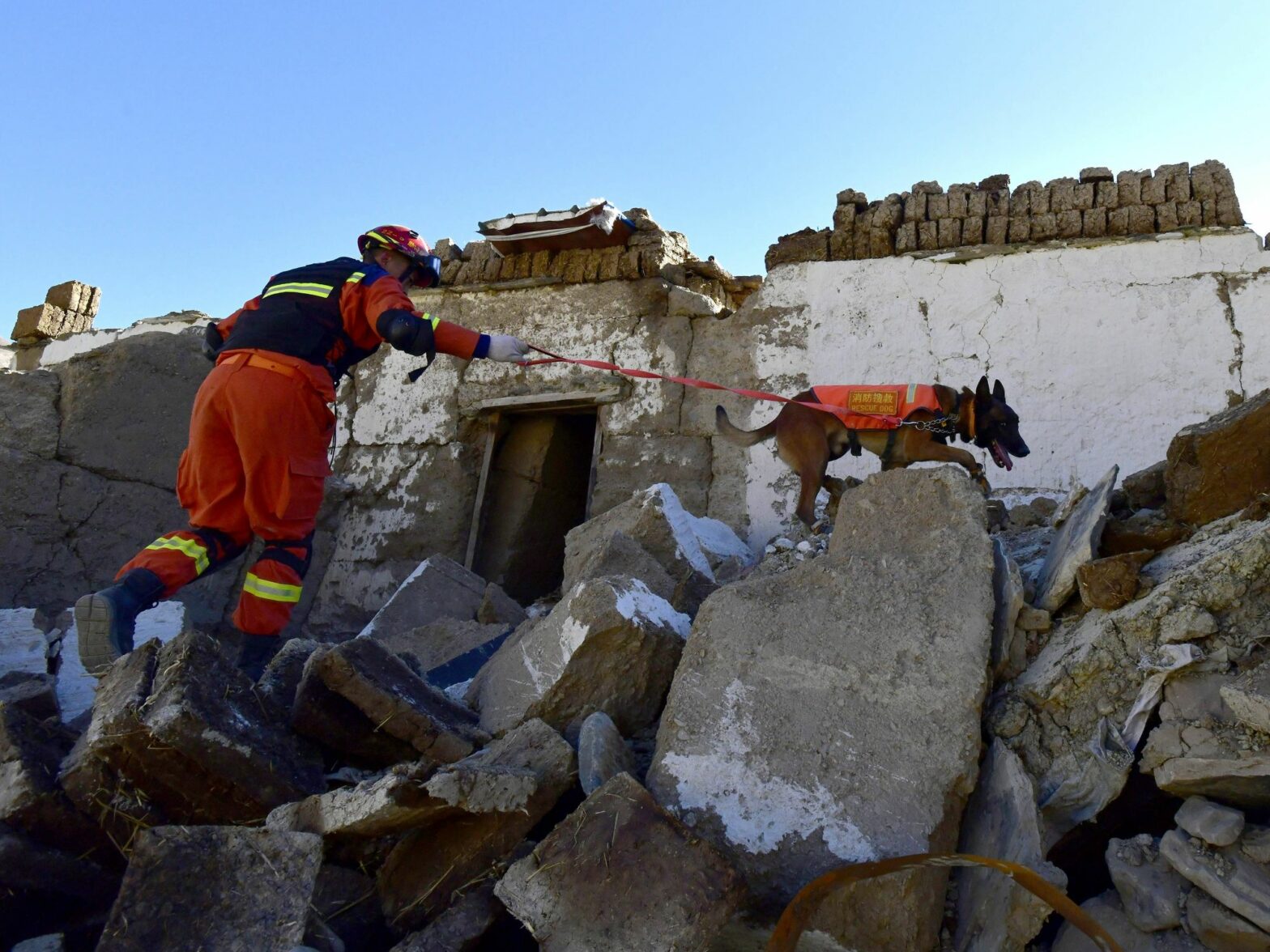
Researchers have identified a possible link between climate change and the frequency of earthquakes — and the quakes may also start a vicious circle of accelerating climate change.
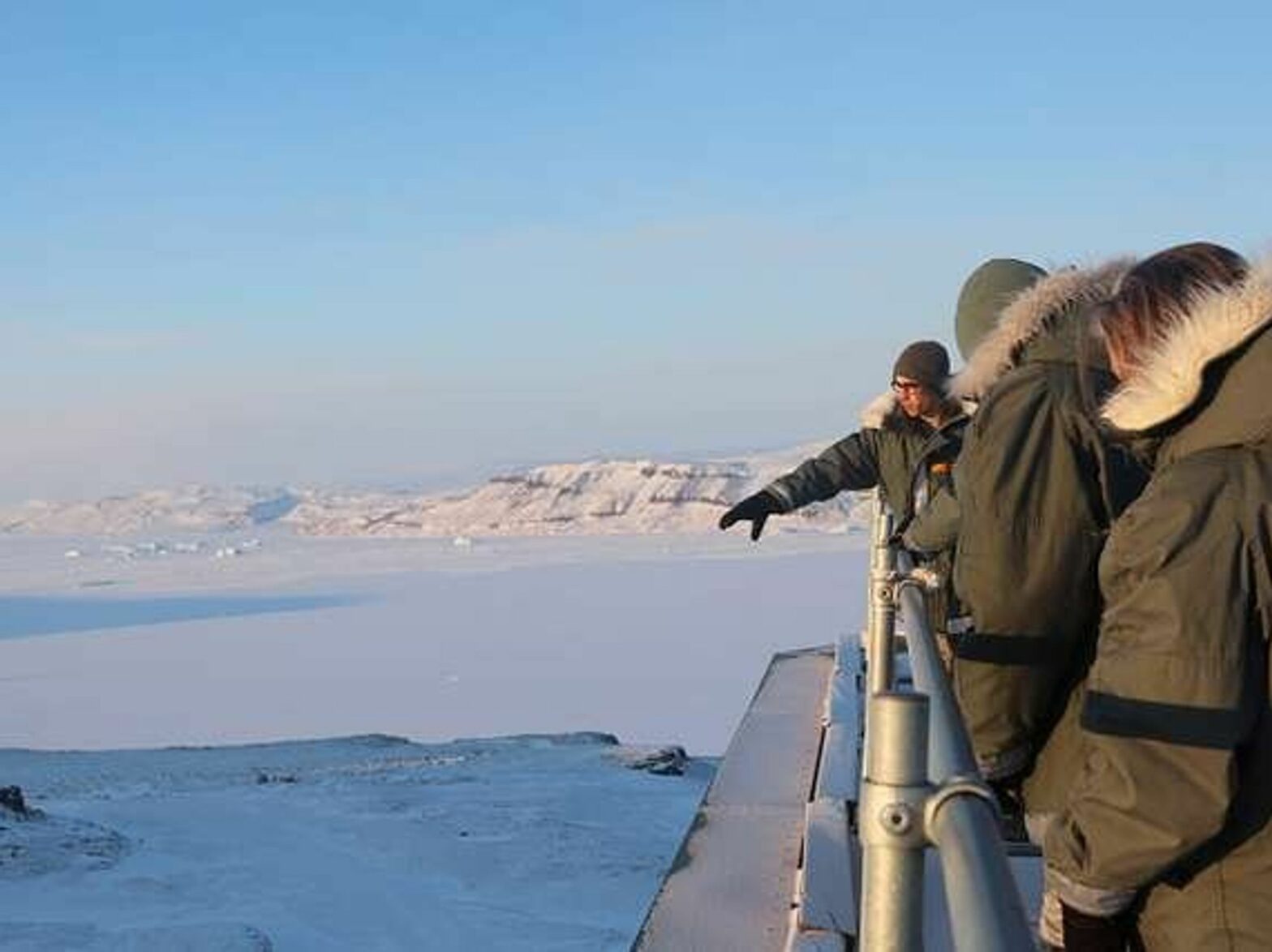
The newly inaugurated U.S. president is missing the real strategic and economic value of the island, which is ultimately linked to world’s ability to reduce global warming.
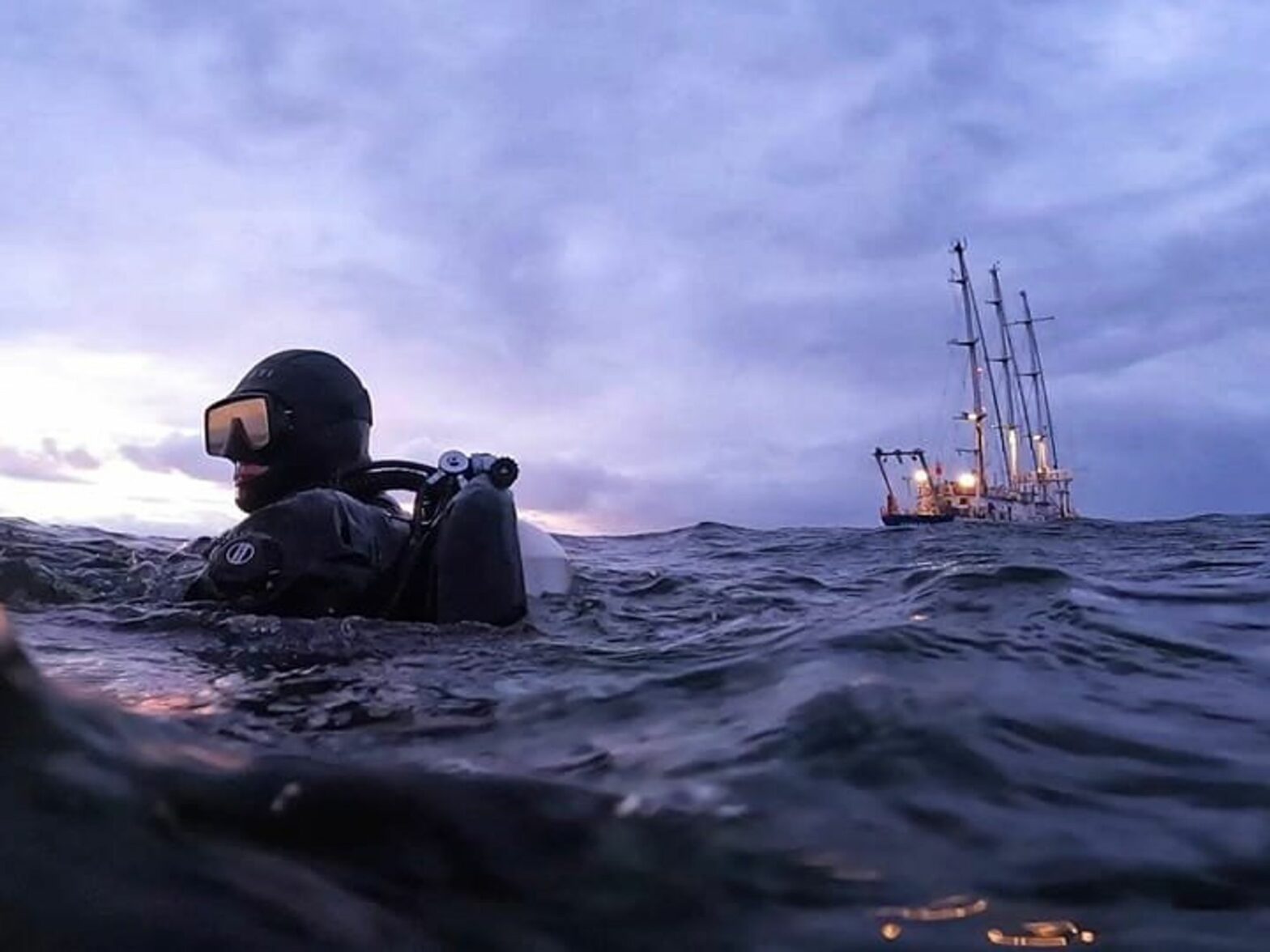
Russia’s invasion of Ukraine and fears of westward escalation have already led many European countries to up their own defense strategies. But instead of the latest technologies, rockets, and fighter jets, the true key to fighting back may lie in studying the polar region, critical for world stability.
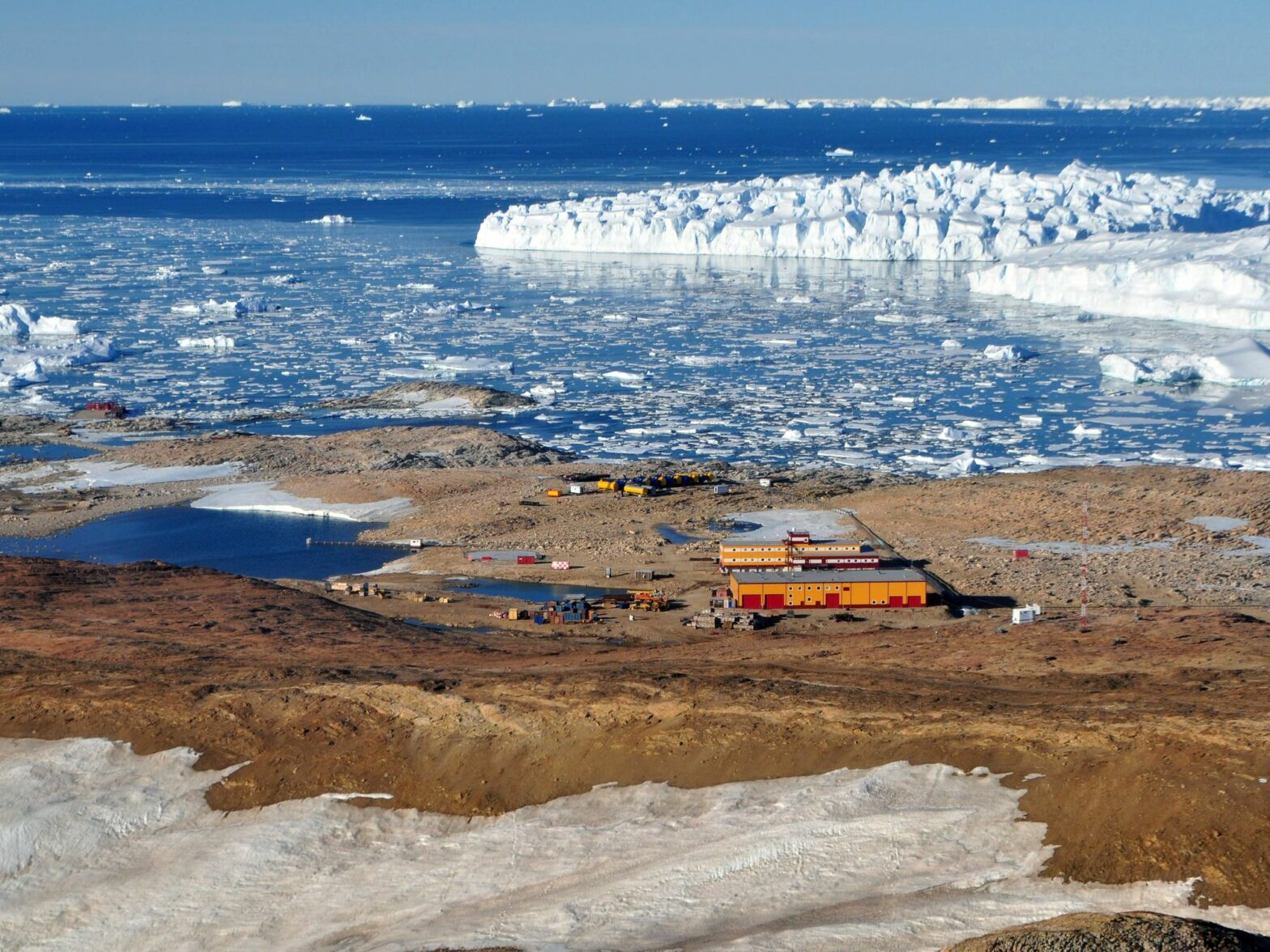
Russia’s investment in the Arctic continues with reports of a new joint project with India. This comes with the development of a Siberian station called Snezhinka (Snowflake), at the center of both scientific and economic development of the Northern territories in the times of global warming.
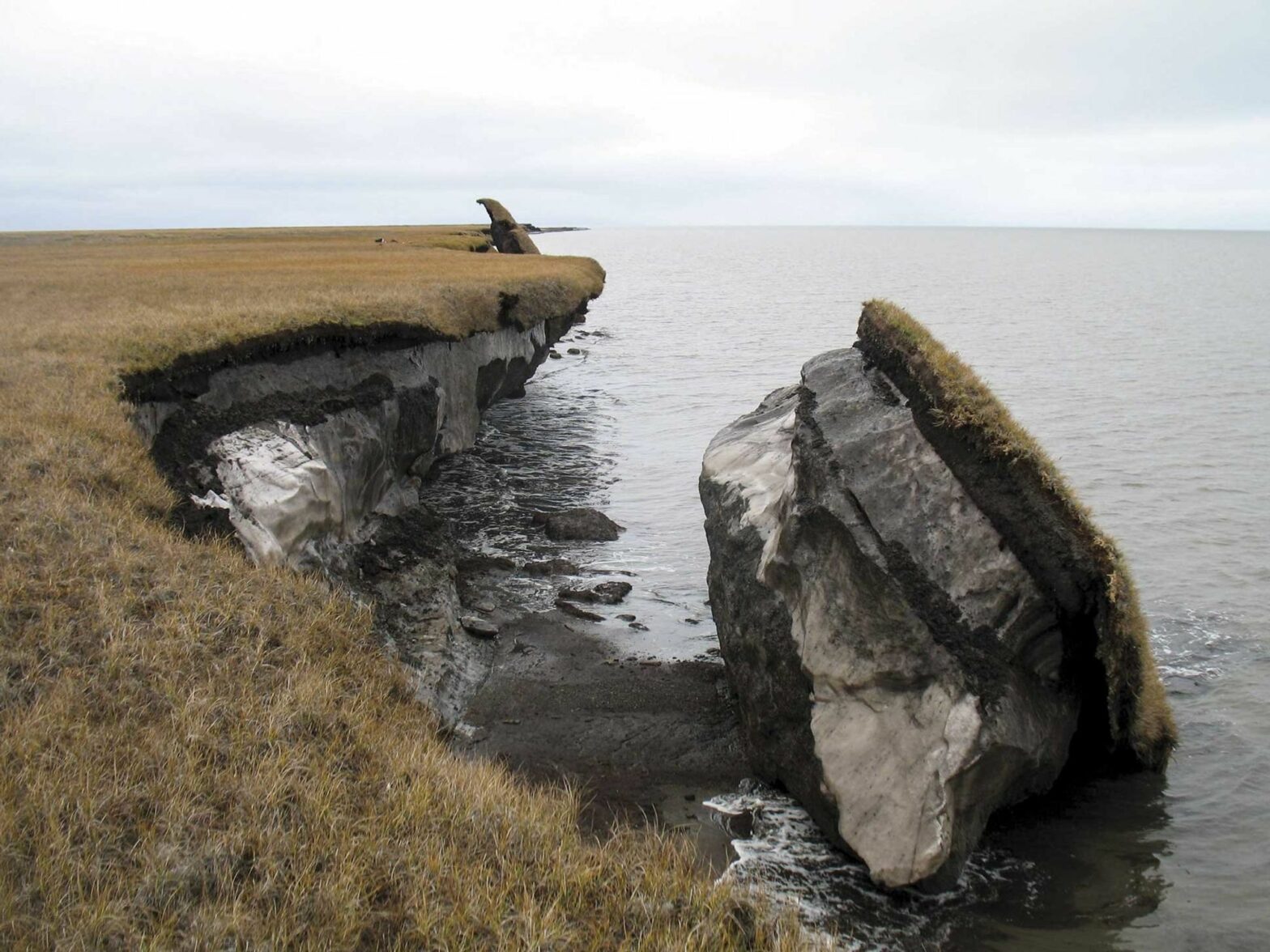
French researchers have recovered a pair of viruses that were long frozen below the Siberian tundra. In this case, the microorganisms are harmless, but others may not be.
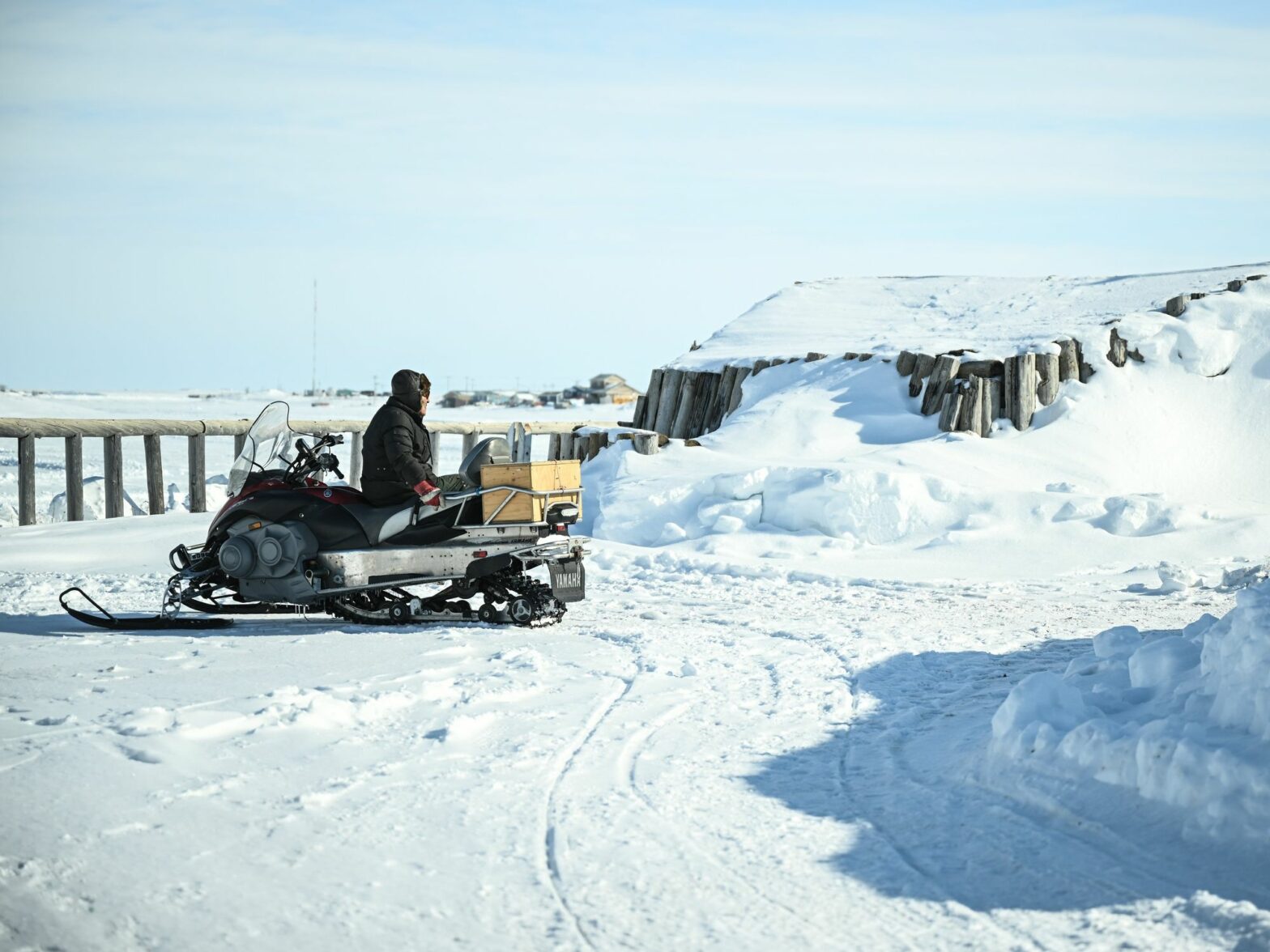
In the Canadian Arctic, two ambitious research initiatives try to strengthen climate data through community engagement.
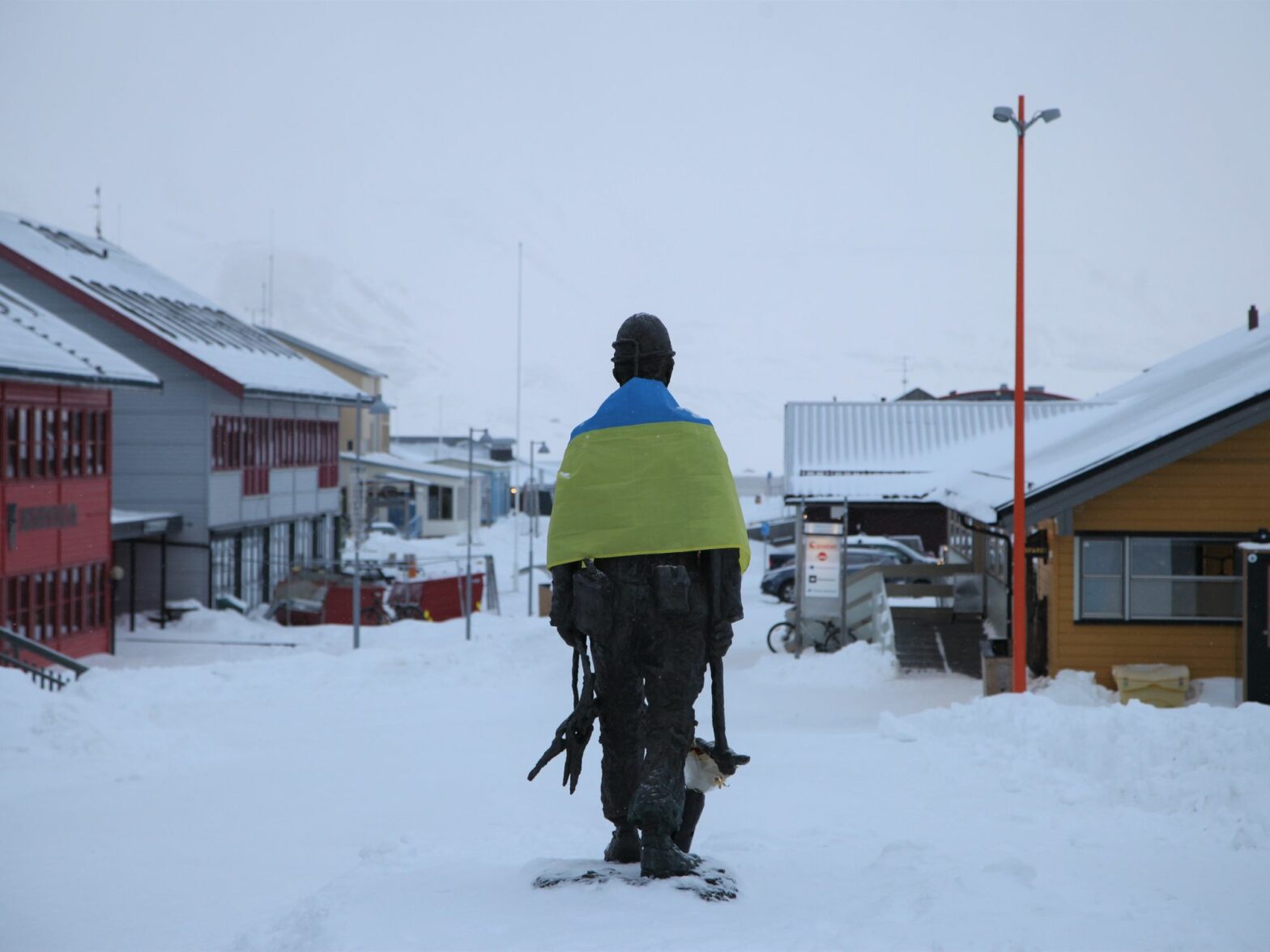
The melting of the sea ice in the Far North has accelerated in recent years. The Norwegian archipelago of Svalbard has become the focal point of the environmental drama gripping the Arctic as well as the geopolitical tensions it is causing there, with Russia in particular.
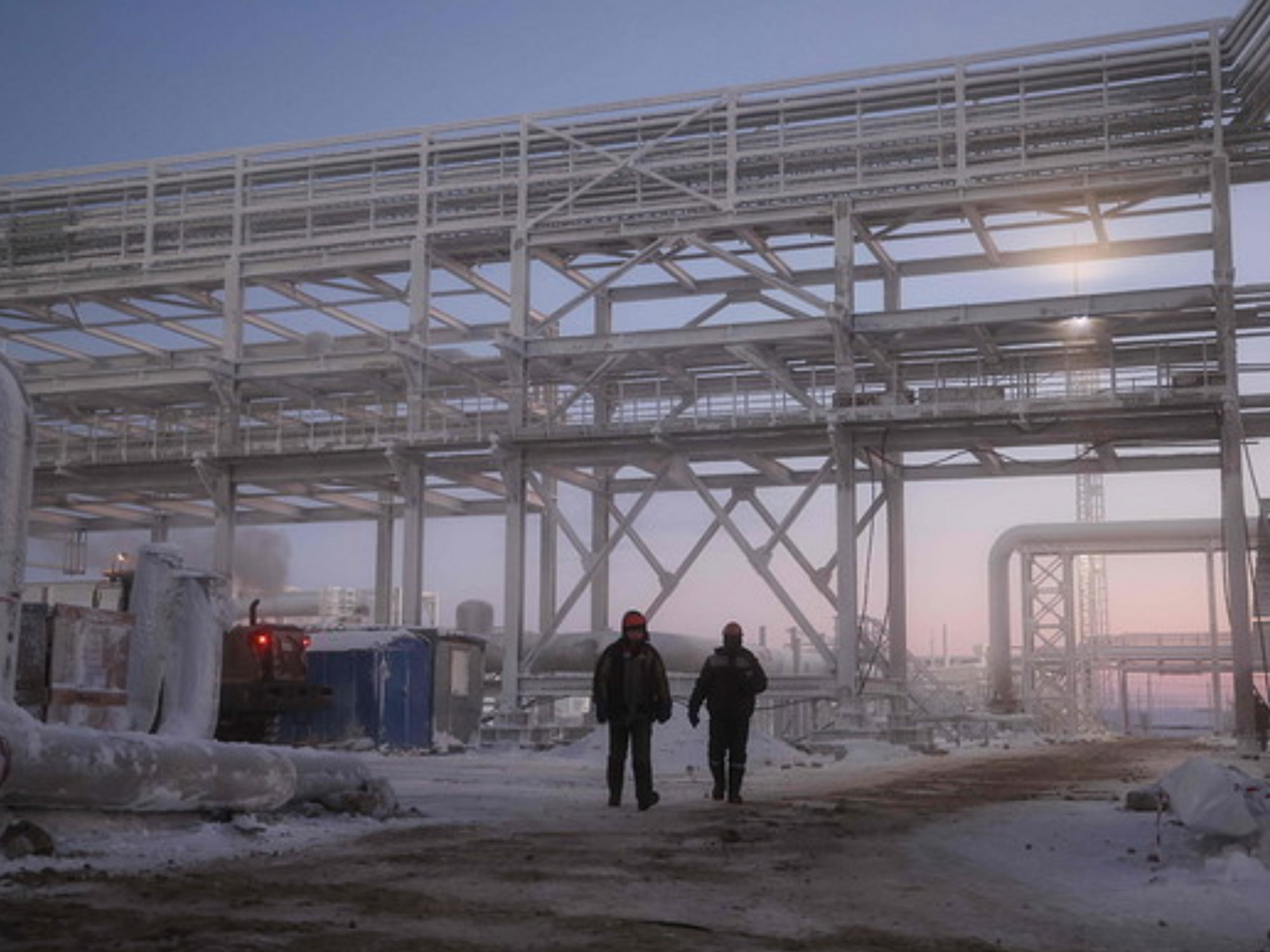
Russia owns 60% of Arctic coastline and half of the region’s population. In recent history, NATO has not been overly concerned with the defense of the Arctic region because the U.S. military has been focused on the Middle East. This is all changing since Russia’s invasion of Ukraine.
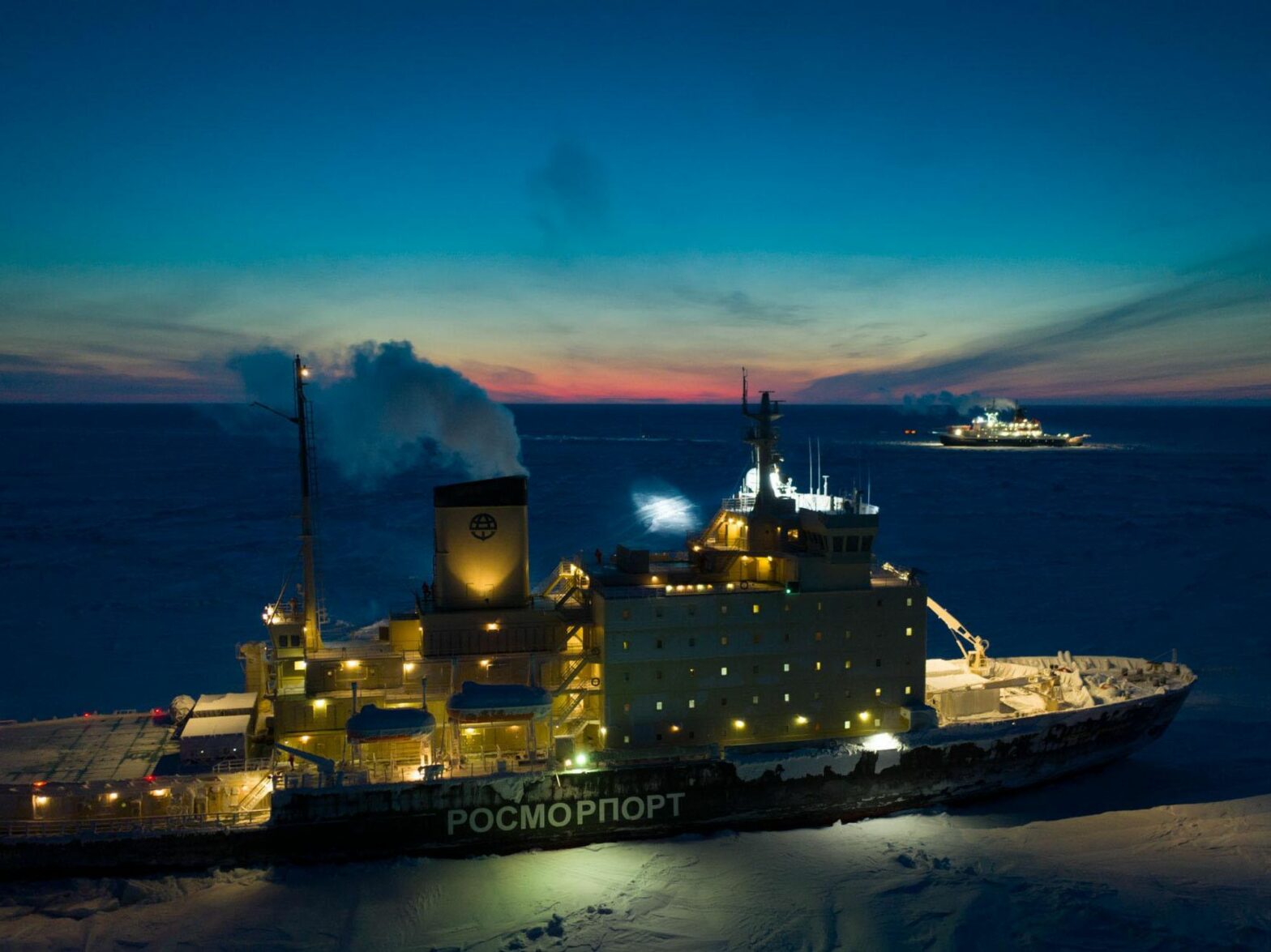
With its vast untapped resources up for grabs, the Arctic region is where the climate crisis is now inextricably linked to a new global arms race. Now Moscow finds itself shut out in the cold after invading Ukraine.
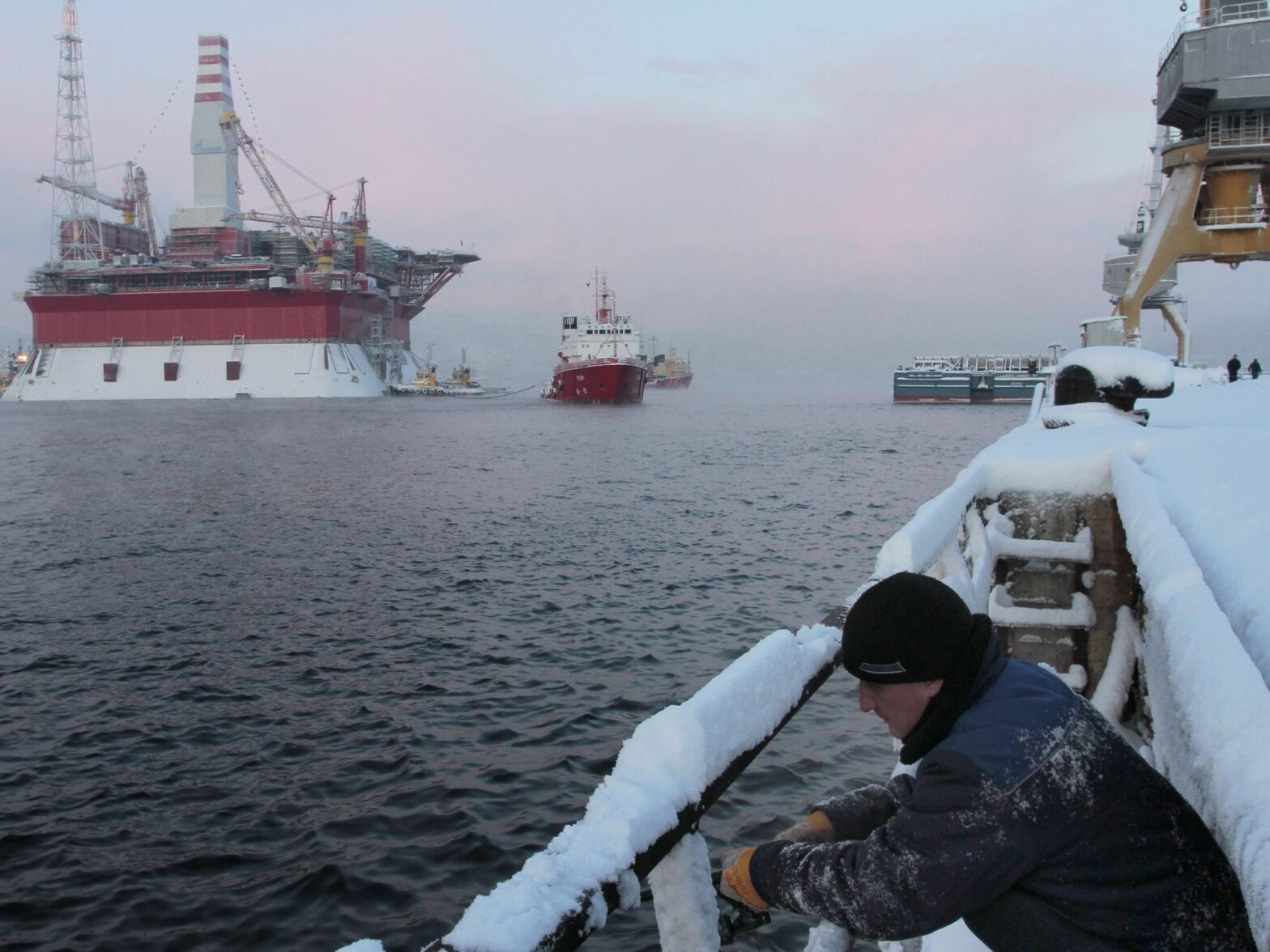
As global warming melts the ice covering parts of the Arctic Ocean, new opportunities are opening up for the exploration of natural resources, including oil. But the accelerating cooperation on climate objectives could wind up saving the Arctic from both business and military interests.
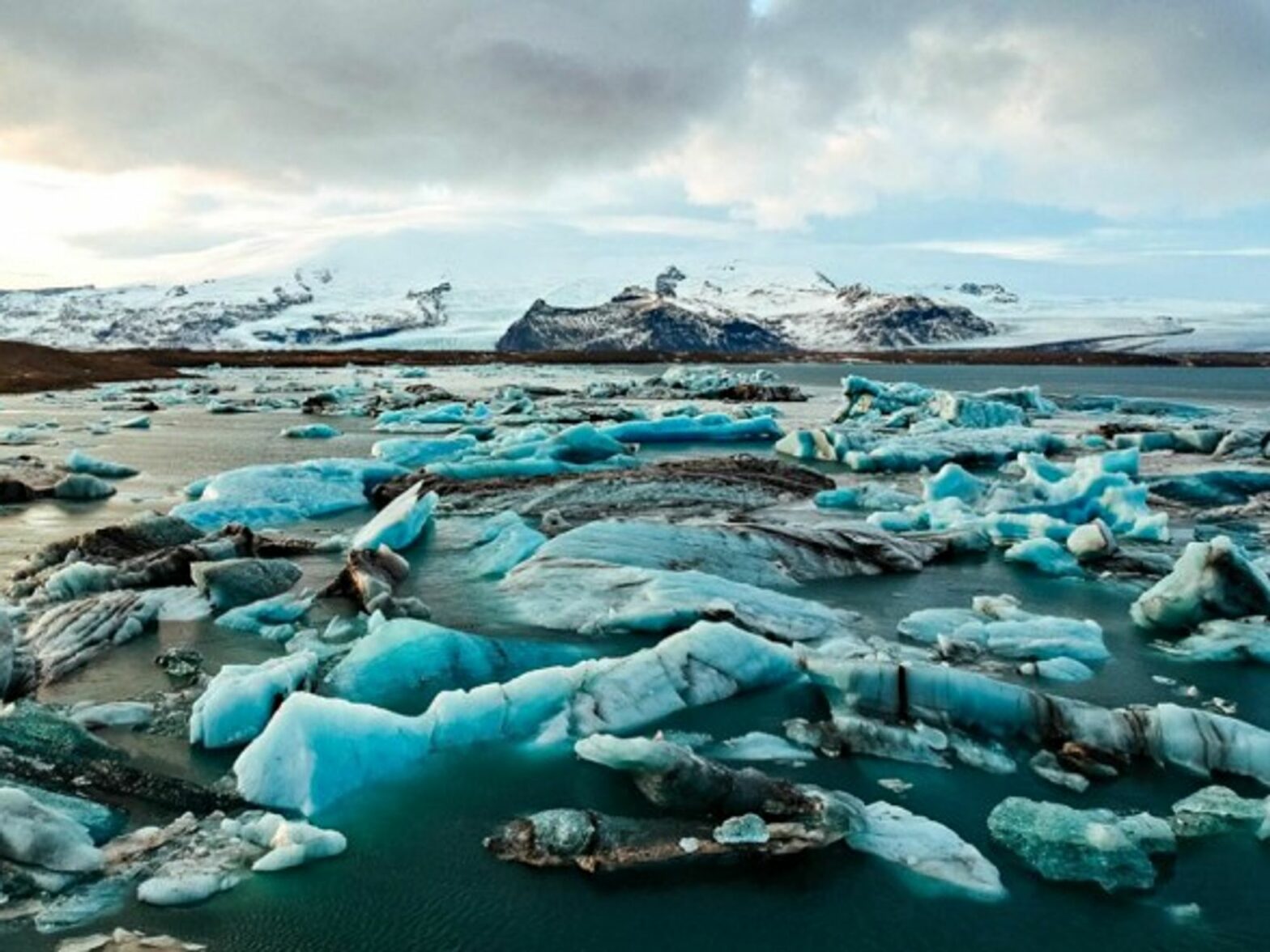
Warmer temperatures and plastic waste lying about reminded an expedition to Svalbard that no part of Earth is untouched by the activities of its humans.
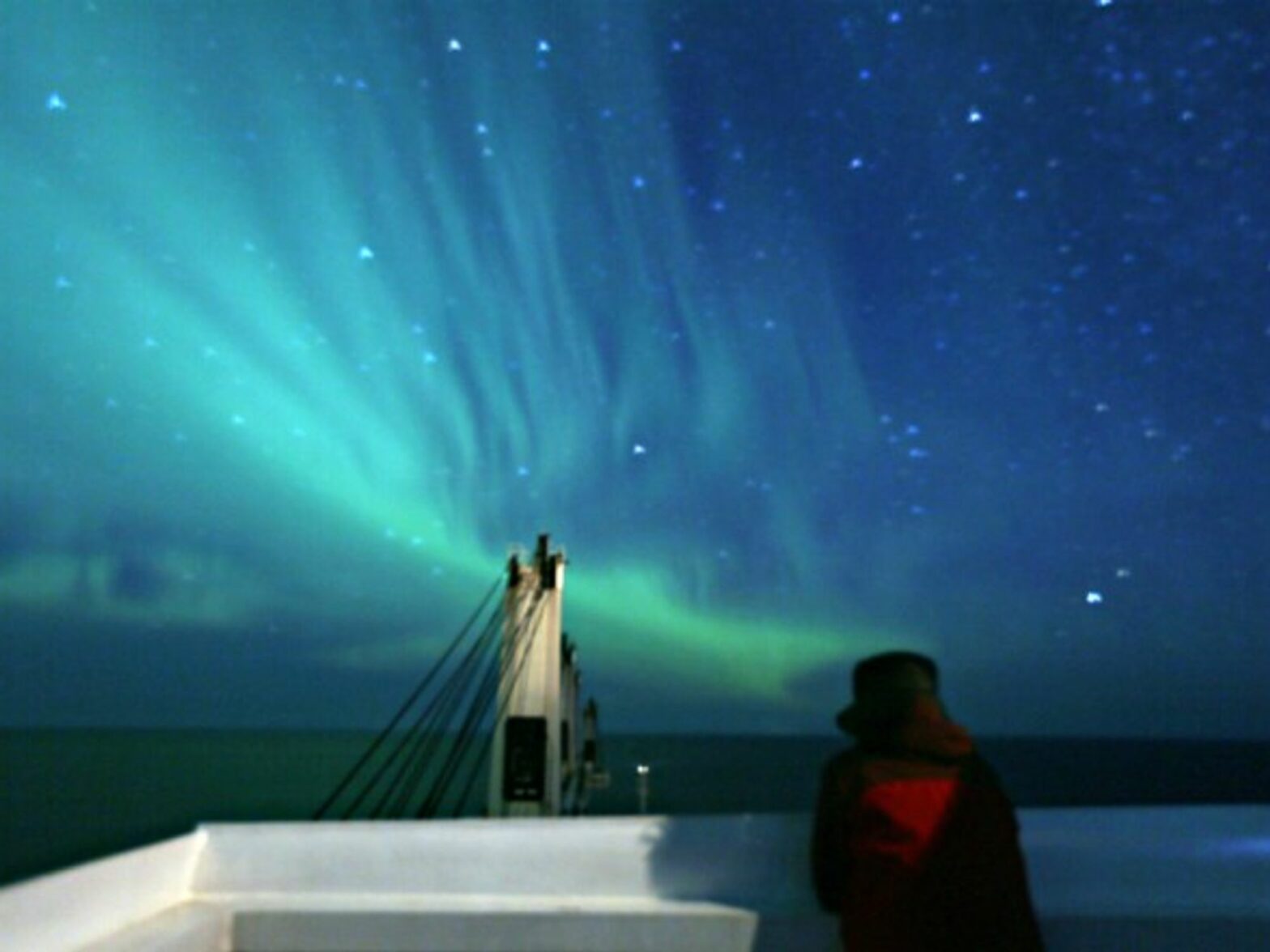
With the melting of the ice, maritime traffic is growing, which means new economic opportunities, but also some cold and hard questions.
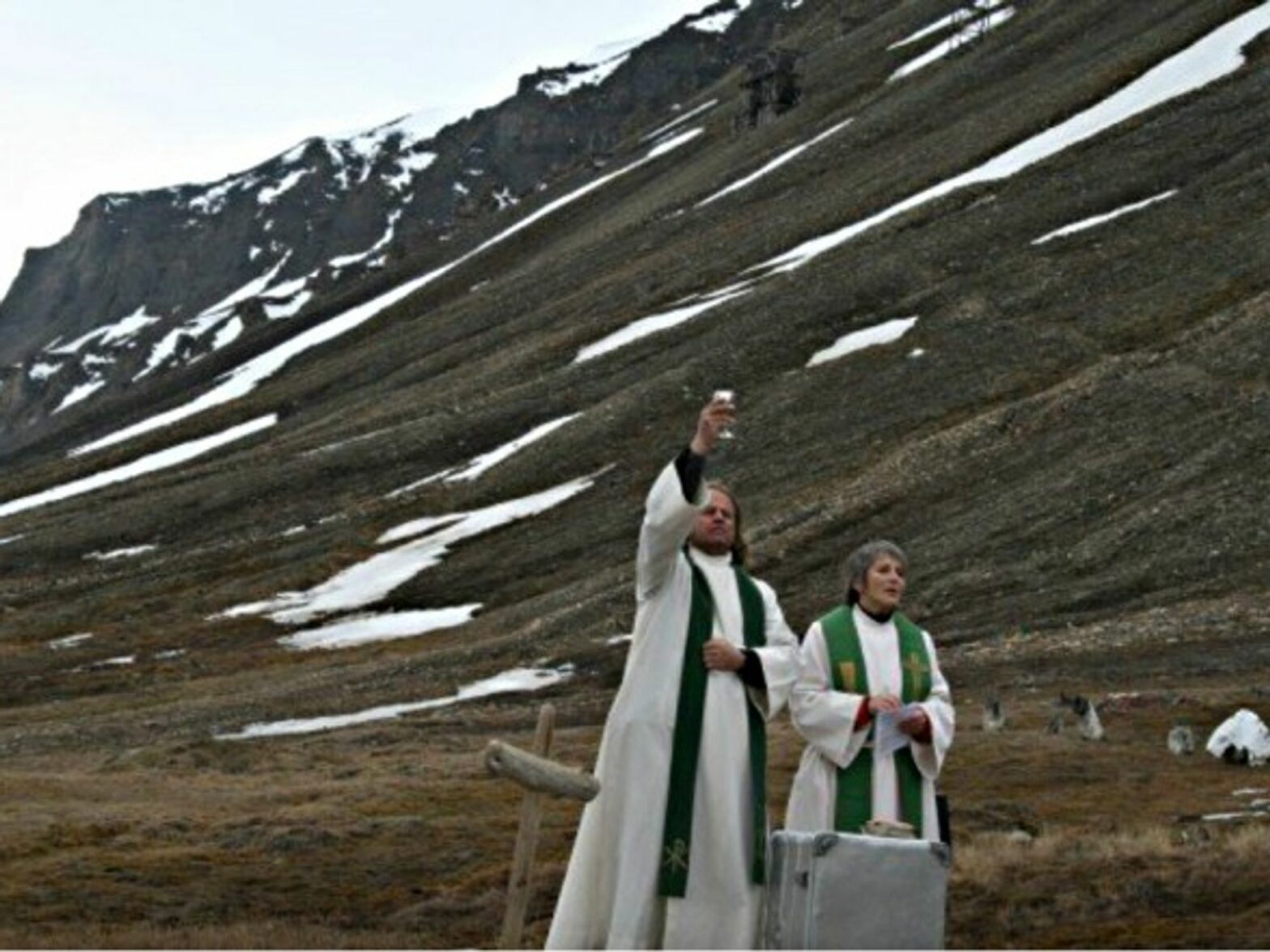
As head of the northernmost parish in the world, Leif Helgesen has a clear (and often chilly) view of global warming.
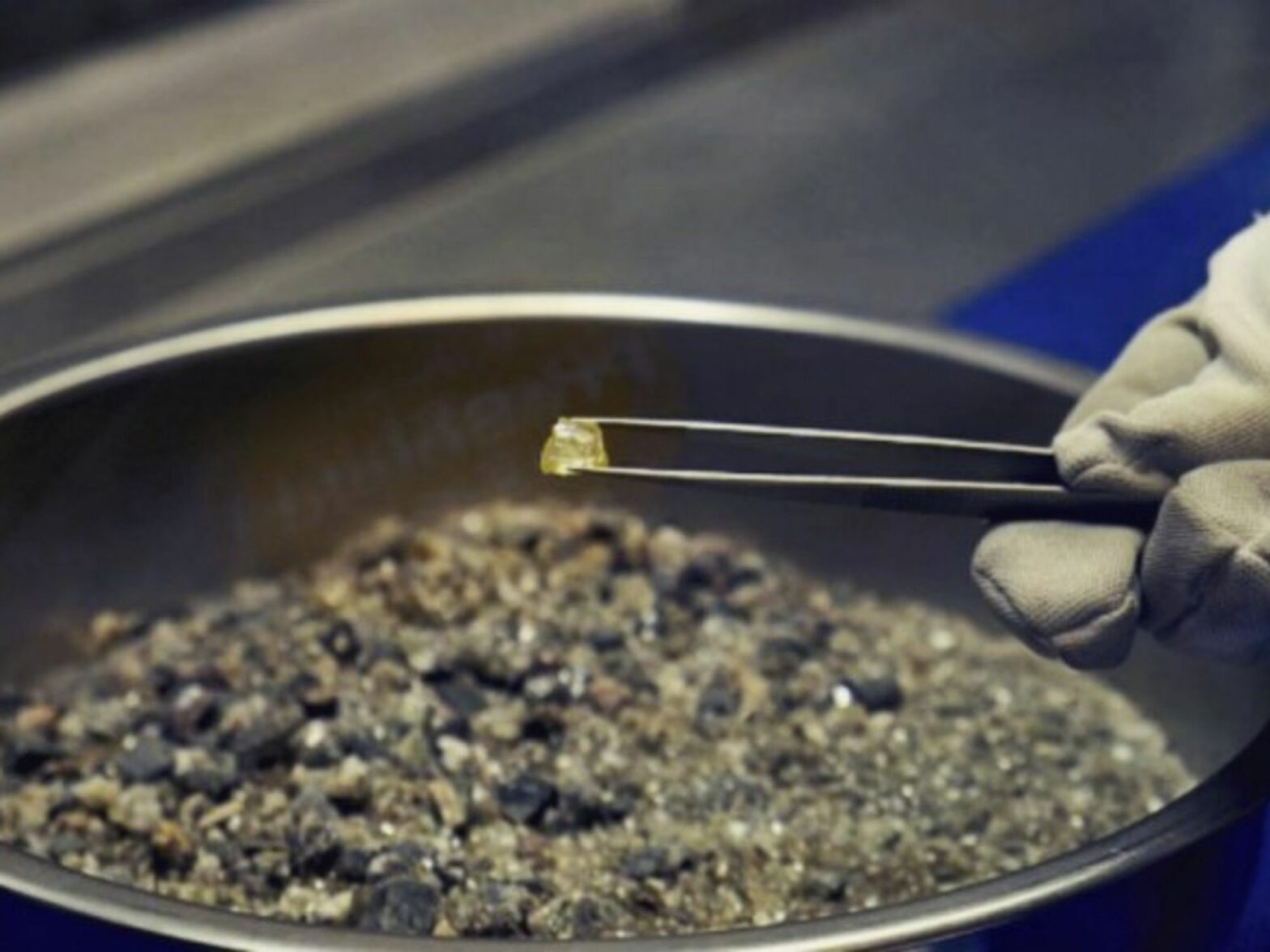
The pay is good. And much of the work is automated. But life at the isolated Gahcho Kué diamond mine, in northern Canada, isn’t for the faint of heart.
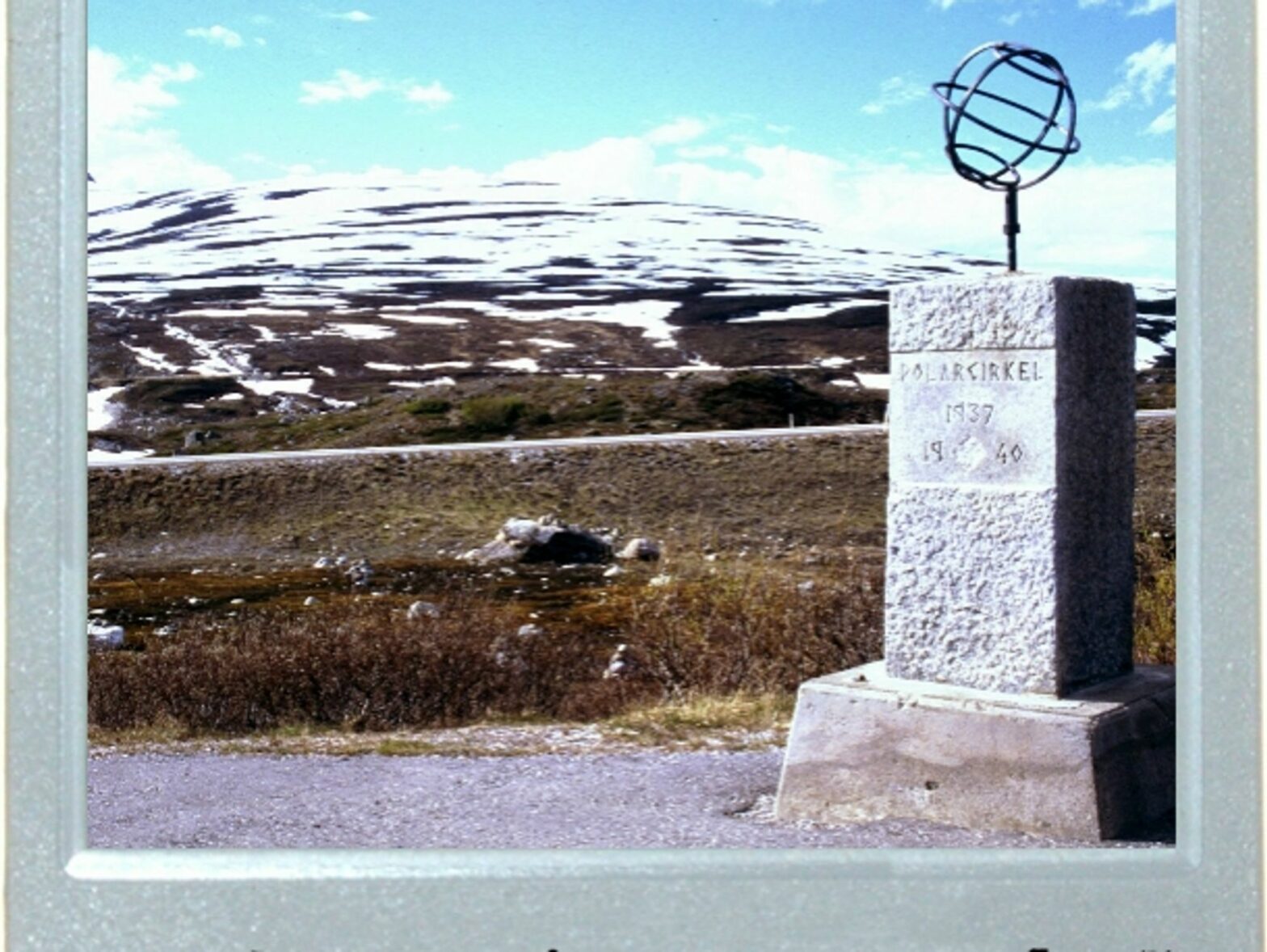
I crossed the Arctic Circle on several occasions — but always under the same polar sun and blue sky.
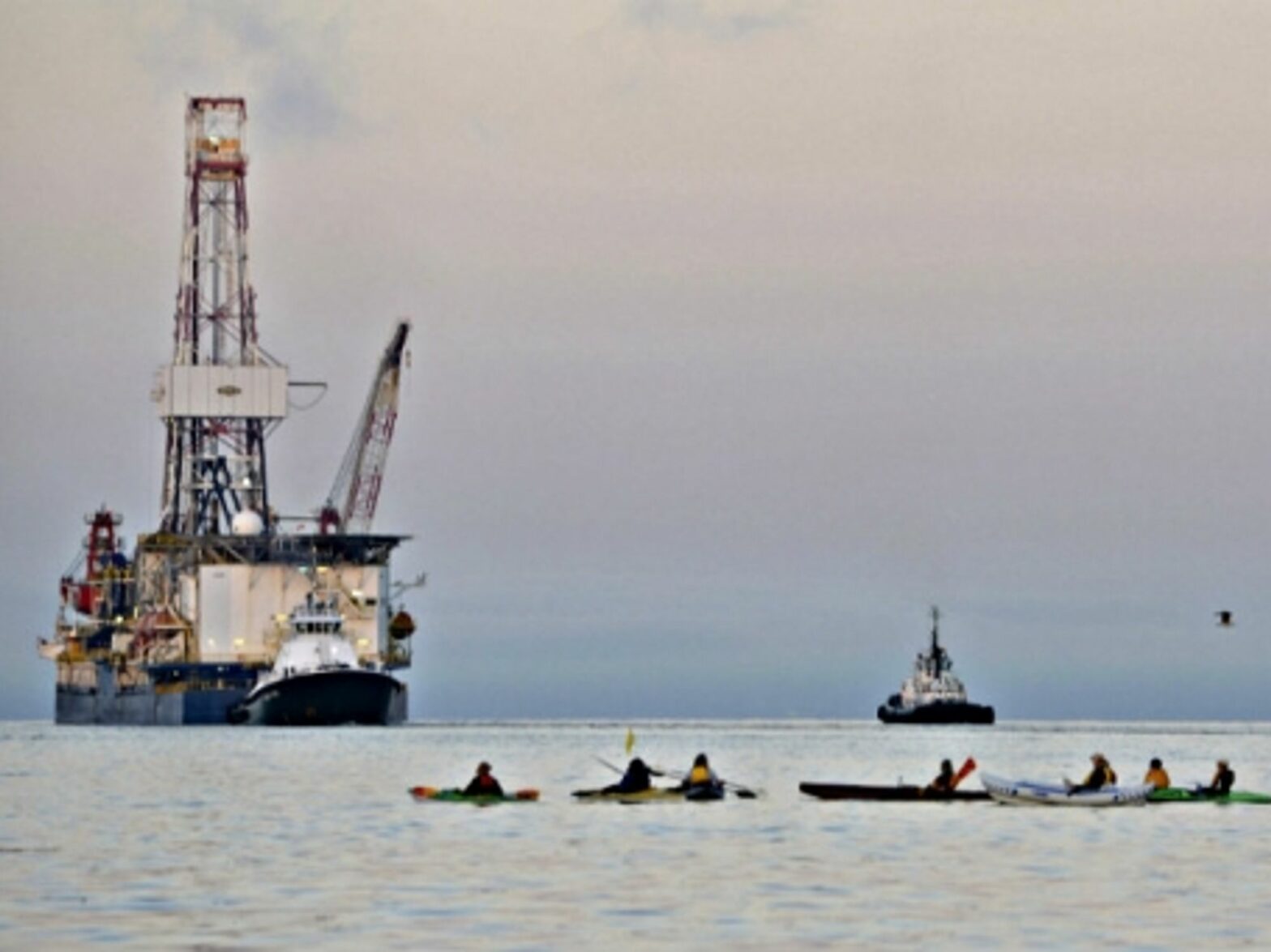
By announcing the end of its exploration campaign in the north of Alaska, Shell delighted environmental NGOs. But the self-imposed moratorium, to the degree it even exists, will not last.
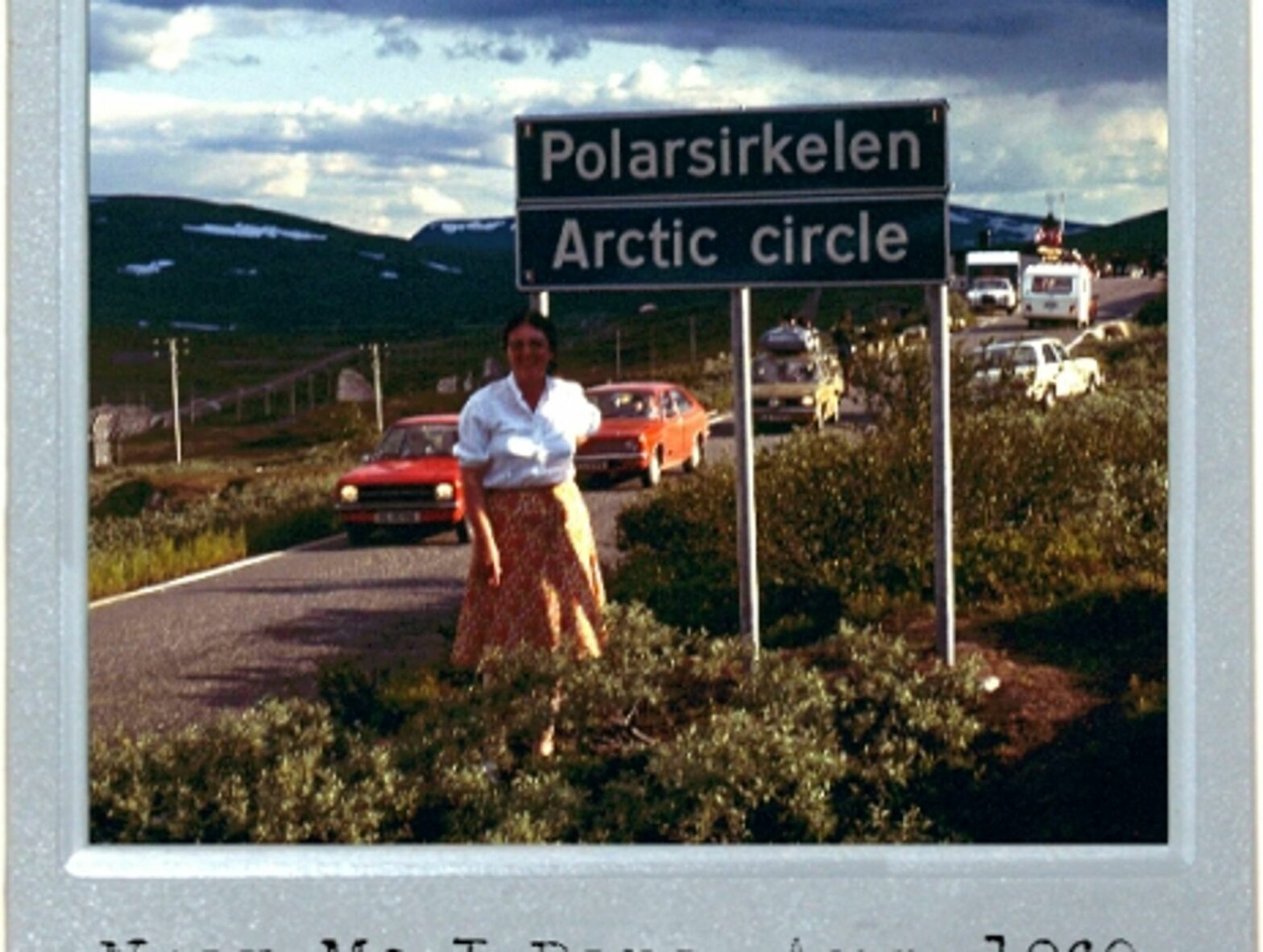
As strange as it sounds, this daytime photo could very well have been taken at night: My wife and I were on our way back from Norway“s North Cape, where we watched the midnight sun go down, flirt with the horizon, and go back up.
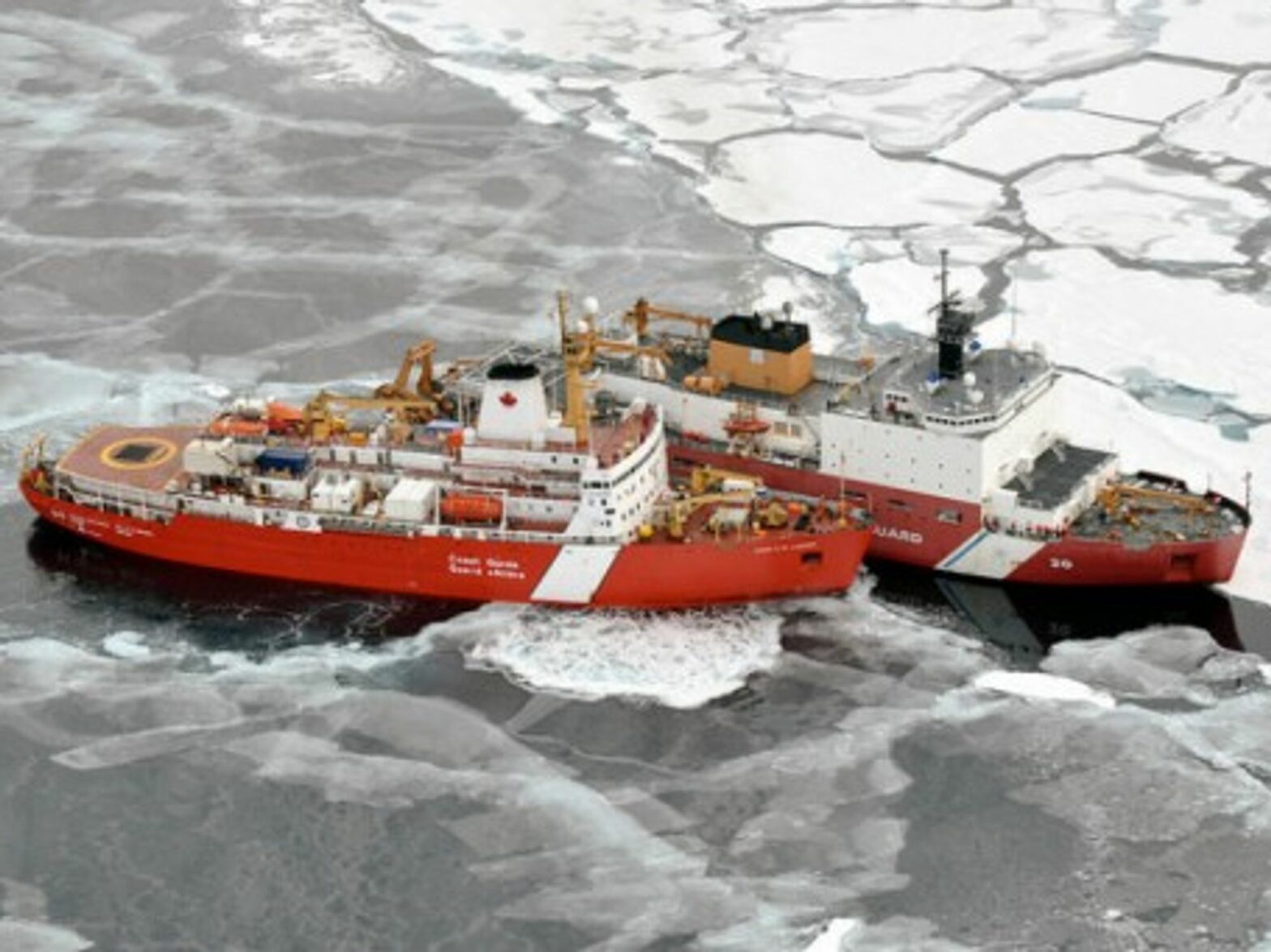
Moscow sees huge new business opportunity in northern shipping routes. But figuring out the best ways to travel via the Arctic is a massive, and chilly, undertaking.
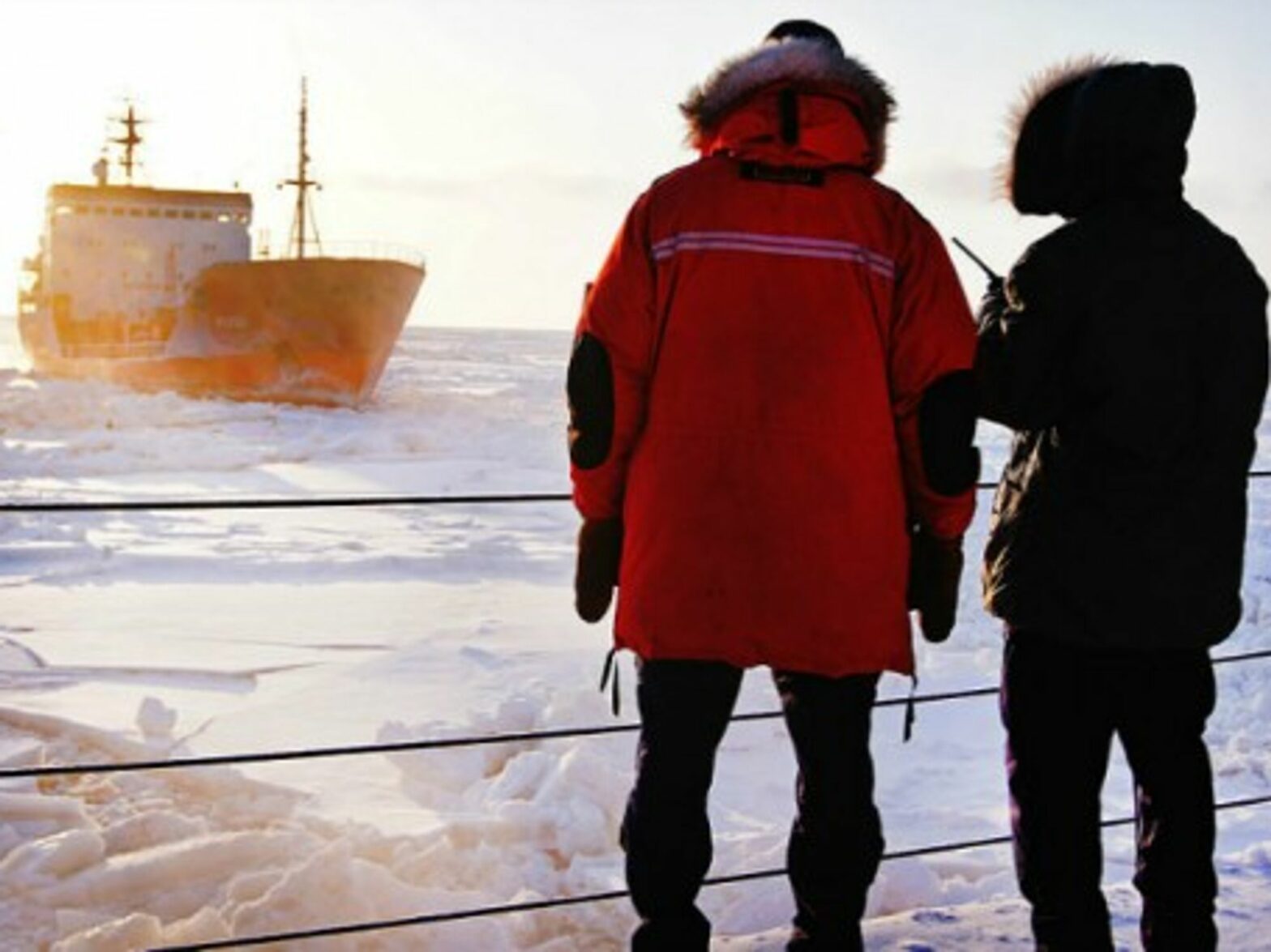
The Arctic, where Russia has dispatched military resources, is the last disputed area of such massive proportions. It’s a region where the interests of Moscow and Washington collide, an excellent stage for a Cold War parody.
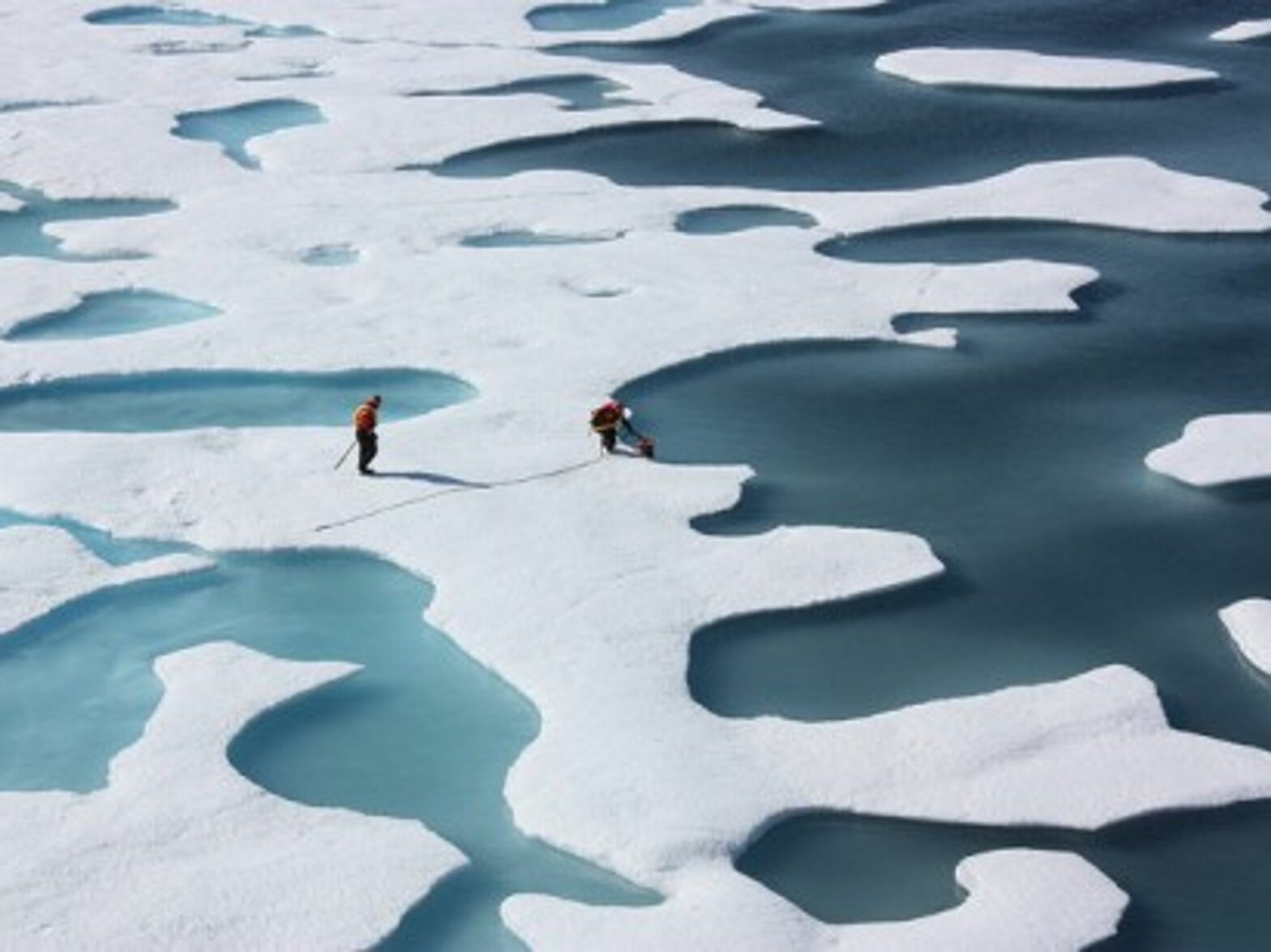
Moscow allowed for observer status for additional countries that don’t border the Arctic, but will grant them virtually no voice whatsoever on policy.
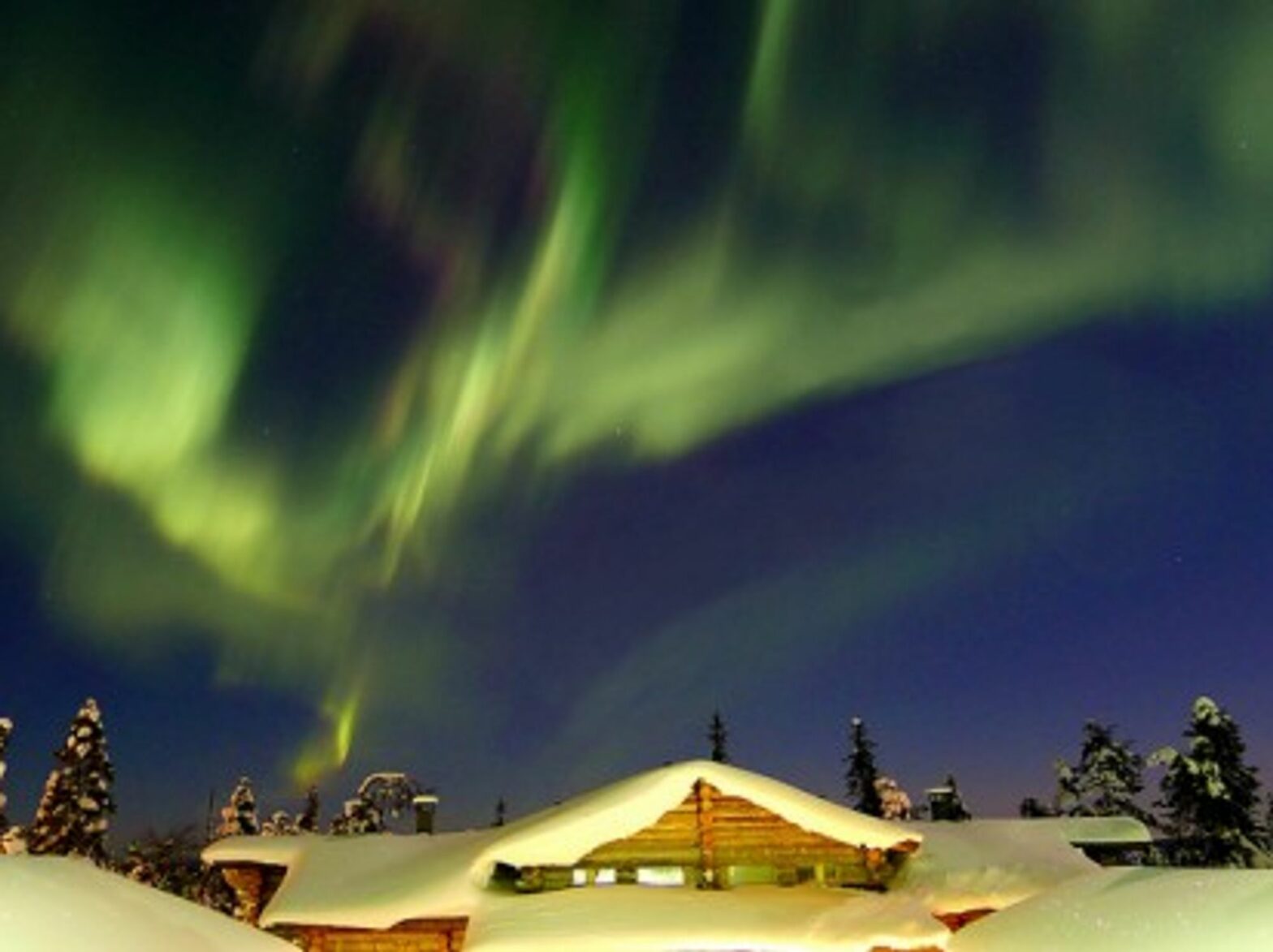
Adventurers flock to the Finnish hinterland to take in the Northern Lights, winter sports and some culinary surprises.
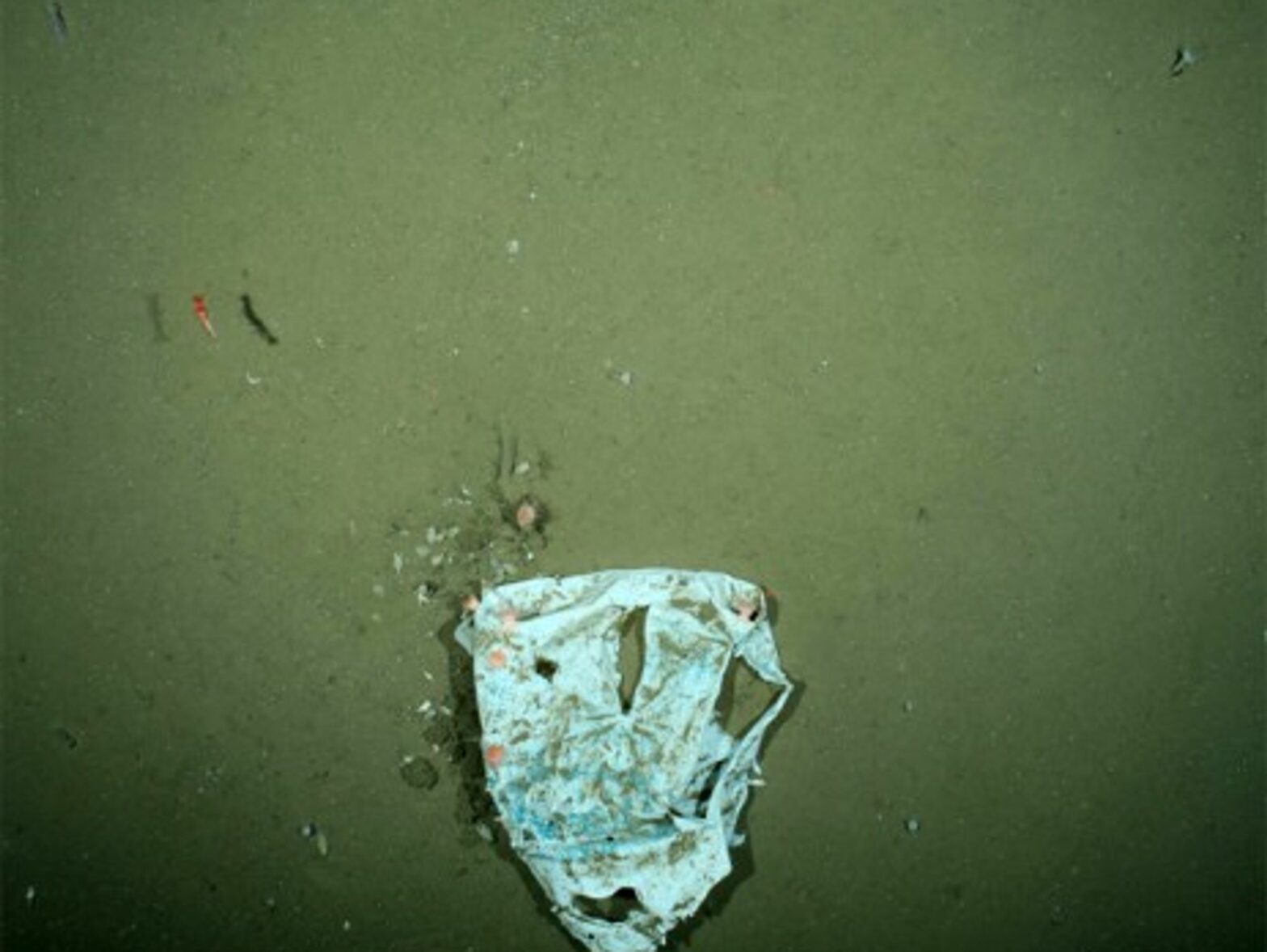
A new study finds plastic debris on the floor of the once pristine Arctic Ocean, the latest sign of environmental damage of global waste.
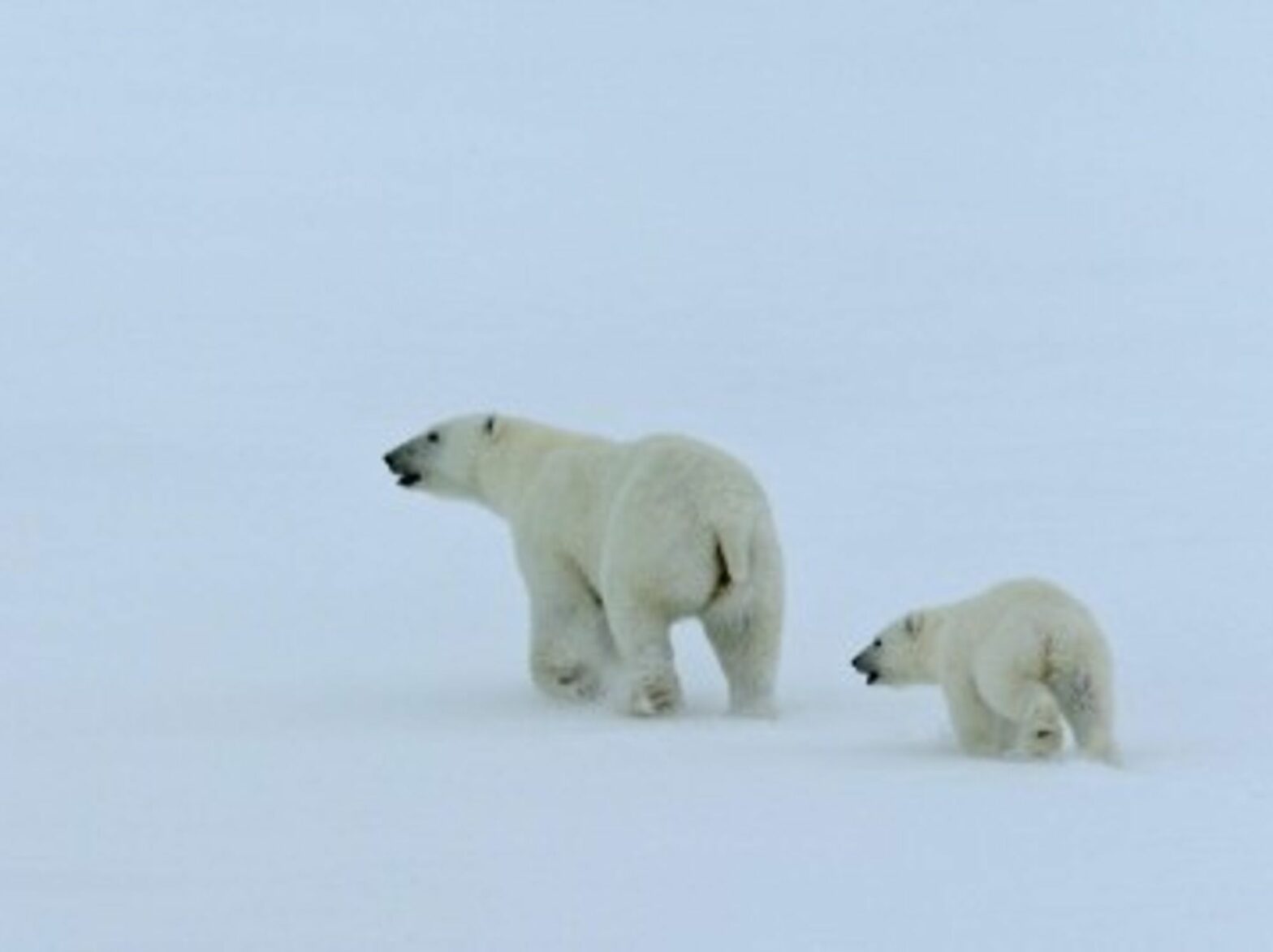
-Analysis- MOSCOW – The Russia Arctic Coast is one of the dirtiest places on earth. According to the most conservative estimates, the shores of the Arctic Ocean are littered with 4 million tons of industrial and construction waste, part of which is toxic. More than 20,000 pieces of electronics are strewn across the Russian Arctic […]