The German elections showed rising support for the far-right AfD, and increased dissatisfaction running rampant in German society, Polish columnist Bartosz T. Wielinski asks whether this runs the risk of history of the early 20th century repeating.

 Worldcrunch
The German elections showed rising support for the far-right AfD, and increased dissatisfaction running rampant in German society, Polish columnist Bartosz T. Wielinski asks whether this runs the risk of history of the early 20th century repeating.
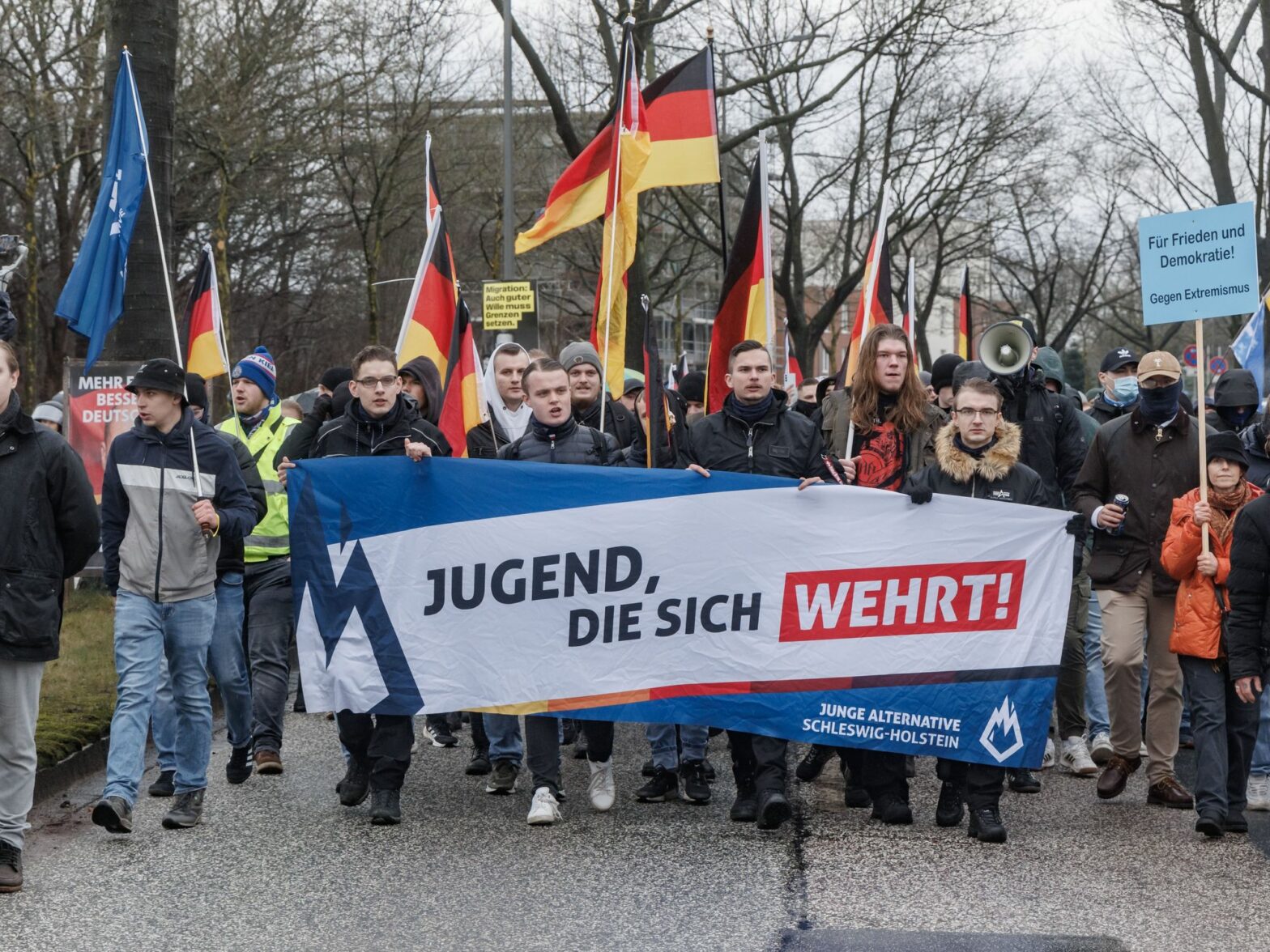
Young men showed one of the most dramatic shifts toward Donald Trump in this year’s election. But with rightward shifts among both men and women of the Gen Z demographic, the reality is reaching deeper — and farther — than most pollsters or analysts can explain.
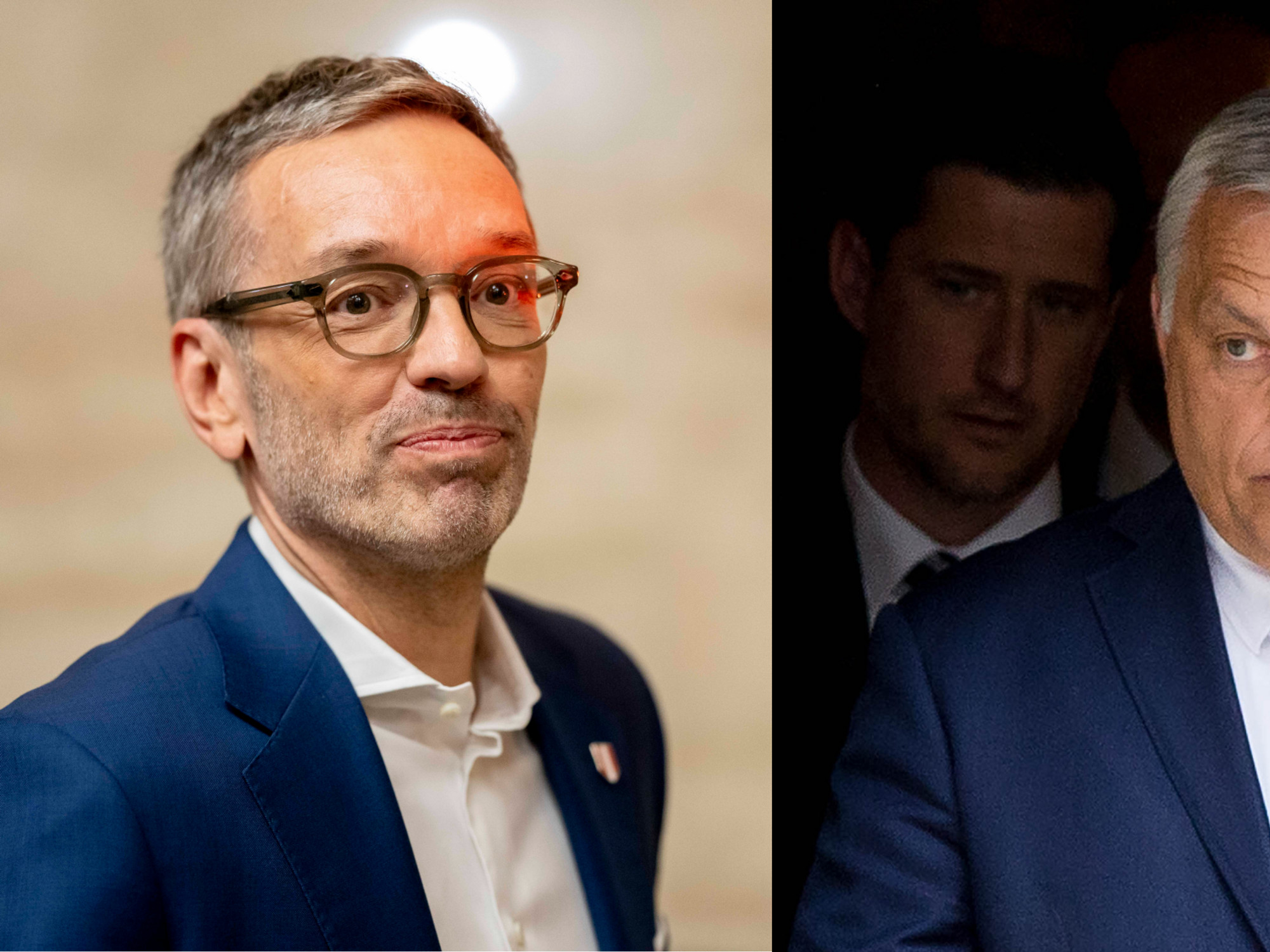
Just like the far-right electoral triumphs in France and Germany earlier this year, Sunday’s electoral victory by the Freedom Party of Austria (FPÖ) is likely to create political chaos within the country. Will Austria’s new leadership turn to Viktor Orbán’s Hungary and reignite their old alliance?
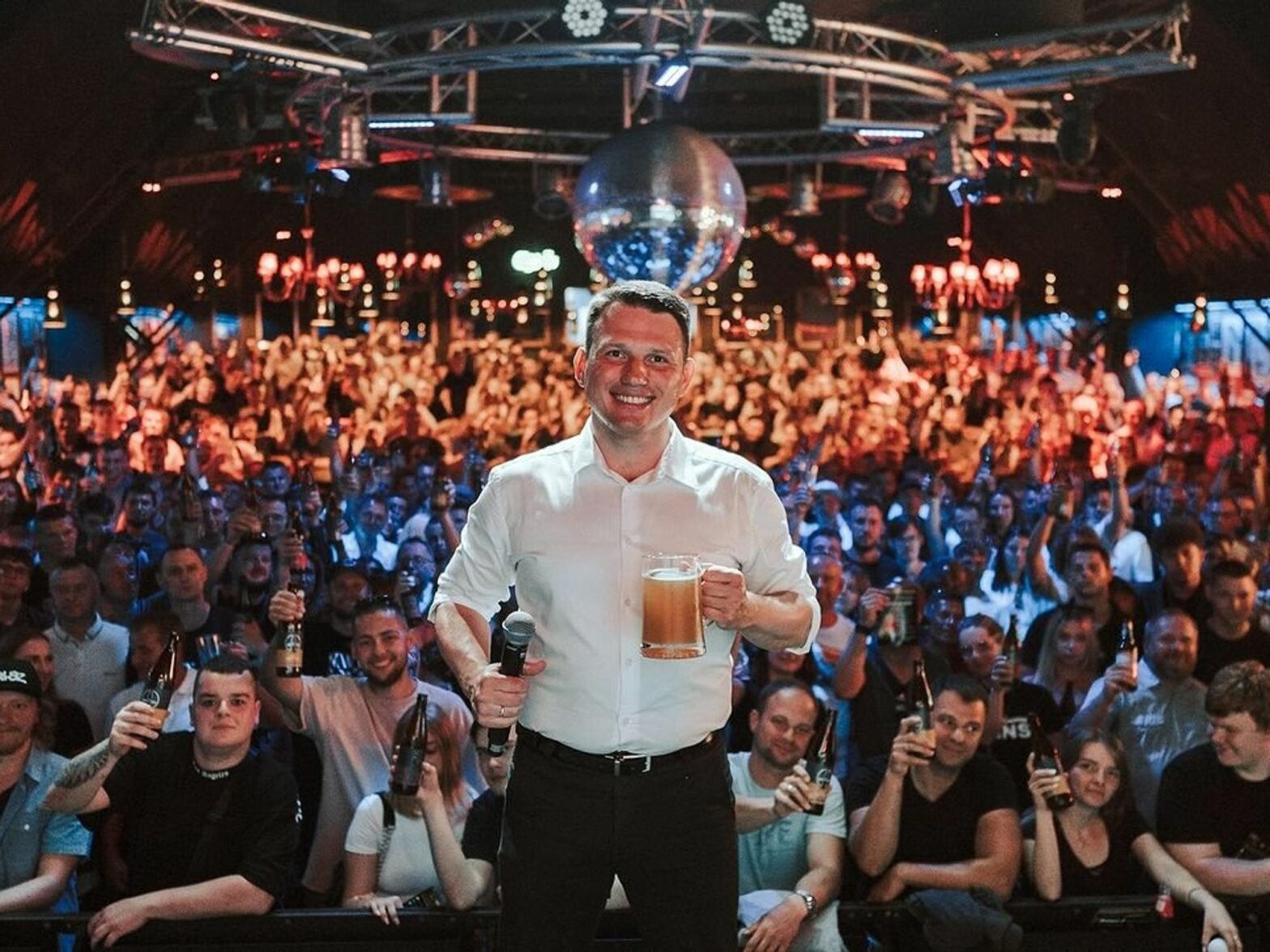
There is real generational disaffection that is pushing some young voters to the far right in Europe and the U.S.. But their skills, including on social media, is a real advantage for success among the youth.
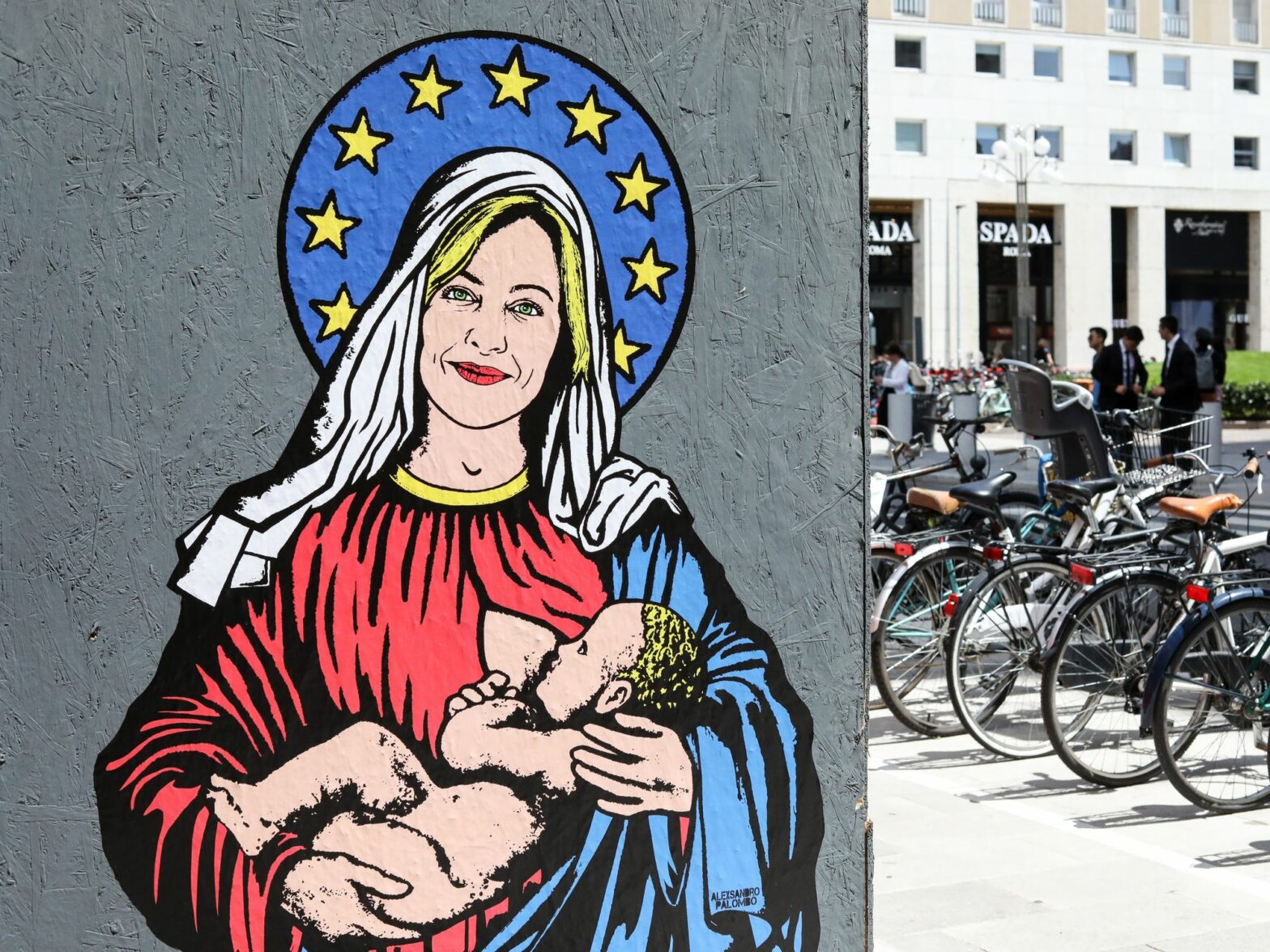
German Chancellor Olaf Scholz’s declaration labeling Italian Prime Minister Giorgia Meloni as “extreme right-wing” is a politically charged move. But is this assessment fair, given Meloni’s strong support for Ukraine and responsible economic decisions — or is there some demonizing and distracting at play?
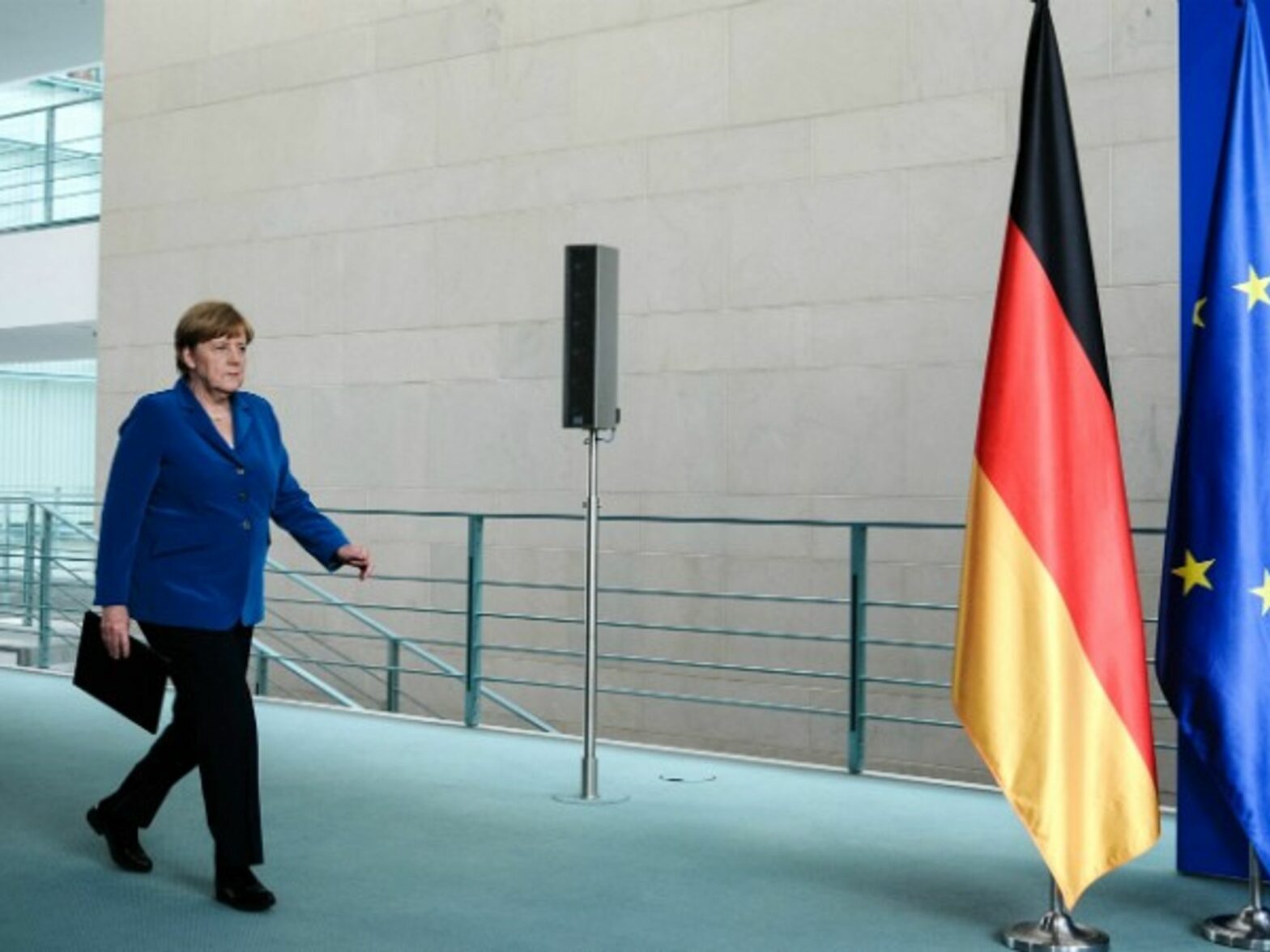
Nice, Turkey, Wurzburg, Ansbach. The escalating violence of the last few days raise the pressure on the German Chancellor, whose refugee policy is again in the spotlight. The political repercussions could strike where it matters to her most.