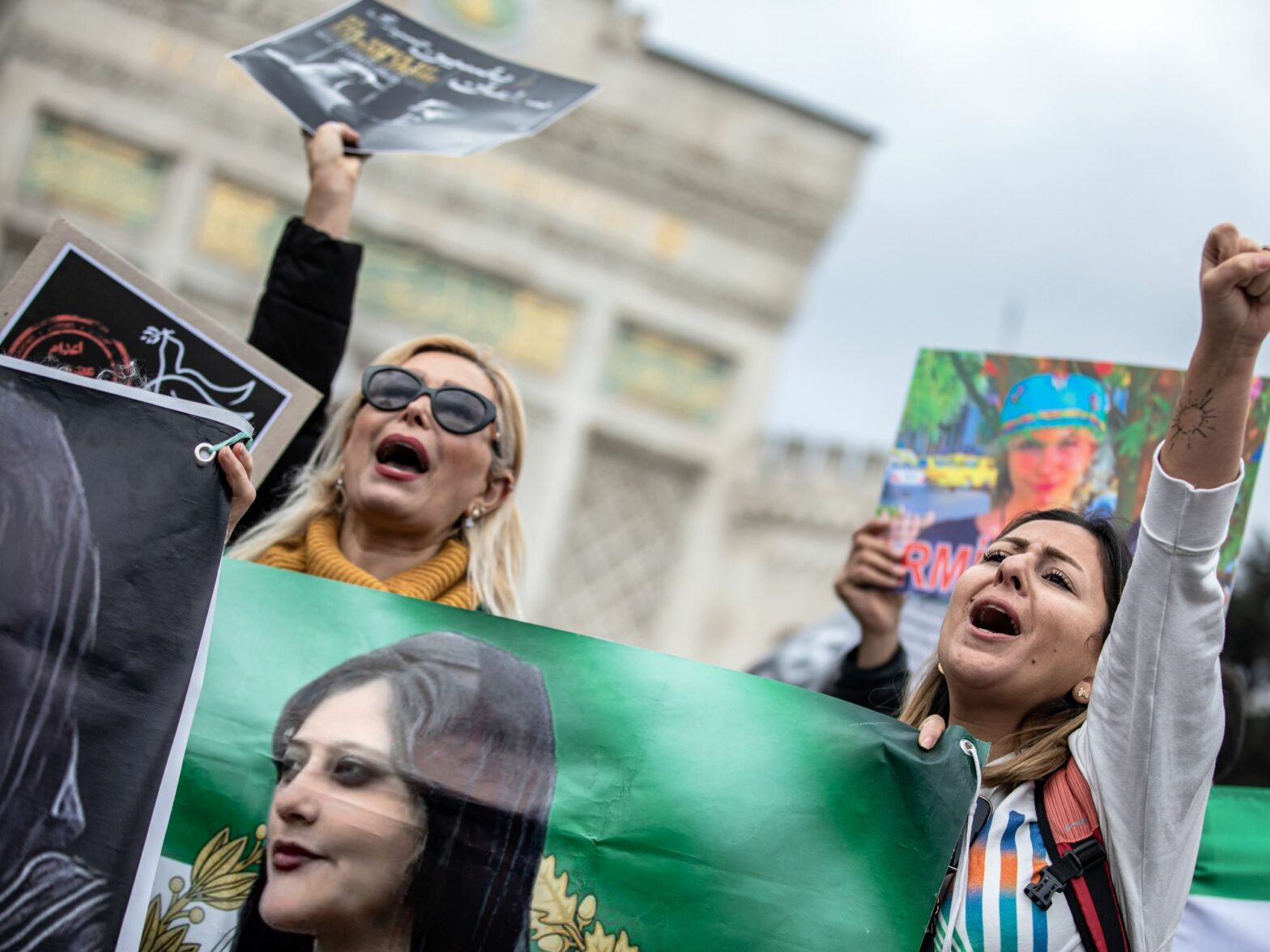
Iran must one day write the history of the violence perpetrated on its women, especially under the 40-year Islamic Republic, if historiography is to serve its progress toward a peaceful, democratic society.
 Worldcrunch
Iran must one day write the history of the violence perpetrated on its women, especially under the 40-year Islamic Republic, if historiography is to serve its progress toward a peaceful, democratic society.
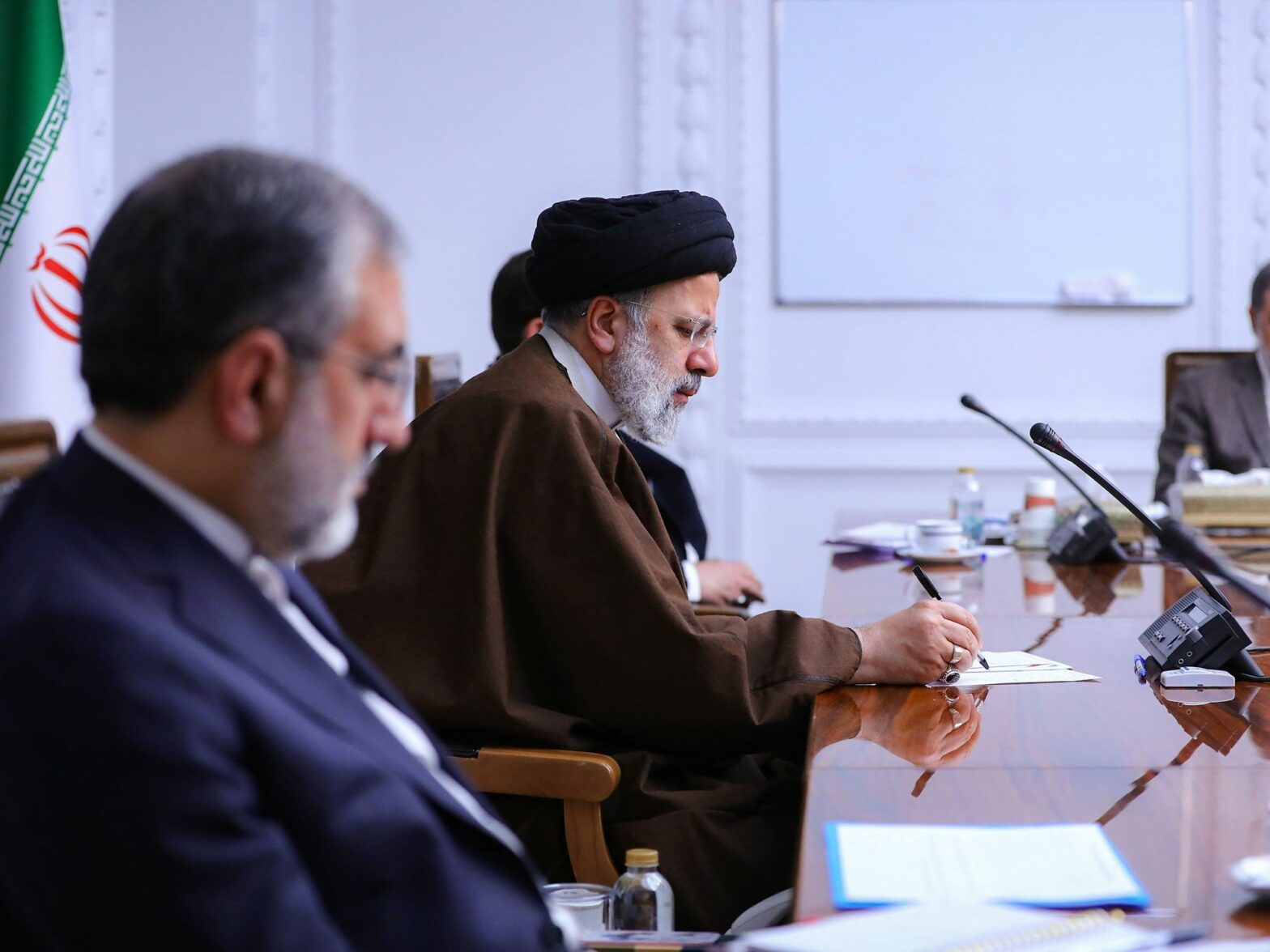
Iran and Saudi Arabia have announced they will restore diplomatic relations. The news may have proved startling — especially China’s role — but is unlikely to dispel long-standing distrust between two regional rivals.
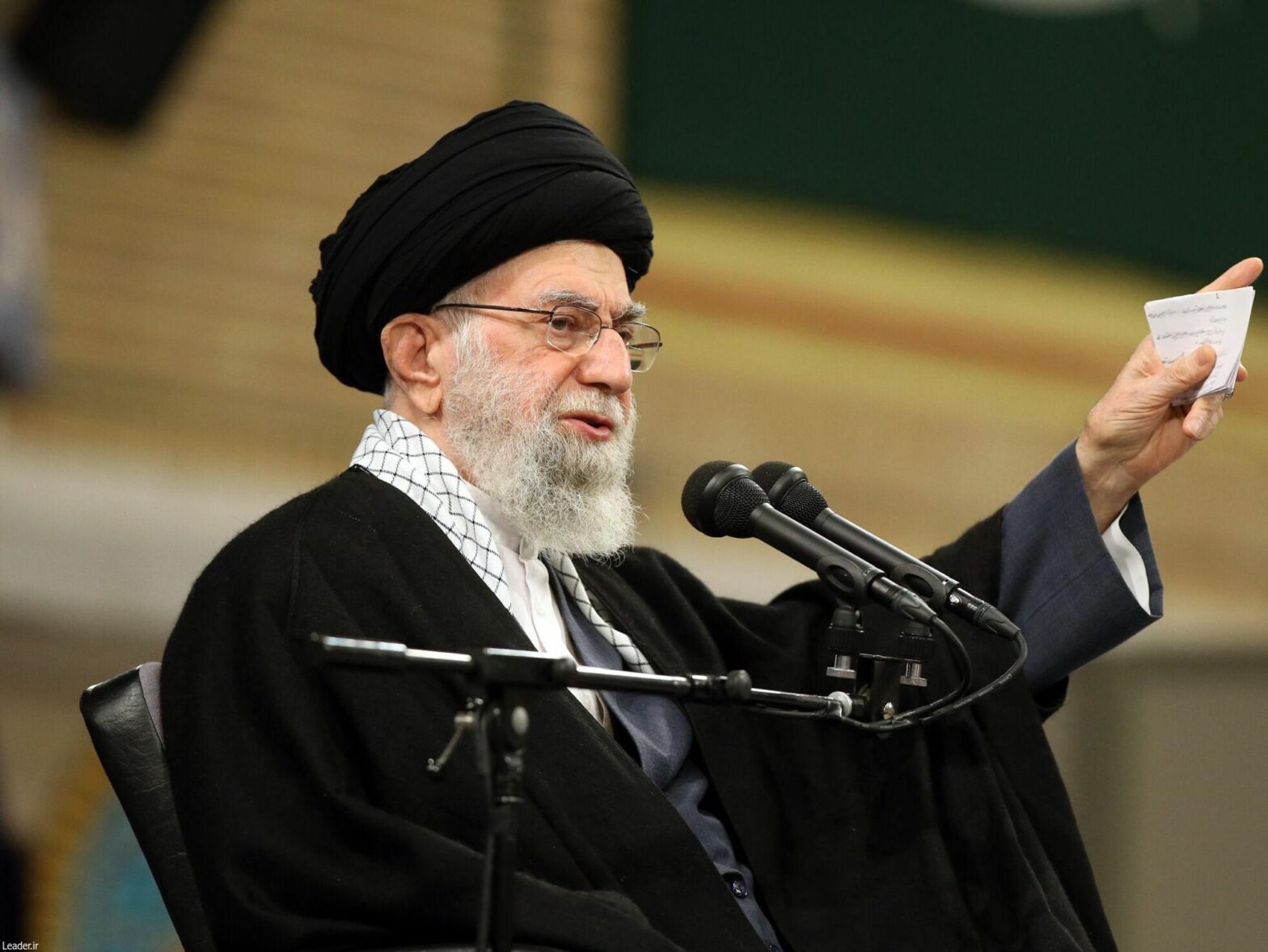
In recent weeks, Ali Khamenei, Iran’s Supreme Leader, has made repeated references to the end of Iran’s last regime in 1979. It may be a sign the country is indeed approaching another kind of revolution.
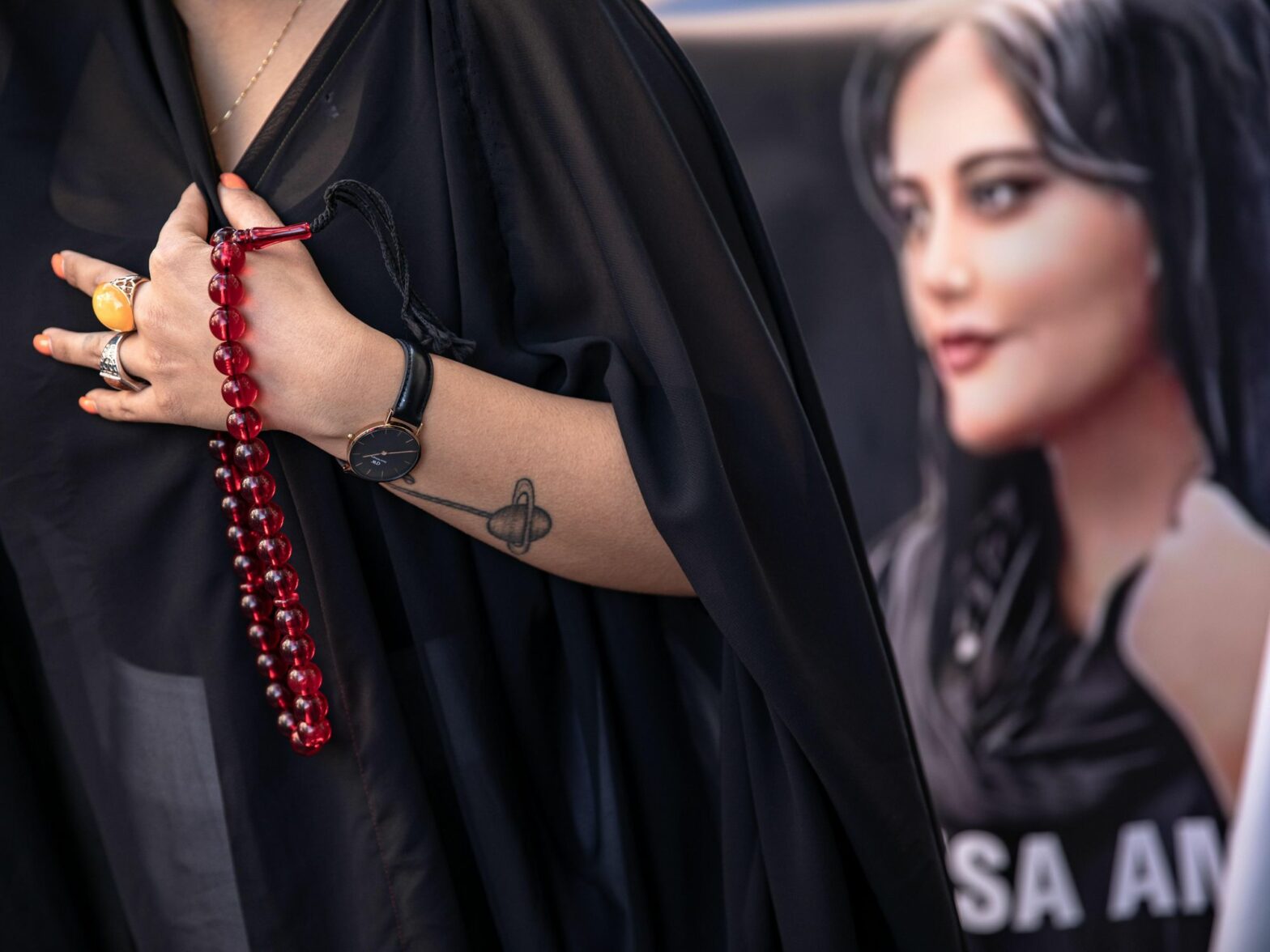
The showdown between Iranian protesters and the clerical regime is another episode in a decades-long clash of theocracy and Western-style secular modernity. Its outcomes will reverberate across the entire Islamic world, so the West needs to pay attention.
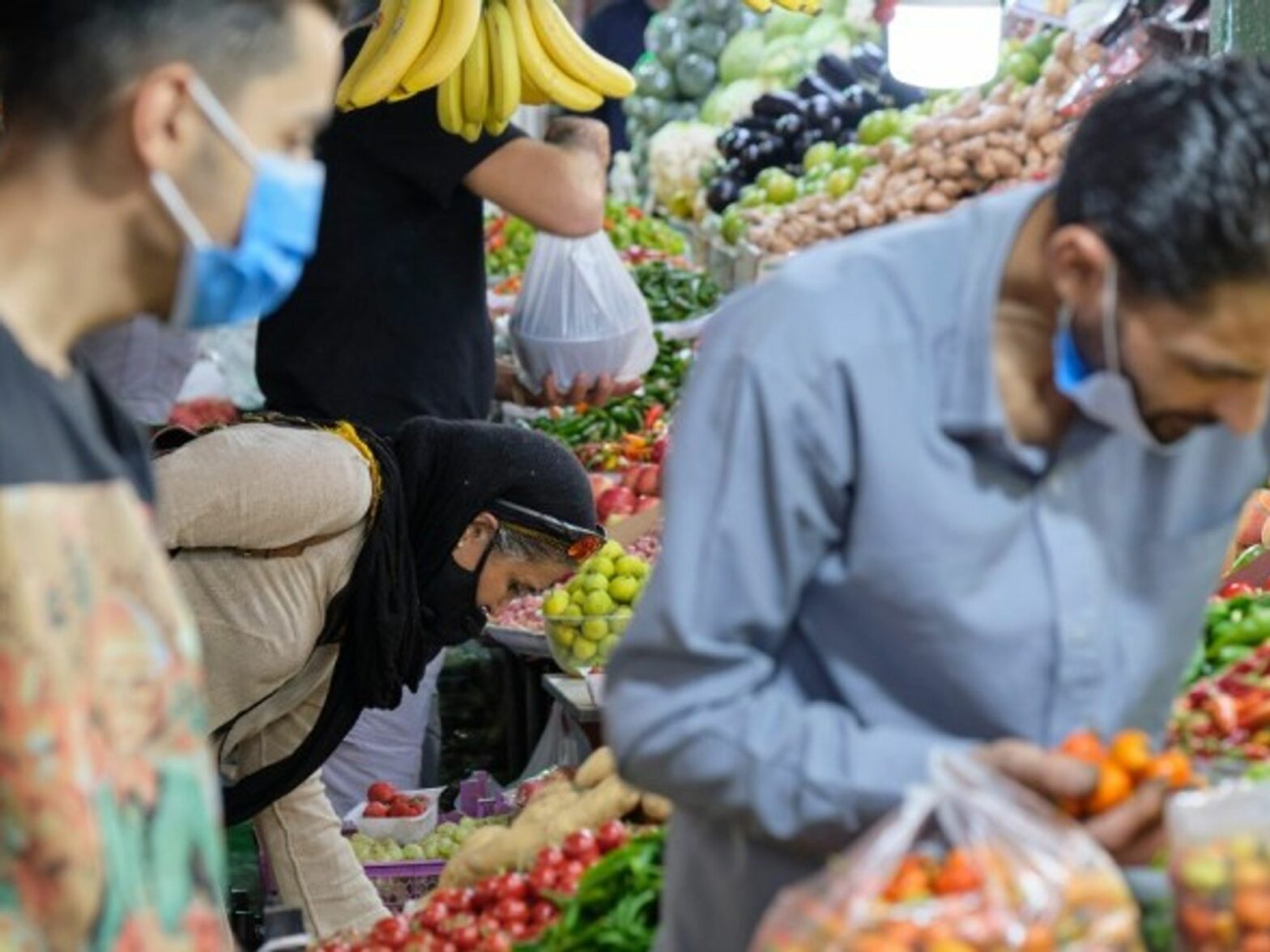
The decline of agriculture in Iran after the 1979 revolution and absence of proper farming policies are exacerbating the pandemic’s effects to threaten its food security.