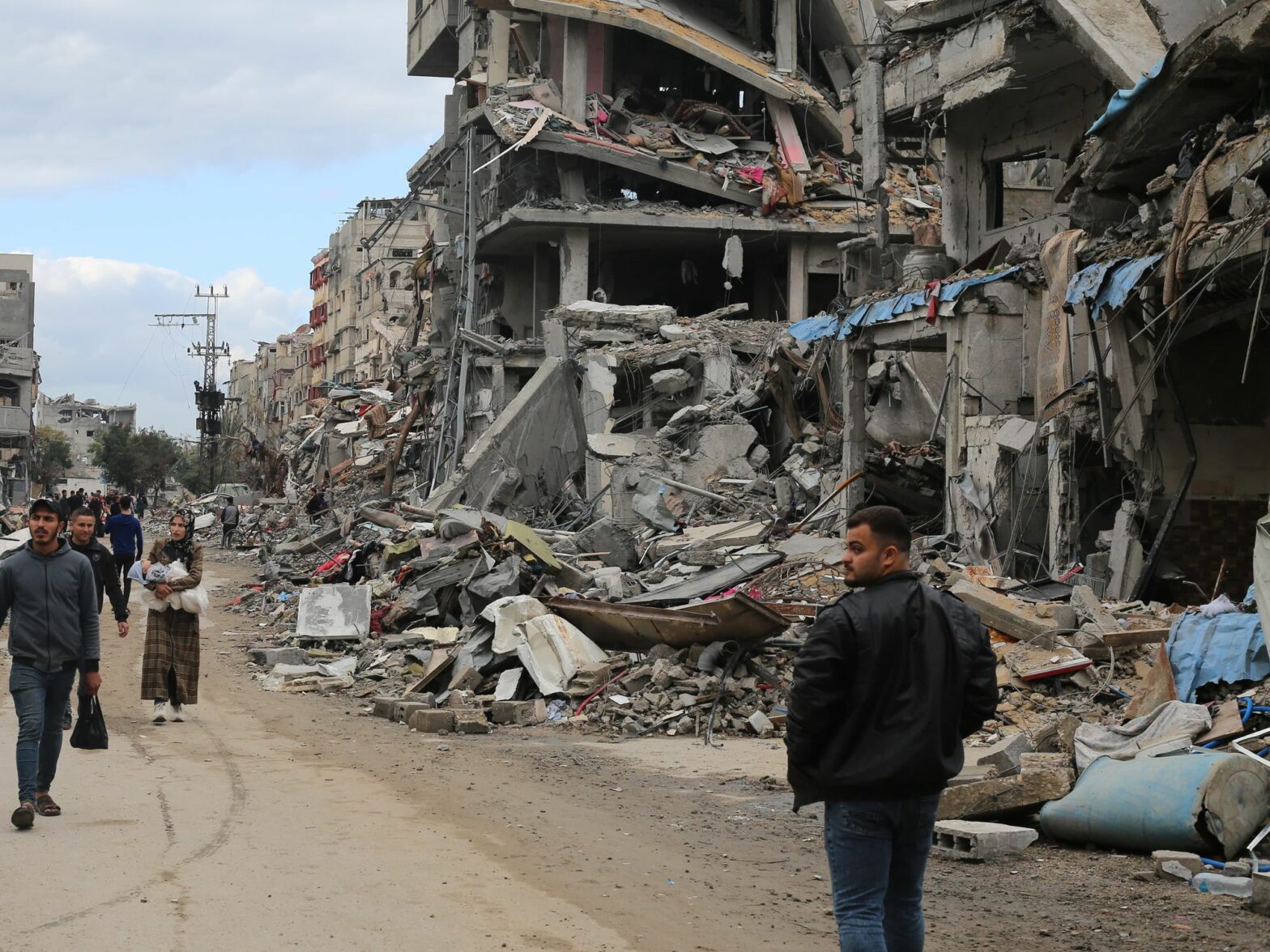
The information coming out of the Palestinian enclave is scarce but undoubtedly grim. An Italian reporter from across the border gathers information from inside Gaza amid a fragile and inevitably temporary ceasefire.
 Worldcrunch
The information coming out of the Palestinian enclave is scarce but undoubtedly grim. An Italian reporter from across the border gathers information from inside Gaza amid a fragile and inevitably temporary ceasefire.

Israel and Hamas have reached a deal to exchange 50 Israeli hostages held in Gaza for a four-day pause in fighting and the return of Palestinian prisoners. Orna Dotan, leading a team of therapists tasked with aiding these hostages and their families, takes us inside a uniquely charged personal and political situation.
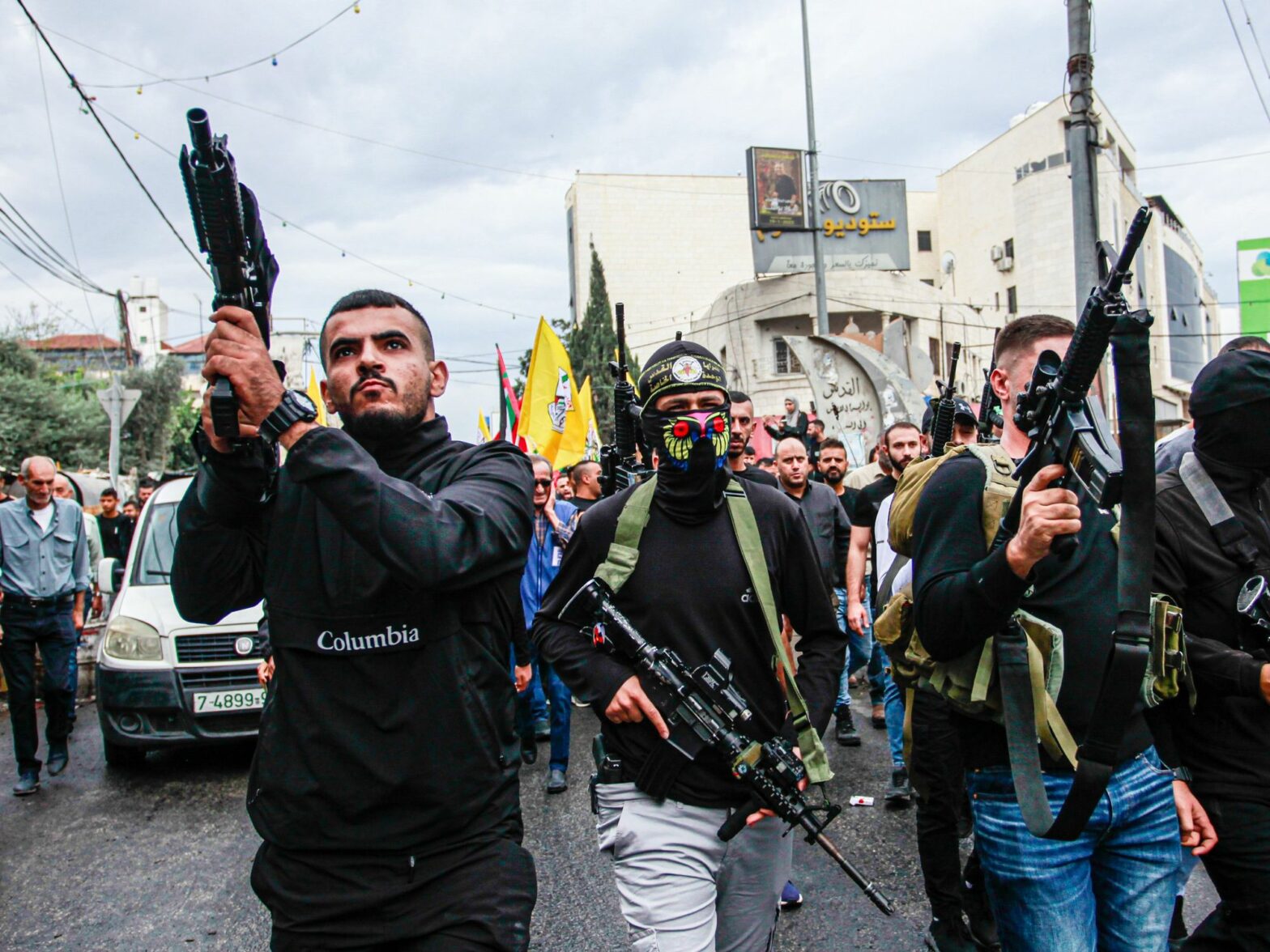
A visit to so-called “Little Gaza,” where destruction reigns and children roam with rifles in their hands. But the enemy isn’t just the IDF, it is also the Palestinian Authority — and become prime recruiting territory for Hamas.
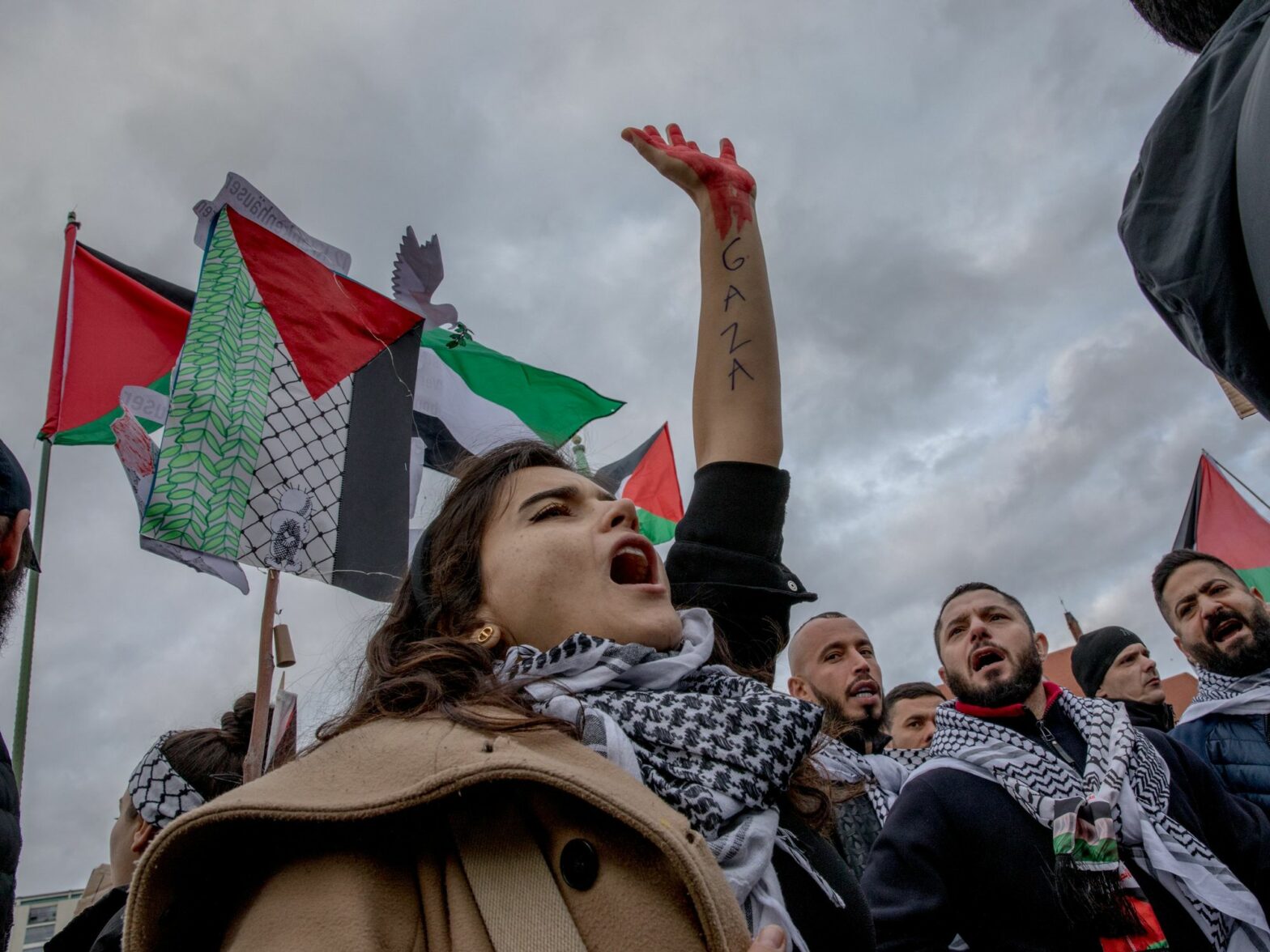
There are certain watershed moments where the world comes together in defense of an idea or a people, or maybe both. A call from afar to stand up in the name of the Palestinian people.
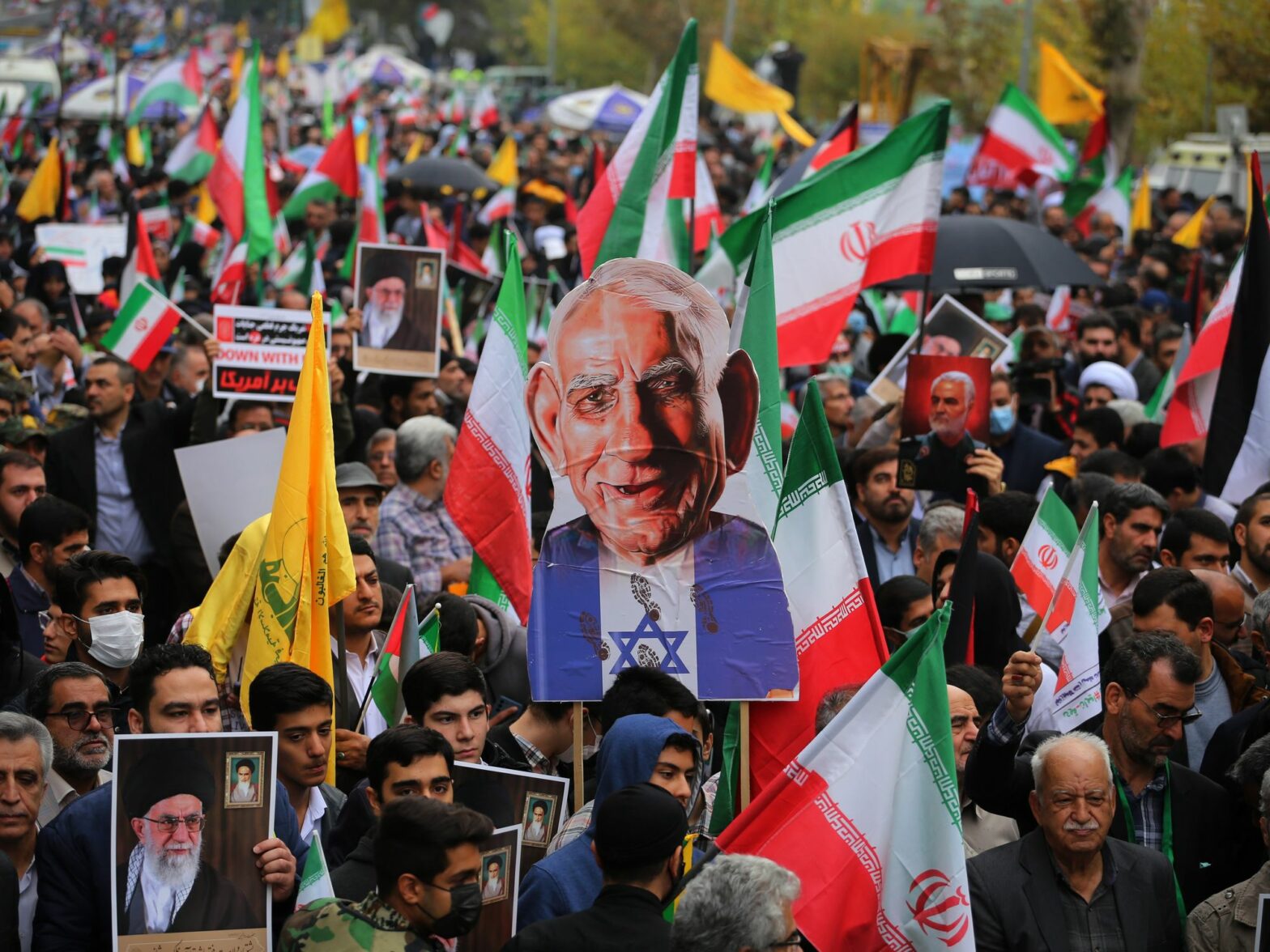
Iran this week has reaffirmed its full support for Hamas, issuing new threats to escalate with more attacks like Oct. 7. This came after some in the region had criticized Iran for now joining the fray directly. With the rising rhetoric, Iran can’t stay passive forever.
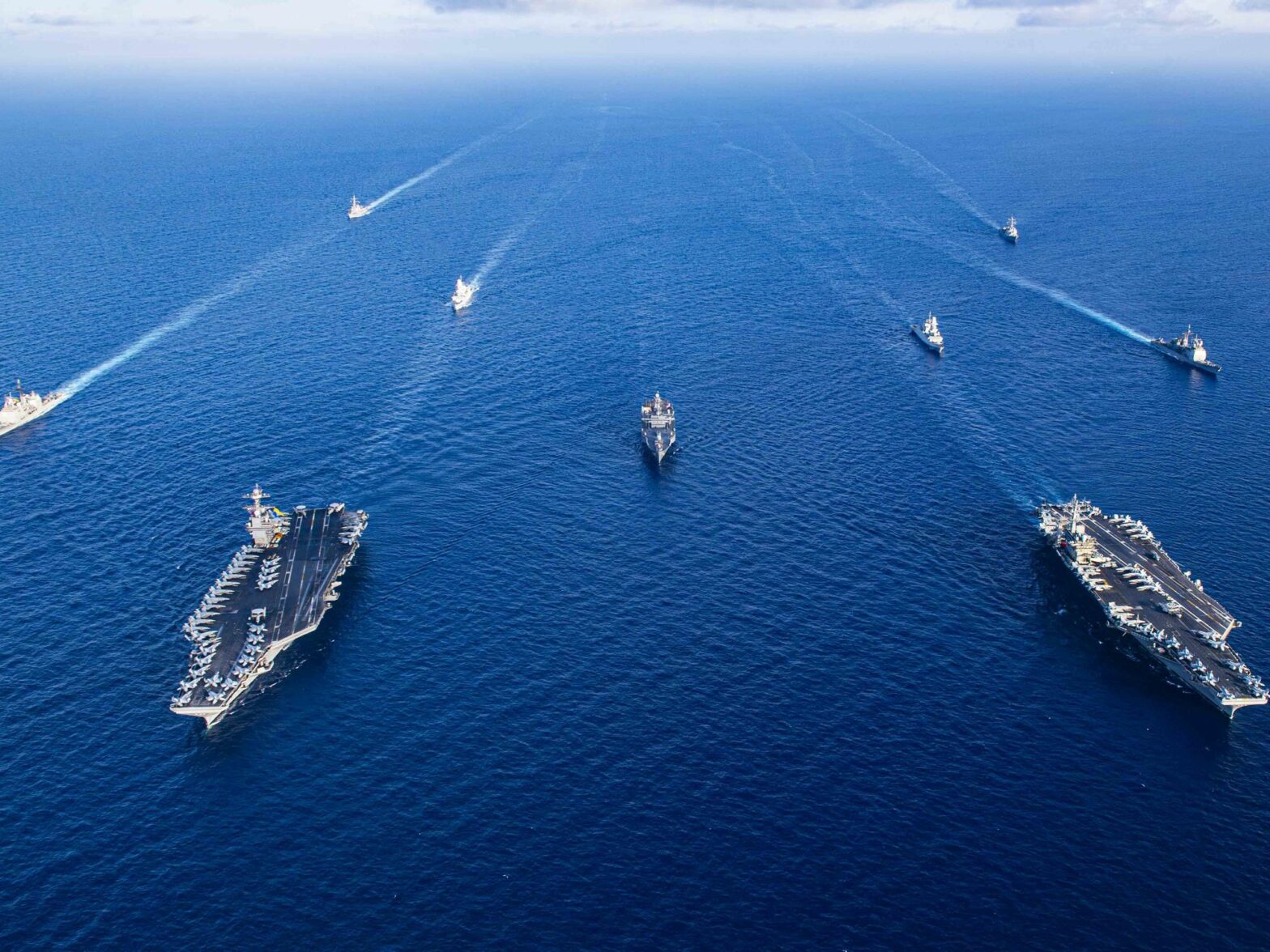
The United States has found itself at the forefront of a conflict that the whole world is following. President Joe Biden faces the pull of public opinion, the threat of Iranian action, and the escalation of the Israeli state.
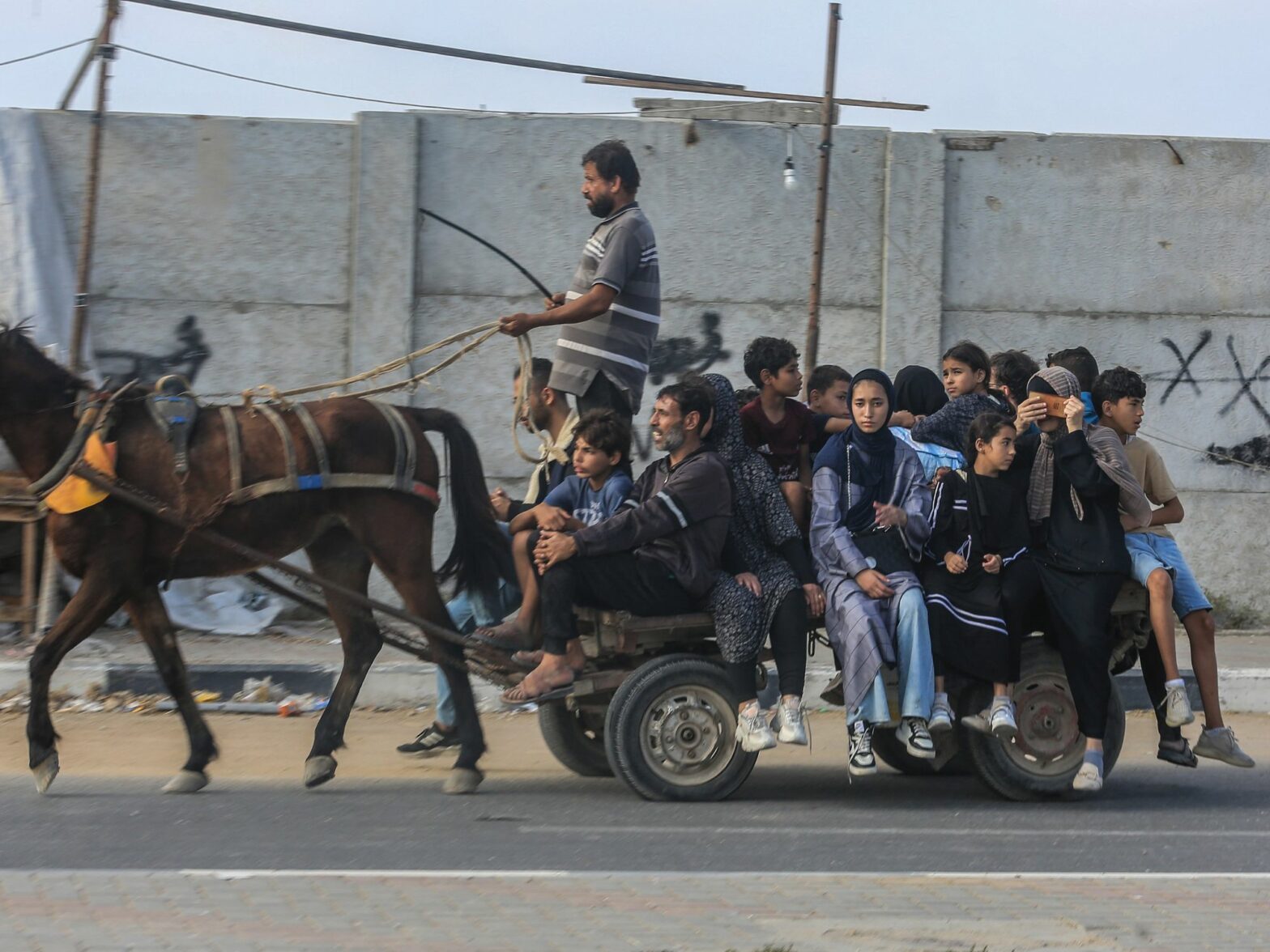
After last Thursday’s announcement of daily, four-hour humanitarian pauses in the northern part of Gaza, masses of Palestinians fled southward. But the journey is anything but safe and easy.
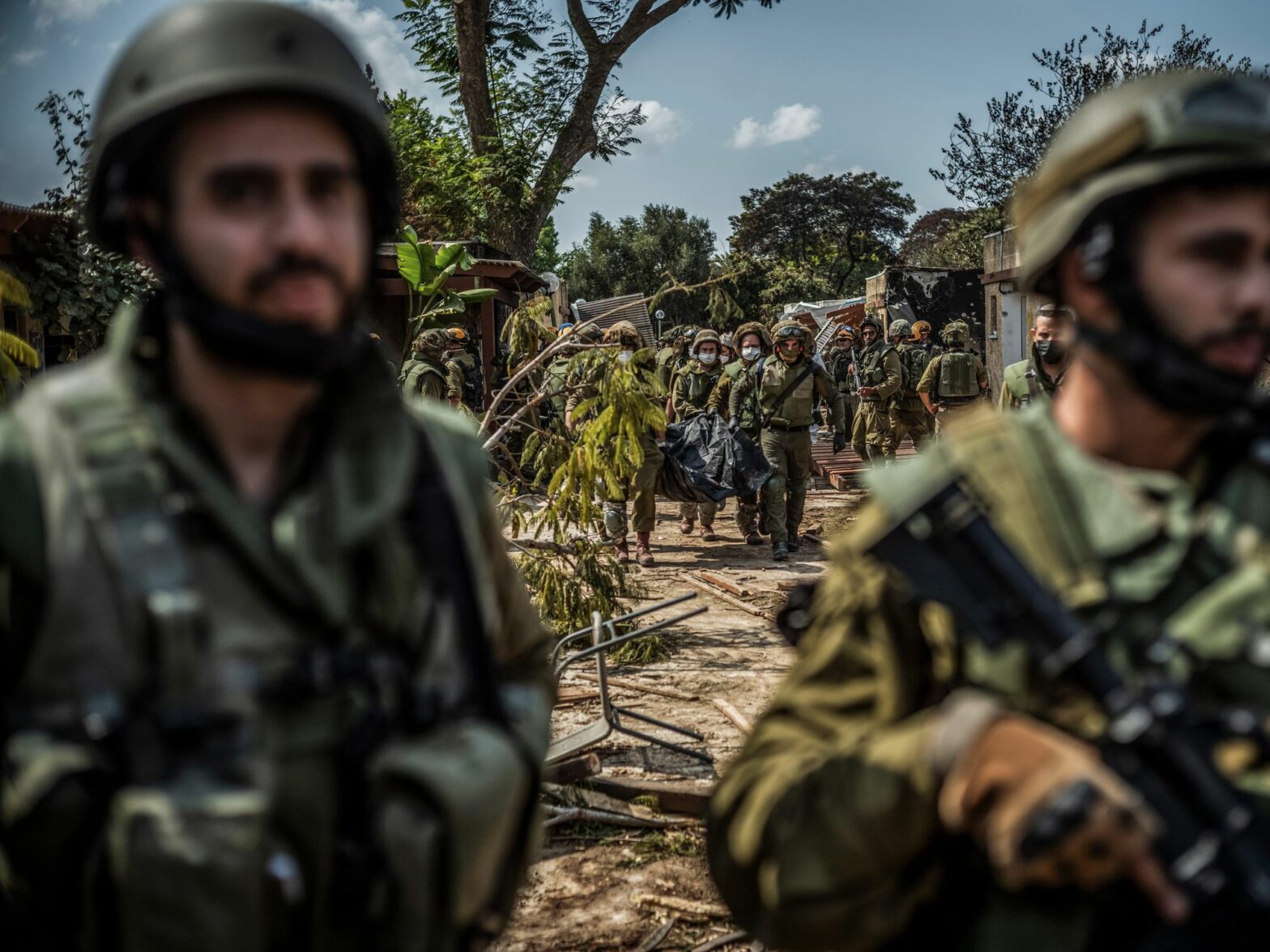
Public sympathy for Hamas terrorists has precedents. Algeria’s liberation in the 1960s from French colonial rule is viewed by history as a wholly just cause, despite horrific attacks against civilians. What does the analogy tell us about Israel’s current situation?
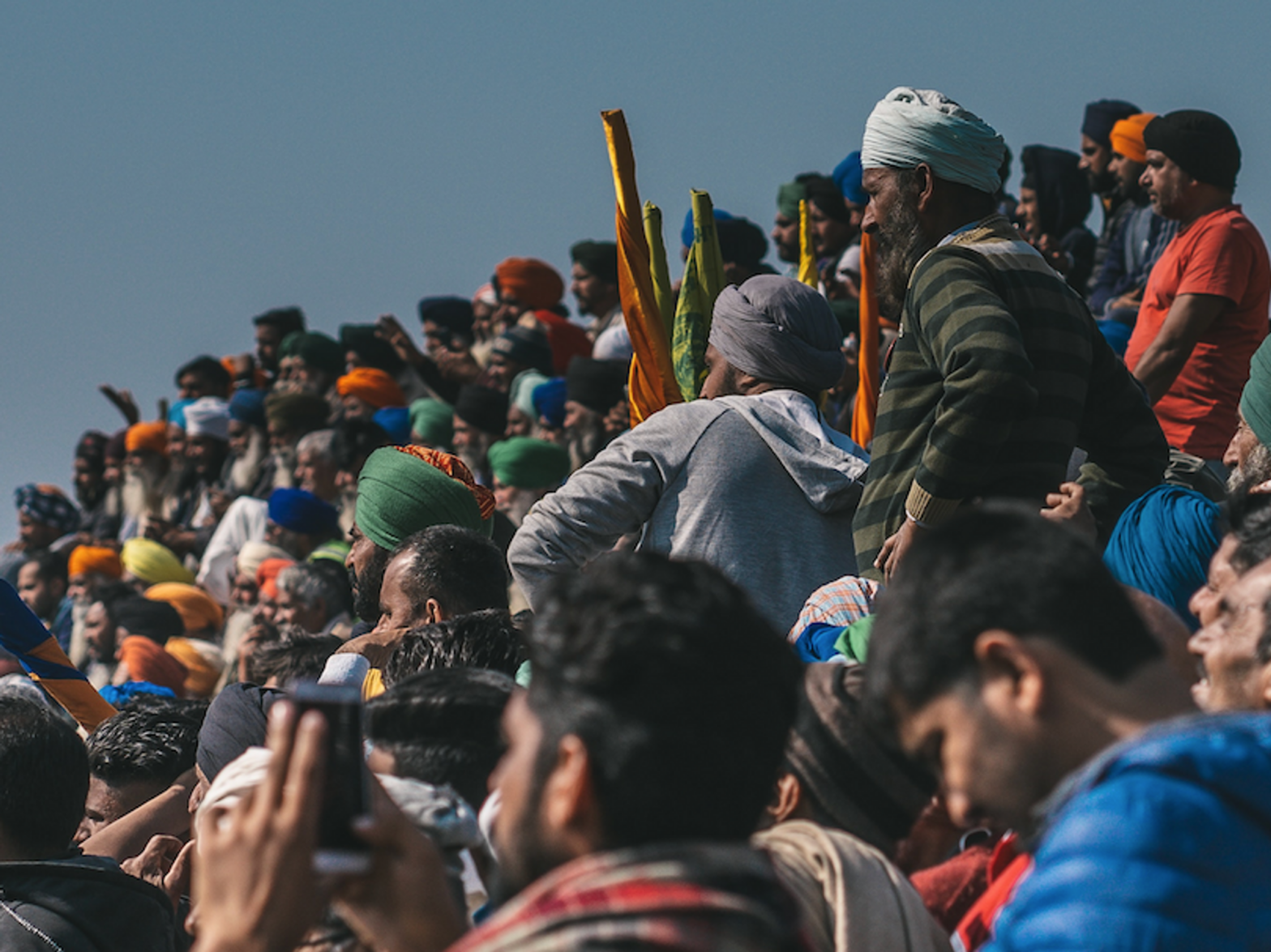
At the moment, a two-state solution to end the conflict between Israel and Palestine seems impossible. But should a miracle occur, there is one example that, although not perfect, could serve as a model to build a multi-ethnic, multi-religious and multi-cultural federation: the ethno-federal democracy of India.

Reserved, not accustomed to the spotlight, capable of taking a step back and not overshadowing the president. In this time of crisis, Antony Blinken navigates geopolitics with the president’s full trust.
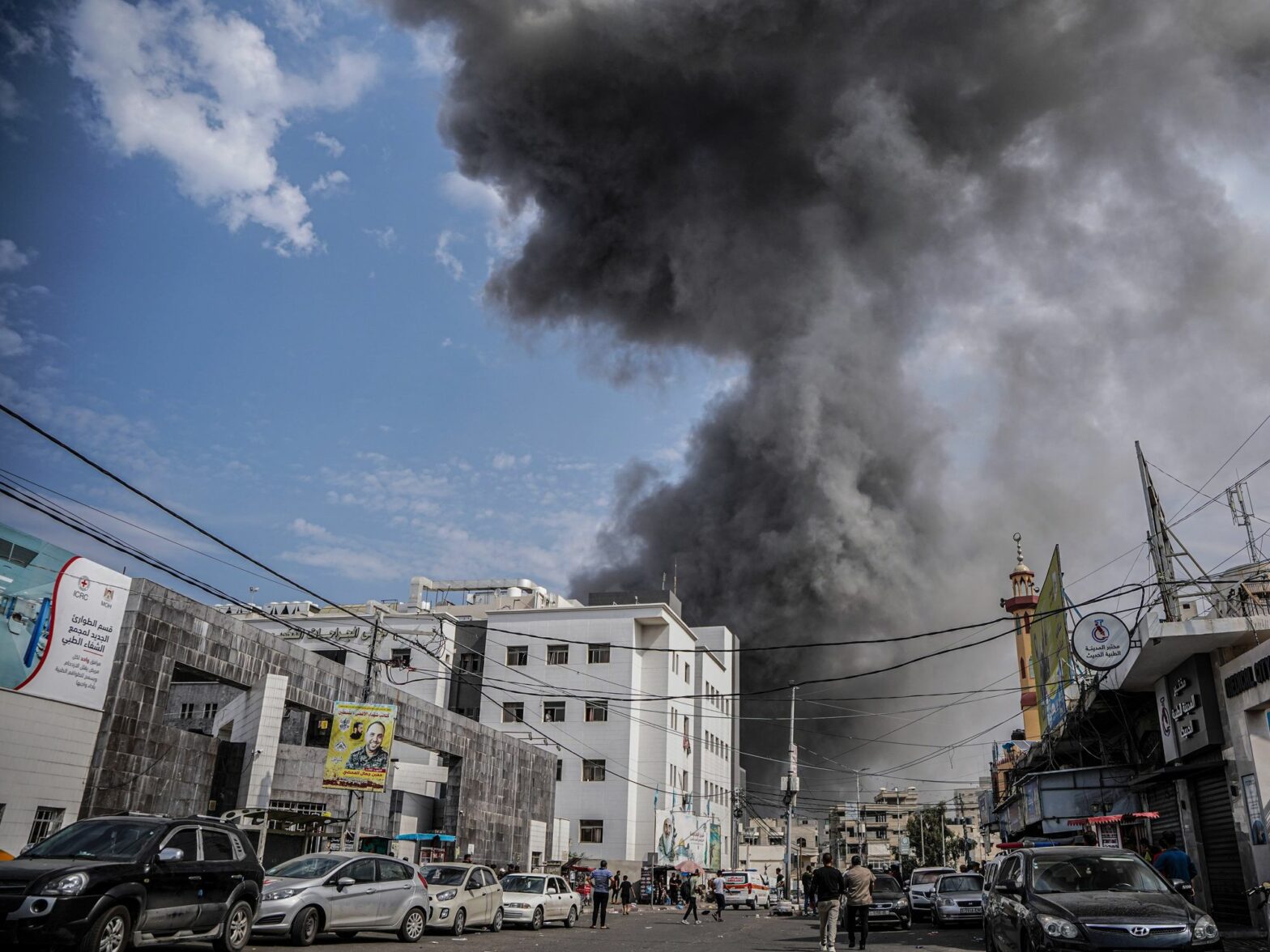
Prime Minister Benjamin Netanyahu and other top Israeli officials have referred to Hamas militants as “the new Nazis.” But as horrific as the Oct. 7 massacre was, what does it really mean to make such a comparison 80 years after the Holocaust? And how can we rightly describe what’s happening in Gaza?
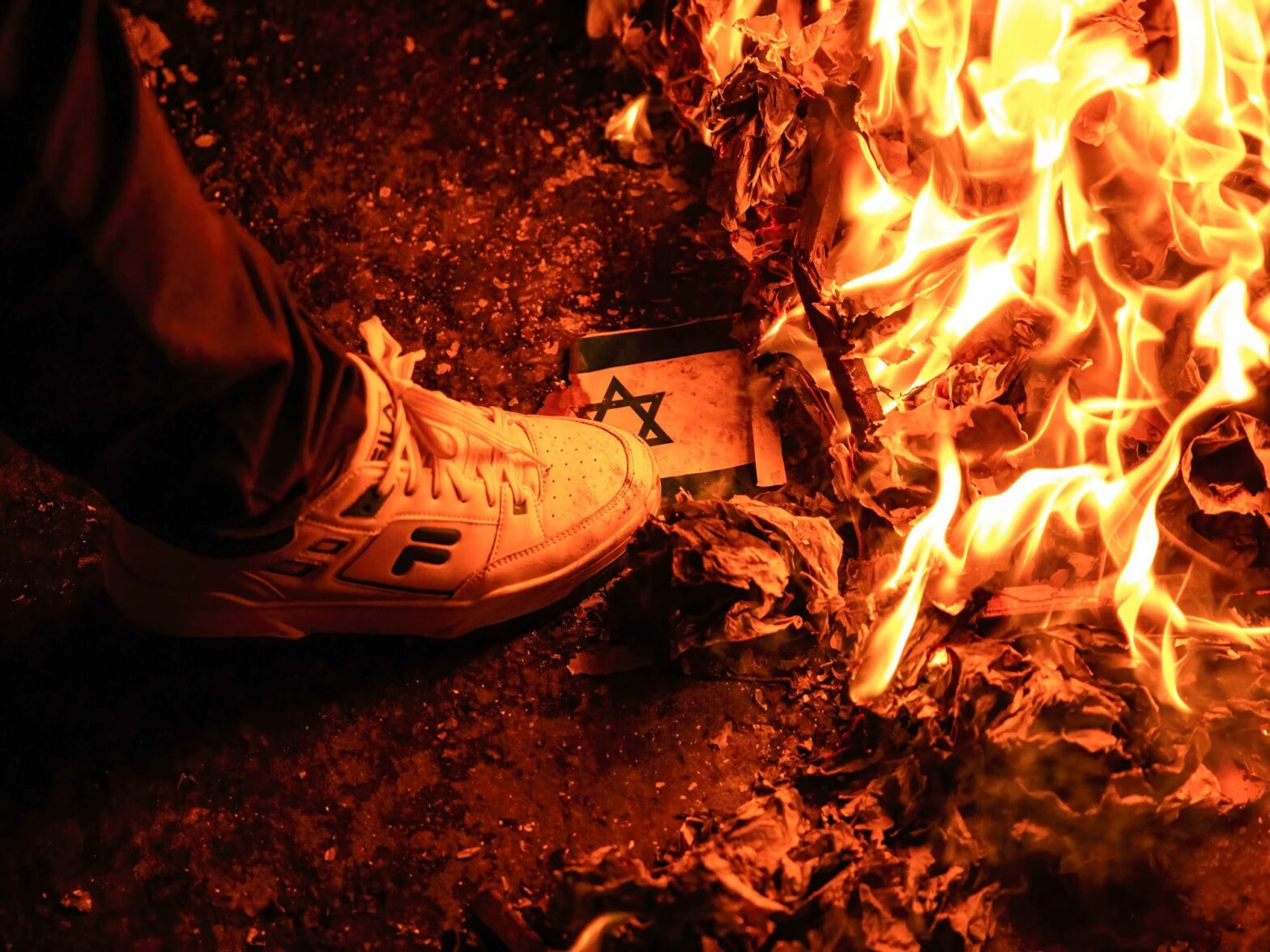
Sectors of the political Left around the world have practically lauded the Oct. 7 Hamas attack on Israel — finally barely bothering to hide their good ol’ fashioned hatred of the Jews, rather than hiding behind anti-Zionist rhetoric. Something evil has been re-released.
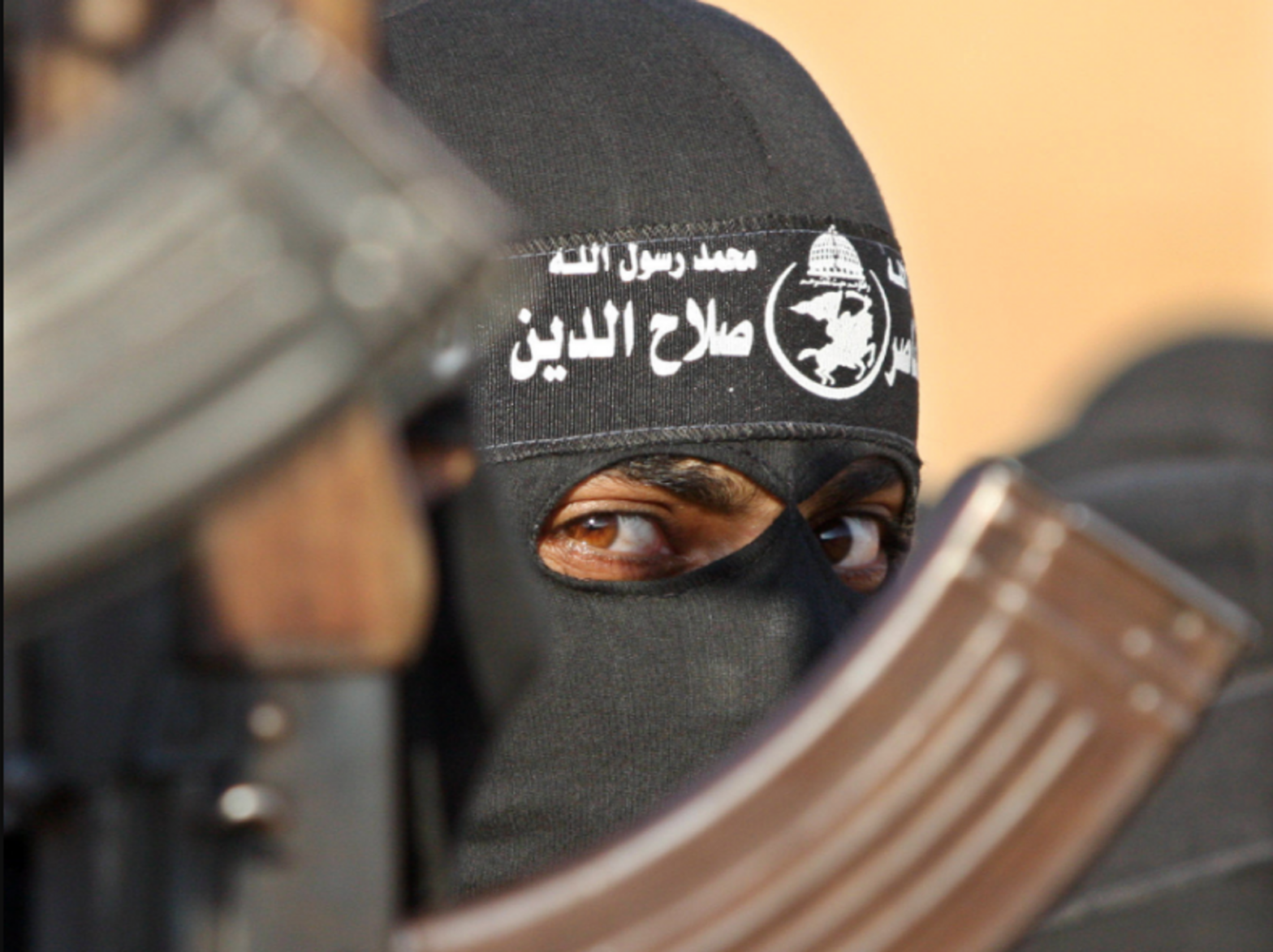
Russia is largely discrediting itself as a viable leader in diplomacy after siding so plainly with Hamas.
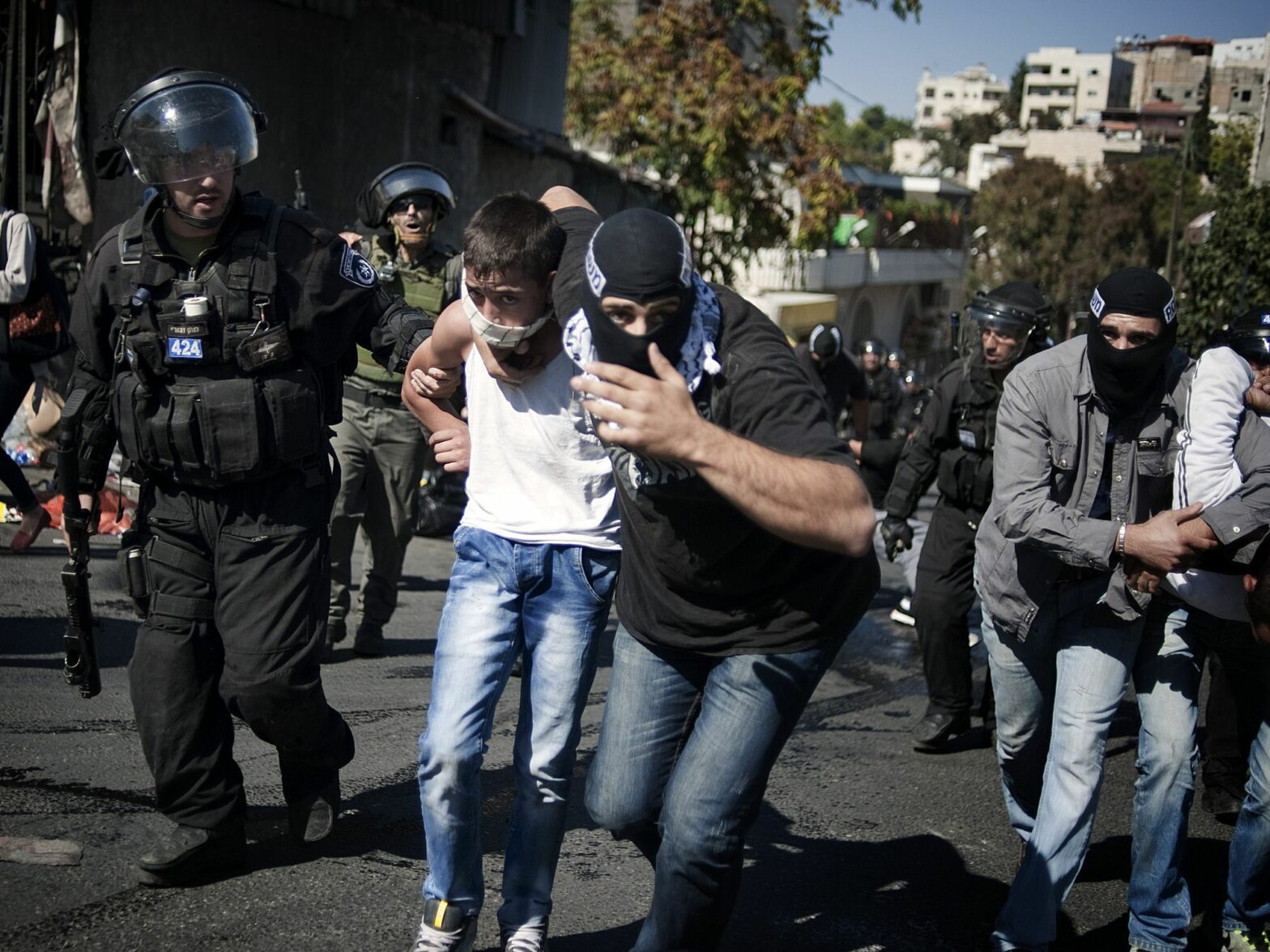
The number of Palestinian prisoners in Israel’s jails has doubled since the Hamas attack of Oct. 7. Some ask if the roundups of Palestinians is a tactic to win the release in an exchange with Hamas for the 200 hostages held in Gaza.
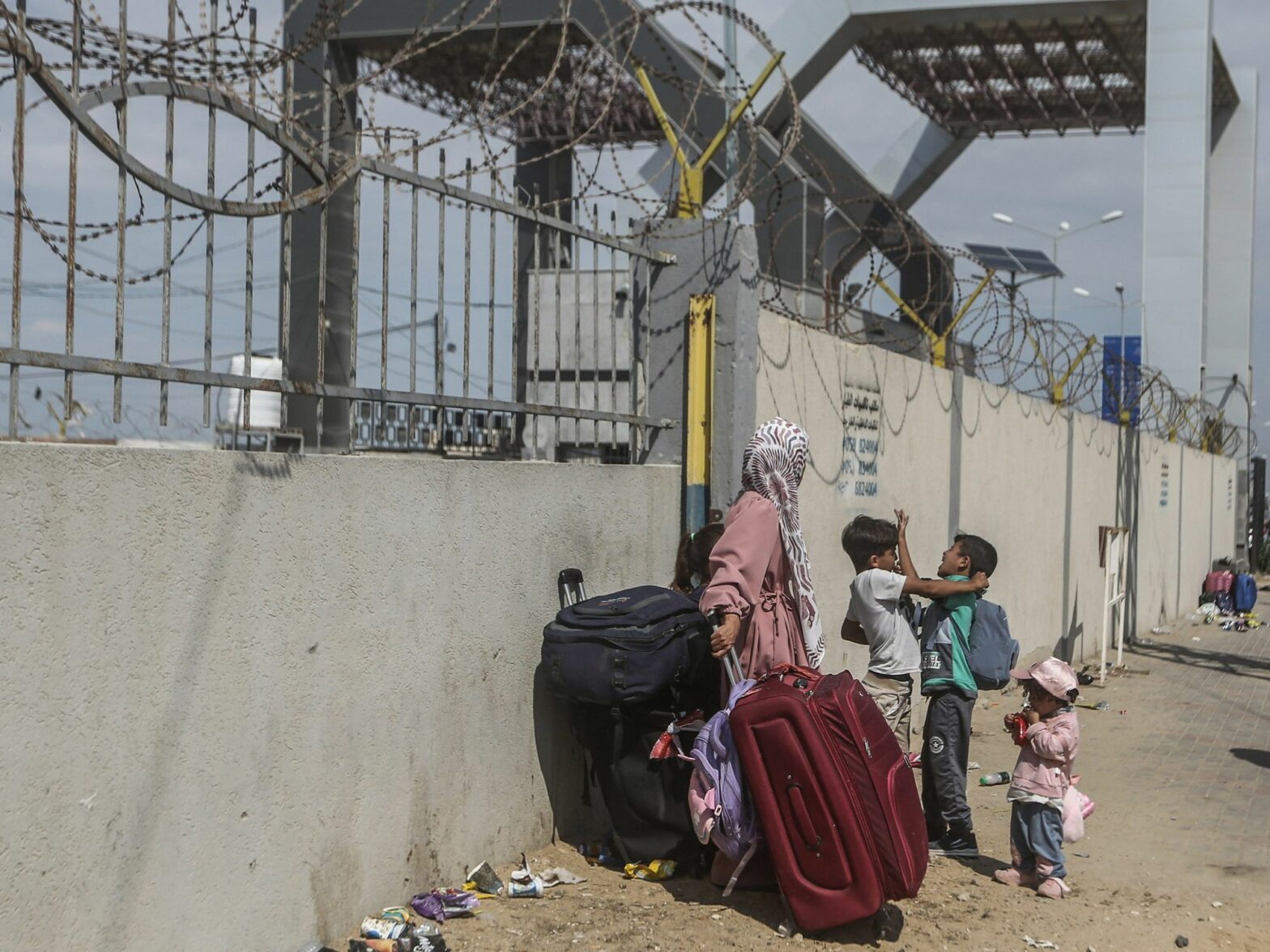
Dubbed by some as the ‘Eiland plan,’ after a retired Israel general, Egypt is vehemently opposed to any attempt to transfer Palestinian refugees from Gaza, which could turn Sinai into a launch pad for operations against Israel, and ultimately redraw the map of the Middle East again.
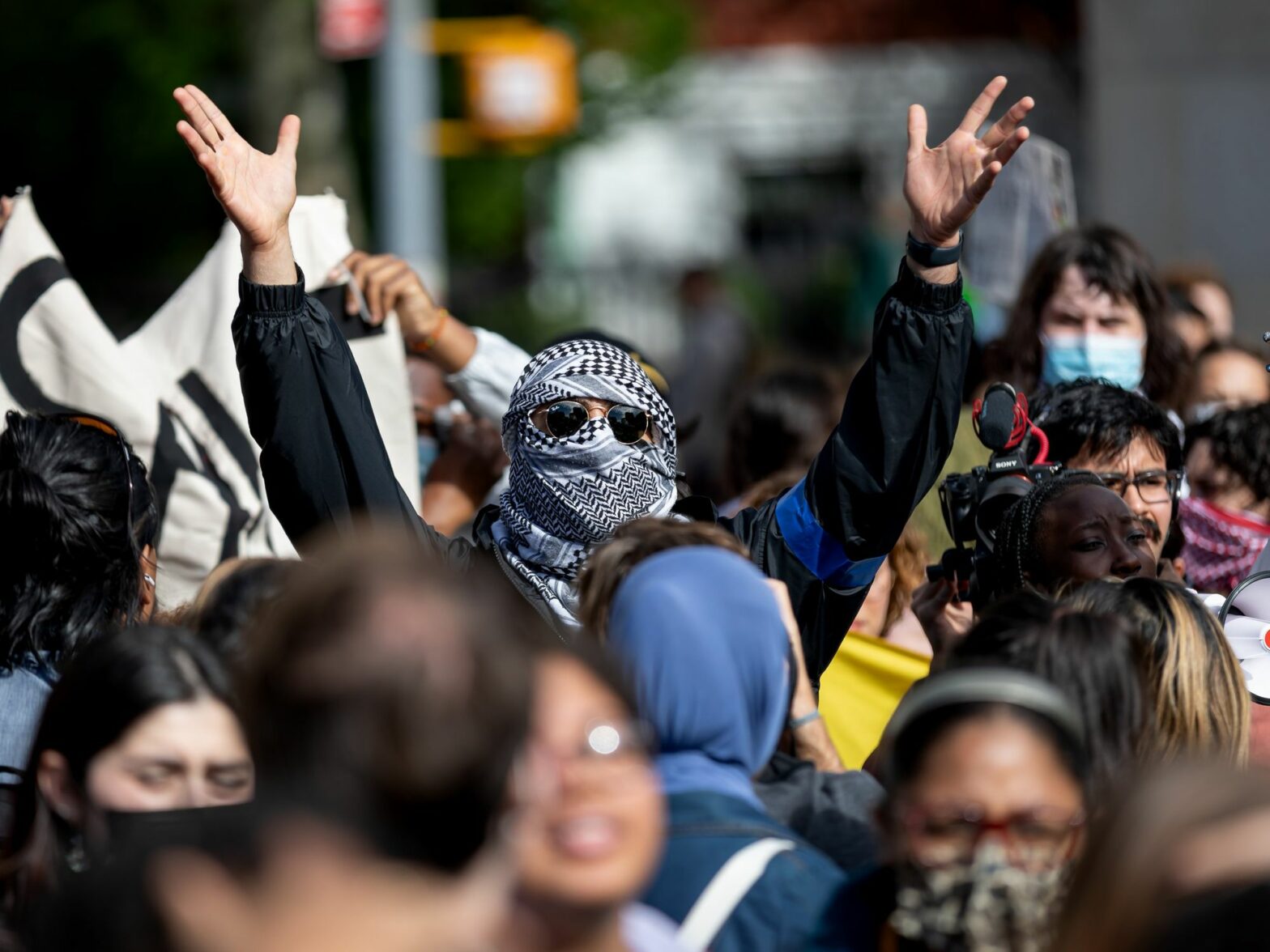
Even as casualties are mounting and bombs keep falling on civilians in Gaza, Western countries fail to reach a consensus and unambiguously call for a ceasefire. It’s a mix of history, alliances and being too careful.
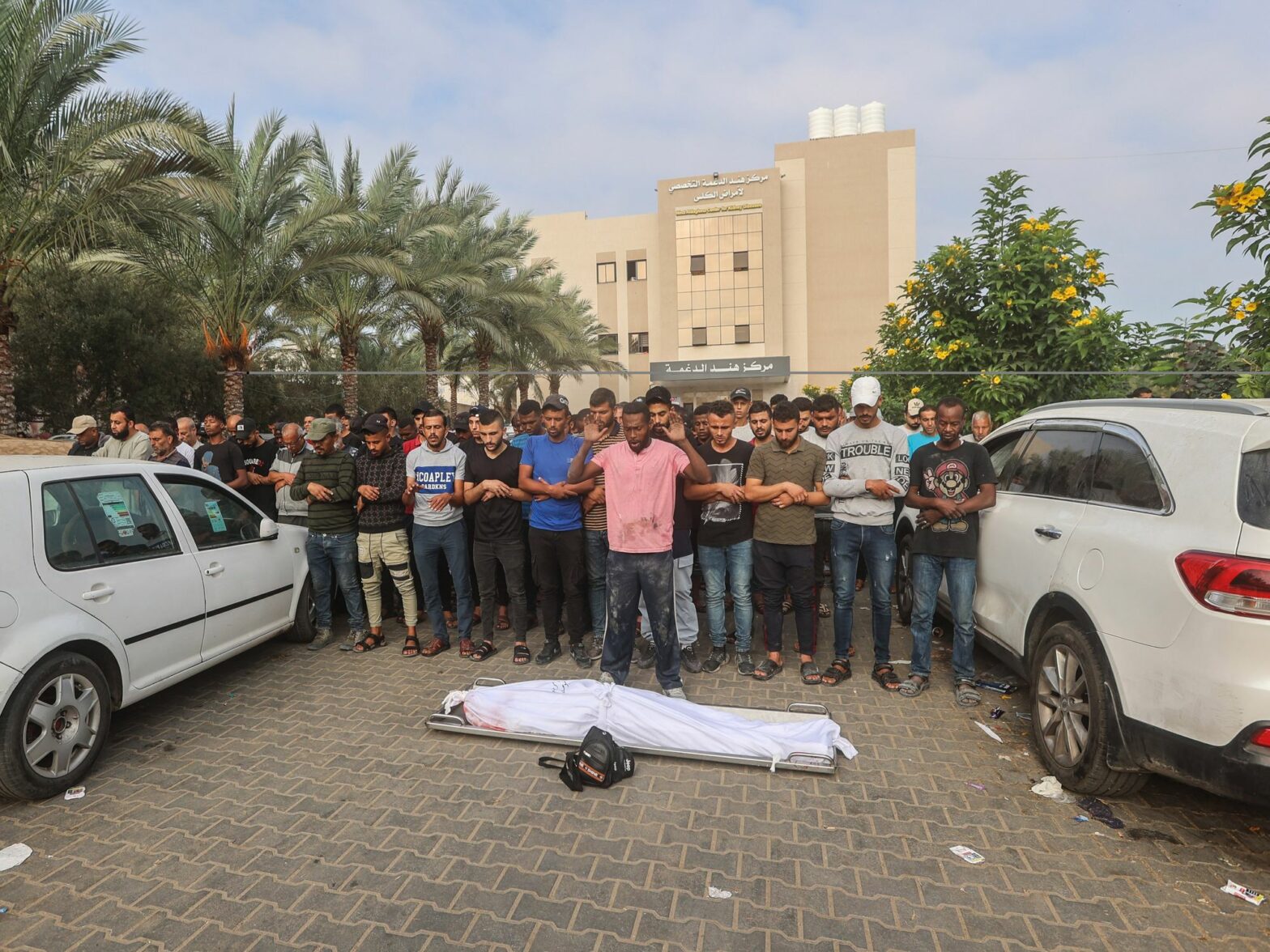
While everyone acknowledges the civilian toll is climbing in Gaza, a new doubt has begun to spread in recent days about the reliability of the death counts given by Gaza’s government, which is run by Hamas. U.S. President Joe Biden now says he doesn’t believe the numbers at all, which has set off criticism about his lack of both sources and “empathy.”
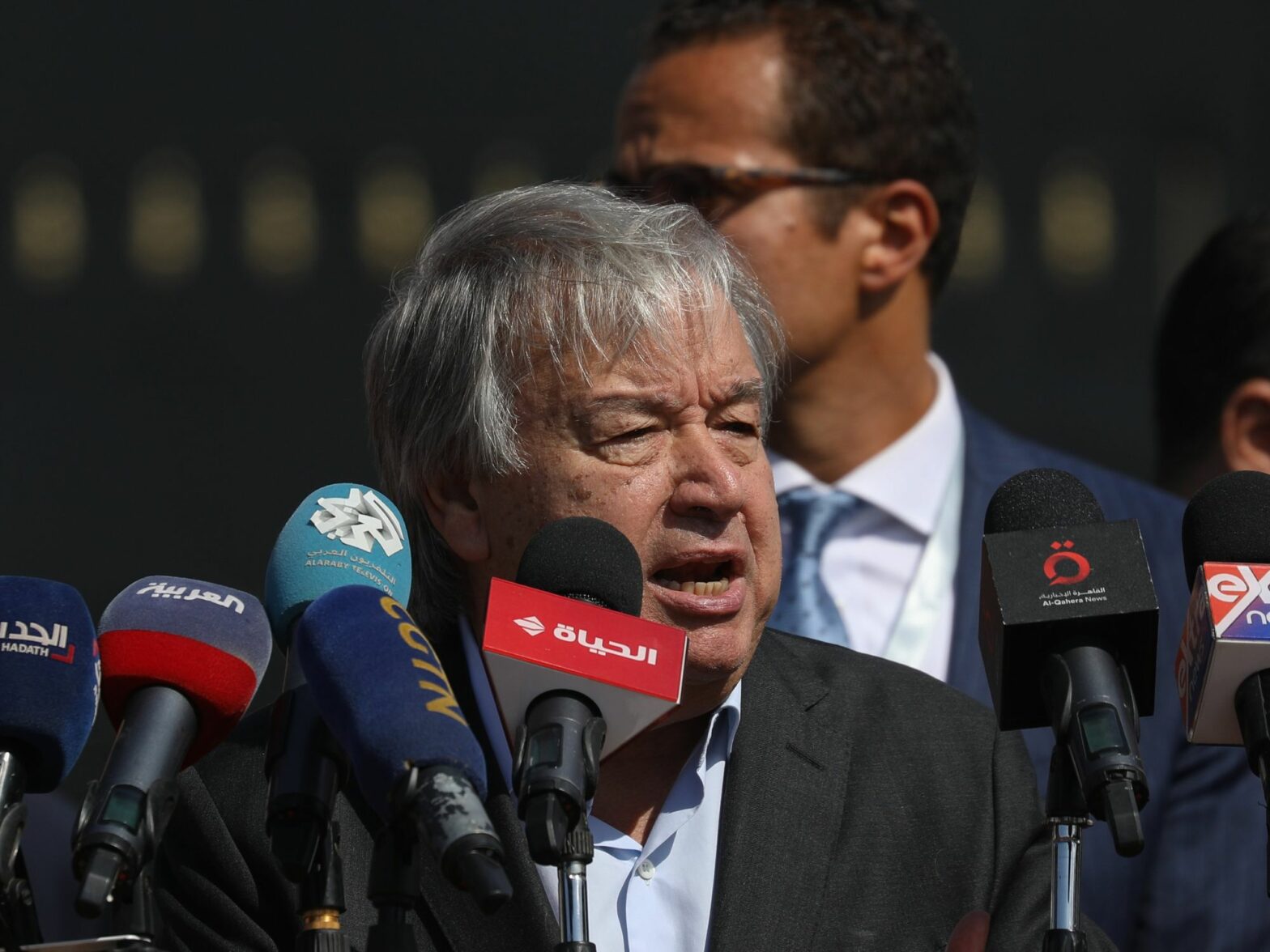
UN Secretary-General Antonio Guterres’ comments on the Oct. 7 attacks on Israel by Hamas, which he said “did not occur in a vacuum,” constitute an incomprehensible relativization of a barbaric mass murder. Shameful, but not surprising, writes Die Welt‘s editor-in-chief Jennifer Wilton.
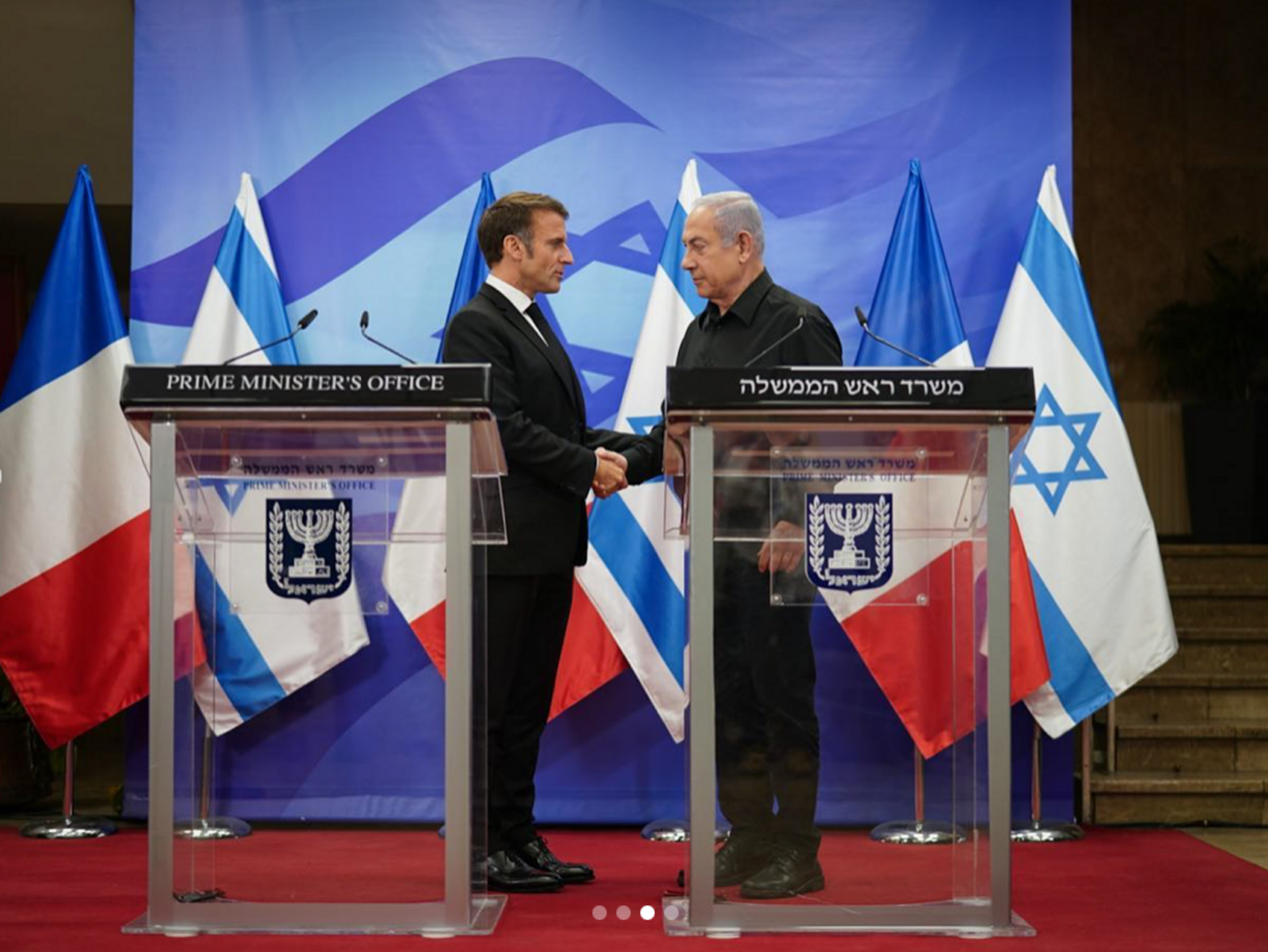
The French president is expected to call for a “humanitarian pause” in Israel and the opening of a “political perspective” for the Palestinians, while displaying his solidarity with Israel. A singular voice, which recalls France’s past commitments, but in a radically changed context.
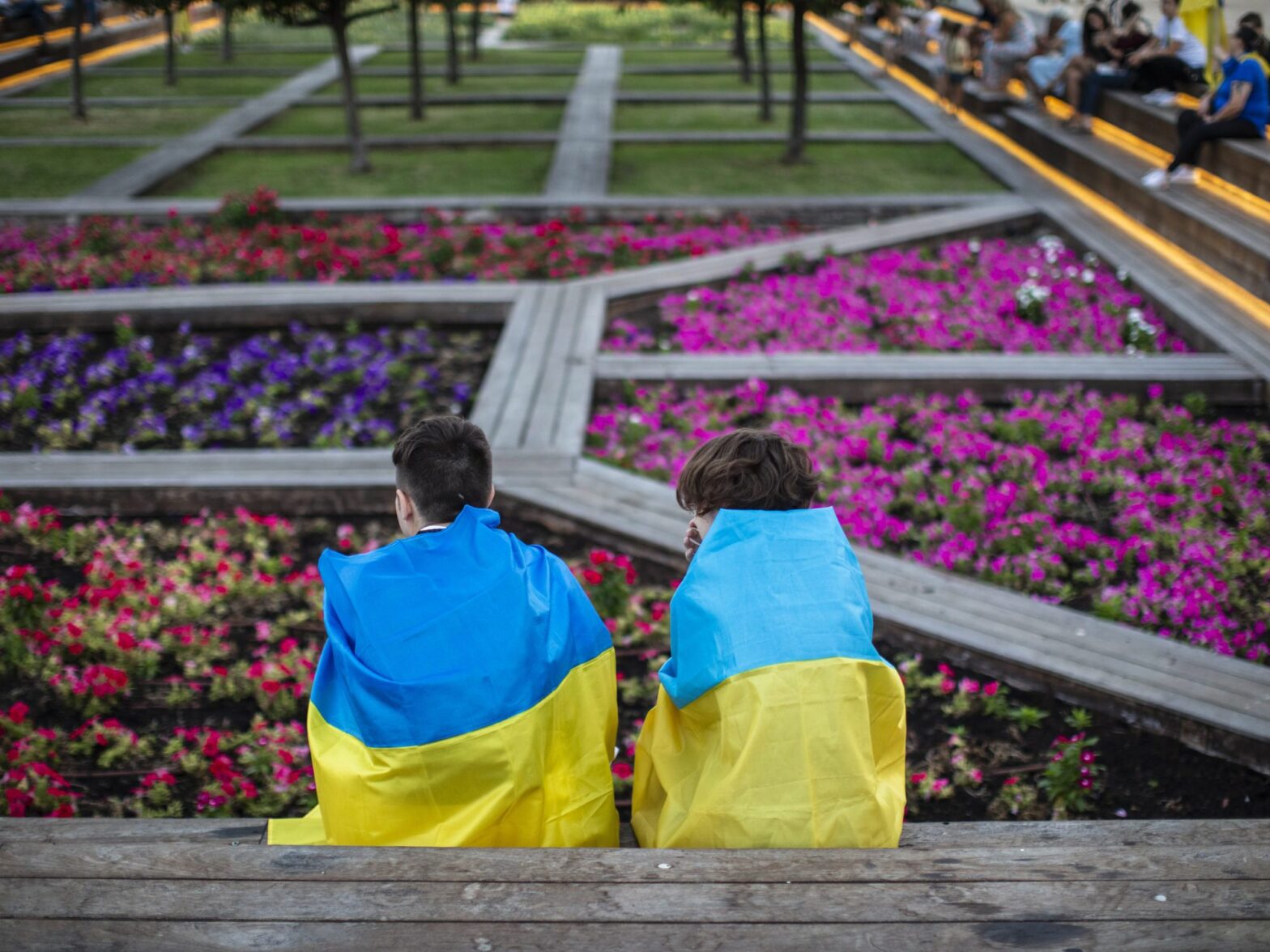
Among the victims of the recent conflict in Israel are many Ukrainian citizens who fled the Russian invasion and are now finding themselves at the center of another war.
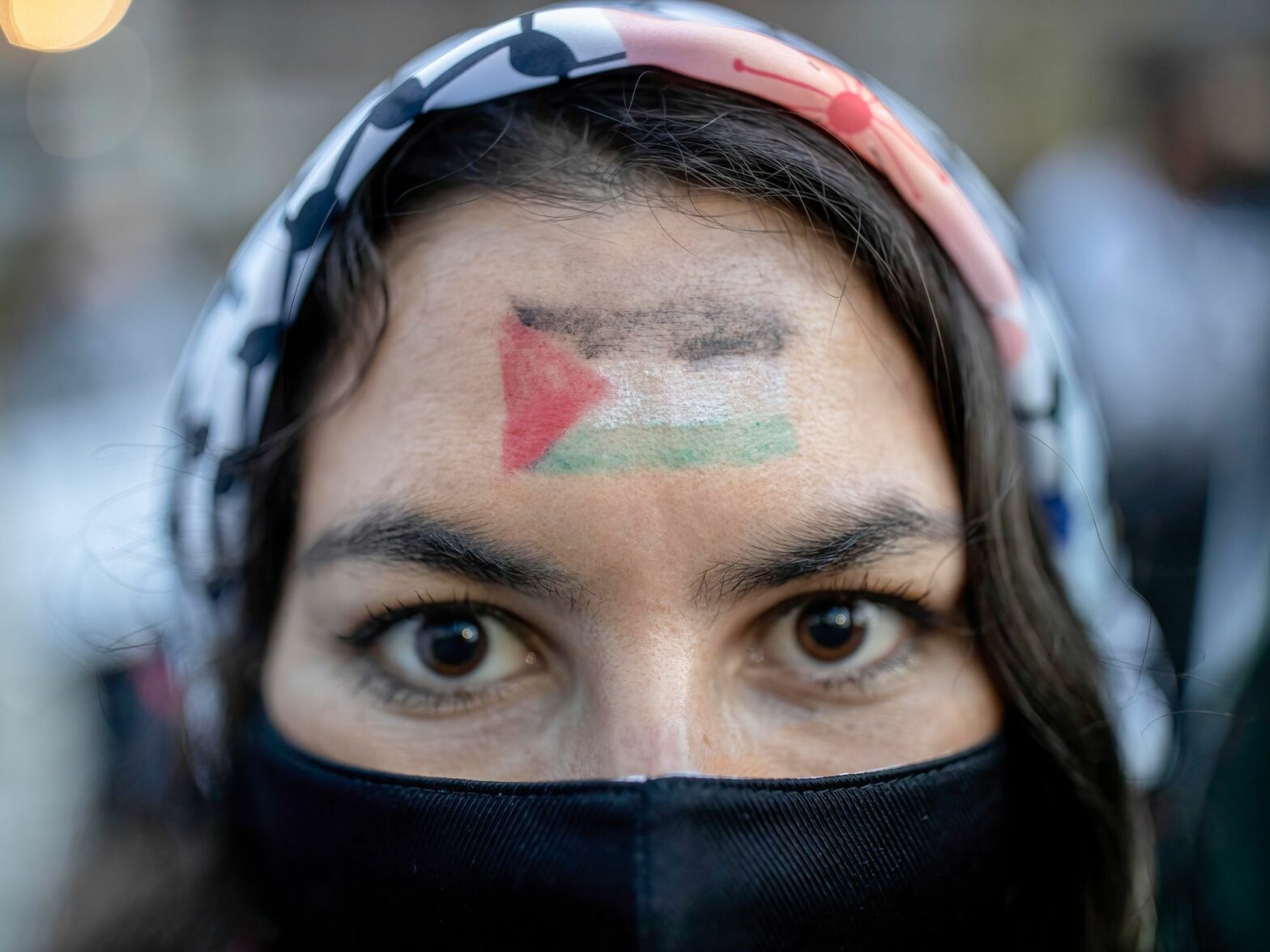
The lack of credible Palestinian leadership could plague the region once the war is over, leaving it without any legitimate political representation.
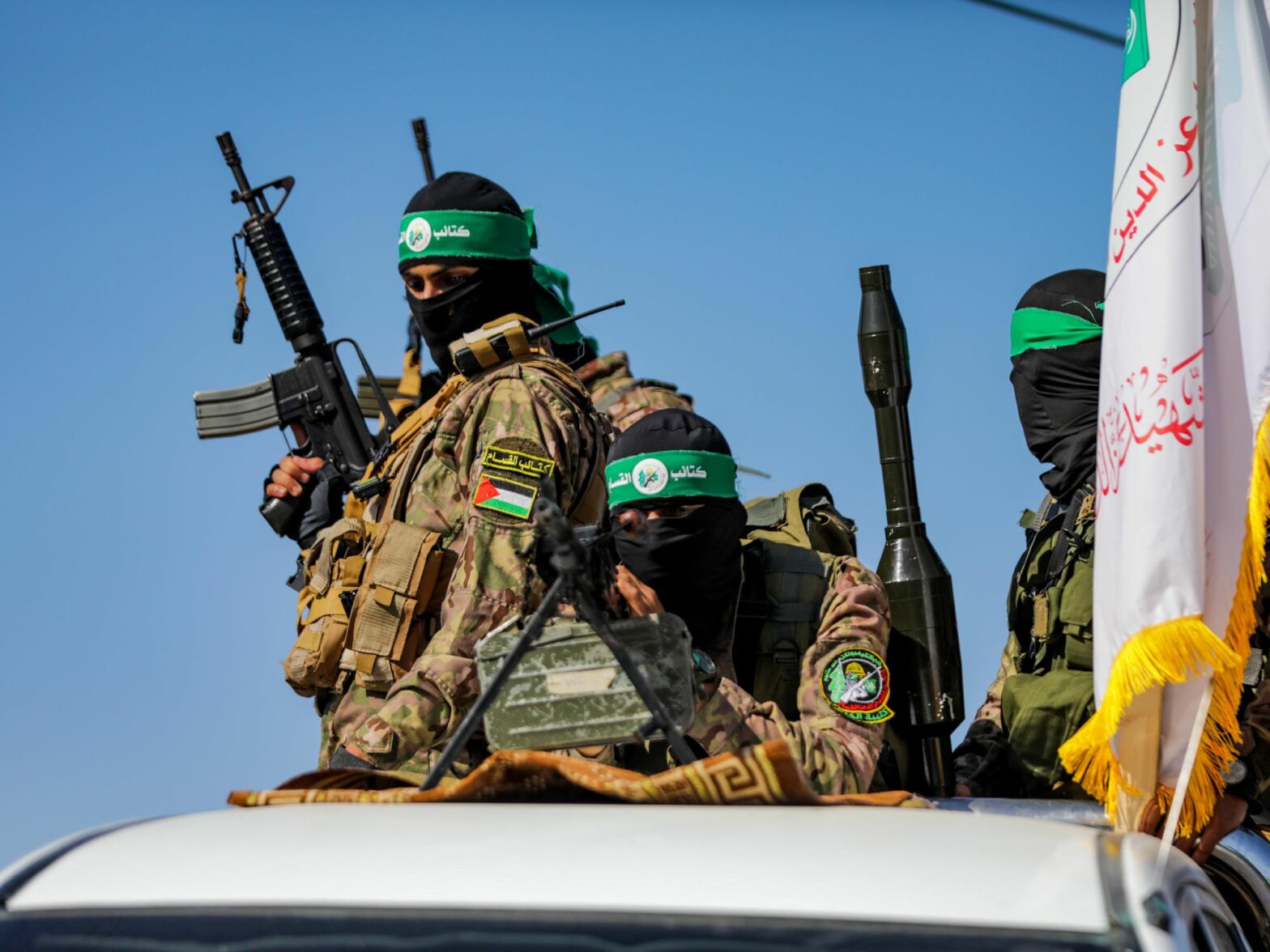
The Middle East is ablaze. Many have blamed this “endless war” on the seemingly eternal fight between Islam and Judaism, which are both religions without an intermediary to God. But there are key differences both within and between the two faiths.
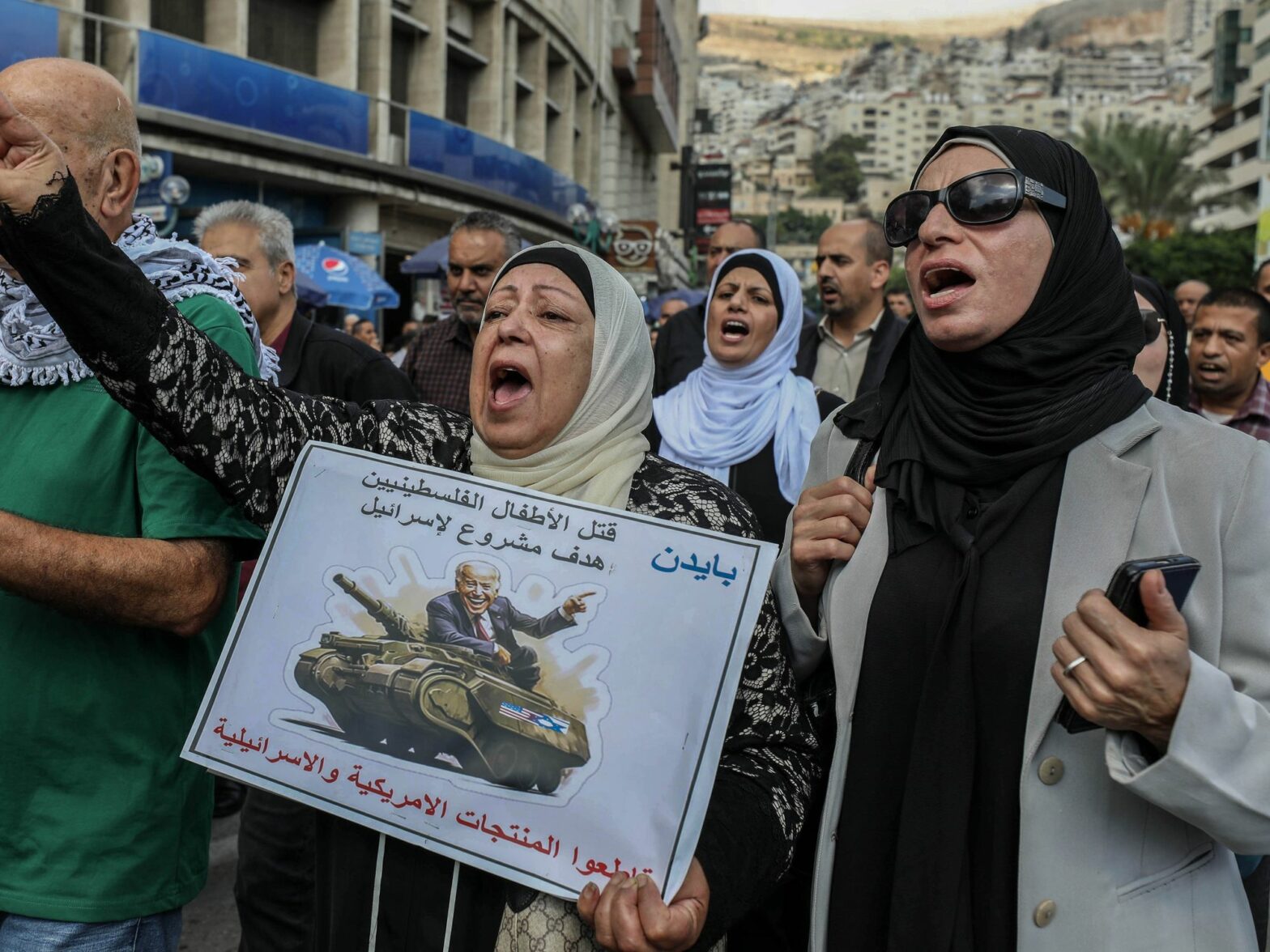
In the capital of the Palestinian Authority, residents are outraged at Israel — but also their own leaders for not taking a harder line. The beneficiary is the militant group Hamas, which rules the other Palestinian enclave of Gaza, and is in an all-out war with Israel.
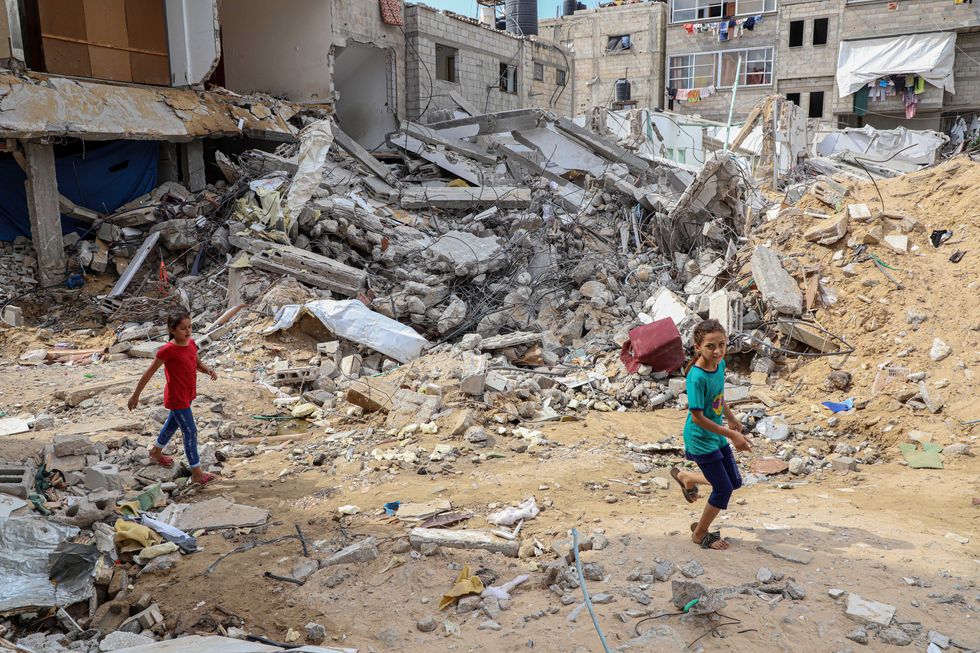
Hamas has shown callous disregard for the lives of Palestinians living in Gaza, but this was inevitable given its history and the inspiration of its patrons – Iran’s hangman regime.
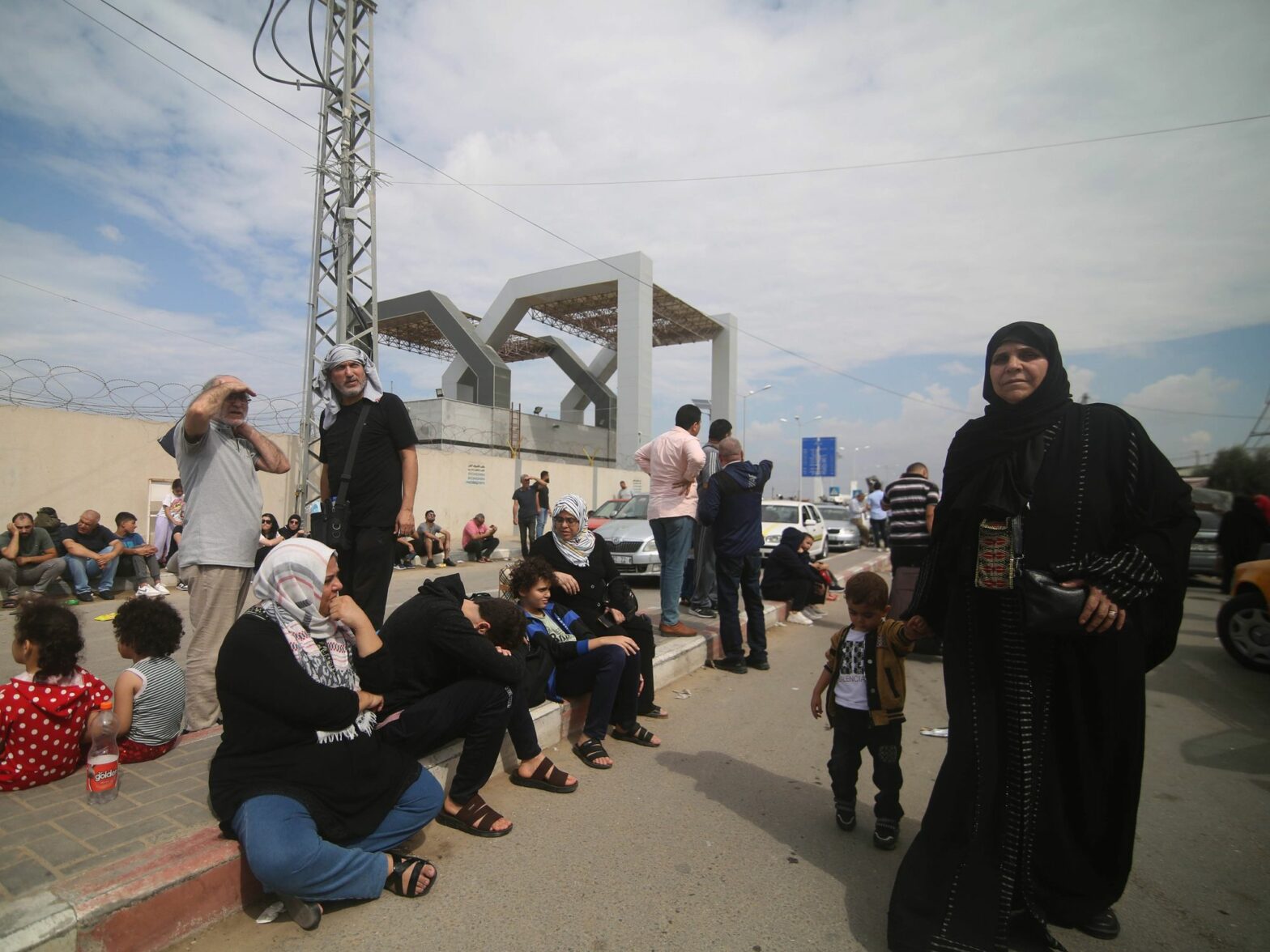
Dozens of families from Gaza are now stranded in Egypt’s North Sinai, after they tried to cross into Egypt through the Rafah crossing. They tell Mada Masr about watching Israel’s brutal siege for afar — and their wish to go back home, in spite of the risks.
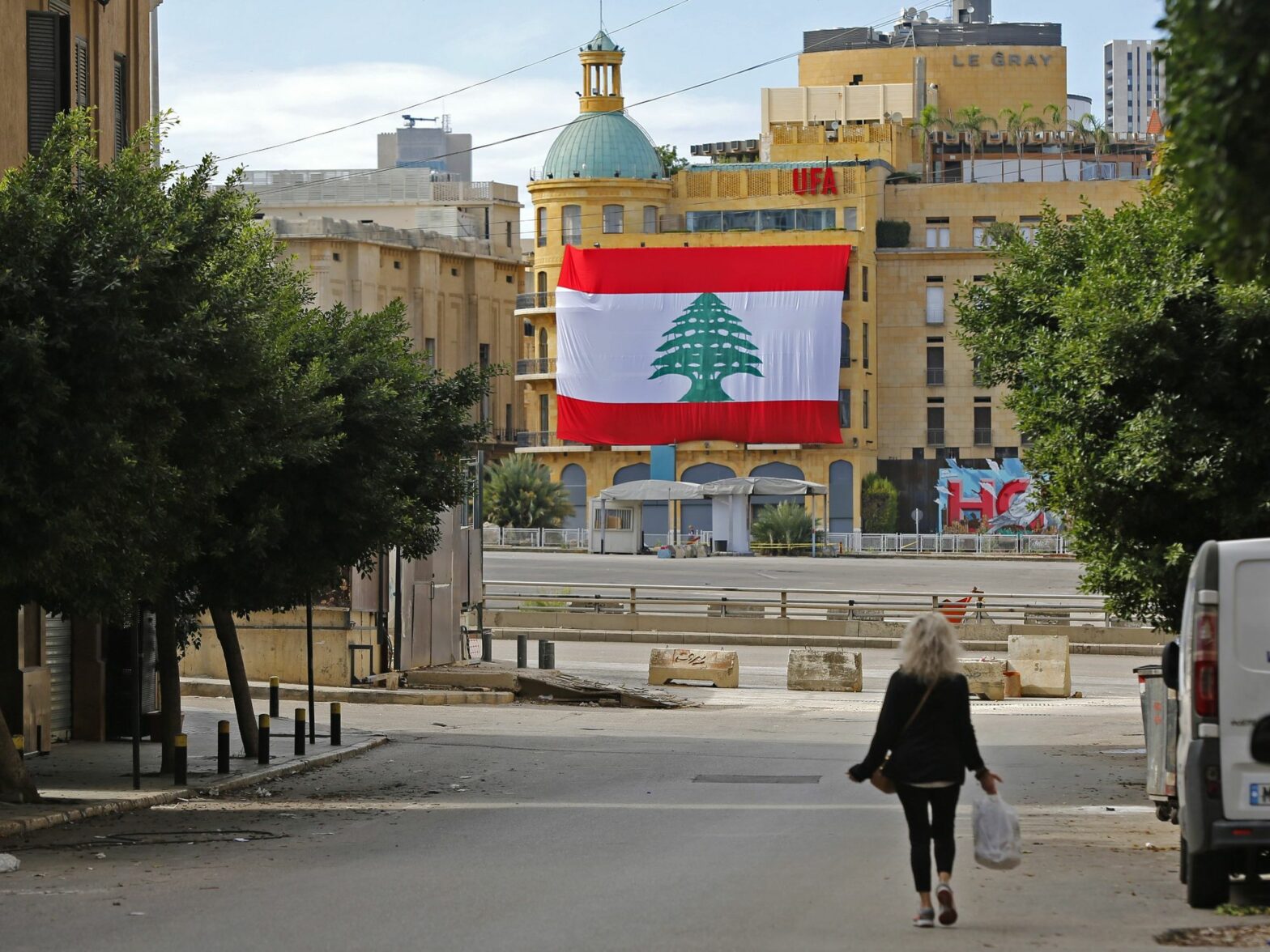
Memories are still clear of the war in 2006, which exploded after a Hezbollah attack in northern Israel. Nobody wants war again, even as solidarity for the Palestinian cause is stronger than ever.
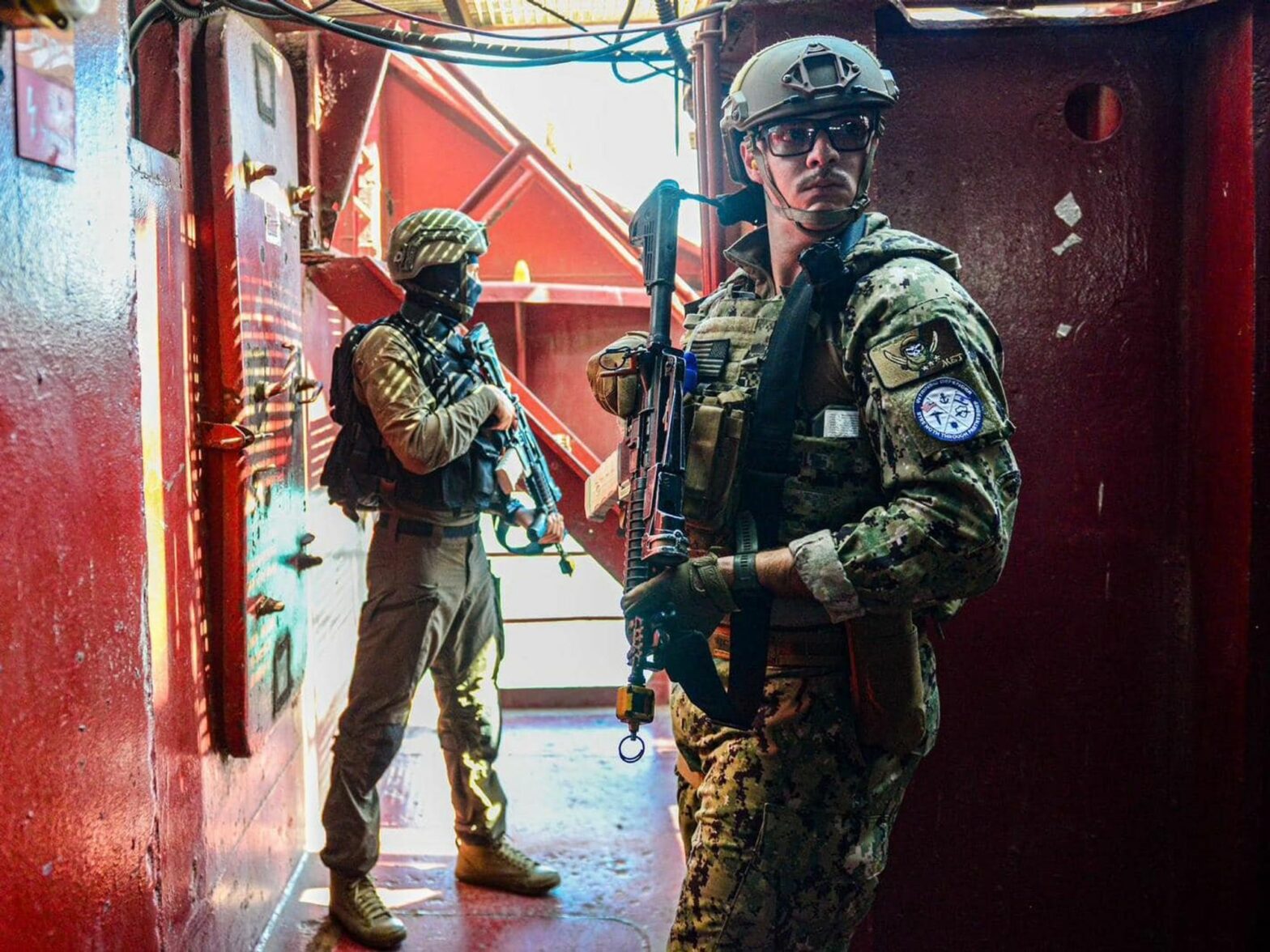
The blind spots began appearing in the first hours and days after more than 1,200 civilians were slaughtered by Hamas terrorists, who breached the border from Gaza. A former Israeli military intelligence operative guides us through the mistakes that allowed it to happen.
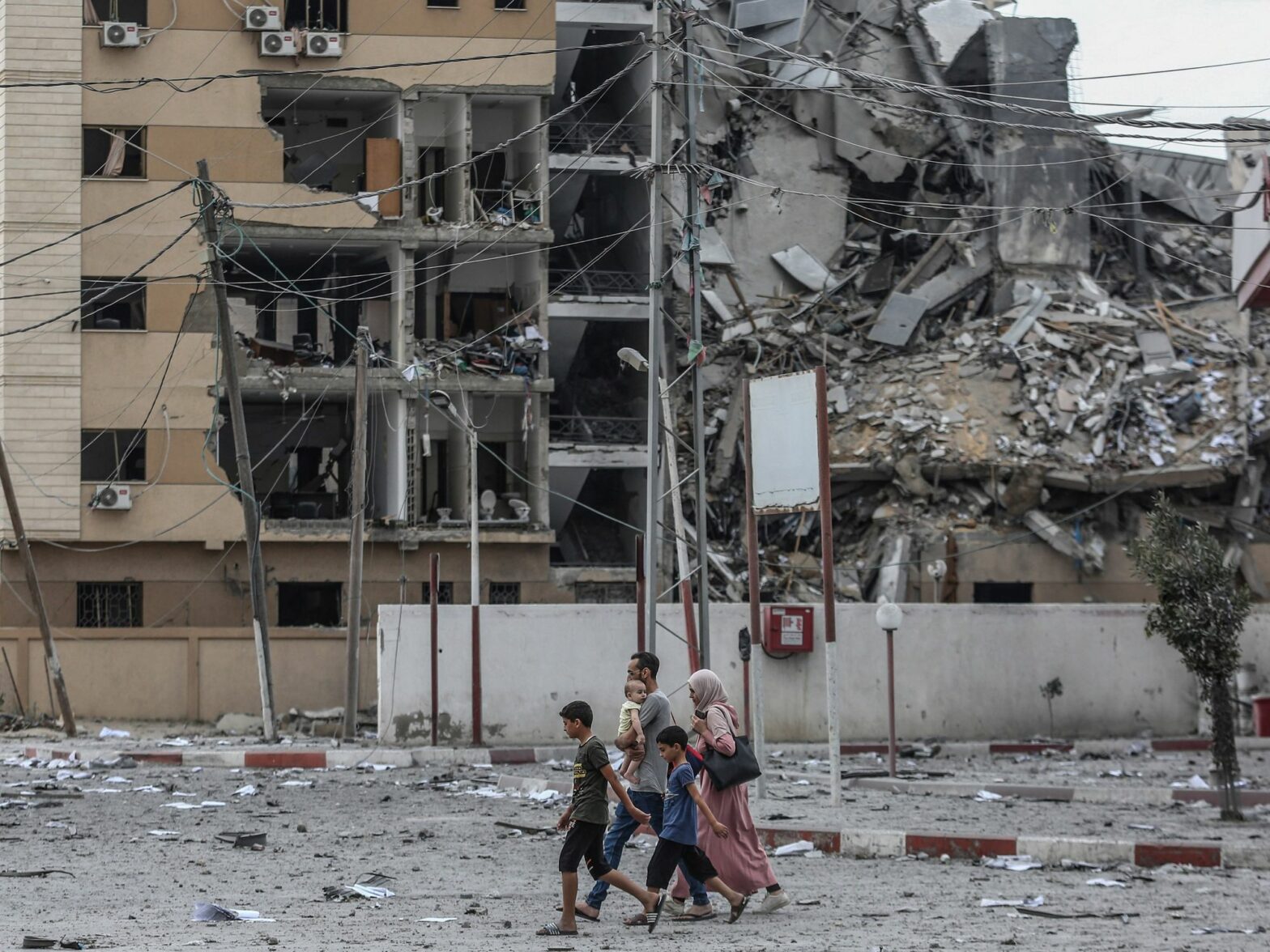
Even as the borders close and the siege tightens, most of the Palestinians also deeply fear leaving, convinced that (like their forebears) they’ll never return.
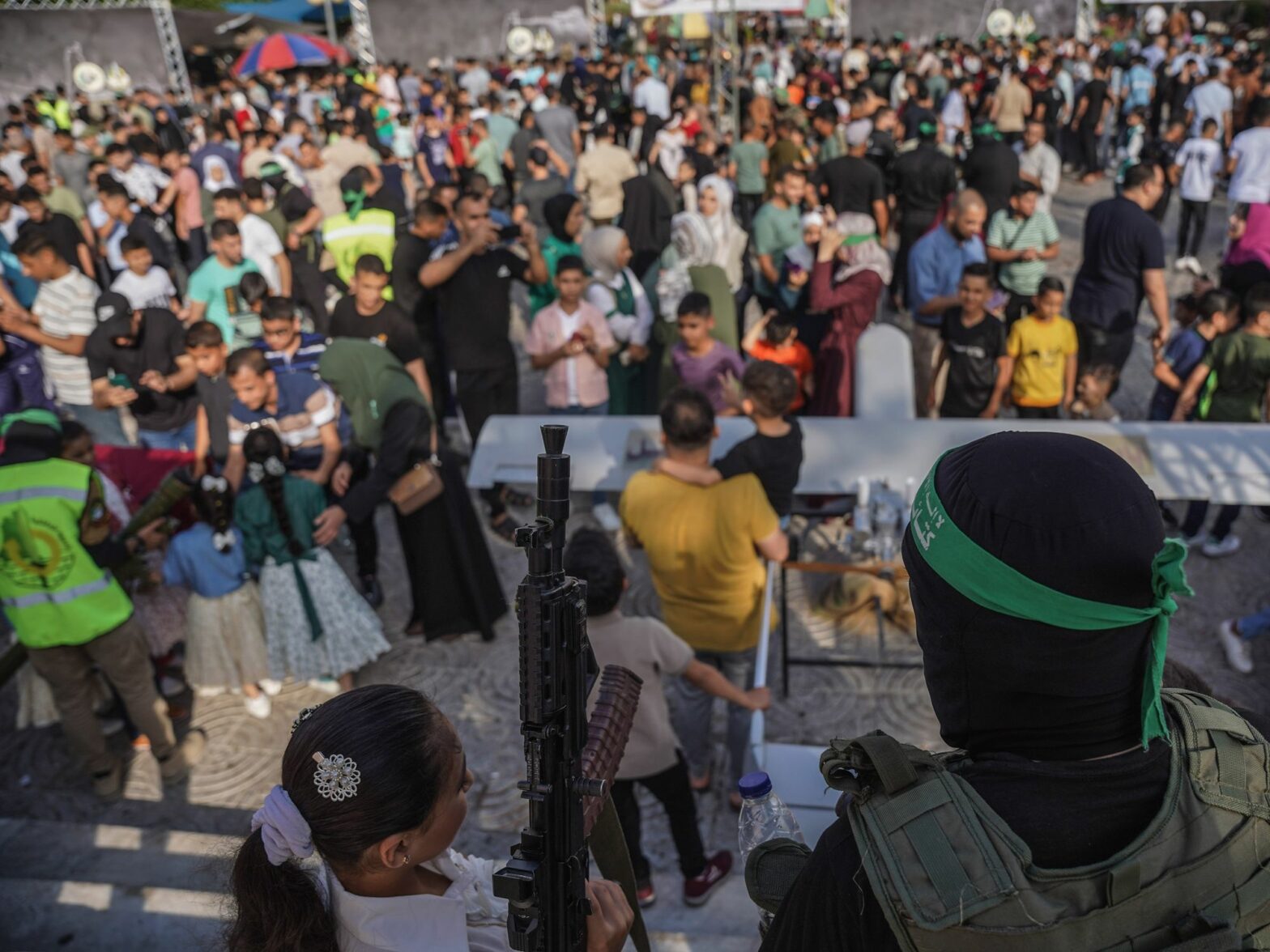
Will the West stop coddling the Iranian regime now, or continue its mix of appeasement and a cat-and-mouse game that Tehran has deftly exploited to undermine peace in the Middle East?
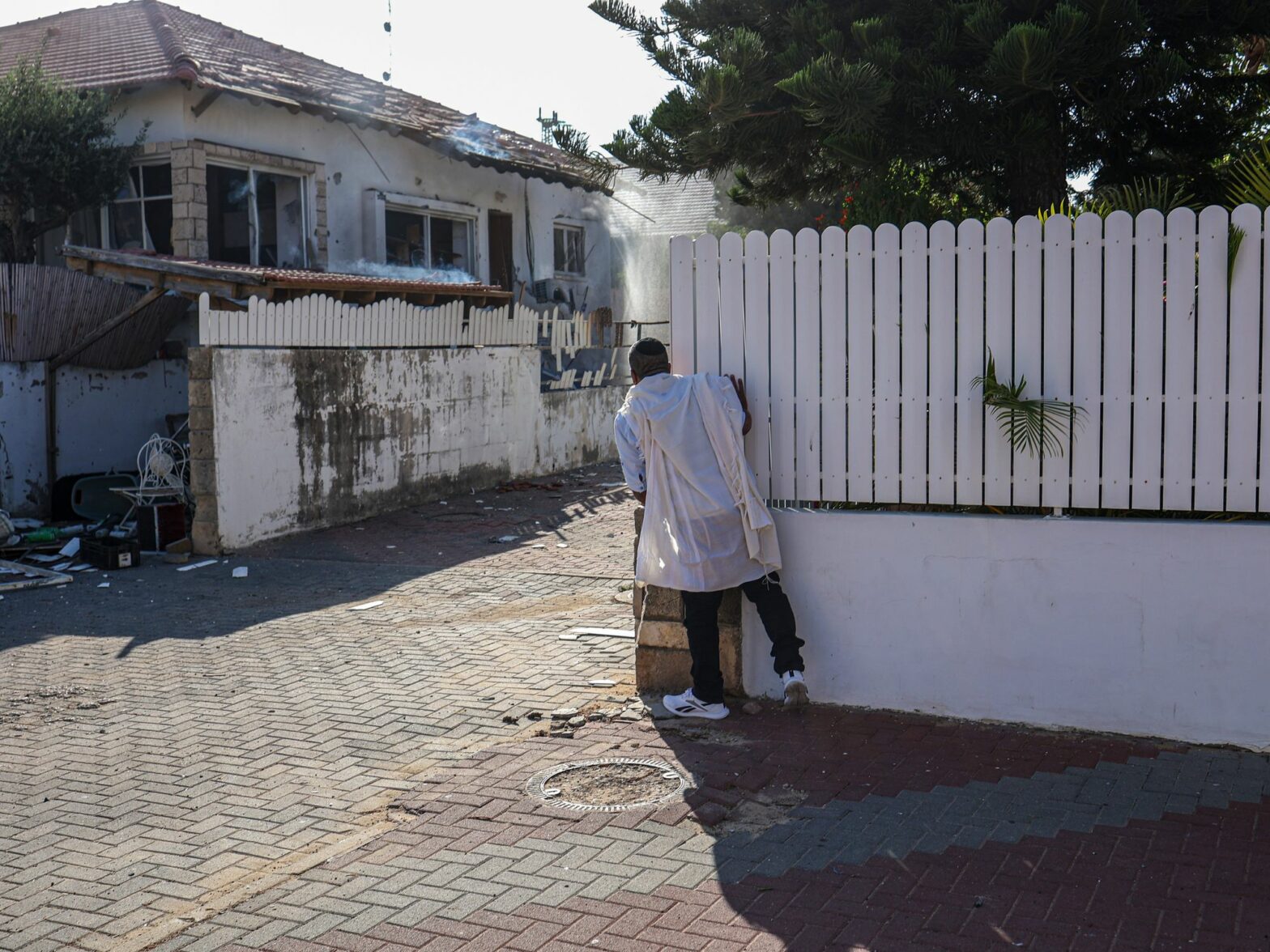
Since Saturday’s bloody Hamas assault began, Ashkelon, a city located 20 kilometers from Gaza, has become the front line in what is shaping up to be Israel’s most dangerous war in a generation.
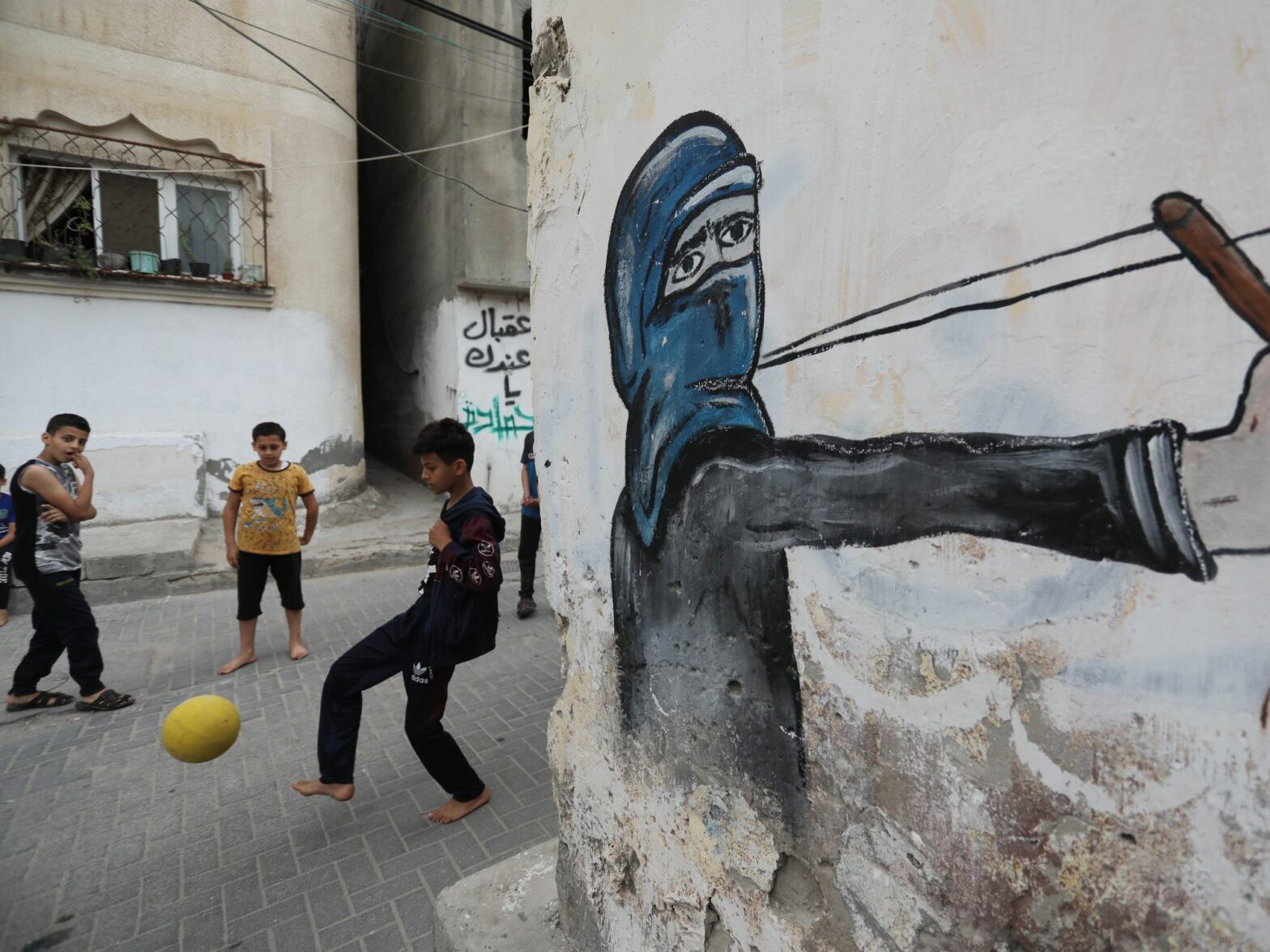
In response to the attack by Hamas, Israel promises to eradicate the group, but what does this really look like? With the promise of a high toll in human lives and the complex network of the Gaza Strip, an operation to retaliate against Hamas may be even more difficult that one may think.
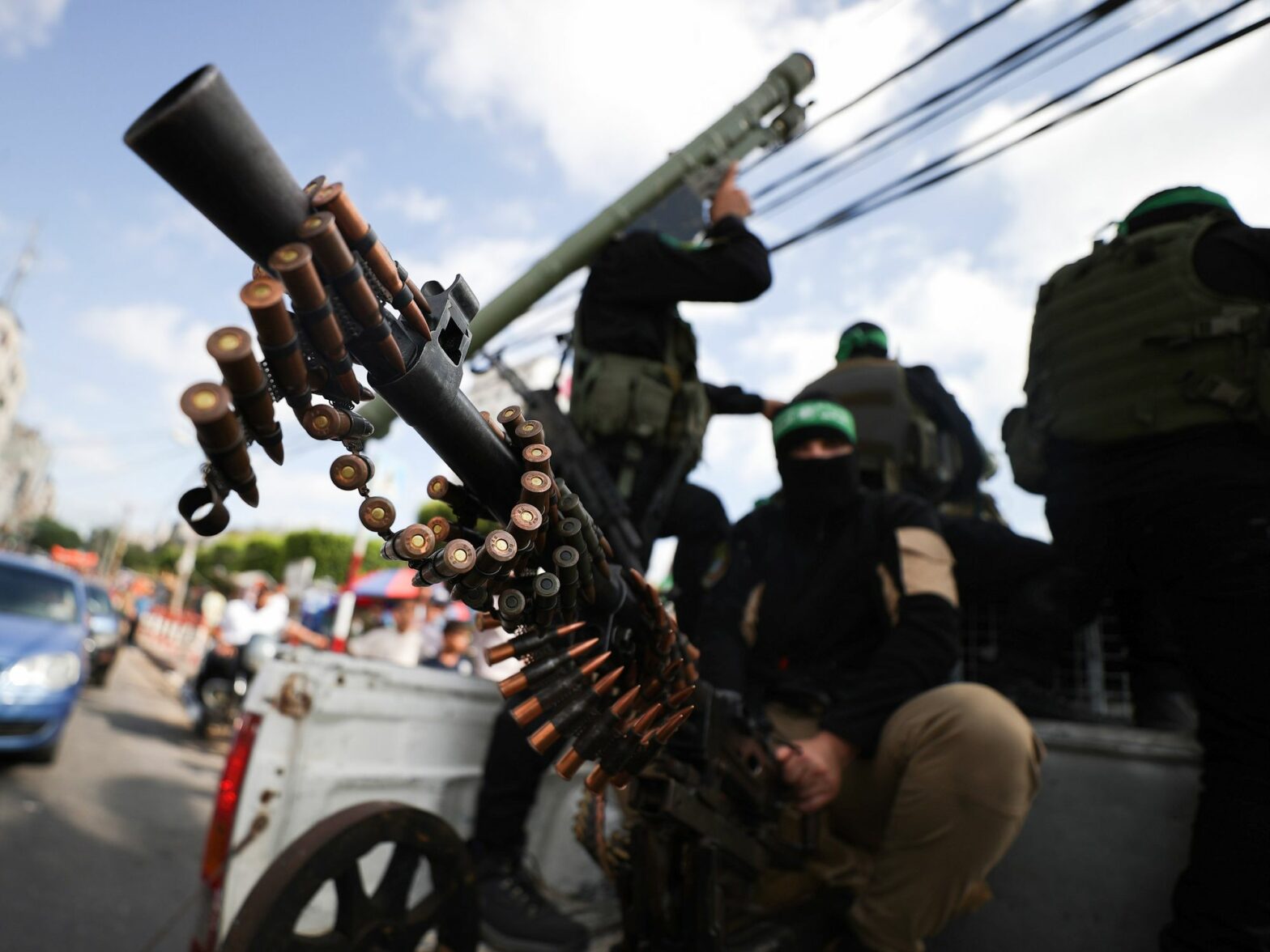
Hamas’ unprecedented onslaught has hit Israel at a moment of weakness. But the attack could unite a divided Israeli society against a common enemy — and finally end the terrorist organization’s rule.
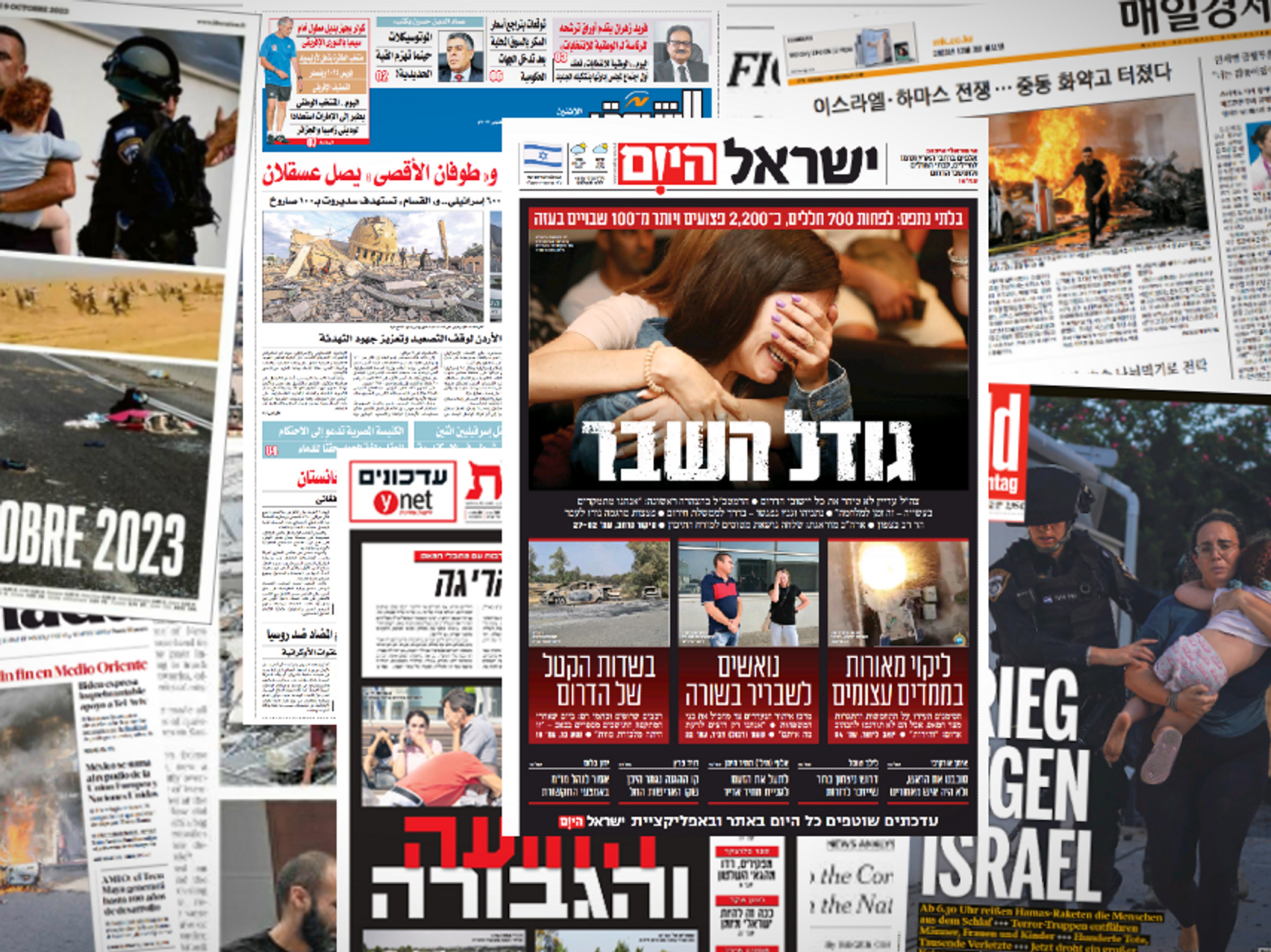
The vast majority of newspapers around the world are dedicating their front pages to the sudden escalation of violence in the Middle East.
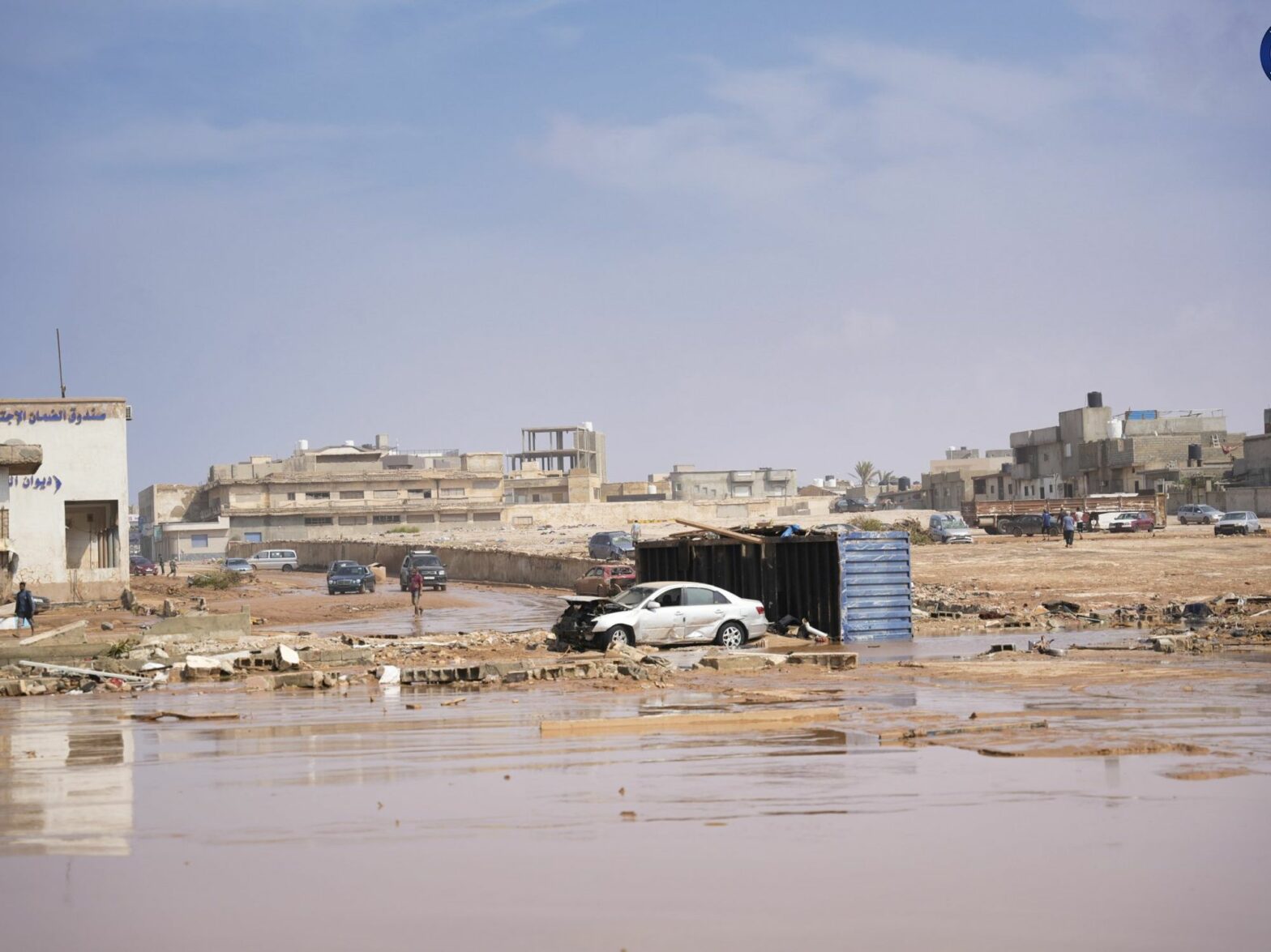
The devastating flood in Libya is the result of the climate crisis, worsened by the country’s poor infrastructure, the legacy of European colonialism. These disasters will only become more frequent.

The author set off on a three-week vacation trip across Europe in an electric car. Would the charging infrastructure be enough to get all the way, or would they end up stranded without battery, far from home?

Human-made shelters don’t always keep creatures out of harm’s way. Can technology help design a better protect birds and possums?

The third indictment against Donald Trump raises the legal dispute between the United States and its former president to a new level. While Trump cries foul play, drawing shameful comparisons with Nazi persecution 1930s Germany, the consequences of the trial can’t be predicted.
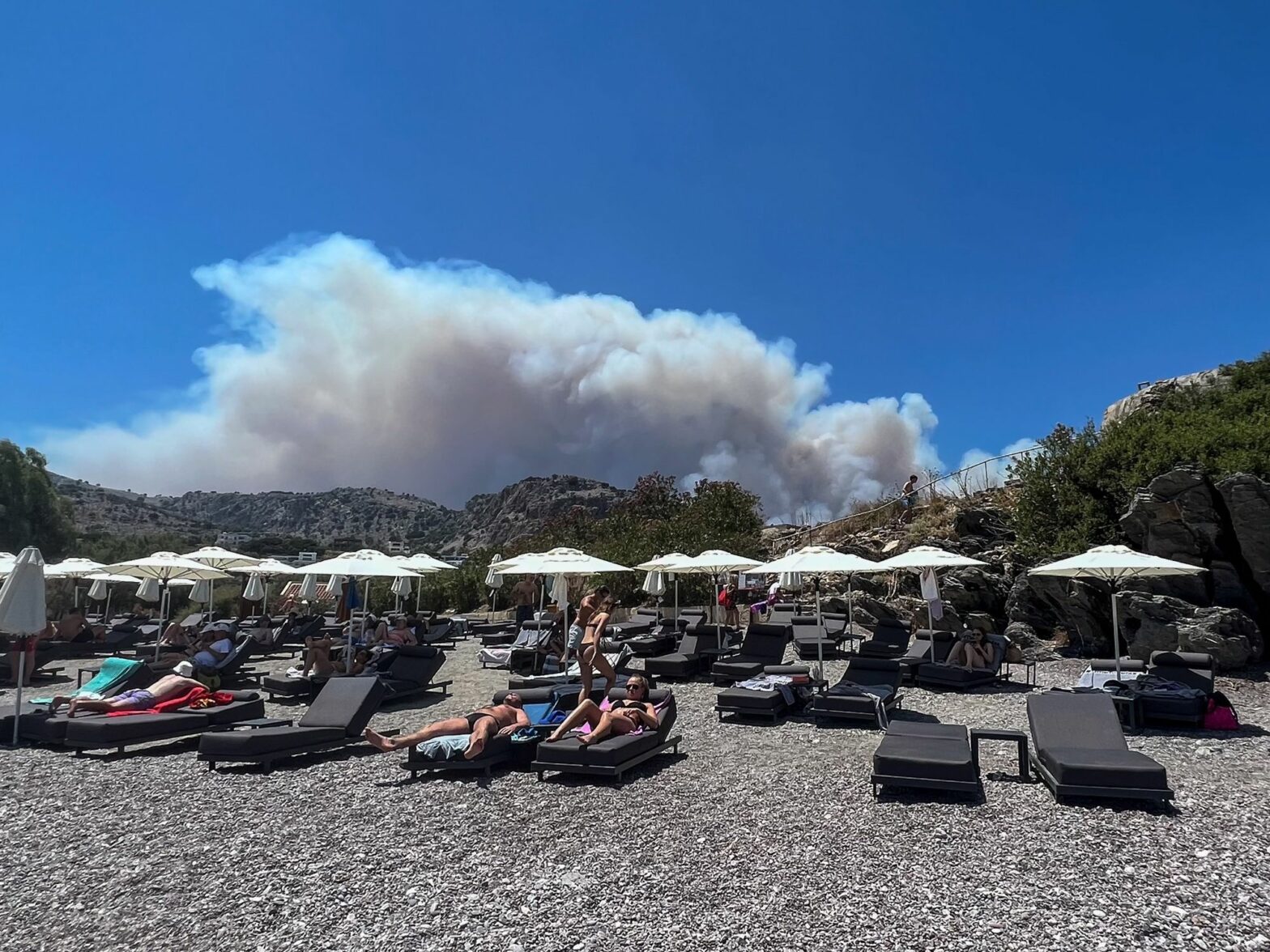
UN chief António Guterres has warned us, ominously suggesting that we update the phrase “global warming” to “global boiling” as July is on track to be the hottest month on record. Summer holidays to the beach may no longer be on the cards as countries around the globe grapple with scorching heat. Will climate change push us to drastically change the way we holiday?
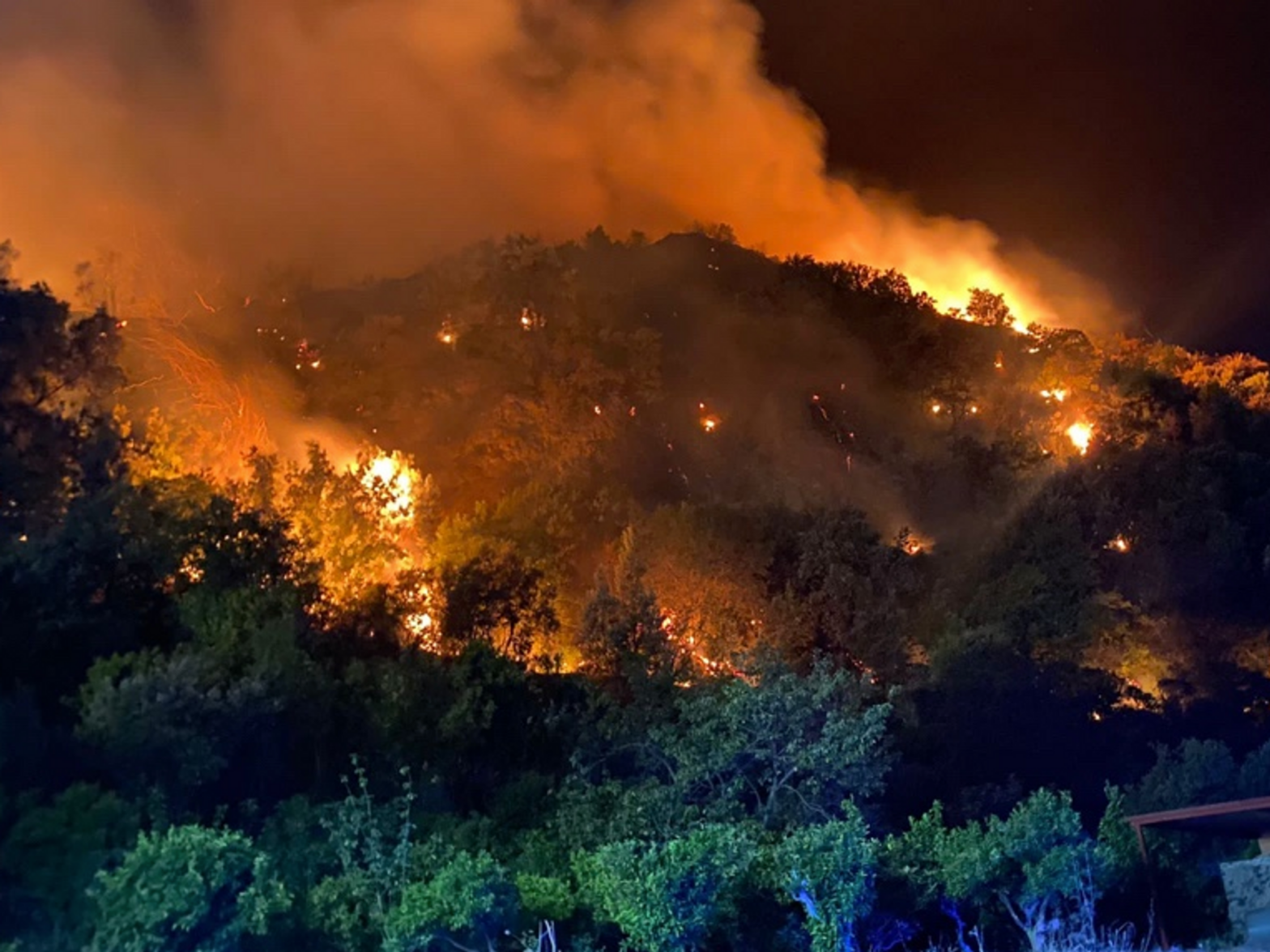
Segesta, Sicily is in flames, with fires spreading throughout the region. A local author describes scenes of apocalypse, which although not unusual on the wildfire-prone island, grow worse every year — and nothing is done about it.
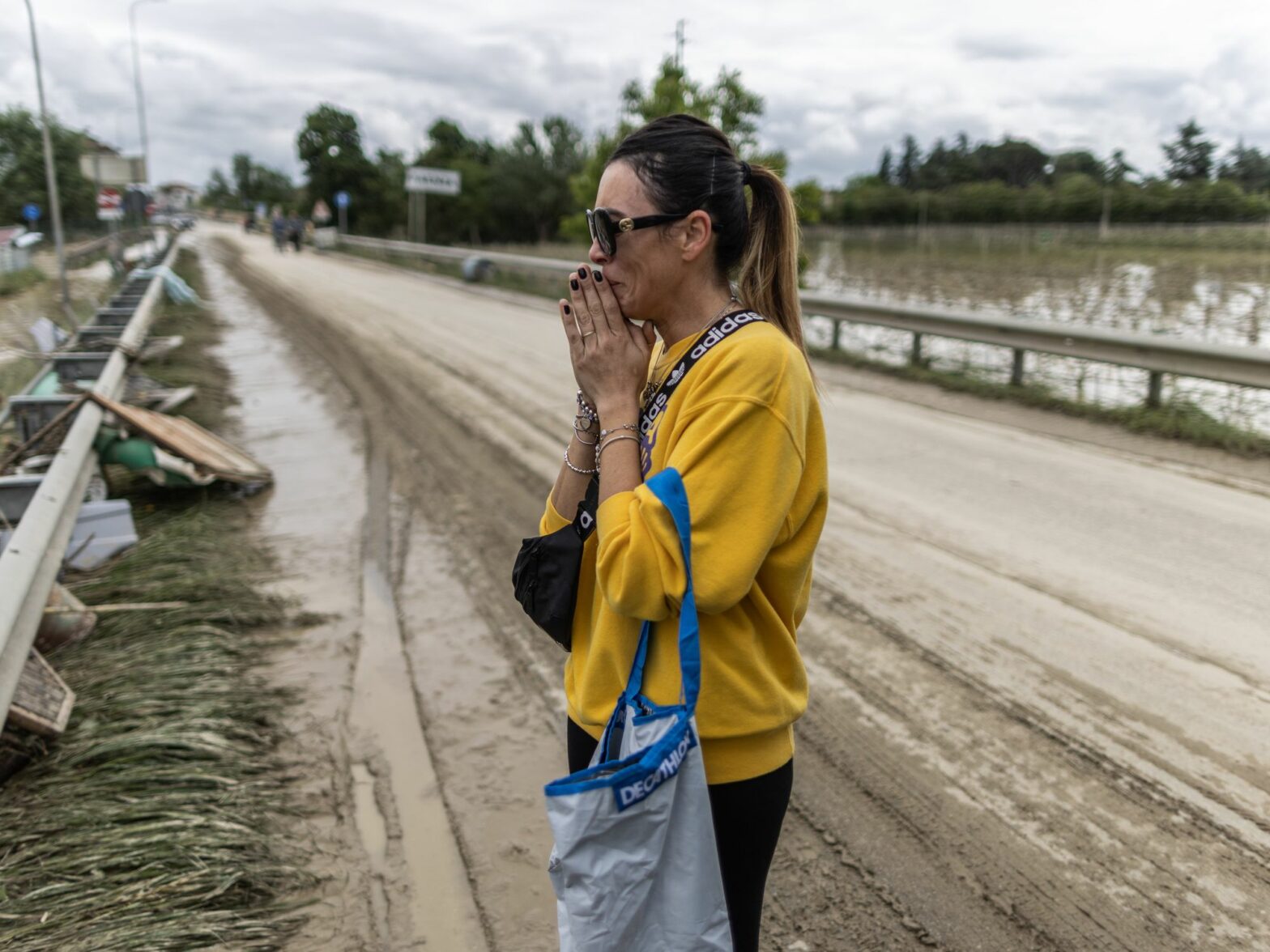
Floods have hit northern Italy after the longest drought in two centuries. Slow Food founder Carlo Petrini explains how these increasingly frequent events are being exacerbated by human activity.