Why the World Still Comes to Paris: The Enduring Spell of the Moulin Rouge
This post was created by Pariscityvision
Paris draws millions every year. Some come for its museums or its streets. Others for cafés or the river. But the Moulin Rouge draws something different. It is not just a cabaret. It is a ritual, a spectacle, a reason to be in Paris at night.
People arrive expecting a show, and they leave with a new appreciation for the city. That distinction matters. The cabaret condenses Paris into two hours of energy, history, and performance.
Experiencing the show
Paris has many symbols. The Eiffel Tower promises romance. The Louvre promises culture. But for many visitors, the highlight of a Paris trip is the Moulin Rouge experience. The theatre offers various Moulin Rouge Paris tickets for visitors to enjoy, including simple admission and premium seating, with some options including a full dinner before the show. Many guests take the opportunity to explore Montmartre’s winding streets and history beforehand, setting the stage for a night that combines culture, entertainment, and a sense of place.
The experience itself is immersive. Dining packages feature classic French cuisine, served with care, while the show delivers lavish costumes, precise choreography, and electrifying energy that has defined the cabaret for over a century. Every detail, from the lighting to the music, has been crafted to leave a lasting impression.
Practical considerations are designed to let visitors focus on the moment. Tickets, seating, and timing are coordinated so that the stress of logistics does not interfere with the enjoyment. From the first sip of champagne to the final bow, the evening is structured to deliver a truly memorable experience, one that guests carry with them long after the curtain falls.
A neighborhood that thrives
The cabaret does more than entertain. It sustains Montmartre. Before the curtain rises, restaurants begin to fill with guests staying in the nearby hotels, and taxis are kept extra busy.
The area moves with the rhythm of the audience. Streets are busier. Conversations spill out from cafés. People pause, point, and take in more than the performance. They wander through art shops, galleries, and spots they might never have discovered otherwise. The cabaret is a magnet for more than just ticket holders—it shapes the neighborhood itself.
Adapting without losing identity
Success over a century requires adaptation. The Moulin Rouge updates costumes, lighting, choreography, and music to appeal to contemporary audiences. Stage technology has advanced, creating shows that are both modern and efficient. The performances have evolved in athleticism, pacing, and style.
Yet, the essence remains. The show is still the can-can. The costumes still sparkle. The Moulin Rouge experience still combines indulgence and spectacle. The cabaret balances tradition and innovation in a way that appeals to both longtime patrons and new visitors. This careful evolution ensures that the Moulin Rouge remains relevant, even as entertainment preferences shift.
Cultural export
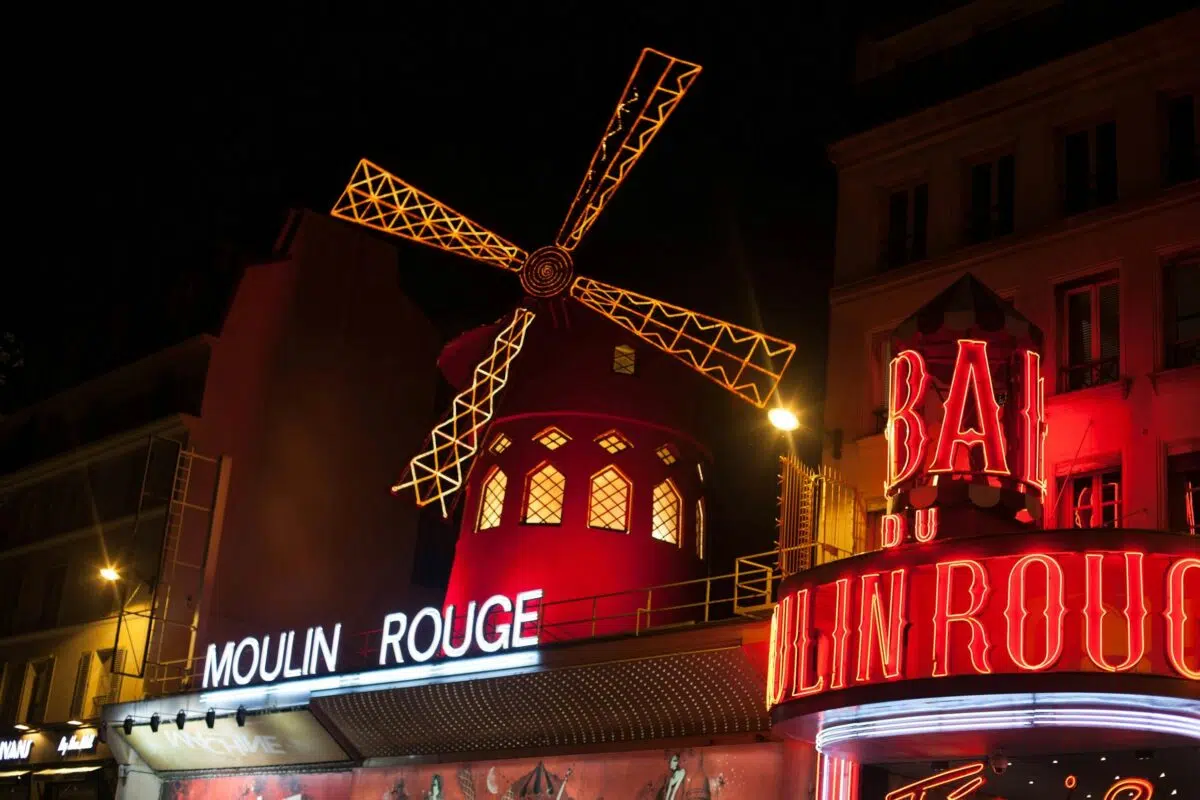
Over the years, the cabaret has sent Paris out into the world. Photos, social media posts, and short videos shared by visitors captured the essence of the city. The red windmill has appeared in films, fashion campaigns, and online feeds, becoming shorthand for a Paris that was sophisticated, theatrical, and iconic.
Visitors returned with stories and images, spreading the city’s reputation in ways that no billboard ever could. In its own way, the Moulin Rouge had acted as an ambassador, turning fleeting moments into enduring impressions.
Historical perspective
The Moulin Rouge has survived wars, economic shifts, and cultural upheaval. It endured the Belle Époque, the turmoil of two world wars, and the rise of digital entertainment. Each era shaped the theater, leaving traces on performances, audience expectations, and the neighborhood itself.
The cabaret mirrors Paris: resilient yet changing. It is history you can sit in, watch, and feel. You are not just watching a show. You are witnessing a story that has played out for over a century.
The ritual of nightlife
Modern tourism often favors quick photos, selfies, and checklists. The Moulin Rouge asks something different. It asks visitors to be present. To sit in a room of strangers, laugh, gasp, and cheer.
The experience begins outside the theater: wandering Montmartre streets, stopping for a drink, lingering in the buzz of nightlife. The night stretches. The cabaret punctuates it. By the time visitors leave, they are part of something larger than themselves, part of a city that never stops performing.
Timeless relevance
Paris changes, and tourism trends shift. Yet the Moulin Rouge remains. It proves that a destination’s strength lies not only in beauty or history but in experiences that connect people to the city and to each other.
For first-time visitors, it is a revelation. For repeat visitors, a tradition. It reminds everyone why Paris matters as a city that performs, entertains, and draws people from across the globe. People come to Paris to see the city. They come to the Moulin Rouge to feel it. That is why the red windmill continues to turn, year after year.
This content was produced independently from the Worldcrunch editorial team.