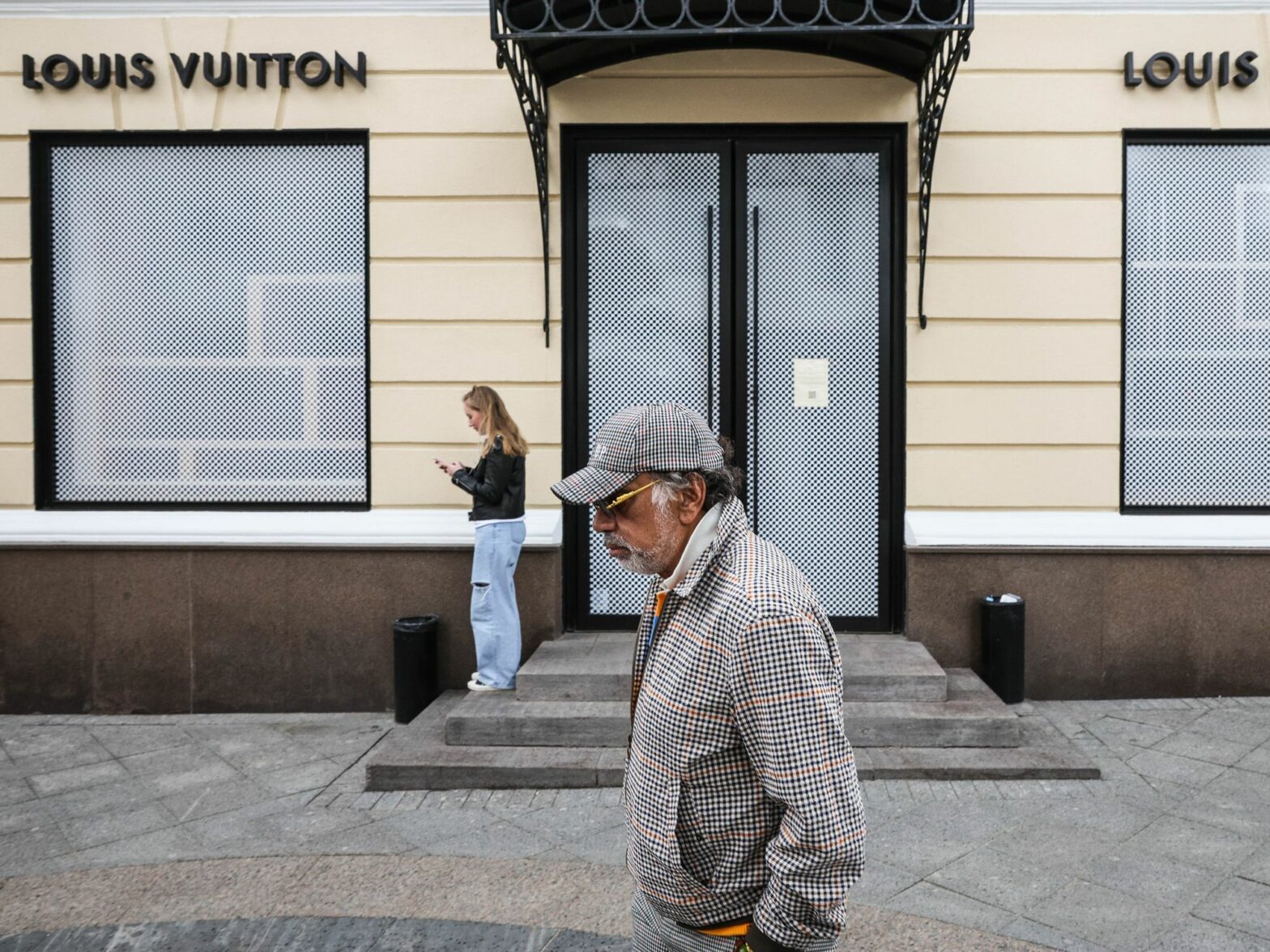
After a year of full-scale war, Russian businesses have figured out tricks to get around international sanctions: reselling, repackaging, rerouting: Almost everything is available — for a price.
 Worldcrunch
Important Stories (Важные Истории) – is an association of independent Russian-language journalists created in 2020 focused on reportage, investigative reporting and data research.
After a year of full-scale war, Russian businesses have figured out tricks to get around international sanctions: reselling, repackaging, rerouting: Almost everything is available — for a price.
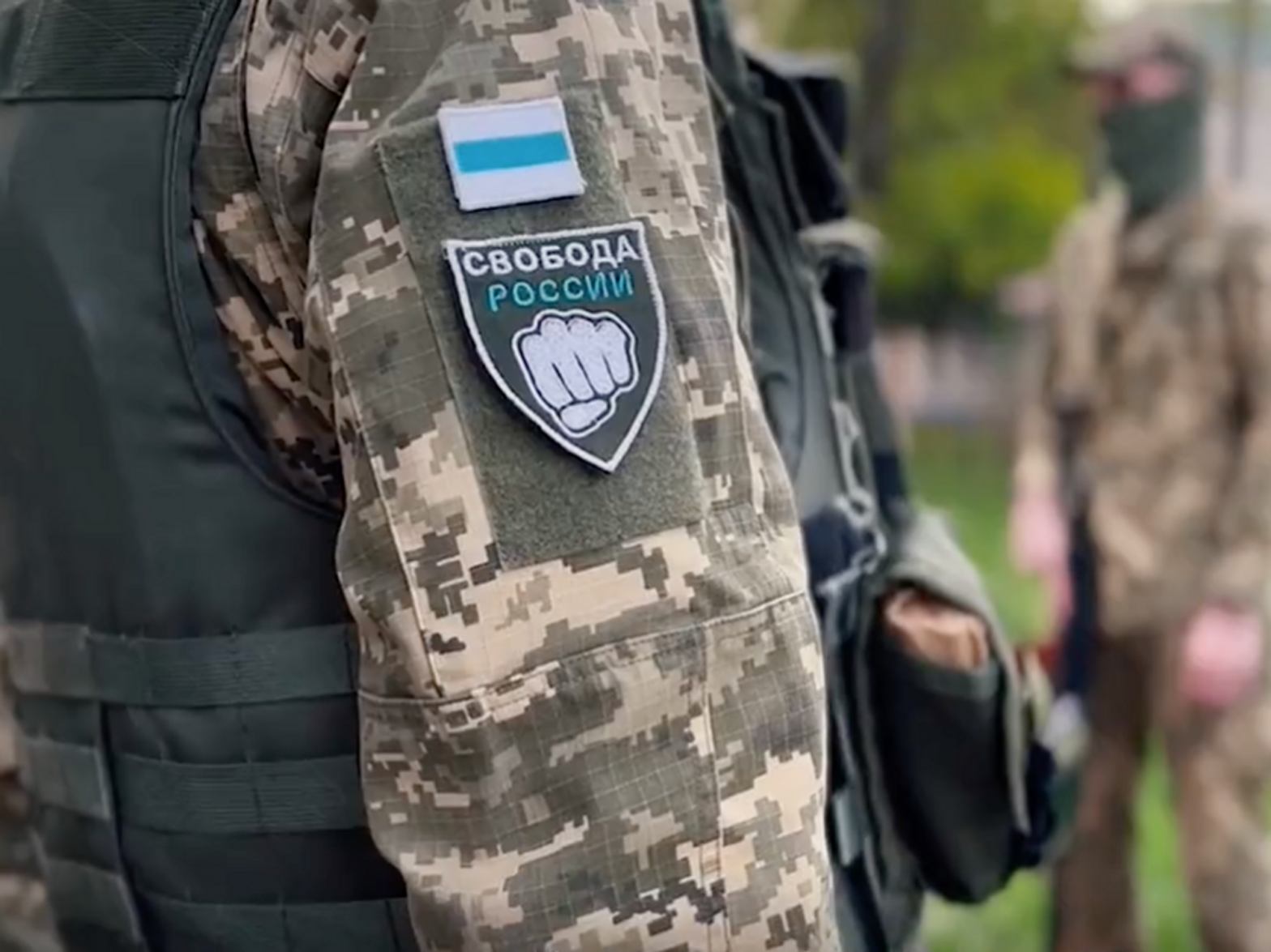
The Freedom of Russia Legion consists of Russian army defectors who are fighting against their homeland, outraged that Vladimir Putin has destroyed the moral standing of Russia by invading its neighbor. Still, it’s a delicate “double-life” on the front line.
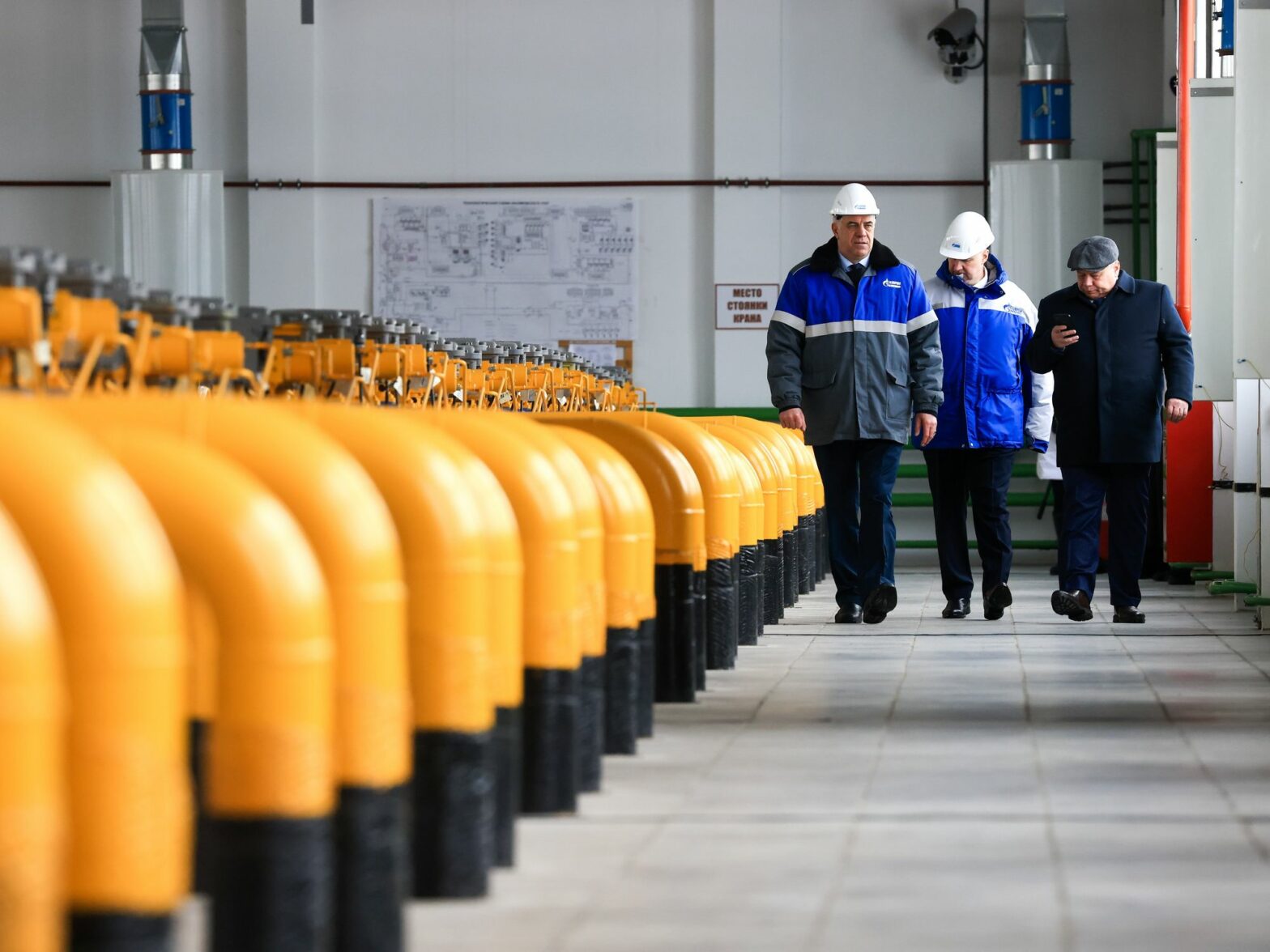
Russian state-owned energy company Gazprom has lost access to the European market and is rife with inefficiencies. Still, it isn’t going anywhere soon. The engine of Russia’s vast resources are fed into Vladimir Putin’s system for maintaining power.
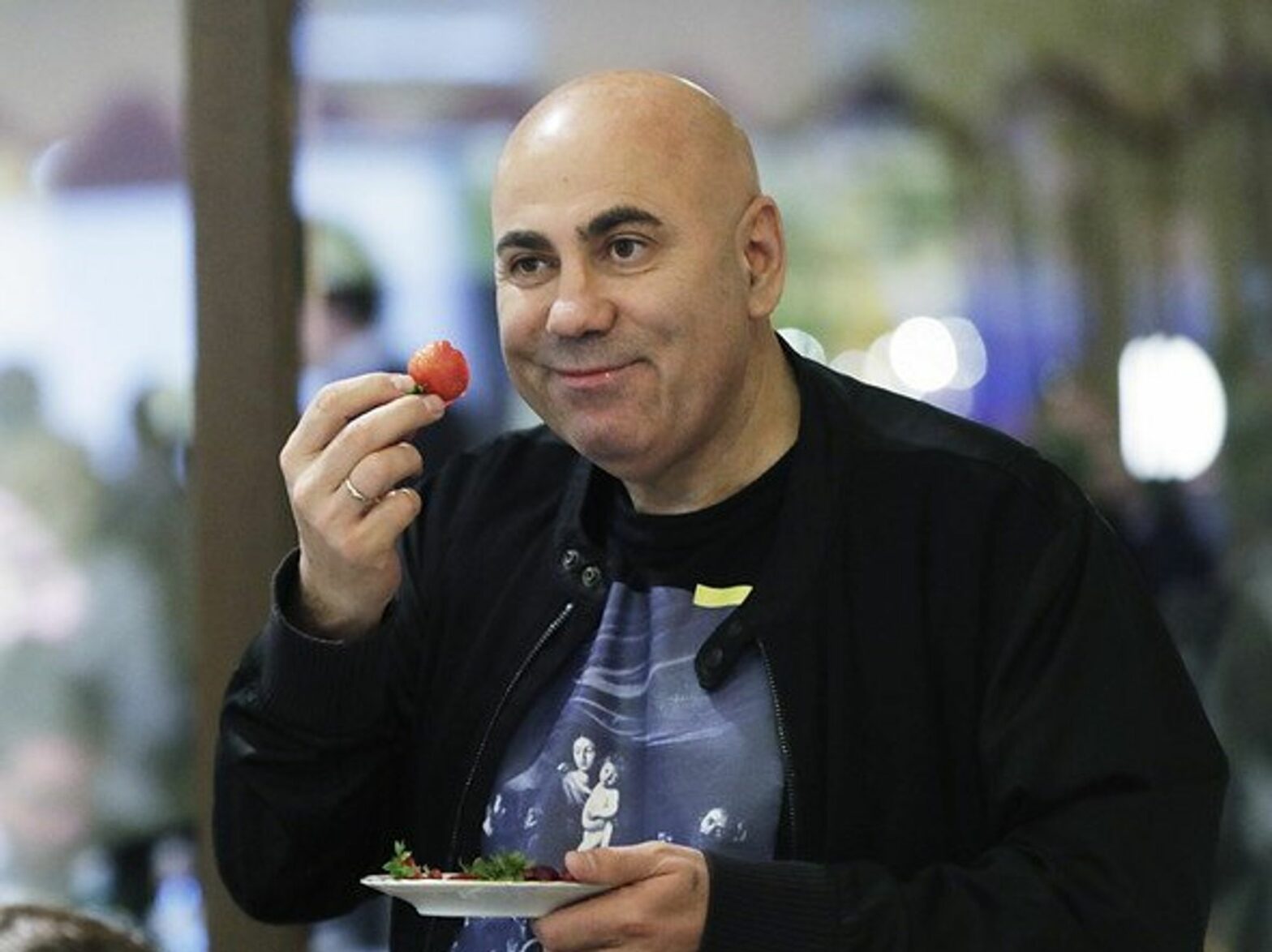
What does Russia’s ruling class really think of Putin? A leaked audio recording of Russian producer Iosif Prigozhin and Russian billionaire ex-senator Farhad Akhmedov criticizing Putin has been verified by Russian intel service FSB, offering a peak into the anger toward the Kremlin’s war.
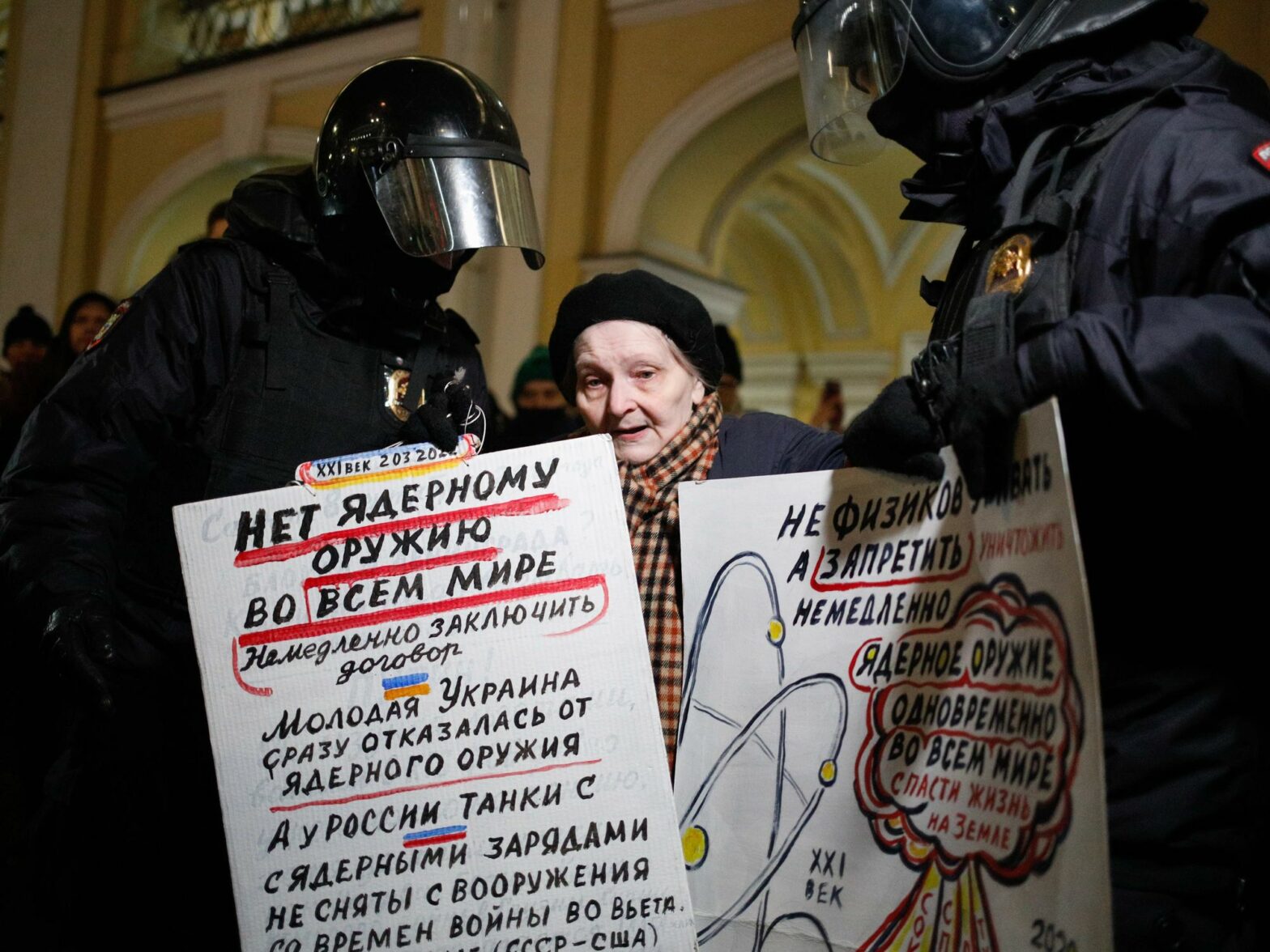
Independent Russian media Vazhnyye Istorii has obtained a major data leak from the top Kremlin information agency that reveals the scale and extent of anti-war protests across the Russian Federation.
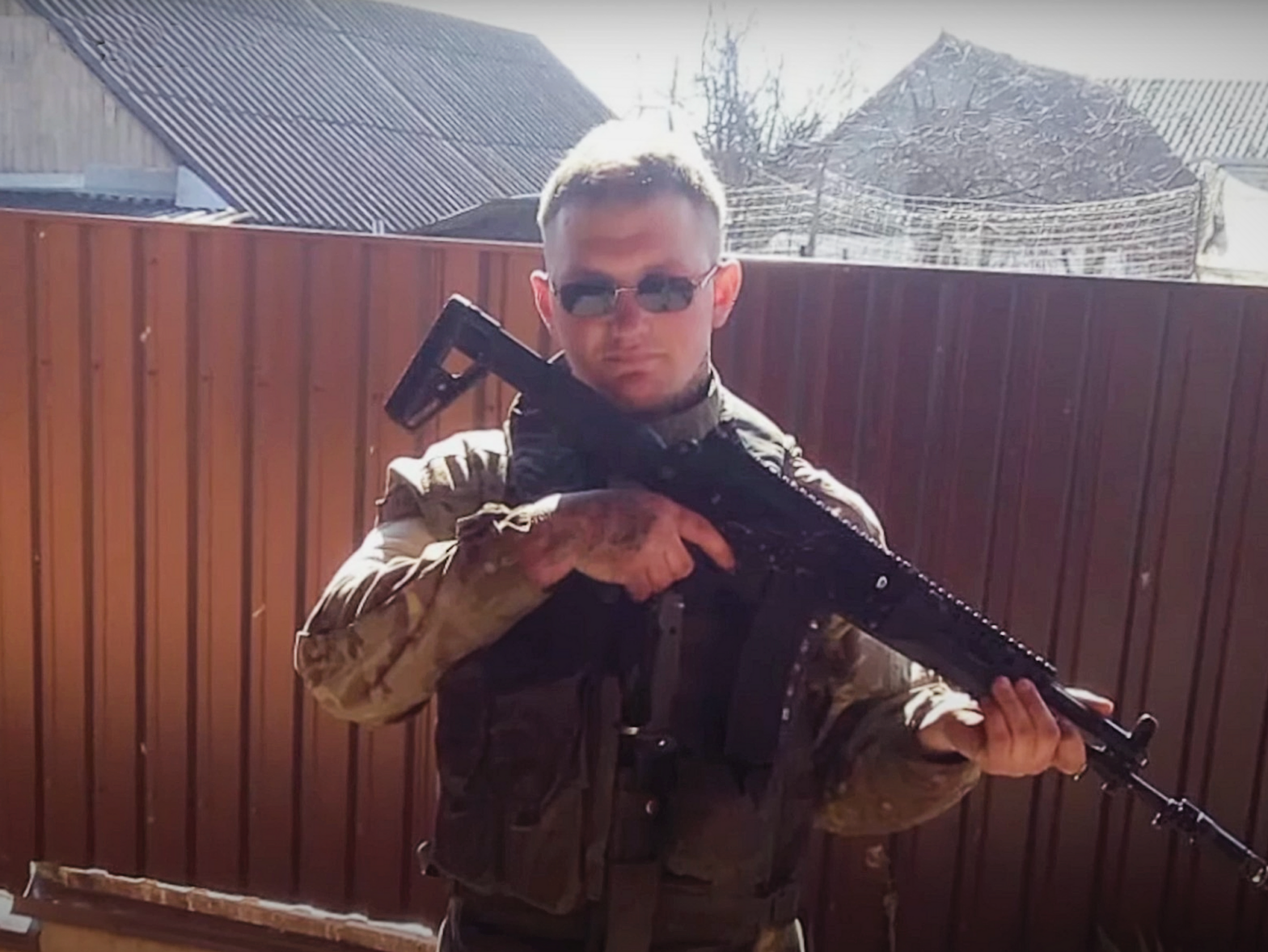
After Russian soldiers committed multiple war crimes last year during the attack on Kyiv and the surrounding region, some confessed to their crimes. But now they are being tried in Russia for spreading misinformation about the military.
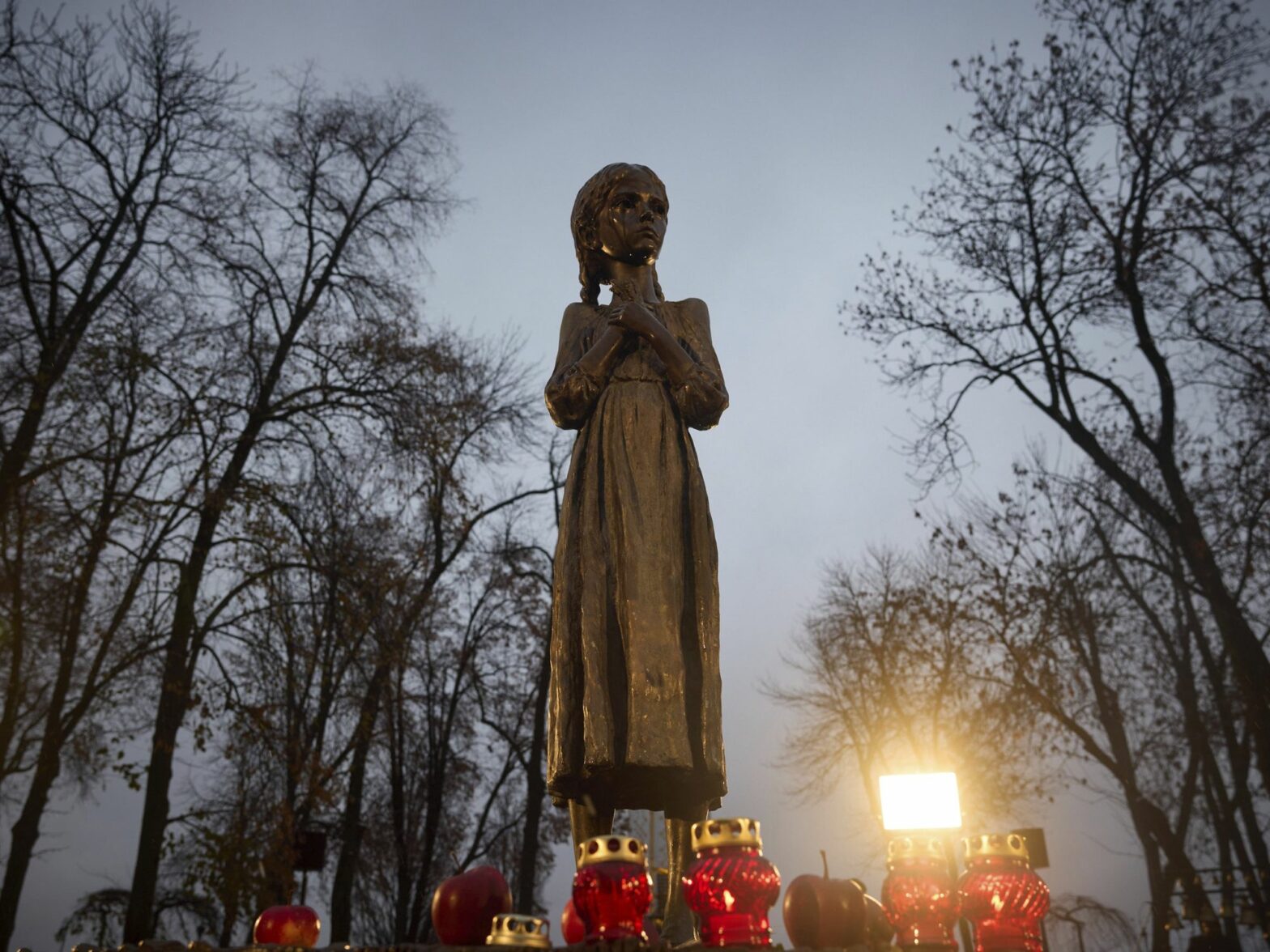
Ukraine and countries around the world recognize the Holodomor, the famine which killed millions of Ukrainians in the early 1930s, as a genocide caused by Soviet authorities. But Russia still refuses to admit responsibility. A new study uses agricultural records and mathematical modeling to show that the famine clearly targeted Ukrainians.
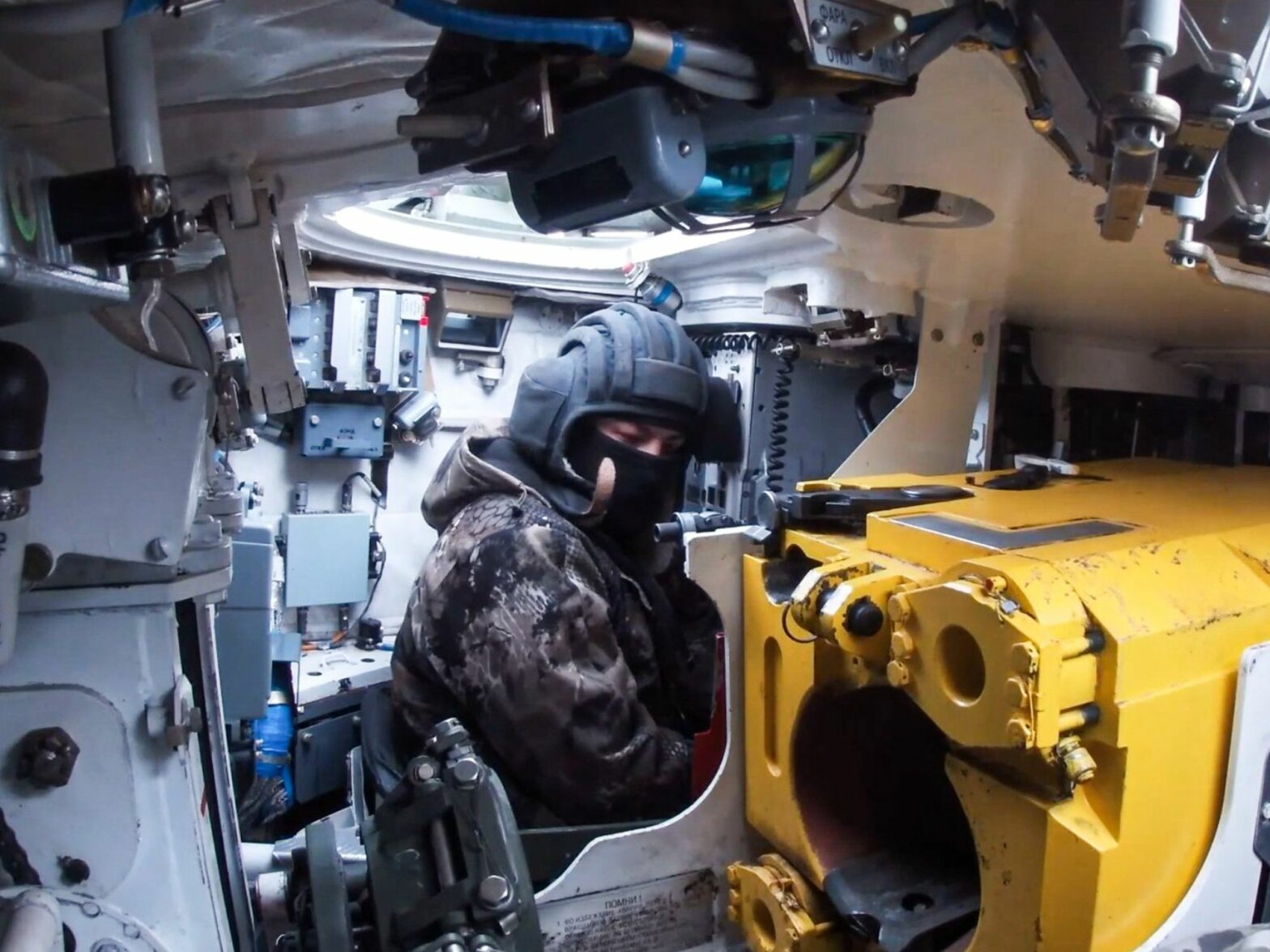
Russia is losing in Ukraine not just because of Putin’s madness and the heroism of Ukrainians, but also because Russia’s army is built for rapid invasion and occupation, not for the type of grinding war it is now fighting in Ukraine.
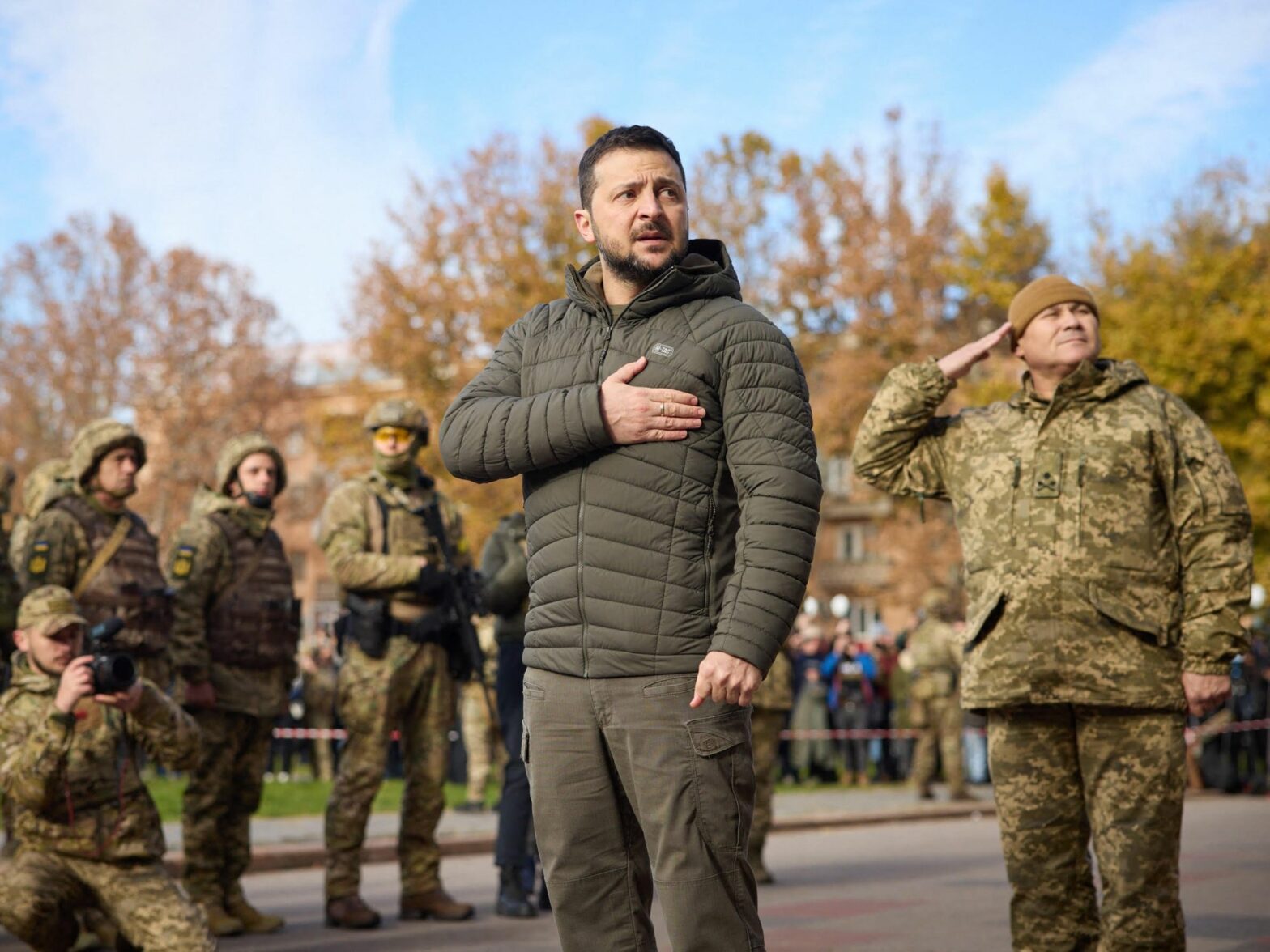
On the eve of Vladimir Putin’s invasion, Volodymyr Zelensky was not a particularly popular figure in Ukraine. In the year since, he has achieved virtually universal support at home, and hero status abroad. What will the onetime anti-corruption crusader do with this political capital?
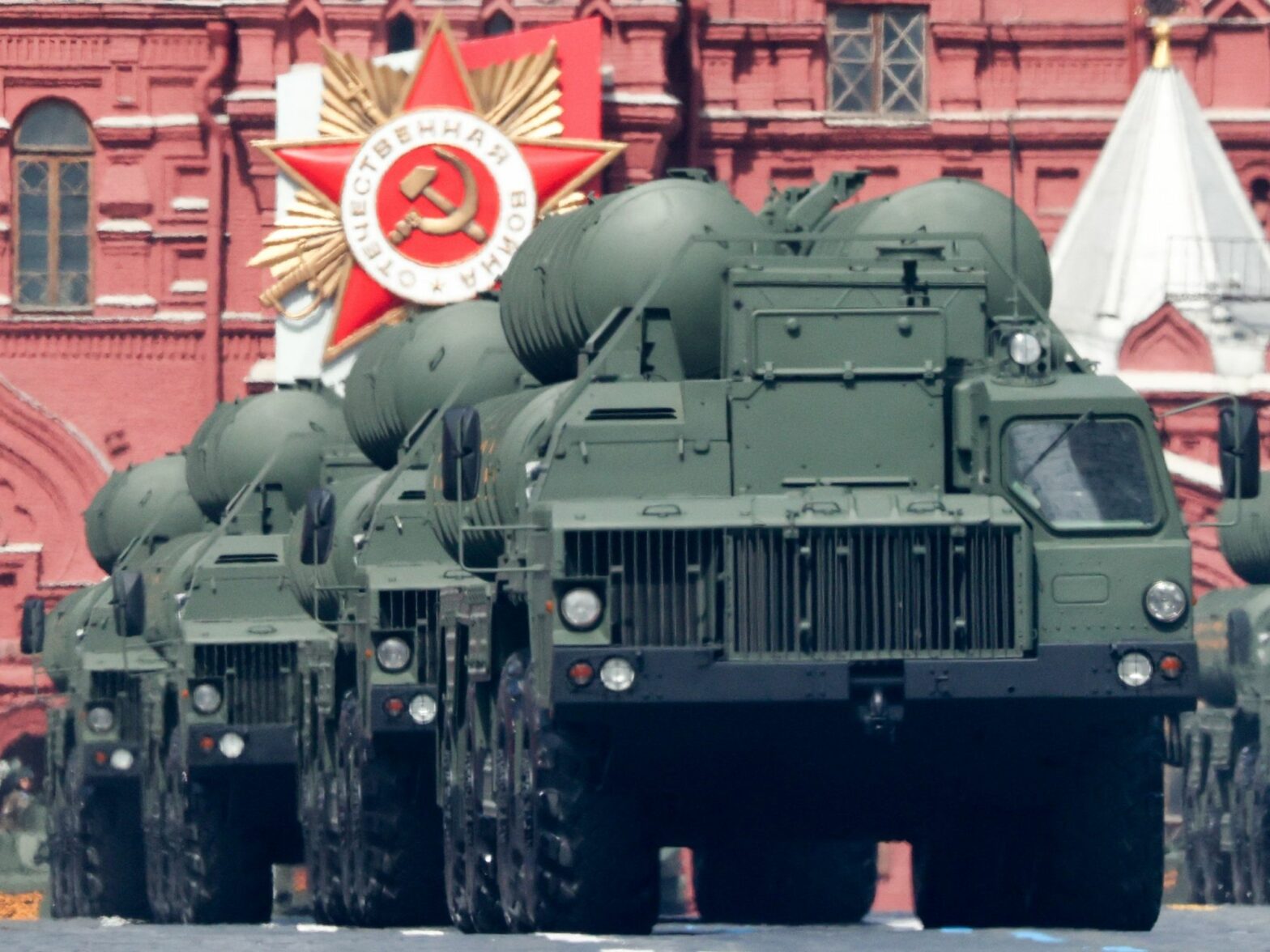
A healthy dose of cynicism and short cuts allows parts for weapons and other technology to still make their way into Russia. Independent Russian-language media Vazhnyye Istorii traces the way both Moscow and much of the rest of the world circumvent export bans.
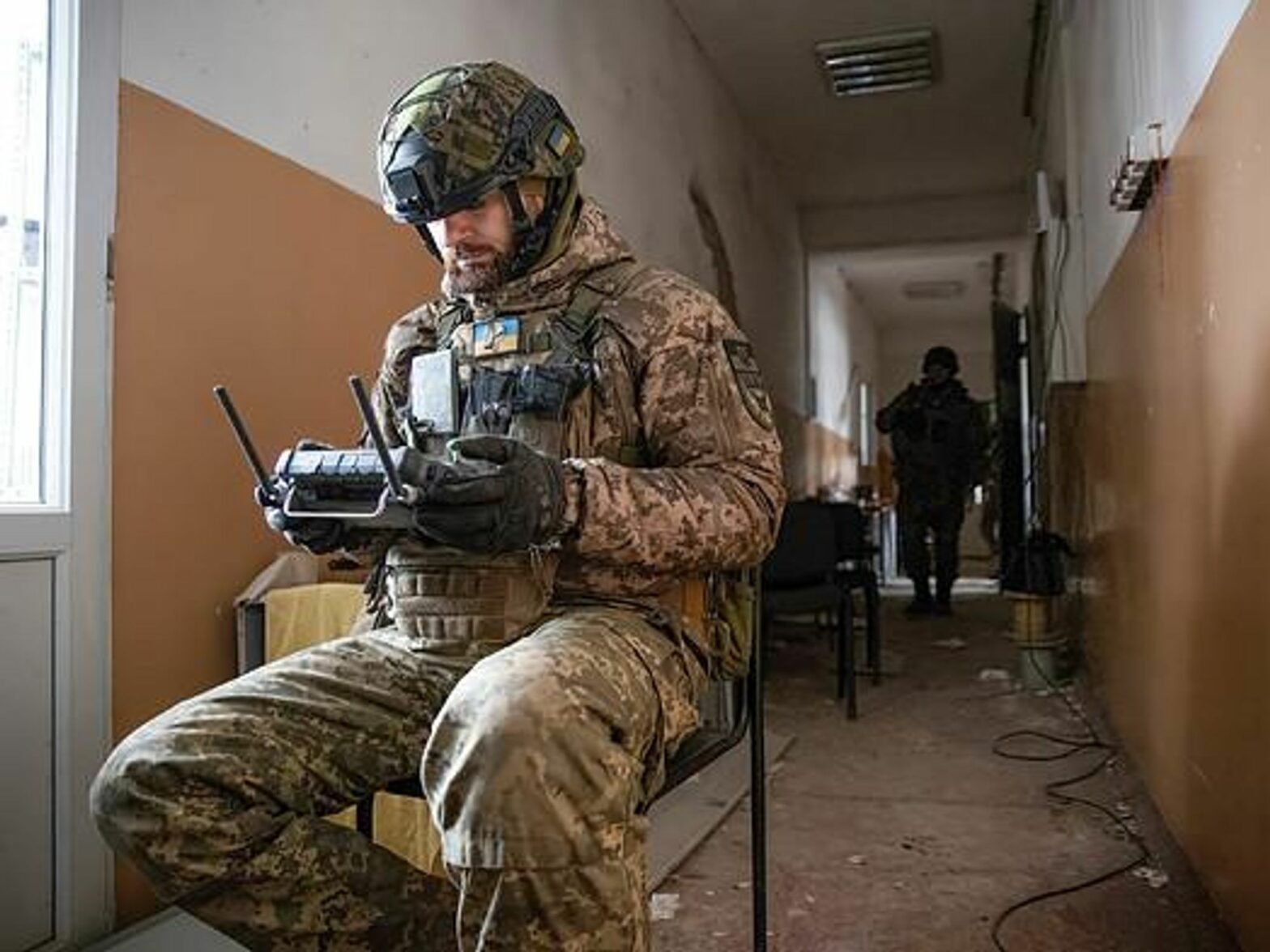
Russians who oppose the war in Ukraine face a tough moral question: How far are they prepared to go? Around the world, a group of Russians are organizing and raising money to send much-needed drones to help Ukrainian forces fight the Russian invasion.
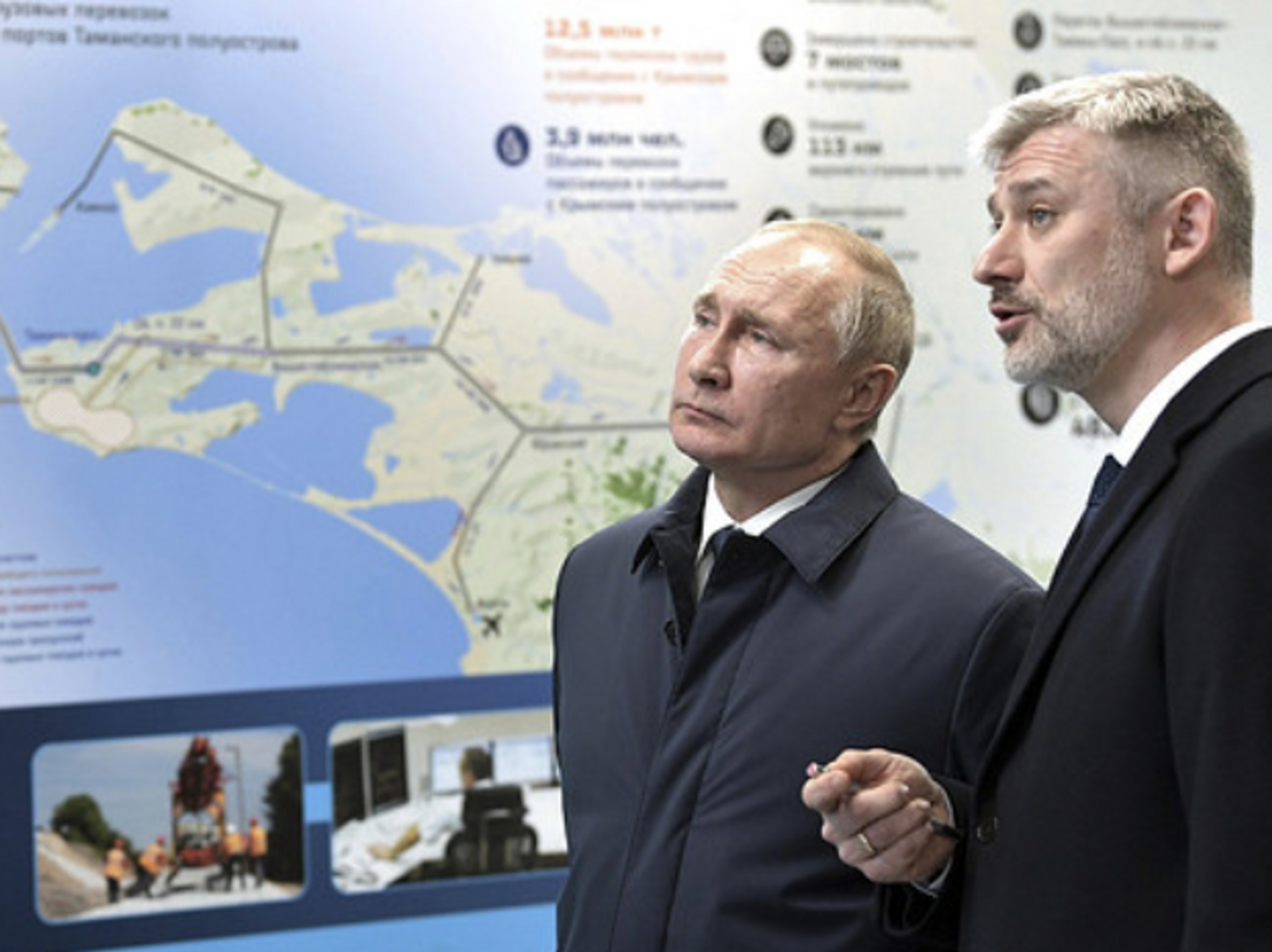
After the annexation of Crimea, the peninsula’s prized resources were identified and distributed among Russian oligarchs with connections to the Russian President, handing out everything from wine vineyards to hockey clubs to steelworks.
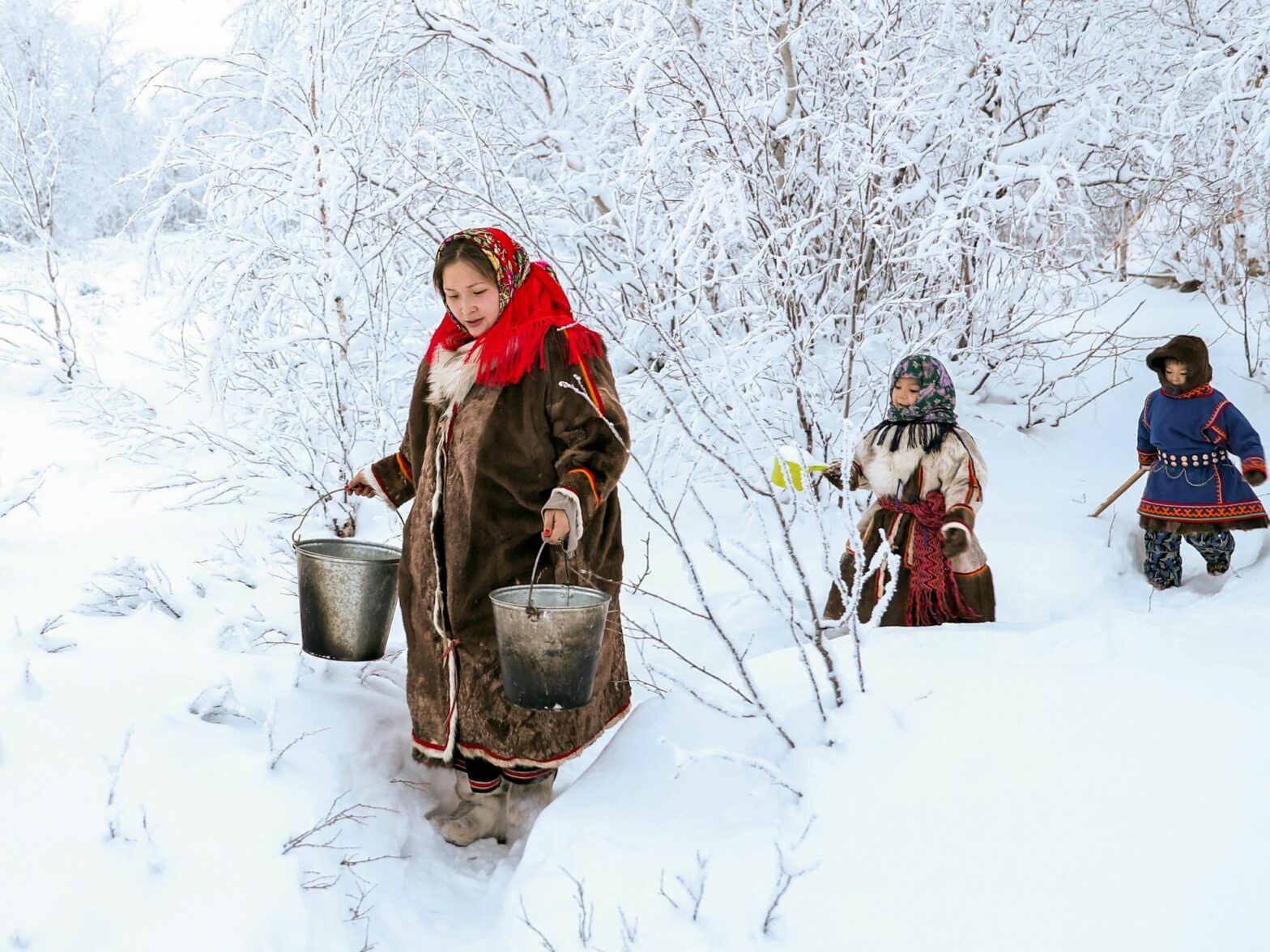
The number of indigenous people in Russia has been declining for decades, but the war in Ukraine has accelerated the trend. Already vulnerable, indigenous groups are more likely to be mobilized and bear the brunt of Western sanctions.
Russians fled the war to neighboring countries, bringing with them billions of dollars worth of wealth. The influx of money is both a windfall and a problem.
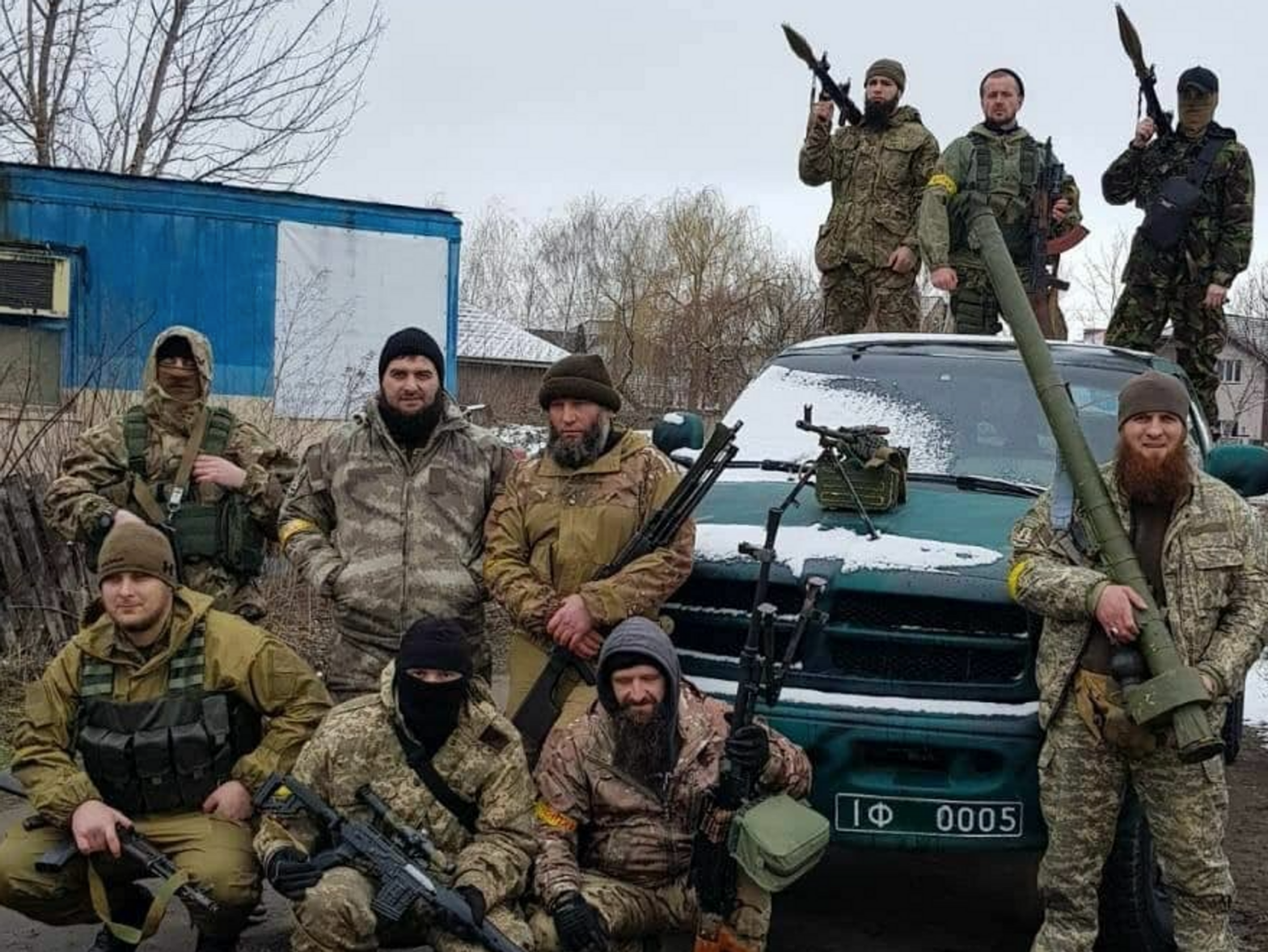
They came to fight Russia, and to avenge the deaths of their loved ones and friends killed in Chechnya. Not wanting to sit in the trenches, they’ve found work in intelligence and sabotage.
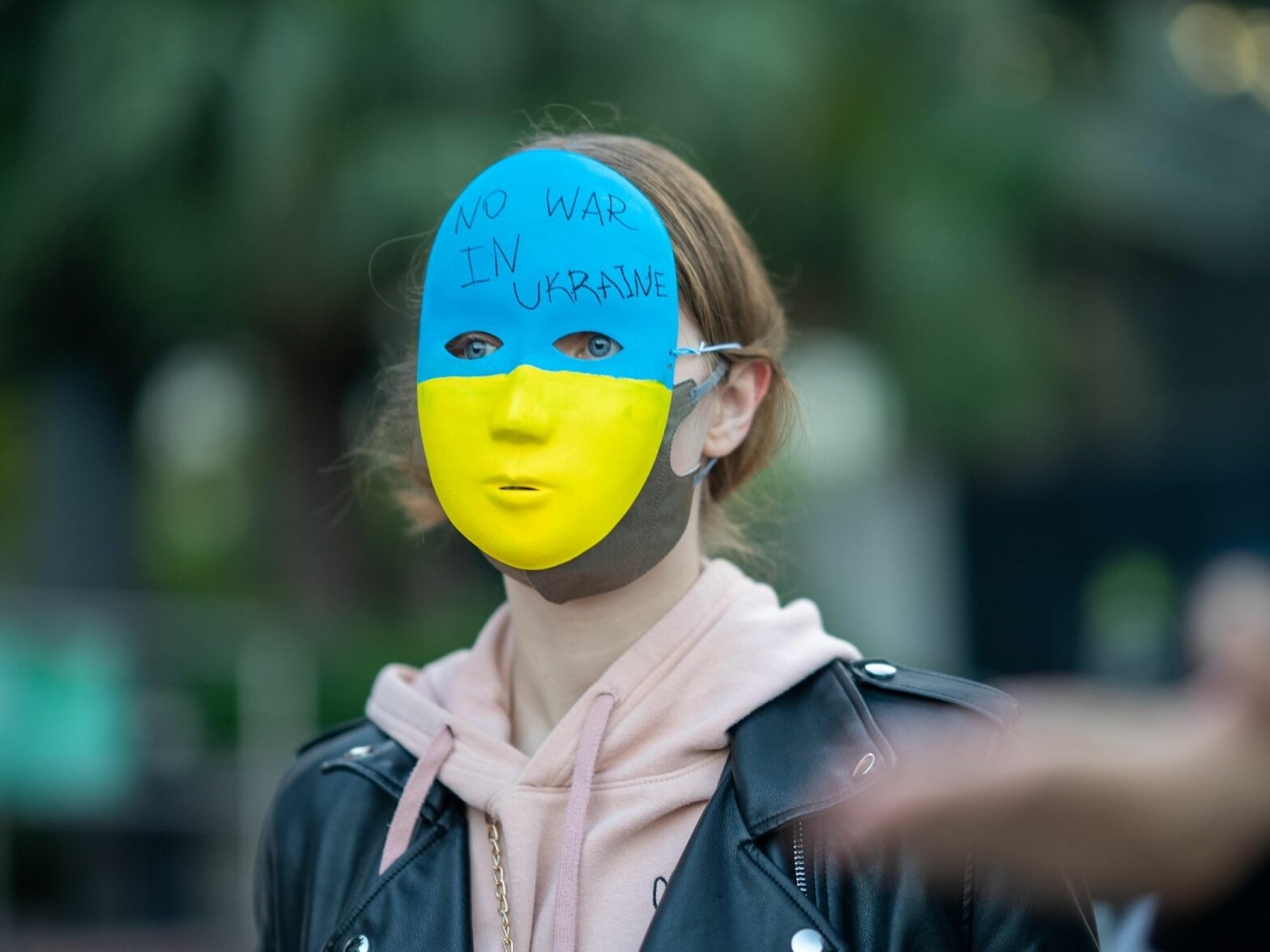
Russia’s 2021 census showed a record drop in the number of Ukrainians living in Russia. But the cleansing of everything Ukrainian, including language and culture, started long before Putin’s invasion.
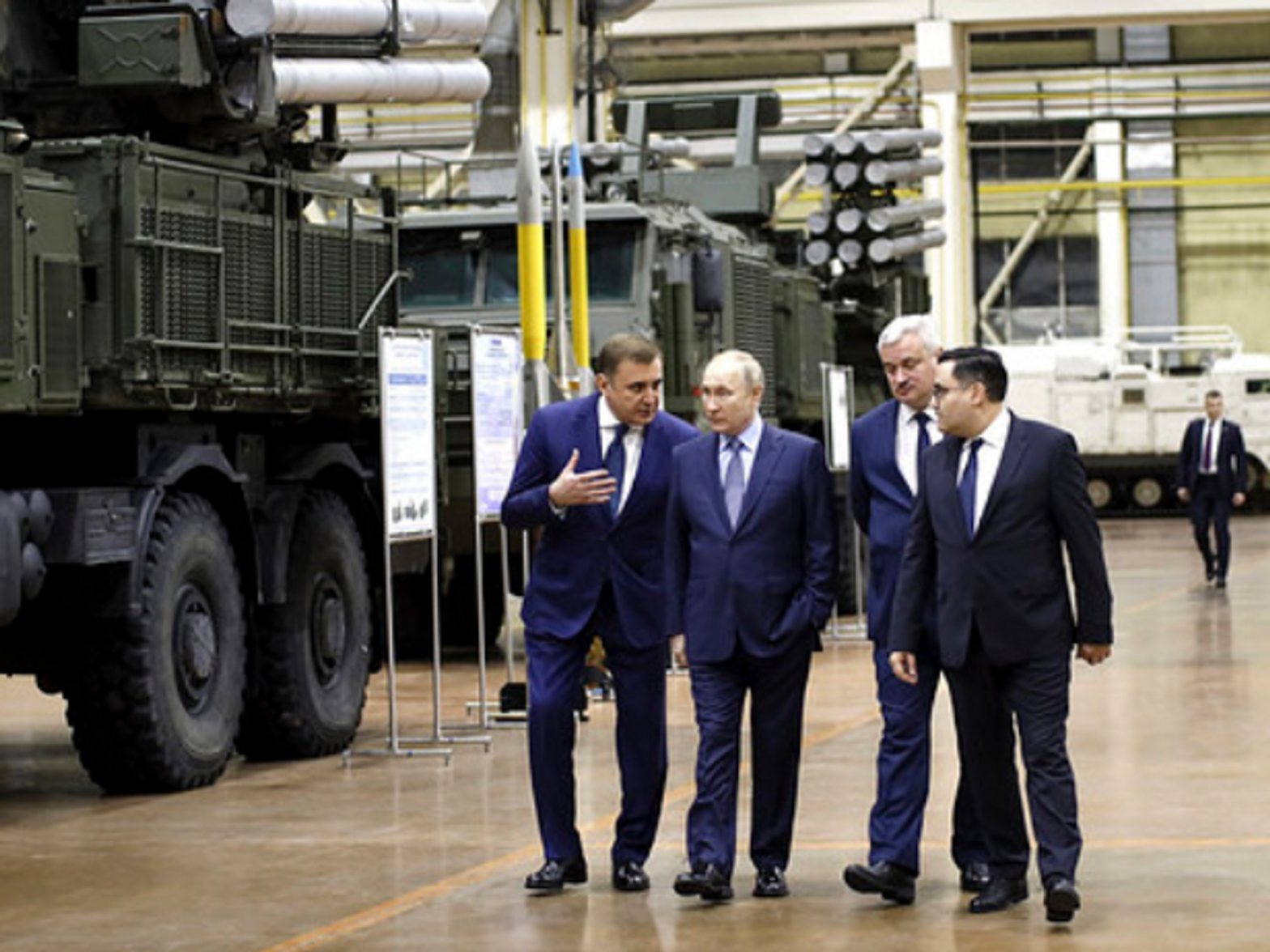
By putting the economy on a war footing, Putin risks returning Russia to the days of Stalinist totalitarianism, where there will be no oligarchs or businesses left, only loyal administrators.
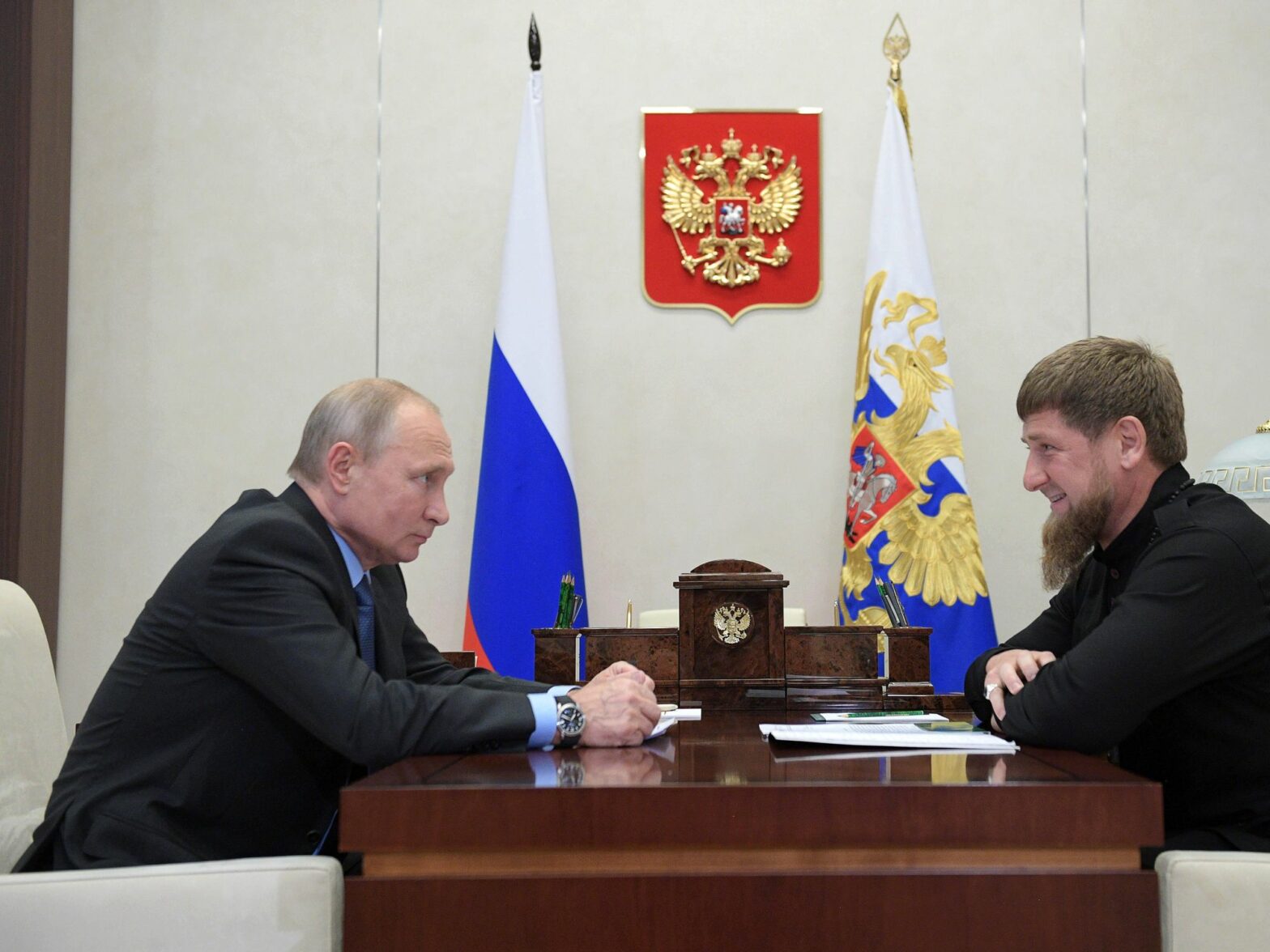
As Vladimir Putin’s end increasingly seems near (political or physical), the battle to replace the Kremlin strongman heats up. Here are the main characters in this very Russian blood sport.
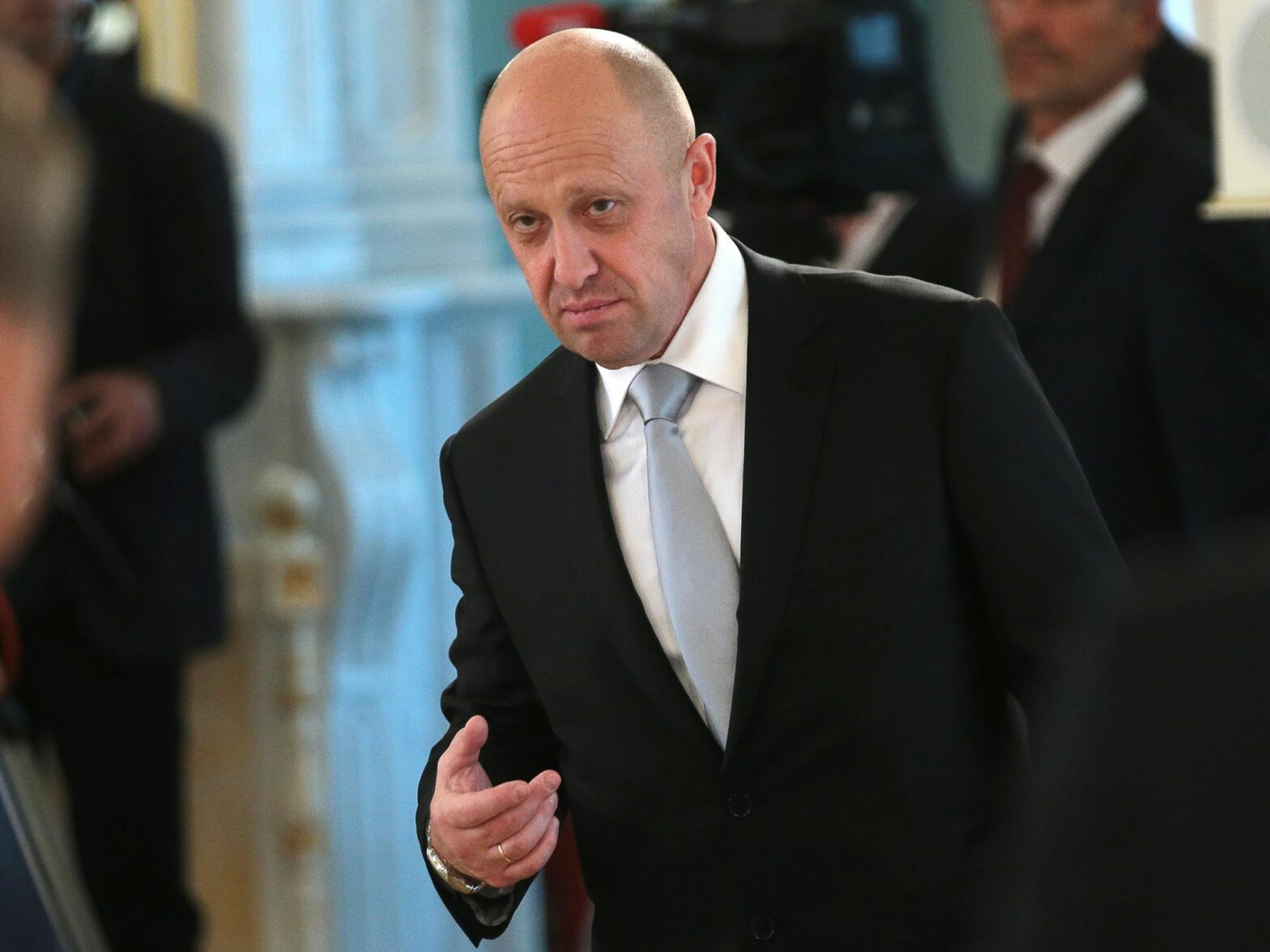
Putin used to keep his respectable and criminal circles of friends separate. But the increasing power of Yevgeny Prigozhin, a former prisoner and head of the Wagner paramilitary group, has many inside and outside the Kremlin worried.
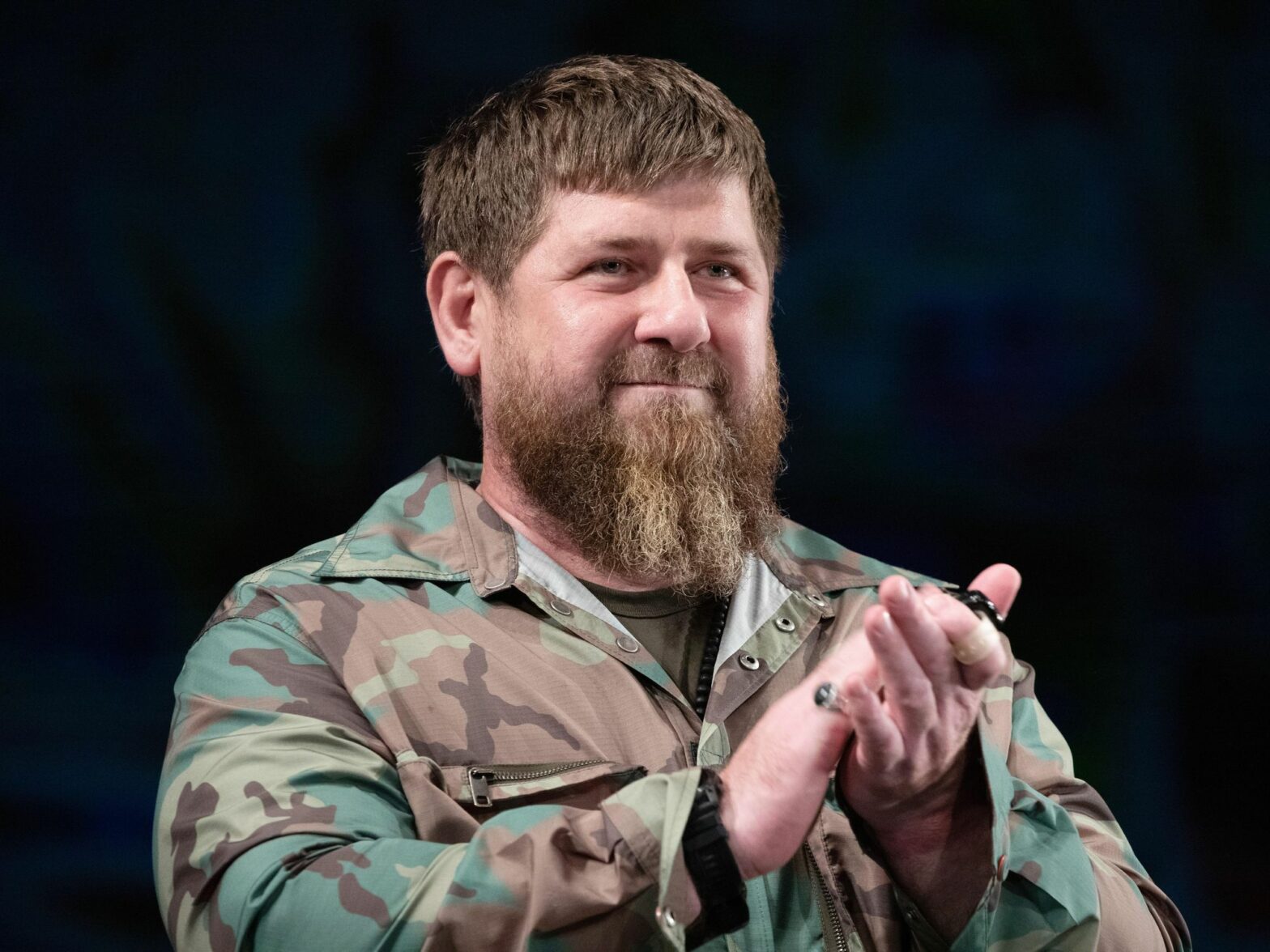
A skirmish between two law enforcement officers in Chechnya turned deadly last month, and ultimately led to a widespread crackdown by authorities. Strongman Ramzan Kadyrov taking sides in the dispute raises deeper questions about the lack of Chechen soldiers showing up for the war in Ukraine.
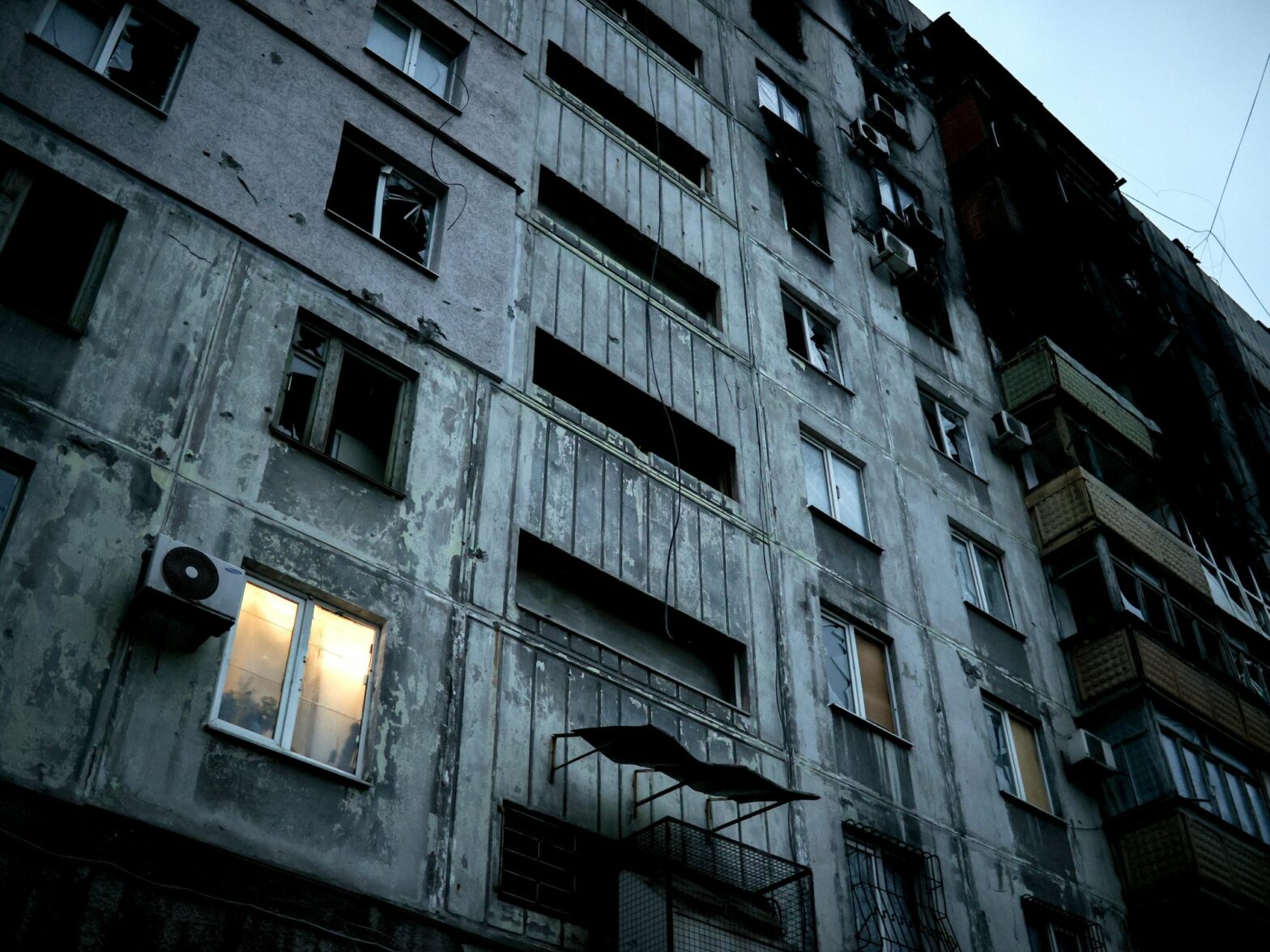
Russian occupation authorities promised to rebuild housing in Mariupol by winter, but in reality, thousands of people face the cold in largely destroyed houses and apartments. Mariupol residents told Vazhnyye Istorii about how they are surviving as winter falls.
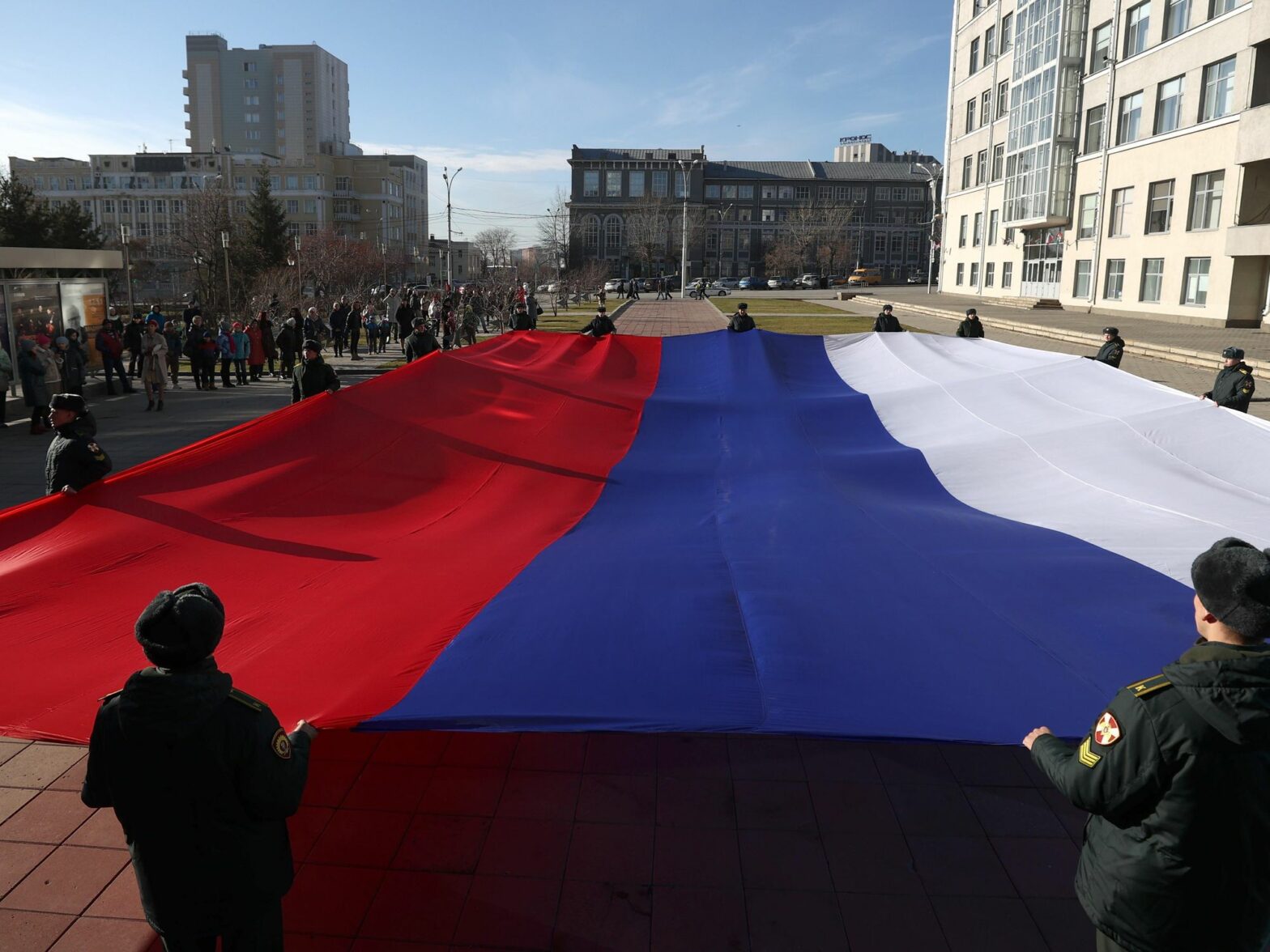
Predictions about the collapse of Russia are as old as the country itself. Yet a consistent centralization of power has gone on for decades, weakening Russia’s territories and republics. The war in Ukraine changes everything and nothing.
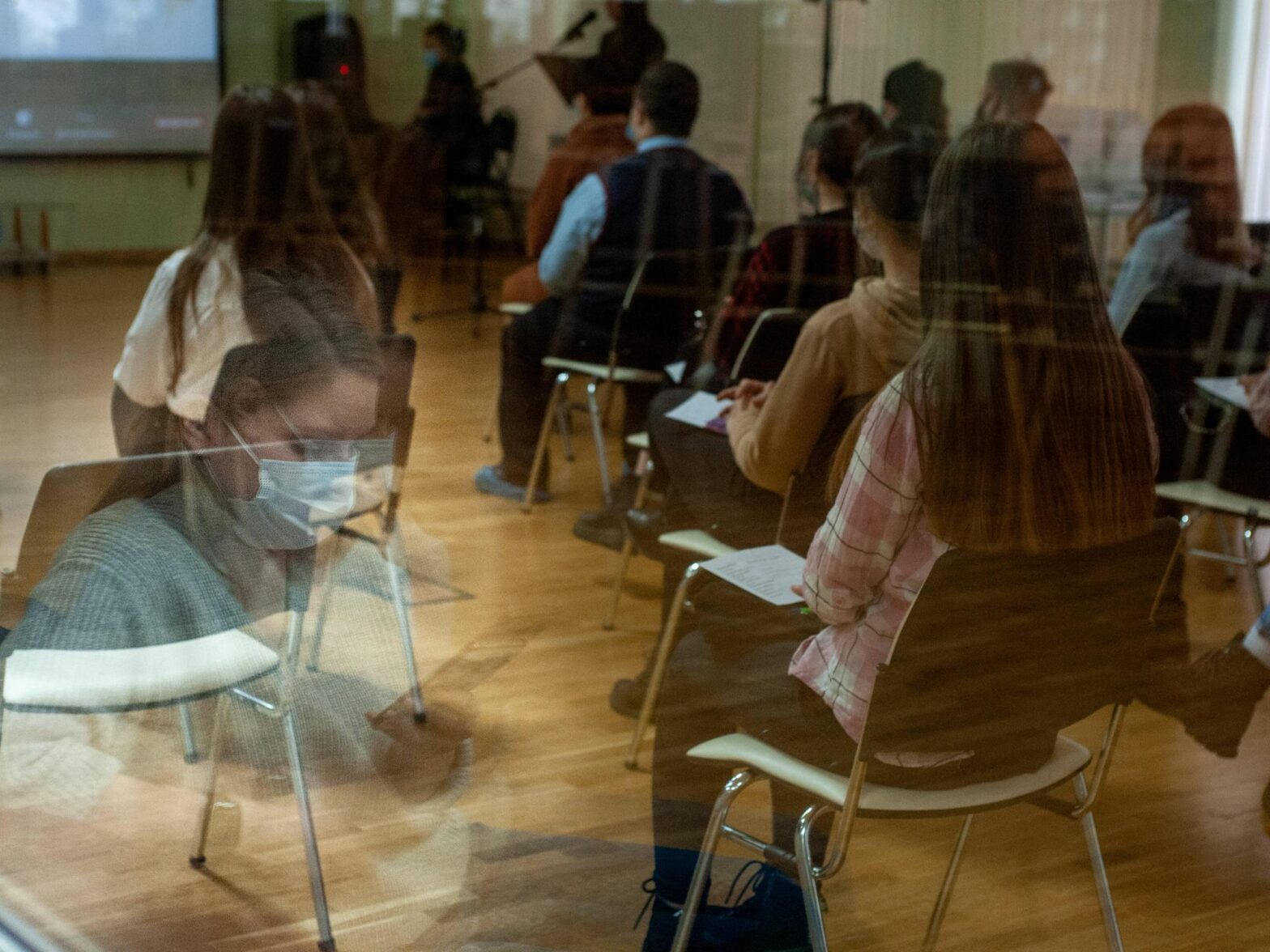
In Russian schools, lessons on “important things” are a compulsory hour pushing state propaganda. But not everyone is buying it. Independent Russian media outlet Vazhnyye Istorii/Important Stories spoke to teachers, parents and students about how they see patriotism and Putin’s mobilization.
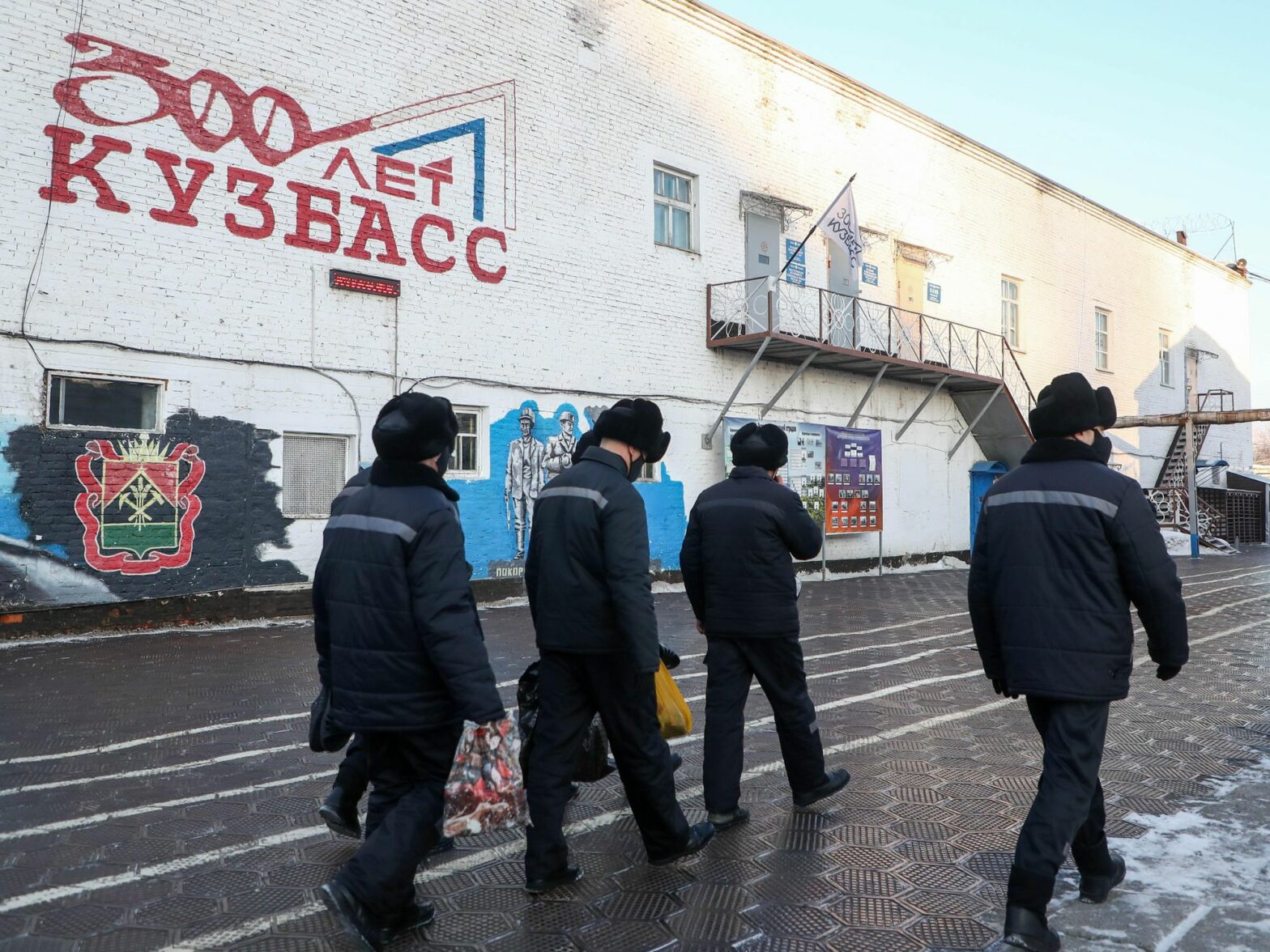
An inmate of the penal colony in the town of Kopeysk reveals the different ways convicts are recruited in the Russian mercenary Wagner Group, whose founder and Putin confidante Yevgeny Prigozhin personally sought the most violent criminals with vows to pay big sums and expunge their sentences.
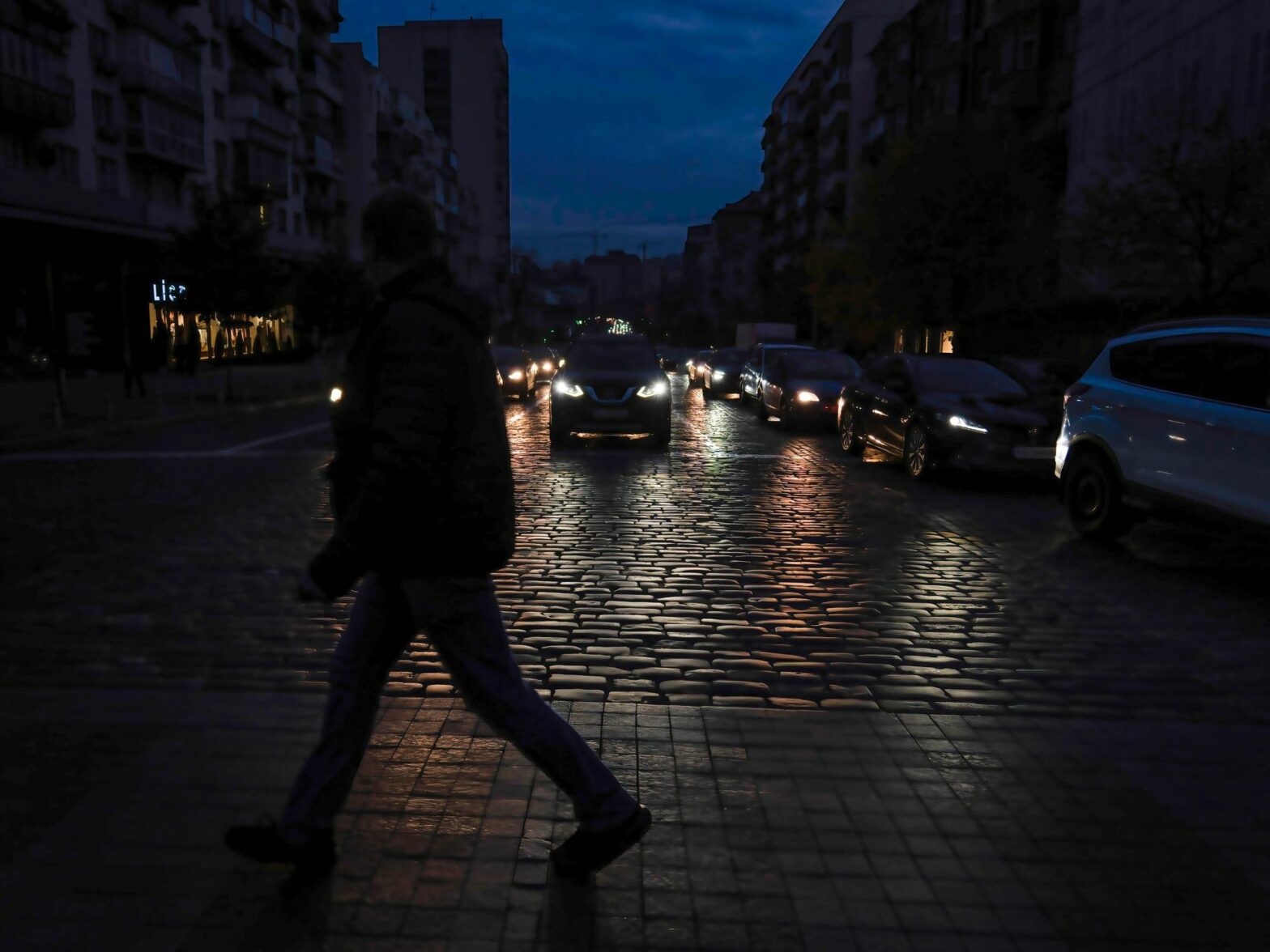
Russia takes away light, water, and heat from Ukrainians with their missile strikes against the nation’s energy infrastructure. It is a very intentional strategy of cruelty.
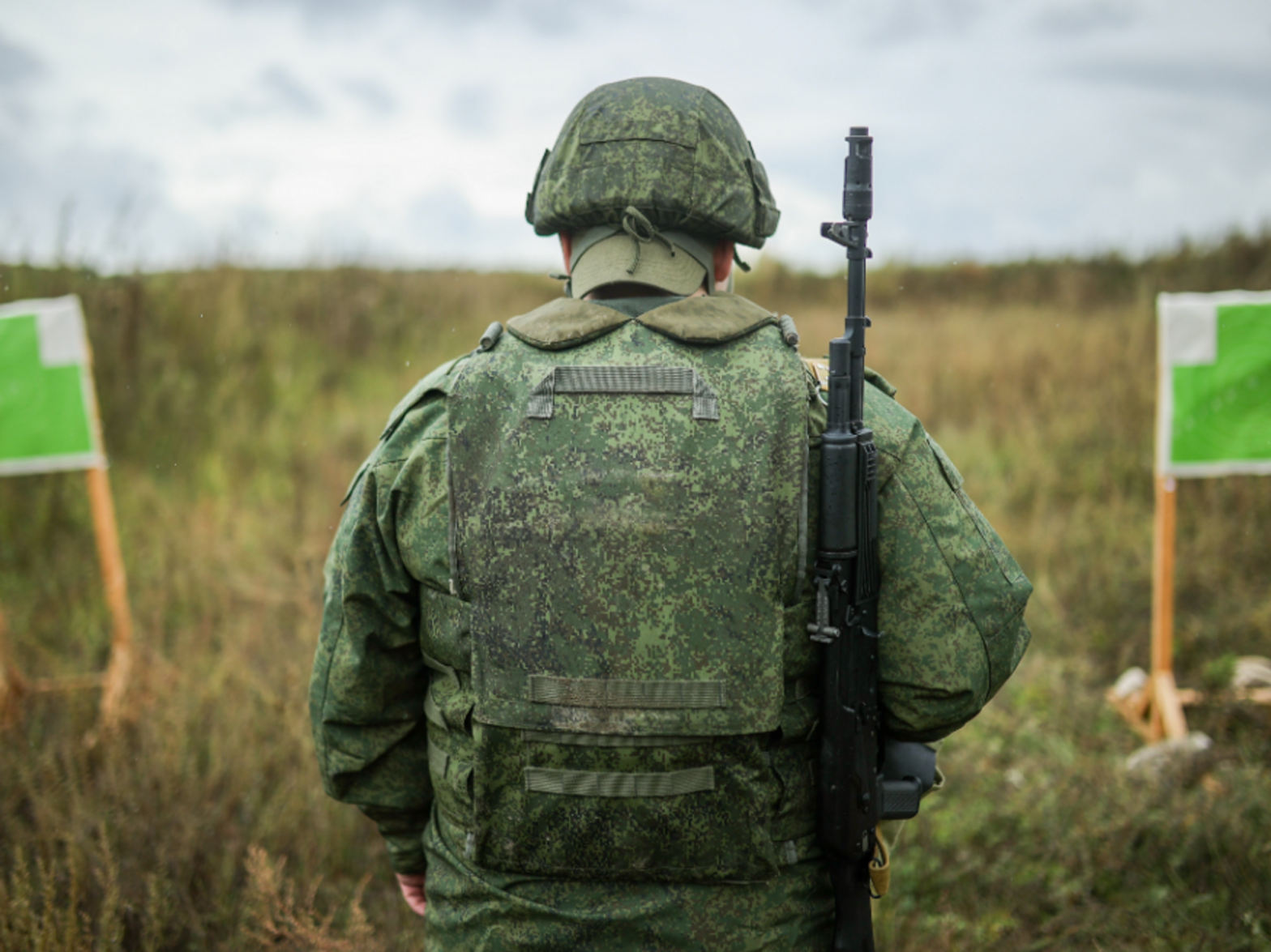
Thousands of Russian mothers exchange messages every day online in desperate bids to find their missing sons serving in the Russian army. This is the story of one such mother who has been looking for her son for seven months.
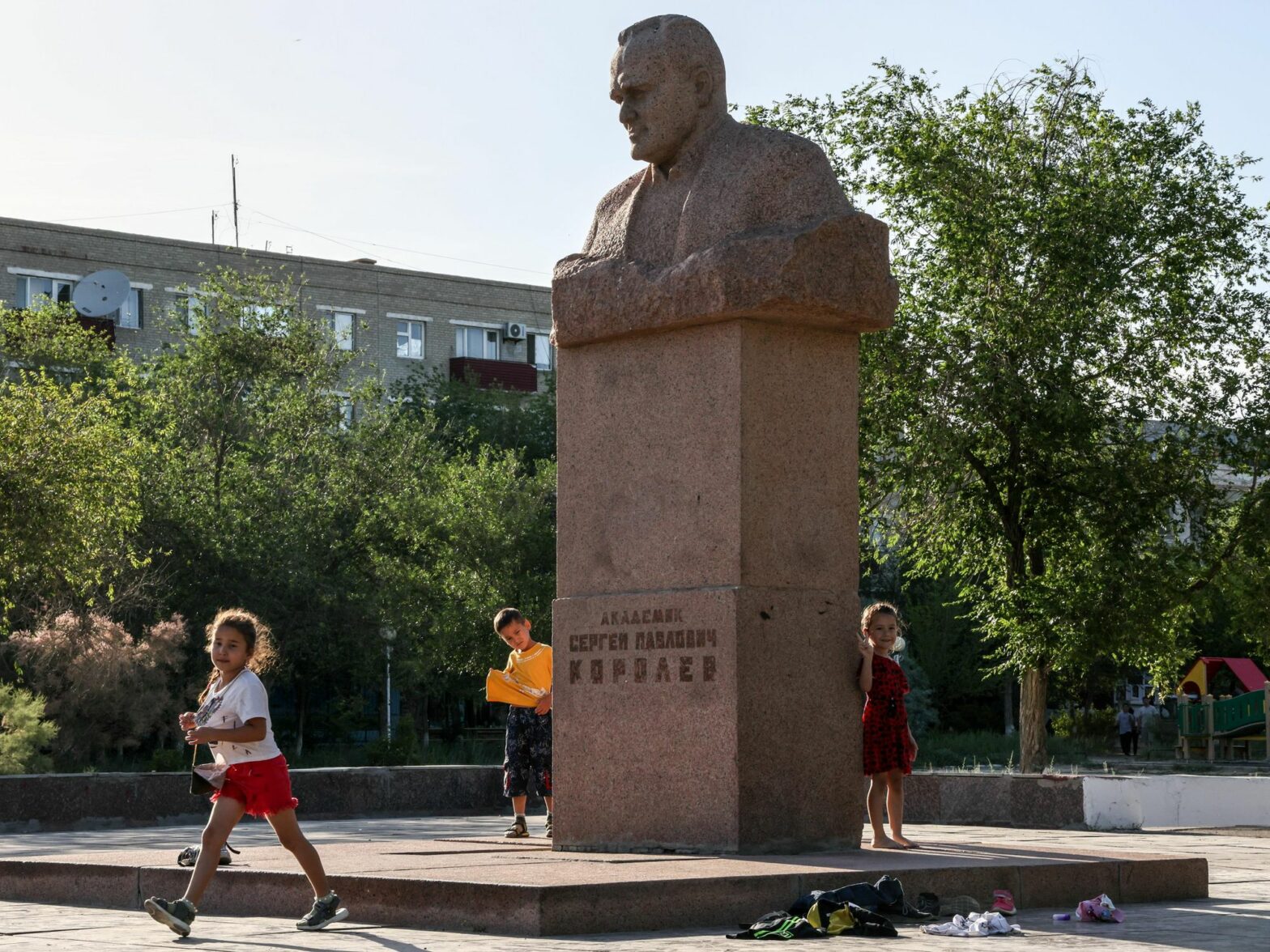
Russia has always claimed to be a kind of sheriff on the territory of the former USSR, a zone the country considers as its “privileged interests.” Now it has lost both strength and authority in the war with Ukraine.
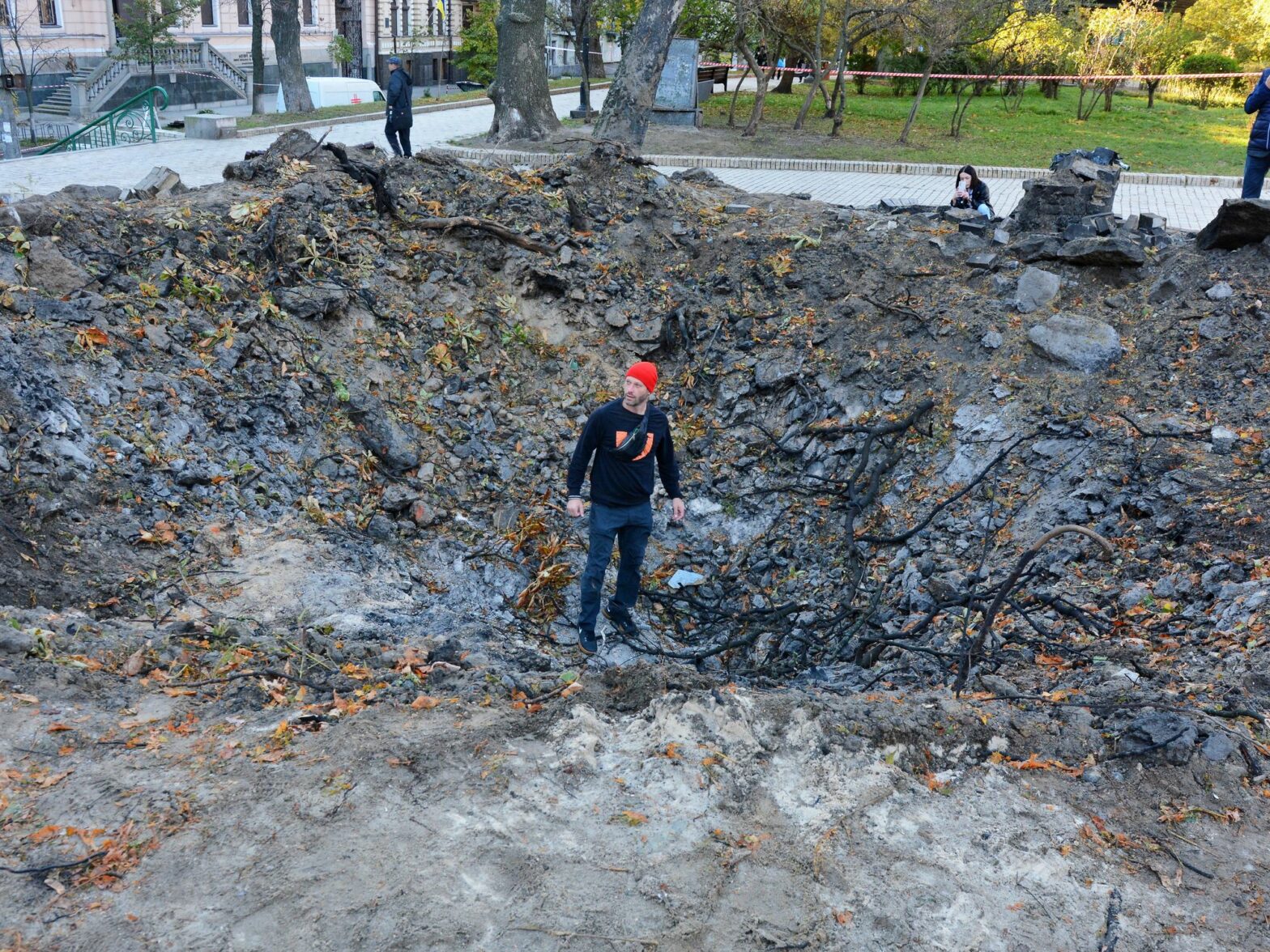
This week’s massive strikes by Russia on Ukrainian territory brought back the terror of the first days of the invasion across the entire country. Were they strategic strikes, or simply a retaliation for Ukraine’s attack on a strategic bridge in Russia-occupied territory in Crimea?
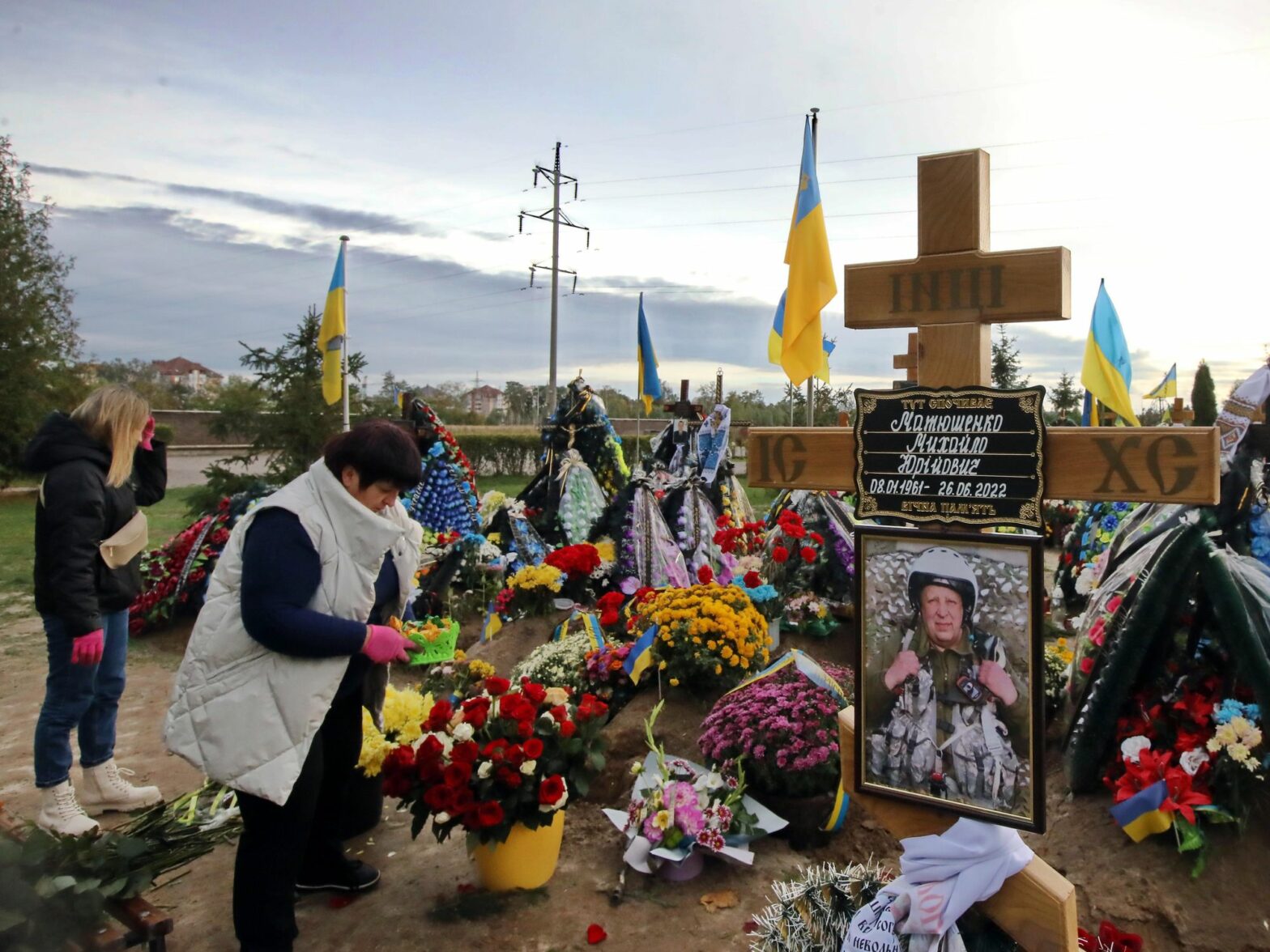
Testimonies have been gathered from victims who had been detained by the Russian military near Kyiv in the early weeks of the war. Some were held in a pit, others had their hands beaten with hammer, others with an axe and rifle butt. Some never made it out alive.
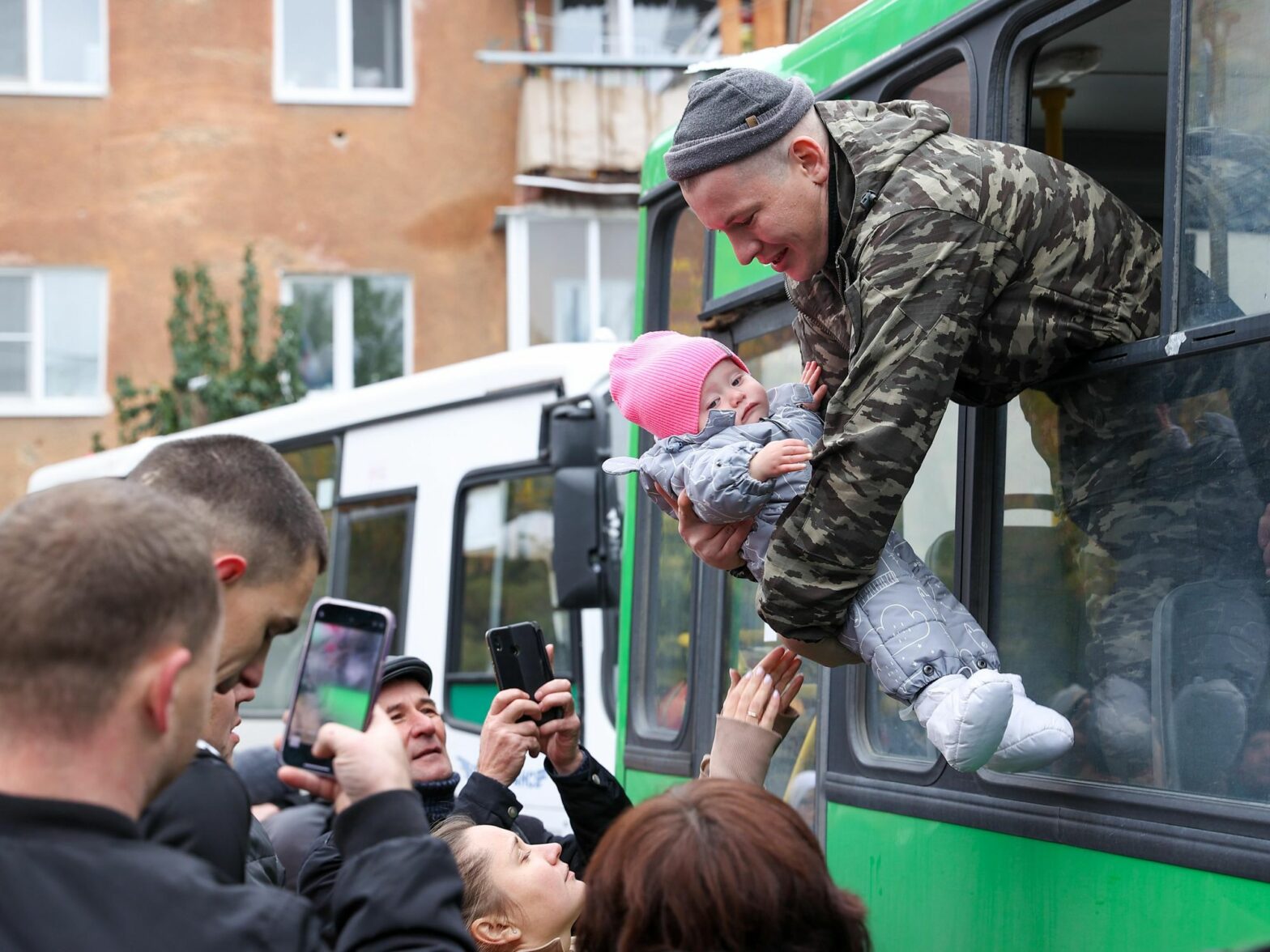
After Vladimir Putin announced a national military draft, thousands of men are fleeing the country. Independent Russian news platform Important Stories spoke to three men at risk of conscription who’ve already fled.