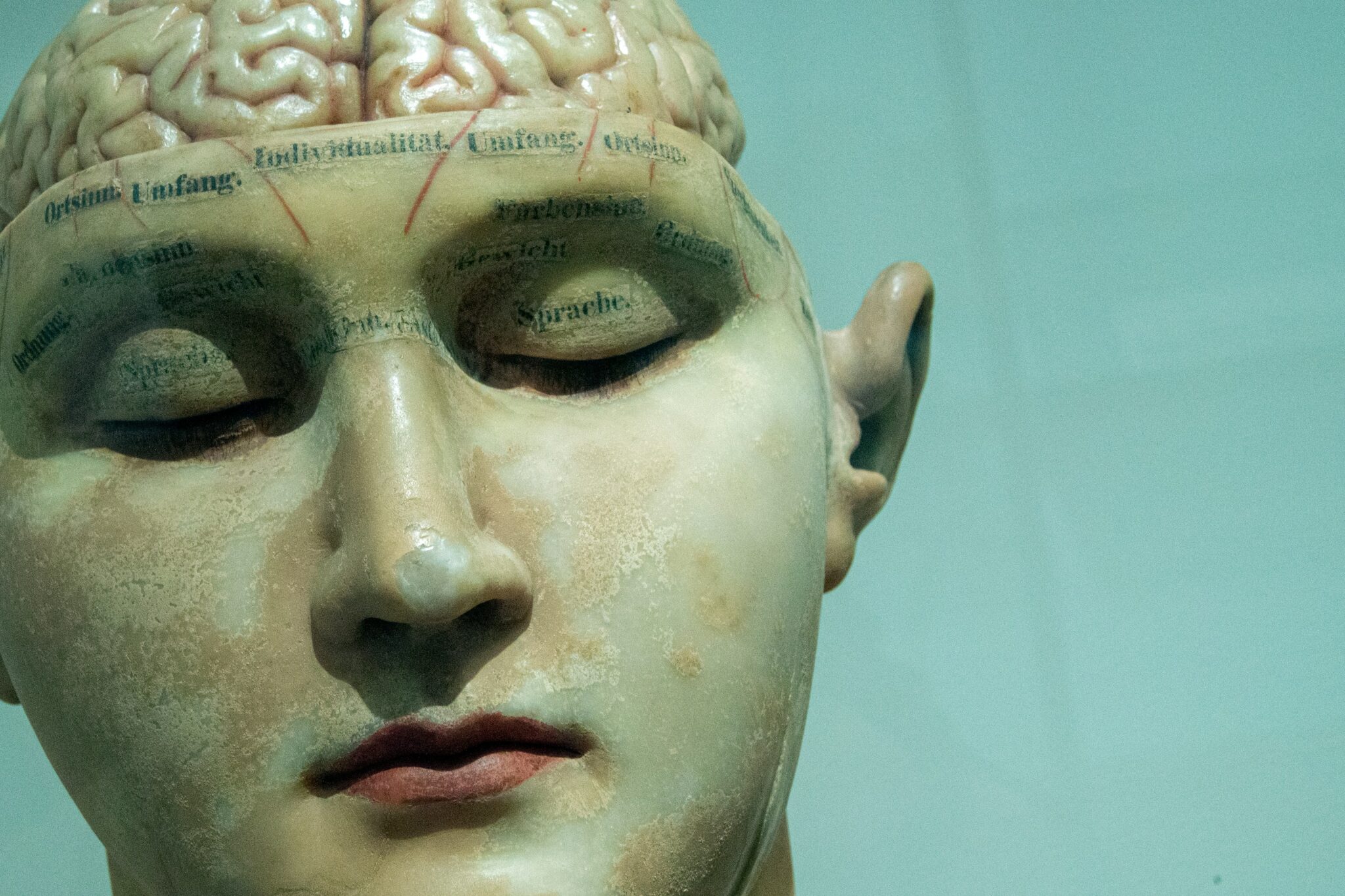
In a new book, Steve Ramirez explores the potential of memory manipulation to ease depression and other afflictions.
 Worldcrunch
Undark Magazine is a non-profit, editorially independent digital magazine exploring the intersection of science and society.
In a new book, Steve Ramirez explores the potential of memory manipulation to ease depression and other afflictions.
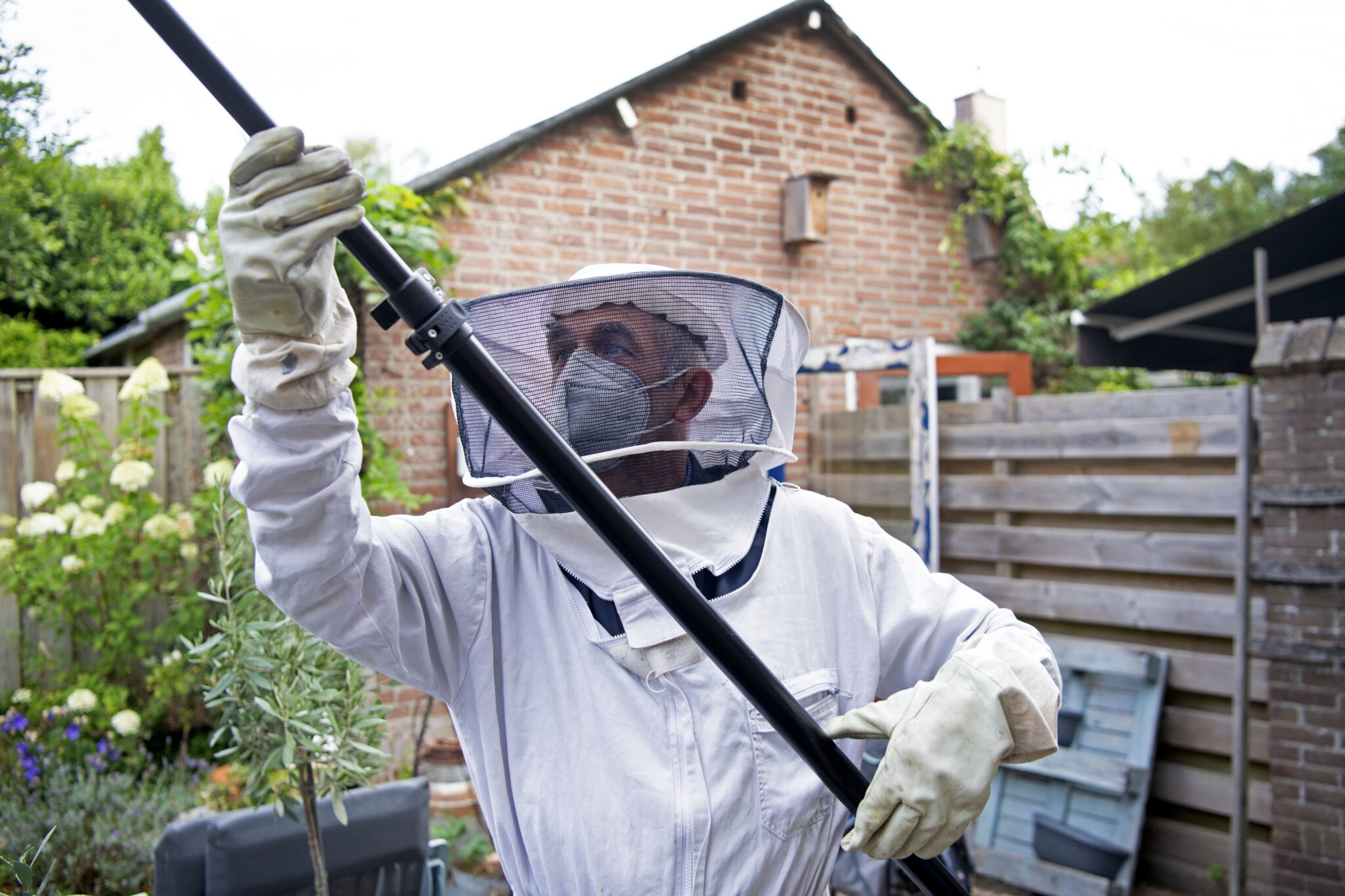
Regulations make it hard to introduce organisms that quash invasive species. Some experts see missed opportunities.

Chatbots weren’t designed for mental health, but they’re increasingly used for therapy. What are the risks and benefits?

Surrogacy’s health risks raise ethical issues over whether the practice is exploitative and should be banned.

New research suggests sunlight has unexpected benefits, but this doesn’t mean everyone should ditch their sunscreen.

Research, much if it by companies with deep investment in AI, suggests that chatbot interactions alter how users think.

People in recovery from eating disorders and OCD increasingly seek support from coaches, but some experts are wary.
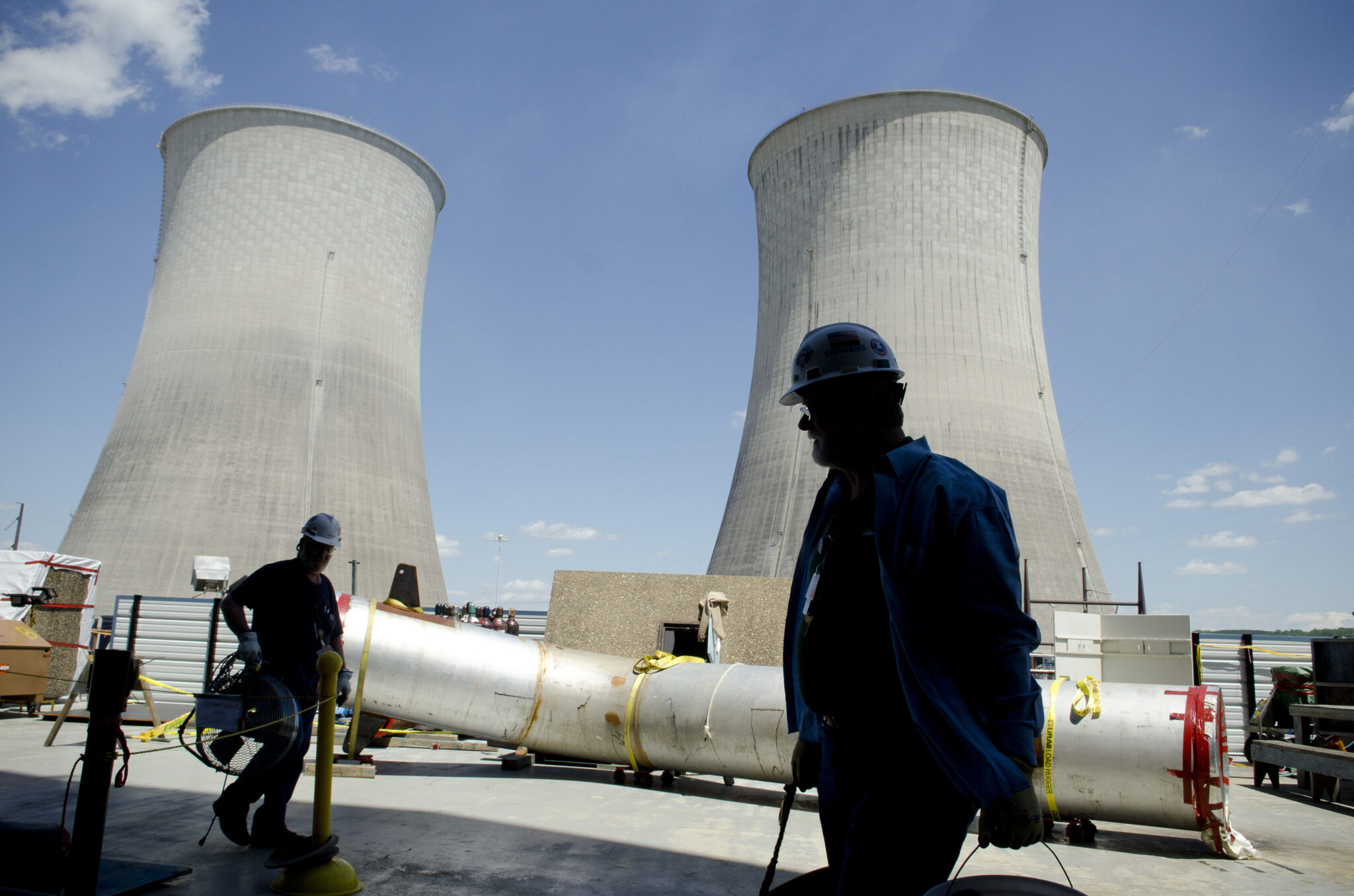
President Trump’s push to revive nuclear energy relies on deregulation, but experts say that strategy is misplaced.
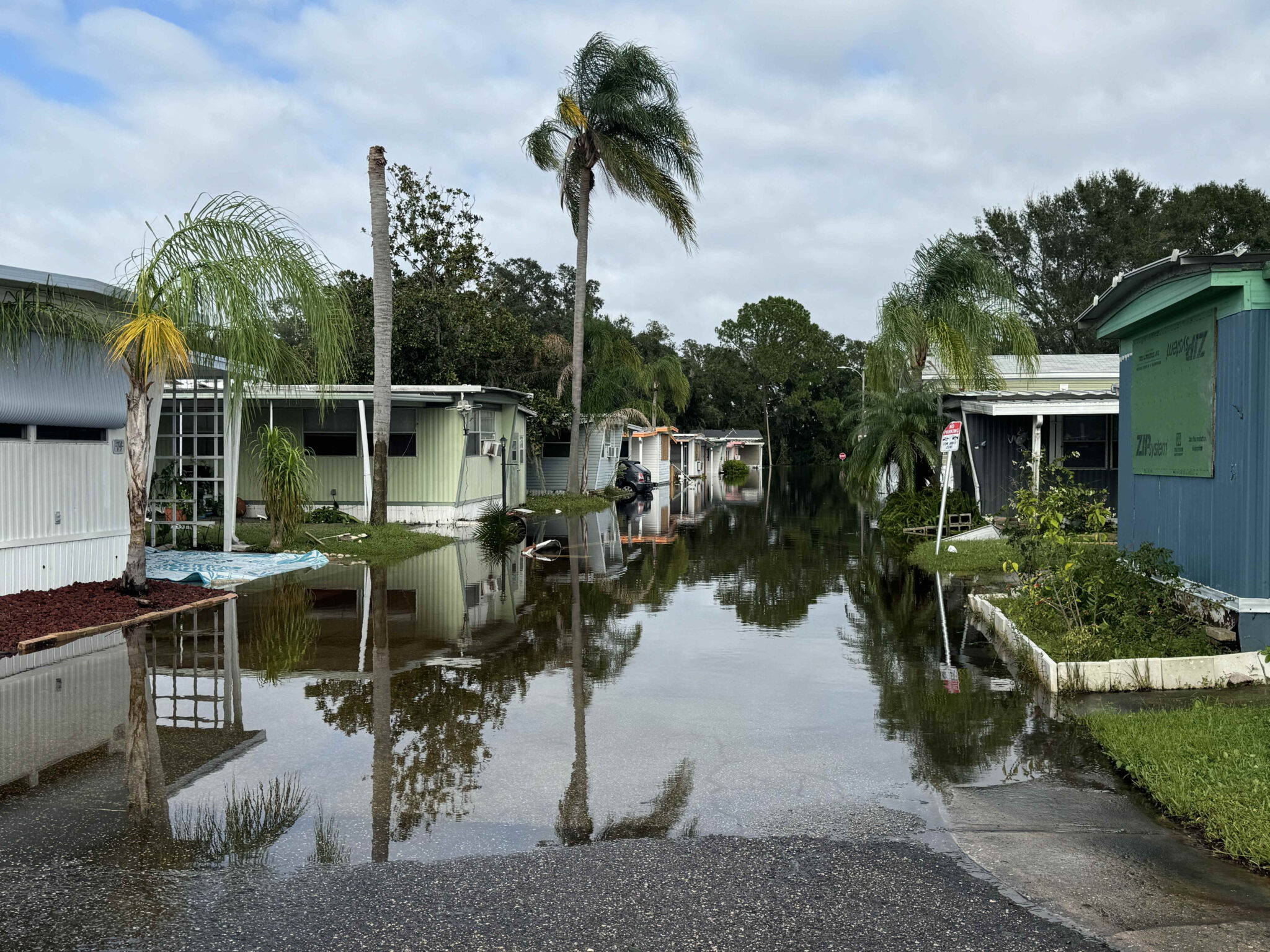
Experts in flood mitigation see a national system decades behind. A disbanded FEMA advisory group was supposed to help.
A growing research field known as “the science of science” promises to be essential for rebuilding trust in scientific research and navigating an uncertain future.

Many of the world’s languages aren’t adequately represented in the data used to train chatbots and other AI-based tools. If we fail to be more inclusive, the next generation of AI will encode a world that risks being extremely biased, both linguistically and culturally.

Silicon Valley’s self-anointed philosophers promise digital immortality and Kantian rigor, yet their transhumanist ambitions reveal a darker inheritance: an evolutionary game of invisible rivalry. True transcendence won’t come from tweaking biology, but from dismantling the self-interest that entrenches inequality.

As people turn to AI for therapy and companionship, some say the models still need to learn the nuances of human humor.

Millions have been spent to catch plagiarism and AI with tools from education company Turnitin. Is the tech worth it?
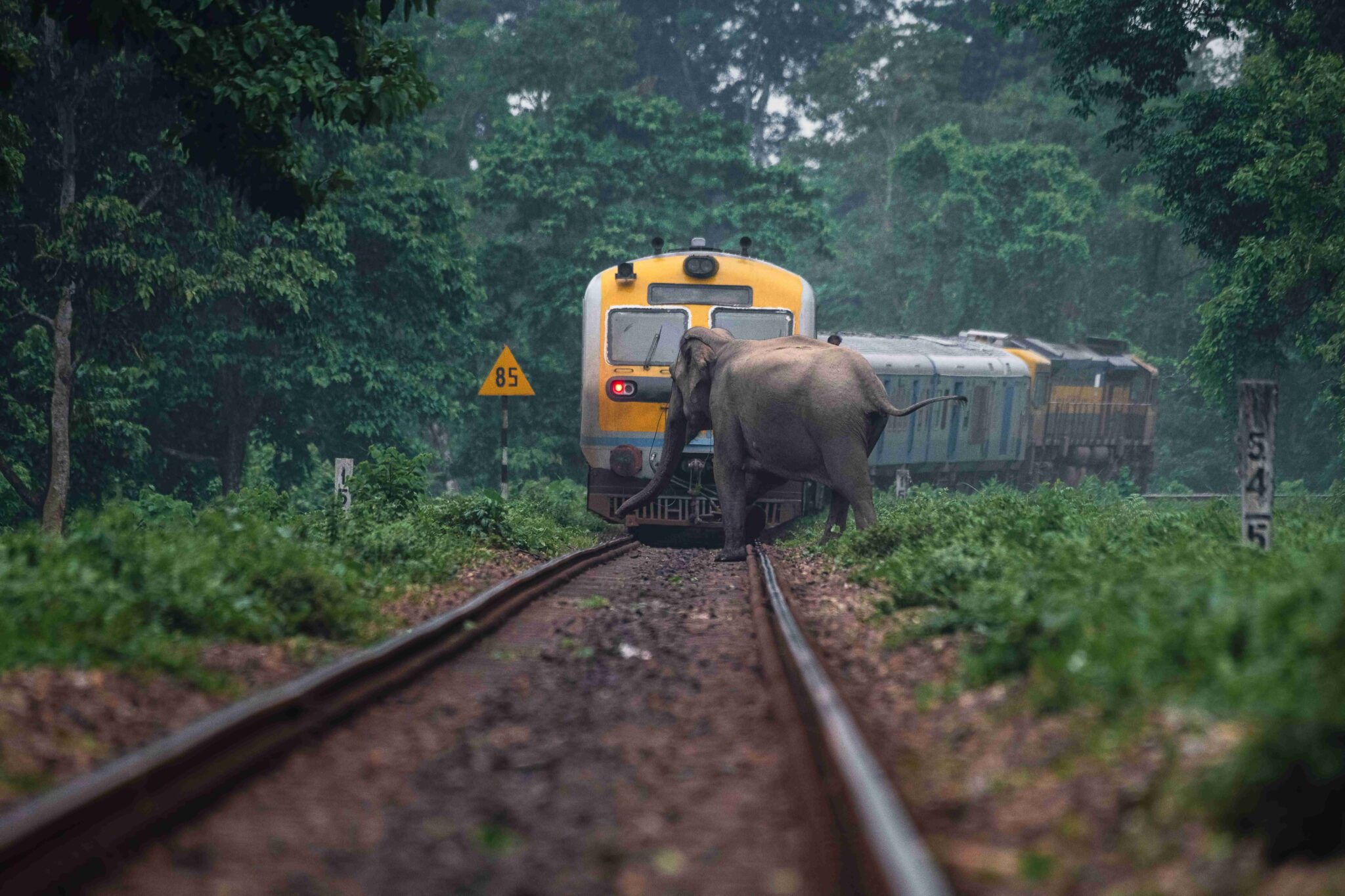
Neither conflict nor harmony, the concept of “coexistence between humans and wildlife has been a meaningful goal. But in reality, it is being misused or superficially invoked to the benefit of neither person or animal.

As international research projects are upended, European leaders say they will fill the funding void. Is that realistic?

With RFK Jr. and half of U.S. states backing phone bans in classrooms, the science remains unsettled — and experts warn that sweeping restrictions may do more harm than good without a broader rethink of how kids use tech.

Scientists are racing to define and map the human exposome — the sum of all environmental exposures over a lifetime — in a groundbreaking effort that could transform our understanding of disease and precision medicine.

As artificial intelligence begins to mimic pain and emotion, a new moral frontier is emerging — and society is poised to fracture along deep ideological lines over whether machines deserve rights, empathy, or even love.
Facing demands to strip inclusive language and demographic data from a peer-reviewed paper, two public health researchers withdrew their study — exposing the growing clash between science and politics in the U.S.
Following immunotherapy treatments in the last decade, new therapeutic strategies for cancer are beginning to emerge.

A new study offers more evidence linking frequent marijuana use to an increased risk of cardiovascular disease.
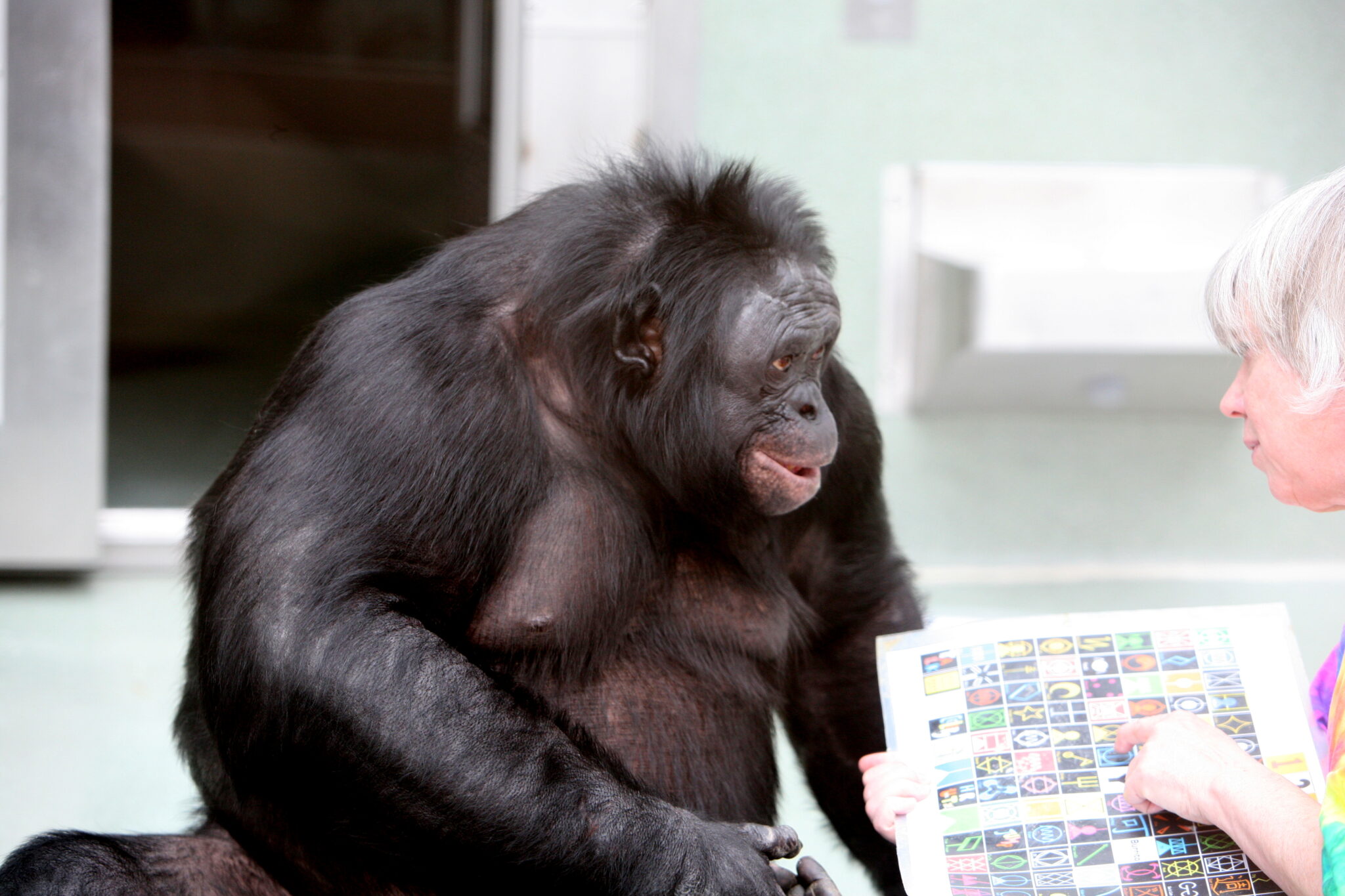
Despite startling breakthroughs, the first words and signs of great apes are rarely publicly celebrated by scientists.

A rare wildfire in New York has reignited debate over the role of controlled burns in forest management. As climate change fuels more extreme weather, experts and policymakers are divided on whether fighting fire with fire might actually make sense.

Researchers in Norway and the U.S. are training artificial intelligence to address cybergrooming. Will it work?
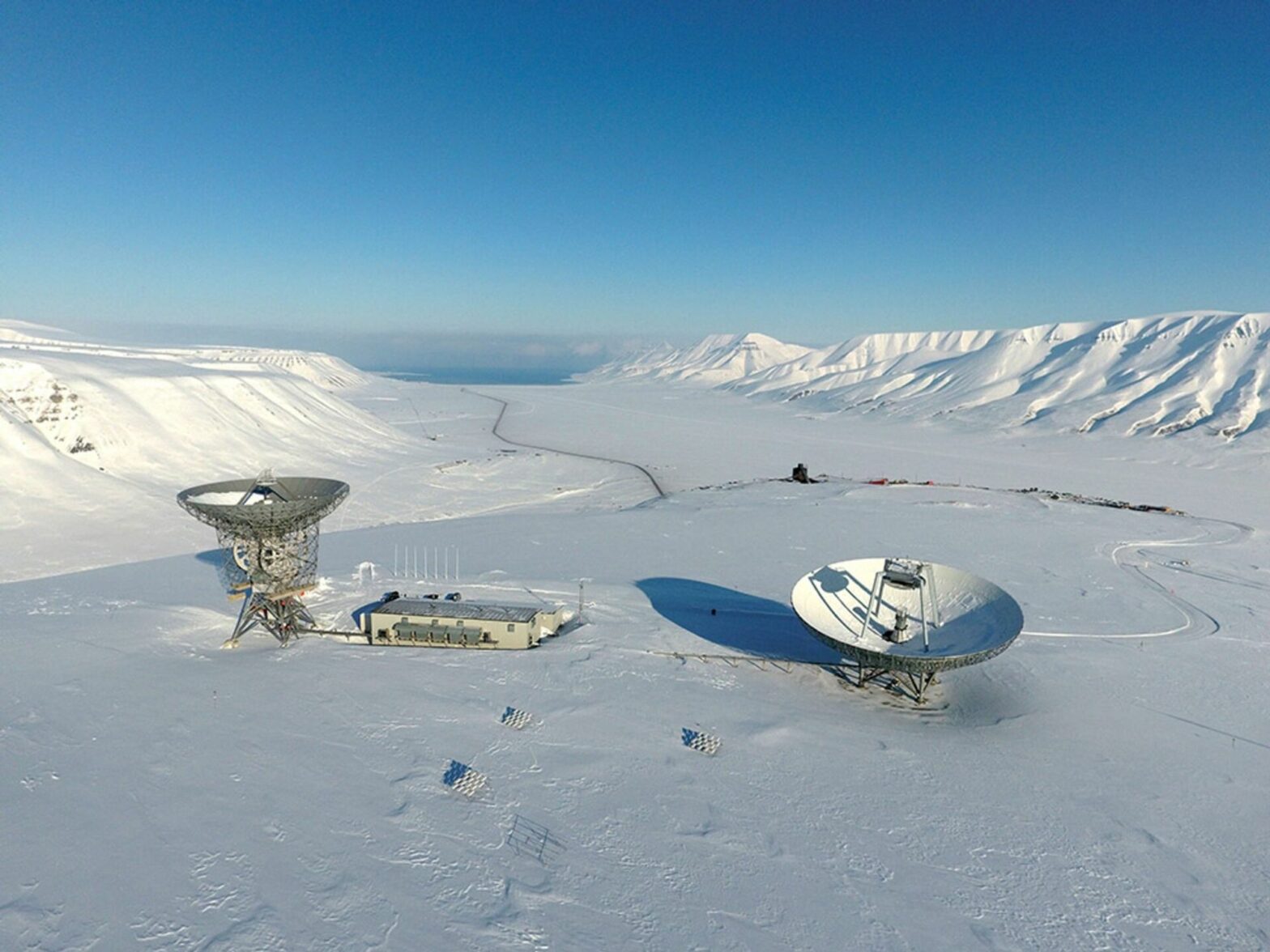
The country supports some of the world’s most important satellites. But experts worry about its proximity to Russia.

Herbicides pose environmental and human health risks but are also an essential tool for controlling invasive plants.

Fertility clinics should provide easy access to mental health support for those undergoing IVF treatments. Some of them do, many do not.
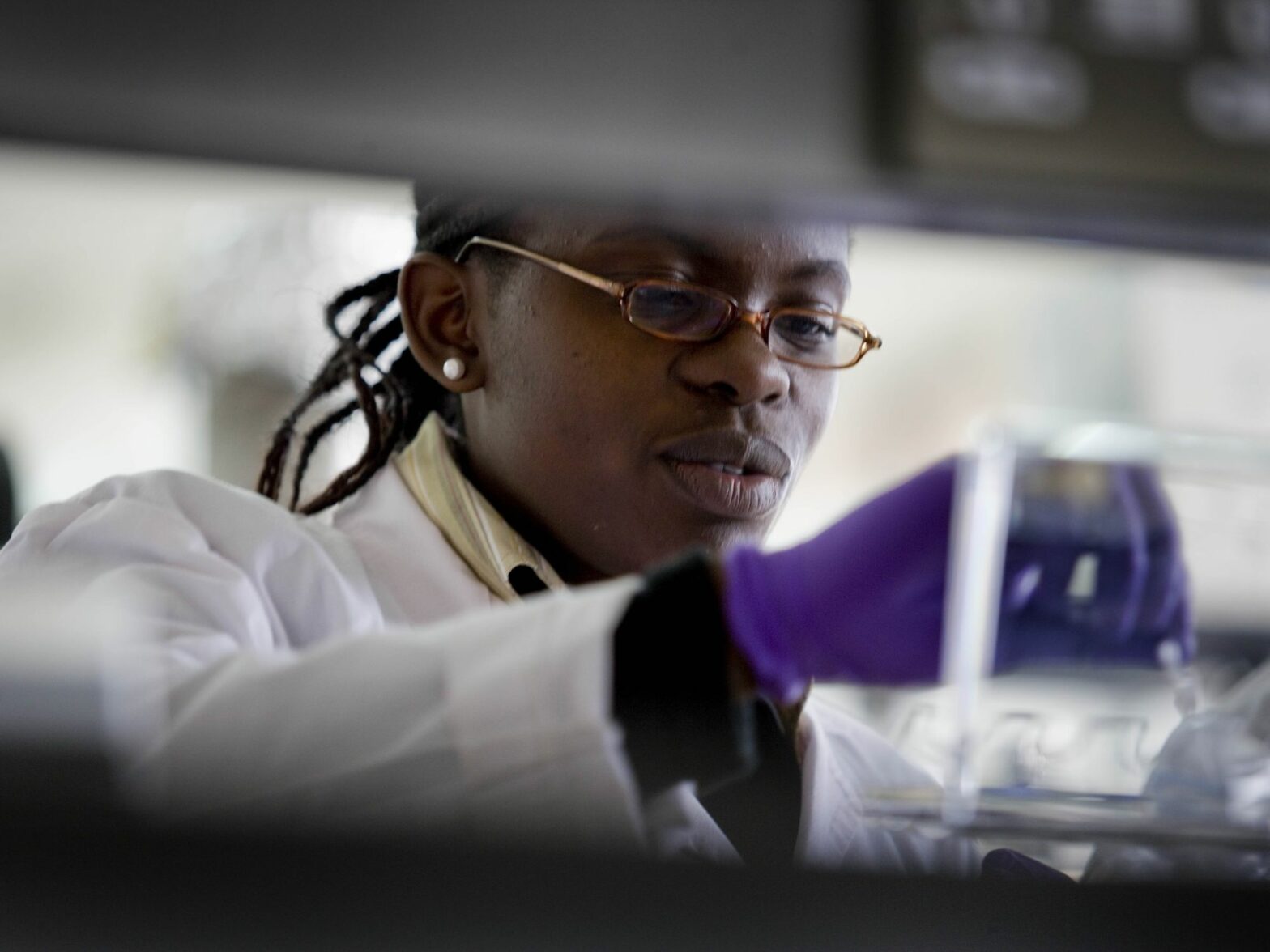
Organizations that advocate against DEI programs in education are suing universities and research facilities that seek diversity in their scholarship and research grant practices. The Supreme Court fired the starting gun.
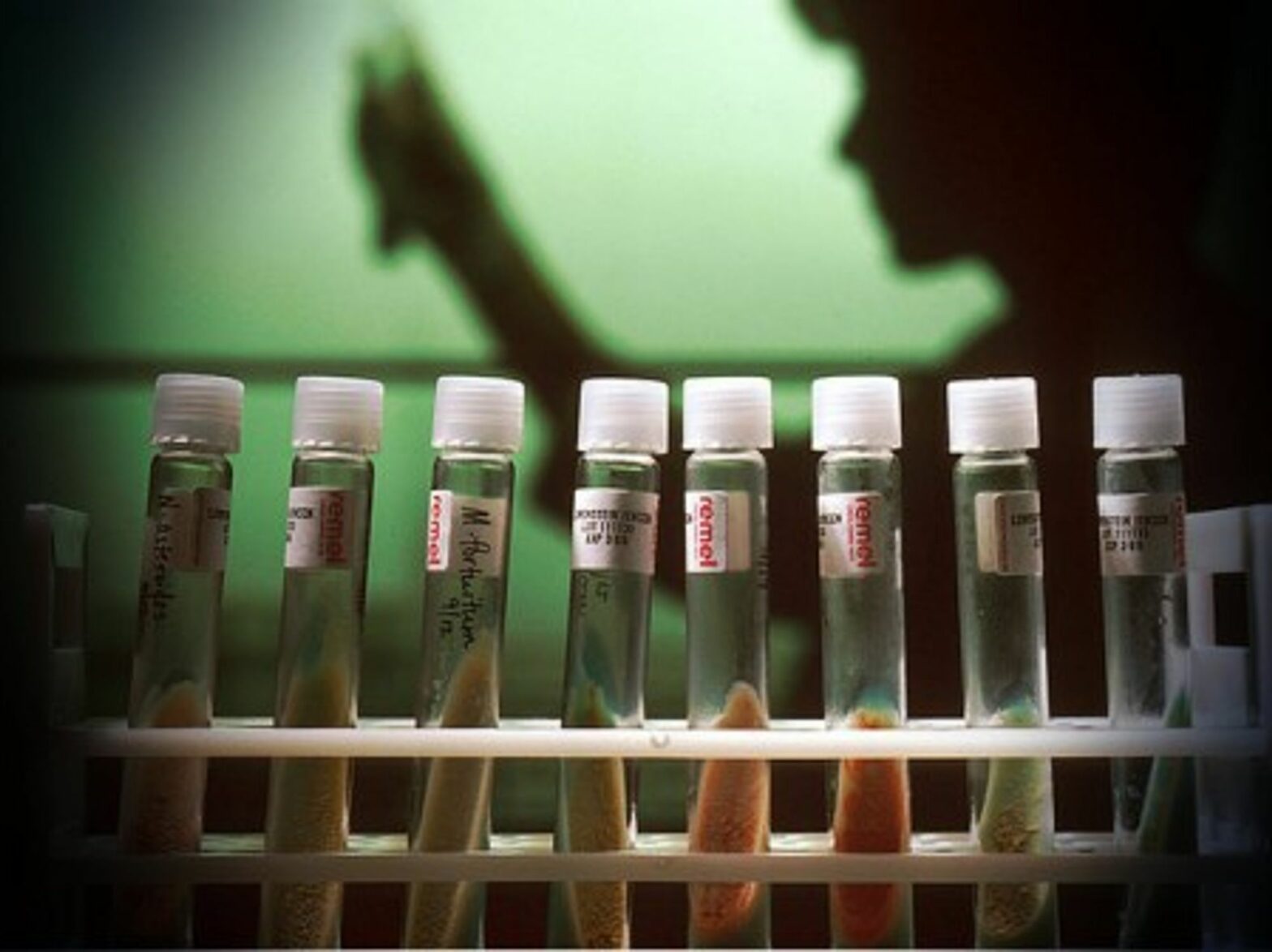
In the wake of attacks on the research enterprise, scientists need to focus on protecting its fragile infrastructure. But they must also adapt to a new world.
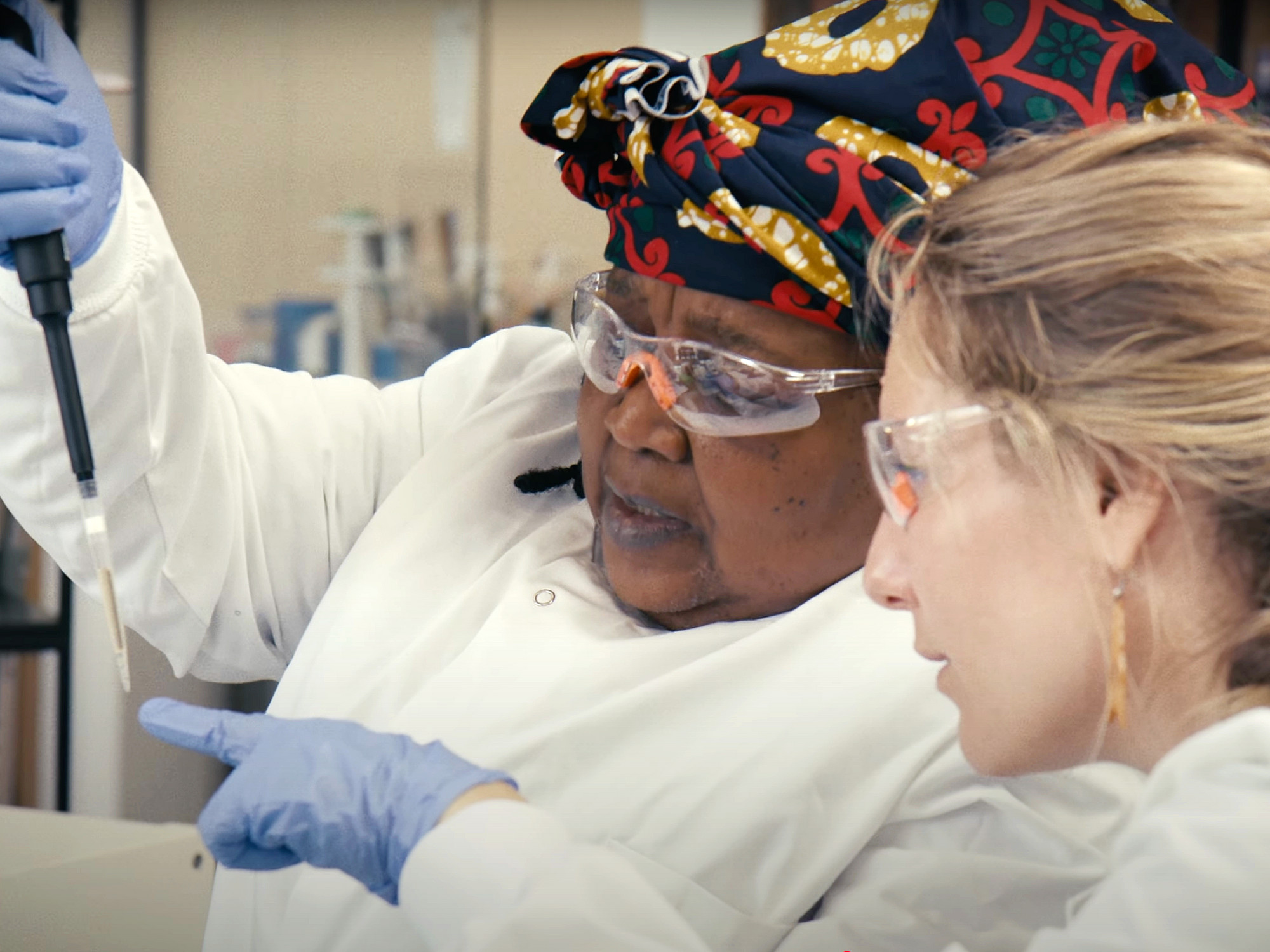
New technologies that allow researchers to understand DNA and other genetic markers are advancing quickly, but the law surrounding who actually owns the information that researchers collect is not advancing fast enough.

The field’s failure to integrate medical services in the mid-20th century set the stage for its current troubles.

Light pollution in Chile’s Atacama Desert, home to crucial star-gazing infrastructure, is threatening the future of astronomy. Can a new nationwide lighting standard make a difference?

Scholars are increasingly pointing to ways that an overwhelming focus on emissions reduction — what has become known as carbon tunnel vision — can get in the way of holistically addressing the many sources of environmental decay.
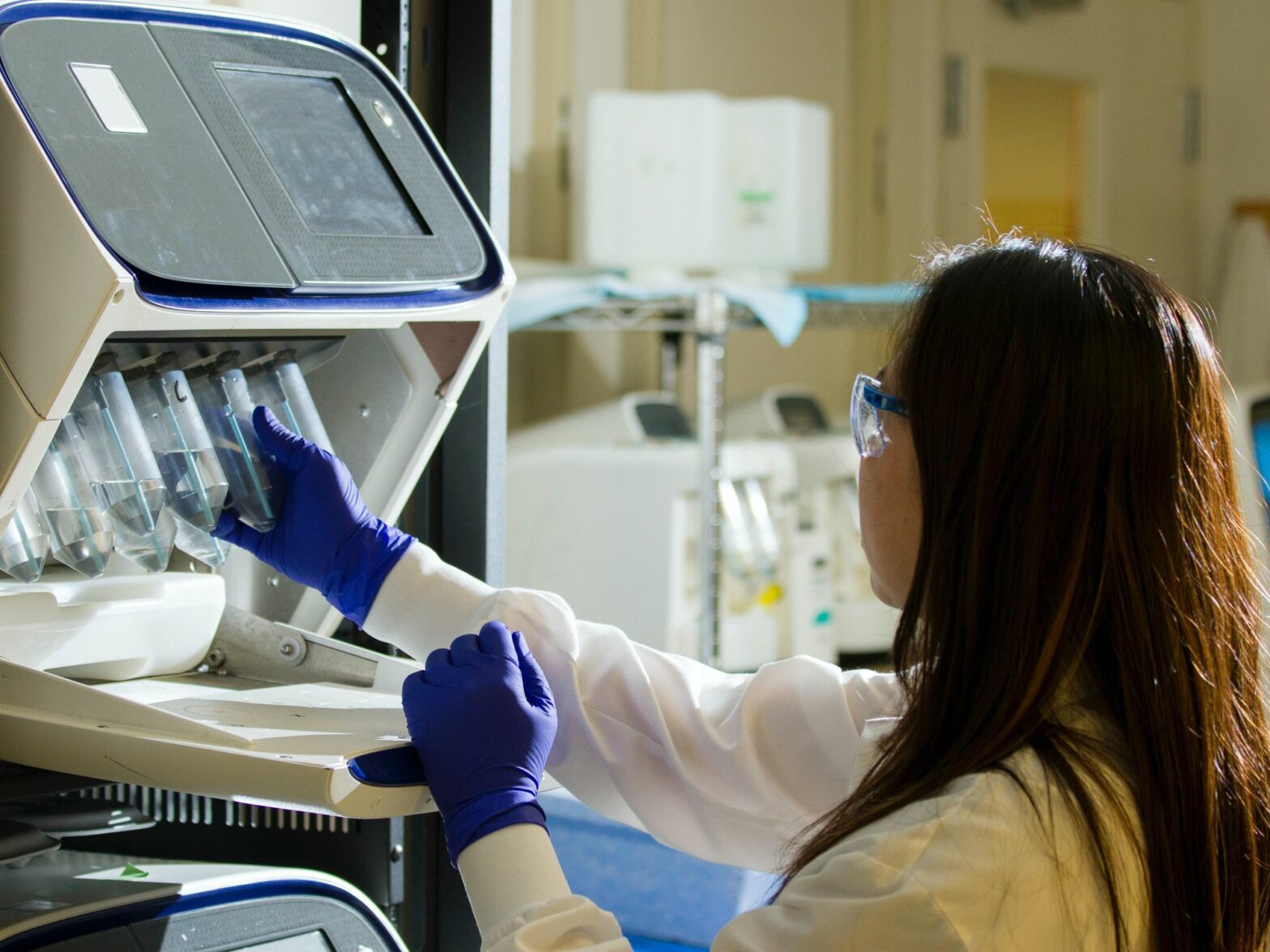
For families learning their child will be born with a debilitating condition, new legal issues create additional trauma.

The overdose death rate among Indigenous people was the highest of all racial groups in the first year of the pandemic.

Exploiting space resources and littering it with satellite and other anthropogenic objects is endangering the ecosystem of space, which also damages the earth and its creatures below.

Lower-caste cleaners must wear GPS-enabled smartwatches, raising questions about their privacy and data protection.

Since its founding in the 1970s, the Amsterdam-based Center of Expertise on Gender Dysphoria has been working with often very young children and their parents to address gender identity issues. Their model has been both adopted and widely criticized around the world.

Indigenous groups in the U.S. and Canada are using ground-penetrating radar to look for burial sites at former schools. The technology has the potential to help a reckoning with a dark chapter in the countries’ histories.