Today’s Russia is similar to Stalin’s USSR in more and more ways, including the constant search for enemies and the paranoia of betrayal. Some examples of this panic may be funny, but also help inform what Moscow might do next.
 Worldcrunch
Ukrainska Pravda is a Ukrainian online newspaper founded by Georgiy Gongadze on 16 April 2000. Published mainly in Ukrainian with selected articles published in or translated to Russian and English, the newspaper is tailored for a general readership with an emphasis on the politics of Ukraine
Today’s Russia is similar to Stalin’s USSR in more and more ways, including the constant search for enemies and the paranoia of betrayal. Some examples of this panic may be funny, but also help inform what Moscow might do next.
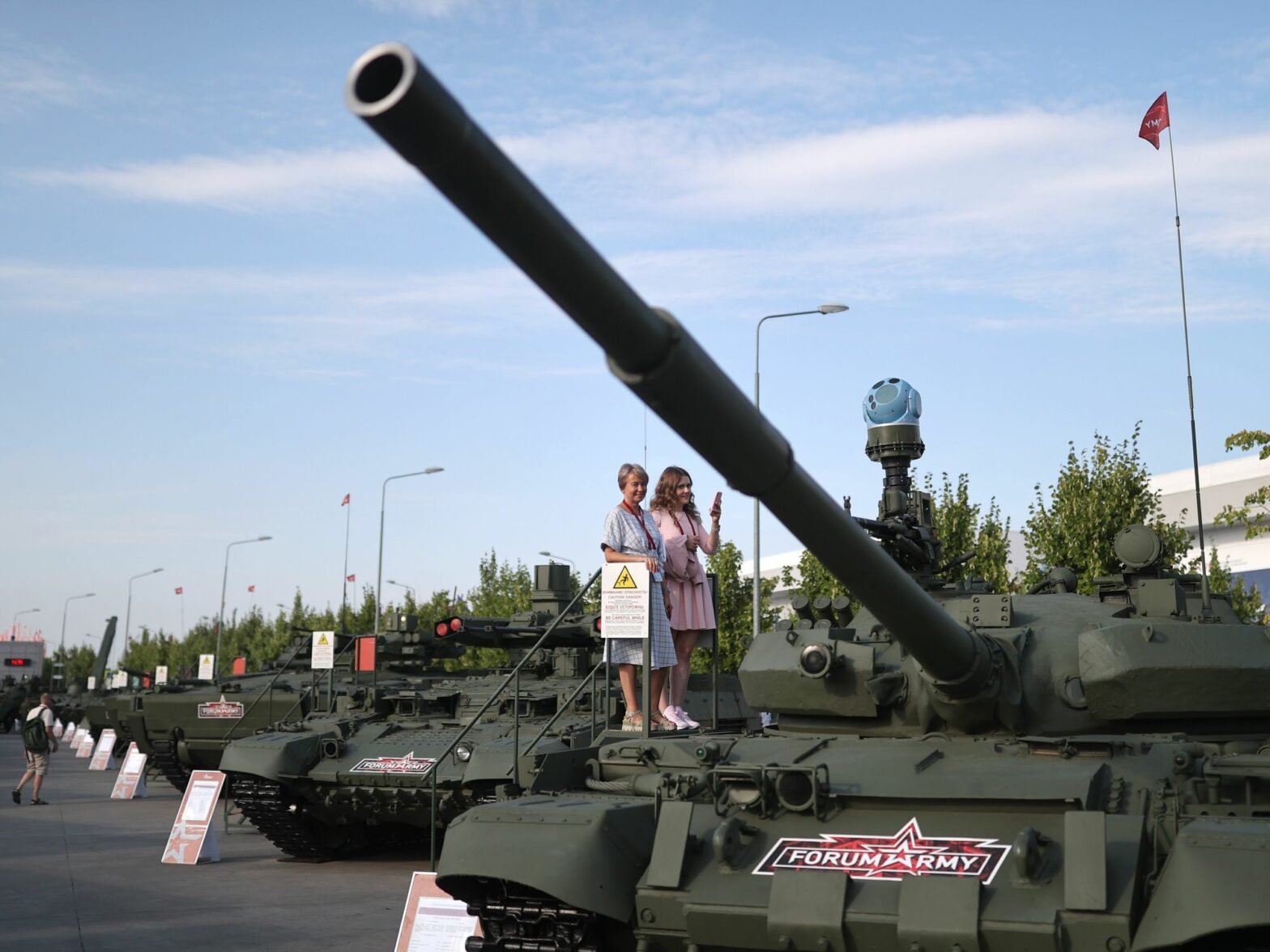
The continuing heavy shelling of Kyiv and other Ukrainian cities shows that Russia still has more missiles than Ukrainians would have hoped. The look through the web of Kremlin diktats and murky international commerce that keeps the Russian military churning out hardware that drives the war in Ukraine
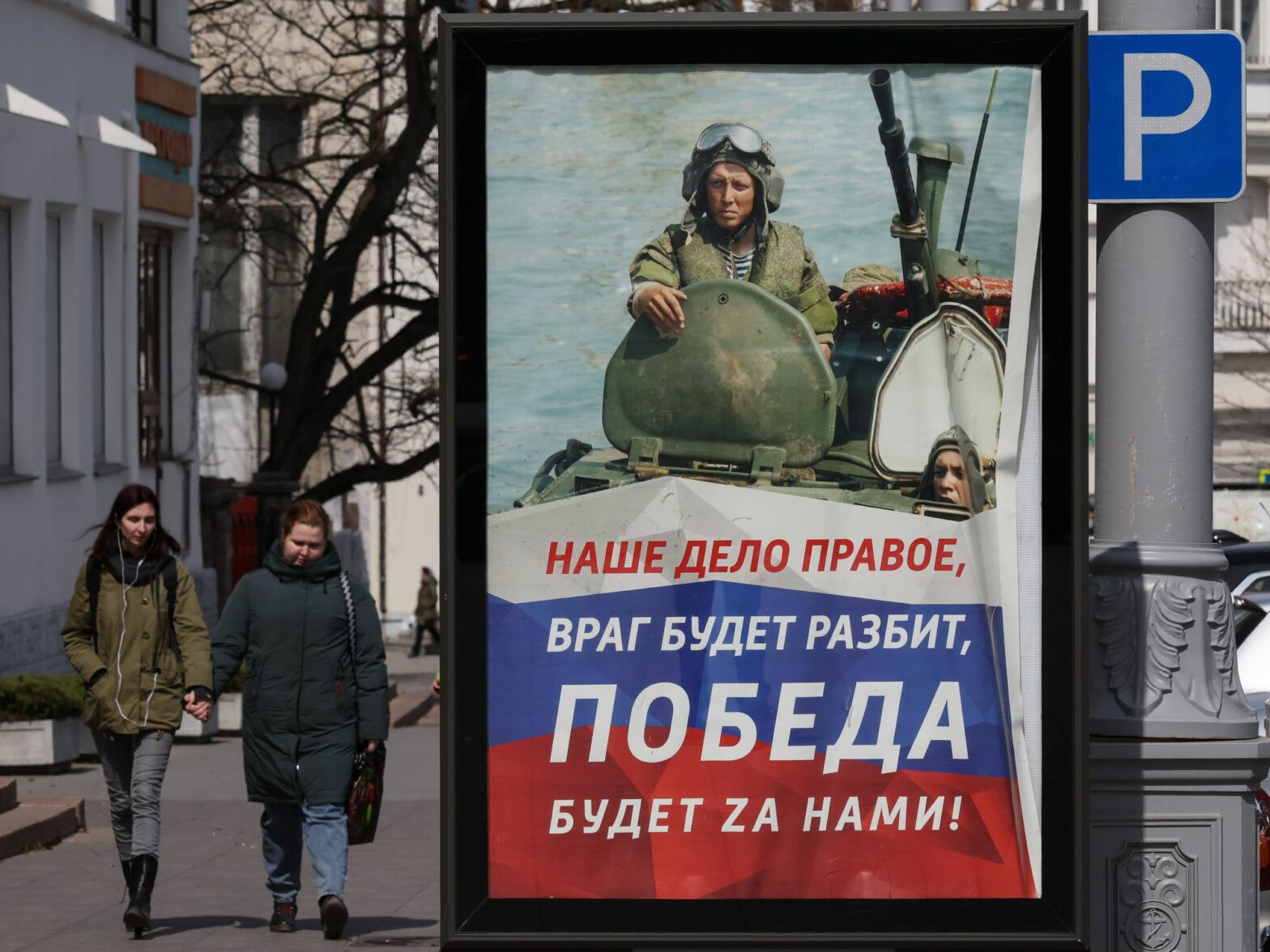
Wagner-like military groups are being formed in Crimea. Are they preparing to fight the Ukrainian army? Or to evacuate the local oligarchs?
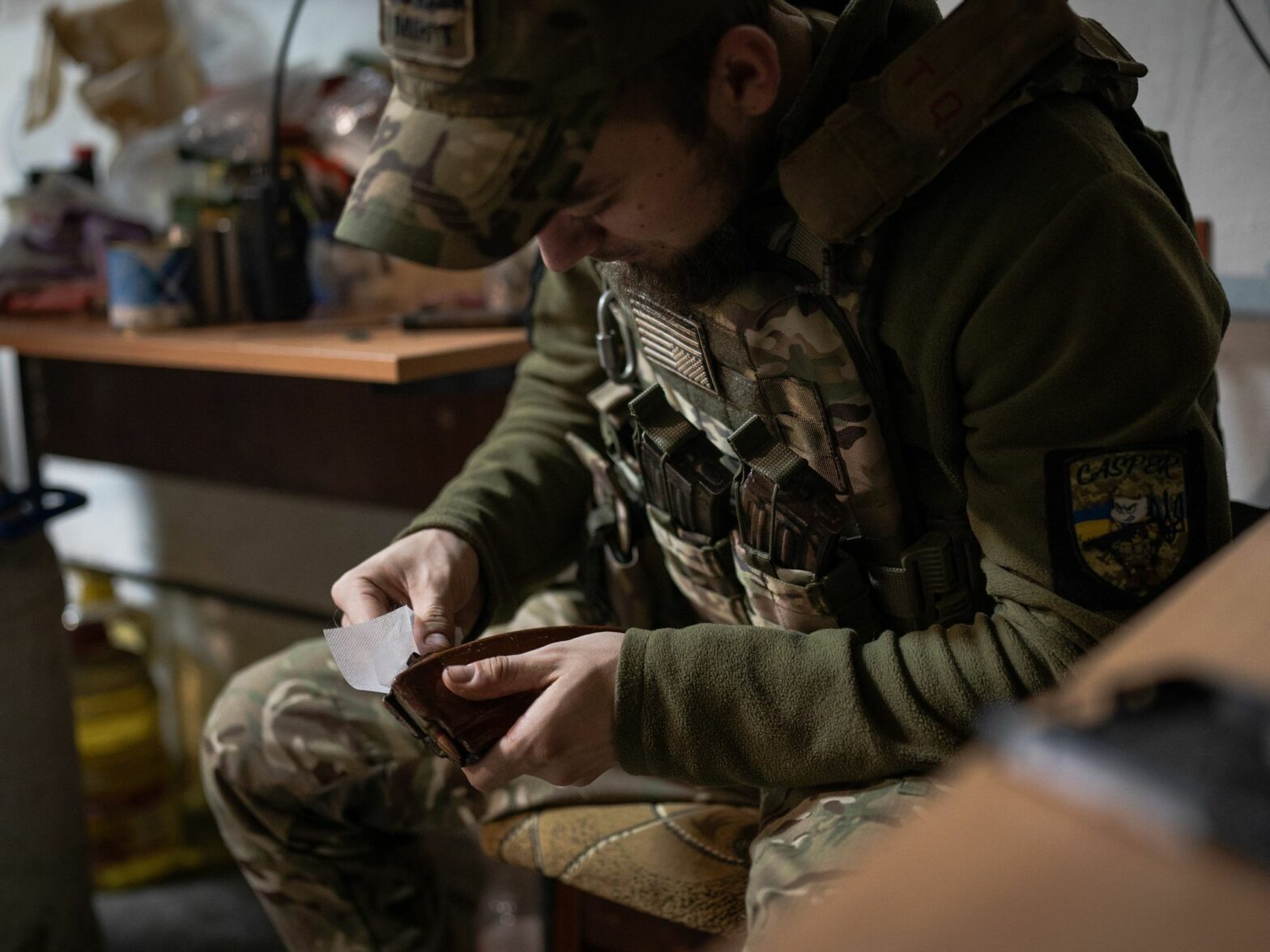
Pavlo Kazarin is a journalist for Ukrainska Pravda. He is also serving in the Ukrainian army: With the good and the bad, heroes and otherwise.
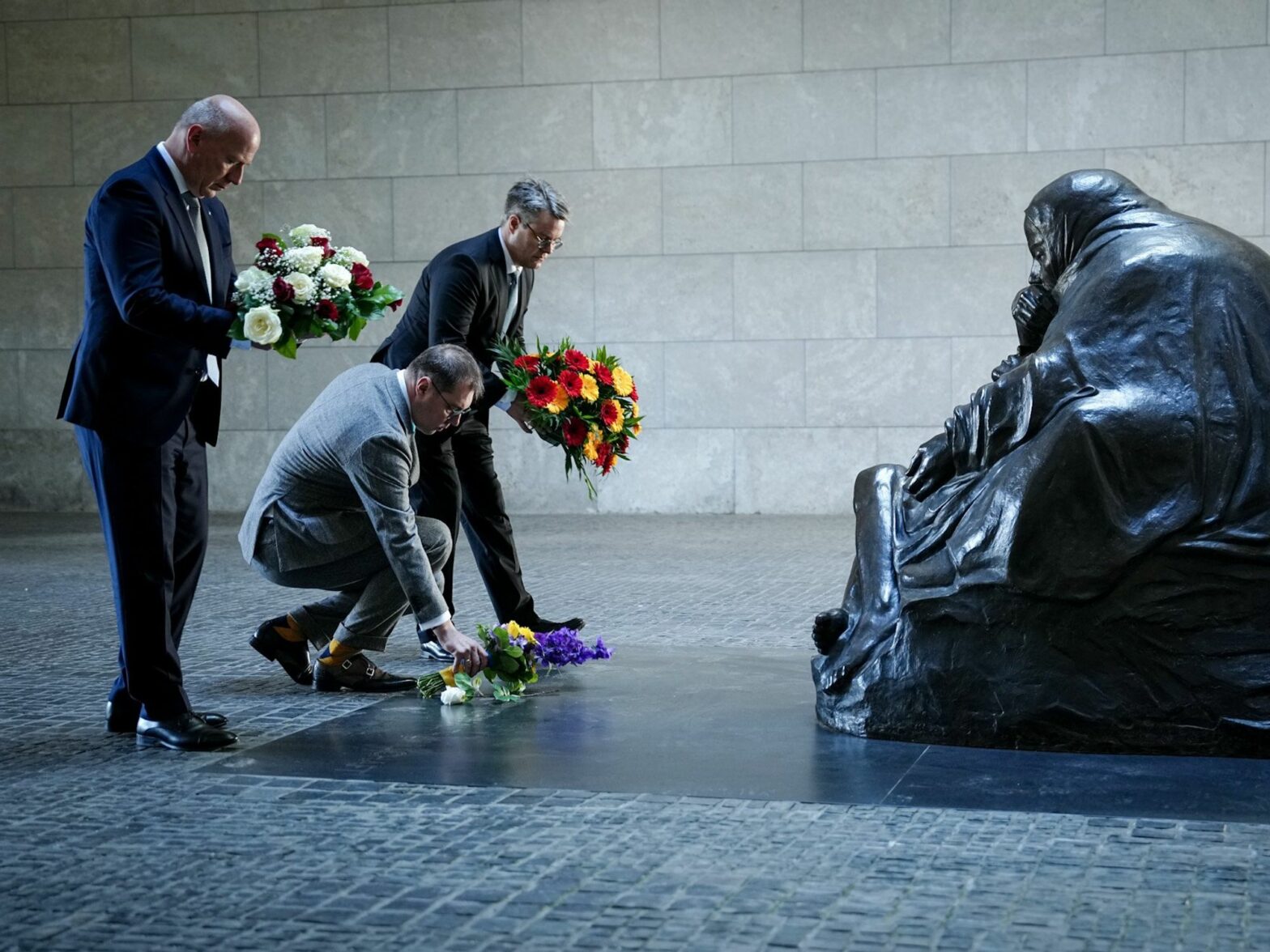
Russia has just celebrated its Victory Day over Nazism. It’s a good time to reflect on what retribution means, and how it’s not always black and white.
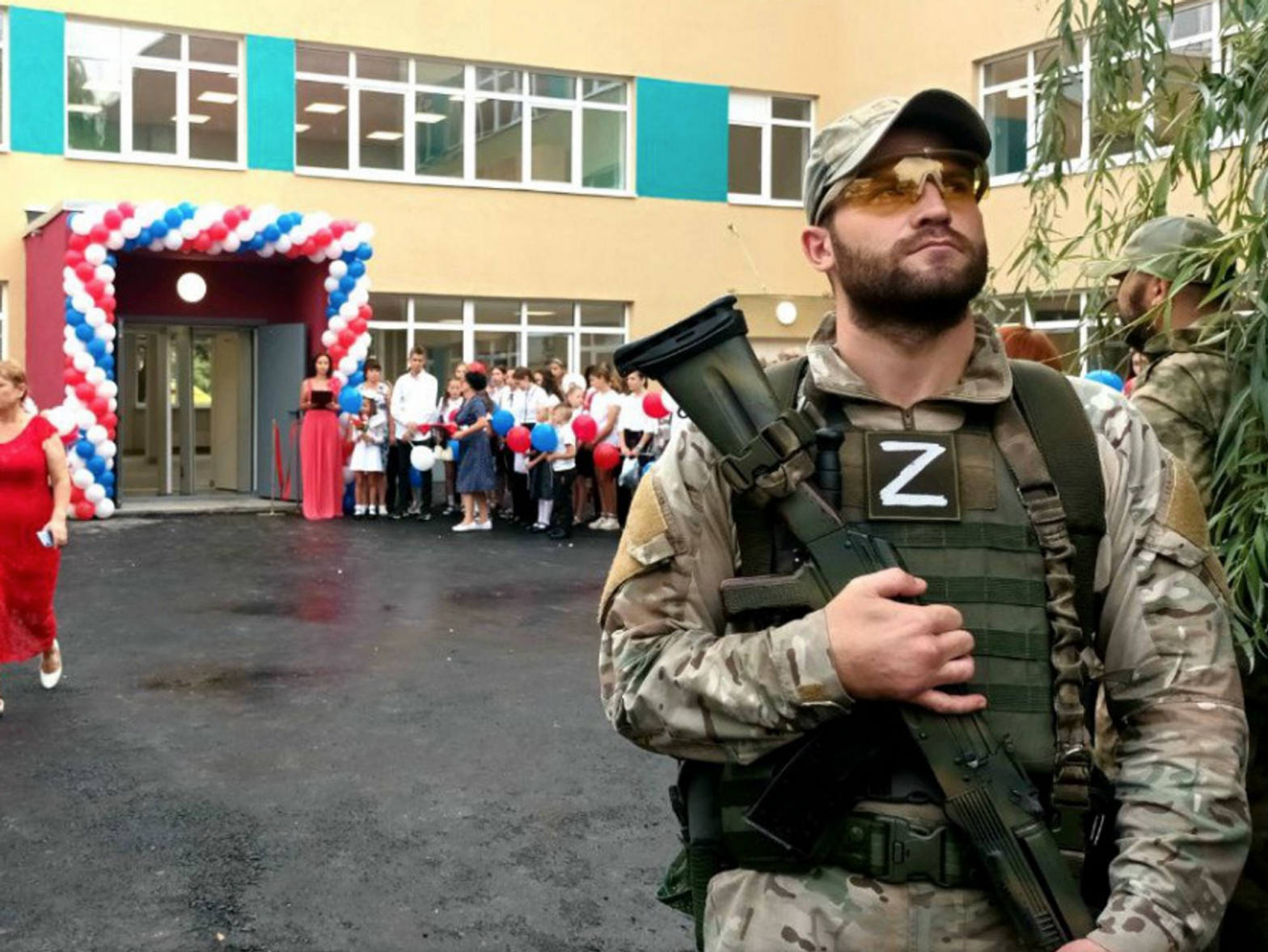
In Russian-occupied regions of Ukraine, an estimated 19,000 children have been abducted and put in so-called “filtration camps,” Soviet-era-like facilities where they are being “re-educated” in brutal conditions. Exclusive testimony from several victims who managed to escape.
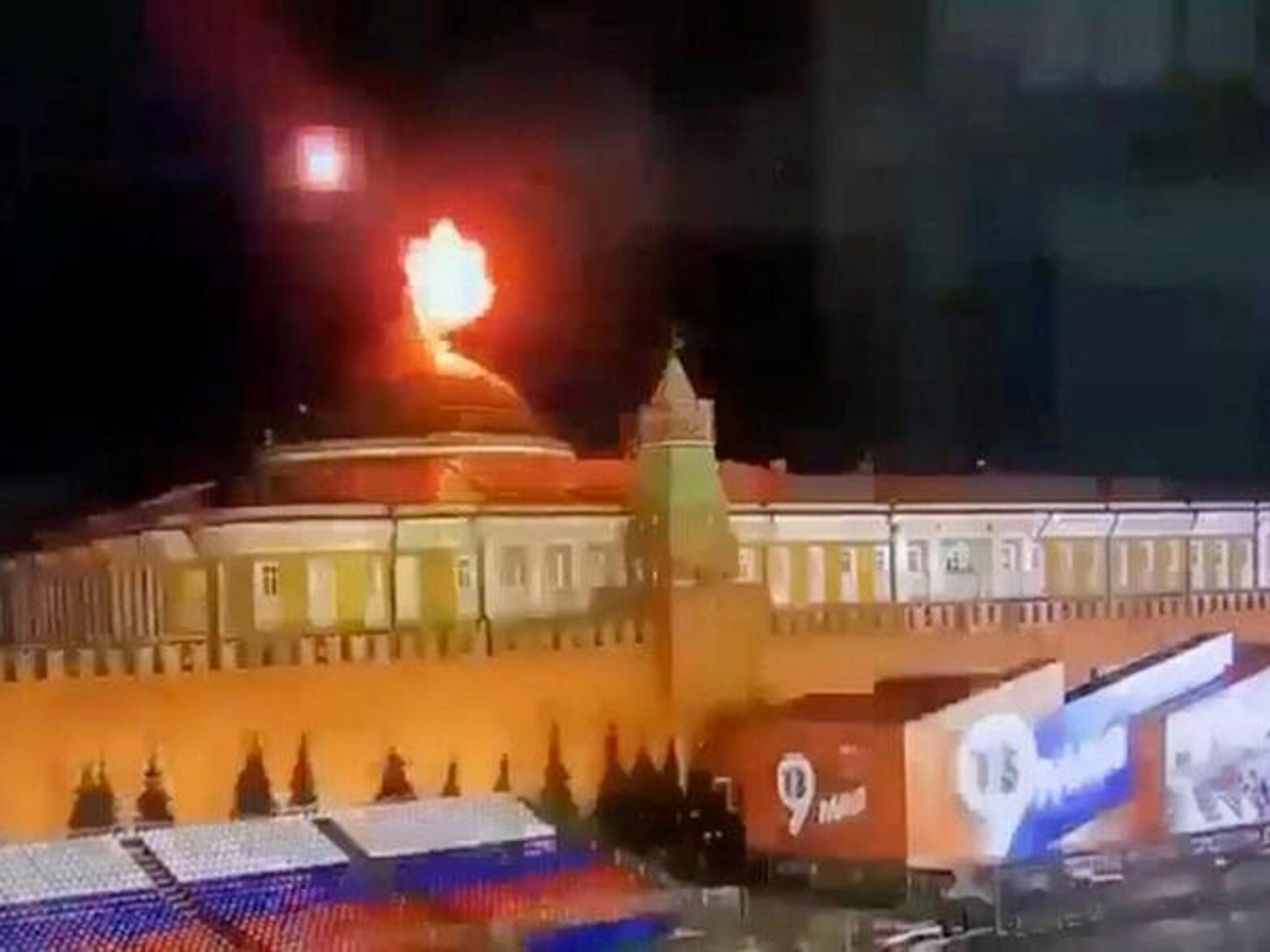
Whether Ukraine or Russia is behind the clamorous attack on the Kremlin, which Moscow says was an assassination attempt against Vladimir Putin, it is bound to shape the imminent counter-offensive.
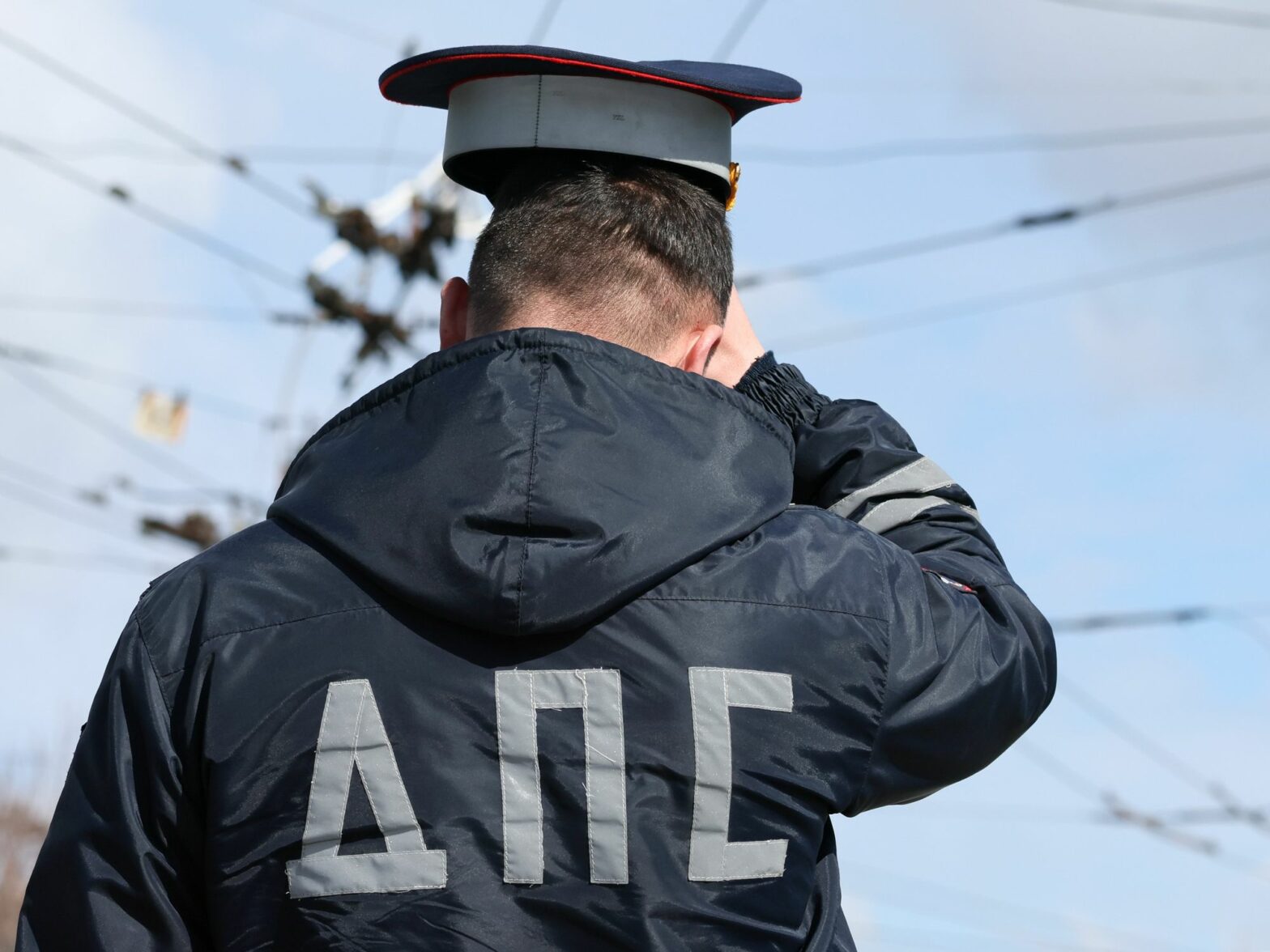
Tamila Tasheva, the Permanent Representative of the President of Ukraine in the Autonomous Republic of Crimea, issues an appeal on the eve of Kyiv’s counter-offensive to seize this moment in history — but do so carefully.
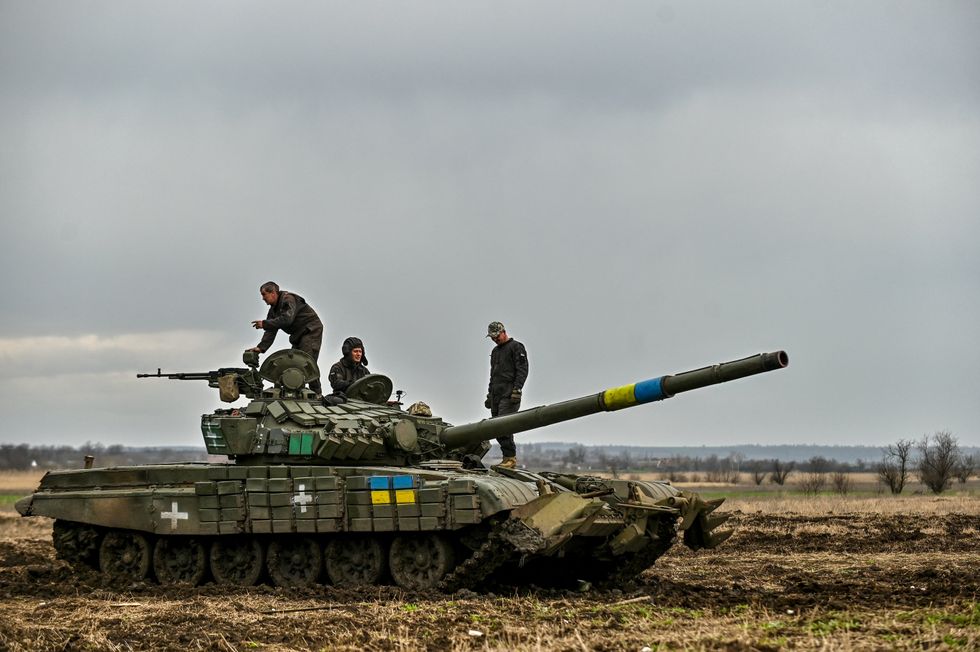
Even as Ukraine’s Western allies are sending much needed military hardware, there is an unofficial market for used equipment — from armored vehicles to drones and satellites — that has been vital for Kyiv. But how do these second-hand goods make it from Britain to the front?
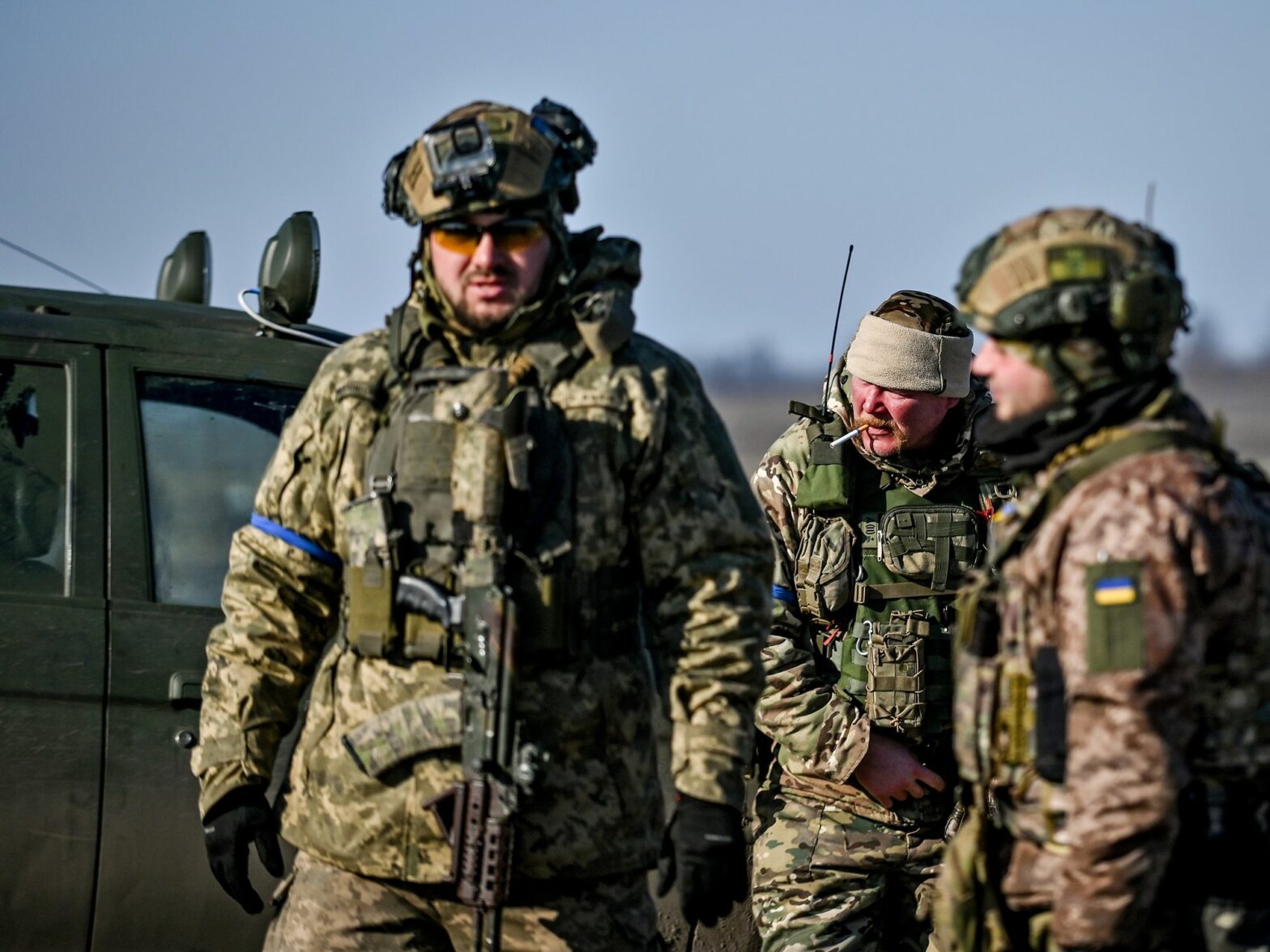
Analysts have been talking about a Ukrainian counteroffensive since the end of last year. But when, where and how it will happen is still a closely guarded secret, thrown into further turmoil by the embarrassing leaks from inside the U.S. Defense Department. Ultimately, however, there are other factors that matter more.
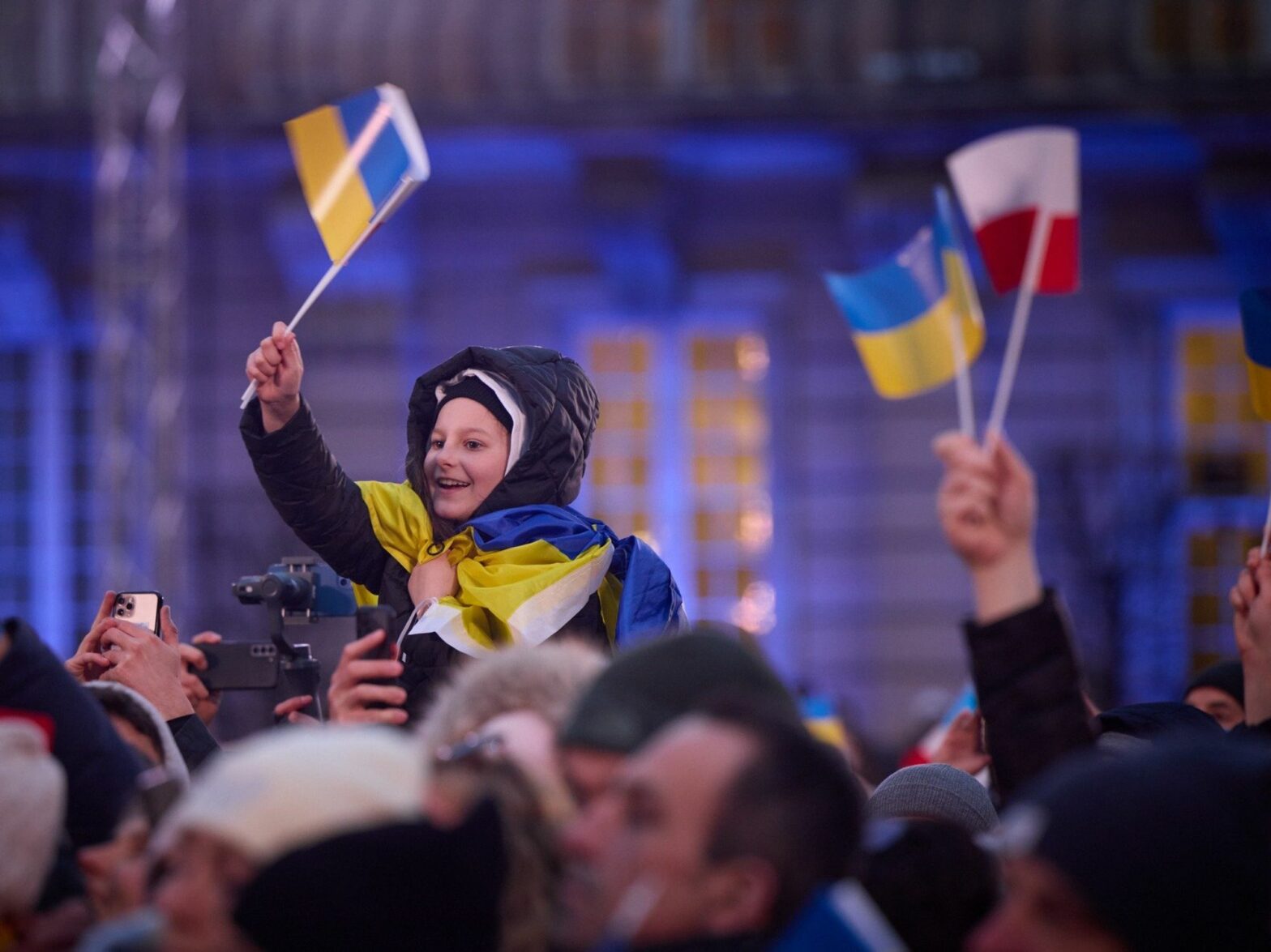
“We are realists, and therefore we do not believe in the possibility of a compromise between freedom and slavery…” Poland’s foreign minister has outlined what the country’s foreign strategy will look like in the coming years, built on support of Ukraine and steadfast resistance to the Russian aggressors.
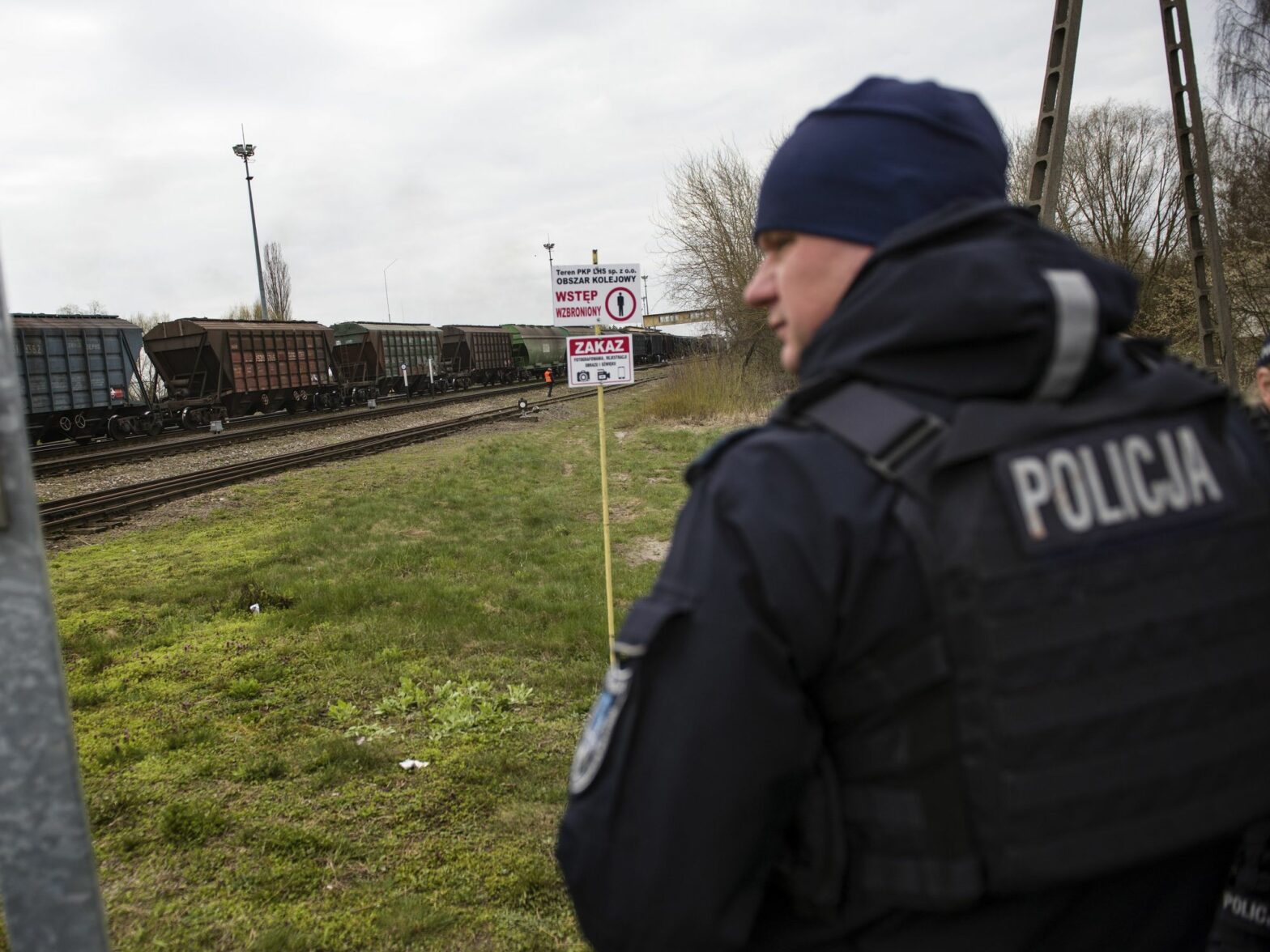
Poland’s unilateral decision to ban imports of Ukraine’s agricultural products, in violation of EU agreements, has caused shock among Ukrainians. Nazar Bobytsky, head of the Ukrainian office of the Polish Union of Entrepreneurs and Employers, says Brussels must show Kyiv it is serious about Ukraine joining the EU.
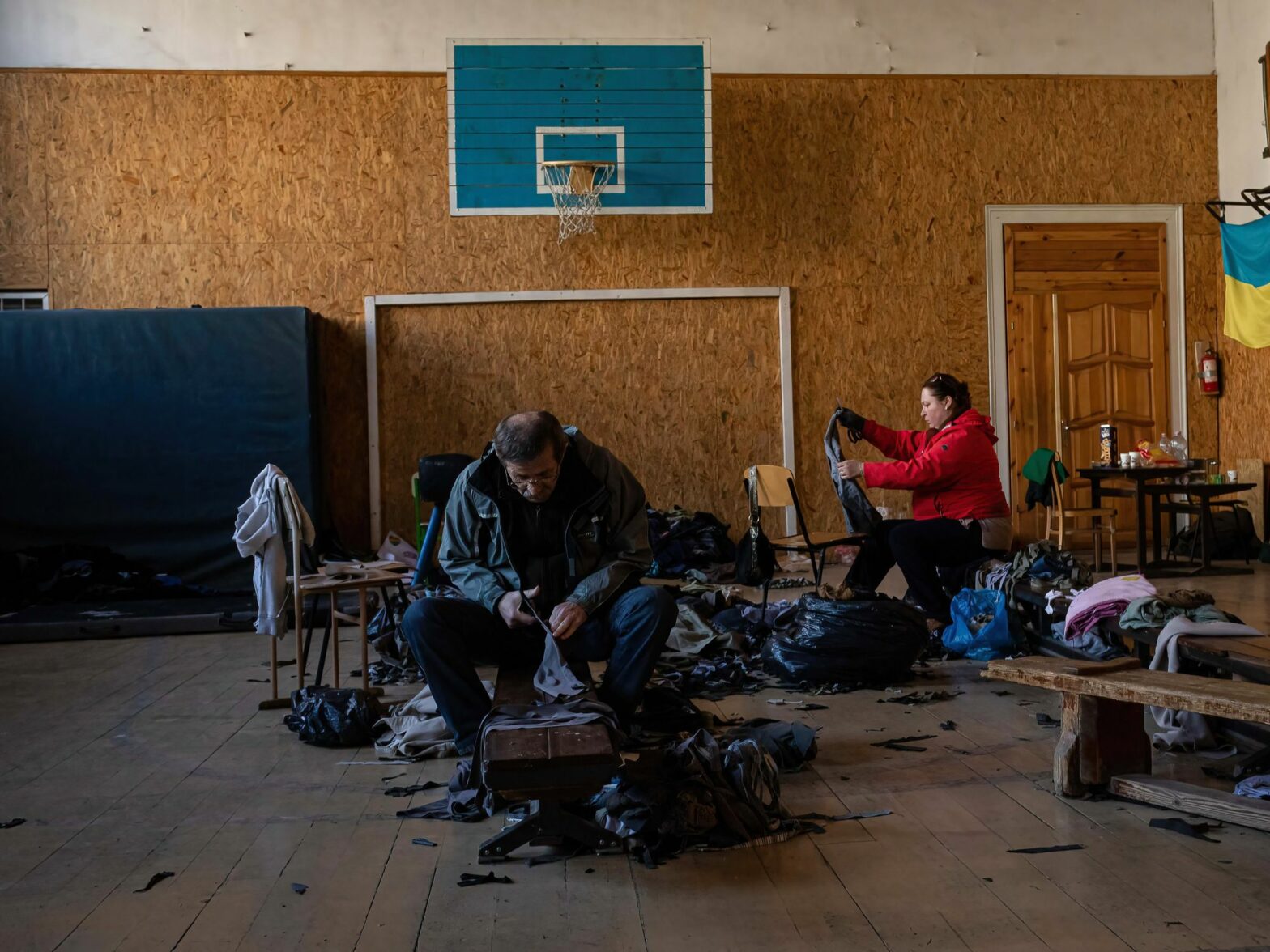
A visit to the Ukrainian region of Transcarpathia, which borders Hungary and is home to about 150,000 Hungarian-Ukrainians, where the pro-Russian stance of Hungarian Prime Minister Viktor Orban is wreaking havoc.
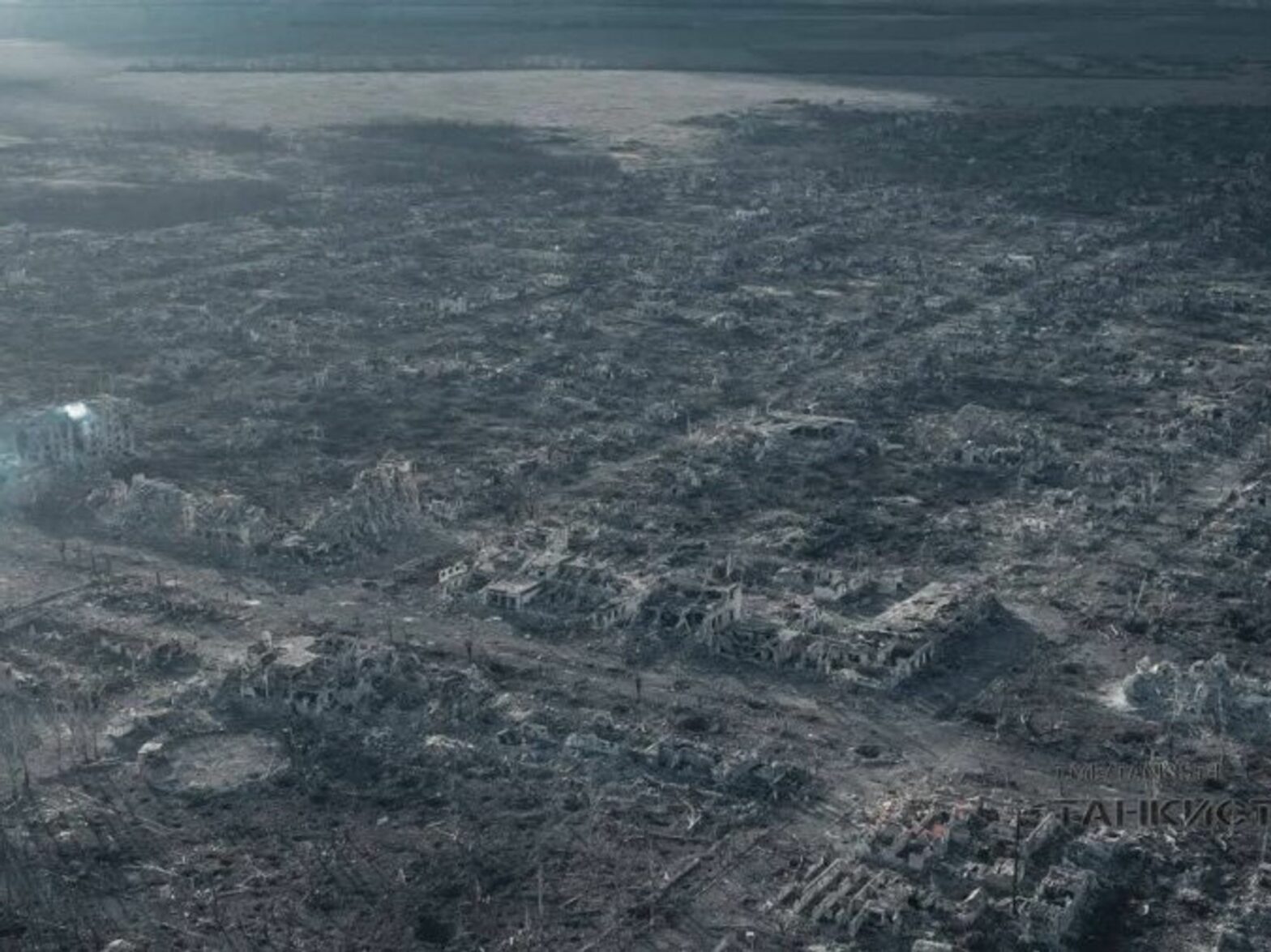
Citizens of the now destroyed Ukrainian city of Maryinka are left struggling to remember what their town used to look like.
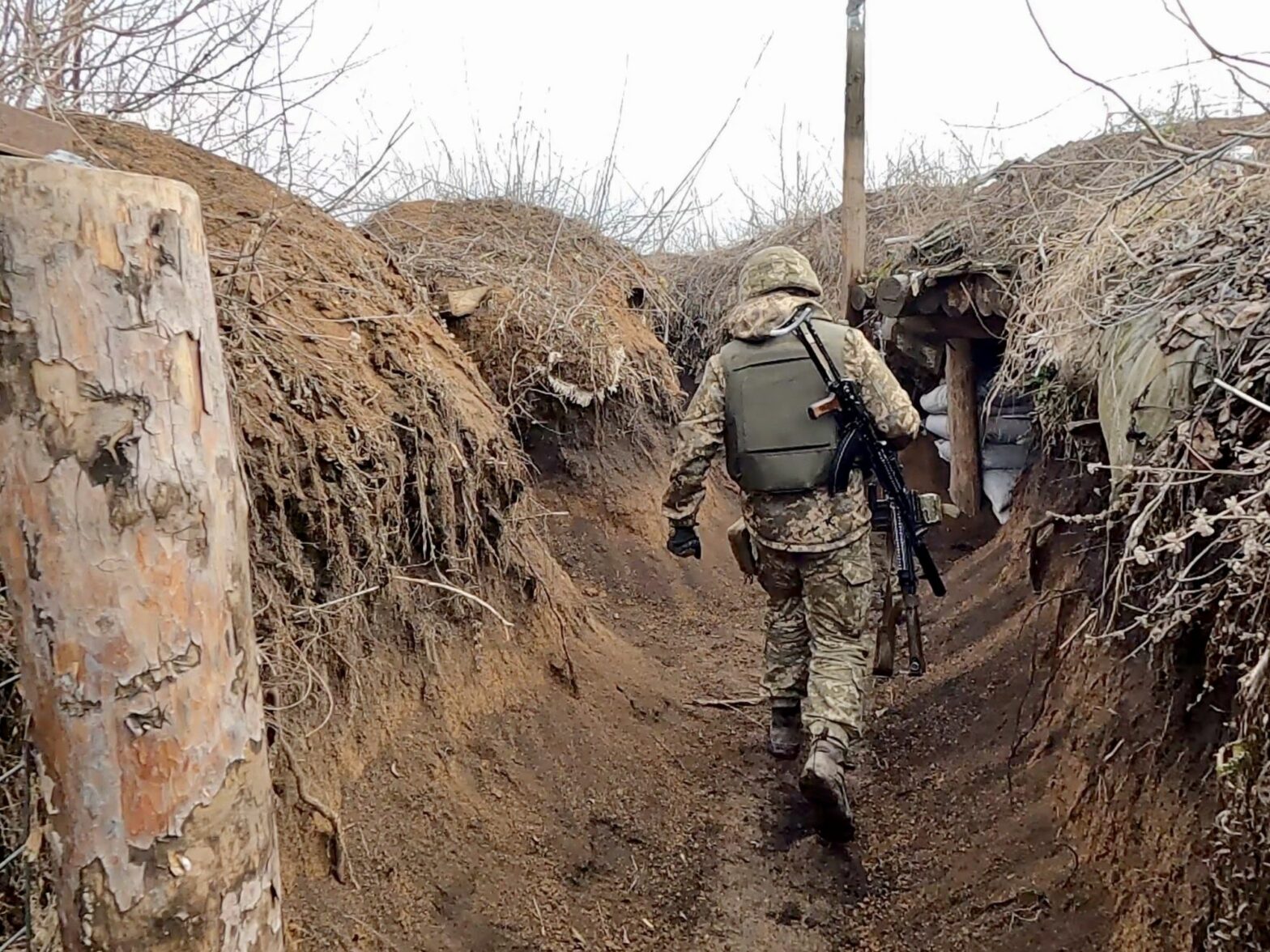
Journalists from Ukrainska Pravda report directly from the trenches near Avdiivka, one of the oldest settlements in the eastern Donetsk region of Ukraine, where troops are facing near-constant Russian fire.
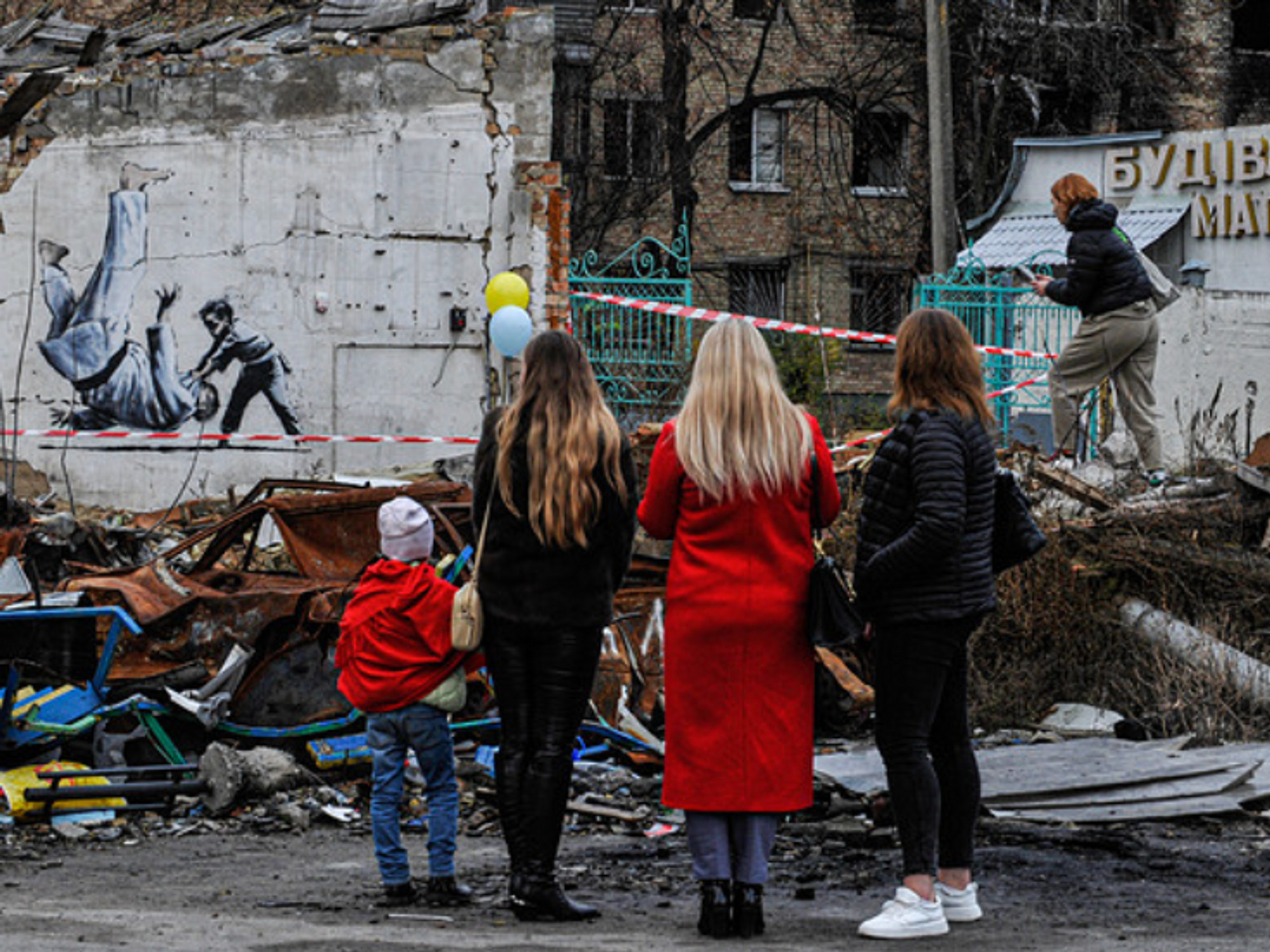
With the right support, Ukrainians are ready to return, even to new parts of the country where they’ve never lived.
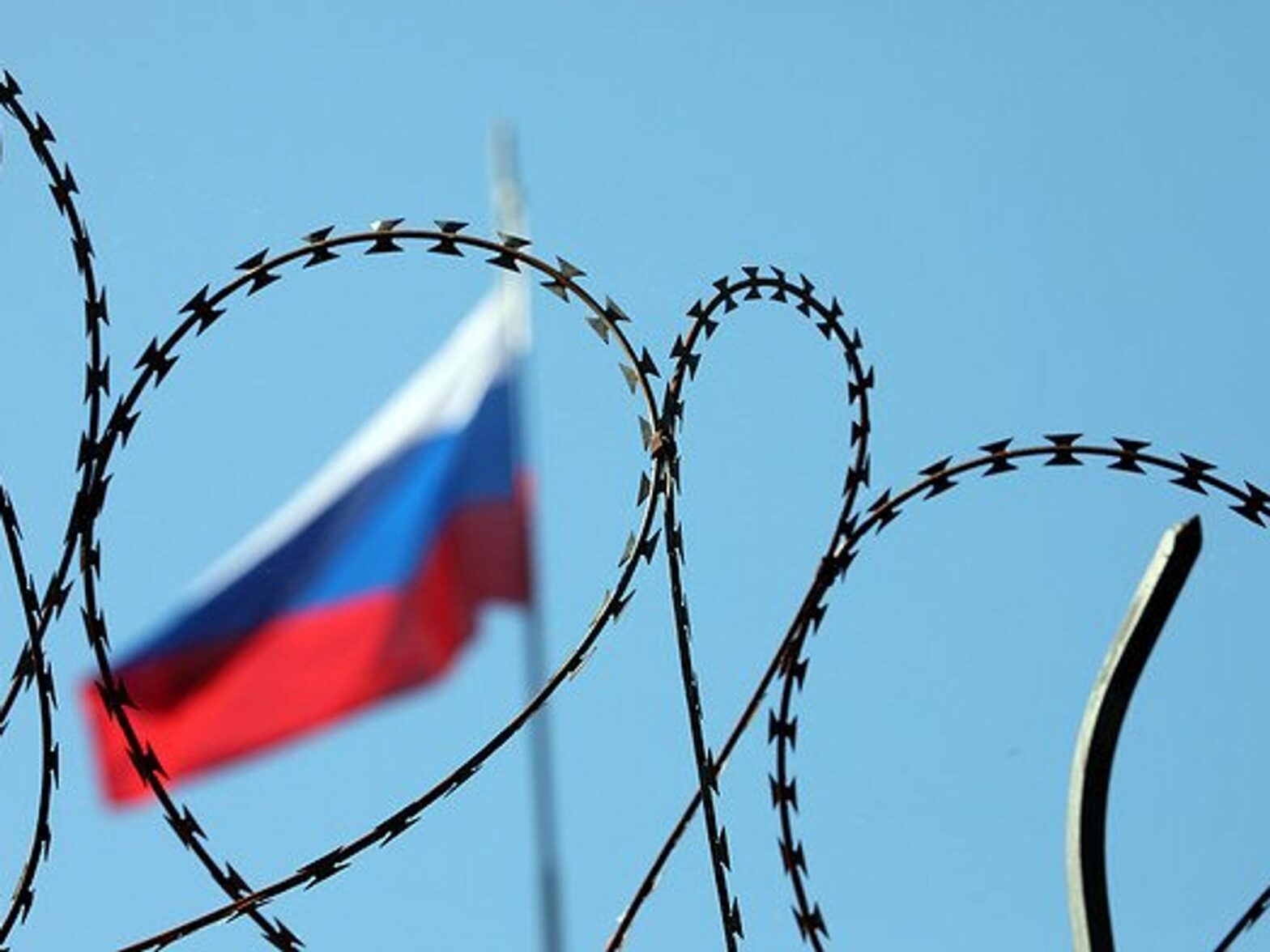
If Russia’s invasion of Ukraine hadn’t gone so badly, the Kremlin had two possible plans for governing the country under the Russian flag.
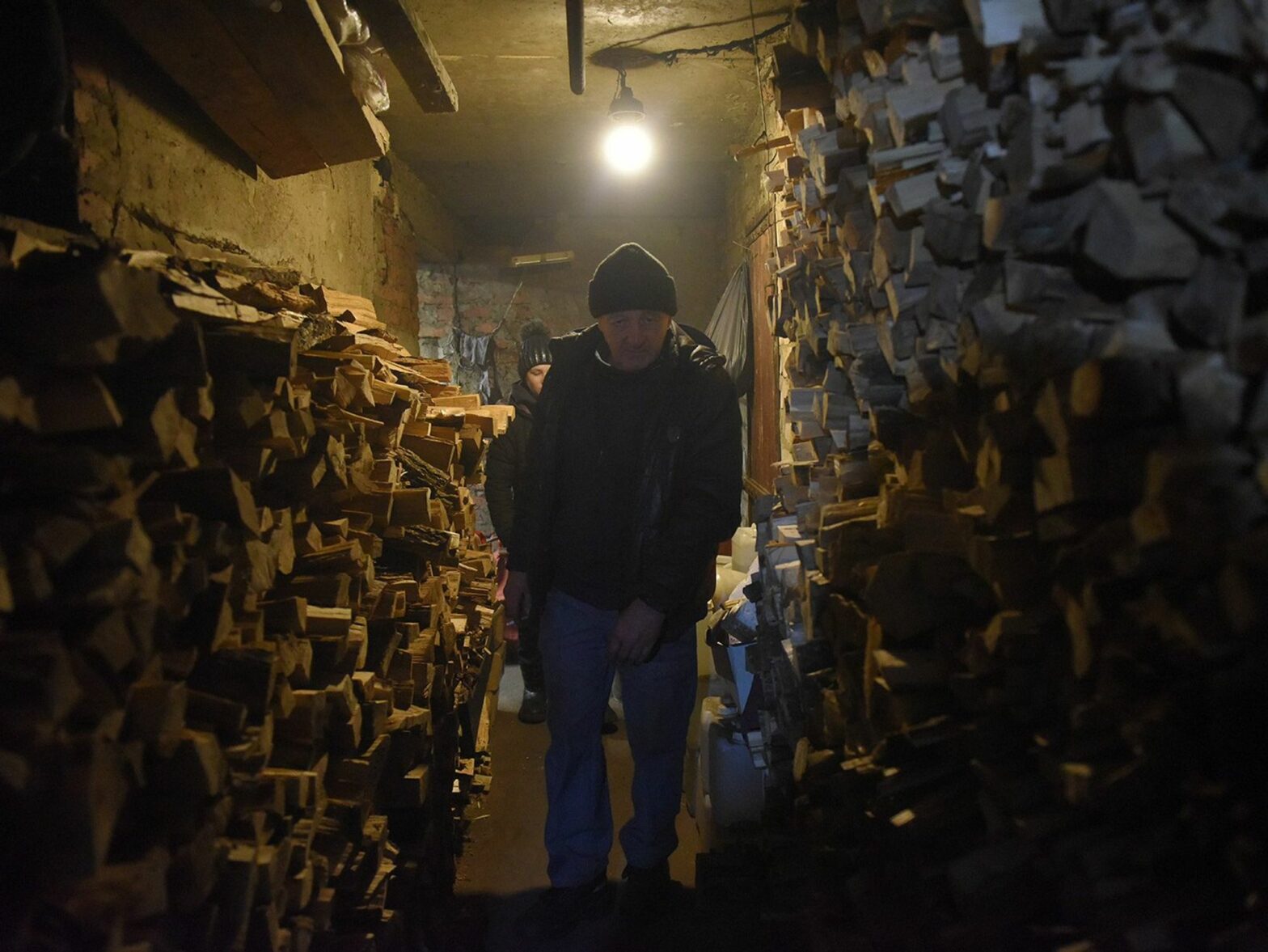
Russian shells hit frontline cities Siversk and Lyman every day, but some people are refusing to abandon their homes. Life has gone underground. A year since the beginning of the Russian invasion, a reporter from Ukrainska Pravda meets people surviving in basements — their towns destroyed, but still alive.
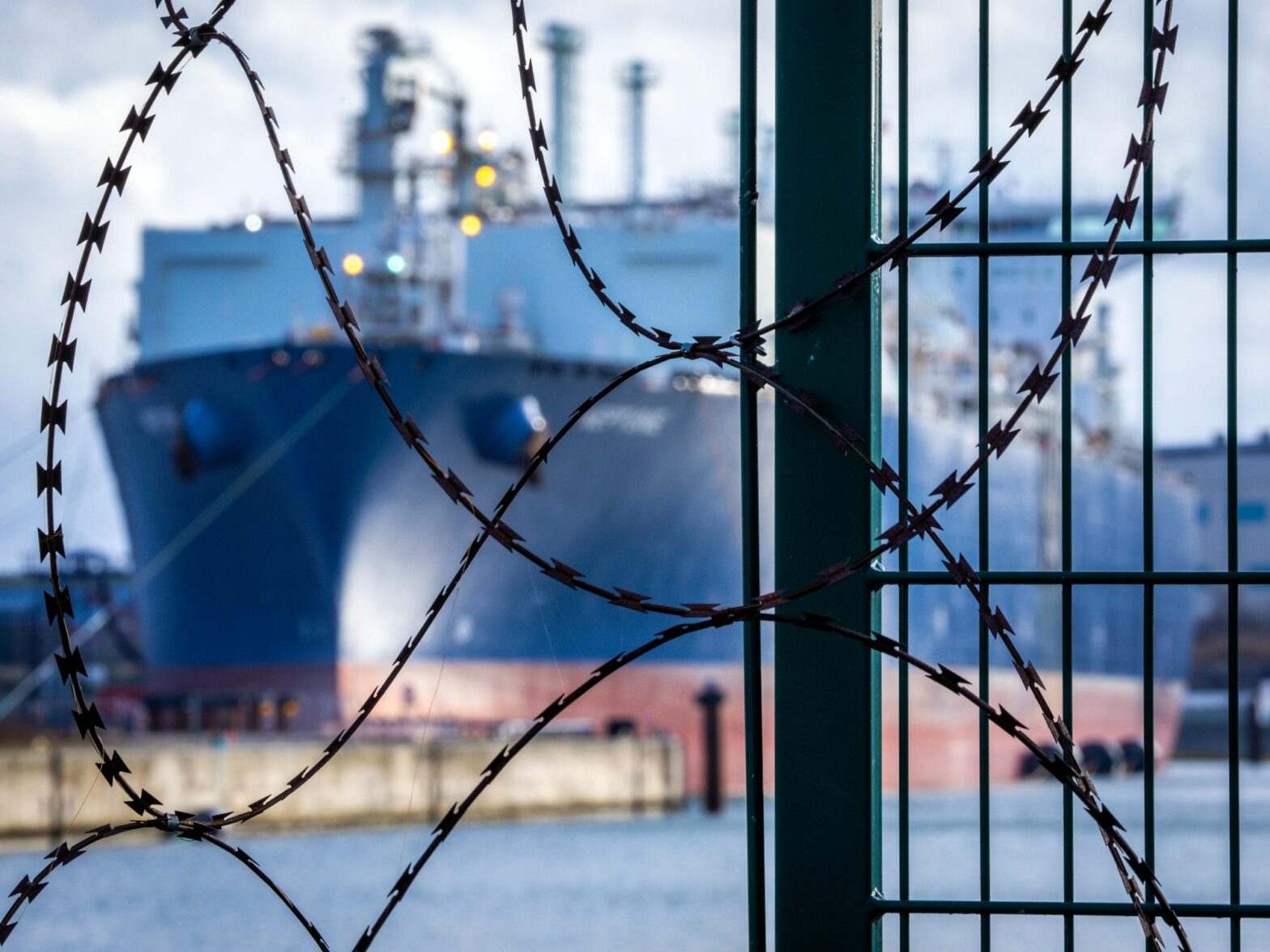
Petro Poroshenko, the Ukrainian businessman and politician, who served as the fifth president of Ukraine from 2014 to 2019, believes more can be done to defeat Putin, by truly crippling the Russian economy:
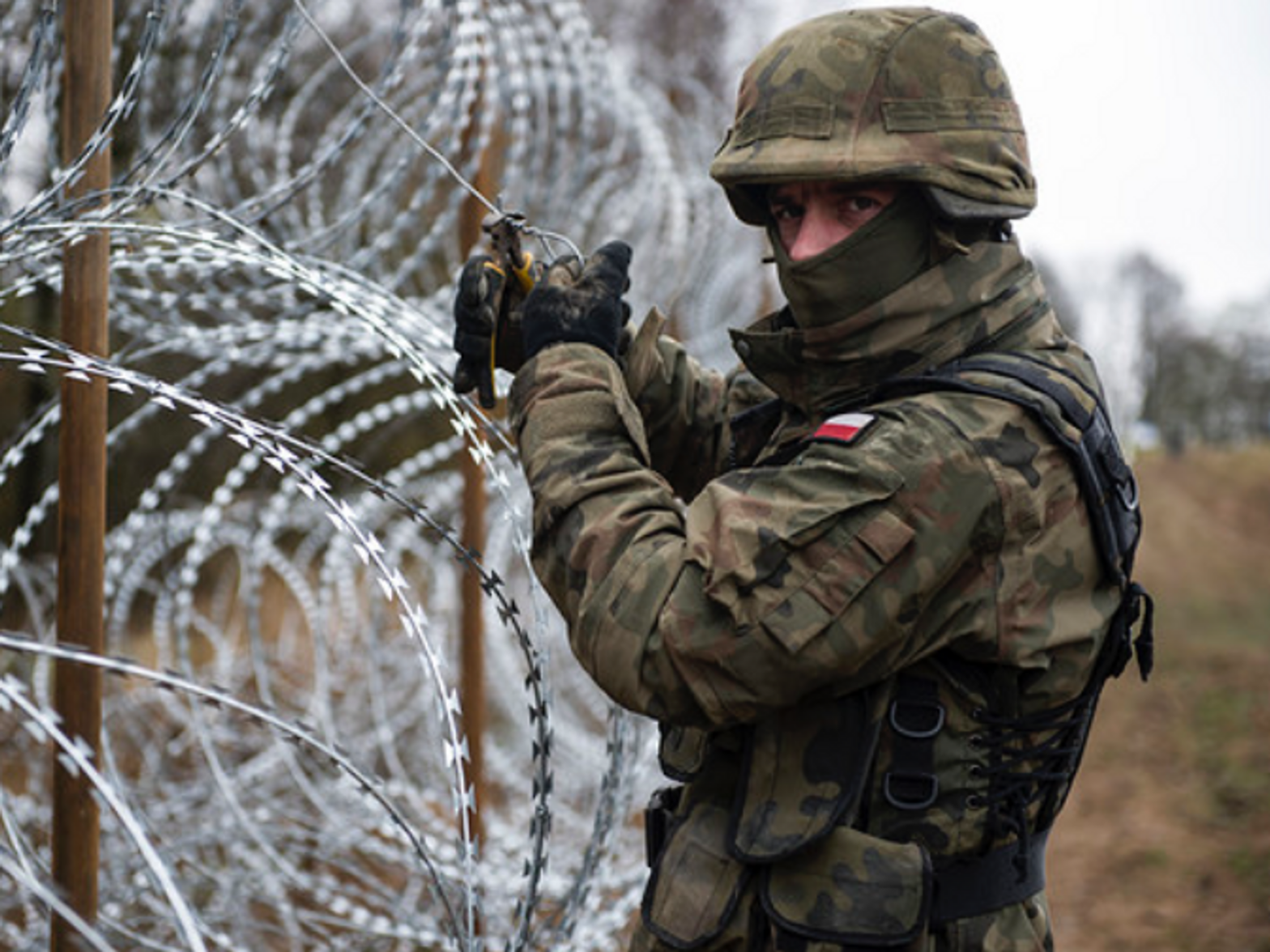
Poland has a border with Russia and Belarus, so it is not just watching how the Ukraine war develops. Warsaw is rethinking its entire defense strategy.
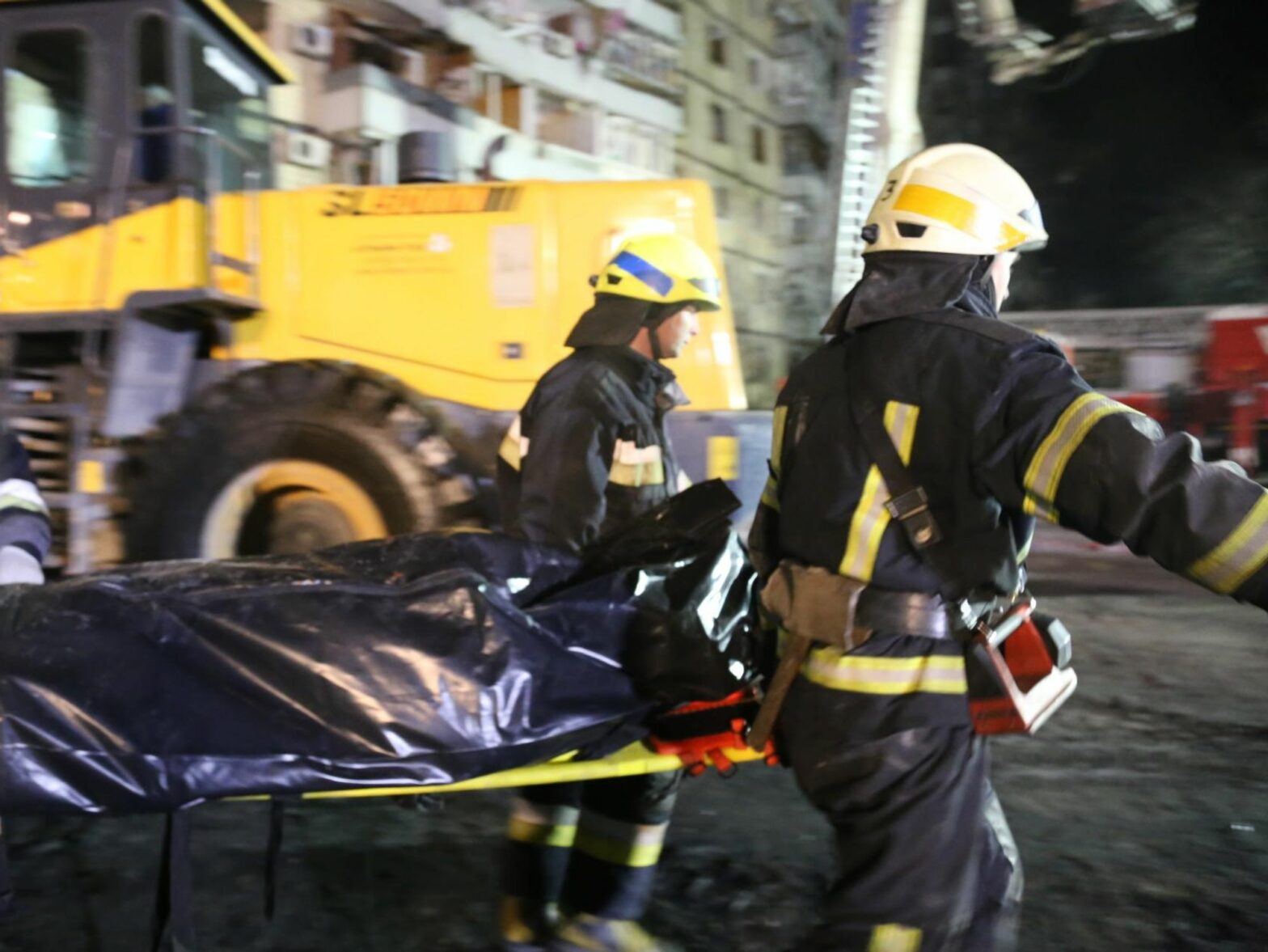
A Ukrainian reporter on the scene of one of the worst attacks on civilians since Russia’s invasion began.
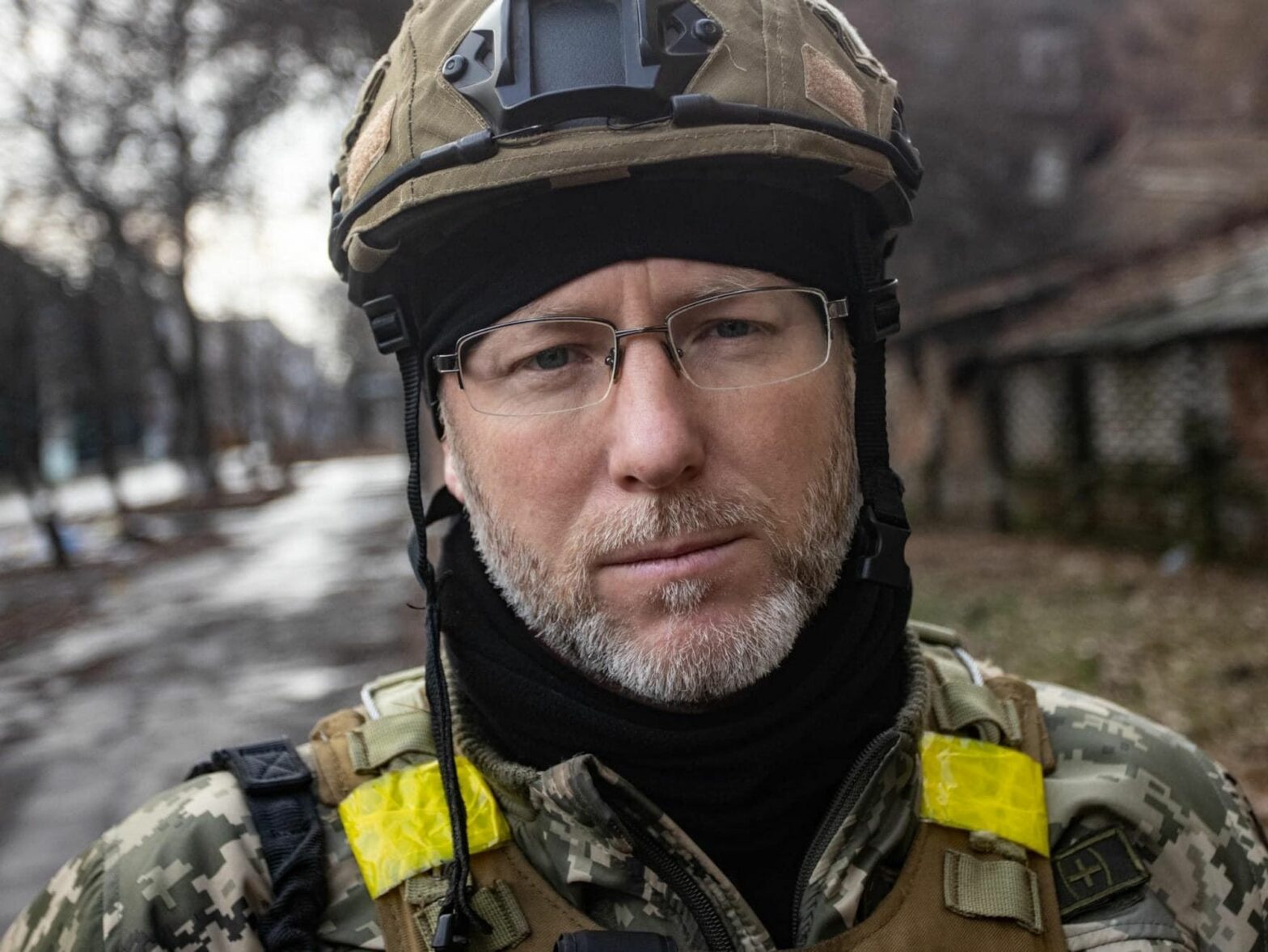
Russia has a complicated history with Islam, often built on Moscow’s repression of the religious minority. Now, Muslims in Ukraine are ever more committed to a project for a multi-religious society that Kyiv espouses. Ukrainian Mufti Said Ismagilov has taken up arms for that cause, and to defend his nation.
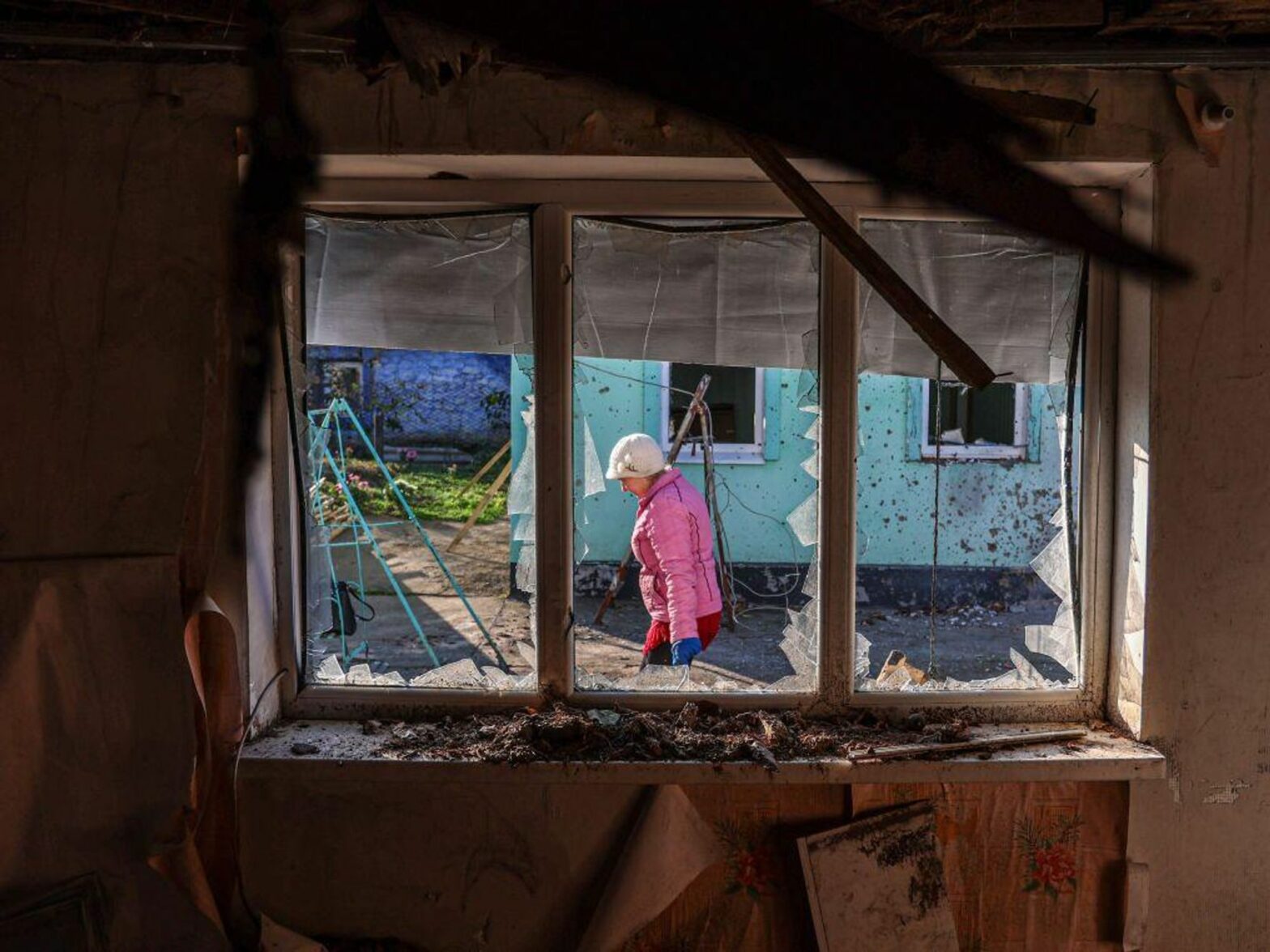
After a grim New Year, a soldier and mother reflects on the trauma of the past 10 months: fear, the corpses of friends and the choice between her own children and joining the war effort.