Refugees face challenges integrating into Portugal’s labor market, ranked as the 4th most precarious in Europe for foreign workers.
 Worldcrunch
Mensagem (“Message”) is a news website founded in Lisbon by Catarina Carvalho, former editor of Portugal’s oldest newspaper Diário de Notícias.
Refugees face challenges integrating into Portugal’s labor market, ranked as the 4th most precarious in Europe for foreign workers.

Every day, thousands of liters of water that would have gone down the drain are now being reused to clean streets and water gardens in Loures. Fighting climate change — one drop at a time.

A new group theater in Lisbon — made up by a majority of Brazilian migrants — has set out to explore the idea of migration through plays. They started with putting in scene a story about the concept of nationhood — because every migration story looks different, but it also has some universal basis, the artists tell independent media Mensagem.
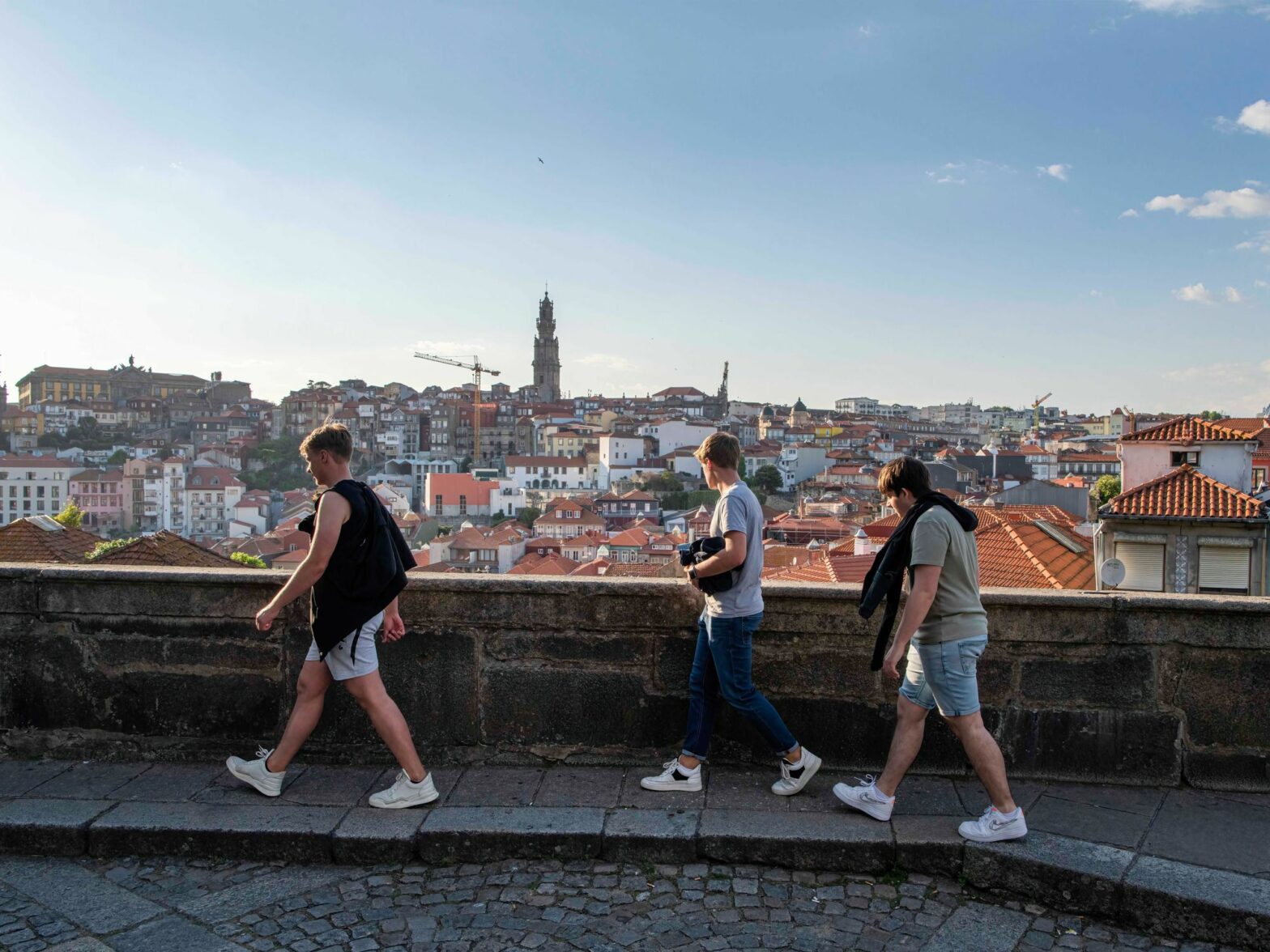
The cities of Amsterdam and Bruges may inspire the Portuguese capital to reinvent its approach to tourism. As Porto launches an experimental new vision map designed to disperse tourist flows, could Lisbon do the same?

Olisipo (modern-day Lisbon) was for centuries the Roman Empire’s main supplier of garum, the exotic sardine-based sauce that enchanted Julius Caesar. Much of that cuisine has resisted time and can now be tasted in Lisbon’s restaurants.
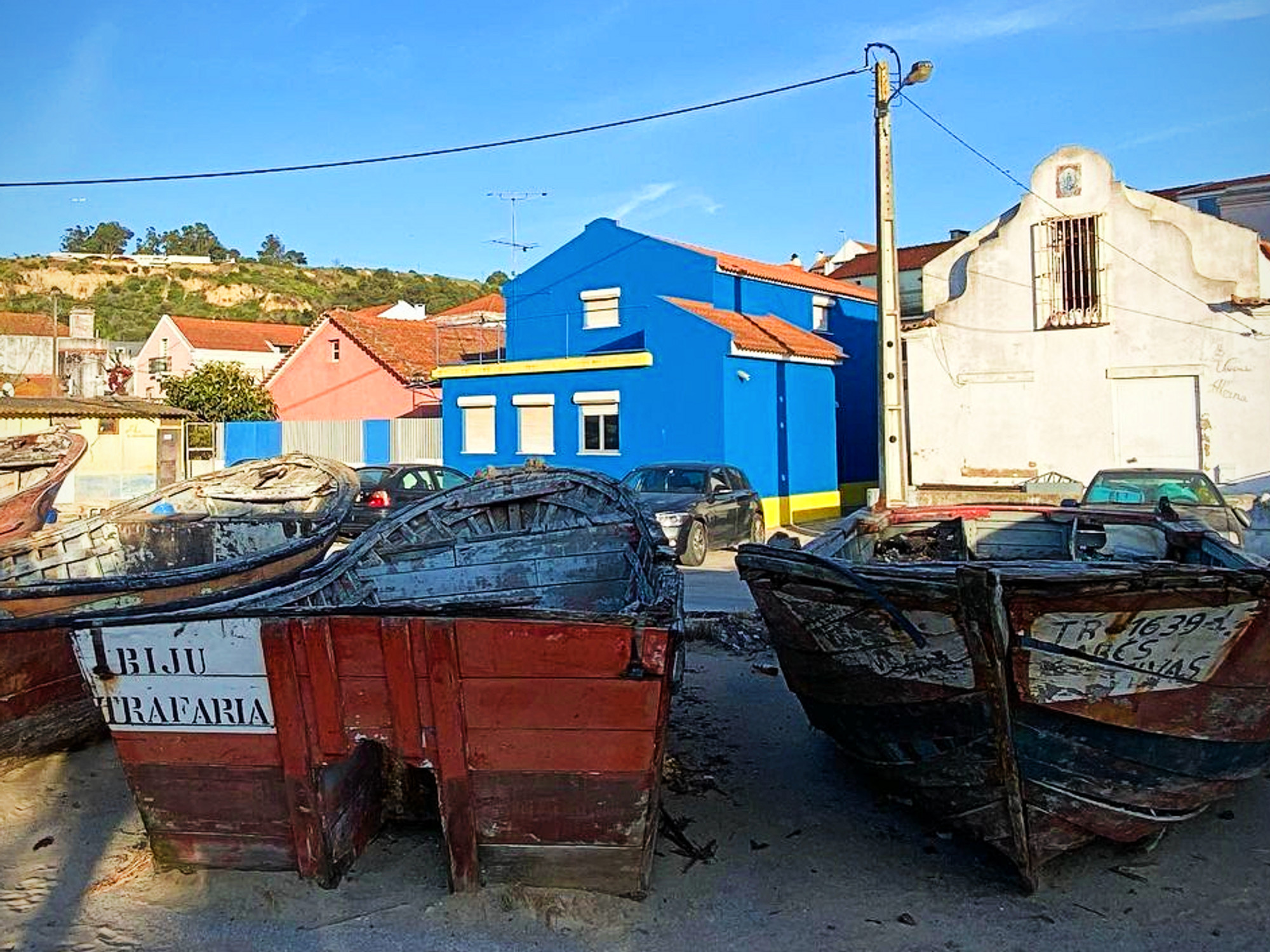
Floods have had a regular presence in Segundo Torrão, near Lisbon. But they are now threatening the lives of residents, as well as the survival of the local community.
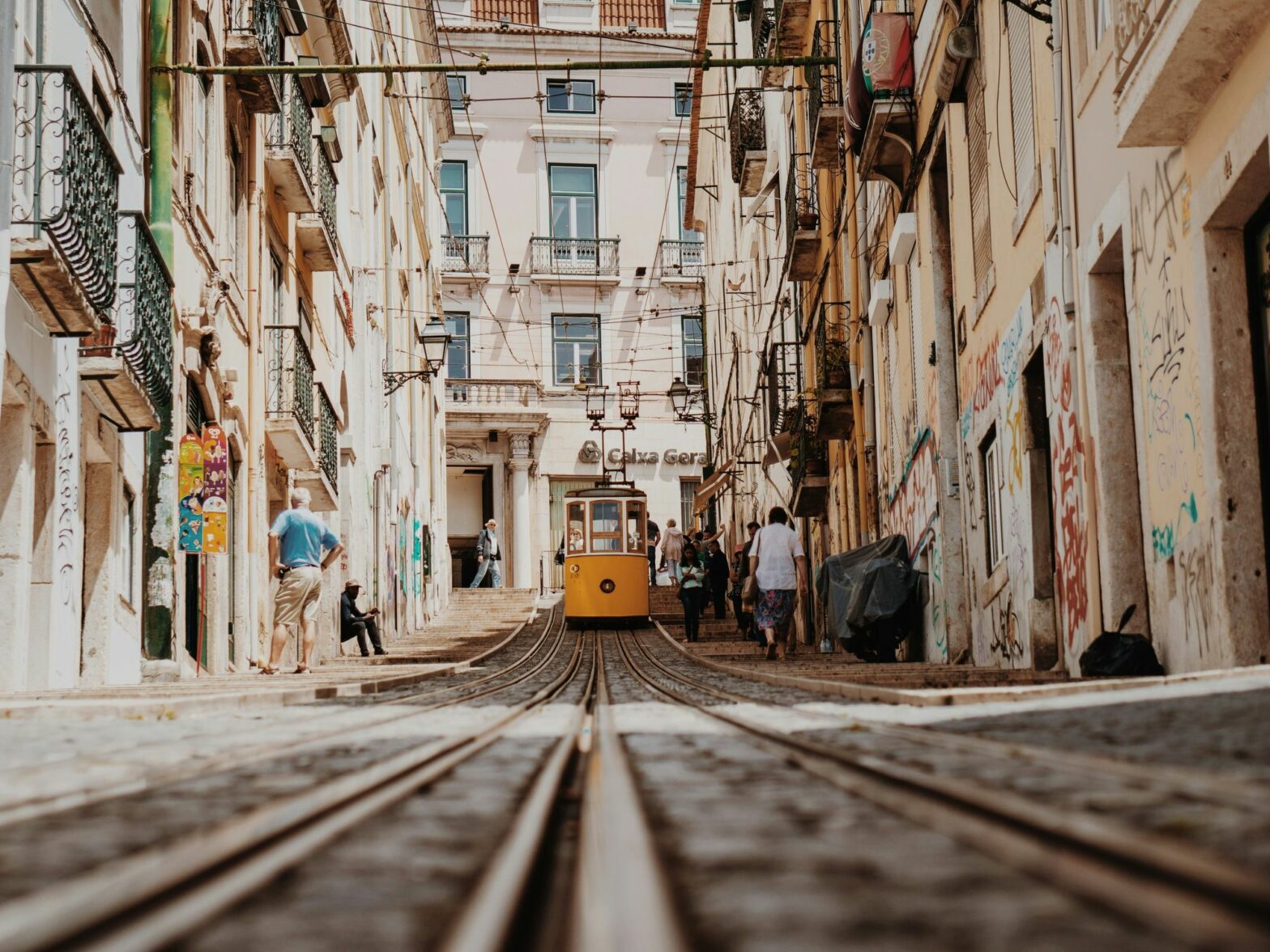
The “Return to the Neighborhood” program aims to recover vacant houses in order to create affordable rentals that will allow former residents to return to Lisbon’s historic center.
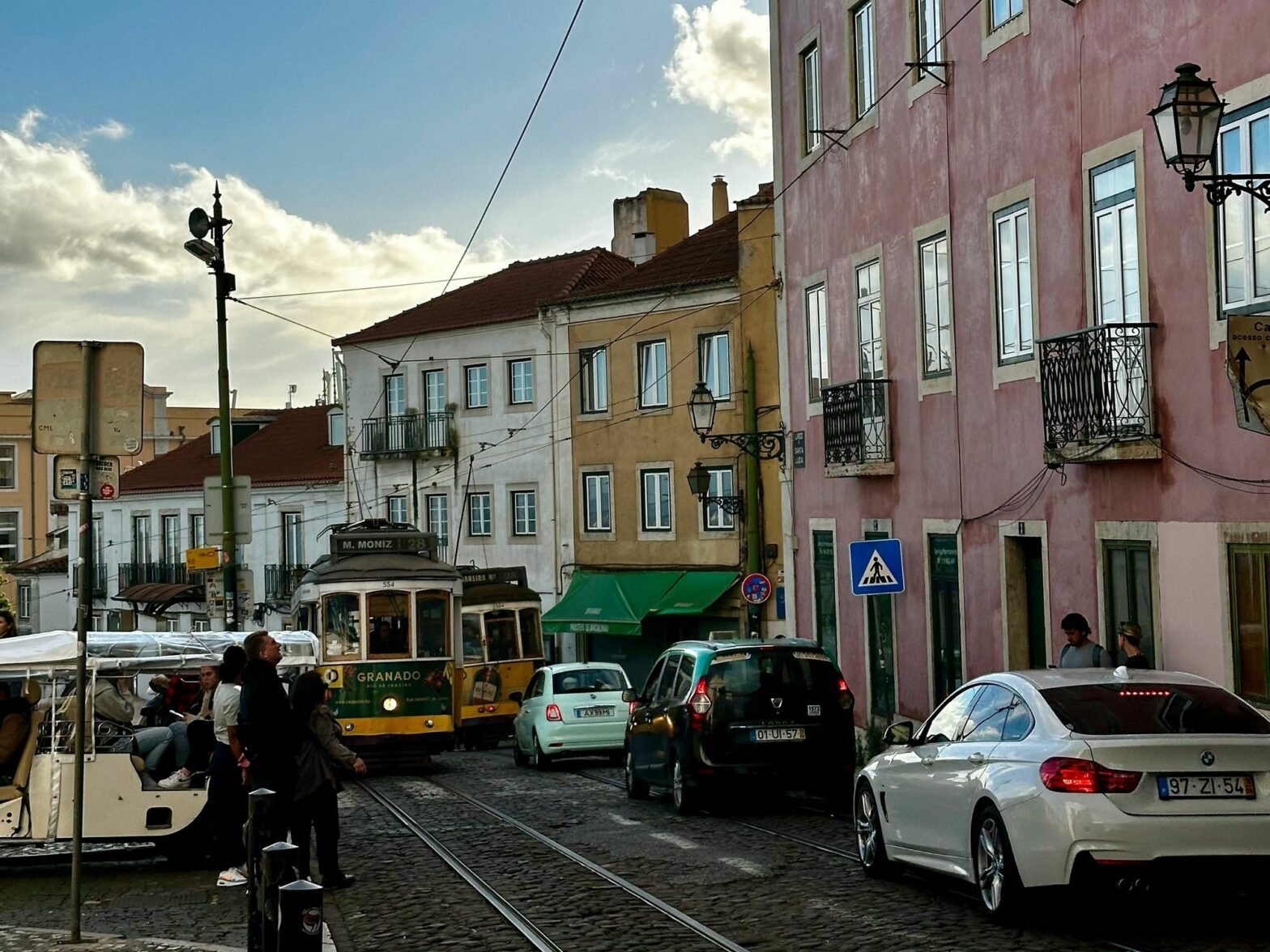
The construction of parking spaces is an obligation in new urban building projects. But increasing the supply of parking in the city center doesn’t necessarily improve mobility. It may be just the opposite.
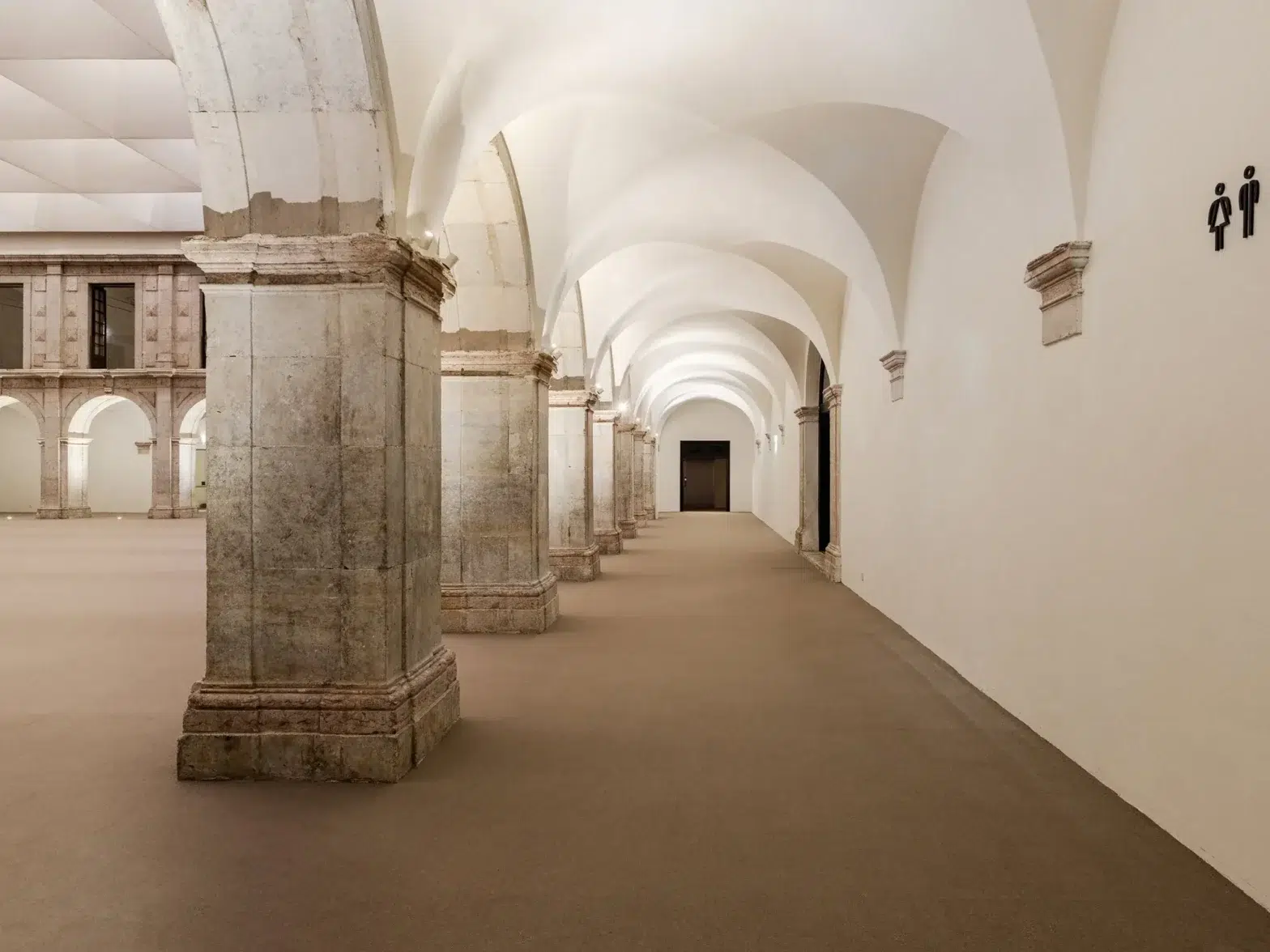
Throughout the ages, convents have been adapted and transformed to fulfil the needs of growing cities such as Portugal’s capital city Lisbon. Now more than ever, with an ongoing housing crisis, researchers, politicians and developers are looking at convents to be transformed into housing solutions.
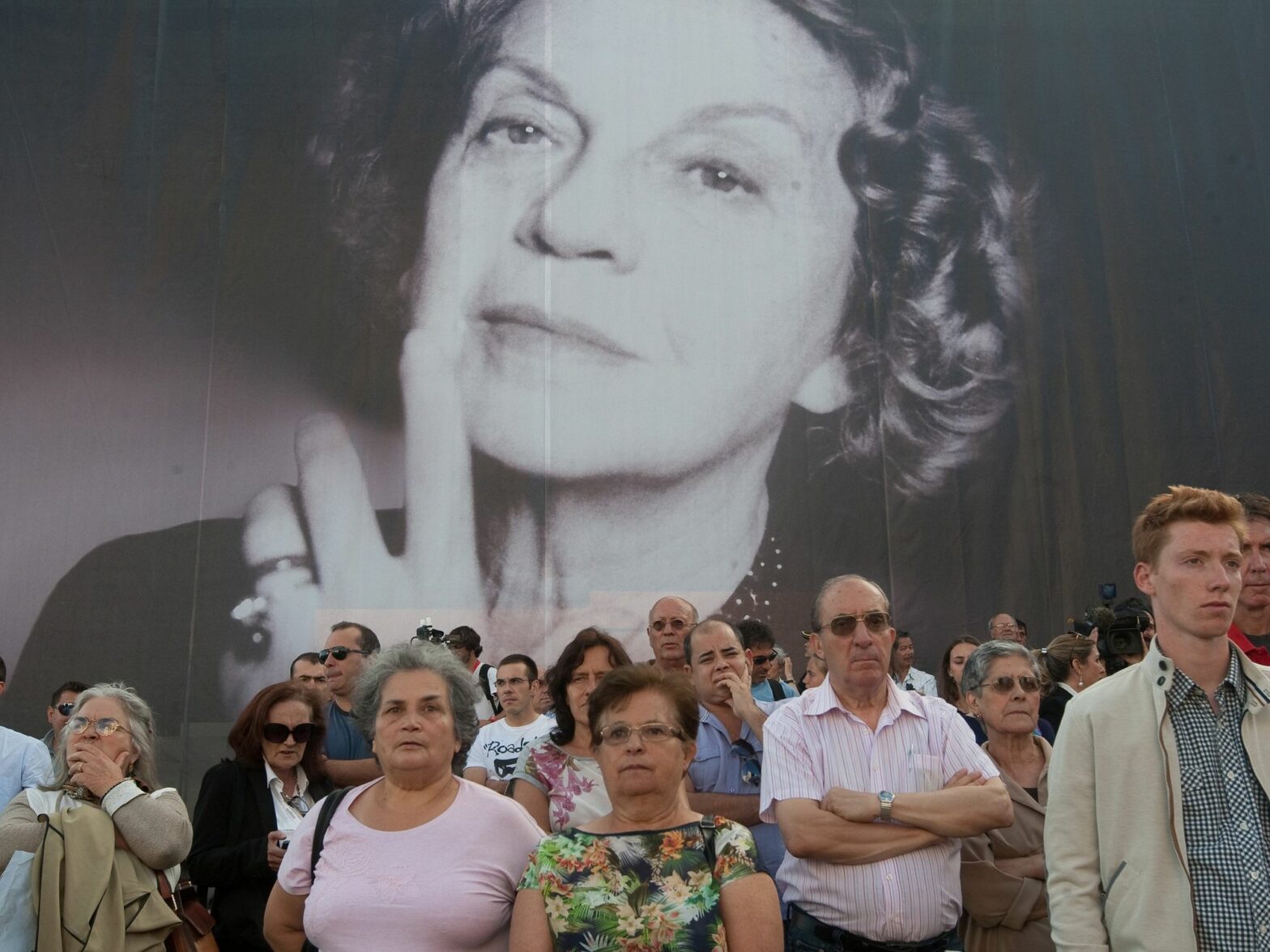
A right-wing association of men in Portugal wants housewives to be recognized for their work — but in doing so wants to make sure that housework is something that is only connected to the female gender. Stop right there.

Another collateral effect of global warming could be that rising temperatures feed existing tensions in cities around the world. Starting from Lisbon, but investigating related studies around the world, Portuguese digital magazine Mensagem reports.
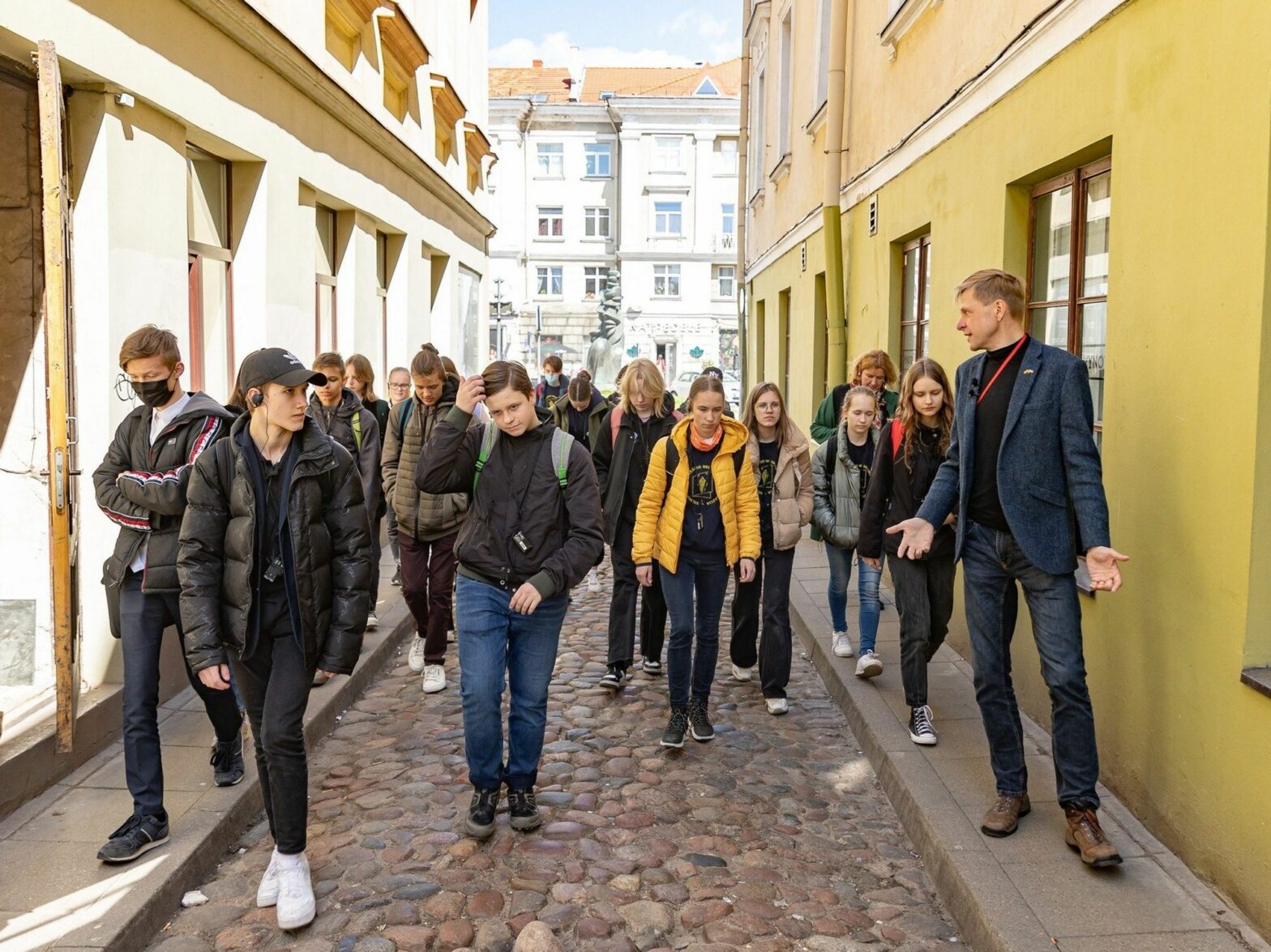
Vilnius, the capital of Lithuania, is taking school outdoors and making the whole city a learning place. Along the way, students’ motivation increases and their relationship with the city becomes more participatory.

The Brazilian singer Nega Jaci has performed a new version of the well-known samba “Mulheres,” by Martinho da Vila, adapted by two Brazilian women to remove the sexist tone of the original lyrics.
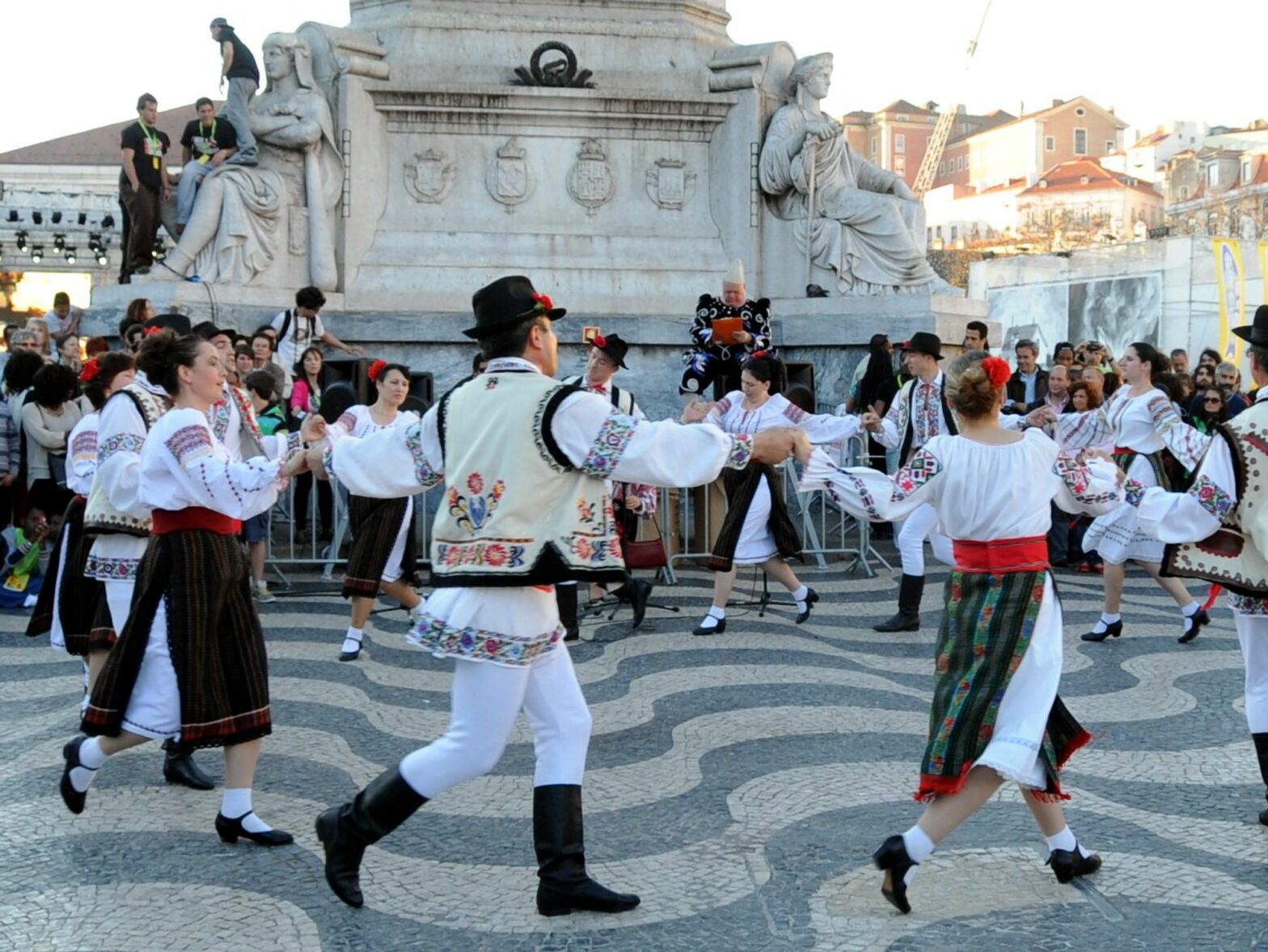
The Marchas Populares, Lisbon’s summertime carnival parades, are a spectacle of dancing and music — but a shortage of money, free time and men who want to dance are endangering this midsummer tradition.
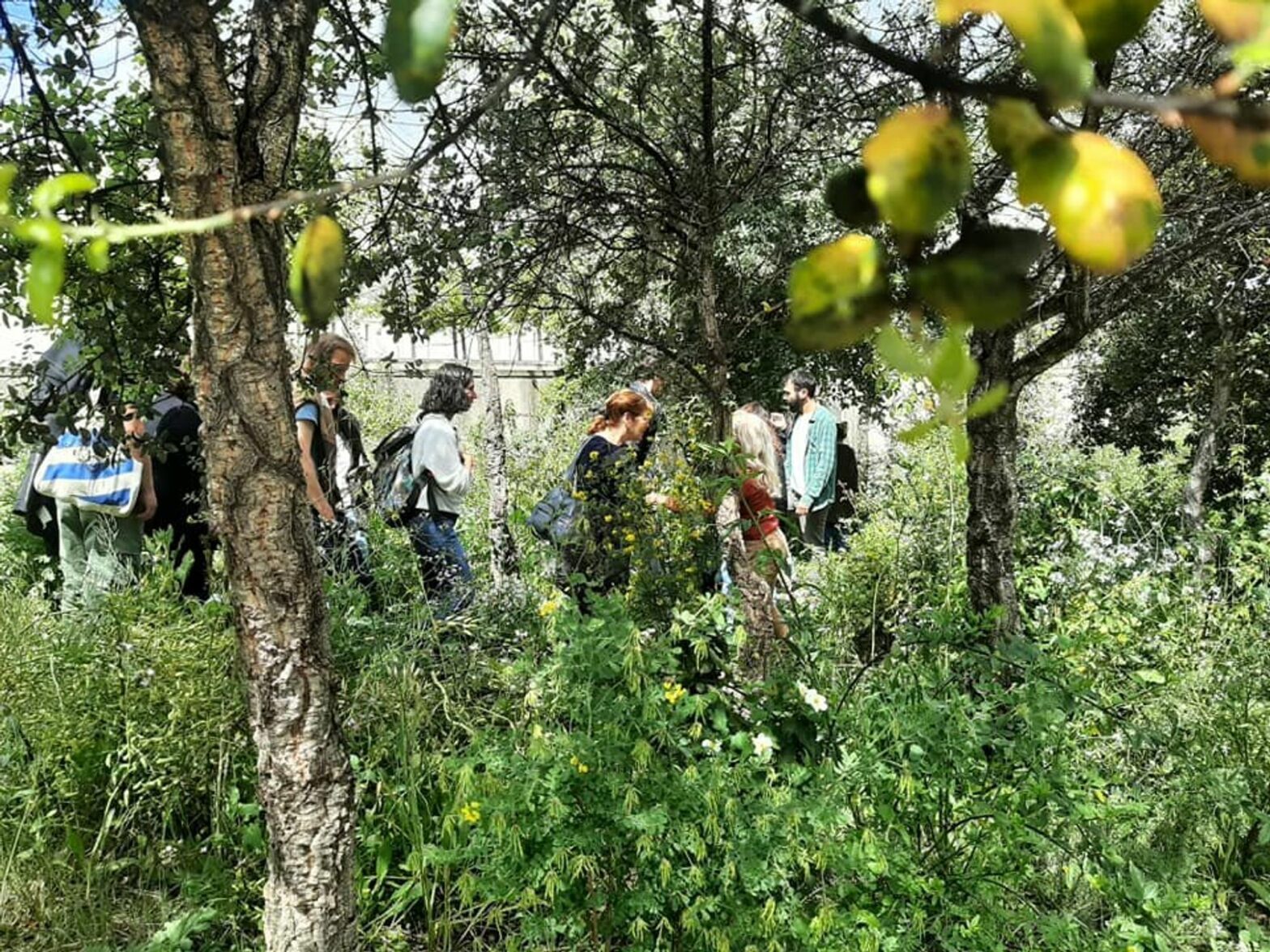
Two years ago, forests planted according to a method invented by Japanese botanist Akira Miyawaki, began to spread across in urban spaces in the Portuguese capital. It’s a way to bring real enclaves of nature to urban realities in record time.
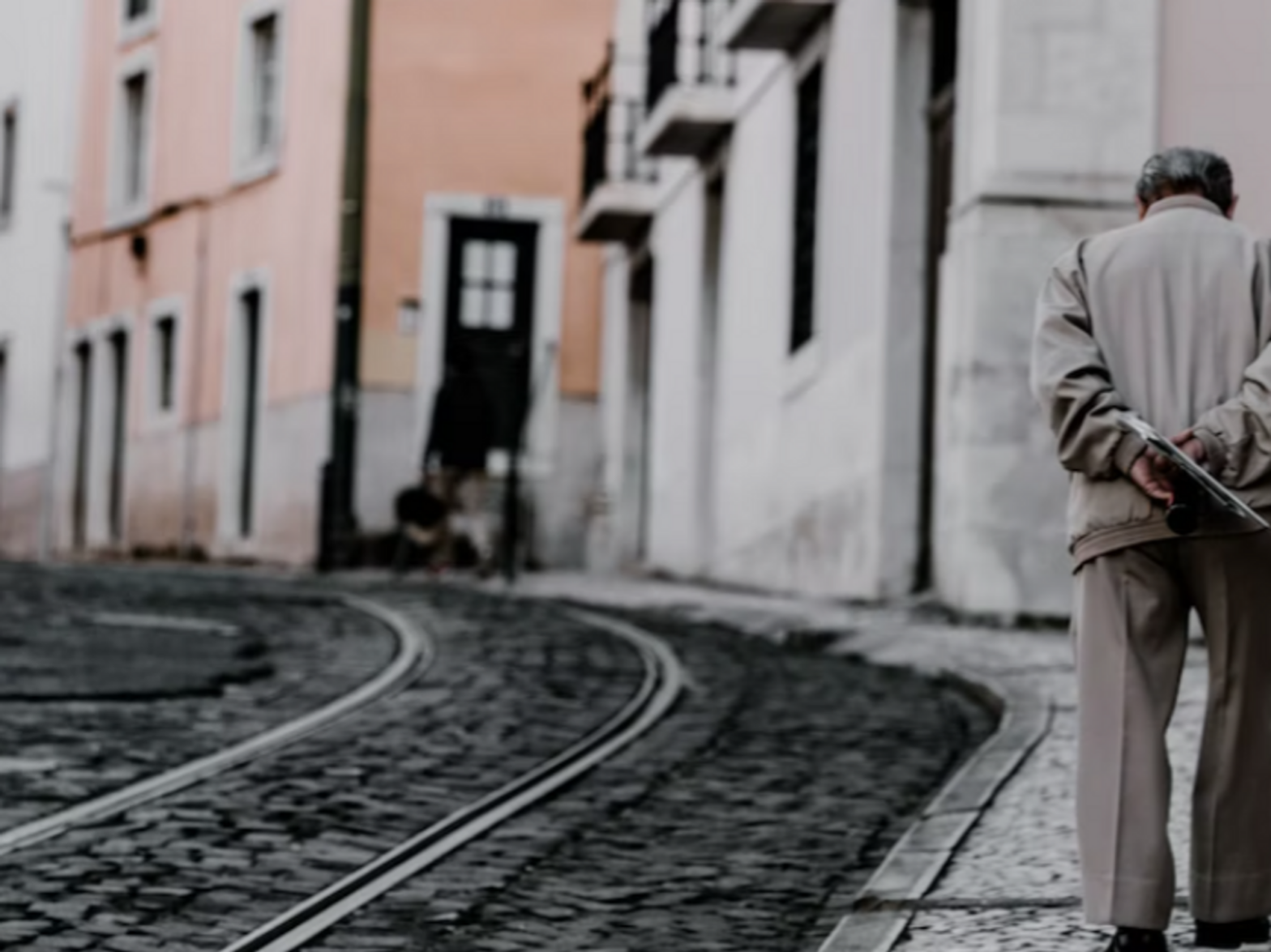
As the population ages, the likelihood of diseases such as dementia increases. That means we need to rethink how we design and build cities for the future. A look up close from Lisbon.
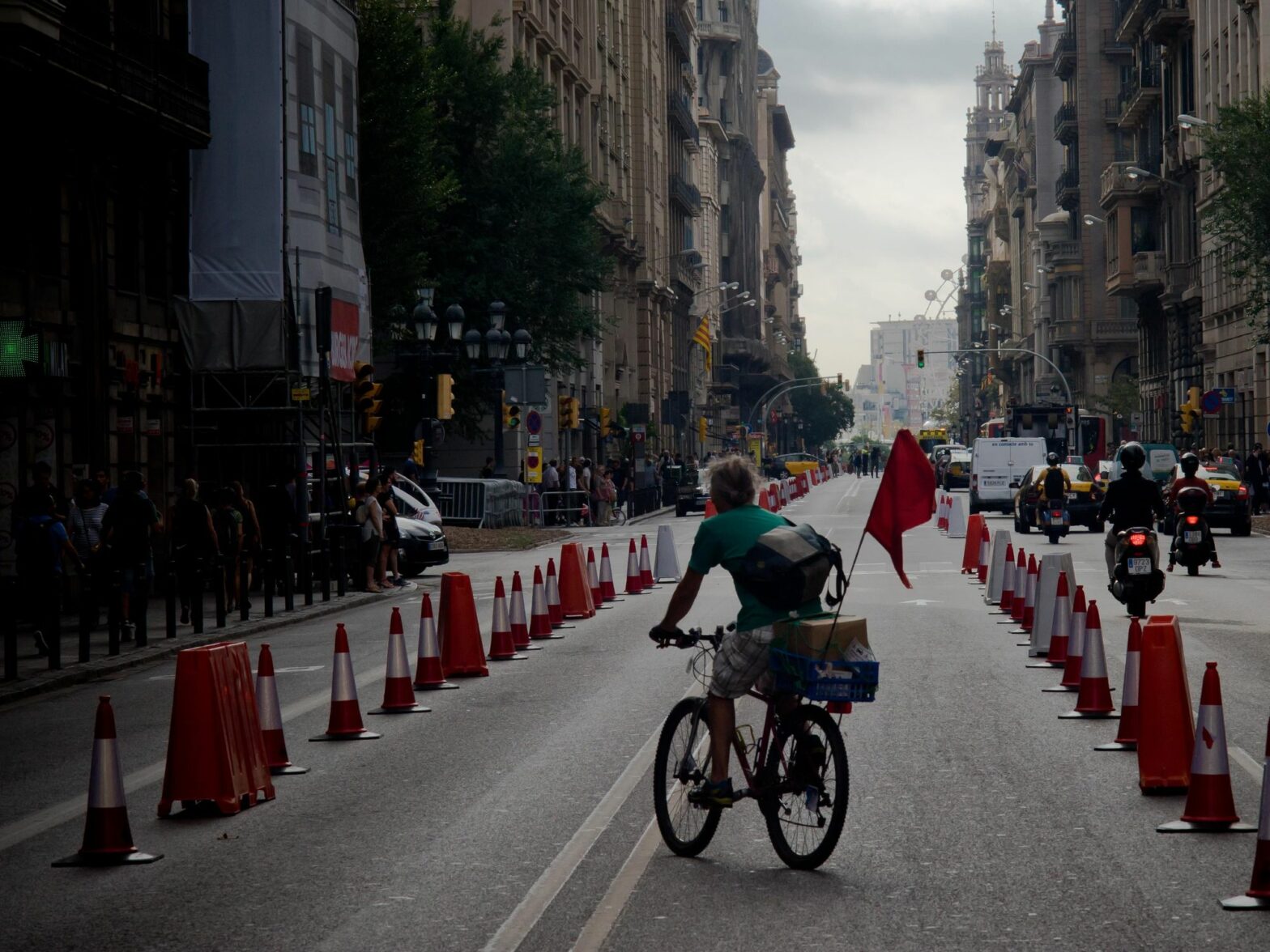
Barcelona architect Ton Salvadó explains how a new way or organizing urban areas might lead to greener, more peaceful cities.

The death of a young child left alone at home while his single mother was out shocked a community. Now, single parents have banded together to offer support to each other. And they’re succeeding in the face of overwhelming challenges.
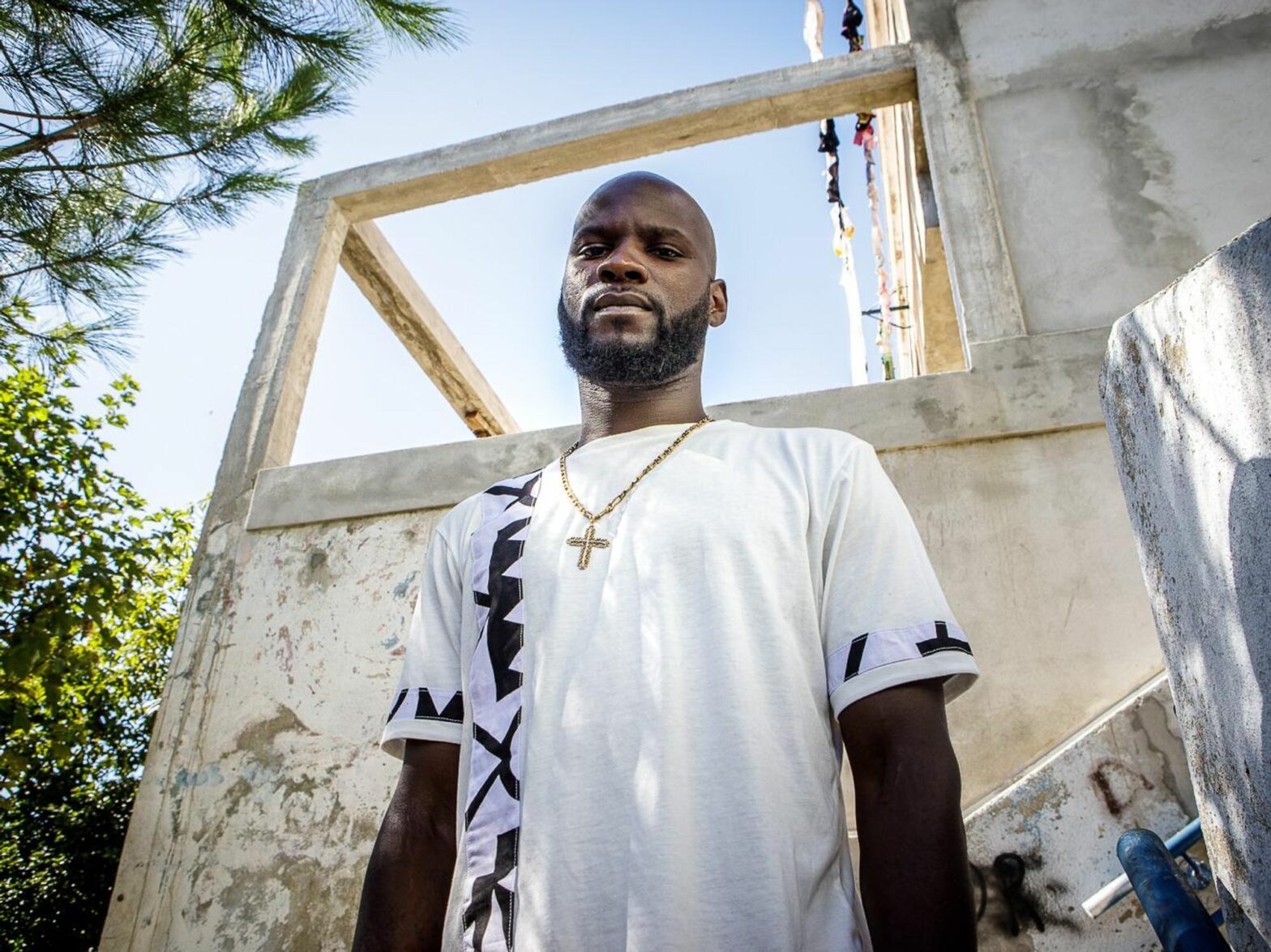
Born 32 years ago in Portugal to Angolan refugee parents, Pascoal has never been granted Portuguese nationality. Too many people like him live under the threat of being deported to a faraway country they’ve never known.

Portugal became a refuge for the Brazilian LGBTQ+ community who faced real danger following Jair Bolsonaro’s victory four years ago. Some of those who left say that if Lula beats the right-wing incumbent in Sunday’s presidential election, they would move back home.