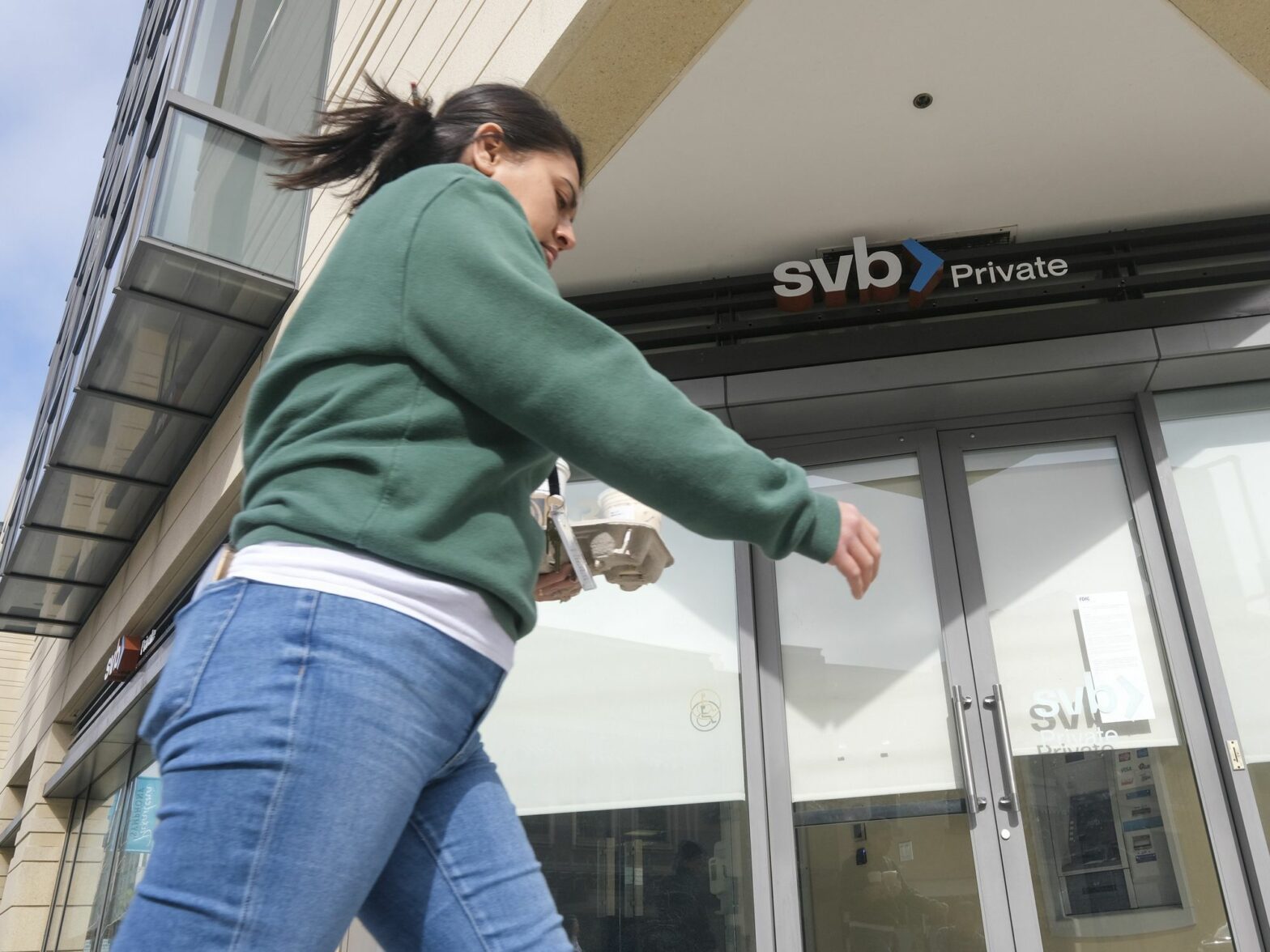
The fall of Silicon Valley Bank revives memories of Lehman Brothers’ bankruptcy. The two situations have some fundamental differences, but there is enough in common that the risks that SVB could spark a new global financial crisis is very real.
 Worldcrunch
France’s top business daily, Les Echos covers domestic and international economic, financial and markets news. Founded in 1908, the newspaper has been the property of French luxury good conglomerate LVMH (Moet Hennessy – Louis Vuitton) since 2007.
The fall of Silicon Valley Bank revives memories of Lehman Brothers’ bankruptcy. The two situations have some fundamental differences, but there is enough in common that the risks that SVB could spark a new global financial crisis is very real.
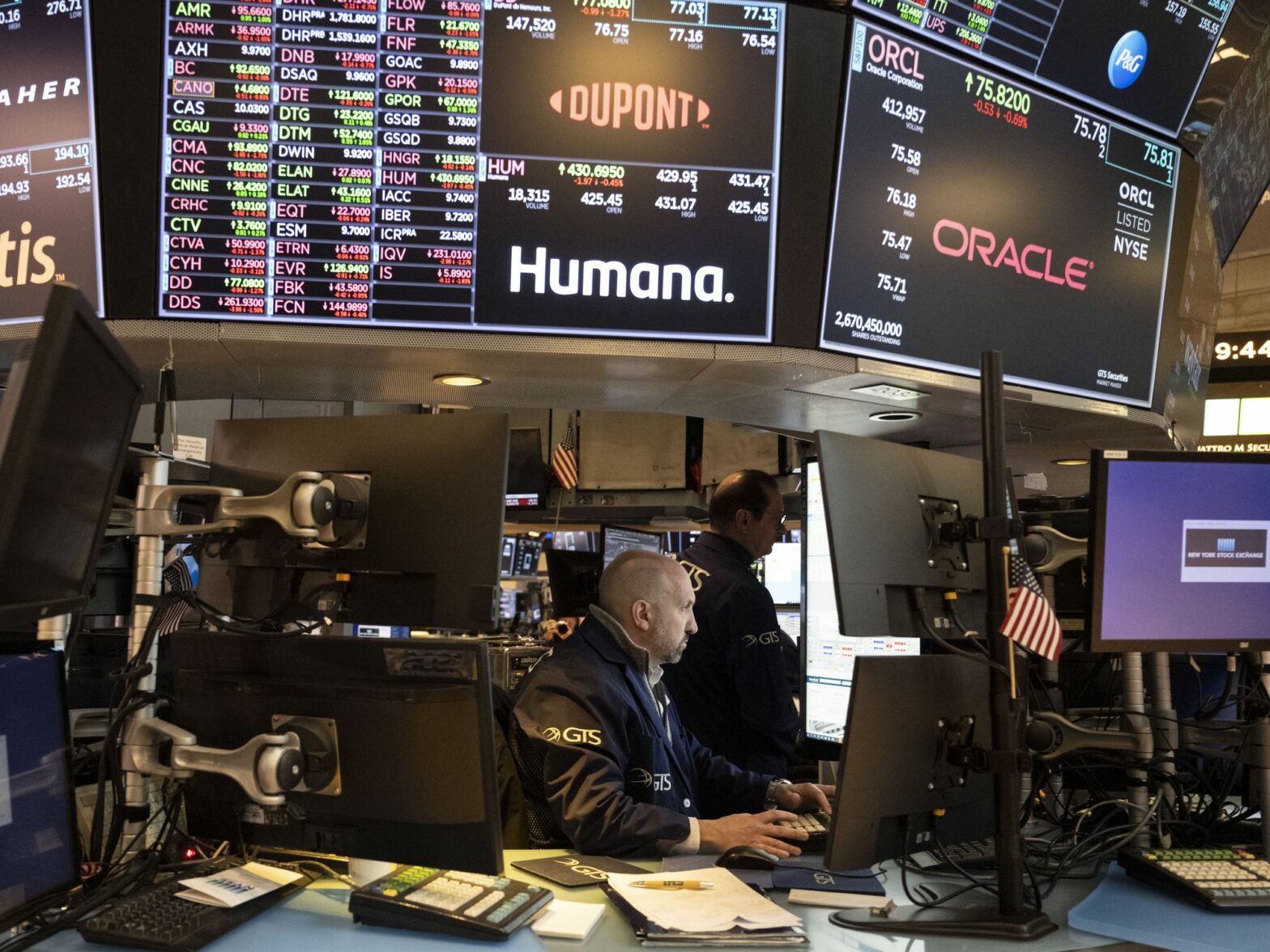
The effects of the fall of Silicon Valley Bank show the limits of the tech world, but also the current fragility of the international financial system a generation after the 2008 global financial crisis that was sparked by U.S. bank failures.
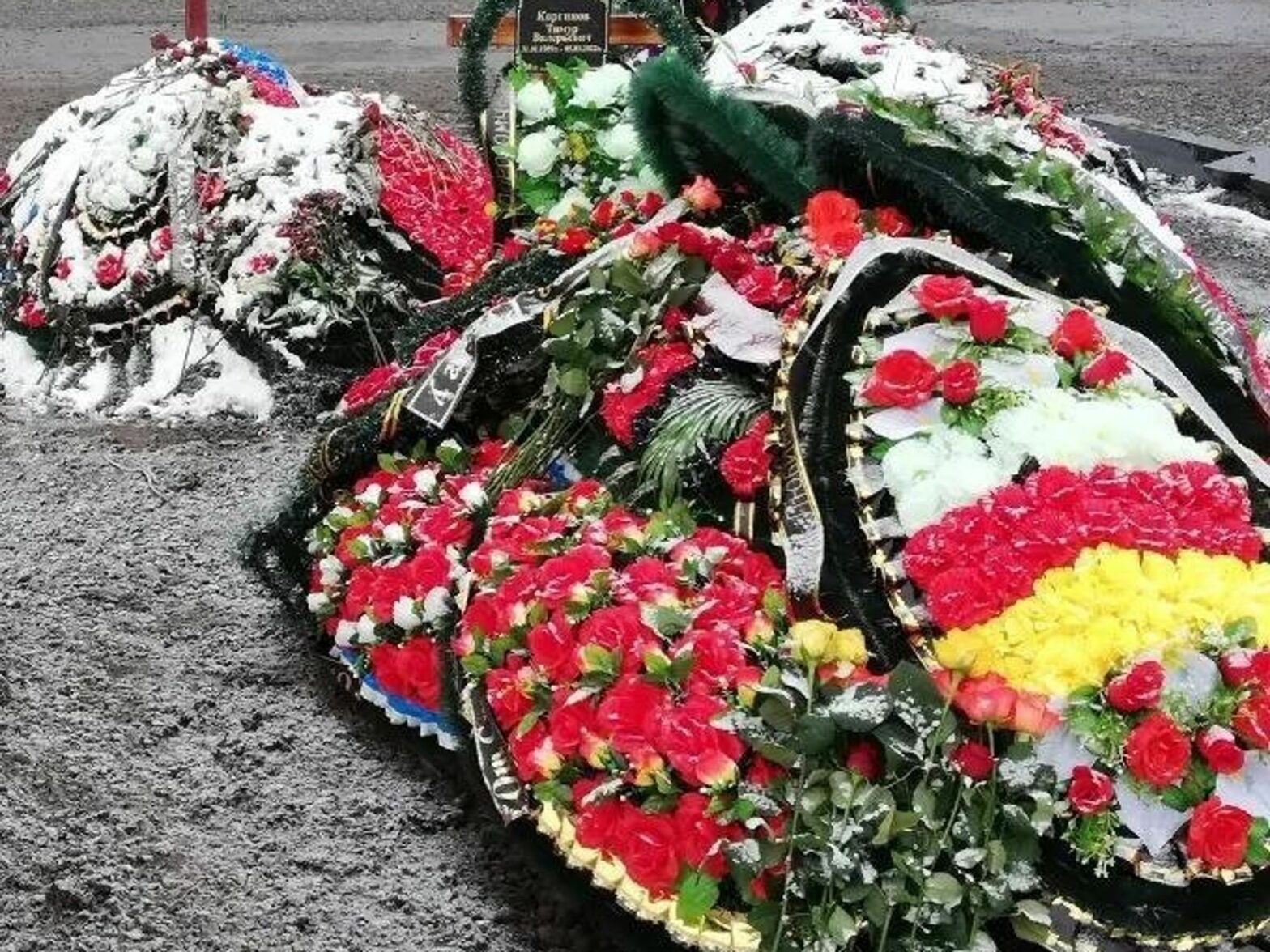
This is the other side of the Kremlin’s “special operation” in Ukraine. The human cost of the Russian side remains unclear. The reportage takes place in the capital of one of the poorest regions of Russia, in the heart of the Caucasus, where a growing number of soldiers are buried.
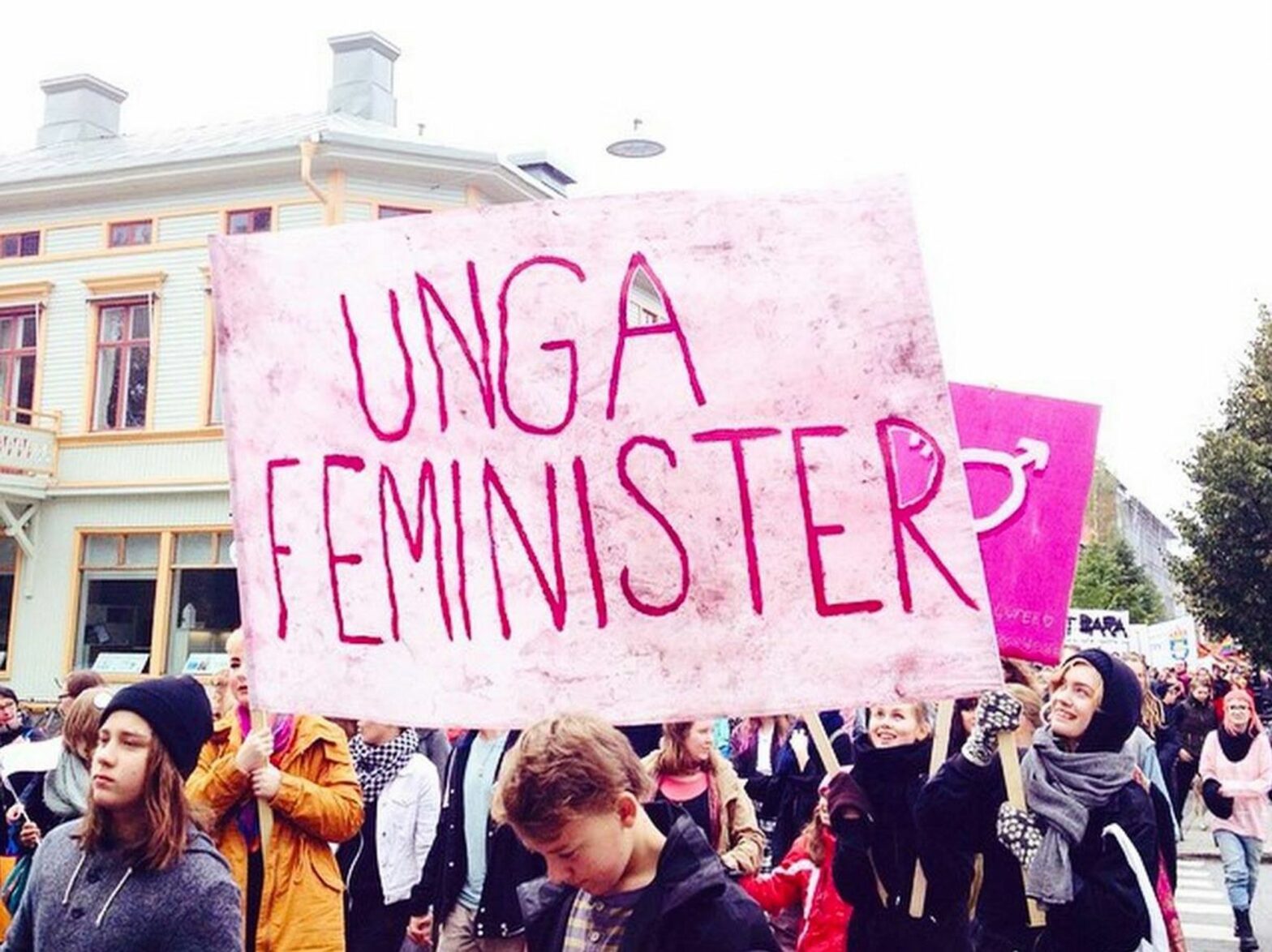
Umeå in northern Sweden is a veritable feminist city. And the initiatives go much deeper than just policies and promises — they shape how the city is built.
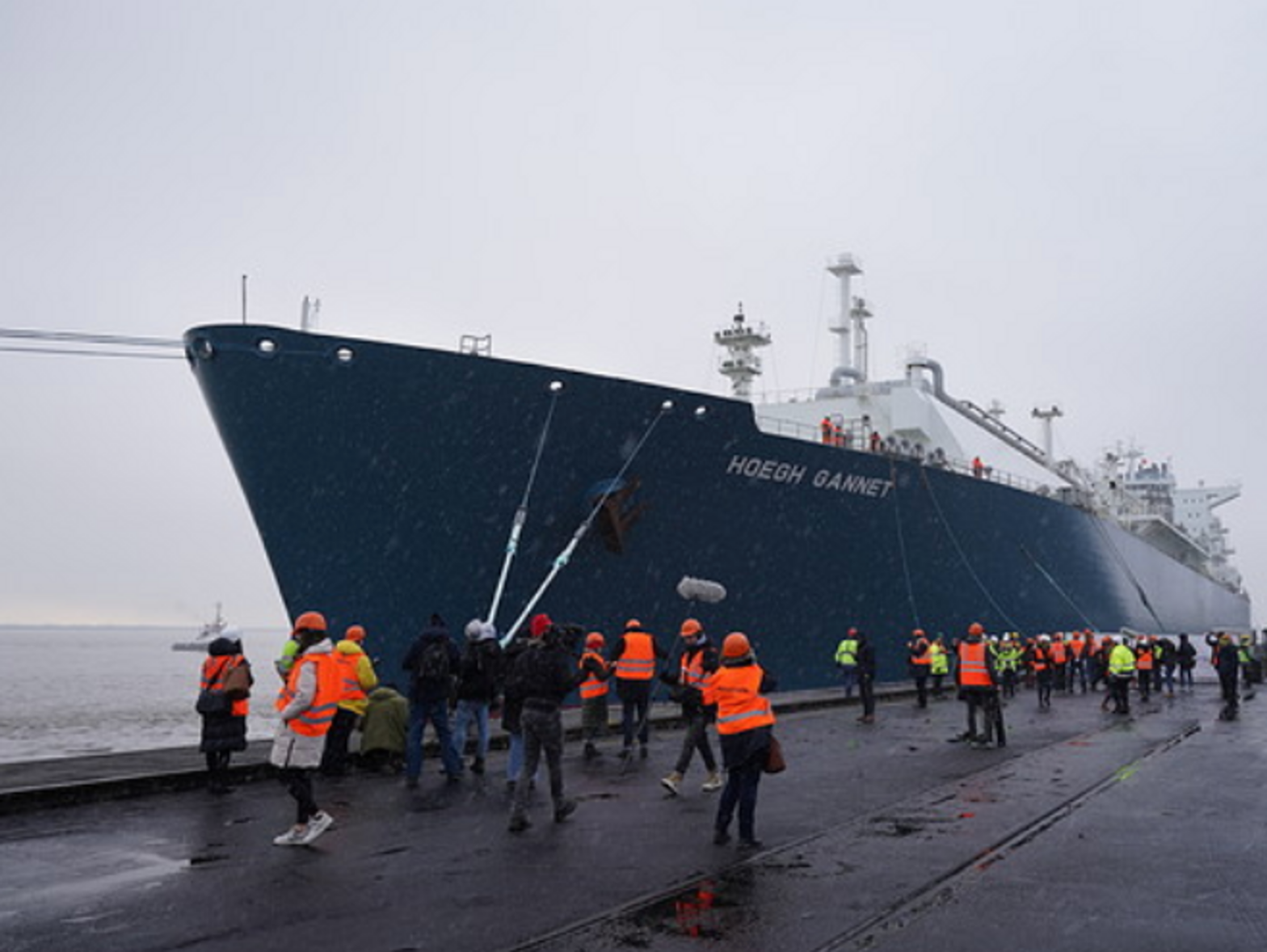
From Croatia to Spain, Portugal, Germany and France, revamped LNG gas routes are providing an agile European energy response to the cutting off of Russian gas since the war in Ukraine began.
To some, tensions between the U.S. and China look like a remake of the U.S.-Soviet Cold War. Yet the West’s nemesis this time is more sophisticated and tied to us commercially in ways Moscow never was. There are, however, also new kinds of danger.
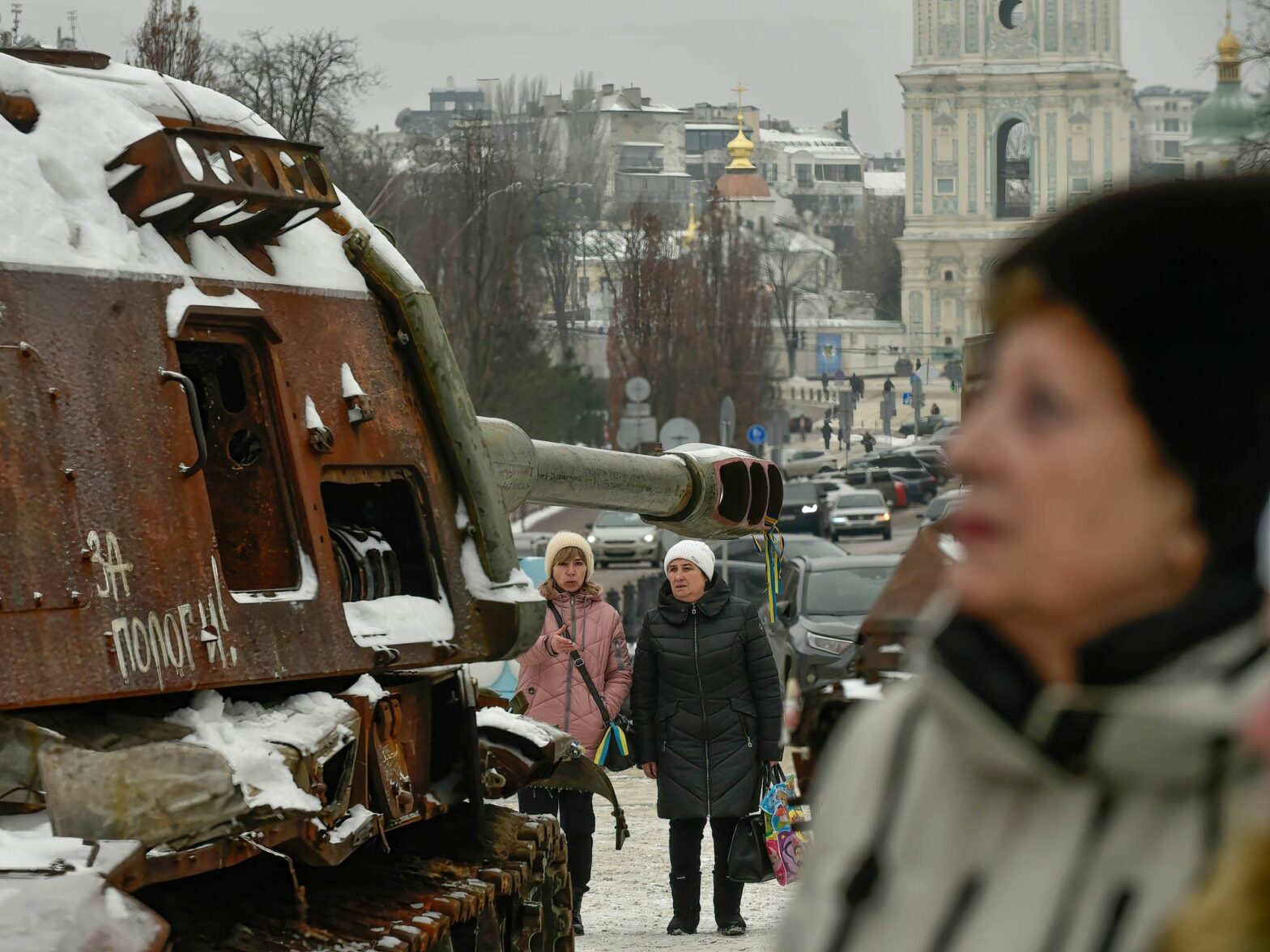
One year after the Russian invasion, Kyiv has become an international symbol of resistance, also in the way that ordinary life continues, despite air raids and bomb blasts.
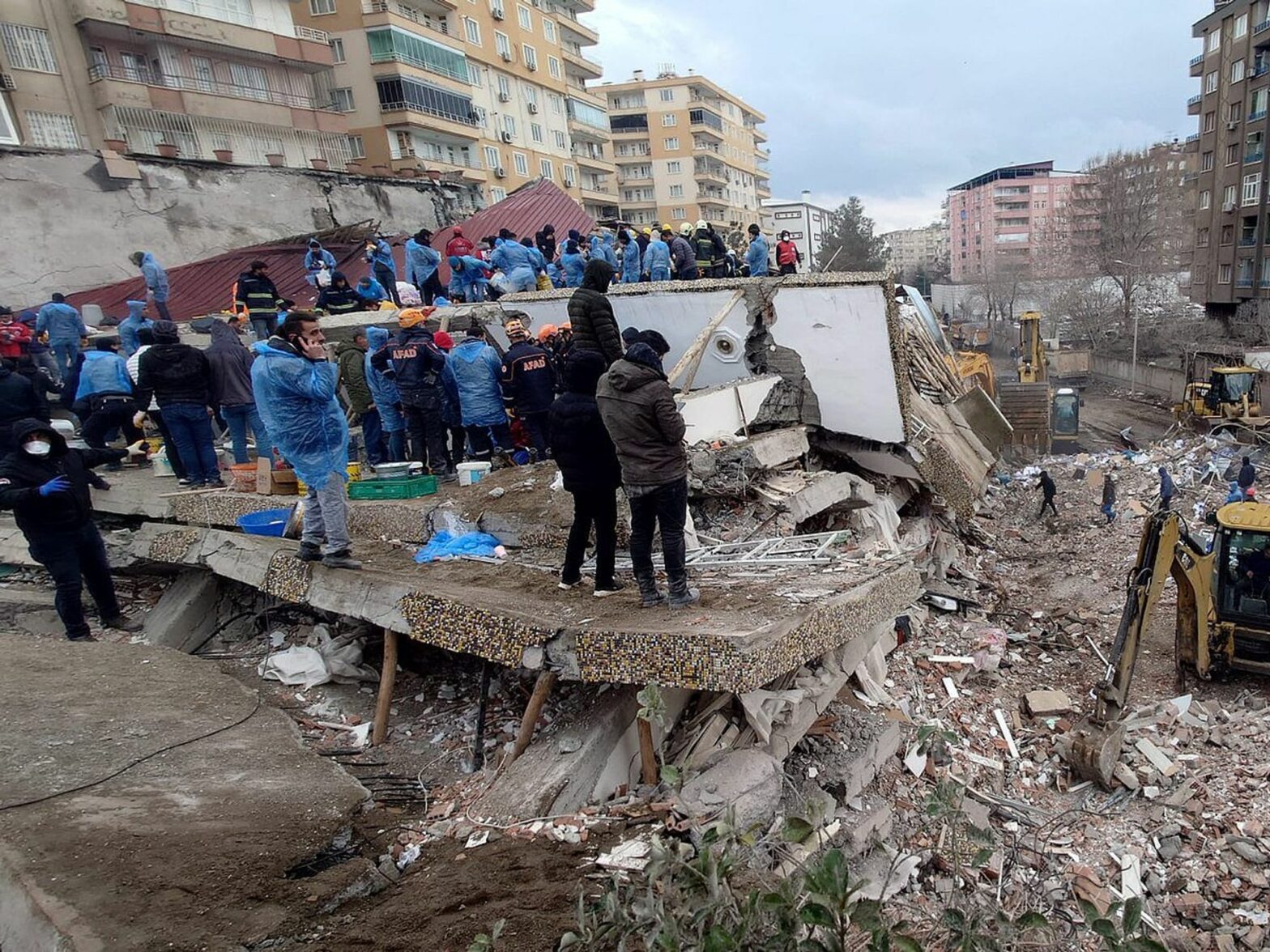
The earthquake in Turkey and Syria teach us about humility in the face of what we can’t control — but we also surprise ourselves in responding to crisis.
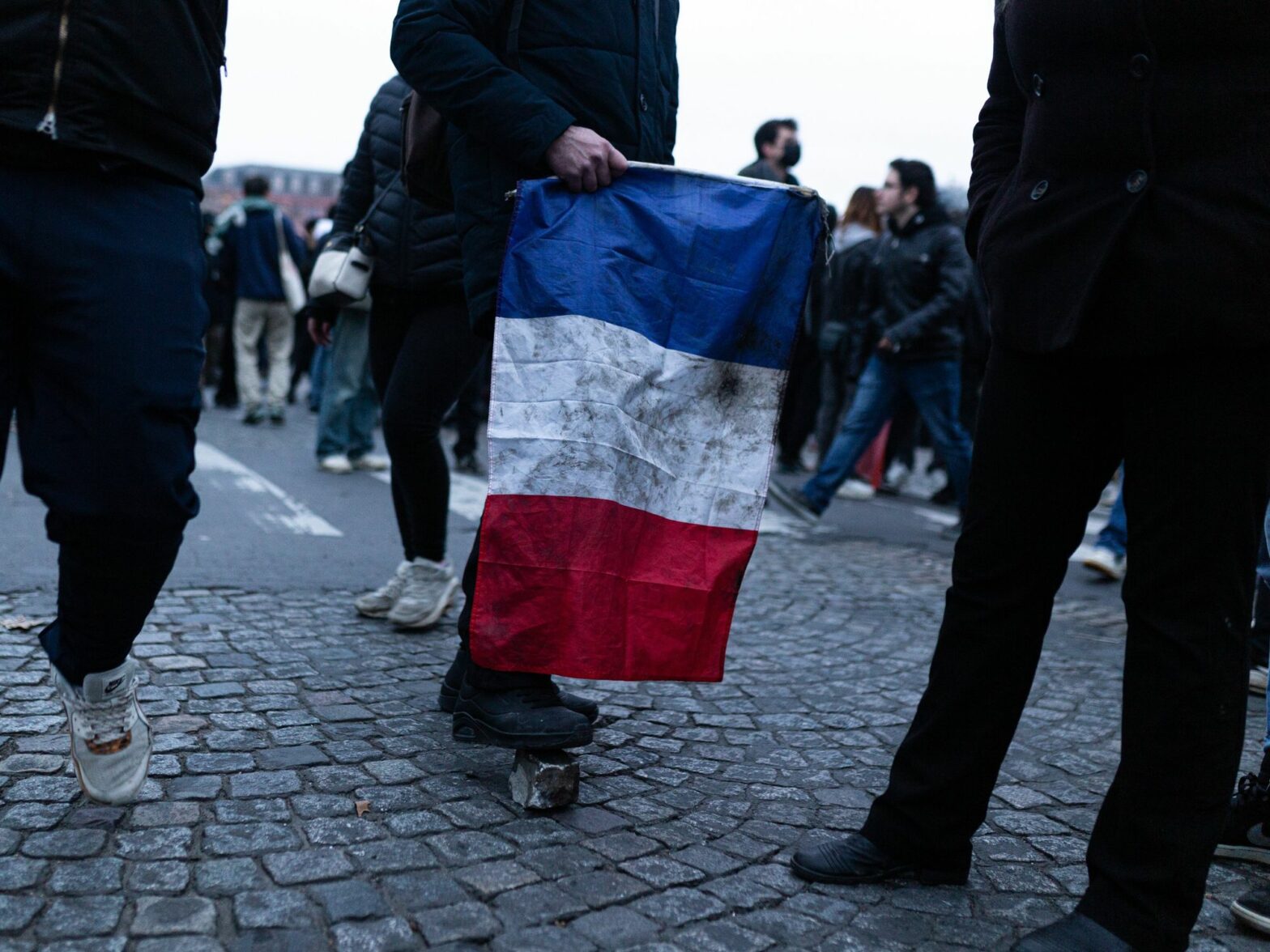
As debates and protests continue in France over increasing the pension age, many seniors are already voluntarily returning to work. Some do so to keep busy, but many are forced to by the cost-of-living crisis.

A widely mocked tweet by the Associated Press tells its reporters to avoid dehumanizing labels such as “the poor” or “the French”. But one French writer replies that the real dehumanizing threat is when open conversation becomes impossible.
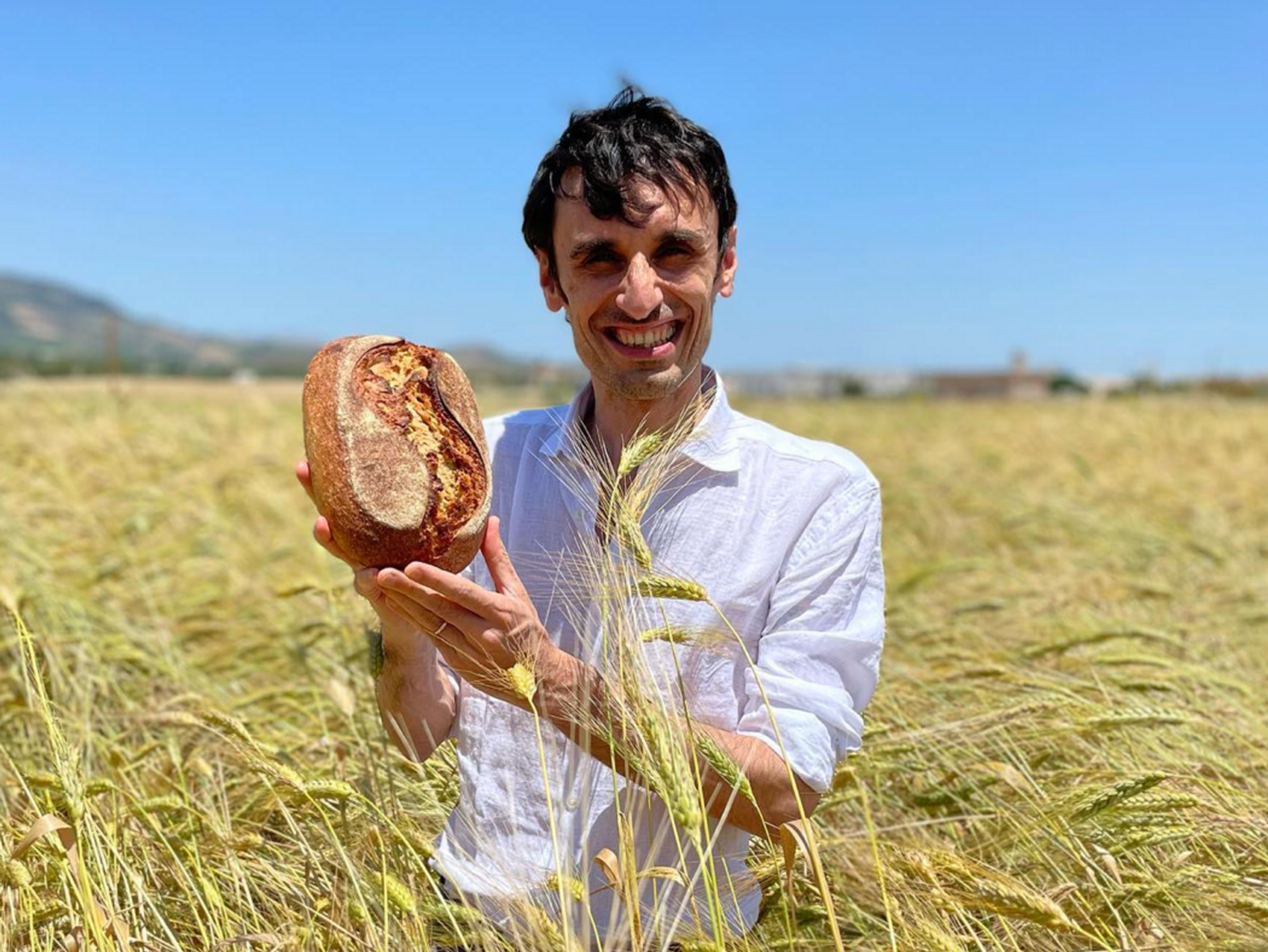
For those in the haute cuisine world of French food, a no-gluten diet (whether by choice or health requirements) has long been a virtual source of shame. But bakers, chefs and pastry makers are now taking the diet to whole new levels of taste and variety.

Despite turbulence in the crypto market, NFT advocates think the digital objects could revolutionize how films and television series are financed and produced.
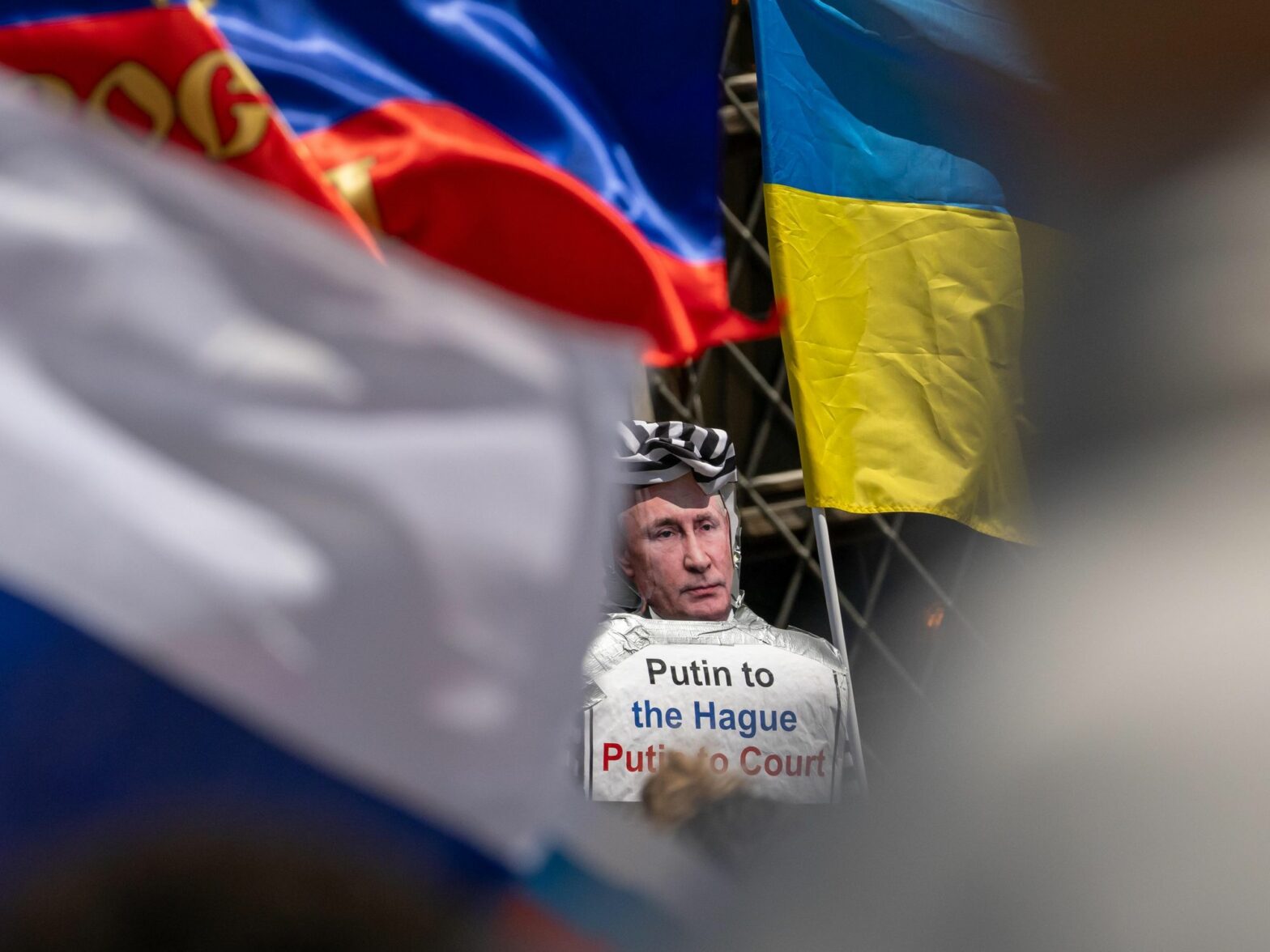
Consider the inverse of “collateral damage.” Envision Russia’s defeat and the triumph of a democratic coalition offers reflection on the most weighty sense of costs and benefits.
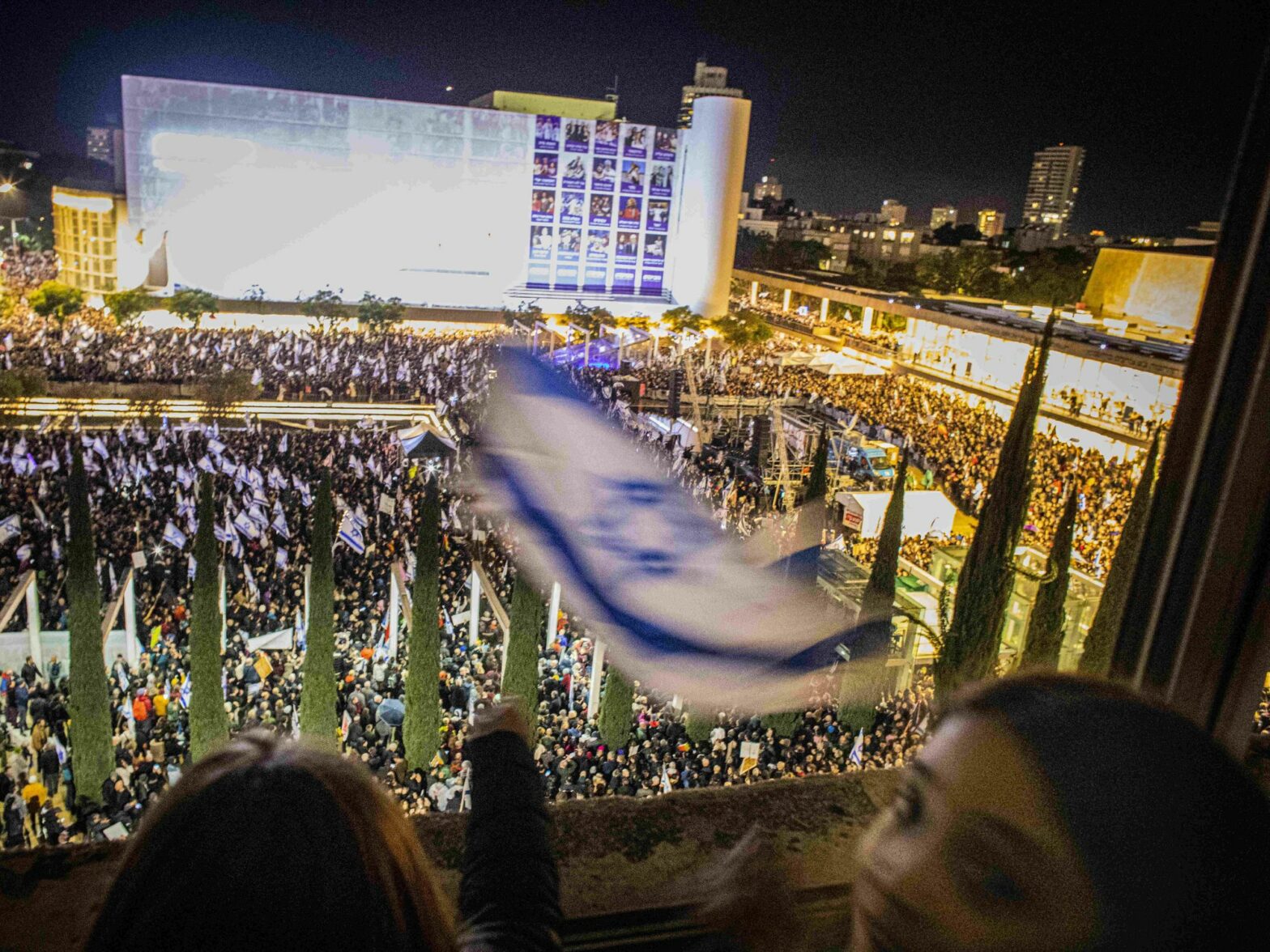
The Polish-French writer Marek Halter addresses a letter to Israel’s leader warning him against the undercurrents of his government that threaten the very essence of the Jewish state.
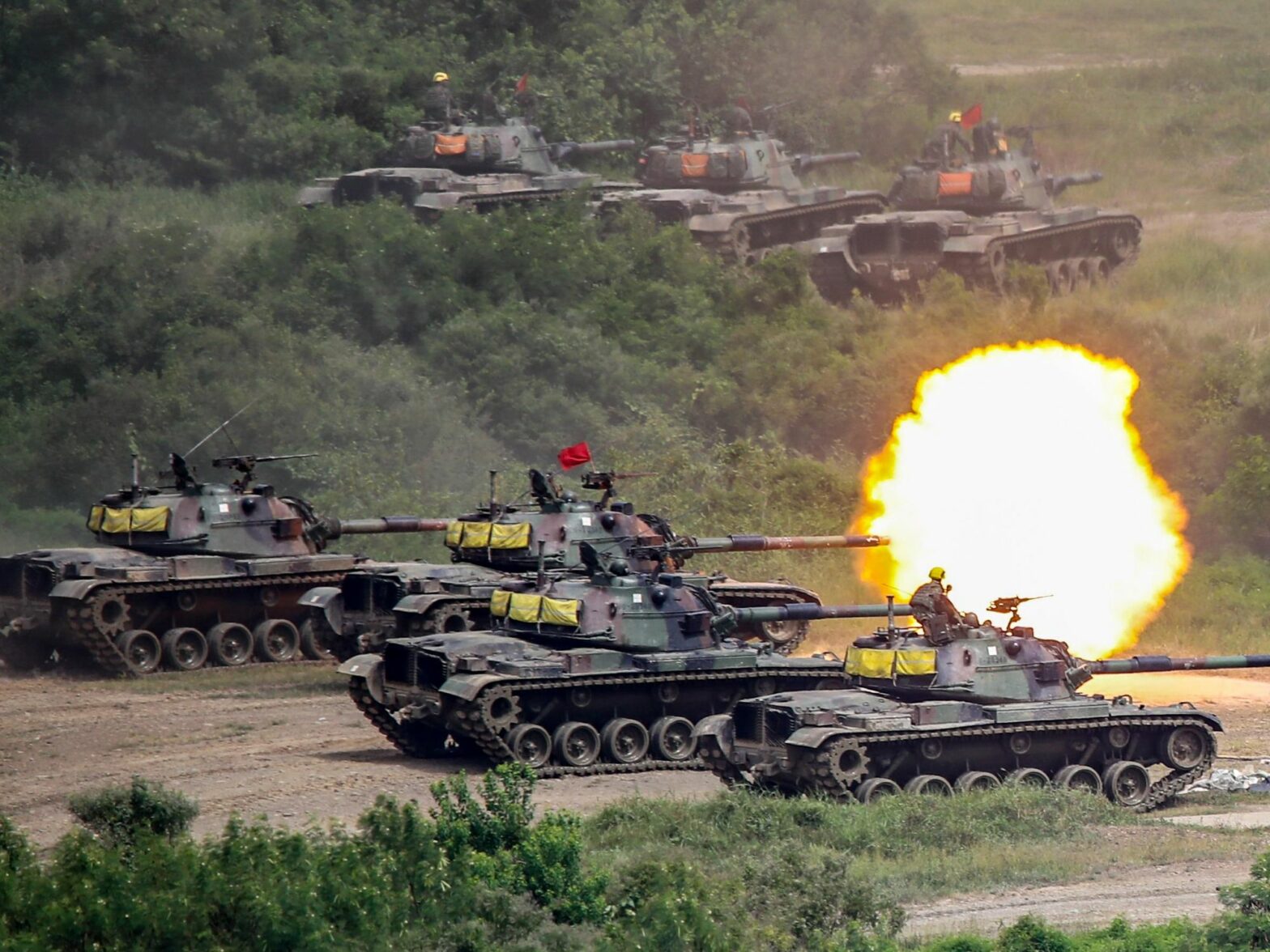
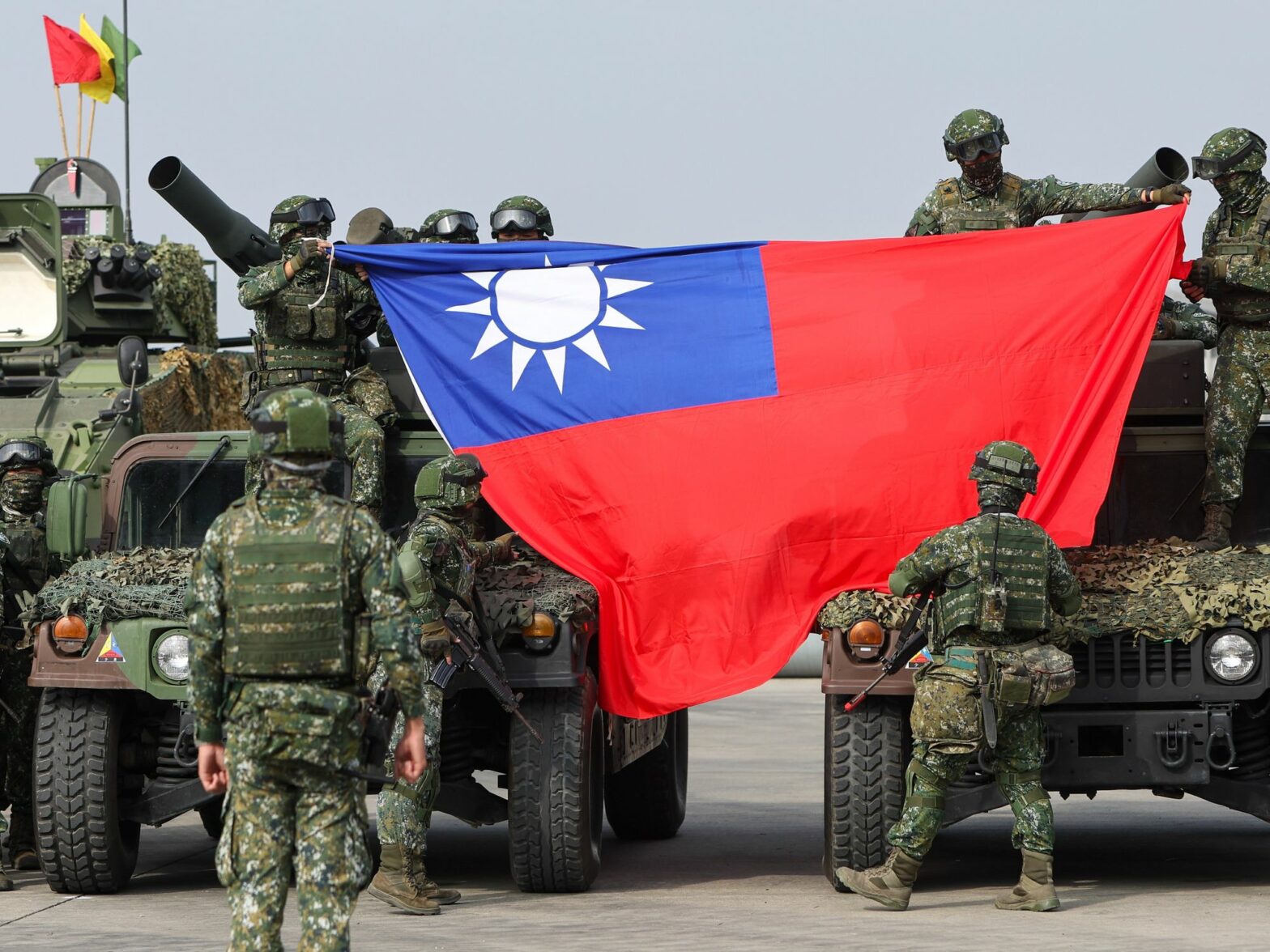
Large segments of Taiwan seem underprepared or indifferent when it comes to the possibility of Chinese invasion. But some are actively preparing, using Ukraine as a role model.
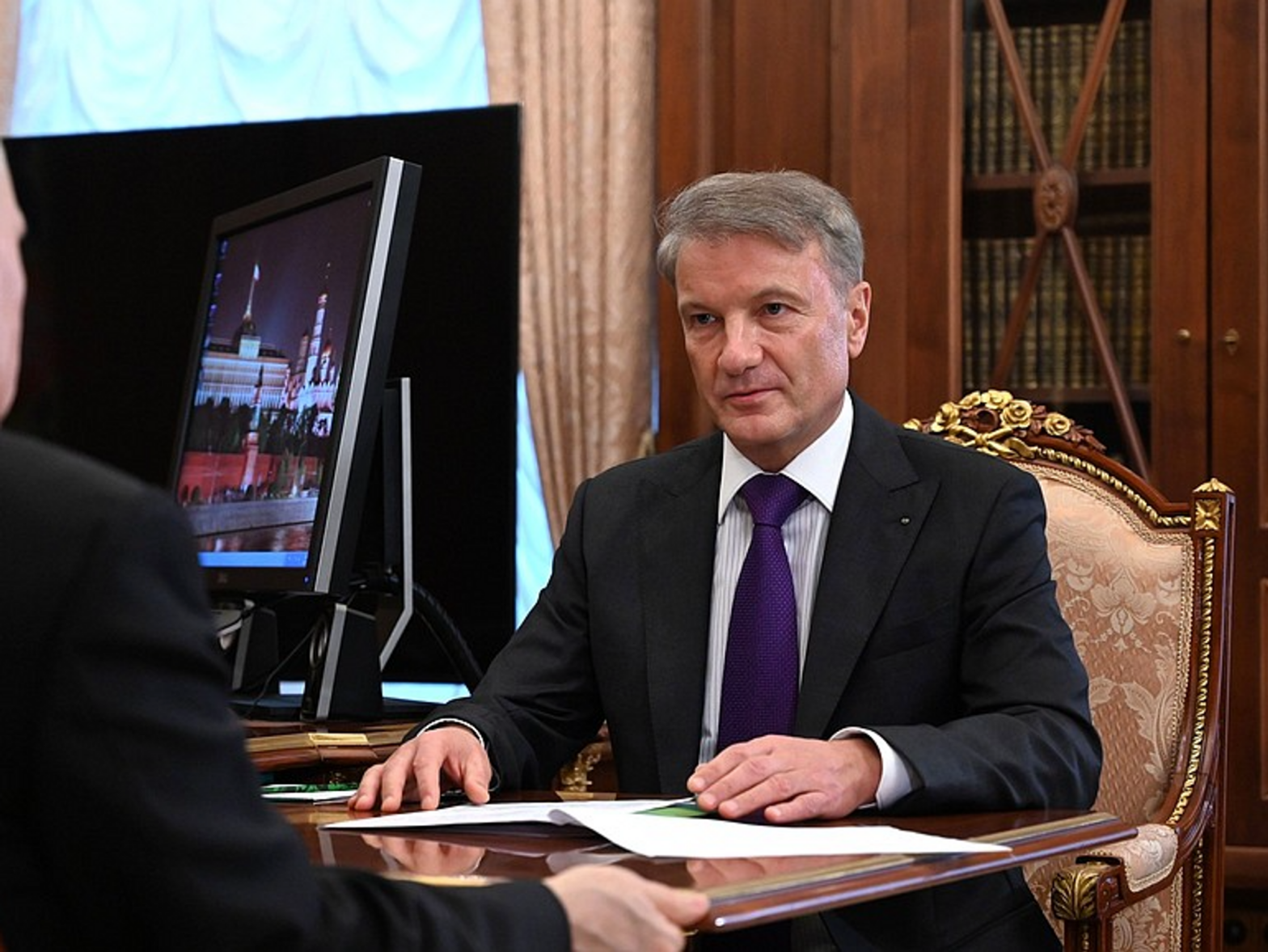
Back in the 1990s, the Russian elite were busy maneuvering behind the scenes. But today, Moscow’s liberals know better than to contradict the strongman in the Kremlin.

Applying Artificial intelligence to vocal cues is increasingly being used to detect a range of illnesses from COVID-19 to asthma and even depression. But such technology also comes with serious ethical concerns.
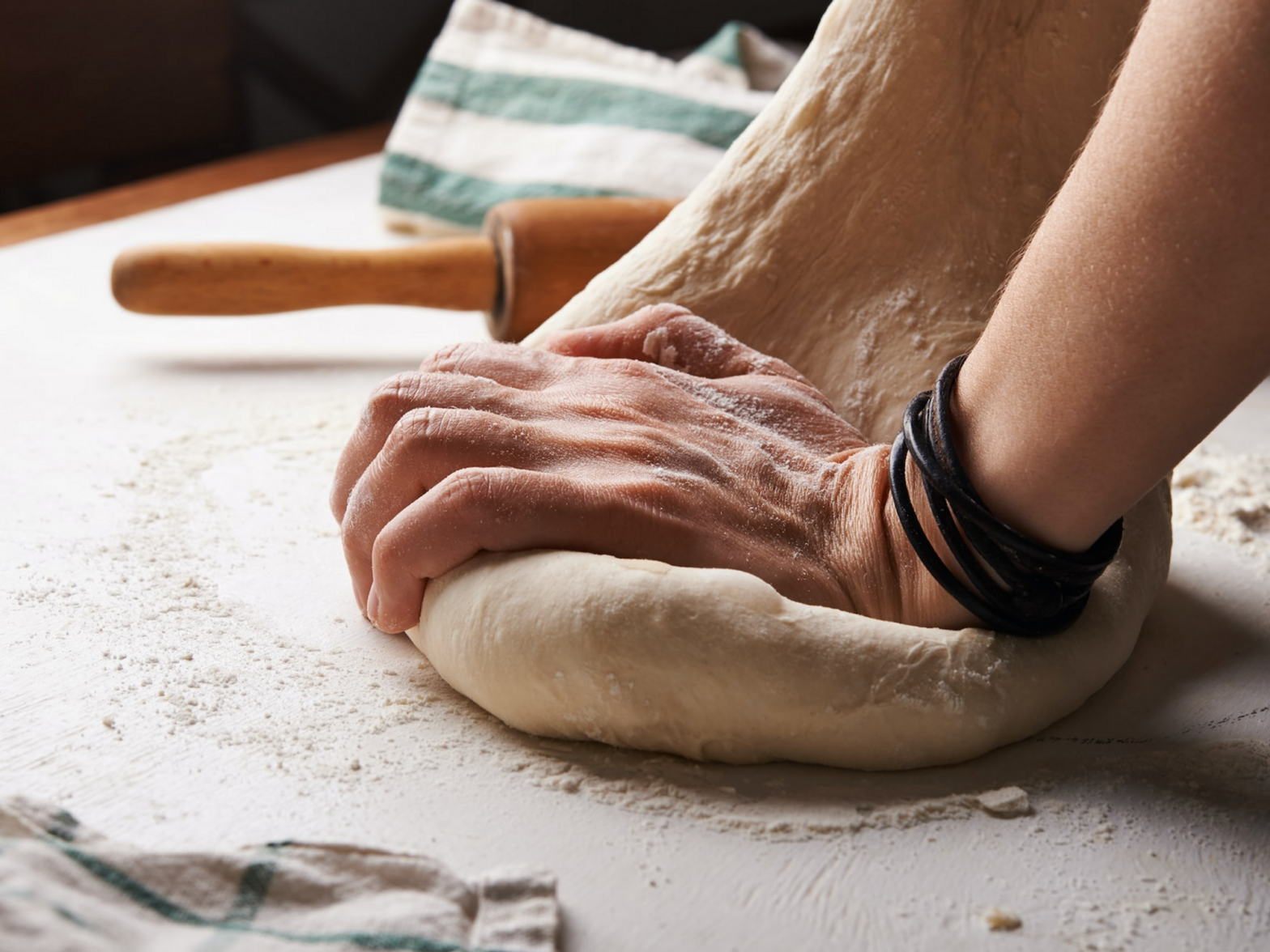
The baguette is now on UNESCO’s cultural heritage list. But France’s independent bakeries are struggling to survive amid rising energy costs and competition from larger chains.
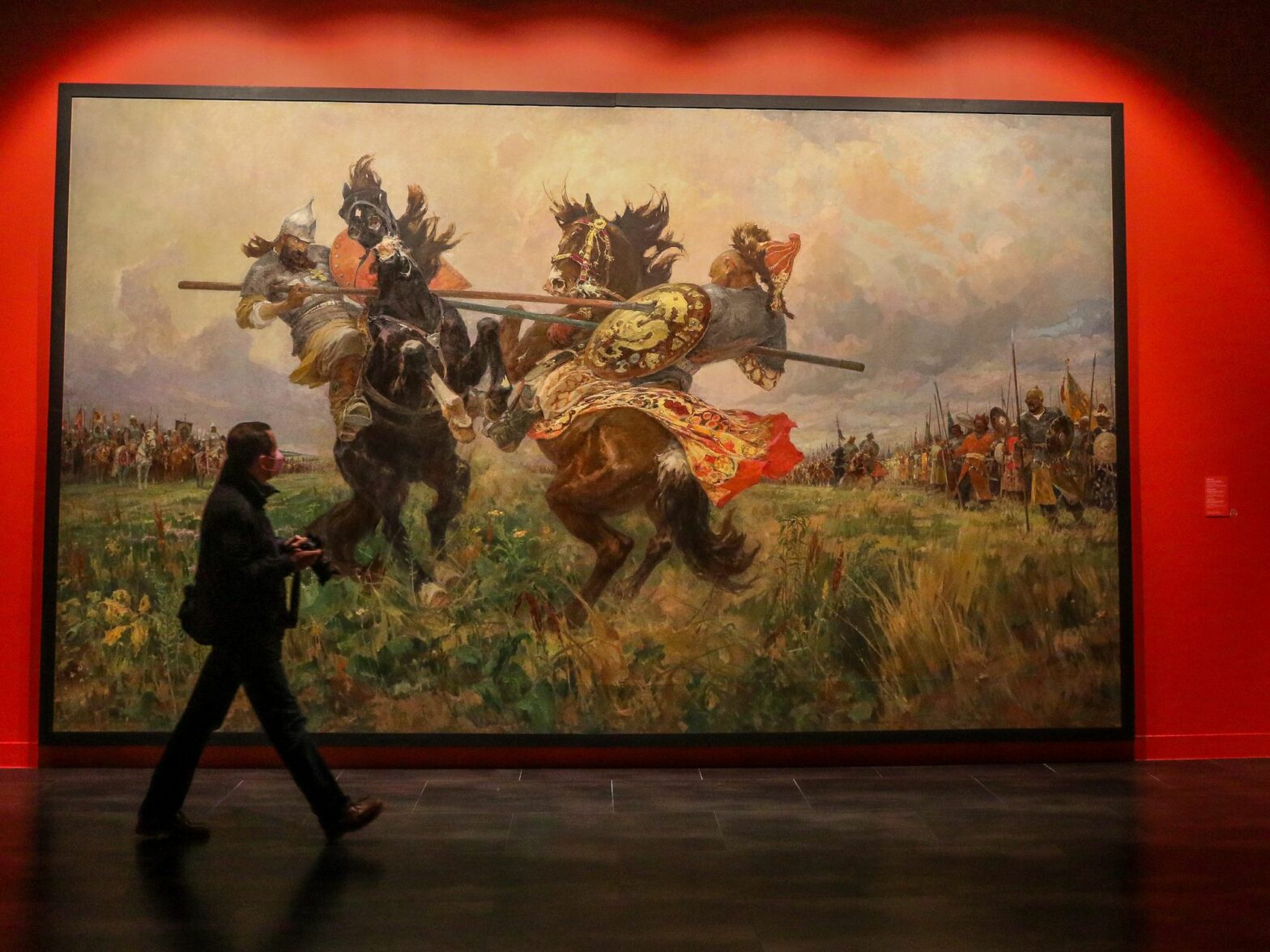
The Ukrainian Culture Minister has called for a total boycott of Russian culture. Such a move should be resisted because it ignores culture’s potential to challenge power.
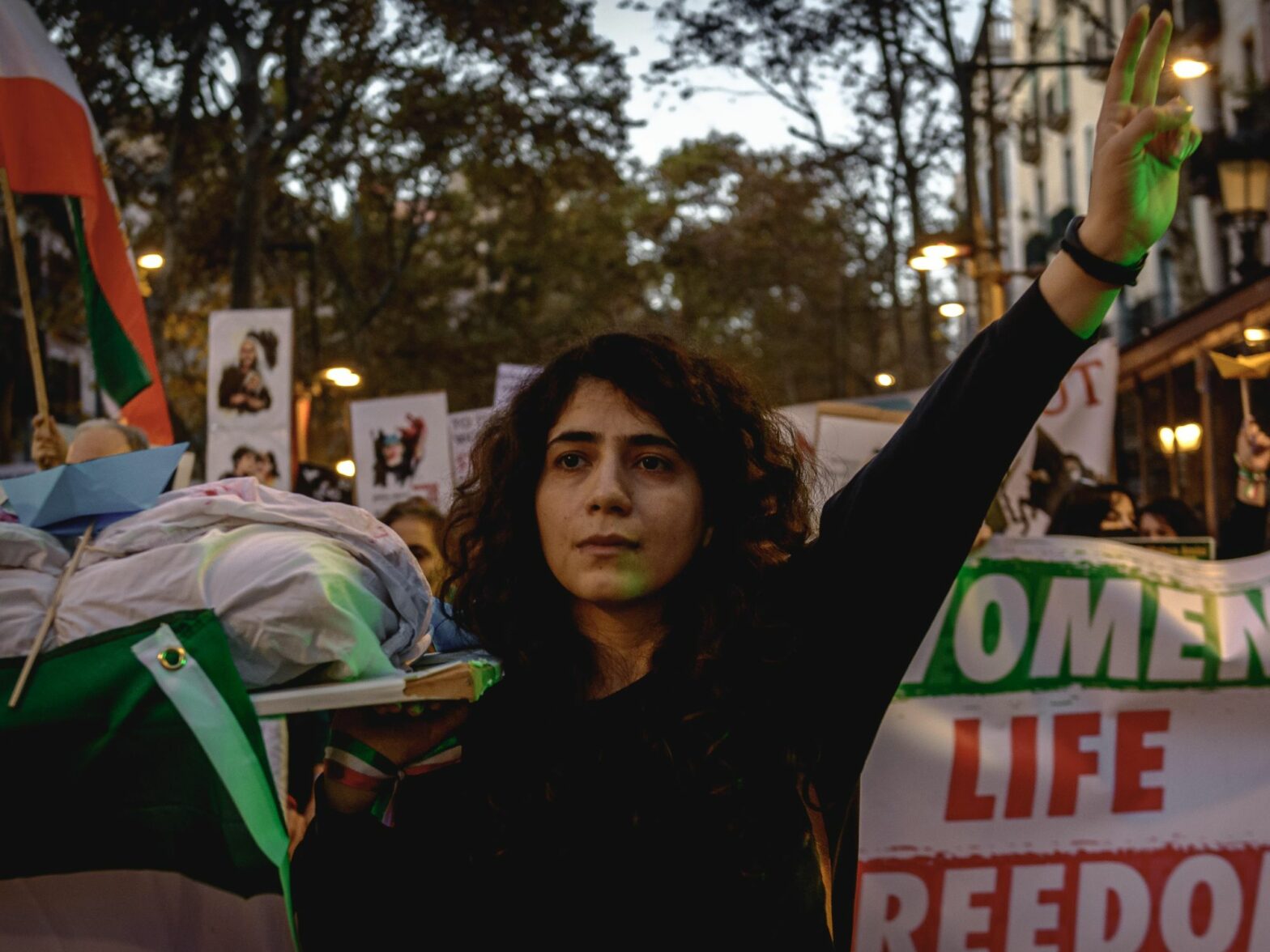
Many lives have been lost, rights trampled and dreams crushed. But through the haze, the world took the right turn on many fronts this past year, from Ukraine to Iran to China. Trying to take stock amid the suffering.
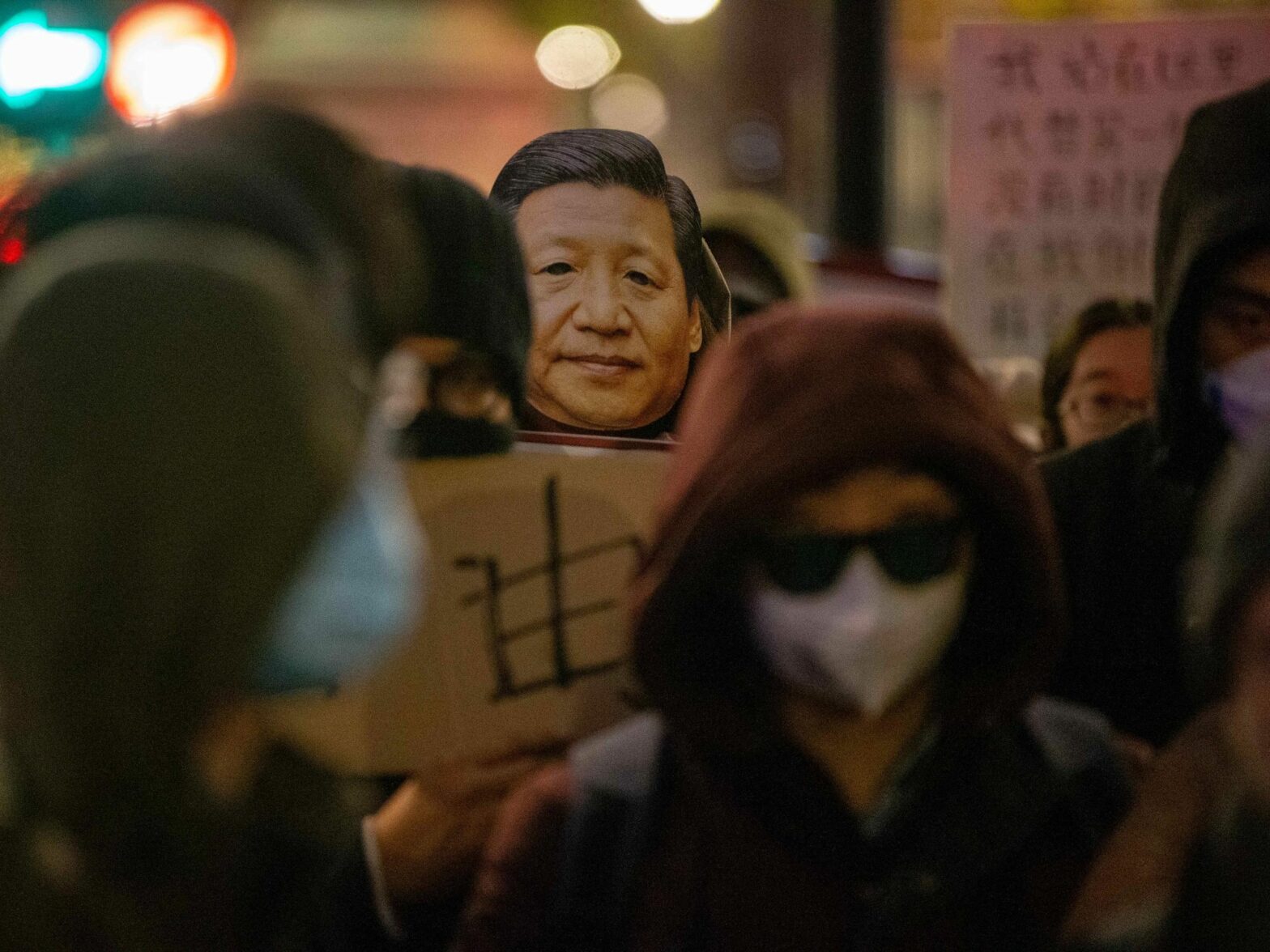
Like unpopular leaders in democracies, Chinese President Xi Jinping has decided recently to increase his trips abroad to project an image of power and distract from the ills at home. But the debacle of the country’s strategy on the pandemic is not going away, and there may be real long-term consequences.
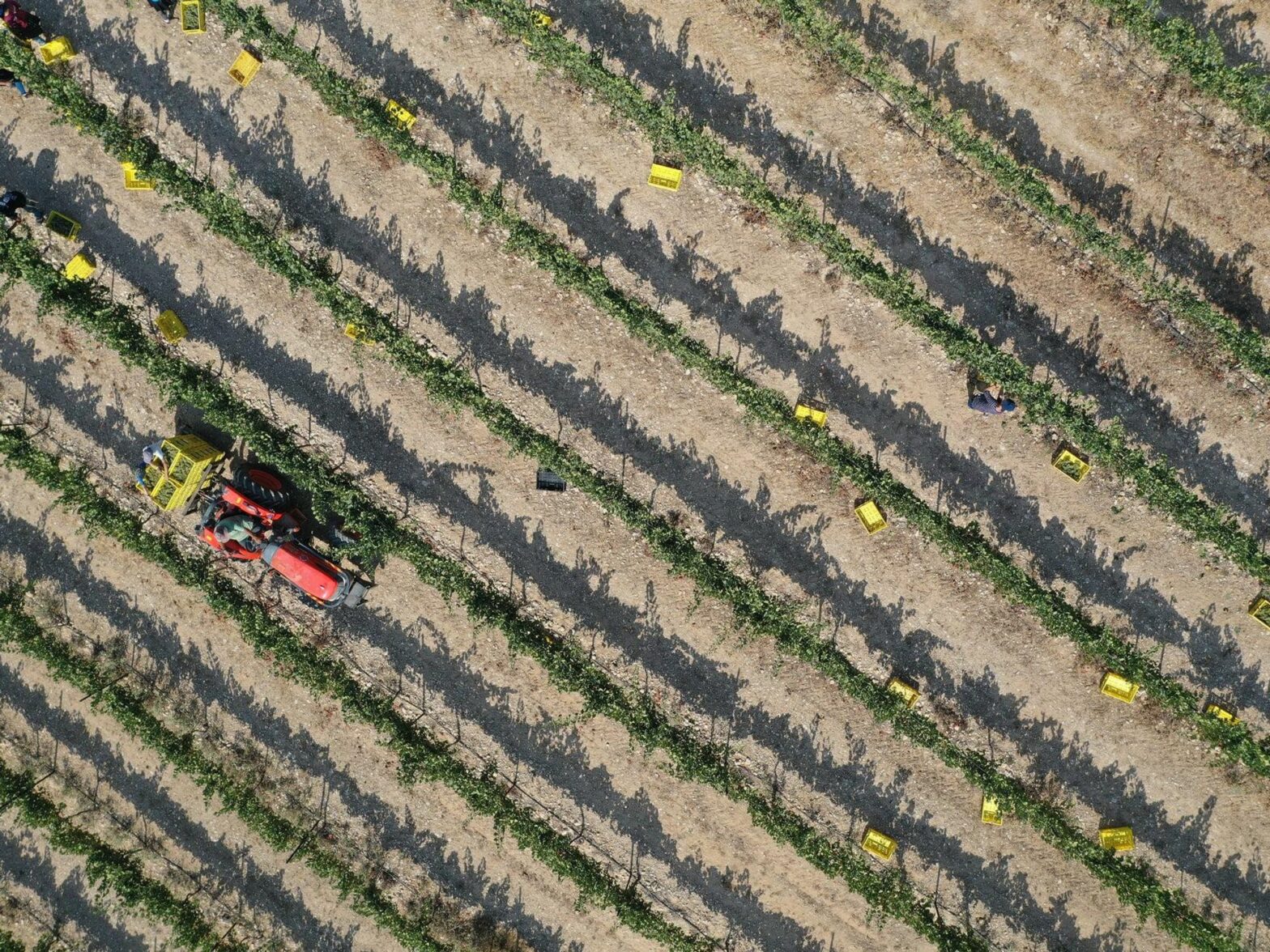
More and more French wine growers are interested in the mechanics of growing grapes and producing wine in the world’s most arid regions—like Israel. Climate change is pushing the wine world to imagining all possibilities, including the most extreme.
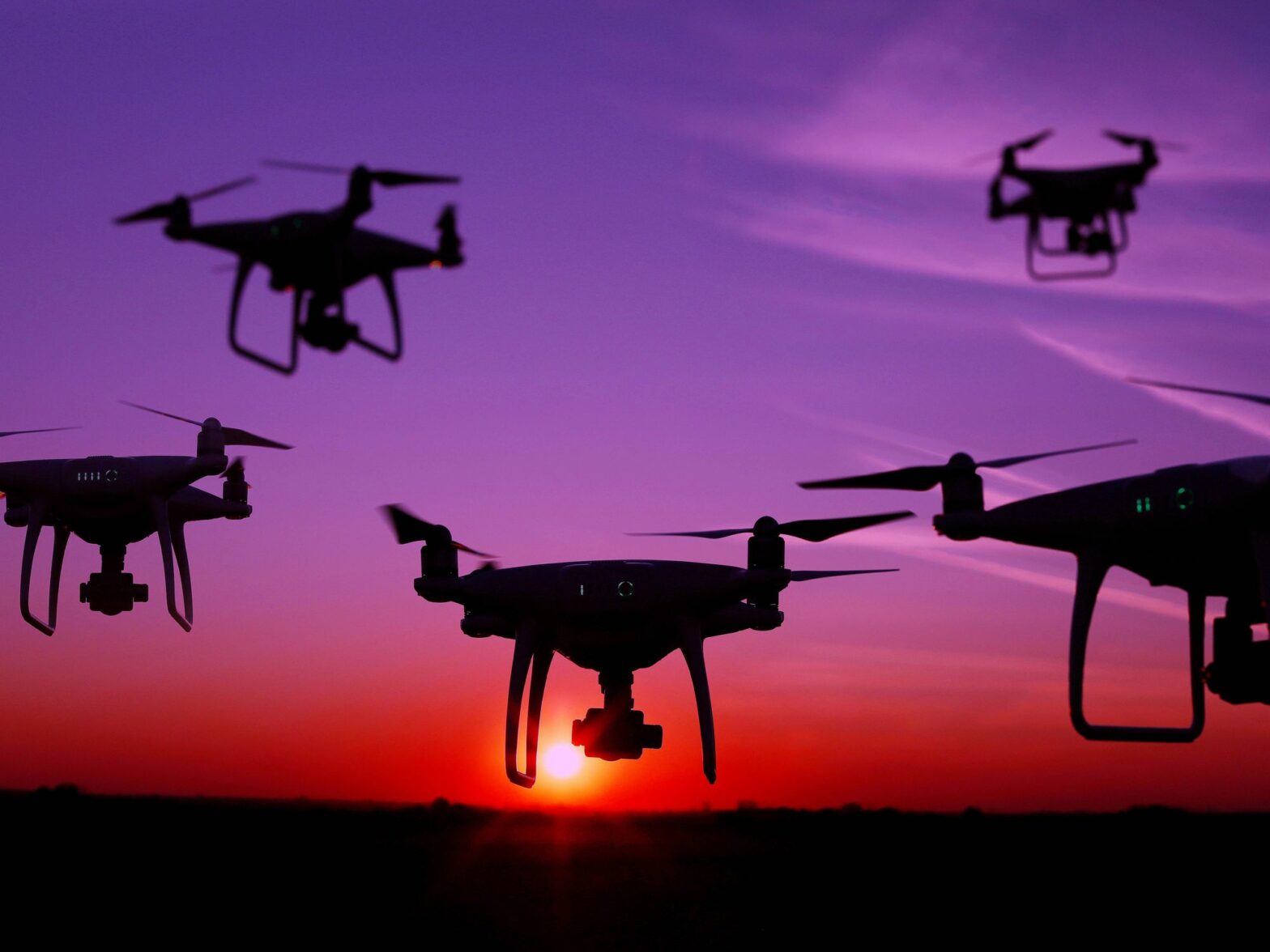
The war in Ukraine has shown how civilian drones can be effectively used as weapons. Meanwhile in Paris, with preparations on to host the Olympics in 2024, the city is testing some unlikely solutions to make sure the devices can’t be employed by terrorists.
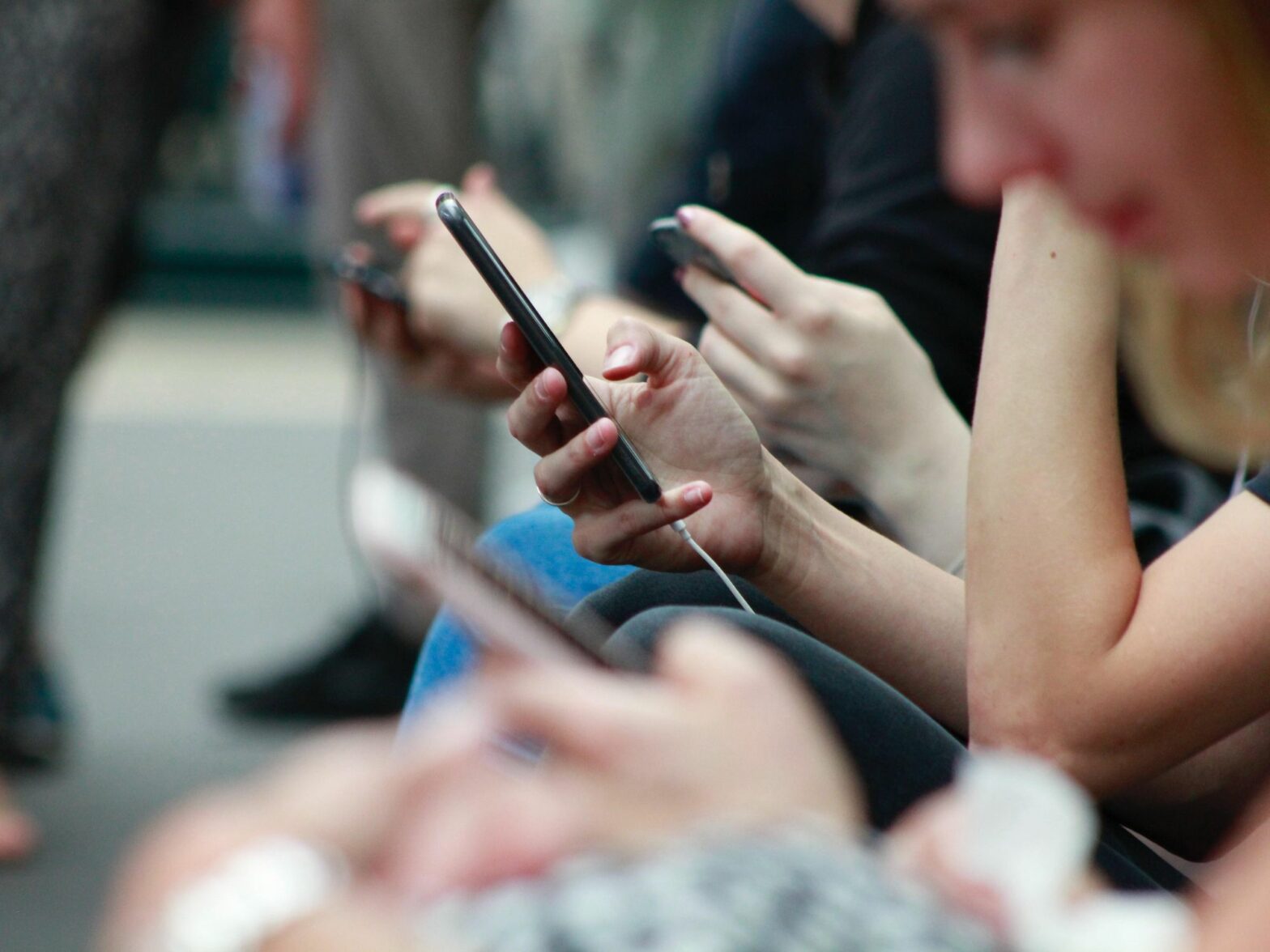
Elon Musk bought Twitter in the name of absolute freedom. But numerous research shows that social media hate speech leads to actual violence. Musk and others running social networks need to strike a balance.
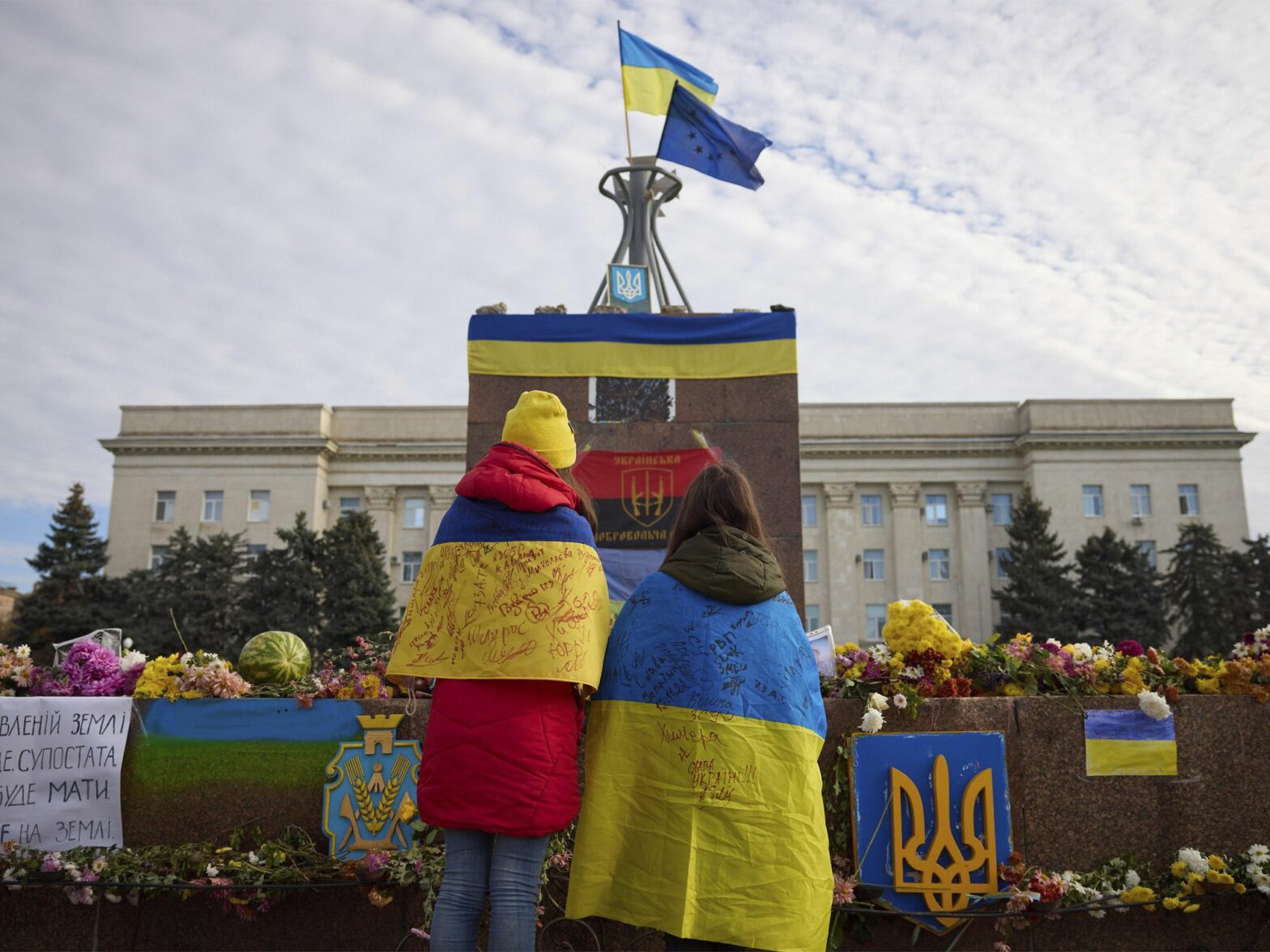
The reconquest of Kherson seemed like a turning point in the Ukraine war. But while Kyiv and the West can see it as an encouraging sign for the long-term fate of the war, it makes negotiations a veritable non-starter now. A cold, hard analysis from French geopolitical expert Dominique Moïsi.
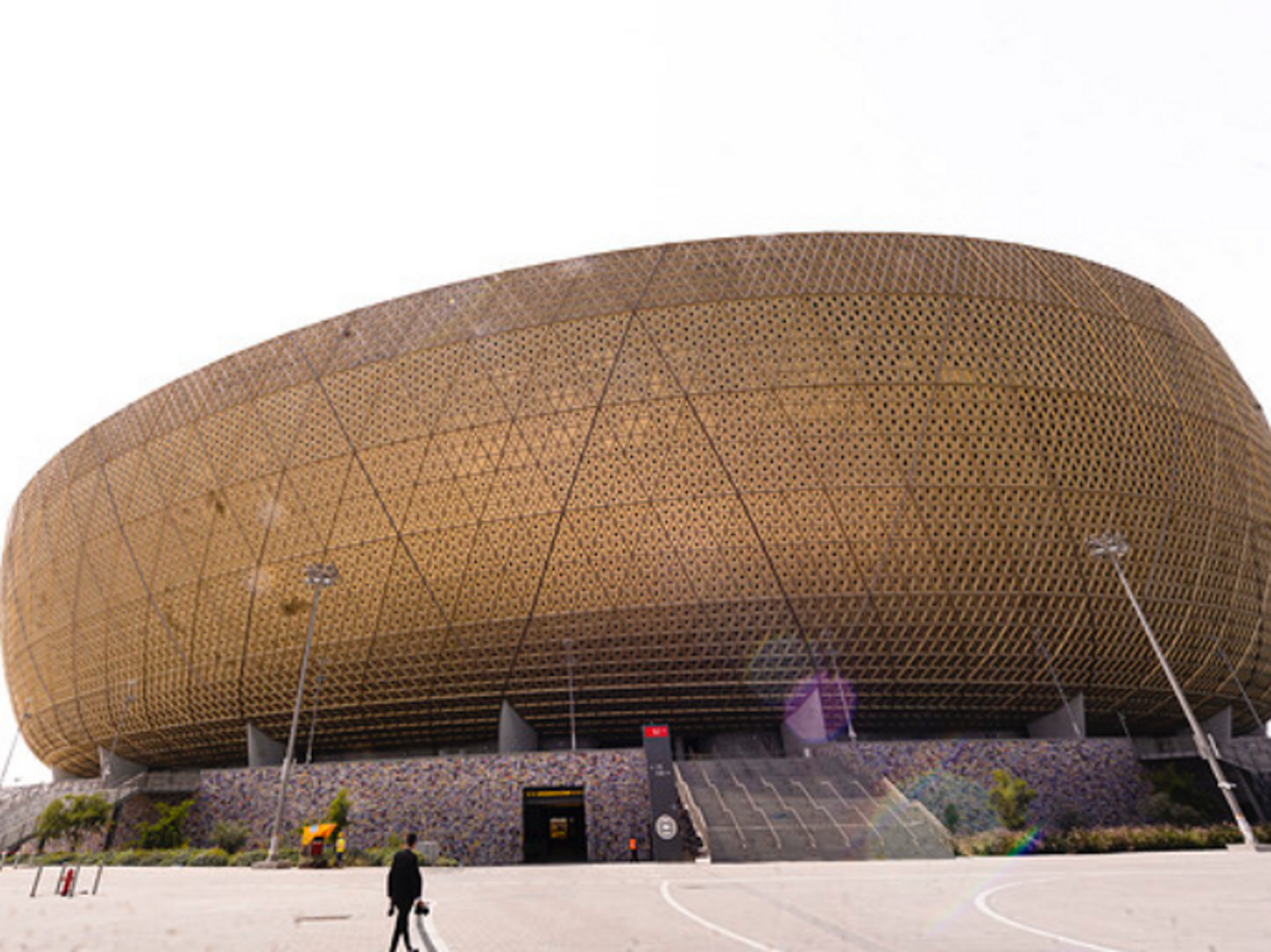
The Qatar World Cup has been making headlines for all the wrong reasons. However, the newly constructed city of Lusail in the country makes one thing clear: the West is not the target audience for this World Cup. Qatar has different, even bigger ambitions.
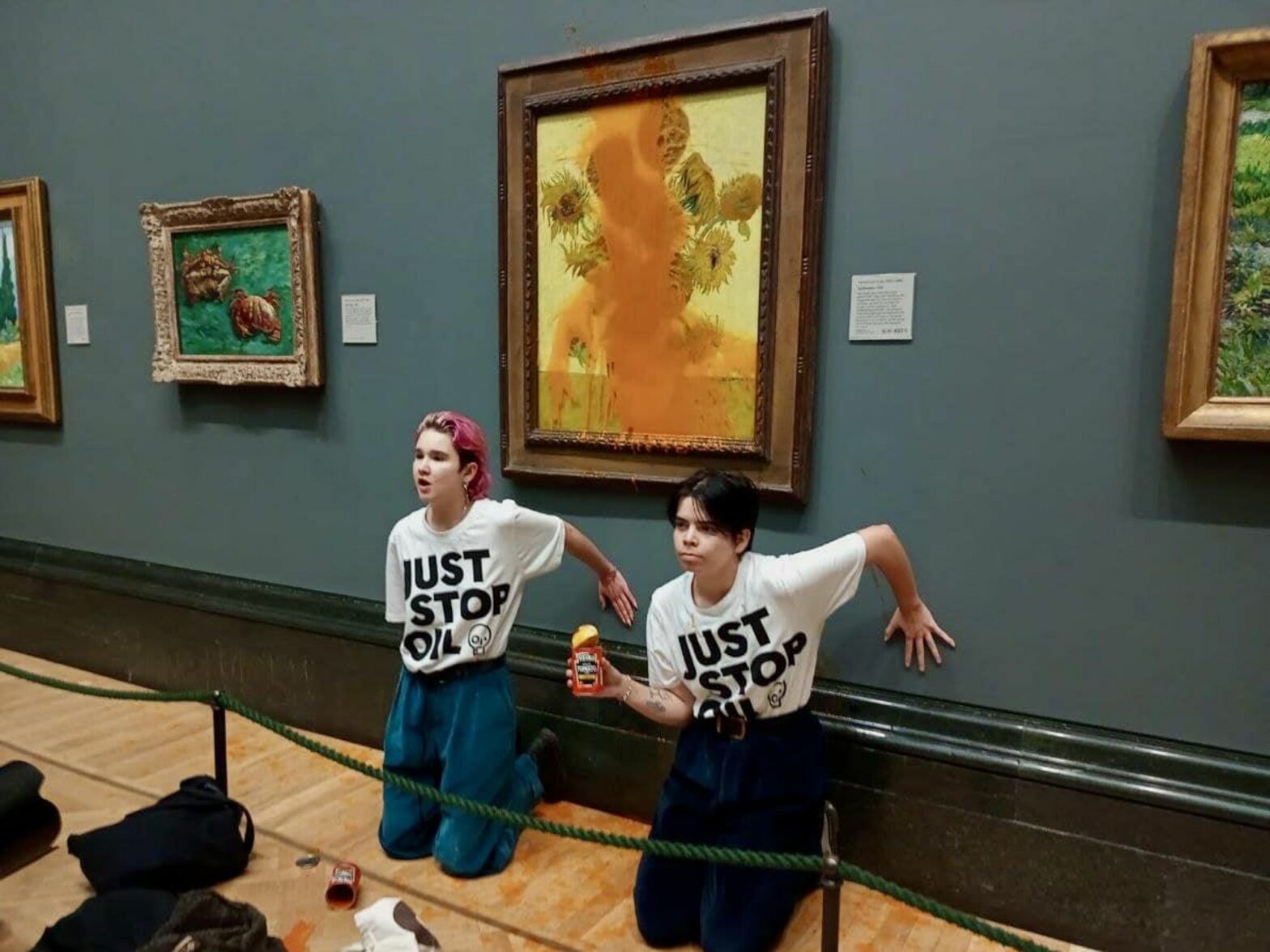
In the last few weeks, the Just Stop Oil protests have been catapulted to global attention by soiling art masterpieces in the name of environmental protection. But their choice of target says just as much about their view of art as their view of oil.
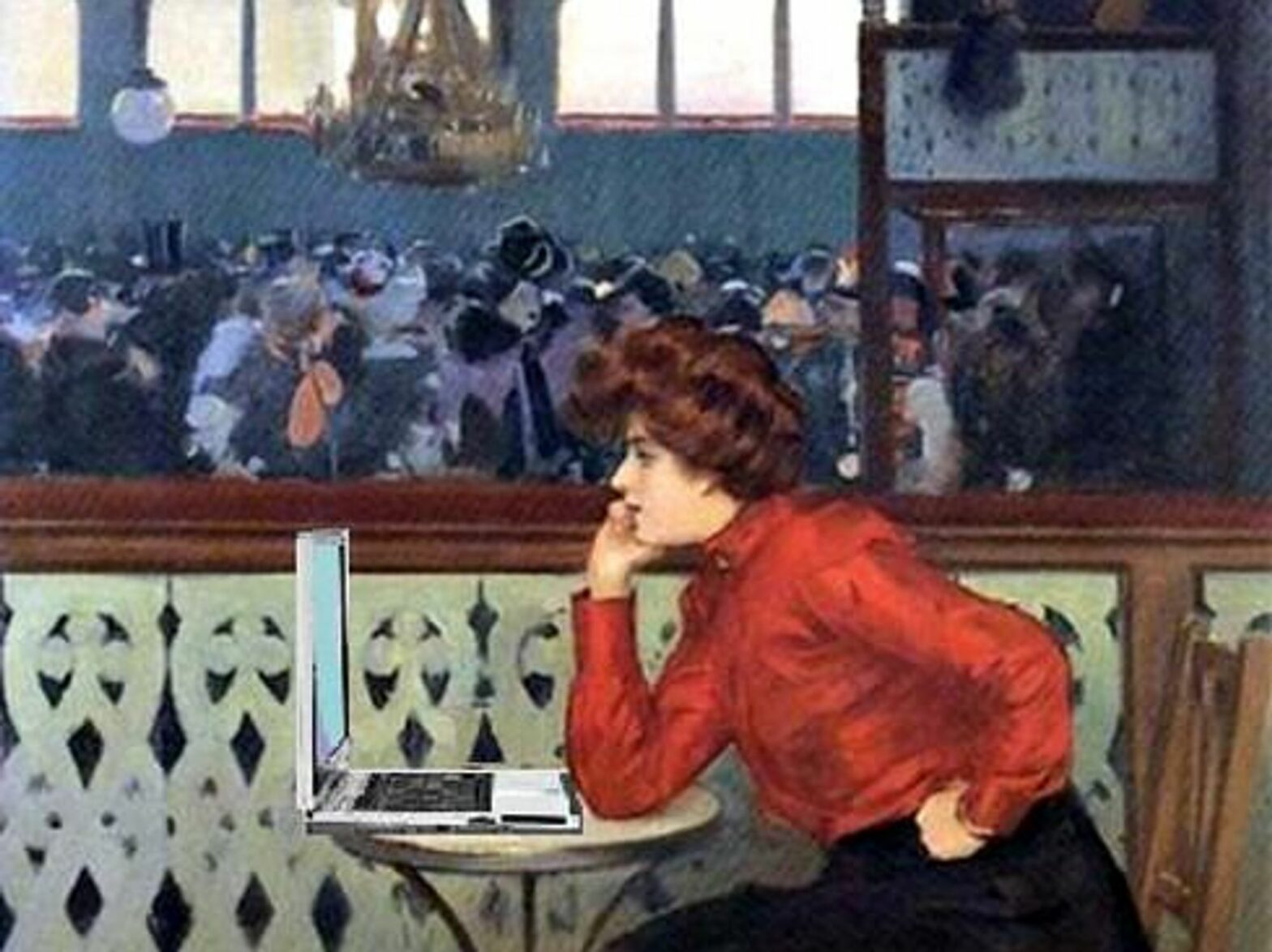
A French politician recently made the case for the “right to laziness”. In the era of the “great resignation” or “quiet quitting”, the idea is not as far-fetched as it sounds. After all, history shows us that work is a very recent human passion.
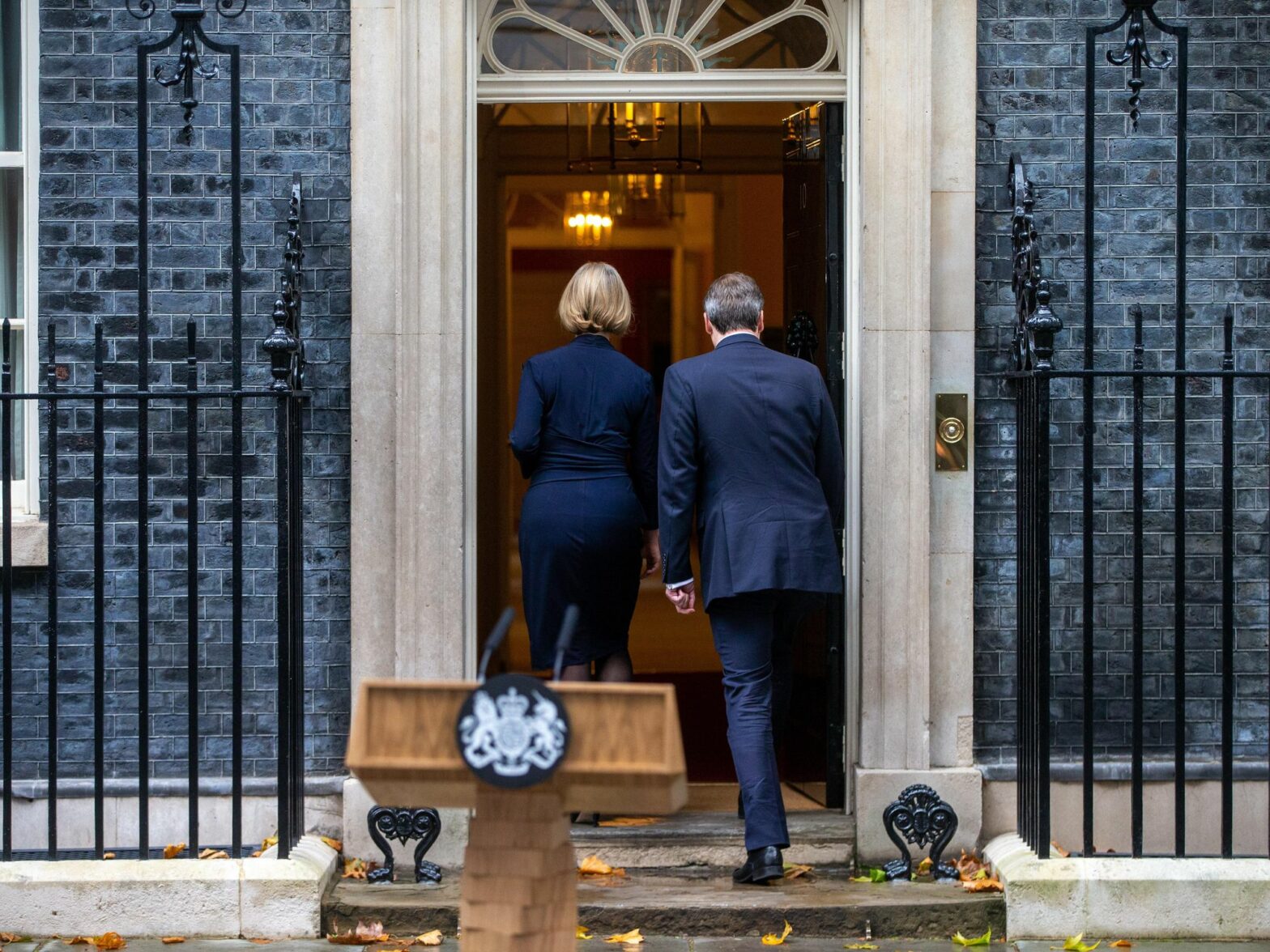
Liz Truss’ record-setting short time in office showed that the UK cannot do whatever it pleases — even now that it’s left the EU.
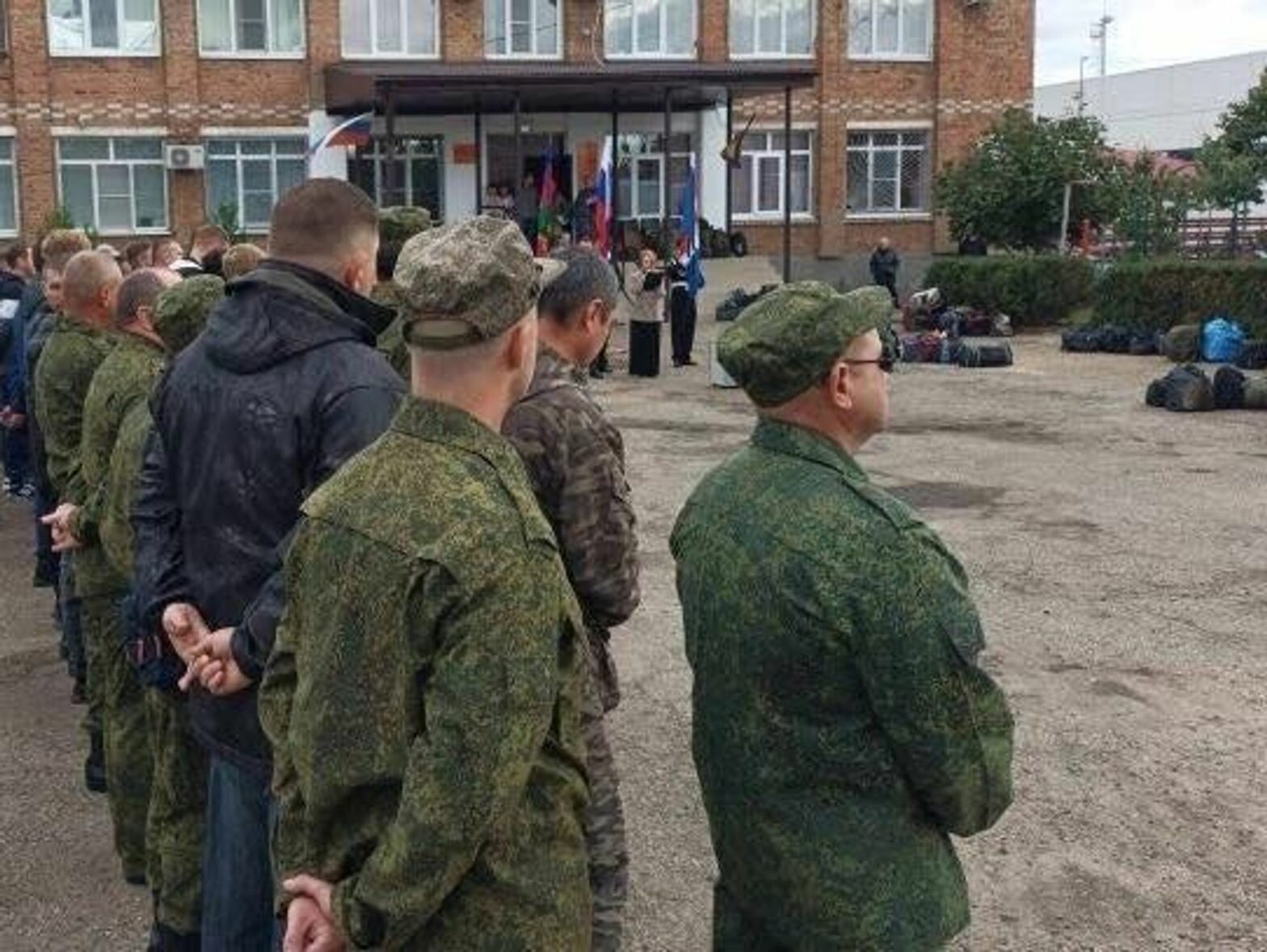
Thousands from Moscow and other major cities may have fled Russia to avoid mobilization, but that doesn’t paint the full picture. In parts of the country far from the capital, Vladimir Putin still has strong support and no shortage of willing draftees.

From businessmen to farmers, Ukrainian society has been militarizing for the past six months to defend its sovereignty. In the future it may find itself like Israel, permanently armed to protect its sovereignty.

Hundreds of thousands of men have left Russia since partial mobilization was announced. Turkey, which still has air routes open with Moscow, is one of their top choices. But life is far from easy once they land.
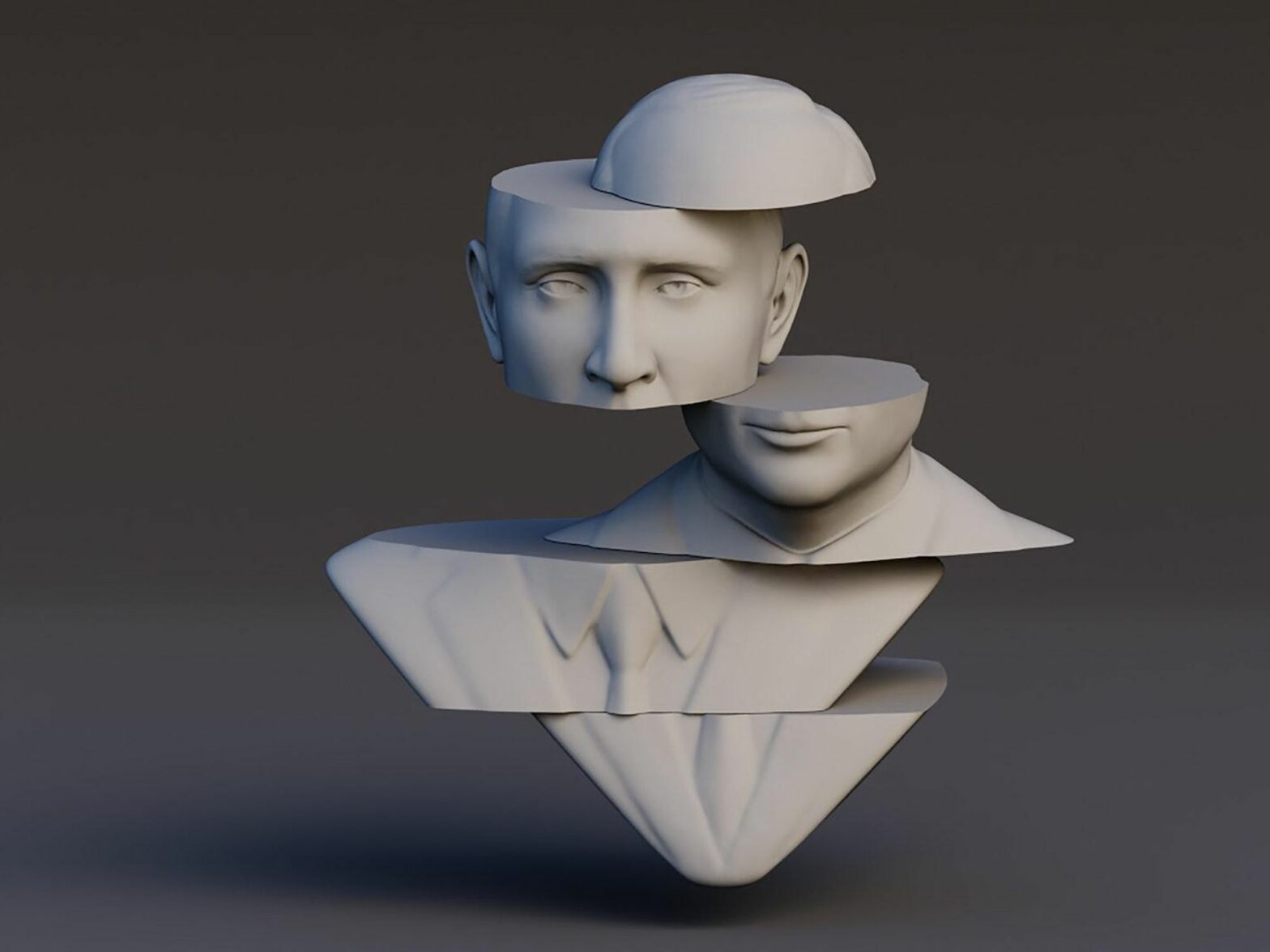
Unlike the U.S.-Soviet showdown in 1962, Vladimir Putin’s allusions to his nuclear arsenal come with no sense of rules or limits, and with a more distant memory of Hiroshima and Nagasaki.
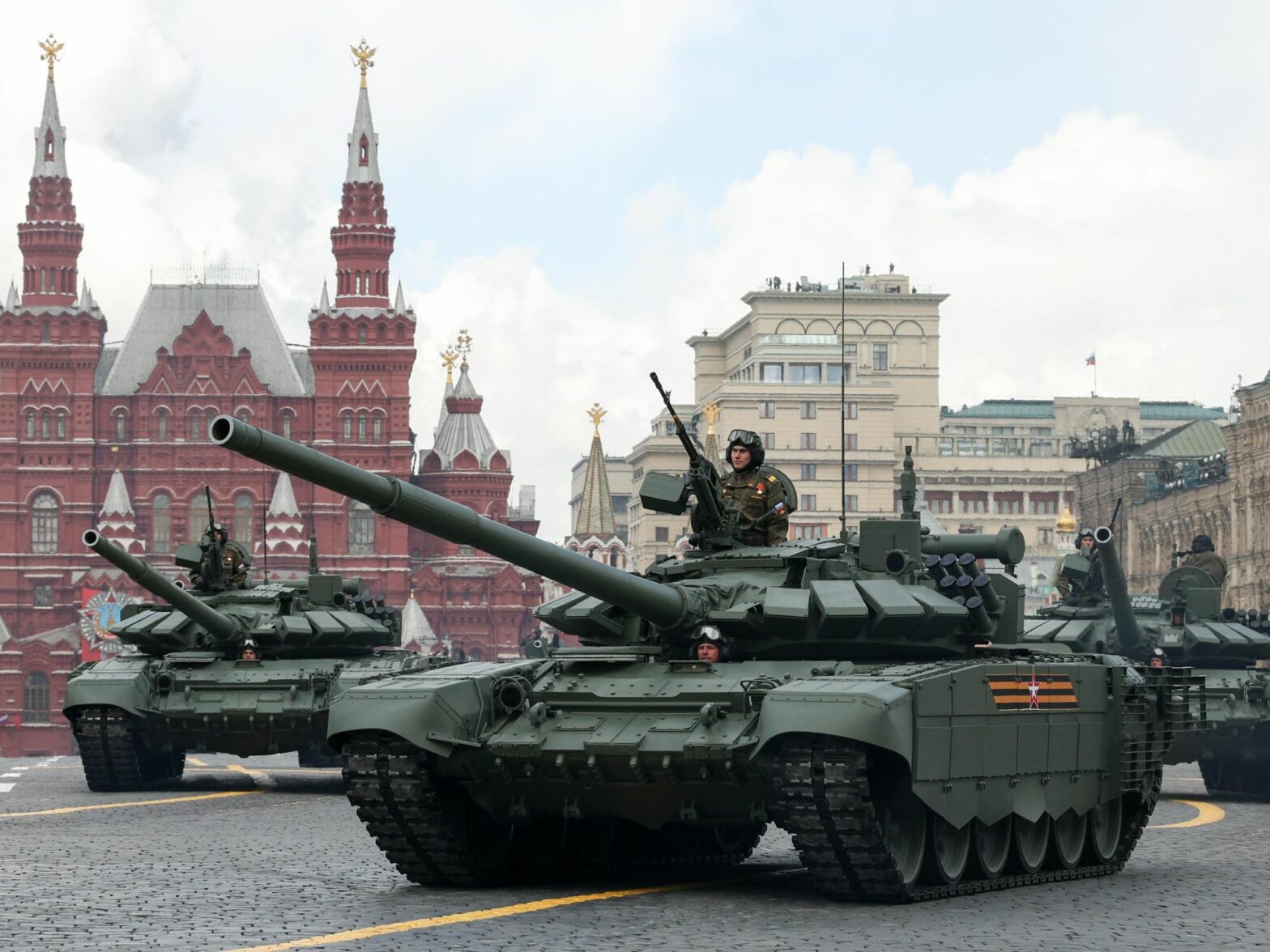
Despite what the Kremlin claims, Western sanctions against Russia are working. Perhaps most important is the embargo on electronic component exports, which prevents the Russian army from rebuilding tanks and missiles severely depleted in the war.
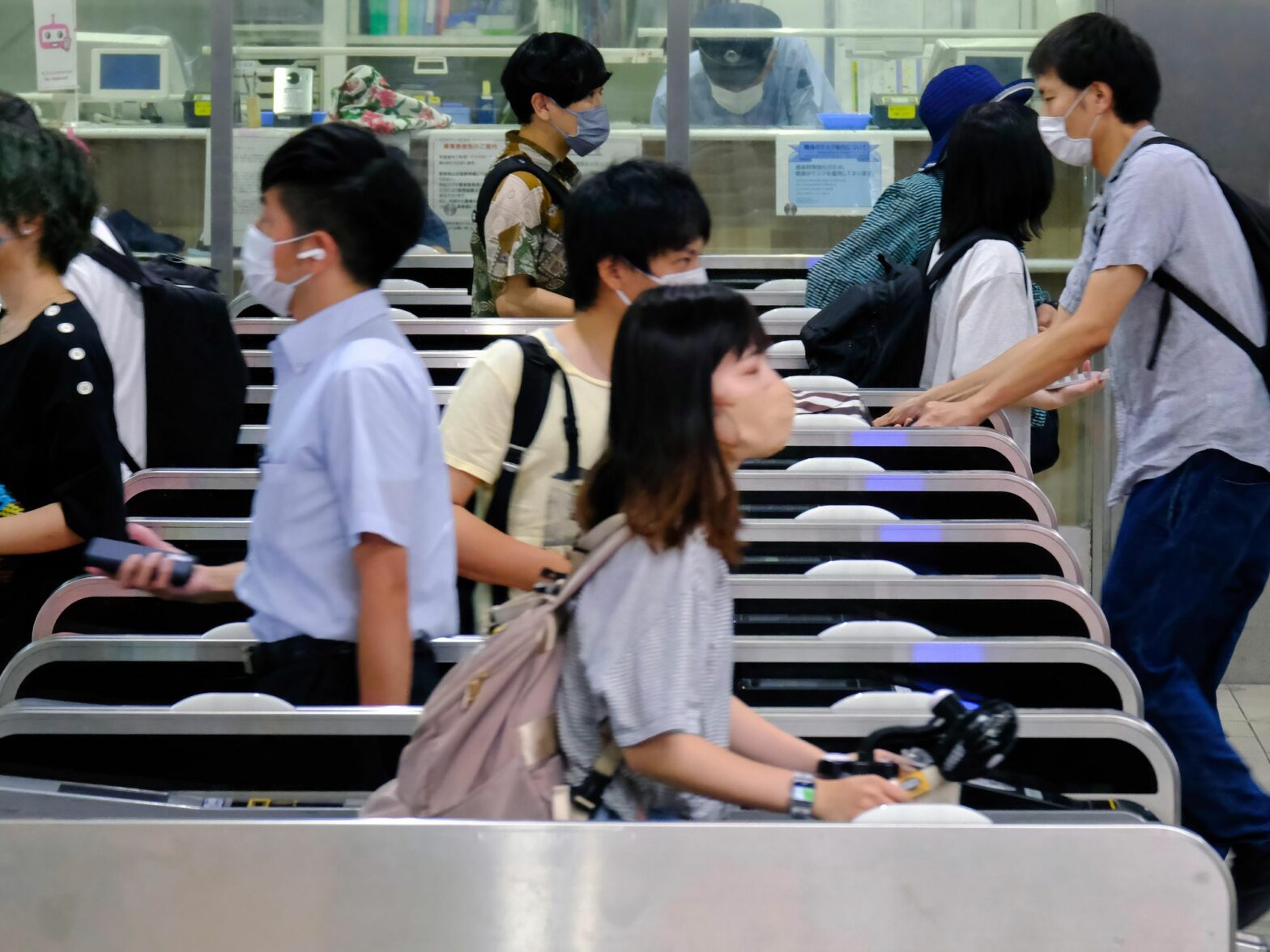
Japanese Prime Minister Fumio Kishida promised to tackle wealth inequality and help struggling workers. But a year after he came to power, financial traders are once again the winners.
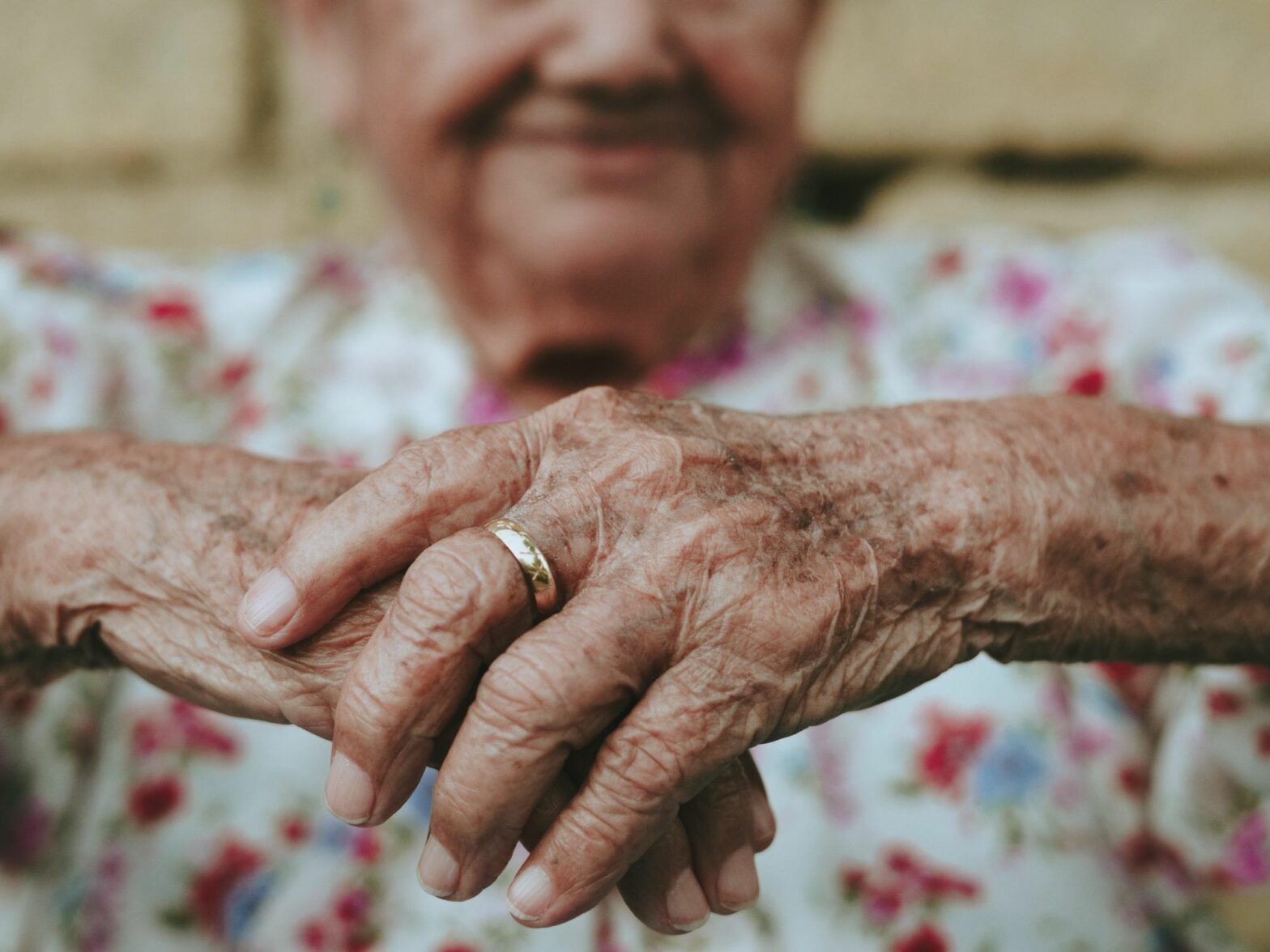
The discovery that earned Japan’s Shinya Yamanaka the 2012 Nobel Prize in Medicine has paved the way for new research proving that aging is a reversible process. Currently just being tested on lab mice, will the cellular reprogramming soon offer eternal youth?
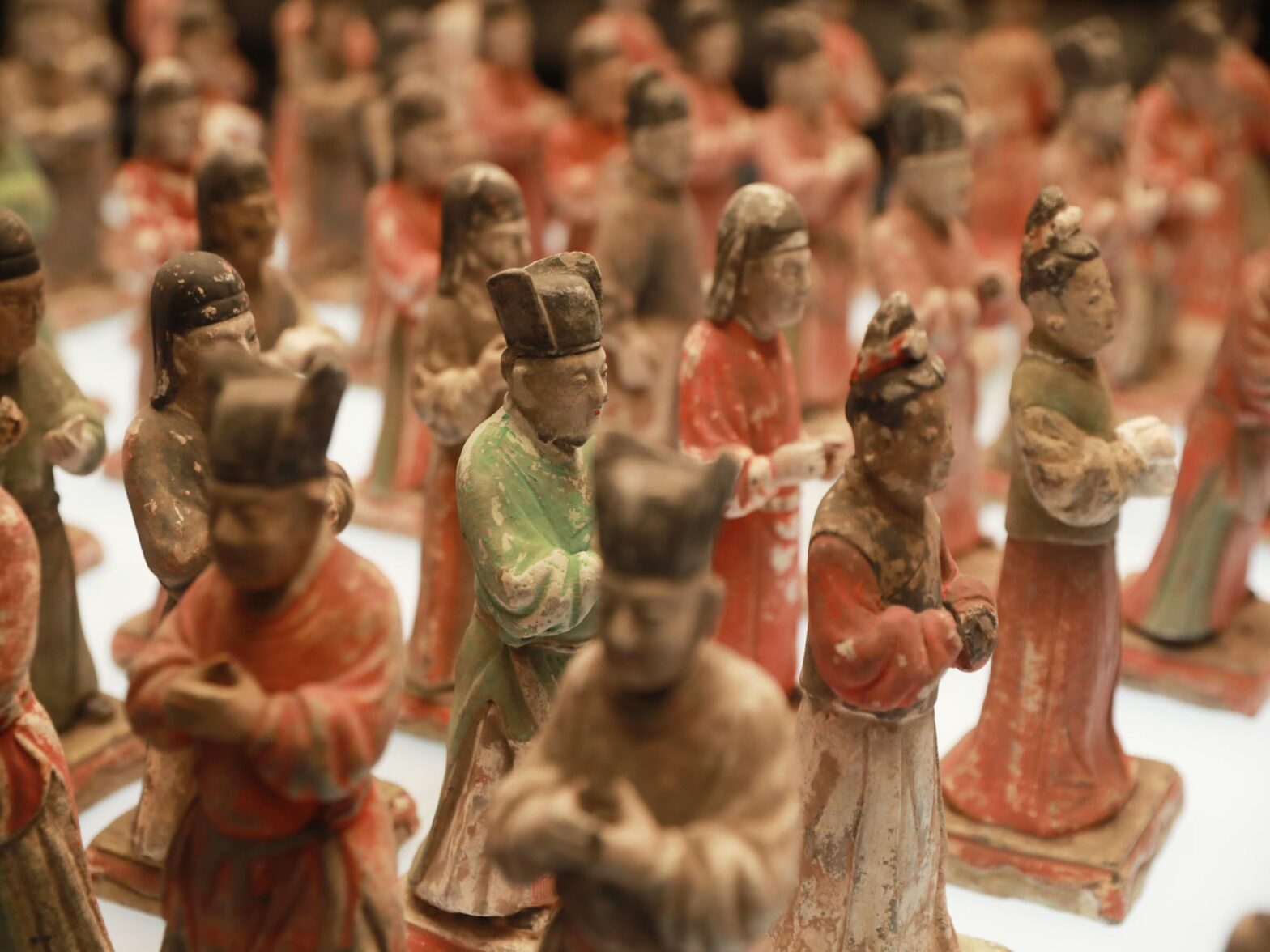
In the mid-17th century, the weather in China got colder. The frequency of droughts and floods increased while some regions were wiped out by tragic famines. And the once-unstoppable Ming dynasty began to lose power.

French daily Les Echos profiles Vladimir Potanin, Russia’s incarnation of a never-turn-back oligarch. The owner of Nornickel, Russia’s leading company in the metals and mining industry, Potanin continues to grow his business despite Western sanctions. He recently took over French bank Société Générale’s Russian subsidiary — with the Kremlin’s approval, of course.

Mass tourism developed by taking advantage of cheap and abundant energy. But those days are over and we are all going to have to reinvent how we holiday. But as I found out, that is no easy task.
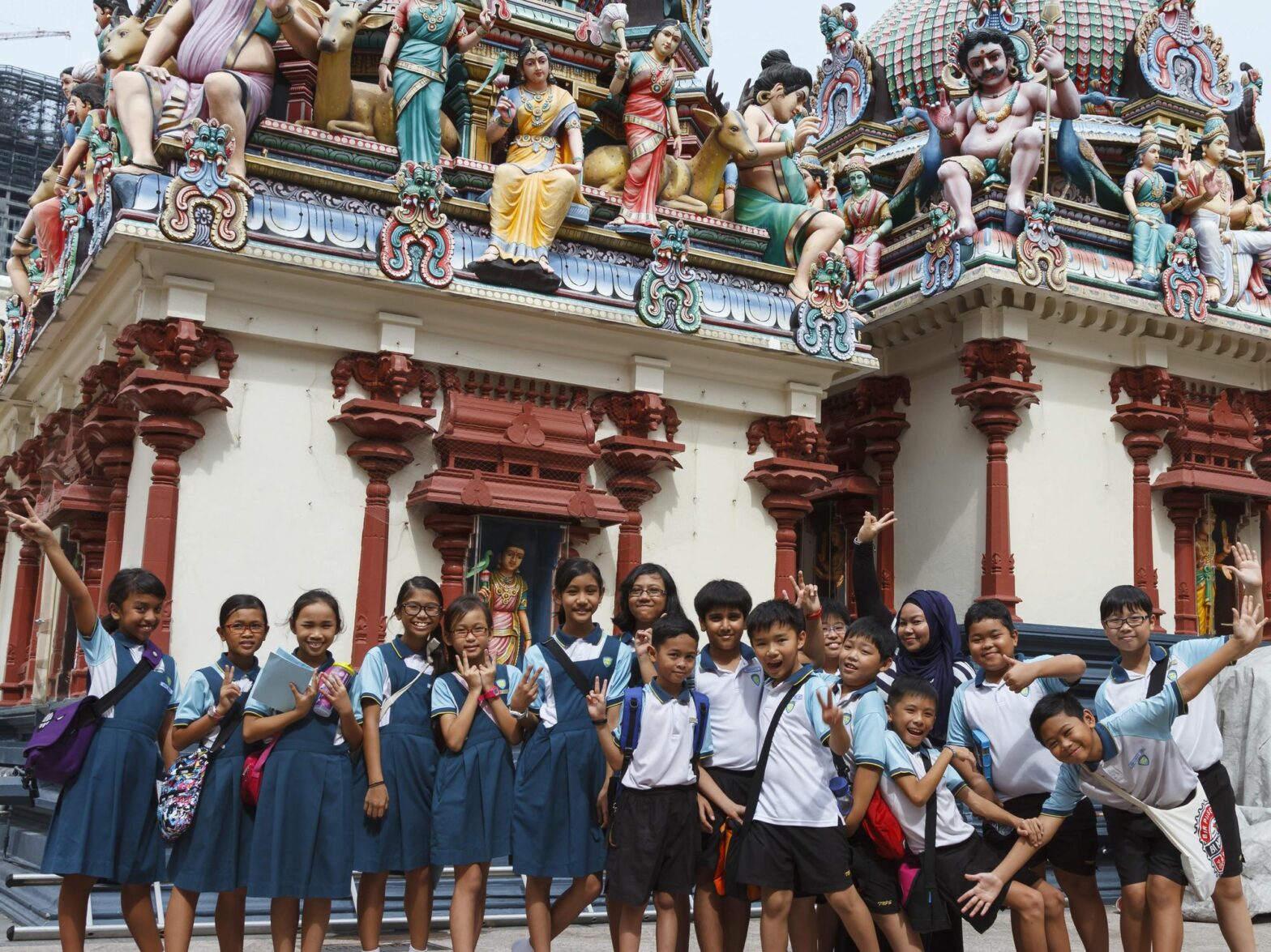
For years, Singapore has topped education rankings and inspired other school systems. Among the keys to its success is a playful approach to education and highly paid teachers. But many worry about the pressure the system places on children.