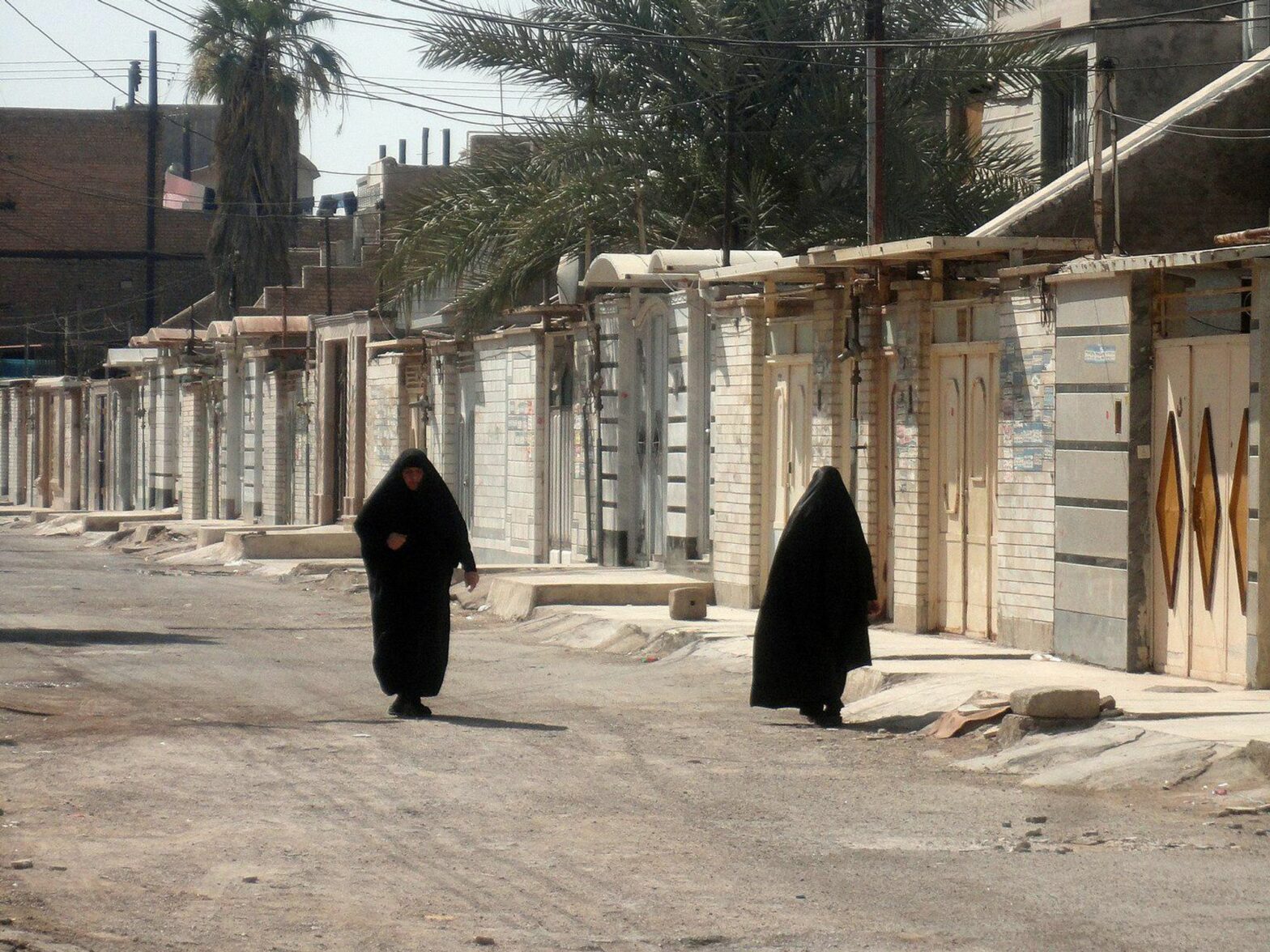
The beheading of a 17-year-old in southern Iran by her husband, who then paraded her head through the streets and on social media, has prompted Iranians to accuse the clerical regime of encouraging such acts through systematic misogyny.
 Worldcrunch
Kayhan is a Persian-language, London-based spinoff of the conservative daily of the same name headquartered in Tehran. It was founded in 1984 by Mostafa Mesbahzadeh, the owner of the Iranian paper.
Unlike its Tehran sister paper, considered “the most conservative Iranian newspaper,” the London-based version is mostly run by exiled journalists and is very critical of the Iranian regime.
The beheading of a 17-year-old in southern Iran by her husband, who then paraded her head through the streets and on social media, has prompted Iranians to accuse the clerical regime of encouraging such acts through systematic misogyny.
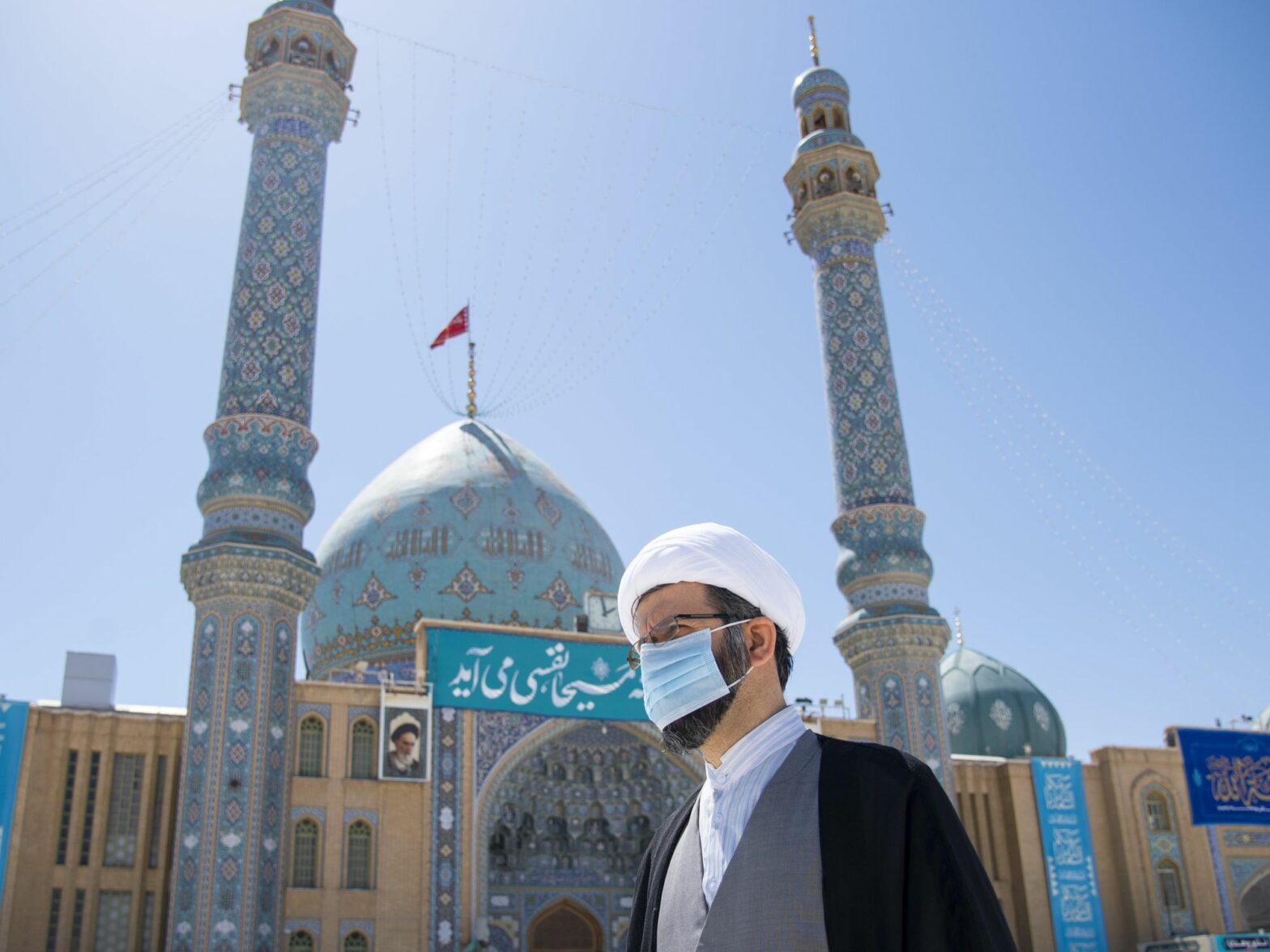
An increase in public protests has sounded the alarm bell for Iranian officials and clerics. But public discontent runs much deeper than discontent over wages and water. There are also signs of nostalgia for the monarchy that ruled the country before the 1979 revolution.
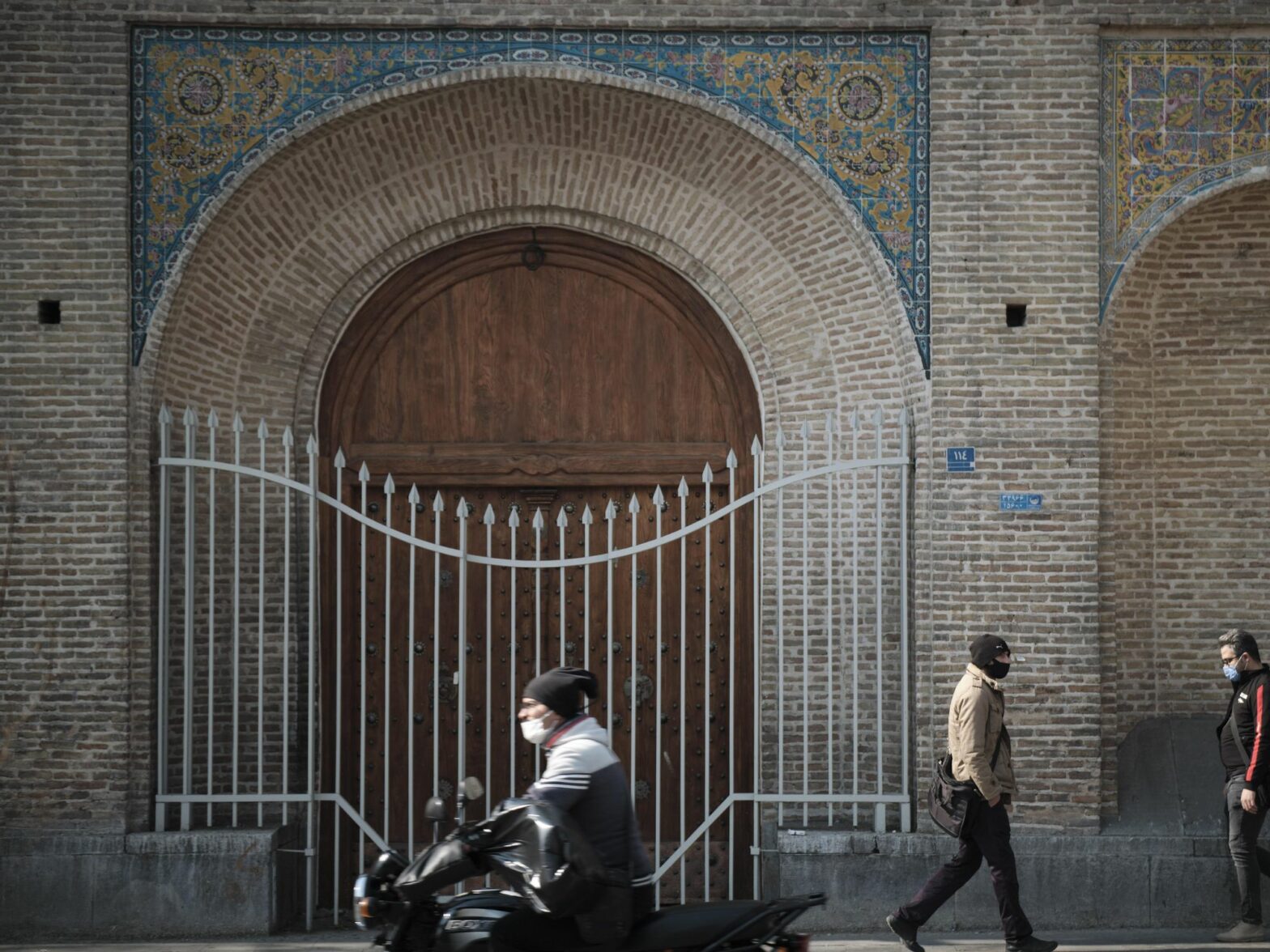
The desperation to leave Islamic Iran has spread from writers, dissidents and minority groups to hundreds of thousands of Iranians willing to live and work “anywhere that isn’t Iran.”
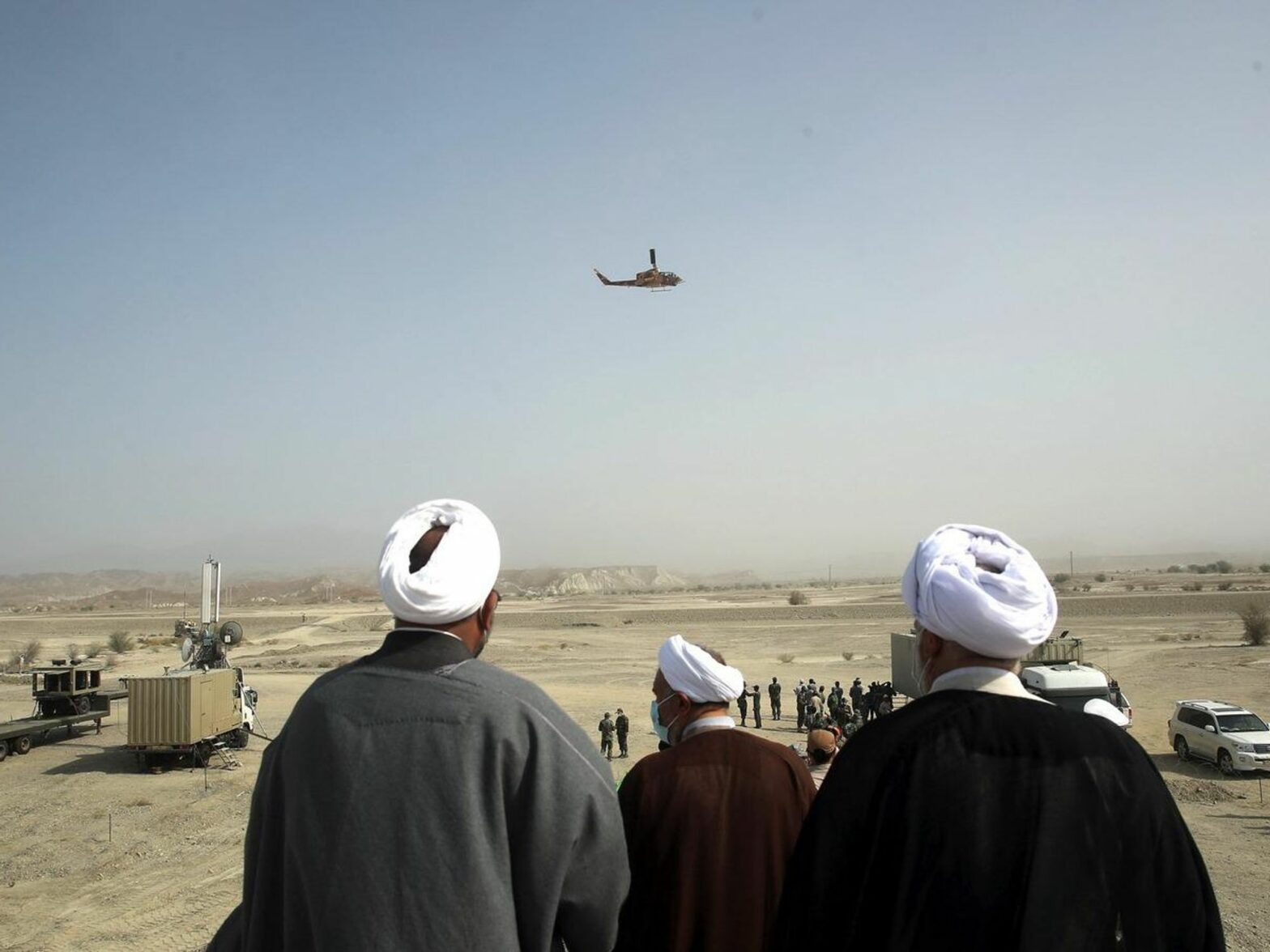
Russia’s role in in Iranian affairs goes to the highest levels of its military and security structures. But will anyone in Iran dare question Supreme Leader Ali Khamenei, in spite of the grave risks to the country’s national security?
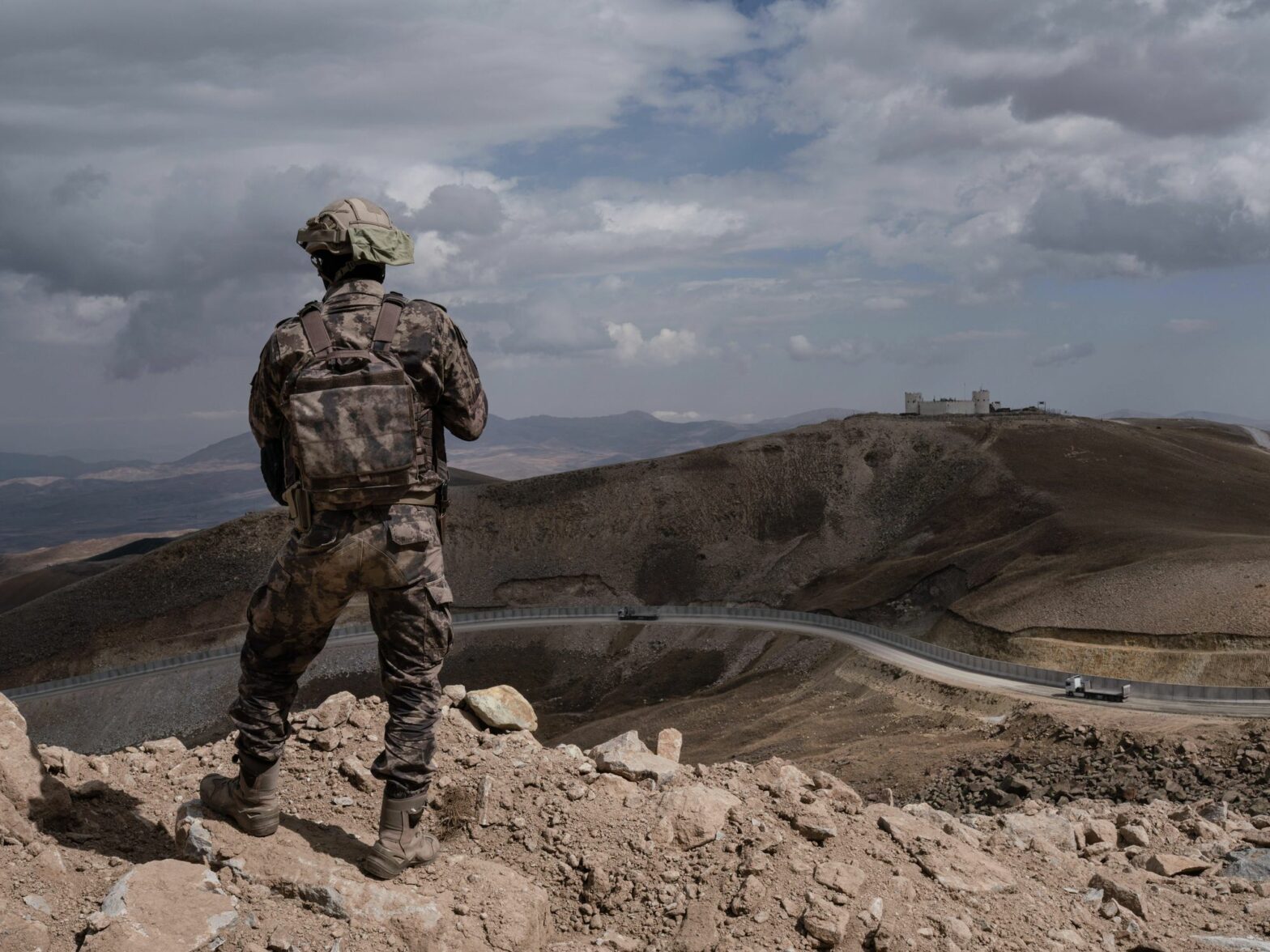
Iran’s clerical regime is able to sabotage asylum applications, prompt deportations and, failing that, beat and murder Iranian political refugees in Turkey.
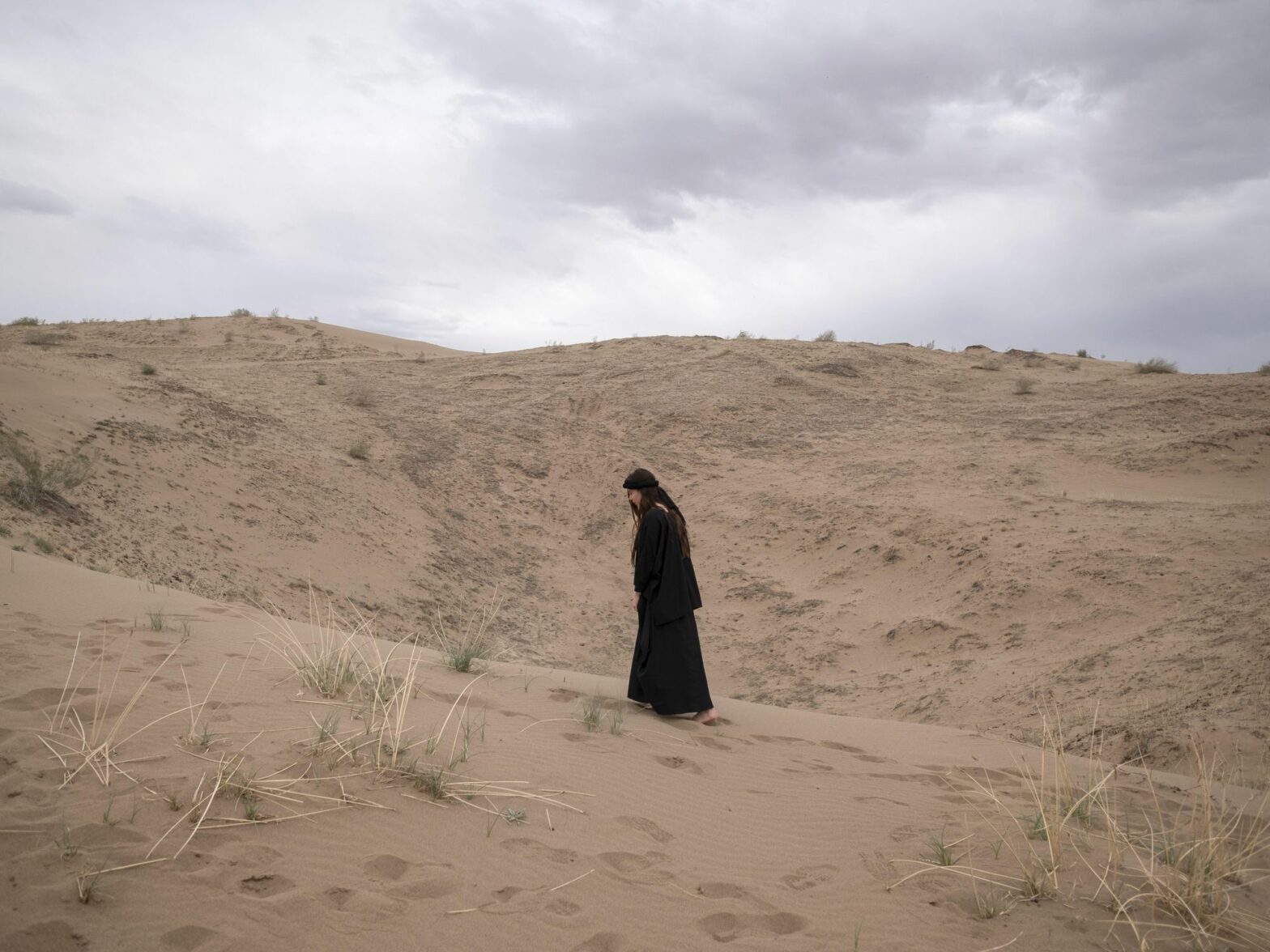
The Iranian government is responding to peaceful protests with batons and bullets. Their brutality and criminal incompetence are galvanizing protestor solidarity and resistance, which might finally prove fatal to the ruling elite.

Tehran authorities have drafted a list of “luxury” imports it will block, citing both financial and religious motivations.
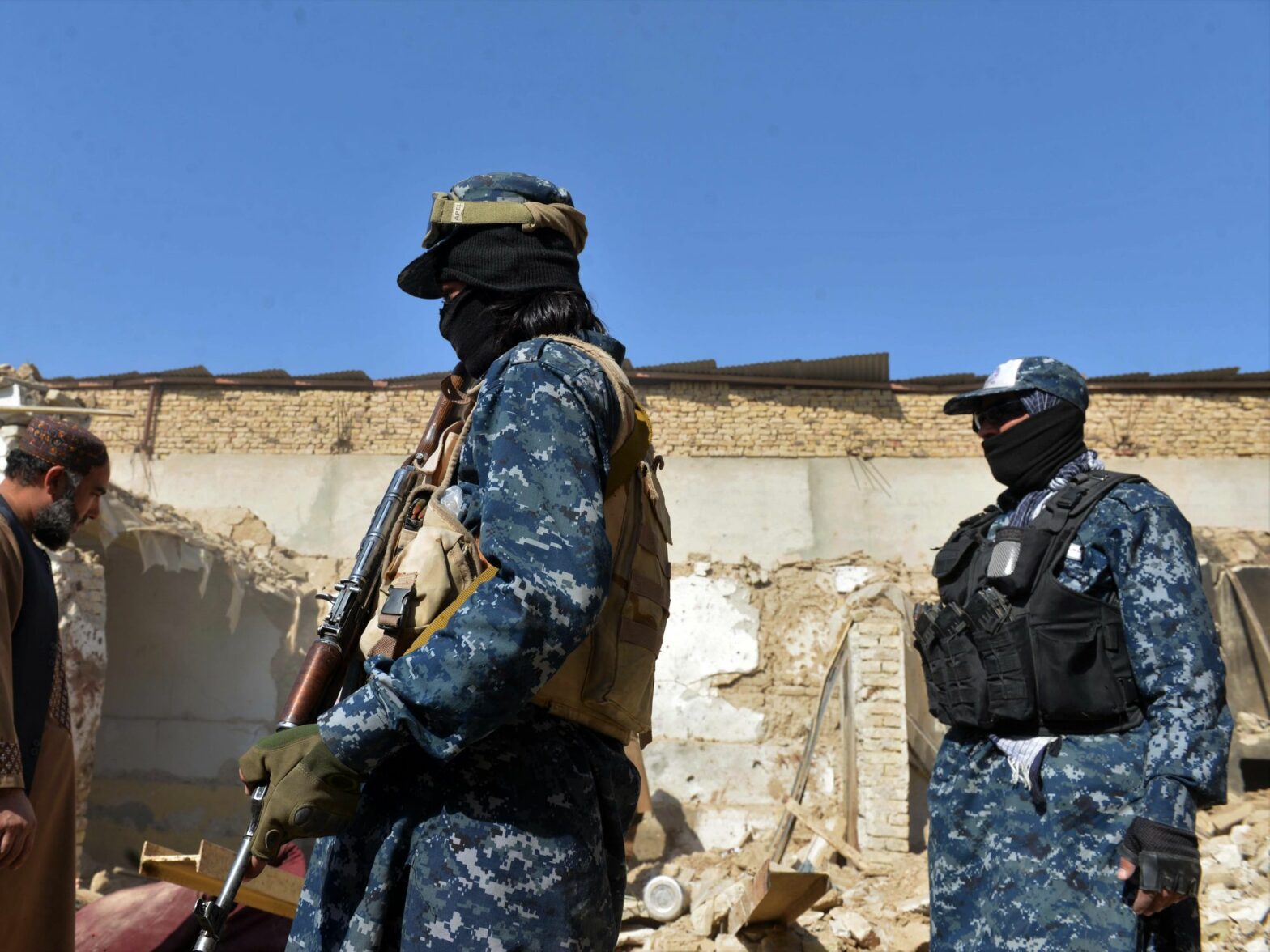
After the Sunni fundamentalist Taliban rulers retook control of Afghanistan, there were initial, friendly signals exchanged with Iran’s Shia regime. But a recent border skirmish recalls tensions from the 1990s, when Iran massed troops on the Afghan frontier.
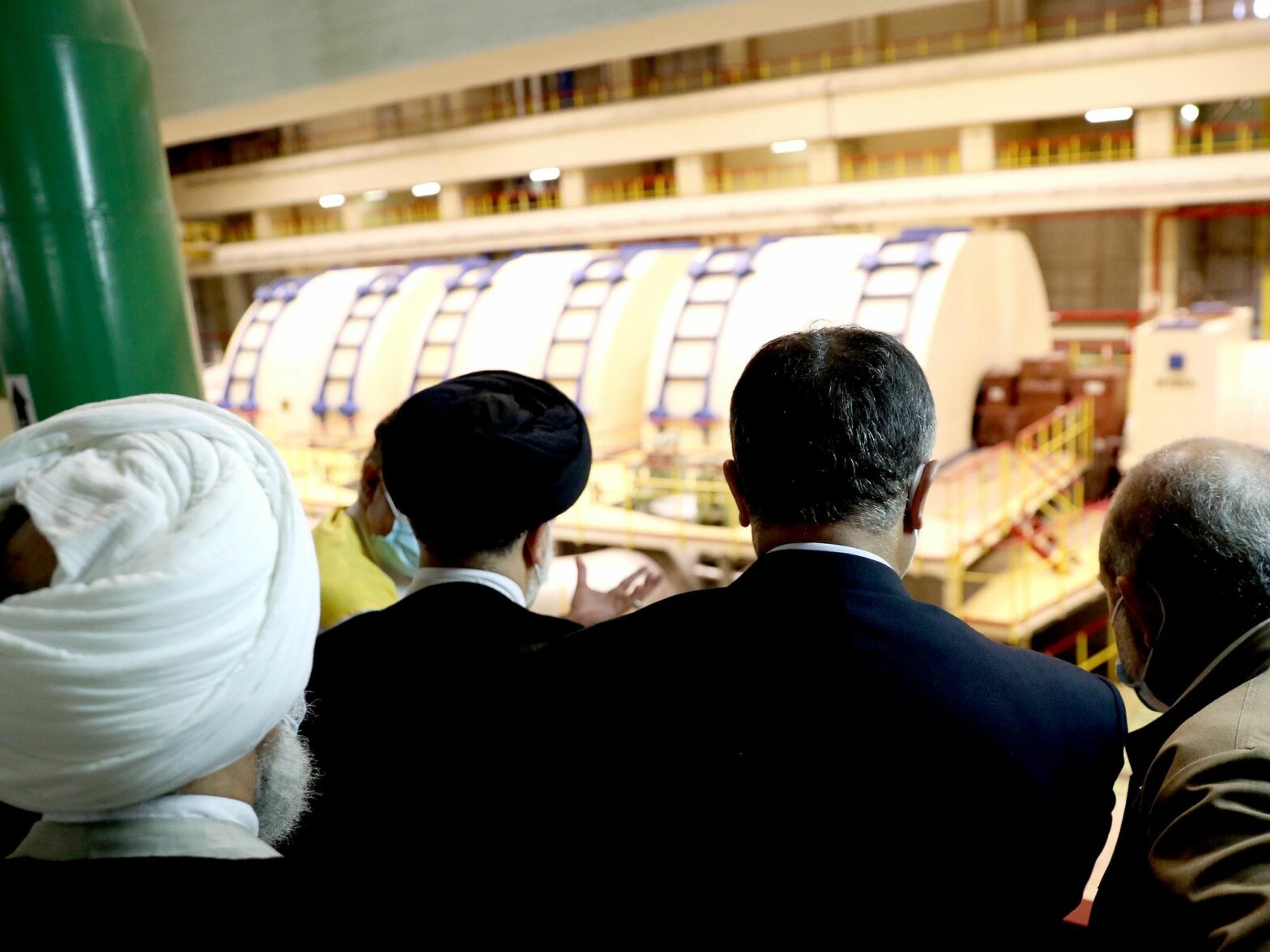
In spite of the toll sanctions have taken on its economy, Iran wants a deal on its nuclear program that addresses none of the West’s concerns about its military ambitions. It is also moving forward with new uranium enrichment technology.
An Iranian public healthcare official warns that a parliamentary bill to boost birth rates will cut access to condoms, and could fuel sexually-transmitted diseases like AIDS.
The Saudis may be awaiting the outcome of Iran’s nuclear talks with the West, to see whether Tehran will moderate its regional policies, or lash out like never before.
The U.S. is calling for “imminent” return to talks. But Tehran has made advances on its nuclear program that could force the West to accept, in a new pact, its bomb-making capacity, which Iran will “freeze” if Western powers lift sanctions.
Azerbaijan’s flourishing ties with Turkey and Israel threaten Iran’s regional trade and strategic security after Iranian Supreme Leader Ayatollah Ali Khamenei overestimated his ability to woo Azerbaijan leader, Ilham Aliev, because both nations are predominantly Shia Muslim.
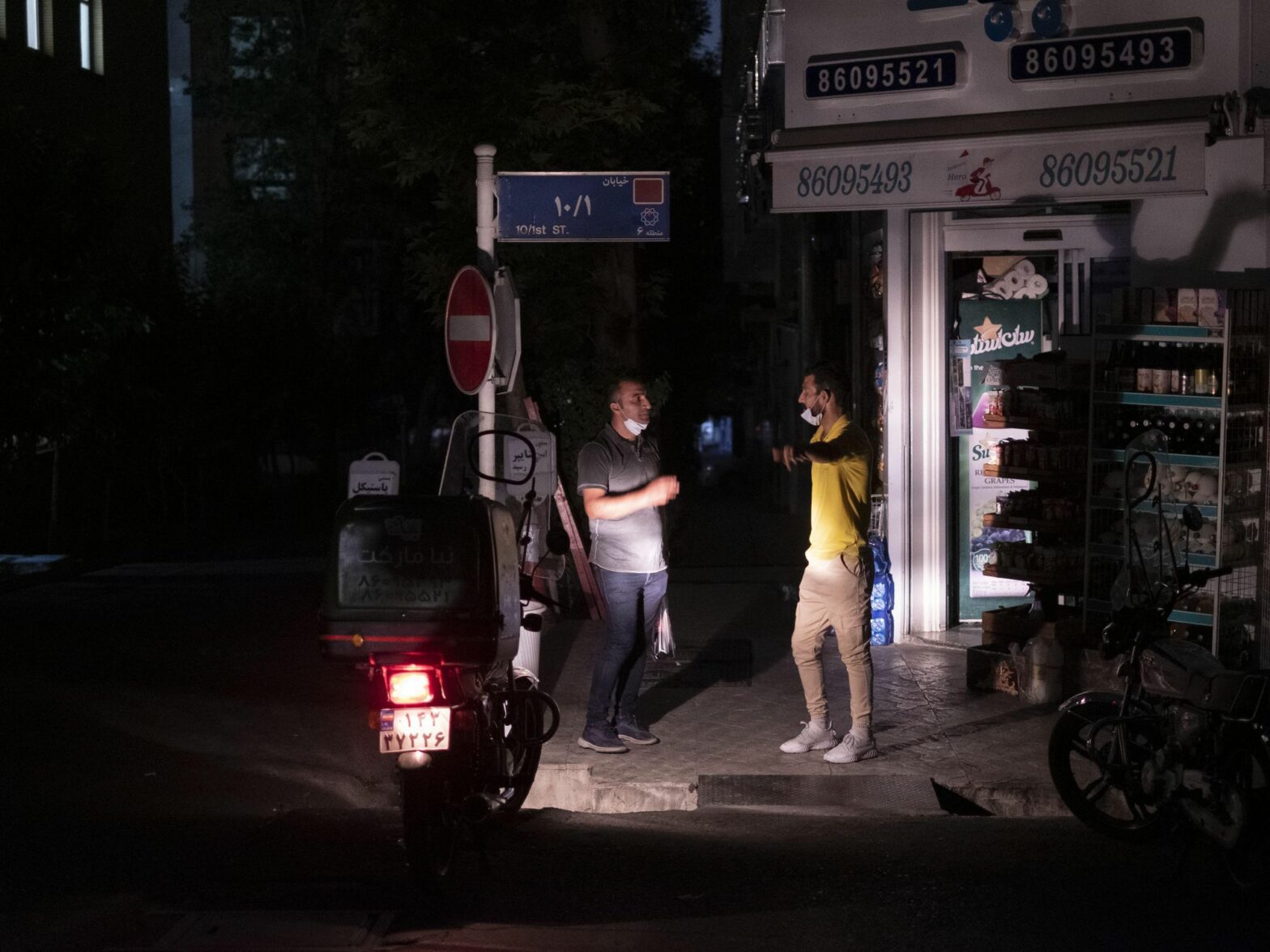
The Islamic Republic of Iran has no shortage of oil and gas. And yet, its people and industries are having to contend right now with regular power cuts. The question, then, is why, and what — if anything — the Iranian government can hope to do about it.
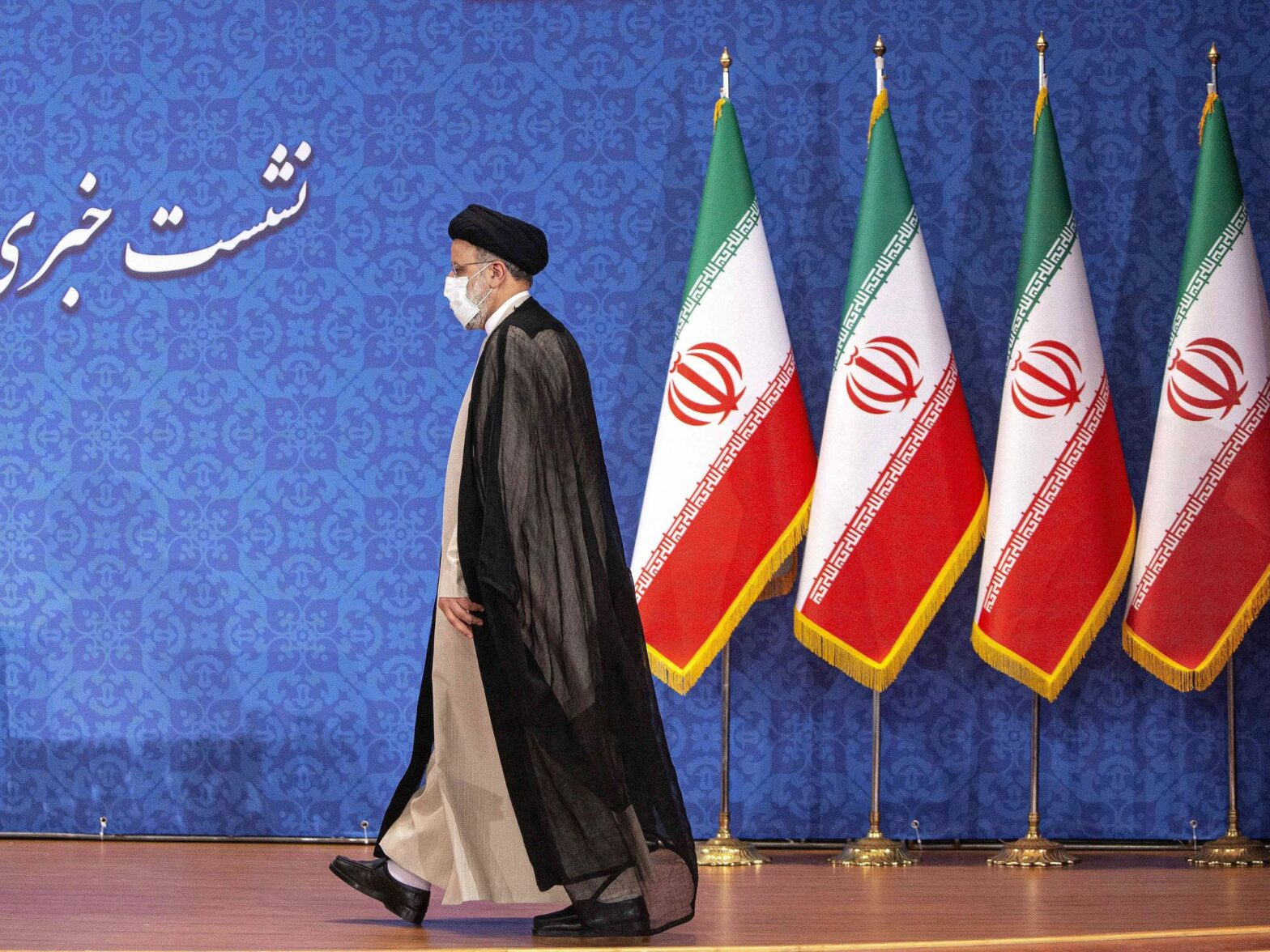
Institute for Science and International Security concludes that Iran is enriching uranium at a 60% level, with new centrifuges meaning that Tehran is a month away from obtaining arms-grade material to move toward its first weapon.
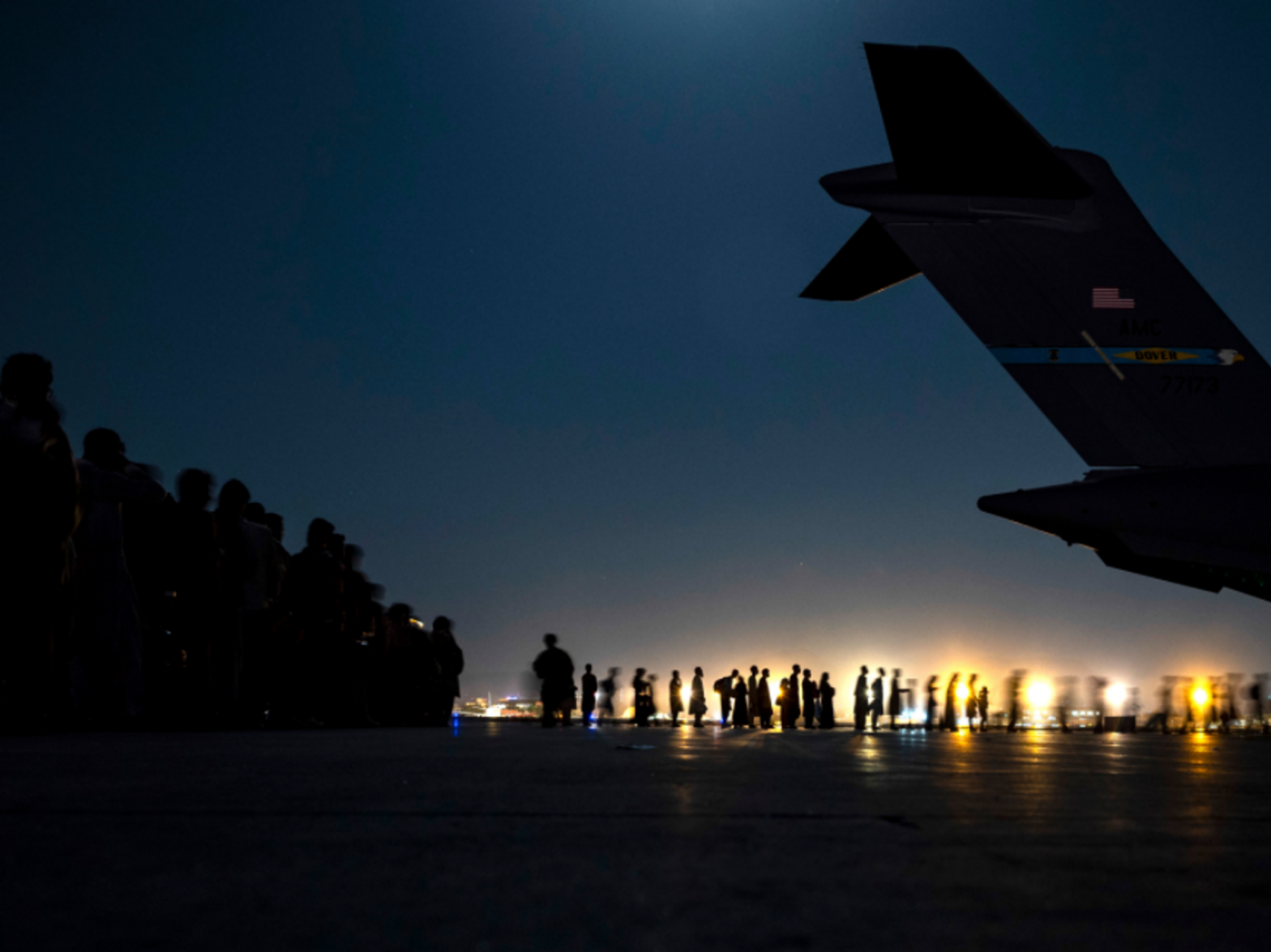
The fall of the Afghan national government may be a calamity for the Afghans but not for the world’s big-money interests, which prefer to deal with ruthless, incompetent regimes that will sell out their countries.
Keen to revive the 2015 nuclear pact, Washington and its allies are turning a blind eye to what’s really taking place in the Islamic Republic.
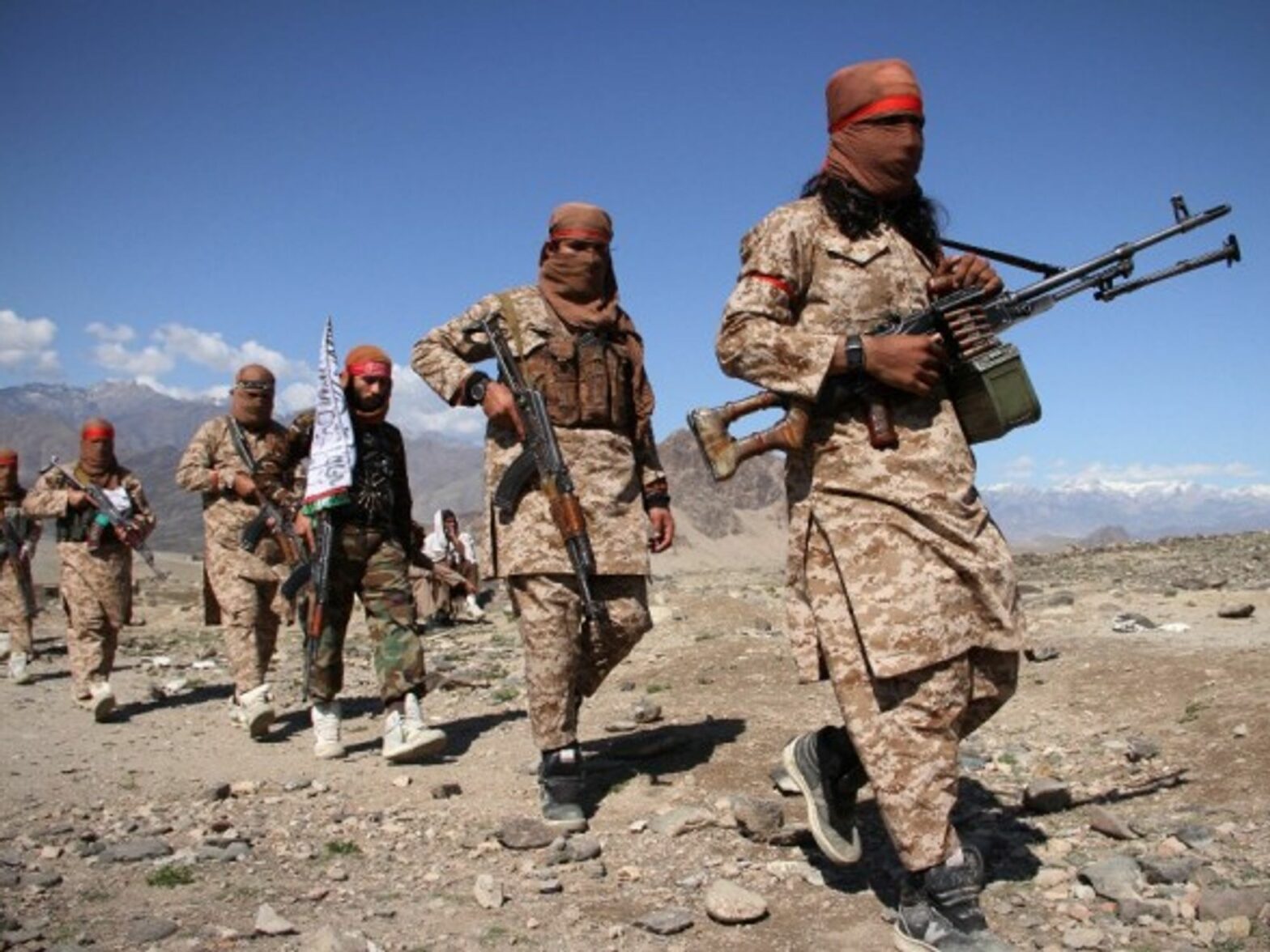
Iran’s clerical Shiite regime has seemingly overturned its long-held hostility to the Taliban, and may be readying itself to welcome the ‘enemies of America’ as Kabul’s new masters.
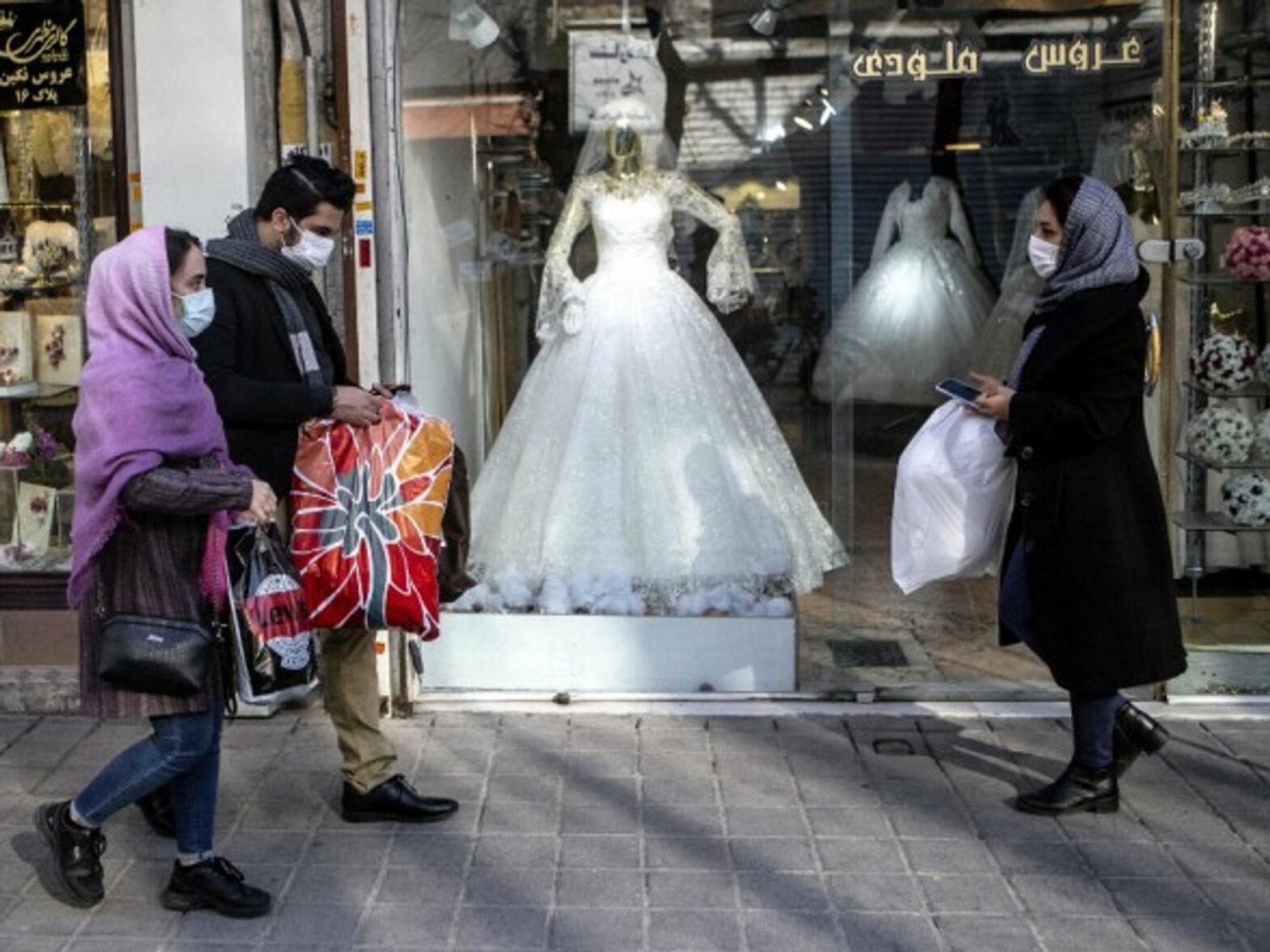
The Islamic Republic allows girls as young as 13 to marry legally. On top of that, a lack of enforcement means that elementary school age children may be forced into marriage as well.
Certain Gulf States have joined Israel in sounding the alarm about a nuclear armed Islamic Republic. Washington, in the meantime, has been reluctant to show its cards.
As close as the two countries may appear, for Russia, Iran is simply a pawn in its chess game with the West.
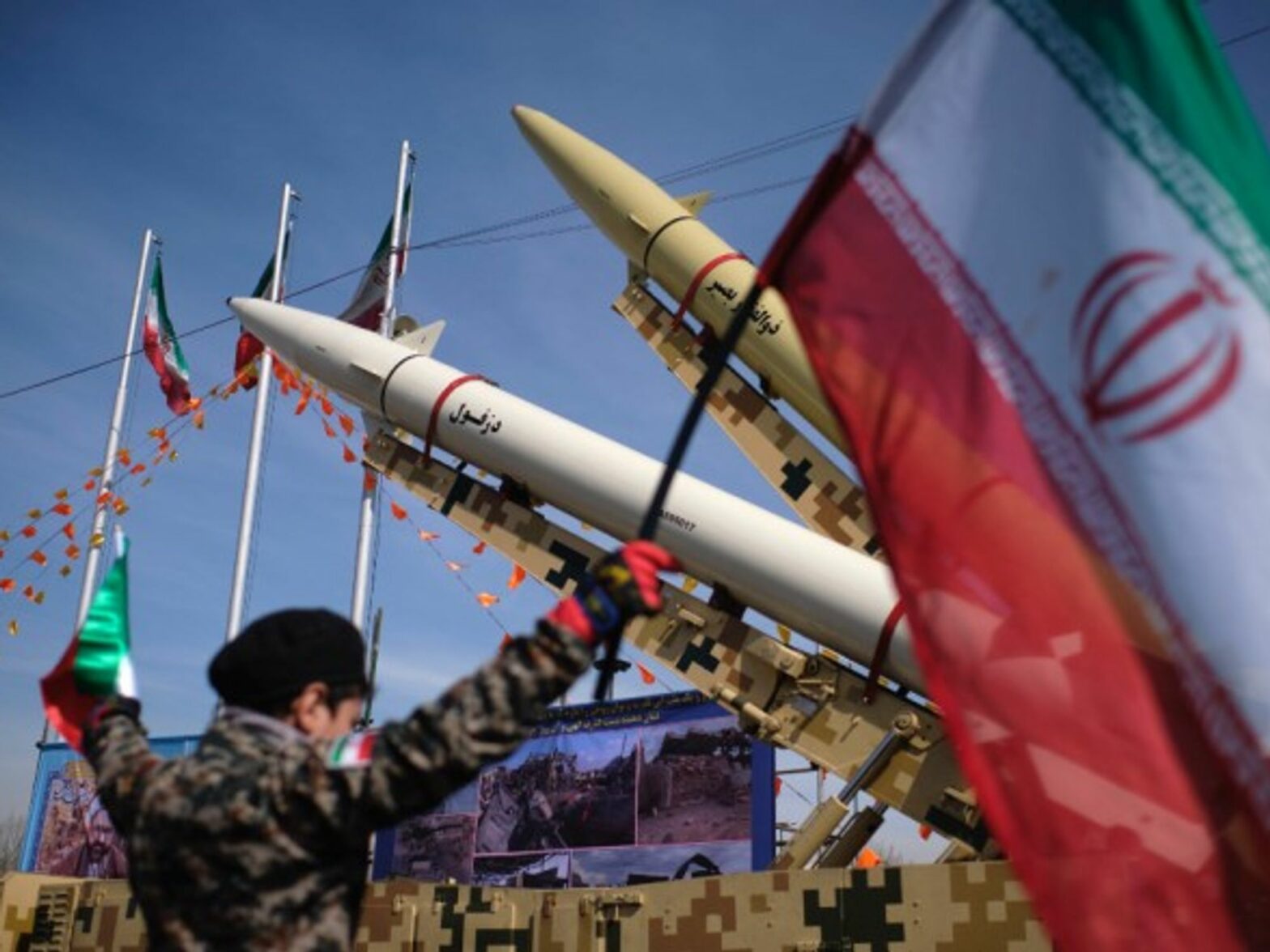
With its nemesis Donald Trump gone, Iran’s regime has resumed old practices ahead of possible talks on its nuclear program, goading the West with suspect activities and meddling in the affairs of neighboring states.
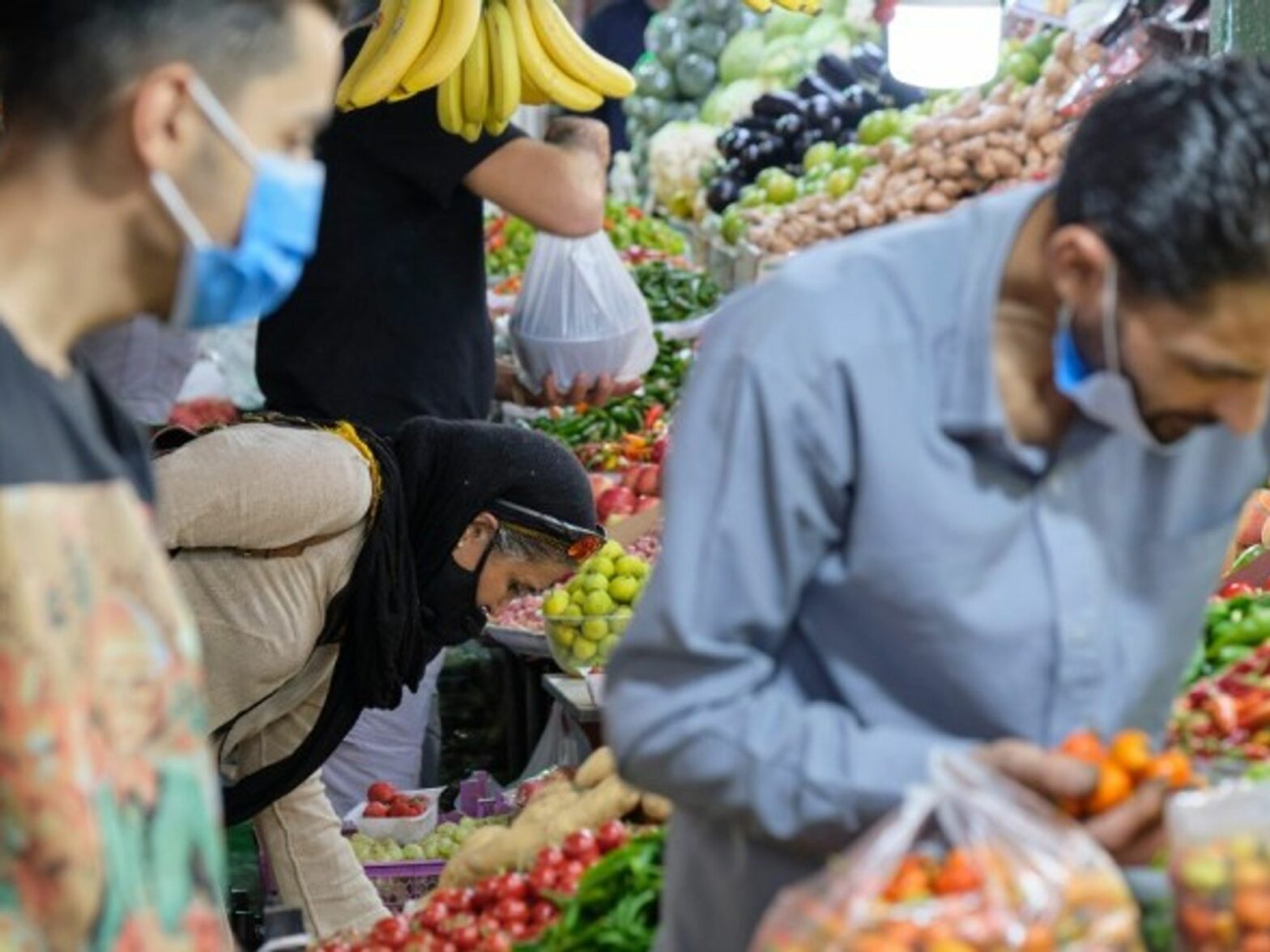
The decline of agriculture in Iran after the 1979 revolution and absence of proper farming policies are exacerbating the pandemic’s effects to threaten its food security.
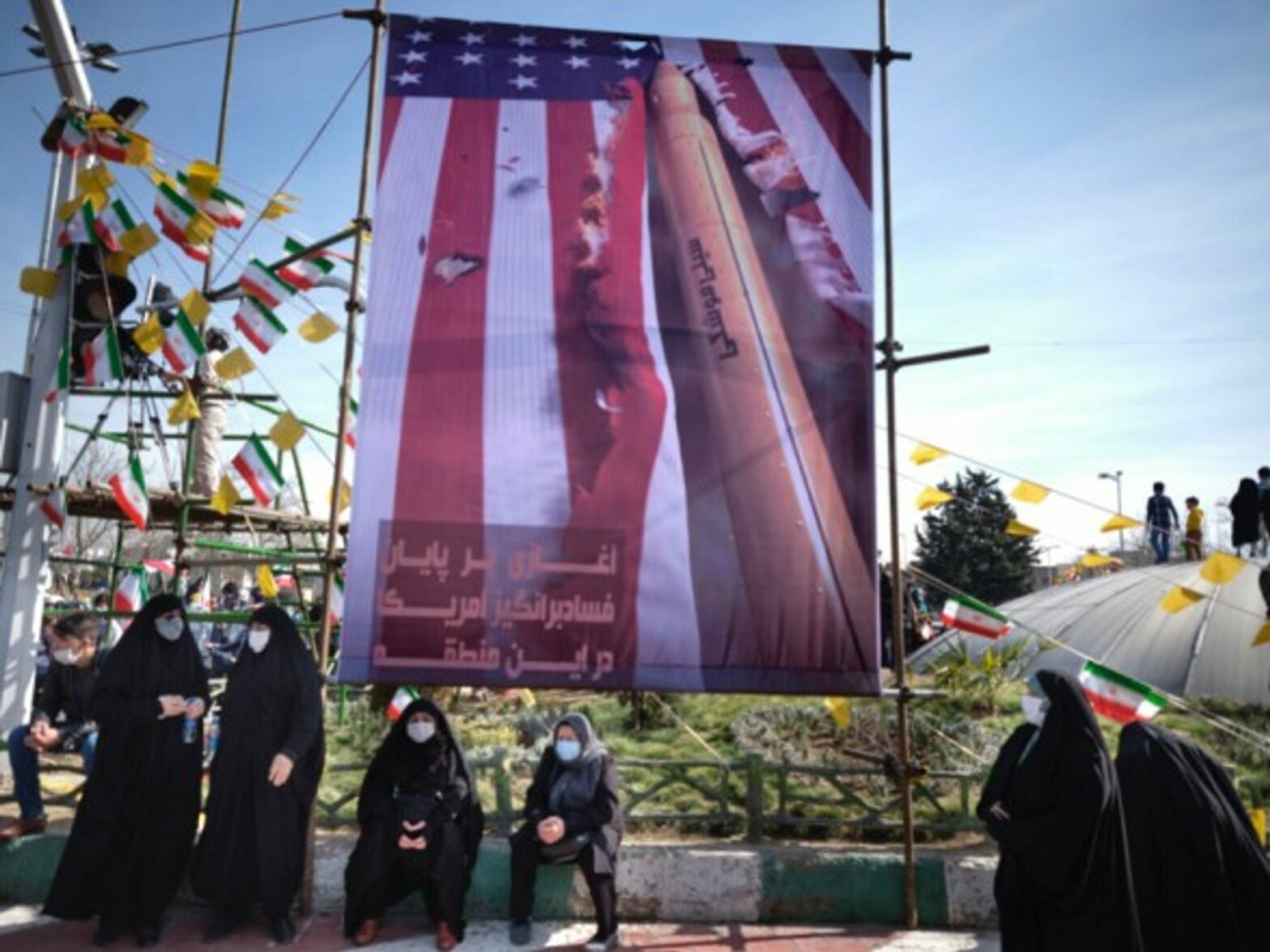
The Biden administration’s ‘contradictory’ positions on Iran’s nuclear dossier are making the West’s allies, Israel and Saudi Arabia, increasingly nervous, Ahmad Ra’fat writes in Kayhan London.
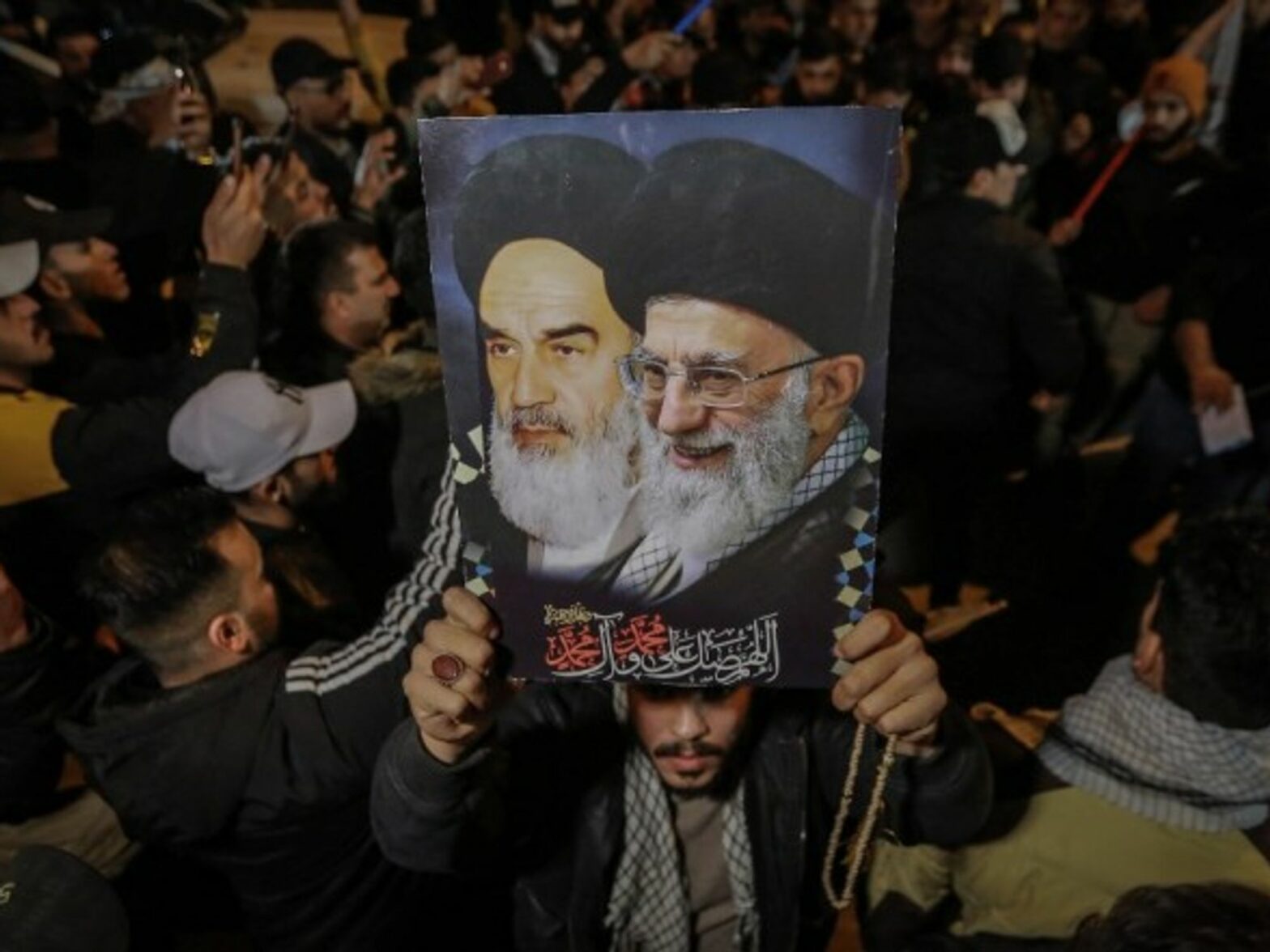
Resumption of nuclear talks between Islamic Iran and the Powers will not be easy, as the West also thinks it’s time to discuss Iran’s missiles and regional policies.
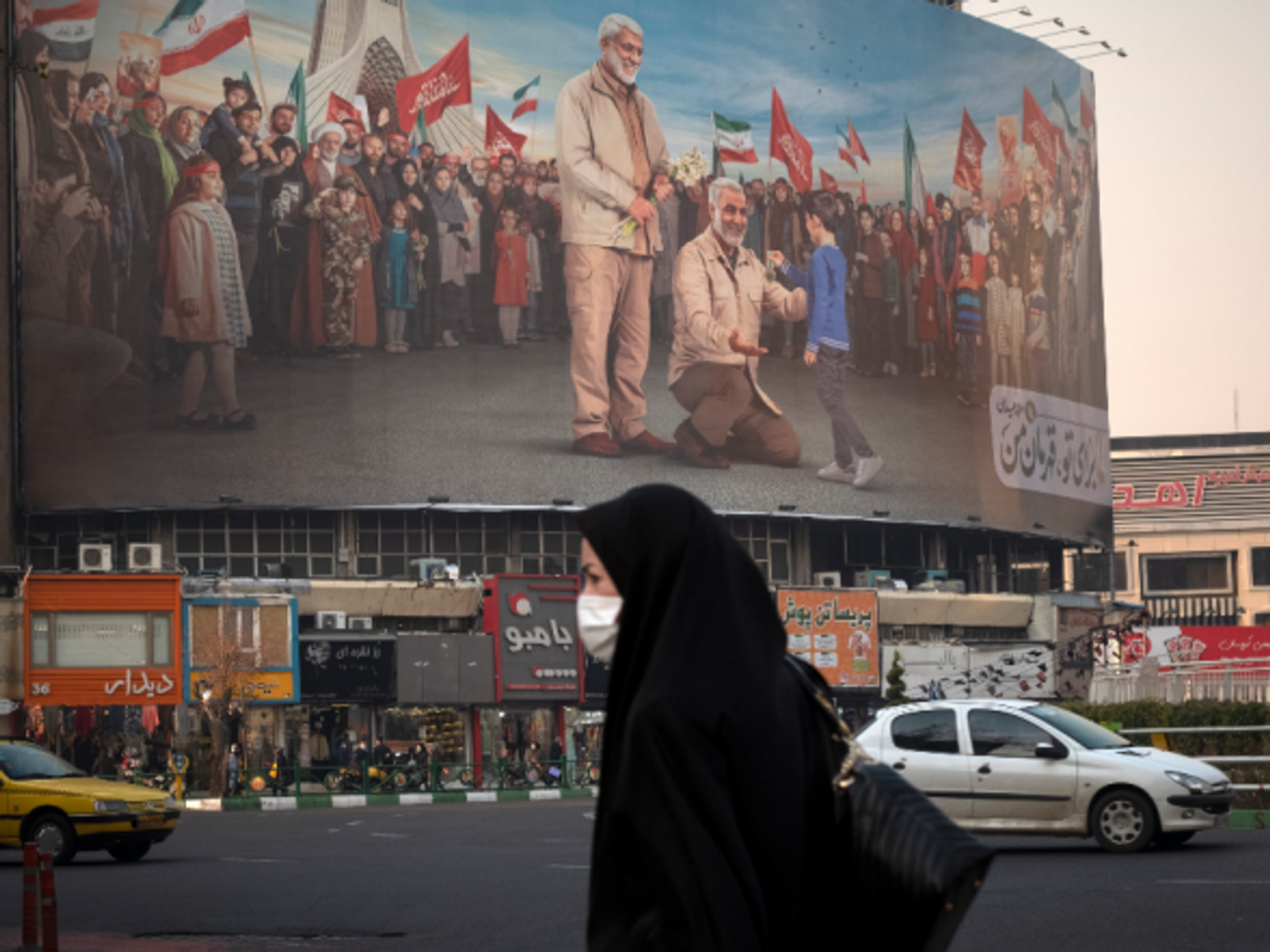
Iran’s clerical regime is boosting its military and nuclear activities, perhaps in a bid to bolster its position ahead of possible talks to revive the 2015 nuclear pact.
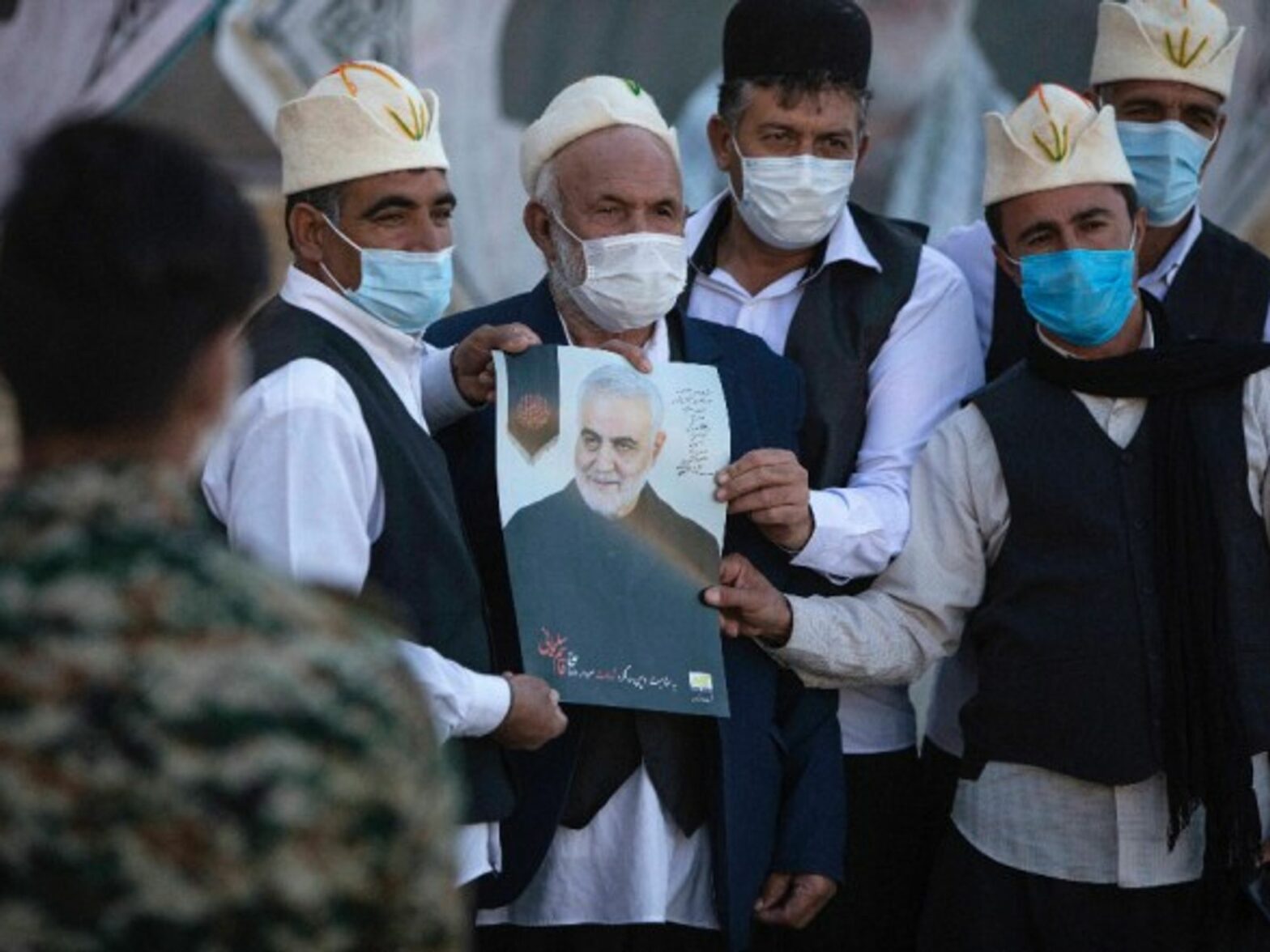
The Iranian regime’s plans to be the power broker in three Middle Eastern states have withered since the United States killed its key regional operative Qasem Soleimani.

Iranian nurses are overworked and underpaid, and now angered by the government’s seeming reluctance to purchase coronavirus vaccines.
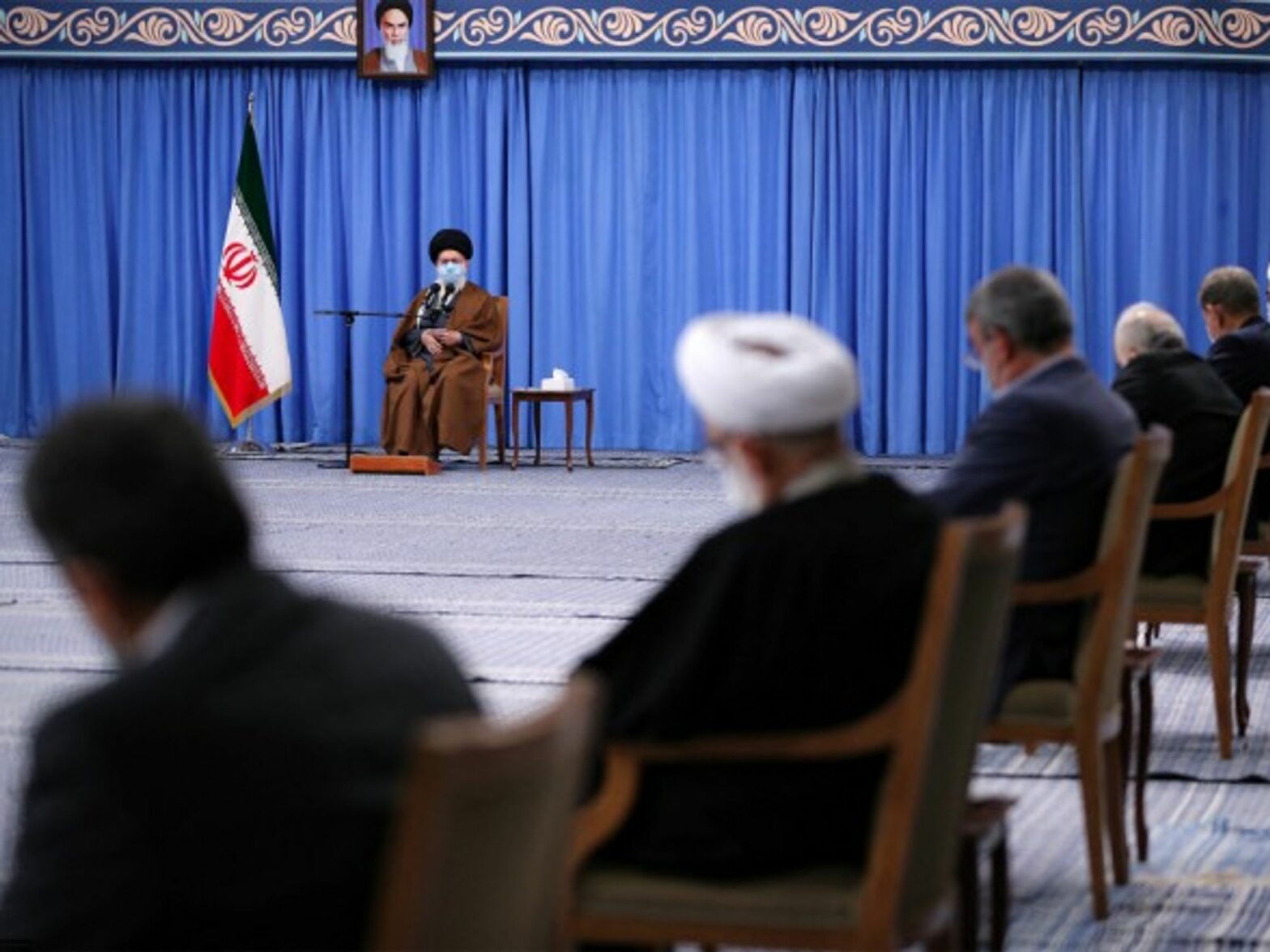
Iranian officials have reacted cautiously to a string of strikes, killings and acts of sabotage against the regime in past months. Do they fear retaliating against the West could hasten the Islamic Republic’s demise?
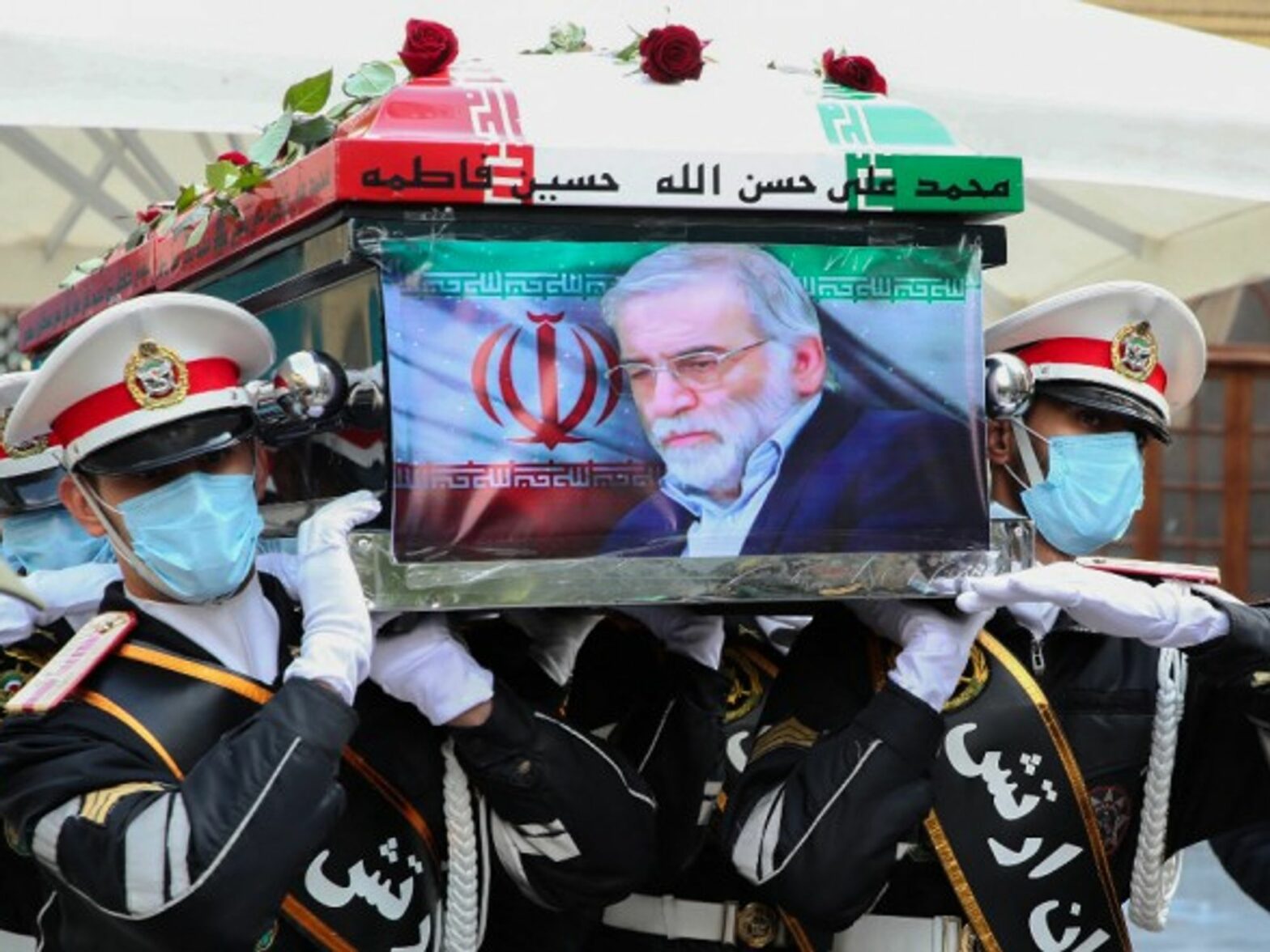
The targeted killing of a top Iranian scientist has increased pressures on Iran’s regime at a time of speculation about a renewal of dialogue with the United States.
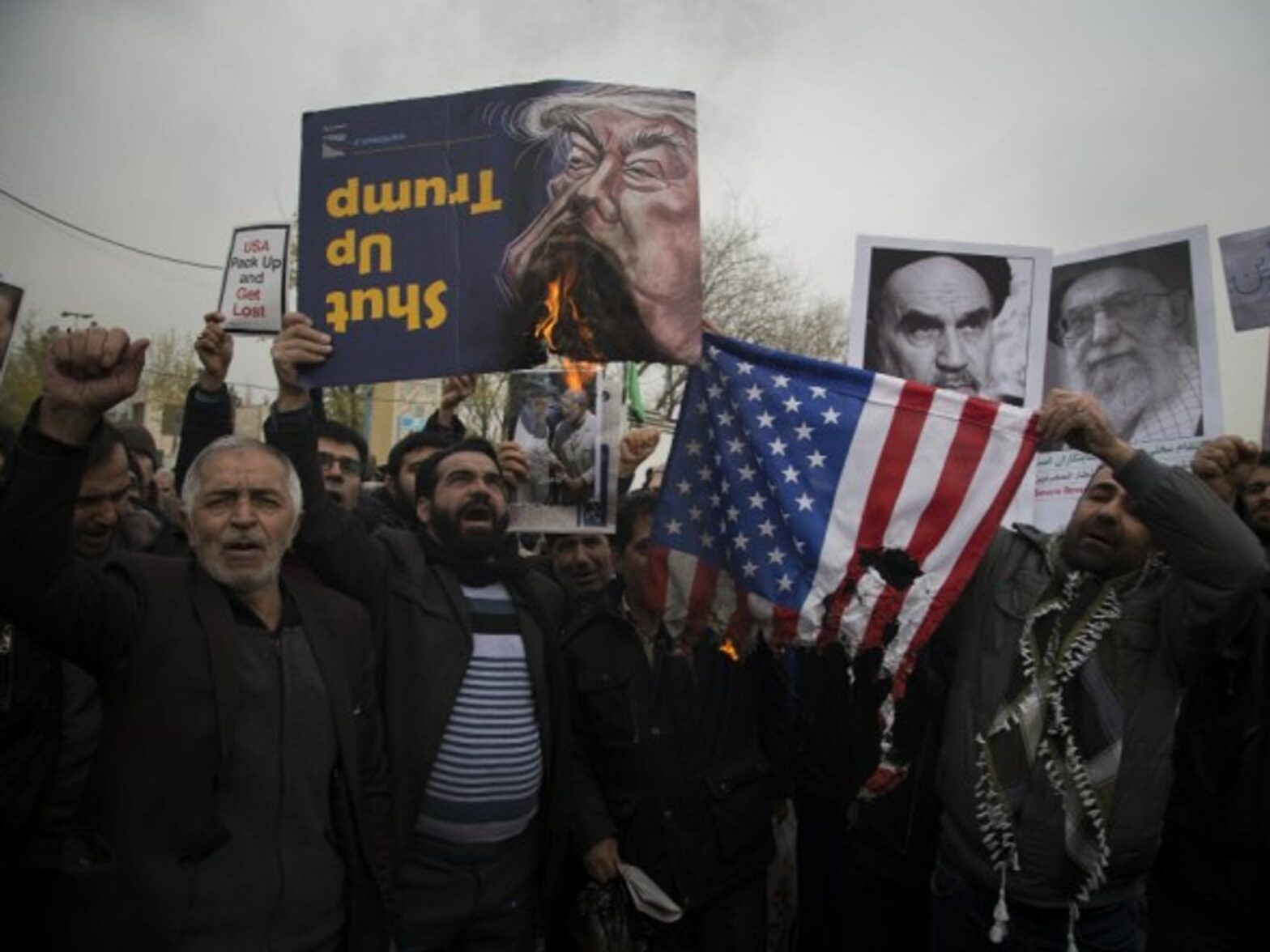
Donald Trump’s departure renews the possibility of talks between Washington and Tehran. But the Iranian leadership has reasons to be wary of the incoming administration in Washington.
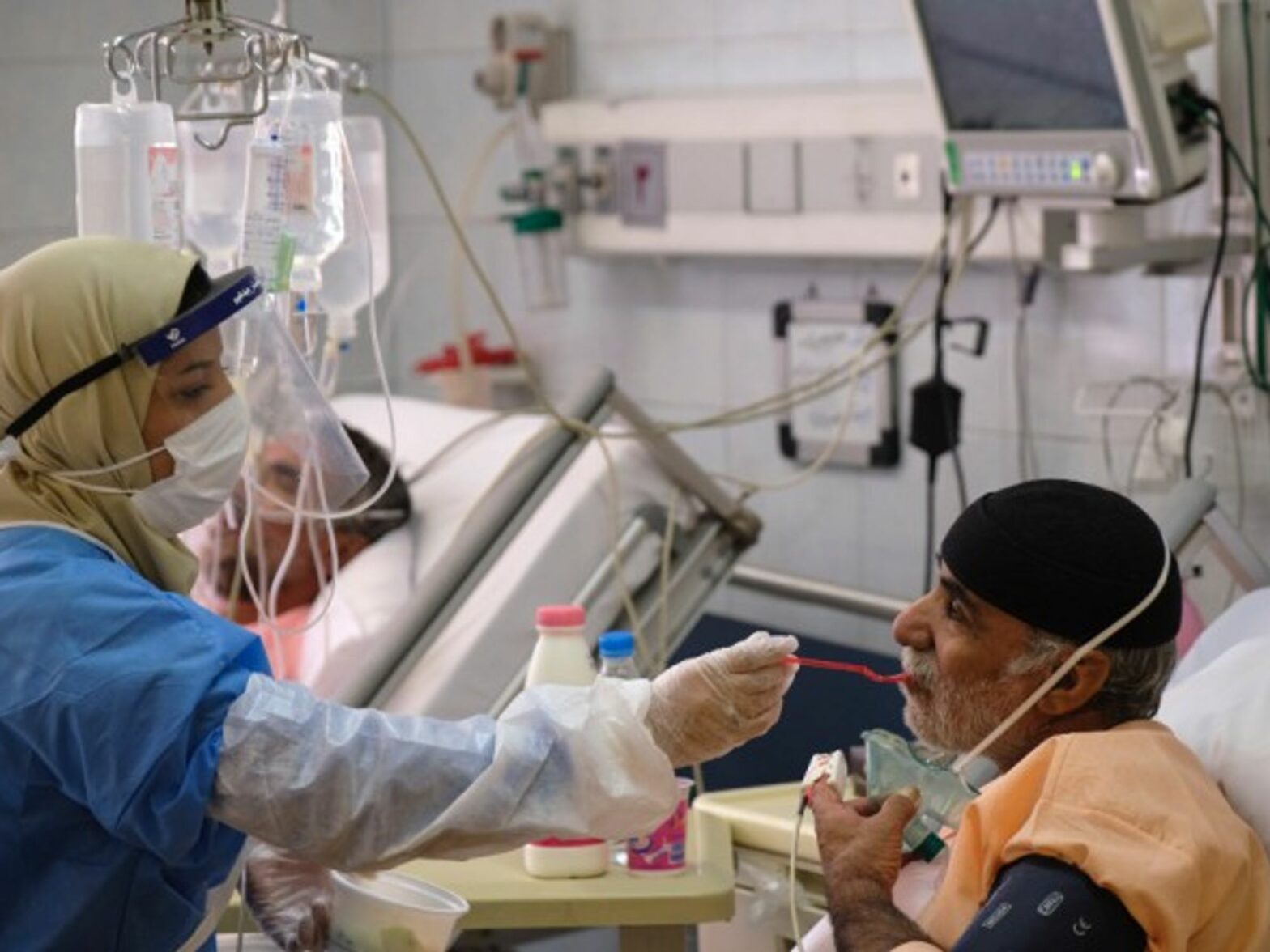
Qualified health care workers are urgently needed in the Islamic Republic. But because of the COVID-19 crisis, they’re also exhausted — and eyeing opportunities abroad.
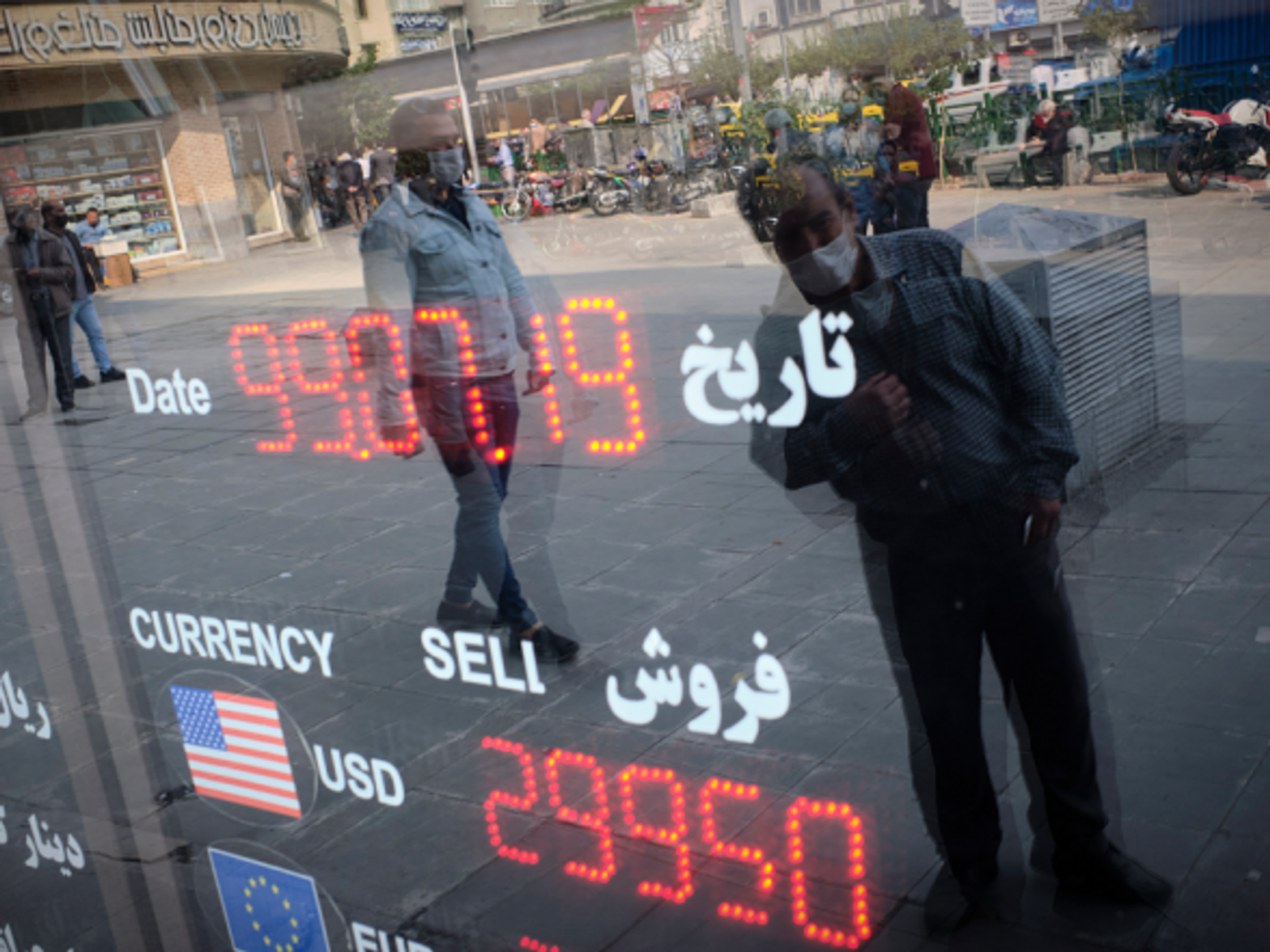
The leaders of the Islamic Republic say the economy will soon improve. But the numbers — the result of sanctions but also decades of economic mismanagament — paint a far more dismal picture.
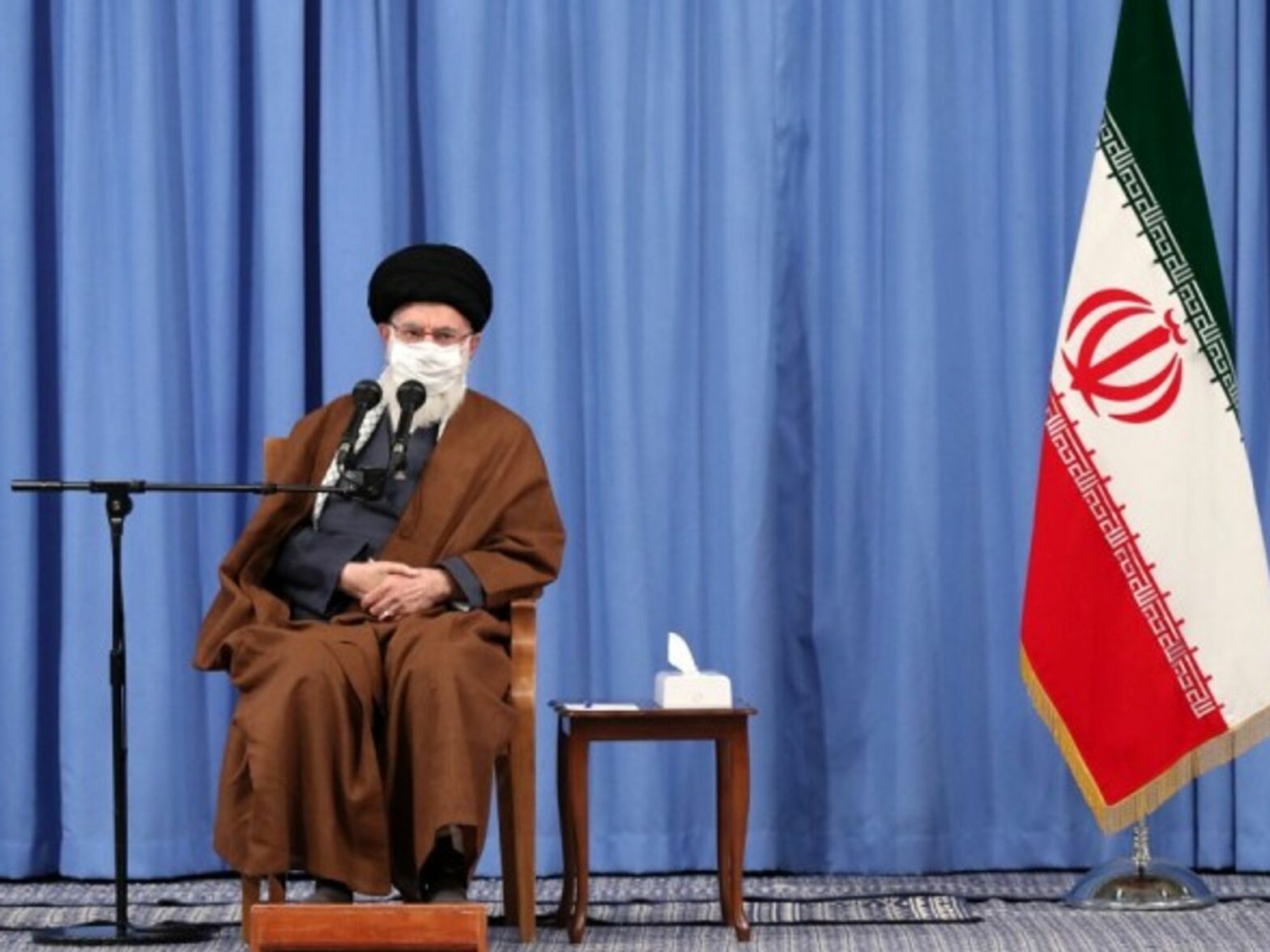
Supreme Leader Ali Khamenei claims he has no interest in engaging with Washington. But the U.S. president, fighting right now to win reelection, tells a different story.

In Lebanon and Iraq, two countries that Iran’s clerical regime has long tried to control, some Shias are fed up with Tehran’s machinations and affiliated militia groups.
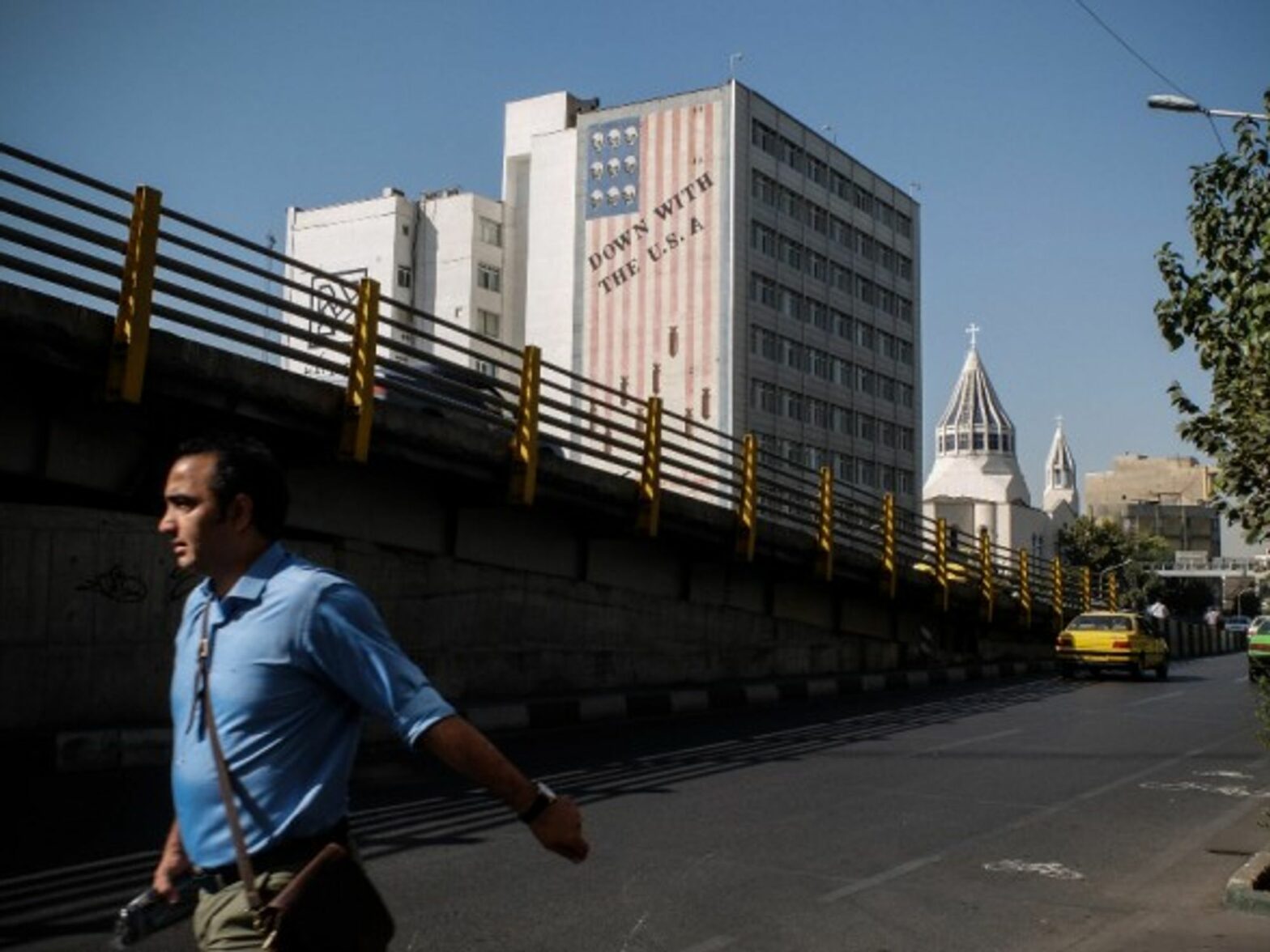
The current U.S. president has made life decidedly difficult for the Islamic Republic. But would a Biden victory really do much to benefit Iran’s ailing regime?
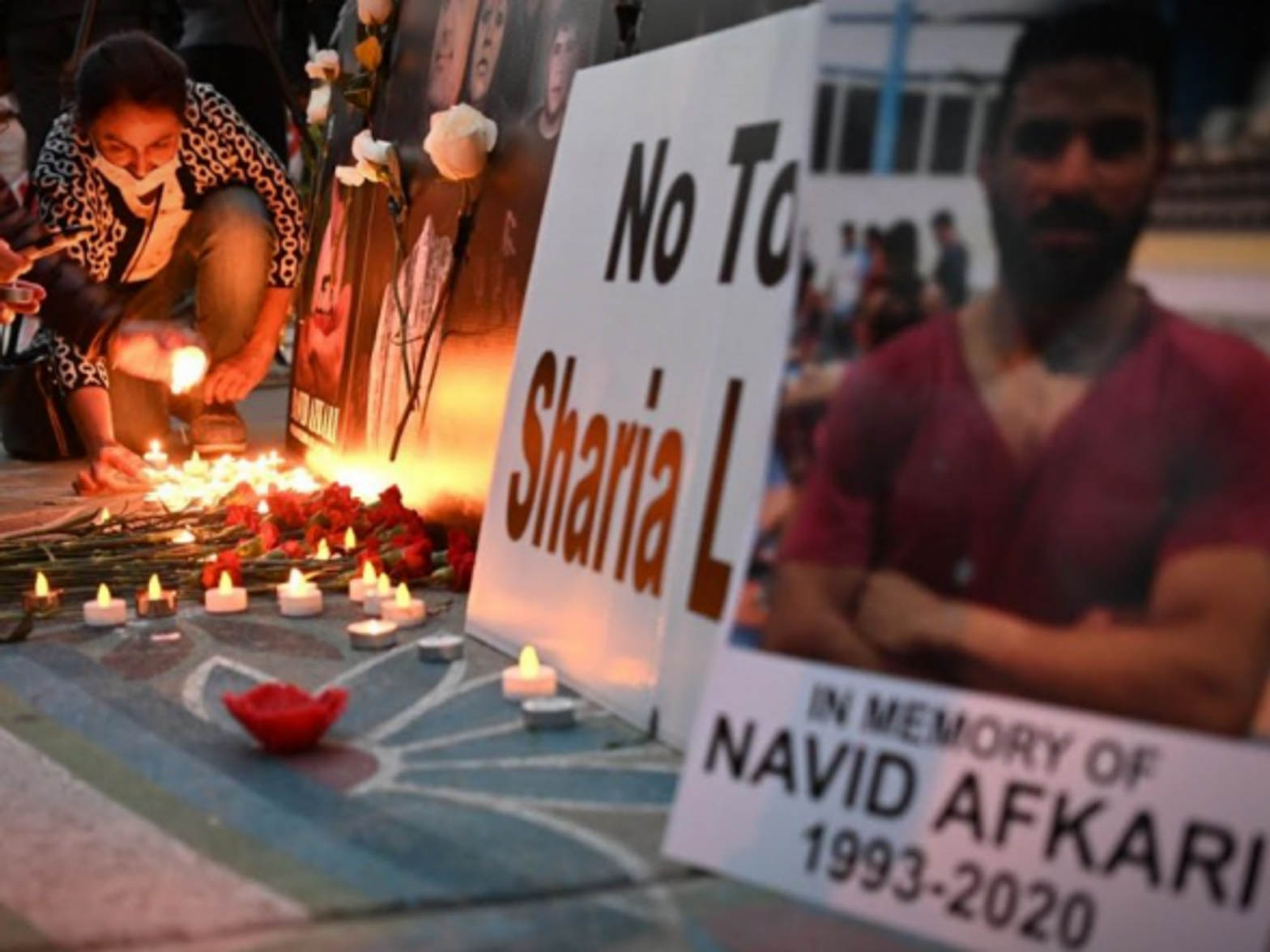
Under pressure both at both home and abroad, the Islamic Republic’s clerical regime is using capital punishment to sow fear and force compliance.

Iranian authorities have proven themselves amenable to online pressure. But to effect lasting change in the Islamic Republic, people also need to engage in real-world action.
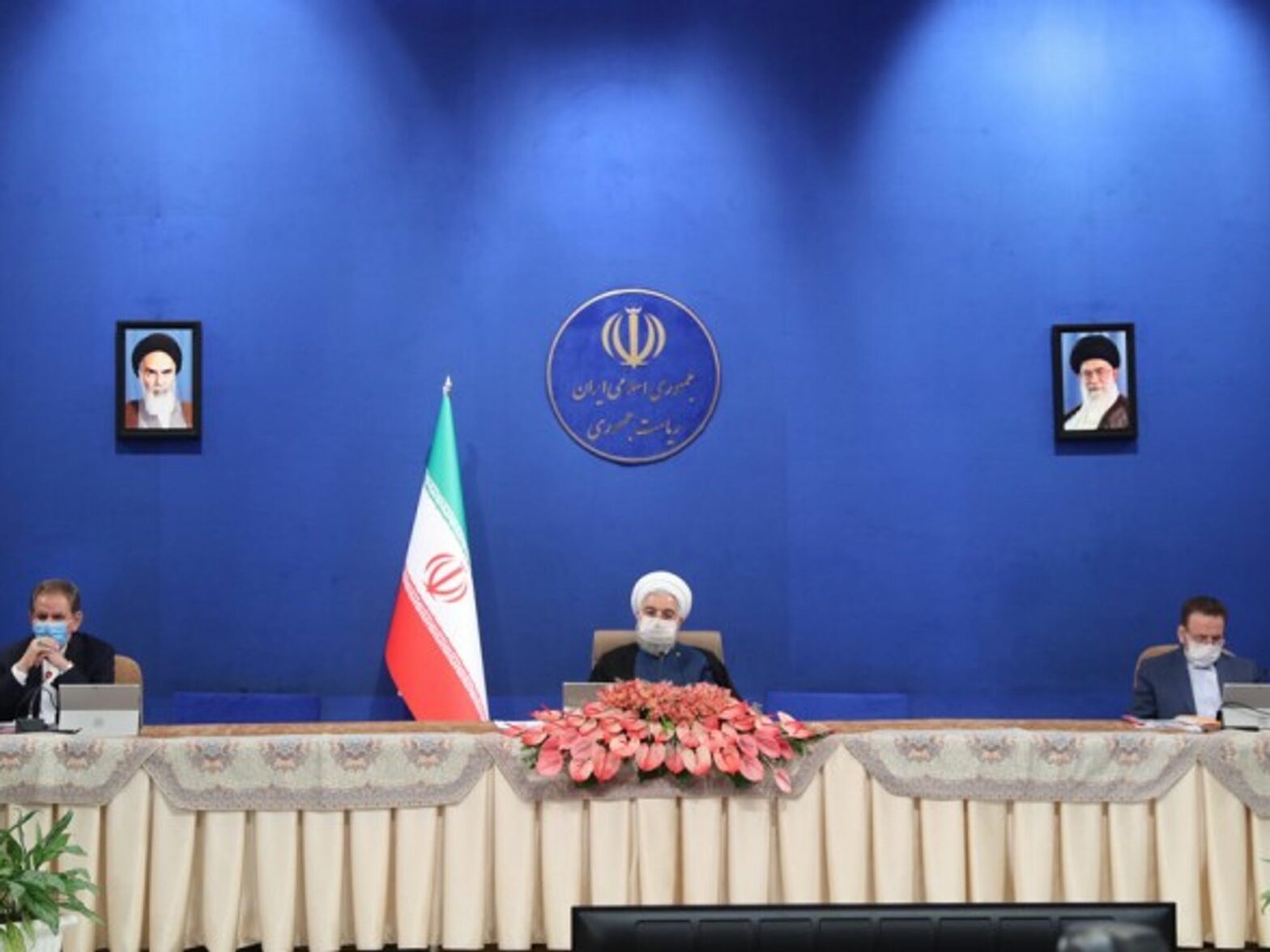
As Israel and the Arab world roll toward a major rapprochement, Iran continues to resist pressure to start talking to its own nemesis, the United States.
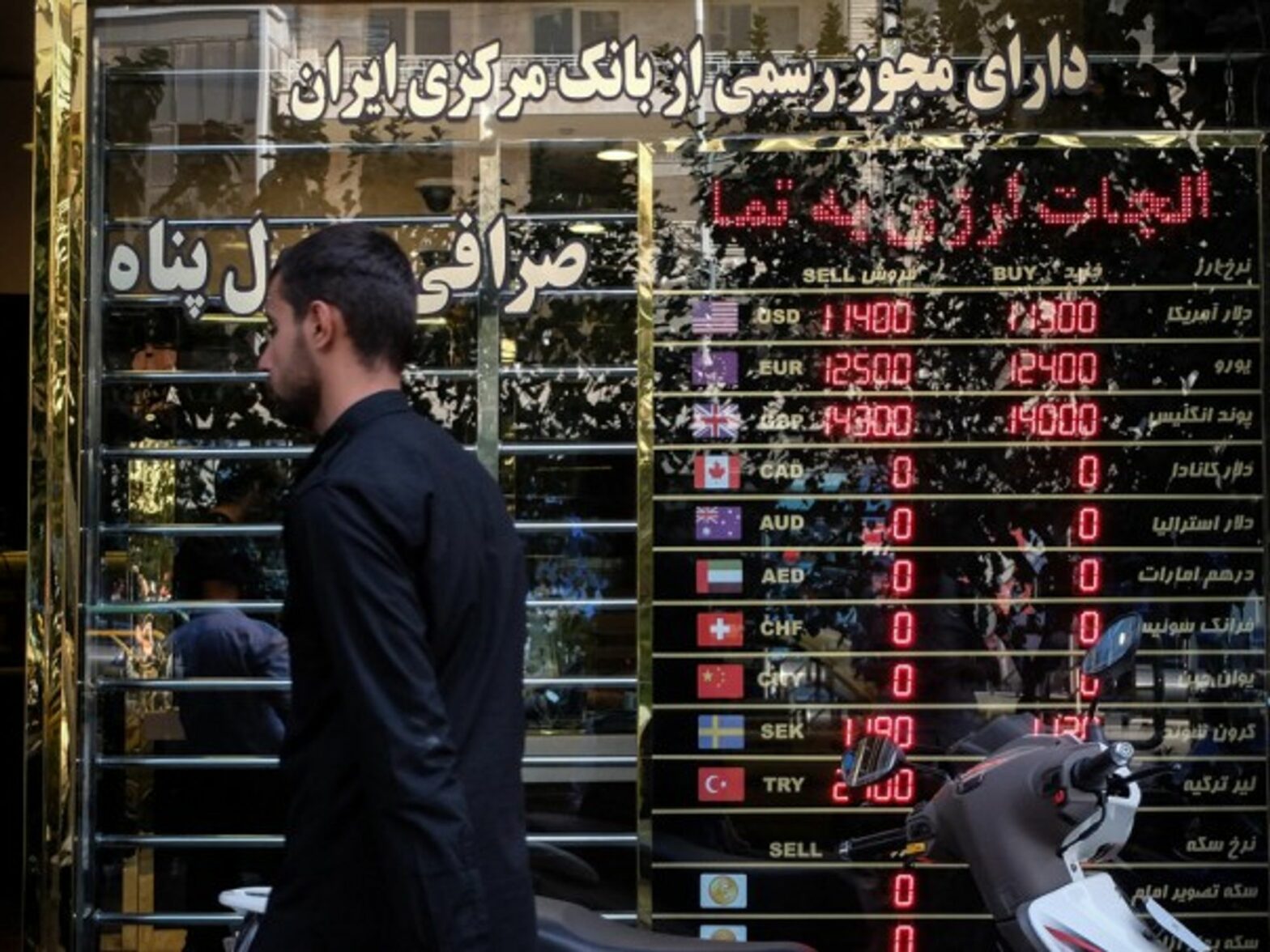
Several reform-minded Iranian economists say President Rouhani’s government has been unable to curb inflation, shore up the currency or even absorb liquidity through constructive taxation.