Just as Ukrainians are defending the sovereignty of Europe’s borders and the right to democracy, the Iranians risking their lives to protest are fighting a bigger battle for peace across the Middle East.
 Worldcrunch
Kayhan is a Persian-language, London-based spinoff of the conservative daily of the same name headquartered in Tehran. It was founded in 1984 by Mostafa Mesbahzadeh, the owner of the Iranian paper.
Unlike its Tehran sister paper, considered “the most conservative Iranian newspaper,” the London-based version is mostly run by exiled journalists and is very critical of the Iranian regime.
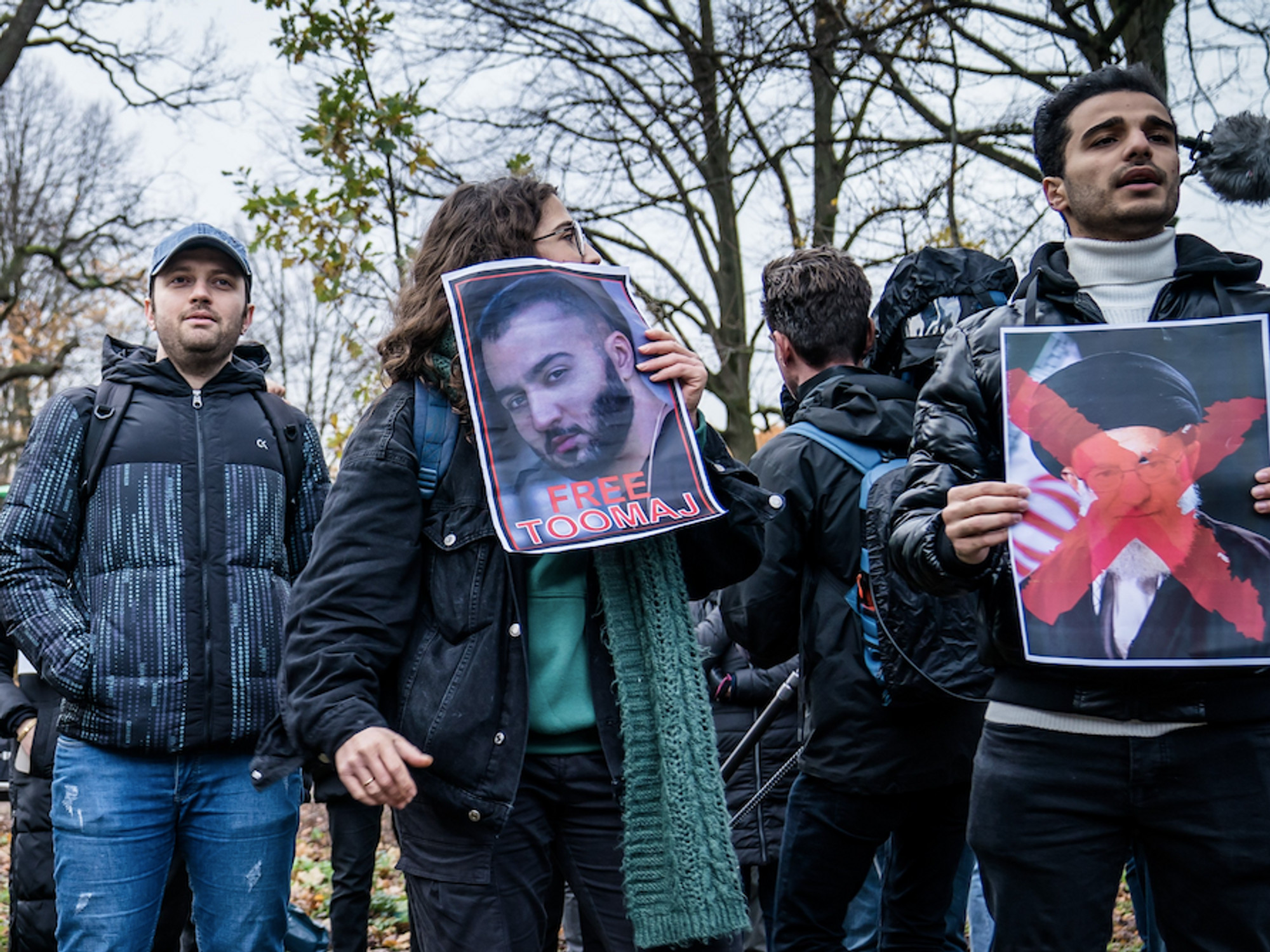
By executing a protester after a rapid trial, Iran’s clerical regime has taken its clampdown on the once-in-a-generation uprising to a new level. Observers fear there are more to come soon.
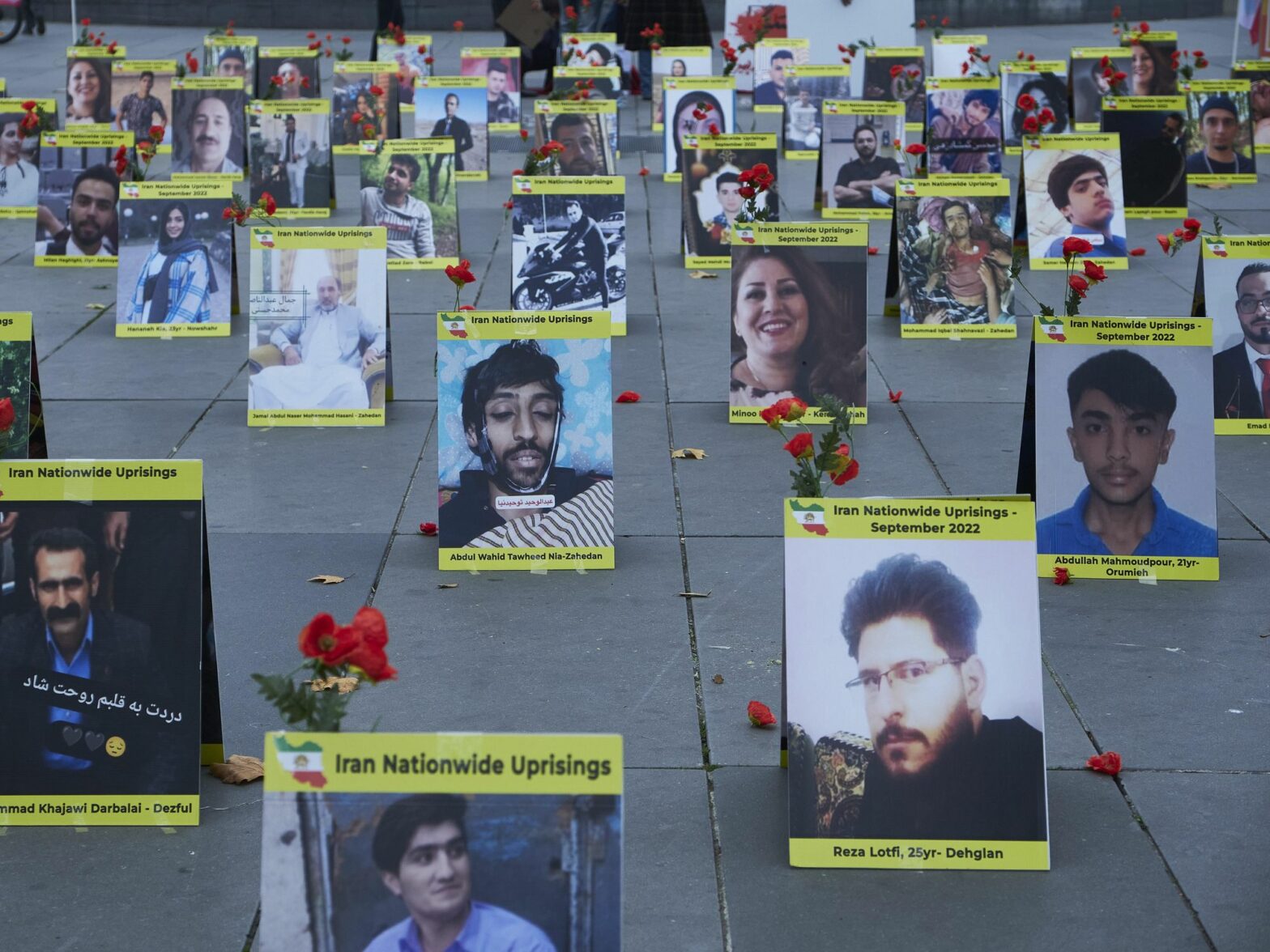
Iranian authorities have begun prosecuting multiple demonstrators arrested at recent mass protests, accusing them of the gravest crimes that are punishable by the death penalty. Authorities said a man arrested at a Tehran protest in October was hanged Thursday.
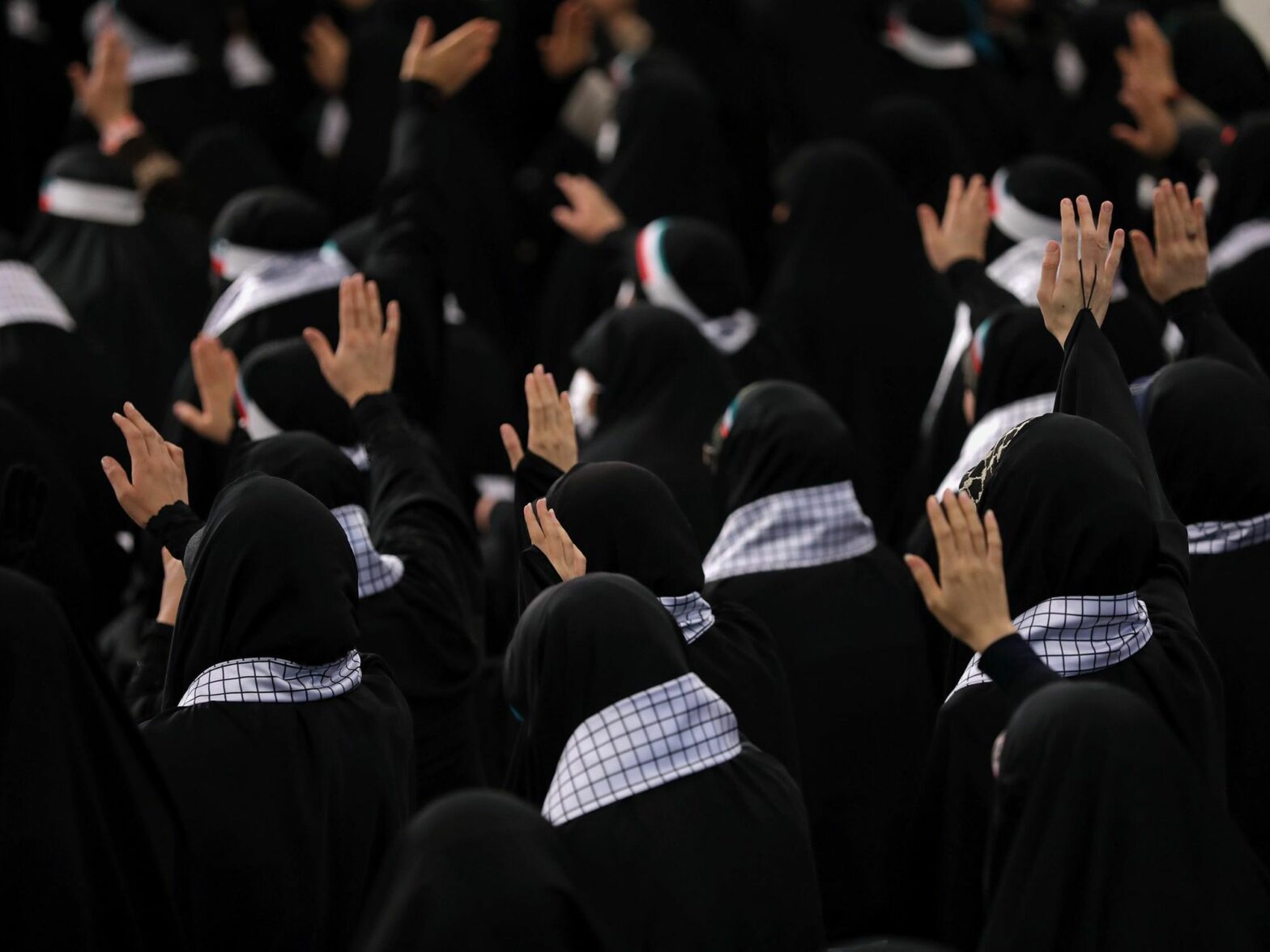
Reported declarations by some Iranian officials on revising the notorious morality police patrols and obligatory dress codes for women are suspect both in their authenticity, and ultimately not even close to addressing the demands of Iranian protesters.
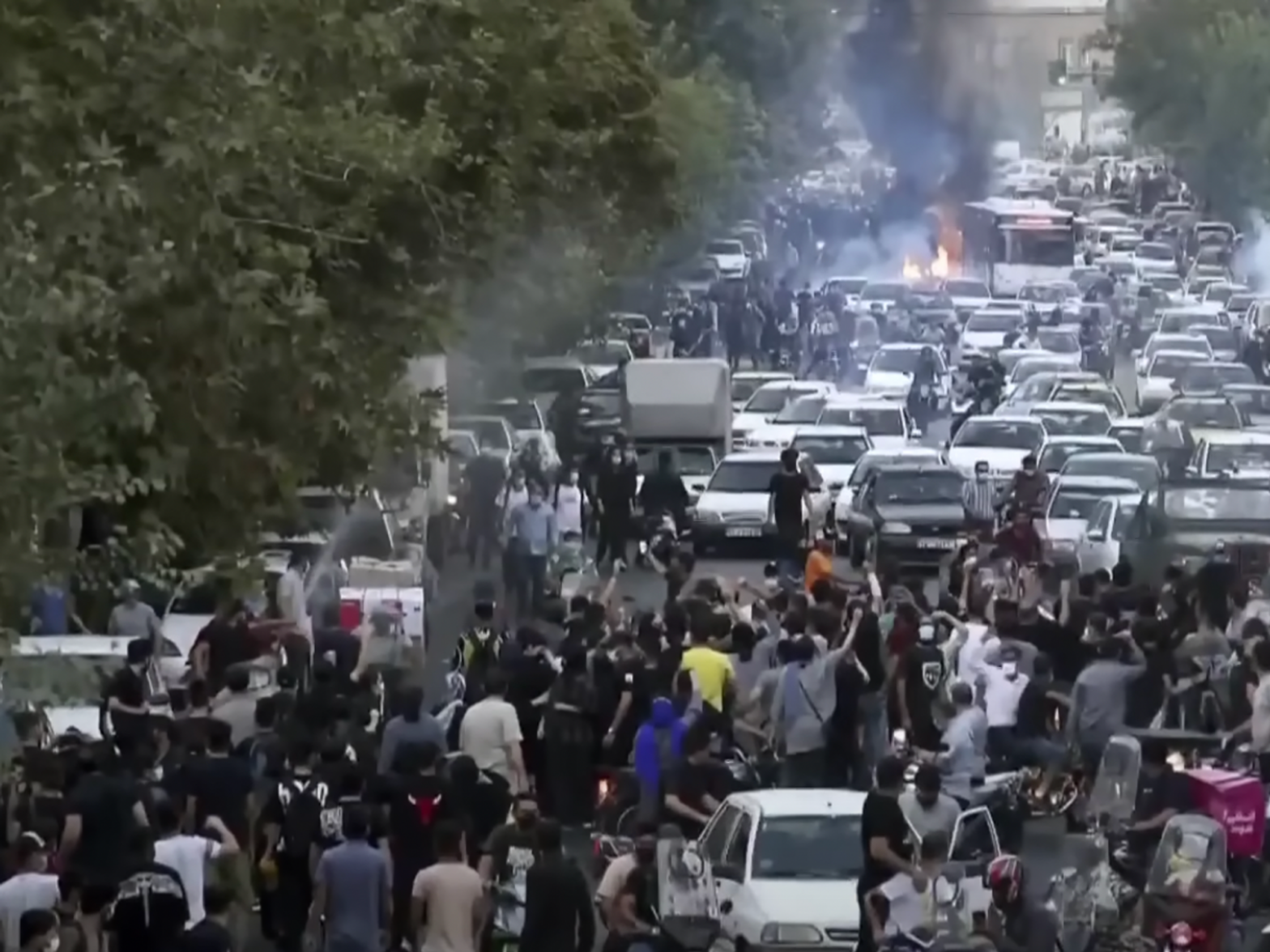
Faced with the resilience of the national protests, Iran’s security forces are now facing unusual acts of sabotage on state installations, and clerical authorities have started to wonder which of their loyalist forces can be firmly relied on still to defend the regime.
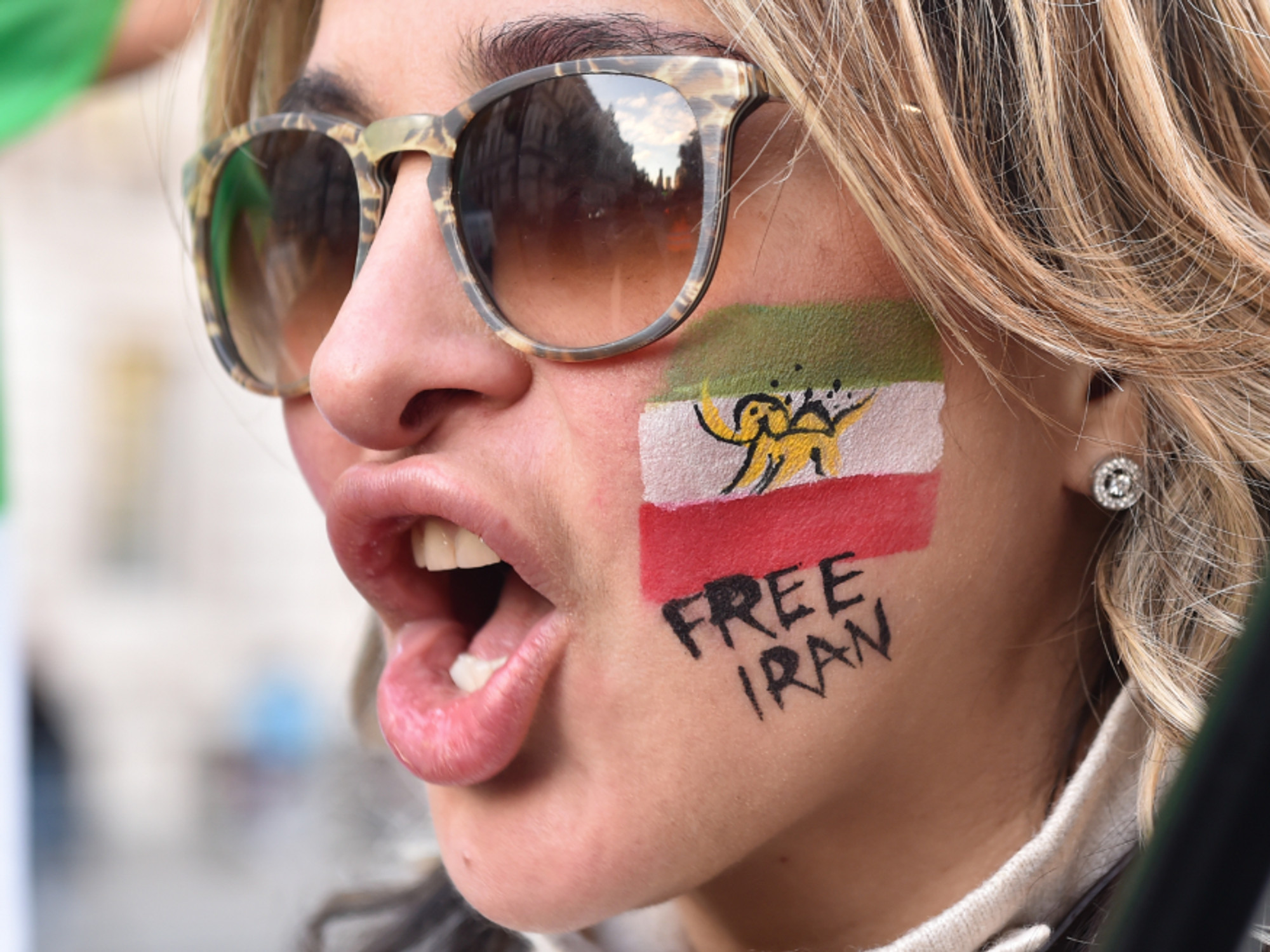
Iran’s clerical regime has worked hard over 40 years to set Iranians against each other on multiple bases, and must now watch a nation united in opposition to itself and breaking its red lines, notably those set around gender, faith and even ethnicity.
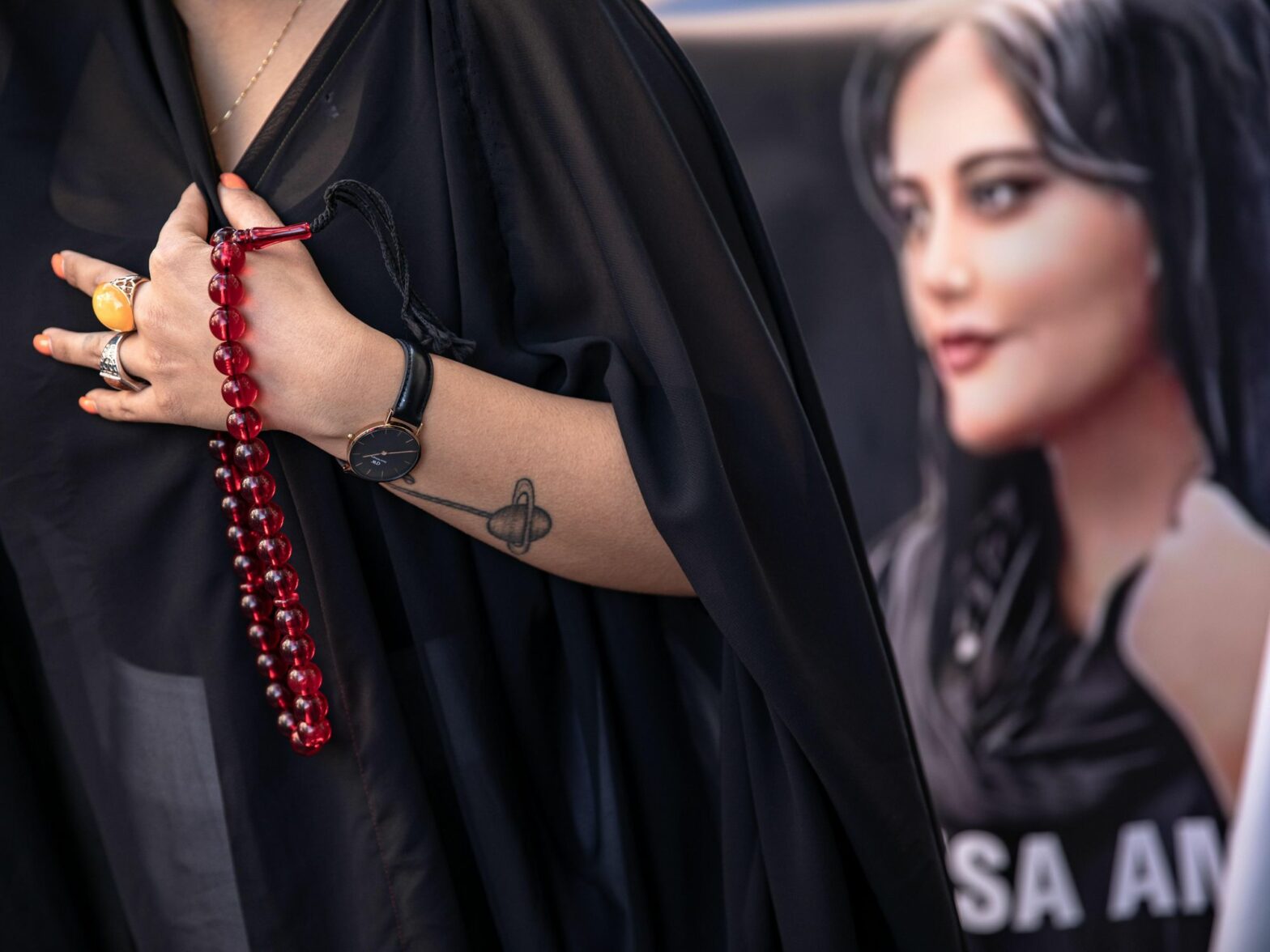
The showdown between Iranian protesters and the clerical regime is another episode in a decades-long clash of theocracy and Western-style secular modernity. Its outcomes will reverberate across the entire Islamic world, so the West needs to pay attention.
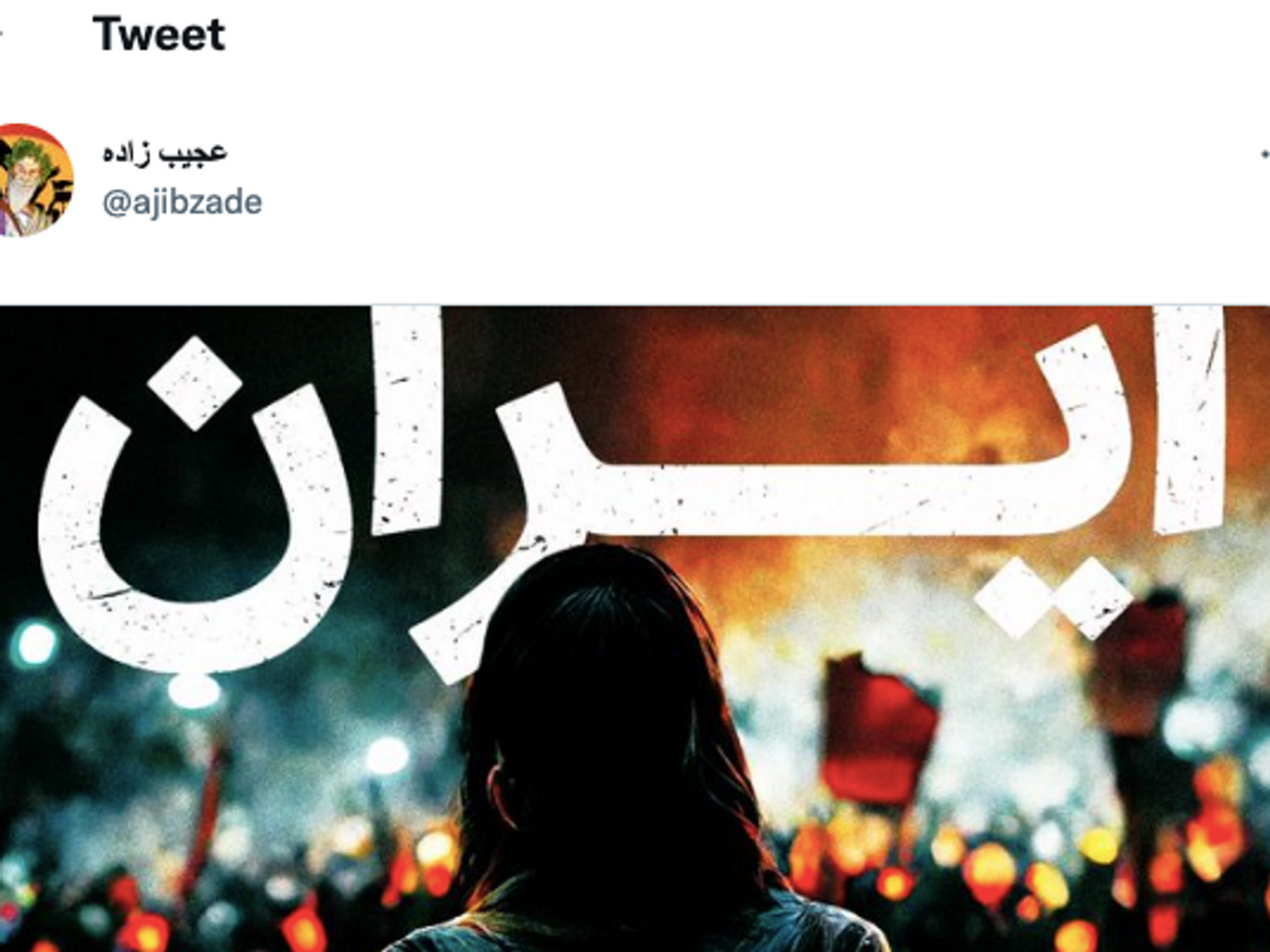
Two anonymous Iranian Twitter users spoke about their hopes that Iran’s protests could hasten the end of the unpopular regime, and what Elon Musk’s takeover of the the platform could mean for them.
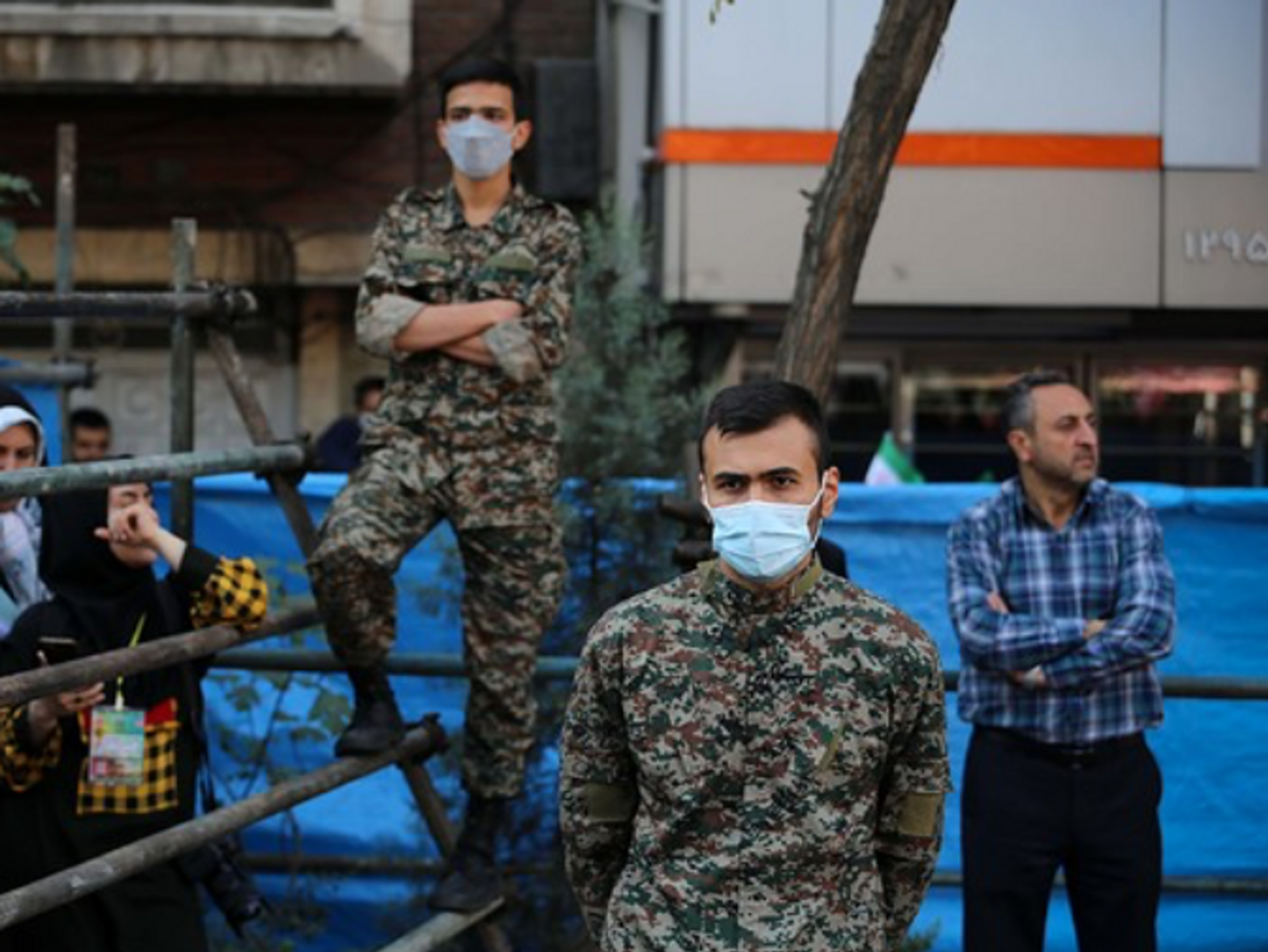
Amid increasing tensions prompted by ongoing anti-government protests, reports from Tehran show increased surveillance of some foreign embassies. Iranian agents are said to be particularly curious about visas to get out of the country.
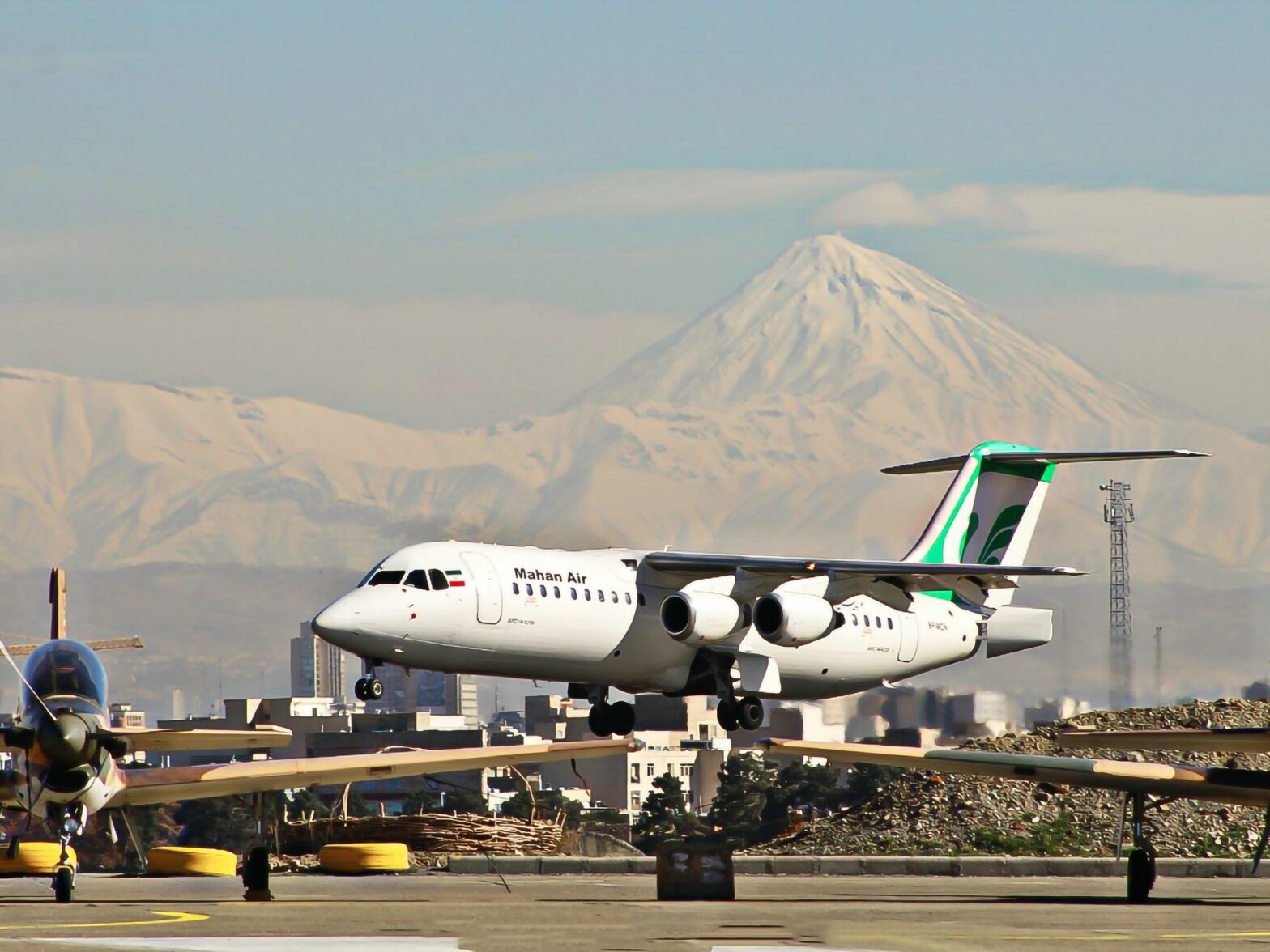
Reports from Tehran suggest that some senior officials may be “quietly” taking exile in the South American nation led by Nicolas Maduro, a trusted ally of the Iranian regime.
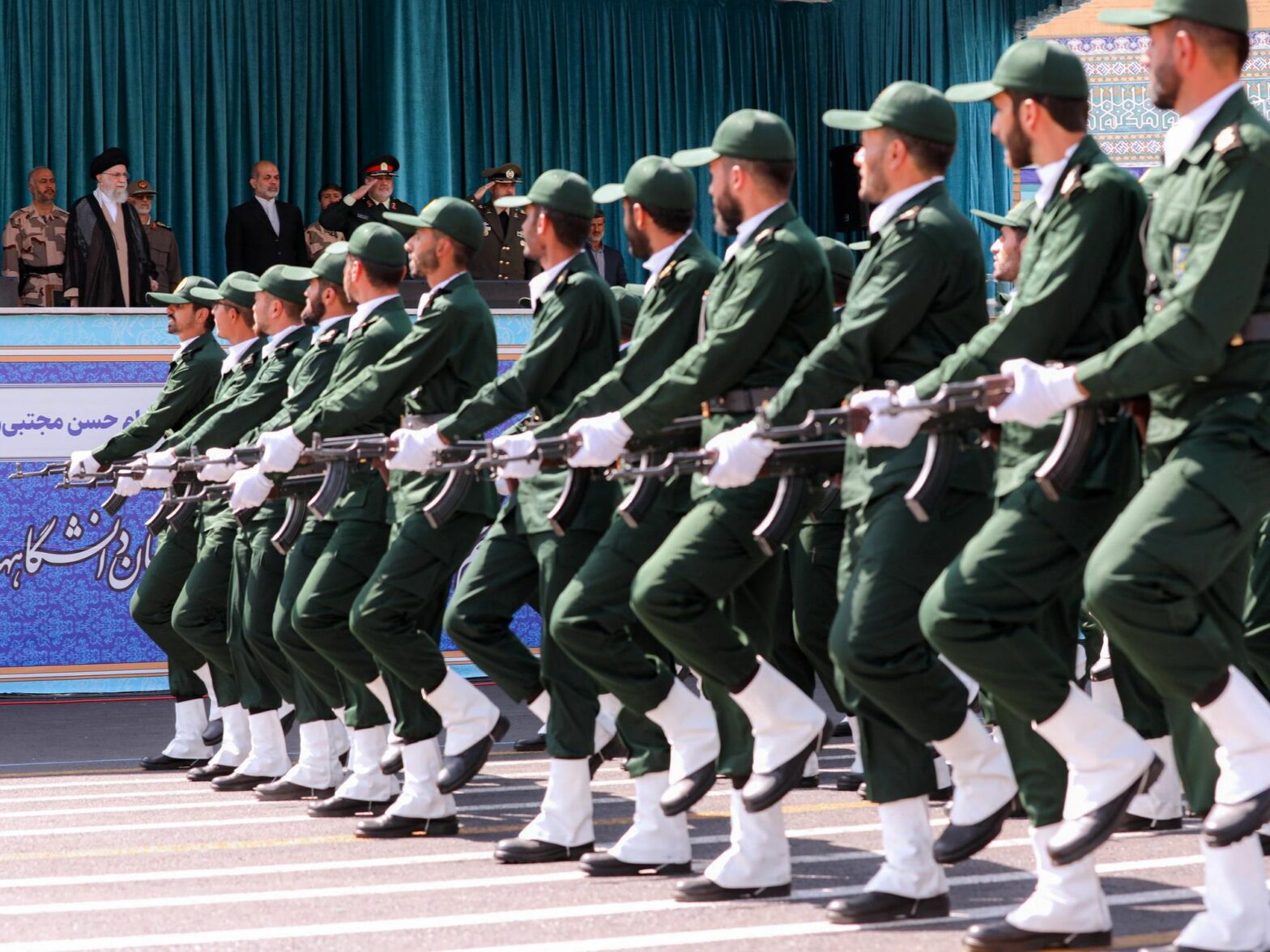
After 50 days of unrest, Iranian police and security forces are being spread thin by persistent anti-state protests. Eager to avoid further recrimination, officials have begun a blame game that could spiral.
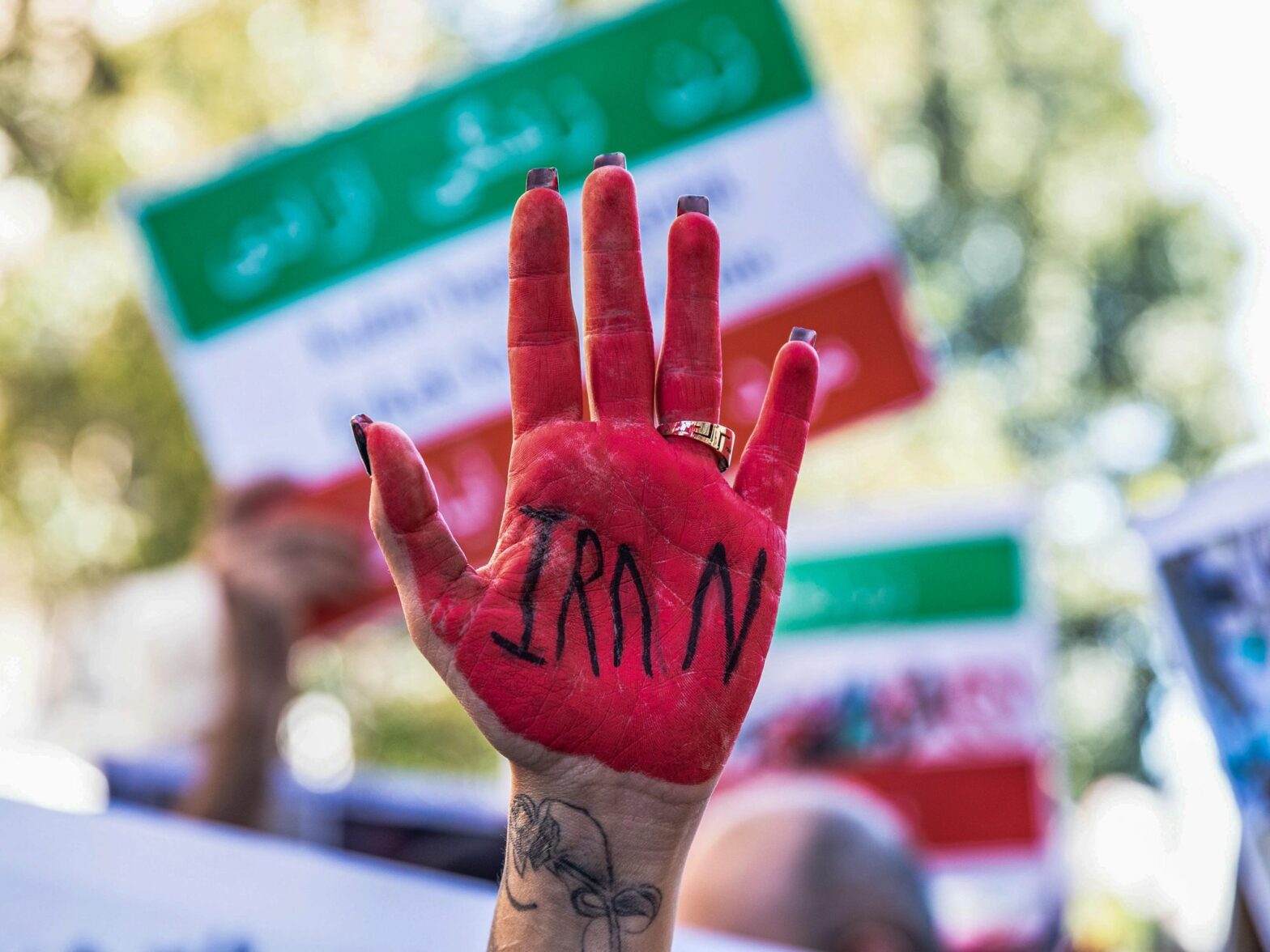
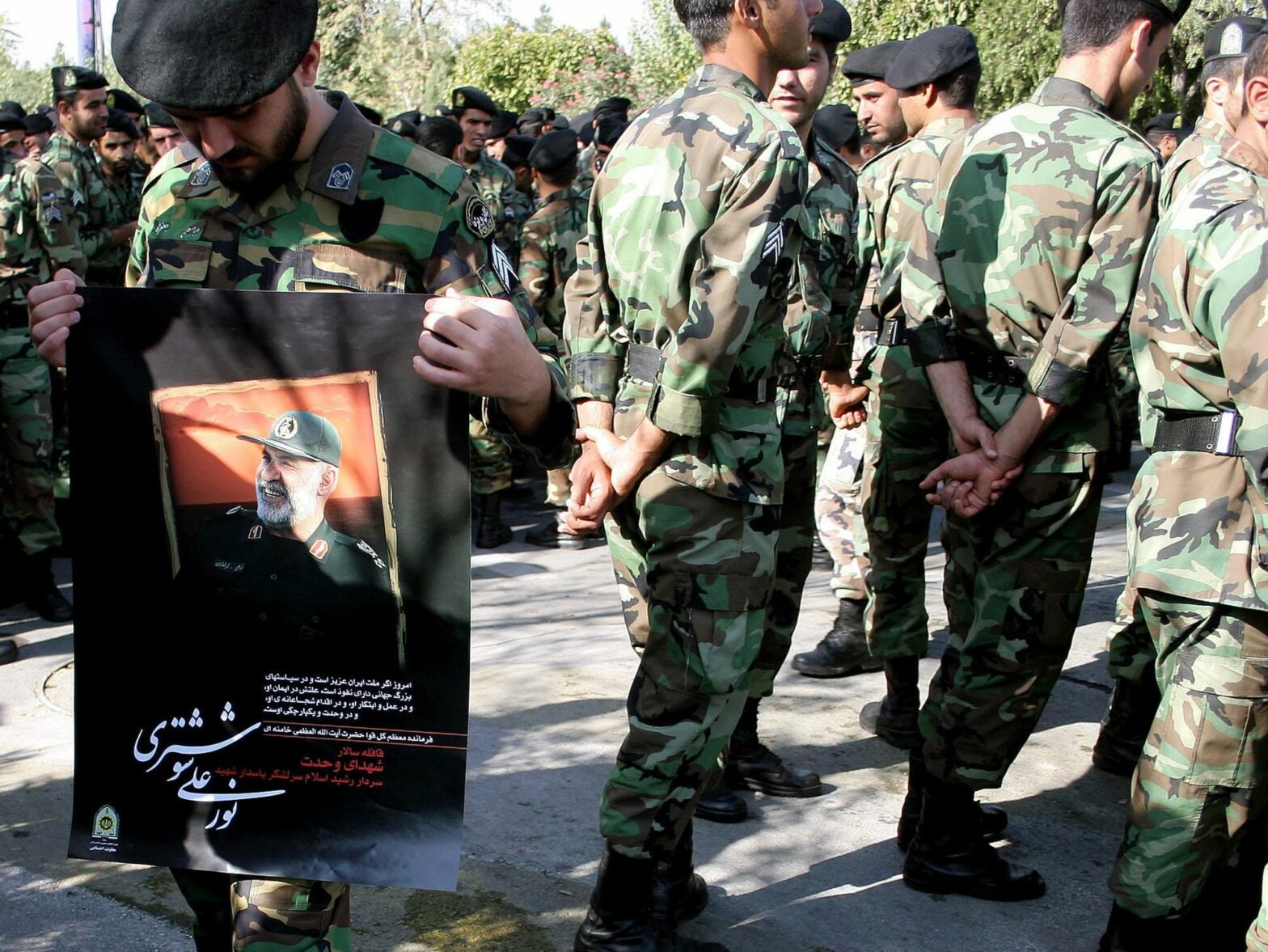
A member of the Iranian Revolutionary Guards tells Kayhan-London that while they must stay hidden, “many” policemen, soldiers and officials sympathize with the mass protests against the Islamist regime. He also shares information about Iran’s role in the Ukraine war.
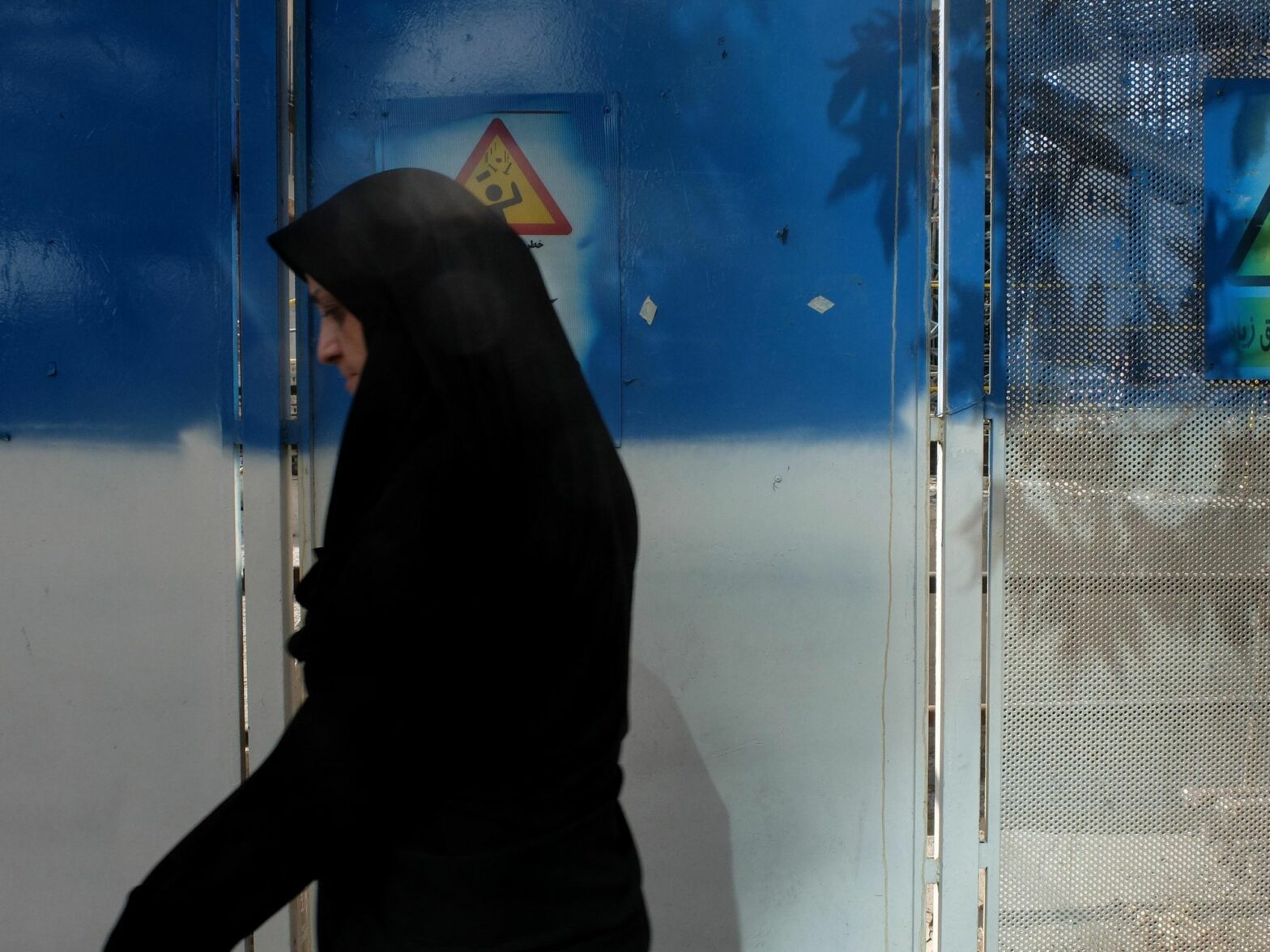
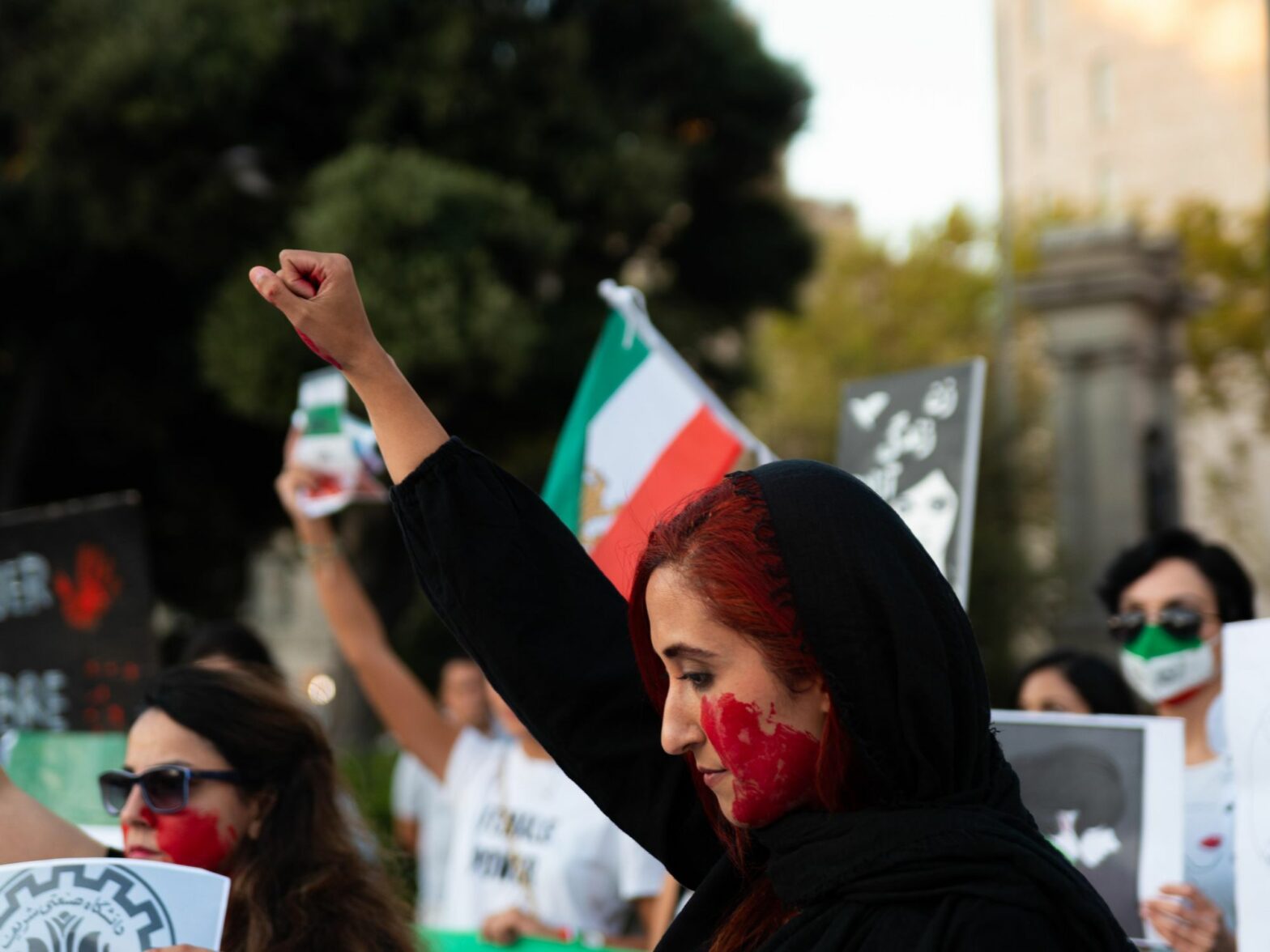
By defending their fundamental rights, Iranian women are effectively fighting for the rights of all in the Middle East. Their victory could spell an end to Islamic fundamentalism that spouts lies about “family values” and religion.
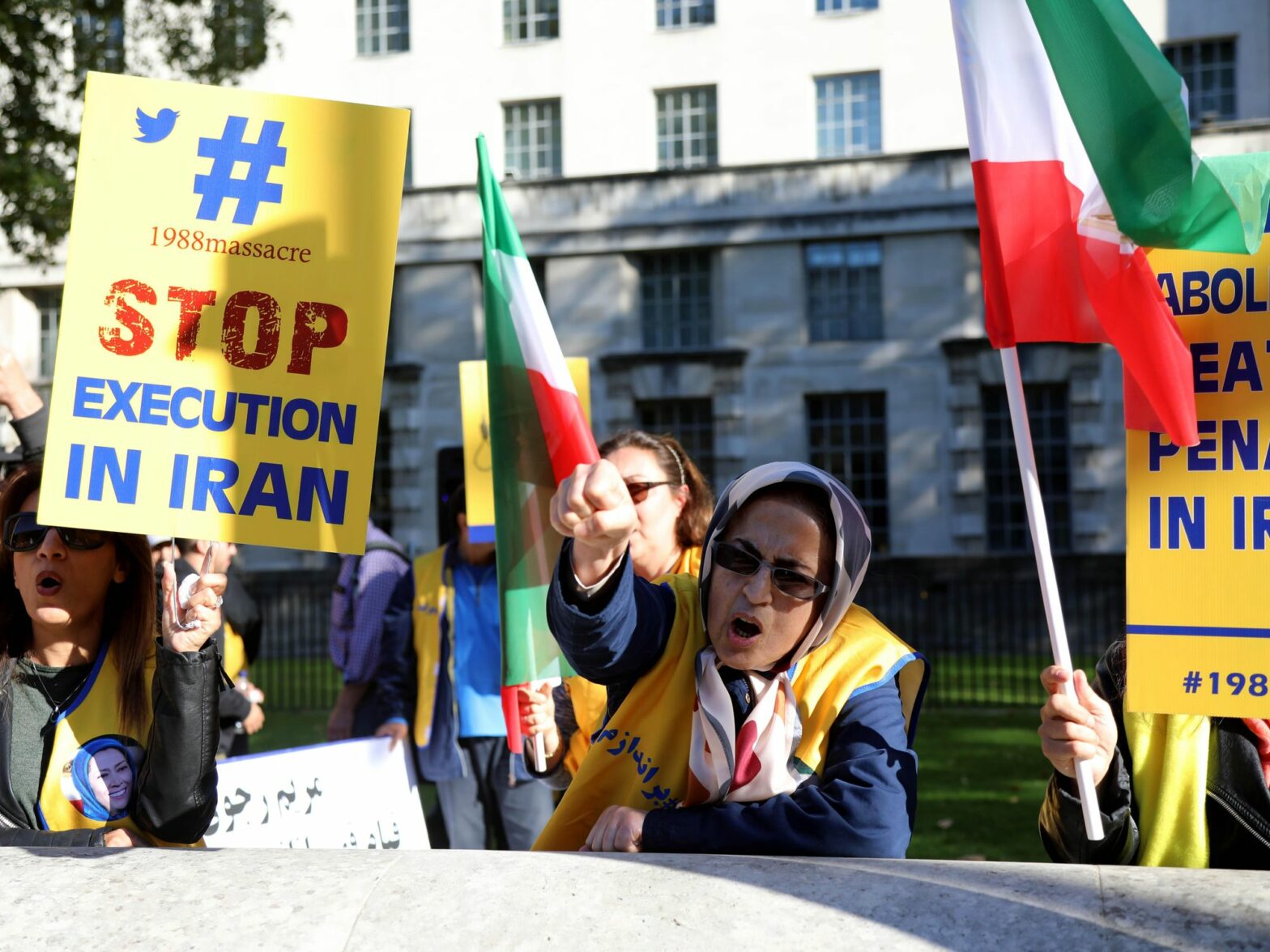
Iran has long had a simple and prolific response to political opposition and the worst criminal offenses, namely death by shooting or hanging. Whether opening fire on the streets or leading the world in carrying out the death penalty, the regime insists that morality is on its side.
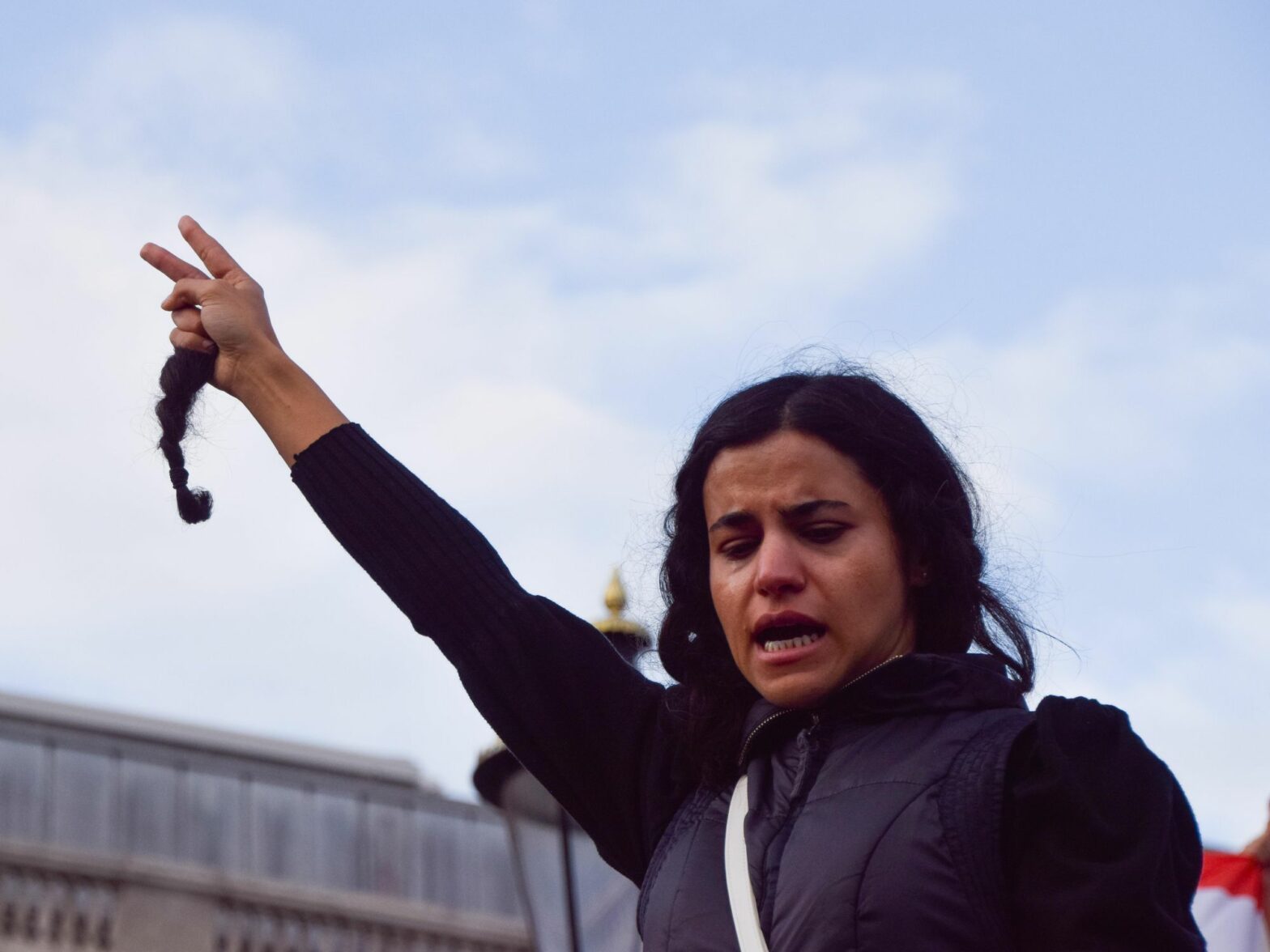
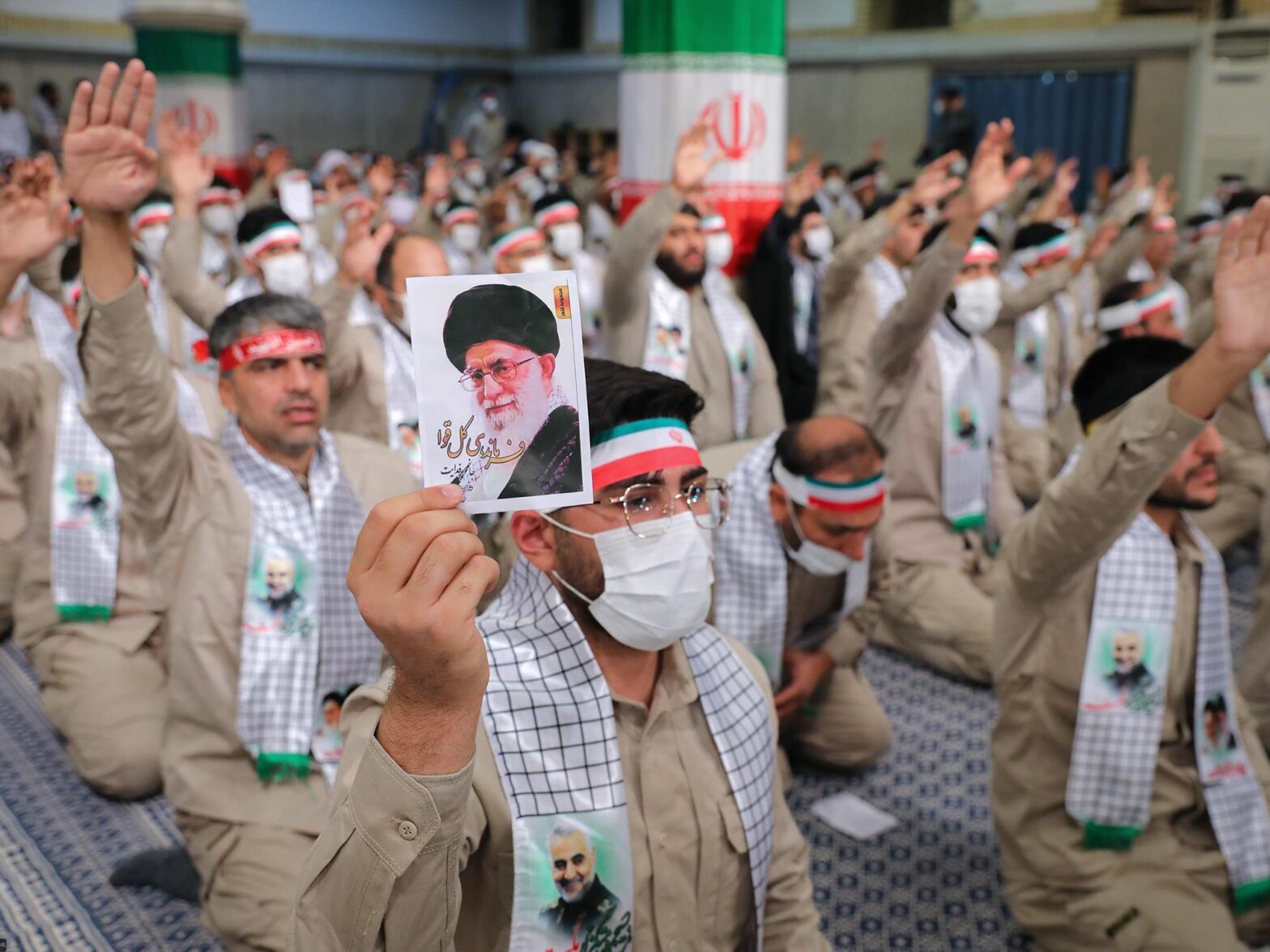
The latest round of anti-regime protests in Iran is different than other in the 40 years of the Islamic Republic: for its universality and boldness, the level of public fury and grief, and the role of women and social media. The target is not some policy or the economy, but the regime itself.
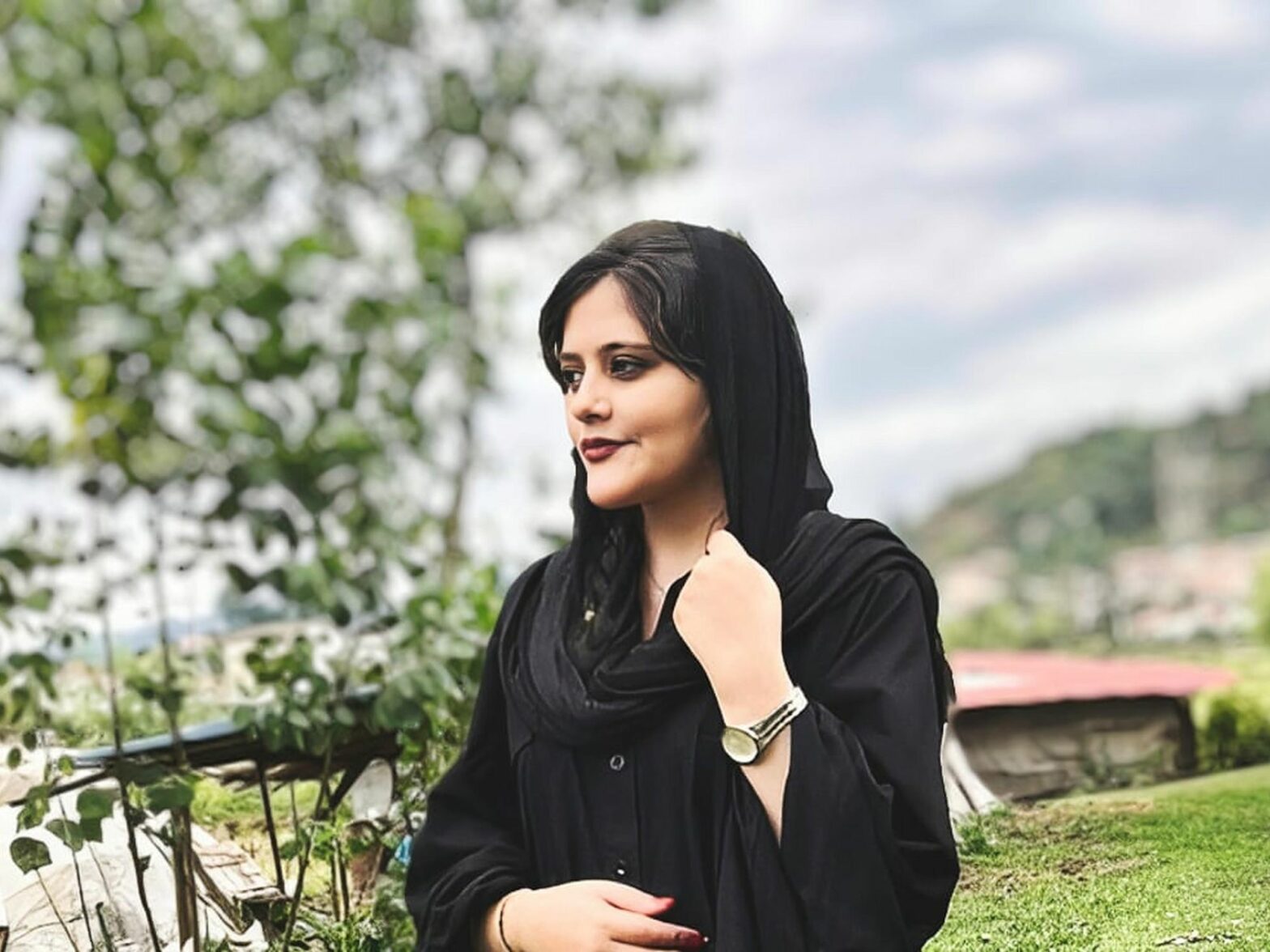
The 22-year-old is believed to have been beaten to death at a Tehran police station last week after “morality police” had reprimanded her clothing. The case has sparked the nation’s outrage. But as ordinary Iranians testify, such beatings, torture and a home brand of misogyny are hallmarks of the 40-year Islamic Republic of Iran.
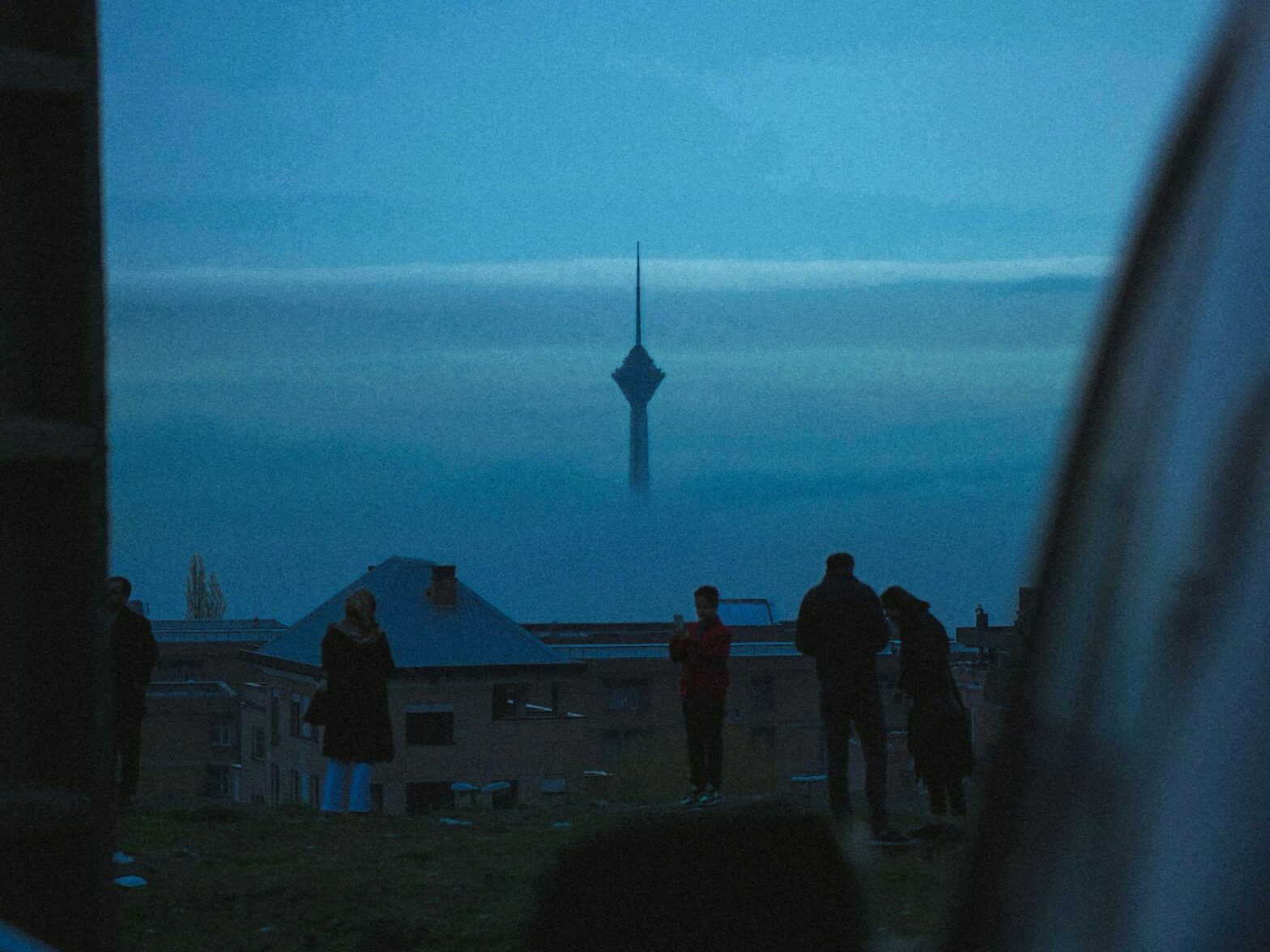
The West is insisting on reviving a nuclear pact with Iran. However, this will only postpone the inevitable moment when the regime declares it has a nuclear bomb. The only solution is regime change.
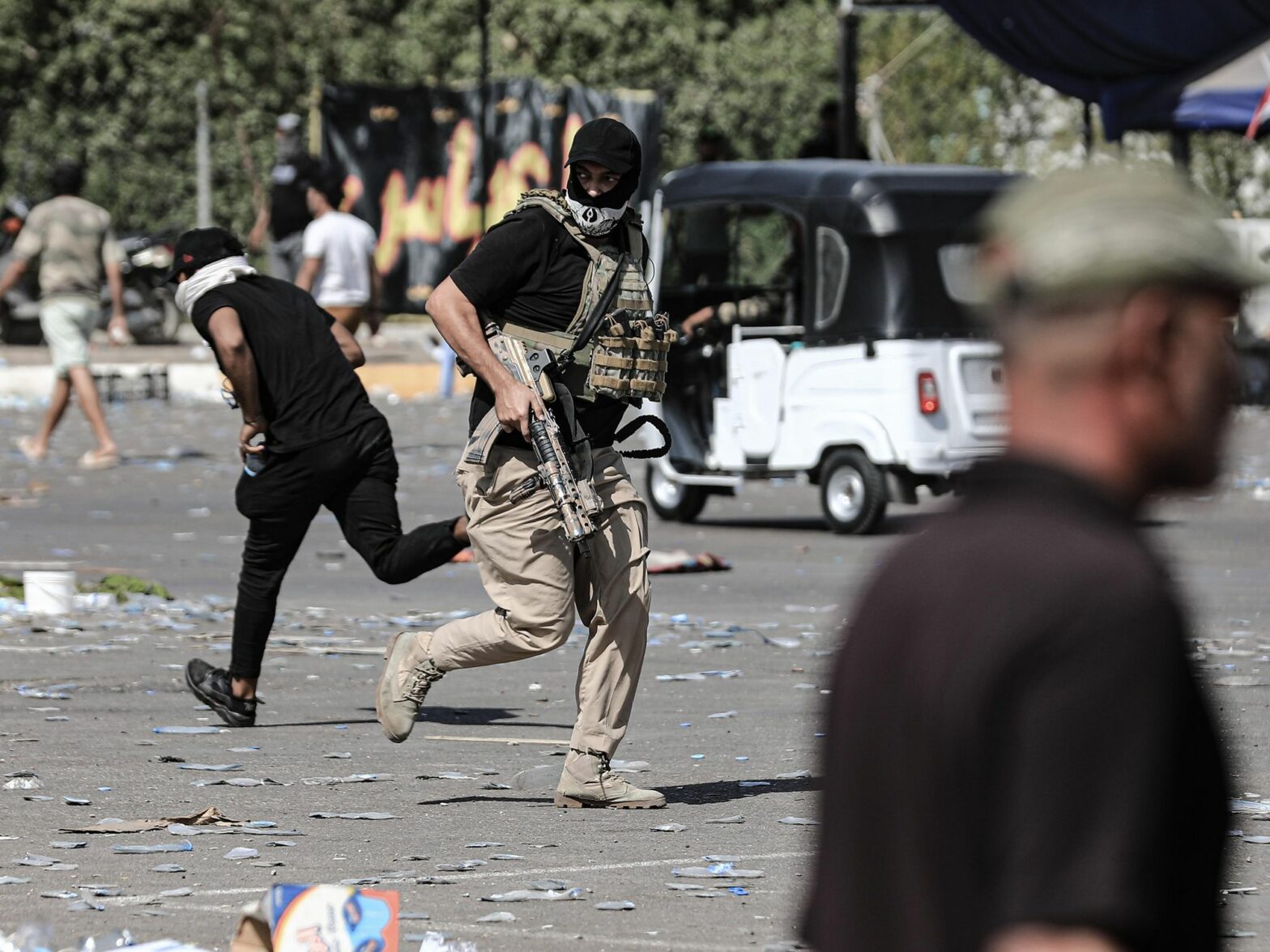
Iran’s brazen meddling in Iraqi politics has provoked a parliamentary impasse and clashes between rival militias. And while Tehran may be losing influence in Iraq, it won’t let go easily.
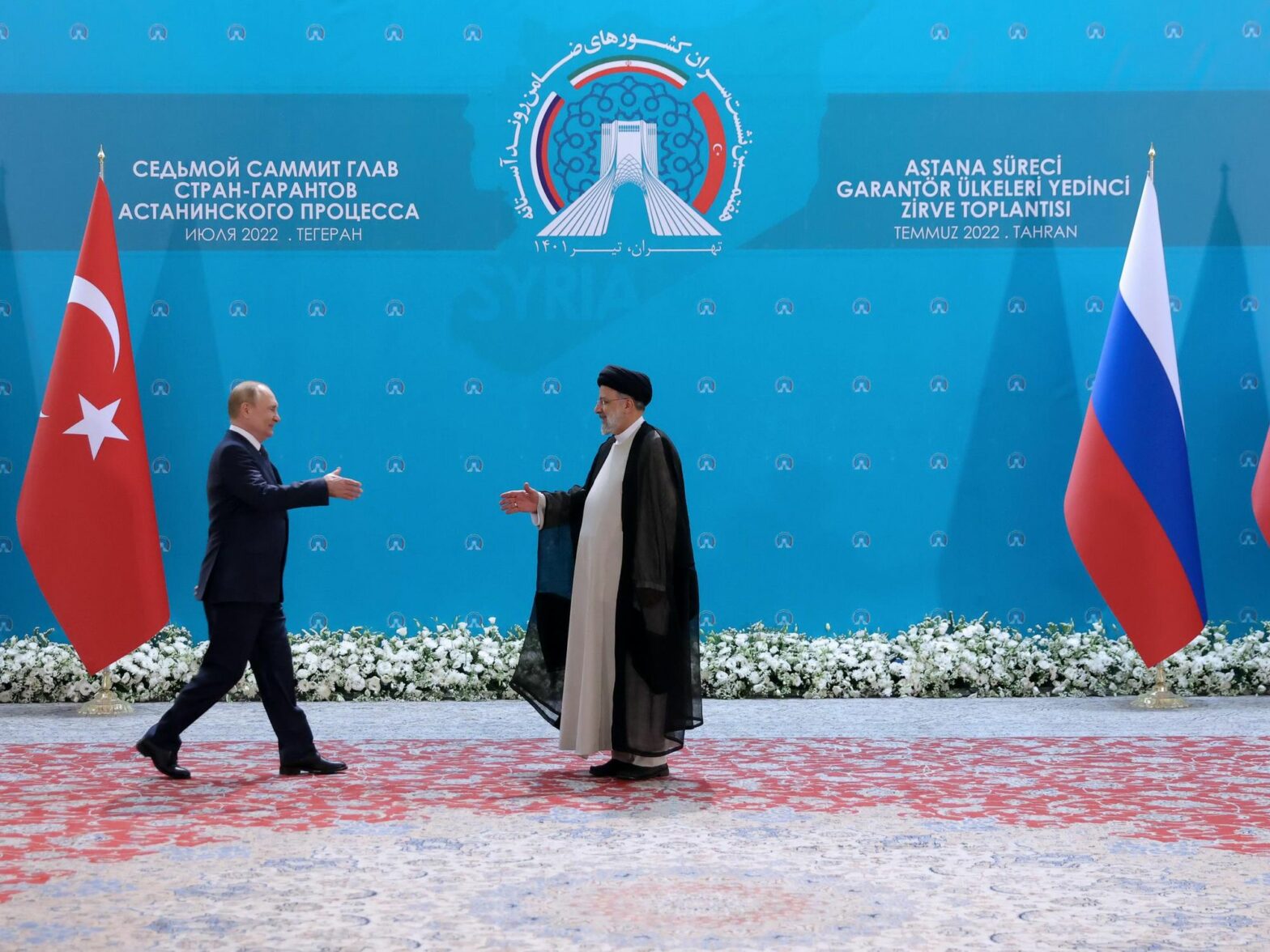
The Supreme Leader’s advisers in Tehran argue the Islamic Republic must back Russia in Ukraine because Russia is fighting a common enemy: the Western alliance.
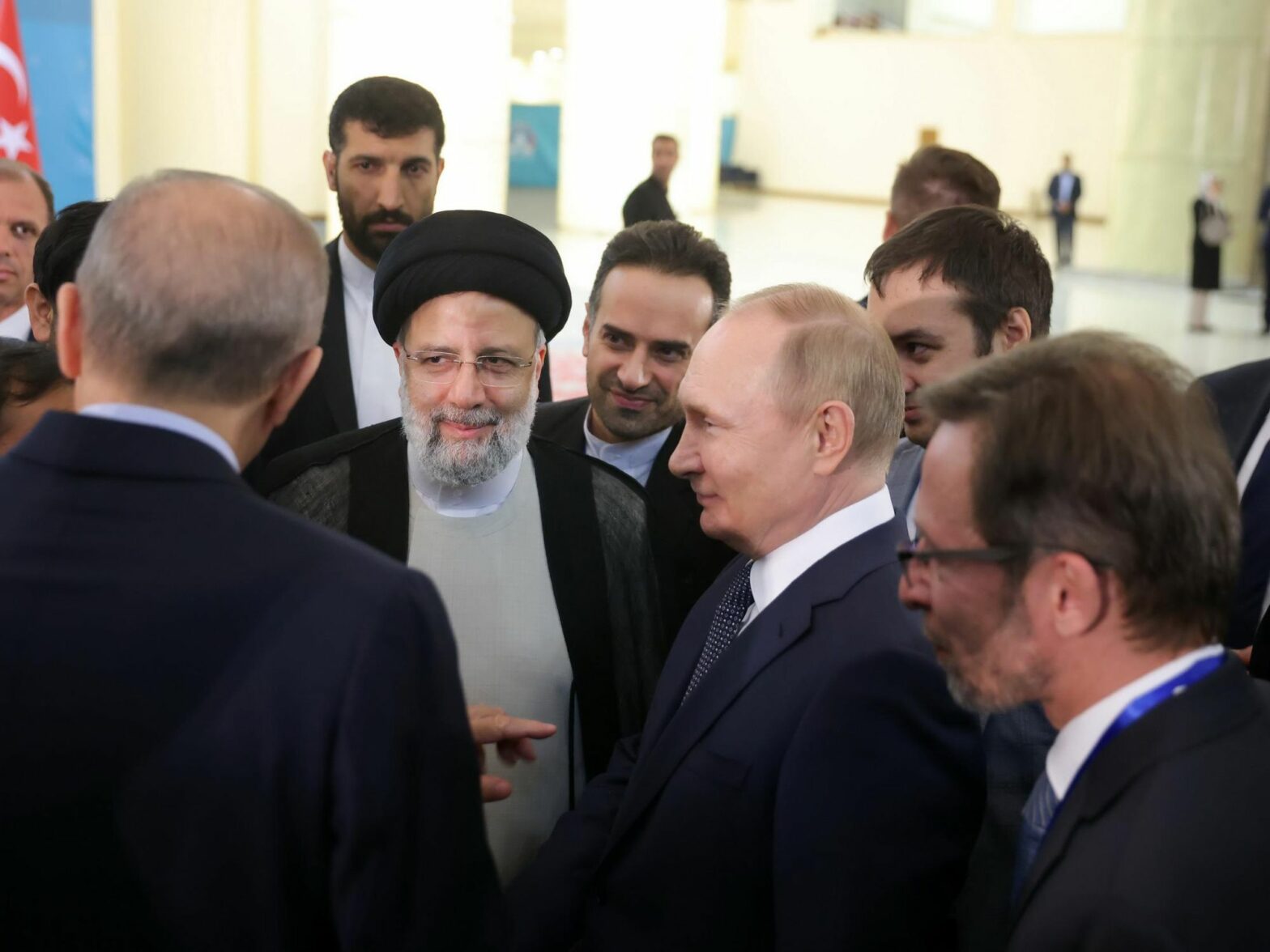
Nuclear talks between Iran and the West are stalled, as Russia signs deal with Tehran for drones. But does the increasingly isolated Iranian regime risk becoming another Russian vassal like Syria or Belarus?
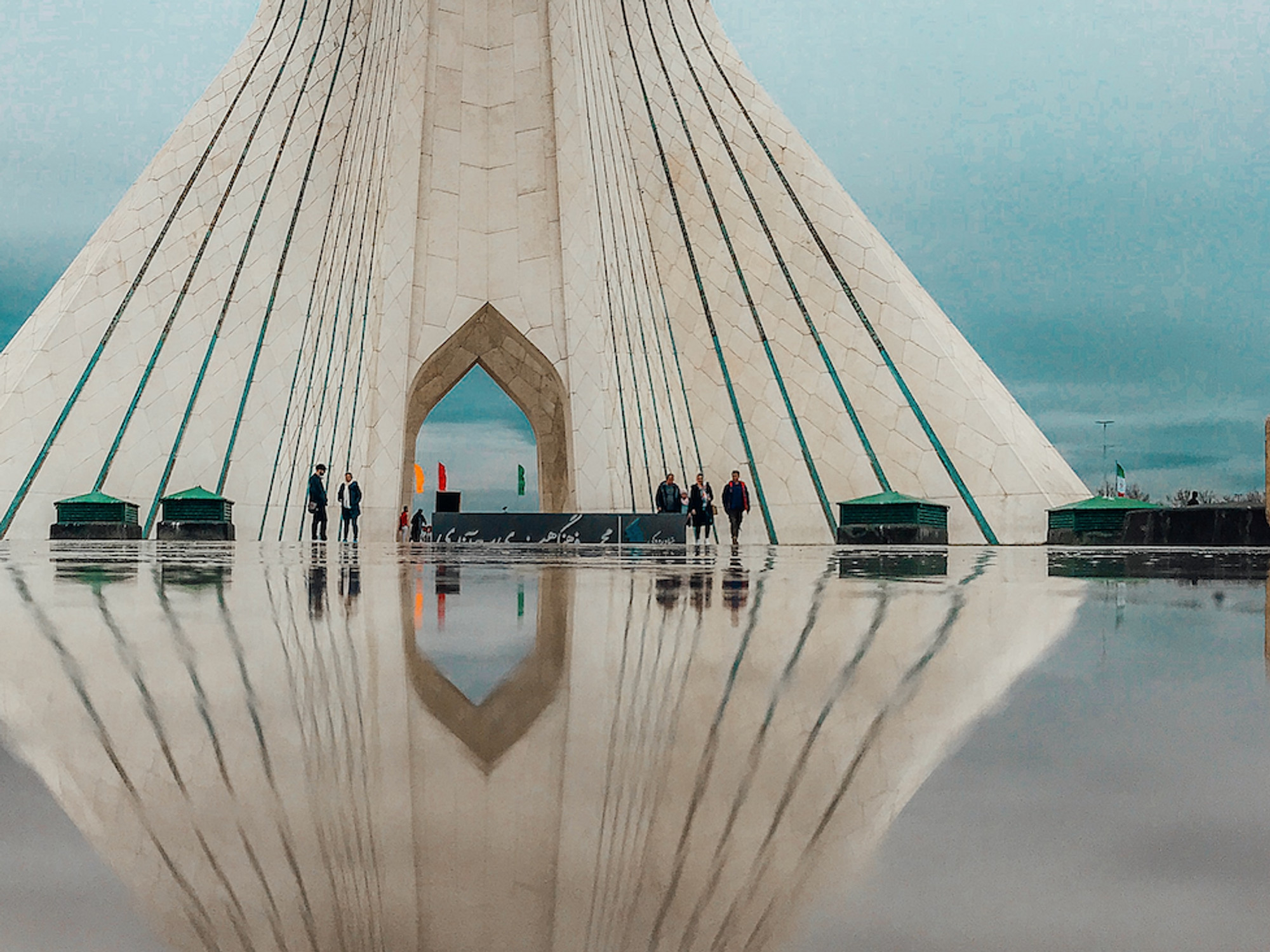
Authorities of the Islamic Republic of Iran have laid out tough conditions for a nuclear deal. They apparently live in a parallel world, oblivious to the reality of Iran’s weakness after years of international economic isolation.
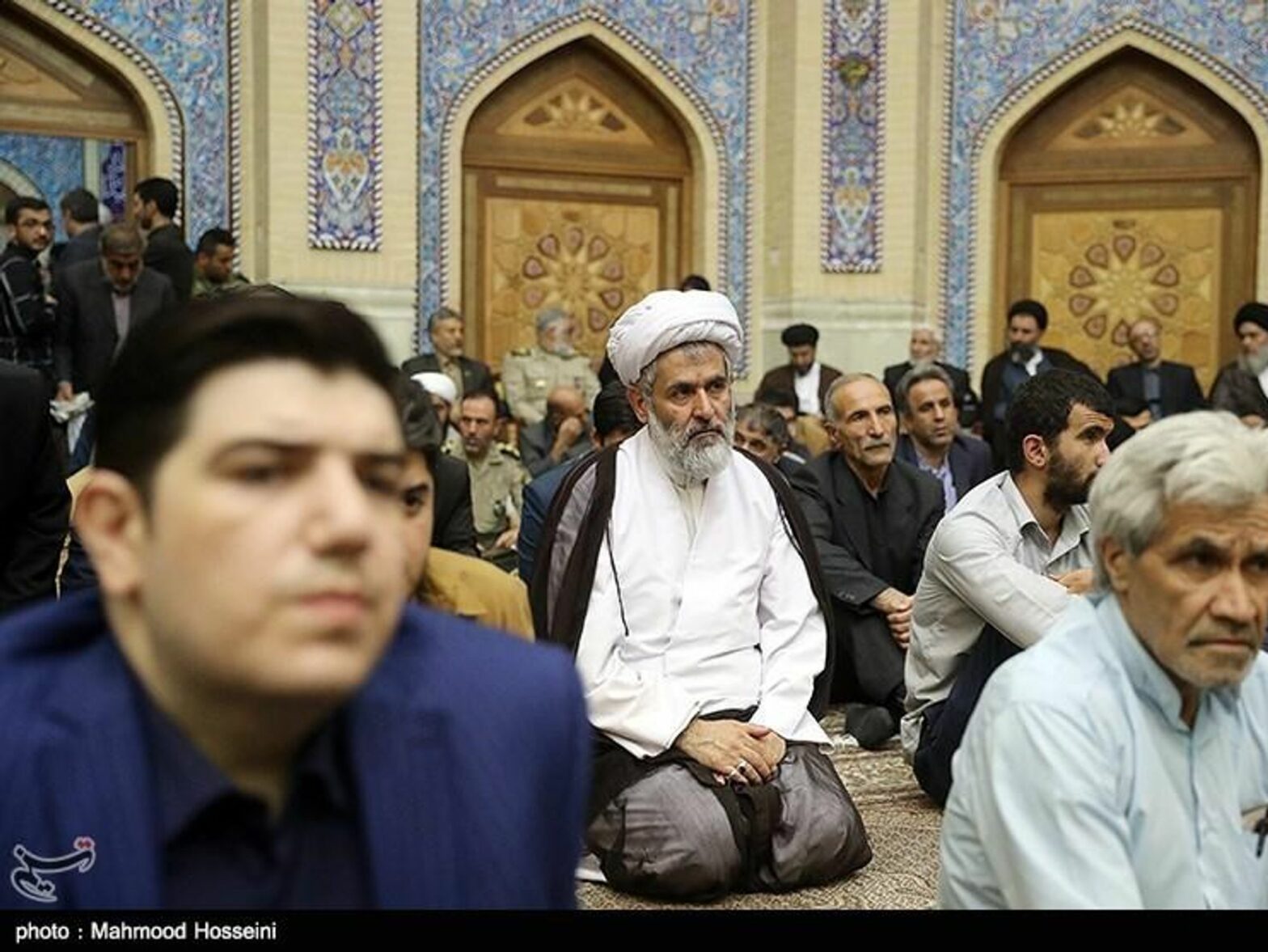
The recent departure of a top Iranian military intelligence chief, supposedly over security lapses and bad decisions, reveals regime weakness in an area key to its survival: espionage and state intelligence.
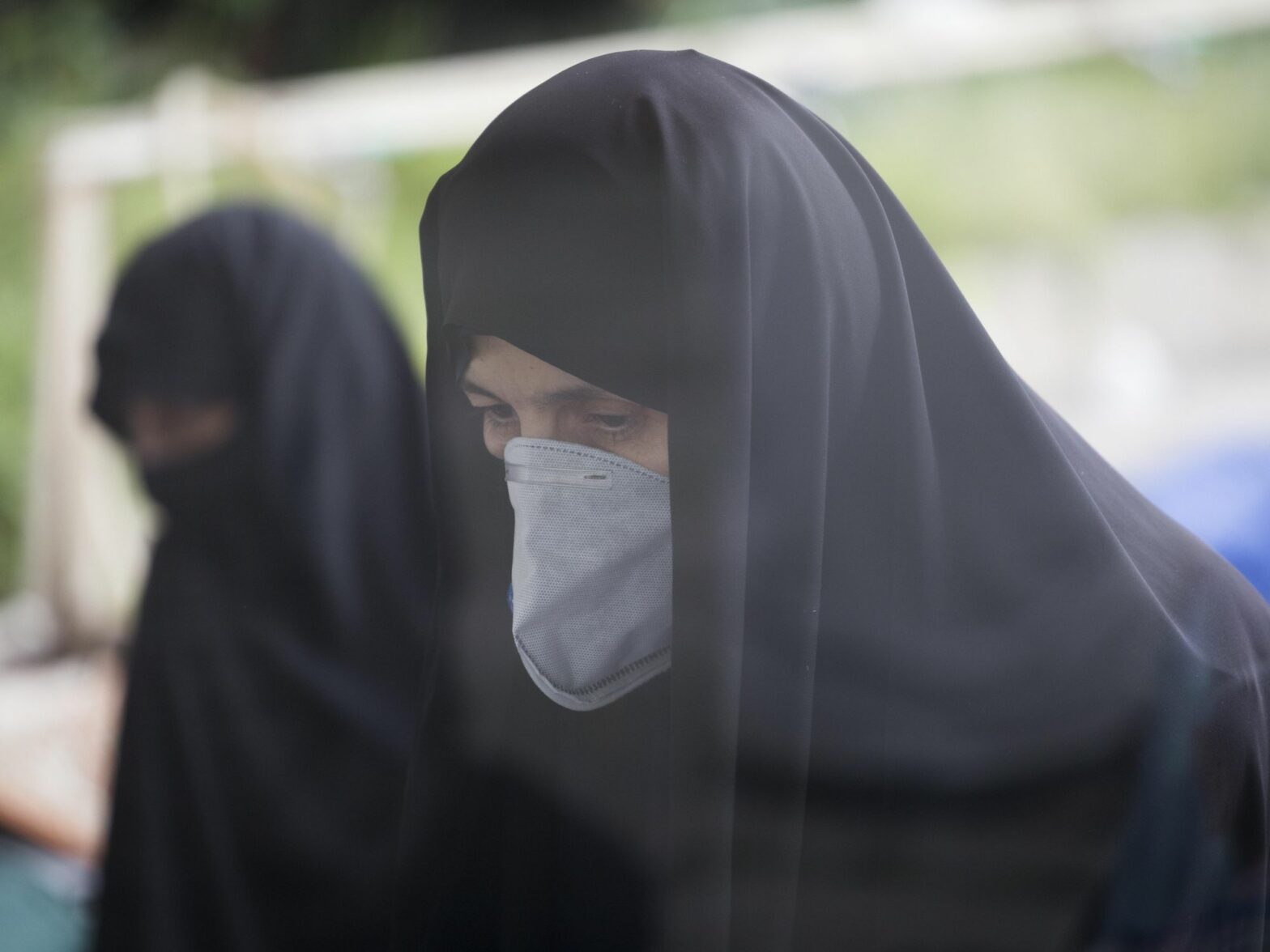
Regardless of rising summer temperatures, Iran’s Islamic authorities say they’ll be punishing women not properly dressed and veiled at work. But some women are resisting.
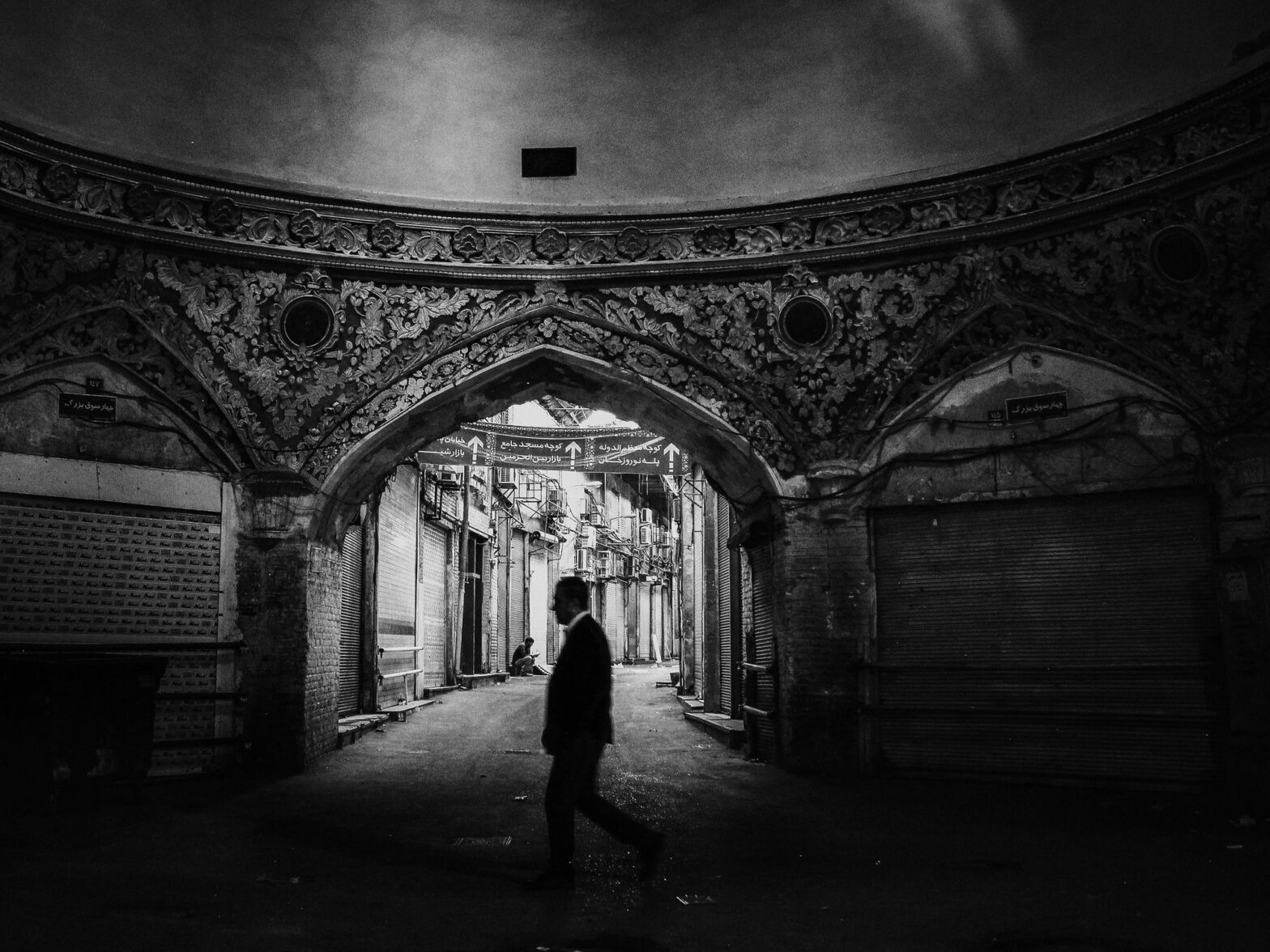
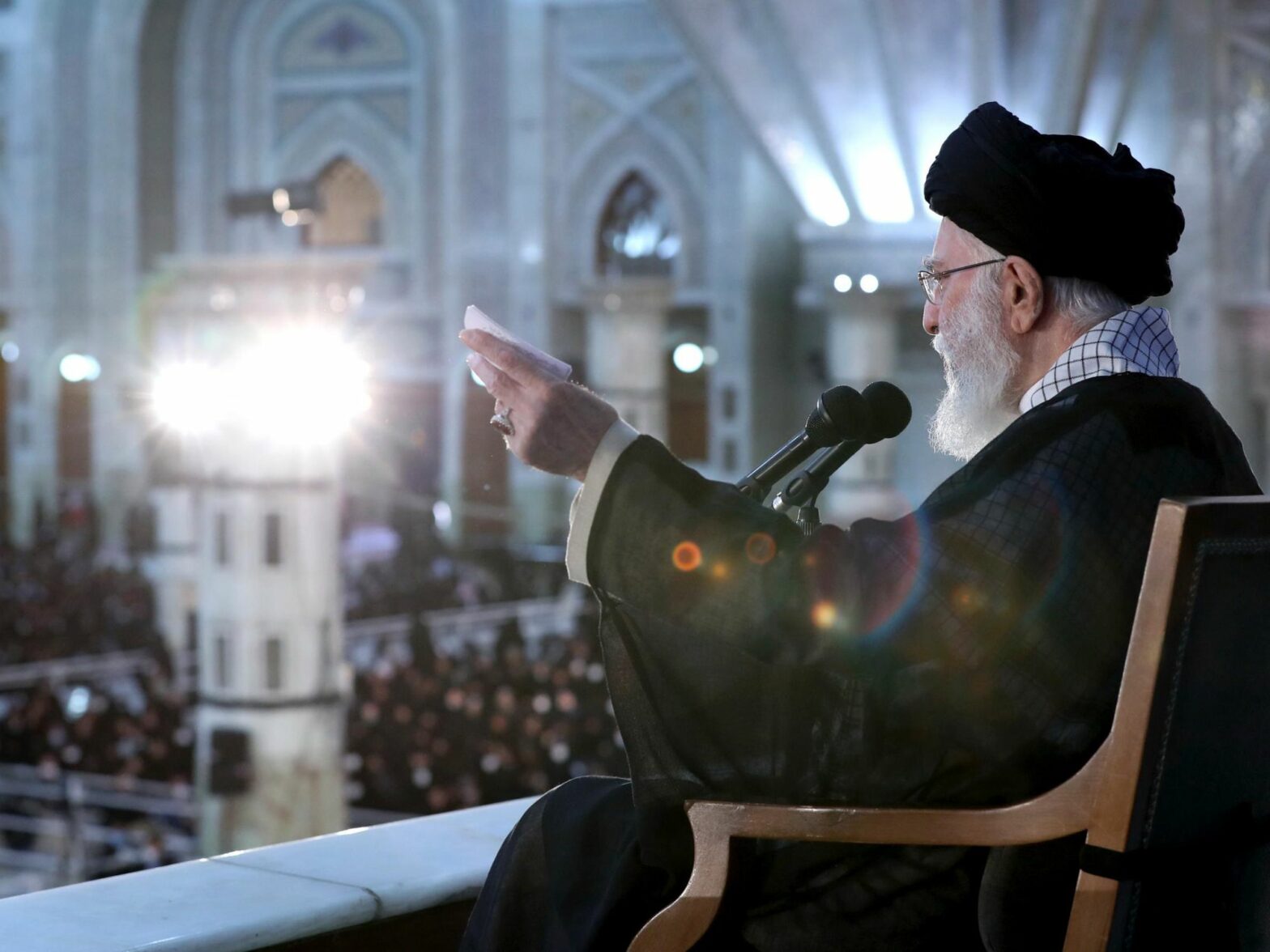
After years of ignoring or downplaying domestic protests in Iran, Western states and media have begun to imagine — and even prepare for — the still slim but growing possibility of a regime change in Tehran.
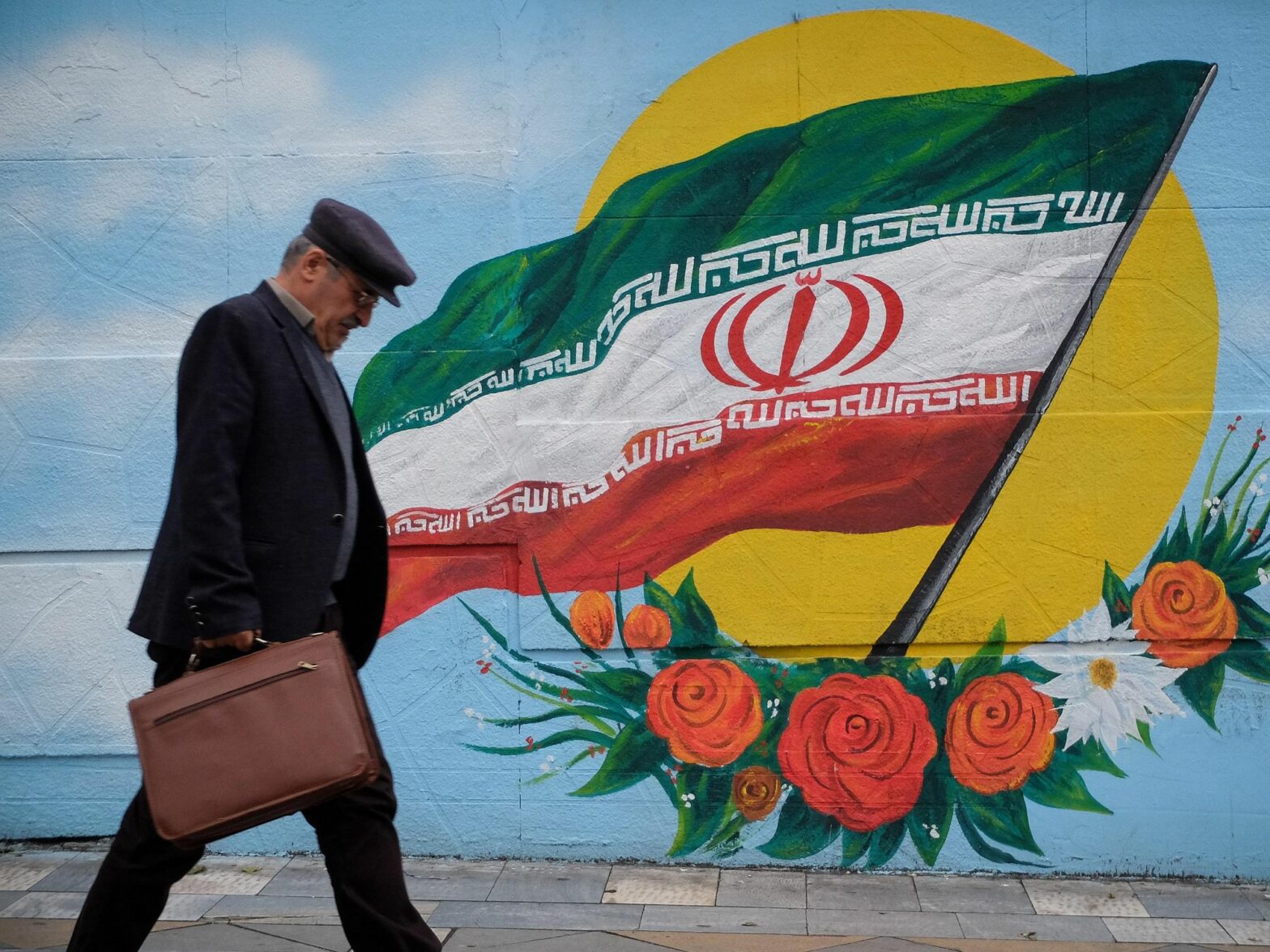
Israel’s vocal support for Iranians protesting the regime will lay the grounds for ties with a future democratic Iran, whenever that may come.
The Persian Gulf has become lucrative fishing territory. Sharks, a threatened species, are being hunted to be used in cooking and medicines. Local fishermen are being arrested, but the operation involves people much higher up the food chain.
Facing resurgent protests in several provinces, Iran’s clerical regime now relies on two defenses: brute force and Western appeasement. But its days may be numbered as younger Iranians are increasingly emboldened to demand a different future.
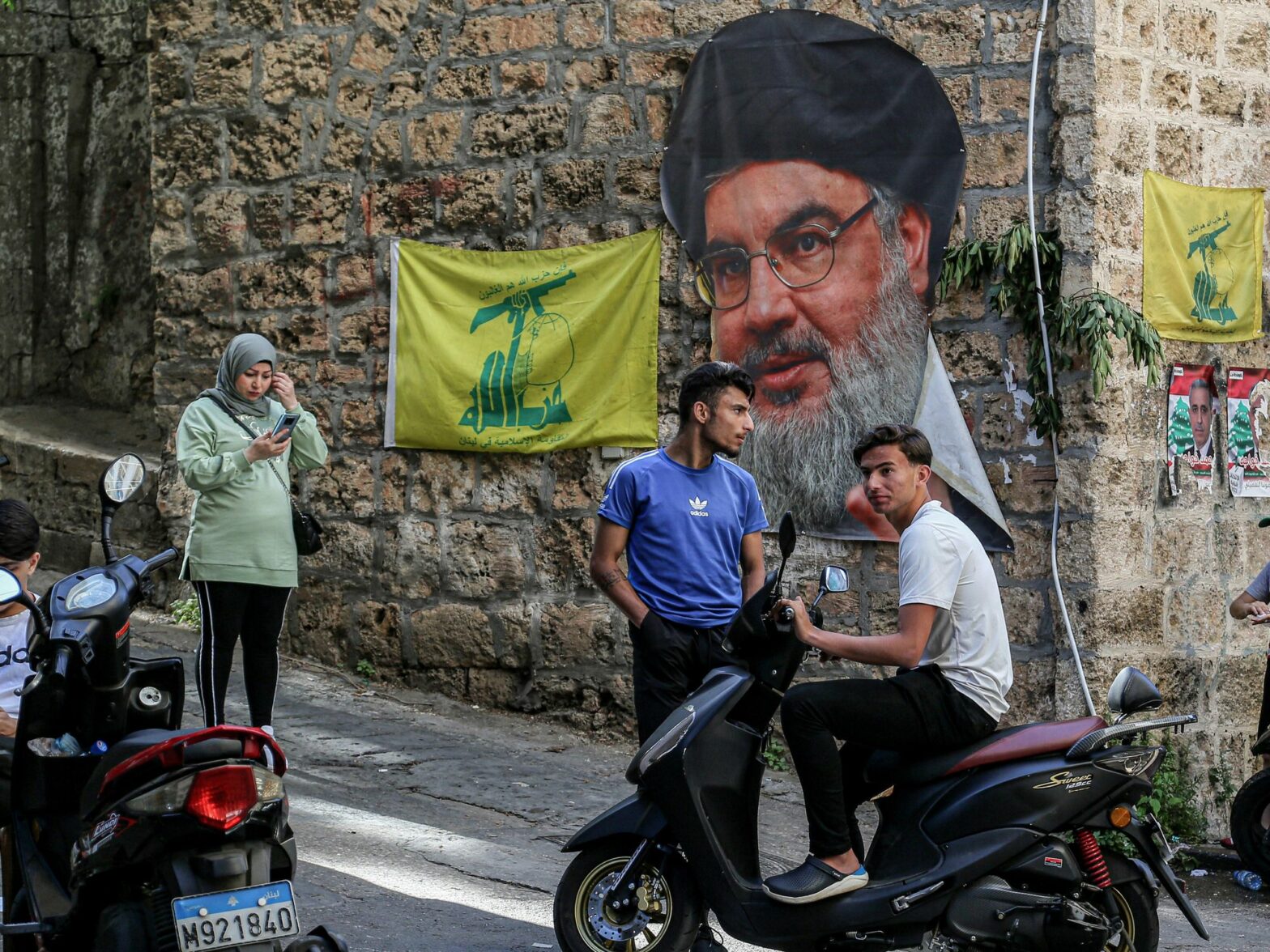
Lebanon’s recent elections have shrunk the legislative block led by national power-brokers Hezbollah. But will a precarious new majority be able to rid the government of the long shadow of Tehran?
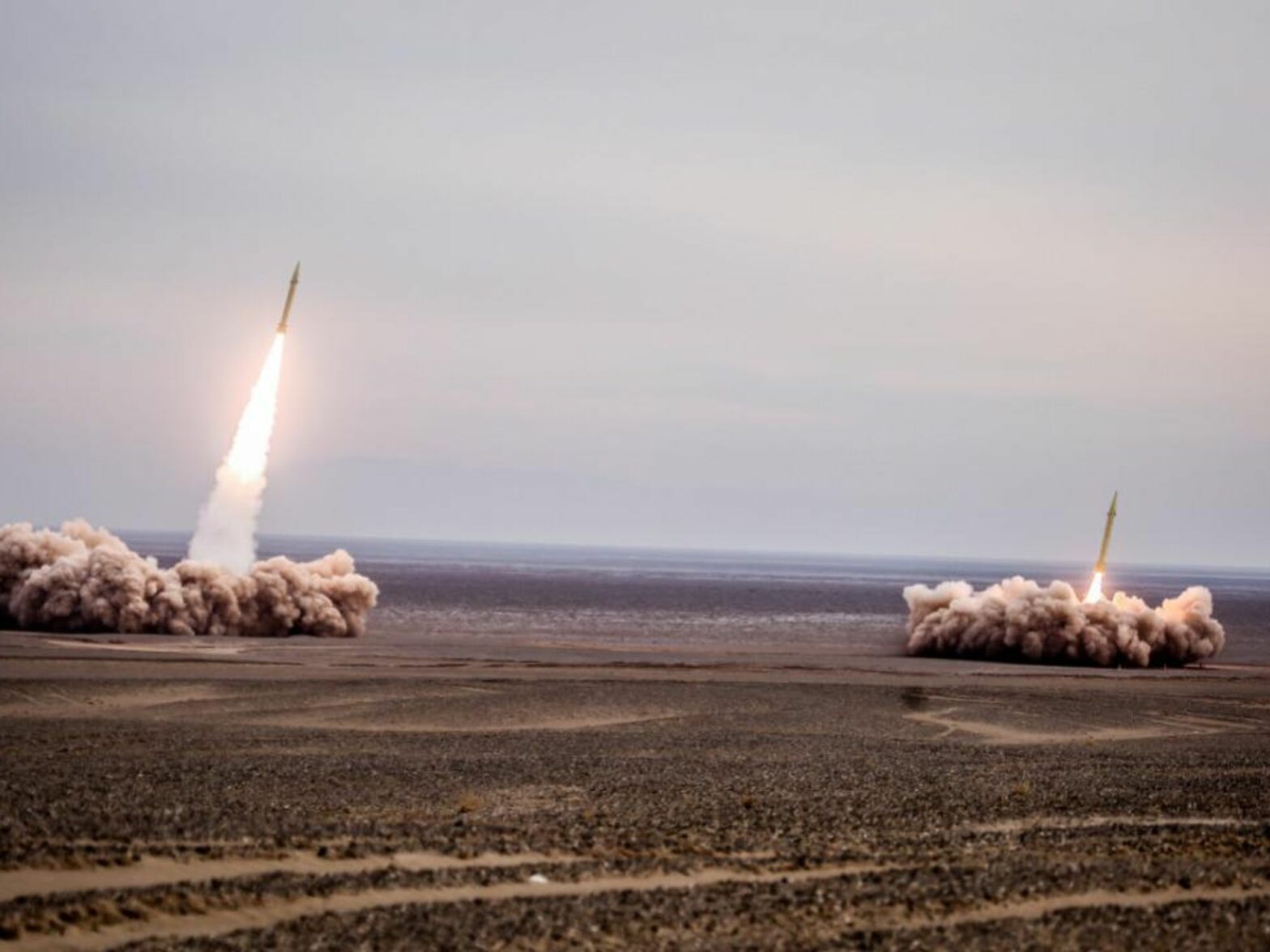
A new round of comments from inside Iran’s leadership ranks reaffirms its intention to produce a nuclear bomb, a decades-long cat and mouse game between the regime and an ever cautious West that hasn’t seemed to change even as the Russia-Ukraine war brings in a new world order.
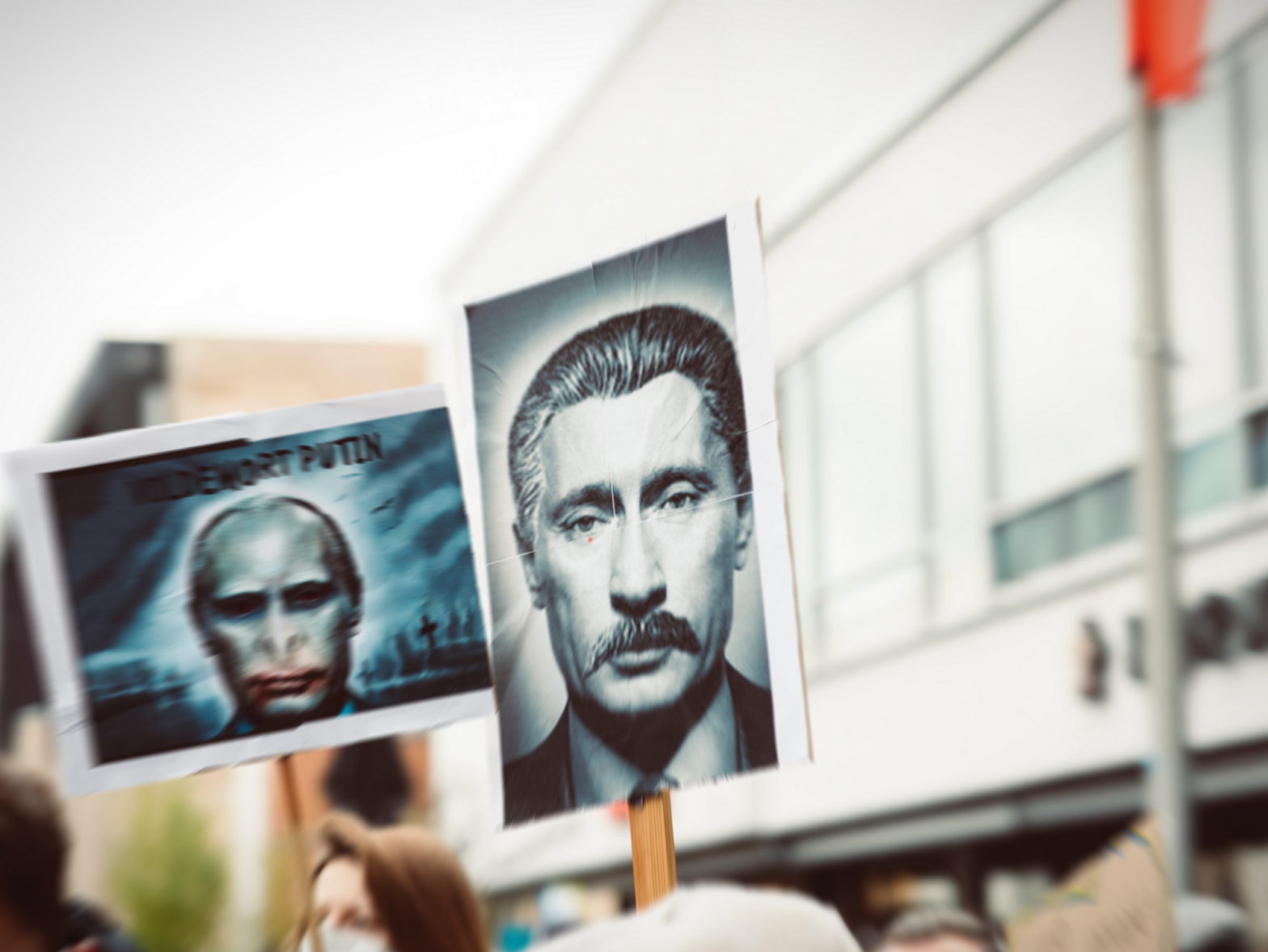
The war in Ukraine has set off the dynamics of a new Cold War: a standoff between democracy and authoritarianism, whatever the ideological stripe. Faraway parts of the world will be affected by what happens on the ground in Ukraine.
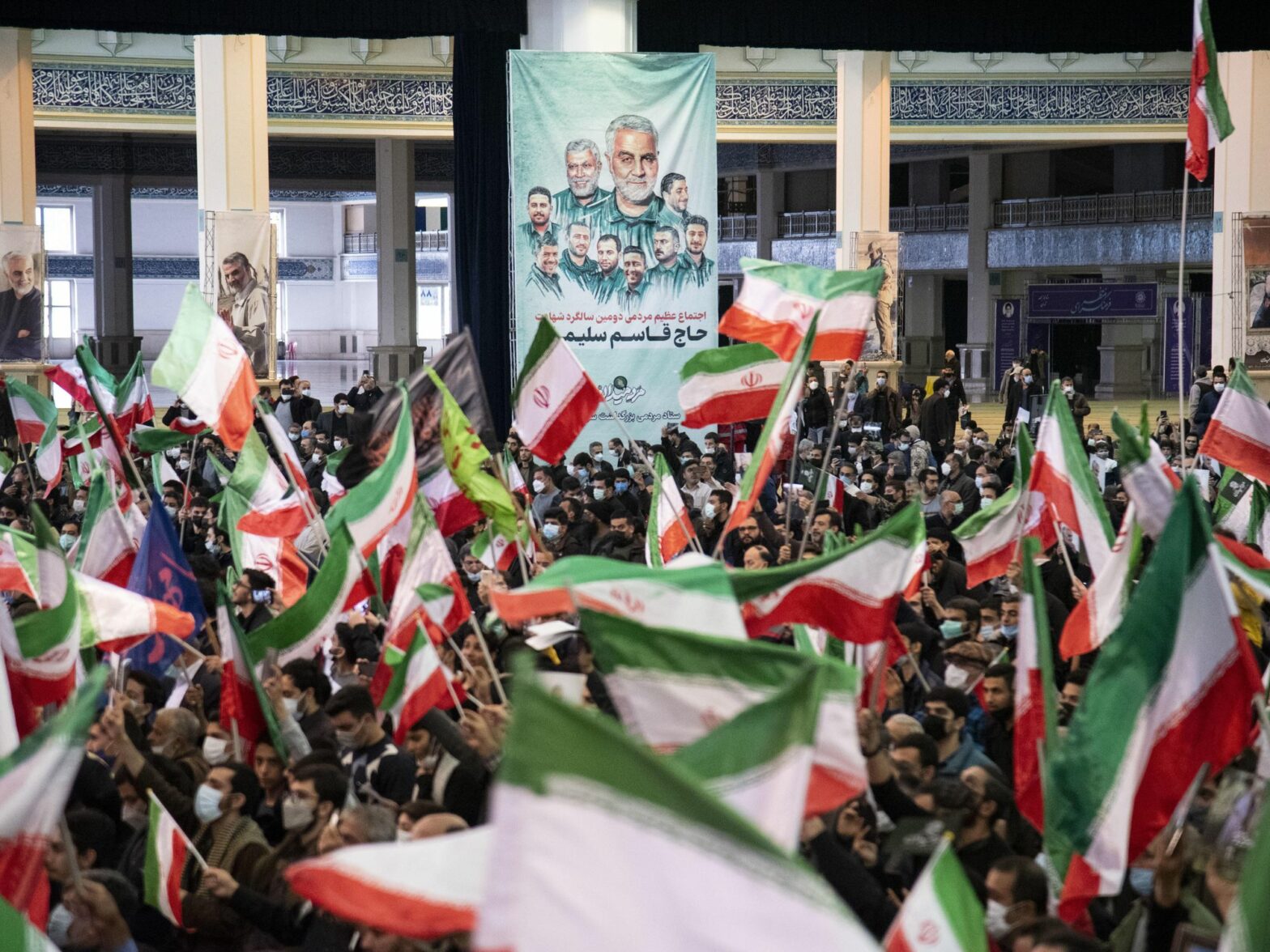
Is there calculated diplomacy or just confusion behind the Biden administration’s ambivalent positions on what can only be defined as ‘terrorism’ of the Iranian Revolutionary Guards?
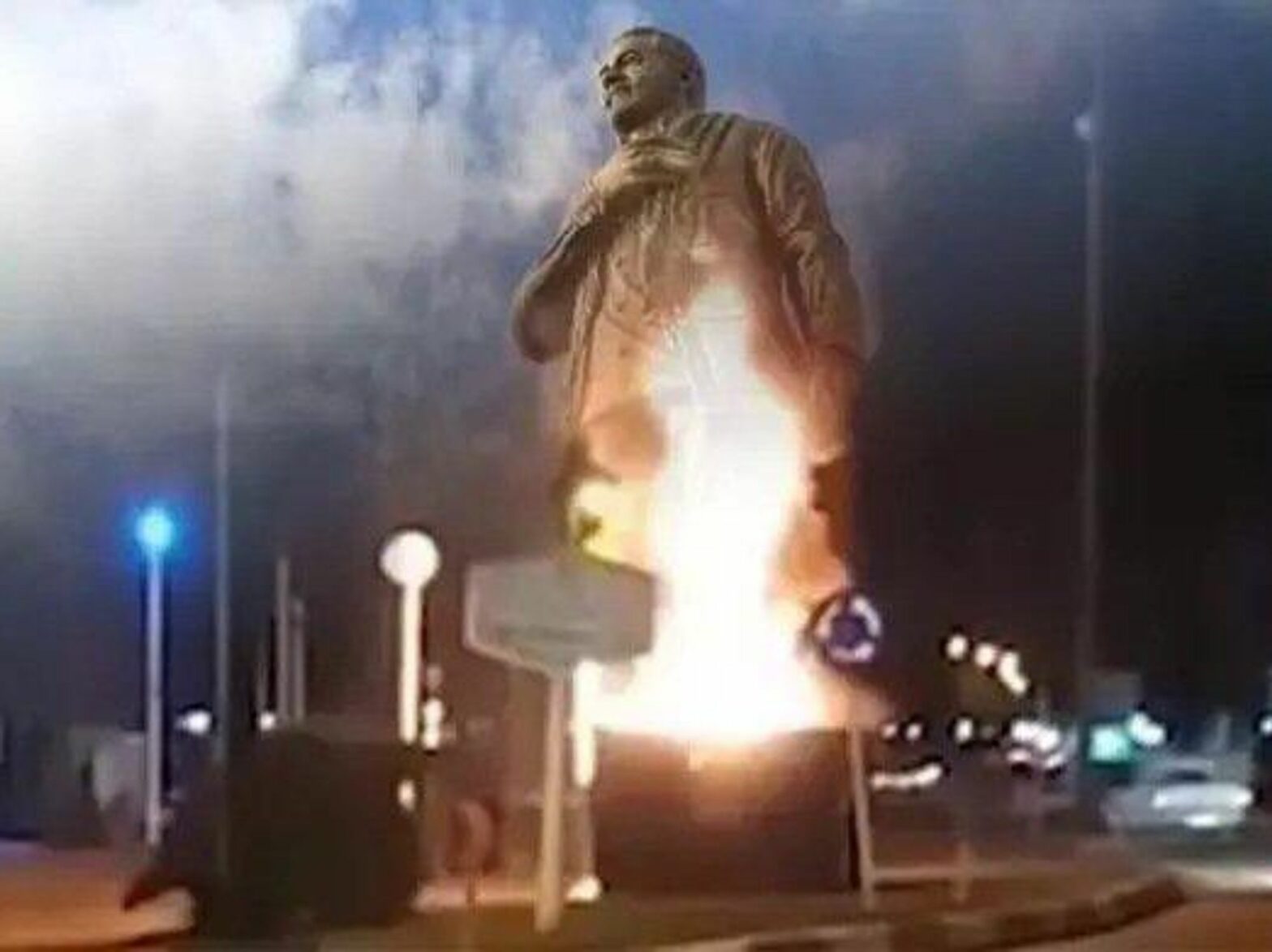
With increasing frequency, Iranians are destroying or defacing the monuments of revolutionary and clerical leaders that they have come to loathe as symbols of oppression. It is a dangerous act of protest against the regime, which has called the vandalism “vile.”
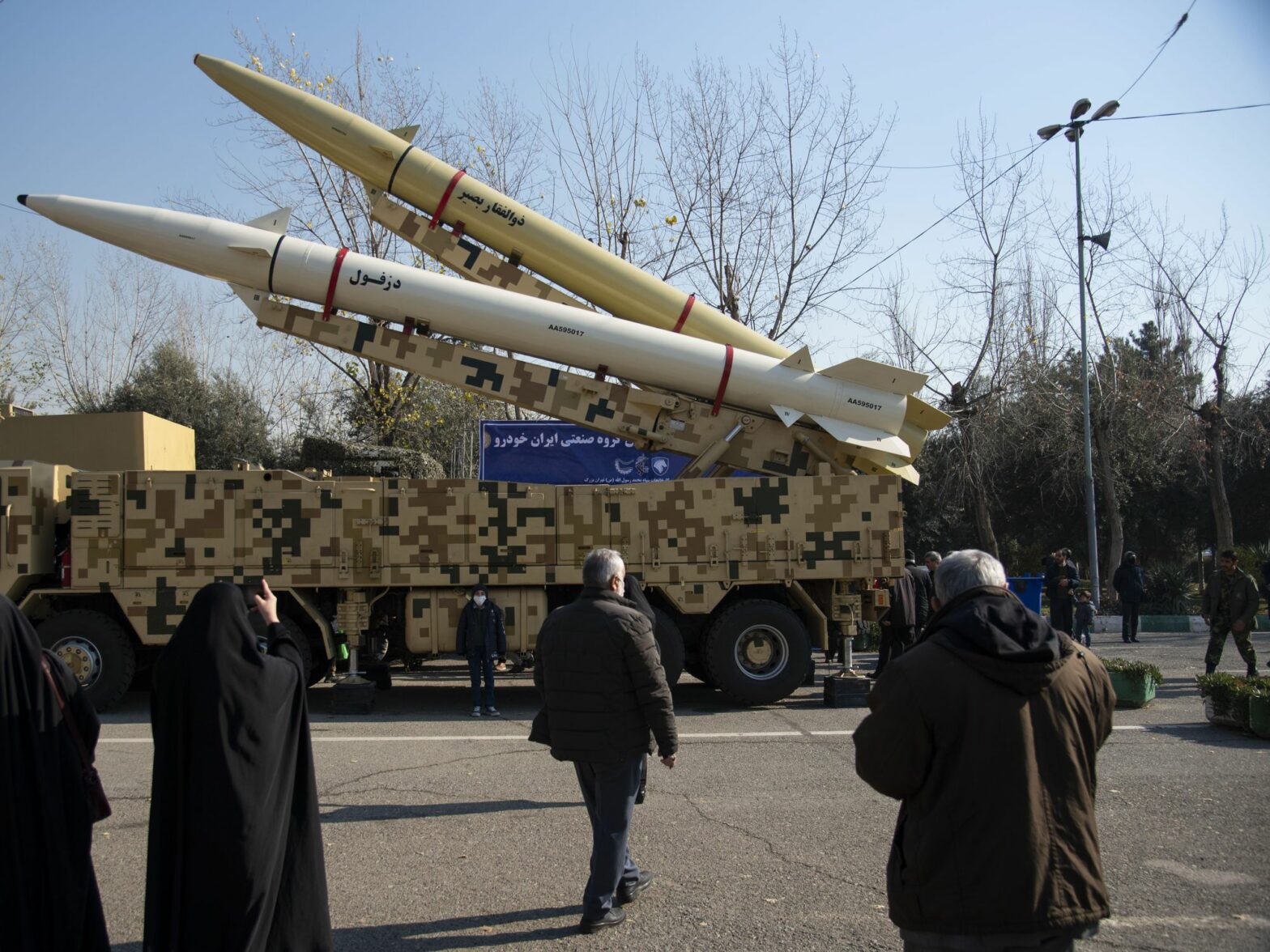
A dispute between Iran’s foreign minister and a leading regime hardliner over whether to insist on removing the paramilitary from the “terrorist” list indicates divisions in the Islamic Republic over what kind of nuclear deal it wants with the West.
While cheering the Russian attack on Ukraine, Iranian state media have also drawn the “lesson” from this war that a state can only be strong if it has a nuclear arsenal.
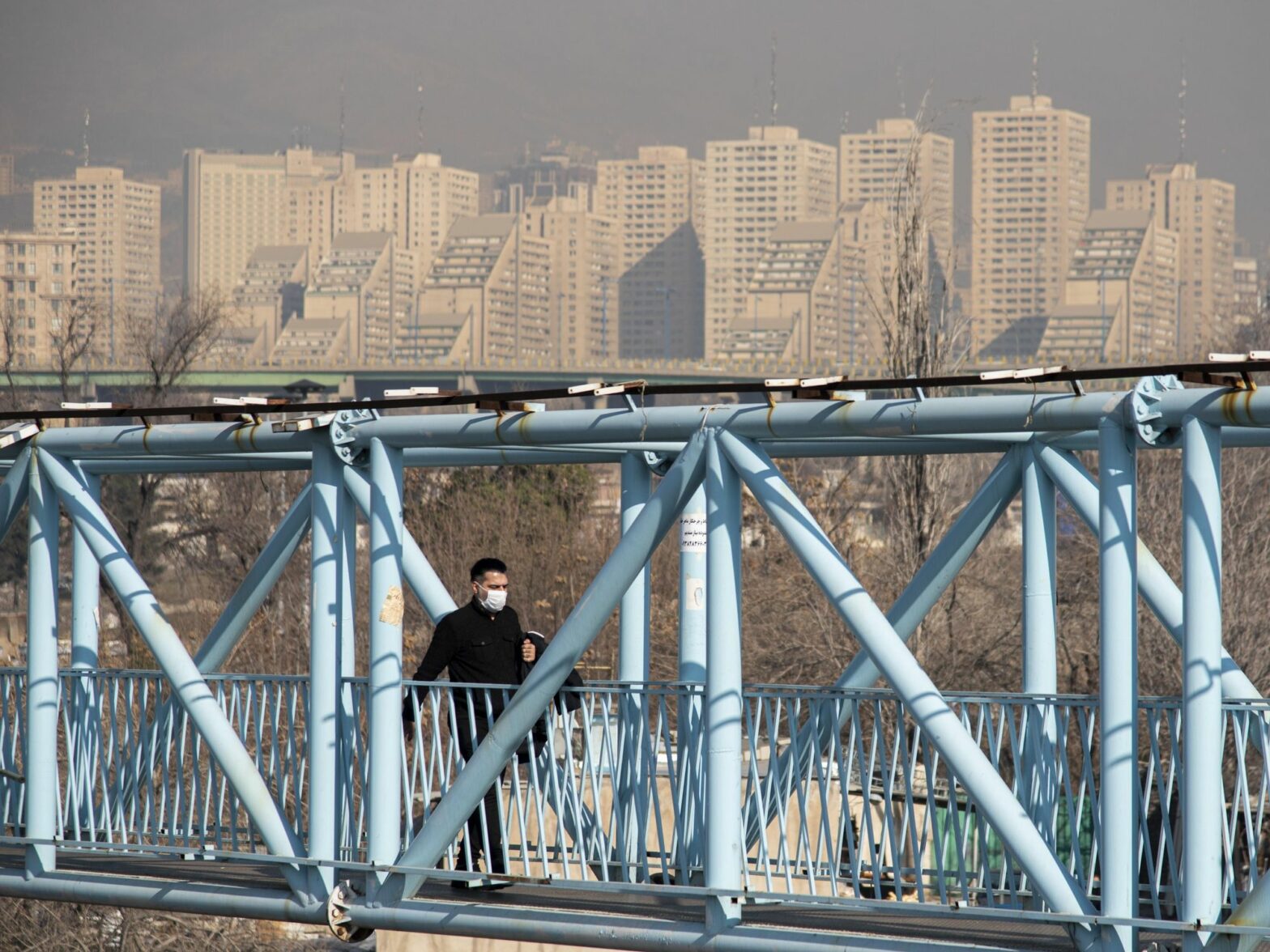
Iranians only have online speculation to guess how much the country’s clerical regime has conceded to China as part of the New Silk Road initiative. There are now reports of 5,000 Chinese security agents being deployed in Iran to “protect” Chinese personnel working in the oil sector.
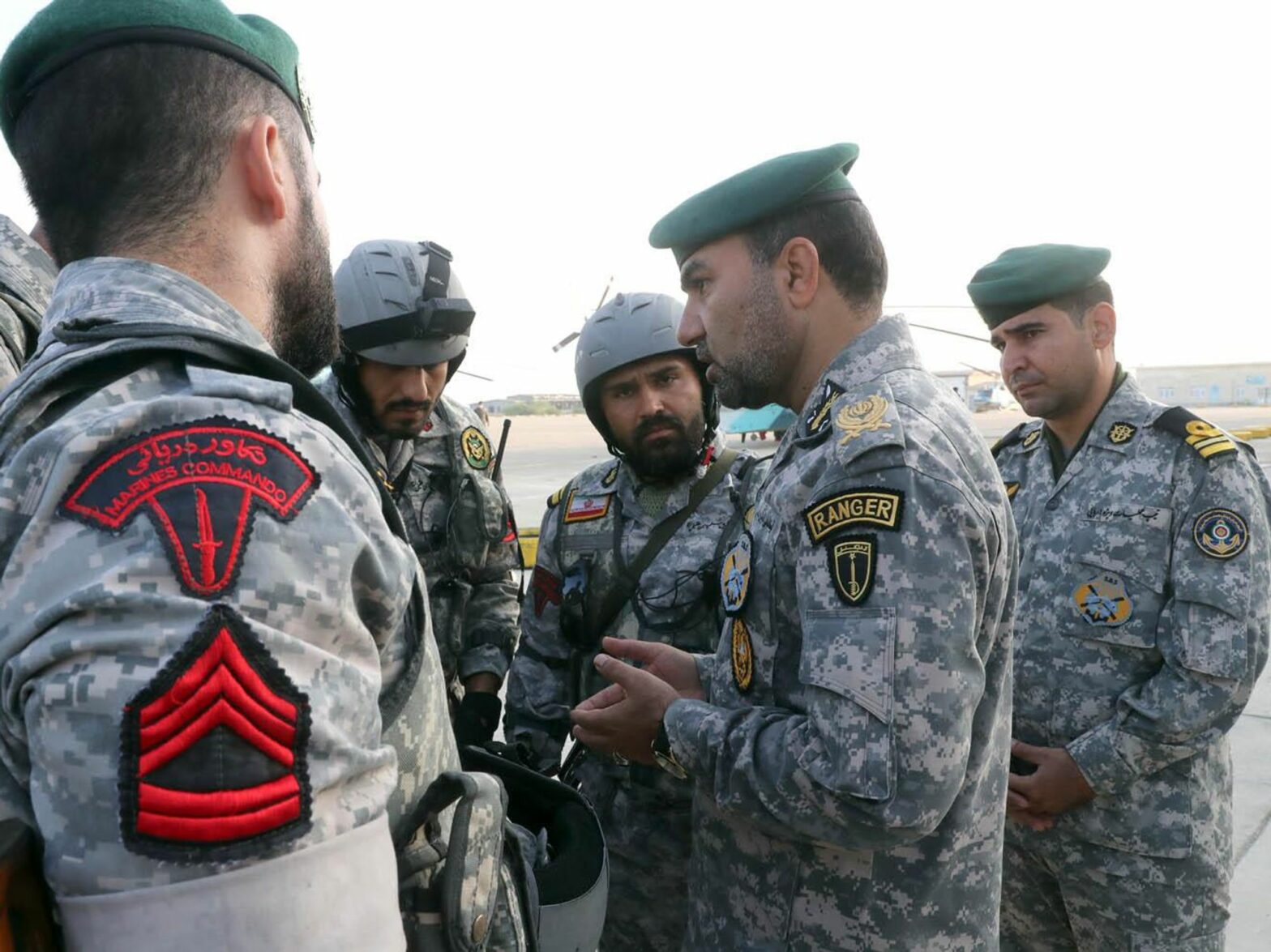
Iran’s clerical regime is handing over vital economic sectors to its “allies,” Russia and China. But future generations may end up paying the real price for the country’s “Look to the East” philosophy.
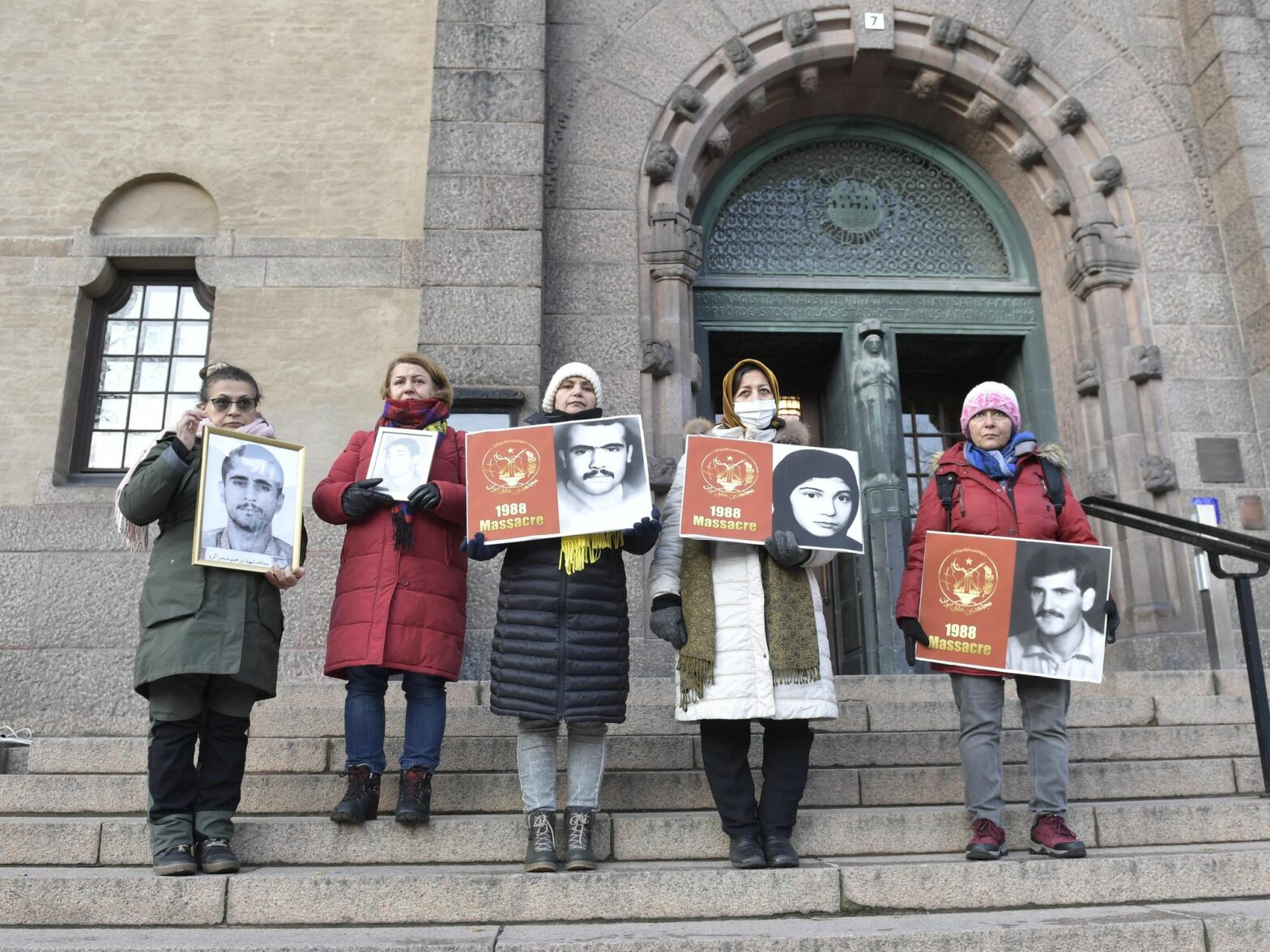
A former Iranian official being tried in Sweden on charges of complicity in murders of hundreds of prisoners outside Tehran in 1988, typifies the violent nature of the Islamic leaders who took over Iranian institutions 40 years ago.