Ending a pregnancy has become a major complication, and a crime, for Iranian women who cannot or will not have children in a country wracked by socio-economic woes and a leadership crisis.
 Worldcrunch
Kayhan is a Persian-language, London-based spinoff of the conservative daily of the same name headquartered in Tehran. It was founded in 1984 by Mostafa Mesbahzadeh, the owner of the Iranian paper.
Unlike its Tehran sister paper, considered “the most conservative Iranian newspaper,” the London-based version is mostly run by exiled journalists and is very critical of the Iranian regime.
Ending a pregnancy has become a major complication, and a crime, for Iranian women who cannot or will not have children in a country wracked by socio-economic woes and a leadership crisis.
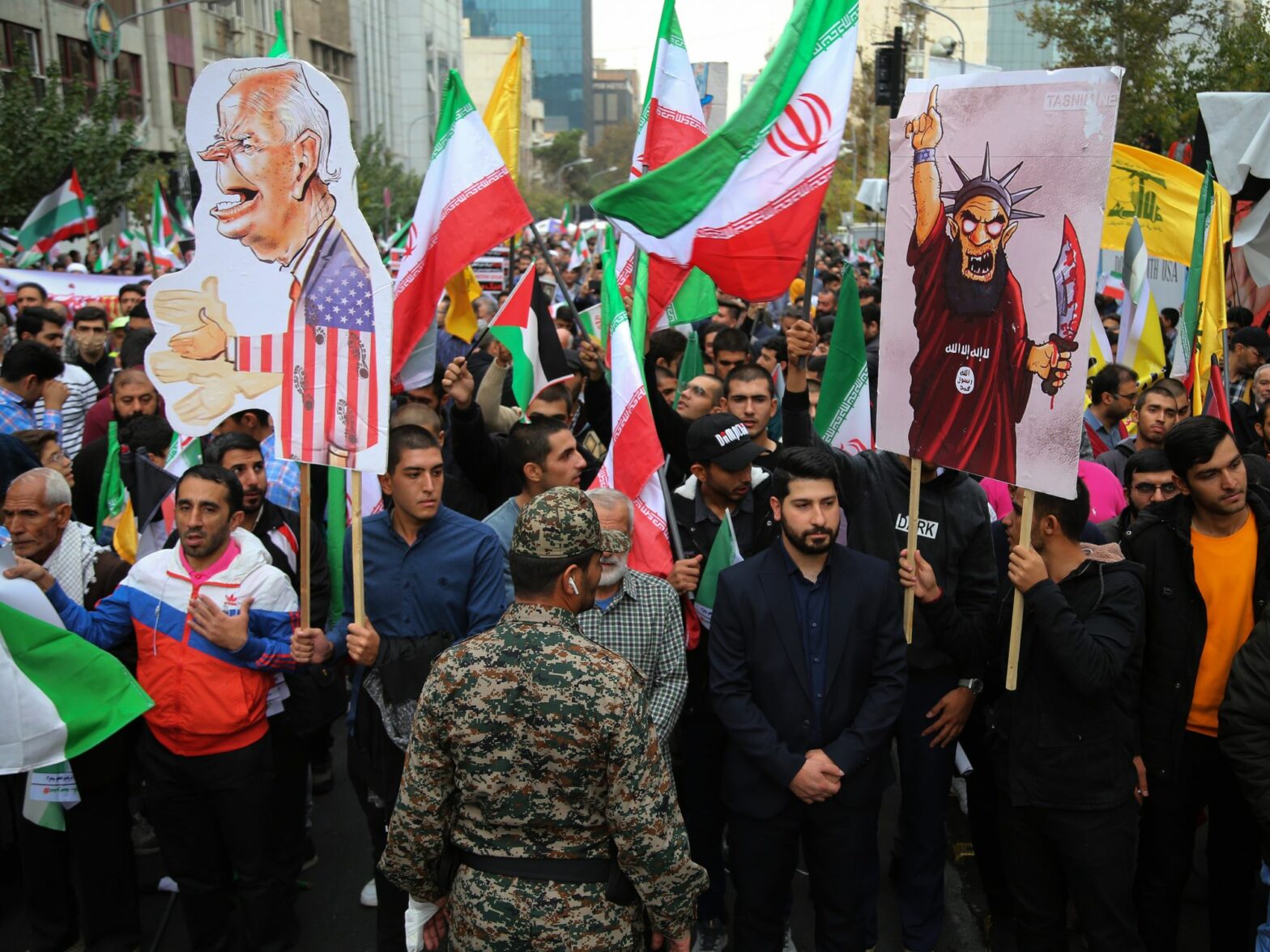
The West’s decision to pressure Israel over Gaza, and indulge Iran’s violent and troublesome regime, follows the U.S. Democrats’ line with the Middle East: just keep us out of your murderous affairs.
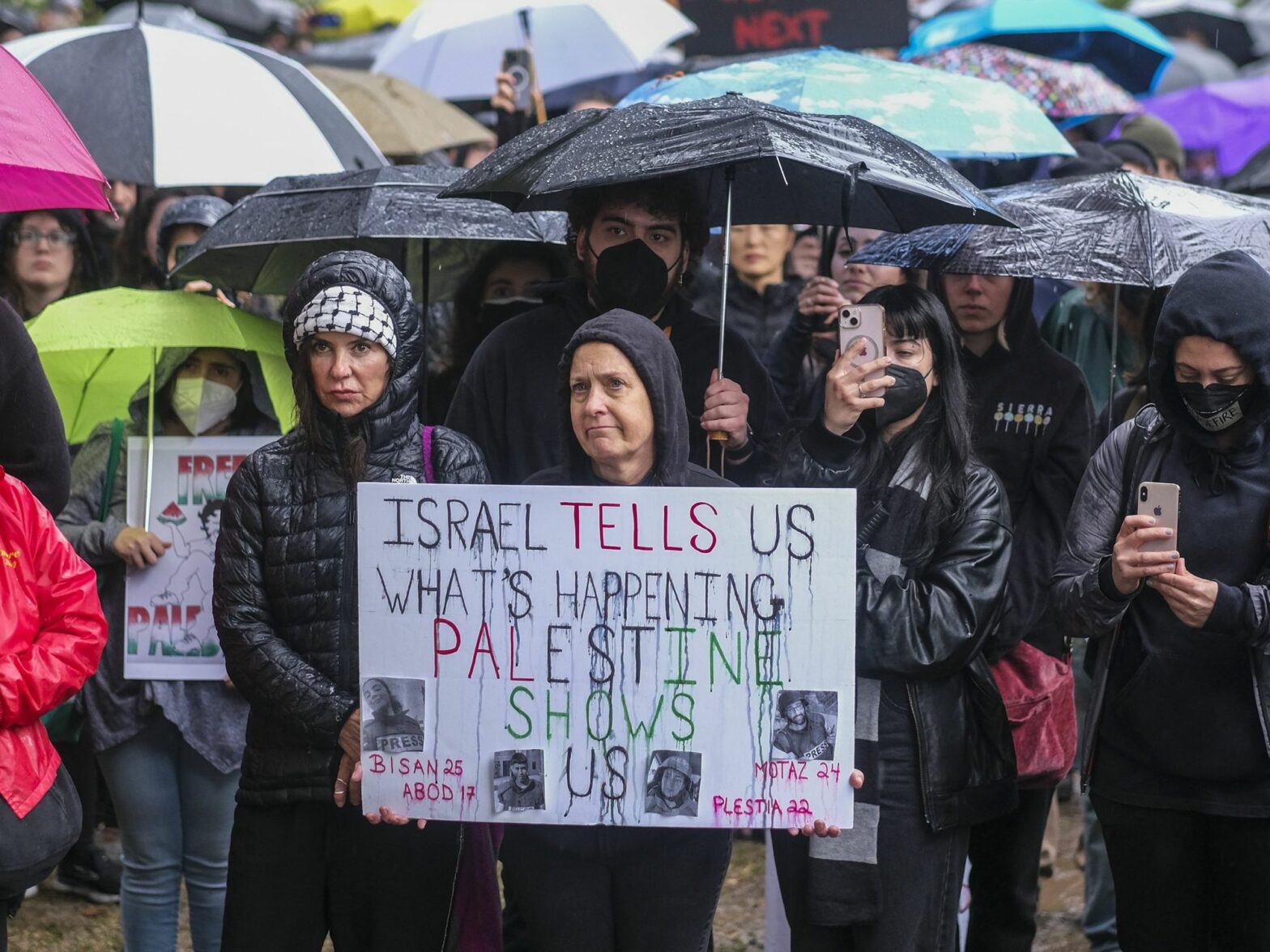
Protests in big cities in the U.S. and Europe against Israel may remind some Iranians of the Western Left’s deluded, and arrogant, support in 1979 for a revolution that turned Iran and the Middle East into a cesspool of terrorism.
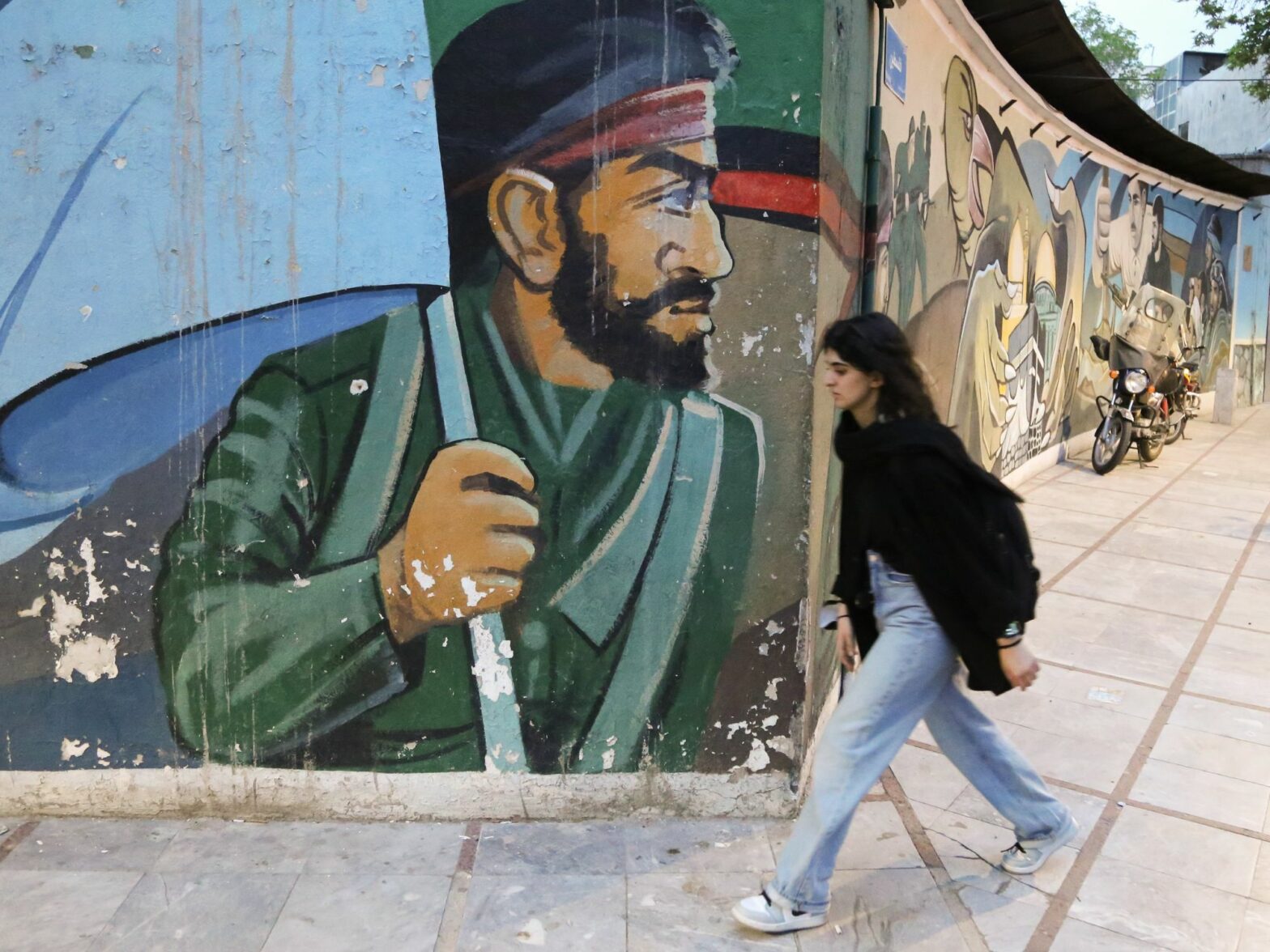
The Iranian regime’s repression of students and universities has reached one of its highest point in the post-revolution era, as authorities are determined to nip any unrest in the bud, and push on with plans to make society even more repressively Islamist.
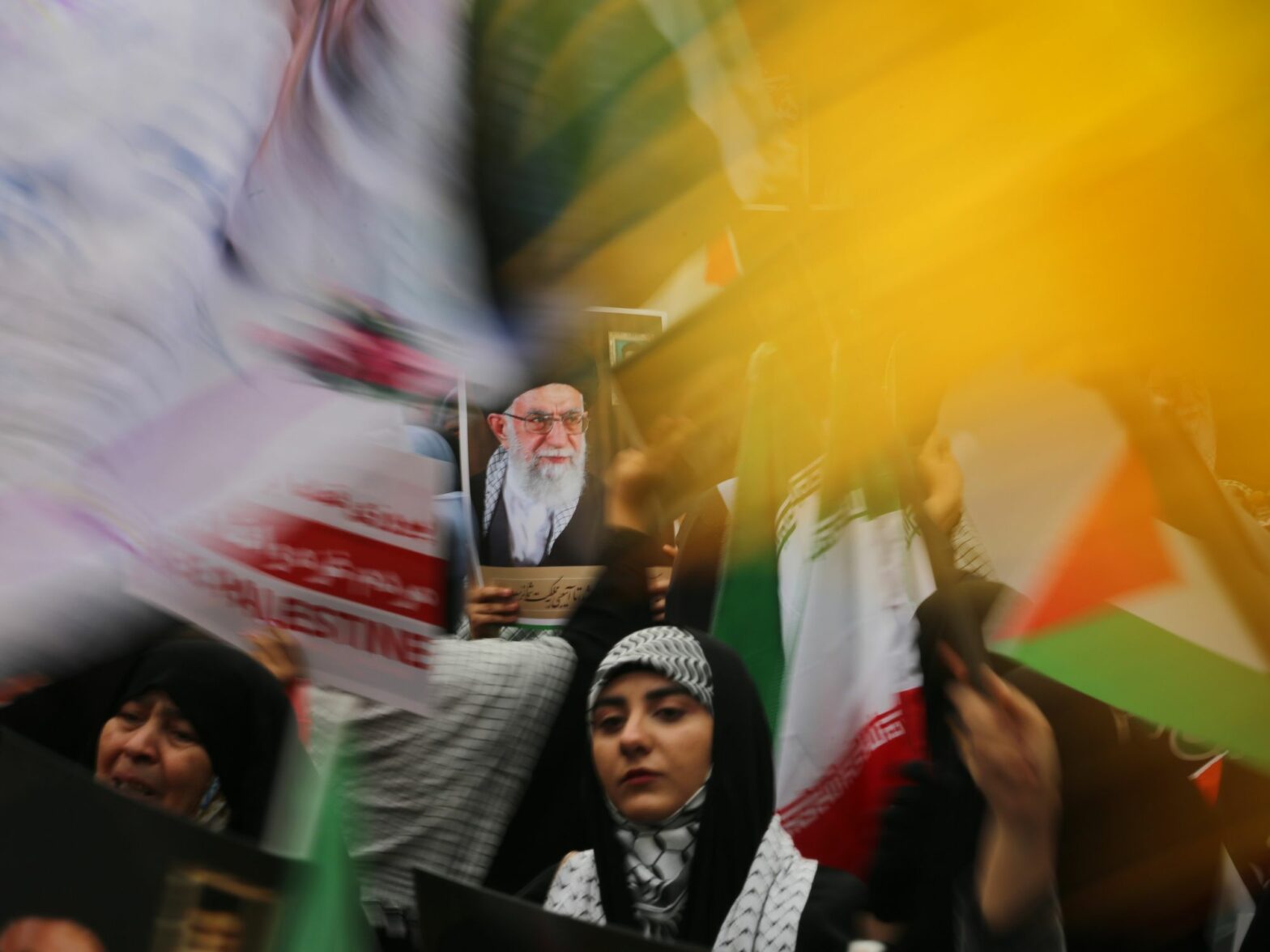
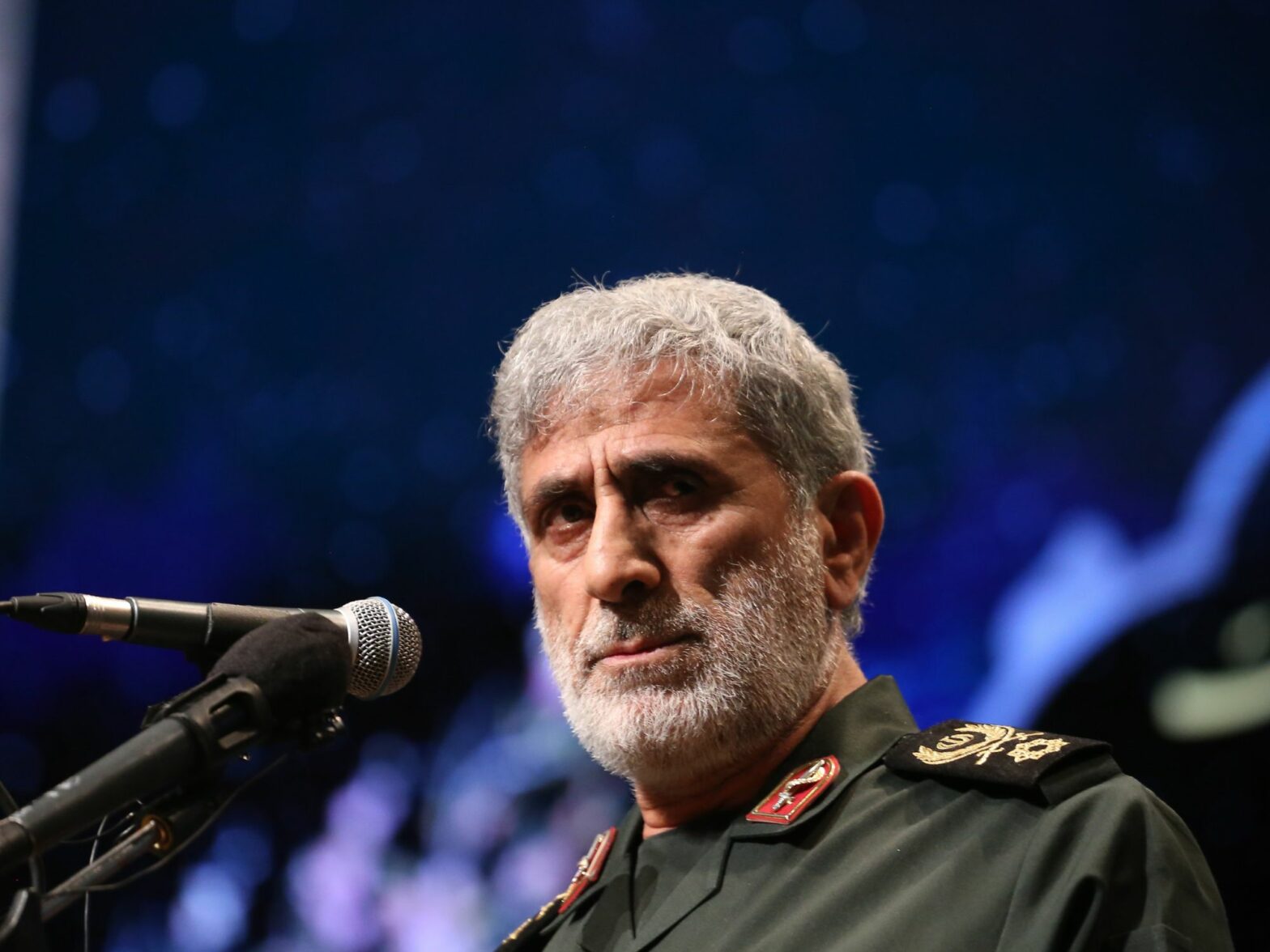
Iran’s revolutionary regime insists it wants Israel destroyed and has threatened a regional war, but its actions are ambivalent, suggesting it may fear a regional war that would hasten its demise. As a result, it may decide to stop supporting Hamas in Gaza.
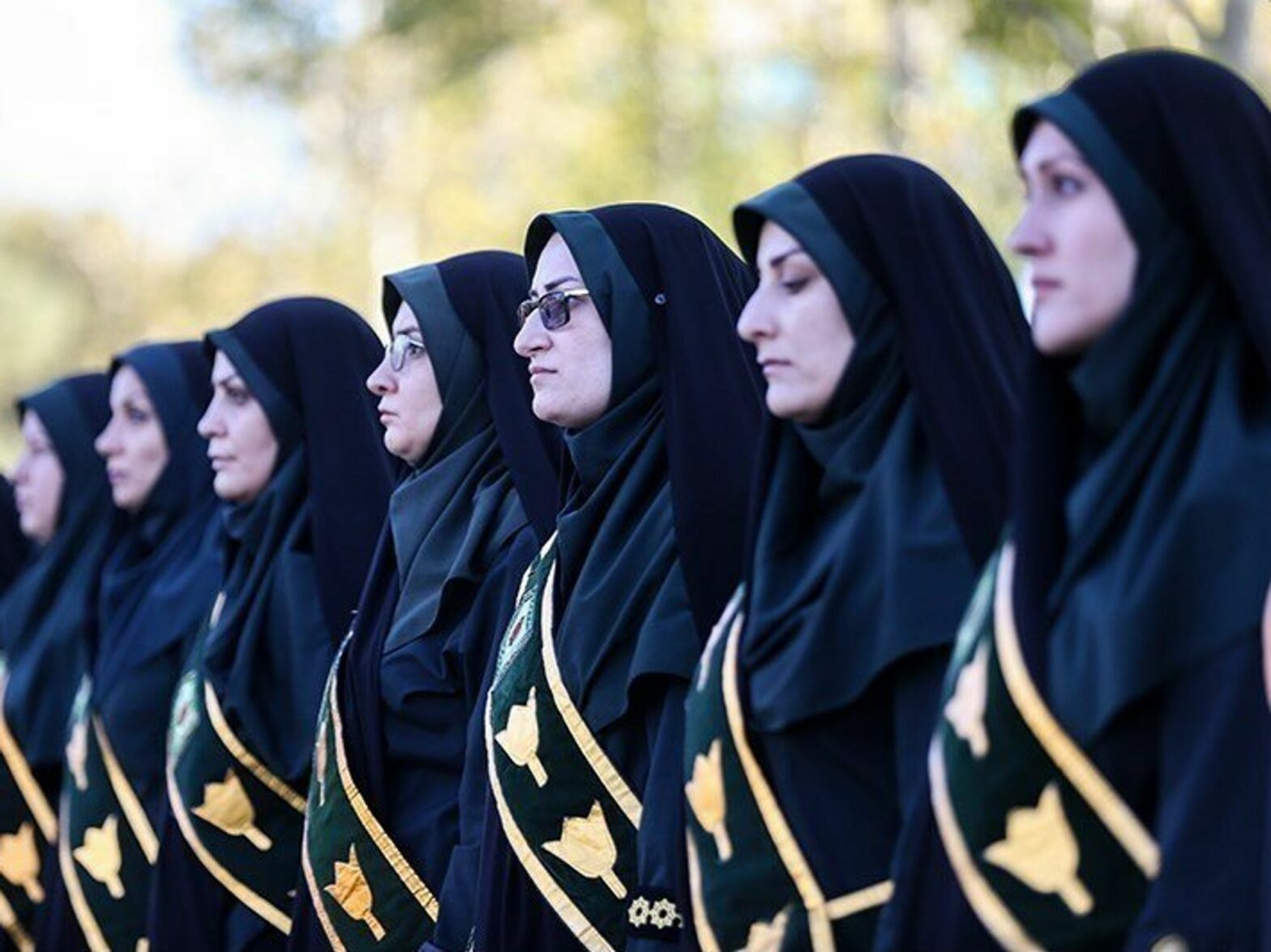
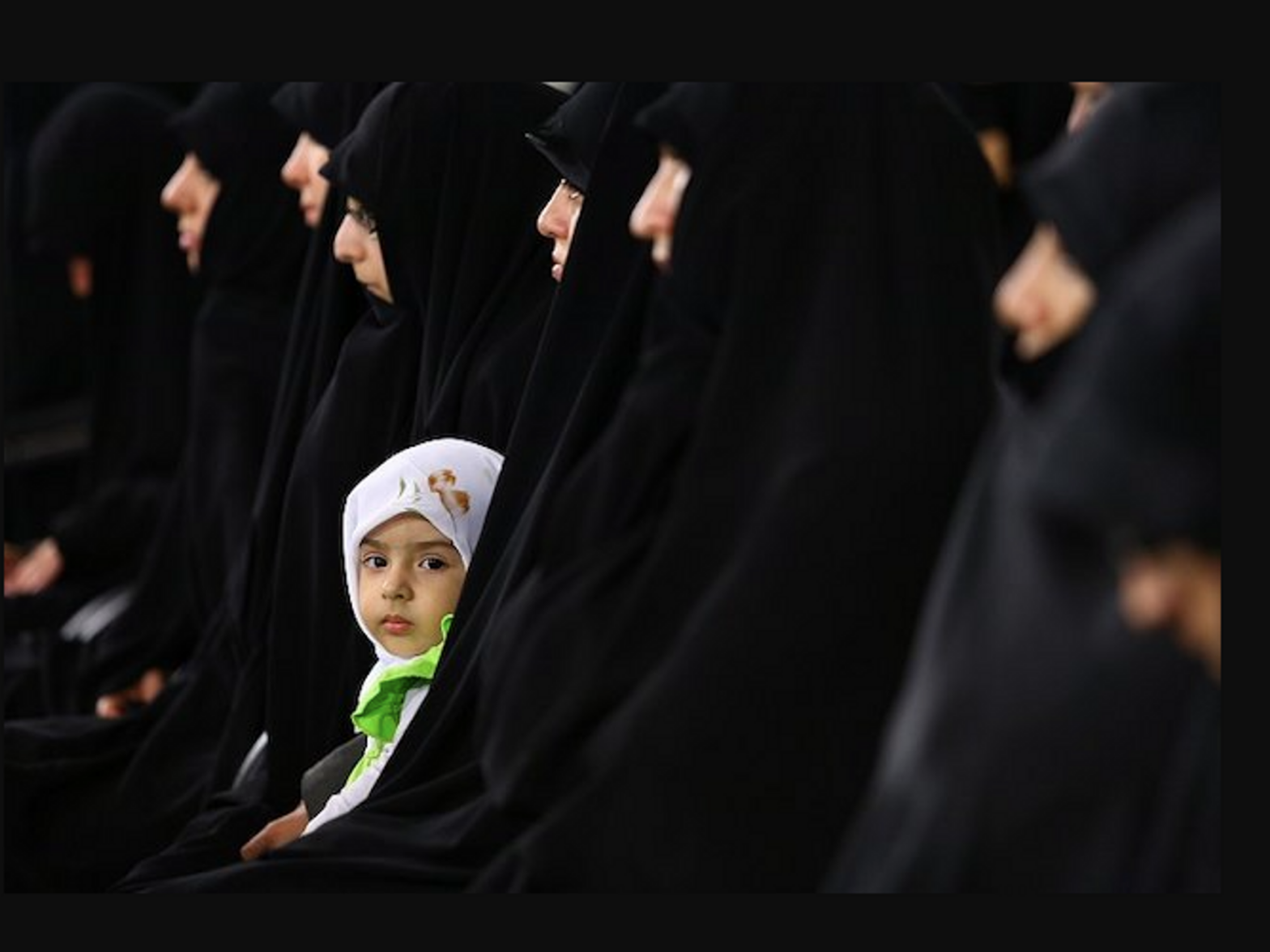
Recovering from the shock of Iran’s 2022 mass protests, the clerical regime has vigorously resumed its campaign to enforce Islamic hijab rules. But it is also pushing for gender segregation in other important ways across society
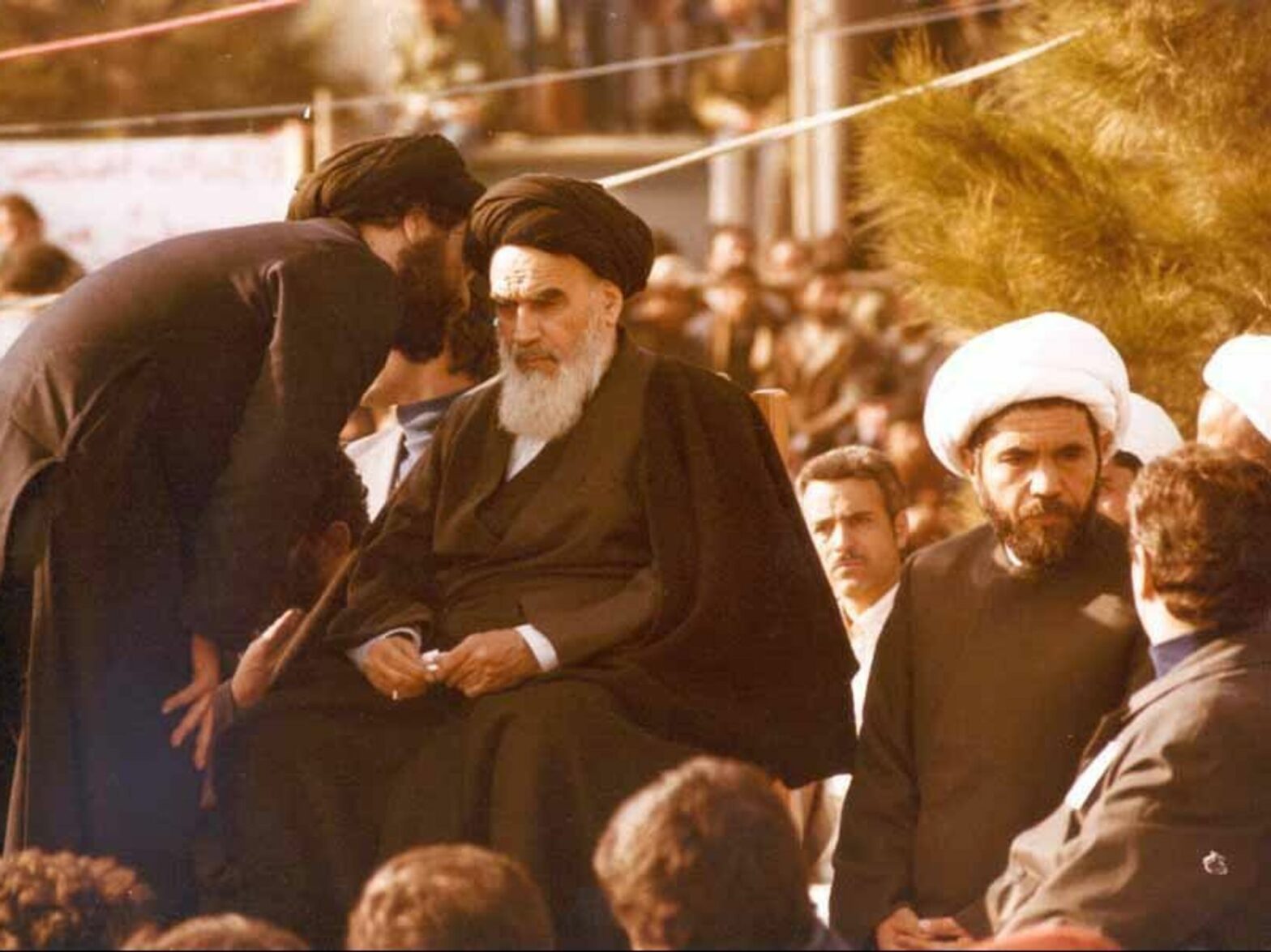
Whom should we blame for the death and destruction in Gaza: terrorists, Israel or ‘warmongers’ beyond them, notably the Tehran regime that envisaged, decades ago, a regional war as the prelude to spreading its “Islamic revolution.”
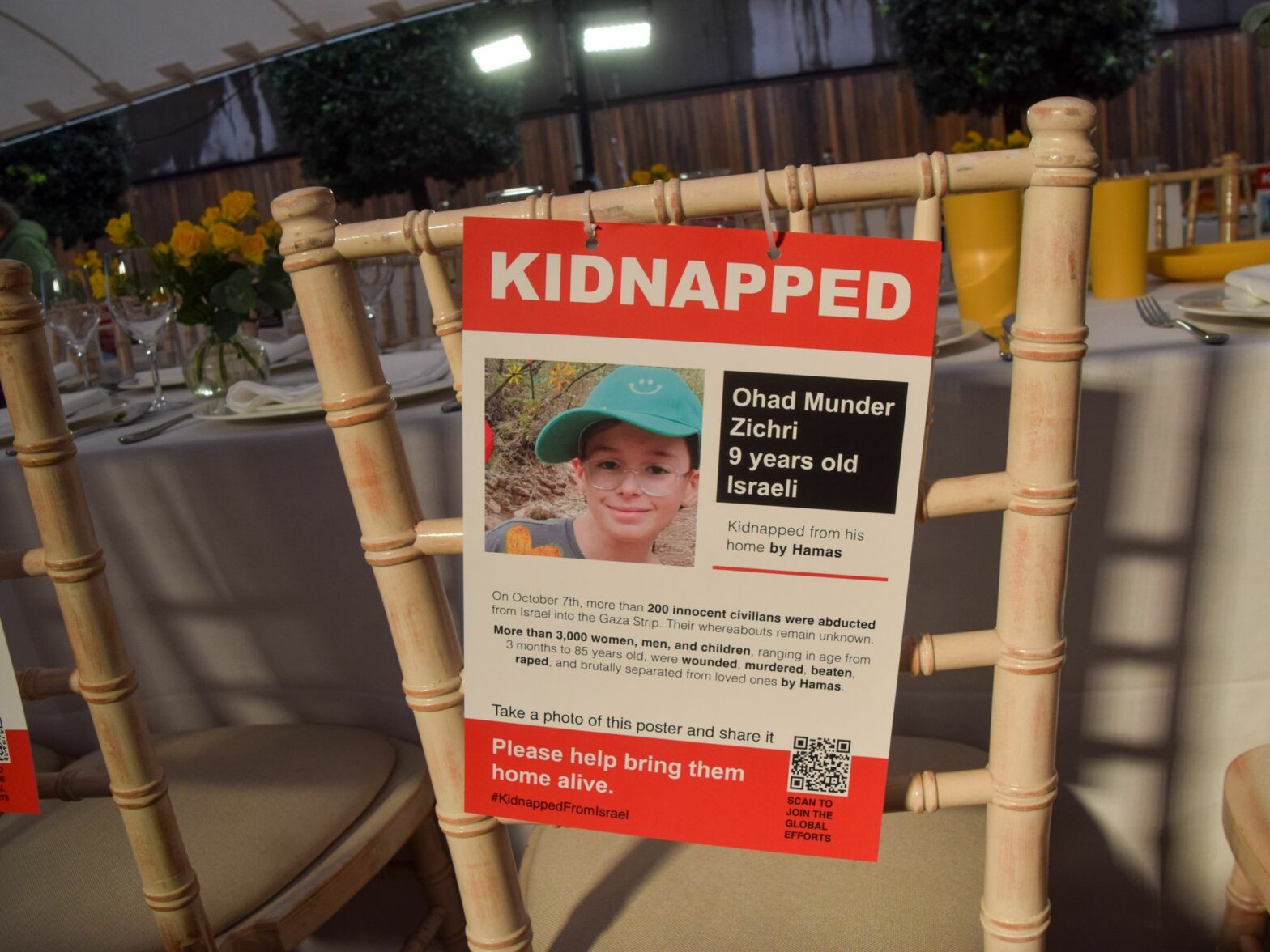
The kidnapping of more 200 Israelis by Hamas suggests that its patron, the Islamic Republic of Iran, is exporting its terrifying and lucrative methods at home to the rest of the Middle East.
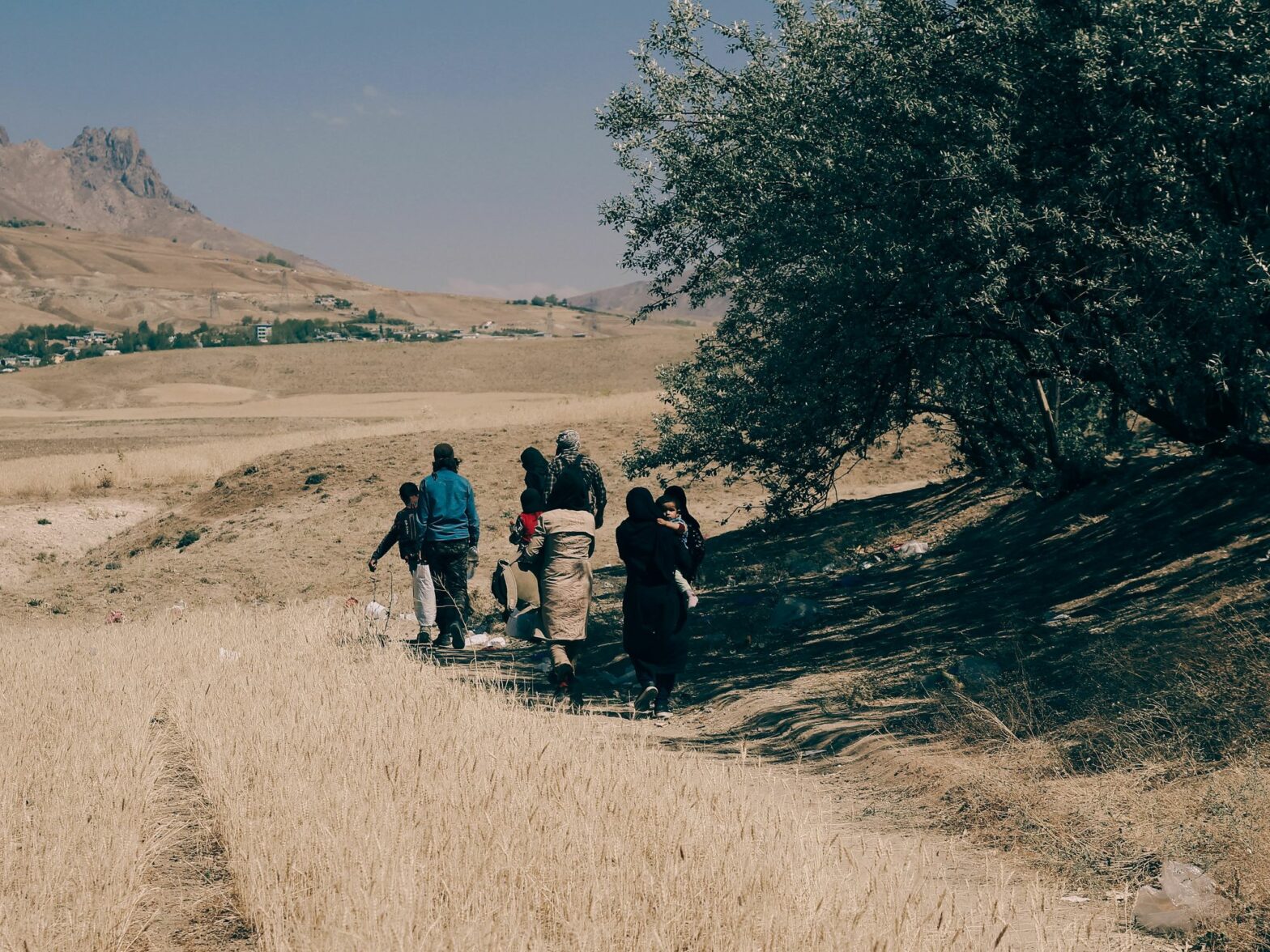
Many Iranians fear unchecked immigration, mostly by Afghans but also Iraqis, will overwhelm a fragile economy that is weakened by the many qualified employees leaving Iran.
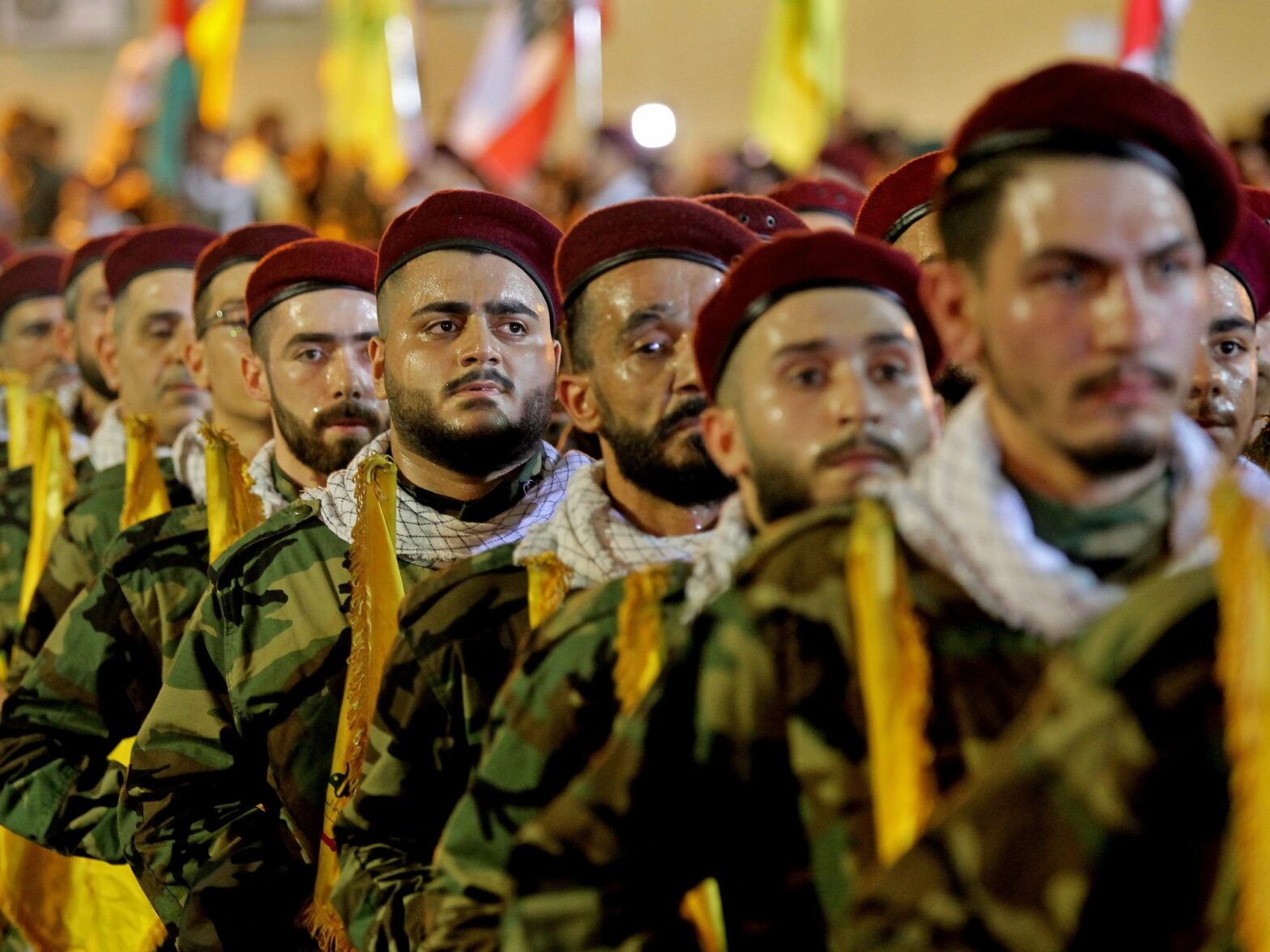
For decades now, the Islamic Republic of Iran has created, armed and trained paramilitary groups in several Middle Eastern states, all of which are believed to stand at the ready to strike Israel and Western targets at Tehran’s command.
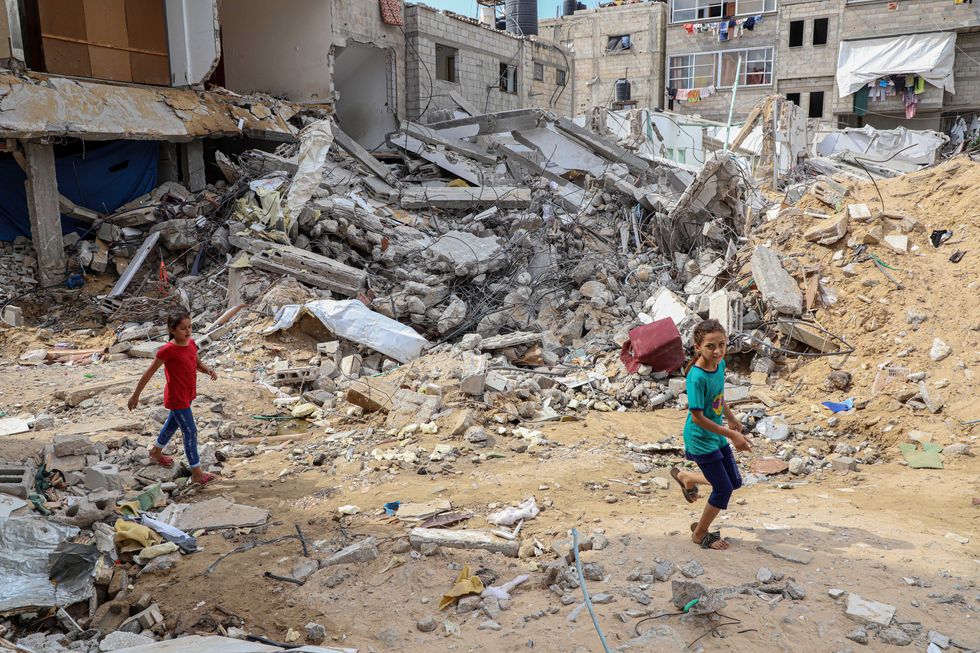
Hamas has shown callous disregard for the lives of Palestinians living in Gaza, but this was inevitable given its history and the inspiration of its patrons – Iran’s hangman regime.
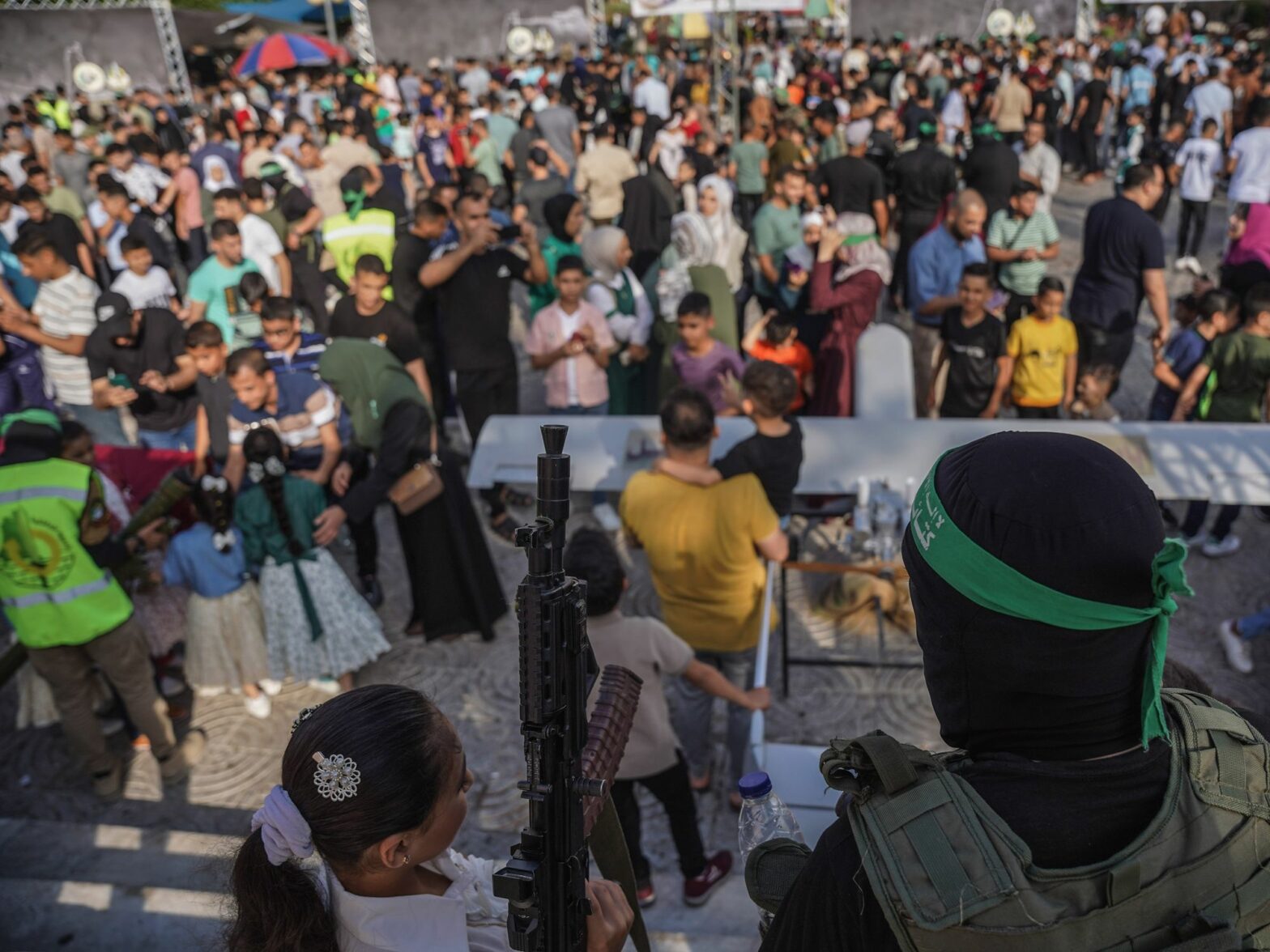
Will the West stop coddling the Iranian regime now, or continue its mix of appeasement and a cat-and-mouse game that Tehran has deftly exploited to undermine peace in the Middle East?
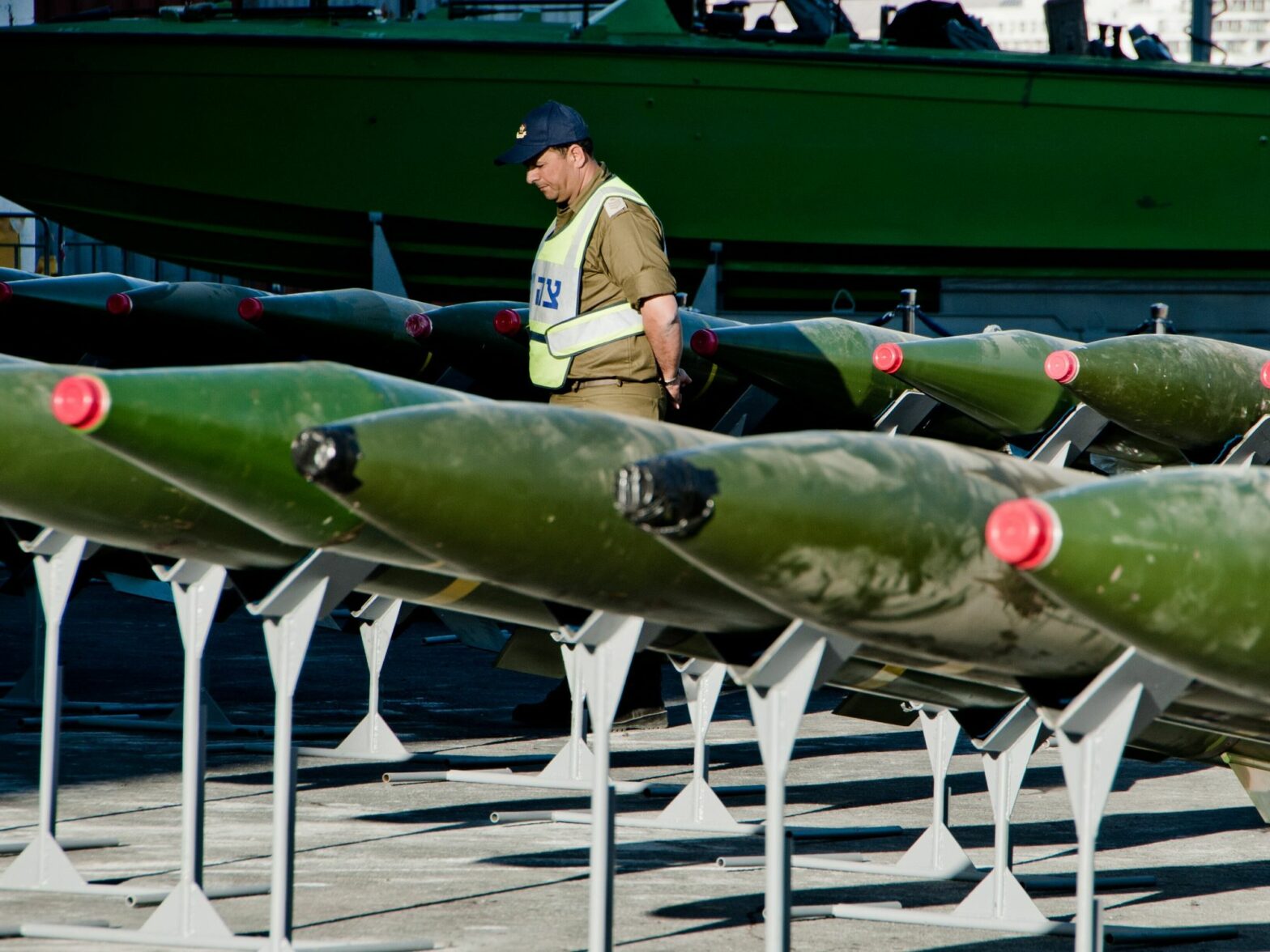
Iran says European courts have ordered repayments of $1.7 billion more of its money frozen in Western banks, which risks being transferred to help fund Hamas’ war with Israel. Other observers suspect the news is meant to stop financial panic in Tehran.
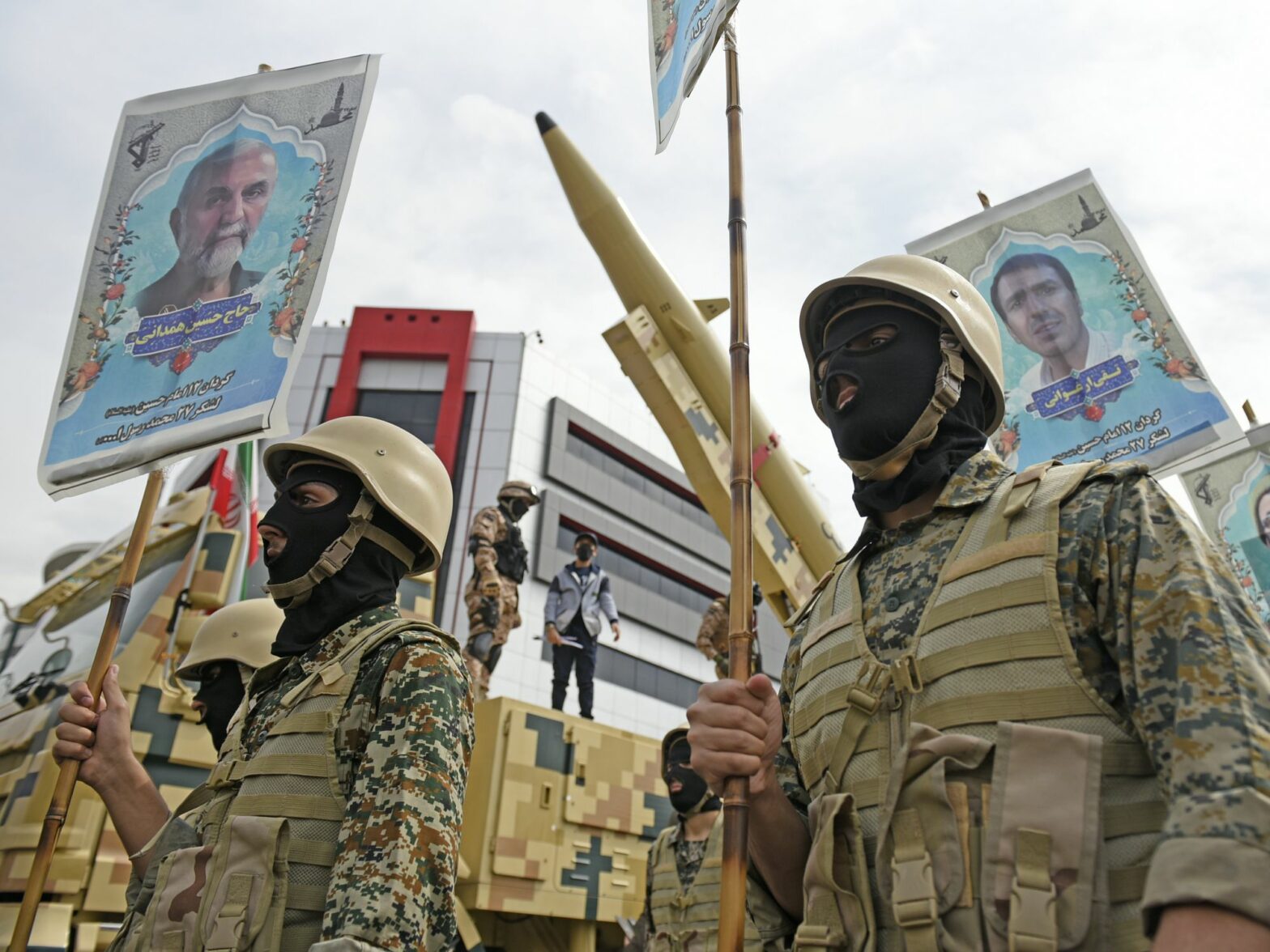
Iran denies direct involvement with the Hamas assault on Israel, even if it has given it its full backing and praise, and has offered support over the years. The specter of Israel striking Iran is driving fears that the war is bound to spread across the region.
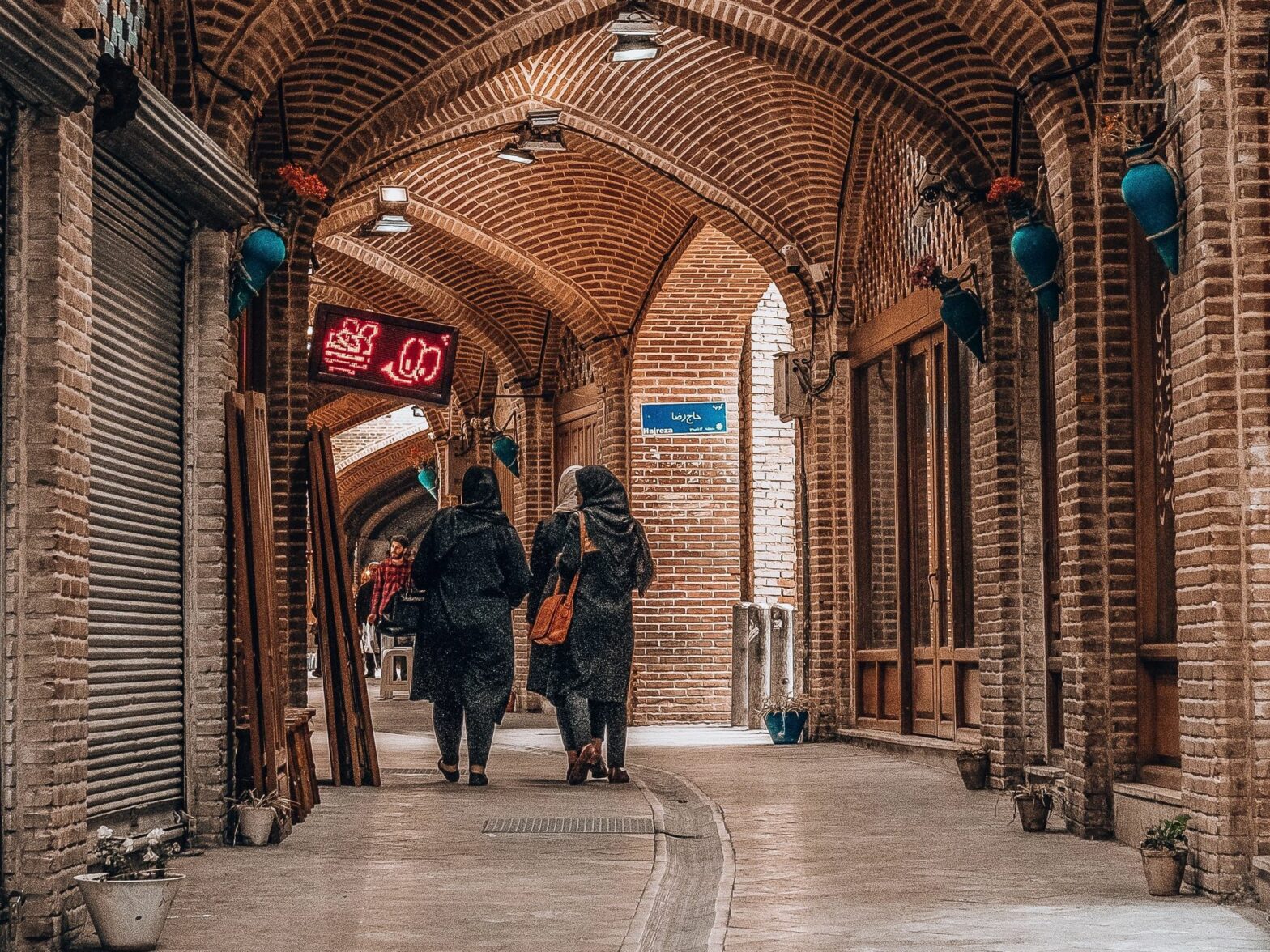
Iran’s regime has tightened its grip on the population ahead of the September 16 one-year anniversary of the death that set off the country’s biggest revolt of recent years.
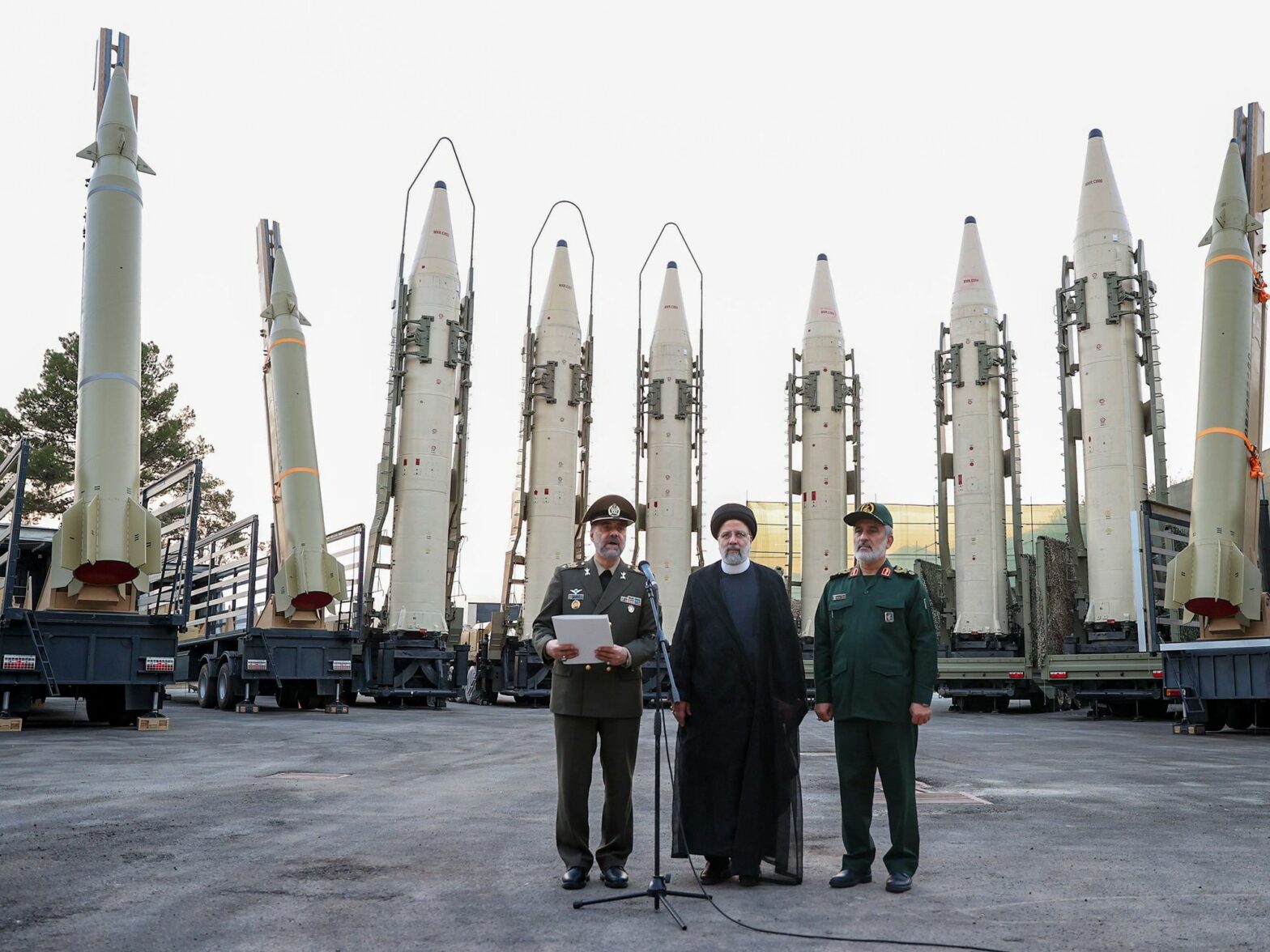
Is the Biden administration following President Obama’s counterproductive recipe of handing Tehran large sums of cash hoping for good conduct and a tepid détente?
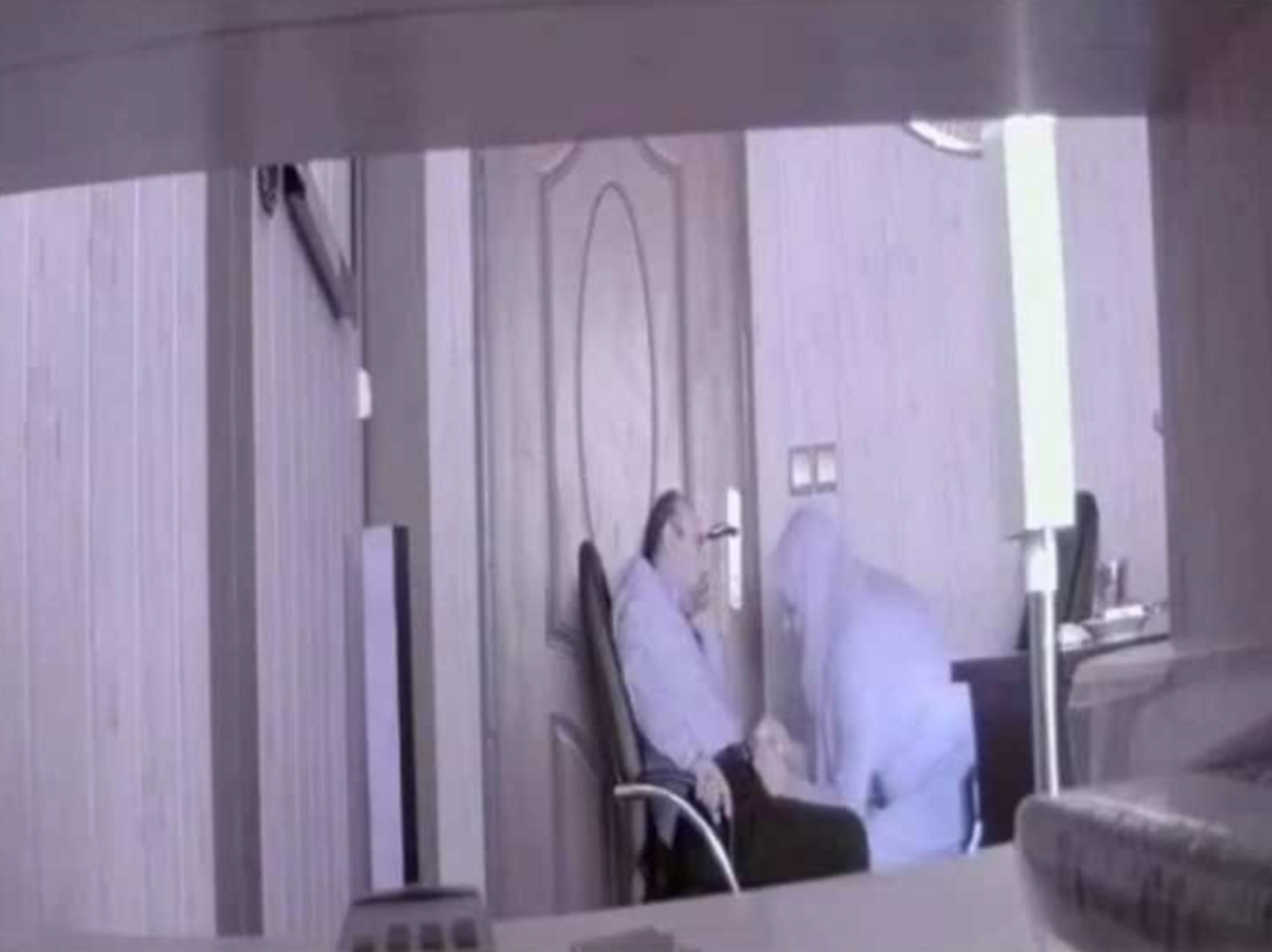
A scandal of the secret gay life of a senior Tehran official set off ricocheting accusations in the regime. Now compromising photos have emerged of a top state broadcasting manager with a female employee, who nonetheless kept her hair covered. The piousness of the Islamic Republic is ever more called into question.
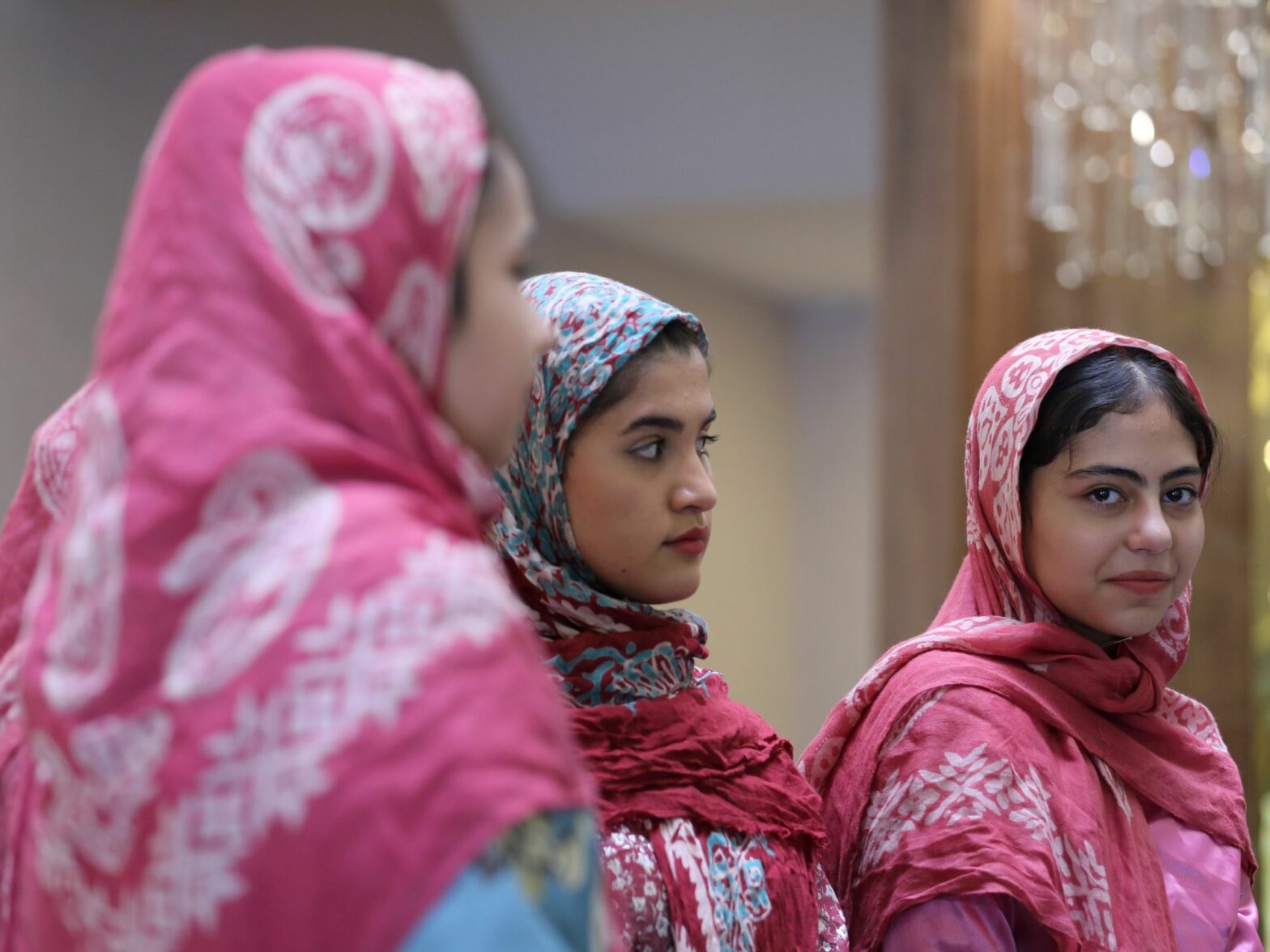
With the suppression of last year’s anti-regime protests in Iran, its people can barely stomach the West’s resumption of its business-as-usual approach with the Islamic Republic. The key to challenging the renewed status quo, the author writes, may very well lie with the country’s women.
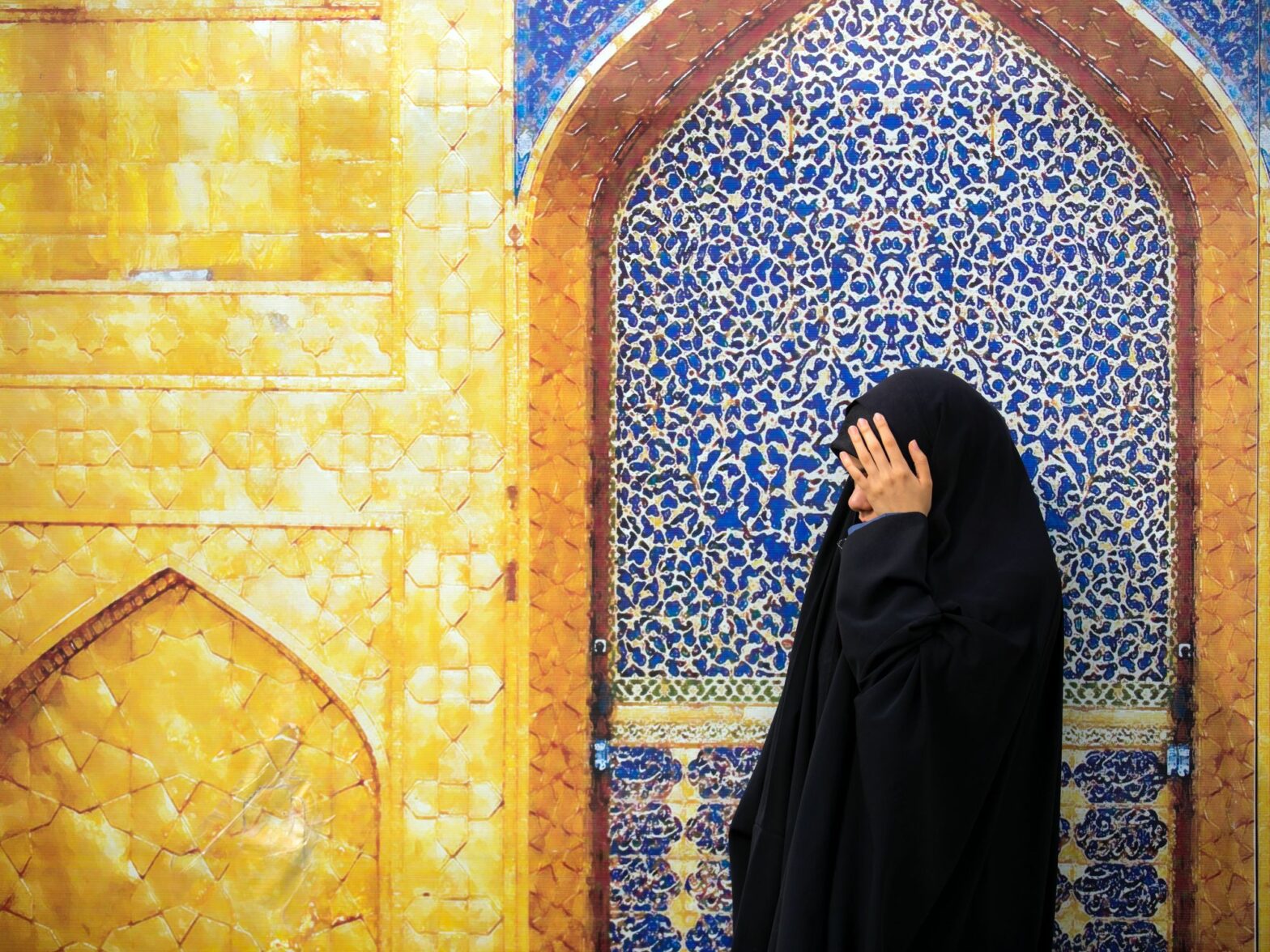
A 15-year-old girl is murdered by her parents in Iran, three years after her arranged marriage, in yet another possible “honor” killing the Islamic Republic is loath to punish.
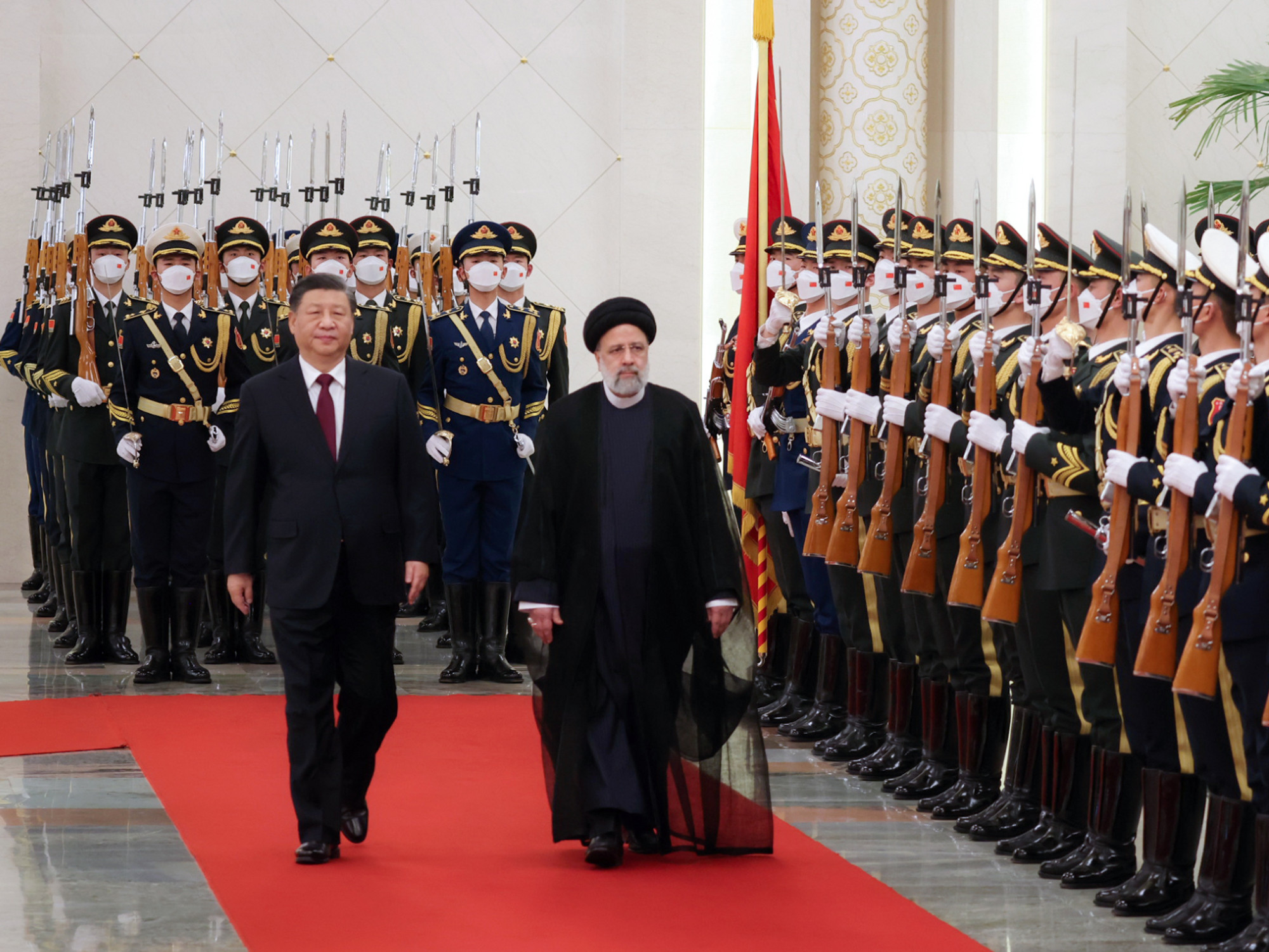
Iran can expect few real economic benefits from joining the China-dominated SCO, but its leaders hope China and Russia will help the regime tighten its grip at home.
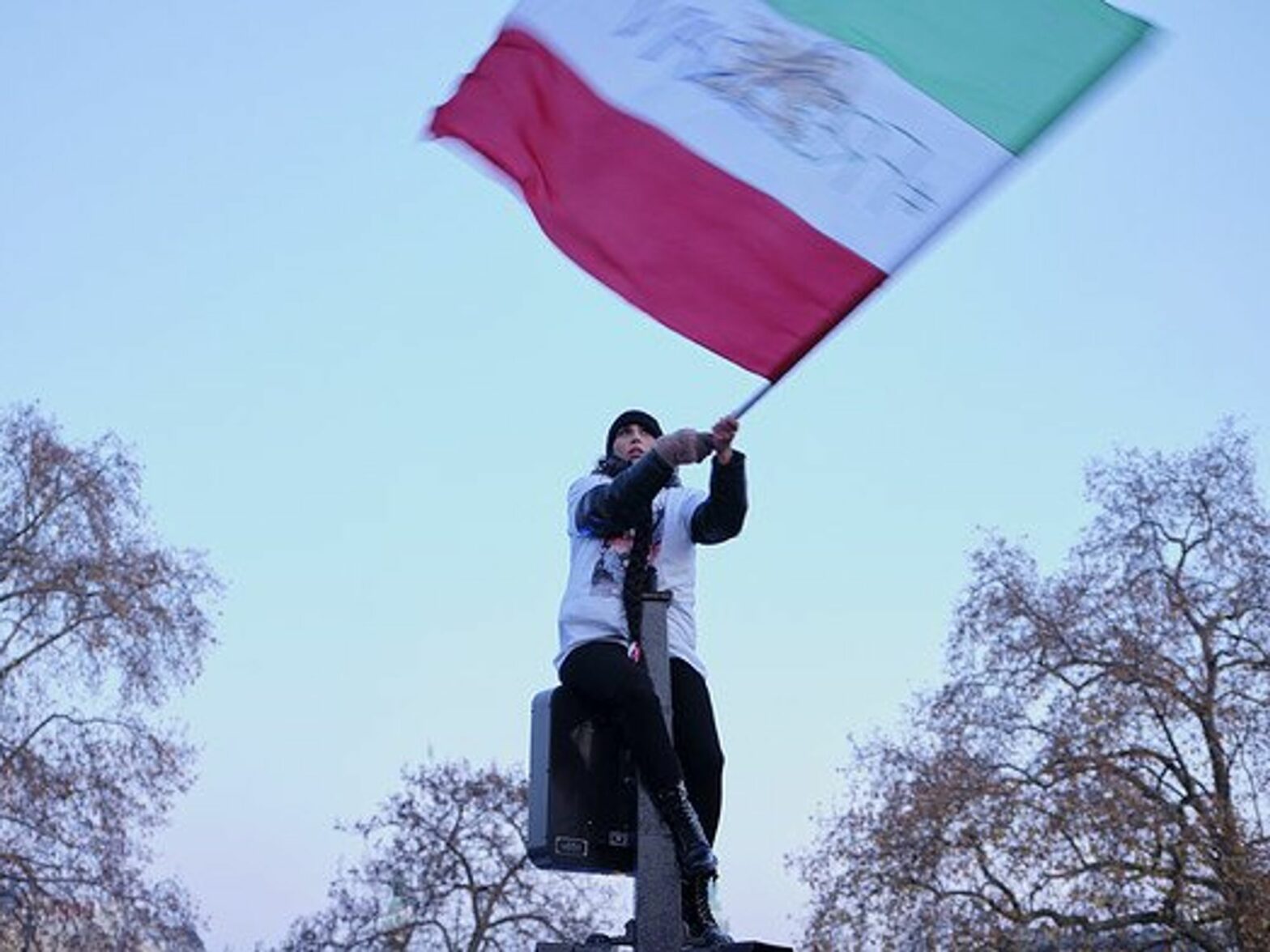
Mass protests which lasted for months in Iran last year galvanized Iranians at home and abroad, in a way not seen since the 1979 revolution. That unity must be maintained as political capital for the next time Iranians challenge the Islamic Republic.
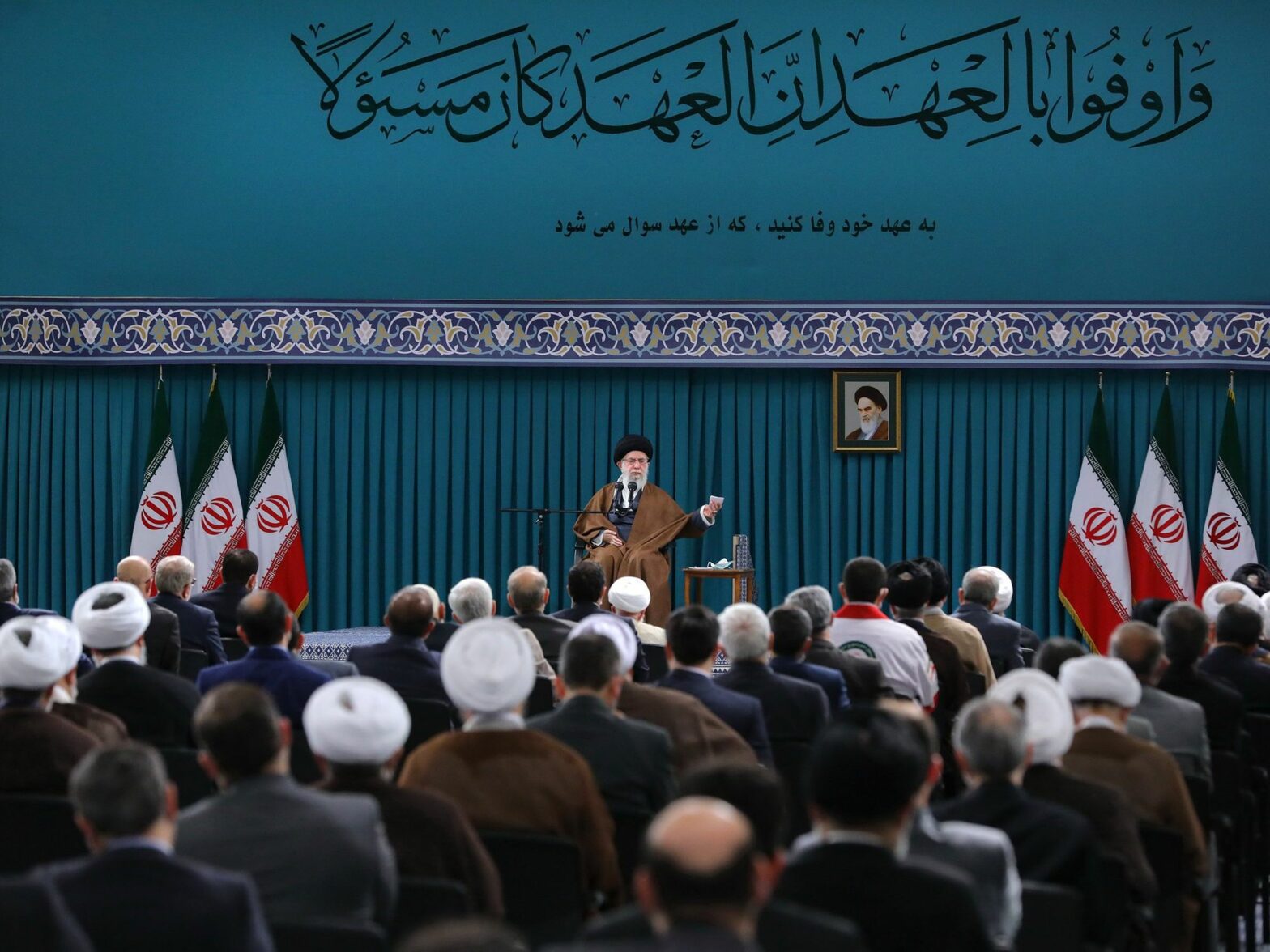
The Biden administration’s bid to revive a nuclear agreement with Iran is seen by some as a “weak” approach to exercising power in the Middle East. However, it may be an attempt to restrict Russia’s strategic influence inside Iran, which may serve both the West and Tehran.
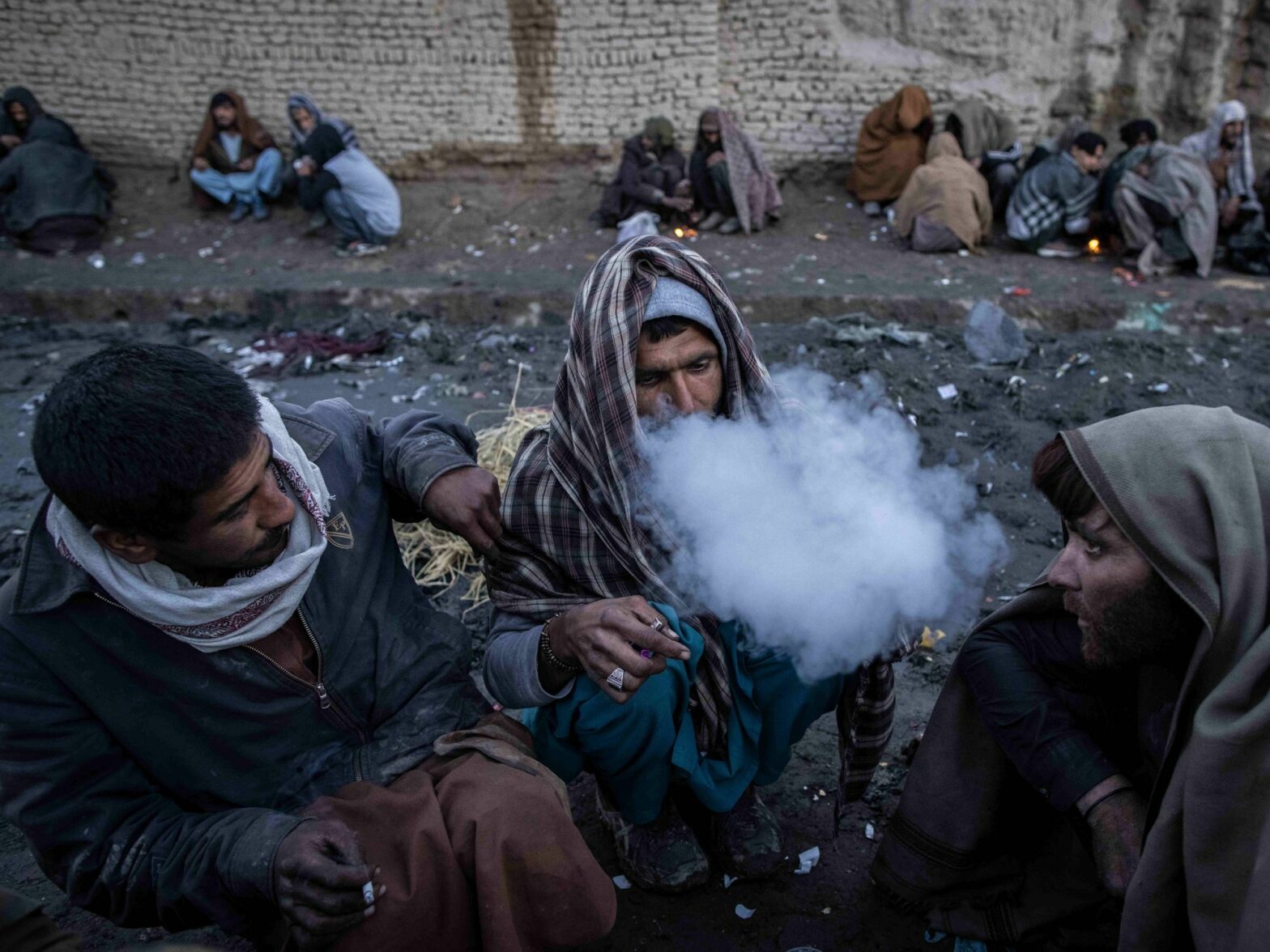
Iran is reacting mildly to recurring Taliban provocations on its frontier. Is this due to diplomatic weakness, policy incompetence or is there some murky complicity inside Iran with the Afghan drug trade?
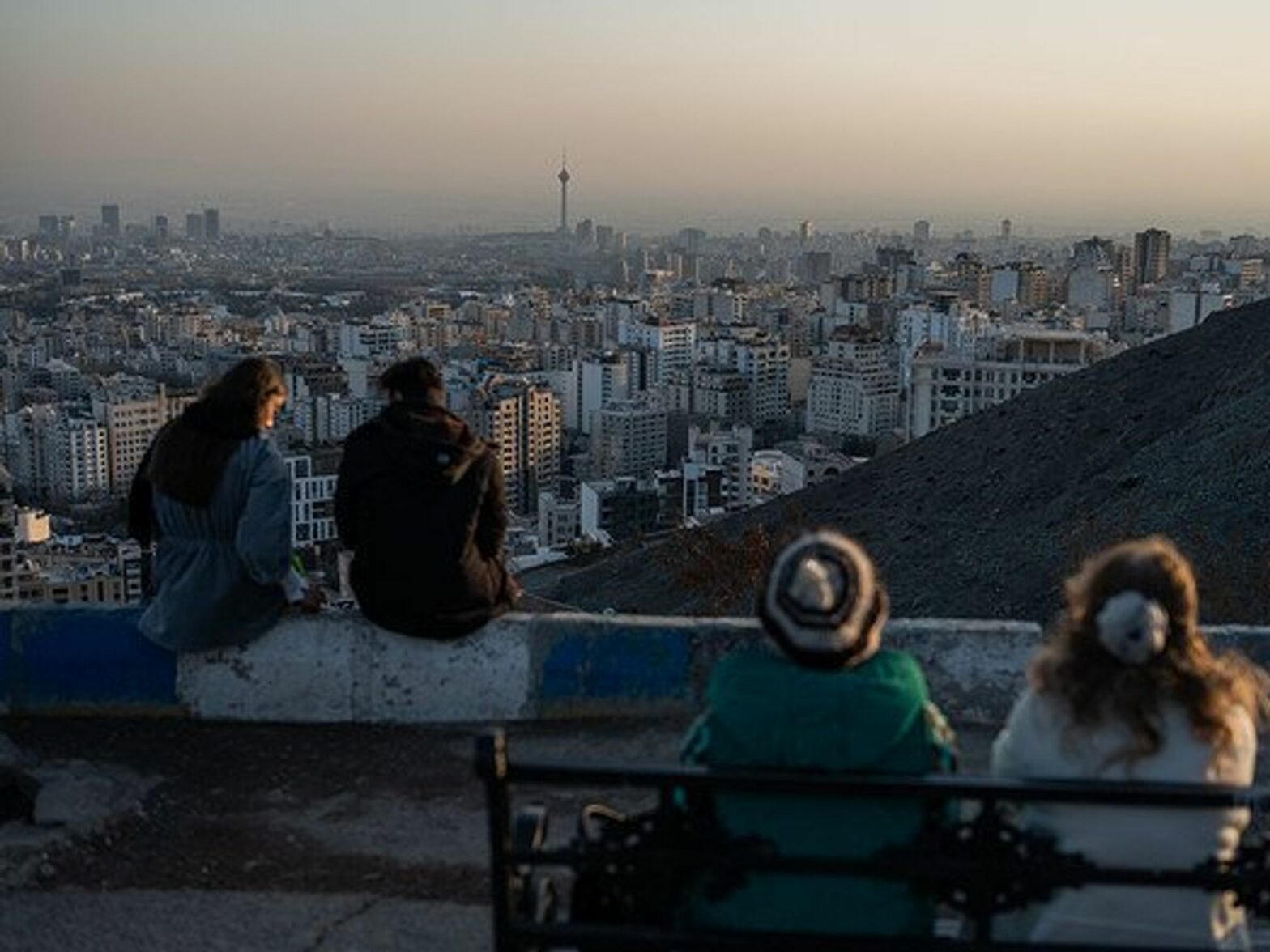
Impatient to be rid of a 40-year dictatorship, many Iranians have sunk into despair at the failure of protests last year to topple the Islamic Republic. They must be patient and sober in their immediate expectations, before a longer, ongoing process of change turns Iran into a free nation with the rule of law.
Among the Islamic Republic of Iran’s very few diplomatic friends are too many from Latin America’s left, who are always happy to milk their cash-rich allies for all they are worth.
Finding themselves amid a range of strategic, economic and regional interests, Iranians in a post-regime future will have to deftly maneuver their country toward a peaceful, constitutional state. Bahram Farrokhi writes about the good, the bad and the worst-case scenarios.
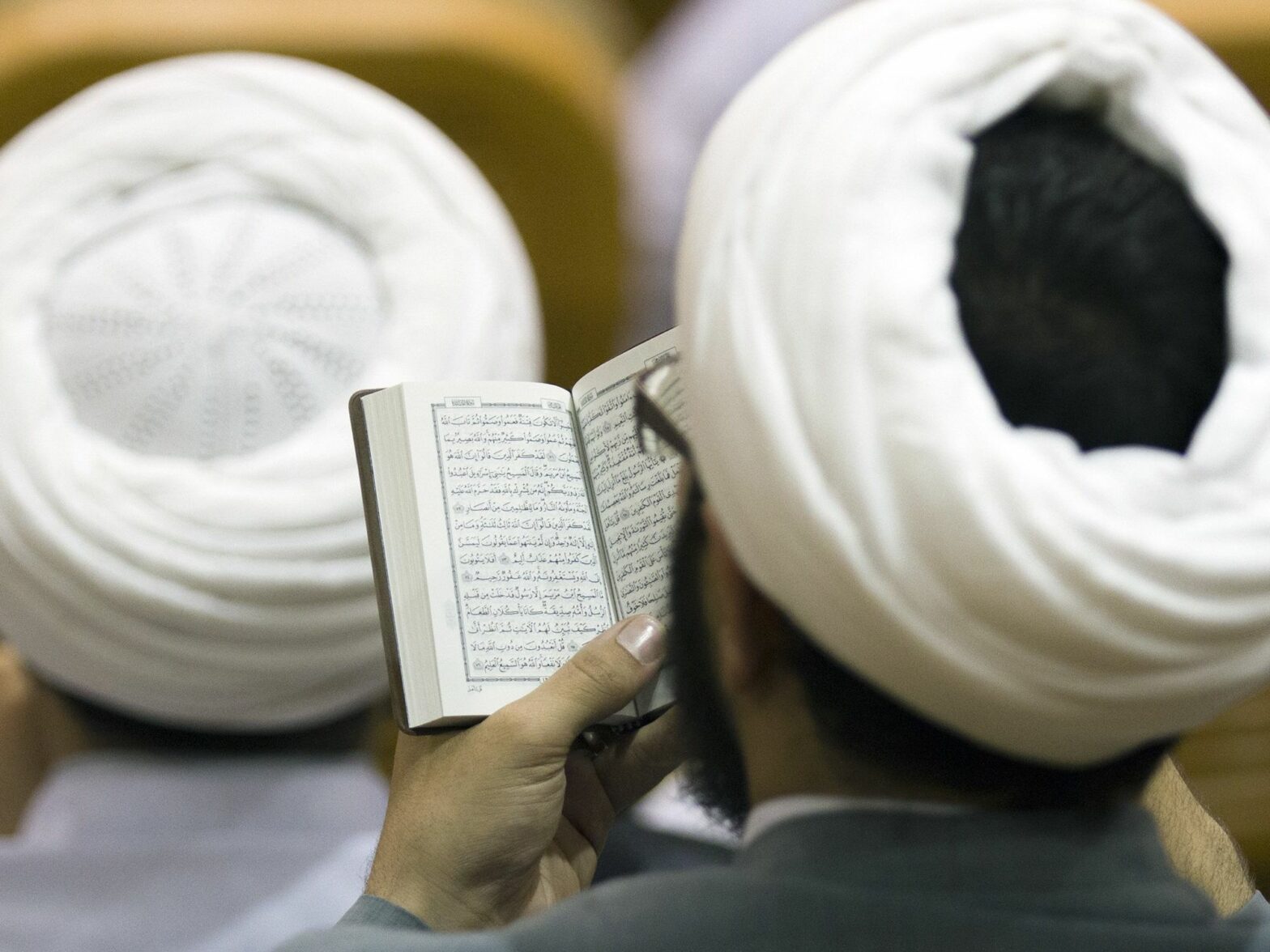
A spate of recent attacks in Iran on clerics, seminarians and even state agents are prompting some to self-defense classes, while others are holing up inside.
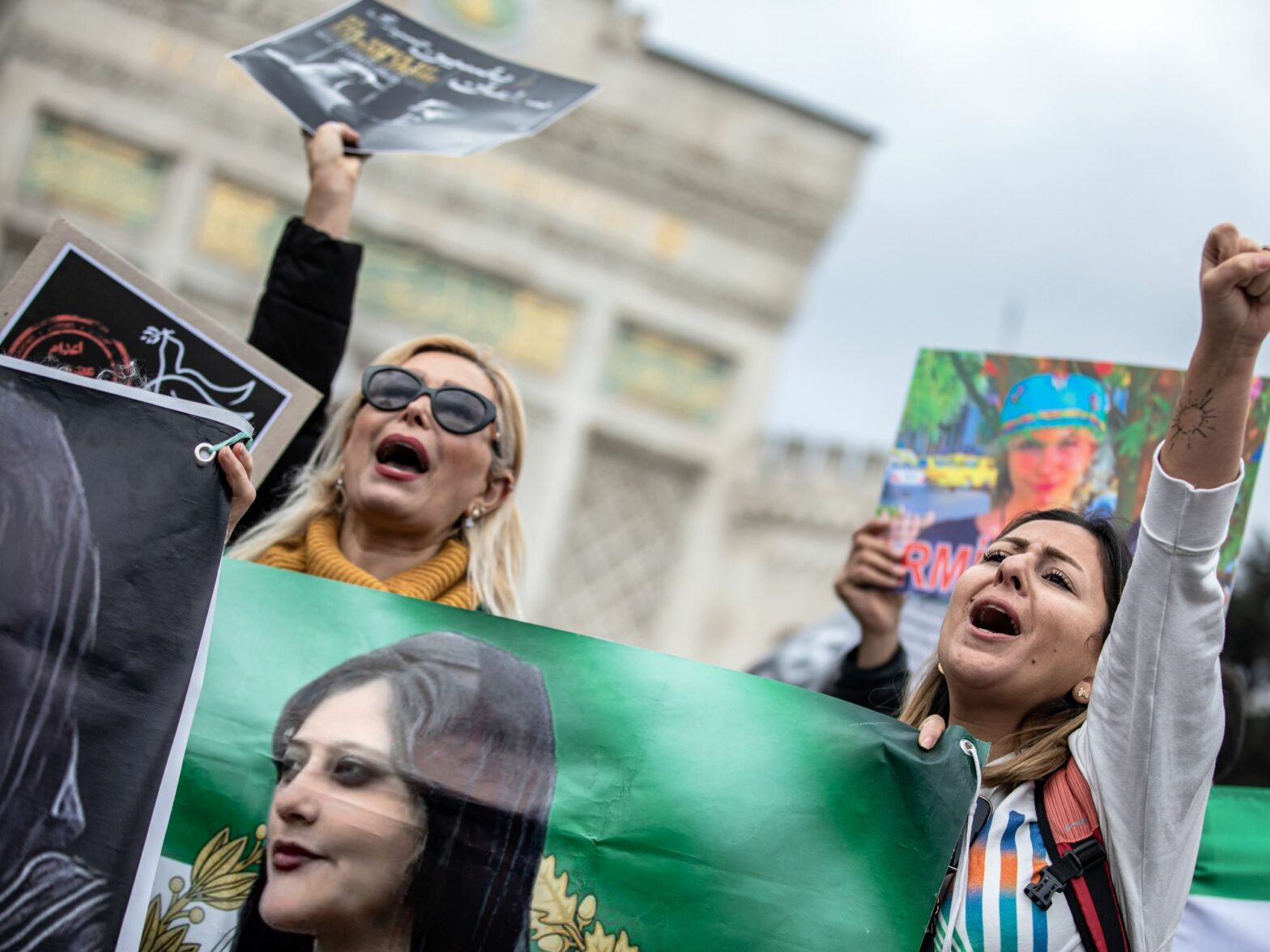
Iran must one day write the history of the violence perpetrated on its women, especially under the 40-year Islamic Republic, if historiography is to serve its progress toward a peaceful, democratic society.
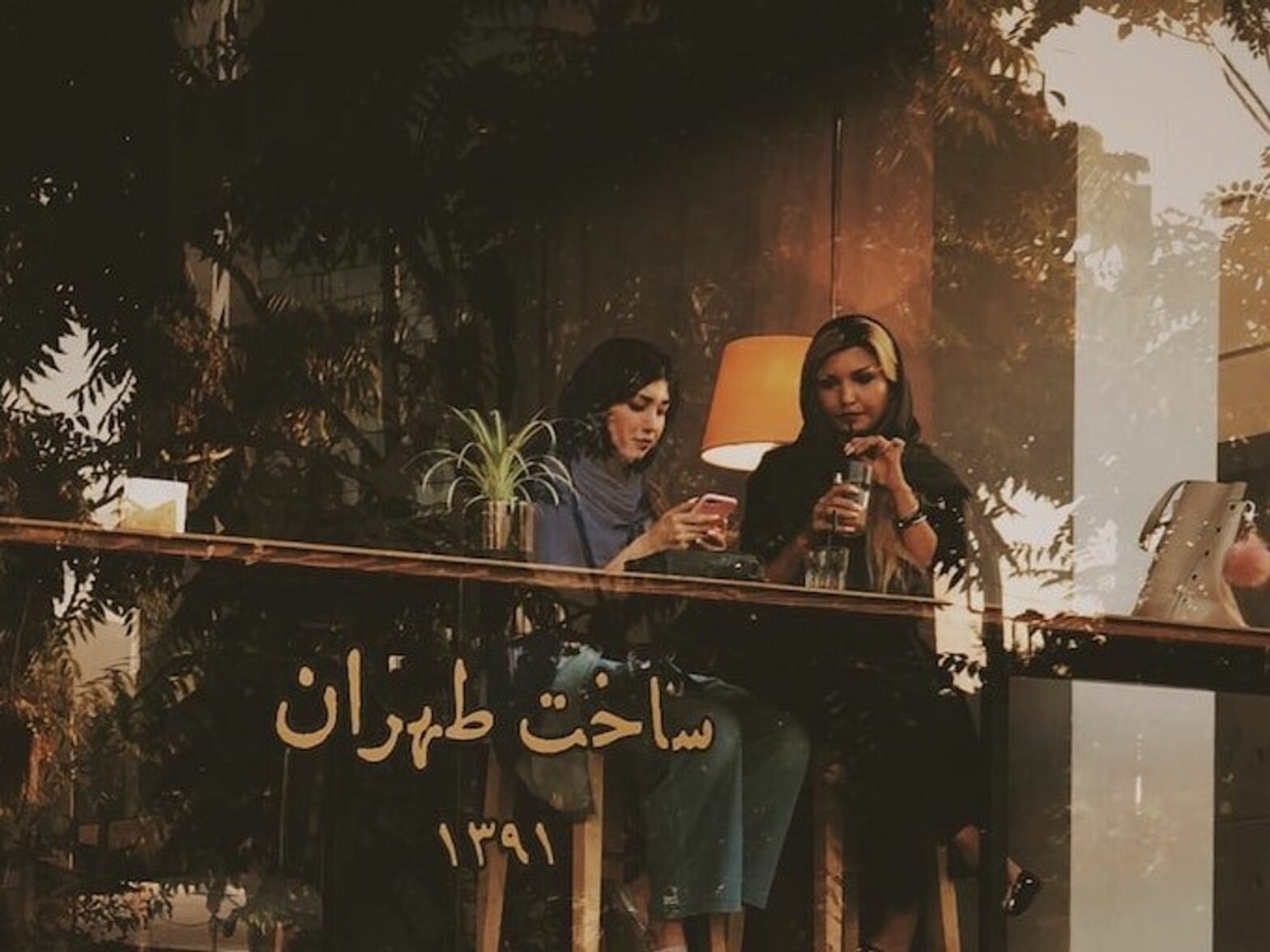
Media coverage of Iran’s mass protests of 2022 failed to truly show how most Iranians thought about the hijab or a general dress code for women. Centering the whole fight for justice in Iran around the headscarf has its risks.
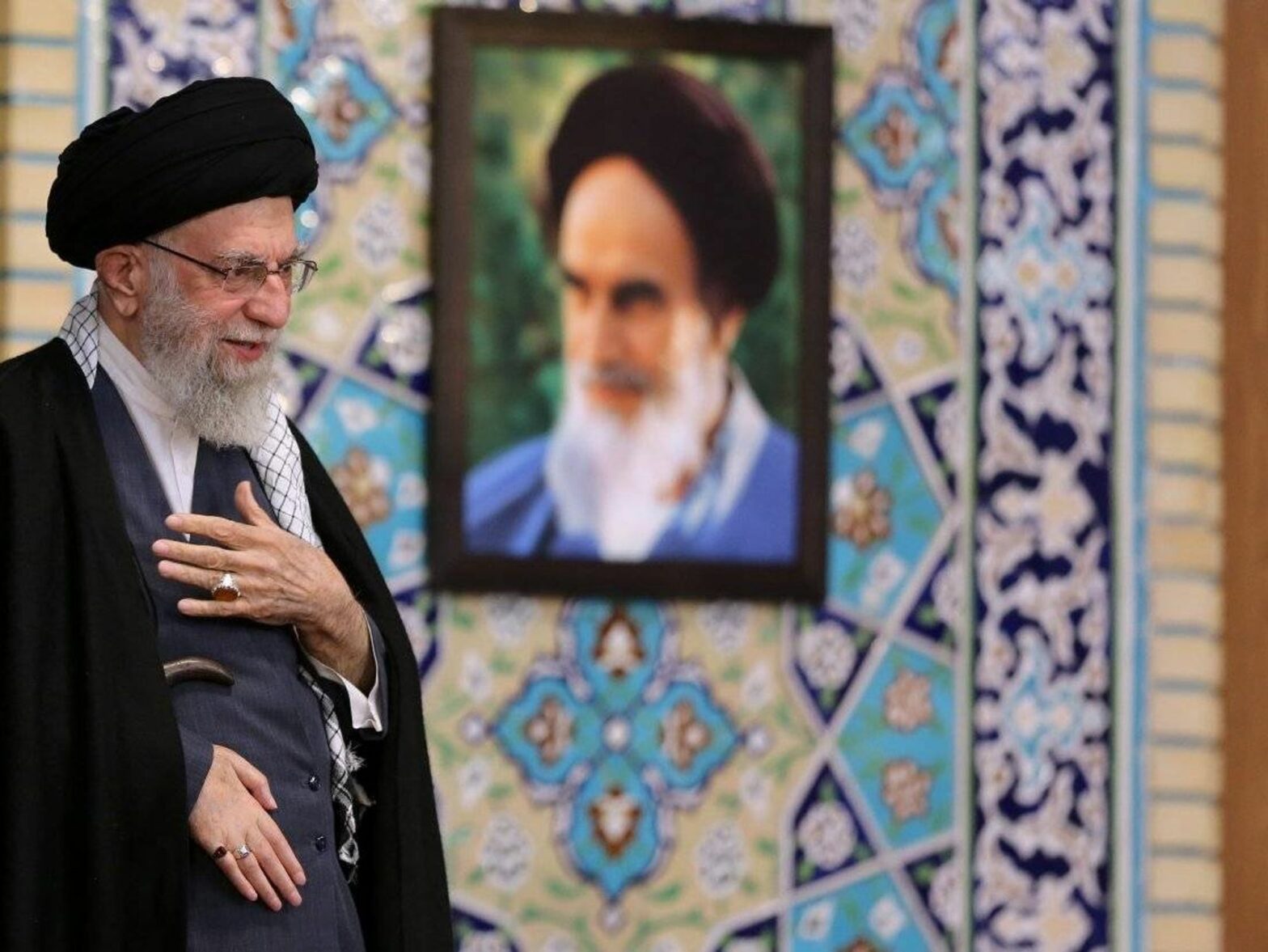
Iran’s Supreme leader Ali Khamenei recently sent out a special envoy to ease tensions with wealthy Arab neighbors. He’s hoping to end the country’s international isolation and dismal economic conditions that contributed to last year’s mass protests.
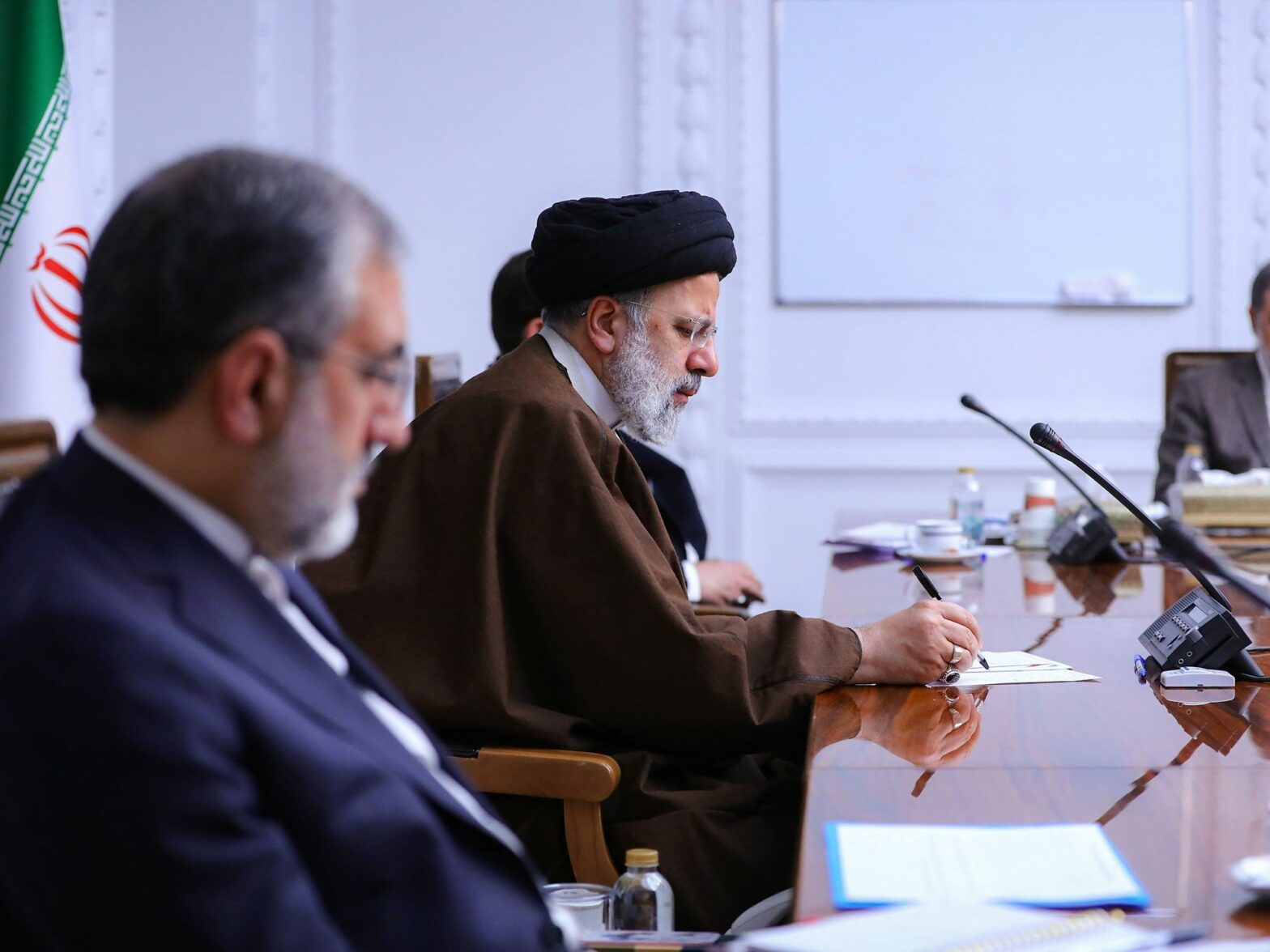
Iran and Saudi Arabia have announced they will restore diplomatic relations. The news may have proved startling — especially China’s role — but is unlikely to dispel long-standing distrust between two regional rivals.
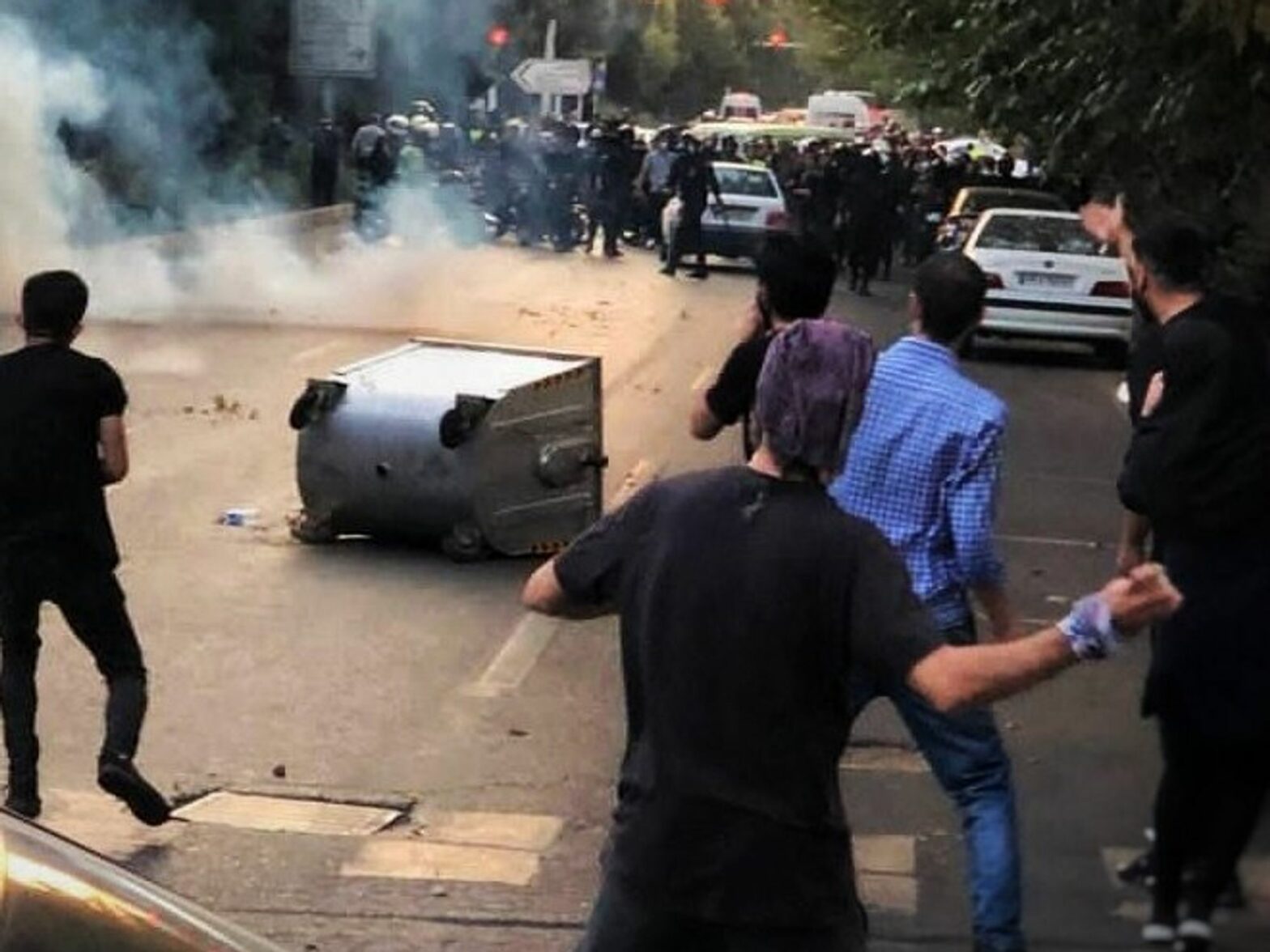
Without drawing attention to public executions like it did last year, the regime has quietly continued to mete out capital punishment: increasing both death sentences and the carrying out of executions, on pace in 2023 to double from the previous year.
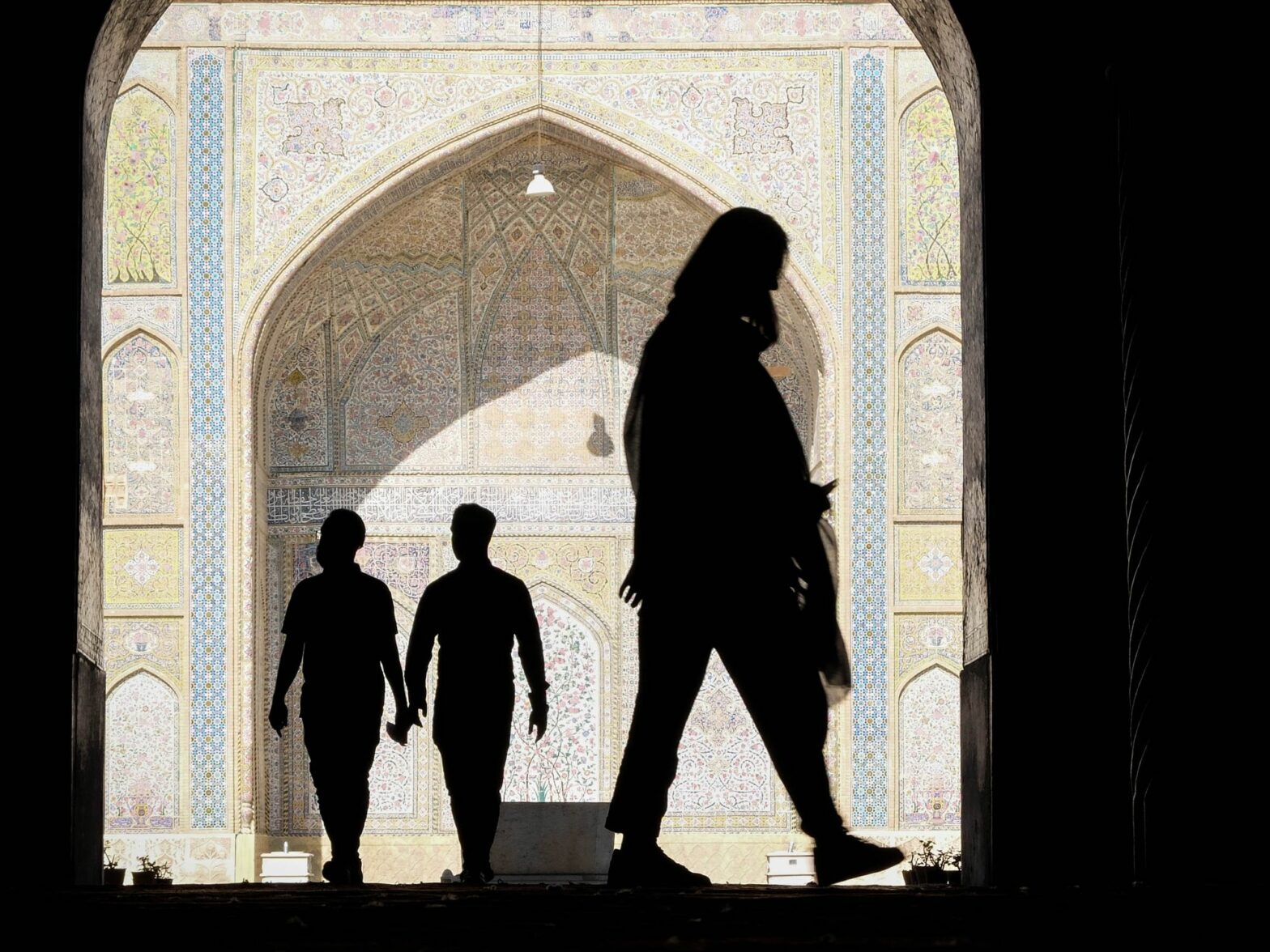
One of the chief victims of radical clerical rule in Iran has been religion, historically a bulwark of Iranian society now seen as a tool of tyranny.
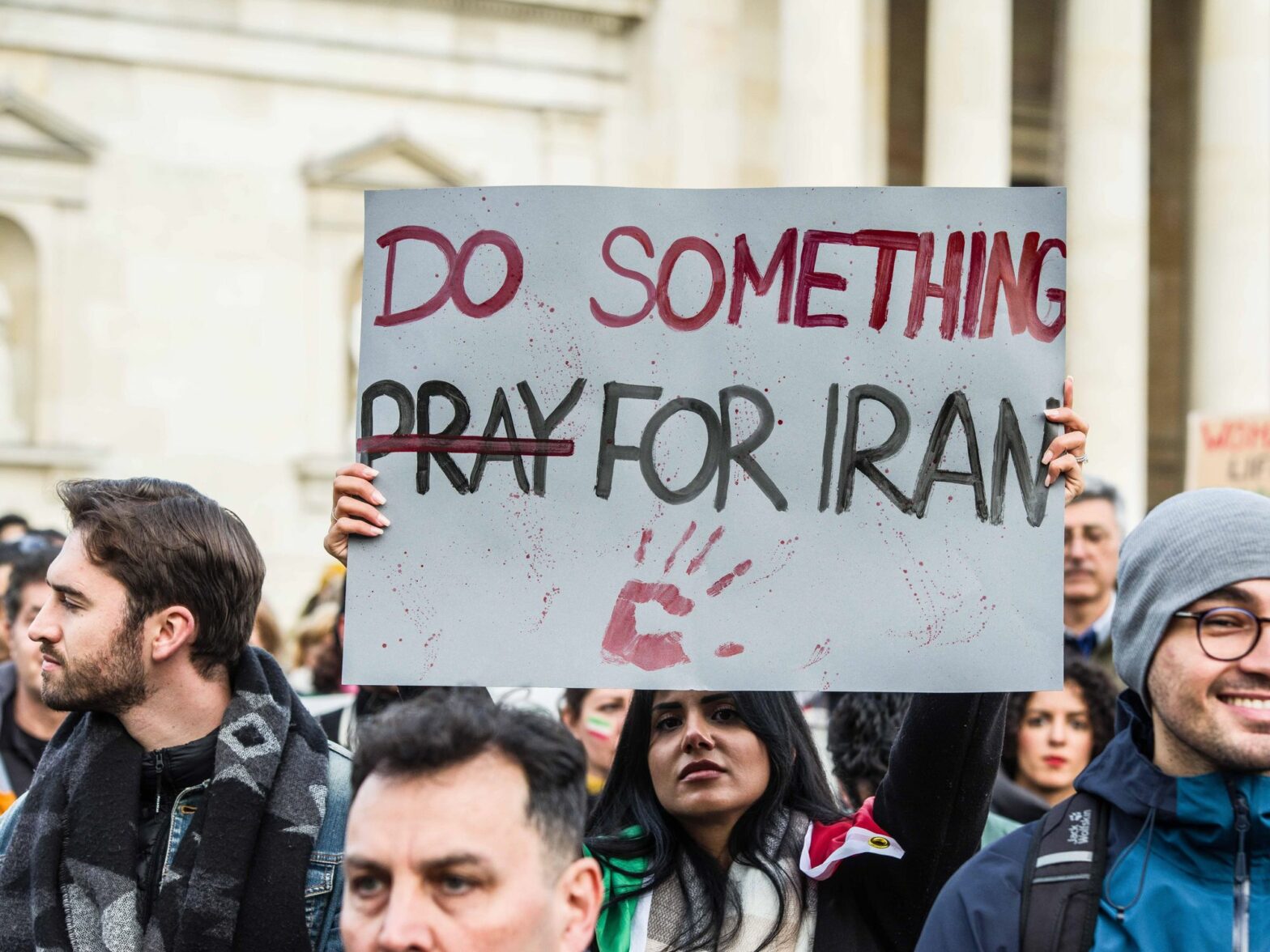
Inside Iran, people are risking their lives to fight the oppressive Islamic Republic. Now, they need support from compatriots abroad and Western democracies to bring an end to this decades-long fight for democracy.
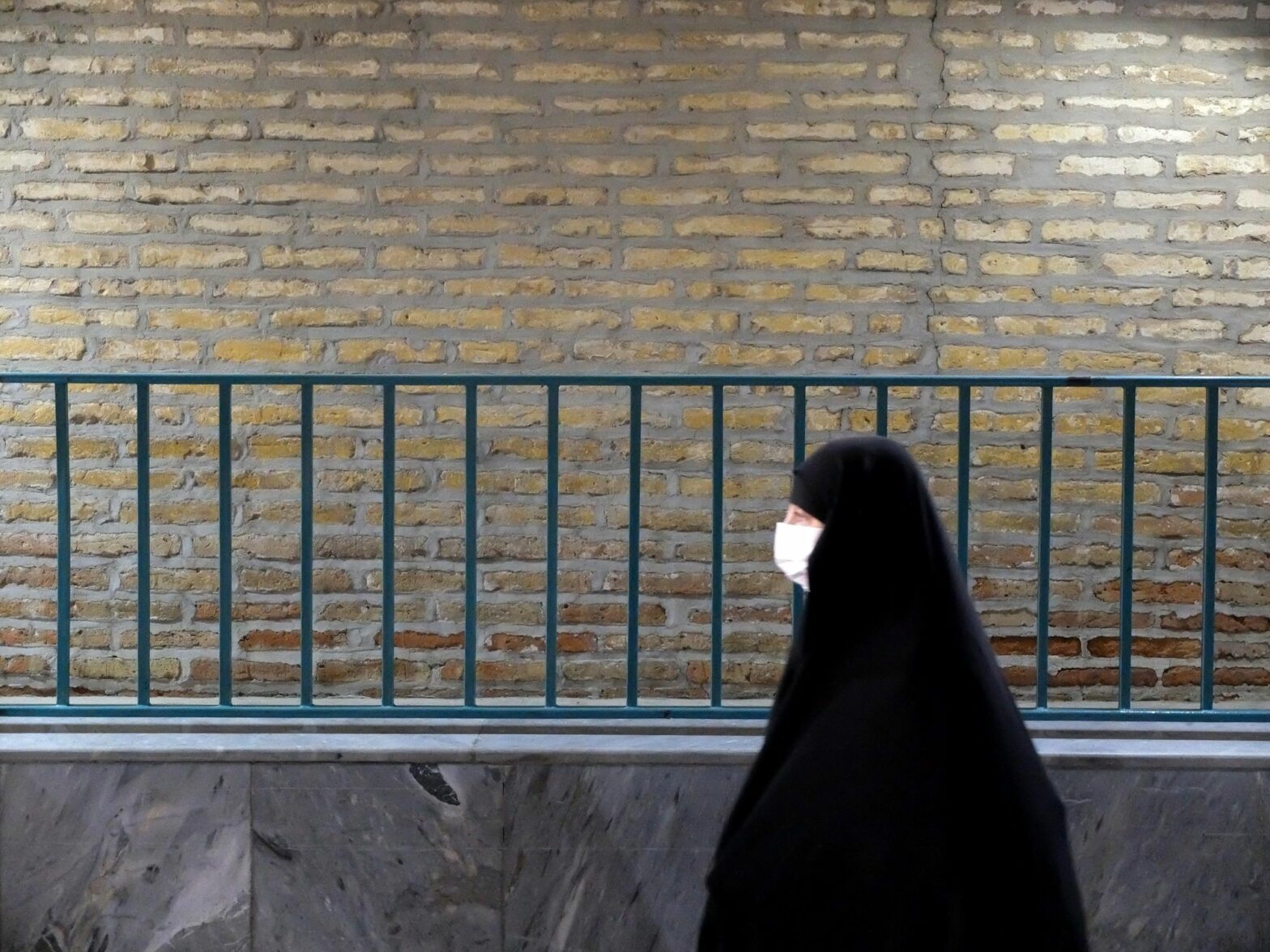
After hanging at least four anti-government protesters, Islamic Iran’s judiciary decided, not for the first time, to give a short jail term to a man who murdered his “unruly” wife last year.
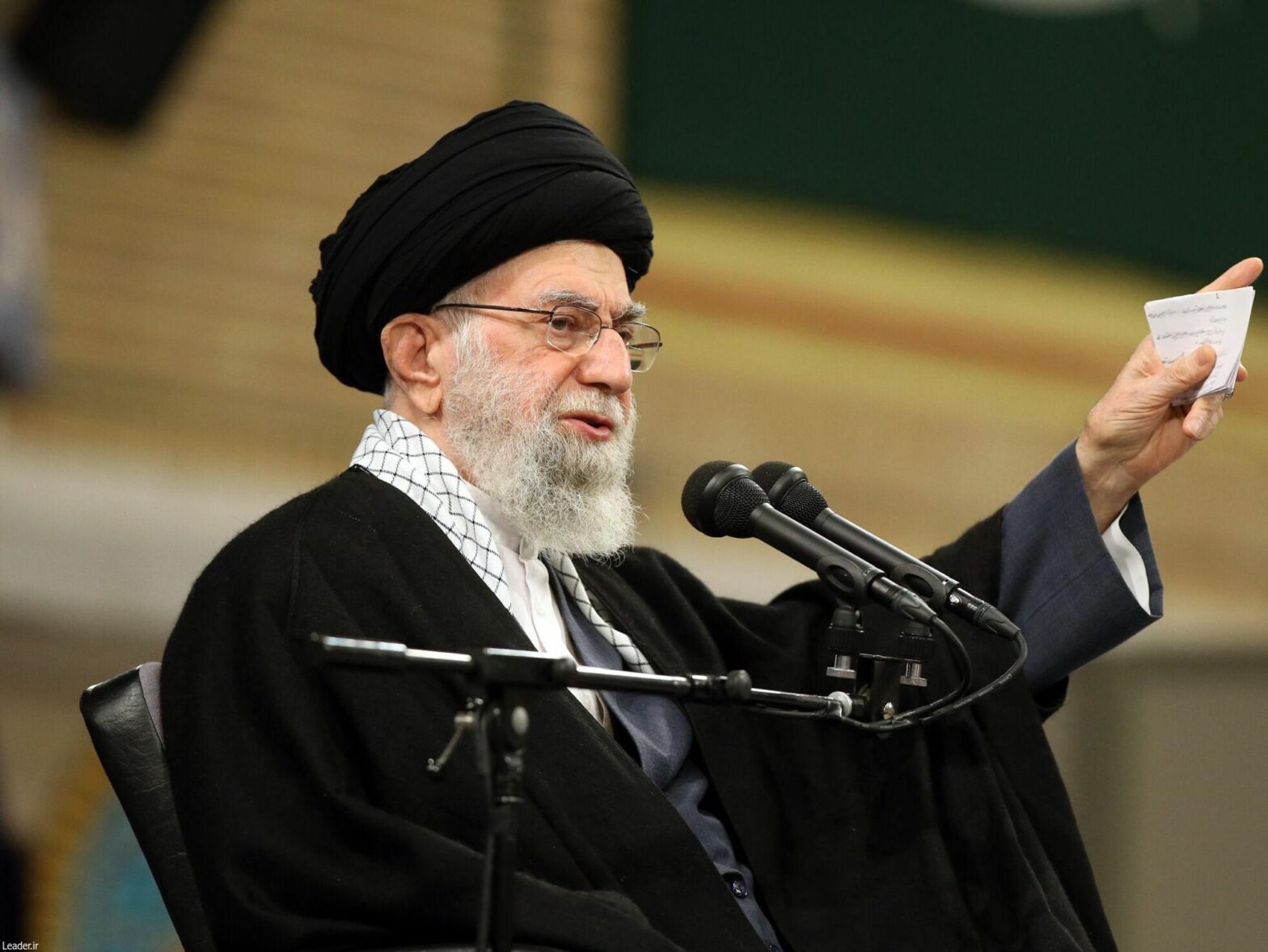
In recent weeks, Ali Khamenei, Iran’s Supreme Leader, has made repeated references to the end of Iran’s last regime in 1979. It may be a sign the country is indeed approaching another kind of revolution.
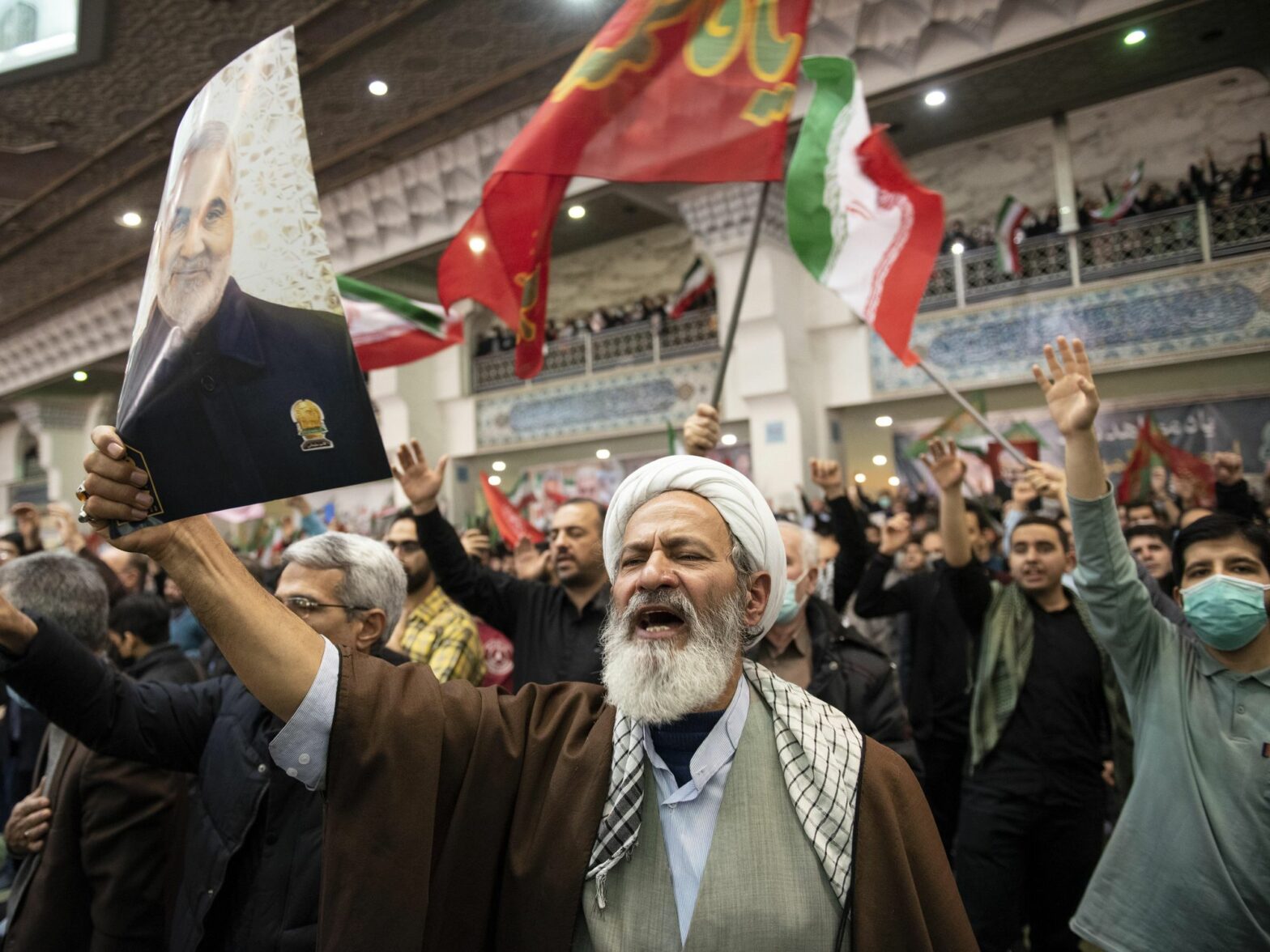
The European Union has been hesitant to classify Iran’s national security force as a terrorist organization because of fears of a reprisal.
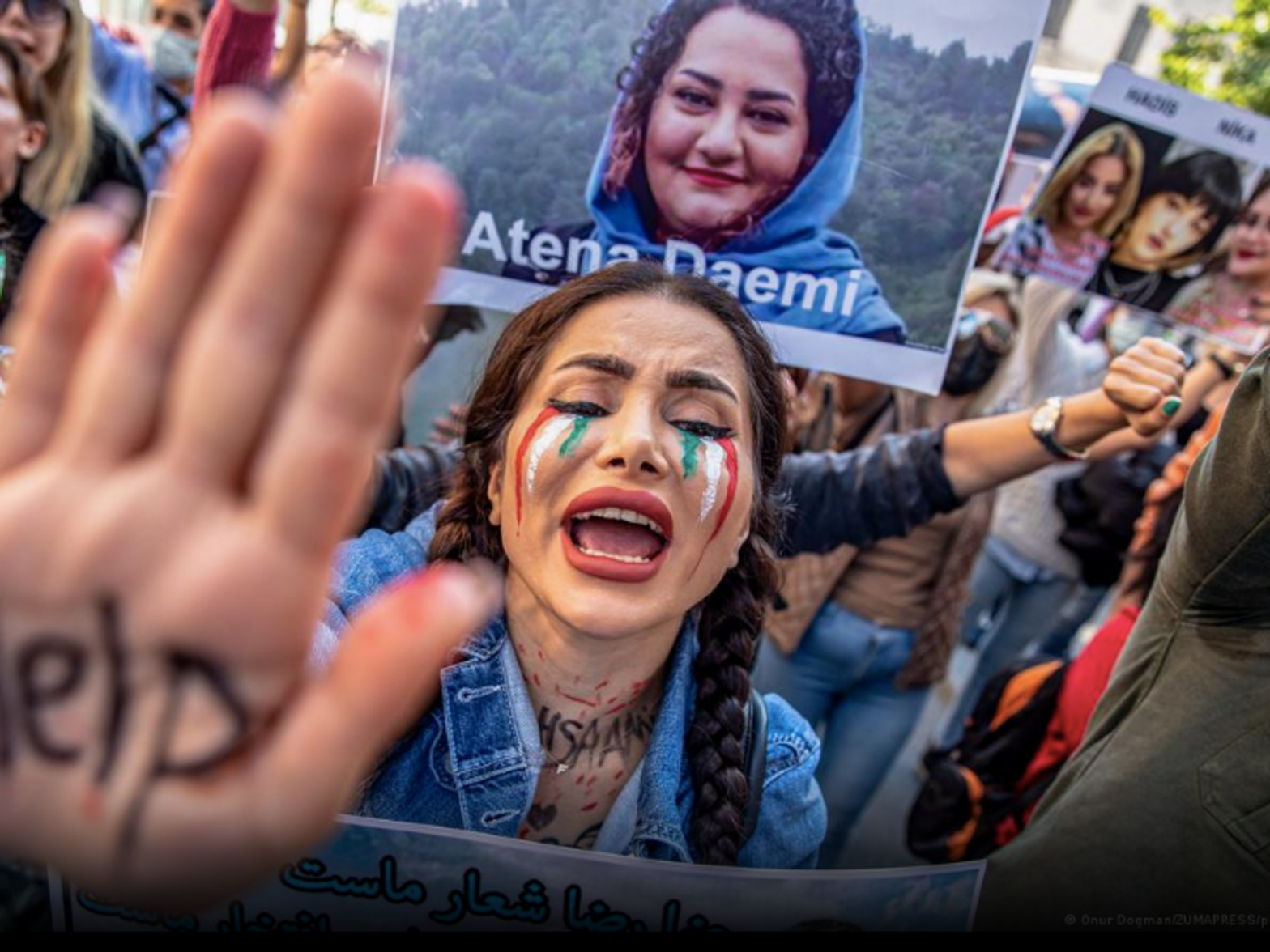
The revolt in Iran began in protest of police brutality and the Islamic Republic’s rotten structures, but quickly became a “revolution of minds,” hastening the rise of a national community united in its resolve to live in a free and lawful state.
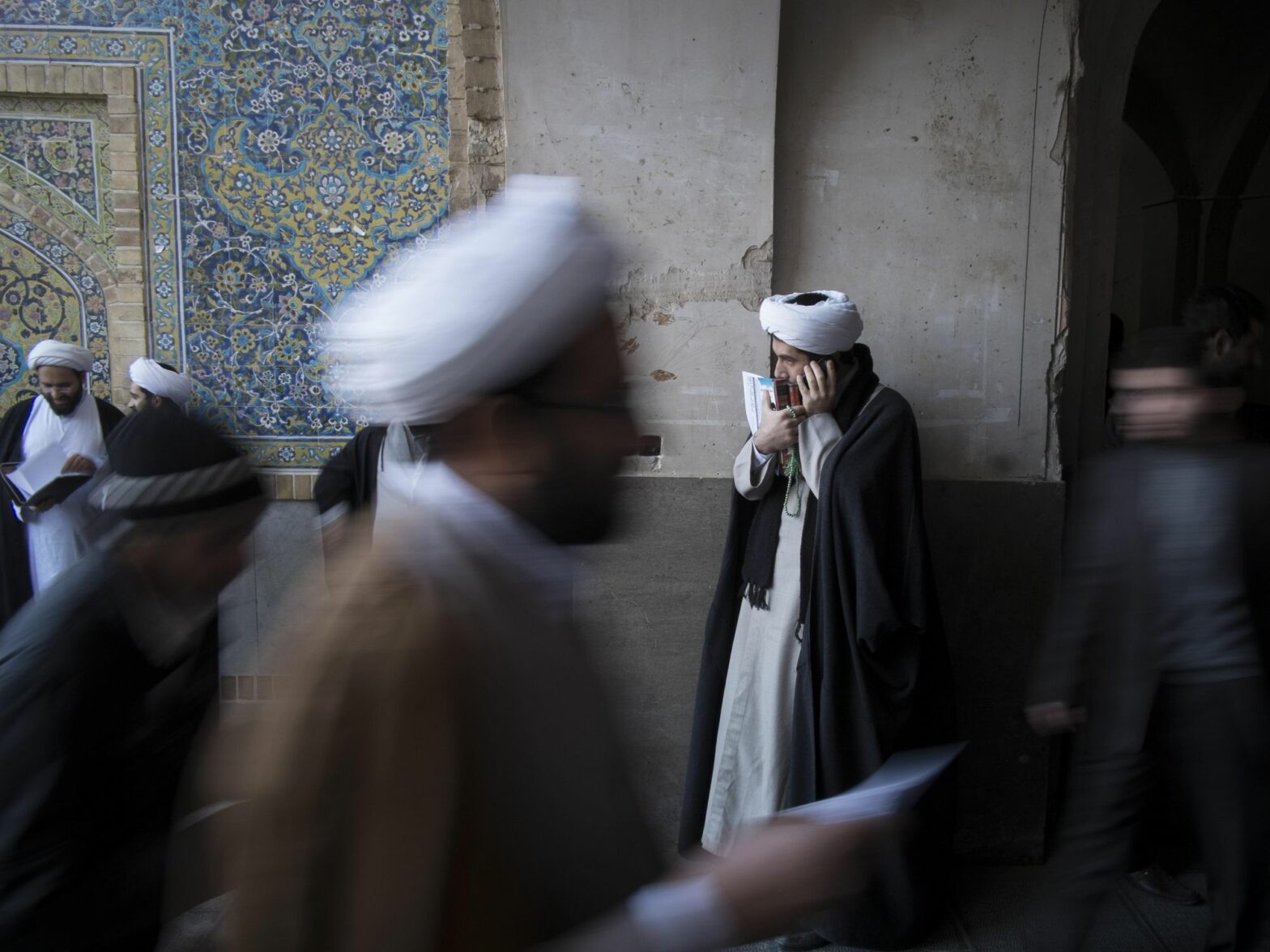
In an unusual challenge to Iran’s senior leaders from Shia clerics in the country, a group of theologians and jurists in Qom say the state has been incompetent and had no right to execute protesters. At least two Iranian demonstrators have been executed this month, with the latest publicly hanged on a crane.