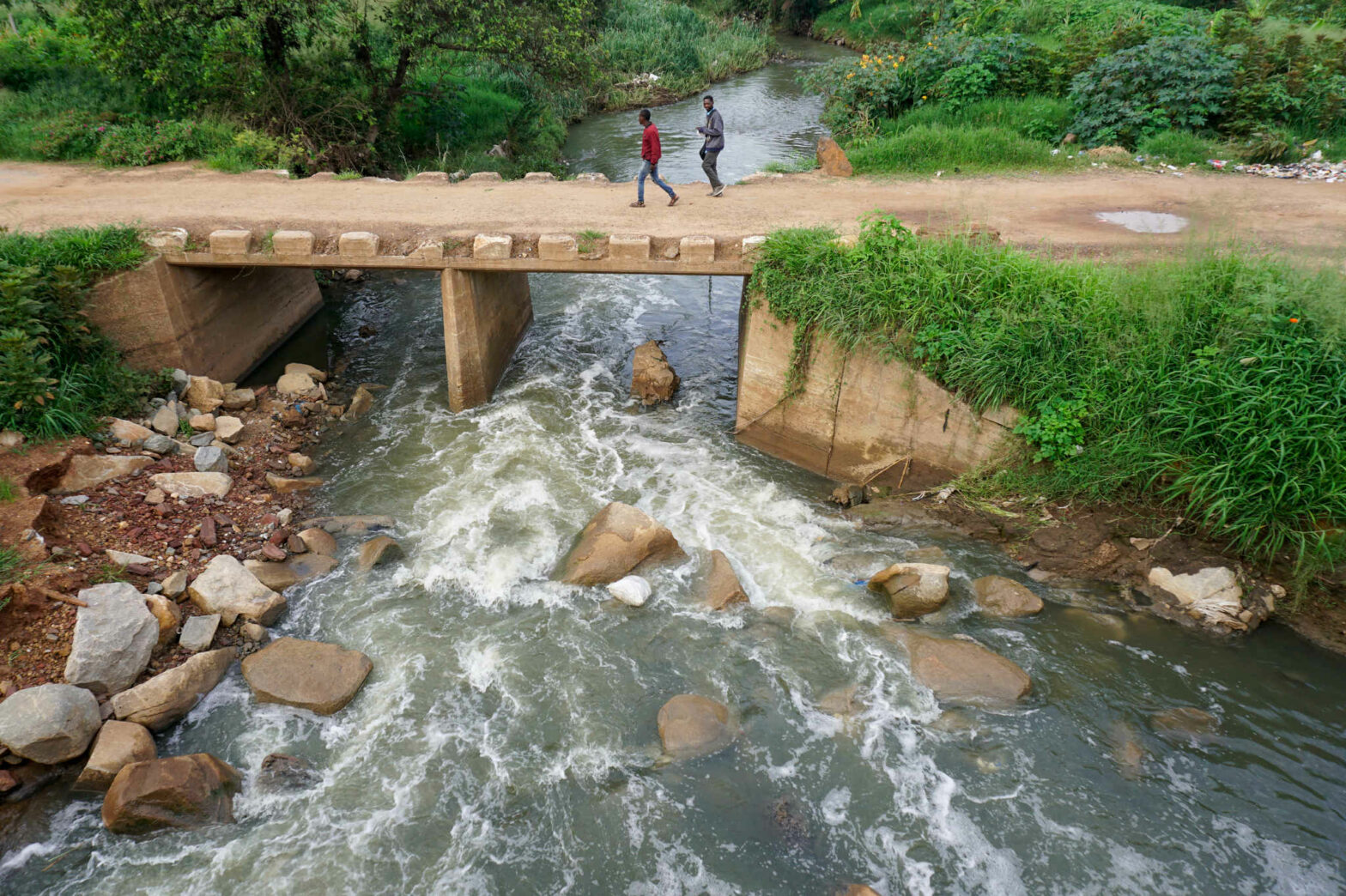
Residents spend as much as 20% of their income on water, yet what comes from their taps is green, dirty and undrinkable. Now, privatization looms, threatening even higher costs.
 Worldcrunch
Since 2006, Global Press has built and maintained over 40 independent news bureaus in some of the world’s least-covered places, where citizens lack credible access to accurate information. Global Press Journal, the award winning international news publication is staffed by professional female journalists who are from the coverage community. Their feature and investigative journalism is published in six languages and reaches audiences across 190 countries.
Residents spend as much as 20% of their income on water, yet what comes from their taps is green, dirty and undrinkable. Now, privatization looms, threatening even higher costs.
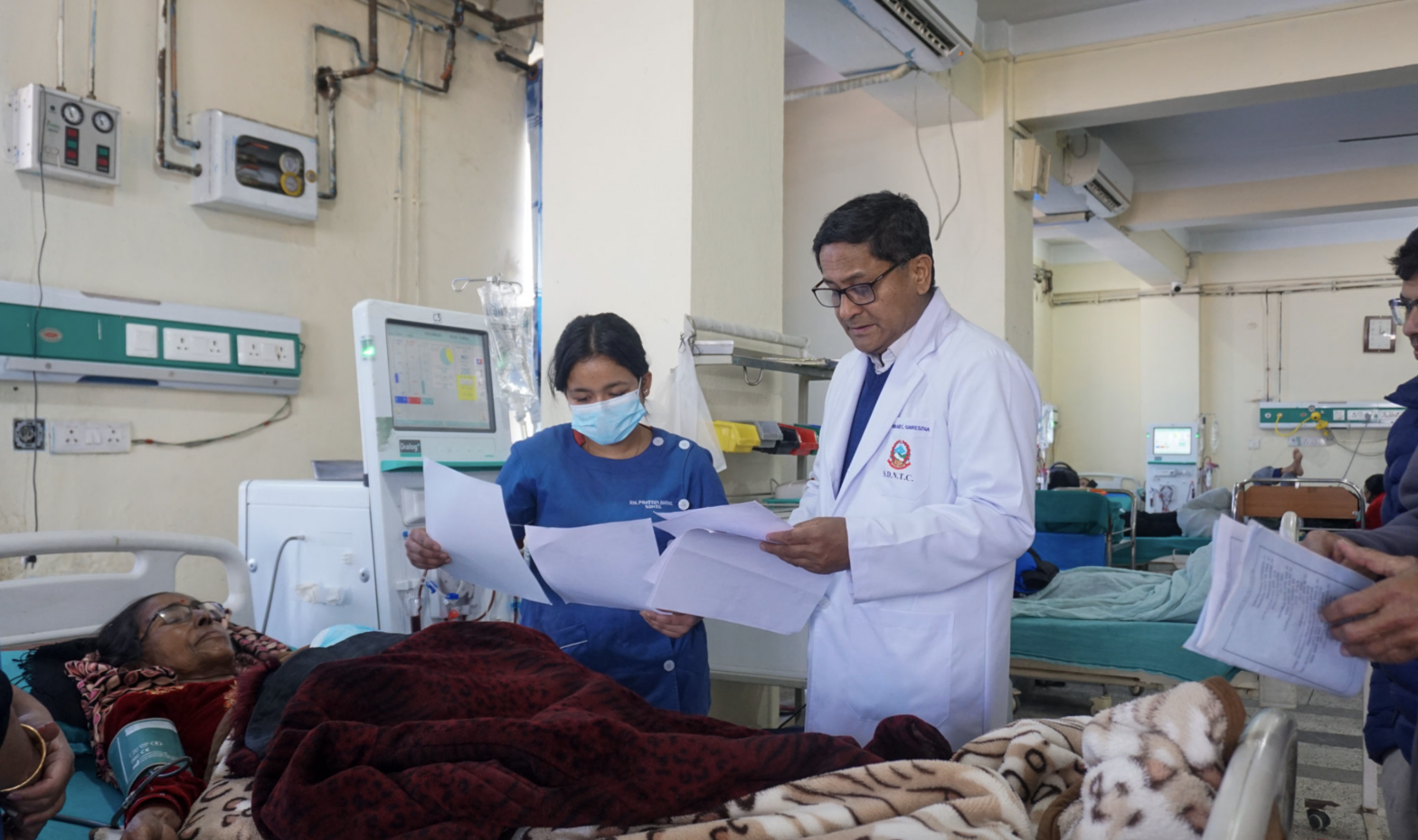
Nine of 10 people needing transplants never find a donor. Updated laws increase the donor pool by allowing transplants from brain-dead patients. But religious beliefs about reincarnation make such donations rare.
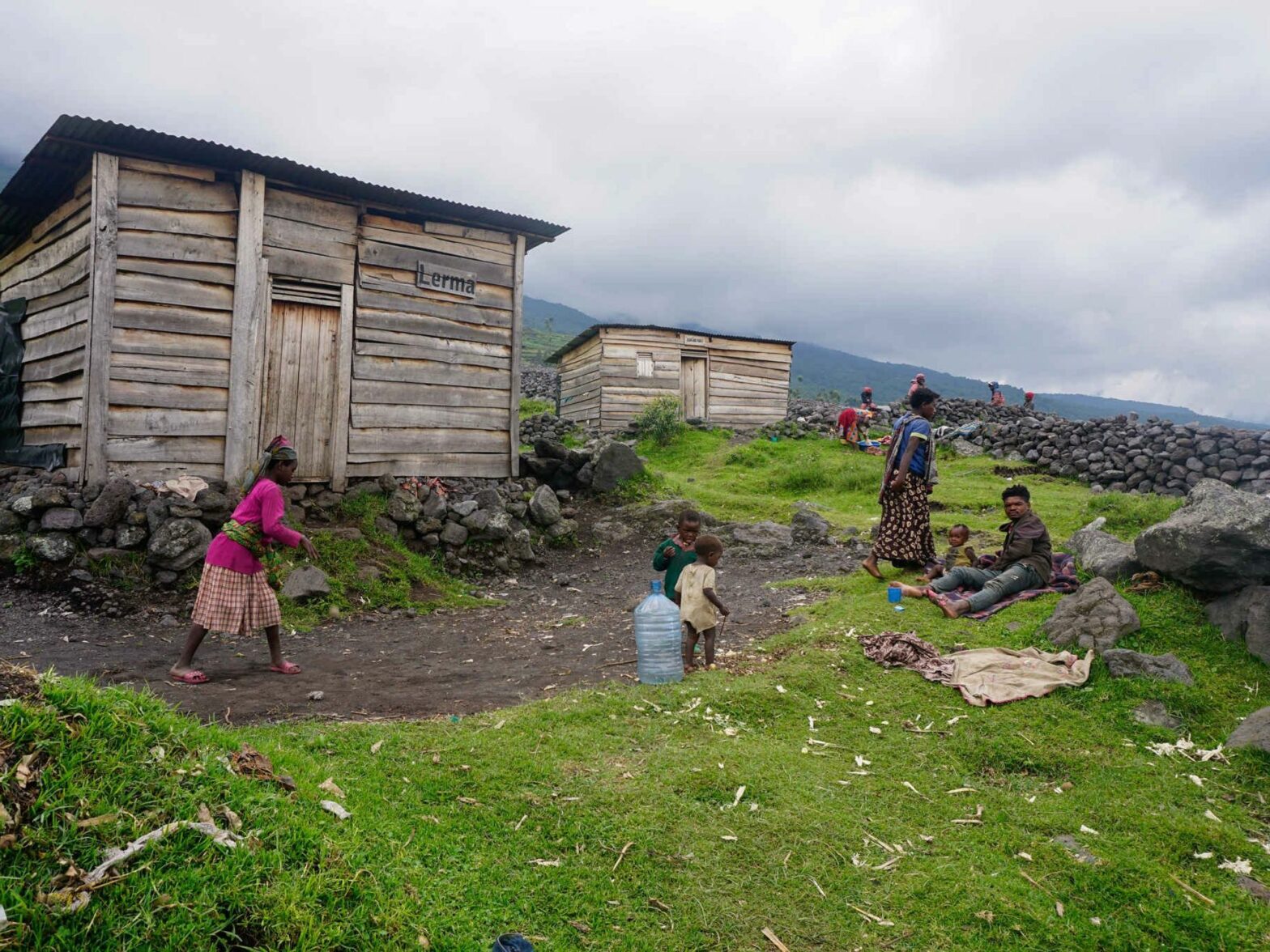
Elon Musk, an unelected US official leading budget cuts, claims funding to contain Uganda’s Ebola outbreak “accidentally” ended temporarily. Ugandan officials say the US still offers support, but health workers argue that US help is gone.
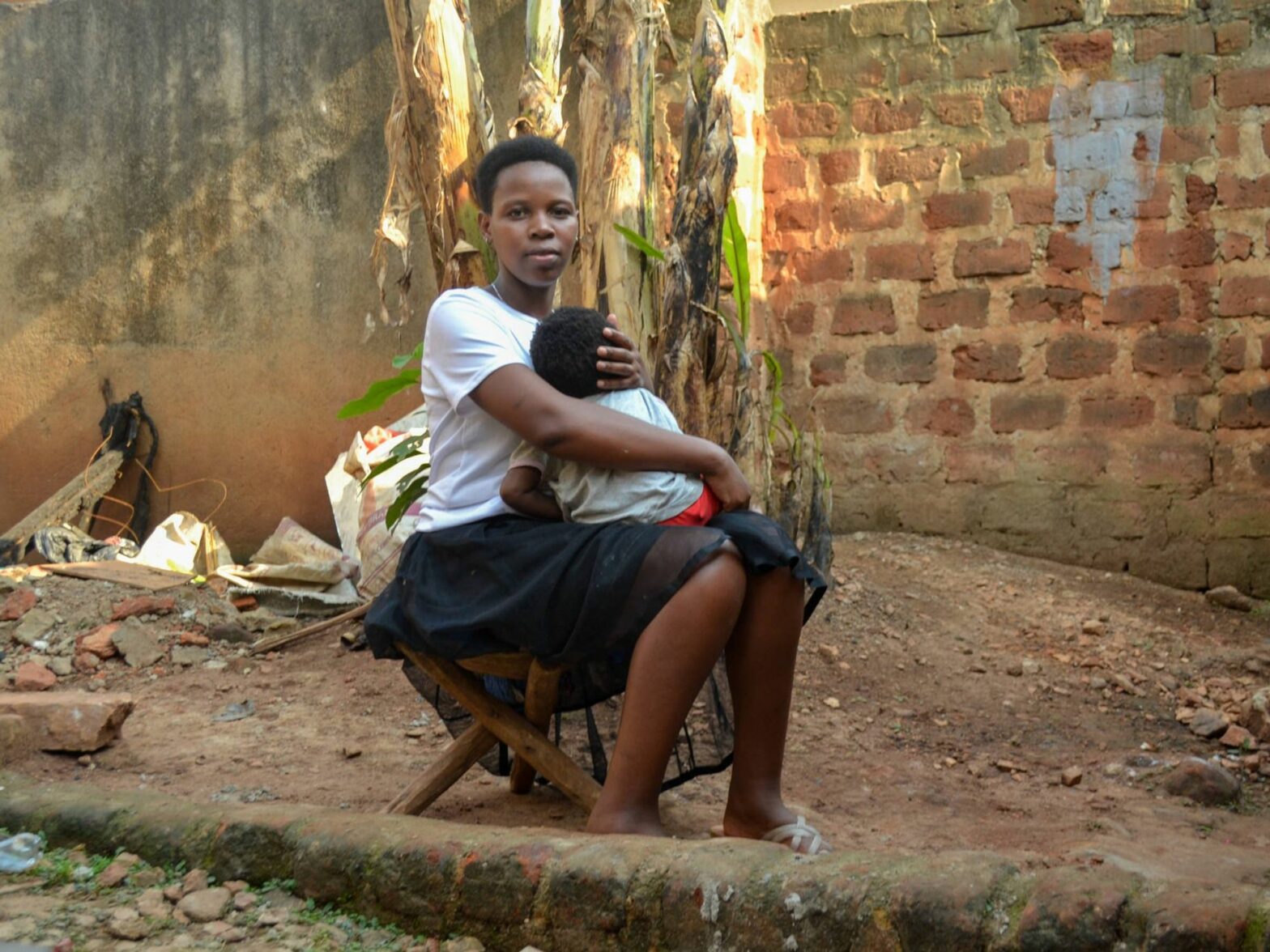
Rife with understaffed hospitals, corrupt licensing and people who claim to be doctors, the health system struggles to protect patients from deadly medical fraud.
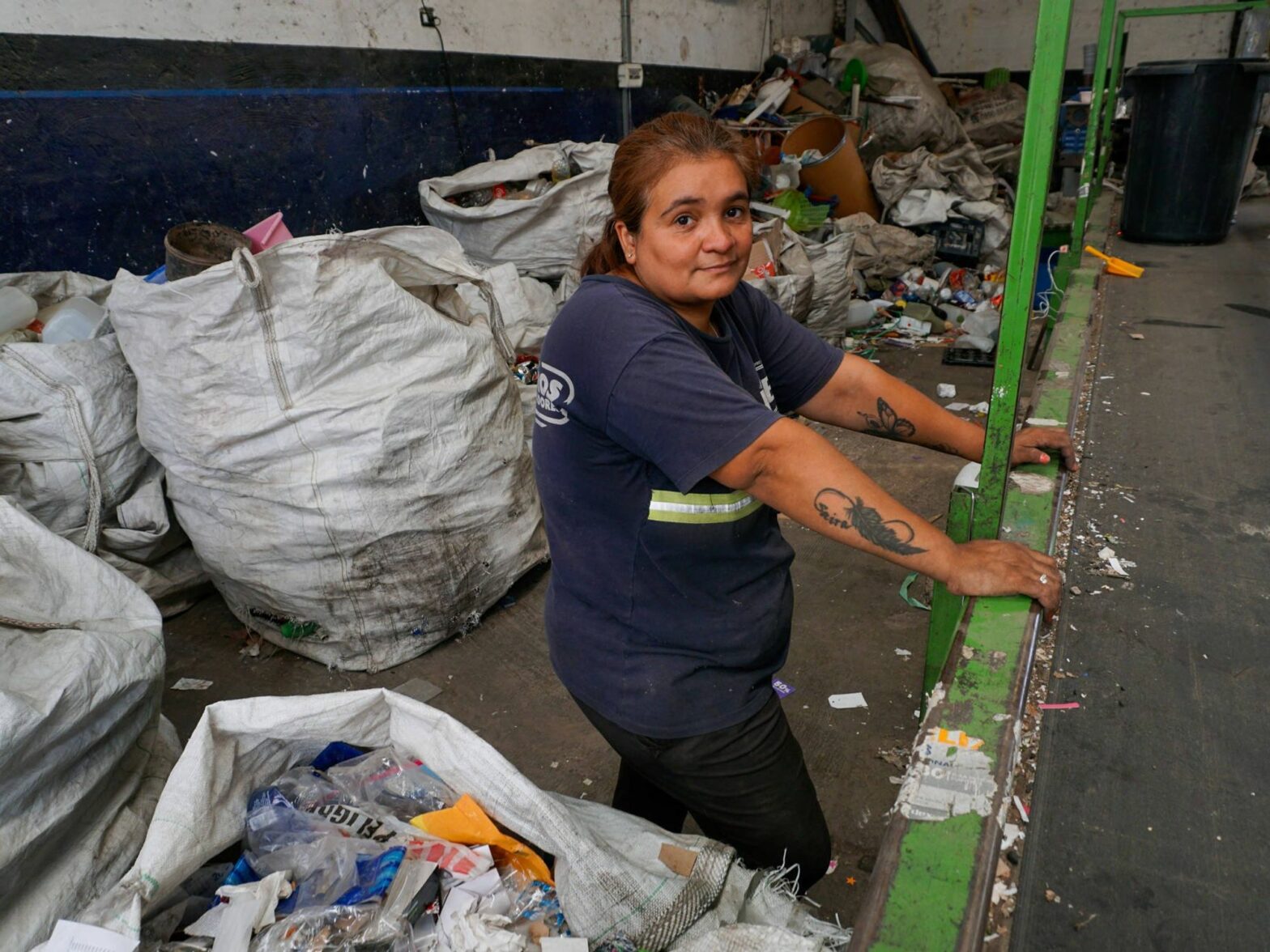
Argentina’s informal recycling network, once a lifeline for thousands, is unraveling as falling prices and new policies make waste-picking unsustainable.
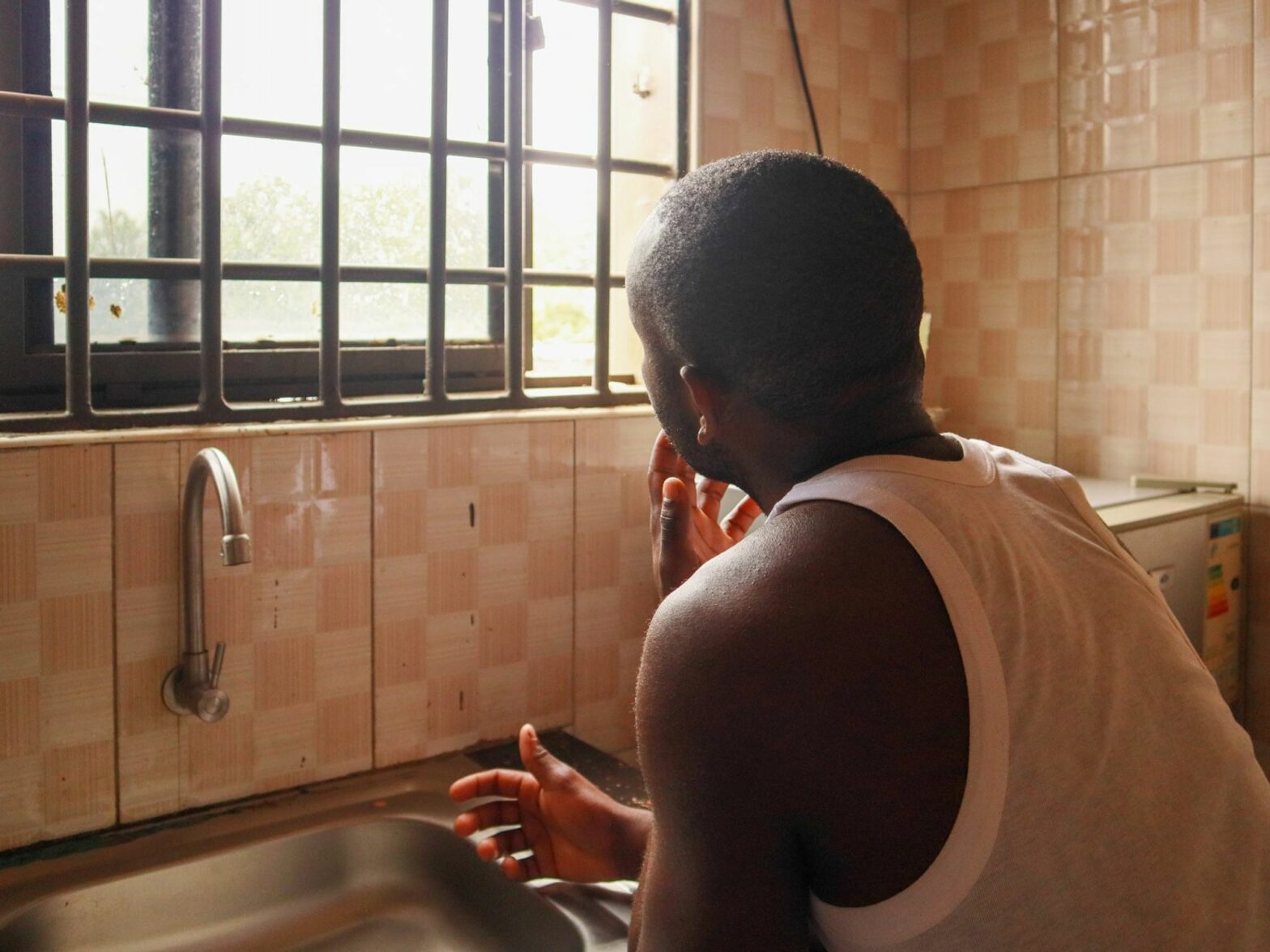
Uganda’s Supreme Court in January banned the trial of civilians in military court with immediate effect. In practice, people who oppose President Yoweri Museveni remain in prison — and with even fewer ways to get out.
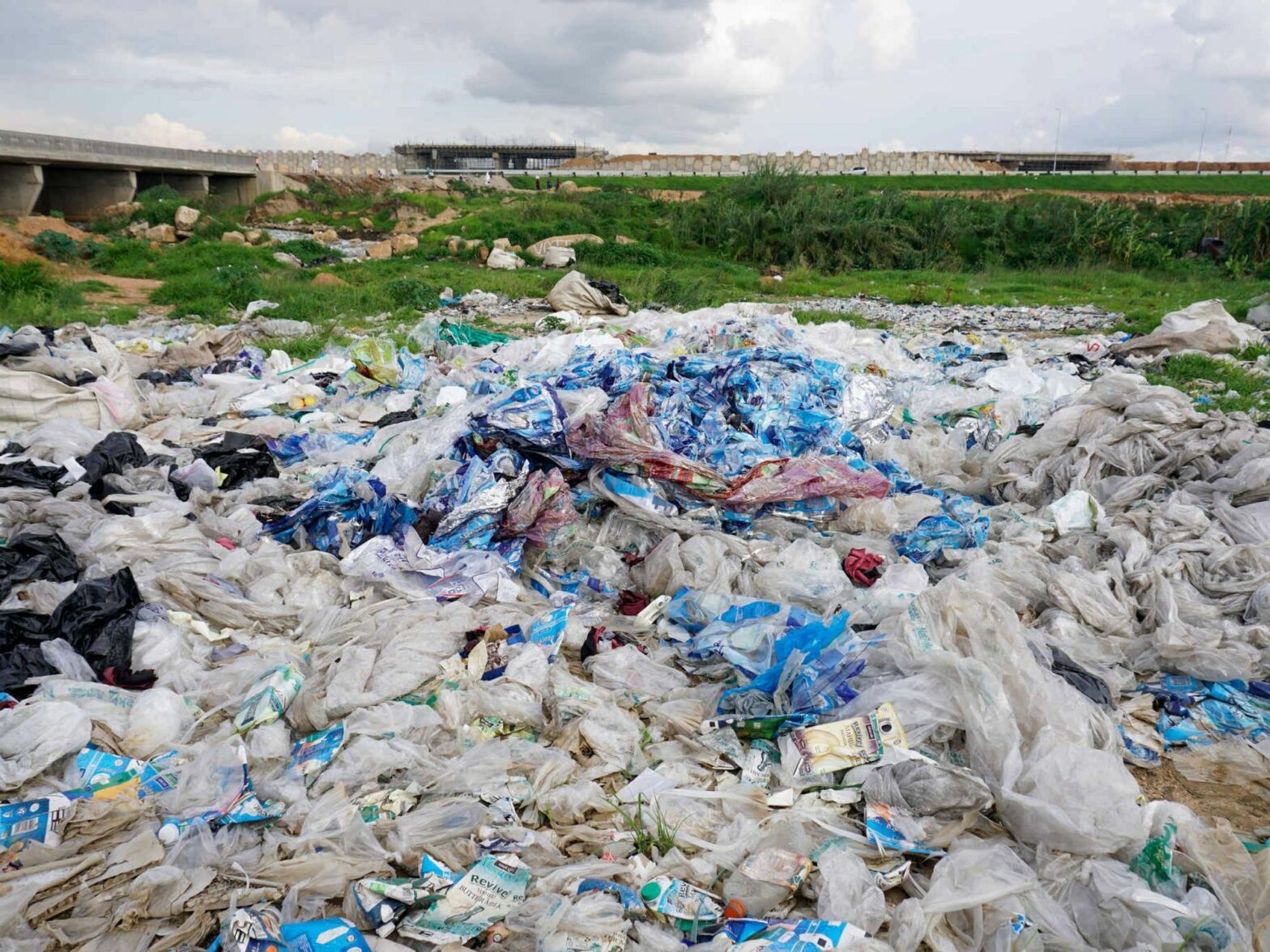
Piles of Chinese-made plastics are now an inescapable part of Zimbabwe’s landscape, and corruption is making it impossible to clean up the mess.
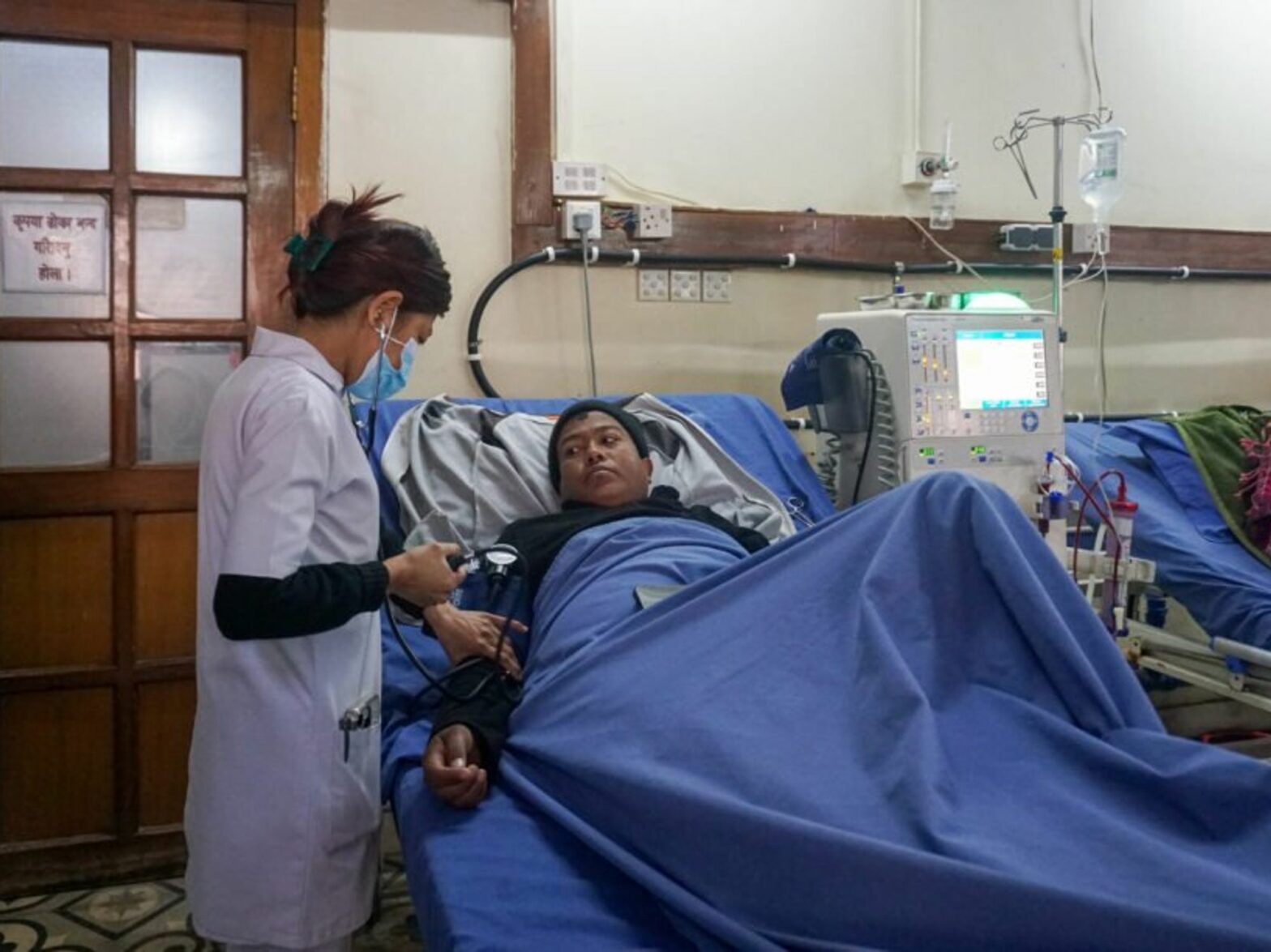
One-third of the dialysis patients at the country’s National Kidney Center came for treatment after working abroad, often at jobs with grueling hours and few water or bathroom breaks in stifling heat.
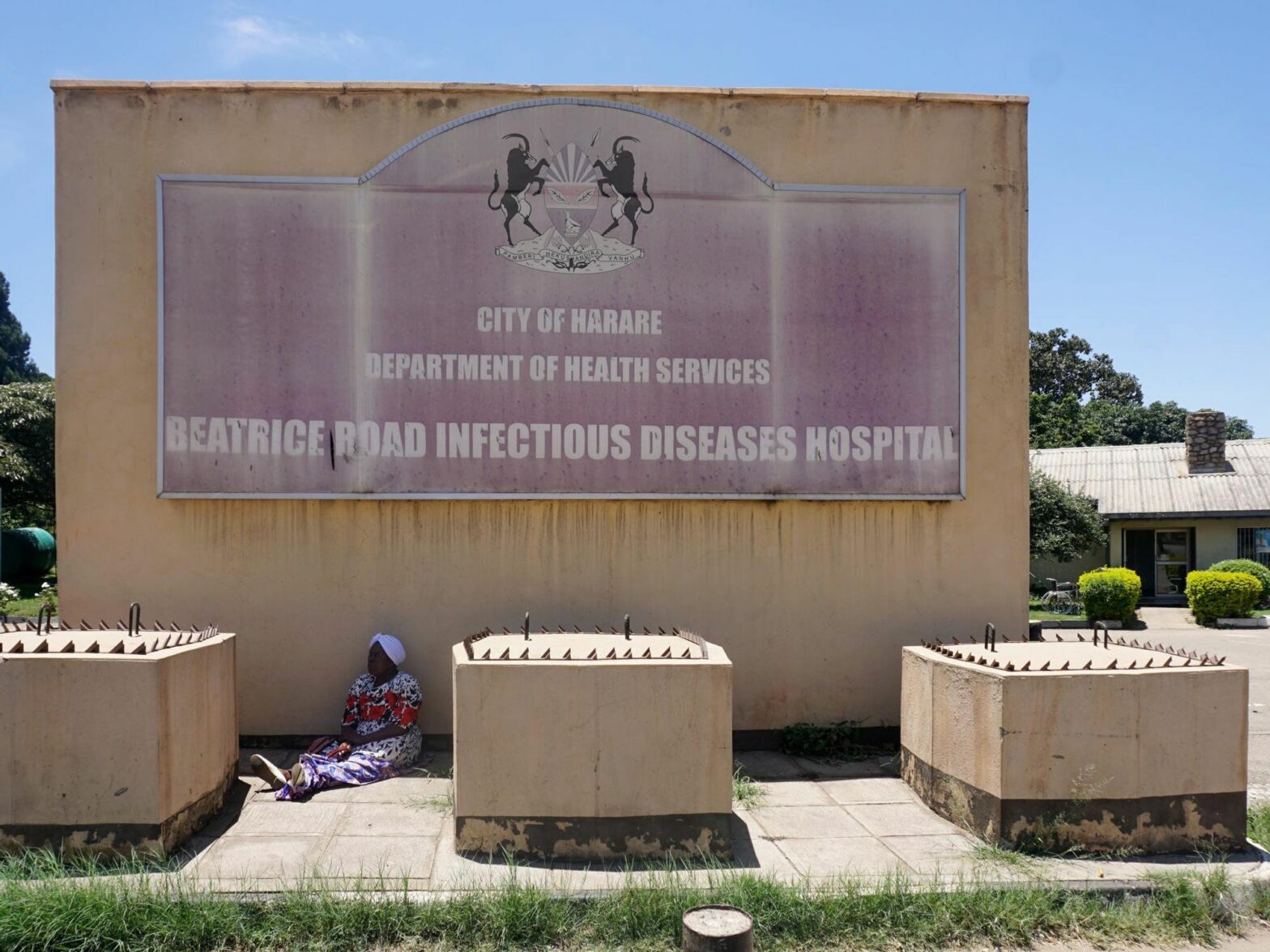
The sudden halt of USAID funding threatens the country’s fragile TB and HIV response, putting thousands of patients at risk.
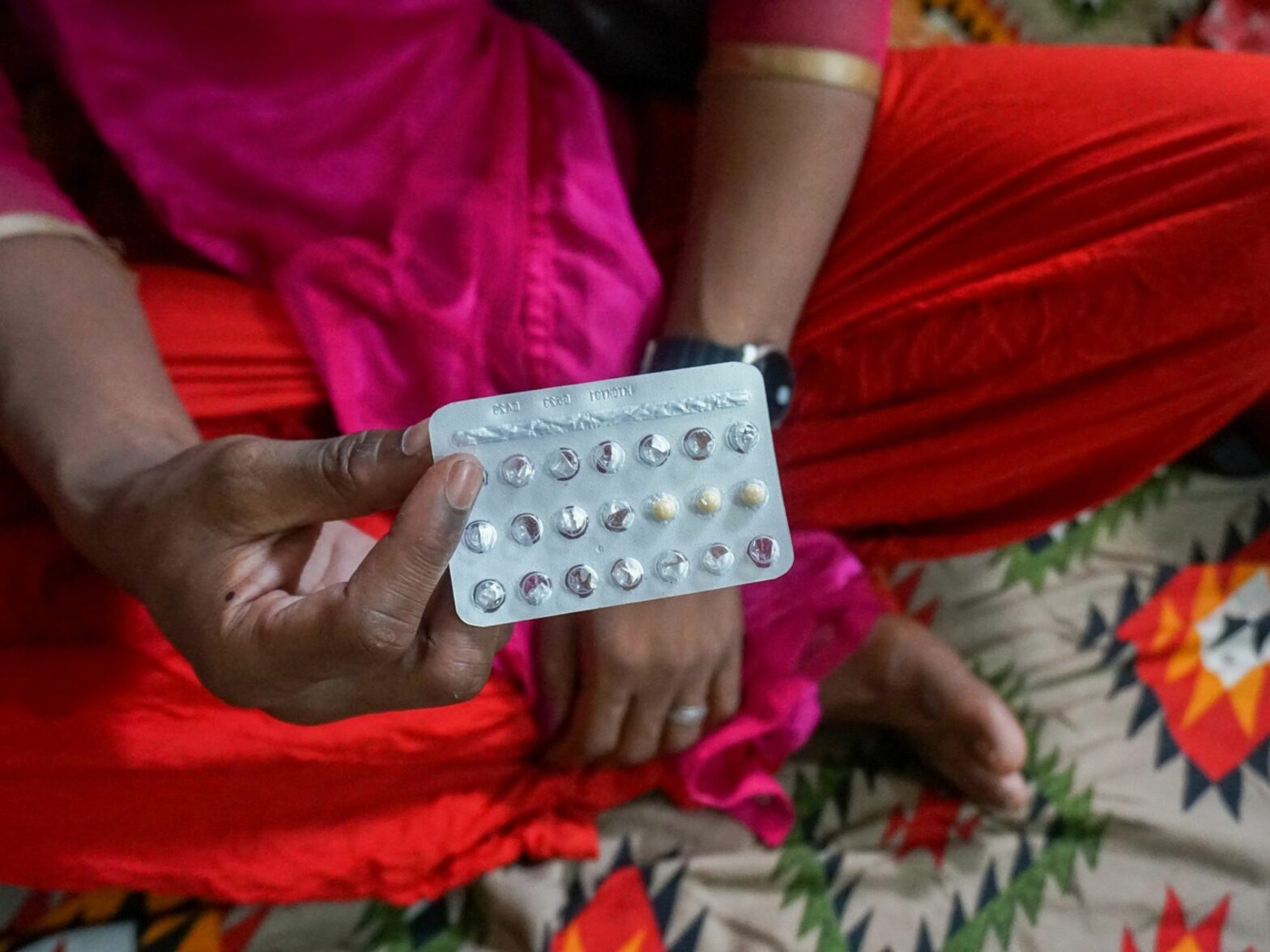
When the desire to transition outweighs the severe risks of self-medicating.
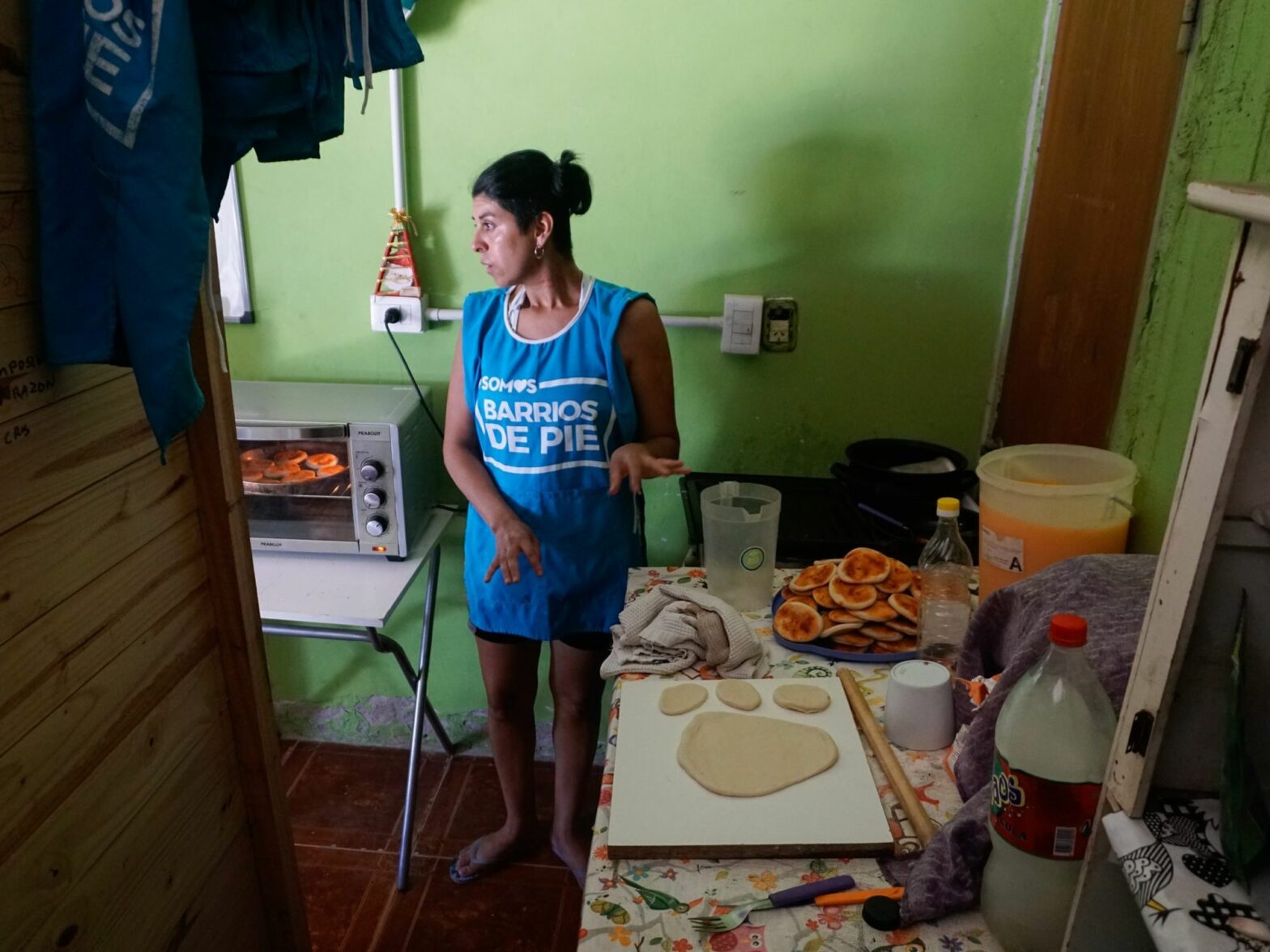
A year ago, Javier Milei’s government lifted price controls. Since then, food costs have spiked by more than 90%.
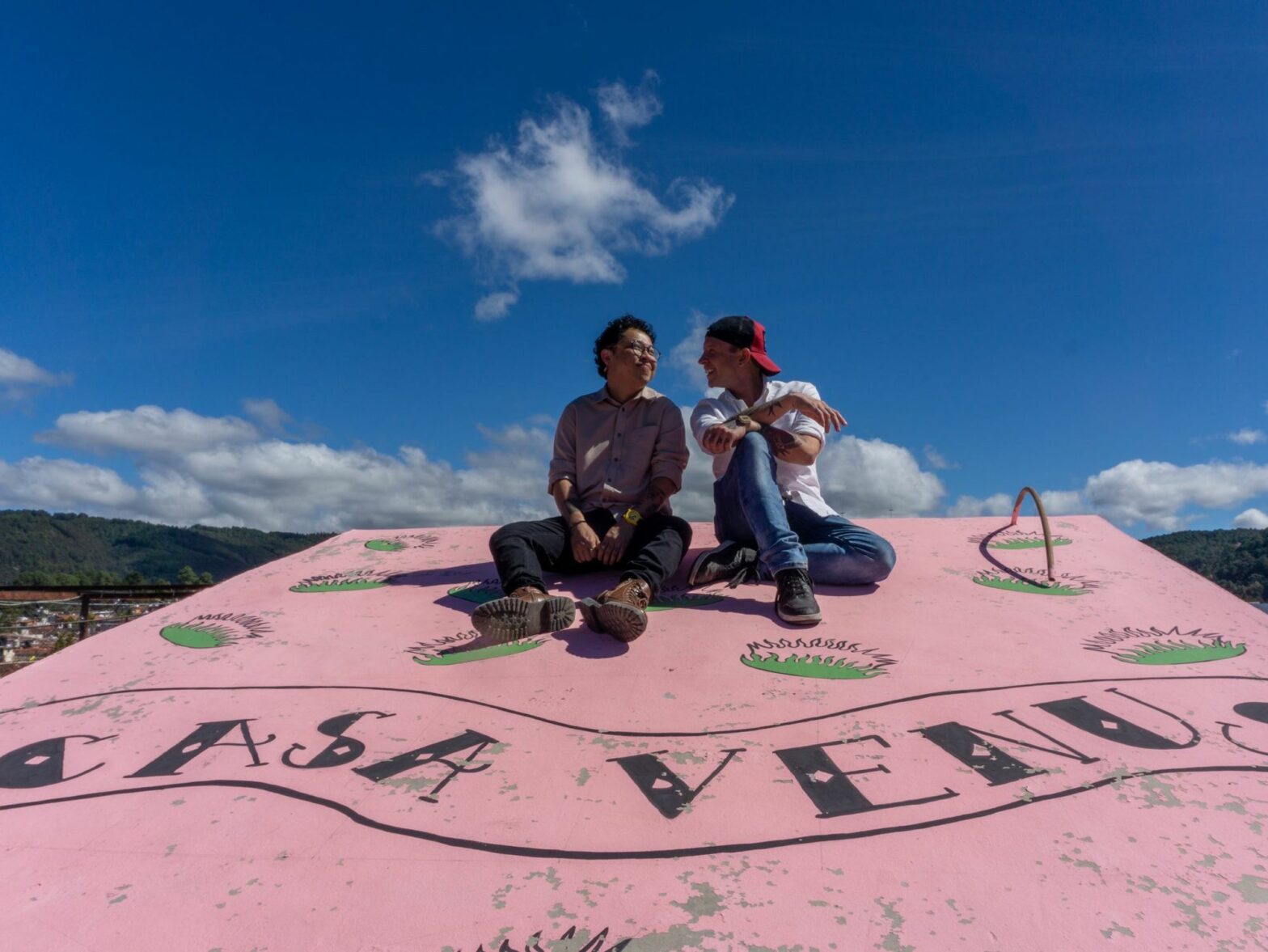
The hotel, the first in San Cristóbal de Las Casas to be staffed by a mostly queer team, is bringing the marginal into the mainstream.
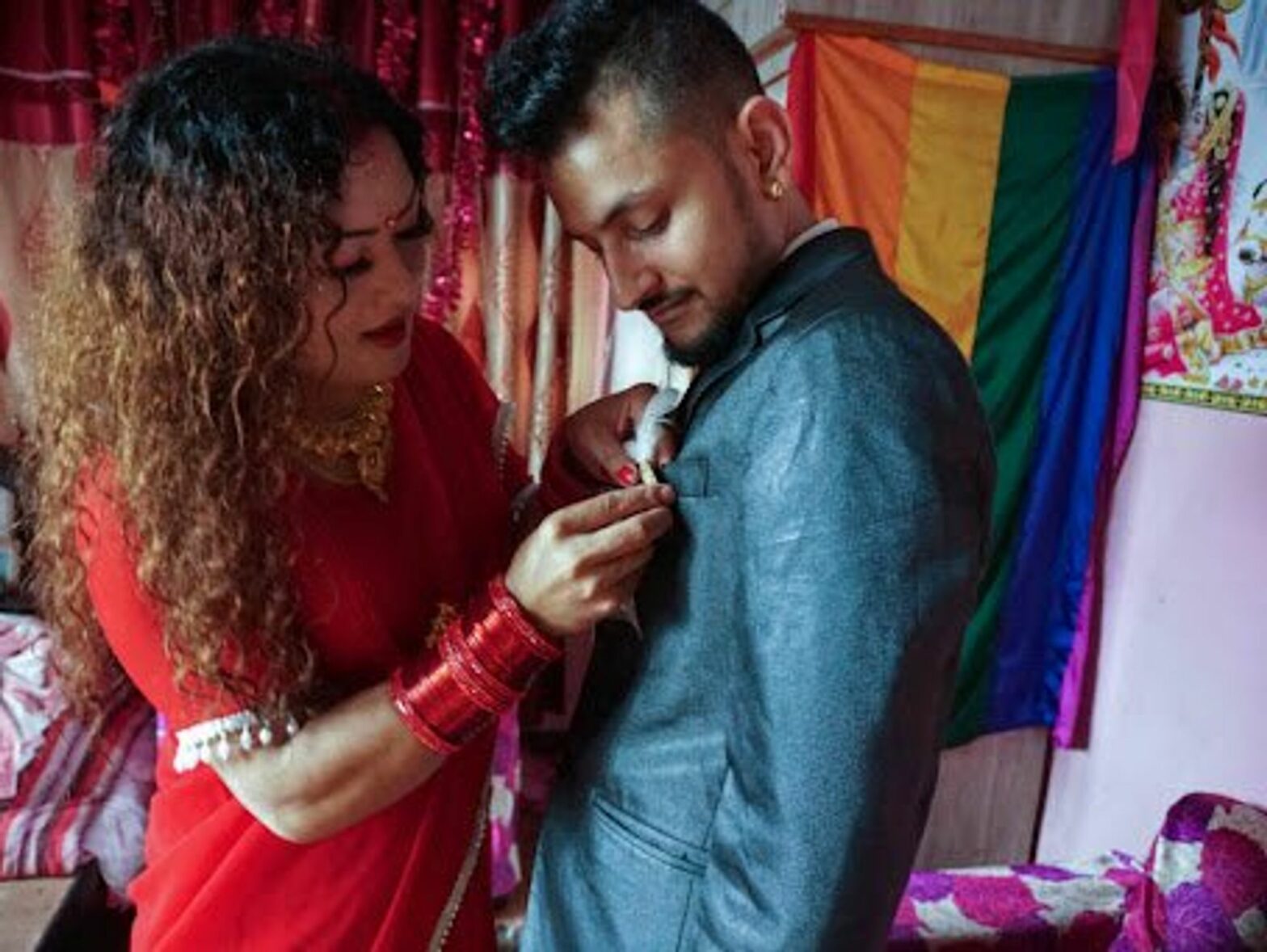
The country long seen as a beacon for LGBTQ+ rights in South Asia still has no law recognizing same-sex marriage. Here’s how two couples broke through the bureaucracy — and why hundreds of others still wait to say “I do.”
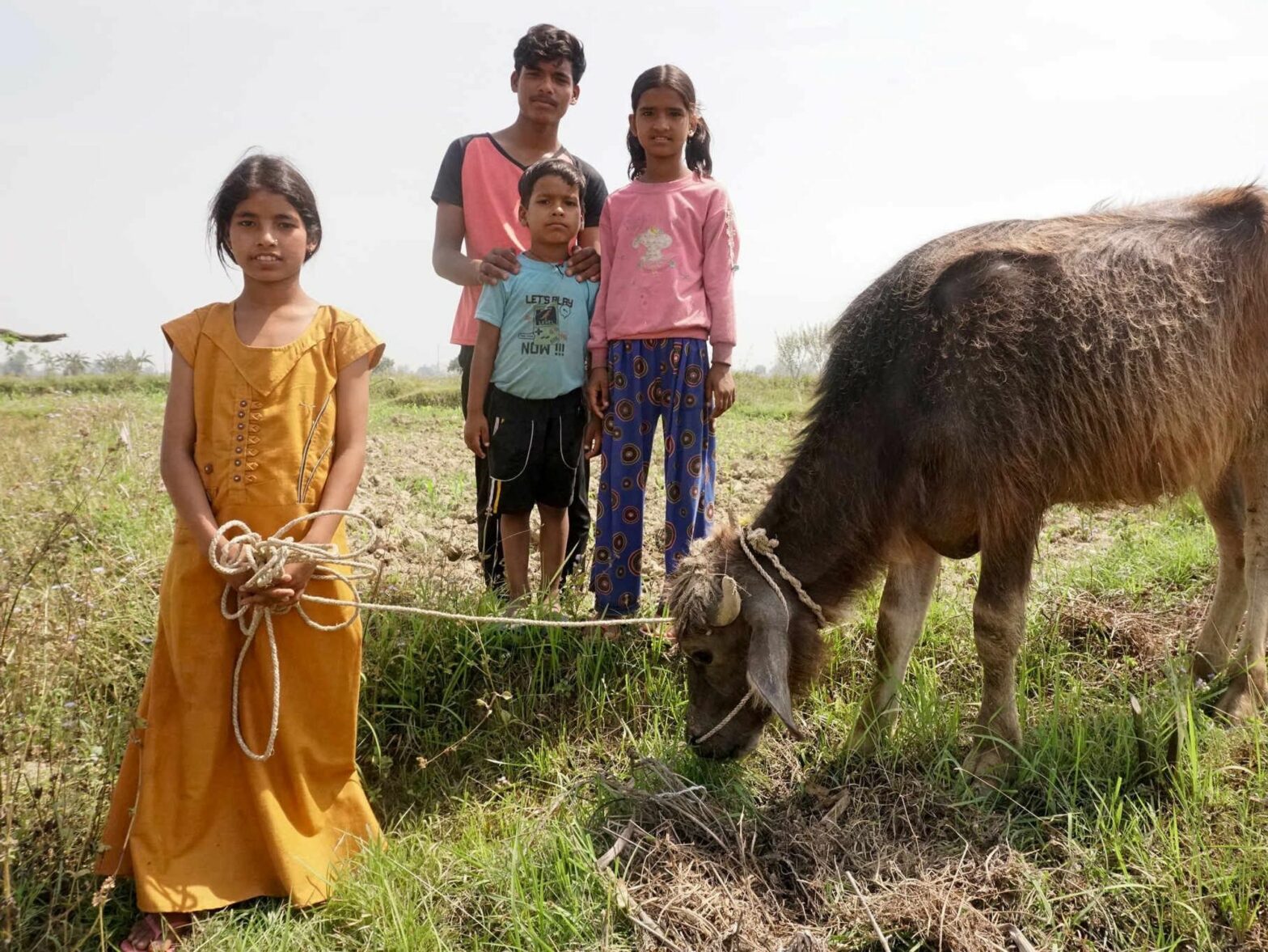
Children left to fend for themselves when their parents seek work abroad often suffer emotional struggles and educational setbacks. Now, psychologists are raising alarms about the quiet but building crisis.
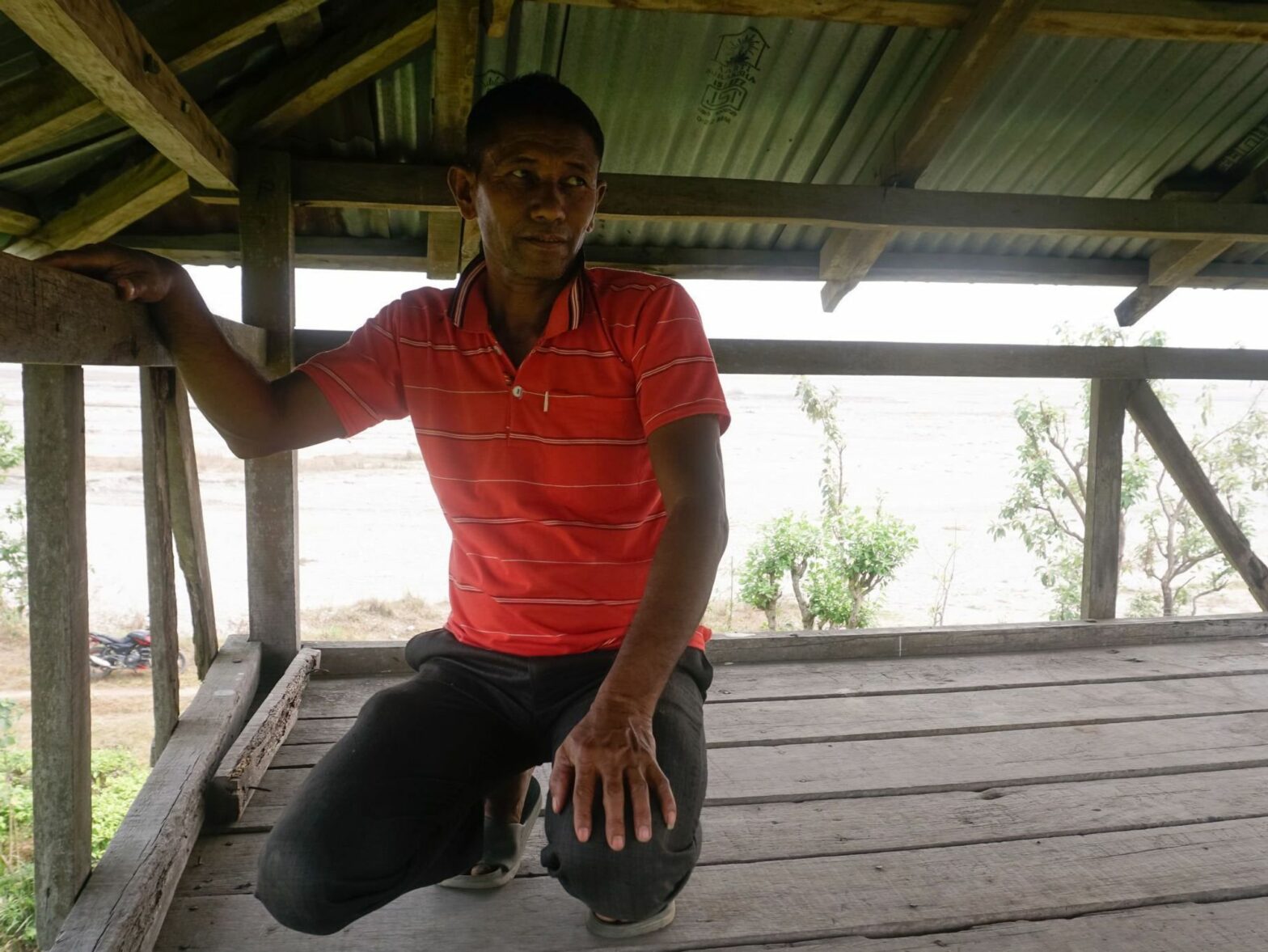
Sick of dealing with dangerous marauding elephants, farmers in Mechinagar are changing their crops and focusing on livestock, but conservationists warn that pivoting won’t solve the problem for good.
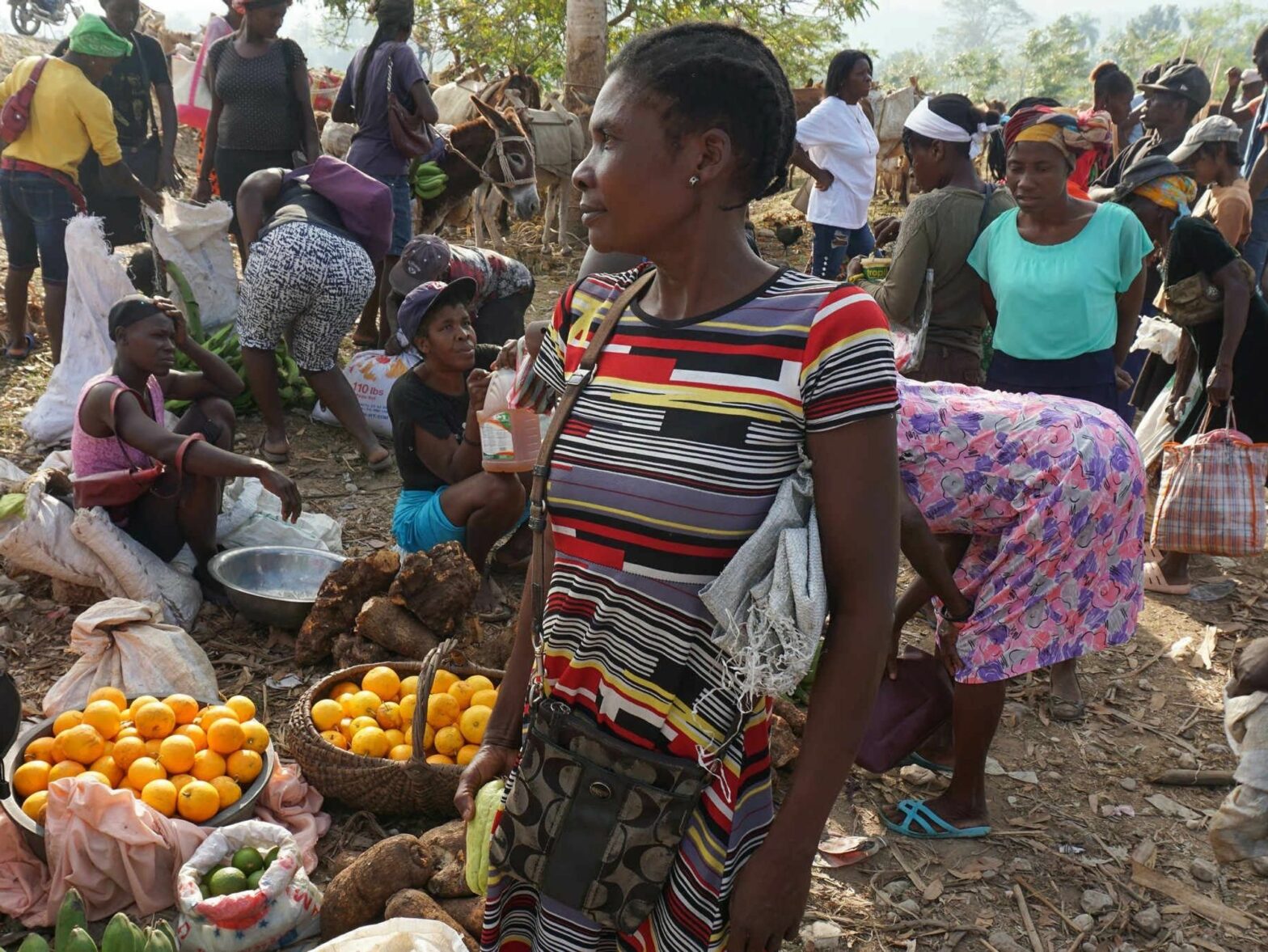
The Madan Sara provide a vital service by collecting farmers’ produce and selling it in urban communities. But natural disasters and growing insecurity have threatened their way of life.
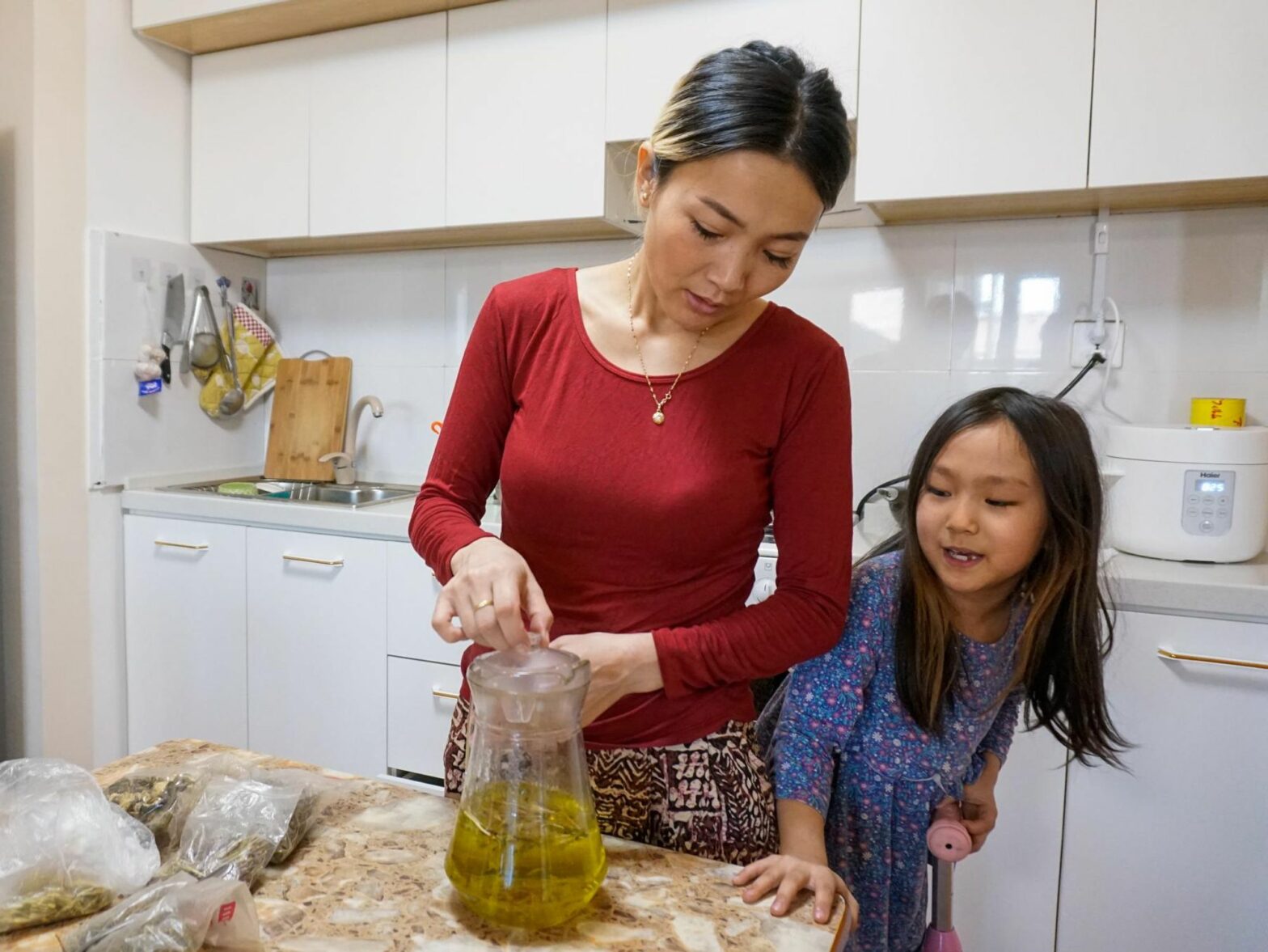
Traditional medicines, once banned, have regained favor. Government and health officials are endorsing them alongside COVID-19 vaccinations.
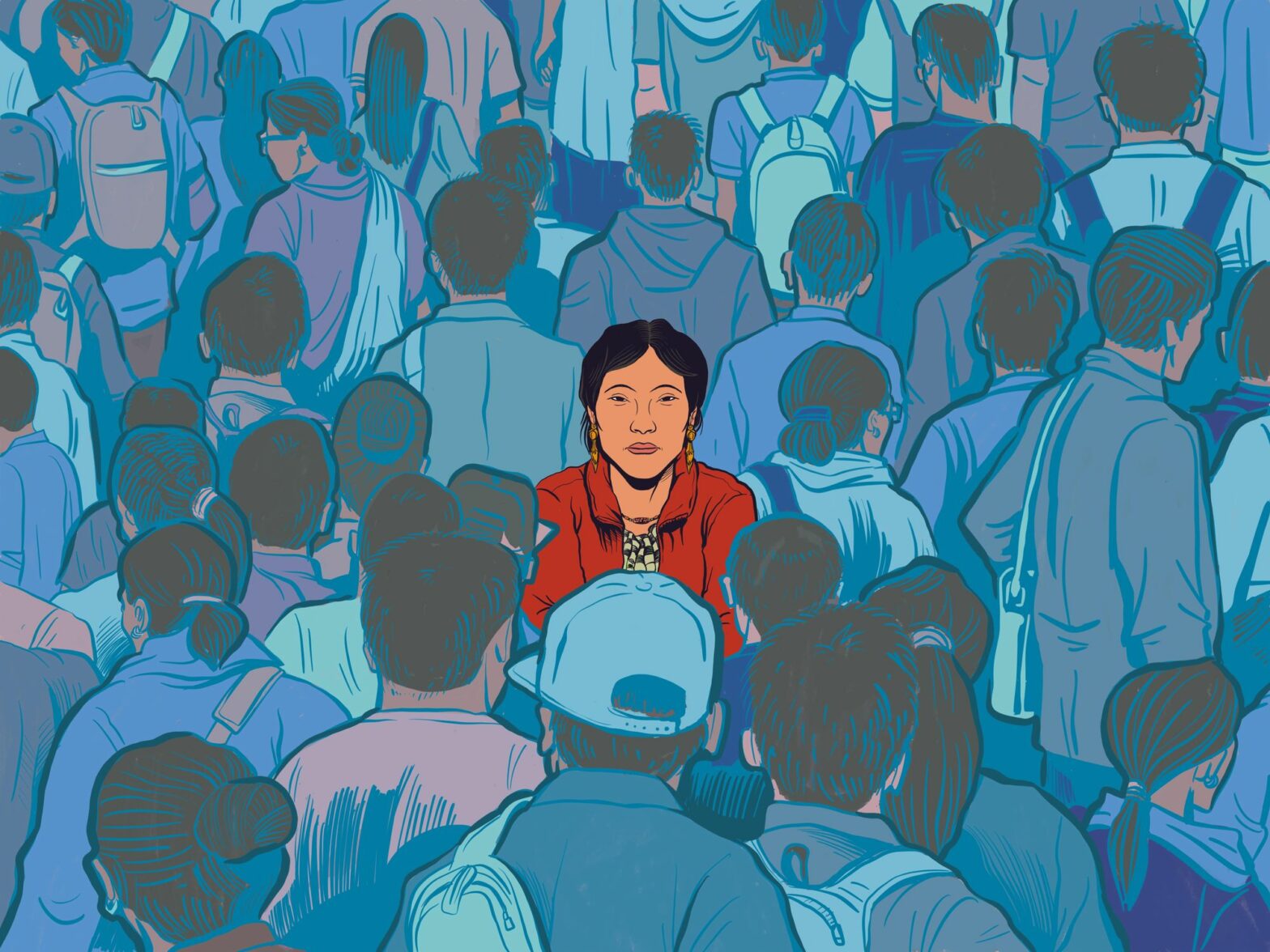
Shunned by the Nepal government, young Tibetans struggle to find work, travel overseas, and open bank accounts. One asks, “Who are we?”
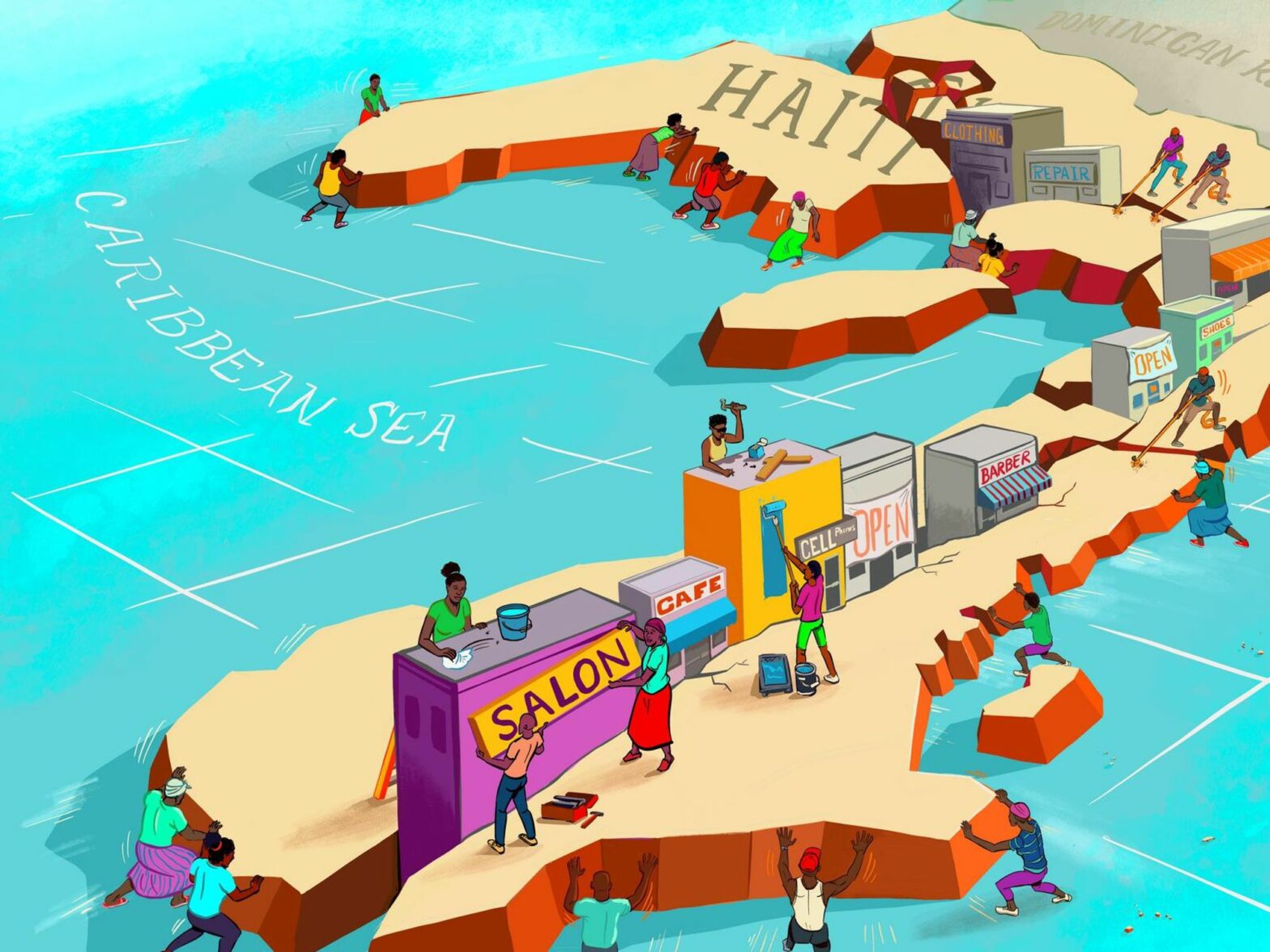
Given the opportunity to flee an economic and political crisis in Haiti, some business owners opt to stay.
In a culture that can see girls as a burden, many women opt to abort their female fetuses — even though it’s illegal.
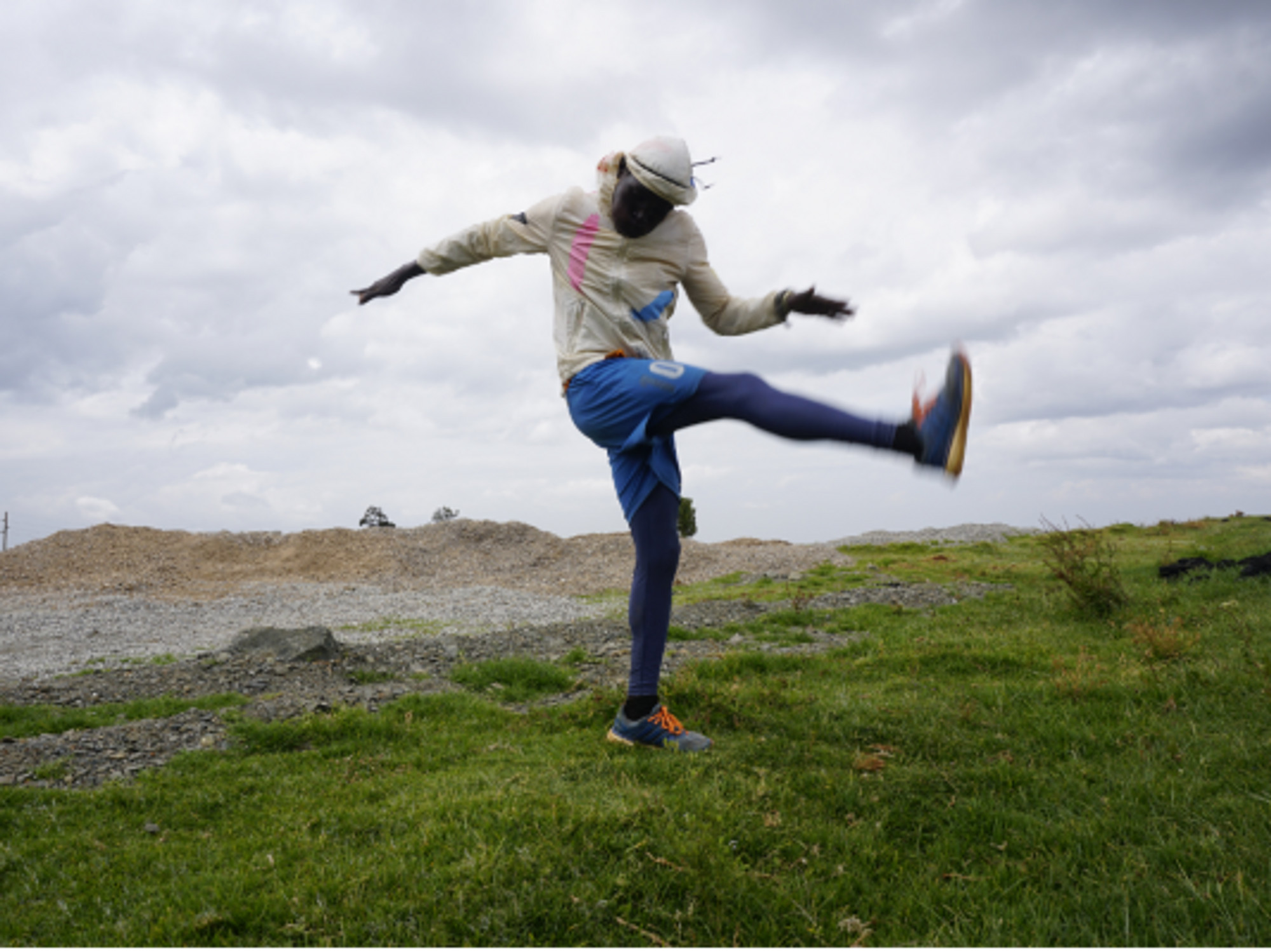
Success at the Tokyo Olympics inspired Uganda to step up its efforts to become a long-distance running powerhouse.

The pandemic has devastated Argentina’s tango culture — and the thousands of people who depend on it.
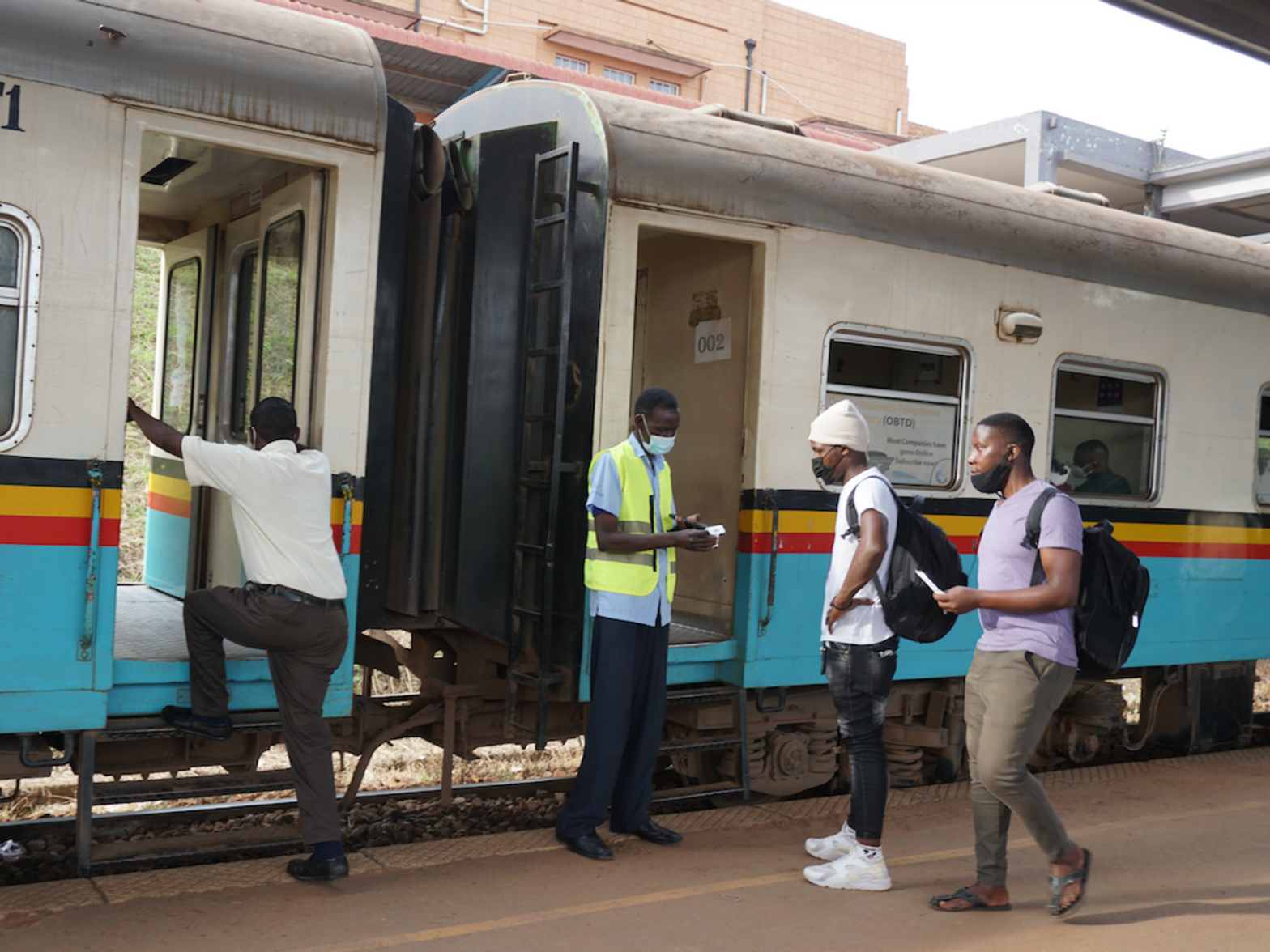
Officials want to revitalize the country’s ailing railway system. But it comes at a cost for the people who live in the way.
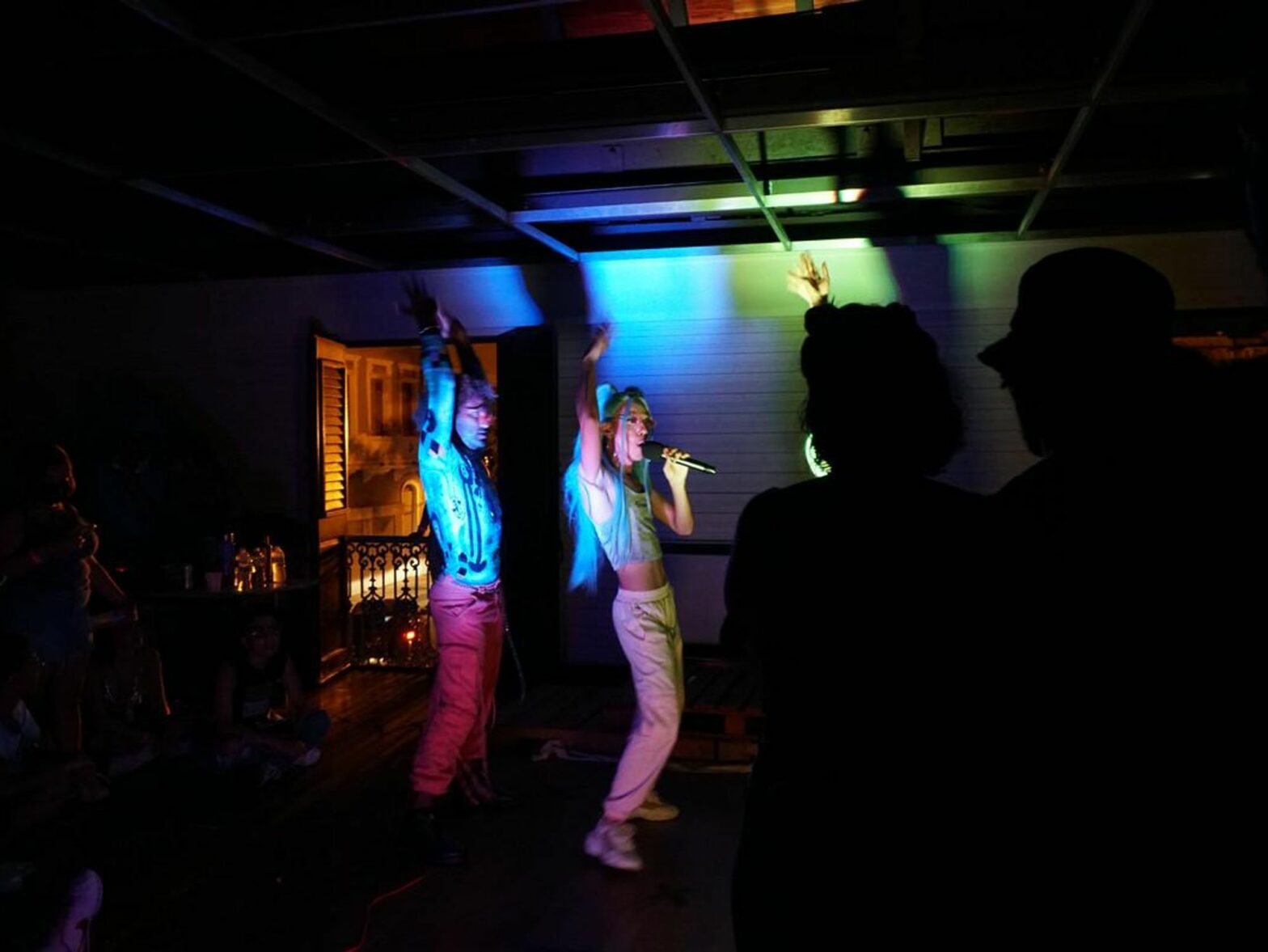
Queer artists are finding their voices in the thumping beats and dance-hall rhythms of reggaeton, a genre that has historically been anything but inclusive.
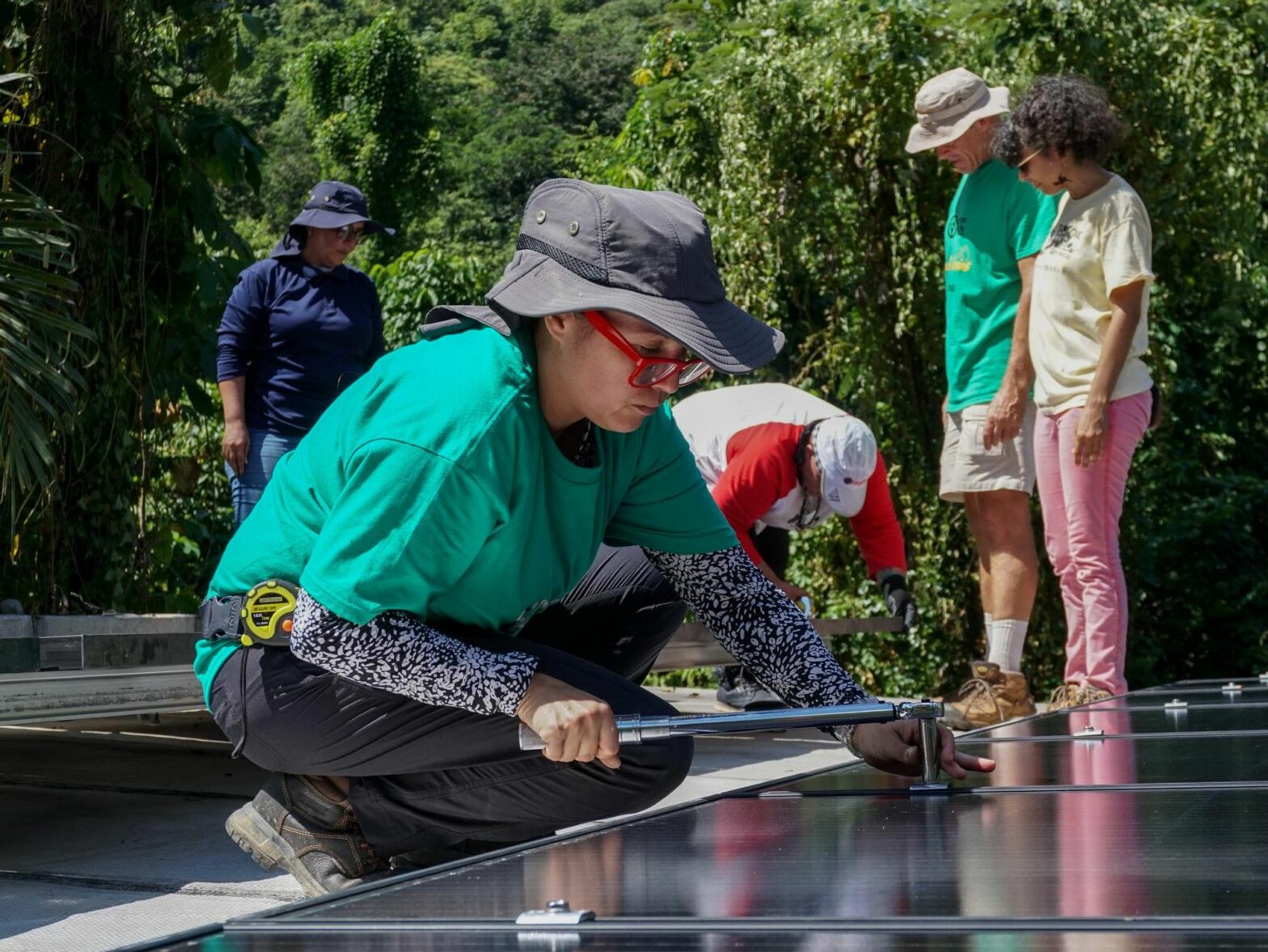
Can Puerto Rico’s abundant sunshine and ambitious women unlock its renewable energy potential?
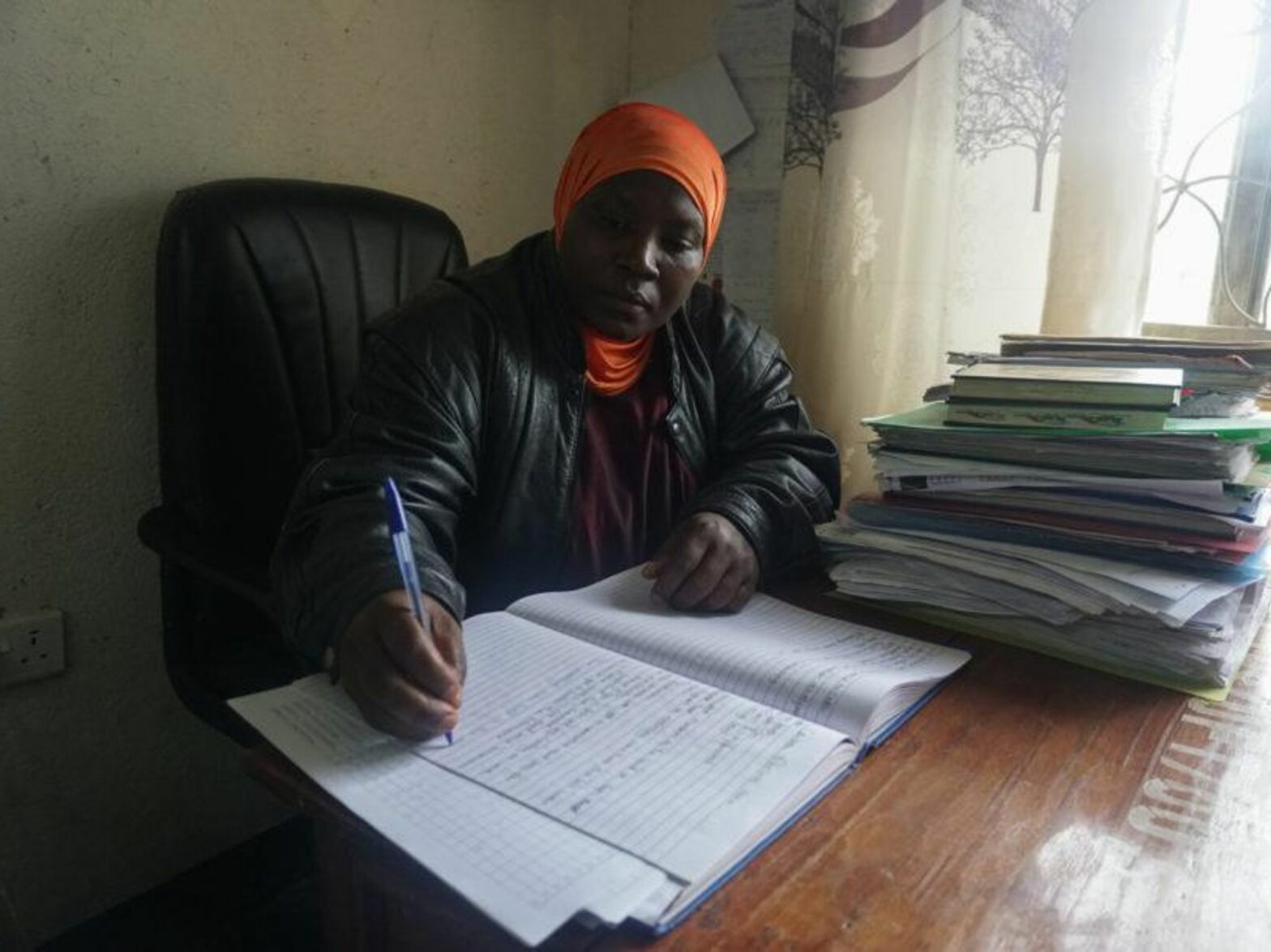
KAMPALA — Allen Asimwe has dedicated more than two decades to teaching geography at a large public high school in southwestern Uganda. Her retirement age, as a public servant entitled to benefits, is just six years away. She doubts she will wait that long. “I am determined, I want to quit,” she says, calculating that she could earn more by shifting full time to the salon she opened six years ago to supplement her income. “Given the frustration, I cannot continue in class anymore.” For years, she hoped the Uganda National Teachers’ Union would succeed in lobbying for better wages. […]
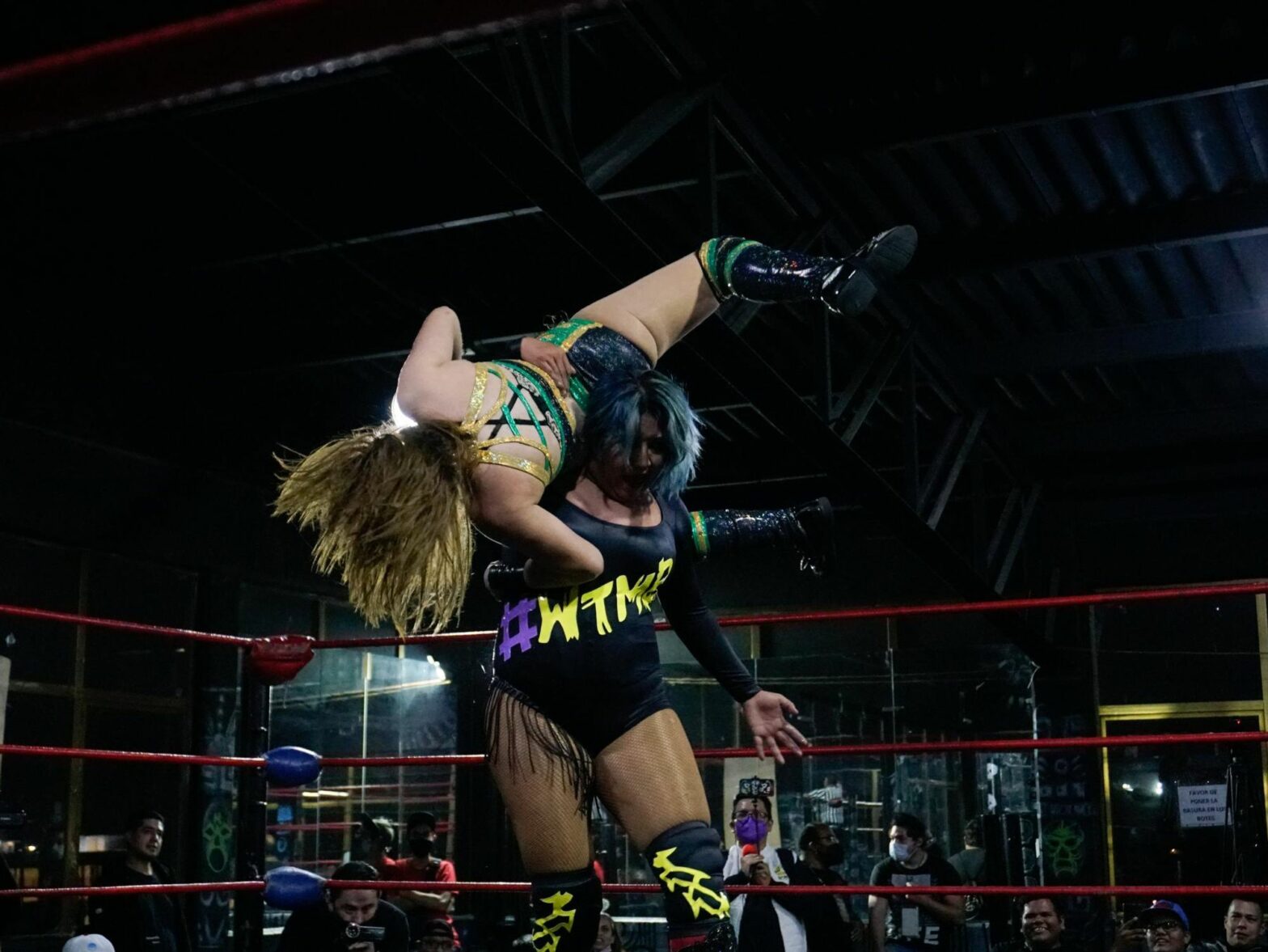
MEXICO CITY — Huge lamps swing from the ceiling on the sixth floor of a building in downtown Mexico City, illuminating the wrestling ring below. The crowd holds its collective breath as a woman emerges from the shadows. Her bright blue hair whirls behind her sparkling makeup as she kicks out her knee-high black boots. A deep voice booms over the loudspeaker: “From the Mexican jungle comes Ladyyy Amazonaaa!” Responding to the cheers and shouts, she takes her time posing in each of the ring’s four corners at the Furia de Titanes women’s championship. “I have wrestling in my blood,” […]
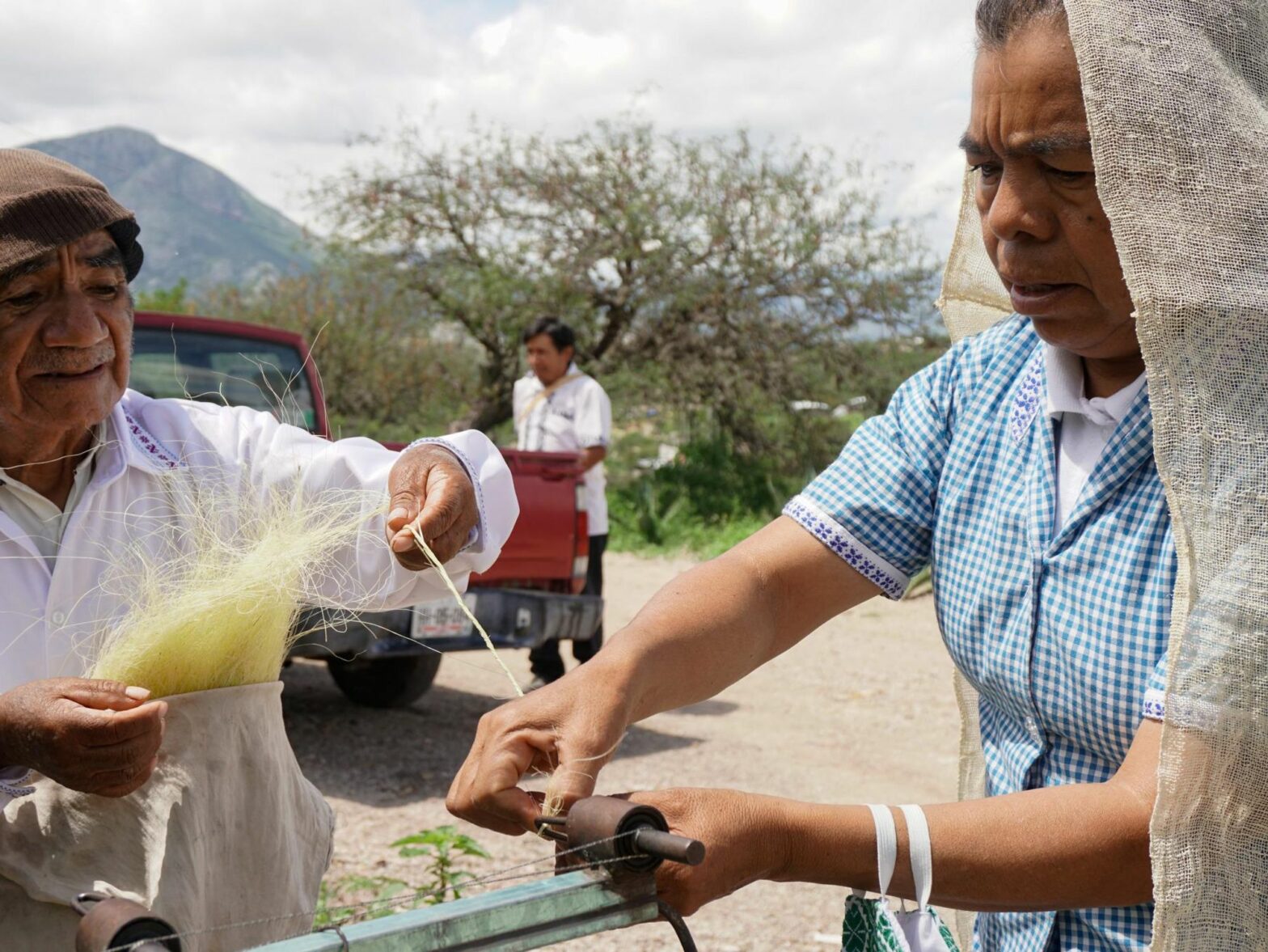
Artisans who produce the natural fiber have mixed feelings about its success.
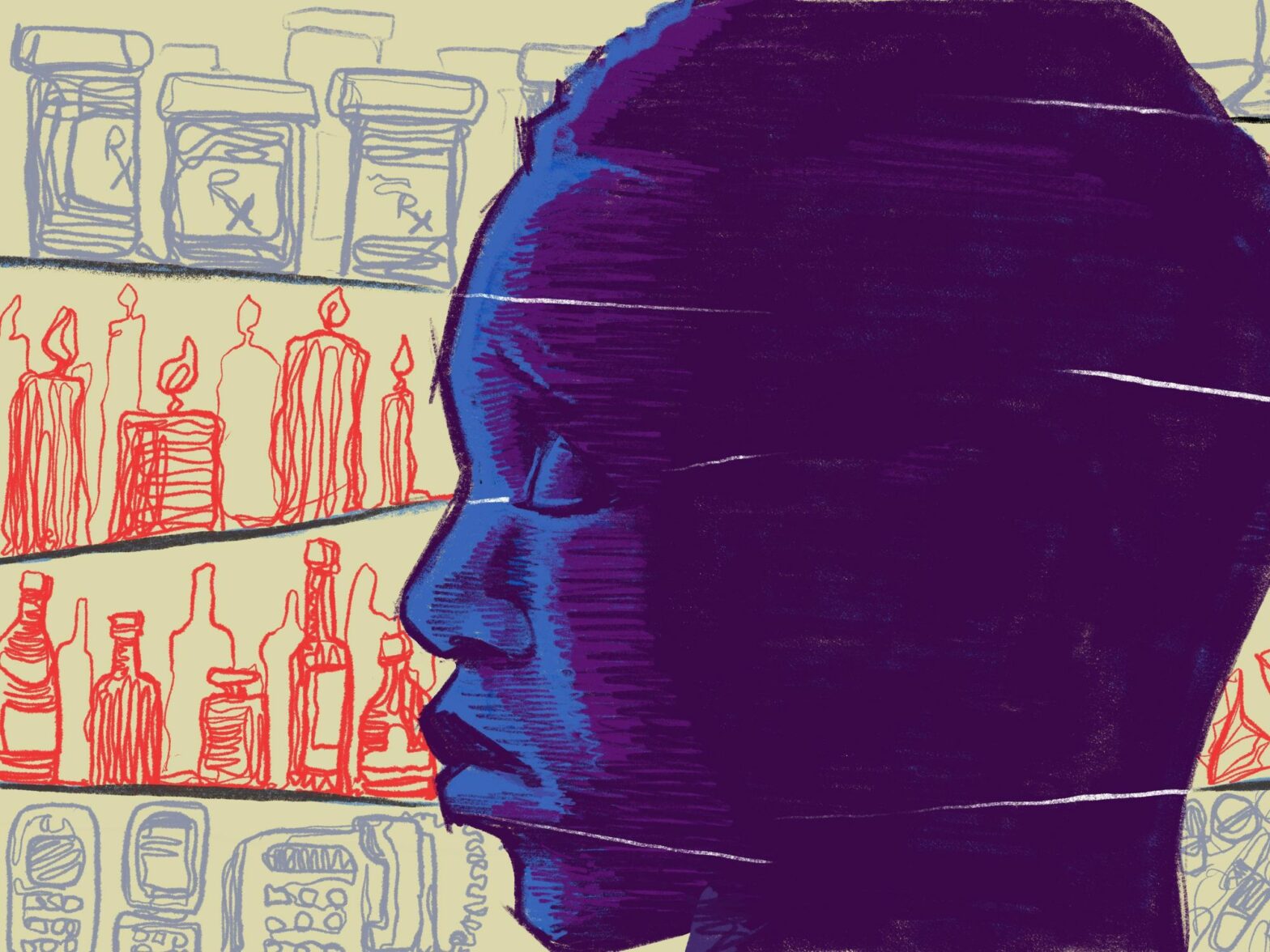
With the country’s mental health care severely lacking, Haitians seek the assistance of Vodou priests.
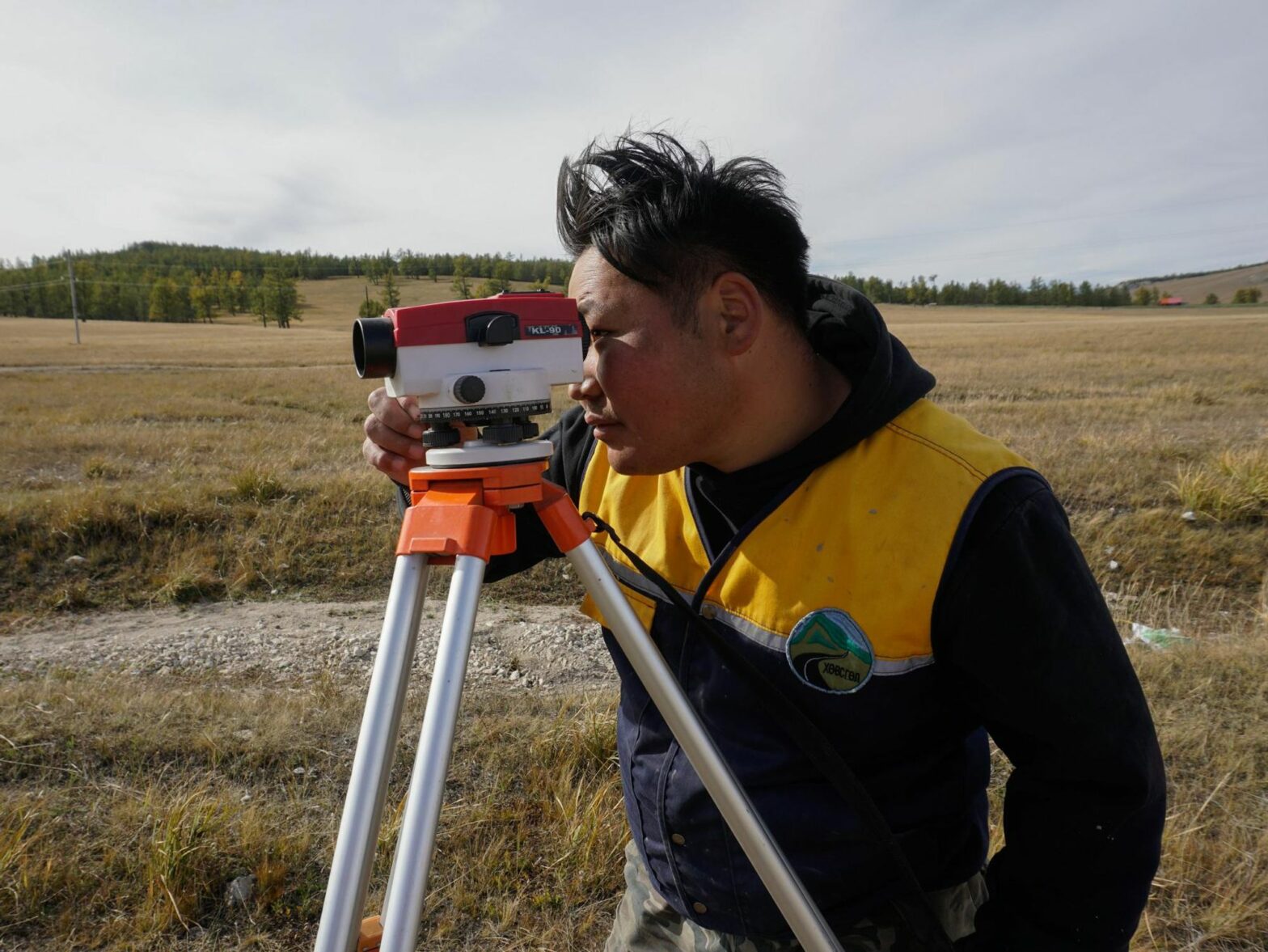
Mongolia built an extensive road network on a permafrost foundation. Now, the permafrost is melting.
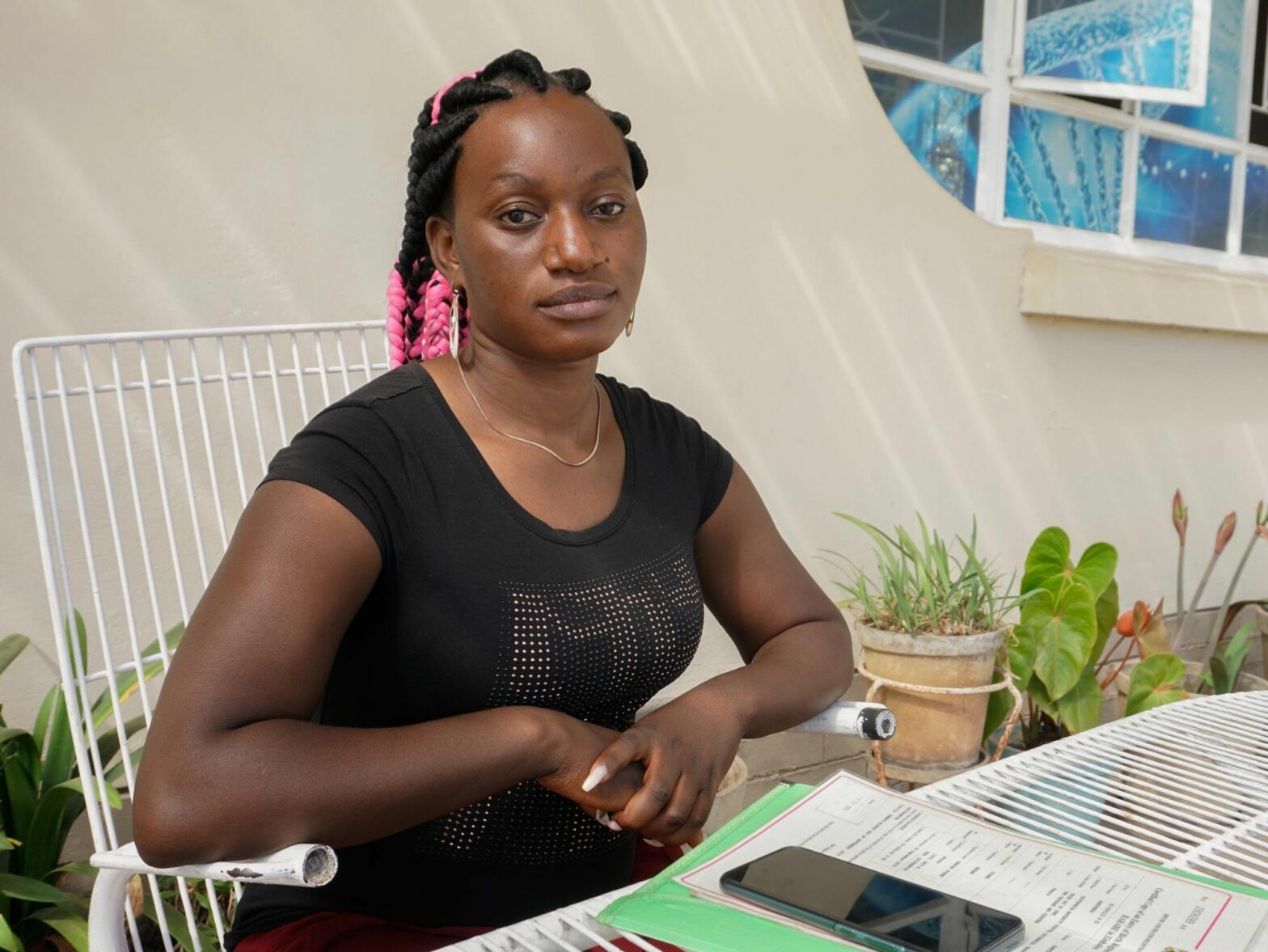
A new program that settles paternity disputes has become the most popular television show in Zimbabwe. Not everyone is happy.
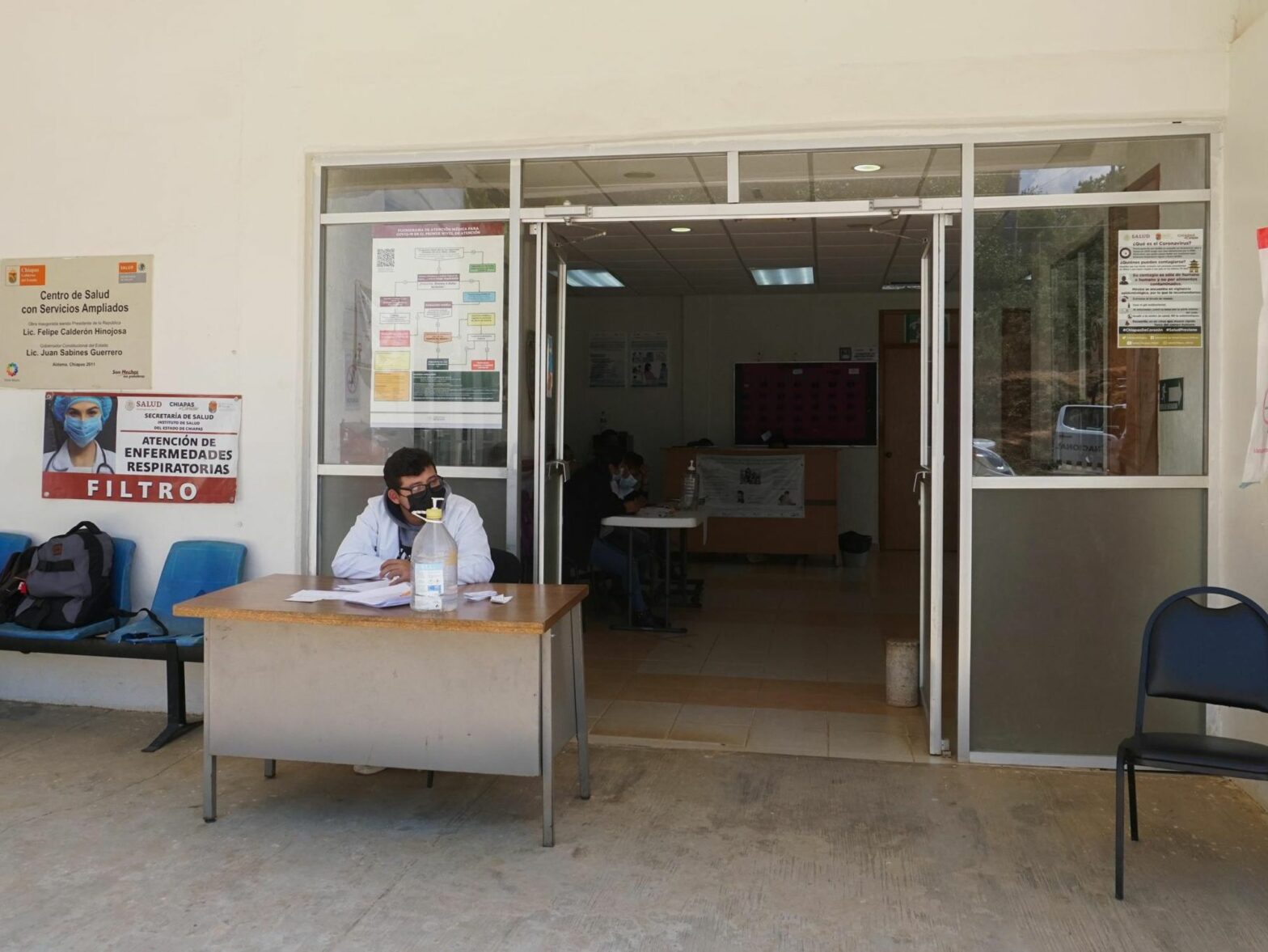
Despite the pandemic’s heavy toll, people remain reluctant to inoculate, in part because of persistent doubts about the country’s public health system.