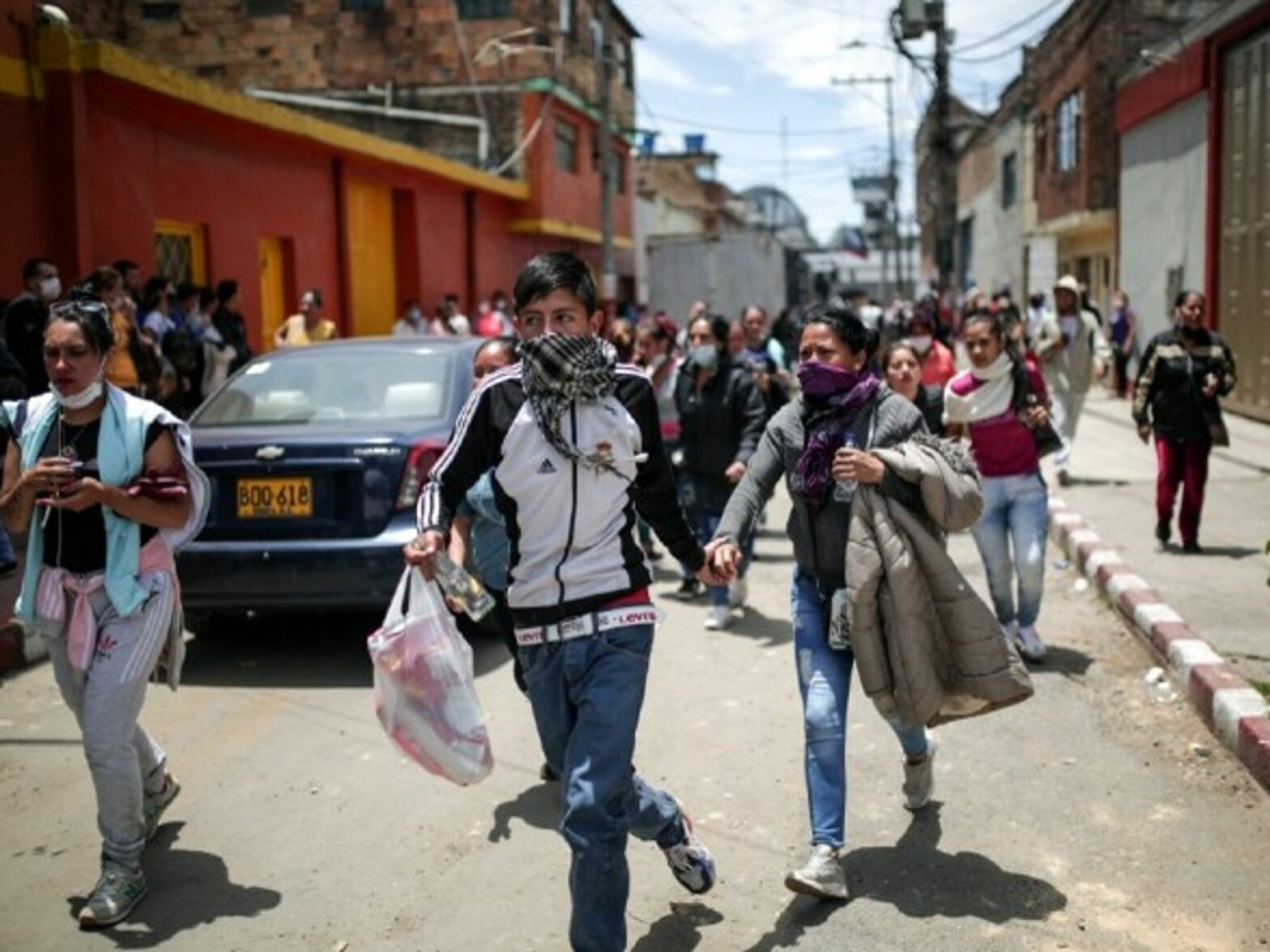
The long lockdown period has only added to the frustrations people feel about their country’s unresolved class disparities, crass politics and history of violence.
 Worldcrunch
The oldest newspaper in Colombia, El Espectador was founded in 1887. The national daily newspaper has historically taken a firm stance against drug trafficking and in defense of freedom of the press. In 1986, the director of El Espectador was assassinated by gunmen hired by Pablo Escobar. The majority share-holder of the paper is Julio Mario Santo Domingo, a Colombian businessman named by Forbes magazine as one of the wealthiest men in the world in 2011.
The long lockdown period has only added to the frustrations people feel about their country’s unresolved class disparities, crass politics and history of violence.
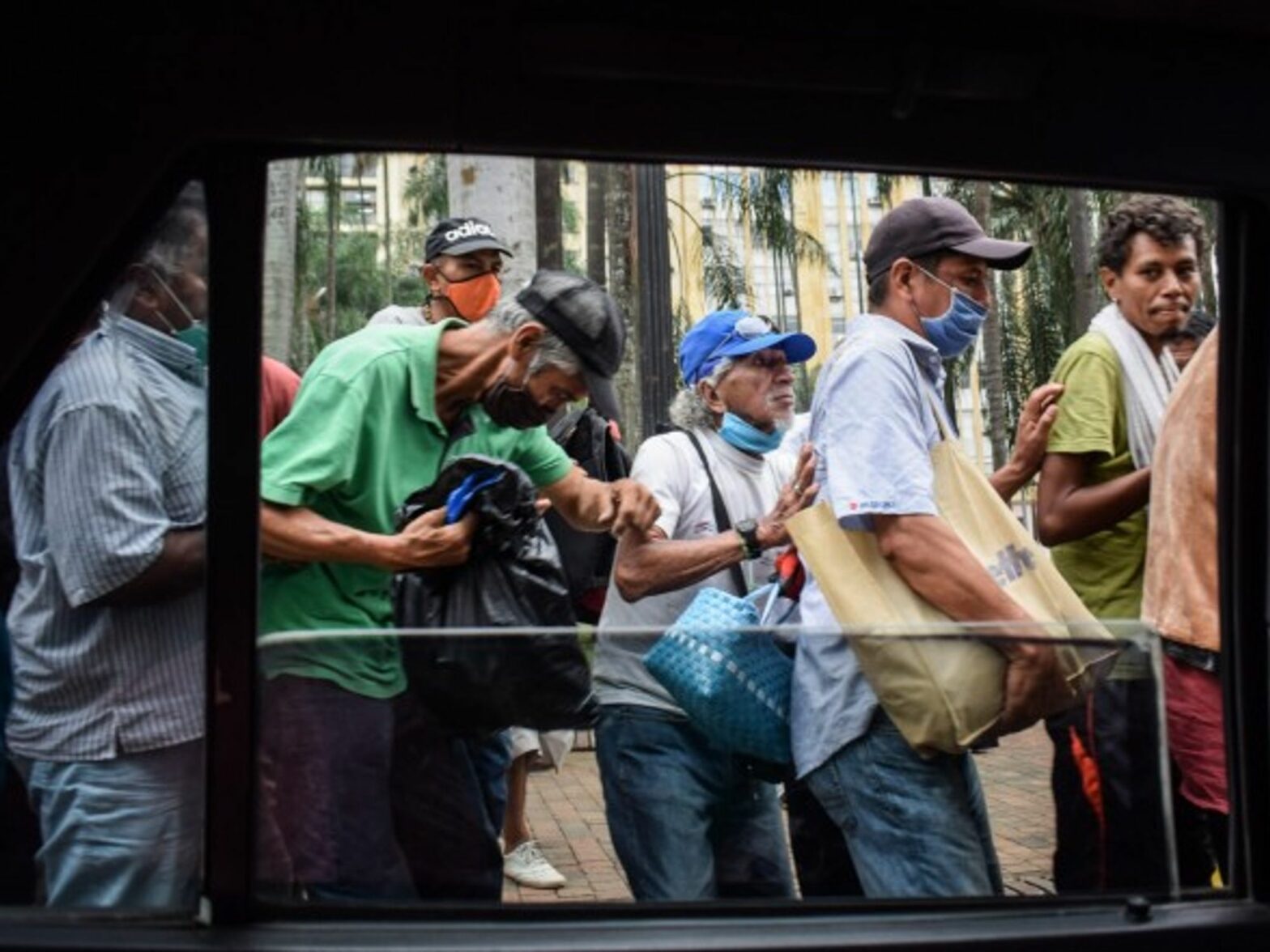
What if, instead of pretending to care about the welfare of the elderly, we just wrote them off completely? A dose of satire about public attitudes toward seniors in the era of COVID-19.
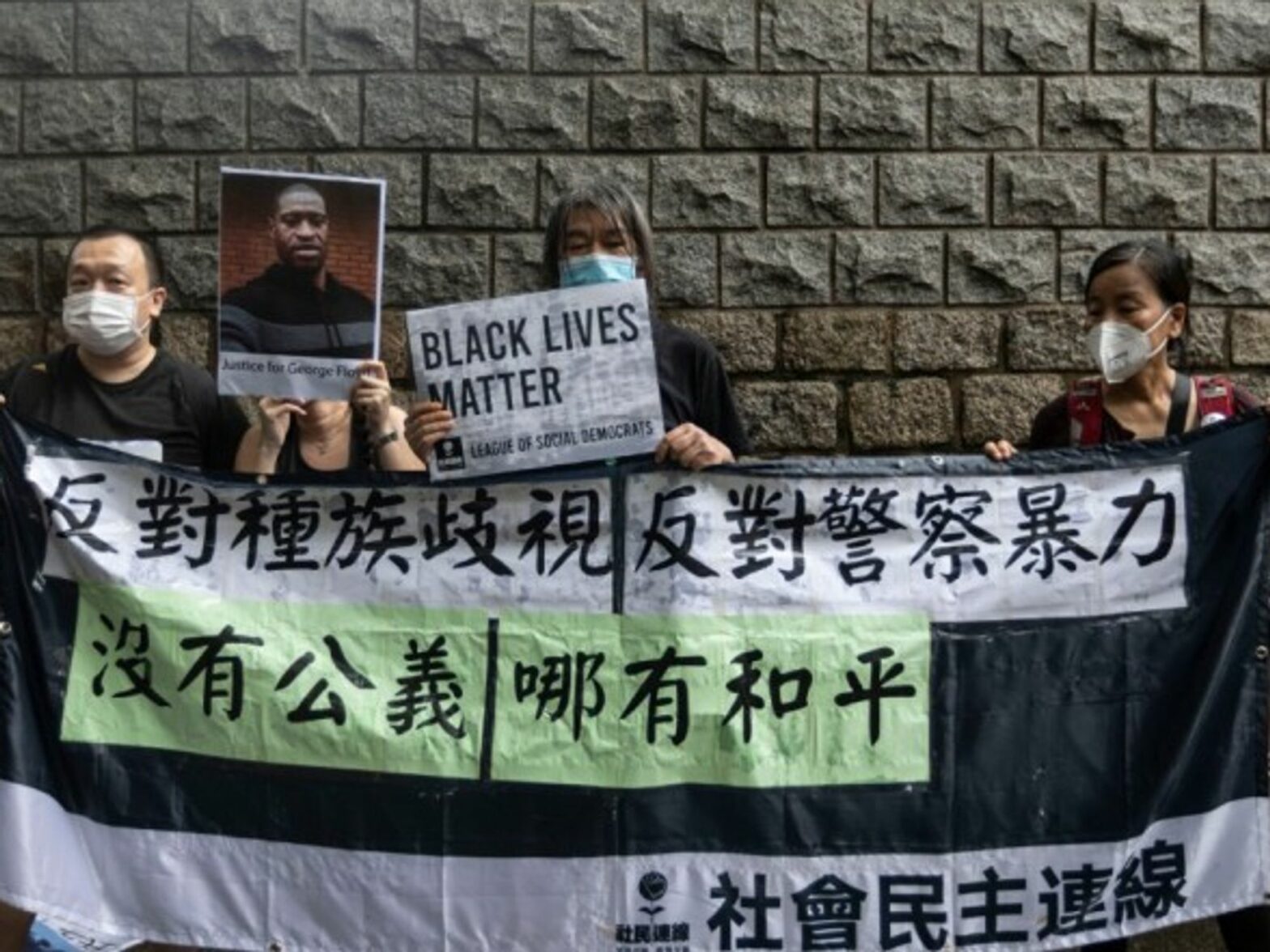
Beijing is stepping in to fill the leadership void left by a United States distracted and hobbled by its deep, structural divisions.

Alcohol can be problematic. But it’s also a simple source of pleasure, and in moderation, may be just what the doctor ordered — until a vaccine is available instead.
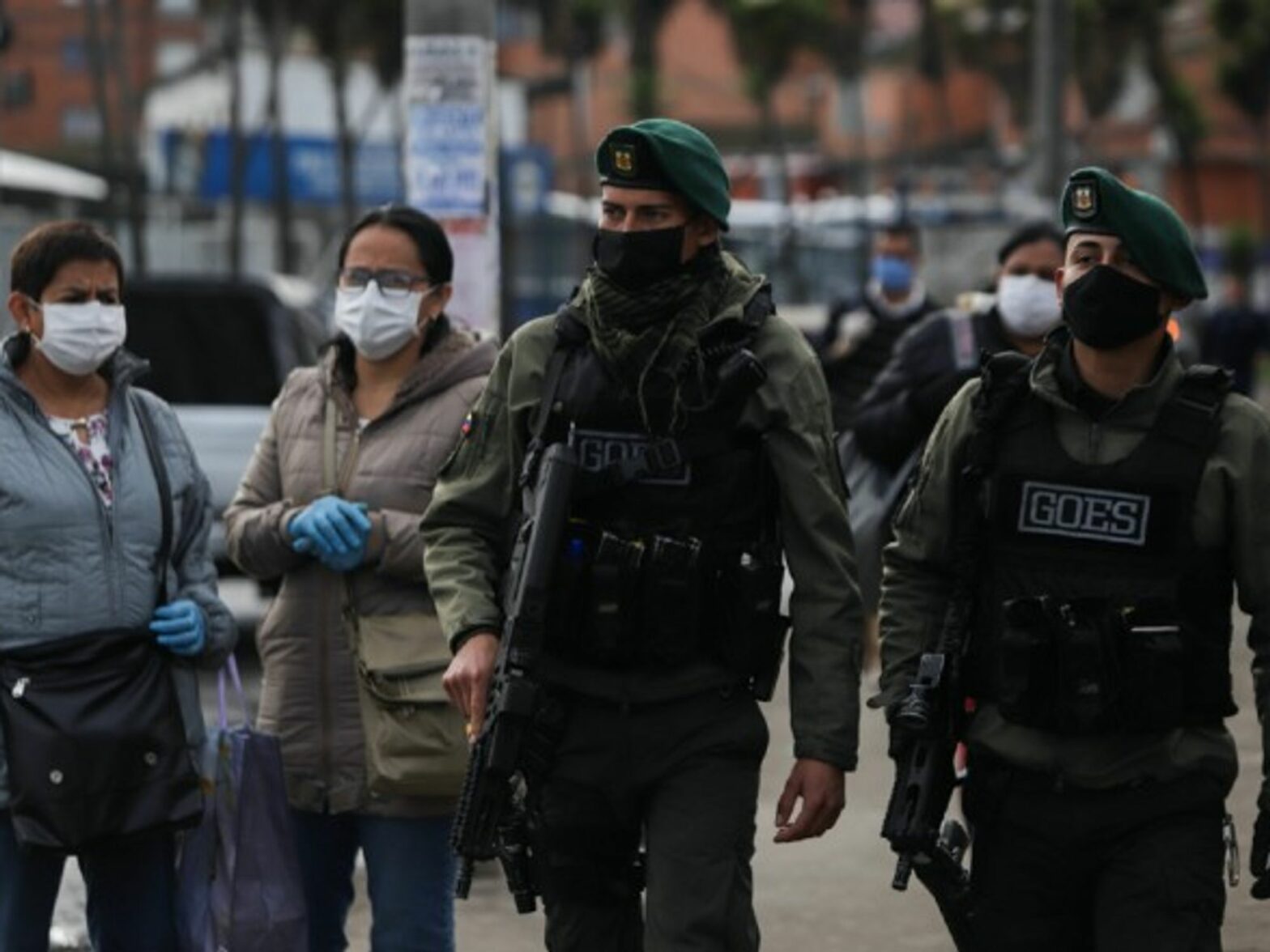
The pandemic, and especially the fears whipped up by states and the media, may be pushing society toward greater submission to the world’s powers.
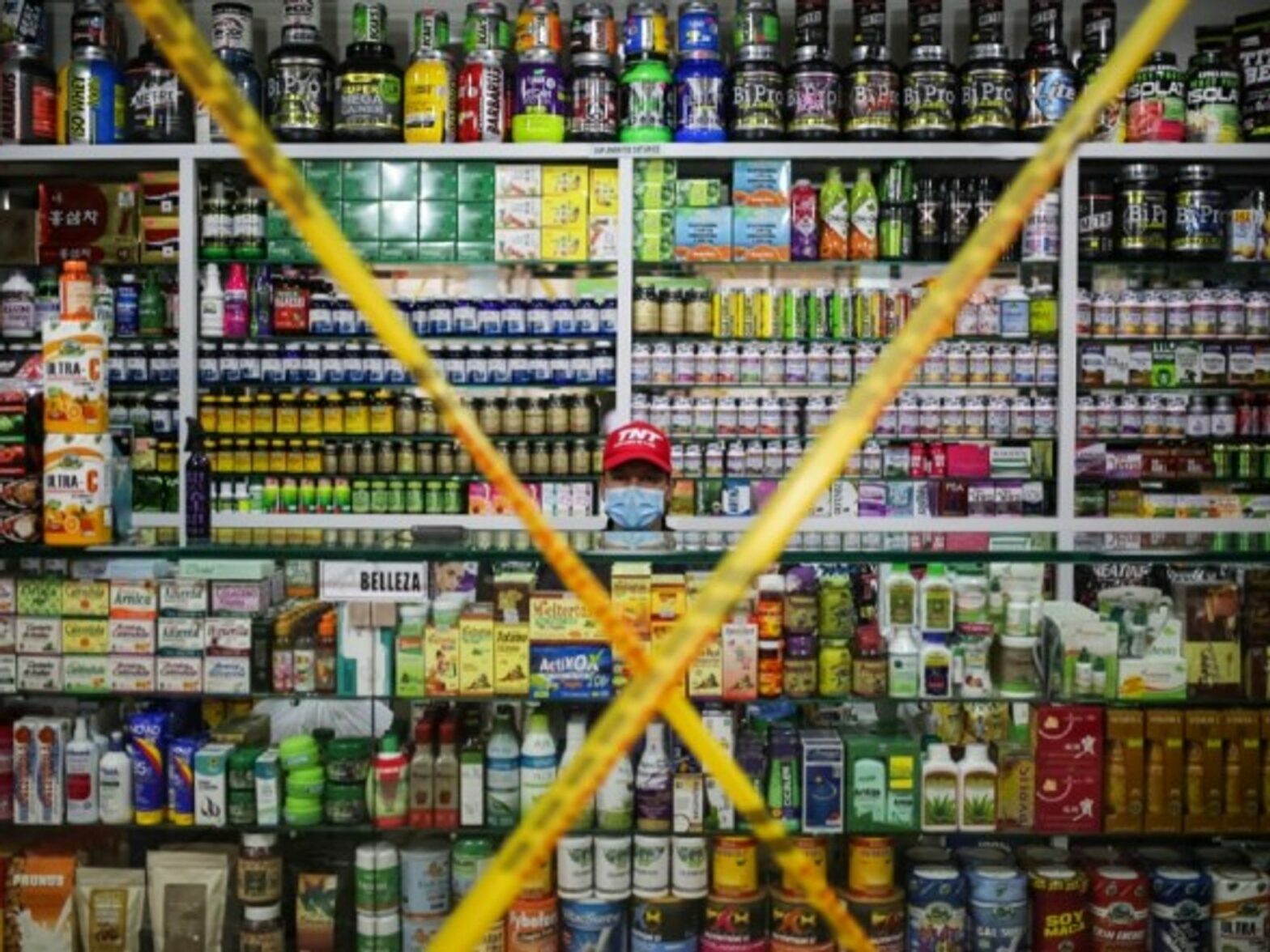
Colombia is a prime example of how overspending and indebtedness leave little room for error, and why it’s important to take a new approach moving forward.
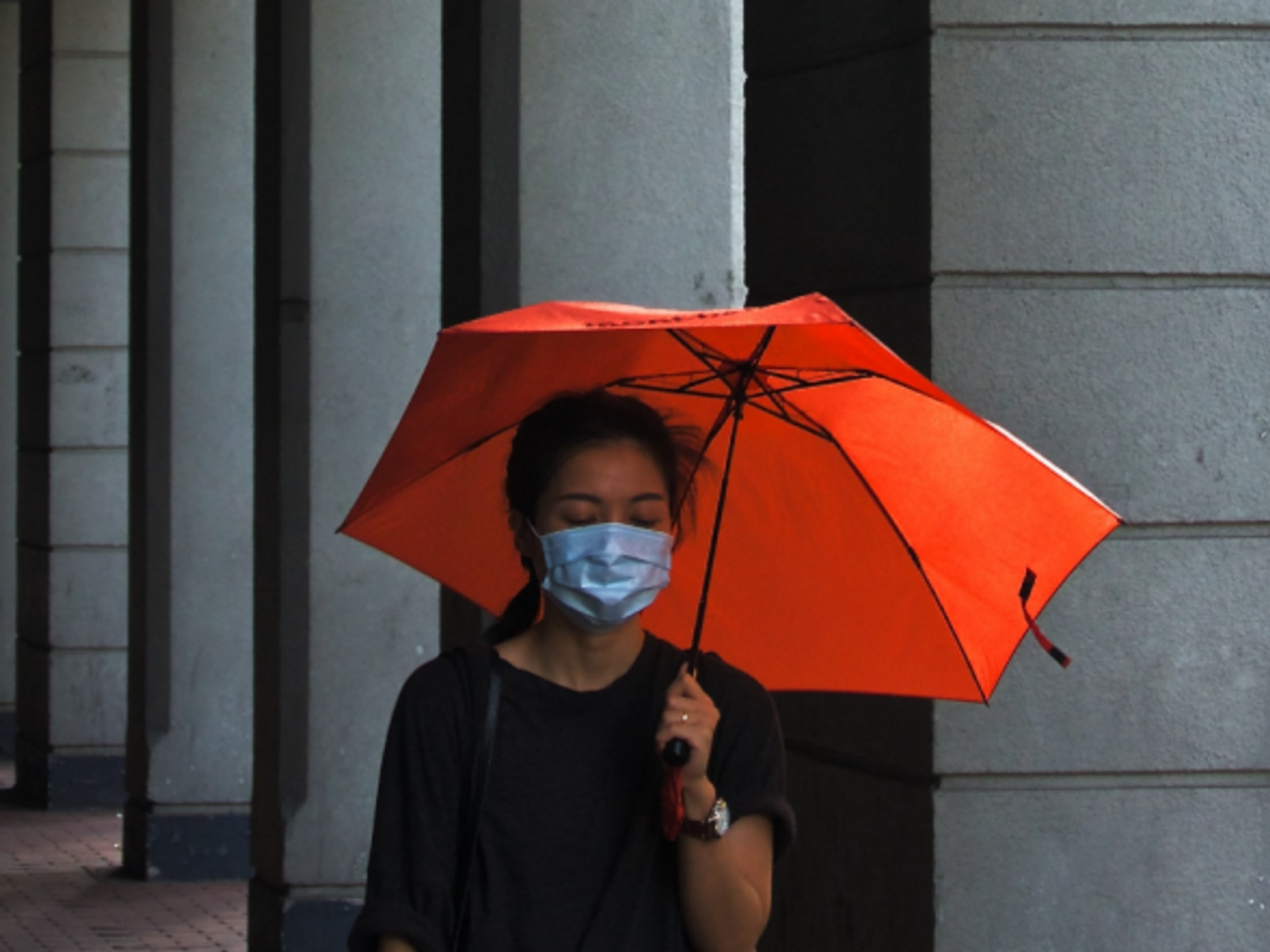
Nature has its ways, and in the end, the pandemic will pass. But will humankind be able to return the favor and save that planet that still nurtures us?
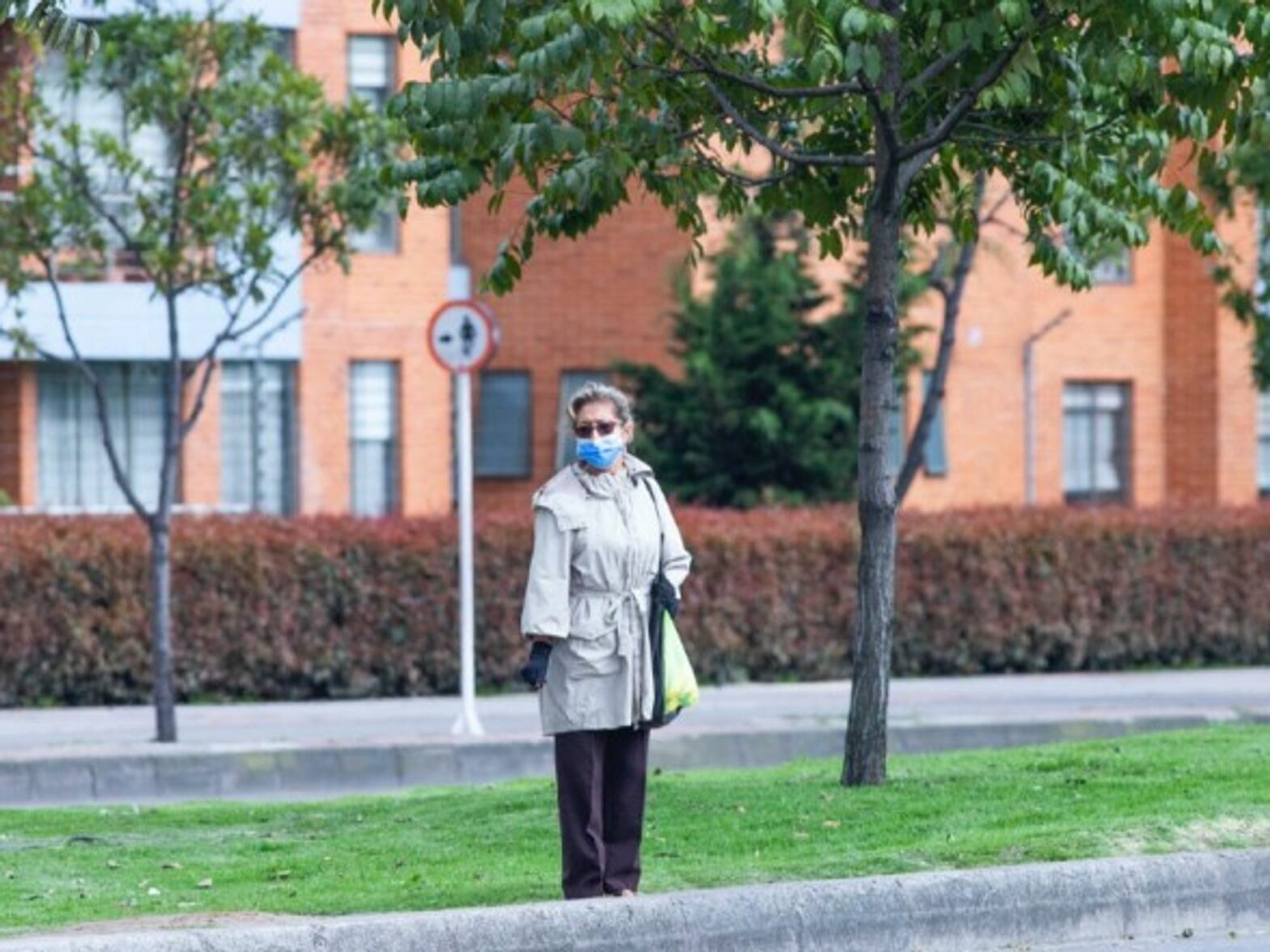
The COVID-19 outbreak is a scourge like no other, but not because of the dangers that this particular pathogen presents.
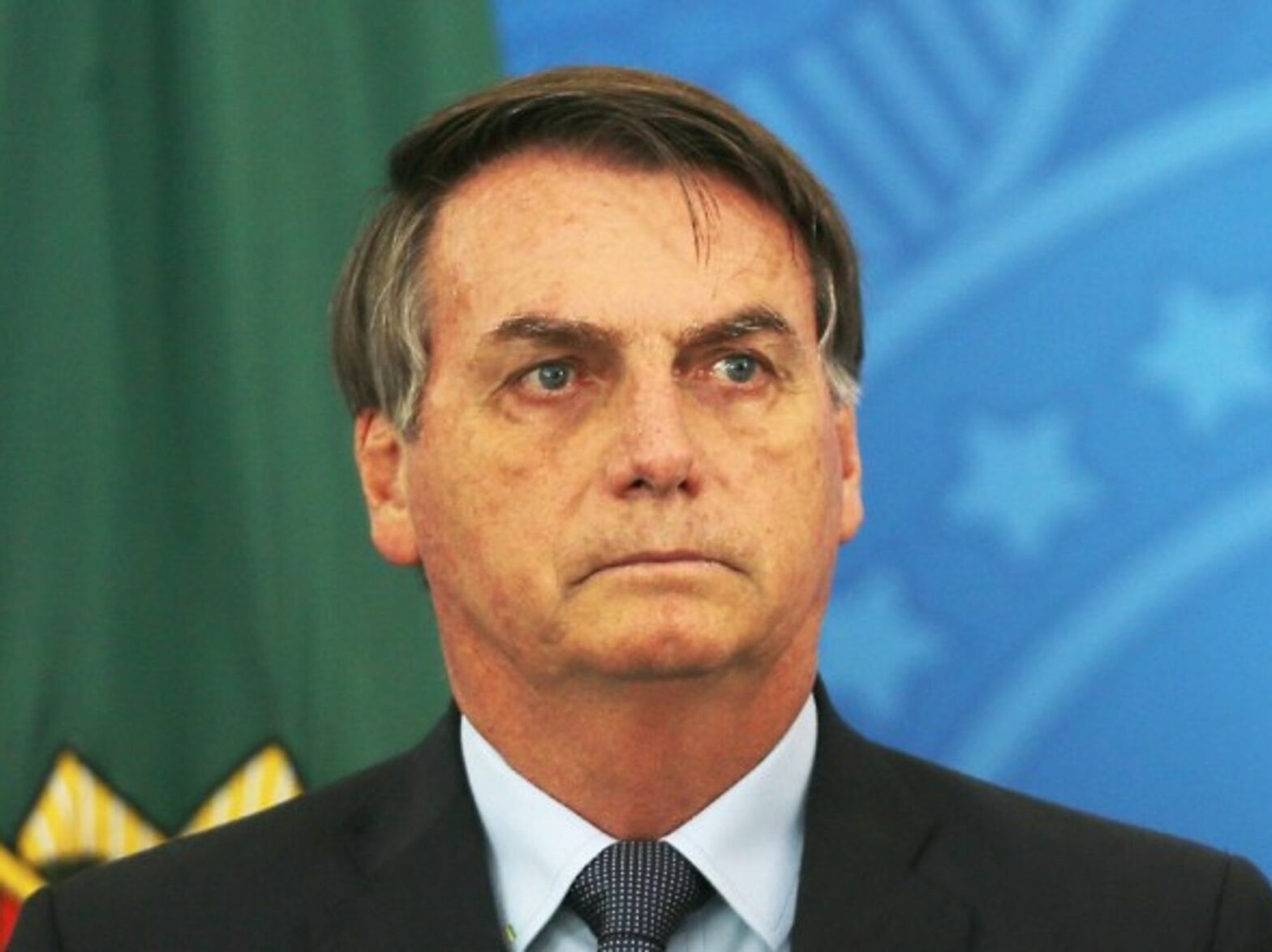
The Brazilian president may be risking his political future by taking the viral pandemic lightly.
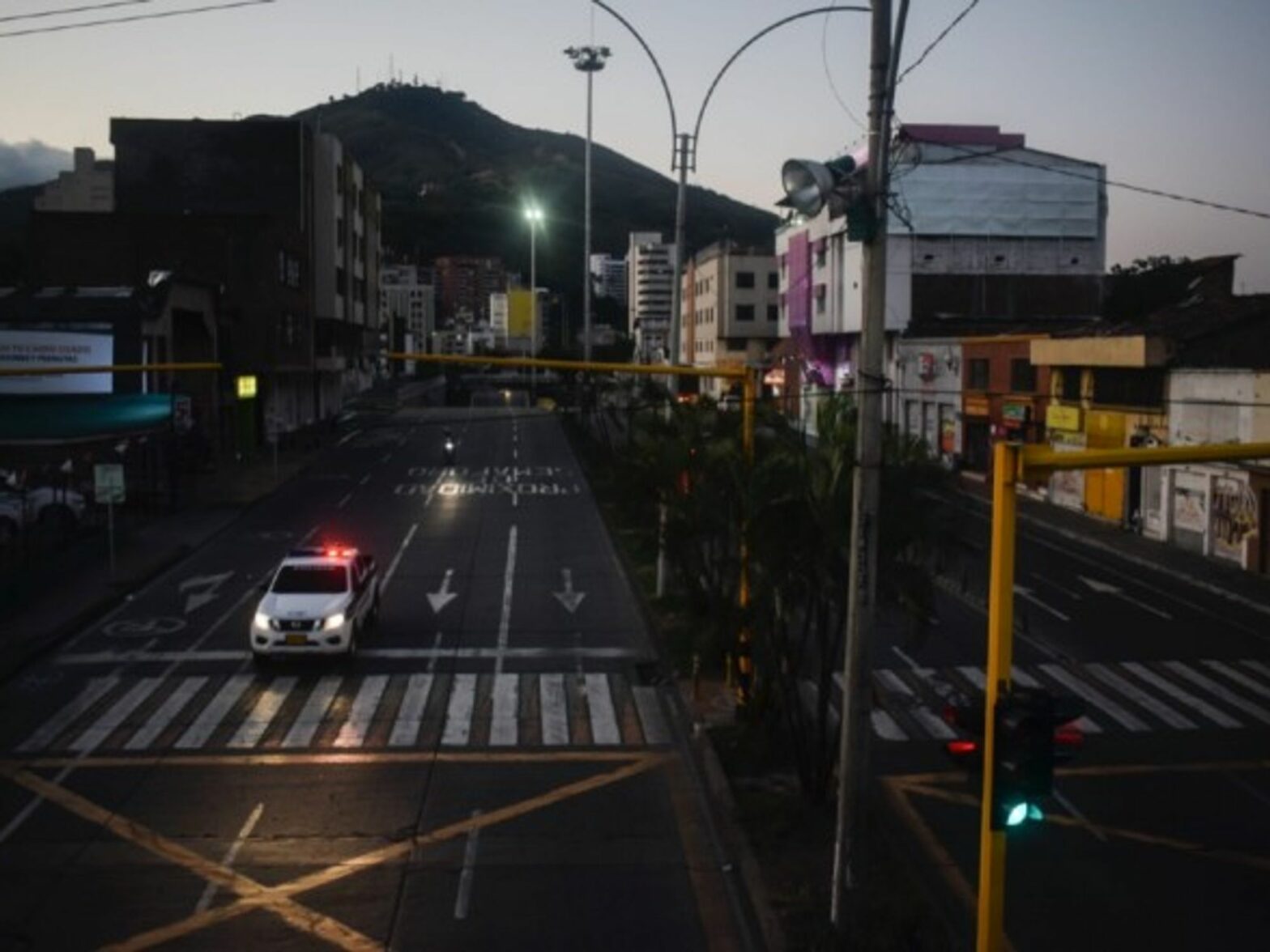
With its oil-dependent economy and mostly privatized healthcare system, Colombia is particularly ill prepared for the pandemic.
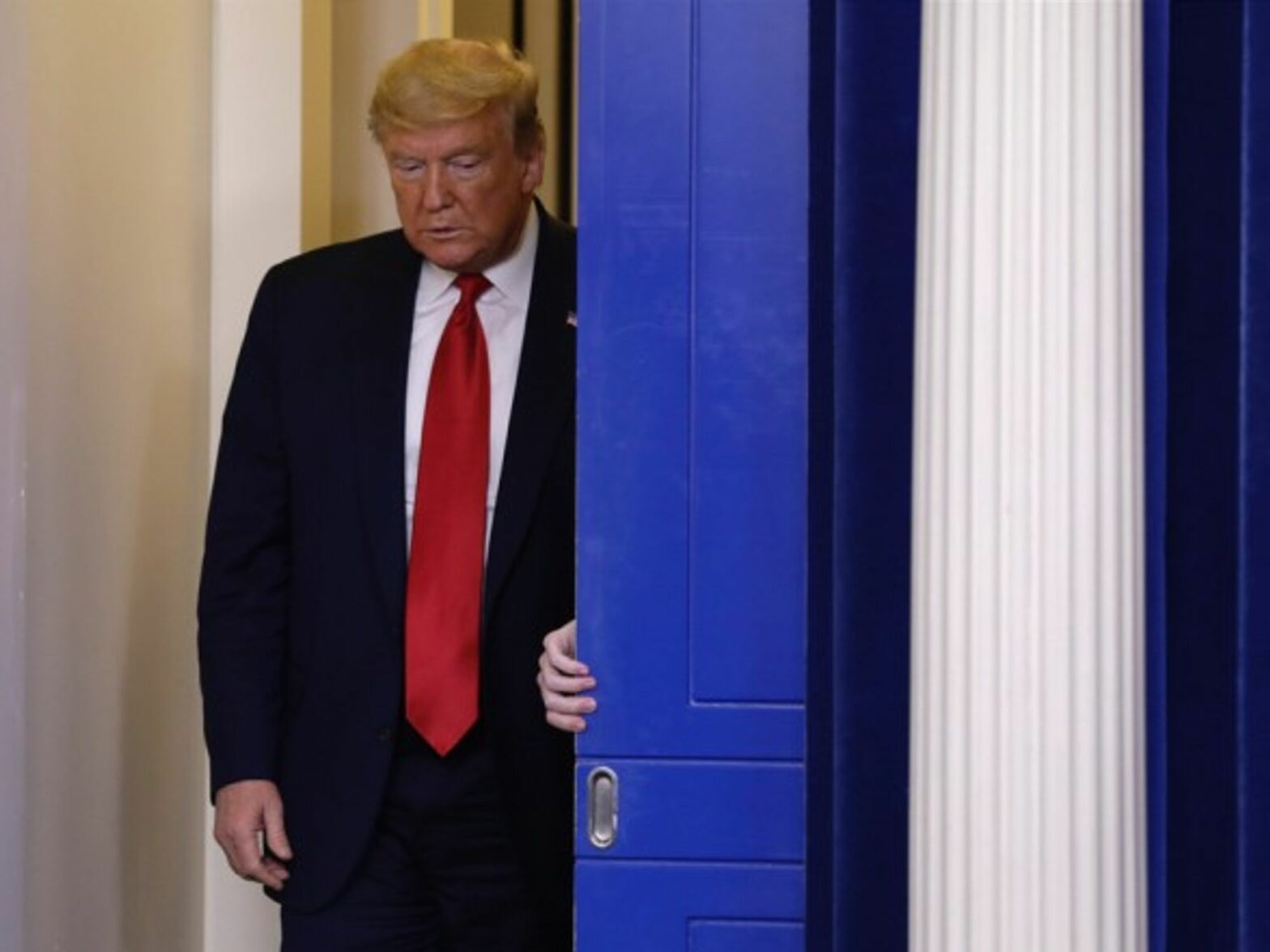
In 2020, the world faces a pandemic without recognizable leadership from a state or multilateral bodies. Even diehard critics of U.S. interventionism may be missing the superpower of the old days.
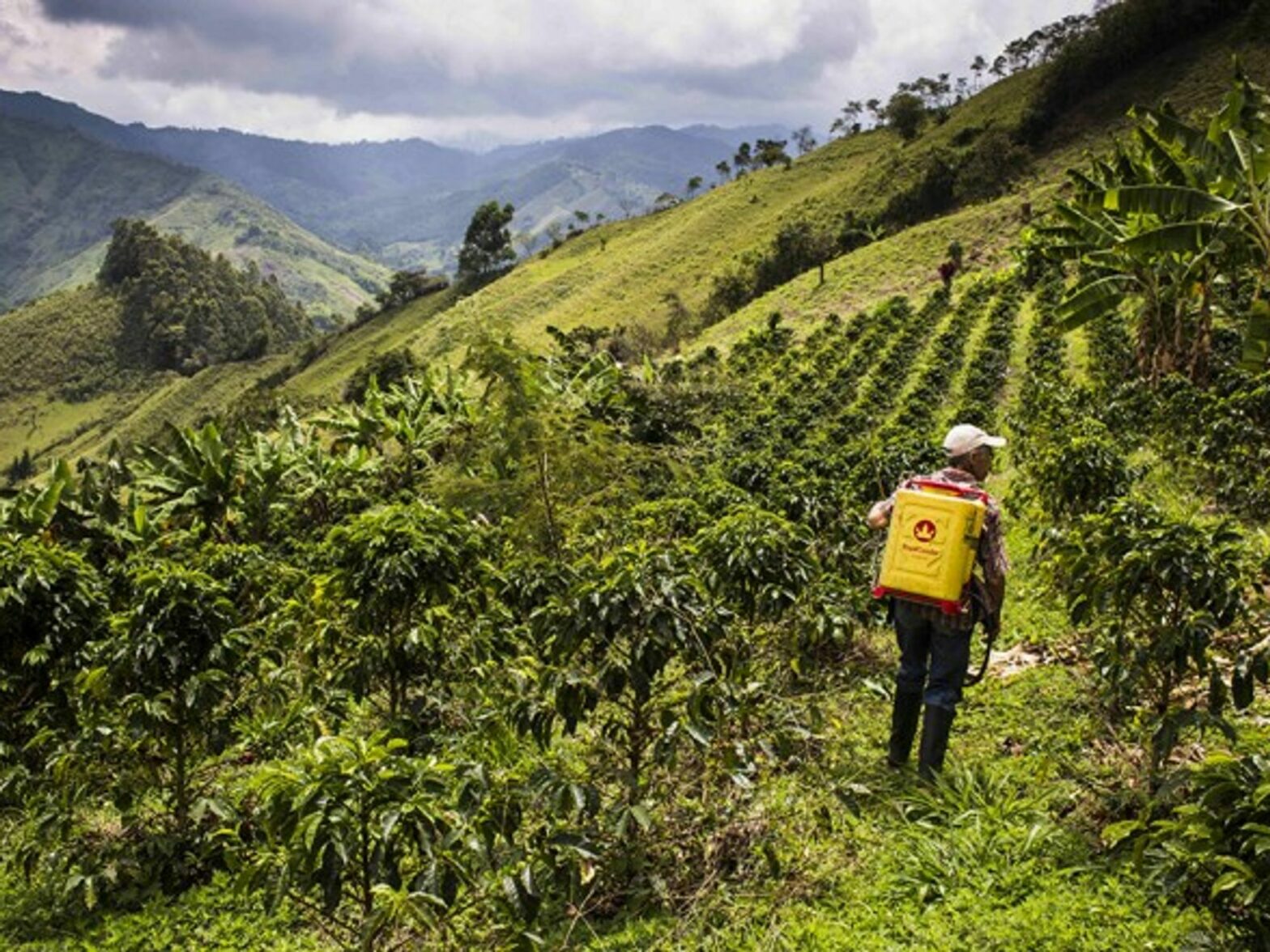
There’s risk of a veritable ‘coffeecide,’ as farmers are forgoing tradition and trying to cash in on the craze for Haas avocados.
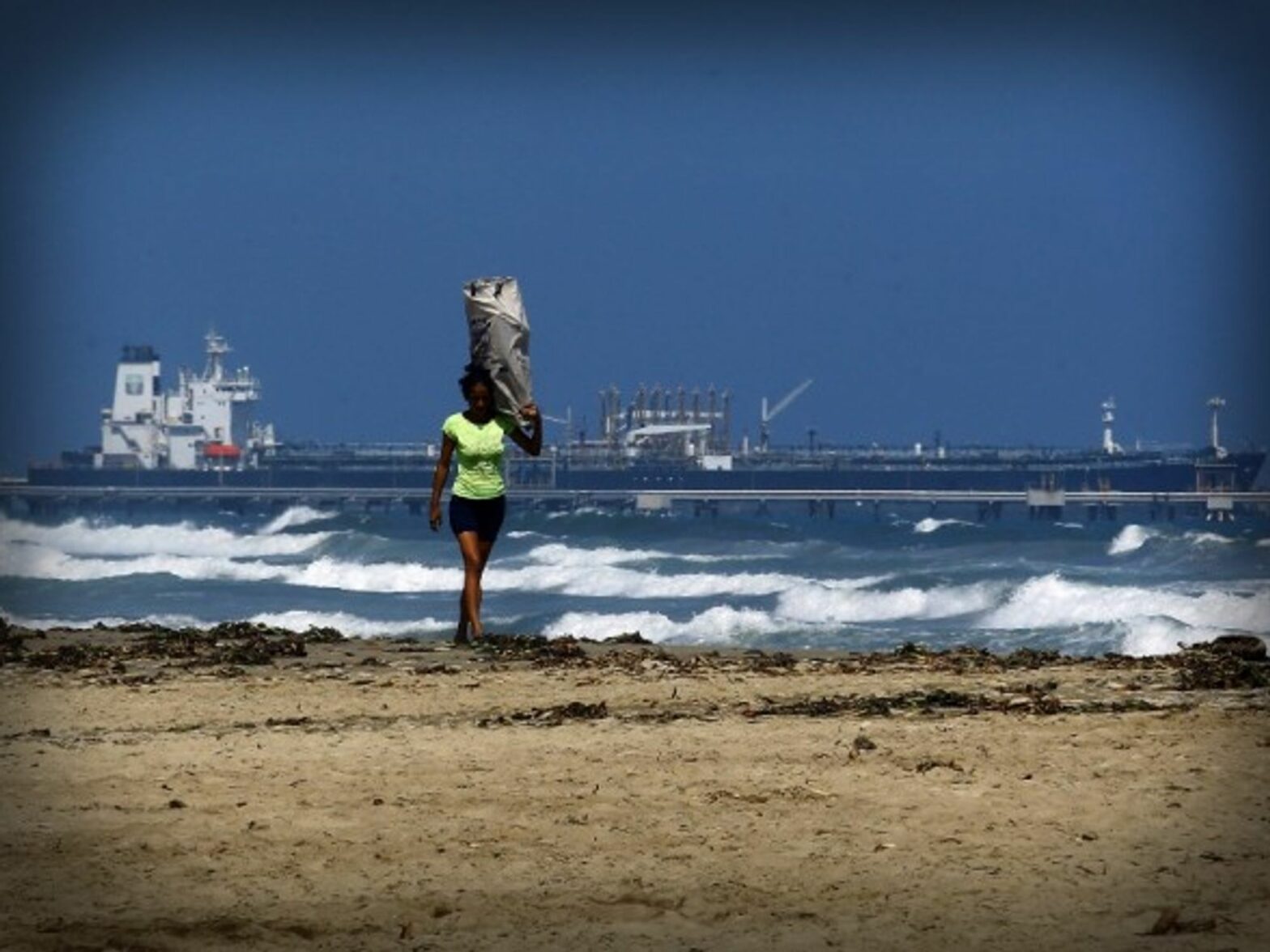
Troubled as Venezuela may be, it is a major, and needy, market right next door to Colombia. Double standards should not apply, especially when there are national interests at stake.
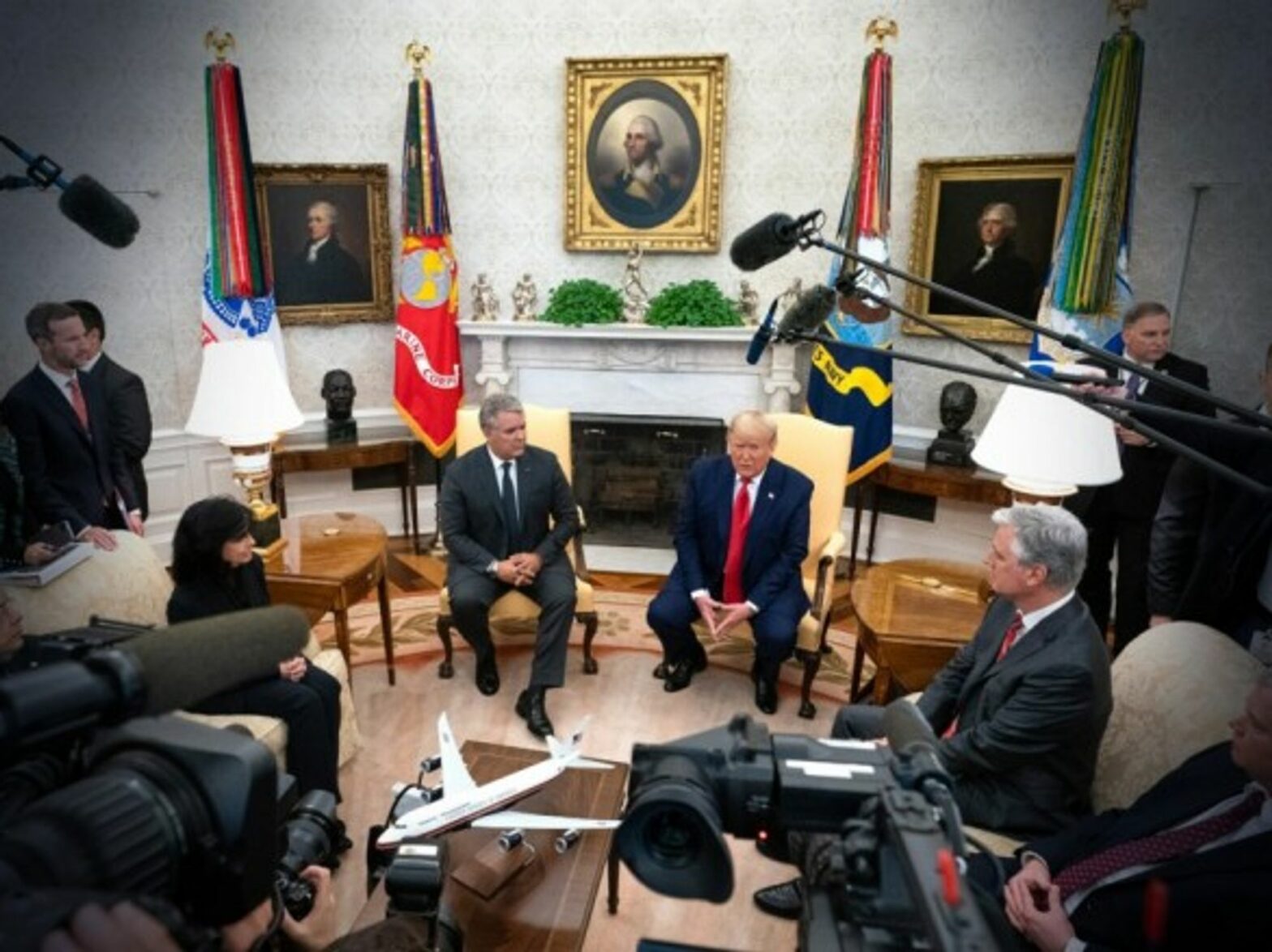
How have U.S. governments treated their deferential Latin American allies and admiring societies in the past century? A hard look from Bogota.
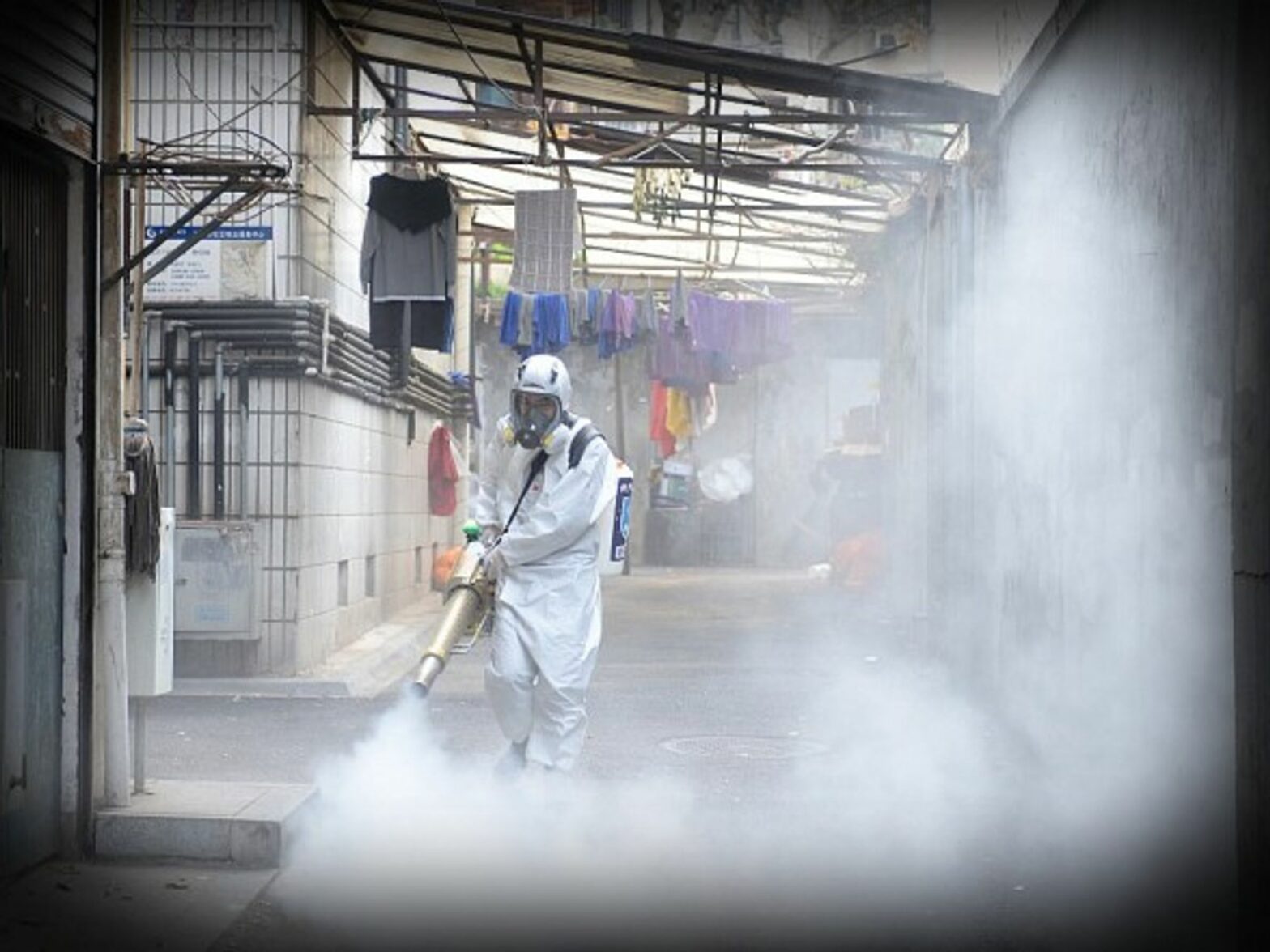
Contagious diseases through history have inspired authors, describing the horror, but also instances of nobility born of courage and compassion.

Italians are hot-headed. Brits can’t cook … Sure they’re offensive. But as marketing experts are aware, stereotypes can also help forge a group’s shared identity.
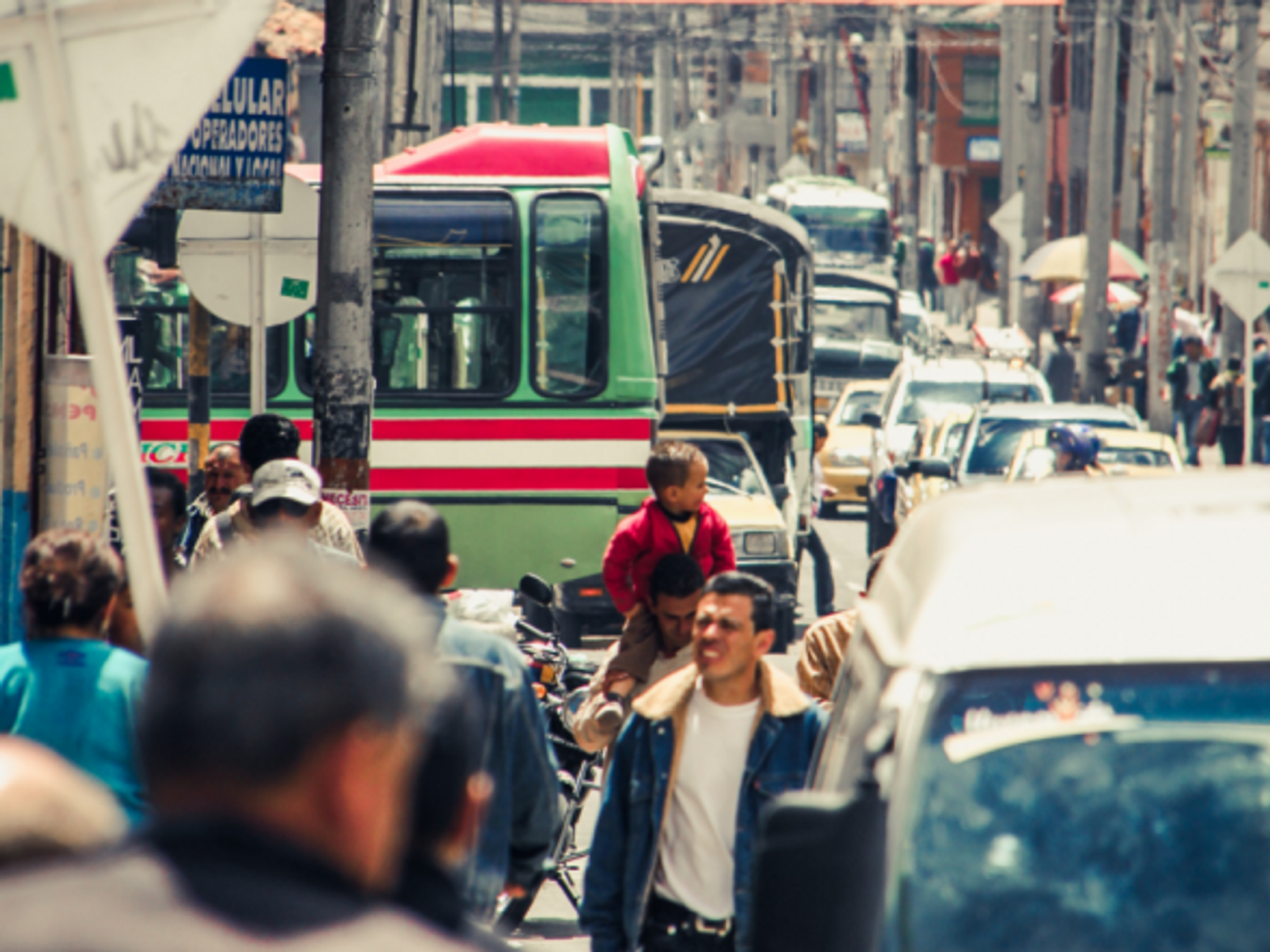
It may seem like a pipe dream. And it would certainly cost a lot, especially in a large capital city like Bogotá. But providing fare-free public transport could also be transformative.
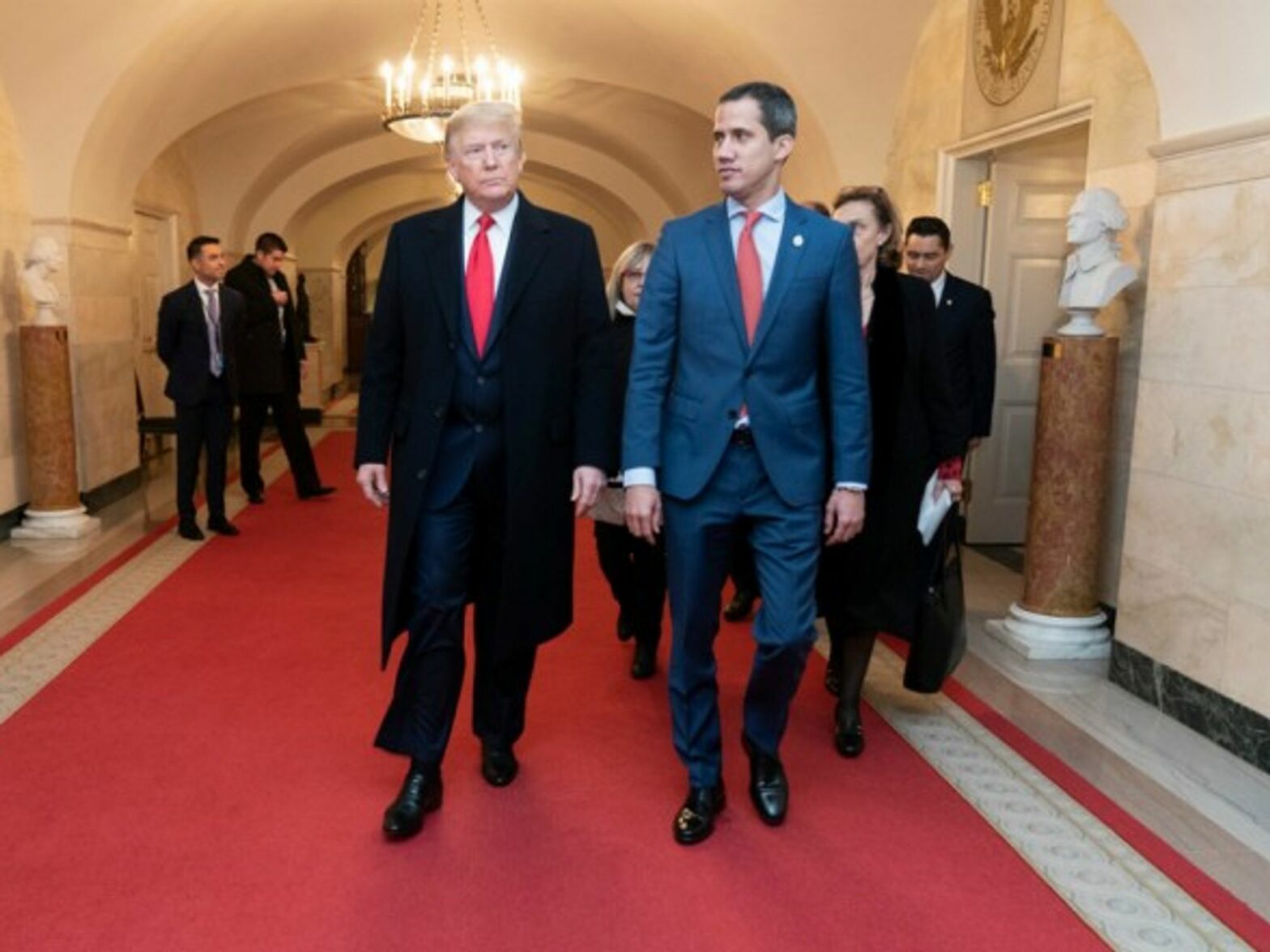
President Trump’s scuppered impeachment may provide a cue to regional leaders working to undermine their own democracies.
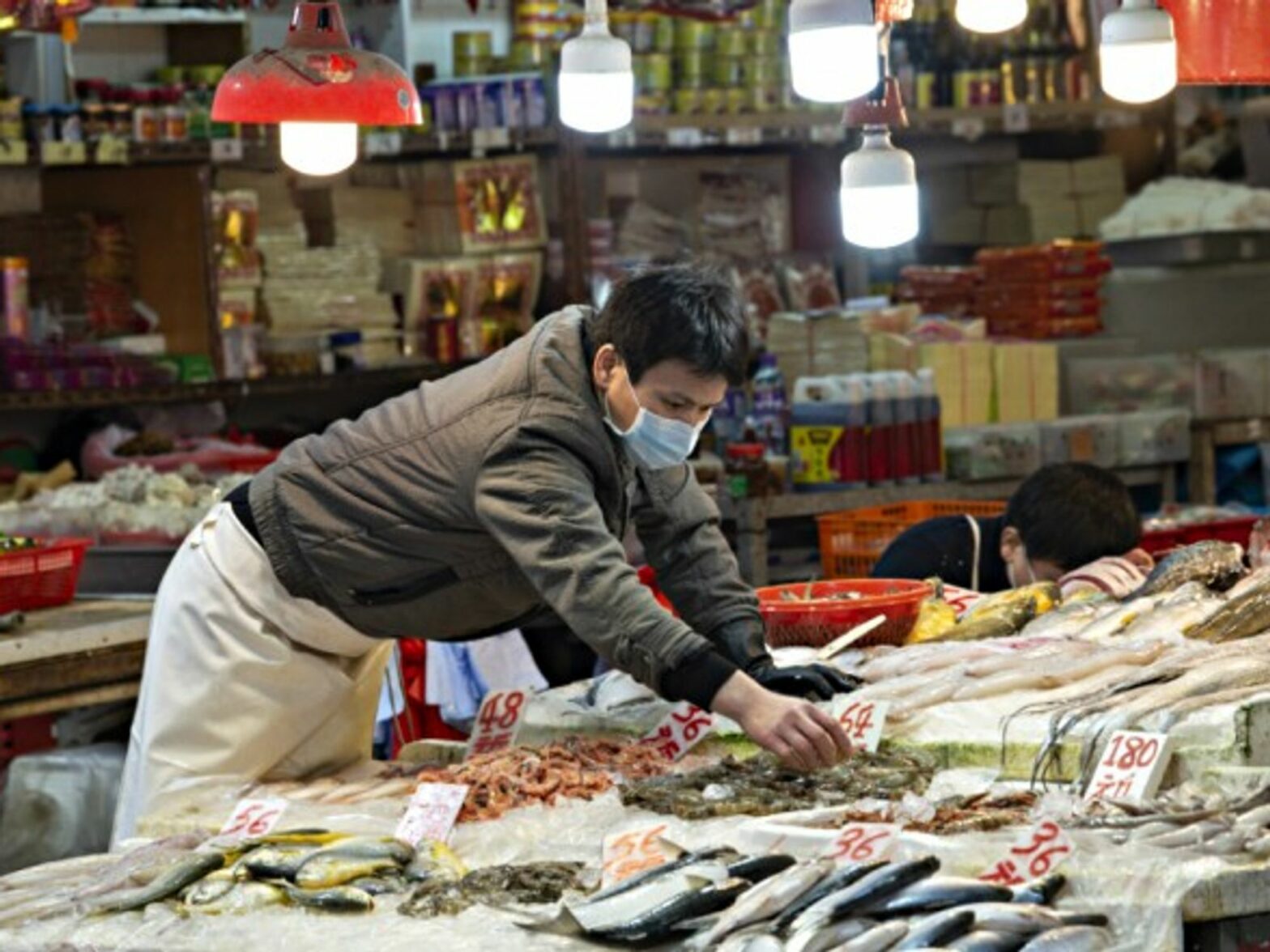
The epidemic unnerving the world originated in the Wuhan shellfish market, where other local delicacies are sold. But does that matter?
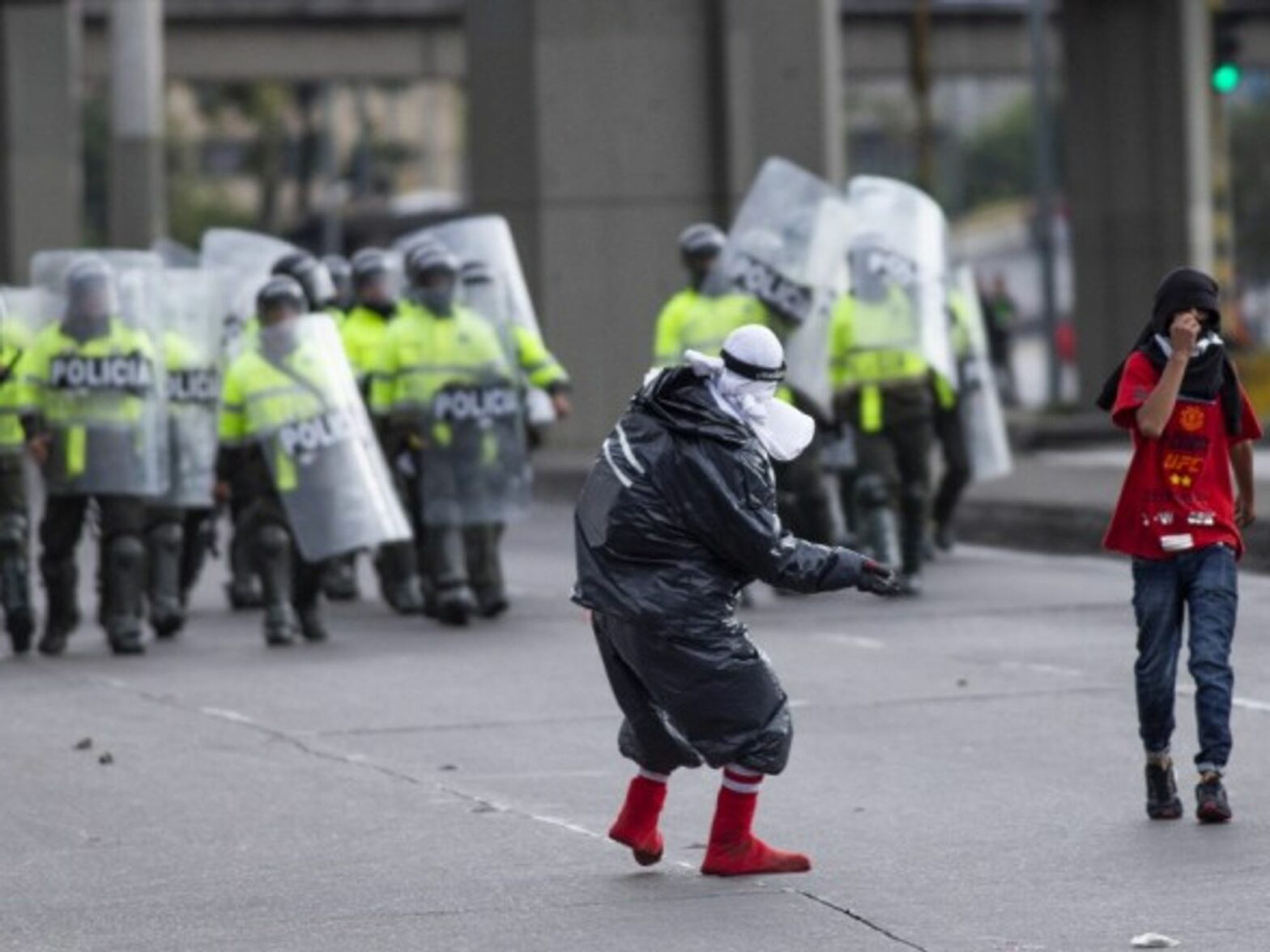
The economy is expected to have a relatively strong year. But will the average Colombian really benefit?
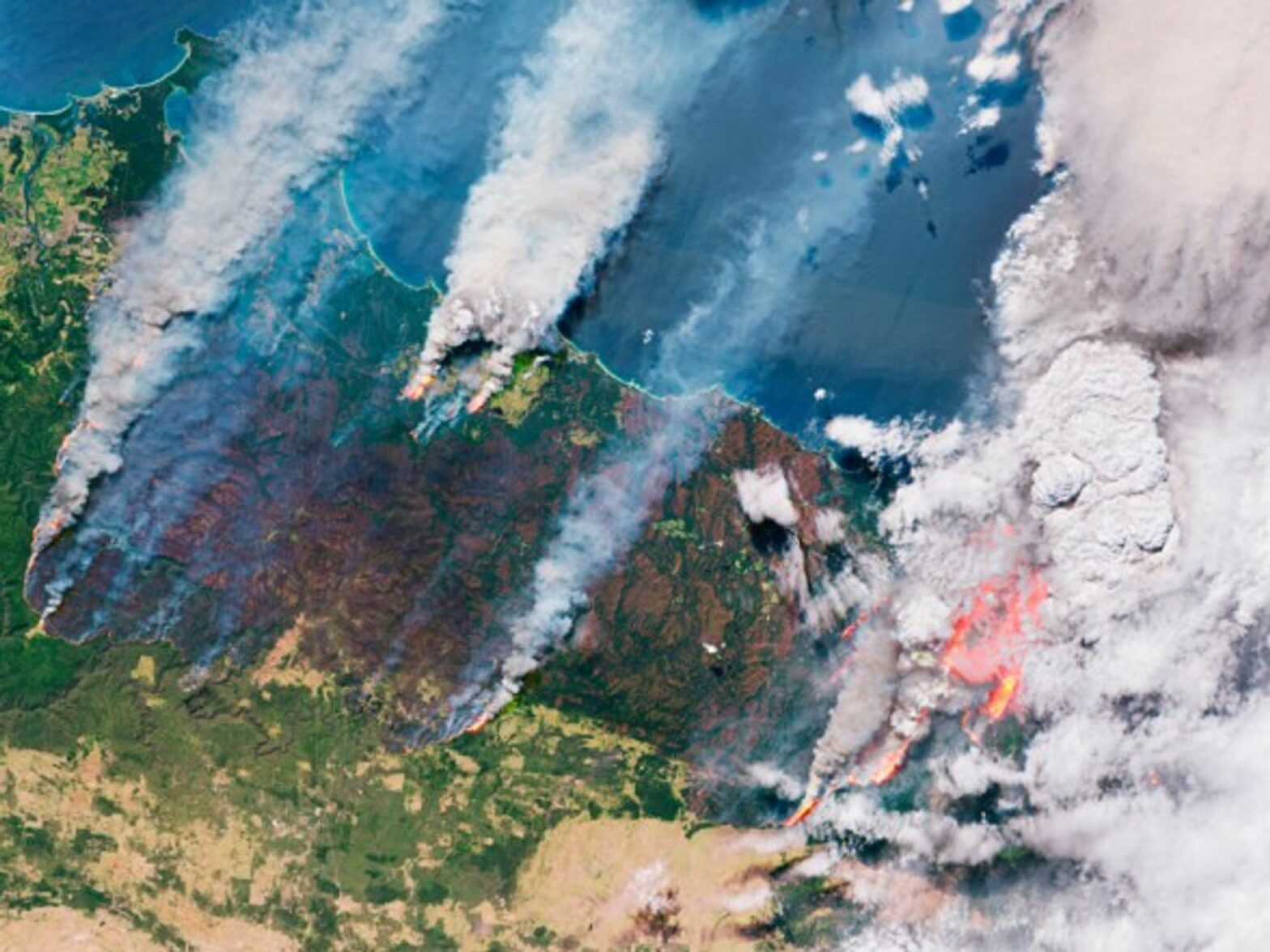
From the apocalyptic Australian fires to the killer drone strike on Iran’s top military commander, these are troubling times indeed.
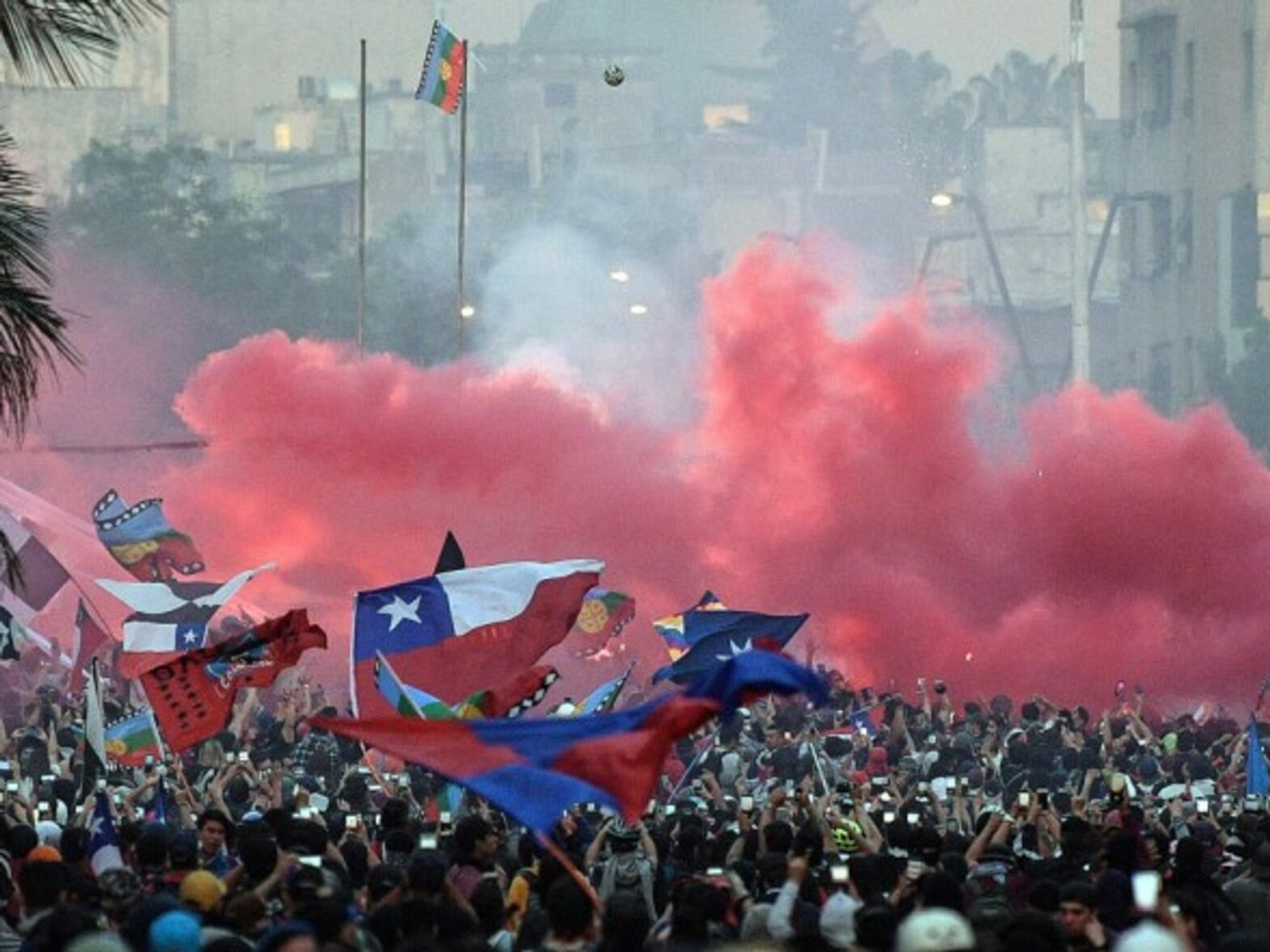
Authoritarianism seems to be gaining ground in many parts of the planet. But from Hong Kong to Chile — and many places in between — people are also pushing back.
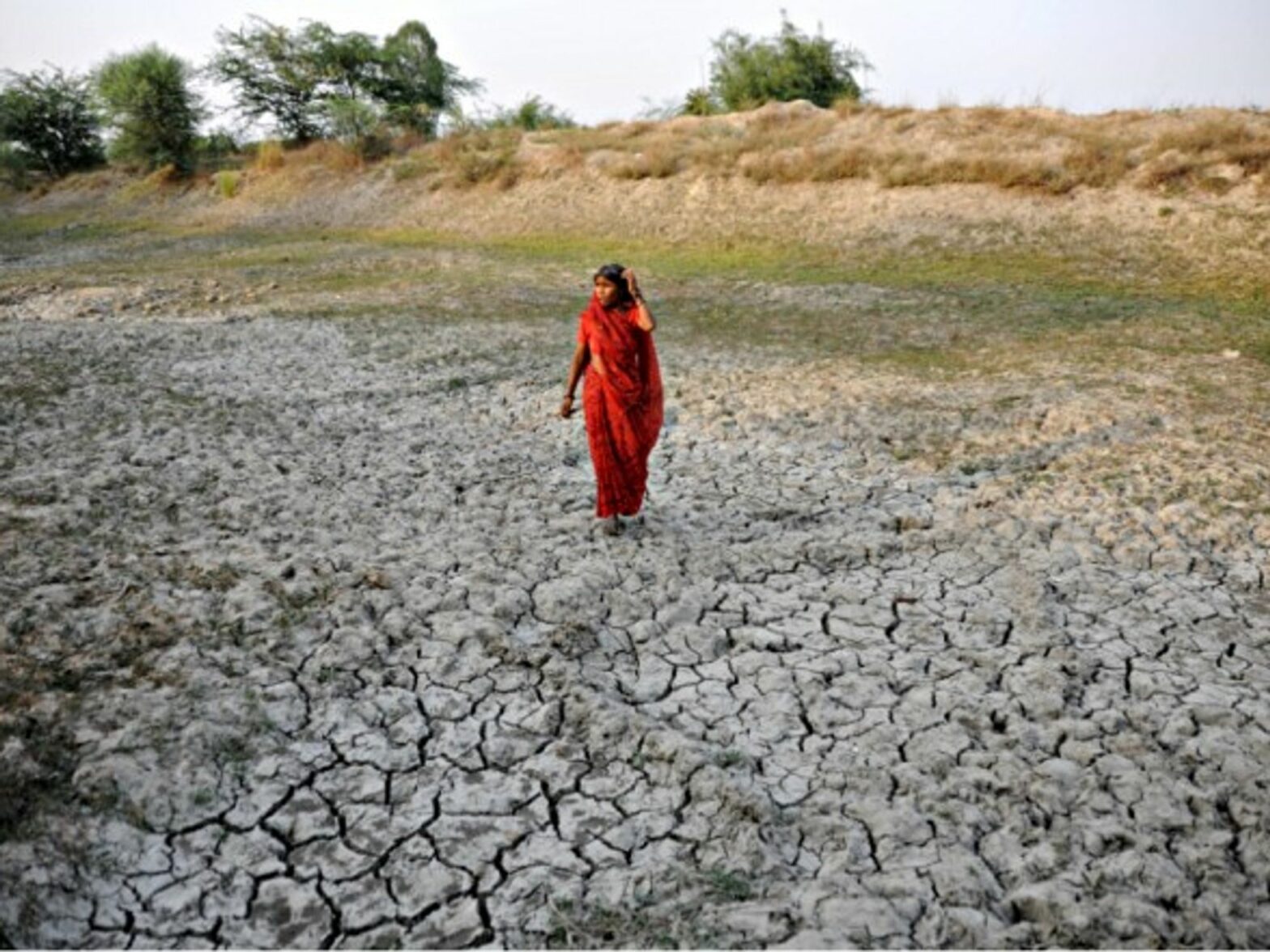
-OpEd- BOGOTÁ — Is there a relation between women and the environment? Is it necessary to view environmental policies through female eyes? Is there is a difference in the male and female relationship to the matter? The response to all these is a definite “yes.” Around the world, women are the most interactive with natural […]

If societies really want to tackle inequality, they’ll need to do more than just improve access to new technologies.
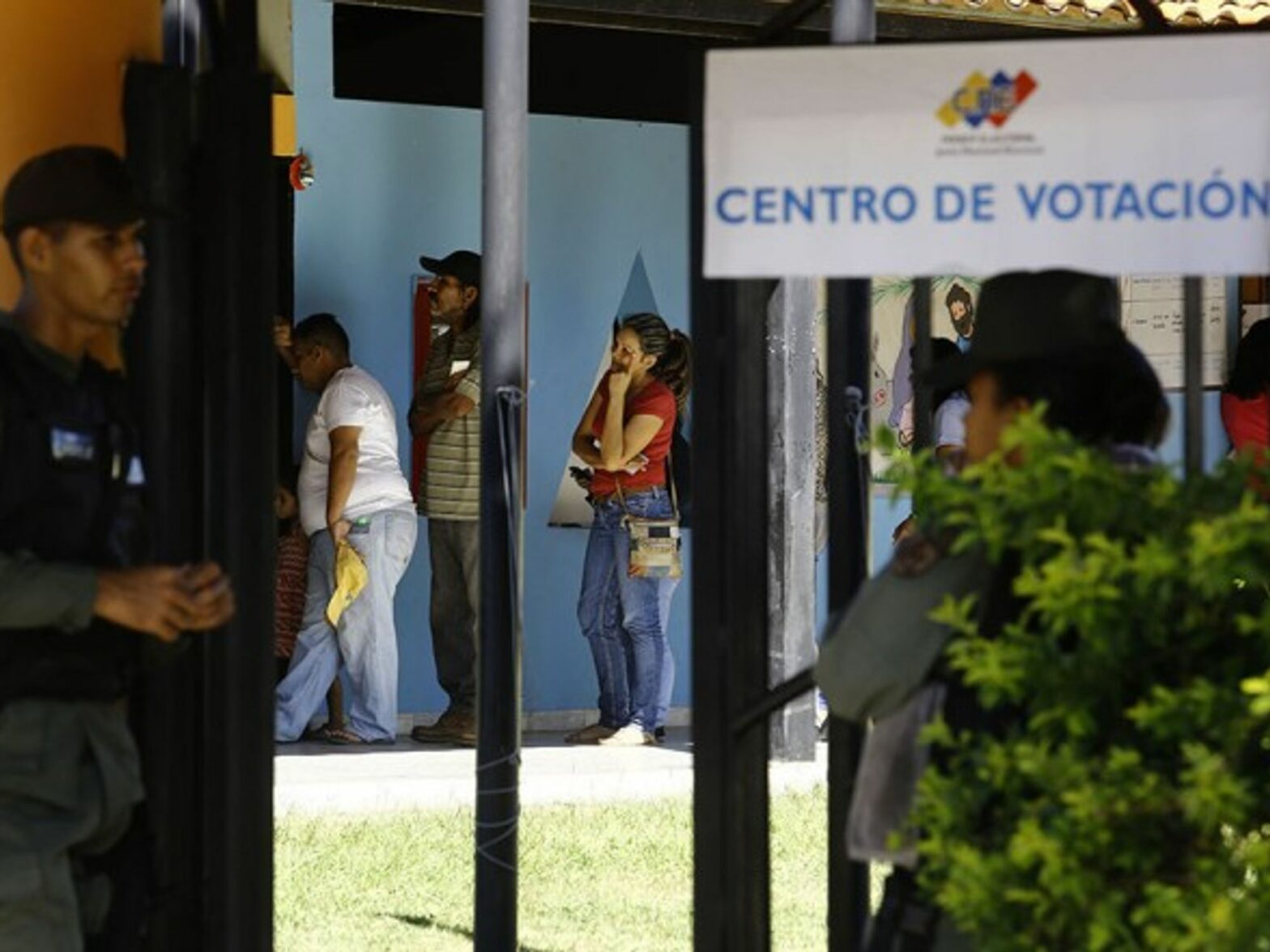
From Venezuela to Hungary, populist leaders are carving away at fundamental checks and balances in slow and often subtle ways.
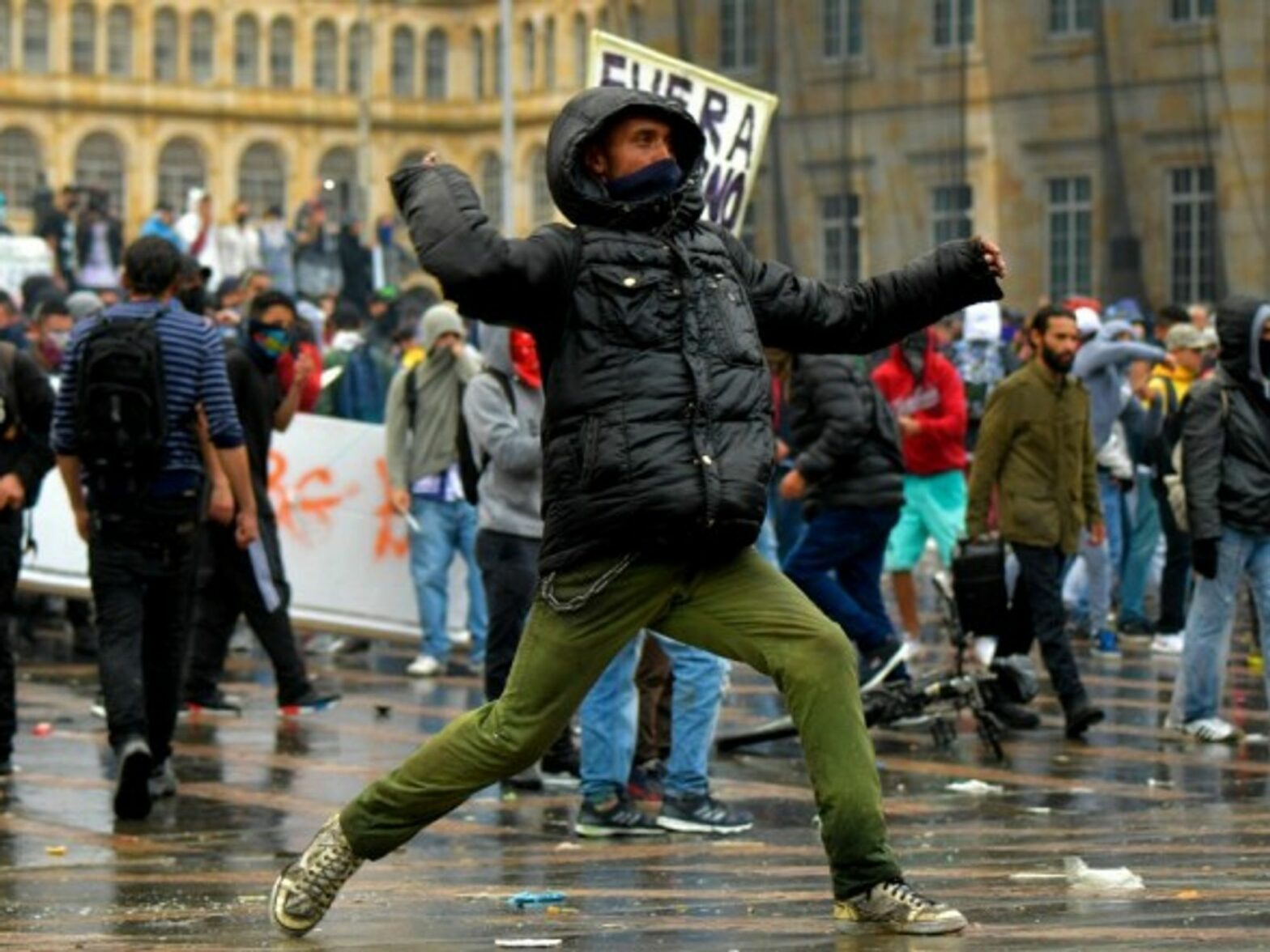
Colombians are the latest in Latin America to take to the streets, in what may be the ‘first clang of the bell’ of many aimed at President Ivan Duque.
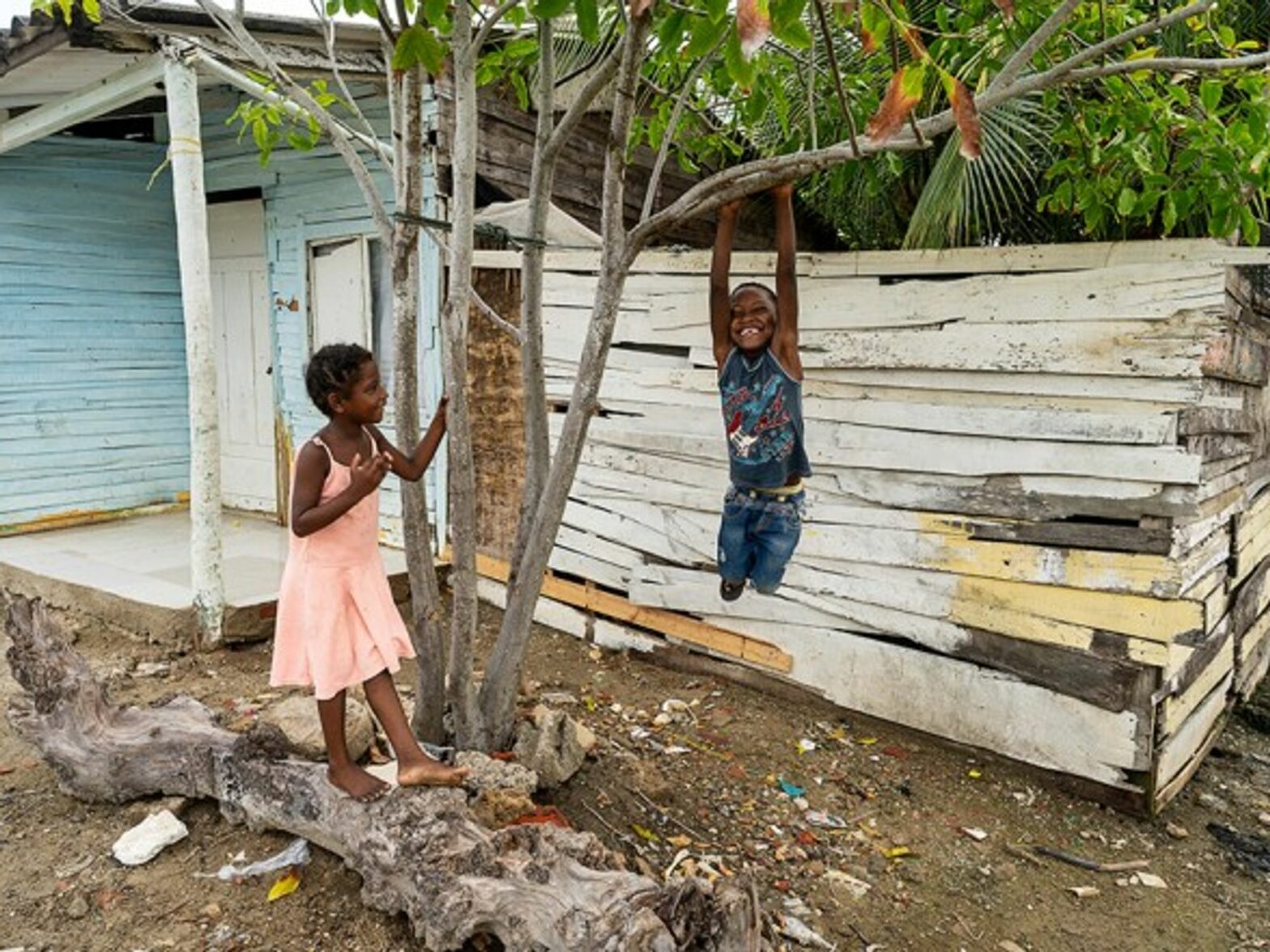
An attack on a guerilla camp killed several minors earlier this year. It was an ‘accident,’ say authorities, but it says a lot about the country’s dismal child welfare record.
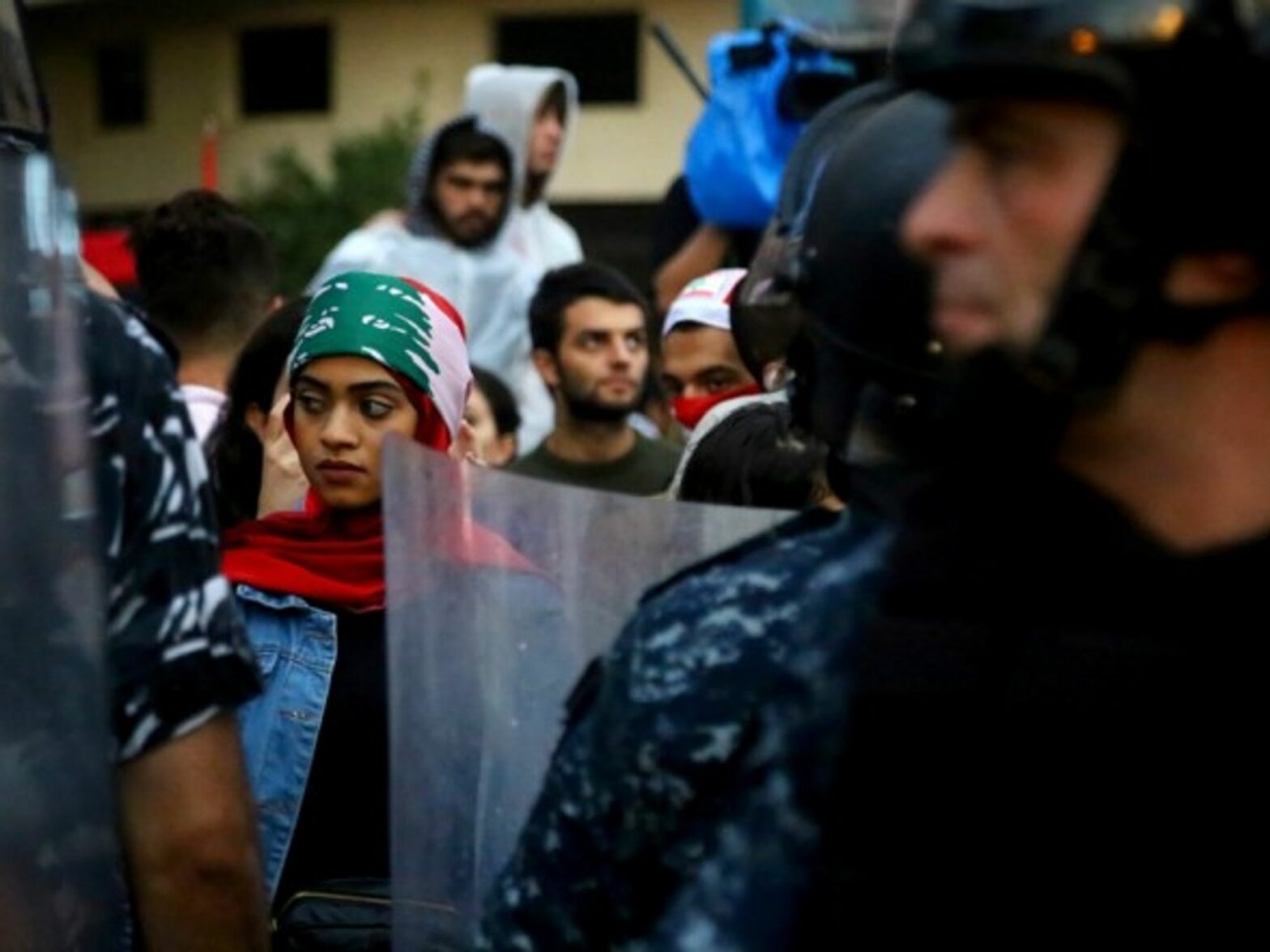
Protesters in Lebanon and Iraq have been venting their fury at Iran, which is accused of practically running their countries. Tehran is not afraid to come down hard on its domestic opponents.

The collaborative approach to trade, production and services could help countries like Colombia end their dependence on raw materials.
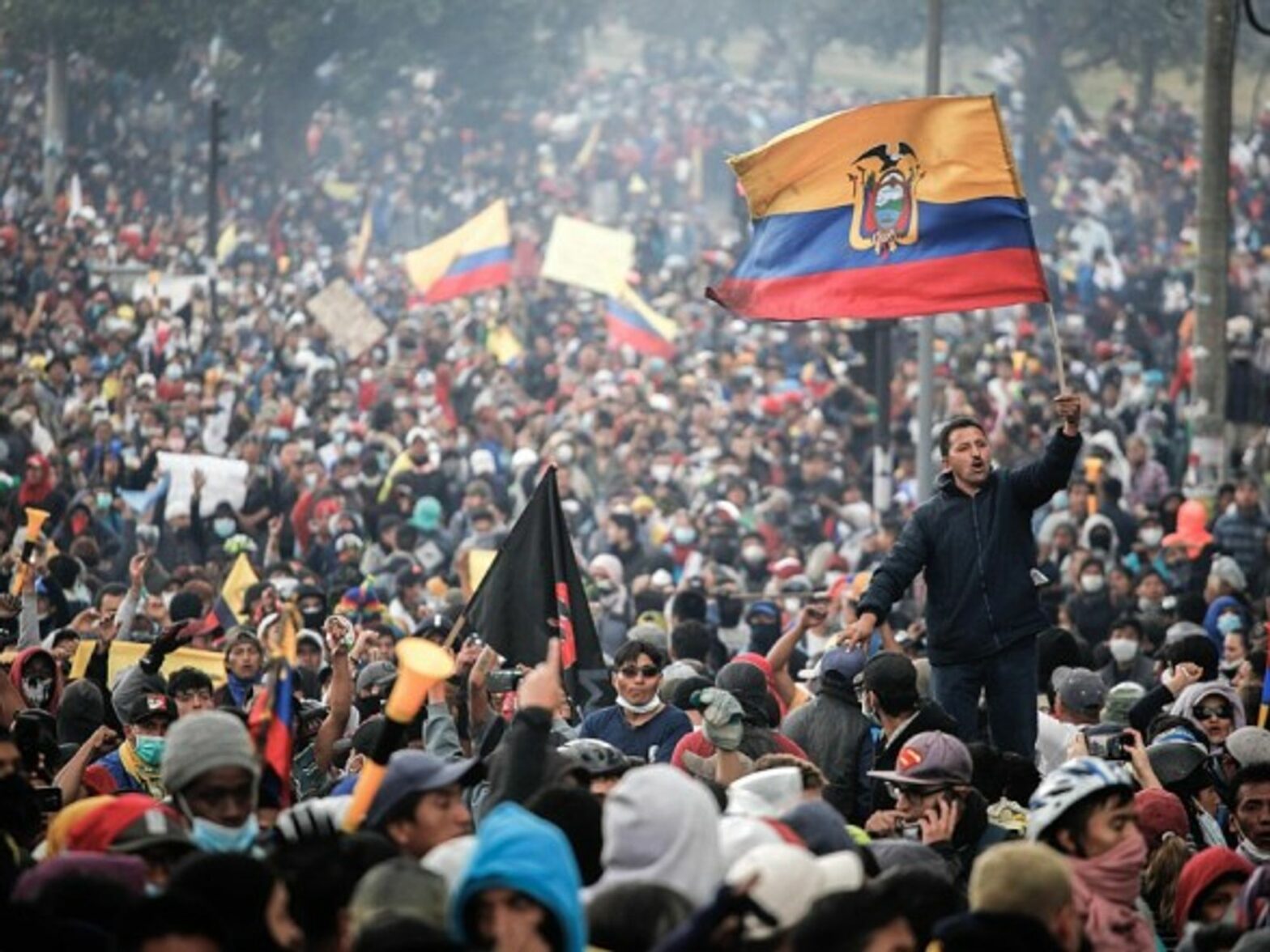
South American states like Chile and Ecuador suspect Venezuela’s socialist regime of fanning rioting in their countries.
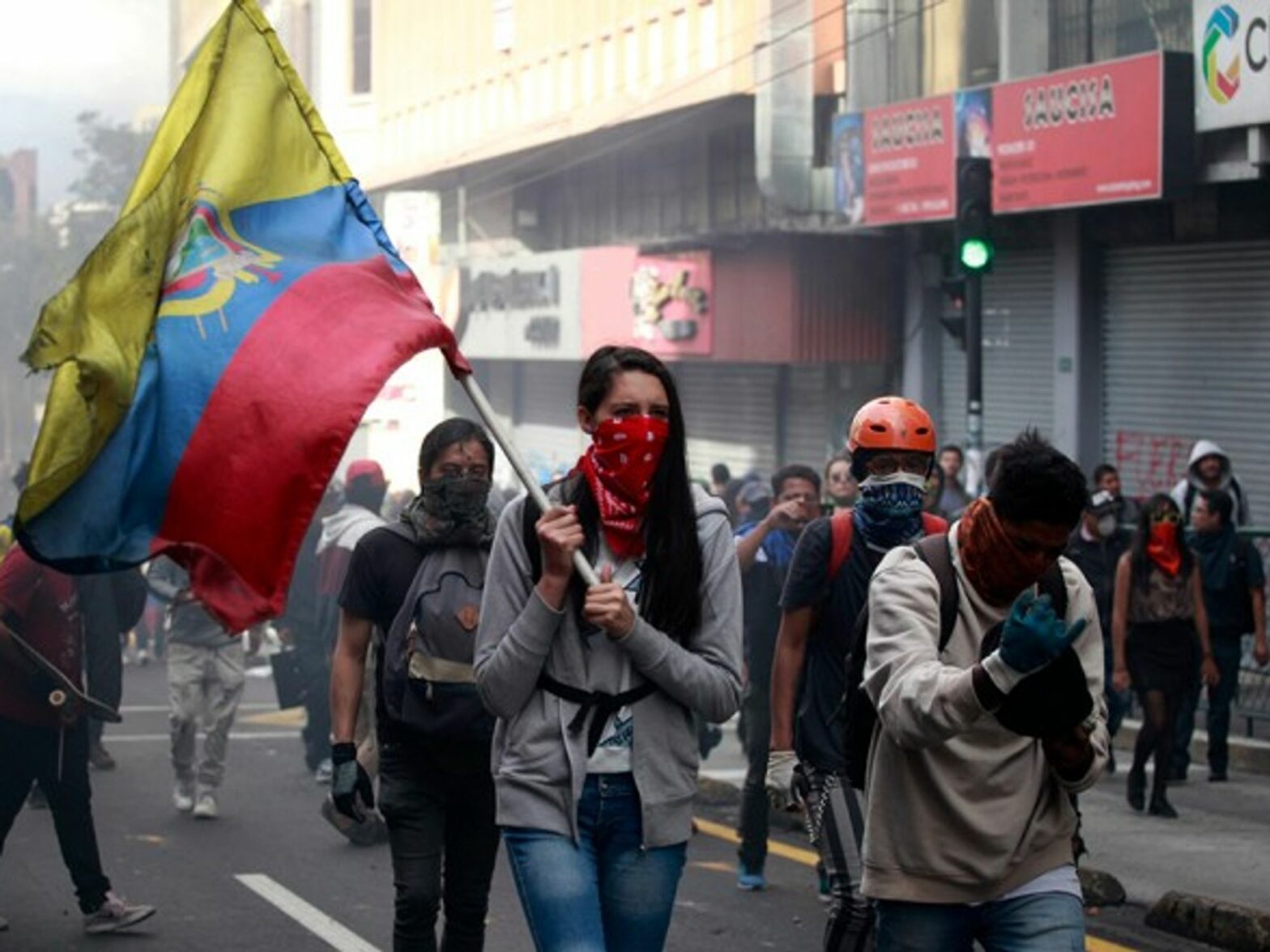
Politics in the region have become even more complex since the Cold War era of revolutions and military juntas.
Some of the world’s most insular places are cut off by land, not water.
Questions are beginning to mount about the fast-growing, tech-based company’s business and hiring practices.

From climate change and migration, to tobacco deaths and exploitative business practices, governments and multilateral bodies are systematically failing to act.
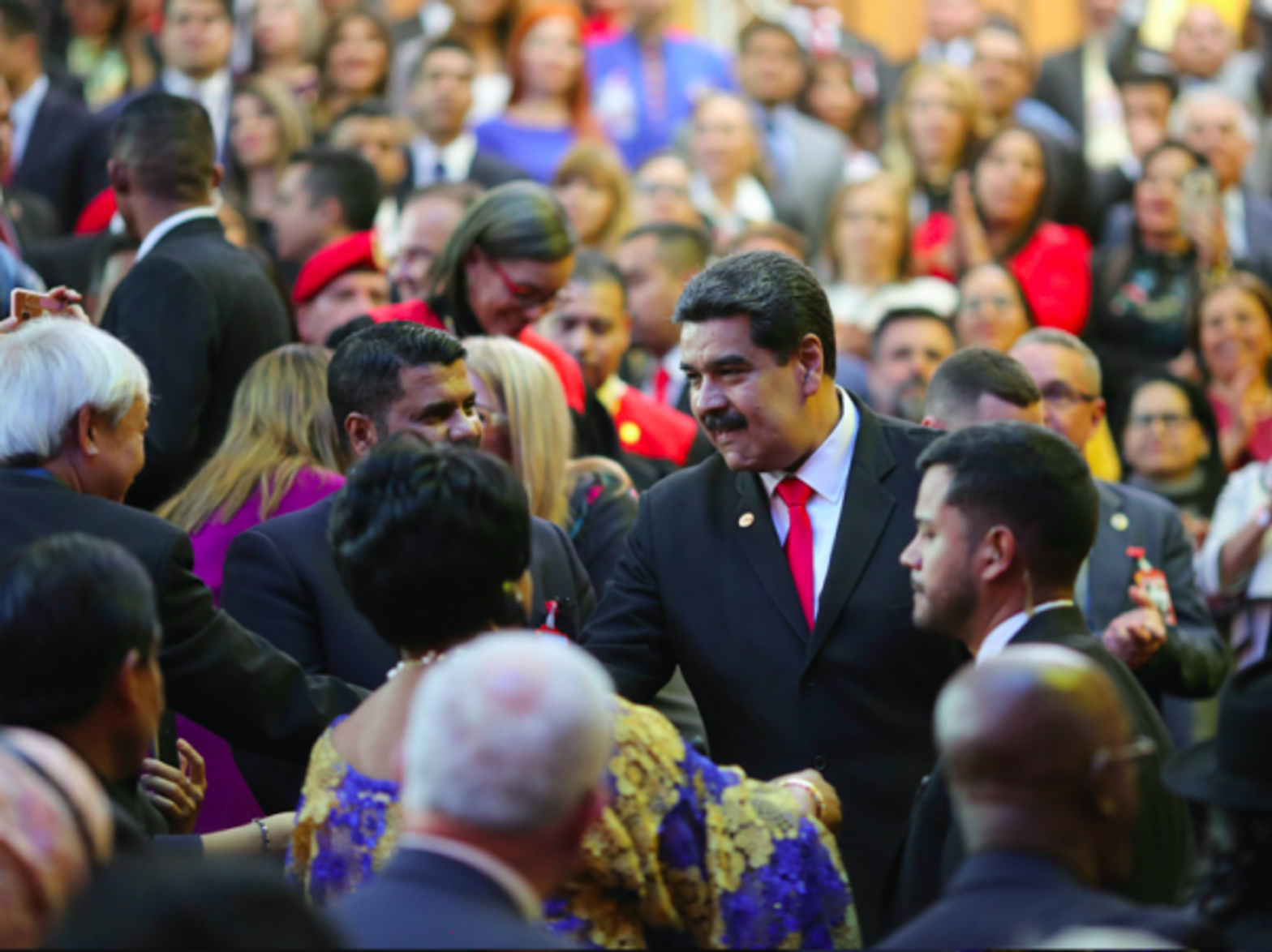
After Trump fired hawkish U.S. official John Bolton, who had repeatedly threatened Venezuela’s regime with military action, Maduro may have the opening he’s been waiting for.
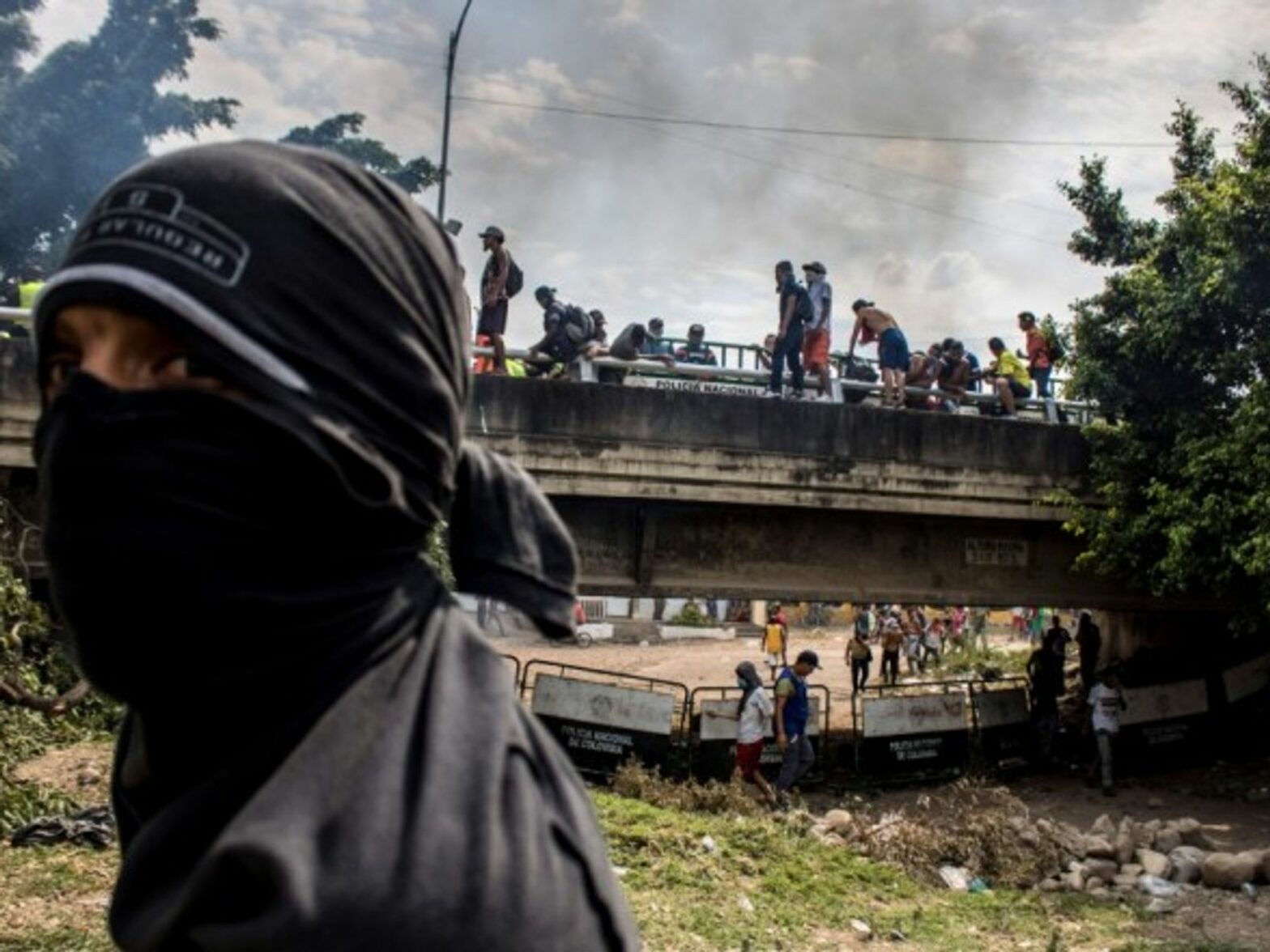
The border of Colombia and Venezuela has become a lawless land where people are kidnaped and killed with impunity.
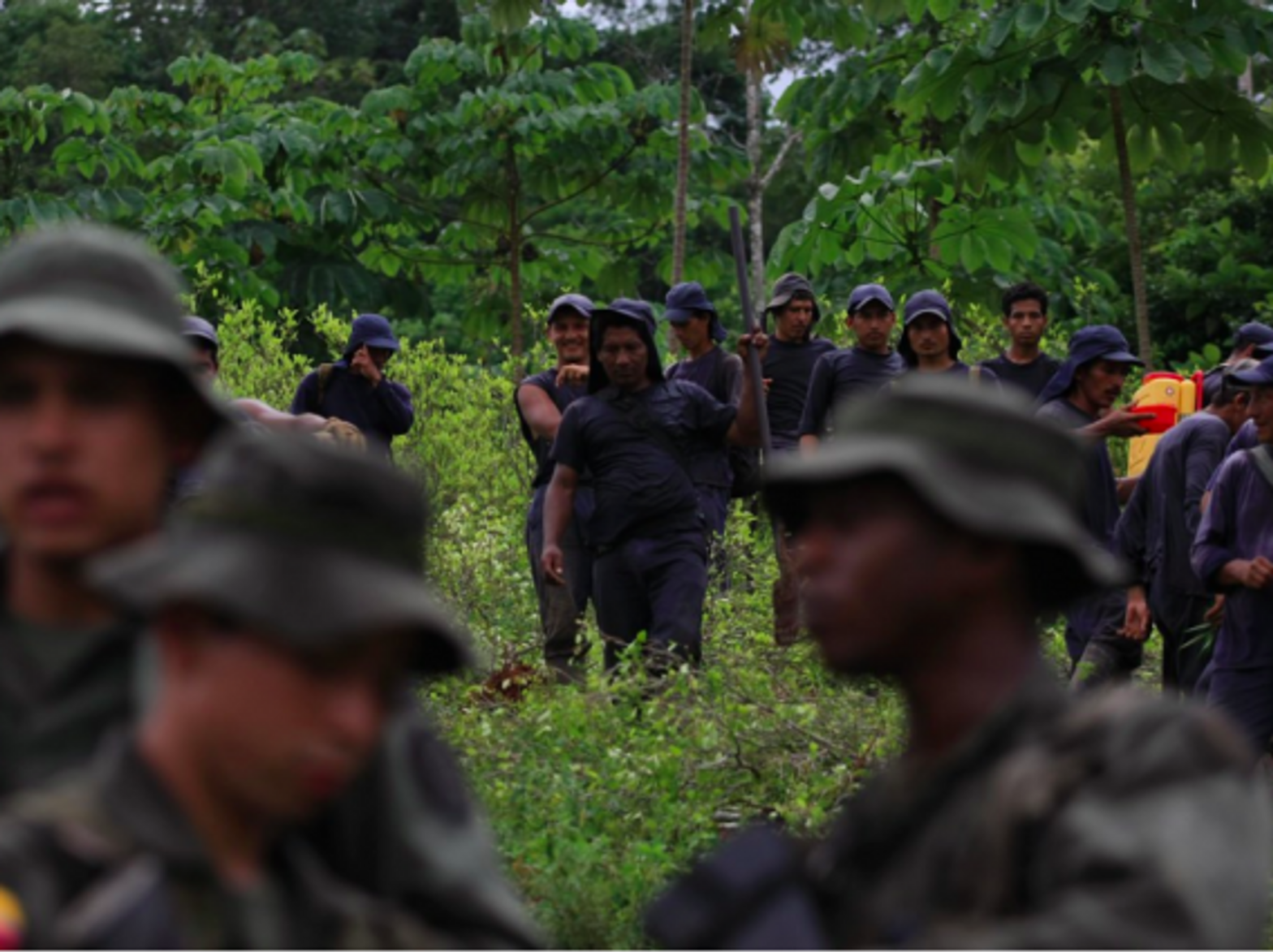
The war on drugs continues to feed the flames of violence in Colombia, even in this so-called ‘post-conflict’ period.
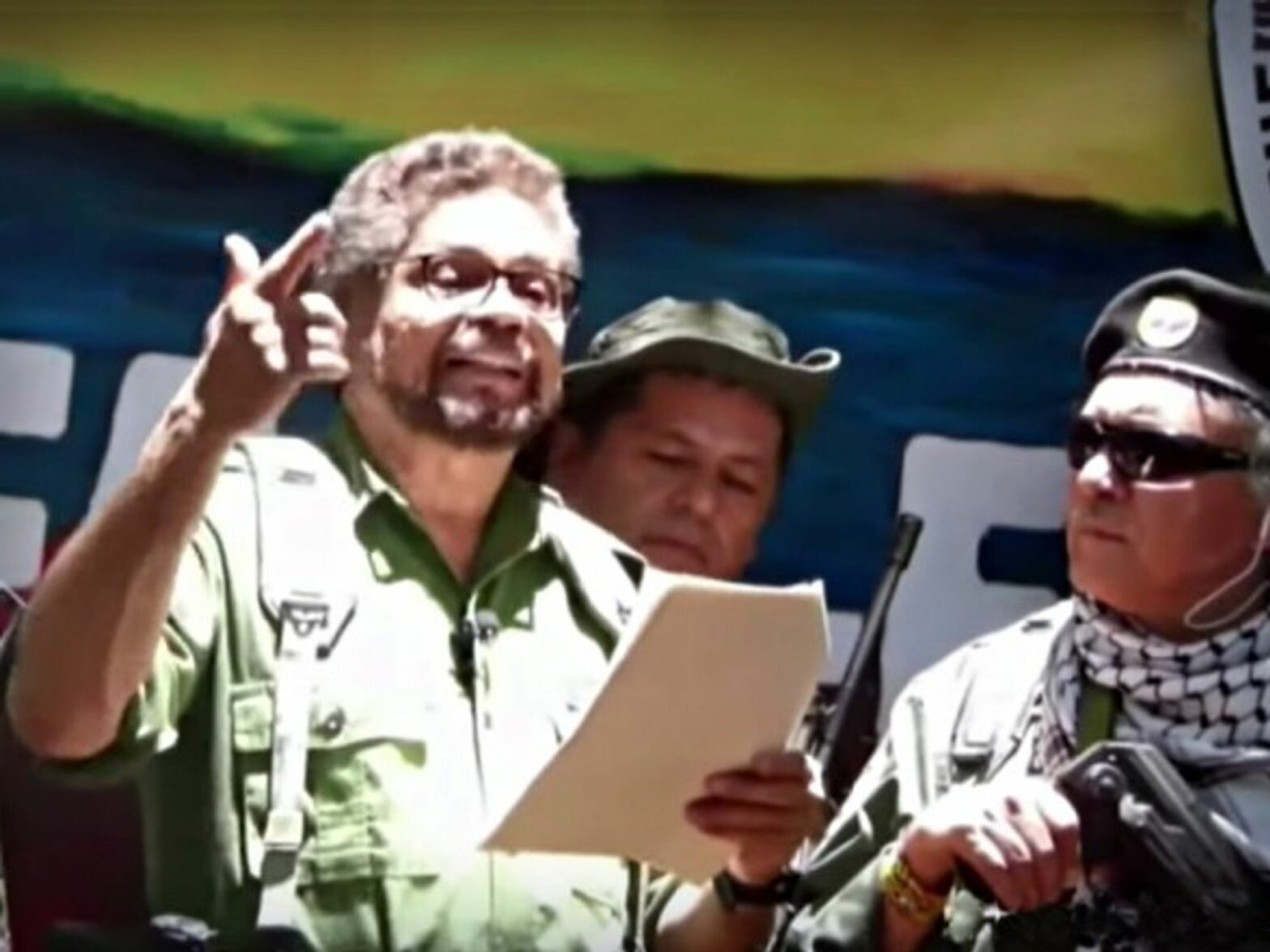
The decision of some prominent members of Colombia’s disbanded FARC rebels to resume fighting the government is bad news. But history — and demography — are working against them.
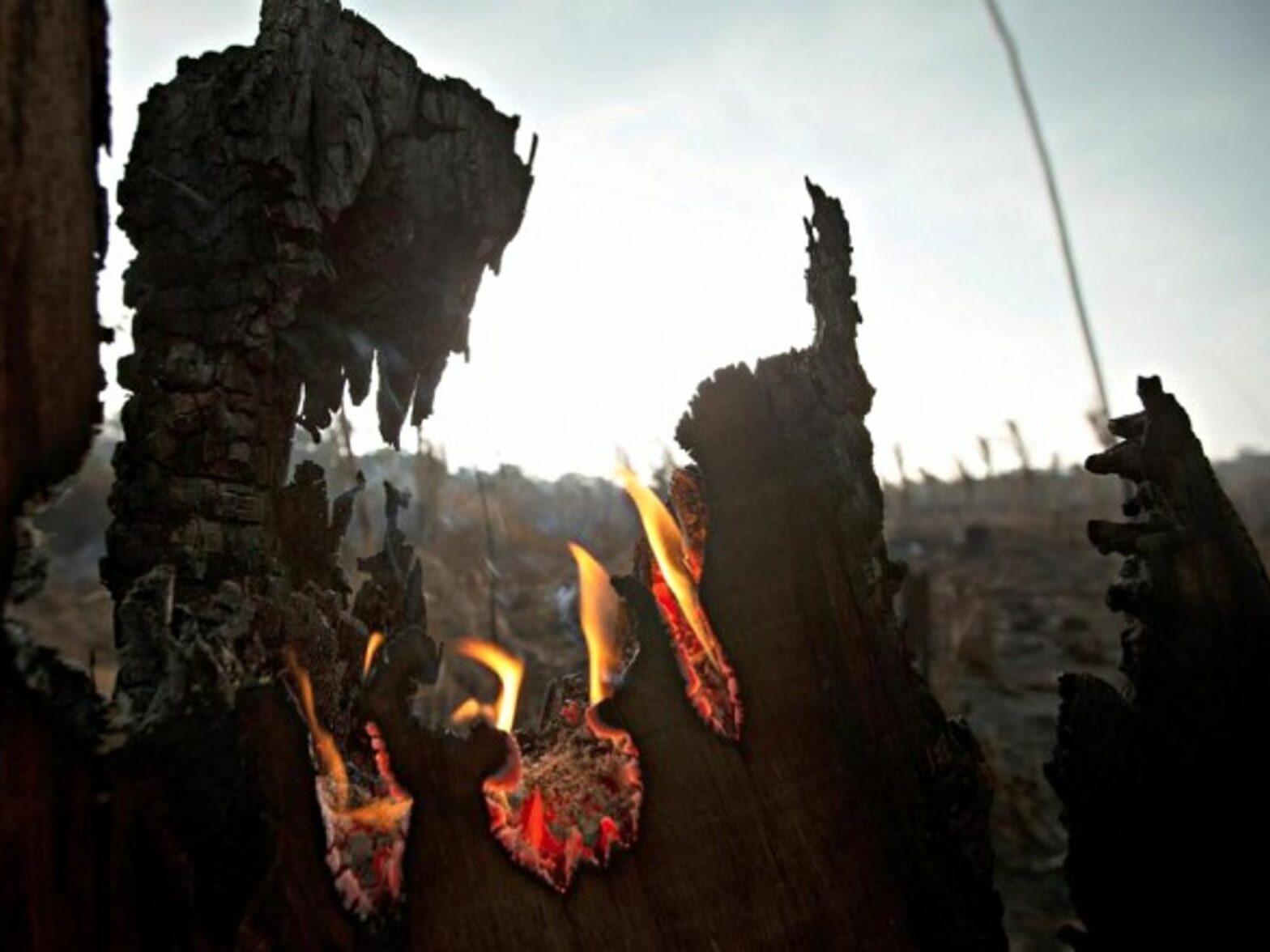
Colombians were not overtly upset by deforestation in their country until recently. But massive media coverage of the Brazilian Amazon on fire may be changing attitudes.
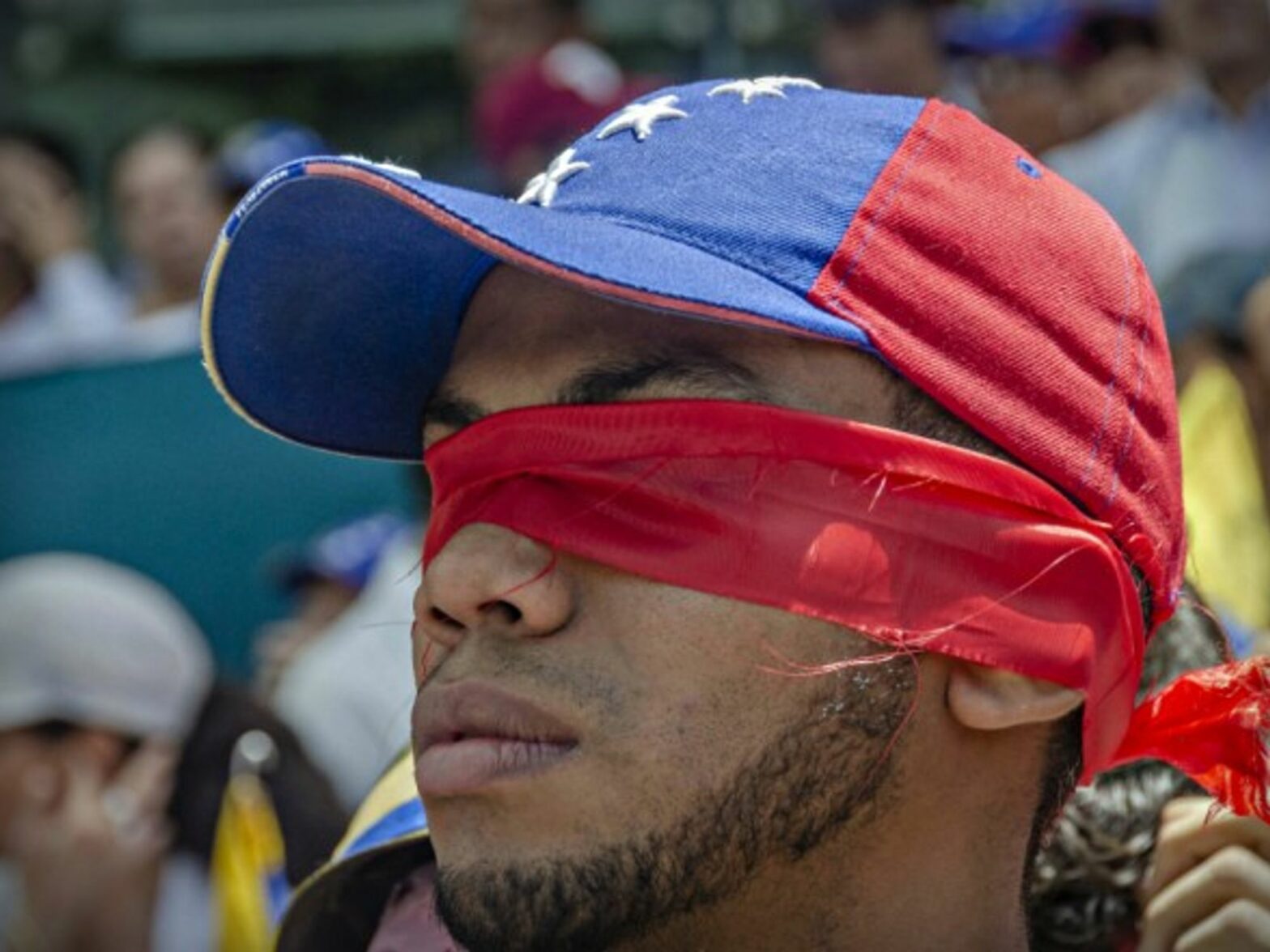
Venezuela’s authoritarian leader is tightening the screws on his armed forces, the former regime bulwark now suspected as a seedbed of sedition, in a national setting of economic desperation and political despair.