Colombia’s reformist president has promised to tackle endemic violence, economic exclusion, pollution and corruption in the country. So what’s new with a politician’s promises?
 Worldcrunch
The oldest newspaper in Colombia, El Espectador was founded in 1887. The national daily newspaper has historically taken a firm stance against drug trafficking and in defense of freedom of the press. In 1986, the director of El Espectador was assassinated by gunmen hired by Pablo Escobar. The majority share-holder of the paper is Julio Mario Santo Domingo, a Colombian businessman named by Forbes magazine as one of the wealthiest men in the world in 2011.
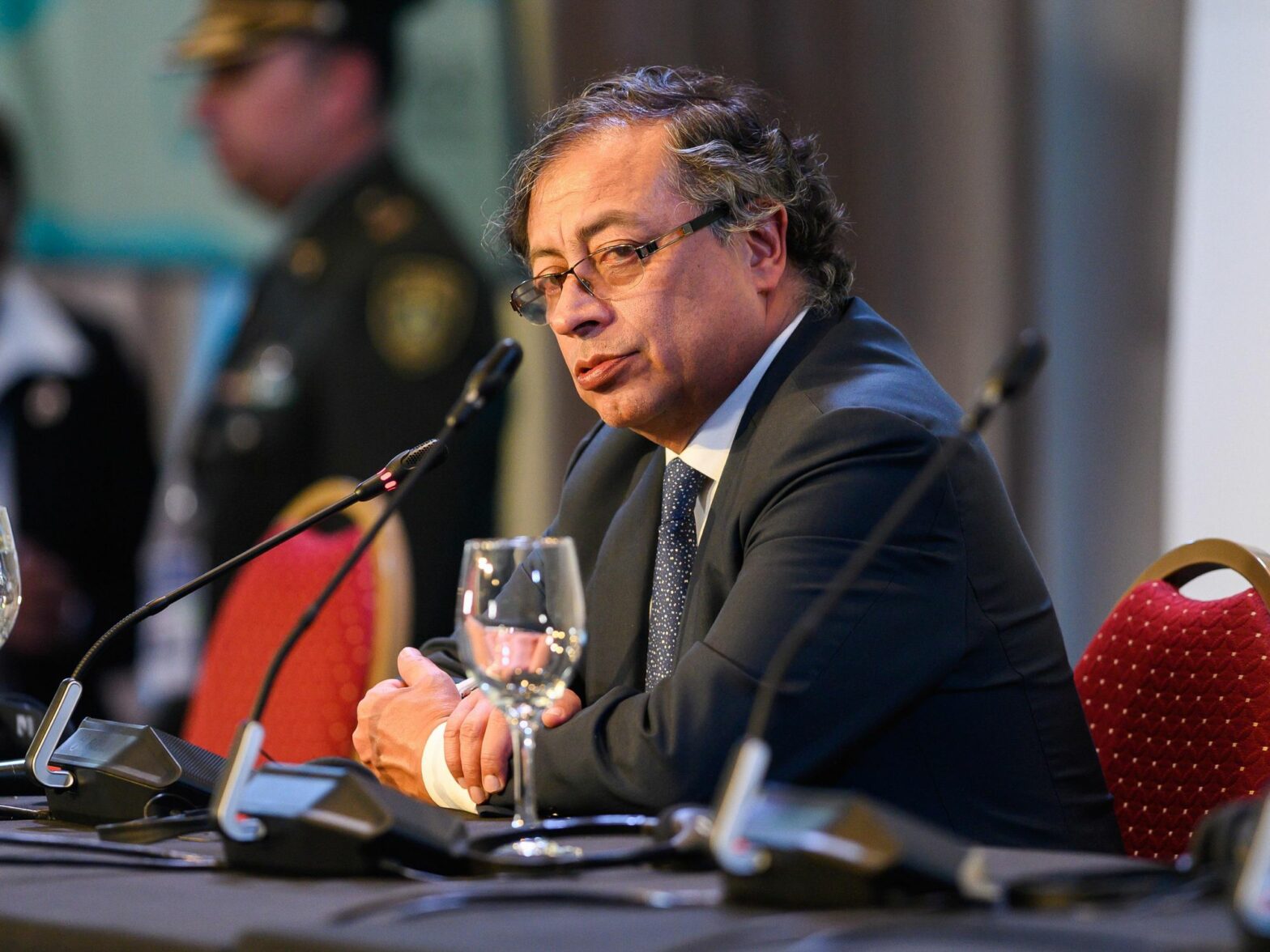
Colombia’s reformist president has promised to tackle endemic violence, economic exclusion, pollution and corruption in the country. So what’s new with a politician’s promises?
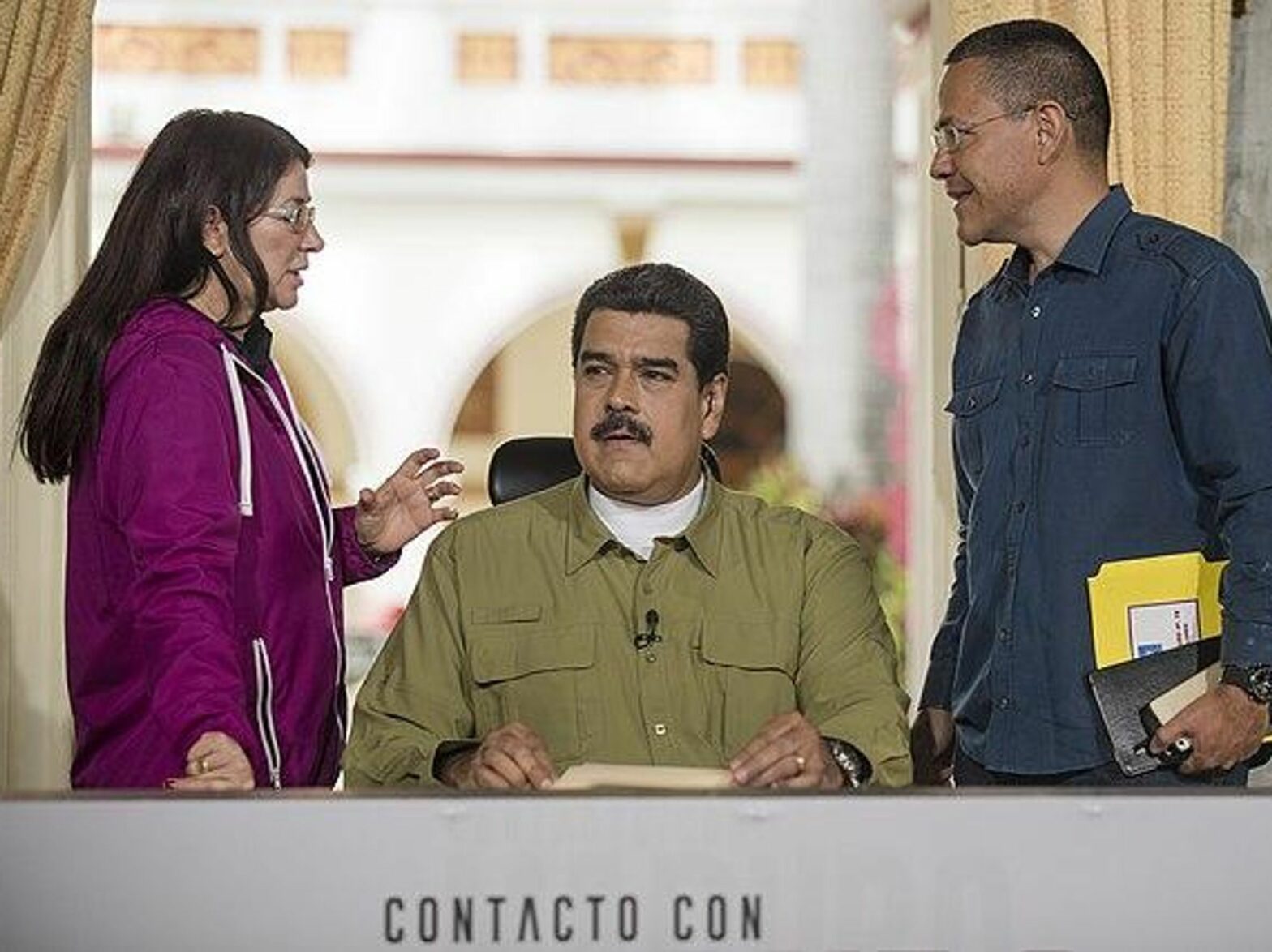
Venezuela’s first lady, Cilia Flores, is one of the country’s chief power brokers and a consummate wheeler-dealer who, with the help of relatives, runs a voracious enterprise dubbed the Flower Shop.
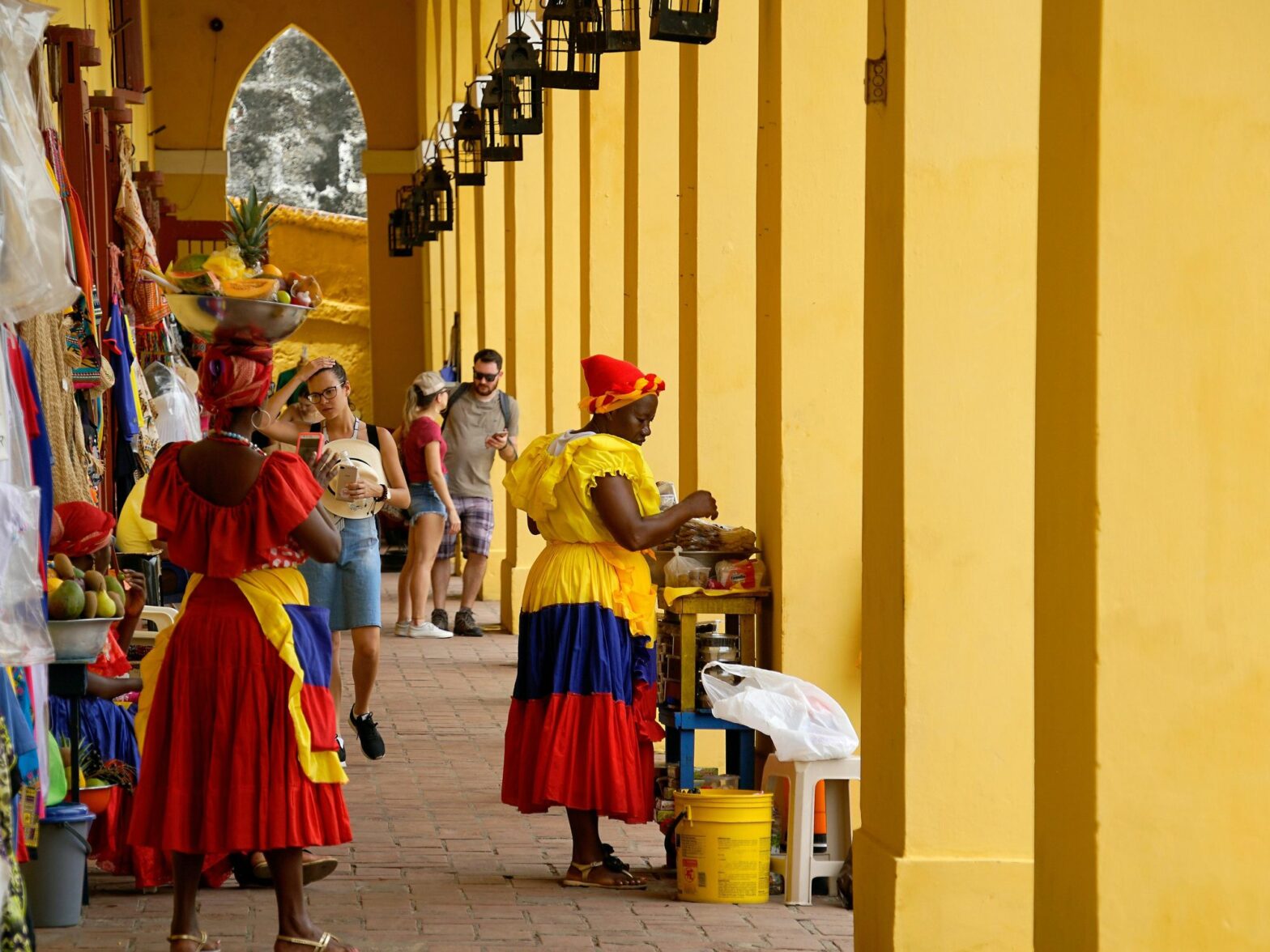
A lavish book to celebrate Cartagena, Colombia’s most prized travel destination, will perpetuate clichéd views of a city inextricably linked with European exploitation.
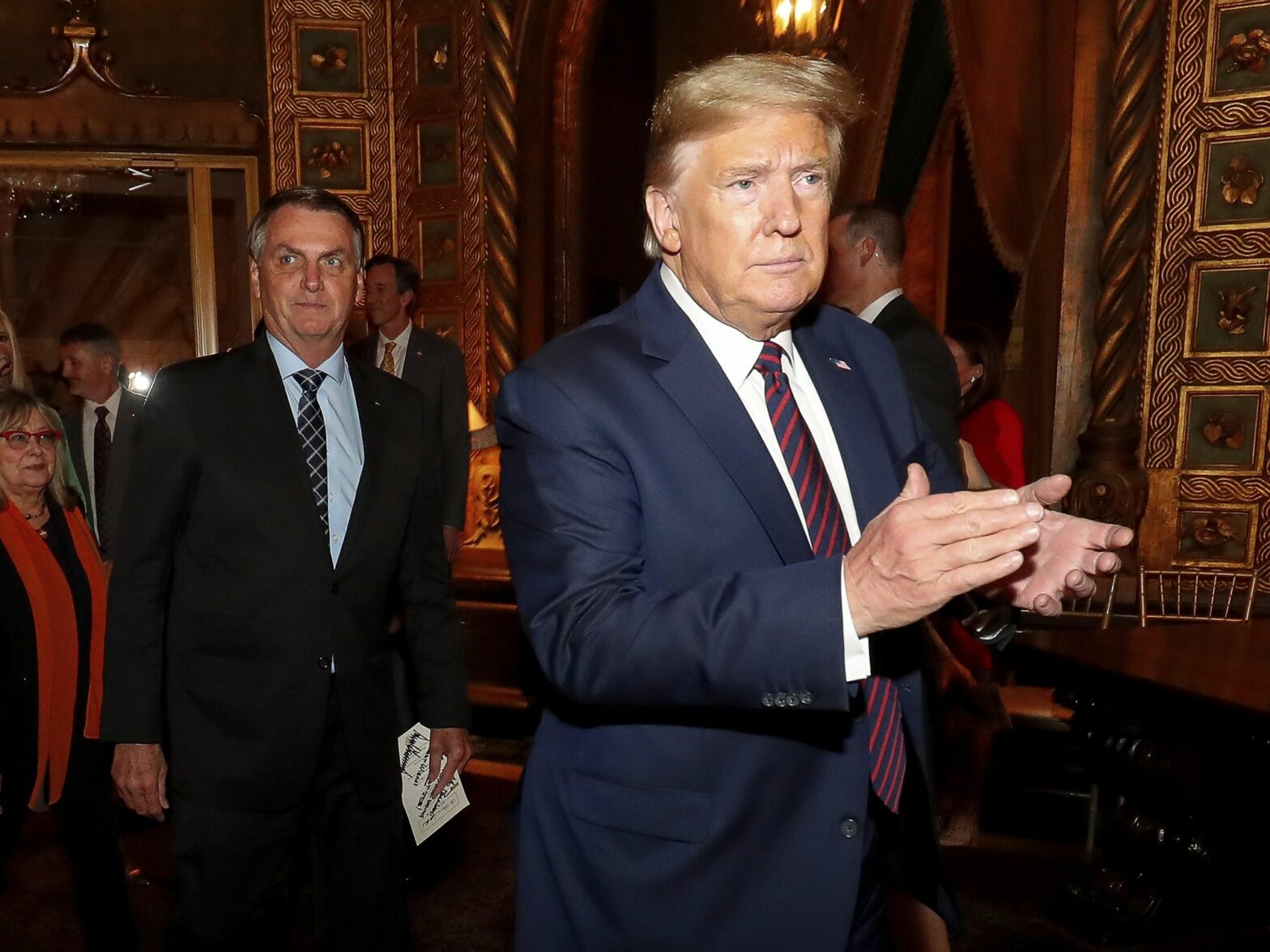
Emulating the Trump-inspired attack on the U.S. Capitol, the assault of a right-wing mob on government buildings in Brasilia took its cue from former president Bolsonaro’s longstanding contempt for democratic institutions.
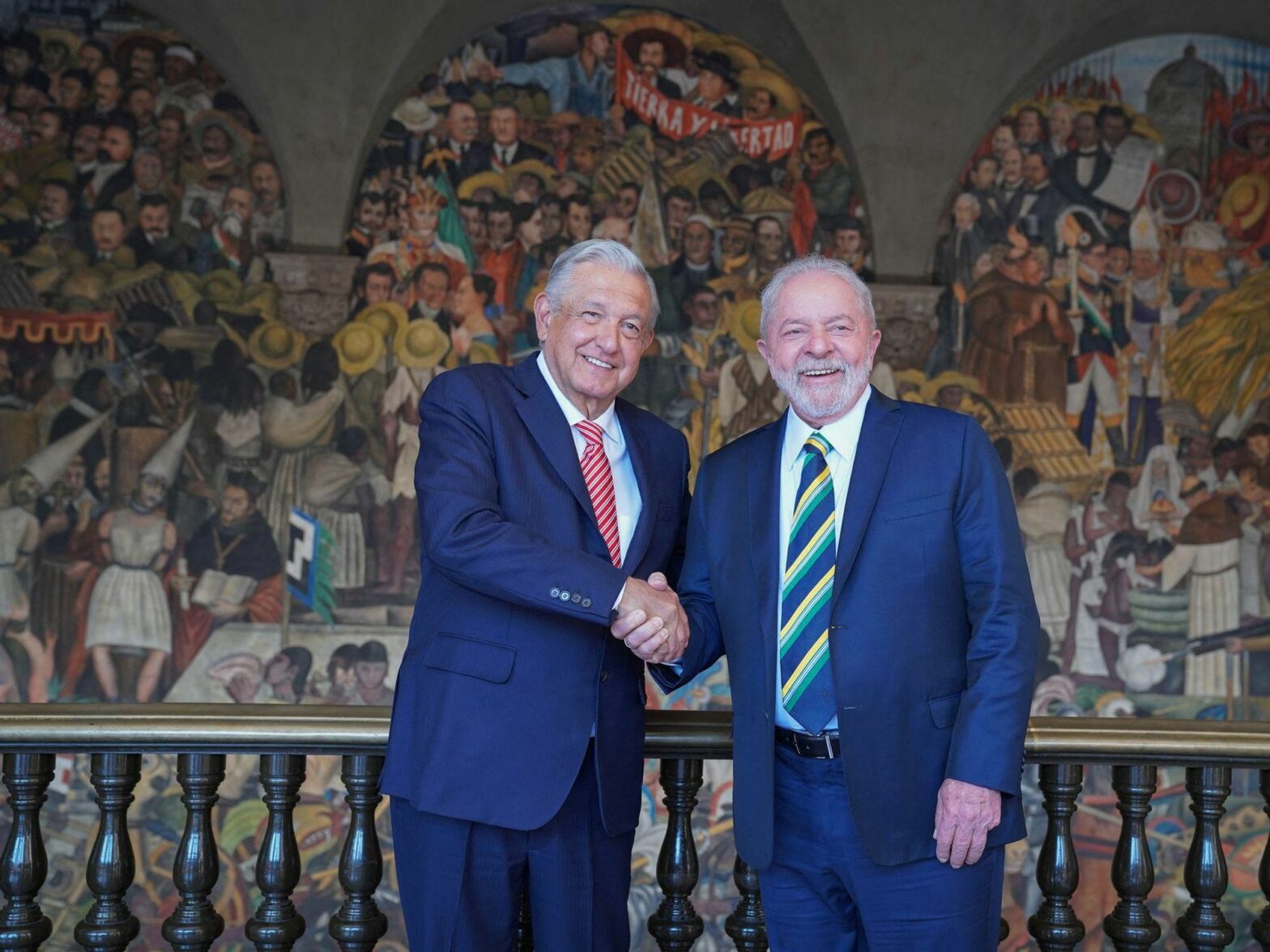
The election in Brazil of Luis Inácio Lula da Silva (Lula) is being hailed by some as the confirmation of Latin American around a shared leftist project, yet even the left can’t agree with itself. It’s a story that goes back centuries, and can only change with a commitment to move beyond ideology.
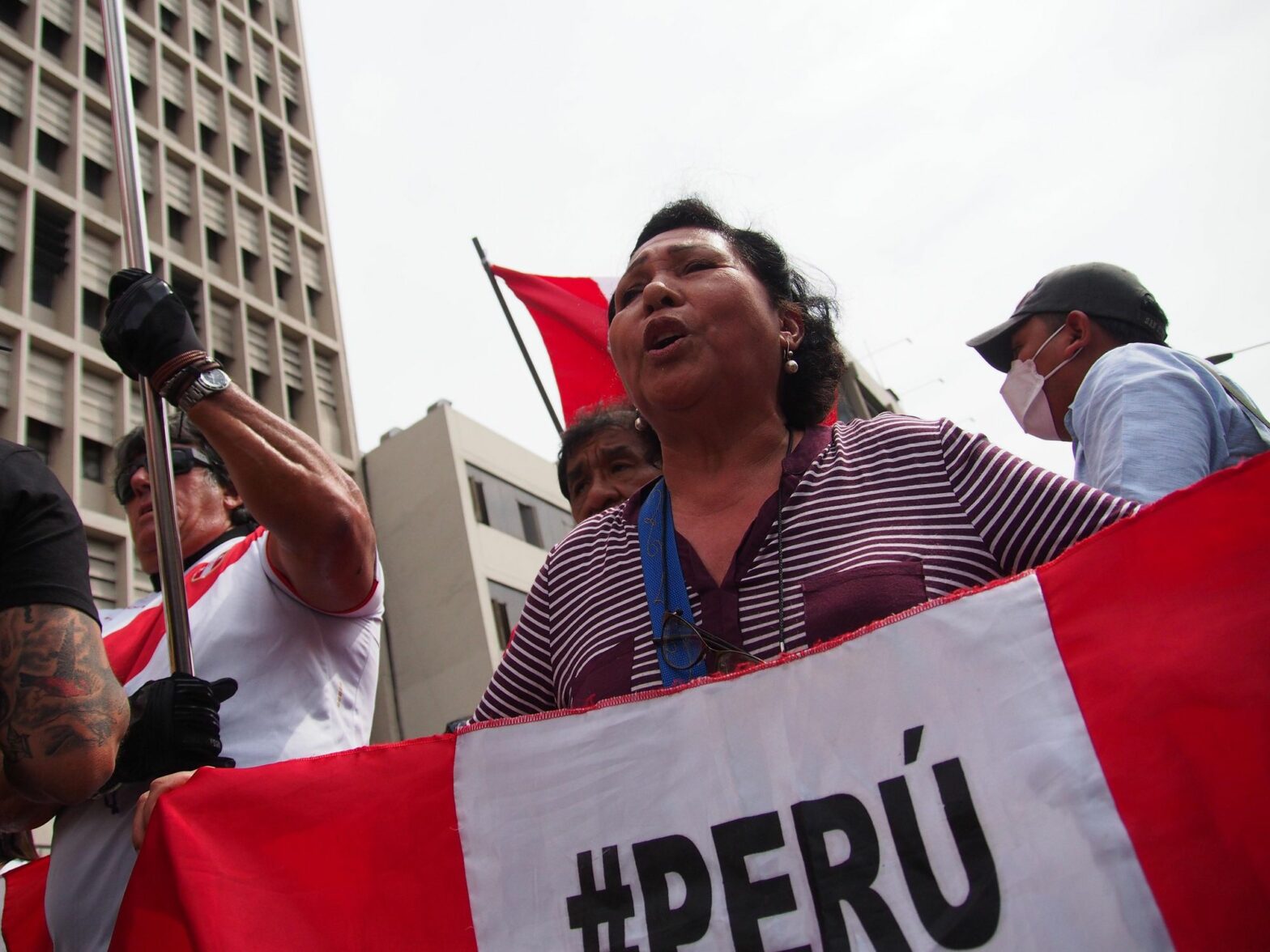
The impeachment and arrest of Peru’s Leftist president can be taken as perhaps a conclusive signal to the region that populism — from the Left and Right — may have run out of gas.
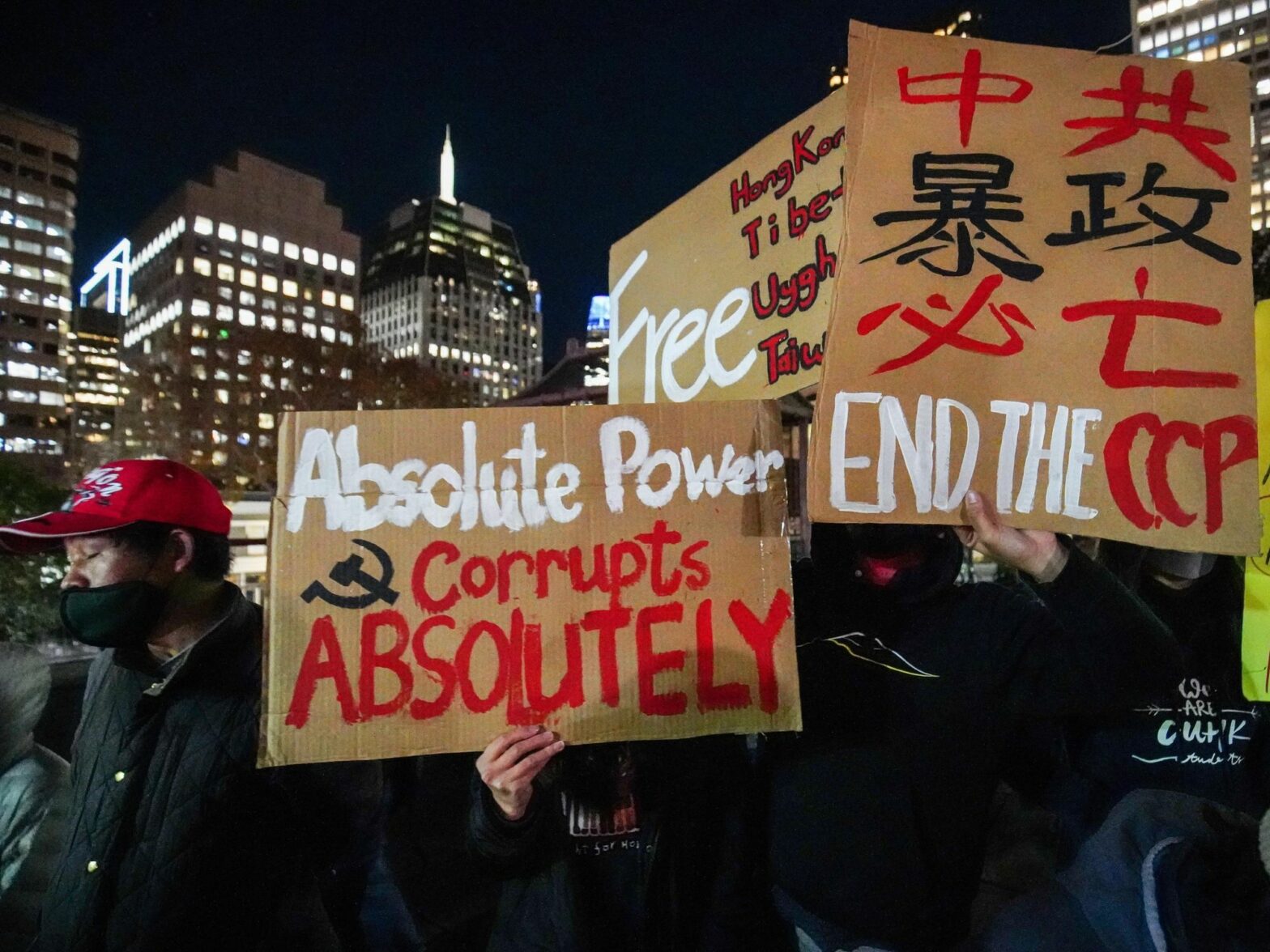
While many Chinese citizens are indeed fed up with the government’s Zero-COVID policy, predicting that a mass revolt is ready to overturn Communist rule is the latest sign of our deep misunderstanding of the Asian superpower. A view from Bogotá of a former Beijing correspondent.

Justice works around adults. Keen to uphold parental custody rights, family courts have effectively allowed violence against children by giving abusive parents access. So it is time the legal system stopped ignoring children.
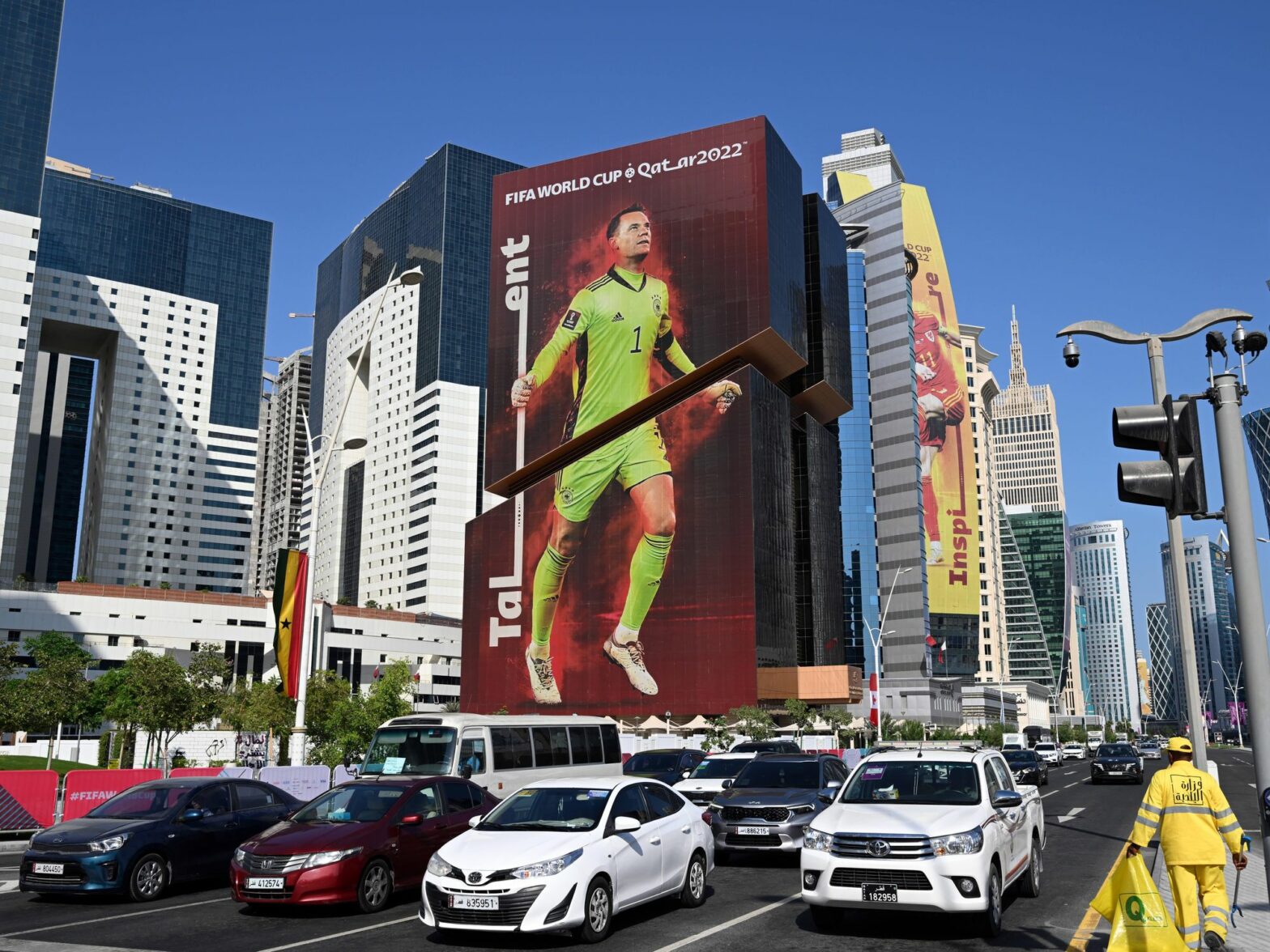
Soccer is a useful political tool for dictatorships. But Qatar is able to milk the World Cup as much as possible because the sport is infected by unbridled capitalistic greed.

American and Southwest Airlines have been refusing to allow Cubans on board flights if they’ve been blacklisted by the government in Havana.
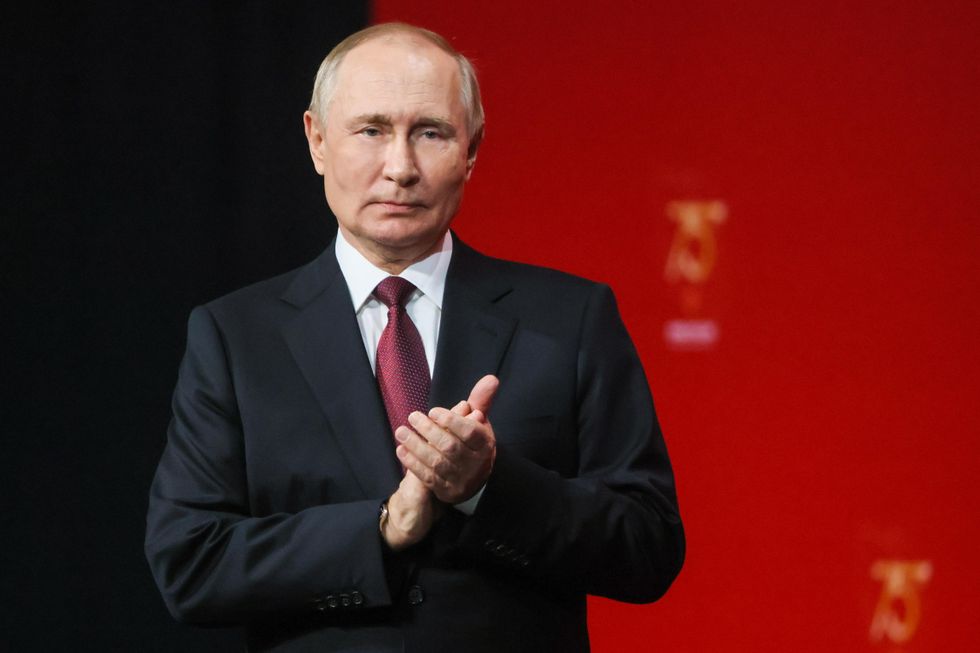
The Russian president has resorted to a string of changing lies to justify his war on Ukraine. He has shown contempt along the way for the Christian values he claims to defend. But like arms and ammunition, a regime can also run out of lies.
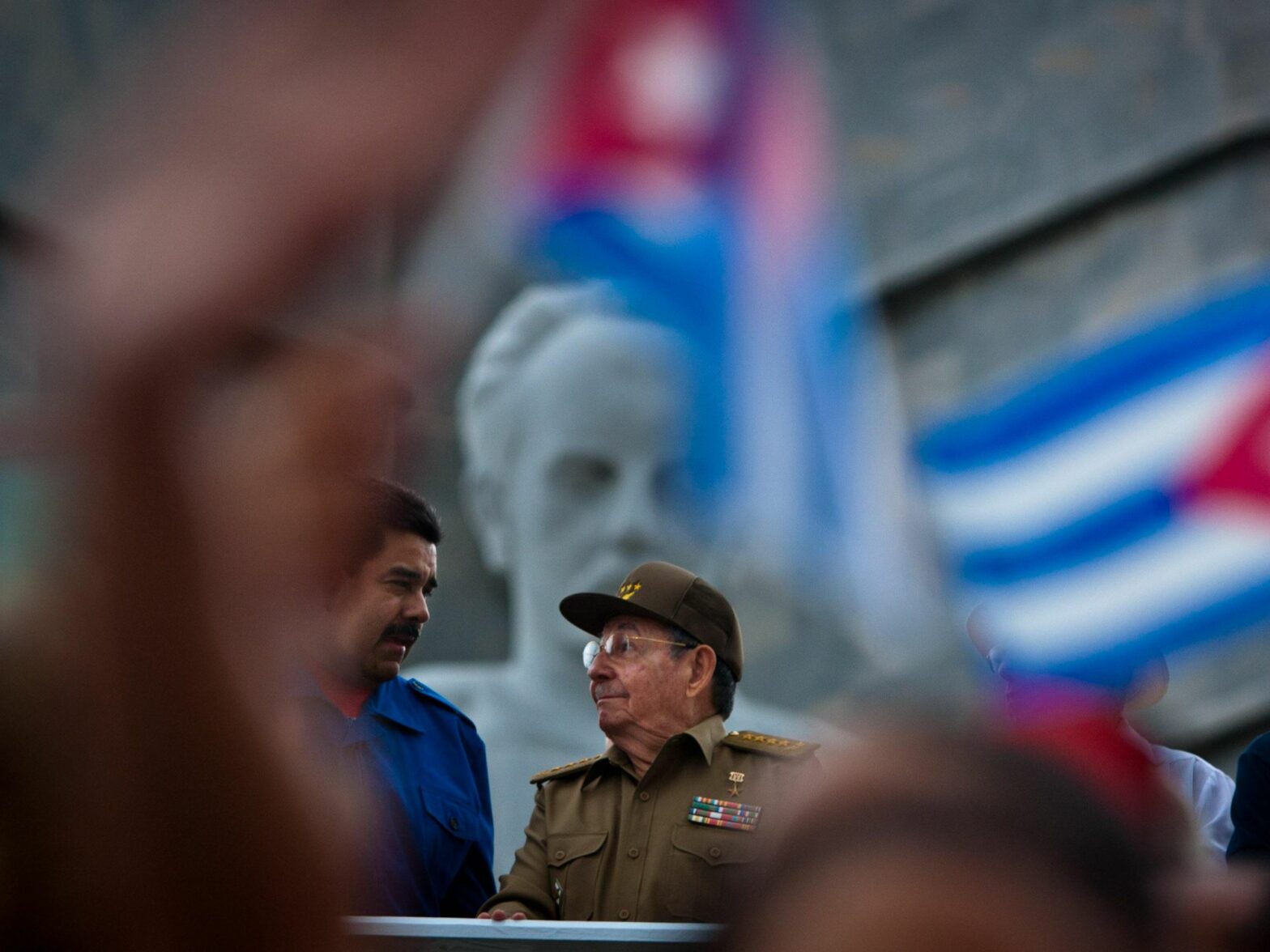
Venezuelan President Nicolás Maduro has managed to cling to power after an allegedly rigged 2018 presidential election. He did so with the help of Cuba, having enjoyed “working relations” with Cuban intelligence for decades.
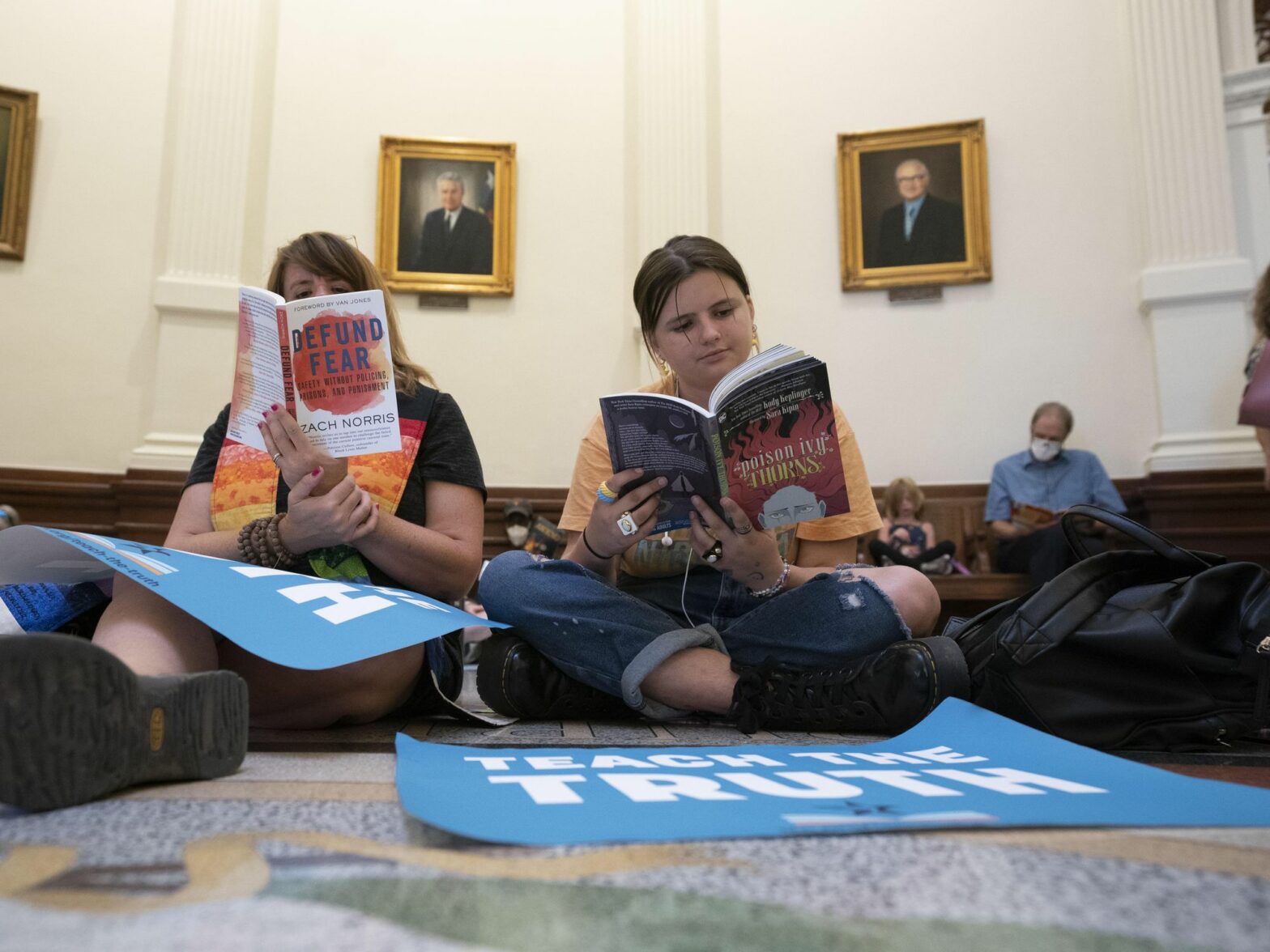
Readers can be unduly critical of authors for a range of reasons, from old-fashioned spite to the modern phenomenon of wokeness. But writers should not consider these people enemies, but rather guides to help dig deeper.
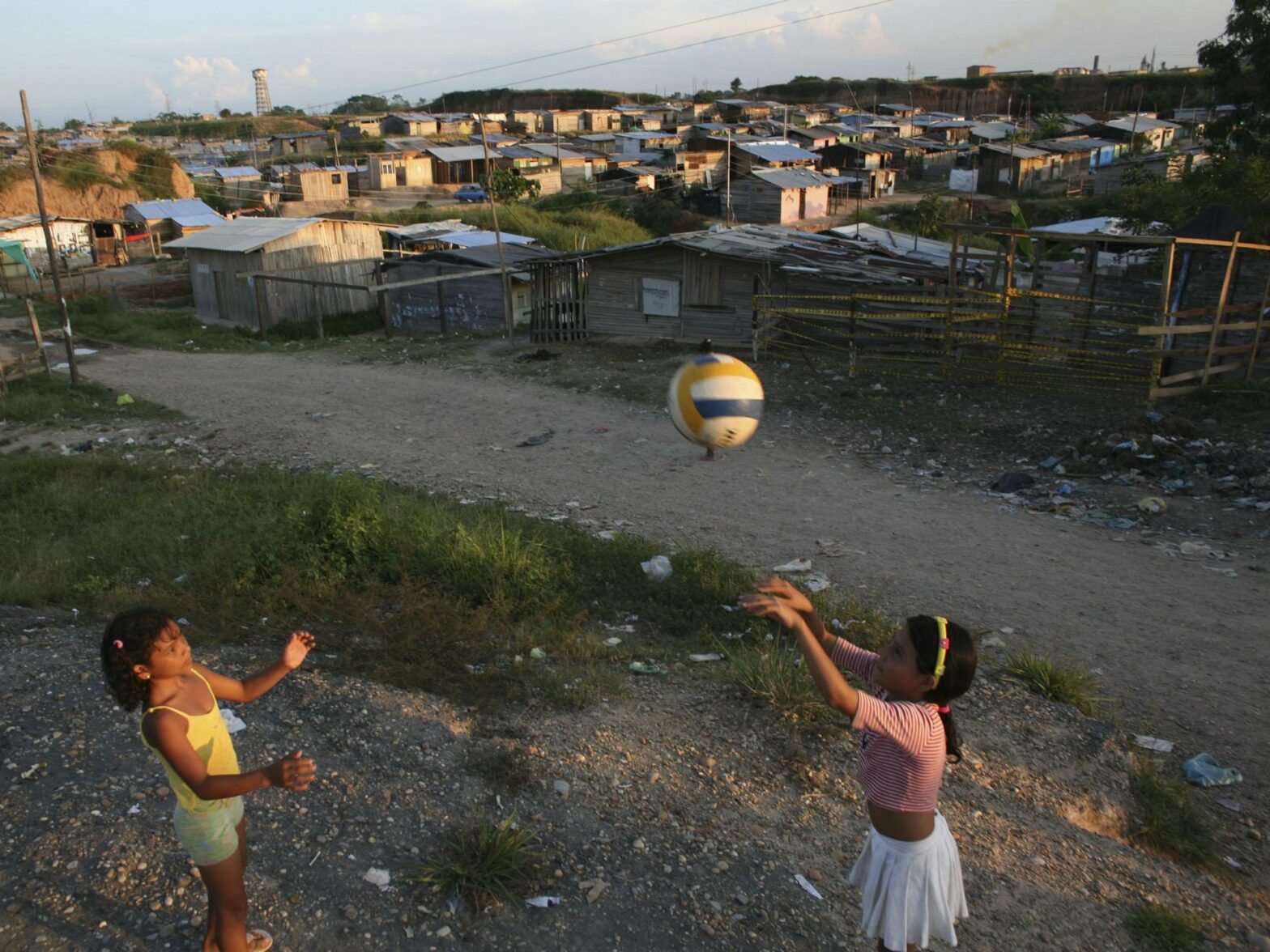
Those touting degrowth for the sake of the planet should remember that the majority of the earth’s population has yet to taste a fraction of the material prosperity now blamed for destroying the natural world.

The Metaverse evokes utopian visions of an escape from reality or a life lived online. But for now, it’s still just interactive gaming or networking spaces that does not have the rules or laws necessary to manage its full potential.
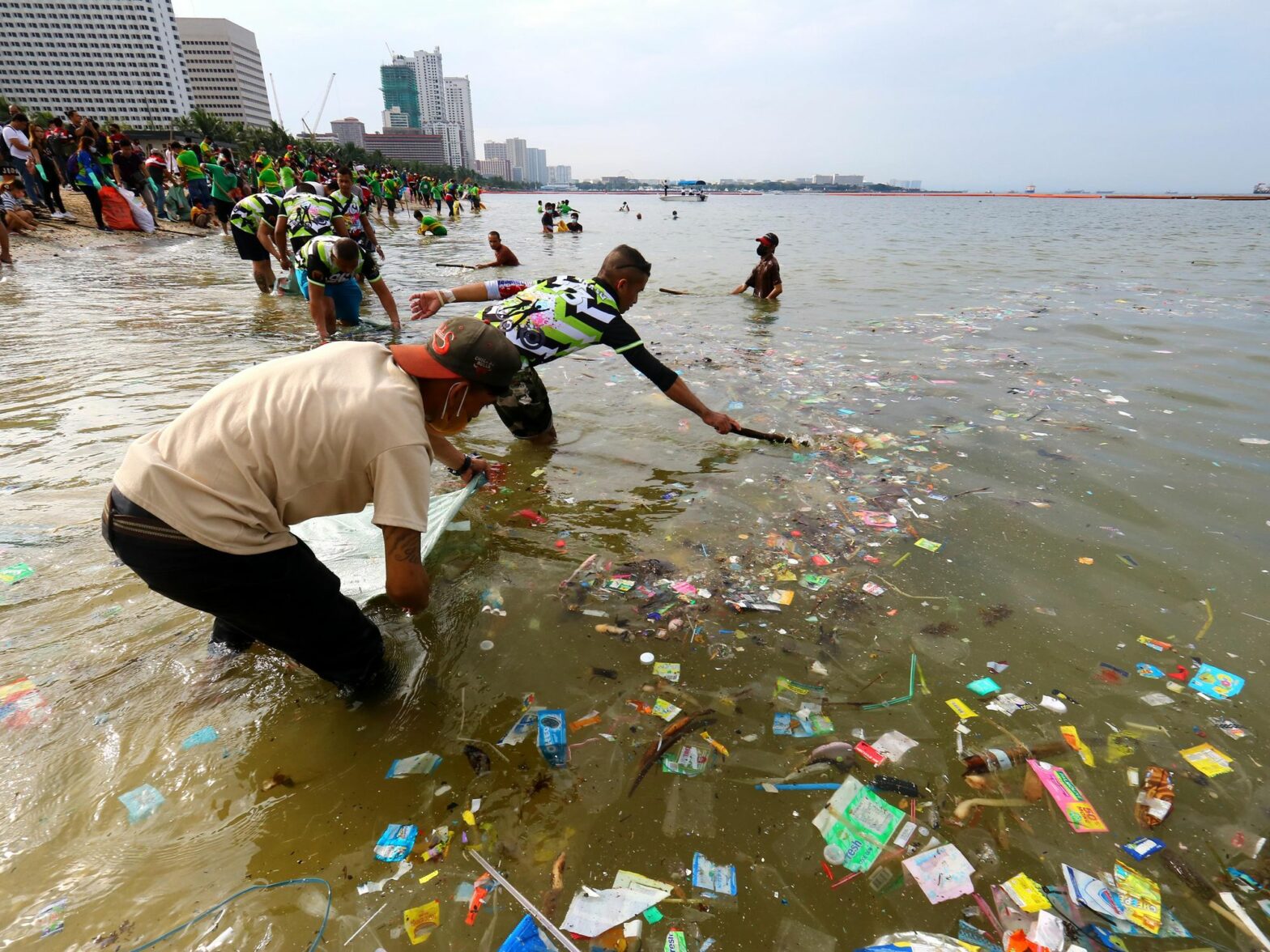
States and technology have failed to stop the destruction of the natural world, but a deceptively simple rethinking of our habits could turn the tide.
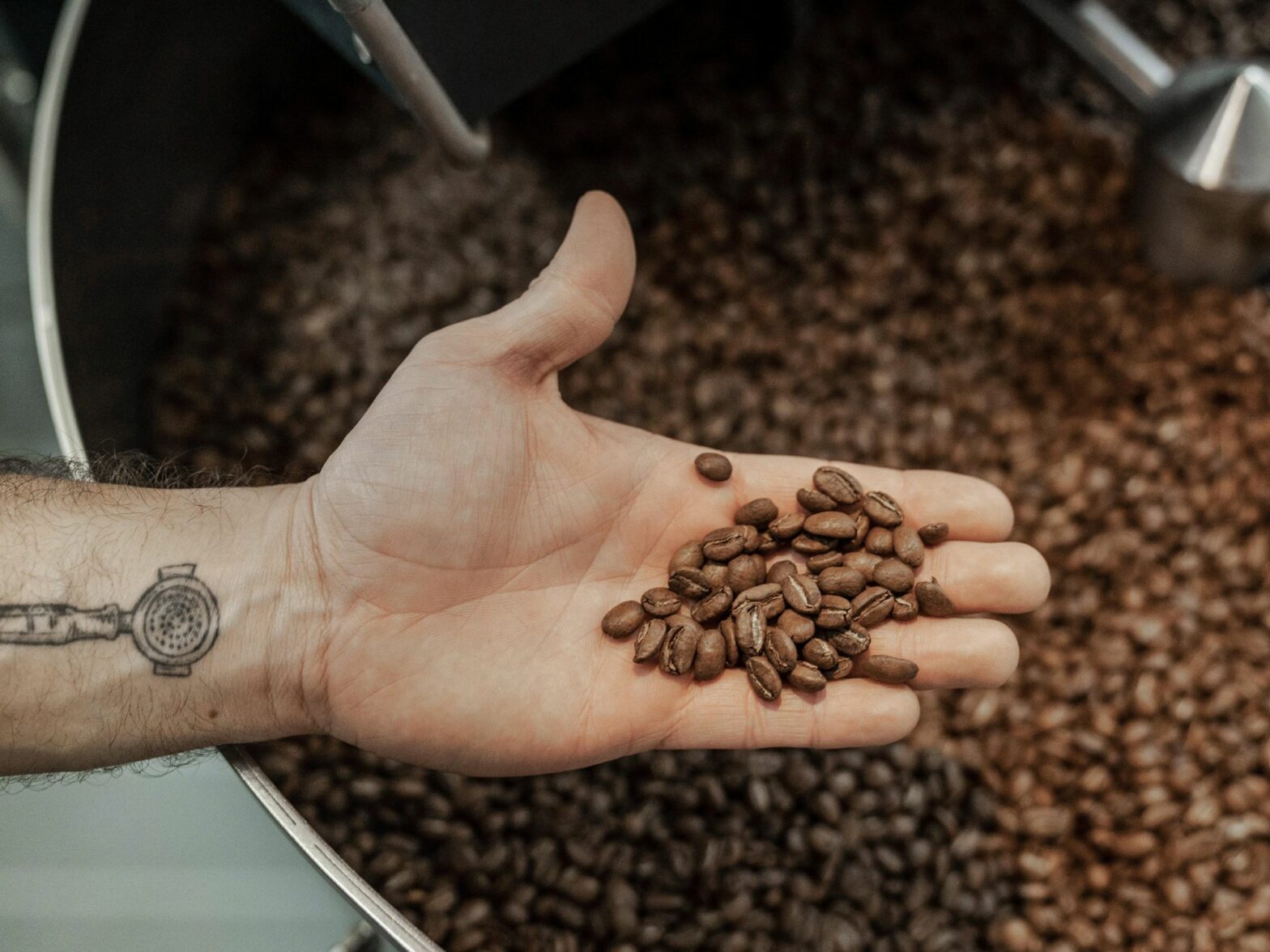
This essential morning drink for millions worldwide was once considered an addictive menace, earning itself a ban on pain of death in the Islamic world.
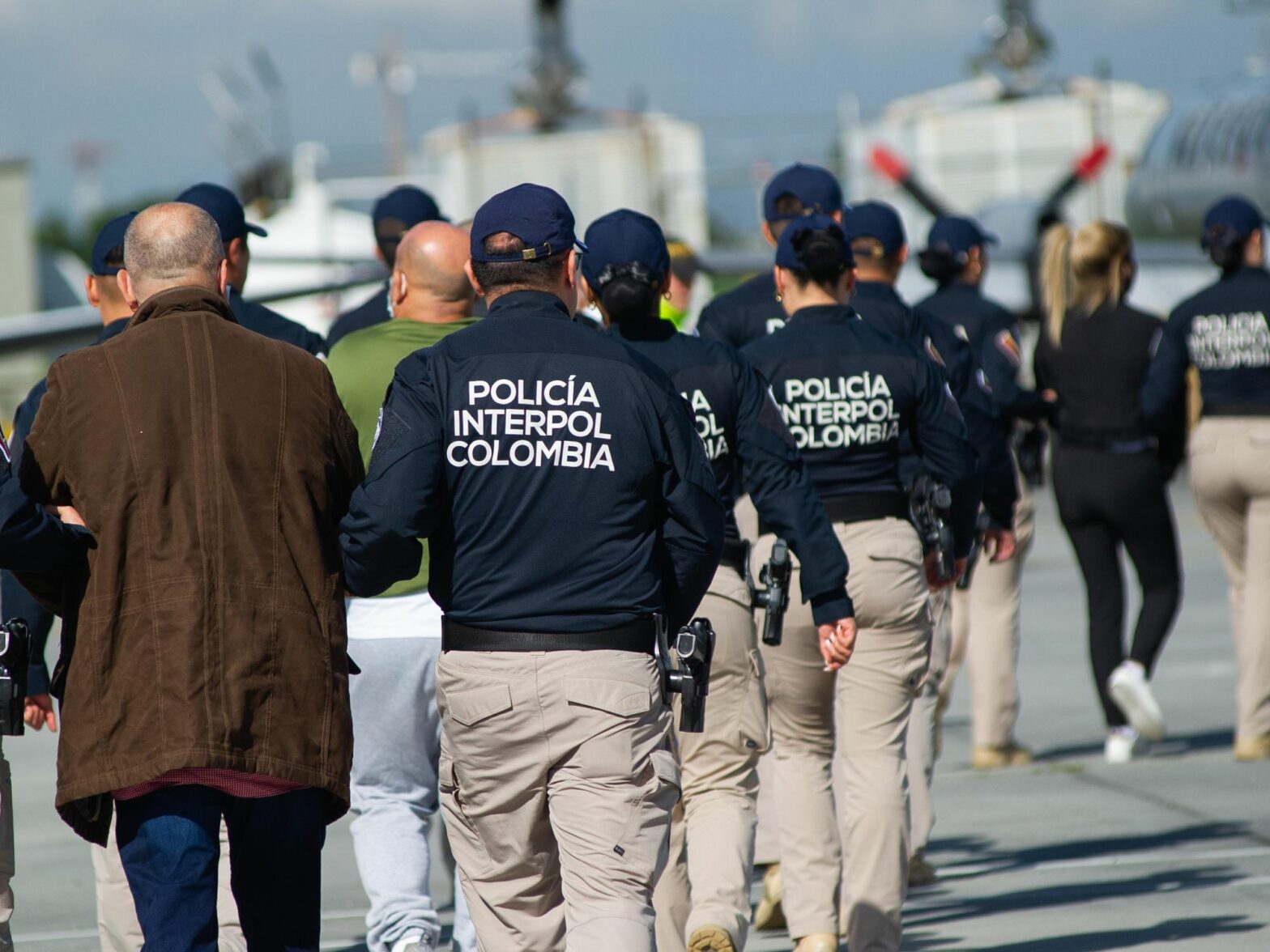
The Biden administration and Colombia’s new government seem to agree on the need for a new approach to drugs policy. But will they be able to find support in their countries to forge a new strategy?
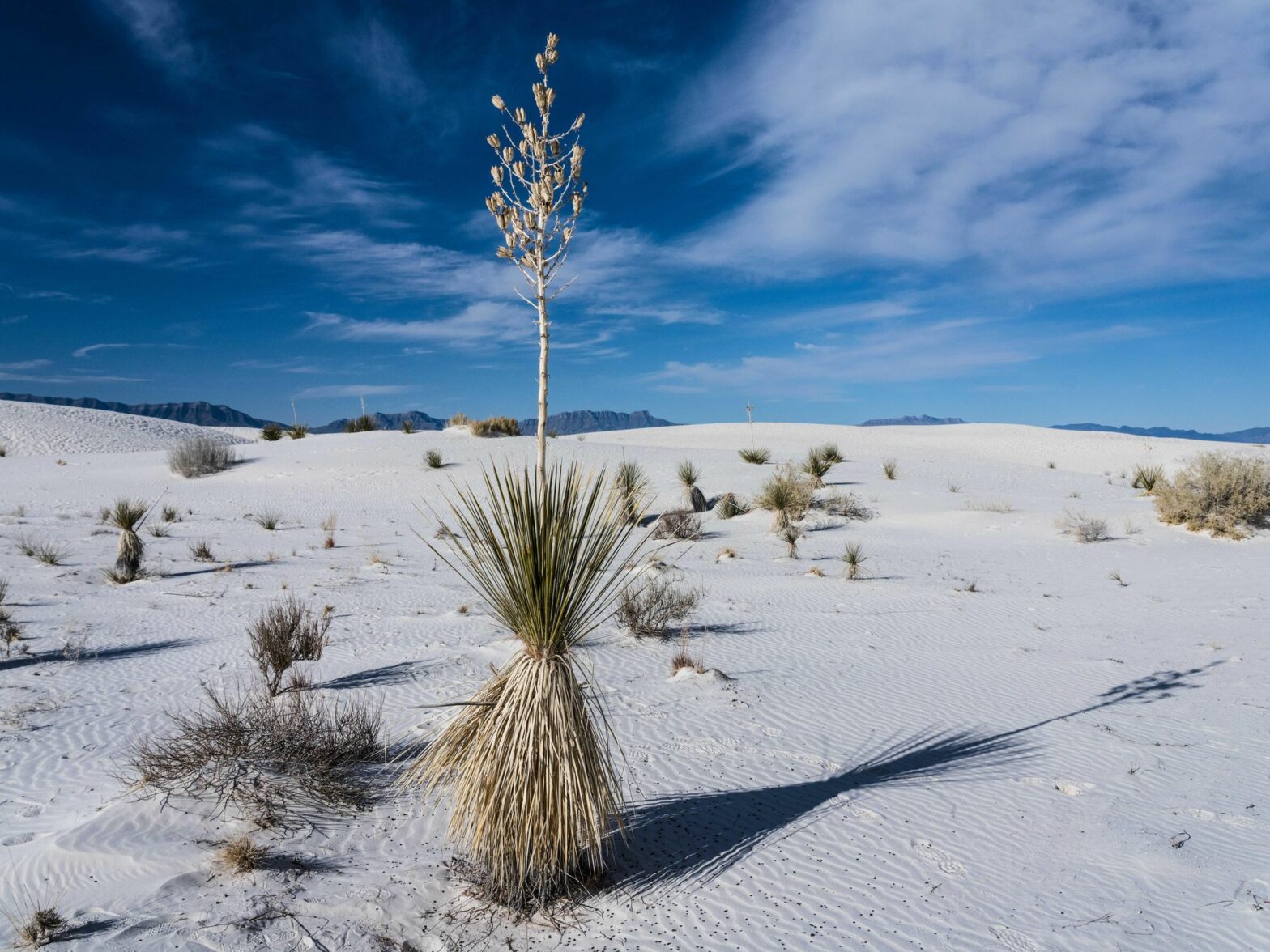
Giving nature rights, as South American nations are keen to do these days, is well-intentioned, but far too limited in scope to make sense.
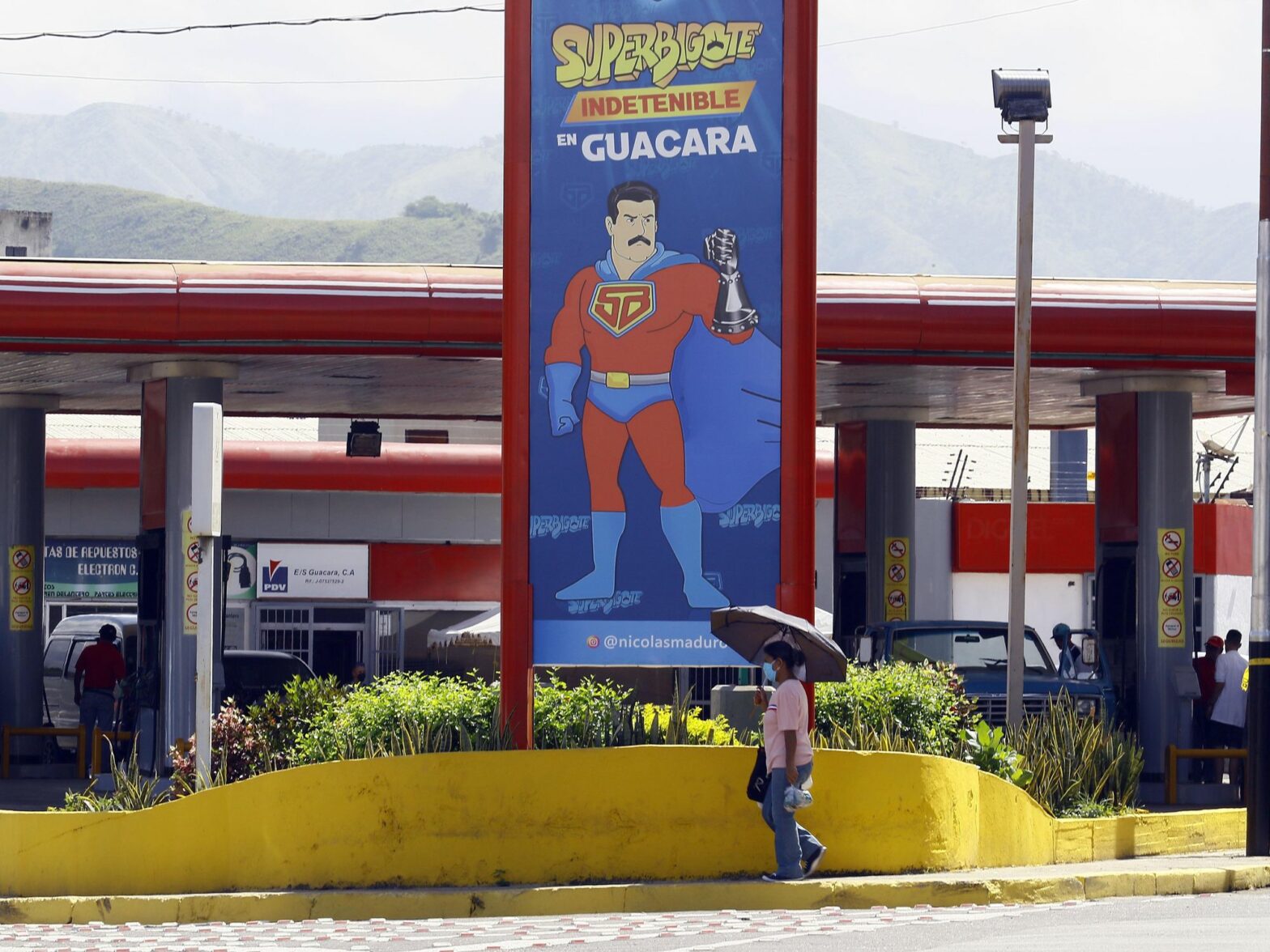
Venezuela is to create free economic zones to attract foreign capital into the Venezuelan economy, but who would take “clean” money to a lawless land run by rapacious revolutionaries?
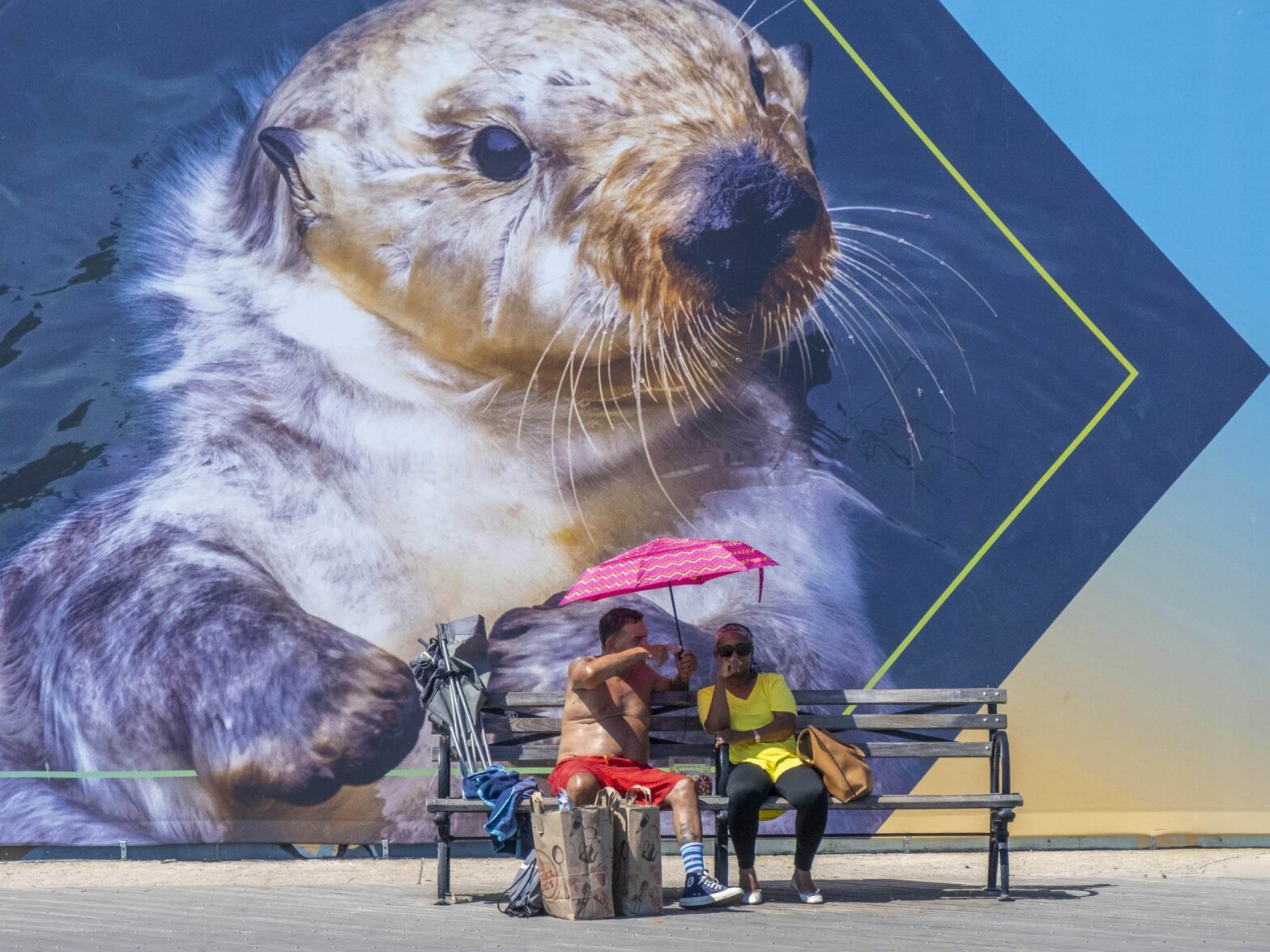
As measures to curb climate change move slowly in the face of deadly new weather patterns, we must immediately mitigate the havoc it has begun to cause around the world.
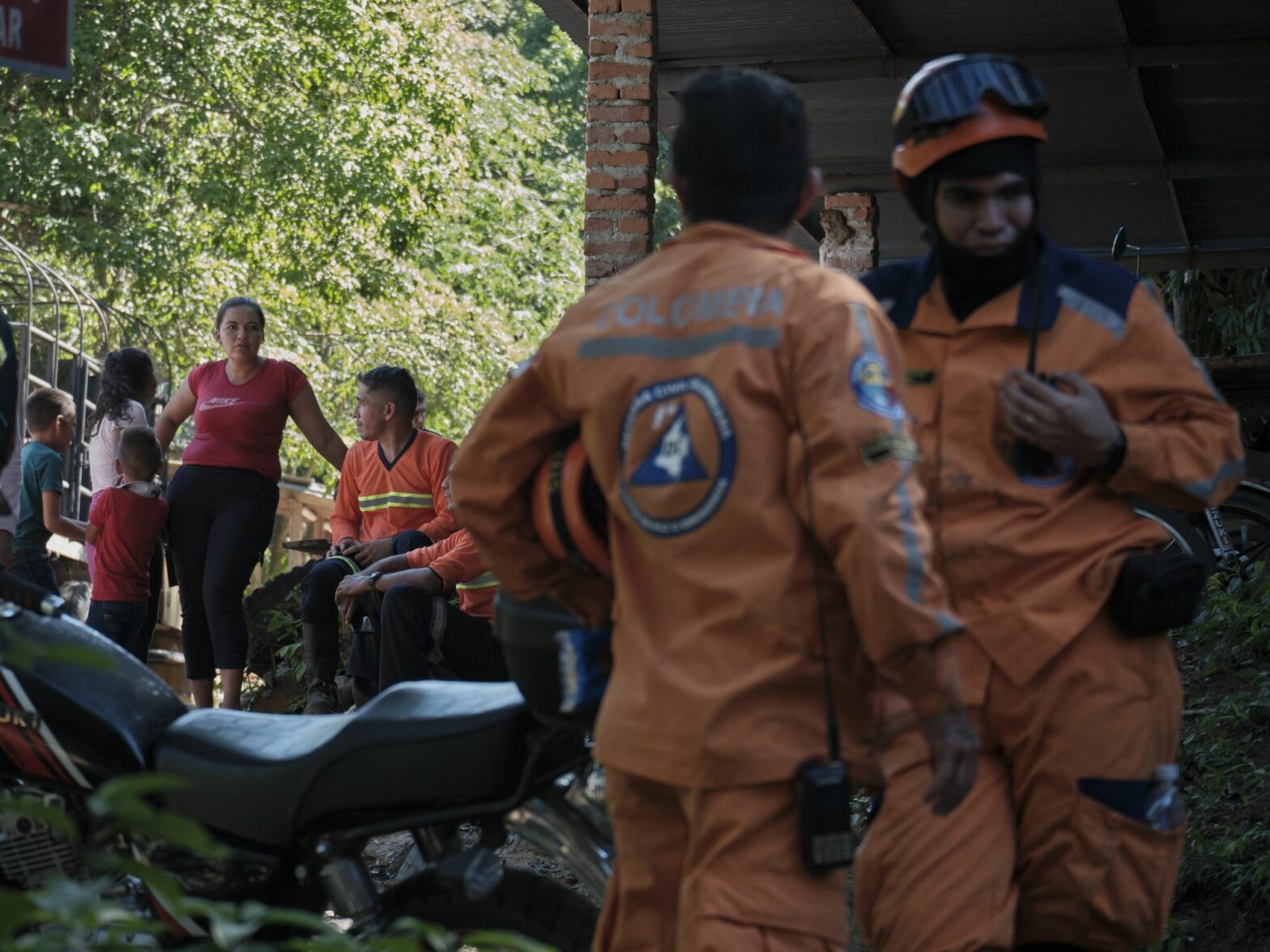
Green technologies are crucial to reducing carbon emissions, but they require ramping up the need for mining of minerals. And since mineral extraction can cause grave natural destruction, how can we ensure renewables are truly good for the environment?
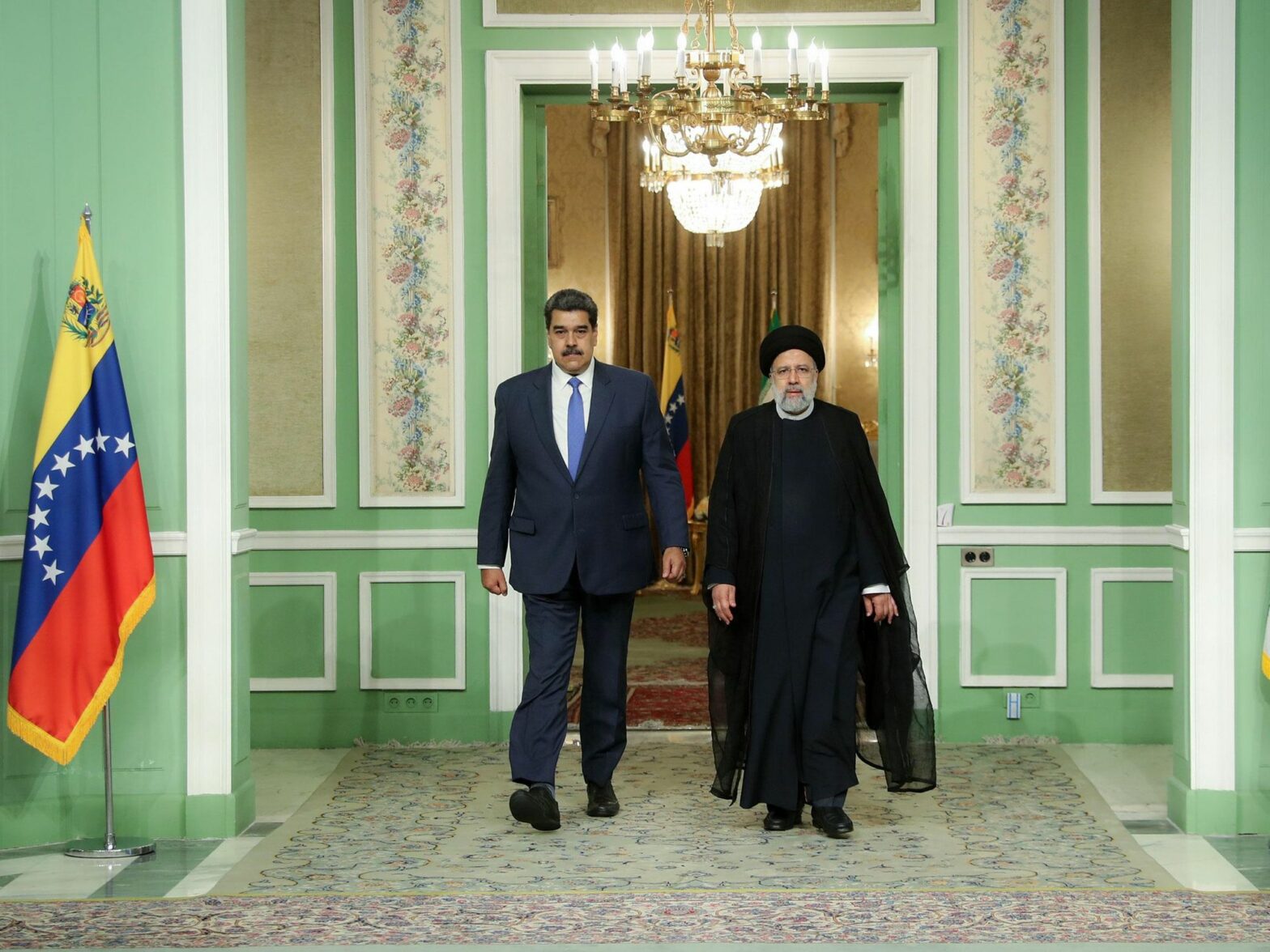
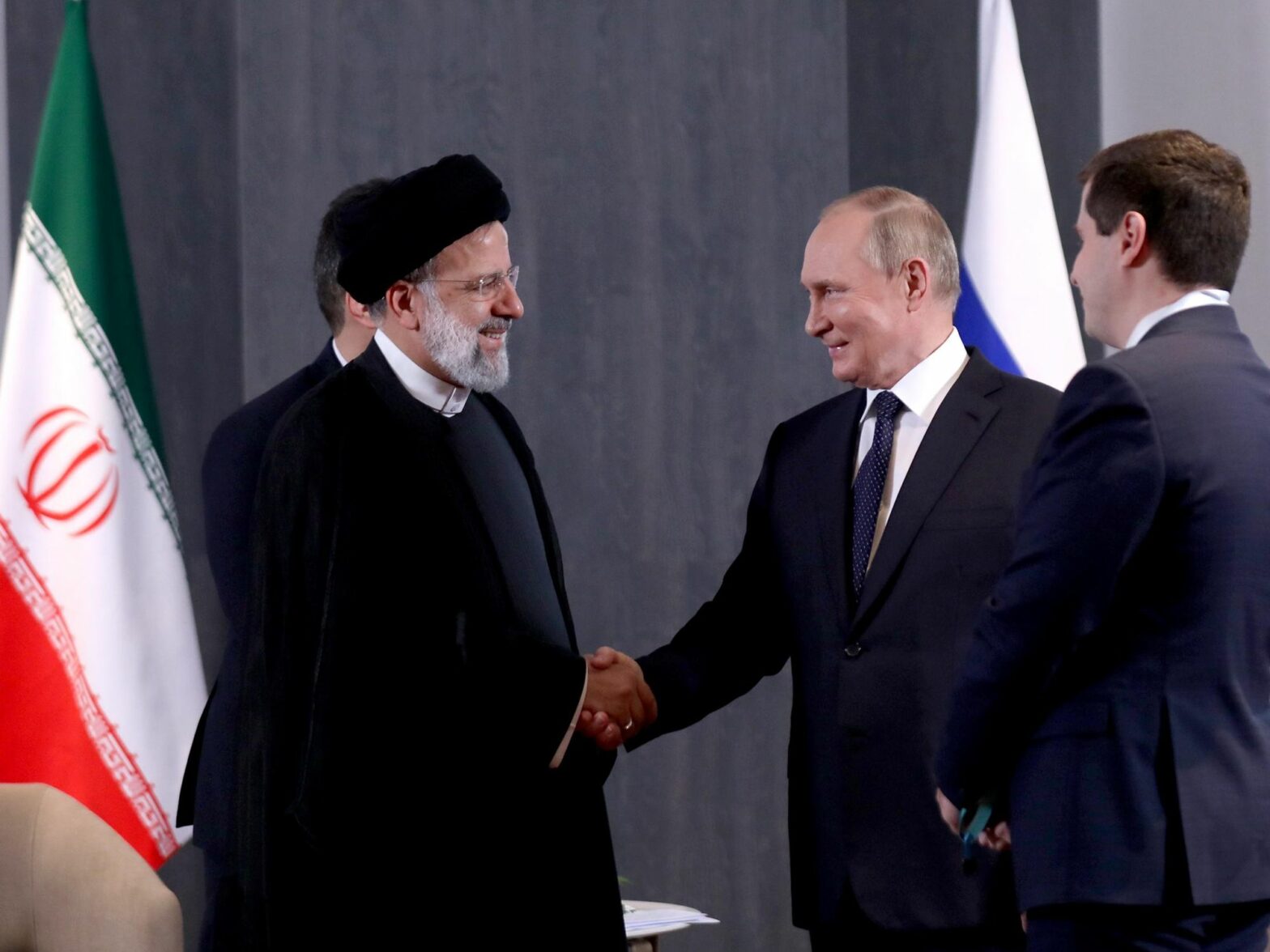
With the complicity of leftist rulers in Venezuela, Bolivia and even Argentina, Iran’s sanction-ridden regime is spreading its tentacles in South America, and could even undermine democracies.
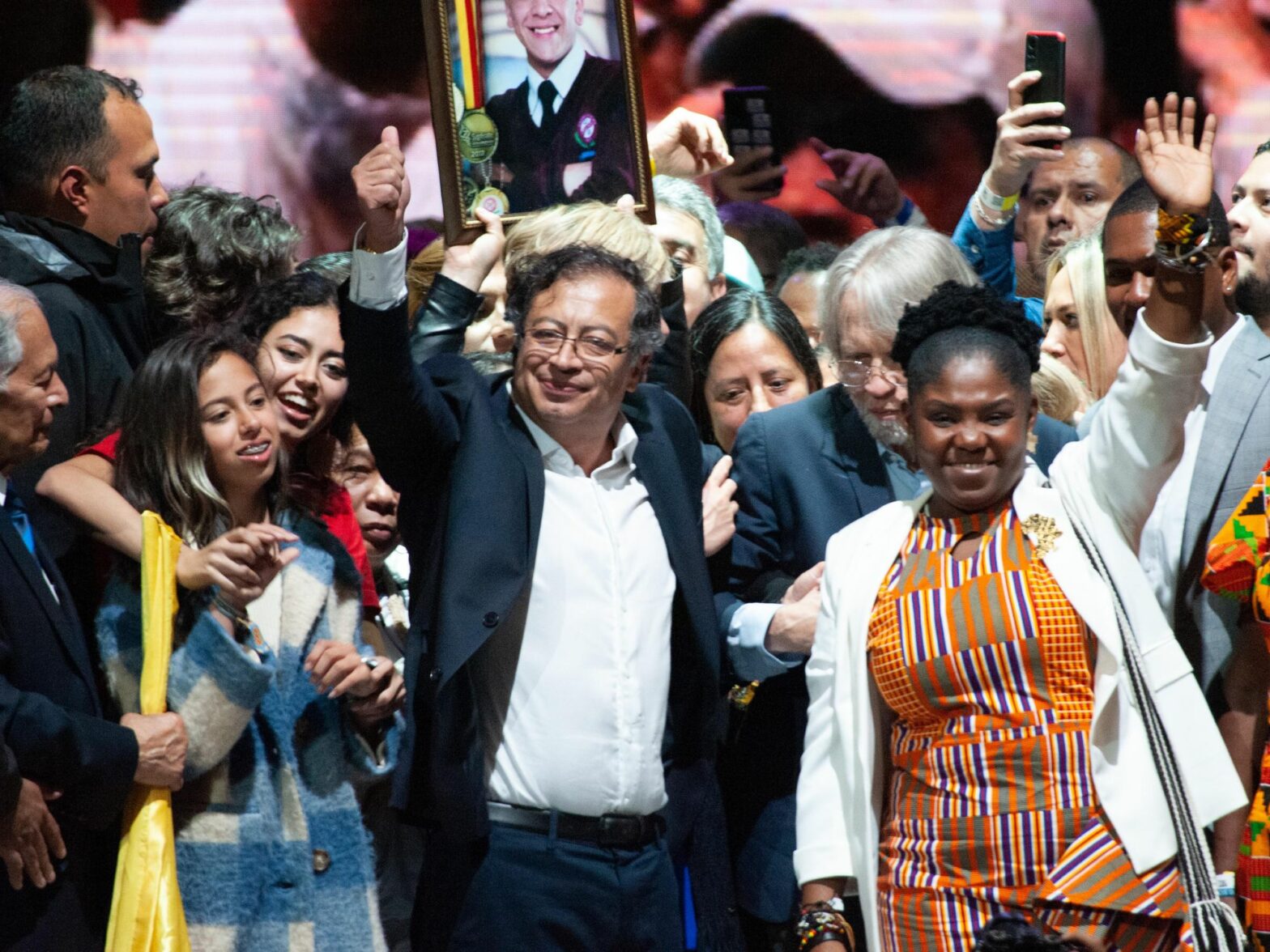
Gustavo Petro’s victory is not only a response to the social ills of today, but having been part of a Marxist guerrilla group that negotiated with the state decades ago, and returned to the social fold, he embodies the nation’s democratic future.
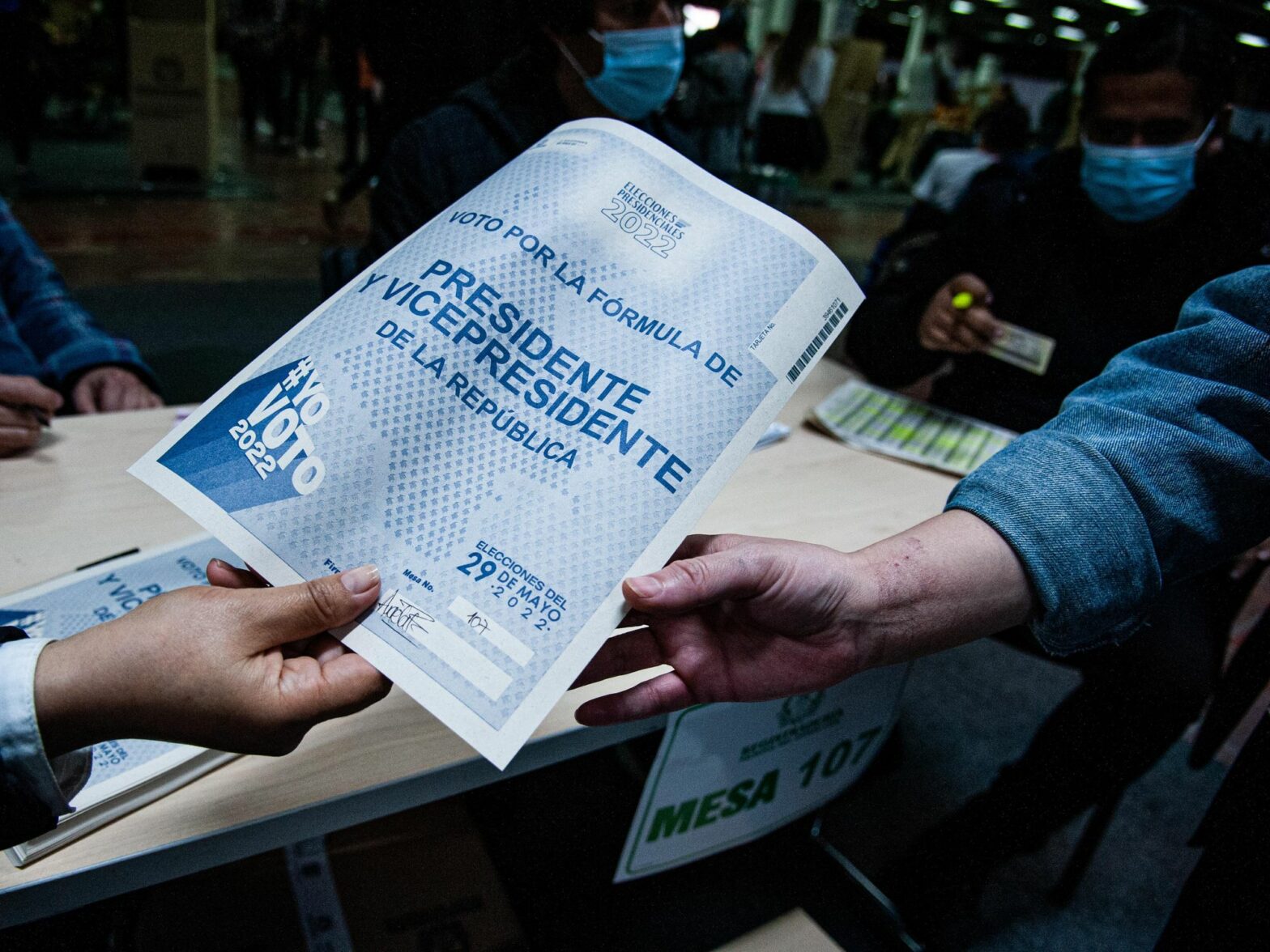
Colombians spurned the establishment candidates in the first round of presidential voting. In the second round, on June 19, they will have to choose between Gustavo Petro, a former Marxist guerrilla, and Rodolfo Hernández a “tough-talking” businessman being compared to Donald Trump.
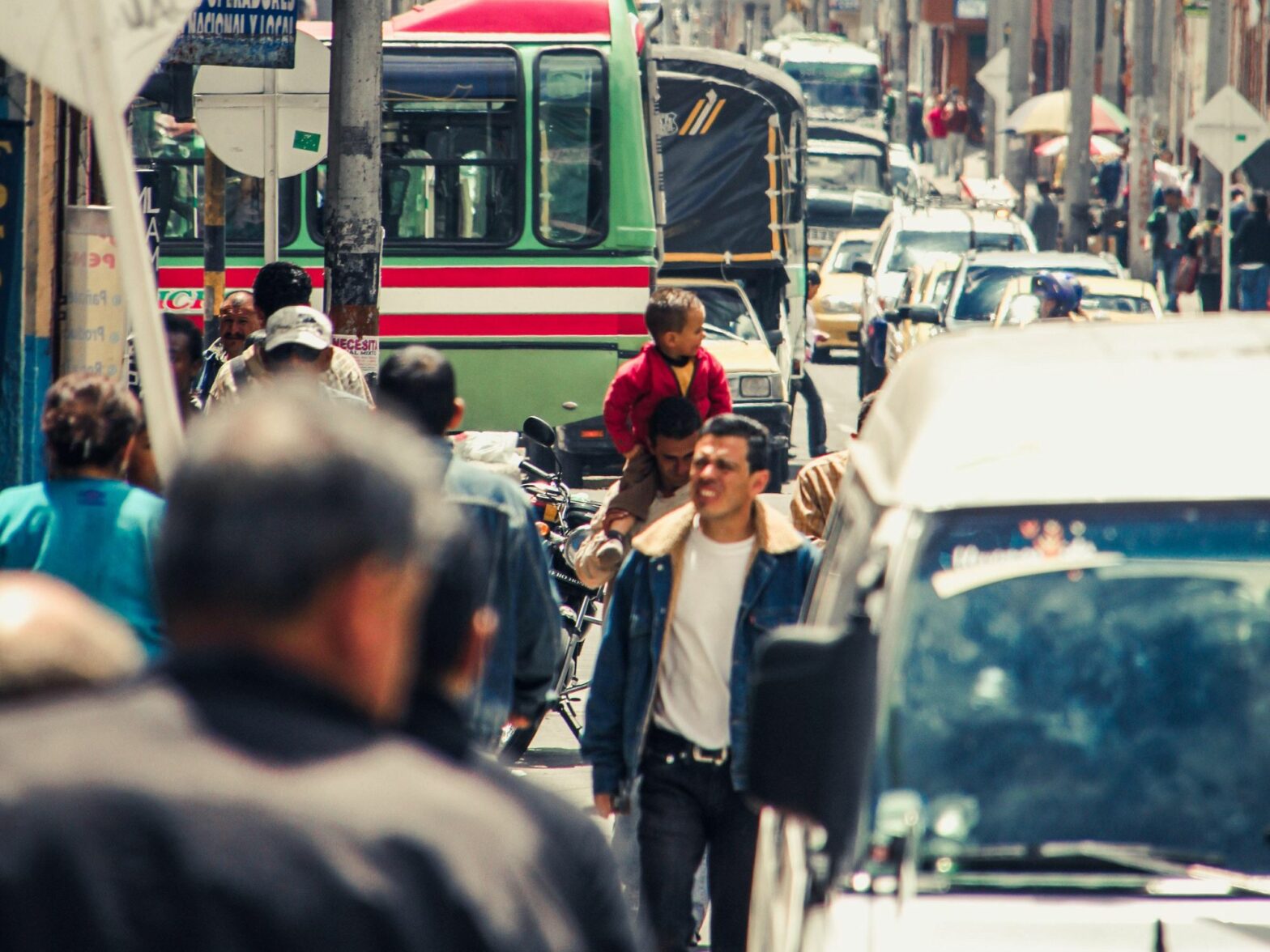
The Colombian president recently said that the country had exported one million barrels of carbon-neutral or offset oil. But in an unregulated carbon market, such a claim is pure greenwashing.
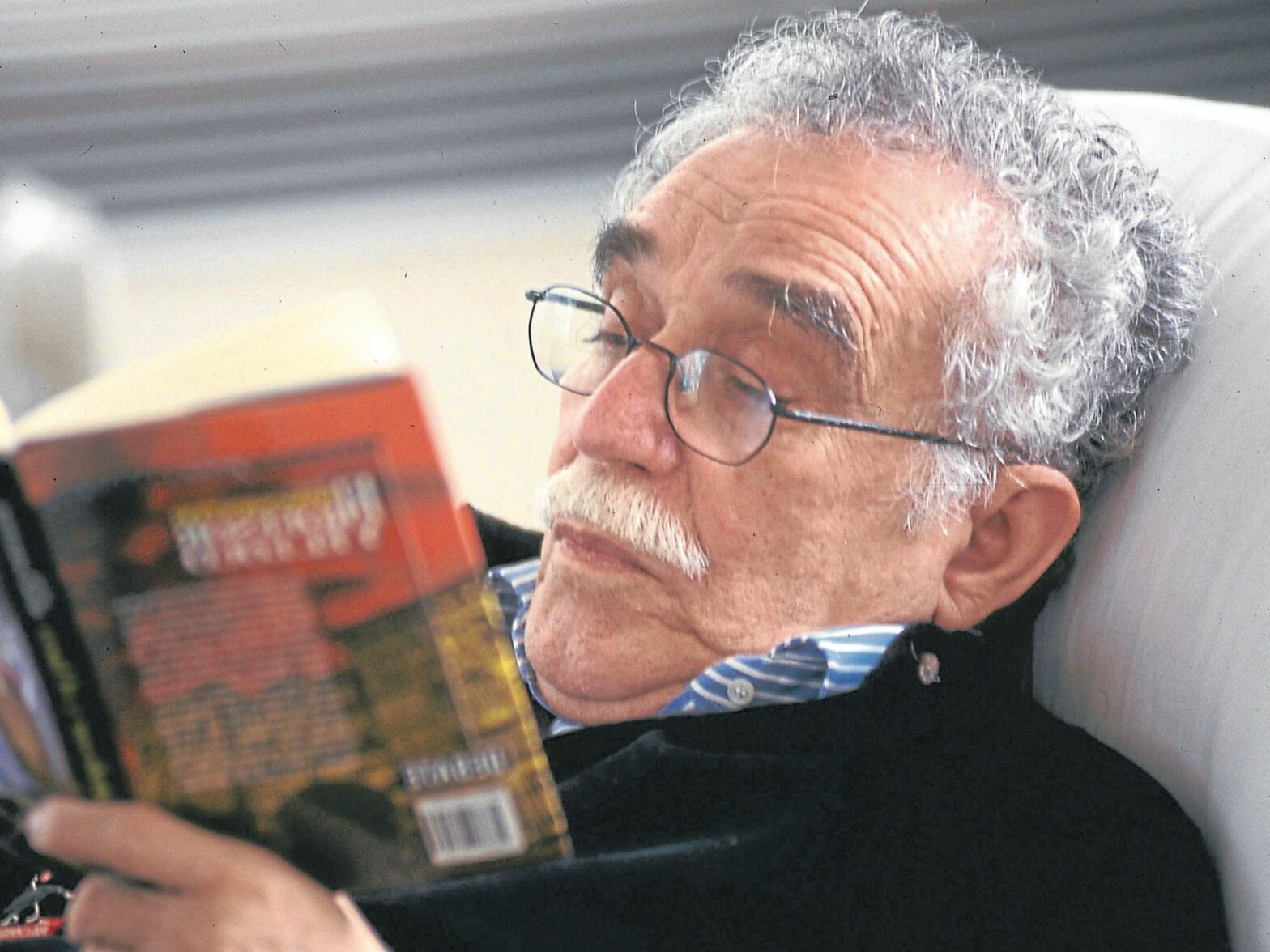
In his early journalistic writings, the Colombian novelist Gabriel García Márquez showed he had an eye for factual details, in which he found the absurdity and ‘magic’ that would in time be the stuff and style of his fiction.
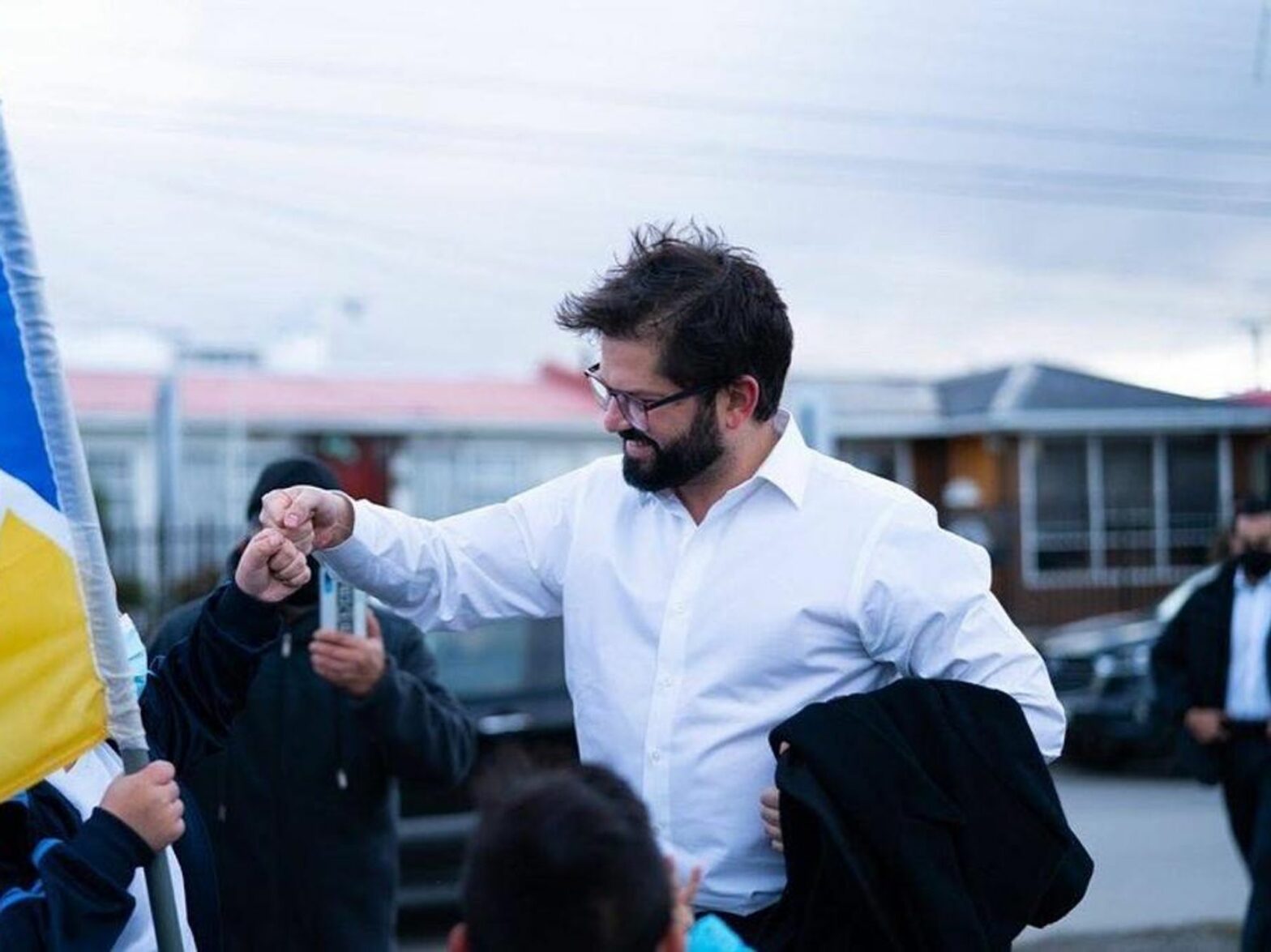
After becoming Chile’s youngest president in December’s elections, former student activist and socialist Gabriel Boric has disappointed his most radical voters. Will they prolong the social unrest and creative chaos that have smashed the country’s fame as a conservative backwater?

When humans care about the natural world, it means revising our place in it and acting accordingly, not giving nature “rights and concessions” that are figments of our self-serving imagination.
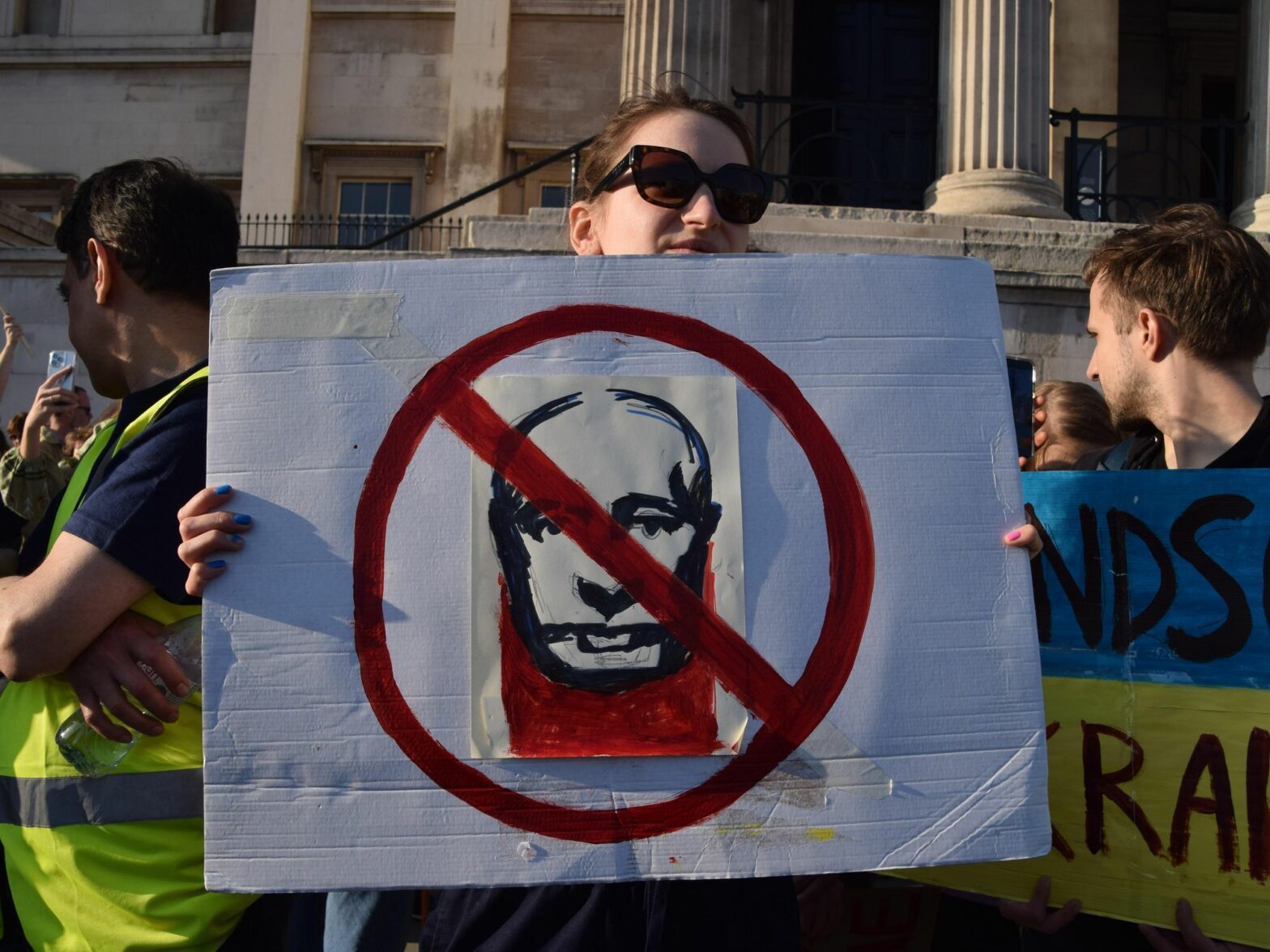
Russia’s President Putin may speak of denazifying Ukraine, but his words and actions — from the Mariupol maternity hospital to the atrocities of Bucha to Friday’s missile attack on the Kramatorsk railway station — show that he’s taken up the mantle of Europe’s line of fascist dictators. Take a look at those today who still lend him support.
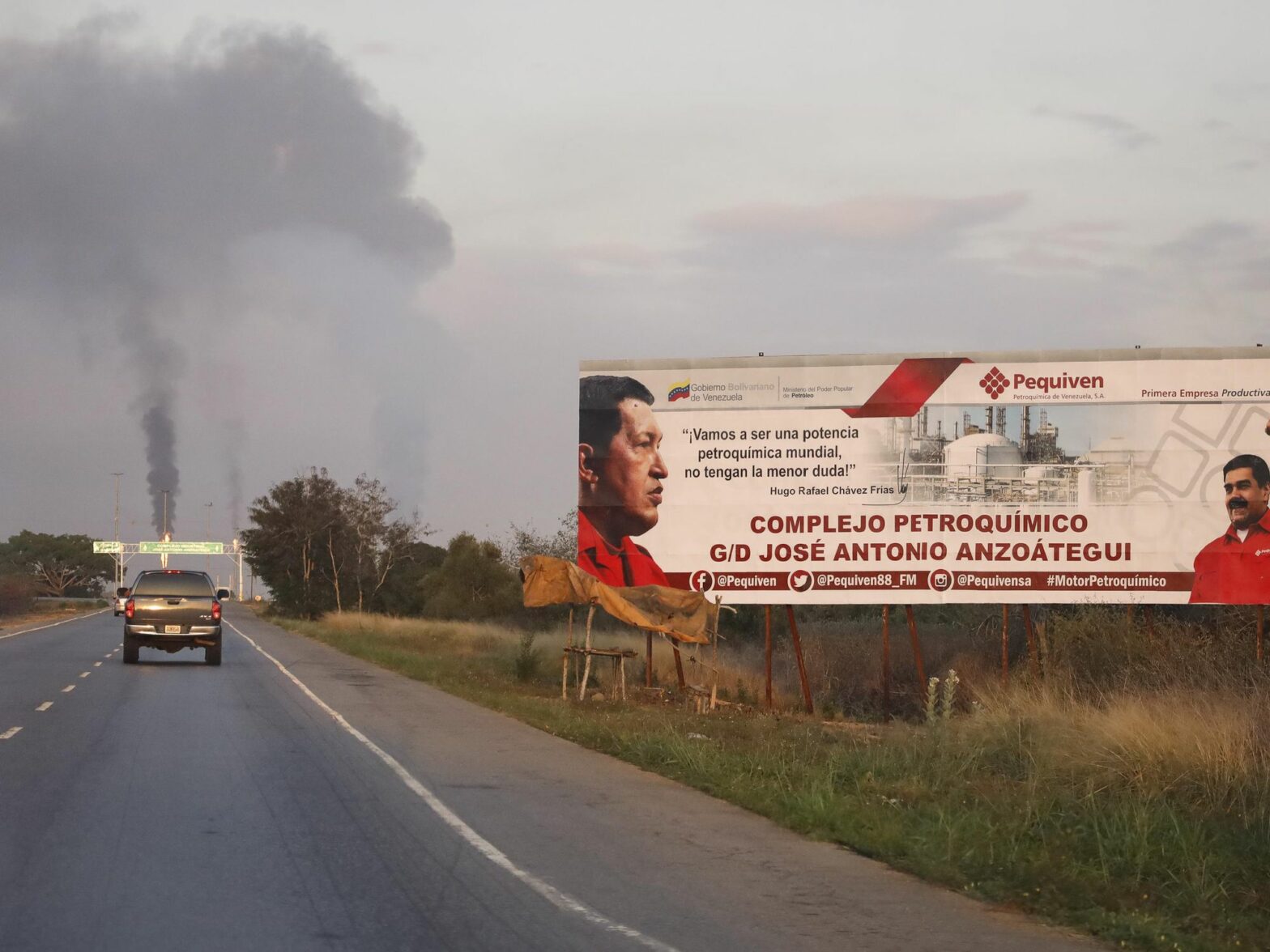
China is already profiting from the West’s economic divorce from Russia. But its biggest interest may be to learn from Russia’s experience of invading a land it claims for itself.
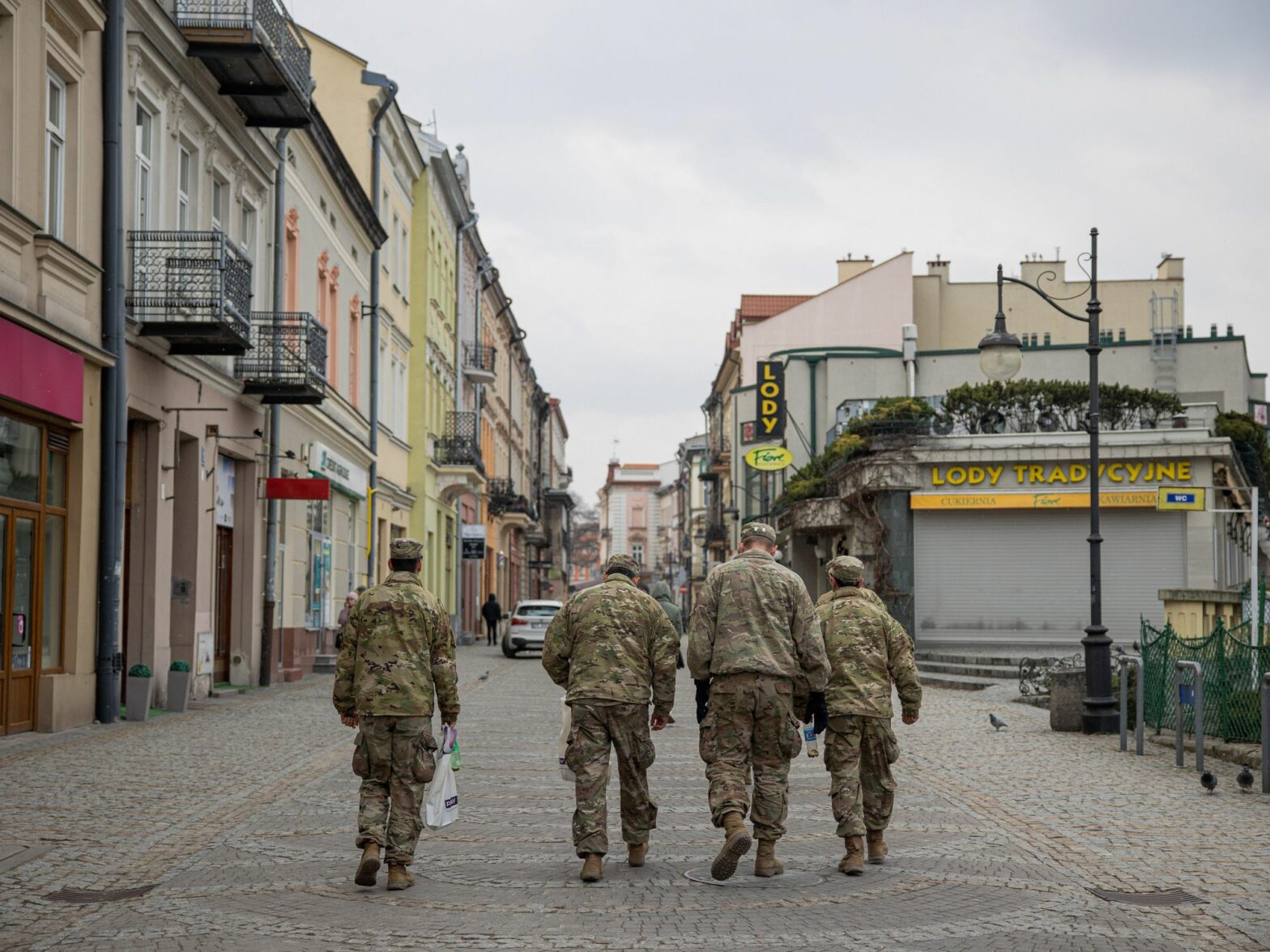
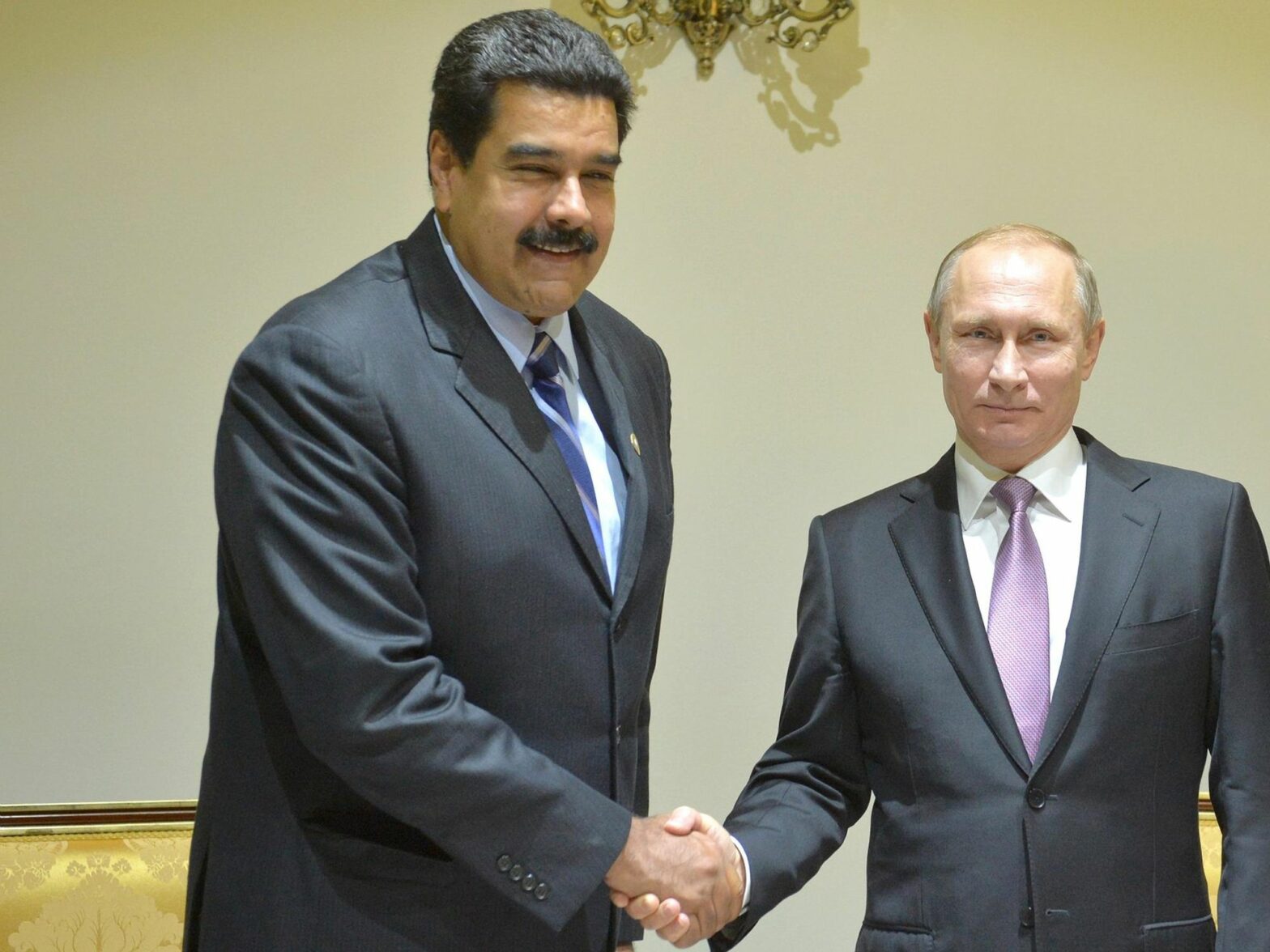
Russia’s president is neither clearly right-wing nor left-wing. As his dubious allies around the world suggest, he simply hates Western liberal democracy and seeks to expand his personal power, at home and abroad, by sowing unrest and conflict.
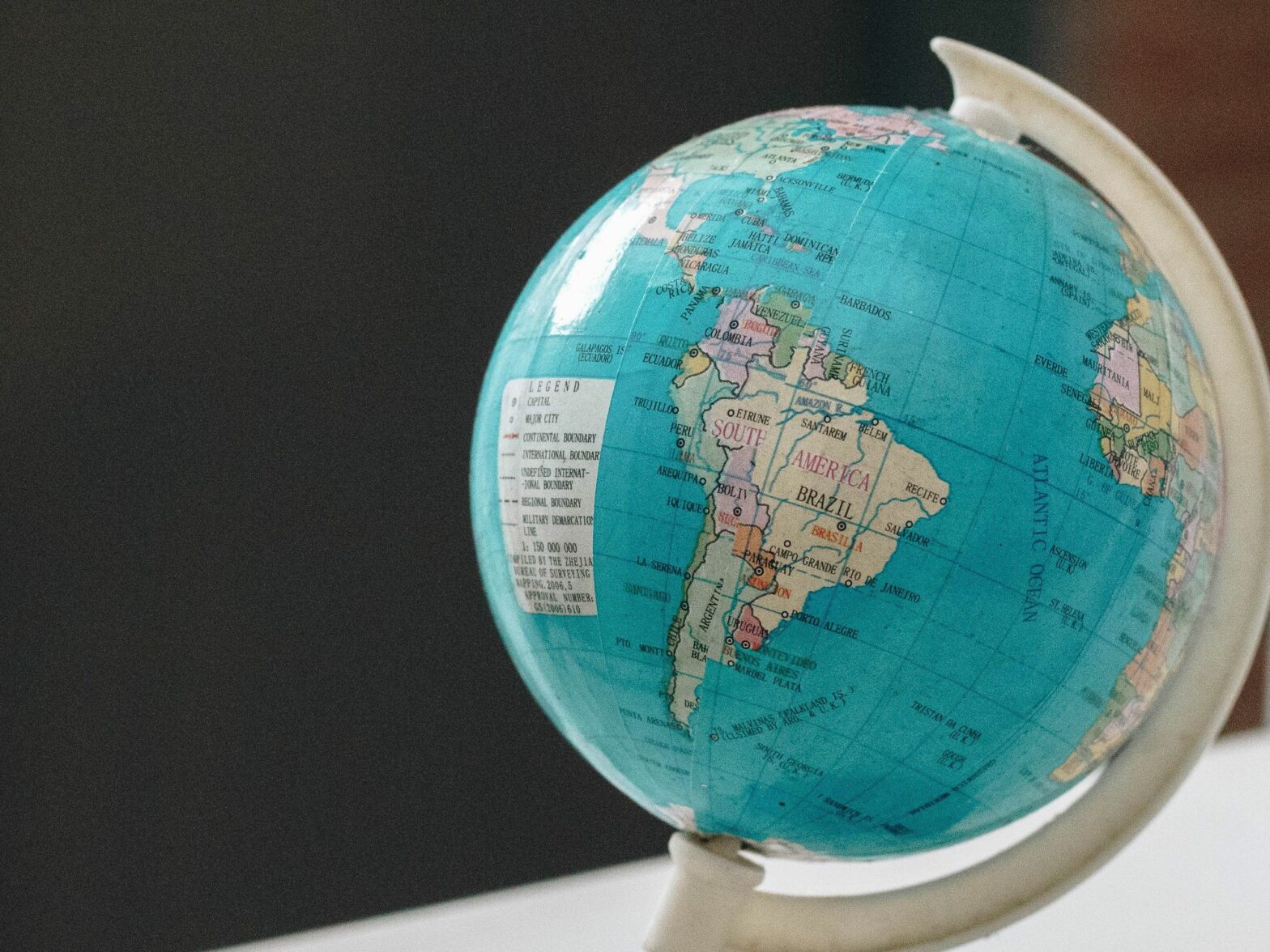
Most Latin American countries fear civil conflicts more than international invasion. A regional union is the best way to assure stability and lawfulness in a troubled but culturally cohesive continent. The EU shows us what that would look like and how to make it happen.
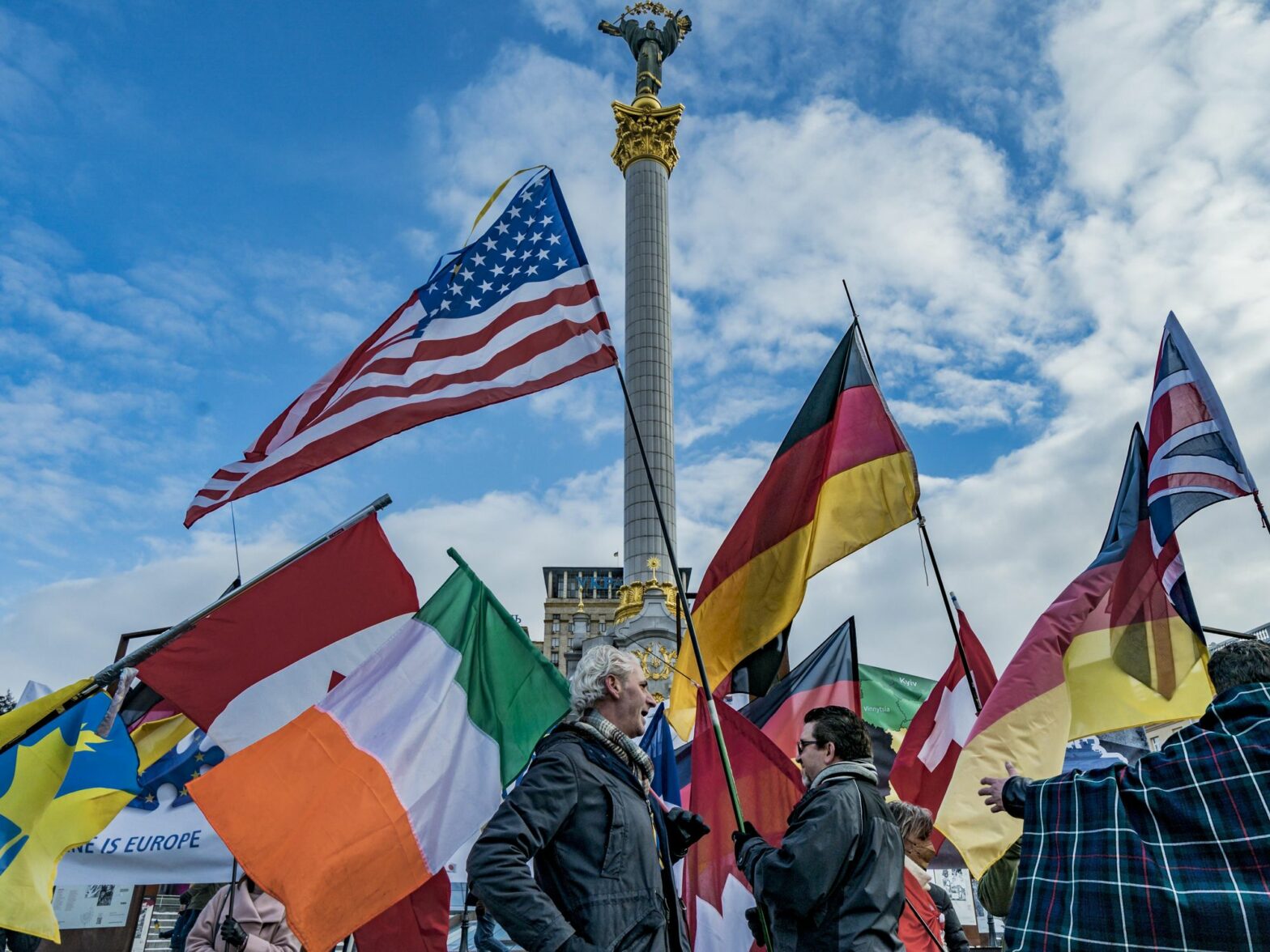
As Russia and China push their way to the top of the power heap, and the United States balks at playing global police force, expect fundamental changes to accepted norms governing international affairs.
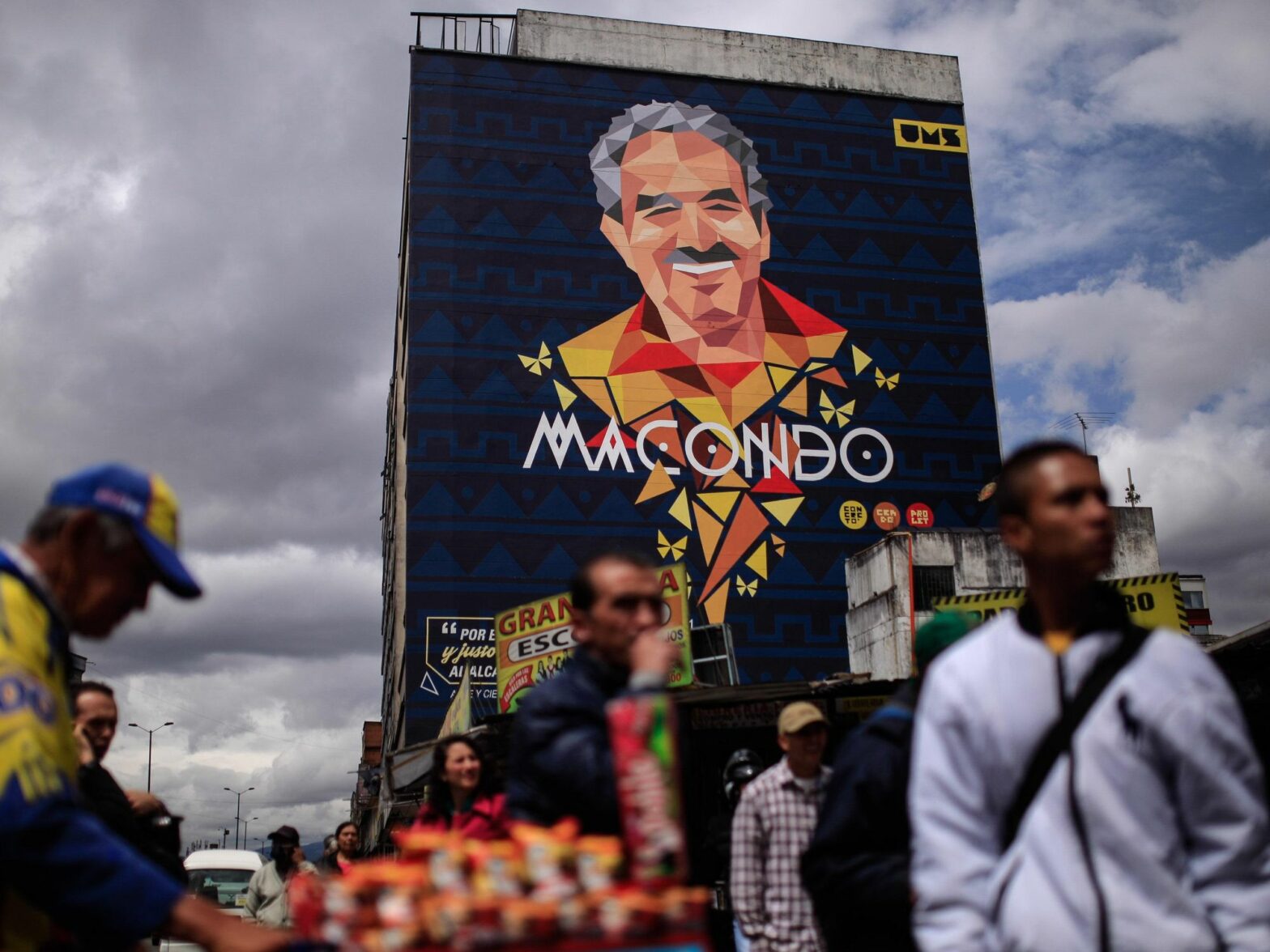
Like other intellectuals of his time, the celebrated Colombian novelist Gabriel García Márquez admired Cuba’s Fidel Castro. What’s just been revealed, however, is also, as one text reveals, the Sandinista rebels who have stifled Nicaraguan democracy in past years.
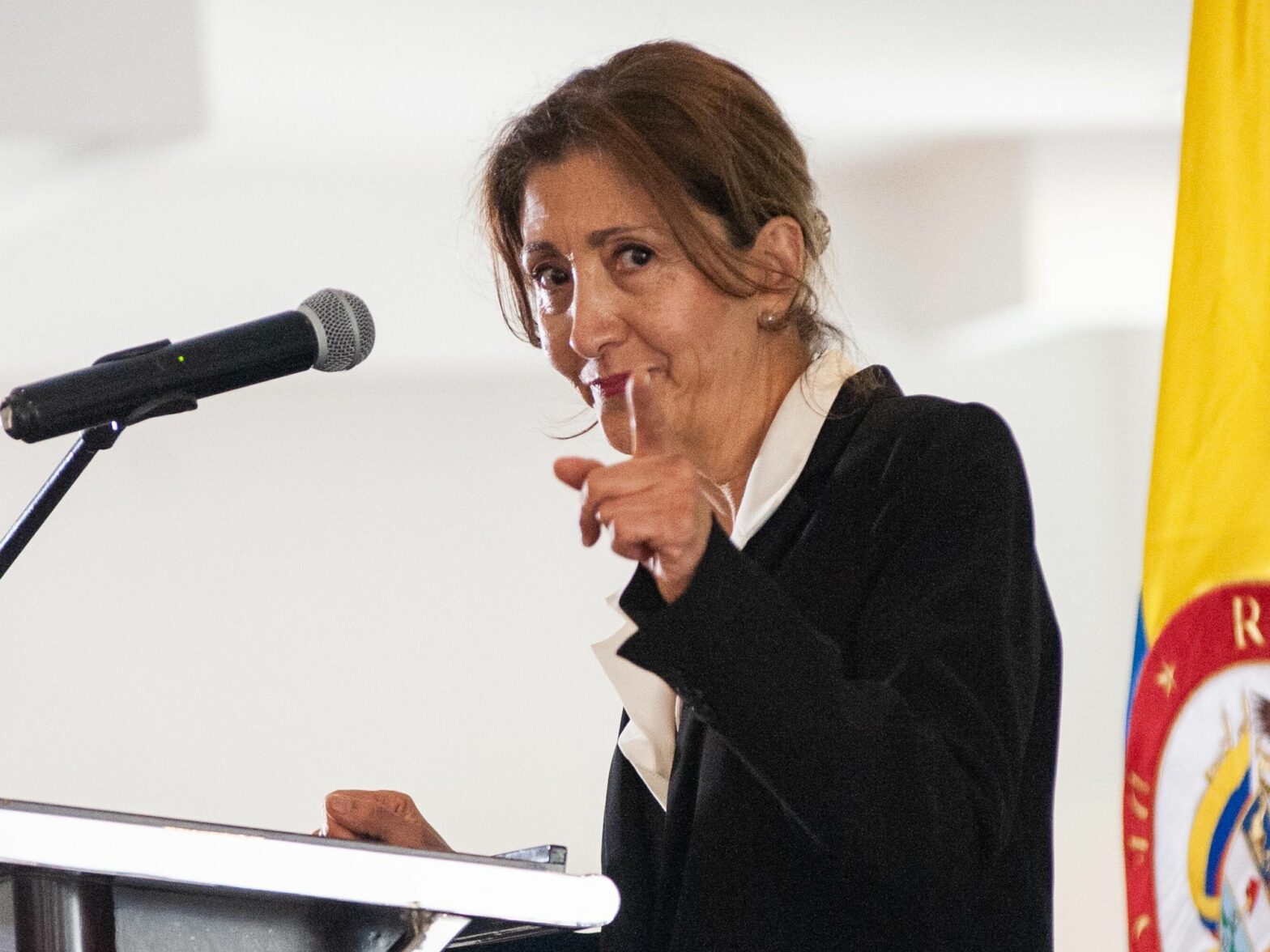
Although Betancourt is best known for surviving six years as a hostage of the Colombian terror group FARC, and is considered a centrist politician, her unlikely new campaign for president will be centered on gender issues.