The United States has shown it prefers economic incentives over penalties to help keep regional democracies within its orbit and away from China. That is a national-interest opportunity Latin American states cannot ignore.
 Worldcrunch
Clarin is the largest newspaper in Argentina. It was founded in August 1945 and is based in Buenos Aires.
The United States has shown it prefers economic incentives over penalties to help keep regional democracies within its orbit and away from China. That is a national-interest opportunity Latin American states cannot ignore.
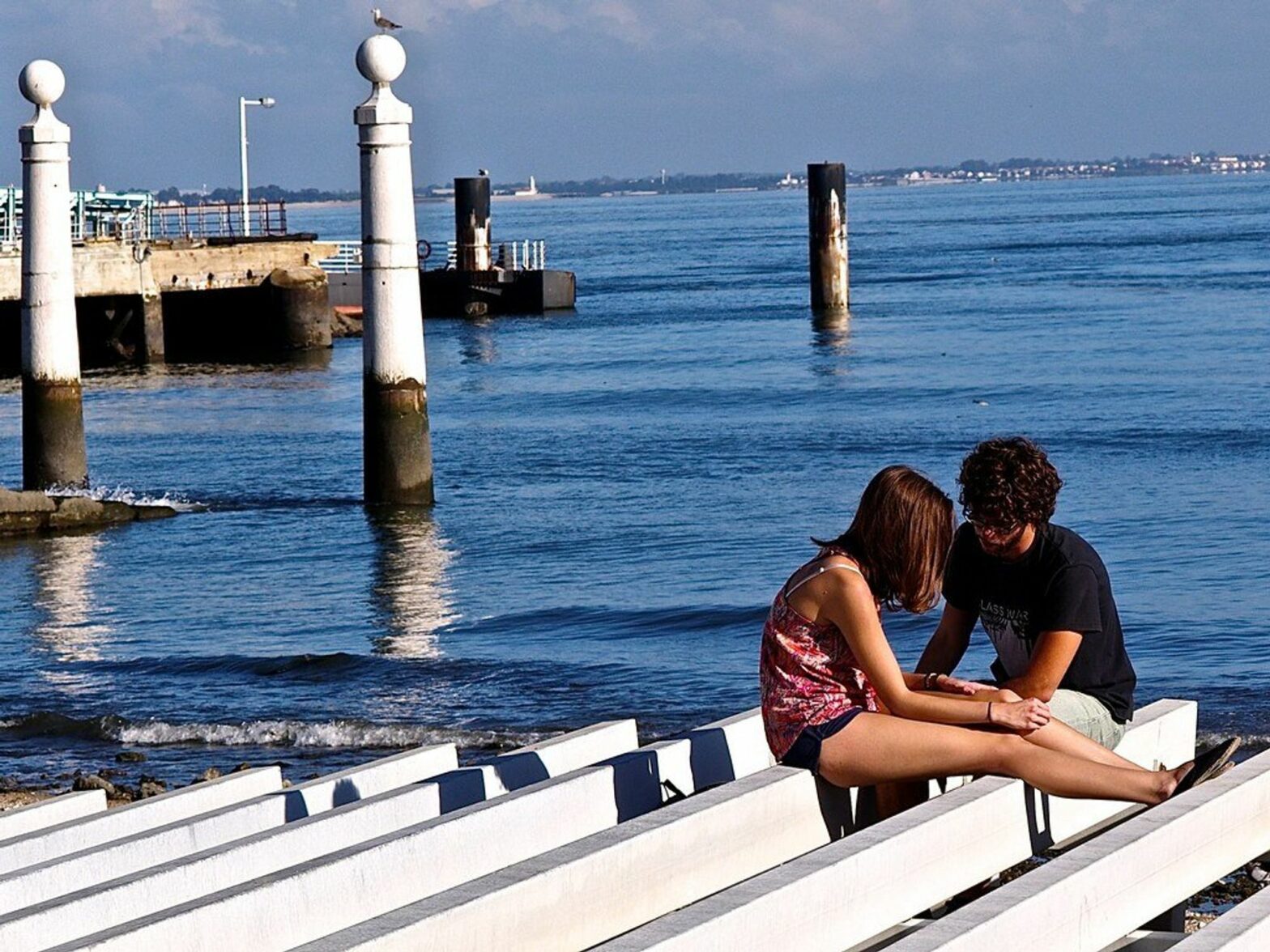
We all know good communication is the bedrock of a healthy relationship. Here’s why keeping some of your thoughts to yourself, and a practiced lack of utter sincerity, is a bedrock of a healthy couple.
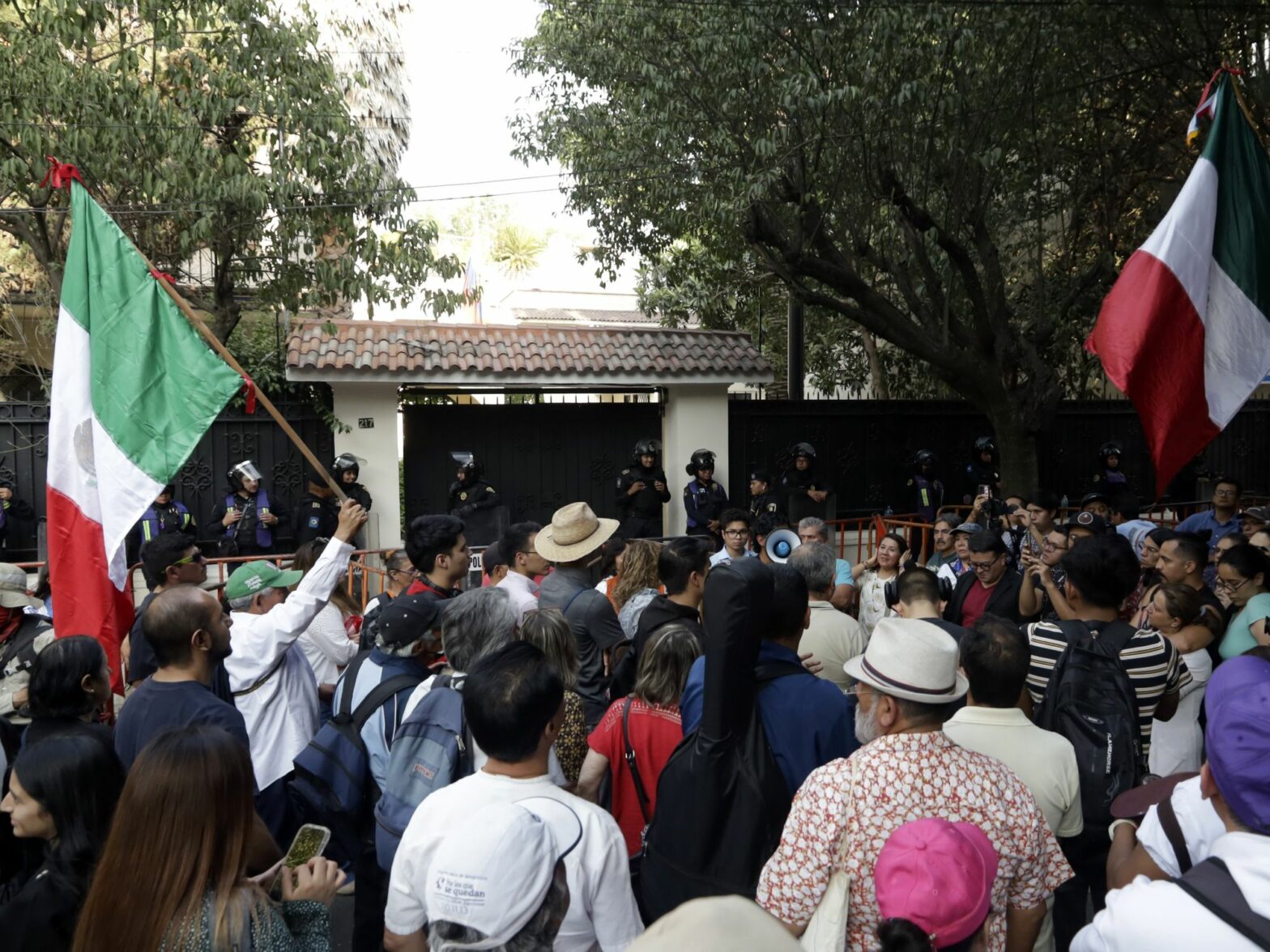
Ecuador’s forced entry into Mexico’s embassy has been roundly condemned, but its worst effect in Latin America may be to undermine a regional tradition of dissidents seeking protection in an embassy in their country.
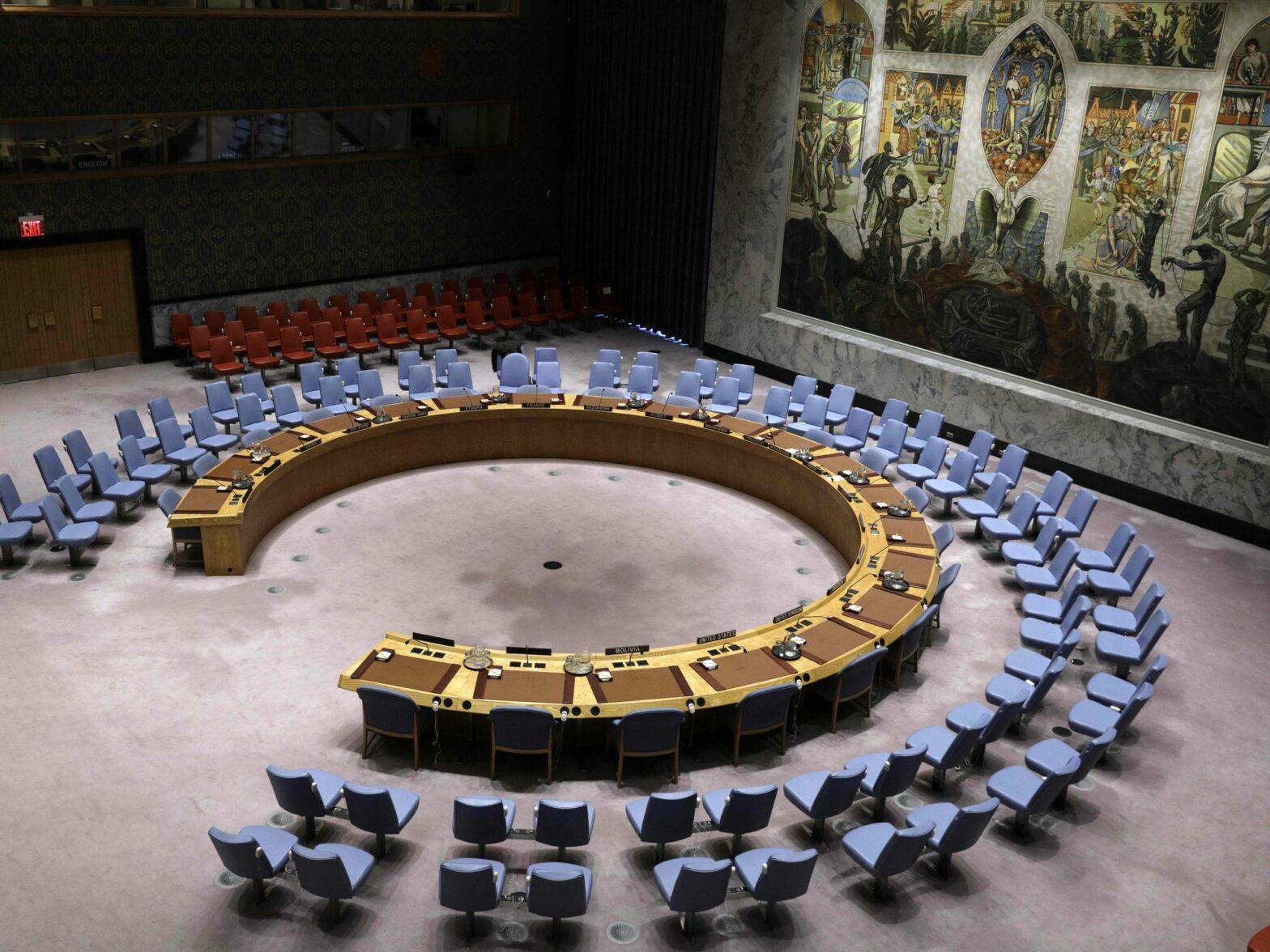
The UN and the international criminal justice system are failing to prevent and punish brazen aggressions and killings around the world. When this period of turmoil ends, states must find new rules and tools to prevent the return of totalitarian violence.
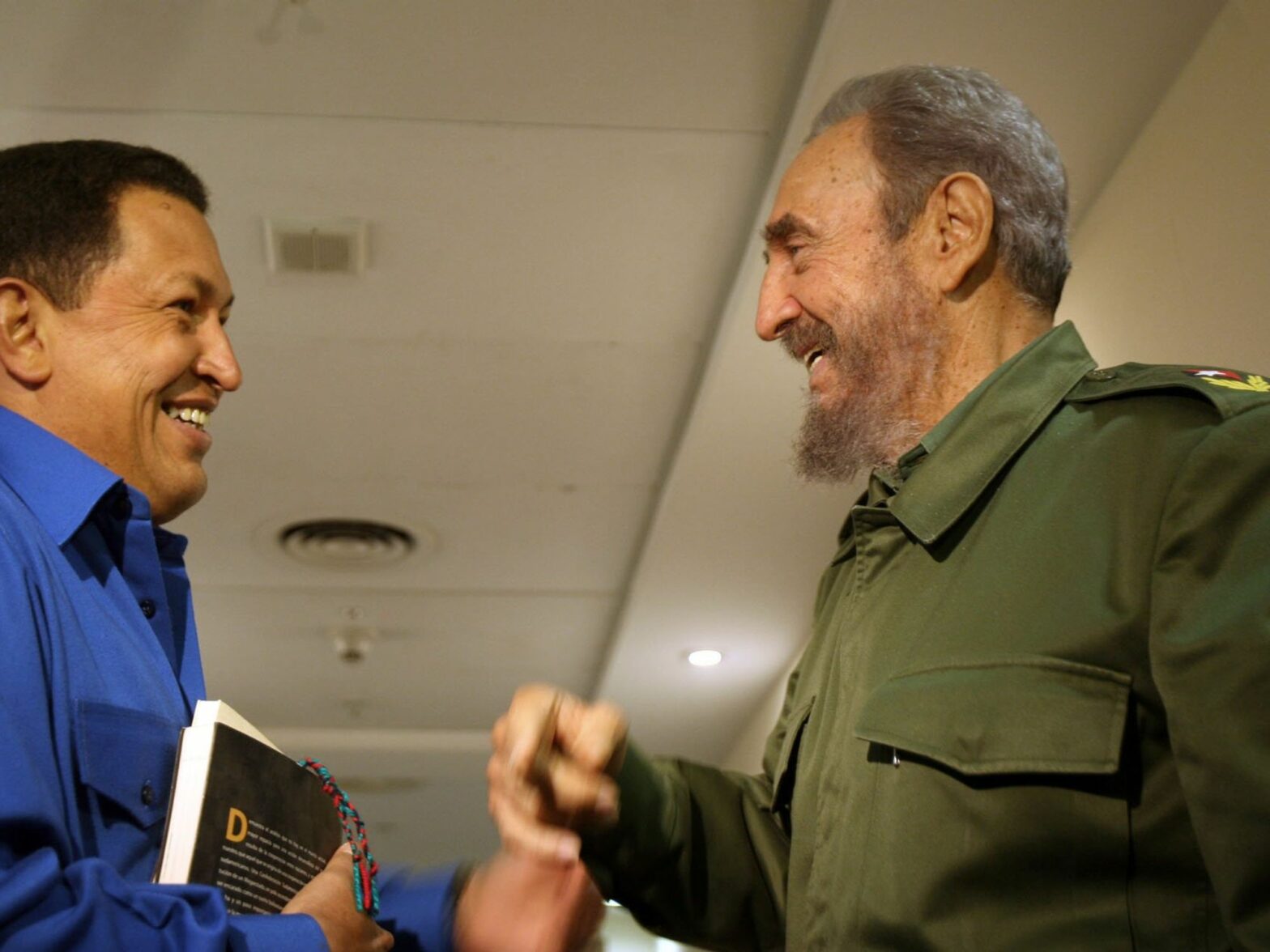
Recent Cuban protests over fuel and food swiftly turned against the communist system but unlike the past, the state, which is asking the UN for food aid, refrained from giving a crushing response. Venezuela is no better off, and the age of symbiosis for Latin America’s leftist regimes is long gone.

A recent spike in gang violence in Rosario in central Argentina is prompting comparisons to the old breeding ground of Colombian drug lord Pablo Escobar. But where would organized crime be, without the quiet connivance of a host of social and political actors?

A travel agency in Miami discovered 20 years ago that there’s sustained demand for luxury holidays for adult couples that also offer “orderly” swinger sex with fellow travelers.
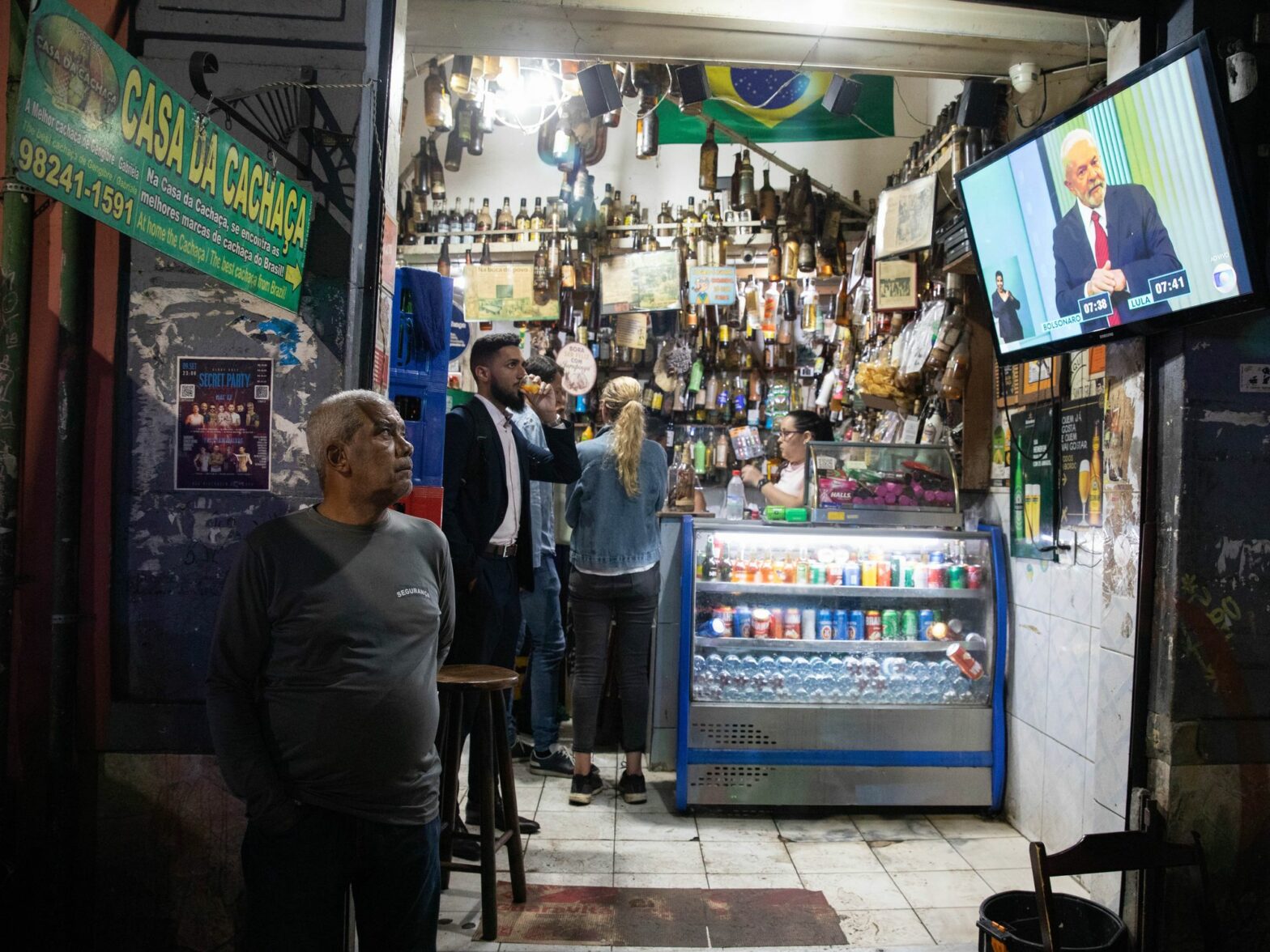
Uncertain economic conditions and divisive posturing in favor of the Global South may send Brazilian President Lula da Silva’s middle class voters back to the Right, where his predecessor Jair Bolsonaro is maneuvering between criminal charges and a return to the presidency.
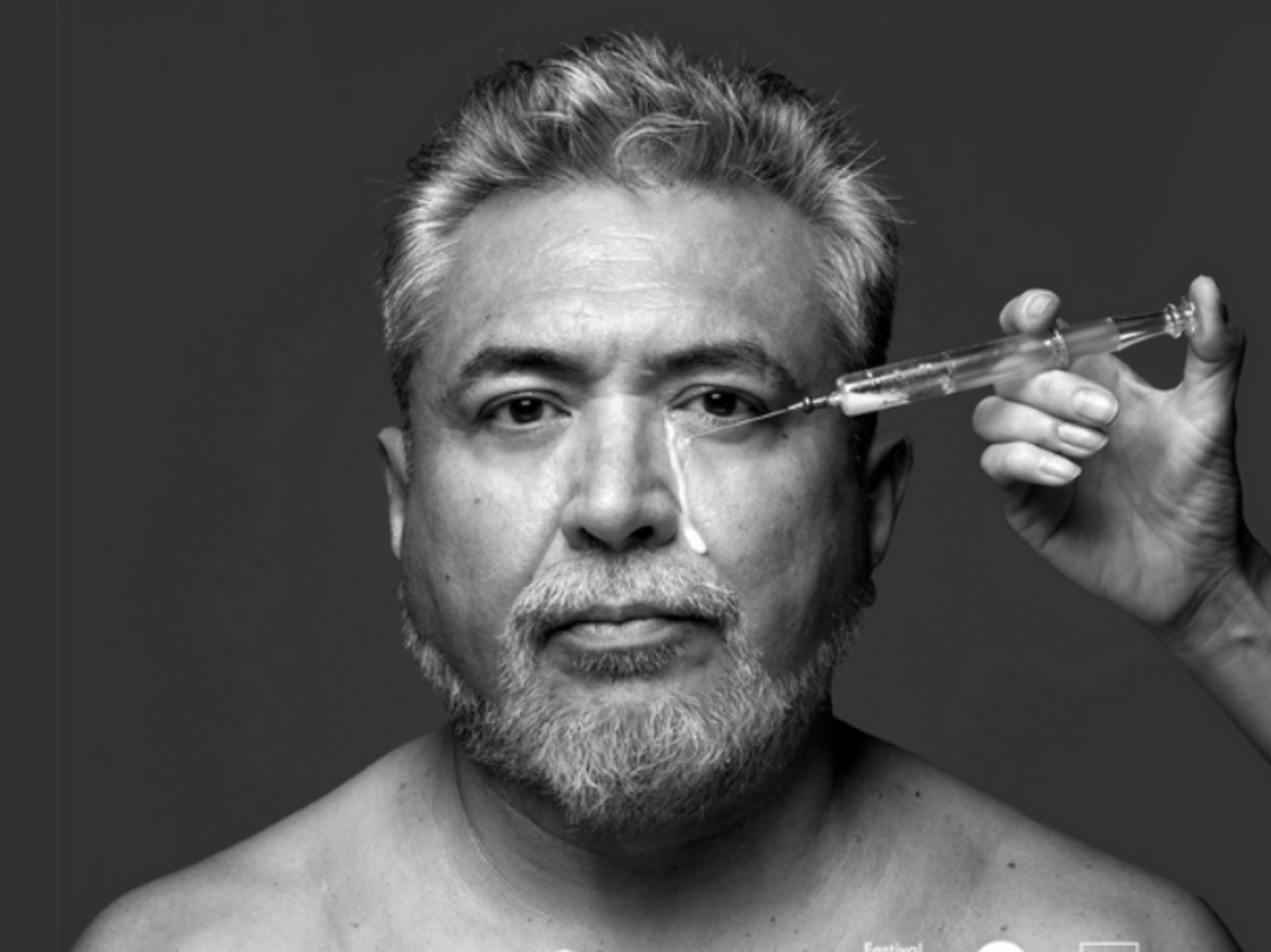
Chilean-born, Buenos Aires-based writer Cristian Alarcón says it took 30 years of therapy to get over his parents’ bid to “cure” him of being gay as a child, but insists it’s too late to be angry with them.

Child psychiatrist Joseph Knobel Freud, a Barcelona-based descendent of Sigmund Freud, says modern parents are far too loose.
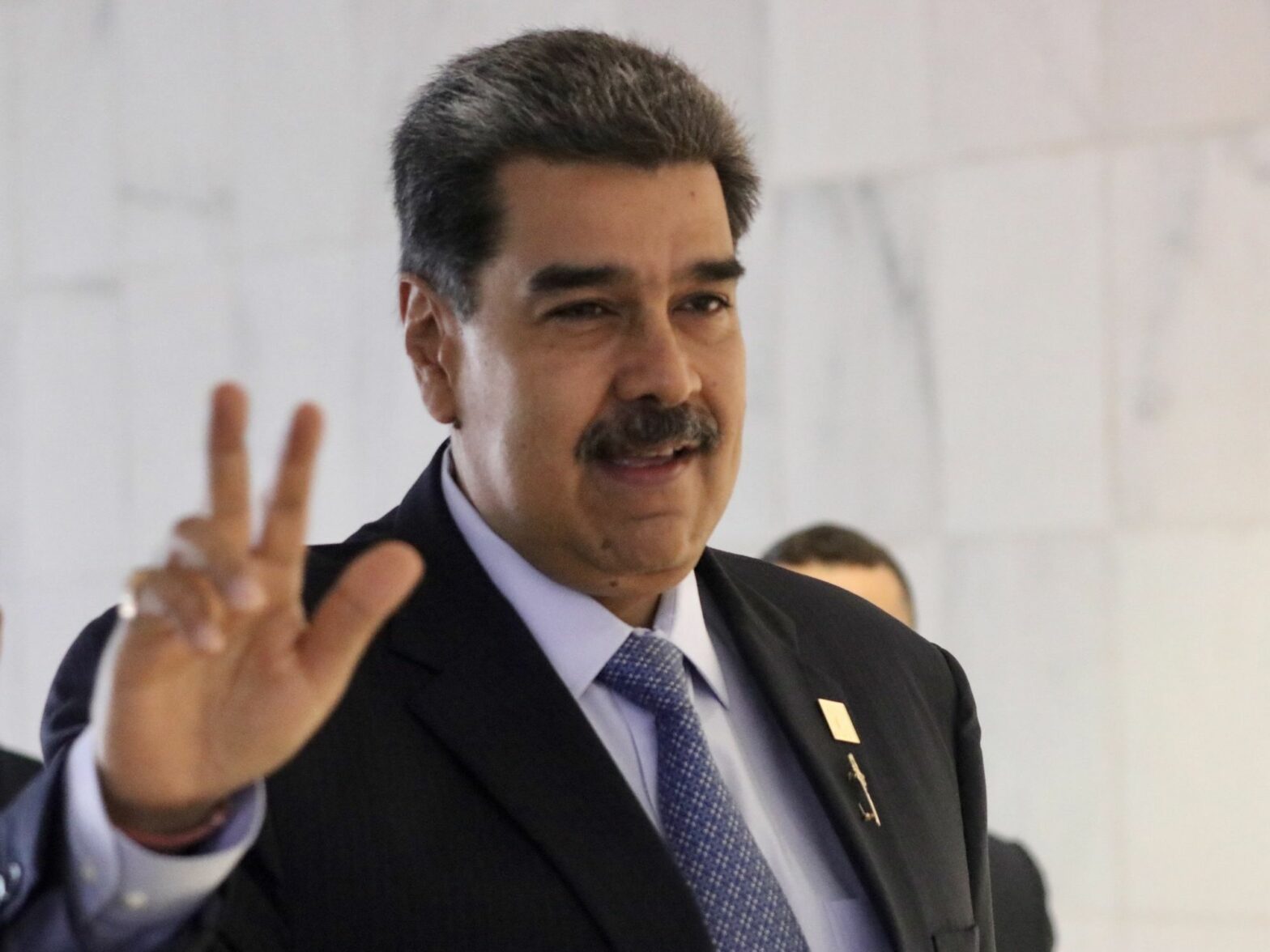
With a sham court ruling, Venezuela’s President Maduro has paved the way for his unchallenged reelection as president this year, regardless of U.S. sanctions. This is happening as Latin America’s leftist governments, notably Brazil, watch in silence.
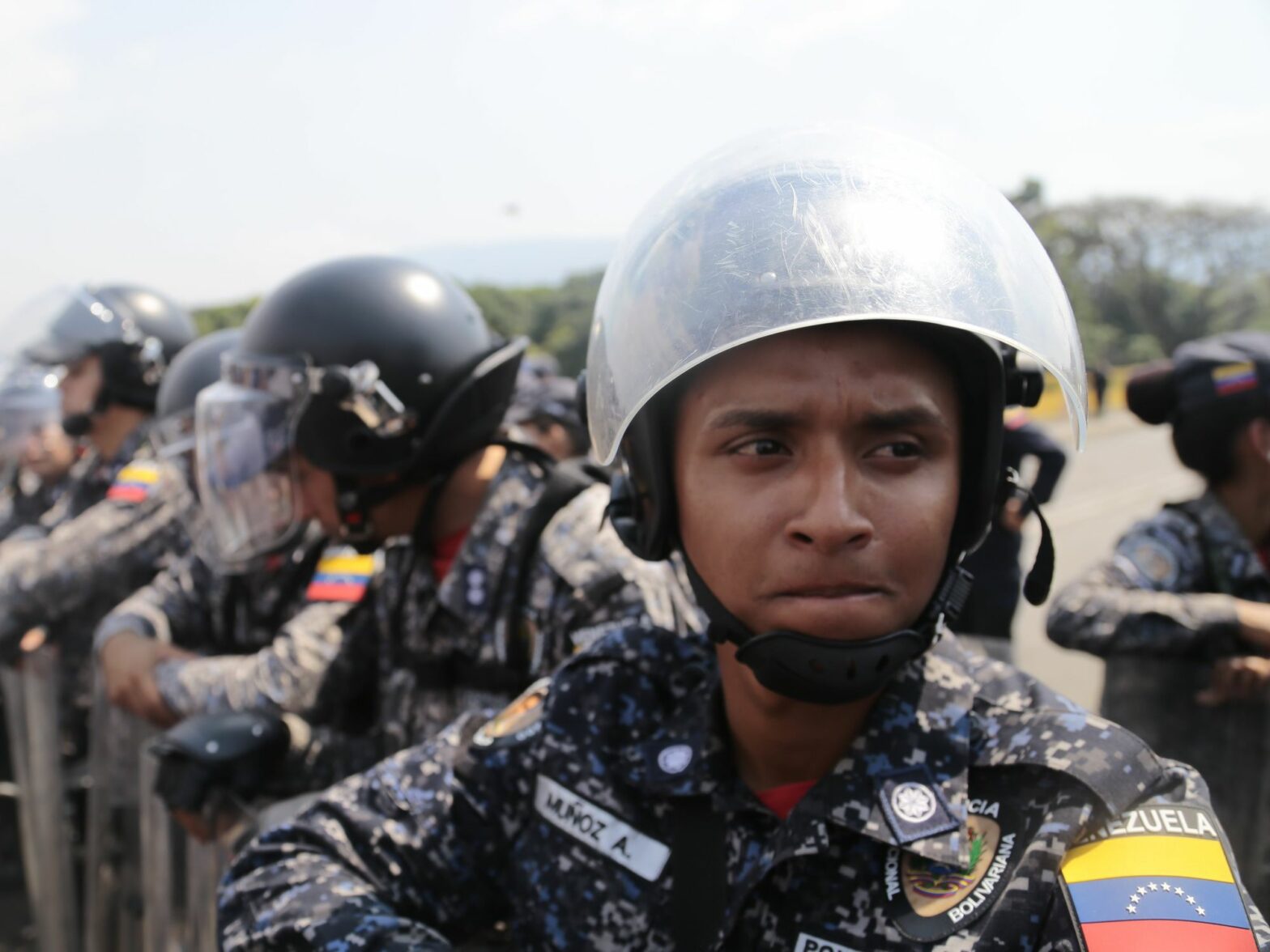
Latin America’s socialist regimes are following the “Putin model” of policing the population, inspired by Soviet practices, but in the case of oil-rich Venezuela, fortunately, the communist science of repression is not yet watertight.

Rationalism and technology are no longer tools in our hands but govern our lives, in a depressing world of our own making.
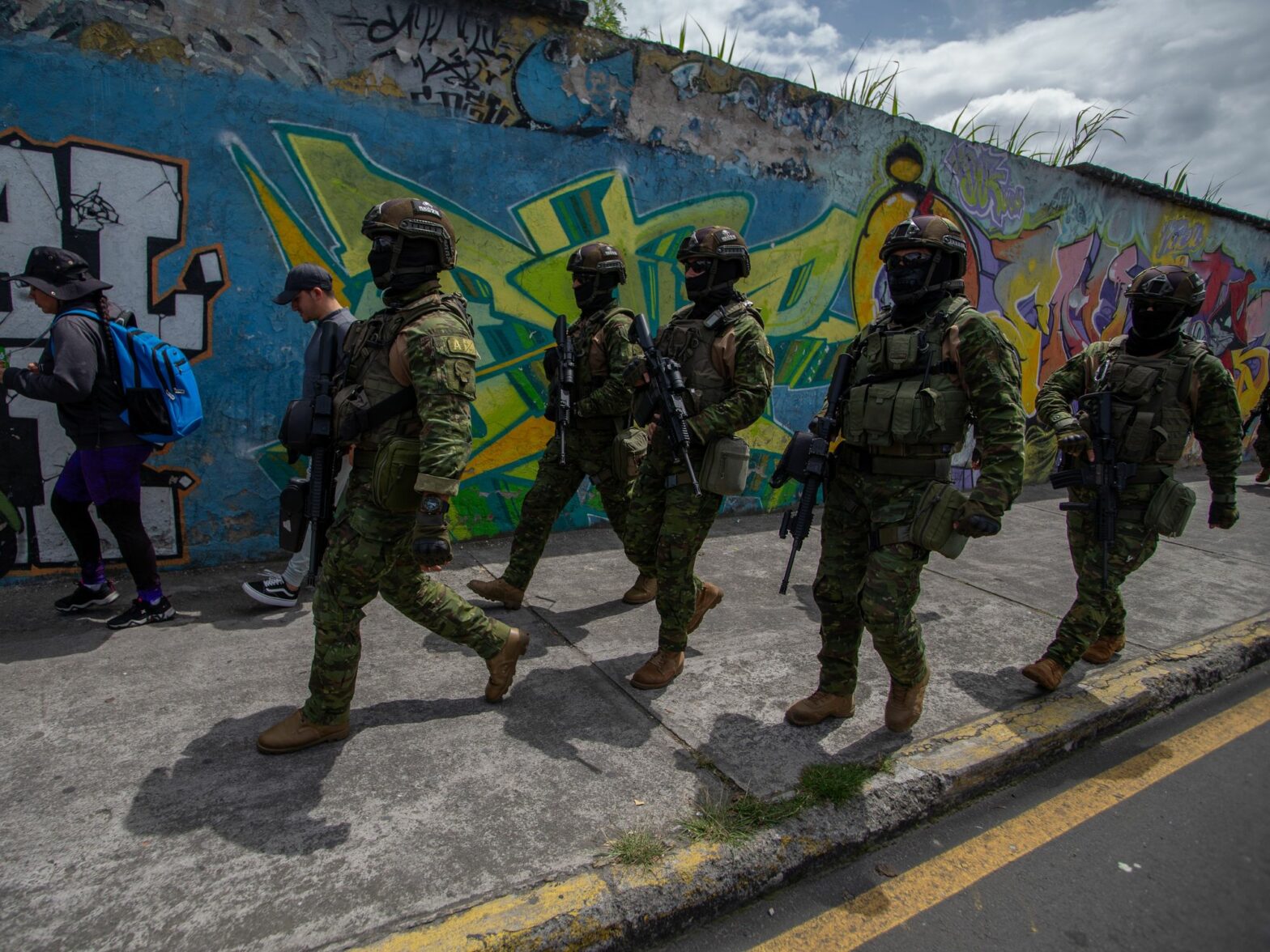
Ecuador’s President has called in the army to fight the country’s rampant drug gangs. Sadly he can at best sever the fingertips of a criminal hydra, as big as the world itself.
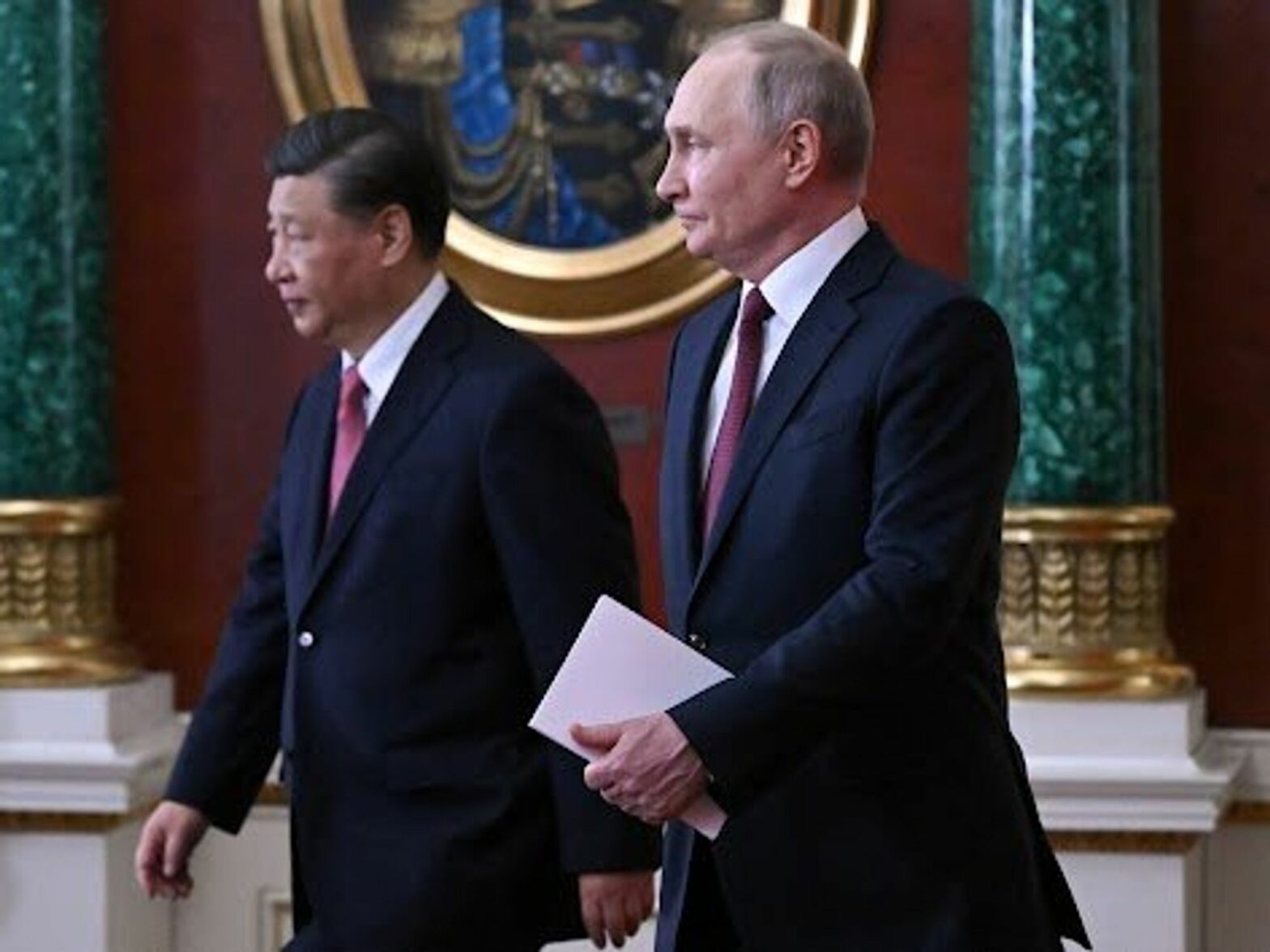
The West is a spent force, say China, Russia and their global clique, yet it retains plenty of decisive cards including a choice to back Ukraine to the hilt. The year may yet reveal the world’s rising, and ranking, powers.
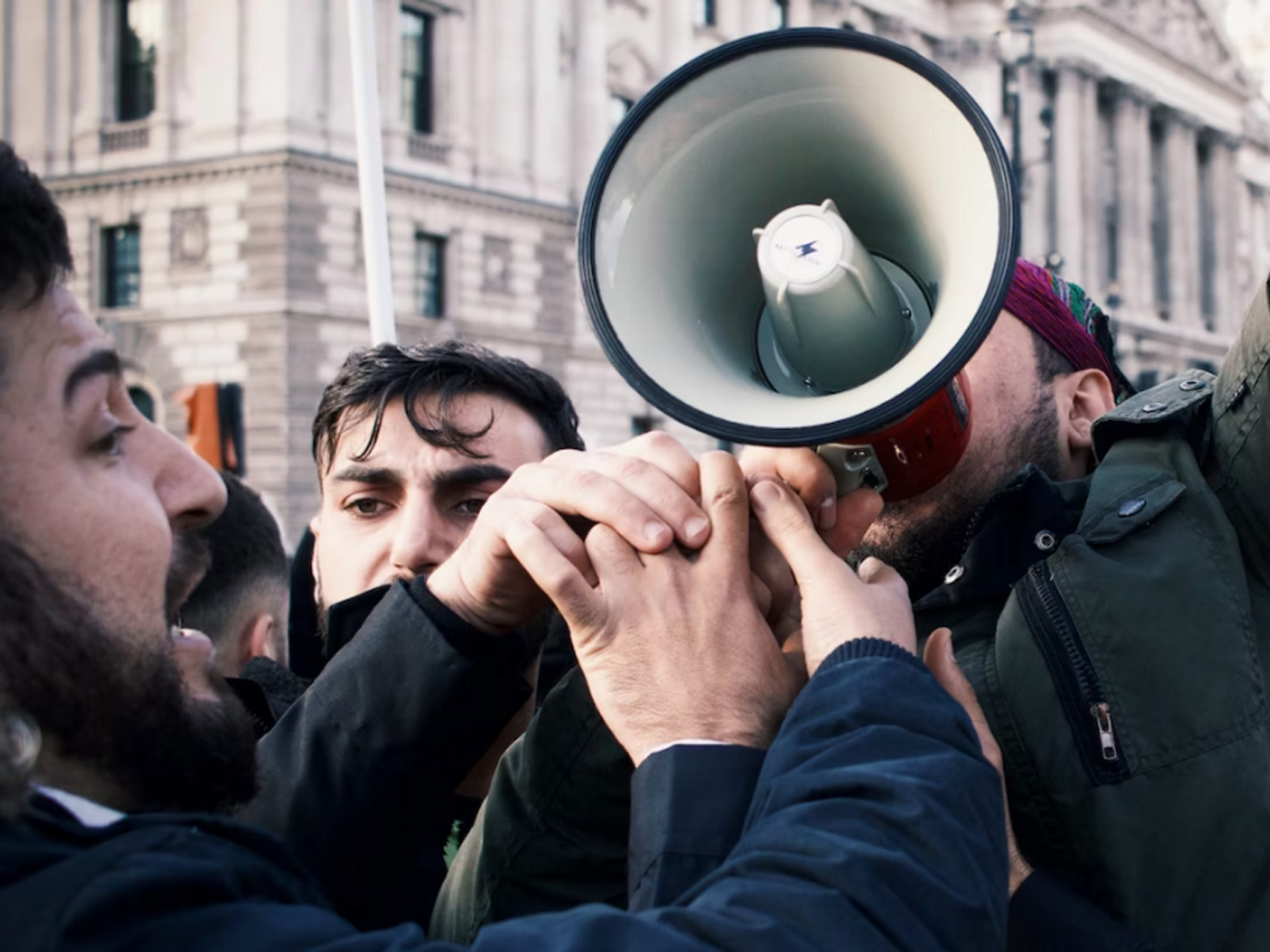
The black-and-white view of the world which separates people into loyalists and traitors is incompatible with the compromises and moderation that make a liberal democracy tick, and which make society free and livable.
Argentines love to complain. But when you listen to others who complain, there are options: must we be a sponge to this daily toxicity or should we, politely, block out this act of emotional vandalism?
A democracy is not just the vague and dangerously malleable promise of popular rule. It is instead an institutional regime or “republic” that defines and protects the rights of the people, and of individuals.
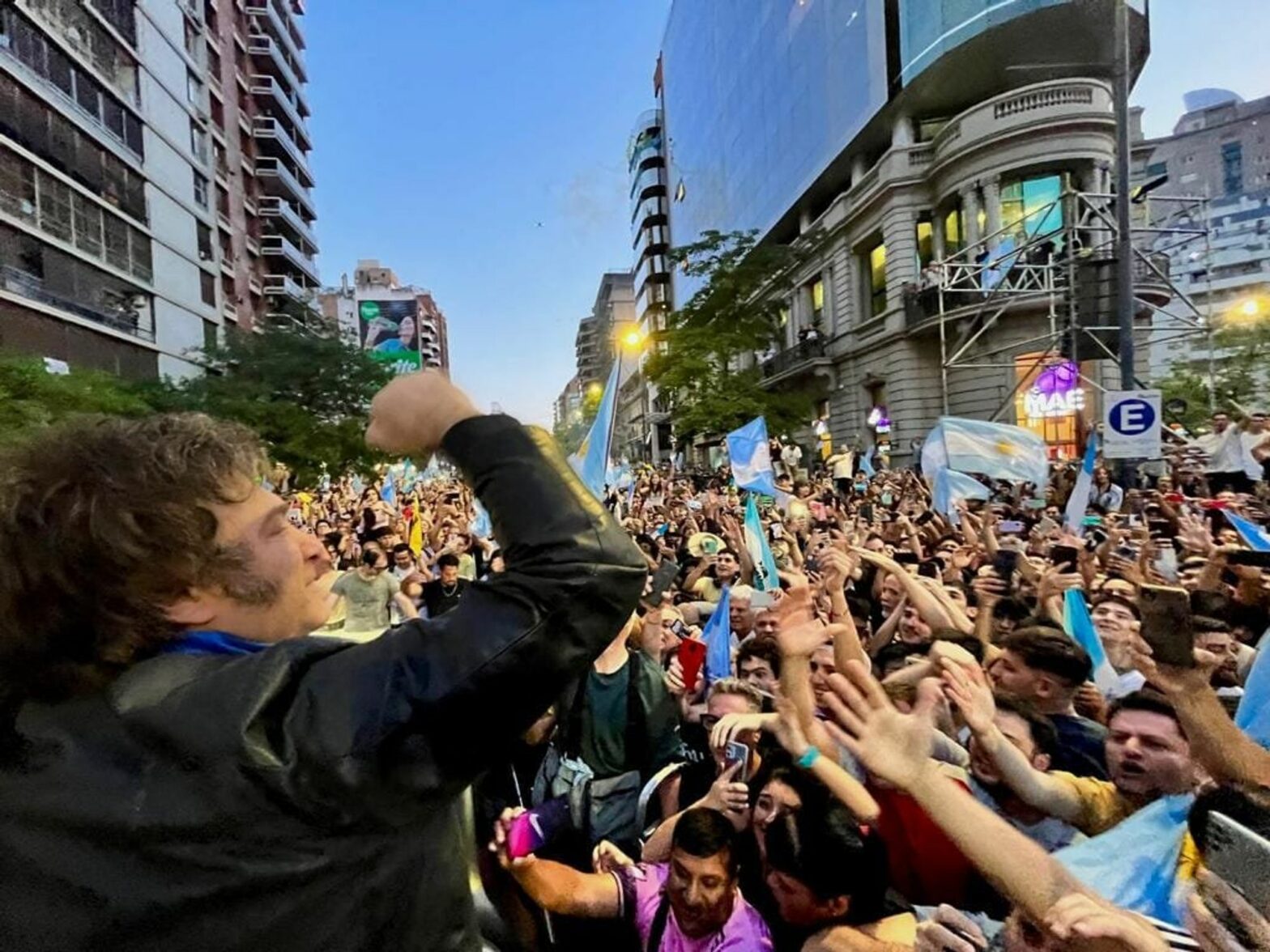
The radical libertarian Javier Milei confounded the polls to decisively win the second round of Argentina’s presidential elections; now he must win over a nation that has voiced its disgust with the country’s brand of politics as usual.

Javier Milei has scored a stunning victory on a populist far-right platform promising maximum personal liberties and a shrunken state. But the deep rifts and economic hardship in Argentinian society present huge risks for the nation and its incoming president.
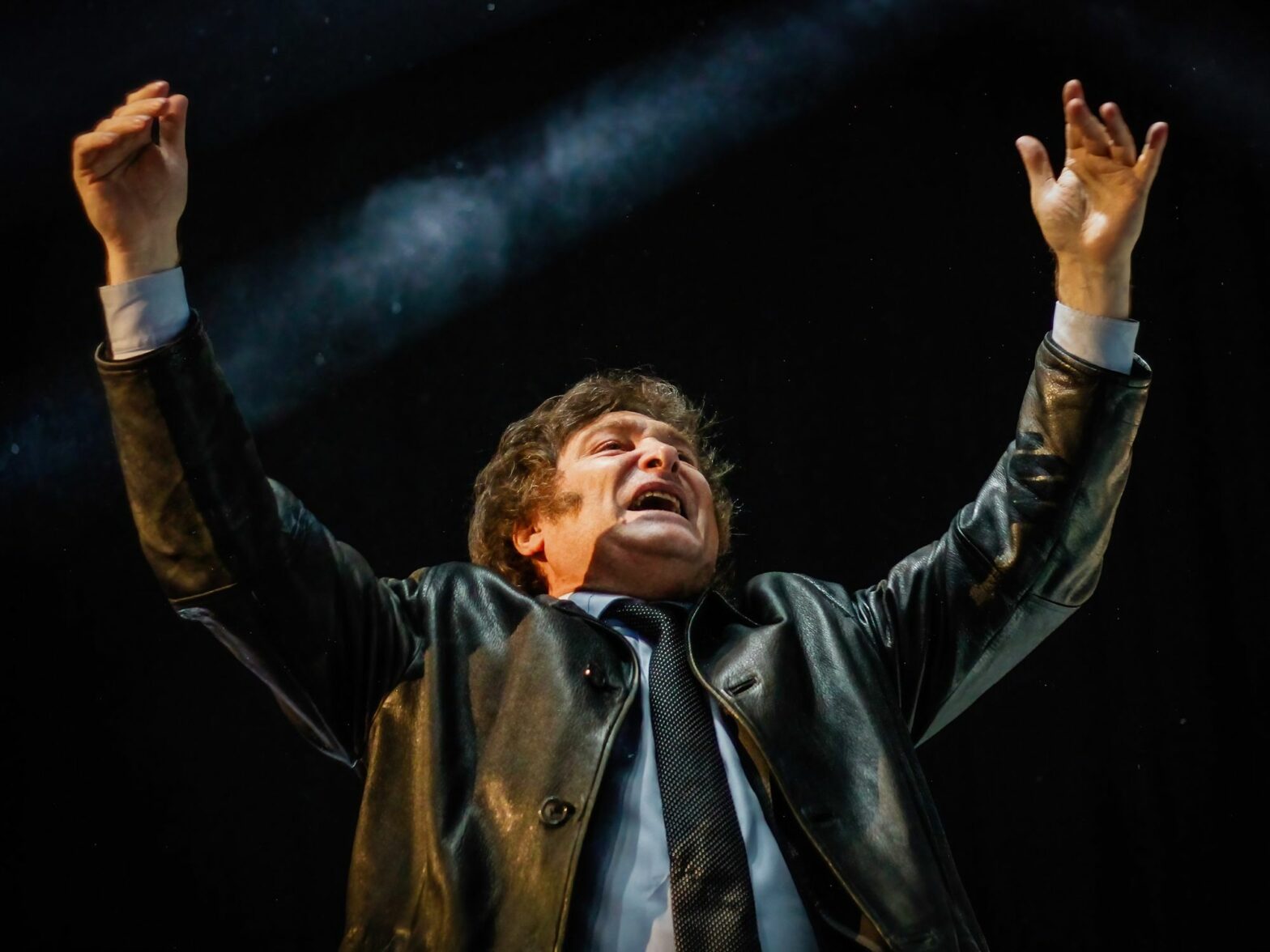
Trashing politics and politicians is a classic tool of populists to seduce angry voters, and take countries into quagmires far worse than the worst years of democracy. It’s a dynamic Argentina appears particularly vulnerable to.
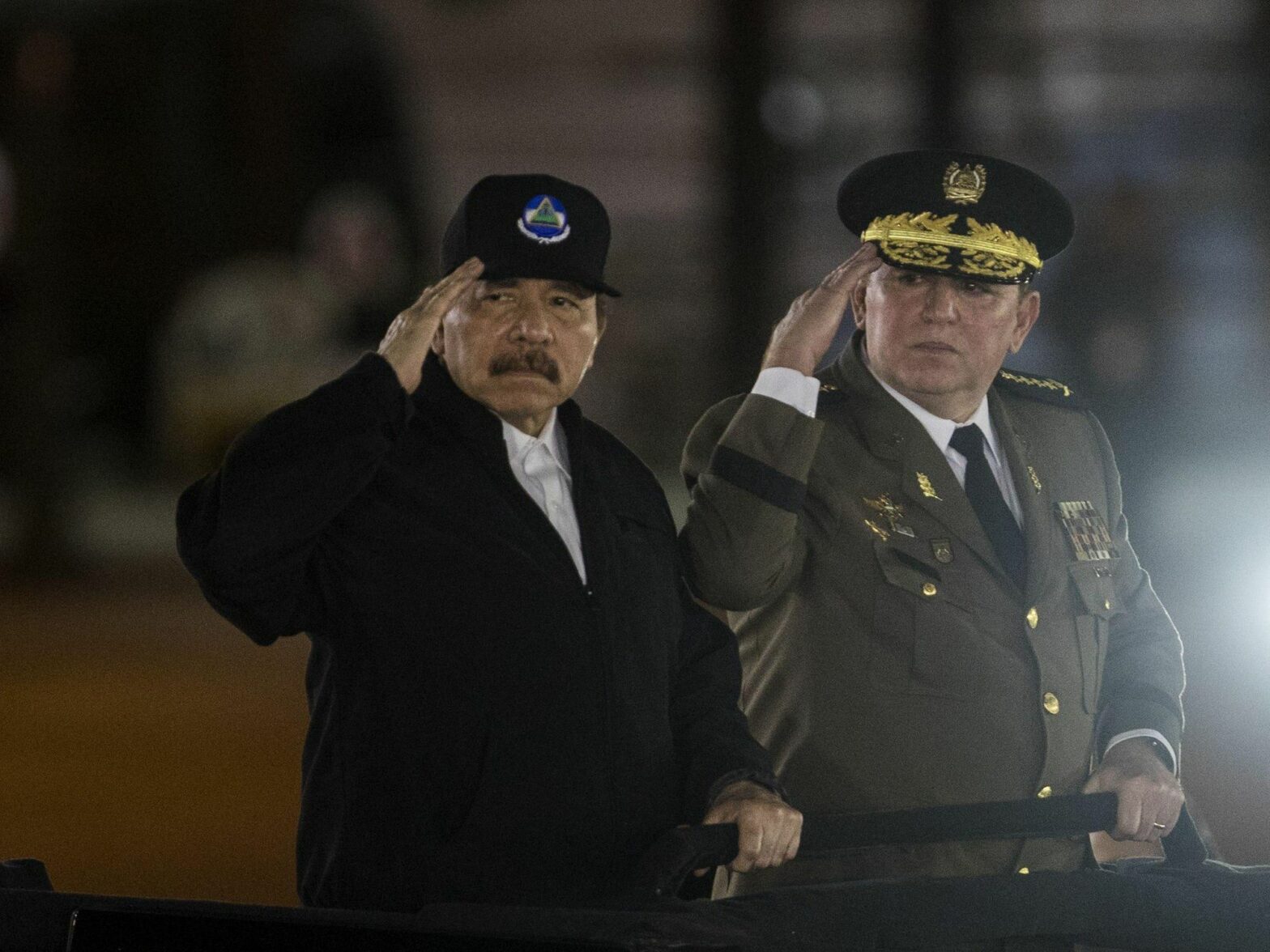
Leftist states defending rigged elections to be held Nov. 7 in Nicaragua are not so much protecting regional socialism as approving despotism itself, which they too were victims of…

While many young people have shaken off the social and emotional shackles of their parents’ years, they must now resist the pressures of their own peers to constantly experiment, and never settle for anything or anyone.
Argentines readily discuss their moods and states of mind — and that’s a good thing, as long as we don’t pretend to actually diagnose each other, writes a psychologist.
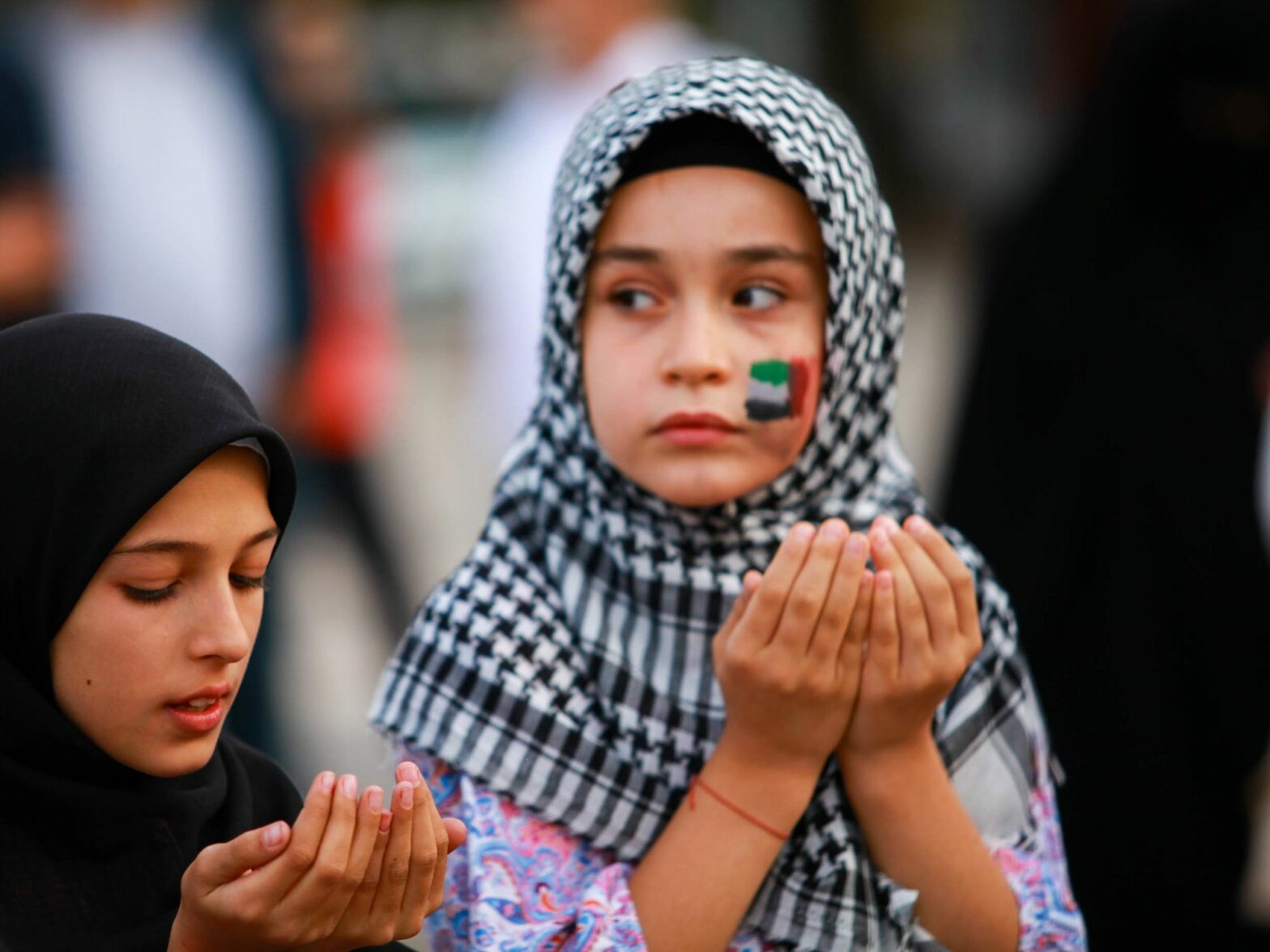
Both Hamas and Israel should stop manipulating the language of faith and morals to justify extreme and indiscriminate violence, writes Islamic theologian Marwan Sarwar Gill. Religion (in good faith) ultimately offers a way out of conflict the bad faith has fueled.
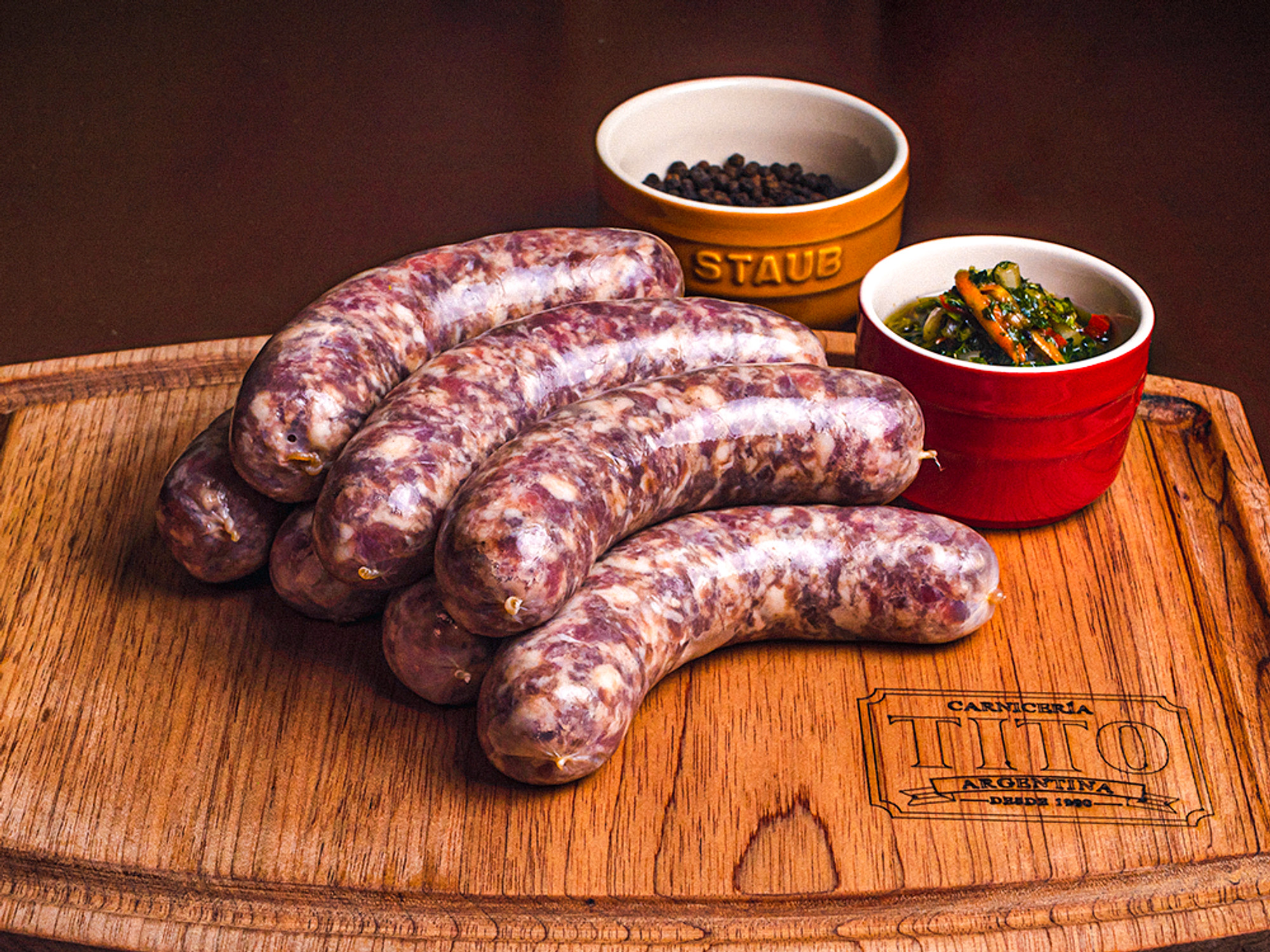
Hot dog-loving Argentines even have a high-class sausage made entirely of tender Kobe beef, to be enjoyed without a thought for its price.
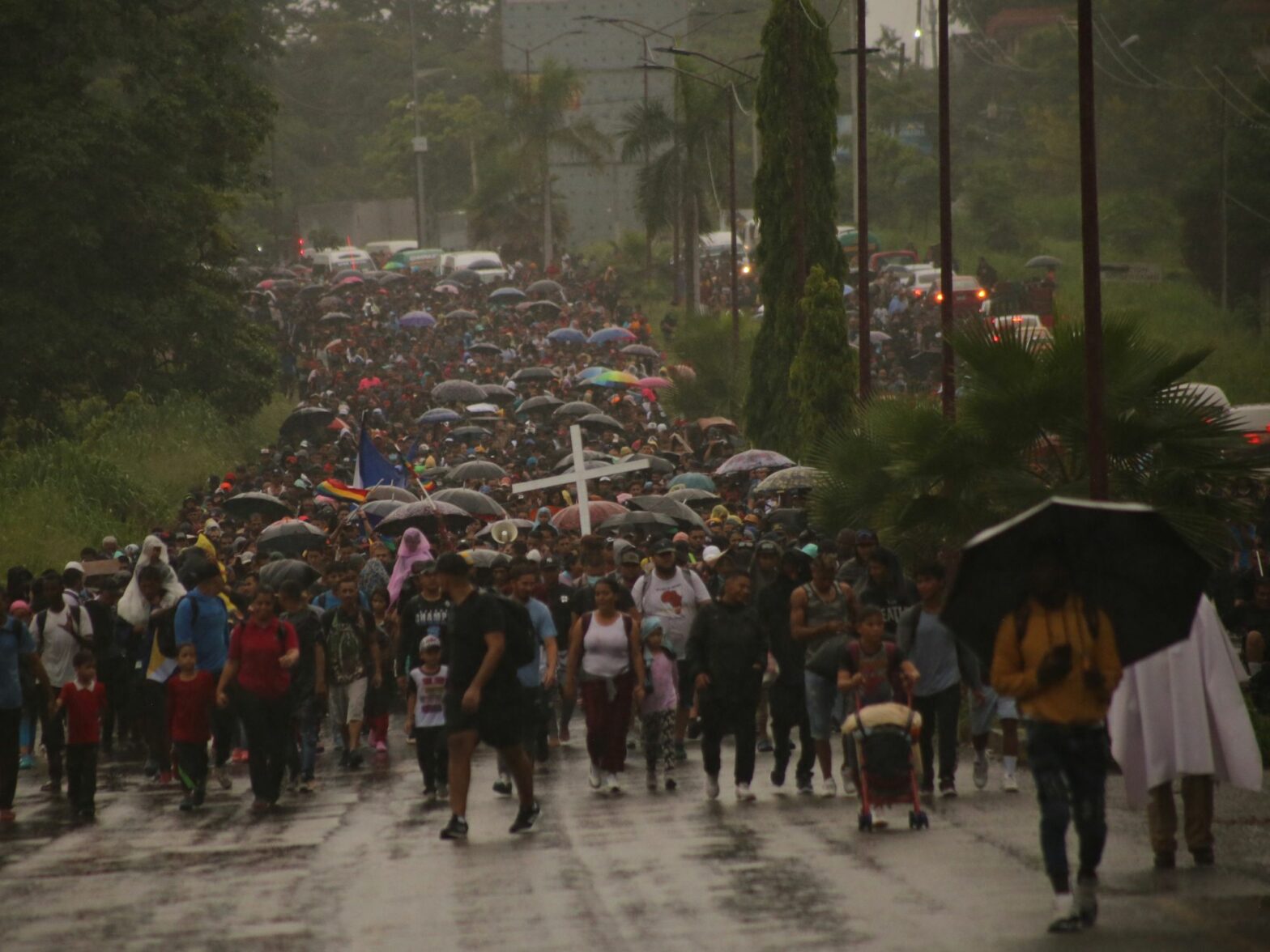
Searching for a safe home, many Latin American migrants are forced to try, time after time, getting turned away, and then risk everything again.
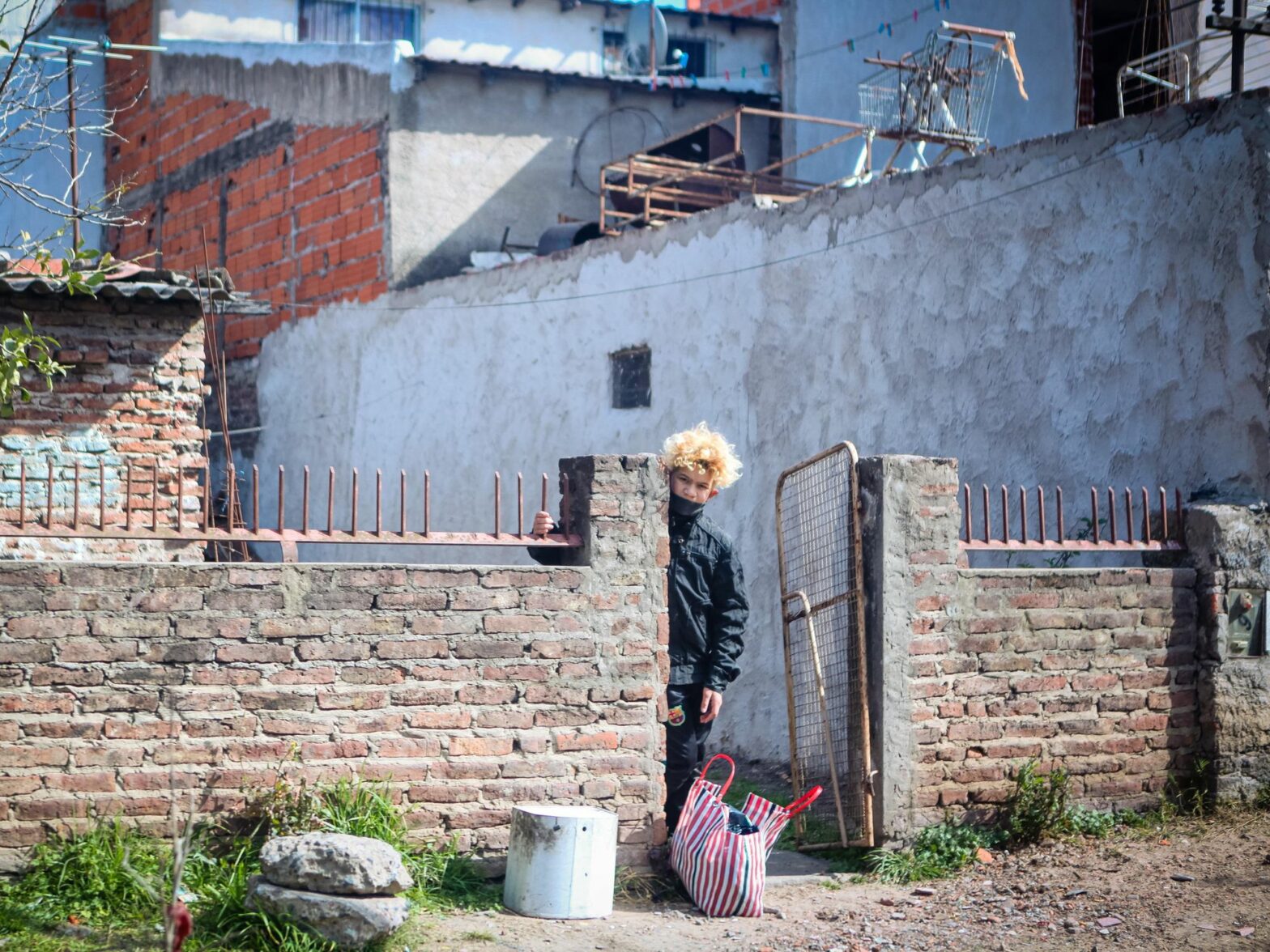
Residents of the most disadvantaged peripheries of the Argentine capital are pushed to collaborate in the absence of municipal support. They build homes and create services that should be public. It is both admirable, and deplorable.
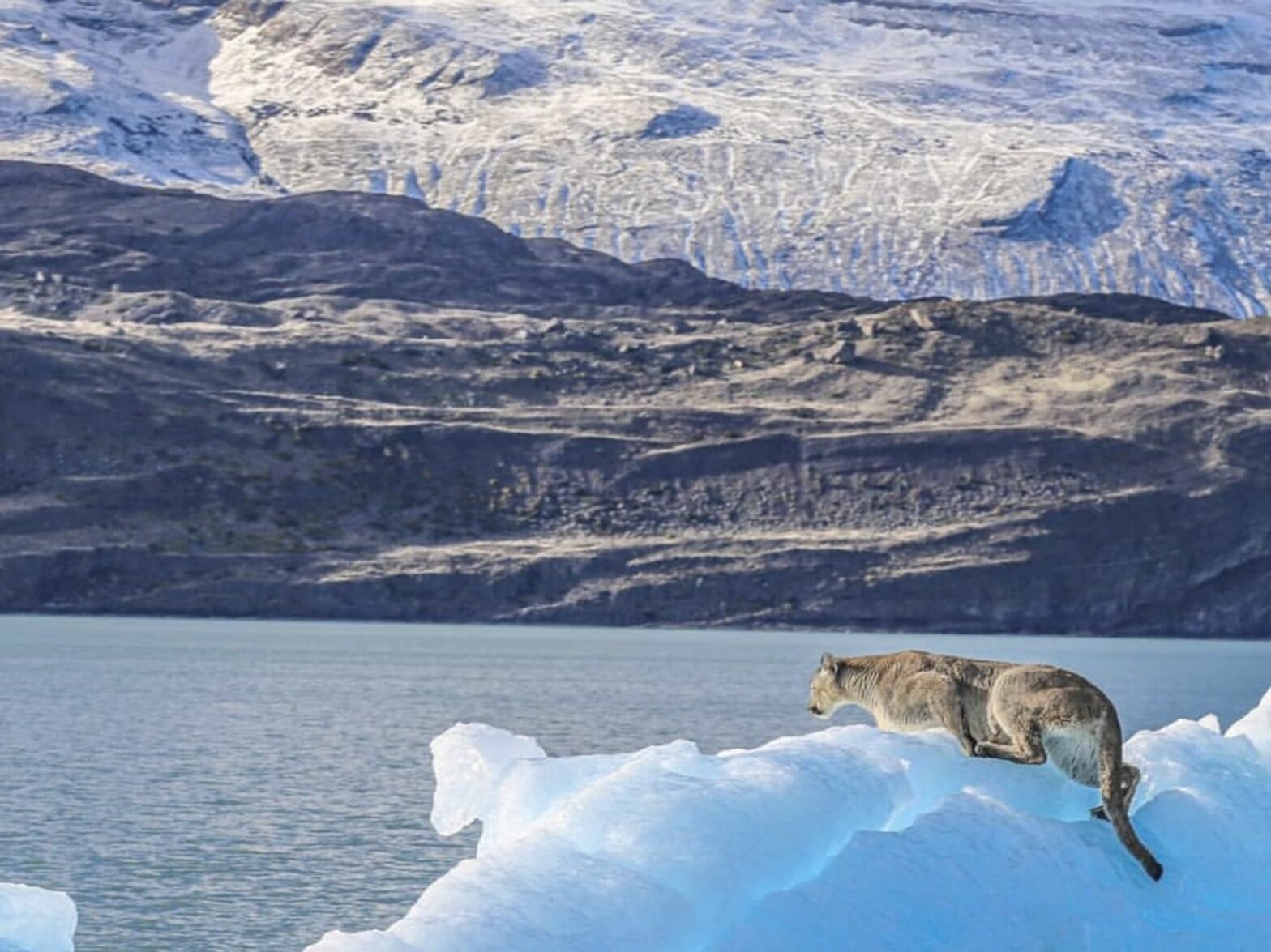
The Patagonian National Park is a spectacular and unique landscape that illustrates the outstanding beauty of nature. But it is at risk of becoming a victim of the climate crisis.

The Argentine Lionel Messi is the personification of soccer sublime . He has come to move fans in ways that art lovers are moved by a painting.
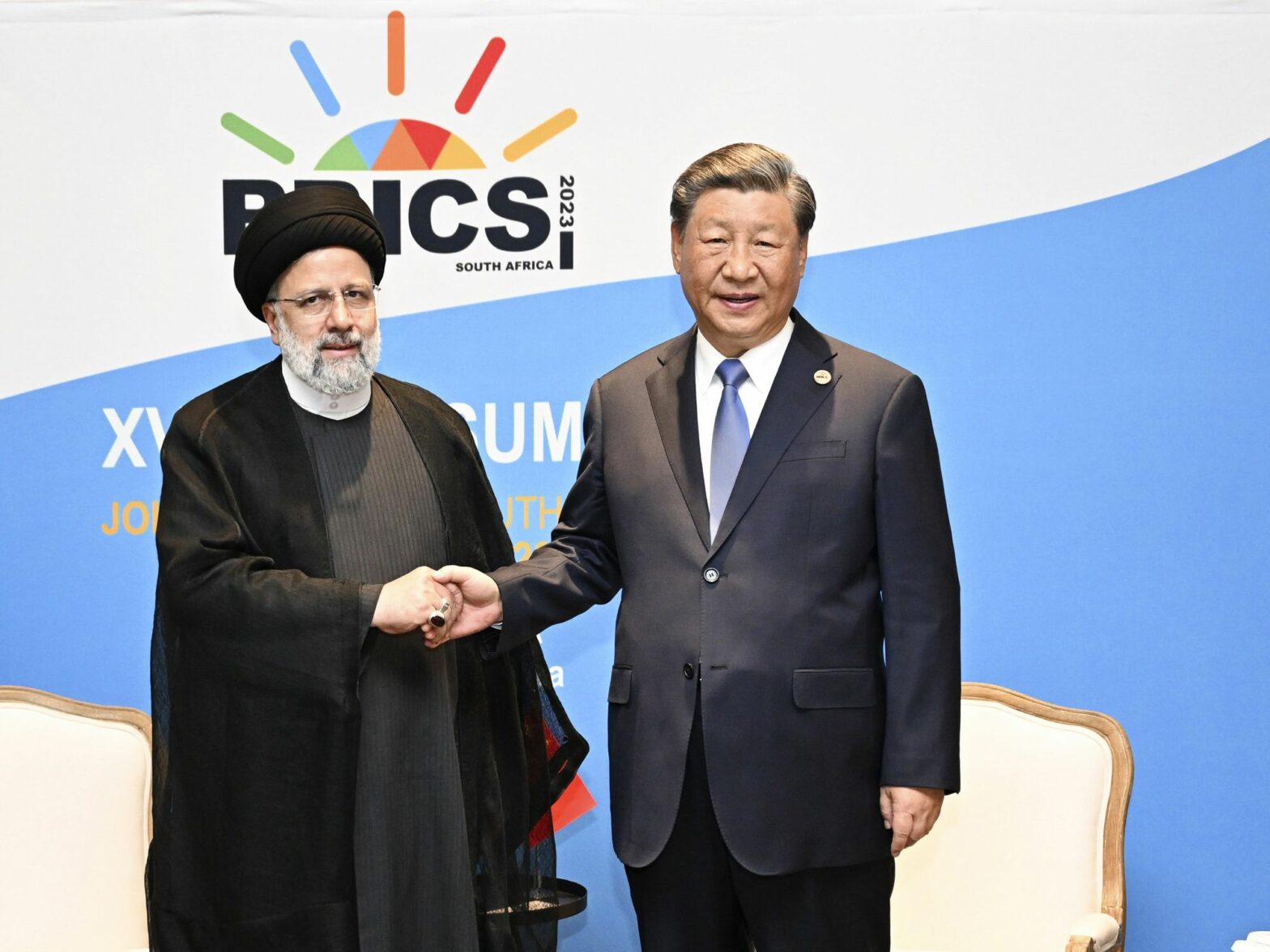
The BRICS economies’ inclusion of new members like Iran may not make business sense, but it fits with the Sino-Russian strategy of drawing states of the Global South into their orbit in open confrontation with the U.S. and the rest of the West.
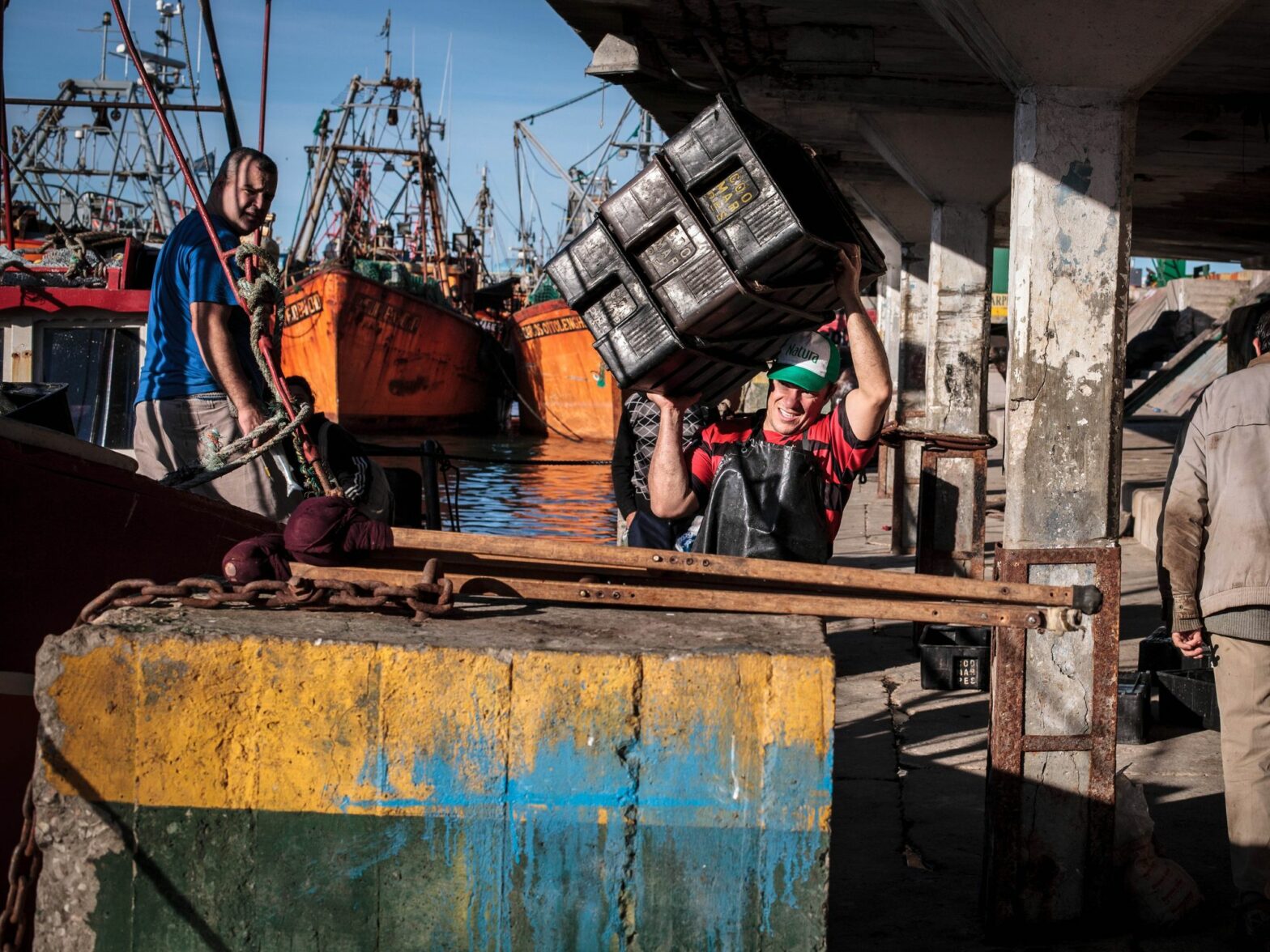
Trawling in Argentine waters is wiping out marine life in the southern Atlantic. Whatever the money stakes, Argentina must expand those territorial waters where all fishing is banned.
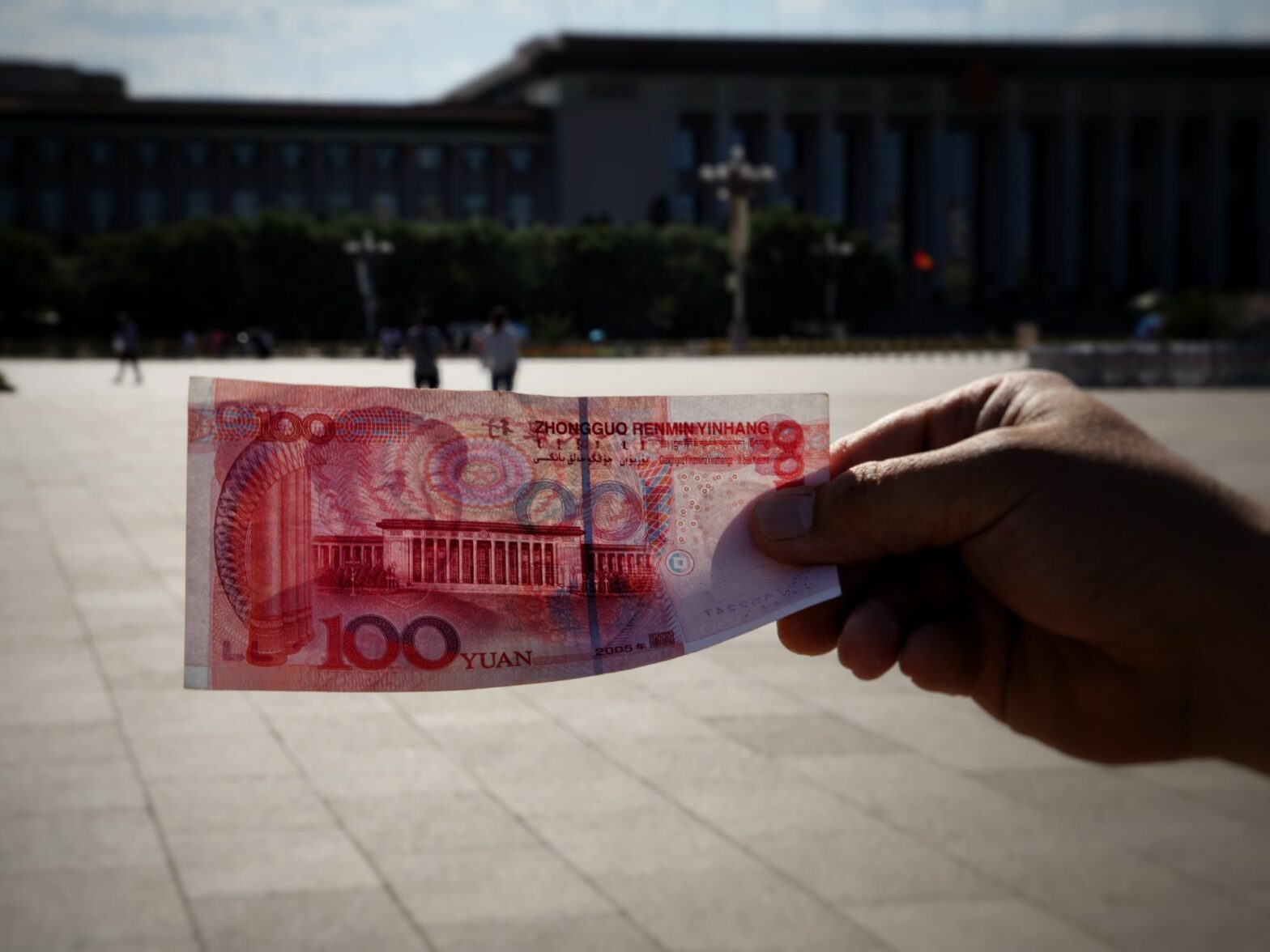
China’s economy is struggling, partly driven by a deepening economic rift with the U.S. That does not bode well for the rest of the world, particularly countries in the Global South, writes Argentine daily Clarín.
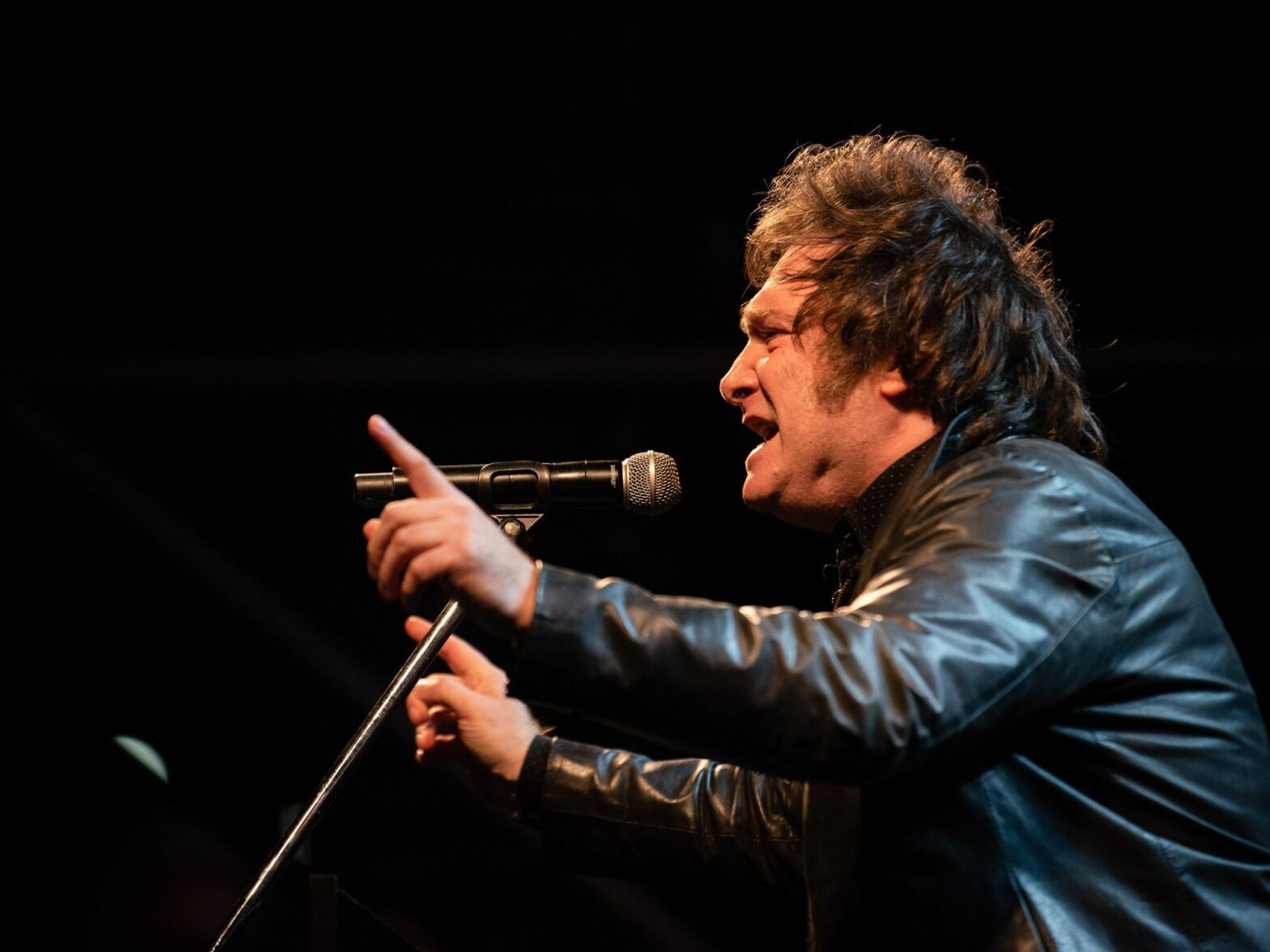
Argentina’s far-right presidential candidate Javier Milei, riding a wave of voter fury over dismal socio-economic conditions, wants to shrink the state to the bare minimum. But that’s not even the most dangerous part…

Contrary to what you might hear, 18-25-year-olds are less concerned with looks and more with kindness and respect when it comes to finding a partner.
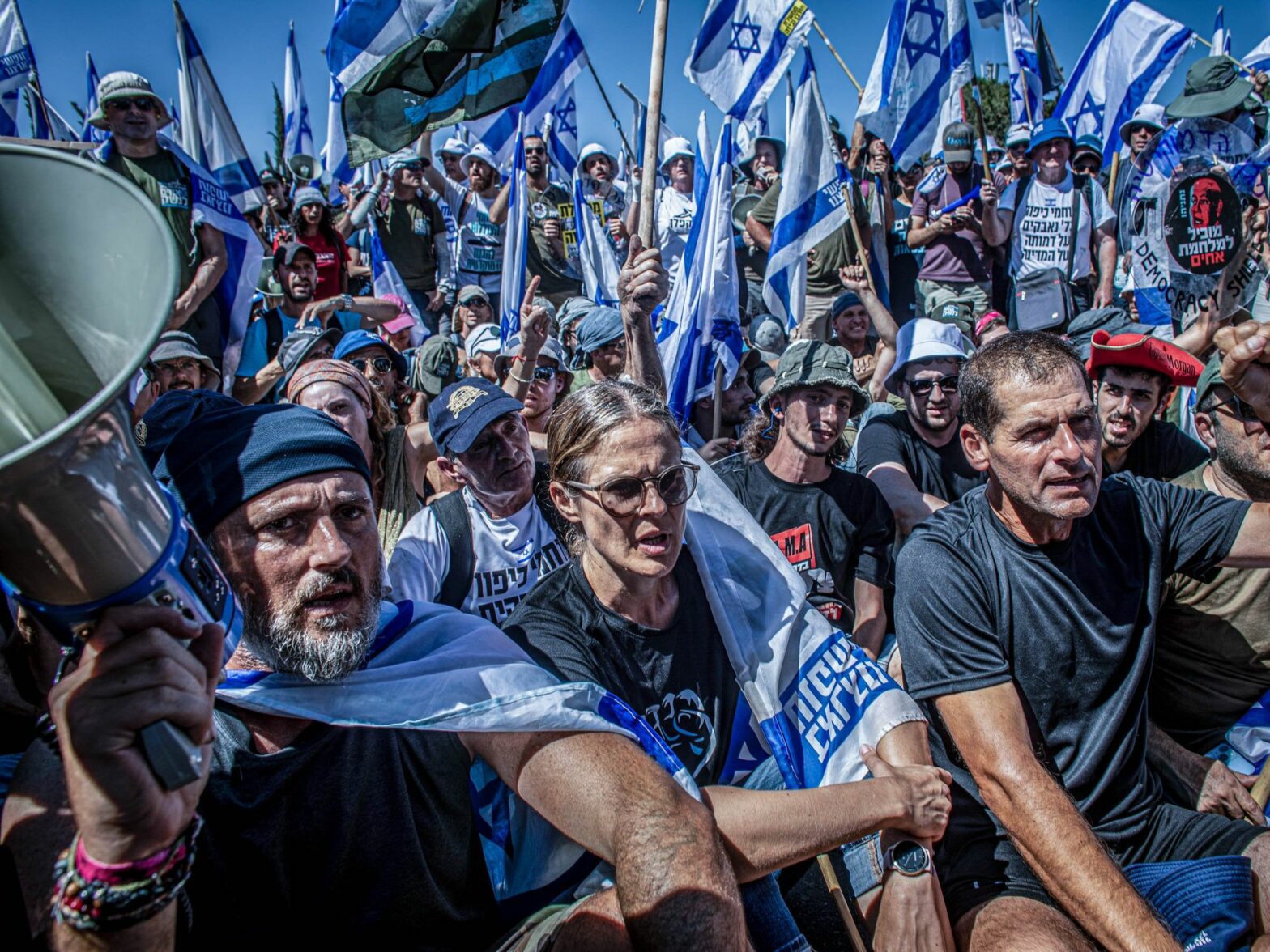
The Israeli government’s aggressive bid to curb judicial powers fits into a bigger picture of the degradation of liberal democracy worldwide.
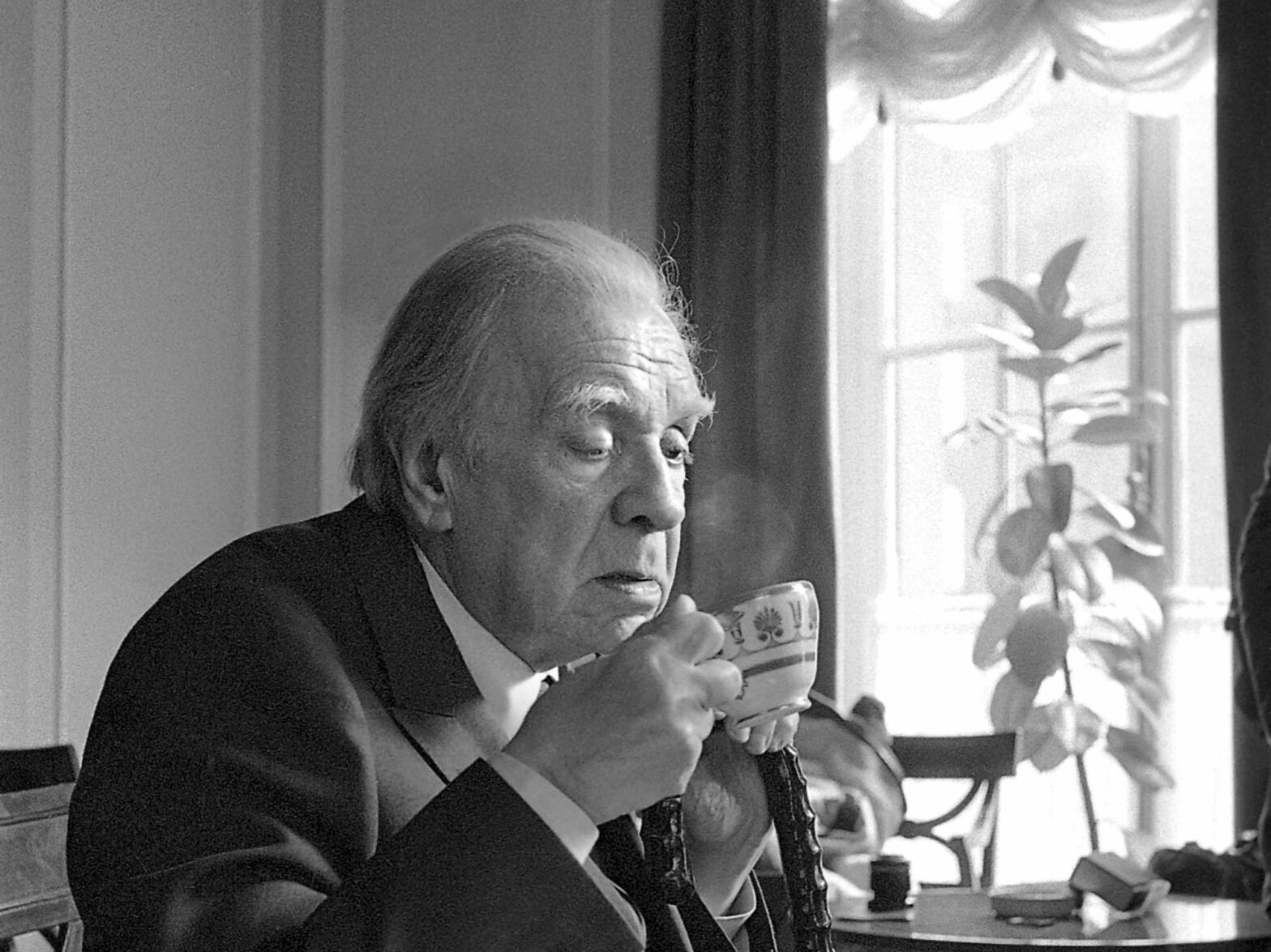
The vigorous liberalism of Argentina’s literary giant, Jorge Luis Borges, and his disdain for the 20th century’s oppressive regimes, may yet make him an icon of today’s youthful, if less learned, libertarians.
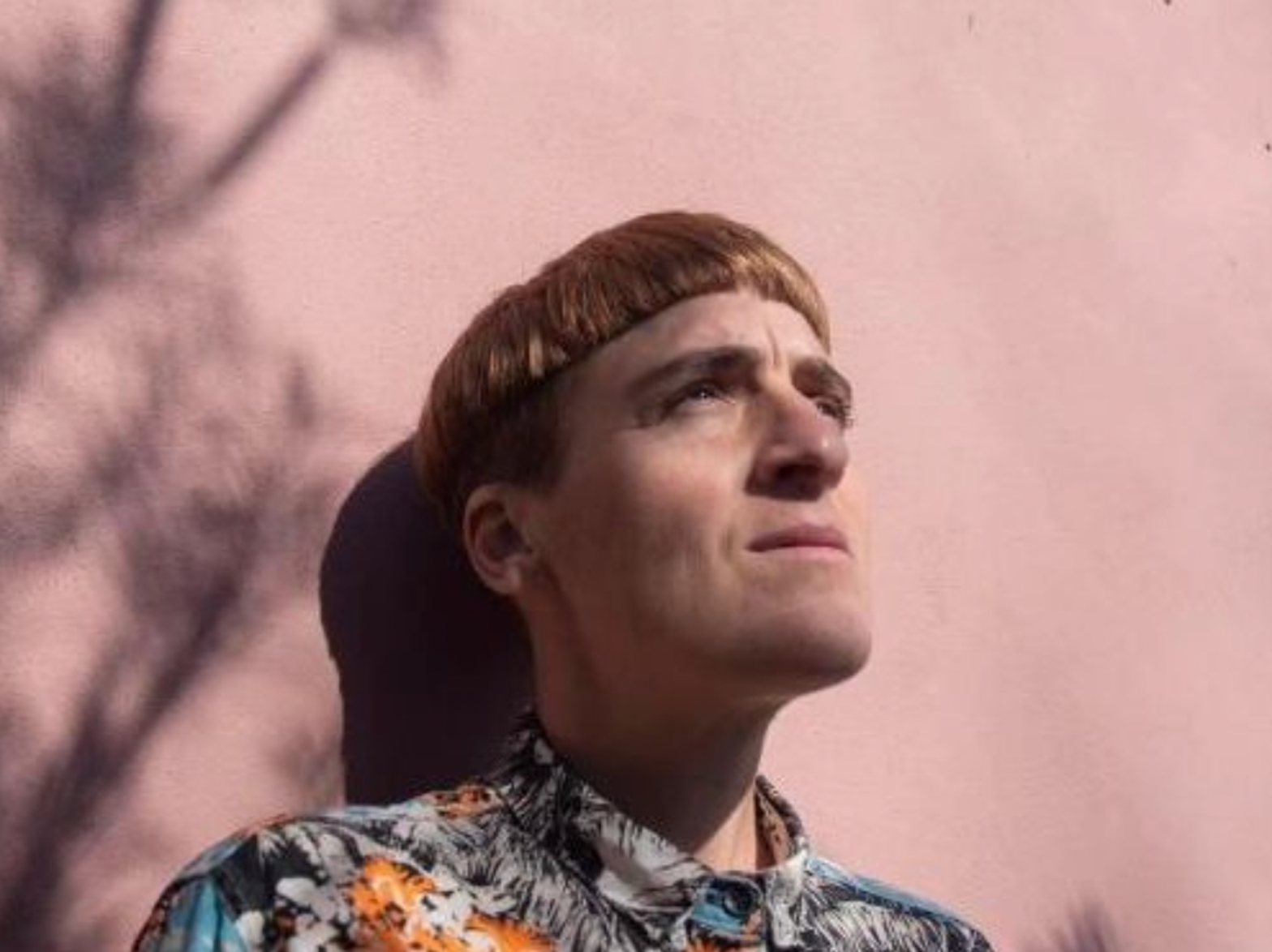
María Candelaria Schamun’s body tells a dramatic, brutal story. The pages of her heartbreaking new book hold the memory of her pain, her scars, of the screams she muffled and finally let rip.

Two synods by the Catholic Church, to be held in Rome in late 2023 and 2024, are to debate possible and even radical changes to the Church’s practices and rules in line with the Argentine pope’s vision of a social and inclusive Church.
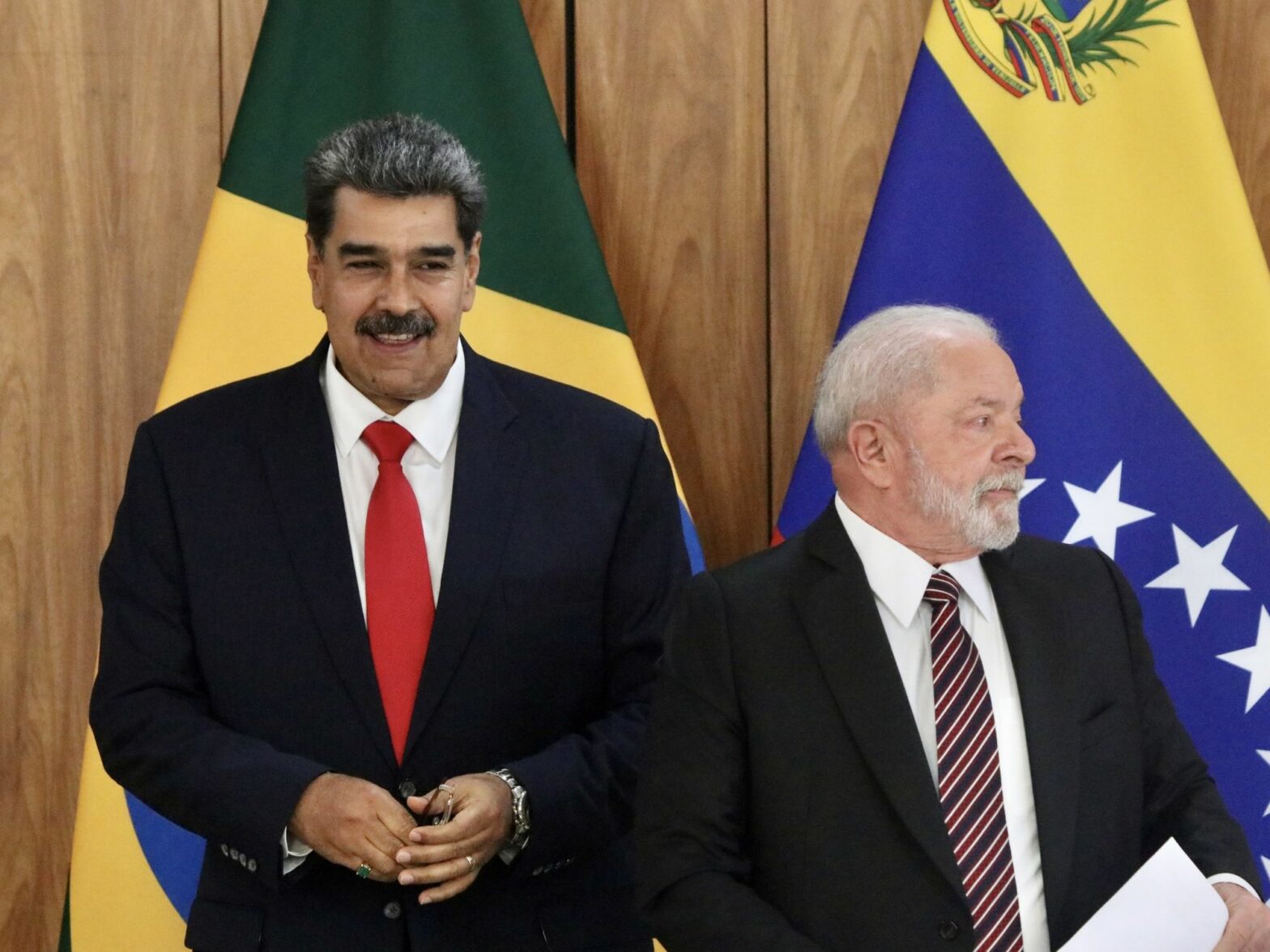
Brazilian President Lula da Silva’s goodwill toward the Venezuela’s President Maduro, in spite of the signs Maduro might hijack the 2024 general elections, suggests Lula has a problem with Western-style liberal democracy, even after he has criticized his predecessor for the same thing.