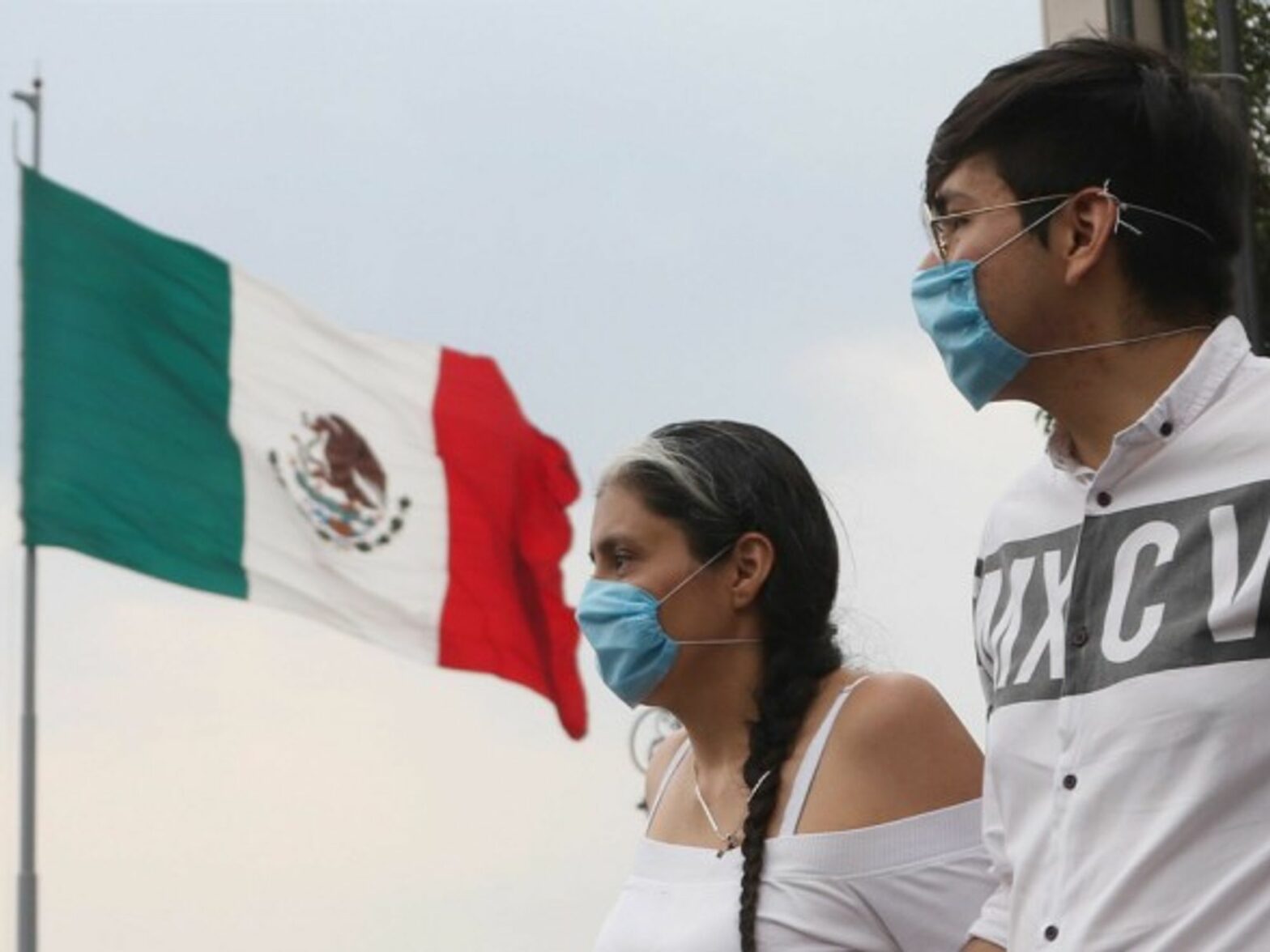
Given its reliance on both oil and tourism, the Mexican economy is in major trouble. So far, though, President López Obrador has refused to have the state take on new debt.
 Worldcrunch
America Economia is Latin America’s leading business magazine, founded in 1986 by Elias Selman and Nils Strandberg. Headquartered in Santiago, Chile, it features a region-wide monthly edition and regularly updated articles online, as well as country-specific editions in Chile, Brazil, Ecuador and Mexico.
Given its reliance on both oil and tourism, the Mexican economy is in major trouble. So far, though, President López Obrador has refused to have the state take on new debt.
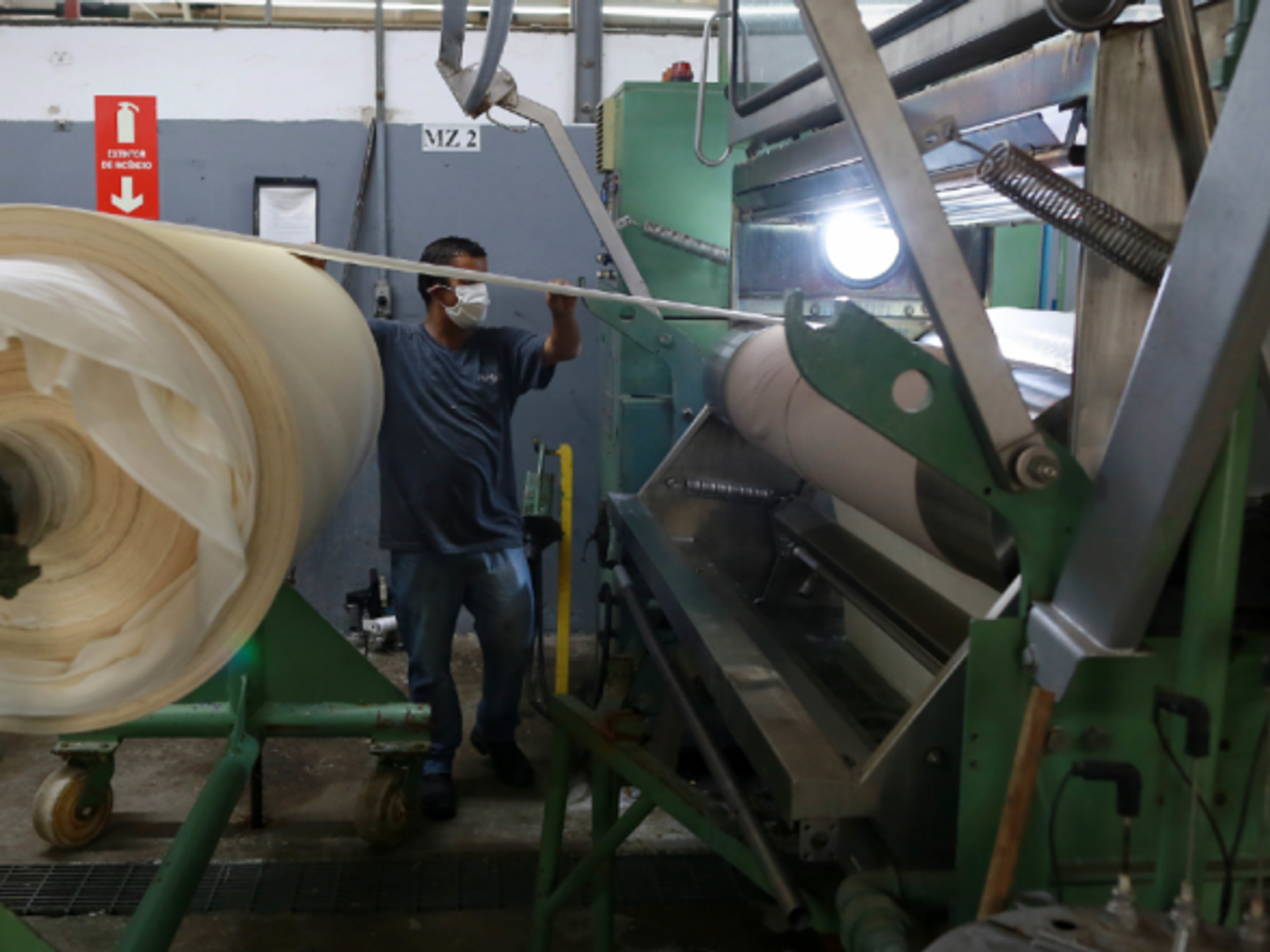
The auto and electronics sector in Brazil is a prime example of how manufacturers around the world came to depend on Chinese-made supplies, and are now struggling because of it.
Governments around the region are taking measures to contain the outbreak. But they also need to face the economic fallout, IMF official Alejandro Werner warns.

With the pandemic forcing entire families to stay at home, men need to make sure they’re shouldering their fair share of the responsibility.

New technology is allowing firms and governments to maintain, check and optimize assets and operations at minimal costs.
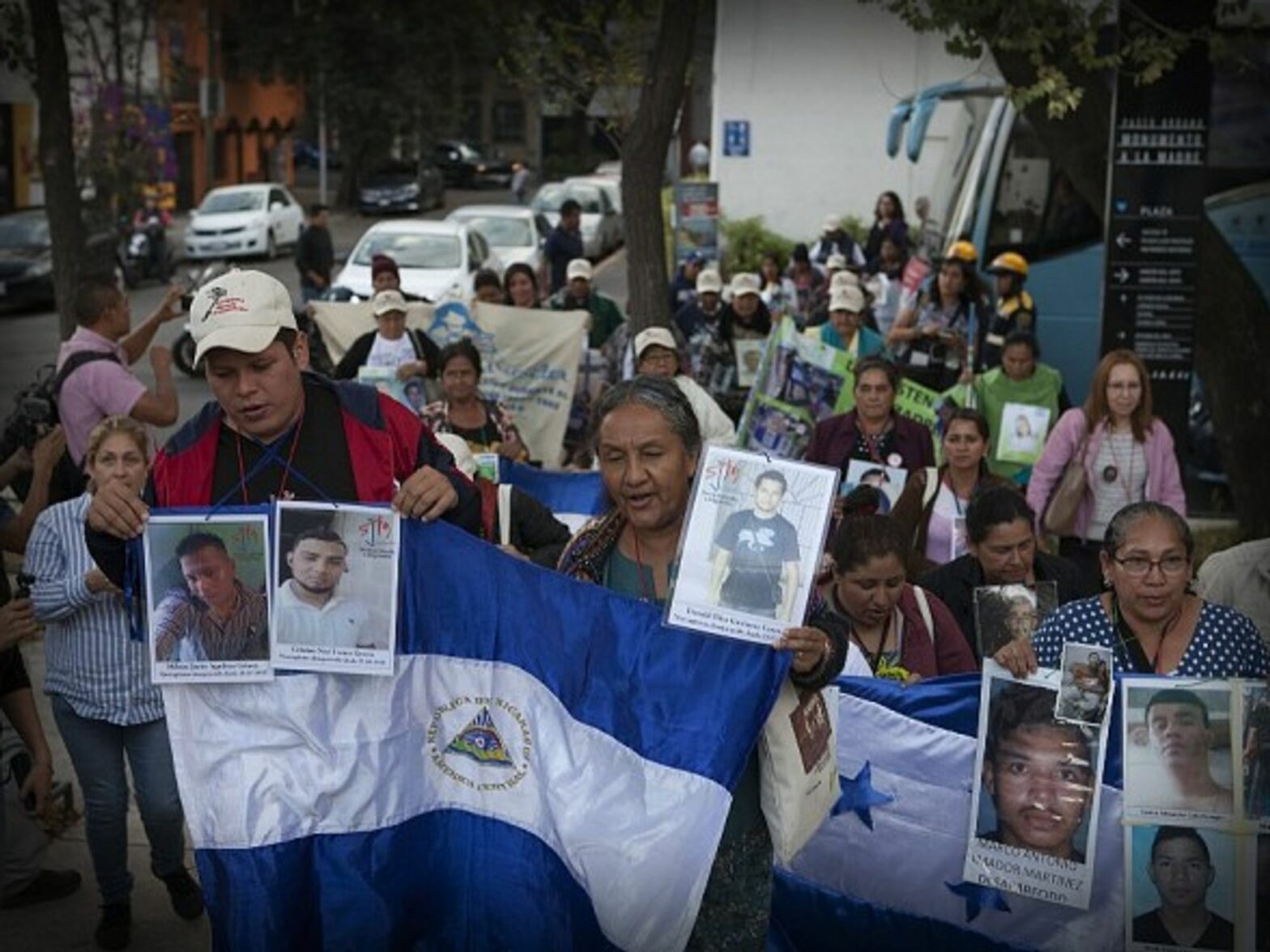
If murder and kidnappings in Mexico were a contagious disease, the country’s feeble response and impunity rates would already have turned them into the most destructive of pandemics.

The level of media attention given to the coronavirus compared to other maladies says a lot about the economic and political power of the countries affected.
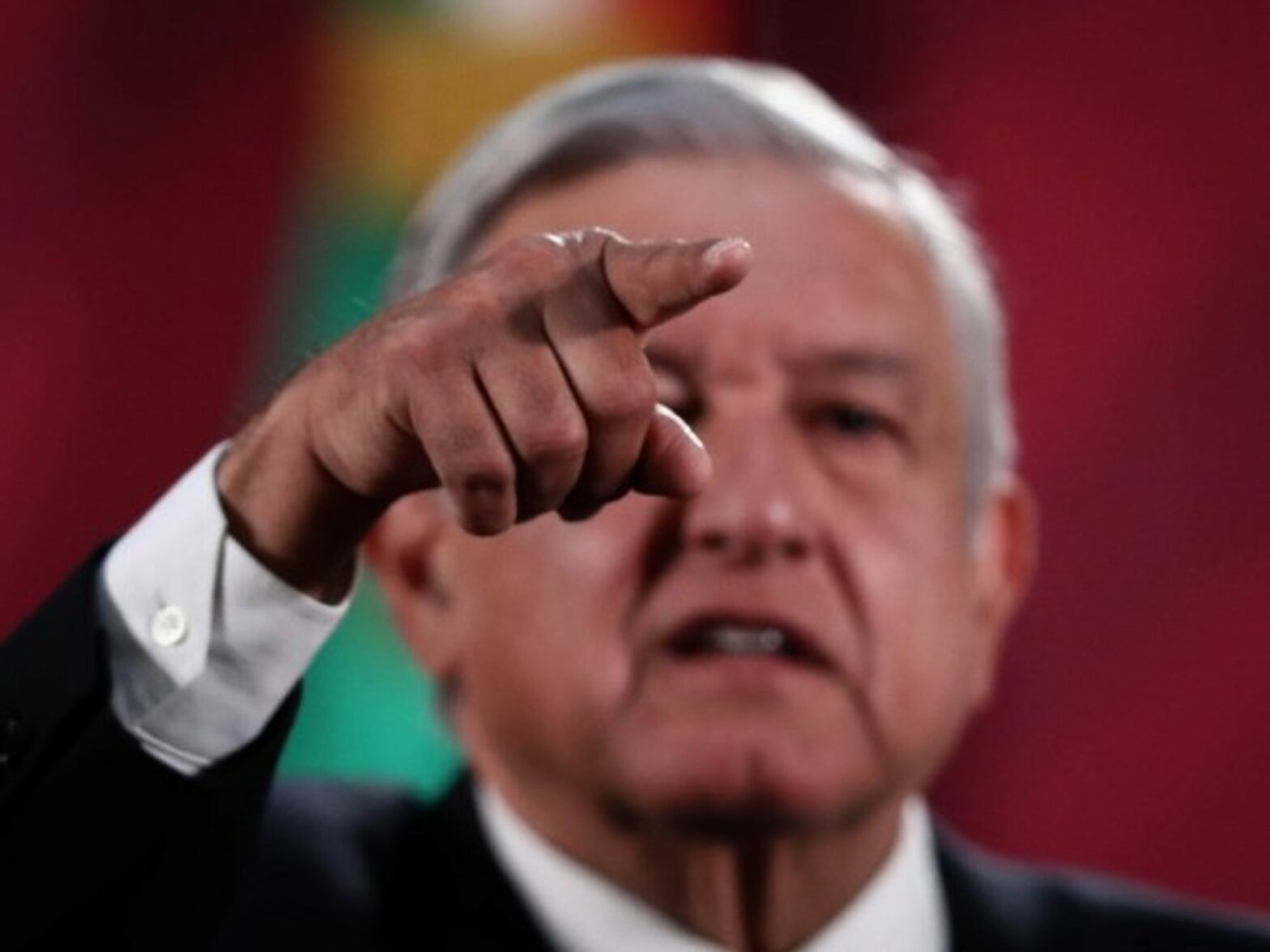
Mexico’s socialist president is deluded if he thinks he can turn the clock back and restore his vision of the welfare state.

Expect use of blockchain, the digital record-keeping system, to become generalized this year in banks and elsewhere.
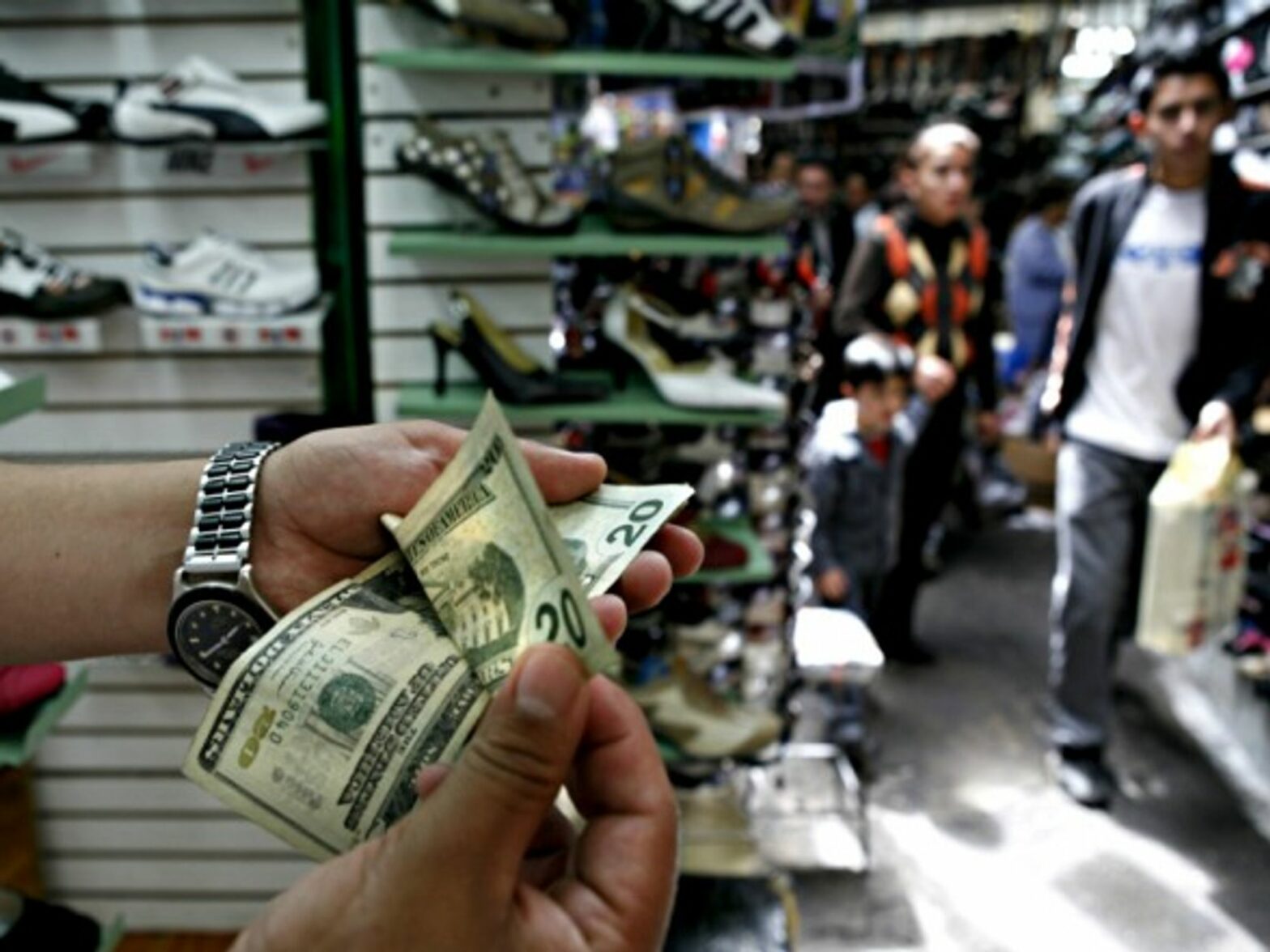
When Ecuador ditched its currency for the dollar in 2000, it deprived governments the possibility to overspend, and gave ordinary people control of their money.
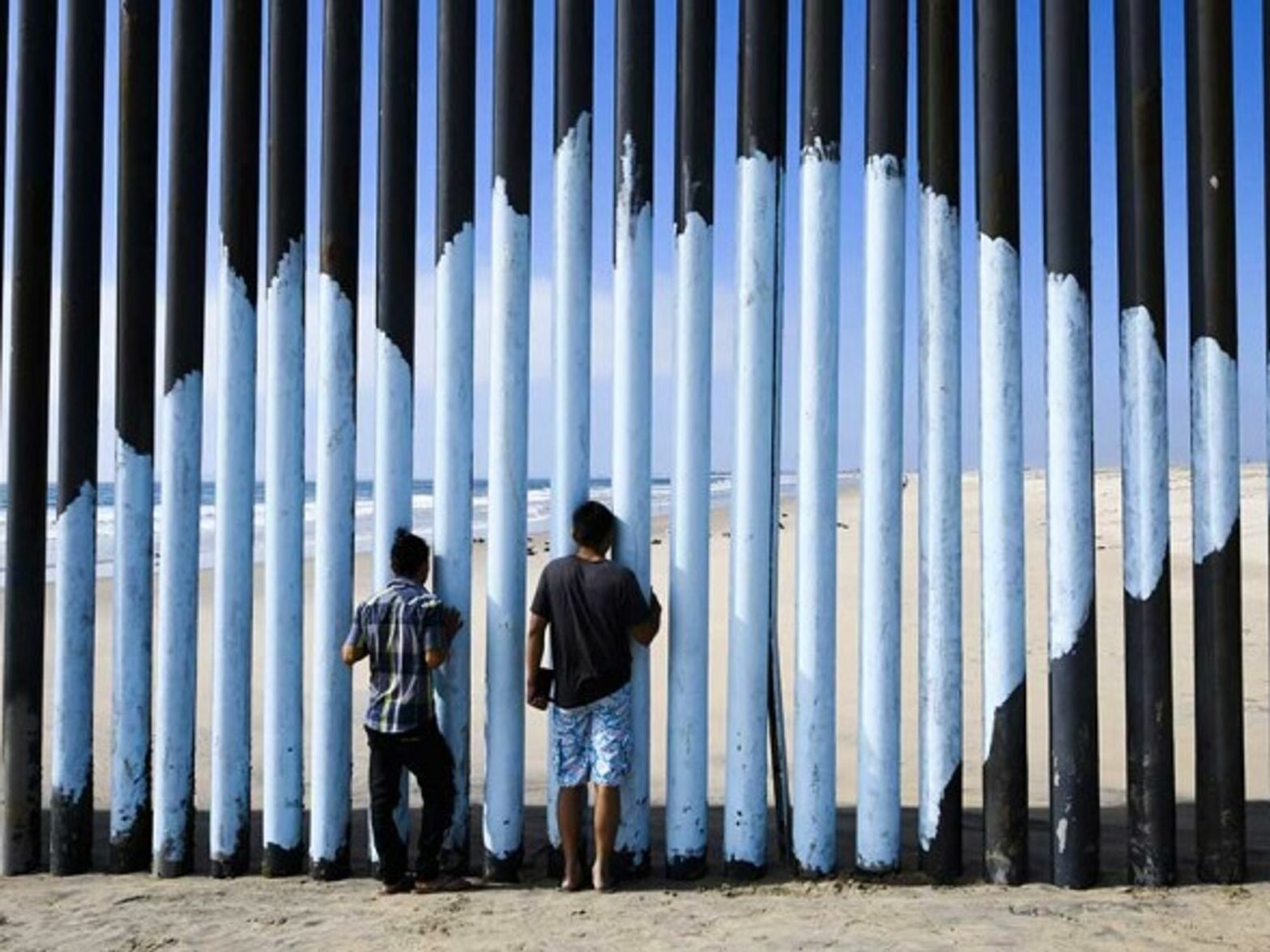
Its shared border with the U.S. could be more of a blessing than a curse if only Mexico would clean up its act.

Big data can provide firms with real-time information on consumer and social trends, but only if combined with the human factor.

The finance mechanism for sustainable infrastructure, energy and industry may be the ultimate key to curbing, and partly reversing, the harms of climate change.

A Chilean startup develops an application to take office workers into a meditative ‘happy space’ for a few minutes in a work day.

In loudly rejecting President’s Trump threat to label Mexican drug gangs terrorists, Mexico’s government is covering its failure, if not reluctance, to tackle systemic corruption and its offspring, crime.

Most people in Latin America and the Caribbean live in urban areas. And many of those cities are downright massive, with sustainability challenges that desperately need solutions.
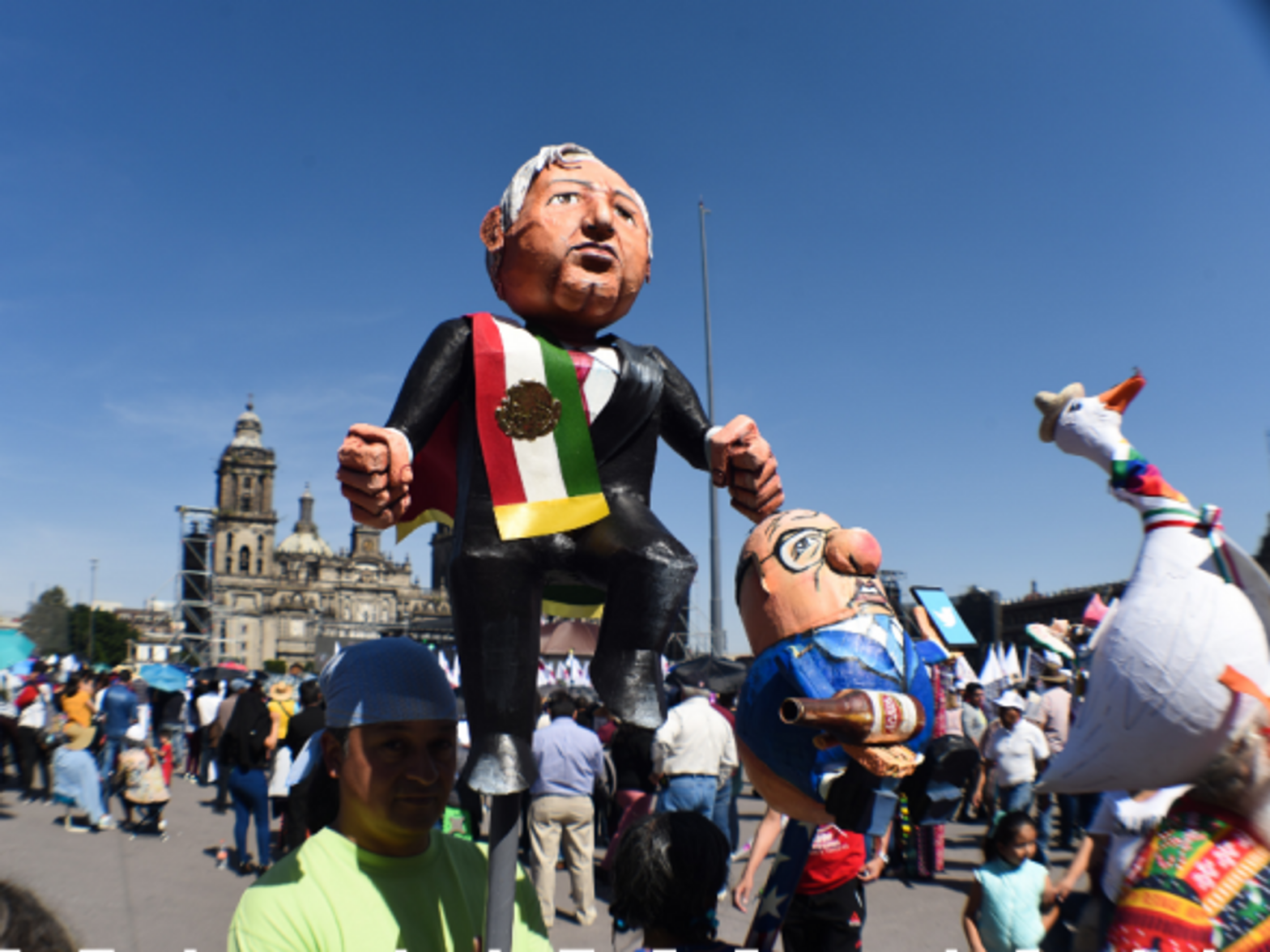
The weakness of institutions in Mexico once gave its presidents leeway to reform the state. Today President López Obrador is using it as a tool to accumulate more and more power of his own.

Corporations usually try to stay clear of controversy. But there may be benefits, in some cases, to taking sides.
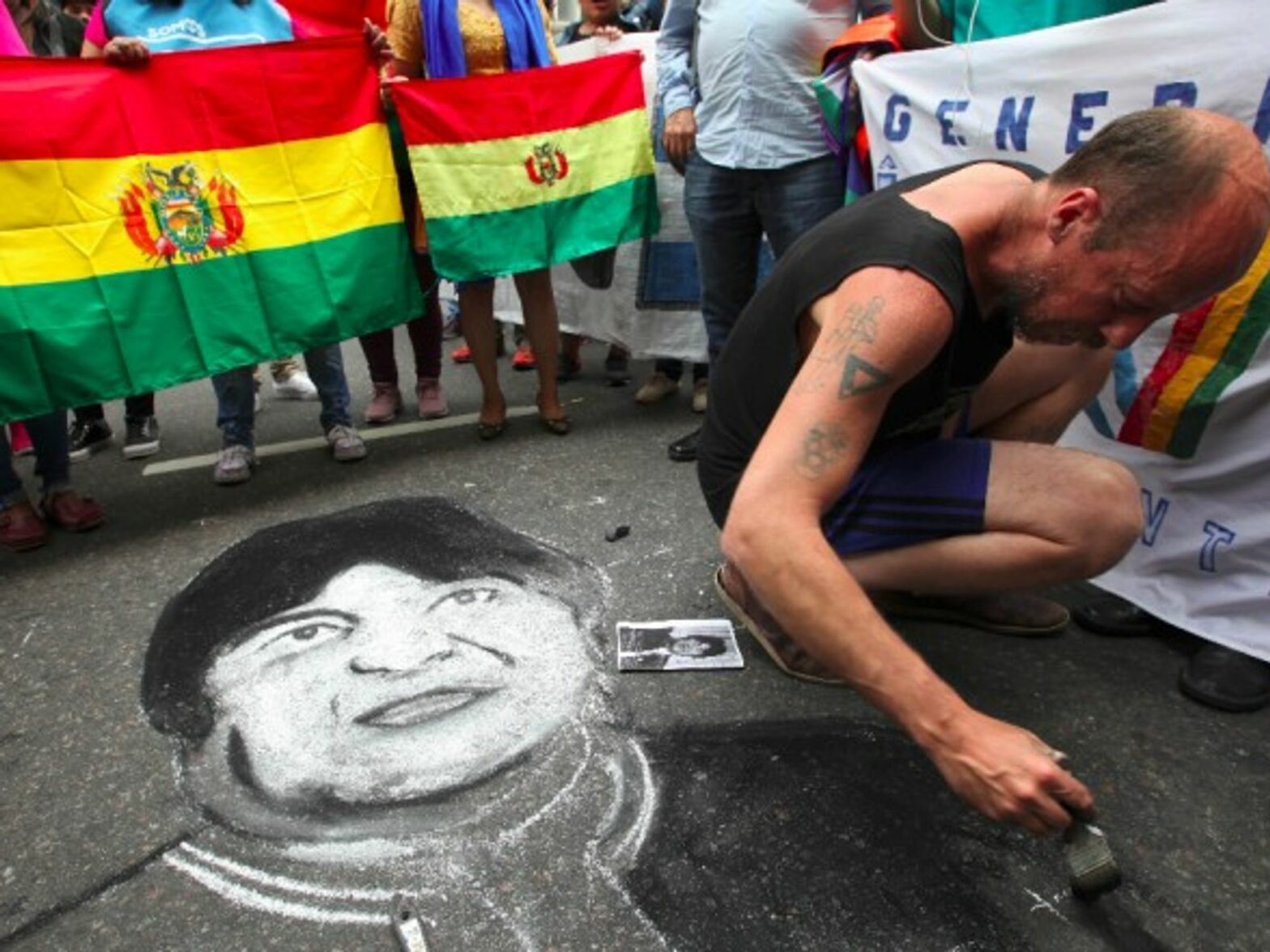
The leftist leader had some worthy accomplishments during his long tenure as Bolivian president. But his quest for indefinite leadership cost him in the end.

Chileans are fairly well off, but only in comparison to their Latin American neighbors. The country’s success has also bred greater expectations.
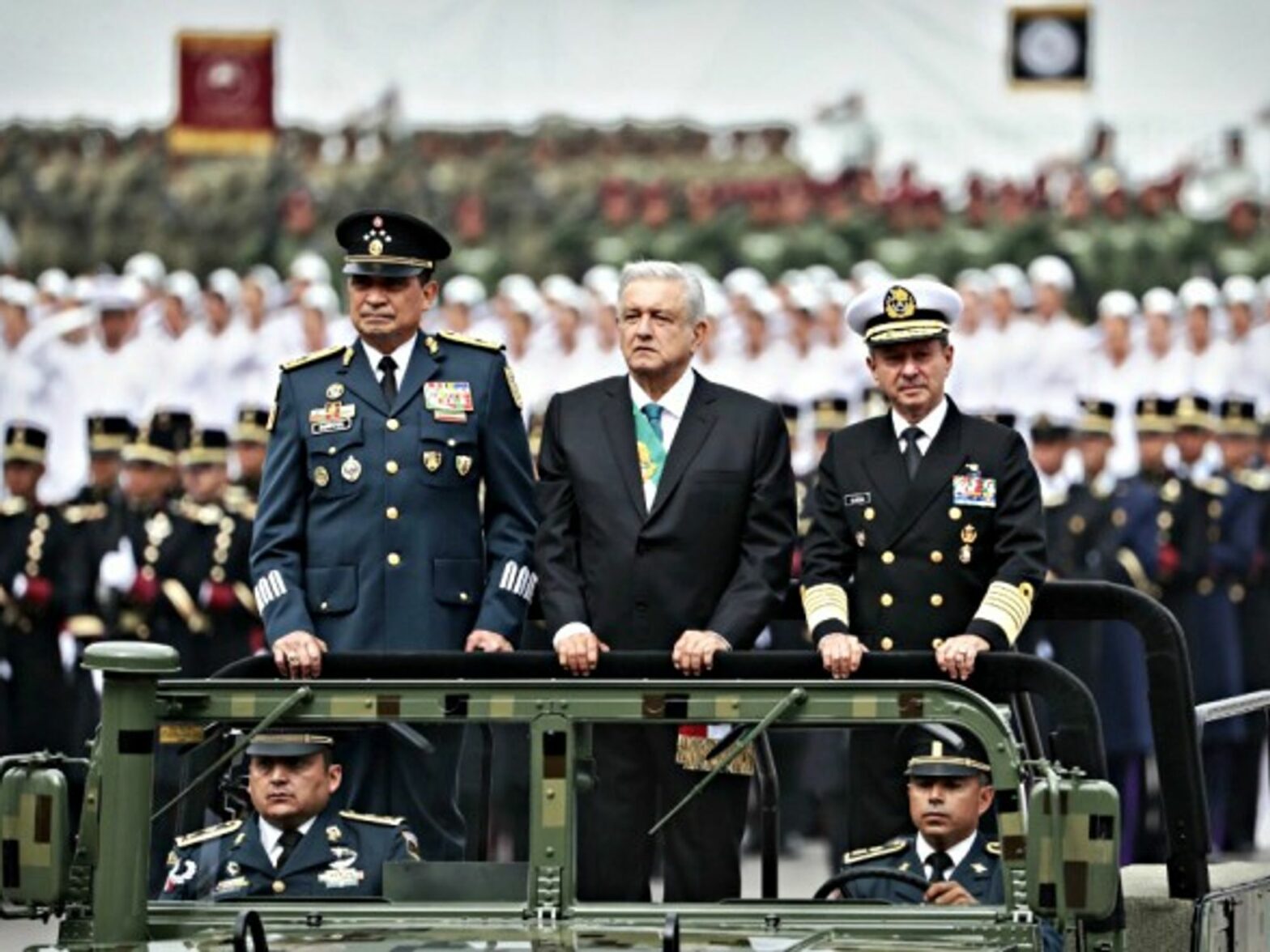
President López Obrador is bending Congress and the judiciary to his will, and scaring away investors in the process.
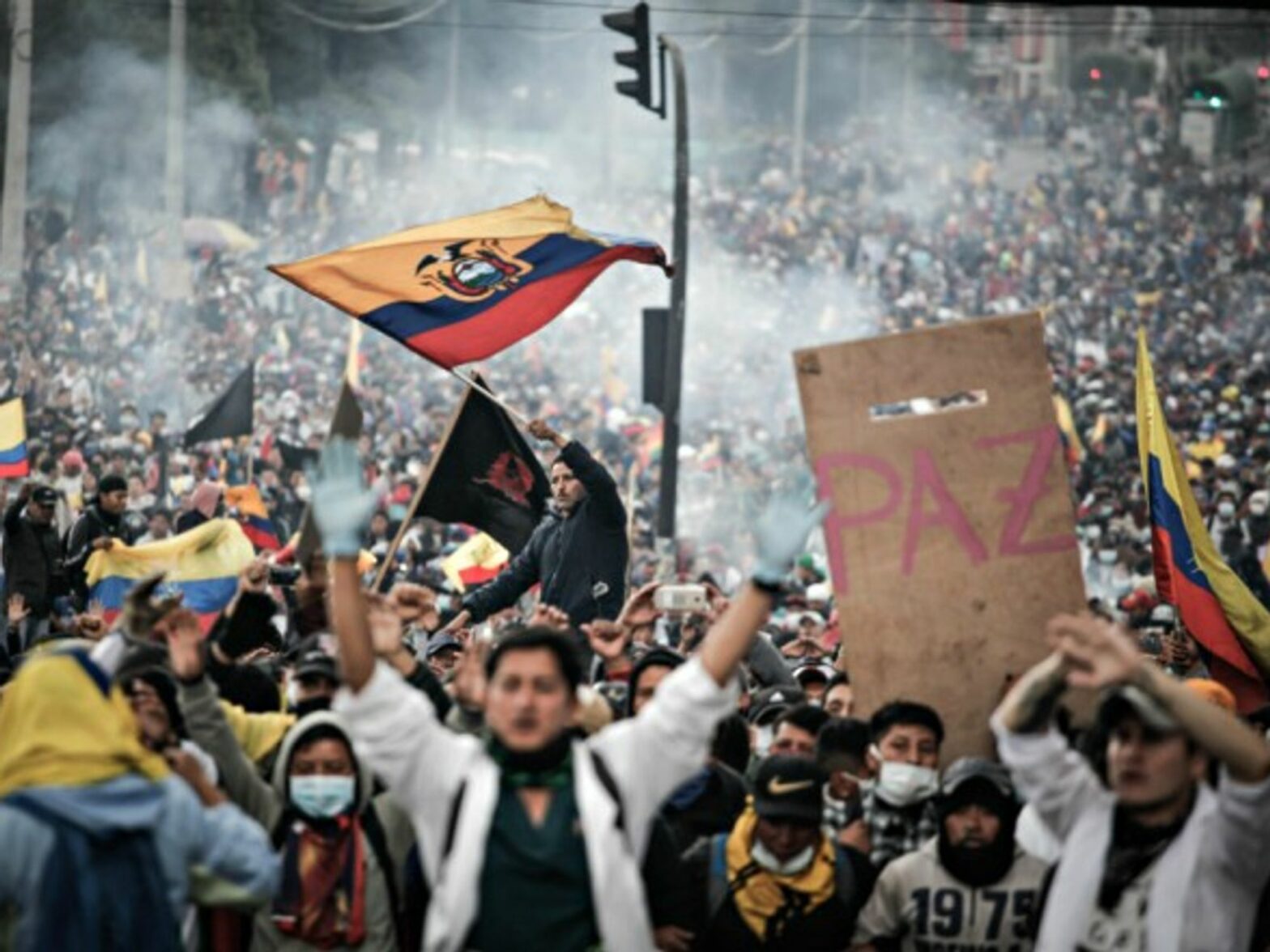
Moreno is now reversing course on austerity measures that provoked nearly two weeks of mass protests. But it may be too little too late to salvage his reputation.
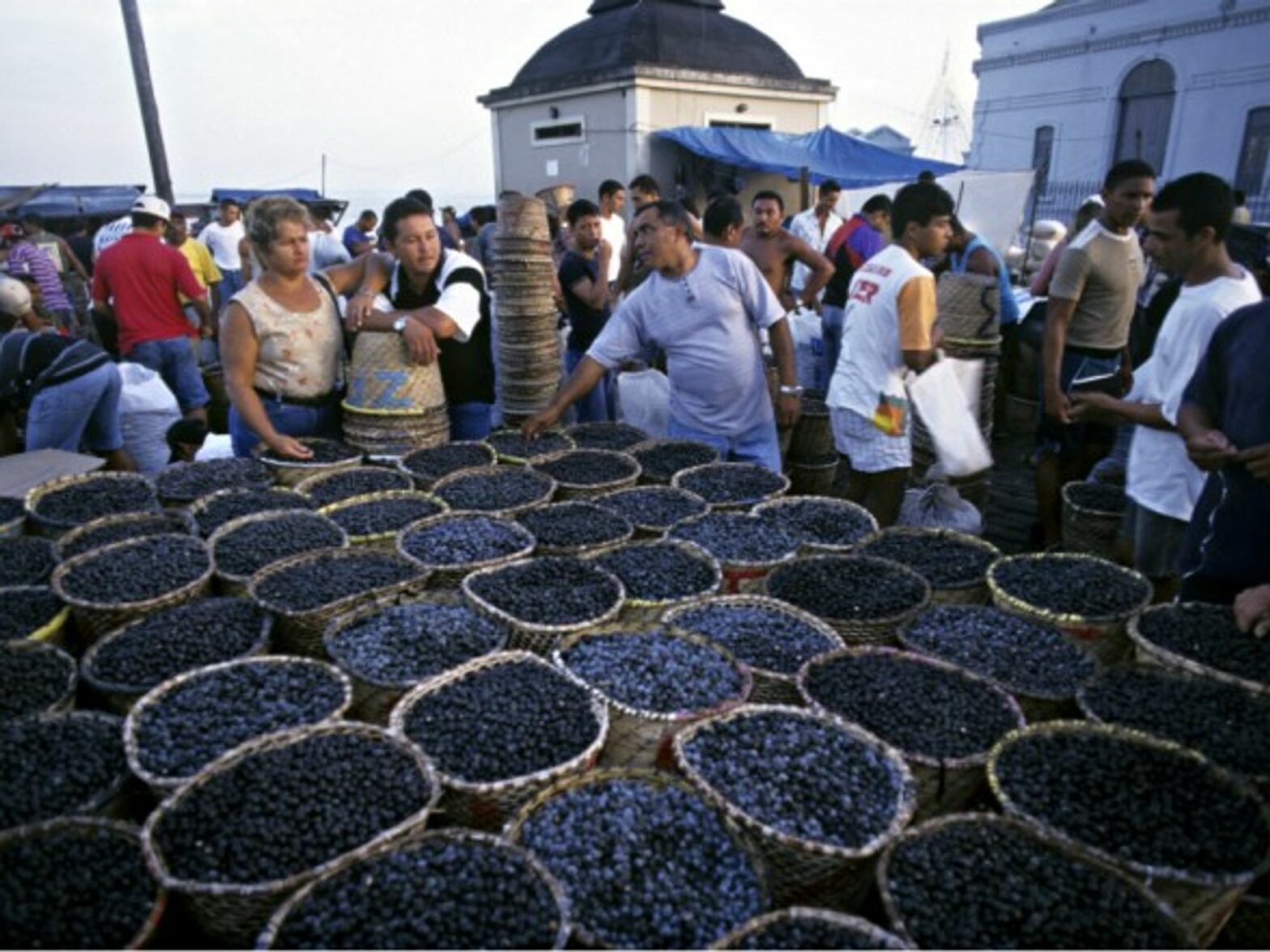
Careful cultivation of the Amazon’s curative fruits and plants could be far more profitable than destructive practices like soy or livestock farming.
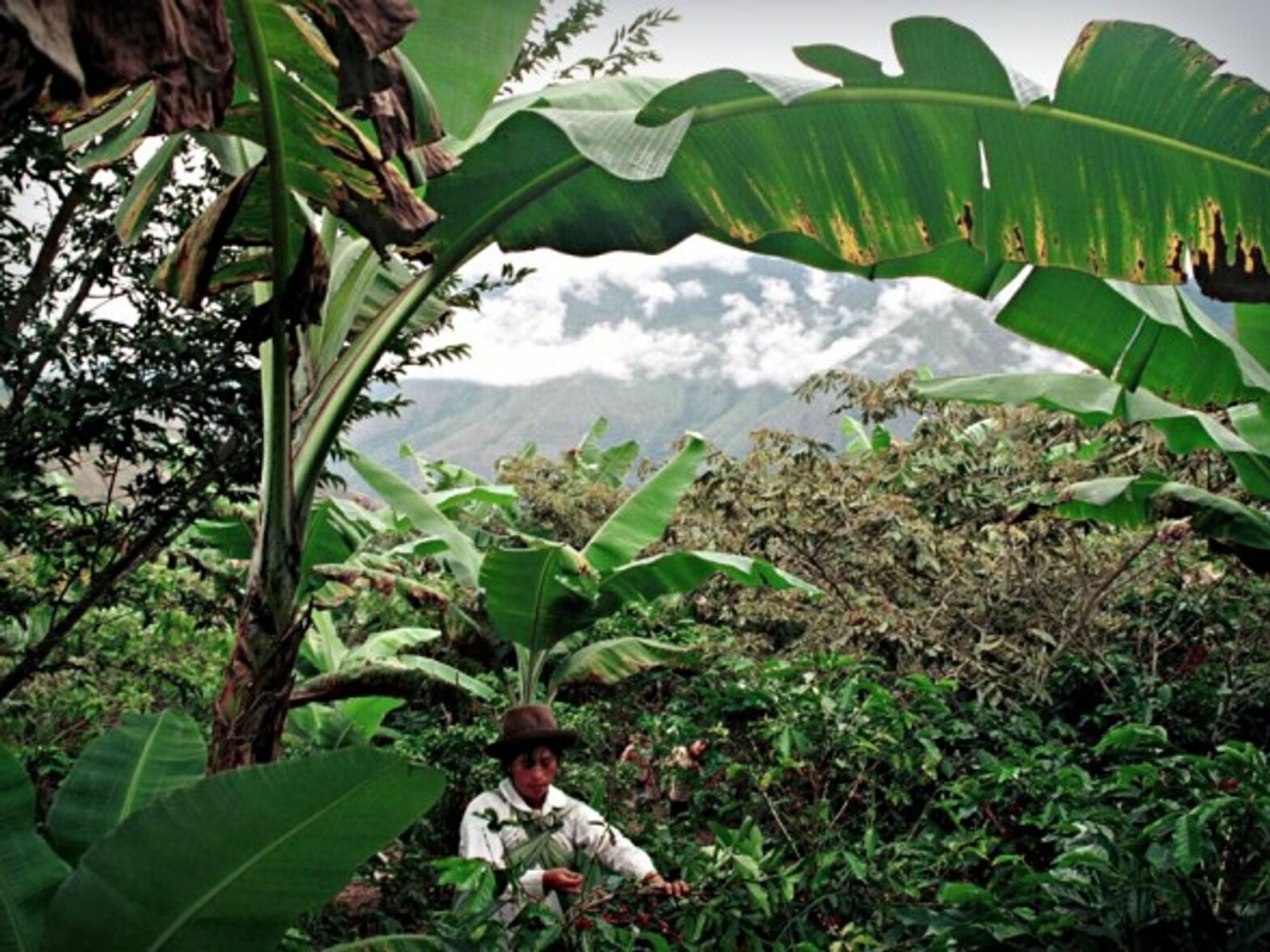
Peruvian coffee farmers desperately need help — from both the public and private sectors — to improve quality and bring down production costs.

China is setting up a naval base in Djibouti. Could it do the same in Latin America? Depends on the scope and scale of its growing economic interests in the region.
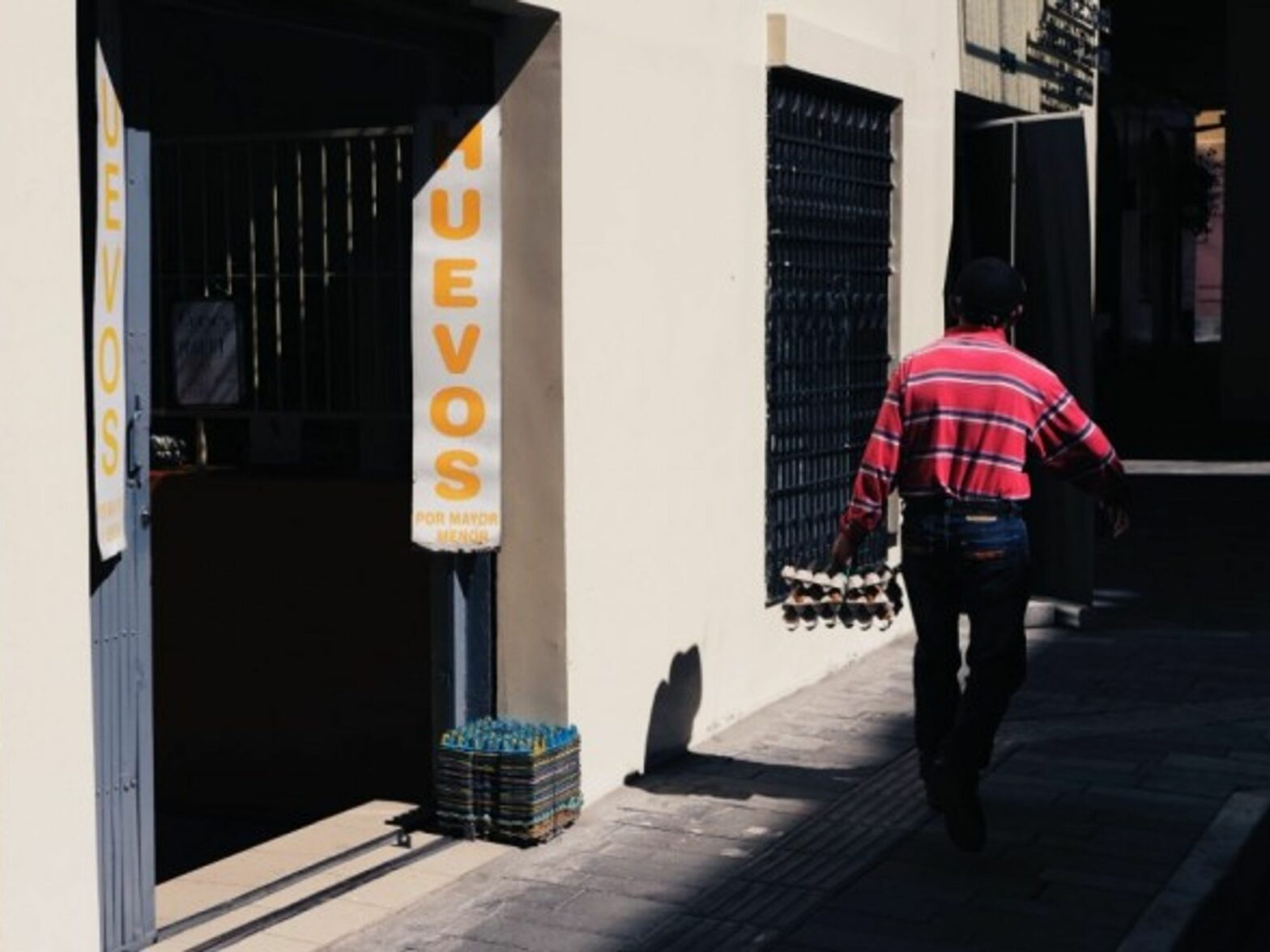
Partisans of political moderation are mistaken if they are looking for the ideals of the European liberal tradition in today’s neoliberalism.
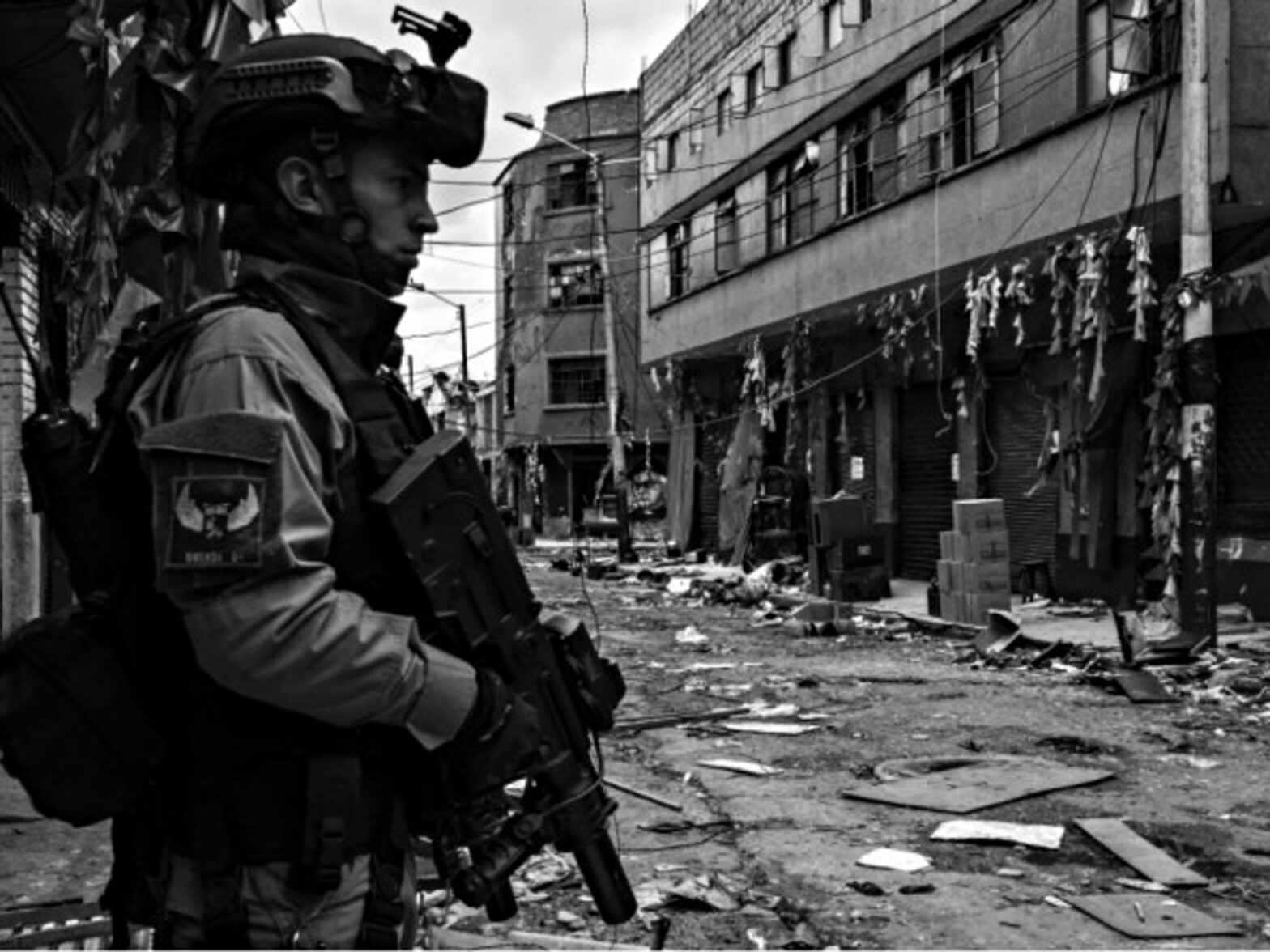
The FARC, a segment of which is now reneging on its peace-deal commitments, should never have been trusted in the first place, writes Colombian columnist Saúl Hernández.

Mexico should consider revising copyright laws to protect its traditional arts and crafts, after use of native designs by an international brand sparked anger

It’s called ‘reverse mentoring,’ where veteran executives get some raw feedback from younger workers. Can it help Latin American business loosen up and build for the future?

Cryptocurrencies are not so much money as flexible ‘assets’ that may be used in payments, without (yet) the universal credibility of a hard currency.

President Trump is not curbing global trade alone, but is part of a trend traced back to the crash of 2008. And the legislation actually dates back to the 1950s.
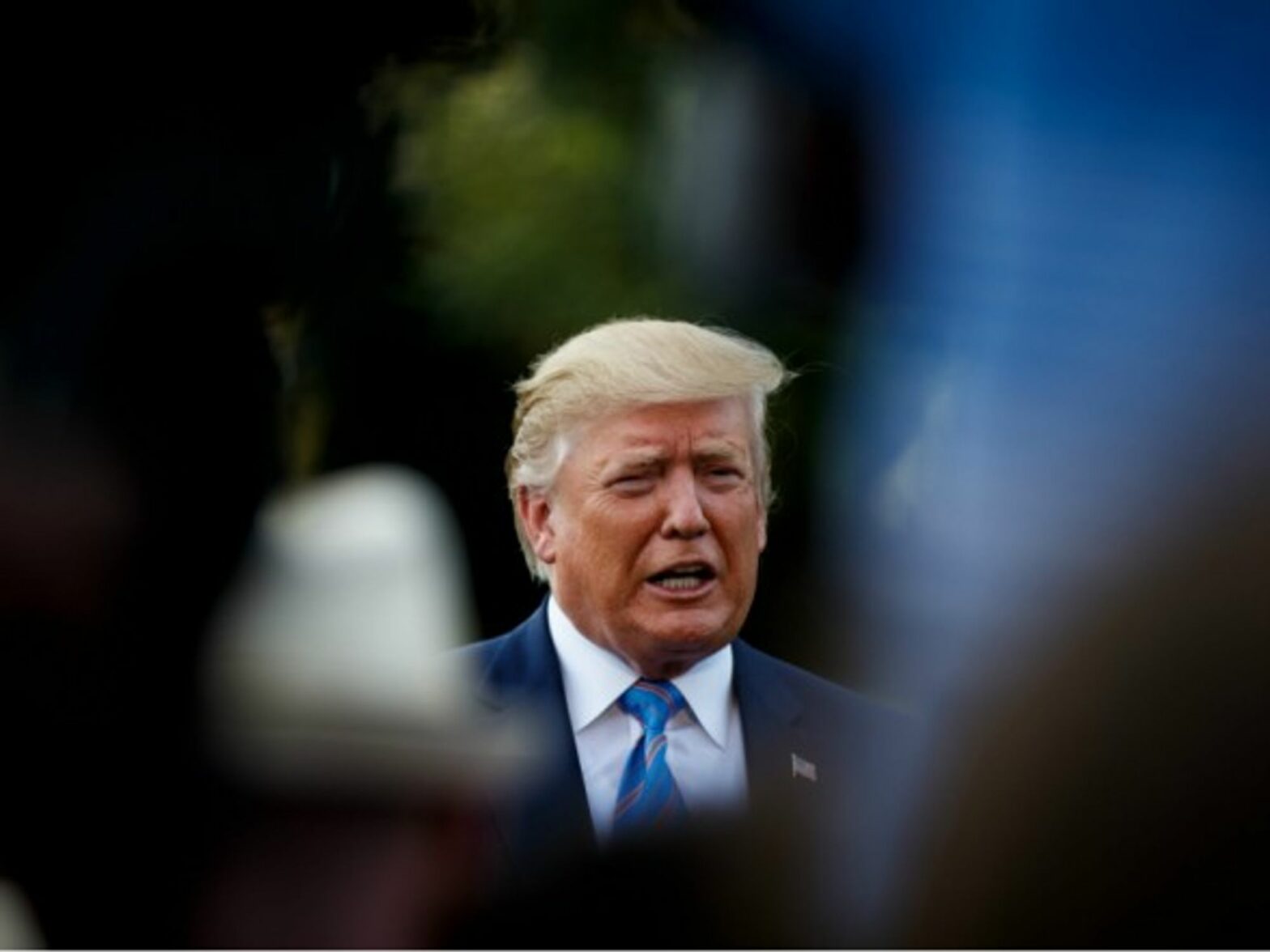
Donald Trump’s decision to threaten Mexican exports over migration is weakening years of U.S.-Mexican cooperation, further shaken by this weekend’s El Paso shooting.
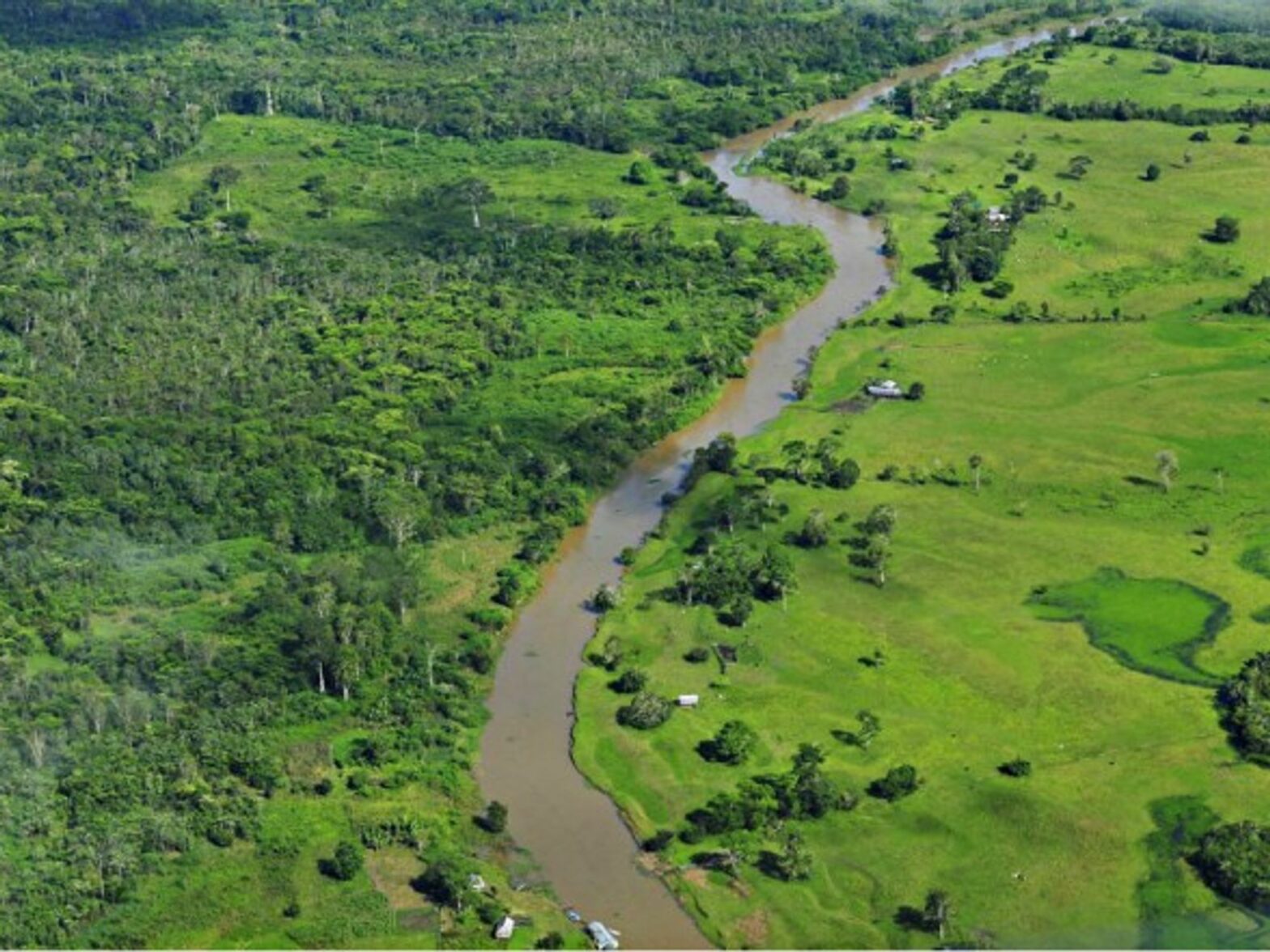
Brazilian President Bolsonaro is wrong to think rainforest destruction is purely an internal matter. The patrimony of the natural world is at stake.

President López Obrador’s confrontational approach to ruling Mexico has reminded many of Venezuela’s Hugo Chávez. But he seeks confrontation as a tool like the iconic 20th century Argentine leader.

For Lijuan Wang, starting a business in Chile was rewarding but also challenging, for being Asian, female, and ‘working at all hours.’
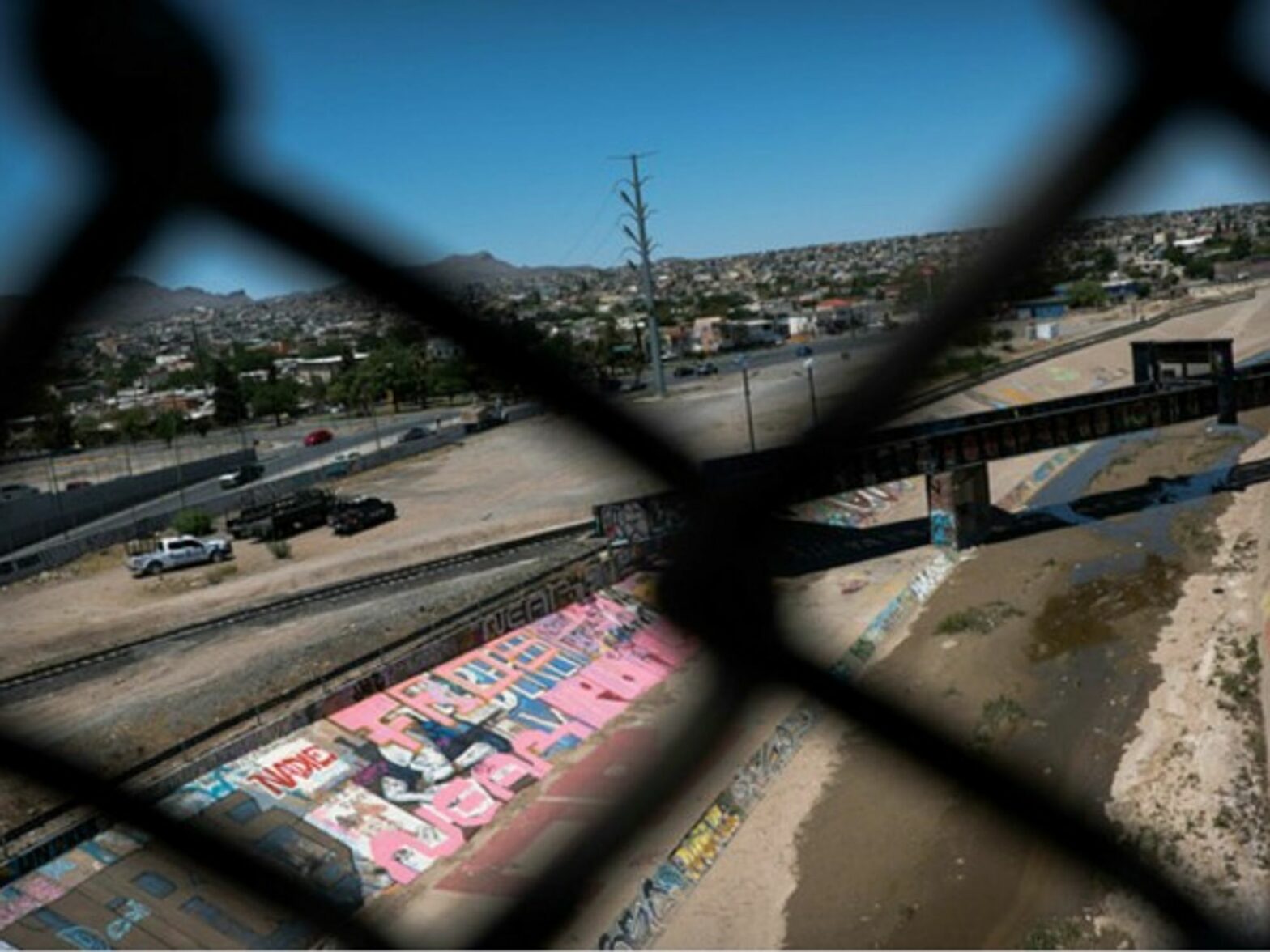
The U.S. president has little regard for the rules of trade and diplomacy, as evidenced by the extortion tactics he just pulled off with Mexico.
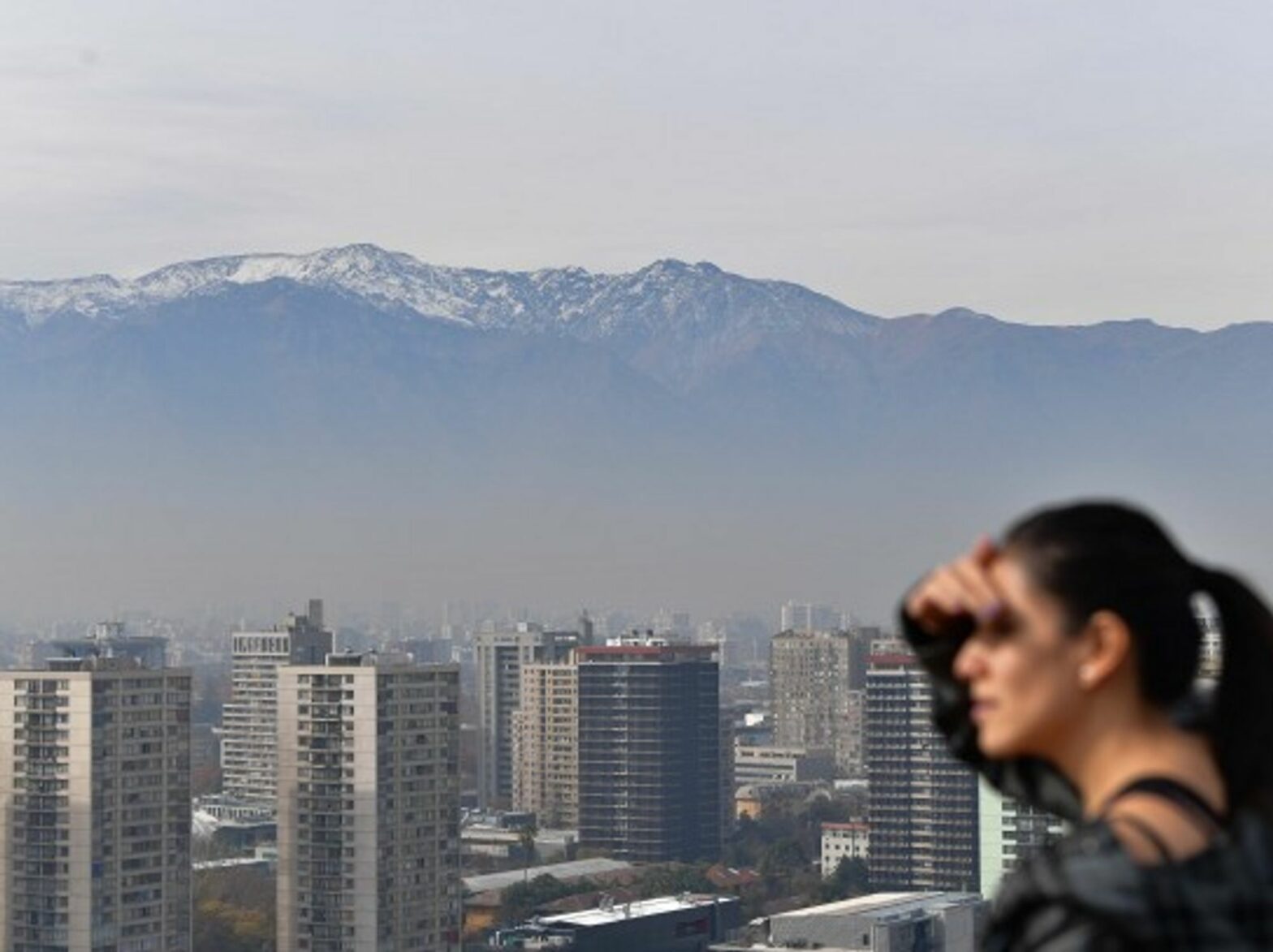
It used to be South America’s shining star. But these days, things seem to be a bit rotten in the state of Chile, where corruption scandals are eroding public confidence.
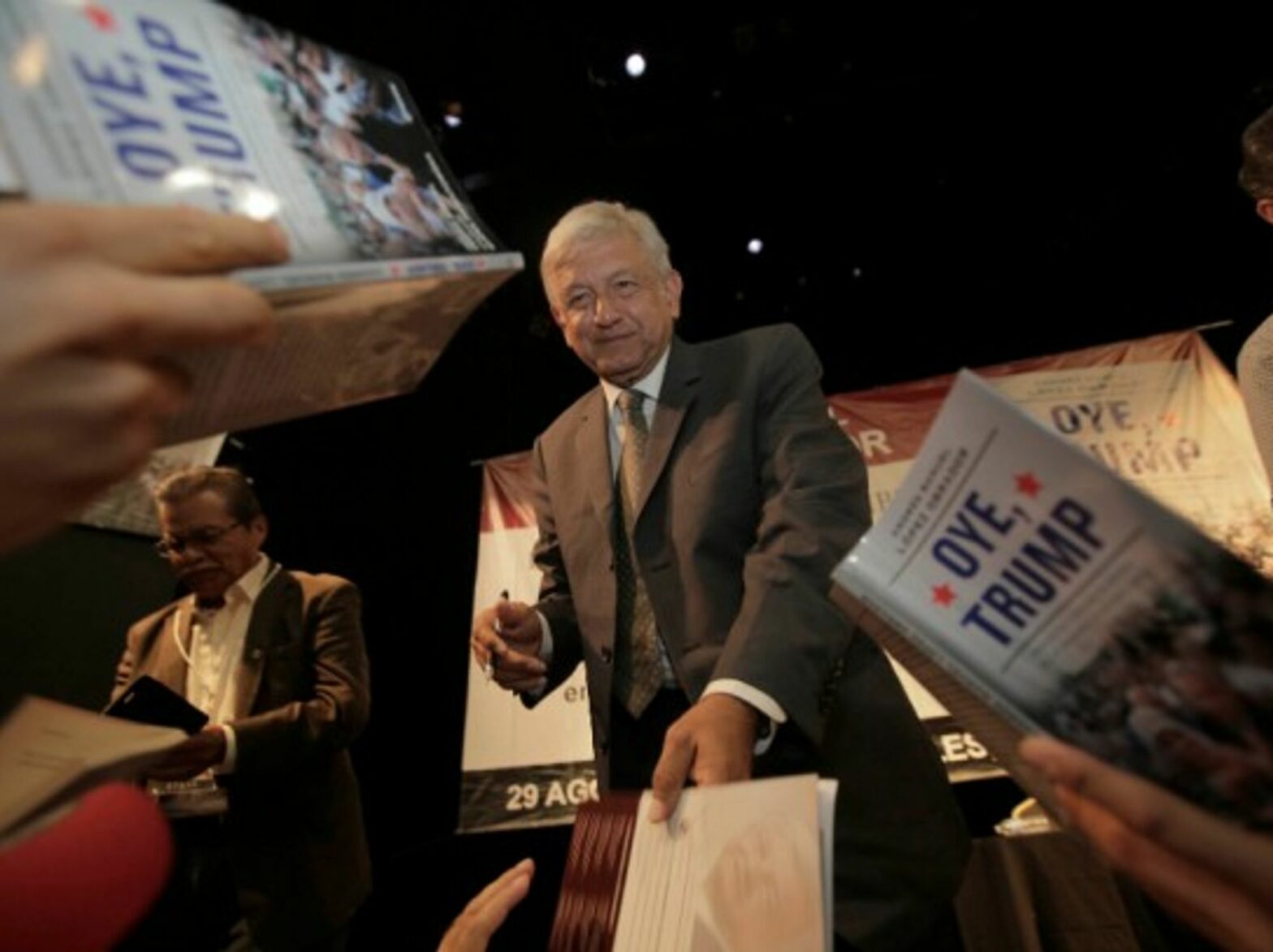
Facing U.S. brinkmanship over tariffs and migration, Mexico’s president must act to unite his country with sensible policies and end his ‘confrontational’ strategy with domestic critics.

To survive and prosper, large firms must have adaptable leaders and constantly revise targets and performance.

Instead of perpetuating an established propensity toward ‘asymmetrical’ trade ties, Mexico can boost relations with China with an eye on environmentally-friendly opportunities.