The idea may sound callous, bordering on irresponsible, but sometimes what you need is to let your kids figure it out — they’ll thank you later.
 Worldcrunch
The idea may sound callous, bordering on irresponsible, but sometimes what you need is to let your kids figure it out — they’ll thank you later.
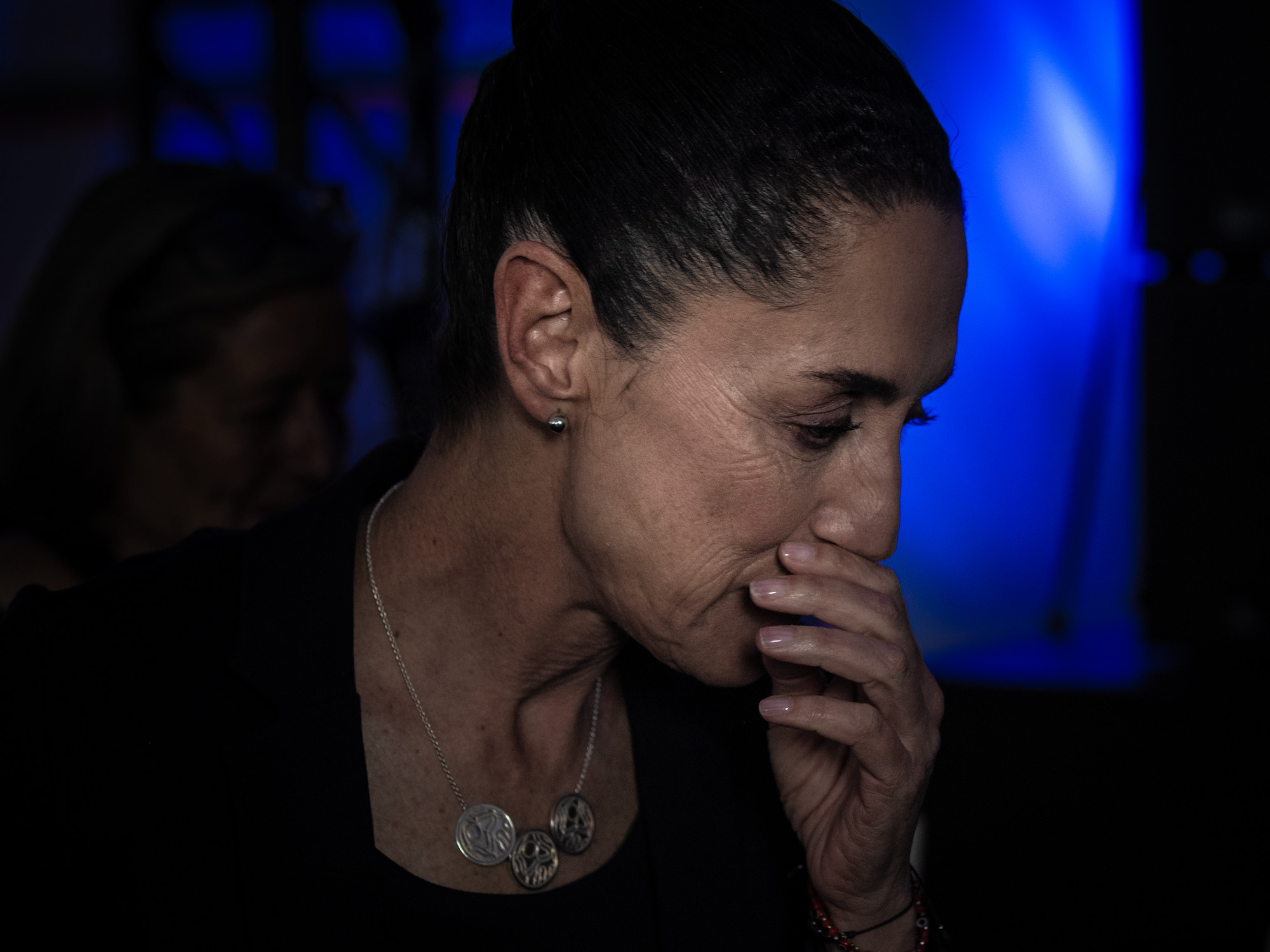
After Colombia’s president took on U.S. President Trump and lost, Mexican President Claudia Sheinbaum has managed this new complex relationship with remarkable deftness and clarity of purpose. But can this strategy be maintained with Trump’s mind set on tariffs everywhere?
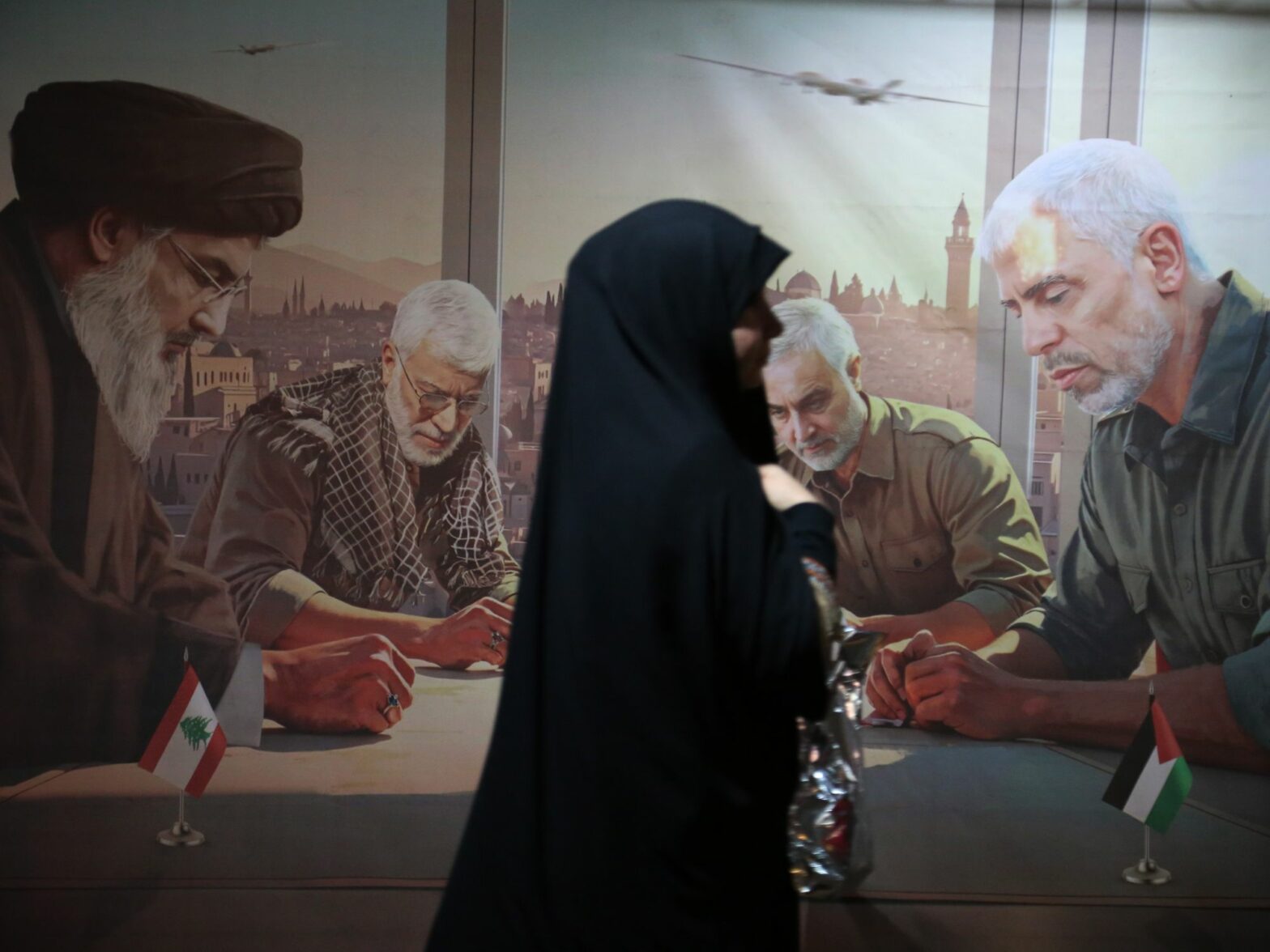
Hijab is merely a custom that, by force of tradition, has turned into a religious symbol — nothing more. The early Quranic interpreters, who favored transmission over reason due to their limited knowledge and weak analytical abilities at the time, interpreted the so-called “verses of hijab” without considering their historical context or the reasons behind their revelation.
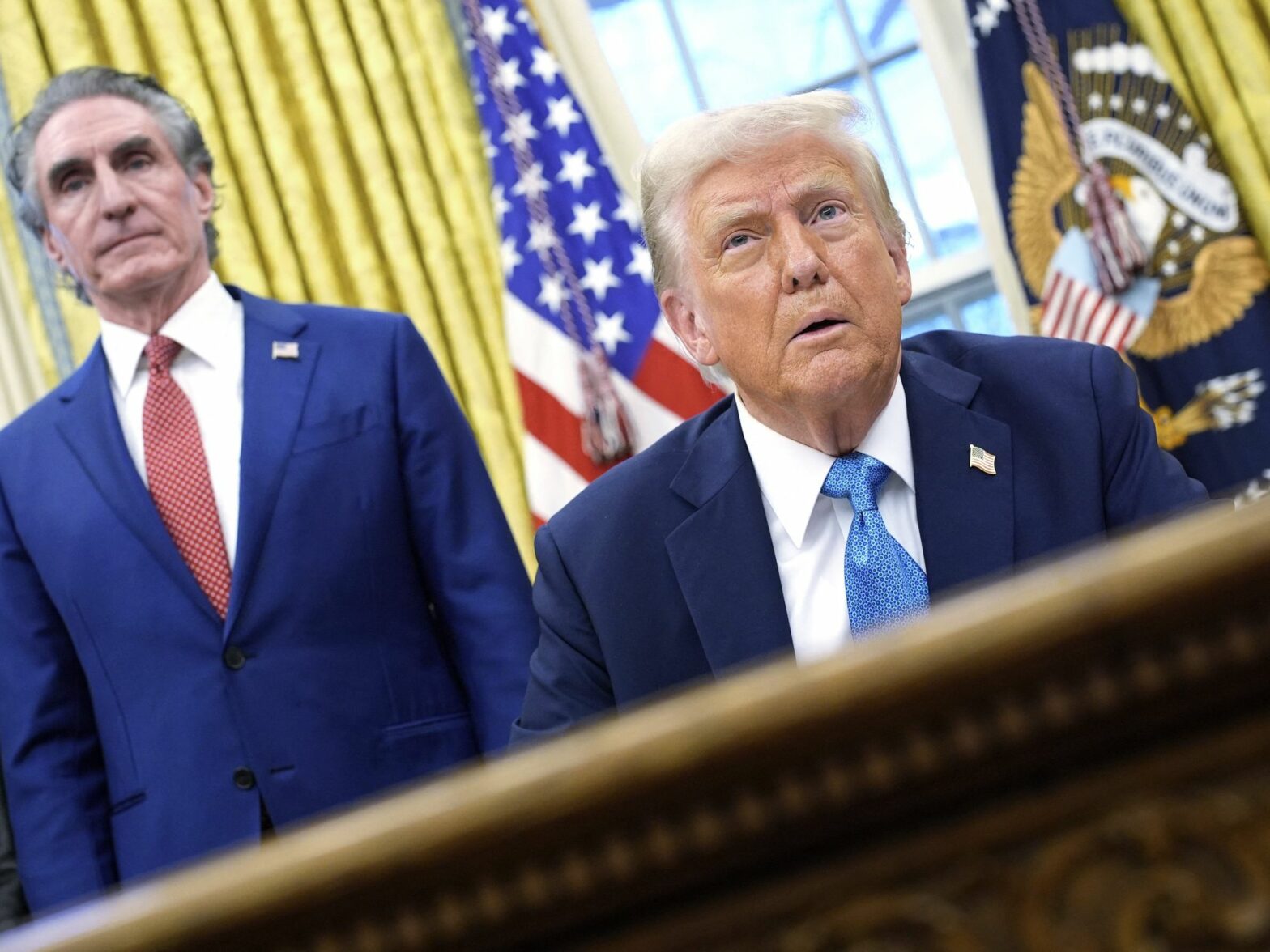
In economics, disruption describes an ordinary process: innovations replace outdated technologies. But in politics? It takes on a far darker meaning, writes German weekly Die Zeit.
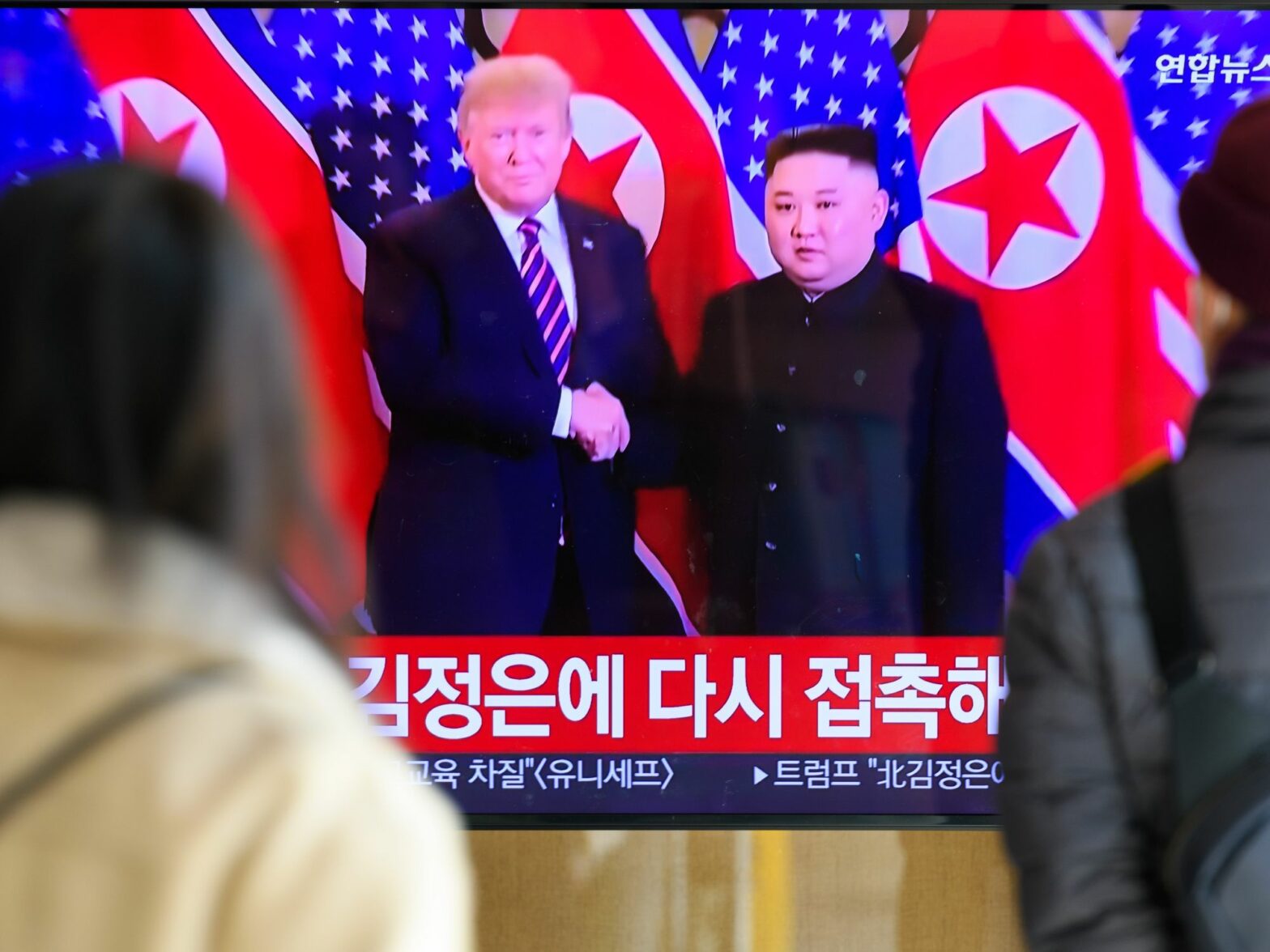
The post-liberal world needs an added dose of cautious and realistic diplomacy, and the United States remains its natural promoter. Yet there is little evidence, for now, that the Trump administration has an interest in diplomacy to keep the collective peace.
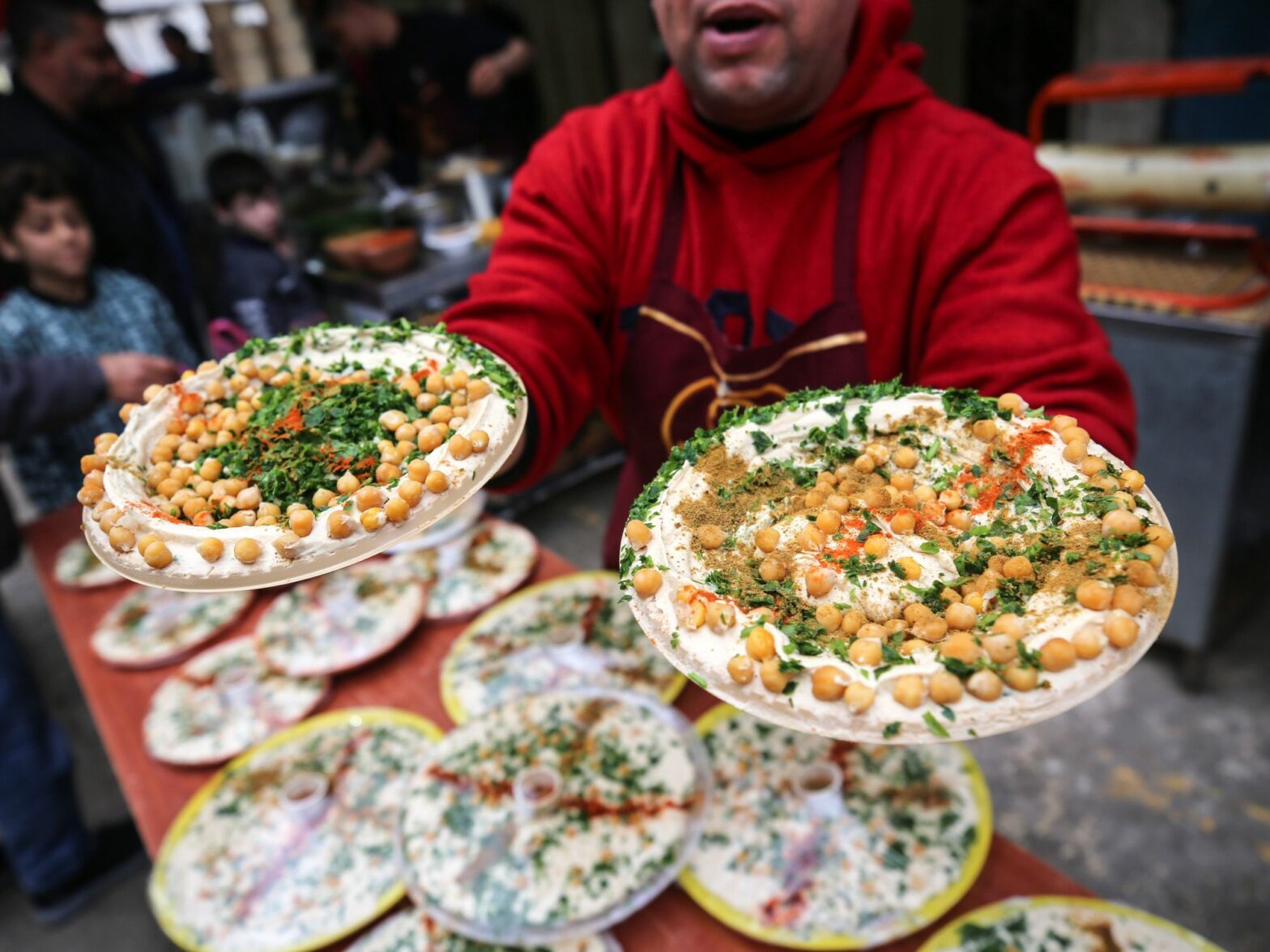
Food is more than nourishment; it carries the stories of a people — their land and families, struggles and joys. For Palestinians, cuisine holds a profound connection to their heritage, but the trendy rise of Israeli food is putting that at risk.
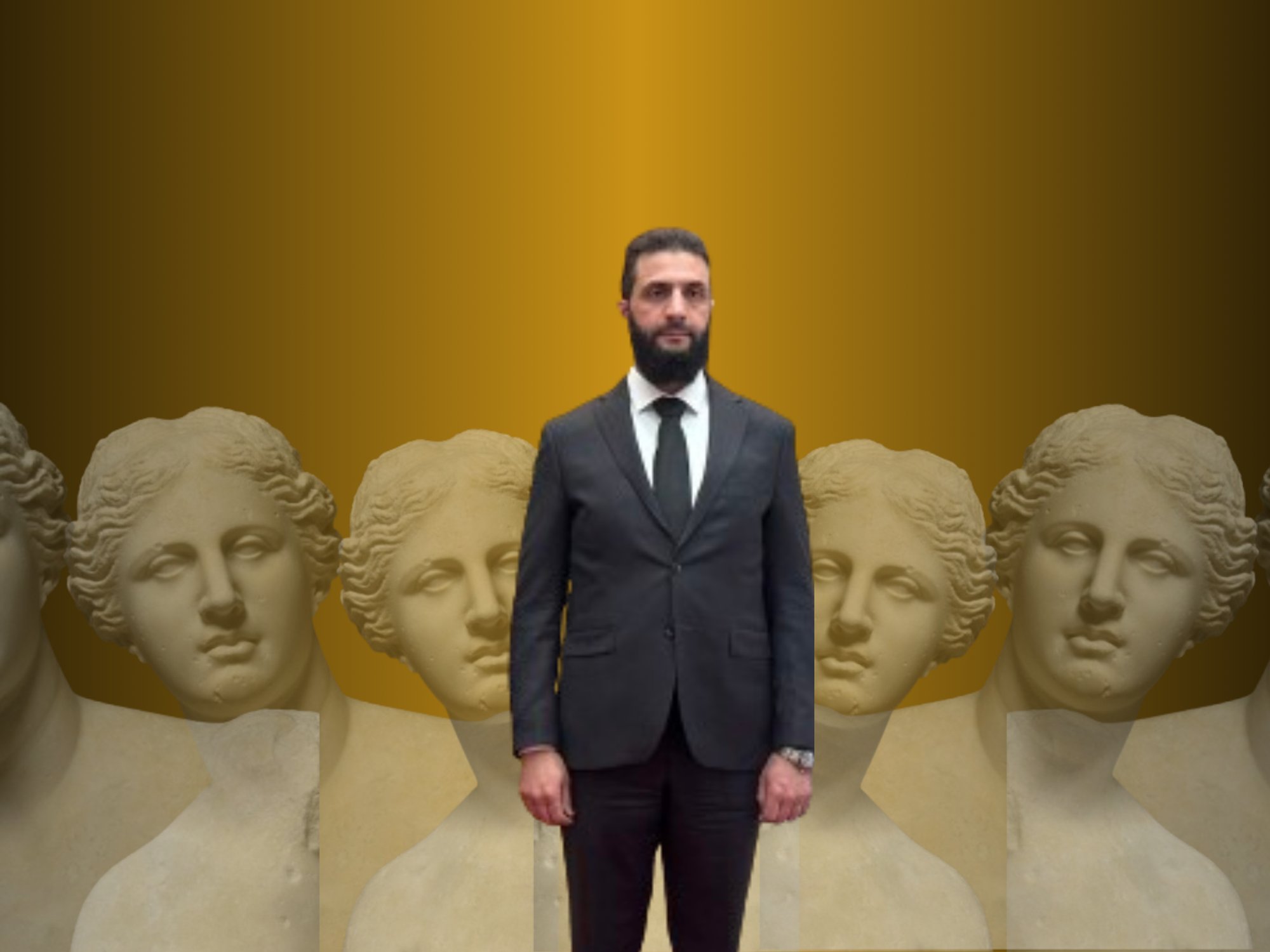
In Syria the provisional government led by Hay’at Tahrir al-Sham has removed the term “gods” and images of statues from the school curriculum. Men destroy statues so that the statues do not destroy them. Removing these images and their rightful place in history is a dangerous call to war against truth and equality.
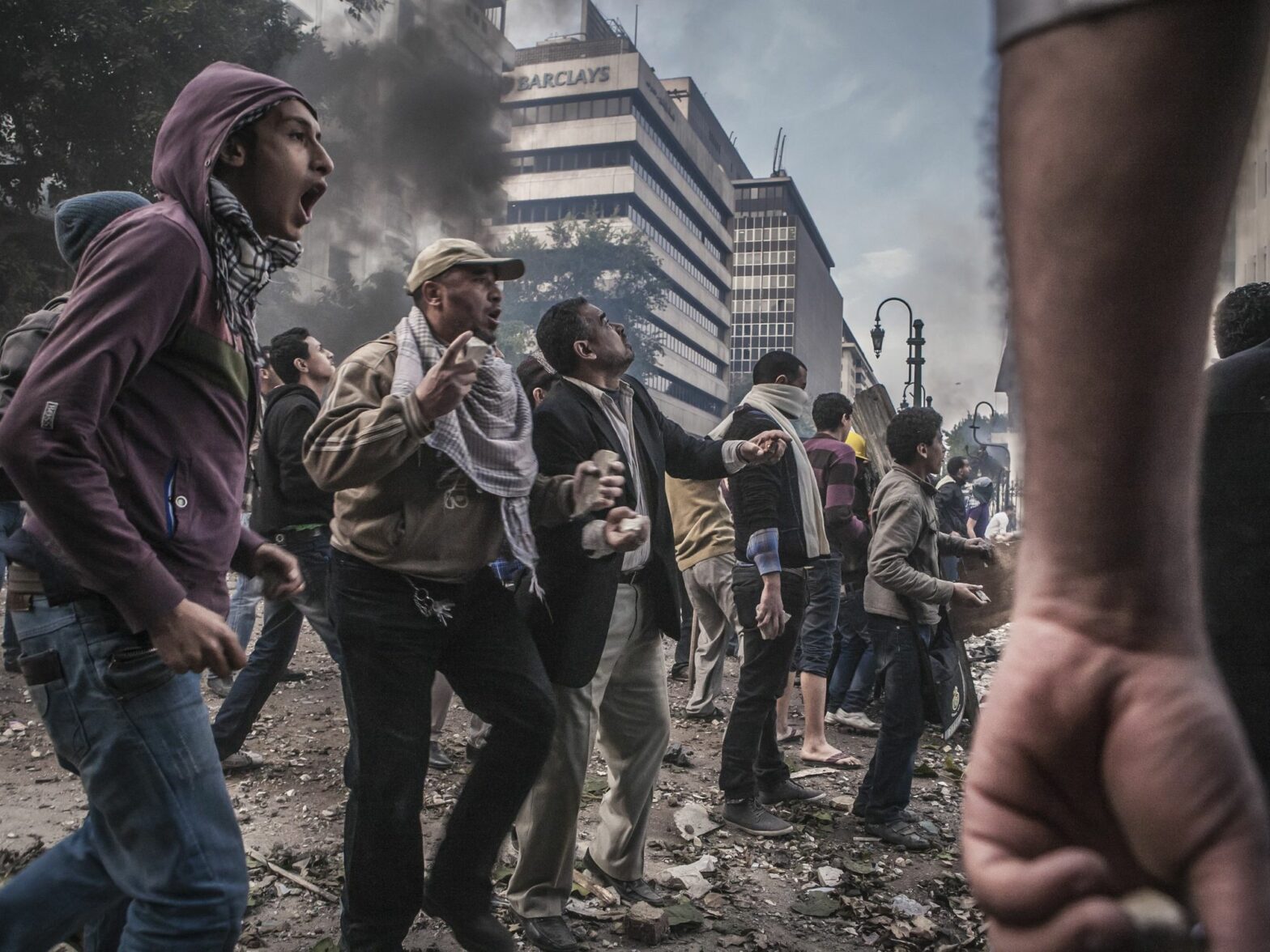
Supporters of the Assad regime rallied around the slogan “Assad forever.” But we have now seen what happens the day after “forever.” Egyptian writer Ezzat el-Kamhawi considers what that means for Syria and the region.

With the global rise of the far-right, many Germans are afraid that the past is about to repeat itself. German writer Florian Illies explains the trap about such analogies — even as other dangers lurk.
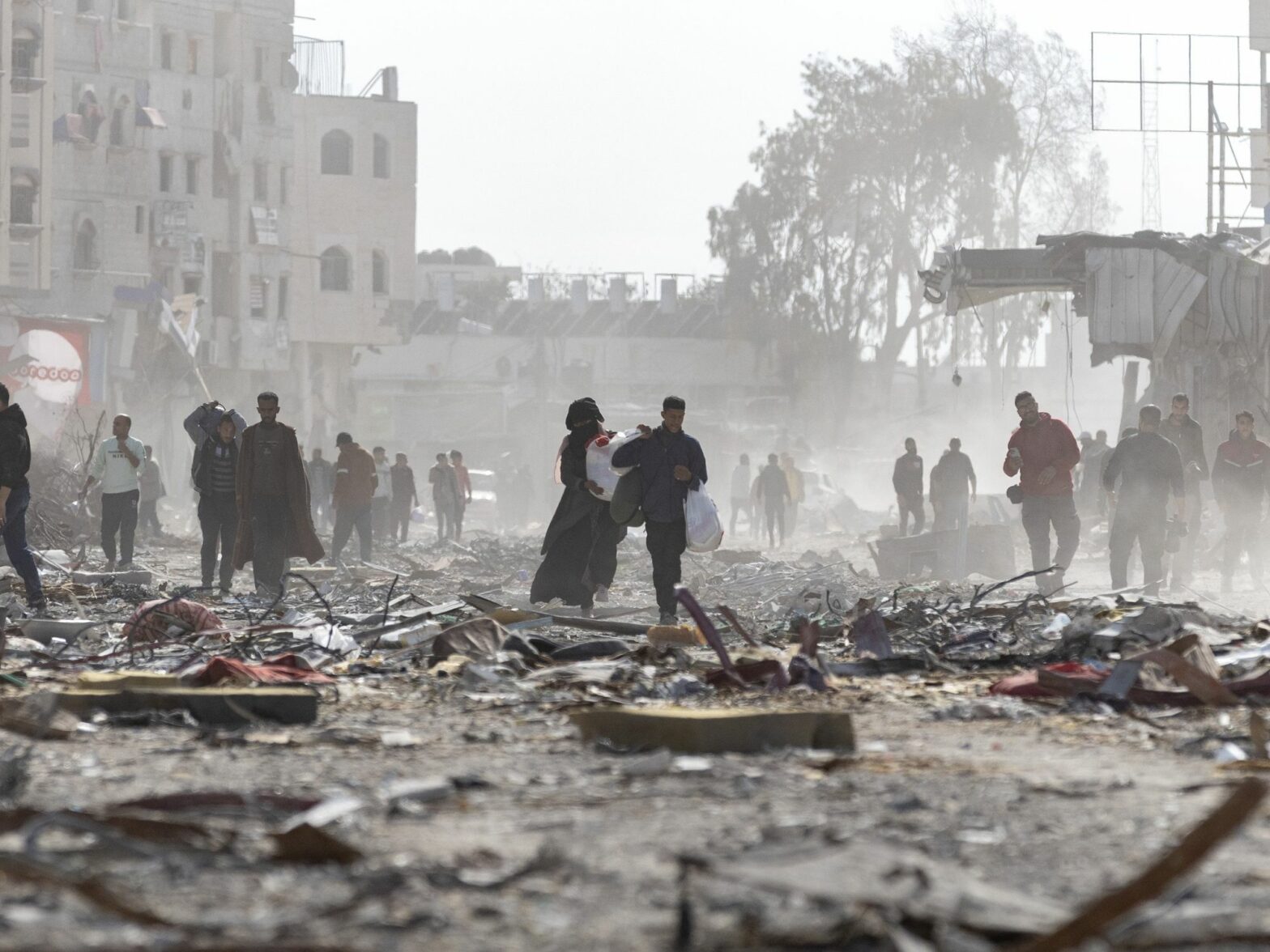
The Gaza ceasefire between Israel and Hamas has gone into effect and the complex prisoner exchange has started. Yet the road is still too long before it is possible to discuss who is the victor and who is the vanquished. Many factors — in Gaza, Israel and in the new Trump White House — could still revive the conflict.
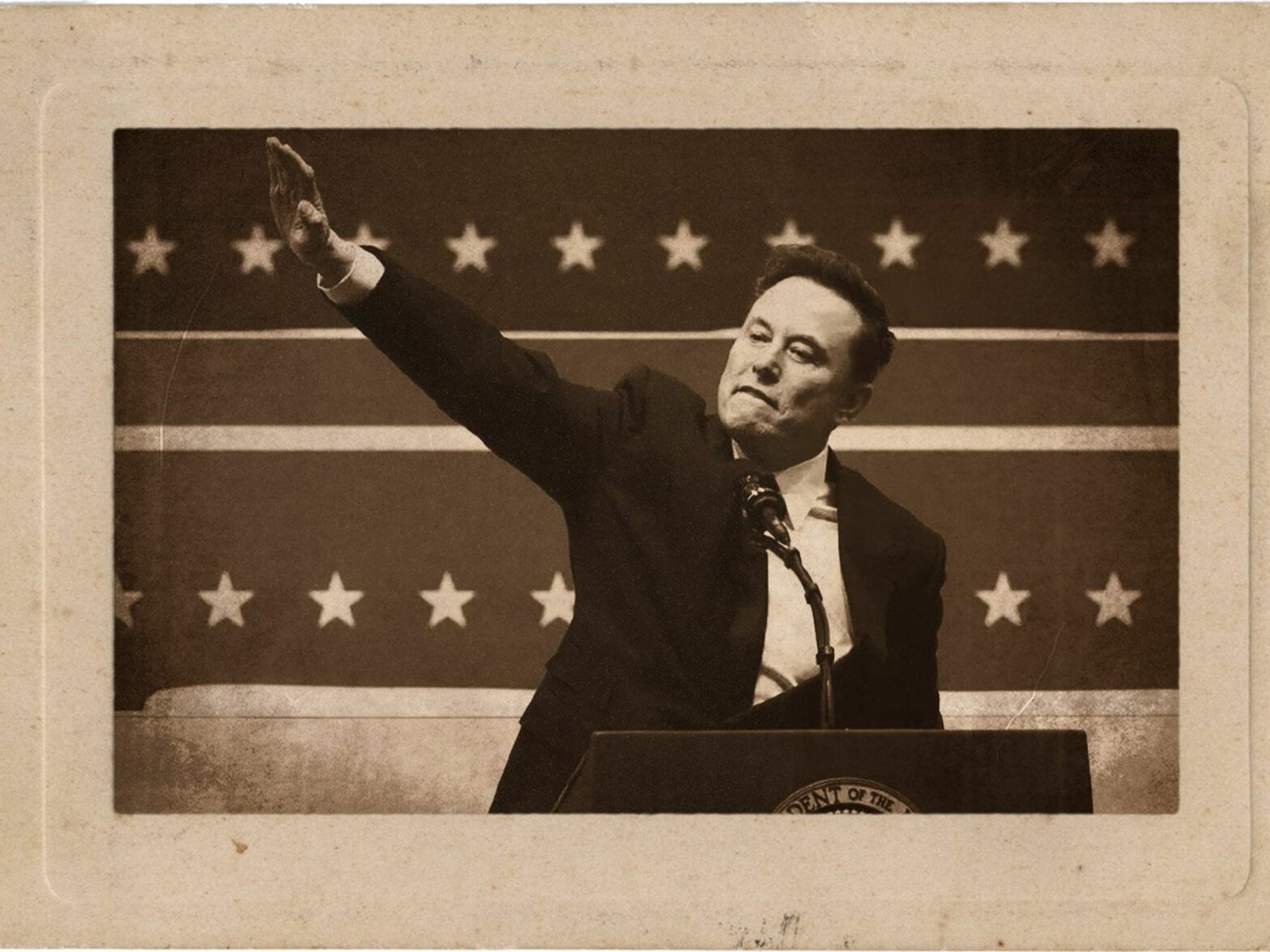
To the German author, watching Elon Musk stretching his right arm out at a Trump political rally could mean only one thing. The Neo-Nazis agree. But what is the billionaire’s real game? A view from Die Zeit on the Hitler Salute outrage.
Natalia Viana, of Brazil’s leading investigative platform Agência Pública, writes that Zuckerberg’s attack on fact-checkers may be cynical and vile, but the practice is here to stay, and gets at the core of maintaining a healthy democracy.
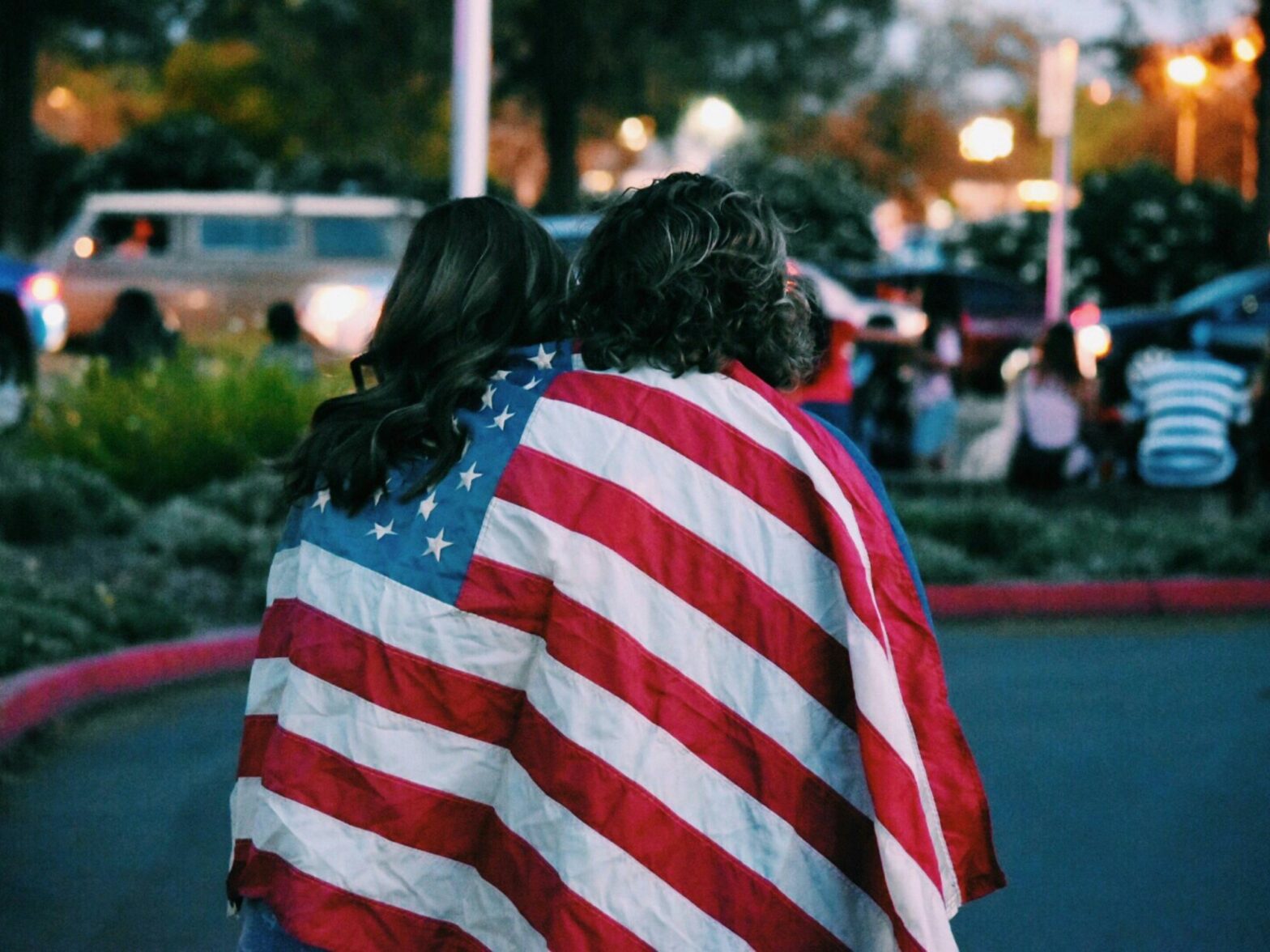
On his inauguration day, President Donald Trump signed the decree abolishing the law that grants U.S. citizenship to anyone born on American soil. For Italian writer Mattia Feltri, America was born from the idea that anyone could come, live freely, pursue their happiness. That dream is dead.
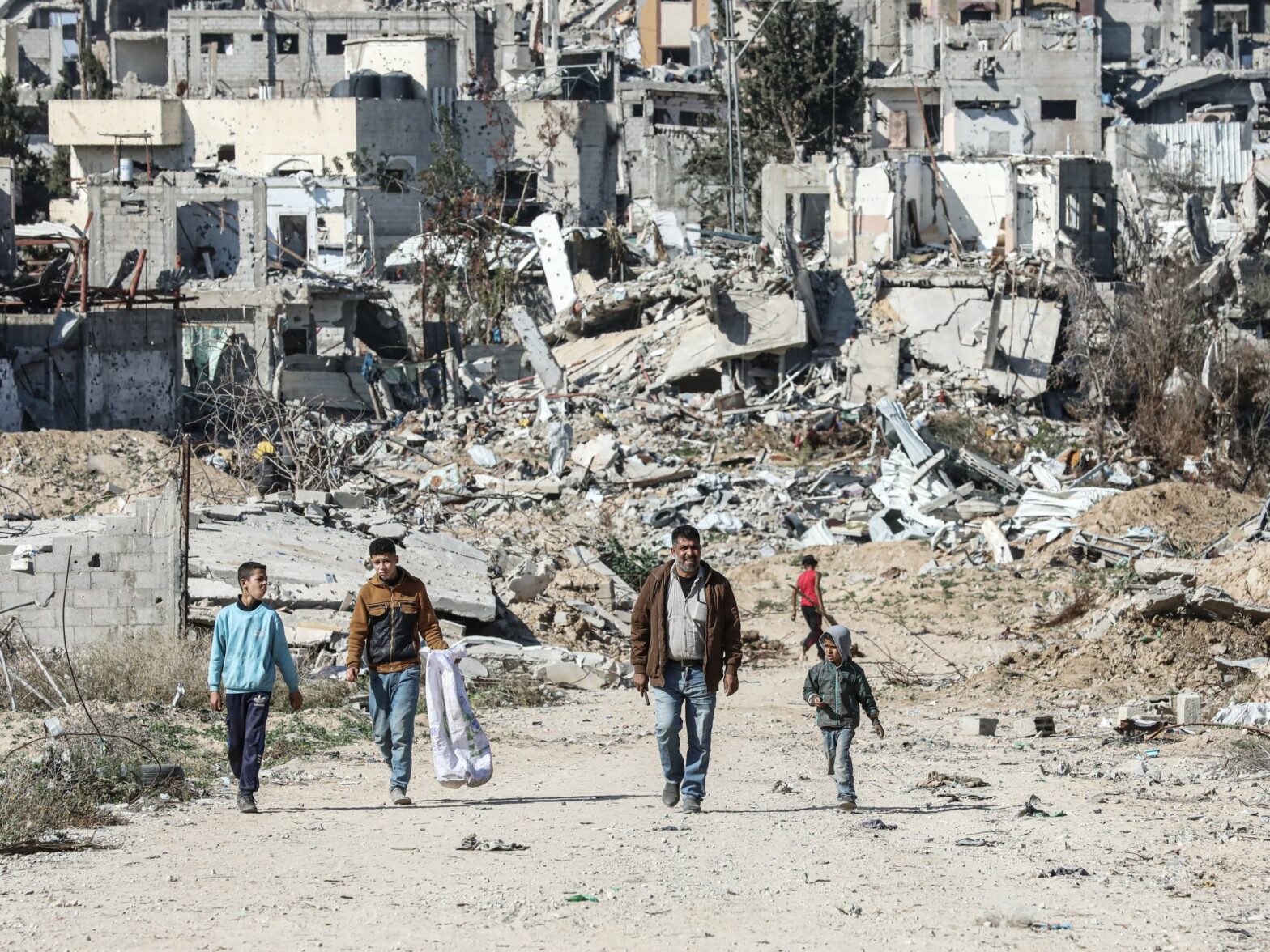
The recent Israel-Hamas ceasefire deal means that displaced Palestinians could return to their homes in the Gaza Strip in the coming weeks. When exactly will they return? And what will they find there? Palestinian writer Feda Ziyadh, who is among the 2.3 million displaced by the war, considers these questions — which four generations of her family has had to ask.
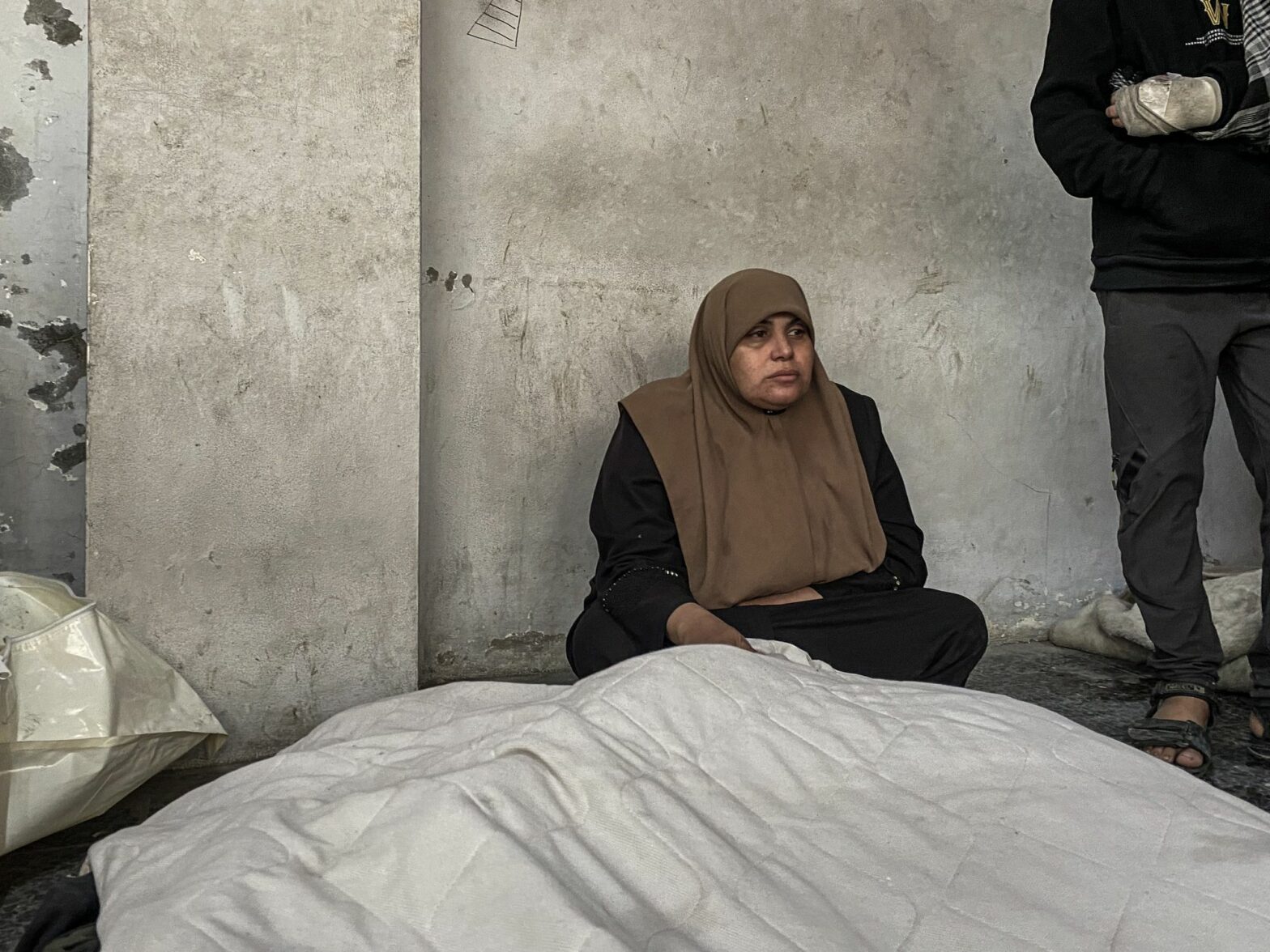
The people of Gaza will return to their homes, even those that have been destroyed. Loved ones will be reunited after a long separation, and far too much death. They will hug each other with amputated arms. Is there way to find joy amid the pain and rubble?
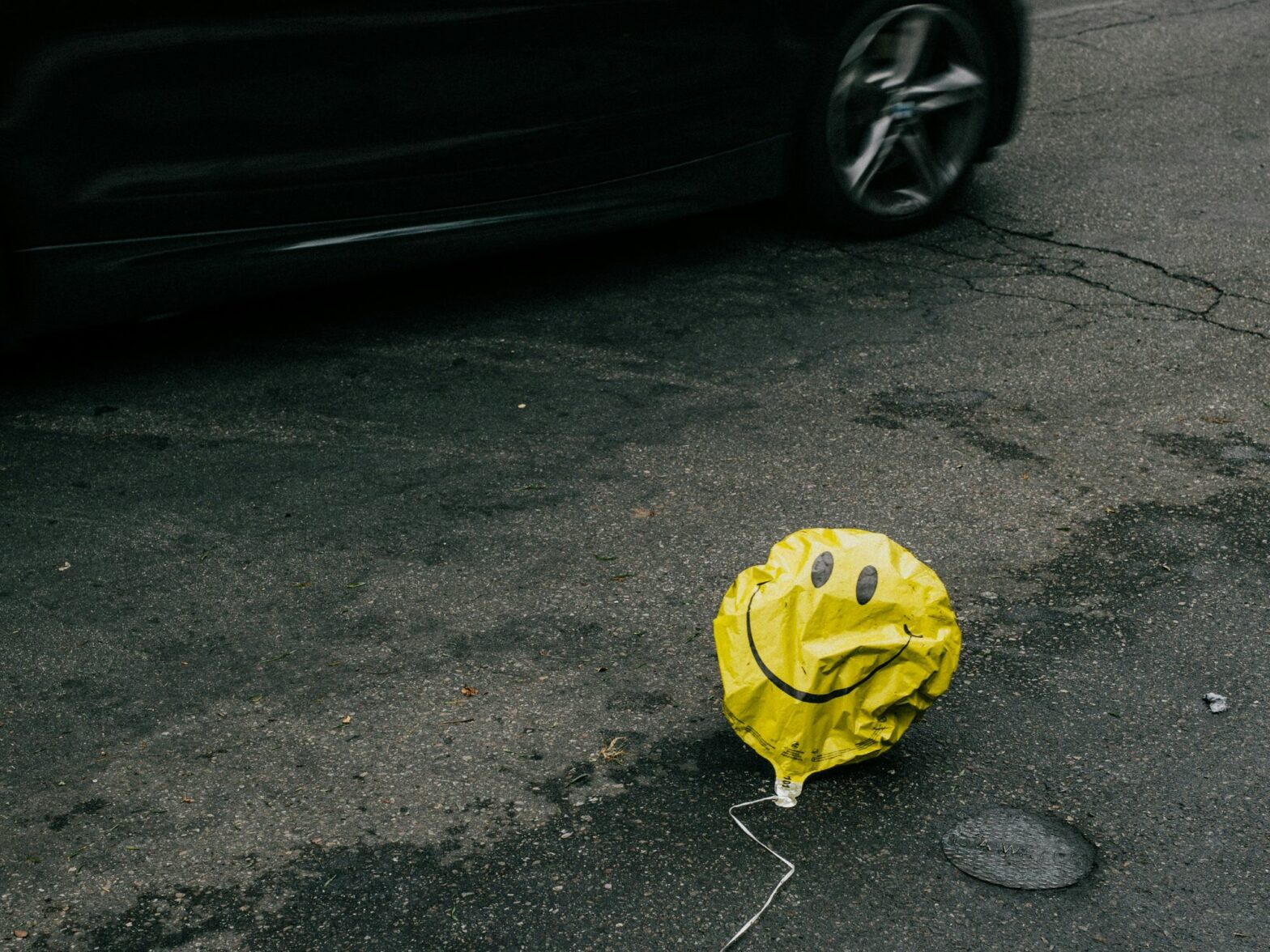
Both pessimism and optimism are stored in our genes: They helped us be watchful, while giving us the possibility to hope for a better future. But which one helps us lead a better life? For Die Zeit, Harald Martenstein, a self-declared pessimist, looks at the benefits of both.
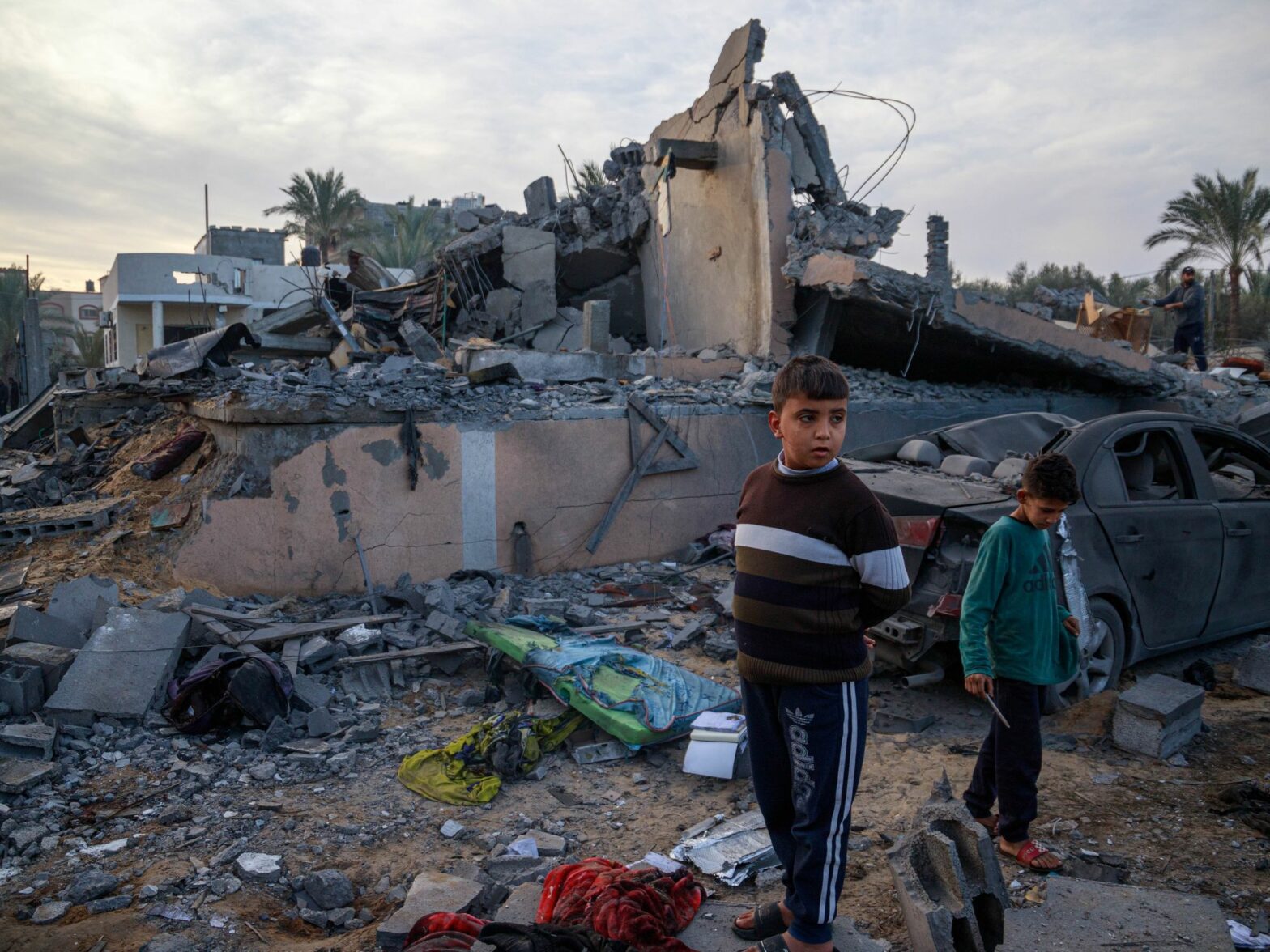
Beyond the moral component, the realists in international affairs believe that support for Israel does not serve the U.S. interests. They also believe that Israel’s violations against the Palestinians are not in Israel’s interests either.
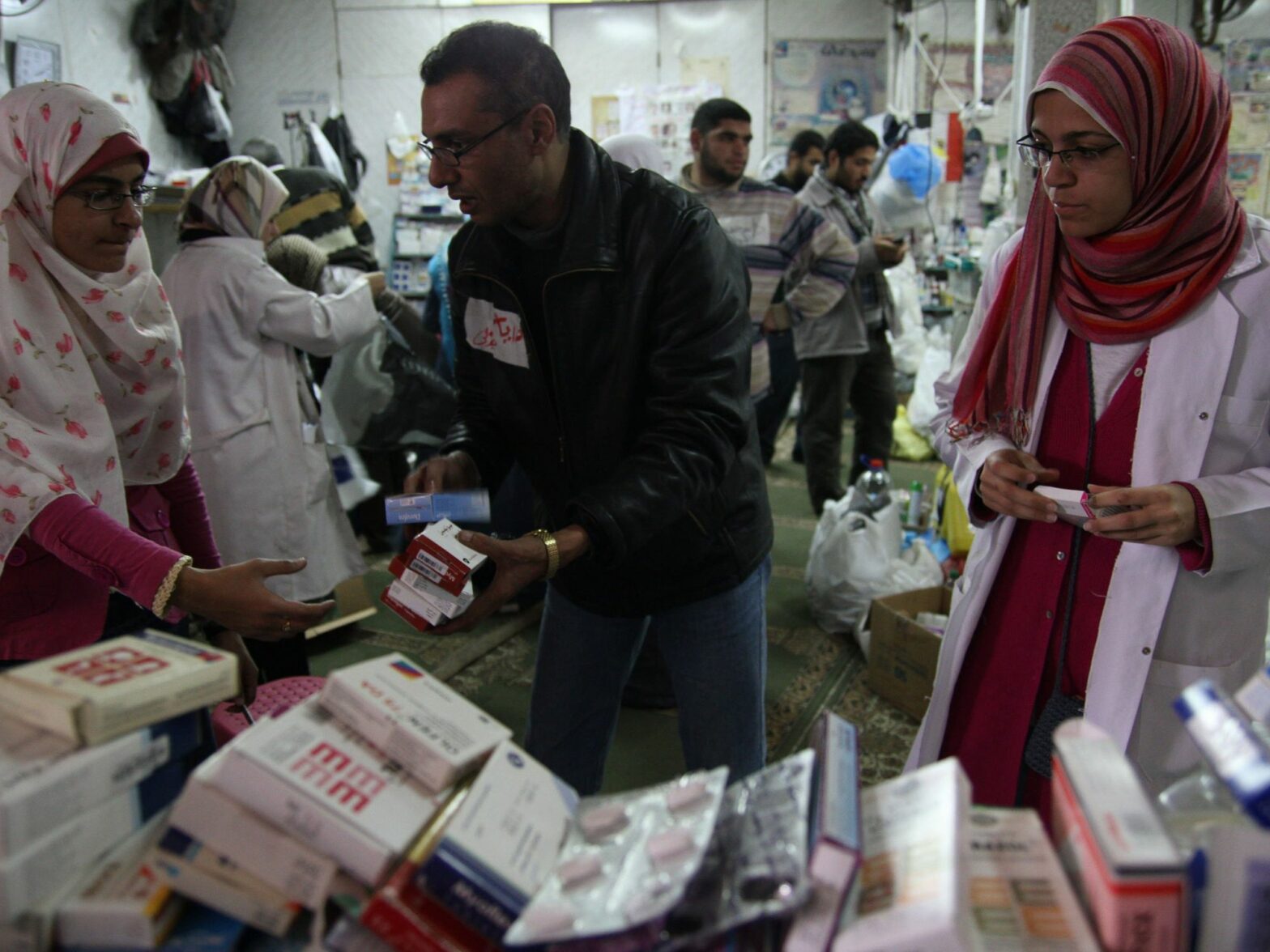
Menstruation stigma continues to affect women’s daily lives in Egypt, from societal shame to discrimination at work and in public spaces. For Cairo-based Al-Manassa, Rahma Samy explores how deeply ingrained cultural taboos shape women’s experiences with their periods and efforts to break free from them.
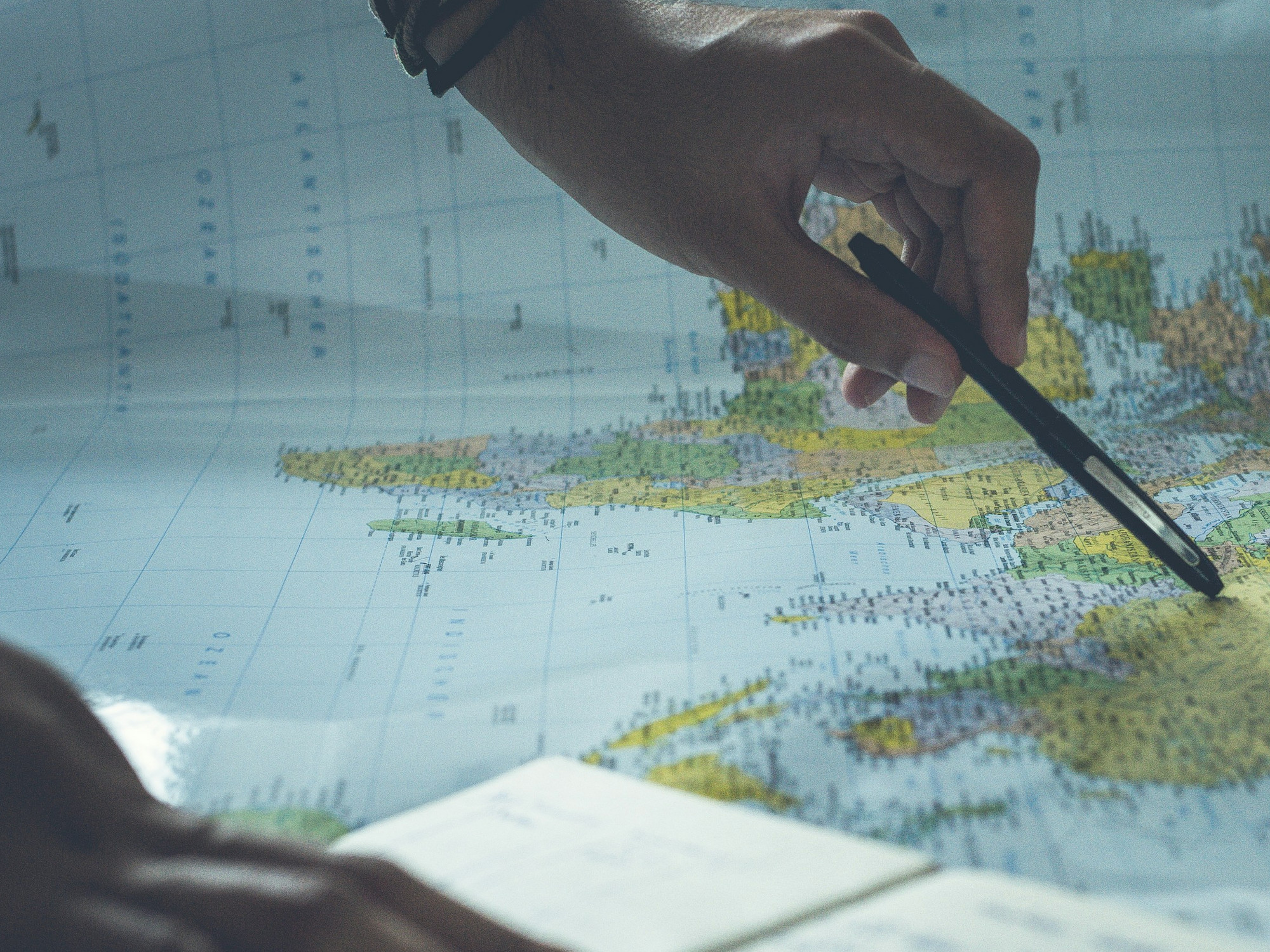
Greenland, Canada and Panama: Why is Donald Trump using maps for his politics? And what does Elon Musk’s Nazi-loving grandfather have to do with mapped utopias?
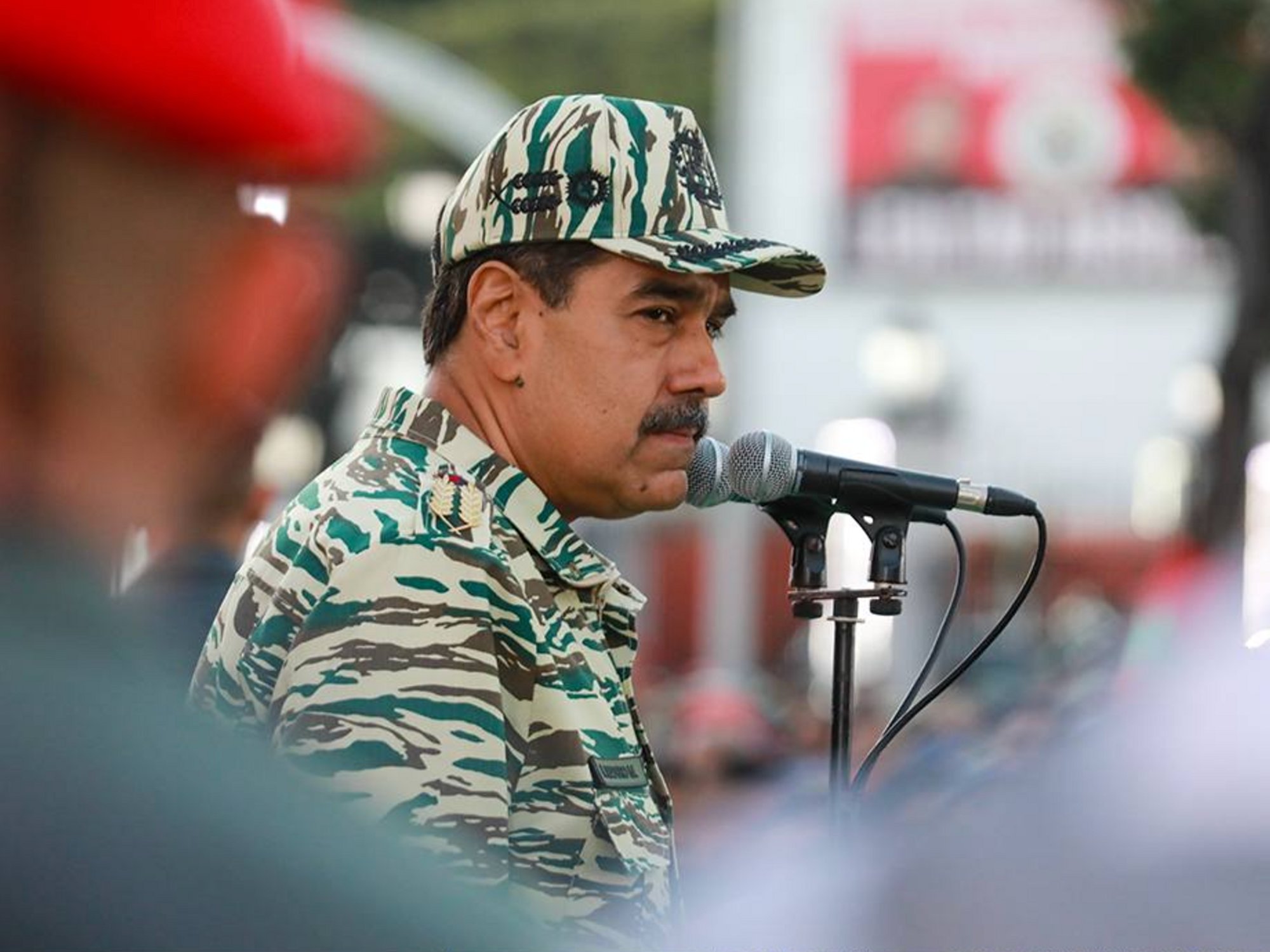
In its first decade, Venezuela’s Bolivarian revolution was radical yet legitimate, and enjoyed the people’s electoral support under leader Hugo Chávez. This changed when his successor, Nicolás Maduro, took over after Chávez’s death, and decided he wasn’t going to let votes thwart his insatiable love of power and money.
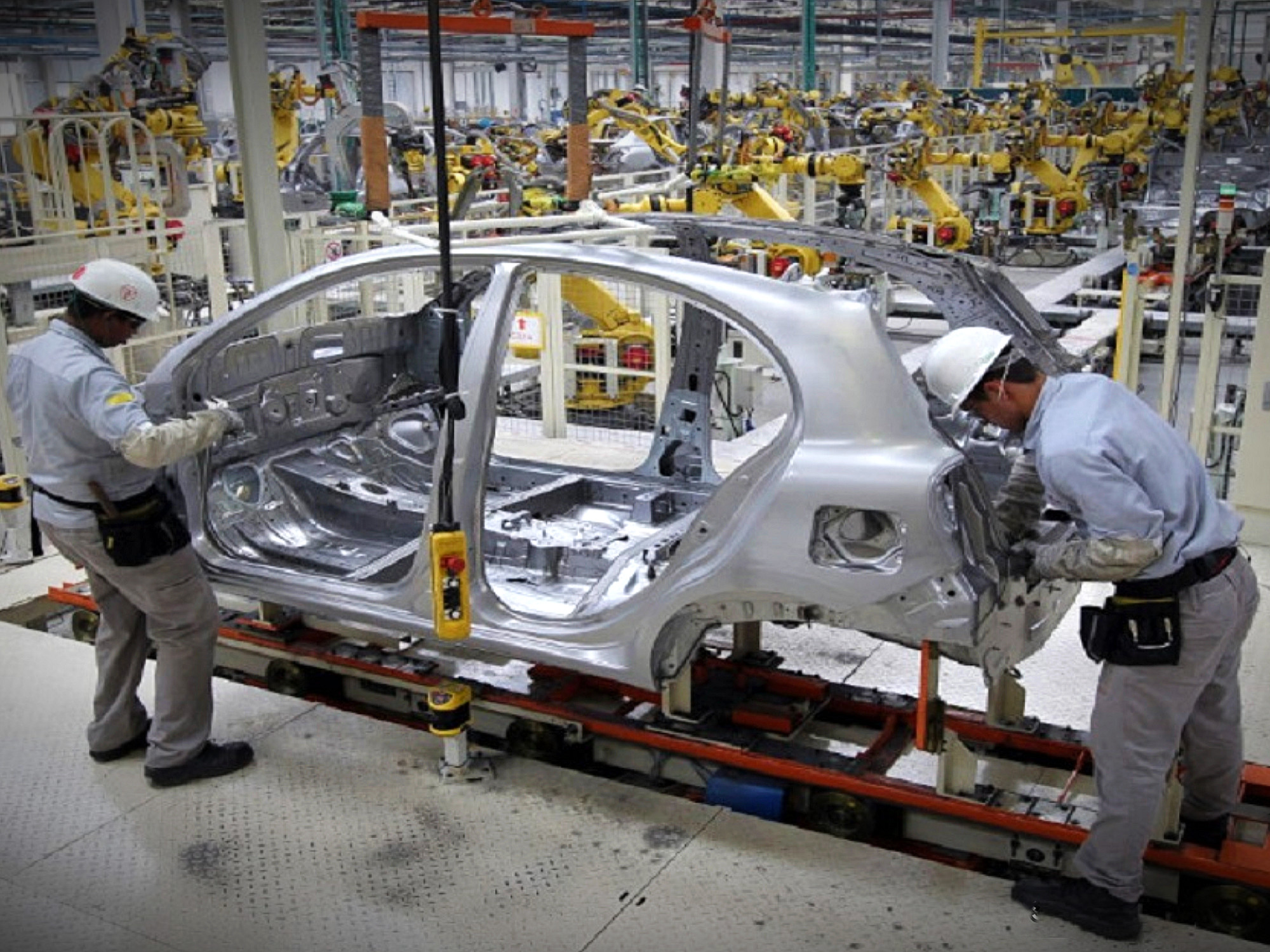
The rescue of 163 Chinese workers from a BYD plant in Brazil reveals the persistence of labor exploitation in the 21st century. This case, alongside reports of politicians with slave-owning ancestors facing similar accusations, underscores how Brazil’s colonial legacy continues to shape its present.
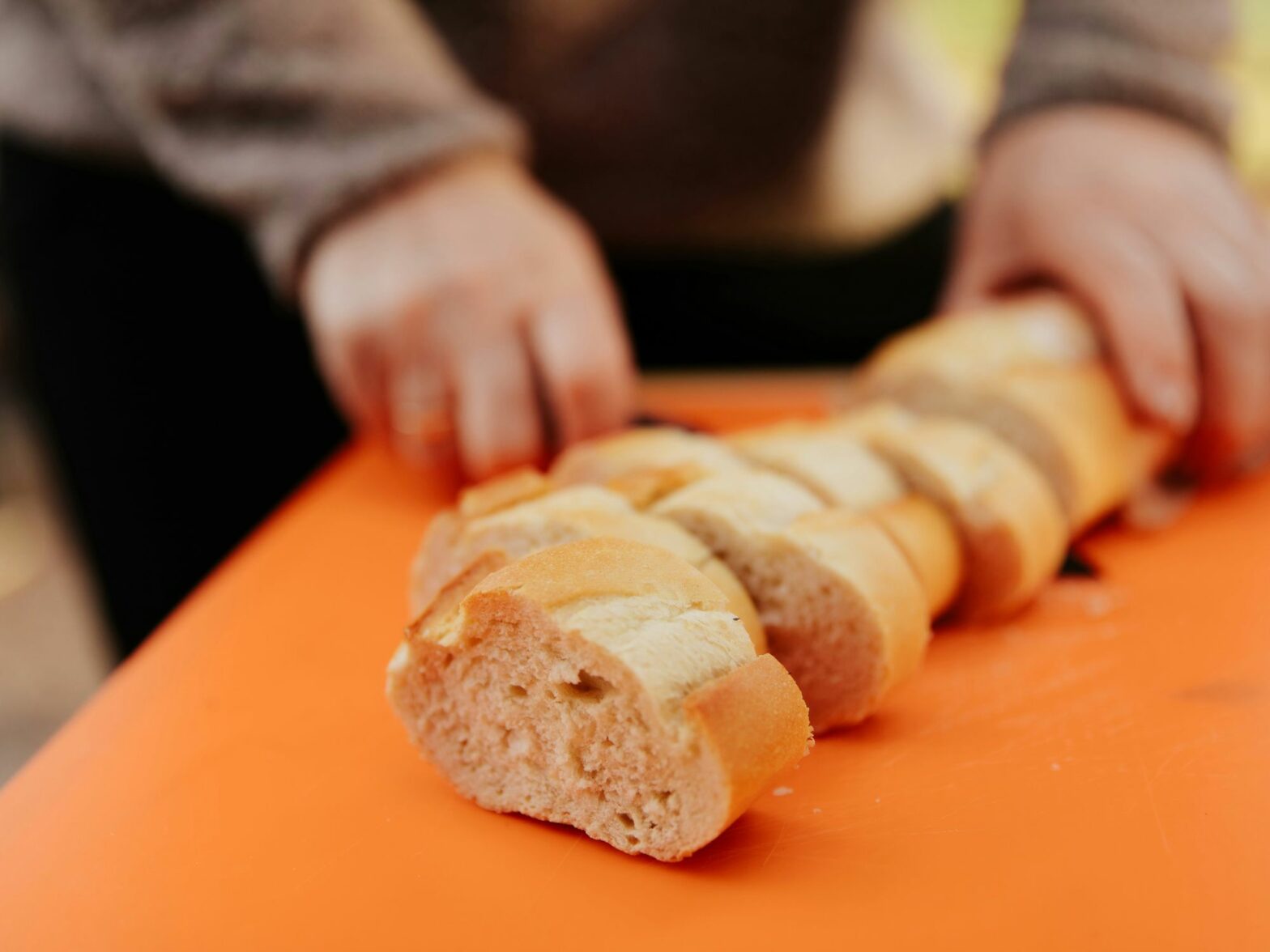
Banning flour and carbs from our diet is unfair considering our history with the grains that helped our ancestors survive. The key is to reduce refined flours — and our guilt.
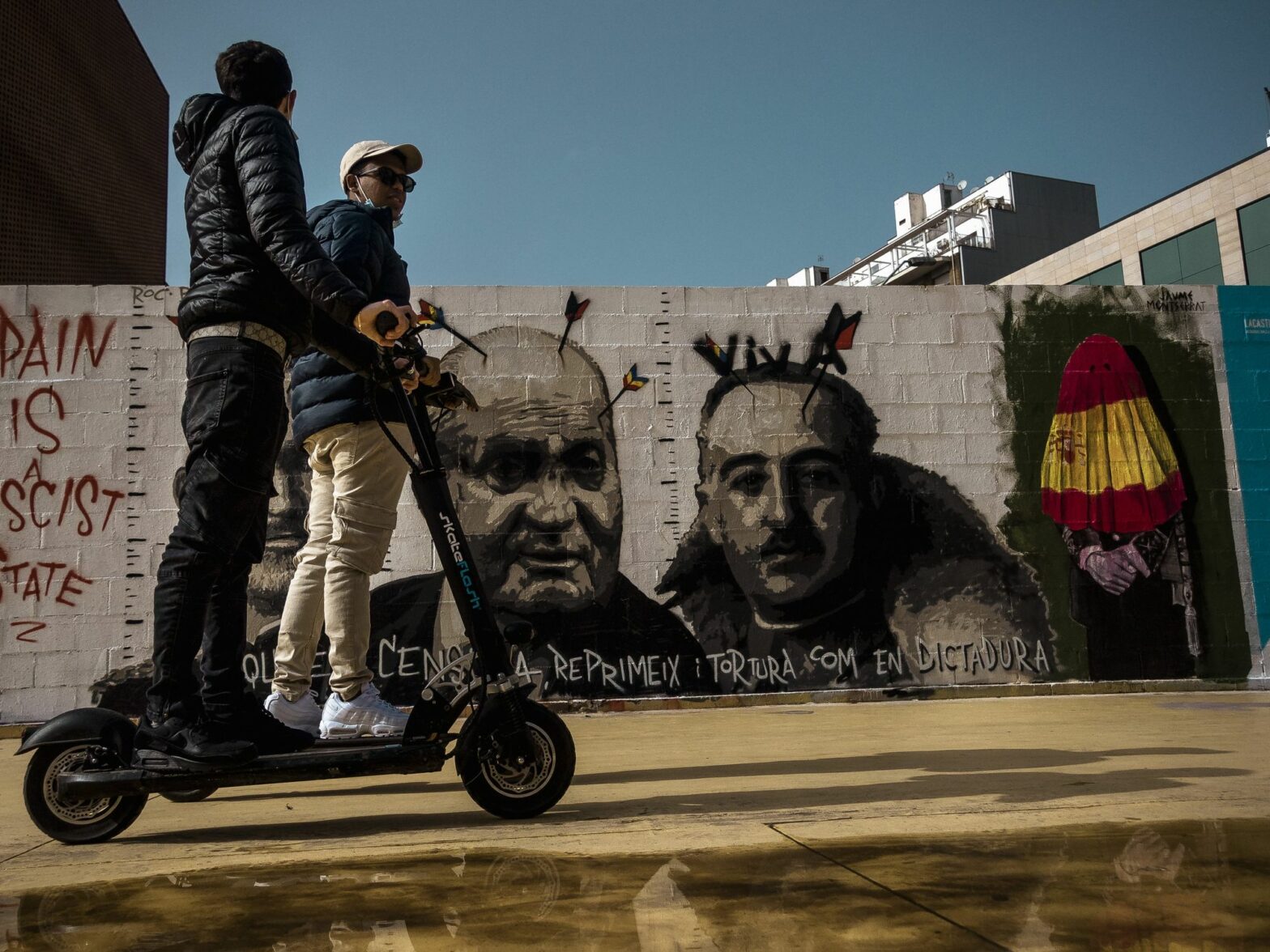
As Spain prepares to mark the 50th anniversary of dictator Francisco Franco’s death and the return of democracy, fascism is returning around the world. It’s proof, as philosopher Walter Benjamin said, that nothing that has once happened should be considered lost to history.
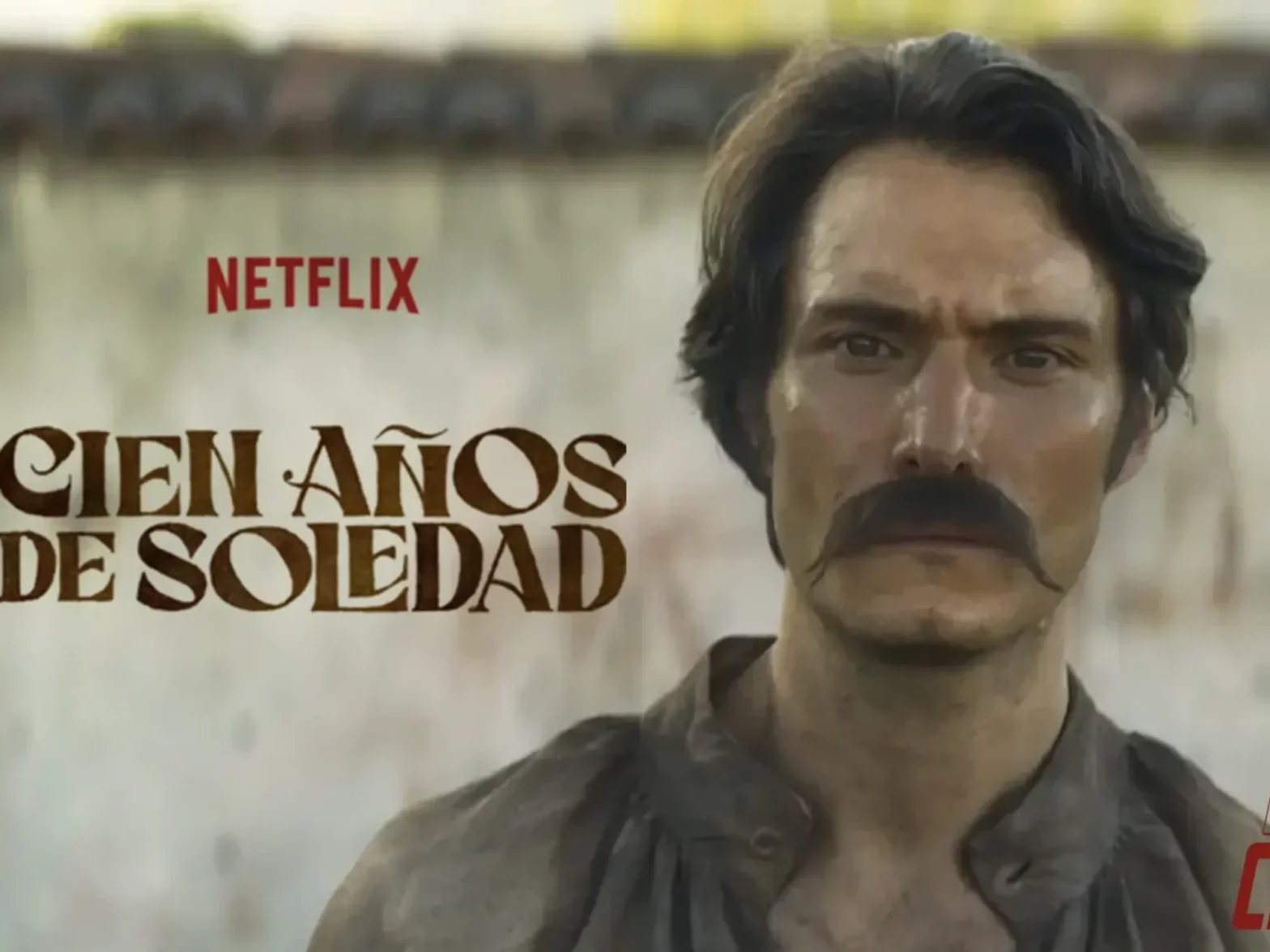
The series based on One Hundred Years Of Solitude, the iconic book by the late Colombian novelist and Nobel laureate Gabriel García Márquez, has surprised Gonzalo Mallarino Flórez, who reviews the Netflix adaptation for Bogotá-based daily El Espectador.
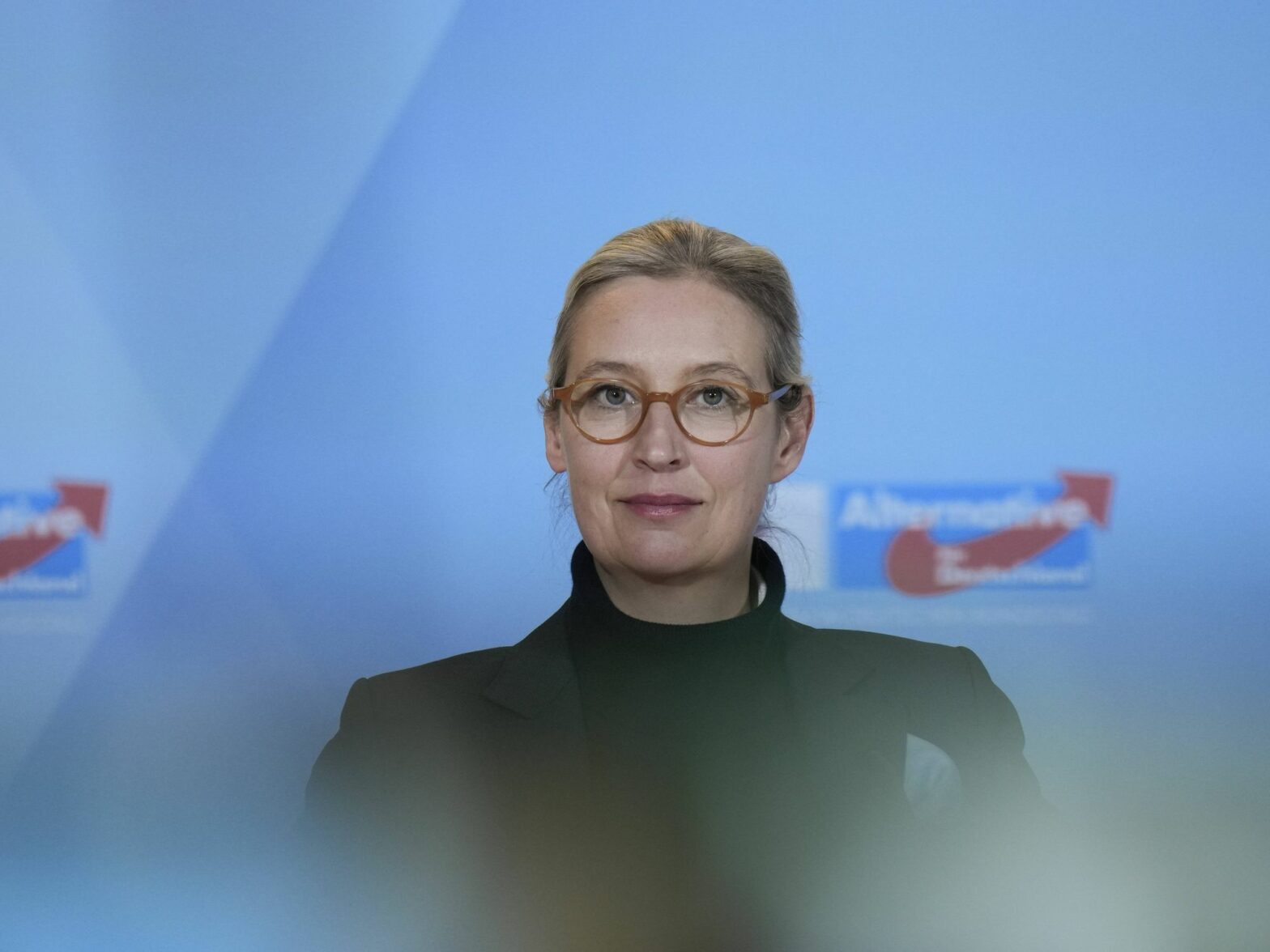
Elon Musk is hosting Alice Weidel in an interview on X, having tried to convince the American tech billionaire she’s not an extremist. But who is Weidel, really? She’s described the Germans as “slaves” of the U.S. and quotes the infamous text of a nationalist philosopher that is a dog-whistle for the far right in Germany.

How can we transcend the anonymity of numbers? How can we preserve moments of love, resilience and defiance against oppression. Egyptian filmmaker and writer Basel Ramsis reflects on human connection, memory and the fight against dehumanization.

The previous world order, based on the domination of a few superpowers, has been turned upside down in 2024. Will this be the year of explosions, or the year of reactions? French political theorist Jacques Attali explains the theory of order through noise.
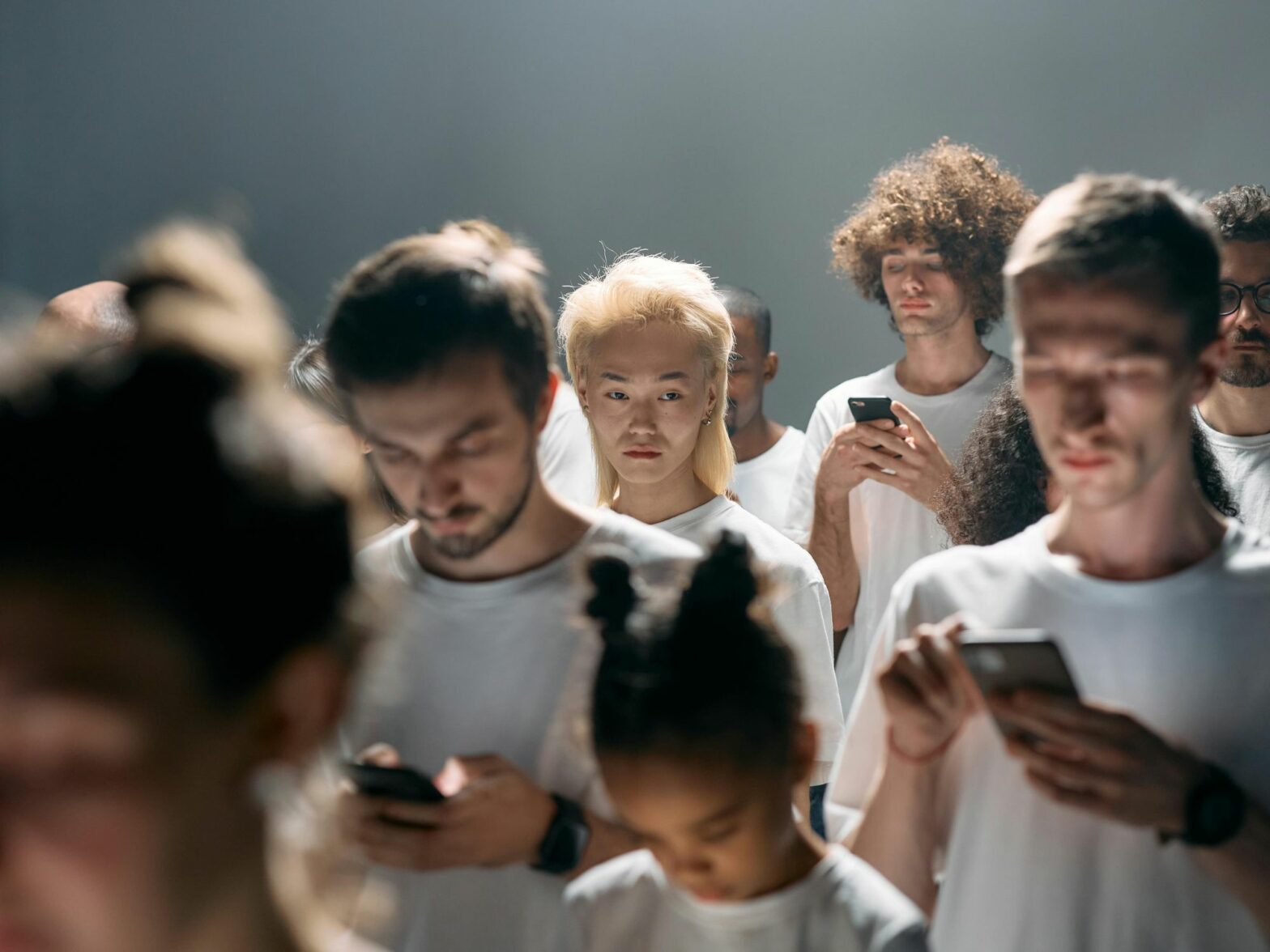
We are drowning in digital hyper-production, or the vast torrent of pictures and data coming out of our screens. There is no room for mystery or creativity. The art of delay, essential for contemplative thought, is definitively lost in the culture of digital immediacy. So what can we do about this?
Also: a look inside the slippery world of stand-up comedy in China and Ukraine’s clandestine online school network.
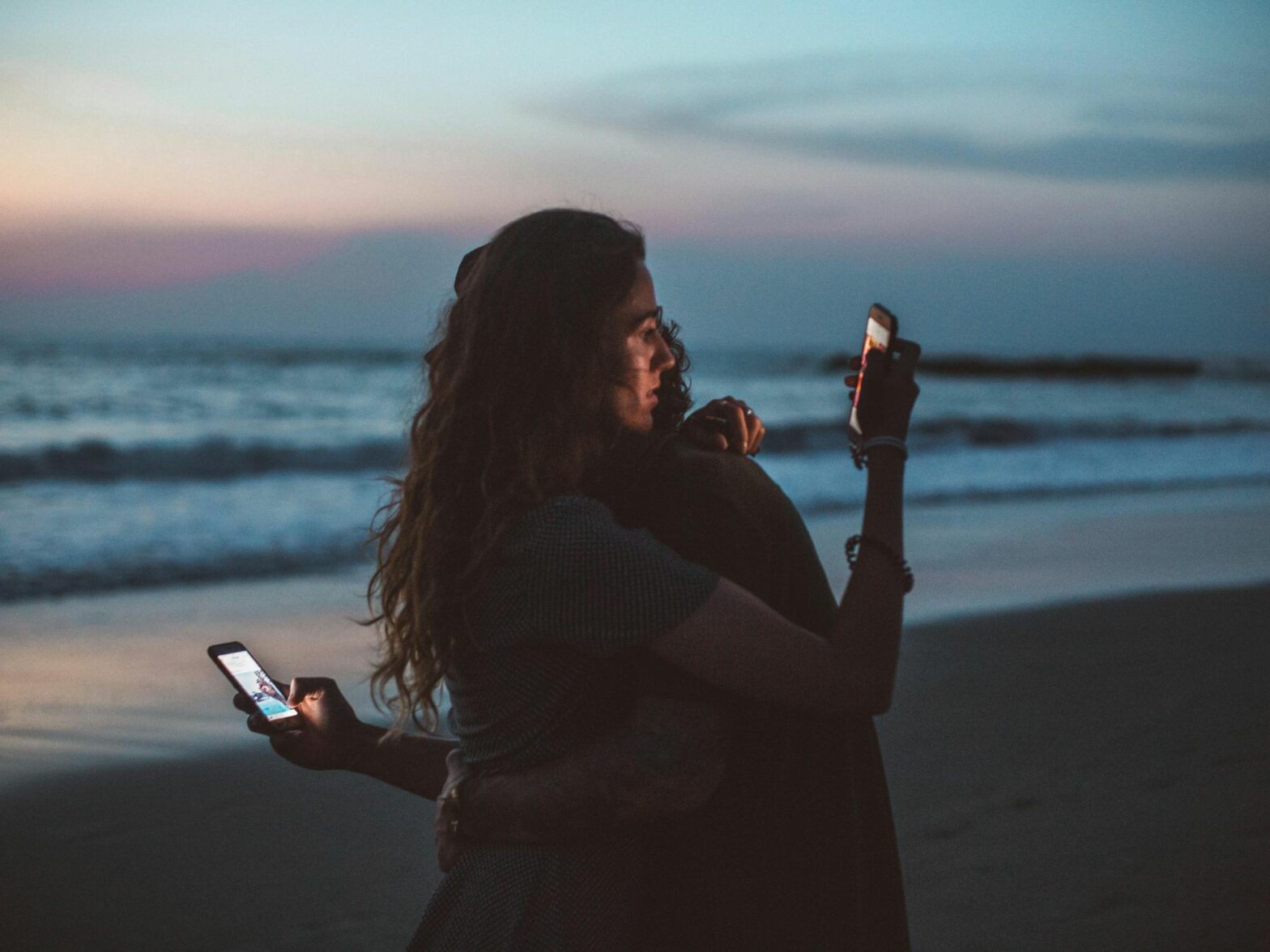
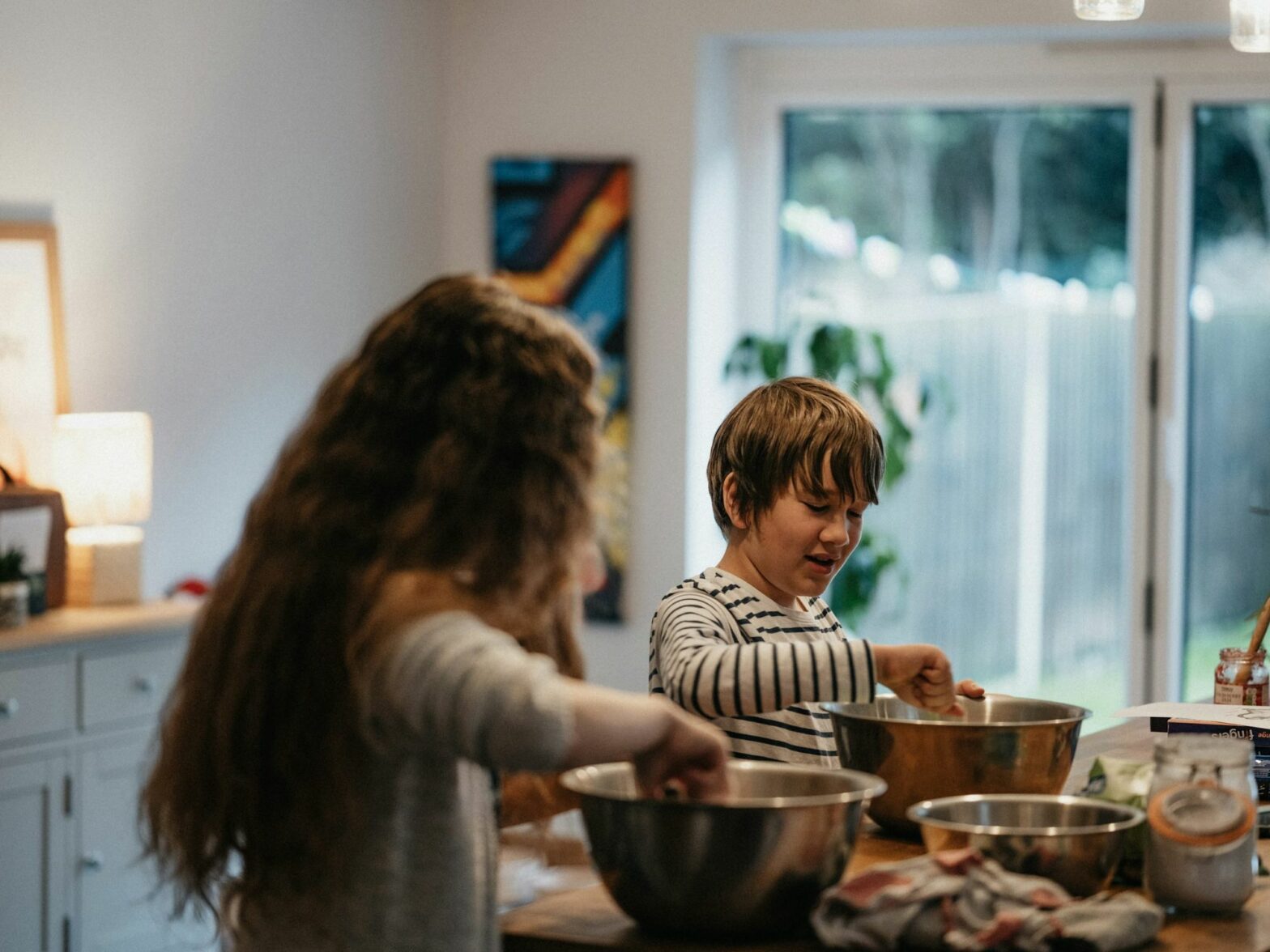
In Colombia and elsewhere in the Western world, parents worried about the horrors of the modern world hurting their children have turned to keeping their children on a leash and, worse, overexposing them to Internet garbage. They must let go, so their children can function as social beings, educator Julián de Zubiría Samper writes in El Espectador.
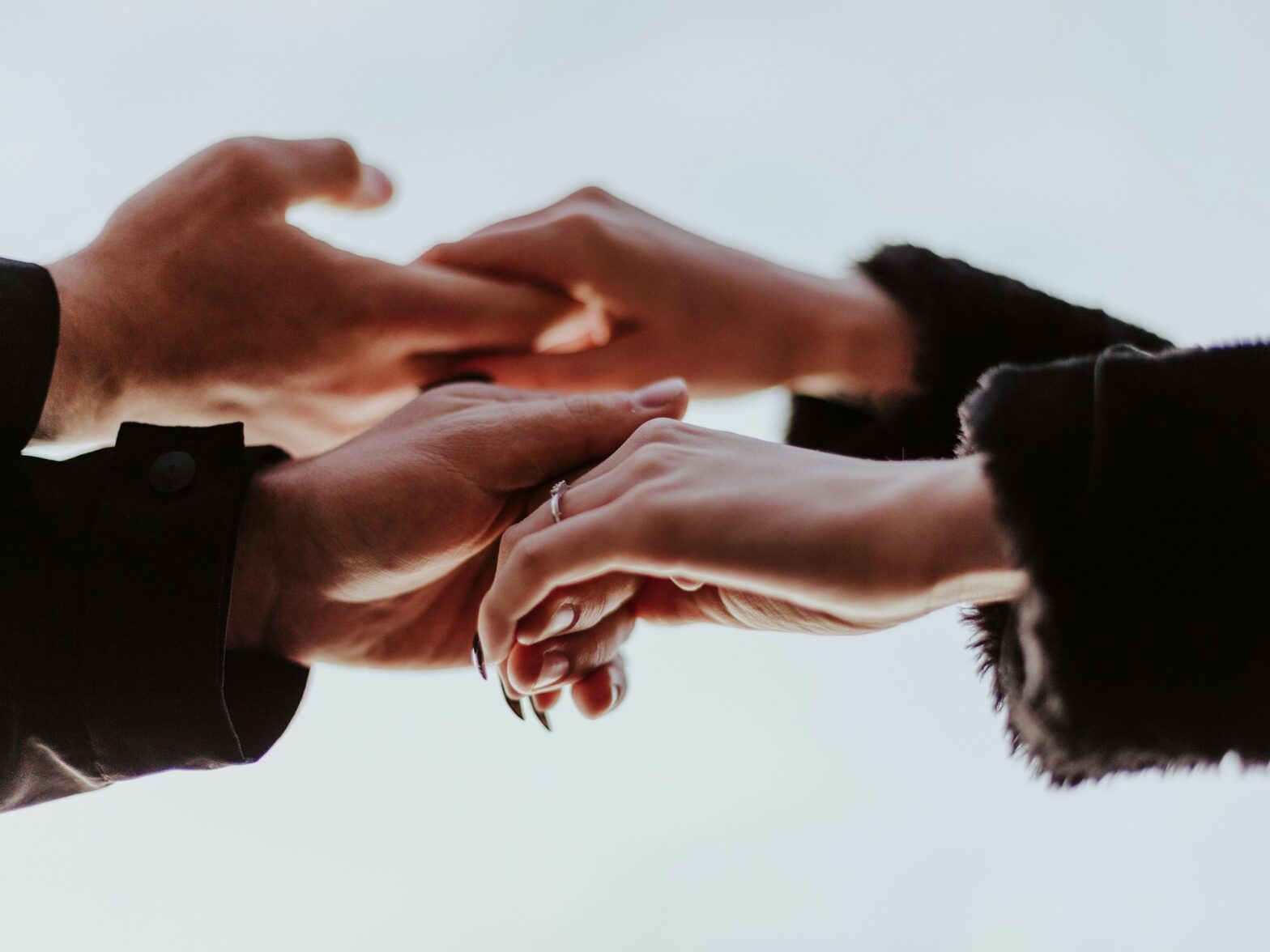
Many couples only live side-by-side.The children or the house still keep them together — and they open up their relationship. It may sound at first like a logical solution, but it’s more often than not the worst of all the options.
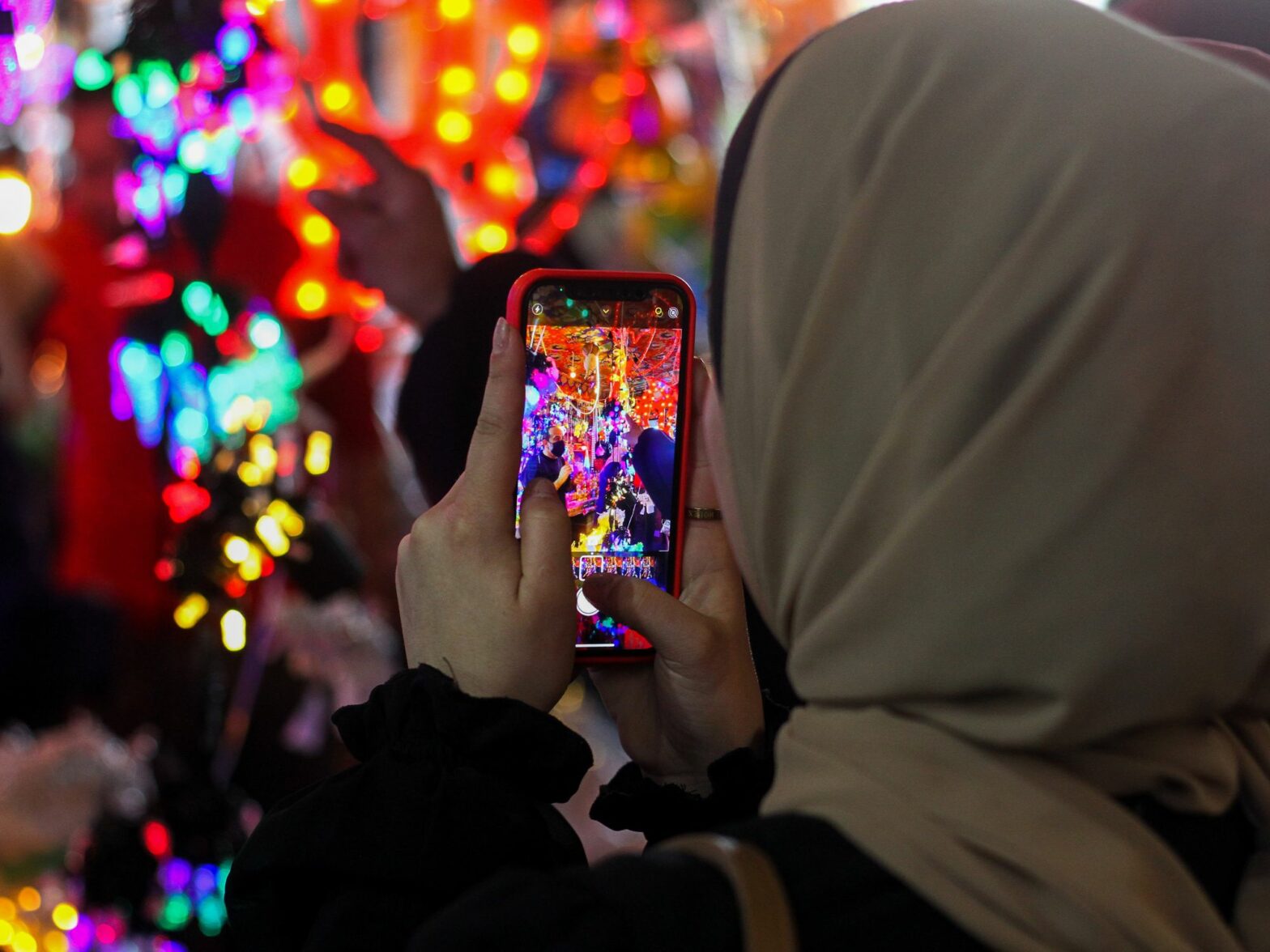
Palestinian writer Feda Ziyadh shares a personal fear, which she says cannot be understood or explained: that of getting used to a sense of the present that has been created by what she calls a “saga of displacement.”
From an Italian take on Hawaiian pizza to gay rodeo, Sam Altman’s eye-scanning “orb”… and more!
Although science and research dominate our lives, many people continue to believe in miracles. There are understandable reasons for this.
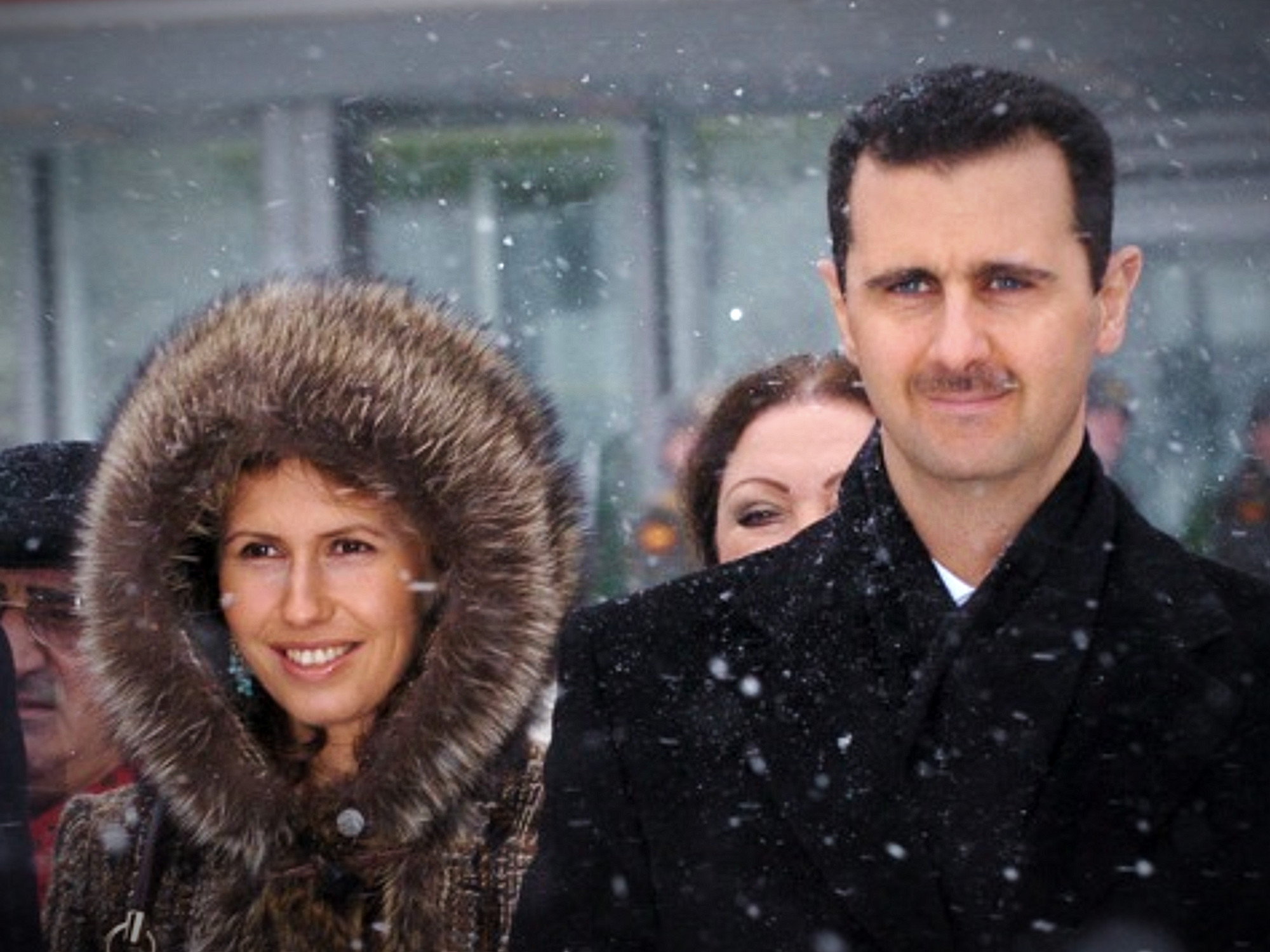
Despite her pleasant air and sense of fashion, the now former Syrian First Lady Asma al-Assad was bound to be tied to her husband’s fate. Born and raised in the UK, she was respected by some for openly battling cancer and later adored in China for her glamour. Still, she was largely despised at home for having helped cover her husband’s long list of alleged war crimes.
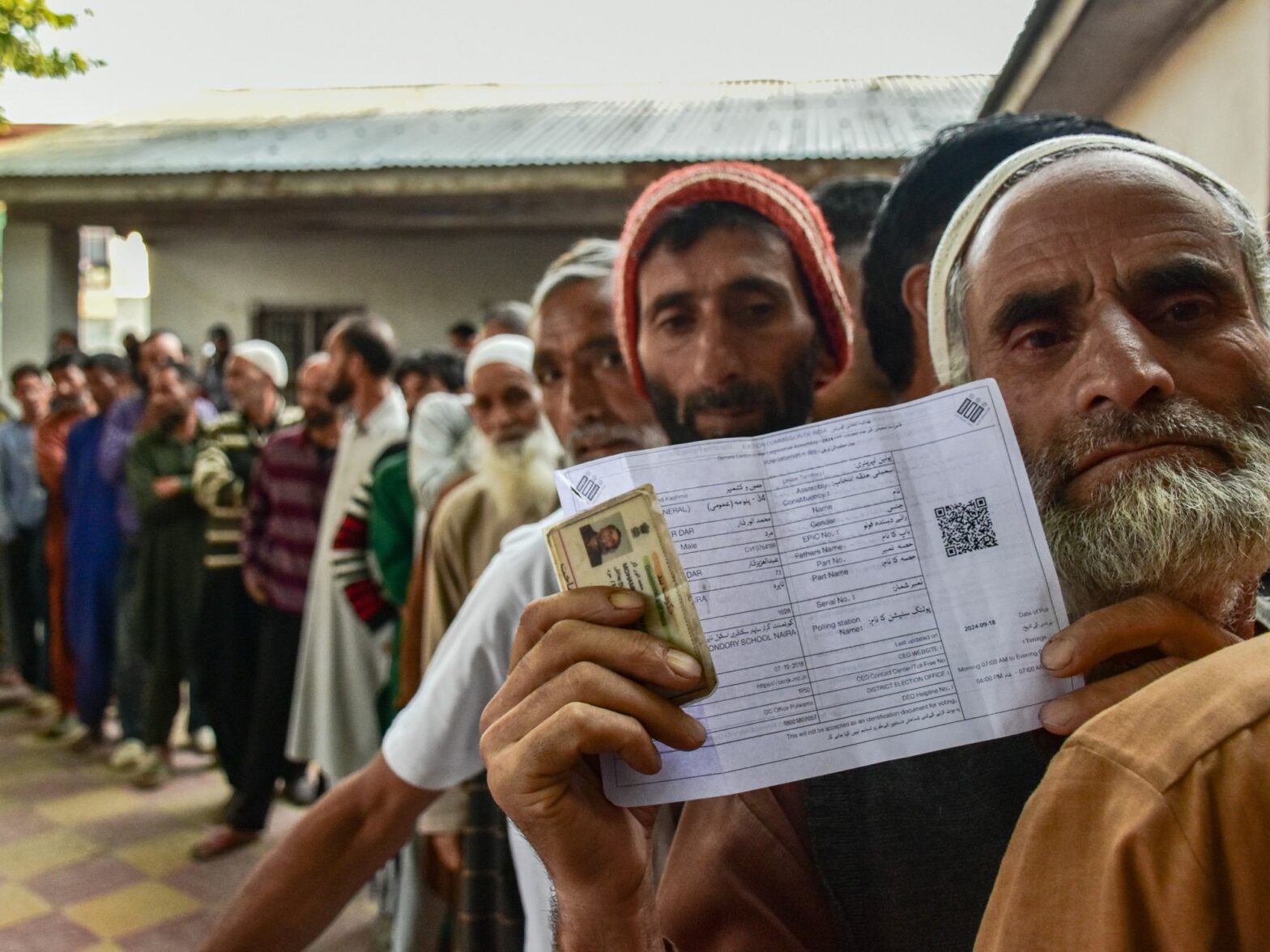
Looking back, 2024 was a year of momentous elections around the world. The results, from country to country, show overall that the global health of democracy remains precarious when some of those who win elections do not seem to believe in the political system which brought them to power.
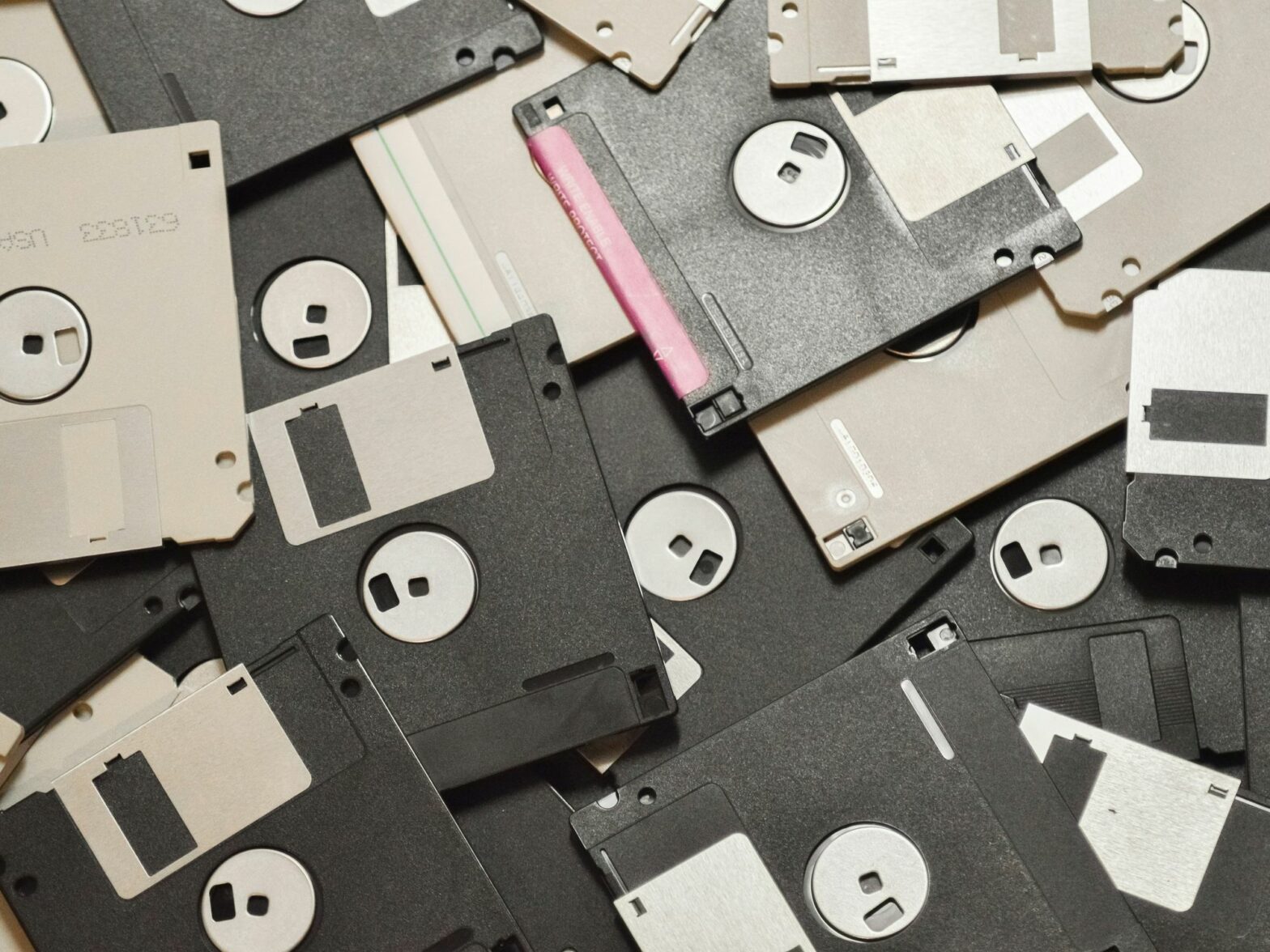
Every day, parts of the Internet disappear, because they are not profitable or nobody cares. It’s the silent loss of decades of culture.
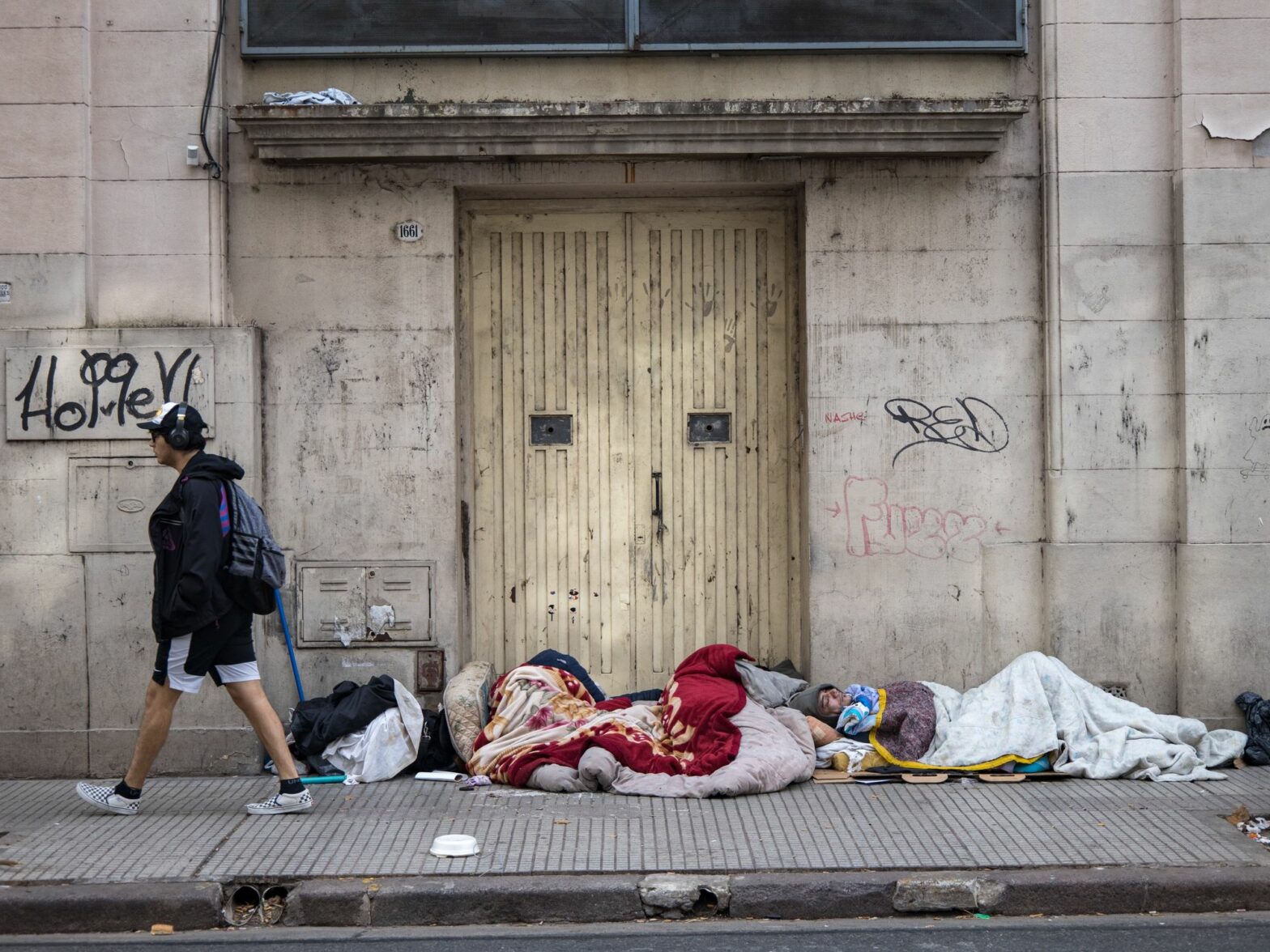
While Latin America’s leftist leaders and even the Pope keep urging the West to give generously to the developing world to end poverty and curb migration, decades ago Asian states just “put on their big boy pants” to work their way to immense prosperity.

Food companies fatten us up only for Big Pharma to let us inject ourselves slim again. Crazy? Perhaps it’s the beginning of the end for a destructive business model.
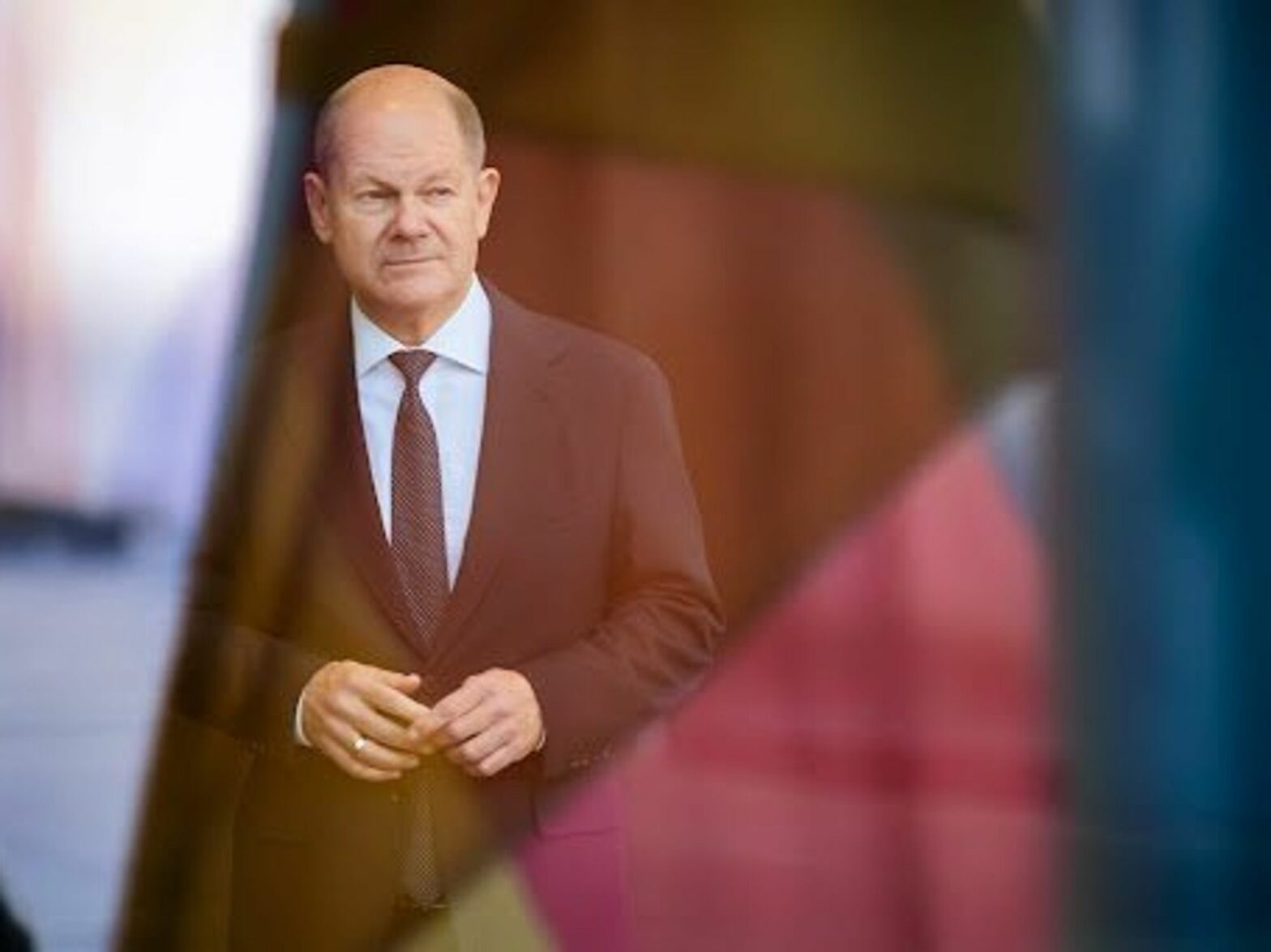
The Chancellor has lost the voters’ trust—and his finger-pointing and failure to take responsibility only deepens the damage. The fallout will be felt far beyond his own tenure and may weigh on Germany for years to come.