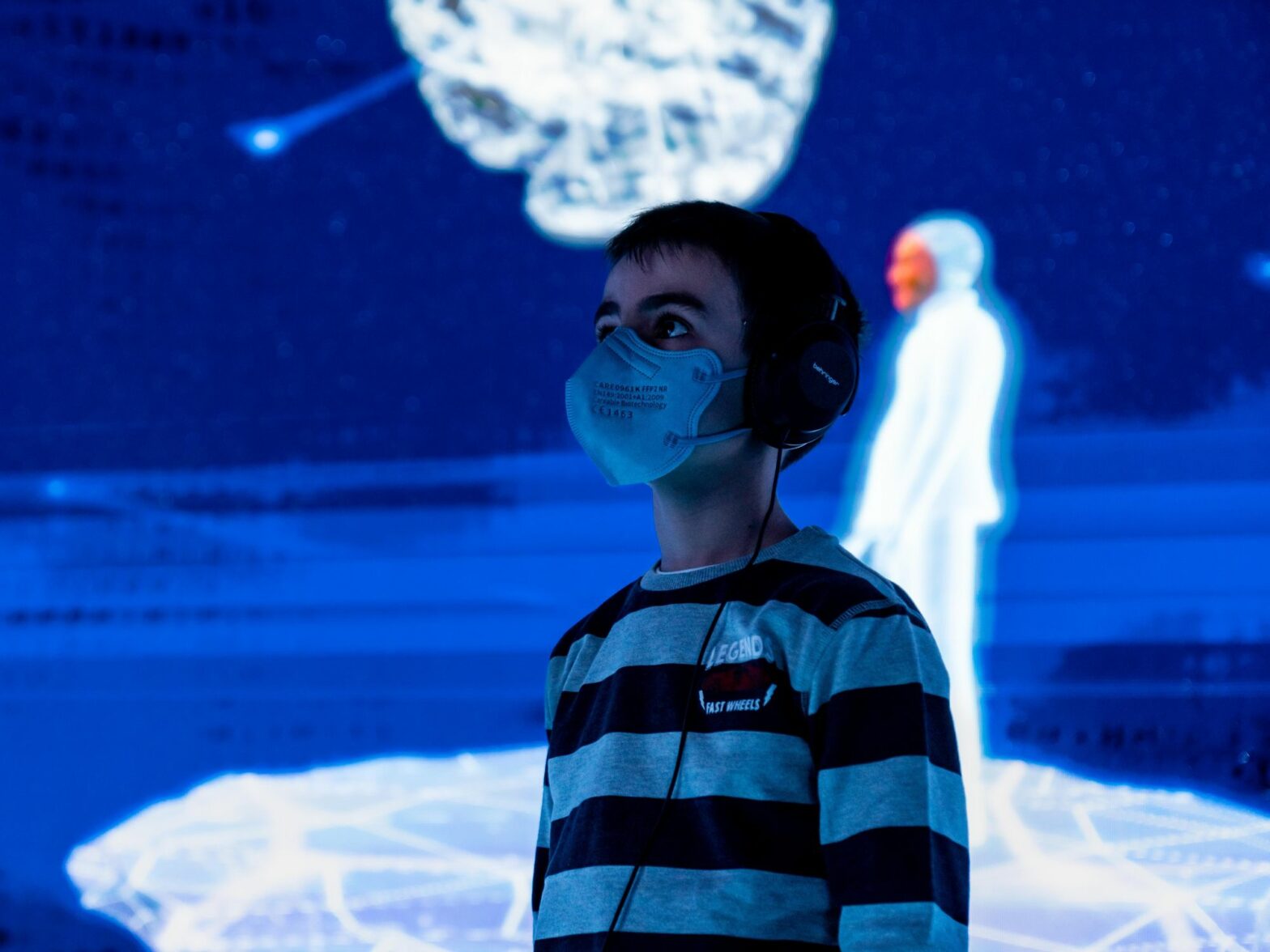
The change of Facebook’s name to Meta is a hint to the general public of where social media and digital sovereignty risks taking us in a future “virtual” world.
 Worldcrunch
The change of Facebook’s name to Meta is a hint to the general public of where social media and digital sovereignty risks taking us in a future “virtual” world.
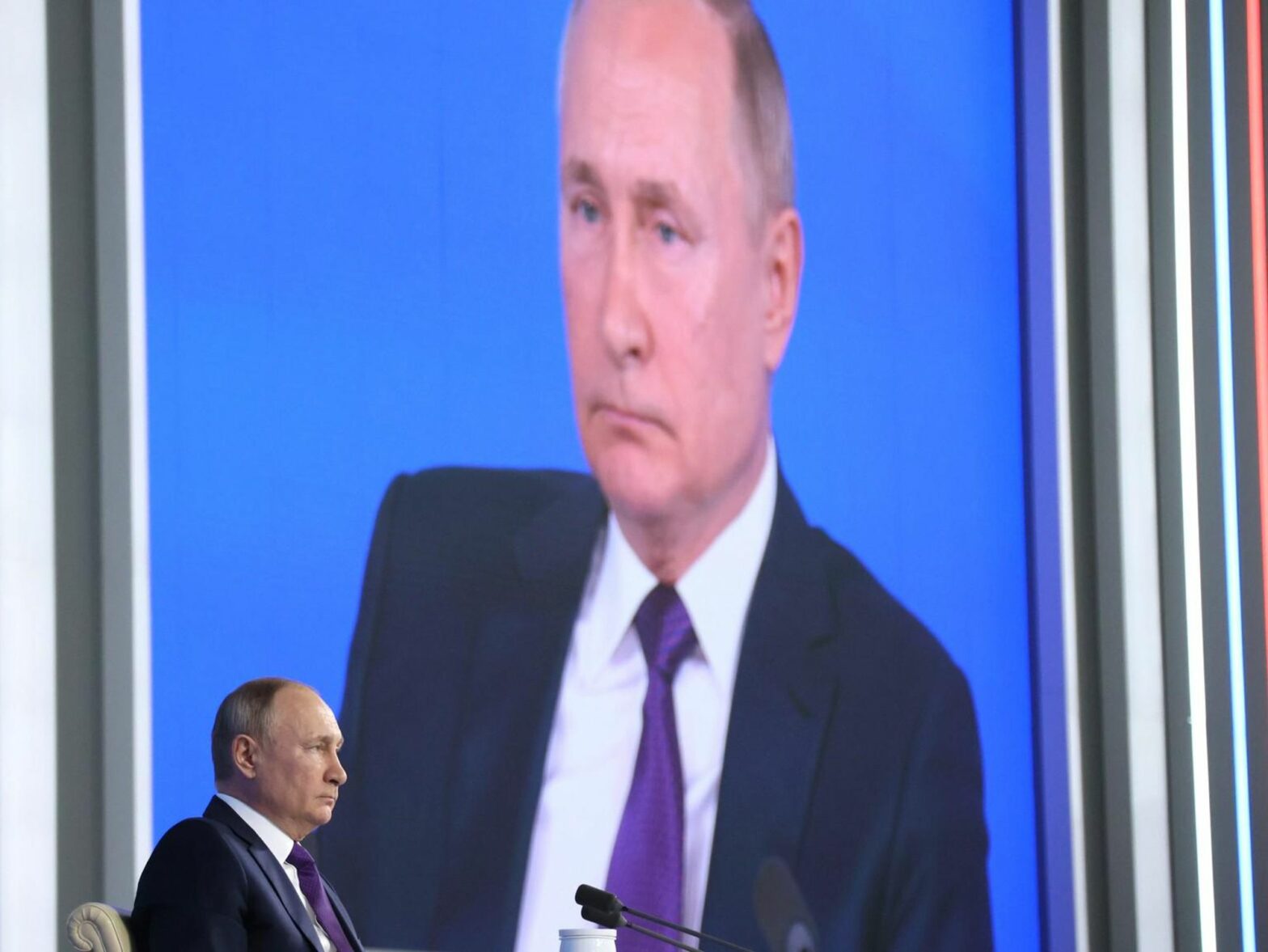
Experts in geopolitics and the workings of world leaders have accelerated a two-decade long quest to understand the motivations of the enigmatic man in the Kremlin.
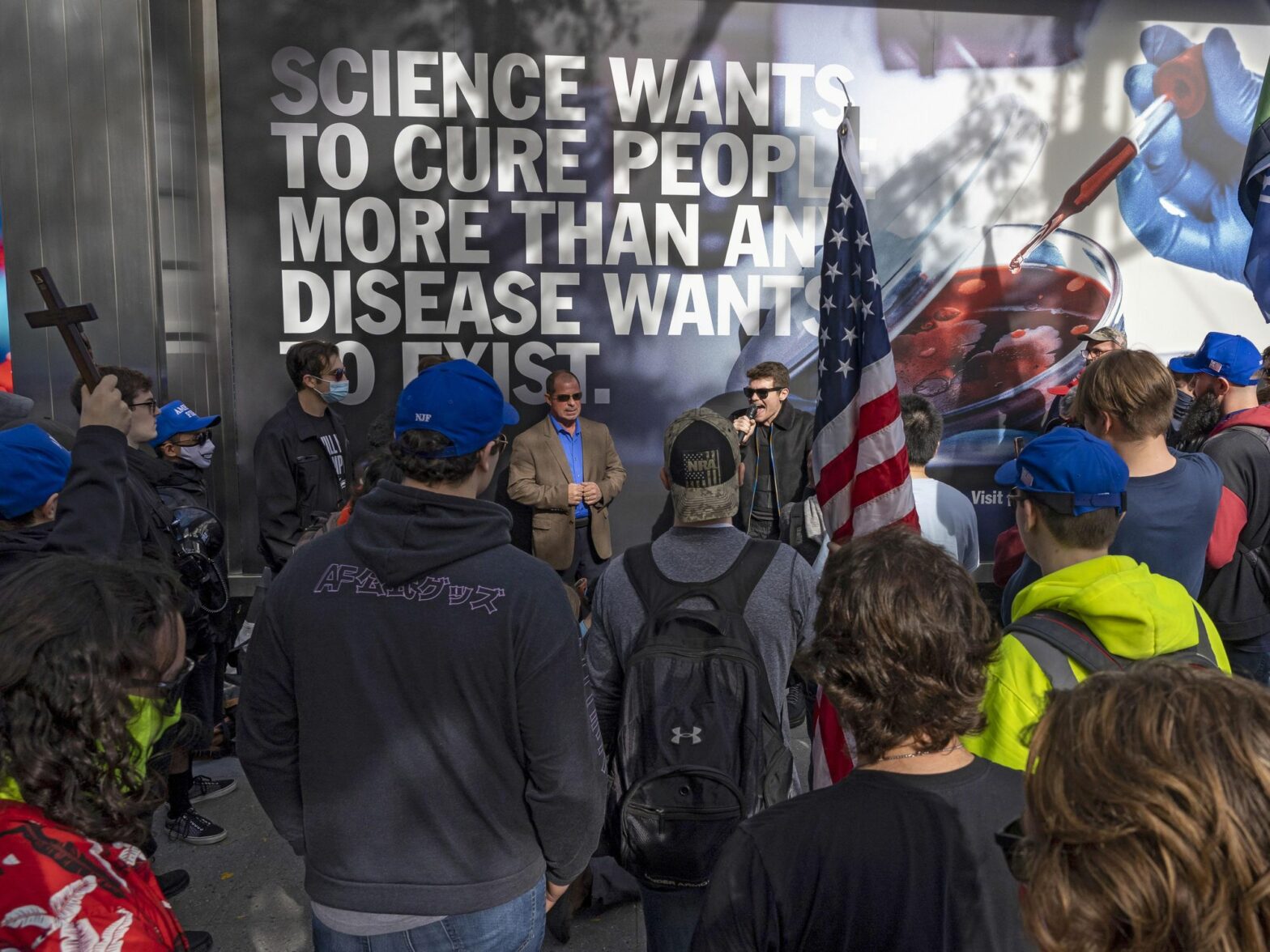
The number of political leaders who have science or technology backgrounds is disturbingly low. It’s not just the specifics of issues such as climate change, cybersecurity and COVID-19, but rather democracy itself and being able to dialogue with those who have lost trust in the facts that the governments are giving us.
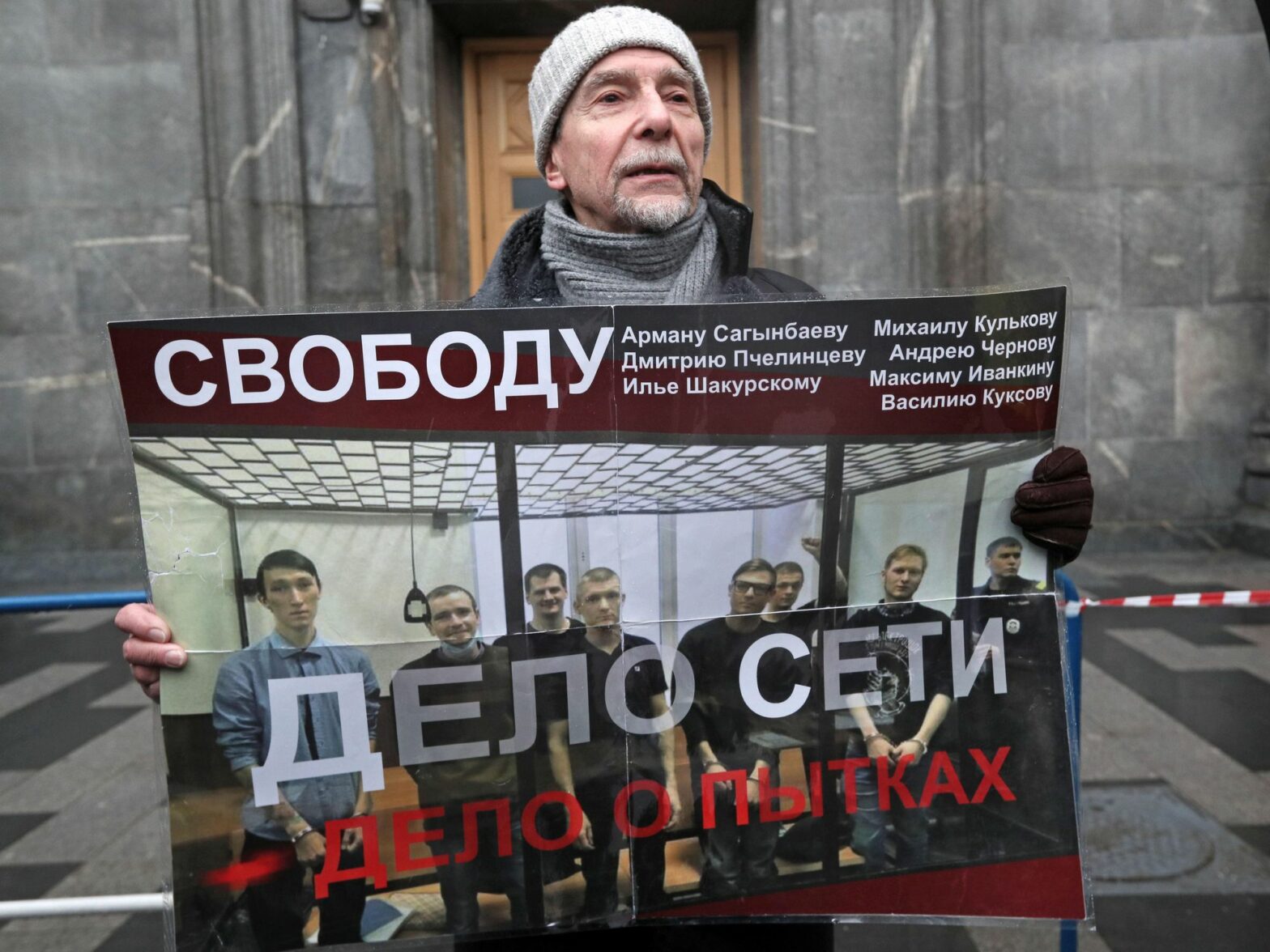
Even while embroiled in the biggest foreign policy standoff of his reign, the Russian leader has been forced to acknowledge accusations of torture after leaked videos of violent abuse in prisons. Yet proposed new legislation to stem torture risks challenging a regime built on corruption and state-sponsored repression.
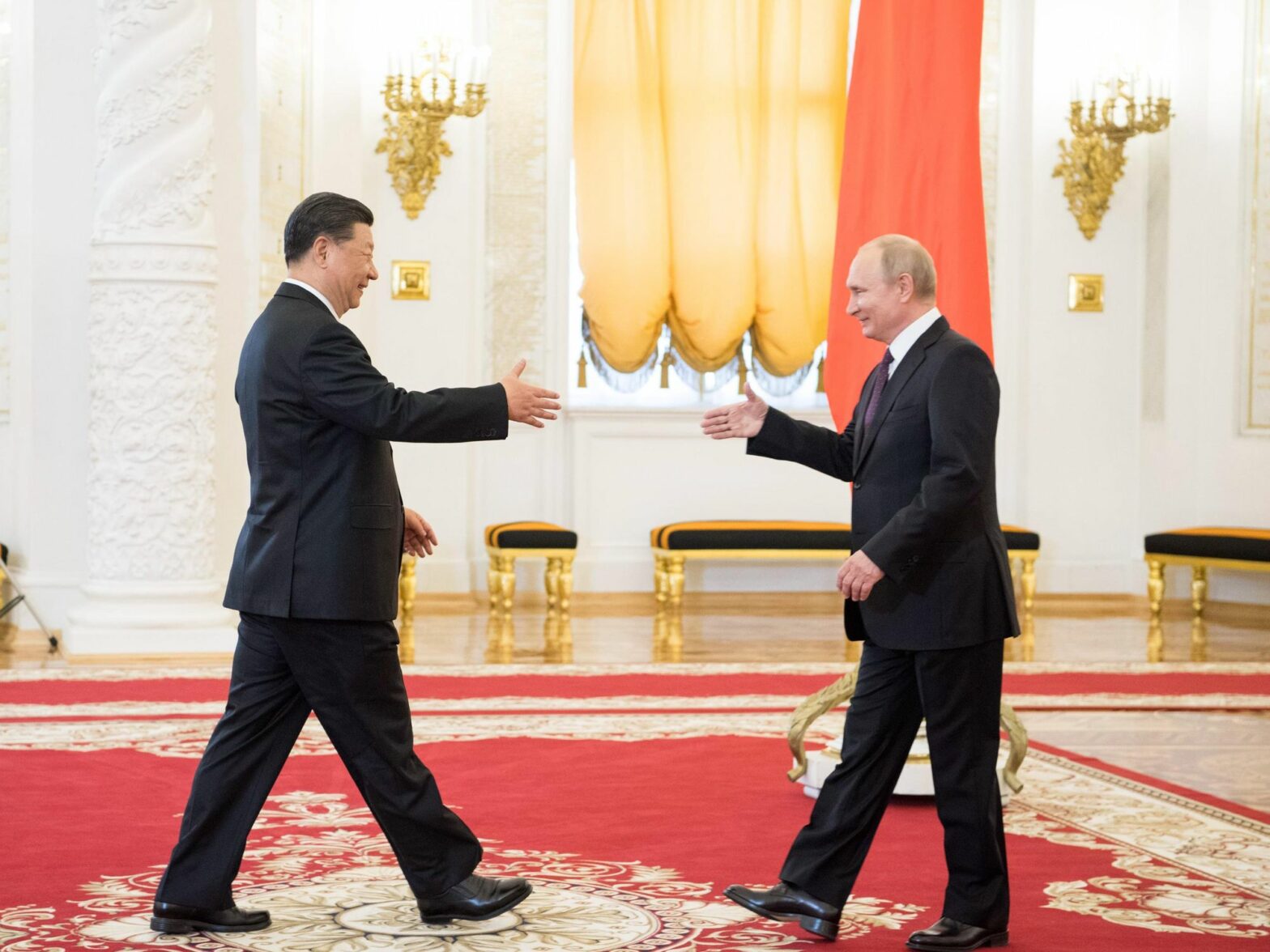
A resurgent, ambitious Russia has taken the West by surprise, just when the United States was pivoting and bracing itself to face down China.
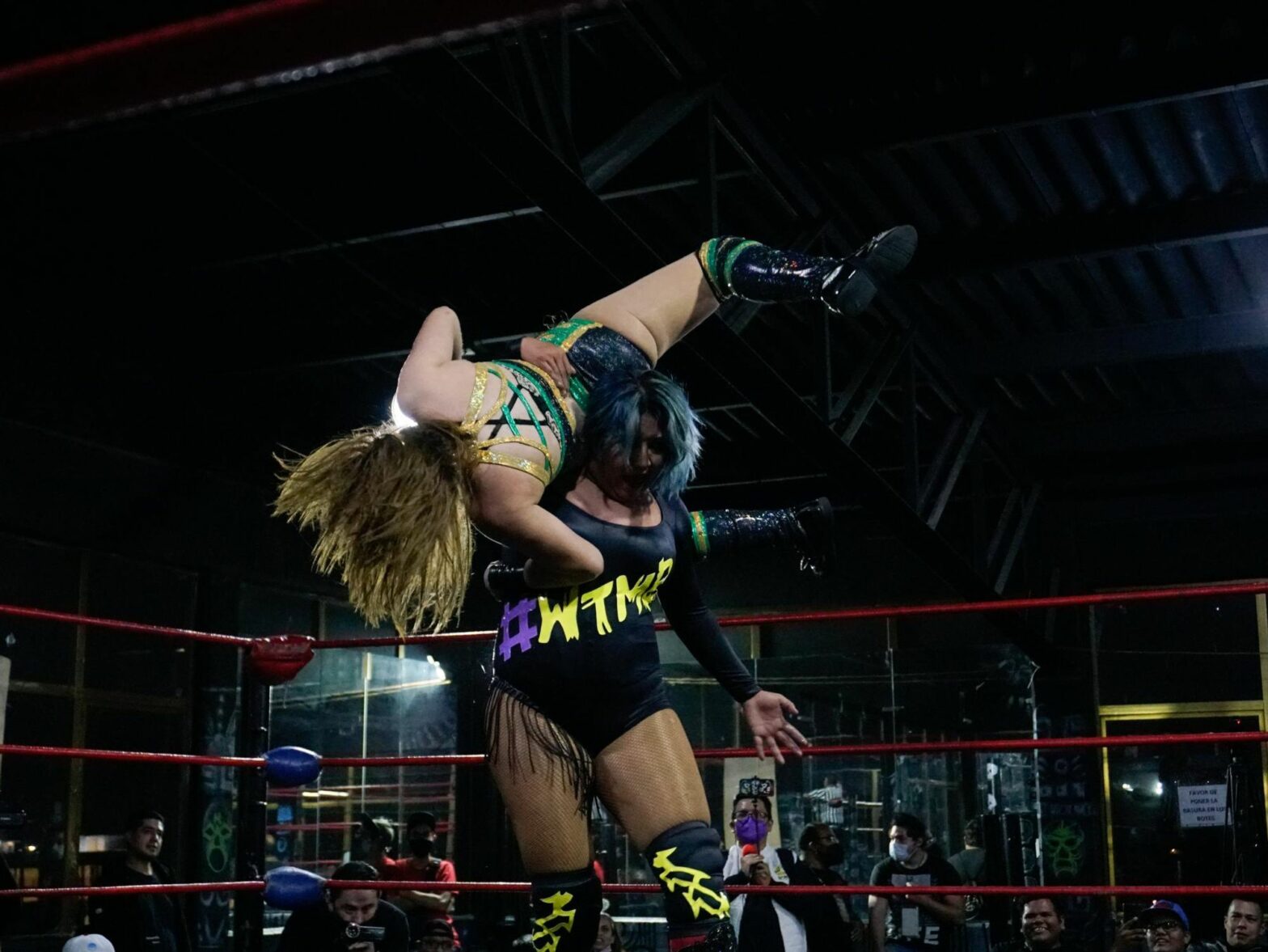
MEXICO CITY — Huge lamps swing from the ceiling on the sixth floor of a building in downtown Mexico City, illuminating the wrestling ring below. The crowd holds its collective breath as a woman emerges from the shadows. Her bright blue hair whirls behind her sparkling makeup as she kicks out her knee-high black boots. A deep voice booms over the loudspeaker: “From the Mexican jungle comes Ladyyy Amazonaaa!” Responding to the cheers and shouts, she takes her time posing in each of the ring’s four corners at the Furia de Titanes women’s championship. “I have wrestling in my blood,” […]
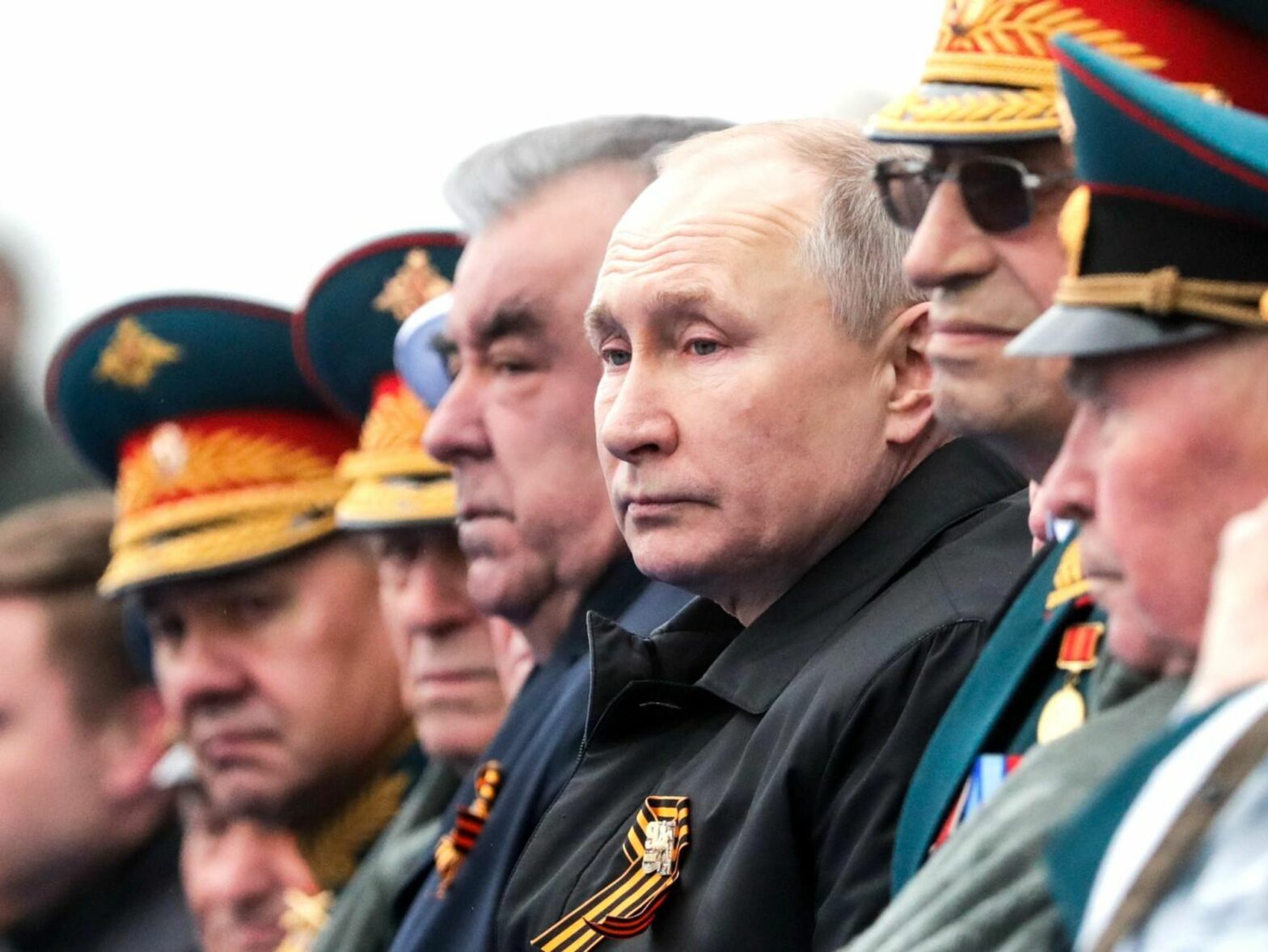
A mind map of the Russian leader’s possible plans to increase his influence, and expand his territory.
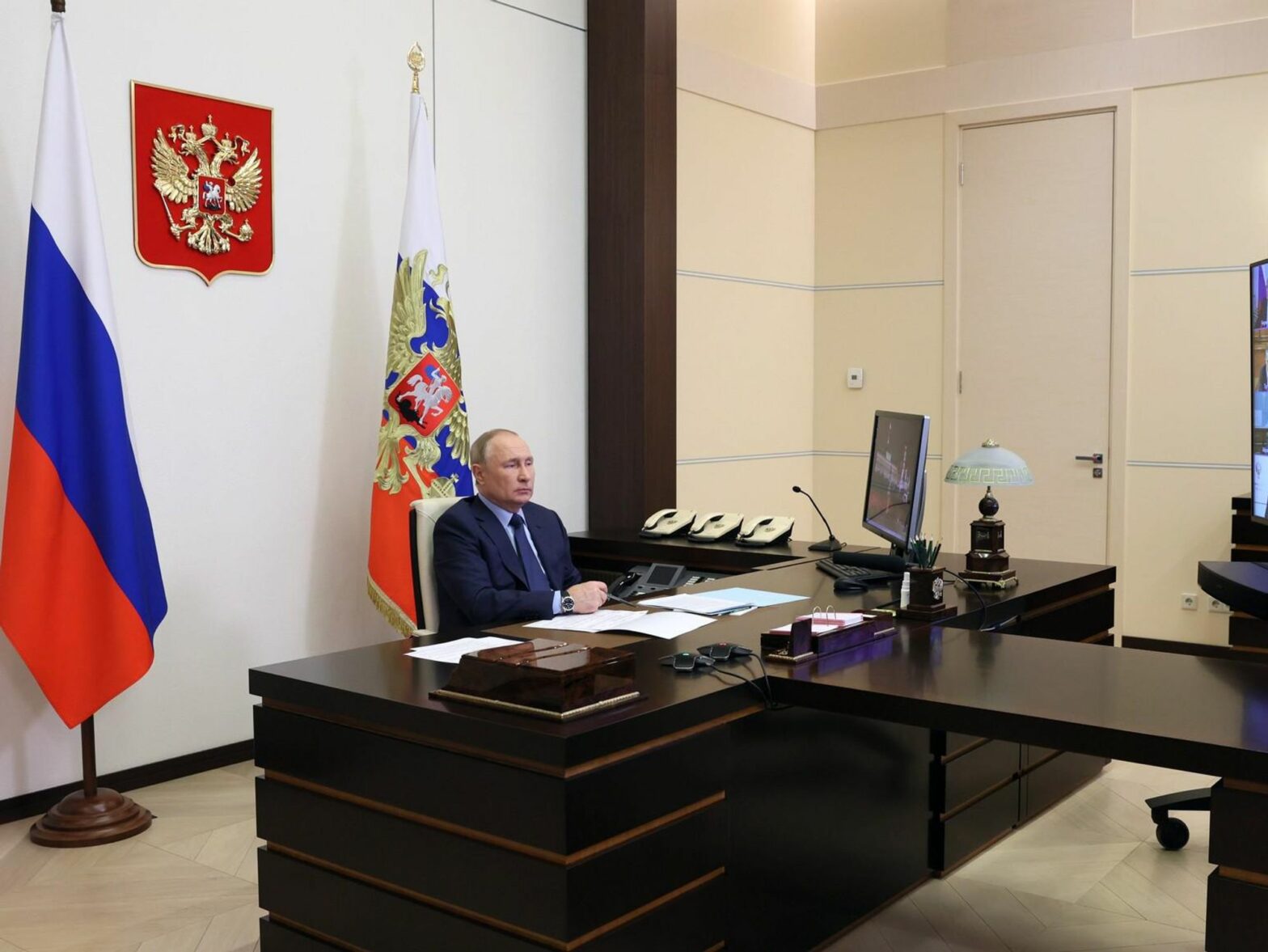
In the year since the arrest of Vladimir Putin’s last opponent a new Cold War has begun. In the absence of internal enemies, Russia’s increasingly powerful yet isolated ruler must turn to external targets.
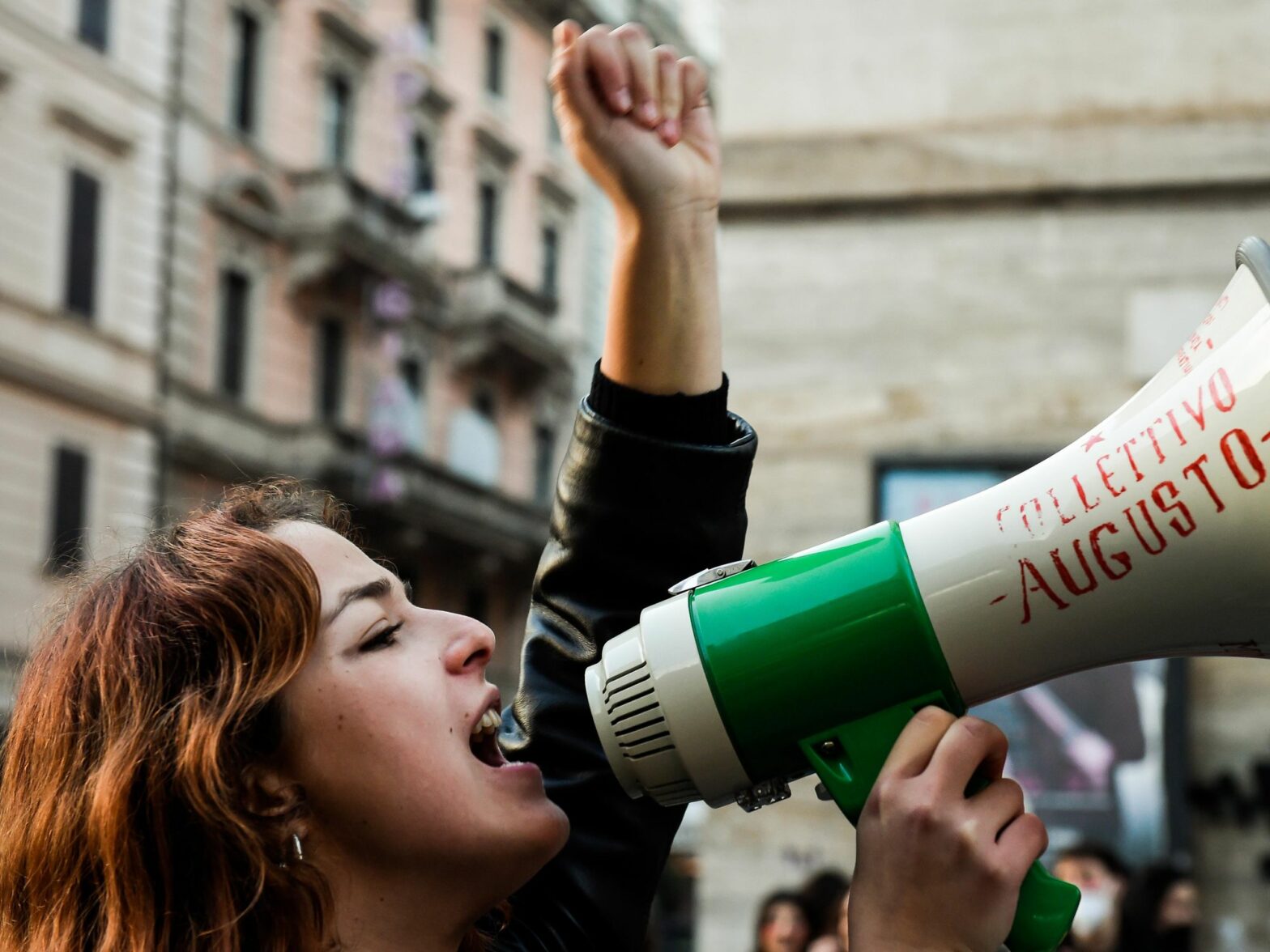
Italy’s head of state is being elected next week, amid a flood of attention of the candidacy of infamously misogynous former Prime Minister Silvio Berlusconi. Having a woman in the presidency, argues Italian writer and intellectual Dacia Maraini, may finally help steer the country in a better direction.
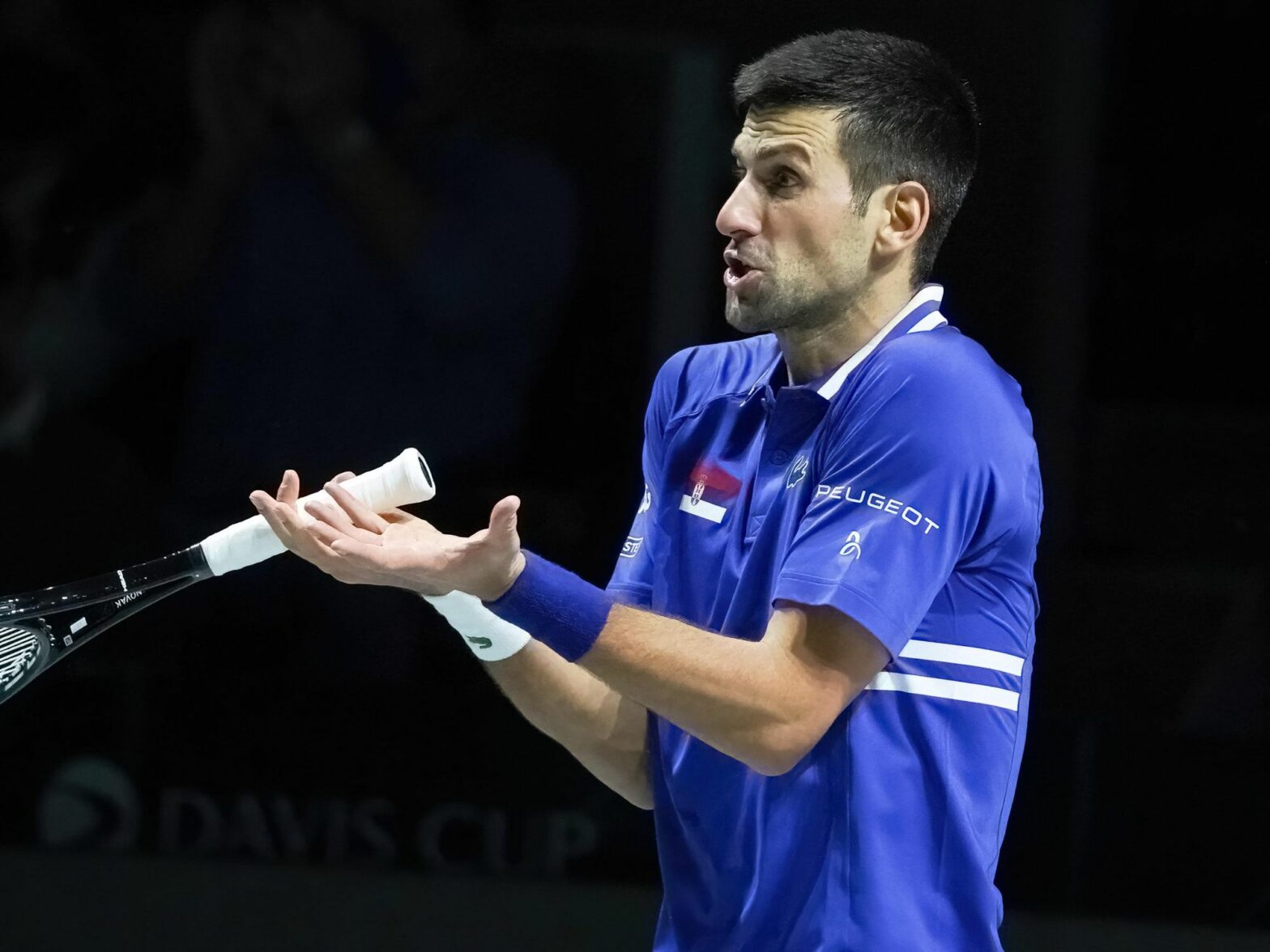
The Serbian tennis star is neither a victim nor a heavy, writes Serbian journalist Tatjana Đorđević Simić. But back home in Serbia, he is a hero who risks to turn in to a puppet of Serbia’s nationalistic government.
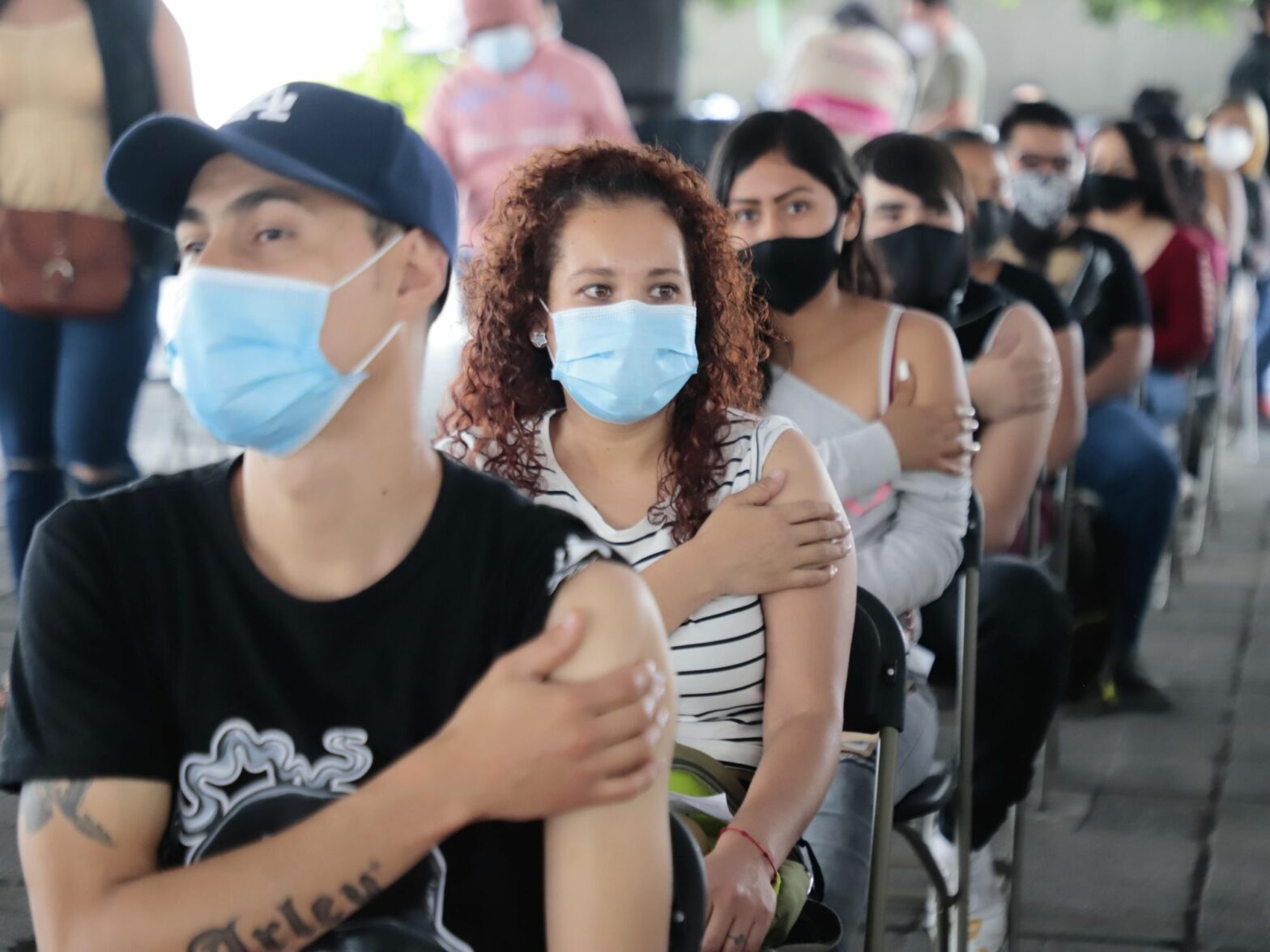
Echoing its cultural diplomacy of the early 20th century, the United States is gifting vaccines to Latin America as part of a renewed “good neighbor” policy.
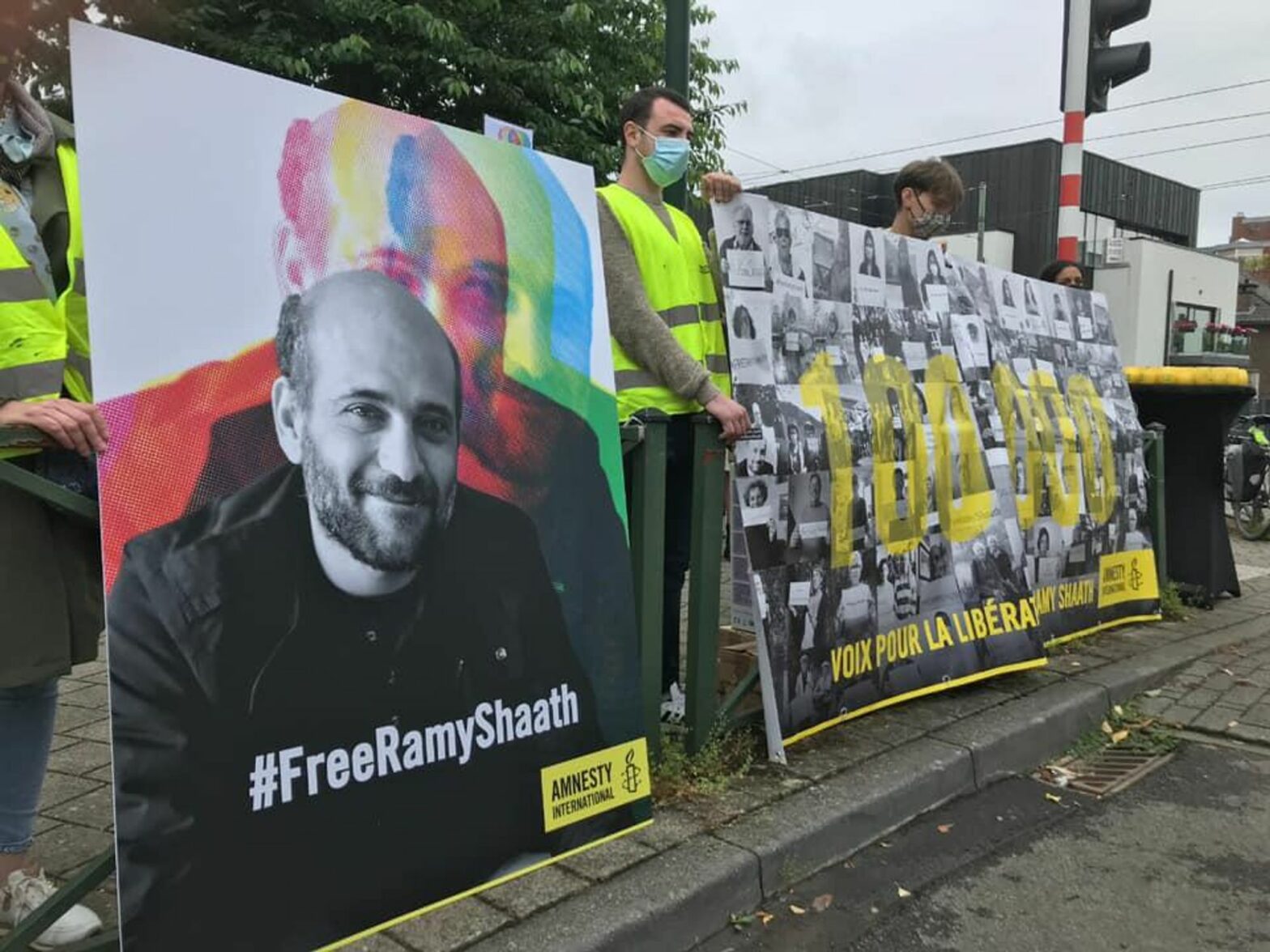
Several notable political prisoners in Egypt have renounced their citizenship to gain freedom. The choice is a difficult one to make personally, and the practice is highly questionable politically.
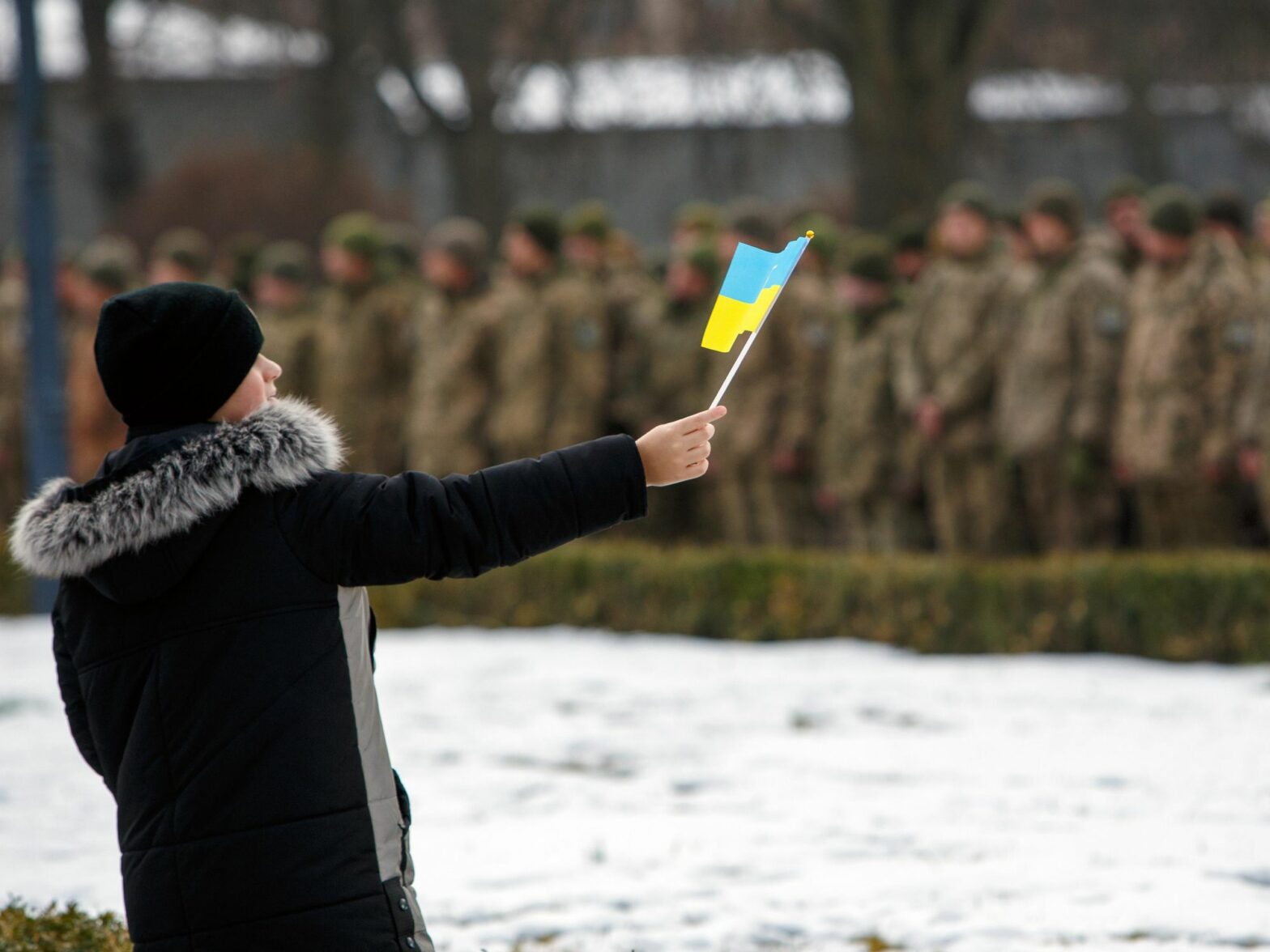
With Russian troops amassed at the border with Ukraine, the writer, who came of age in Kiev in the post-Soviet era, says her fellow Ukrainians of every generation are united in never again falling under the reign of Moscow.
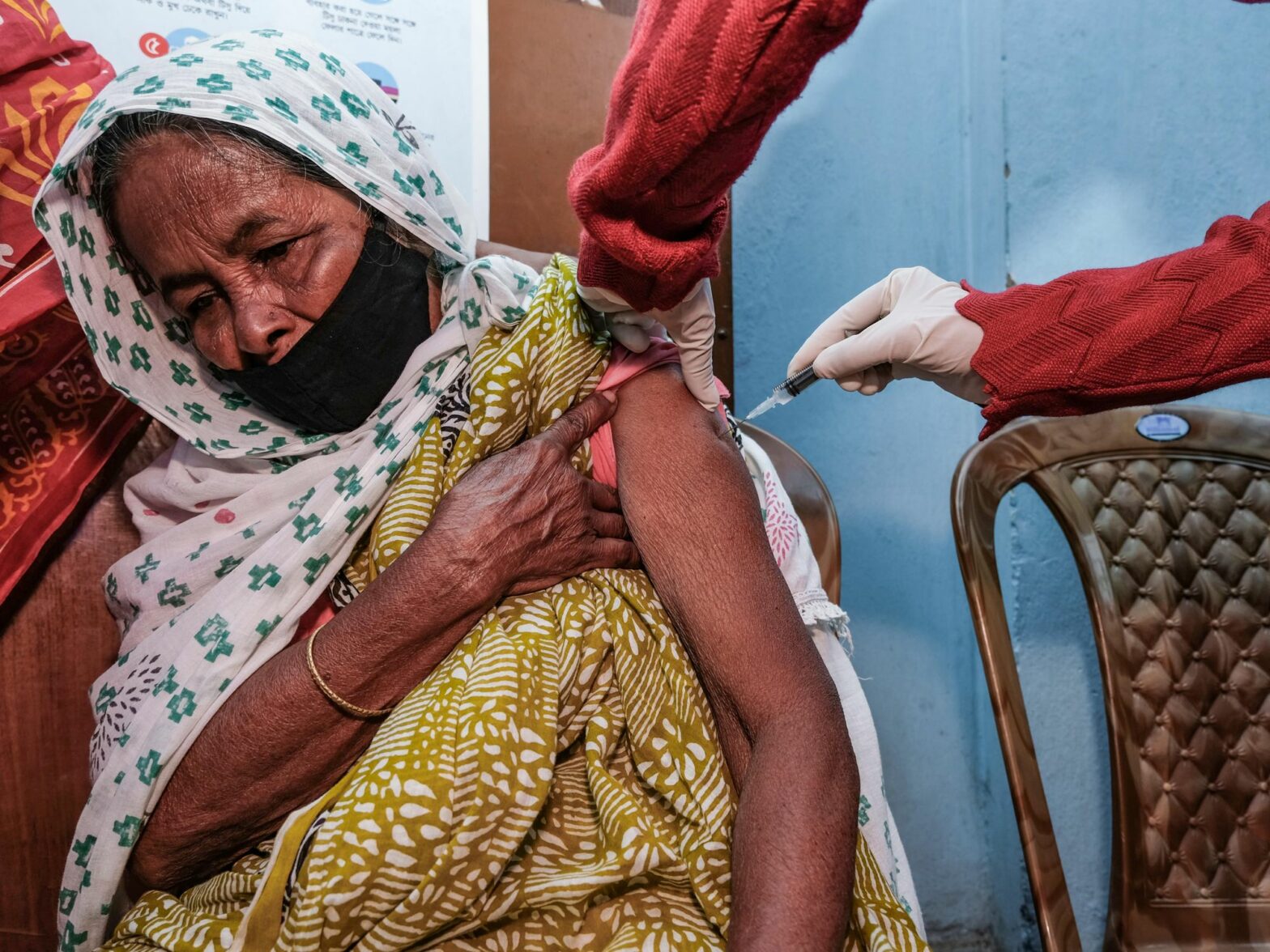
Germany boasted recently that it donated 100 million vaccines to poor countries, but this approach will simply not work to halt the pandemic from spreading again and again. Calls for the mRNA vaccines’ patents to be lifted are growing louder.
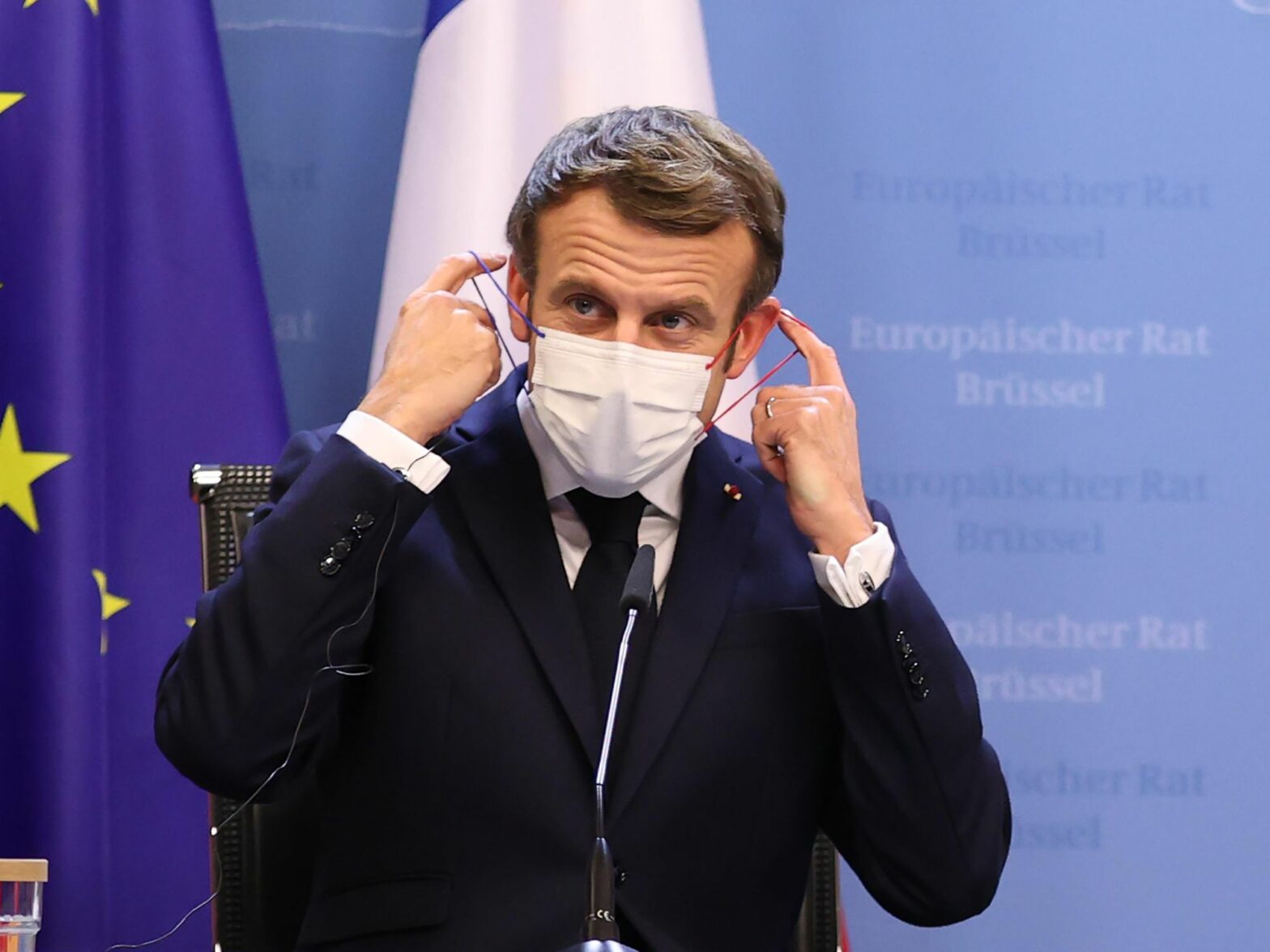
The French President used a rather vulgar verb to tell us how he feels about those who refuse to get the COVID vaccine. It’s a linguistic and political stink bomb with a message that has a history of its own.
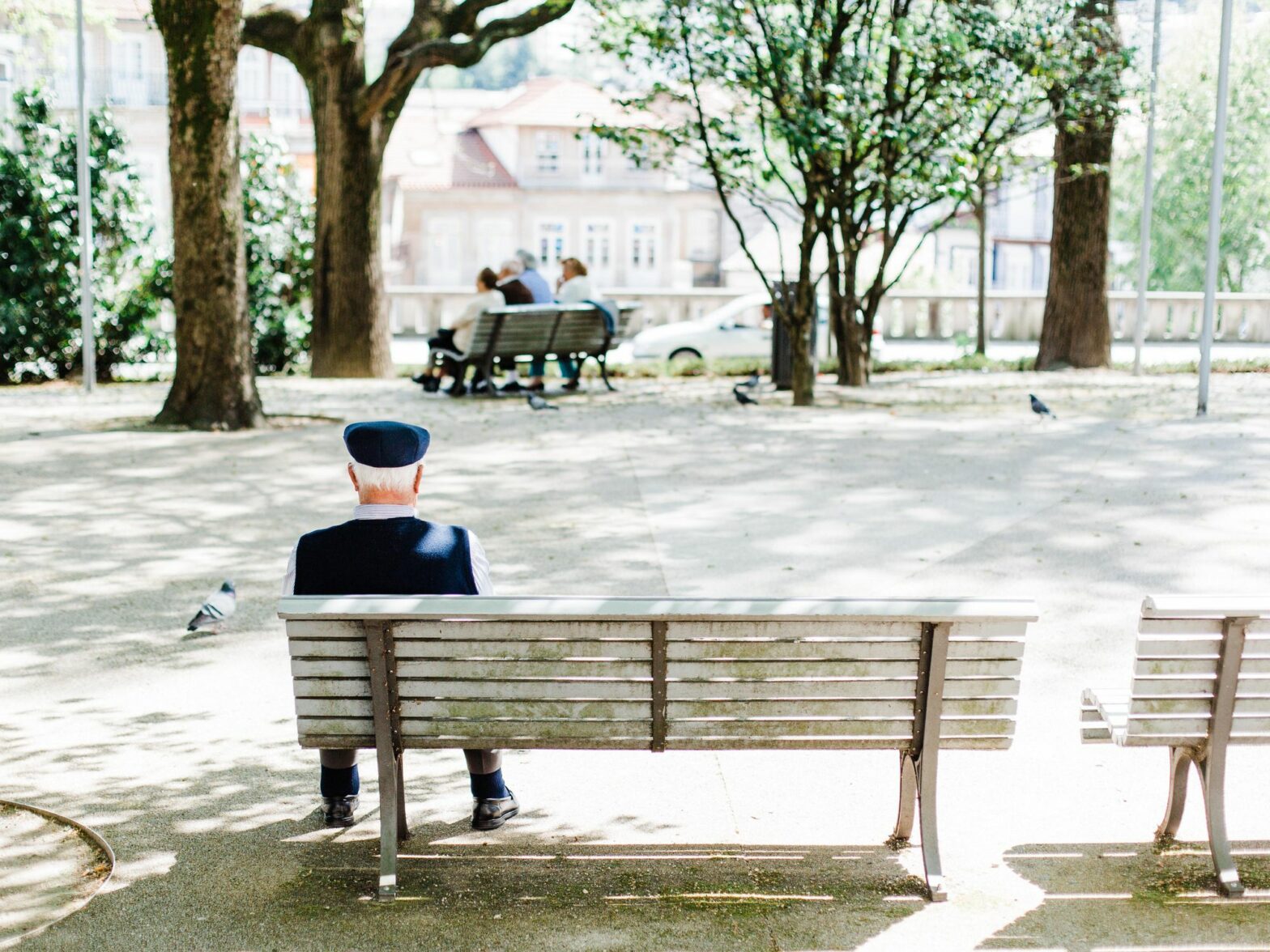
New research, which included 80 in-depth interviews with older people, found that a surprising number look down on their fellow seniors.
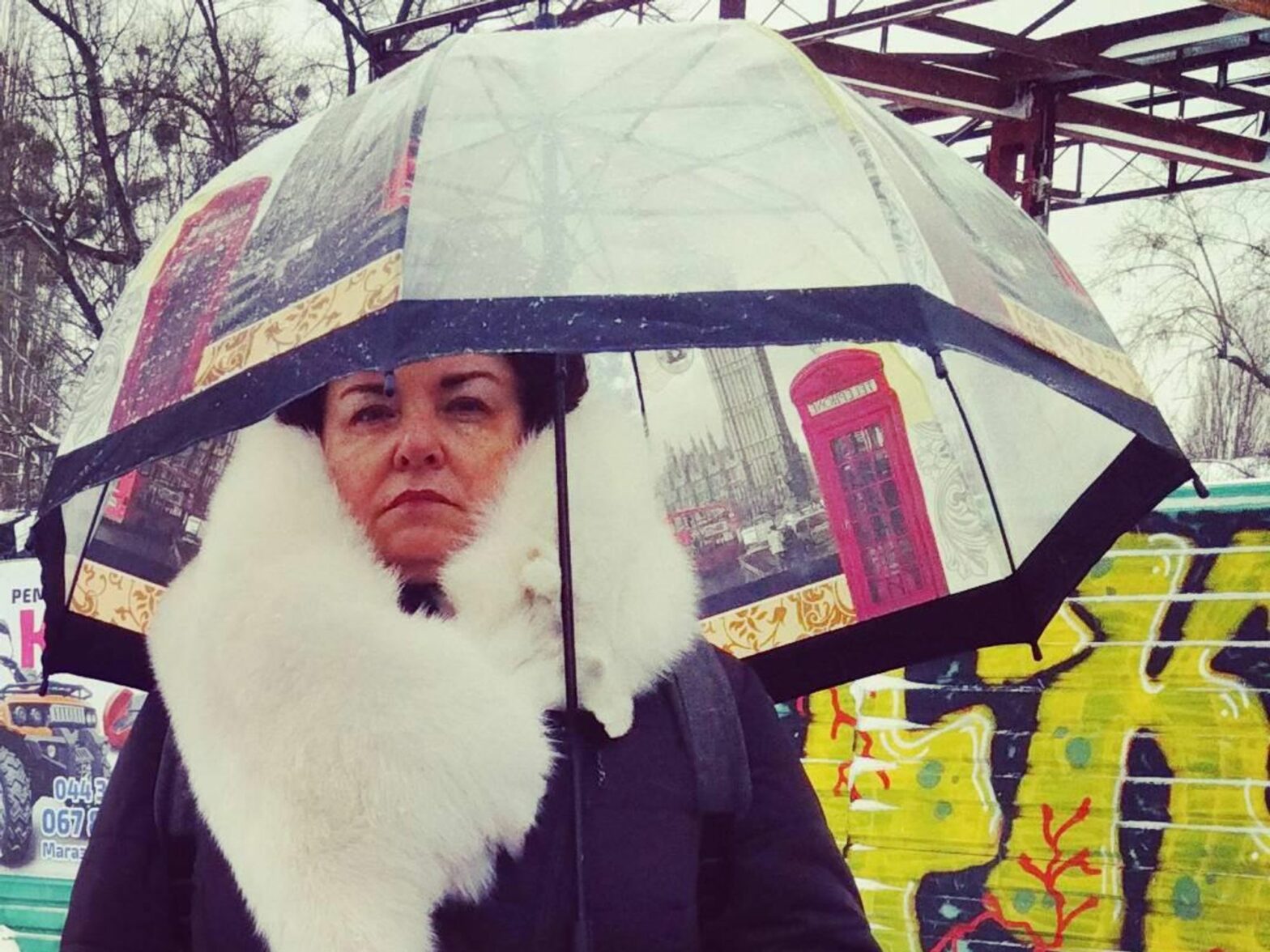
Ukraine’s culture minister has attempted to make a bonafide diplomatic incident out of the depiction of a character from Kyiv in the vapid Netflix series “Emily in Paris.” A native Kyiv writer based in France is outraged too, but at her own country’s false pride and a government minister wasting everyone’s time.
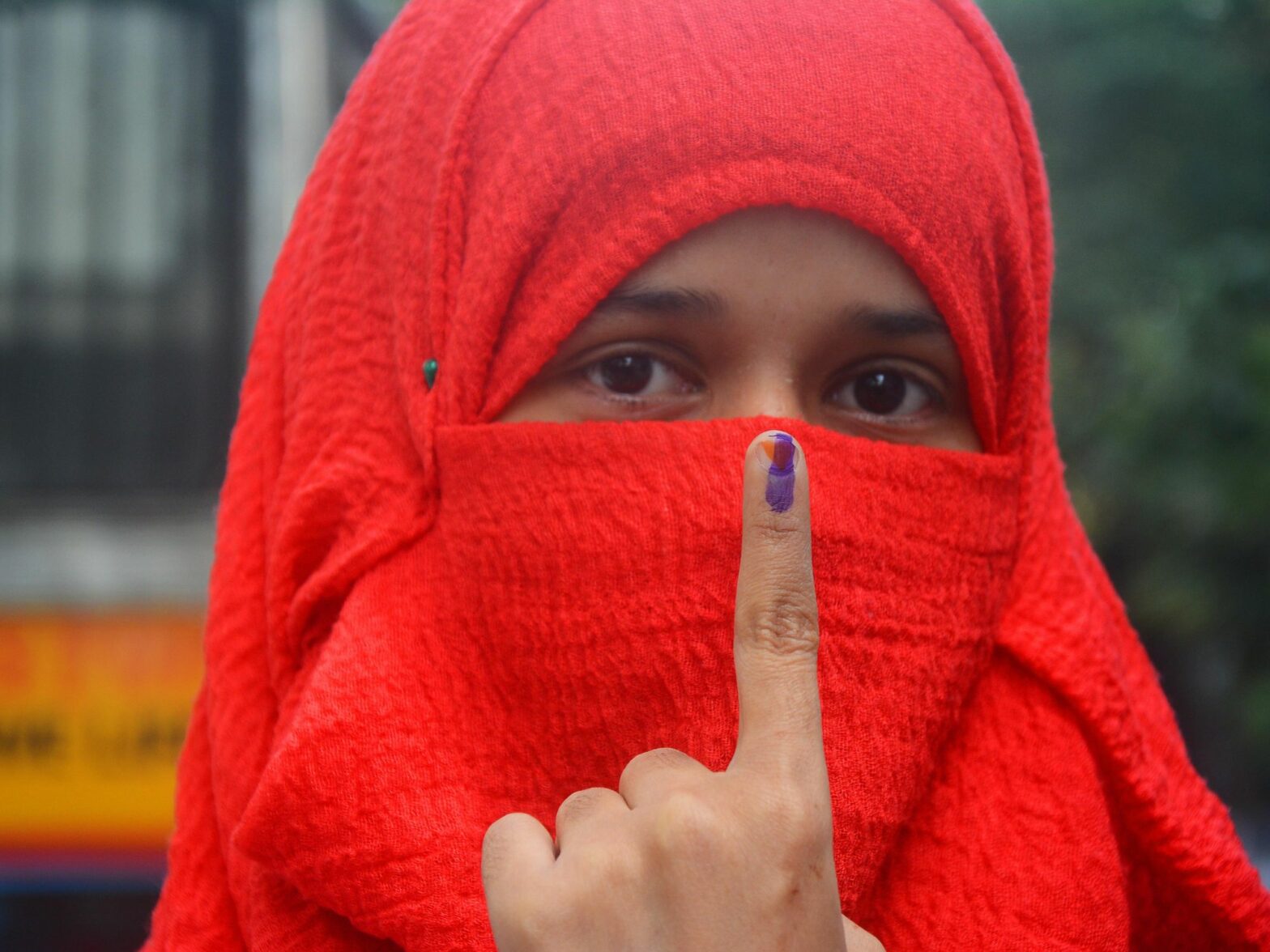
As India debates raising the legal age of women to marry to match the age for men, one women writer asks what it means for her.
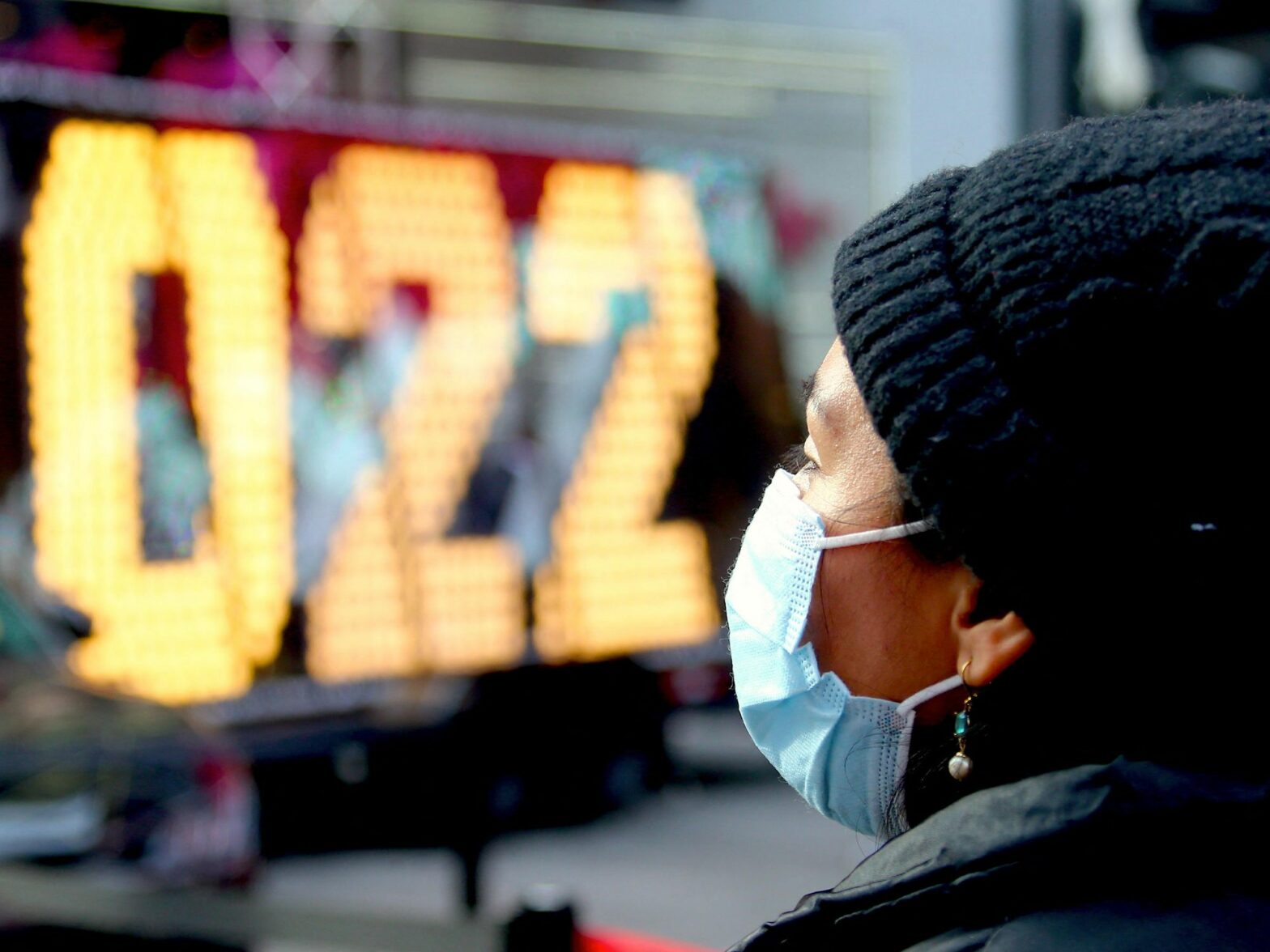
The signs for 2022 may appear grim right now, but at least we know what we’re facing. Will we make the right decisions?
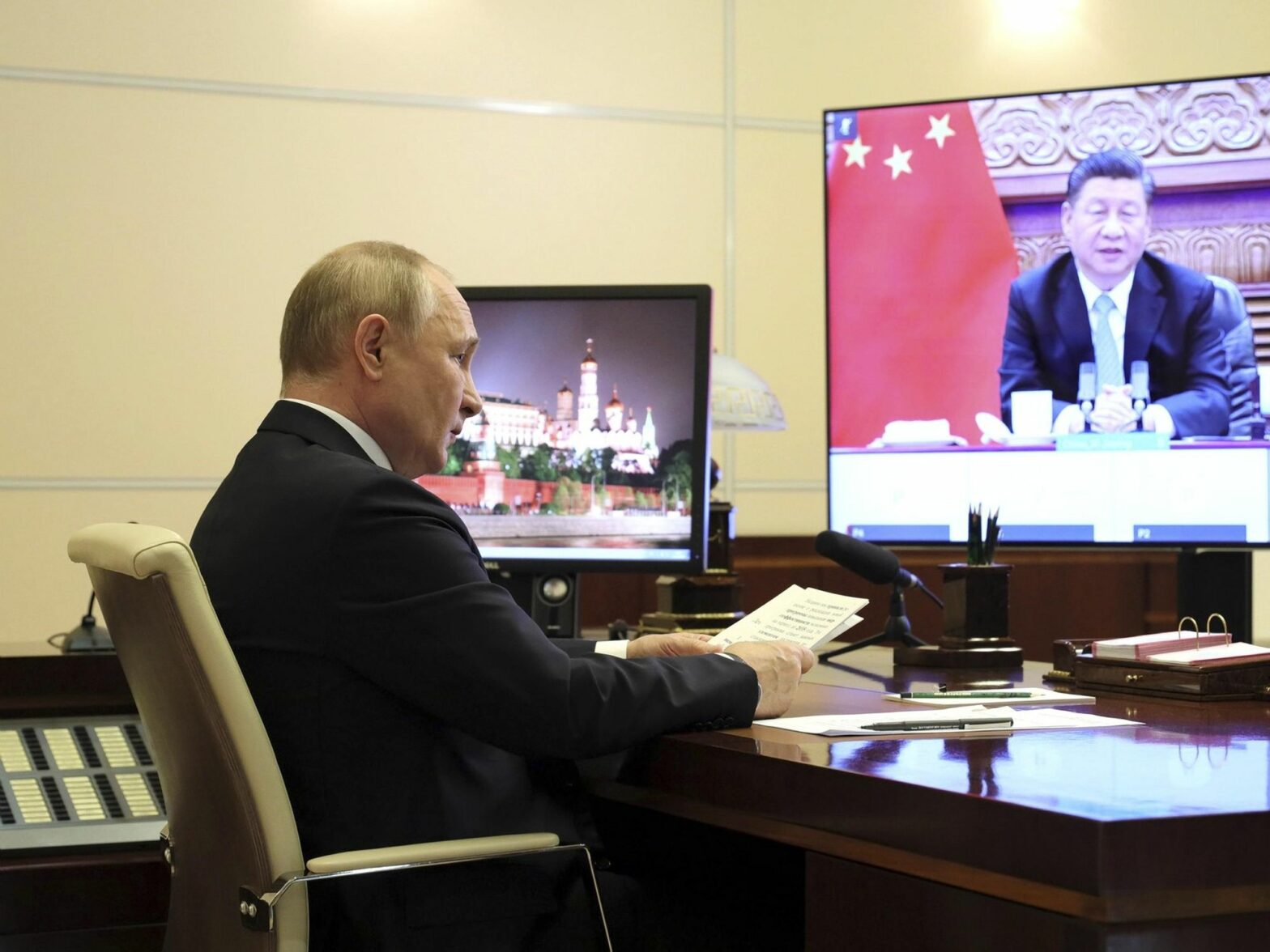
Joined in their respective confrontations with the West, both the Chinese and Russian leaders are boasting about their burgeoning partnership. Yet there are fundamental reasons the love affair is unlikely to last.
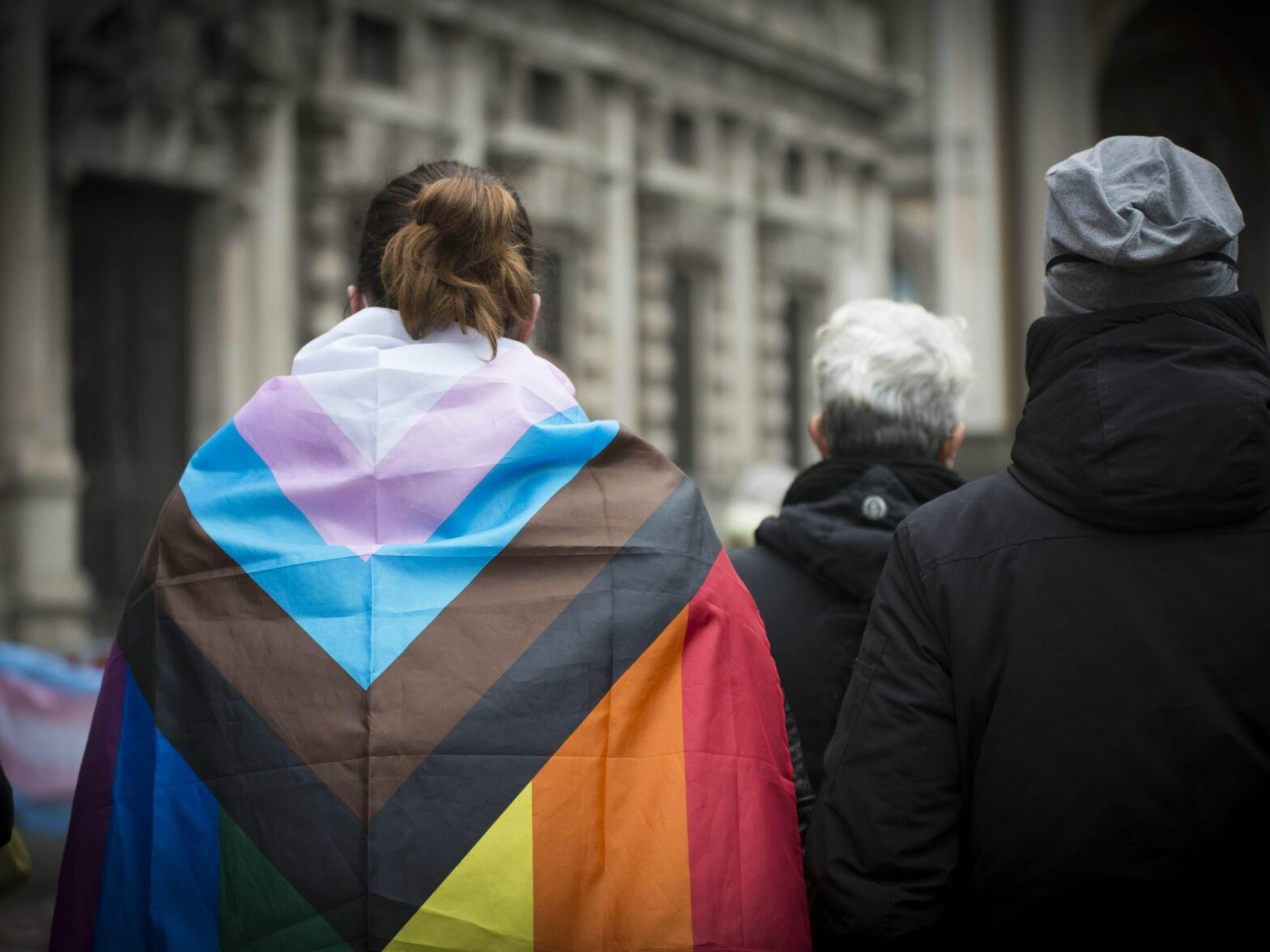
Italian writer Lia Celi has her would-be mother’s “sixth sense” put to the test.
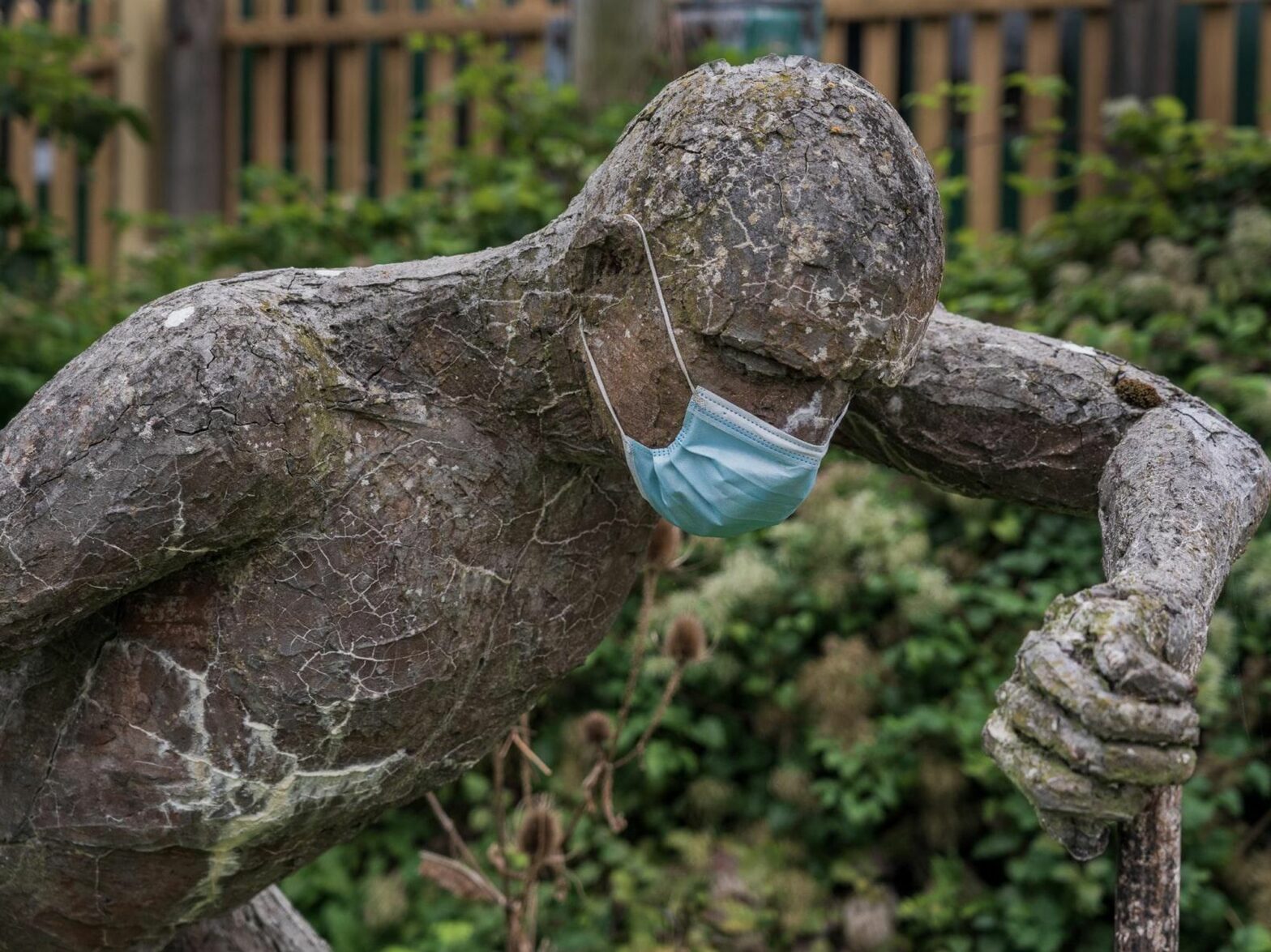
Every pang or cough could be the virus, or something worse.
Here are the 10 most-read articles of the past year: Who Is Lauriane Doumbouya, The French Wife Of Guinea’s Coup Leader? During the recent inauguration of new Guinea president Mamadi Doumbouya, the presence of a female French police officer alongside the coup leader grabbed the public’s attention. But little is still known about the new […]
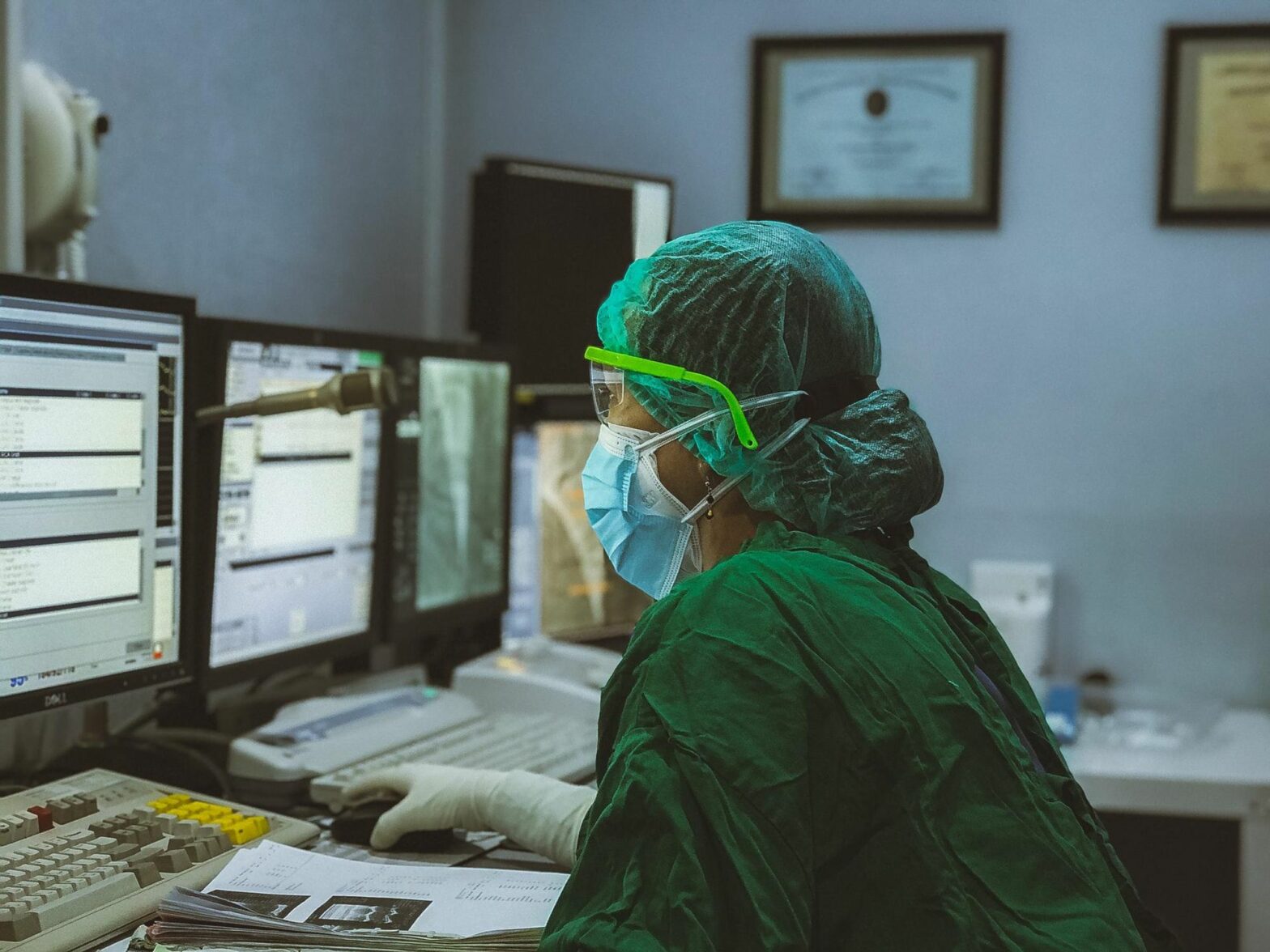
Two years on, even if they’ve still not given us the definitive answers to COVID-19, scientists are our best hope. But they can’t do it alone.
The Iranian government is responding to peaceful protests with batons and bullets. Their brutality and criminal incompetence are galvanizing protestor solidarity and resistance, which might finally prove fatal to the ruling elite.
We asked the team at Worldcrunch to share the articles that stood at this past year, from articles we’ve translated from the best international sources to pieces we’ve written ourselves. Dozens (and dozens) were sent in, and we’ve narrowed it down to 21: When Will COVID End? The Question That Won’t Go Away EL ESPECTADOR […]
The European Commission’s efforts to push for more inclusive language are important. But we should be careful and make sure we make room for differences.
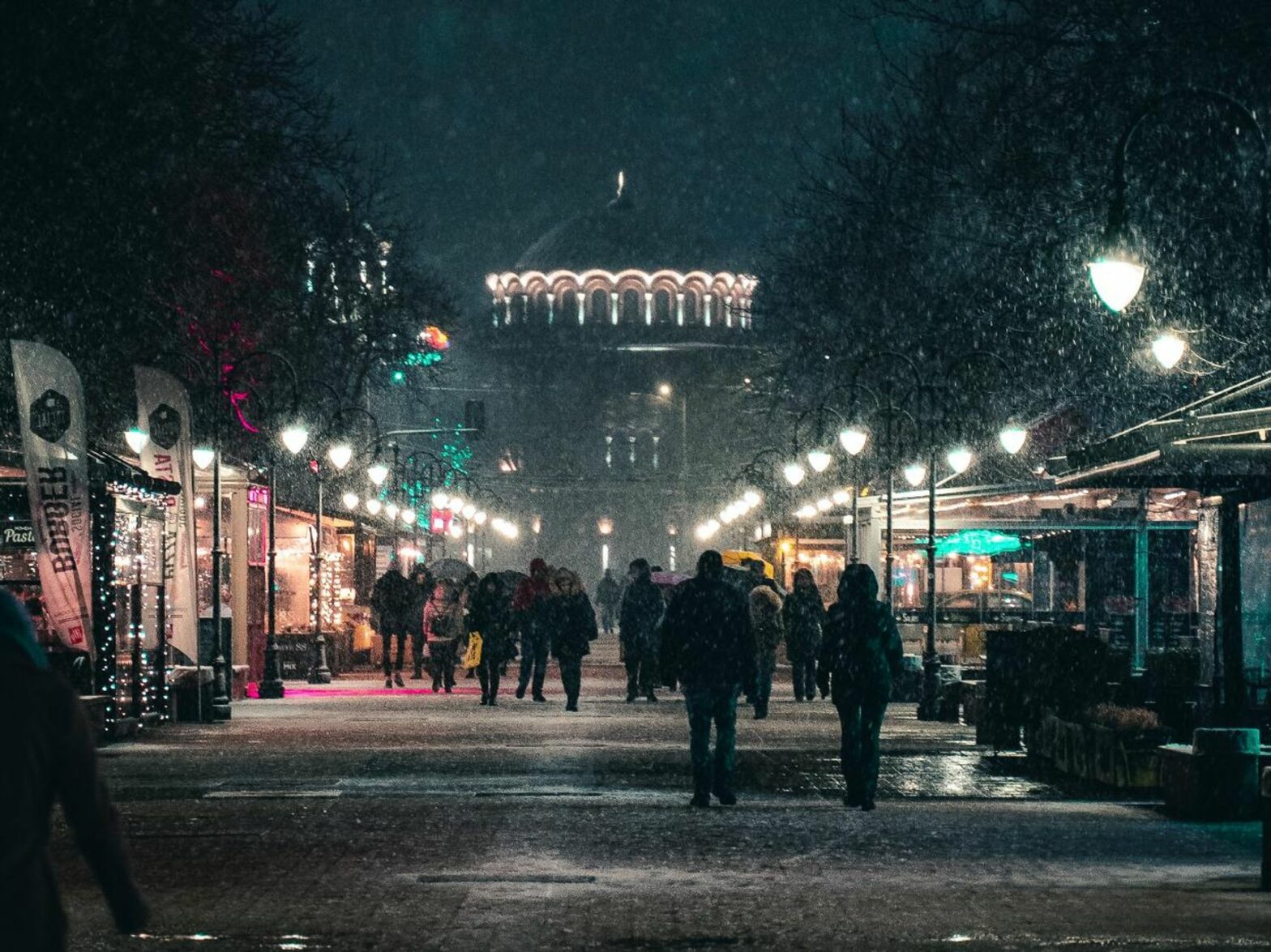
Our roving Swedish reporter’s darkish holiday dispatch from Sofia, Bulgaria.
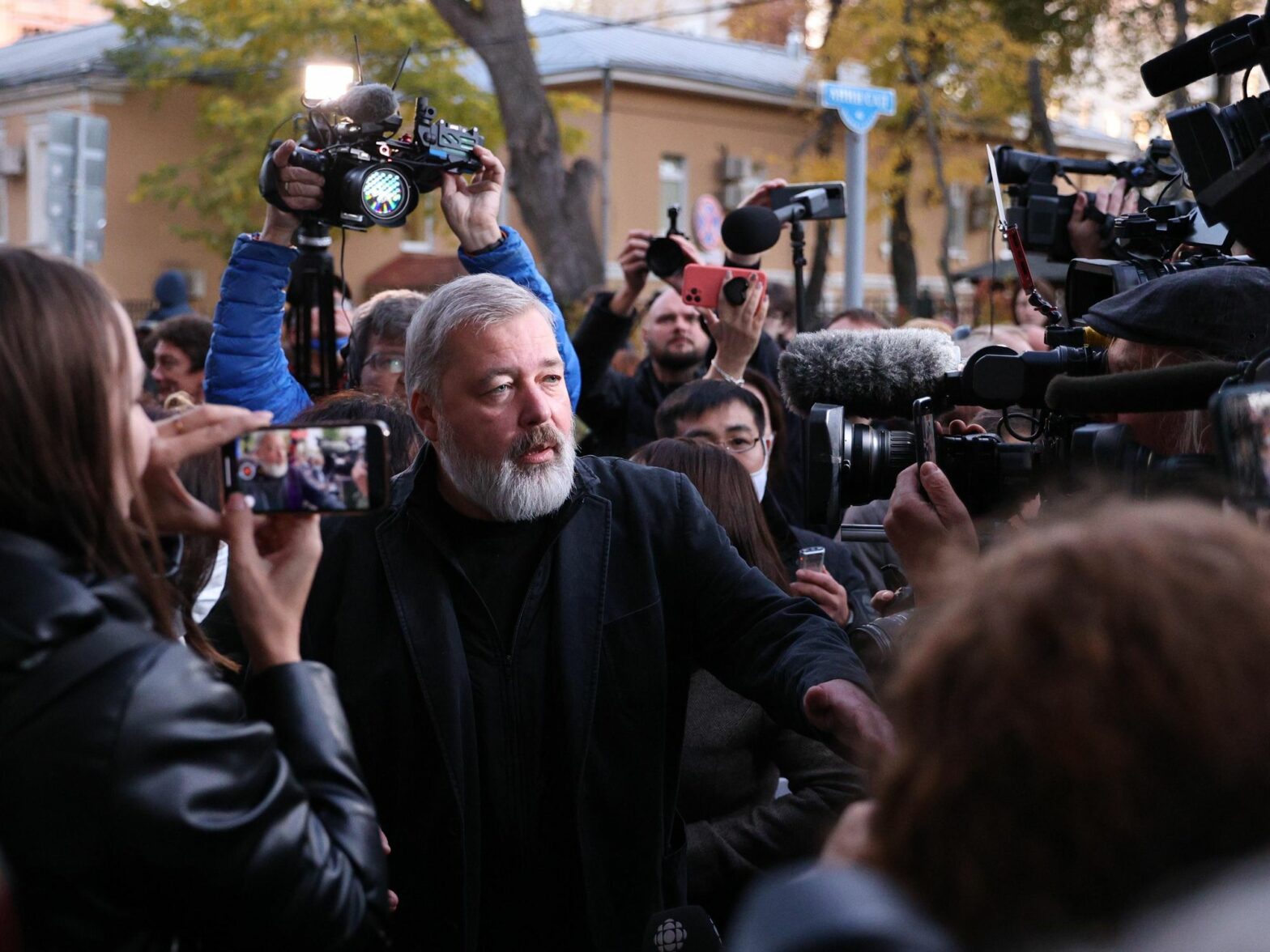
Russia is increasingly labeling journalists and human rights organizations as “foreign agents.” It’s the Kremlin’s latest – and most effective – way of cracking down on any kind of opposition.
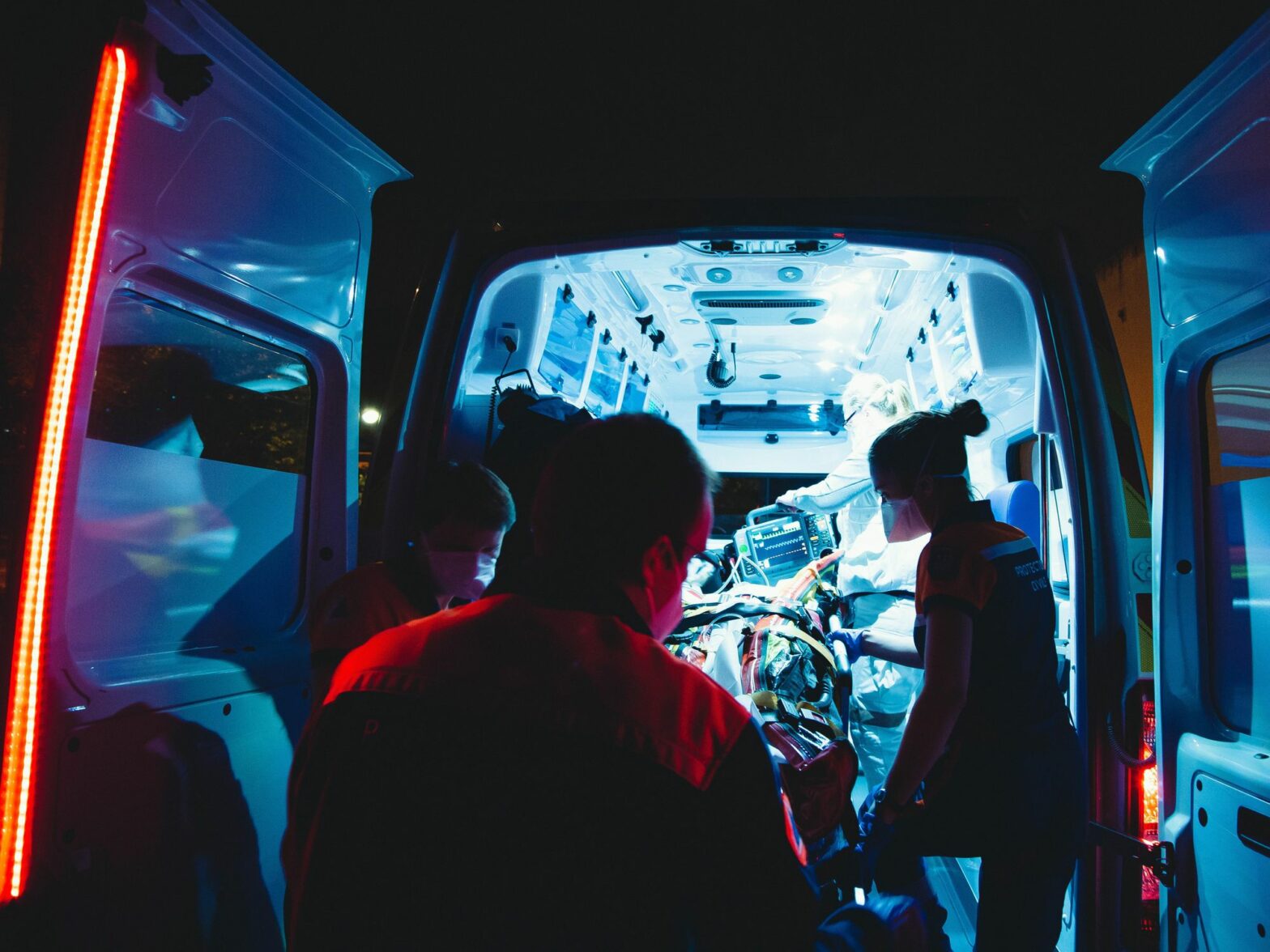
In Canada’s Western province of Alberta, hospital beds are running out and forcing officials to “triage” to decide who does and doesn’t get care. The same formula should not apply to those who have chosen not to get the COVID vaccine.
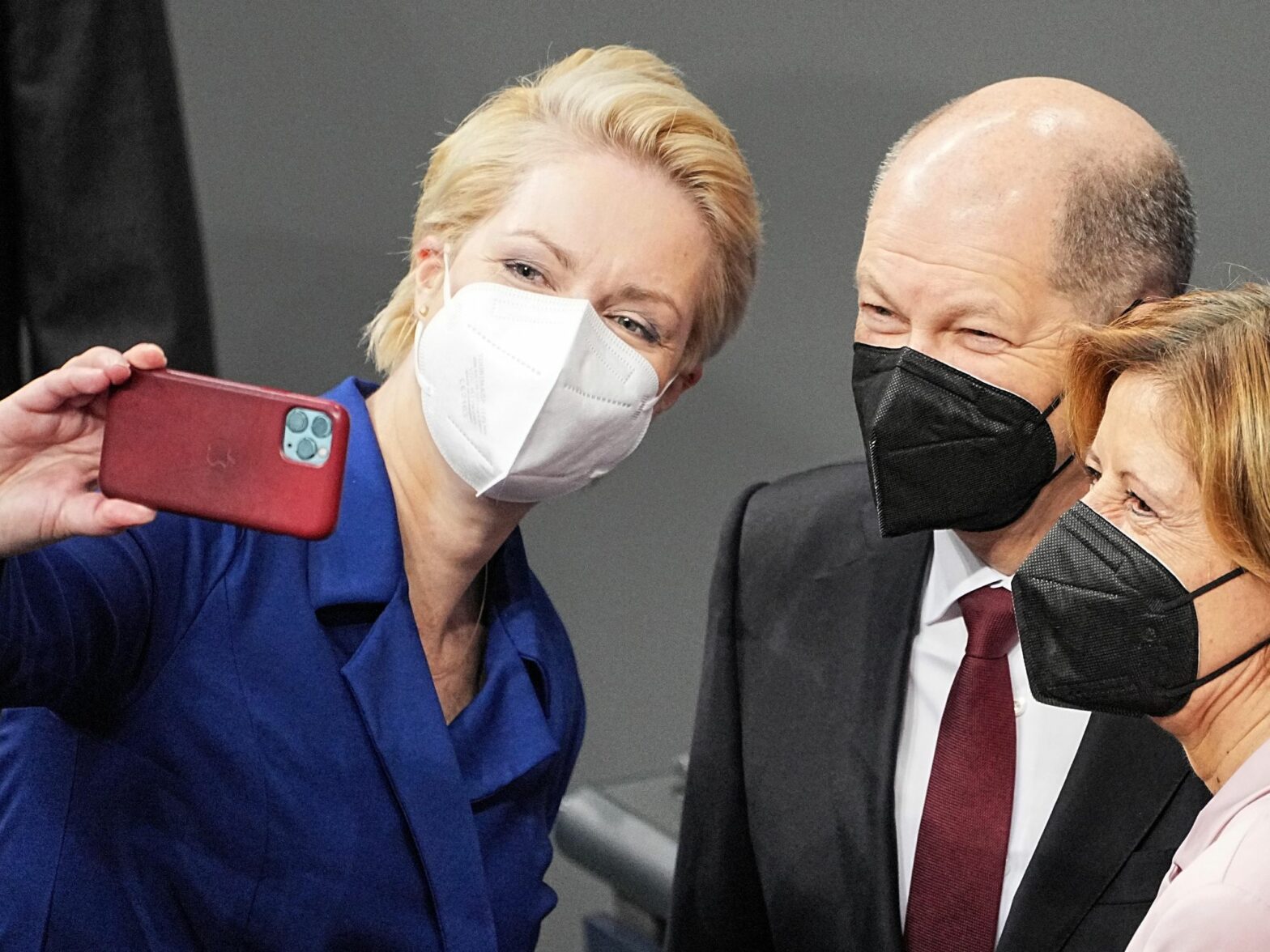
From afar, new Swedish Prime Minister Magdalena Andersson and incoming German Chancellor Olaf Scholz share much, both in their views and the political system where they rule. But subtle differences, which arose in the rubble of World War II, can be everything.
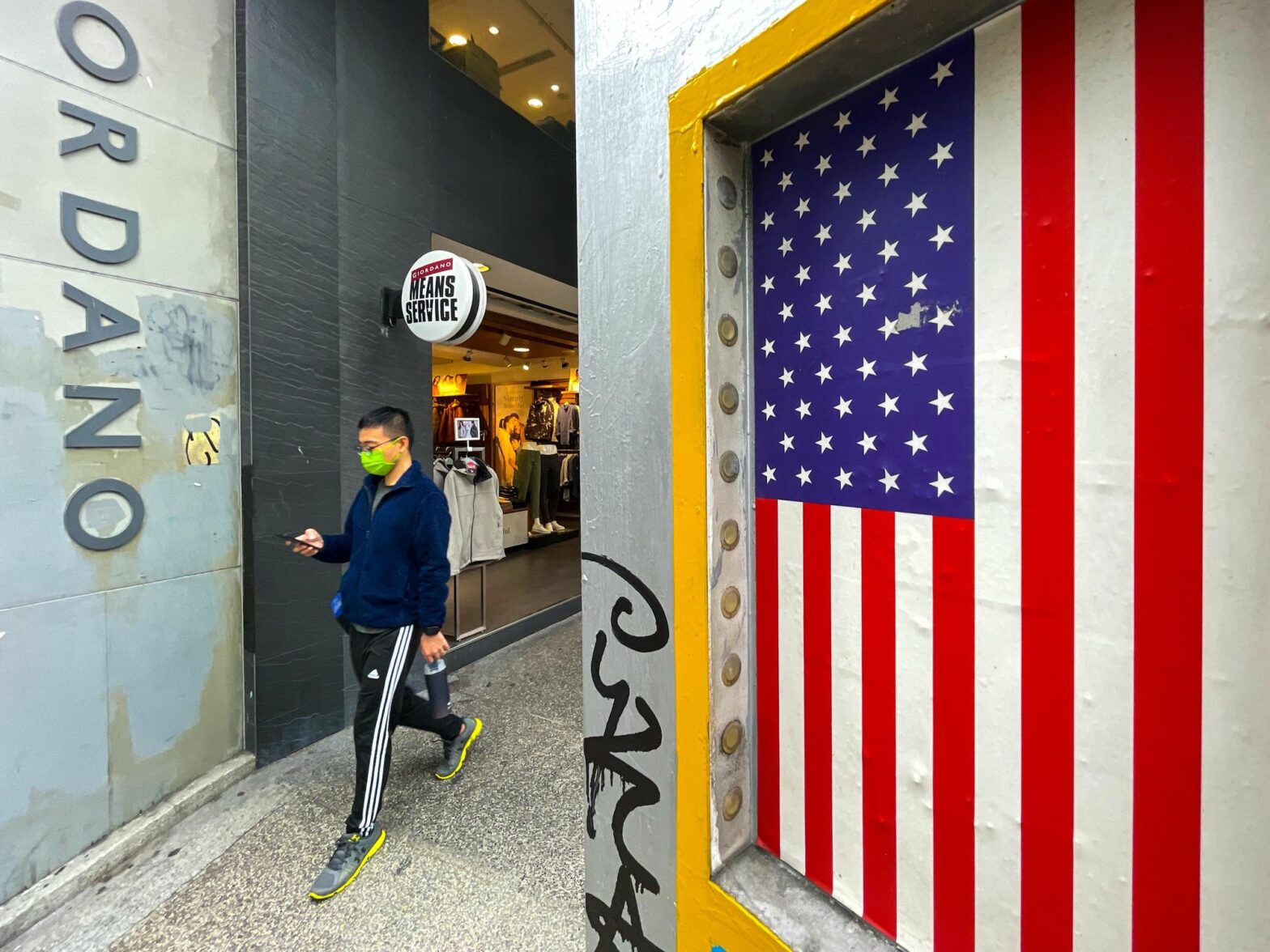
Can the countries the United States have invited to an exclusive summit on democracy safeguard and spread a system that is inherently flawed and fragile?
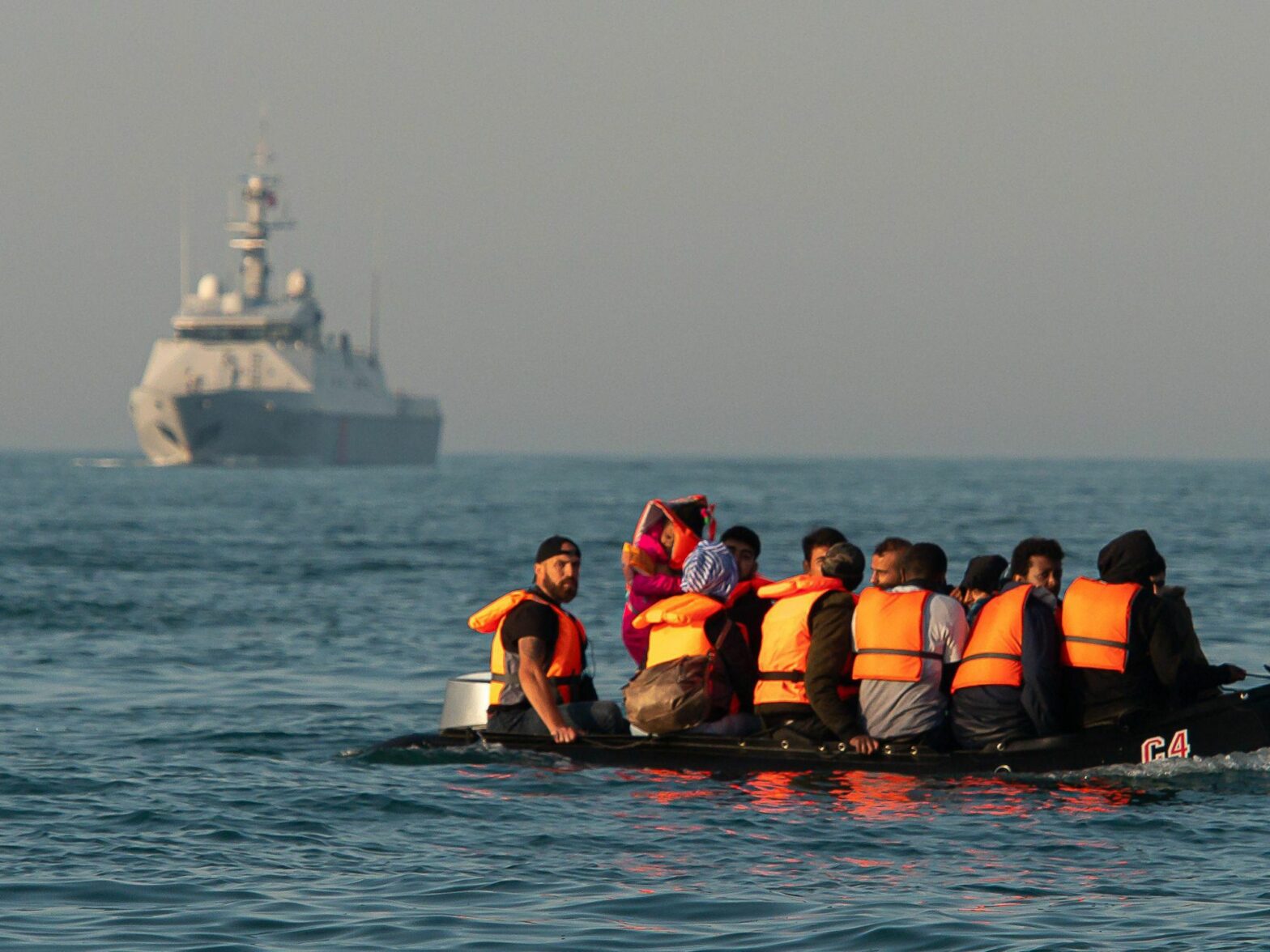
The deaths of 27 migrants off the French coast of Calais is one more tragedy on a long list in the European Union. After the initial shock, however, we tend to forget, get used to it and in the end, become indifferent.
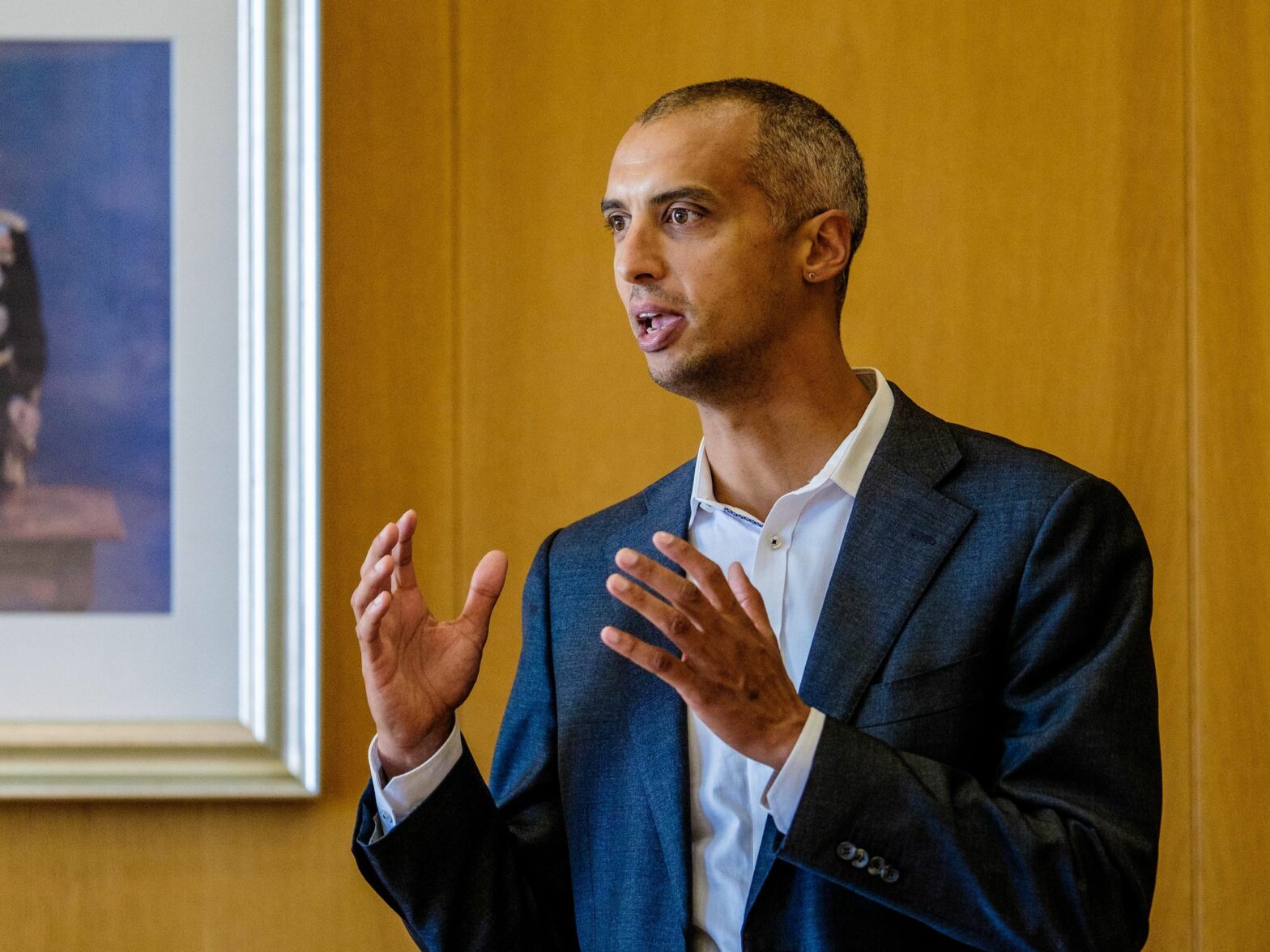
Migrant associations and activists are saying there are not enough politicians of migrant origin in the new German Bundestag. But are such politicians guaranteed to support policies that benefit migrants? There are prominent examples that suggest otherwise.
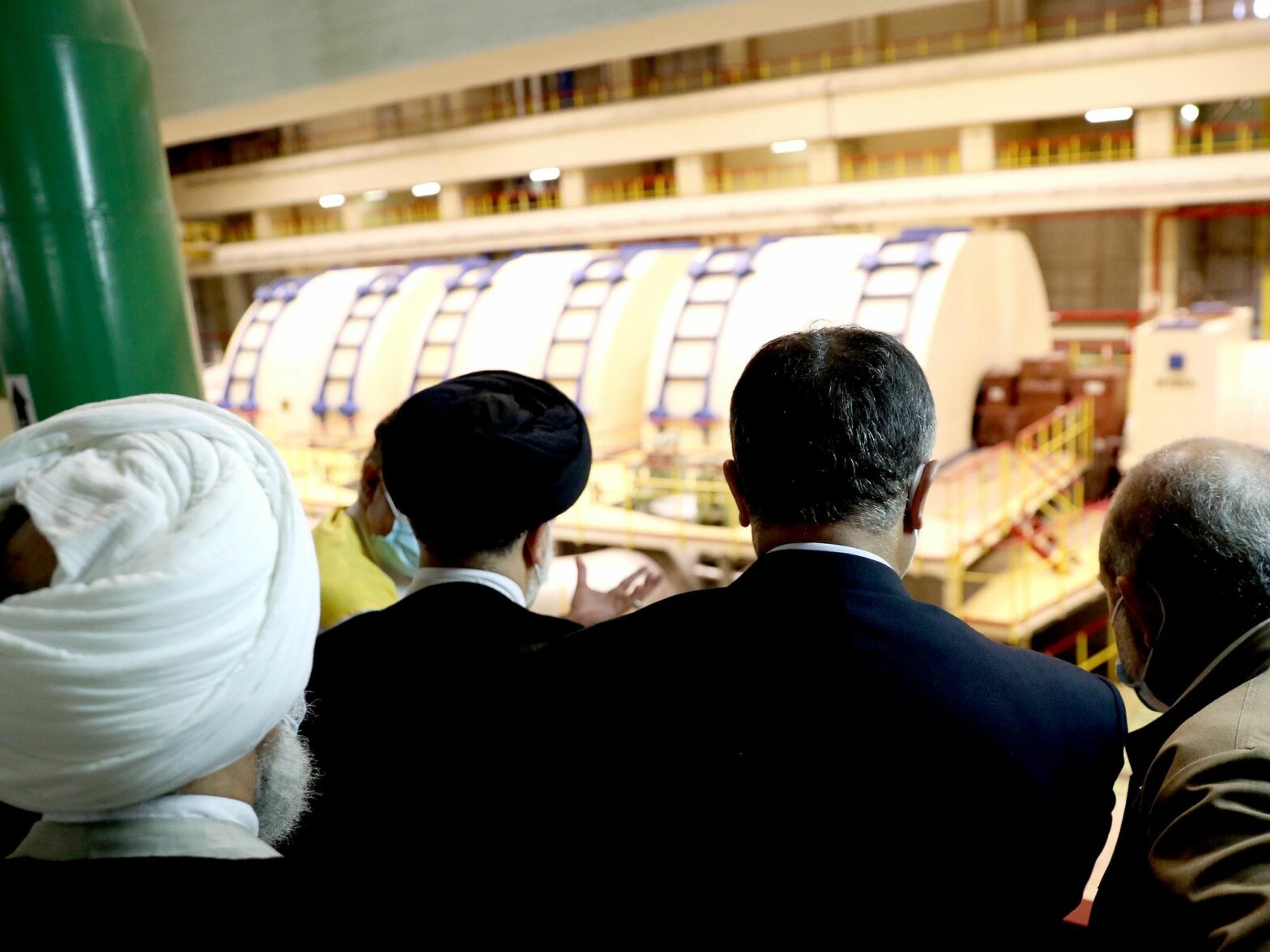
In spite of the toll sanctions have taken on its economy, Iran wants a deal on its nuclear program that addresses none of the West’s concerns about its military ambitions. It is also moving forward with new uranium enrichment technology.
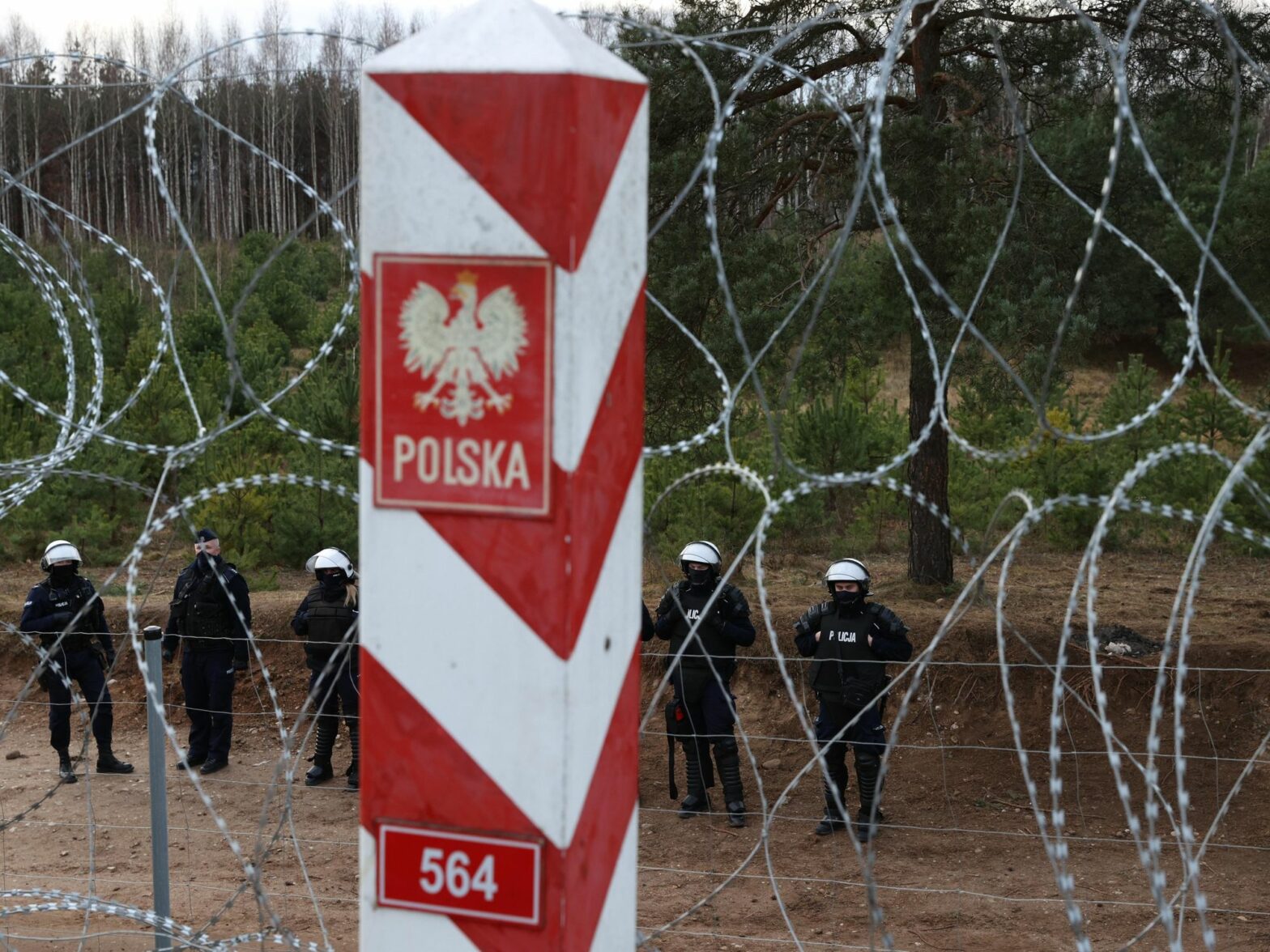
Everything is collapsing: The zloty is sinking, a virus is spreading, diplomacy has disappeared, and so has the rule of law. And the government claims everything is going just fine.
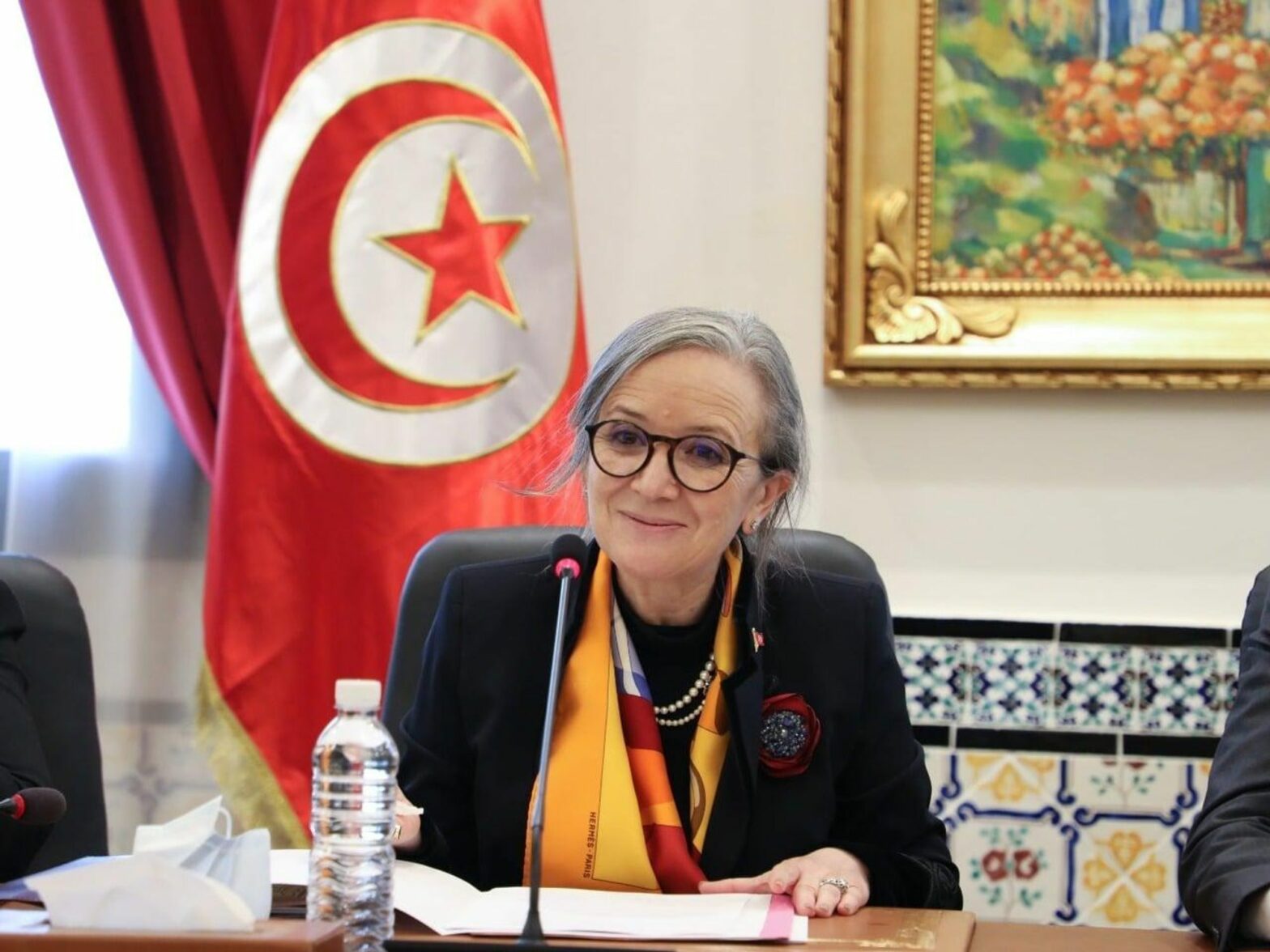
Tunisian President Kaïs Saïed caused a stir by appointing Najla Bouden, the first female head of government in the Arab world. But as the president has assumed full powers a decade after the launch of the Arab Spring, it is a choice with a mixed message.
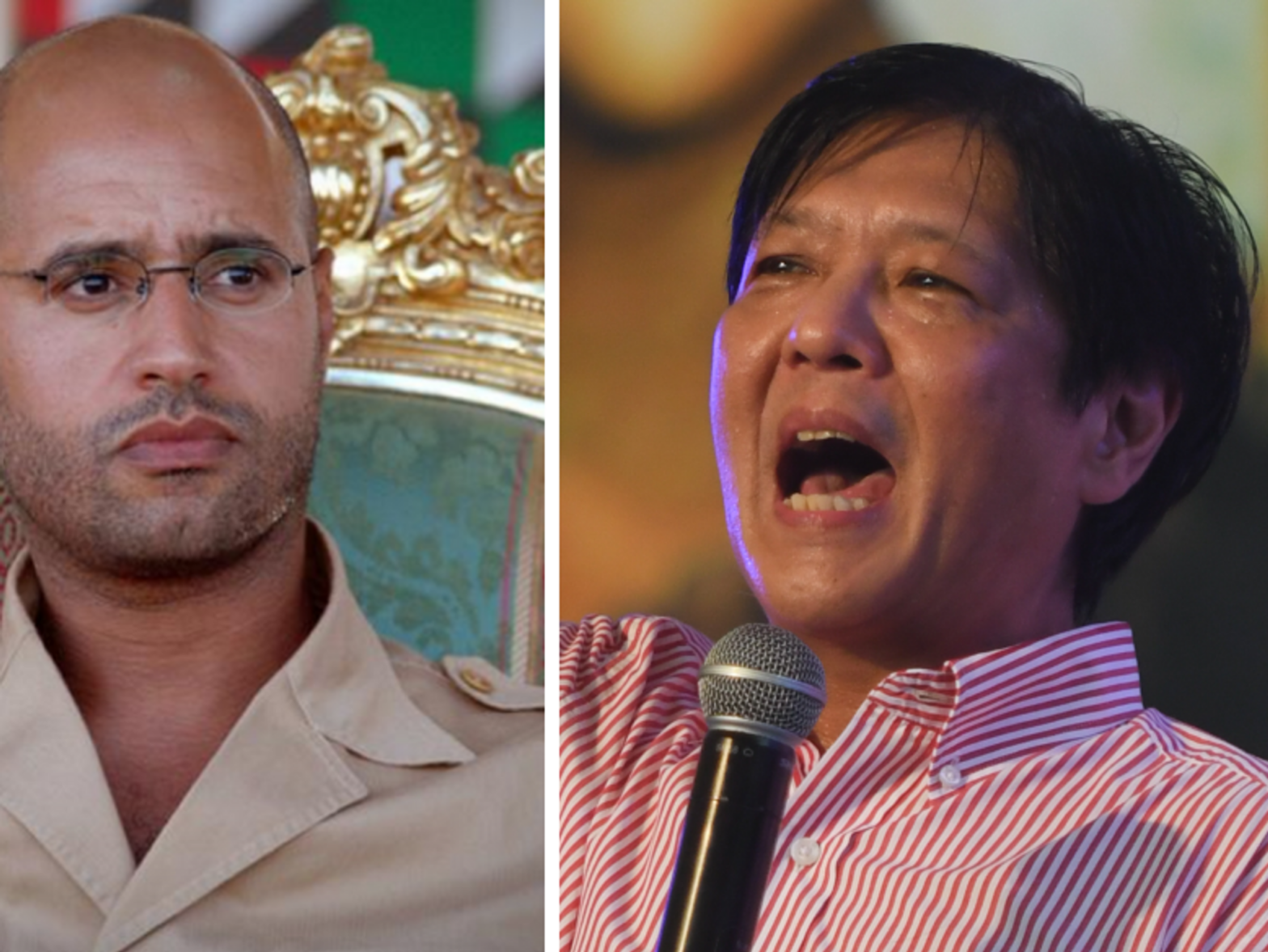
Over the past few weeks, the offspring of two of the 20th centuries most ruthless strongmen have announced they’d like to become the (democratically elected) leaders of Libya and the Philippines.
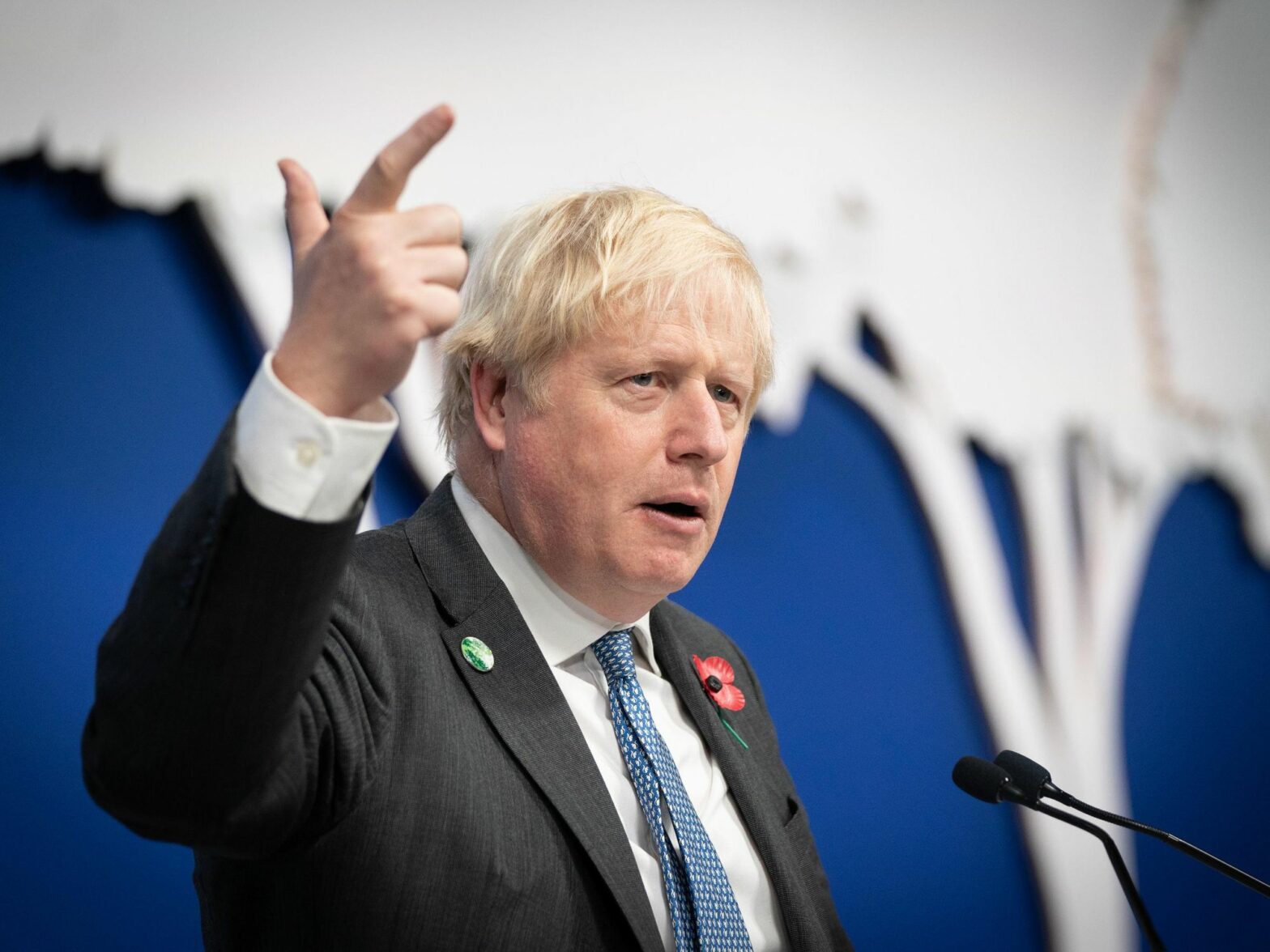
The post-Brexit row of fishing rights is the last straw for not only France, but all of the European Union, who must put an end to the whims of Britain’s prime minister, who seems ready to toss out years of negotiations for the divorce between the UK and EU.