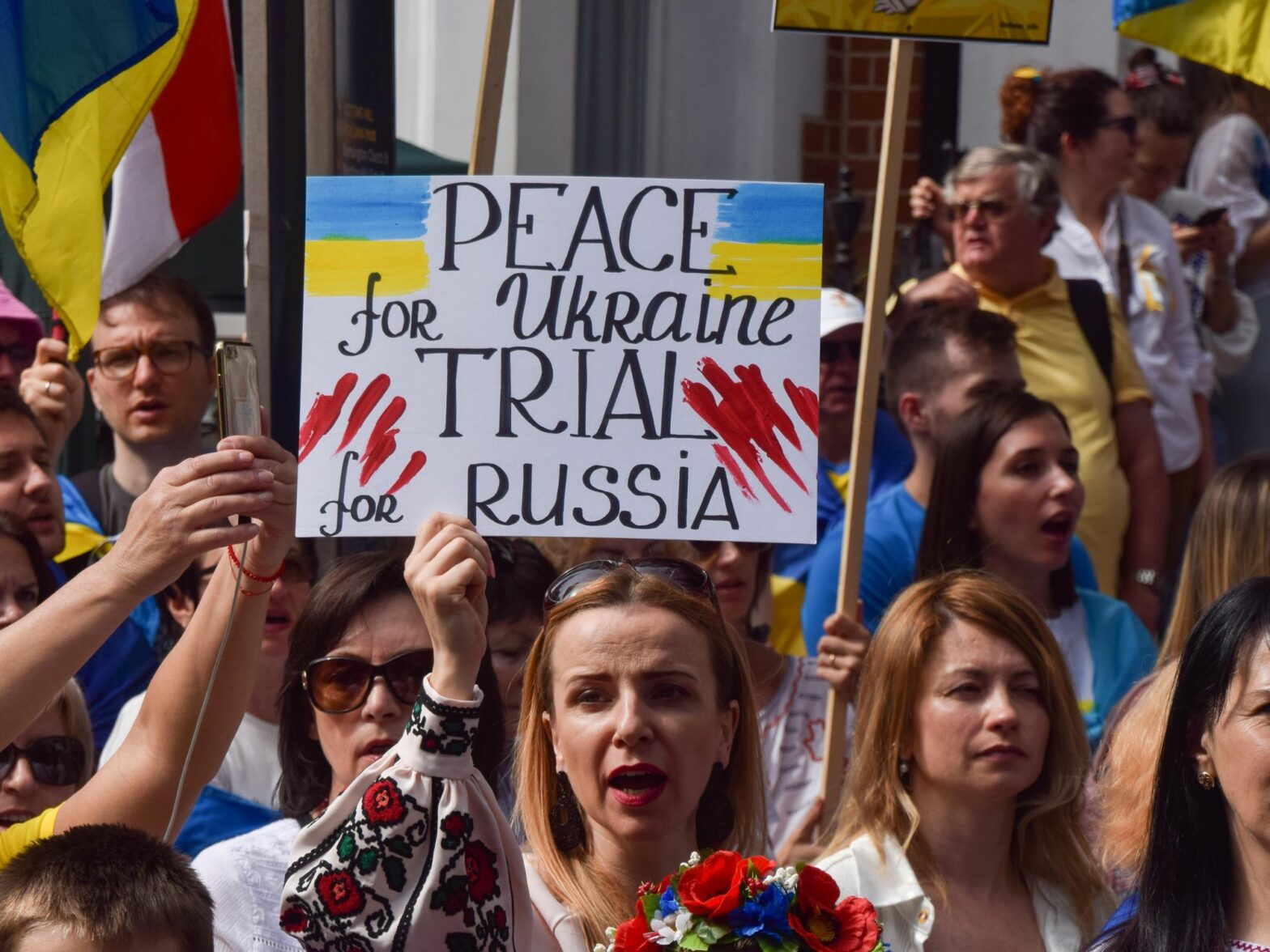
Russia’s invasion has created a stark global divide: them and us. On one side are the countries refusing to condemn Moscow, with the West on the other. It’s a dangerous split that could have repercussions far into the future.
 Worldcrunch
Russia’s invasion has created a stark global divide: them and us. On one side are the countries refusing to condemn Moscow, with the West on the other. It’s a dangerous split that could have repercussions far into the future.
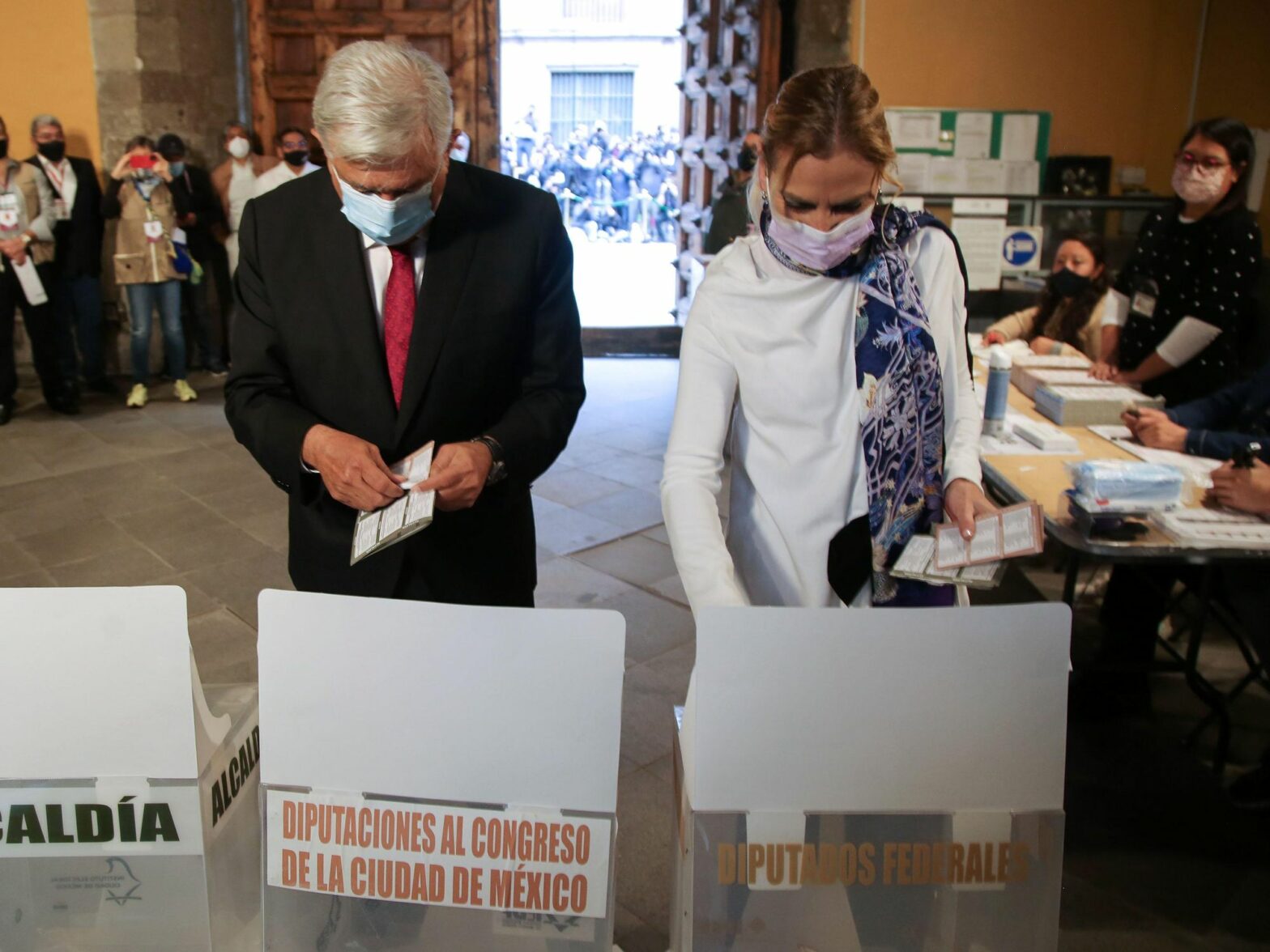
Mexican President Andrés Manuel López Obrador, aka AMLO, says his plans to reform the electoral system are a way to save taxpayer money. A closer look tells a different story.
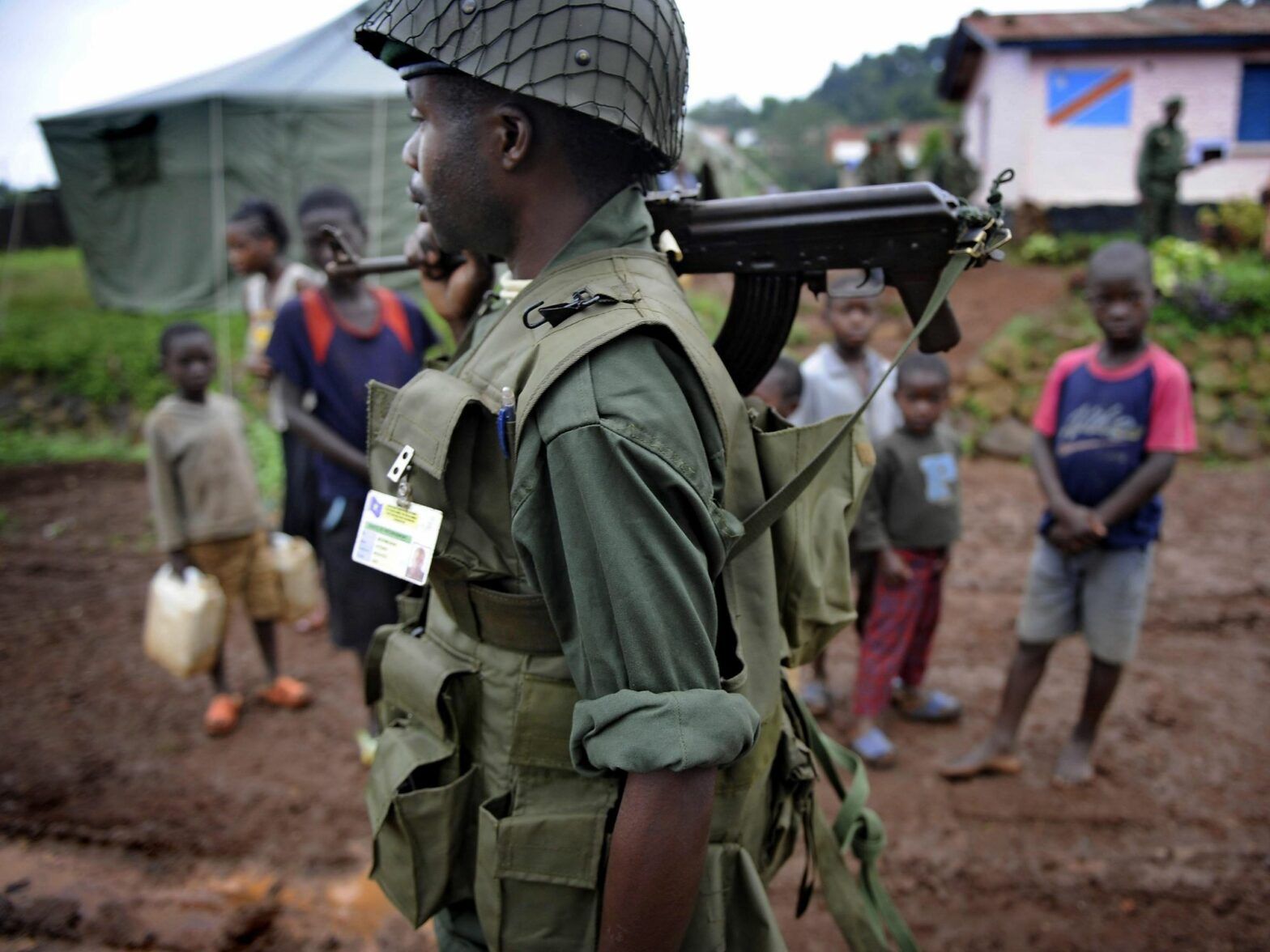
As a psychoanalyst, Wolfgang Schmidbauer has researched the psychological effects of war on children — and in the process, also examined his own post-War childhood in Germany. In this article, he warns that parents tend to use their experiences of suffering as a method of education, with serious consequences.
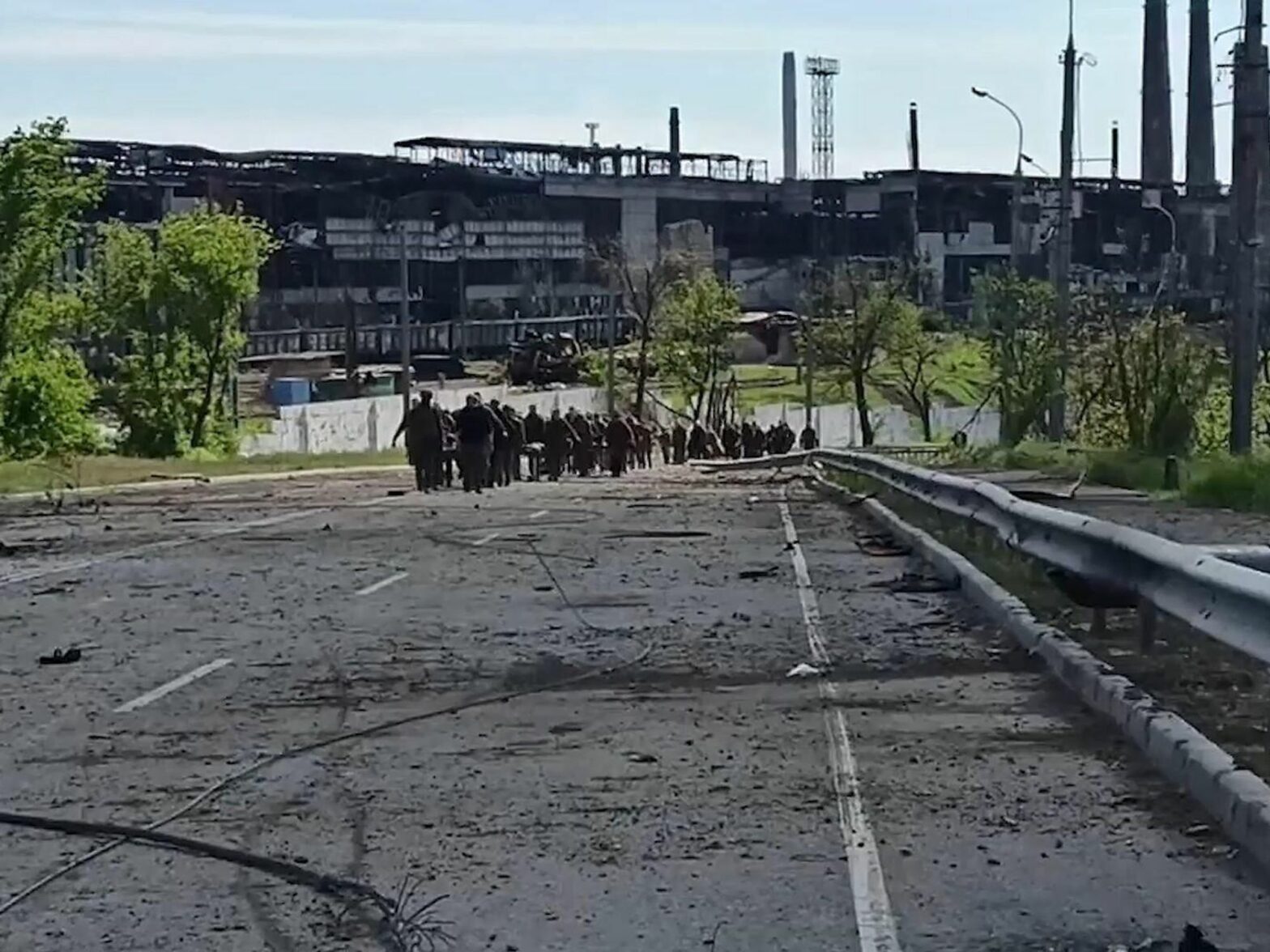
A Ukrainian court has convicted the first Russia soldier of war crimes. Meanwhile, Moscow offers no news on the Ukrainian soldiers surrendered in Mariupol. The very meaning of this war may be contained in the different treatment of POWs.
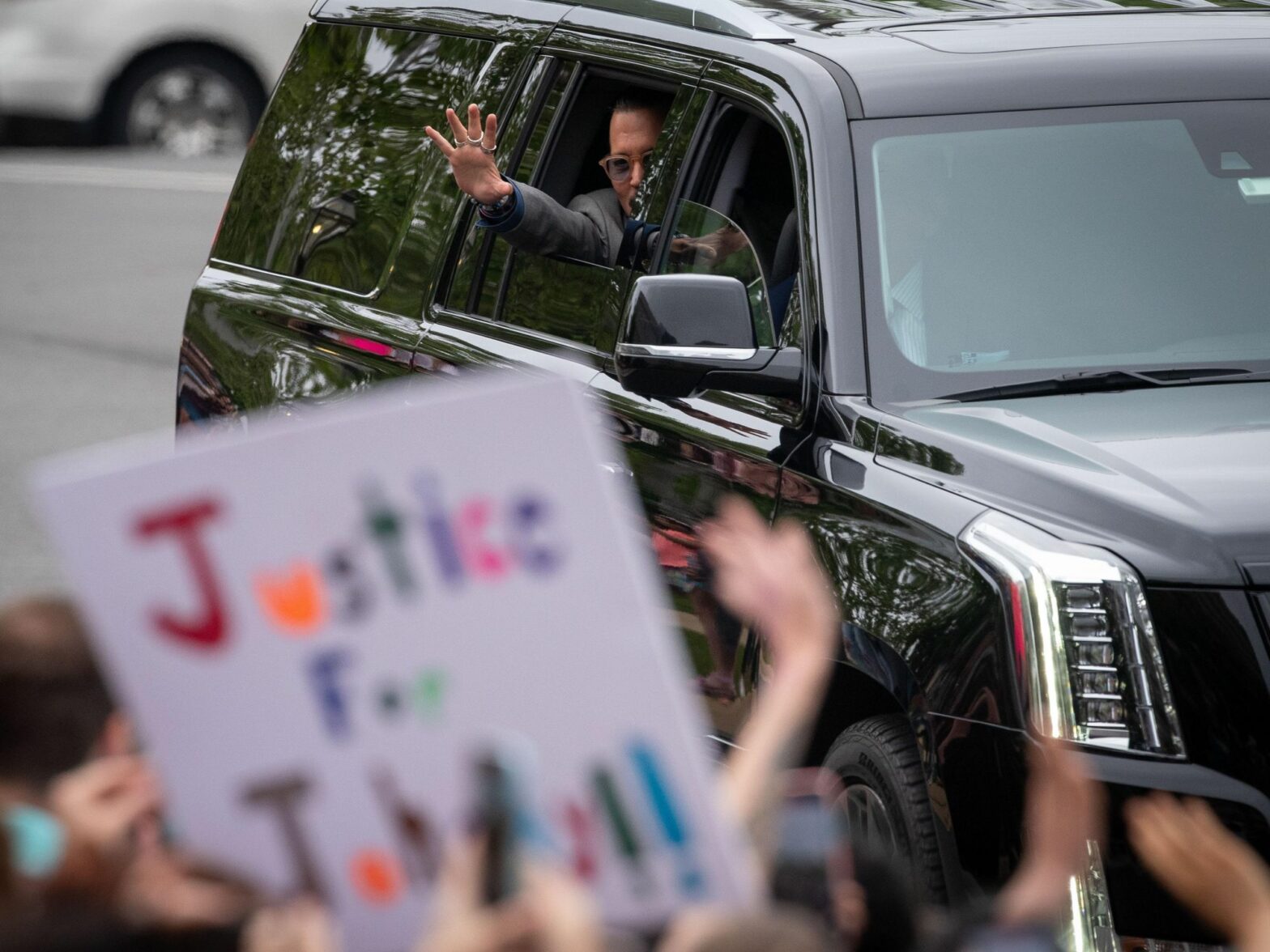
The Johnny Depp-Amber Heard defamation suit has become a Hollywood media (sh*t) storm, but there are troubling real consequences in the way domestic violence is being portrayed, when the victim is less-than-perfect.
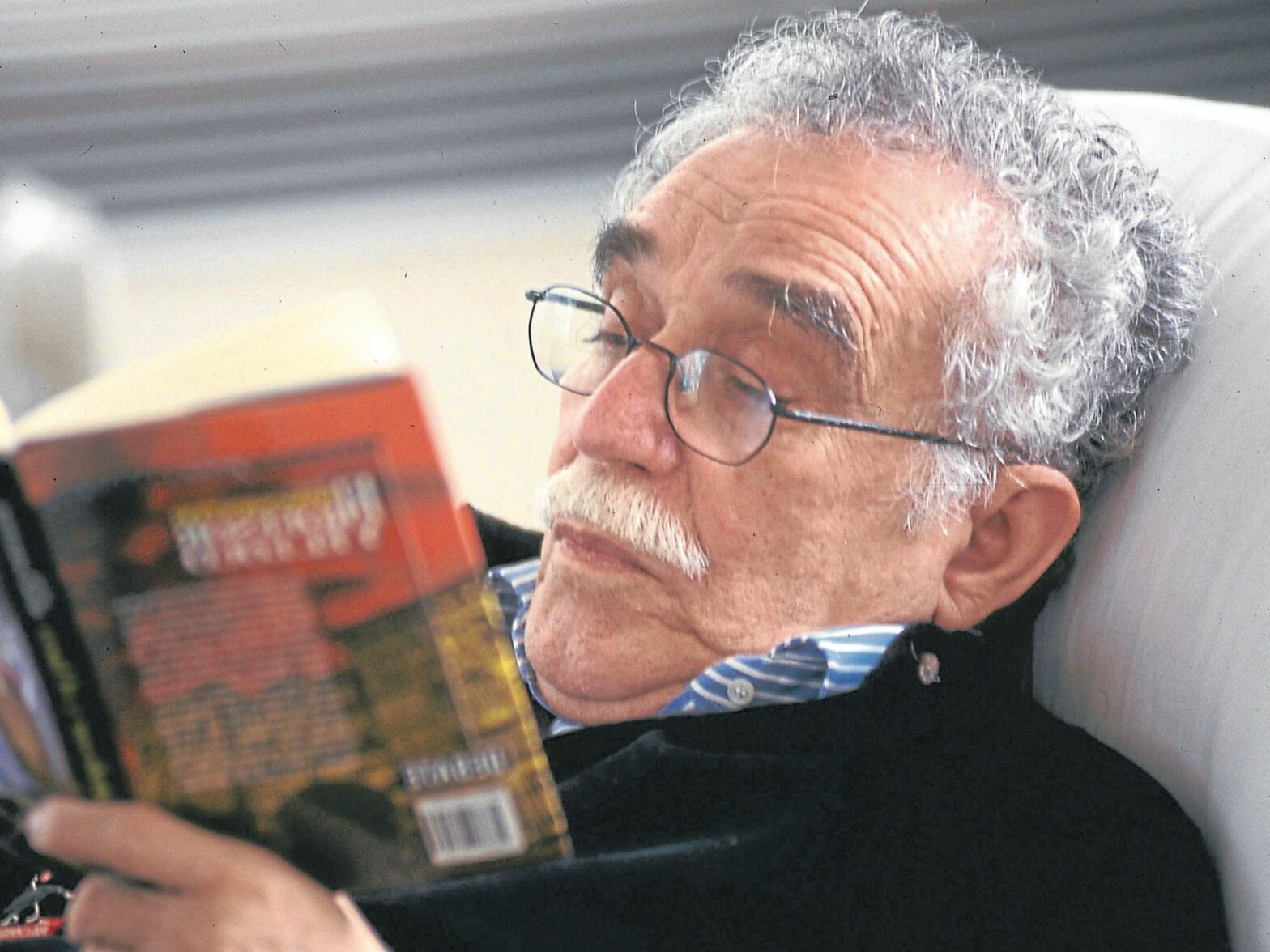
In his early journalistic writings, the Colombian novelist Gabriel García Márquez showed he had an eye for factual details, in which he found the absurdity and ‘magic’ that would in time be the stuff and style of his fiction.
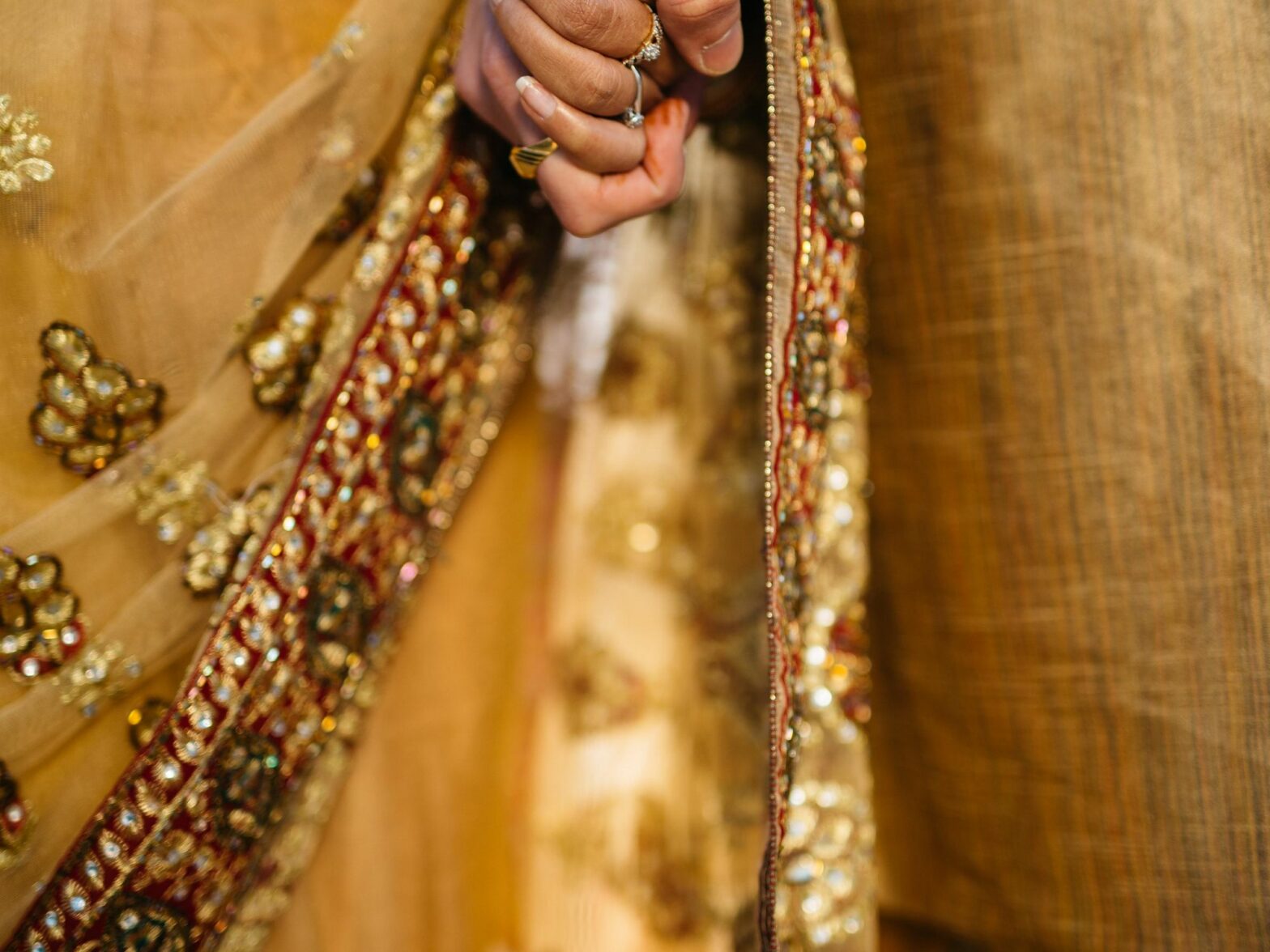
India is raising the minimum age for women to marry. What does that mean on the individual level (with your parents whispering in your ear)?
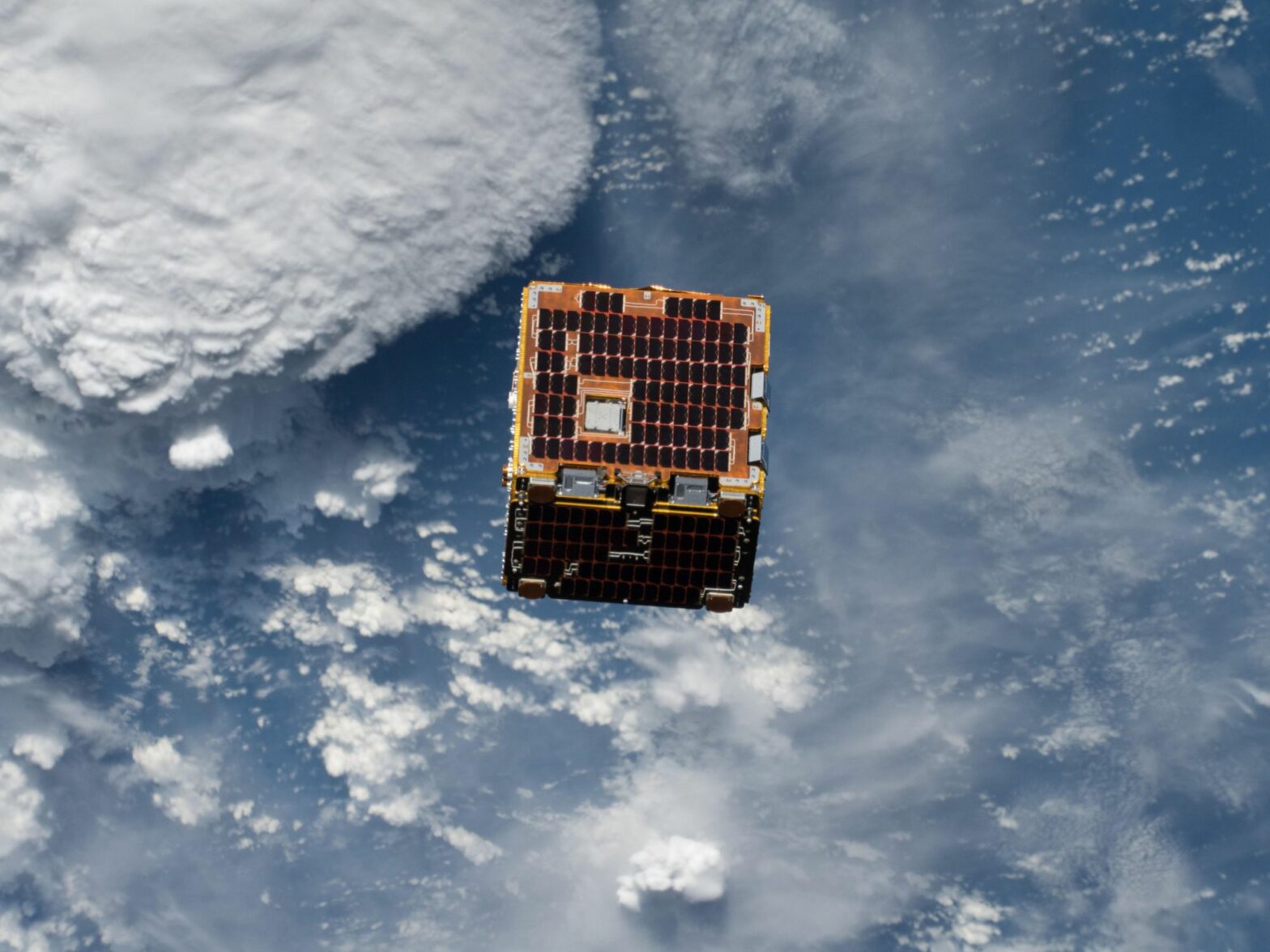
Exploiting space resources and littering it with satellite and other anthropogenic objects is endangering the ecosystem of space, which also damages the earth and its creatures below.
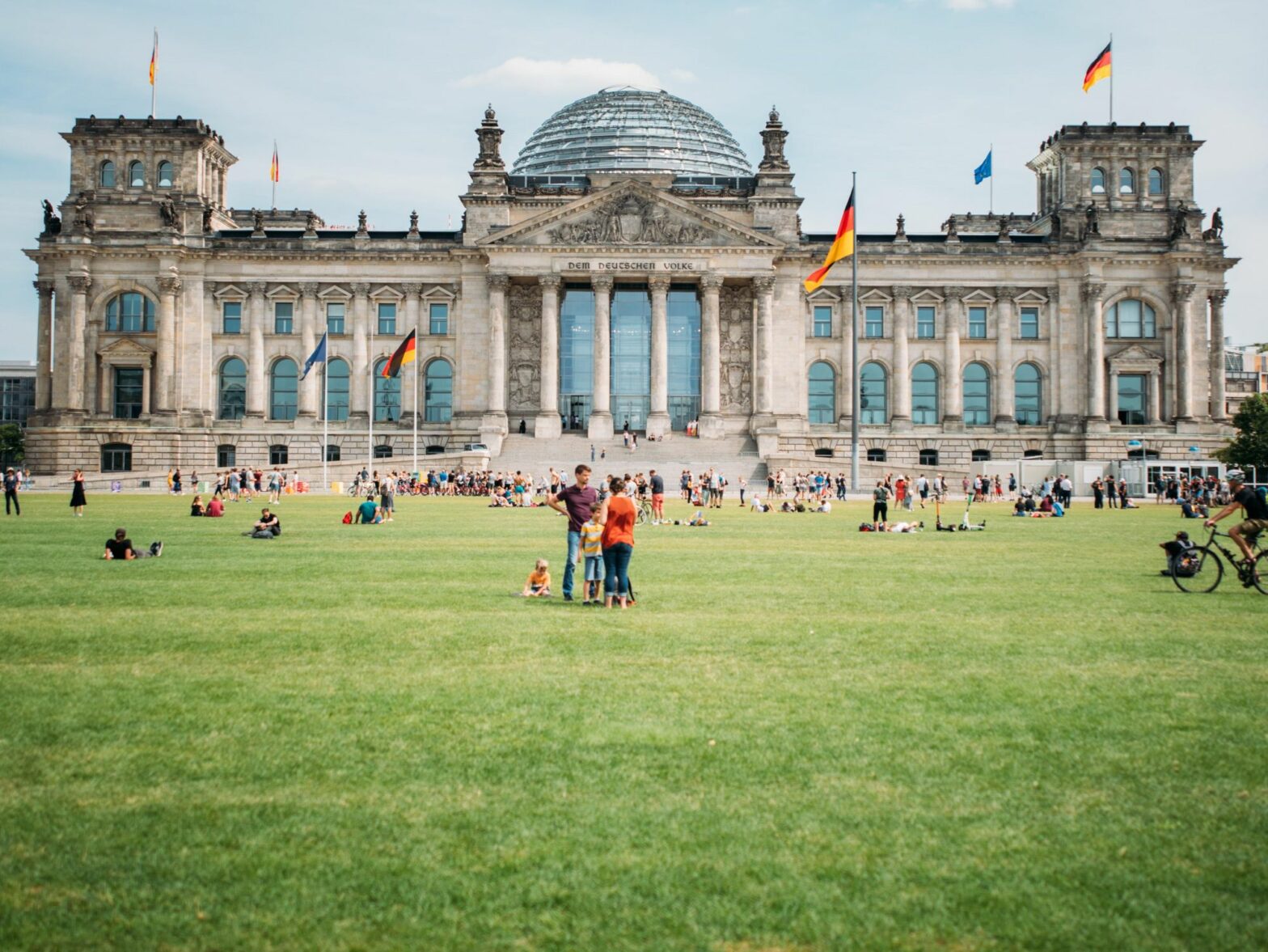
A group of pro-peace German intellectuals published a letter asking the country not to deliver heavy weapons to Ukraine, but they’re missing the point completely. Germany needs to reinvent itself in order to face today’s challenges — and threats.
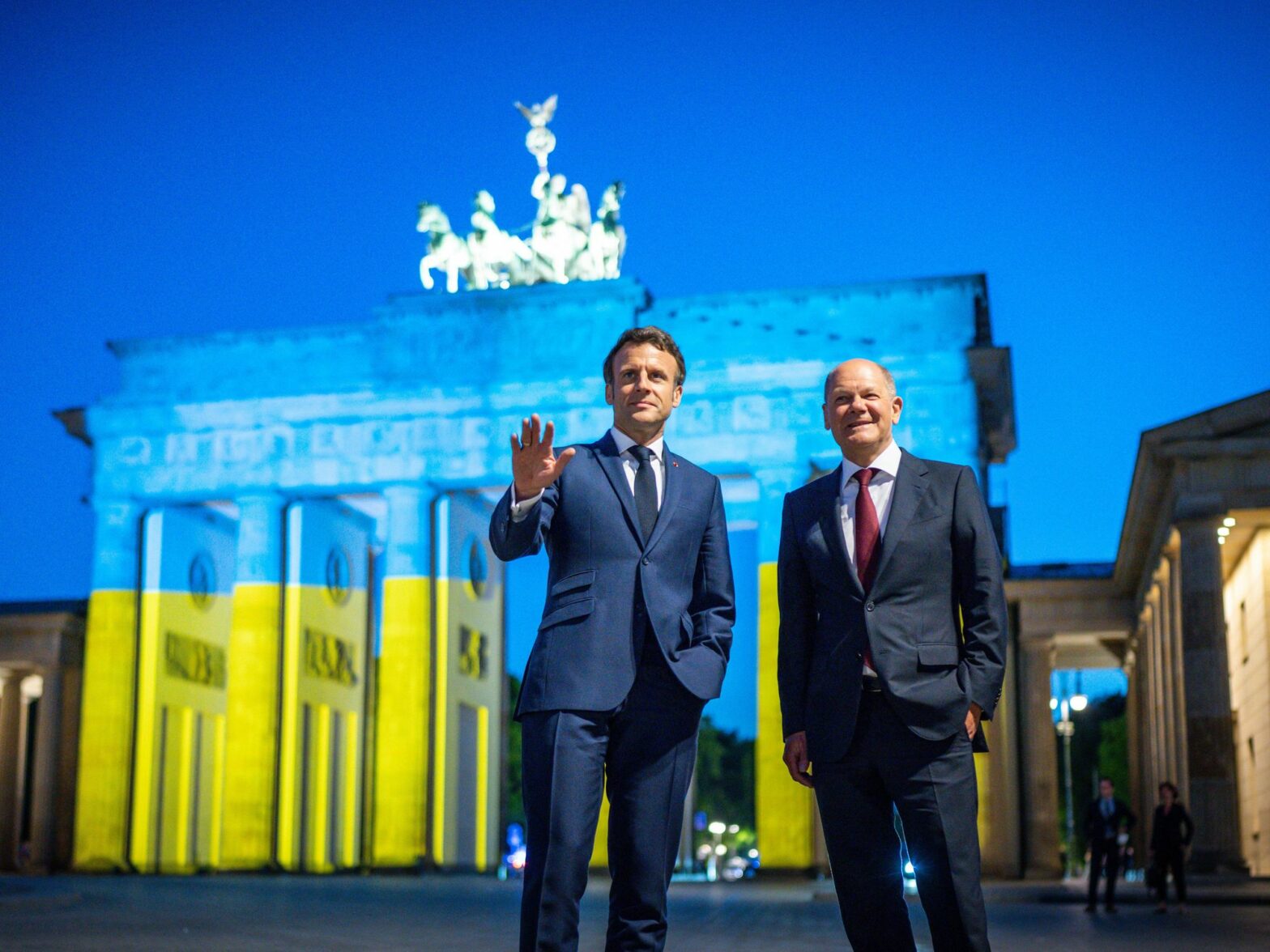
French President Emmanuel Macron has proposed a new European Political Community, with support from Germany’s Olaf Scholz, that would include Ukraine in a second-tier union. No, this is not about European “core values” — it’s just the latest attempt by the EU’s two biggest players to be sure not to upset Vladimir Putin.
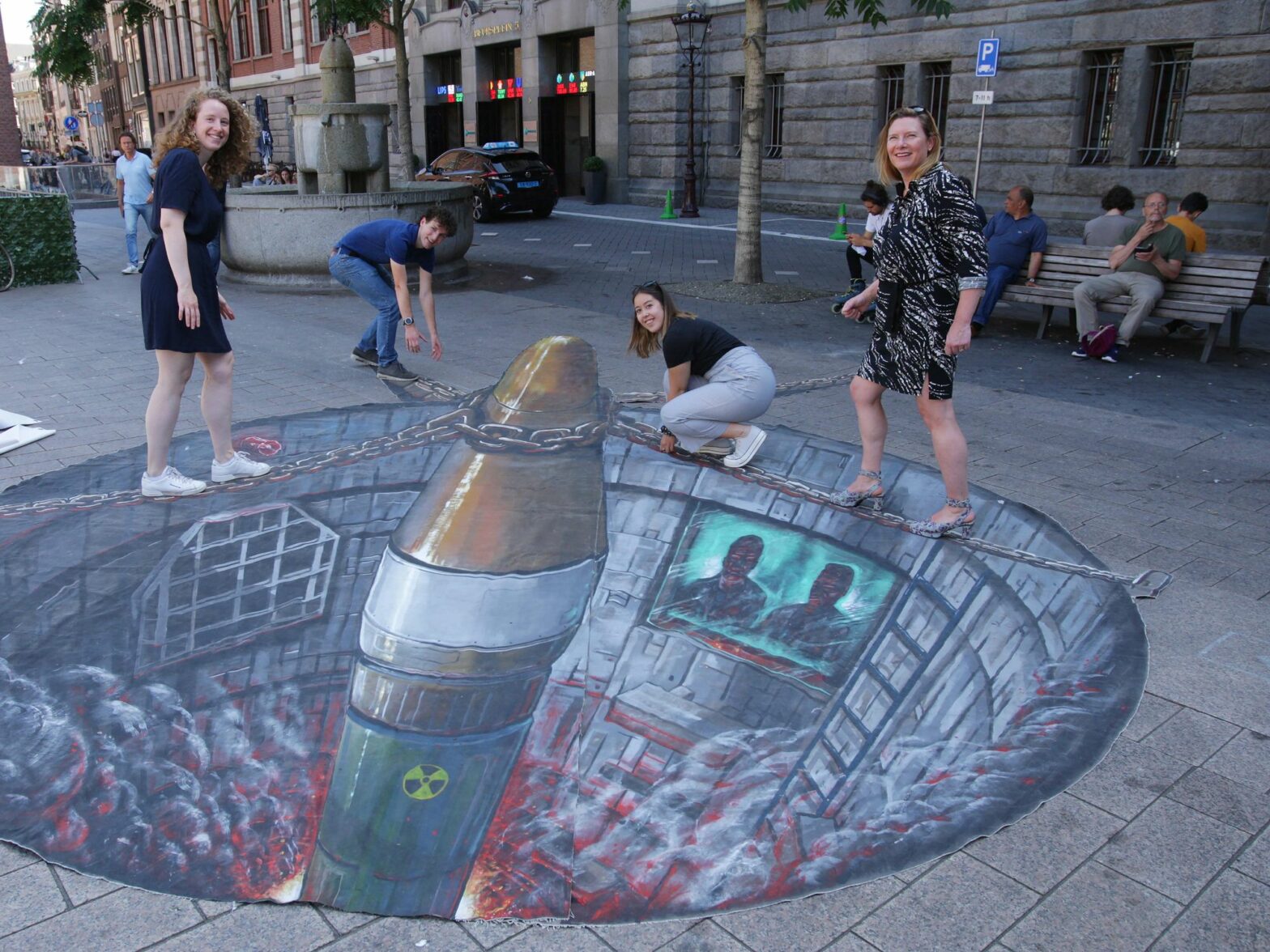
Baby boomers who grew up under the threat of nuclear armageddon warn against a nuclear escalation of the war in Ukraine. But the younger generations are not cowed by Putin’s blackmail. And that’s a very good thing.
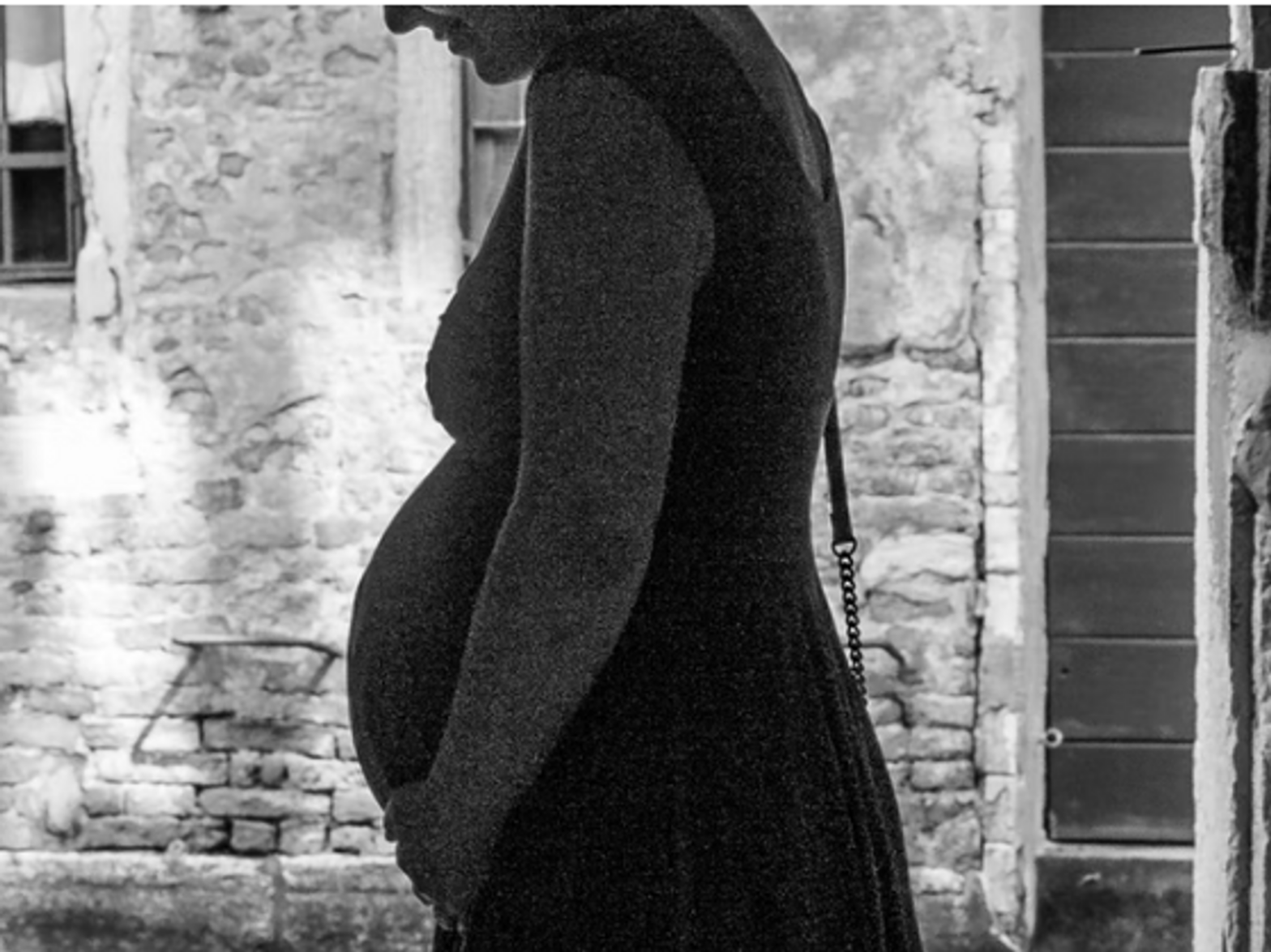
Italy’s right-wing politicians are trying to ban surrogacy, as the pope pushes parents to have children and feminists are divided on the issue. On such a complicated issue, hard thinking and nuance have been in short supply.
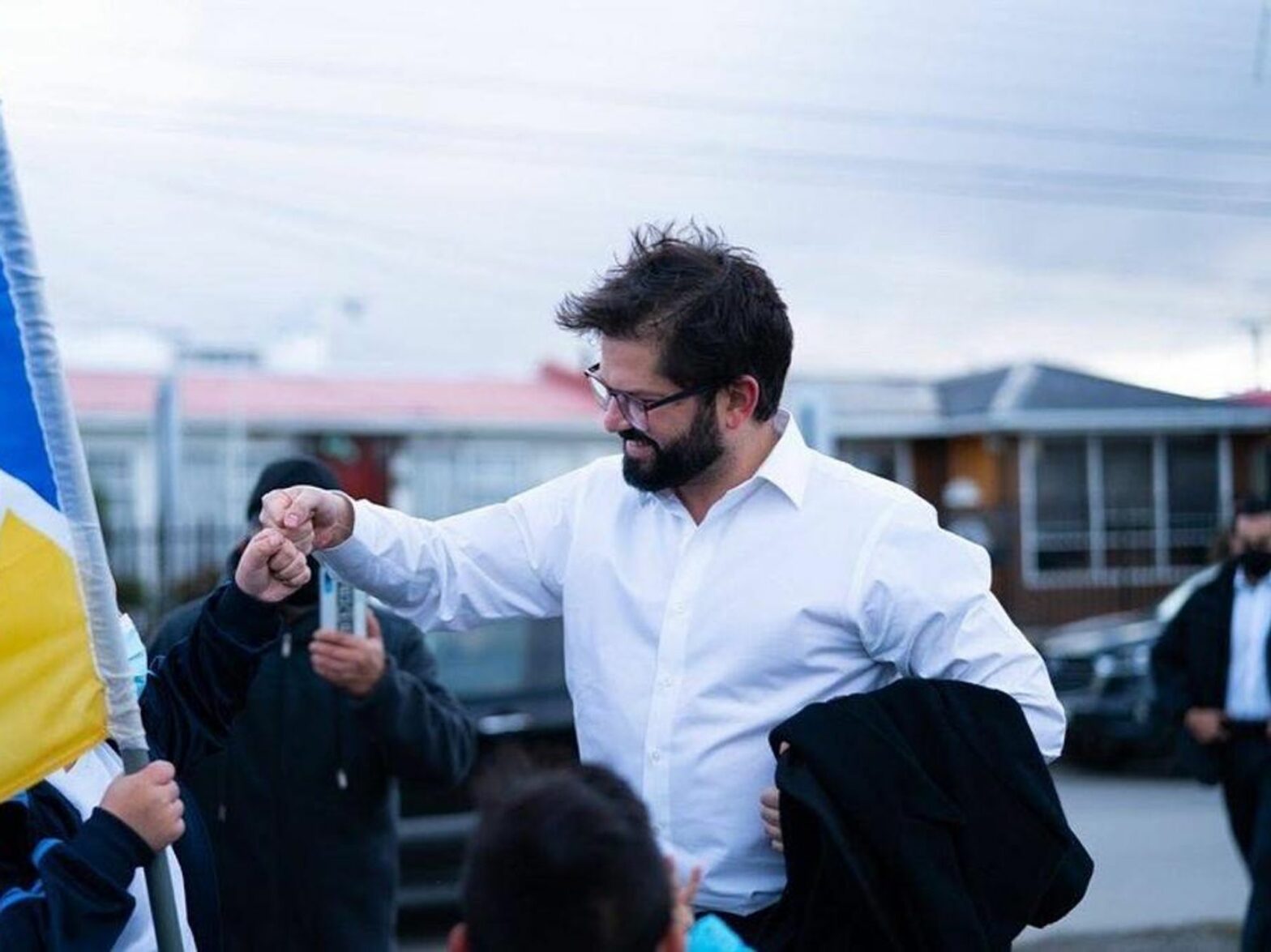
After becoming Chile’s youngest president in December’s elections, former student activist and socialist Gabriel Boric has disappointed his most radical voters. Will they prolong the social unrest and creative chaos that have smashed the country’s fame as a conservative backwater?
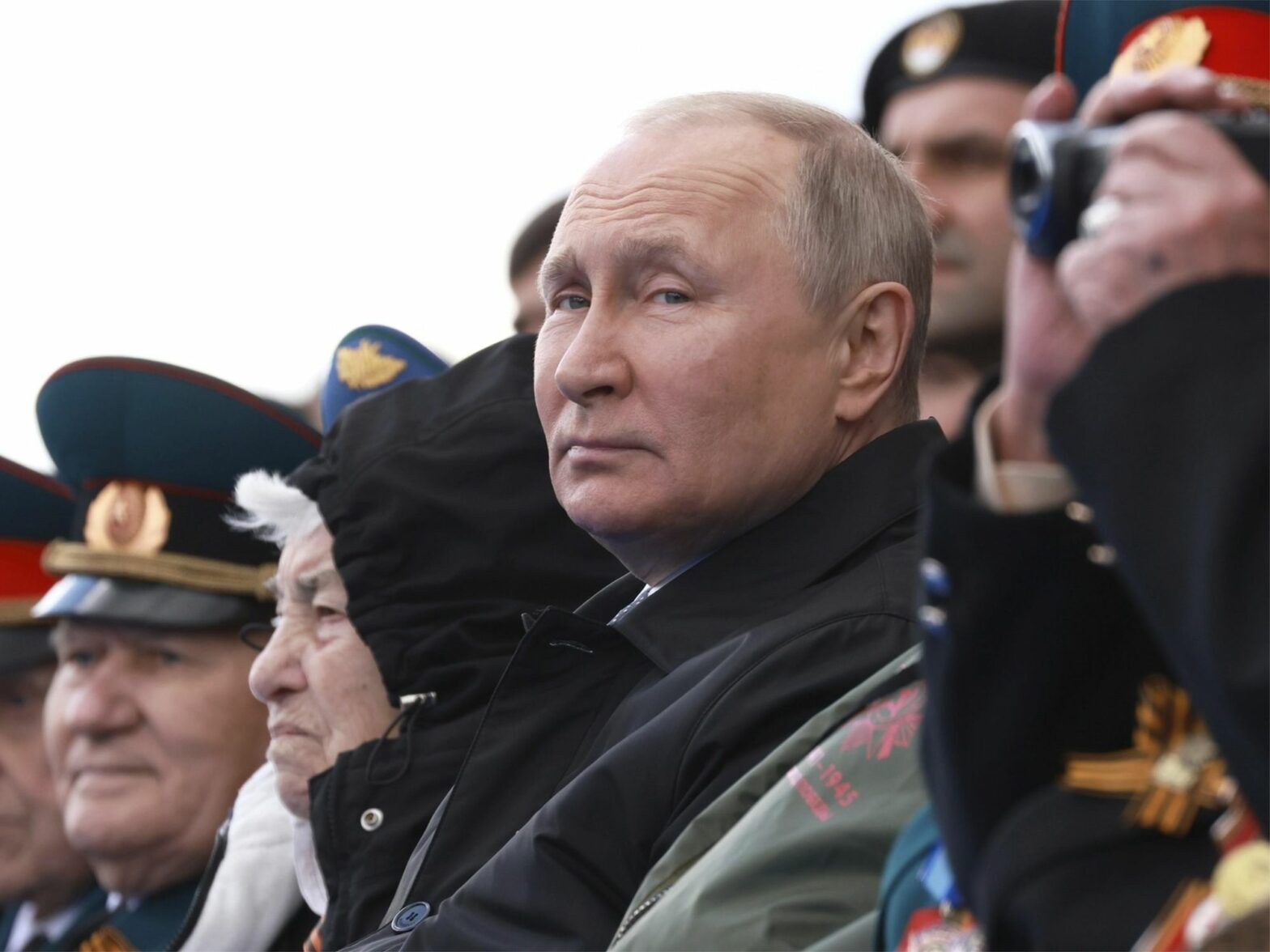
It’s a grim reality from Soviet times that Vladimir Putin continues to embody: Individual horrors and monumental changes of history happen without fanfare.
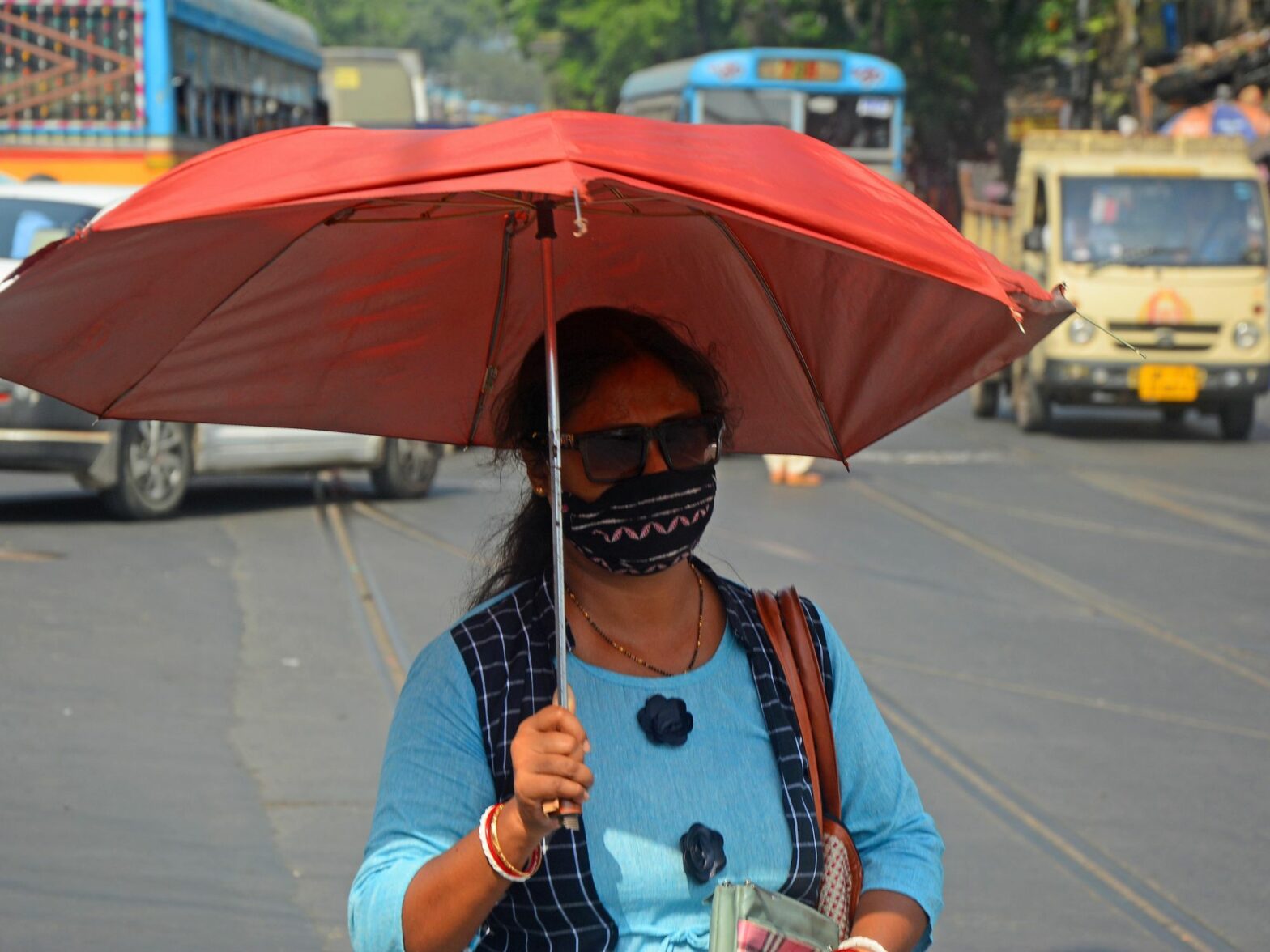
Because of climate change induced heat waves, India is increasingly — and alarmingly — resembling Kim Stanley Robinson’s climate-fiction book The Ministry of the Future, but nothing seems to be done to change its dramatic ending.
Under Putin, the phrase “Russkiy Mir,” translated as “Russian world” but also “Russian peace,” has driven Kremlin’s foreign policy. It’s built on the idea of a civilization that stretched well beyond Russia’s borders, but it is Putin himself dooming Moscow to fade in importance, and the ancient capital of Kyiv to rise from the ashes.
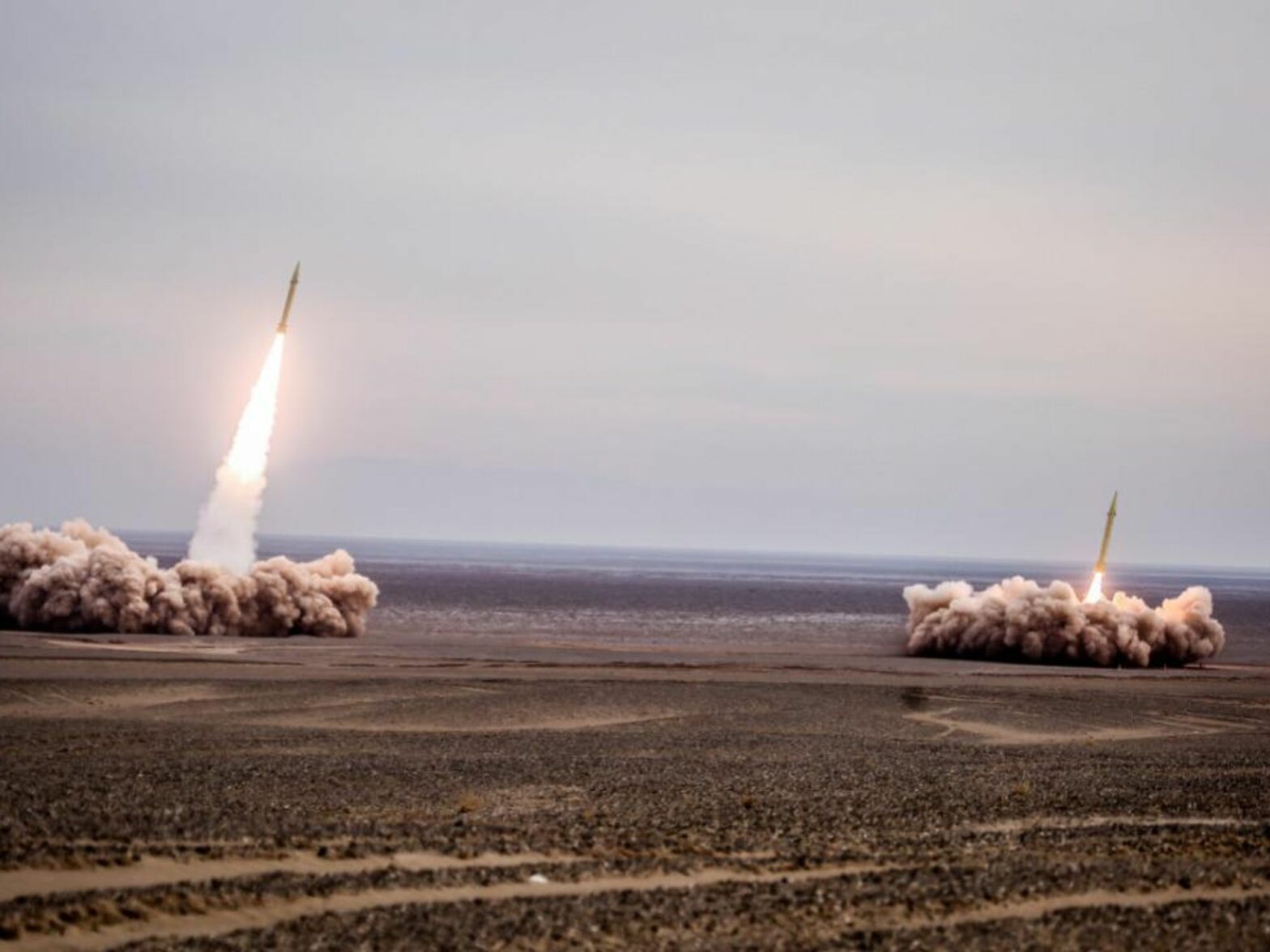
A new round of comments from inside Iran’s leadership ranks reaffirms its intention to produce a nuclear bomb, a decades-long cat and mouse game between the regime and an ever cautious West that hasn’t seemed to change even as the Russia-Ukraine war brings in a new world order.
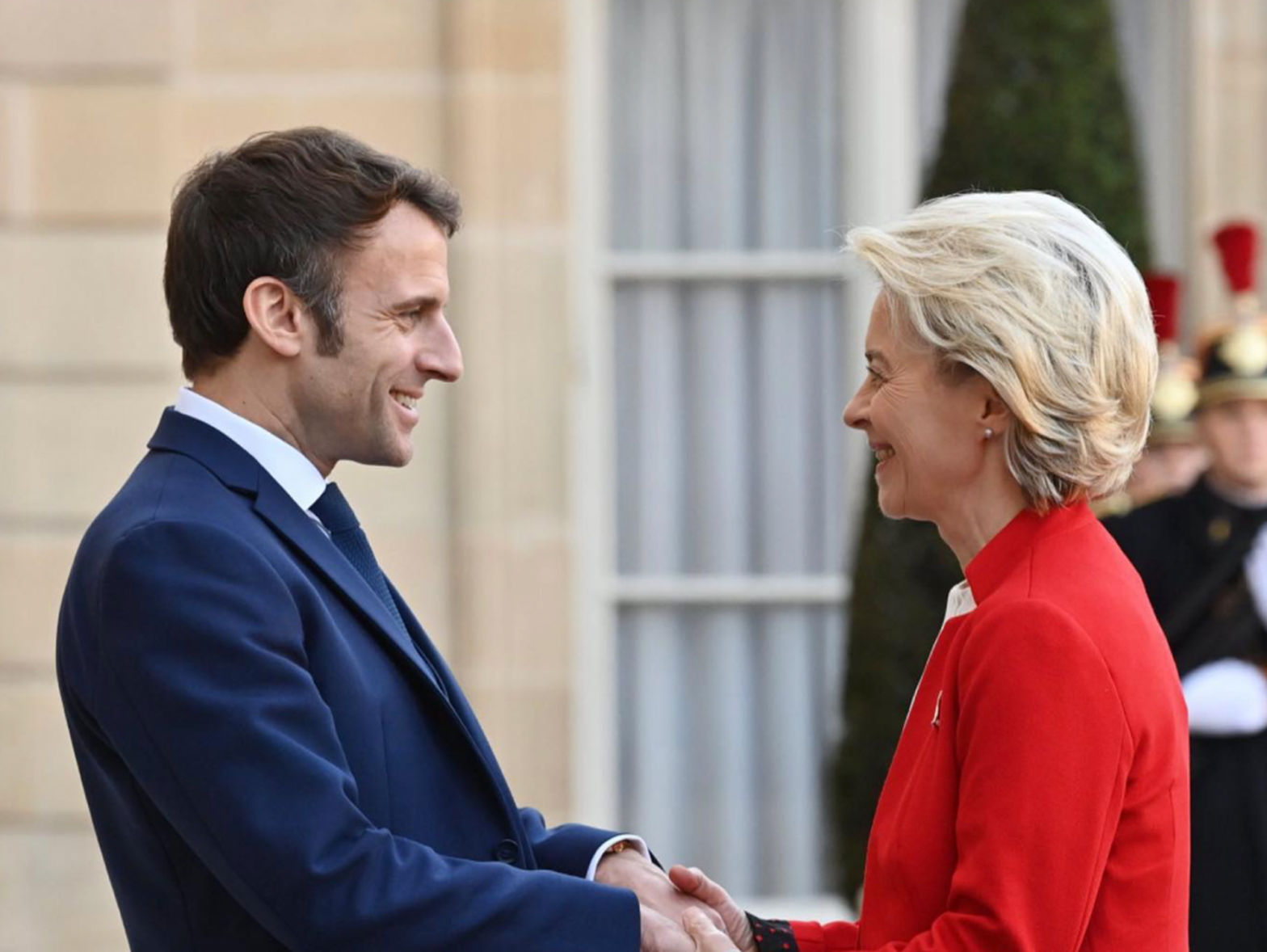
Having long articulated a strong pro-European stance, Emmanuel Macron’s reelection comes on the heels of Russia’s invasion of Ukraine and Angela Merkel’s departure. It is a clear opportunity for the French president to take a key leadership role in the world. How should he approach it?
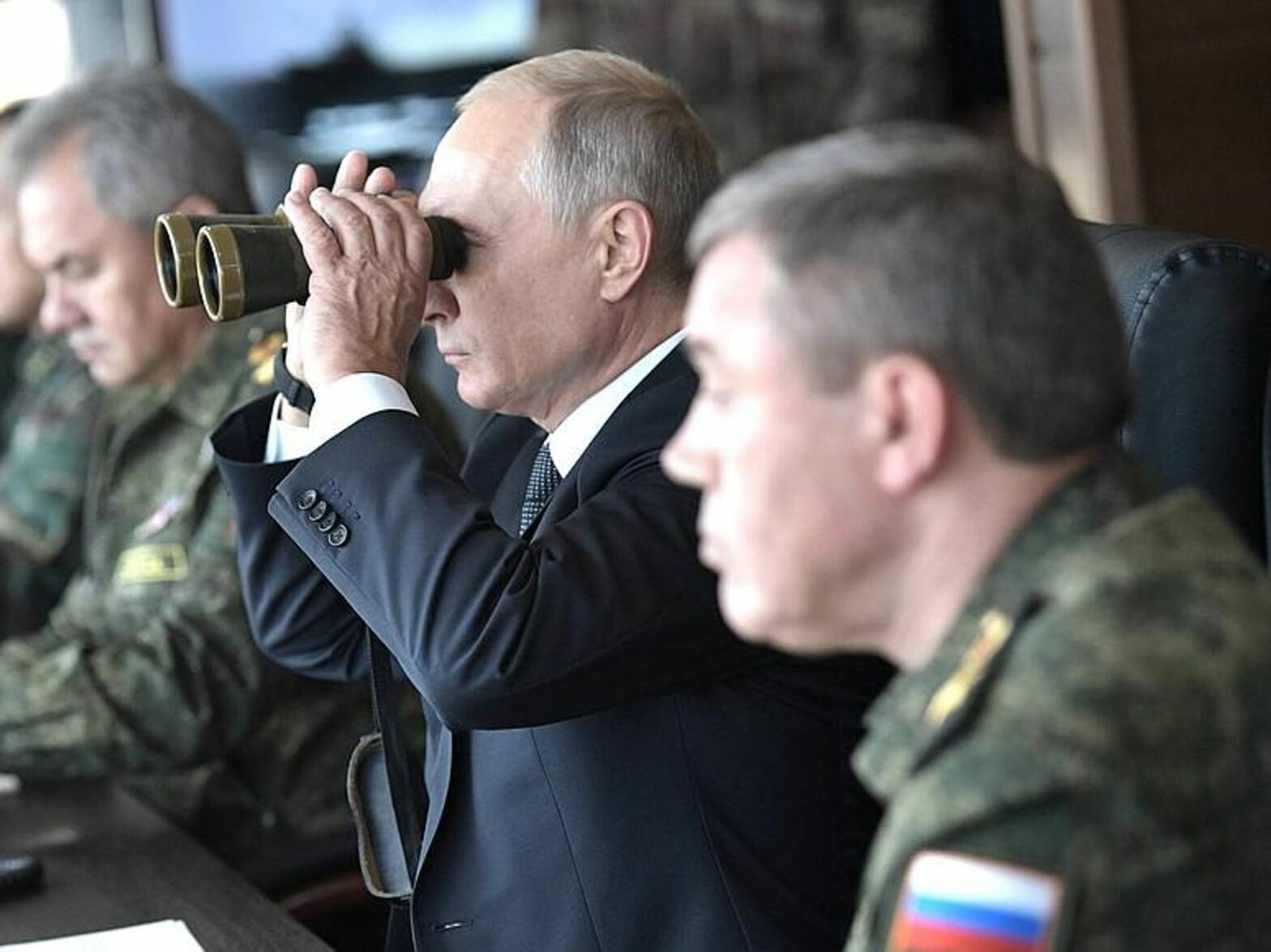
Reports are circulating that Putin might use May 9, Russia’s “Victory Day”, to announce a mass mobilization of the war in Ukraine. That would be a huge escalation for what’s still referred to as a “special military operation,” and has so far mostly counted on recruits far from major population centers.
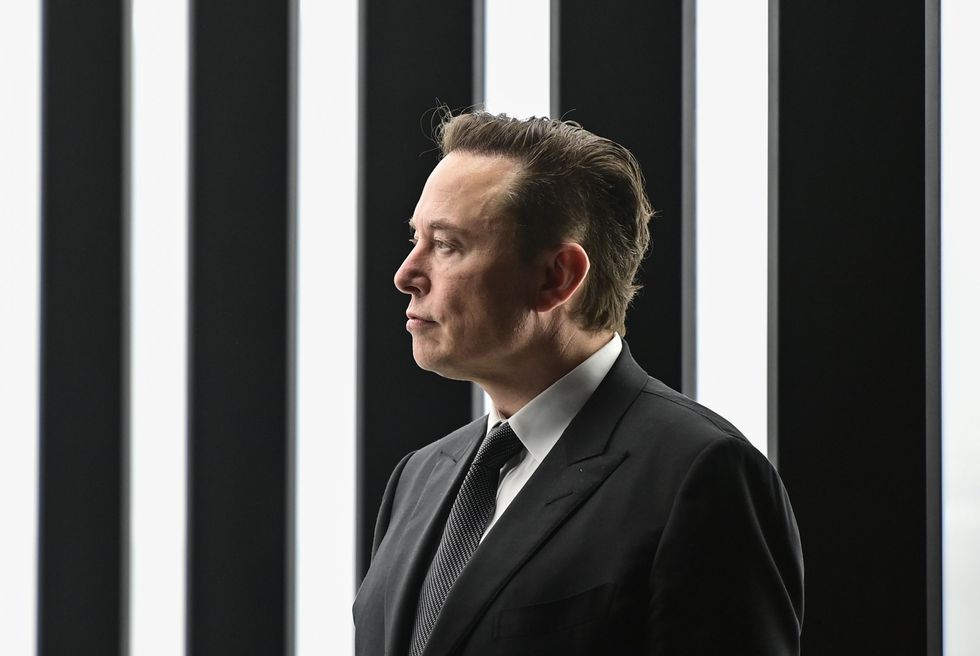
Oligarchs of the ‘Second Gilded Age’ in the like of Elon Musk are already able to influence the public’s minds through media ownership. But getting a hand on Twitter means having access to its users’ data and exploiting it for financial purposes.
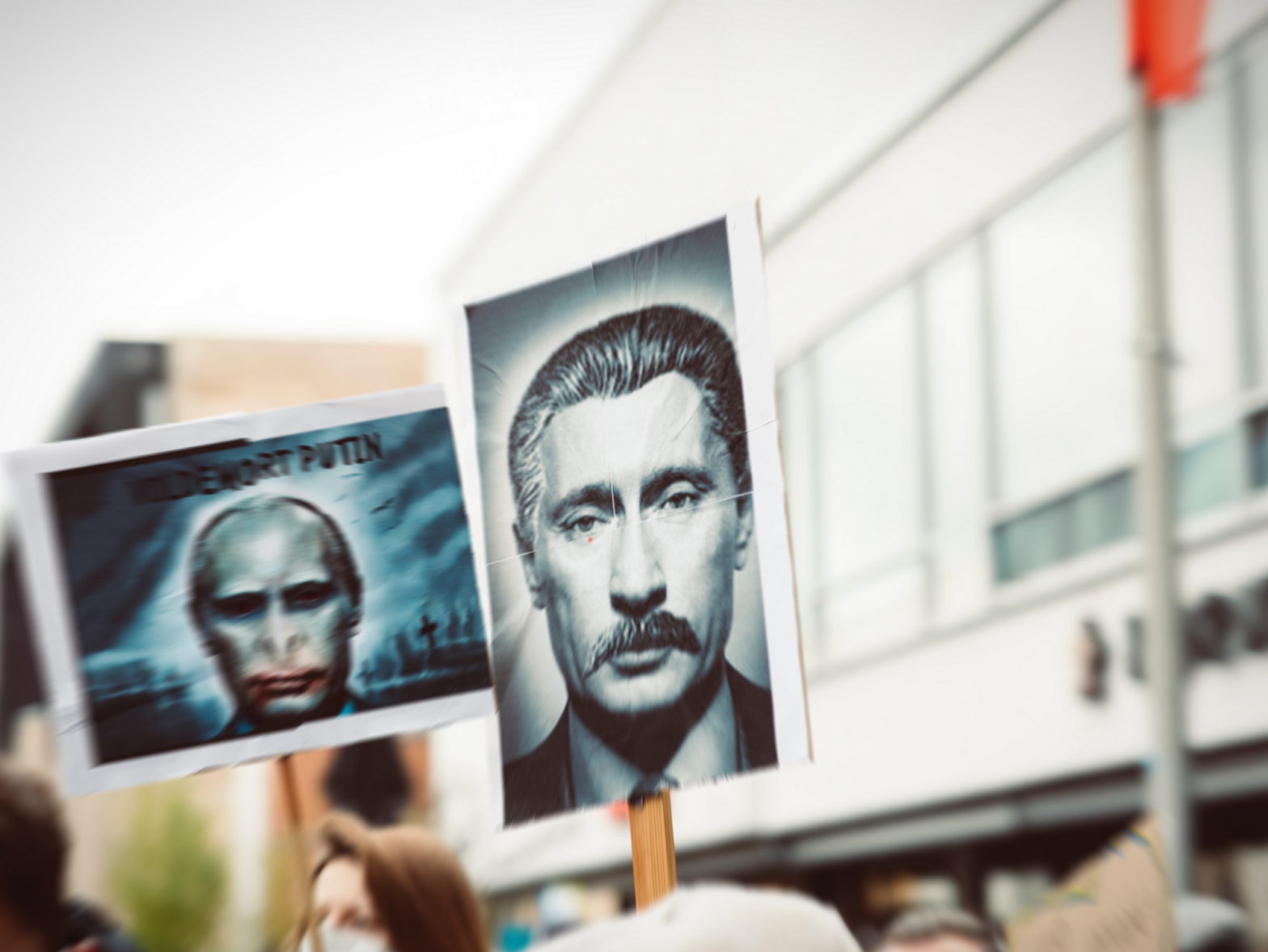
The war in Ukraine has set off the dynamics of a new Cold War: a standoff between democracy and authoritarianism, whatever the ideological stripe. Faraway parts of the world will be affected by what happens on the ground in Ukraine.
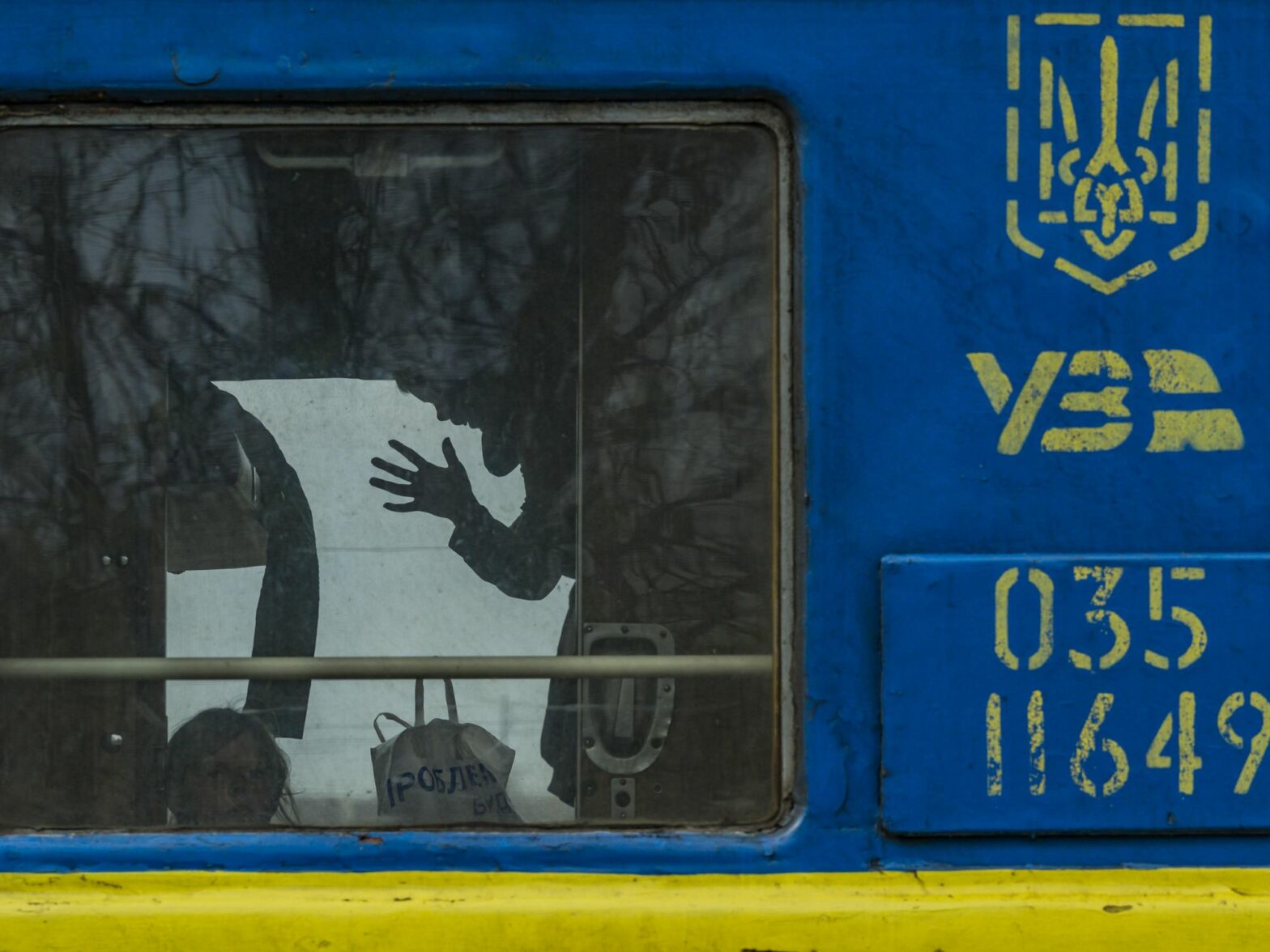
The European far-right’s sympathies for “white and Christian” Ukrainians shows its devotion to the idea of the “clash of civilizations.” But it fails to see the basic paradoxes of war, where you may be fighting those who most resemble you and be forced to welcome those who look different.
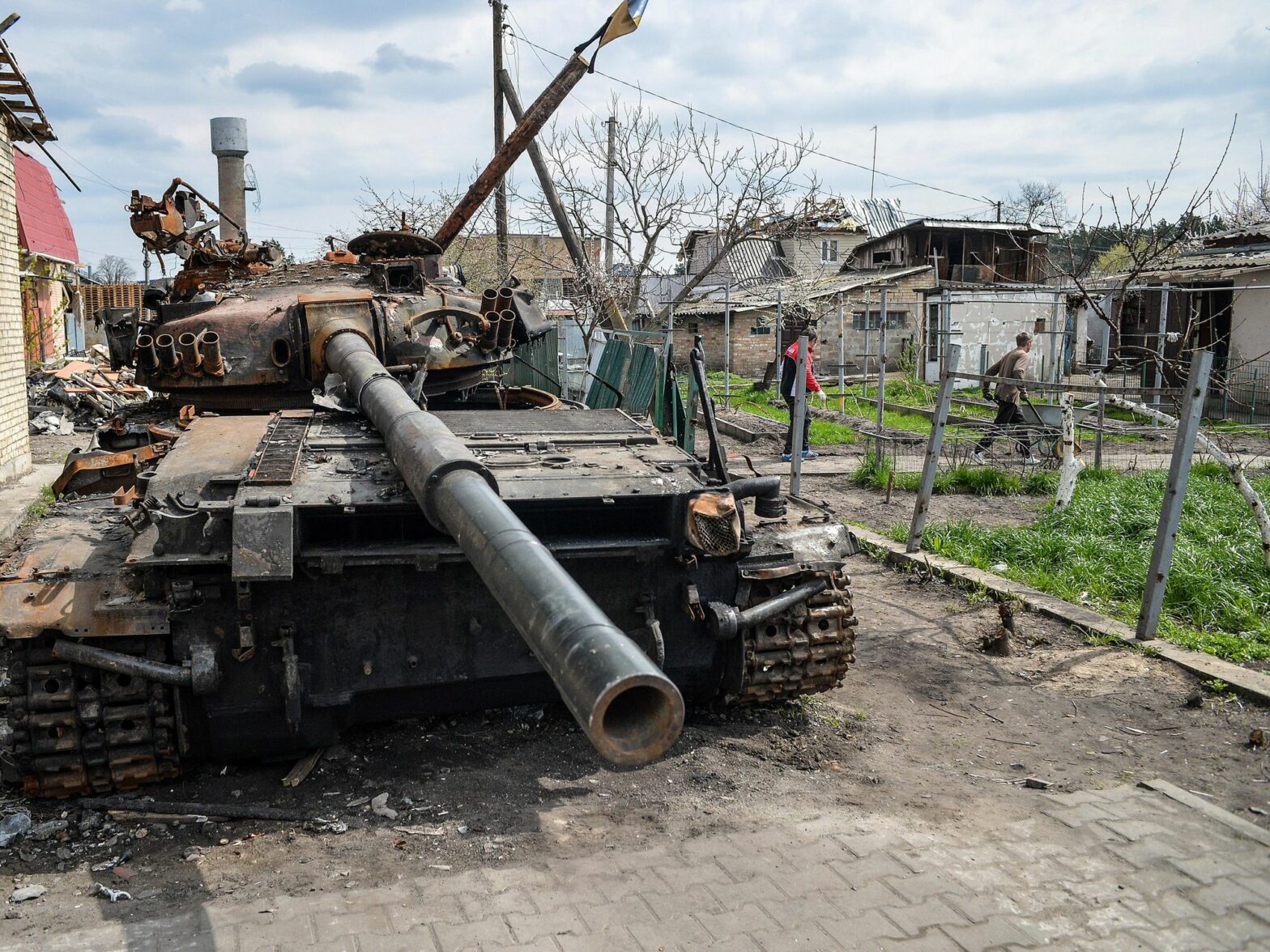
U.S. Secretary of Defense Lloyd Austin said Washington believes Ukraine can win the war, and that Russia must be “weakened” for the foreseeable future. But to end a nationalistic-aggressive empire will require unity and courage by the West.
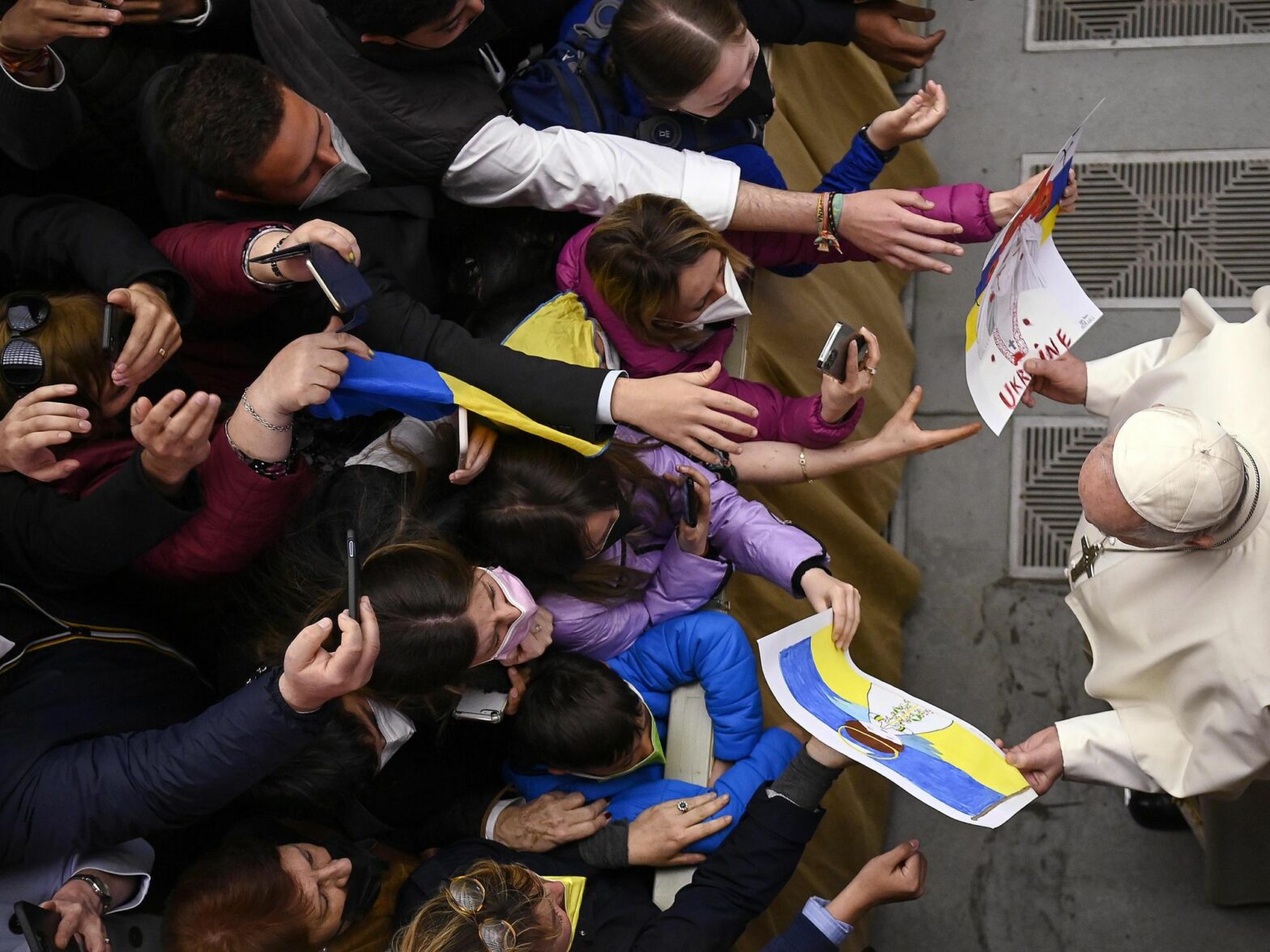
The Pope is being urged to “go to Kyiv,” and name Putin as the aggressor in the war in Ukraine. If he did so, the pontiff would renounce his own religious charisma, and ultimately sap him of his unique role and power as the ultimate messenger of peace.
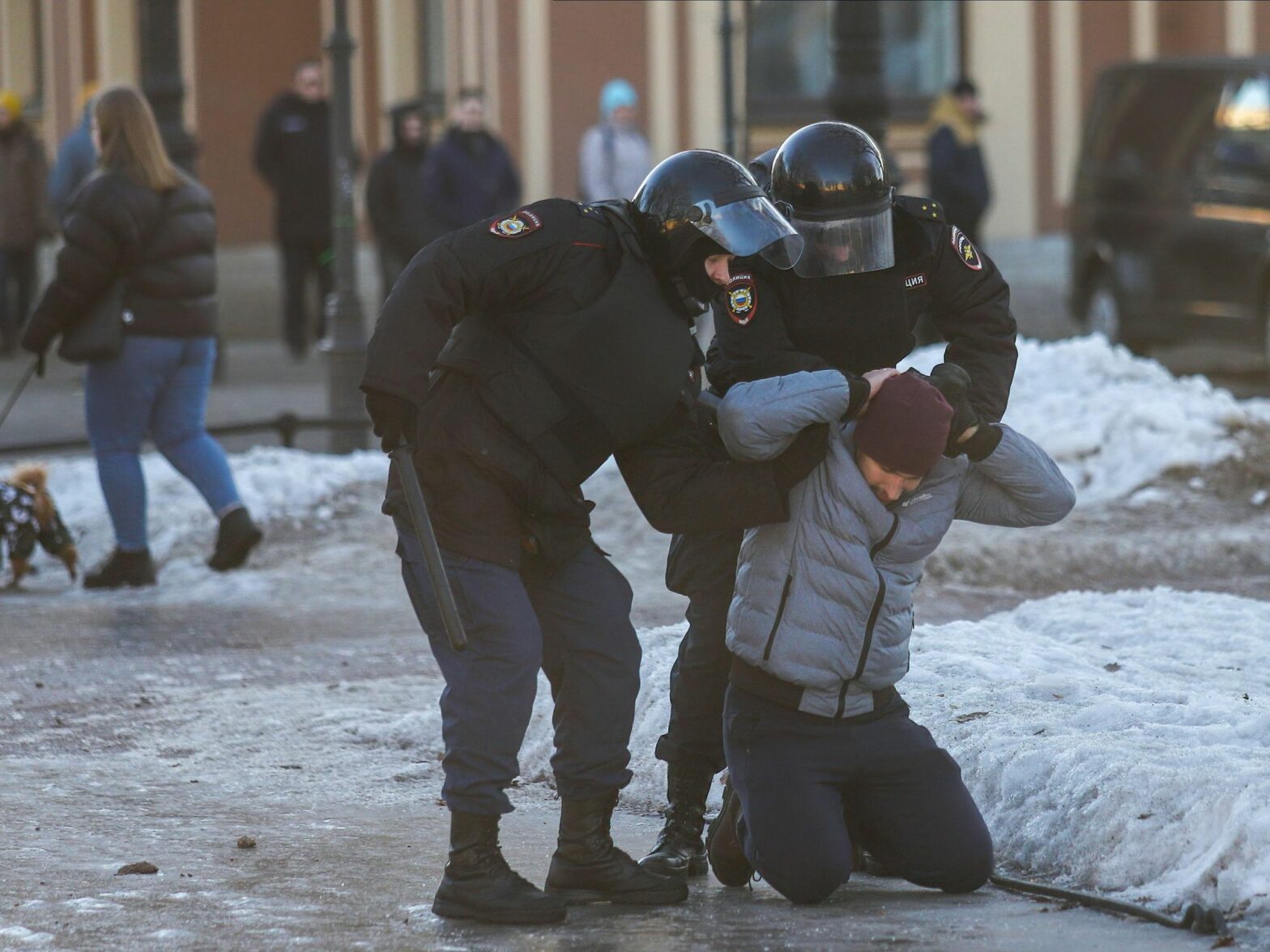
Marina Ovsyannikova’s anti-war protest on Moscow’s state television made world headlines. Her story, and her new column in Die Welt, have prompted both admirers and critics. She insists on embracing all those ready to find the courage to take the risk to challenge Vladimir Putin.
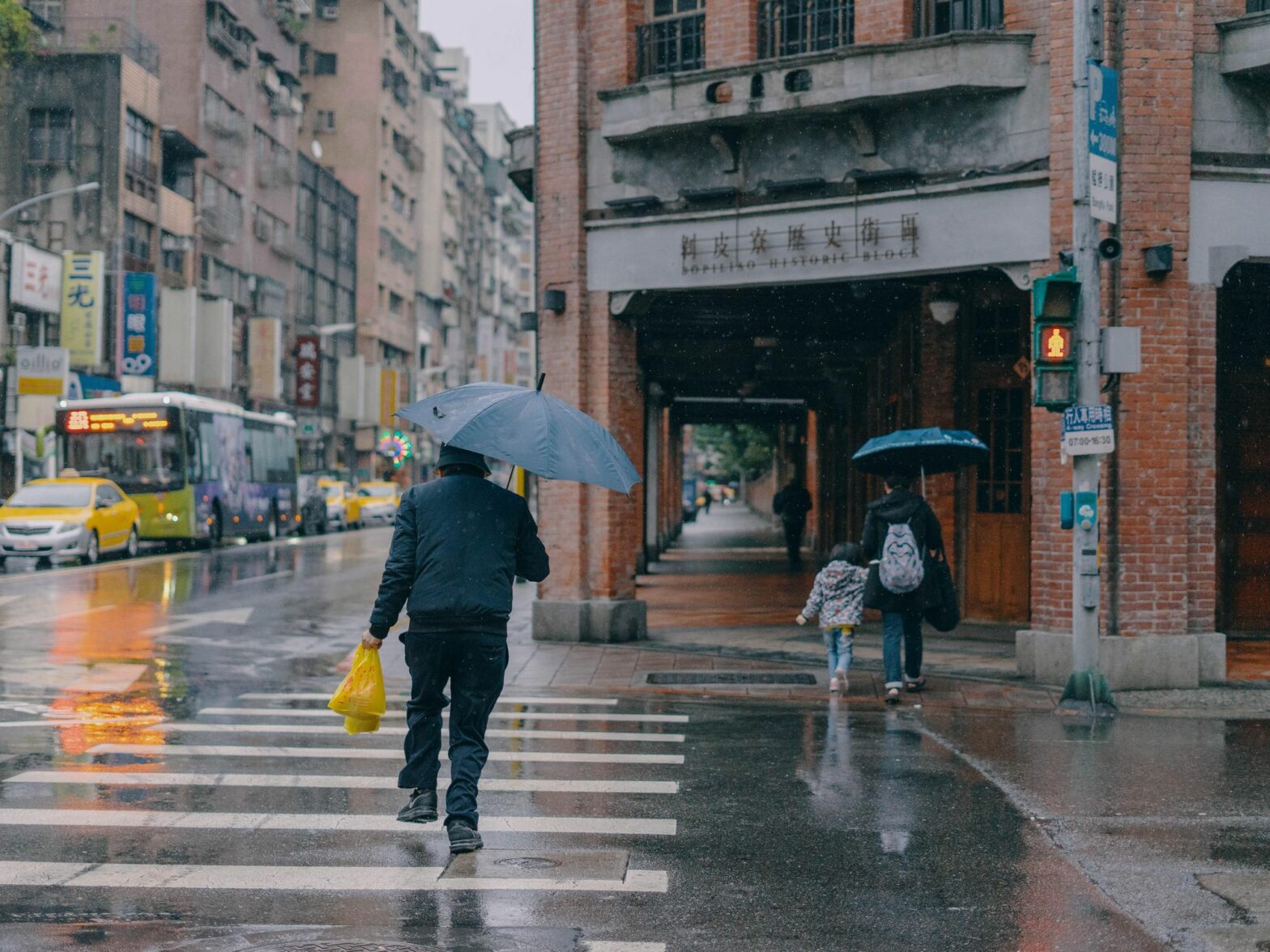
The United States has no treaty obligation to send troops to protect Taiwan against China, but it has a “fairly clear” commitment to aid its defense, unlike in Ukraine. The economic stakes are also a source for worry.
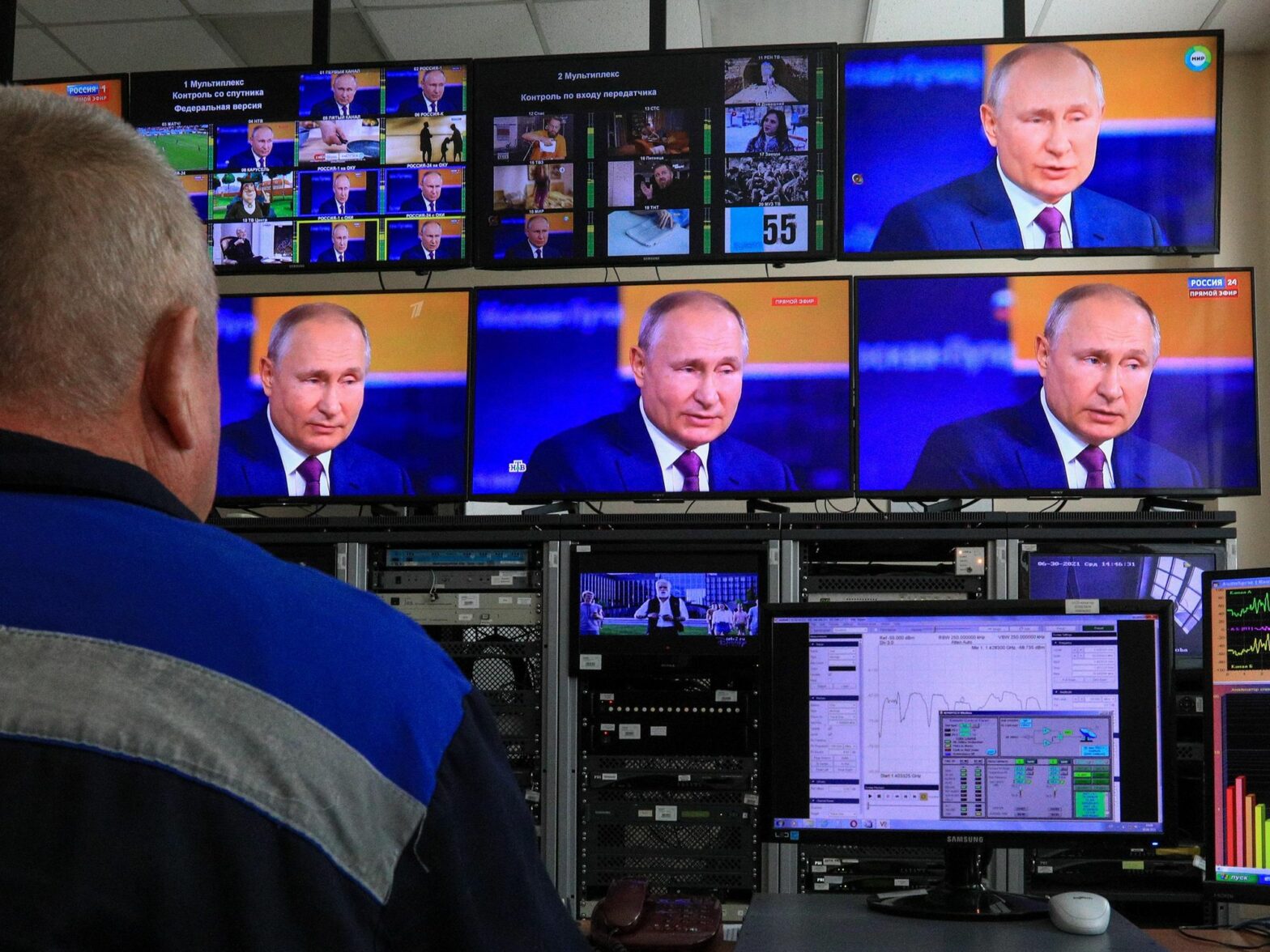
Support among the Russian public has increased for both Putin and his war in Ukraine. Russia’s is a different kind of autocracy, dubbed an “Information Technocracy,” where power is held through propaganda and popular support. But this requires Putin to maintain his popularity — and that can only happen if the war succeeds.
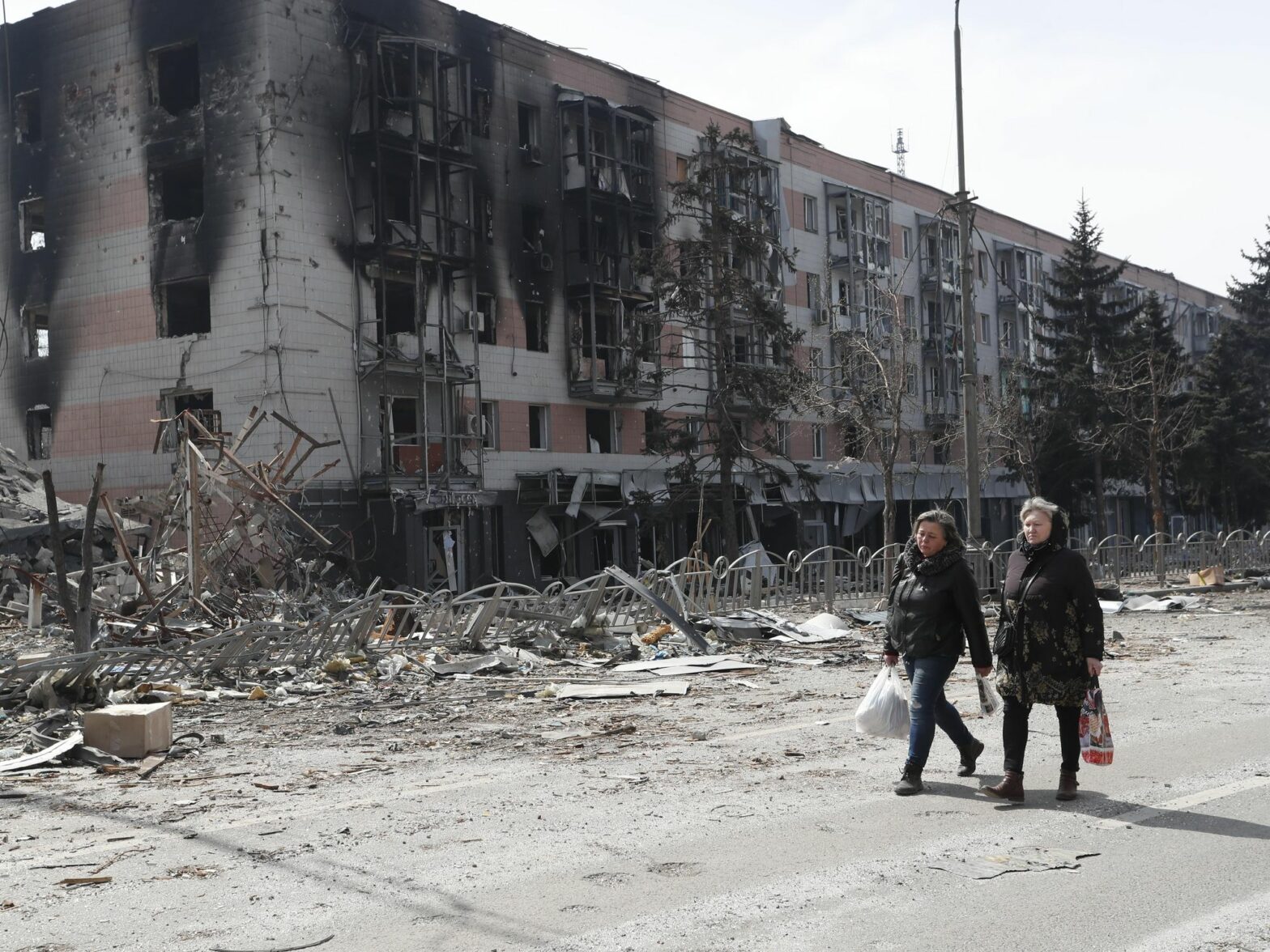
There are instructive, and dismally repetitive, precedents for the war in Ukraine in the histories of imperial Russia and the Soviet Union, but also U.S. aggression from Vietnam to Iraq.
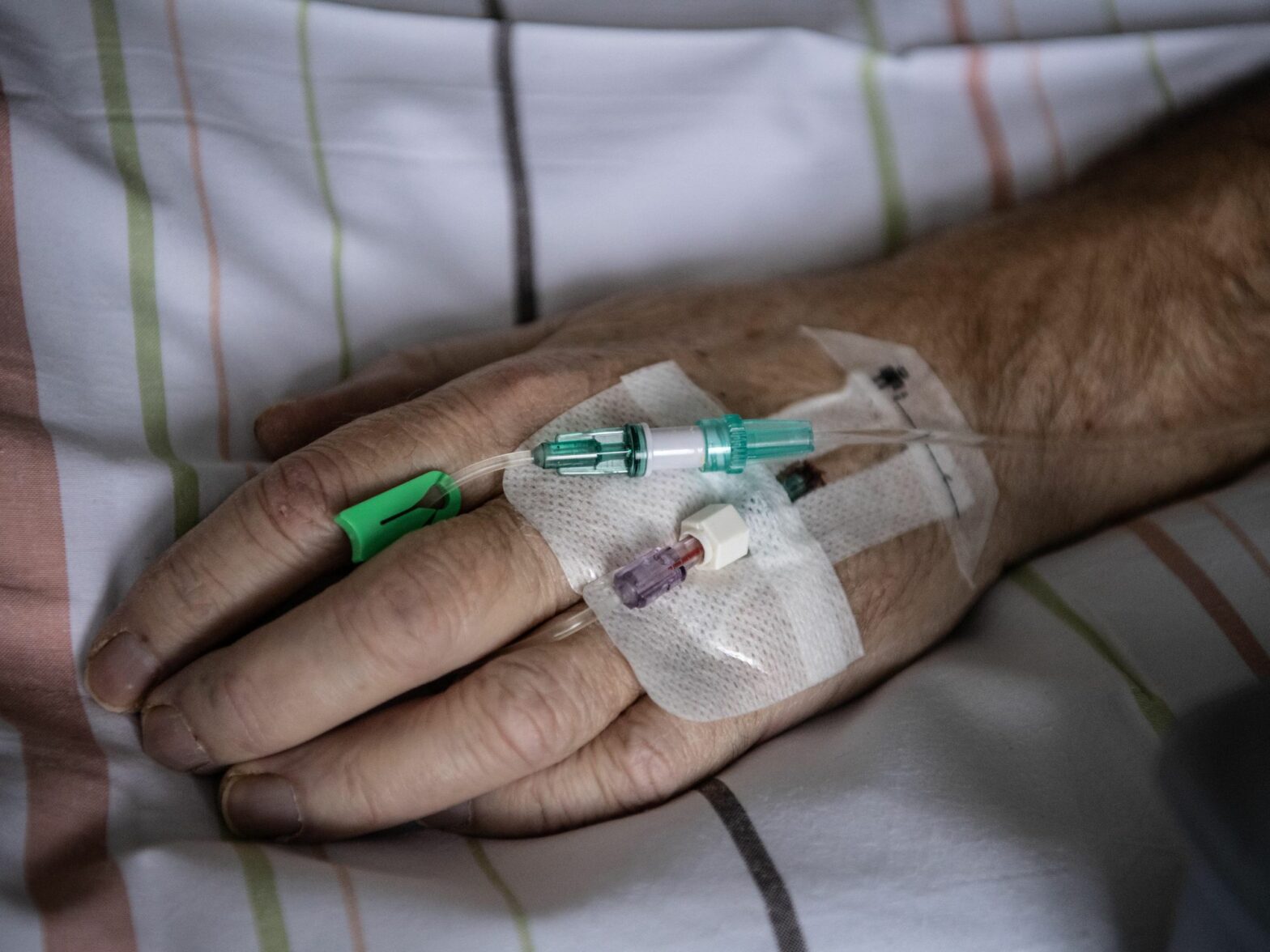
Instead of ending ICU treatment and allowing relatives to say goodbye peacefully, doctors often keep patients alive for too long. The pandemic has forced us to revisit eternal dilemmas and shown that Intensive Care Units are often unprepared to confront tough ethical questions.
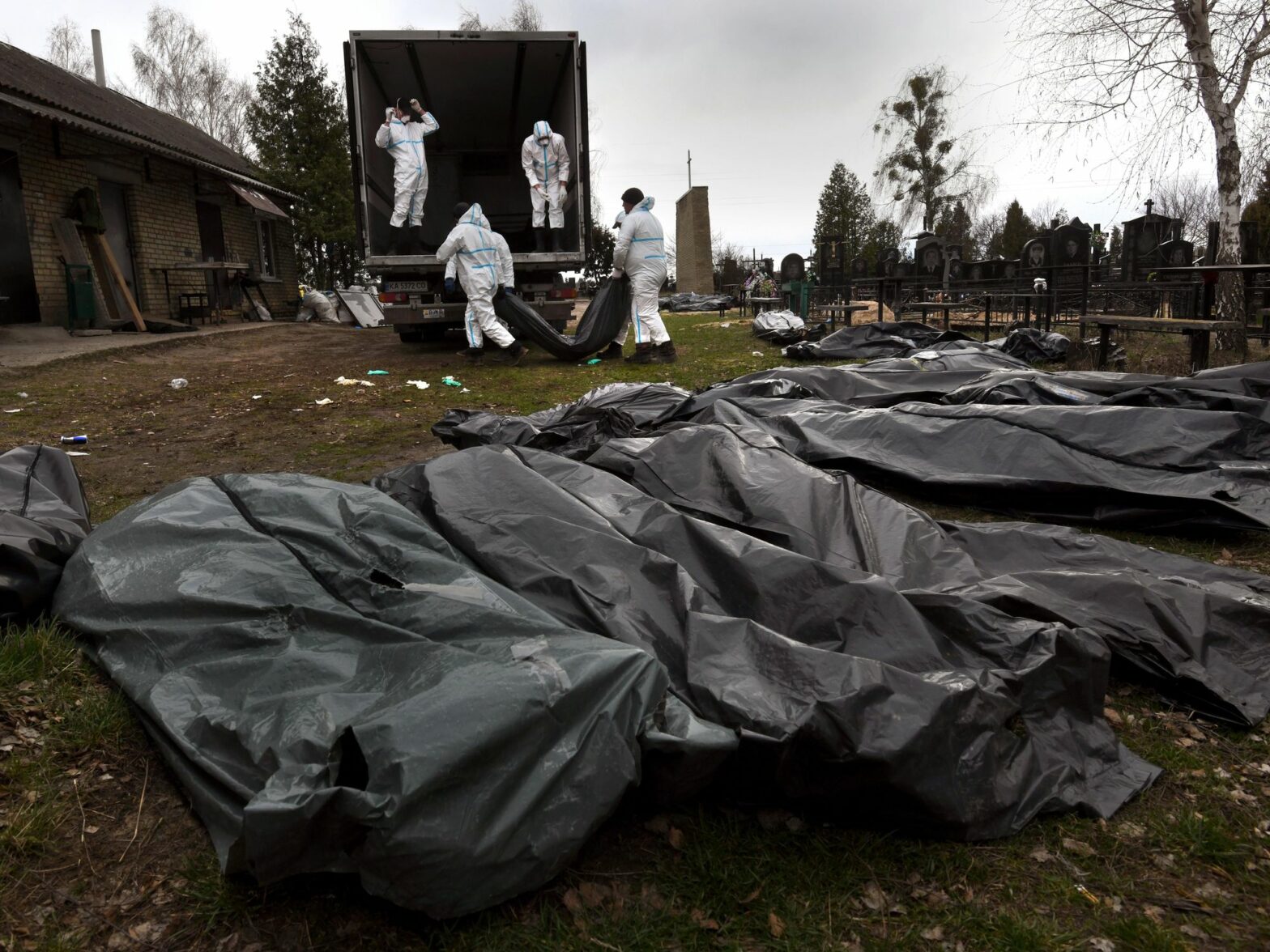
The revelations of the alleged war crimes in Bucha are making Russia’s war more complicated for the leaders of China, who could have supported a victorious Moscow without hesitation, but a humiliated Moscow is a different matter. Xi Jinping and Vladimir Putin’s shared ambitions of a new world order is at stake.
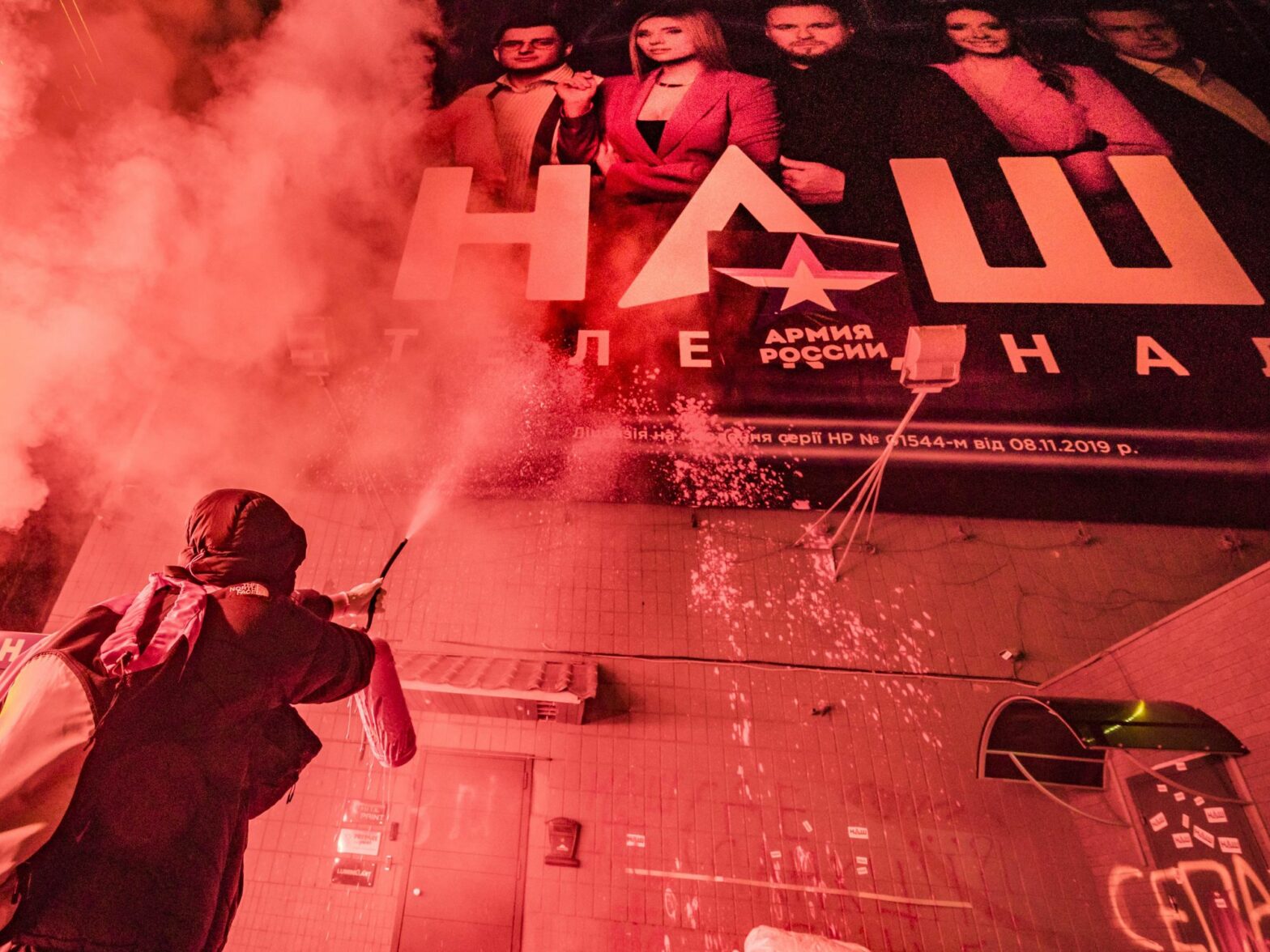
Even as the Russian army shifts in its original invasion objectives, the country’s state media is busy fueling pro-war sentiment with what remains a central talking point, the supposed “denazification,” of Ukraine, which some warn is a recipe for genocide
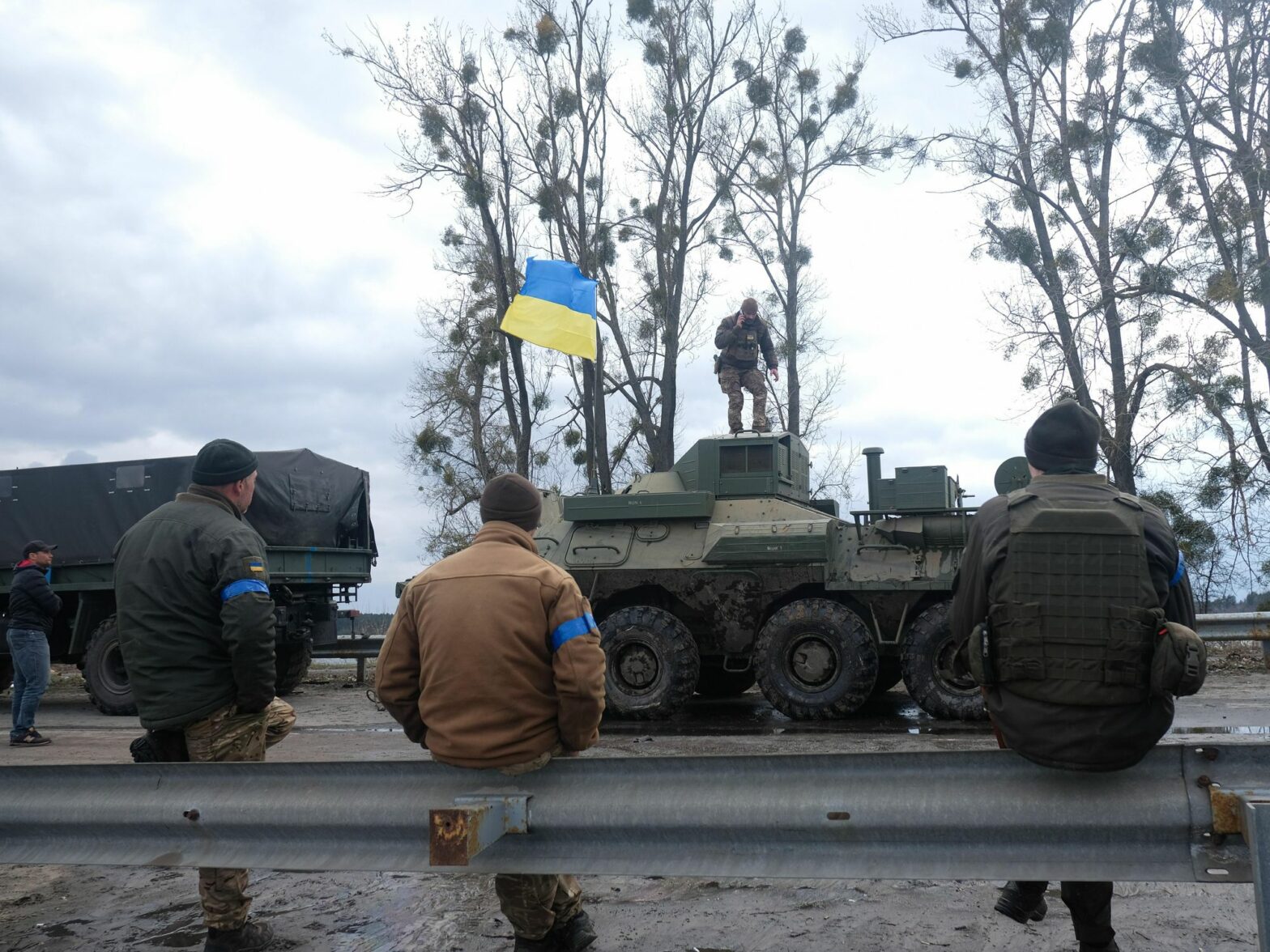
Vladimir Putin badly needs a victory, and may be ready to unleash Russia’s deadliest assault to date. But Ukraine has its best fighters in the eastern region, fighting a war there since 2014, and may have several key tactical advantages.
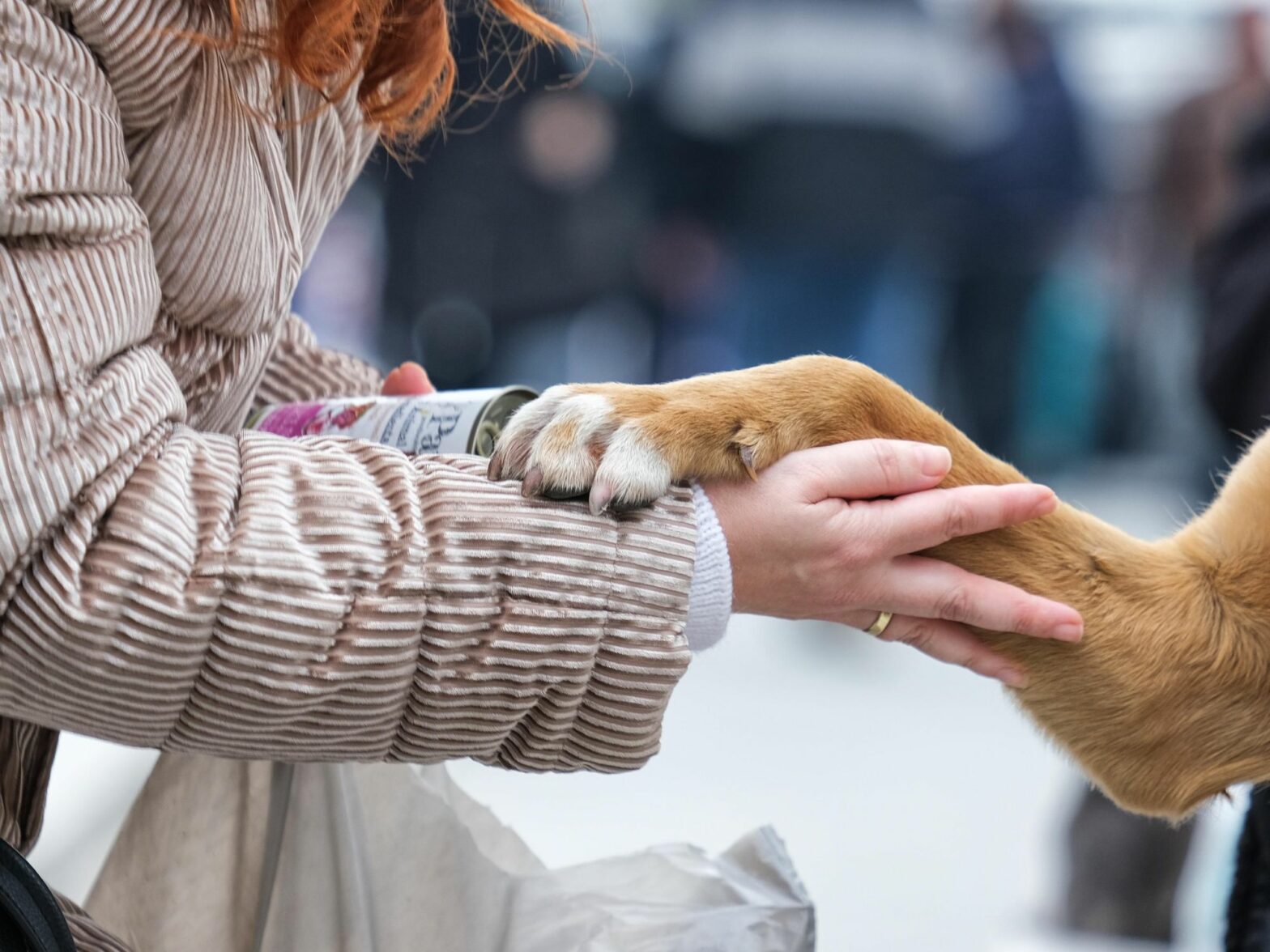
When humans care about the natural world, it means revising our place in it and acting accordingly, not giving nature “rights and concessions” that are figments of our self-serving imagination.
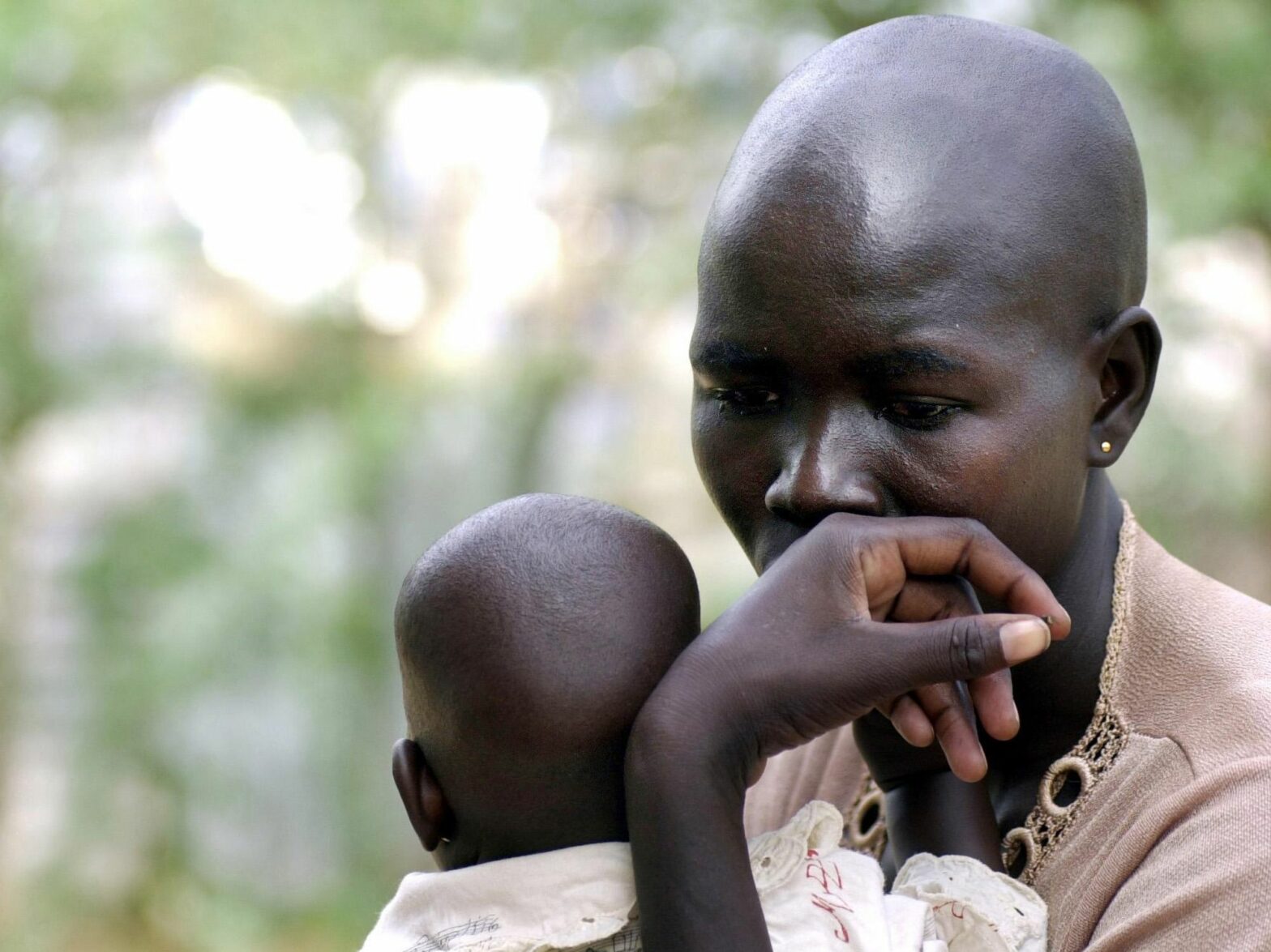
The way armed conflicts have been represented in fiction for decades could explain the racism that has been revealed in Western media coverage of the war in Ukraine compared to multiple conflicts over the years in Africa.
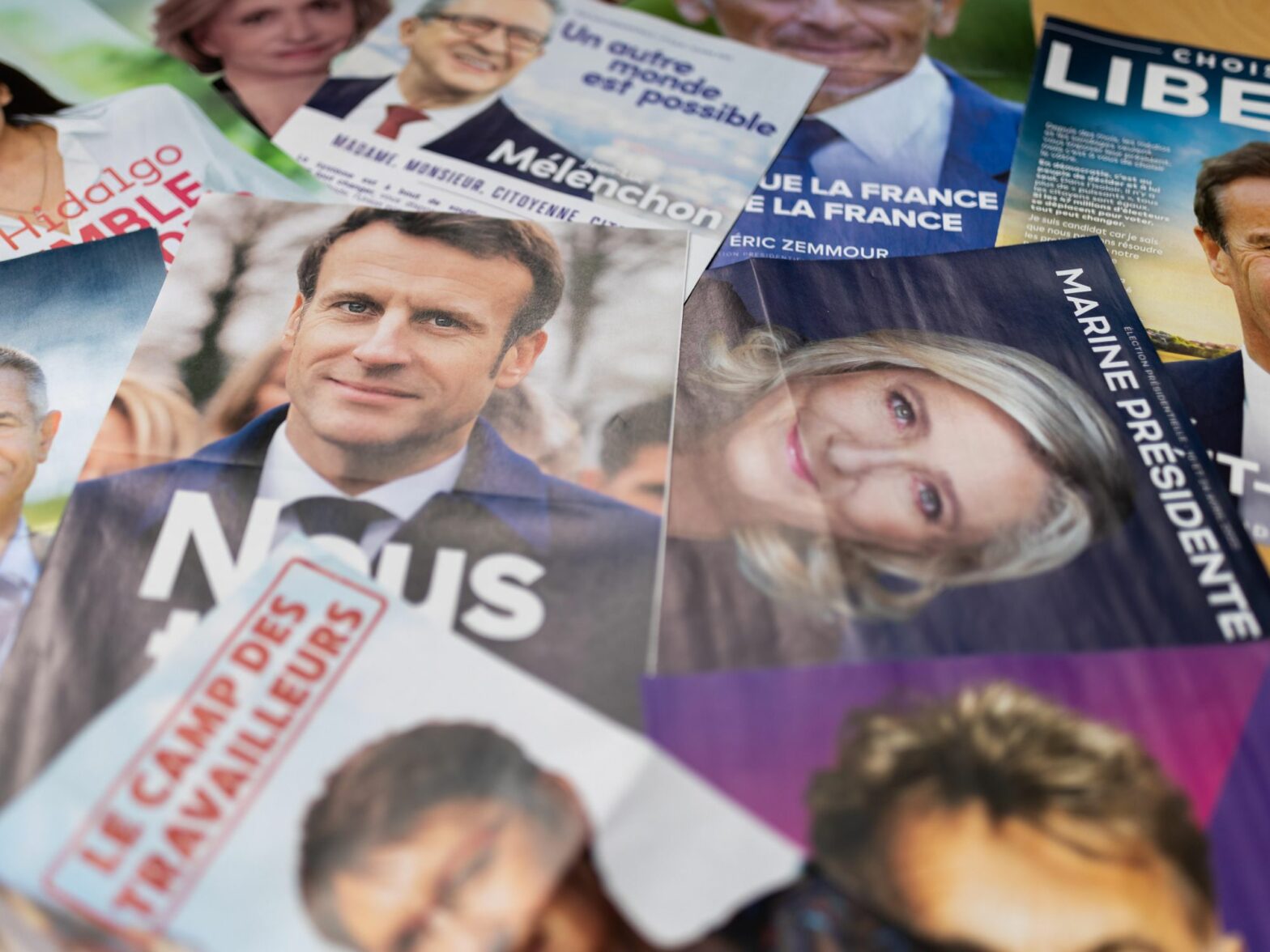
The replay of the 2017 duel accentuates the political divide in the country, but holds higher risks for Macron as Le Pen adjusts her approach. Two key unknowns: how will Le Pen’s past support of Vladimir Putin play out, and what left-wing voters will do?
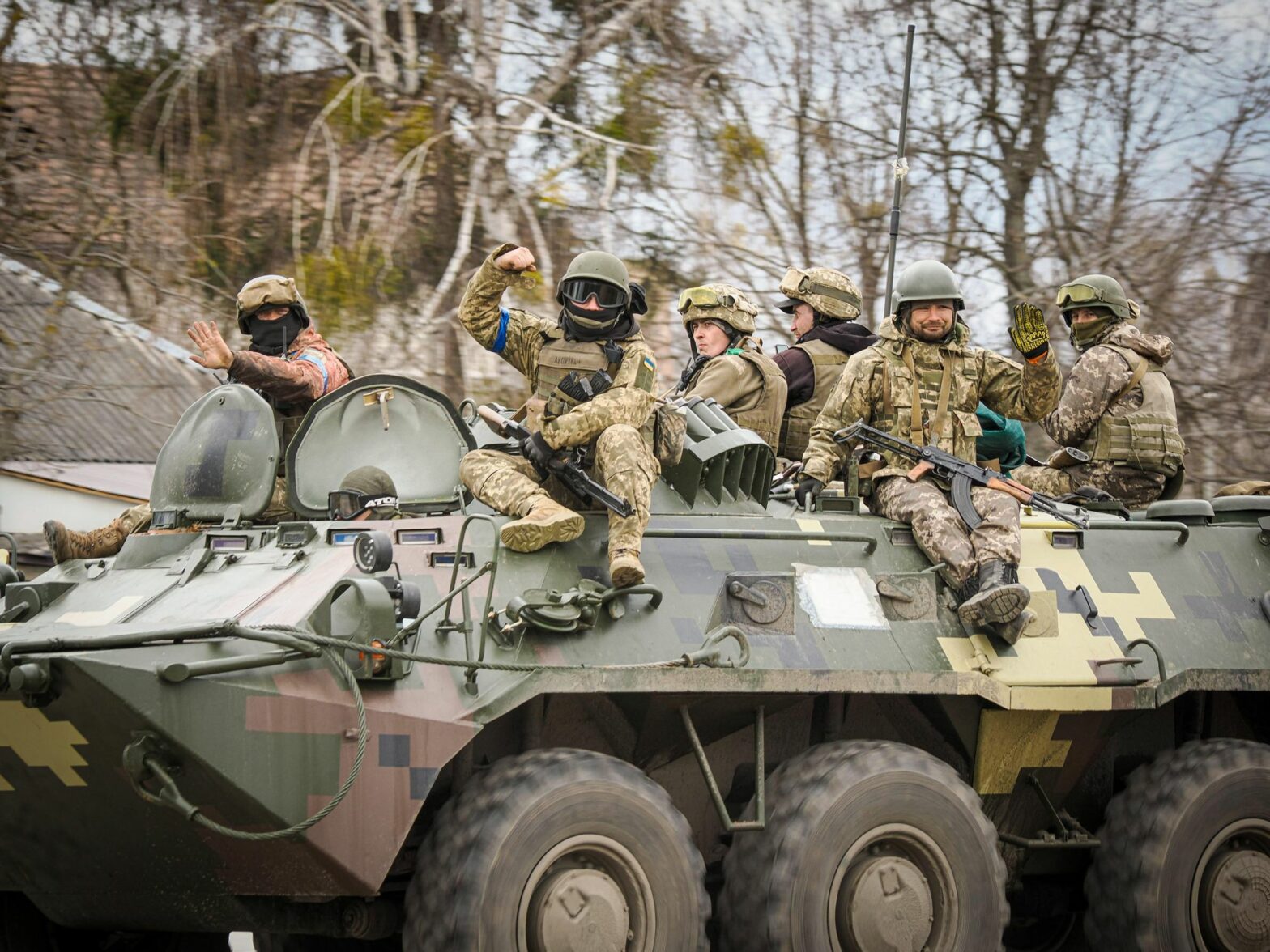
The system of post-World War II alliances has ultimately proven insufficient at the moment the Russian threat turned into actual war. Ukraine’s military has risen to the challenge in a way that may help reorder the system of security for decades to come.
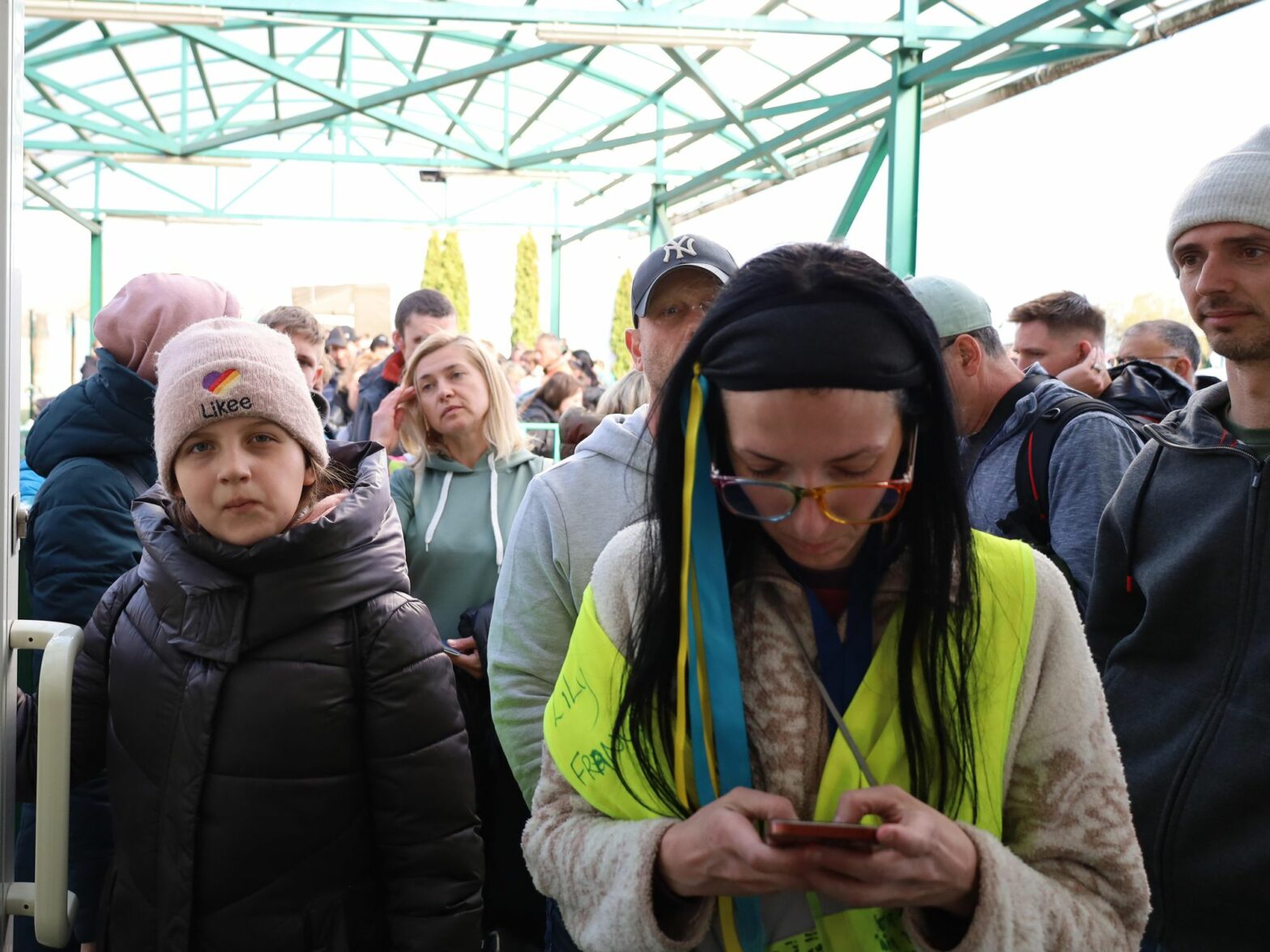
As people open their homes to Ukrainian refugees, some in Germany and elsewhere in Europe are criticizing the lack of a similar welcome for Syrians in 2015. Do we have a responsibility to offer the same level of help to all those in need — and are we even capable of that? The answer might just be found in philosophy.
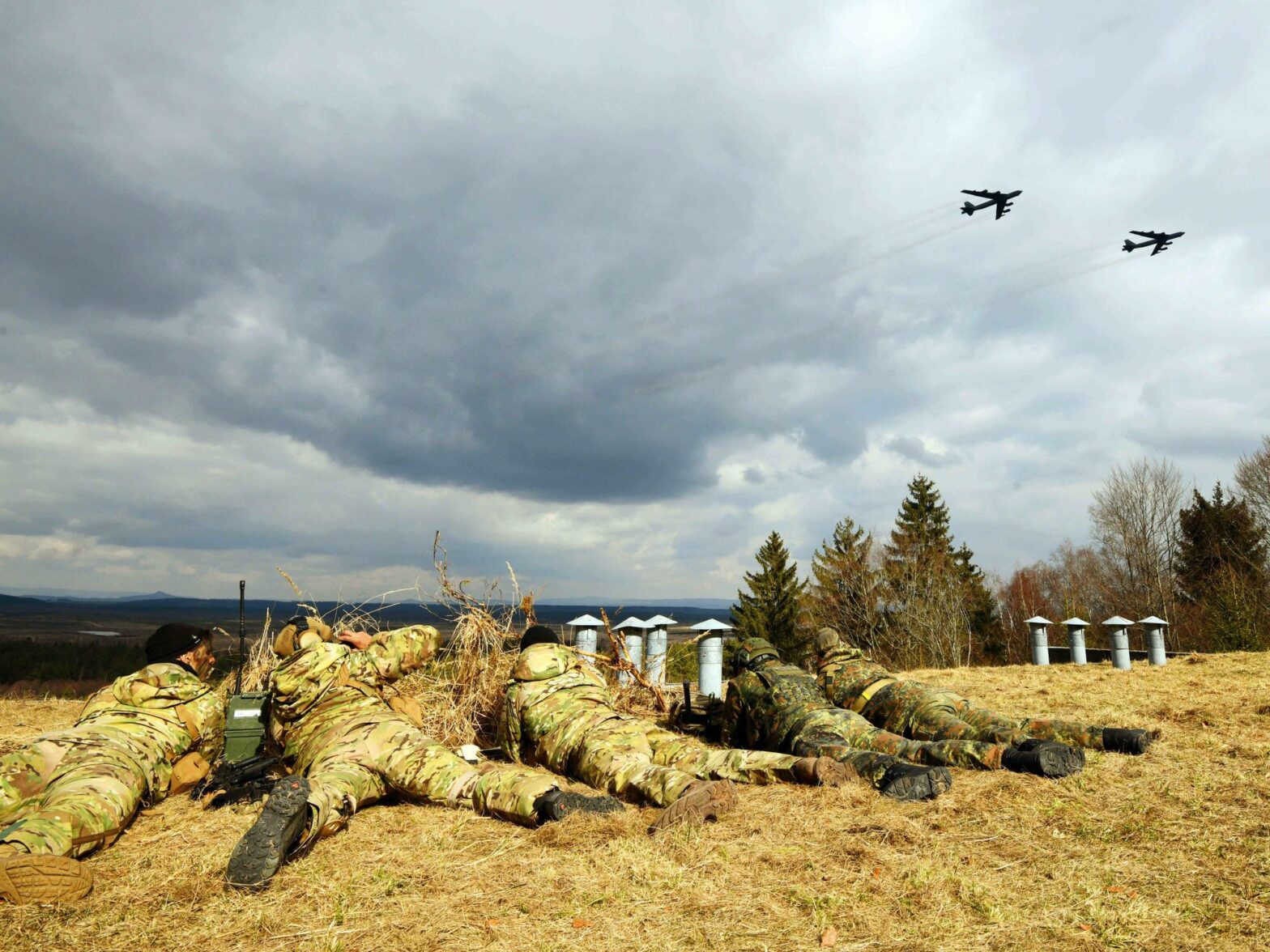
The gruesome images from Bucha are shocking. But how many more massacred Ukrainian civilians will it take before the West and NATO say enough? The West’s constant fear of escalation makes things easy for Putin.
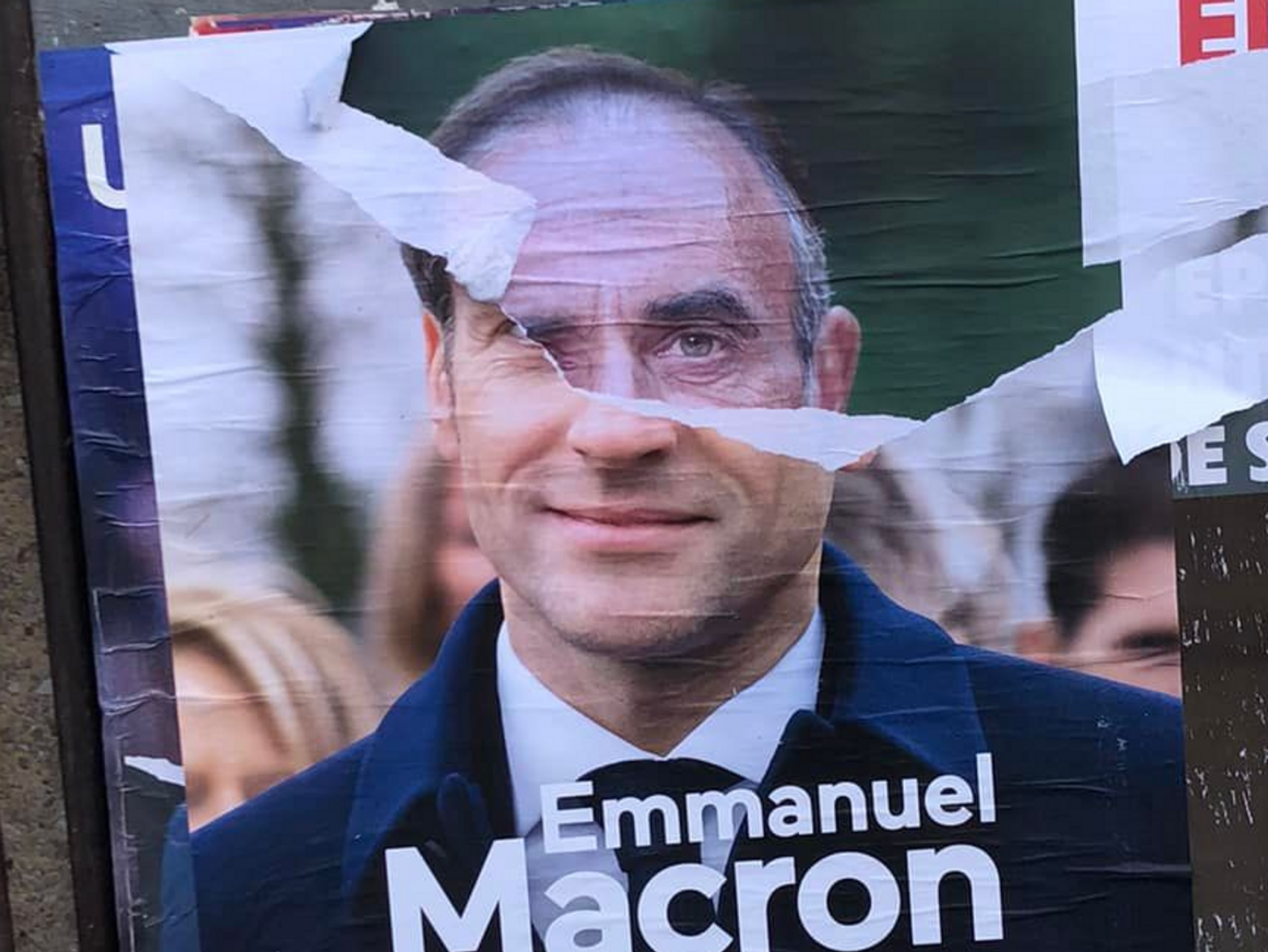
After the surprising arrival of Emmanuel Macron five years ago, followed by protest movements, COVID-19 and now Ukraine, a sense of indifference has spread among voters. This could lead to a surprise victory of the far-right candidate, Marine Le Pen.
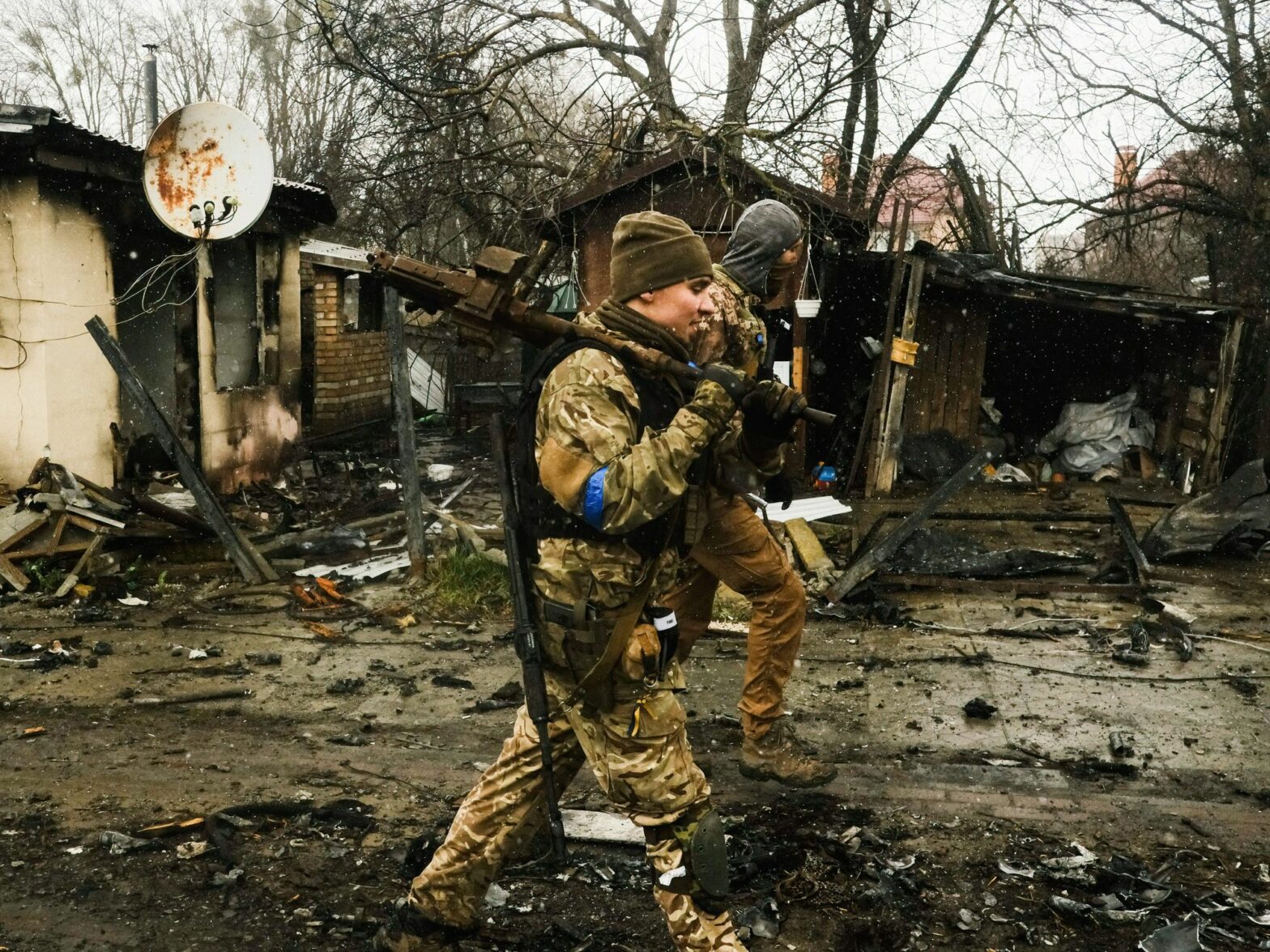
Western civilization, having experienced so many wars and acts of terrorism, has created elaborate schemes to protect the peace and civilian populations in particular. Vladimir Putin has shown that it is simply not enough. We must fight and die to protect what is most precious, says Ukrainian writer Anna Akage.