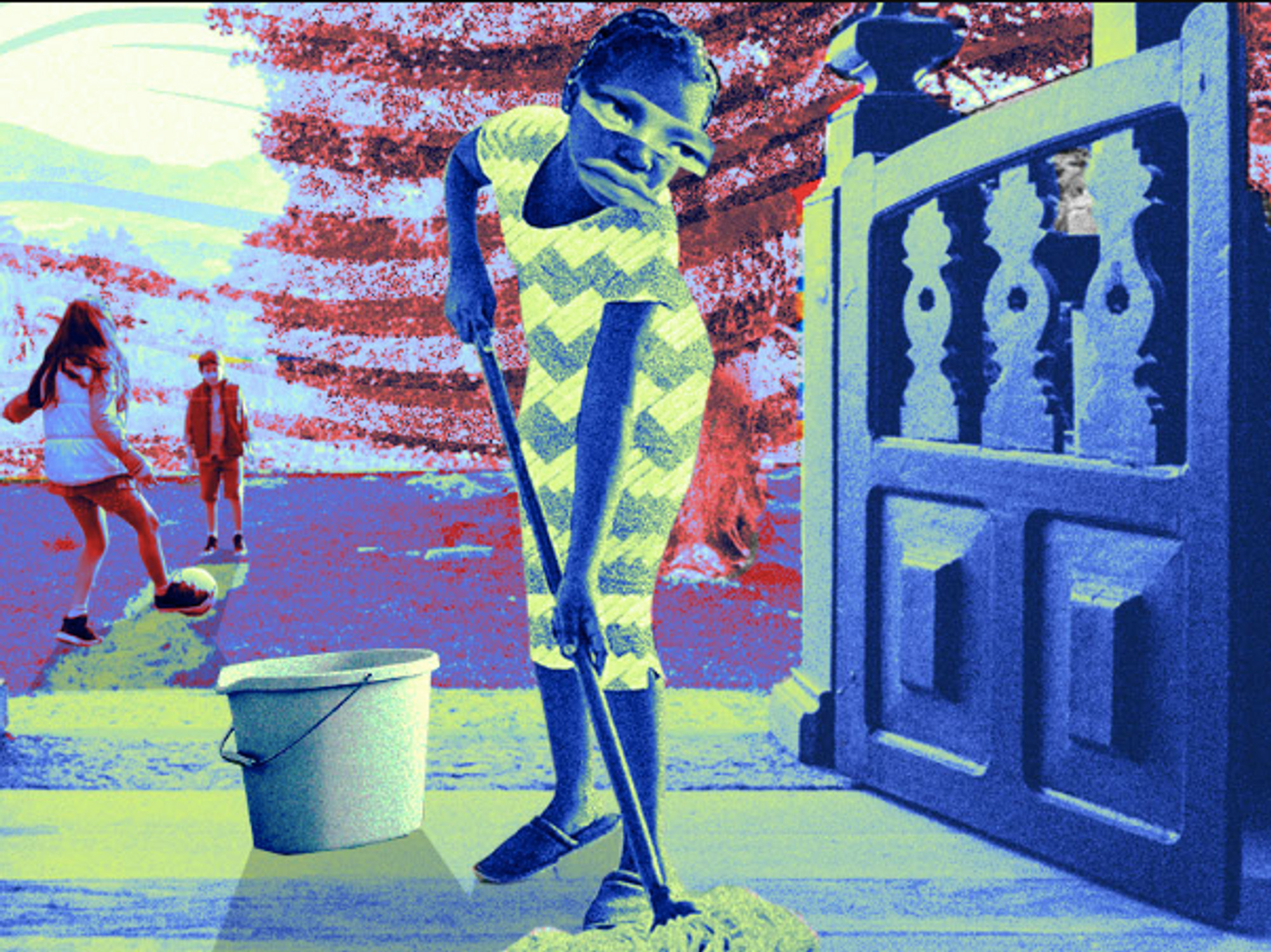
Brazil has come a long way in improving the rights of domestic workers, but it has failed to completely abolish the dangerous nexus between domestic work and child labor.
 Worldcrunch
Vanessa Sarmiento Alarcon is an independent multimedia journalist focused on the international coverage of human rights and the environment. Born in Colombia and currently living in Tanzania, she has worked for NGOs such as the UN and AFRISOS; and for international media such as CONNECTAS, Distintas Latitudes and Rutas del Conflicto, and is also part of the Latin American Network of Young Journalists. Find her on social media as @vanesarmiento97
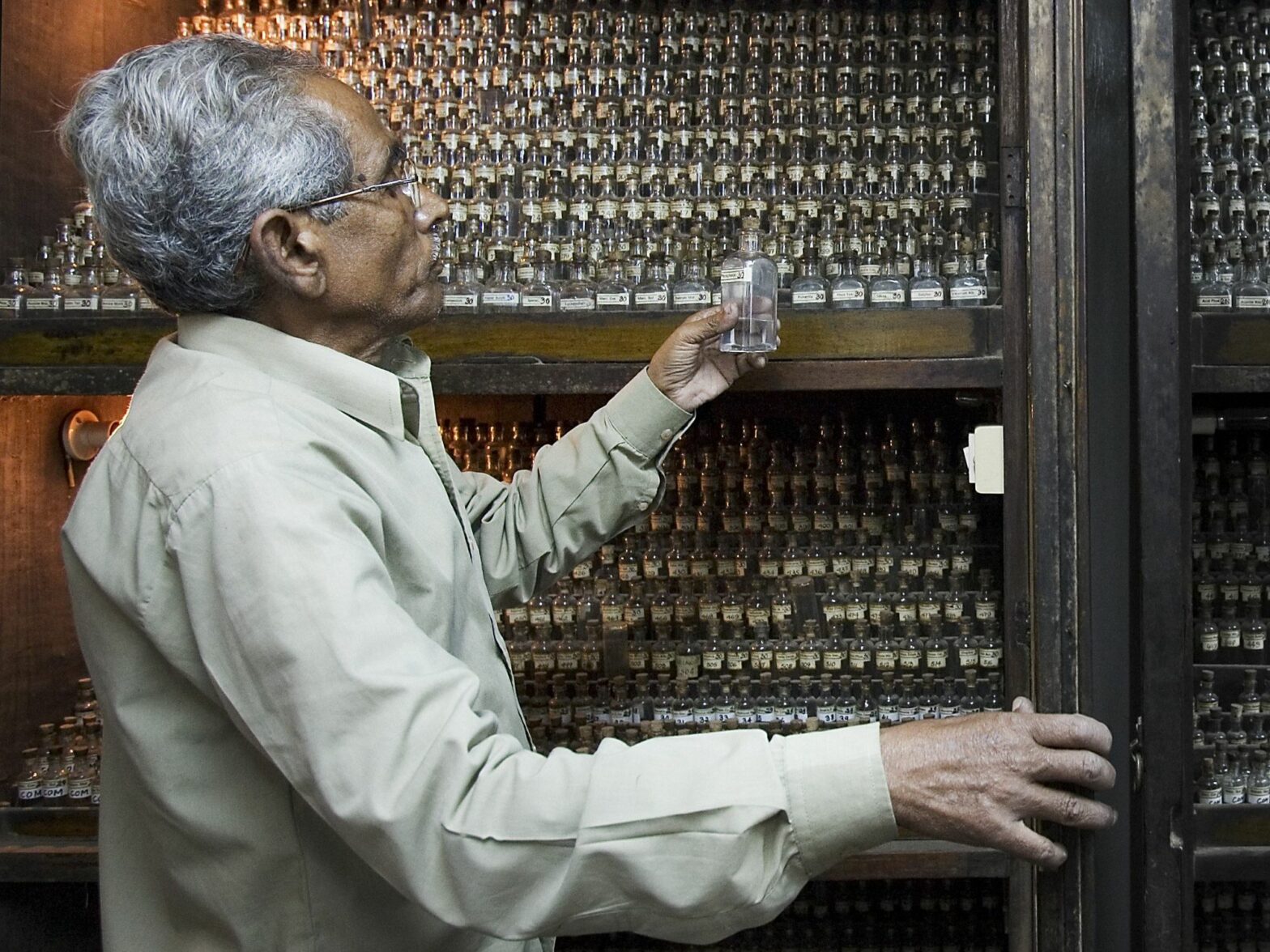
The World Health Organization has long walked the uneasy tightrope between evidence-based and traditional medicine. It is time to dismantle this unrealistic balance.

All couples know the importance of addressing power dynamics and fostering open communication within a relationship. But discussions about privilege and discrimination — and the need for love, respect, and empathy — are all the more crucial for interracial couples.
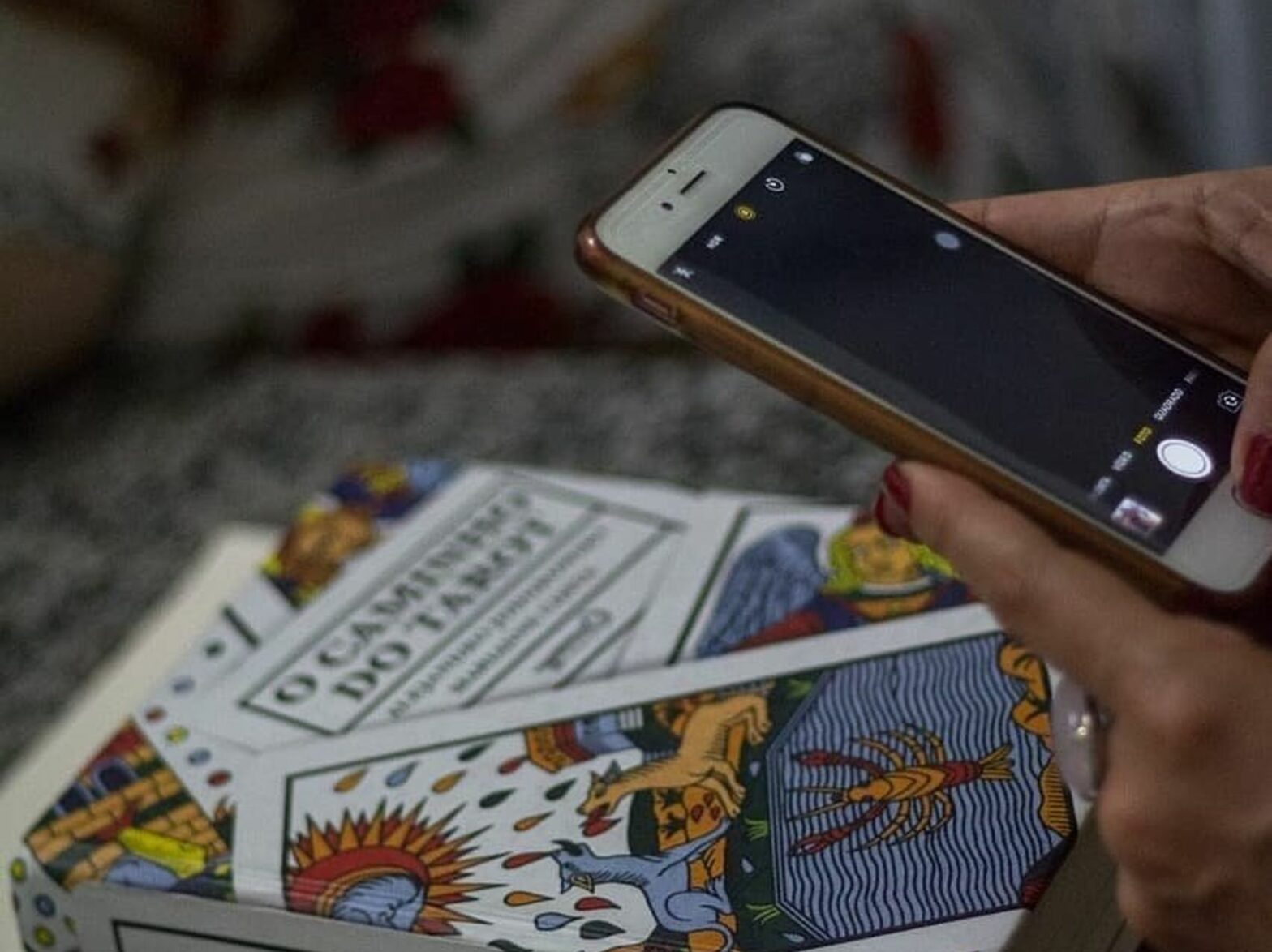
For the new generation of tarot readers in Brazil, the art of reading the cards aims not to guess the future, but to promote a deep search for self-knowledge.
Another collateral effect of global warming could be that rising temperatures feed existing tensions in cities around the world. Starting from Lisbon, but investigating related studies around the world, Portuguese digital magazine Mensagem reports.
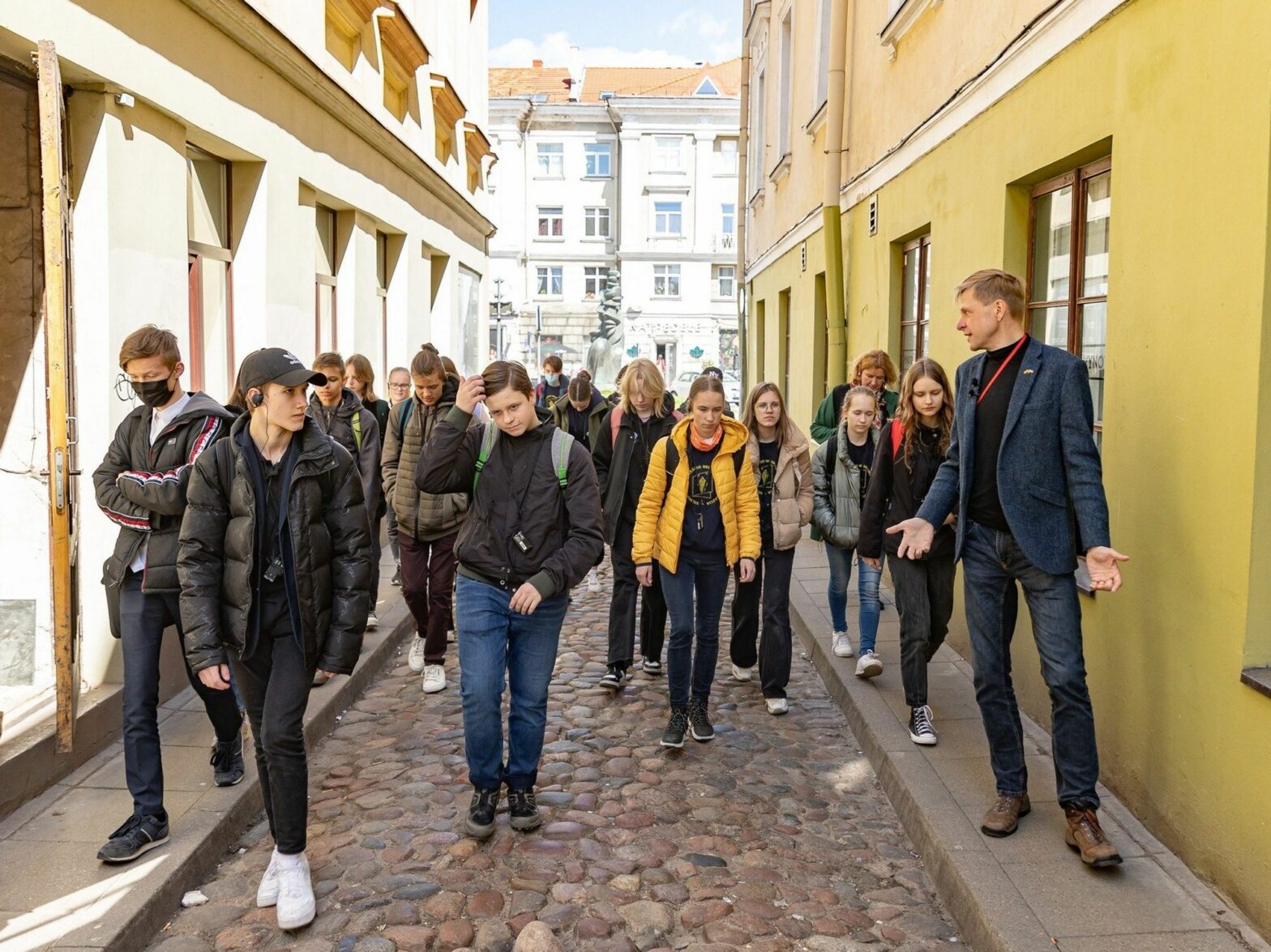
Vilnius, the capital of Lithuania, is taking school outdoors and making the whole city a learning place. Along the way, students’ motivation increases and their relationship with the city becomes more participatory.

São Paulo is 400 years old, but the outlaying areas beyond the historic center are relatively new. They were born out of poverty and have given rise to resistance and culture, especially through music.

Fear and anger spread in Brazil after a man posing as a doctor was found treating patients. But it raises the question of the dangers of those openly using “alternative medicine.” Who should be regulating these practices?

The author reflects on the emerging practice of signing a so-called relationship contract, which reminded her of when her Muslim boyfriend proposed a “temporary marriage.”

Here’s the Brazilian media spectacle of brazen masculinity, white privilege — and, finally, an arrest.

The Brazilian singer Nega Jaci has performed a new version of the well-known samba “Mulheres,” by Martinho da Vila, adapted by two Brazilian women to remove the sexist tone of the original lyrics.
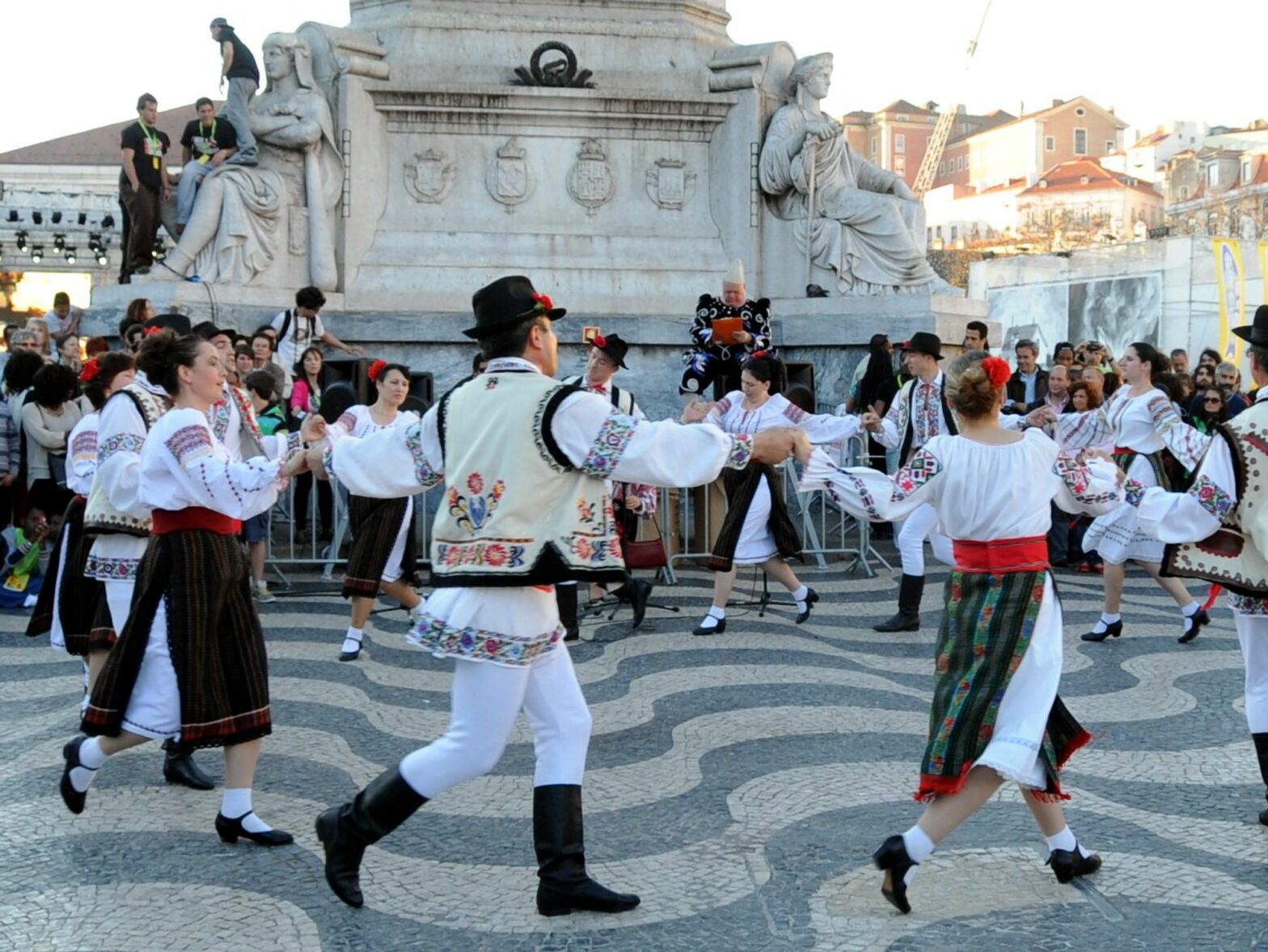
The Marchas Populares, Lisbon’s summertime carnival parades, are a spectacle of dancing and music — but a shortage of money, free time and men who want to dance are endangering this midsummer tradition.
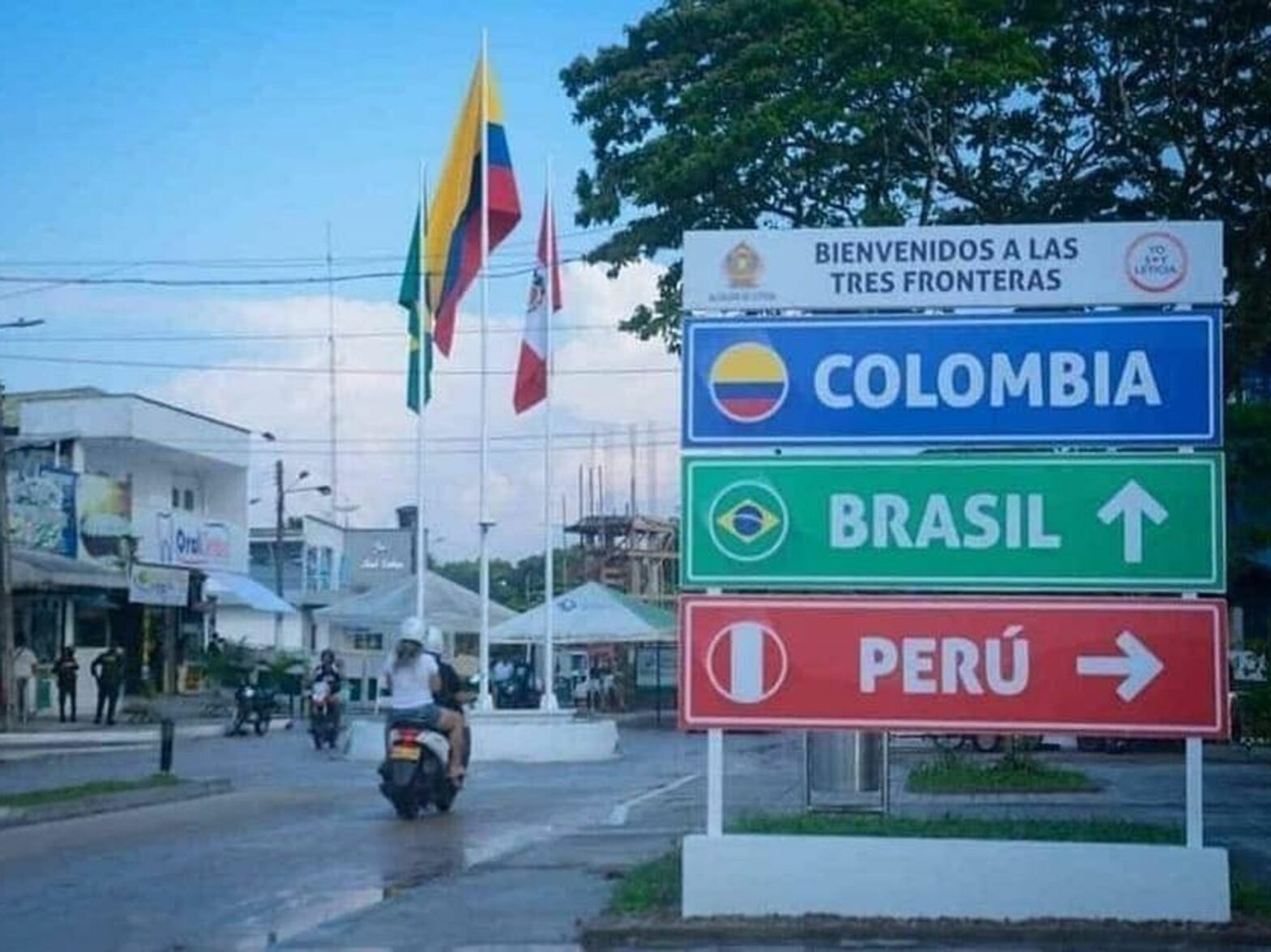
Portunhol is a hybrid language spoken on the borders of Portuguese-speaking Brazil and its Spanish-speaking neighbors. The author’s time learning it was a reminder that language is so much more than just a means of communicating.
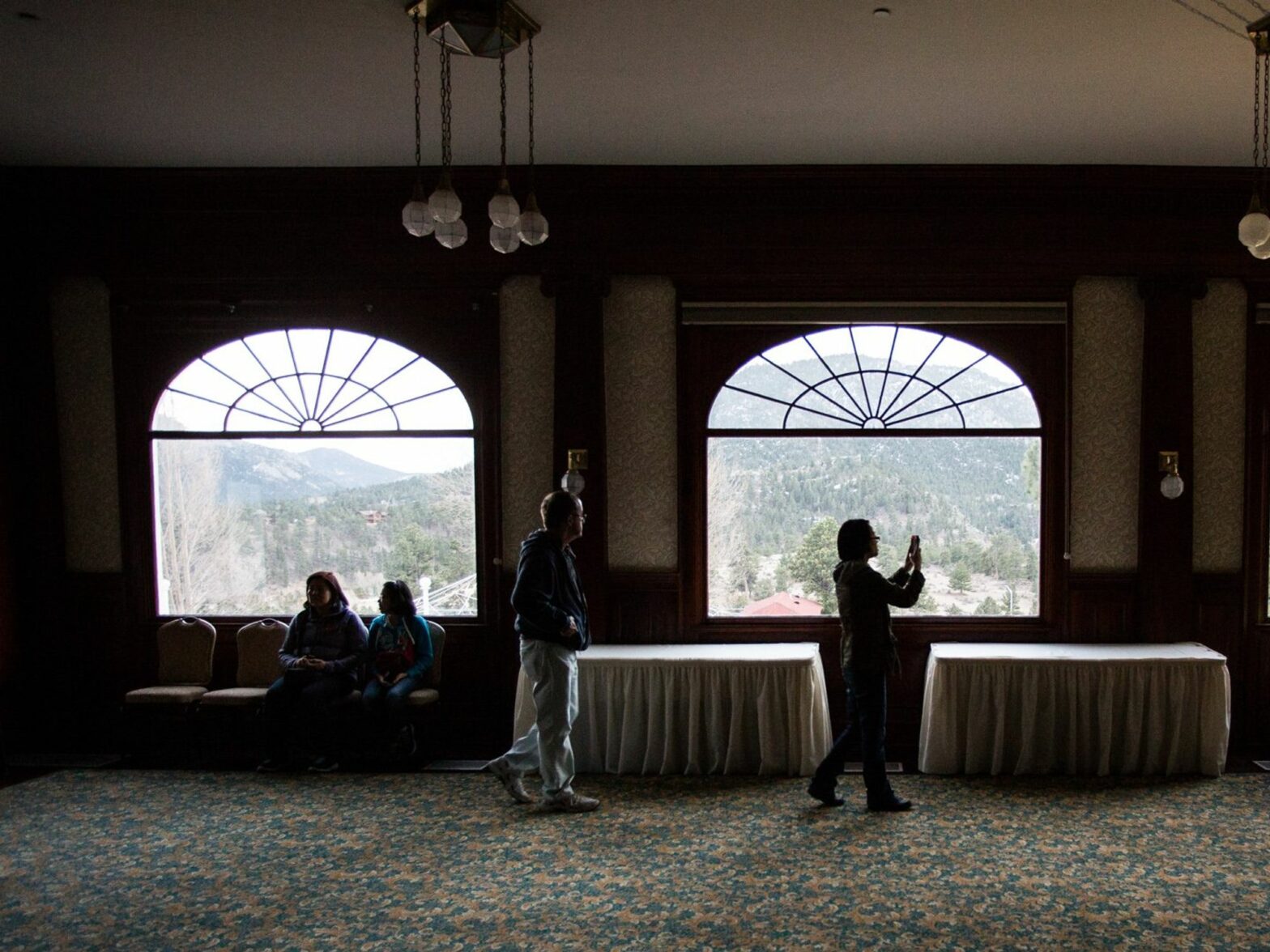
The rise in popular culture of ghost hunting has had a big but strange effect in Brazil. YouTubers and bloggers aim to create a bridge between Brazilian popular spiritism and American ghost-hunting.
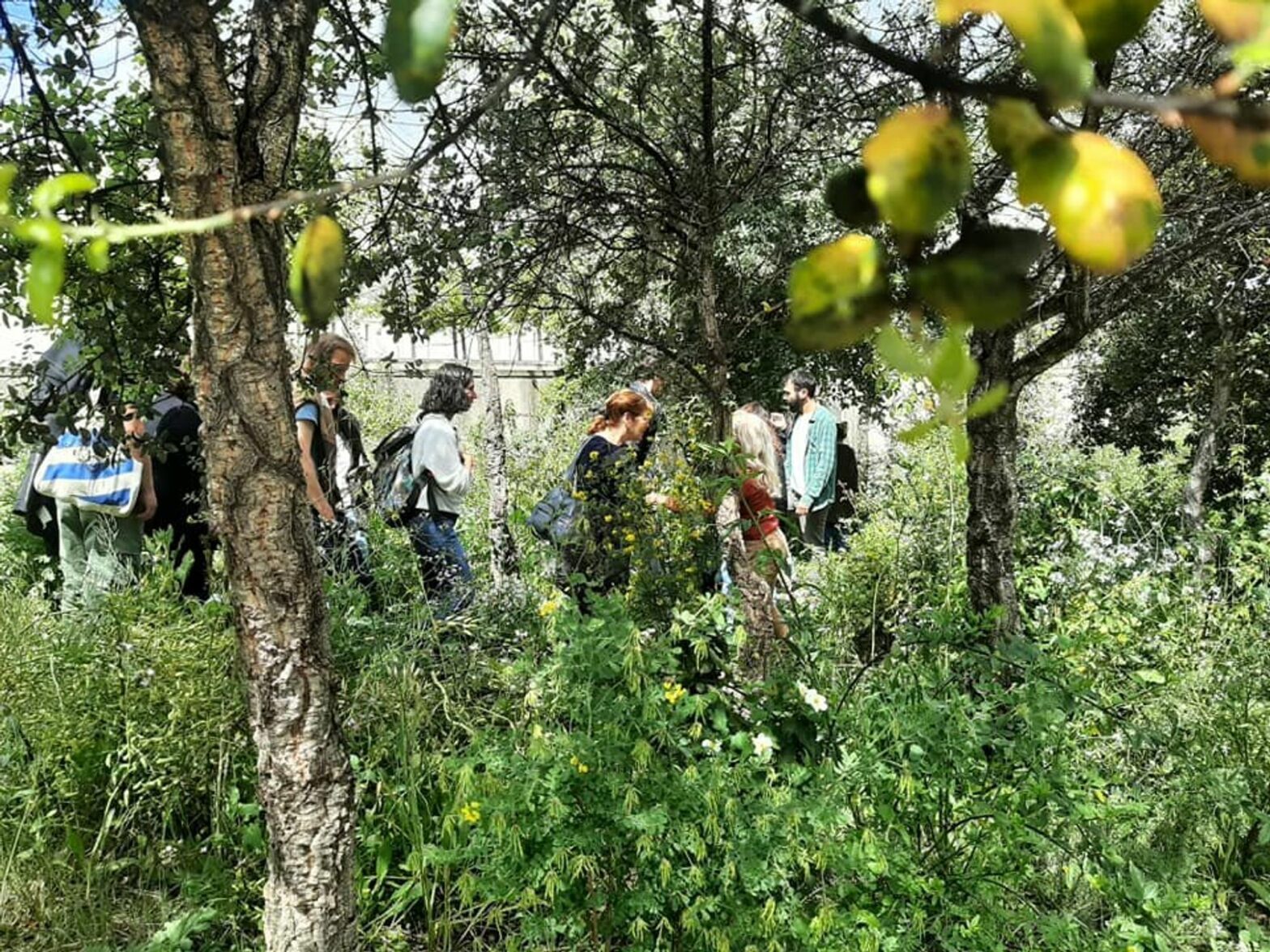
Two years ago, forests planted according to a method invented by Japanese botanist Akira Miyawaki, began to spread across in urban spaces in the Portuguese capital. It’s a way to bring real enclaves of nature to urban realities in record time.
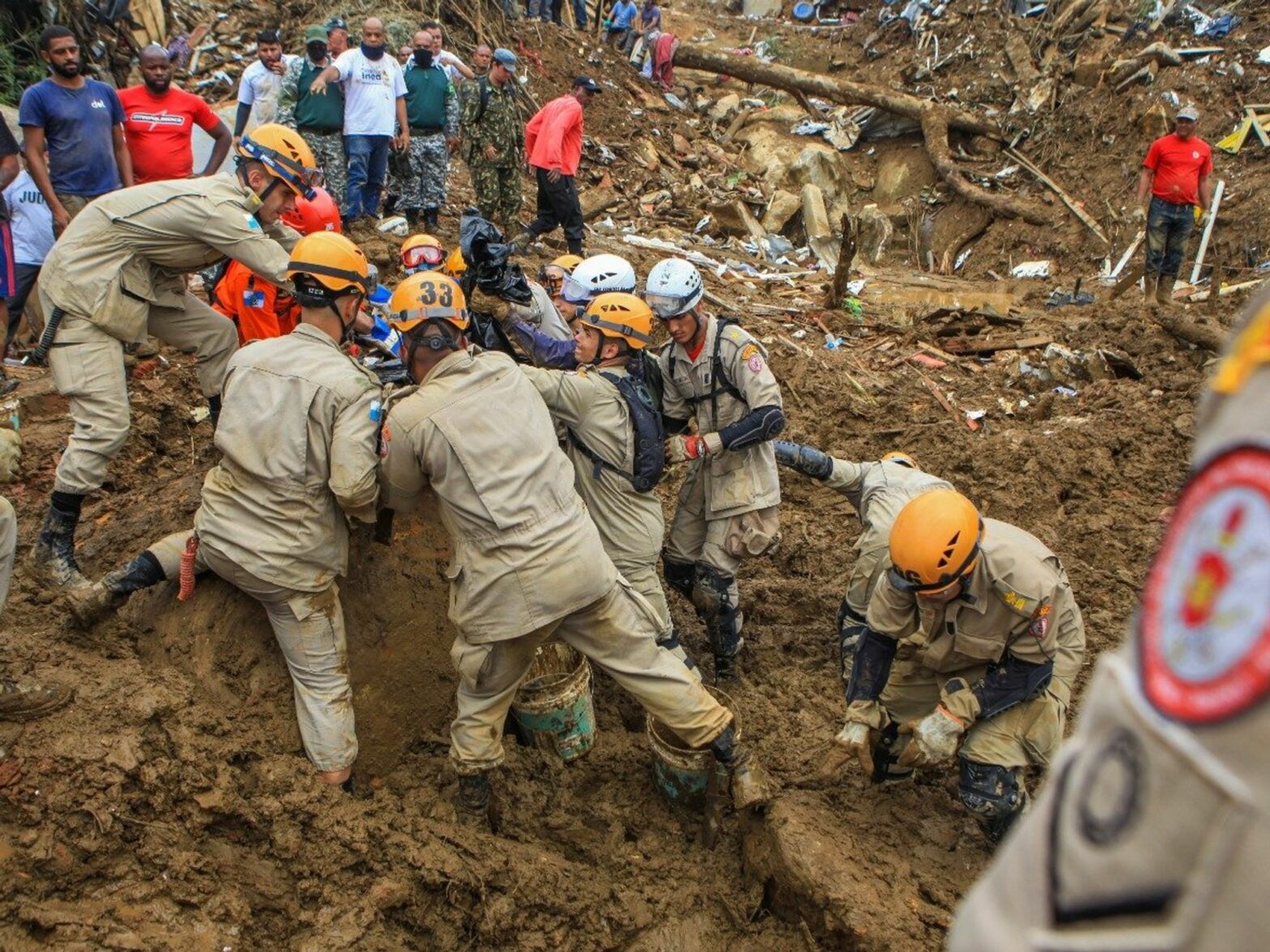
Rain often brings deadly flooding and property damage to neighborhoods around Brazil, where people are organizing to address the worsening problem.
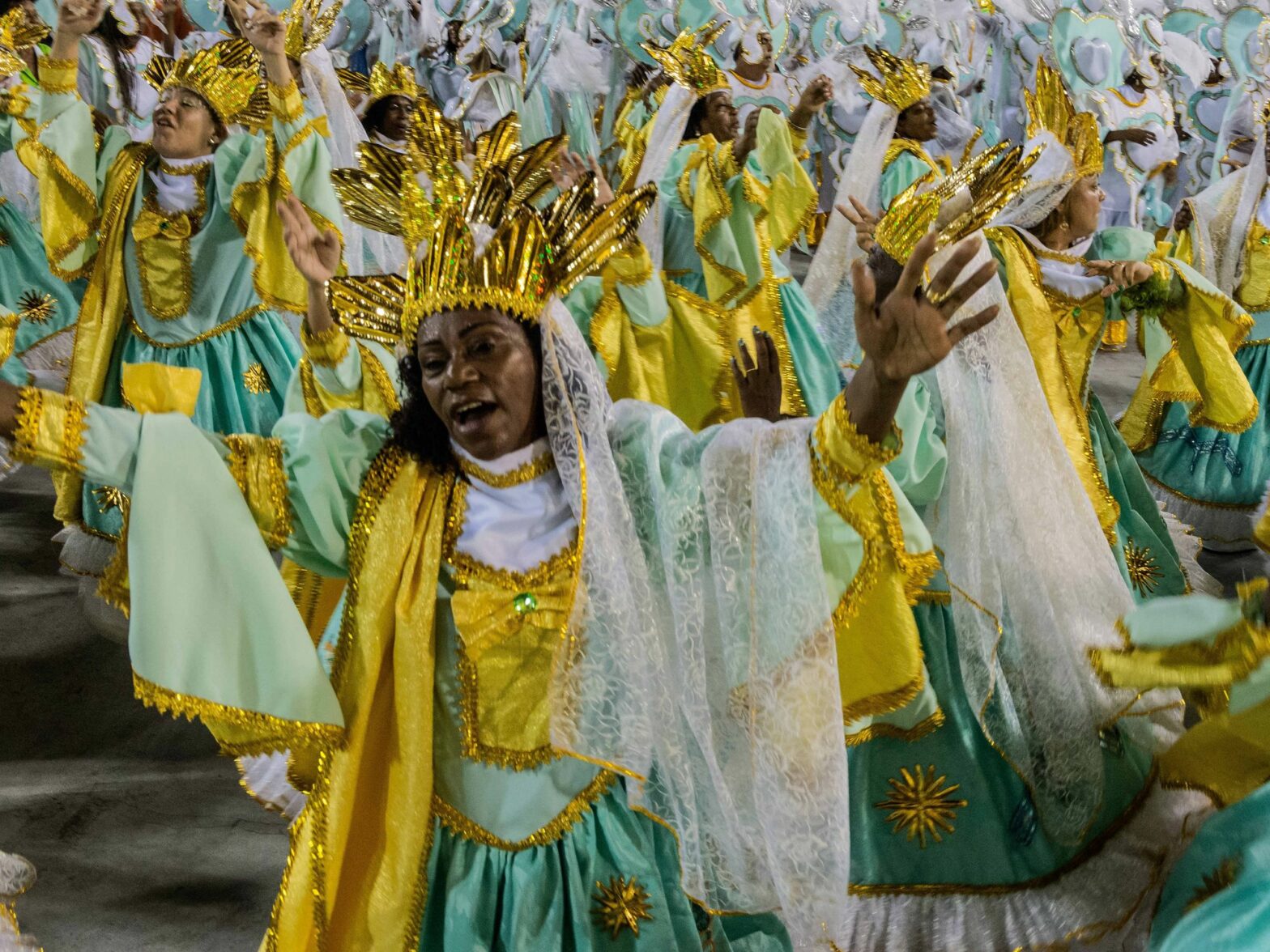
An evangelic group has threatened to take legal action against a samba school because of its mix of religious iconography at the 2023 Carnival festivities. A Brazilian secular institute has a response.
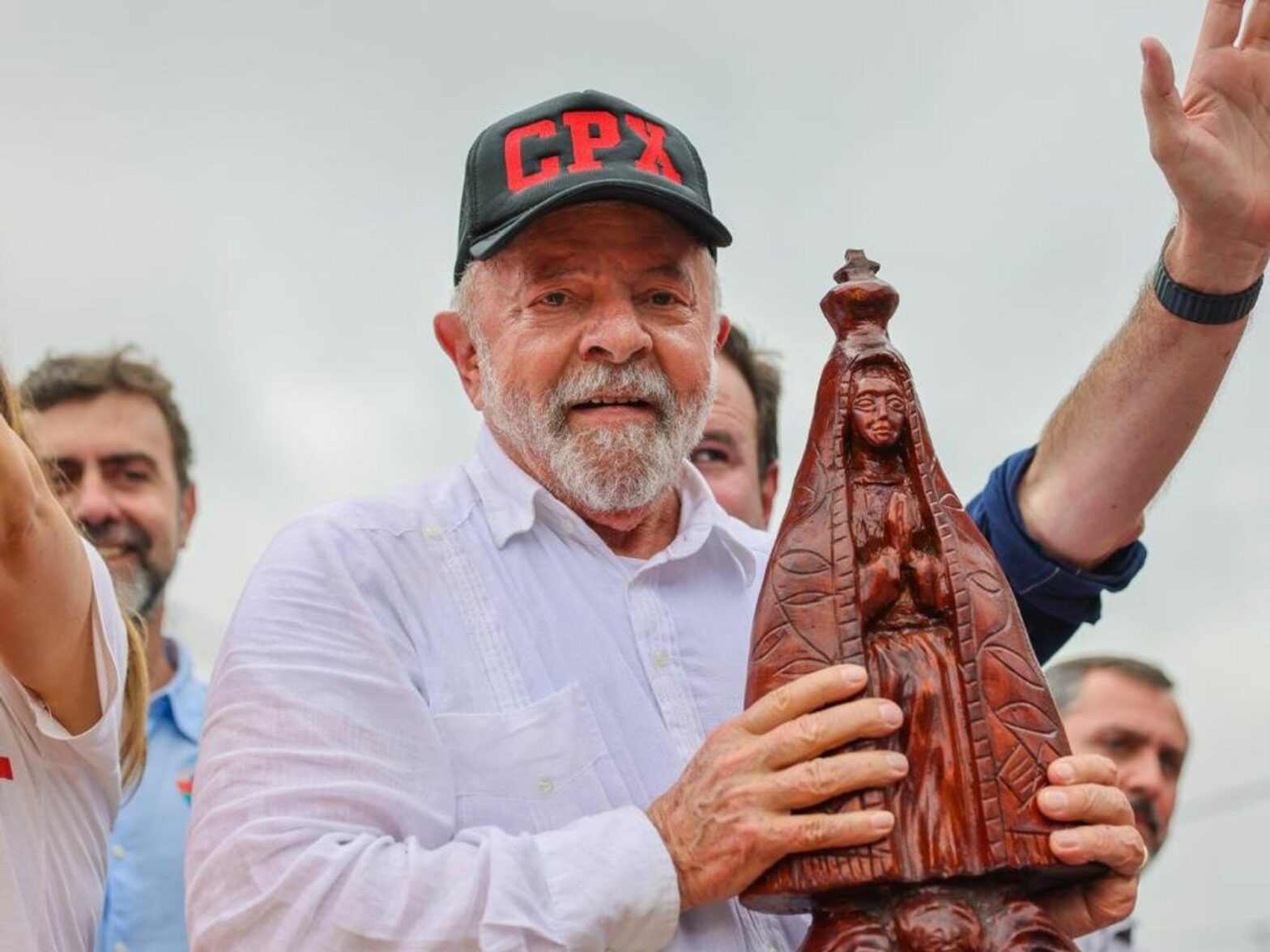
Before Lula’s re-election in Brazil, fake news spread widely online about “gay kits” in schools and Marxism in schools. Here’s how Brazilians can use the moment to convince moderate voters of the dangers of disinformation.

The TV series “The Last of Us,” where a fungal infection creates a pandemic that turns people into violent zombies offers hints of what could become more possible as global warming creates the conditions for the spreading of killer fungi.
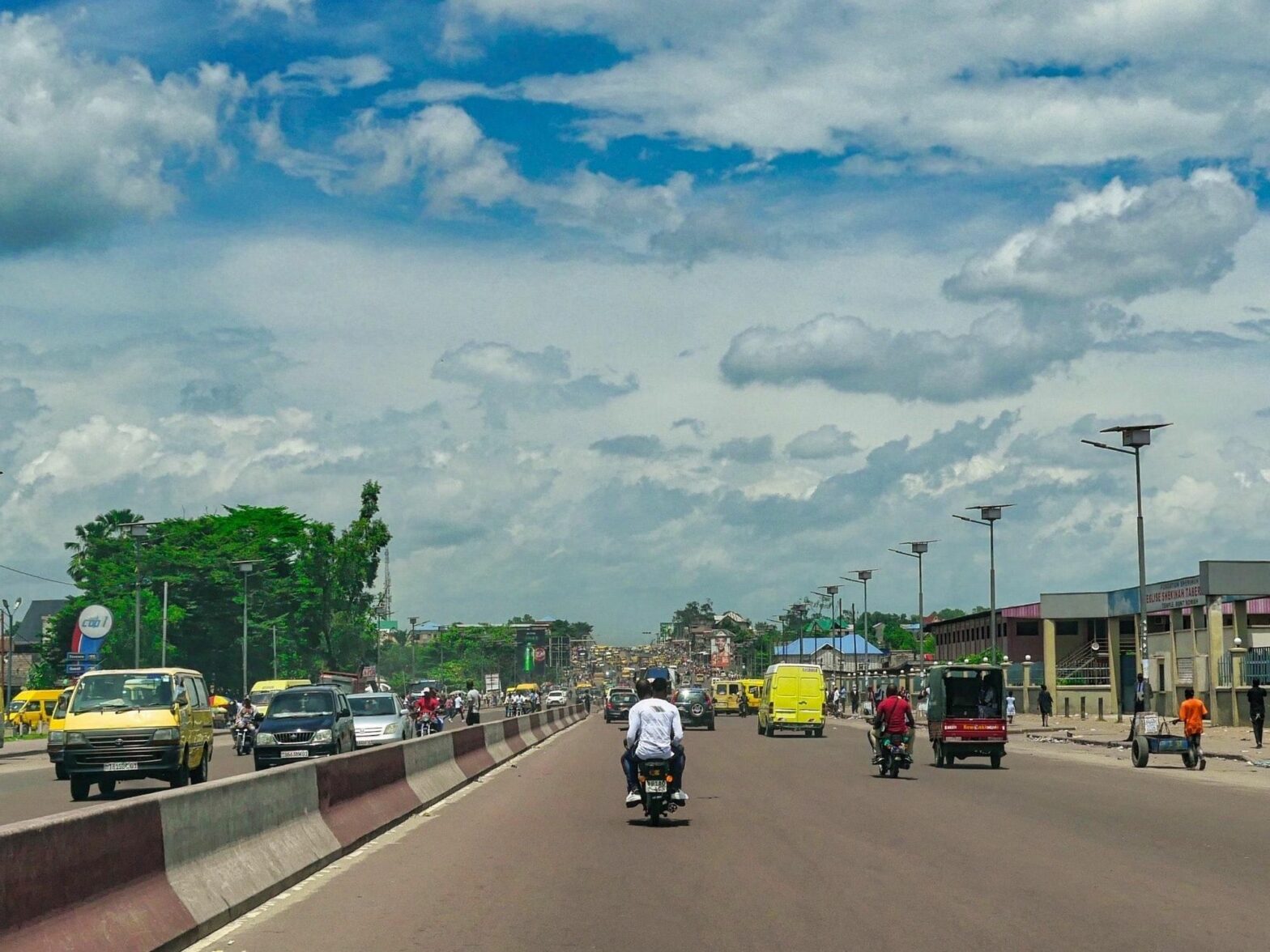
The best and the brightest, those with real vision for the future, are more likely to leave their native African countries that continue to be mired in short-term fatalism, corruption and lack of development.

Fans of Star Trek live in a Golden Age where old and new series are readily available. As one hardcore Trekkie points out, the franchise is a reminder of the similarities and differences between pseudoscience and science fiction.
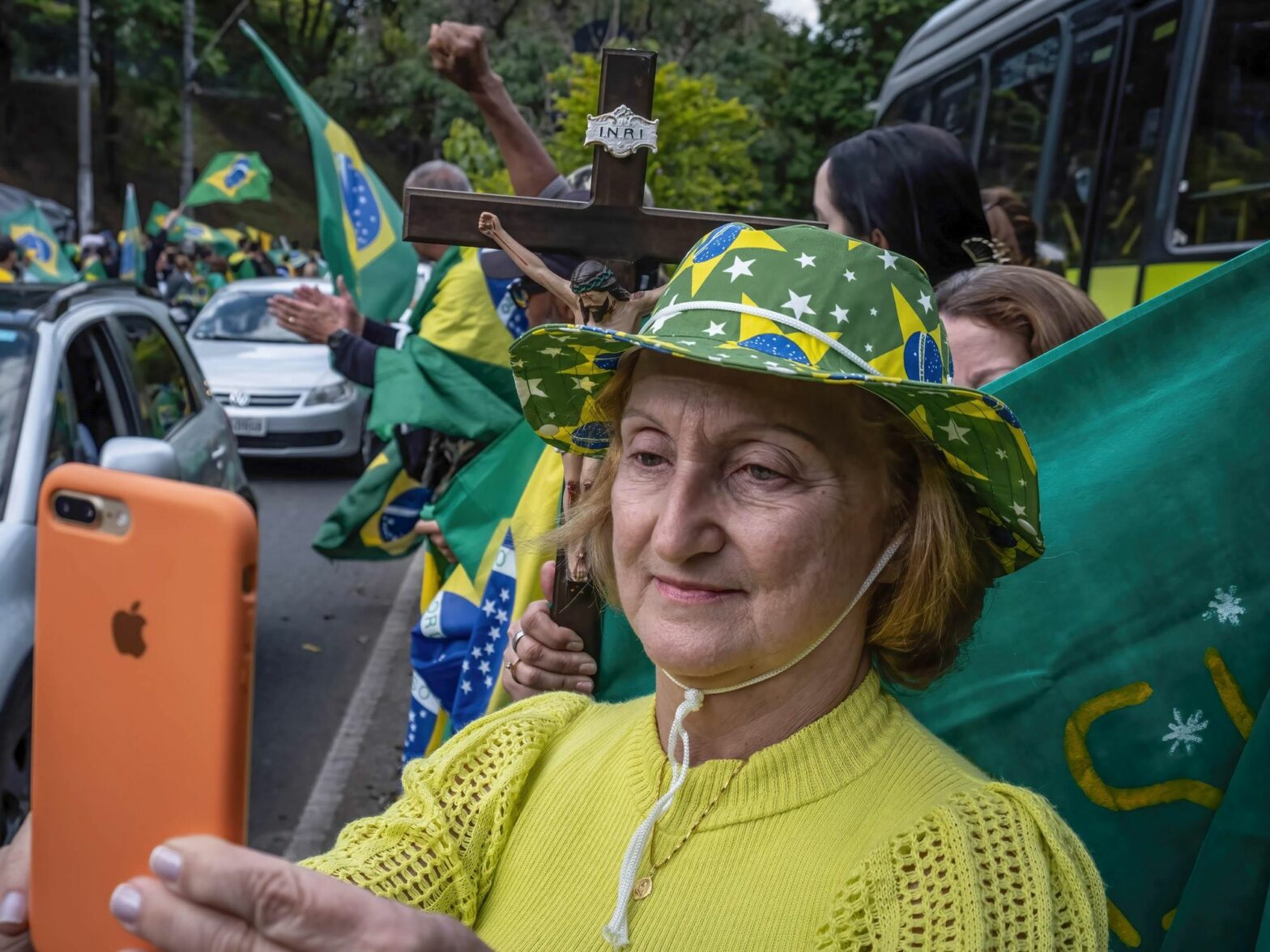
Older demographics are particularly vulnerable (and regularly targeted) on the WhatsApp messaging platform. We’ve seen it before and after the presidential election.
As the population ages, the likelihood of diseases such as dementia increases. That means we need to rethink how we design and build cities for the future. A look up close from Lisbon.
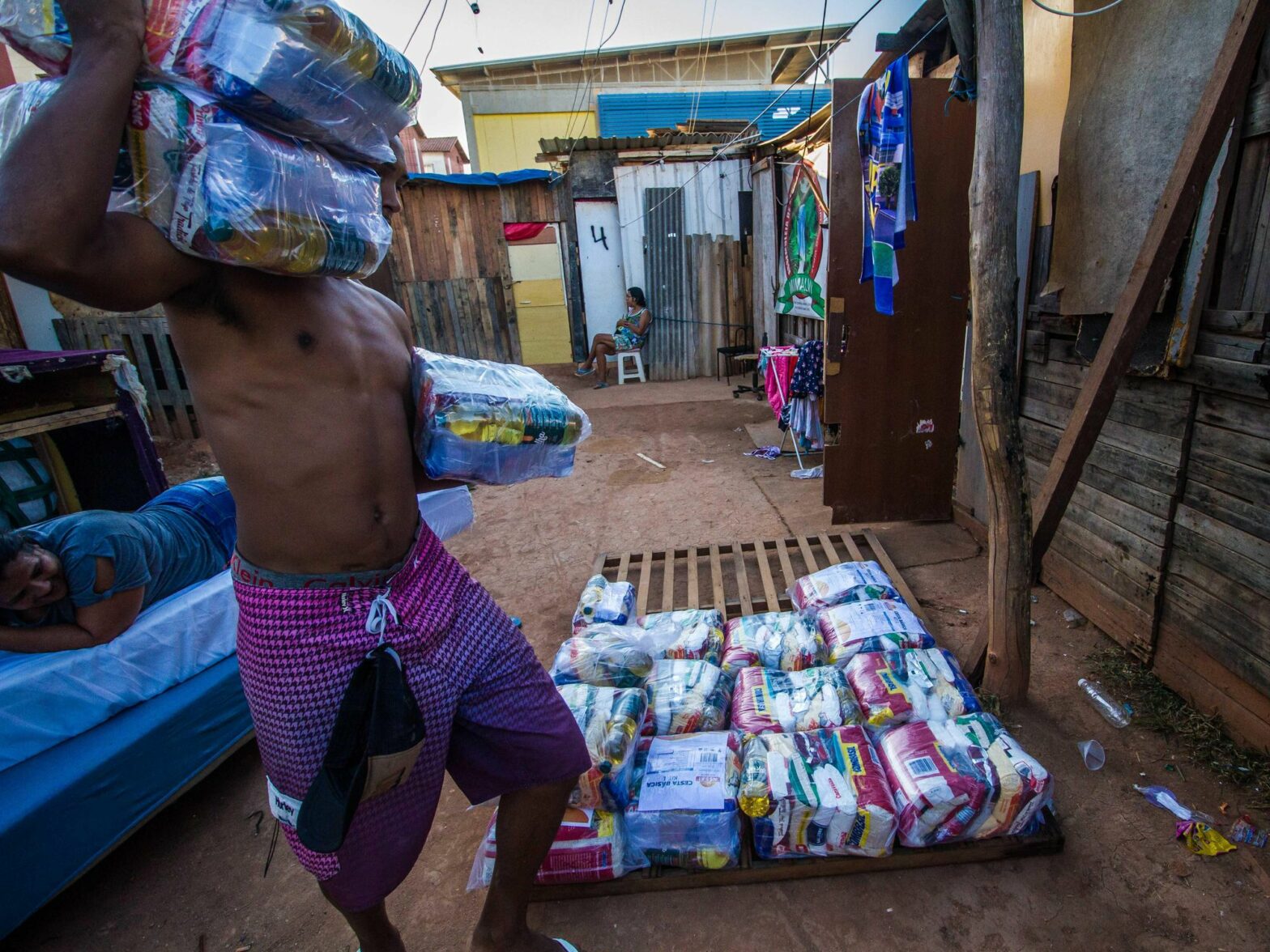
The fight against hunger should be a top priority in Brazil — provided it’s addressed as a whole. And to do that, the country needs to face its structural racism issues, an issue newly-reelected President Lula da Silva vowed to tackle.
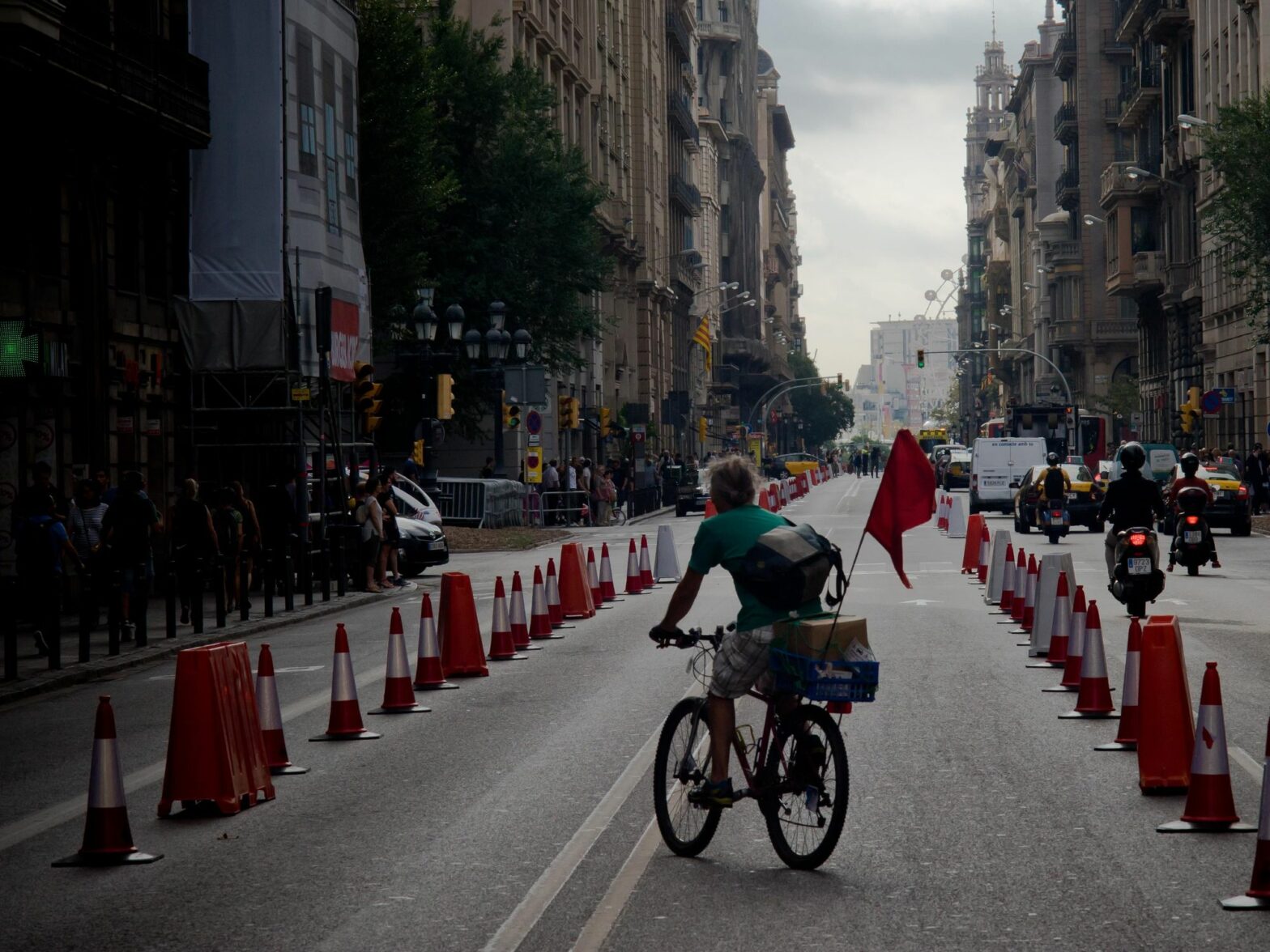
Barcelona architect Ton Salvadó explains how a new way or organizing urban areas might lead to greener, more peaceful cities.

With the price of meat on the rise, Brazilians have turned to eggs. The country is now producing 55 billion eggs a year, presenting challenges for farmers and raising questions of animal welfare. And in Brazil’s “Egg Capital”, the climate crisis is complicating matters further.
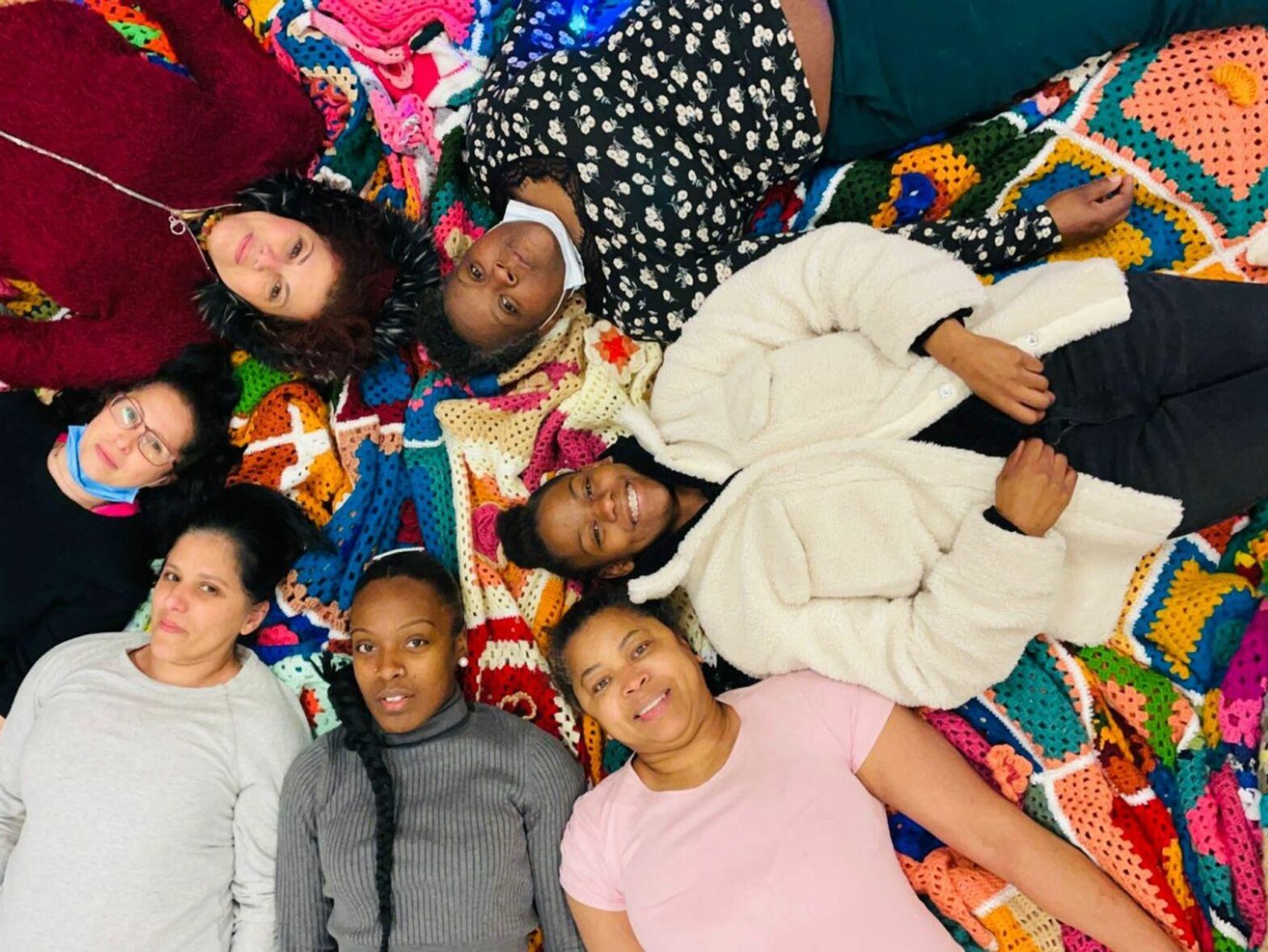
The death of a young child left alone at home while his single mother was out shocked a community. Now, single parents have banded together to offer support to each other. And they’re succeeding in the face of overwhelming challenges.
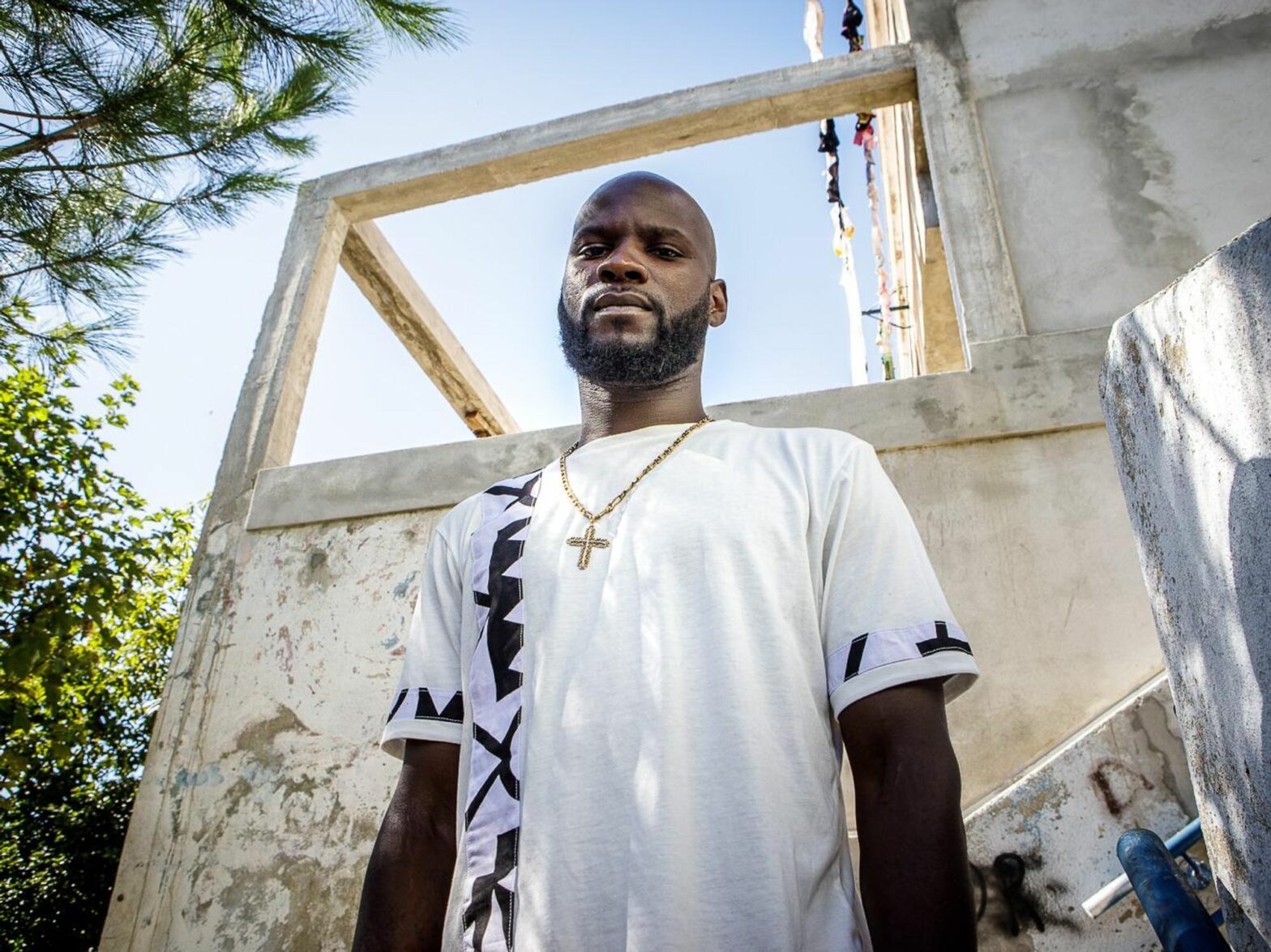
Born 32 years ago in Portugal to Angolan refugee parents, Pascoal has never been granted Portuguese nationality. Too many people like him live under the threat of being deported to a faraway country they’ve never known.
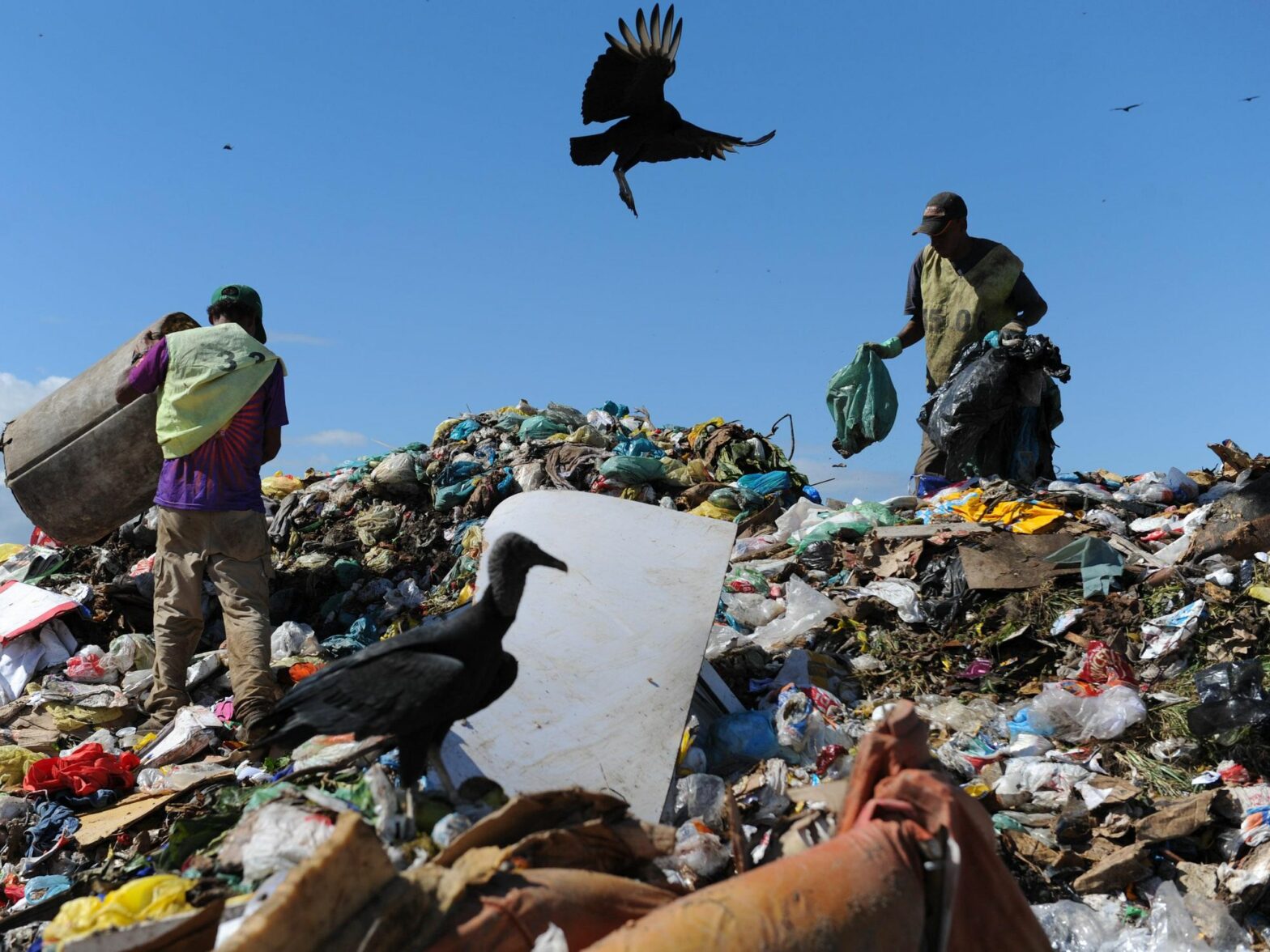
Despite being forbidden since 2010, rubbish dumps are still a common feature on the outskirts of Rio de Janeiro. It’s time to know the lives of those who scrape out a living there.
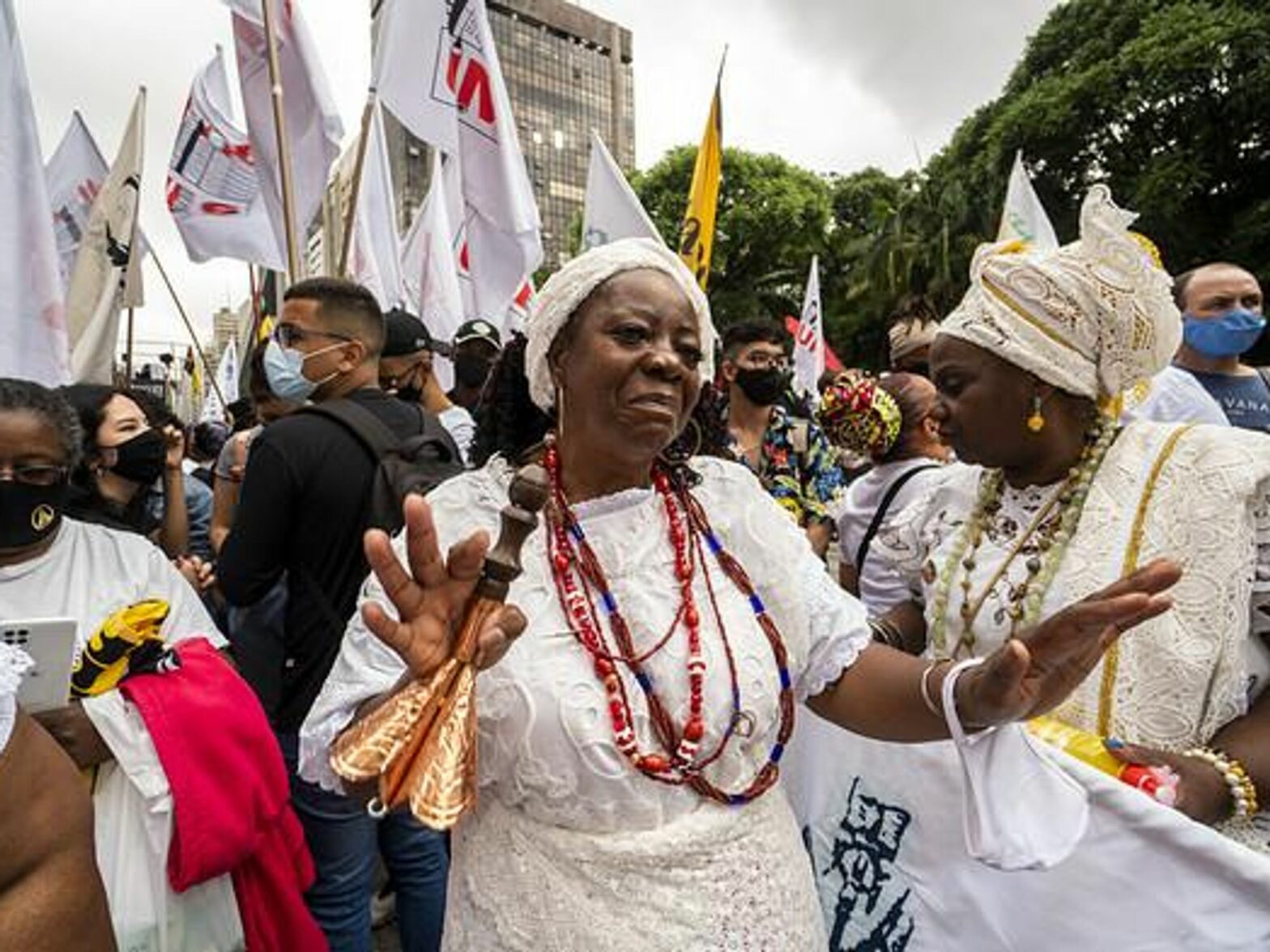
Brazil is the country outside Africa with the largest black population. However, blacks have been shut out of Brazilian politics for generations. This month’s Congressional elections showed some signs of getting better, but it could also get much worse with another Bolsonaro victory.
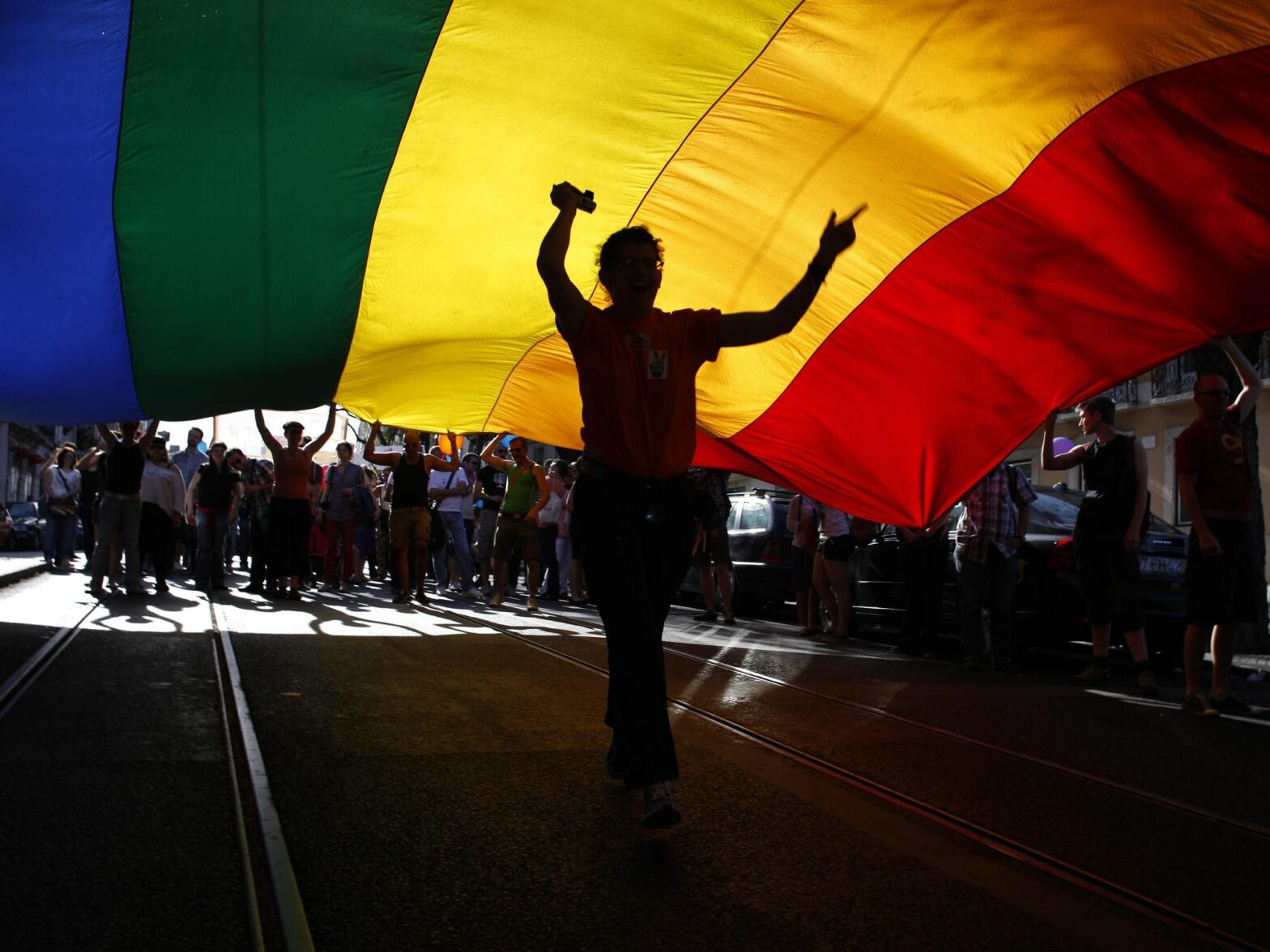
Portugal became a refuge for the Brazilian LGBTQ+ community who faced real danger following Jair Bolsonaro’s victory four years ago. Some of those who left say that if Lula beats the right-wing incumbent in Sunday’s presidential election, they would move back home.