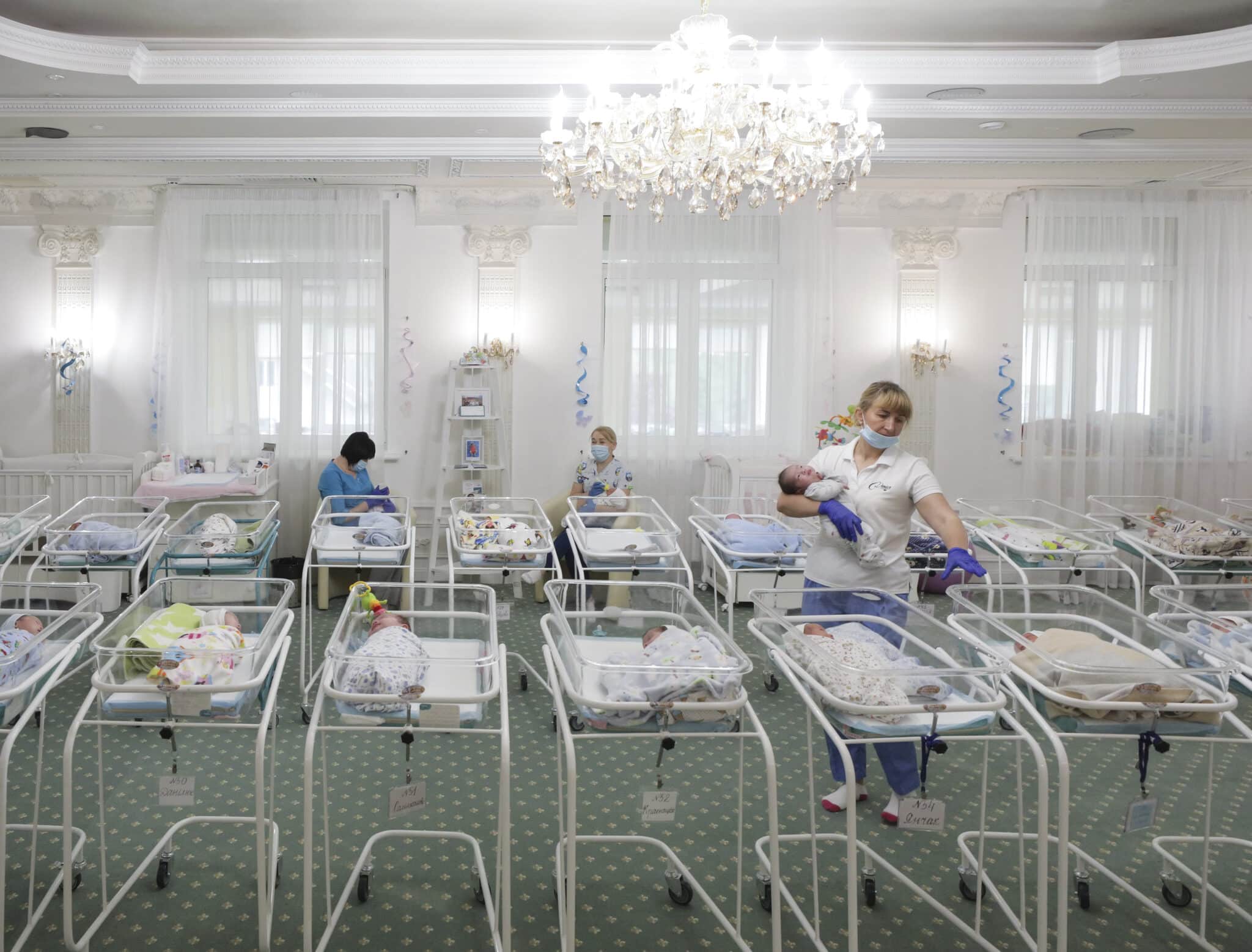
Since the start of the Russian invasion, Ukrainian surrogacy clinics have expanded their market to China and the Arab countries and have increased the range of services, including births in Greece, Cyprus and Georgia.
 Worldcrunch
Patricia is a multimedia reporter, writer, academic researcher and professor of investigative journalism at the Open University of Catalonia. She specializes in gender and human rights.
Since the start of the Russian invasion, Ukrainian surrogacy clinics have expanded their market to China and the Arab countries and have increased the range of services, including births in Greece, Cyprus and Georgia.
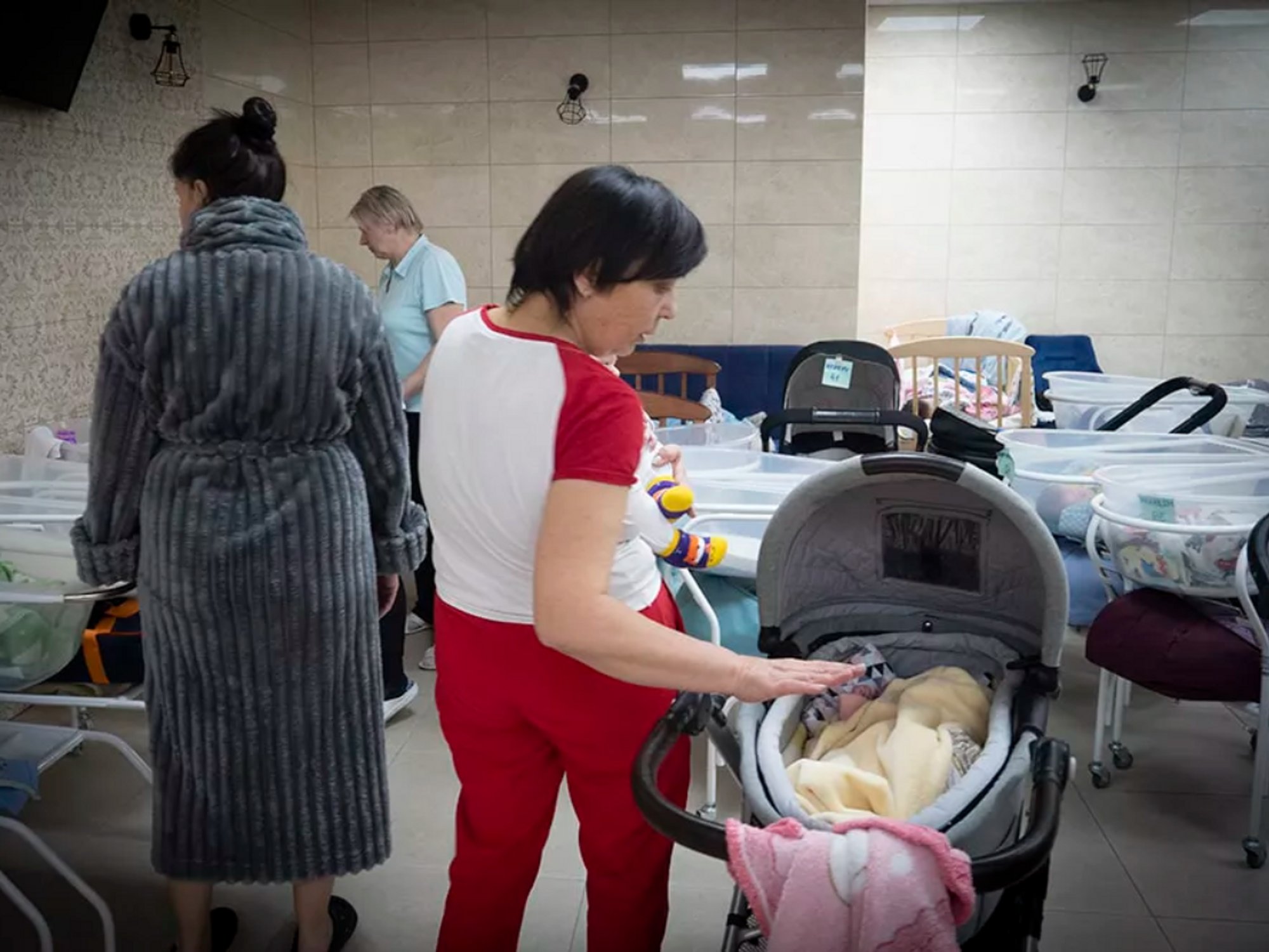
After more than a year of war, a journalist from Spanish publication La Marea returns to one of the capital’s top clinics for foreign couples looking for children. Business is better than ever, though the clinic is looking for women from other former Soviet republics to become surrogate mothers.
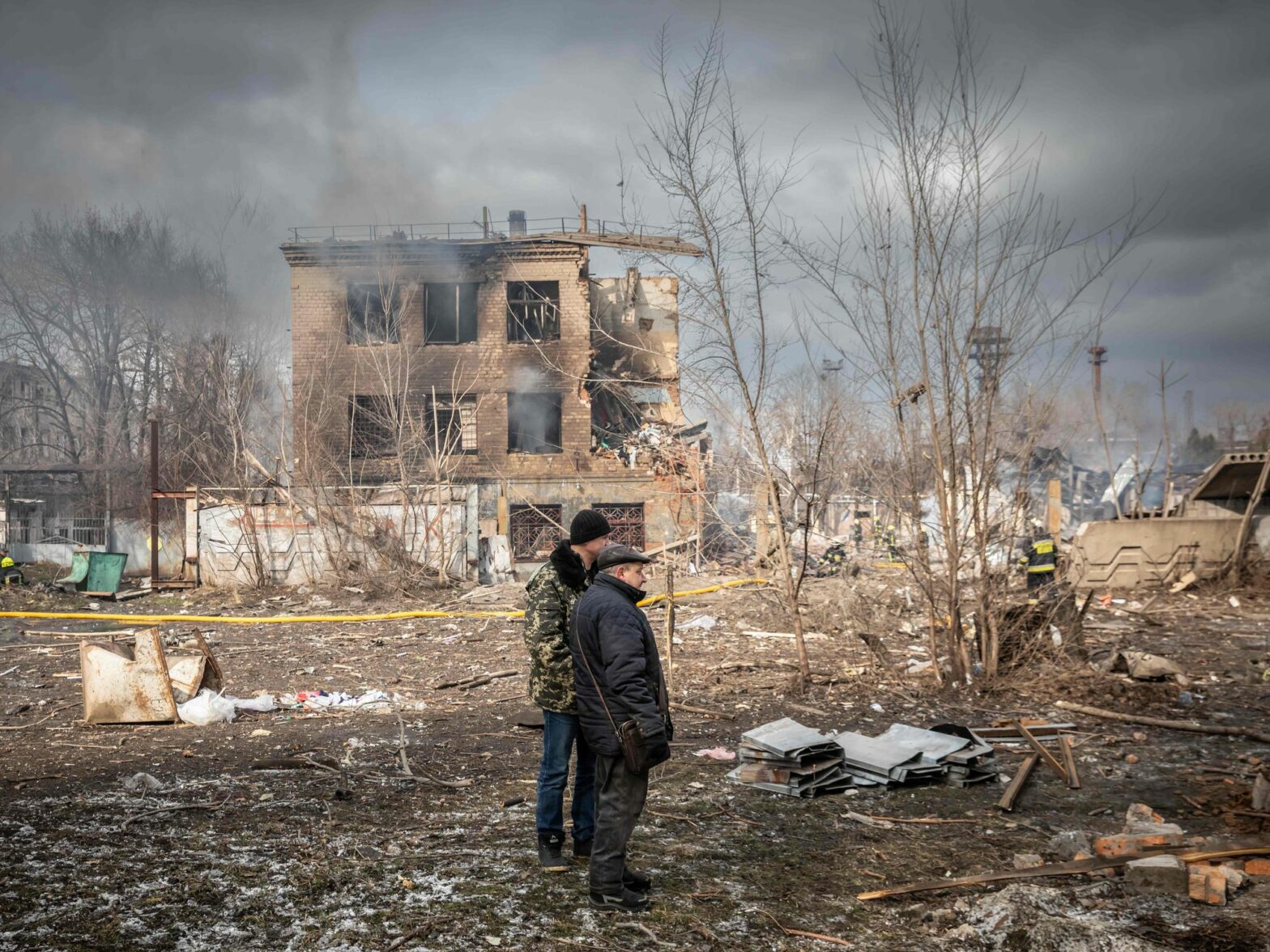
In Ukraine, those who do not want to fight on the front or who want negotiations cannot say so publicly for fear of accusations of being traitors.
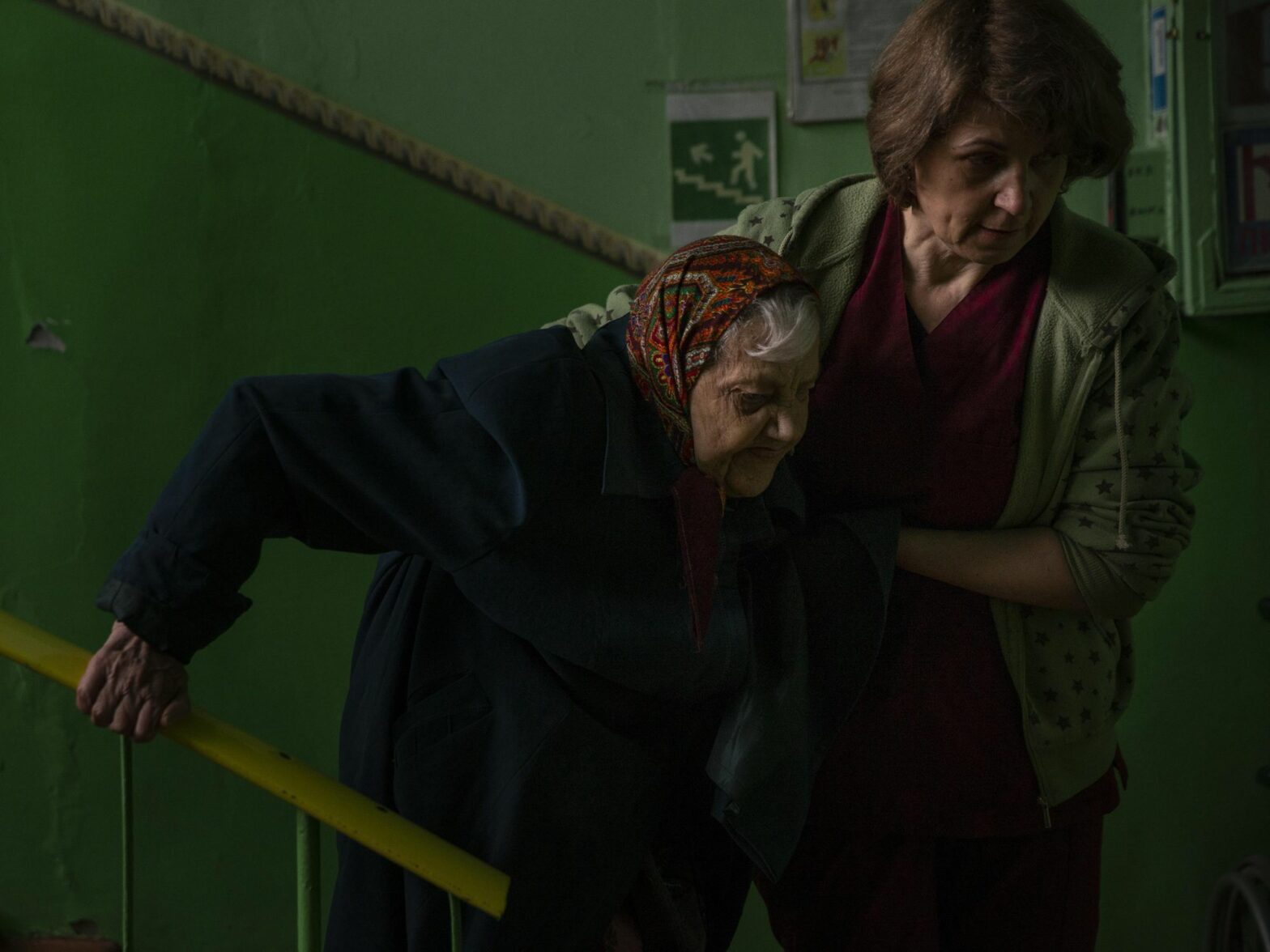
There are few children left in Kyiv and other Ukrainian cities, but there are many elderly people, trapped by their health in their homes. Their fate is a mirror of the tragic fate of a nation that was already aging before the war.
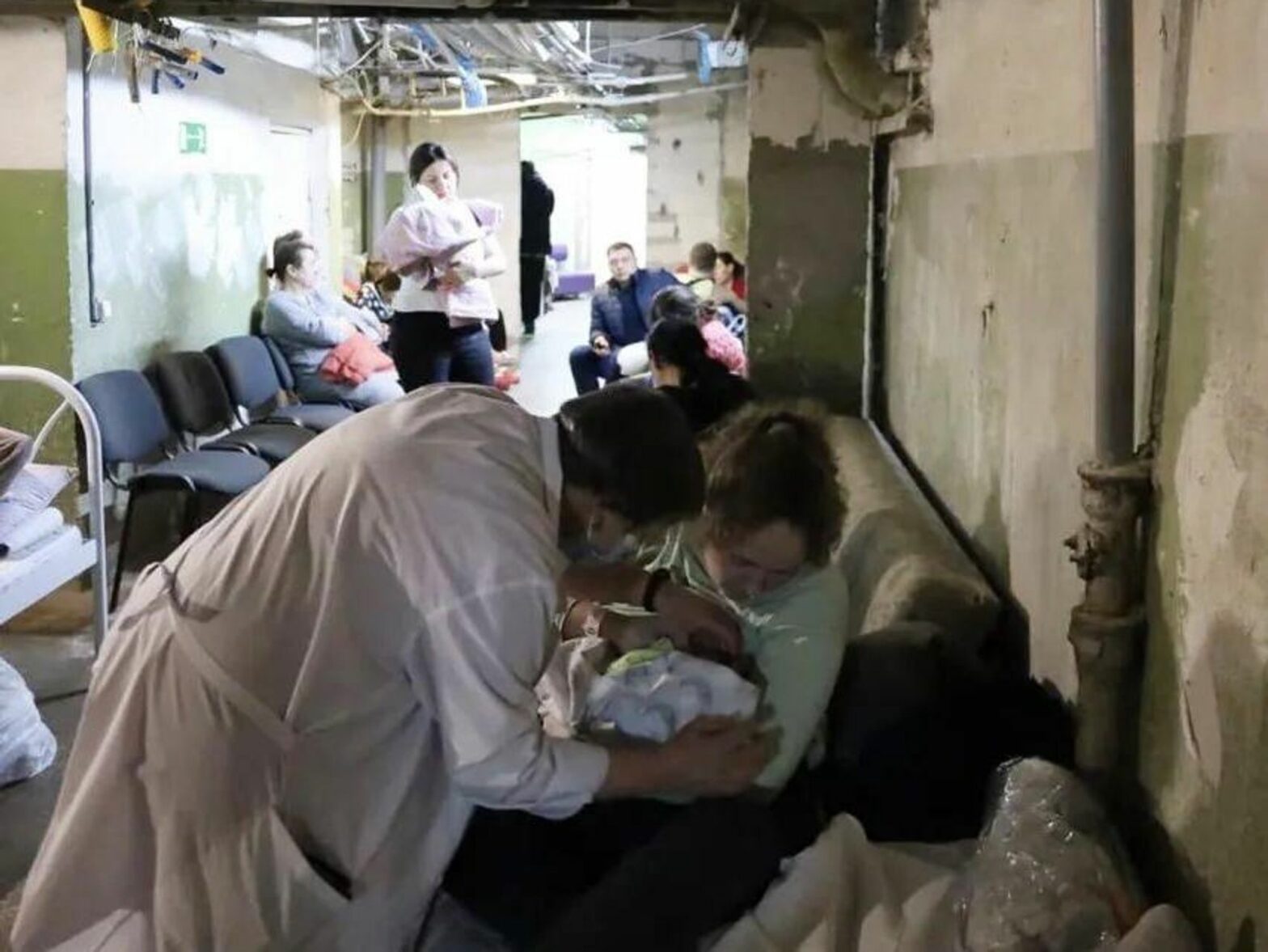
BioTexCom is responsible for more than half of the 2,500 surrogate babies born annually in Ukraine. This is how, in the middle of the war, the surrogacy company continues to function.