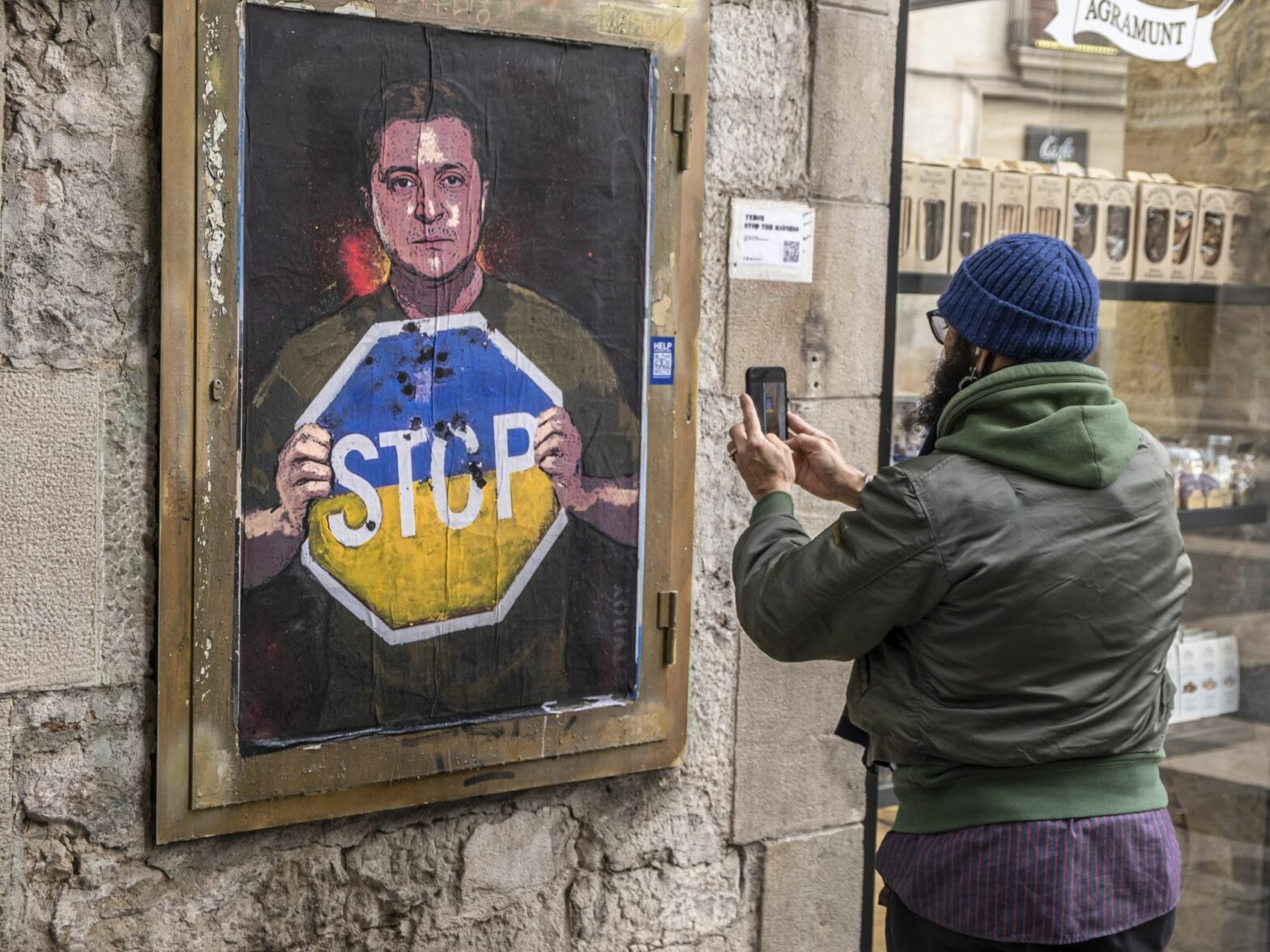
We know them from the movies: the heroes who save the world from disaster in the nick of time. In real life, you sometimes look for them in vain. But the Russian invasion of Ukraine shows that the West needs new heroes.
 Worldcrunch
Meike is a contributor at Worldcrunch. She is from the Netherlands, spent several years living in Singapore, and studied for her Master in International Affairs at Sciences Po in Paris.
We know them from the movies: the heroes who save the world from disaster in the nick of time. In real life, you sometimes look for them in vain. But the Russian invasion of Ukraine shows that the West needs new heroes.
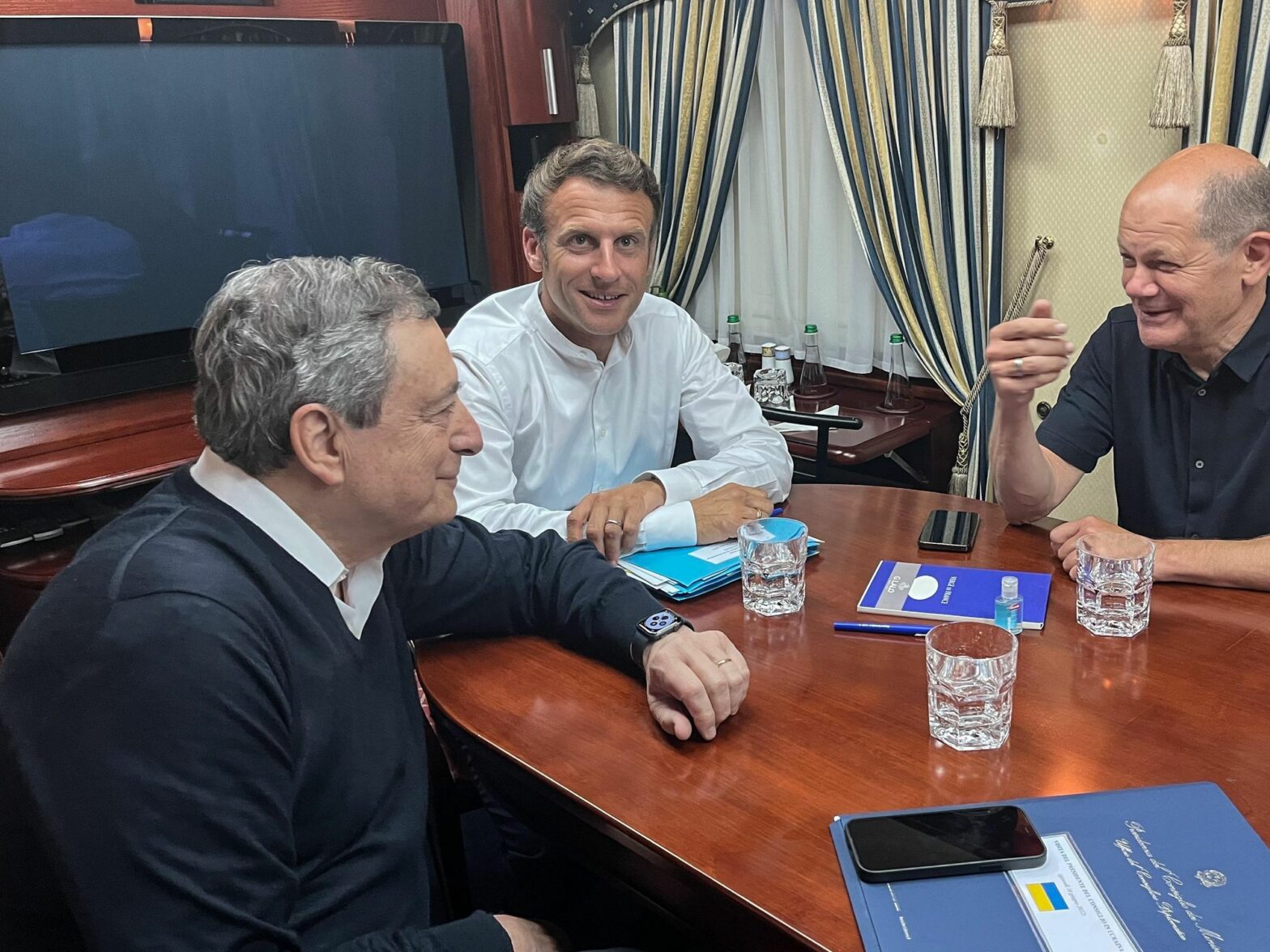
German Chancellor Olaf Scholz, French President Emmanuel Macron and Italian Prime Minister Mario Draghi made a joint visit to Ukraine on Thursday to meet Ukrainian President Volodymyr Zelensky to discuss the country’s EU membership aspirations and further arms supplies to repel Russia’s invasion. Stay up-to-date with the latest on the Russia-Ukraine war, with our exclusive […]
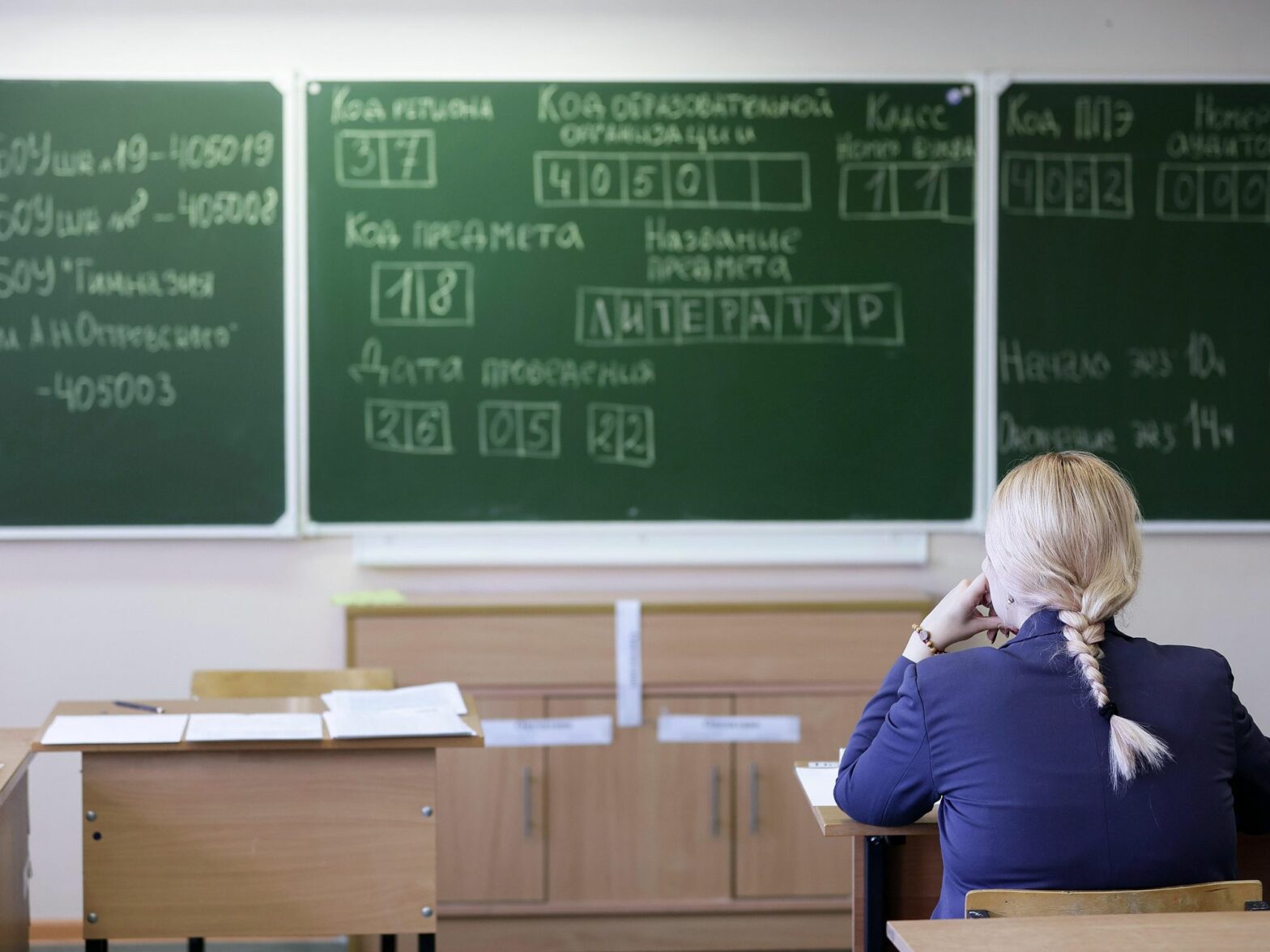
For years, Vladimir Putin’s regime has been pushing its agenda into schools. With the start of the invasion of Ukraine, the pressure on the education system has intensified on a massive scale. Here’s a peek inside the means of control over students’ minds.
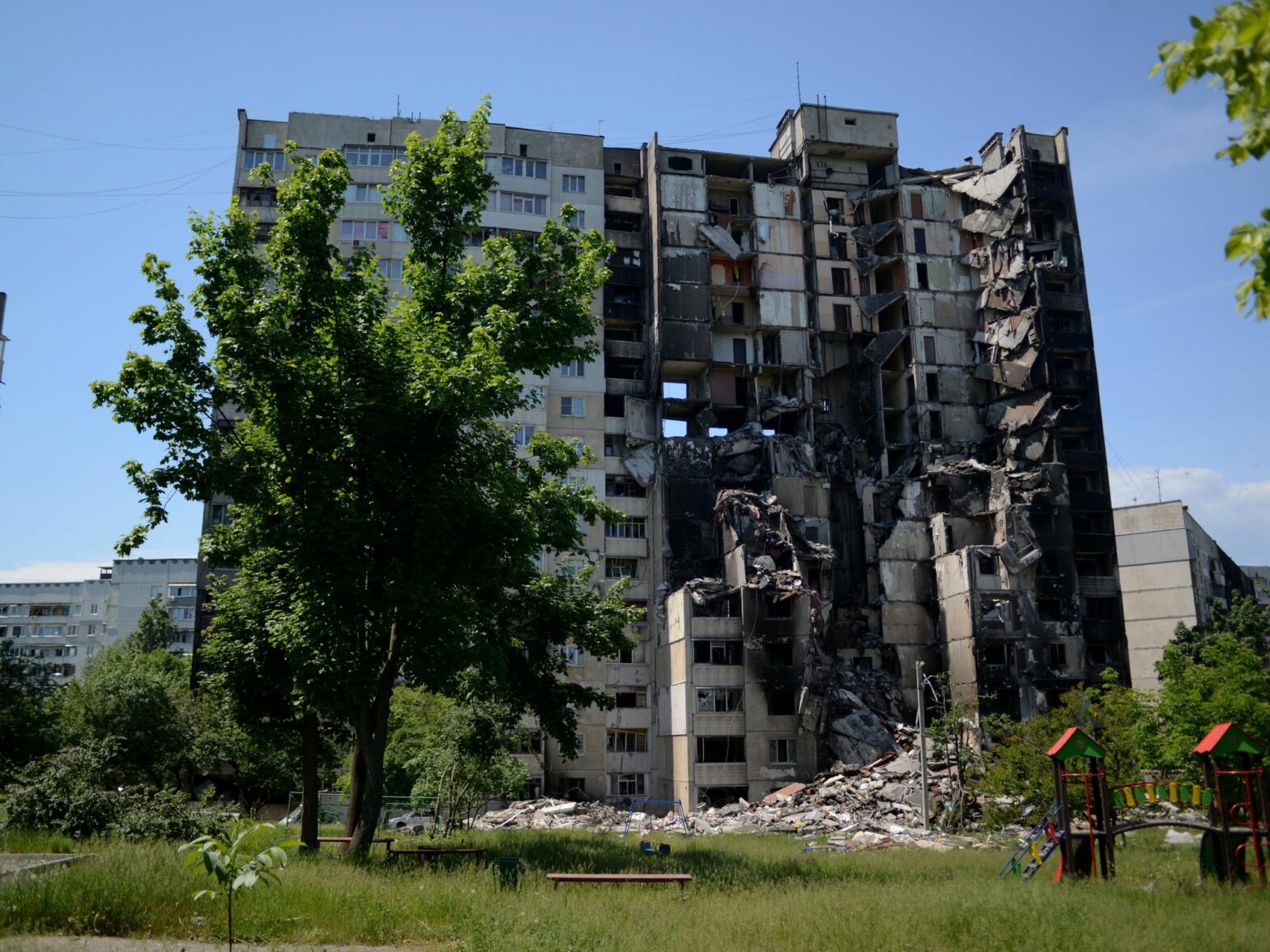
Amnesty International has accused Russia of committing war crimes, causing “widespread death and destruction by relentlessly bombarding residential neighborhoods of Kharkiv” since the war began on February 24.
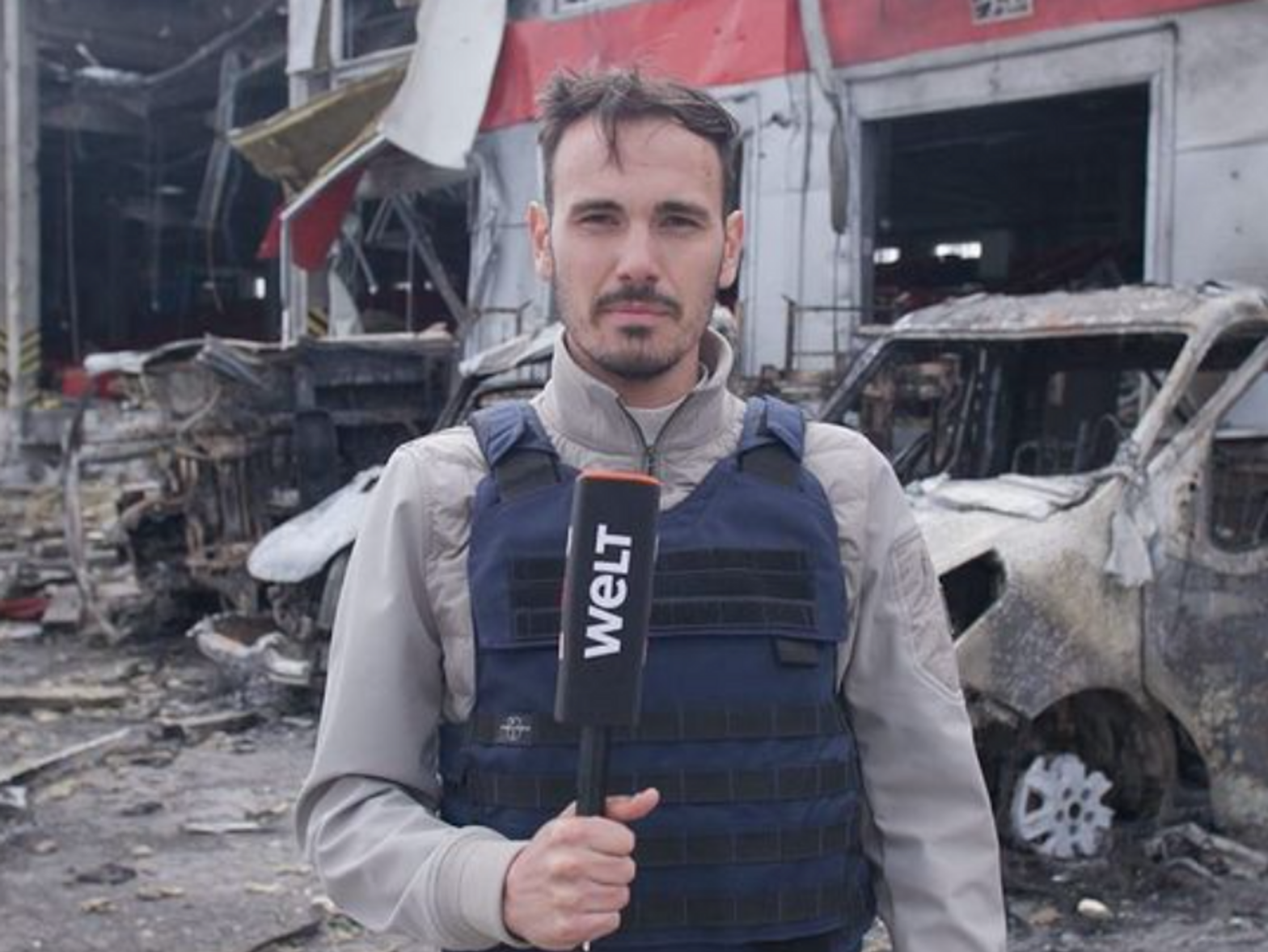
As a war reporter, Ibrahim Naber has seen unimaginable suffering. But he has also seen the Ukrainians’ unbroken will to resist. He reflects after more than three months since the Russian invasion – and explains how his generation’s illusion of peace has been shattered.
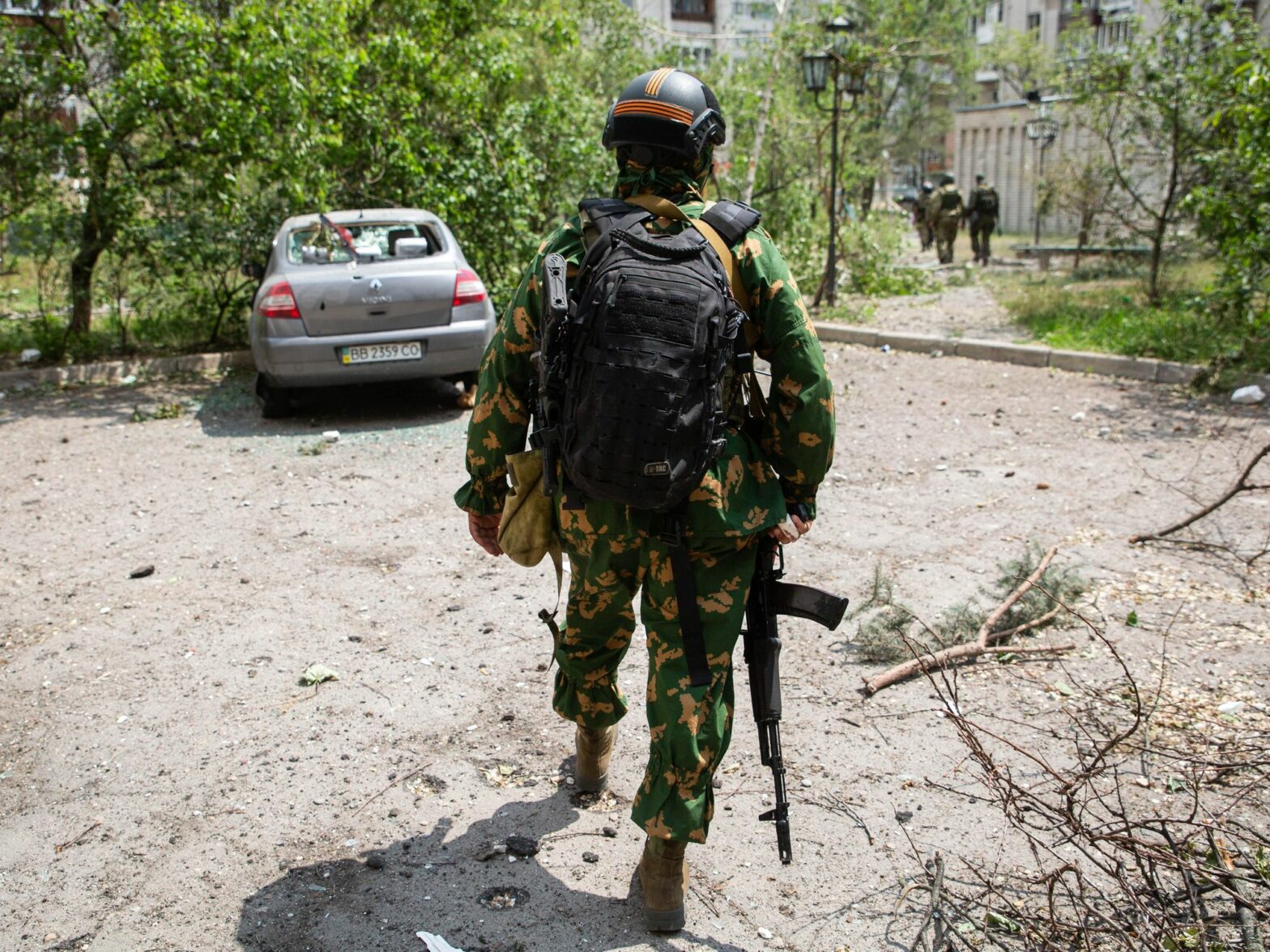
It was another fierce night of combat in the eastern Ukrainian city, where Ukrainian President Volodymyr Zelensky said the fate of the battle could be decisive.
Anatoly Dremov shares his experiences of the war in Ukraine on the Russian Telegram network – and reveals details that don’t always line up with the Kremlin narrative.
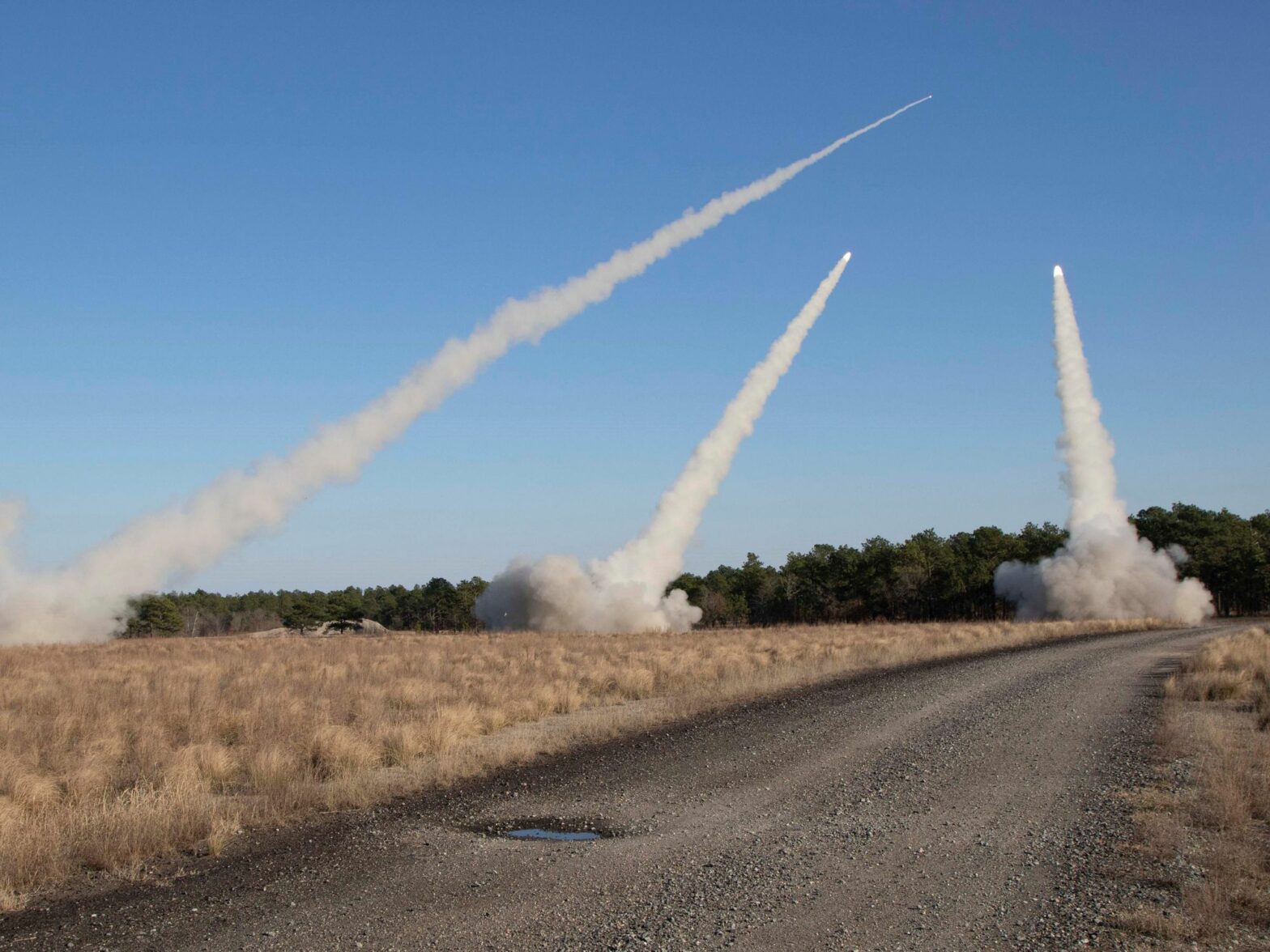
The U.S. has ultimately decided to send MLRS weapons, which are capable of hitting Russian territory, but only with Ukraine’s promise not to launch the rockets across the border. But will this eliminate the risk of the war escalating into a direct confrontation between the U.S. and Russia?
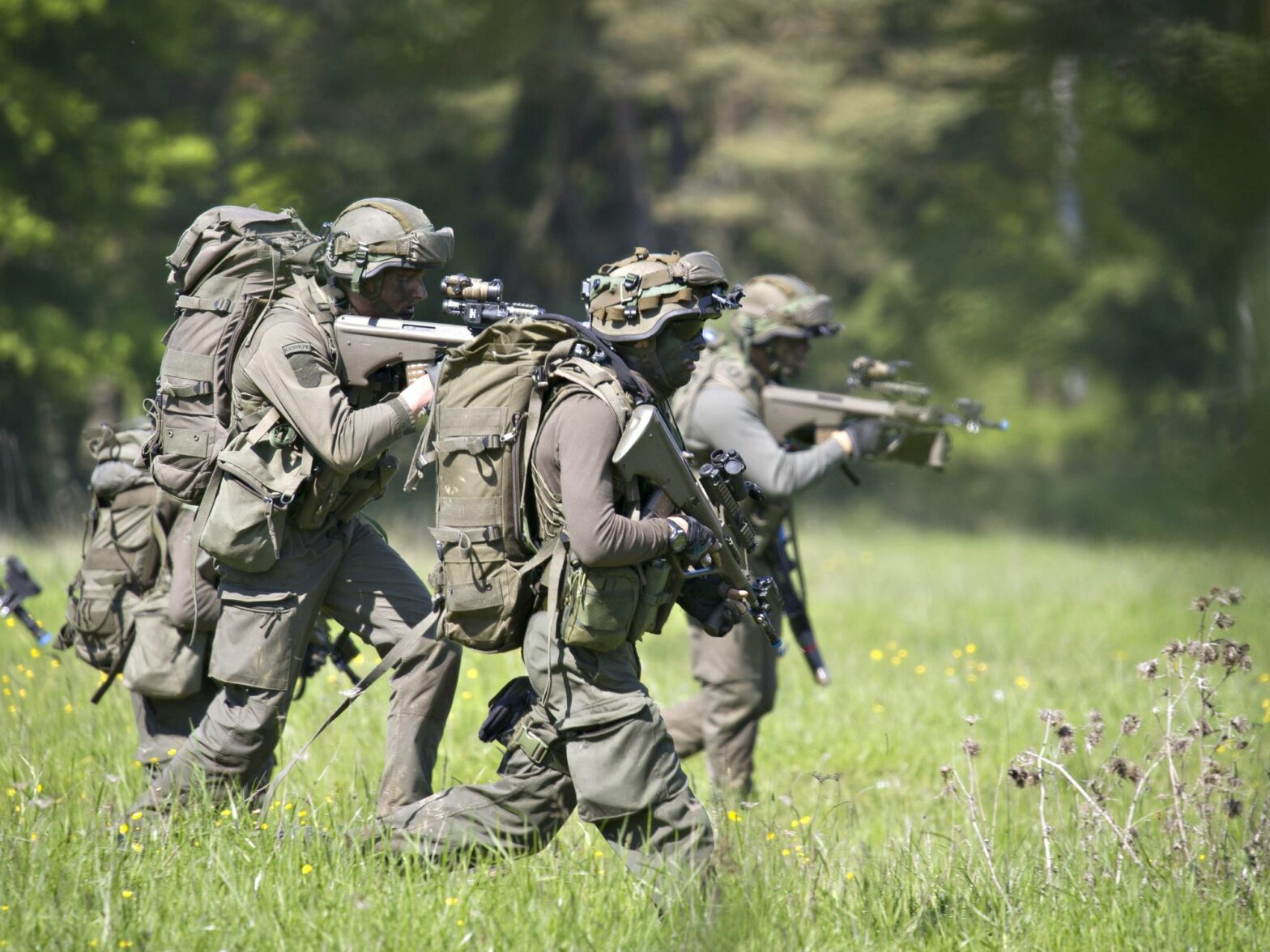
While Sweden and Finland are fast-tracking NATO applications, the writer’s homeland of Austria continues to cling to longstanding “neutrality” status, sleepwalking through the Russian invasion of Ukraine. The government has the polls on their side. But in reality, it’s not our neutrality that protects us.
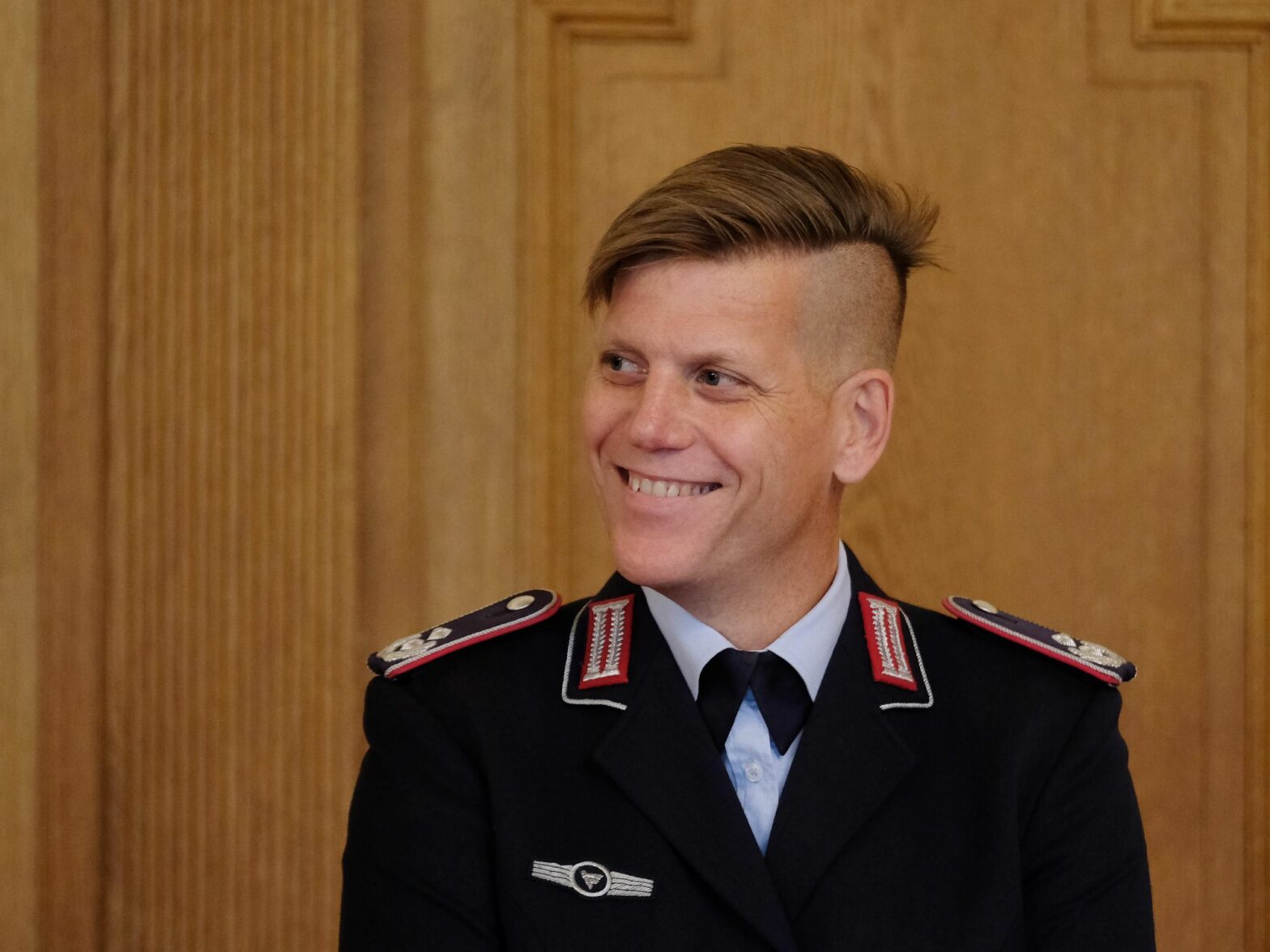
A German soldier was reprimanded because of an online dating profile. She was punished for her sexual freedom — the same freedoms that the armed forces claim to be fighting for abroad.
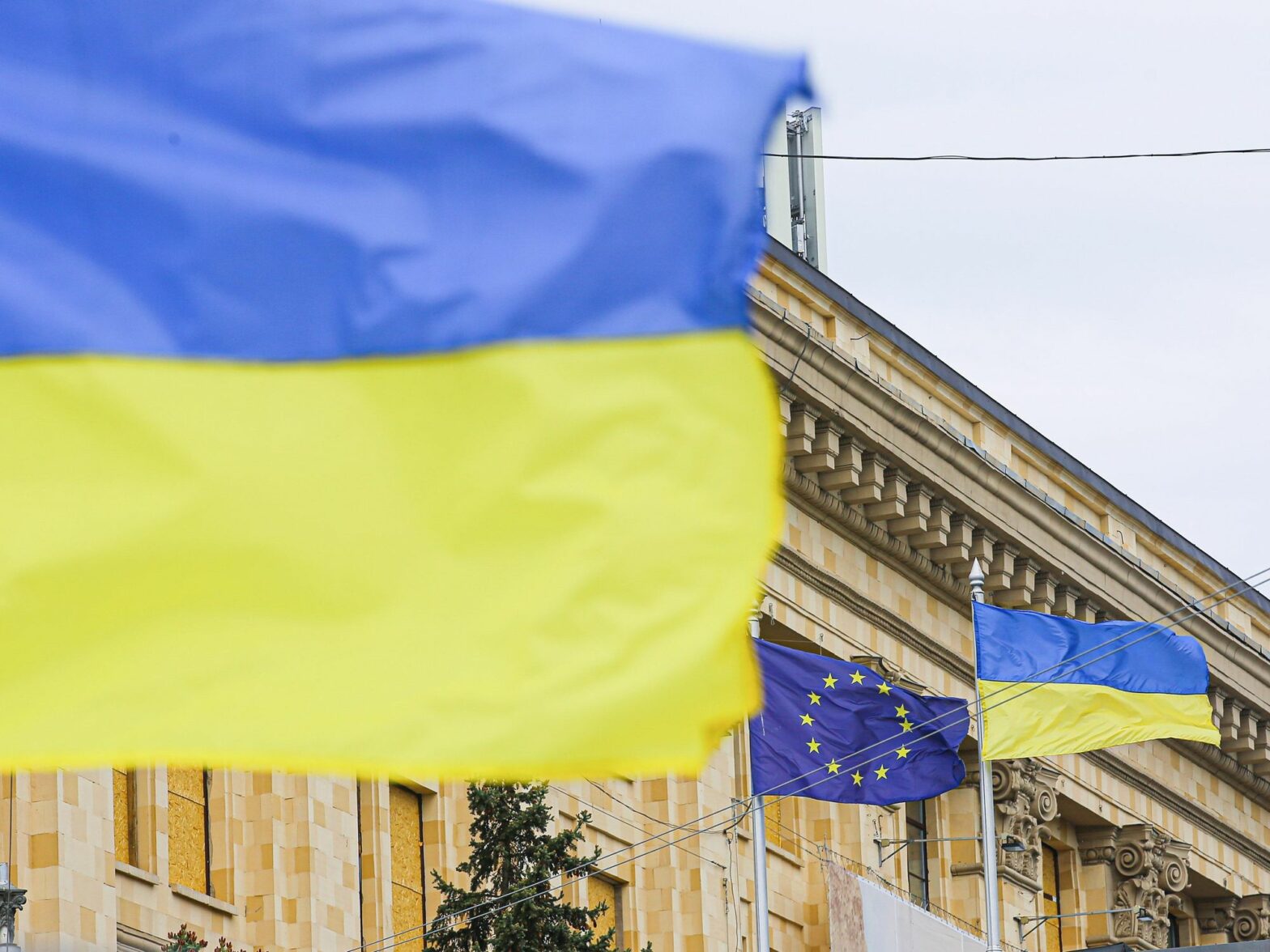
European leaders meeting Monday and Tuesday are seeking a new package of sanctions against Russia, which could may (or may not) include an oil embargo. It comes as German Economy Minister Robert Habek said EU unity “is beginning to crumble.”
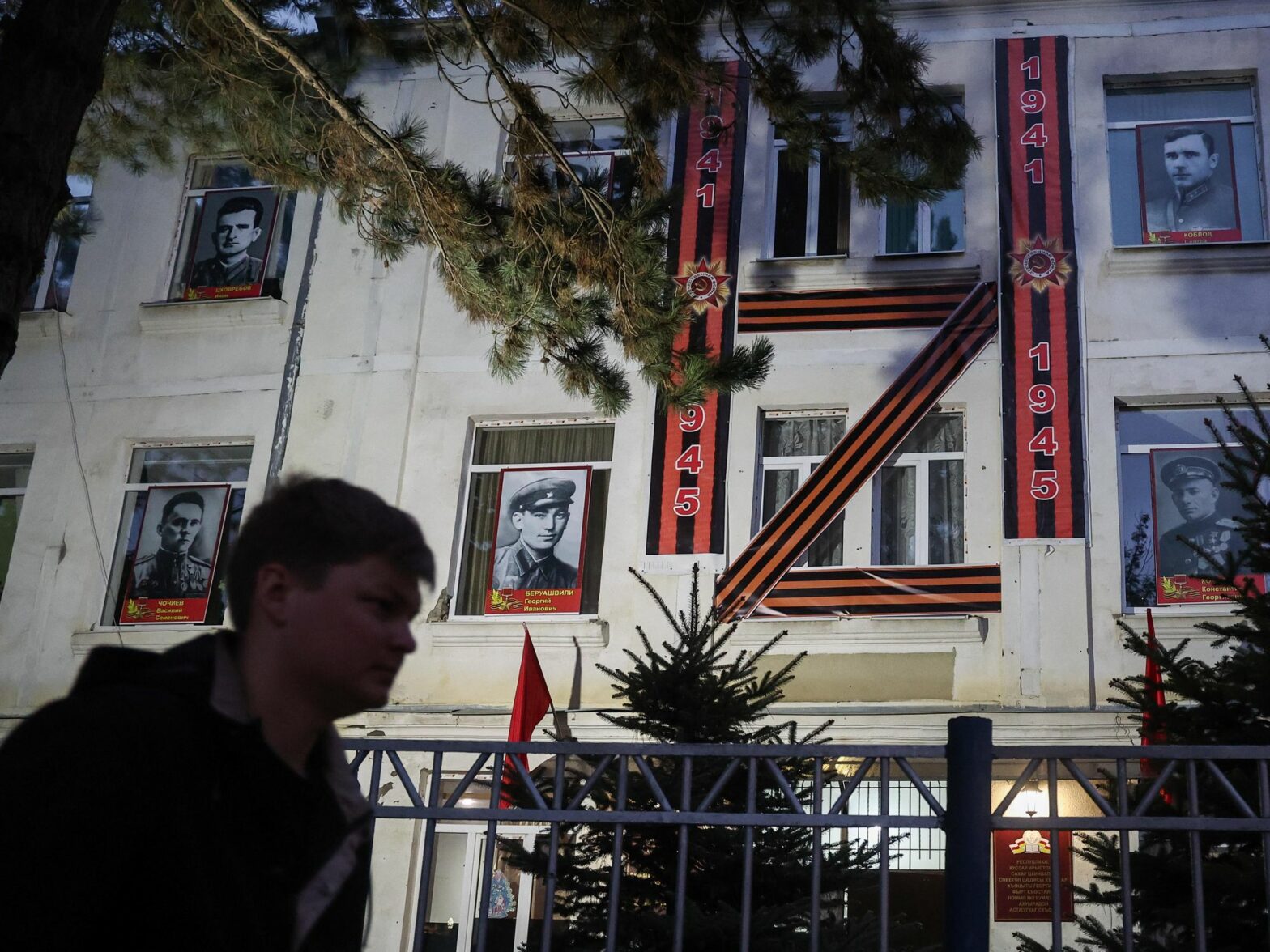
Putin has not forgotten about the breakaway republic of South Ossetia, which wants to decide in July whether to join Russia. People here still remember when the Russian army invaded while the West looked on. And there is growing worry that this could soon happen again.
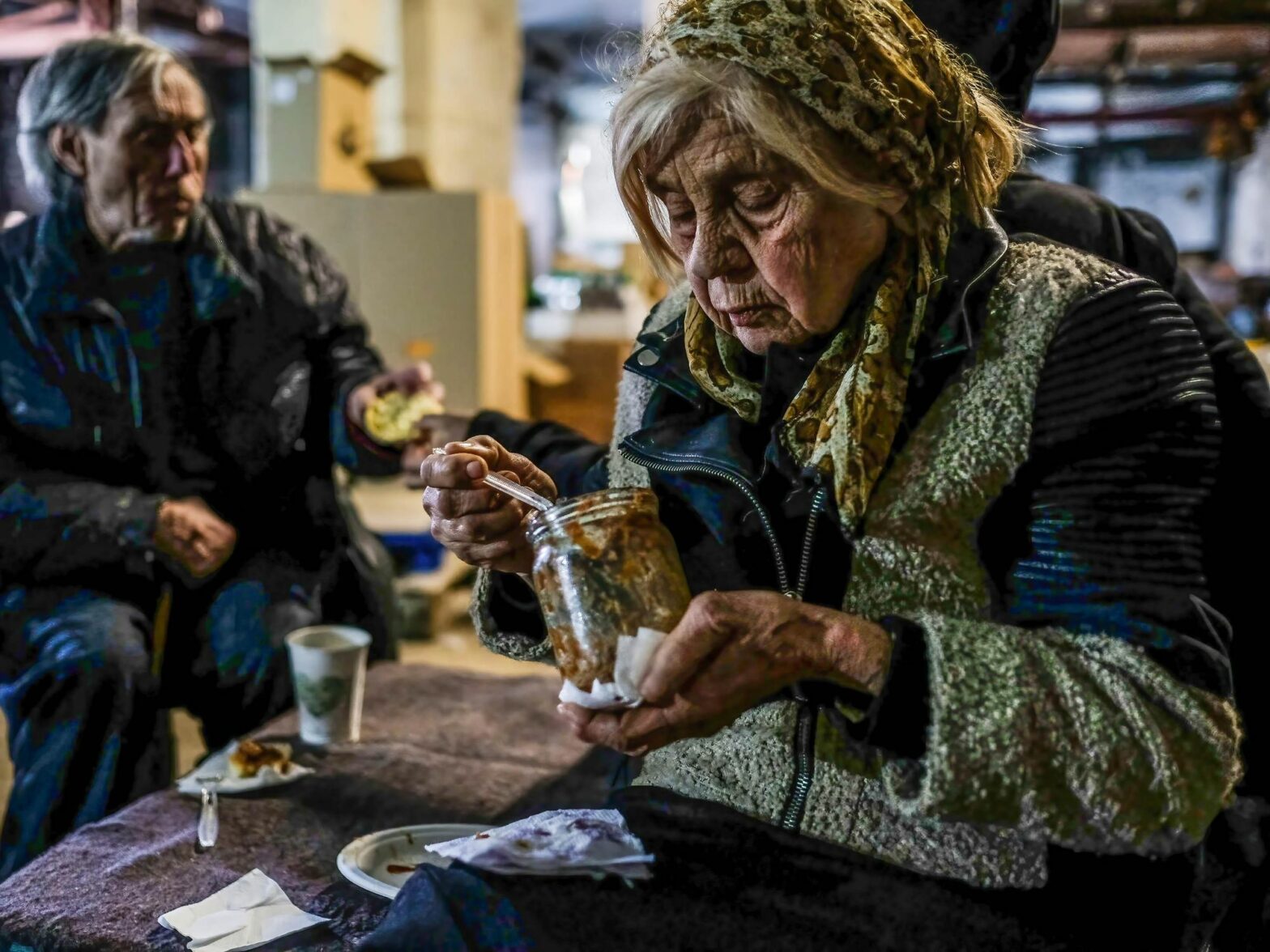
Russian troops are attempting to encircle Severodonetsk, the last key city remaining under Ukrainian control in the Luhansk region, as Vladimir Putin looks to claim victory in a war that is not going Moscow’s way. But will the toll be for civilians?
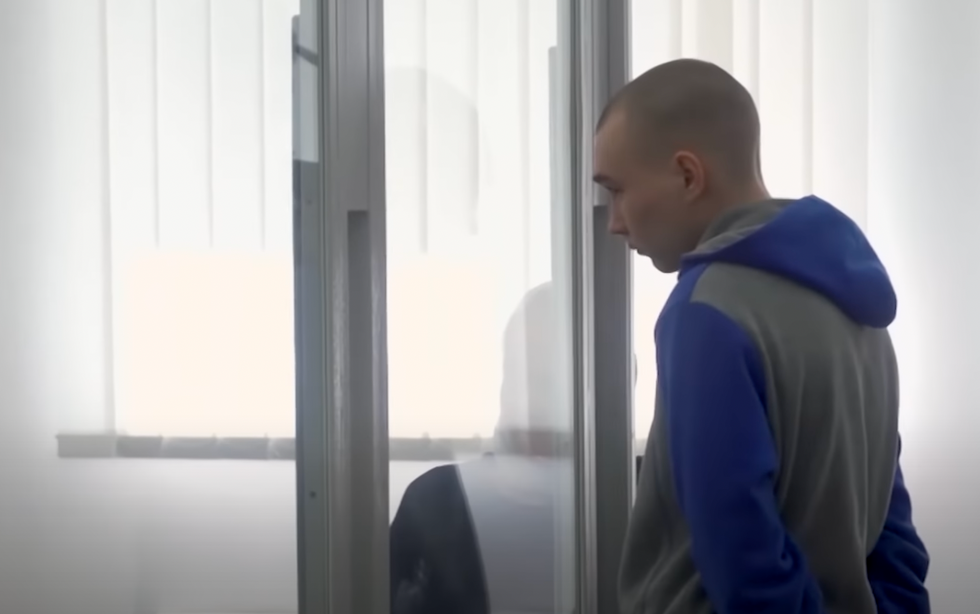
Vadim Shishimarin had confessed to shooting an unarmed 62-year-old man in northeast Ukraine shortly after the invasion began.
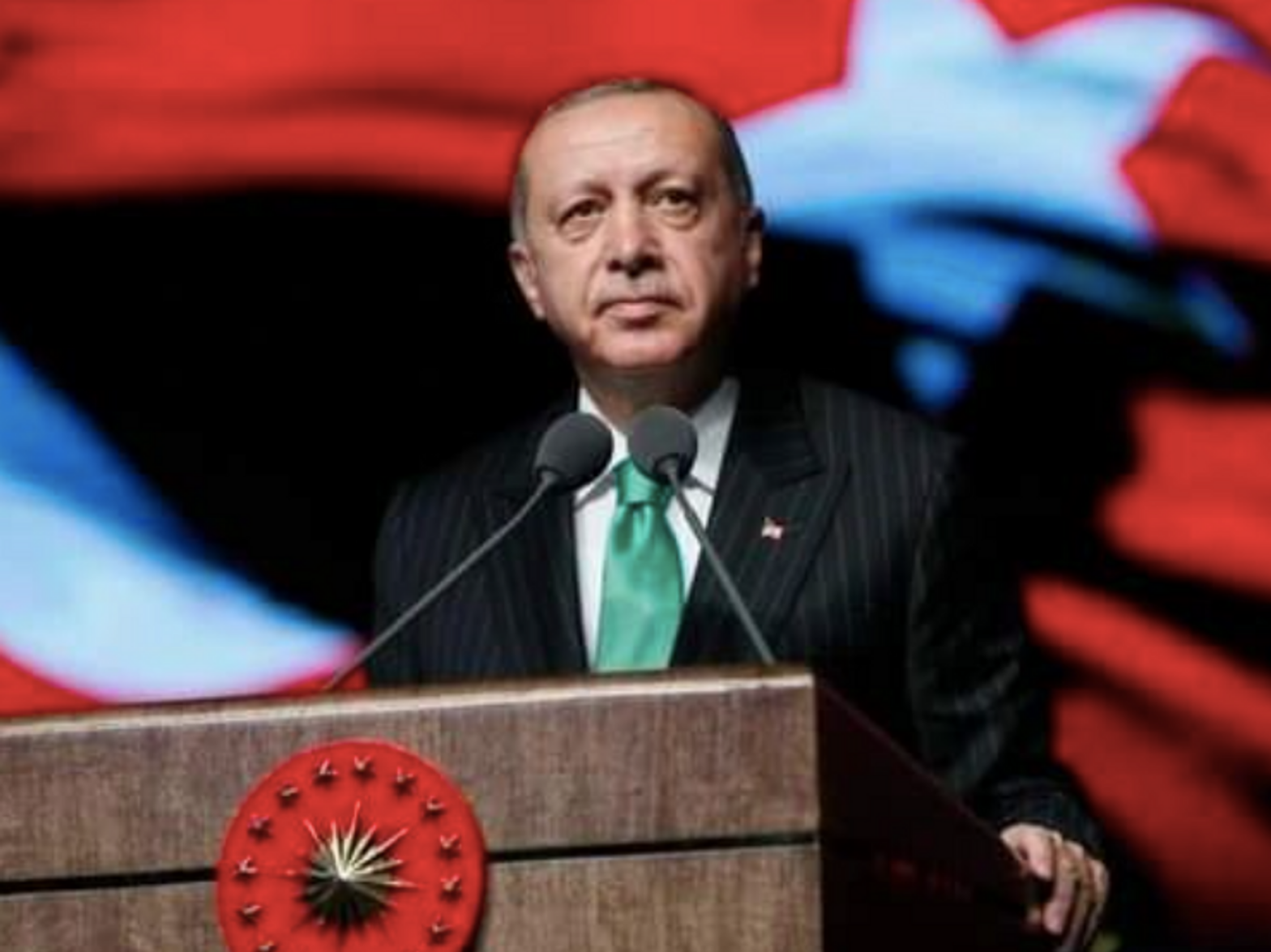
When the two Nordic countries confirmed their intention to join NATO this week, Turkish President Recep Tayyip Erdogan repeated his plans to block the application. Accusing Sweden and Finland of’ “harboring” some of his worst enemies may not allow room for him to climb down.
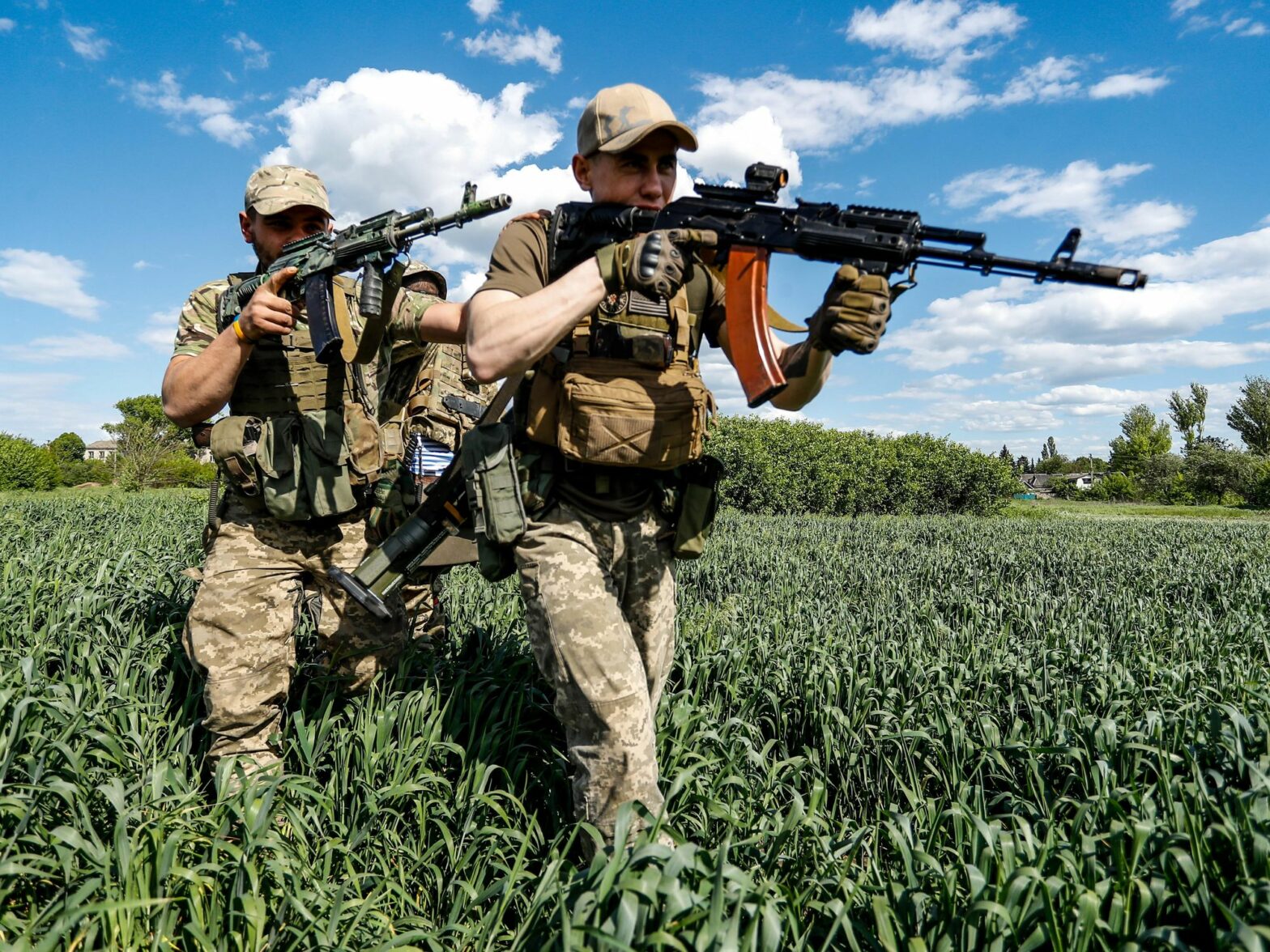
U.S. Department of Defense officials report that instead of the typical battalion tactical groups in Ukraine, which number several hundred soldiers, the Russians have now shifted to attacks by smaller units.
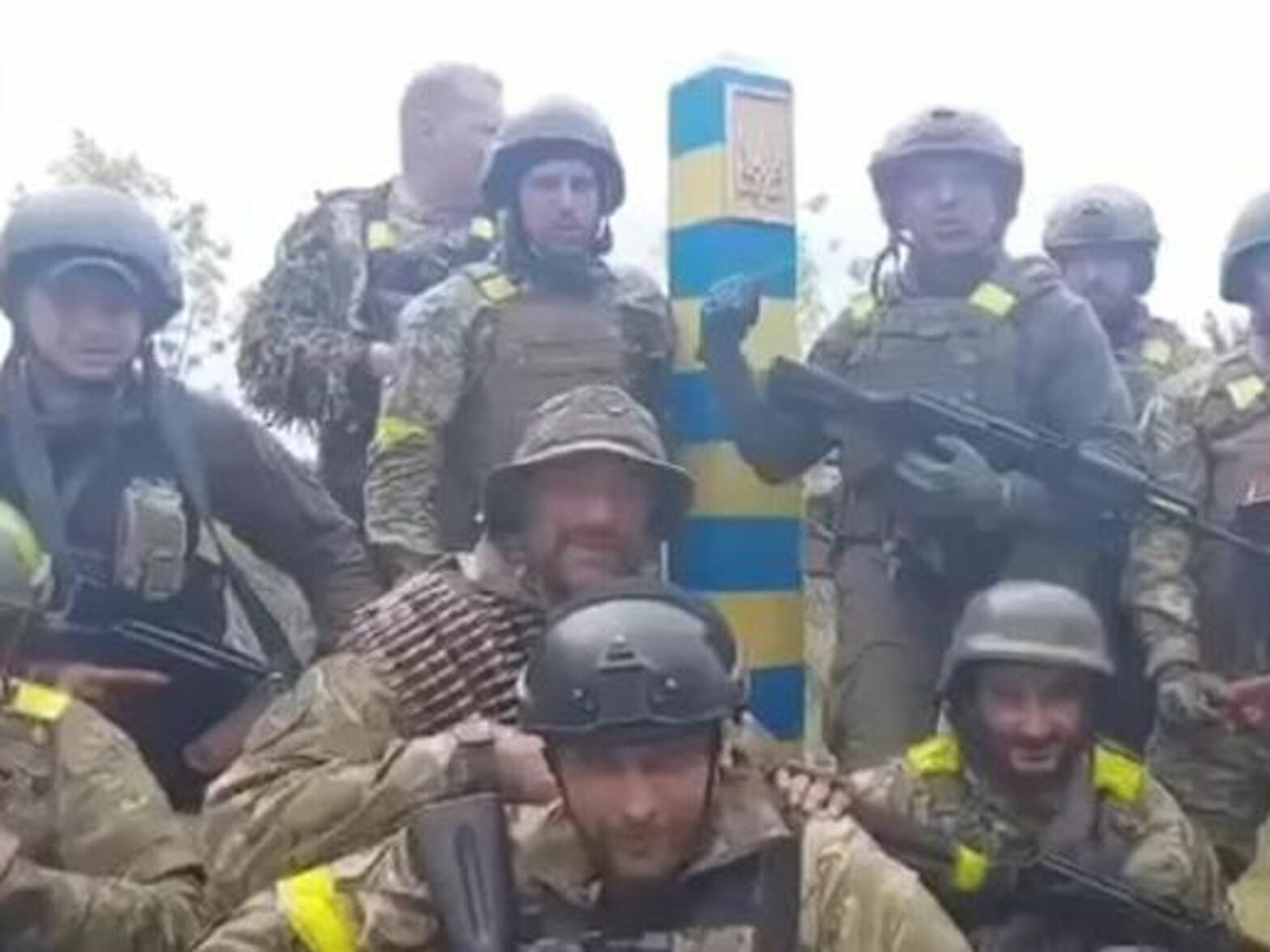
After reseizing Kharkiv, Ukrainian soldiers reach the border with Russia. Meanwhile, Moscow continues its assault on Donbas, and has renewed missile strikes of the port city of Odesa.
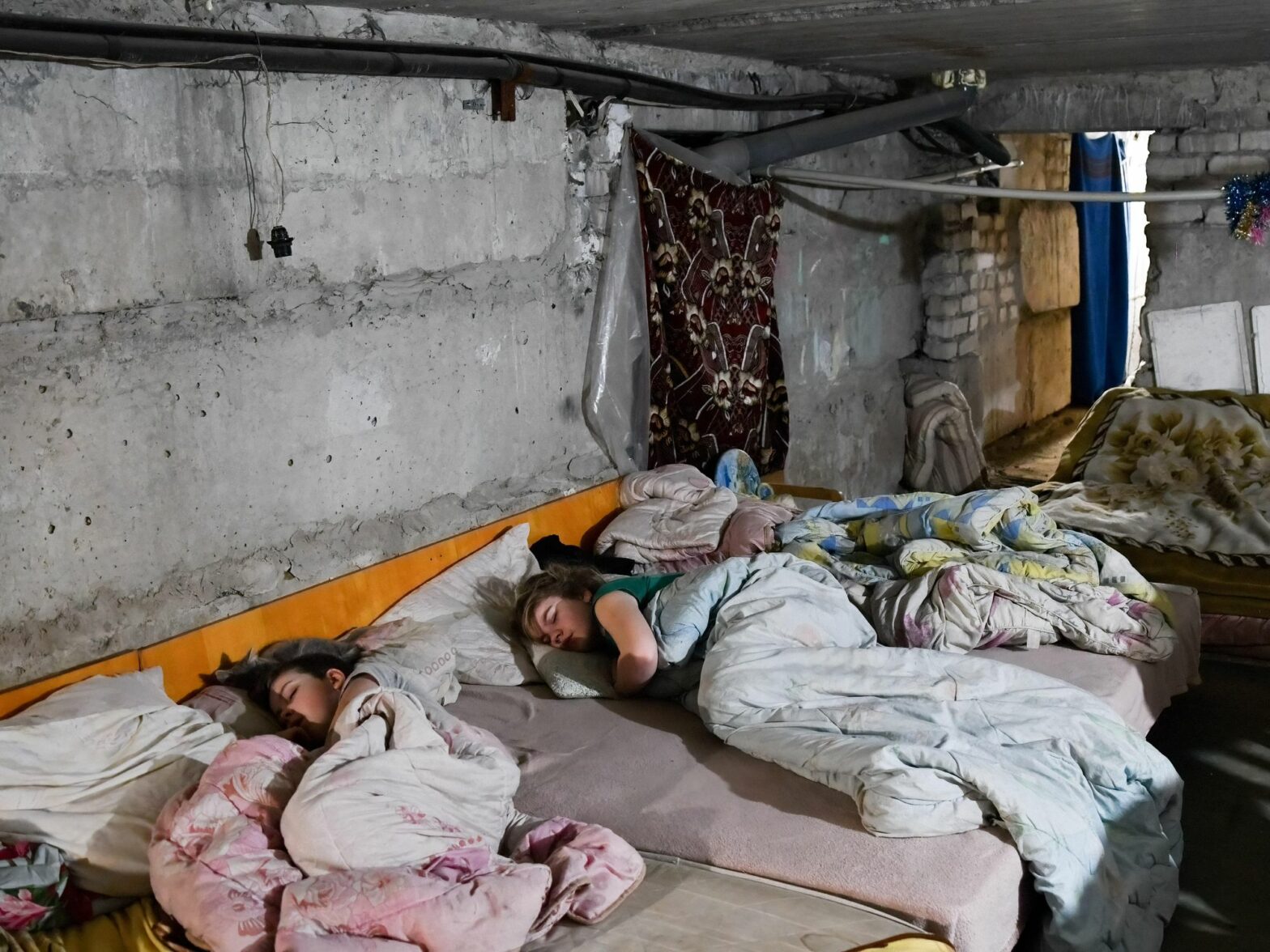
The battle for the Donbas is being waged across small villages in what is commonly known as “Ukrainian Switzerland” are now paying the price for Russia’s defeat in Kyiv, risking to forever change this longtime tourist destination.
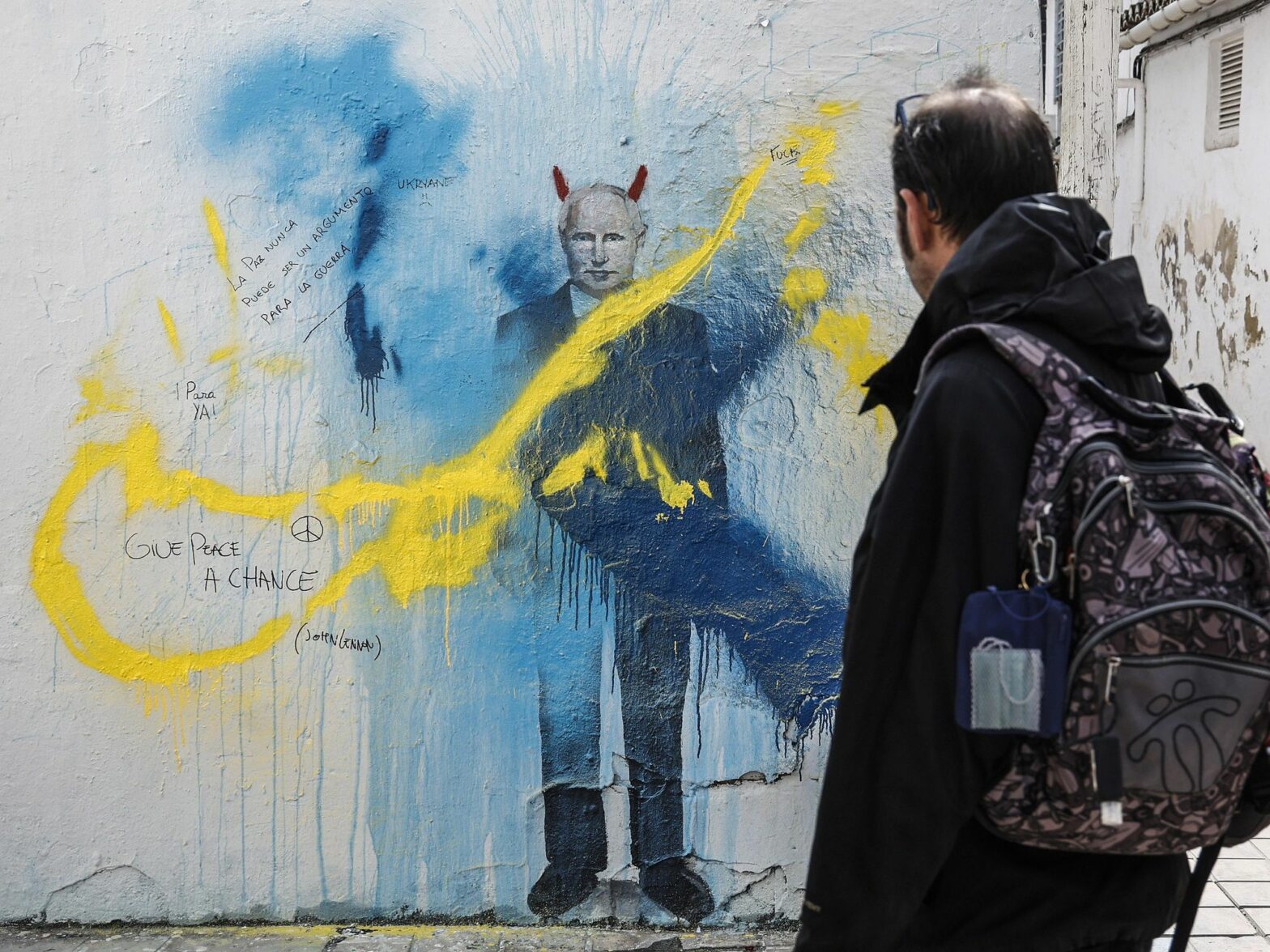
French philosopher Gaspard Koenig’s view on Russia’s unprovoked invasion of Ukraine and its targeting of civilians leads him to a notion explored by Immanuel Kant, and so mocked by post-modernity.
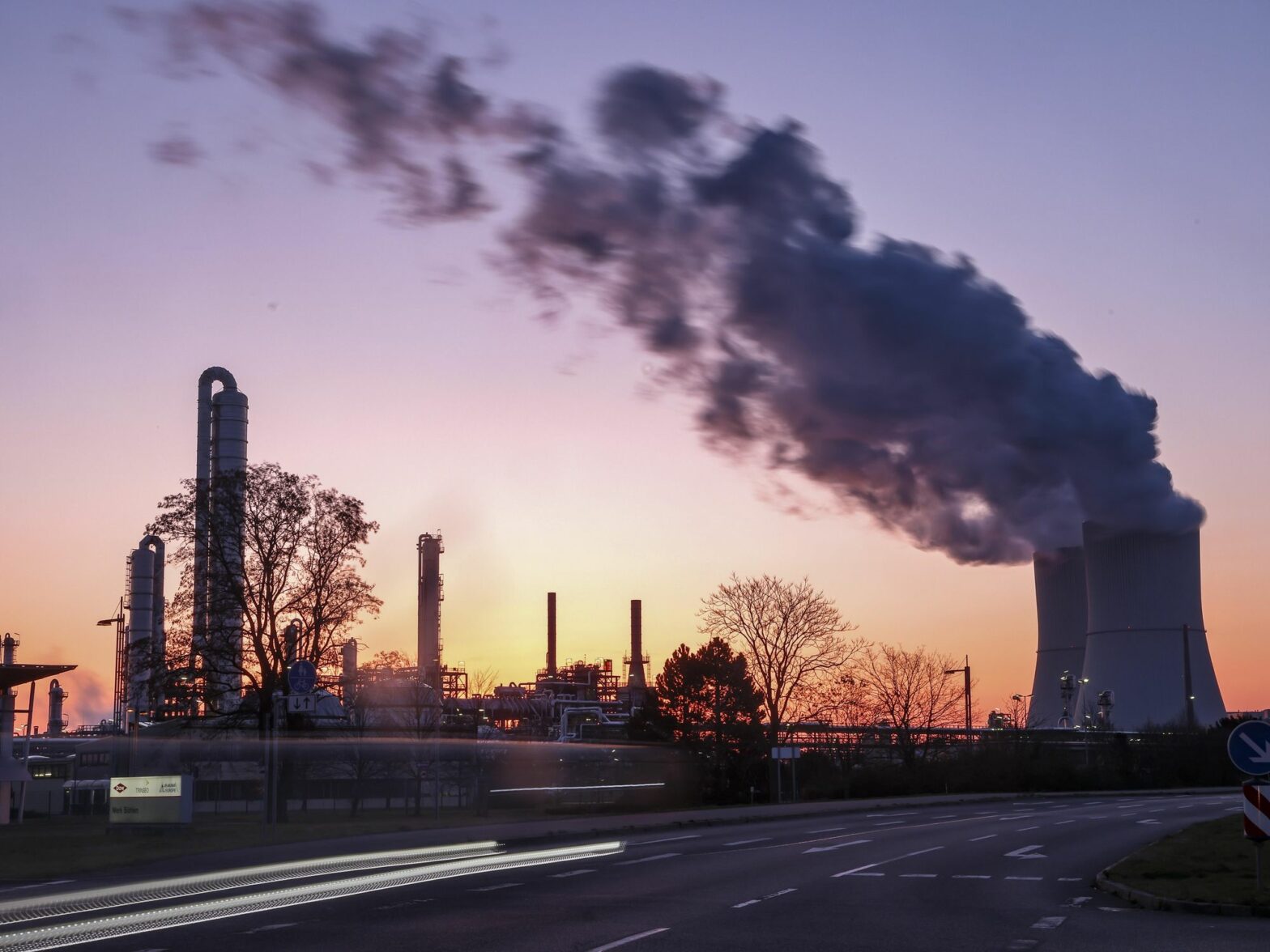
The European Commission is busy trying to get Europe to be completely independent from Russian natural gas by the end of the year. It won’t come without hardships, including for consumers and the climate. Die Welt has details on how it will happen, and what it will cost.
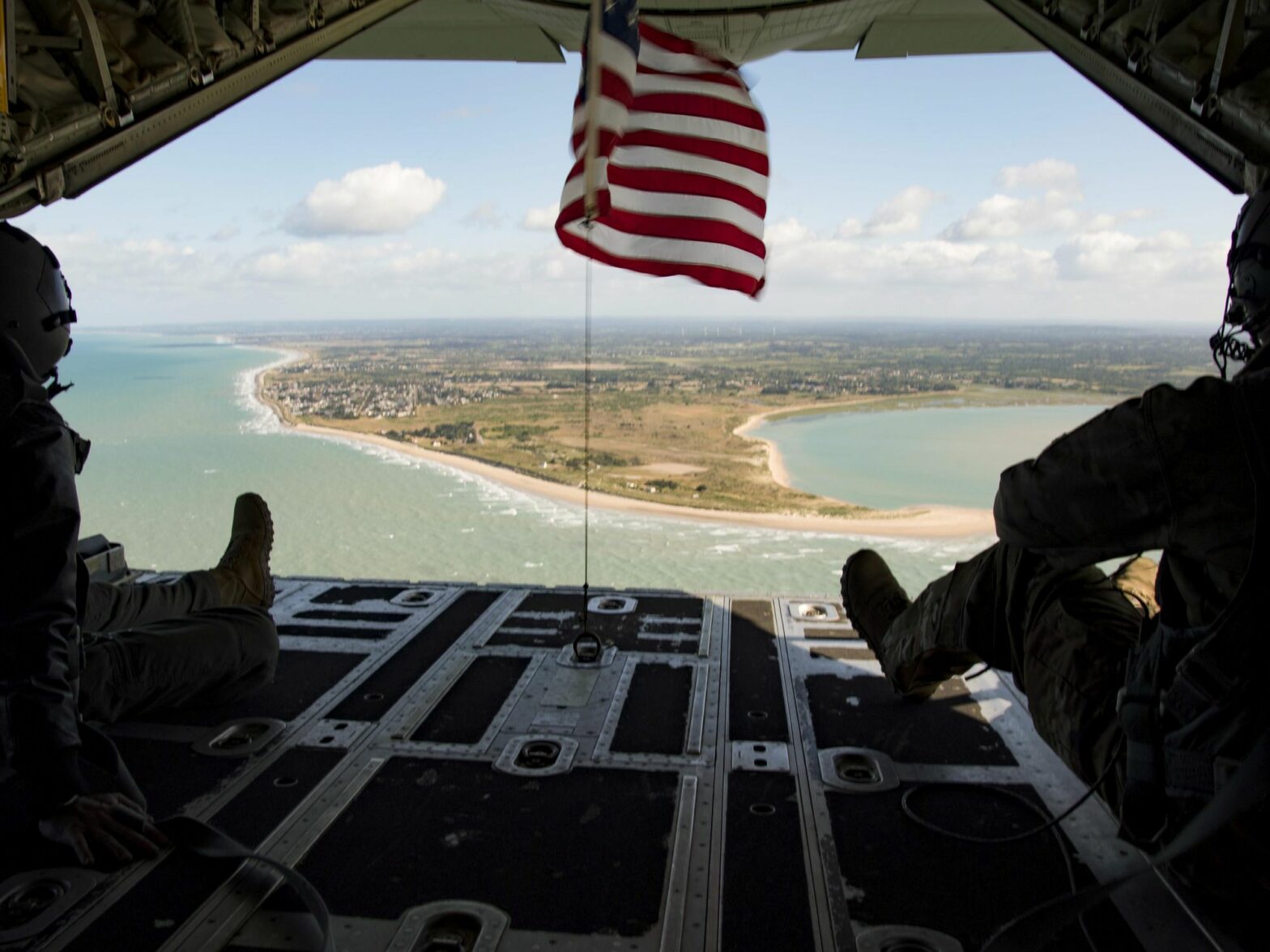
It went largely unnoticed, but Washington’s refusal to let MiG fighter jets destined for the Ukrainians take off from their base in Germany is a clear message, according to a retired French general: Even if a NATO country is attacked, the U.S. will never send their soldiers to fight on our soil.
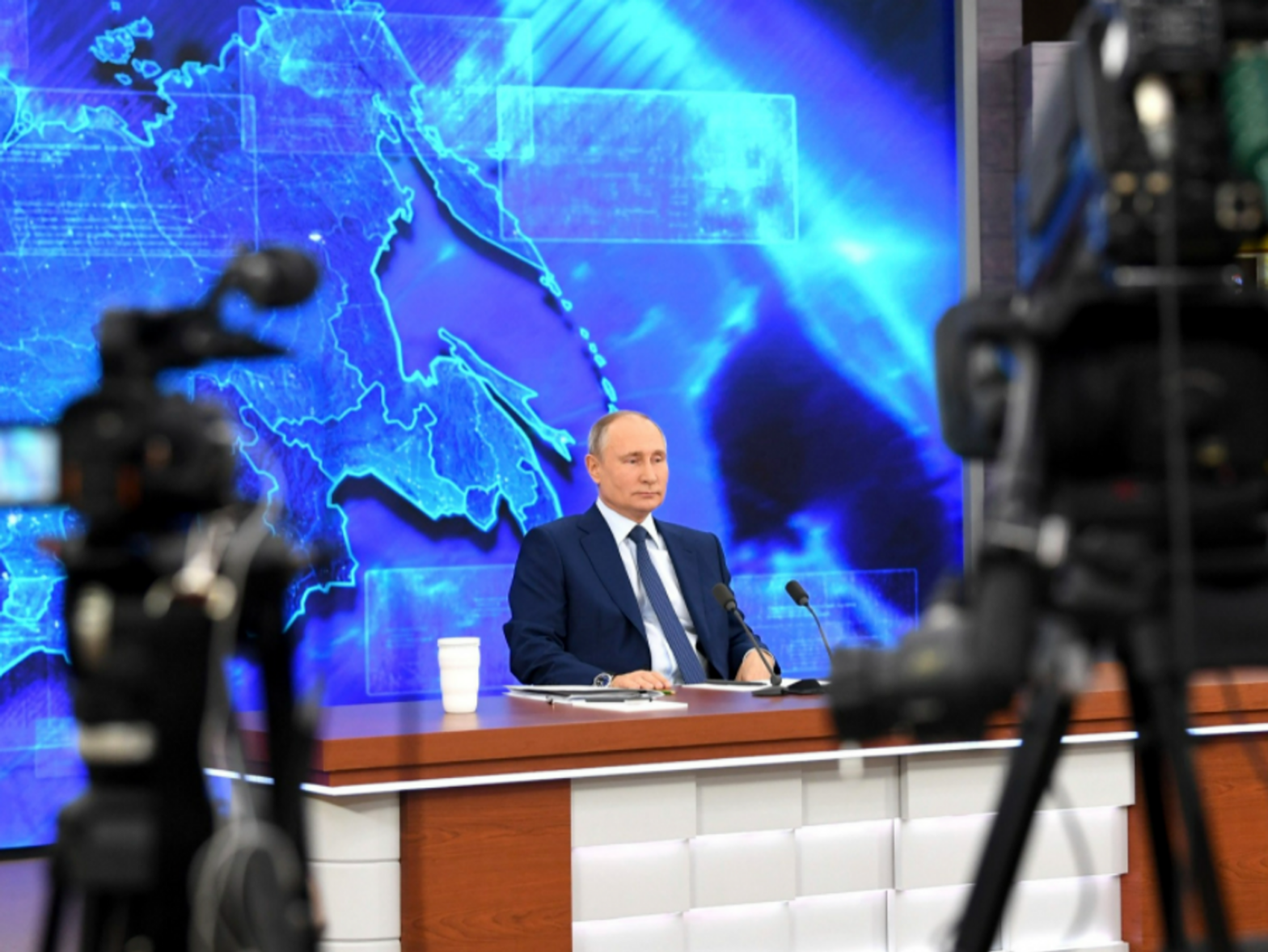
The message from state-controlled media in Russia is clear: we are a peace-loving country constantly provoked by the West. The coverage is very different to the war hysteria before the annexation of Crimea and hides how the Kremlin benefits financially from tensions in Ukraine.
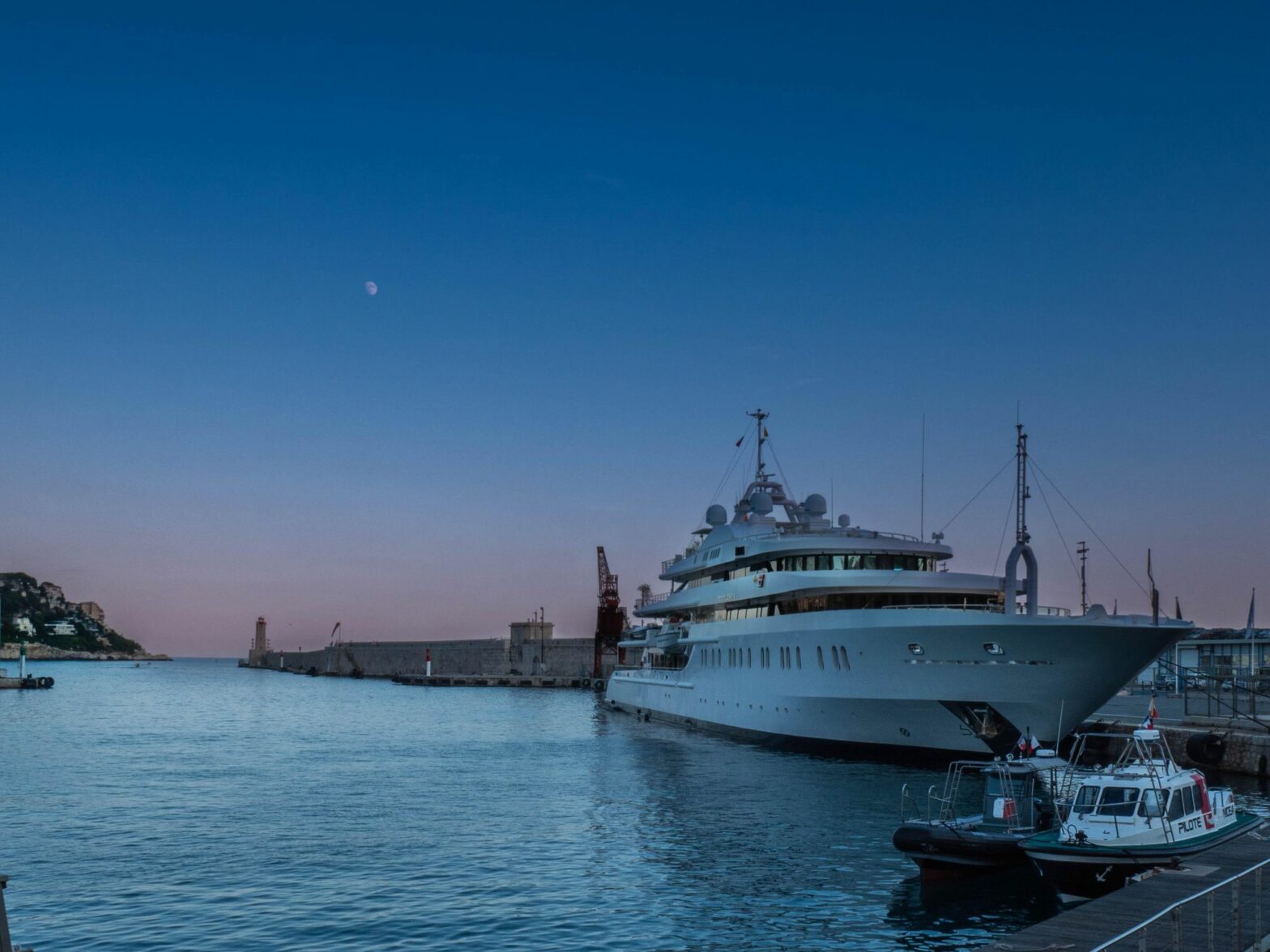
The likely defection of Russian tourists this summer is clouding the prospects of tourism professionals in the South of France, whose activity is still recovering from the pandemic. An emblematic snapshot of the after-effects of Putin’s invasion of Ukraine.
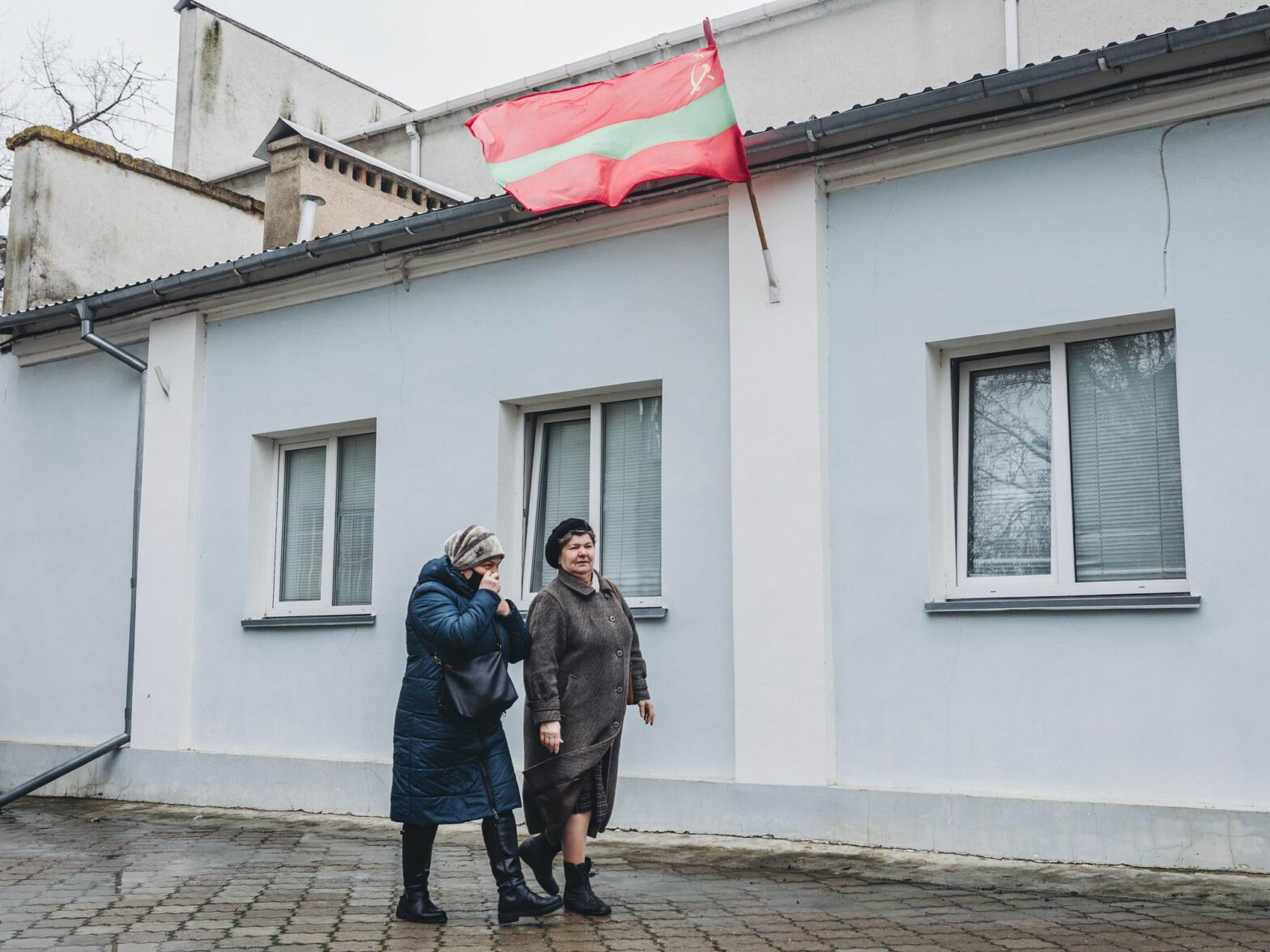
An exclusive visit inside Moldova’s breakaway pro-Russian republic of Transnistria, which many fear may be the gateway to the next war after Ukraine in the strategically important target.
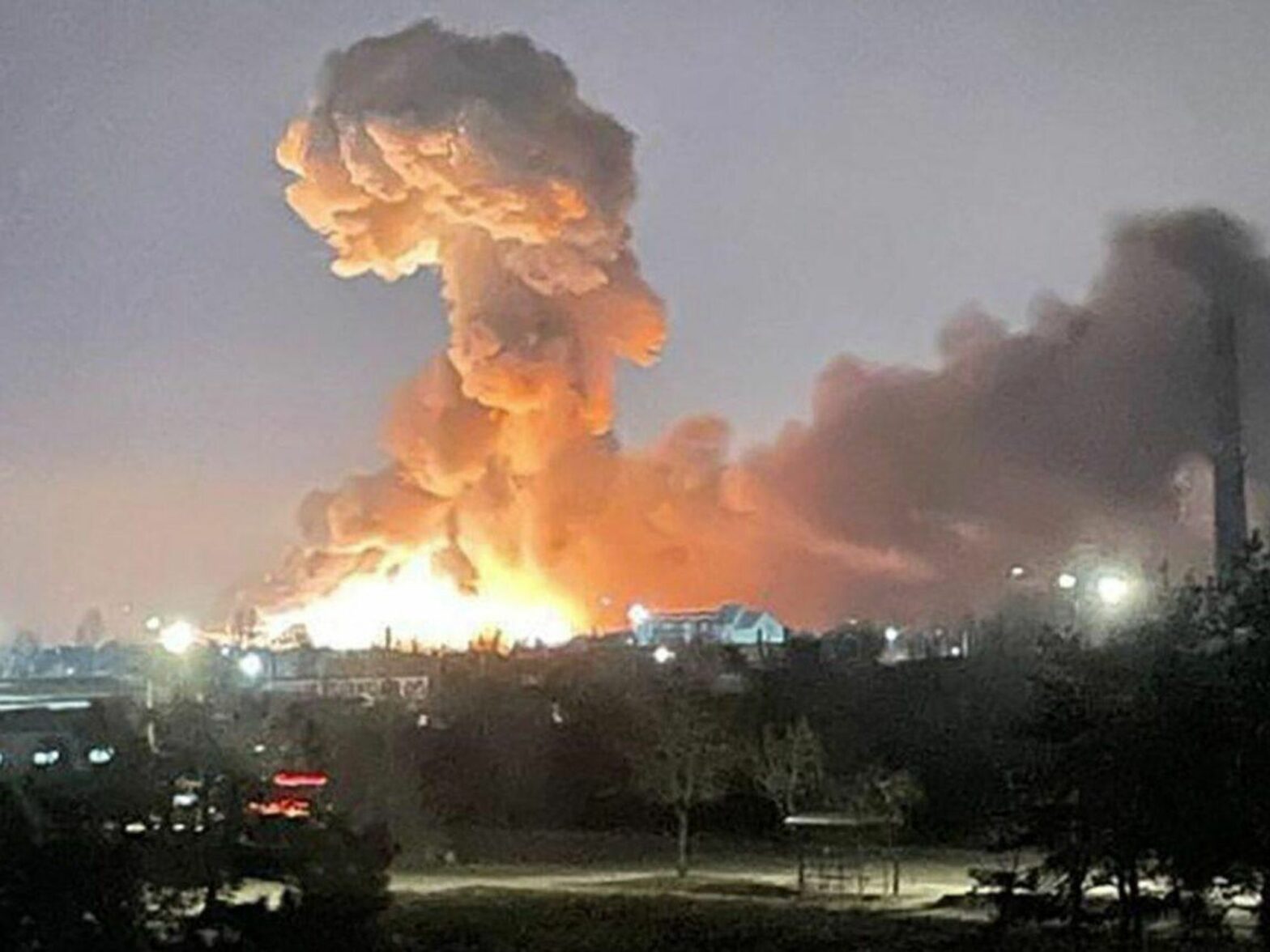
Moscow’s large-scale attack launched on Ukraine erases any lingering doubts about where Russia’s president wants to go. Vladimir Putin is taking back part of the Soviet empire and attacking the European post-War order. Europe and NATO must respond, by arming the eastern flank.
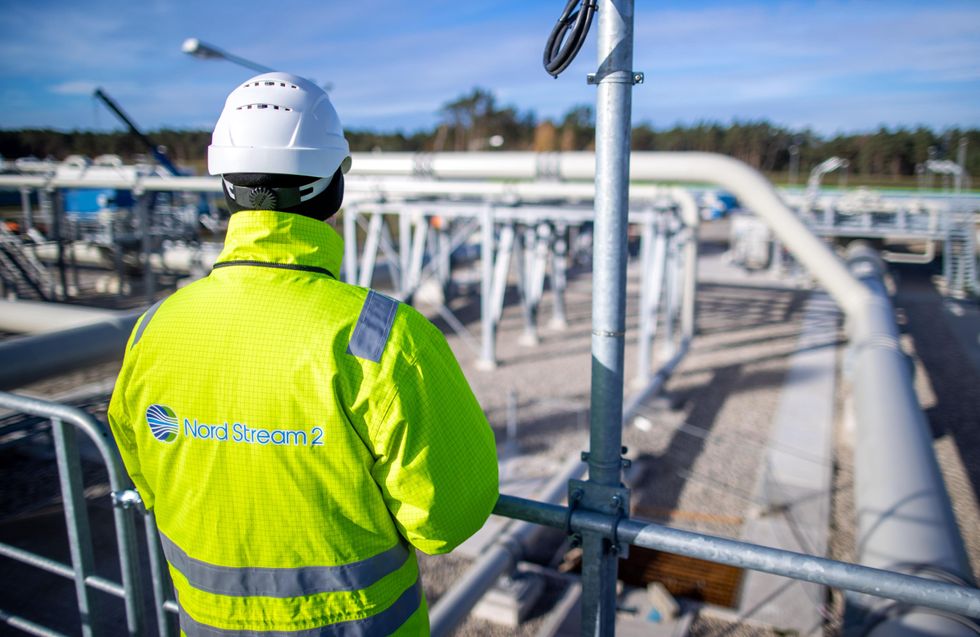
The United States expects Germany to put a halt to the Nord Stream 2 gas pipeline in the event of a Russian invasion of Ukraine. But the Americans are not mentioning the fact that they themselves import plenty of oil from Russia.

A campaign in the Netherlands is pushing for more gender parity in the business world by asking women to change their name on LinkedIn to “Peter.” The name was chosen for this singularly shocking fact…
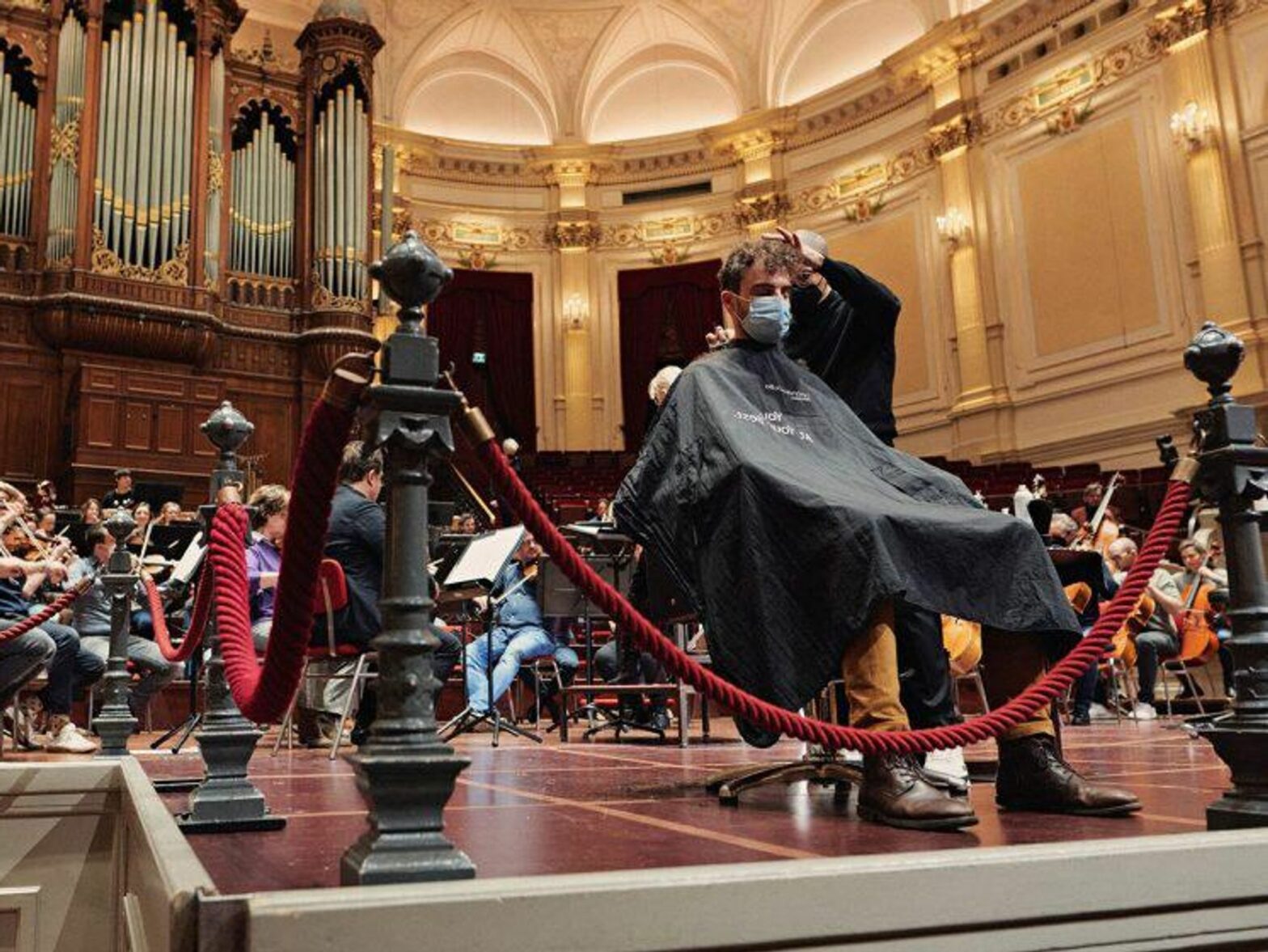
Theaters, museums and cinemas welcomed “essential services” on their stage floors to make a point about the industry’s struggles during the latest COVID lockdown.
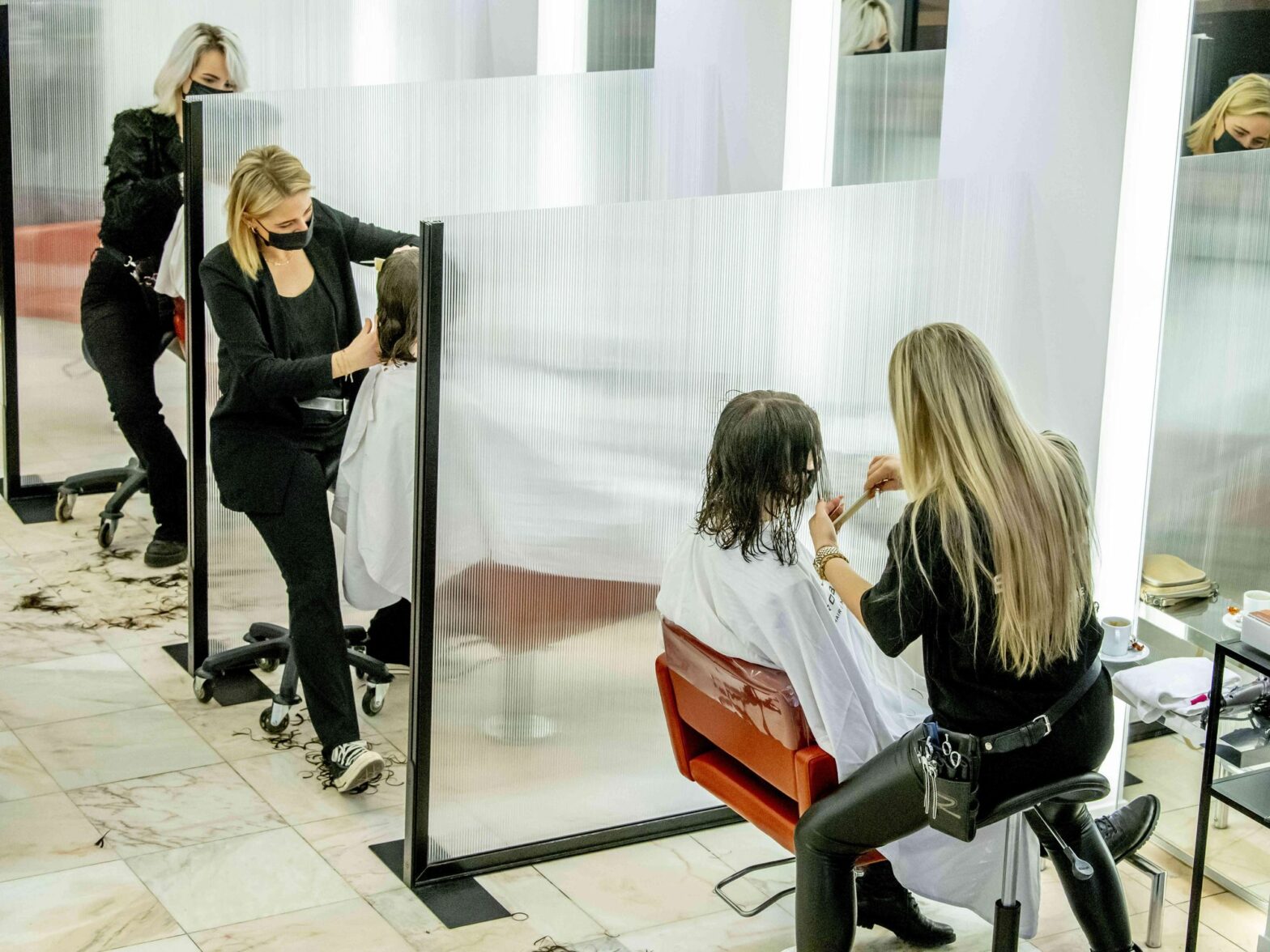
Early detection and accessible help are essential in the fight against domestic violence. Hairdressers in the Dutch province of North Brabant are now being trained to identify when their customers are facing abuse at home.
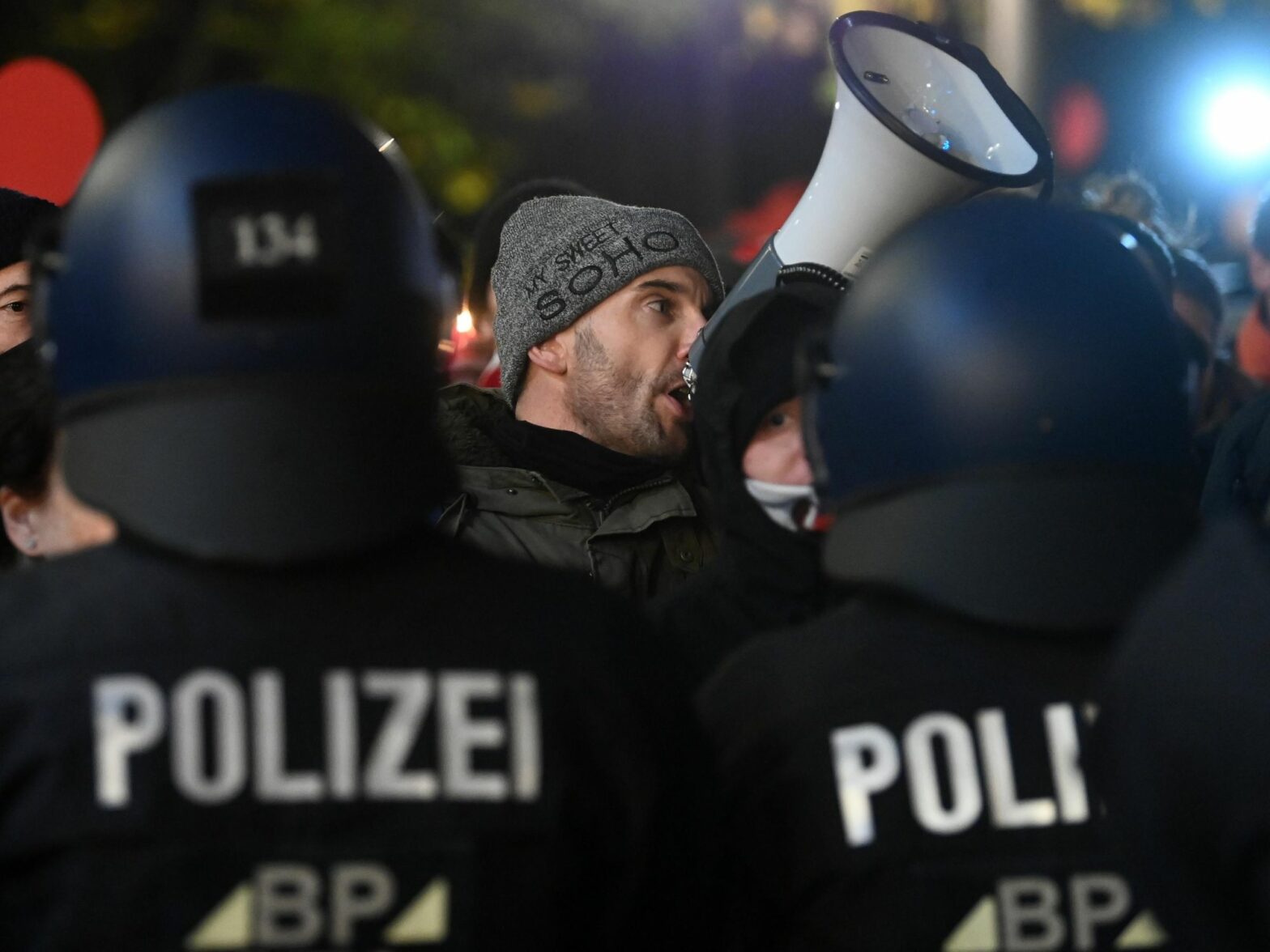
When it comes to vaccination rates, there are striking parallels between Germany and the United States. The states with the most opposition to vaccines differ politically from those with the highest vaccination rates. Now the consequences for booster shots are starting to become visible, especially in the United States.
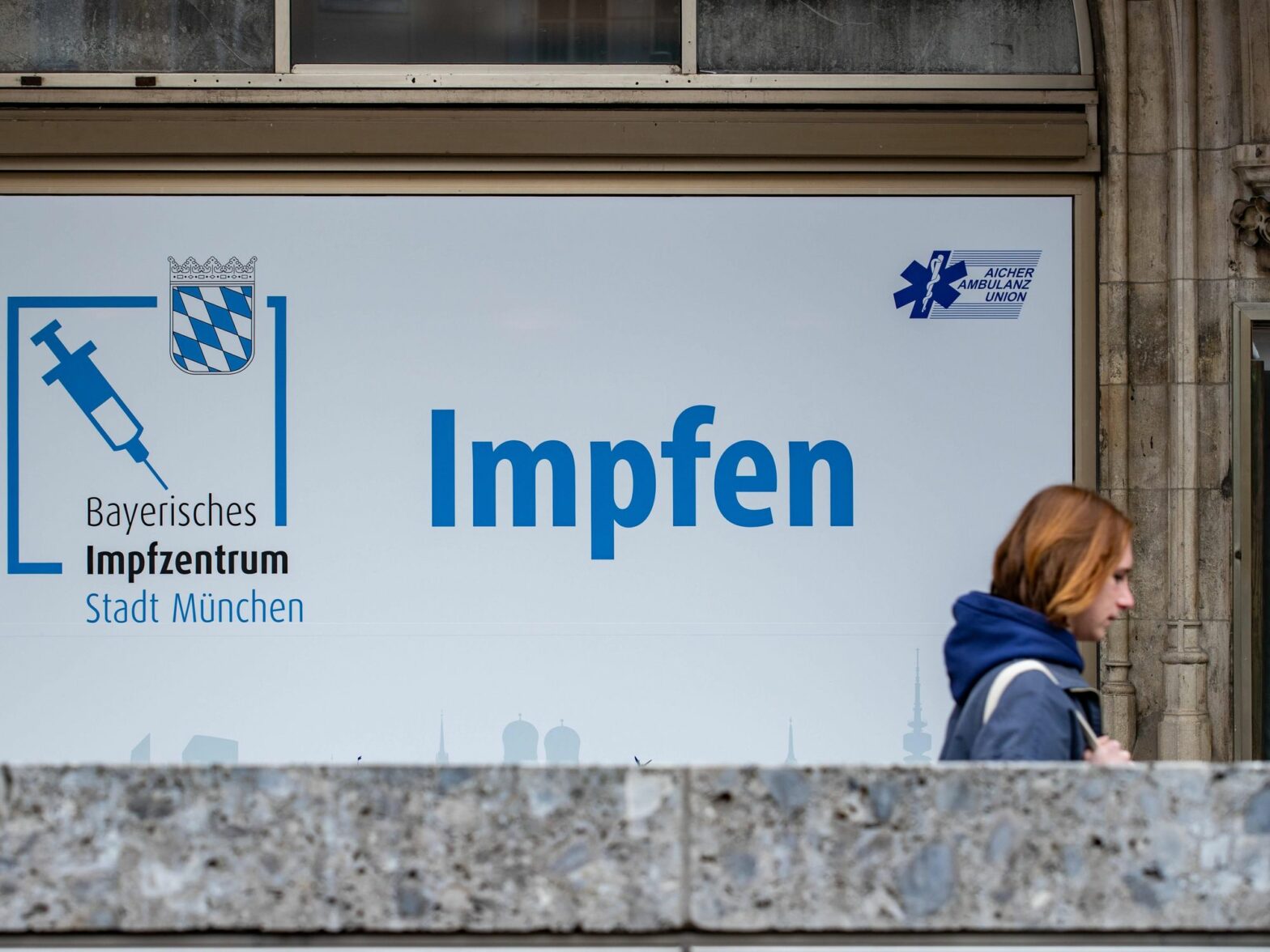
If you compare vaccination rates in European countries, you immediately notice huge differences. And this is despite the fact that the EU has provided all members with sufficient coverage. There are clear reasons of culture, history and attitudes for the gap.
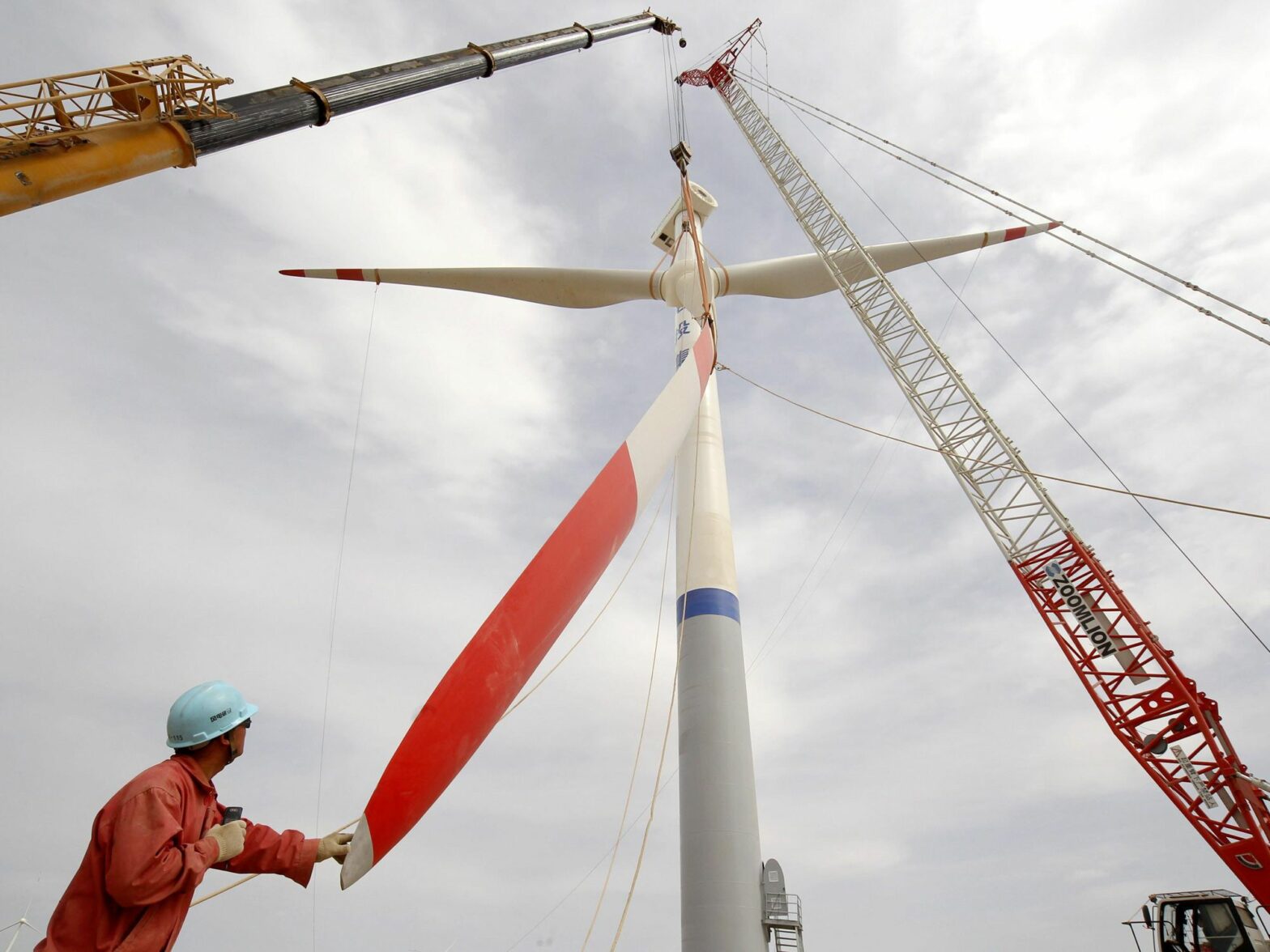
Energy issues are power issues. That is why the fight against climate change will also lead to geopolitical upheavals — to Europe’s detriment. China, one of the biggest climate sinners, is likely to benefit from this because the People’s Republic has a strategic ace up its sleeve.
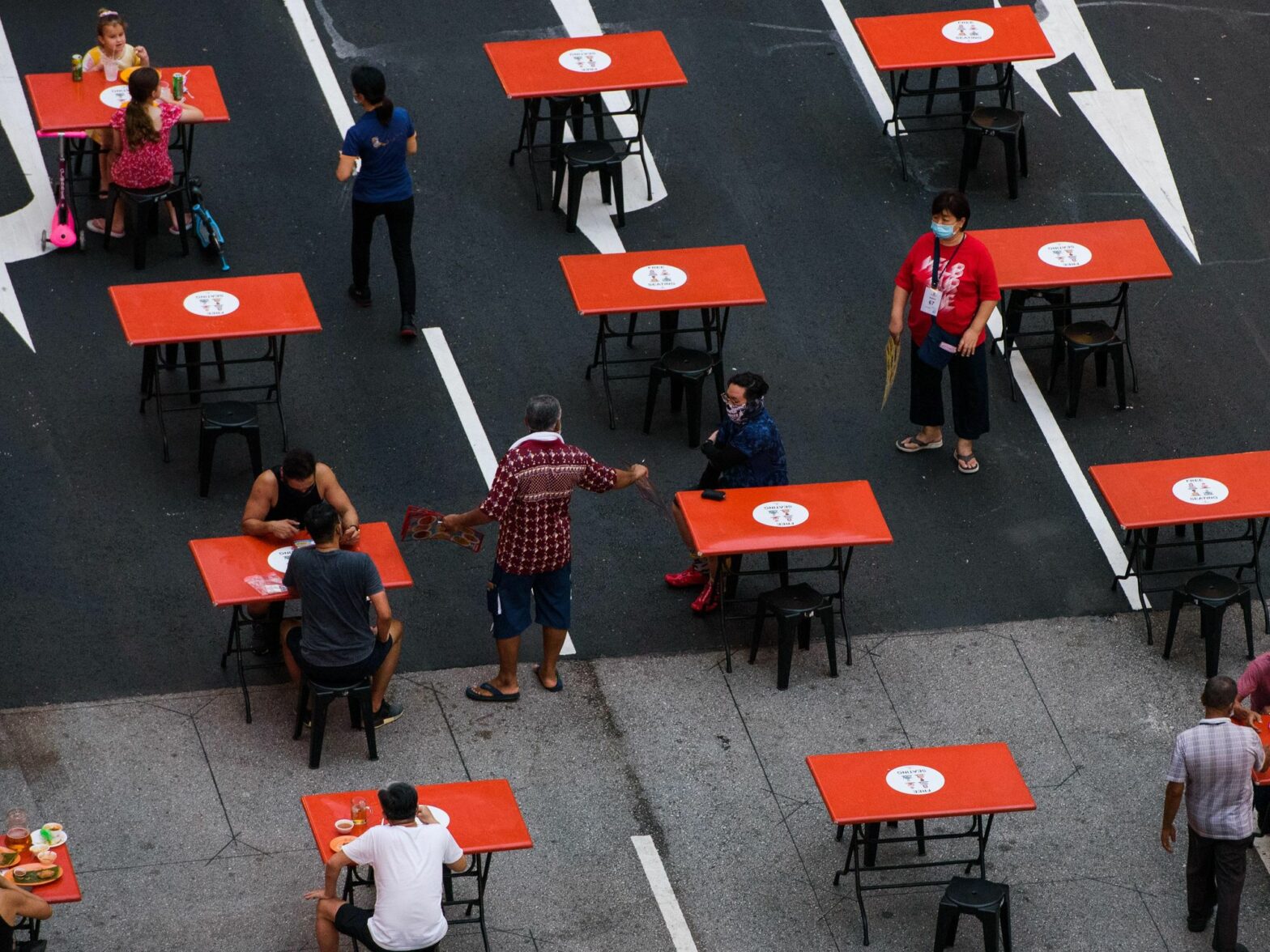
Its Zero-COVID strategy has mostly worked, and vaccinations are going well. Now a breakout spread is raising multiple questions for the Asian nation and global financial hub.
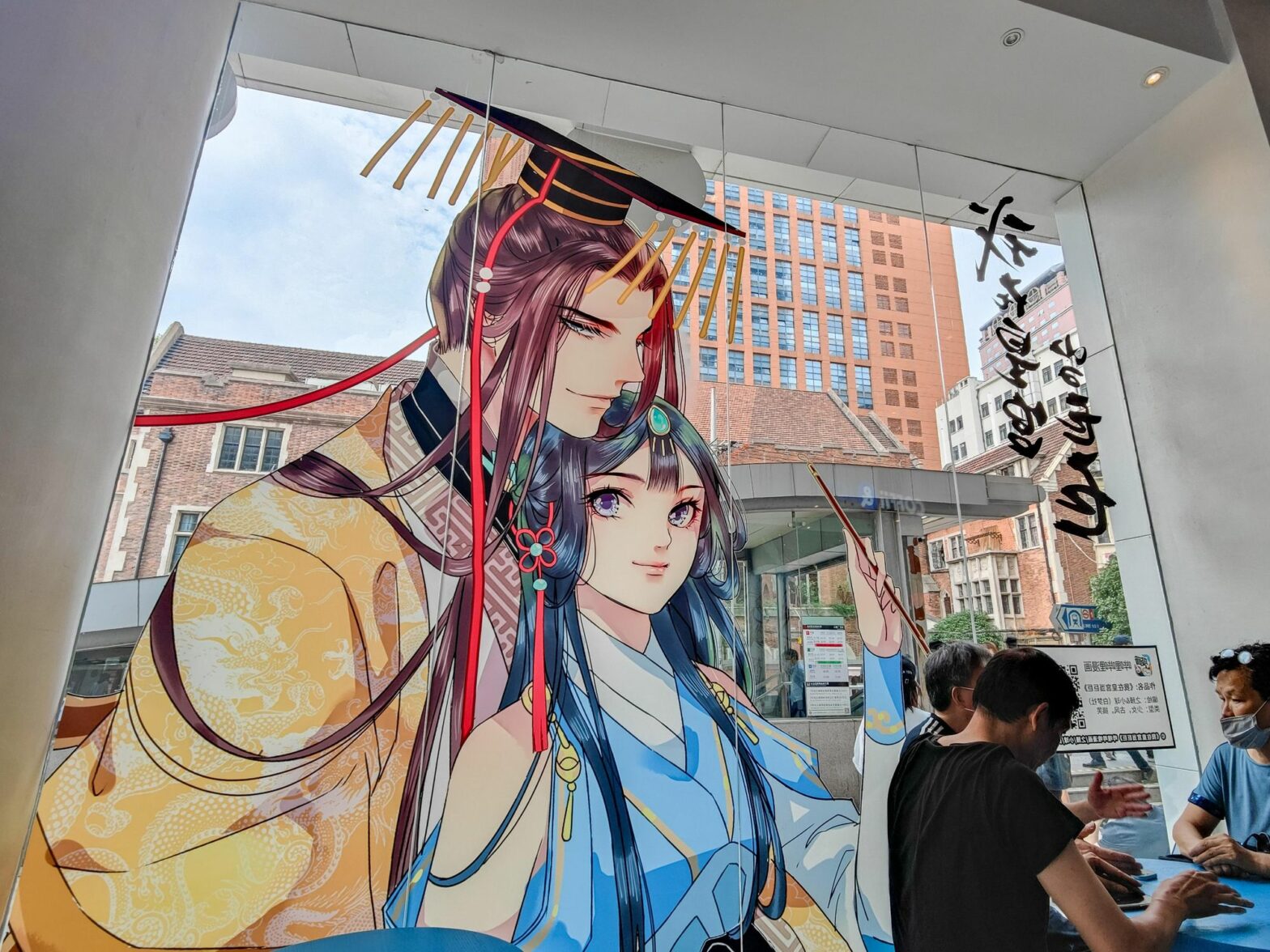
Hologram idols are the new stars of the entertainment industry in China, performing in live concerts and in front of audiences of millions. It’s not just tech companies that are happy about the boom, the leadership in Beijing is too for more political reasons.
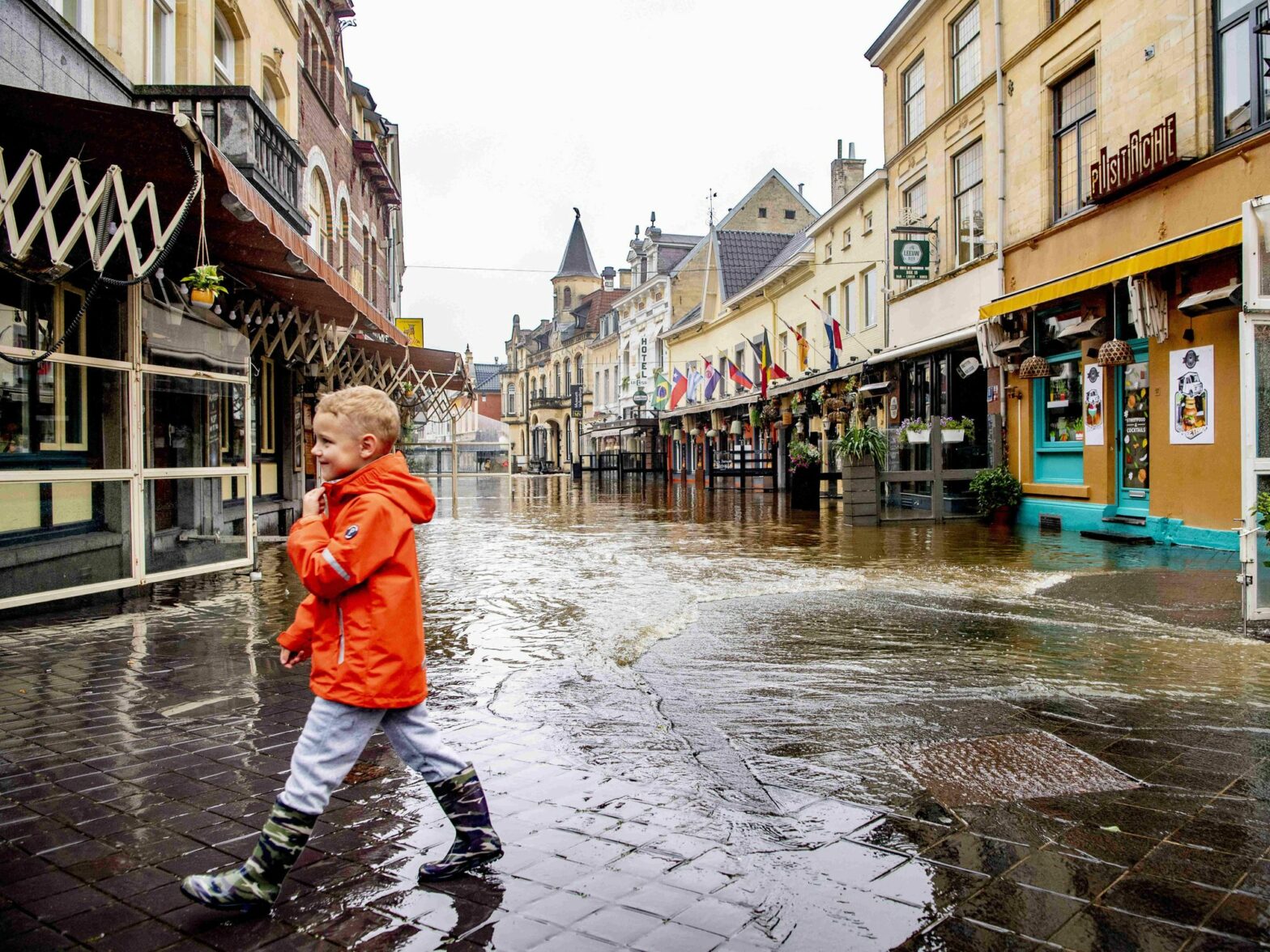
The Dutch meteorological institute has released an alarming report in a country that is particularly prone to flooding.
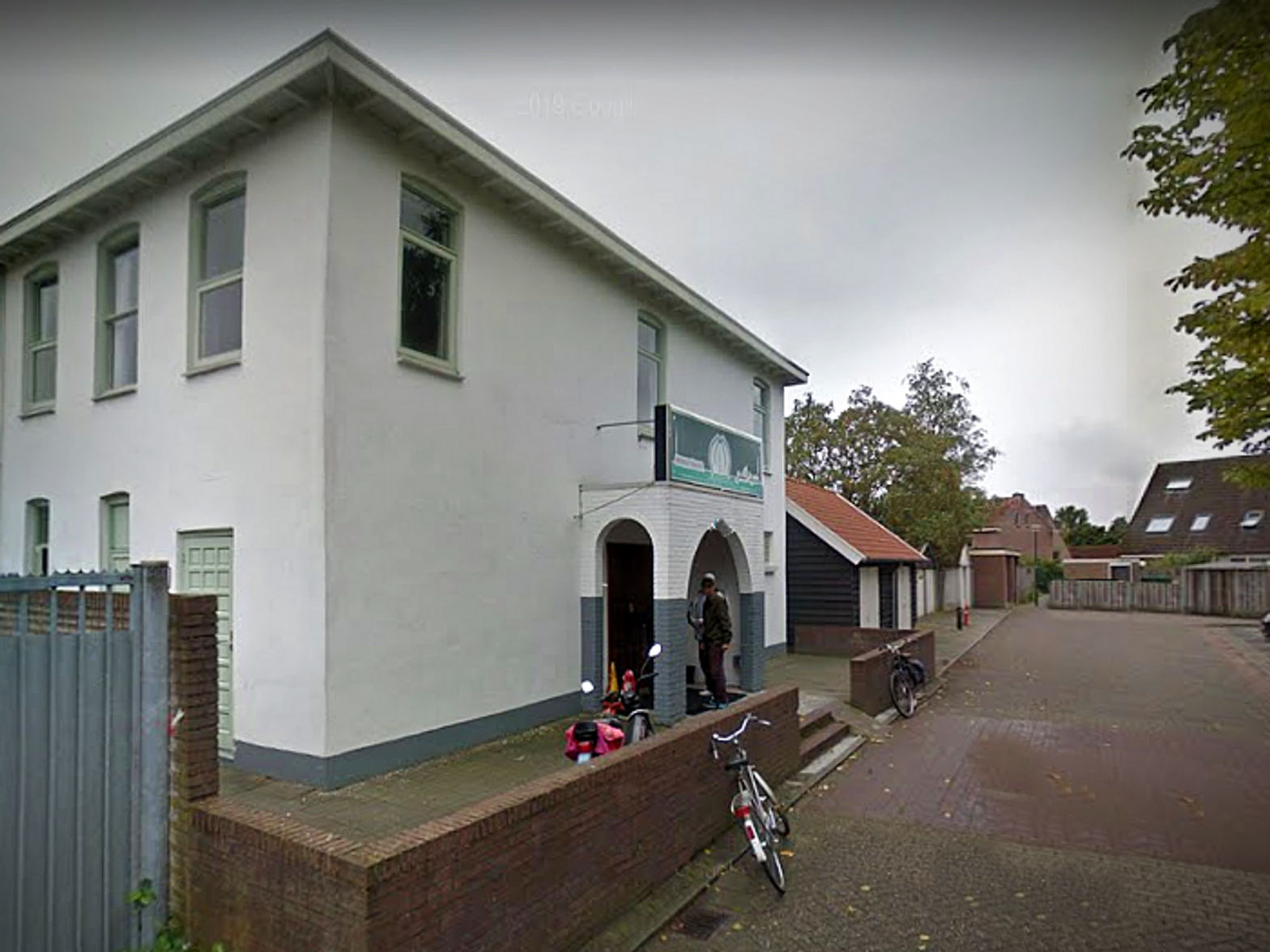
Revelations of a nationally funded clandestine operation within 10 municipalities in the Netherlands to keep tabs on mosques and Muslim organizations after a rise in radicalization eight years ago.
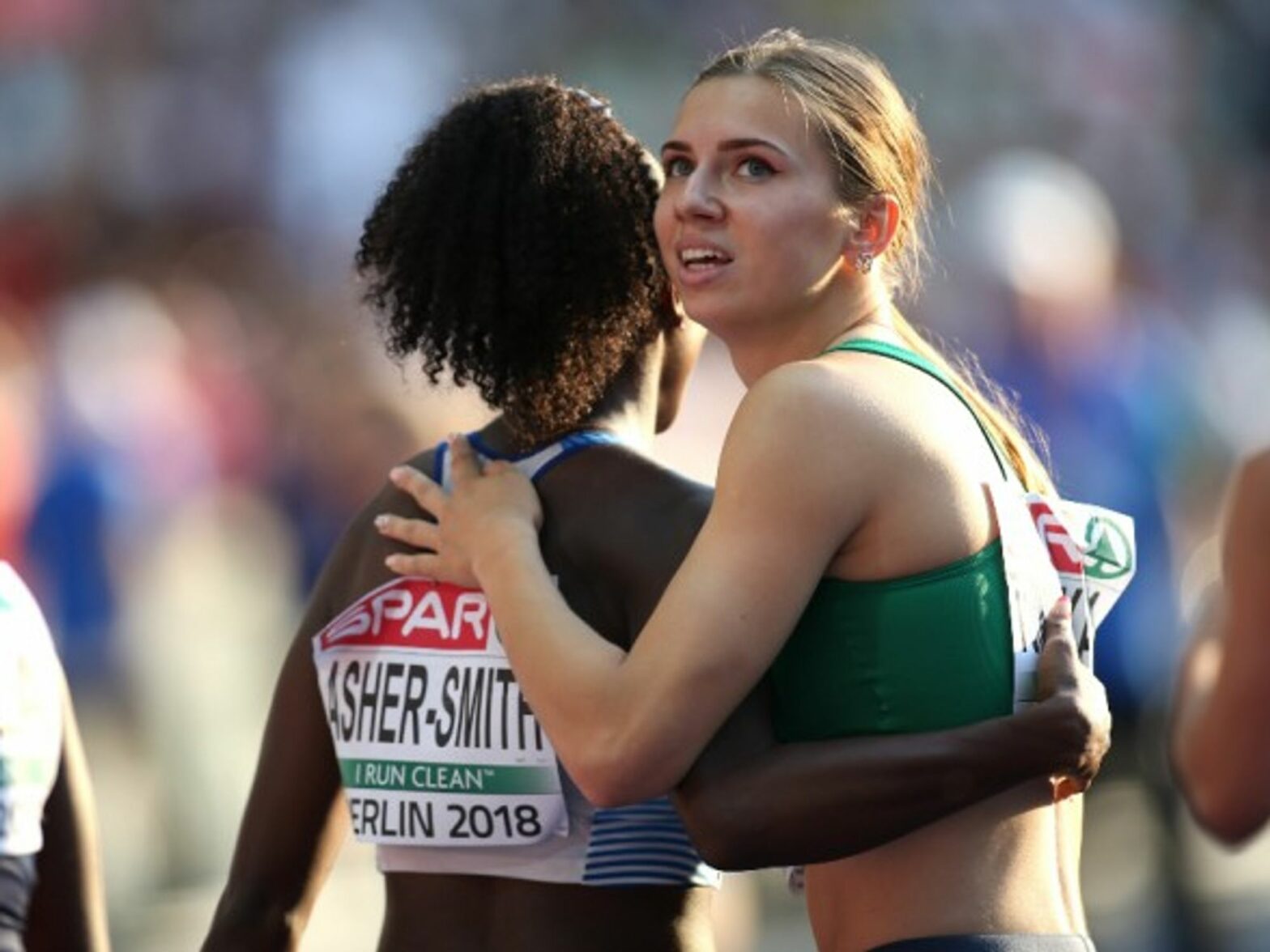
A virtual unknown to most of the world a few days ago, Belarusian sprinter Kristina Timanovskaya is now at the center of an Olympic drama that has spilled over into the realm of geopolitics.
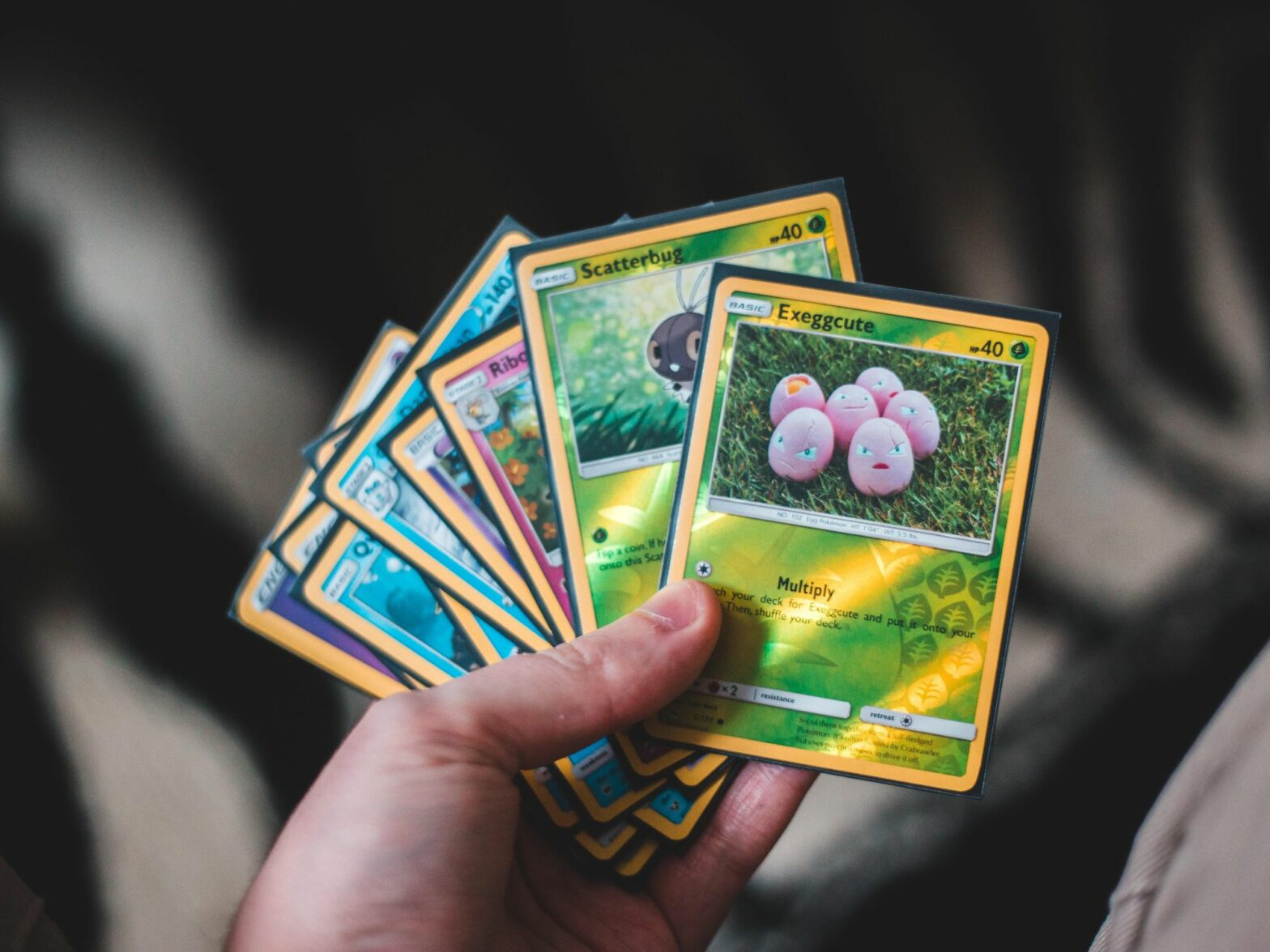
The heroic fantasy universes of the 1990s have become a new focus of investment. One card in the mega-popular Magic series recenty sold for more than $500,000, and with the introduction of blockchain technology, the market looks to expand even more.
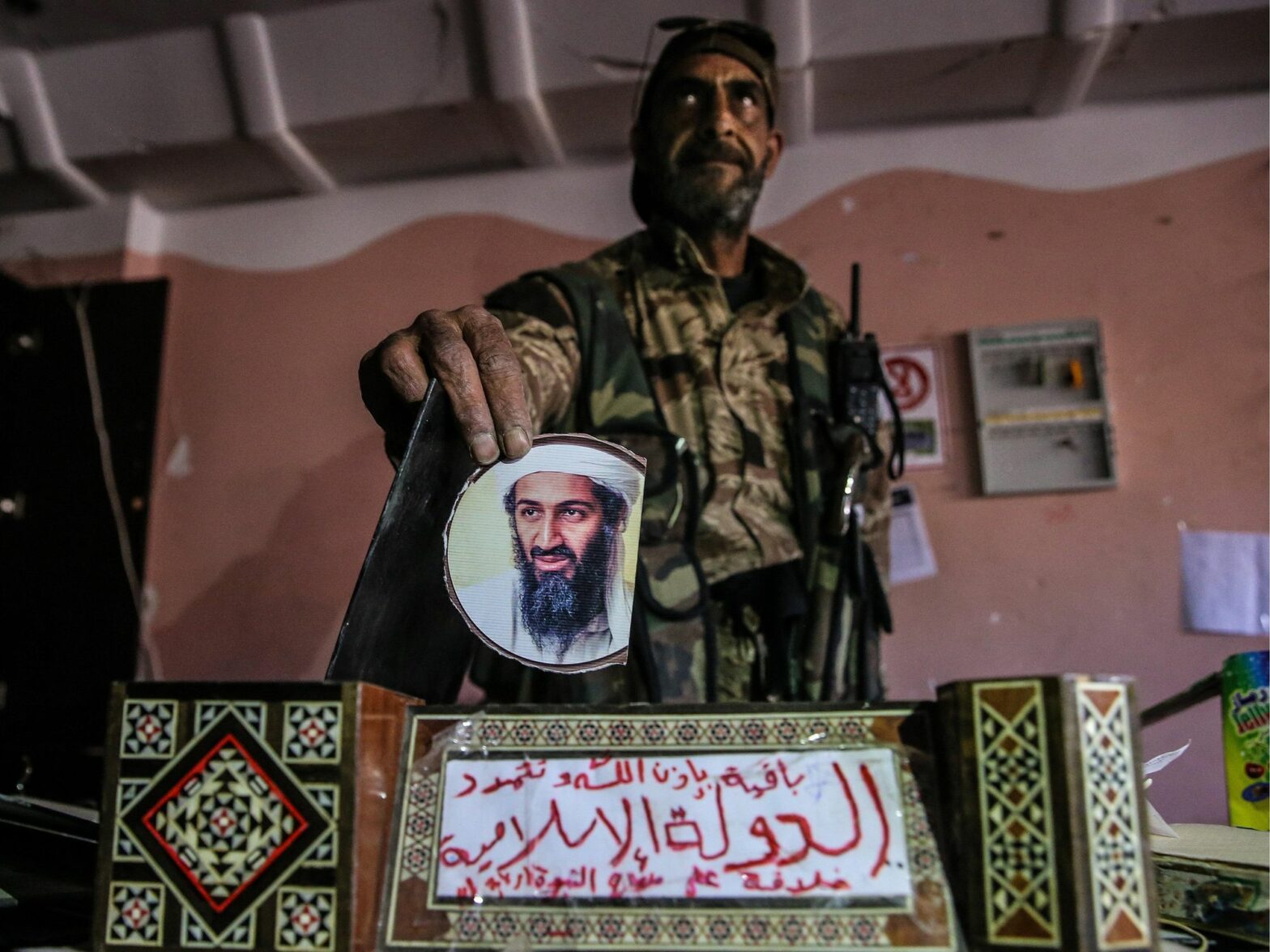
The September 11 attacks both mobilized America and showed its fragility. Twenty years later, the United States is withdrawing from the Middle East. The greatest beneficiary is not the Muslim world, as Bin Laden dreamed, but two powers reborn in the East.
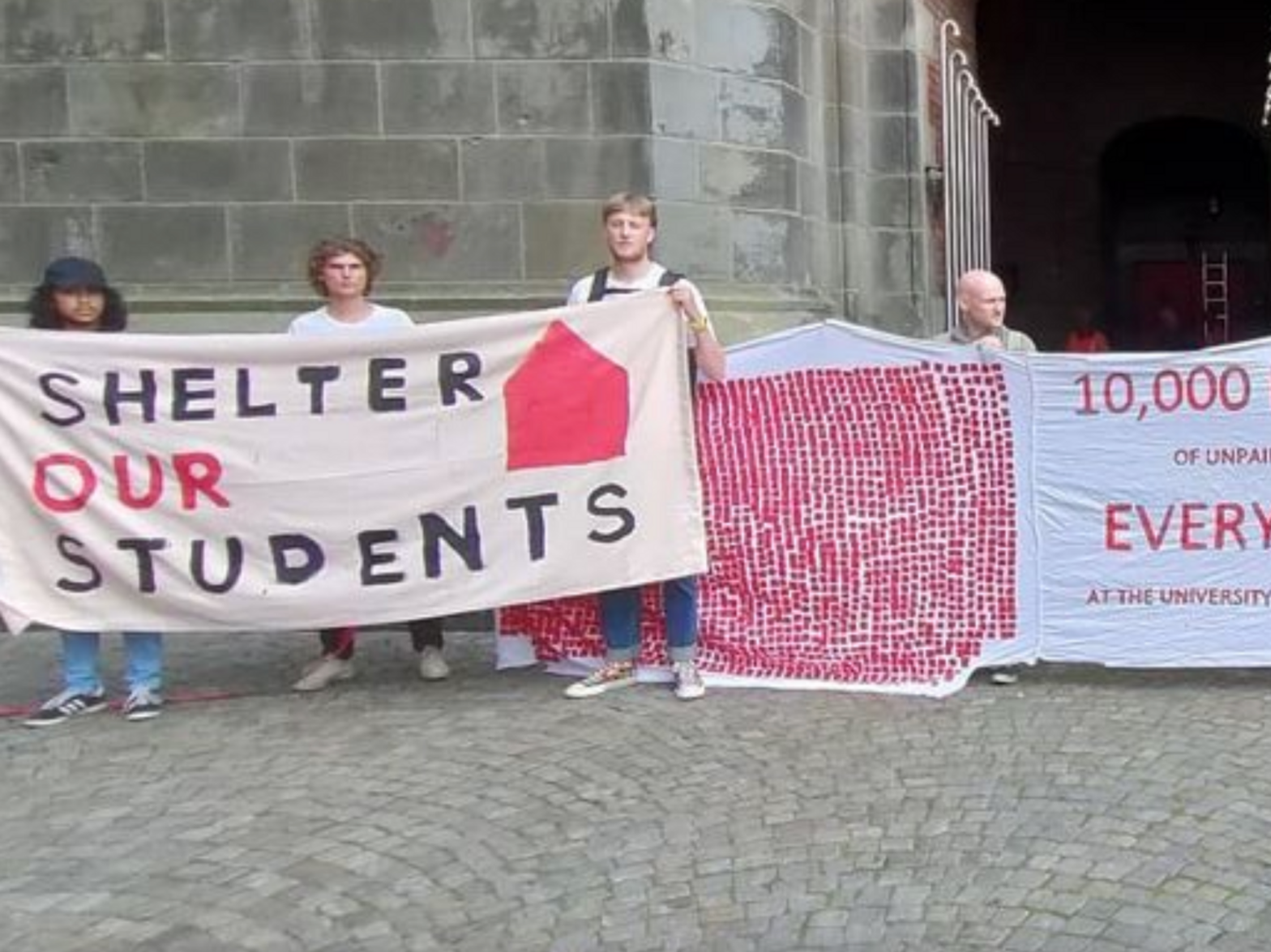
Brexit has doubled the cost of studying in the UK for Europeans, which means many more students are heading to Dutch universities, which offer multiple programs in English. That’s caused hundreds to arrive at universities in the Netherlands this month without promised housing.