With Spirou as the latest case in point, some of the world’s most beloved comics and graphic novels contain depictions that are antiquated at best — and downright racist at worst.
 Worldcrunch
I am a summer 2020 intern with Worldcrunch and a graduate student in journalism and international affairs at Sciences Po. I’m passionate about writing and photograph, particularly topics including art, politics and social movements.
With Spirou as the latest case in point, some of the world’s most beloved comics and graphic novels contain depictions that are antiquated at best — and downright racist at worst.
This giant chicken will attract tourists! Let’s honor Queen Elizabeth with a statue that looks nothing like her! And other very visible bad ideas around the world…

The French president wants to convince Vladimir Putin to halt military deployment around Ukraine. But some in Moscow believe the Russian president is only interested in negotiating with the U.S. about the wider global balance of power.
For a combination of spiritual and political reasons, Rastas developed a diet based on healthy, local ingredients that was a precursor, it turns out, to some current food trends.

New Zealand has reversed its decision to implement the world’s toughest anti-smoking law, to the disappointment of many inside and outside the island nation. But how are other laws aimed at tobacco use faring around the world?
Mali’s “mysterious city” welcomes a new class of students trained in looking after ancient books. From conservation to digitization of these works, a colossal task awaits them to preserve this endangered heritage and the secrets they contain.

In an area the size of Singapore, Egypt is building its new capital. Constructed under the close control of the military and the head of state, the city embodies the grand ambitions of an increasingly autocratic president. But will it turn out to be a ghost city?
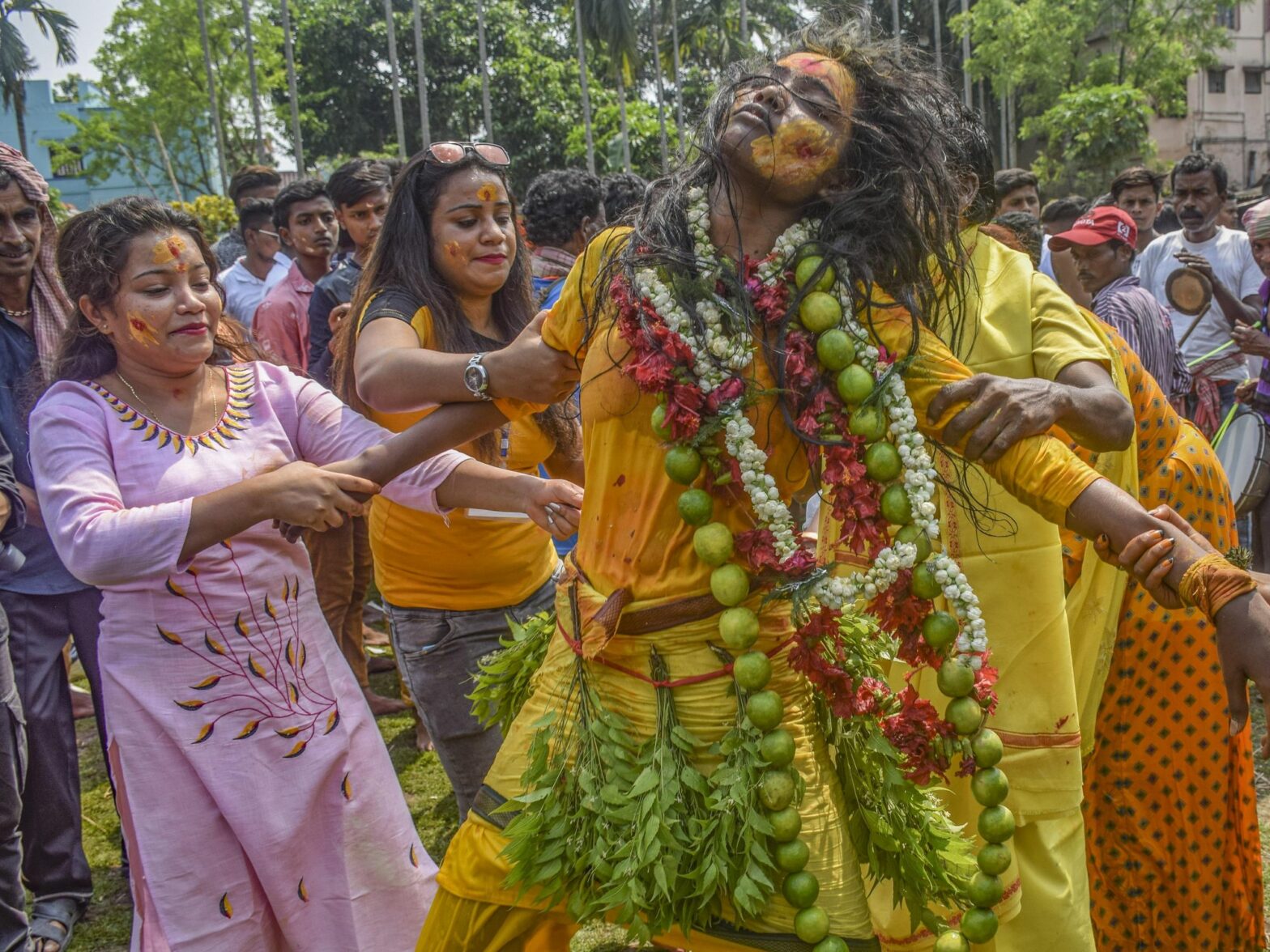
From self-induced trance to psychedelics, altered states of consciousness are experiencing a renewed interest in the scientific community for their therapeutic value.
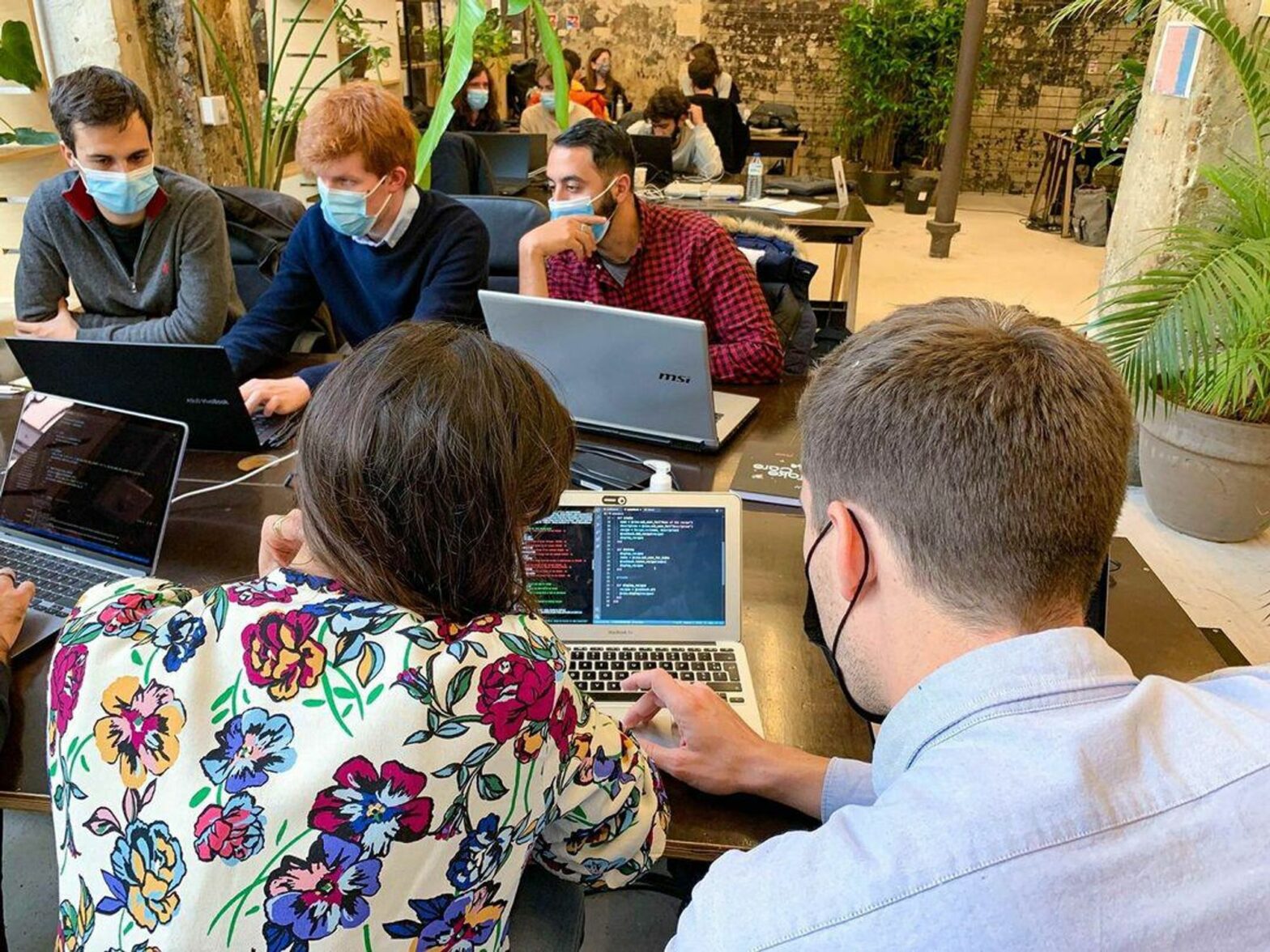
With 43 campuses in 27 countries, Le Wagon has become the world’s leading network for intensive coding education, revolutionizing how coding is taught.

Beauty pageants once rewarded good looks, and maybe some talent on the side. But the events are no longer just a showcase for perfect hair and swimsuits. Innovative pageants around the world celebrate differences and advocate for people with disabilities and LGBTQ+ communities.
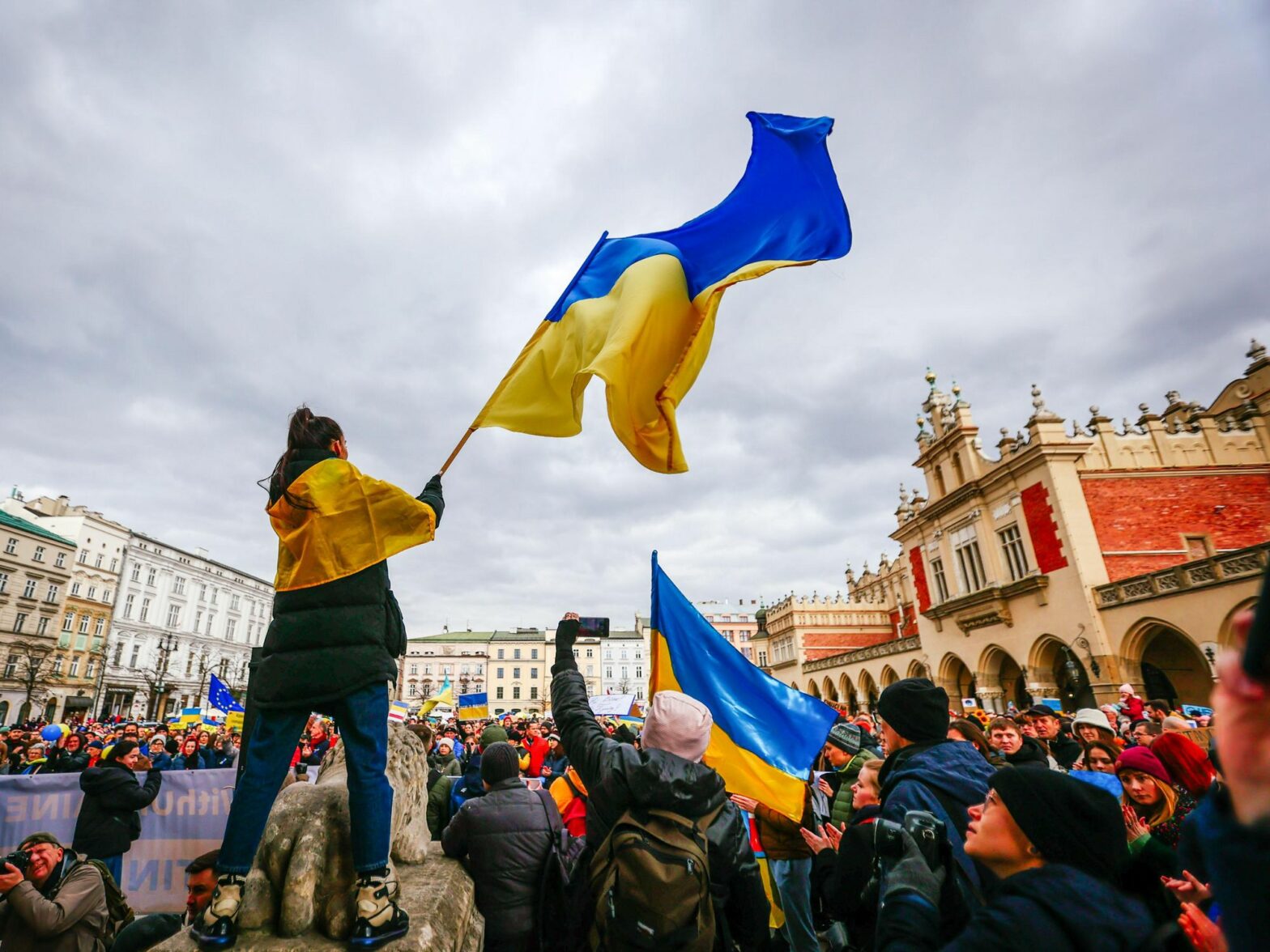

Most workers want to keep the flexibility they had during the pandemic. And they no longer have any qualms about changing jobs if this isn’t possible.
Faced with a $32 billion drop in their wealth this year, Russian oligarchs are looking for assets to allow them to overcome sanctions that will increase with the invasion of Ukraine. Familiar with crises, they see bitcoin and other cryptocurrencies as an escape from the hegemony of the dollar, and a way to diversify their holdings.
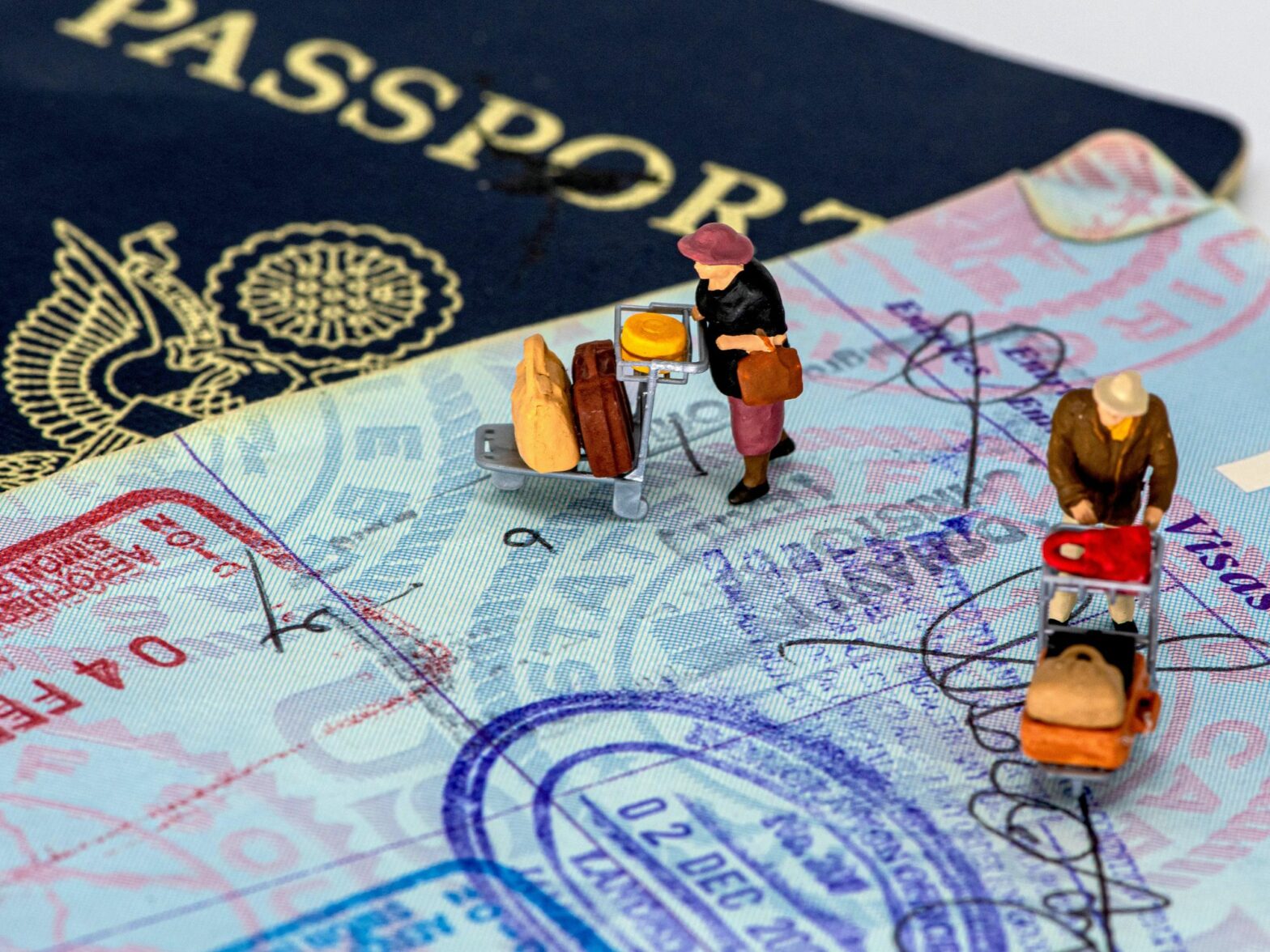
A first-hand experience of how illegal bots are making it impossible for many immigrants in France to live here legally.

With the electric guitar in full revival thanks to the pandemic, the mythical Fender brand is reviving the glory days of rock and roll stars. Taking advantage of free time during lockdown, many Americans discovered their passion for the classic six-string.

With both fans and diplomatic dignitaries missing, it’s an Olympics that recalls politically combustible Games of the past. COVID-19, like it did for the Summer Games in Tokyo, will also help haunt the premises. The good news is that the athletes will most likely take over our attention as soon as they hit the ice and snow.

The long toll of the pandemic is the final straw for many burned out healthcare workers in the West. But the Great Resignation in the medical field is global, with developing countries already struggling to contain the pandemic in the face of a doctor brain drain.
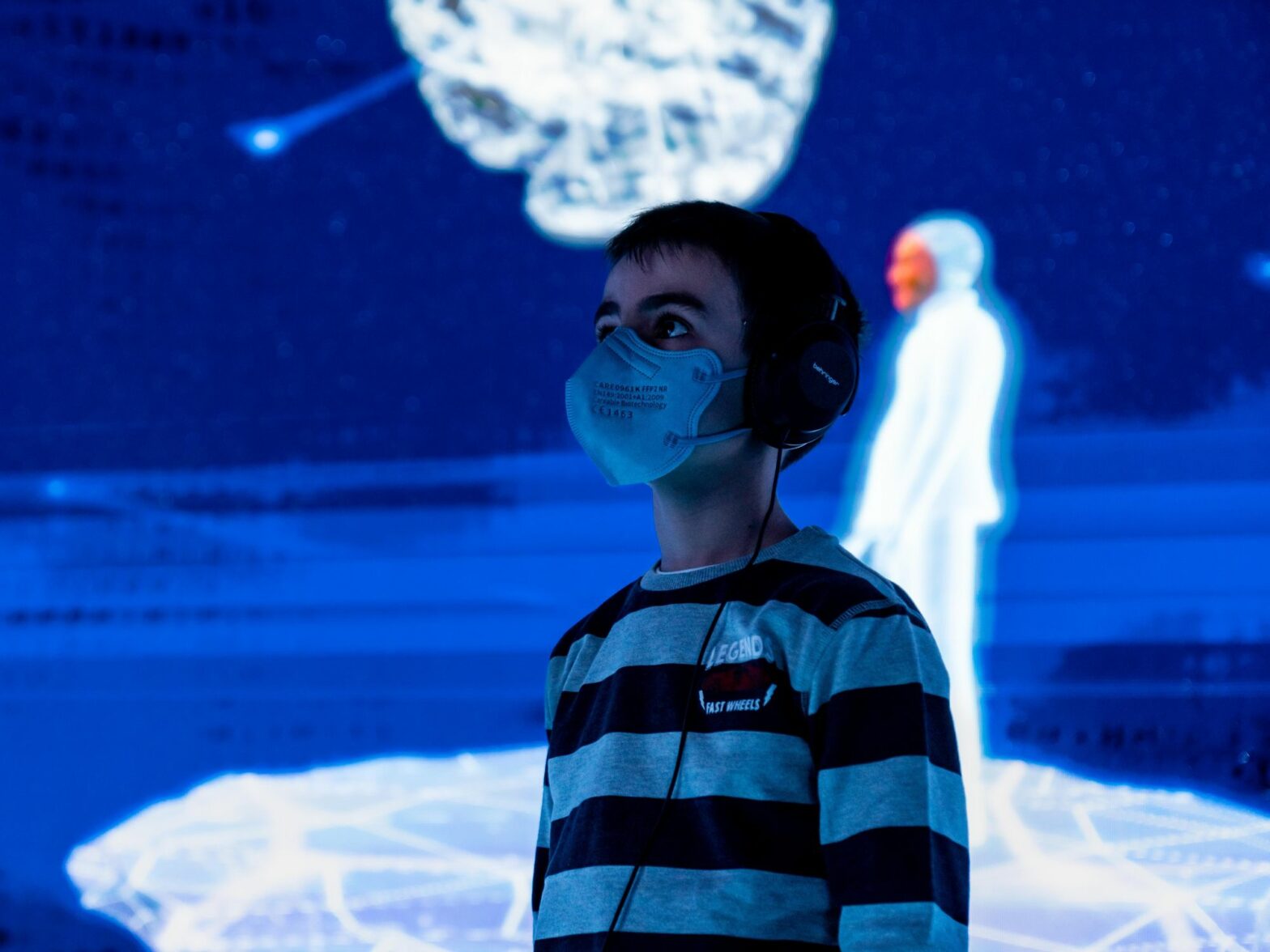
The change of Facebook’s name to Meta is a hint to the general public of where social media and digital sovereignty risks taking us in a future “virtual” world.

Launched in 2017 to combat radicalization, the Moussalaha program is finding success by helping those incarcerated for terrorism by providing counseling, reducing their prison sentences and following up after release.

Conceived in the early 1990s, the QR Code has spread exponentially during the pandemic. Its creator, Masahiro Hara, is one of the many continuing to innovate his most famous invention, which has changed everything from medicine to how we dine.
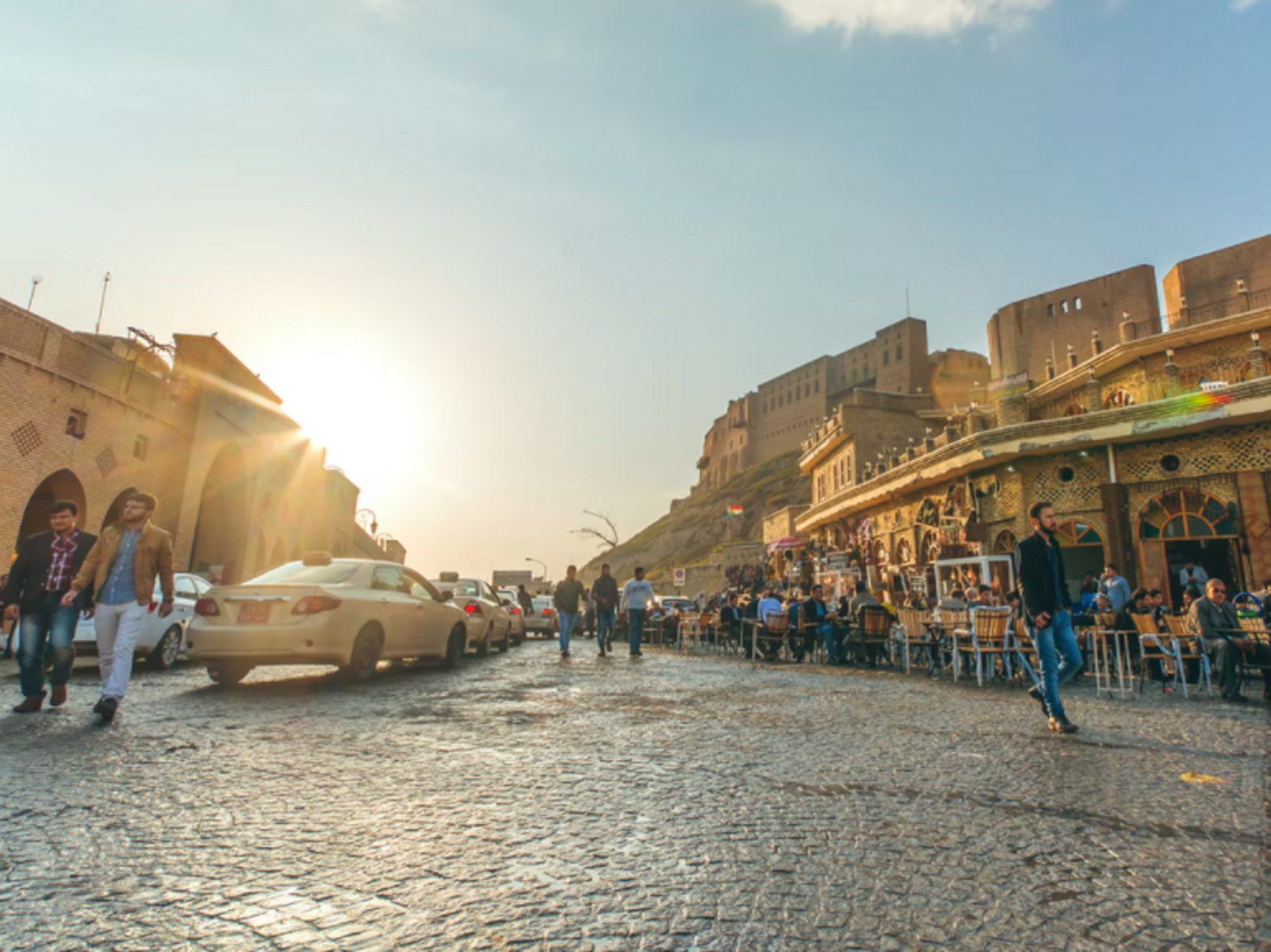
How do you rebuild a country decimated by four decades of war and embargoes? Following the withdrawal of the U.S. military, Iraq faces many challenges, from oil revenues captured by the militias and endemic corruption to religious segregation. However, there are glimmers of hope for the country’s future.

A Swiss-German anti-vax dating app is the latest tool for COVID-19 skeptics. As the pandemic becomes increasingly politicized around the world, will it permanently change how and who we date?

The Omicron variant is again forcing event organizers to weigh whether to cancel, postpone or forge ahead in the face of superspreader risks.

Burnout doesn’t just occur in the workplace. Pressured by unrealistic perfectionism and a cult of performance, parents are also increasingly affected by a similar weight at home that becomes too much to bear. Here’s how to recognize the symptoms and act before before it’s too late.

In just a few months, NFTs, the digital equivalent of collectables, have generated over $10 billion. Now, luxury champagne and wine brands are moving into the world of digital assets. But as investors and vineyards toast to the future, will the concept pop or fizzle?

The in utero impact of high stress during pandemic conditions may last for decades in some babies.
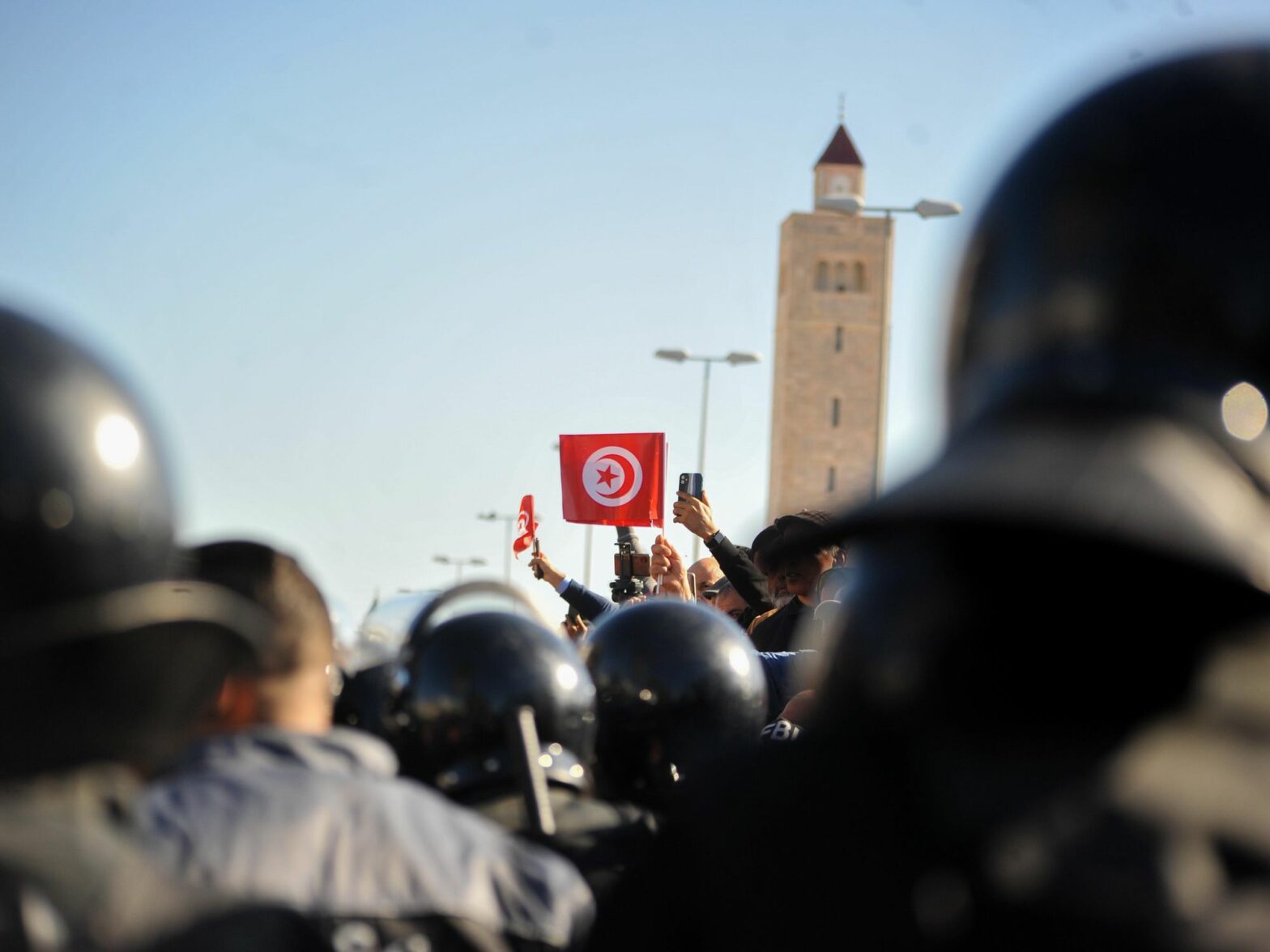
The Tunisian president is cultivating his ambiguities and pushing his constitutional reform, without proposing a roadmap to get the country out of the crisis. Refusing to speak to the media, he has an increasingly populist tone with messianic accents.
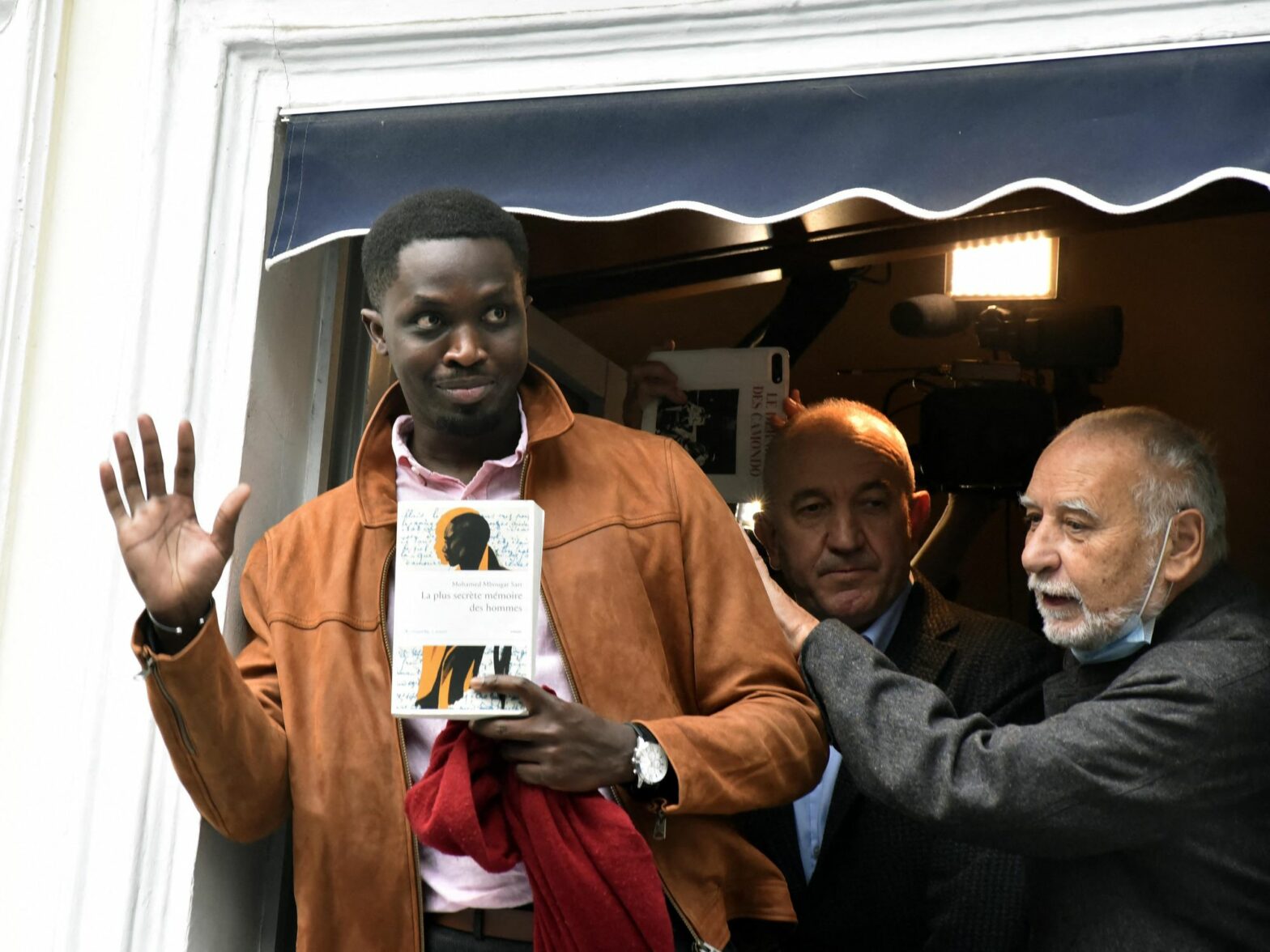
Novelists from Africa have been receiving some of the most prestigious literary prizes. But there are still questions around who are the world’s literary gatekeepers and what role writers from the Global South can play, writes Mauritian poet and photographer Umar Timol.

Even as it celebrates this year’s literature prize going to Tanzanian author Abdulrazak Gurnah, Africa is again completely absent from the list of Nobel winners in science. In research as elsewhere, money is the key.
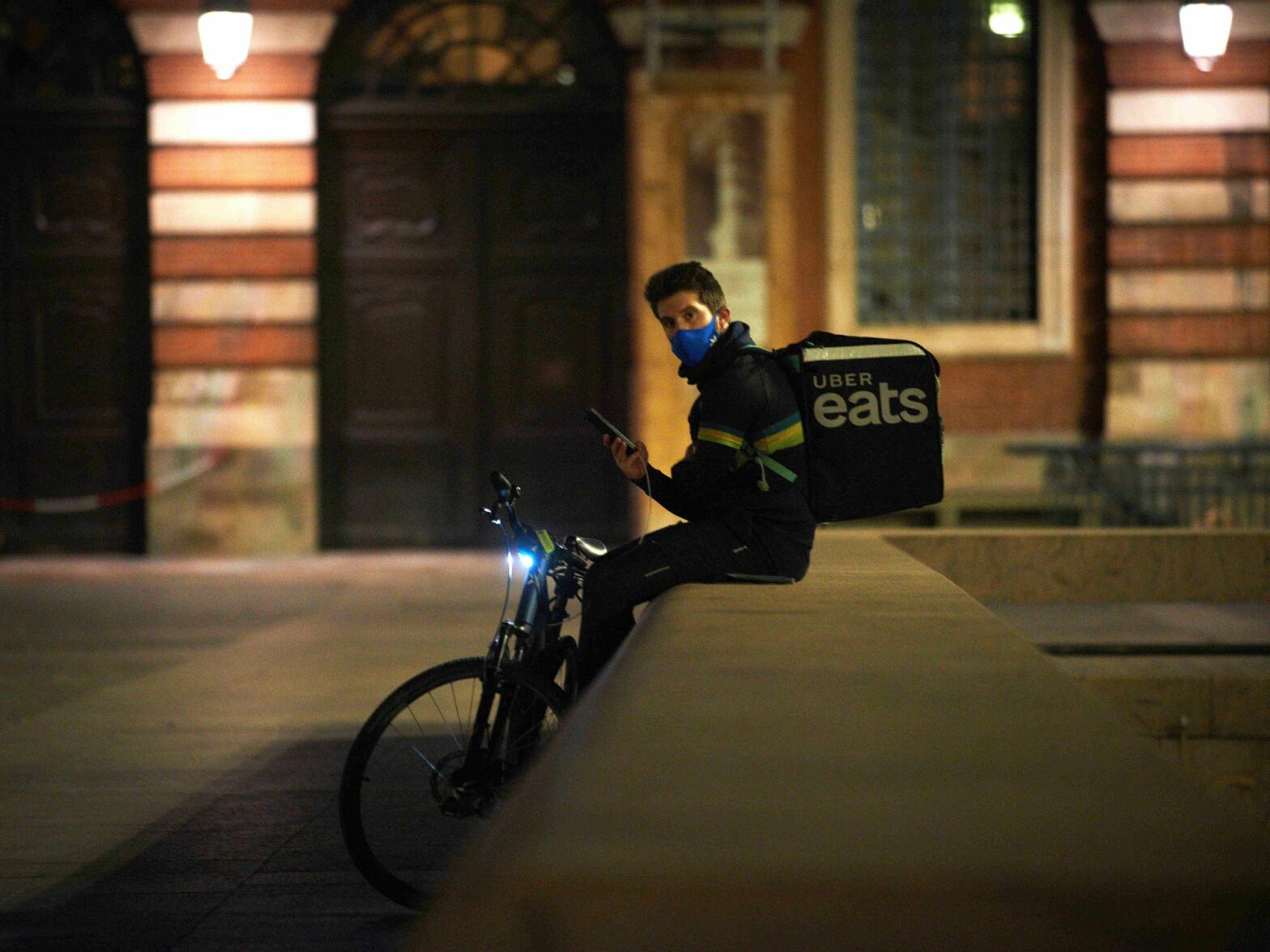
Startups that offer to deliver groceries in less than 15 minutes have learned from the past and are hiring full-time employees, even if they need temporary workers to meet demand.
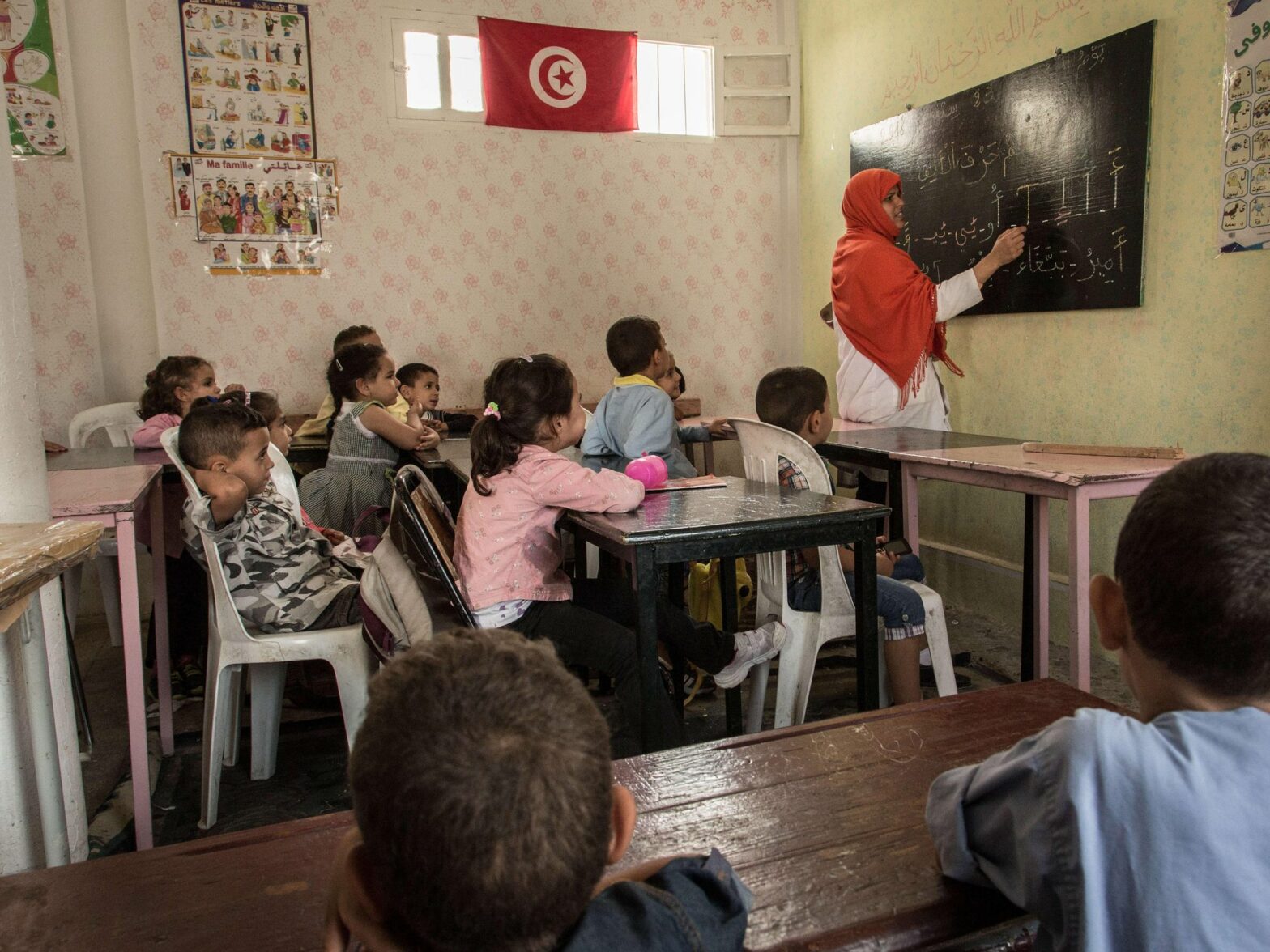
Violence against teachers, poorly received educational reforms, conflicts with parents: In Tunisia, the entire education sector is in crisis.
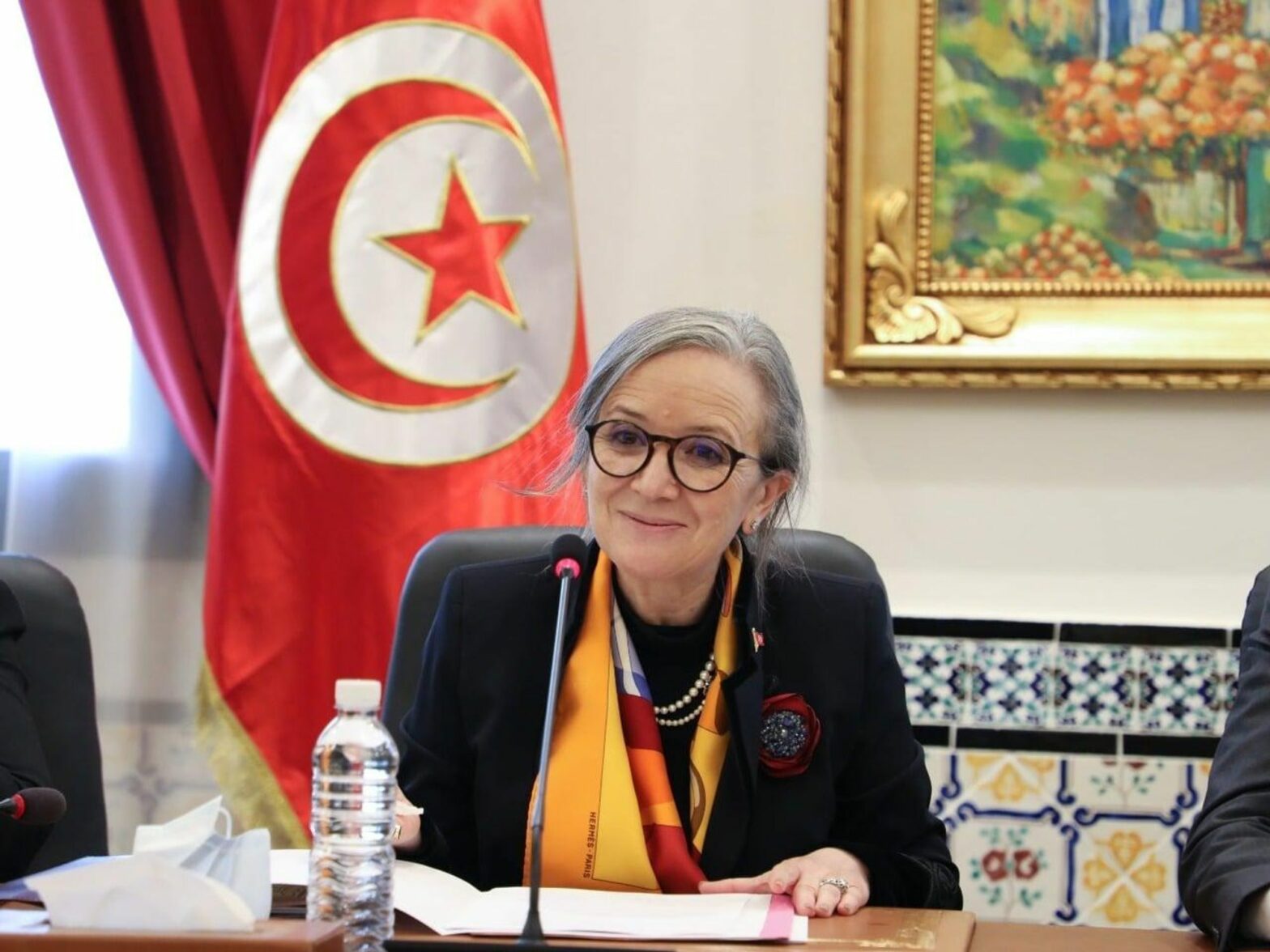
Tunisian President Kaïs Saïed caused a stir by appointing Najla Bouden, the first female head of government in the Arab world. But as the president has assumed full powers a decade after the launch of the Arab Spring, it is a choice with a mixed message.

Boji the dog was giving a good image to Istanbul’s public transportation system. Some wonder if opponents of the mayor exercised the canine nuclear option…
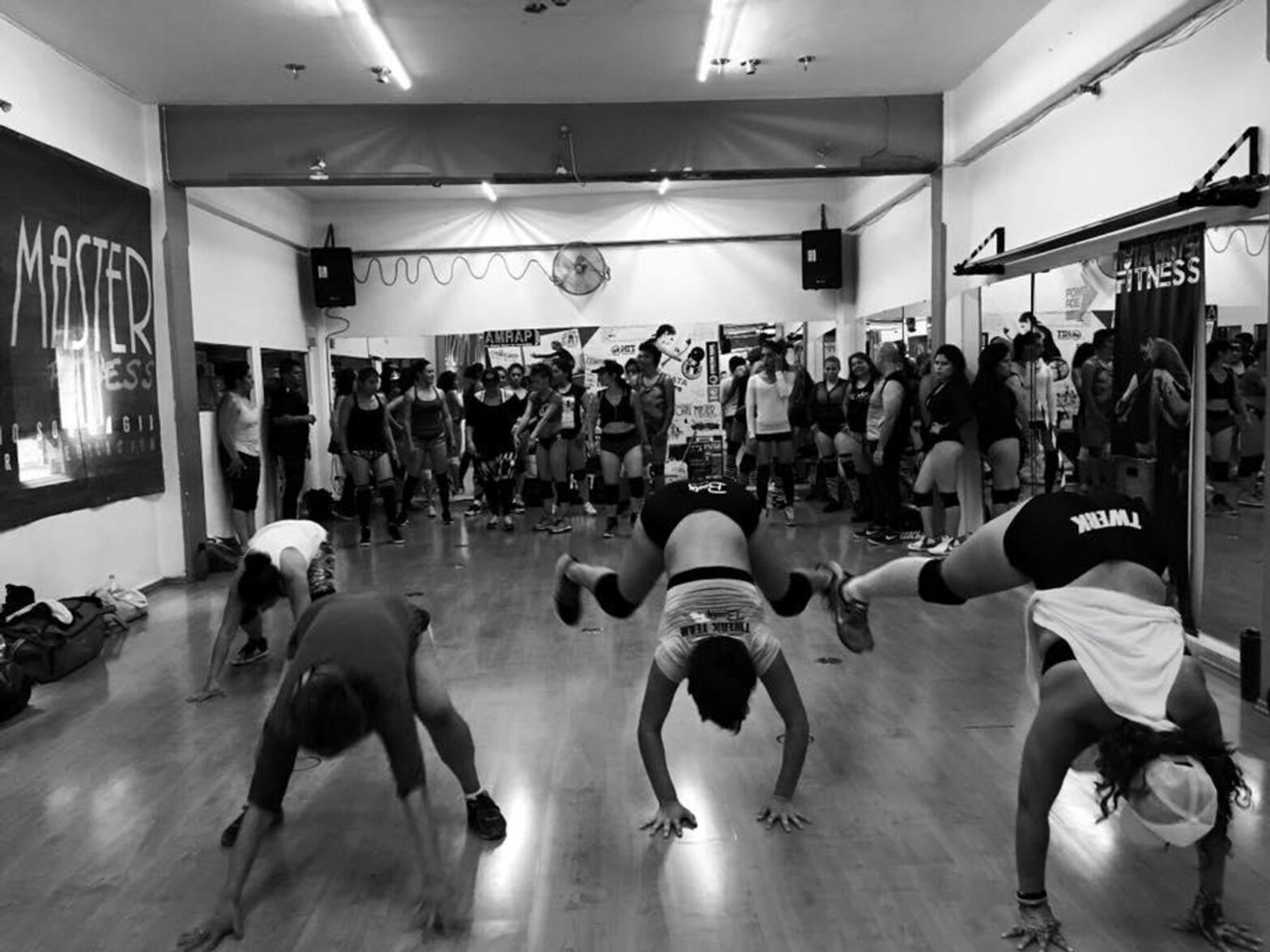
Popularized by raucous music videos, sometimes considered quasi pornographic, this phenomenon has its origins in the ancestral Afro-descendant dances and advocates the liberation of the body.
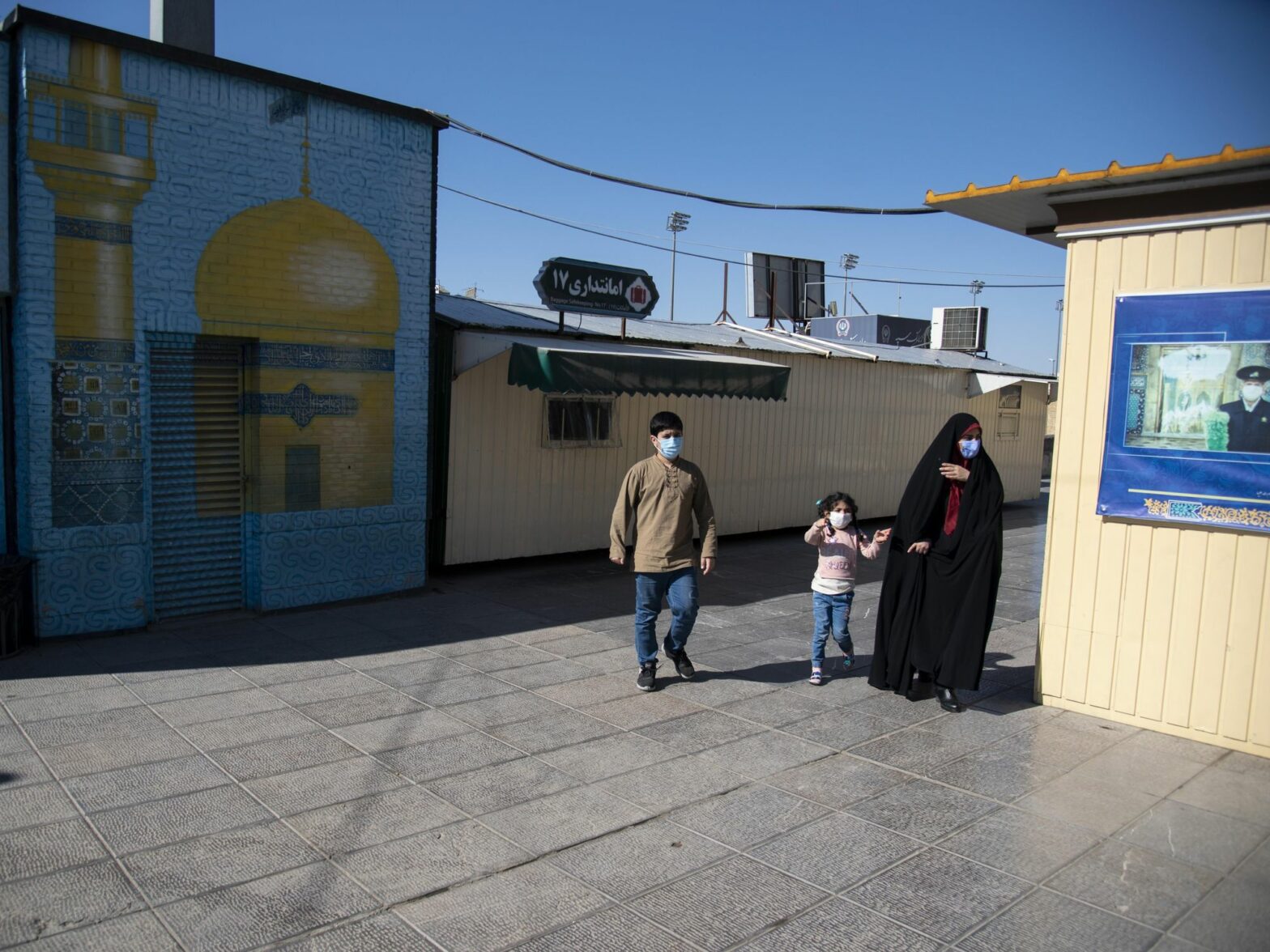
An Iranian public healthcare official warns that a parliamentary bill to boost birth rates will cut access to condoms, and could fuel sexually-transmitted diseases like AIDS.

Driven by the desire to offer an experience rooted in their terroir, more and more star chefs are turning into farmers. They have the same goal: to keep up with the times by offering local and sustainable produce.

Buddhist and Shinto temples in Japan hold “ningyo kuyo” (人形供養) funeral rites for unwanted dolls, a spiritual send off to thank dolls for their service and properly put them to rest.

A highly subjective concept, the notion of comfort has evolved over time and place — but what does it mean today?
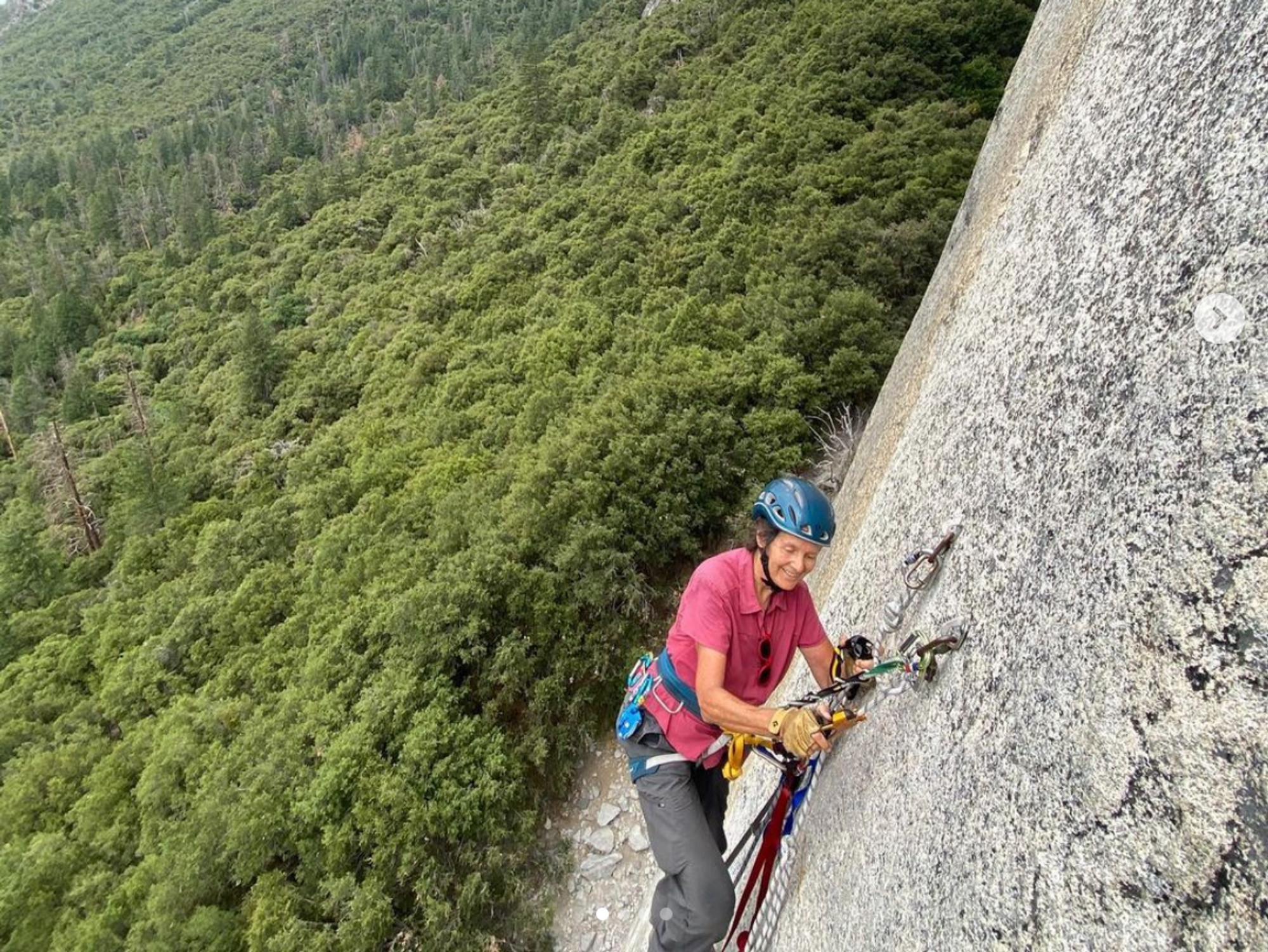
M.J. “Sunny” Eberhart just became the oldest person to complete the Appalachian Trail…at the ripe young age of 83. He is just one of many of the graying outdoor pioneers to set mind-boggling records that redefine staying power.