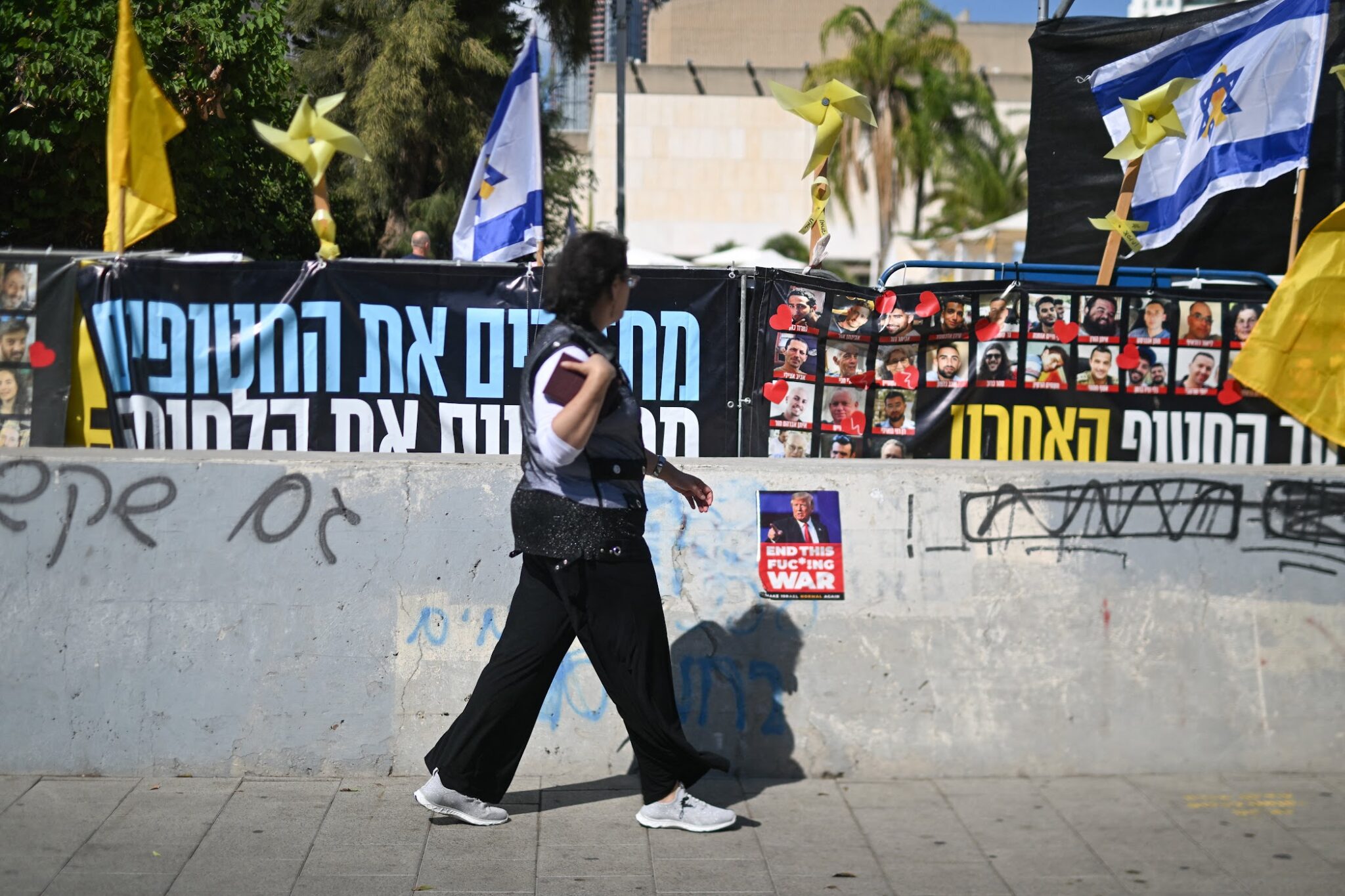
Israel’s post-hostage relief must not harden into absolution, but must be taken as a moment for accountability and a rethinking of coexistence.
 Worldcrunch
Francesca Mannocchi is an Italian freelance journalist who has worked for media both in Italy, such as L’Espresso and LA7, and internationally, for example, Al Jazeera and The Guardian. In 2015, she received the Franco Giustolisi Giustizia e Verità (Justice and Truth) Award for an investigation conducted for LA7 on migrant trafficking and Libyan prisons.
Israel’s post-hostage relief must not harden into absolution, but must be taken as a moment for accountability and a rethinking of coexistence.
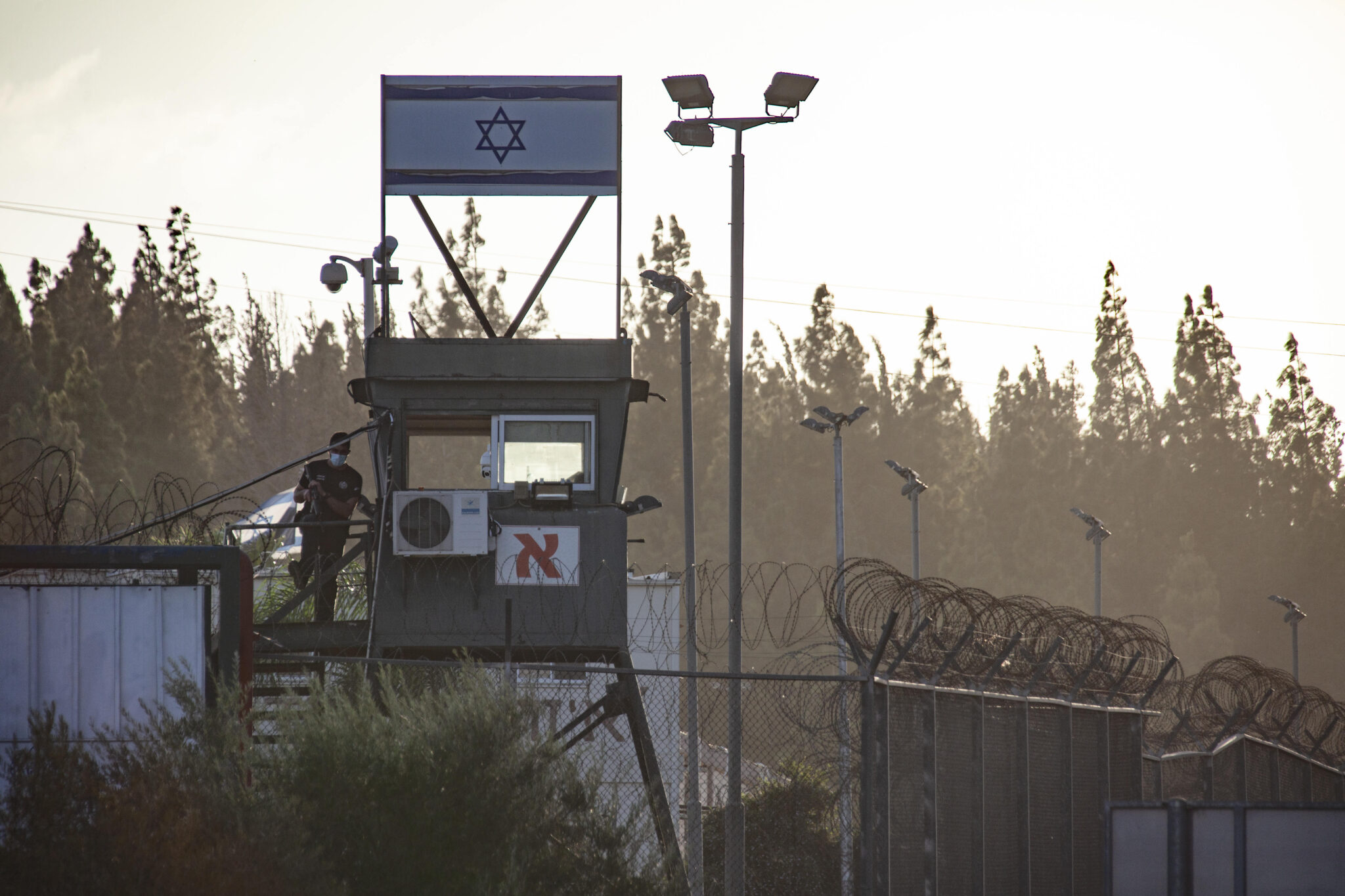
Recently released, a former Palestinian detainee recounts the beatings, humiliation, and deprivation he endured as human rights groups warn of a prison system turned into an instrument of state violence.
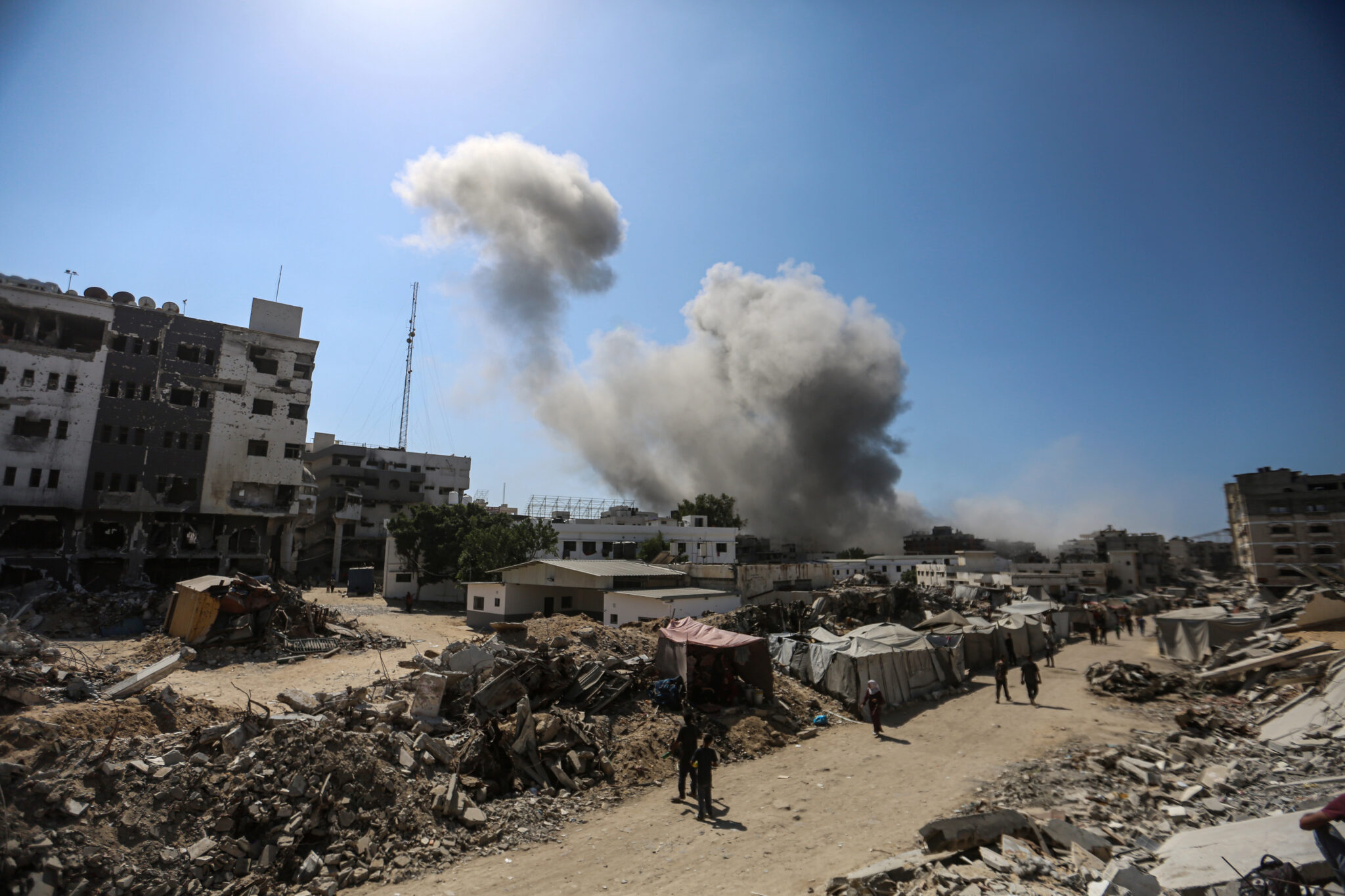
By twisting words into tools of war, Israel turns destruction into “security,” displacement into “voluntary migration,” and Gaza’s annihilation into a defensive necessity.
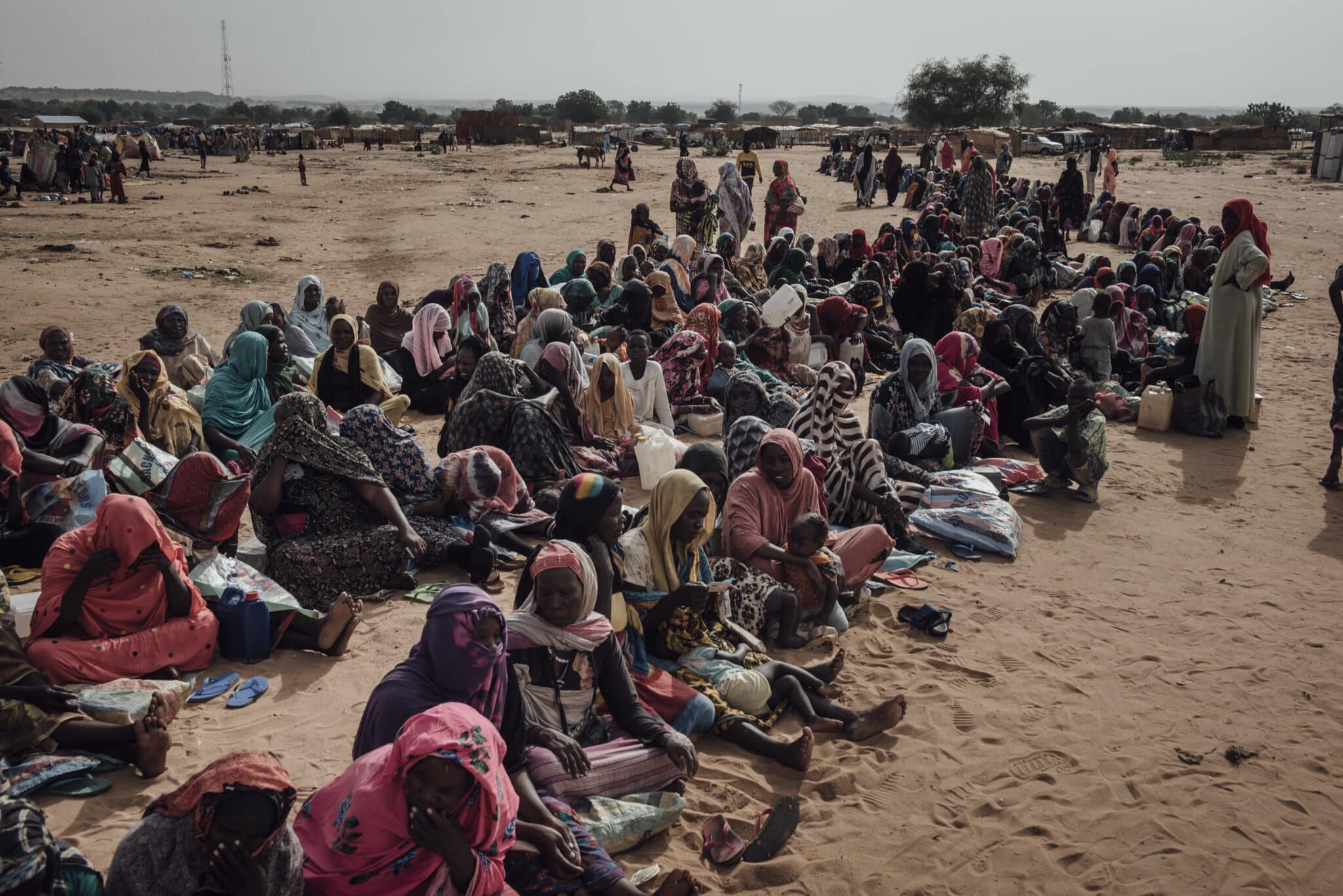
La Stampa journalist Francesca Mannocchi reports from Chad, where she spoke to some of the 700,000 Sudanese refugees who have fled the civil war that is ravaging the country. Their hopes to find a safer place were crushed by lack of funding and resources, creating yet another threat to their lives: famine.
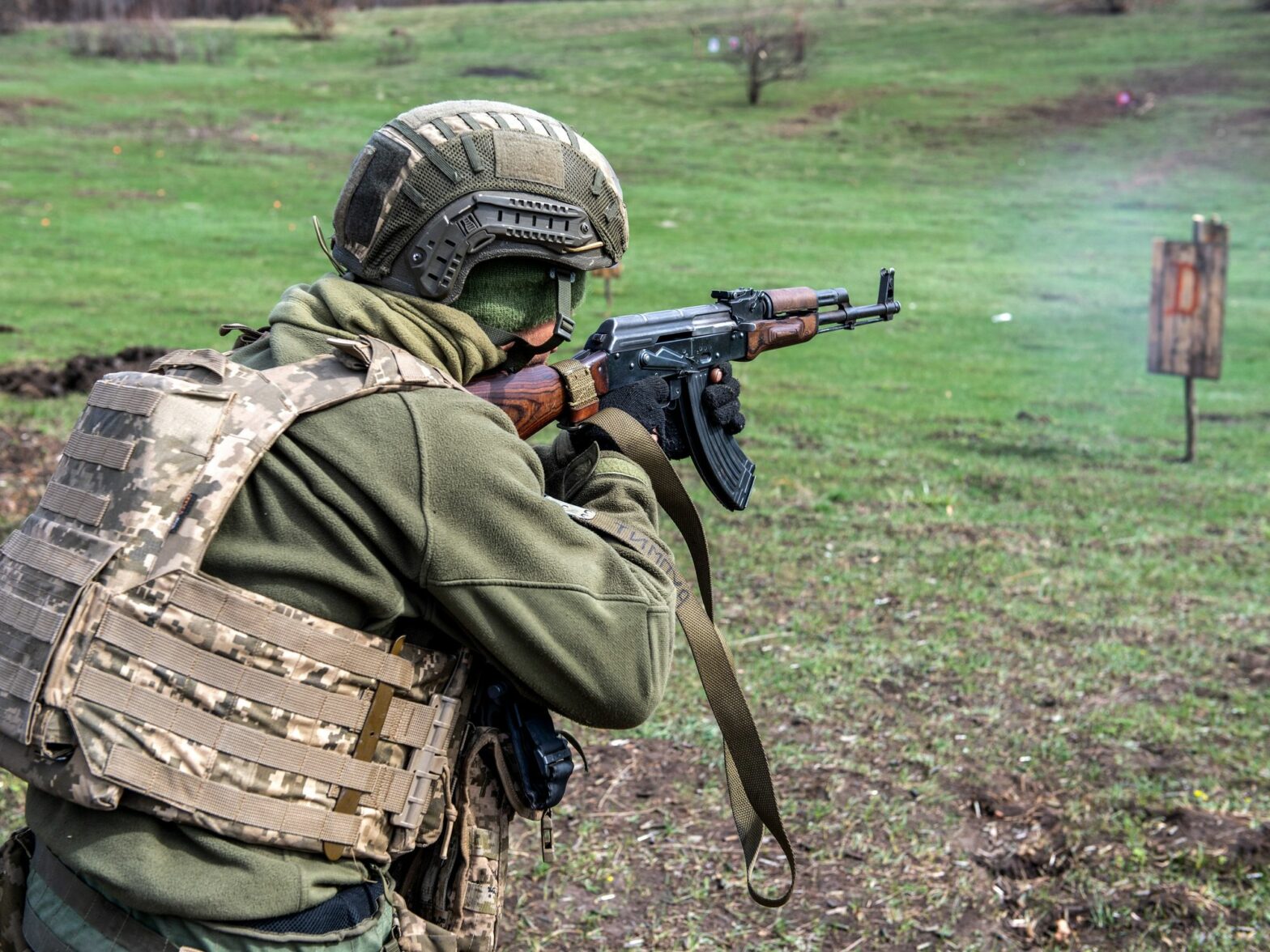
While voluntary enlistment is still strong in Ukraine, it is no longer enough. Kyiv has begun allowing prisoners to apply for early release in exchange for military service. While Russia’s similar policy was criticized, Ukrainian officials insist there are crucial differences.
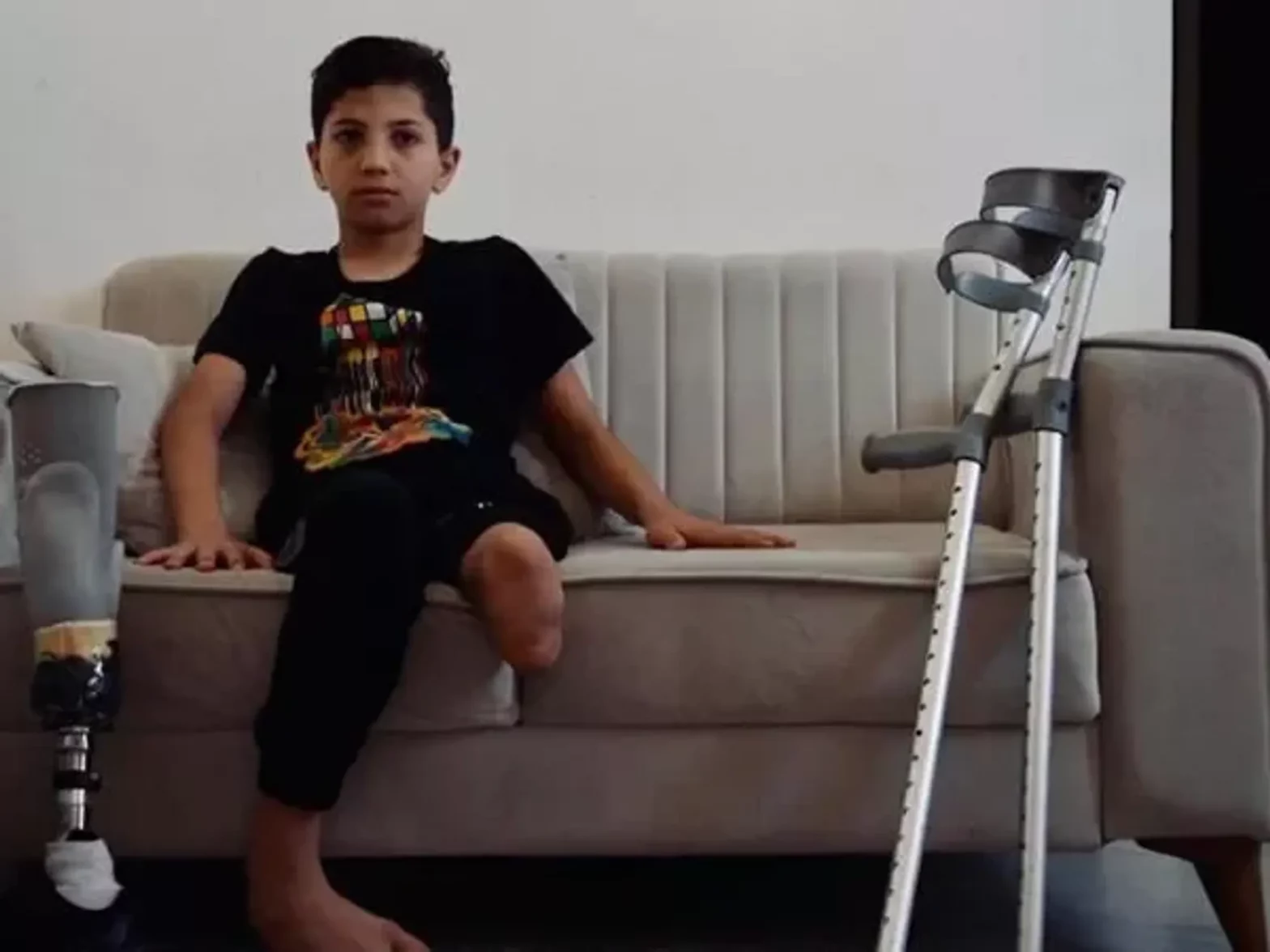
Wounded by the bombs, some had to face surgeries on kitchen tables. La Stampa reporter Francesca Mannocchi met them and their parents in Doha, Qatar, where they seek refuge.
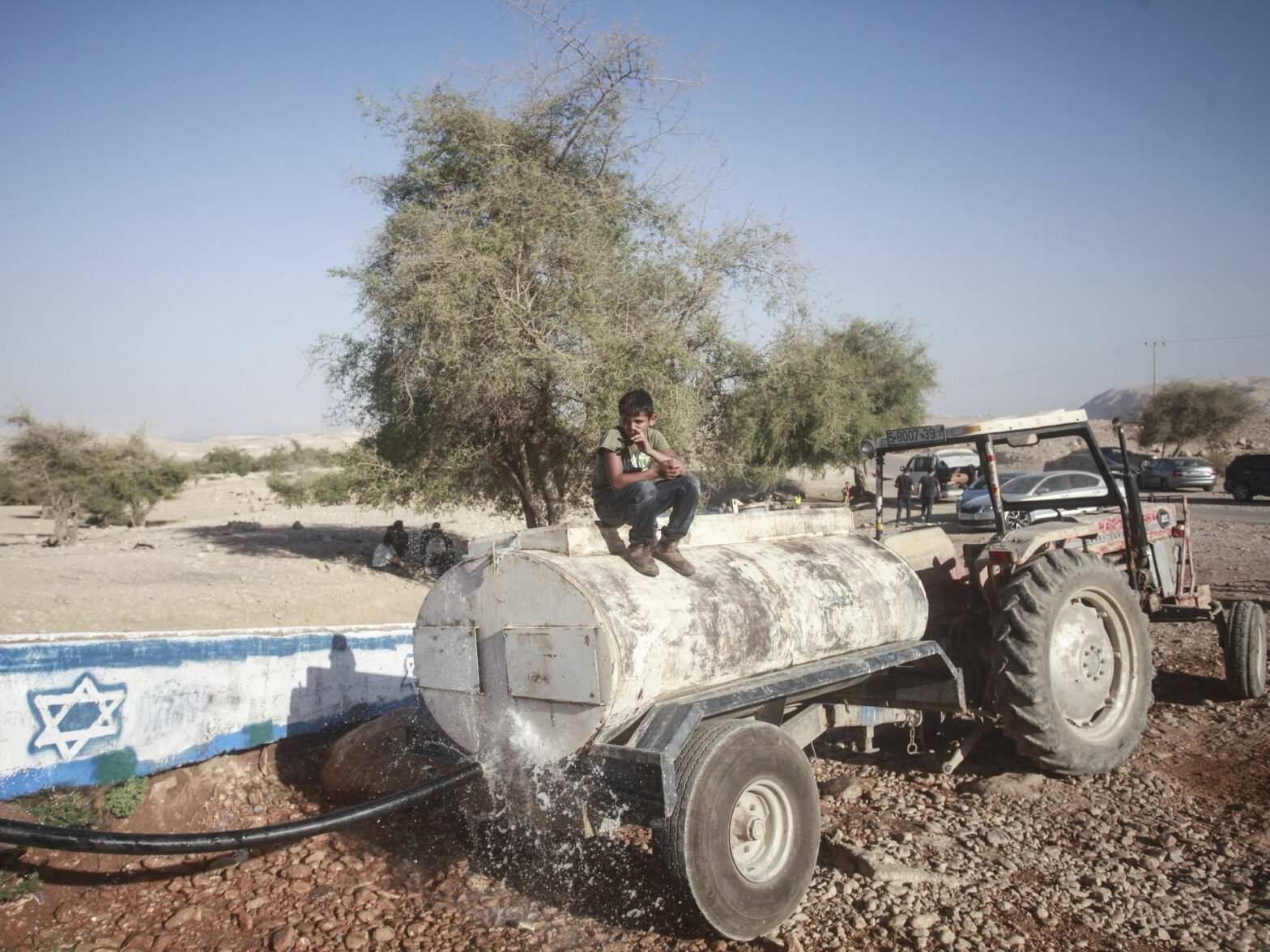
For years Israeli activists have been helping securing water for Palestinians in the West Bank and recording abuses they suffered at the hands of radical Jewish settlers. The stakes, and risks, have never been higher.
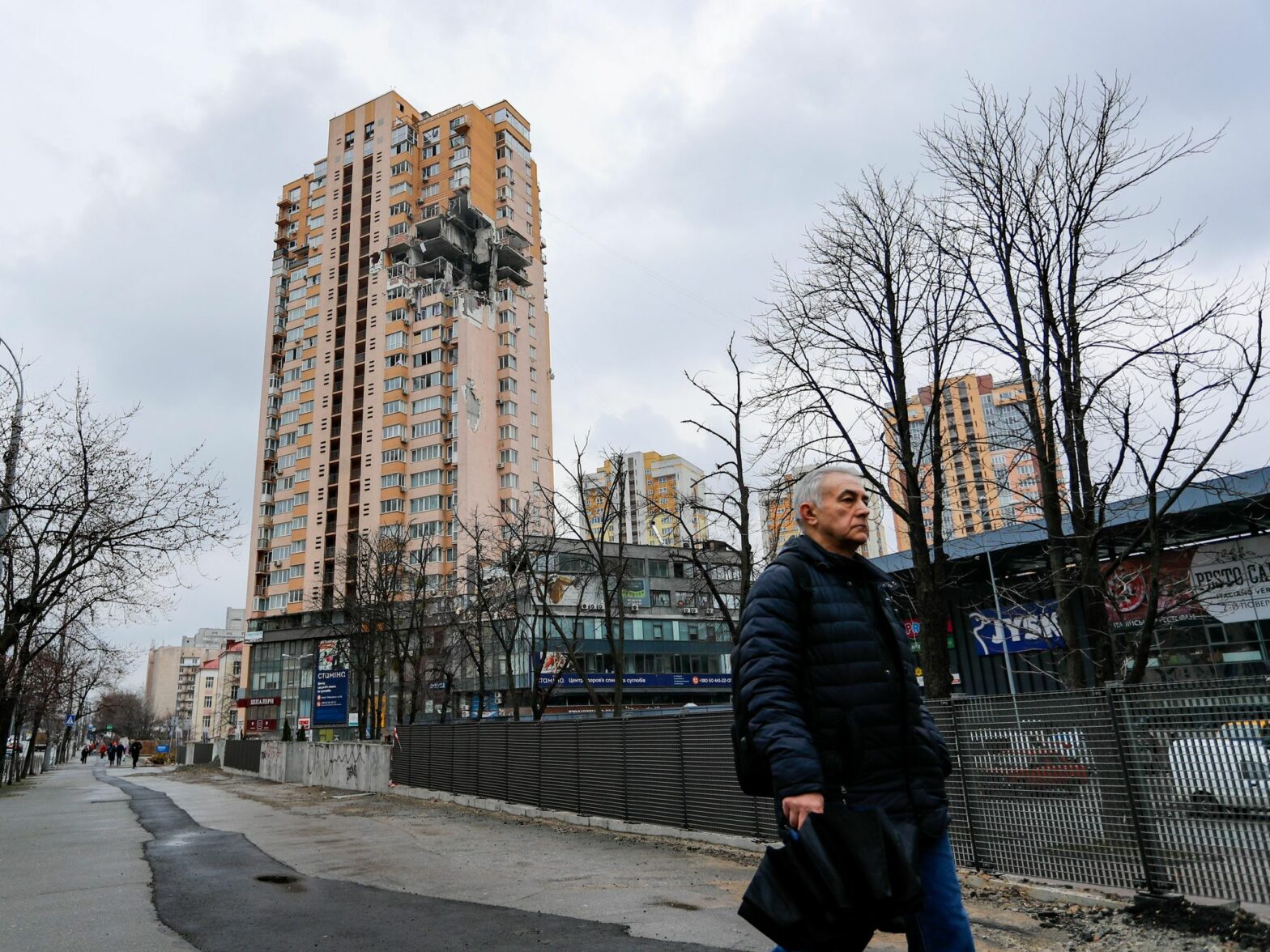
Those who have not fled are emerging in these early days of spring to establish new rhythms of life as a tense wartime normalcy takes over.