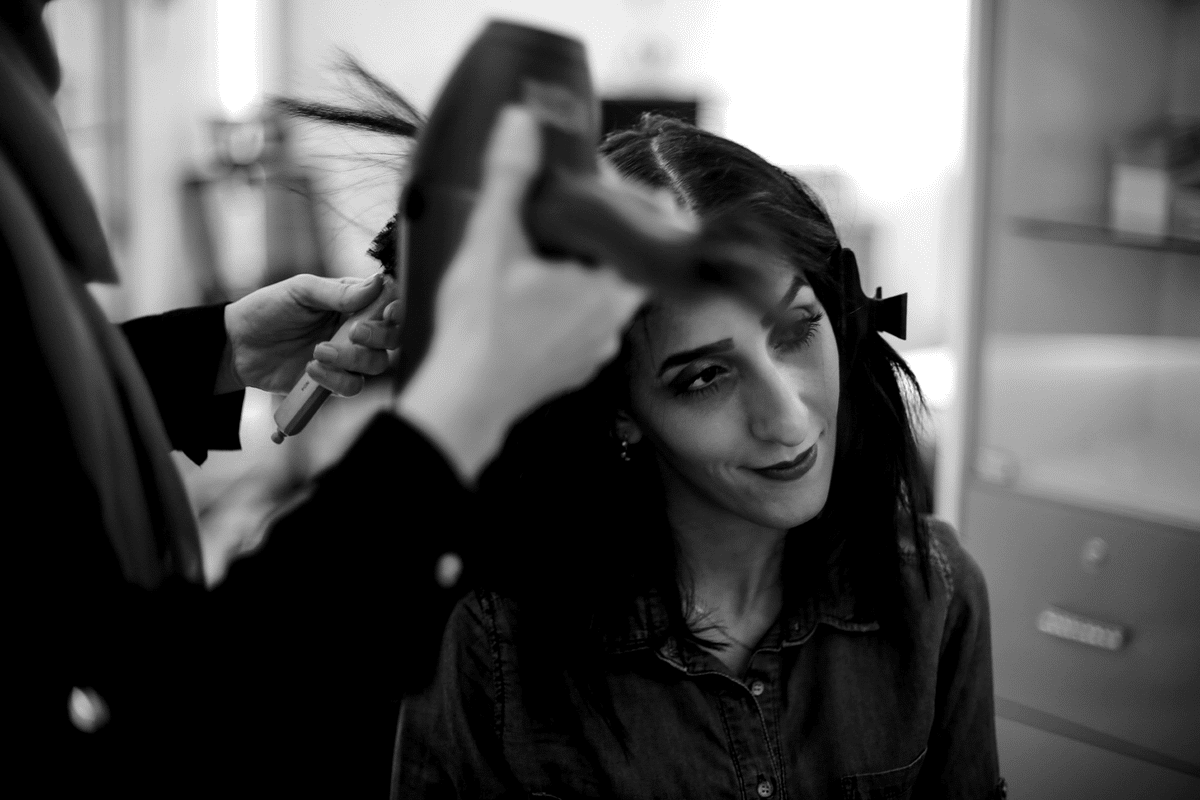
Amid the ruins of Gaza City, women gather in a hair salon not to escape war, but to reclaim fragments of life, beauty, and selfhood. In a city scarred by loss, they color sorrow with dye, memory, and quiet defiance.
 Worldcrunch
Feda Ziyadh is a journalist who writes for Lebanon-based daily Daraj.
Amid the ruins of Gaza City, women gather in a hair salon not to escape war, but to reclaim fragments of life, beauty, and selfhood. In a city scarred by loss, they color sorrow with dye, memory, and quiet defiance.
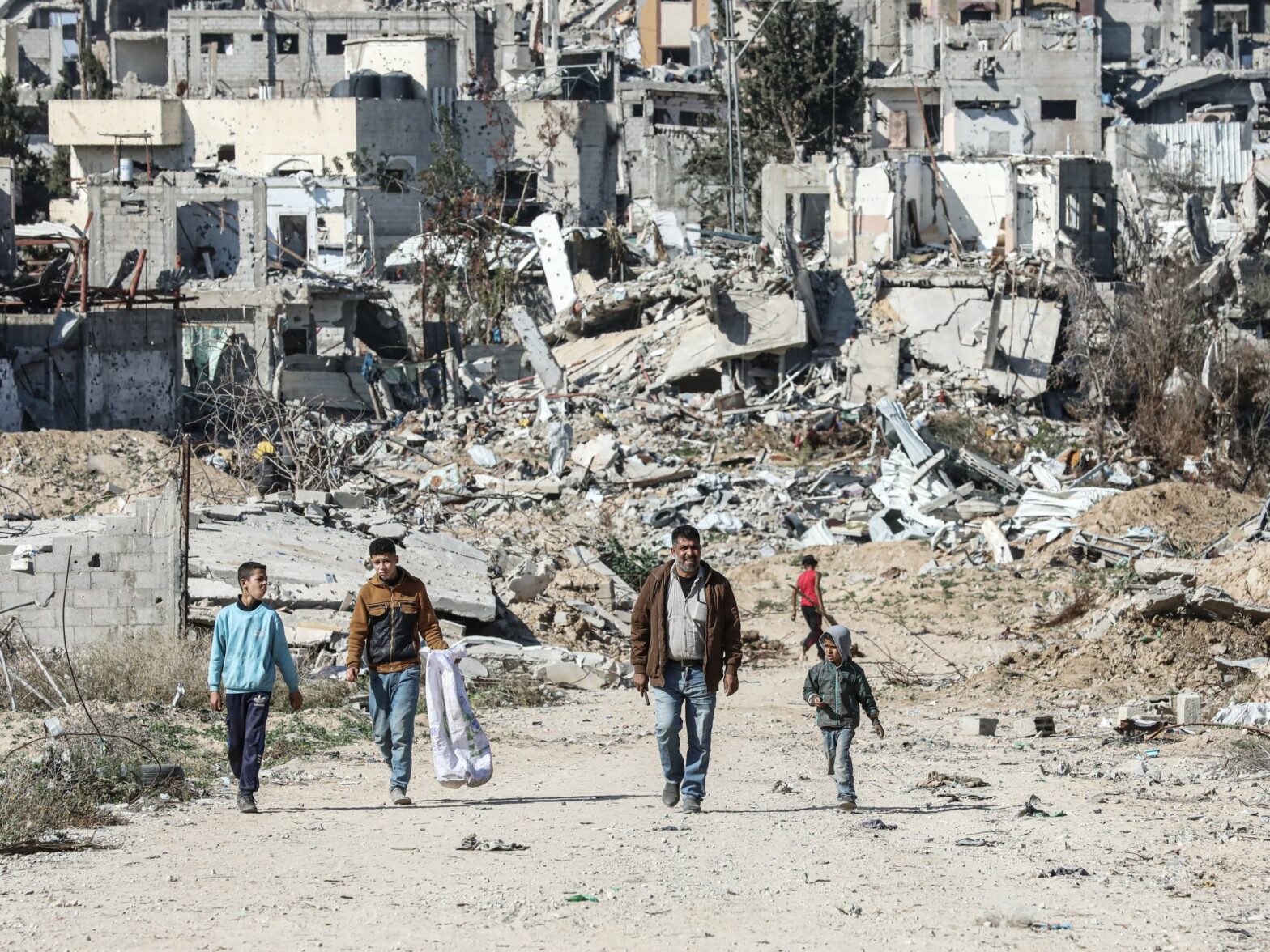
The recent Israel-Hamas ceasefire deal means that displaced Palestinians could return to their homes in the Gaza Strip in the coming weeks. When exactly will they return? And what will they find there? Palestinian writer Feda Ziyadh, who is among the 2.3 million displaced by the war, considers these questions — which four generations of her family has had to ask.
Palestinian writer Feda Ziyadh shares a personal fear, which she says cannot be understood or explained: that of getting used to a sense of the present that has been created by what she calls a “saga of displacement.”
The remains arrived in Rafah in two bags, one blue and the other white. I placed them in front of me, waiting for a time that would force me to open them up.
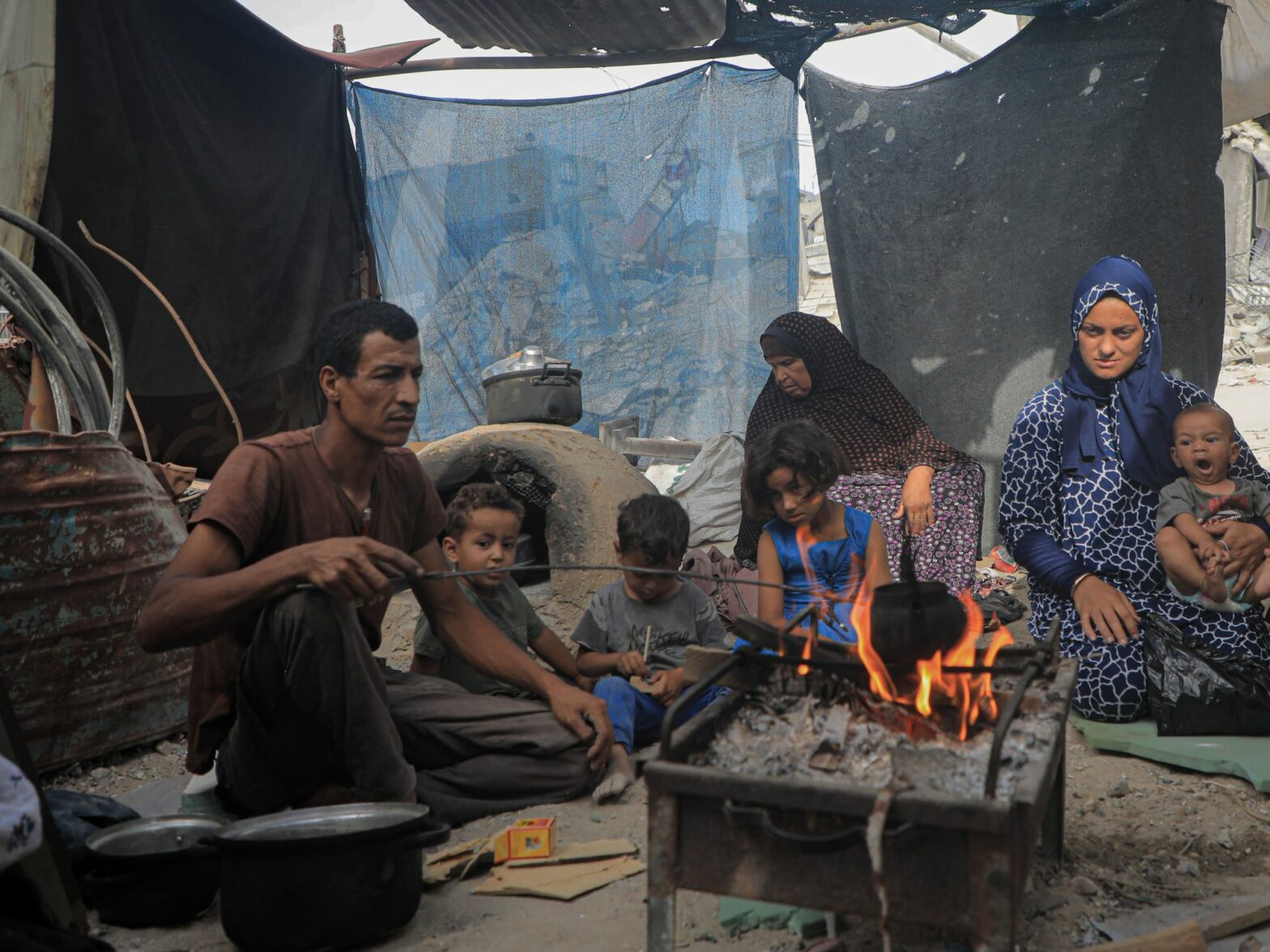
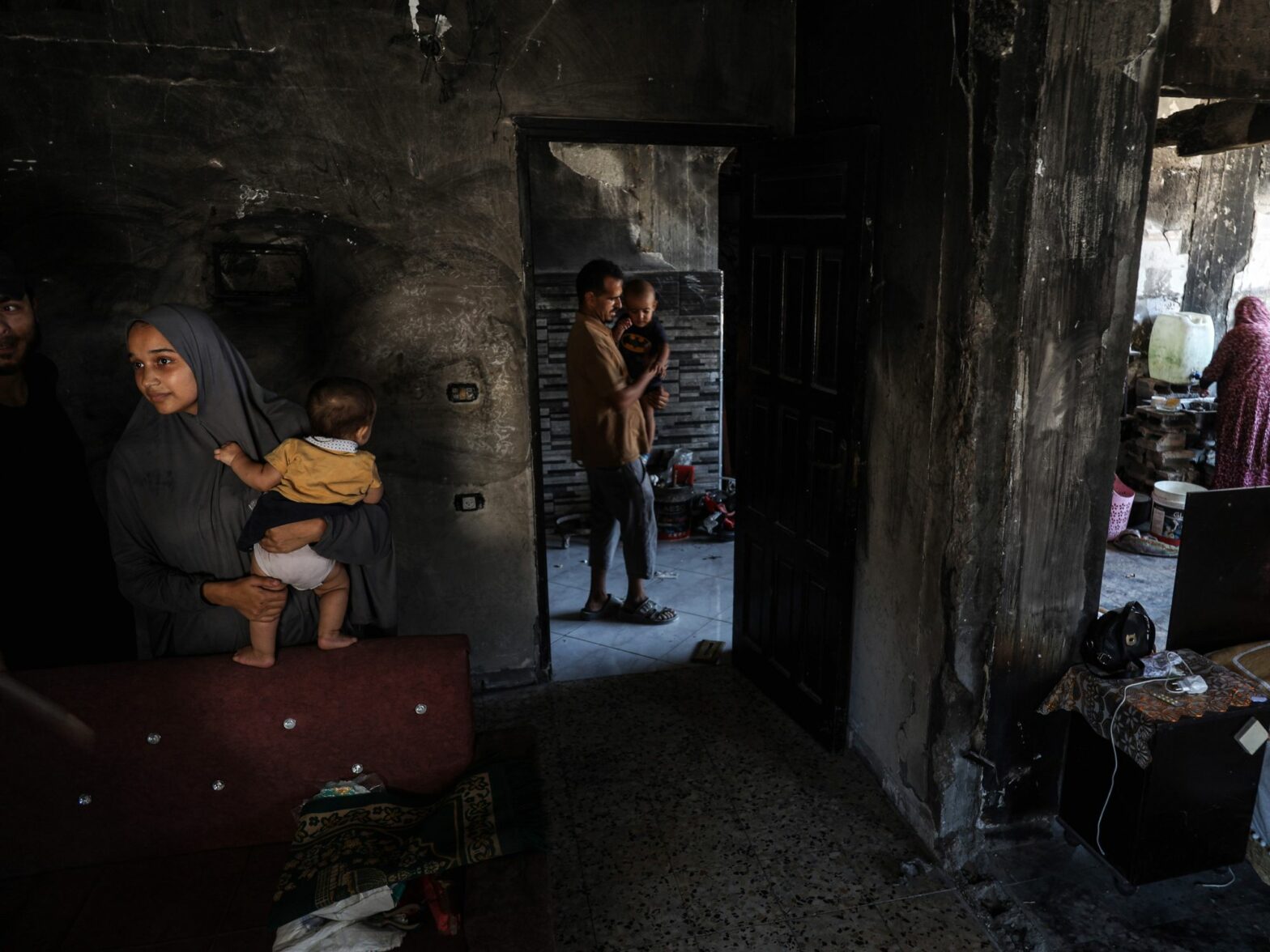
After nine months of war, most Palestinians in Gaza have been displaced multiple times. Often that leaves the sense of being at home, even a destroyed home, fading from their consciousness.