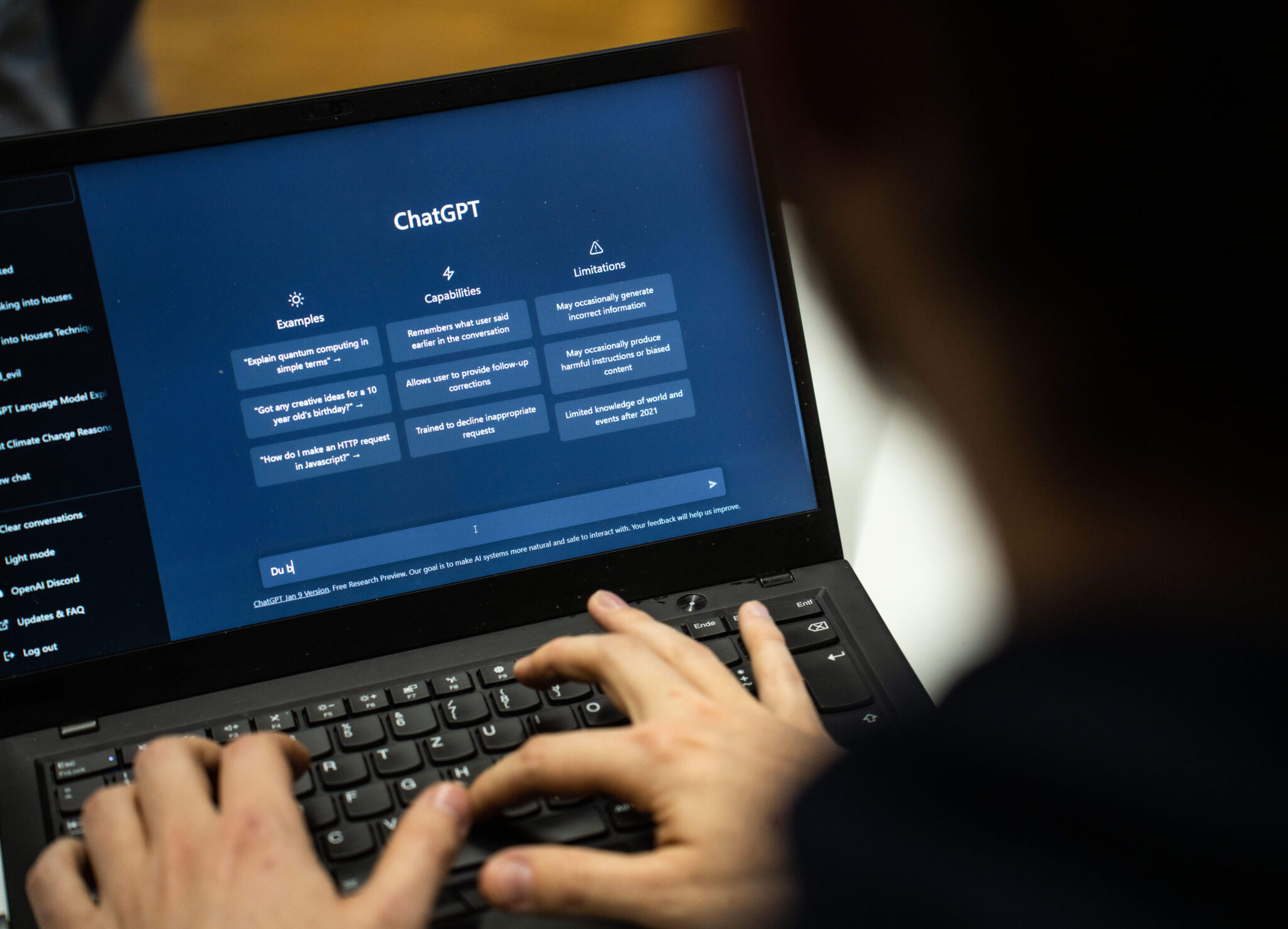
A study of hundreds of thousands of YouTube videos and podcasts reveals that AI isn’t just changing how we write, it’s subtly altering our spoken language too, raising new concerns about cultural homogenization and who controls the words we use.
 Worldcrunch
Eva Wolfangel has been writing about cybersecurity, artificial intelligence, virtual reality, technology ethics and related topics for many years. Her texts have received numerous awards, including the Reporter Prize and the European Science Journalism Award. In 2019/20 she was a Knight Science Journalism Fellow at MIT in Boston, where she studied cybersecurity with Barack Obama’s former IT security advisor and developed a journalistic format in social virtual reality. She writes for various magazines and newspapers, occasionally produces radio features and also speaks about her topics as a speaker and moderator. Her book “Ein falscher Klick: Hackern auf der Spur” on cyberwar and state espionage was published by Penguin Random House in November 2022.
A study of hundreds of thousands of YouTube videos and podcasts reveals that AI isn’t just changing how we write, it’s subtly altering our spoken language too, raising new concerns about cultural homogenization and who controls the words we use.
As Europe debates how to play a bigger role in the digital sphere, the industry and some politicians blame strict regulations for stifling innovation. But a closer look reveals that smart rules may be Europe’s greatest strength — not its weakness — in the global tech race.

Ahead of Germany’s crucial national elections Sunday, Russia is actively working to destabilize the country through cyberattacks, agents, and disinformation campaigns. Can anything be done to stop or at least counter these attacks?