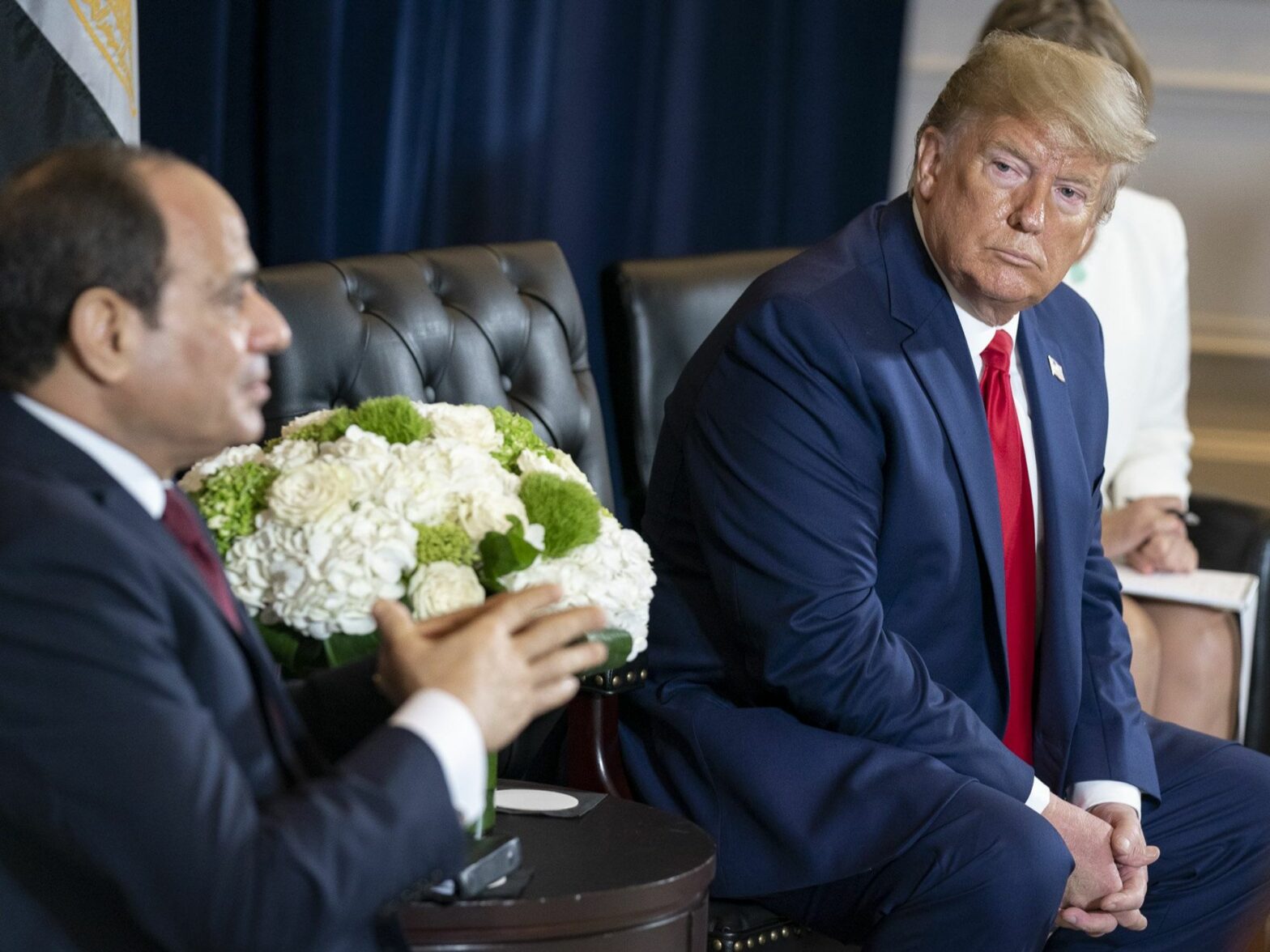
Will former U.S. President Donald Trump maintain his “dealmaker” approach towards Egypt in case he finds his way back to the White House?
 Worldcrunch
Elias Kassem is an Egyptian journalist based in Cairo.
Will former U.S. President Donald Trump maintain his “dealmaker” approach towards Egypt in case he finds his way back to the White House?
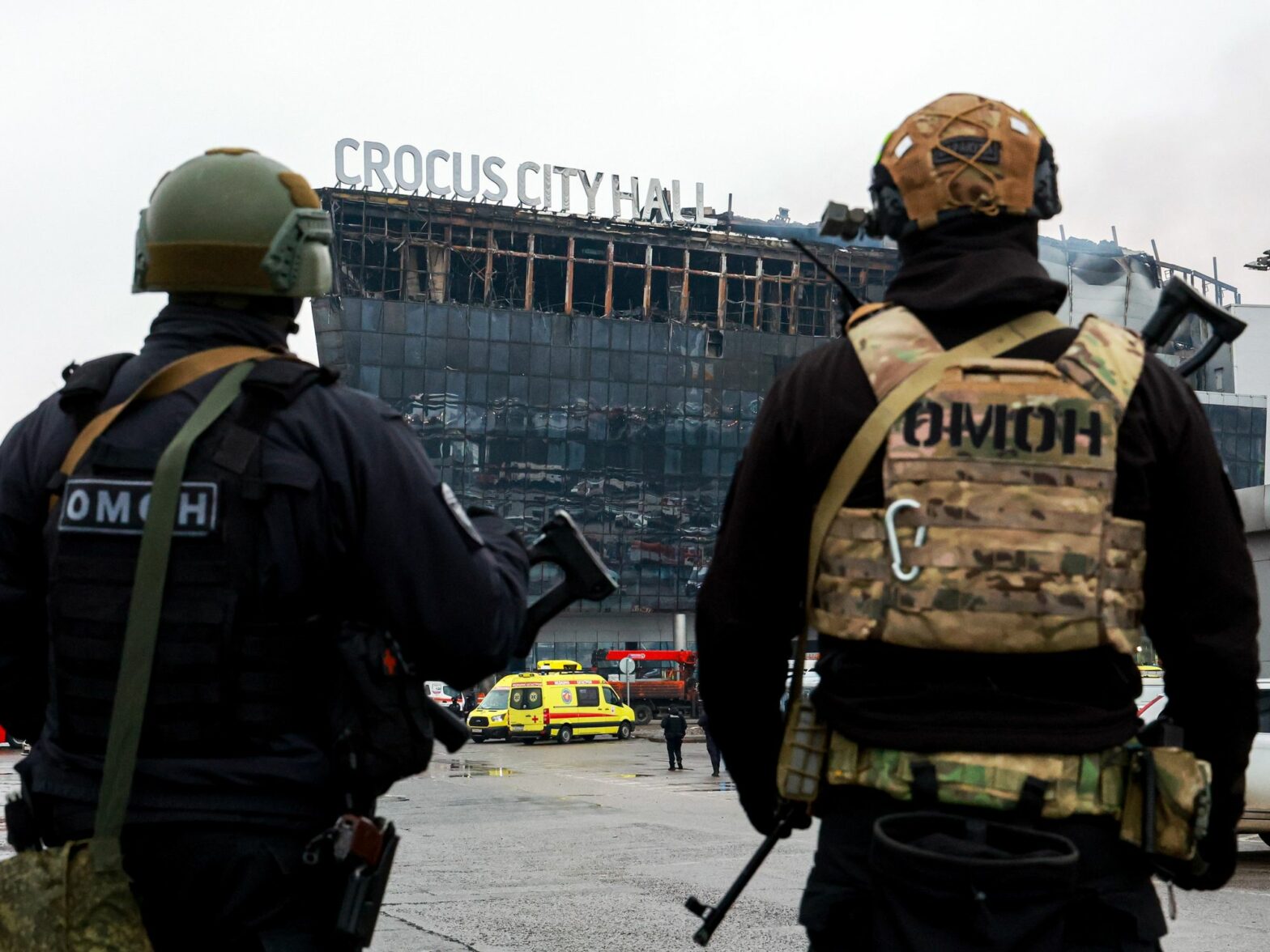
Russian officials, including President Vladimir Putin, viewed the confession of a detained militant as a “proof” that Ukraine was involved in the deadly attack. They employed it to facilitate comprehensive military mobilization ahead of a looming fresh large offensive on Ukraine.
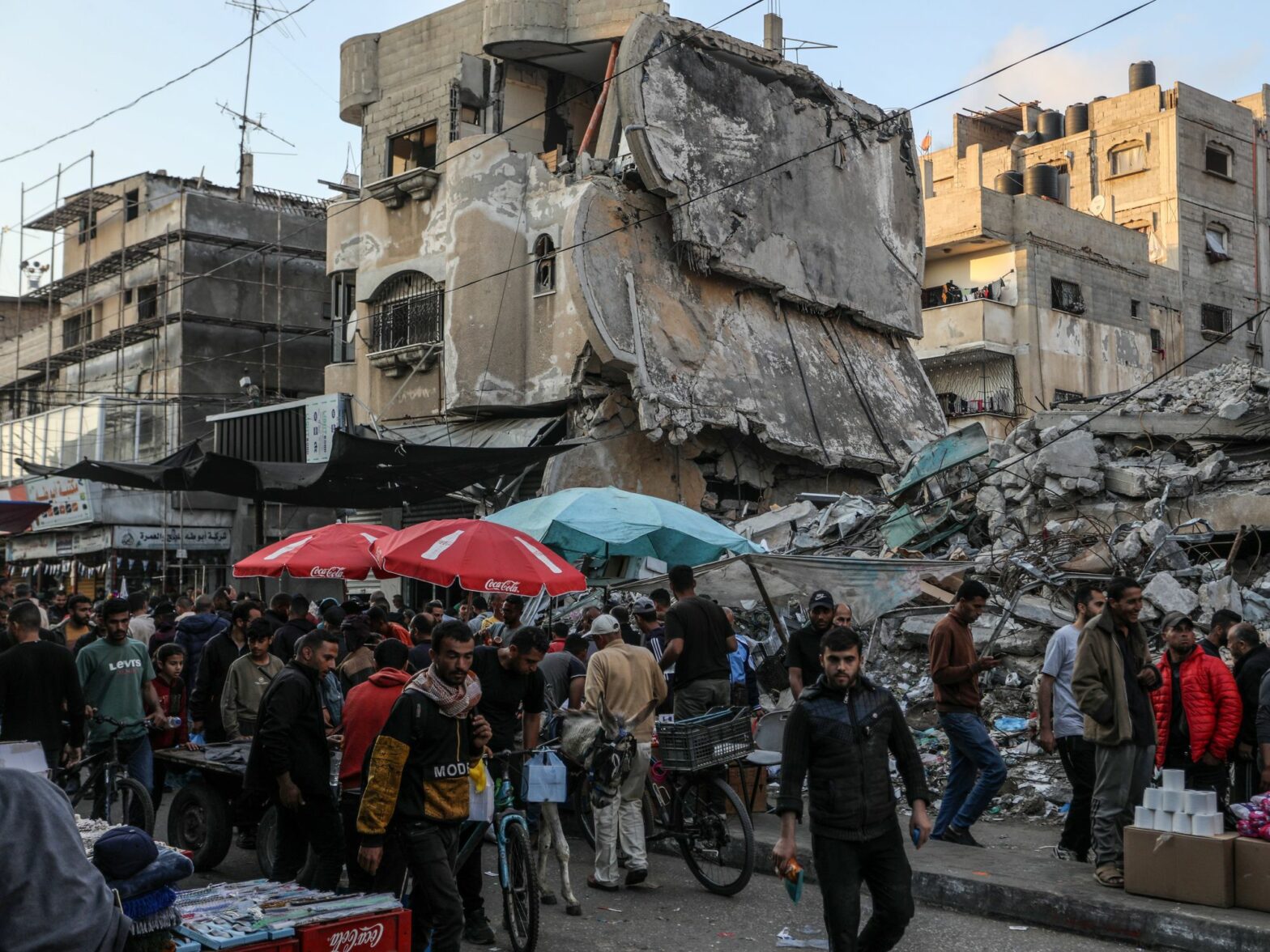
Rafah’s modern tragedy began with the U.S.-brokered Camp David peace treaty between Egypt and Israel. The misery brought on then peaked in 2014 with the forced displacement of the Egyptian city’s residents, and is now suffering more than ever as Israel vows to invade Rafah as part of its war on Gaza.
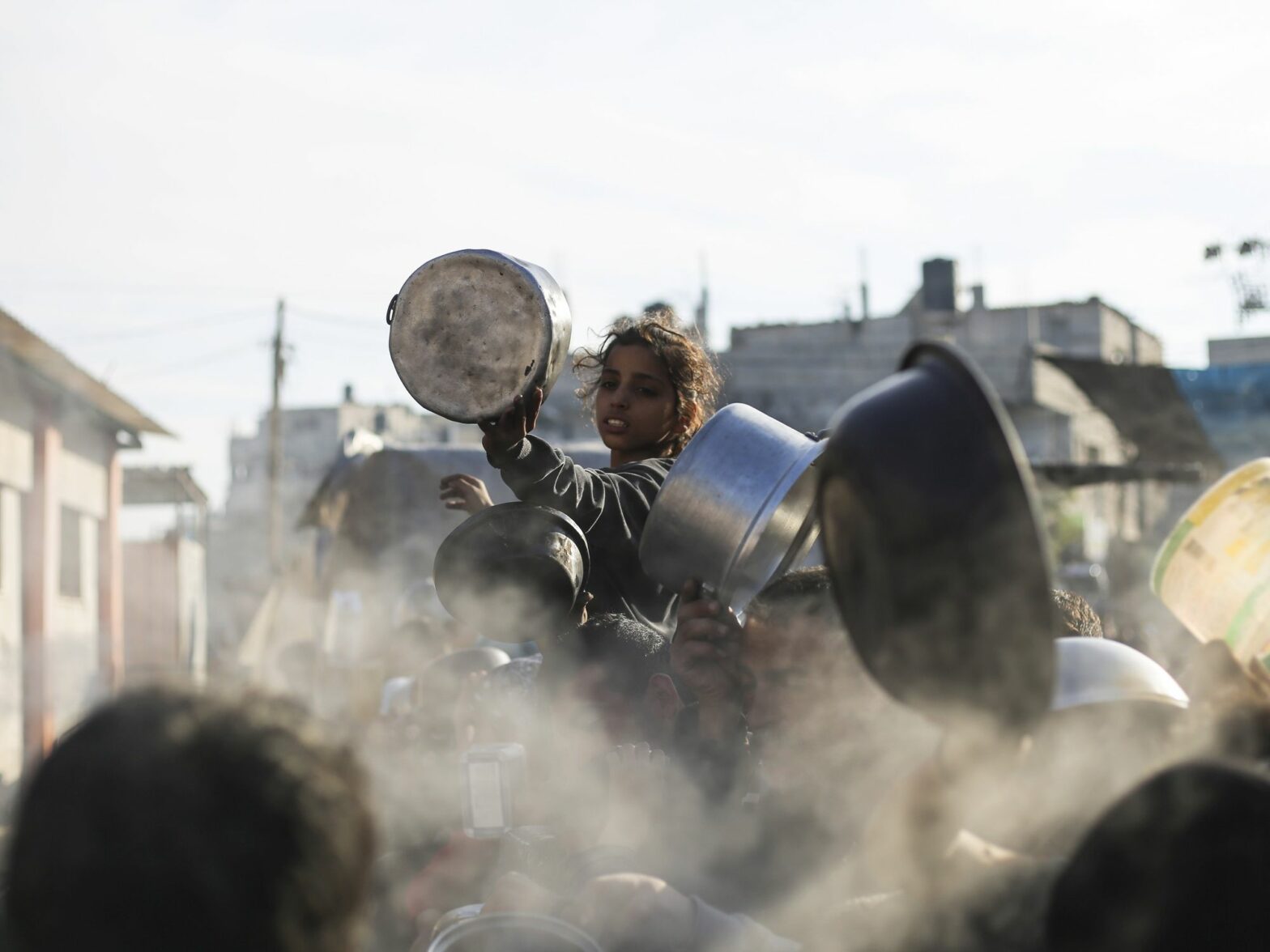
With Israel blocking aid from entering Gaza, some are either resorting to force to get aid to feed their children or turning to a new black market where merchants and war profiteers exploit people’s needs.
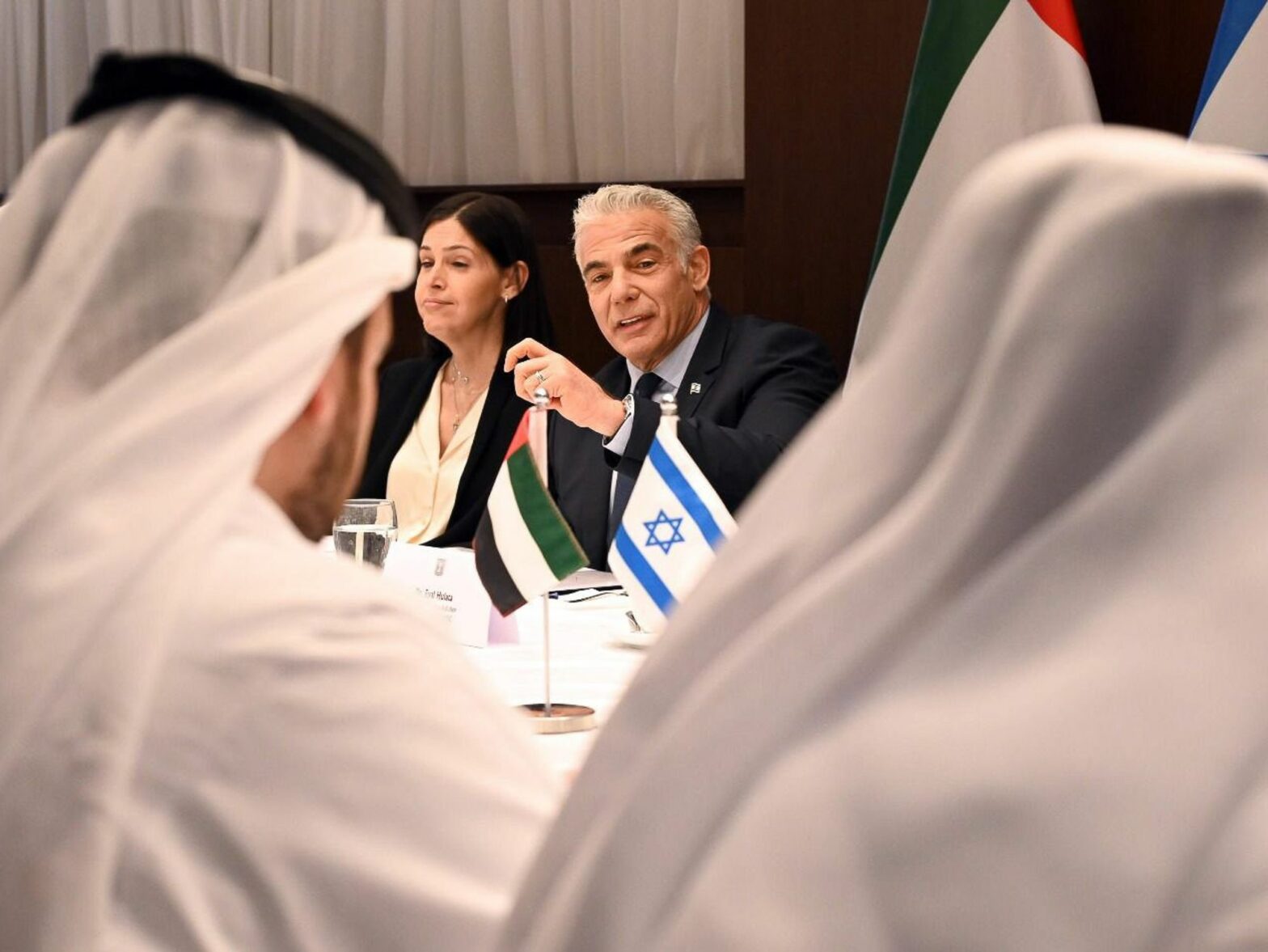
As the United Arab Emirates normalizes relations with Israel, an Emirati organization’s recent revival of a famous pan-Arab song is strangely devoid of all common Arab issues and subjects that would anger Israel, just as Palestinians are being massacred in Gaza.
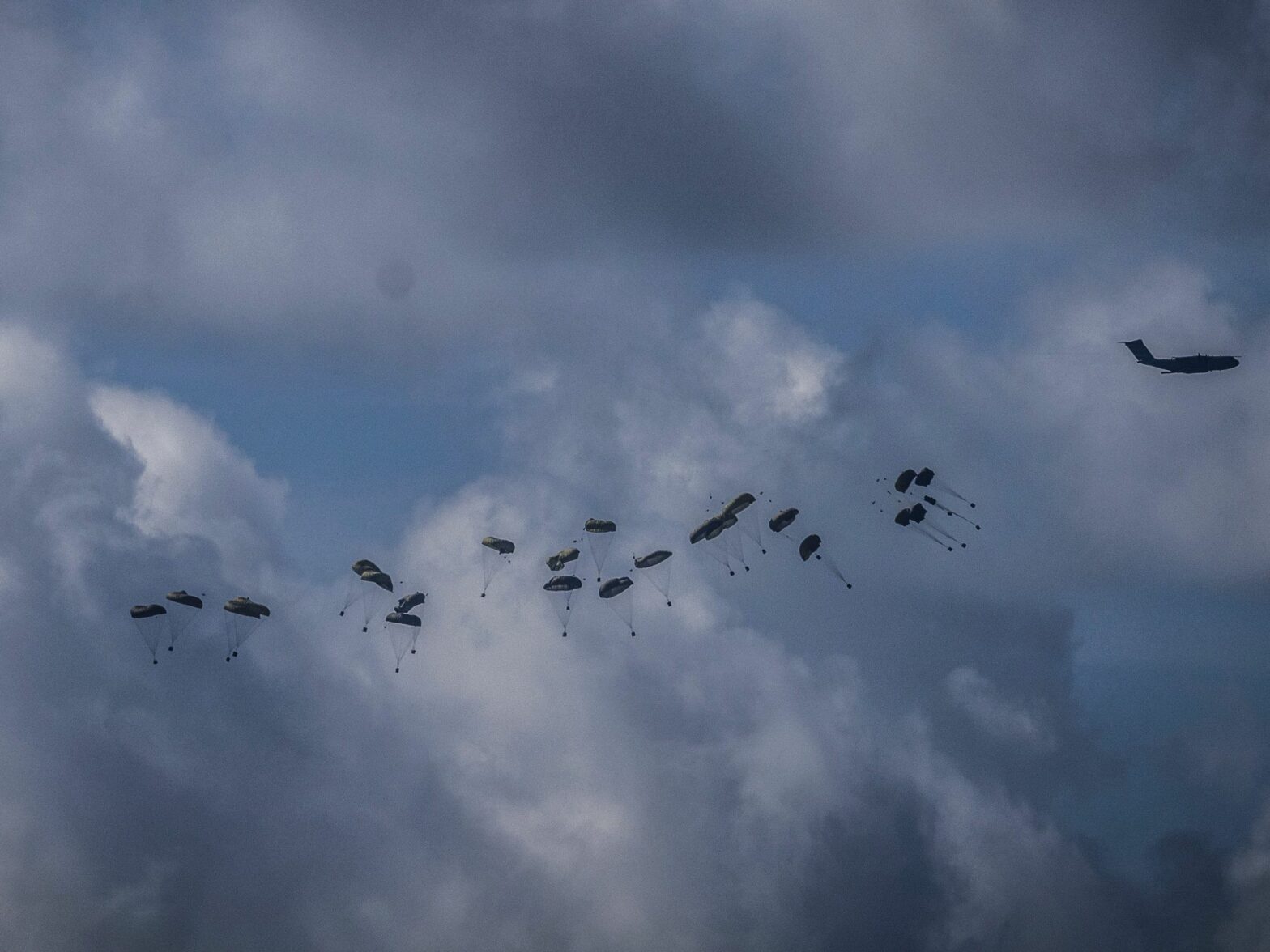
The U.S. has joined several other countries in airdropping aid to the Palestinians in Gaza, but this showy international response is ill conceived and unlikely to avert the looming famine in the coastal enclave.
This is a debate that must challenge those in our region who benefit from the perpetuation of the male culture of violence.
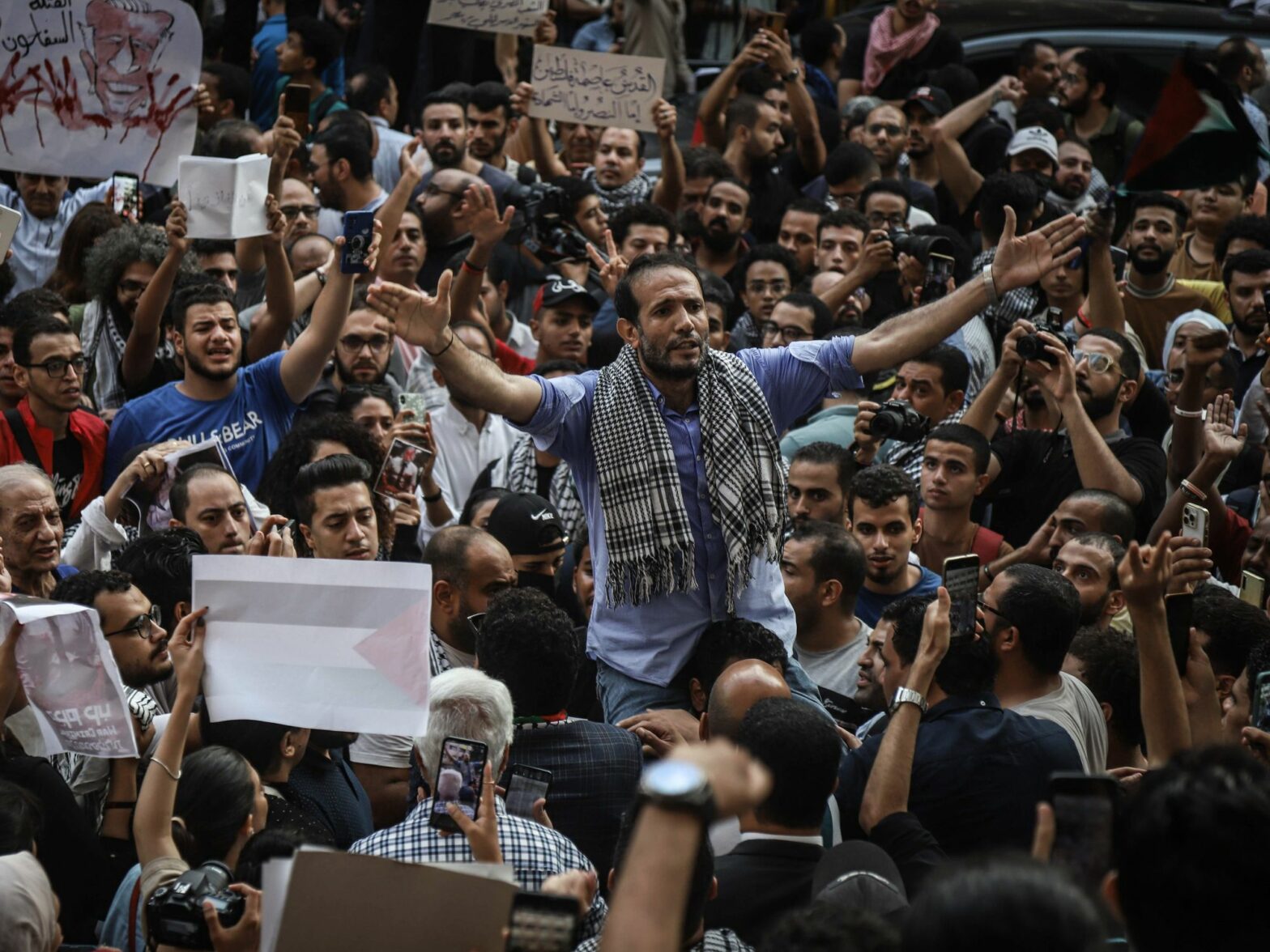
As Israel-Hamas war in Gaza drags on, the momentum for solidarity with the Palestinians , whether individual or collective, has declined. It’s a contrast with the continued anti-Israel demonstrations in Western capitals. The reasons are both external, and internal.
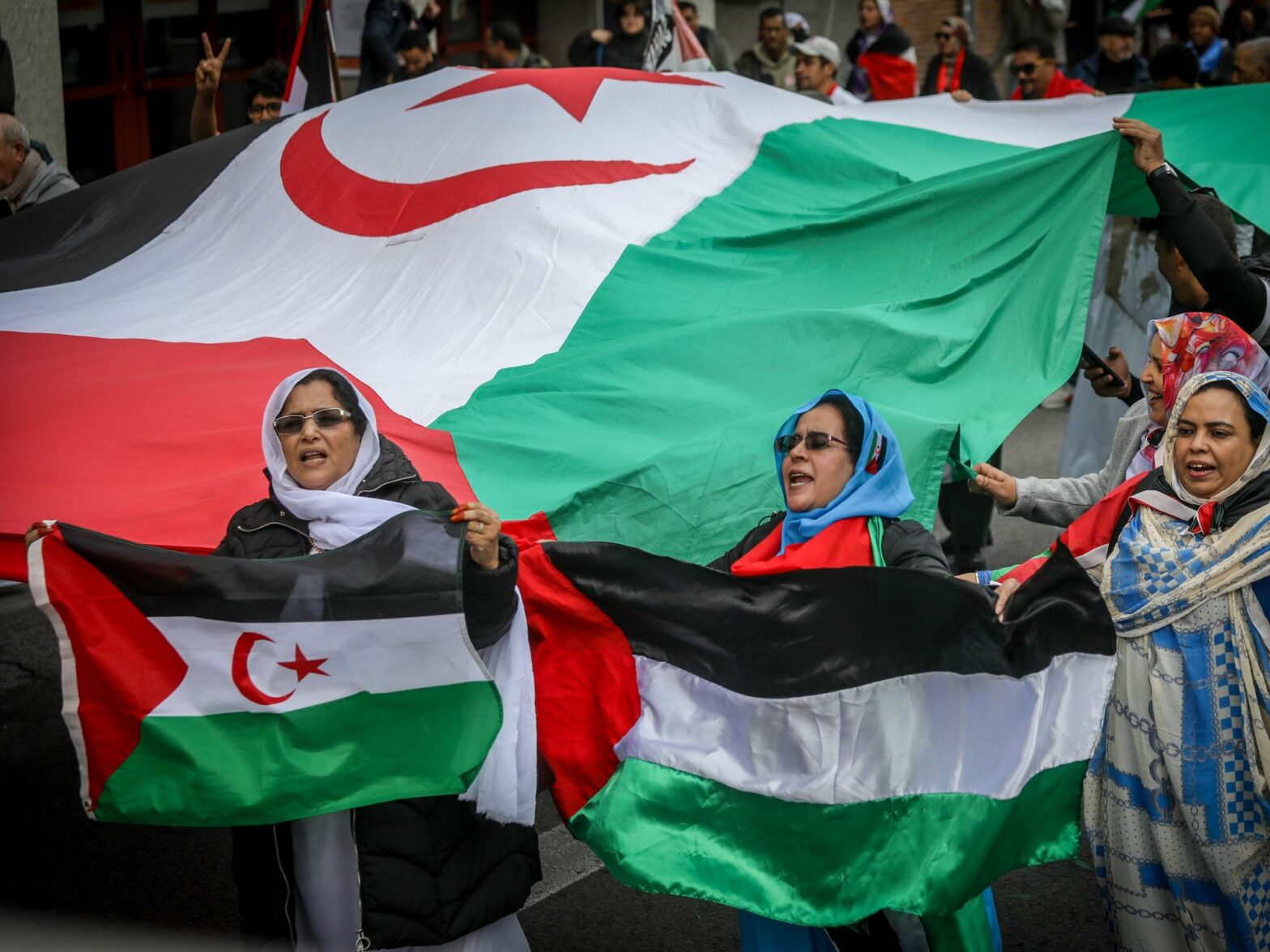
Even while Morocco has repeatedly called for a ceasefire in Gaza, it has been crafting one of the most careful diplomatic positions in the Arab World on the Israeli-Palestinian conflict, in part because of a significant Jewish-Moroccan population. But its stance puts the monarchy in conflict with most of Morocco’s population.
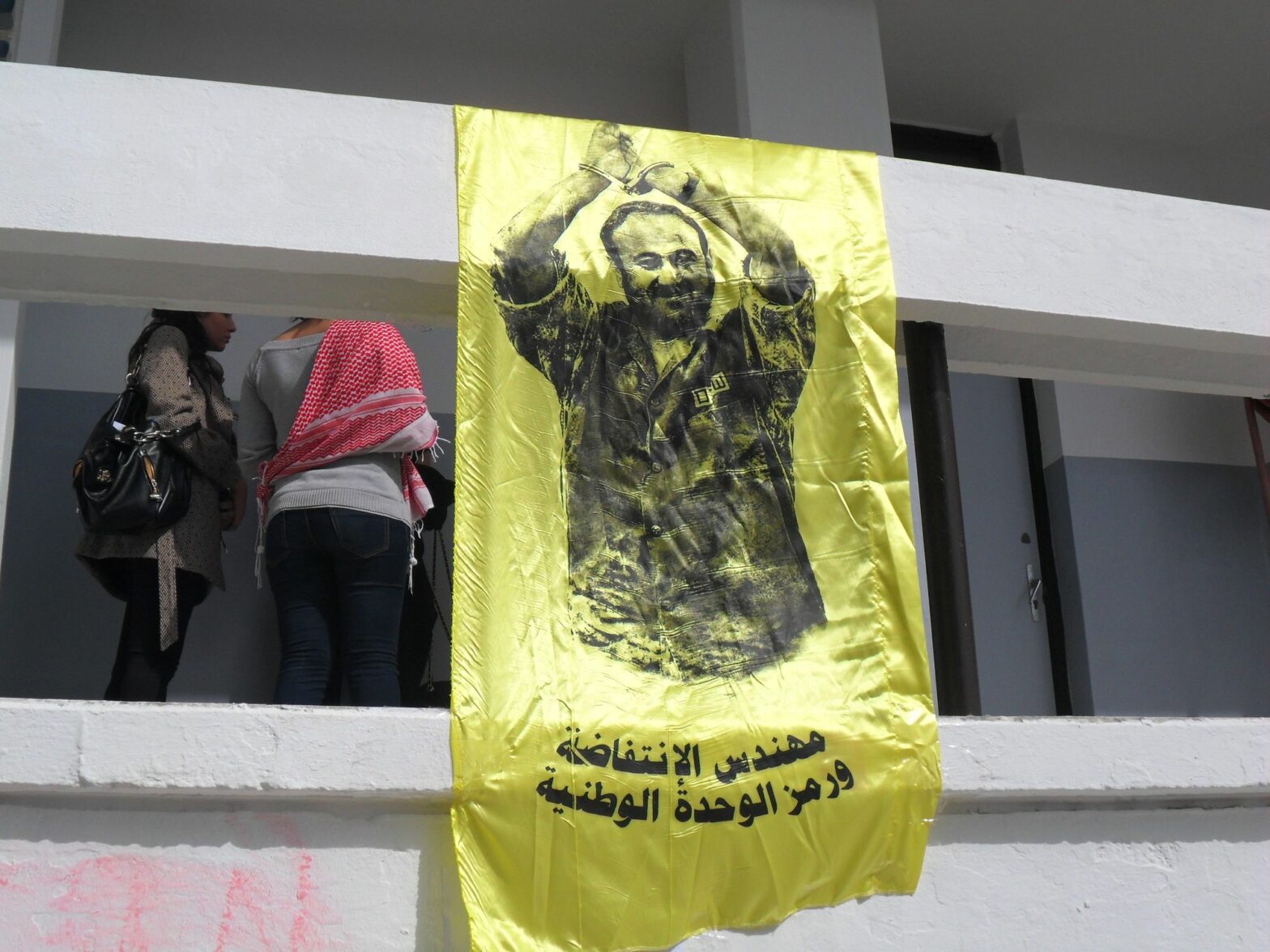
As negotiations intensify for an eventual ceasefire in Gaza, sources say the release of high-profile Palestinian prisoners may be part of the deal. If that includes Marwan Barghouti, the “Palestinian Mandela,” it could be a watershed moment in the region.
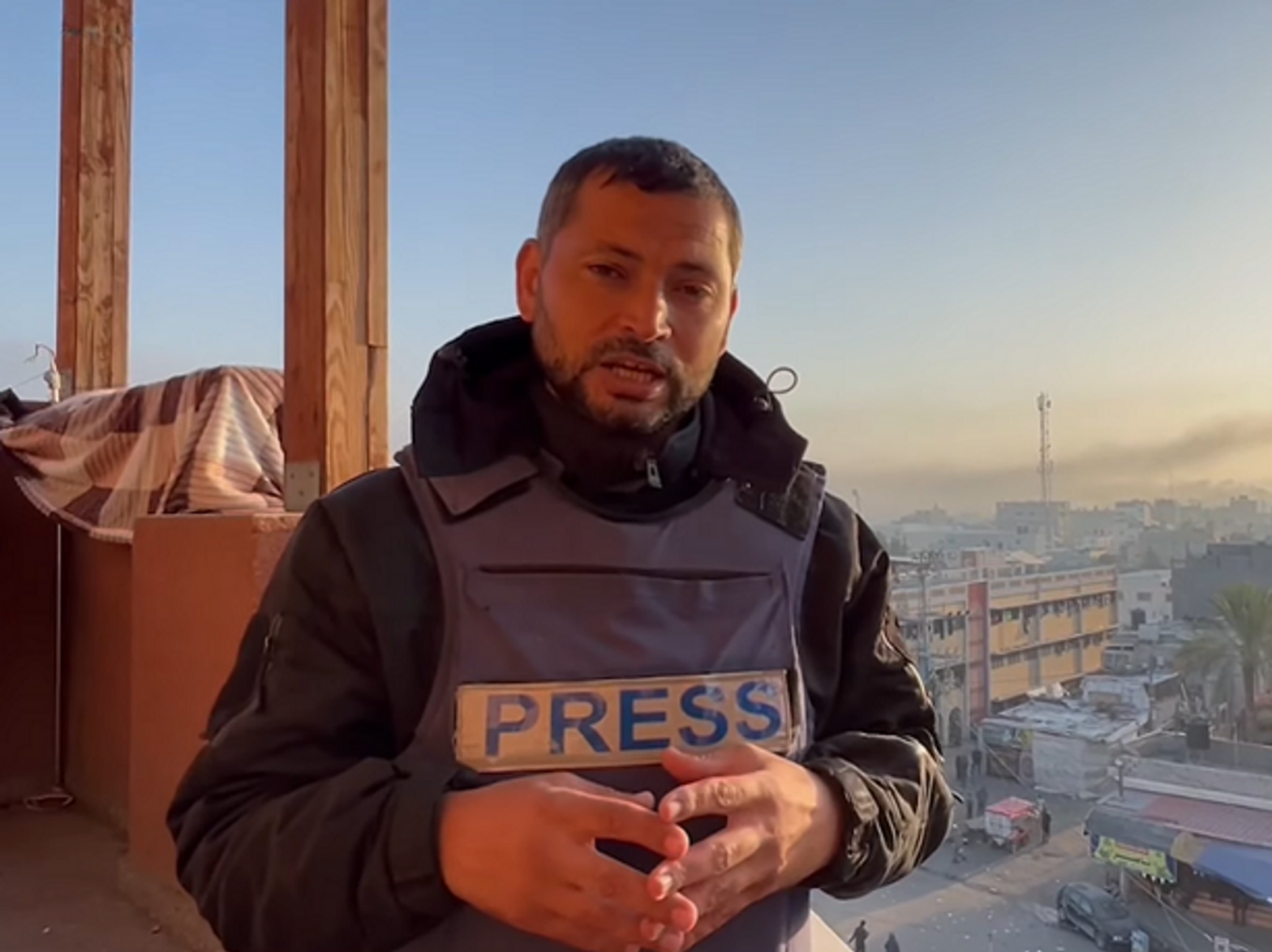
Following the strike that hit Al Jazeera journalists Ismail Abu Omar and Ahmed Matar, posts spread on social media platforms calling Abu Omar a “terrorist” affiliated with Hamas. At the same time, a campaign by Israel’s Foreign Ministry and military promoted the same allegations.
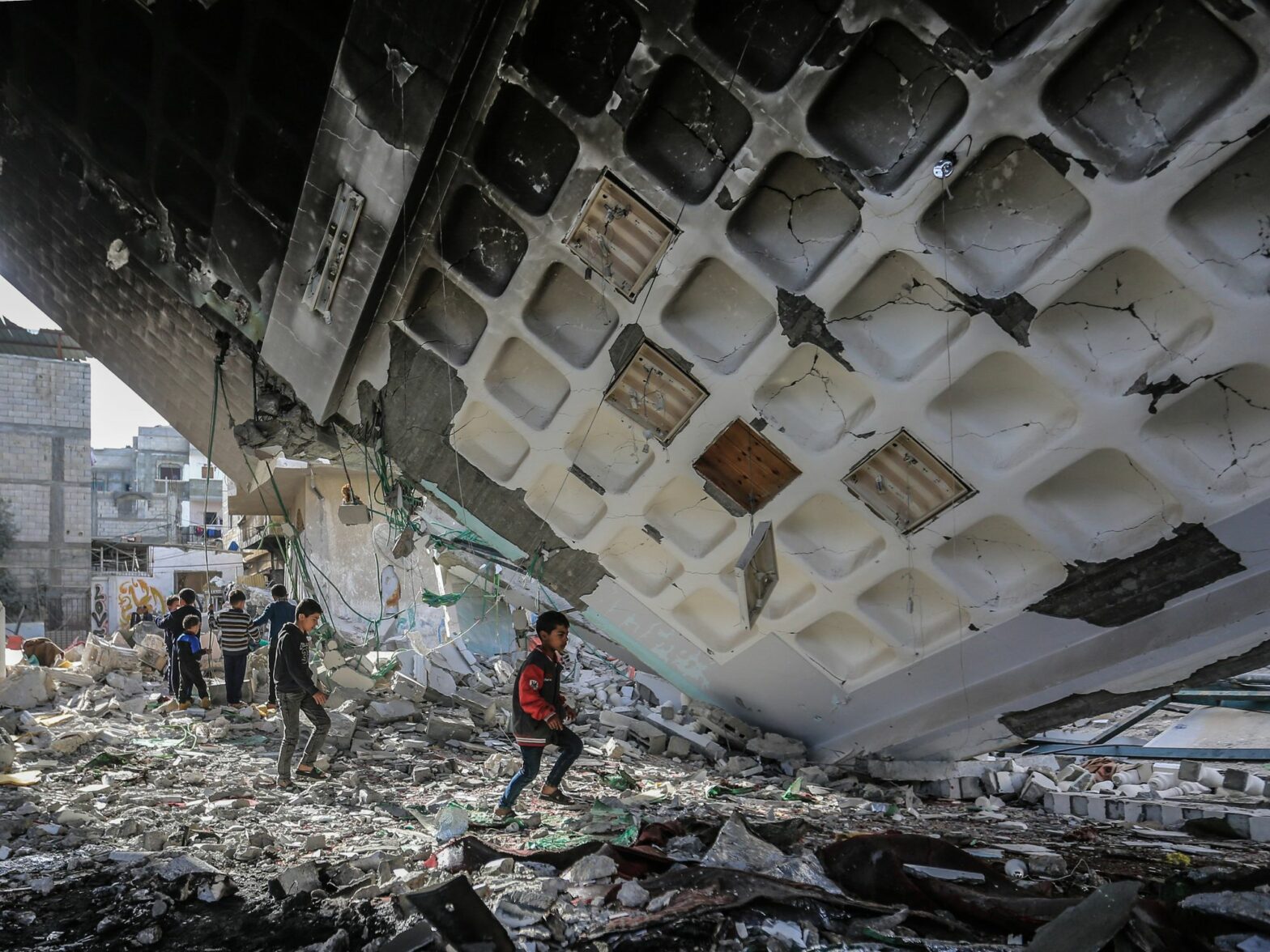
Israel’s invasion of Rafah has brought the war on Gaza to its most delicate point. And Netanyahu’s right-wing government may fulfill the wish of former center-left Prime Minister Yitzhak Rabin “to find that Gaza has sunk into the sea”.
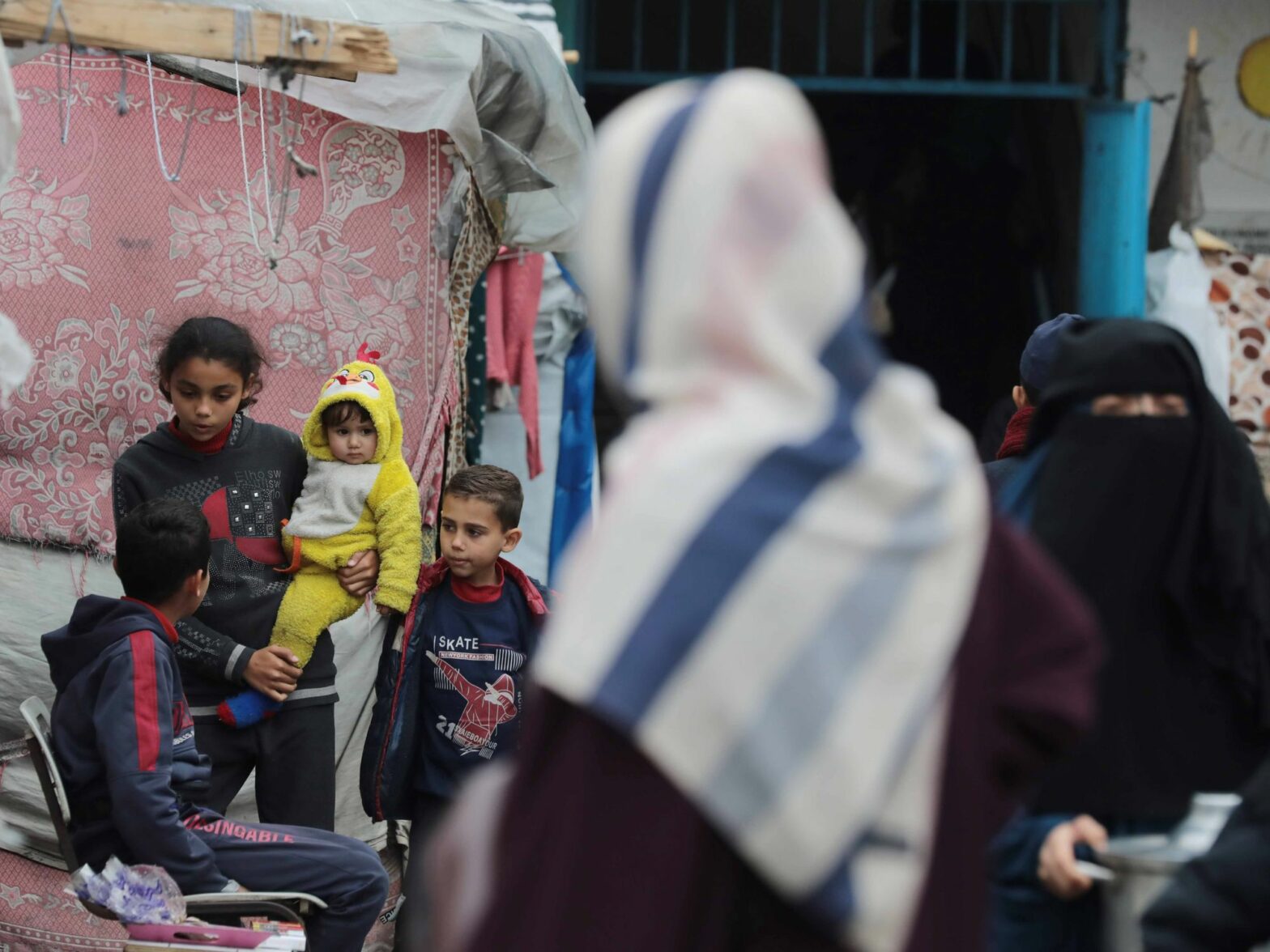
Desperate Gaza residents now wait for a word on the success of ceasefire deal, which could allow them to return home. Even if They don’t know what will come next. But they definitely want an end to the war, and so their significant suffering. They want to return to their homes, even if they are demolished.
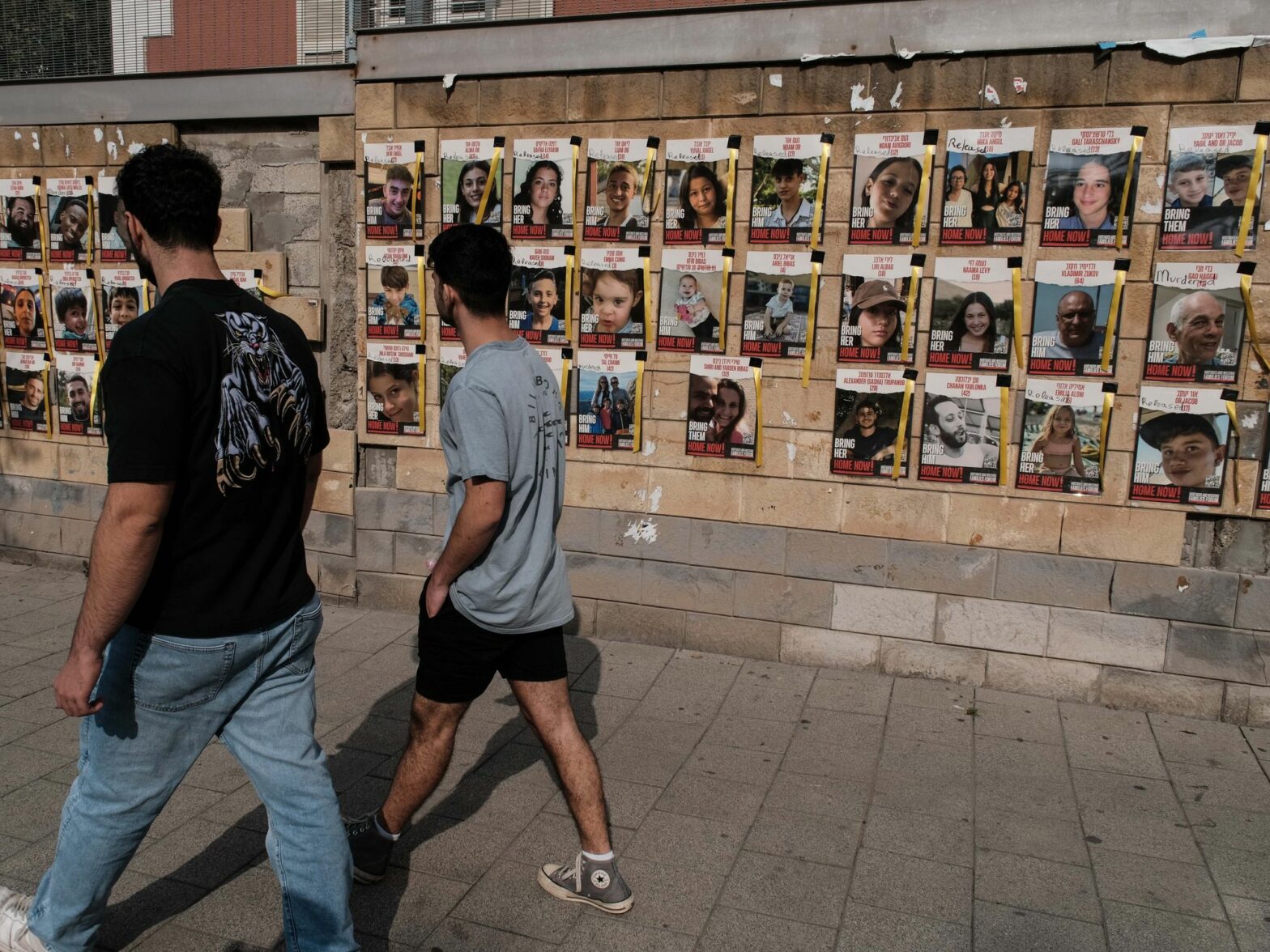
Benjamin Netanyahu has firmly rejected Hamas’ latest counter-proposal to Israel’s offer for a ceasefire. Still, a new round of negotiations has begun in Cairo — and it’s ever more clear that the first question that must be resolved is the if, how, when and who of the 140 Israeli hostages will be released. Hamas knows they are its best bargaining chip.
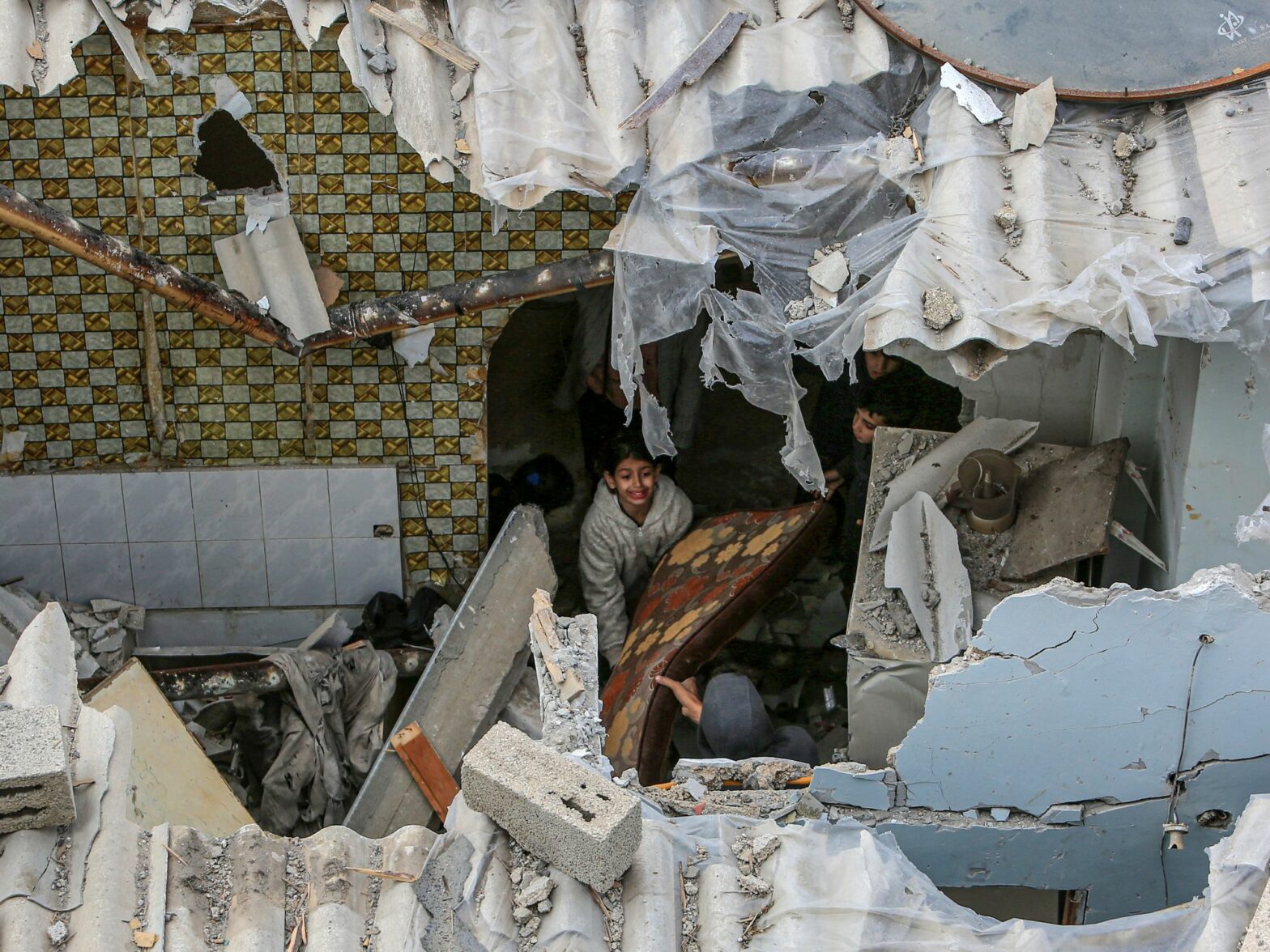
Children are Gaza’s most vulnerable. For those displaced families living in shelters, the cold weather, lack of food and spread of disease are among the most immediate threats. But children also face trauma, with virtually no resources

Israeli forces assassinated three Palestinian militants in a West Bank hospital. The operation, one of the boldest since Oct. 7, is part of Israel’s long history of covert assassinations in decades of Arab-Israeli conflict.
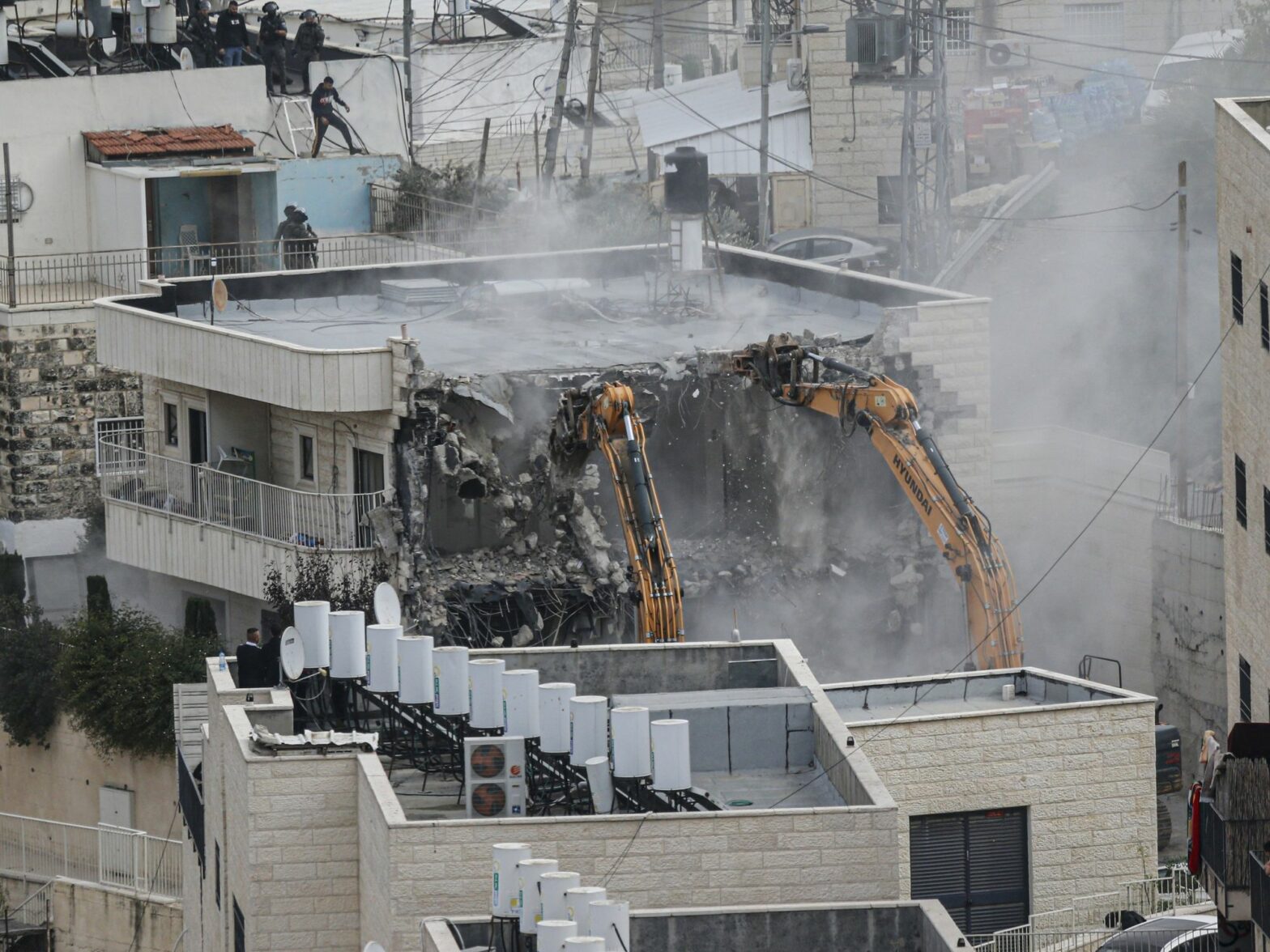
Israel says it is establishing a buffer zone inside Gaza along the strip’s border, as part of its efforts to guarantee security and avoid another Oct. 7. But it’s already led to the destruction of thousands of buildings and acres of agricultural land. In other words: Occupation.
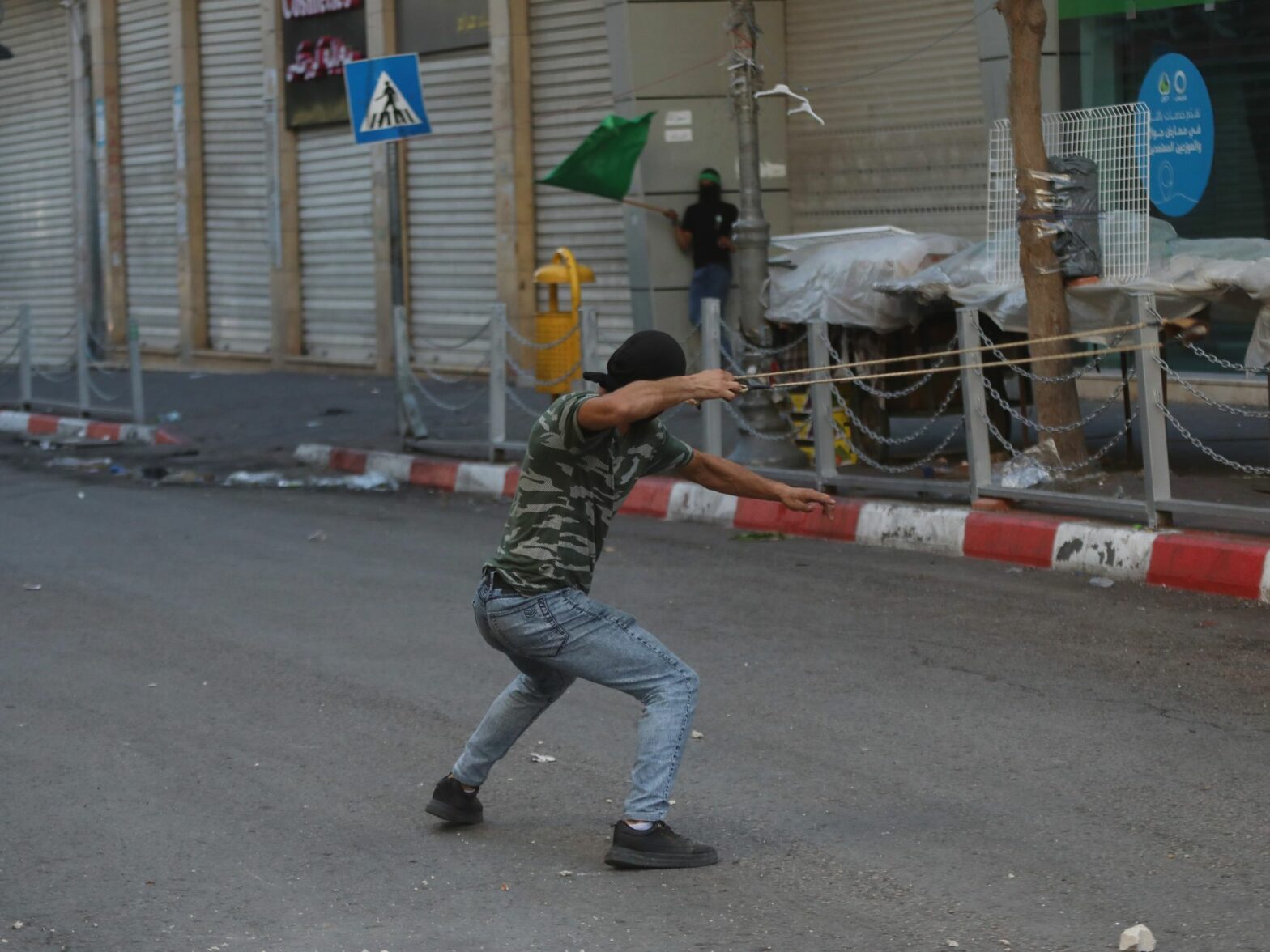
The “day after” the war and after Prime Minister Benjamin Netanyahu, a desperate man standing on the edge of his political demise, is the first day of a the two-state solution.
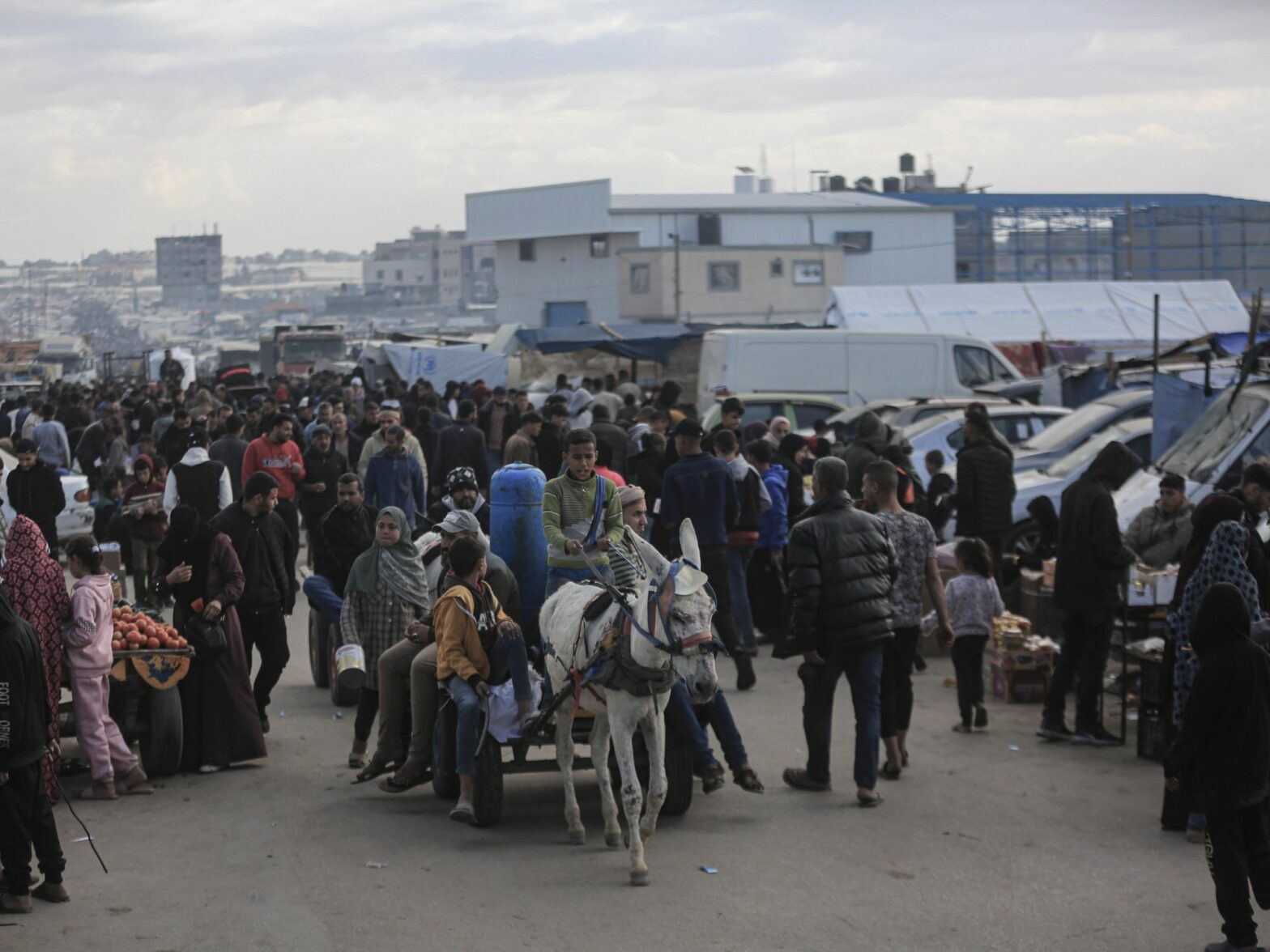
As the Israel-Hamas war in Gaza continues unabated after nearly four months, brokers and travel agents are now charging Palestinians who want to leave the besieged strip up to $10,000 to get them out, according to Palestinians and Egyptians trapped in the coastal enclave.
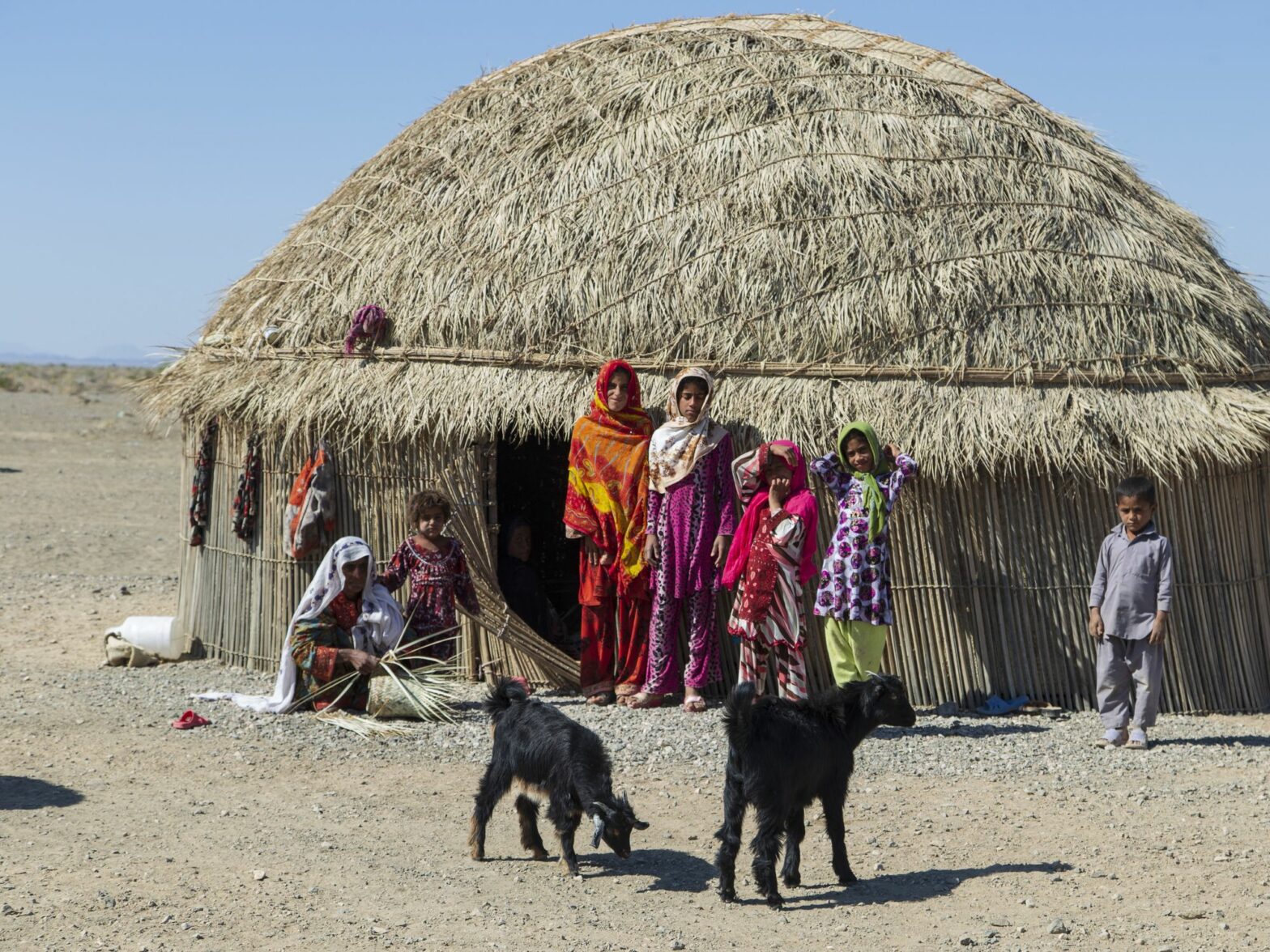
The strikes this month between Iran and Pakistan have brought the Baloch issue back to the forefront. The countries have long accused each other of harboring Baloch militant groups who are fighting for more regional autonomy.
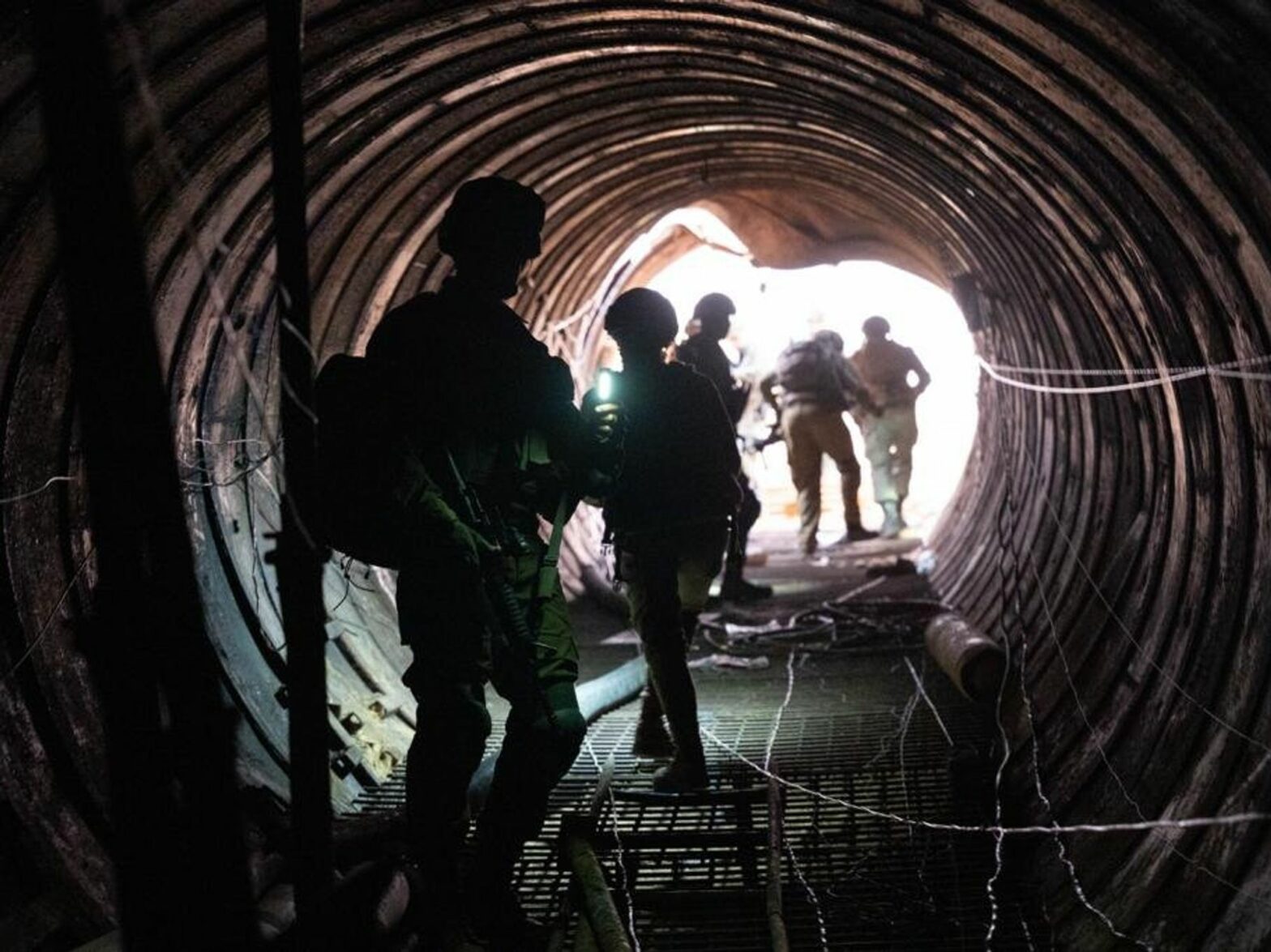
Four months into the war in Gaza, Israel has yet to find top Hamas leaders. Saudi-owned, London-based daily Asharq al-Awsat recently reported on the covert system that allows the Palestinian group communicate without being detected by Israel.
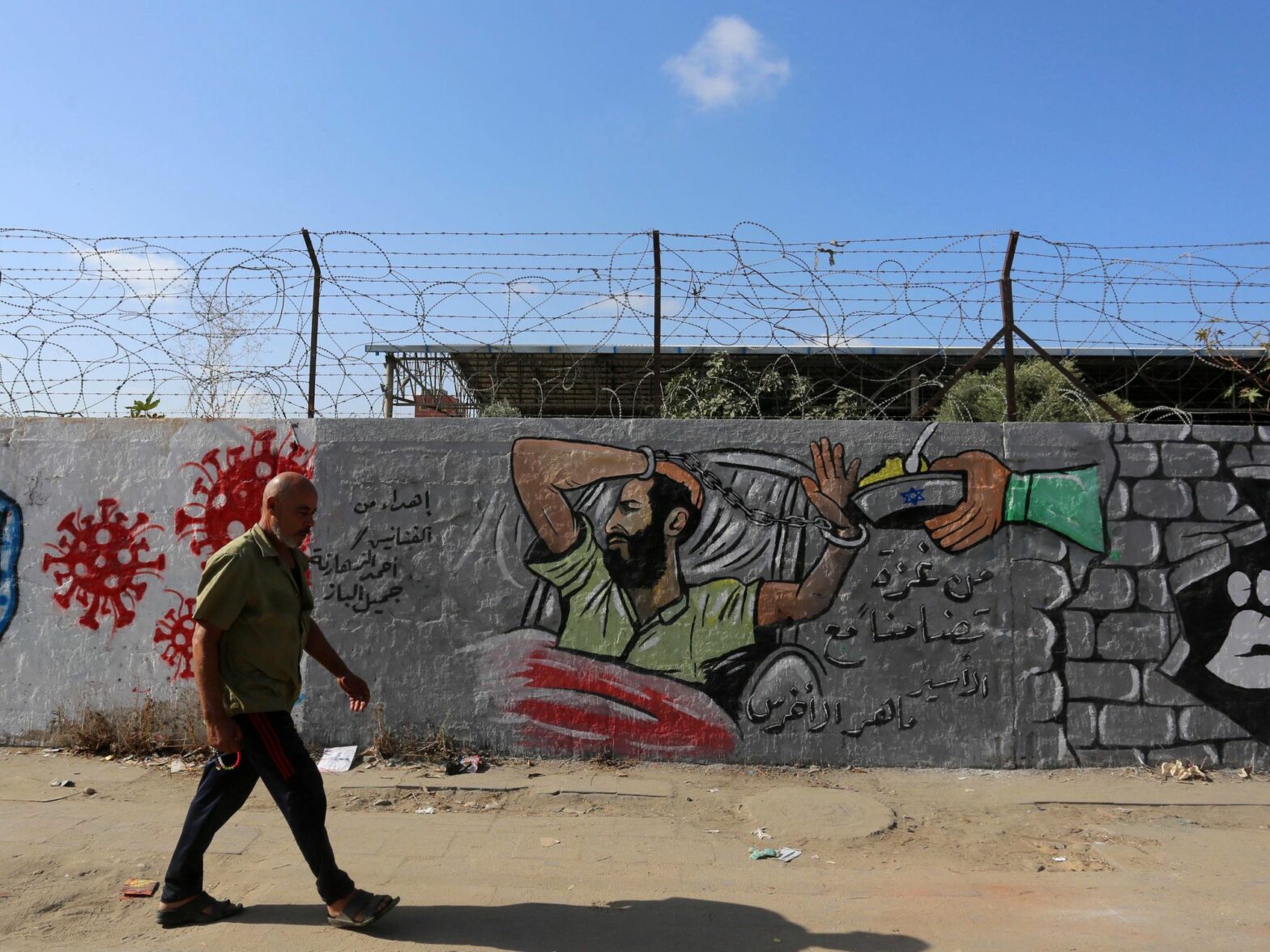
Since Oct. 7, Israel has launched a crackdown on Palestinians, in both Gaza and the West Bank. Once the new detainees are taken to jail, they allege that authorities regularly take an extra hard line, including a disturbingly high number of prisoners killed.
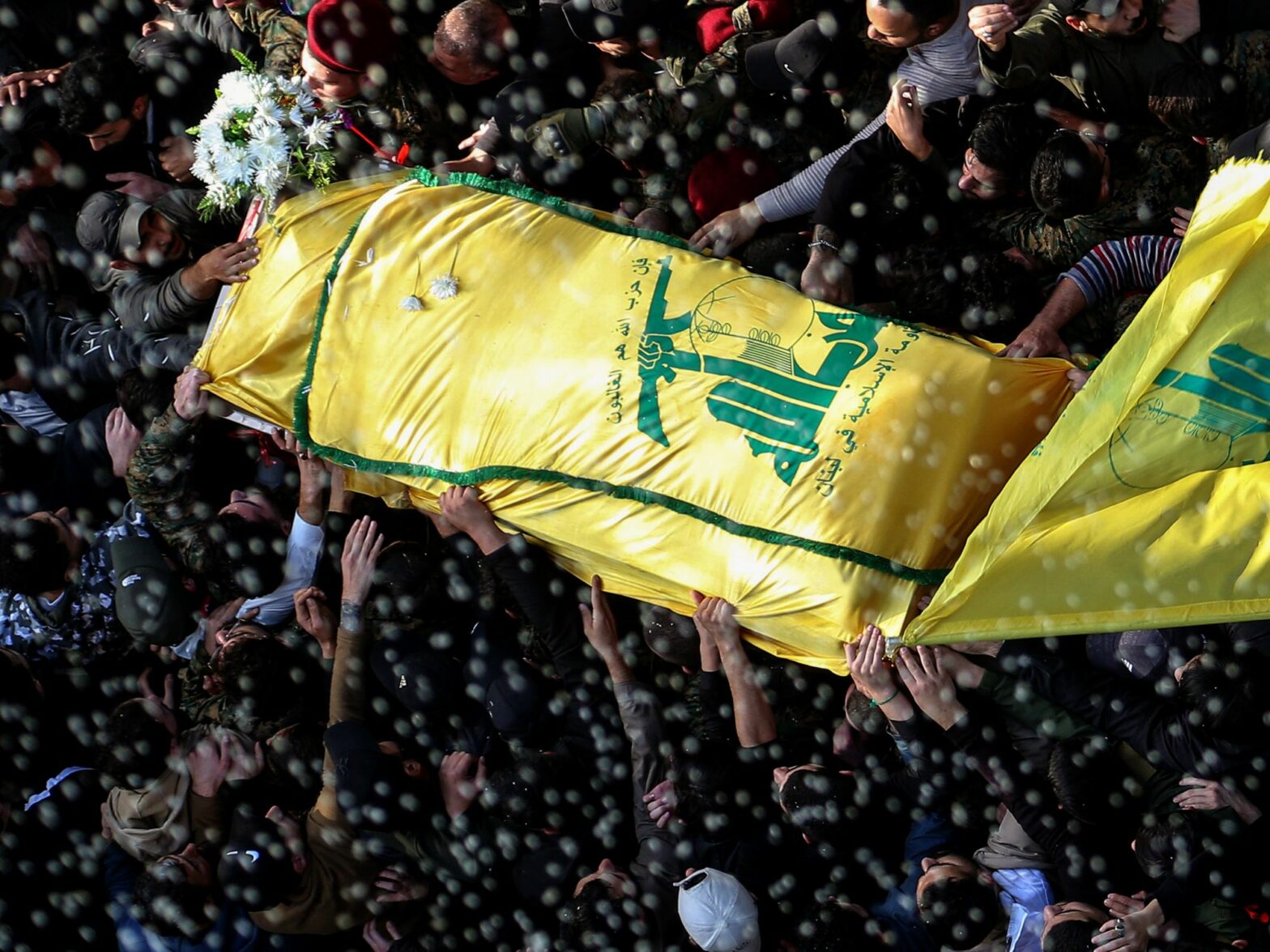
The killing of Hezbollah commander Wissam al-Tawil, which came after the Lebanese group launched its biggest strike on Israel since the war began, shows that Israel is more confident than ever of its military and intelligence superiority.
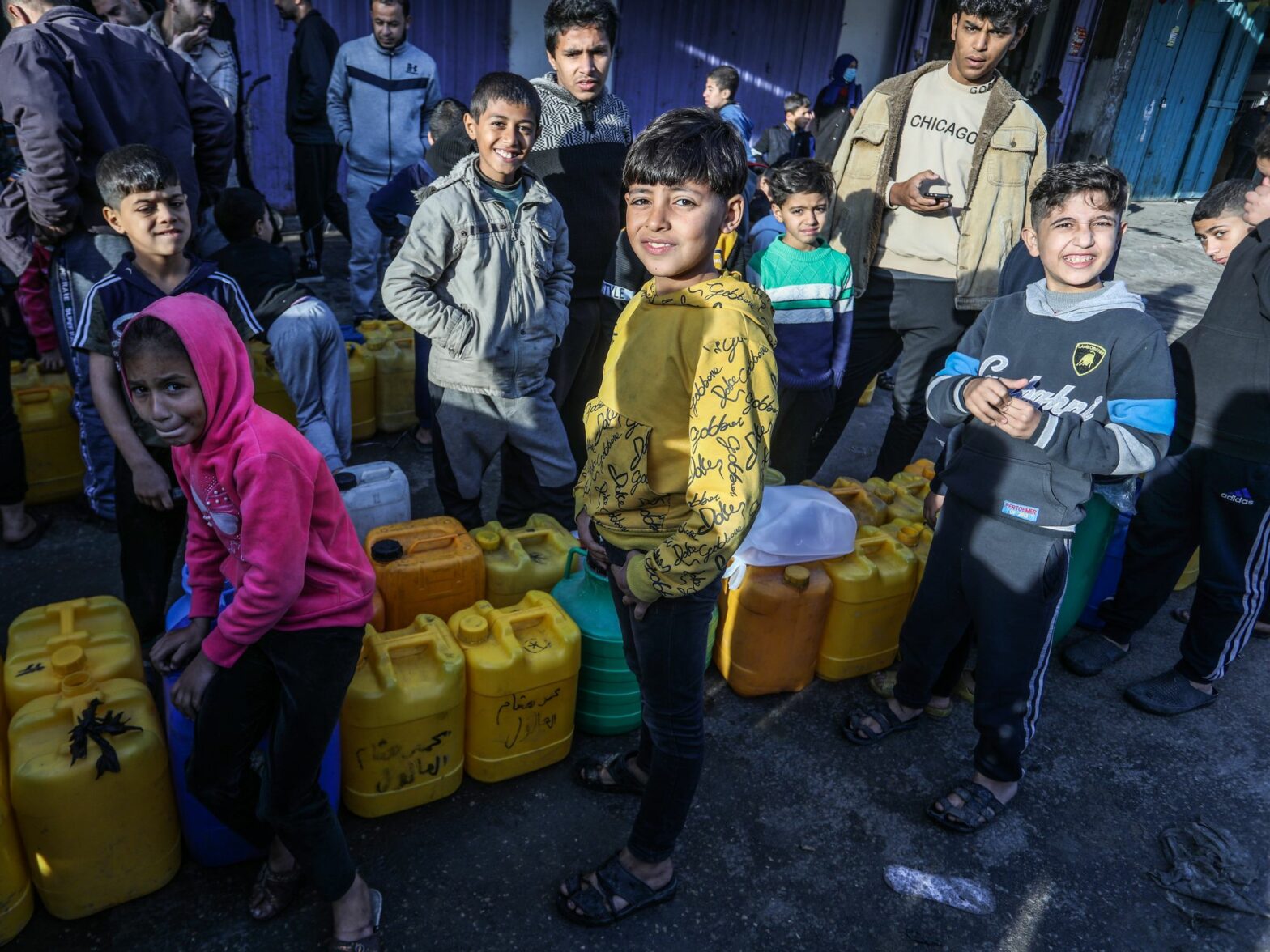
Displaced Palestinian families are streaming into Rafah on Gaza’s southernmost border, with Egypt, fleeing Israel’s relentless bombardment. With more than one million people now cramped in the town, conditions are dire and many fear another “Nakba,” pushed out of their homeland for good.
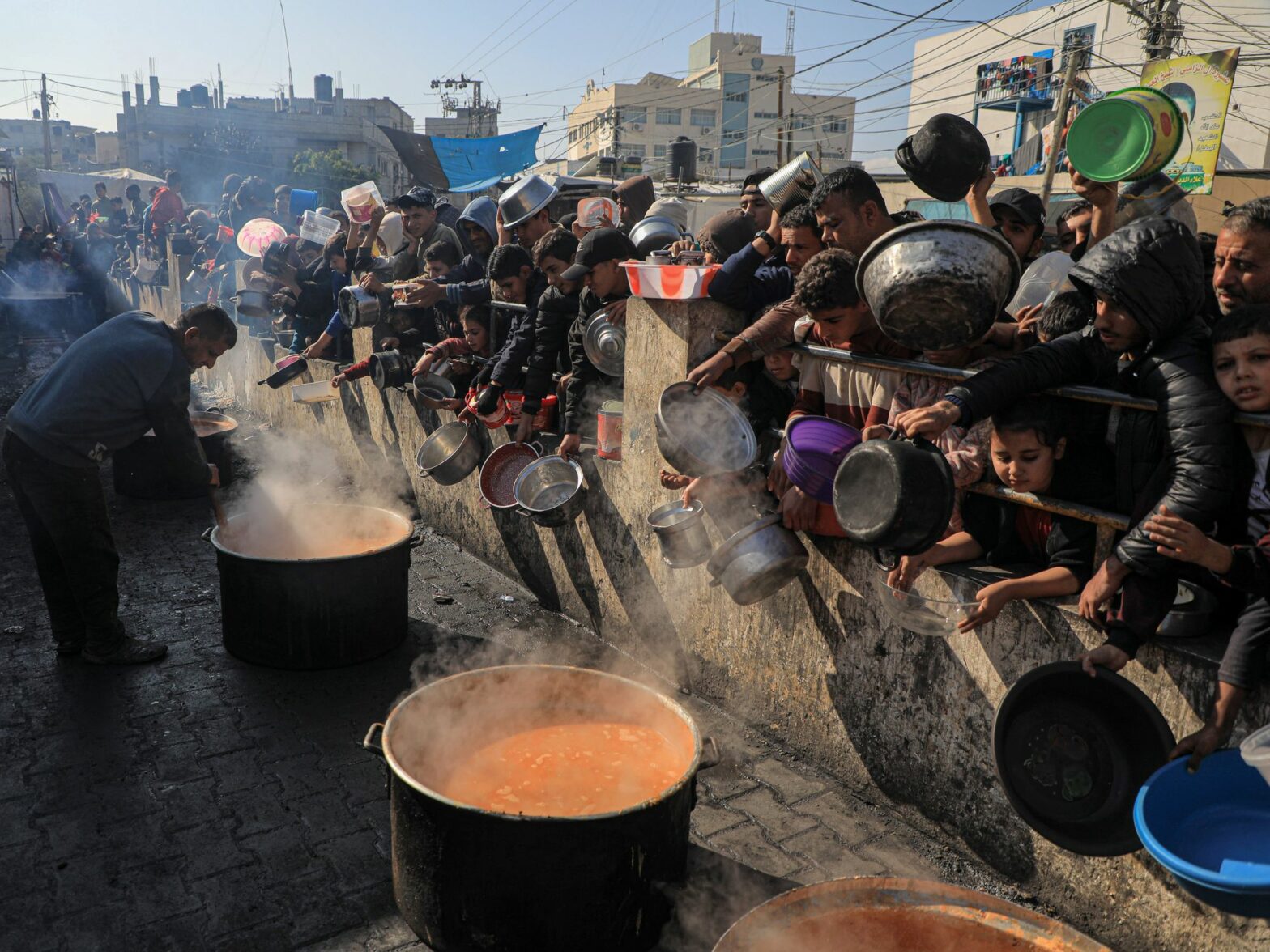
The UN Security Council resolution providing for the safe, unhindered and widespread delivery of humanitarian aid to Gaza has done little to avoid the most dire conditions from spreading in the war-torn enclave.
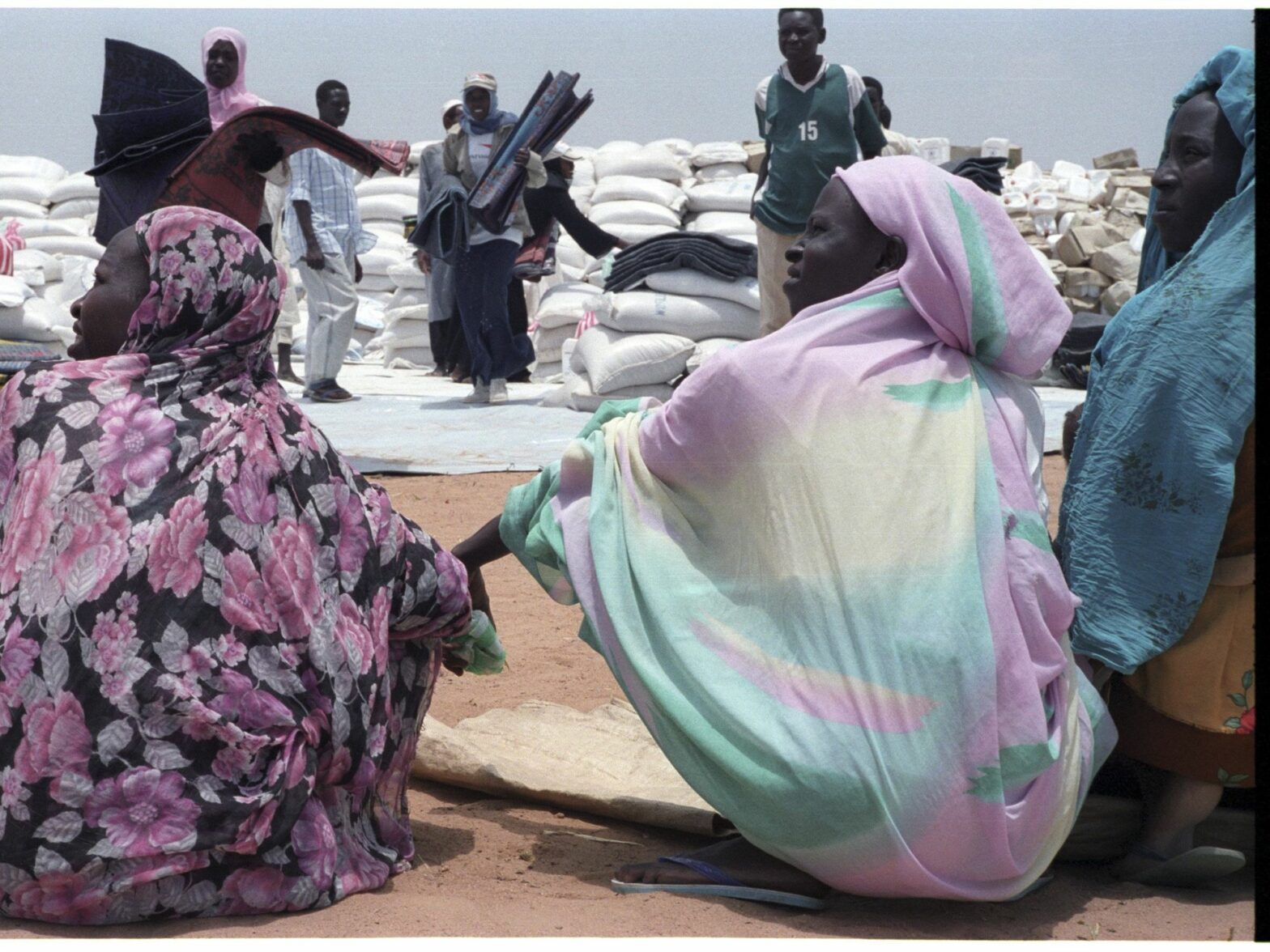
For eight months, the conflict in Sudan has been overshadowed by larger wars in Ukraine and Israel, even if the death toll and accounts of alleged war crimes are no less disturbing.
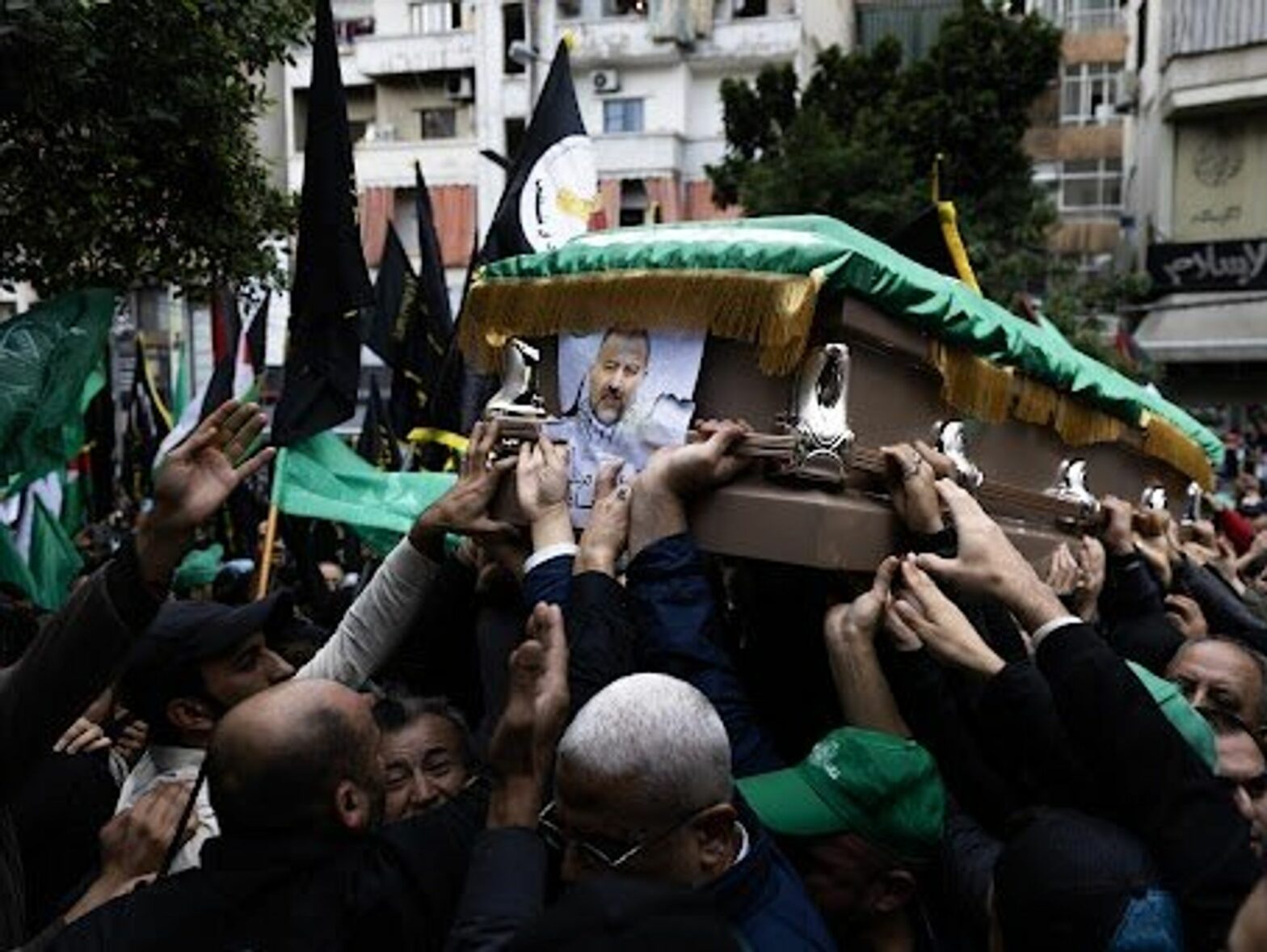
The assassination of a top Hamas leader this week was a much needed victory for Israel’s intelligence apparatus, still reeling from the Oct. 7 attack. But even if other targets are hit, it does not amount to an actual battle plan against Hamas.
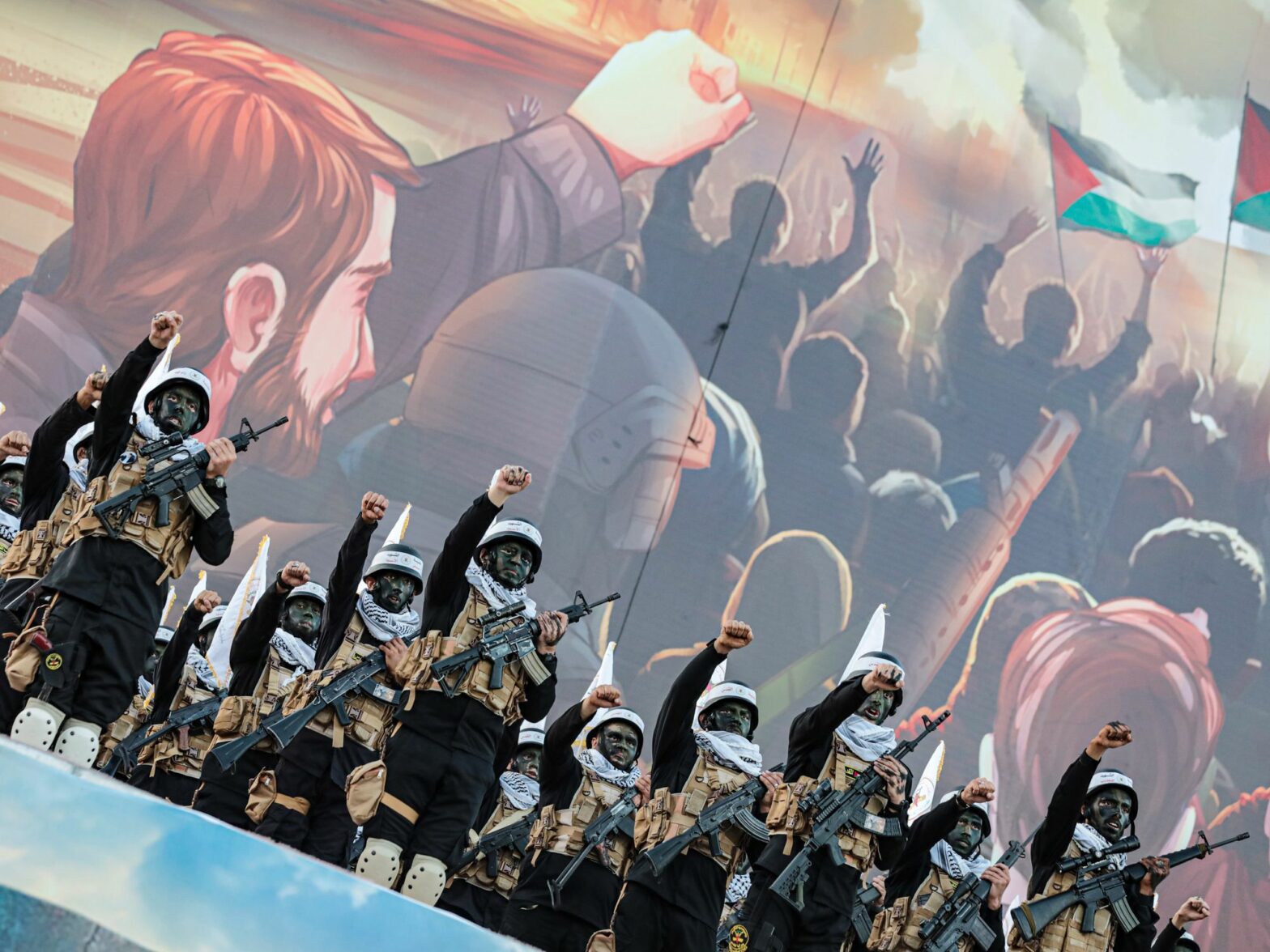
Hamas is the largest and most powerful of the militant groups fighting in Gaza, but it is part of a galaxy of organizations that have spent decades in a simmering war with Israel.
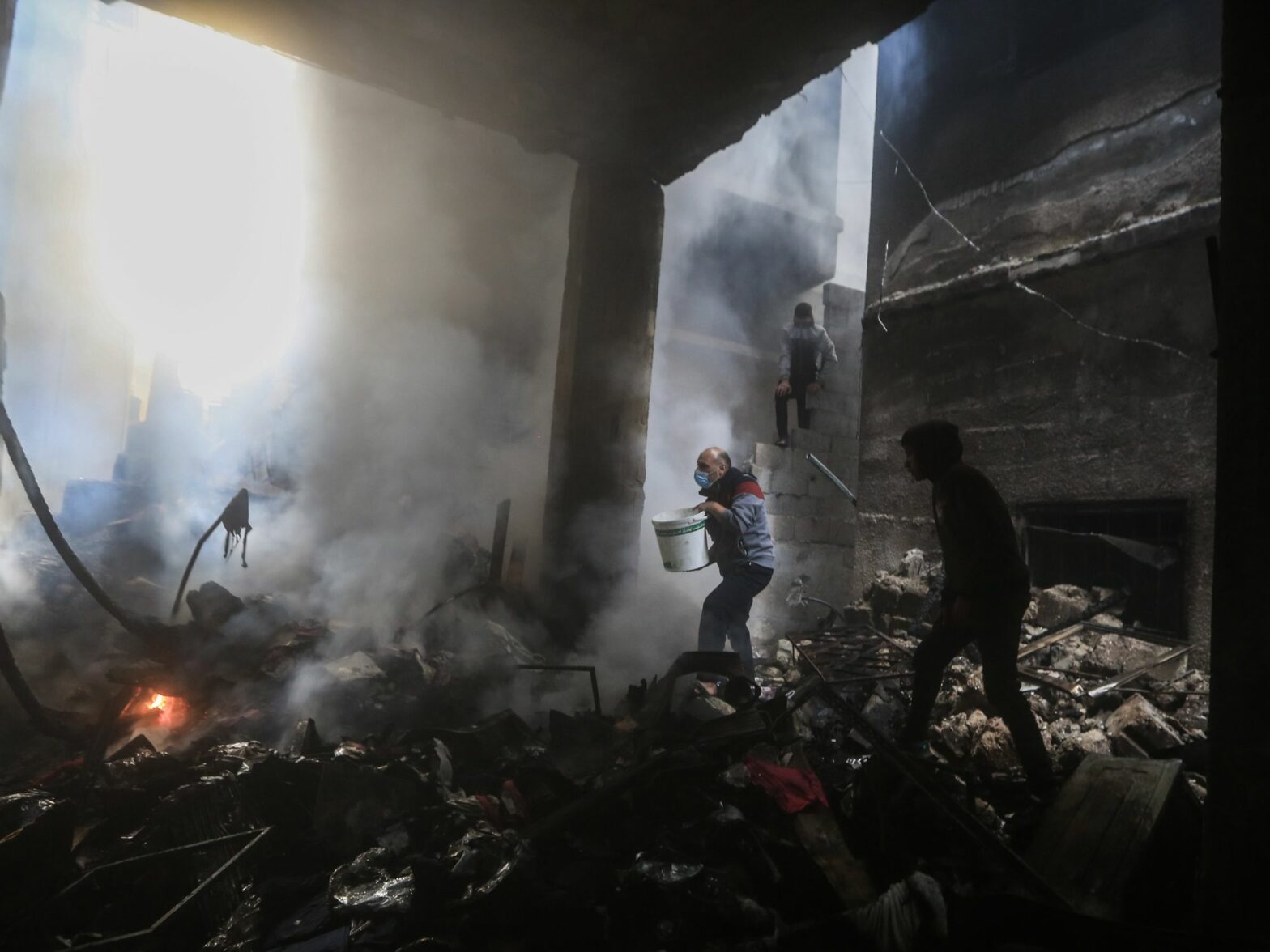
Daraj looks at the long-term deadly effects of Israeli munitions which will threaten Gaza for years after the current war ends.
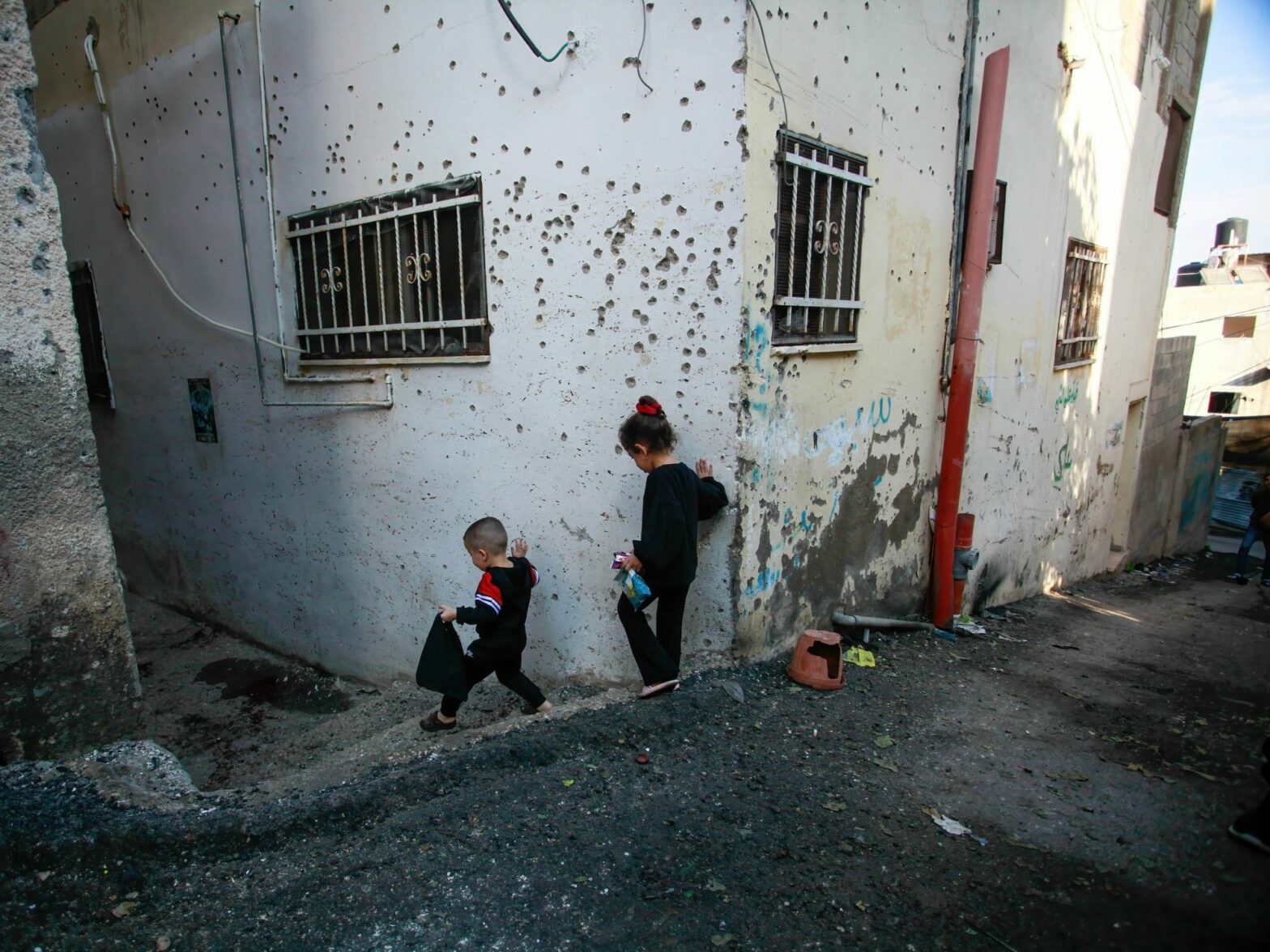
Within 15 minutes, the life of Youssef al-Bazm turned upside down. The Palestinian father had considered himself the luckiest person in the world because of his small family. But everything changed on Dec. 1. His story is just one of thousands of parents looking for their lost kids.
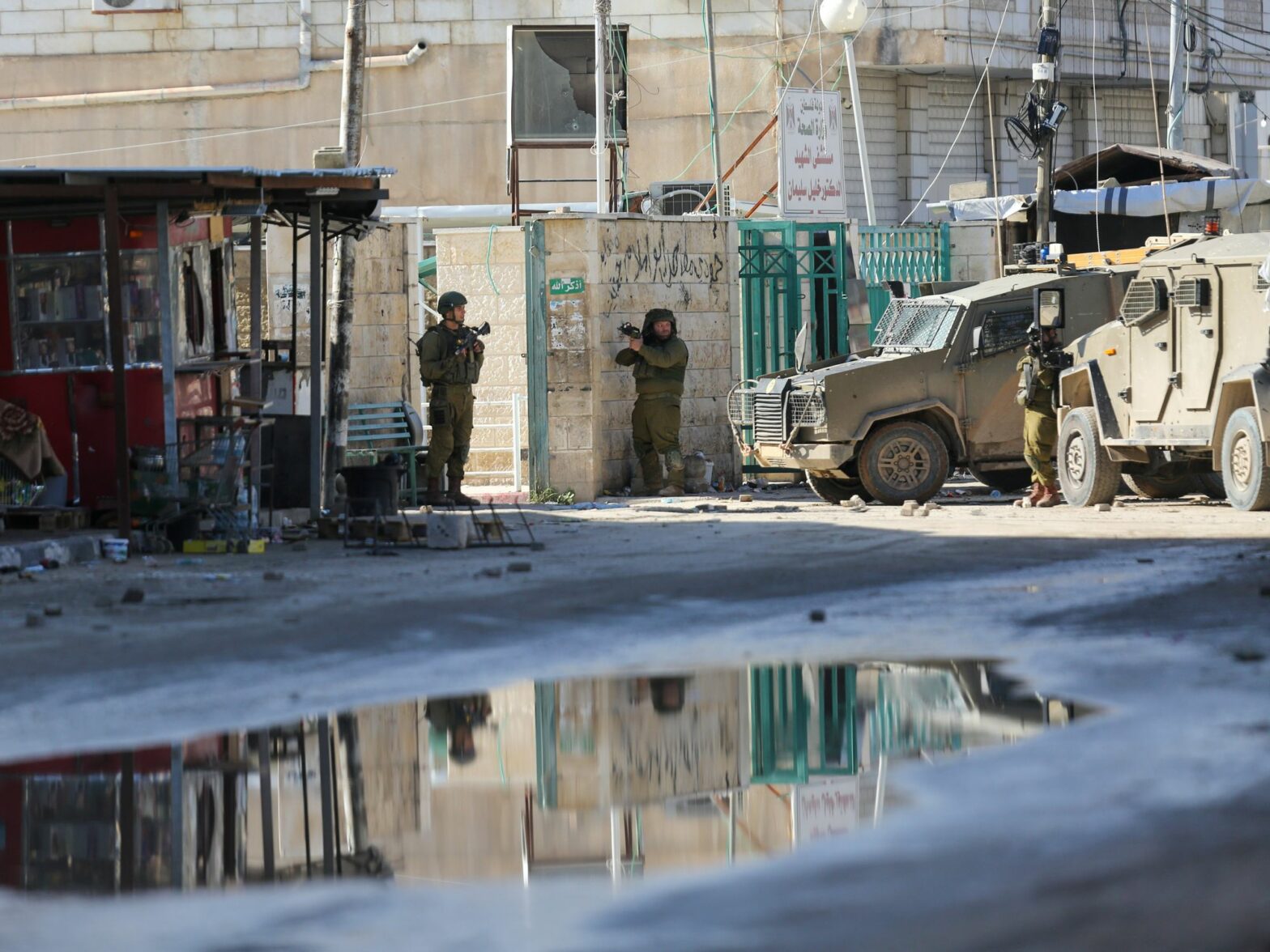
Israel has launched a massive campaign of retaliatory detentions in the occupied West Bank. The campaign aims not only to humiliate the detainees, but it has also targeted those who have been released and it has revealed widespread violations and Israel’s determination to punish “all” Palestinians.
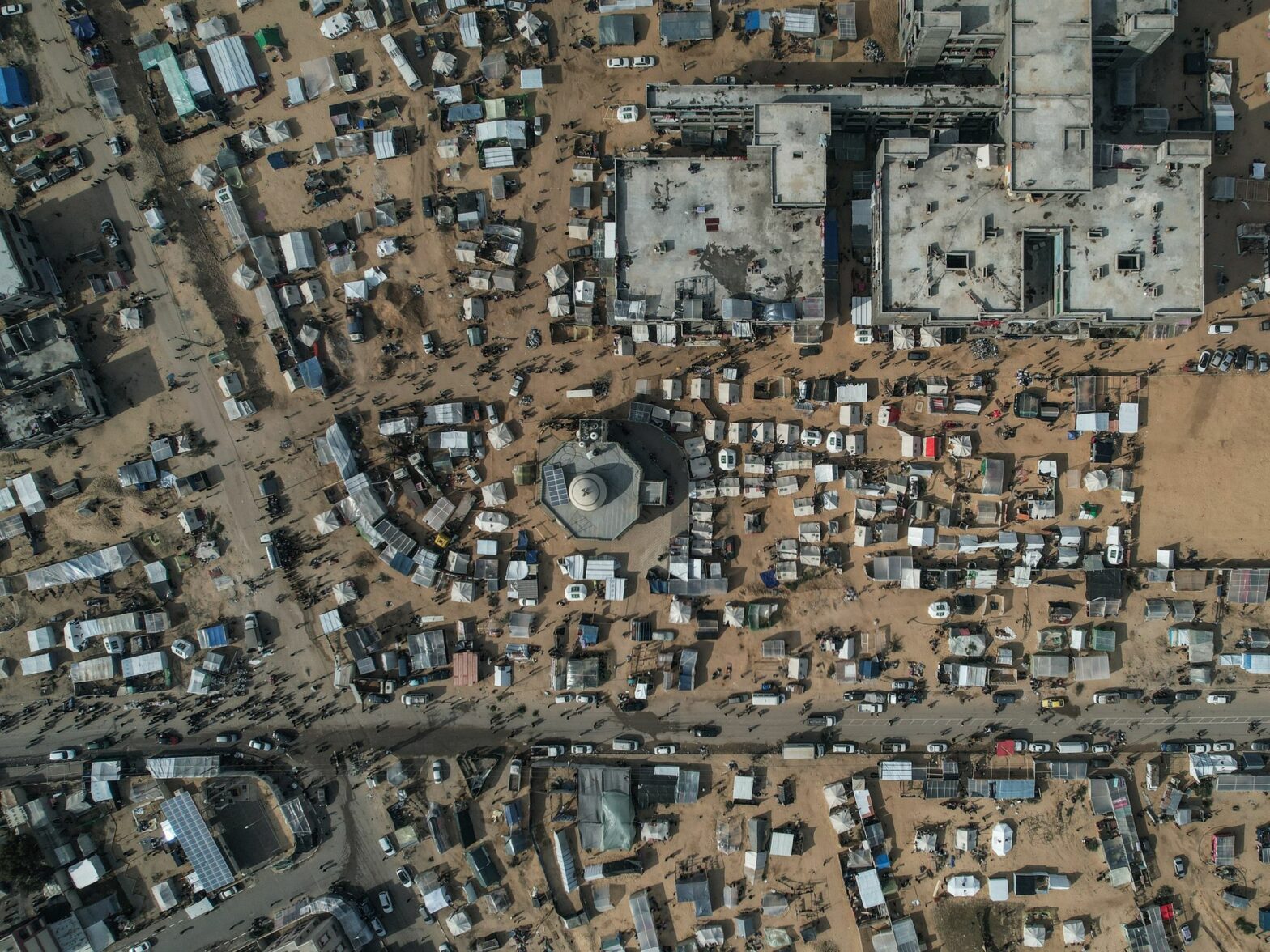
Palestinians are being terrorized by Israel’s attacks and constantly shifting evacuation orders. Meanwhile, no country in or out of the region has agreed to take in refugees, and Gazans may not even go, still haunted by the “Nakba,” the mass displacement of Palestinians after 1948. The rising death count is the clearest sign of a truly desperate situation.
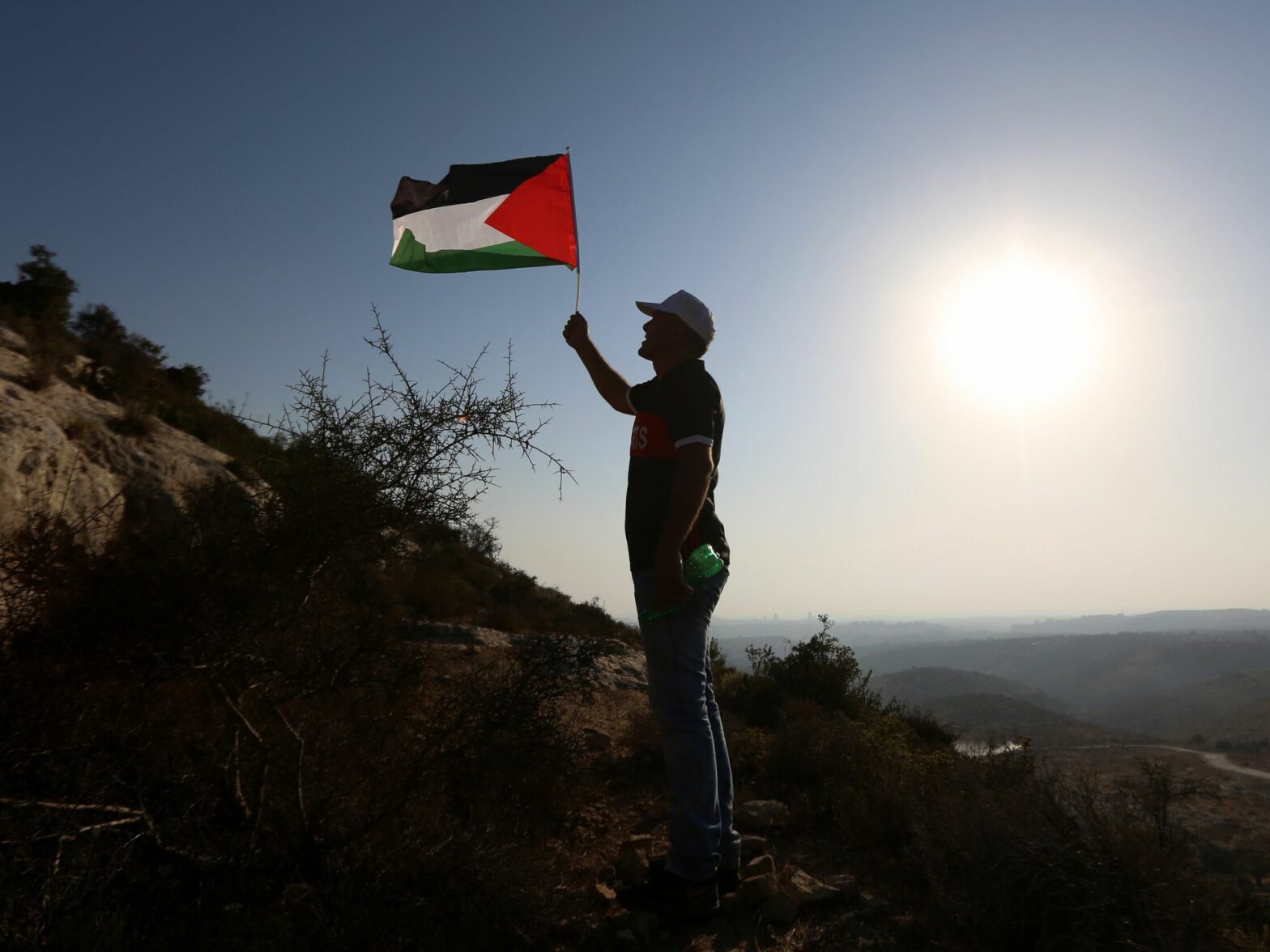
For decades, the Israeli-Palestinian conflict has been left unresolved. Hamas’s recent attack has forced politicians to confront facts: the conflict needs a definitive solution. Yet the expansion of Jewish settlements in the West Bank may make the two-state solution impossible to implement.
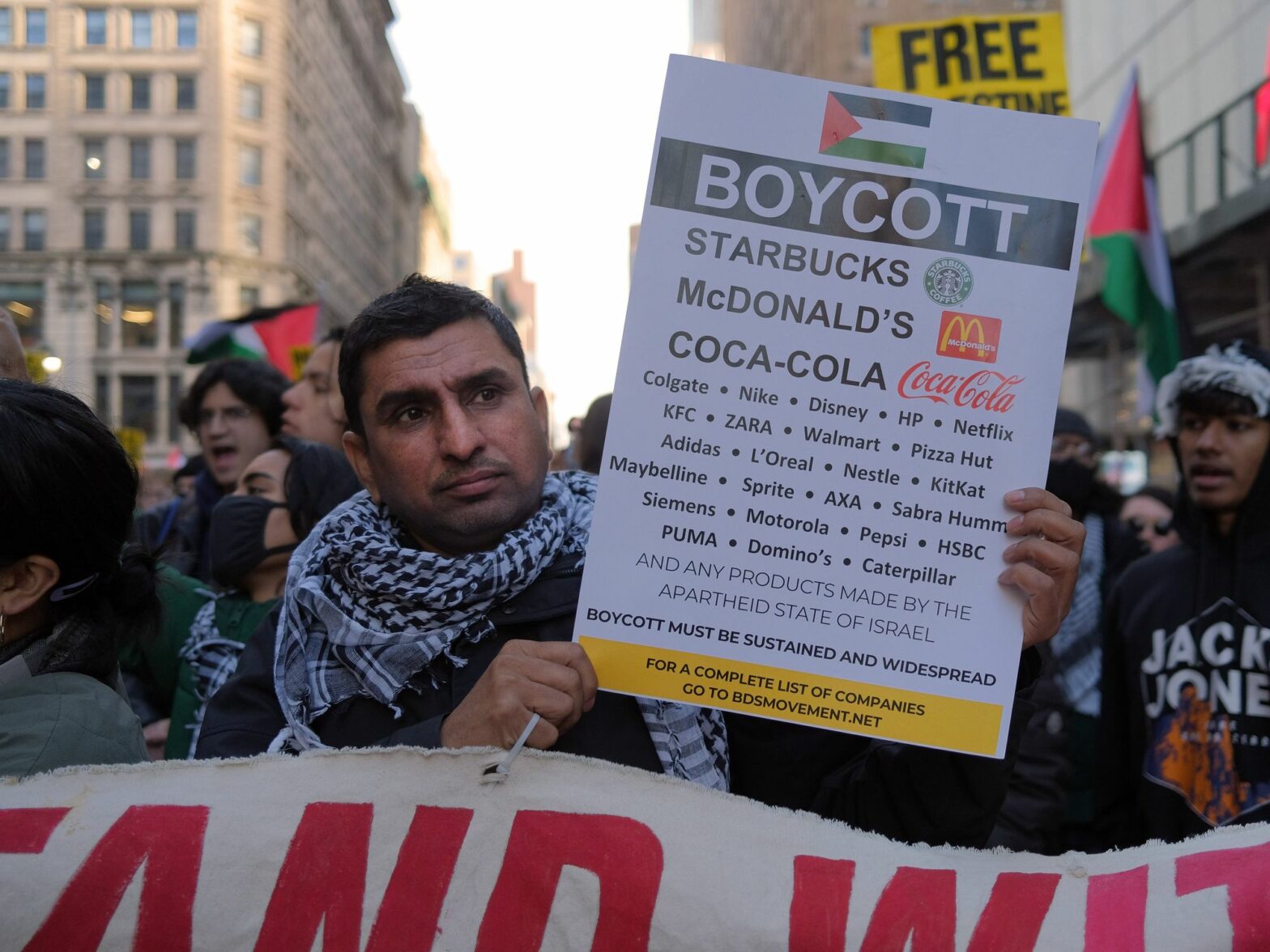
In Egypt and elsewhere in the region and the world, families and movements are mobilizing against companies that support Israel’s war on Gaza. The power of the people lies in their control as consumers — and the list of companies and brands to boycott grows longer.
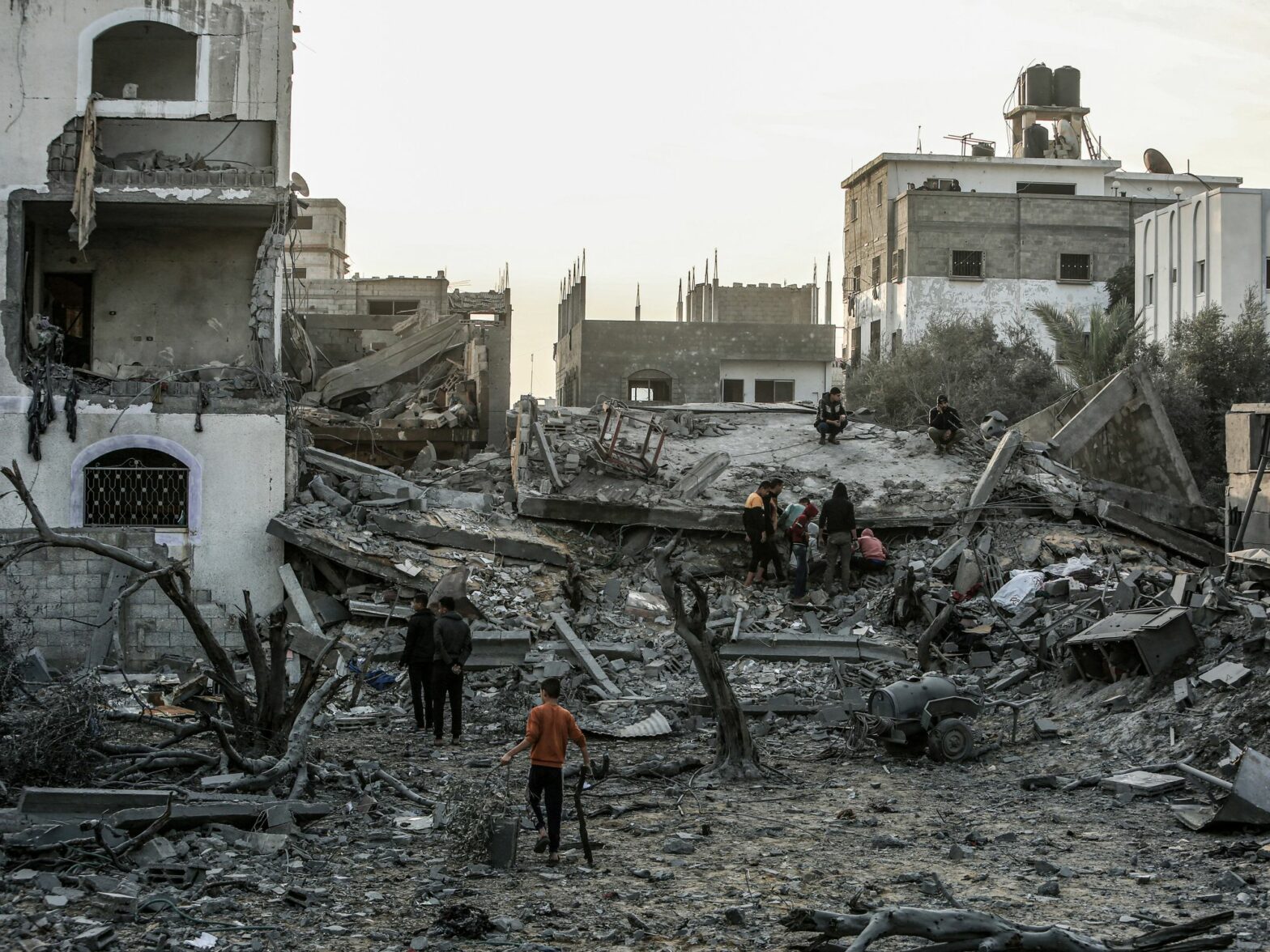
Three days since the truce ended, the Israeli army announced that it had launched 10,000 airstrikes on Gaza since the beginning of the war. Total war continues, with the invader’s fiercest fight waged against life itself.
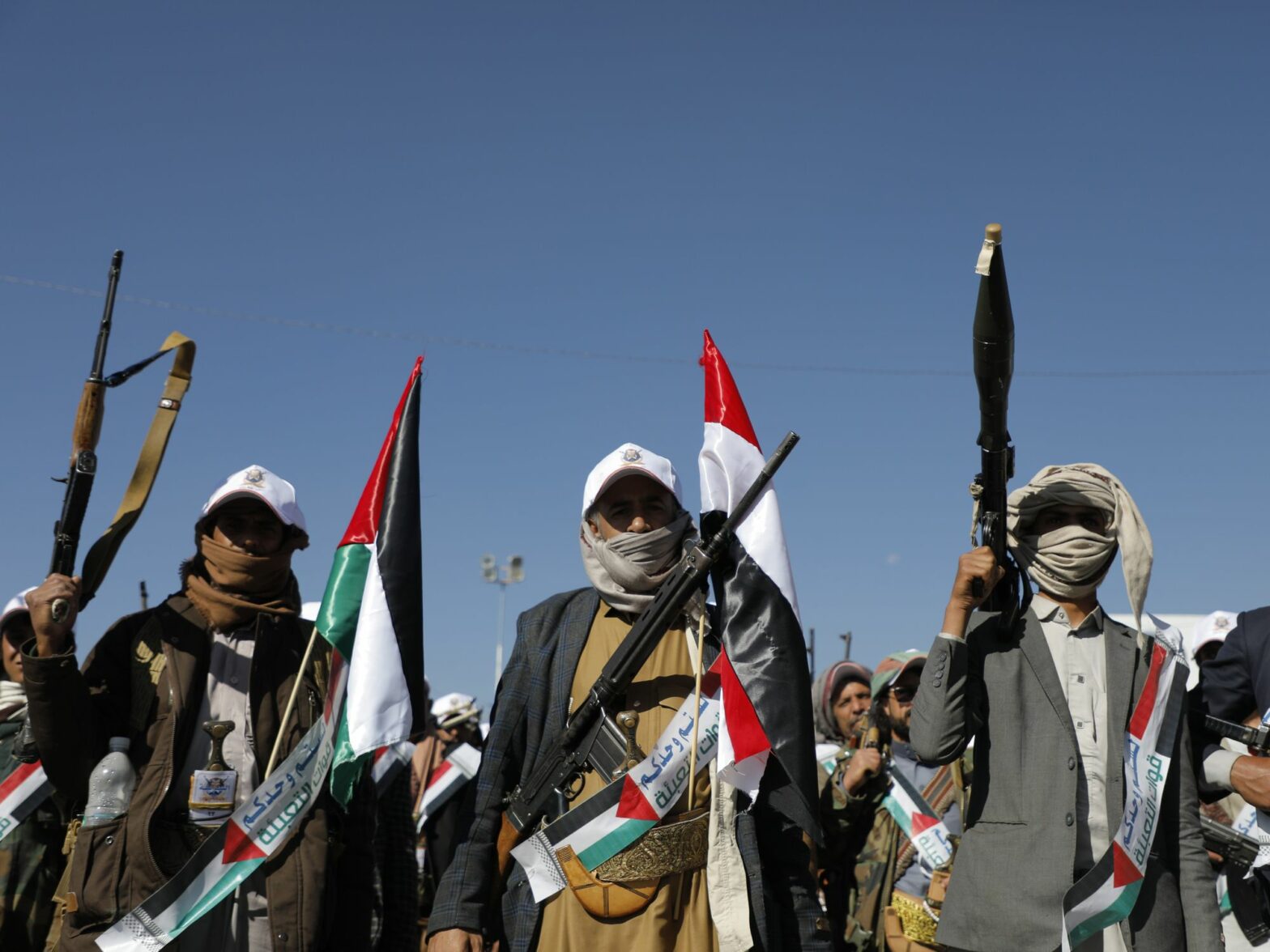
Houthi rebels in Yemen have escalated their maritime attacks in the strategically vital Red Sea. Both their links to Iran, and the decision to target key shipping routes raises the risks for international escalation.
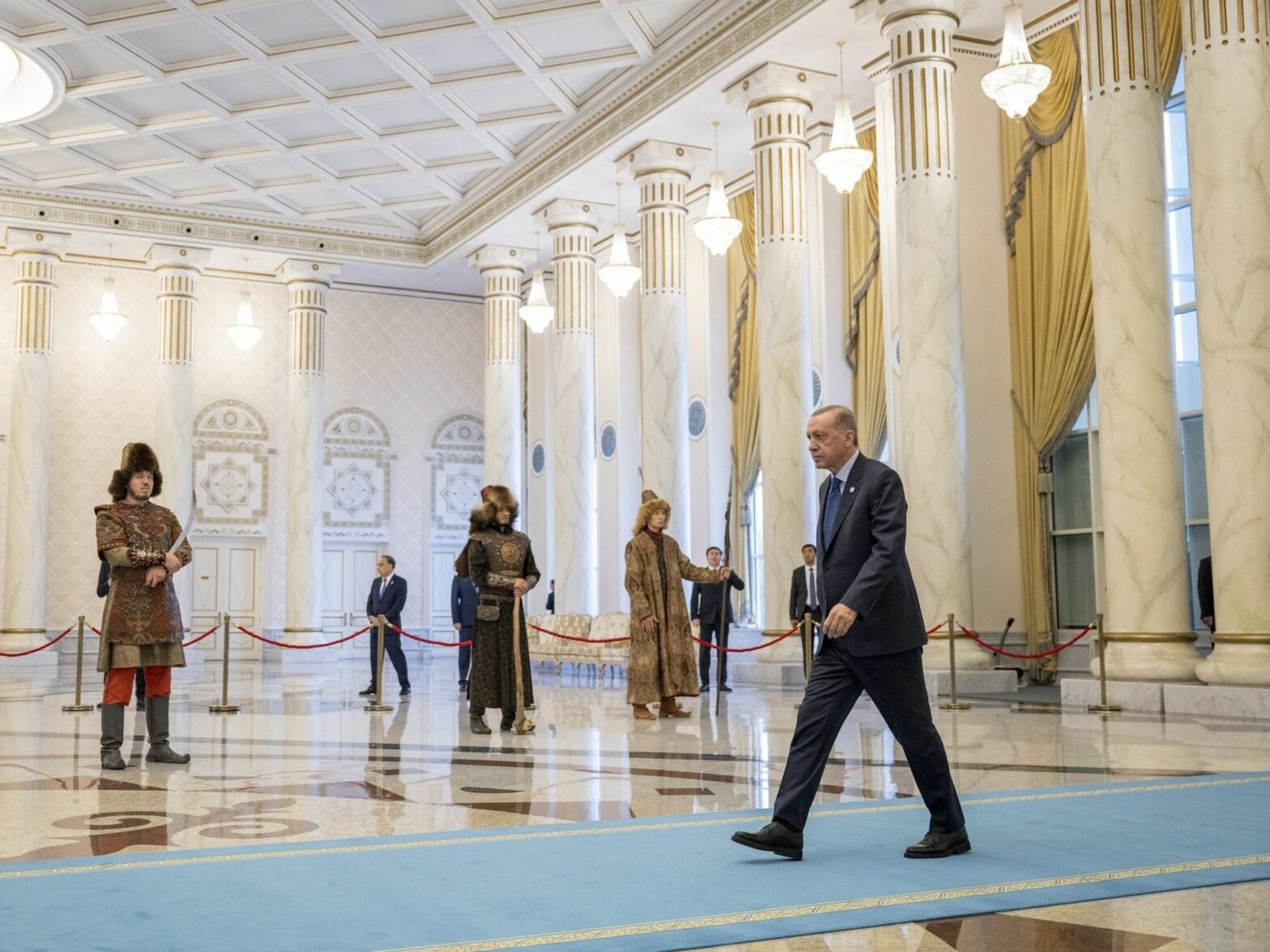
Turkish President Erdogan has now called on the International Criminal Court to go after Israeli Prime Minister Netanyahu for war crimes, as the clash between the two regional powers has reached a new low.
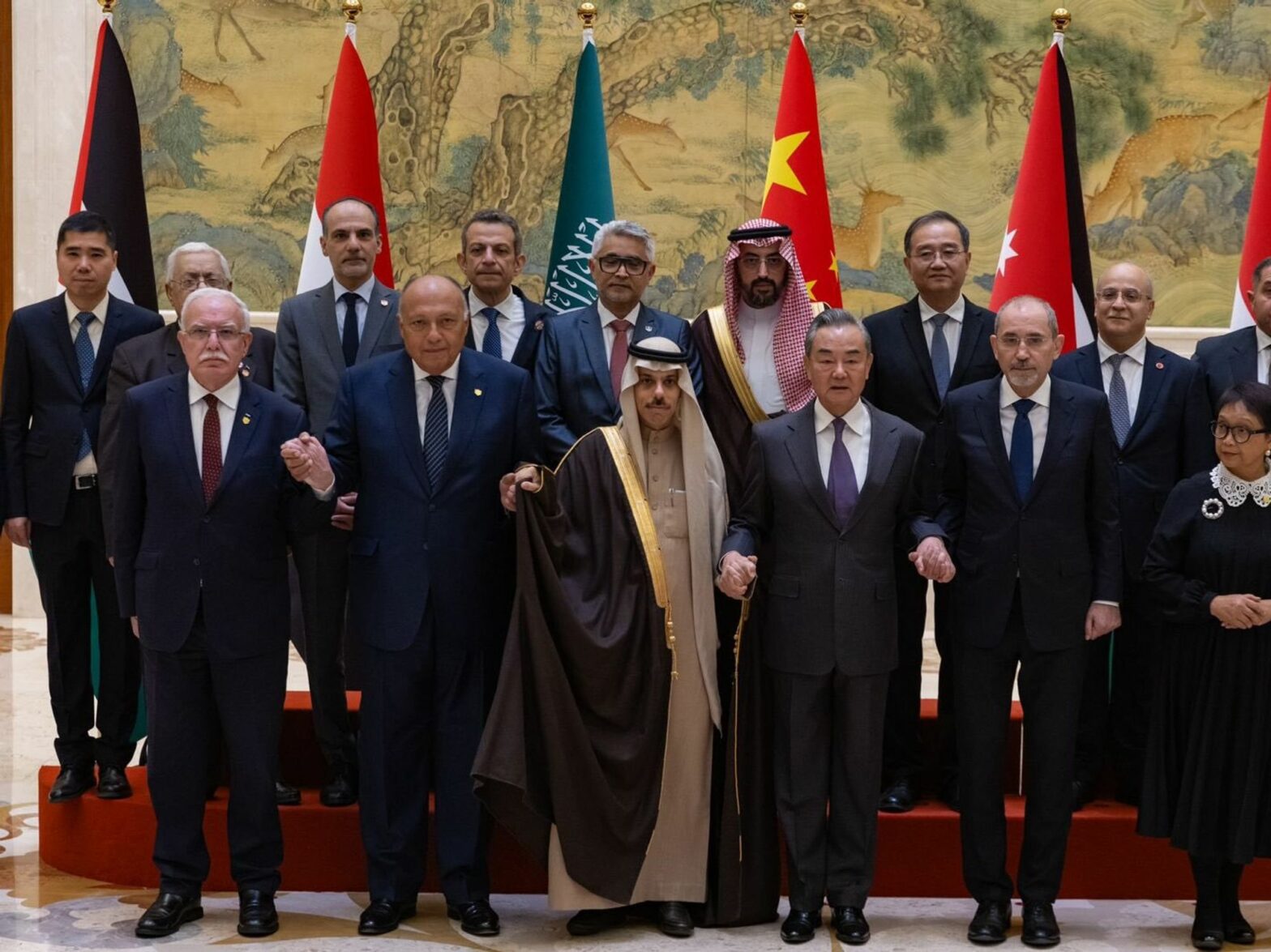
Frustrated by the United States’ unwavering support for Israel’s war on Gaza, Arab governments have looked at other options to help establish a ceasefire before it becomes too late. First stop: Beijing. Moscow’s role may be more obscure, but no less essential, in building a global coalition that counters the West’s stance.