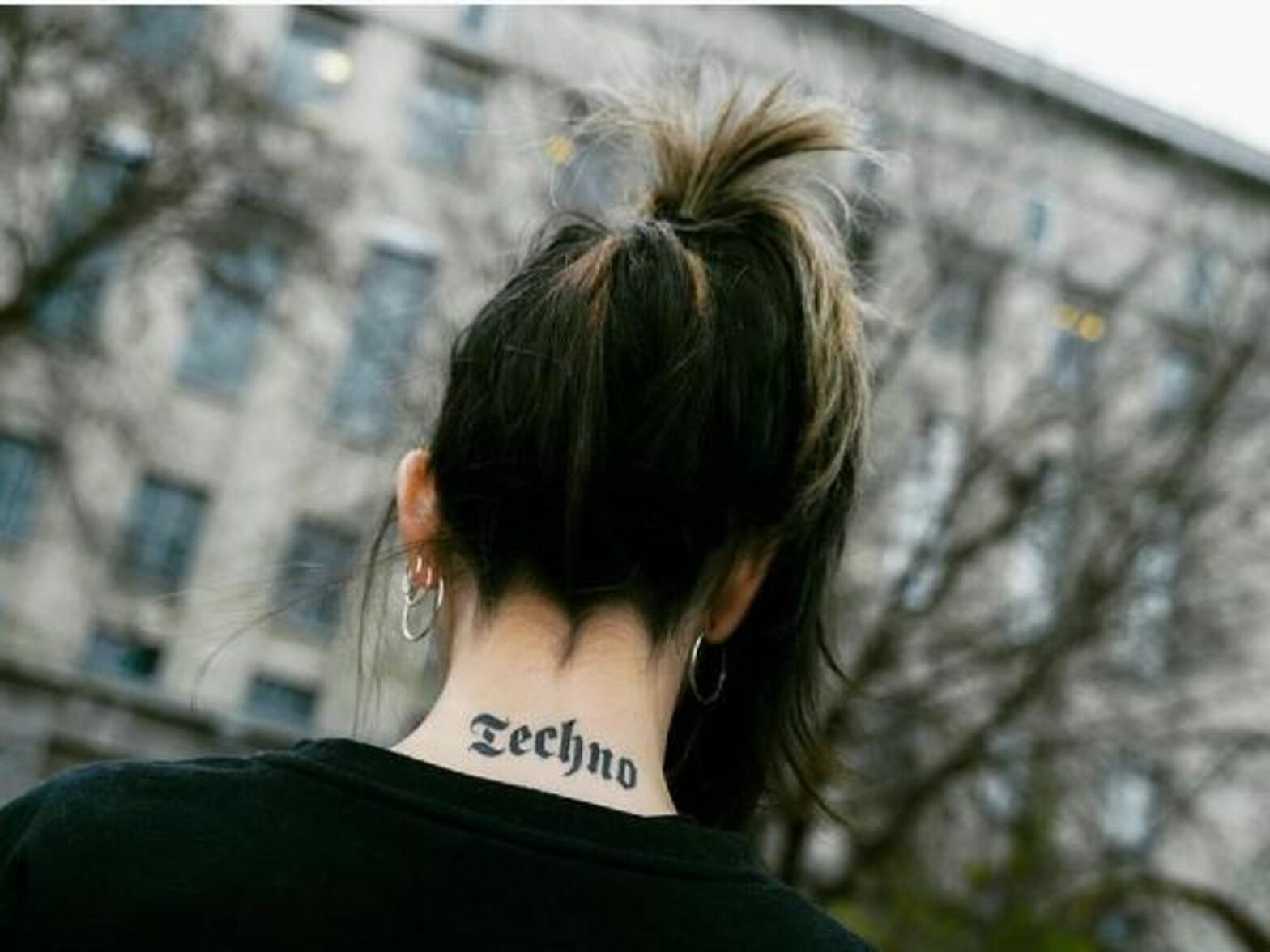
The exhibition “Electro” in Düsseldorf is an unlikely tribute to a joyful and uninhibited club culture, with curators forced to contend with limits of a museum setting … and another COVID lockdown.
 Worldcrunch
The exhibition “Electro” in Düsseldorf is an unlikely tribute to a joyful and uninhibited club culture, with curators forced to contend with limits of a museum setting … and another COVID lockdown.
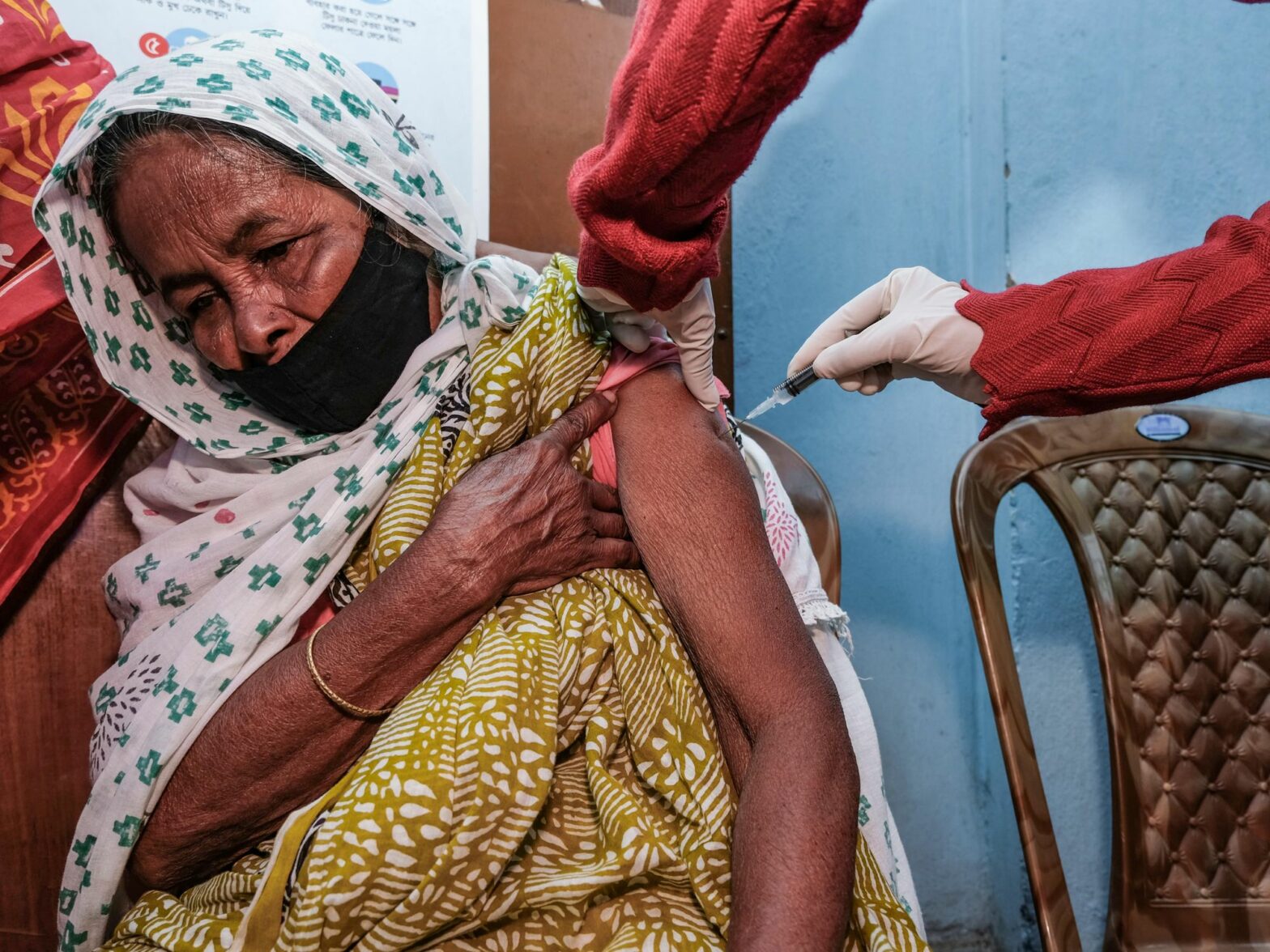
Germany boasted recently that it donated 100 million vaccines to poor countries, but this approach will simply not work to halt the pandemic from spreading again and again. Calls for the mRNA vaccines’ patents to be lifted are growing louder.
Economic stagnation, a polarized society, politicians losing the plot – German citizens’ opinion of their country seems to be going downhill, and we’re warned that many are planning to emigrate. However, the facts paint a very different picture.
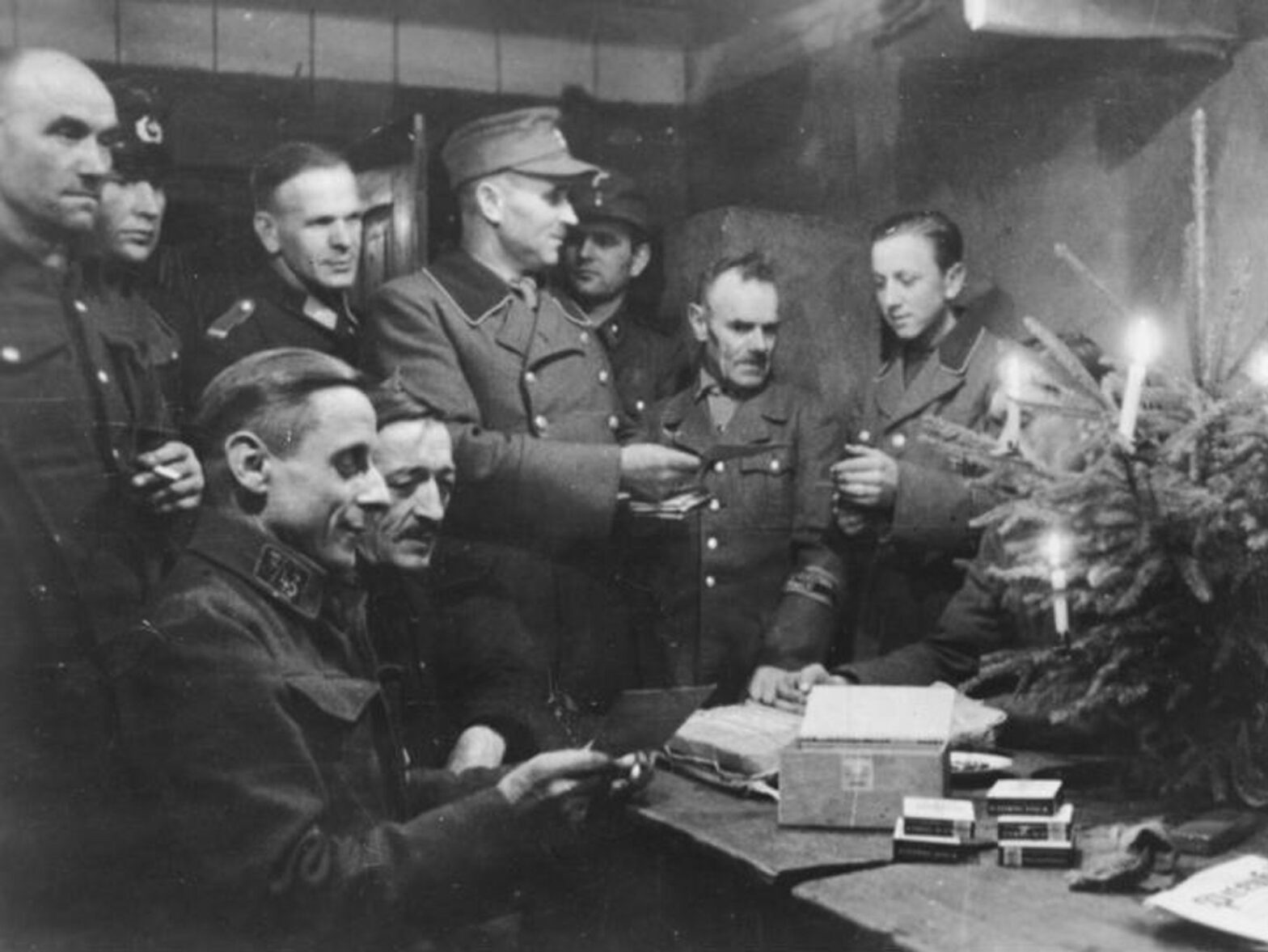
Both the Nazis and East German Communist Party tried to use Christmas for their own ends, and distance it from its Christian meaning. Writer and historian Karl-Heinz Göttert looks at the attempts to hijack Christmas throughout German history, and why it matters today.
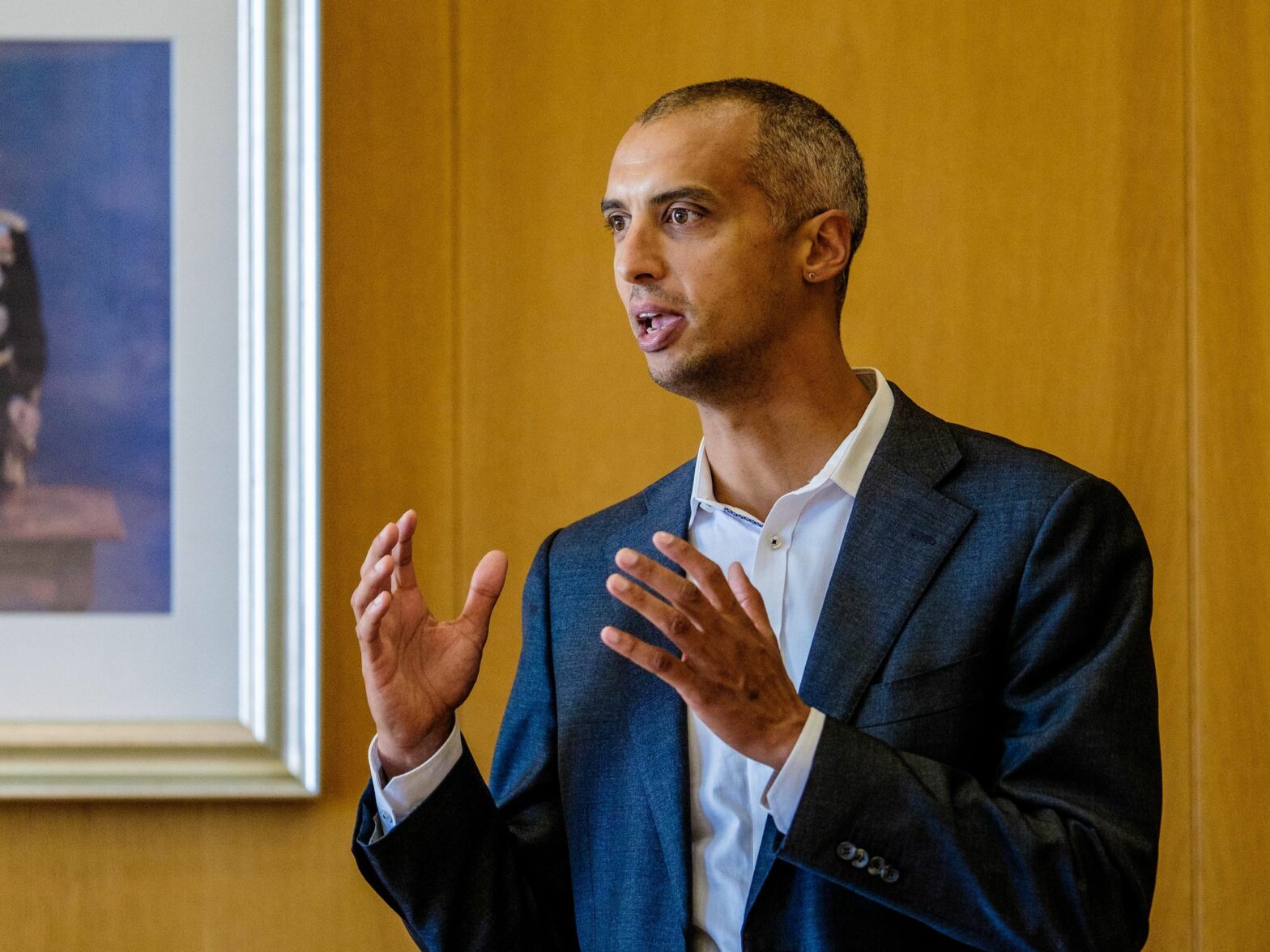
Migrant associations and activists are saying there are not enough politicians of migrant origin in the new German Bundestag. But are such politicians guaranteed to support policies that benefit migrants? There are prominent examples that suggest otherwise.

The “New Pharmacy” was famous throughout the St. Pauli district of Hamburg thanks to its industrious owner. Now, her daughter is transforming it into a museum dedicated to the history of sex toys, linking it with the past “curing” purpose of the shop.
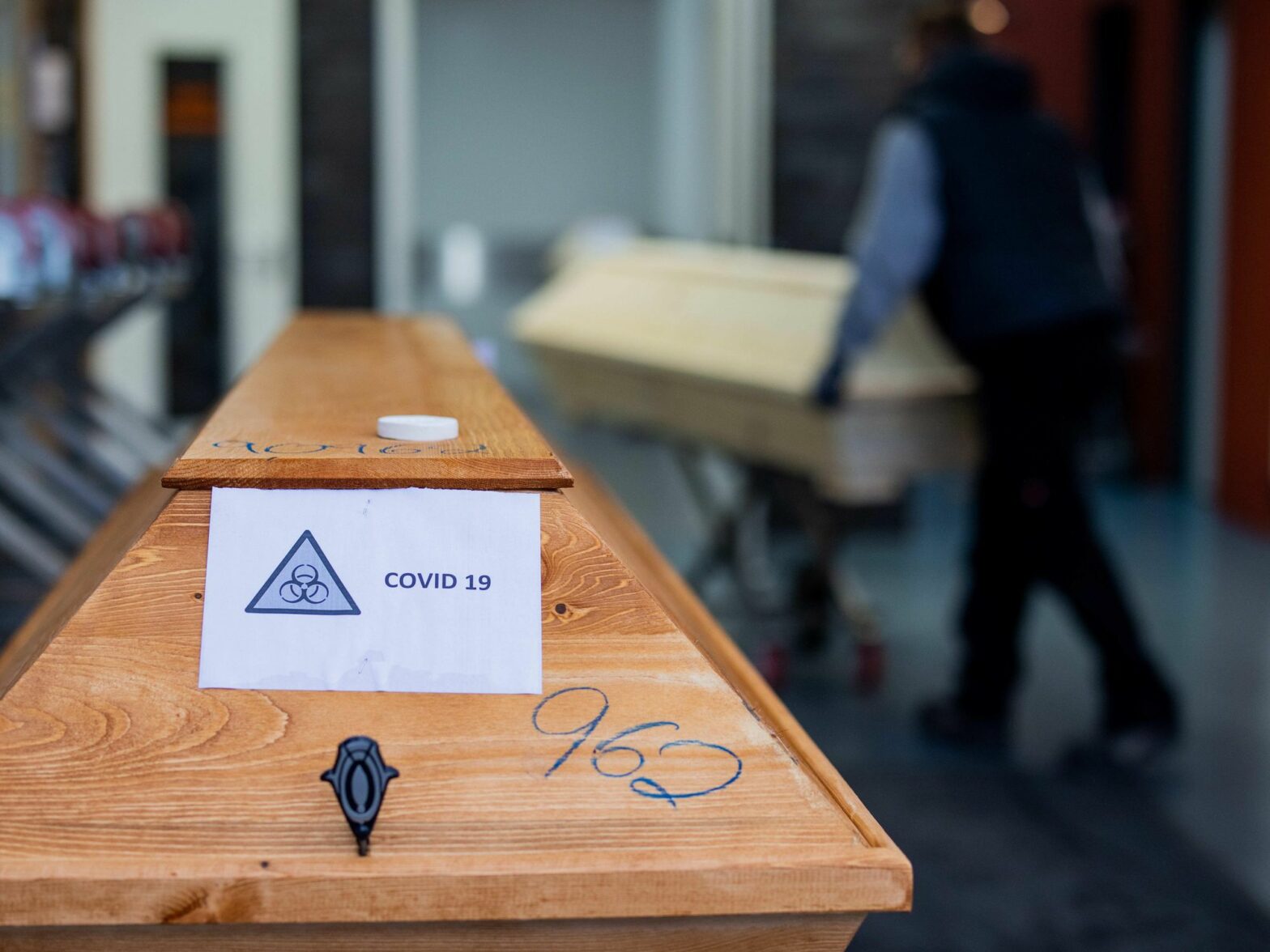
Funeral homes are getting ready to deal with more infectious bodies this winter as Germany has become a COVID-19 hotspot. They require more time and money for safety measures — the cost of which is passed on to relatives. But the true cost for friends and family lies elsewhere.
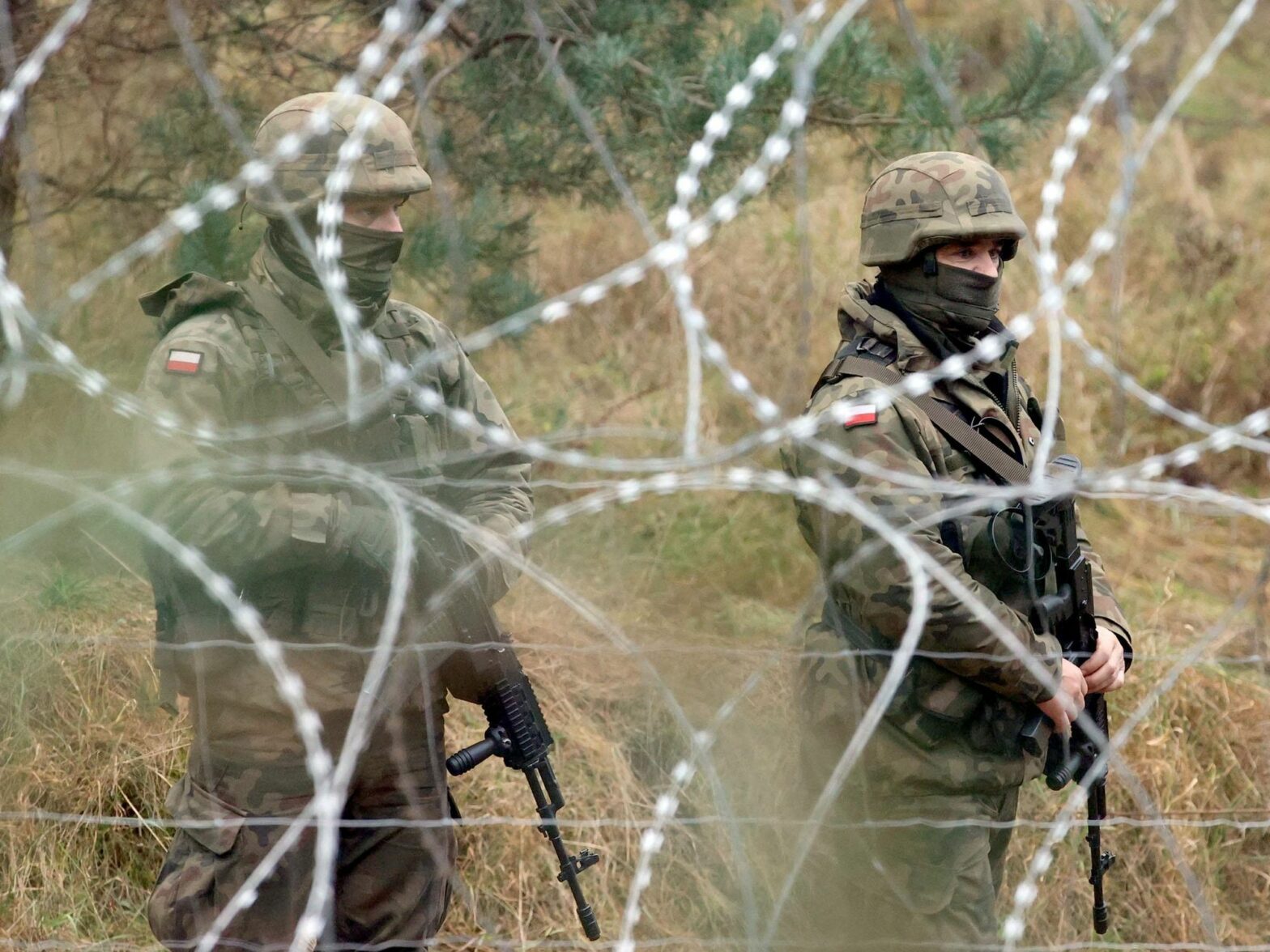
Hundreds of migrants arrive in Germany every day from Poland, which makes the Belarus border a national issue for Germany. It’s long past time that Europe acknowledge that tough measures are needed — maybe even walls…
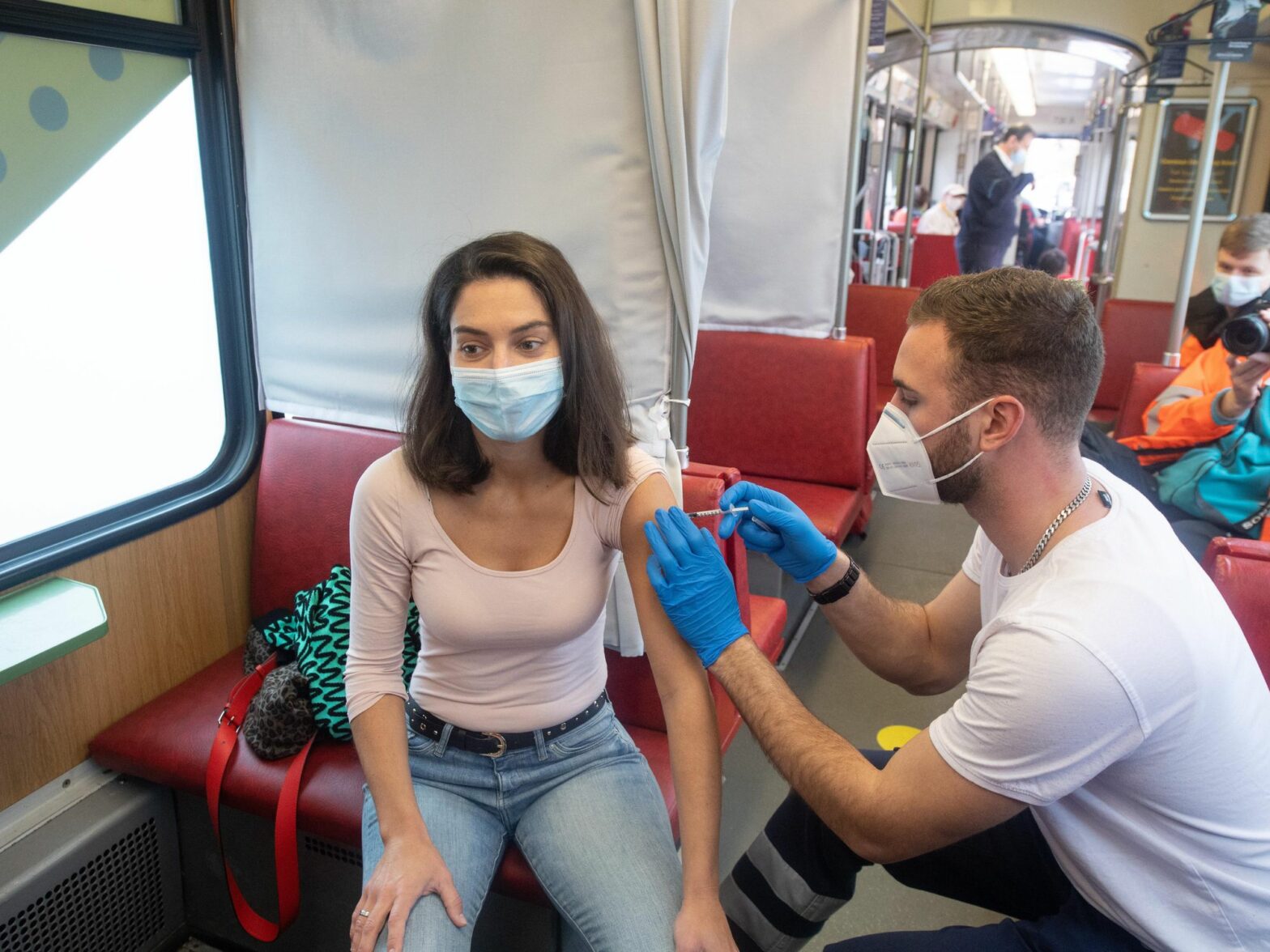
The decision not to get vaccinated against coronavirus is a personal one, a matter of individual freedom. But the fact that not everyone sees it this way shows the extent to which the pandemic has politicized the private sphere.
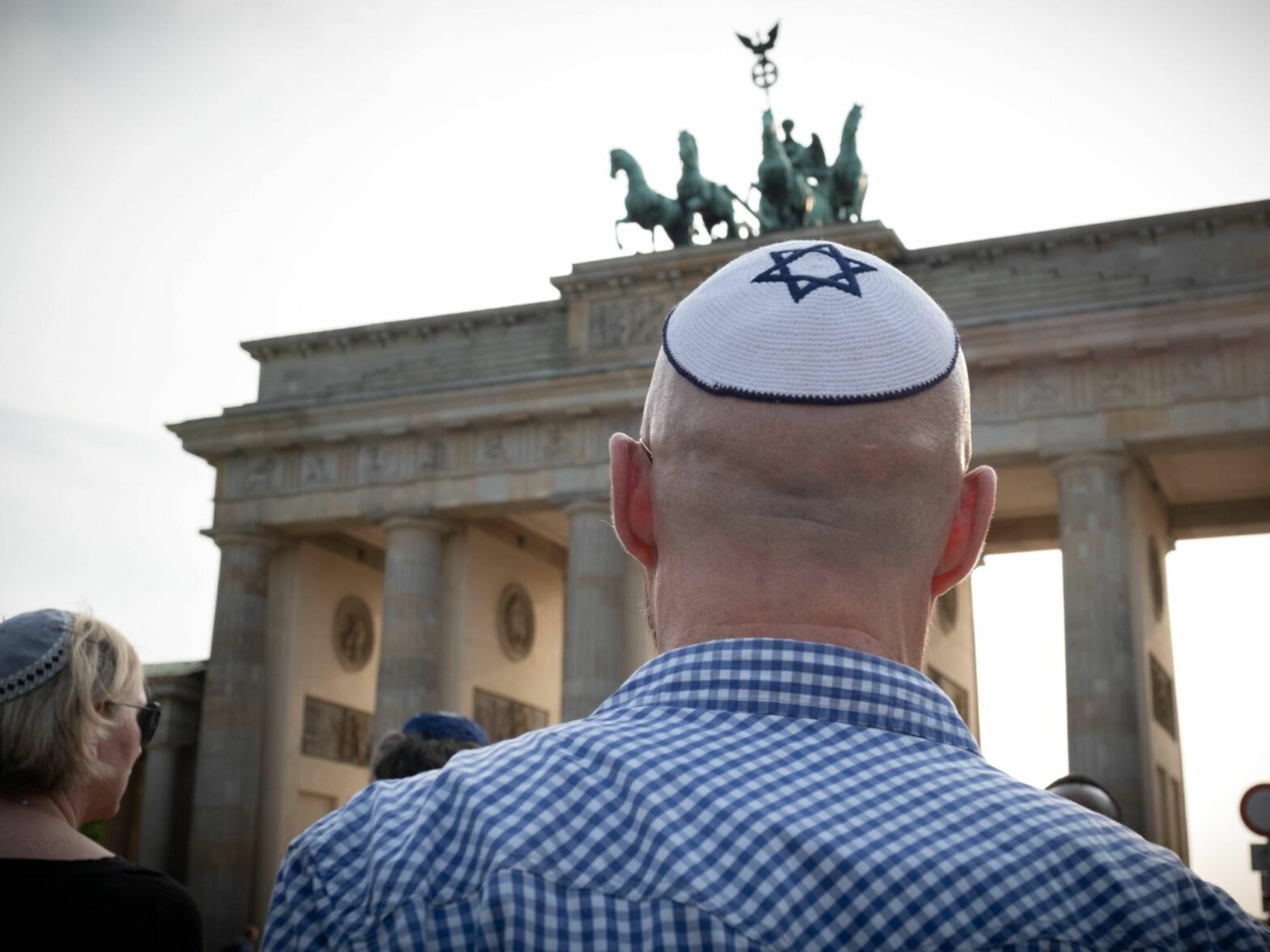
A neo-Nazi has been buried in the former grave of a Jewish musicologist Max Friedlaender – not an oversight, but a deliberate provocation. This is just one more example of antisemitism on the rise in Germany, and society’s inability to respond.
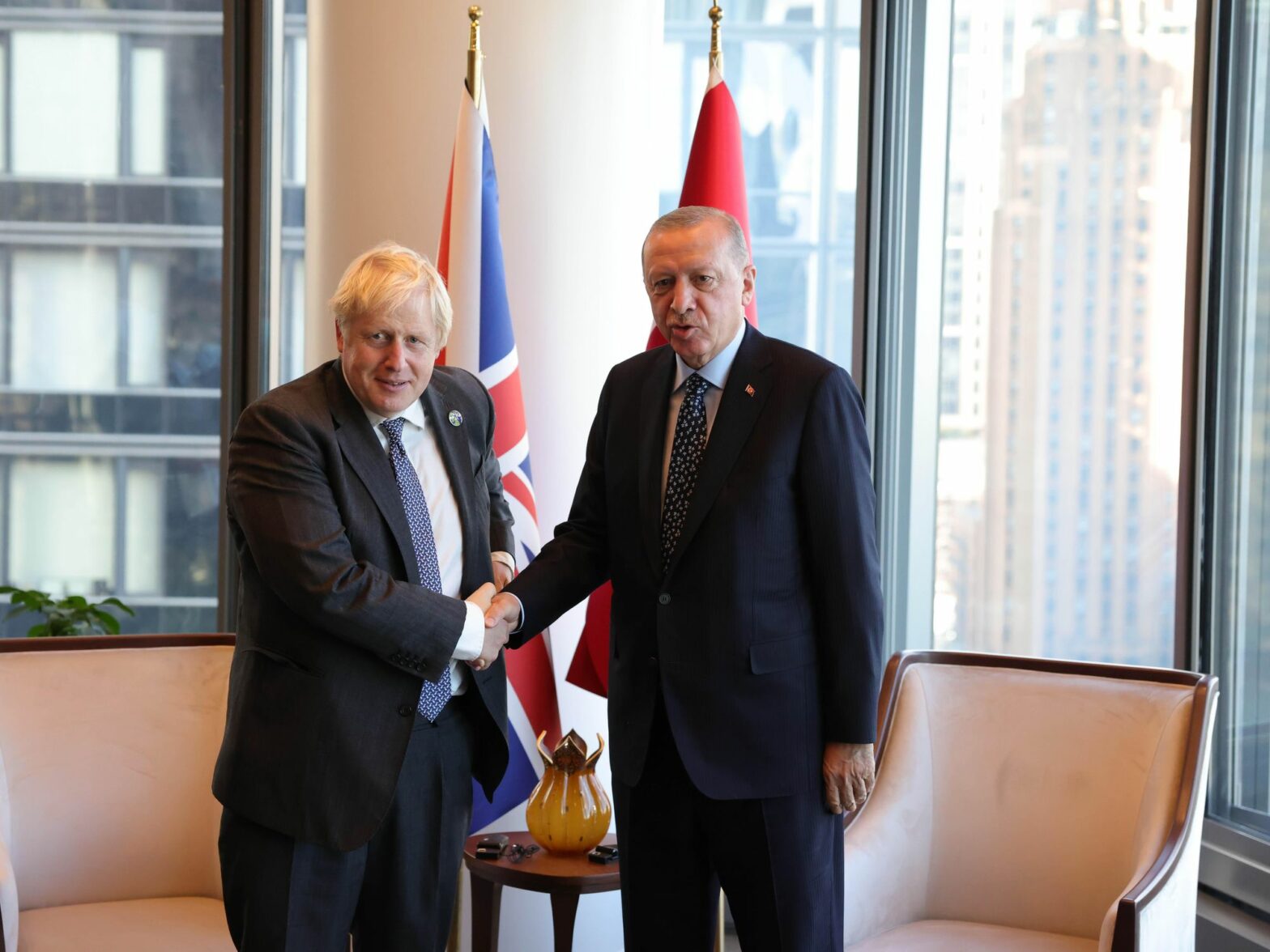
As Turkey fears the EU closing ranks over defense, Turkish President Erdogan is looking to Boris Johnson as a post-Brexit ally, especially as Angela Merkel steps aside. This could undermine the deal where Ankara limits refugee entry into Europe, and other dossiers too.
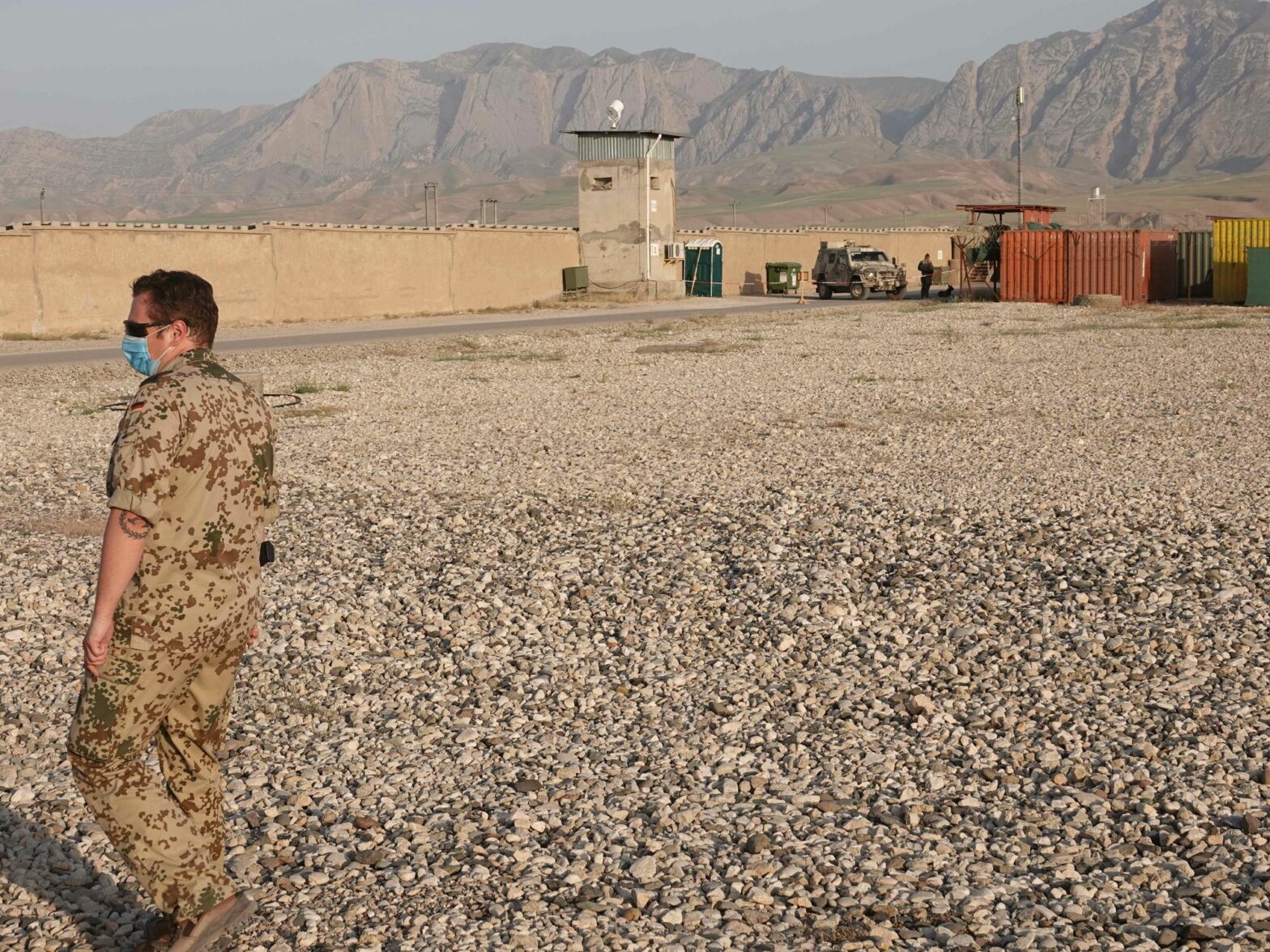
The new Taliban commander shows reporters from Die Welt around the deserted Camp Marmal, the German army’s former headquarters in Afghanistan.
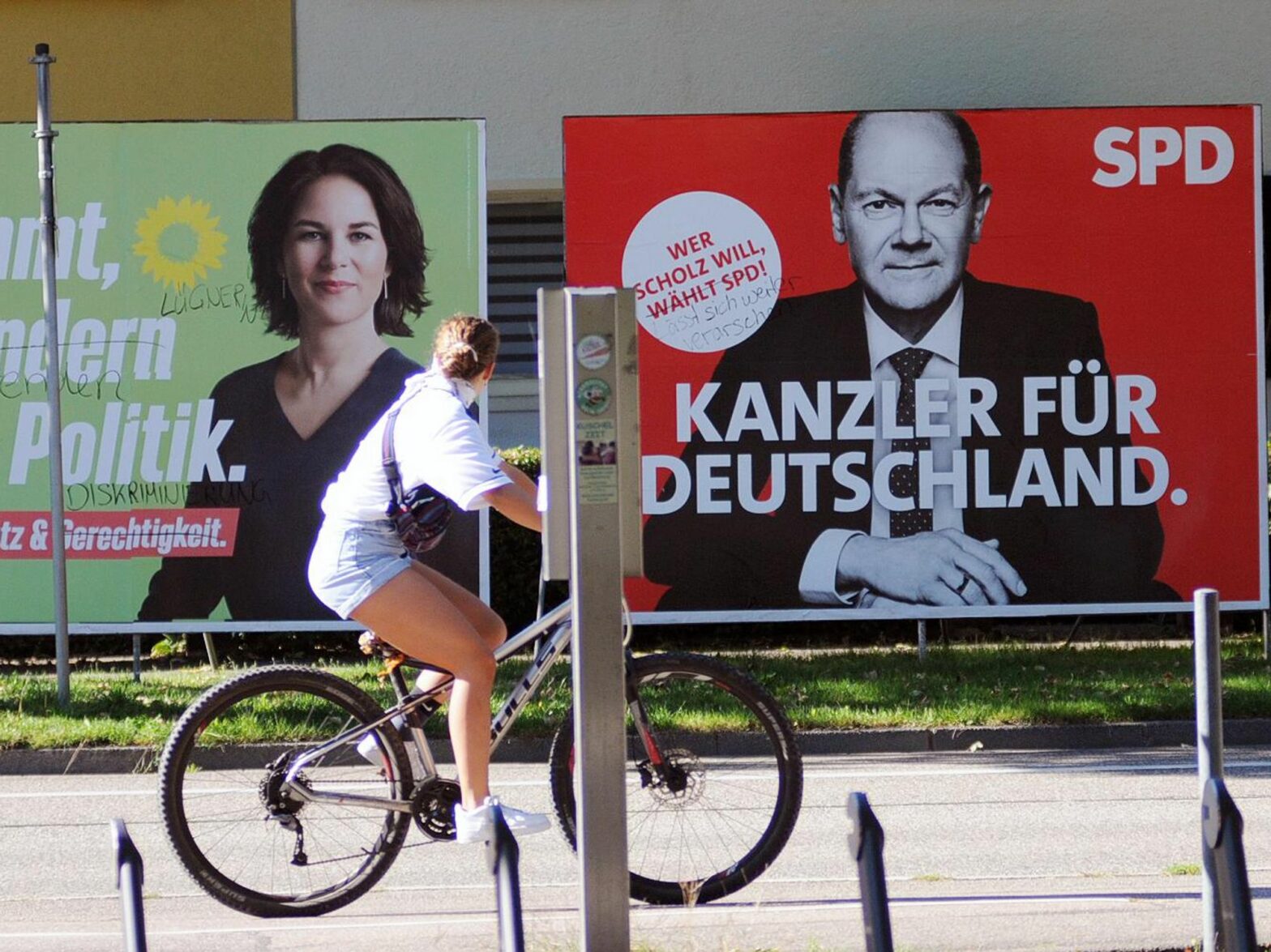
Austria’s conservative-green coalition, though currently facing a crisis linked to corruption allegations, has been cited as a possible model for Germany’s current post-election talks to form a new government. Could there be a logic to pairing the center-right CDU and the Greens in Berlin?
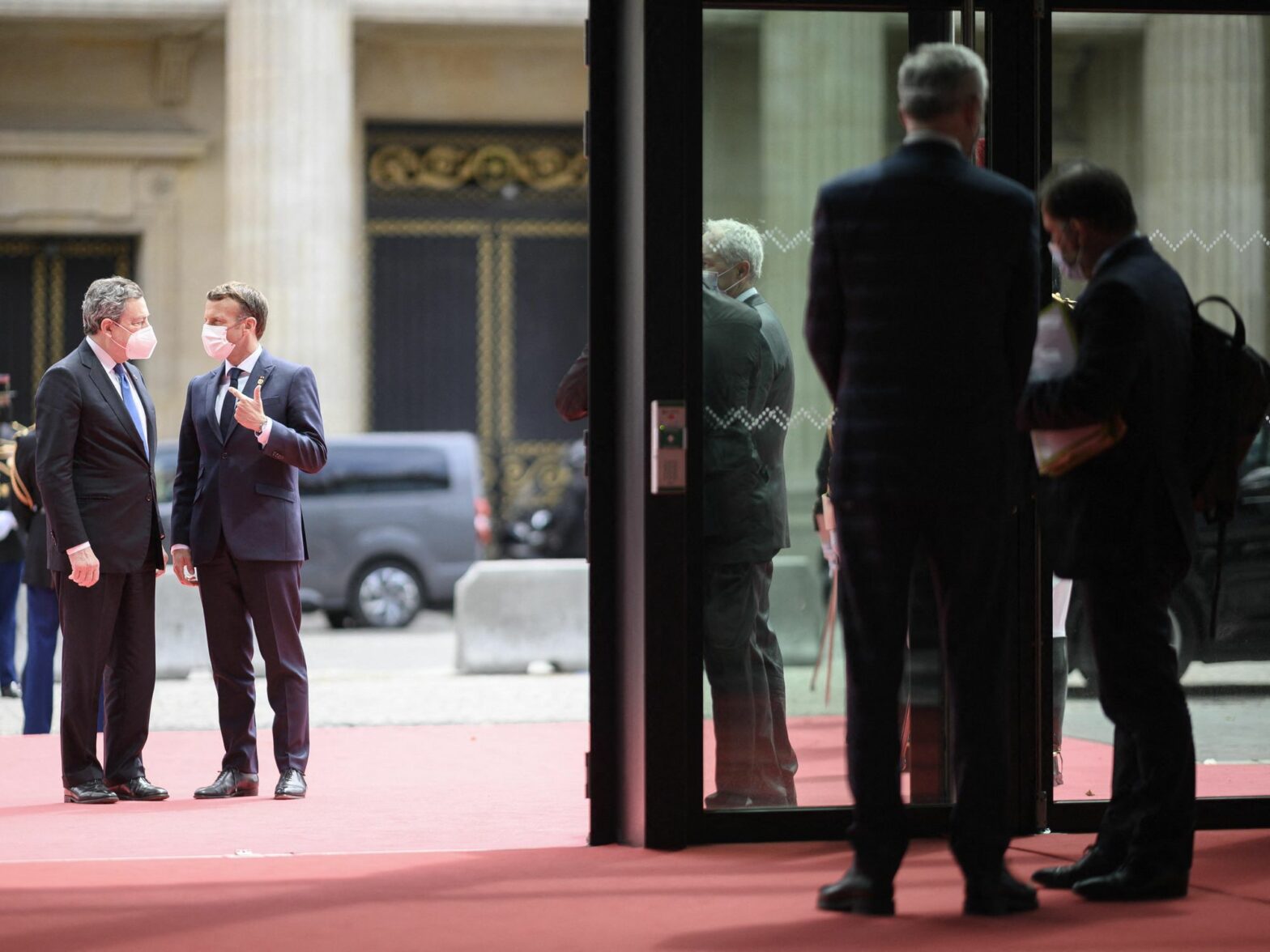
Coalition negotiations in Berlin will make for a period of political uncertainty that French President Emmanuel Macron is keen to exploit. He already has a new Italian partner, with whom he wants to steer the EU in a new direction.
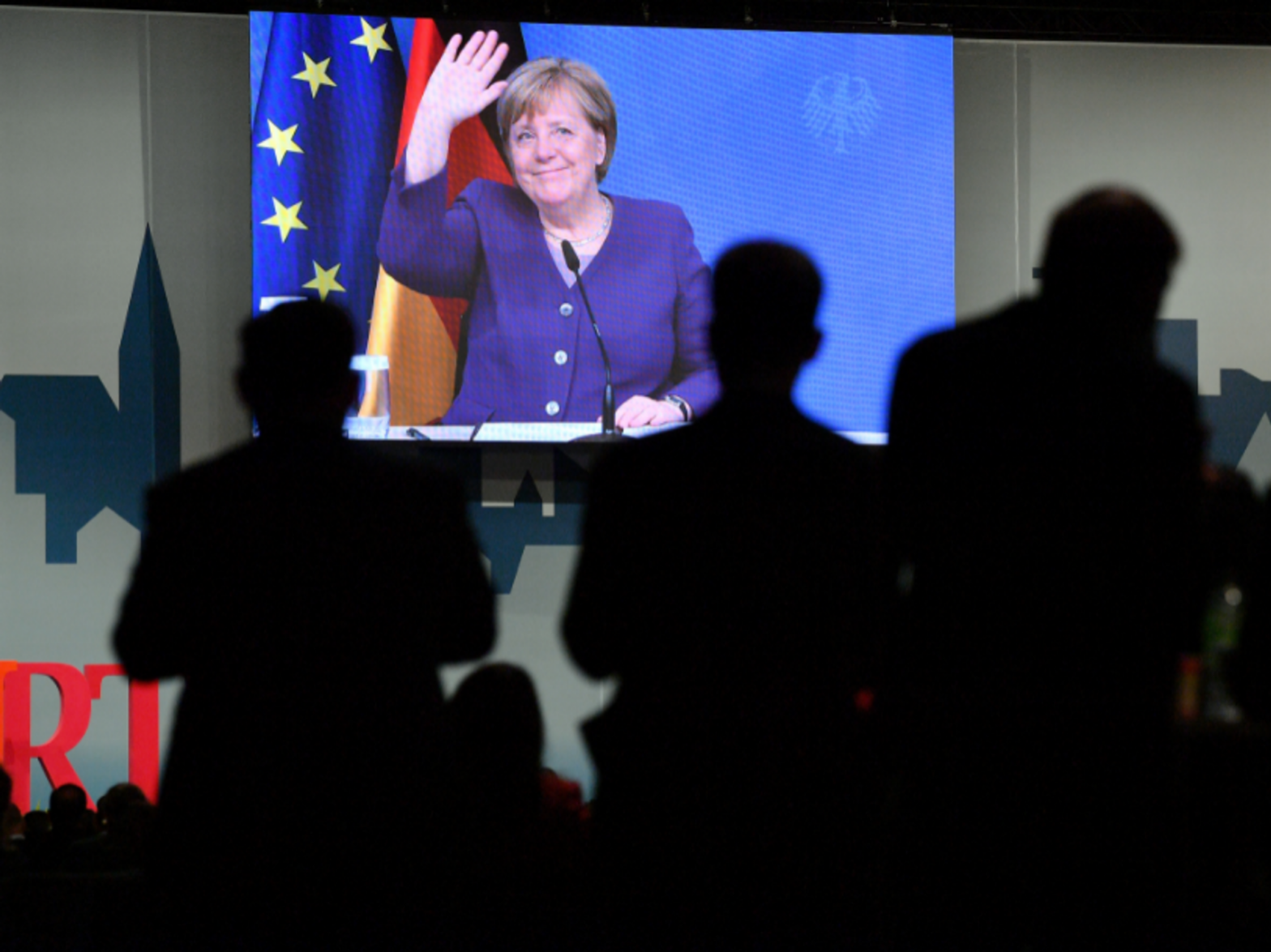
Across southern Europe, all eyes are on the German elections, as they hope a change of government might bring about reforms to the EU Stability Pact.
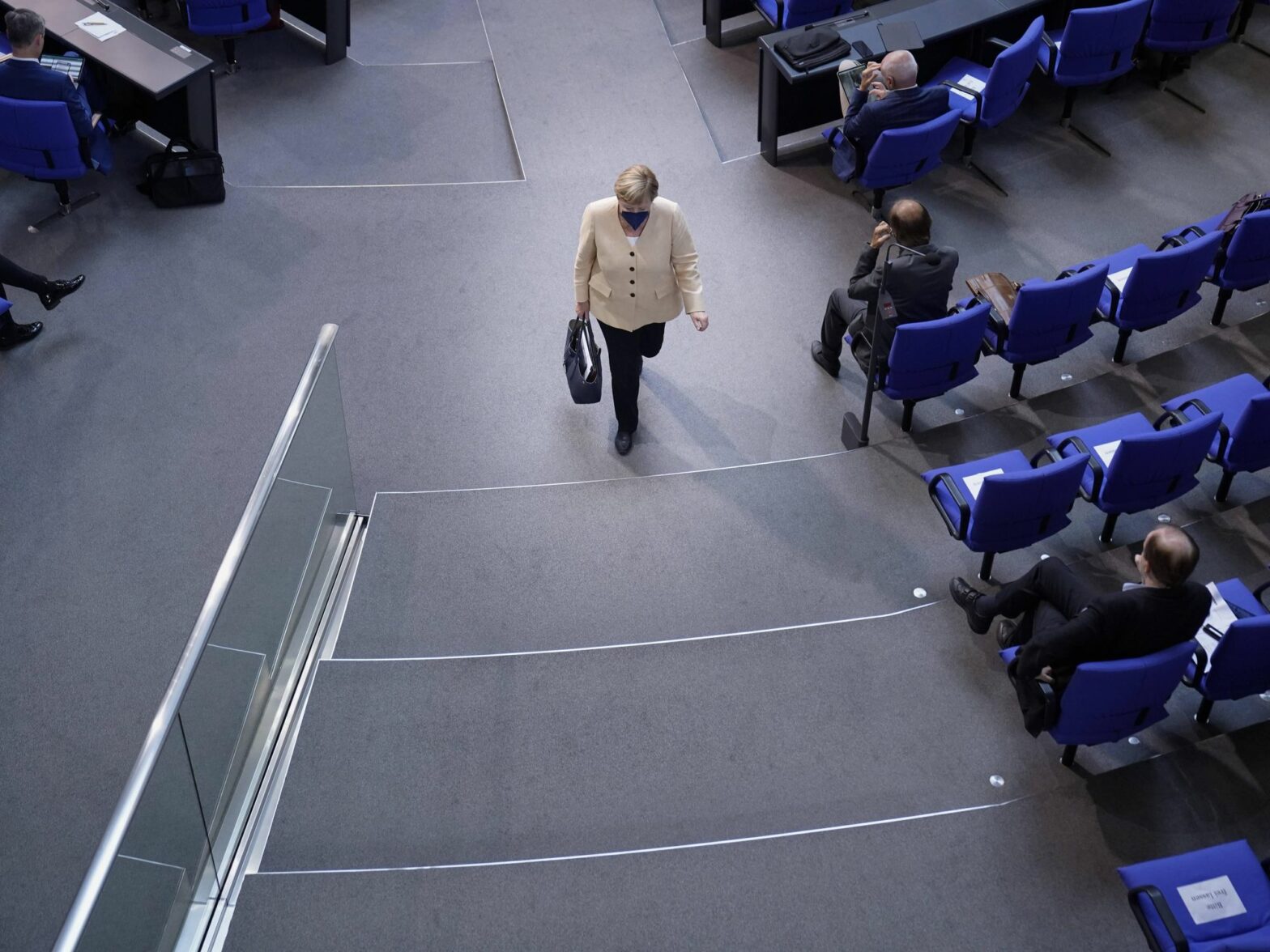
The Syrian refugee crisis in 2015 ignited a bitter rivalry between Germany’s Angela Merkel and Austria’s Sebastian Kurz. Merkel was in favor of a “culture of welcome,” while Kurz argued for border protection. But with the current Afghan refugee crisis, the German leader is shifting course.
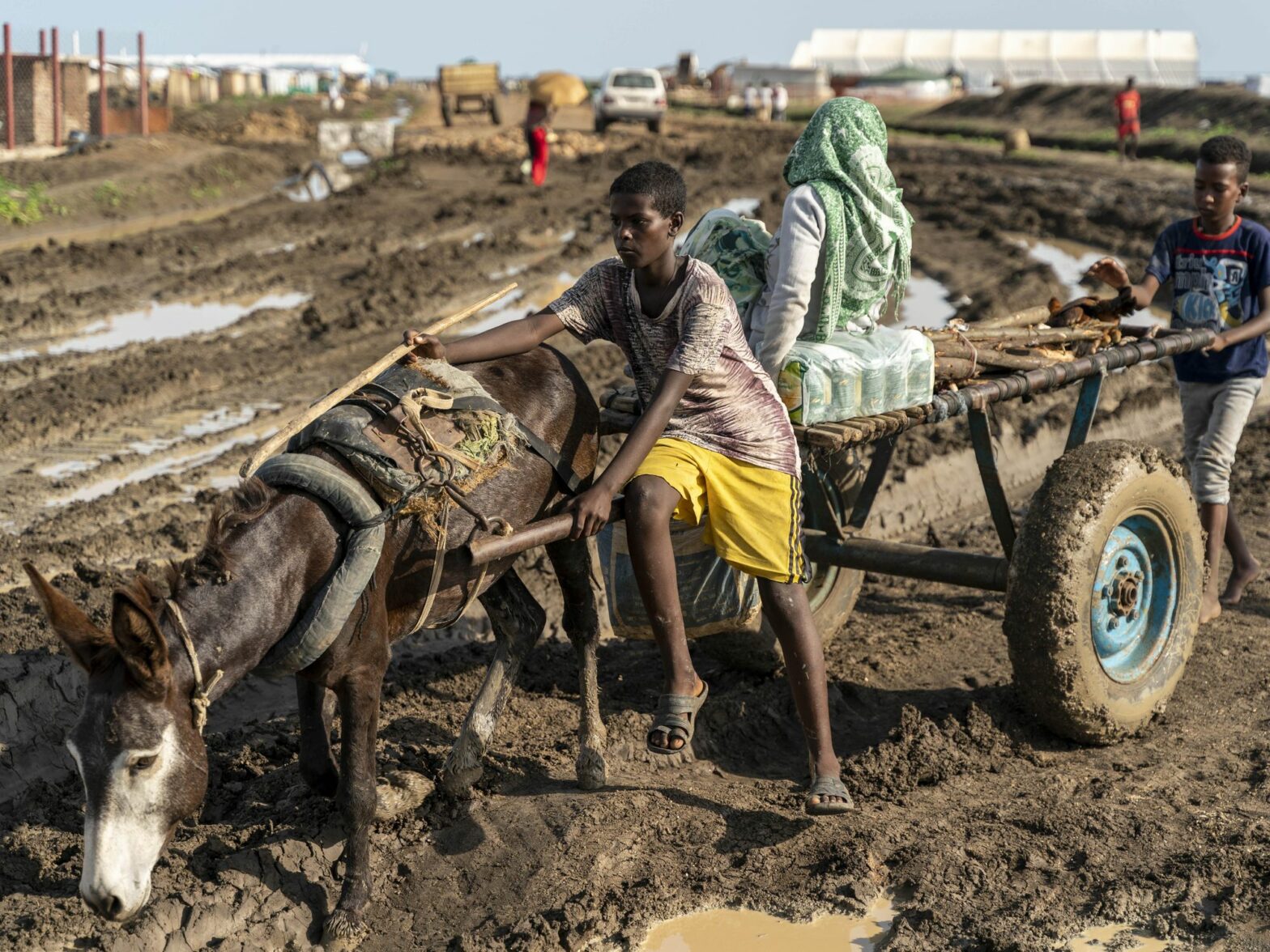
Reports of torture, murder and gang rape are emerging from the civil war in northern Ethiopia. The conflict has spread across the country and an imminent collapse seems likely, spreading across the region. Now Turkey is also getting involved.
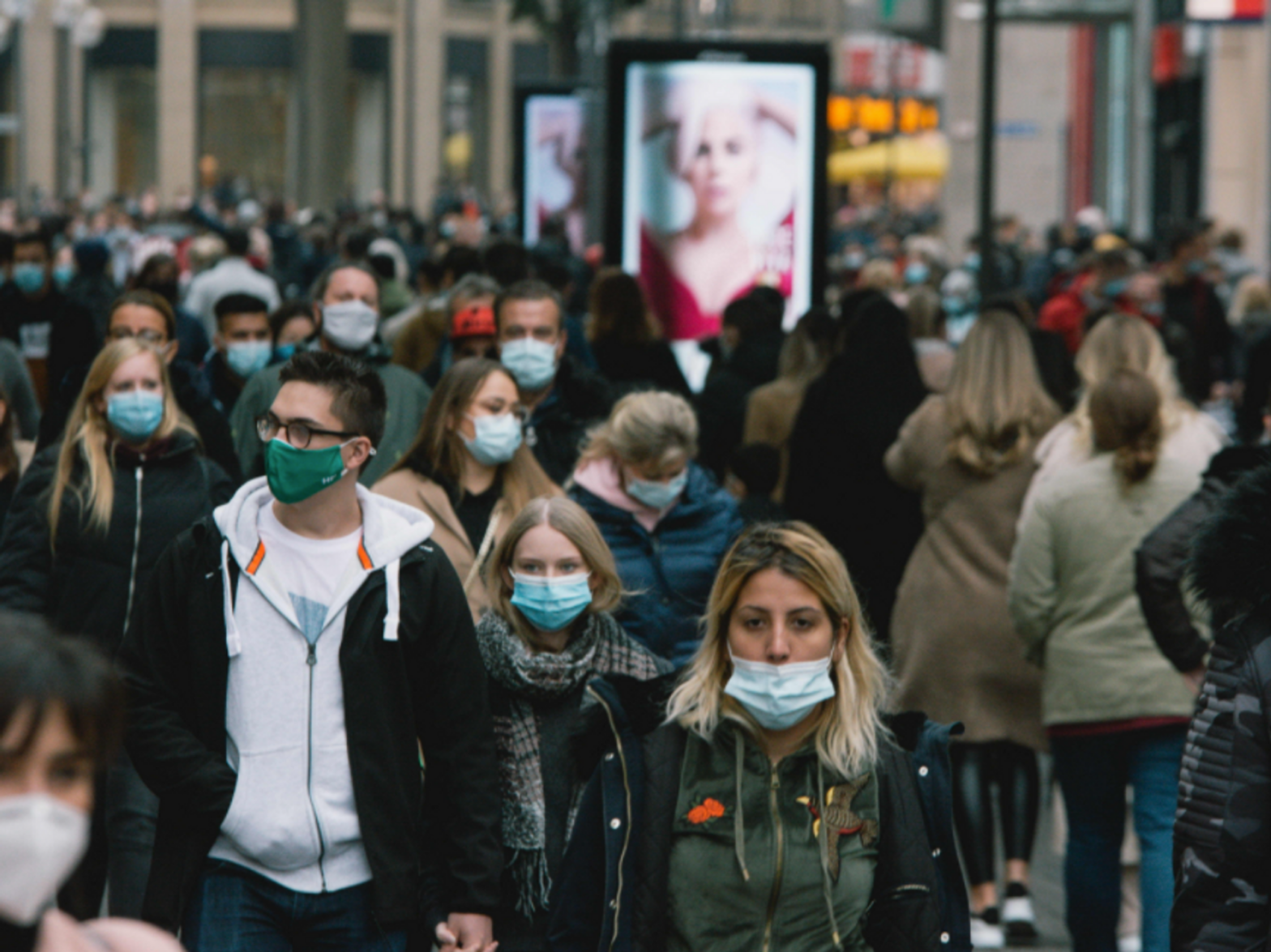
Developed countries have promised to supply poorer countries with vaccines, but so far Europe is lagging behind in donations. With pure politics determining which countries receive vaccines, the broken vow is a threat to everyone.

Some feminists celebrate women who sell sex, claiming they are the pinnacle of self-determined empowerment. If that were true, millions of men would be queueing up to go in the game. Those who defend sex work are missing the point.
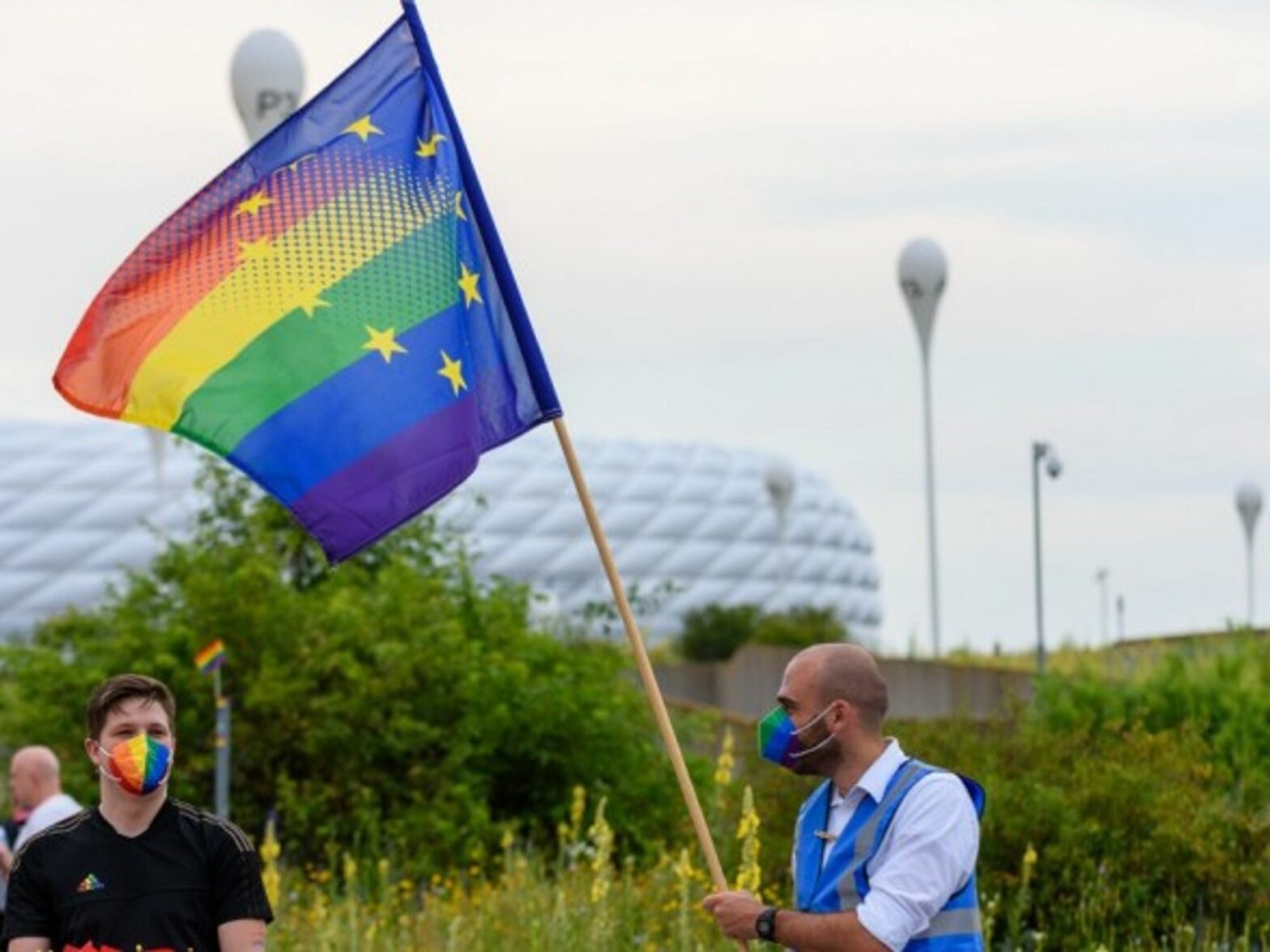
The EU parliament has passed a resolution that condemns Hungary’s anti-LGBT law and could allow them to initiate legal action against the Hungarian government. The potentially life-threatening consequences of the law are already clear.
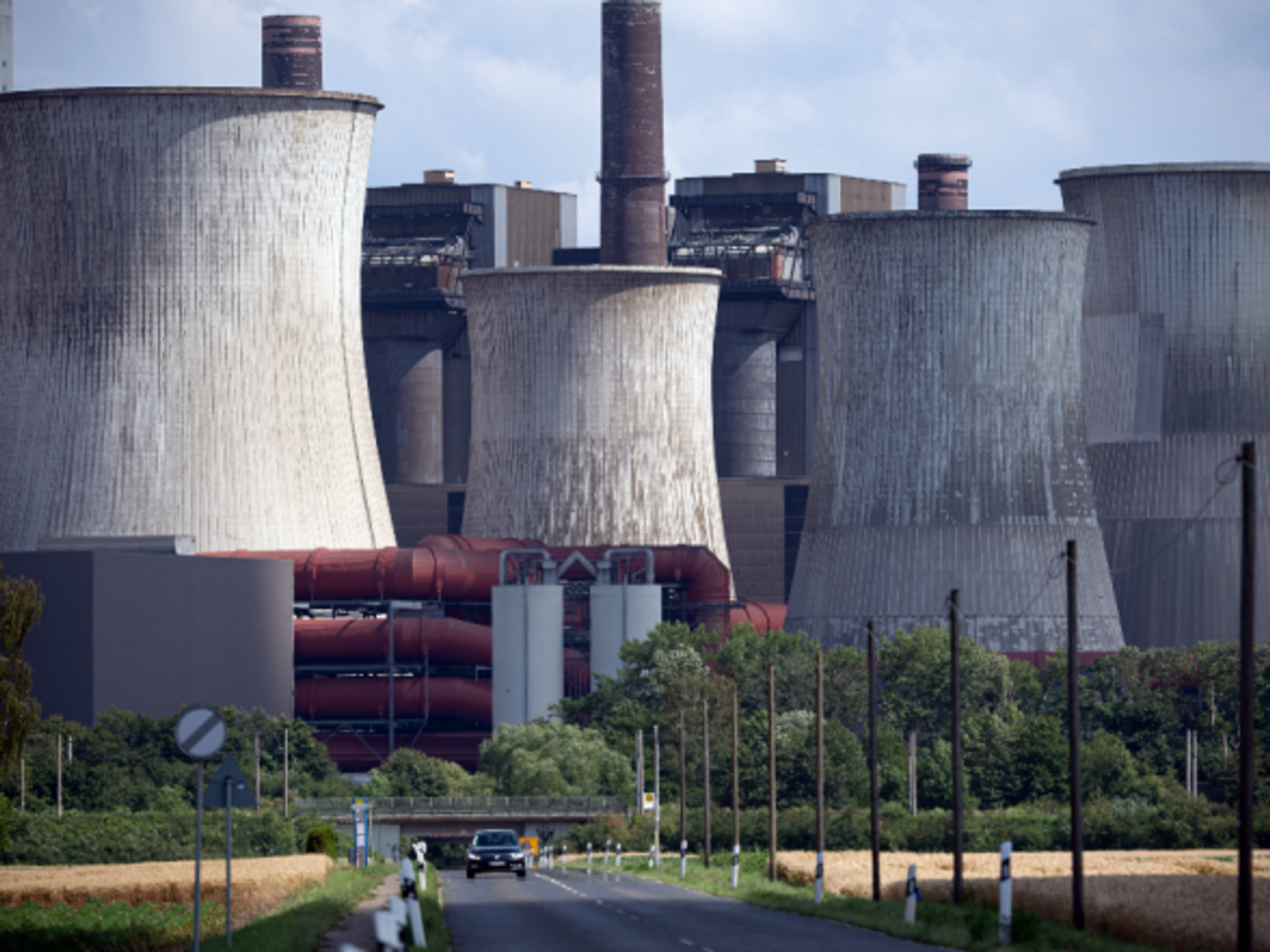
For all its cosmopolitan pretense, the Green Party is strikingly provincial when it comes to addressing the global threat of climate change, Die Welt foreign-desk editor Klaus Gieger writes.
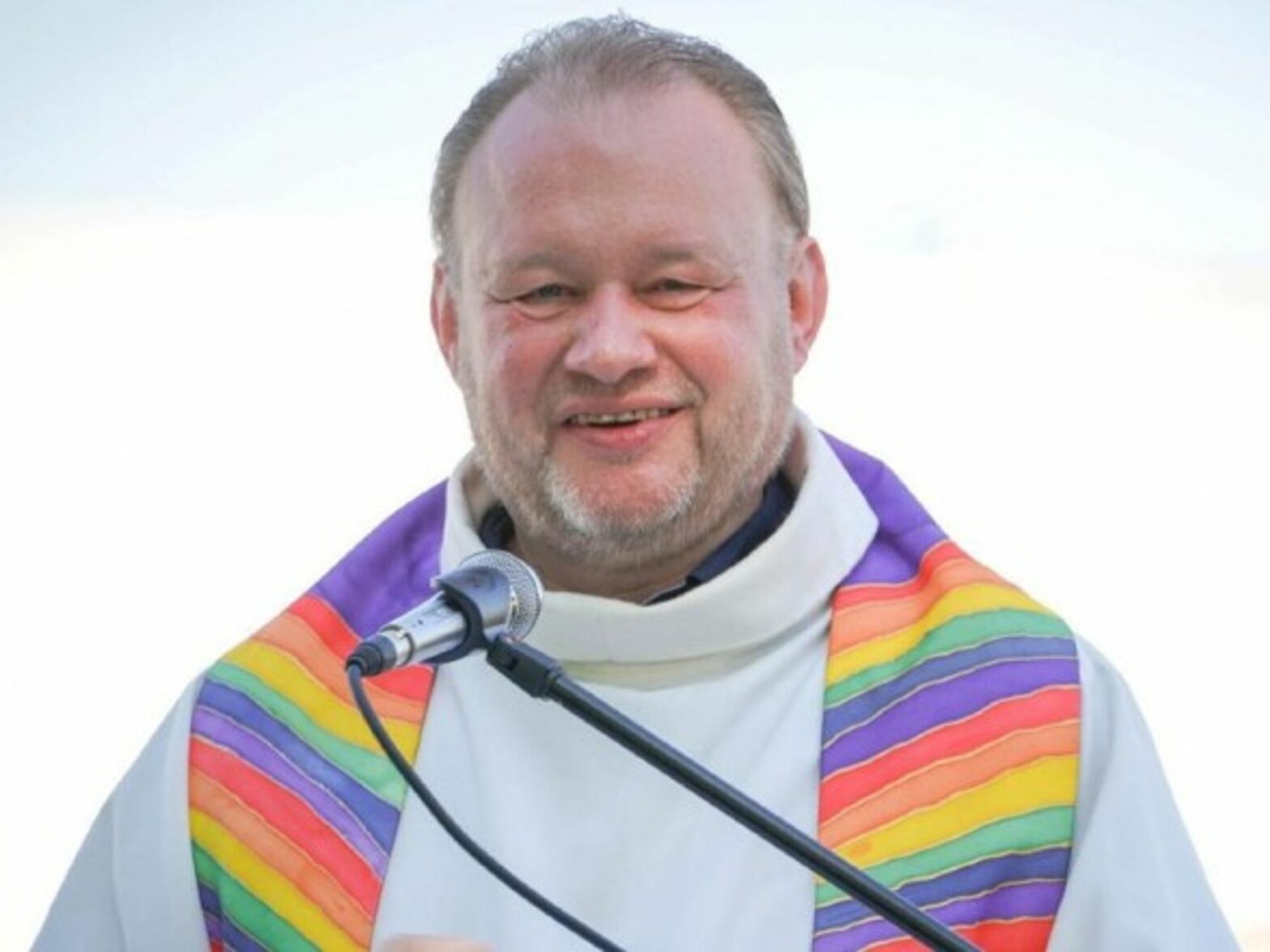
Holger Allmenroeder is a Catholic priest who is also openly gay. He supports gay and lesbian people, divorcees and those who have remarried. Traditionalists may find him alienating but his masses are well attended. Is he the future of the Church?
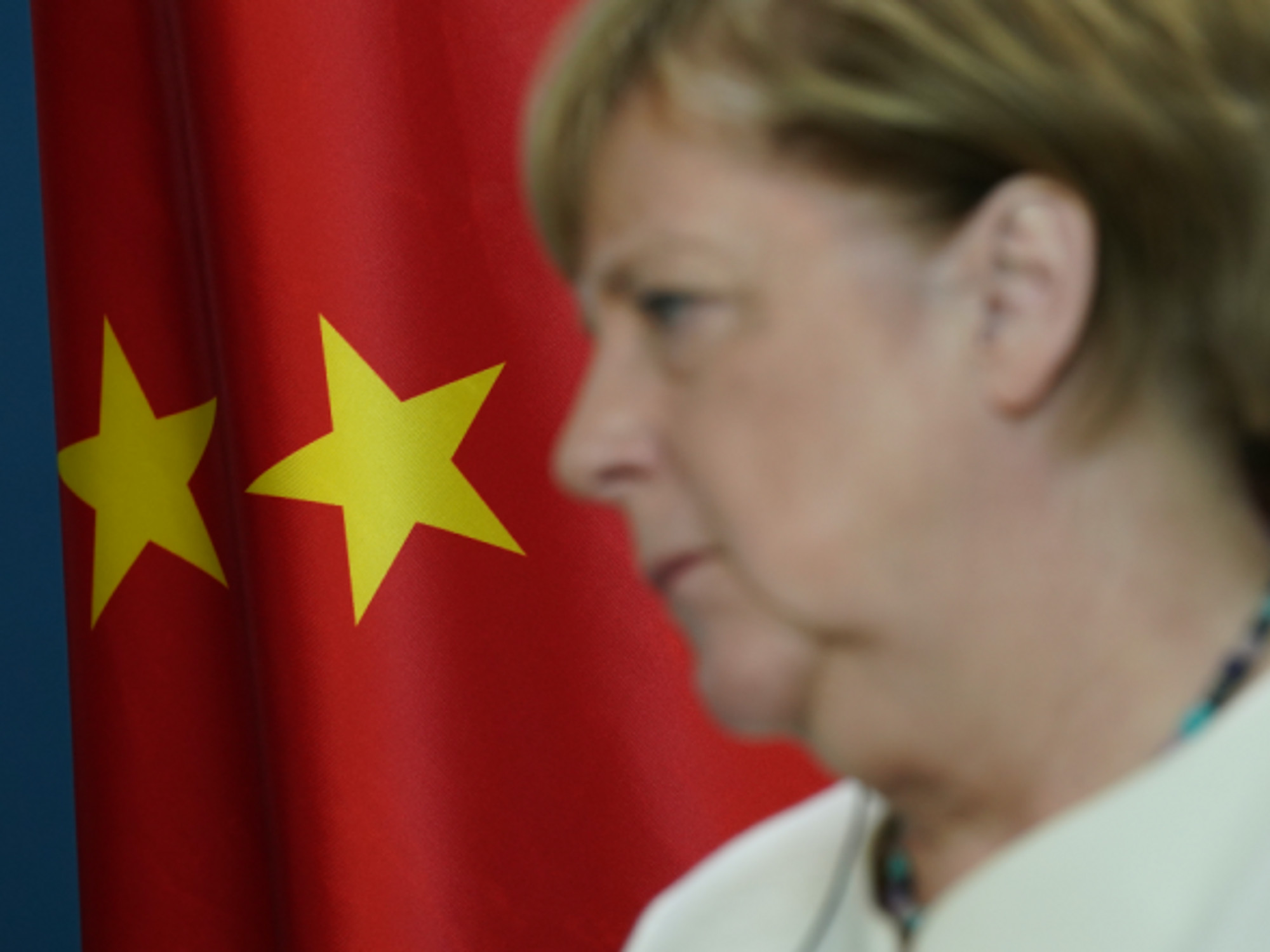
The German chancellor is the driving force behind a controversial investment agreement between China and EU, which is recognizing Beijing’s true intentions too late.
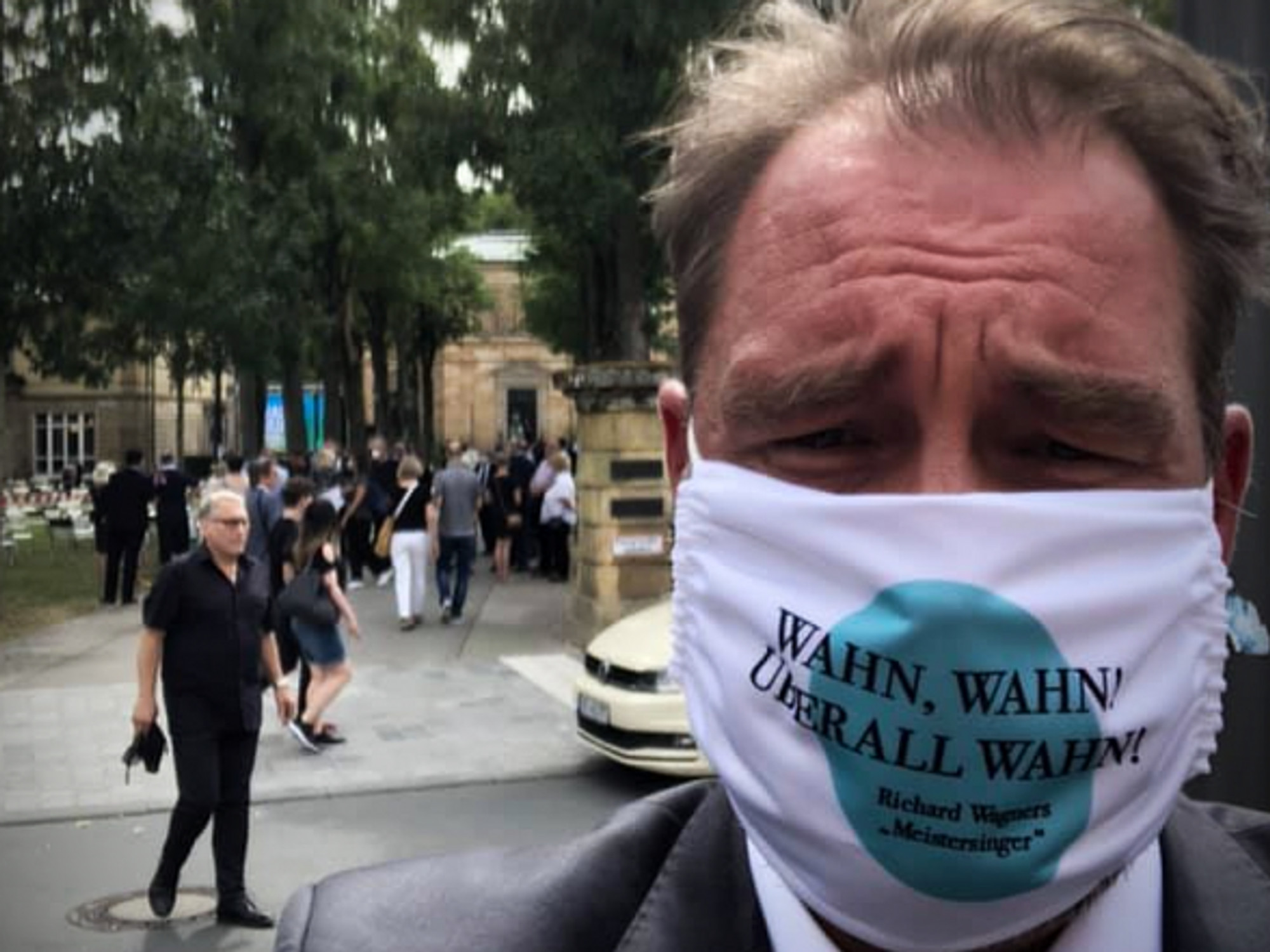
Die Welt journalist Peter Huth argues that those who can’t catch COVID-19 should not be subject to any more virus rules and restrictions, and allowed to return to normal life.
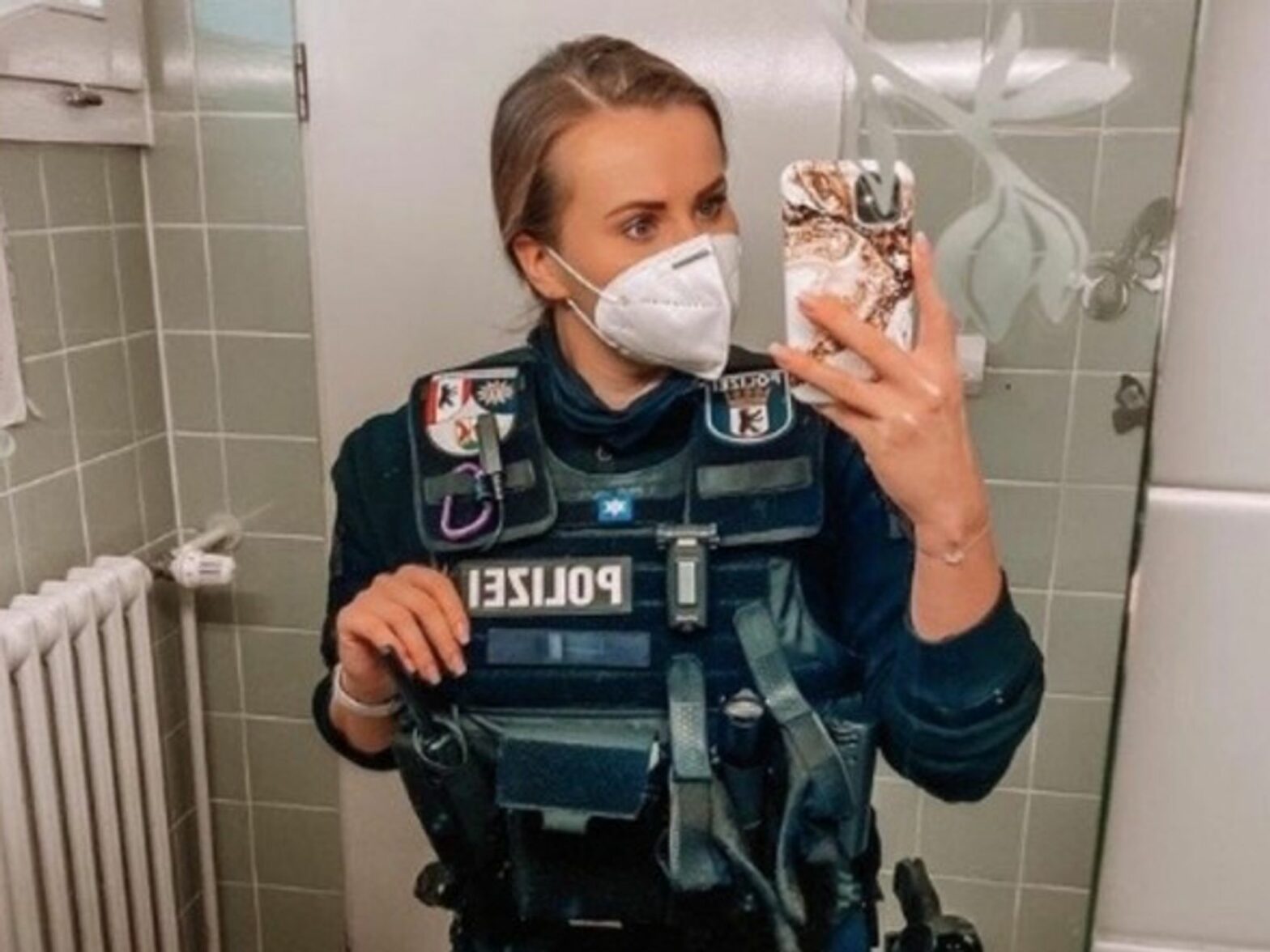
Some police officers have used their toned bodies, selfies in uniform, and professional insights into social media notoriety. But all that attention can also lead to problems at work.
Across the Western world, the number of men unable to have children without medical intervention is growing. Health specialists are raising the alarm and scientists are struggling to find the cause, while politicians are ignoring the issue.
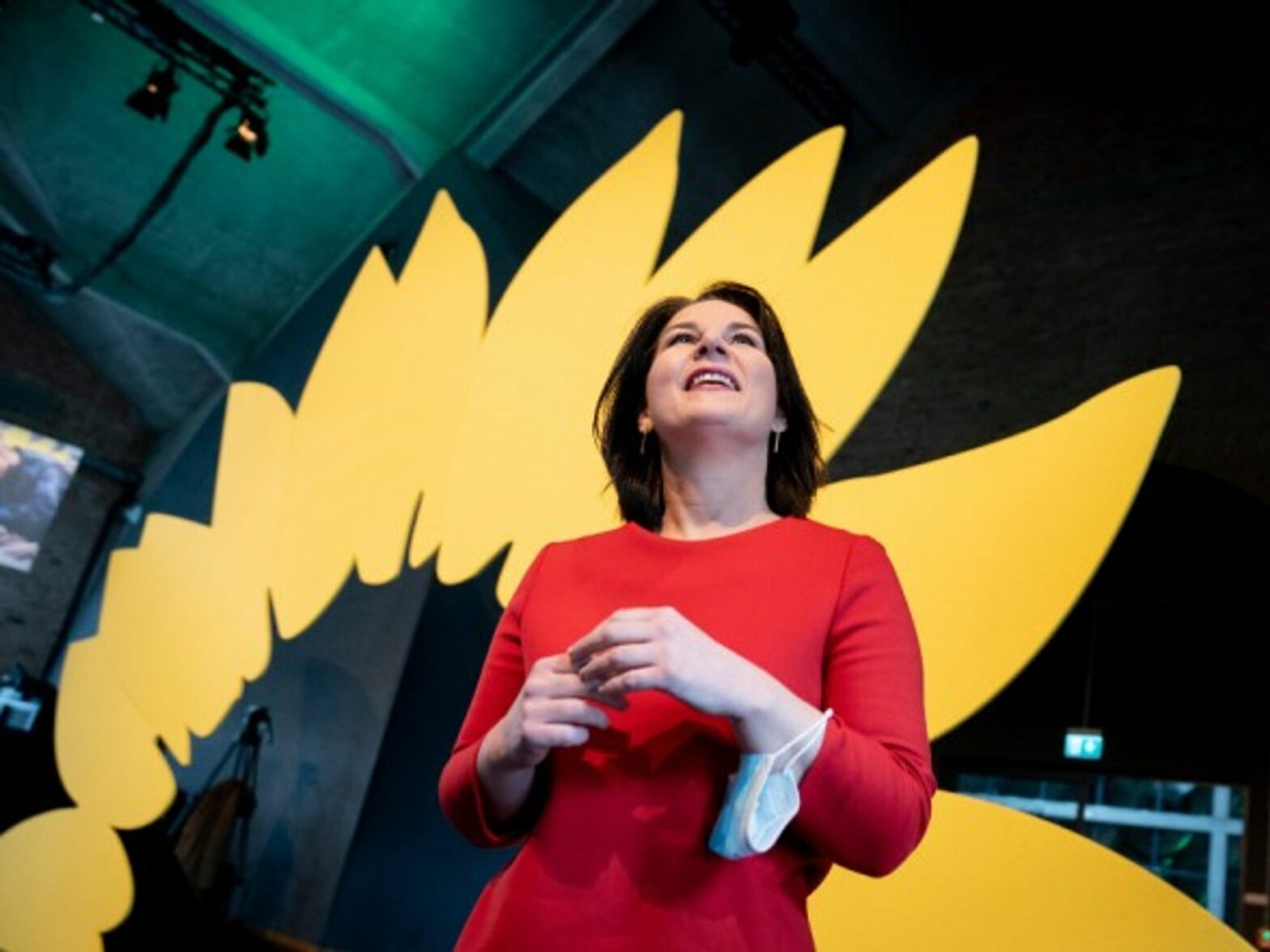
The Green party is in a very strong position as the campaign begins to succeed Angela Merkel. Their environmental ideals mask an illiberal intolerance for their opponents.
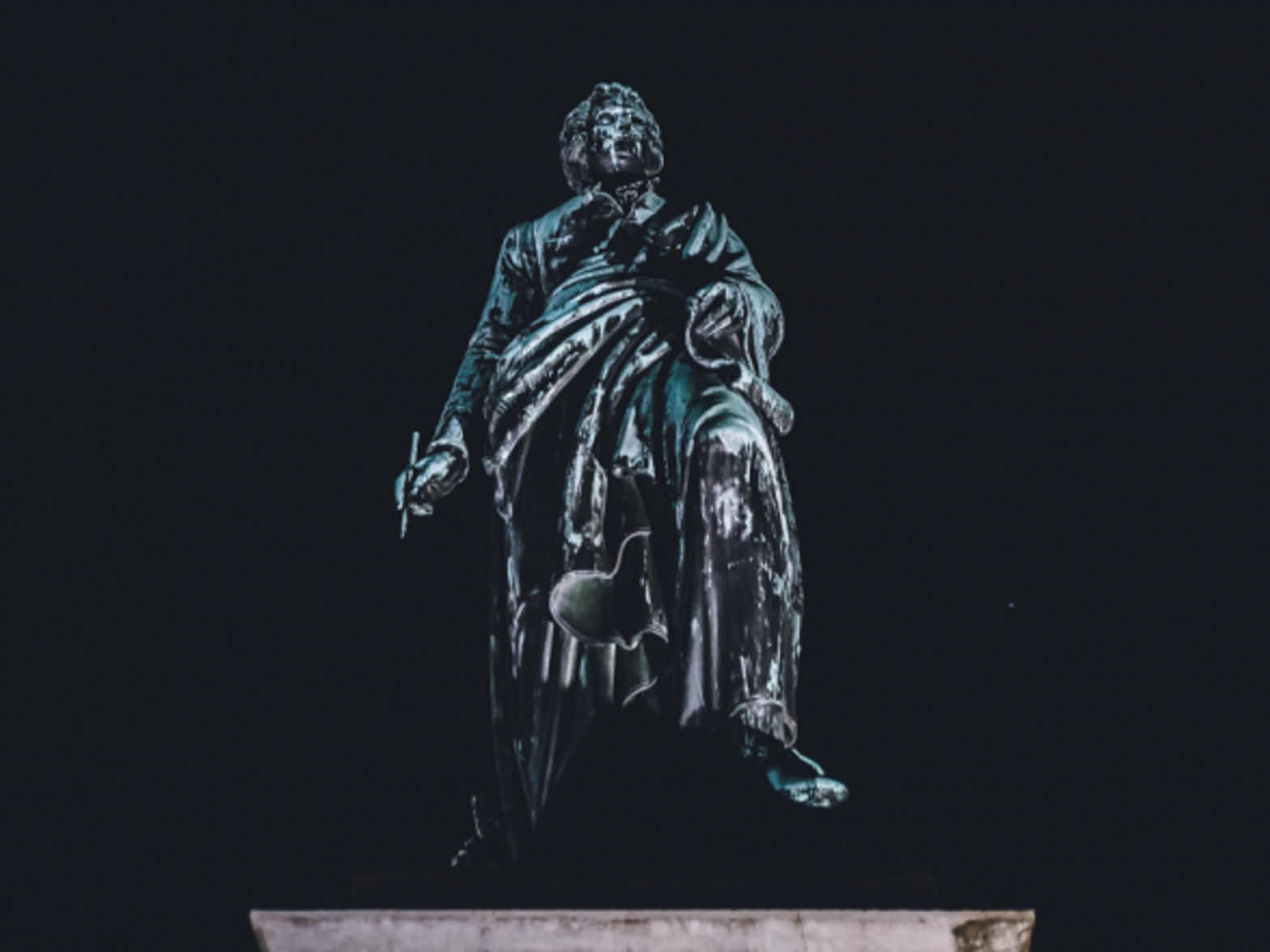
The University of Oxford is planning to change its curriculum to focus on fewer white composers and more non-European music. But does it really make sense to bury Beethoven and Brahms?
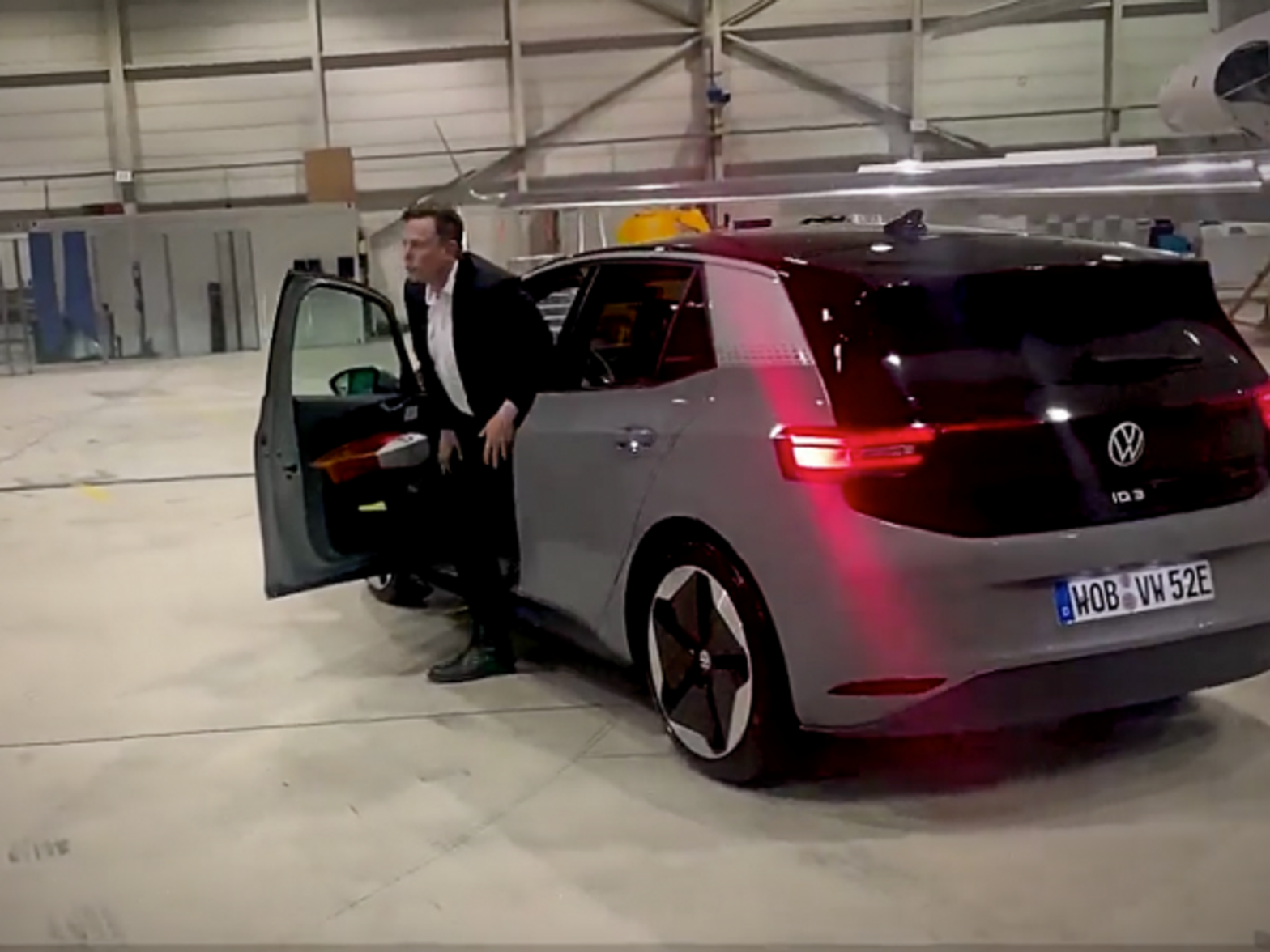
Volkswagen and other German car companies want to develop their own software systems and thus close the e-car technology gap with Tesla. But success will depend on a cultural change in the established auto sector.
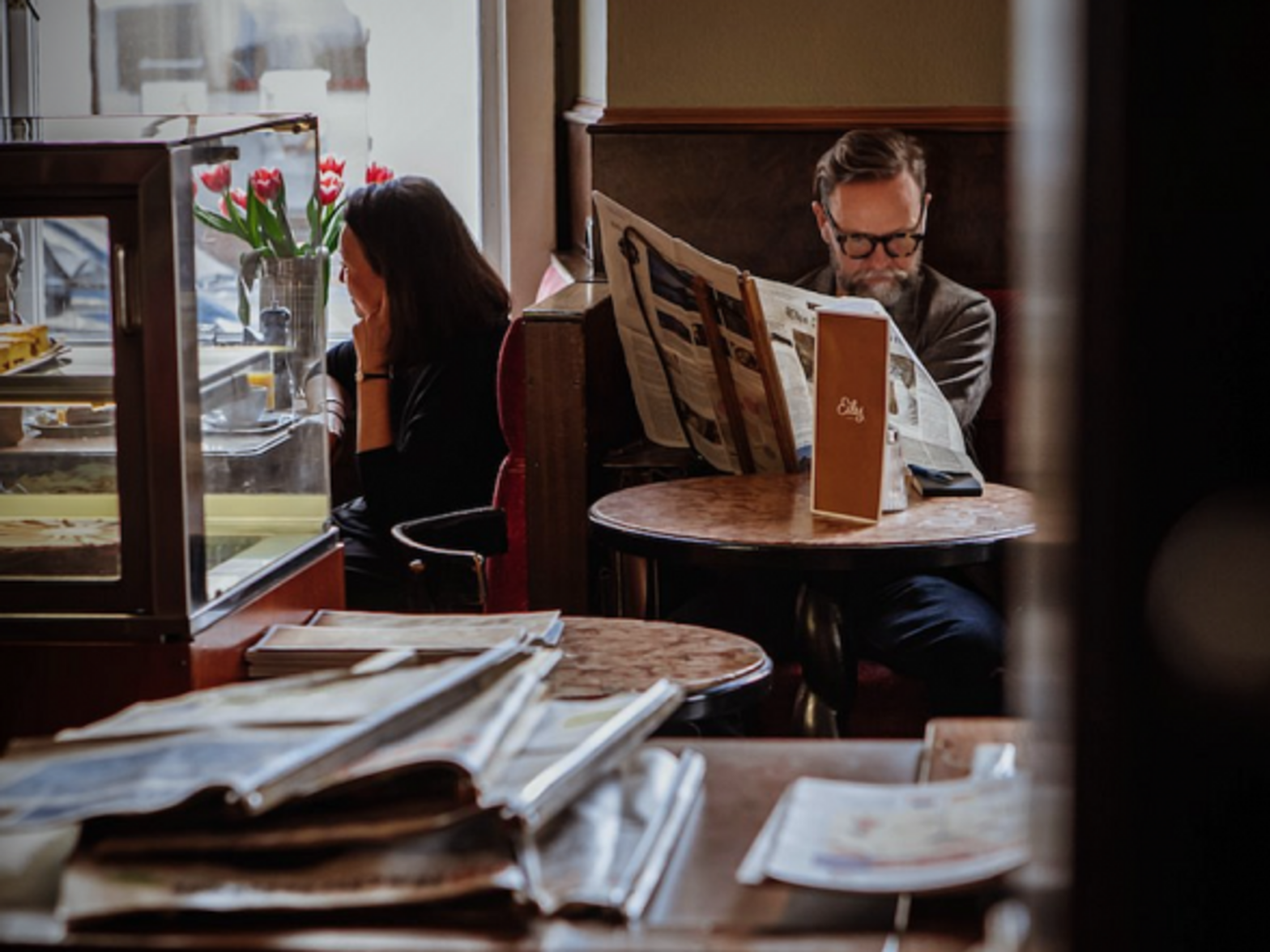
They haven’t actually gone anywhere. But because of the pandemic, the city’s celebrated cafés are off limits — and sorely missed.
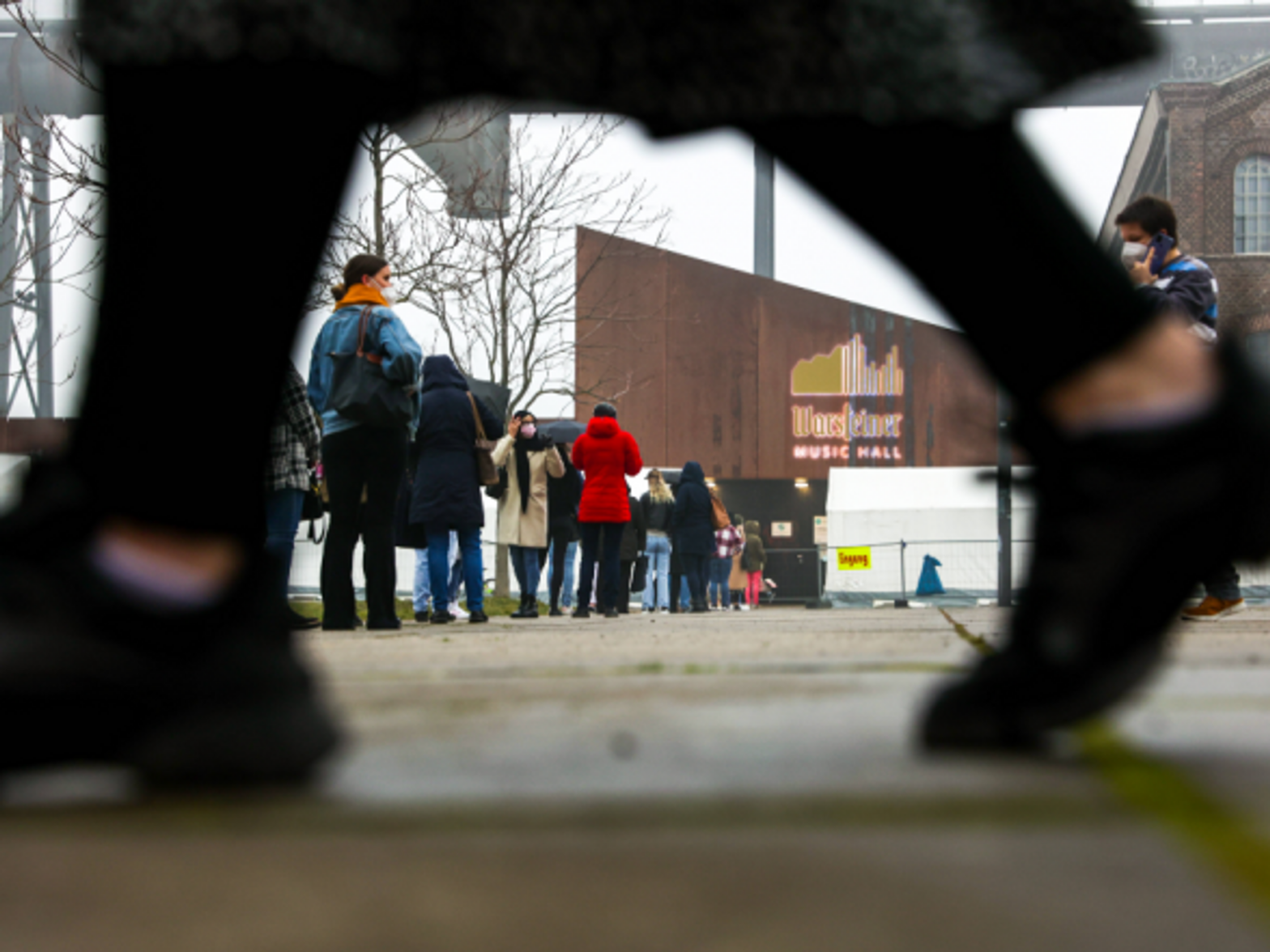
As elsewhere in Europe, Germany’s decision to suspend the use of the vaccine makes no logical sense when you weigh the risks and benefits in concrete figures.
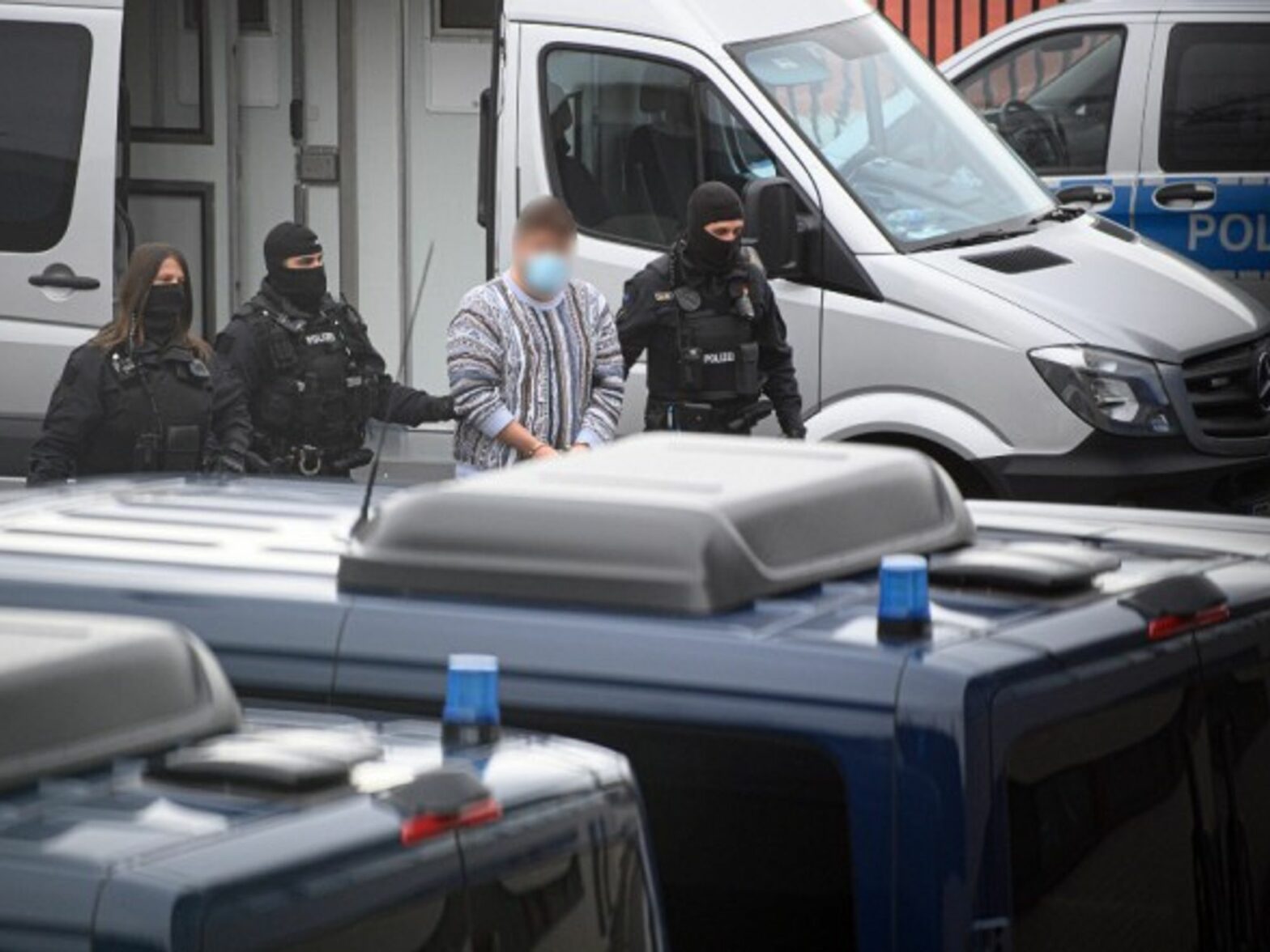
Decoded data from messaging services have given the authorities in Germany a new weapon in the fight against gang crime, as shown in the latest raid in Berlin. Criminal families are feeling increasingly uneasy.
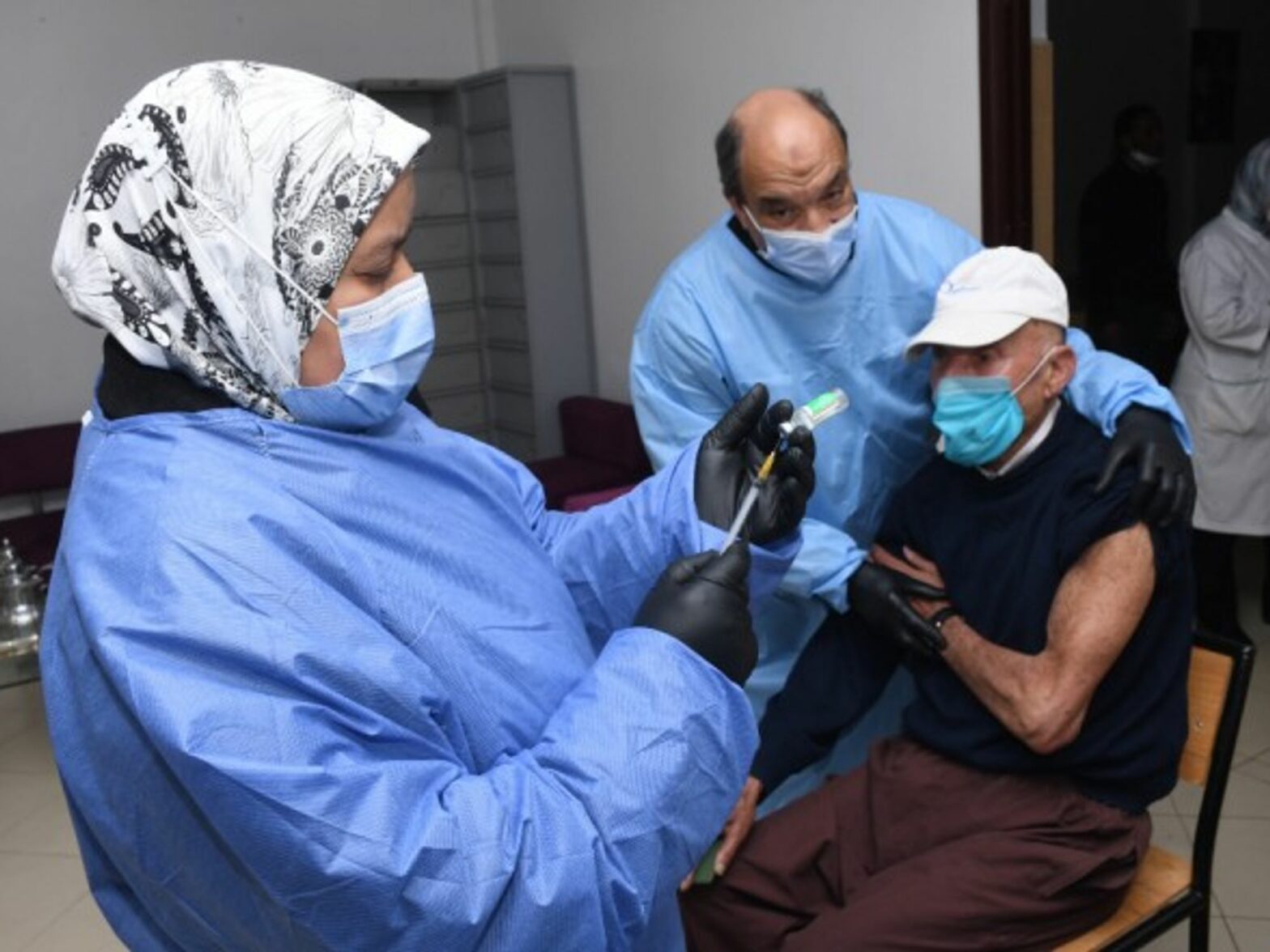
The North African country was quick to react when COVID-19 first showed up and is now outpacing places like Germany in a rush to immunize its citizens.
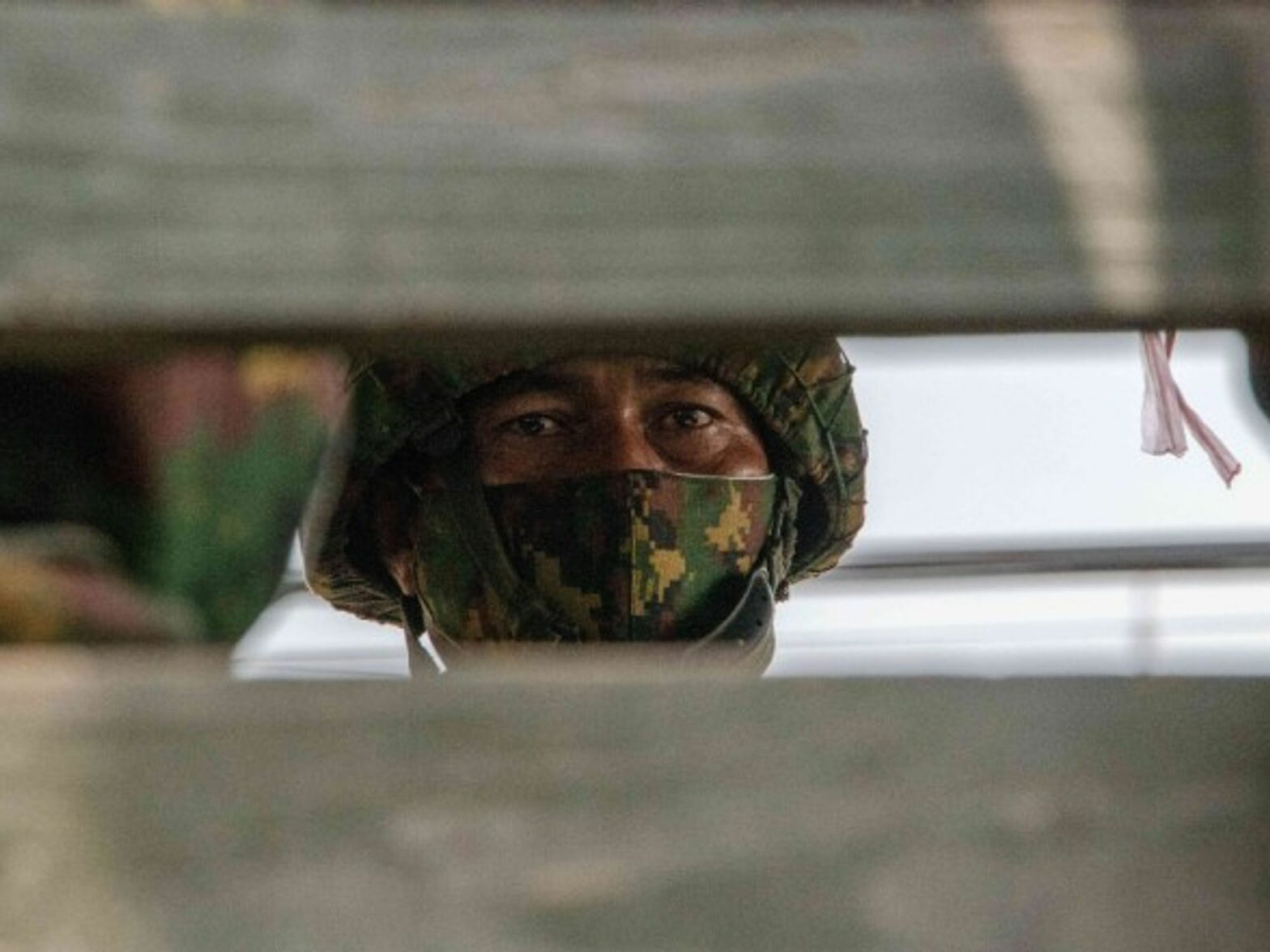
How can you hold on to wealth if you are no longer in power?
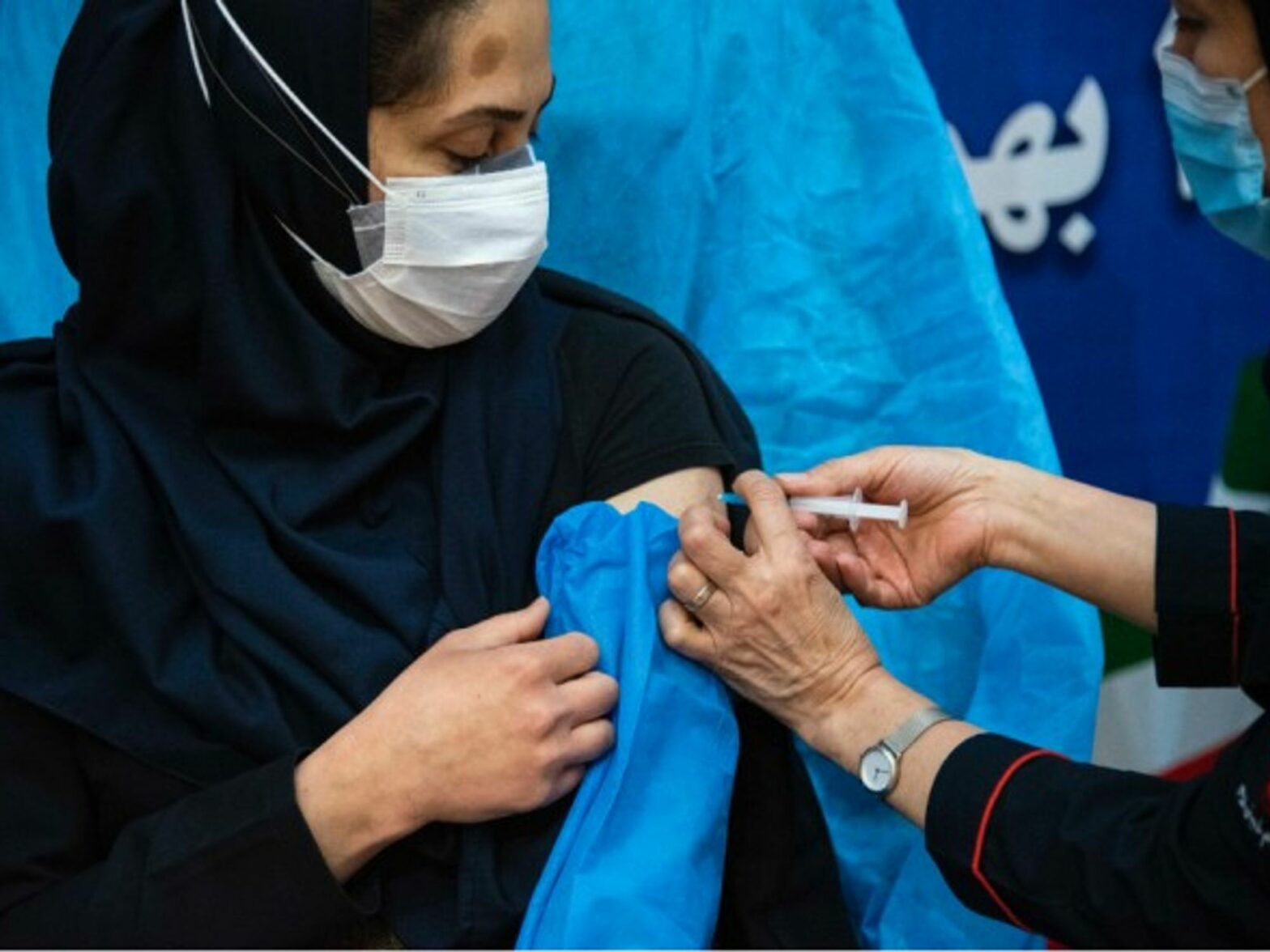
Authoritarianism allows for swift, decisive action, and when it comes to controlling a viral outbreak, that may be an advantage. But that’s only part of the equation.
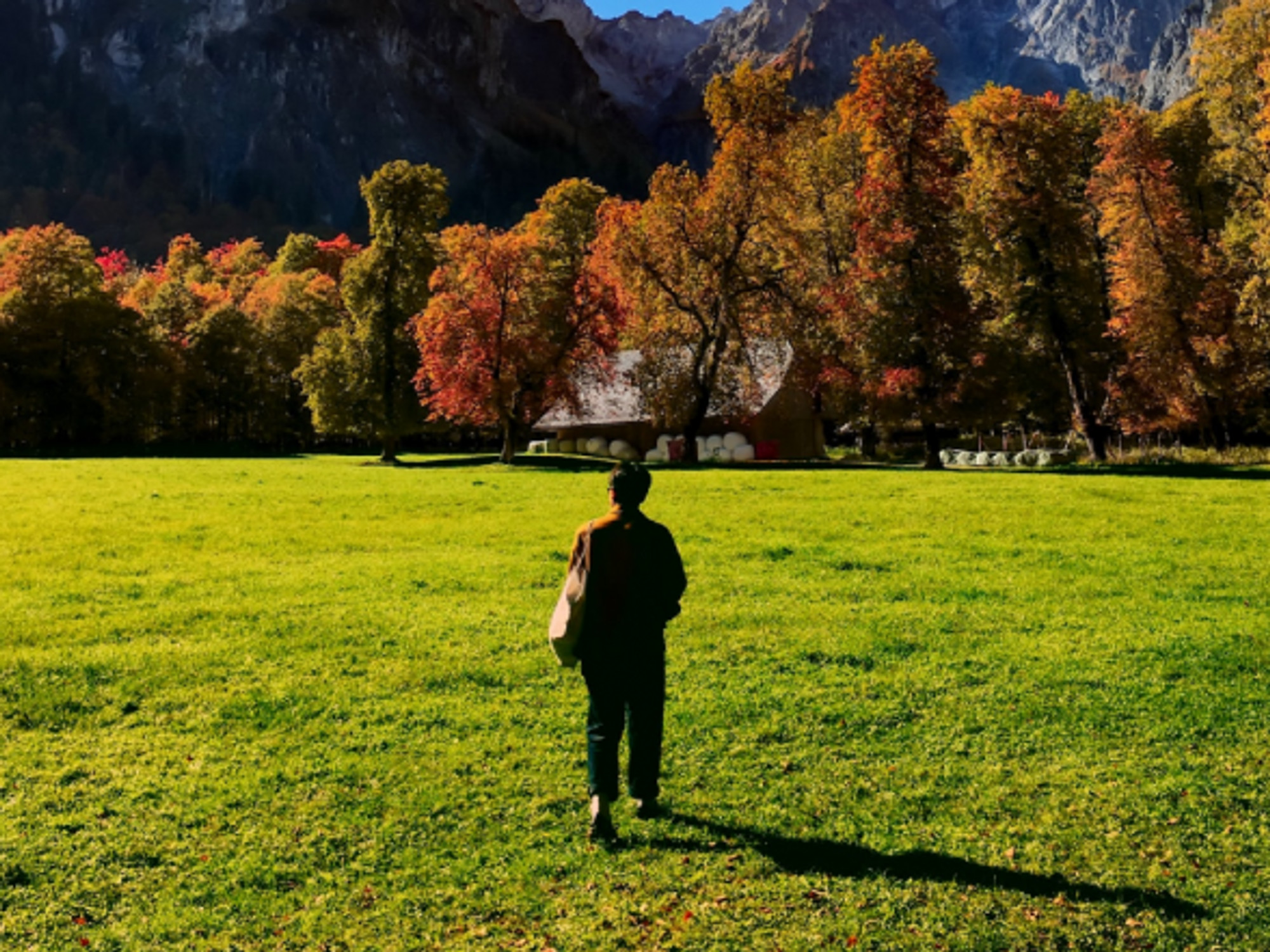
Many urban dwellers fantasize about a rural lifestyle, especially right now. But leaving city life behind is easier said than done.
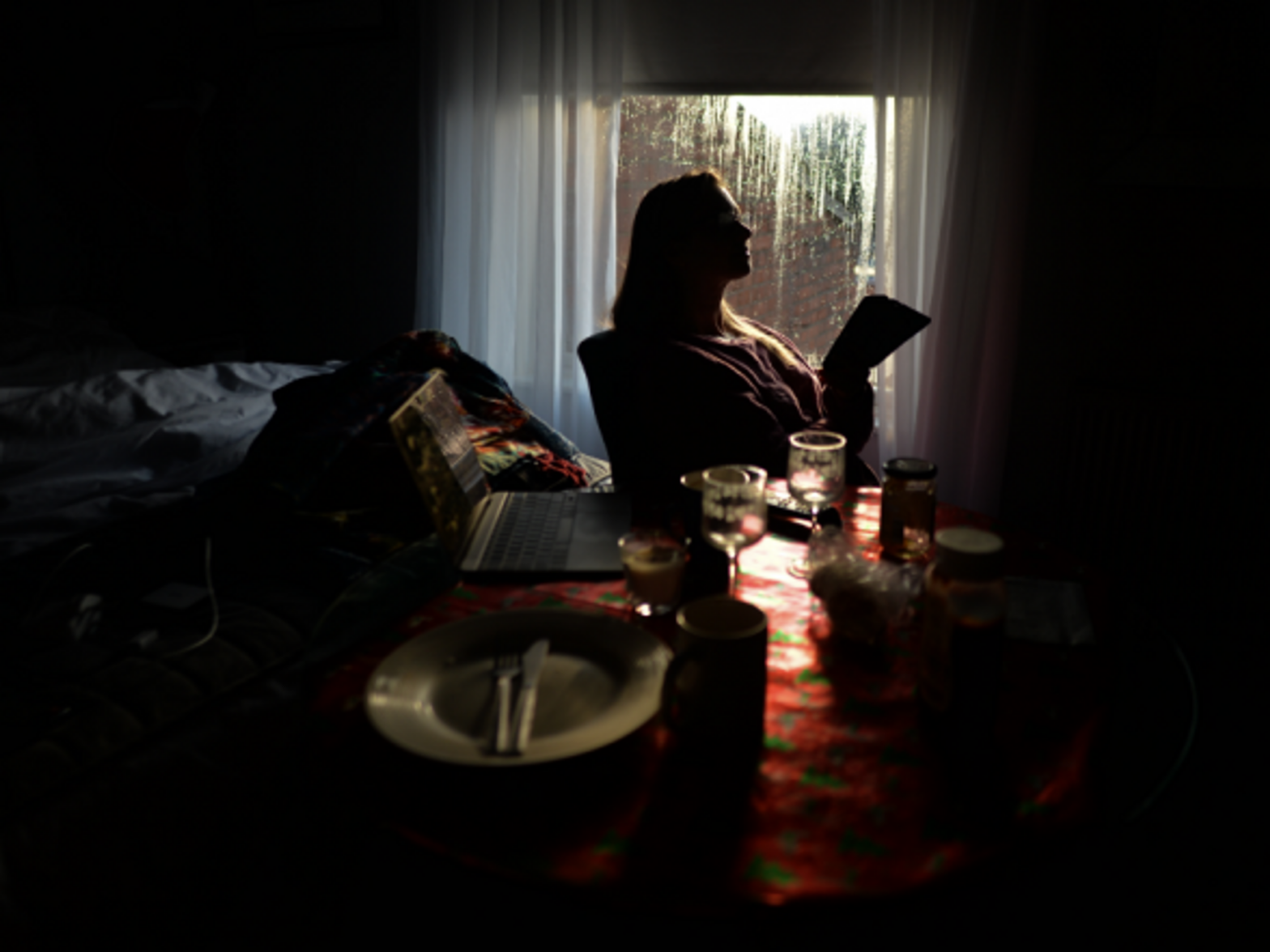
German psychologist Stephan Grünewald has some insights on how nearly a year’s worth of coronavirus restrictions are impacting people’s mental health.
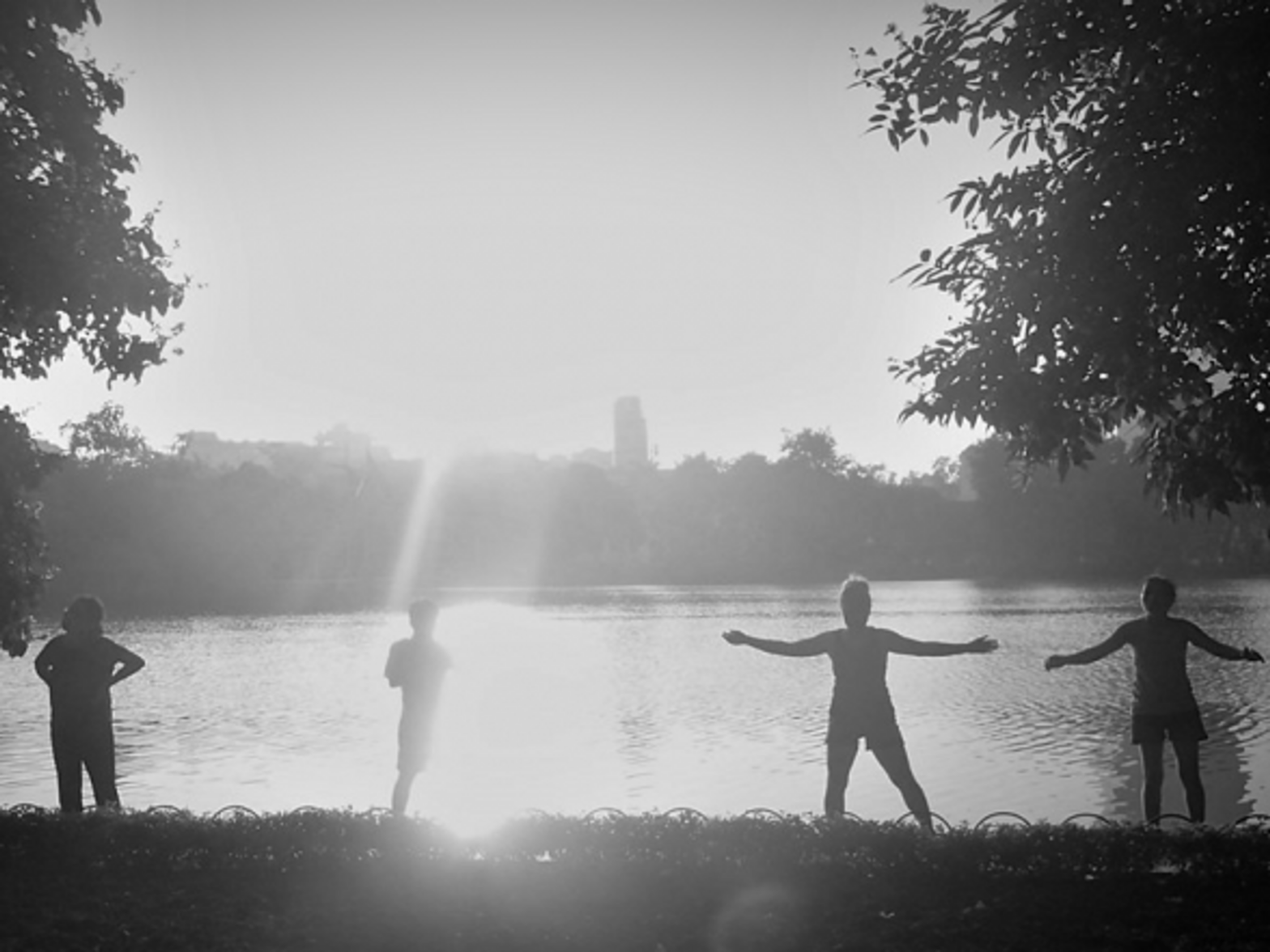
New Year’s resolutions are still freshly made, but how long will we stick to them? Here’s what legendary German thinker Immanuel Kant has to say about them.
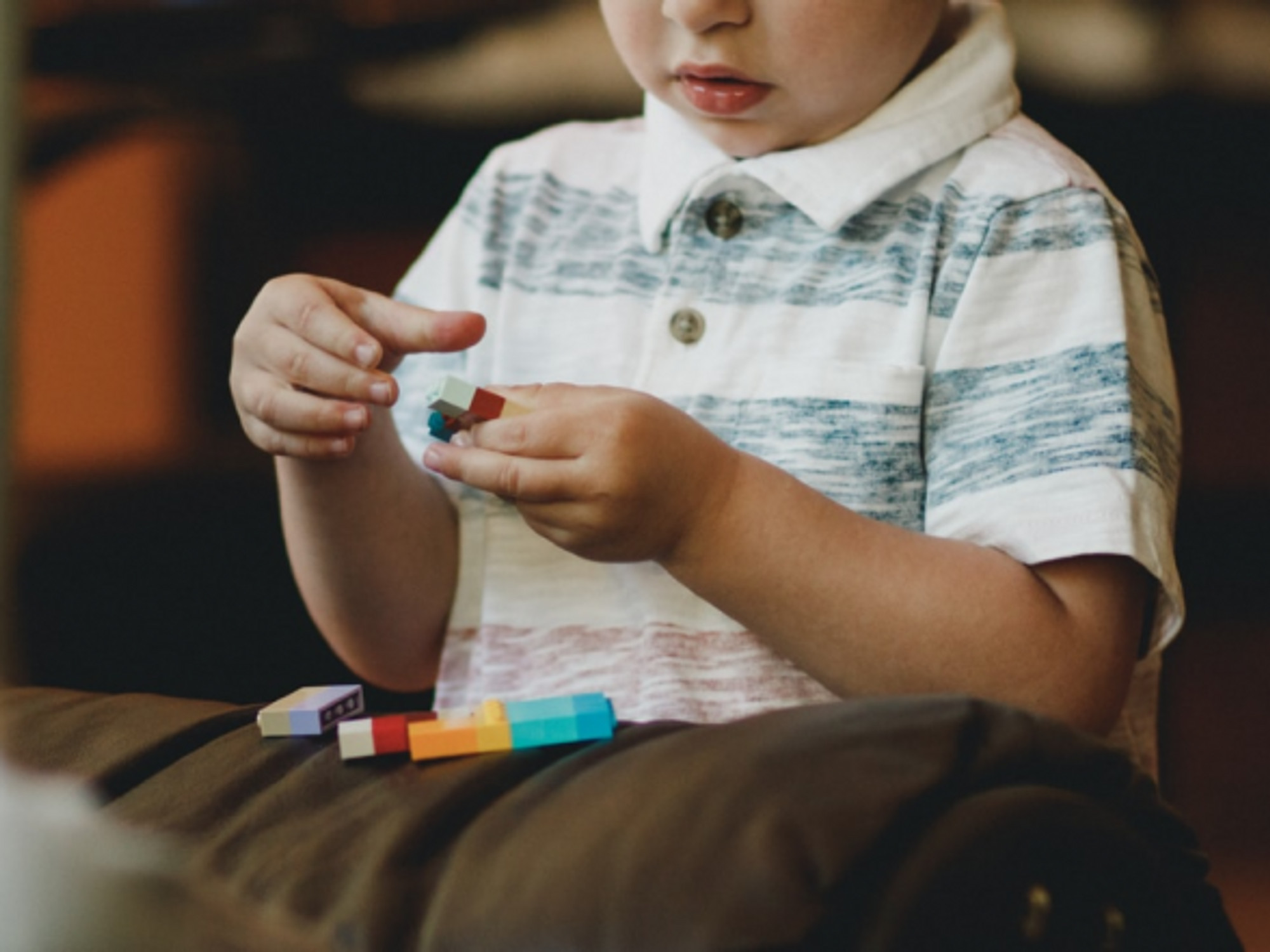
Play is a fundamental part of childhood development. But when it comes to toys, as one nursery in Bavaria has shown, there’s something to be said for moderation.
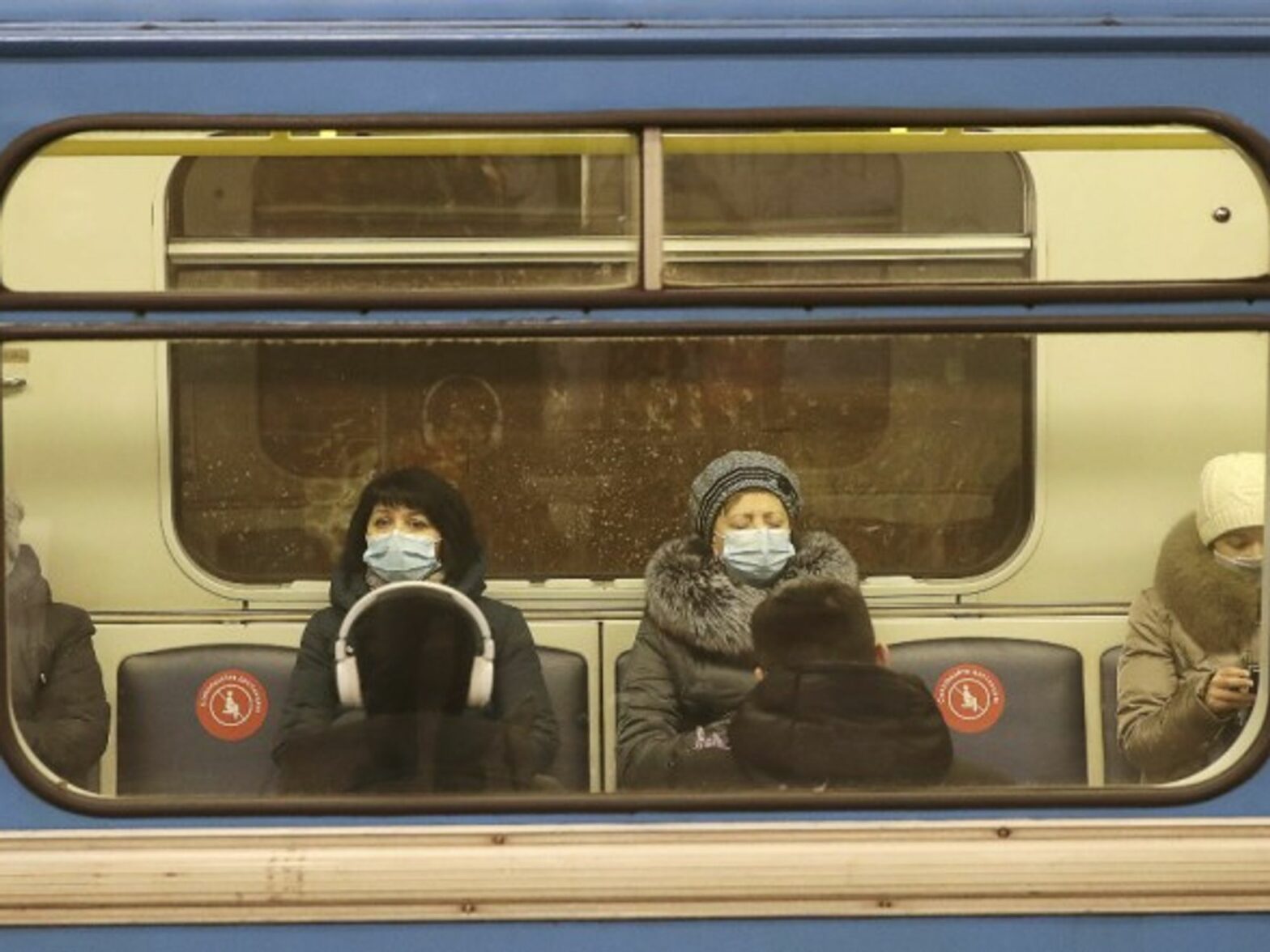
After COVID-19, similar crises could arise sooner rather than later. Can we really afford — and not just from an economic standpoint — to keep taking the same approach?