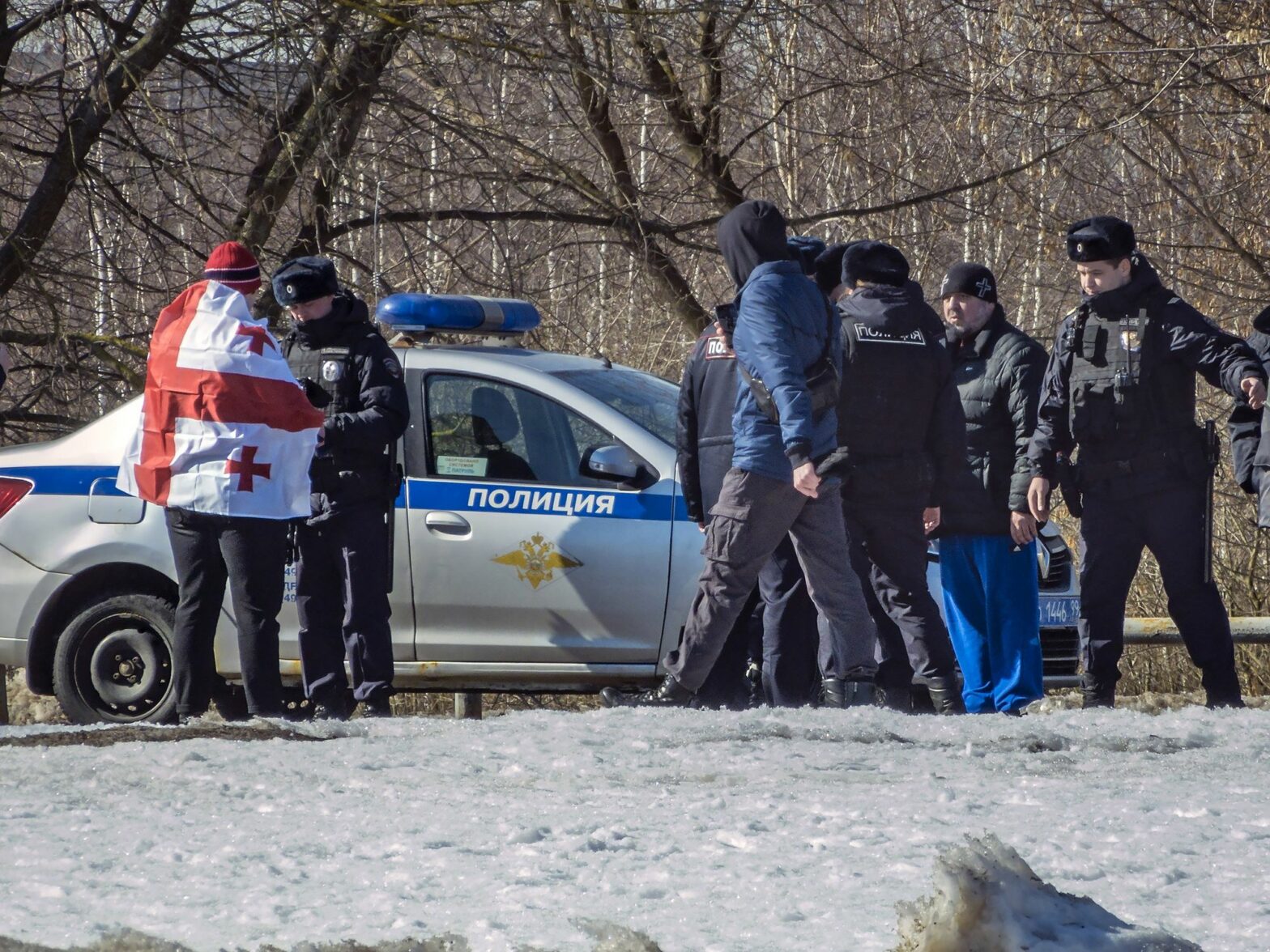
The war in Ukraine has launched an epidemic of denunciations in Russia: 145,000 individual reports to the security services in just the first six months of the war. It’s the latest evidence of the current regime’s Stalinist approach.
 Worldcrunch
Anna Akage is a freelance journalist based in Paris. Articles published in The Atlantic Council, LensCulture, L’Oeil de la Photographie, American Social Documentary Network, Polish doc! photo magazine, and others. In love with documentary photography and Chinese noodles.
The war in Ukraine has launched an epidemic of denunciations in Russia: 145,000 individual reports to the security services in just the first six months of the war. It’s the latest evidence of the current regime’s Stalinist approach.
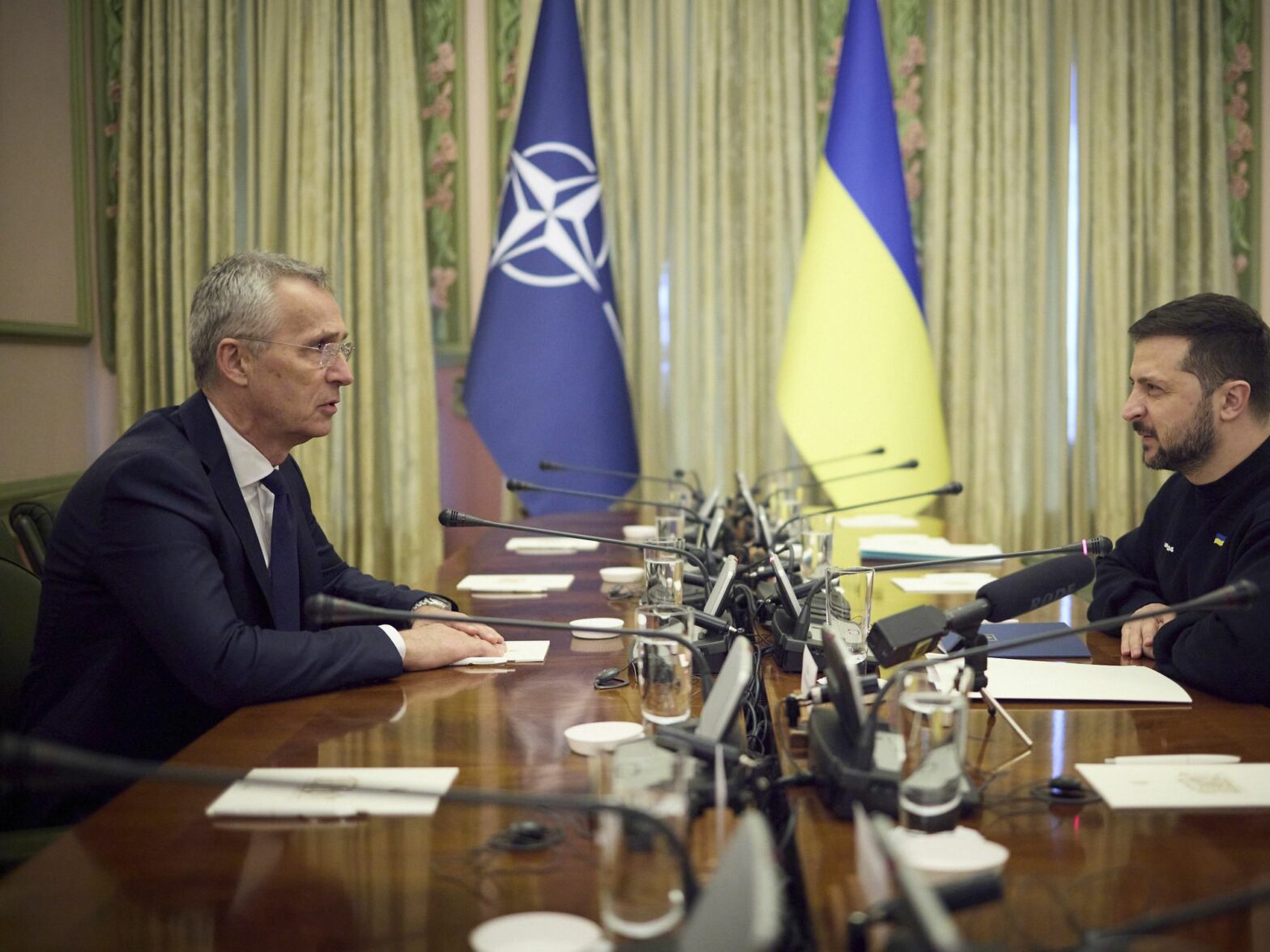
Ukrainian President Volodymyr Zelensky has accepted an invitation to attend the next NATO summit in July, but he will arrive with expectations that the alliance is ready to pave the way for the country’s accession to the military alliance, even as the state of the war itself remains crucial to the decision.
Desperate to supply depleting forces in Ukraine, Russia’s defense ministry has taken up the dubious recruiting method of offering prisoners freedom in exchange for going off to war. The same technique was begun but then halted in February by the Wagner Group mercenaries. It’s Putin’s latest attempt to avoid a nationwide mobilization.
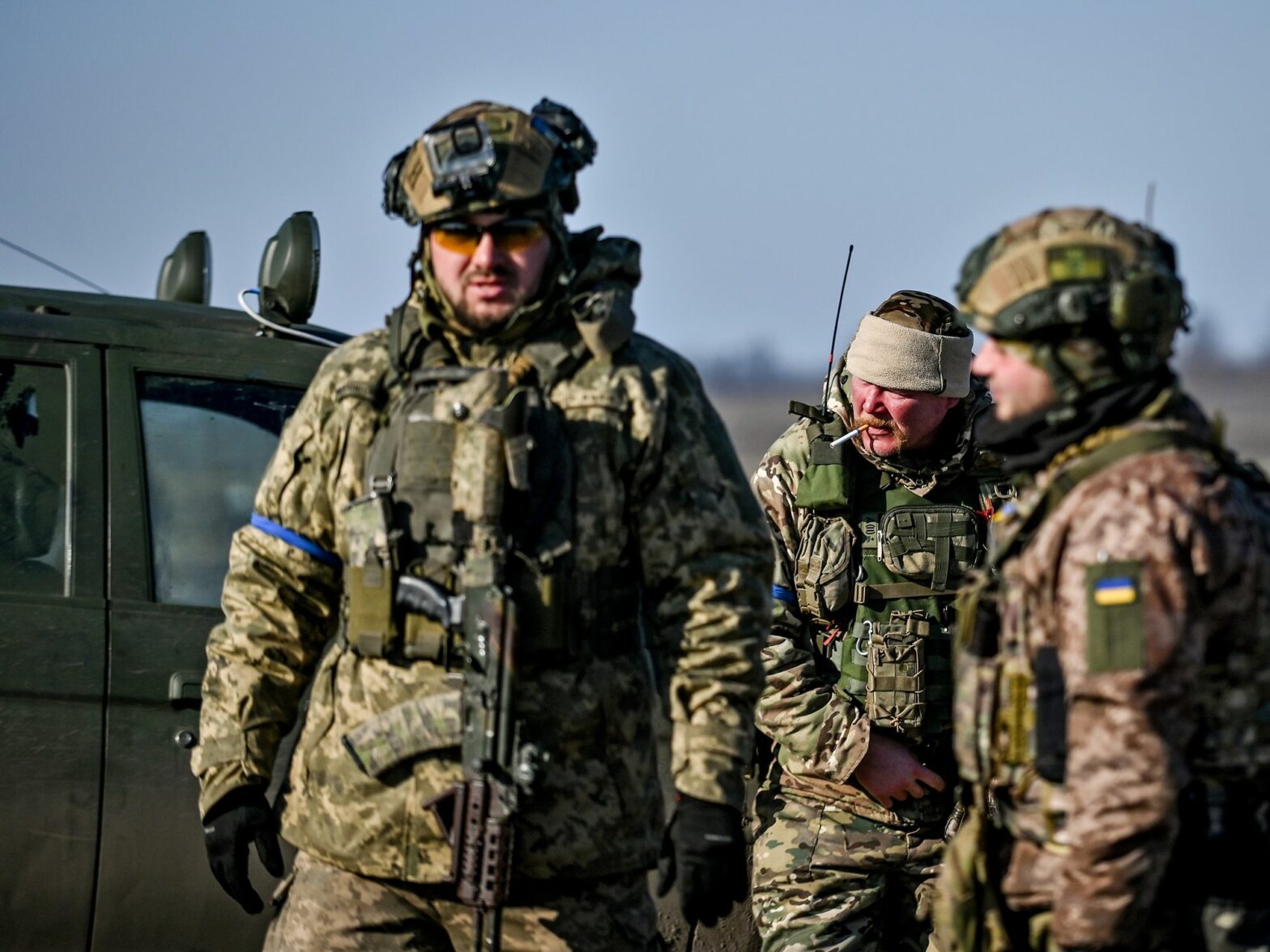
Analysts have been talking about a Ukrainian counteroffensive since the end of last year. But when, where and how it will happen is still a closely guarded secret, thrown into further turmoil by the embarrassing leaks from inside the U.S. Defense Department. Ultimately, however, there are other factors that matter more.
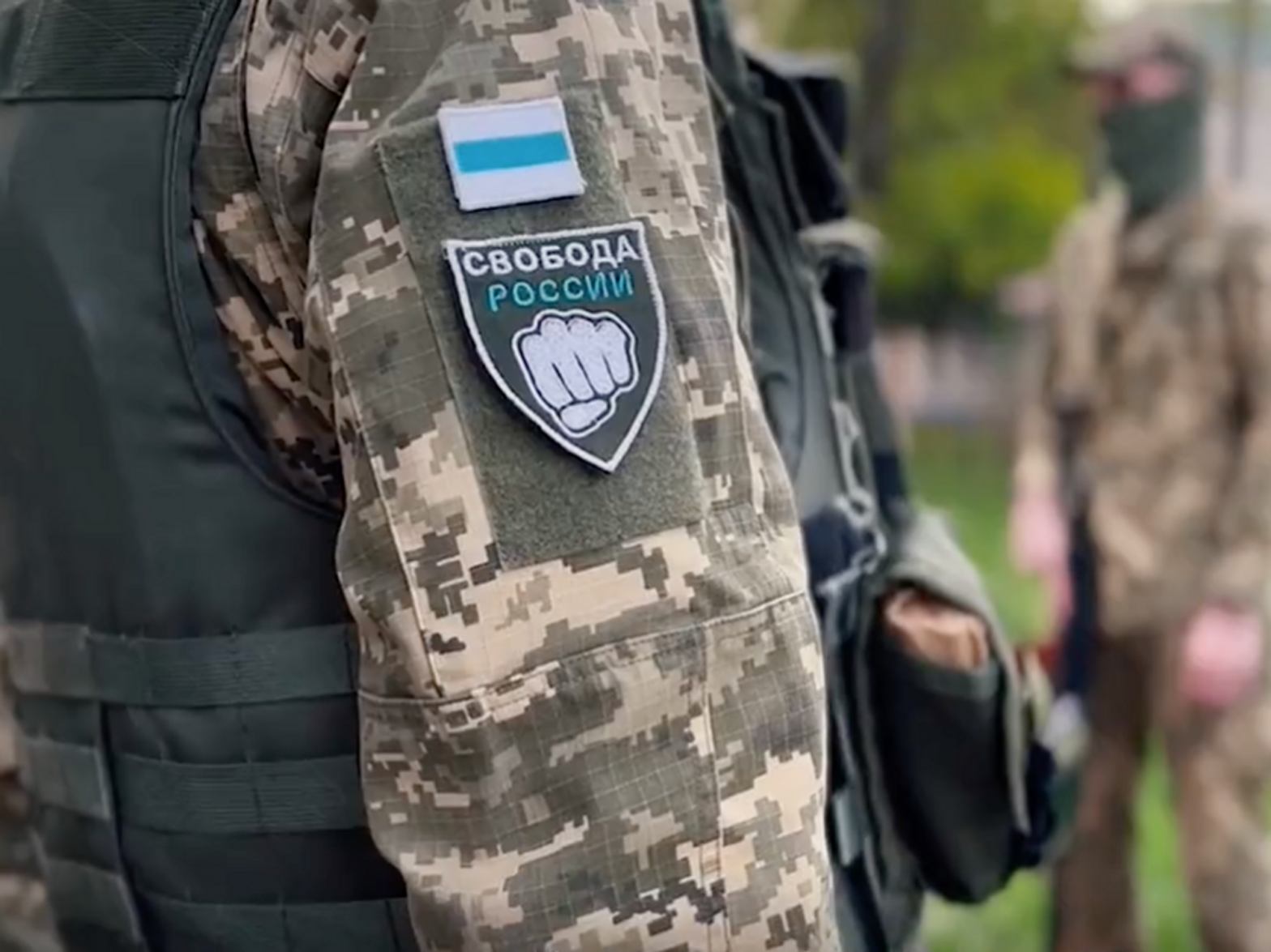
The Freedom of Russia Legion consists of Russian army defectors who are fighting against their homeland, outraged that Vladimir Putin has destroyed the moral standing of Russia by invading its neighbor. Still, it’s a delicate “double-life” on the front line.
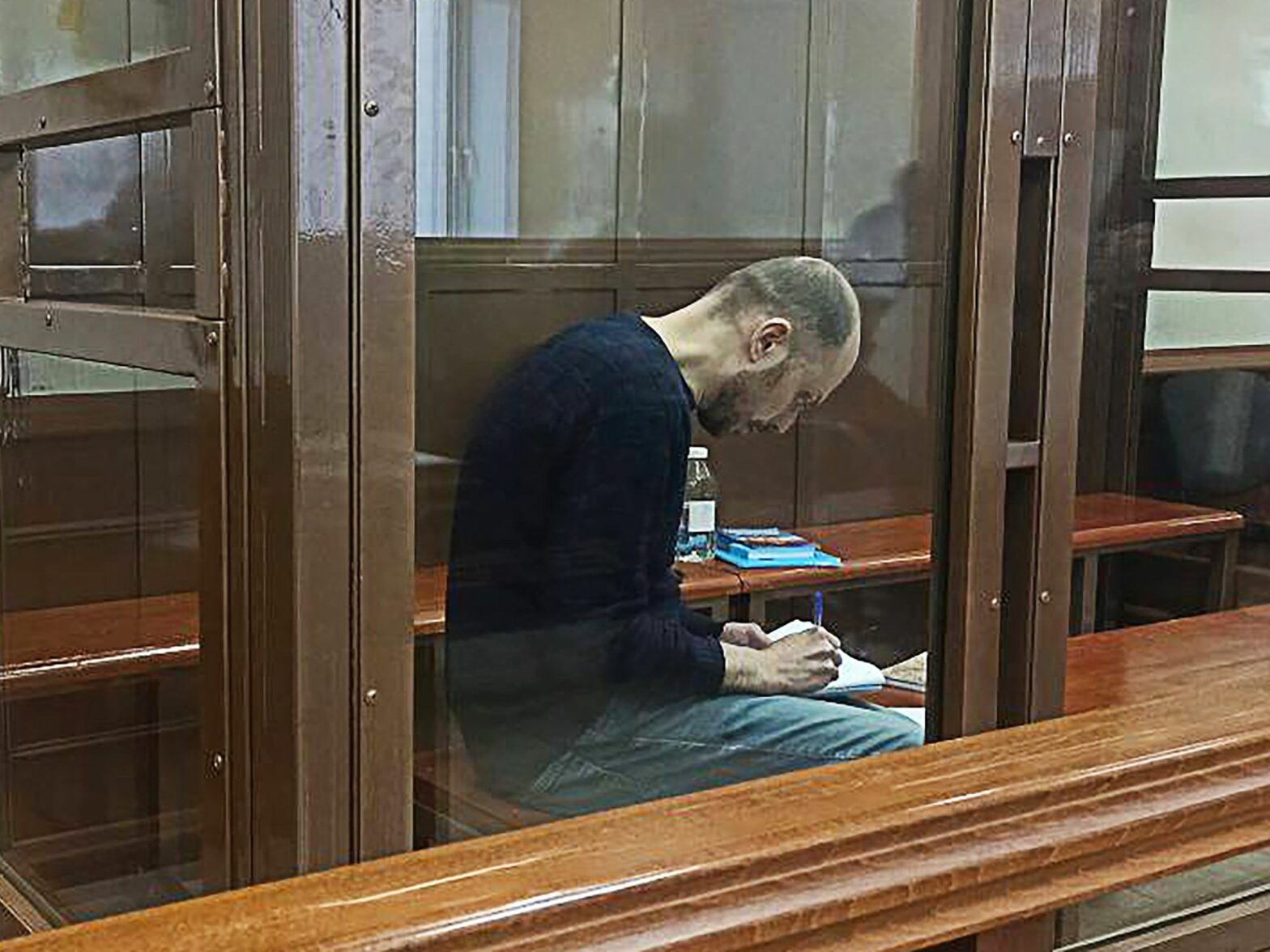
This week’s high-profile court cases, from the 25-year sentence of opposition leader Vladimir Kara-Murza to the prosecution of Wall Street Journal reporter Evan Gershkovic, look like a shift to totalitarianism. But they may also be a sign of a nation set to implode.
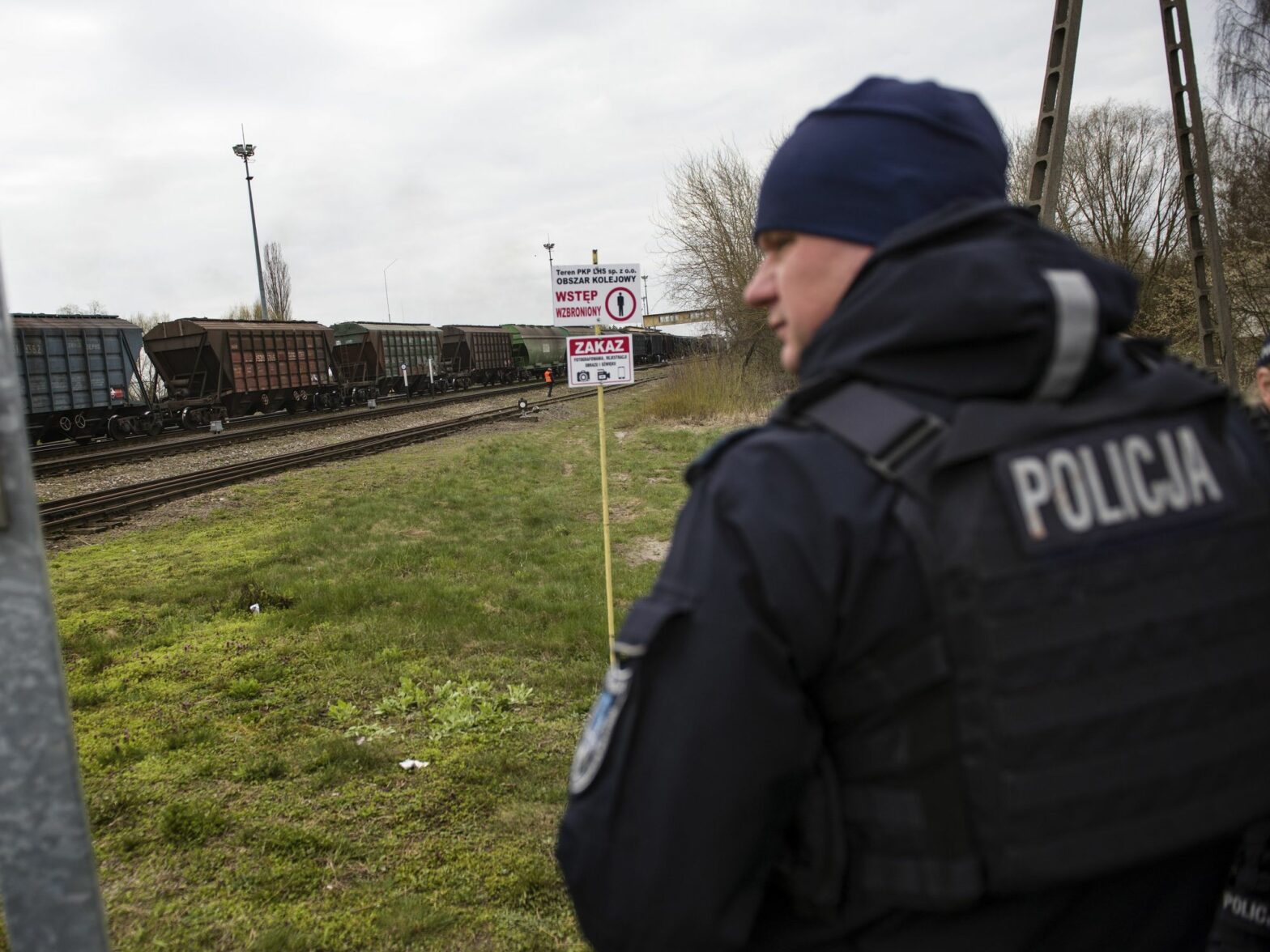
Poland’s unilateral decision to ban imports of Ukraine’s agricultural products, in violation of EU agreements, has caused shock among Ukrainians. Nazar Bobytsky, head of the Ukrainian office of the Polish Union of Entrepreneurs and Employers, says Brussels must show Kyiv it is serious about Ukraine joining the EU.
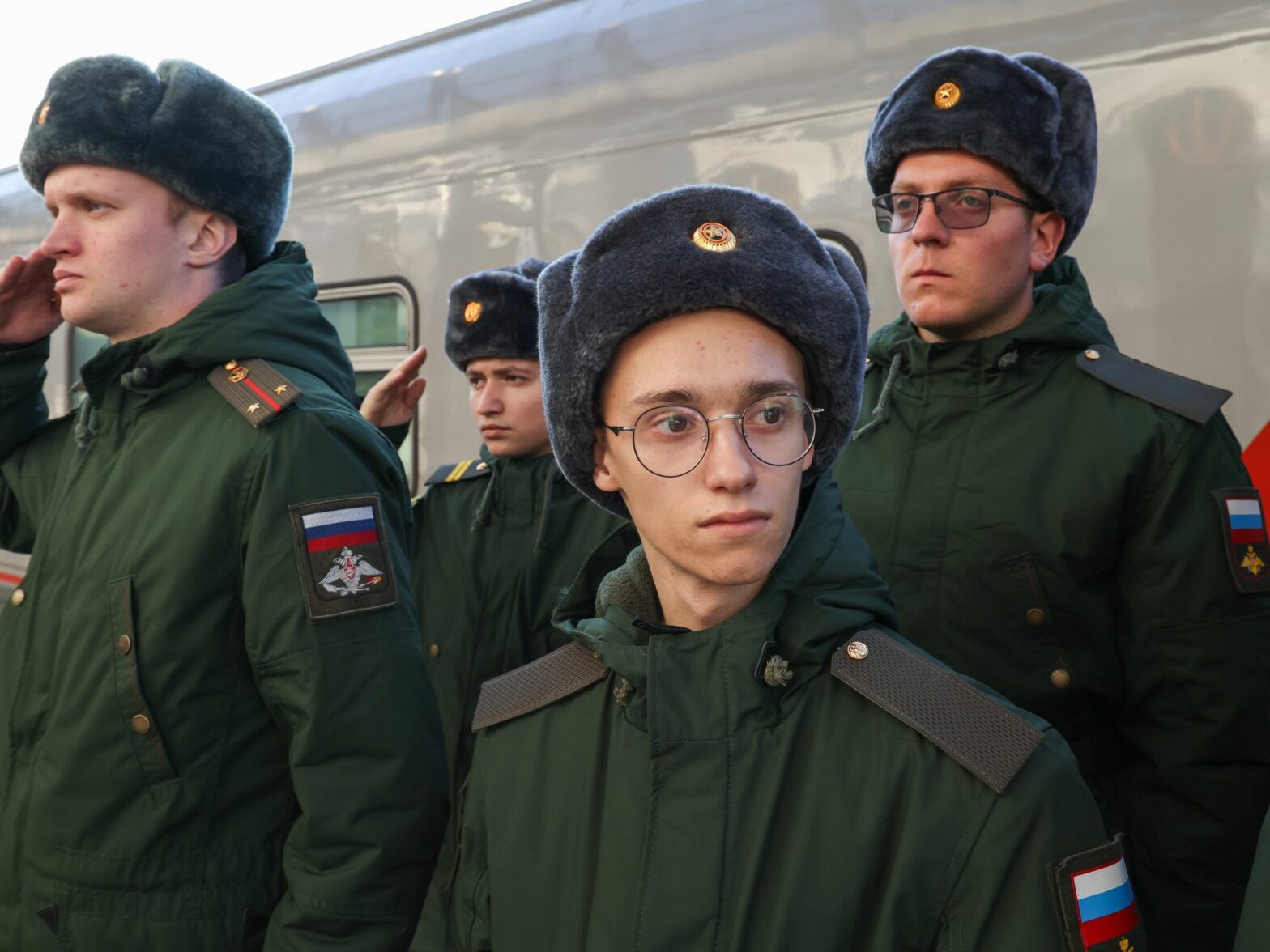
The law gives authorities unlimited opportunities to impose travel bans, prohibit foreign travel, grant loans, execute real estate transactions and block driver licenses of those who don’t show up for conscription. But will it be enough to supply Moscow’s military with the trained forces it needs?
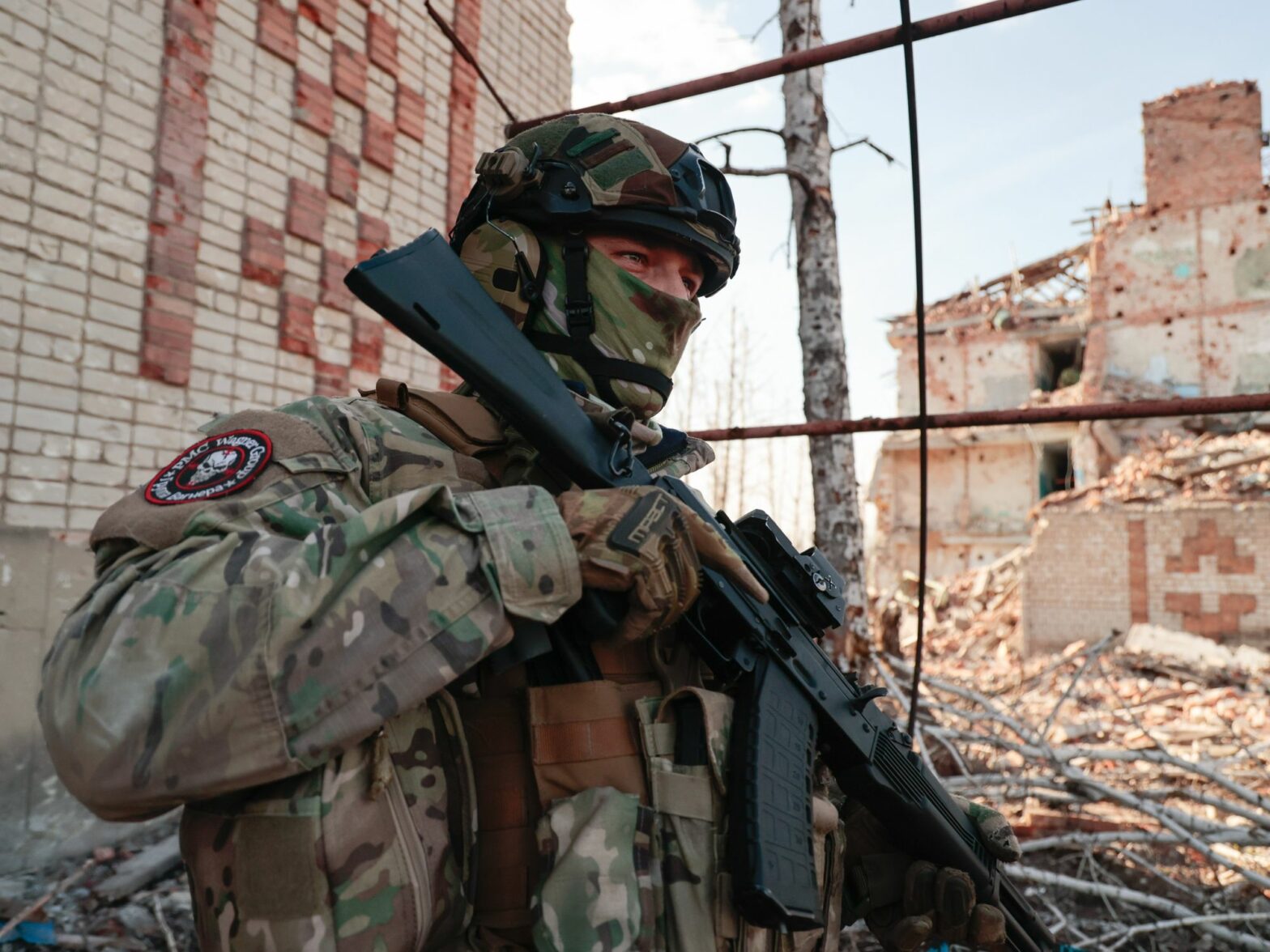
Even as Ukraine struggles to hold onto the last remaining bits of the eastern city, military experts say the official Russian military apparatus may have decided to rid itself of the Wagner mercenaries and bury them all in Bakhmut.
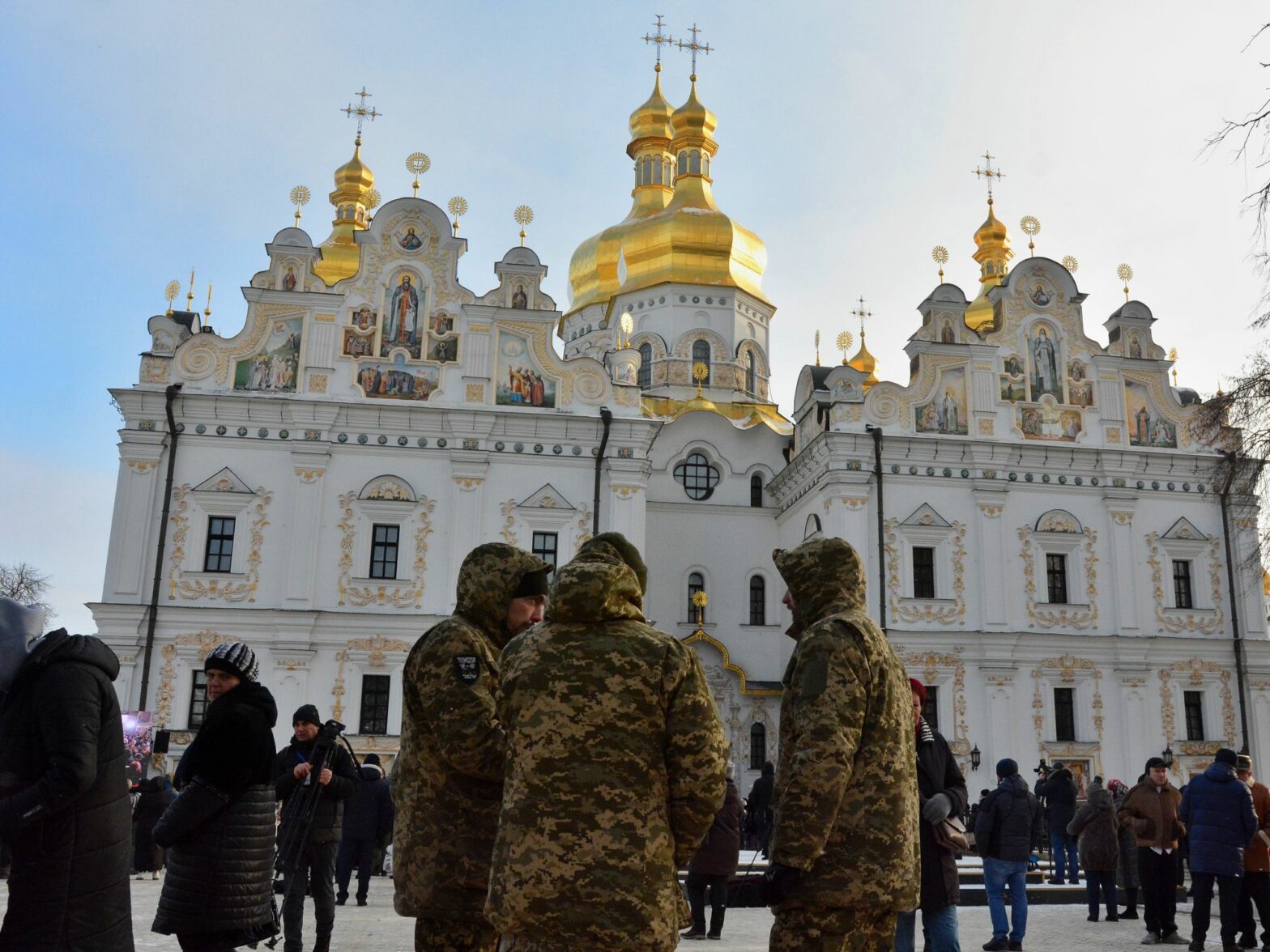
A confrontation between the Ukrainian and Russian Orthodox churches has been brewing for centuries. But a video showing a Ukrainian war veteran being beaten up in church shows that the standoff has become all-out war.
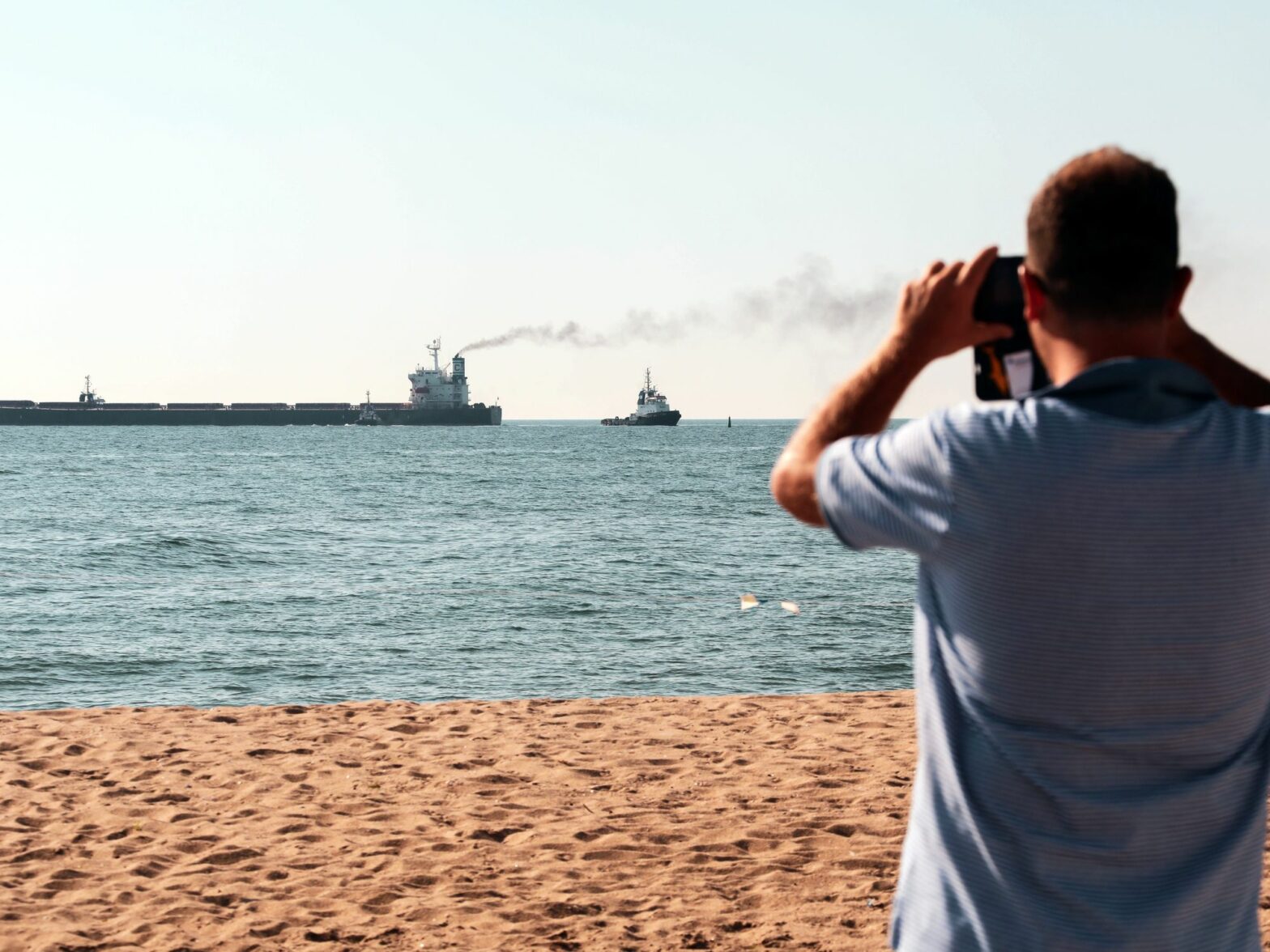
According to a new report, the world’s primary recipient of Ukrainian grain is China, and the pace of exports has exceeded pre-war levels. But the Chinese leader’s long game goes much further.
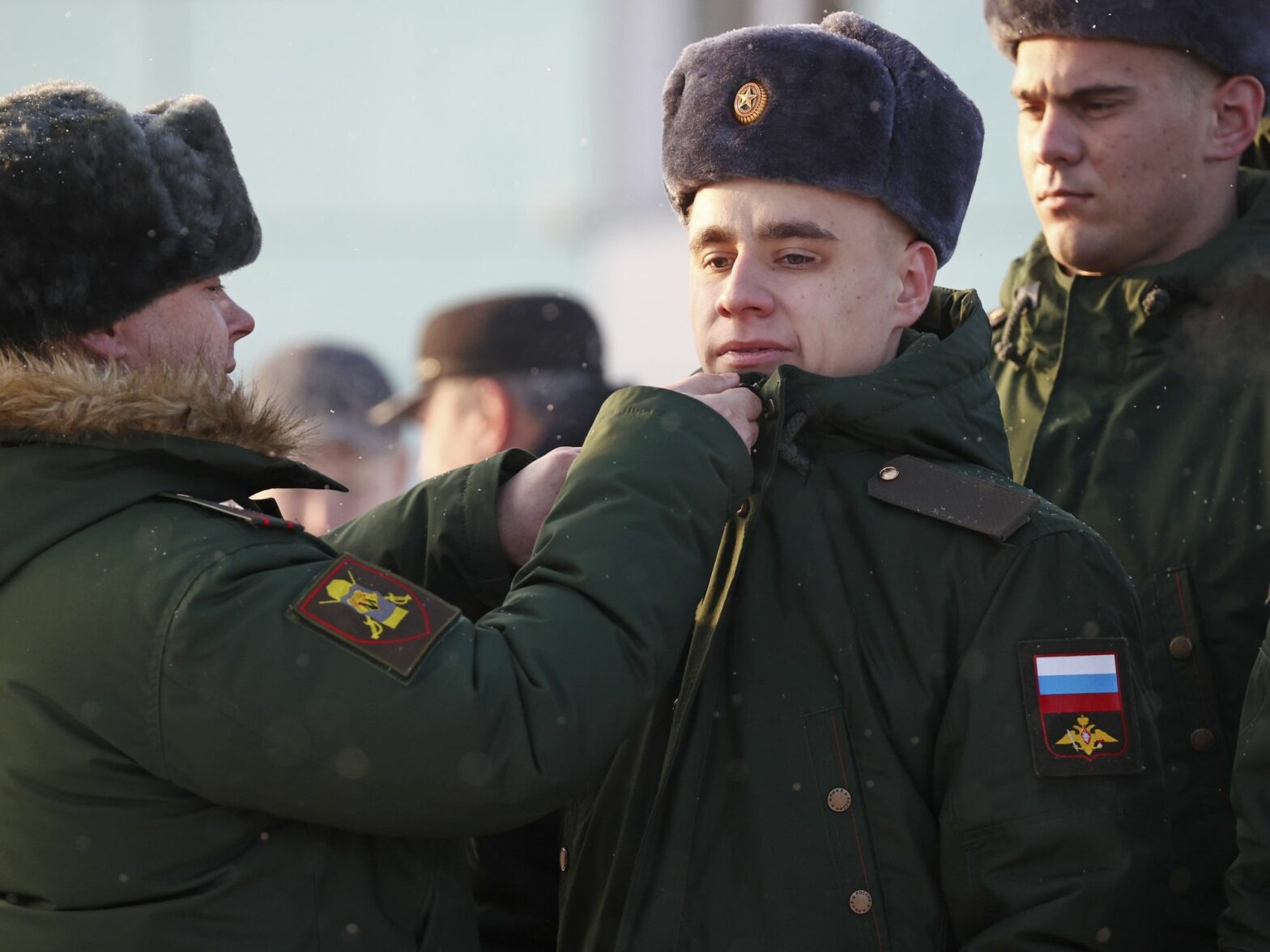
Few believe the Russian government claims that it can recruit 400,000 new troops as volunteers, even with cash bonuses. But the alternative, a nationwide draft, may be too high a risk for Vladimir Putin.
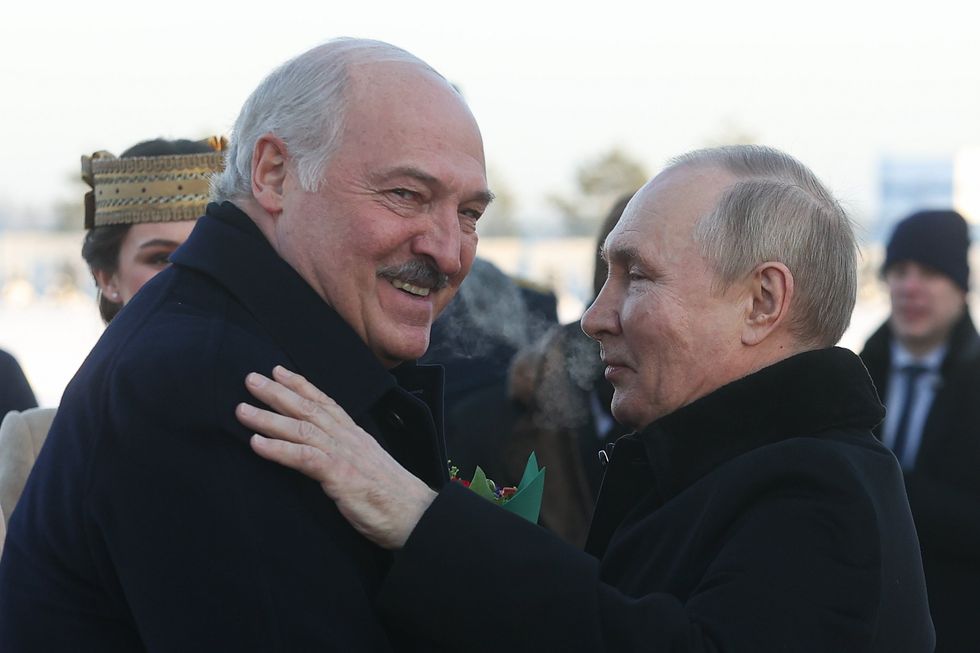
A few weeks after an explosion at a military field in Belarus, Vladimir Putin announced plans to deploy tactical nuclear weapons in Belarus. There is a connection, even if Belarus leader Alexander Lukashenko is walking a tight rope of domestic control and keeping Putin satisfied.
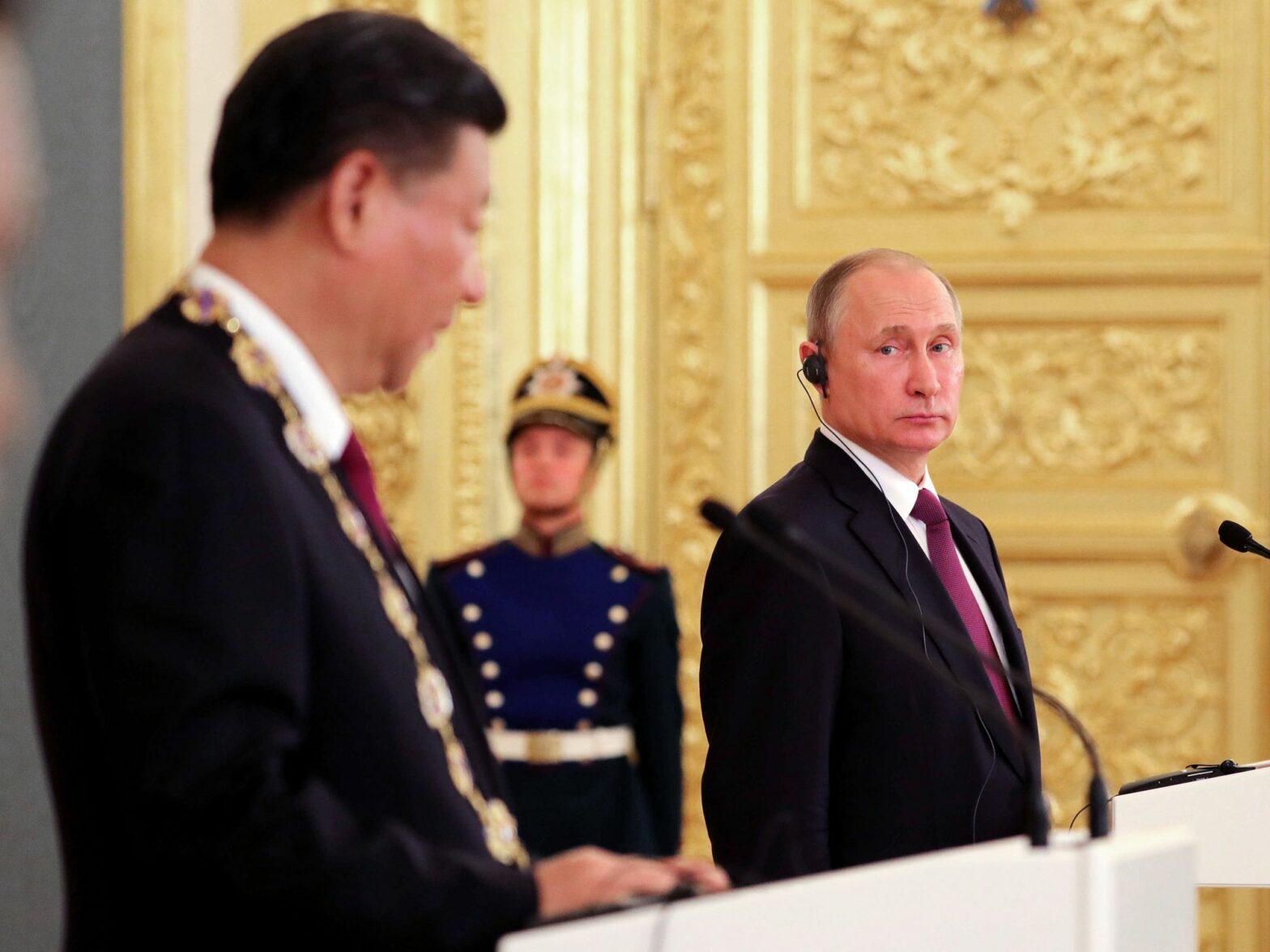
To trace Moscow’s decision to transfer nuclear weapons to Belarus, we may need to look to Beijing — and the recent summit of Xi Jinping-Vladimir Putin
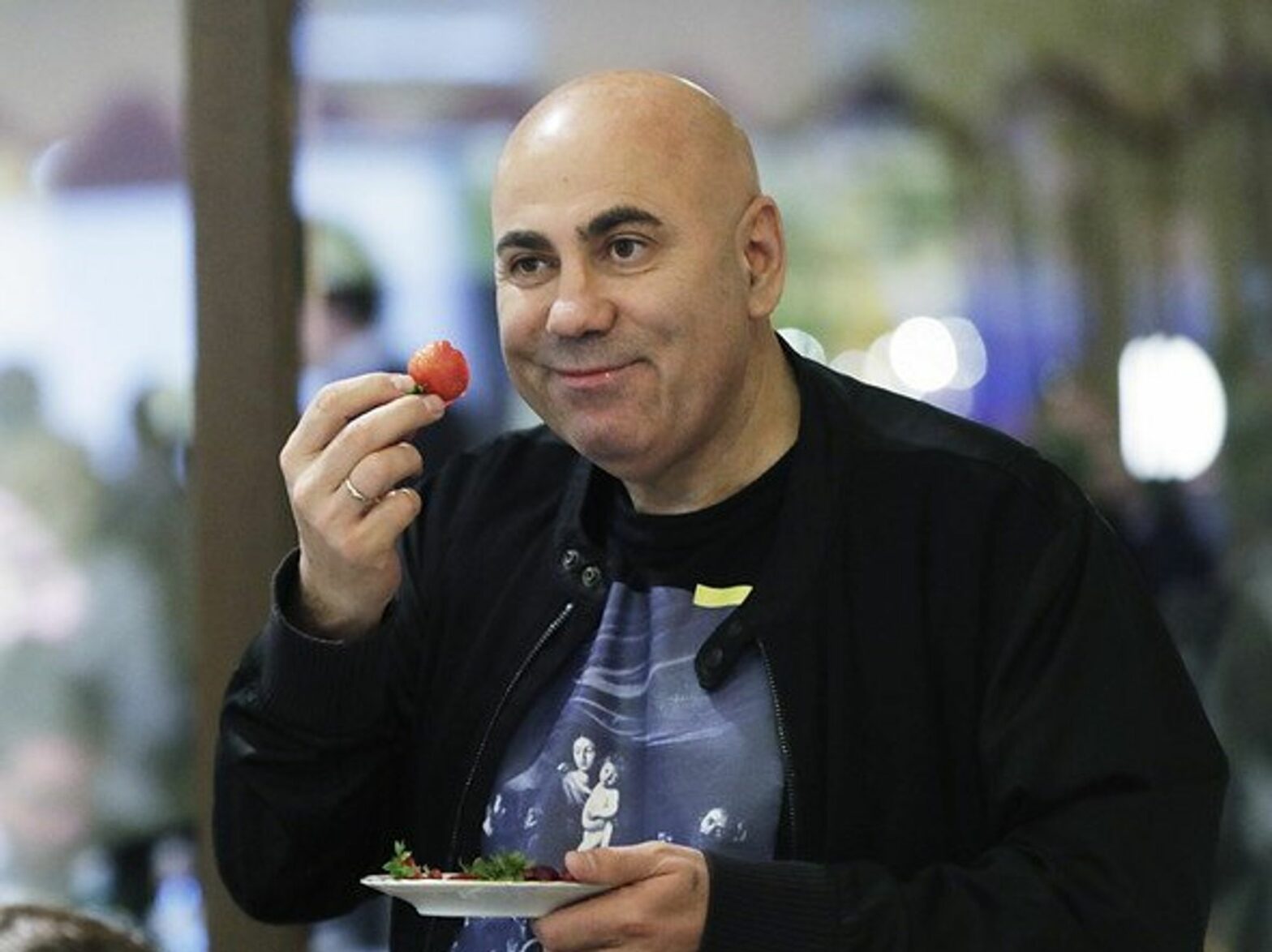
What does Russia’s ruling class really think of Putin? A leaked audio recording of Russian producer Iosif Prigozhin and Russian billionaire ex-senator Farhad Akhmedov criticizing Putin has been verified by Russian intel service FSB, offering a peak into the anger toward the Kremlin’s war.
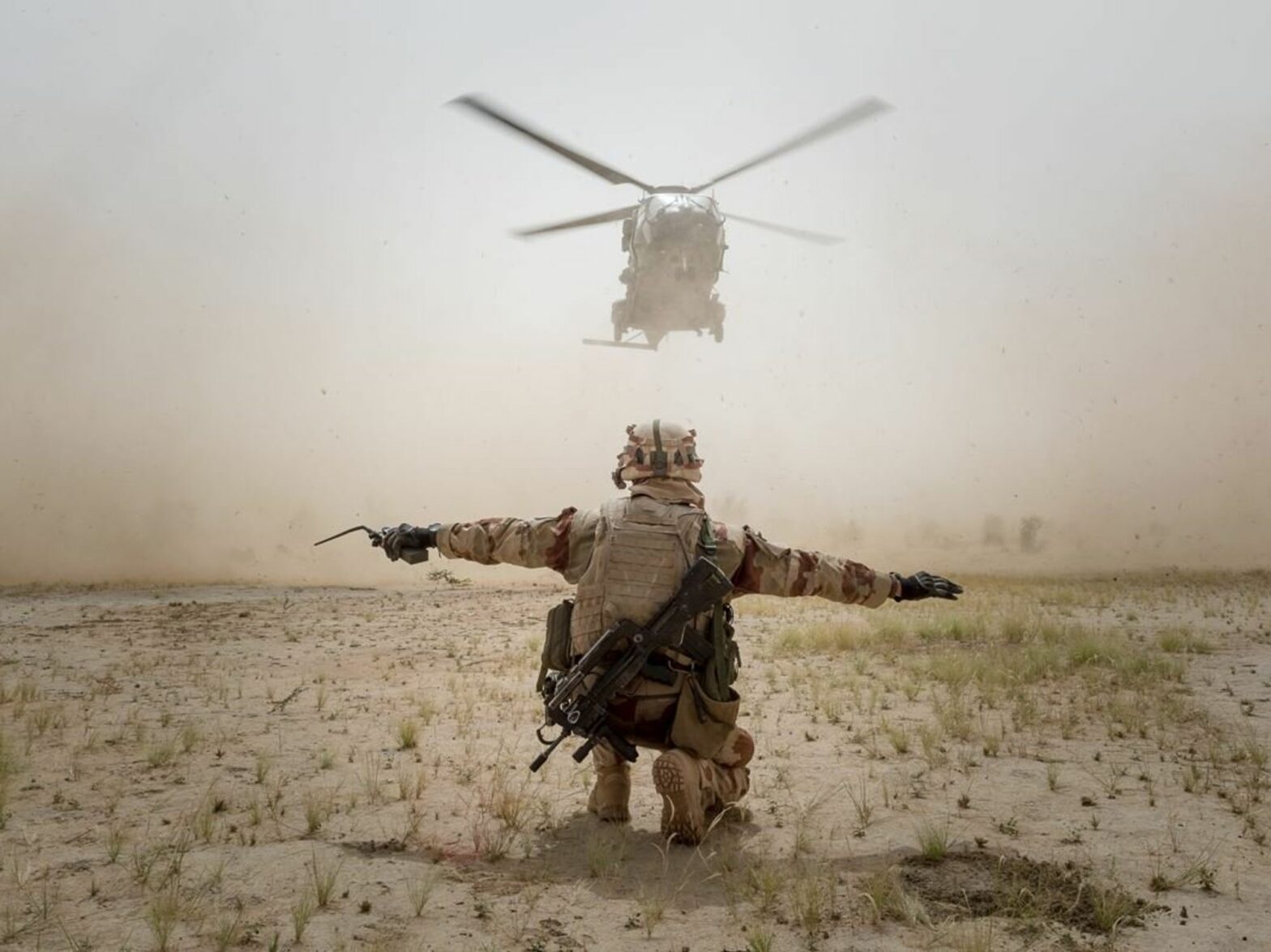
Fueled by the Kremlin, anti-French sentiment in Africa has been spreading for years. Meanwhile, China is also increasing its influence on the continent as Africa’s focus shifts from west to east.
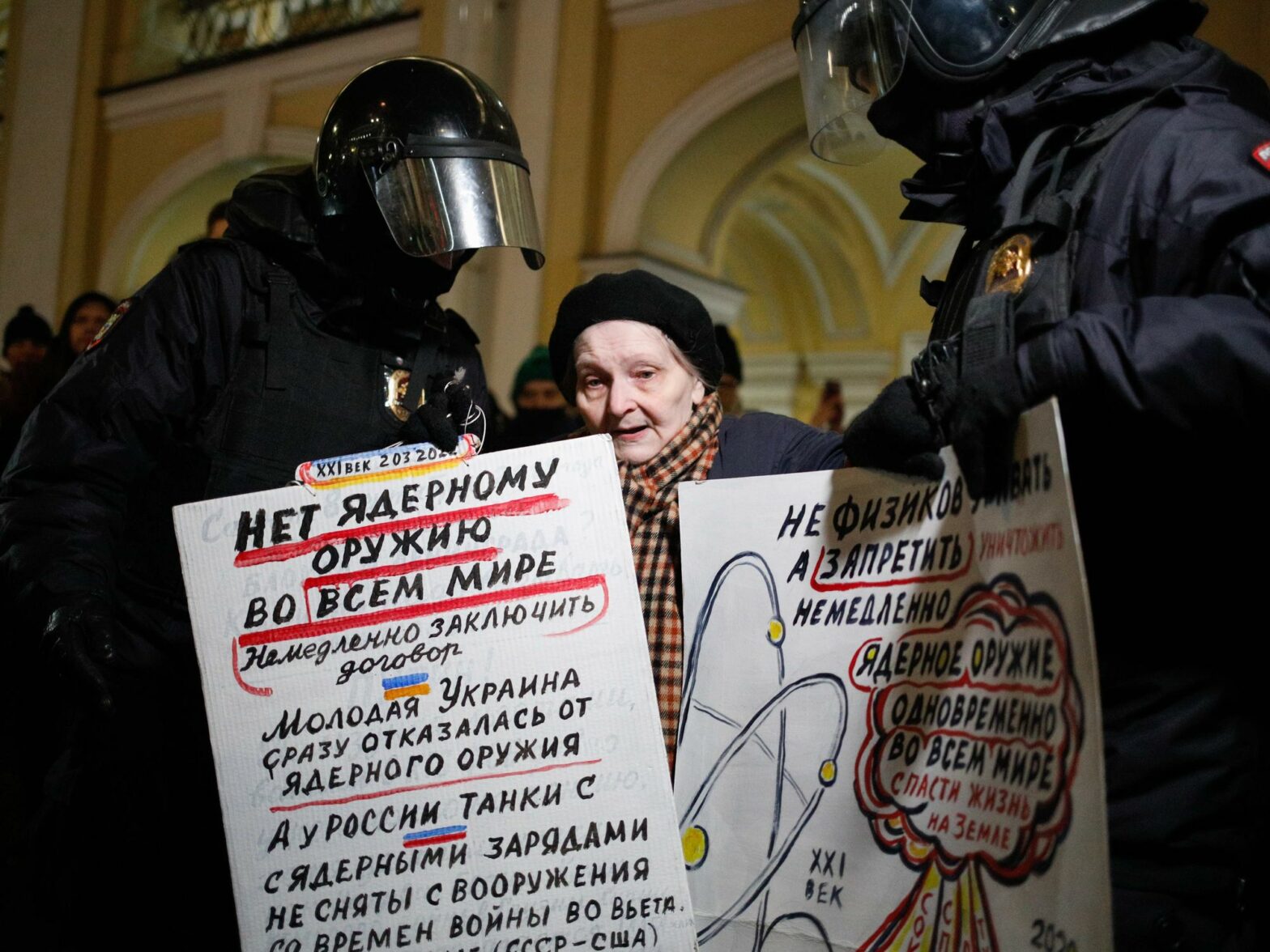
Independent Russian media Vazhnyye Istorii has obtained a major data leak from the top Kremlin information agency that reveals the scale and extent of anti-war protests across the Russian Federation.
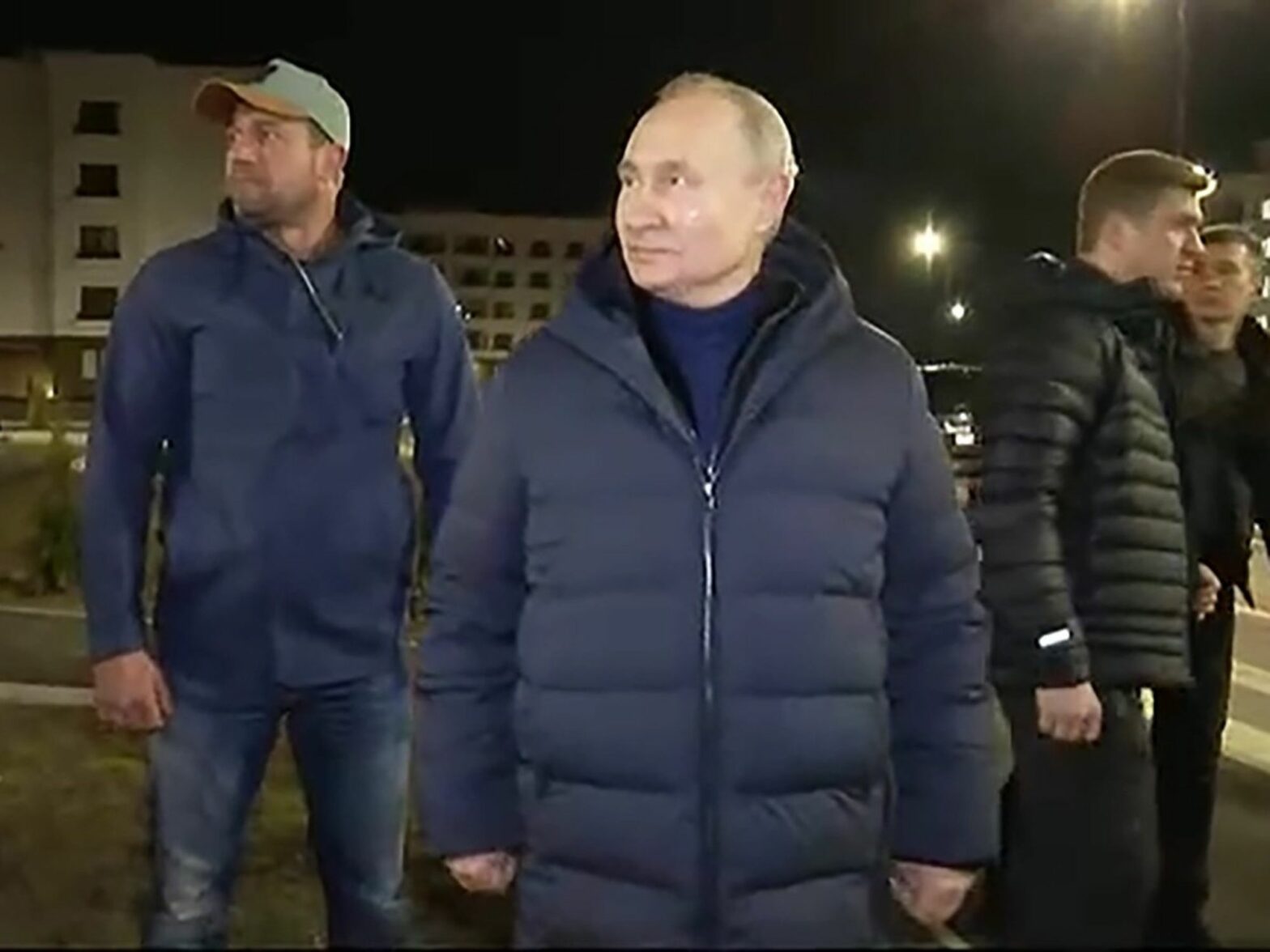
Putin really is meeting with Xi in Moscow — we know that. But there are credible experts saying that the person who showed up in Mariupol the day before was someone else — the latest report that the Russian president uses a doppelgänger for meetings and appearances.
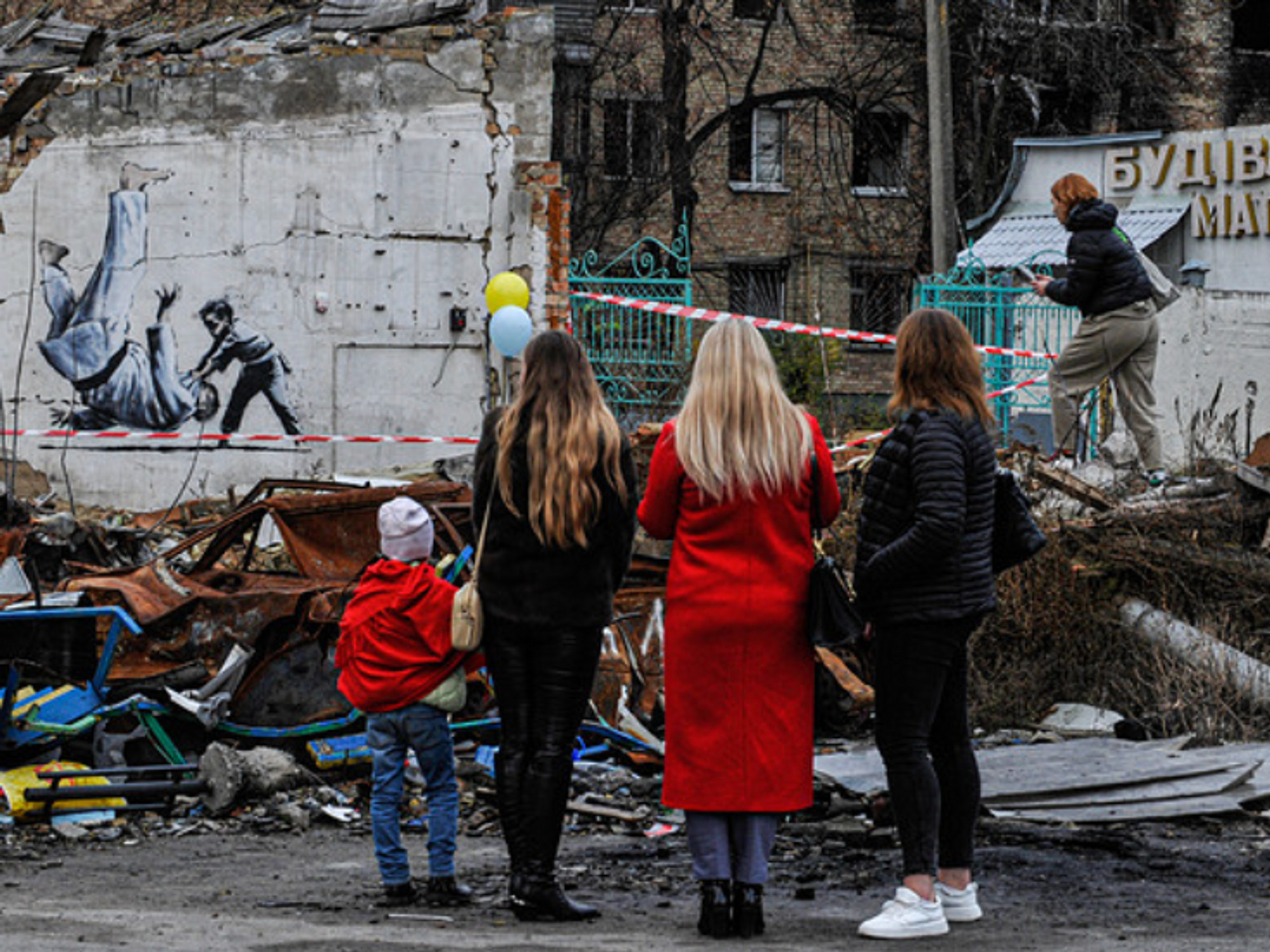
With the right support, Ukrainians are ready to return, even to new parts of the country where they’ve never lived.
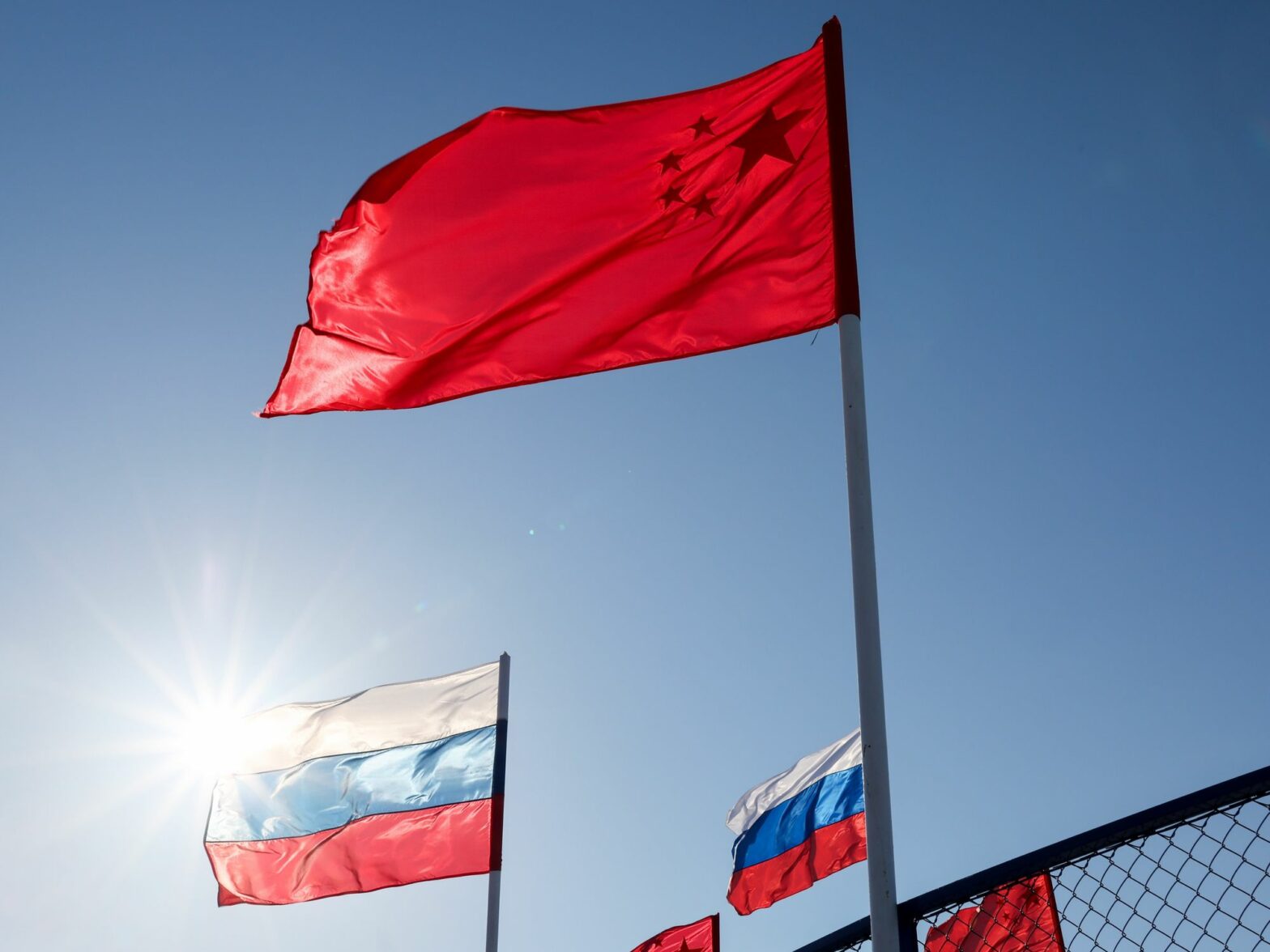
As the Chinese government puts together what it calls a peace plan for Ukraine, it’s also considering sending weapons to Russia. The Biden administration warns China will “pay a real price” if it helps Russia, but Beijing’s real goal is to weaken the United States.
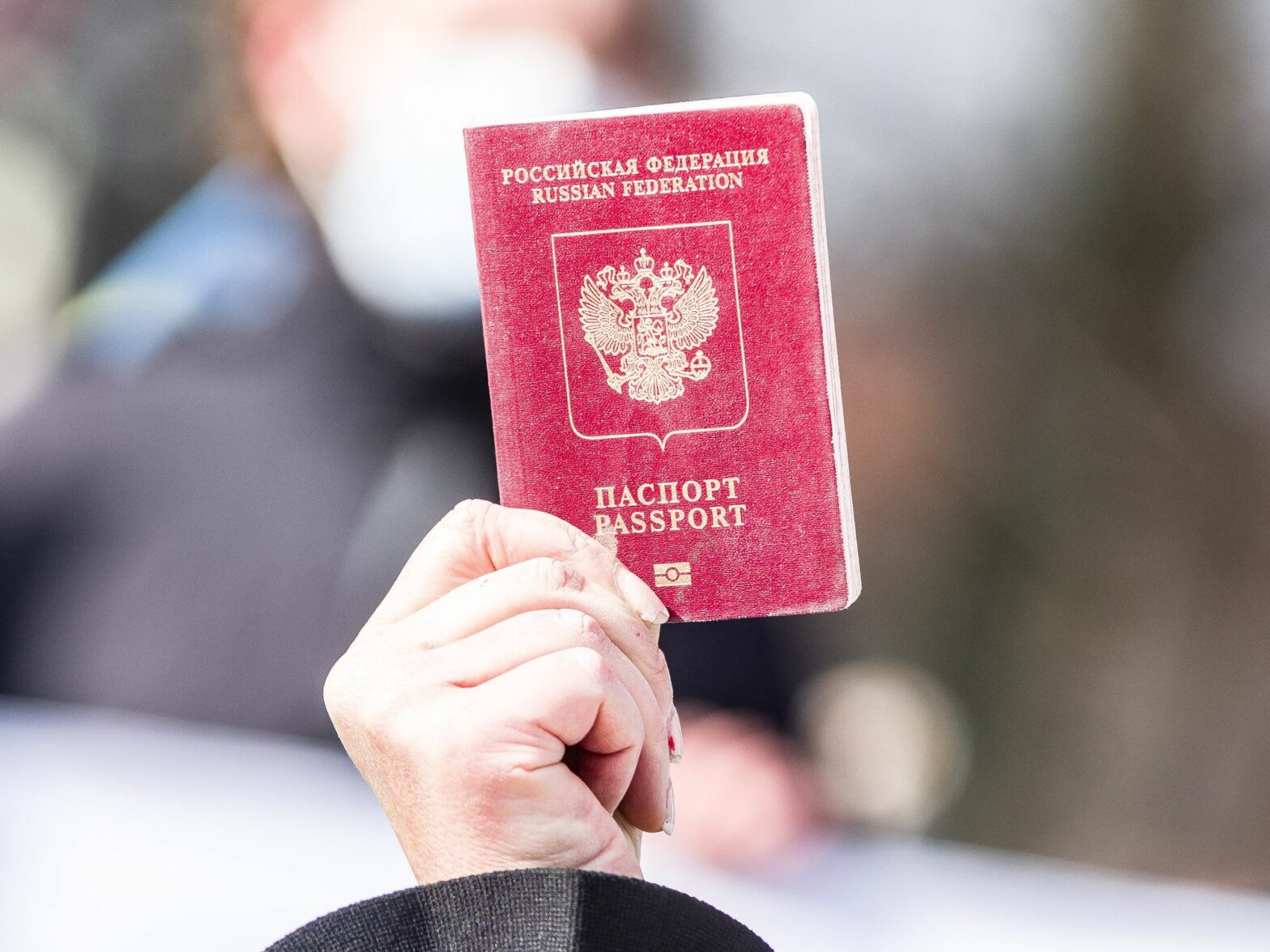
Reports have emerged of children, retirees, and workers being forced by the Russian military and occupying administration to obtain Russian Federation passports, or face prison, beating or loss of public benefits.
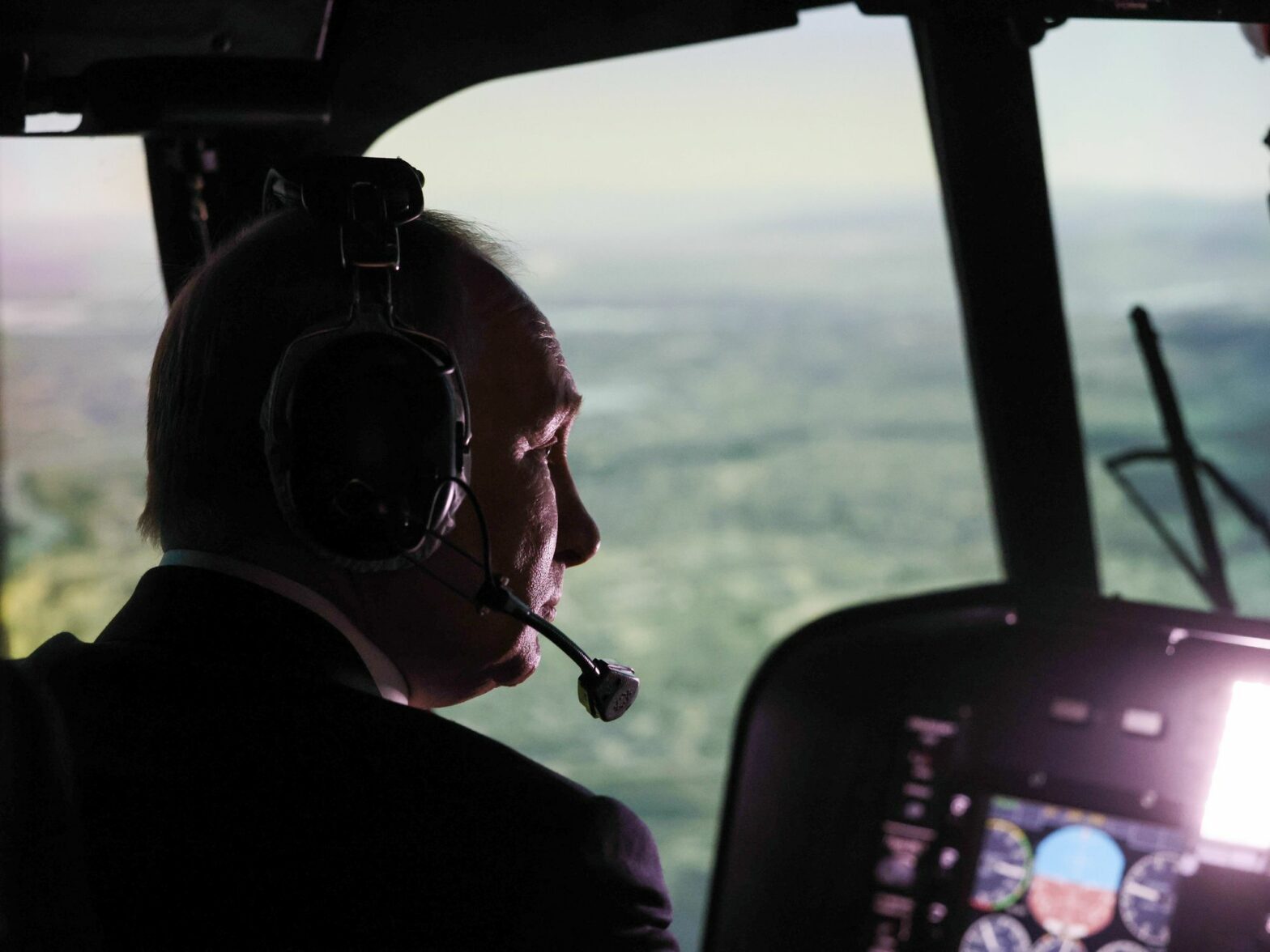
The war crimes arrest warrant issued by the Hague puts the pressure on the Russian president. Would that prompt him to follow through on his past threats to use nuclear weapons? An extensive investigation by independent Russian publication Project.Media into Putin’s life finds that he has other priorities closer to home.
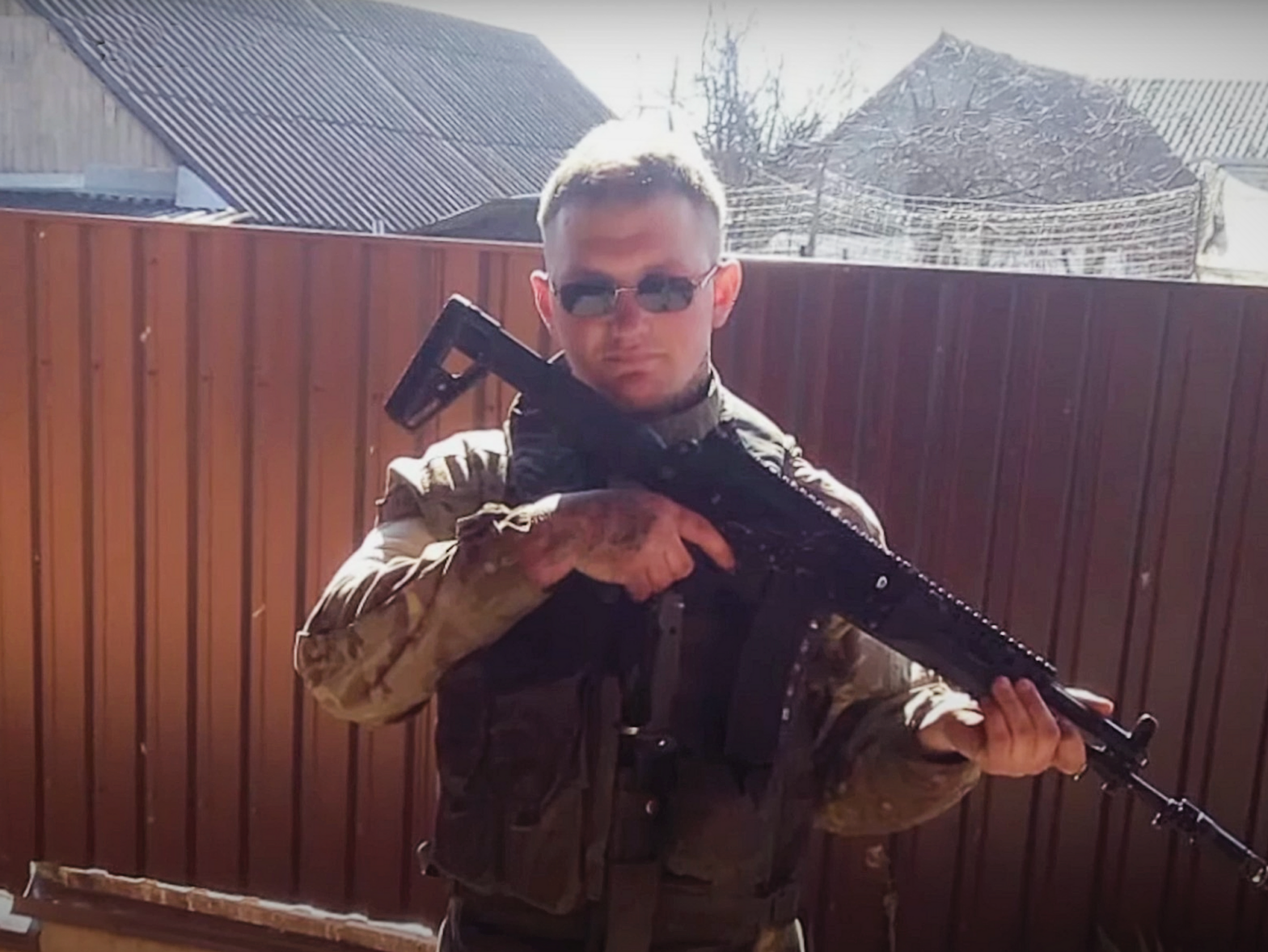
After Russian soldiers committed multiple war crimes last year during the attack on Kyiv and the surrounding region, some confessed to their crimes. But now they are being tried in Russia for spreading misinformation about the military.
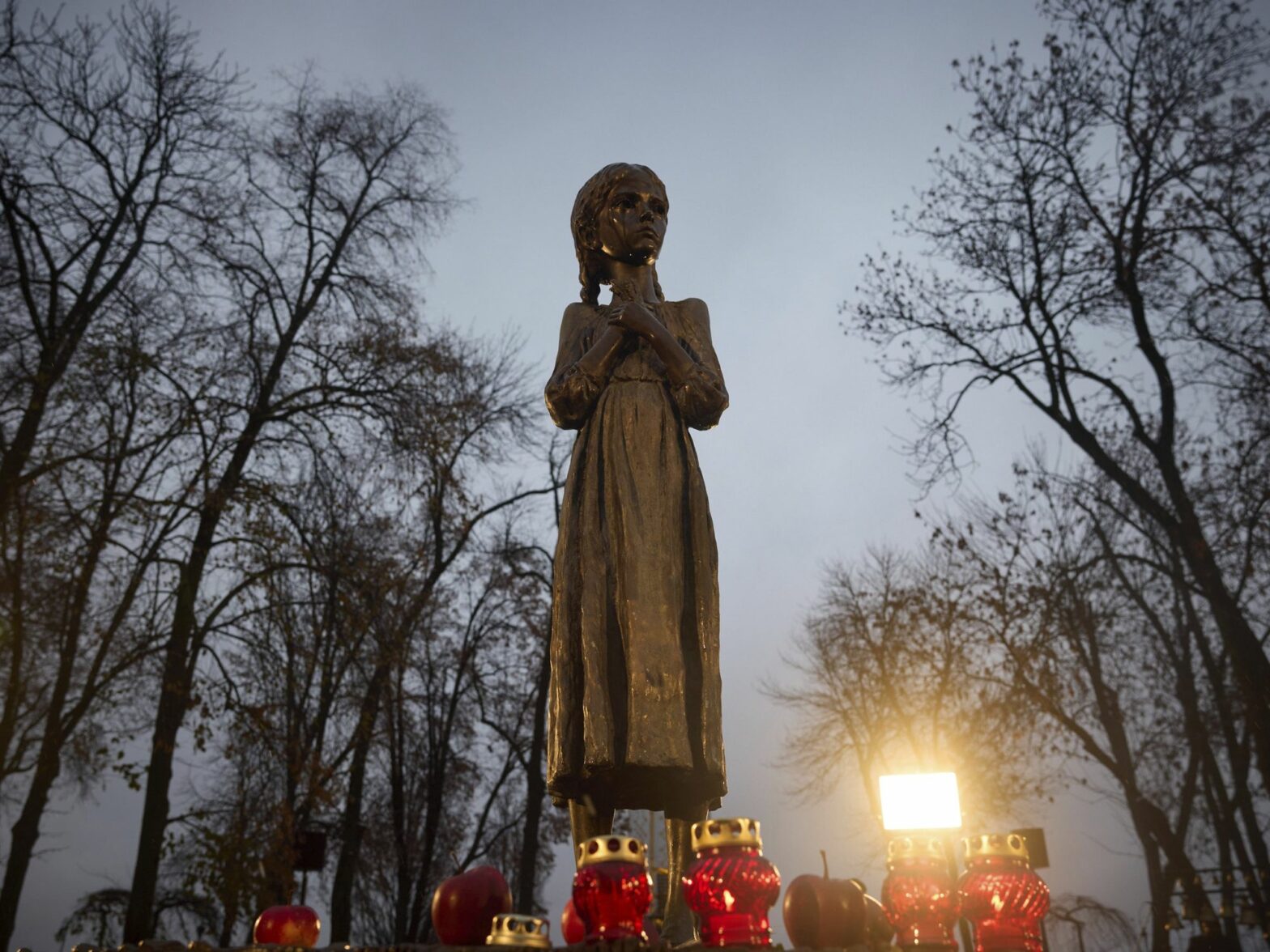
Ukraine and countries around the world recognize the Holodomor, the famine which killed millions of Ukrainians in the early 1930s, as a genocide caused by Soviet authorities. But Russia still refuses to admit responsibility. A new study uses agricultural records and mathematical modeling to show that the famine clearly targeted Ukrainians.
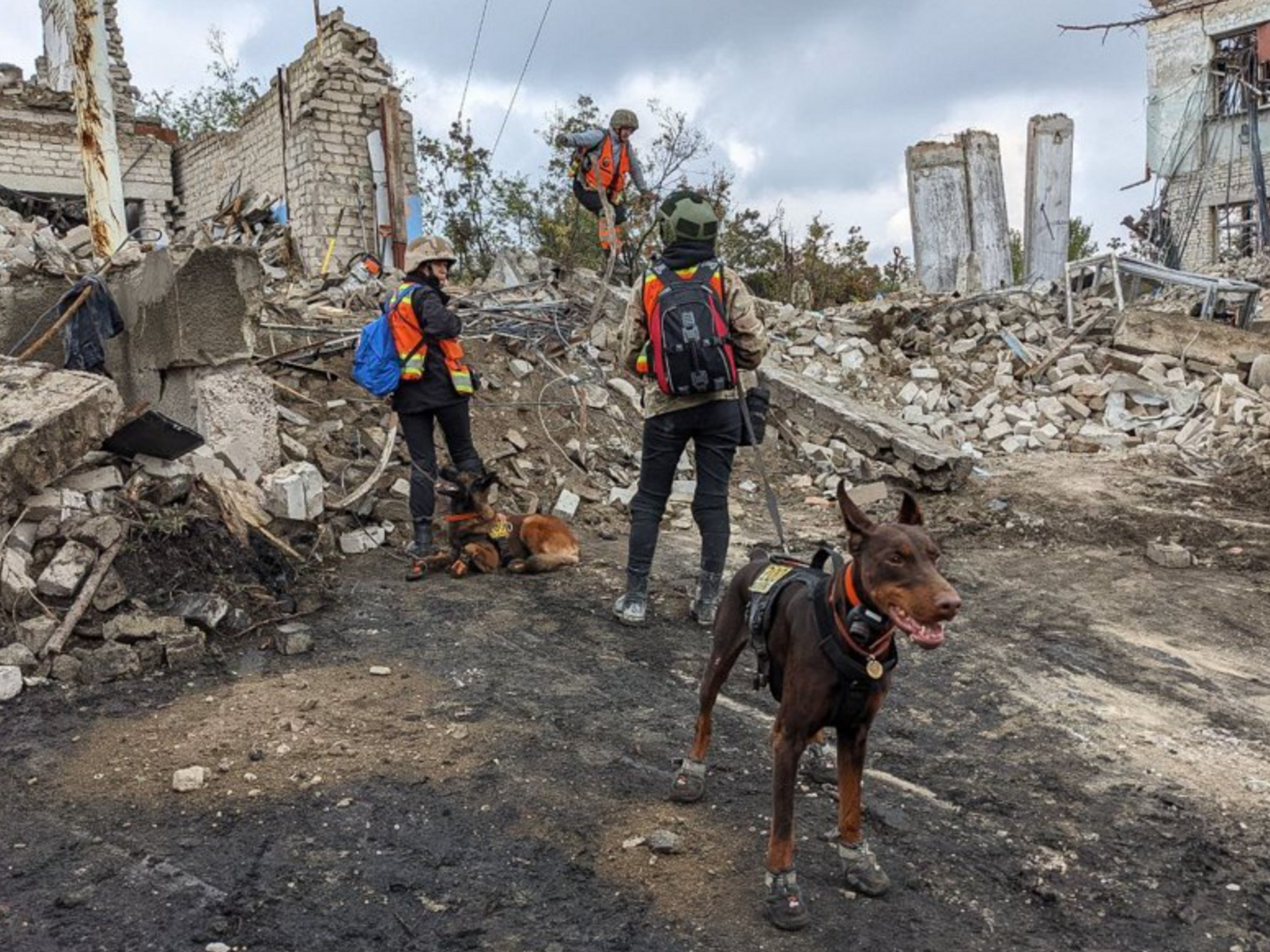
Former canine athletes forced by war to become rescuers, a squad of dogs searches for survivors in ruined homes destroyed by rockets, and for unmarked graves in liberated Ukrainian territory.
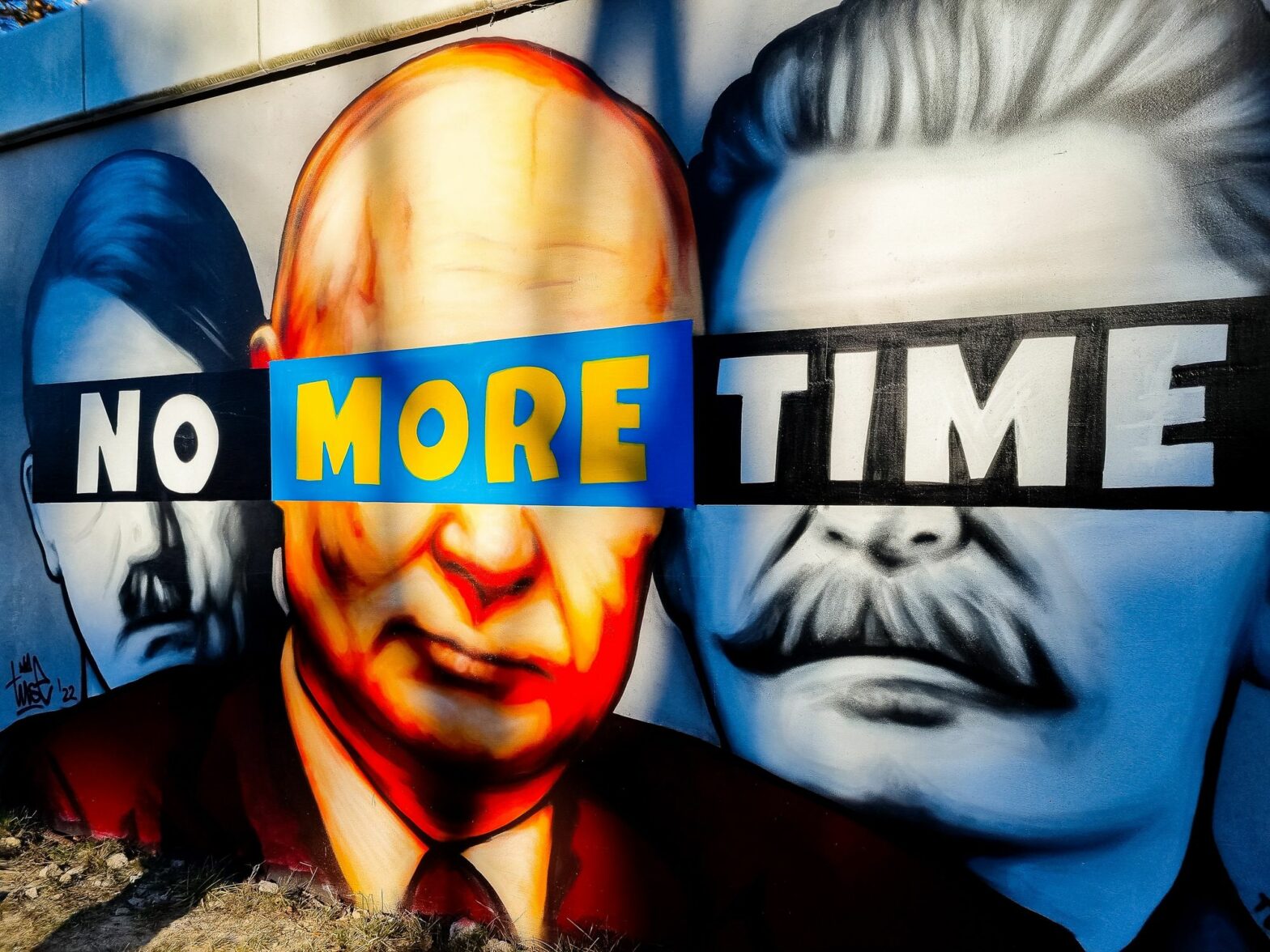
Russian President Vladimir Putin is often compared to Stalin, the Soviet leader responsible for the deaths of millions. In the West, it’s not a compliment. For Putin, it’s encouragement. Meanwhile, some Russian nationalists ask if he’s “Stalin enough.”
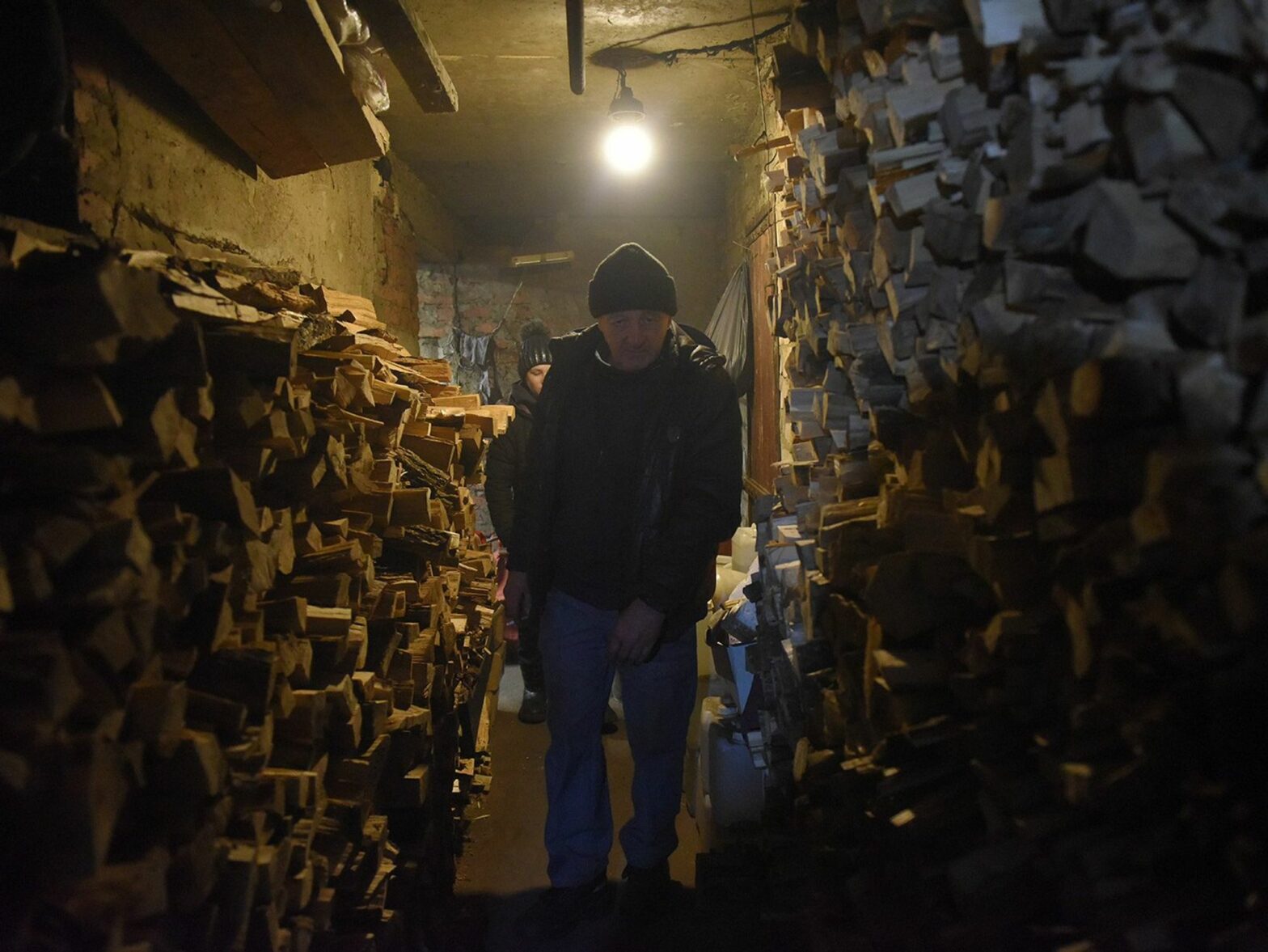
Russian shells hit frontline cities Siversk and Lyman every day, but some people are refusing to abandon their homes. Life has gone underground. A year since the beginning of the Russian invasion, a reporter from Ukrainska Pravda meets people surviving in basements — their towns destroyed, but still alive.
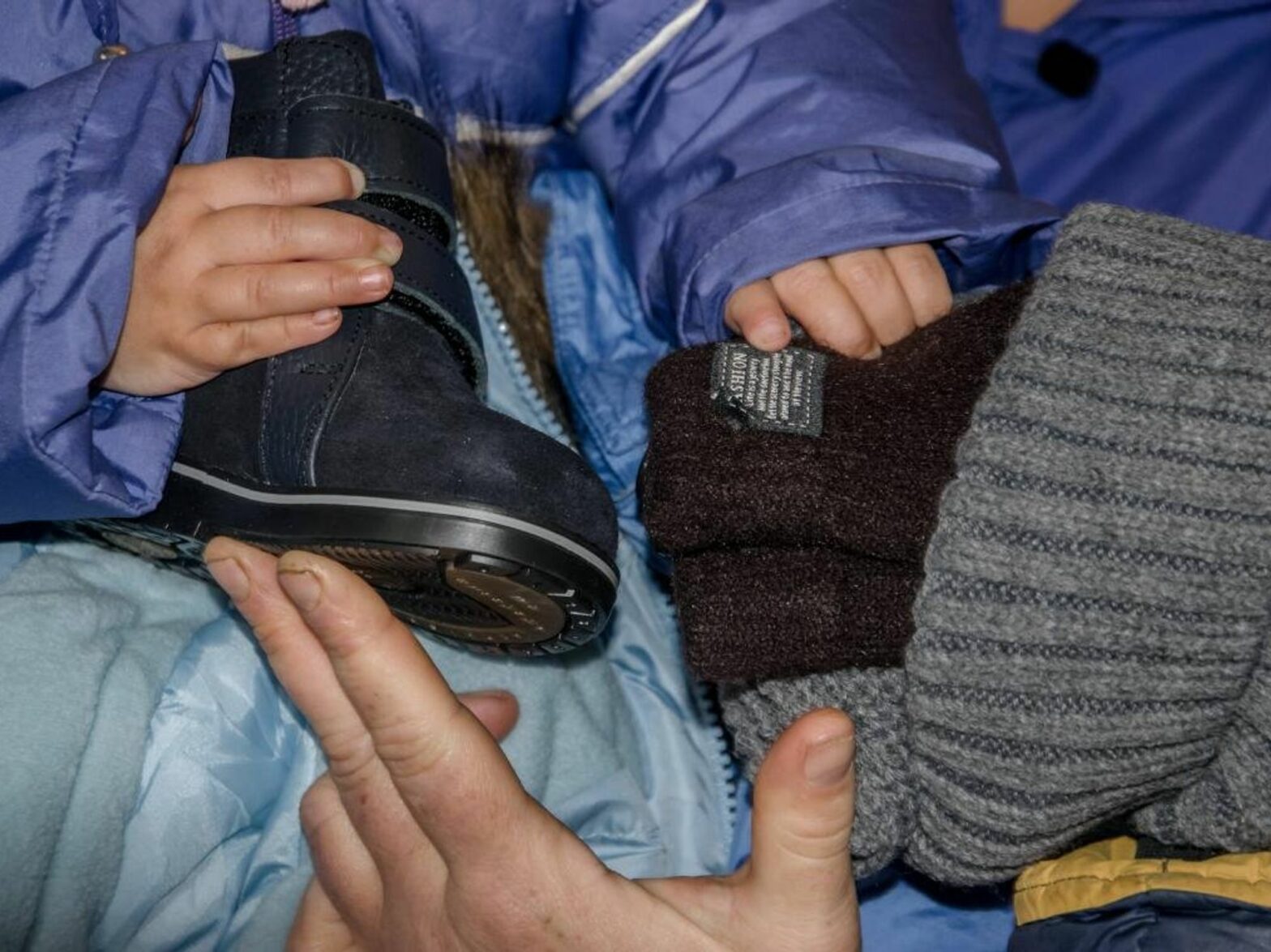
Russians have been practicing the illegal transfer and deportation of Ukrainian children since 2014. Experts consider it one of the five main signs of genocide, and Ukraine’s Office of the Prosecutor General has been working to prove this component of the “crime of crimes.”
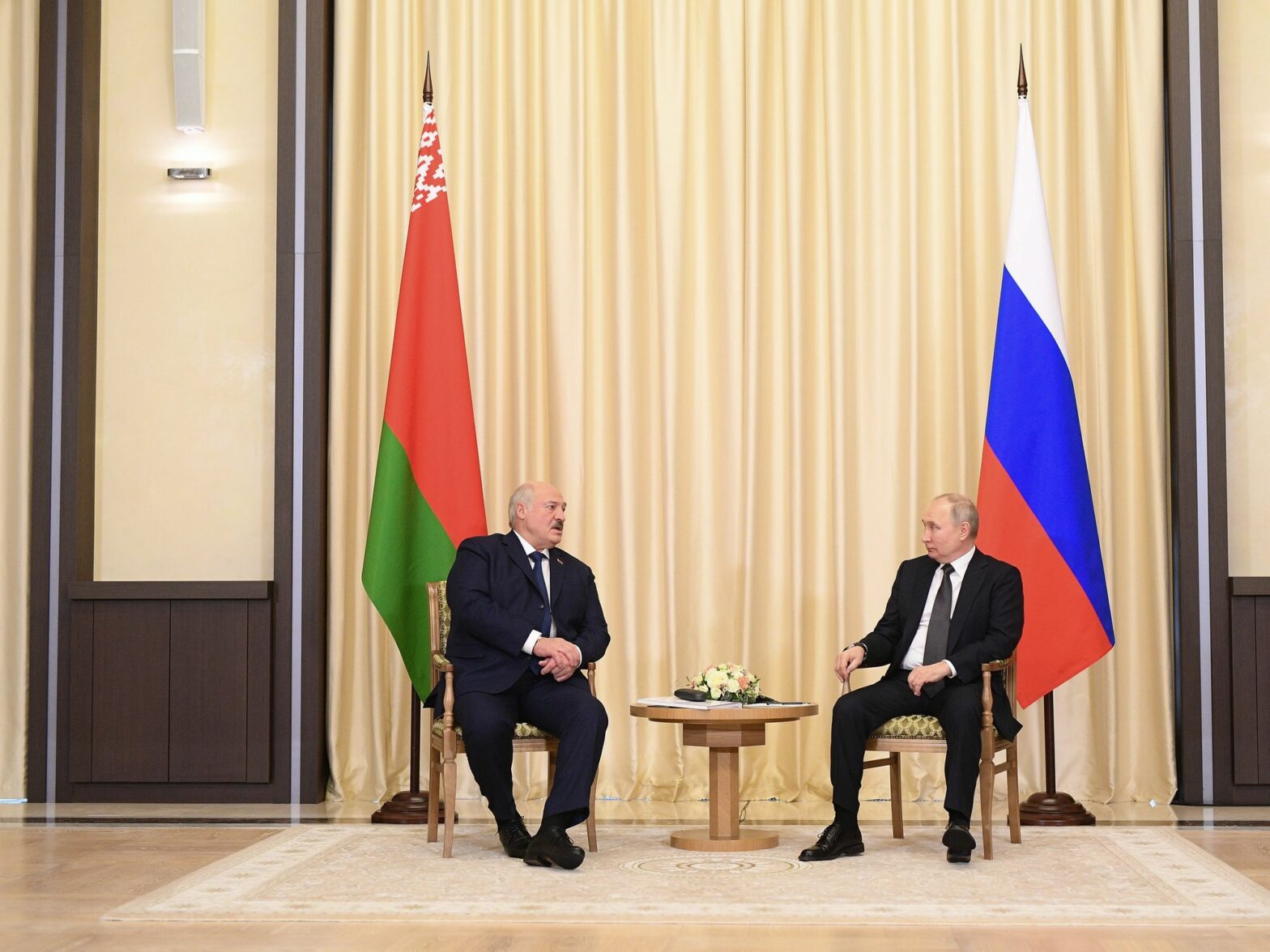
Putin has stated in the past that Ukraine and Belarus should be a part of the Russian Federation. But his plans in Belarus have been postponed by war on the other neighbor, and the shrinking room for maneuver of Minsk’s strongman Alexander Lukashenko
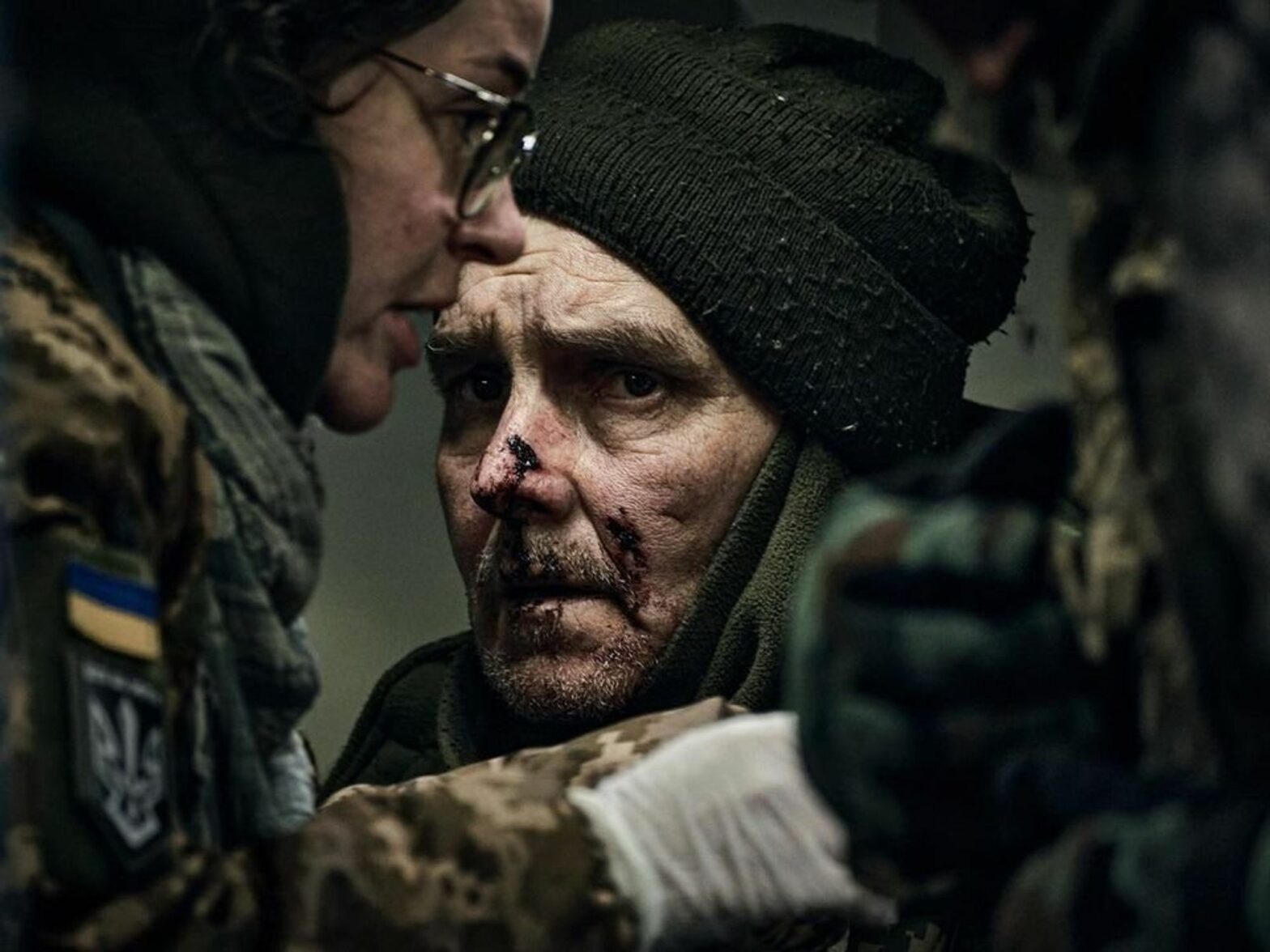
A year after Russia’s invasion of her homeland, Ukrainian writer Anna Akage looks back at recent history, but, above all, forward to a future where her nation must not only win the war, but not lose the victory.

The public version of the Artificial Intelligence-driven chatbot is not yet fully plugged into the real-time internet. But there was an enlightening conversation going back to 2014, when the conflict in Ukraine actually started. ChatGPT’s hedging responses may help explain why the world wasn’t prepared for Putin’s invasion a year ago.
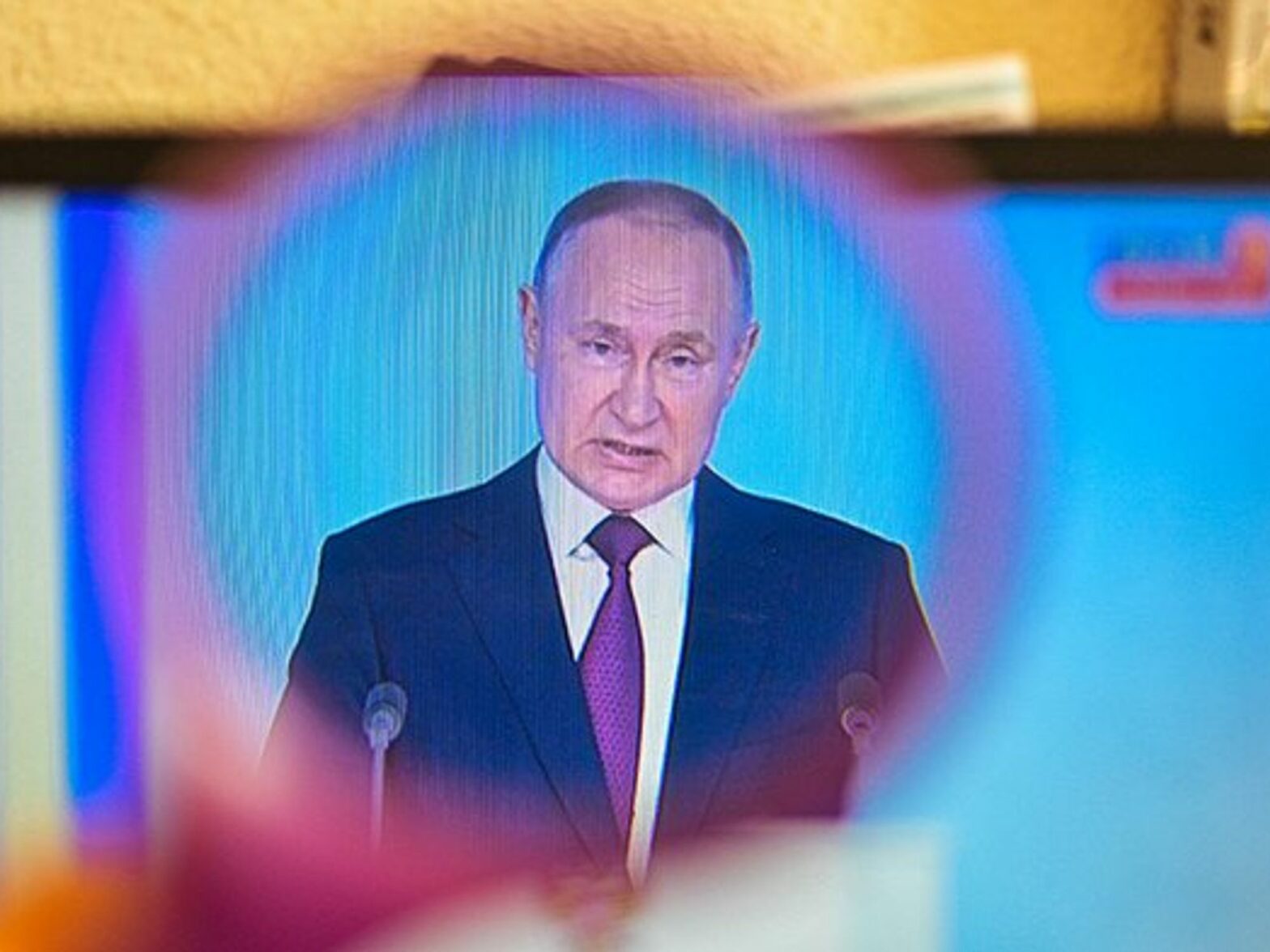
From the first fake news reports that Zelensky had fled to Putin’s latest speech Tuesday that blamed the war on the West, Russia’s attempts to manipulate opinion have wound up leaving Moscow itself as the prime victim of its own lies.
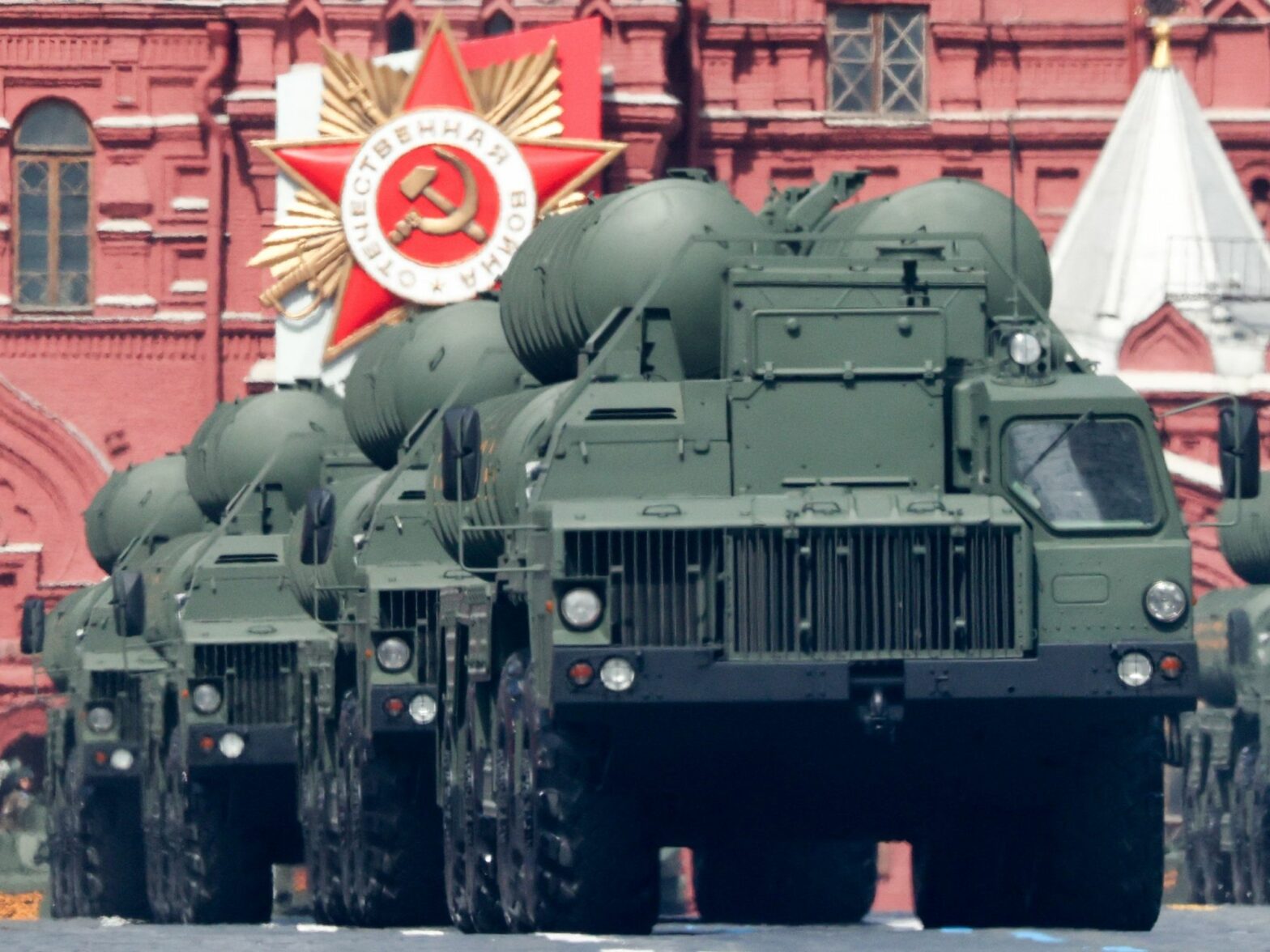
A healthy dose of cynicism and short cuts allows parts for weapons and other technology to still make their way into Russia. Independent Russian-language media Vazhnyye Istorii traces the way both Moscow and much of the rest of the world circumvent export bans.
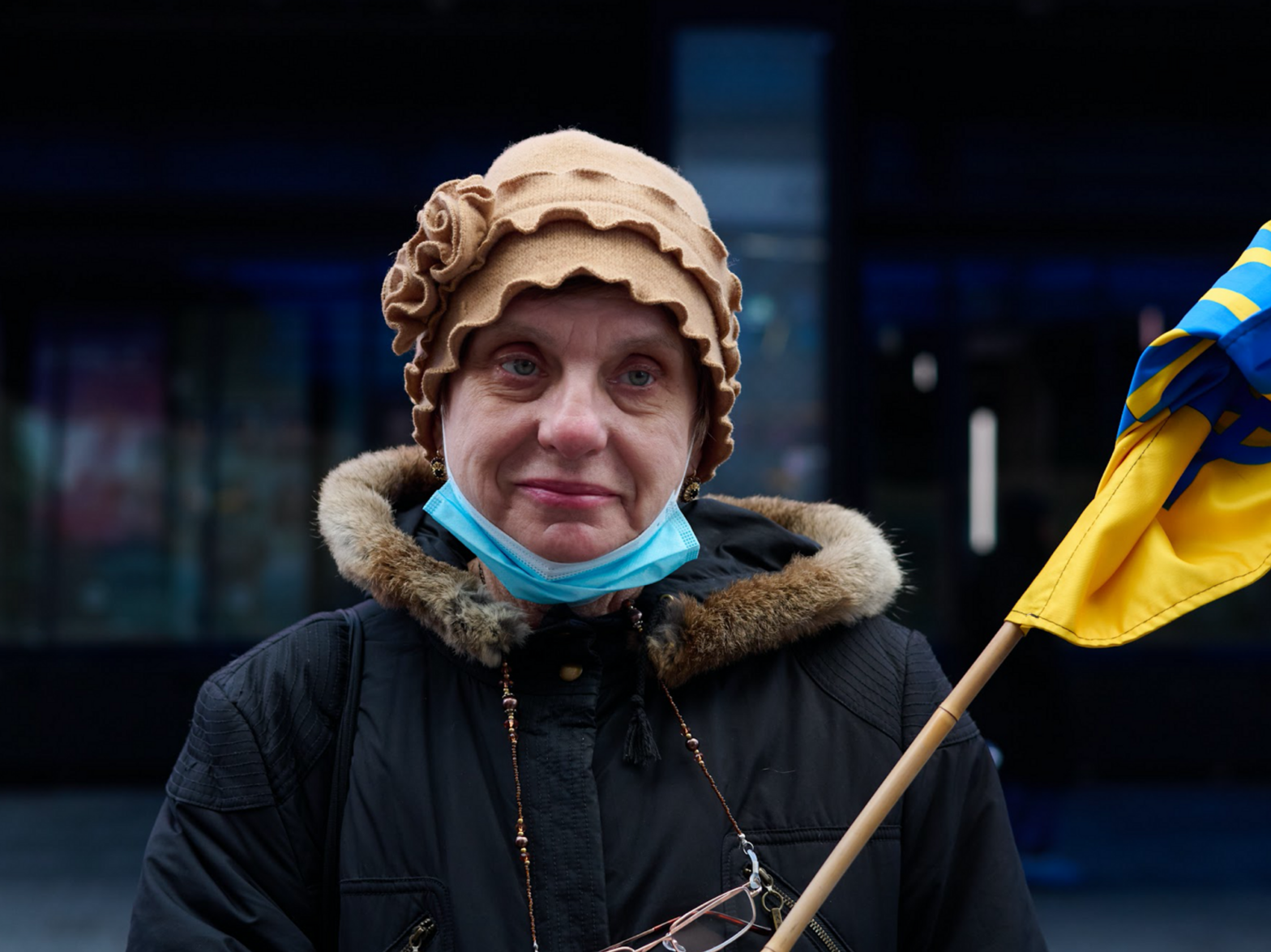
One Ukrainian writer looks back on a year of international support for her nation, and what happened when the world’s attention shifted to the earthquake in Turkey and Syria.
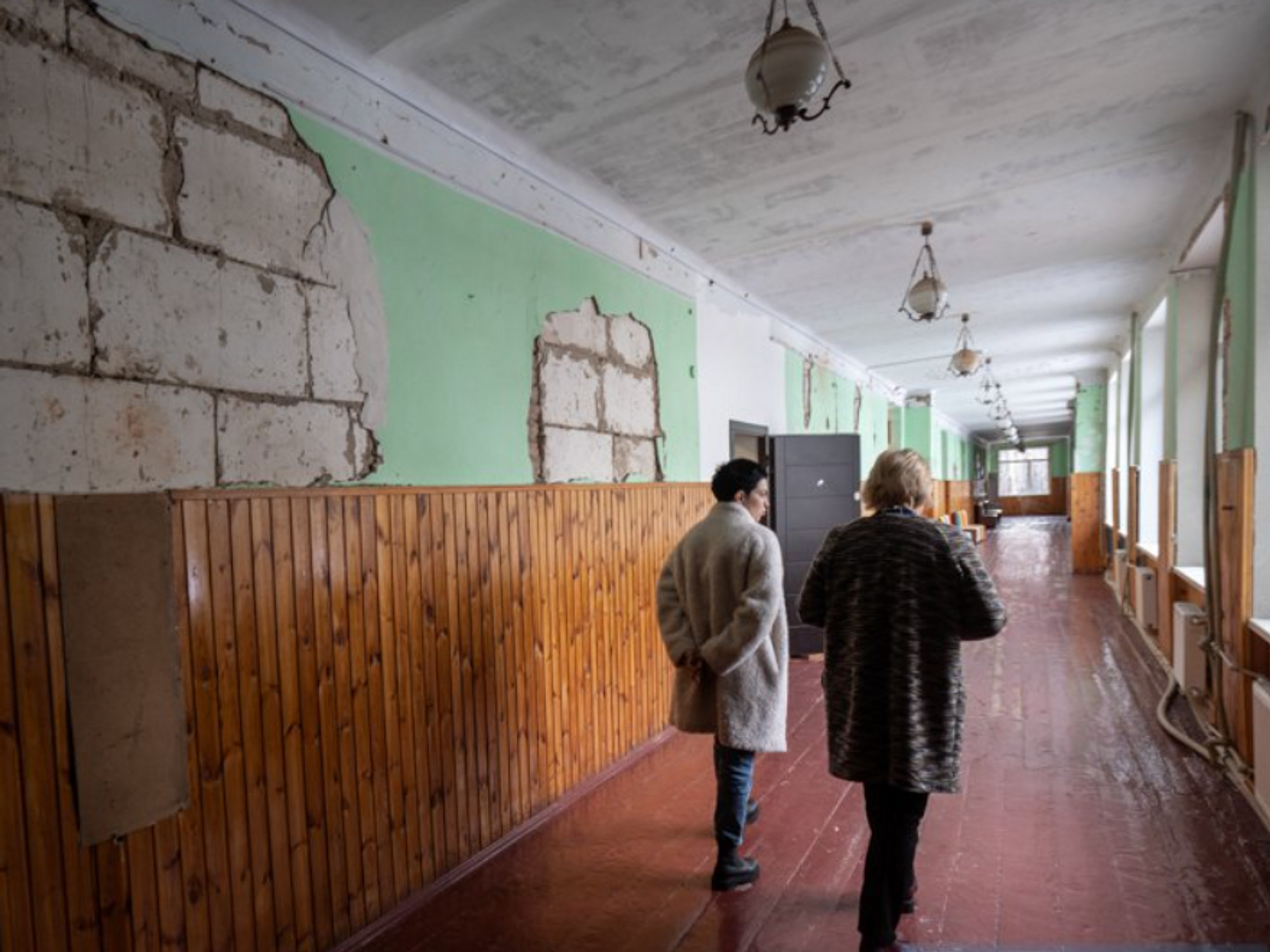
Almost one year after being occupied, a village near Kyiv is being rebuilt as locals try to piece their lives back together.
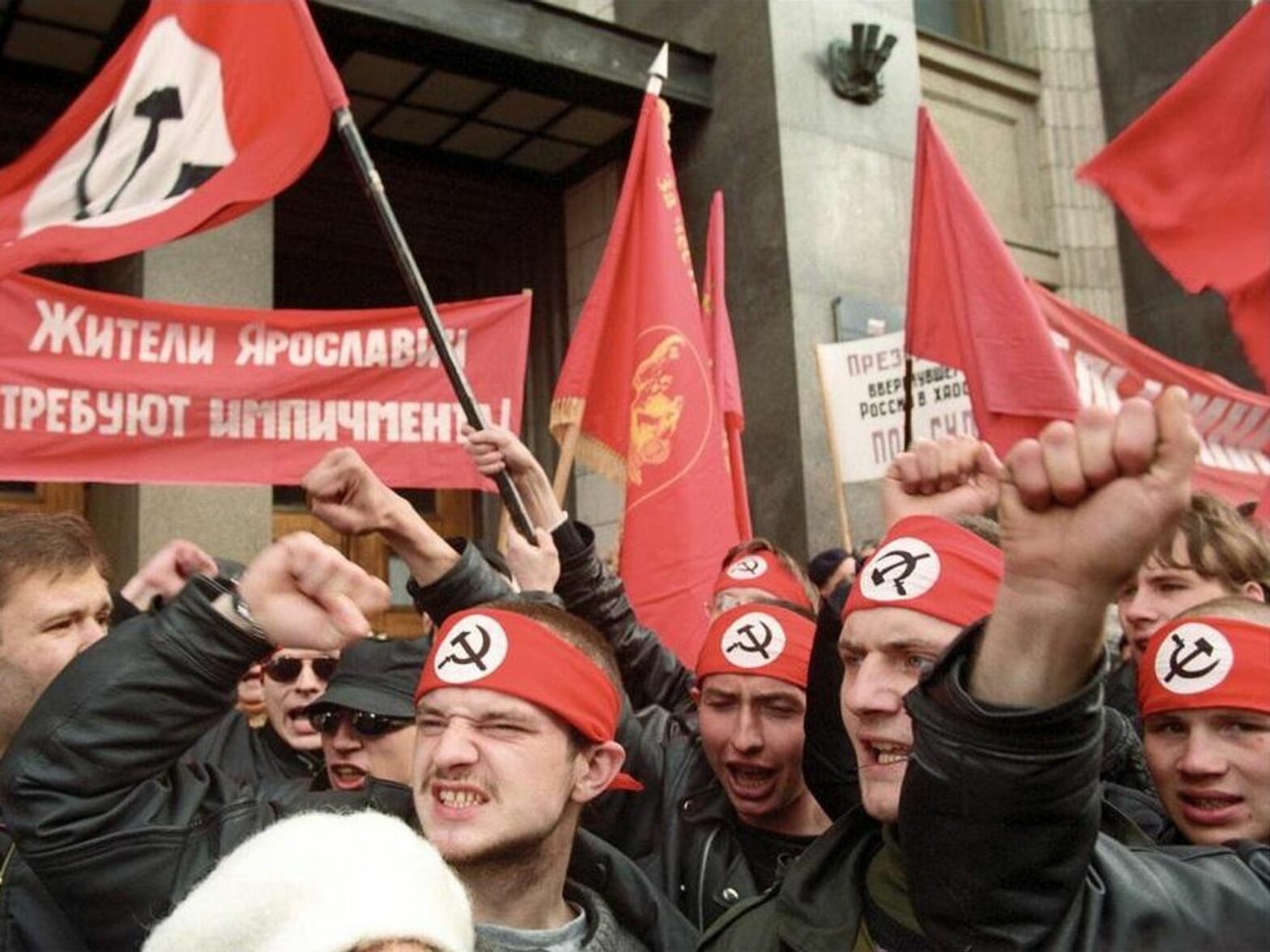
It is a mistake to attribute the construction of authoritarianism in modern Russia to Putin alone. Serhiy Gromenko, an expert at the Ukrainian Institute for the Future, explains the evolution for how Russia wound up an authoritarian state, and why Putin isn’t the only one to blame.
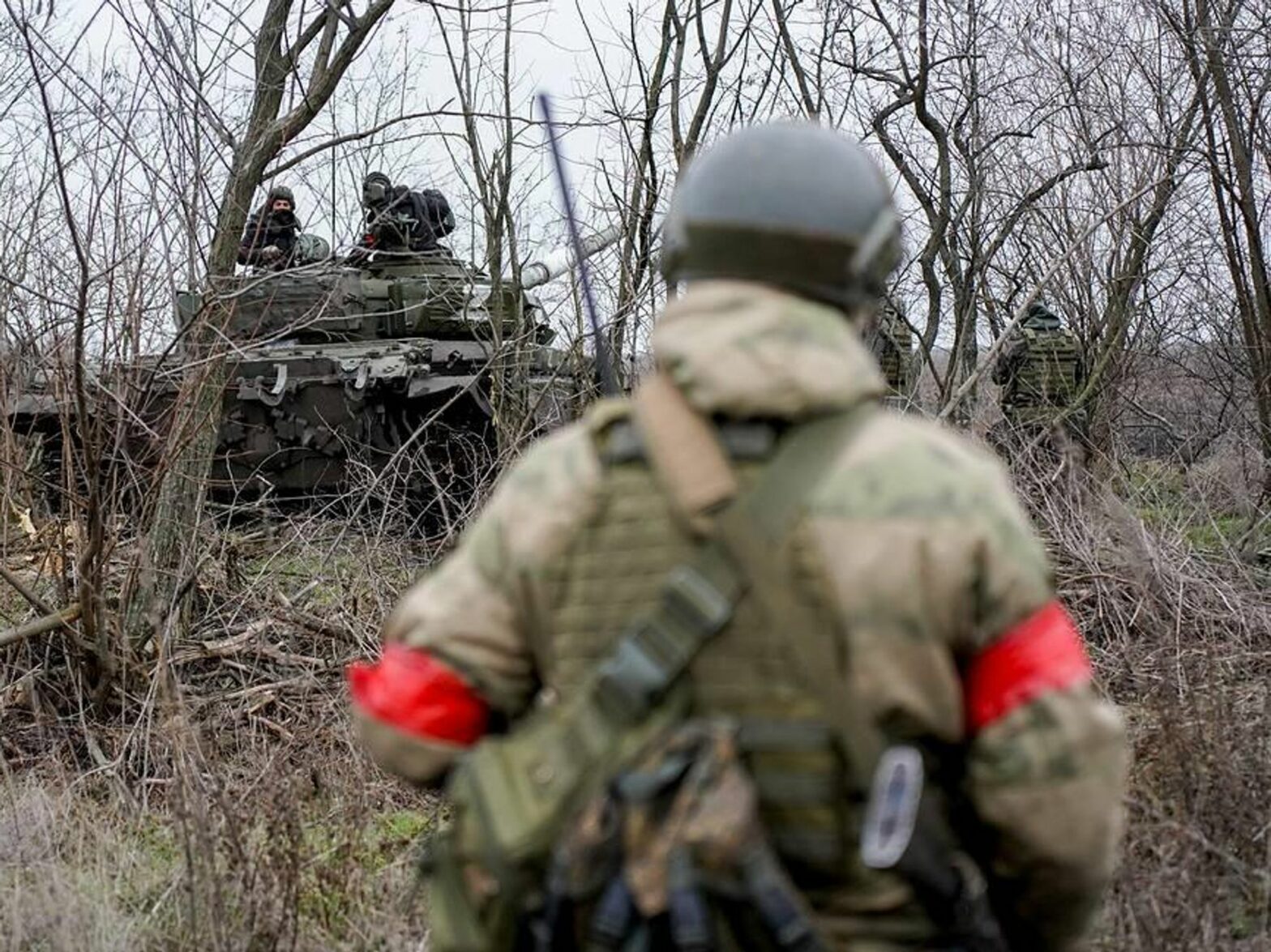
Moscow’s offensive appears to be underway, but it will be rolled out in phases in the coming days and weeks. There are no surprise this time, but the stakes are just as high.
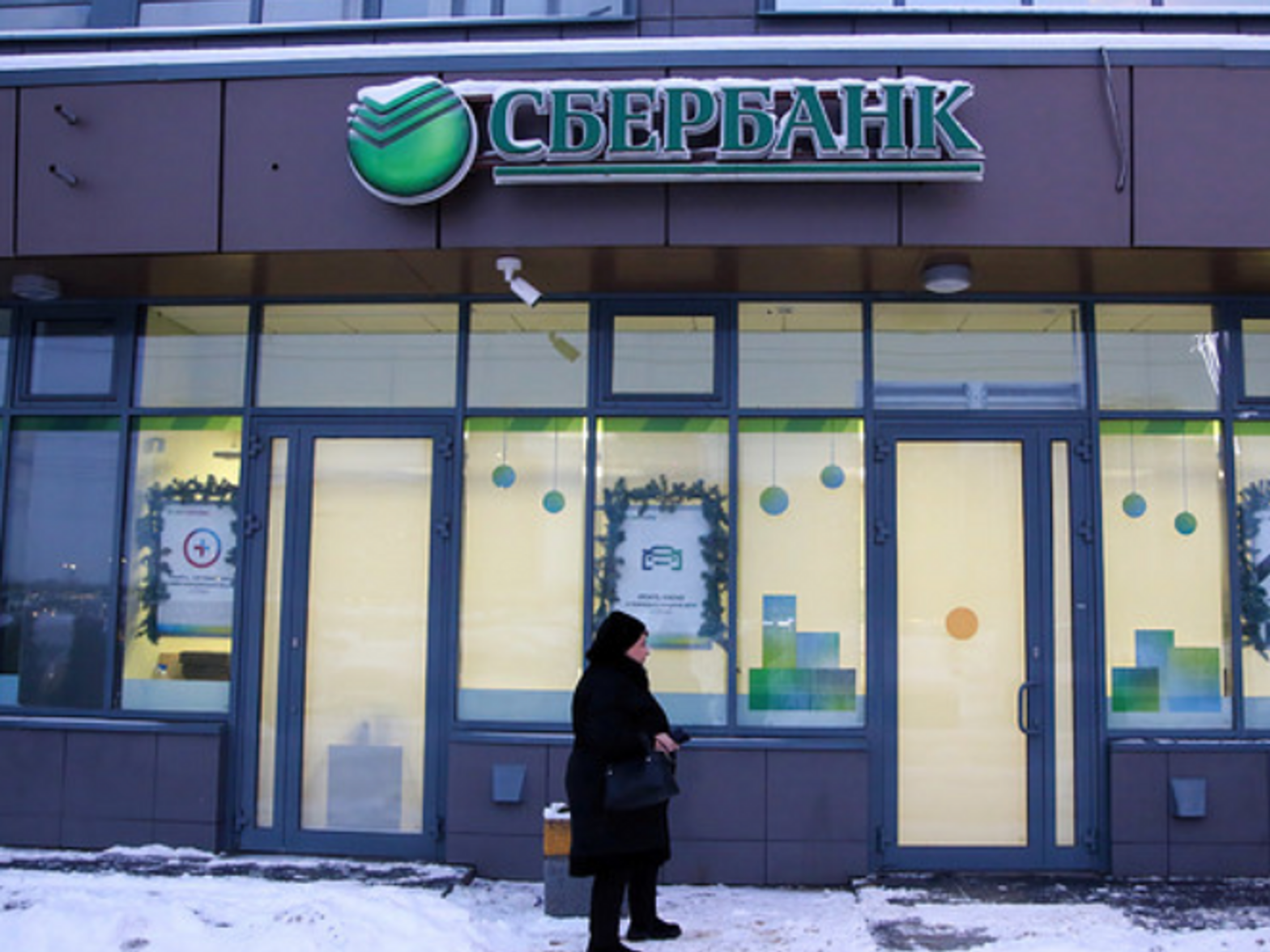
Russians fled the war to neighboring countries, bringing with them billions of dollars worth of wealth. The influx of money is both a windfall and a problem.
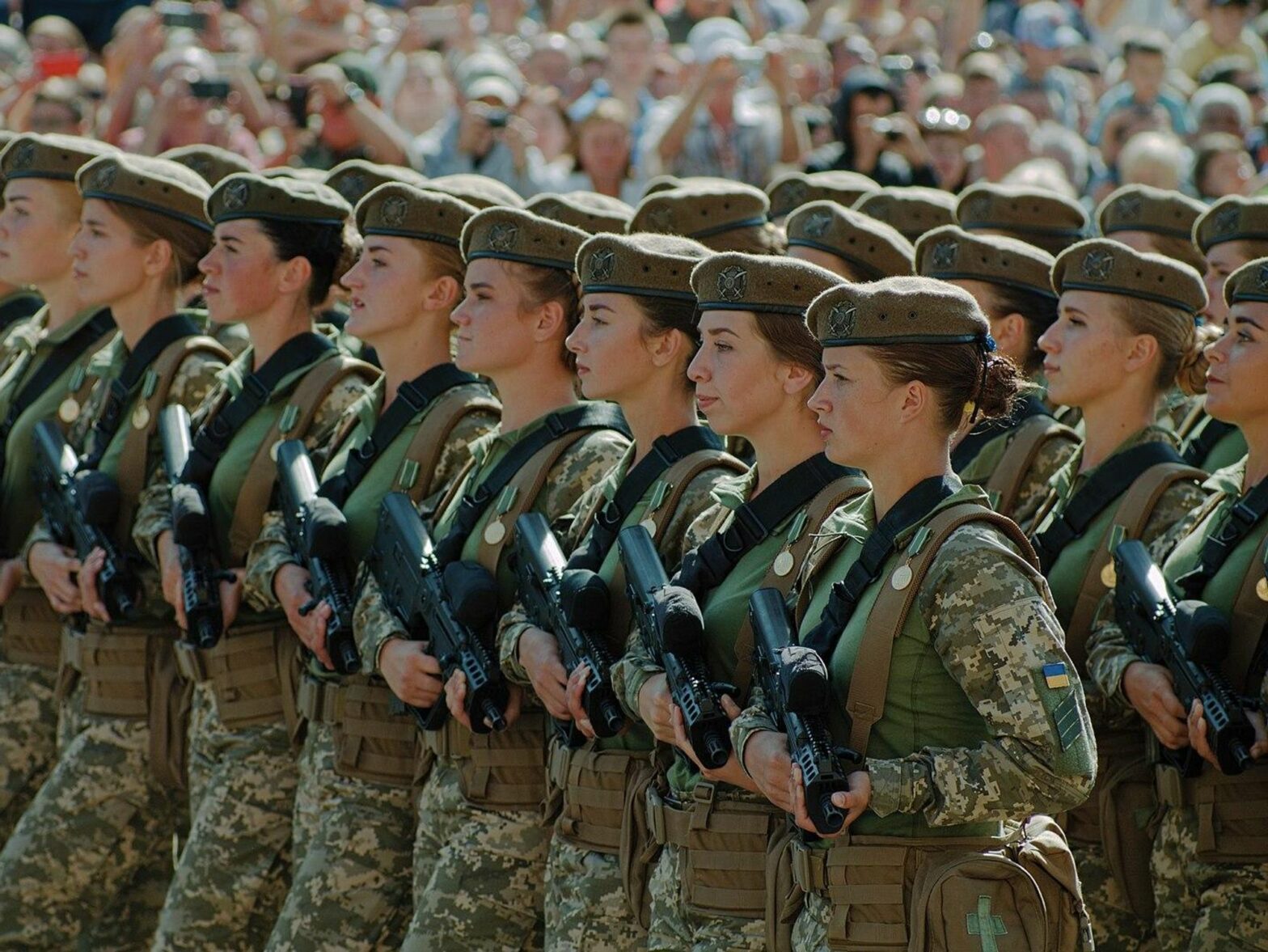
Almost a year ago, a well-known lawyer, Yevhenia Zakrevska, became a soldier in the Ukrainian Armed Forces and now serves as an aerial reconnaissance officer. She tells her story to Ukrainian news media Livy Bereg.
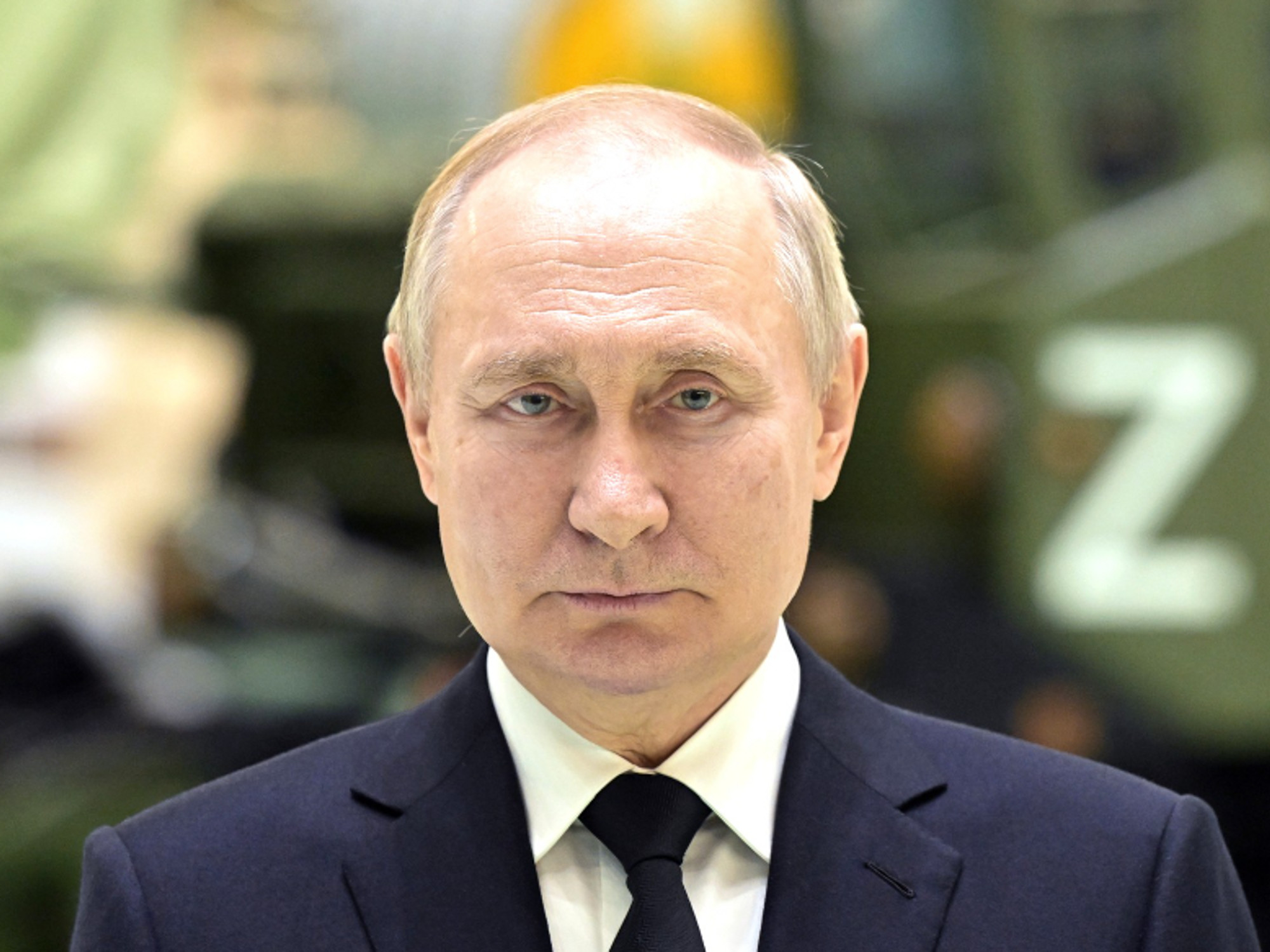
The Russian army is fighting fiercely for every kilometer in the Donbas, amid reports of new masses of troops arriving in Ukraine. By most accounts, it looks like Putin has moved up the calendar on a major assault that was originally planned after the winter thaw.