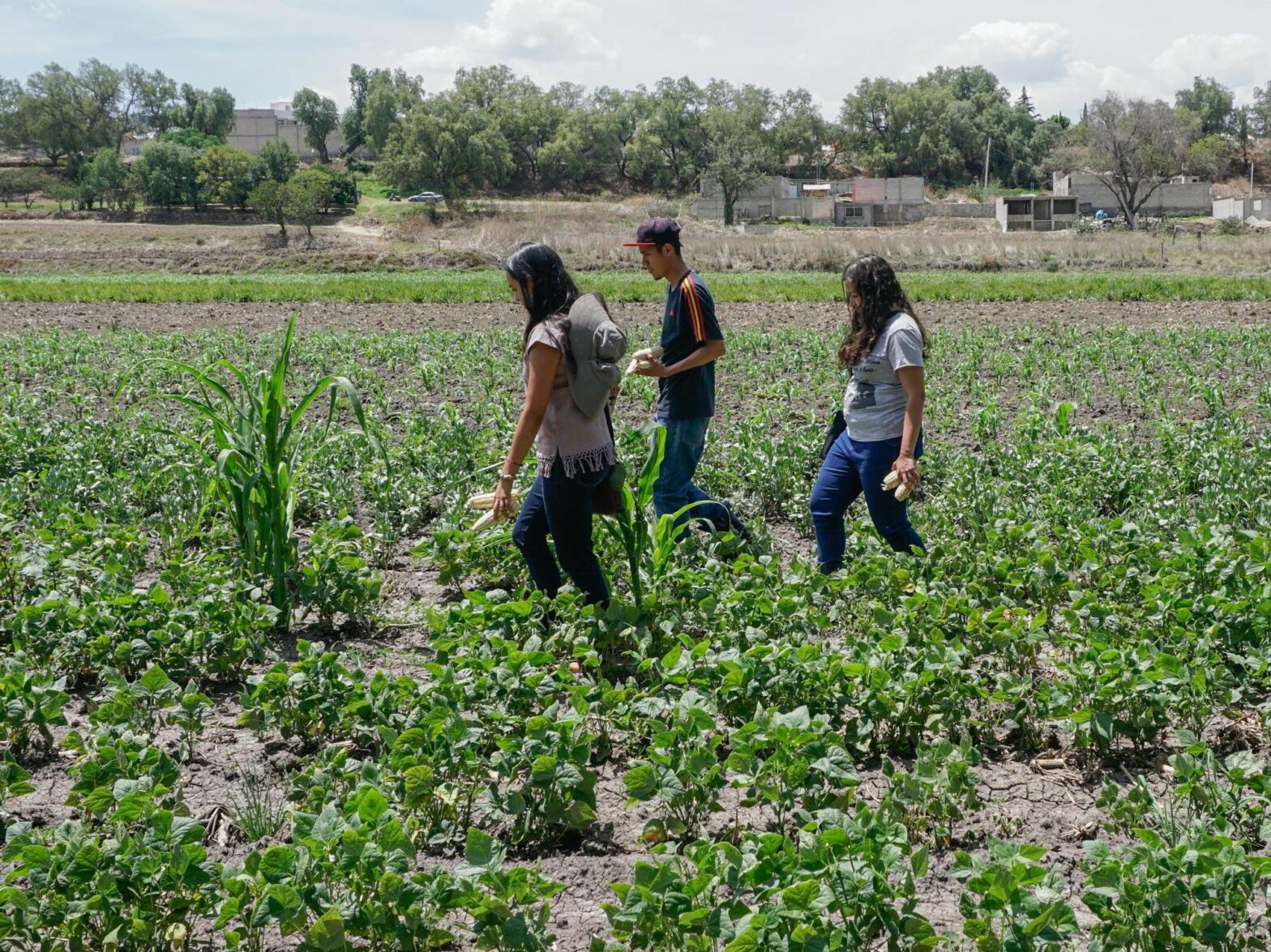
When the pandemic disrupted livelihoods and supply chains, young urban Mexicans decided to learn to grow food themselves.
 Worldcrunch
When the pandemic disrupted livelihoods and supply chains, young urban Mexicans decided to learn to grow food themselves.
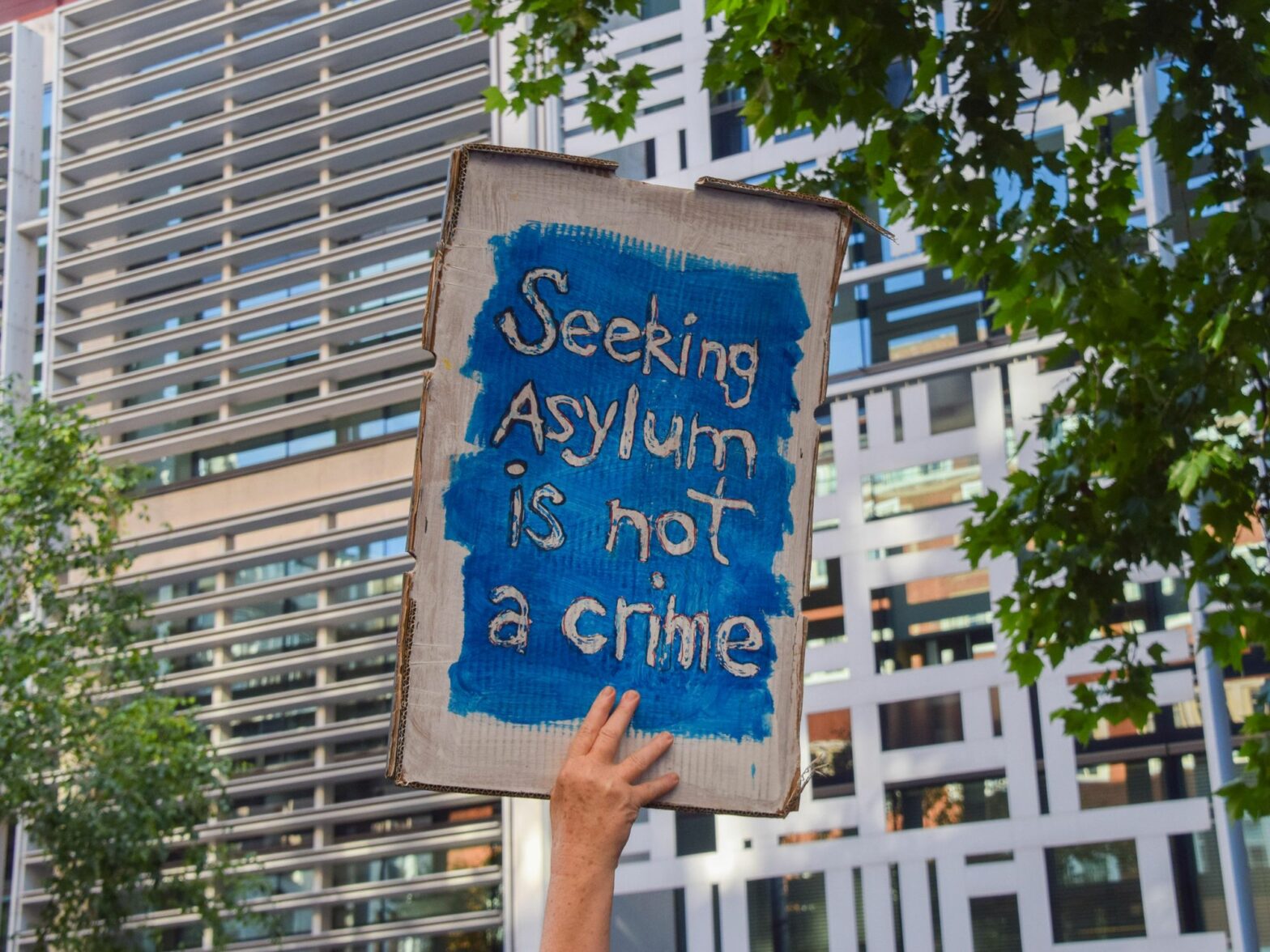
Western countries are shipping refugees to poorer nations in exchange for cash.
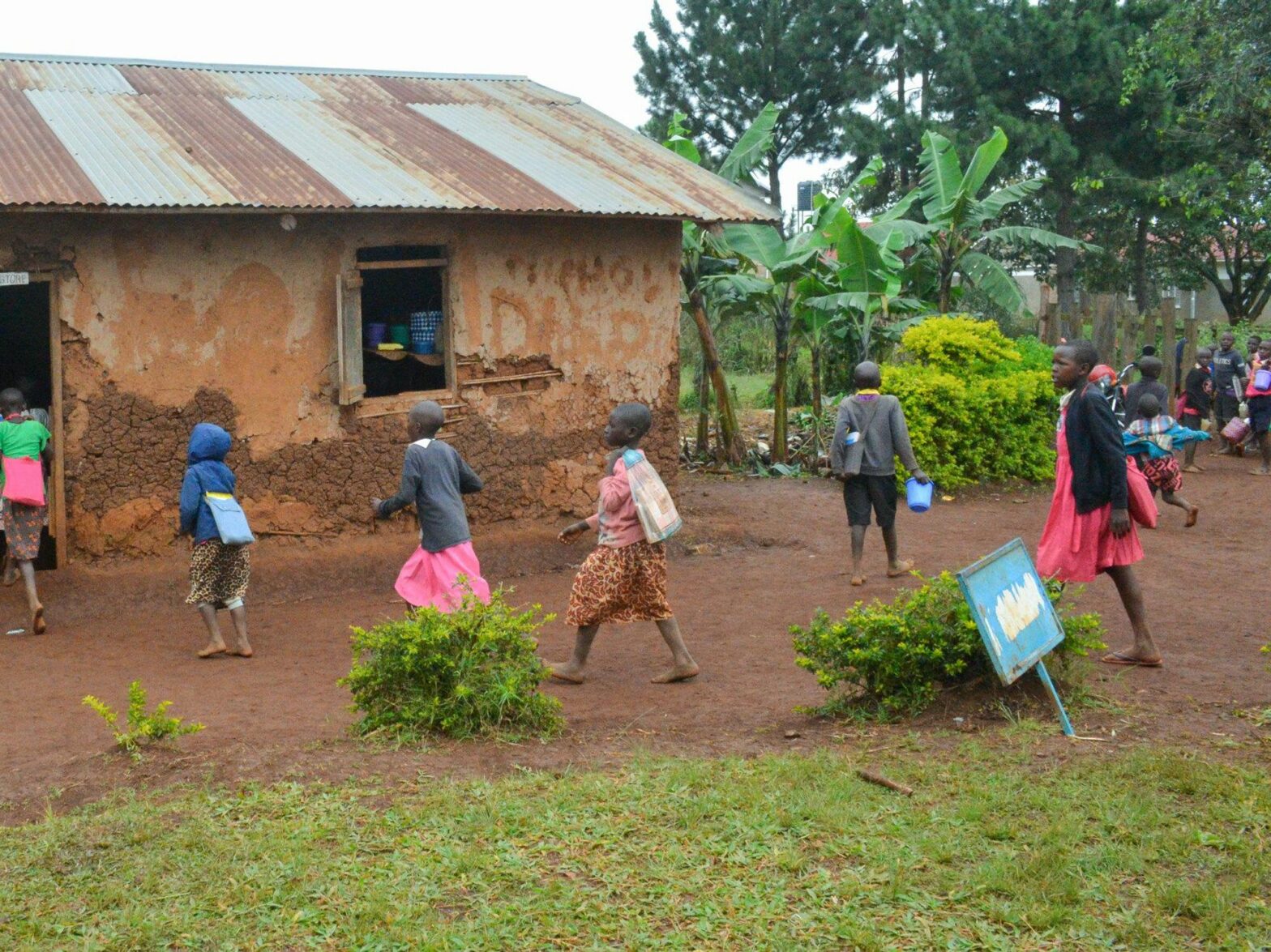
Severe weather and a lack of upkeep during pandemic shutdowns wreaked havoc on school facilities. Officials and parents are scrambling to rebuild.
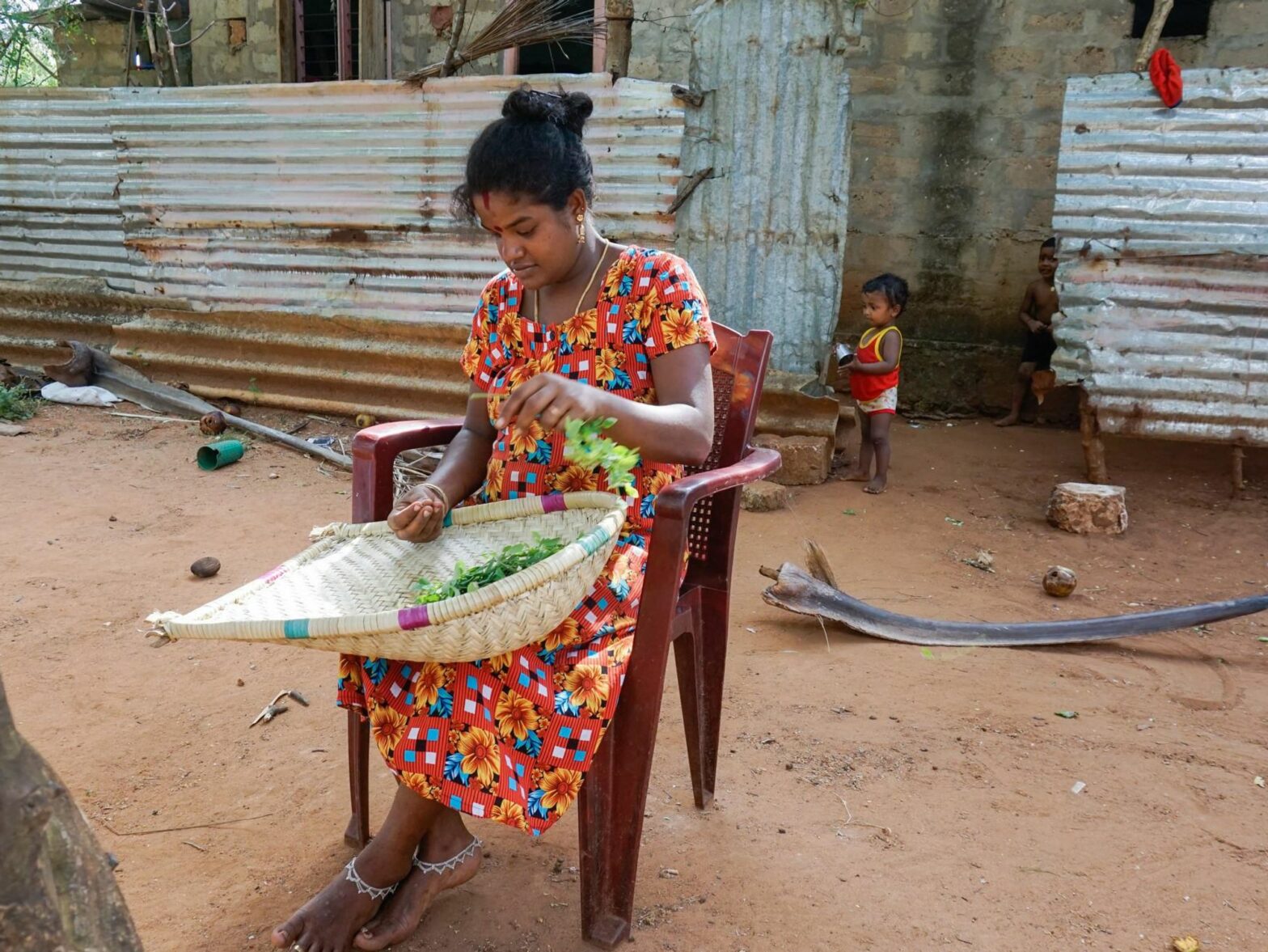
The country’s worst economic crisis in decades has toppled the government and led to soaring prices. Pregnant women struggle to access essential supplies.
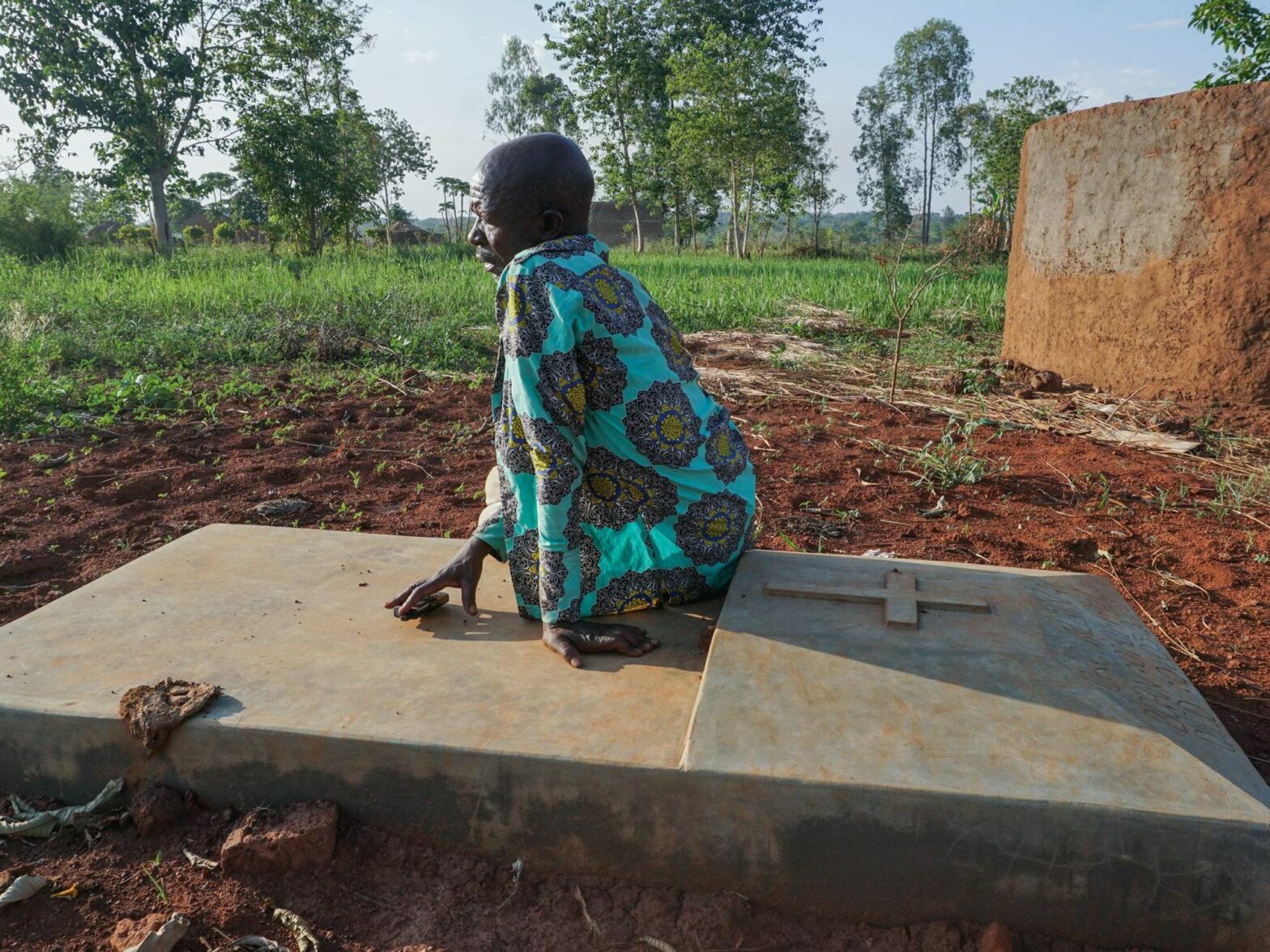
In parts of sub-Saharan Africa, where many people believe in witchcraft, allegations occasionally flare into violence and death.
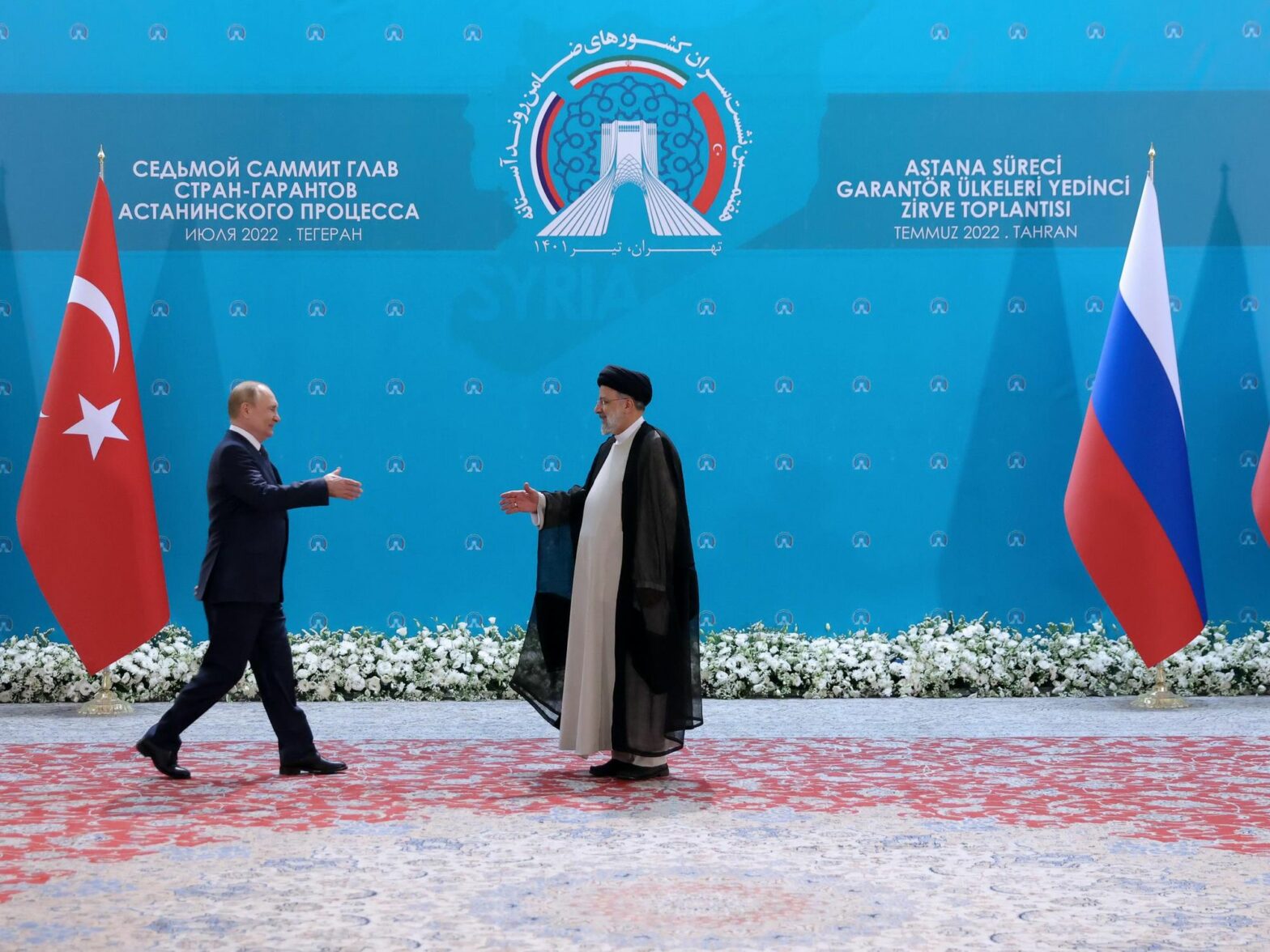
The Supreme Leader’s advisers in Tehran argue the Islamic Republic must back Russia in Ukraine because Russia is fighting a common enemy: the Western alliance.
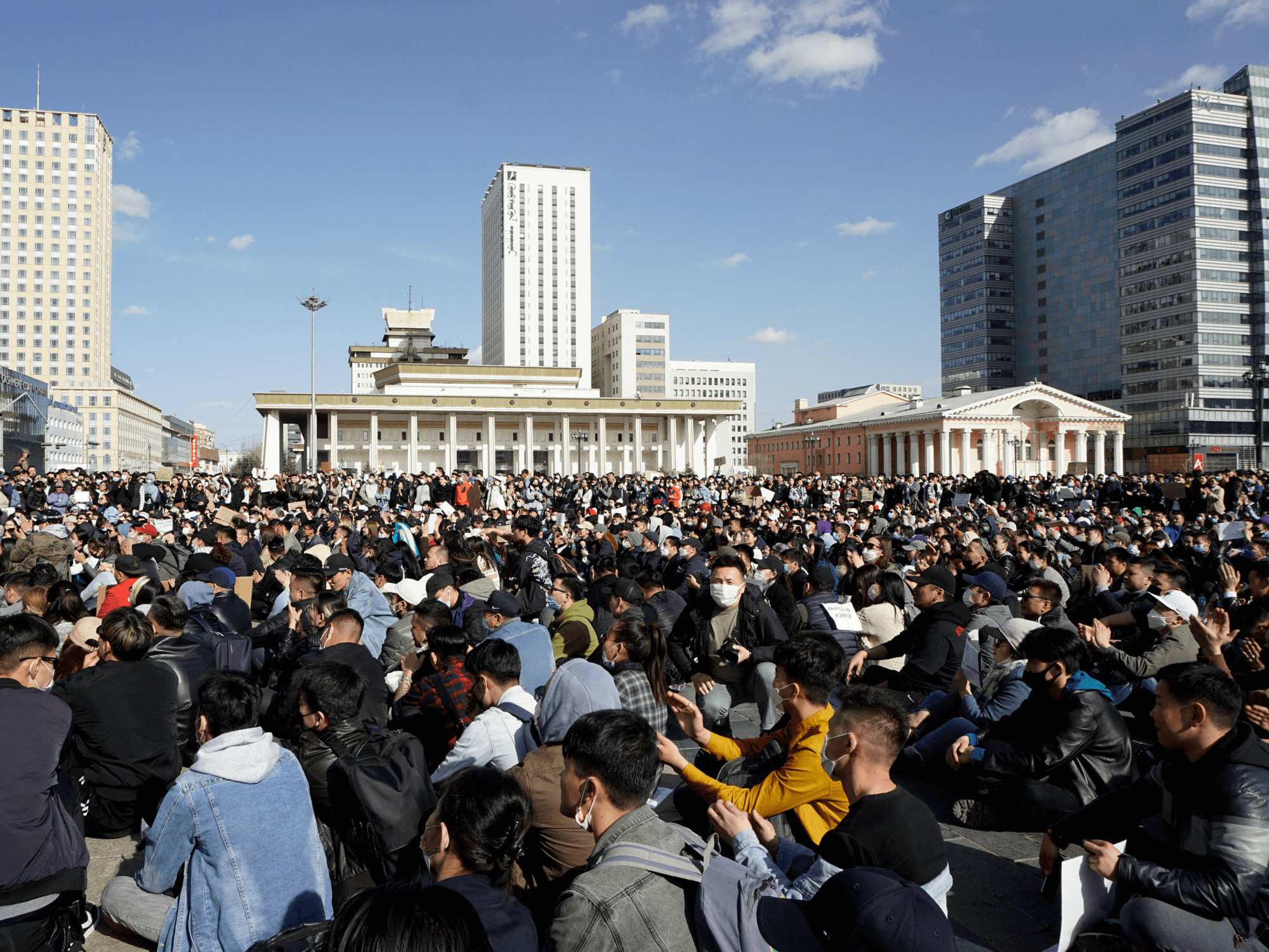
The Asian country is experiencing record inflation and soaring food costs as imports dry up due to the pandemic and Russia’s invasion of Ukraine.
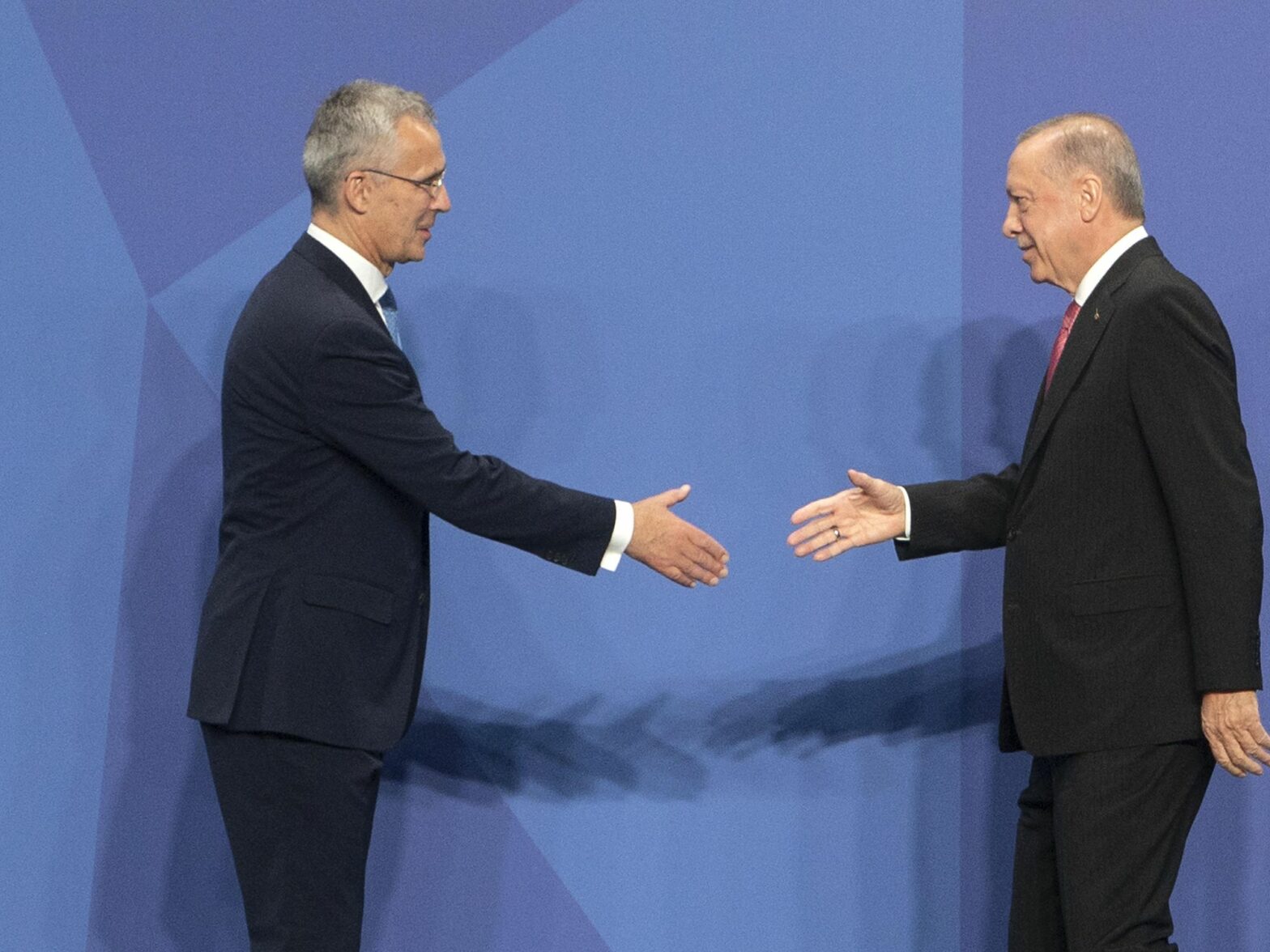
The U.S. Senate has ratified NATO membership for the two Nordic countries. But one sticking point remains: Turkey wants the Nordic nations to adopt tougher anti-Kurdish policies.
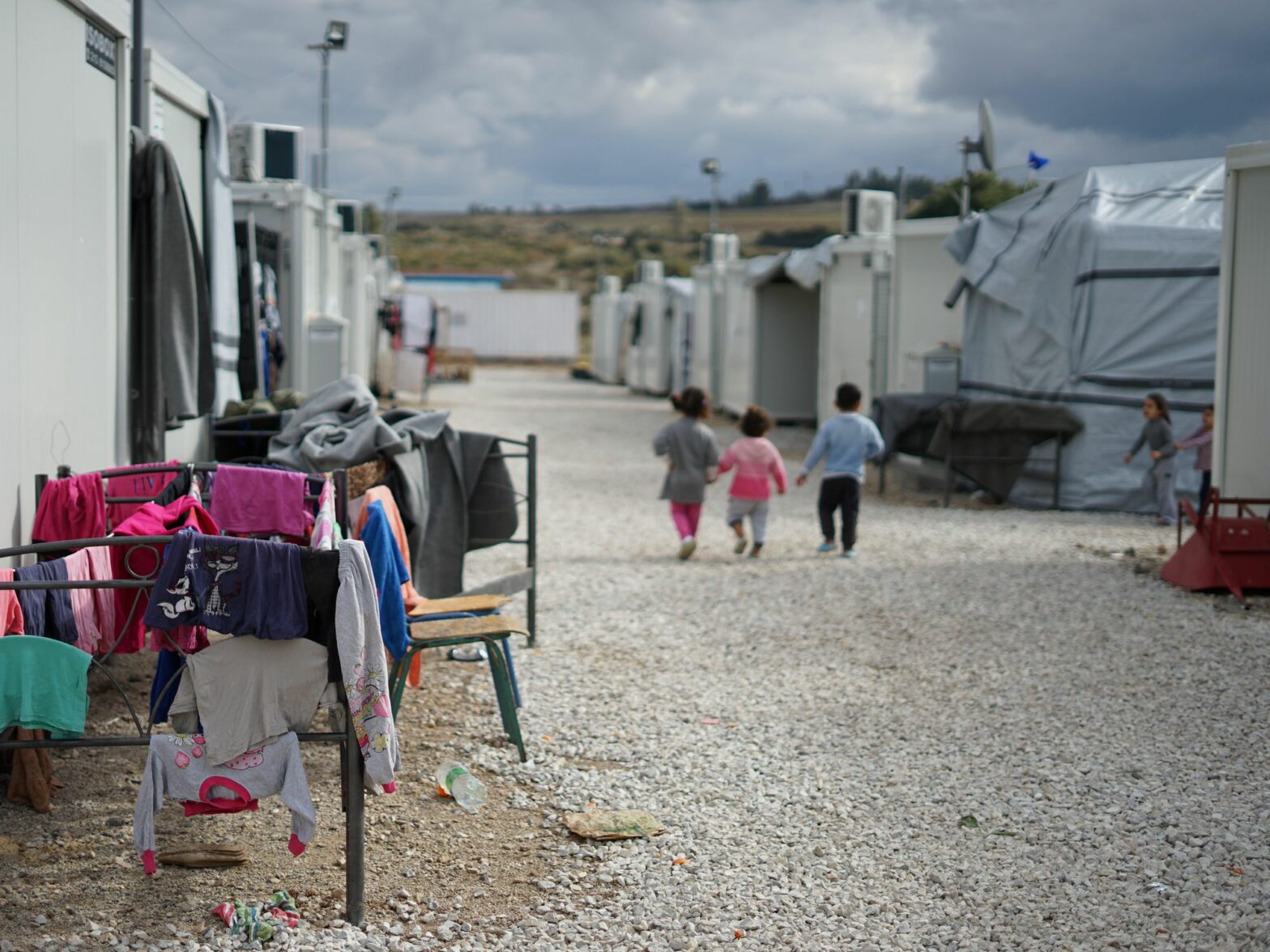
Denial and indifference drive the way ordinary Australians face the mistreatment of refugees.
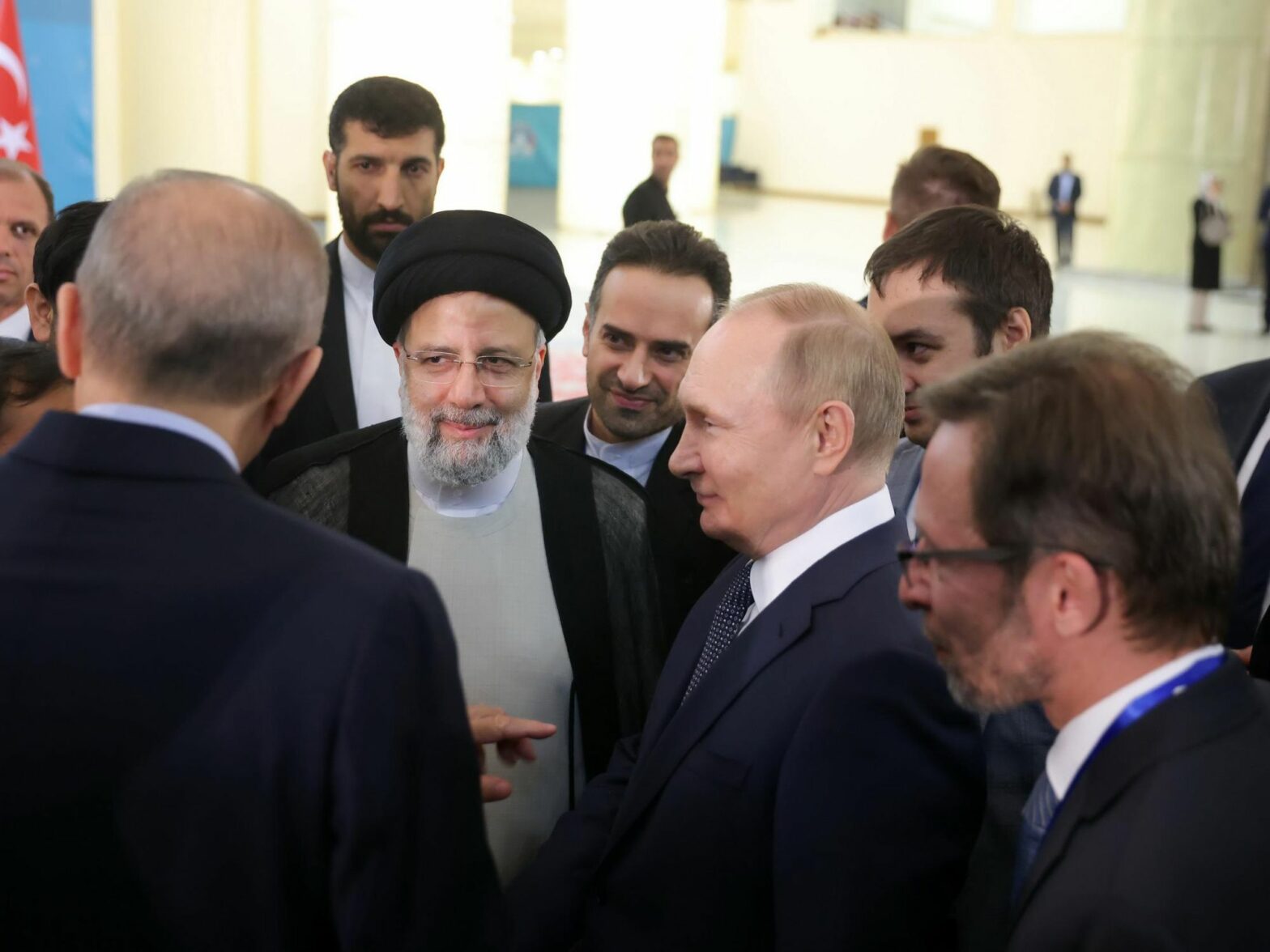
Nuclear talks between Iran and the West are stalled, as Russia signs deal with Tehran for drones. But does the increasingly isolated Iranian regime risk becoming another Russian vassal like Syria or Belarus?
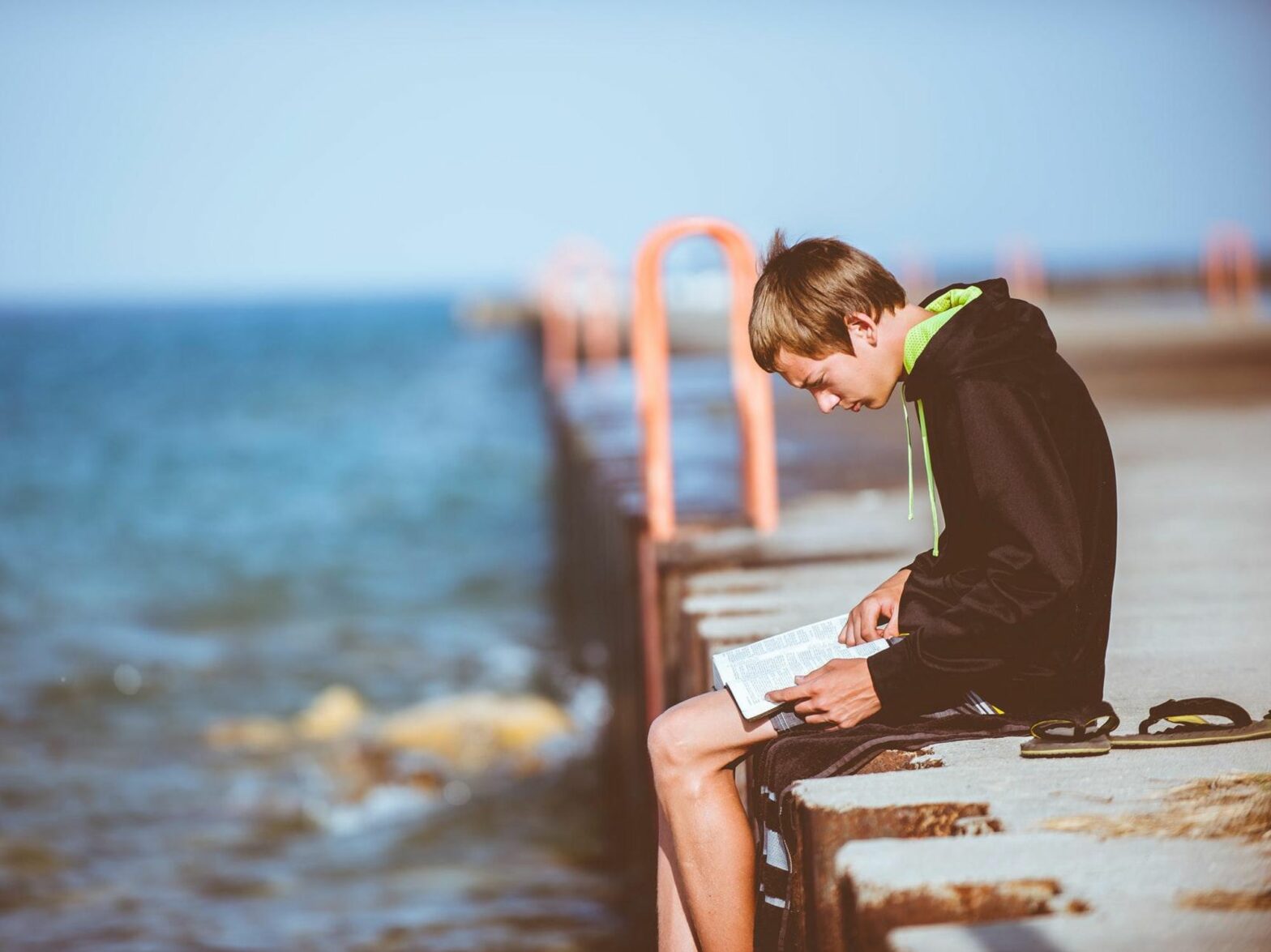
Prolonged Grief Disorder (PGD) has officially been recognized as a mental health disorder. The decision could do more harm than good.
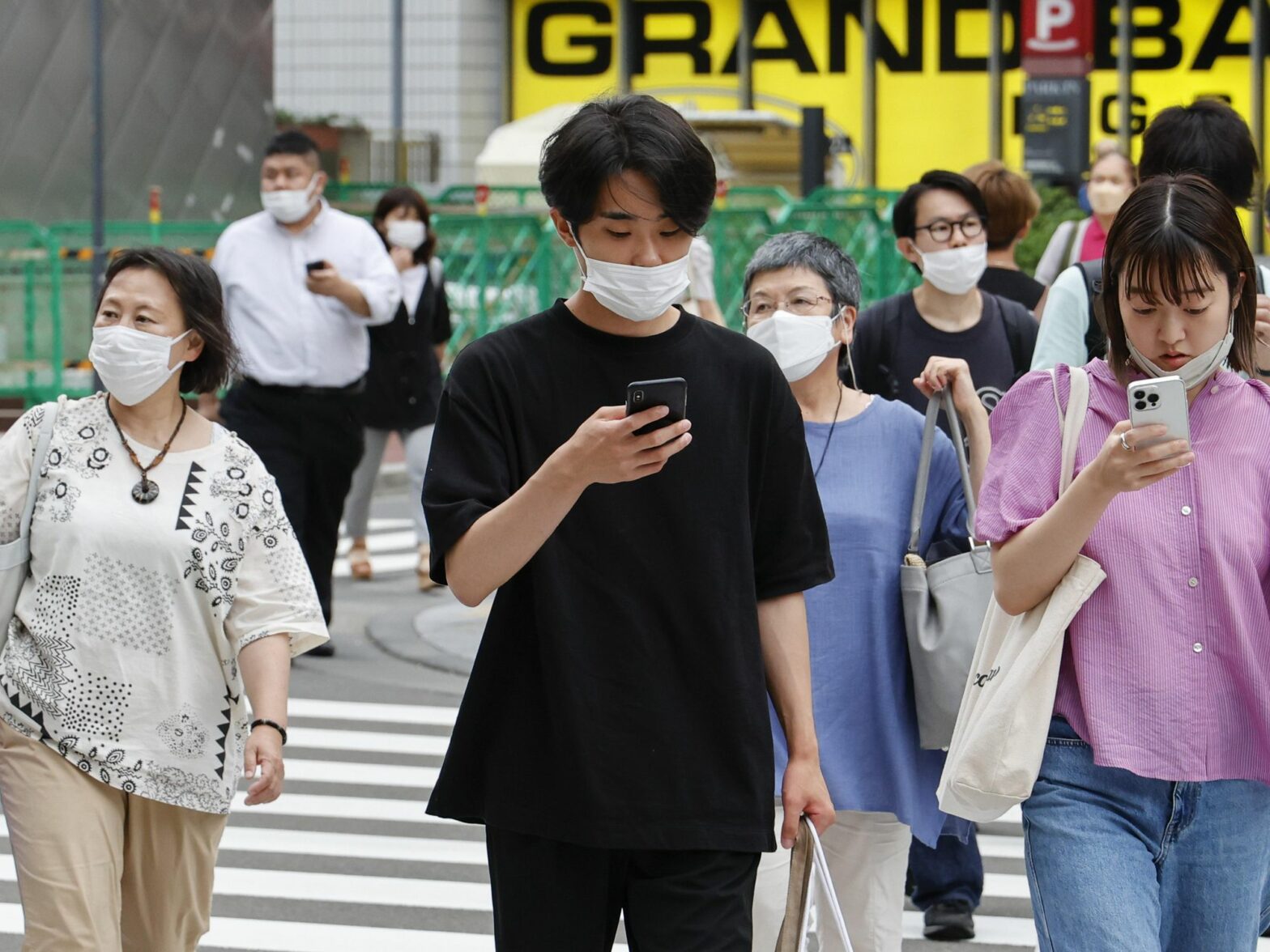
Too many people no longer follow basic protocol: mask wearing, physical distancing and avoiding crowded events. The consequences are an increase in both daily case numbers and long COVID.
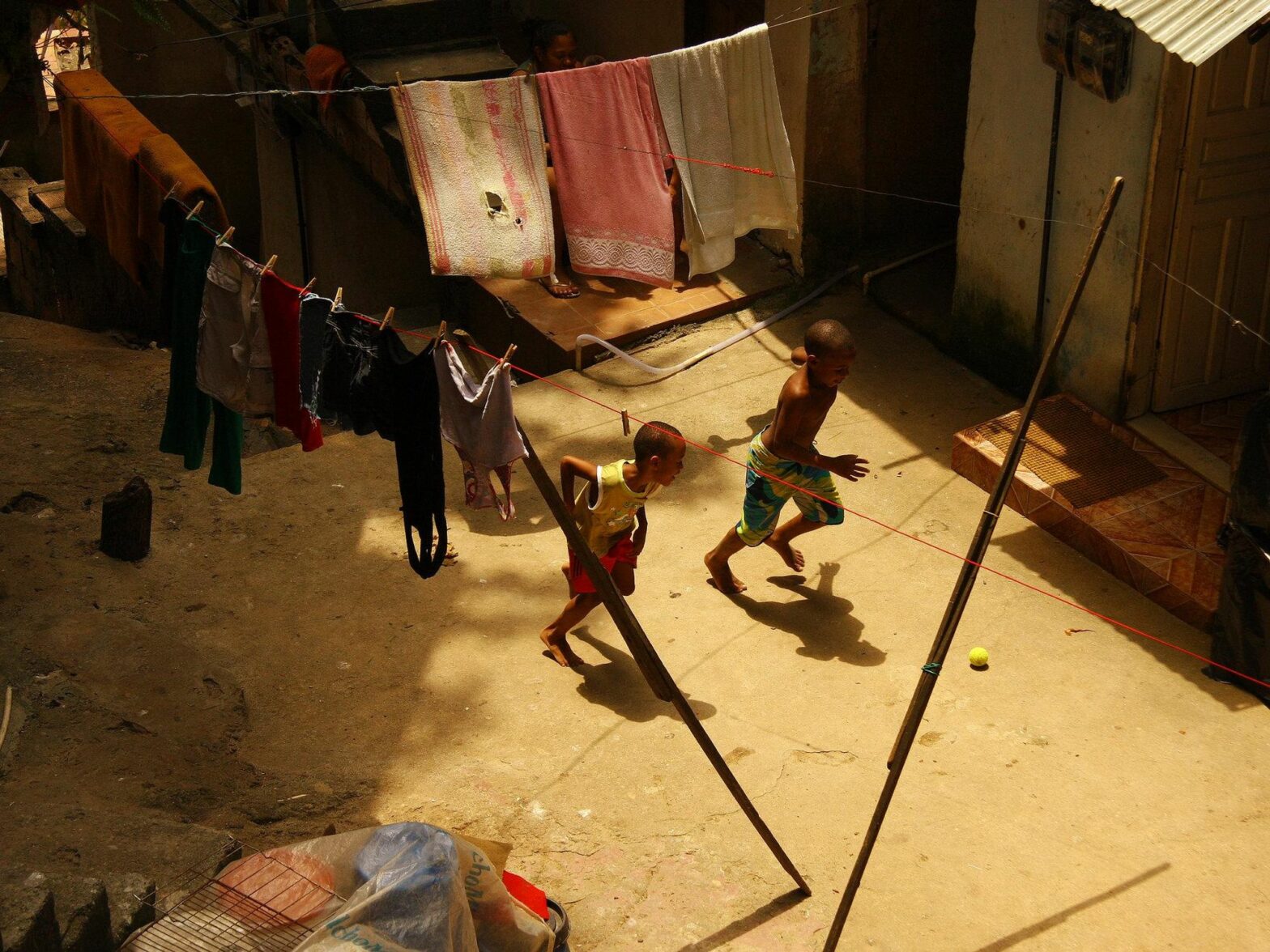
As Brazil prepares to legalize homeschooling — a campaign promise that President Bolsonaro hopes to fulfill before October’s elections — a disturbing investigation by openDemocracy and Agência Pública finds that Brazil’s religious homeschooling groups, supported by ultraconservative U.S. associations, are giving parents instructions on how to spank their children while dodging the law.
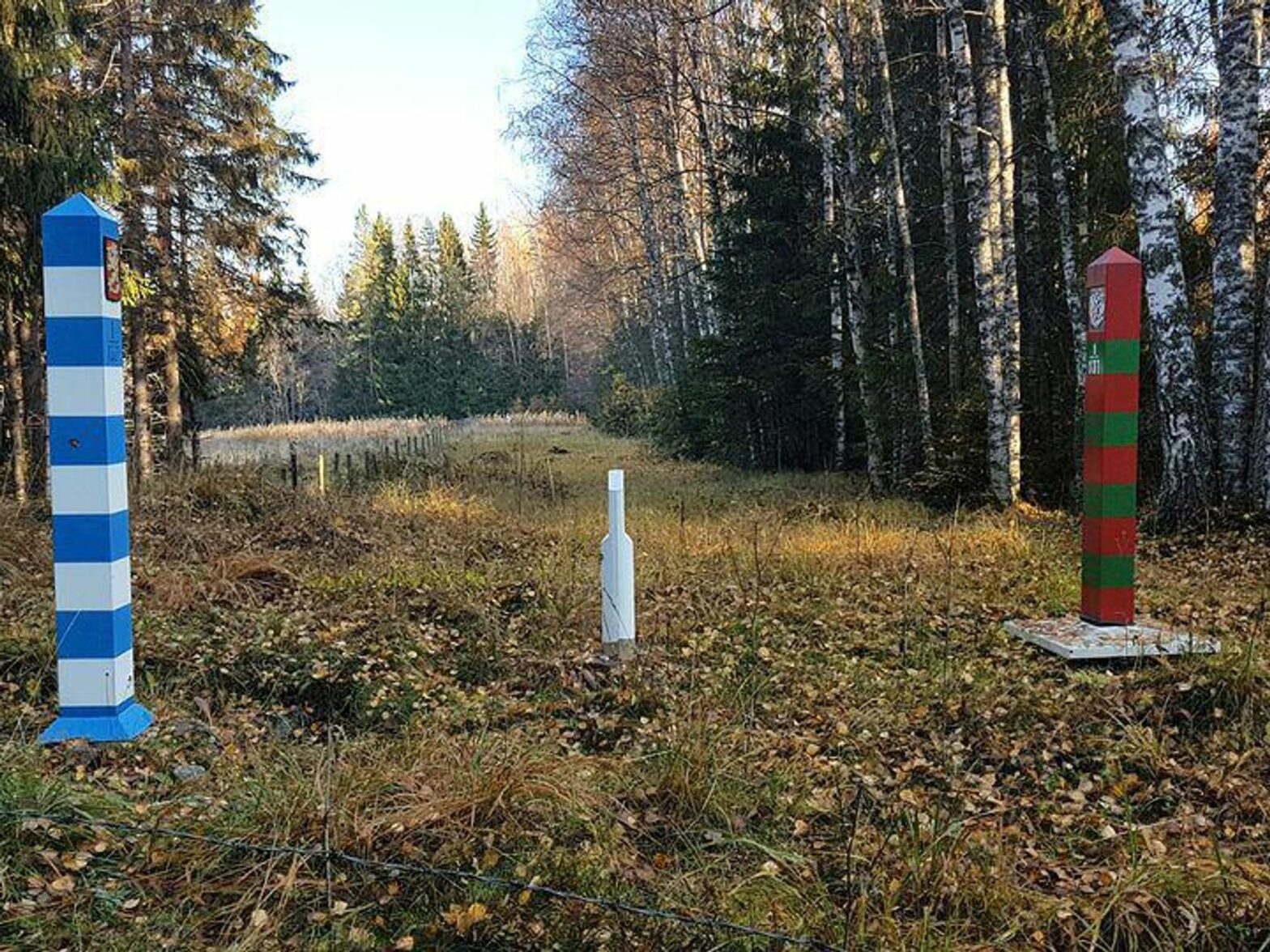
Finland has recently joined Sweden in seeking NATO membership in response to Russia’s war in Ukraine. Now Finnish politicians say they also support blocking Russian tourists from coming across the 1,340-km-long border the two countries share. It would be a bold move.
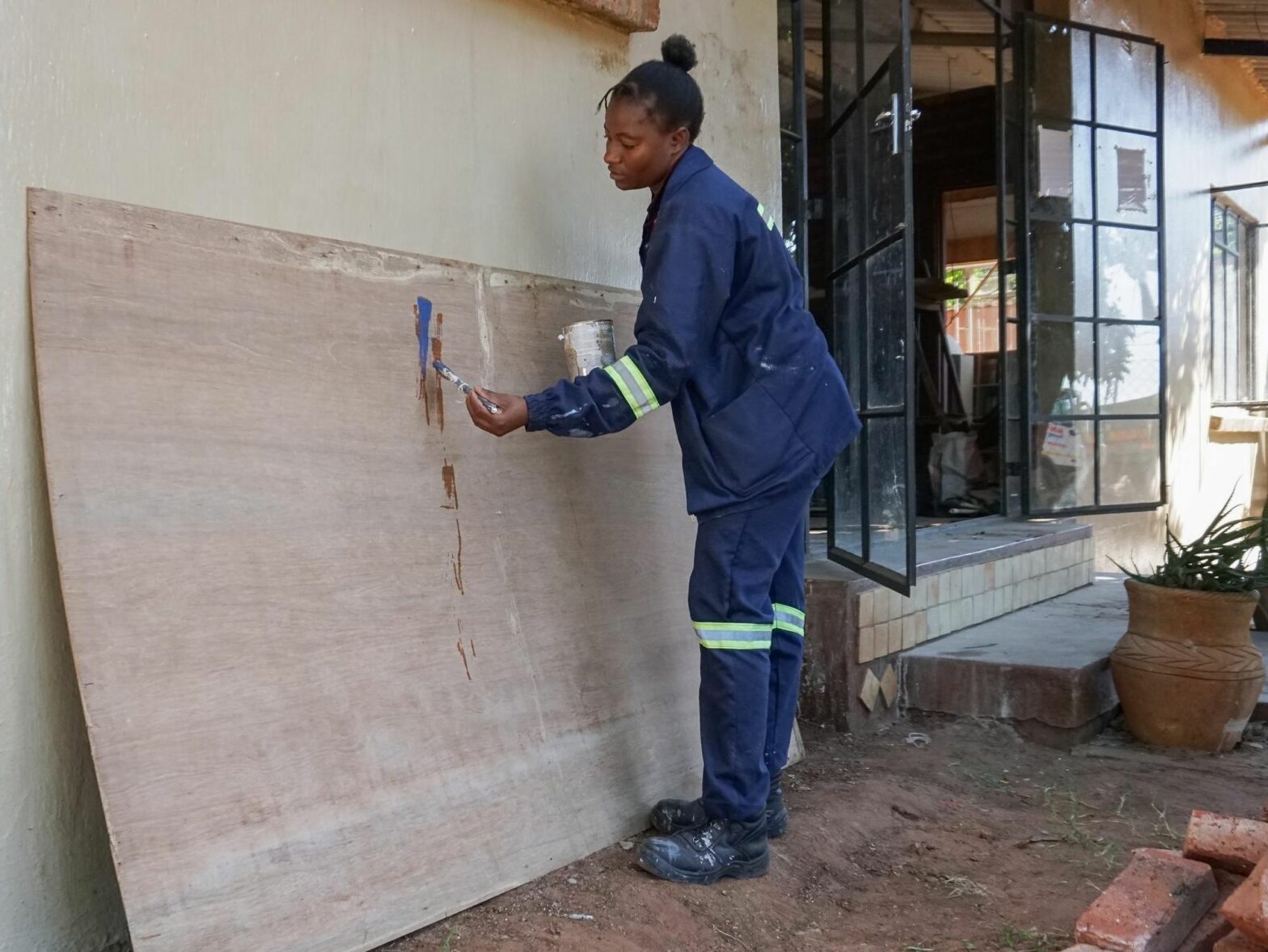
The pandemic has accelerated generational shifts as more women in Zimbabwe join the once male-dominated construction industry.
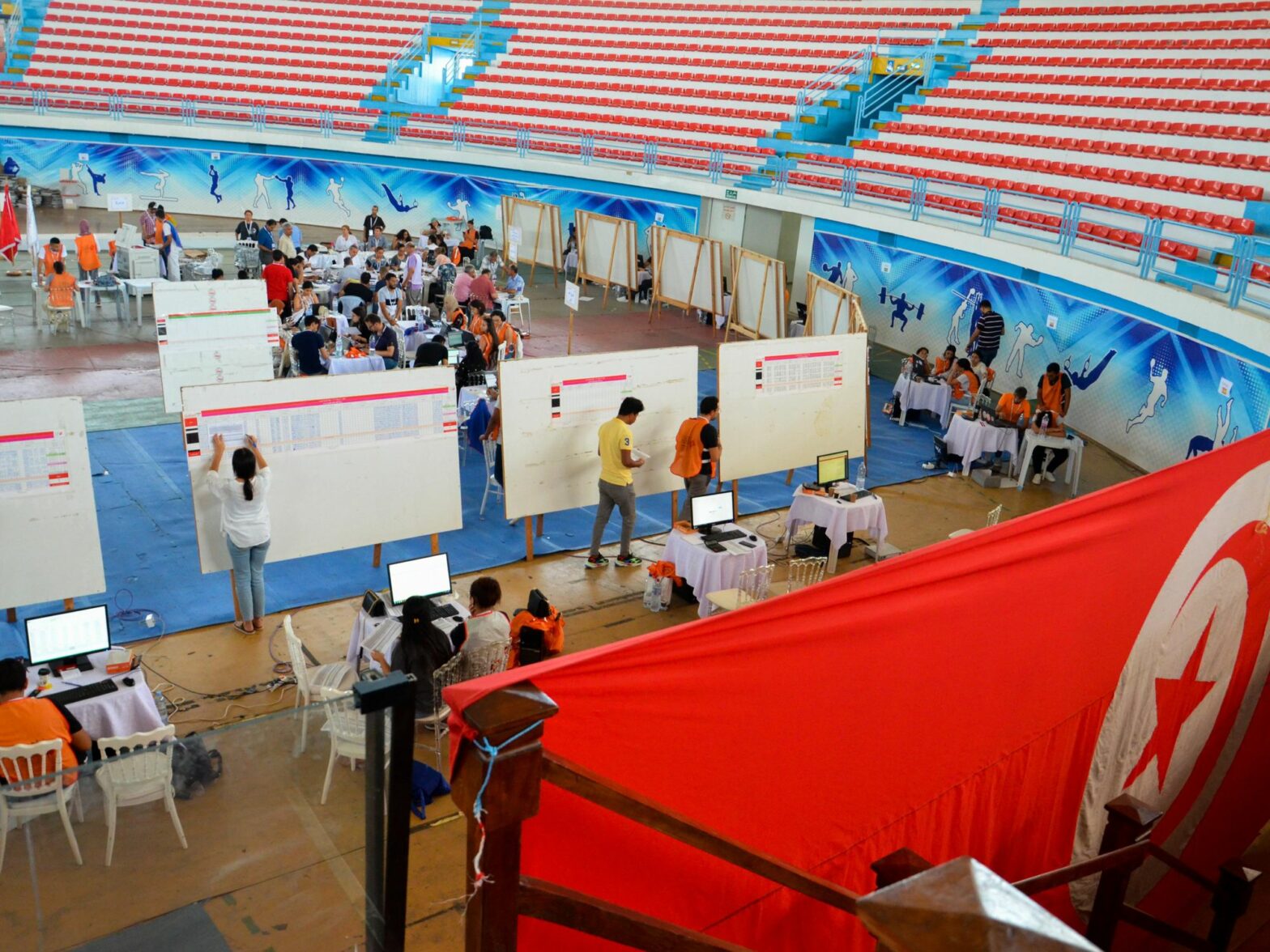
In the cradle of the Arab Spring, democracy is once again at stake.
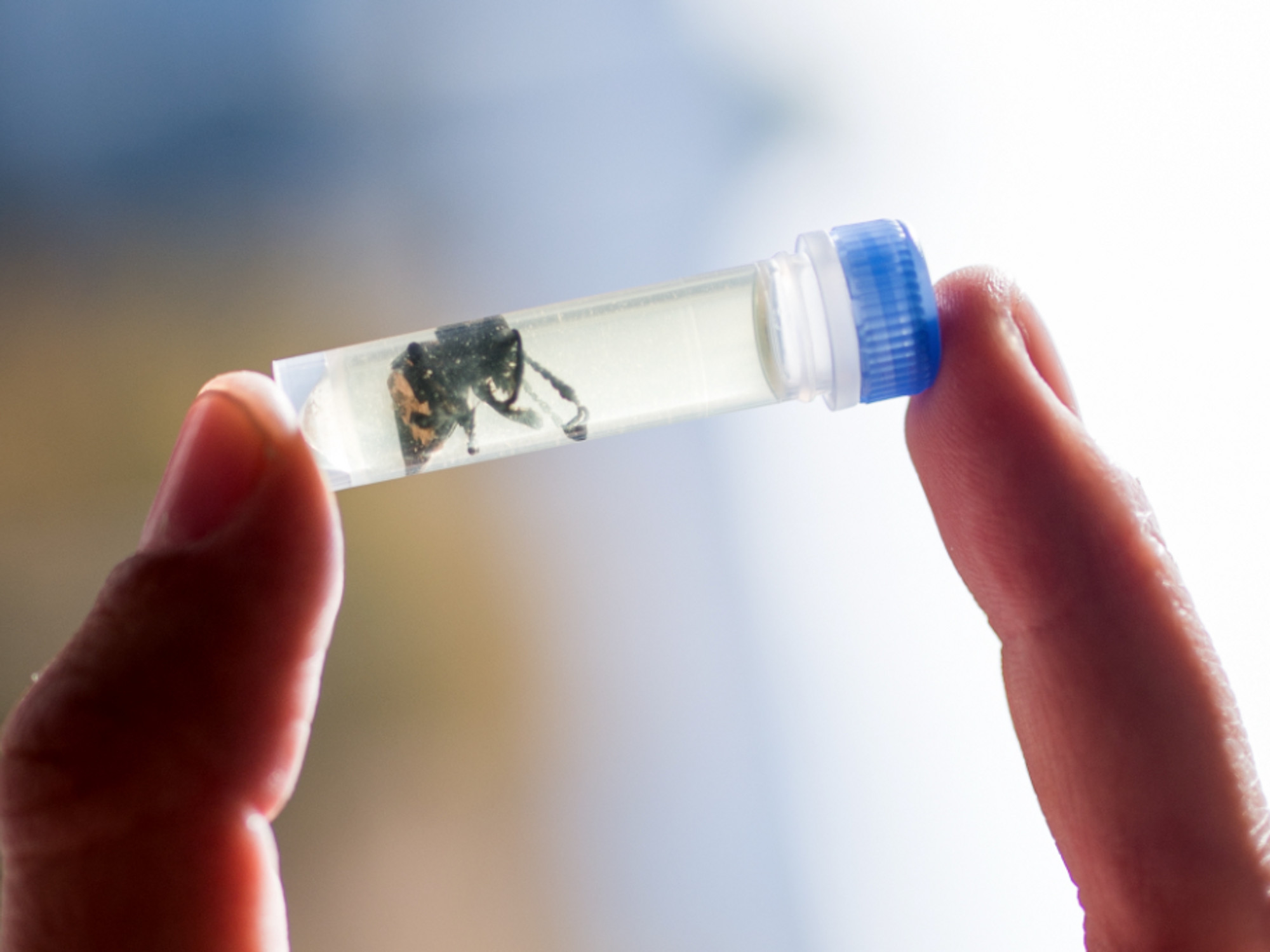
Opening bee skulls. Electric shocks for cockroaches. Some researchers want to grant more invertebrates ethical consideration, questioning long-held assumptions on consciousness.
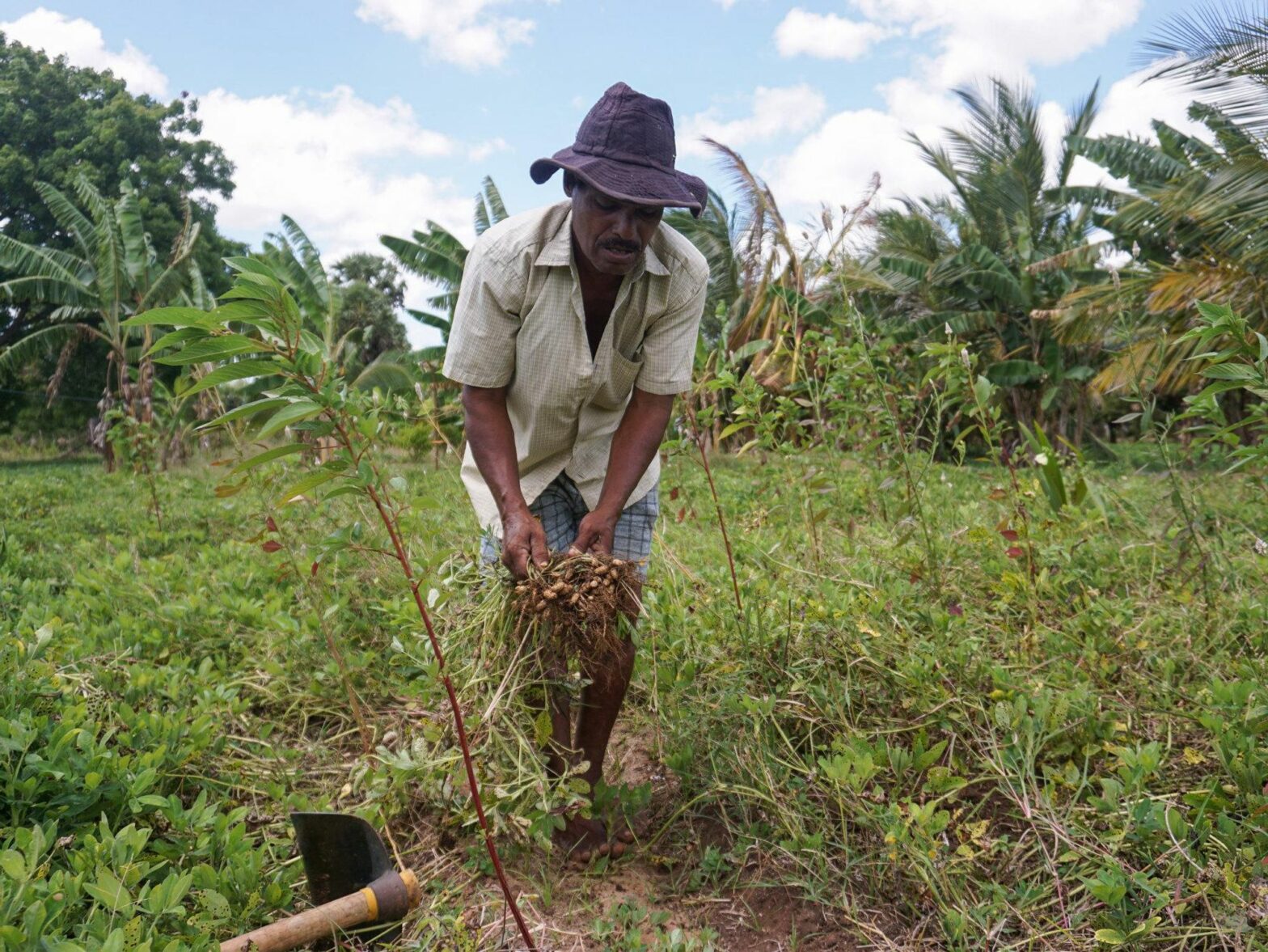
When Sri Lanka banned agrochemicals last year, the law’s impact on the island’s ability to feed itself was immediately evident. As political upheaval continues in the capital, here’s a related back story in the countryside with global implications.
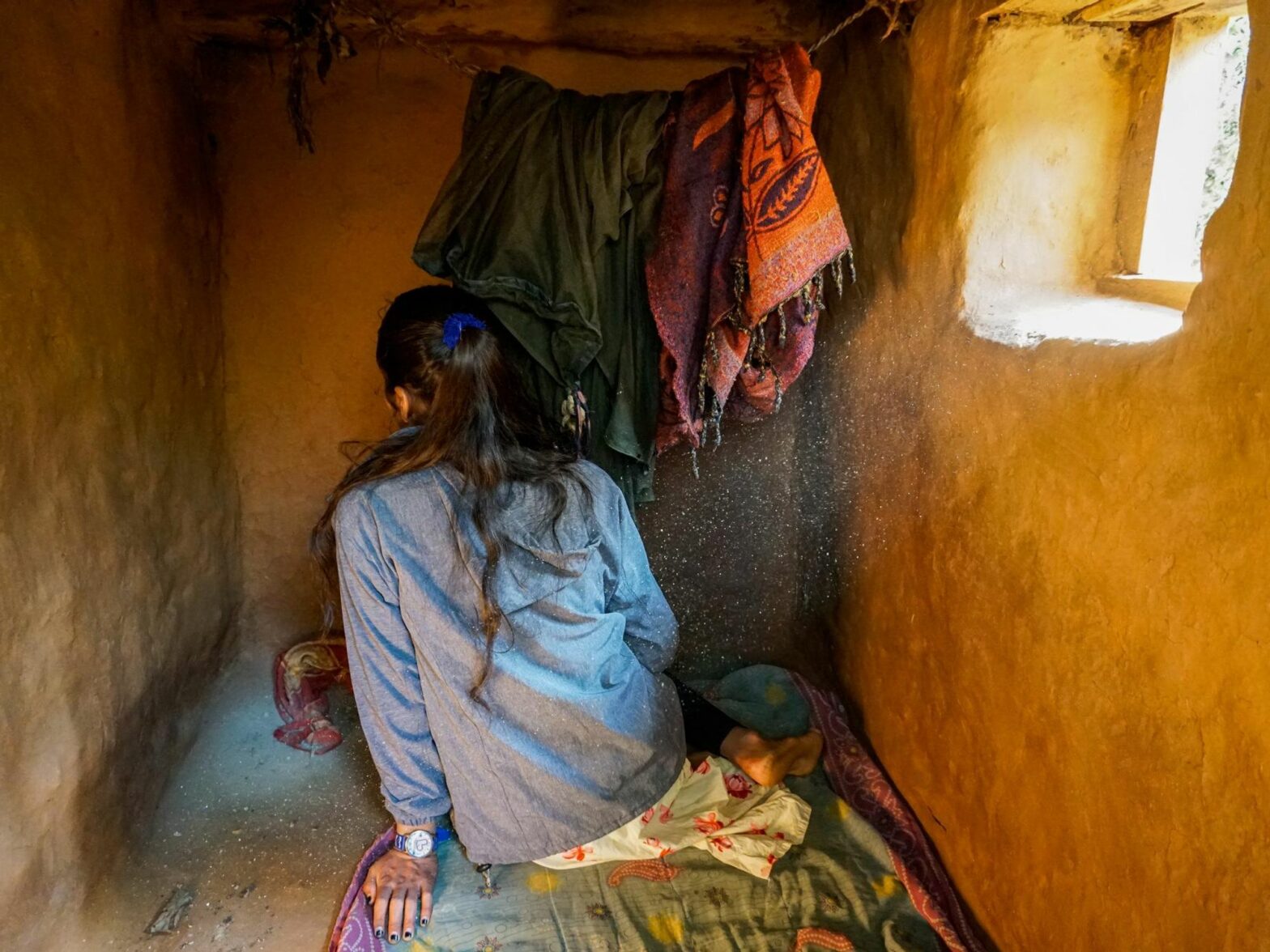
Nepal outlawed forced isolation for menstruating women nearly two decades ago. But the practice continues, threatening the ability of many women to lead a normal life.
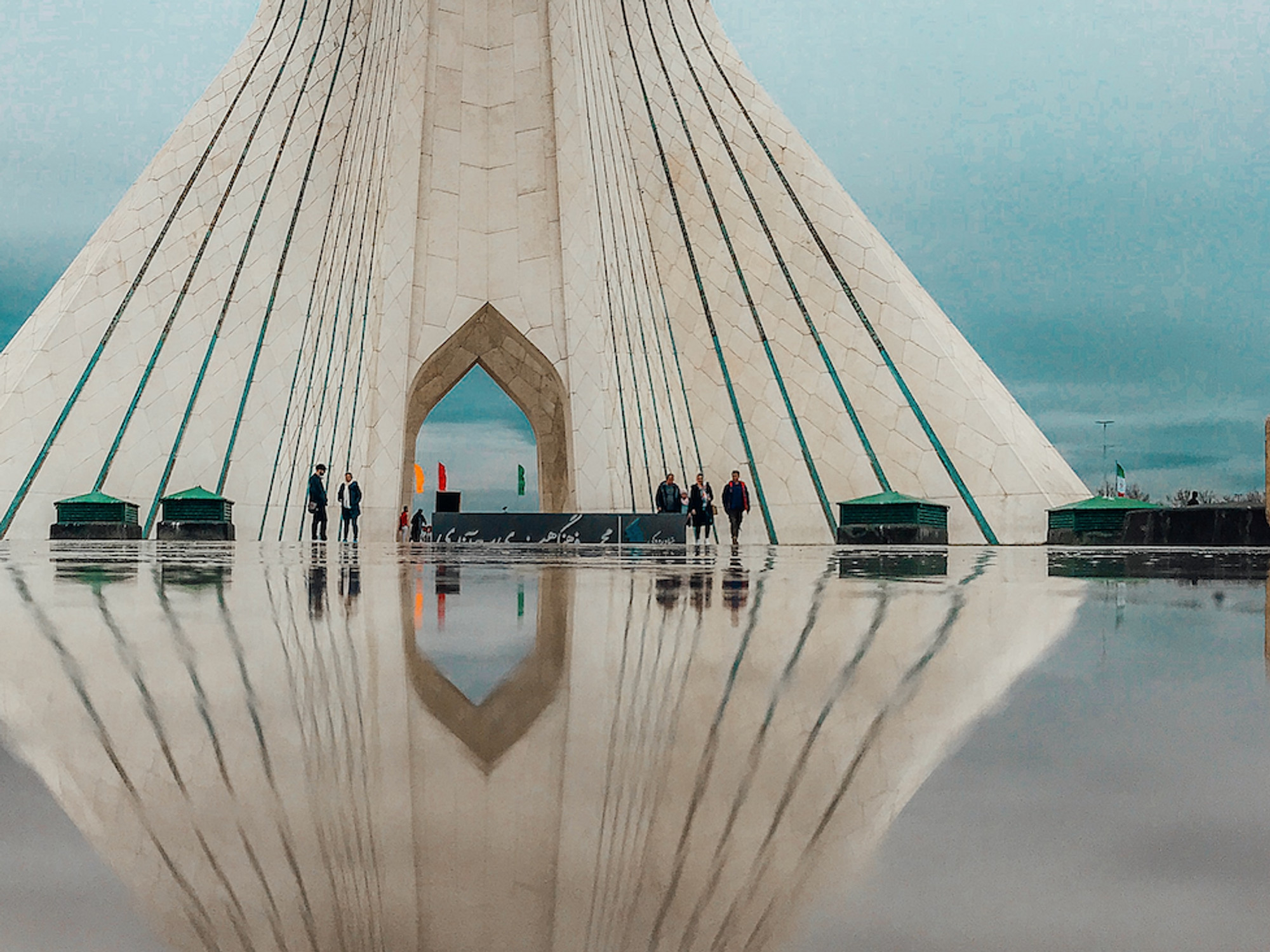
Authorities of the Islamic Republic of Iran have laid out tough conditions for a nuclear deal. They apparently live in a parallel world, oblivious to the reality of Iran’s weakness after years of international economic isolation.
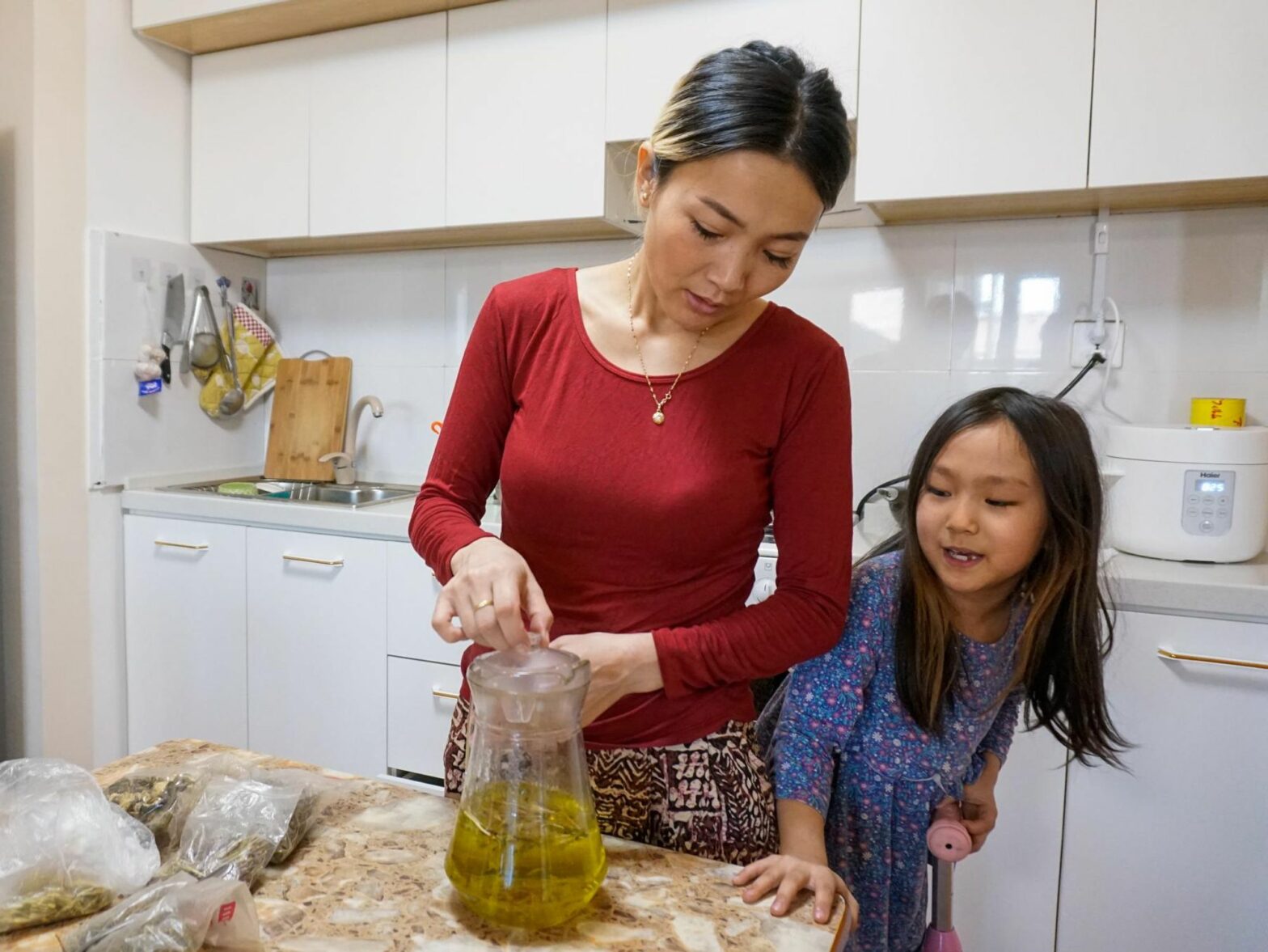
Traditional medicines, once banned, have regained favor. Government and health officials are endorsing them alongside COVID-19 vaccinations.
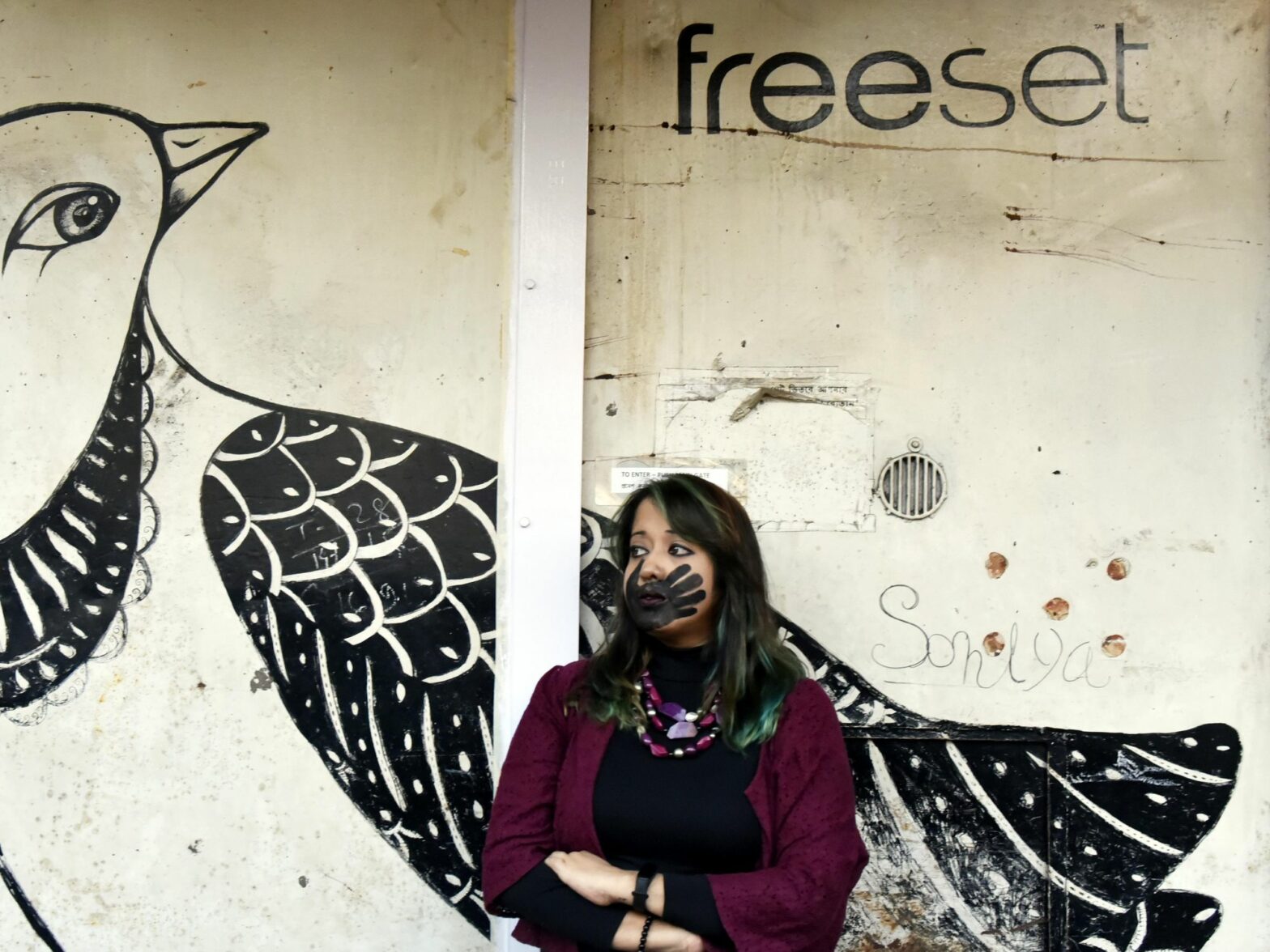
The confinement experience could turn brutal for those forced to live with relatives who would not tolerate a member of the family living their sexual orientation openly as a young adult. Here are stories from urban and rural India.
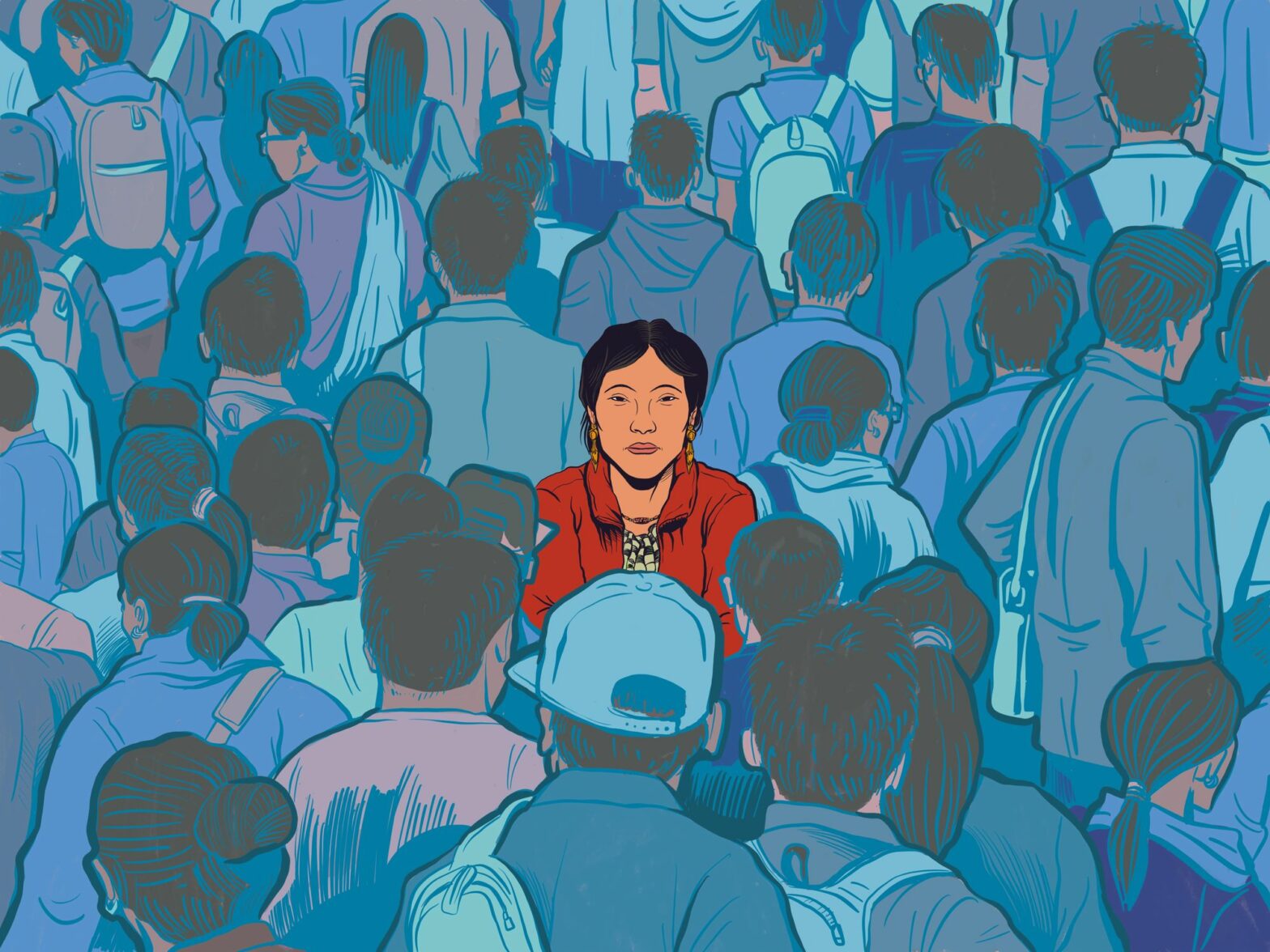
Shunned by the Nepal government, young Tibetans struggle to find work, travel overseas, and open bank accounts. One asks, “Who are we?”
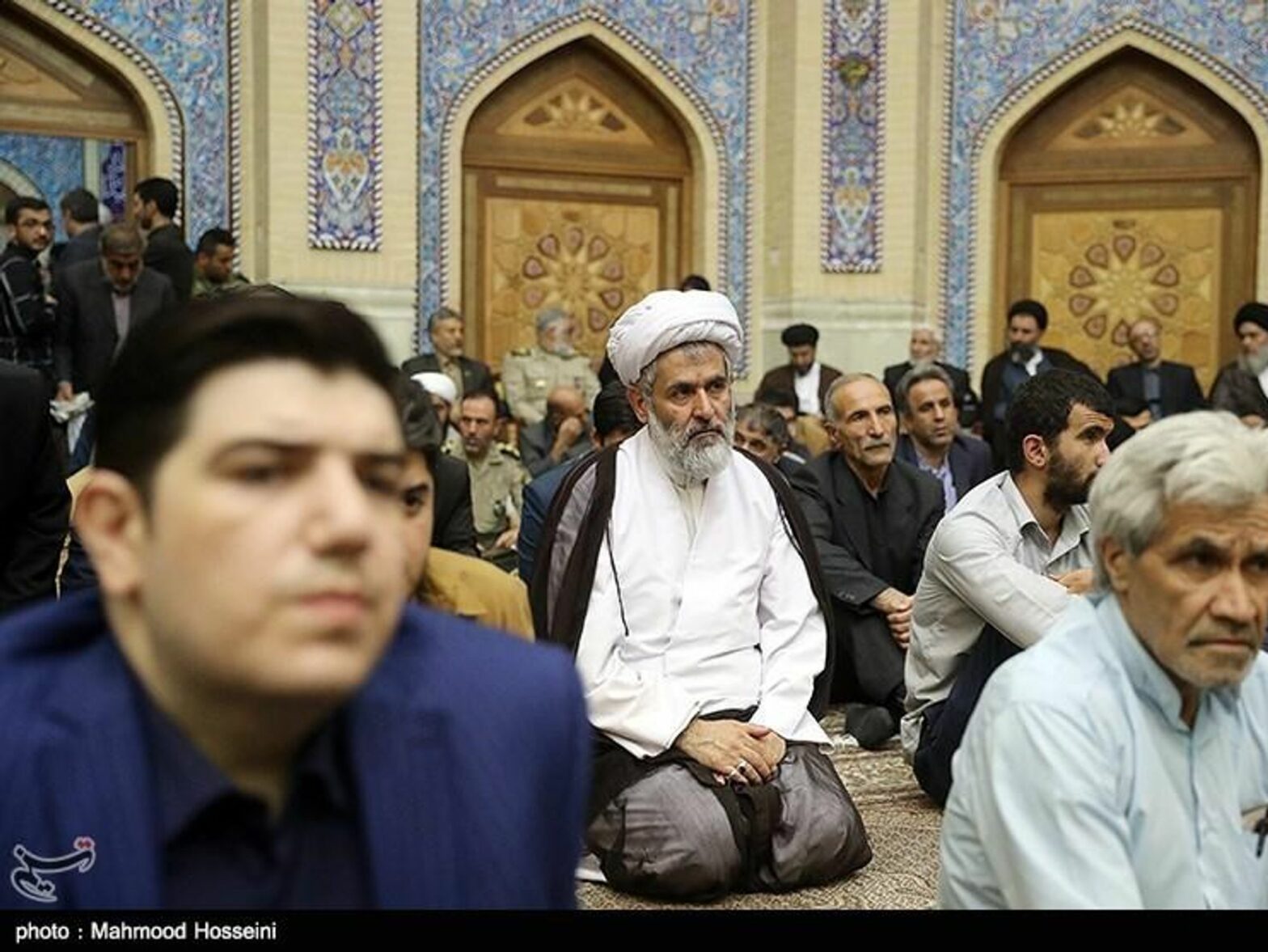
The recent departure of a top Iranian military intelligence chief, supposedly over security lapses and bad decisions, reveals regime weakness in an area key to its survival: espionage and state intelligence.
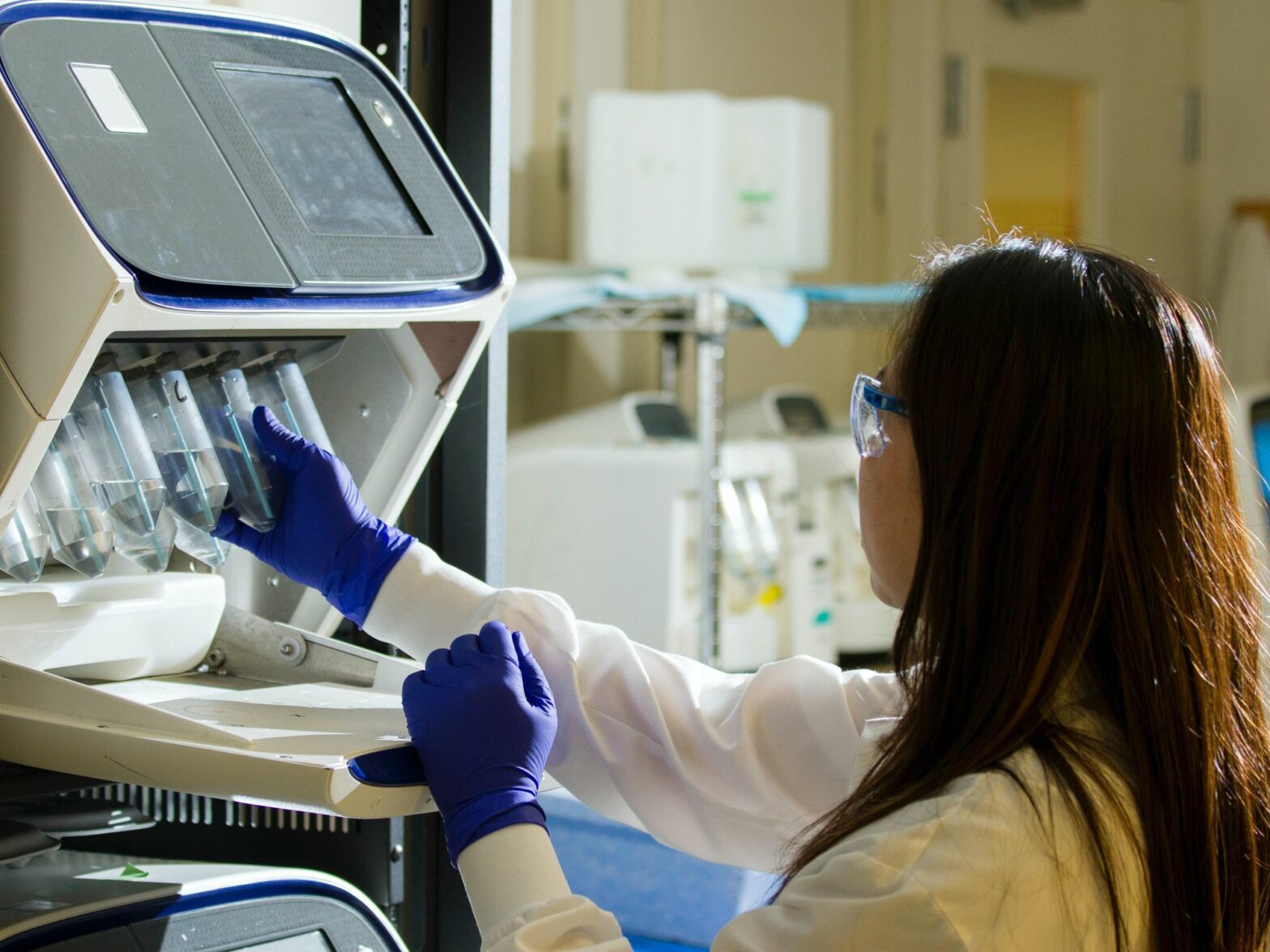
For families learning their child will be born with a debilitating condition, new legal issues create additional trauma.
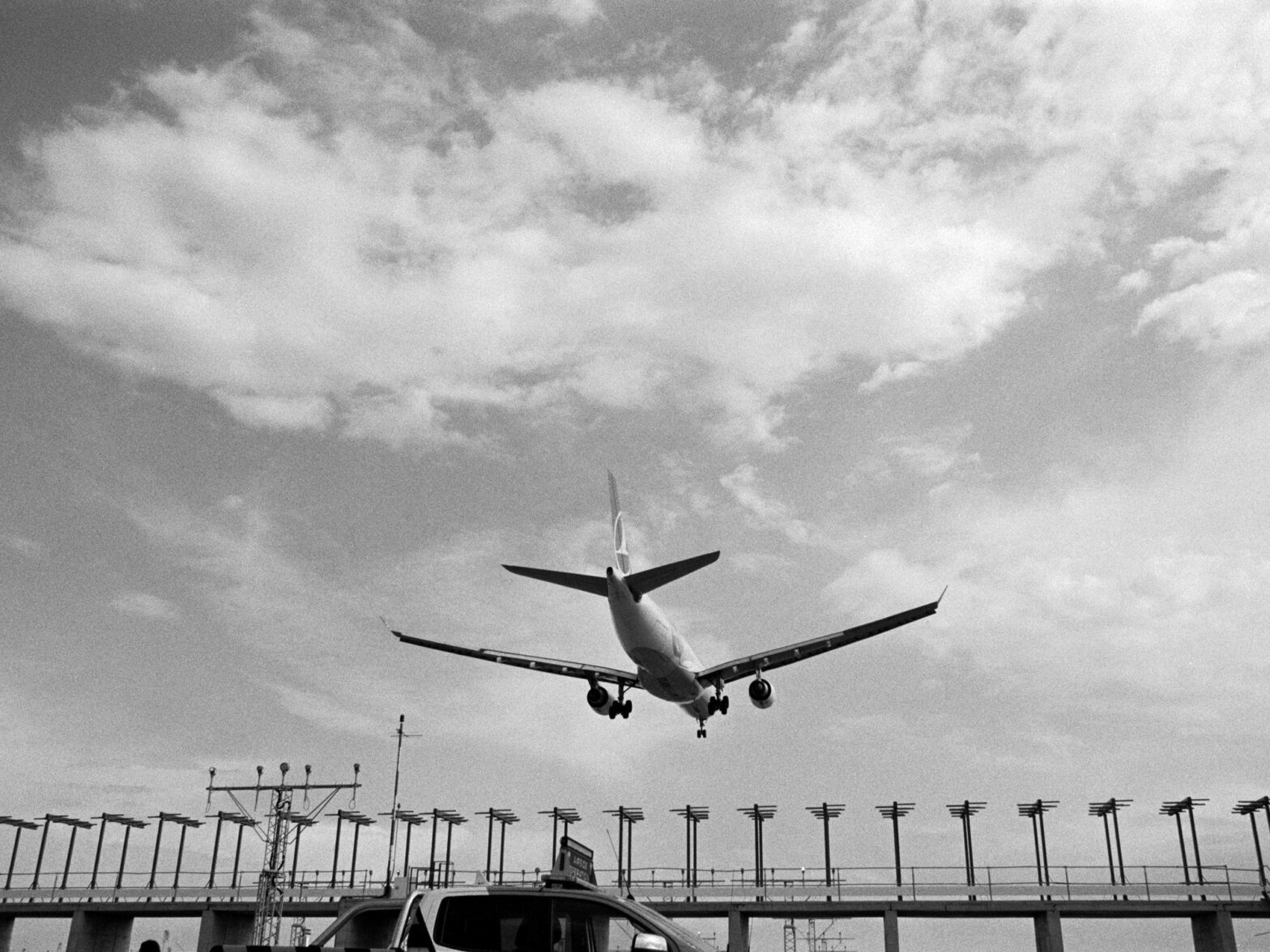
Were it not for the weather spoiling its flight plans, a Venezuelan plane with suspected ties to Iran’s Revolutionary Guards would have traveled through Argentina undisturbed.

One of the major plotlines of the fourth season of Netflix’s hit show, set in 1986, takes inspiration in the real satanic panic that swept the United States in the 1980s.
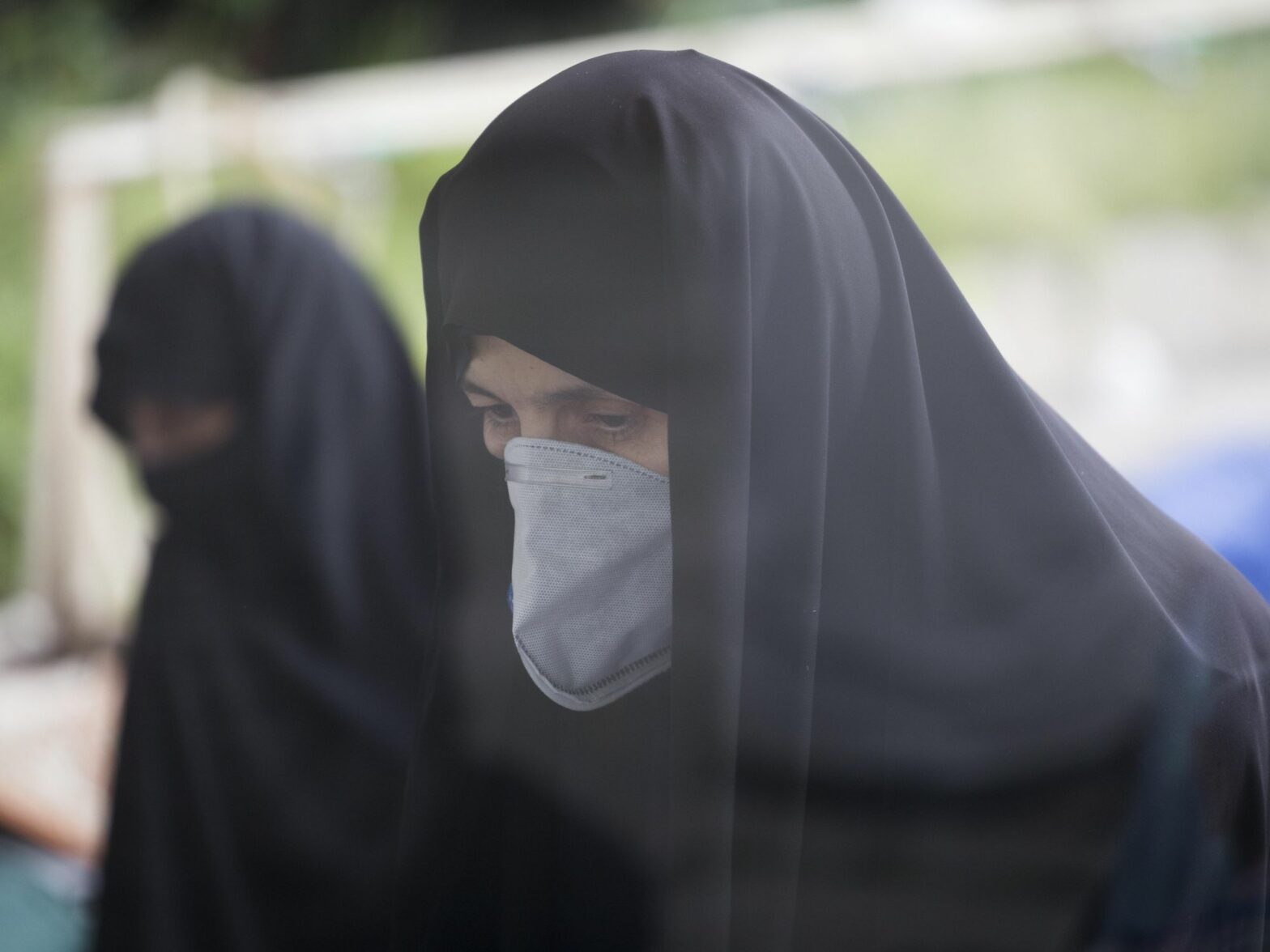
Regardless of rising summer temperatures, Iran’s Islamic authorities say they’ll be punishing women not properly dressed and veiled at work. But some women are resisting.
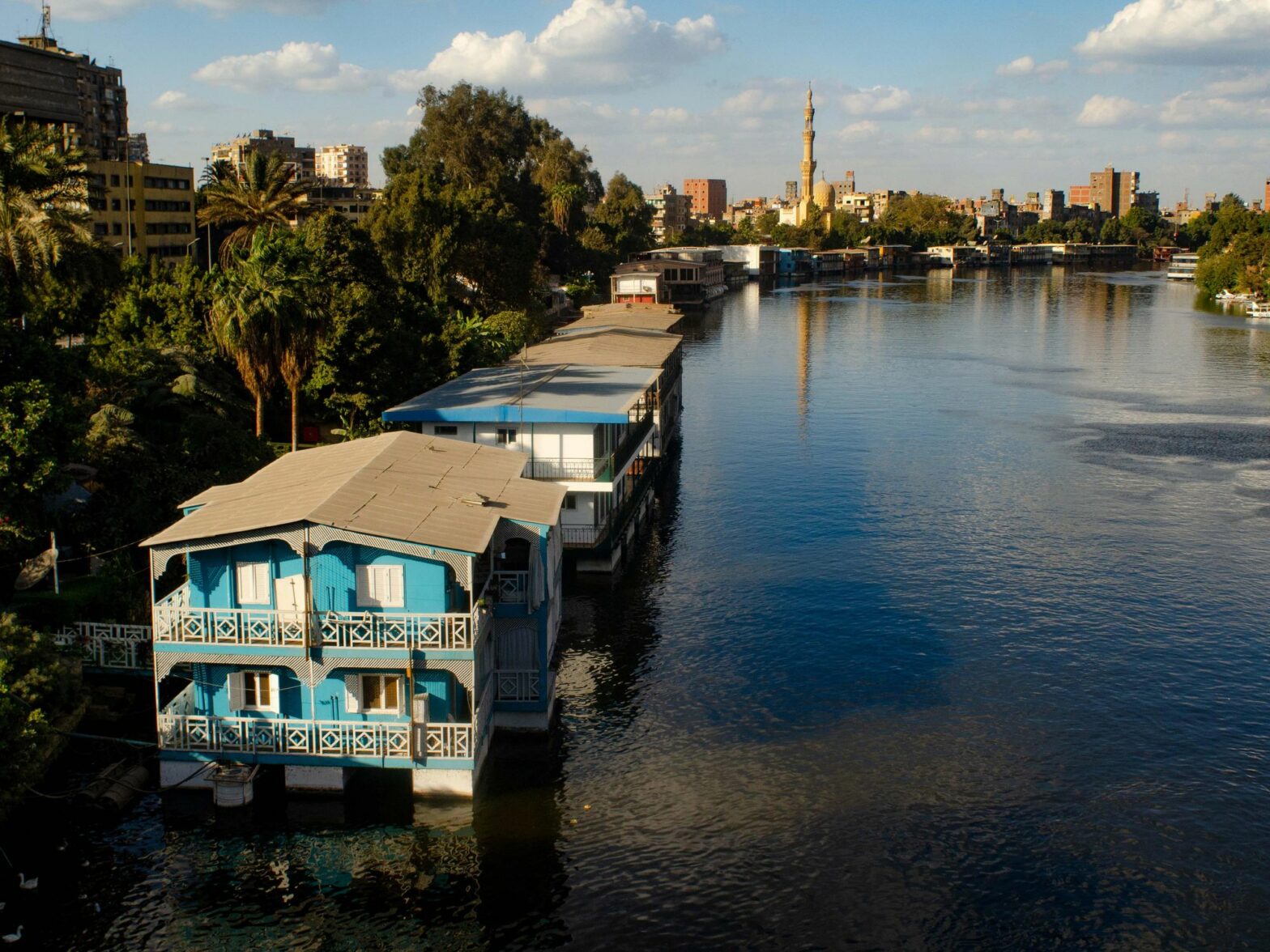
Despite opposition, authorities are proceeding with the eviction of residents of traditional houseboats docked along the Nile in Egypt’s capital, as the government aims to “renovate” the area – and increase its economic value.
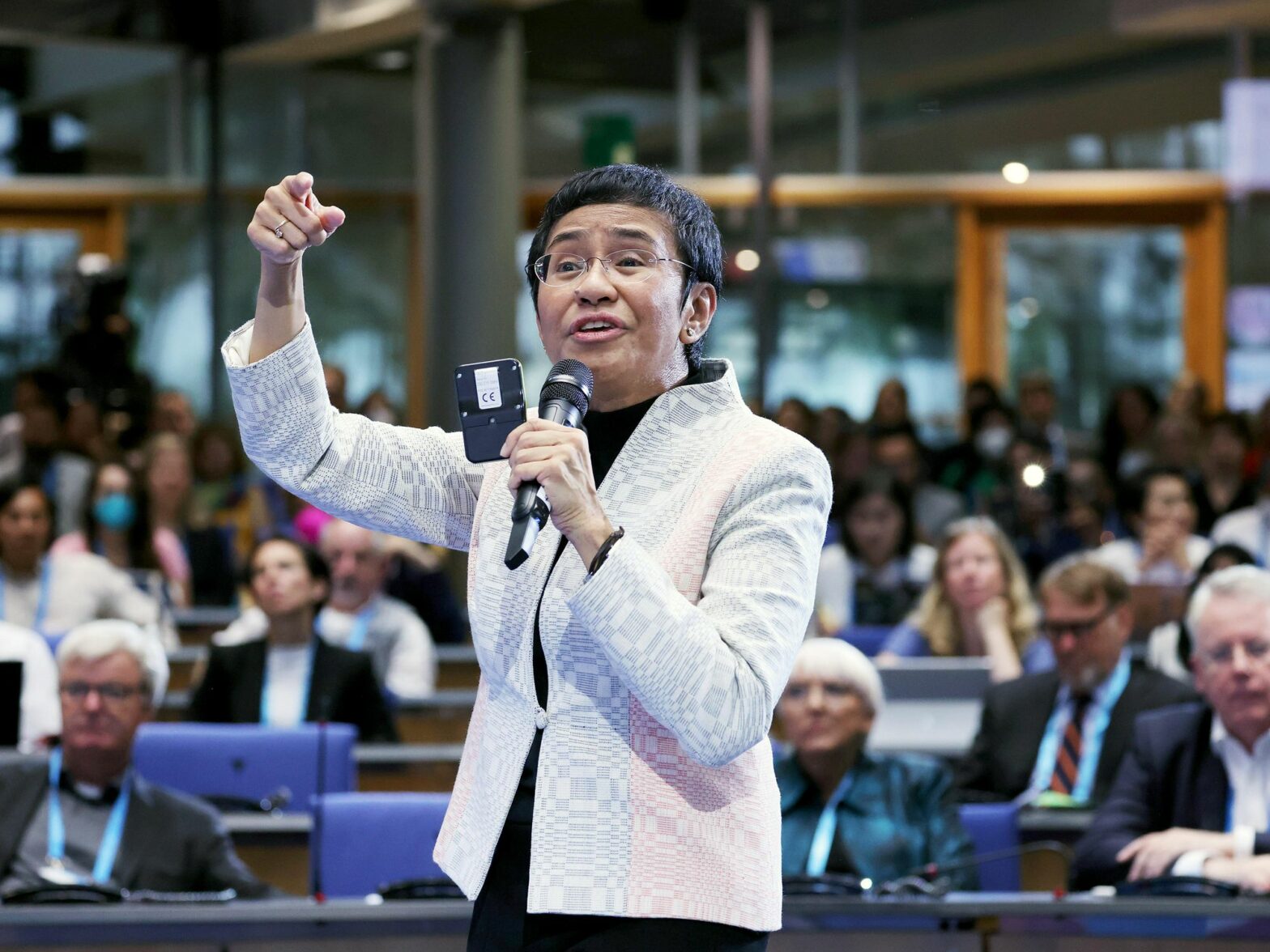
The Rappler CEO and Nobel Peace Prize winner spoke with The Wire‘s Arfa Khanum Sherwani about how journalists everywhere need to prepare themselves for the worst-case scenario of government-ordered closure and what they should do to face up to such a challenge.
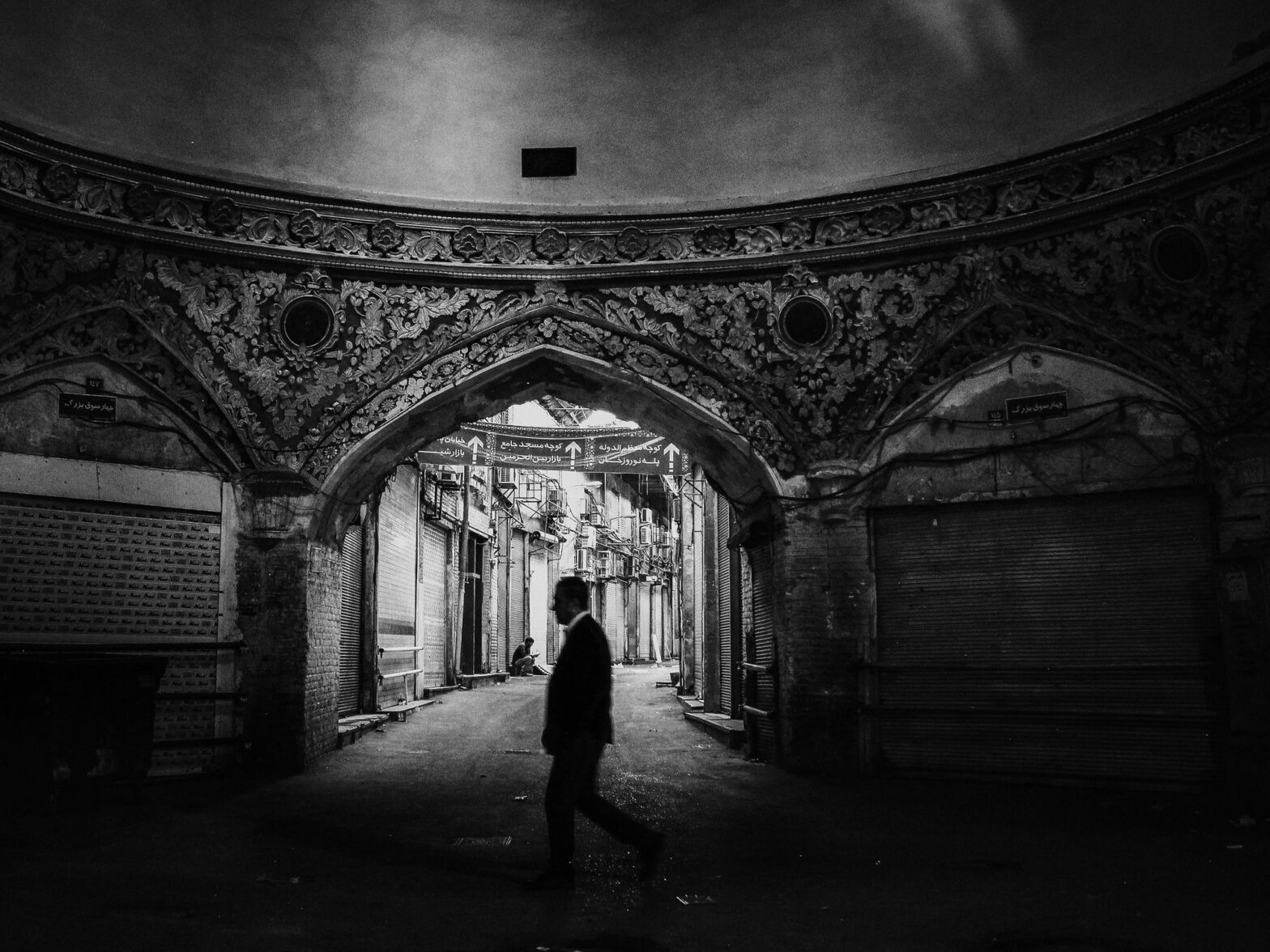
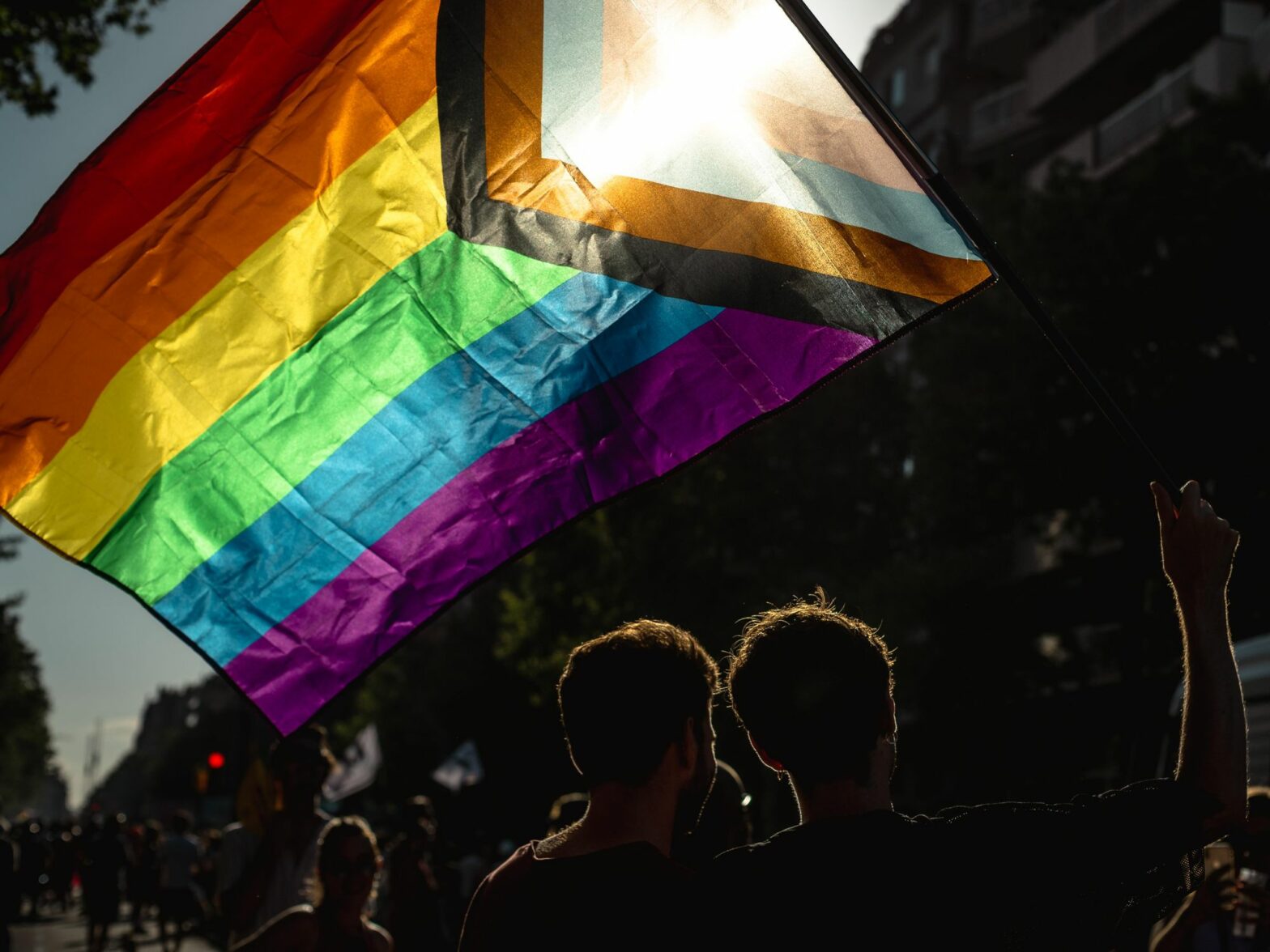
Welcome to Worldcrunch’s LGBTQ+ International. We bring you up-to-speed each week on the latest news on everything LGBTQ+ — a topic that you may follow closely at home, but can now see from different places and perspectives around the world. Discover the latest news from all corners of the planet. All in one smooth scroll! […]

Among the most immediate effects of the overturning of Roe v. Wade is that women who find themselves in states where abortion is outlawed will travel to where it is legal. But that of course requires the right information and economic means to do so.
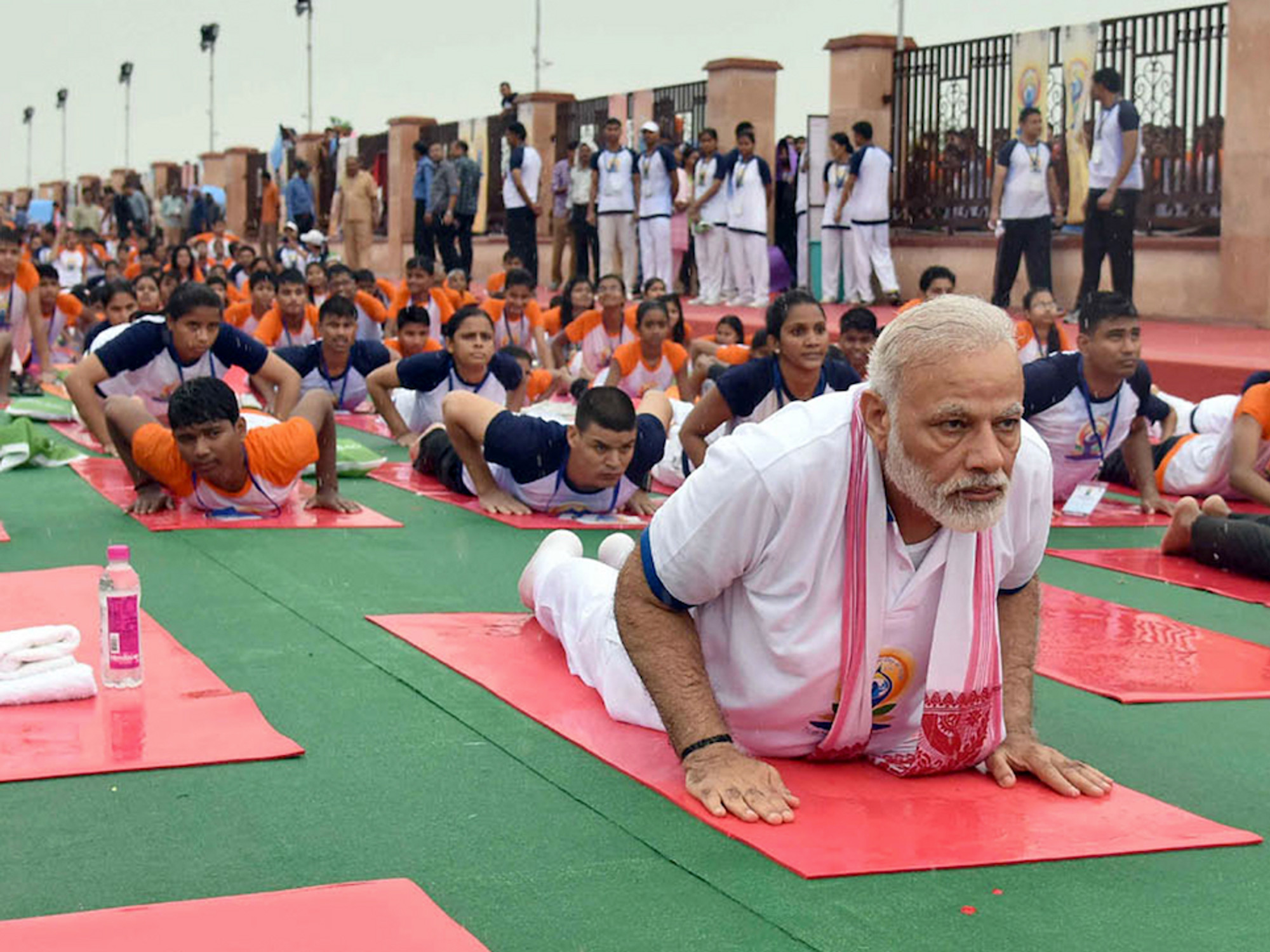
Trained practitioners warn that unregulated yoga can be detrimental to people’s health. The government in India, where the ancient practice was invented, knows this very well — yet continues to postpone regulation.
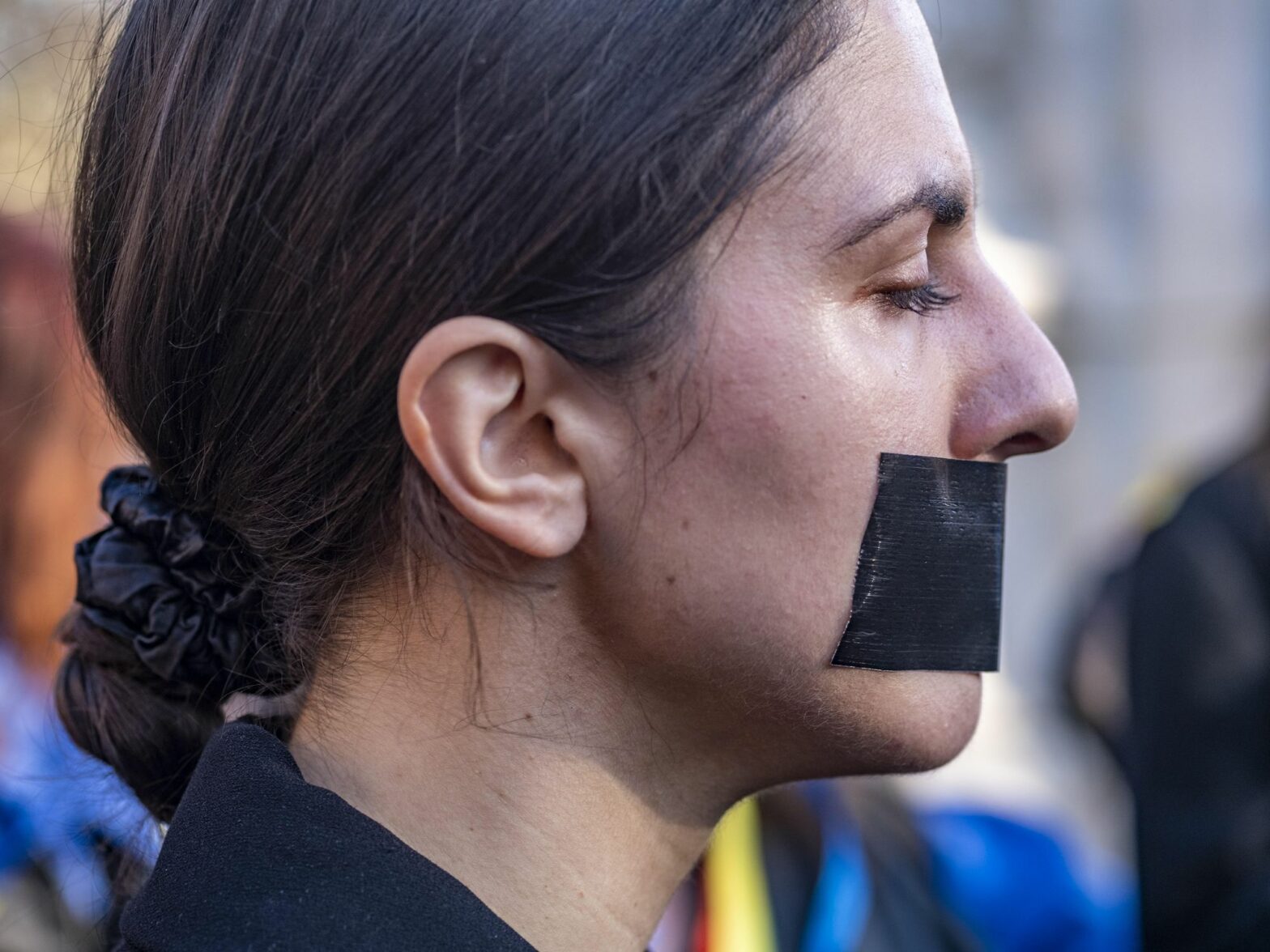
English Professor Jacob Edmond takes a look at the creative ways that Russian journalists, writers and artists are turning forced silence into powerful statements.
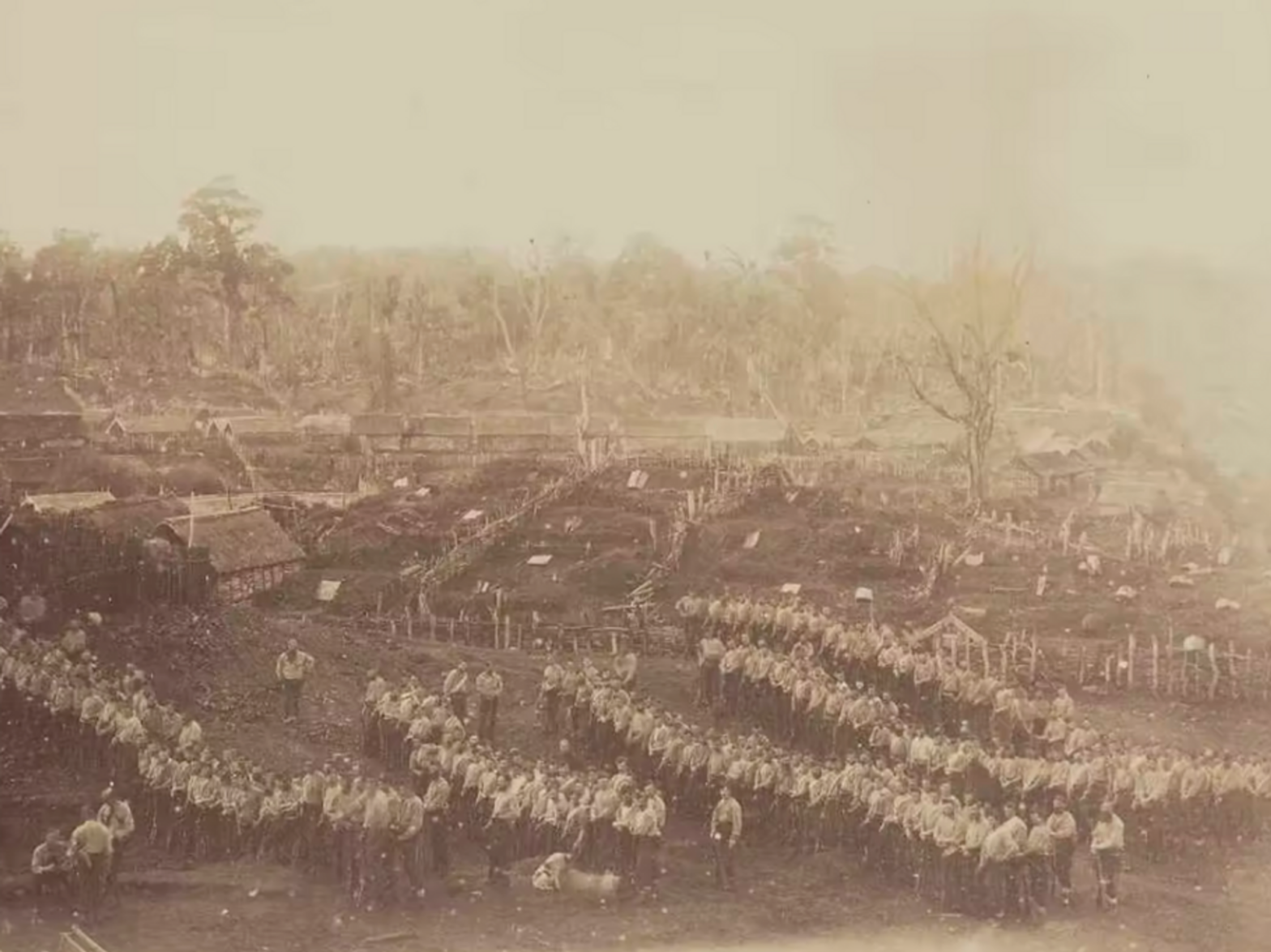
New Zealand politics professor Richard Shaw comes to terms with how his family’s silences finds roots in the historical amnesia surrounding the acquisition of lands by Irish settlers in Taranaki, a region in the south west of the Aotearoa’s North Island.
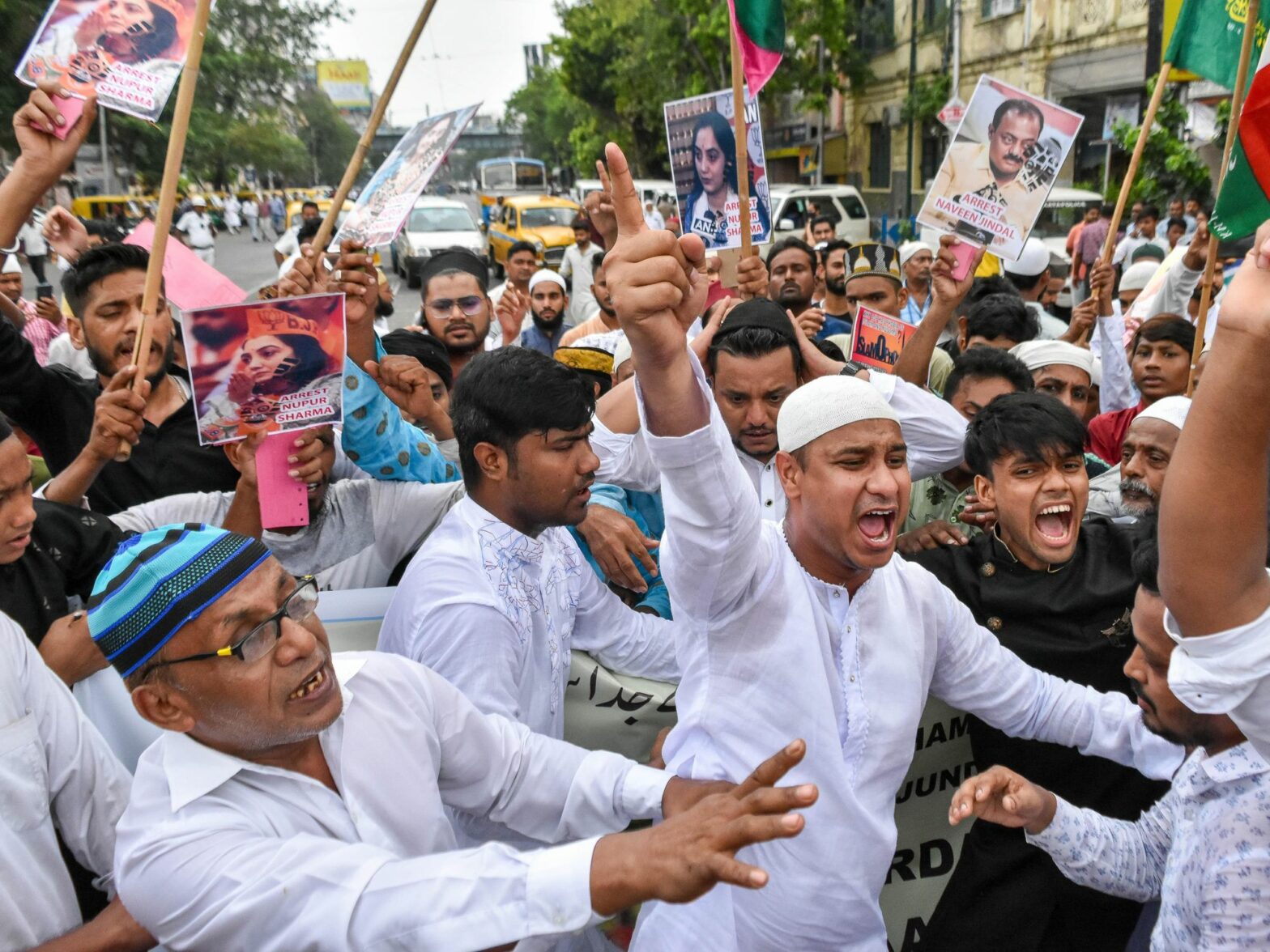
The Gulf region’s public reaction to the controversial comments on Prophet Muhammad made by two senior officials from India’s ruling party is worrying Muslim Indians who feel this intervention might do more harm than good. For the author, the BJP’s “ideology of Islamophobia” is the center of the problem.
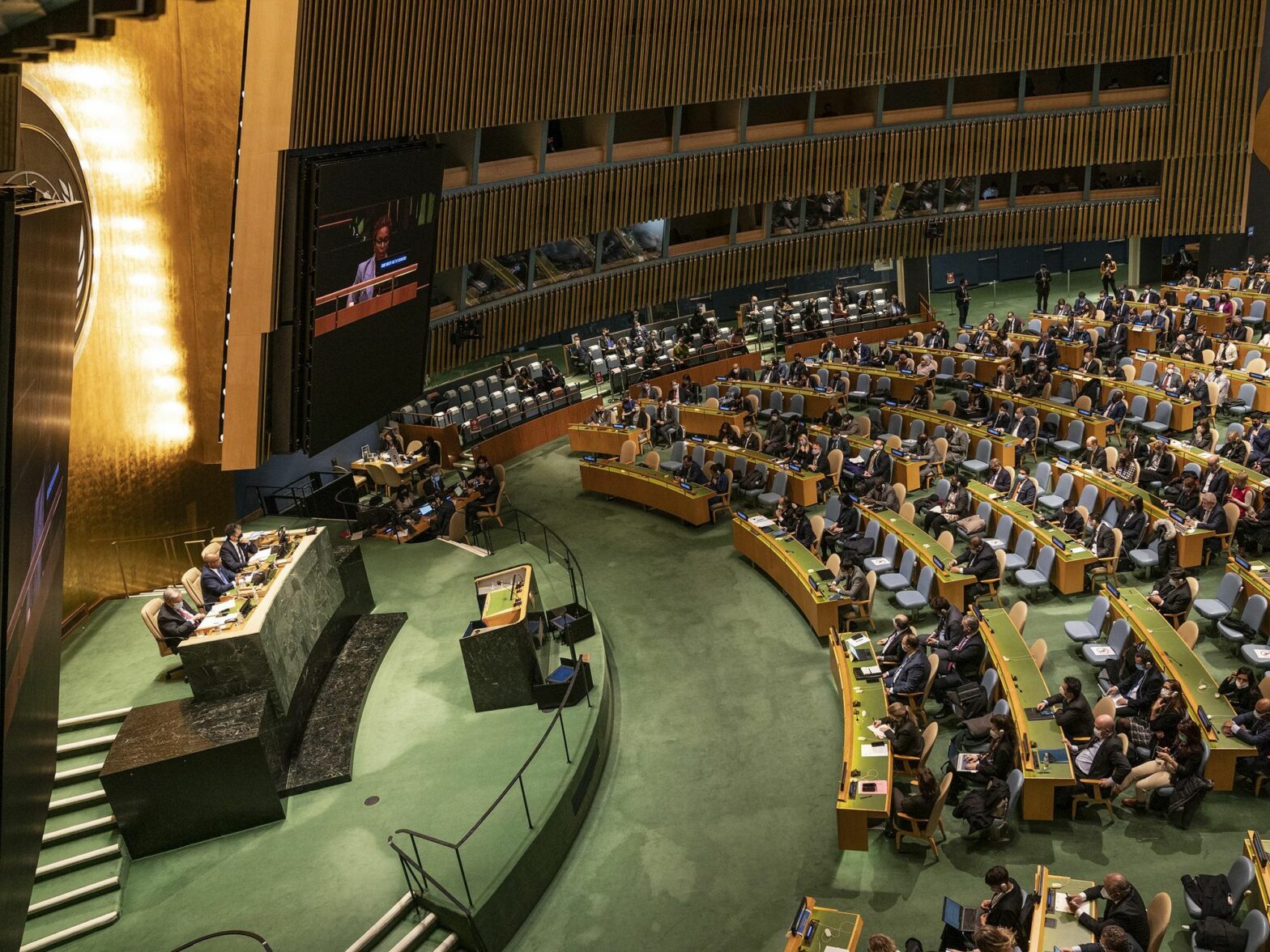
With a passion that recalls the aftermath of World War II, politicians and commentators are demanding a global order that takes seriously the rules of the United Nations Charter — notably on respect for sovereignty and fundamental human rights.
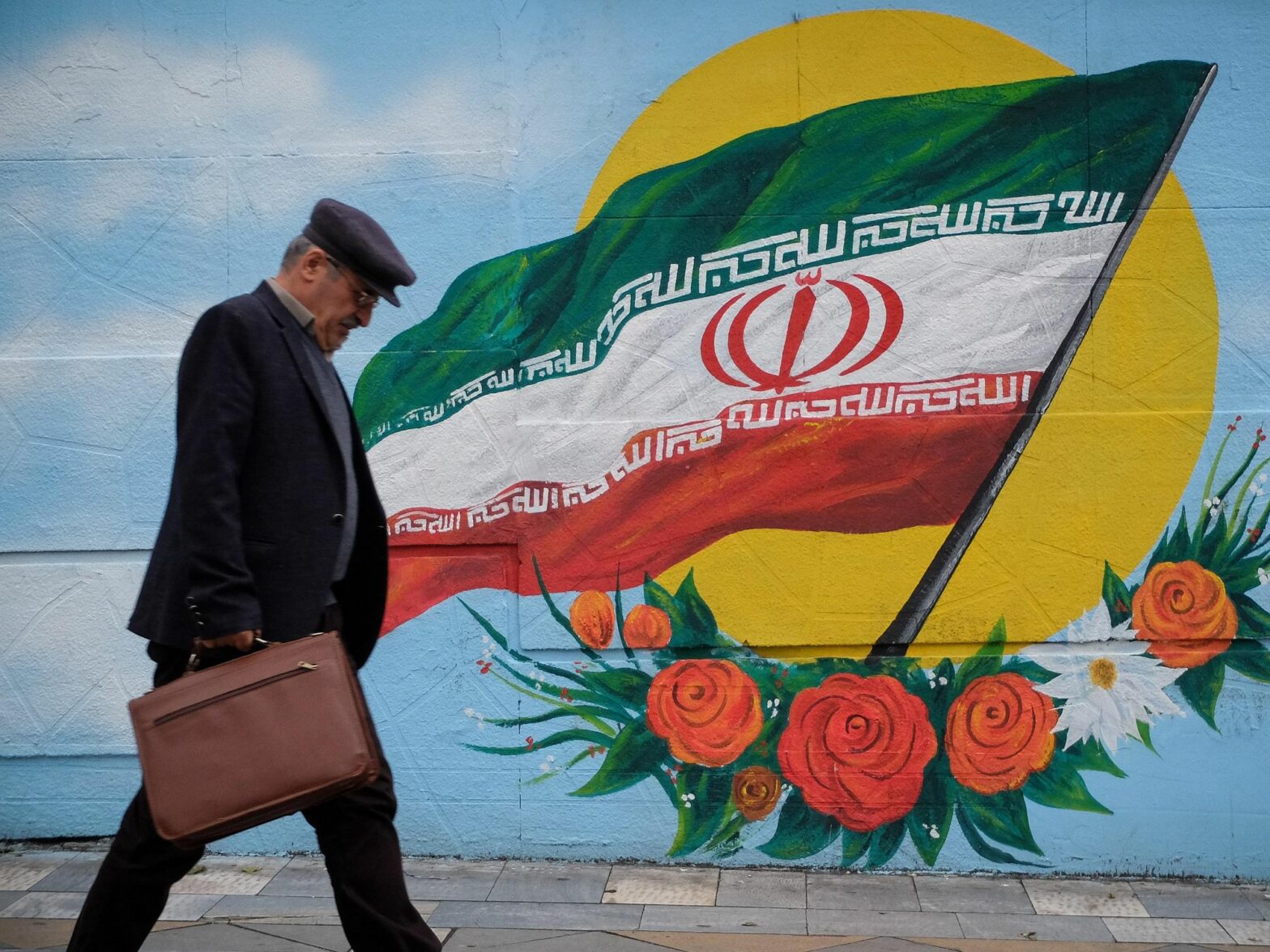
Israel’s vocal support for Iranians protesting the regime will lay the grounds for ties with a future democratic Iran, whenever that may come.
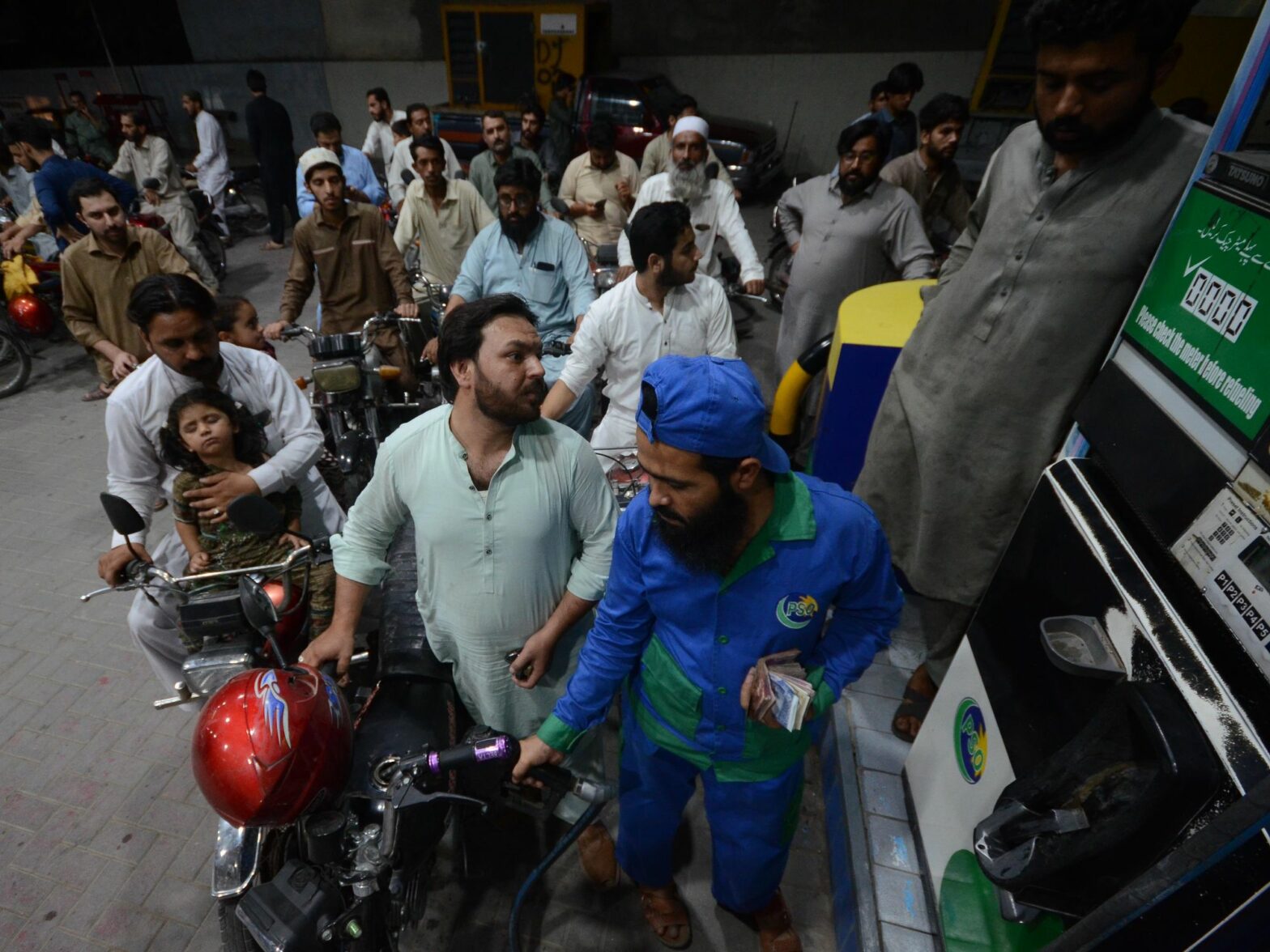
Both Pakistan’s and Sri Lanka’s leaders have resigned recently. Their fates should be a reminder to politicians in Asia and around the world: good economics might not be enough to get re-elected but bad economic decisions can hasten your fall.