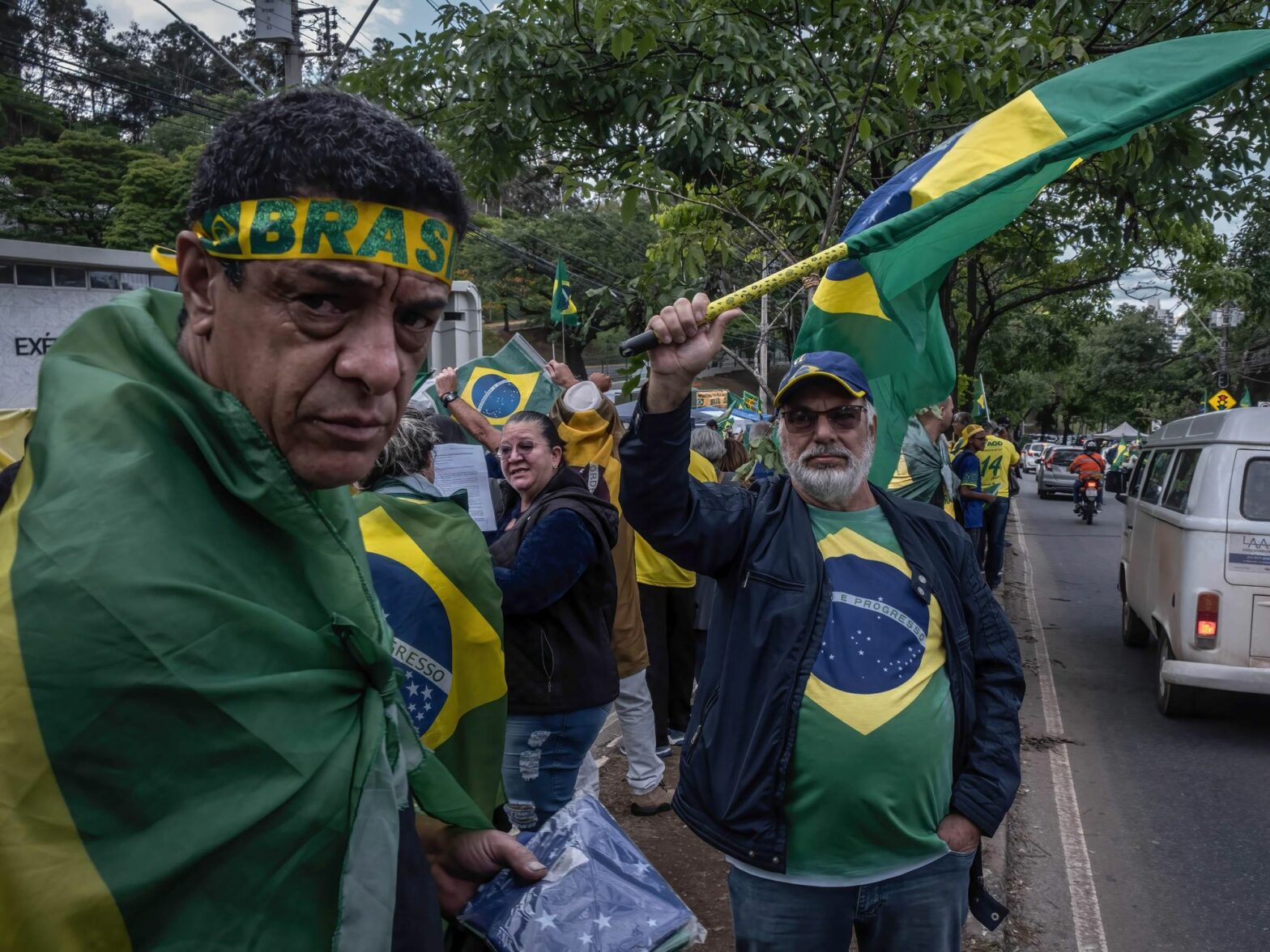
Taking inspiration from events in the United States over the past four years, rejection of election results and established state institutions is on the rise in Latin America.
 Worldcrunch
Born in Tehran, educated in Britain and France, I have been a freelance translator since the late 1990s.
Taking inspiration from events in the United States over the past four years, rejection of election results and established state institutions is on the rise in Latin America.
Crises worldwide mean we need less nationalism and more cooperation, but the U.S., a weakened superpower, won’t accept its diminished status.
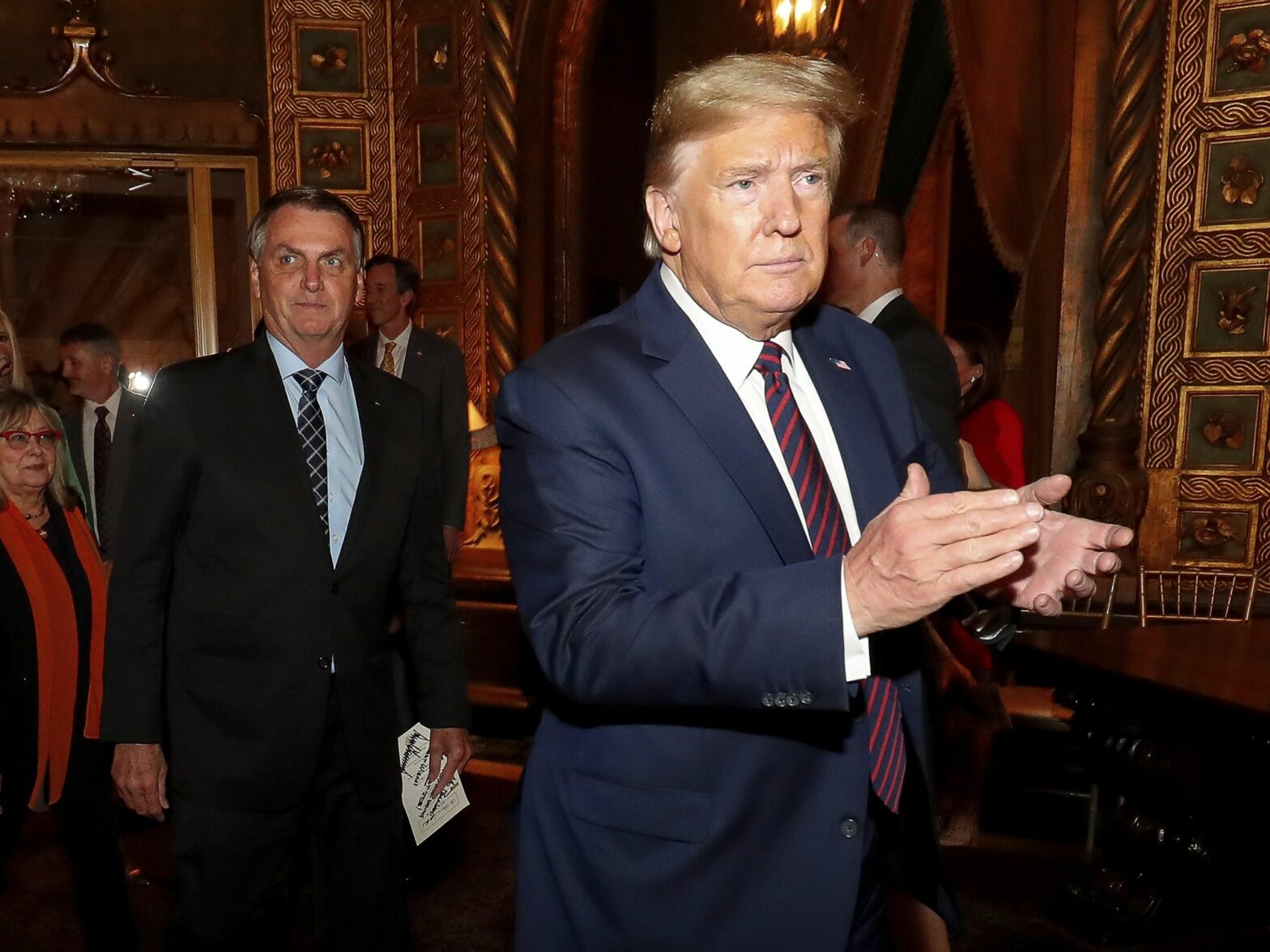
Emulating the Trump-inspired attack on the U.S. Capitol, the assault of a right-wing mob on government buildings in Brasilia took its cue from former president Bolsonaro’s longstanding contempt for democratic institutions.
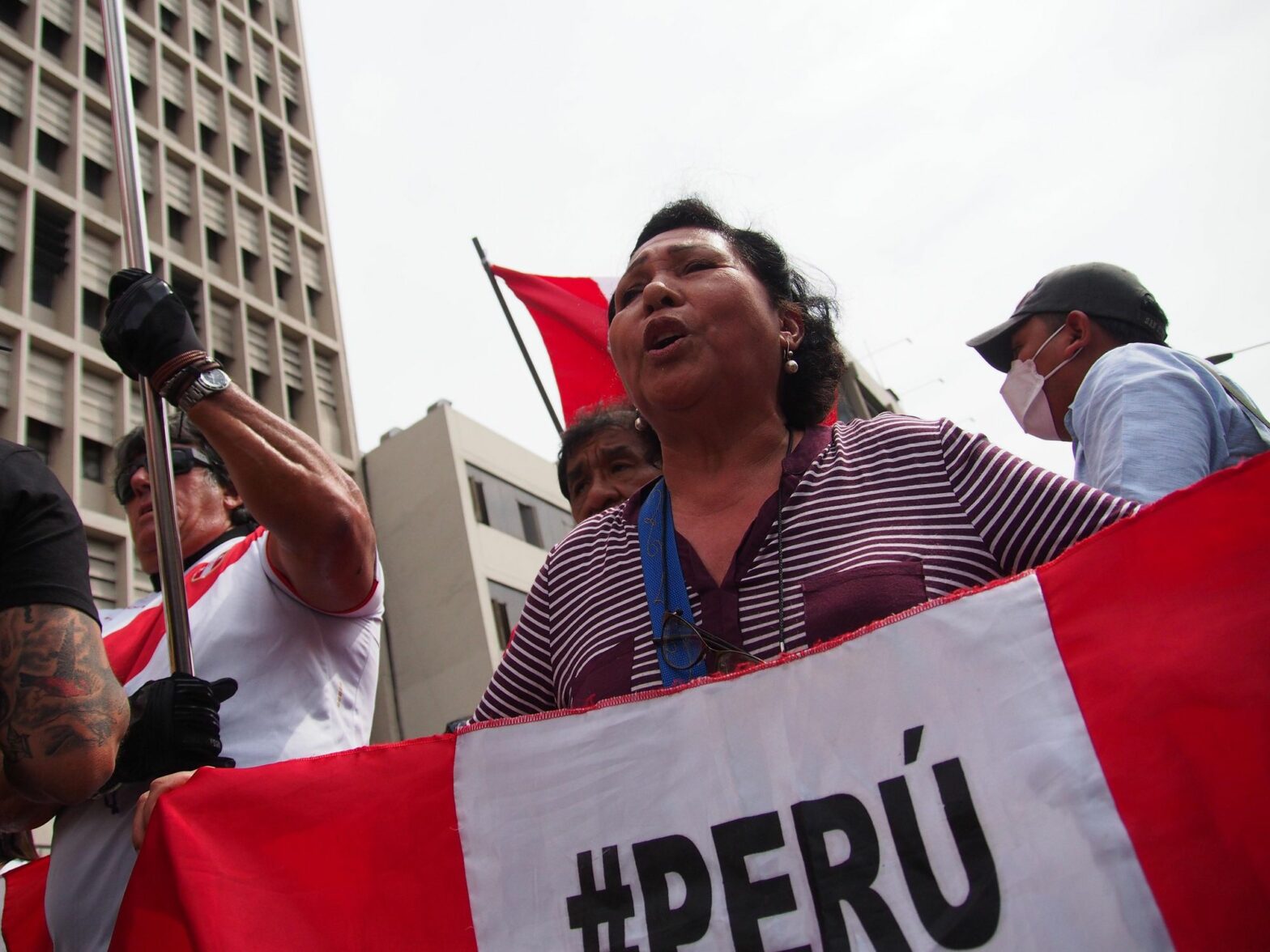
The impeachment and arrest of Peru’s Leftist president can be taken as perhaps a conclusive signal to the region that populism — from the Left and Right — may have run out of gas.

An experiment in the Argentine capital sought to find out why some people sleep so well. Two young people stood out from the rest thanks to a certain inner tranquility and routines that get them in the snoozy mode. Next thing you know, they’re out…
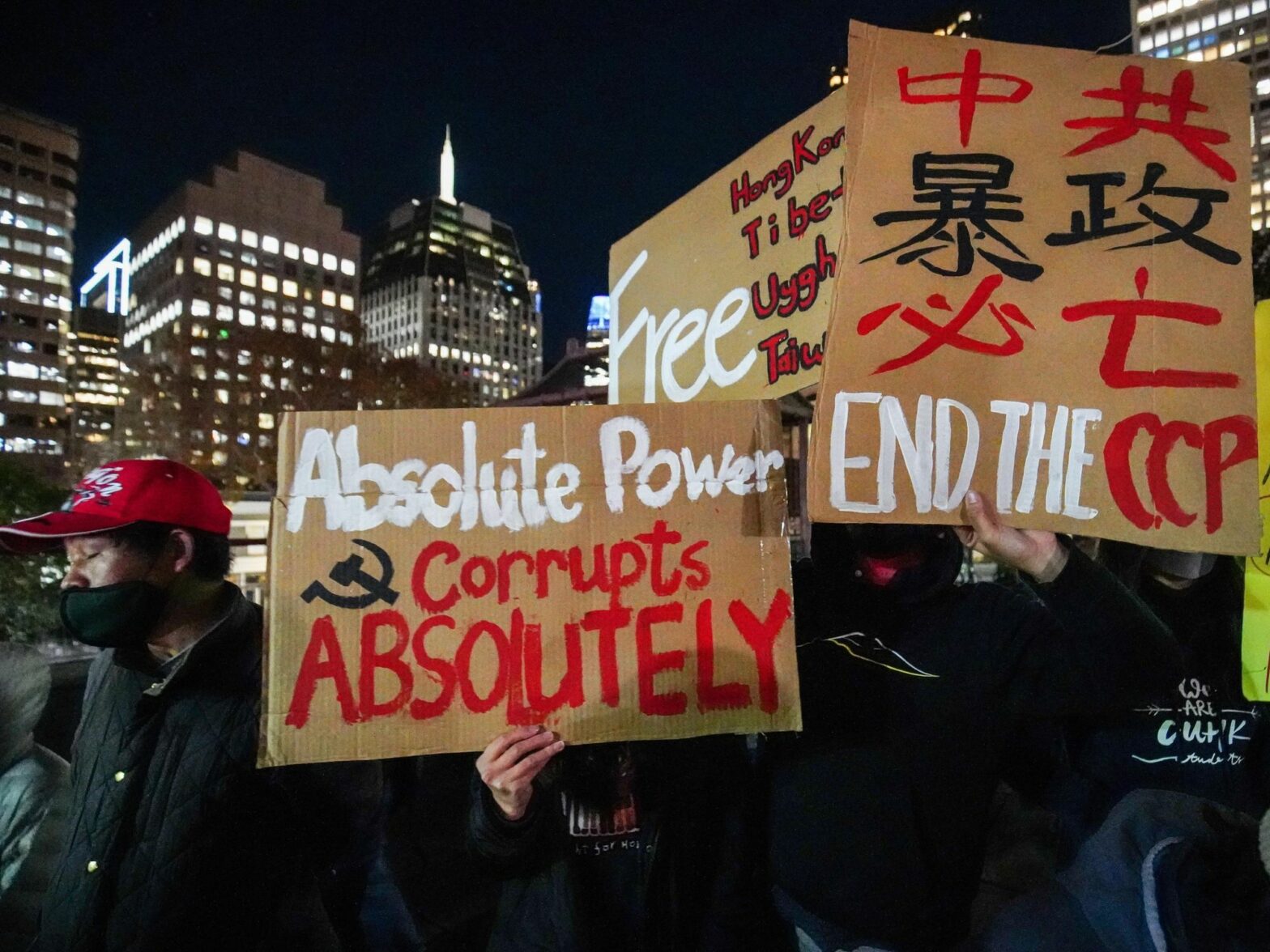
While many Chinese citizens are indeed fed up with the government’s Zero-COVID policy, predicting that a mass revolt is ready to overturn Communist rule is the latest sign of our deep misunderstanding of the Asian superpower. A view from Bogotá of a former Beijing correspondent.
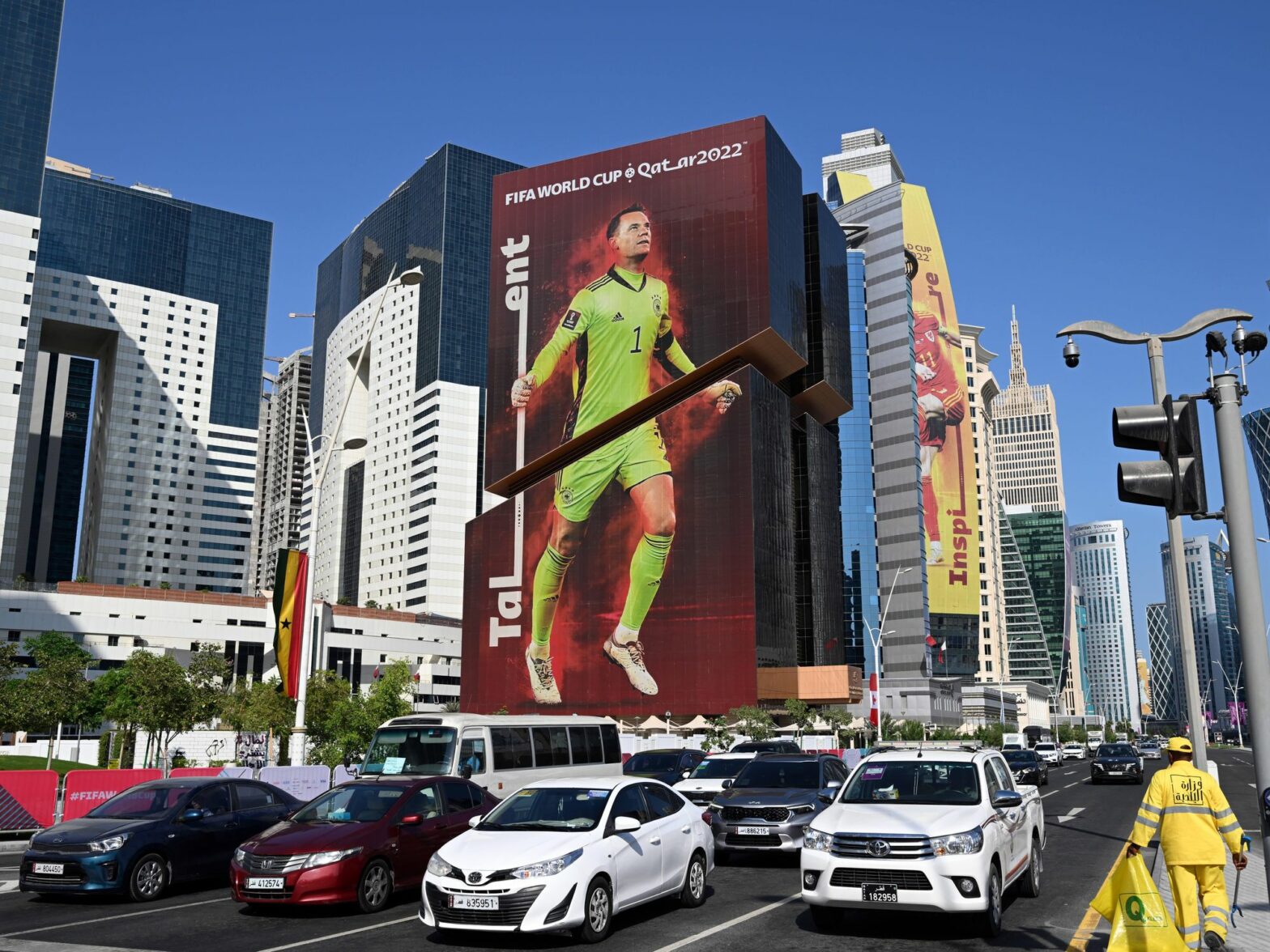
Soccer is a useful political tool for dictatorships. But Qatar is able to milk the World Cup as much as possible because the sport is infected by unbridled capitalistic greed.
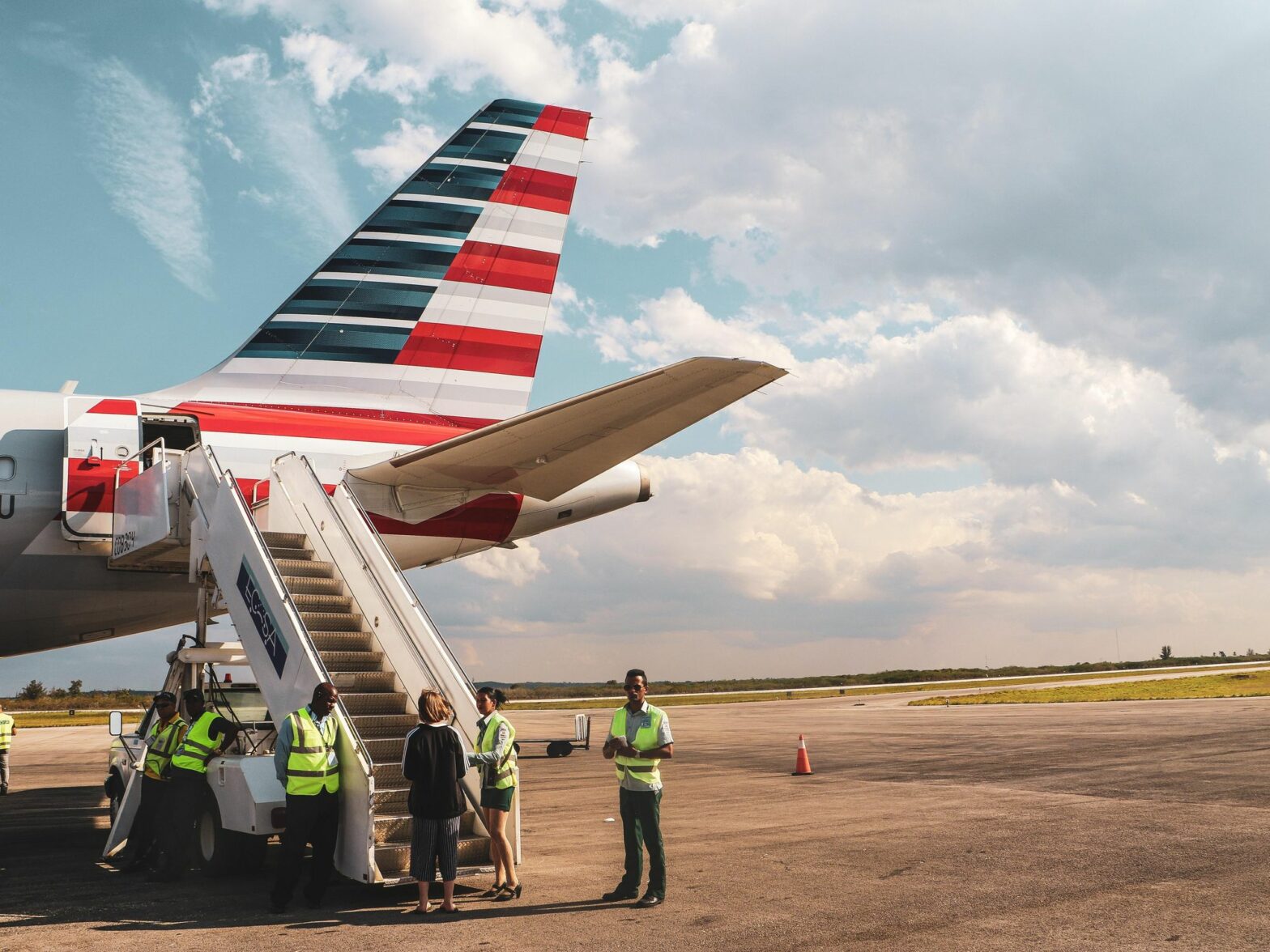
American and Southwest Airlines have been refusing to allow Cubans on board flights if they’ve been blacklisted by the government in Havana.

Madrid courtrooms have designed private “waiting rooms” for children. In these spaces, a mix of talk and play with a psychologist allows the children to calmly testify before judges.
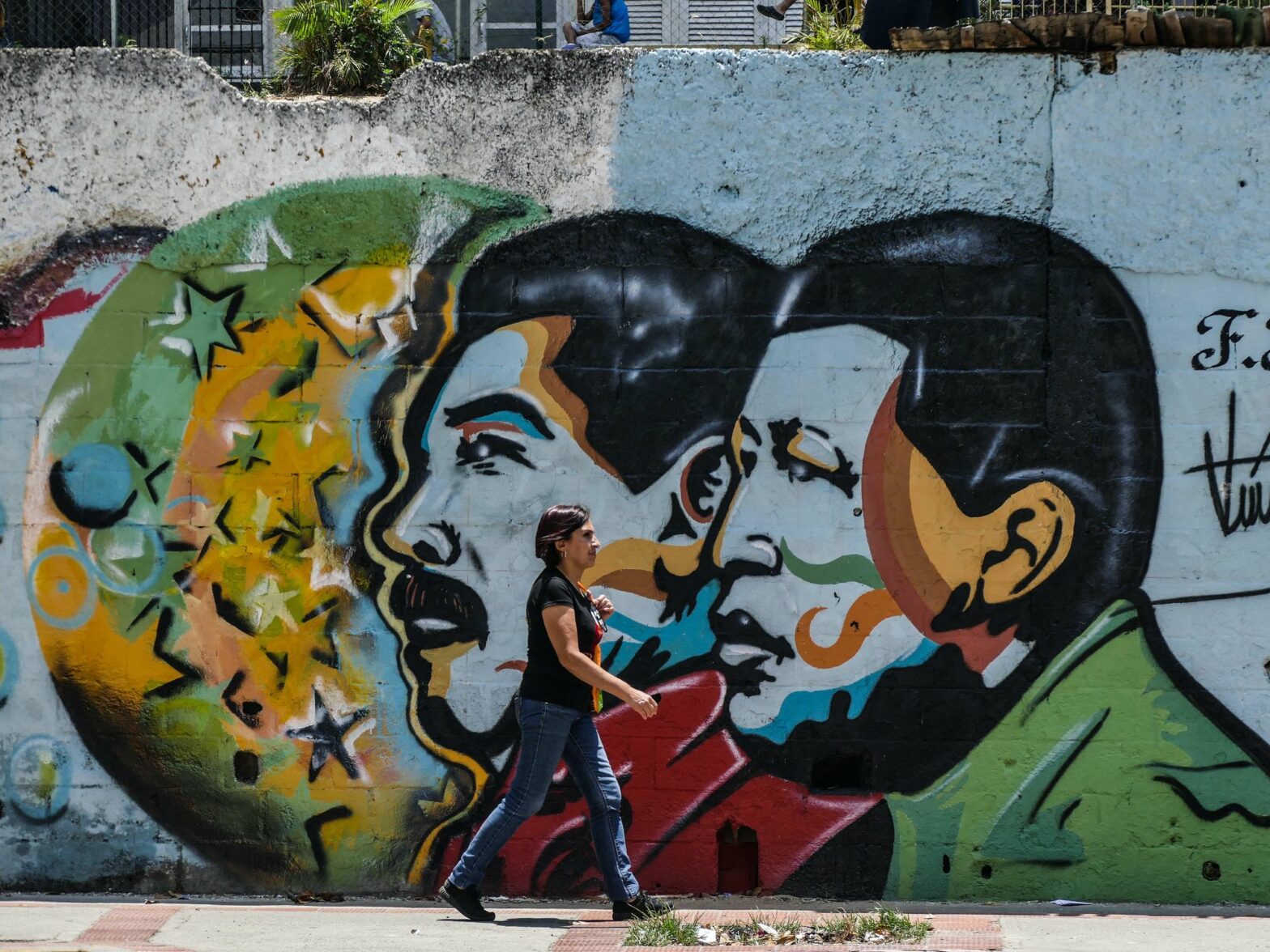
The Left is constantly being hailed as the resurgent power in Latin America. But there is no unified Left in the region. The “movement” is diverse — and its divisions are growing.
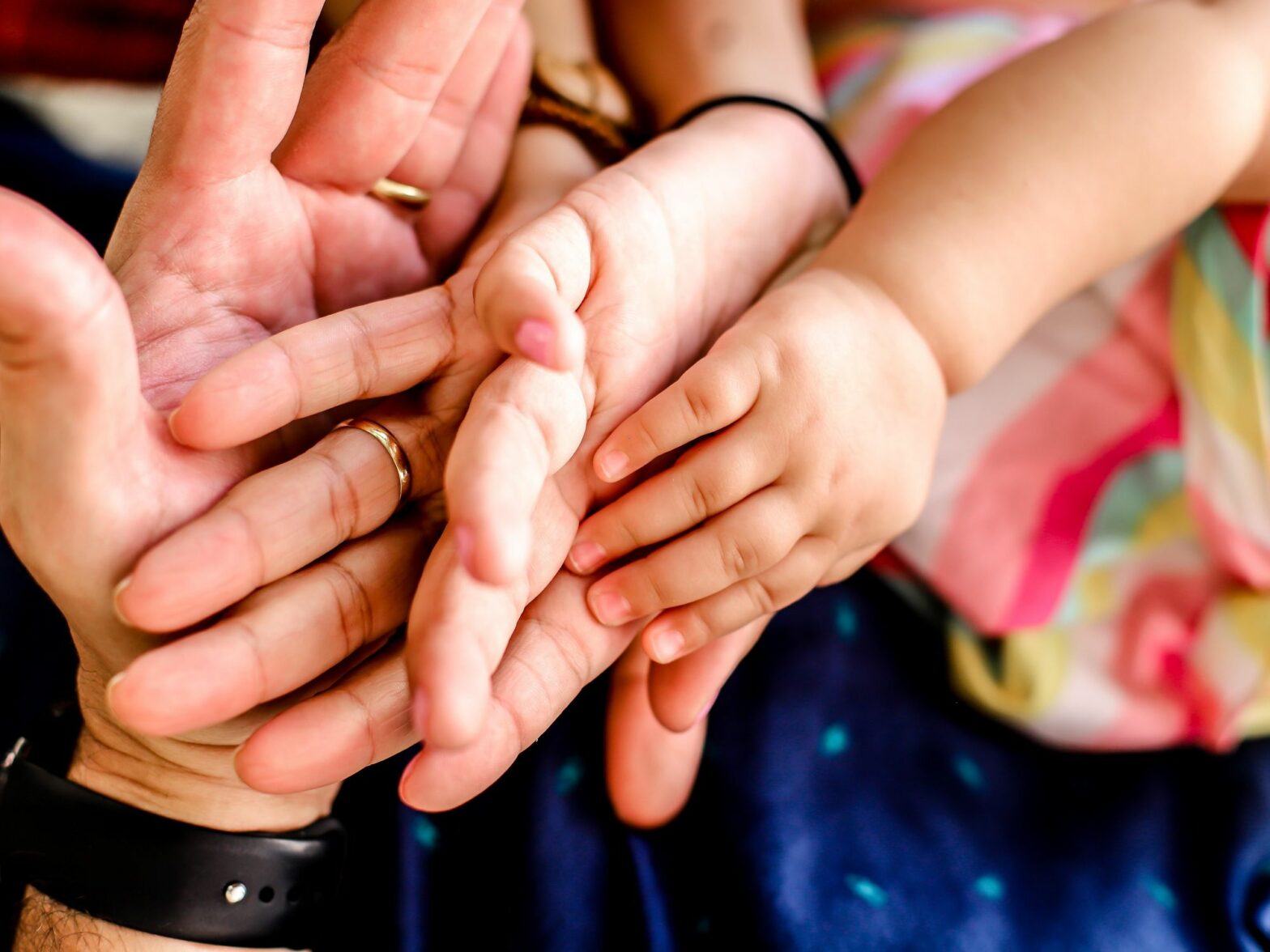
Multi-parent families or triple parenting are not yet enshrined in the law in Argentina, a continental pioneer of innovative social rights, but so far and in spite of legal challenges, court rulings have recognized the reality of children with “three parents.”
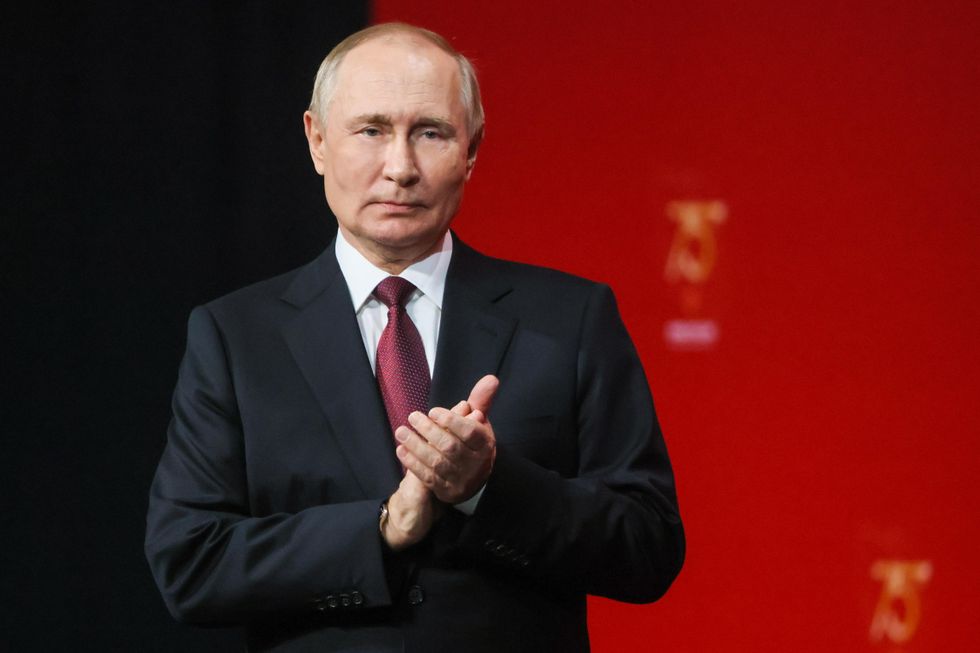
The Russian president has resorted to a string of changing lies to justify his war on Ukraine. He has shown contempt along the way for the Christian values he claims to defend. But like arms and ammunition, a regime can also run out of lies.
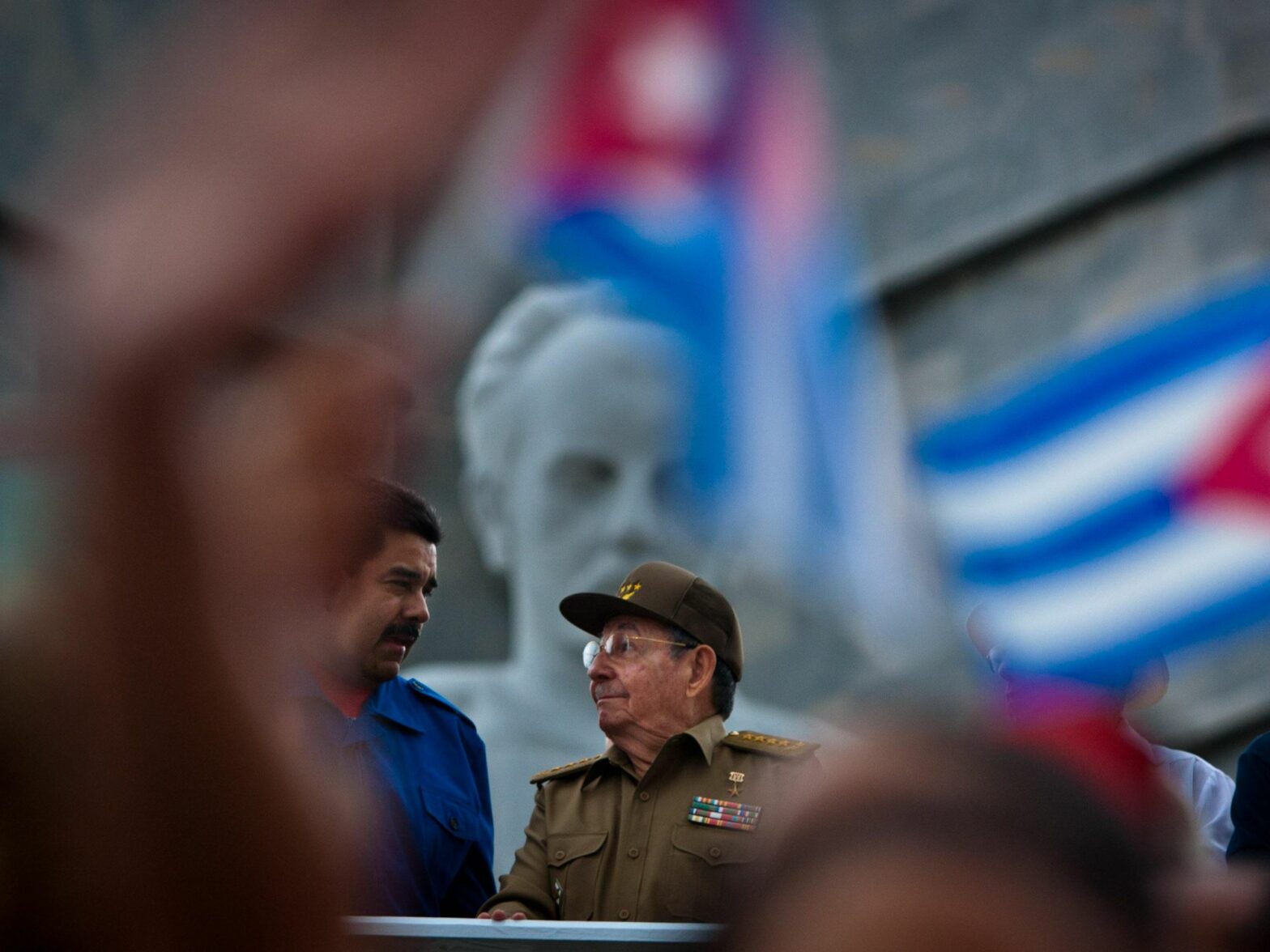
Venezuelan President Nicolás Maduro has managed to cling to power after an allegedly rigged 2018 presidential election. He did so with the help of Cuba, having enjoyed “working relations” with Cuban intelligence for decades.
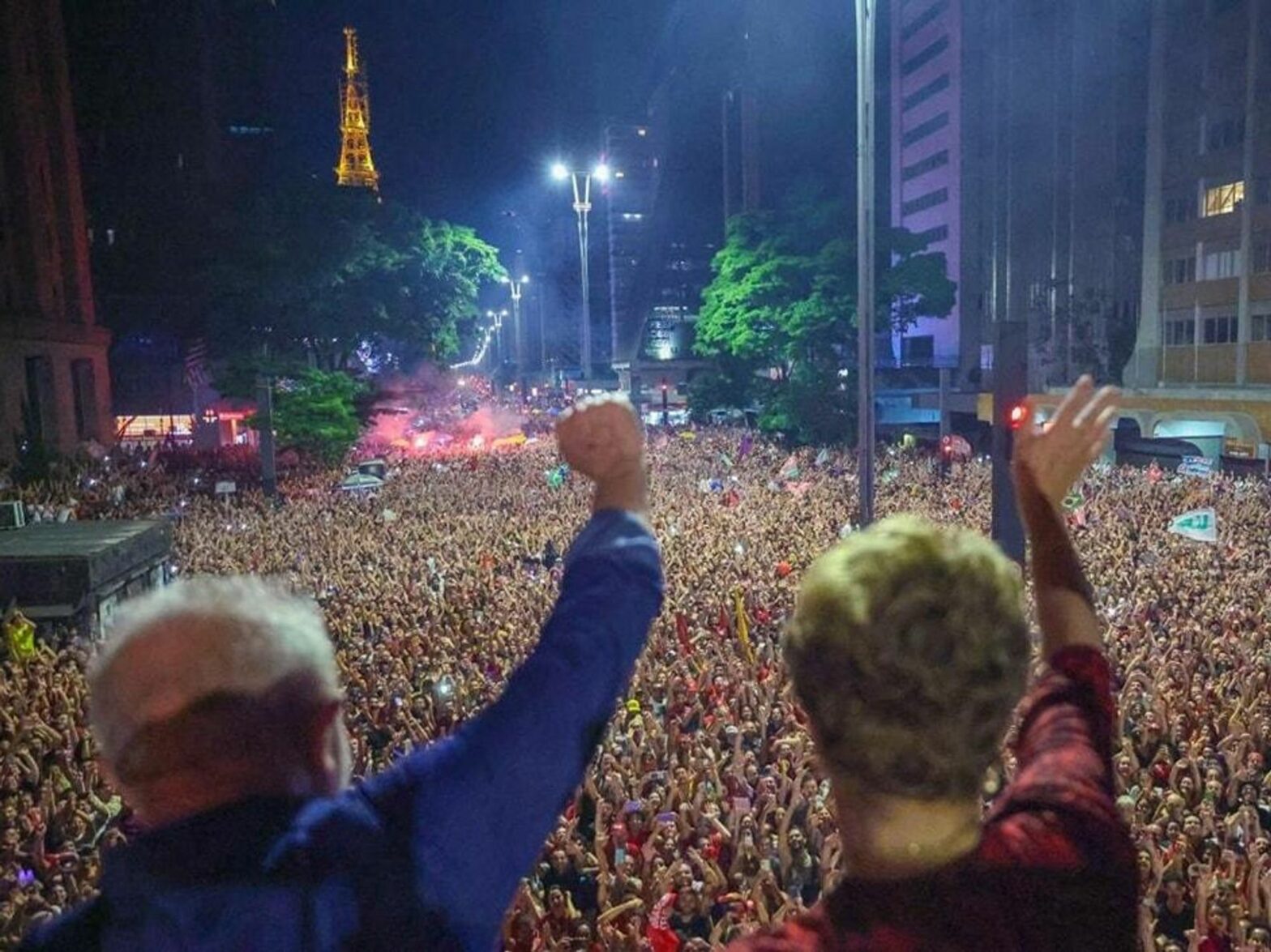
Brazil’s incoming president, Lula da Silva, is unlikely to govern the same way he did 20 years ago. Socio-economic conditions will likely push him toward moderation, which will benefit Brazil and the region.

Readers can be unduly critical of authors for a range of reasons, from old-fashioned spite to the modern phenomenon of wokeness. But writers should not consider these people enemies, but rather guides to help dig deeper.
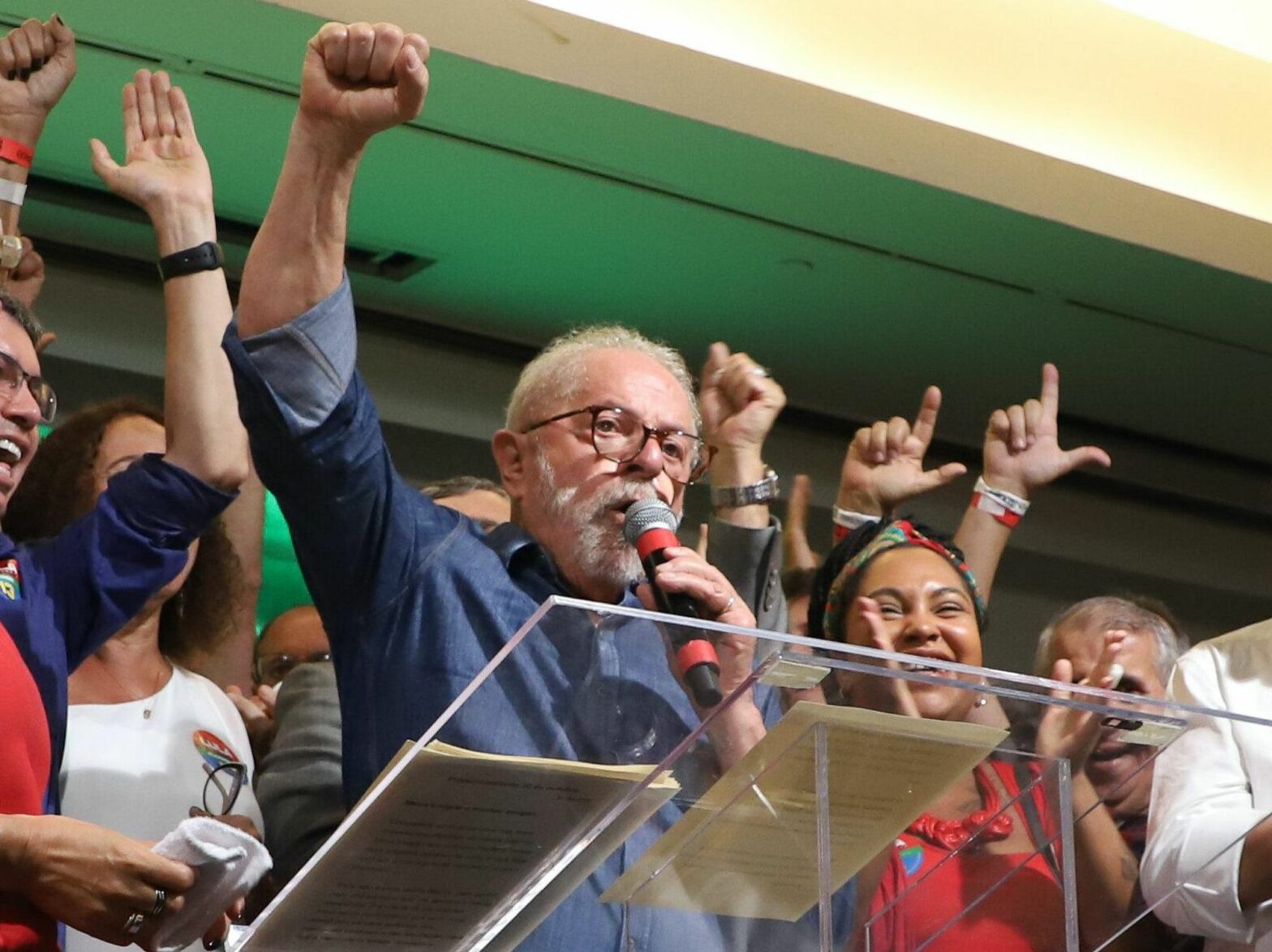
In Brazil, the leftist Lula da Silva’s narrow victory margin in the presidential elections must be seen for what it is: a measured rejection, in hard times, of the outgoing Jair Bolsonaro’s right-wing excesses, in favor of competent moderation. But it bodes for very uncertain times ahead

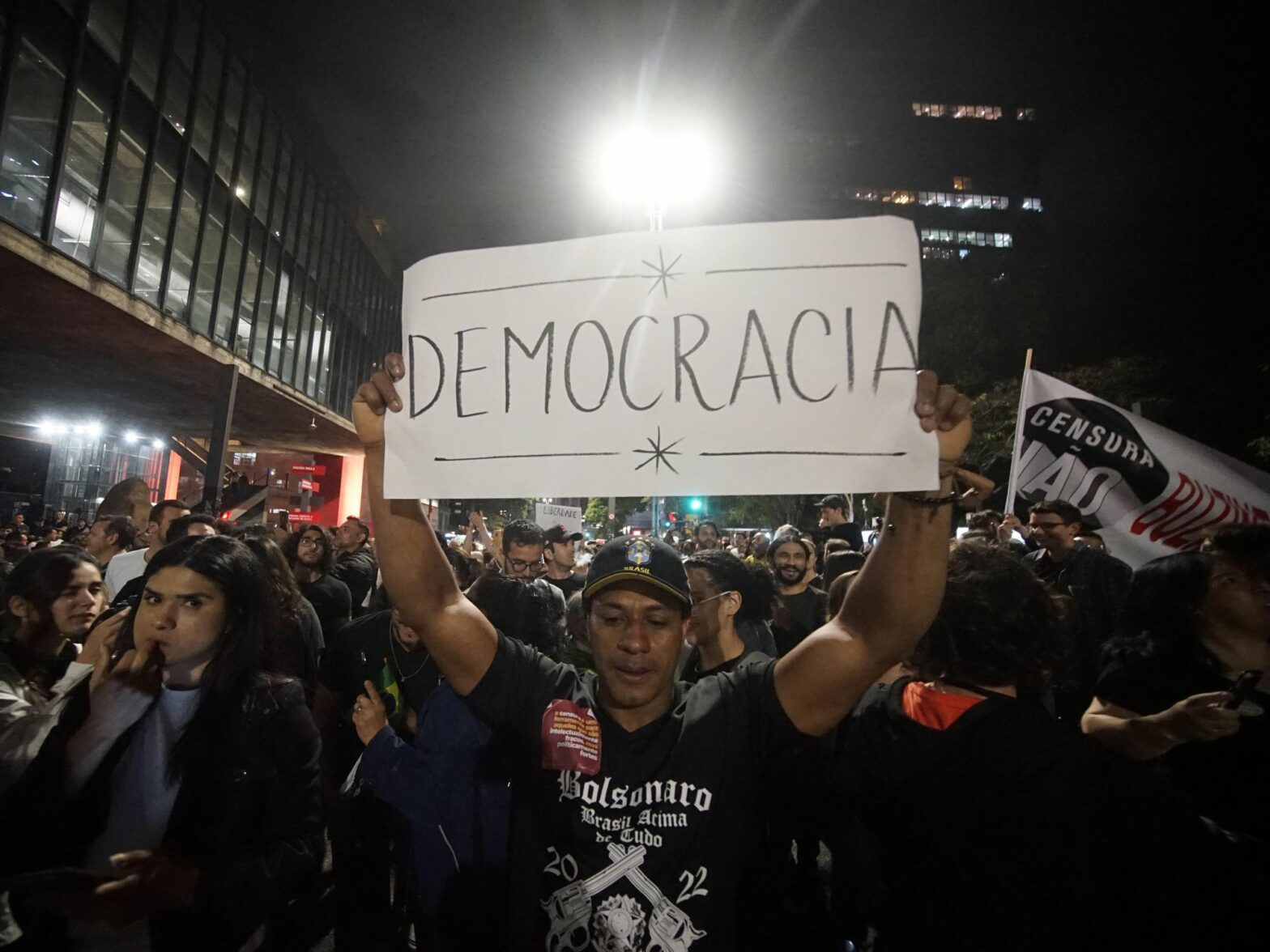
Brazilians head to the polls this week in a runoff between leftist Lula and the far-right Bolsonaro. The elections will have far-reaching consequences for Latin America, and perhaps even the Western world.
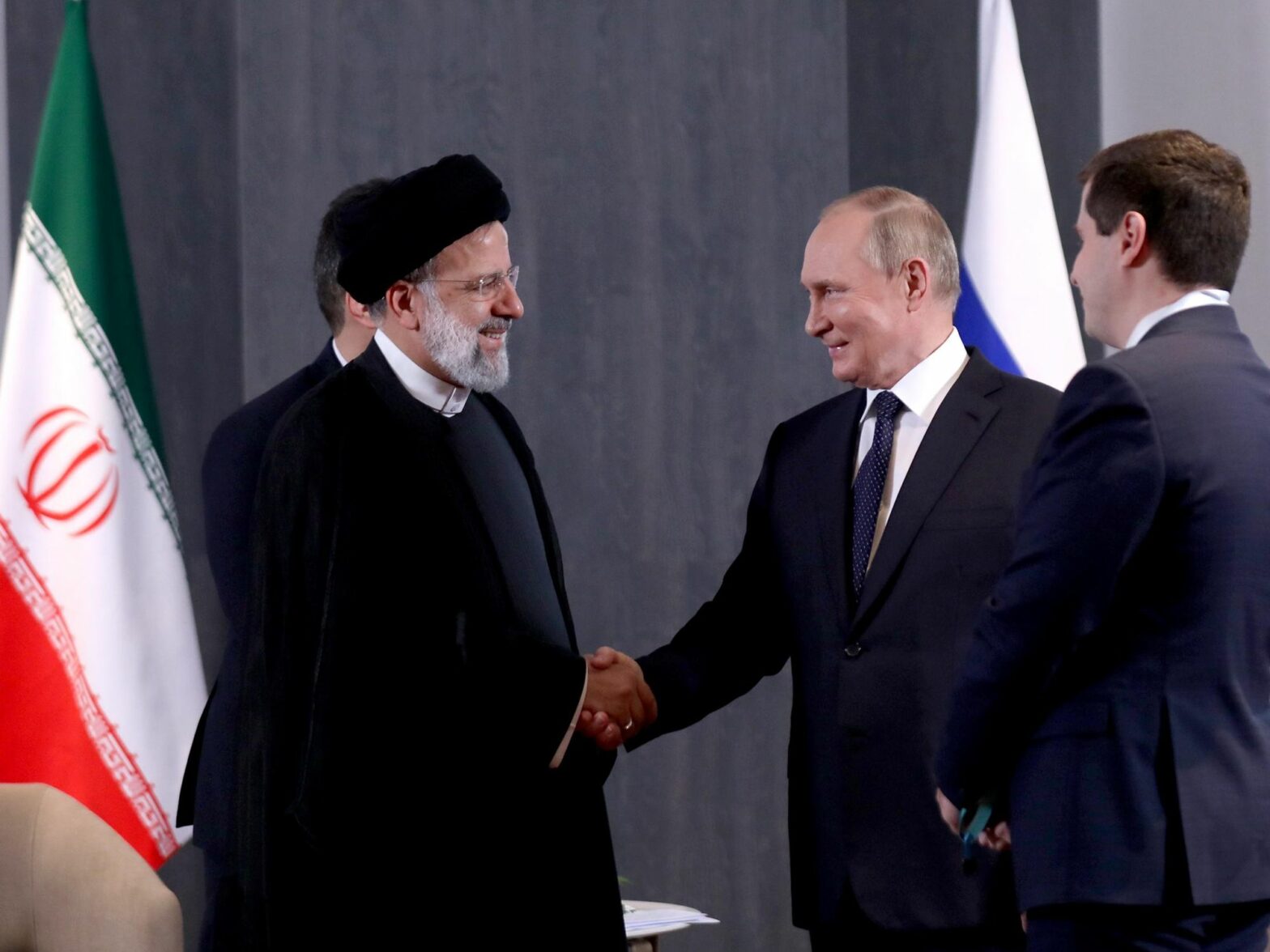
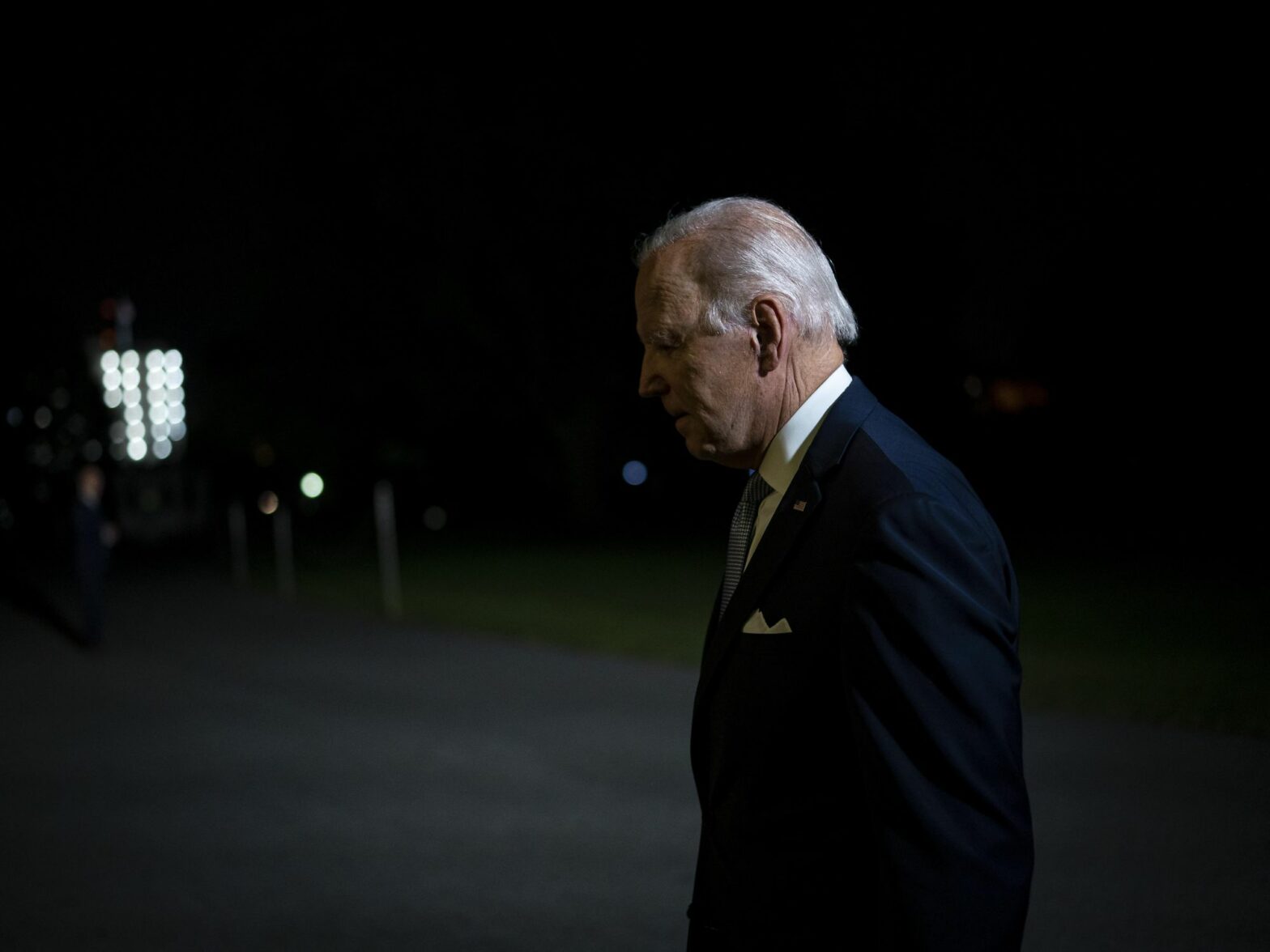
The West must address the degradation of democracy domestically, and worldwide. It’s on the right side in the war in Ukraine. And in China. But what doesn’t ring true is President Biden’s flaunting the democratic cause as a foreign policy stick.
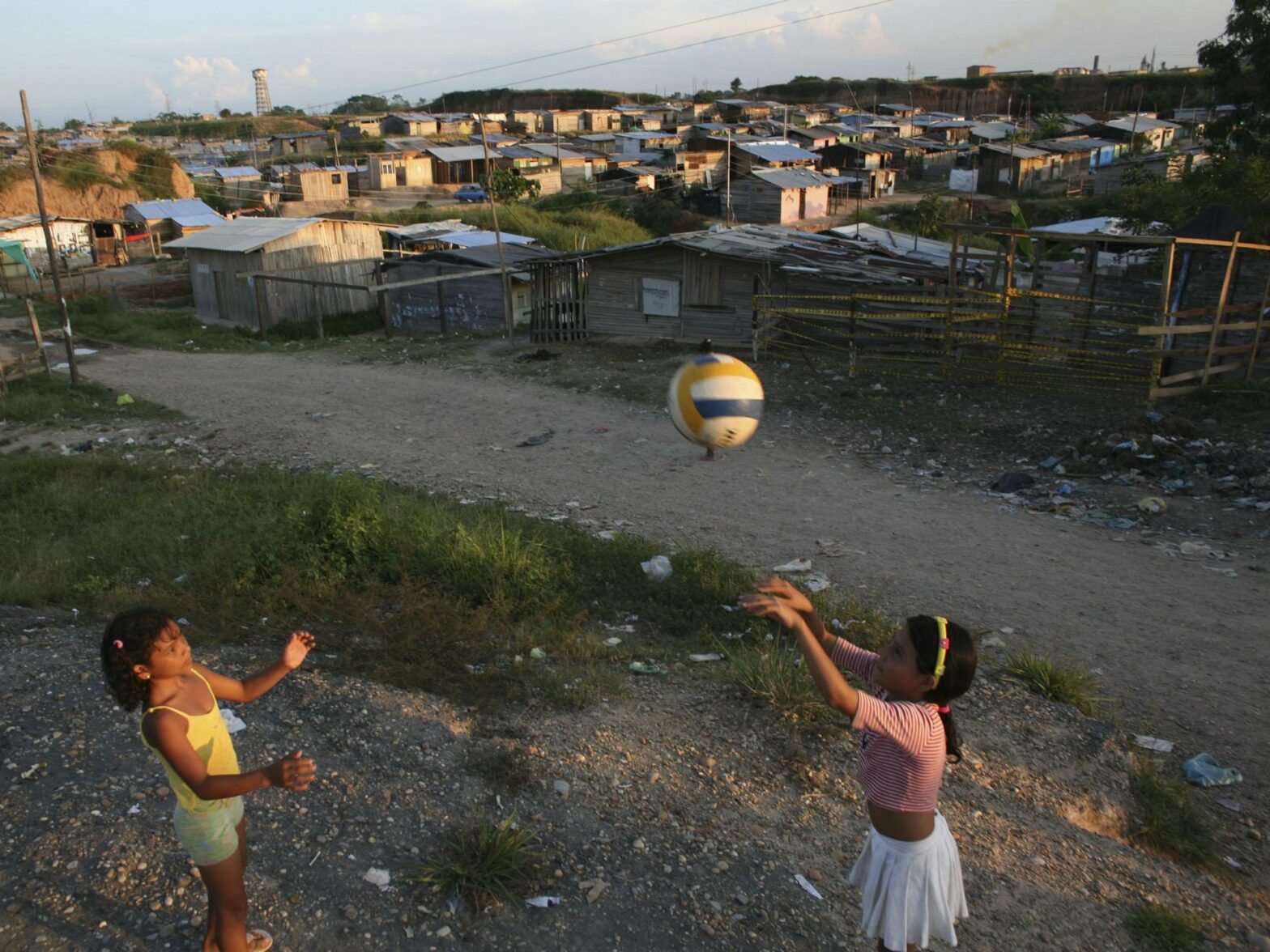
Those touting degrowth for the sake of the planet should remember that the majority of the earth’s population has yet to taste a fraction of the material prosperity now blamed for destroying the natural world.
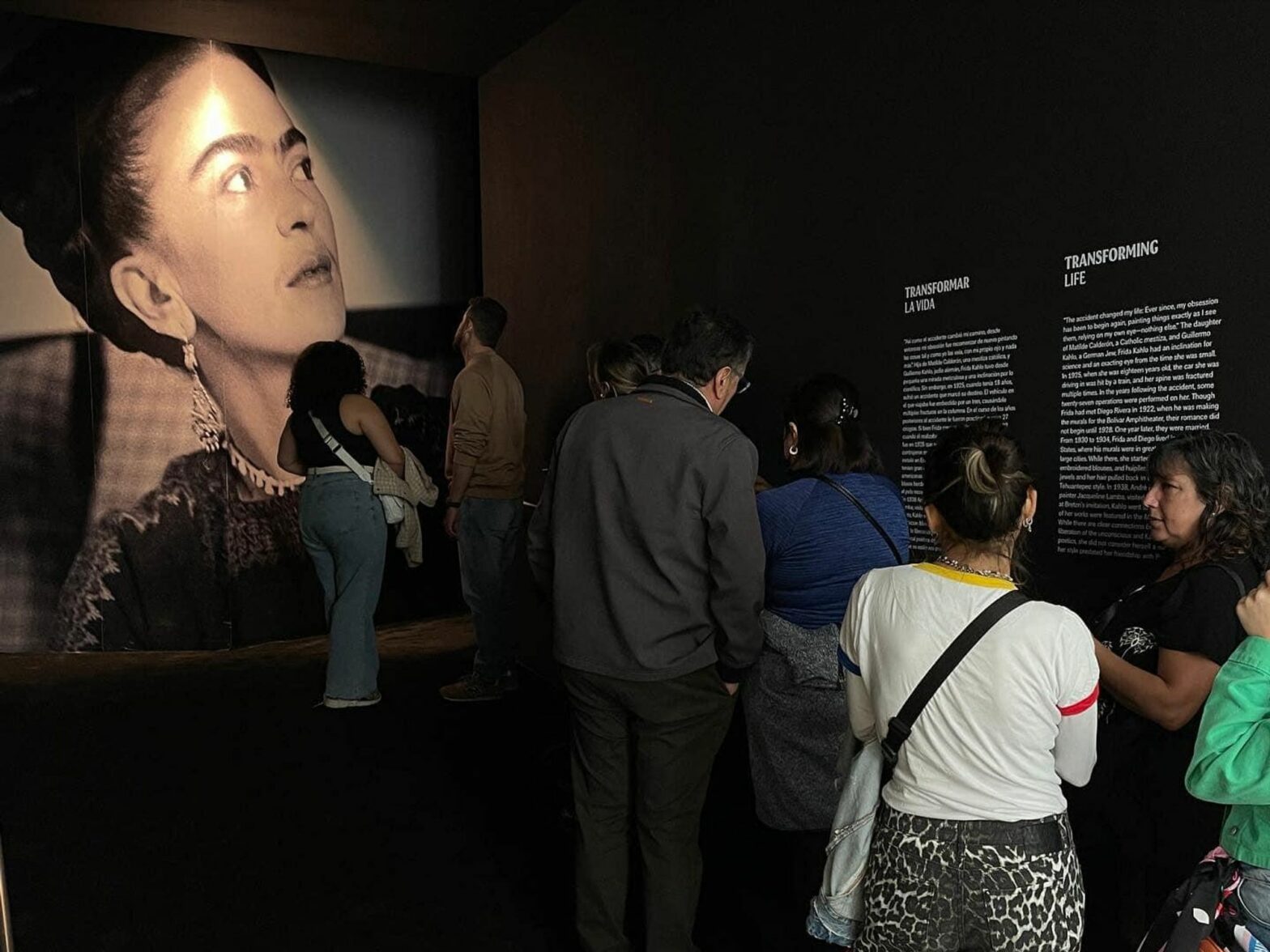
The Costantini collection of Latin American art, on display in Buenos Aires, includes family photos of Mexico’s Frida Kahlo, whose singular paintings and resilience in suffering made her, in death, a symbol of female strength and creativity.

The Metaverse evokes utopian visions of an escape from reality or a life lived online. But for now, it’s still just interactive gaming or networking spaces that does not have the rules or laws necessary to manage its full potential.
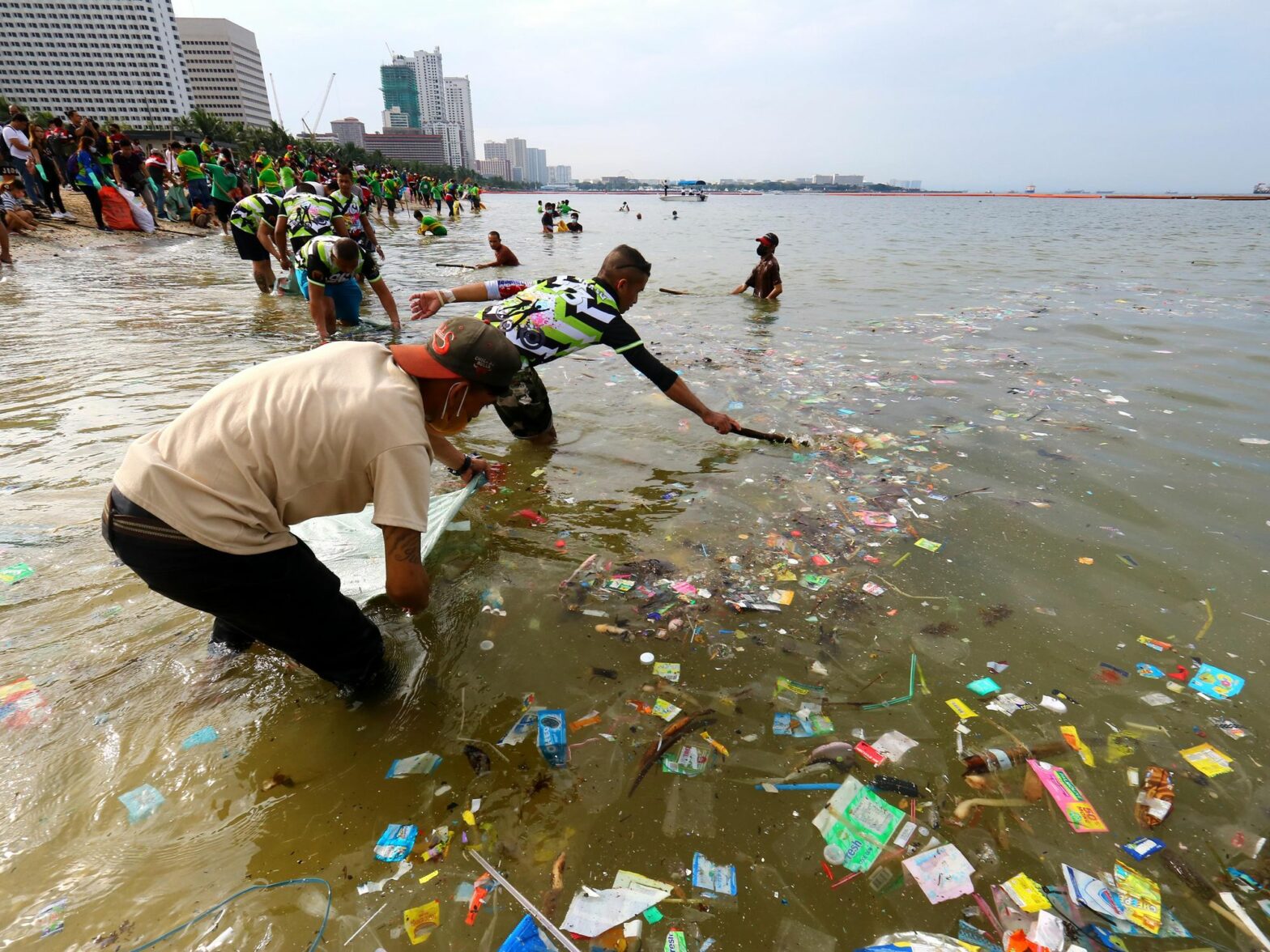
States and technology have failed to stop the destruction of the natural world, but a deceptively simple rethinking of our habits could turn the tide.
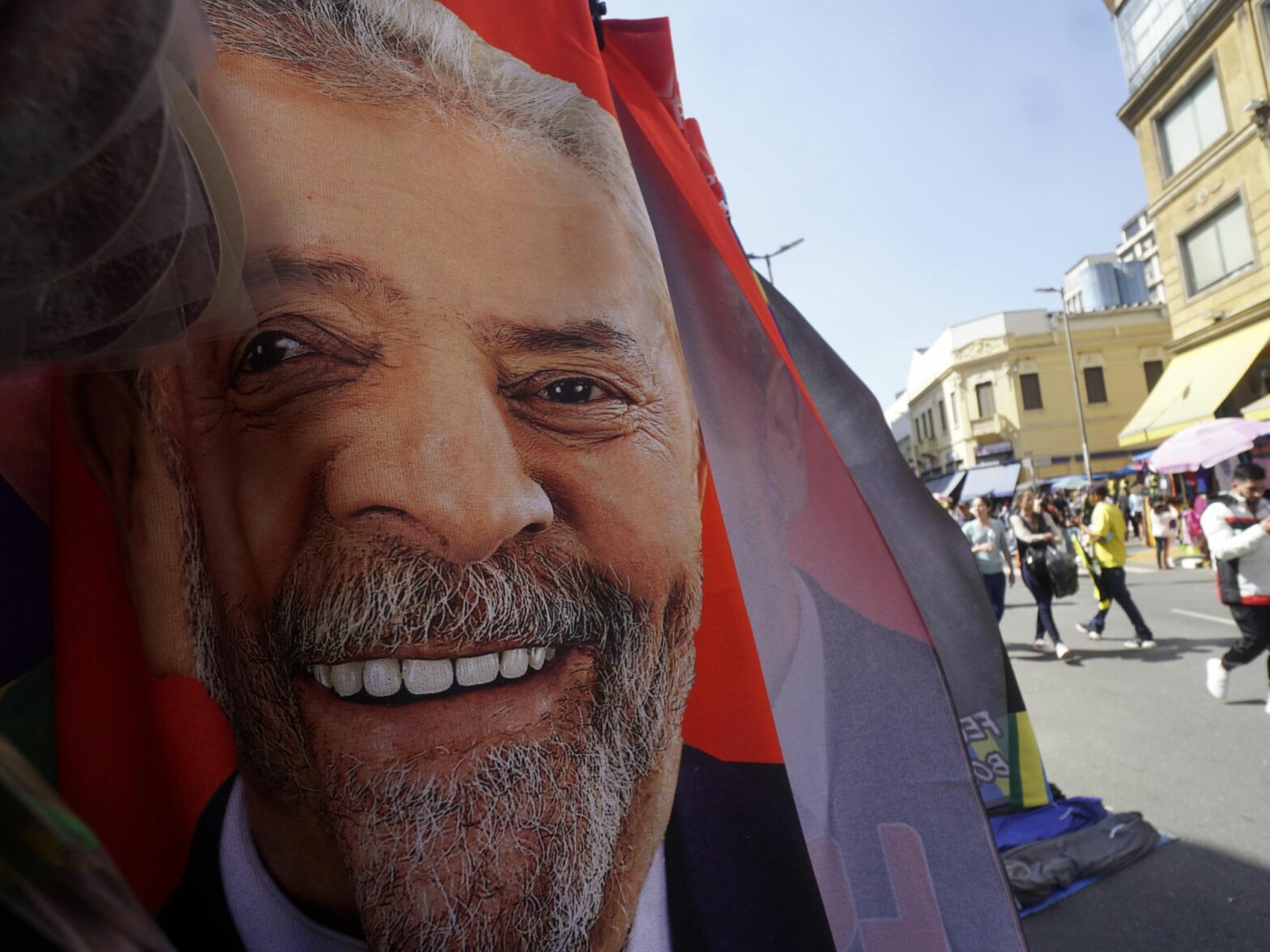
Despite the leftist candidate’s first-place finish, the voter mood in Brazil’s presidential campaign is clearly conservative. So Lula will have to move clearly to the political center to vanquish the divisive but still popular Jair Bolsonaro. He also needs to send a message of contrition to skeptical voters about past mistakes.
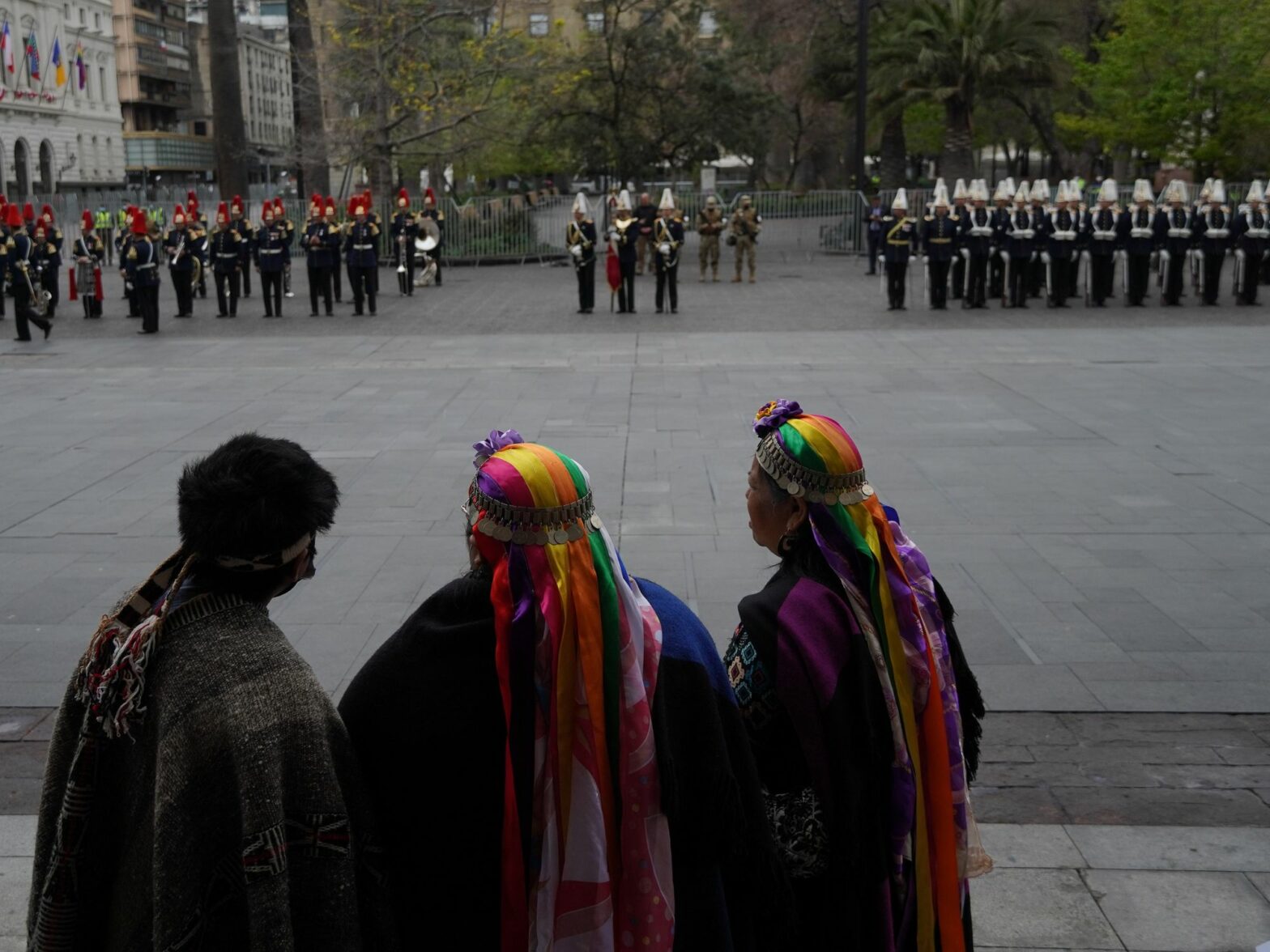
The Jehovah’s Witnesses in Chile have launched a Bible version translated into the native Mapudungun language, evidently indifferent to the concerns of a nation striving to save its identity from the Western cultural juggernaut.
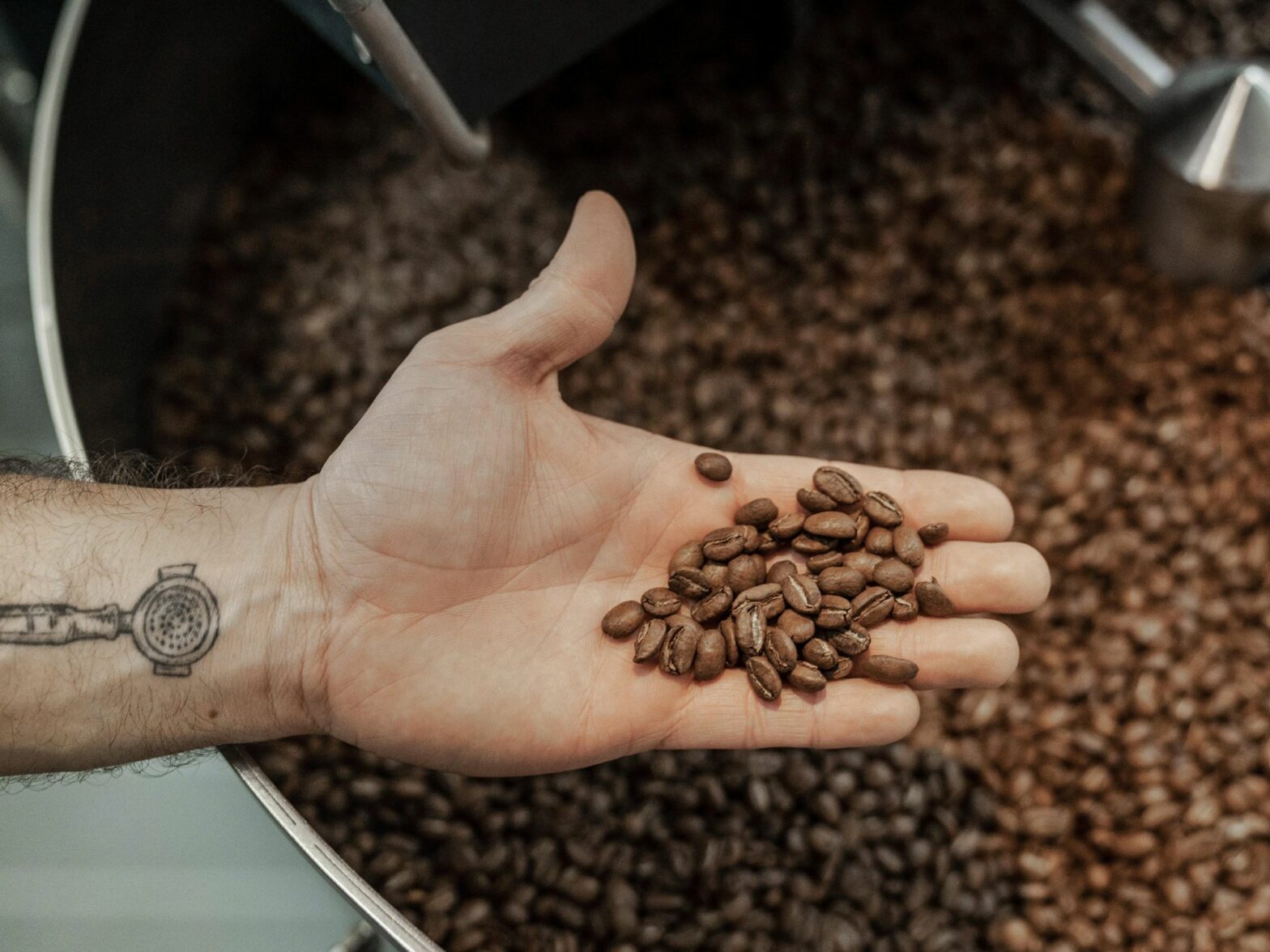
This essential morning drink for millions worldwide was once considered an addictive menace, earning itself a ban on pain of death in the Islamic world.

As global rivalries and over-fishing impact the seas around South America, countries there must find a common strategy to protect their maritime backyards.
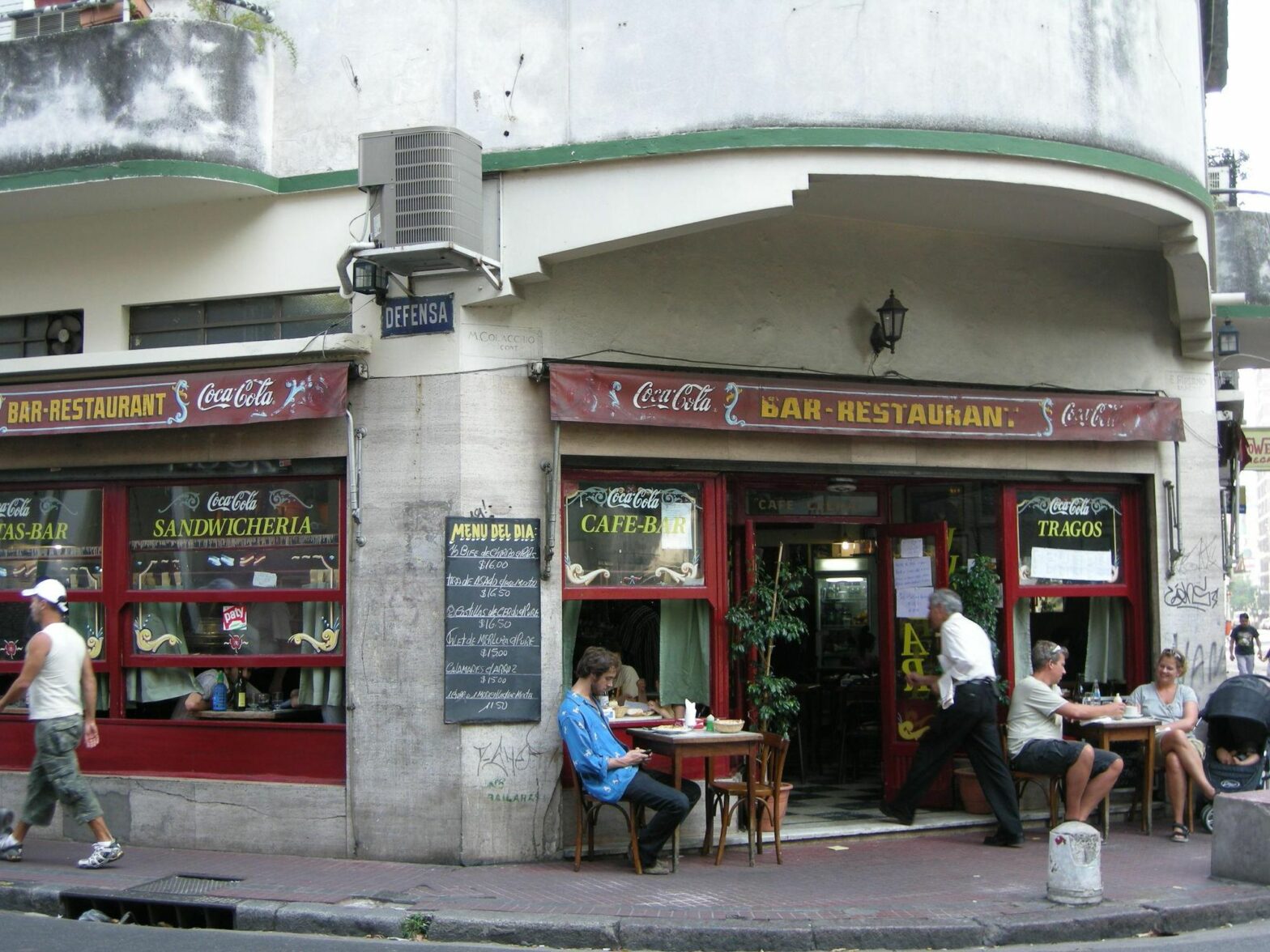
Society sees friendships as far less important than love and life partnerships. But psychologists warn that the end of a close friendship can leave the “grieving” side in need of therapy.
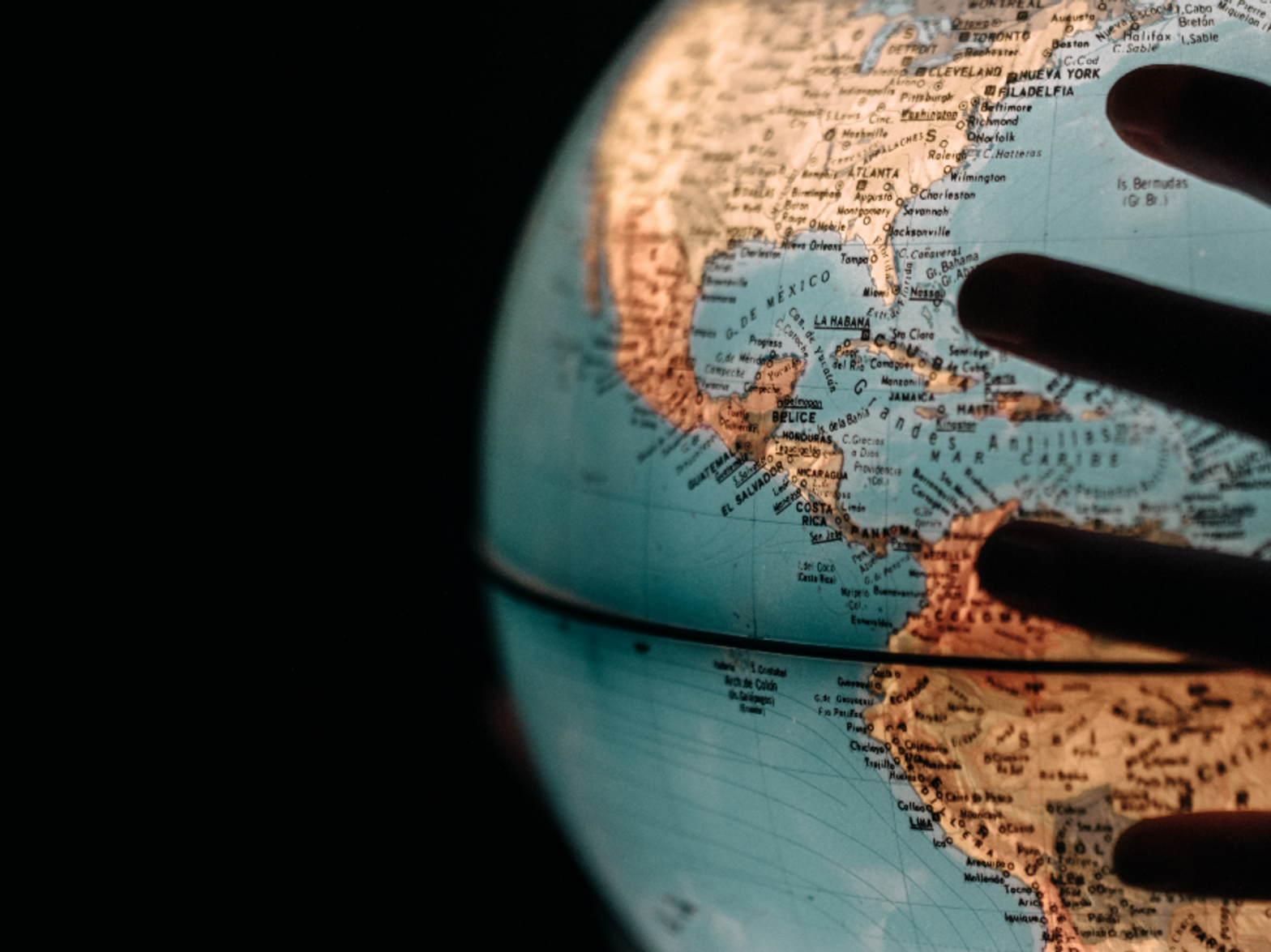
A relative loss of power by sovereign states to non-state actors, as well as China’s ascent, are part of a wider reshaping of power structures that is tense, “anarchic” and far from complete.
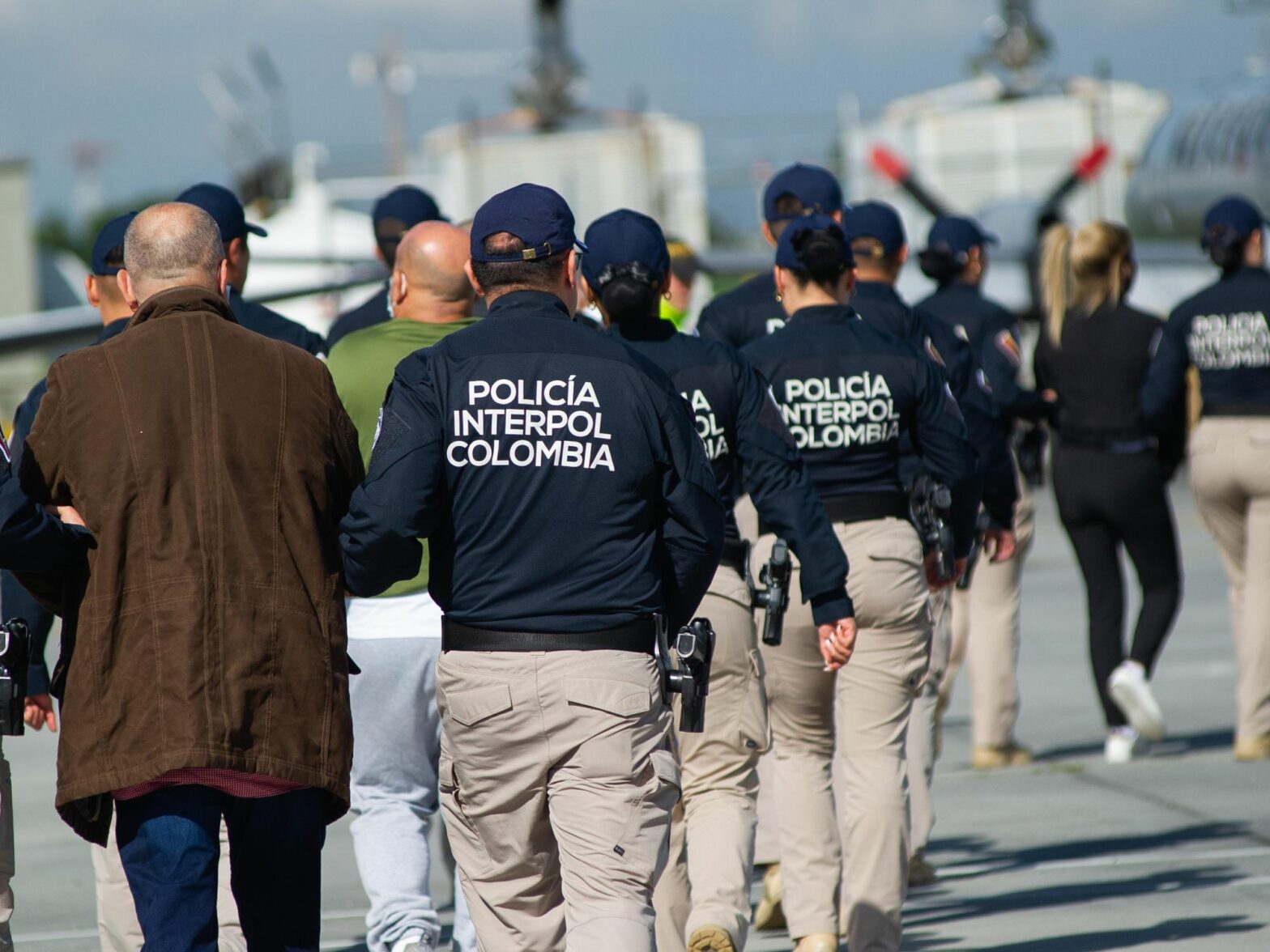
The Biden administration and Colombia’s new government seem to agree on the need for a new approach to drugs policy. But will they be able to find support in their countries to forge a new strategy?
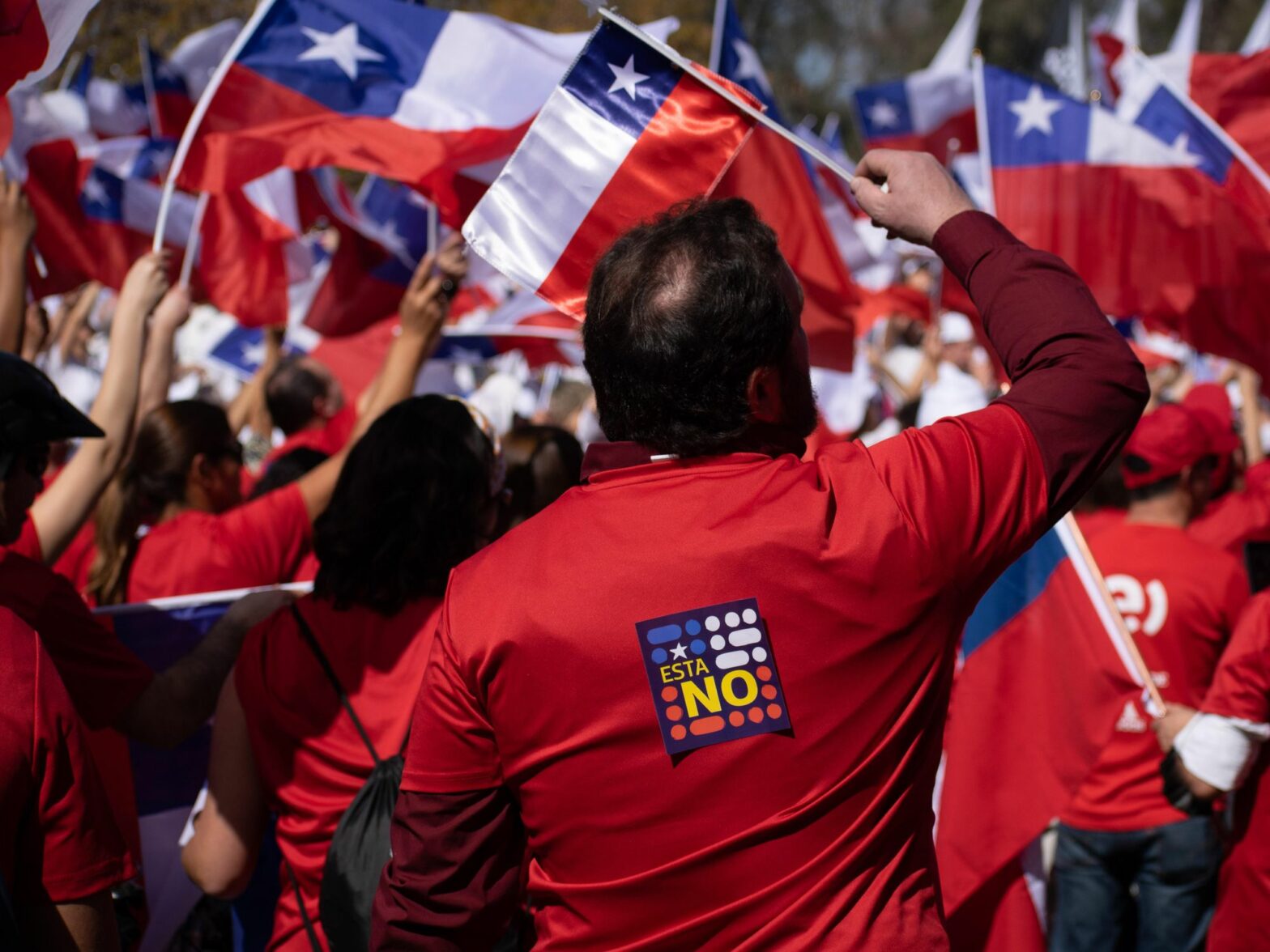
An overwhelming majority of Chileans quietly but very clearly voted to reject a draft constitution, which it feared would lock the country into a radical socialist mould.
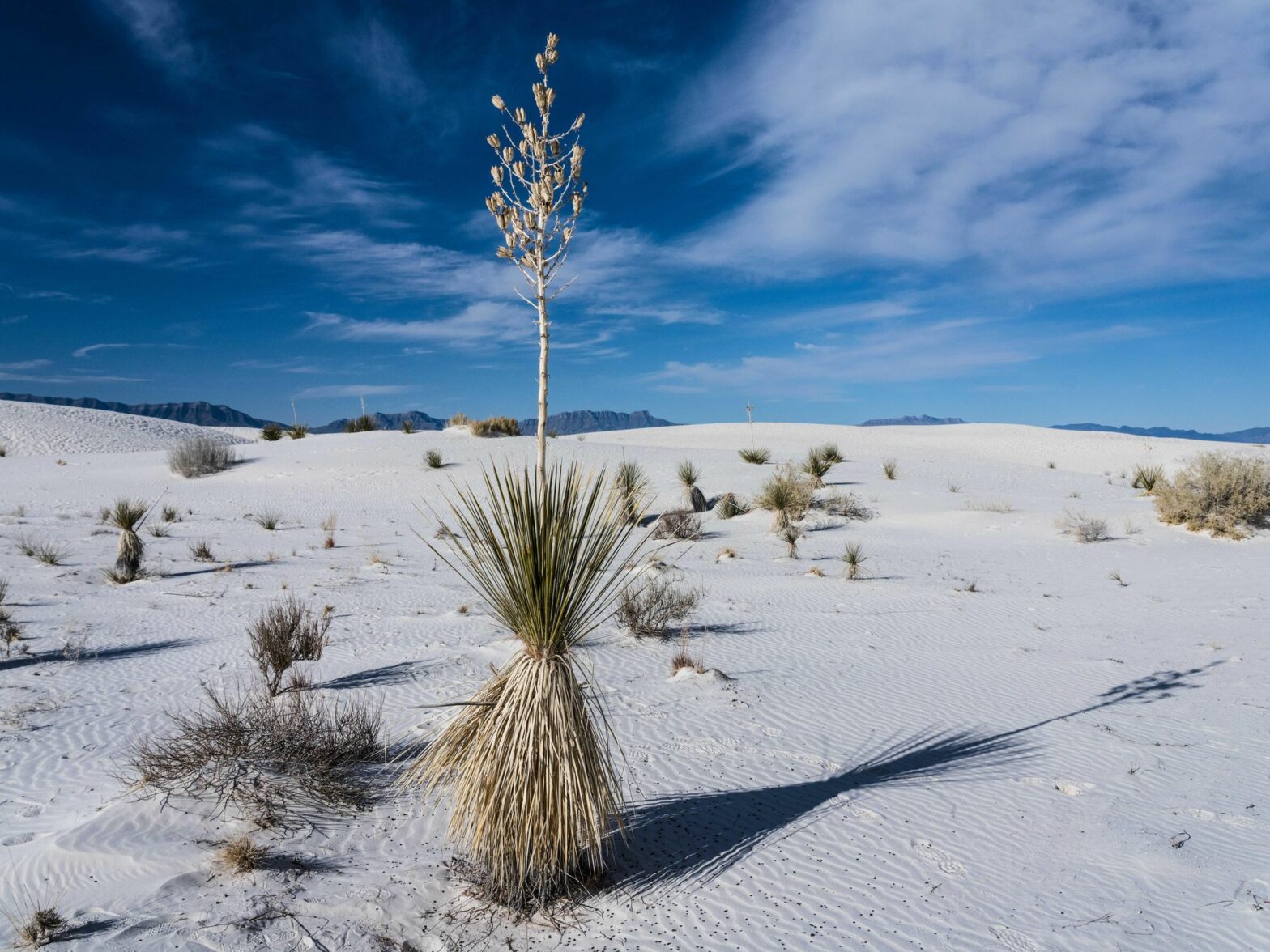
Giving nature rights, as South American nations are keen to do these days, is well-intentioned, but far too limited in scope to make sense.
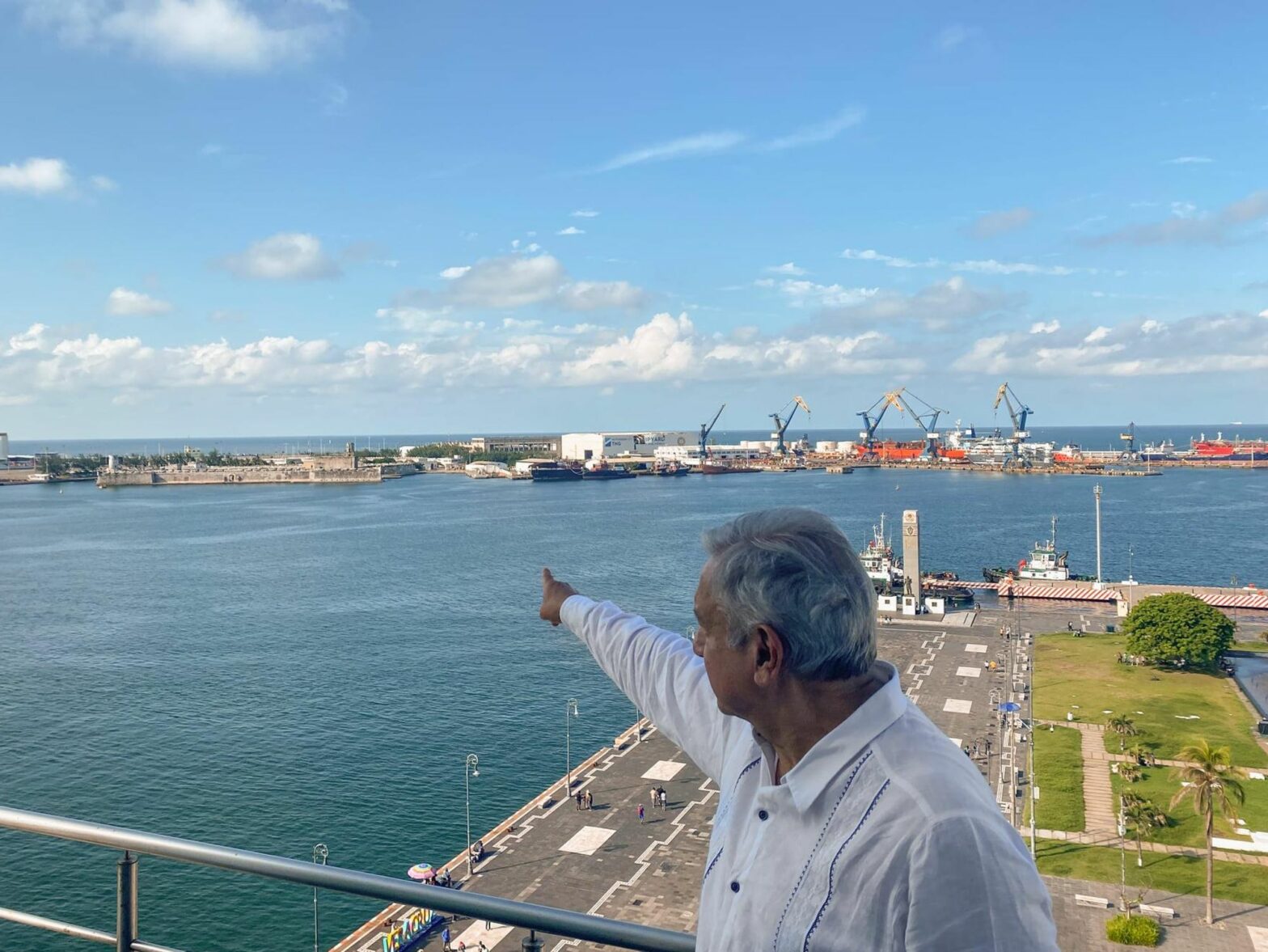
In irking Mexico’s chief trading partners with decisions affecting energy firms, the country’s leftist President Andrés Manuel López Obrador is tinkering with the free-trade pact that is the very engine and ballast of Mexico’s vast, and vulnerable, economy.
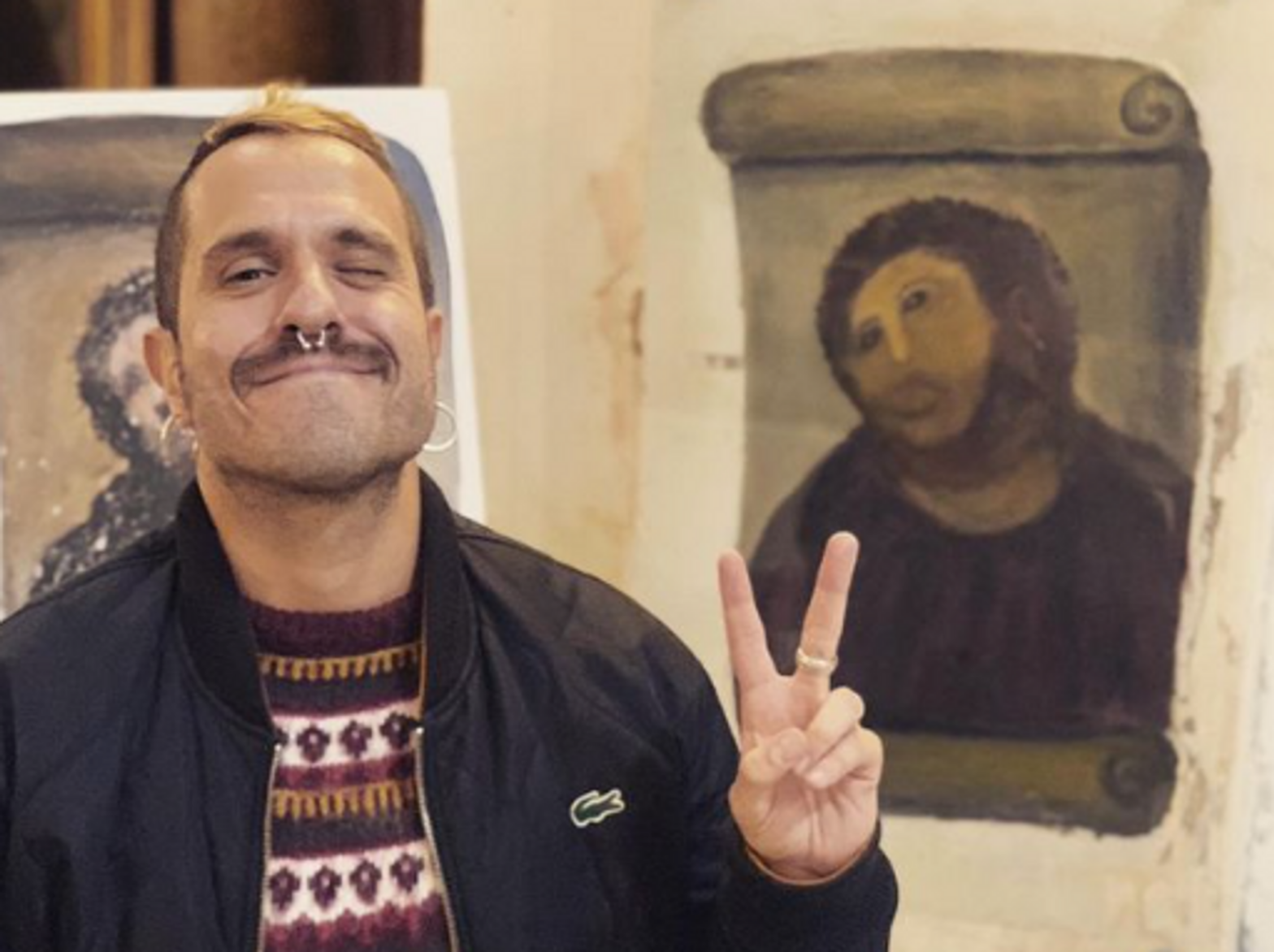
The clumsy restoration of a mural of Christ in a Spanish chapel 10 years ago shocked, then amused Spaniards and millions more abroad, and gave the local town a level of publicity, and tourist revenues, it never had nor could have hoped for. Here’s how it looks 10 years later.
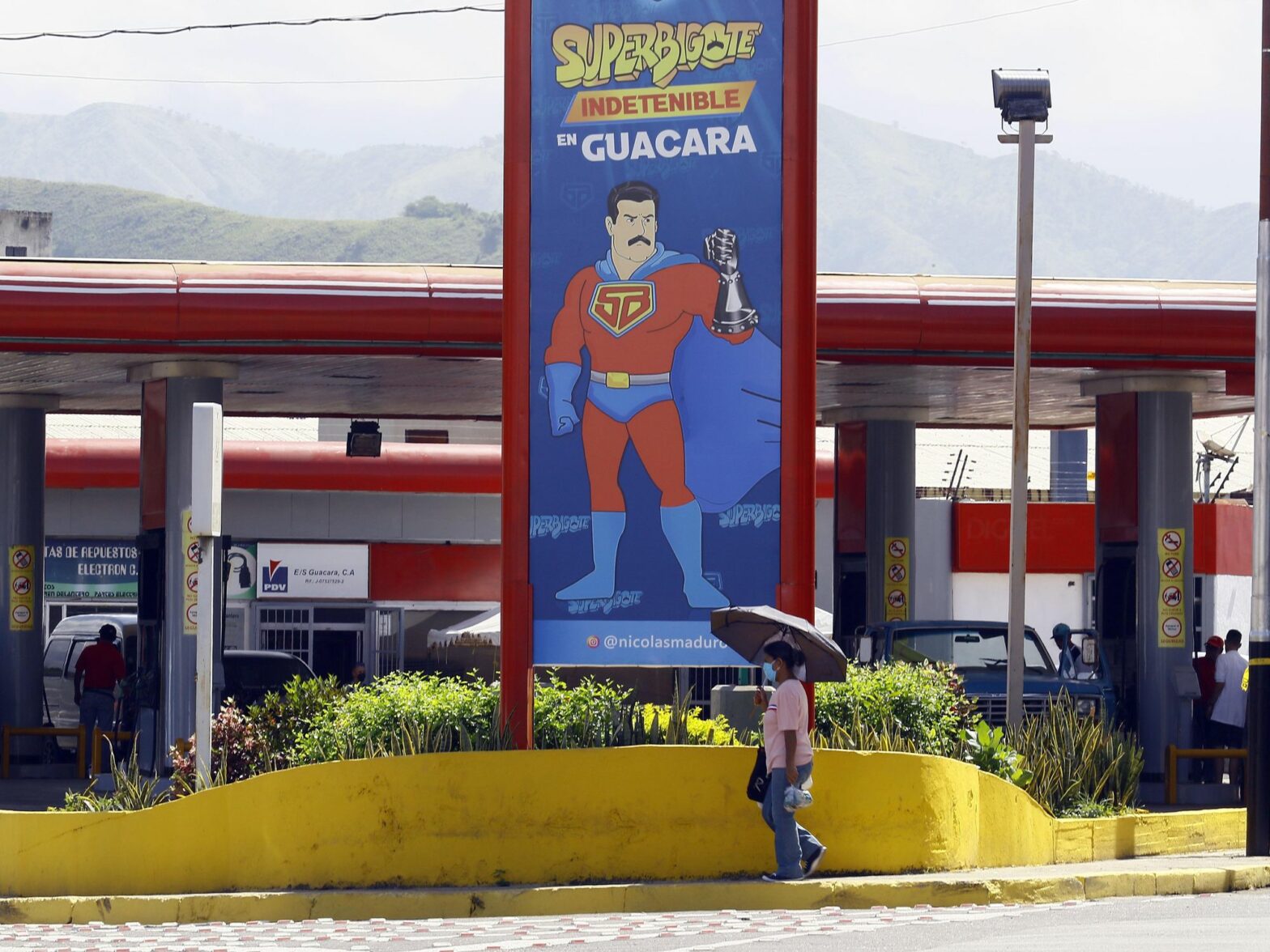
Venezuela is to create free economic zones to attract foreign capital into the Venezuelan economy, but who would take “clean” money to a lawless land run by rapacious revolutionaries?
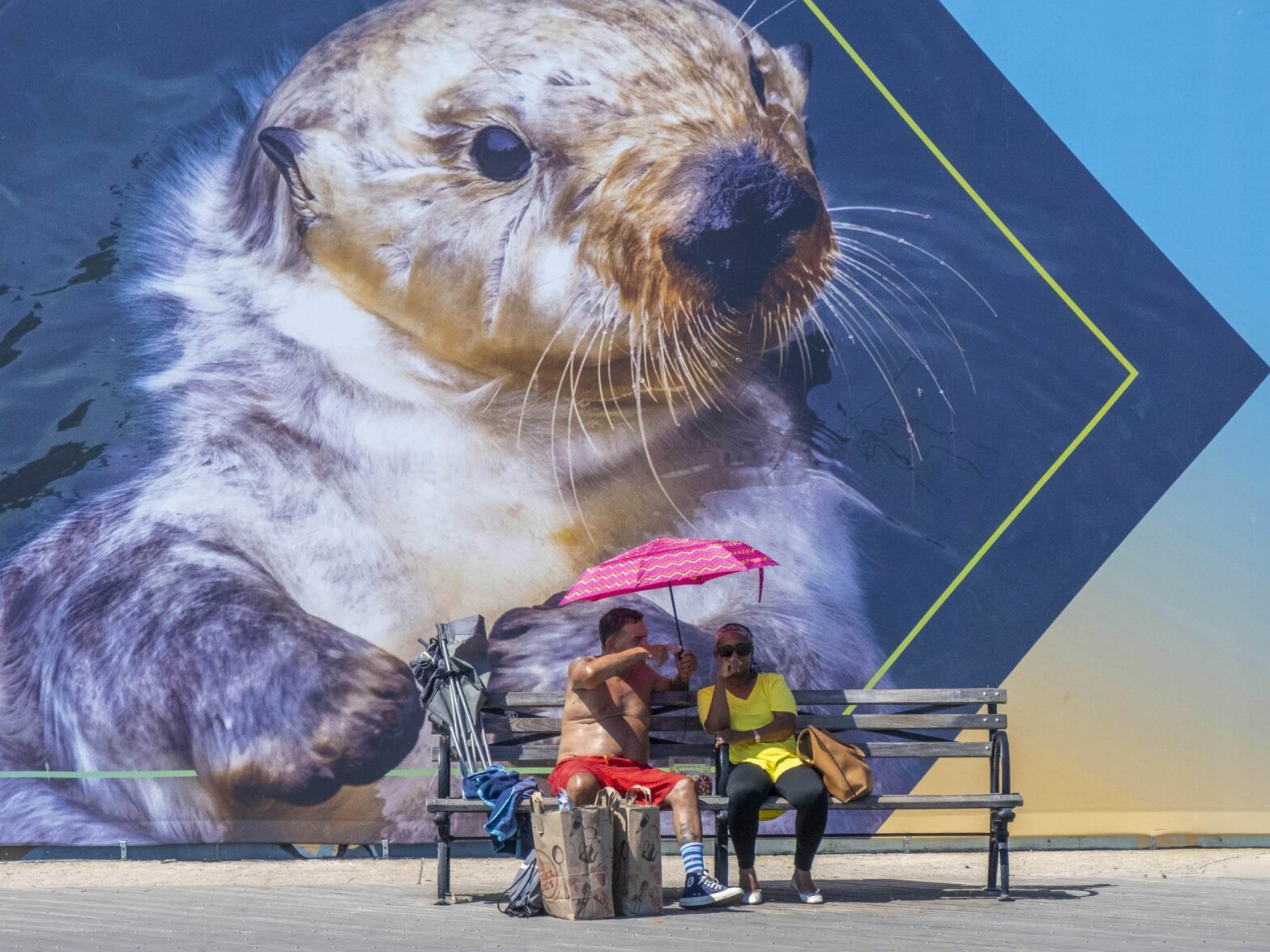
As measures to curb climate change move slowly in the face of deadly new weather patterns, we must immediately mitigate the havoc it has begun to cause around the world.
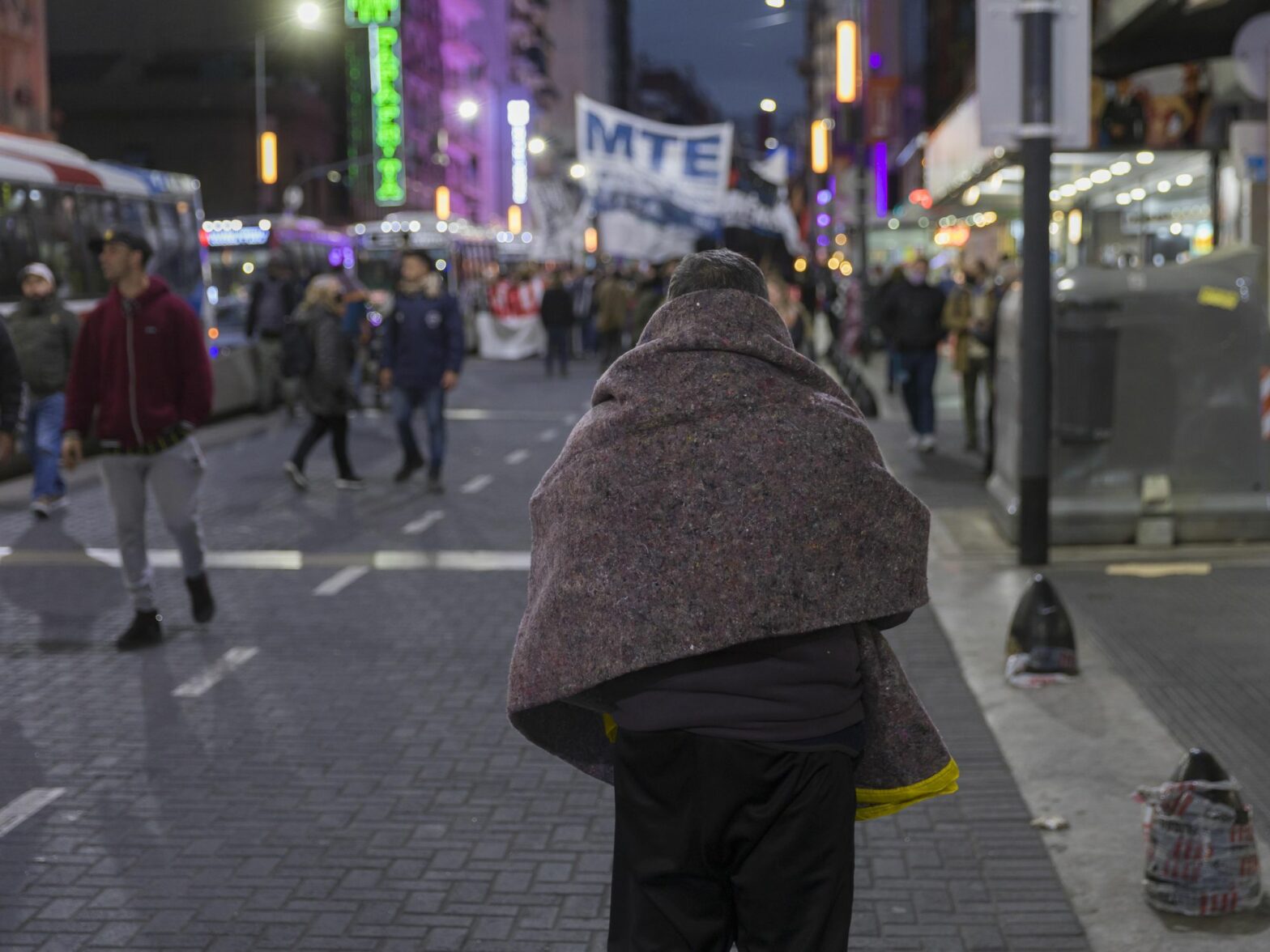
The expansion of constitutional rights has become a rhetorical tool for populist governments, when they do nothing to address much more vital questions like wealth inequality and social injustice. Latin America offers sharp examples, past and present.
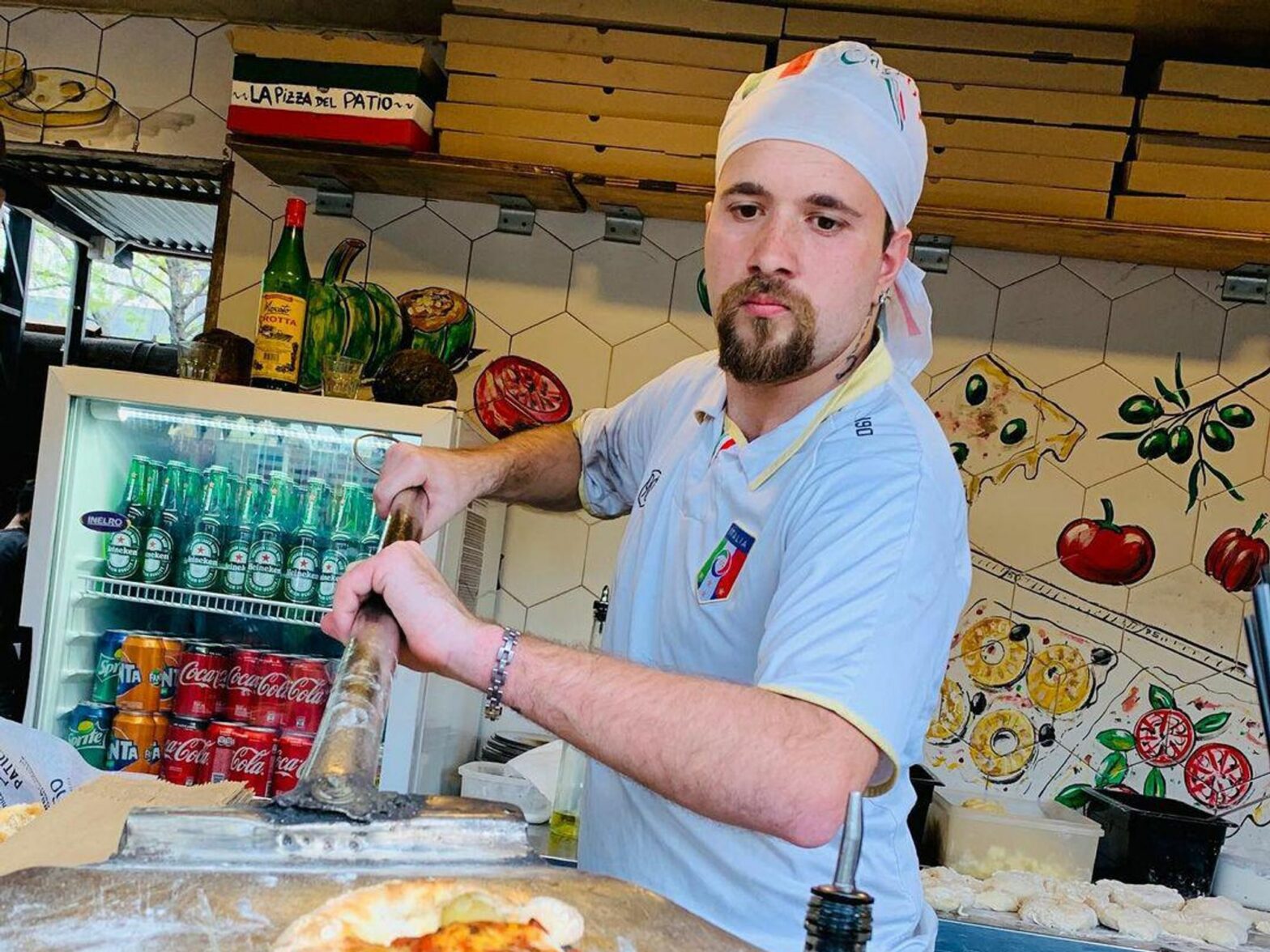
The Maseiantonios, whose roots are in Naples, left their native Italy in search of opportunities and, like so many other Italians, found Buenos Aires. There, they offer the native Neapolitan recipe of pizza to the country that offered Naples its most delectable sports star.