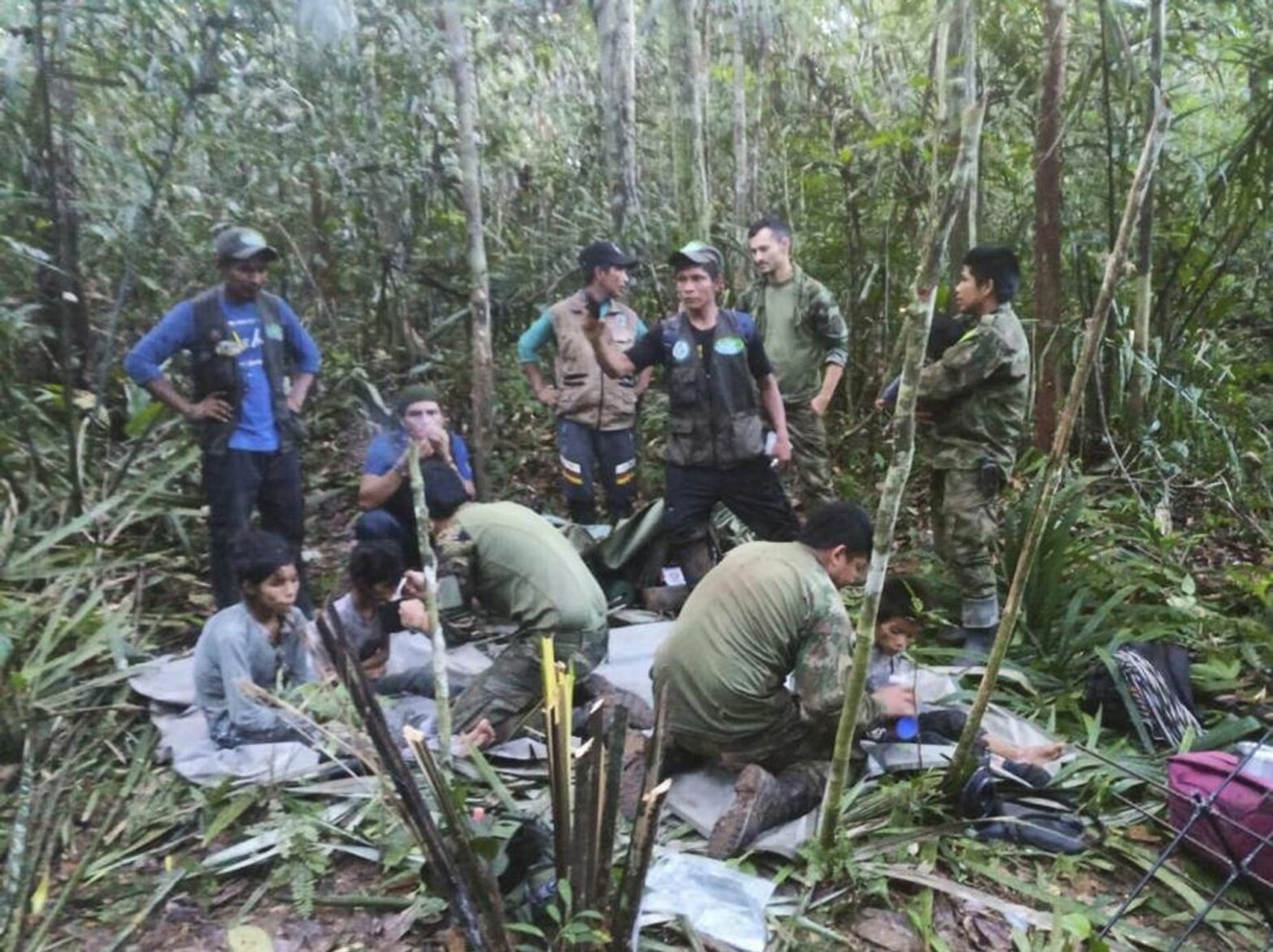
Much has been said about how the children’s local culture helped them survive 40 days stranded. But there are indigenous people in Colombia who believe “natural spirits” watched over them, keeping them safe until it was time for them to be found.
 Worldcrunch
Born in Tehran, educated in Britain and France, I have been a freelance translator since the late 1990s.
Much has been said about how the children’s local culture helped them survive 40 days stranded. But there are indigenous people in Colombia who believe “natural spirits” watched over them, keeping them safe until it was time for them to be found.
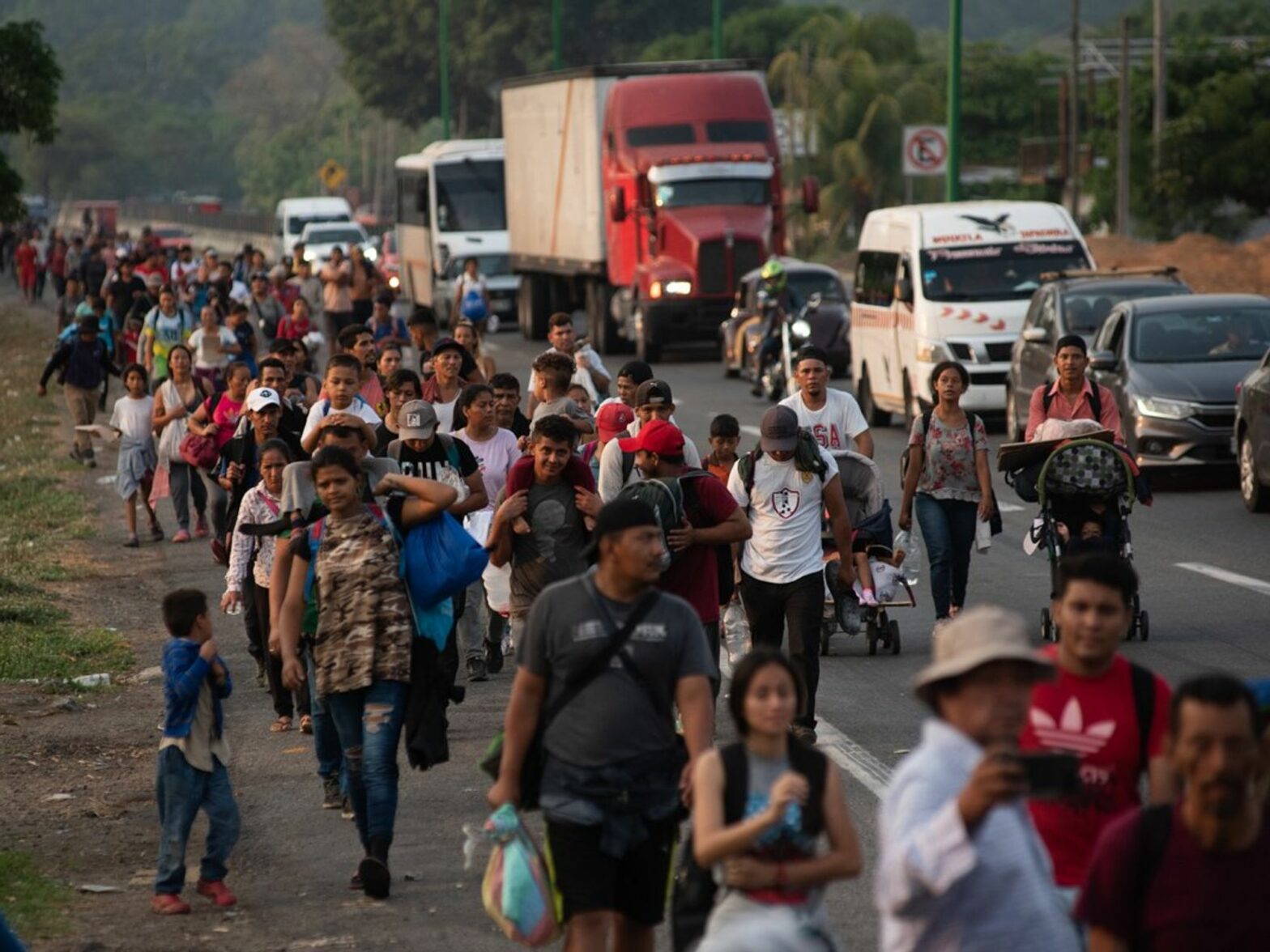
If the United States insists on treating Latin American countries as unruly neighbors rather than partners, then it must expect problems from them in the form of fugitives, drugs and crime.

Fears of reprisal mixed with emotional guilt prompt some of the women battered at home to withdraw accusations against an aggressor. In Argentina, however, depending on the gravity of allegations, the state must investigate household violence regardless.

Venezuela’s Aragua Train, which began smuggling women into jails a decade ago, has become an international forced prostitution and people-smuggling operation. A special investigation by Colombia’s El Espectador*.

Dior recently tried to fight gender violence in Mexico City, in a catwalk inspired by late artist icon Frida Kahlo. However, this took place in the form of an elitist show, with hollow slogans and no real action.

Society judges men and women very differently in situations of adultery and cheating, and in divorce settlements. It just takes some high-profile cases to make that clear.

Sleeping separately is often thought to be the beginning of the end for a loving couple. But studies show that having permanently separate beds — if you have the space and means — can actually reinforce the bonds of a relationship.

Argentina has tweaked its protocols for responding to sexual and domestic violence. It hopes to encourage victims to report crimes and reveal information vital to a prosecution.
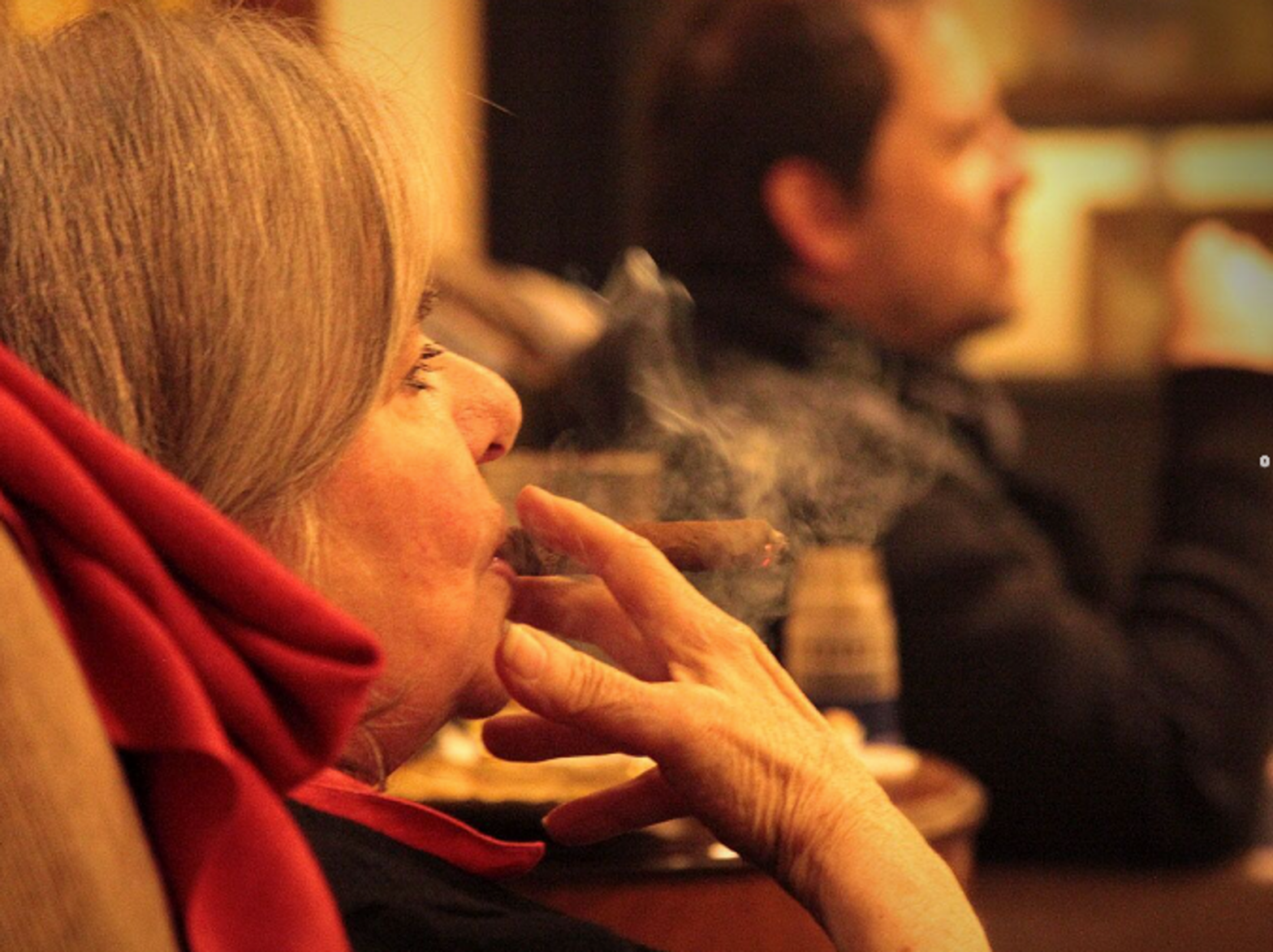
For the first time, Cuba’s prestigious annual cigar festival recognized a woman, Alsogaray, owner of an iconic cigar shop in Buenos Aires, as the top representative of this celebrated lifeline of the Cuban economy.
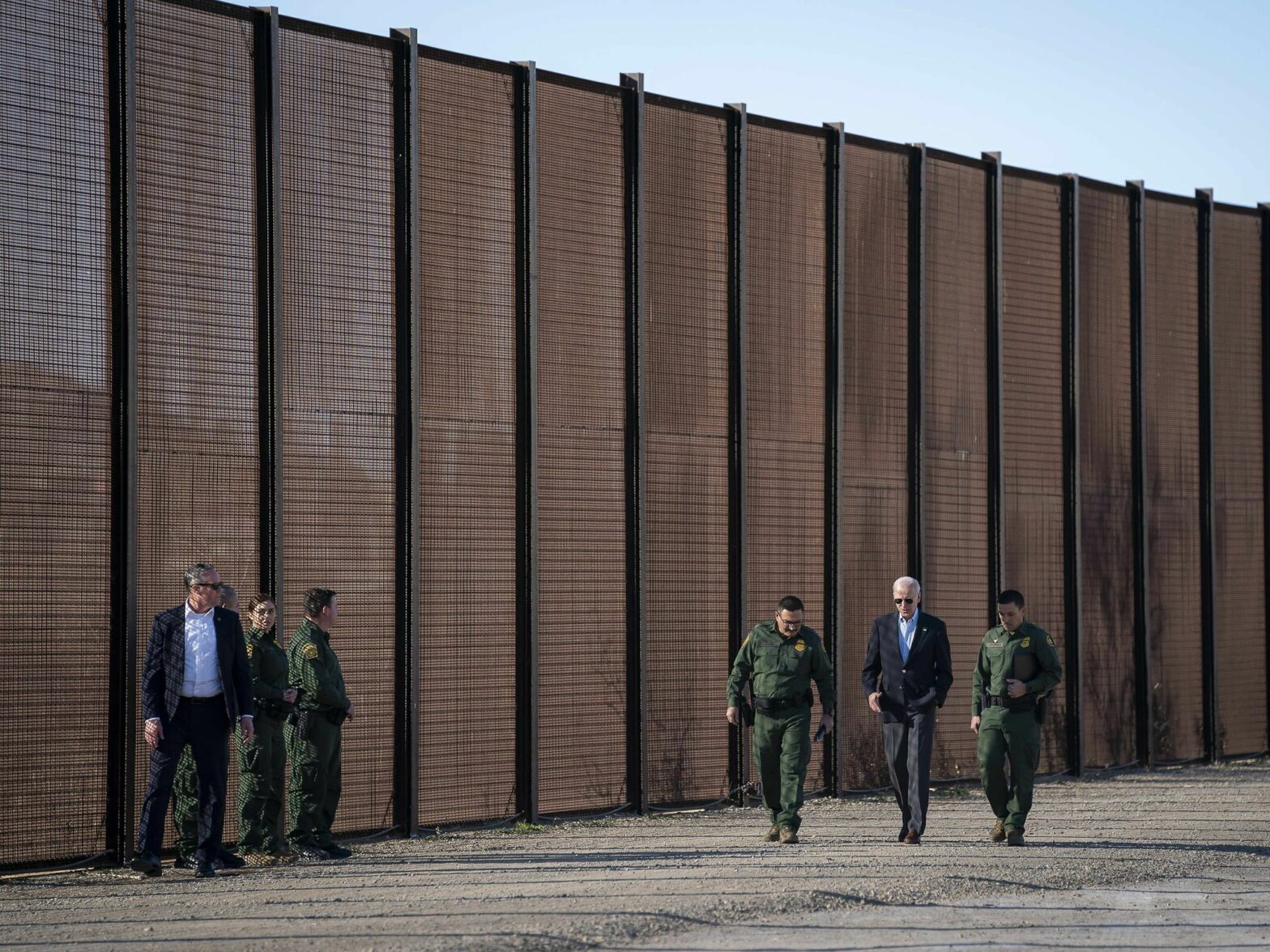
Mexico and the United States must collaborate to tackle a dual problem of violence and drug use hurting their countries.But first, they must stop playing the blame game.
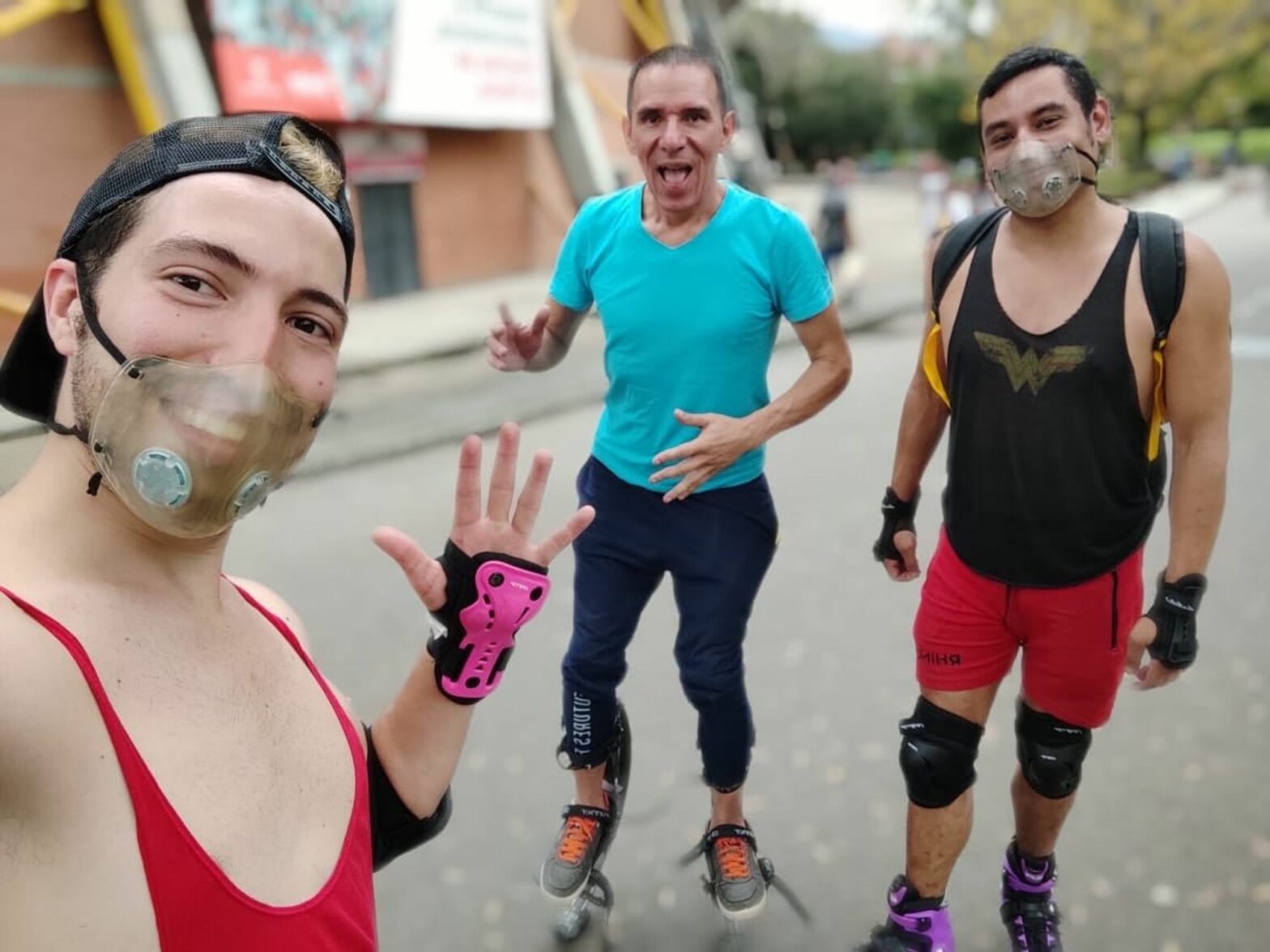
The throuple of three gay men married together has challenged the standard vision of a family in traditionally conservative Colombia.

The West and its brand of modernity may be waning in favor of an ascendant China, but is it offering anything besides replacing market forces with brute force.

People’s deplorable actions ultimately have more to do with socially induced fears and mistrust than some inherent evil. Fiction and tradition tells us humans are fundamentally wicked, but history says otherwise.

Though he campaigned for his return to the Brazilian presidency as a pro-Western reformer, since coming into office Lula da Silva has reverted to the classic positioning of a 20th century Latin American leftist.

Male dominance and violence is often encouraged in popular Latin American music, and particularly in genres like salsa or bachata. The more memorable the songs, the bigger the harm they will have done to generations of women.
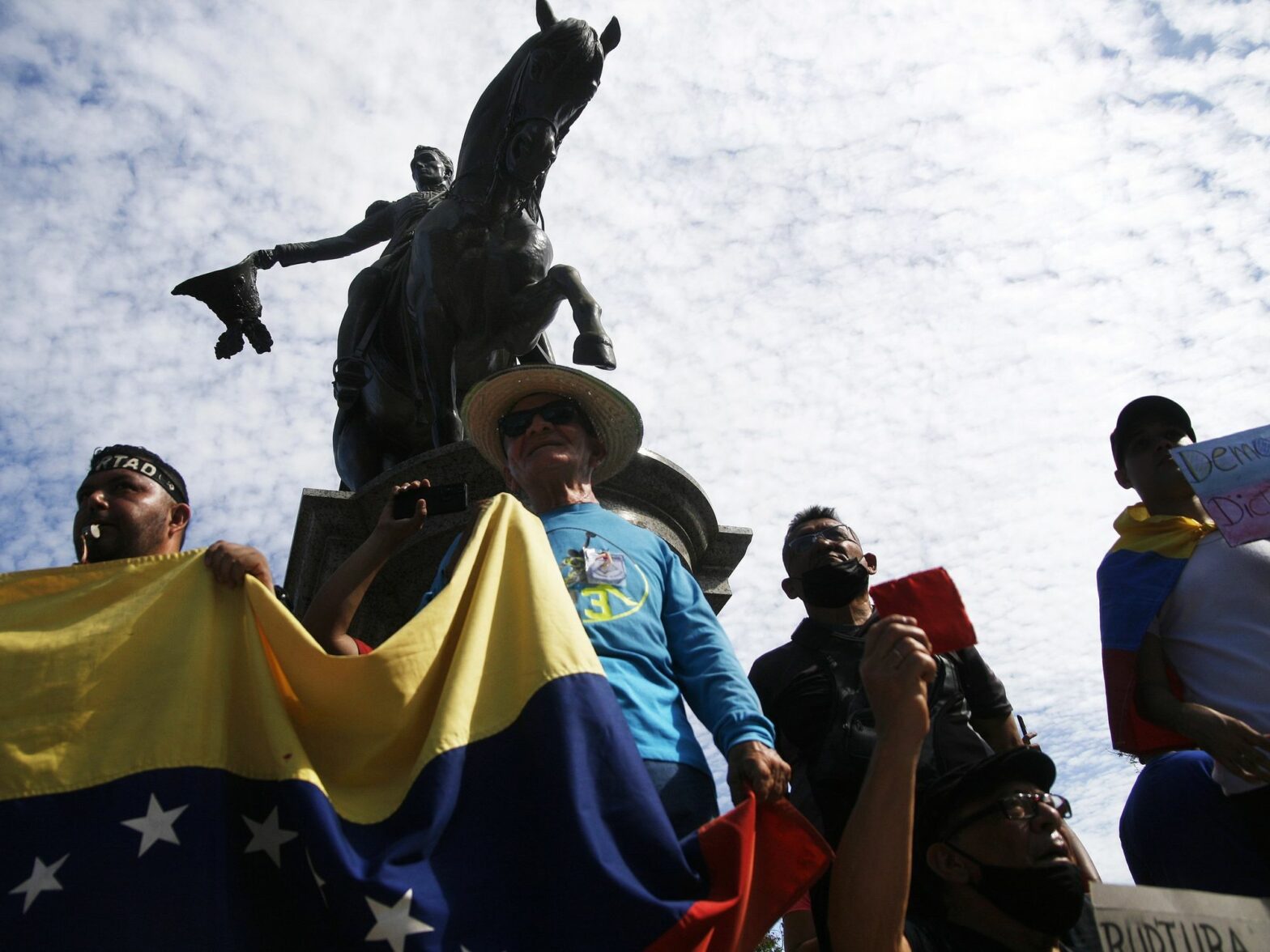
Like fears of communist subversion during the Cold War, claims that the Left will destroy the economy and end freedom persist in Latin American elections, in spite of their ridiculousness.

The Vatican may soon canonize the Mama Antula, an Argentine woman who started a spiritual movement at a time when religious intellectualism was strictly the domain the men.
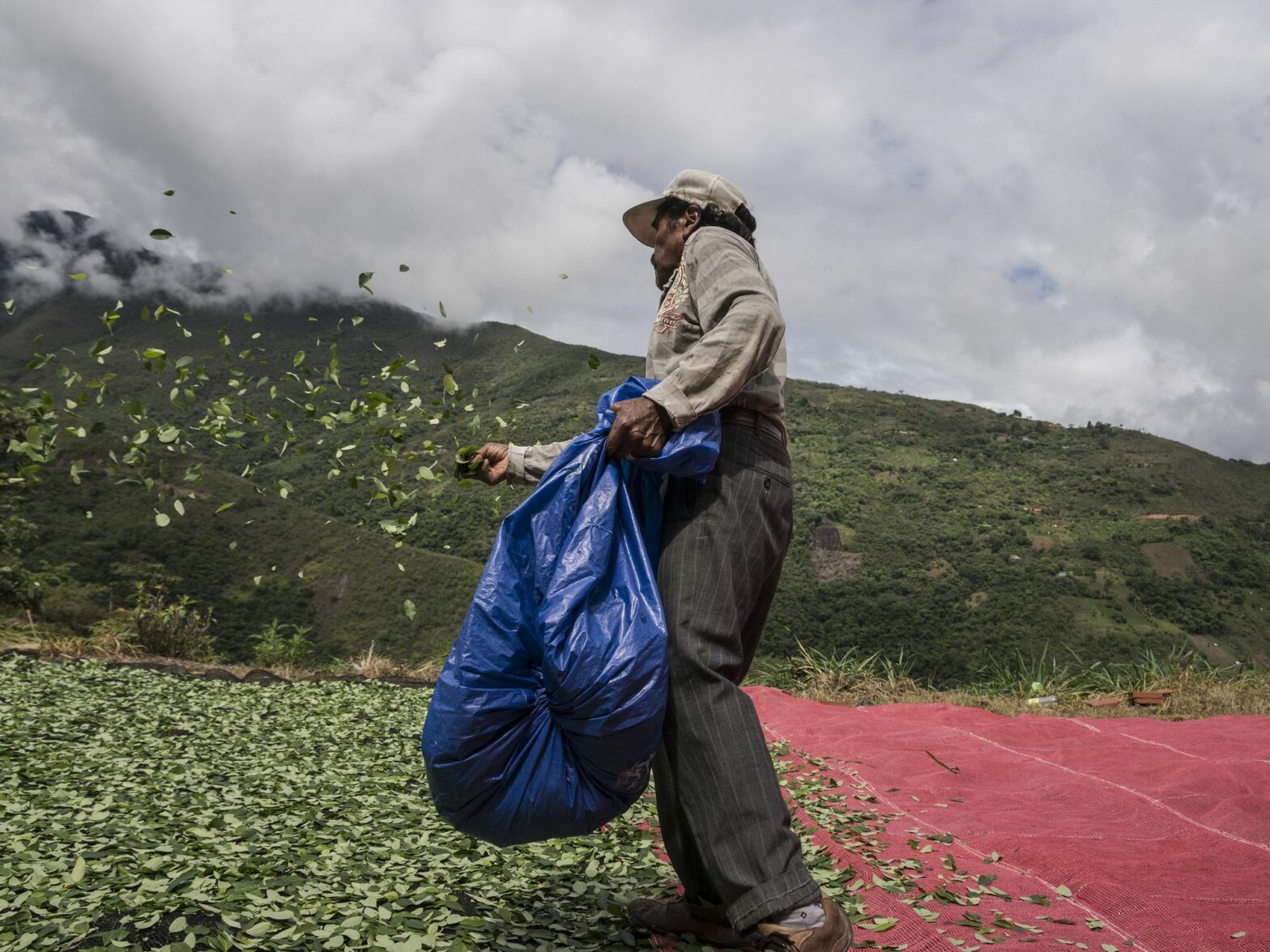
Convincing coca farmers to plant legal crops is better than spraying poisonous pesticides to wipe out the plants. And yet it turns out these crop substitution programs are problematic, disrupting livelihoods and unintentionally causing violence and deforestation.

Brazilian President Lula da Silva is sticking to Brazil’s favored policy of diplomatic non-alignment while visiting China, hoping to win his country all the business and export deals he can sign.
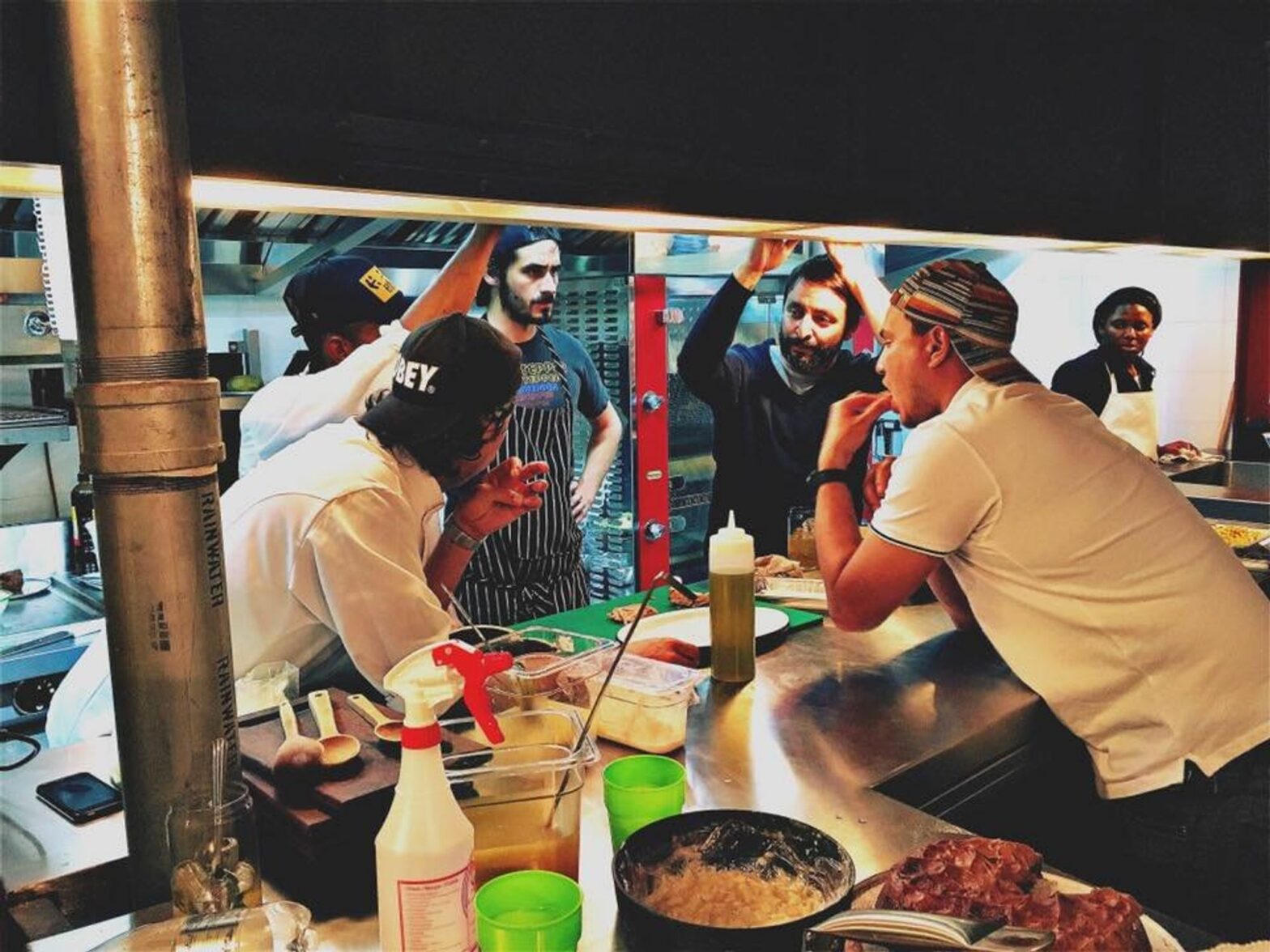
Top chefs in Bogotá and other big cities in Colombia are rediscovering and updating the country’s traditional fare to celebrate local ingredients.

Atheists may not have been blessed with faith, but God has graced them with a mischievous wit and a love of the arts that has led to some of the most beautiful depictions of religion.

Christian Easter, Muslim Ramadan and Jewish Passover are coinciding this year on the lunar calendar — and it won’t happen again for three decades. It is a singular opportunity for the descendants of the prophet Abraham to come together in generosity and humility.
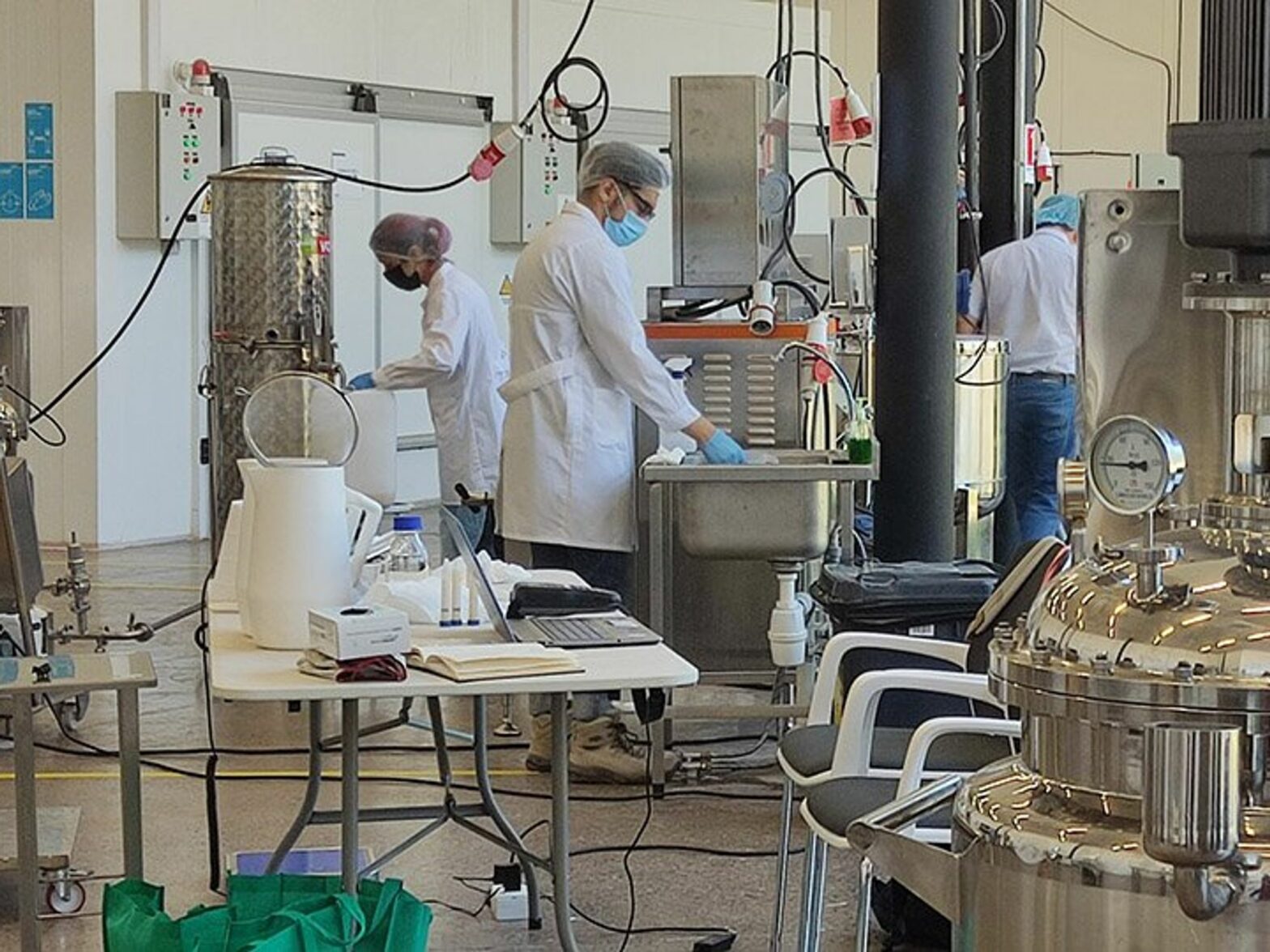
Chile’s CeTA agency tests innovative food prototypes for startups and firms, helping to curb production costs and pushing for evolution in the context of climate change.

A school in the US is suing social media giants for damage done to children’s well-being. But fining tech giants is a feeble response to their attacks on society’s welfare.
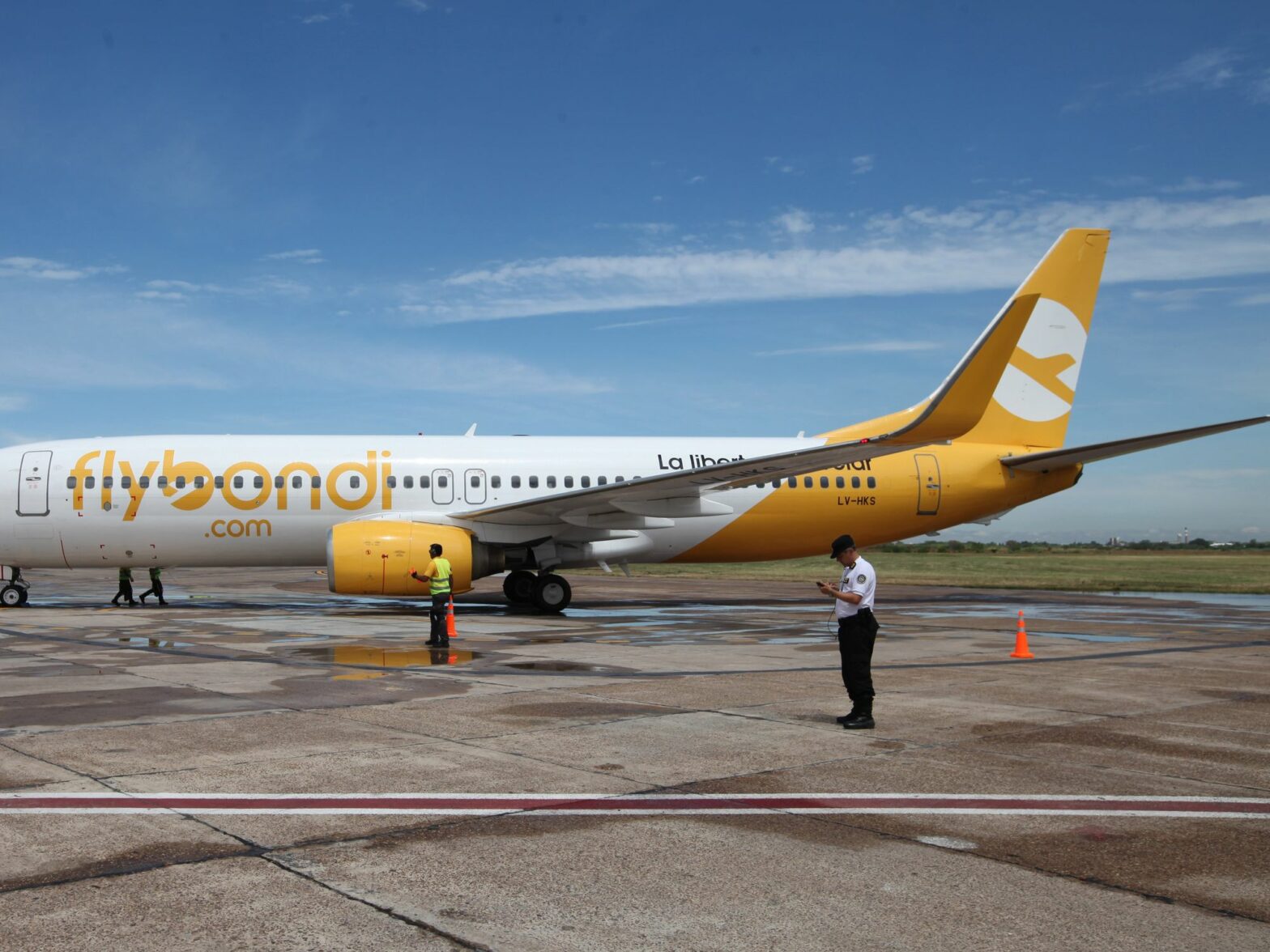
The innovative airline based in Argentina is offering plane tickets that can be given as a gift, or even sold, in what it says is a first anywhere in the world.
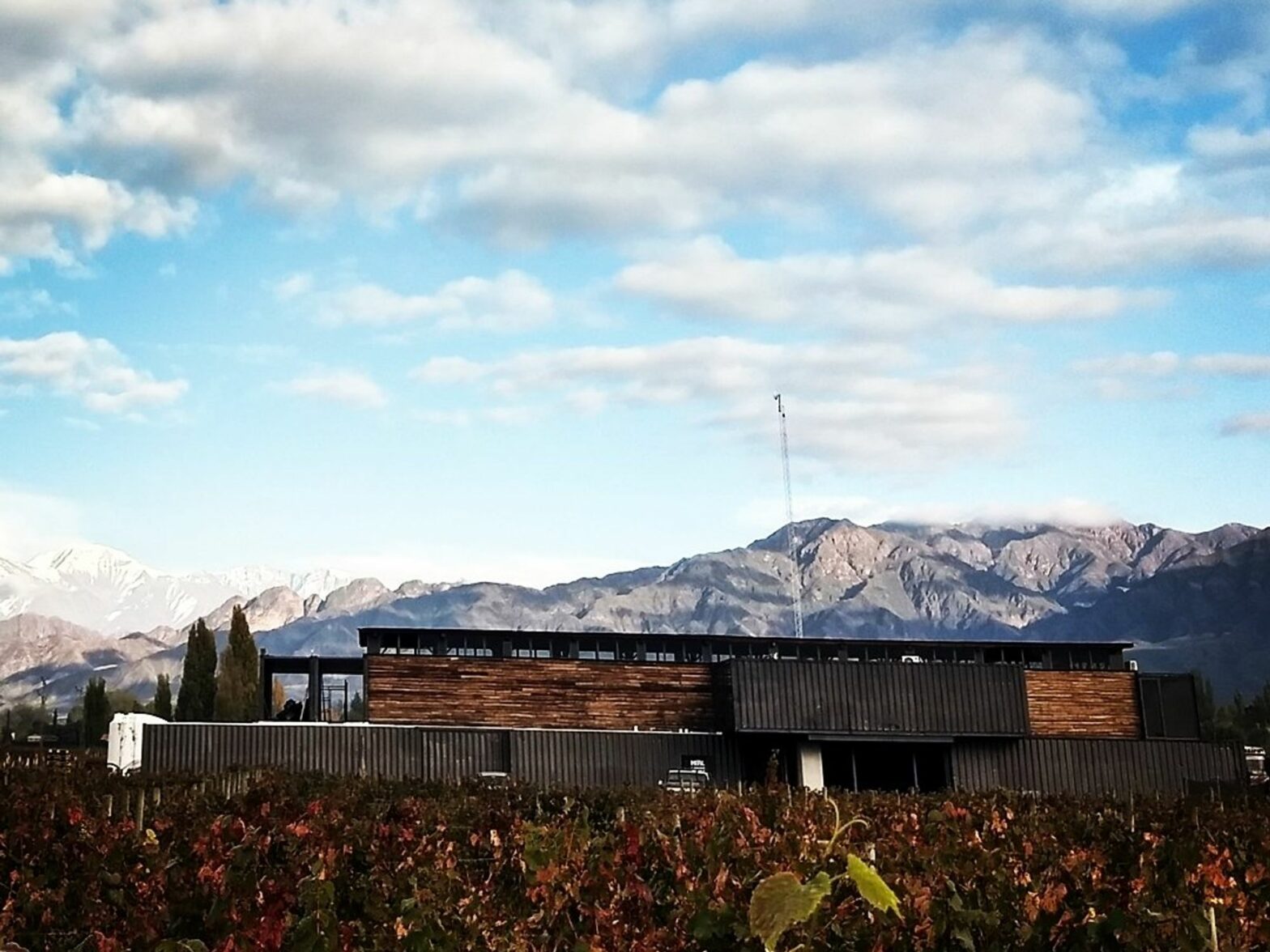
Architects in Mendoza, western Argentina, have used hundreds of tons of recycled building material, shipping containers and discarded decorations to create an otherwise high-tech winery.
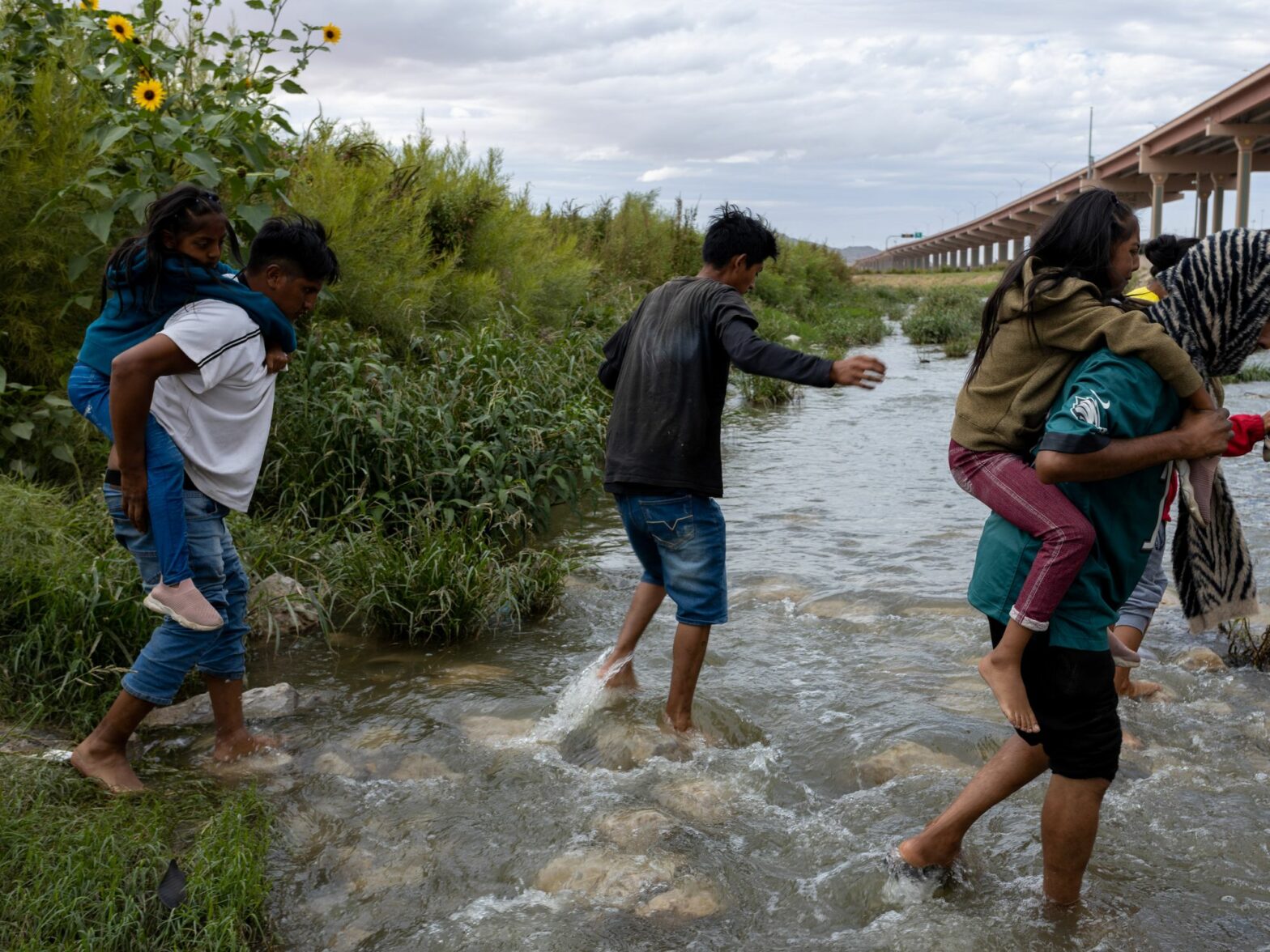
With dimmed hopes of a transition from the economic crisis and repressive regime of Nicolas Maduro, many Venezuelans increasingly see the United States, rather than Latin America, as the place to rebuild a life.

Right-wing reaction to the globalized, liberal order is starting to look less dispersed and more systematic, like 20th-century political movements like socialism and communism.

Learning to actively be more grateful to those in our lives, even when it’s hard, can change everything.
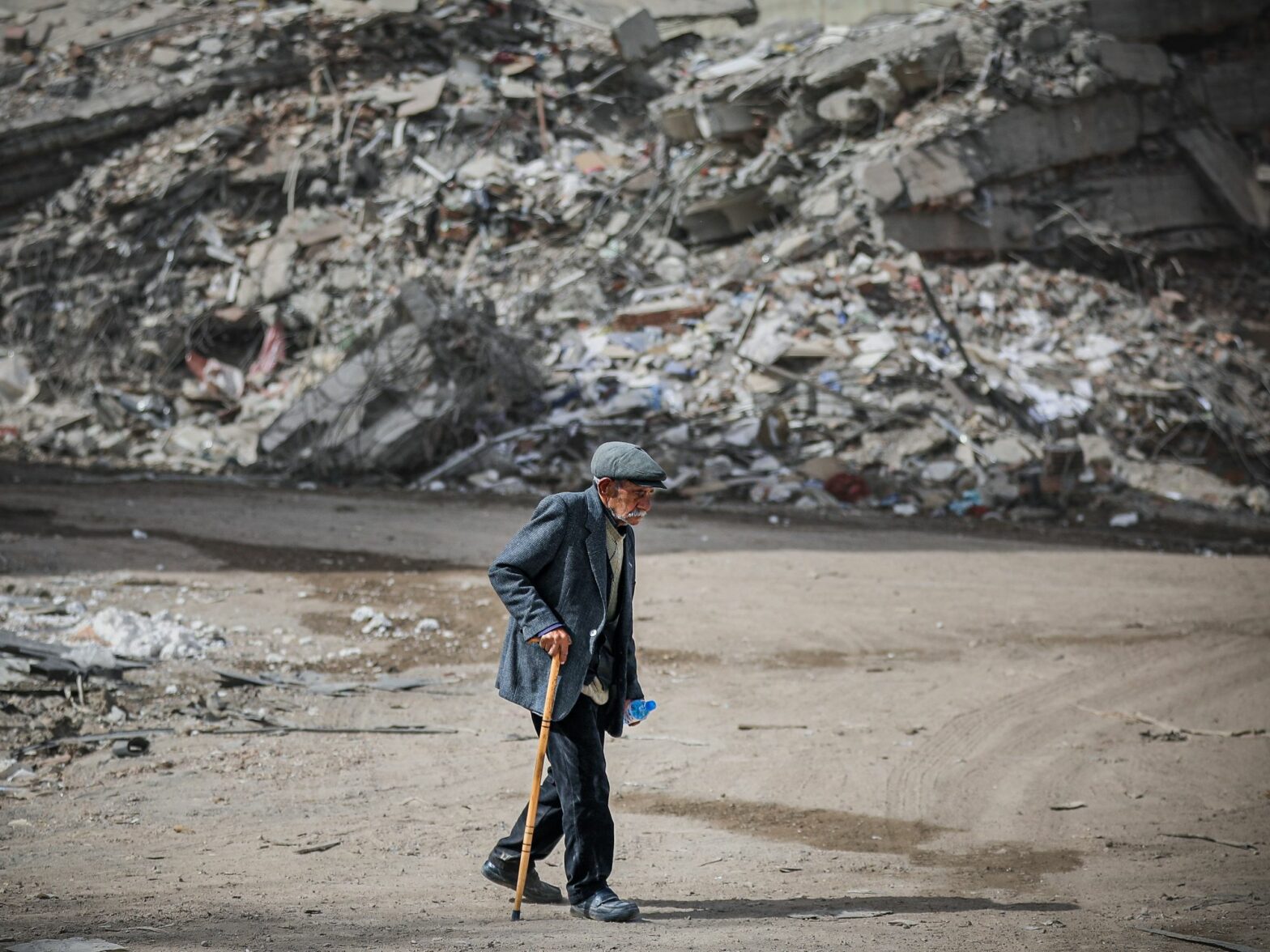
The shoddy homes that collapse on their inhabitants in Turkey’s recent earthquake were badly, and hastily, built as part of a worldwide real-estate fever typically fueled by greedy governments indifferent to safety norms and common sense.

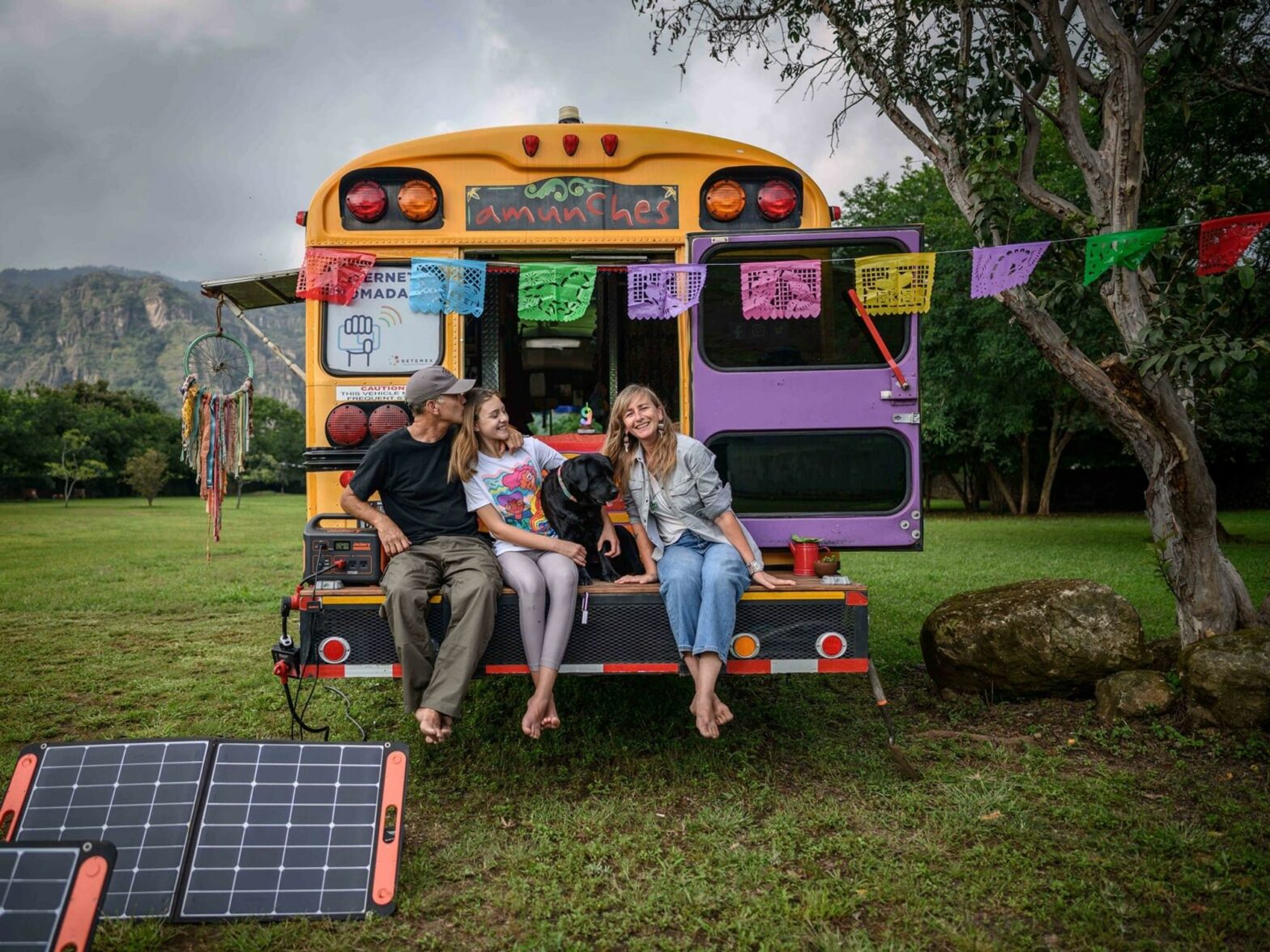
After years of exploring the continent in a van, a couple from Buenos Aires asks: Should they ever go back to “normal” life?
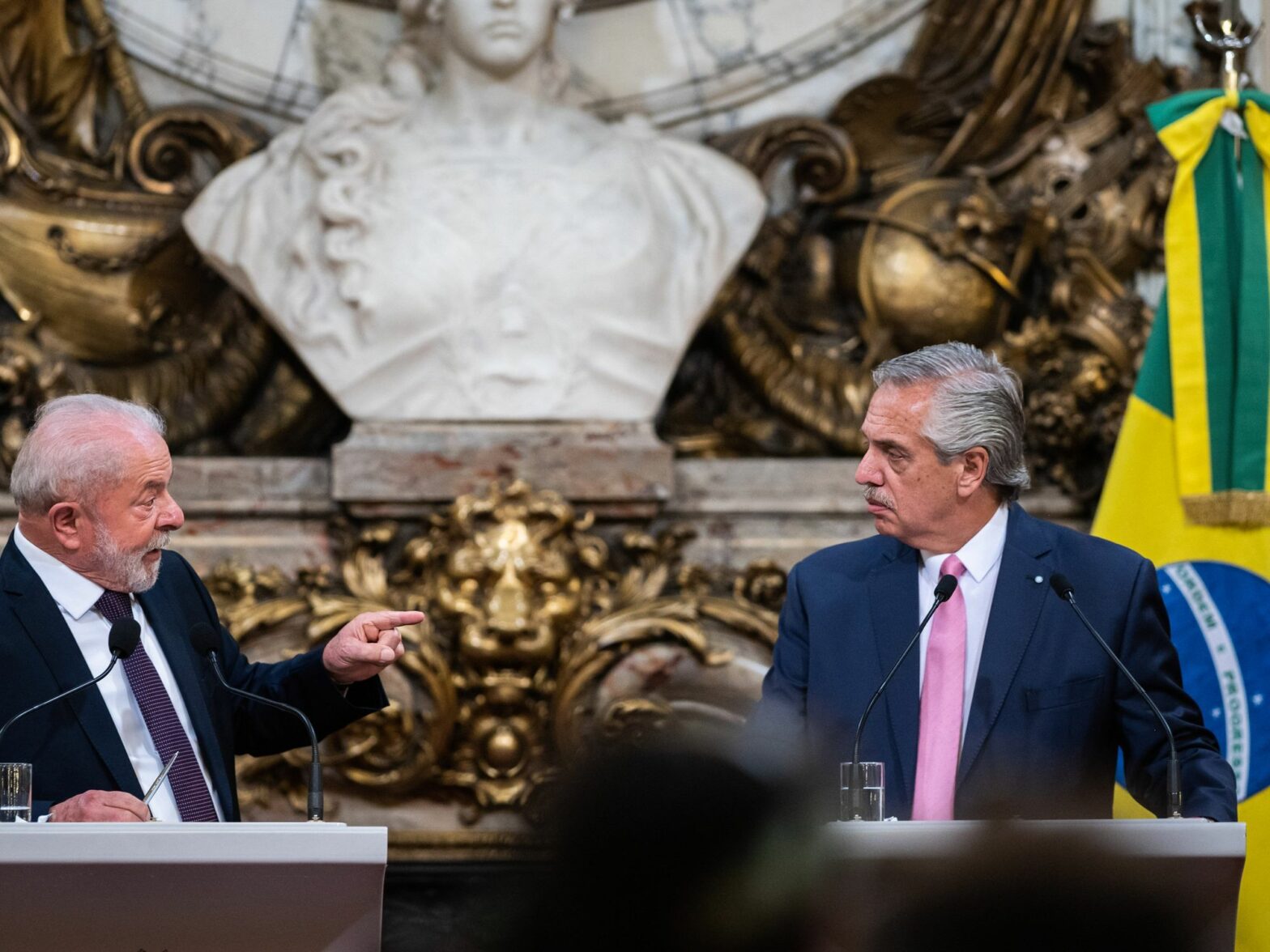
Brazil and Argentina have raised the idea of a shared currency for the South American trading zone. But few believe this is possible without more economic harmonization in the region.

Personal empowerment is a modern social value that fuels loneliness, anxiety and depression. The remedy for those is not pills or “programs,” but kindness and sociability.
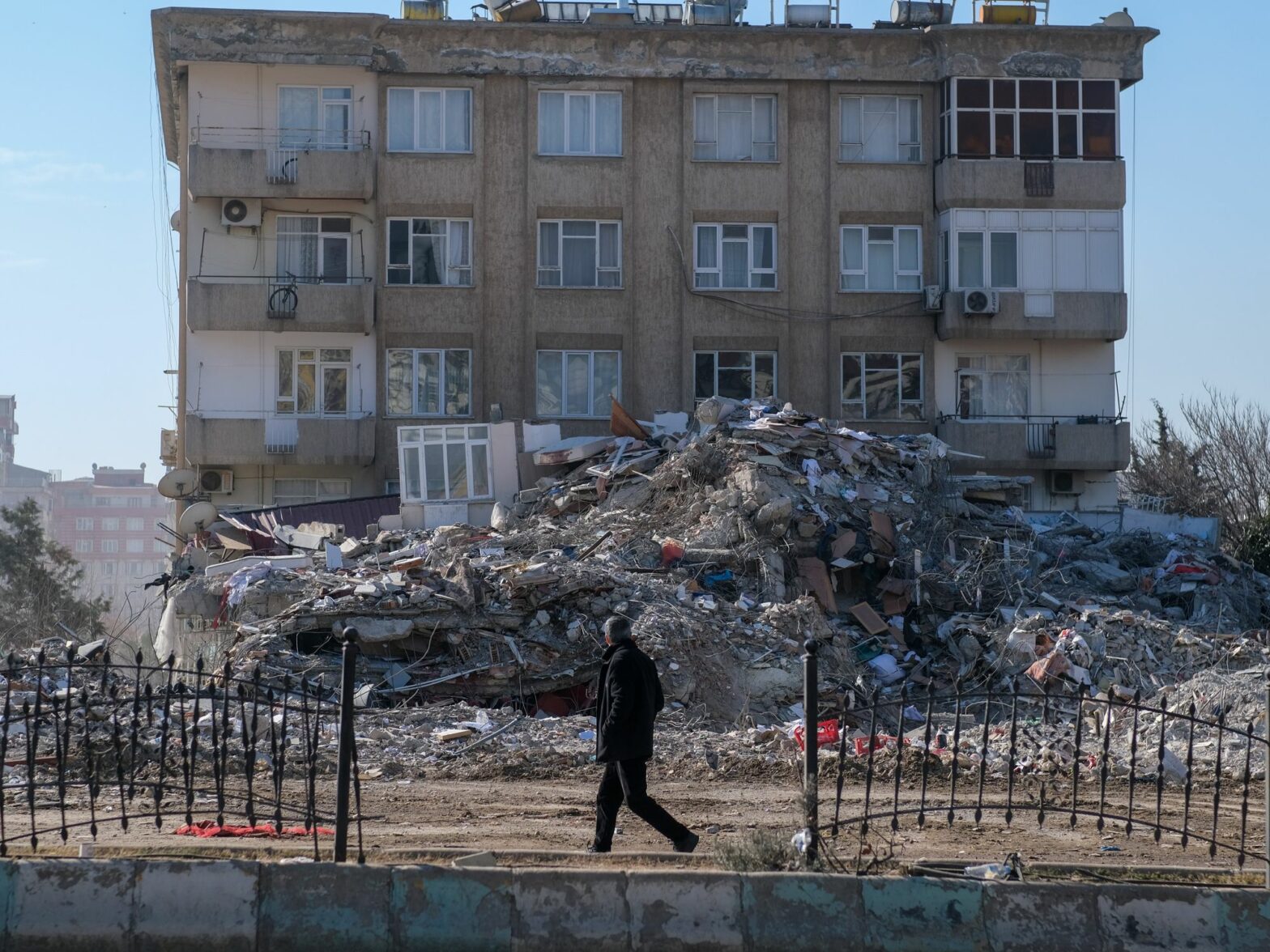
Colombia has a history of earthquakes, yet many of its buildings are not designed to withstand even moderate tremors. As Turkey and Syria reel from disaster, will other countries around the world learn any lessons?

Social media hype and the “obsessive-compulsive” tendencies of younger generations are demonizing some basic foods, like bread, that have fed humanity for some 8,000 years.
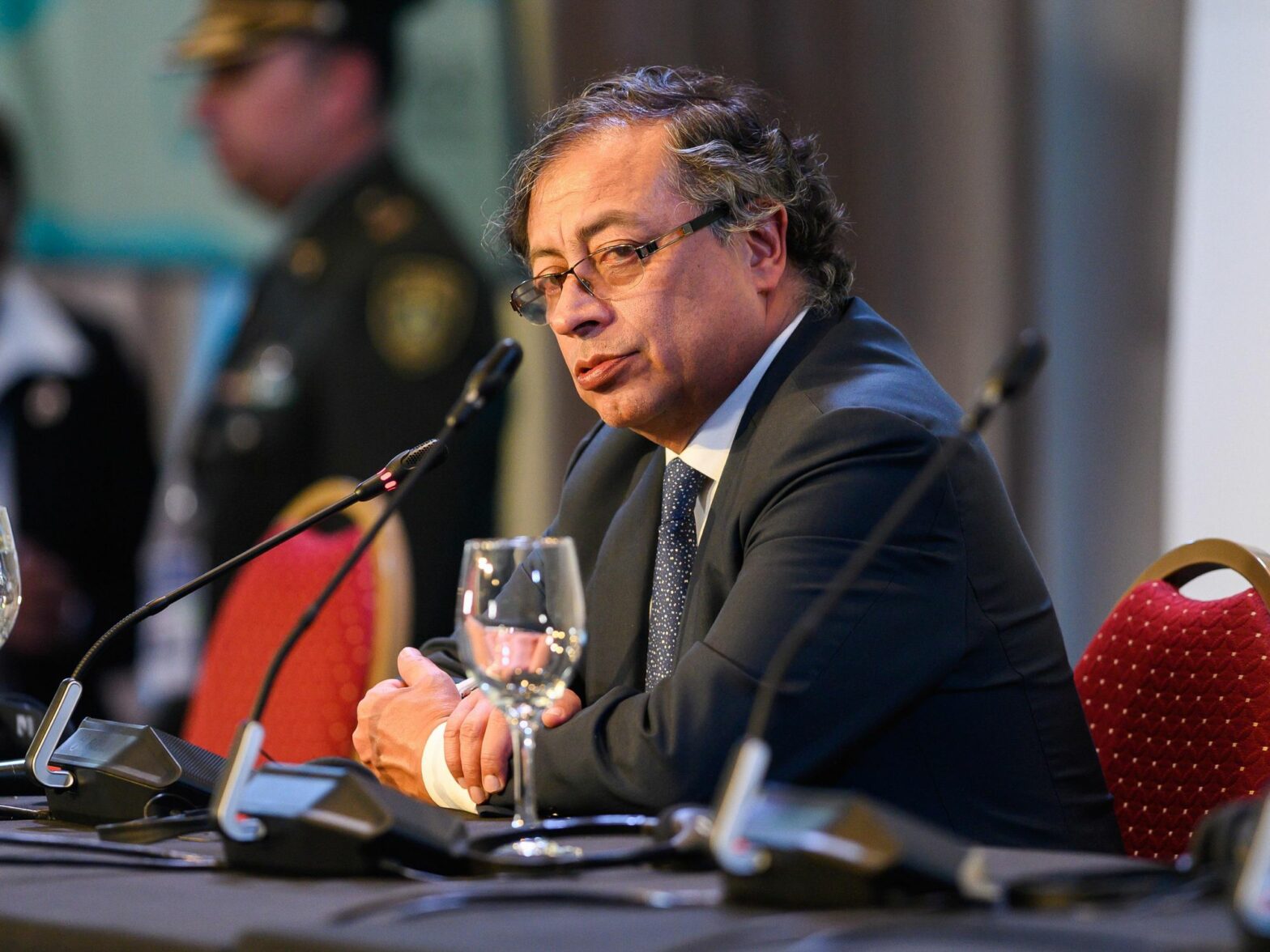
Colombia’s reformist president has promised to tackle endemic violence, economic exclusion, pollution and corruption in the country. So what’s new with a politician’s promises?
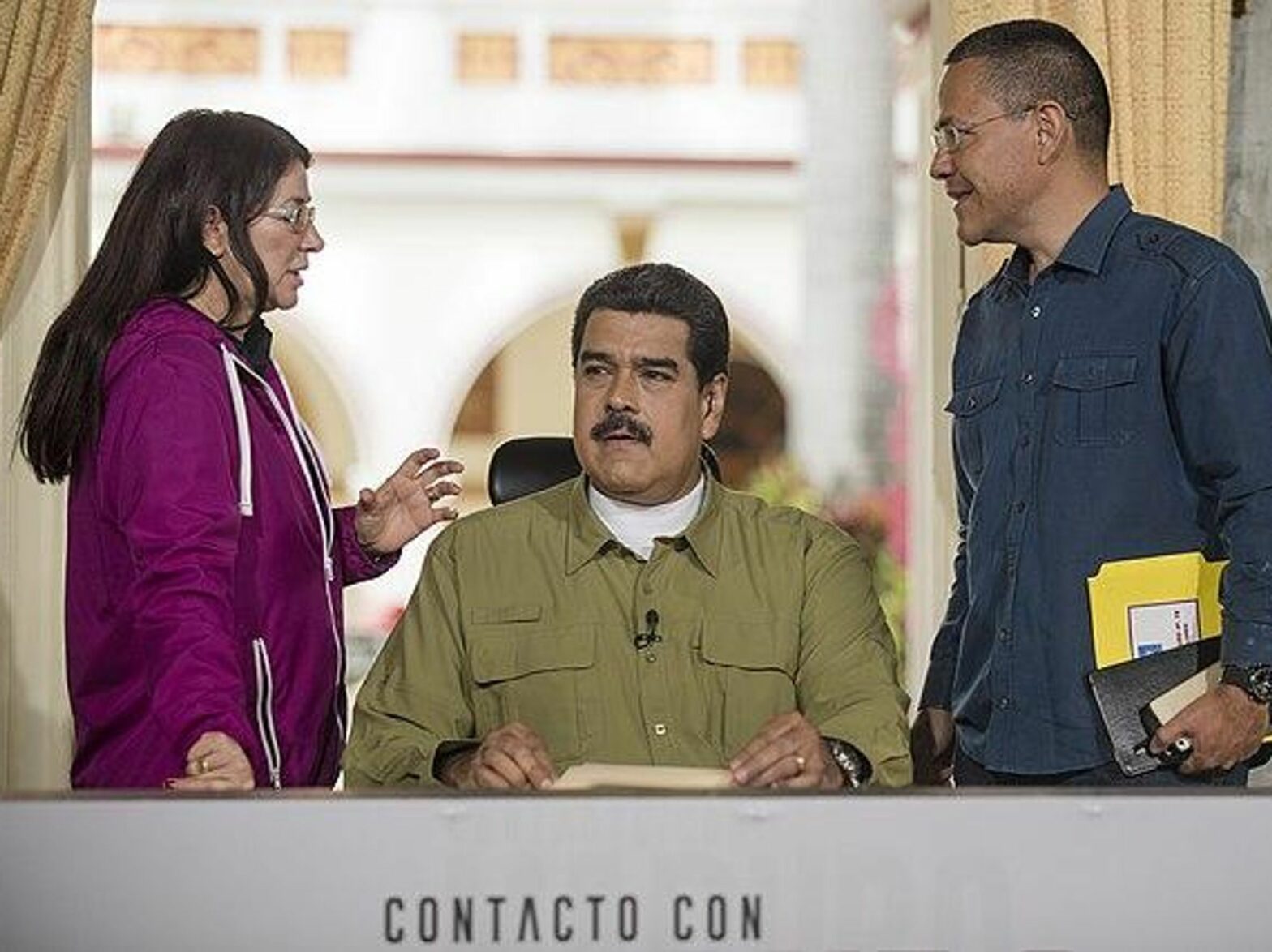
Venezuela’s first lady, Cilia Flores, is one of the country’s chief power brokers and a consummate wheeler-dealer who, with the help of relatives, runs a voracious enterprise dubbed the Flower Shop.
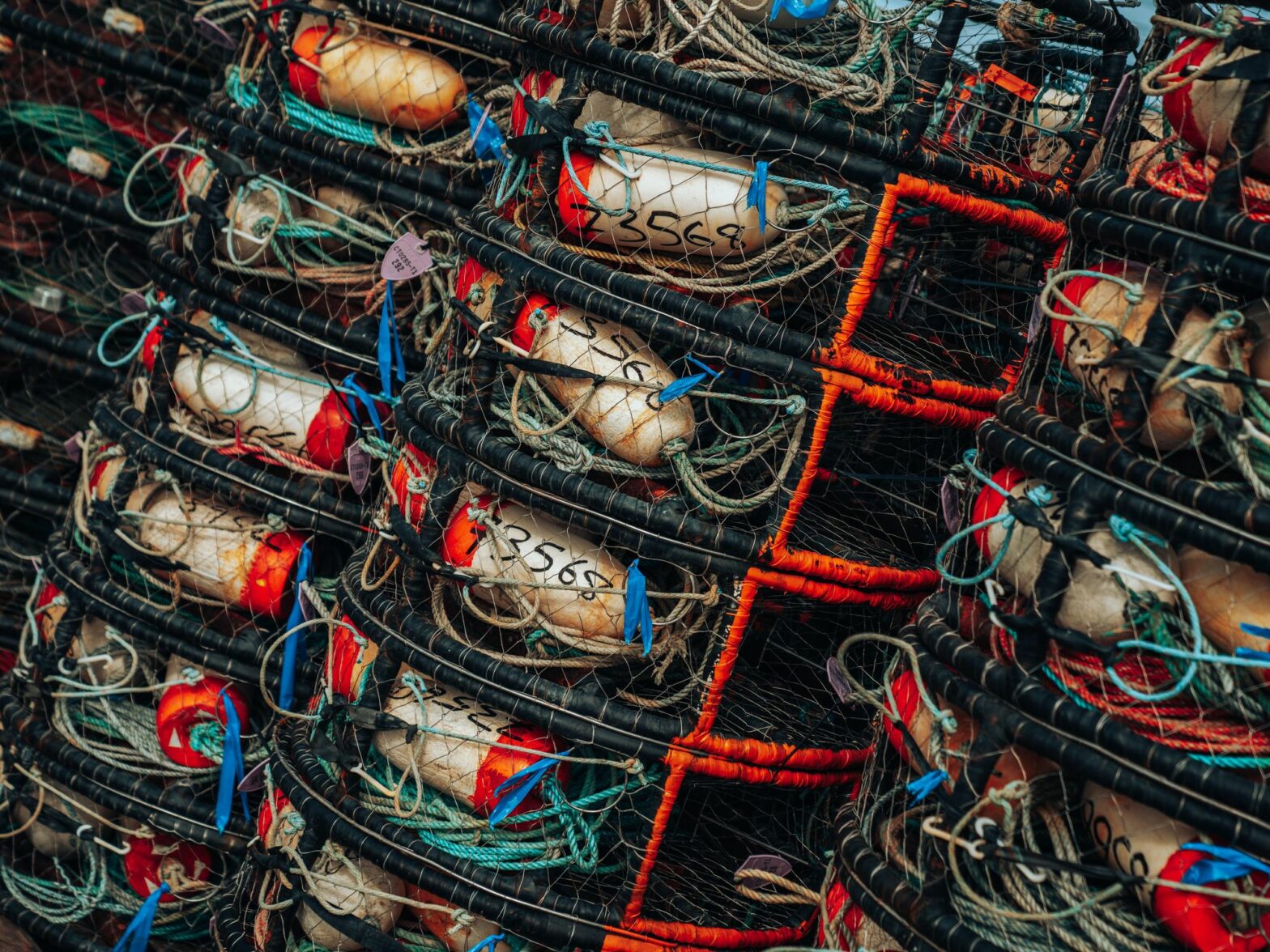
A brightly-lit flotilla of fishing ships has reappeared in international waters off the southern coast of Argentina as it has annually in recent years for an “industrial harvest” of thousands of tons of fish and shellfish.
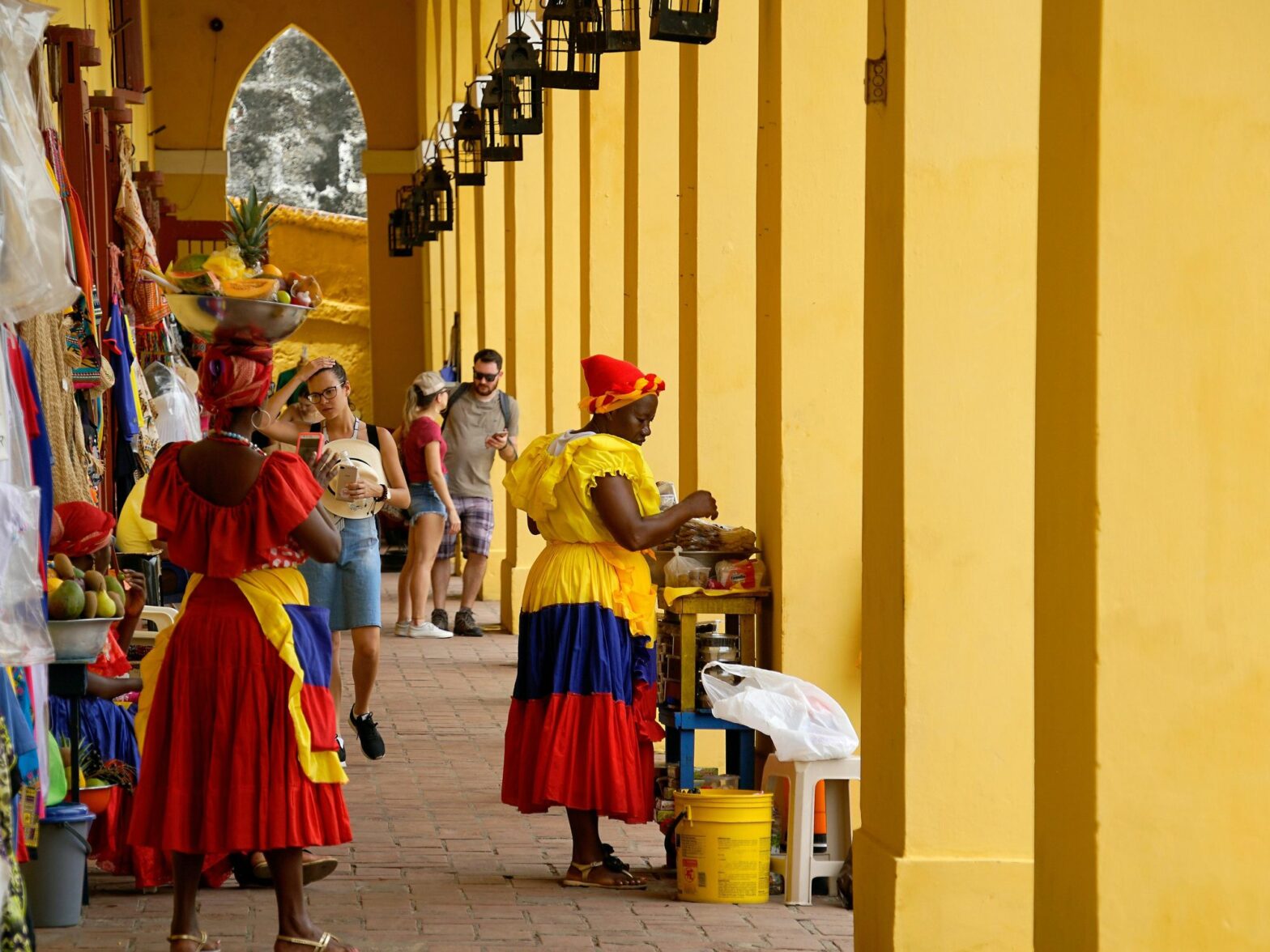
A lavish book to celebrate Cartagena, Colombia’s most prized travel destination, will perpetuate clichéd views of a city inextricably linked with European exploitation.